Reading view

There are new articles available, click to refresh the page.

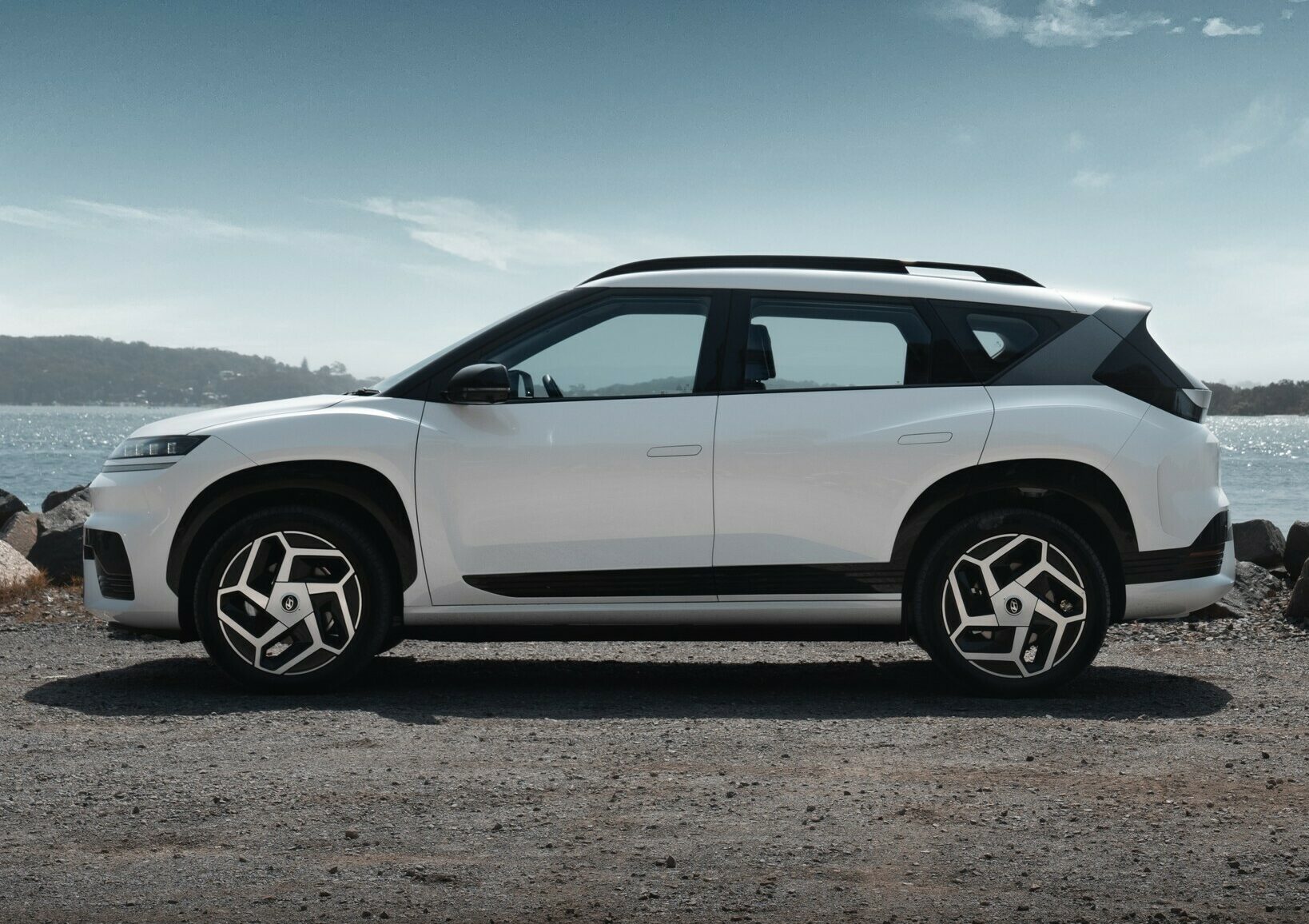
Hyundai Slashes $7K From Its Smallest EV, But It’s Still $10K Pricier Than Its Chinese Rival
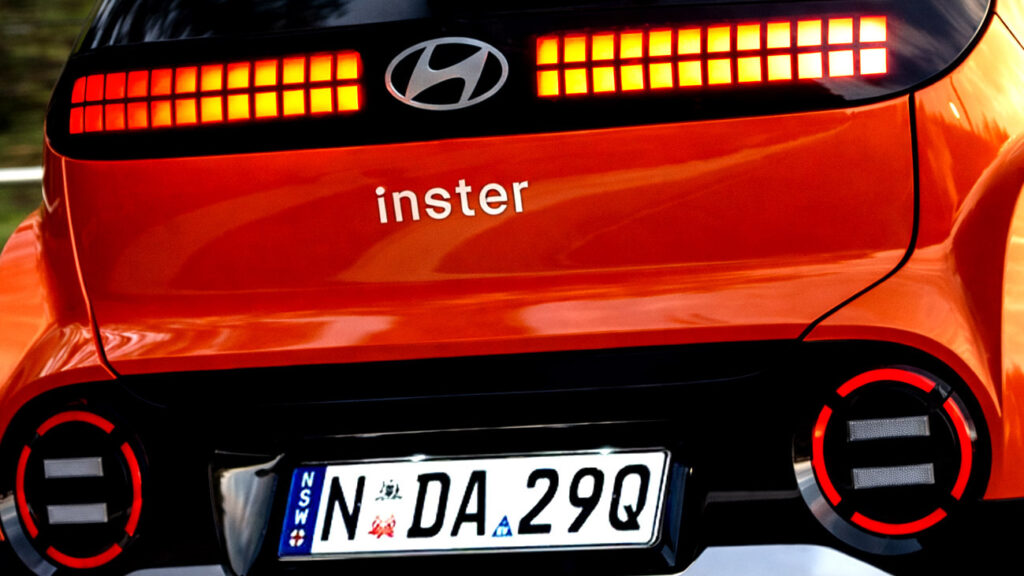
  • Hyundai trims Inster pricing, but the value gap still lingers.
  • Kona Electric sees price changes across the Australian range.
  • Rival EVs still apply pressure despite recent pricing moves.

As electric vehicles flood into Australia’s increasingly crowded new car market, the pressure is mounting, particularly from aggressively priced models coming out of China. In response, Hyundai has rolled out some major price cuts to two of its more compelling EV offerings, the compact Inster and the updated Kona Electric.

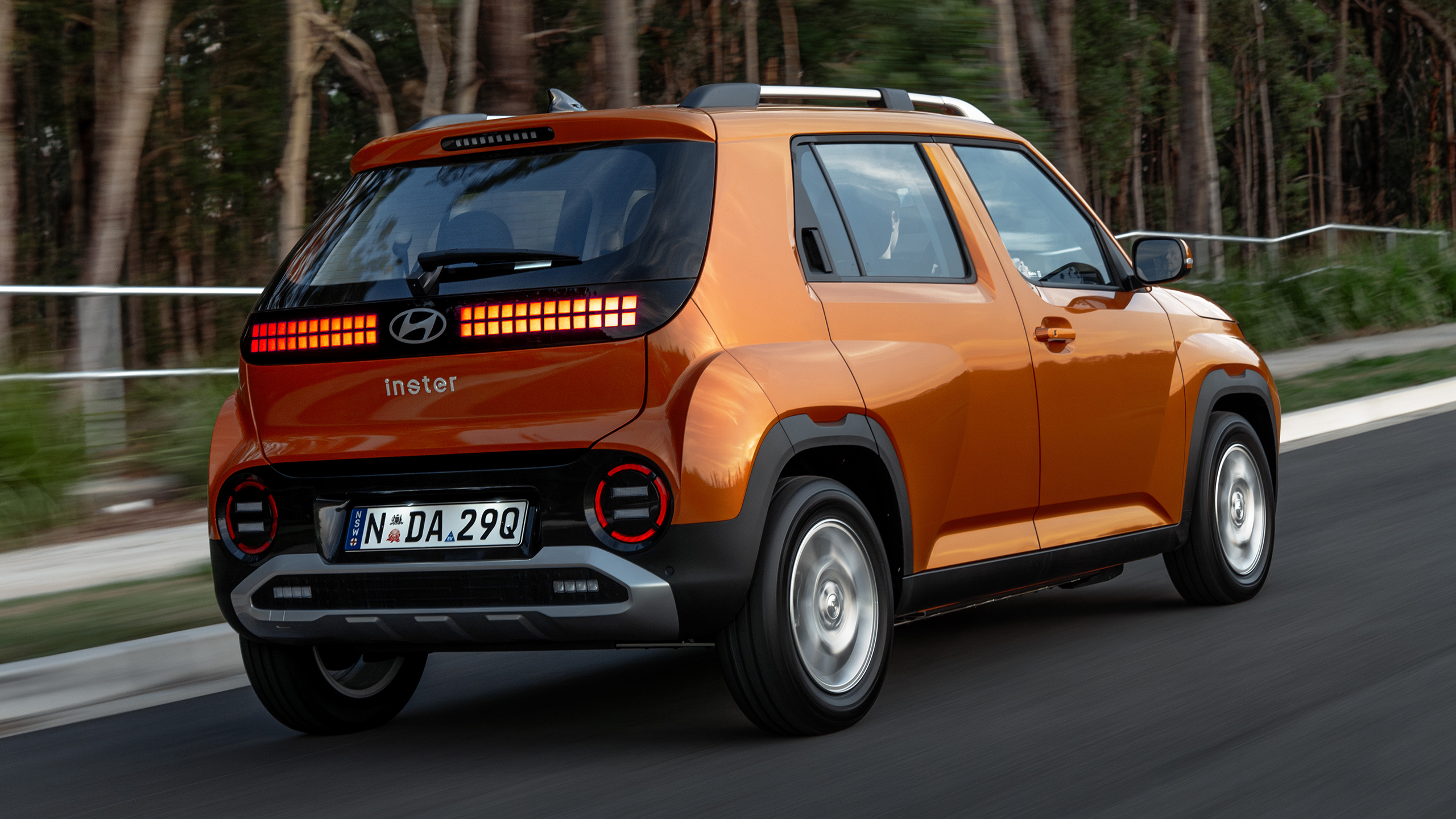
Starting with the pint-sized Inster, which we drove just a few months ago, price cuts mean buyers can now save upwards of AU$7,288 (equal to US$4,900 at current exchange rates).

The base Inster Standard Range now starts at AU$35,990 (US$24,200), and that figure includes all on-road costs. Even with the adjustment, it’s still undercut by the base BYD Atto 1, which starts from just AU$26,500 (US$17,800) in standard trim, or around AU$30,650 (US$20,600) for the Premium version.

Read: American Brands Shut Out As One Country Dominates World Car Of The Year Finalists

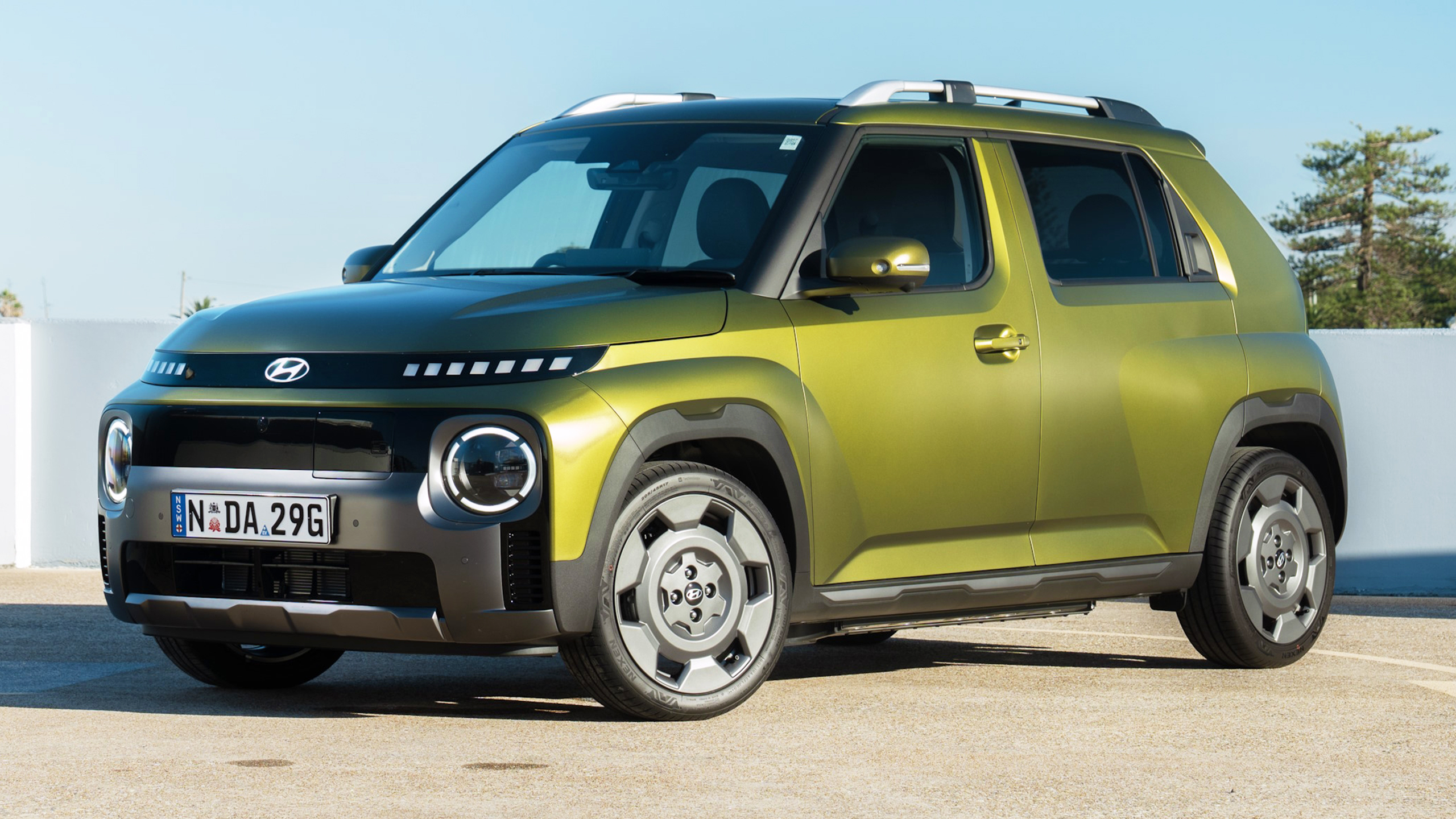
The Inster itself brings a lot to the table in terms of practicality. It makes excellent use of space and comes with a solid feature set for its size. But those strengths haven’t translated into strong sales, largely due to its steep pricing. Between June and December last year, just 467 units found homes in Australia, according to data from CarExpert.
 Hyundai Slashes $7K From Its Smallest EV, But It’s Still $10K Pricier Than Its Chinese Rival
 Hyundai Slashes $7K From Its Smallest EV, But It’s Still $10K Pricier Than Its Chinese Rival

Slashing Prices Across the EV Board

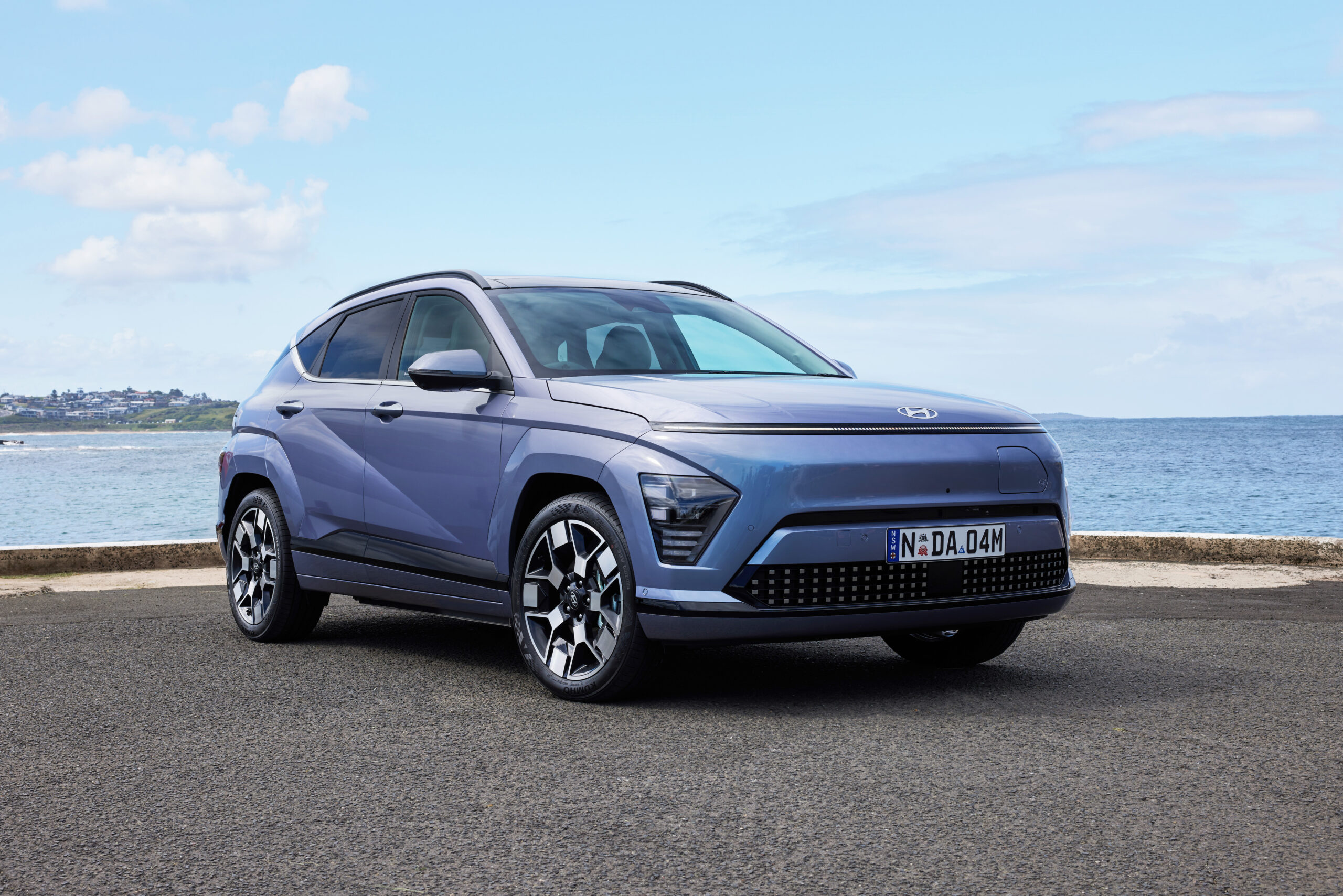
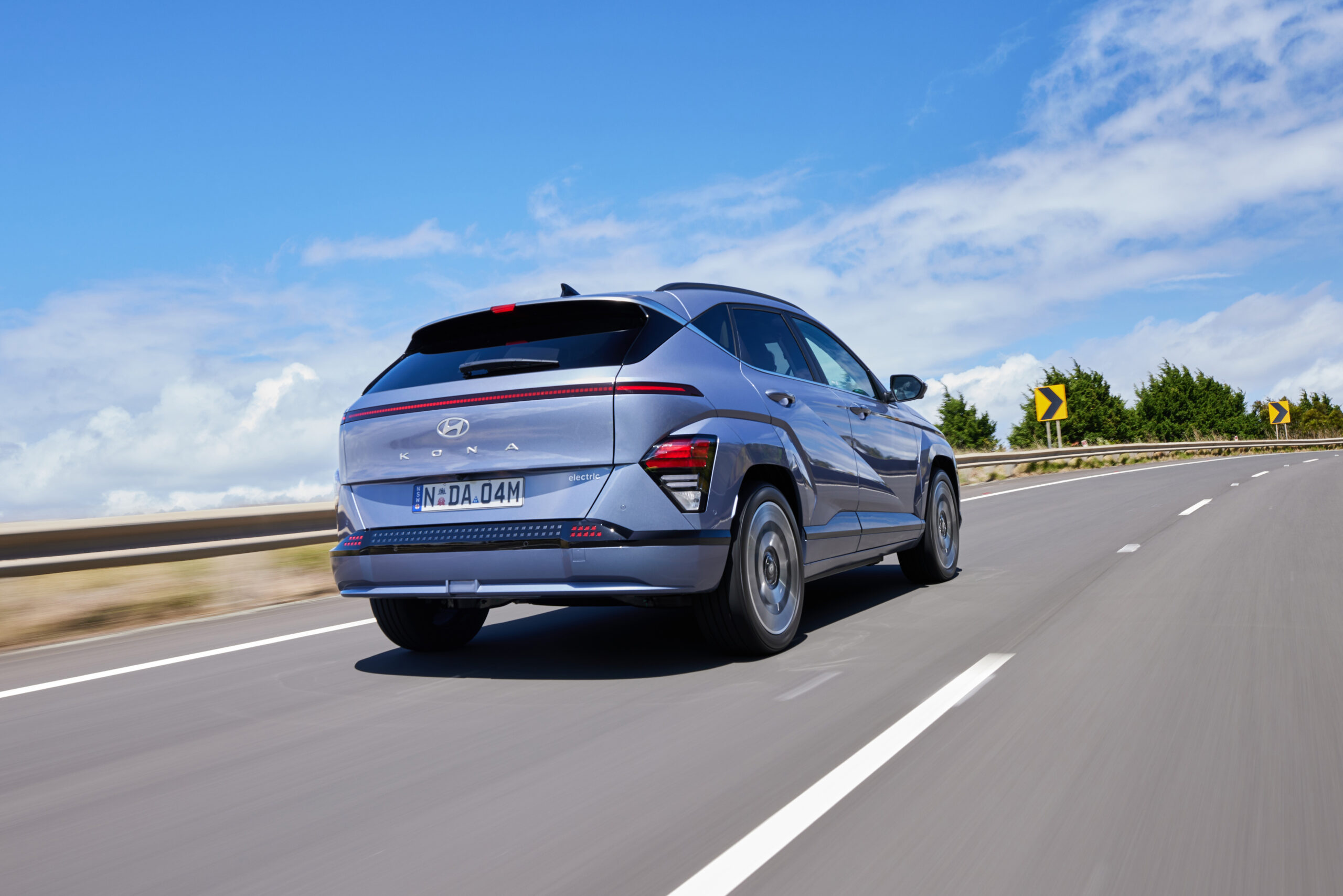
Even more significant price cuts have been made to the Hyundai Kona Electric and Hybrid. The entry-level Kona Electric Standard Range now lists at AU$45,990 (US$30,900), marking a price drop of more than AU$13,000 ($8,700). The Kona Hybrid also sees a notable cut, with prices falling to AU$39,990 (US$26,900).

The price cuts bring the Kona Electric cost to the Geely EX5, which starts at a touch over AU$44,000 (US$29,500). Elsewhere, Hyundai has slashed prices of the Kona Electric Extended Range by AU$13,357 (US$9,000) to $49,990 (US$33,600), including all on-road fees.

The price of the Kona Electric Premium has also been cut by AU$13,857 ($9,300), meaning it’s no longer available from AU$59,990 (US$40,300).
 Hyundai Slashes $7K From Its Smallest EV, But It’s Still $10K Pricier Than Its Chinese Rival

The sales figures reflect the challenges Hyundai has faced. Just 541 Kona Electrics were sold locally last year, making up only 2.4 percent of total Kona sales, hardly the breakout performance the brand had hoped for.

Lowering the barrier to entry not only helps the Kona Electric stay in the game against newer Chinese models, it also clears space for Hyundai’s incoming Elexio.

Built in China and priced from AU$59,990 (US$40,300), the Elexio now occupies the middle ground between the Kona Electric and the more premium Ioniq 5. Hyundai positions it as a rival to the Kia EV5, BYD Sealion 7, and Tesla Model Y, creating a more layered EV lineup with a clearer progression.
 Hyundai Slashes $7K From Its Smallest EV, But It’s Still $10K Pricier Than Its Chinese Rival

Chinese Brands Bring Not One, Not Two, But Three Bugatti-Style Super Sedans To CES

  • Dreame revealed three electric Bugatti-style sedans at CES 2026.
  • Kosmera’s designs mimic Bugatti’s front and rear styling cues.
  • Two of the super sedans produce 1,903 hp from four electric motors.

Few would expect a vacuum cleaner company to roll up to CES with supercars, but that’s exactly what Dreame just did. Chinese tech firm Dreame, best known for producing competitively priced vacuum cleaners, has unveiled three dramatic high-performance cars at the Consumer Electronics Show in Las Vegas, introduced under the newly formed Kosmera and Nebula Next brands.

As early teasers hinted, Dreame has looked to Bugatti for stylistic inspiration. Even so, while initial renders leaned heavily into Chiron-like mimicry, the finished models veer in their own direction, avoiding full-blown imitation but still bearing more than a few familiar cues.

Read: This Four-Door EV From China Now Looks Like Bugatti’s Rarest One-Off

What many might not know is that Dreame sits within Xiaomi’s sprawling ecological chain. The tech giant has invested in the company and may be lending more than just capital. Xiaomi itself has already become a serious contender in China’s burgeoning EV market, though it remains unclear if Dreame’s pivot is directly tied to Xiaomi’s automotive push.

Bugatti Echoes, Not Clones

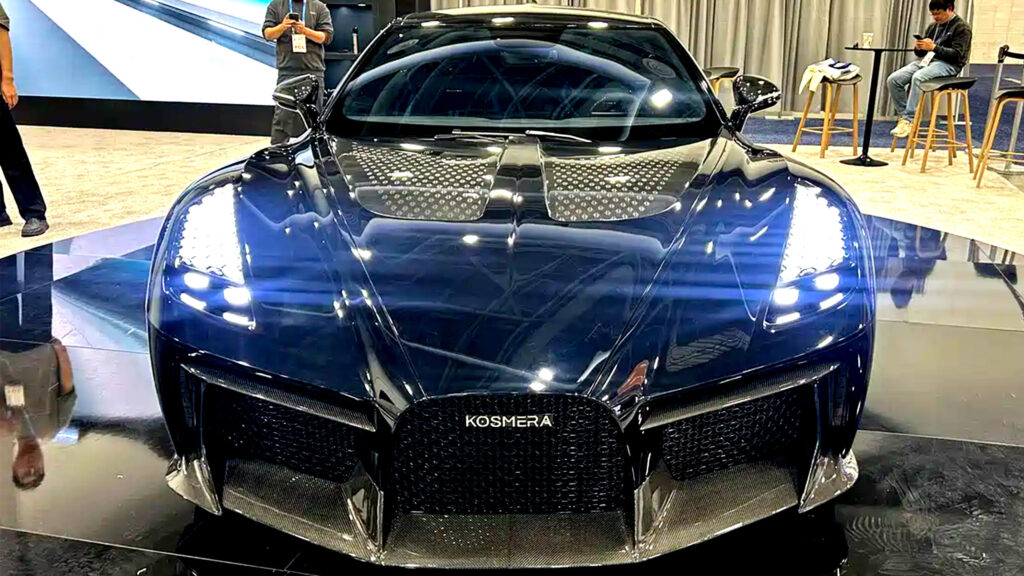
The first model under the Kosmera name is described as a super sports car and comes dressed in black. Its four-door configuration immediately sets it apart, but the front end is where things get especially familiar. The grille, framed in carbon fiber, strongly resembles the Bugatti Mistral and Brouillard. Large air intakes flank the front, and the overall fascia feels unmistakably French in its inspiration.

Headlight and DRL placement continue the Bugatti homage, as does the sculpted hood with prominent air extraction vents, a detail nearly identical to the one-off Brouillard.

\\\\\

Autohome

The side profile, however, strikes a different chord. With smooth surfaces and a gradually sloping roofline, it brings to mind a lengthened Porsche Taycan more than anything from Molsheim. Around back, the car adds its own flair with a full-width LED light bar, a fixed rear wing, and a vertical brake light extending down the rear window.

Also: Dreame’s Cullinan SUV Clone Might Be Rolls-Royce’s Worst Nightmare

According to Autohome, this Kosmera sedan houses four electric motors, combining for a total of 1,903 horsepower. Intriguingly, the car reportedly weighs exactly 1,903 kilograms (4,195 pounds), creating a symmetrical 1:1 power-to-weight ratio that sounds almost too perfect to be real.

While most technical details remain under wraps, the car is said to incorporate a complex suspension setup and a number of 3D-printed components.

A Second Concept

Kosmera’s second offering looks quite different. It’s also a sedan, finished in a dark purple paint, but the design is less dramatic. While the front doesn’t look like a Bugatti, the same can’t be said about the rear, as it bears a resemblance to the Chiron, including its taillights, the shape of the fascia and decklid, and the split rear window. As for specs, Dreame hasn’t released anything about this model’s capabilities just yet.

\\\

Autohome

Rounding out the trio is the Nebula Next 01, the only car not wearing a Kosmera badge. This is the model Dreame teased earlier. Painted green, it has the most supercar-like design of the trio, but surprisingly, it is also a four-door. It rocks loads of exposed carbon fiber parts, including the front splitter and rear diffuser, and also has similar Bugatti-inspired headlights to the first of the Kosmera cars.

See: Remember Dreame’s Rolls-Royce Clone? It’s Got A Bentley Brother

Local media claims the Nebula Next 01 is powered by the same four-motor setup with 1,903 horsepower. If accurate, it should rocket from 0 to 100 km/h (62 mph) in just 1.8 seconds. As of now, Dreame hasn’t confirmed whether and when this concept will reach production.

\\\\\\

Autohome

Caterham Says Americans Are “Loaded,” So It’s Selling Us A $135K EV

  • Caterham says it’s finally taking the US market seriously.
  • Project V uses twin 27 kWh batteries with a Yamaha motor.
  • The 268 hp EV skips a skateboard layout for better feel.

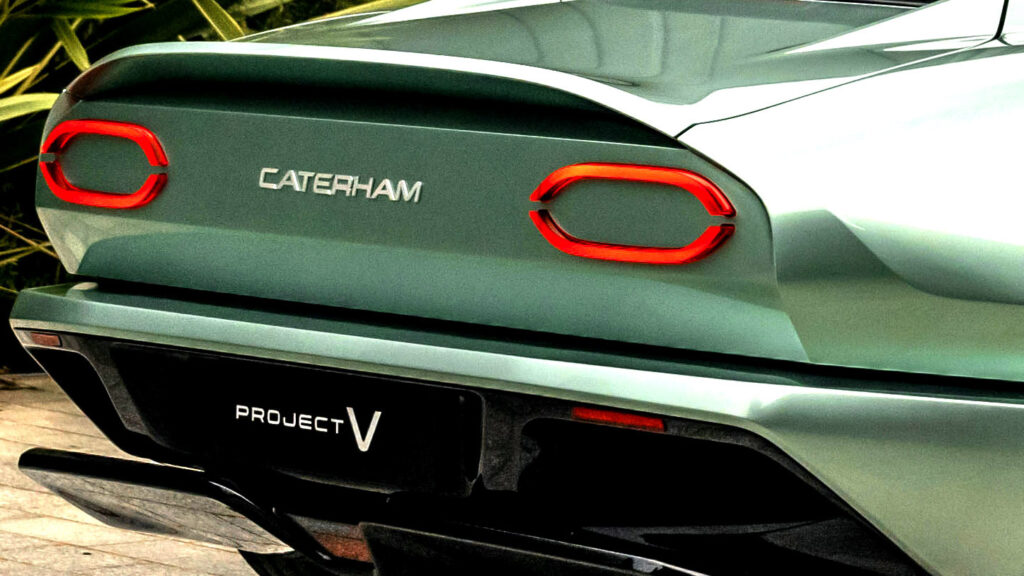
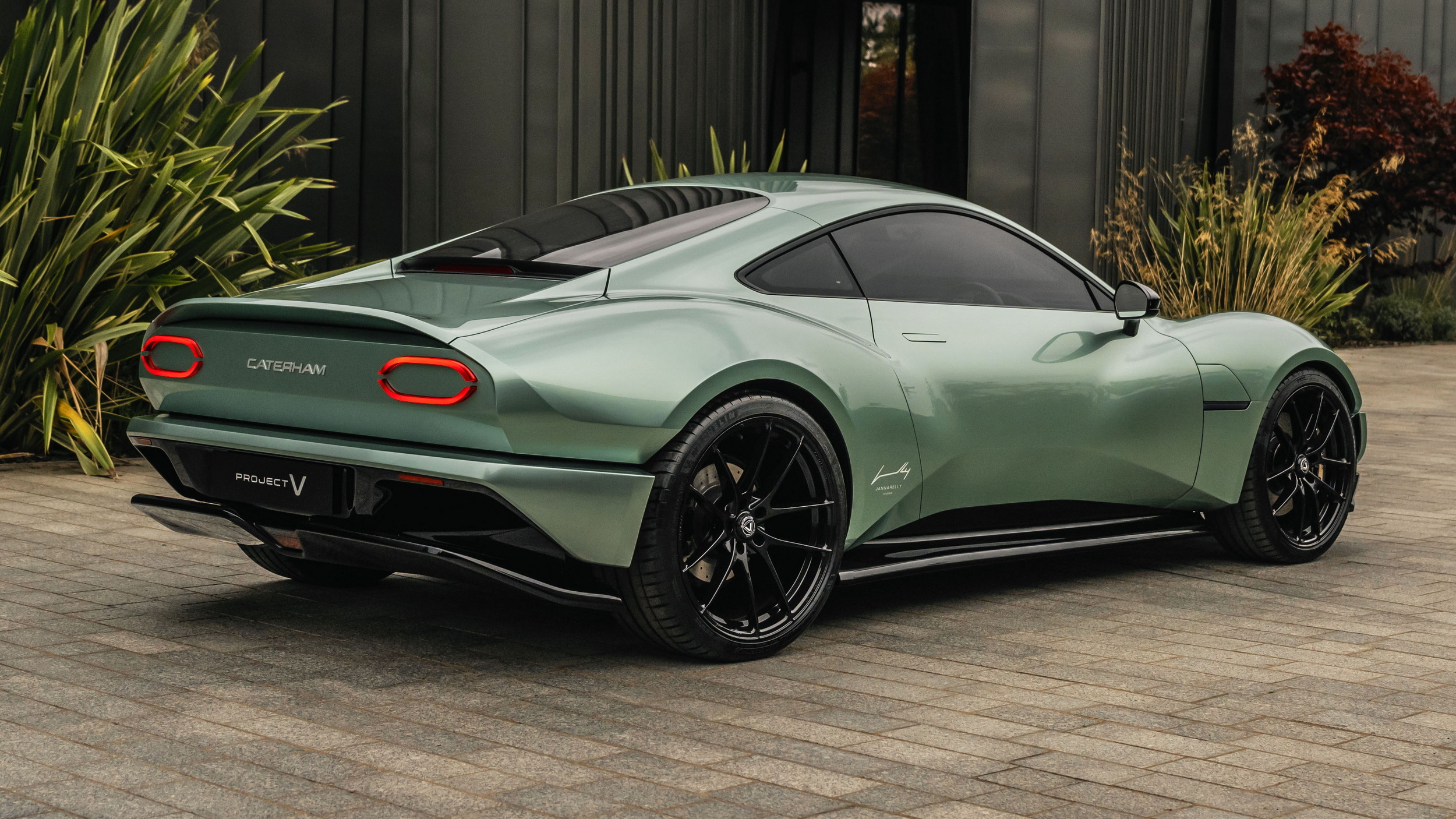
It’s been more than two years since Caterham introduced its all-electric Project V concept, and while the wait hasn’t exactly flown by, the project is edging closer to production. The car is now on display at the Consumer Electronics Show in Las Vegas, and later this week, a working prototype will debut at the Tokyo Auto Salon. For American sports car fans, there’s also some promising news on the horizon.

Read: Caterham Won’t Let Go Of Its EV Dream Even If The World Already Has

Caterham has long been a niche name outside Europe, but that’s about to change. Speaking at CES, Justin Gardiner, the company’s overseas representative, confirmed that Caterham plans to bring the Project V to the US market. And it’s not a half-measure.

“You Guys Are All Loaded”

“We have ignored America as a market for 50 years, and that’s ridiculous, because you guys are all loaded,” Gardiner told Car and Driver. “We’re going to take America very seriously as of this week. We are looking to sell a lot of these over here.”

The Project V will be sold alongside the iconic Caterham Seven, but Gardiner notes that the firm needs to “future-proof” itself, preparing for the day when it’ll no longer be able to build the Seven.

Electric, but on Caterham’s Terms

 Caterham Says Americans Are “Loaded,” So It’s Selling Us A $135K EV

Staying true to its purist driving ethos, Caterham has engineered the Project V to feel nimble and alive behind the wheel. Instead of adopting a typical skateboard battery layout, the company went with a more unconventional approach.

Two liquid-cooled battery packs from Xing Mobility are mounted at the front and rear of the car, helping distribute weight in a way that echoes the dynamics of the Seven. Together, the packs provide just over 27 kWh and feed a 268 hp electric motor sourced from Yamaha.

“Whereas every other EV manufacturer tends to put the batteries in the skateboard, we have absolutely deliberately put the driver’s seat as close to the ground as possible,” Gardiner told the magazine.

“While every other car manufacturer wants [the weight] all the way to the middle, we’ve deliberately pushed it all the way to the front and the back, because that’s the way it is in the Seven, and that’s what makes the Seven fun to drive. Polar momentum is the term, and we’re deliberately putting polar momentum into this car.”

Priorities Behind the Powertrain

\\\\

The battery setup is cooled using a dielectric liquid, which helps manage heat under aggressive driving conditions. Despite a relatively modest charging cap of 100 kW, Caterham isn’t particularly concerned with rapid top-ups.

As Gardiner puts it, the focus is on how quickly the battery can discharge, not how fast it can recharge. The target buyer isn’t thinking about long-distance commutes, they’re more interested in how hard they can push the car on a back road or track session.

As for pricing, there’s still no firm number for the US, but Gardiner expects the Project V will land somewhere around $135,000 when it arrives.

\\\\\\

Caterham

This EV Isn’t A Porsche, But It Sure Wants You To Think It Is

  • SAIC’s new Z7 sedan looks nearly identical to the Porsche Taycan.
  • Only the front design differs, featuring unique lights and LiDAR.
  • An estate version resembling a Taycan wagon is also under testing.

A growing number of Chinese electric vehicles are drawing comparisons to the Porsche Taycan, but a new contender might be the most convincing lookalike yet. While Xiaomi’s SU7 has already been called out for its resemblance to the sleek German sports sedan, another EV is preparing to enter the scene that arguably takes it a step further.

This new model, the Z7, is being developed by HIMA and will be sold under the SAIC nameplate, also known domestically as Shangjie.

Read: VW And SAIC Extend Deal To 2040, Plan New Hybrids And Range-Extender EVs

For those less familiar, HIMA stands for Harmony Intelligence Mobility Alliance. It’s an initiative led by Chinese tech heavyweight Huawei in partnership with several local automakers including Seres, Chery, BAIC, JAC, and SAIC. Vehicles under this umbrella are marketed through several brands, including Aito, Luxeed, Stelato, Maextro, and SAIC itself.

Does This Look Familiar?

 This EV Isn’t A Porsche, But It Sure Wants You To Think It Is

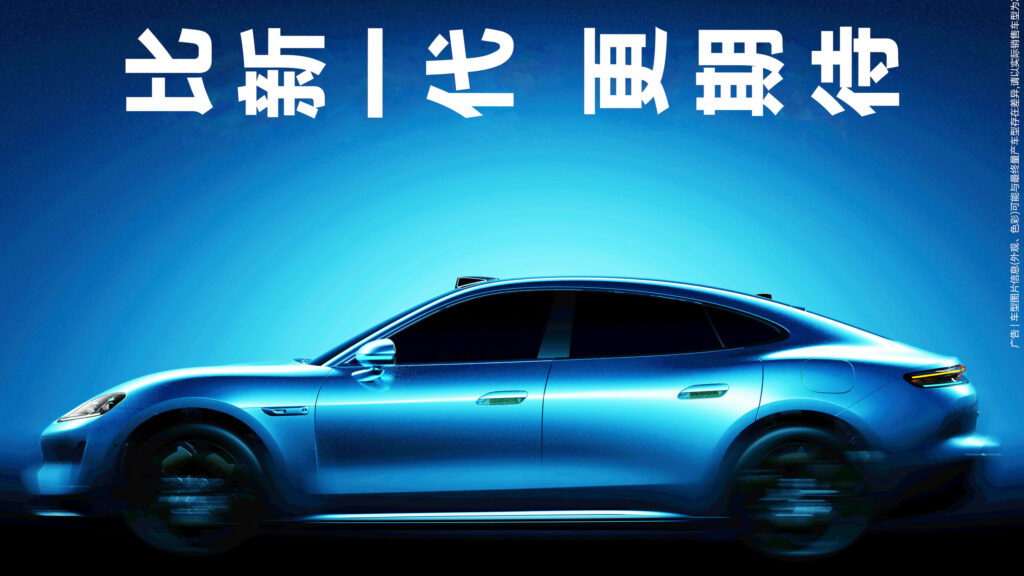
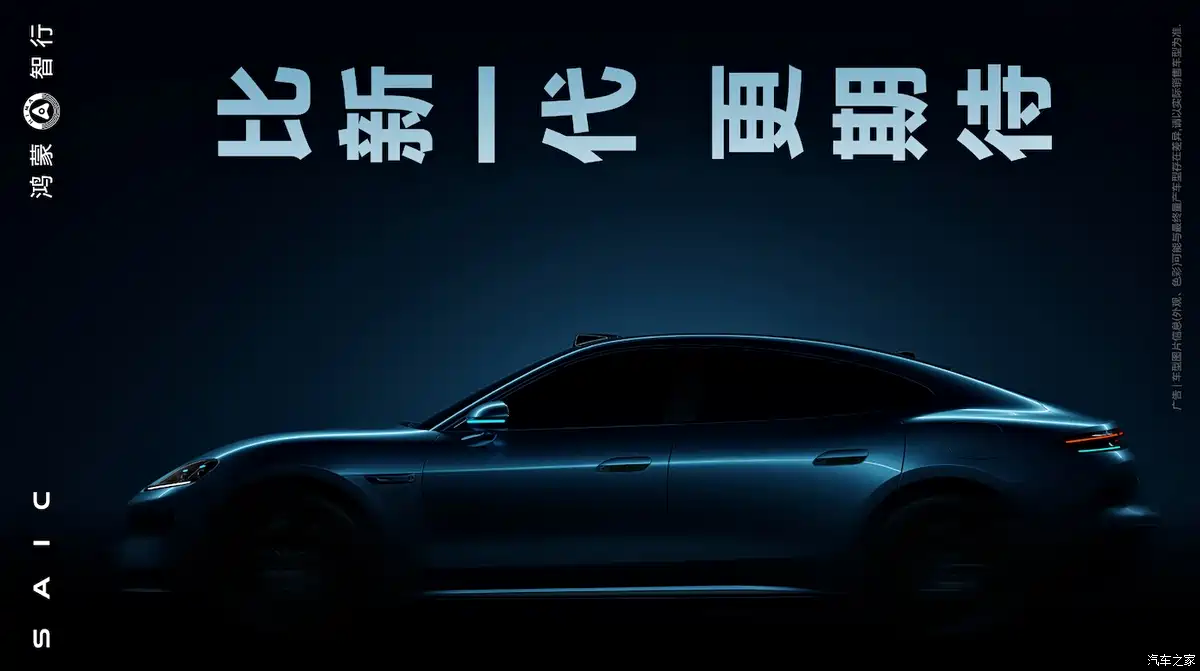
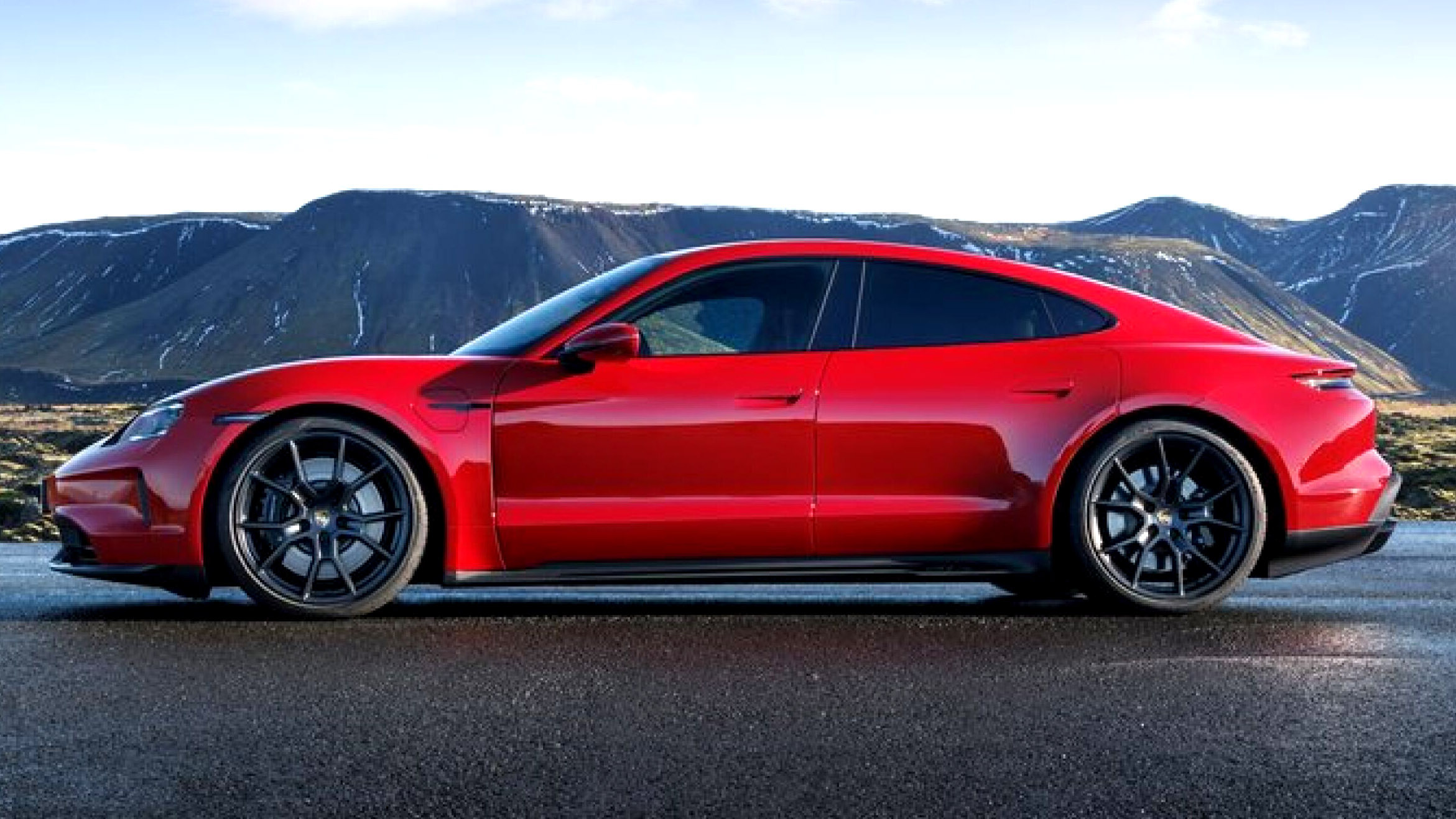
An intriguing teaser image released by HIMA reveals that the new Z7’s side profile will also be the spitting image of a Porsche Taycan. Like the German sedan, the Z7 has a sleek and elegant shape with flush door handles and sculpted rear fenders. The shape of the rear, rear window, and taillights looks like the spitting image of the Taycan’s. Heck, even the doors themselves look exactly like the Porsches.

HIMA released a darkened teaser image hinting at the Z7’s design, and it doesn’t leave much to the imagination. The car’s side profile bears a strong resemblance to the Taycan, right down to its smooth, coupe-like roofline, flush door handles, and pronounced rear fenders.

 This EV Isn’t A Porsche, But It Sure Wants You To Think It Is
The Porsche Taycan

The tail section, including the rear window and light bar, also mirrors Porsche’s design language so closely it borders on mimicry. Even the door shapes look eerily familiar.

For what it’s worth, there are some differences, at least up front. The Z7’s headlights are styled quite differently, and a prominent LiDAR unit sits just above the windshield, suggesting the car may prioritize advanced driver assistance or autonomous capabilities.

An Estate Variant in the Works Too

 This EV Isn’t A Porsche, But It Sure Wants You To Think It Is
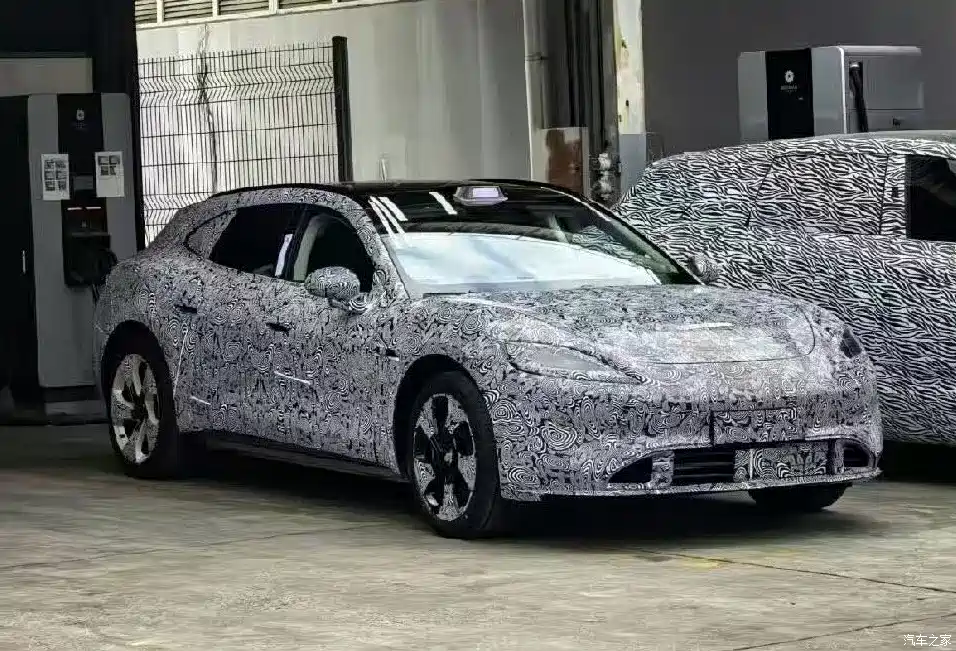
SAIC Z7 Estate (Credit Autohome)

Chinese automotive site Autohome has also tracked down a camouflaged prototype of what appears to be an estate version of the Z7. Only one image has surfaced so far, but it’s enough to draw clear parallels with the Porsche Taycan Sport Turismo. The overall stance, roofline, and rear proportions seem closely aligned.

No specifications for the Z7 have been released, so it remains to be seen how HIMA plans to position the vehicle. It could go head-to-head with Xiaomi’s SU7 in terms of performance, or it may aim for a higher price point, with a more premium market in mind.

Whatever the case may be, the Z7 will almost certainly undercut the Porsche Taycan in price. The Taycan starts at around 1 million yuan, or more than $140,000. In contrast, the Xiaomi SU7 starts at just 215,900 yuan, roughly $30,000. Expect the Z7 to land somewhere in that range, offering the Taycan’s silhouette at a fraction of the cost.

 This EV Isn’t A Porsche, But It Sure Wants You To Think It Is
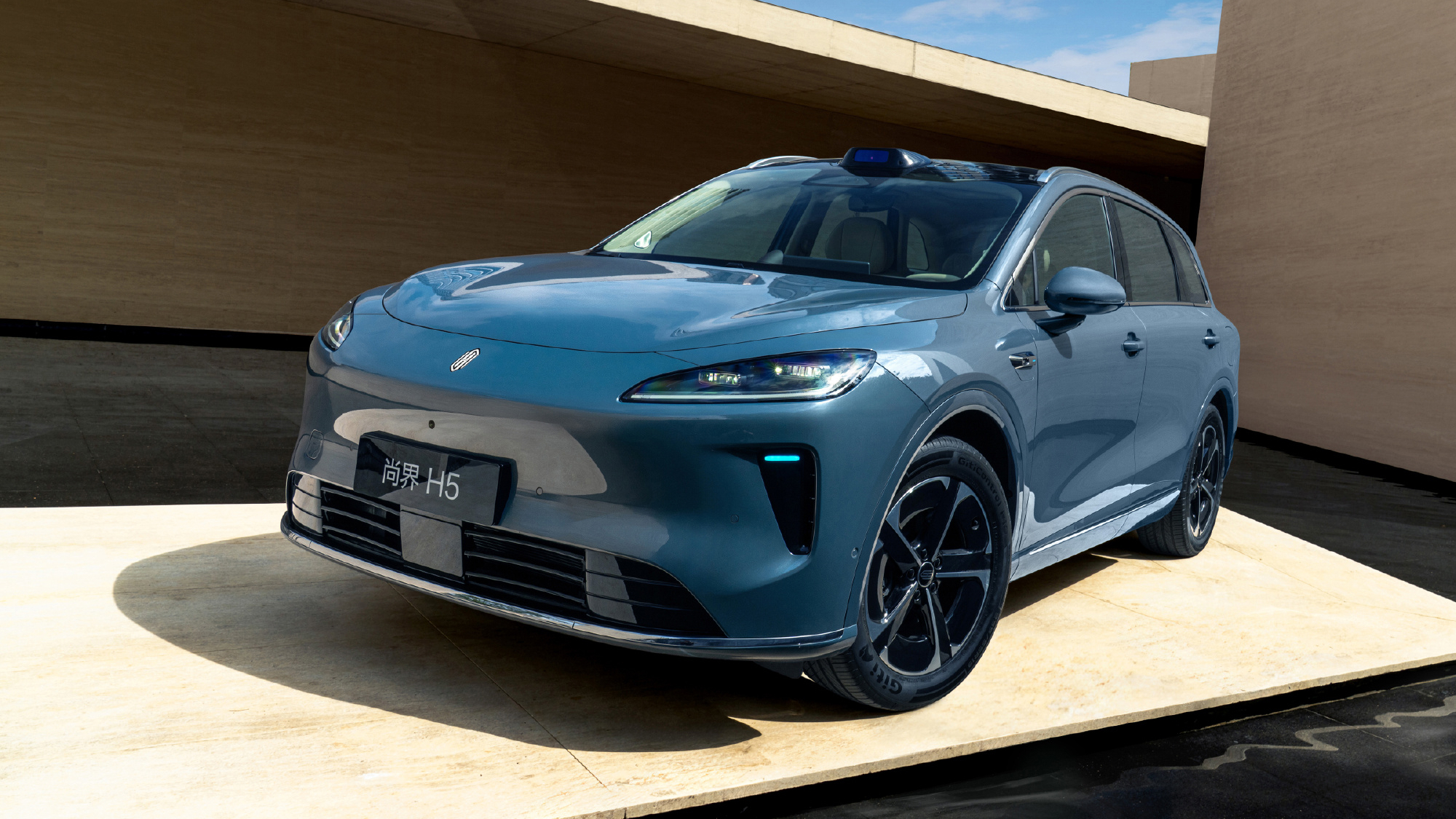
SAIC’s current H5 SUV

Hyundai’s New EV Costs Over Twice As Much In Australia As In China

  • Hyundai Elexio takes on Tesla Model Y, Kia EV5, and BYD Sealion 7.
  • Single Elite variant includes 88 kWh battery and 546 km of range.
  • Elexio undercuts Ioniq 5 pricing in Australia by nearly AU$12,000.

Hyundai has just launched a new electric vehicle in Australia, and it’s quite unlike anything else from the brand. Rather than slotting into the familiar Ioniq family, this one takes a different route entirely. It’s called the Elexio, and it was developed through Hyundai’s joint venture with Chinese partner BAIC.

The result is a model that stands apart from the brand’s existing EVs in both design and intent. Could this be the one to stir things up in the local EV scene?

Where It Fits In

Reaching showrooms this quarter, the new Hyundai Elexio has been announced in a single configuration known as the Elite. Priced from AU$59,990 ($40,500), it is positioned between the Kona Electric and the Ioniq 5, taking aim at popular models like the BYD Sealion 7, Kia EV5, and Tesla Model Y.

Read: Another Chinese SUV Coming To Australia, This Time From Hyundai

That price point puts it in an interesting position. The Kona Electric starts at AU$45,990 ($31,000), while stepping into an Ioniq 5 requires at least AU$71,990 ($48,600). By landing between them, the Elexio offers an alternative that balances size, range, and price.

Still, it’s not the cheapest option out there. The BYD Sealion 7 undercuts it at AU$54,990 ($37,100), and the Kia EV5 starts just below at AU$56,770 ($38,300).

\\\\\\\

There’s also the question of pricing disparity with the Chinese domestic market. Over there, the Elexio starts at just 119,800 yuan, or a little over AU$25,000 ($17,100 at current exchange rates). That’s less than half what Australians are being asked to pay. But given how aggressively priced Chinese EVs are within their own market, it’s not an apples-to-apples comparison.

The Specs

Underpinning the Elexio is Hyundai’s E-GMP architecture, but unlike other models including the Ioniq 5, it has a 400-volt electrical architecture, rather than an 800-volt one. This means the 88 kWh lithium-iron phosphate battery needs 38 minutes to charge from 10-80 percent at a DC fast charger.

Hyundai hasn’t publicized the EV’s peak charging speeds, but says it can travel up to 546 km (339 miles) on a charge per the WLTP cycle, and average 18.2 kWh/100 km.

 Hyundai’s New EV Costs Over Twice As Much In Australia As In China

Power comes from a single front-mounted motor producing 160 kW (214 hp) and 310 Nm (229 lb-ft) of torque. It’s a front-wheel-drive setup, which helps keep the price down and efficiency up, though it may not appeal to those looking for the dynamics of a rear- or all-wheel-drive EV.

Tailored for Australia

While the Australian-spec Elexio is largely identical to the Chinese version, Hyundai has made one important adjustment. The suspension has been specifically tuned for Australian road conditions, a move that should help it feel more at home.

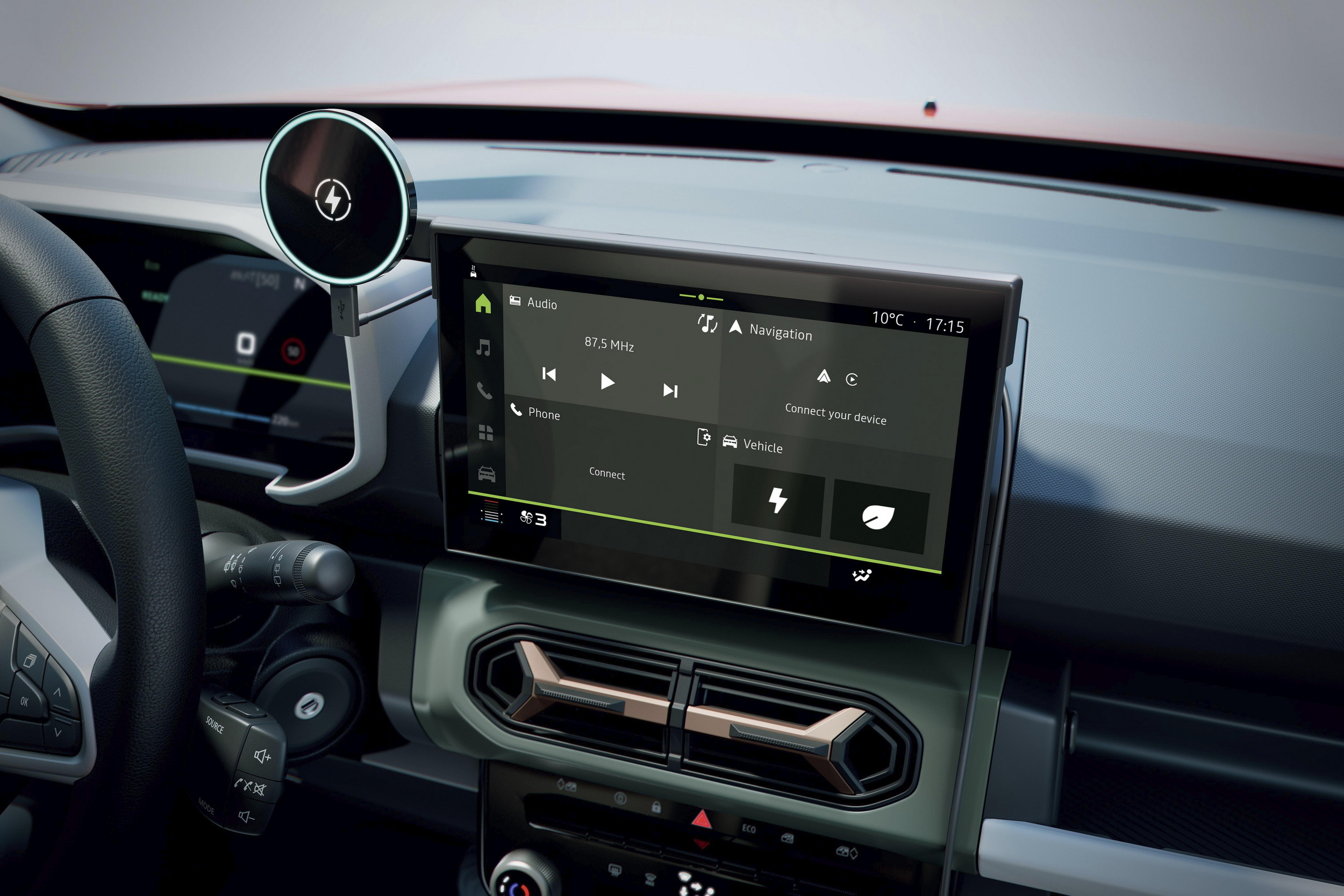
Standard features are generous. The cabin is anchored by Hyundai’s latest Connect-C infotainment system, presented across a sweeping 27-inch display that covers both infotainment and passenger functions. A head-up display is also included as standard equipment, helping the Elexio stand out in a crowded field of similarly priced electric SUVs.

\\\\\\\\

It Took 66 Years To Beat The Trabant’s Nurburgring Record, And This Is What Did It

  • A tiny French brand just broke a record at the Nürburgring circuit.
  • This lap was slower than anything recorded in over six decades.
  • The vehicle used barely qualifies as a car and has just 8 horsepower.

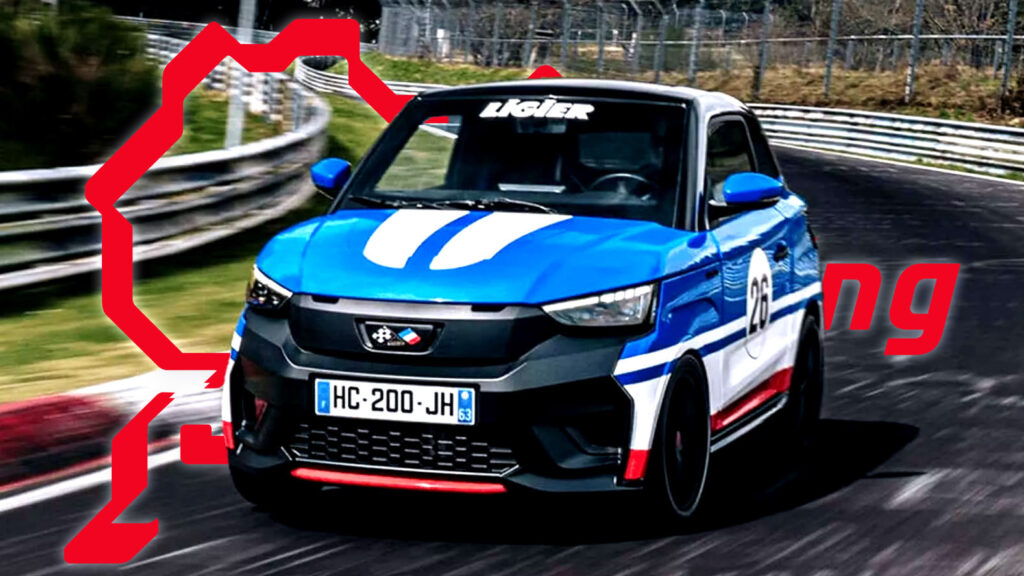
Some records are about blistering speed. Others, like this one, are more about patience, and perhaps a little self-deprecating humor. If you’ve ever wondered what car holds the title of the slowest vehicle to lap the Nurburgring Nordschleife, you can stop guessing. There’s a new champion of leisurely pace, and it hails from a small French company: Ligier.

The brand, once known for fielding its own Formula 1 team, has since shifted focus to tiny, affordable four-wheelers classified as quadricycles. These vehicles are designed to be so unintimidating that you don’t even need a driver’s license to operate one, and in France, you can legally do so from the age of 14.

Read: Ford’s Wild Van Just Proved It Can Outrun The Fastest Corvette At The ‘Ring

It was a pair of French journalists who took on the unlikely challenge of setting a record lap in a Ligier JS50, driving the diesel-powered microcar all the way from Paris to the legendary German circuit.

A Record for the Patient

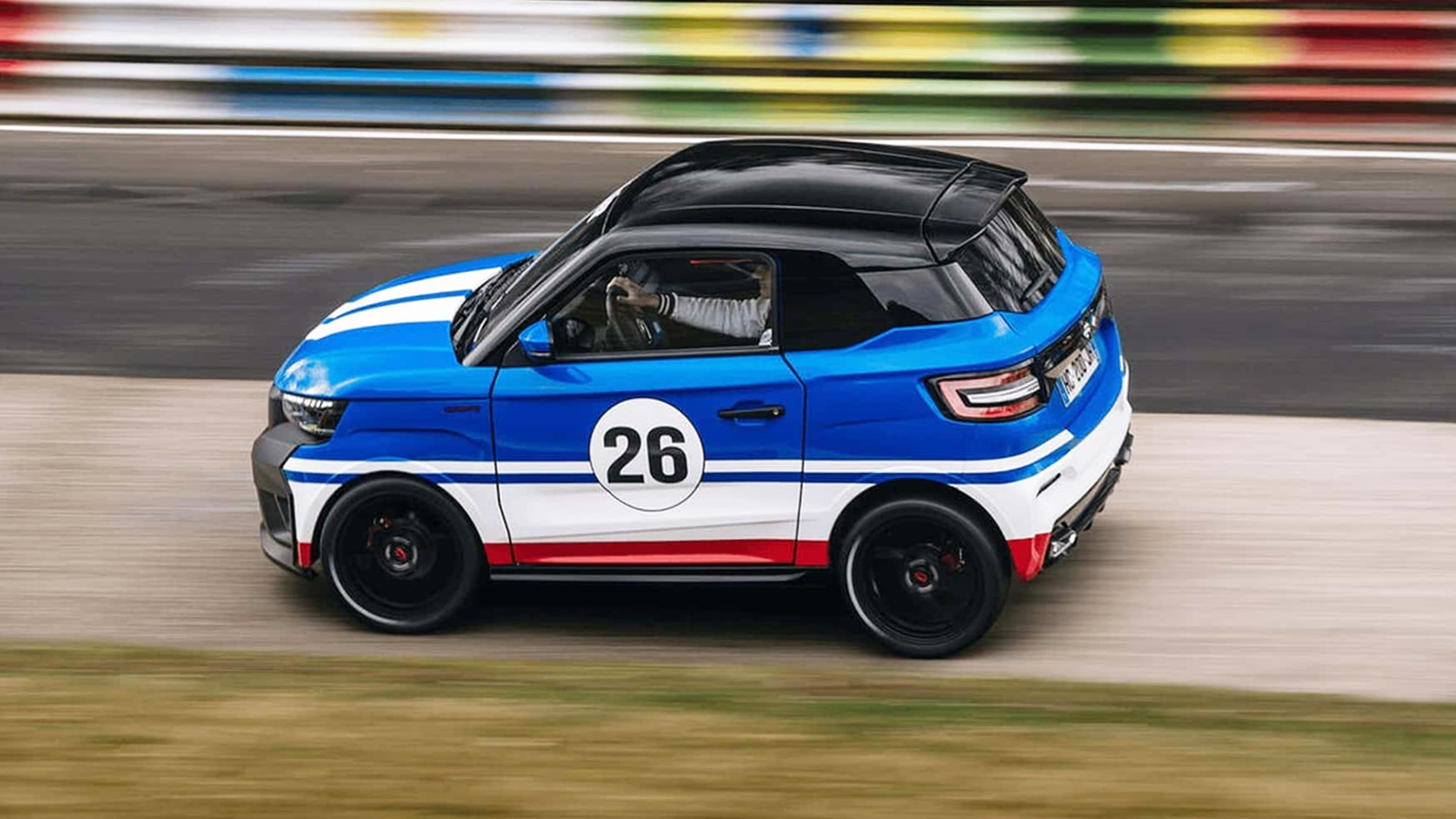
The JS50, a stubby two-door with just 8 horsepower, is electronically limited to a top speed of 28 mph (45 km/h). Around the Nurburgring, it completed a lap in a determined 28 minutes and 25.81 seconds. That figure may not impress on paper, but it earns its place in the books.

For context, the previous slowest recorded lap was 16 minutes and 1 second, set by a Trabant P50 way back in 1960, making the Ligier’s time almost comically slow by comparison. At the other end of the spectrum, the fastest production car to lap the Nordschleife is the Mercedes-AMG One, which clocked a blistering 6 minutes and 29.1 seconds.

 It Took 66 Years To Beat The Trabant’s Nurburgring Record, And This Is What Did It

Not content with a single entry, the team also brought along two electric versions of the JS50. The first, like the diesel, falls under the L6e classification and shares the same 28 mph (45 km/h) limit.

It managed a lap in 27 minutes and 55.58 seconds. The more powerful electric L7e variant, with a top speed of 47 mph (75 km/h), fared a little better with a lap time of 19 minutes and 53.36 seconds.

A Special Edition for a Not-So-Special Lap

Ligier hasn’t released a video of its incredibly slow laps at the Nurburgring, but we’re not disappointed, as it’d probably be more entertaining watching paint dry. What Ligier did do is prepare a special version of the JS50 specifically for its attack on the Nurburgring, known as the Ultimate Racing Experience edition. This model will be sold in Europe throughout 2026.

The special edition wears a tri-color paint job in blue, white, and red, complemented by new black 16-inch wheels wrapped in Nankang RC semi-slick tires. Ligier has added custom touches inside and out. These include a new badge front and rear, unique French flag-themed upholstery, an aluminum gear knob, Alcantara on the handbrake boot, and blue seat belts.

The steering wheel also features matching blue accents, and the dashboard gets a set of celebratory stickers to complete the transformation.

\\\\\\\\

BMW Sold More Cars Than Ever In America, But EV Buyers Checked Out

  • BMW hit a new sales record in the United States last year.
  • Every pure EV model experienced a decline in US demand.
  • Gas-powered SUVs remained the brand’s strongest sellers.

BMW just wrapped up its most successful year ever in the US, with more cars leaving dealership lots than in any other year in the company’s American history. But beneath the record-breaking headline, a more complicated picture is starting to emerge for EVs, as sales momentum falters following the White House’s decision to eliminate the generous federal tax credit that had helped keep demand afloat.

Read: The Sales Battle Between Mercedes And BMW Just Got Embarrassing

In 2025, BMW sold 388,897 vehicles across the country, a 4.7 percent increase from the 371,346 units it delivered in 2024. The gain came even though fourth-quarter sales slipped 3.4 percent, dropping from 117,506 to 113,512 units. MINI also posted growth, with a 9.3 percent year-on-year rise and a total of 28,749 cars sold.

EV Sales Crater

 BMW Sold More Cars Than Ever In America, But EV Buyers Checked Out

Then there’s the EV situation, which looked considerably less upbeat. BMW sold 42,484 fully electric vehicles in the US last year, down 16.7 percent from the 50,981 it managed in 2024. The decline was particularly sharp in Q4. After the federal government pulled the $7,500 EV tax credit, sales in the final three months collapsed by 45.5 percent to just 7,557 units.

BMW USA Sales 2025
ModelQ4 ’25Q4 ’24% Change20252024% Change
i3000.0%110.0%
i80000
2 Series6,2135,01124.0%20,97515,38436.3%
3 Series11,1859,55217.1%33,03131,3305.4%
4 Series7,50211,254-33.3%39,37942,608-7.6%
5 Series6,0978,147-25.2%27,10725,3157.1%
6 Series1121
7 Series2,8623,806-24.8%11,39310,7146.3%
8 Series1,1671,287-9.3%4,0295,345-24.6%
Z4510658-22.5%2,1132,129-0.8%
X16,90610,092-31.6%27,38627,3060.3%
X21,8471,45526.9%6,7393,61986.2%
BMW cars44,29051,263-13.6%172,155163,7525.1%
X326,53718,89040.5%76,54668,79811.3%
X49982,487-59.9%5,9109,978-40.8%
X524,37626,323-7.4%76,24672,3485.4%
X64,1393,7879.3%12,0009,48126.6%
X79,8069,953-1.5%31,57529,6326.6%
XM65758911.5%1,8781,974-4.9%
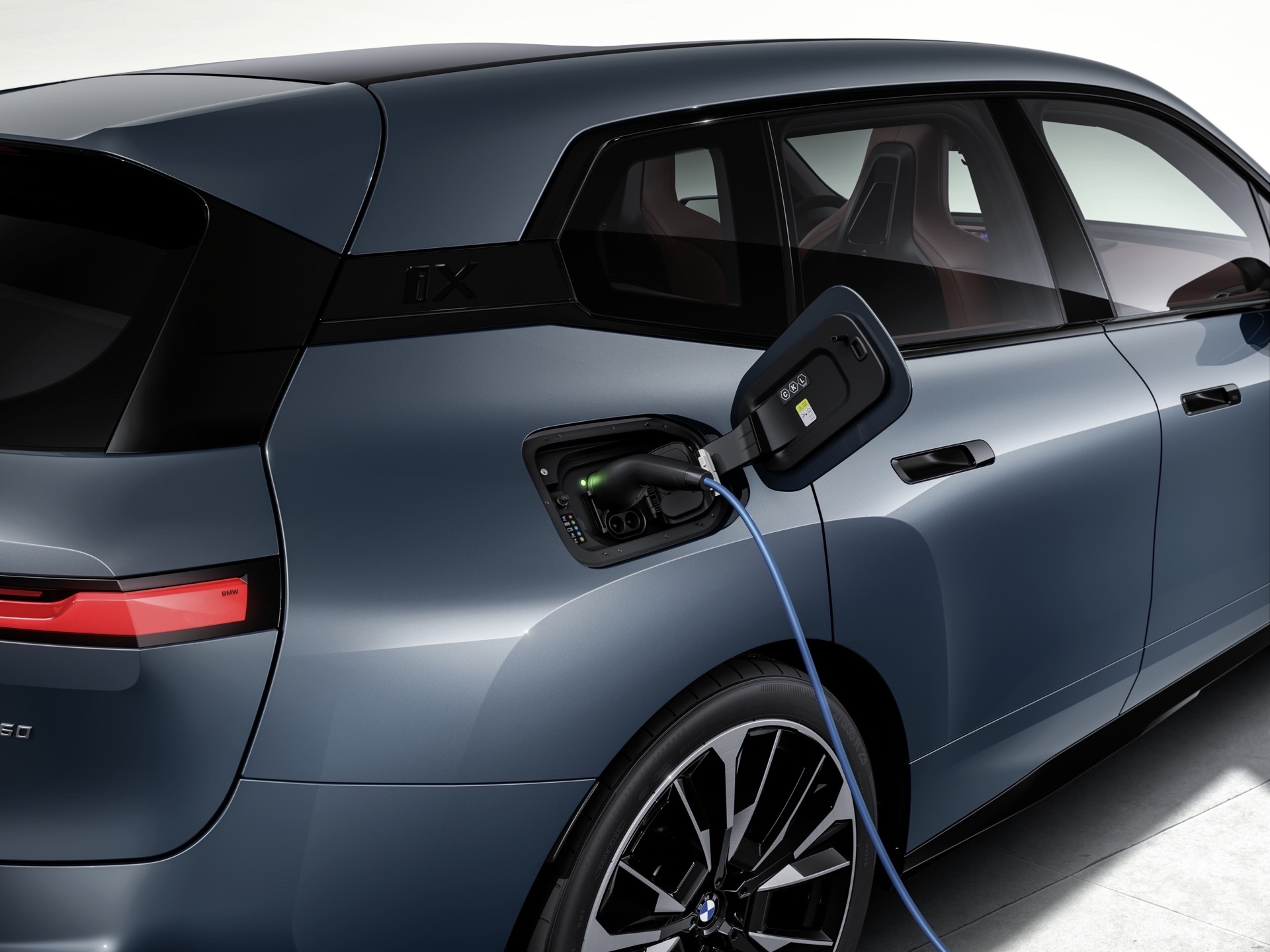
iX2,7094,214-35.7%12,58715,383-18.2%
BMW trucks69,22266,2434.5%216,742207,5944.4%
BMW brand113,512117,506-3.4%388,897371,3464.7%
Cooper S Hardtop 2 Door1,3802,268-39.2%6,6708,445-21.0%
Cooper S Hardtop 4 Door1,2731,677-24.1%5,4053,21668.1%
Cooper S Convertible973204765.0%3,7292,20868.9%
Cooper S Clubman112-91.7%14783-98.2%
Countryman3,2604,771-31.7%12,93111,64711.0%
MINI brand6,8878,748-21.3%28,74926,2999.3%
BMW GROUP120,399126,254-4.6%417,646397,6455.0%
SWIPE

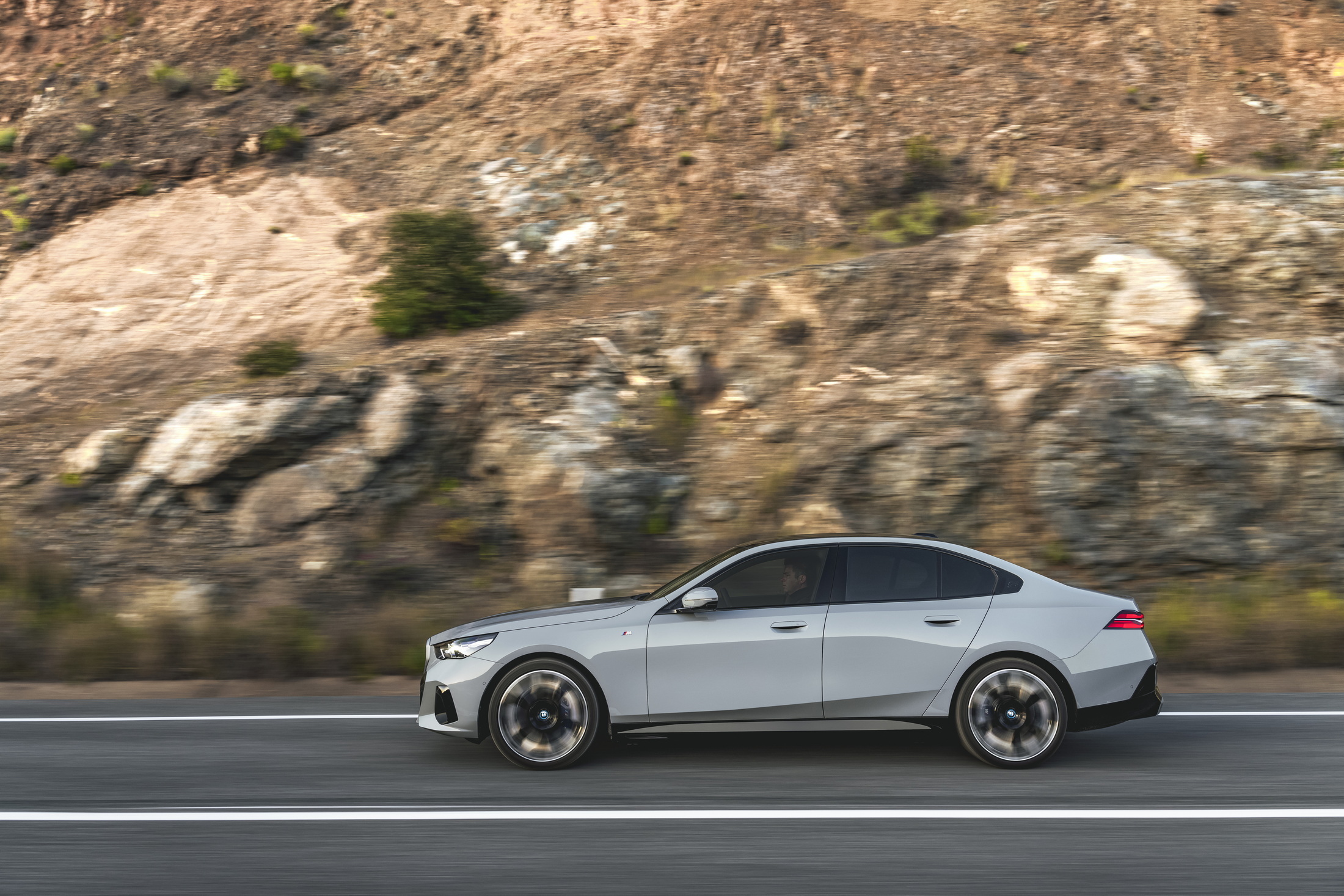
Every one of BMW’s battery-electric models in the US saw a meaningful drop in sales. The i4, which remained the top-selling EV in the lineup, slipped 14.1 percent from 23,403 to 20,114 units. The i5 fell even more sharply, dropping 21.5 percent to 6,877. The i7 was down 15.3 percent to 2,905 units. The iX also struggled, with an 18.2 percent decline that left it at 12,587 sales for the year.

On a more encouraging note for the brand, BMW’s plug-in hybrids gained traction. Sales rose by 30.7 percent, climbing from 19,398 in 2024 to 25,351 in 2025. It wasn’t enough to offset the EV downturn, but it’s a sign that US buyers haven’t turned their backs entirely on electrification.

X Marks the Spot

The X3 led the lineup once again as BMW’s top-selling model, rising 11.3 percent to 76,546 units. That was just enough to slightly edge out the larger and more expensive X5, which posted 76,246 sales, a 5.4 percent increase over 2024.

Several other models also recorded solid gains. The 2 Series, which groups together the mechanically unrelated Gran Coupe and two-door variants, jumped 36.3 percent to 20,975 units. The 3 Series climbed 5.4 percent to 33,031, while the X6 posted a 26.6 percent increase, reaching 12,000 sales. As for the controversial XM, it recorded a 4.9 percent drop in sales compared to 2024.

 BMW Sold More Cars Than Ever In America, But EV Buyers Checked Out

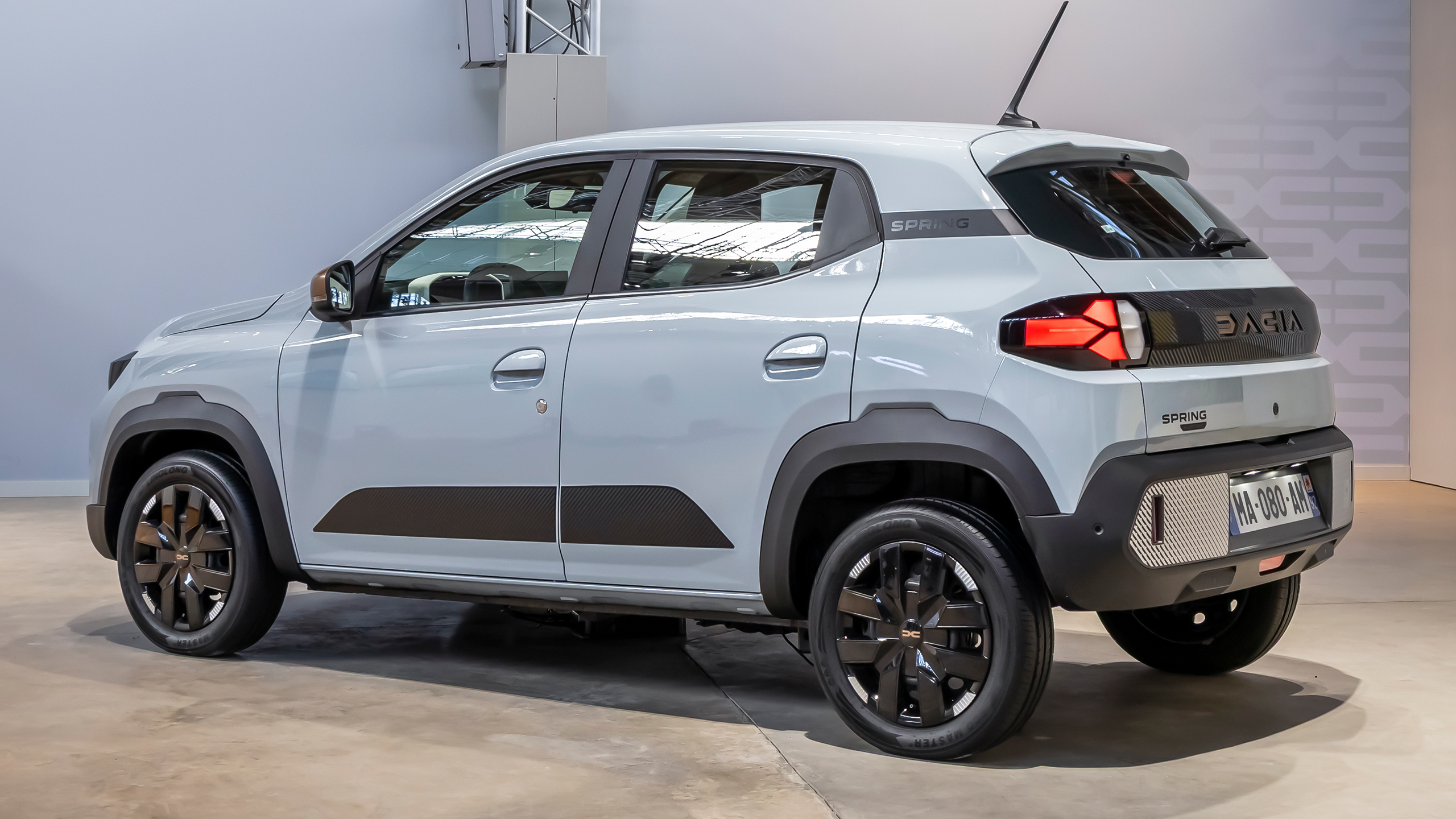
This EV Was Already Cheap, Then Dacia Knocked Off Nearly $6,000

  • Dacia cut €5,000 off the Spring in Germany through Feb 28.
  • The new €11,900 price makes it cheaper than in the UK.
  • Buyers must register the EV by June 30 to keep the deal.

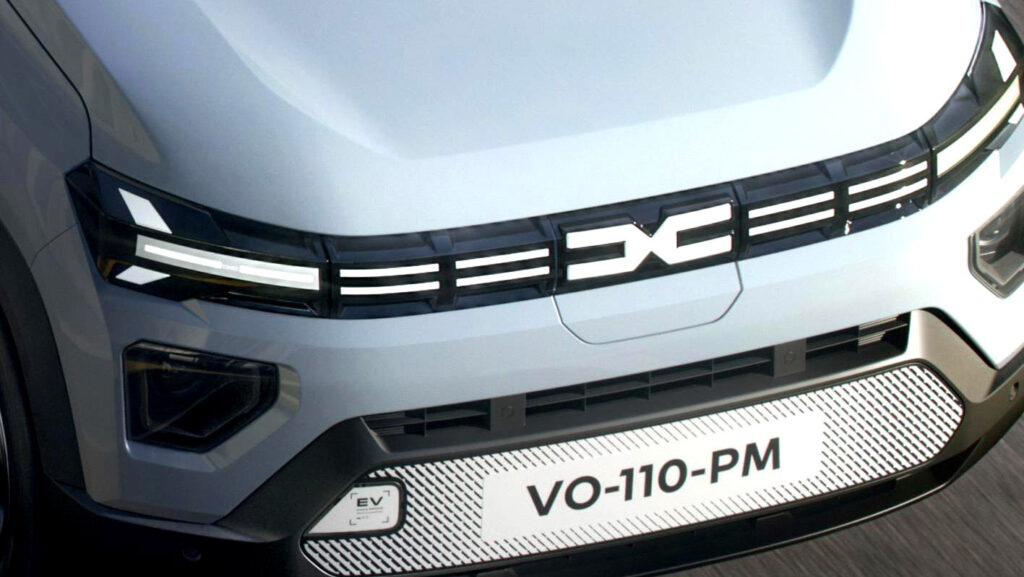
Buying a new electric car just got even cheaper in Germany, as Europe’s most budget-friendly EV has pulled further ahead of the pack. The all-electric Dacia Spring now starts at just €11,900 (around $13,900), thanks to a massive €5,000 (around $5,900 at current exchange rates) discount. At that price, it’s significantly cheaper in Germany than it is in the UK.

It’s not a government subsidy or rebate through a dealer. The discount is applied straight to the vehicle’s base price, but it won’t last forever. To take advantage of the full €5,000 off, buyers must sign a purchase or lease agreement by February 28. On top of that, the car needs to be registered no later than June 30.

Read: UK’s Cheapest EV Is Made In China, But Doesn’t Wear A Chinese Badge

Beyond the headline price, the Spring comes with a seven-year or 150,000-kilometer warranty as standard. It’s also compact and lightweight, tipping the scales at 995 kg (2,193 pounds) and measuring 3.7 meters (12.1 feet) in length.

 This EV Was Already Cheap, Then Dacia Knocked Off Nearly $6,000

What Do You Get For The Money?

Of course, a car this cheap comes with compromises. The Spring is equipped with a 24.3 kWh lithium-iron phosphate battery, which powers a single front-mounted electric motor producing just 70 horsepower. It’s also built in China, which helps account for the low cost.

Dacia says it can average a respectable 12.7 kWh/100 km over the combined cycle, offering up to 225 km (140 miles) of driving range. For those who only drive in the Spring in cities, the range can be extended to up to 341 km (212 miles).

 This EV Was Already Cheap, Then Dacia Knocked Off Nearly $6,000

Incredibly, this isn’t the wildest deal we’ve seen for the Dacia Spring. As part of a new government scheme in Italy designed to encourage locals to scrap their old ICE cars in favor of EVs, the Spring can be purchased for as little as €3,900 ($4,600).

However, to qualify for the maximum saving of €11,000 ($13,900), locals must scrap a Euro 5 or earlier vehicle, live in an urban area with more than 50,000 residents, and have a family income of less than €30,000 ($35,100).

\\\\\\\\\\\

Lucid Pulled Off What Most EV Brands Couldn’t After The Tax Credit Was Cut

  • Lucid’s 2025 sales rose 104 percent compared to 2024 totals.
  • Gravity SUV launch helped drive strong Q4 performance gains.
  • Q4 deliveries rose 31 percent, capping Lucid’s best quarter yet.

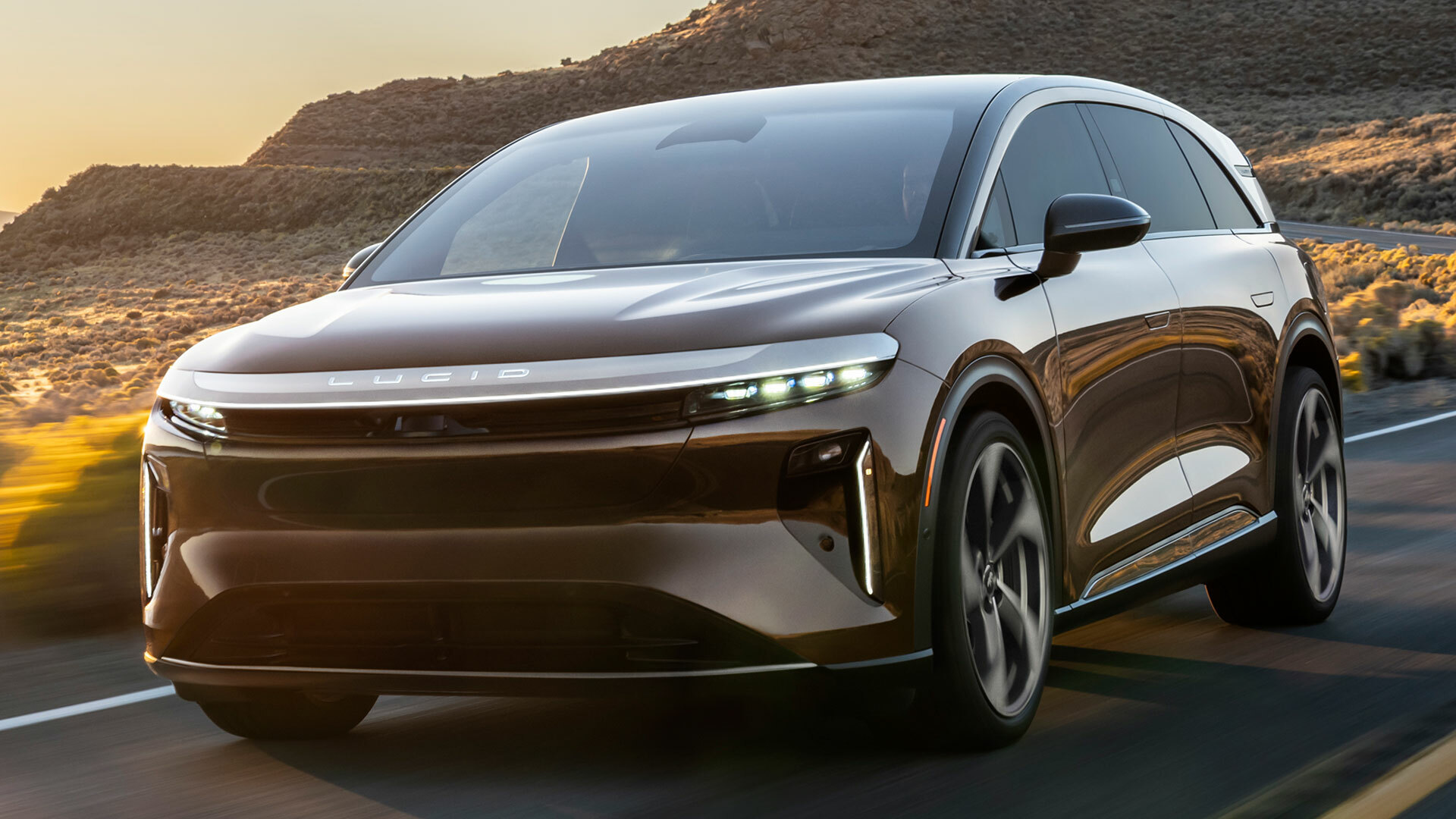
Despite a sharp drop in EV demand across much of the U.S. market, Lucid managed to chart its strongest quarter yet. Following the Trump administration’s decision to eliminate the $7,500 federal EV tax credit at the end of September, most automakers saw EV sales falter during the final stretch of 2025. Lucid, however, went in the opposite direction and closed the year with a notable uptick.

The company reported that it built 8,412 vehicles in Q4 2025, marking a 116 percent jump over the previous quarter. Deliveries also climbed to 5,345, up 31 percent. For Lucid, it wasn’t just an improvement, it was the best-performing quarter of the entire year.

Read: No Tax Credit? No Worries, Lucid Has A $7,500 Gravity Discount

The start of 2025 looked far less promising. In the first quarter, Lucid produced only 2,121 vehicles and delivered 3,109. The second quarter showed progress, with 3,863 vehicles built and 3,309 delivered. By Q3, production edged slightly to 3,891, and deliveries rose to 4,078.

Lucid’s full-year production and sales figures were also strong. It produced 18,378 vehicles in 2025, a 104 percent increase over the year before. Deliveries reached 15,841, representing a 55 percent year-over-year gain.

 Lucid Pulled Off What Most EV Brands Couldn’t After The Tax Credit Was Cut

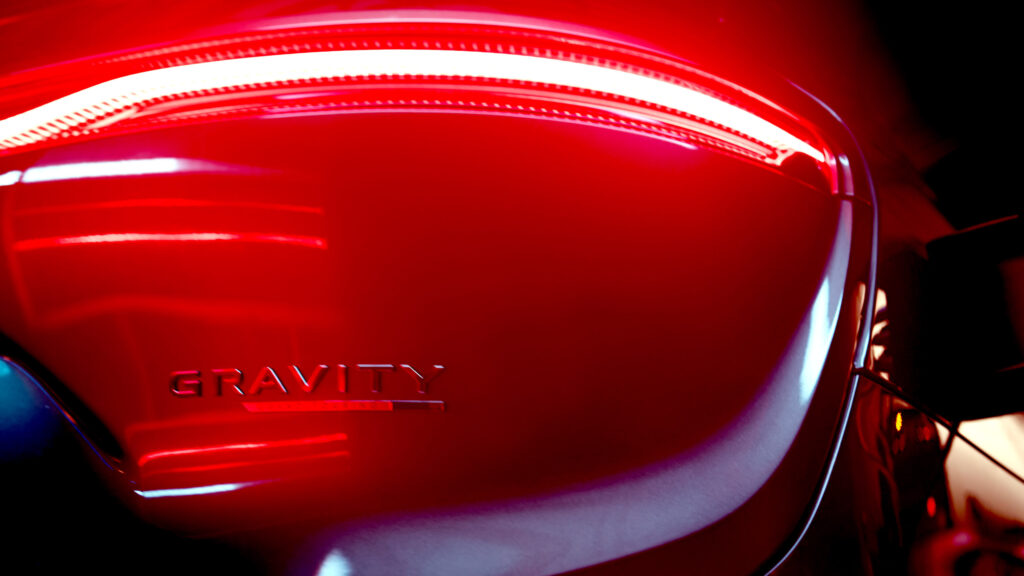
Helping Lucid boost its production and sales throughout the latter part of 2025 was the arrival of the all-electric Gravity SUV .While the company has yet to disclose how many units of the Gravity were produced, sold, or delivered, its presence clearly contributed to the quarter’s growth. Just how much is still unclear.

Lucid’s Own Credit

One likely reason Lucid avoided the sales slump seen elsewhere is its Advantage Credit program. Designed to soften the blow of the lost federal incentive, Lucid introduced a $7,500 credit of its own, applicable to new Gravity orders.

It was first set to expire at the end of December but has now been extended through January 18. While not a permanent fix, it offers a near-term solution for buyers left in the lurch after the tax credit rollback.

 Lucid Pulled Off What Most EV Brands Couldn’t After The Tax Credit Was Cut

Mercedes Is Killing The EQS And Building Its Replacement In Disguise

  • The next S-Class will include both ICE and electric versions.
  • New electric model will replace the current EQS sedan.
  • Both variants will look nearly identical, unlike past EV designs.

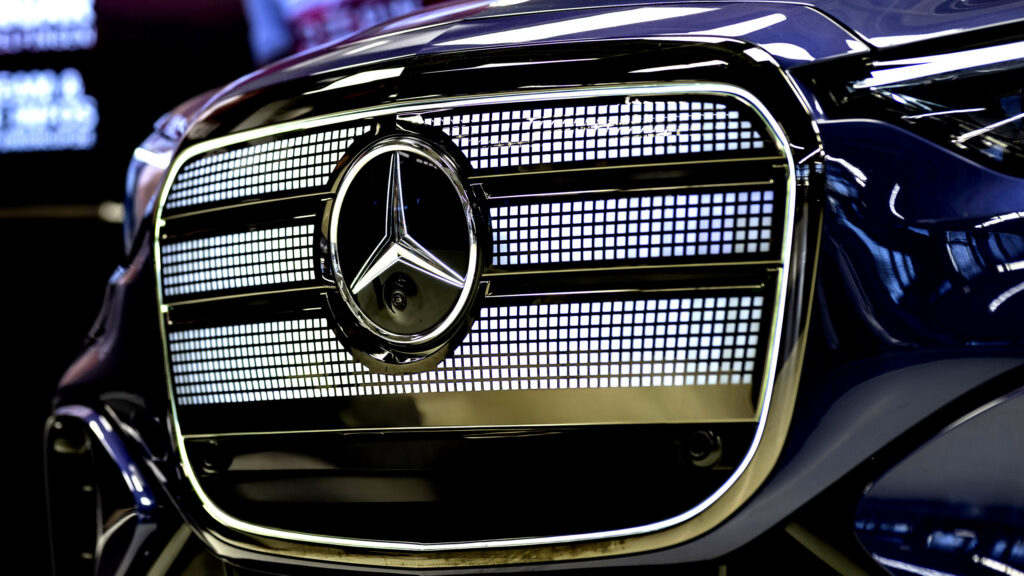
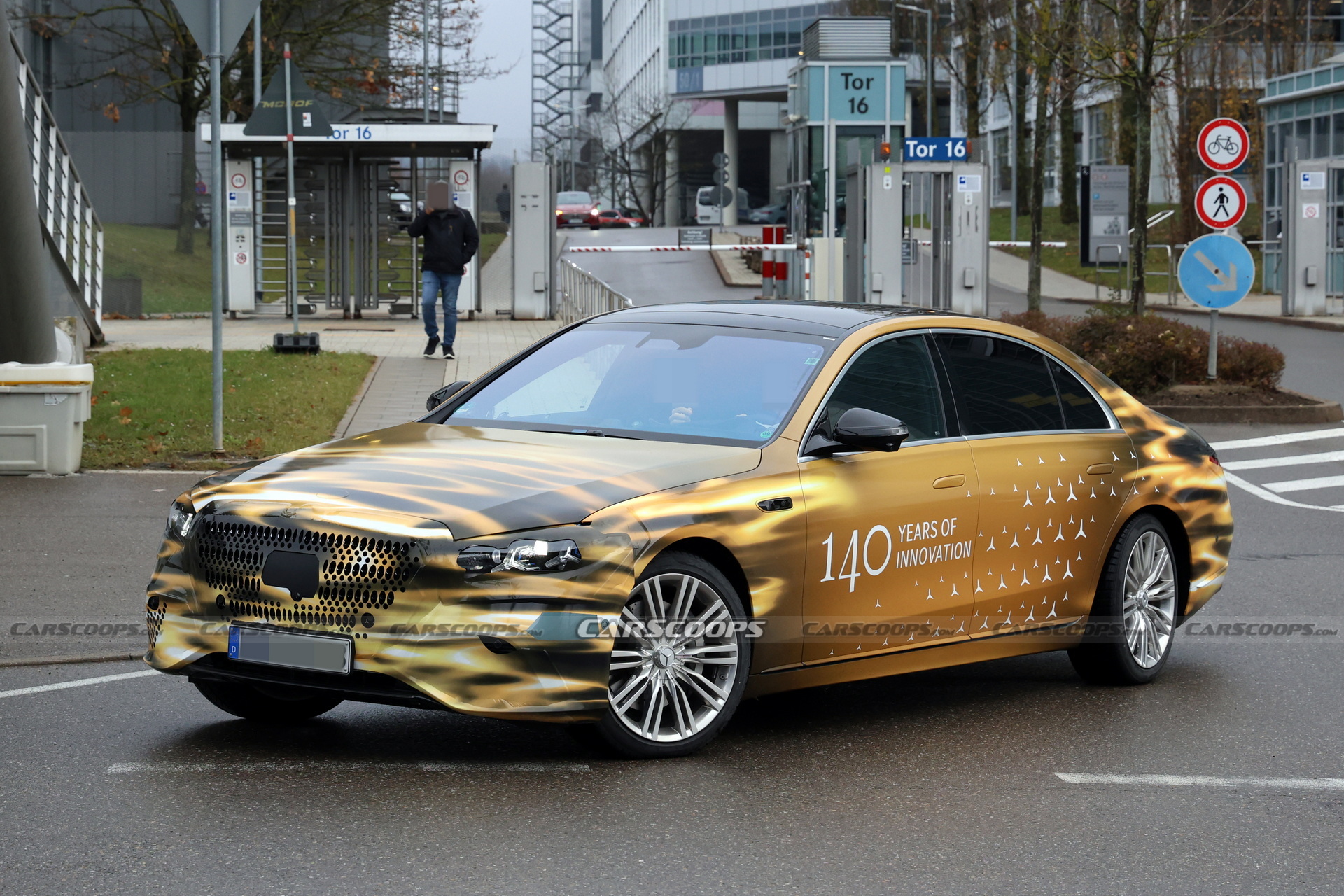
The next-generation Mercedes-Benz S-Class is set to span both combustion and electric power, offering buyers a choice they don’t have today. Although these versions will share a badge, they won’t share underpinnings. Mercedes is developing the internal combustion and electric versions of the S-Class on entirely separate platforms, marking a distinct split in engineering paths for its flagship sedan.

Read: Mercedes Says The World Wasn’t Ready For The EQS

In following this path, Mercedes is adopting a similar EV rollout strategy to rival BMW. Rather than pushing entirely separate electric nameplates like it does today with the S-Class and EQS, the company is now folding electric variants into its main model lines. We’ve seen this with the new GLC EQ, the battery-powered version of the ICE model, launched to replace the disappointing EQC.

 Mercedes Is Killing The EQS And Building Its Replacement In Disguise
The refreshed mercedes-Benz S-Class sticks with combustion power only.

However, those hoping to drive an all-electric version of the S-Class will need a little more patience. While Mercedes is already working on a mid-cycle update for the current combustion-powered model, the electric version won’t debut until the next full model change, expected closer to the end of the decade.

When it does land, the electric S-Class will effectively replace the EQS, which has never really reached the sales heights that Mercedes had hoped for. Widely criticized for its egg-shaped design, the EQS was a key part of the carmaker’s strategy, aimed at launching dedicated EVs to be sold alongside its existing range of ICE models.

One Design, Two Platforms

Importantly, this doesn’t mean Mercedes will remove the engines from its new models and replace them with electric motors and batteries. Electric versions of the brand’s cars will still use distinct platforms.

Despite those differences beneath the surface, the two variants are expected to look nearly identical. According to Auto Express, Mercedes plans to retain a more traditional sedan silhouette for the next S-Class, distancing it from the wind-slippery styling of the EQS.

 Mercedes Is Killing The EQS And Building Its Replacement In Disguise

While speaking about the next S-Class, Mercedes chief executive Ola Källenius noted it’ll be important to sell it in electric and combustion configurations.

“If you don’t believe that when the next S-Class comes, the market is 100 per cent electric at that point in time, you have to have the choice for both,” he said. “I think this is certainly one of the lessons learned from [our] first-generation electric vehicles in the whole market. You need to offer the electric and the hi-tech electrified ICE version without compromise.”

New Tech Beneath the Surface

Technical details about the electric S-Class remain unknown. The model is likely to be somewhat inelegantly named the S-Class with EQ Technology and will ride on the same MB.EA platform set to underpin several forthcoming electric Mercedes models.

See: Mercedes’ Vision Styling Looks Great On The Next S-Class

Because the car is still a few years from launch, Mercedes has time to go beyond the components used in models like the GLC EQ. It’s very likely the electric S-Class will benefit from more advanced battery and motor technology, including the axial flux motors developed by the company’s Yasa subsidiary. These compact, high-output units are expected to debut first in AMG-badged super sedans and SUVs.

\\\\\\\

BMW’s New X5 Doesn’t Care What Every Other SUV Is Doing

  • BMW’s next-gen X5 adopts a new face with a simplified grille.
  • Neue Klasse styling elements appear throughout the X5’s design.
  • A wide mix of gas, diesel, plug-in hybrid, and EVs will be on offer.

The X5 has never been BMW’s wildest design, but it’s managed to avoid the extremes seen elsewhere in the lineup. Still, the oversized kidney grilles on the current model don’t do it many favors. They don’t sink the look entirely, but they certainly don’t flatter it either.

The good news is that a new generation is on the way, and early signs suggest a cleaner direction, along with a range of powertrain options that stretches well beyond what most would expect.

Read: BMW’s 2027 X5 Finally Shows Its Lights And What’s Hiding Inside

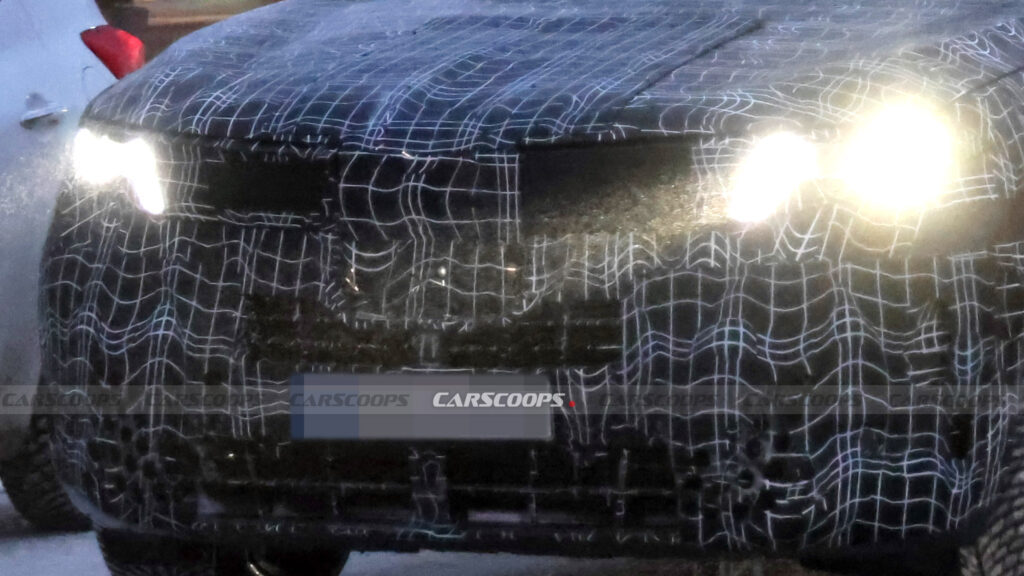
BMW has begun testing the upcoming X5, internally designated G65, and sent a prototype north to Sweden for winter trials. While still clad in camouflage, it’s already clear that the SUV will wear design elements from BMW’s Neue Klasse era.

Neue Klasse Meets X5

Like the second-generation iX3, the new X5 sports reworked headlights with sharply defined daytime running lights and a more technical front-end aesthetic. A gloss-black panel extends toward the center of the fascia, echoing the EV’s layout, and will house a pair of vertically oriented kidney grilles. Though still concealed by camouflage on this prototype, their shape is clearly visible beneath the surface.

\\\\\

SHproshots

The rear end of the new X5 will also be a dramatic departure from the current model. It ditches the traditional taillights of the outgoing model and replaces them with thin, horizontal LED units that appear reminiscent of those used by the XM. This prototype also has a curvy rear spoiler stretching out above the window, adding to the striking new design.

Interior Changes

\\\

SHproshots

The cabin is also in line for a thorough redesign. Recent spy shots have confirmed that the new X5 will adopt the same Panoramic iDrive setup as the iX3. This includes a narrow display spanning the base of the A-pillars, paired with a sharply angled central infotainment screen.

While the steering wheel on this prototype may differ from the iX3’s squared-off four-spoke unit, it looks likely to use a more conventional two-spoke design, with enough visual weight to stand out on its own.

Powertrain Options

\\\\\

SHproshots

Beneath it all, the G65 X5 will continue to ride on BMW’s CLAR architecture, albeit in an updated form. This means a familiar chassis with enough flexibility to support combustion, hybrid, and electric variants without needing to reinvent the platform.

According to CarScoops sources, the combustion model will be sold in 40, 40 xDrive, 40d xDrive, 50e xDrive, M60 xDrive, and M60e xDrive forms. A potent X5 M version also seems inevitable. In addition to selling a slew of combustion-powered models, the brand will introduce an all-electric iX5 model, set to be sold in 50 xDrive, 60 xDrive, and M70 xDrive forms.

The powertrain options won’t end there. In addition to the gas, diesel, plug-in hybrid, and electric models, there could be a range-extended version of the iX5, dubbed the Rex, complete with a driving range of up to 621 miles (1,000 km). The new X5 will also be BMW’s first mass-market model available with a hydrogen fuel-cell powertrain.

 BMW’s New X5 Doesn’t Care What Every Other SUV Is Doing

Rivian Owners Take Matters Into Their Own Hands Because No One Should Need A Pry Tool To Escape A Burning Car

  • Rivian hides rear mechanical door release behind plastic trim.
  • Some owners add bright paracord to make it easier to reach.
  • Company says the new R2 will fix the door handle design flaw.

While Tesla has taken most of the heat for its elusive manual door handles, criticized for being difficult to locate or operate in an emergency, it’s far from the only brand overlooking the importance of an intuitive, mechanical release, especially for rear-seat passengers. The issue isn’t just about convenience; it can be critical when every second counts.

Like Tesla, Rivian has adopted a similar approach, hiding manual releases beneath door trim and effectively leaving owners to improvise their own fixes.

Read: Tesla Owners Are Adding Escape Tools Before It’s Too Late

Not long after we brought you a story about the various accessories and modifications that Tesla owners are making to ensure occupants can easily get out after a crash or fire, we came across a Reddit post of a Rivian owner doing something similar. It’s not a particularly elegant solution, but if it helps save a life, who cares how it looks?

A Manual Release That Isn’t Easily Accessible

 Rivian Owners Take Matters Into Their Own Hands Because No One Should Need A Pry Tool To Escape A Burning Car
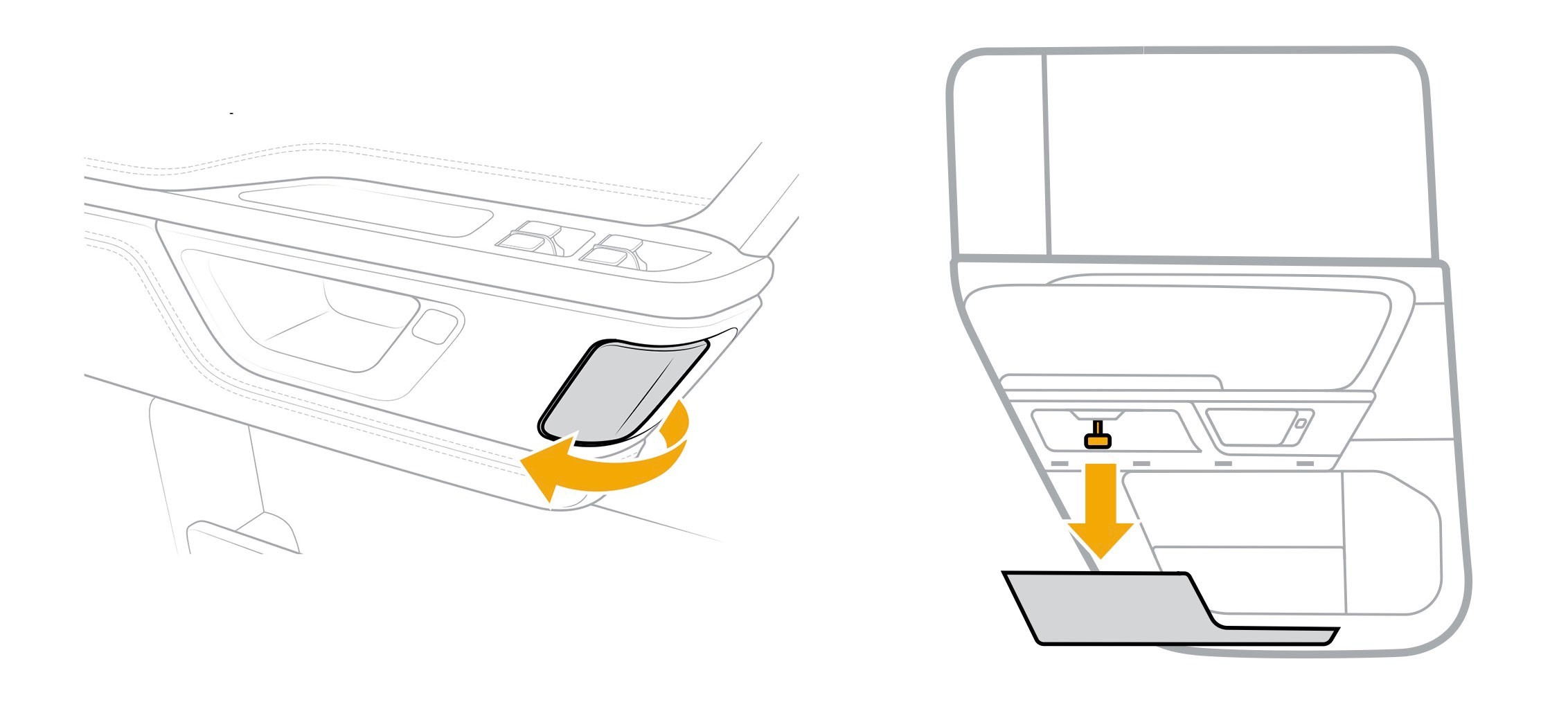
Front door (left) and rear door (right) emergency releases for the Rivian R1S and R1T

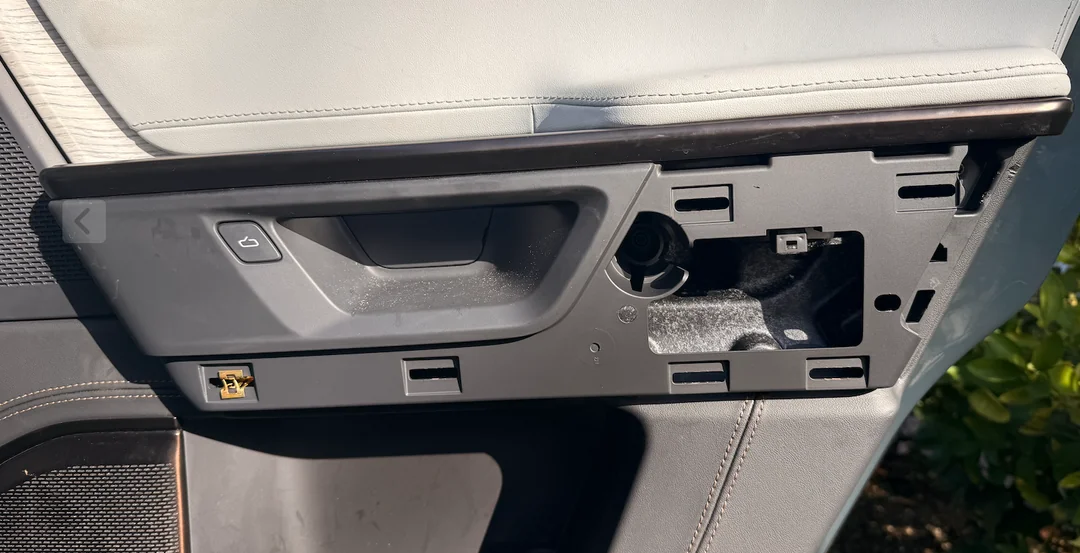
In the current Gen 2 Rivian R1S and R1T models, an easy-to-access mechanical door handle is found in the front, just like in current Tesla models. Things are more confusing in the rear. Occupants first have to pull off a piece of plastic trim on the door panel and then pull down on the release cable.

To make matters worse, the owner of this Rivian says it takes a lot of force to remove this plastic trim, requiring a pry tool. In an emergency situation, it seems unlikely a child would be able to open the door.

The Solution?

 Rivian Owners Take Matters Into Their Own Hands Because No One Should Need A Pry Tool To Escape A Burning Car
Reddit/u dublew_dubs

To work around this issue, this owner has tied a piece of red paracord around the release cable and then run it under the plastic trim piece that needs to be removed. The cord now hangs down from the door panel and is within easy reach should the electrically-operated doors fail to open in a crash.

Rivian confirmed in early October that it will redesign the door handles of the upcoming R2, ensuring the manual release is closer to the electric one. While this is good news for those planning to buy an R2, it does nothing for the tens of thousands of people who already own and drive an R1T or R1S.

\\\\\\\\

Photos Reddit/u dublew_dubs

Stellantis’ Chinese Partner Built A Minivan That Makes The Pacifica Feel Ancient

  • Leapmotor D99 launched in BEV and range-extender variants.
  • D99 EREV packs 80.3 kWh, largest hybrid battery to date.
  • BEV version features 115 kWh battery and 447 mile range.

The Leapmotor lineup is expanding once again, and this time the Stellantis-backed Chinese automaker is steering into new territory with its first fully electric minivan. Called the D99, the model arrives in both battery-electric and range-extender versions, marking Leapmotor’s entry into a segment already populated by the likes of the Xpeng X9, Zeekr 009, and Li Auto Mega.

Read: Stellantis’ Secret Weapon Against Chinese EVs In Europe Turns Out To Be A Chinese EV

Unveiled during a special event celebrating the brand’s 10th anniversary, the D99 has a simple, flowing design similar to other Leapmotor models. The front end includes a very short nose section and a windshield that stretches beyond the front axle, which should give the D99 excellent visibility.

Other visual details include retractable door handles, now being phased out by regulators in China, and darkened B- and C-pillars that merge visually with the side glass. At the back, a futuristic LED light bar spans the width of the vehicle, tying into the modern theme.

The Largest Battery in Its Class

\\\\\\\\\

Under the skin is where the D99 truly separates itself from the competition. Built on an 800V platform, the range-extender version carries a massive 80.3 kWh battery pack, the largest of any hybrid currently on the market. That gives it a clear edge over Zeekr’s 9X range-extender, which makes do with a 70 kWh unit.

It also tops the upcoming range-extended Xpeng X9, which is set to feature a 63.3 kWh battery when it launches. According to Leapmotor, the D99 EREV is expected to deliver up to 500 kilometers (311 miles) of electric driving range on a full charge.

Details of the combustion engine supporting the range-extender setup haven’t been confirmed, though it’s likely to be a 1.5-liter four-cylinder, similar to the one used in Leapmotor’s C10 REEV.

As for the fully electric D99, it steps up to a 1000V architecture and houses an even larger 115 kWh battery supplied by CATL. That setup is good for a claimed range of 720 kilometers (447 miles).

Plush Promises Inside

No interior images have been released yet, but based on Leapmotor’s recent offerings, the cabin is expected to be packed with high-definition displays and generously cushioned seating. It’s being positioned as a vehicle not just for families but for passengers who prefer to be driven rather than drive.

Additional details, including pricing in China and potential availability beyond the domestic market, are expected to be announced in the coming weeks.

\\\\\\\\\\

Starting Now, Minnesota EV Owners Will Pay Double Fees, And That’s Just The Beginning

  • EV registration fees now scale with a vehicle’s original MSRP.
  • F-150 Lightning buyers could pay over $300 in registration fees.
  • Plug-in hybrids now face a new $75 minimum yearly surcharge.

Owning an electric vehicle or plug-in hybrid in Minnesota just became a pricier proposition. New legislation rolling out this month increases registration fees across the board, meaning drivers of EVs and PHEVs will see their annual costs jump, some significantly so, depending on the vehicle.

Up until now, electric vehicle owners in the state have paid a flat $75 annual surcharge in lieu of gas taxes, which are traditionally used to fund local road maintenance.

Also: Some States Give Up To $9,000 To Buy An EV, Others Charge You Hundreds

Under the updated rules that went into effect on January 1, 2026, that surcharge has doubled to a minimum of $150 for all EVs. Plug-in hybrid drivers, previously exempt due to their partial reliance on gasoline, are now included as well, with a new minimum fee of $75 added to their registration.

How Value Shapes the Surcharge

The updated surcharge isn’t flat. It scales based on the vehicle’s original sticker price and age. In the first year of registration, fully electric vehicles will be assessed an additional fee equal to 0.5 percent of the manufacturer’s suggested retail price (MSRP). For plug-in hybrids, the rate is set at 0.25 percent.

As vehicles age, the surcharge is reduced each year according to a sliding scale. By the second year, the calculation uses 95 percent of the original MSRP. That figure drops to 90 percent in year three, 80 percent in year four, and continues to decline by 10 percent increments. Once a vehicle is more than ten years old, the fee is based on just 10 percent of its original MSRP.

 Starting Now, Minnesota EV Owners Will Pay Double Fees, And That’s Just The Beginning

What Does It Mean for Popular Models?

For those considering an electric pickup like the Ford F-150 Lightning, the first-year fee could run as high as $325. By year two, that drops slightly to $309, and by year three it falls to around $253. Drivers of a Tesla Model 3, one of the state’s most common EVs, would be looking at $221 in the first year, followed by $210 in year two and $172 in year three.

As reported by Kare11, lawmakers have framed the new system as a way to ensure road infrastructure funding keeps pace with the shift away from internal combustion engines. Still, the move has raised concerns that it could dampen enthusiasm for EVs and plug-in hybrids at a time when adoption is just beginning to gain momentum.

The registration fee increases are not the only policy changes on the horizon. Beginning July 1, 2027, all public charging stations in the state that operate at 50 kW or higher will face a new tax of five cents per kilowatt-hour delivered. While relatively modest, the fee adds another layer of cost for EV drivers using fast charging options.

 Starting Now, Minnesota EV Owners Will Pay Double Fees, And That’s Just The Beginning

One In Ten Cars Sold In The UK Now Comes From China

  • Chinese brands sold over 200,000 new cars in the UK in 2025.
  • MG led UK sales among Chinese carmakers, followed by BYD.
  • Japanese automakers lost market share across the same period.

Once treated as curiosities or written off entirely, Chinese cars have quietly secured a firm foothold in the UK’s market. By the end of 2025, vehicles imported from the Far East are expected to make up around 10 percent of all new car sales in the country. The days when Chinese models were casually dismissed by Western buyers now seem increasingly out of step with reality.

Read: Europe Tried To Block Chinese Cars But Ended Up Helping Them Instead

A new report from The Guardian, citing European EV analyst Matthias Schmidt, estimates that once the final sales numbers for 2025 are in, Chinese brands will have sold more than 200,000 new vehicles in the UK.

MG and BYD Drive the Surge

 One In Ten Cars Sold In The UK Now Comes From China

The lion’s share of that success comes from three names in particular: MG, BYD, and Chery. Meanwhile, as Chinese manufacturers have gained ground, demand for Japanese cars has noticeably slipped.

MG continues to lead the pack by a wide margin. It sold over 70,000 cars in 2025, keeping pace with its strong performance from the previous year. BYD has also stepped up in a significant way, increasing its UK sales from fewer than 9,000 in 2024 to more than 40,000 this year. Their presence on British roads is no longer novel.

Several other Chinese brands posted significant gains during the year as well. Jaecoo sold over 20,000 vehicles, while Omoda came close to that same figure. Chery, Polestar, and Leapmotor have also continued to find traction with UK buyers, though on a somewhat smaller scale.

At the same time, Japanese brands have seen their market share in the UK slip by nearly a full percentage point over the past twelve months. The decline isn’t dramatic, but it is measurable, and it mirrors trends playing out across the continent.

Why Tariffs Didn’t Slow Things Down

 One In Ten Cars Sold In The UK Now Comes From China

As The Guardian reported, Chinese car sales have risen across the European continent despite the imposition of steep tariffs. In an effort to protect domestic manufacturers, European lawmakers introduced these measures late last year, targeting EVs produced in China. However, the tariffs do not apply to hybrid or internal combustion models, and sales of those have surged accordingly.

The UK, now outside the EU, has proven especially receptive to these brands. With no major domestic carmakers remaining, the market is wide open.

“With no genuine domestic volume brands for UK consumers to choose from, UK consumers crucially can no longer participate in what is known as patriotic purchasing,” said analyst Matthias Schmidt. “In Germany and France, half of each country’s new-car market is effectively in the control of domestic brands. While in China, we now also see that two-thirds of the market is accounted for by domestic brands.”

 One In Ten Cars Sold In The UK Now Comes From China

Dozens Of Chinese EV Brands Could Collapse In The Next Year

  • Only a few Chinese EV brands have reached profitability.
  • Up to 50 struggling EV firms may slash operations in 2026.
  • China’s EV tax perks are ending or being sharply reduced.

Chinese electric vehicles are spreading fast across global markets, fueled by booming demand and strong backing from Beijing. In November alone, China’s EV exports jumped 87 percent compared to the same month last year. Yet even with this rapid growth, cracks are starting to show.

The year 2026 is shaping up to be a major turning point for China’s EV sector, with a looming shakeout expected to hit dozens of struggling manufacturers.

Read: China’s Getting Ready To Flood The World With Even Cheaper EVs And PHEVs

Deliveries of new vehicles in China are expected to slip by as much as 5 percent next year, the largest contraction since 2020, due in part to lowered government support and the industry’s history of overcapacity.

Industry at a Crossroads

And this isn’t speculation from outsiders either, but comes from the South China Morning Post (SCMP), a Hong Kong-based English-language newspaper owned by Alibaba Group. The SCMP reports that around 50 of China’s money-losing EV makers may be forced to either downsize or shut down entirely in 2026.

“Time is against those players whose cars cannot impress young drivers,” said Qian Kang, who runs a factory producing automotive printed circuit boards. “For most of the unprofitable EV assemblers, next year’s performance will be critical.”

 Dozens Of Chinese EV Brands Could Collapse In The Next Year

Policy Shifts and Market Pressure

Much hinges on an upcoming policy decision. In January, Beijing is expected to determine whether the 20,000 yuan (roughly US$2,900) EV trade-in subsidy will be extended. Meanwhile, the current 10 percent purchase tax exemption is set to expire at the end of this year. A reduced 5 percent rate will apply starting in January and remain in place until the full tax returns in 2028.

While the price war among Chinese firms has brought affordable EVs within reach of millions of car buyers, it has eroded many companies’ ability to turn a profit. Combined with significant investments into research and development, as well as urgency among brands to establish large portfolios of models, it’s hardly a surprise that very few carmakers have become profitable.

“The fundraising bonanza surrounding China’s EV makers and key car component suppliers is history now,” angel investor Yin Ran said. “So it will be a game of survival, with profitable carmakers becoming the winners, while unprofitable players face running out of funds soon.”

Few companies have weathered the storm. Profitable big players such as BYD, Seres, and Li Auto stand out as rare exceptions. These firms are expected to intensify their overseas efforts as they look for new growth opportunities. Research from AlixPartners suggests that only about 10 percent of China’s EV brands will be profitable in the coming years.

 Dozens Of Chinese EV Brands Could Collapse In The Next Year

Leapmotor Gets Cash Injection

Among the handful of companies securing new support, Stellantis-backed Leapmotor has landed a major investment. The state-owned FAW Group has announced it will acquire a 5 percent stake in the Chinese carmaker for 3.74 billion yuan, or $534 million. This makes Leapmotor the first of the nation’s car manufacturers to receive investment from a state-owned group and will help with its planned expansion.

Leapmotor is aiming to deliver 1 million vehicles in 2026. If it achieves this figure, it would be China’s third-largest EV maker, trailing only BYD and Geely. Through the first 11 months of 2025, Leapmotor delivered 536,132 vehicles.

“Leapmotor aims to achieve annual deliveries of 4 million units a year in 10 years’ time,” Leapmotor found and chief executive Zhu Jiangming revealed in an interview. “Leapmotor will strengthen our value through the fine-tuning of our production, while offering customers best [driving] experiences.”

 Dozens Of Chinese EV Brands Could Collapse In The Next Year
Leapmotor A10

The Kia EV5 Just Launched In Some Markets, And It’s Already Getting A Facelift

  • Kia will update the EV5 by late 2026 with tech and design tweaks.
  • EV5 lacks range and charging speed versus Tesla and BYD rivals.
  • Weekender concept hints at cabin and tech changes Kia may adopt.

If it feels like the Kia EV5 just arrived, you’re not imagining things. The all-electric crossover made its debut in China in late 2023, followed by rollouts in Australia, Brazil, and other Western markets through 2024, eventually going on sale in Europe just this past fall.

Despite still being a recent arrival in most showrooms around the world, Kia has already confirmed that a mid-cycle refresh is on the way. The update is expected to arrive before the end of 2026, with a market launch likely following in 2027 for most regions outside China.

Review: The 2025 Kia EV5 Makes A Whole Lot Of Sense

Kia Australia’s general manager of product planning, Roland Rivero, recently addressed the upcoming update, noting it will come with the expected range of mid-life improvements. “So yes, there’ll be some cosmetics, and there’ll be some tech,” he told local outlet Drive.

Rivero didn’t elaborate on what those changes might involve. Still, it’s not hard to imagine where updates could be focused to make the EV5 more competitive and appealing.

Will Kia Speed Things Up?

\\\\\\\\\\\

The current European-specification 2025 Kia EV5

A likely candidate for improvement is charging. Unlike Hyundai’s flagship EVs, the EV5 doesn’t ride on the advanced E-GMP 800-volt platform. Instead, it uses the more affordable 400-volt N3 eK system. This limits DC fast charging speeds to a maximum of 140 kW, translating to a 10 to 80 percent charge in 38 minutes.

Also: Kia’s Pickup Isn’t Selling and Someone Just Designed a Better One

That’s a step behind direct competitors like the Tesla Model Y and BYD Sealion 7, and significantly slower than Hyundai’s Ioniq 5 and Kia’s own EV6.

While we do not expect the EV5 to shift to an 800-volt architecture as part of its facelift, Kia could work to improve charging times. Additionally, the EV5 isn’t as efficient as some rivals and could benefit from more range.

\\\\\\\\\\\\

EU-spec 2025 Kia EV5

It’s unclear if any significant alterations could be made to the SUV’s cabin. Last month, Kia unveiled the intriguing EV5 Weekender concept, fitted with a host of off-road upgrades. While the exterior was updated, more significant changes were made to the cabin.

For example, the concept ditched the dual driver and infotainment display of the current model, instead opting for a single panel encompassing the infotainment screen and a passenger display. Positioned ahead of the steering wheel was a thin cluster.

Kia also fitted the concept with a distinctive new steering wheel and eliminated the unconventional center console found in the production version.

The Weekender could even hint at a new variant for the refreshed lineup, potentially adding a more rugged model to the mix.

Kia EV5 Weekender Concept
\\\\\\\\\\\

Tesla’s $2.67B Cybertruck Battery Deal Is Now Worth Just $6,776

  • Tesla signed a $2.67B Cybertruck battery deal in 2023.
  • The deal has been slashed to just $6,776 after poor sales.
  • Cybertruck was expected to sell 250K yearly, hit under 20K.

Several years ago, Elon Musk proudly proclaimed that Tesla would be moving as many as 250,000 Cybertrucks annually. The electric pickup was billed as a disruptive force, set to shake up the truck market. In reality, it hasn’t come anywhere near those targets. This year, Tesla is expected to sell fewer than 20,000 Cybertrucks, less than 10 percent of that overly ambitious goal.

Read: This Shop Tore Down A Cybertruck To Do What Tesla Wouldn’t In Europe

While you’ll never hear Tesla head honcho Elon Musk describe the Cybertruck as anything other than a raging success, lower-than-expected sales are hurting suppliers.

One notable casualty is L&F Co., a South Korean battery material supplier, which recently disclosed that its supply contract with Tesla had been cut by 99 percent, a shift attributed in part to sluggish demand for the truck.

A Contract Cut to the Bone

Back in February 2023, L&F had secured a sizable deal worth 3.83 trillion won (roughly $2.67 billion) to provide Tesla with high-nickel cathode material intended for the Cybertruck’s batteries. But that agreement has now been trimmed down to a token 9.73 million won, or about $6,776 at current exchange rates.

 Tesla’s $2.67B Cybertruck Battery Deal Is Now Worth Just $6,776

The original contract was tied to Tesla’s 4680 battery cells, which were first revealed in 2020. At the time, Tesla presented them as a major leap forward, central to its plan to rapidly expand production and eventually launch a $25,000 EV. That model has yet to materialize, and so far, the 4680 cells are used primarily in the Cybertruck.

According to an unnamed source with knowledge of the supply contract, L&F only needed to supply contract with small amounts of material as the development of the Cybertruck was repeatedly postponed. Bloomberg reports that policy and economic issues also affected the contract, including the elimination of subsidies through the Inflation Reduction Act.

SpaceX to the Rescue?

As Tesla continues to struggle with sluggish Cybertruck sales, a familiar buyer has entered the picture. According to a recent report, SpaceX has already purchased more than 1,000 Cybertrucks from Tesla, and that number could eventually climb to 2,000.

SpaceX hasn’t said why it’s buying so many Cybertrucks, but it likely has more to do with surplus stock than necessity. Either way, the move points to just how closely Musk’s companies operate, and hints that Tesla may be offloading inventory through its own back door.

 Tesla’s $2.67B Cybertruck Battery Deal Is Now Worth Just $6,776

Cybertruck’s Most Hated Feature Is Still Failing, And Winter Just Made It Worse

  • Cybertruck’s 4-foot wiper has frustrated owners since launch.
  • Owners say wiper contact is weak, reducing cleaning ability.
  • Tesla confirms wiper performance is under investigation now.

It’s been two years since Tesla began delivering the Cybertruck to customers, yet the company is still wrestling with one of the vehicle’s most persistent design headaches. We’re talking about its massive single windshield wiper.

Despite earlier attempts to fix it through mechanical and software updates, Tesla is now believed to be working on a third version of the wiper system to finally address lingering faults.

Read: Texans Roast Police Department’s New “Garbage Can” Cybertruck

A recent case in the US highlights the problem. When a Cybertruck owner brought their vehicle in for service, Tesla’s response revealed that “wiper performance is under active Engineering investigation,” according to a message from the company’s service department.

What’s Wrong With the Blade?

 Cybertruck’s Most Hated Feature Is Still Failing, And Winter Just Made It Worse

Complaints from owners began as soon as deliveries started. The wiper’s 4-foot blade is the largest fitted to any production vehicle, but users have flagged multiple problems. These include poor blade contact at the middle and top of the stroke, improper stowing at highway speeds, and washer fluid issues.

Performance drops further in cold weather, where salt, slush, and snow can overwhelm the system. Some owners have also noted that the wiper occasionally fails to clear the area in front of the forward-facing FSD cameras.

One post on X captured the frustration:

Love the Cybertruck. Hate the wiper system. Tesla needs to issue a voluntary service providing a free upgraded/redesigned wiper arm and sprayer. This is not a one-time event. Happens every time we hit salt/slush and snow. It’shighly unsafe. There were a few times today on I-70… pic.twitter.com/ajy2BYFQDA

— Spotted Model: Cars & Tech (@spotted_model) December 18, 2025

Updates Haven’t Solved It

Tesla recalled the wiper motors in June 2024 and has also updated the software, aiming to improve the blade’s movement and how it sits when not in use. A revised V2 blade has also been installed on many trucks, but that version appears to have its own reliability concerns.

The full scope of Tesla’s engineering investigation, initially reported by Not a Tesla App, hasn’t been made public. It’s unclear how long the company has been working on a fix or when an update might be introduced.

There’s speculation that a more substantial redesign could be underway. NotebookCheck notes that the original self-driving Cybercab concept featured a single wiper blade, similar to the Cybertruck. But a newer prototype, believed to be close to production, was recently spotted with a more conventional twin-wiper setup. That’s fueled suggestions that the Cybertruck might adopt the same configuration.

 Cybertruck’s Most Hated Feature Is Still Failing, And Winter Just Made It Worse

Sources: Not a Tesla App, NotebookCheck

EV Makers Just Got A New Problem In China, And It Starts In 2026

  • EVs in China must meet new consumption rules starting in 2026.
  • Models that fail may be pulled from sale or updated to comply.
  • Rule is said to be world’s first mandatory EV efficiency law.

Fuel economy regulations have shaped the auto industry for decades, setting benchmarks for combustion engines around the world. But when it comes to electric vehicles, formal efficiency standards have remained largely absent.

That’s beginning to change. In China, a new set of laws focused on EV energy consumption is set to take effect, requiring automakers to deliver more efficient electric models.

Read: China Is Banning Tesla-Style Door Handles

The regulations are designed around vehicle weight, assigning maximum energy usage thresholds for different categories. For example, a typical battery-electric passenger car weighing about two tons will need to consume no more than 15.1 kilowatt-hours per 100 kilometers.

That’s quite a low number and is around the same as you might expect to achieve in a new Tesla Model 3 during typical, everyday driving.

Efficiency Gets a Legal Backbone

 EV Makers Just Got A New Problem In China, And It Starts In 2026

According to local media, these new regulations will be approximately 11 percent stricter than the outgoing recommendations. Chinese authorities believe that thanks to the new efficiency standards, EV owners will see an increase in their average driving ranges of about 7 percent.

Importantly, the regulations are designed to prevent manufacturers from simply bolting on larger battery packs to achieve longer ranges. Instead, the focus will shift to improving the efficiency of existing systems and designs.

Chinese tech publication IT Home notes that this will be the first mandatory EV power consumption regulation in the world. The law is scheduled to take effect on January 1, 2026.

Behind the Policy Push

 EV Makers Just Got A New Problem In China, And It Starts In 2026

Work on the new standards has been ongoing for several months. In July, China’s Ministry of Industry and Information Technology, the National Development and Reform Commission, and the State Administration for Market Regulation met to work on the new laws, as well as new battery recycling standards.

Read: BMW And Porsche Just Lost China’s Luxury Market To A $100,000 Newcomer

Car News China notes that many EVs currently sold by major brands like BYD and Geely already meet the new efficiency standards. Models that fall short may need to be upgraded or pulled from production entirely until they’re brought into compliance.

 EV Makers Just Got A New Problem In China, And It Starts In 2026

Sources: IT Home, Car News China

❌