Login
LoginThe New MG 07 Flagship’s Looks Say Porsche Taycan, Its Price Says Corolla
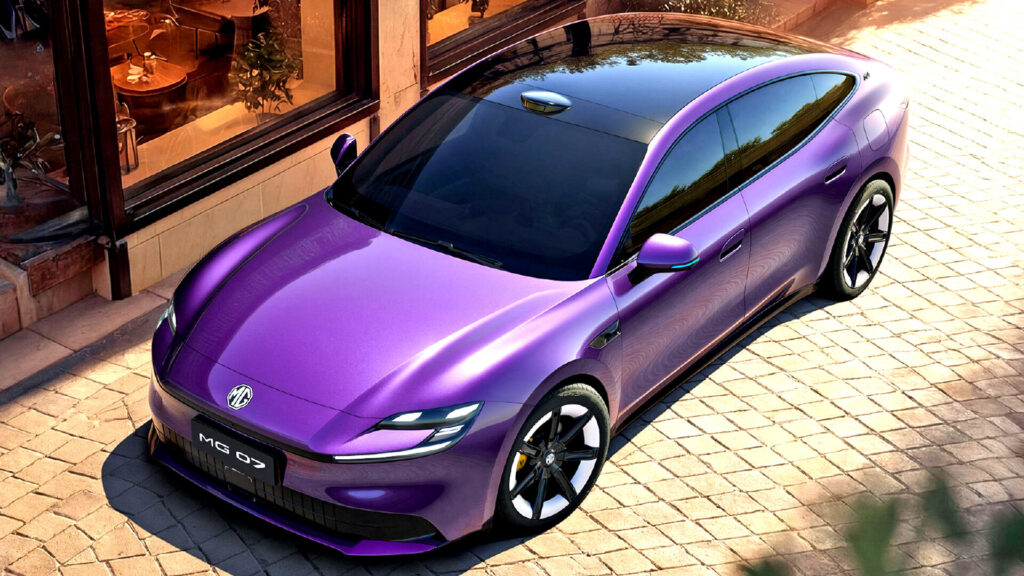
- MG has revealed the exterior design of their new 07 flagship.
- The Porsche Taycan knockoff will cost less than $29,410.
- Offers autonomous tech as well as PHEV and electric options.
Following a teaser in March, SAIC MG has revealed the upcoming 07. It’s a flagship that has been “engineered to be the ultimate choice in the new energy coupe segment.”
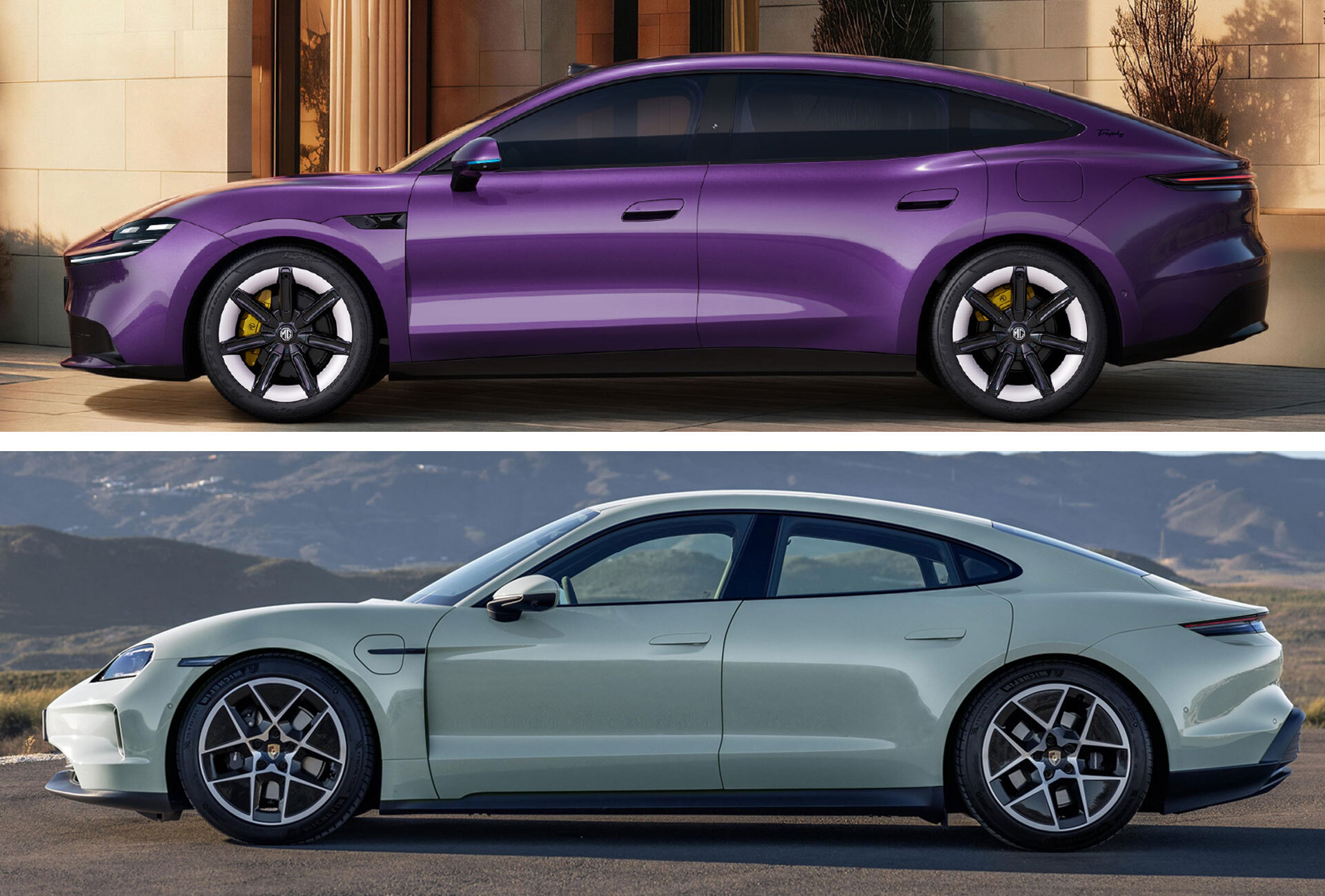
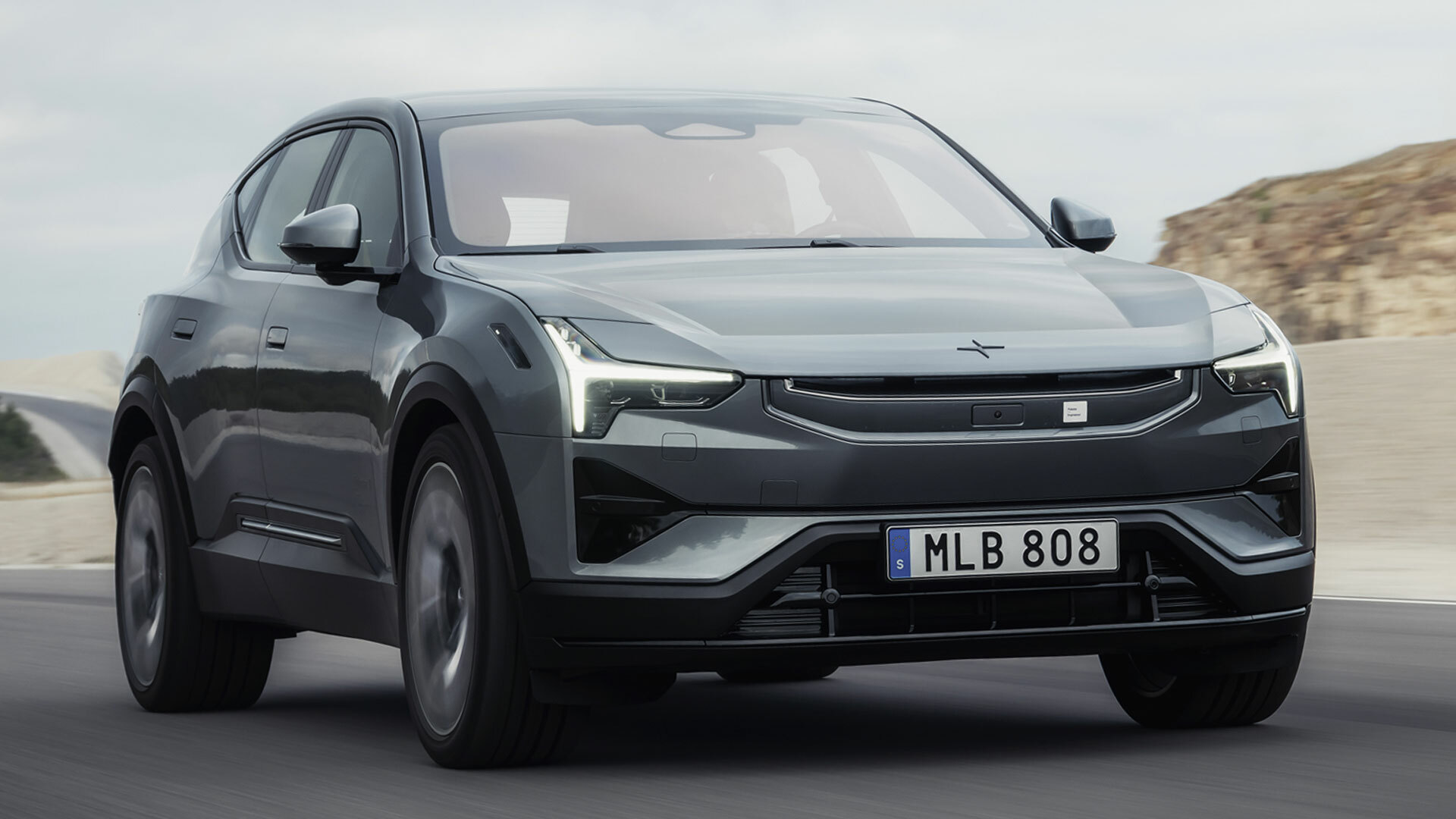
Sporting a design that rivals “luxury coupes in the ¥700,000 ($102,930) class,” the 07 will offer “top-tier styling” for less than ¥200,000 ($29,410). That’s a not so subtle reference to the Porsche Taycan, which begins at ¥918,000 or $134,985 in China.
More: China Isn’t Buying Porsches, But It Sure Loves Making Cars That Look Like Them
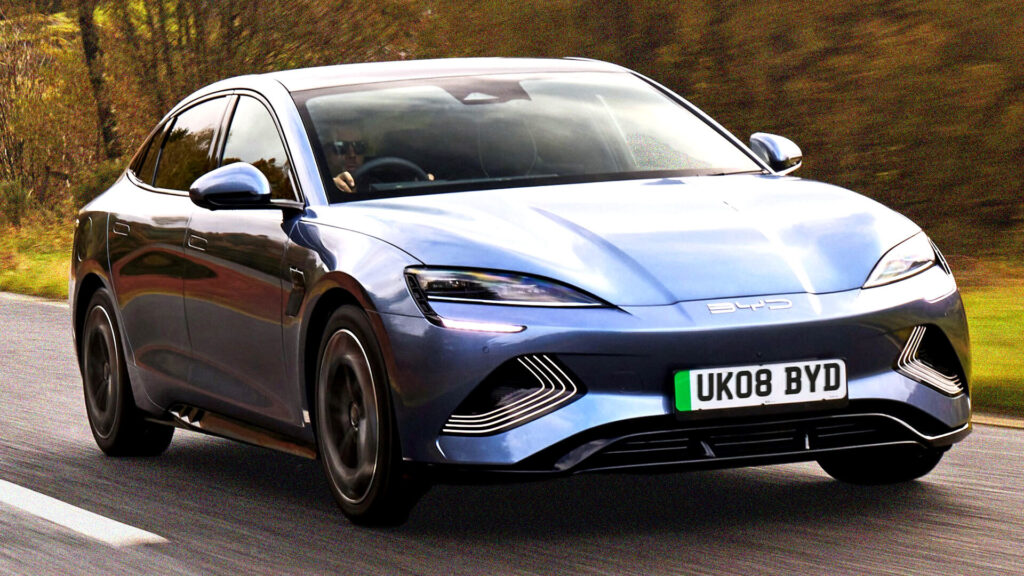
The similarities are readily apparent as the 07 looks like a pudgy Taycan. However, something has been lost in translation as it doesn’t seem quite right.
That being said, the model looks fairly good and sports C-shaped lighting units as well as a bulging hood. They’re joined by a wide lower intake that appears to have an active shutter grille and a prominent sensor.
Moving down the side, there’s a rakish windscreen that flows into a long curved roof. The latter is notable for having a lidar sensor mounted above the windscreen. Other highlights include Taycan-style front fender vents and door handles as well as a similar rear end. However, the MG’s booty could use some time at the gym.
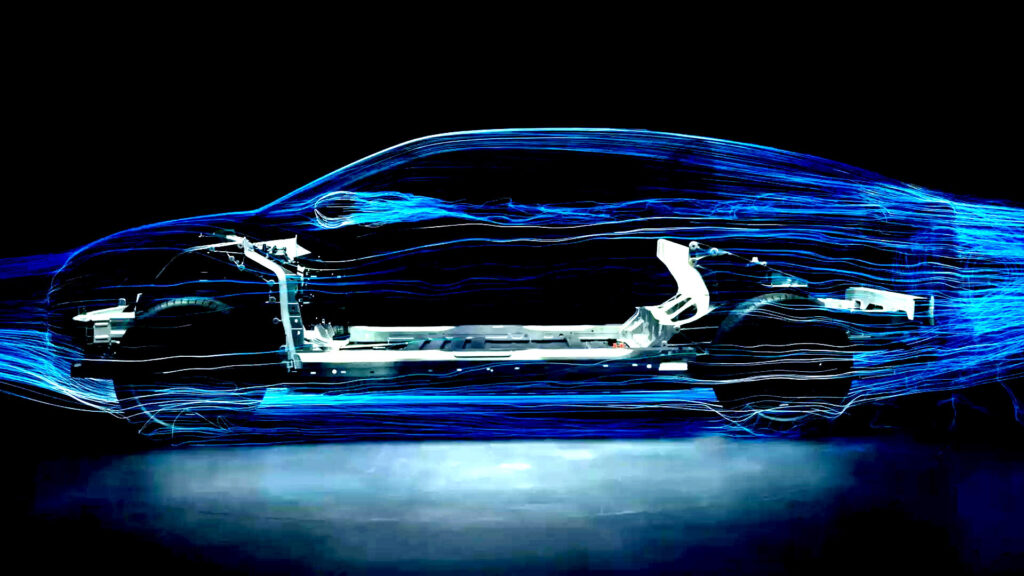
MG has been coy on specifics, but they used Auto China to reveal the 07 rides on SAIC’s next-generation NEV platform. It will be offered with both electric and plug-in hybrid powertrains.
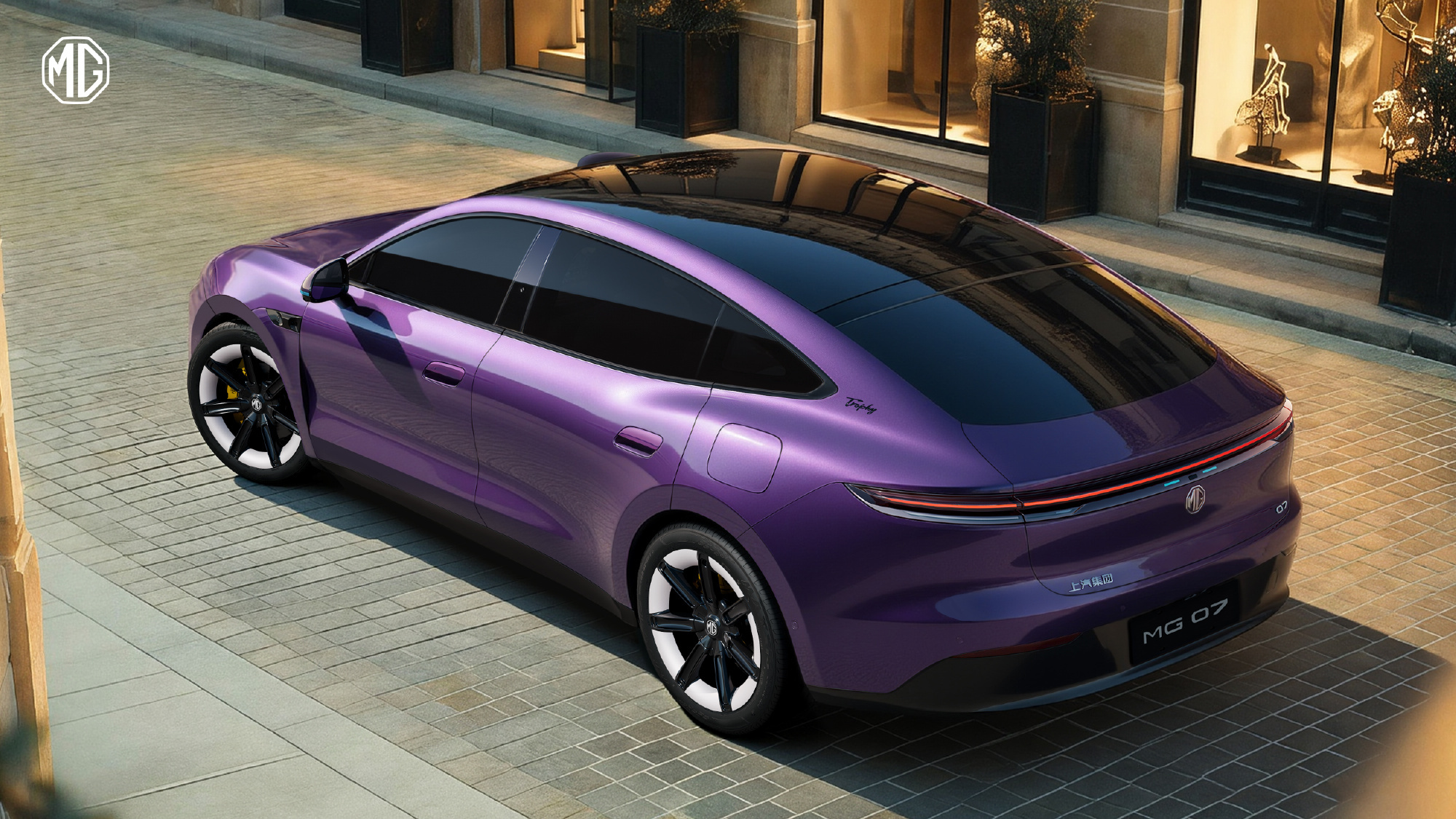
The automaker also announced higher-end variants – that cost around ¥300,000 ($44,112) – will use the Momenta R7 autonomous driving system. It promises to provide Urban Navigate on Autopilot as well as a “seamless parking-space-to-parking-space driving experience.”
MG went on to say the system doesn’t simply imitate human driving as it also “possesses physical scene understanding and predictive reasoning similar to an experienced driver.” This reportedly enables proactive defensive maneuvers to increase safety.
We’ll likely learn more in the coming weeks, but the car will apparently show turquoise lights when being driven autonomously.