Reading view

There are new articles available, click to refresh the page.

A $9,500 Hatch Stole Tesla’s Best-Seller Crown In China
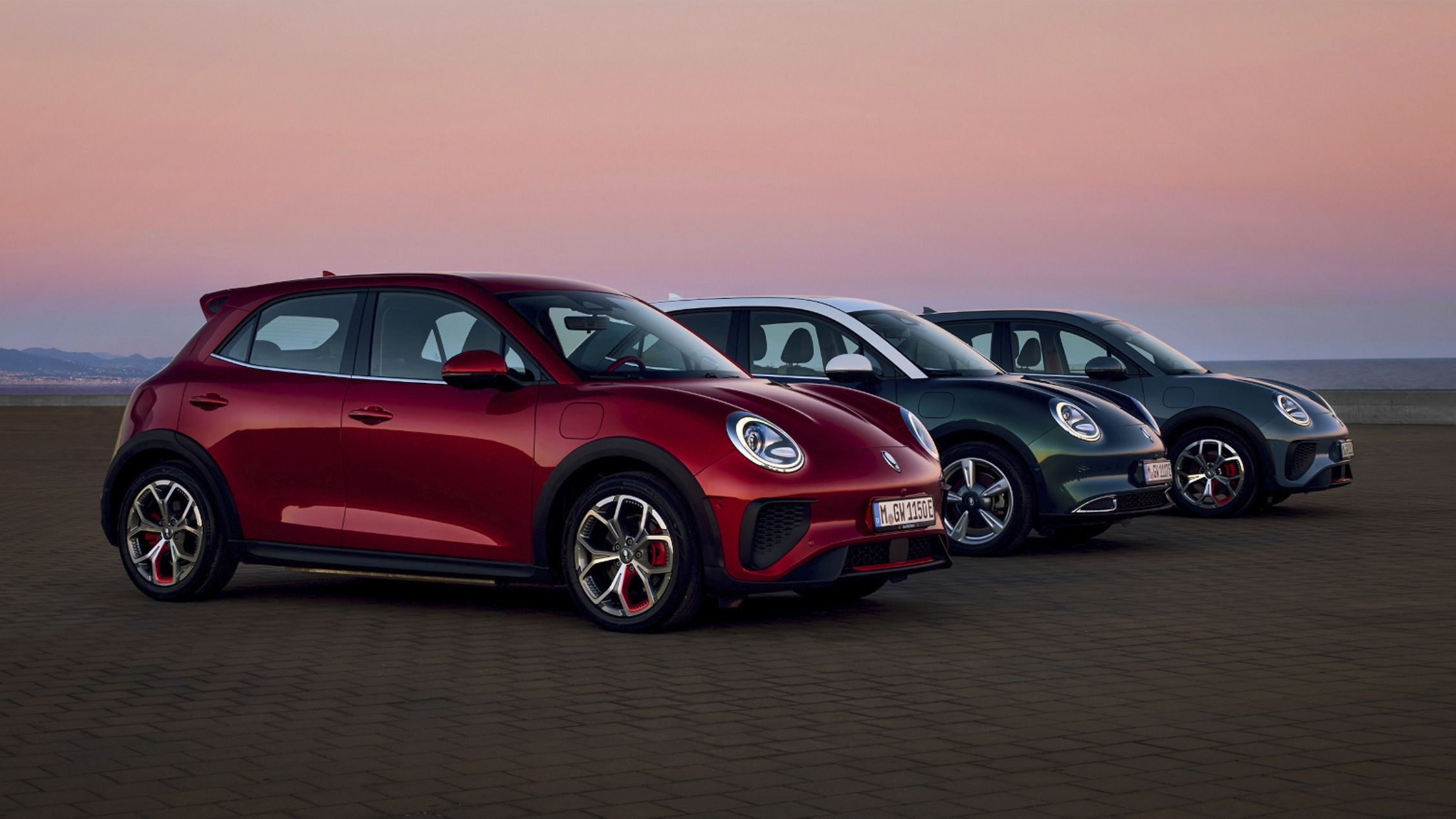
  • Geely Galaxy Xingyuan was China’s best-selling vehicle in 2025.
  • Wuling Mini EV ranked second, ahead of the Tesla Model Y in 2025.
  • BYD stayed China’s top-selling brand by a wide margin in 2025.

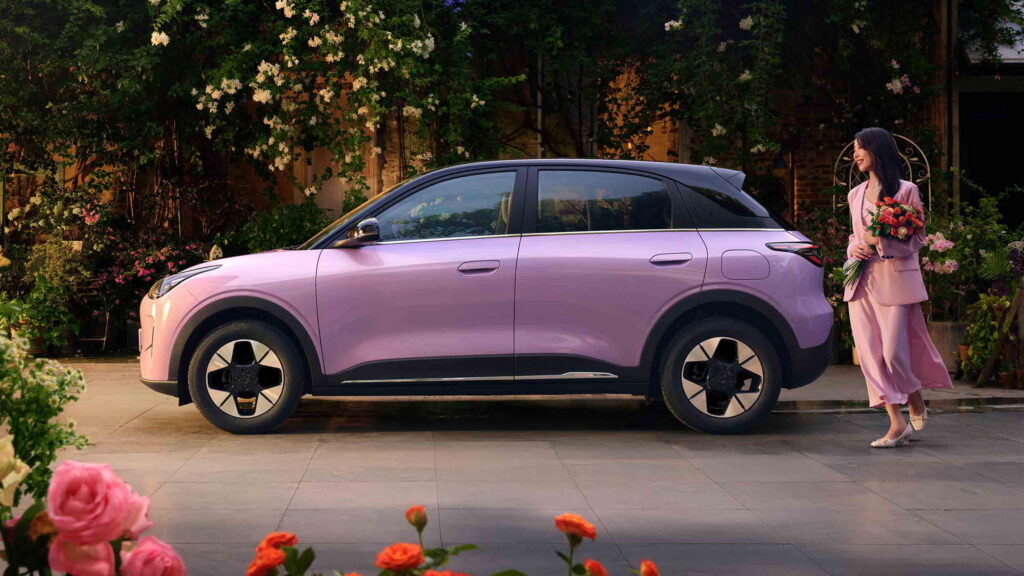
A new electric subcompact has pulled off a quiet revolution in China’s fiercely competitive car market, topping the charts without the backing of Tesla or BYD. The Geely Galaxy Xingyuan, a fully electric hatchback, has officially become the country’s best-selling vehicle for 2025, racking up 465,775 registrations and ending the two-year reign of the Tesla Model Y.

More: Ford Held The Best-Seller Crown, But GM Outsold It On A Technicality

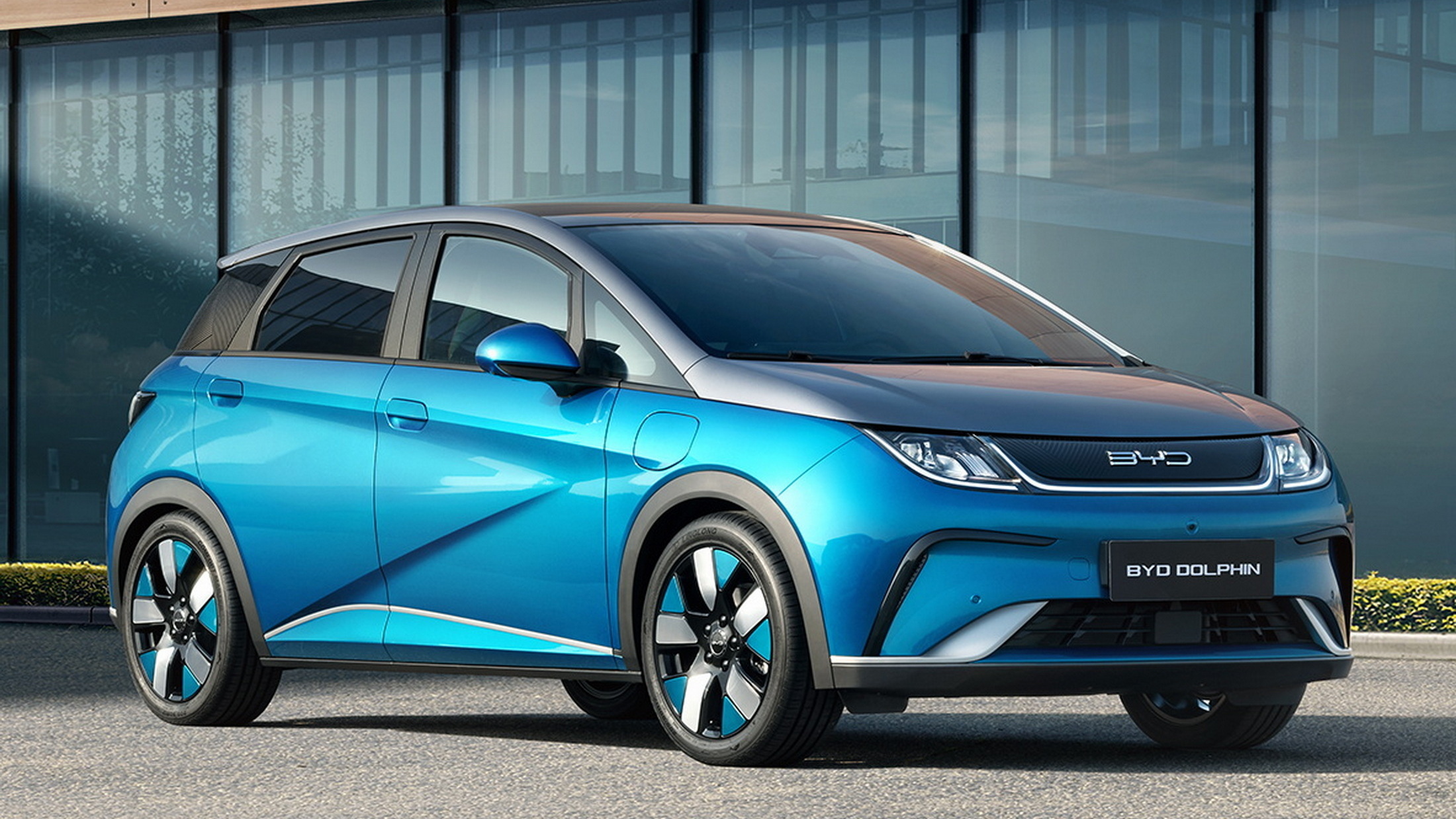
Known as the Geely EX2 in export markets, the Galaxy Xingyuan was introduced in 2024 and measures 4,135 mm (162.8 inches) in length. It sits in the subcompact category, going up against popular rivals like the BYD Dolphin, Wuling Bingo, and Aion UT.

It blends simple, approachable styling with a well-equipped interior and pricing that stays competitive, currently ranging from ¥65,800 to ¥95,800 ($9,500 to $13,800 at current exchange rates) in China.

GM JV Snags Second Spot
 A $9,500 Hatch Stole Tesla’s Best-Seller Crown In China
Wuling Hongguang Mini EV

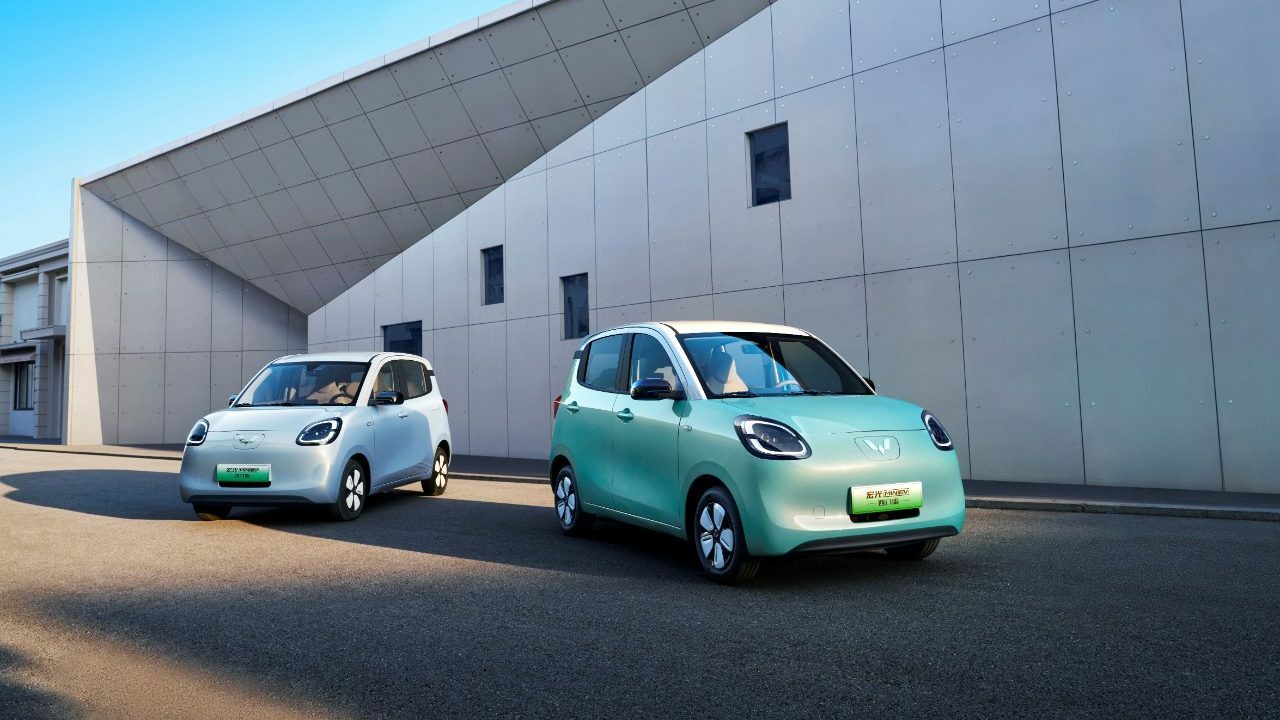
China’s second-best-selling vehicle in 2025 was the compact Wuling Hongguang Mini EV, repeating the success of its earlier version from 2021 and 2022. The pint-sized electric hatchback from the SAIC-GM-Wuling joint venture entered a new generation last year, bringing more playful styling and a new five-door variant. Those updates clearly landed well, helping it reach 435,599 units sold, a huge 82 percent jump over its 2024 total.

\\\\\\\\\\\\\\\\\\\\\\\\

Geely Galaxy Xingyuan

The Tesla Model Y, which held the top spot in 2023 and 2024, slipped to third place in 2025. It still put up strong numbers with 425,337 units sold, though that marked an 11.5 percent decline from the year before, even with the launch of a significantly updated version earlier in the year.

More: One in 10 New Cars Sold in Europe Last Month Was Chinese

In fourth place, the BYD Qin Plus sedan registered 387,315 units sold. Available as either a fully electric model or a plug-in hybrid, the Qin Plus had previously held the second spot in both 2023 and 2024 but saw its position slip this year.

The Nissan Sylphy sedan, known as the Sentra in the US, was China’s best-selling model from 2020 to 2022 before Tesla took over. Now down to fifth place with 320,000 sales, it still holds the distinction of being the country’s best-selling non-EV. A new generation has just arrived, which might give it a boost heading into next year.

RankModelPowertrainSales
1Geely Galaxy XingyuanEV465,775
2Wuling Hongguang Mini EVEV435,599
3Tesla Model YEV425,337
4BYD Qin PlusPHEV/EV387,315
5Nissan SylphyICE/Hybrid320,000
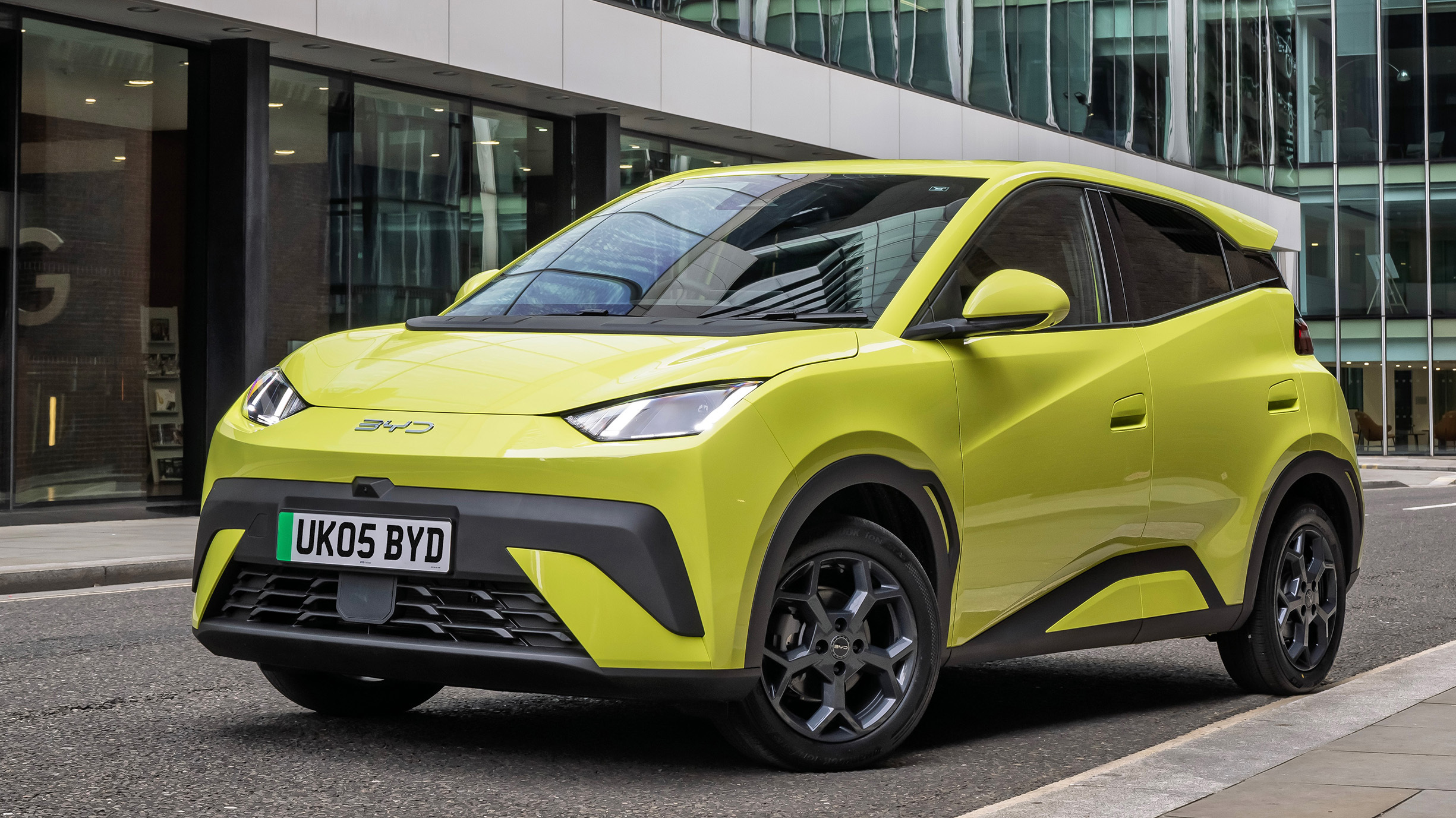
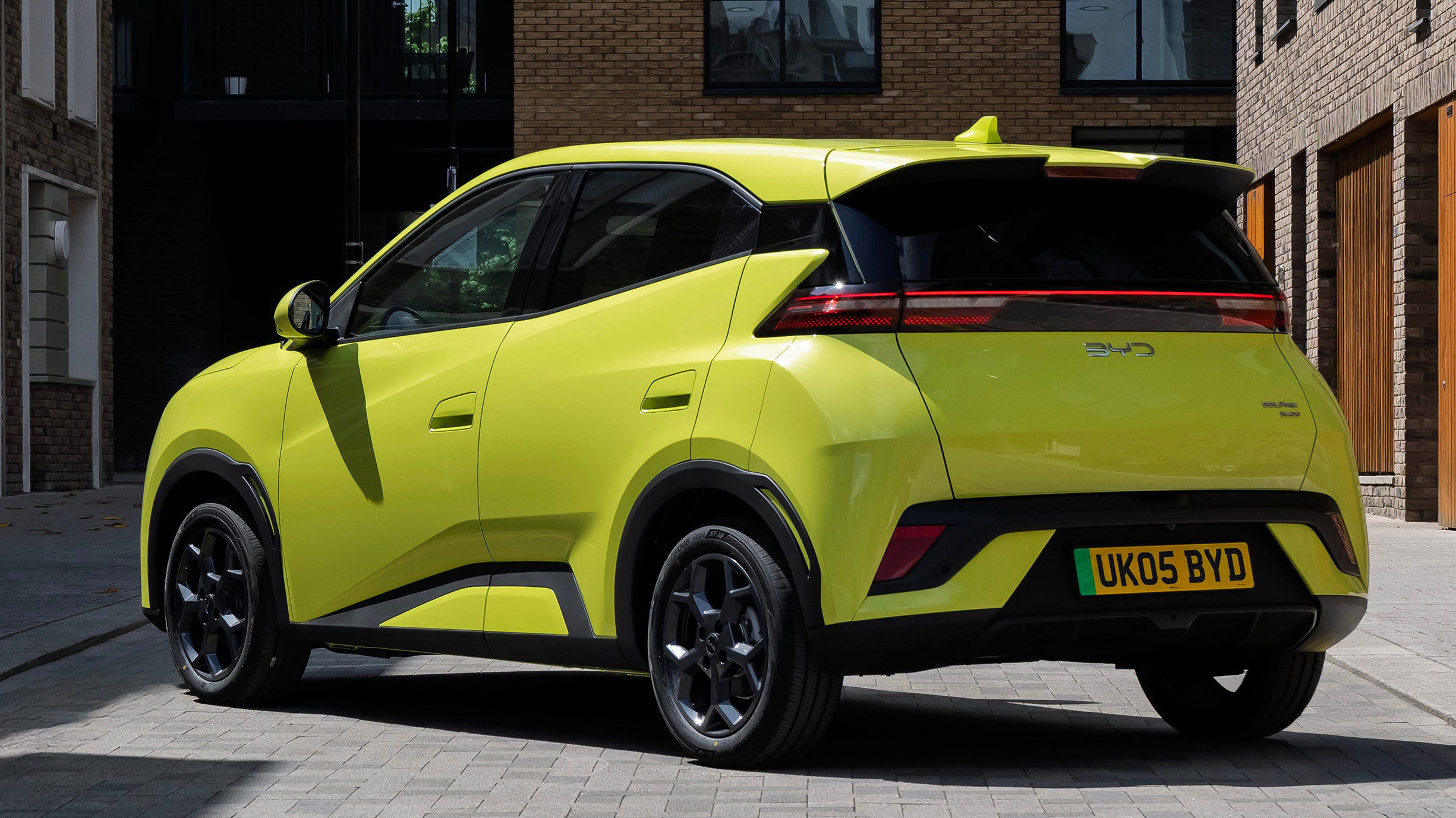
6BYD SeagullEV310,956
7BYD Qin LPHEV264,671
8Xiaomi SU7EV258,164
9Volkswagen LavidaICE245,000
10BYD Song PlusPHEV/EV200,276
SWIPE

Source: China Passenger Car Association (CPCA)

Another standout in China’s top 10 for 2025 is the Xiaomi SU7 sedan, which landed in eighth place with 258,164 units sold. The Chinese newcomer made headlines by outselling its direct rival, the Tesla Model 3, which slipped to eleventh with 200,361.
 A $9,500 Hatch Stole Tesla’s Best-Seller Crown In China

Local Brands Dominate The Charts

According to data from the China Passenger Car Association (CPCA), BYD held onto its lead as the largest manufacturer in China by total volume, selling 3,484,525 vehicles in 2025. Geely followed in second with 2,605,565 units, marking a striking 47% increase over the previous year.

Chinese brands as a whole captured 65 percent of the domestic market, while many foreign automakers that once dominated have struggled to keep up. FAW-Volkswagen secured third place with 1,531,276 sales, but joint ventures from Toyota and Honda have now dropped out of the top five.

RankBrand2025 SalesMarket Share
1BYD3,484,52514.70%
2Geely2,605,56511.00%
3FAW-Volkswagen1,531,2766.40%
4Changan1,400,8205.90%
5Chery1,348,4095.70%
SWIPE

Source: China Passenger Car Association (CPCA)

Abandoned Chinese Prototype In California Is All That’s Left Of A $160M Bet

  • Abandoned prototype in California shows Chinese brand’s US plans.
  • Near-production SF7 crossover was built to meet US regulations.
  • SF Motors rebranded as Seres after halting US production plans.

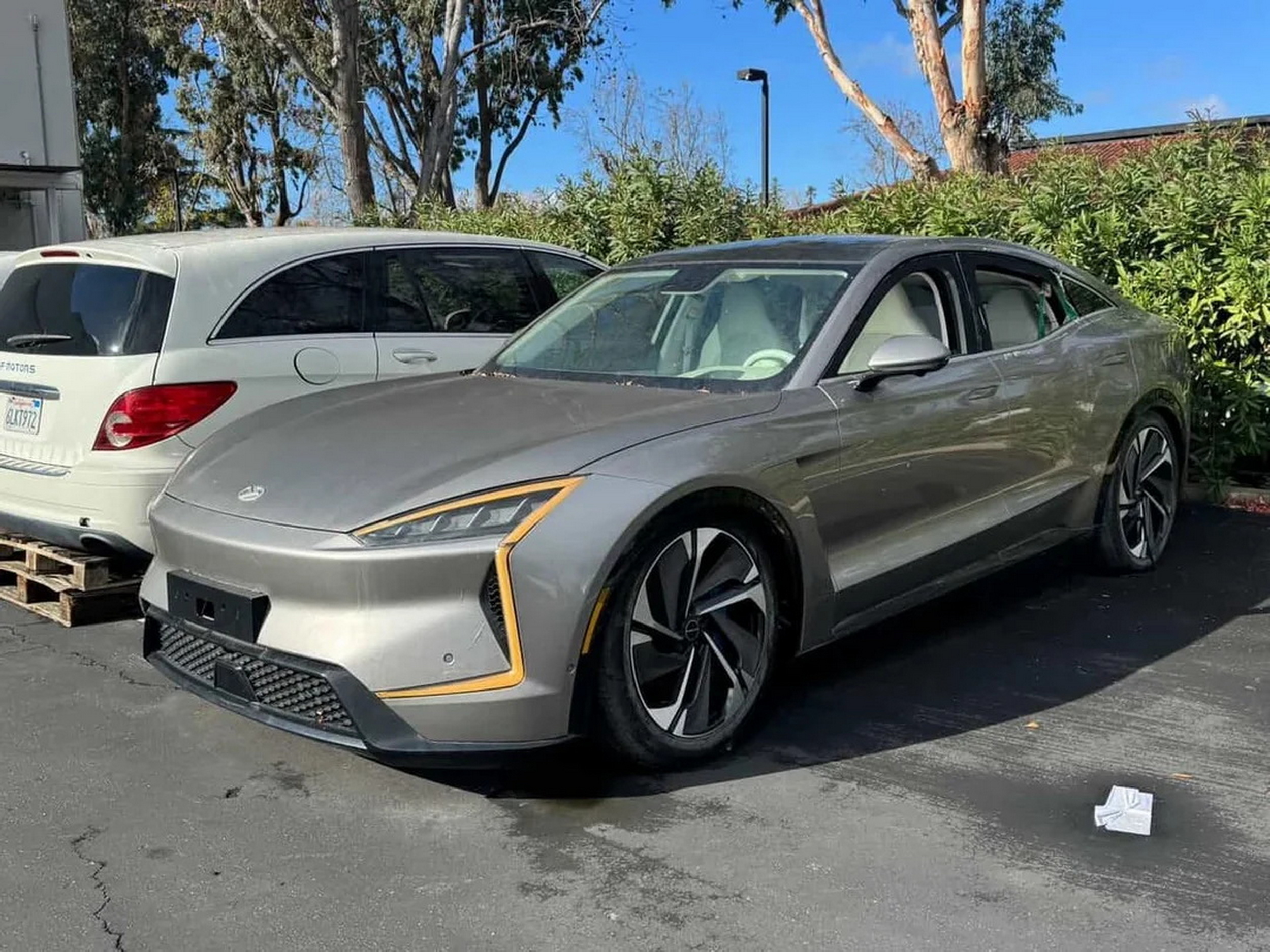
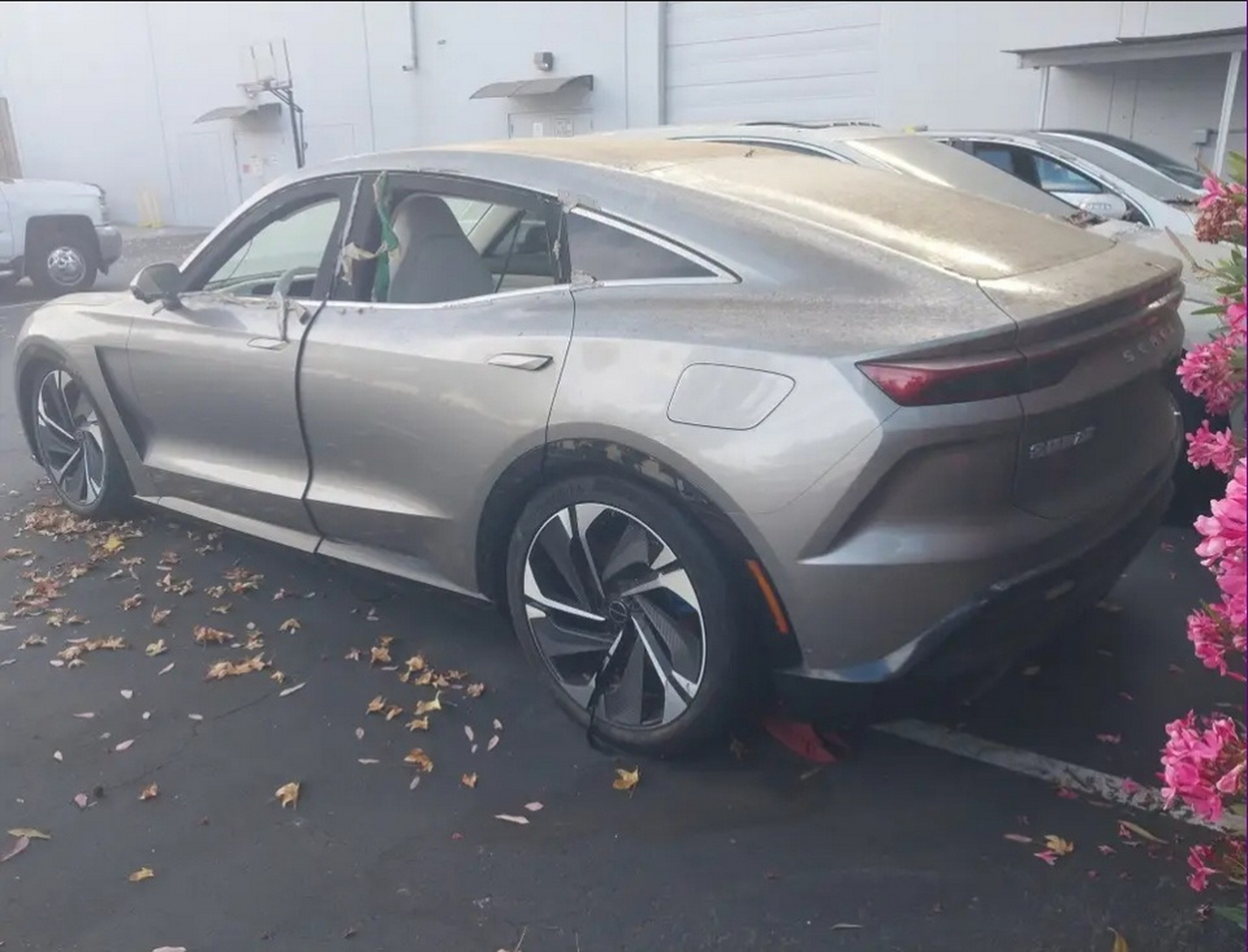
A dust-covered prototype spotted in a California parking lot has stirred plenty of curiosity across forums and social media. Weathered and left behind, it’s another eerie reminder of how unforgiving the EV game can be, especially for startups trying to find a foothold in a market that moves fast, burns money, and doesn’t wait for anyone to catch up.

More: Seres 5 Crushes Tesla Model Y In Comfort But Loses The Battle Where It Counts

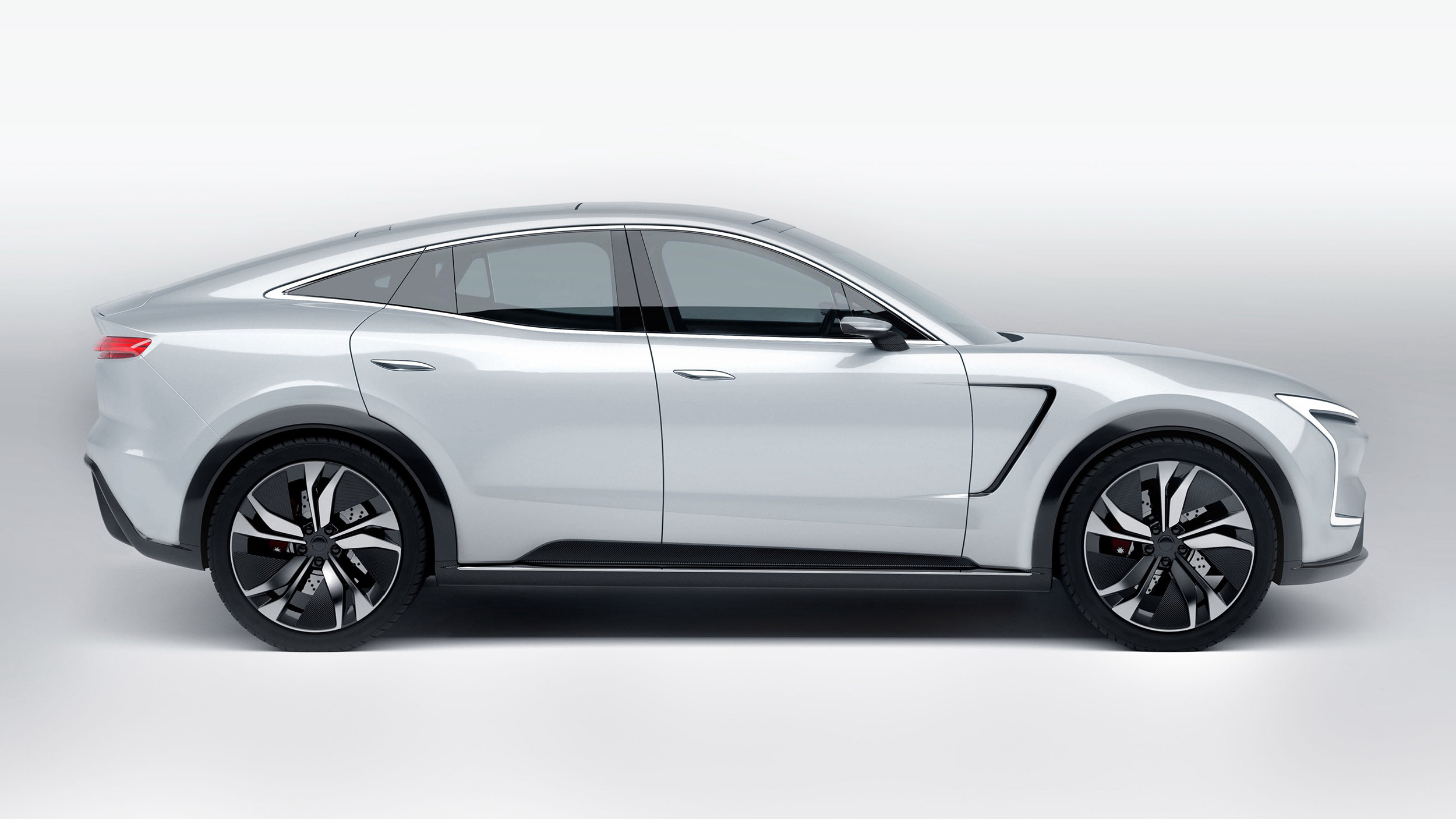
The vehicle in question appears to be a near-production evolution of the SF7 concept, which SF Motors first revealed back in 2018. That company would later be rebranded as Seres, eventually spinning off the Aito nameplate in partnership with Chinese tech giant Huawei. And yes, keeping track can be a bit of a challenge.

\\\\\\\\\\

Still, the Chinese automaker once had big plans for the North American market. In 2018, it purchased a factory in Mishawaka, Indiana, for $160 million, with the intention of building EVs on US soil and going straight after Tesla.

 Abandoned Chinese Prototype In California Is All That’s Left Of A $160M Bet

That same year, it also opened a 130,000-square-foot R&D and low-volume manufacturing facility at the McCarthy Creekside Industrial Center in Milpitas, California.

By the following year, however, those plans had been shelved. Officially, it was due to shifting market dynamics and the usual complications of US-China trade. Unofficially, the writing was already on the wall.

The Shape of What Could Have Been

 Abandoned Chinese Prototype In California Is All That’s Left Of A $160M Bet
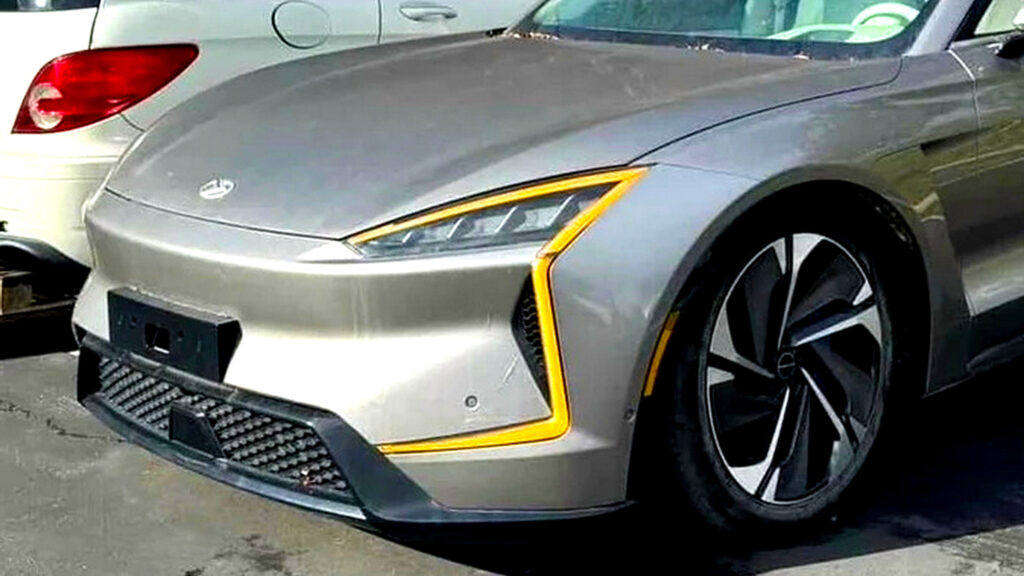
The EV prototype (above) compared to the 2018 SF7 Concept (below)
 Abandoned Chinese Prototype In California Is All That’s Left Of A $160M Bet

The abandoned prototype, first noticed by forum users and Reddit sleuths, was spotted in the parking lot of the SF Motors facility in Milpitas, California. Compared to the original SF7 concept, this one looks much closer to production, with reworked bumpers, reshaped fenders, and more conventional lighting units.

Overall, it looks like a mix between a sedan and a fastback crossover, with discreet cladding around the wheel arches and a sleek roofline. It also features. US-market details like amber indicators suggest it was being prepped for local homologation.

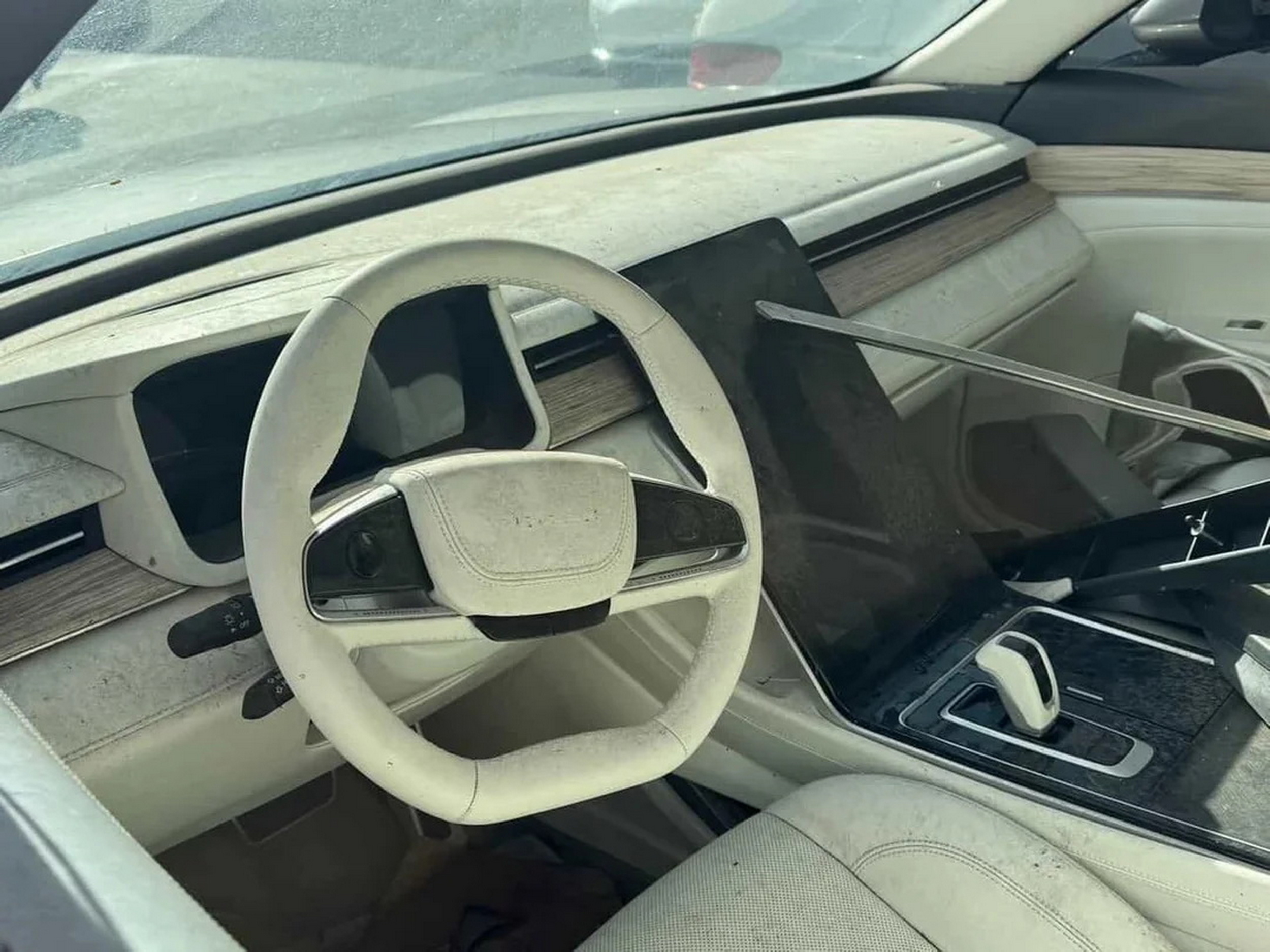
Inside, there’s a large portrait-oriented infotainment display paired with a digital instrument cluster. The cabin is trimmed in white leather with wood accents, but it’s clearly suffered from exposure, thanks to windows left partially open to the elements.

Specs That Never Saw the Road

 Abandoned Chinese Prototype In California Is All That’s Left Of A $160M Bet

Originally, the SF7 was meant to ride on a dedicated EV platform, boasting quad electric motors with a combined output of up to 1,000 horsepower. A liquid-cooled battery was estimated to provide around 300 miles (483 kilometers) of range, putting the SF7 in direct competition with premium electric SUVs at the time.

Although the SF7 never made it to showrooms, the slightly smaller SF5 managed to find a second life. That concept evolved into the Seres 5, which we reviewed, and the Aito M5, developed through the Seres-Huawei partnership.

A Failed Dream

Seeing this derelict development vehicle in California is reminder of how close SF Motors came to offer vehicles in the US. But in the end, those plans never crossed the finish line.

The Mishawaka facility, originally chosen as the production site for the SF5 and SF7, once built the Mercedes R-Class. That likely explains the presence of the white R-Class, sitting on pallets next to the abandoned SF7.

 Abandoned Chinese Prototype In California Is All That’s Left Of A $160M Bet

The old Mercedes crossover carries SF Motors emblems and was repurposed as a development mule for a “high-performance electric powertrain.”

From One Collapse to Another

After SF Motors scrapped its US production plans, the Indiana facility was picked up by Electric Last Mile Solutions (ELMS), a startup that later filed for bankruptcy. Mullen Automotive stepped in and took ownership in 2022, but by late 2025, the company handed the plant over to the GEM Group to resolve outstanding legal liabilities.

\\\\\\

Photos Reddit / Imgur / Google Maps

VW’s Chinese Partner Is Now Building Cheaper Cars In Europe To Beat VW

  • Xpeng’s P7+ undercuts VW’s ID7 with a €43,600 starting price.
  • It uses 800V tech for faster 350 to 446 kW charging speeds.
  • Long-range P7+ offers 530 km versus ID7’s 619 km estimate.

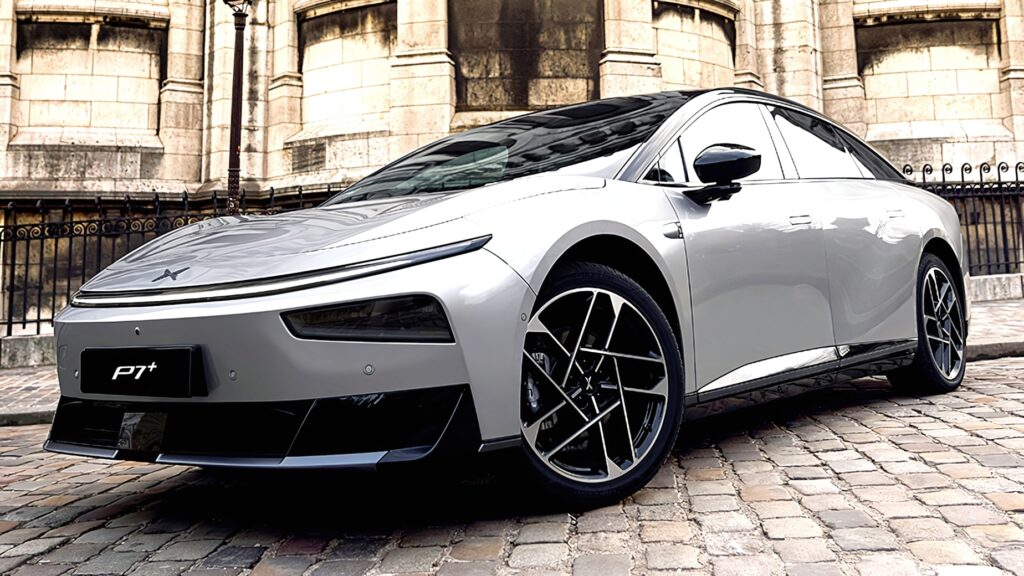
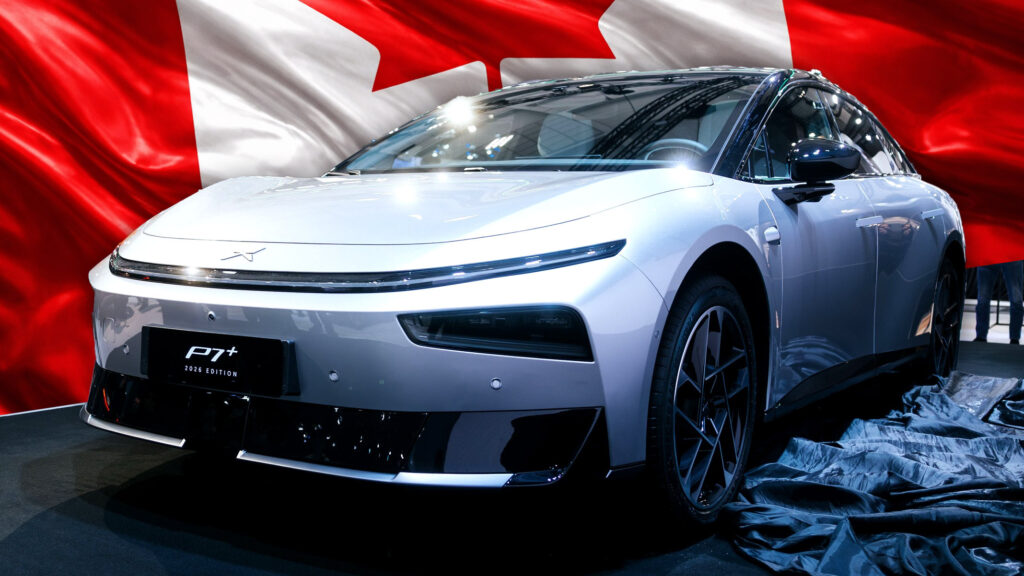
While VW and Xpeng are teaming up to develop new EVs for China, the partnership hasn’t stopped a quiet rivalry from unfolding. Xpeng has just rolled out its latest electric sedan, the P7+, across European markets, and it’s not shy about naming its target, which is none other than the VW ID.7, one of Europe’s top-selling EVs.

Read: Xpeng P7+ Is The Latest Ultra-Efficient EV From China

The P7+ has already spent time on the Chinese market, but it recently arrived in Europe with more than just a new badge. It debuted in European specification at the Brussels Auto Show earlier this month and is now being built locally at Magna Steyr’s contract manufacturing facility in Graz, Austria.

Like the ID.7, it’s a streamlined, low-profile sedan with a strong focus on range and high-speed charging.

A Cheaper Entry, With Compromises

\\\\\\\\\\\\\\

One thing the Xpeng has going for it over the VW is price. In Germany, the entry-level P7+ starts at just €43,600 ($51,200), significantly undercutting the ID.7 that kicks off from €54,105 ($64,900). However, whereas the base ID.7 uses a 77 kWh battery and has a WLTP driving range of 385 miles (619 km), the base P7+ uses a much smaller 62 kWh pack, restricting its range to 283 miles (455 km).

Shoppers who want to travel farther between stops will need to pay at least €49,600 ($59,500) for the long-range model, which boasts a 75 kWh pack and a 329-mile (530 km) range. However, that pales in comparison to the flagship ID.7 Pro S with its 86 kWh pack and 440-mile (708 km) range.

Charging Without Compromise

\\\\\

According to Sven De Smet, head of brand and marketing at Xpeng Europe, who spoke to AutoNews, one of the key advantages of the P7+ is its faster charging capability. The VW tops out at 200 kW for DC fast charging, while the base P7+ can reach 350 kW, and the long-range version peaks at 446 kW.

“We believe charging is one of the pain points,” De Smet said. “A big battery is heavier, which means it consumes more electricity, which means you charge it more.”

Xpeng also points out that the smaller, lighter battery packs in the P7+ should have a positive impact on handling and overall driving dynamics. That could prove appealing to European drivers, who often place a premium on responsiveness and efficiency.

\\\\\\\\\\

The question now is whether the P7+ can match the ID.7’s strong European sales. Last year, VW moved 76,368 units of the ID.7 across the continent, putting it in seventh place among all EVs sold. That figure put it just 10,000 units behind the Tesla Model 3. Xpeng may be the challenger in this case, but it’s stepping into a crowded field.

Strategic Partners, Not Just Rivals

VW holds a five percent stake in Xpeng following a $700 million investment, but the ties run deeper than capital. The two brands are jointly developing several EVs for the Chinese market, including at least one model built on Xpeng’s Edward platform. VW has also committed to integrating aspects of Xpeng’s tech stack, including its proprietary Turing chip and VLA 2.0 software, into future models.

\\\\\\\\\\\\\\\\\\

Xpeng

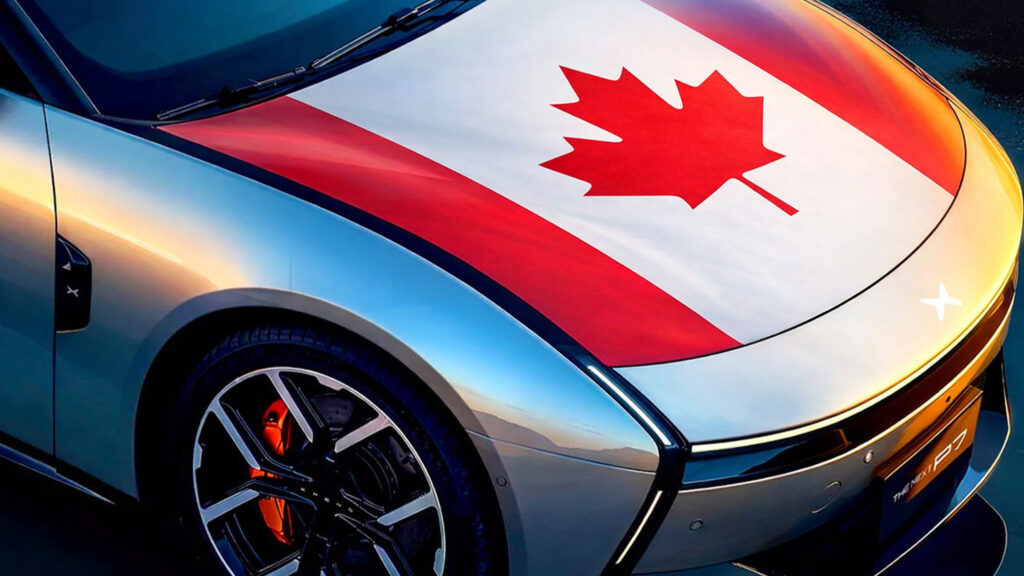
China Is Ready To Start Building Cars In Canada

  • Canada cut tariffs on Chinese EVs from 100 percent to 6.1.
  • Trump threatened 100 percent tariffs in response to deal.
  • China now wants to build EVs in Canada with local partners.

Canada’s recent trade deal with China was bound to cause controversy. The agreement slashes tariffs on Chinese EVs from 100 percent down to just 6.1 percent, prompting U.S. President Donald Trump to threaten 100 percent tariffs on Canada if the deal proceeds. Still, China insists the arrangement is meant to benefit both countries and isn’t a zero-sum game.

Under the new deal, up to 49,000 EVs from China can be imported to Canada at a reduced 6.1 percent tariff rate, though at least half of them must cost $35,000 or less by 2030.

Read: Canada Just Invited China’s Biggest EV Makers To Build Cars On America’s Border

Unifor labor union president Lana Payne argues the deal opens the door for China to quickly capture critical market share. Ontario Premier Doug Ford has voiced similar concerns, warning that Canada could be inundated with low-cost EVs, without any firm commitment from China to invest in the local economy.

Beijing Signals Willingness to Build in Canada

Despite those concerns, Chinese Ambassador to Canada Wang Di says China’s fast-growing automakers are being urged to invest directly in Canada and produce vehicles domestically.

“All these projects will be beneficial to the development of the Canadian EV industry, and will be helpful for job growth in Canada, and will help Canadian consumers to be able to buy higher quality and more affordable cars,” Wang told CTV News. “The character of China-Canada practical co-operation is complementarity and mutual benefit.”

 China Is Ready To Start Building Cars In Canada

“China encourages and supports Chinese companies to make investments and start-up companies here in Canada, on the basis of the market rules,” he continued. “At the same time, we hope that the Canadian side will provide a fair, non-discriminatory, and predictable business environment for the Chinese companies that come here.”

According to Wang, that is what Beijing ultimately wants to see, if companies choose to take up the opportunity.

“If Chinese companies will come to Canada to work with Canadian partners for investment, for opening factories or for joint ventures, all of these projects will be win-win,” he said.

Is This a Message to Washington?

 China Is Ready To Start Building Cars In Canada
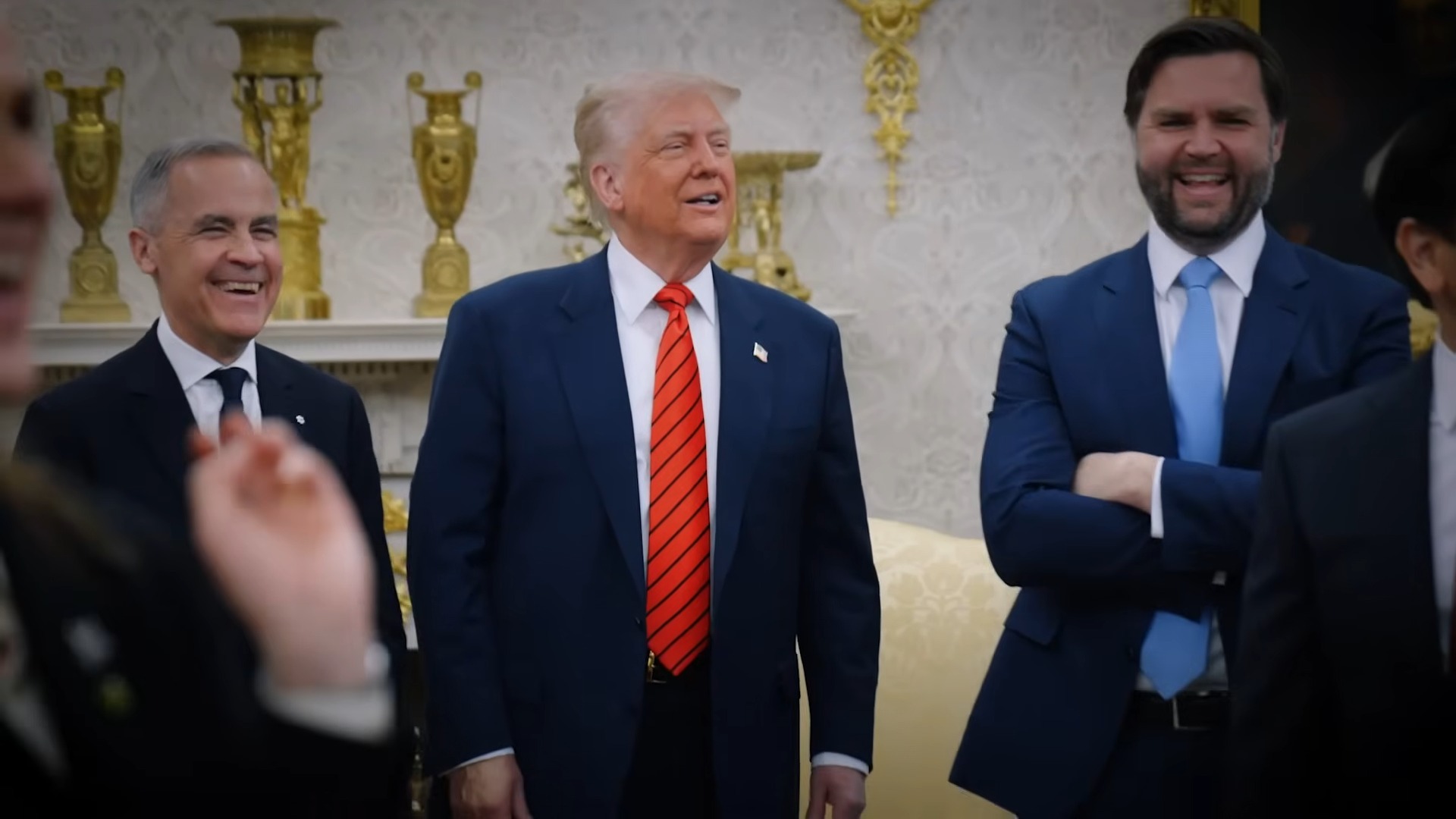
Youtube/ Whitehouse

Perhaps in a thinly veiled swipe at the Trump administration, Wang added that “unlike some other countries, China will not only take into consideration of its selfish interest, we don’t want ‘only we win and others lose.’”

The head of the Canada-China Energy and Environment Forum, Wenran Jiang, would like to see Canadian juggernaut Magna International partner with a Chinese car manufacturer to build EVs in Canada. Recently, it was confirmed that Magna would partner with GAC to build the Aion V, but it’ll be built at the parts giant’s factory in Graz, Austria.

“If they can do that, we can do it certainly here in Ontario,” Jiang said, adding that such cooperation could help bridge regional divides over China policy. “We could do probably better if we leverage our regional advantages and work together as a team.”

 China Is Ready To Start Building Cars In Canada

Tesla’s Problem In China Isn’t Nio Or BYD, It’s This EV That Just Outsold Them

  • Updated SU7 model could boost Xiaomi sales significantly in 2026.
  • SU7 sales topped 258,000 units, Model 3 reached 200,361 in China.
  • Technology giant aims to sell 550,000 vehicles in China this year.

Xiaomi has quickly established itself as an automaker to be reckoned with in China, and last year, it achieved something that would’ve seemed unlikely just a few years ago: its all-electric SU7 sedan outsold the Tesla Model 3.

Once the brand of choice for EV-hungry Chinese consumers, Tesla now finds itself outpaced by domestic rivals that are rapidly improving their game. Xiaomi is leading that charge.

Read: Xiaomi’s YU7 Outsold Tesla’s Model Y And Now It’s Getting Personal

Data from the Chinese Passenger Car Association shows that in 2025, Xiaomi sold 258,164 SU7s. That’s nearly double the roughly 135,000 units it moved in 2024, a figure made more impressive given that the SU7 only launched in April of that year.

Perhaps more notably, it overtook the Tesla Model 3, which saw 200,361 deliveries in the same period.

What’s Driving the Switch?

 Tesla’s Problem In China Isn’t Nio Or BYD, It’s This EV That Just Outsold Them

Chinese buyers have responded well not only to the SU7’s design inside and out but also to the technology it packs and the performance it delivers.

The base version undercuts a comparable Model 3 by roughly 9 percent, according to a report from the South China Morning Post, giving it a clear pricing advantage. Strong driving range and well-specced hardware round out the package, allowing the SU7 to compete in a segment Tesla once dominated.

“Tesla’s dominance in the premium EV segment has been eroded by its Chinese competitors that are able to churn out vehicles on par with its technology standards while offering them at lower prices,” a senior manager at the Shanghai-based consultancy Suolei told the outlet. “Xiaomi’s success is a strong boost for Chinese carmakers, which are all trying to move up the value chain.”

What’s in Store for 2026?

 Tesla’s Problem In China Isn’t Nio Or BYD, It’s This EV That Just Outsold Them

This year is shaping up to be even bigger for Xiaomi. In April, an updated SU7 will be launched, complete with more advanced driving assistance functions, including LiDAR across the entire family, and an improved driving range of up to 902 km (560 miles) on the CLTC cycle.

Within the first 15 days of pre-orders opening, Xiaomi reportedly secured 100,000 reservations for the refreshed model.

Also: Ford’s Jim Farley Was “Shocked” After Tearing Down Xiaomi And Tesla EVs

In total, Xiaomi sold 411,800 vehicles last year and is targeting 550,000 in 2026. This will also be the first full year of availability for the YU7 SUV, which could become its best-selling model.

Back in October, the YU7 notched 33,662 sales in a single month, even edging past the Tesla Model Y. Xiaomi’s third model, the YU9, will also make its debut this year as a range-extender EV.

\\\\\\\\\\\\

Doug Ford Says Canada Sold Out Auto Workers For Cheap Chinese EVs

  • Canada cut Chinese EV tariffs from 100 percent to 6.1 percent.
  • Doug Ford slammed the move, warning it risks local auto jobs.
  • Premier wants Canadians to boycott imported Chinese EV models.

Just days after Canada and China finalized a trade agreement slashing tariffs on Chinese electric vehicles from 100 percent to 6.1 percent, Ontario Premier Doug Ford has gone on the offensive.

Warning that the move could deliver a serious blow to Canada’s domestic auto industry, Ford is urging Canadians to steer clear of Chinese EVs altogether and “boycott” them, arguing the deal risks local jobs and undermines the country’s manufacturing base.

Read: Canada Just Invited China’s Biggest EV Makers To Build Cars On America’s Border

Ford didn’t wait for the details to land before voicing his concerns. Long before the tariff change was confirmed, he was already firmly against any auto-related trade agreement with China. According to the Ontario Premier, Prime Minister Mark Carney pushed the deal through without proper consultation.

Ford Sounds the Alarm on Local Jobs

 Doug Ford Says Canada Sold Out Auto Workers For Cheap Chinese EVs

“Maybe a few people might buy them, and I just discourage anyone from buying a Chinese vehicle,” Ford said at a press conference.

“But if they decide to do that, at what cost is it? Is it at the cost of your neighbor down the street that’s working in the auto sector that he’s not going to have, or she’s not going to have a job? Boycott the Chinese EV vehicles. Support companies that are building vehicles here. This is a team Canada approach. We gotta stick together.”

Who Really Benefits From the Deal

 Doug Ford Says Canada Sold Out Auto Workers For Cheap Chinese EVs

In announcing the dramatic tariff reduction, Carney stated that several Chinese carmakers have shown interest in building affordable electric vehicles on Canadian soil. Under the new deal, 49,000 EVs from China can be imported to Canada at the lower 6.1 percent tariff. Although Carney would welcome Chinese brands building cars locally, Ford isn’t convinced by the idea.

“The numbers just don’t add up,” he said. “Even if they do start assembling, how about the supply chain? They come, and they assemble, but they bring all Chinese parts in; that means nothing. We want to make sure we produce Canadian cars by Canadians, with the R and D and the specs and everything, and the steel, and the aluminum from Canada. It’s as simple as that.”

Are EV Incentives Needed?

 Doug Ford Says Canada Sold Out Auto Workers For Cheap Chinese EVs

Ontario Green Party Leader Mike Schreiner, speaking to CTV News, said the province should be looking at practical steps to build demand for Canadian-made EVs instead of clearing the way for imports.

“The federal government’s deal with China threatens Ontario’s automotive industry,” he claimed. “This is even more reason for the premier to take bold action to bring forward a complete plan to protect Ontario workers by going all-in on incentives to create demand for Ontario-made EVs.”

 Doug Ford Says Canada Sold Out Auto Workers For Cheap Chinese EVs

BMW Gave Its Electric SUV A Stretch, But Don’t Expect It To Reach You

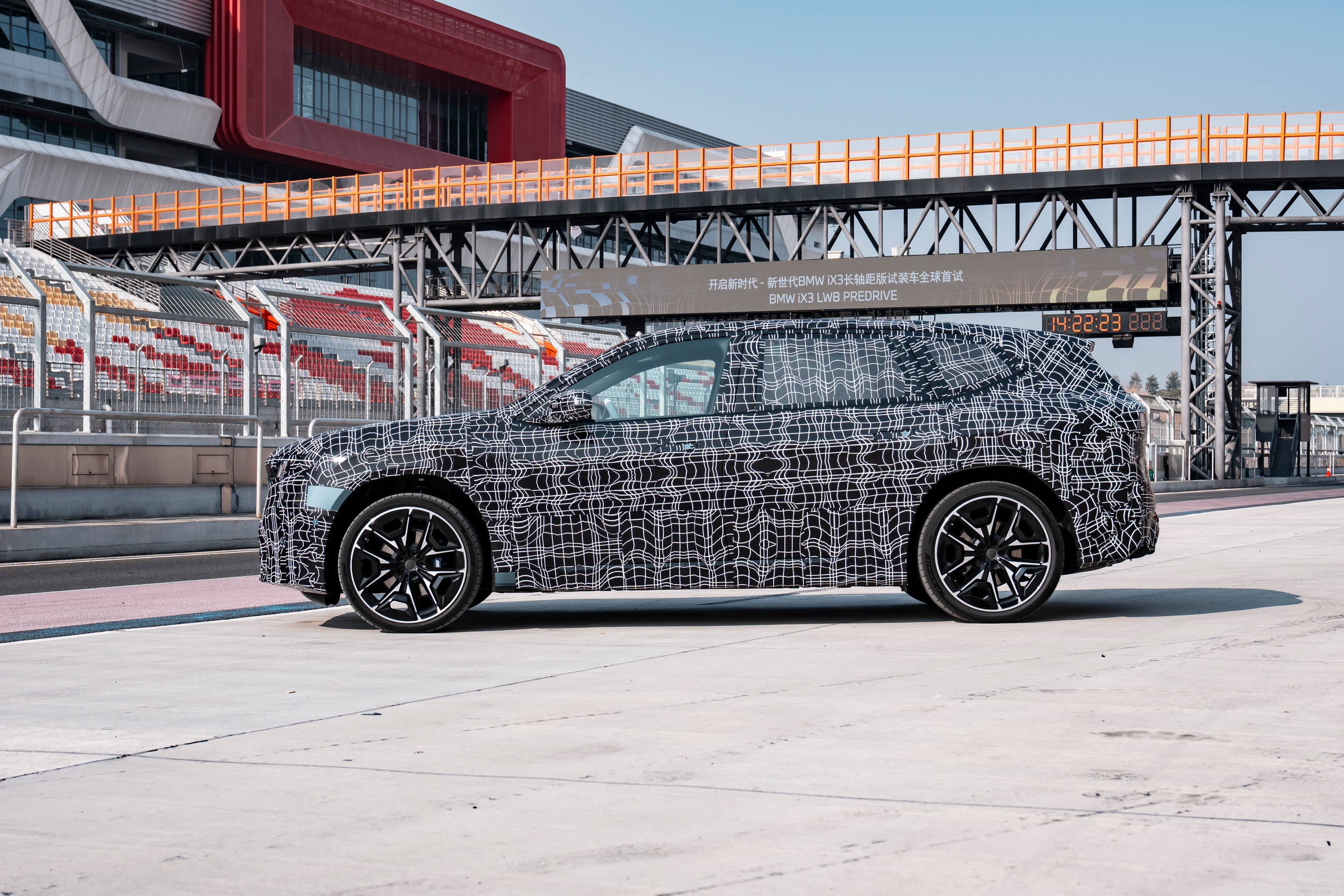
  • BMW has teased the upcoming iX3 Long Wheelbase.
  • The crossover’s wheelbase has been stretched 4.3 inches.
  • Debuts at the Beijing Auto Show and arrives later this year.

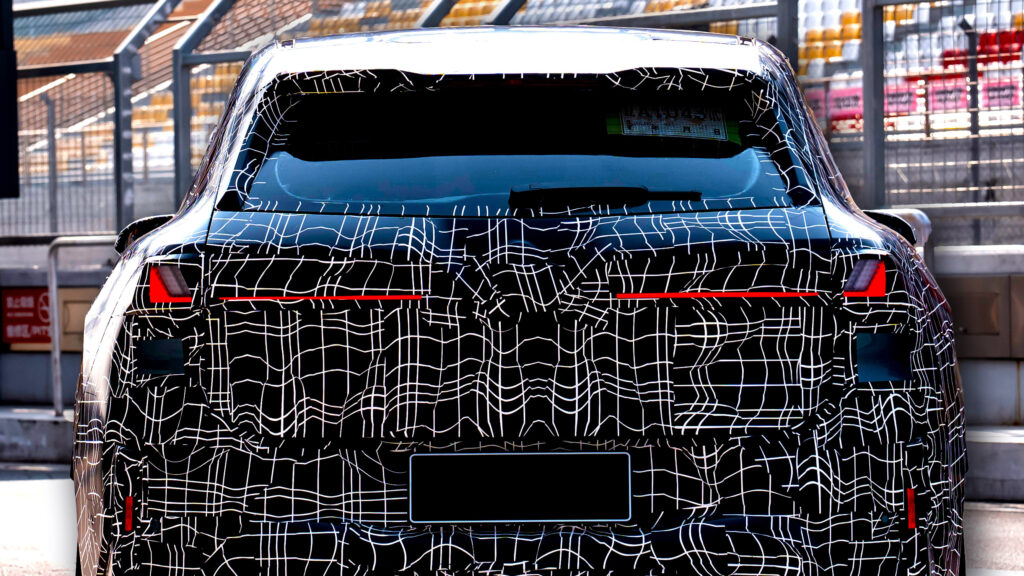
BMW unveiled the iX3 last fall and now the company is previewing the upcoming long-wheelbase variant. The electric crossover is being developed “in China, for China, and with China.”

Set to battle the Mercedes GLC L with EQ Technology, the iX3 Long Wheelbase will debut at the Beijing Auto Show in April and be launched in the second half of the year. When it arrives, the iX3 will become the first long-wheelbase model based on BMW’s Neue Klasse platform.

More: Mercedes Gave China’s Electric GLC A Little Extra, And It Shows

Looking instantly recognizable, the crossover has a wheelbase that has been stretched 4.3 inches (108 mm). Doing the math, the model will have a 118.3 inch (3,005 mm) wheelbase, which is 1.2 inches (30 mm) longer than the X5.

That’s pretty big and BMW said the iX3 Long Wheelbase will deliver “significantly enhanced rear-seat comfort and overall spaciousness.”

China-Specific Technology

\\\\\\\\\\\\\\\\\\\\

Catering to the Chinese market requires more than just stretching the wheelbase and BMW is more than happy to oblige. In this case, they’ve developed a “Chinese derivative” of Operating System X, which “incorporates approximately 70 percent locally developed software engineering.”

Customers will also find a navigation system developed in collaboration with Amap as well as an Intelligent Personal Assistant that uses large language models from Alibaba and DeepSeek.

BMW is also working on China-specific driver assistance systems with Momenta. These will be “tailored to local traffic conditions and usage scenarios” in order to deliver “highly capable driver-assistance functions optimized for complex urban environments, highways, and long-distance travel in China.”

More Than 559 Miles Of Range

\\\\\\\\\\\\\\\\\\\\\

The automaker is keeping powertrain details under wraps, but said the iX3 Long Wheelbase will have an 800-volt electrical architecture, cylindrical battery cells, and sixth-generation eDrive technology. That’s vague, but BMW promised a 400 kW DC fast charging capability as well as a CLTC combined range in excess of 559 miles (900 km).

When the battery is low, it can get more than 249 miles (400 km) of range in as little as 10 minutes. If you’re not in a rush, a 21 minute charge can take the battery from 10-80%.

 BMW Gave Its Electric SUV A Stretch, But Don’t Expect It To Reach You

We’ll learn more in the coming months, but the European iX3 was launched in 50 xDrive guise. It features a 108.7 kWh battery pack as well as a dual-motor all-wheel drive system producing a combined output of 463 hp (345 kW / 469 PS) and 476 lb-ft (645 Nm) of torque. This enables the model to accelerate from 0-62 mph (0-100 km/h) in 4.9 seconds, before hitting a top speed of 130 mph (210 km/h).

It remains to be seen if the long-wheelbase variant will echo that, but BMW said the crossover will have a China-specific chassis and suspension setup. It aims to provide a “refined balance between comfort and stability across a wide range of driving scenarios.”

While China is the main focus for the iX3 Long Wheelbase, the model will also be offered in select markets around the world. These will include India, Indonesia, Thailand, and Malaysia.

 BMW Gave Its Electric SUV A Stretch, But Don’t Expect It To Reach You

This Xiaomi-Backed Electric Stratos Is Coming To Europe

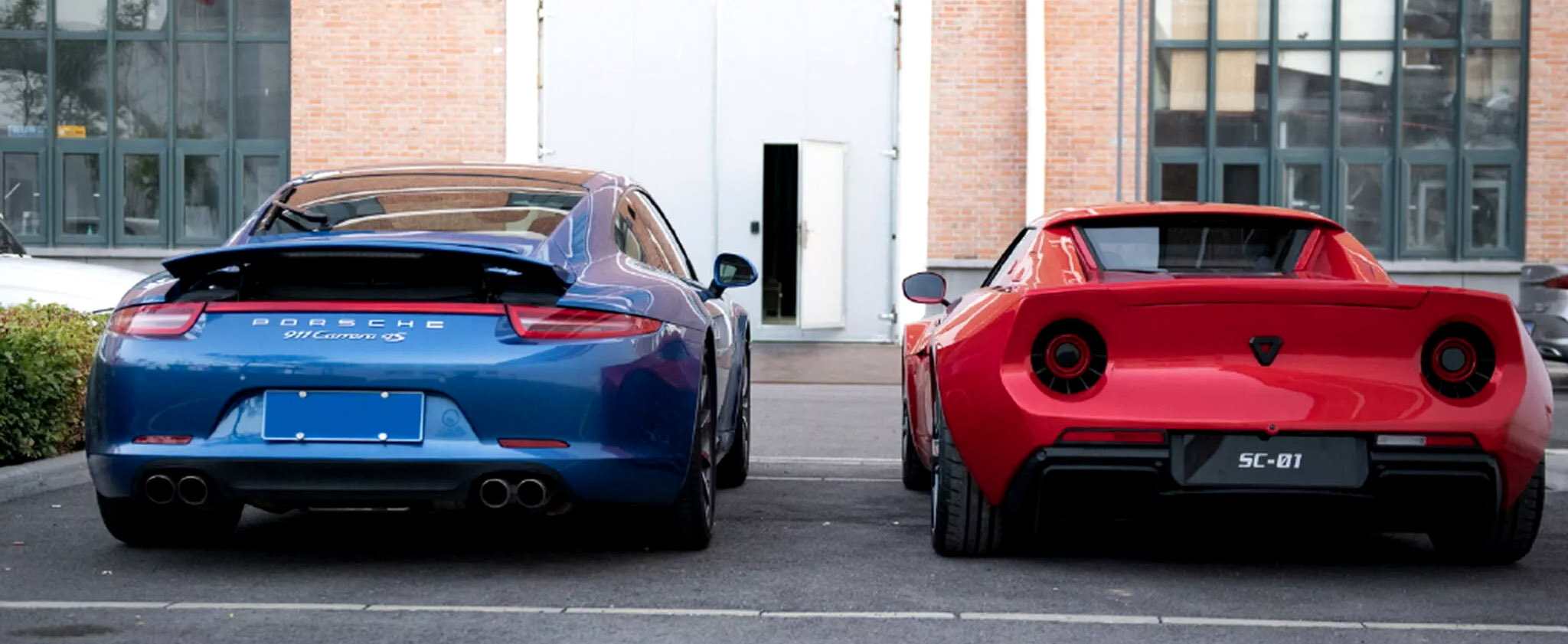
  • Chinese SC-01 will be built in Italy, sold across Europe, report says.
  • Europe scheduled to get 1,000 cars; debut takes place January 24.
  • Bi-motor, AWD two-seater gives 429 hp, 0-62 mph in 2.9 sec.

Electric sports cars are finally happening in a big way, but Europe might not be waiting for Porsche or Alpine to lead the charge. A small Chinese brand you have probably never heard of wants in on the action, and it looks like a far more serious enthusiast proposition than the MG Cyberster.

More: Chinese Sports Car Looks Like A Tesla Roadster Hooked Up With A Lancia

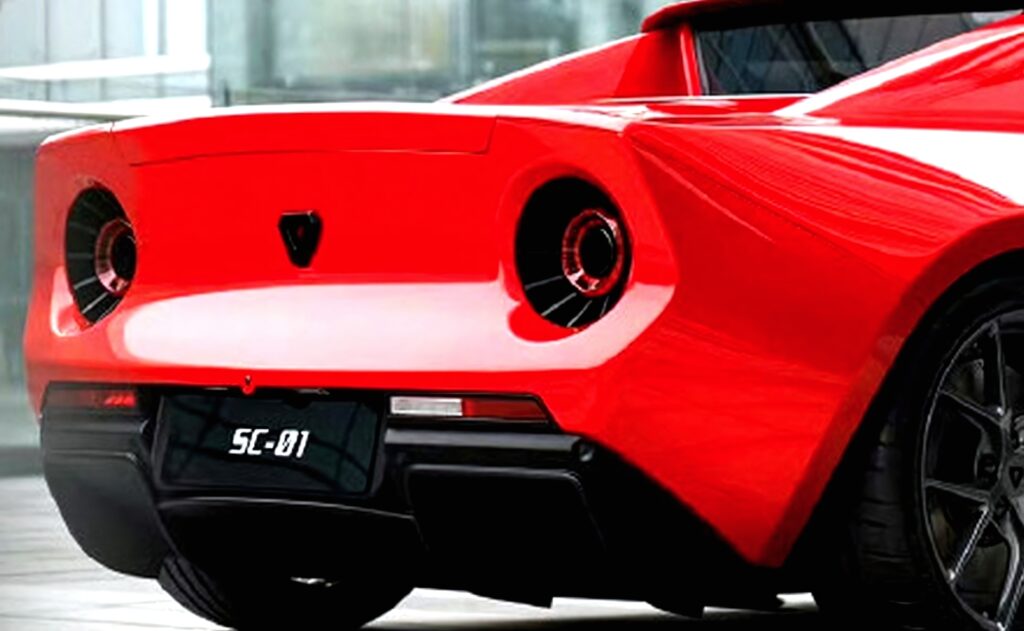
The car is the SC-01, a lightweight electric sports coupe that’s not just headed to Europe, as the company itself has confirmed, but also set to be built there, according to Chinese media. Backed by Xiaomi and Jiangling’s JMEV brand, around 1,000 of these compact two-seaters are expected to be produced in Italy.

 This Xiaomi-Backed Electric Stratos Is Coming To Europe

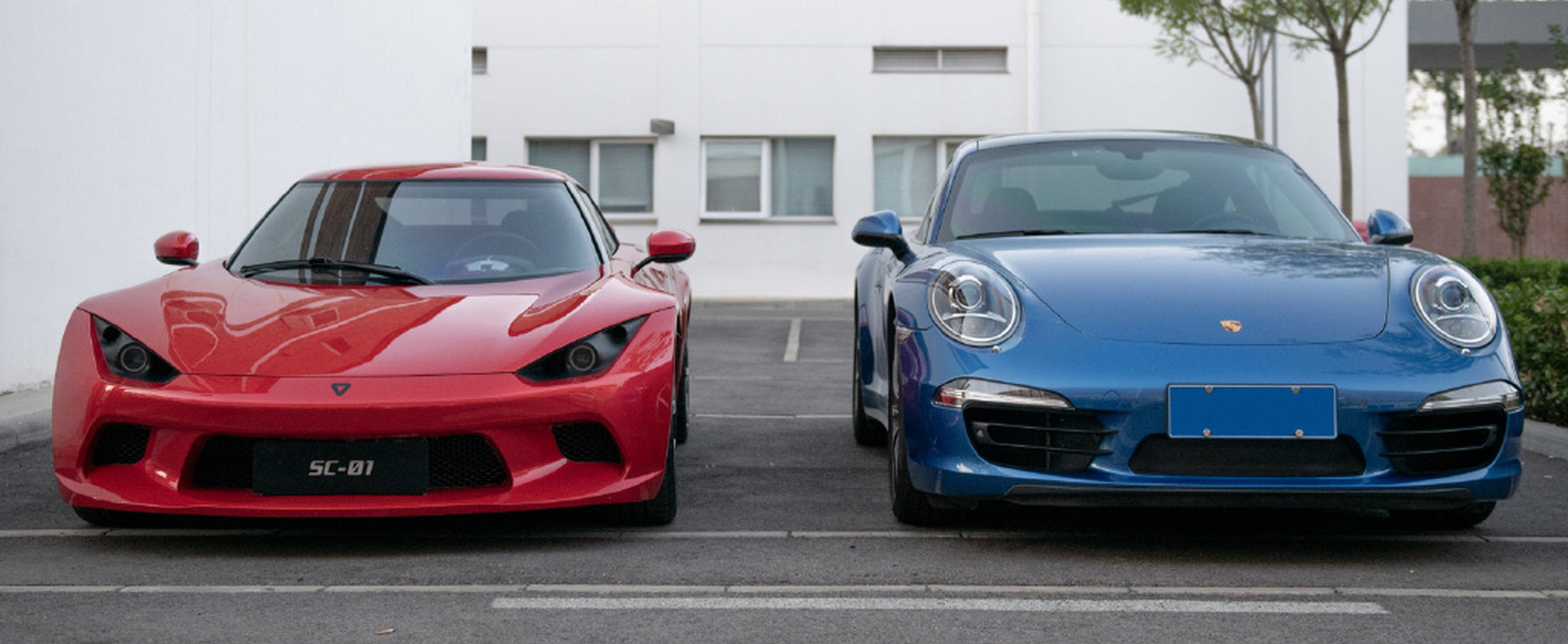
Visually, the SC-01 leans hard into classic wedge territory. Think Lancia Stratos proportions filtered through a modern EV lens, with compact dimensions and proper sports car stance.

At 4106 mm (161.7 inches) long it’s a smidge shorter than an Alpine A110 and around 270 mm (10.6 inches) more compact than the recently axed ICE Porsche 718 Cayman. The real headline, though, is the weight.

Hardcore Diet

 This Xiaomi-Backed Electric Stratos Is Coming To Europe

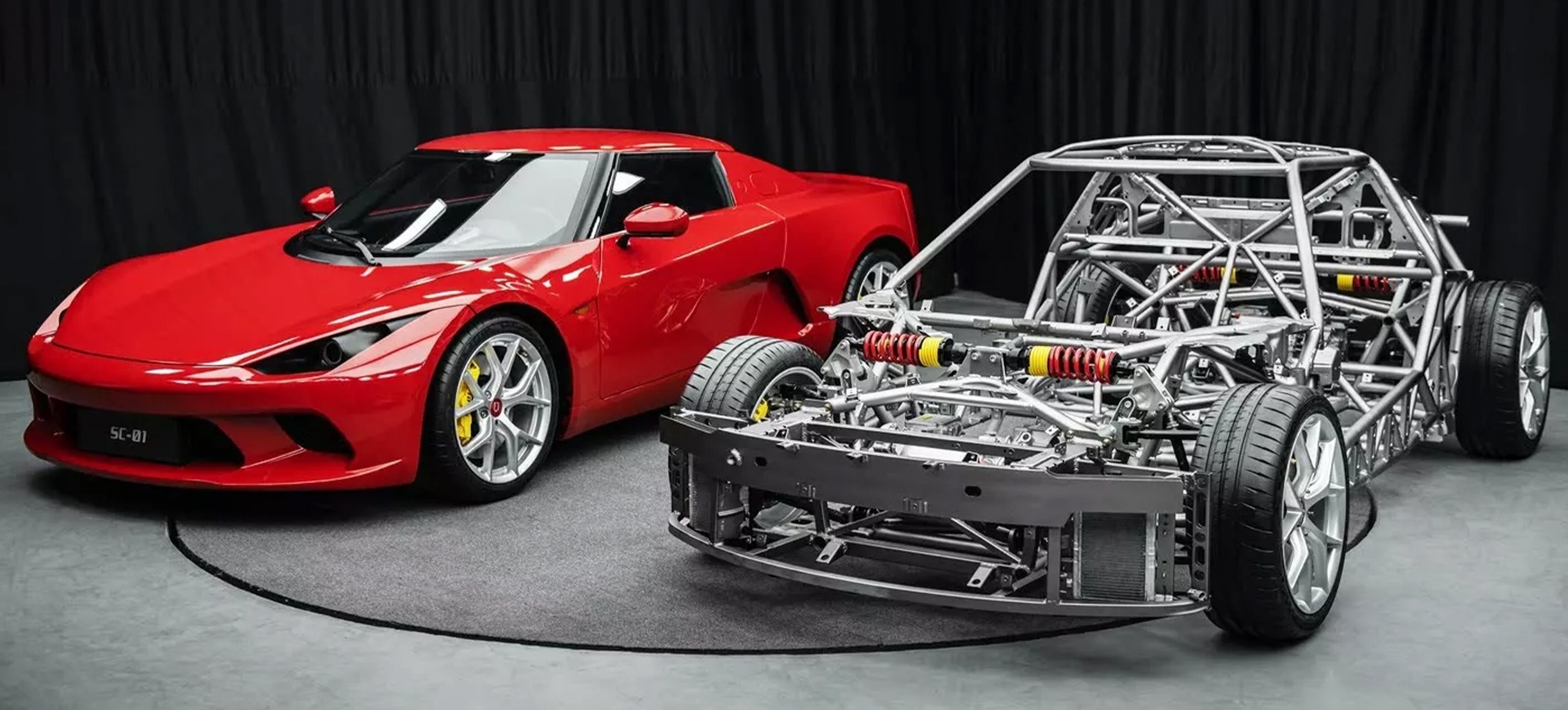
At 1,365 kg (3,009 lbs) the aluminium SC-01 is astonishingly light for an EV – 520 kg (1,150 lbs) lighter than a RWD MG Cyberster and 620 kg (1,370 lbs) down on MG’s AWD variant.

The Cyberster already seemed more like a mini Mercedes SL than a hardcore sports car, and those numbers, plus the SC-01’s front and rear pushrod suspension only underline the impression.

Power comes from dual electric motors producing a combined 429 bhp (434 PS / 320 kW), enough to launch the SC-01 to 62 mph (100 kmh) in a claimed 2.9 seconds.

A 60 kWh battery gives the car a quoted 311-mile (500 km) range on the optimistic CLTC cycle, so reckon on more like 270 WLPT miles (435 km) and even less if you’re driving it like you’re supposed to.

Minimal Screen Tech

 This Xiaomi-Backed Electric Stratos Is Coming To Europe

Inside, the SC-01 might surprise you even more. There’s no massive touchscreen wall of the kind you might expect from a modern Chinese EV. Instead you get a single driver display and physical climate controls.

In other words, it feels like someone built it for people who actually enjoy driving, and plan to be driving too hard to spend precious moments hunting for a switch on a digital display.

How Much will it Cost?

 This Xiaomi-Backed Electric Stratos Is Coming To Europe

Exact Euro prices and an on-sale date are still TBC, but according to Car News China, the car may launch at around 500,000 yuan, which comes to around $72,000, €61,000, or £53,000. That’s a significant step up from its domestic Chinese price of 229,800 yuan, or roughly $33,000 / €28,500 at current exchange rates.

Still, that would put it at a competitive advantage to the new generation of electric sports cars from Porsche, Alpine, and Lotus, some of which are still years away, and are sure to cost more.

\\\\\\\\\\\\\\

SC-01

EV Sales Are Booming Everywhere Except One Place

  • Worldwide EV sales jumped 20 percent to a record 20.7 million.
  • Europe and China boomed while America actually went backward.
  • Loss of incentives left US new-car buyers hitting the pause button.

The global electric car party is still raging, but the US has decided to go home to bed early with a nice soothing cup of gasoline. New data shows worldwide EV sales hit 20.7 million units in 2025, up a healthy 20 percent from 2024.

That total was capped by a strong finish, with roughly 2.1 million EVs sold globally in December alone, underlining that momentum elsewhere remained intact through year-end. Almost everywhere on Earth people bought more electric cars. But in North America it’s a different story.

More: If You Think EV Sales Are Dead, You’re Probably Staring At The Wrong Map

China remained the heavyweight champion with 12.9 million EVs sold, up 17 percent. Europe turned into the surprise star, rocketing ahead by 33 percent to 4.3 million units. Even the rest of the world got in on the action with a massive 48 percent surge to 1.7 million units.

 EV Sales Are Booming Everywhere Except One Place

Much of that growth outside the traditional EV strongholds was fueled by a flood of Chinese-built models, as domestic price competition pushed manufacturers to look overseas.

Then we get to North America, which managed a rather awkward 4 percent decline, Rho Motion reports. And it would have been worse if Mexico’s EV sales hadn’t grown 29 percent thanks to an influx of cheap Chinese cars.

In the US, that annual decline masked a sharp late-year swing, with buyers rushing to lock in incentives before September, followed by a steep pullback once those credits disappeared.

Tax-Credit Carnage

 EV Sales Are Booming Everywhere Except One Place

The removal of federal tax credits at the end of September pulled the rug out from under the US market, and buyers reacted exactly as you might expect, meaning that EV sales for the full year grew by just 1 percent. Sales spiked in August and September as incentives wound down, then collapsed in the final quarter, dropping nearly 50 percent compared with the previous quarter.

But in Canada, which lost its EV incentives much earlier in 2025, full-year sales tanked by 49 percent.

Analysts now predict US EV sales will shrink by almost a third in 2026. No wonder Ford is scrapping its F-150 Lightning in favor of a hybrid and Ram opted not to bring an electric truck to market at all.

Europe Keeps Plugging In

 EV Sales Are Booming Everywhere Except One Place

Across the Atlantic the mood could not be more different. Europe sprinted ahead thanks to stronger subsidies and looming emissions rules. Germany jumped 48 percent and the UK rose 27 percent.

Even France managed to finish the year in positive territory after a slow start. That late recovery in France was driven largely by renewed consumer incentives, after months spent underwater earlier in the year.

Other regions quietly delivered impressive numbers too. Southeast Asia almost doubled sales, South and Central America grew by 49 percent, and South Korea enjoyed a 50 percent rise thanks to new models and government incentives.

 EV Sales Are Booming Everywhere Except One Place

Japan, however, stayed stubbornly loyal to hybrids, proving not every country is ready to go fully electric. EV penetration there remained stuck at around 3 percent for yet another year, despite steady gains elsewhere in the region.

Incentives Are Key

The message from the data is clear. Around the world the EV transition is still accelerating, but America had a taste and decided that, without financial sweeteners, it preferred the old menu. Whether that’s a temporary pause or a long detour will depend on politics, prices, and what carmakers do next.

EV sales by region 2025
RegionSales (millions)Diff. vs 2024
Global20.7+20%
China12.9+17%
Europe4.3+33%
North America1.8-4%
Rest of World1.7+48%
SWIPE

Data: Rho Motion

Lotus Might Slash Eletre’s Price In Half In Canada

  • Lotus could slash Eletre prices in Canada by nearly 50 percent.
  • Eletre currently costs more than a Lamborghini Urus SE in Canada.
  • EV tariff deal lets some Chinese imports face lower 6.1 percent tax.

The Lotus Eletre might soon become a far more accessible proposition in Canada, thanks to a new trade agreement with China that could take a wrecking ball to the electric SUV’s bloated sticker price. What is now priced well into super-luxury territory may soon fall within reach for a much broader group of buyers.

Read: We Drove Lotus’ Electric SUV To See If It Can Silence Its Haters

As in the United States, 100 percent tariffs have pushed the Eletre’s price in Canada into the stratosphere, starting at a jaw-tightening CA$313,500 (about US$226,000 at current exchange rates). That puts it in the same league as a mid-spec Bentley Bentayga and even pricier than the Lamborghini Urus E. In the U.S., things aren’t much better, with a starting price of US$229,000 before delivery.

Tariff Relief

 Lotus Might Slash Eletre’s Price In Half In Canada

With the new policy in effect, the first 49,000 Chinese EVs imported into Canada each year will now face a reduced 6.1 percent tariff. Lotus claims this will cause the Eletre’s price to “fall sharply by about 50 percent.”

However, it’s worth noting that under the terms of the agreement, half of those 49,000 vehicles are required to start below CA$35,000 (US$25,000), which the Eletre most definitely does not.

Lotus announced the change on Chinese social media, although it stopped short of confirming a new starting price for the Eletre. If it does indeed drop by 50 percent, it could start from around CA$156,000 ($112,500), significantly undercutting the Urus and positioning it closer to the Porsche Cayenne GTS, which starts at CA$134,800 ($97,200).

\\\\\\\\\

“Canada has always been an important market with great strategic significance in the global territory of Lotus sports cars,” Lotus Group chief executive Feng Qingfeng wrote in a social media posting. “Users here have a high appreciation for high performance and driving pleasure. We warmly welcome the new tariff optimization policy, which has created a more open and fair market environment for international car brands.”

More: Canada Just Invited China’s Biggest EV Makers To Build Cars On America’s Border

Lotus currently operates six dealerships across Canada and will no doubt be eager to ramp up sales of the Eletre. The flagship model features a pair of electric motors that combine to produce 905 hp, allowing a 0-100 km/h (62 mph) in a blistering 2.95 seconds and reach a 265 km/h (164 mph) top speed. It also has a quoted WLTP range of 280 miles.

A Hybrid Eletre Is in the Works Too

 Lotus Might Slash Eletre’s Price In Half In Canada
The upcoming hybrid Lotus Eletre For-Me

Lotus isn’t stopping with just the all-electric Eletre. A hybrid version is also in the works, offering an alternative path for buyers who aren’t quite ready to go fully electric. Official documents out of China confirm that this variant, called the Eletre For-Me, retains the SUV’s shape and layout but adds a turbocharged four-cylinder engine to the mix.

Read: Lotus Dropped A Gas Engine Into The Eletre SUV

It’s Lotus’s first step back from its earlier pledge to go EV-only, and while the full specs haven’t been disclosed, early reports point to a combined output of 952 hp, slightly more than the current top-spec Eletre R.

We had a chance to review the all-electric Eletre last year and were pleasantly surprised. It’s quick, feels well-built, and has a beautiful interior that suits the category. Will those qualities be enough to convince Canadians to buy it if the price drops by half?

 Lotus Might Slash Eletre’s Price In Half In Canada

Canada Just Invited China’s Biggest EV Makers To Build Cars On America’s Border

  • Canada will cut EV tariffs from 100 percent to just 6.1 percent.
  • New trade deal caps Chinese EV imports to 49,000 per year.
  • Ford warns deal risks job losses and US market retaliation.

Canadian Prime Minister Mark Carney says several Chinese carmakers are showing interest in building affordable electric vehicles on Canadian soil, just days after the country signed a new trade agreement with the world’s largest EV manufacturing nation.

Read: Canada Just Let Cheap Chinese EVs Back In

Carney met with Chinese President Xi Jinping in Beijing late last week, where the two leaders finalized a deal that will sharply cut tariffs on Chinese EVs entering Canada, dropping them from 100 percent to 6.1 percent. As part of the agreement, a cap will initially limit imports to 49,000 vehicles per year, with half of those required to start below CA$35,000 (roughly $25,000 USD).

Framing the cap as a measured opening rather than a floodgate, Carney pointed out that 49,000 vehicles matches the number of Chinese-made EVs imported into Canada in 2023.

A Cautious Green Light

 Canada Just Invited China’s Biggest EV Makers To Build Cars On America’s Border

“We’ve had direct conversations directly from the Chinese companies…and collectively are the world’s leaders in this space, with explicit interest and intention to partner with Canadian companies,” Carney said.

He described the deal as a phased rollout designed to encourage collaboration between Chinese automakers and local firms. “This is an opportunity for Ontario. It’s an opportunity for Ontario workers, an opportunity for Canada, done in a controlled way with a modest start,” he added.

Any Chinese car manufacturer that intends to build EVs in Canada will need to meet the nation’s labor standards, Carney said, and reiterated that he wants to see Canada remain competitive in the auto market well into the future.

“We don’t want to be competitive in the market of 2000, 2010,” he said. “We want to become competitive in the market in the future.”

A Small Slice of the Market. For Now

 Canada Just Invited China’s Biggest EV Makers To Build Cars On America’s Border

To address concerns about disruption, Carney pointed out that the import cap amounts to less than three percent of Canada’s annual new car sales, which hover around 1.8 million vehicles. He called the agreement a “modest” first step, noting that a review is built into the deal after three years to gauge market impact.

Perhaps surprisingly, US President Donald Trump said the trade deal was a good one, despite US Trade Representative Jamieson Greer deriding it as “problematic for Canada.” According to Trump, “Well, it’s okay. That’s what he [Carney] should be doing. If you can get a deal with China, you should do that.”

Premier Hits Out

Not everyone is a fan of seeing Canada reduce tariffs on Chinese EVs. Ontario Premier Doug Ford has criticized the deal, claiming it will hurt the local economy.

“By lowering tariffs on Chinese electric vehicles, this lopsided deal risks closing the door on Canadian automakers to the American market, our largest export destination, which would hurt our economy and lead to job losses,” he said, according to CP24.

Unifor National President Lana Payne also voiced concern. “Providing a foothold to cheap Chinese EVs, backed by massive state subsidies [and] overproduction…puts Canadian auto jobs at risk while rewarding labour violations and unfair trade practices,” she said.

 Canada Just Invited China’s Biggest EV Makers To Build Cars On America’s Border

Most Western Carmakers Could Be Pushed Out Of China By 2030

  • Foreign brands are losing ground to China’s EV tech dominance.
  • EV adoption in China rose, despite slower overall car sales.
  • Toyota, VW, and GM are restructuring their China operations

The hugely important Chinese car market is continuing to prove challenging for foreign automakers. Chinese manufacturers are maintaining their dominance on the home front, as the world’s largest car market continues to move towards electric and plug-in hybrid vehicles.

Domestic demand for these so-called New Energy Vehicles rose by 18 percent in 2025. This contrasts with the situation in Europe and the US, where the slowdown in EV adoption steals the headlines.

Tech Wars

One reason why imported cars are falling out of favor is the ability of local carmakers to adapt and update to changing technologies on the ground at a much faster pace. As brands such as BYD, Geely, and Changan continue to battle each other on tech features, they’re leaving Western manufacturers in the dust.

Read: EV Makers Just Got A New Problem In China, And It Starts In 2026

The ability for Chinese automakers to not only develop and implement new tech, but also integrate seamlessly with other existing Chinese tech (such as the WeChat and AliPay “super apps”) is something that consumers value highly.

 Most Western Carmakers Could Be Pushed Out Of China By 2030

According to Xiao Feng, speaking to the Wall Street Journal, this could mean that foreign car makers could mostly be pushed out of the Chinese car market by 2030. Save for some big players, such as Tesla, Toyota, and VW, it’ll be hard for imports to compete on both features and EV tech.

Passenger Car Slowdown

Although the adoption of EVs and plug-in hybrids is moving forward rapidly, last year China’s passenger car market grew at its slowest pace in three years, scoring a 4 percent increase and a total of 23.7 million vehicles.

Meanwhile, EV sales have been bolstered by local subsidies, with 2025 incentives being up to $2,900 when consumers traded in their old car for an EV or plug-in hybrid. Some 11.5 million car sales were made through the trade-in incentive, although in December, new car sales reportedly fell by 14%, due to some localities “running out” of their budgets for the incentives.

See Also: BMW And Porsche Just Lost China’s Luxury Market To A $100,000 Newcomer

 Most Western Carmakers Could Be Pushed Out Of China By 2030

It’s reported that Beijing will be looking at curtailing subsidies in 2026. Meanwhile, fierce local competition continues to affect both local and foreign brands, with many competitors seemingly locked into a price war.

One study, conducted by the China Automobile Dealers Association, claims that only 30 percent of dealers remained profitable in the first half of 2025, with 75 percent of those surveyed admitting they sold at least a few cars below cost.

Foreign Car Makers Restructure

Last year saw the departure of Mitsubishi from the Chinese market, as the company opted to end all manufacturing and sales, while JLR also underwent a significant scaleback in its product offerings. VW stopped making cars at its Nanjing plant.

Even Tesla, arguably the strongest non-local player, saw sales drop by around 5 percent while it lost the world’s best-selling EV tag to BYD.

However, with China being the largest market, many others are choosing to restructure rather than abandon ship completely. Toyota is building a new Lexus EV plant in Shanghai, VW is ready to launch a whole range of China-specific models, and GM will offer all its products with either an EV or a plug-in hybrid option.

 Most Western Carmakers Could Be Pushed Out Of China By 2030

GM’s New SUV Is Bigger Than An Equinox And Starts Under $8,600

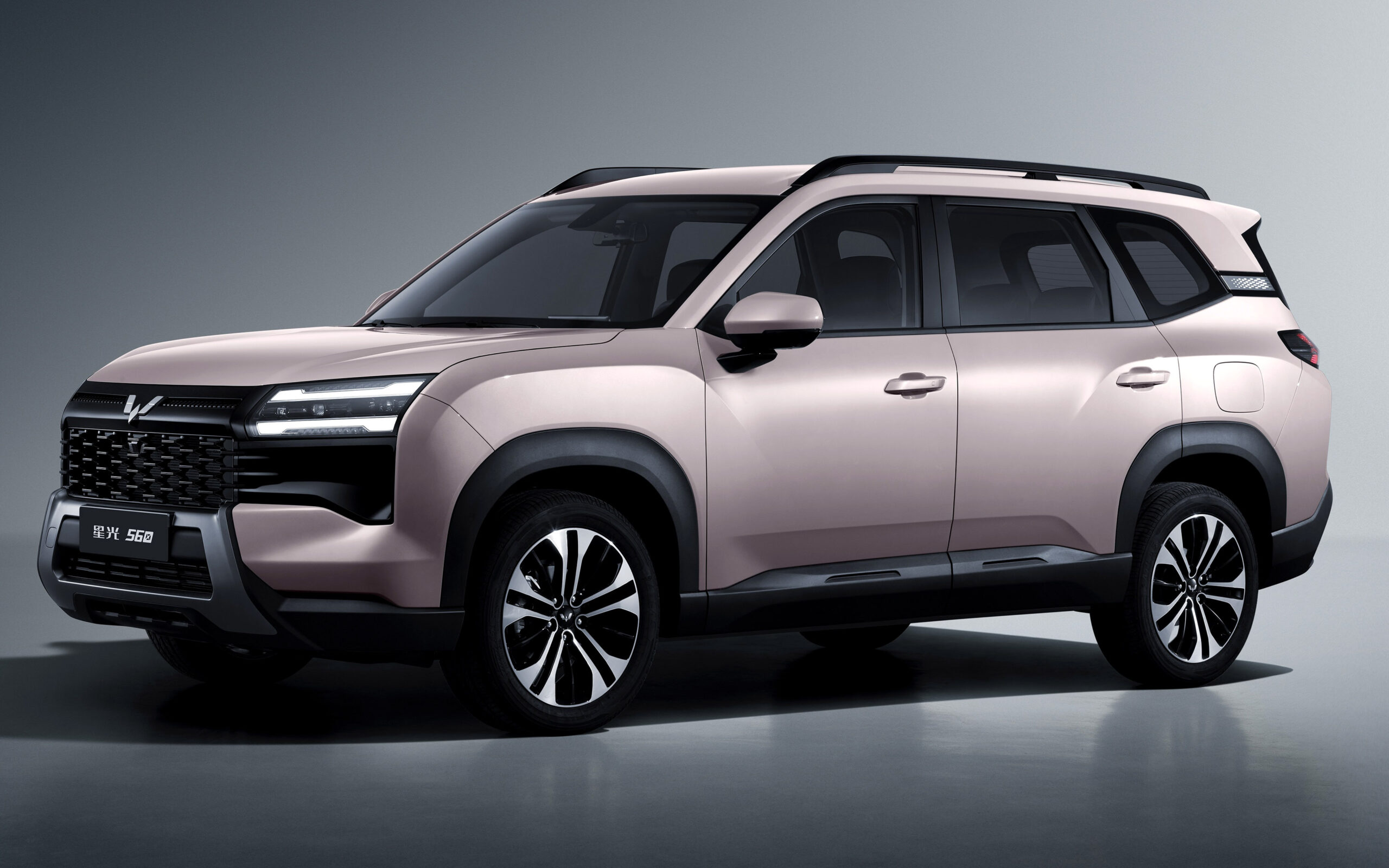
  • Wuling has introduced the new Xingguang 560 SUV.
  • It offers gas, plug-in hybrid, and electric powertrains.
  • Larger than the Equinox, the model starts at $8,581.

Western brands have been struggling in China, but GM is the rare exception as the company and its joint ventures delivered nearly 1.9 million vehicles last year. That was up 2.3 percent compared to 2024 and this was largely driven by sales of New Energy Vehicles such as the Wuling Hong Guang MINI EV, which found over 435,000 takers.

More: China’s New Cadillac XT5 Will Make You Jealous We Don’t Get It Here

GM is looking for continued success with the new Wuling Xingguang 560, which is a mid-size crossover that will be offered with gas, plug-in hybrid, and electric powertrains. The company said surprisingly little about the model, but it features a slender grille that is flanked by sweptback headlights with X-shaped daytime running lights.

 GM’s New SUV Is Bigger Than An Equinox And Starts Under $8,600

They’re joined by a powertrain-specific front end, which is enclosed on electrified models and open on the ICE-powered variant.

Moving further back, we can see plastic body cladding and an available contrasting roof. Other highlights include stylish wheels, a liftgate-mounted spoiler, and X-like taillights. The model also has a rear pillar and window treatment that closely recalls the Subaru Forester.

How Big Is It?

In terms of size, the Xingguang 560 measures 186.8 inches (4,745 mm) long, 72.8 inches (1,850 mm) wide, and 69.1 inches (1,755 mm) tall with a wheelbase that spans 110.6 inches (2,810 mm). To put those numbers into perspective, the model is 3.6 inches (91 mm) longer than the Chevrolet Equinox and has an extra 3.1 inches (79 mm) between the wheels.

\\\\\\\\\

The interior has a minimalist design with a digital instrument cluster and an infotainment system that reportedly measures 12.8 inches. They’re accompanied by a two-spoke steering wheel, distinctive air vents, and a center console that appears to have a dual wireless smartphone charger.

Wuling was coy on specifics, but said the crossover offers up to 68.7 cubic feet (1,945 liters) of cargo room when the second-row is folded flat. They added the model has more than 25 storage compartments, including one hidden beneath the rear seats.

Powertrain Options

On the performance front, the Xingguang 560 will be offered with a turbocharged 1.5-liter engine that produces 174 hp (130 kW / 177 PS) and 214 lb-ft (290 Nm) of torque. It can be paired to either a six-speed manual or a continuously variable transmission.

\\\\\\\\\\\\\

Customers can also opt for a plug-in hybrid, which offers a WLTC combined range of up to 684 miles (1,100 km). Wuling didn’t elaborate, but an earlier report from CarNewsChina said this variant has a 1.5-liter engine and an electric-only range of 78 miles (125 km).

Last but not least, there’s a fully electric variant that has a CLTC range of up to 311 miles (500 km). It’s said to have a 60 kWh battery pack as well as an electric motor developing 134 hp (100 kW / 136 PS).

How Much Does It Cost?

To help promote the model’s launch, Wuling is offering introductory pricing that ranges from $8,581 (¥59,800) to $13,746 (¥95,800). After this offer expires, pricing will apparently climb to $9,155 – $14,751 (¥63,800 – ¥102,800).

\\\\\\

Tesla’s Chinese Nemesis May Supply Ford With Batteries

  • Ford is reportedly in early talks to source batteries from BYD.
  • Move follows Ford canceling projects and taking a $19.5B charge.
  • BYD has rapidly expanded battery production beyond China.

Ford may be pulling back on its EV spending, but it isn’t walking away from electrification. Instead, the company may be taking a different approach, and that path could lead through China. Specifically, Ford is reportedly in early talks with BYD, the Chinese automaker that recently overtook Tesla as the world’s top EV producer, to source batteries for its next hybrid models.

According to a report from the Wall Street Journal citing sources familiar with the discussions, nothing is finalized, and a deal may not materialize. But if it does, one idea under consideration is for Ford to begin importing BYD batteries for use in its factories outside the United States.

Read: Hold Your Horses, Ford Might Be Working On A Hybrid Pony Car

In response to the report, Ford didn’t confirm or deny the potential partnership. “We talk to lots of companies about many things,” the company told the newspaper. That kind of non-denial tends to say a lot without saying much at all.

BYD, while primarily known for its battery manufacturing in China, has been expanding its footprint globally, building production capacity in Brazil, Europe, and Southeast Asia.

Why BYD Might Be the Answer

 Tesla’s Chinese Nemesis May Supply Ford With Batteries

The timing of these talks aligns with a major pivot inside Ford. The company recently took a $19.5 billion write-down after scaling back several electric vehicle initiatives, including high-profile battery joint ventures with South Korean firms SK On and LG Energy Solution. Alongside a renewed emphasis on internal combustion models, Ford plans to grow its hybrid lineup, an area where BYD already excels.

The Chinese company is one of the world’s largest producers of hybrid vehicles and battery packs for cars. Instead of launching new factories or reviving shelved partnerships, Ford might simply buy batteries directly, streamlining its supply chain as it targets a goal of having hybrids, plug-in hybrids, and EVs make up half of its global sales by 2030.

Will Washington Push Back on a BYD Deal?

 Tesla’s Chinese Nemesis May Supply Ford With Batteries

Any such deal is unlikely to go over well with the Trump administration. Shortly after reports surfaced that Ford was speaking with BYD, top Trump trade advisor Peter Navarro hit out at the plan.

“So Ford wants to simultaneously prop up a Chinese competitor’s supply chain and make it more vulnerable to that same supply chain extortion?,” he wrote on X. “What could go wrong here?”

Meanwhile, Donald Trump took a different tack. Speaking to reporters in Detroit, the president said he welcomed foreign firms, including those from China and Japan, setting up shop in the States, as long as they employed American workers.

“You know, those tariffs are keeping the foreign autoworkers. Now, if they want to come in and build the plant and hire you and hire your friends and your neighbors, that’s great. I love that,” said Trump. ” Let China come in. Let Japan come in. They are. And they’ll be building plants, but they’re using our labor.

 Tesla’s Chinese Nemesis May Supply Ford With Batteries

Canada Just Let Cheap Chinese EVs Back In

  • Canada will cut EV tariffs from 100 percent to 6.1 percent.
  • China will slash canola duties from 84 percent to 15 percent.
  • The trade deal aims to repair Canada–China relations.

Canada and China announced a major tariff shift today in Beijing, and while it’s sure to have some North American farmers whooping with joy, it might also result in the region’s auto workers punching walls in frustration.

In late 2024, Canada had imposed a 100 percent tariff on Chinese-made electric vehicles, following similar action by the United States. That effectively shut out Chinese EVs from the Canadian market and was meant to protect local industry. China retaliated with crushing tariffs on Canadian canola seed of 84 percent, which effectively bottlenecked an export industry worth billions of dollars.

Also: EU Could Scrap Chinese EV Tariffs, But Buyers Won’t Like What Comes Next

The new agreement reached by Canadian Prime Minister Mark Carney and Chinese President Xi Jinping rewrites that script. Canada will now allow up to 49,000 Chinese electric vehicles a year to be imported at a reduced tariff of around 6.1 percent, a massive drop from the previous 100 percent, and ease tariffs on steel and aluminium.

By the fifth year of the agreement, the EV import cap will rise to 70,000 units. “That’s a return to levels last seen in 2023, the last full year before the Canadian tariff actions,” Carney said.

Even so, the number remains relatively modest in the context of the overall market. Canadian consumers bought nearly 1.9 million vehicles last year, meaning Chinese EVs will still account for a small fraction, albeit a larger one when looking solely at electric vehicles. That said, we still don’t have the total EV sales figure for 2025.

Canola Tariffs Cut

 Canada Just Let Cheap Chinese EVs Back In
Carscoops

China, for its part, will cut its canola seed duty to about 15 percent by March 1, significantly improving market access for Canadian farmers. The move is part of a broader effort to repair strained relations between the two nations and comes as the result of the first high-level visit by a Canadian prime minister to Beijing in nearly a decade.

But not everyone is thrilled. Some Canadian auto workers and industry observers worry that lower EV tariffs and an influx of affordable cars could increase competition in an already challenging market. And ahead of the final meeting Ontario Premier Doug Ford made clear he was against the lifting of tariffs.

Jobs Created, Not Lost

 Canada Just Let Cheap Chinese EVs Back In
BYD

Carney, however, predicts the EV pact will result in “considerable” Chinese investment into Canada’s auto sector that will create jobs, Reuters reports, while helping it meet its climate goals.

“For Canada to build its own competitive EV sector, we will need to learn from innovative partners, access their supply chains, and increase local demand,” he said.

US President Donald Trump and his administration will certainly be dismayed at this latest news from Canada. But there will also be thousands of American soy bean farmers whose livelihoods have been trashed by tariffs that will be wishing Trump would make a similar deal.

 Canada Just Let Cheap Chinese EVs Back In
SB Medien / Carscoops

Premier Ford Warns Canada’s PM Not To Drop Chinese EV Tariffs During Beijing Visit

  • Canada placed 100% tariffs on Chinese EVs, steel, and aluminum.
  • China hit back with tariffs on Canadian seafood, pork, and canola.
  • Mark Carney is the first Canadian PM to visit China since 2018.

Canadian Prime Minister Mark Carney is visiting China this week on a politically significant trip, one that could carry broad implications for America’s northern neighbor, especially for its closely watched automotive sector. Among the issues likely to come up is the contentious matter of auto tariffs

Back in 2024, the Canadian government imposed sweeping 100 percent tariffs on Chinese-made electric vehicles, as well as steel and aluminum. China didn’t take long to respond, slapping retaliatory tariffs on Canadian seafood, pork, and canola.

Read: Canada Could Decide The Fate Of Chinese EV Tariffs As Carney Meets Xi

While some provincial leaders have been quietly pushing for a reciprocal easing of trade restrictions, Ontario Premier Doug Ford has taken a decidedly harder line. He has made it clear that he does not support lifting the tariffs on Chinese electric vehicles under any circumstances.

“I’m absolutely 100 per cent dead against this,” Ford told reporters. “I’ll reach out to him and text message and just tell them our concerns.”

“I’m very concerned and so are my friends in Michigan concerned,” the premier said after a meeting with Republican and Democratic state representatives from Michigan, according to The Star.

“When you have the Chinese government wanting to dump cheap Chinese parts and cheap vehicles here, it costs Canadian and American jobs,” said Ford. “This is nothing against the folks in the canola business or soybean — we have a thriving soybean business here, too — so it’s not about them. I fully understand why Premier Moe is concerned, but he’s protecting Saskatchewan.”

Could Local Production Change the Narrative?

Interestingly, Ford isn’t inherently opposed to Chinese brands. In fact, he recently expressed his openness for a Chinese brand to come to Canada and to set up a production facility in Ontario.

 Premier Ford Warns Canada’s PM Not To Drop Chinese EV Tariffs During Beijing Visit

“If they’re willing to come here and invest in a plant just like GM, Stellantis, Ford, Volkswagen, Honda, Toyota and come here and manufacture, create jobs, and create parts here, well, now we’re on a whole different page,” he said.

Canadian Chinese Tensions

Carney’s diplomatic stop marks the first official visit to China by a Canadian Prime Minister in eight years. Political tensions have simmered between the two countries since 2019, when Canadian authorities detained a Chinese tech executive in Vancouver. In apparent retaliation, two Canadian citizens were arrested and held in China for nearly three years, according to CBC.

Despite those strains, China could become an increasingly important economic partner for Canada in the coming decade. The Canadian government has set a target to double non-U.S. trade by 2035, a goal that would almost certainly require deeper ties with Beijing.

While Canada’s tariffs on Chinese EVs has helped to insulate the local auto market, the reciprocal tariffs from China have hurt farmers. Speaking with CBC, a canola farmer recently revealed the tariffs had cost his farm roughly $450,000.

 Premier Ford Warns Canada’s PM Not To Drop Chinese EV Tariffs During Beijing Visit

EU Could Scrap Chinese EV Tariffs, But Buyers Won’t Like What Comes Next

  • EU may replace tariffs on Chinese EVs with price controls.
  • Minimum pricing could ease tensions but still limit imports.
  • Policy shift would protect European-built cars from China.

After months of trade tension and shifting political winds, the European Union is now considering a dramatic reversal of its electric vehicle policy. Just 18 months after introducing steep tariffs aimed at shielding domestic manufacturers from a flood of Chinese EVs, officials are weighing a new approach that could scrap those levies altogether.

But that doesn’t mean those Chinese automakers will have things their own way.

Related: Europe Tried To Block Chinese Cars But Ended Up Helping Them Instead

Instead of tariffs of up to 45 percent, the exact rate varying depending on how much financial assistance the EU investigators believed each Chinese brand got from the Chinese government, the EU is looking into setting minimum prices for the Asian imports.

Chinese companies would need to submit pricing proposals “adequate to eliminate the injurious effects of the subsidies and provide equivalent effect to duties,” according to a European Commission document seen by the South China Morning Post. Other factors, such as planned future investments in the EU, would be taken into account, the report says.

Trade Tensions

A minimum price would allow Western automakers building cars within the EU to compete with the likes of BYD and Chery. But because the Chinese brands wouldn’t have to hand over tariff cash and would instead keep profits, the system would ease trade tensions between the two regions.

After the EU slapped tariffs on imported EVs, China responded by introducing tariffs on goods heading the other way, including dairy, pork, and brandy, Bloomberg reports.

 EU Could Scrap Chinese EV Tariffs, But Buyers Won’t Like What Comes Next
BYD

The EU’s tariffs ironically hurt some of the Western brands they were supposed to help, because cars like the BMW iX3, which was made in China and shipped to Europe for sale, were also subject to the duties. Volvo moved its Euro-market production of EX30 electric SUVs from China to Belgium to escape the tariffs.

Unstoppable

And despite the introduction of those tariffs, Chinese brands have taken an increasingly large share of the European car market. Its EVs continued to prove popular, but its hybrid models, which are not subject to tariffs, have been flying out of showrooms.

In 2024, Chinese cars accounted for around 2.5 percent of European sales; by the end of last year that had grown to around 7 percent, and almost one in every 10 cars sold in the UK in 2025 came with a Chinese badge.

 EU Could Scrap Chinese EV Tariffs, But Buyers Won’t Like What Comes Next
BYD

China’s Biggest Electric SUV Yet Wasn’t Made For Drivers

  • ES9 is China’s longest electric SUV with a 127.9-inch wheelbase.
  • Dual electric motors deliver 697 hp and 516 lb-ft of torque total.
  • It supports three-minute battery swaps across Nio’s network.

For China’s most wealthiest car buyers, the appeal of driving often takes a back seat to being driven. Luxury isn’t measured in horsepower alone, but in legroom, comfort, and the ability to stretch out while someone else handles traffic.

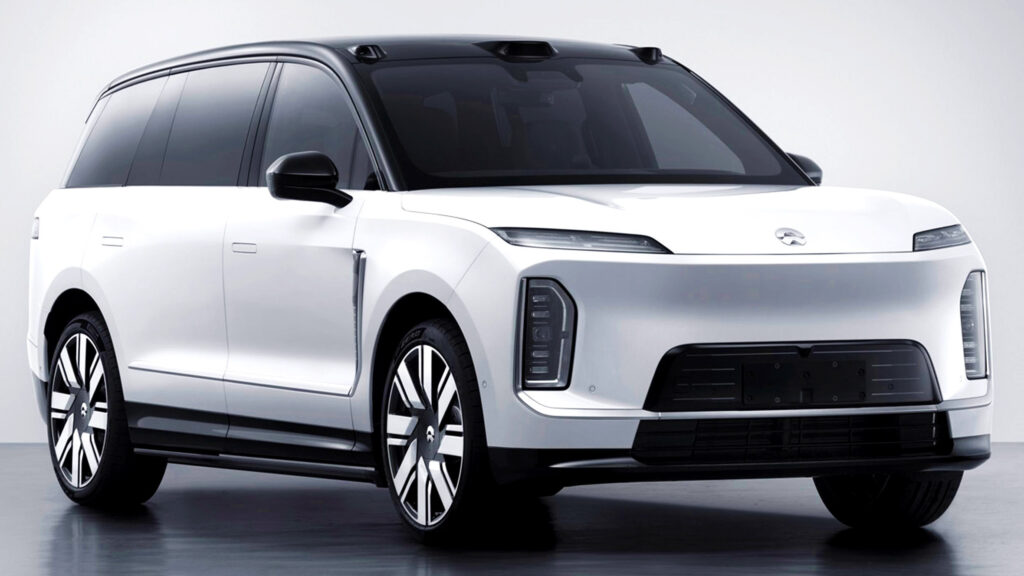
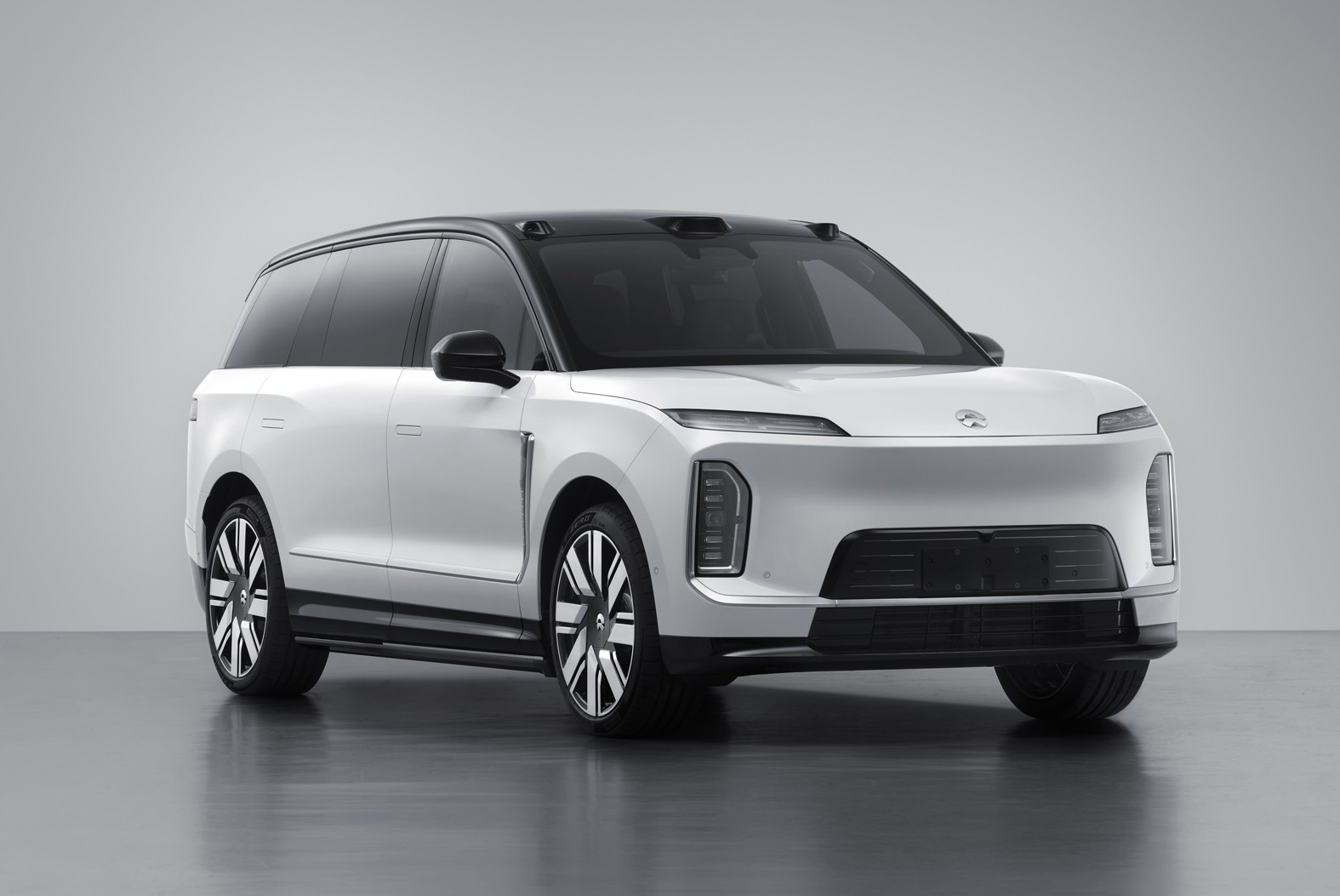
With that in mind, Nio is preparing a new electric SUV designed squarely for this audience, and for larger families as well. Shown here in newly released photos, the Nio ES9 is set to join the brand’s growing lineup, slotting in just above the ES8.

Big Numbers, Bigger Presence

This upcoming flagship will become the largest electric SUV available in China, overtaking the ES8 for that title, according to CarNewsChina. Figures from the Ministry of Industry and Information Technology confirm it stretches 5,365 mm (211.2 inches) in length, spans 2,029 mm (79.8 inches) in width, and stands 1,870 mm (73.6 inches) tall.

Read: This Full-Size Electric SUV Packs 456 HP And Costs Less Than A Honda Civic

That makes it 85 mm (3.3 inches) longer, 29 mm (1.1 inches) wider, and 70 mm (2.7 inches) taller than the ES8. More importantly, the wheelbase stretches to 3,250 mm (127.9 inches), an increase of 120 mm (4.7 inches) over the ES8, which translates to noticeably more room for passengers.

To put that in perspective, its footprint lands somewhere between the standard Cadillac Escalade and the extended-wheelbase Escalade ESV.

 China’s Biggest Electric SUV Yet Wasn’t Made For Drivers

Visually, the design of the ES9 is very similar to its smaller brother, although it does have a more upright and squared front fascia. There are split DRLs and headlights at the front, alongside a large grille and a ribbon of black along the bottom of the bumper. As with the ES8, there’s a LiDAR protruding from the roof.

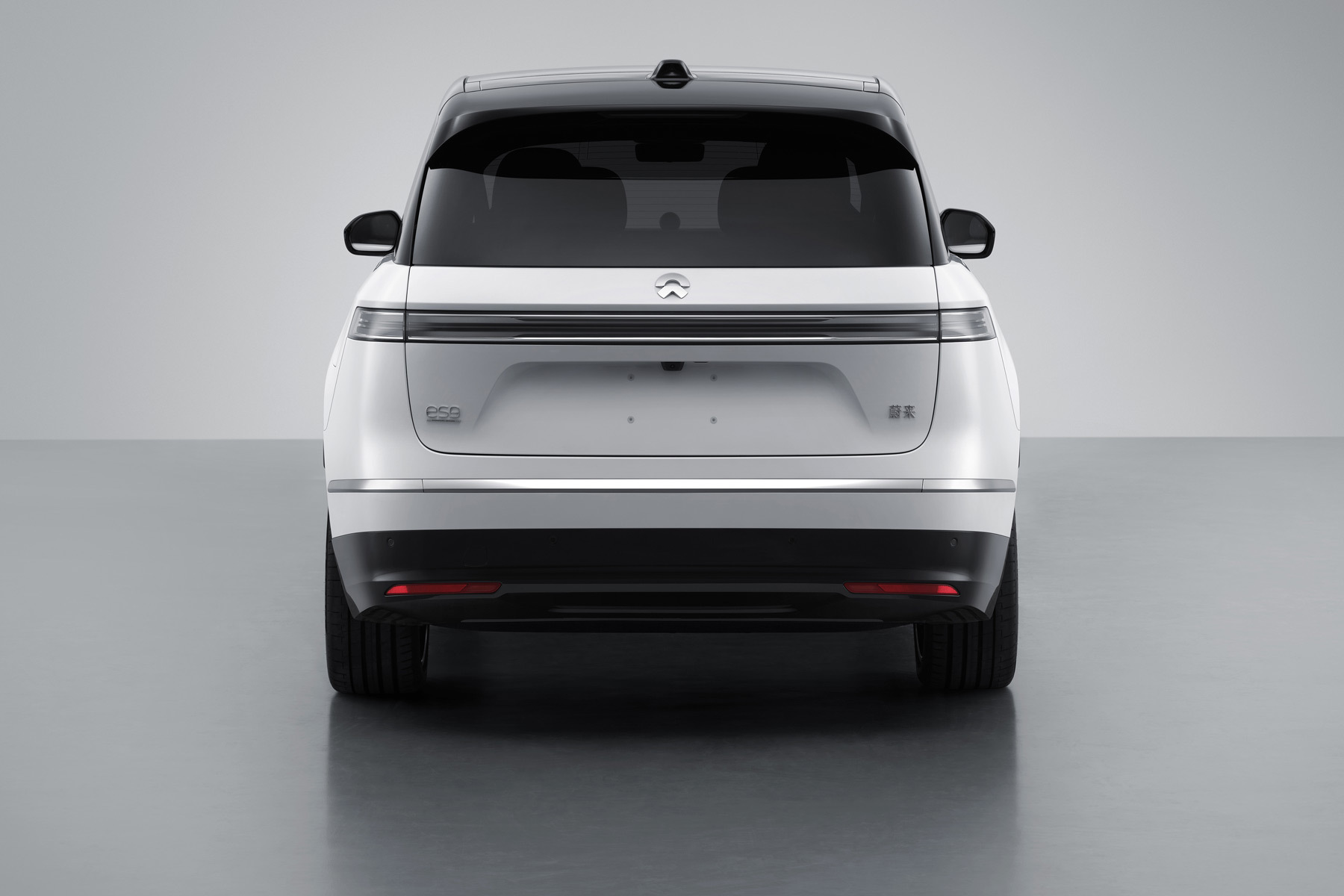
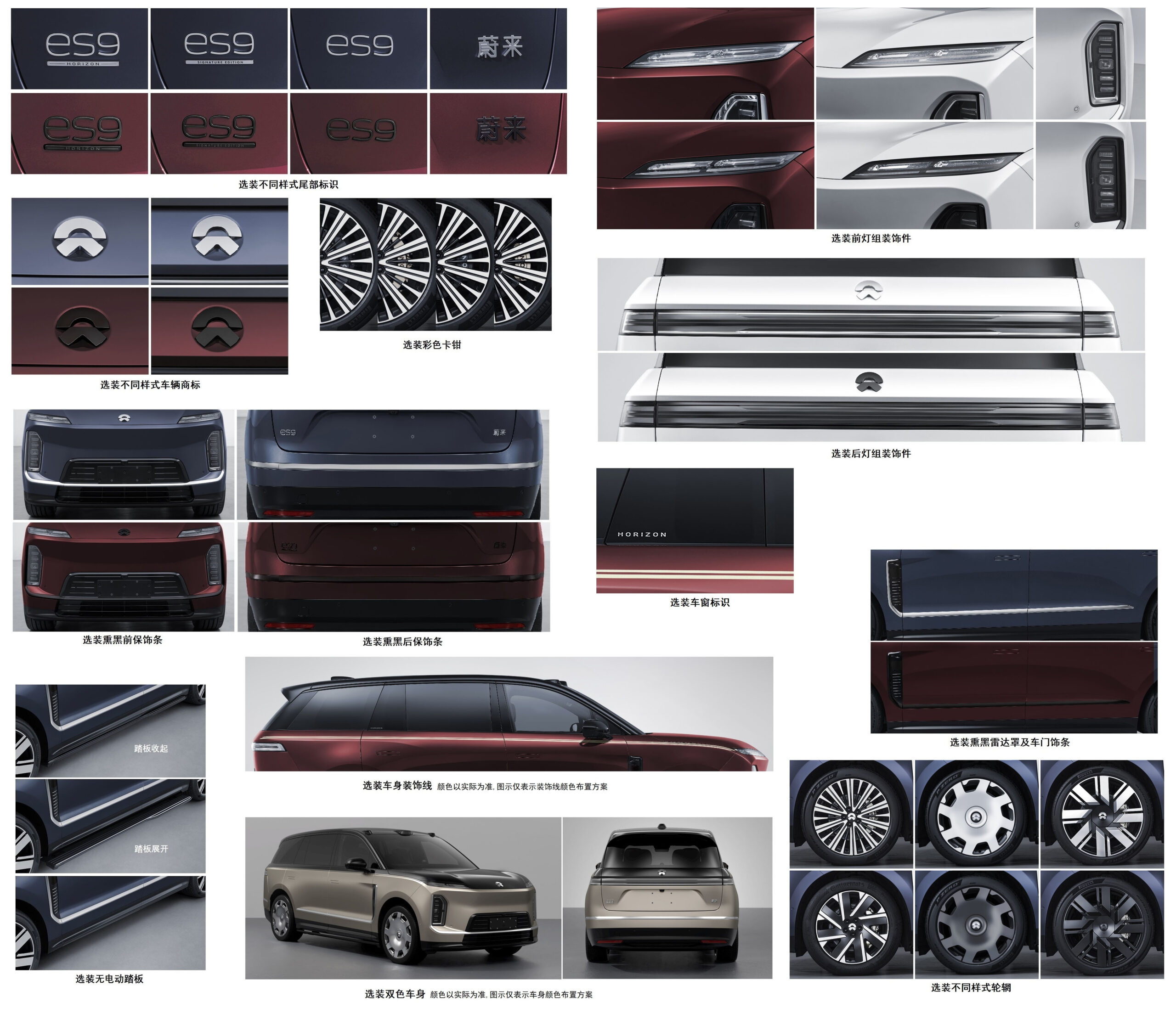
Around back, the design leans toward simplicity, featuring a single LED light bar and little else of interest. Other photos of the SUV reveal that retractable side steps will be available, as will at least six different wheel designs/finishes. Shoppers will also be able to choose between black or silver accents running along the body.

Dual-Motor Drive

 China’s Biggest Electric SUV Yet Wasn’t Made For Drivers

We don’t yet know what the cabin of the ES9 will look like, but we do have some important powertrain details. Powering the SUV will be a 241 hp (177 kW) electric motor at the front axle and a 456 hp (335 kW) motor at the rear axle, combining to deliver 697 hp (513 kW) and 516 lb-ft (700 Nm) of torque. The battery pack will be sourced from CATL and is expected to have a capacity of 102 kWh.

There’s no word on what charging speeds this battery will support, but in the land of Nio, charging times aren’t particularly important, as Nio operates a huge battery-swapping network where a depleted battery can be replaced with a fully charged one in just 3 minutes.

A full reveal is expected in the coming months, with its domestic launch set to follow soon after. Availability in markets outside China has not yet been confirmed.

 China’s Biggest Electric SUV Yet Wasn’t Made For Drivers

BMW Slashes EV Prices By Up To $42,000 In China, And It’s Not Alone

  • BMW cut prices across 31 models to stay competitive in China.
  • Fourteen brands launched incentives before the New Year rush.
  • Officials fear price cuts could trigger harmful deflation risks.

Price cuts aren’t just a domestic strategy for Chinese automakers. Even Western legacy brands are jumping in. Last week, BMW announced sweeping reductions across 31 of its models in China, highlighting a more aggressive effort to keep pace with intensifying competition in the world’s largest auto market.

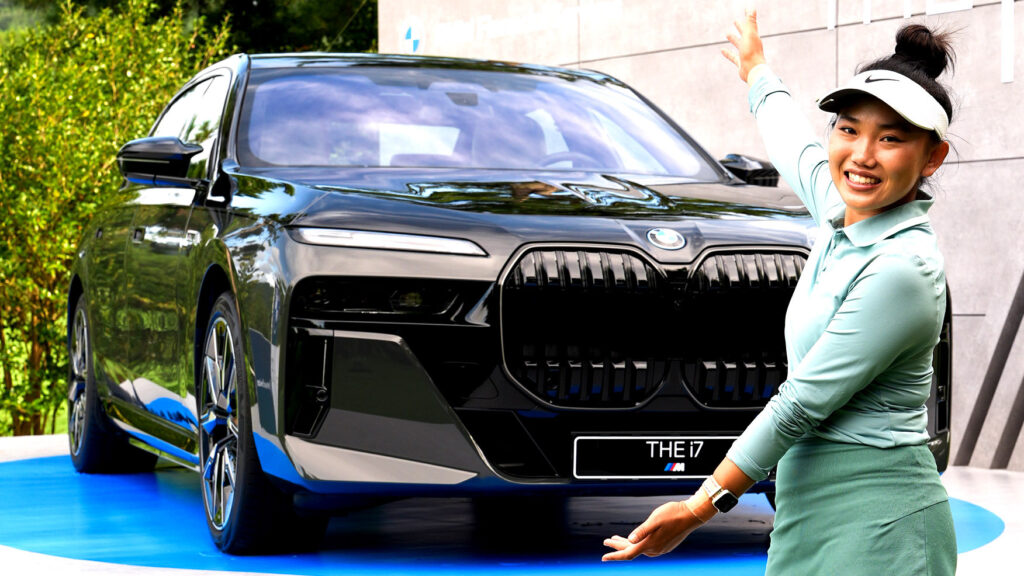
The biggest cut came to the BMW i7 M70L, the high-performance flagship of the all-electric 7-Series. This dual-motor sedan delivers 659 horsepower and 811 lb-ft (1,100 Nm) of torque. As of last week, it now carries a price tag that’s 301,000 yuan lower, a reduction of roughly $42,000.

Read: BMW Is Cranking Out Cars “Like Pretzels” And Says Even China Can’t Keep Up

While the i7 had the largest drop in raw numbers, the steepest percentage cut went to the iX1 eDrive25L. BMW trimmed the price of the long-wheelbase variant of the compact SUV by 24 percent, bringing the new starting figure to 228,000 yuan, or about $32,600.

 BMW Slashes EV Prices By Up To $42,000 In China, And It’s Not Alone
BMW iX1

Speaking to Bloomberg, BMW said the price changes are part of its “regular price management,” adding that “final transaction prices are independently negotiated and determined between authorized BMW dealers and customers.”

How Far Will Discounts Go?

Behind the curtain, though, the timing suggests more than just routine recalibration. November marked the second straight month of declining sales in China, according to data from the China Passenger Car Association. That slide has spurred several automakers to adjust pricing.

Meanwhile, regulators have introduced measures designed to prevent brands from undercutting costs, prohibiting sales below production cost and banning dealer incentives that push prices beneath that threshold, Bloomberg reports.

Also: China Is Banning Tesla-Style Door Handles

BMW’s recent cuts appear to bring official pricing closer to what customers were already paying after negotiations. According to Yale Zhang, managing director at Automotive Foresight, the updated stickers largely reflect existing transaction norms rather than undercutting them. “The new prices aren’t any lower than typical dealer selling prices,” Zhang noted.

When Deals Become a Warning Sign

 BMW Slashes EV Prices By Up To $42,000 In China, And It’s Not Alone

Big savings could be just around the corner. With the Chinese New Year approaching in February, many manufacturers are expected to introduce further incentives in hopes of front-loading first-quarter sales.

At least 14 car brands have already rolled out some form of discount or incentive program since the beginning of 2026. Zhang believes this trend is less a temporary blip than a reflection of broader pressures within the market.

“Various kinds of promotional activities may ebb and flow in the market from time to time, but they are here to stay,” Zhang told the news outlet.

Chinese authorities, meanwhile, are taking a cautious stance. With more manufacturers opting to slash prices, regulators are increasingly concerned about the potential knock-on effects. They worry that an extended period of discounts could spark deflation, disrupt the automotive supply chain, and put downward pressure on wages.

 BMW Slashes EV Prices By Up To $42,000 In China, And It’s Not Alone
BMW X3 China

VW And Toyota Dominated For Decades. Now It’s China’s Time

  • Localization will help Chinese carmakers boost global vehicle sales.
  • VW and Toyota’s market share could fall sharply in key segments.
  • Analysts expect Tesla’s share to rise from 2 to 8 percent globally.

In just a few years, Chinese automakers may do more than disrupt the global car industry. As they scale up overseas and lean into their strengths in electrification and cost control, the shift looks less like a disruption and more like a permanent redrawing of the map. If the current pace holds, they could control a third of the global market within five years.

Read: One In Ten Cars Sold In The UK Now Comes From China

Analysts at UBS, the Swiss investment bank and financial services company, point out that while China’s domestic car market continues to grow, it’s the overseas expansion that’s becoming increasingly important for them. According to their latest estimates, foreign markets now represent about 20 percent of industry sales for Chinese carmakers, and in some cases, up to 50 percent of their profits.

The Global Impact of Expansion

UBS says its forecast remains unchanged from two years ago, even as Chinese manufacturers scale up production in Europe and some legacy automakers begin stepping back from their EV plans, citing uncertain returns and cooling demand.

“The main drag was due to Europe’s slowdown of EV adoption, and tariffs and protectionism against Chinese EVs,” said Paul Gong, UBS’s lead analyst for Chinese EVs. “I think 2024 progress was slower than expected, but recent signs have shown some catch-up.”

The South China Morning Post (SCMP) reports that China’s long-term bets on electric vehicles, vertical integration, and aggressive supply chain development appear to be paying off. These moves haven’t just given Chinese brands a cost advantage, they’ve made it easier to scale production and respond quickly to market shifts.

Chinese Carmakers Gain Speed as Global Rivals Lose Ground

 VW And Toyota Dominated For Decades. Now It’s China’s Time

Frank Diana, a managing partner at Tata Consultancy Services, says China’s edge is not just about scale but about speed. “The fact that [China] has been learning aggressively means that they’re going to have a dominant position and market share,” he explained. “But they’re not alone … you will see the rise of other players in the space.”

UBS forecasts that the rise of Chinese brands will cut deep into the dominance of current global leaders. Combined, Volkswagen and Toyota now hold 81 percent of the market share in key segments. By 2030, that number could drop to just 58 percent. Meanwhile, Tesla’s global share, currently sitting at around 2 percent, could grow to as much as 8 percent by the same year.

Also helping Chinese brands expand internationally is a move to localized production. In Thailand, automakers such as SAIC Motor, Great Wall, BYD, GAC, Changan Automobile, and Chery already operate assembly plants. Great Wall and BYD have also established manufacturing in Brazil, with BYD developing a large-scale facility in Hungary to support its growing footprint in Europe.

India Eyes a Bigger Role

 VW And Toyota Dominated For Decades. Now It’s China’s Time

China isn’t the only nation that could see its car industry expand rapidly by 2030. India, too, is positioning itself for growth. Domestic automakers like Tata and Mahindra are increasing their share in the local market and looking outward.

However, they face stiff competition, not only from dominant player Maruti Suzuki, but also from Chinese-owned MG Motor, which has introduced several new models to Indian buyers. BYD has also begun to establish a presence, and both Chery and Great Wall have plans to enter the market, reports SCMP.

Still, analysts suggest that China’s early investments gave it a lasting edge. The ability to learn quickly, build tightly controlled supply chains, and manage costs efficiently has kept its companies ahead.

“The EV supply chain is dominated by Chinese companies,” said analyst Ramakrishnan. “The India EV supply chain, including electronics, is imported from China.”

Fewer Players, Bigger Stakes in the Next Phase of EVs

In Diana’s view, the current market is heading toward consolidation. China’s early lead puts it in a strong position as the EV space matures into a more concentrated field of major players.

“So there will be consolidation even at the EV market level, and you end up with 10 to 15 platform orchestrators made up of [original equipment manufacturers and] big technology companies,” he said.

 VW And Toyota Dominated For Decades. Now It’s China’s Time
❌