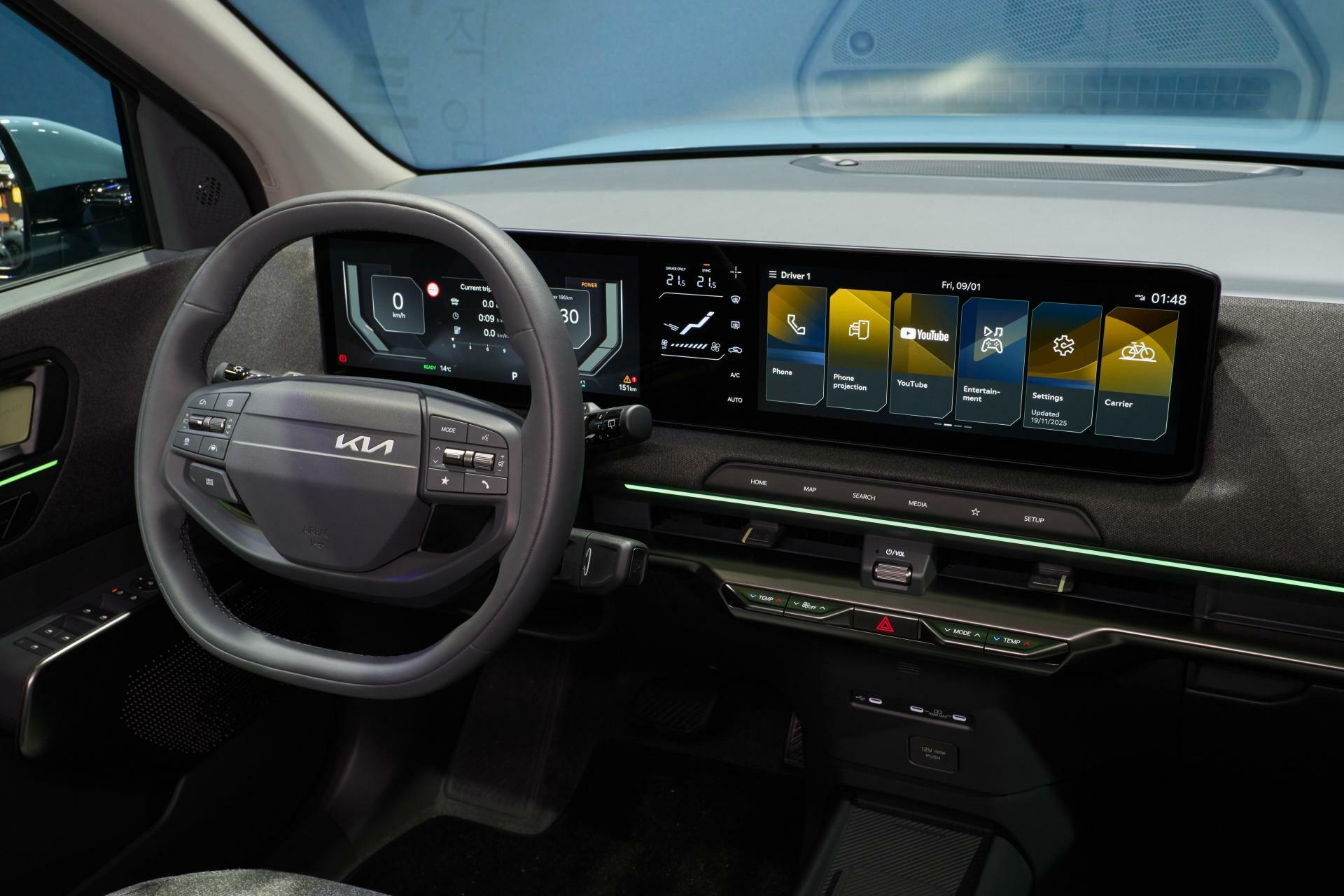
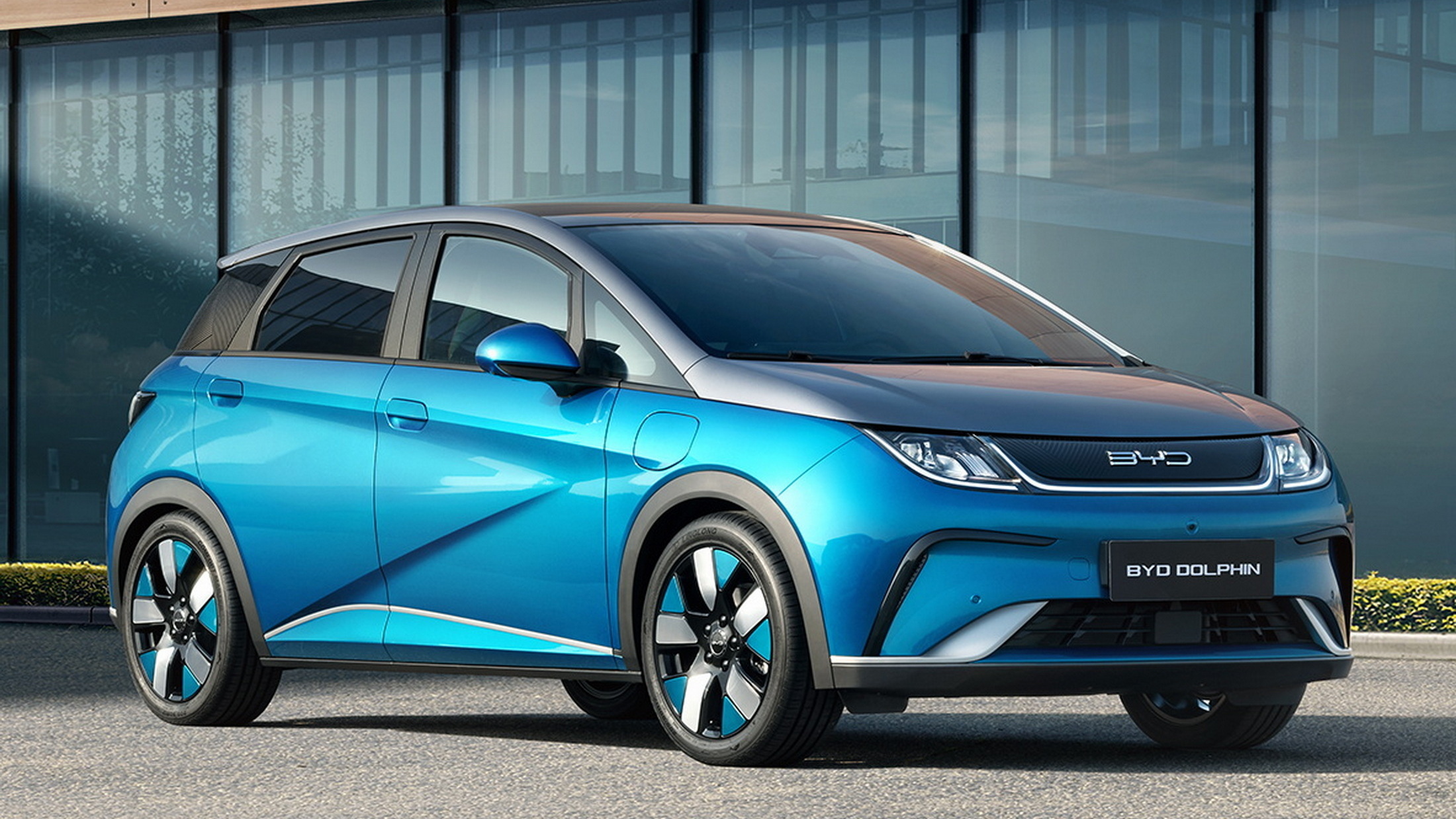
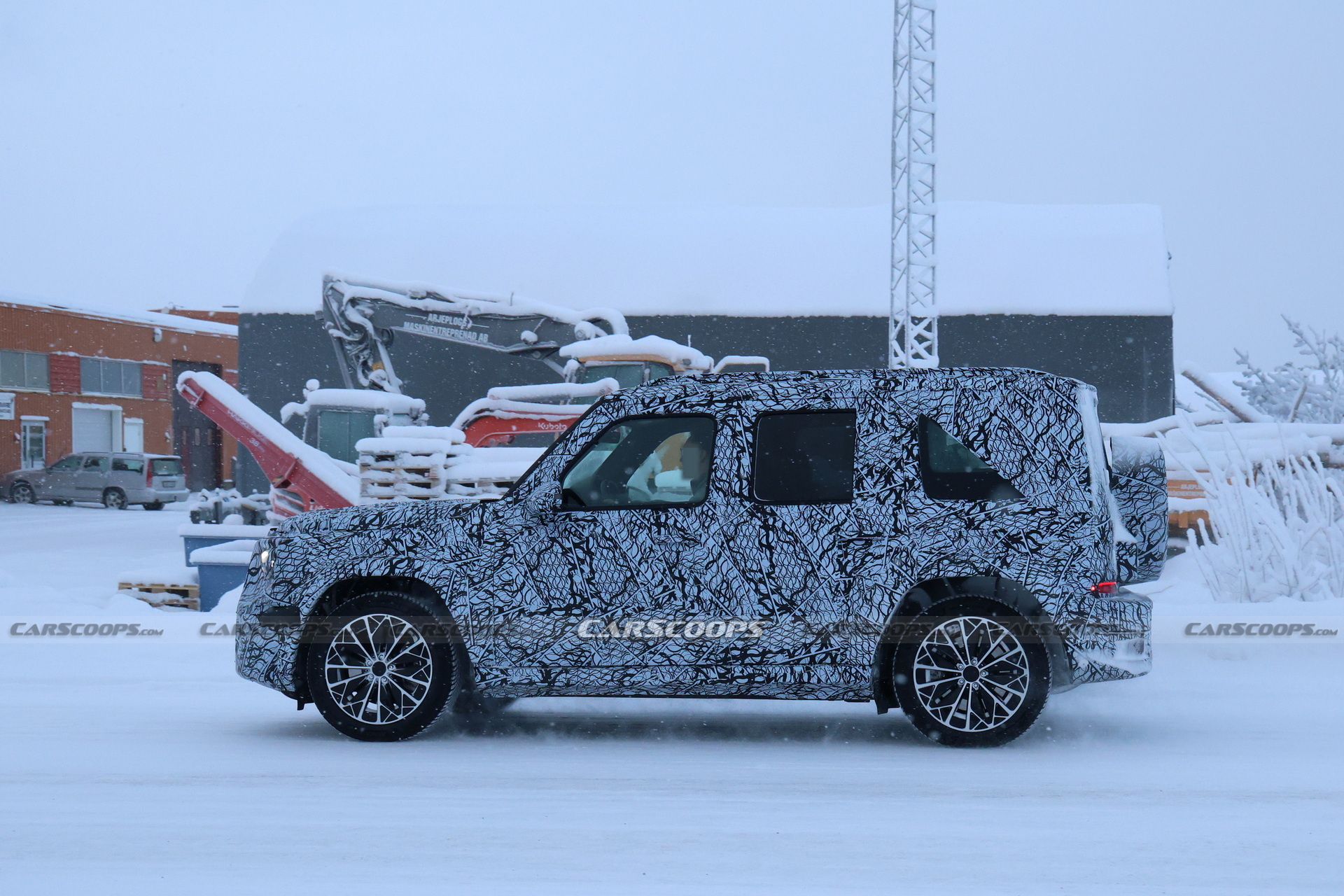
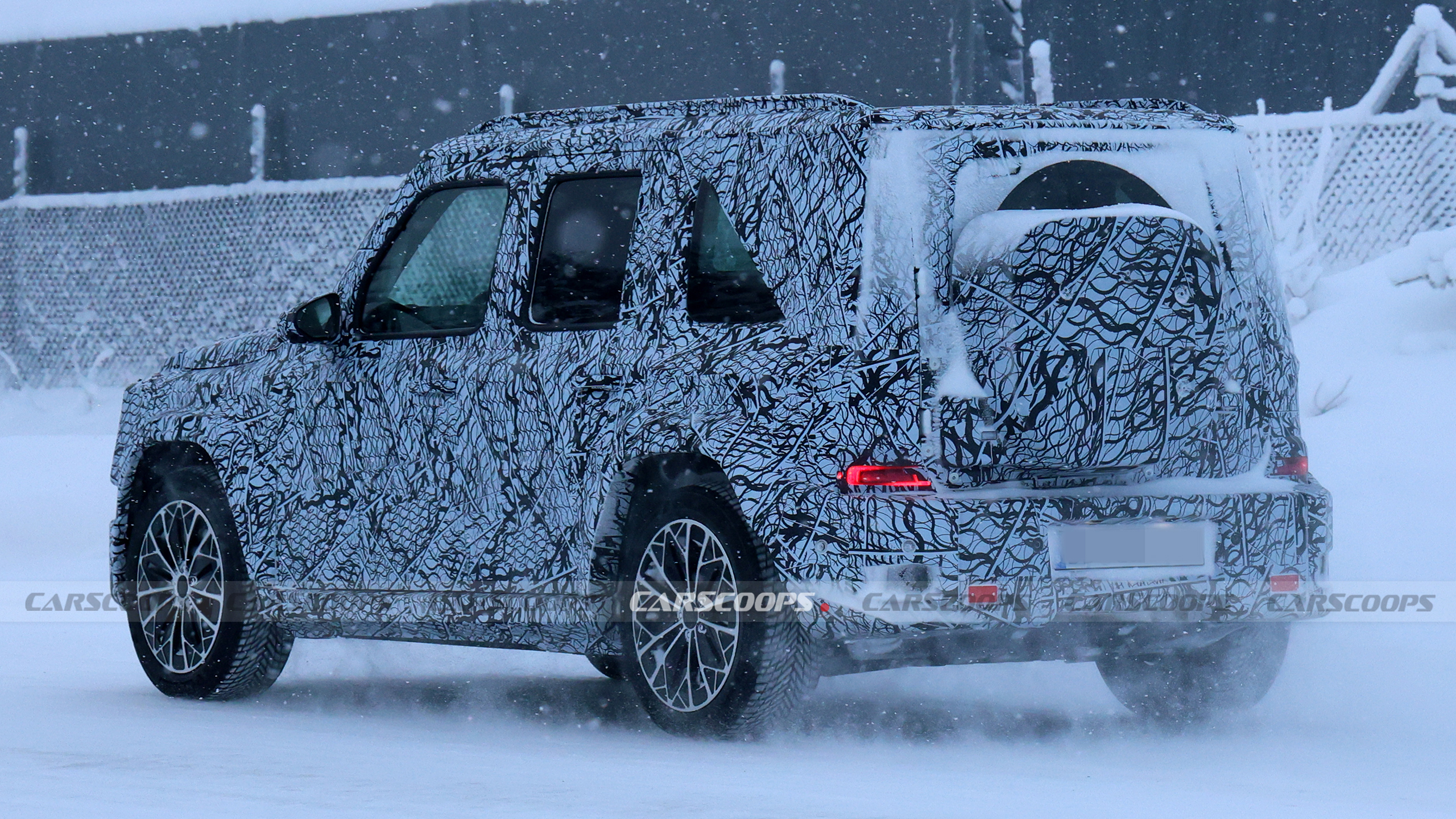
Mercedes G580 electric G-Class now has a $10,000 incentive bonus.
Previous lease-only bonus now expanded to all G580 transactions.
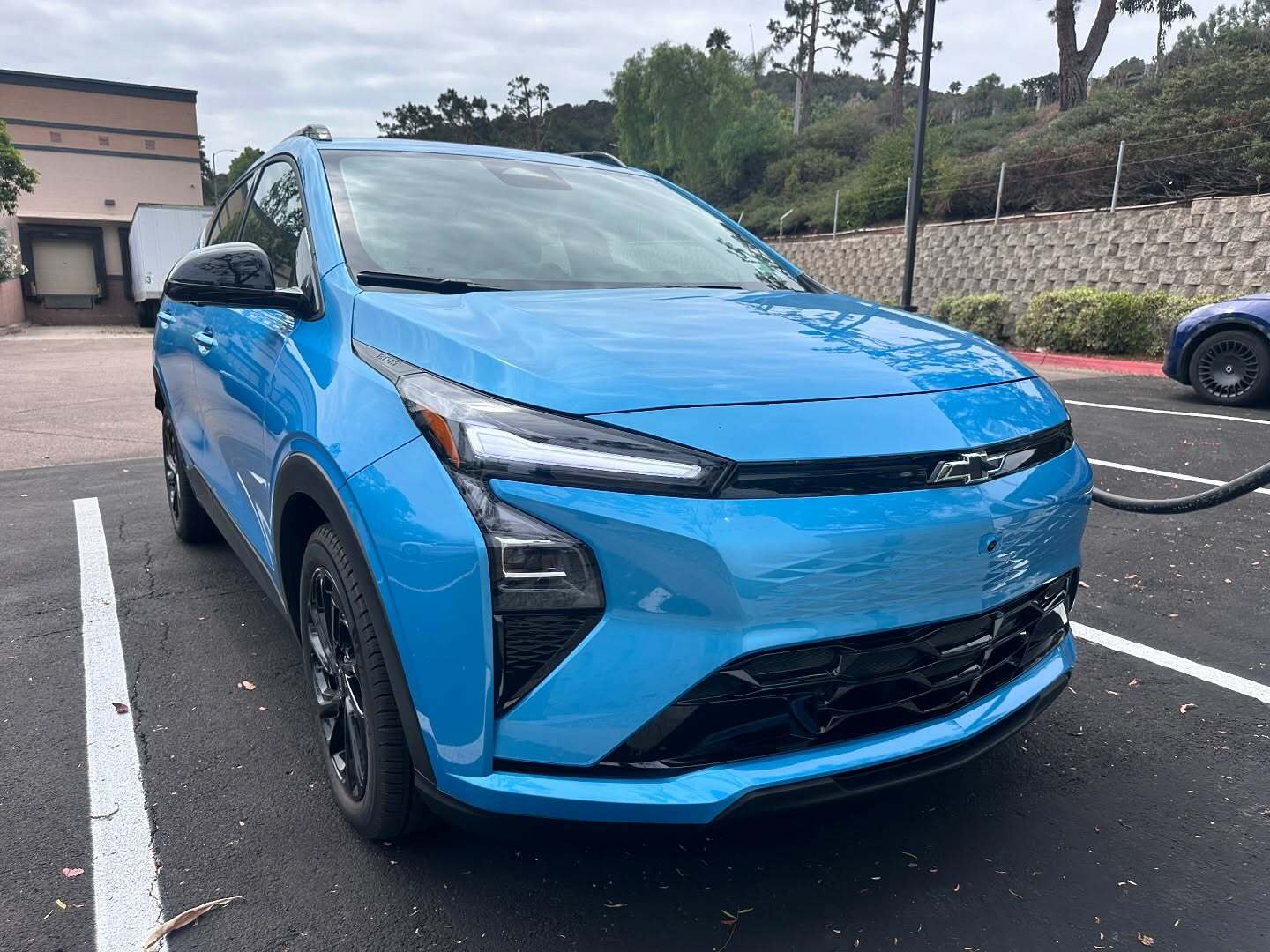
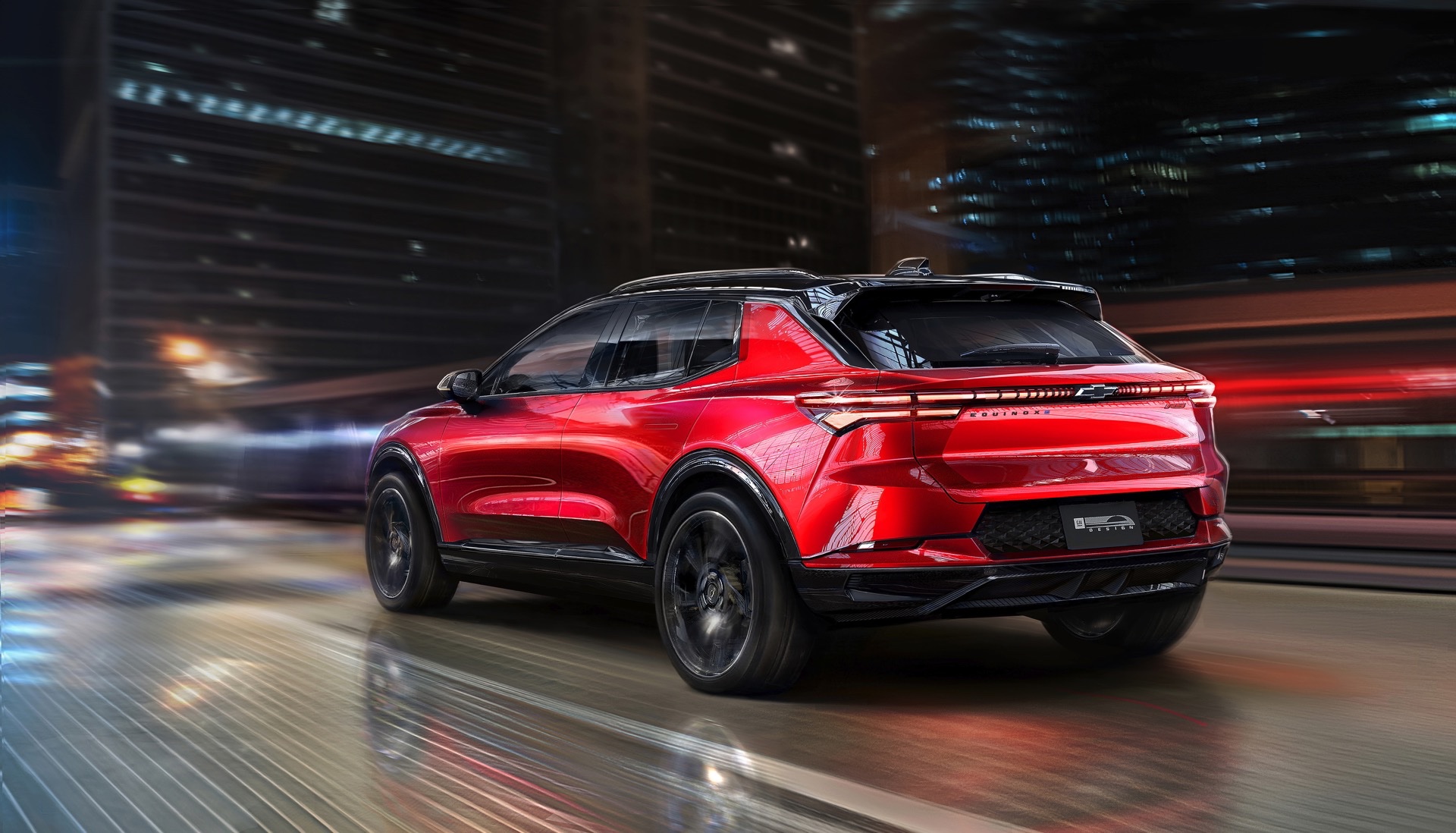
Quad-motor electric G starts at $164,550 including destination.
Mercedes-Benz’s decision to offer an all-electric version of the G-Class hasn’t come without controversy. After all, one of the most iconic and traditionally rugged off-roaders can now glide along in complete silence.
Still, fresh off a strong 2025 for the G-Wagen lineup in America, Mercedes is moving ahead with its electrification strategy, now aiming to boost interest in the G580 with EQ Technology.
The electric G-Class is currently offered with a $10,000 Incentive Bonus, now available whether you lease or buy the vehicle outright. Previously, this discount was capped at $5,000 and applied only to lease agreements, according to Cars Direct.
Whether that’s enough to sway potential buyers is another matter entirely.
The G580 starts at $164,550 including destination. However, as is often the case, finding one at base MSRP is nearly impossible. A quick search on Cars.com turned up 224 listings, with only a single example priced at MSRP. Most hovered between $180,000 and $190,000.
Even so, at base price, a $10,000 discount, while not insignificant, doesn’t sound like it will do much to tip the scales. It amounts to roughly 6 percent off, and for typical G-Class buyers, that might equate to a minor financial blip, not a reason to commit.
Sales Flop
Mercedes recently confirmed it delivered 49,700 G-Class vehicles globally last year, a 23 percent jump over the previous year and a new high-water mark for the model. What it didn’t share is how many of those were the electric G580 and how many still carried internal combustion.
However, reports from early last year described the G580 as a sales “flop,” noting that just 1,450 examples had been sold in Europe as of April 2025, and only 58 in China. It was also claimed that Mercedes had failed to sell a single example in the US, though that was never officially confirmed.
One-off Macan Turbo Concept Lago debuts at German boat show.
Cabin features wood floor mats and marine-style fabric seats.
New 790 Spectre uses a Macan EV powertrain and makes 536 hp.
Porsche and boats have been flirting for a while. The German sports car brand already helped create a rapid electric speedboat with Austrian builder Frauscher. Now the partnership is back with a smaller boat called the 790 Spectre and a one-off, marine-inspired Macan concept to keep it company.
No, the Macan Turbo Concept Lago can’t jump from the road to water like a Gibbs Aquada or Amphicar 770. But it borrows some neat nautical design and trim ideas in the same way that the Frauscher’s boats have cribbed the Macan’s motors and battery pack. And it has some of the most stylish floor mats we’ve ever seen.
Porsche raided its Exclusive Manufaktur personalisation catalog and roped in experts from its Sonderwunsch “special wish” department to give the concept a distinctly salty vibe.
Darkteal Metallic paint, which originates from Porsche’s Paint to Sample programme, covers the outside while neat graphics tie the car to the matching boat. Even the keys wear the same color.
Swab the Floor Mats, Matey
Open the doors and the nautical theme gets stronger. Real wood inspired by boat decks lines the front and rear luggage compartments and the floor mats look ready for bare feet.
A compass replaces the usual dashboard stopwatch and the seat centers use marine grade fabric trimmed with Crayon leather. Green contrast stitching finishes the look and proves Porsche’s trim specialists can customise almost anything.
Frauscher 790 Spectre
The Concept Lago is just a one-off, unlike the new Frauscher 790 Spectre it’s designed to promote. Engineers built the 7,970 mm (313.8 inches) sports boat around the same 100 kWh battery and dual electric motor setup used in the Macan Turbo, though Porsche quotes 630 hp (639 PS / 470 kW) for the SUV and 536 hp (544 PS / 400 kW) for its sea-going counterpart.
The hull is new and lighter than before and the cockpit borrows plenty of Porsche style touches, including the steering wheel and elements of the seat design. Buyers can personalise the boat with special paint and materials to mirror their car.
Orders for the 790 Spectre are open now, but the price is going to make a $112,700 Macan Turbo Electric look downright affordable. While neither Porsche or Frauscher has indicated an exact sticker, the fact that the earlier 850 Fantom Air cost around $600k tells us this one is for wealthy Porsche and boat lovers only.
Mazda has reportedly delayed their EVs developed in-house.
Instead of arriving in 2027, they could be pushed back to 2029.
The company will reportedly focus on hybrids in the meantime.
It appears you can add Mazda to the growing list of automakers that have delayed electric vehicles in the wake of lower than expected demand. According to reports out of Japan, the company’s first dedicated EV has been pushed back until at least 2029.
Details are still murky, but Autonews cites Nikkei and Nikkan Jidosha as saying that production has been delayed by at least two years. Instead, the company will reportedly turn its attention to more popular hybrids.
While a spokesperson said Mazda hasn’t officially announced anything, they didn’t exactly deny the reports either. Quite the opposite, as in a statement to Autonews, they said, “We continue to advance the technological development of our proprietary BEVs based on our multi-solution strategy, and will determine the timing of their introduction while carefully assessing regulatory trends in each country and changes in customer needs.”
This suggests launch plans are still up in the air and could slip beyond 2027.
Test Mule Raises Questions
Baldauf
This is an interesting development as spy photographers snapped a mule undergoing testing in California late last year. The model wore a heavily modified CX-70 or CX-90 body and featured a fully enclosed grille as well as blocked off air curtains. The vehicle was said to be roughly the same size as the CX-50, but narrower than the body suggested.
Little is known about the EV at this point, but it’s slated to ride on the Skyactiv EV Scalable Architecture. The platform was originally announced in 2021 and was supposed to be introduced last year.
That obviously didn’t happen and it appears plans to introduce several vehicles on the architecture between 2025 and 2030 are also in jeopardy. These were set to include “various vehicle sizes and body types.”
However, the situation has changed significantly in the past few years. In the United States alone, the Trump administration has enacted steep new tariffs and eliminated the clean vehicle tax credit. The latter has caused a significant drop in EV sales and a rethink by many automakers.
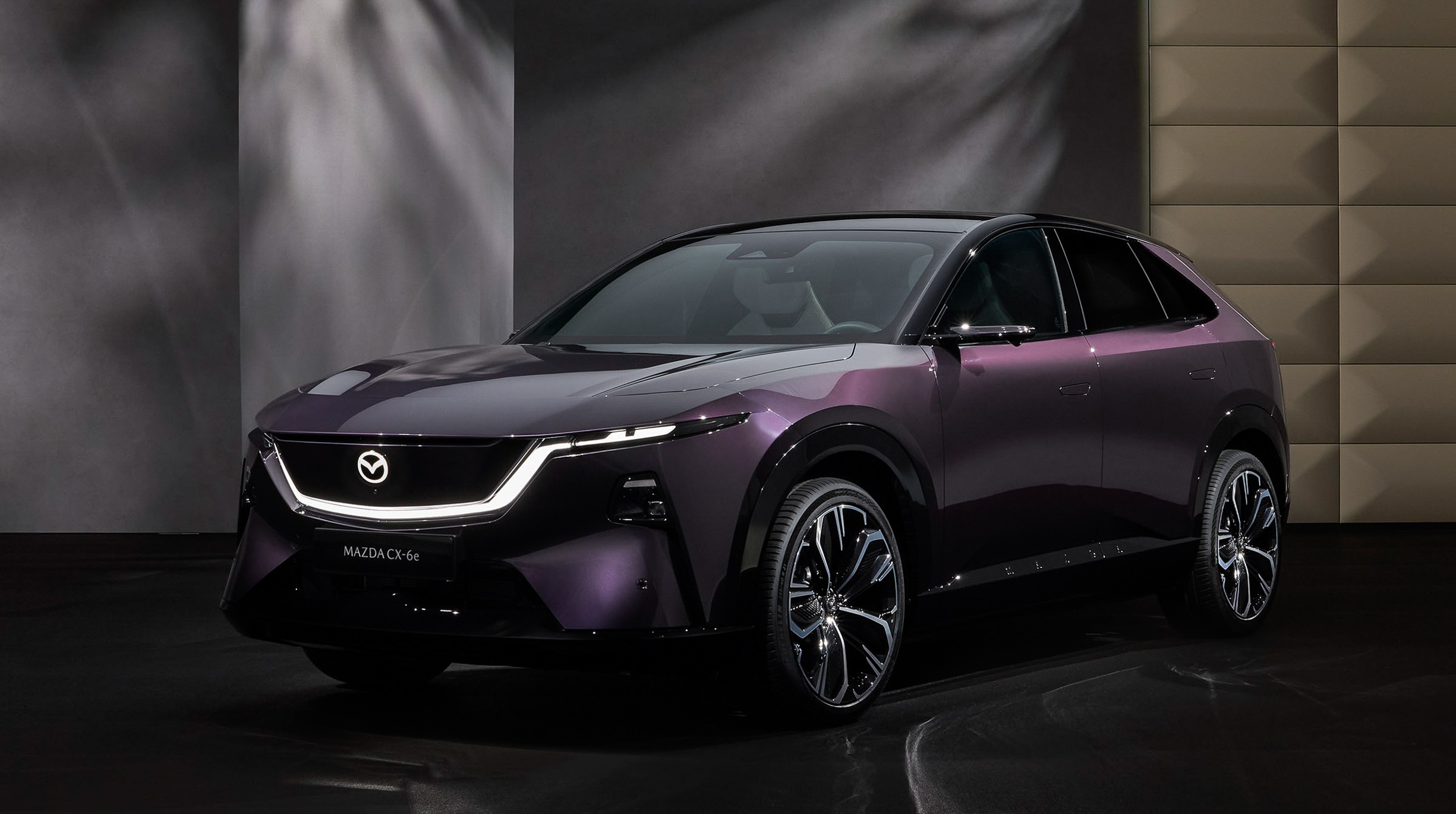
Nevertheless, Mazda isn’t giving up on electric vehicles as the company recently introduced the CX-6e in Europe. It’s a Chinese collaboration with joint-venture partner Changan, and the model has a lot in common with the Deepal S07.
Lucid Air Grand Touring originally retailed for $124,950 new.
Seller drove 6,500 miles before listing it online this month.
Buyer avoided steep depreciation, gaining a flagship EV deal.
While Lucid has carved out a niche in the premium EV market with impressive engineering and design, even the most advanced models aren’t immune to real-world ownership realities. Software hiccups aside, the Lucid Air remains a strong contender, but like many luxury electric vehicles, it faces steep depreciation, a fact this particular seller encountered firsthand.
This 2025 Air, finished in Fathom Blue Metallic, is the Grand Touring variant. It sits near the top of Lucid’s lineup, just below the range-topping Air Sapphire, which plays in near-hypercar territory when it comes to straight-line performance.
A look at the window sticker shows a base price of $110,900 before destination charges. This example came well-optioned, including the $5,500 Tahoe extended leather package, Lucid’s $2,500 DreamDrive Pro driver assistance system, and $3,750 power front seats equipped with massage and ventilation.
What’s The Price Of Premium?
With these extras and a $1,500 delivery fee, the total MSRP climbed to $124,950 before taxes. The seller acquired the car less than a year ago, making the next part of the story particularly painful.
According to the Cars & Bids listing, the original owner bought it in February of last year and drove it just 6,500 miles (10,500 km) before putting it up for sale a few days ago. Despite being in near-new condition, it sold for only $75,500. That’s a brutal financial loss of $49,450. And that’s before taxes and other expenses like registration fees. It’s a sharp reminder of how rapidly luxury EVs can shed value.
Cars & Bids
The good news, if you’re the buyer, is that much of that initial depreciation has likely already happened. Although the car will continue to lose value over time, as most do, the worst of the drop may be behind it. Some 2022 Air Grand Touring models are now changing hands for prices in the mid-$50,000 range, so this one may continue along that curve.
Still, for a long-term owner, there’s reason to feel good about the purchase. They’ve essentially sidestepped nearly $50,000 in immediate depreciation, while gaining access to one of the most refined and tech-laden luxury sedans available.
The Air Sapphire has attracted most of the buzz over the past couple of years, but the Grand Touring remains extraordinarily impressive. It has a pair of electric motors with a combined 819 hp, allowing it to hit 60 mph (96 km/h) in around 3 seconds. In addition, it has an exceptional driving range of 512 miles (824 km), among the highest of any current EV in the market.
Foreign brands are losing ground to China’s EV tech dominance.
EV adoption in China rose, despite slower overall car sales.
Toyota, VW, and GM are restructuring their China operations
The hugely important Chinese car market is continuing to prove challenging for foreign automakers. Chinese manufacturers are maintaining their dominance on the home front, as the world’s largest car market continues to move towards electric and plug-in hybrid vehicles.
Domestic demand for these so-called New Energy Vehicles rose by 18 percent in 2025. This contrasts with the situation in Europe and the US, where the slowdown in EV adoption steals the headlines.
Tech Wars
One reason why imported cars are falling out of favor is the ability of local carmakers to adapt and update to changing technologies on the ground at a much faster pace. As brands such as BYD, Geely, and Changan continue to battle each other on tech features, they’re leaving Western manufacturers in the dust.
The ability for Chinese automakers to not only develop and implement new tech, but also integrate seamlessly with other existing Chinese tech (such as the WeChat and AliPay “super apps”) is something that consumers value highly.
According to Xiao Feng, speaking to the Wall Street Journal, this could mean that foreign car makers could mostly be pushed out of the Chinese car market by 2030. Save for some big players, such as Tesla, Toyota, and VW, it’ll be hard for imports to compete on both features and EV tech.
Passenger Car Slowdown
Although the adoption of EVs and plug-in hybrids is moving forward rapidly, last year China’s passenger car market grew at its slowest pace in three years, scoring a 4 percent increase and a total of 23.7 million vehicles.
Meanwhile, EV sales have been bolstered by local subsidies, with 2025 incentives being up to $2,900 when consumers traded in their old car for an EV or plug-in hybrid. Some 11.5 million car sales were made through the trade-in incentive, although in December, new car sales reportedly fell by 14%, due to some localities “running out” of their budgets for the incentives.
It’s reported that Beijing will be looking at curtailing subsidies in 2026. Meanwhile, fierce local competition continues to affect both local and foreign brands, with many competitors seemingly locked into a price war.
One study, conducted by the China Automobile Dealers Association, claims that only 30 percent of dealers remained profitable in the first half of 2025, with 75 percent of those surveyed admitting they sold at least a few cars below cost.
Foreign Car Makers Restructure
Last year saw the departure of Mitsubishi from the Chinese market, as the company opted to end all manufacturing and sales, while JLR also underwent a significant scaleback in its product offerings. VW stopped making cars at its Nanjing plant.
Even Tesla, arguably the strongest non-local player, saw sales drop by around 5 percent while it lost the world’s best-selling EV tag to BYD.
However, with China being the largest market, many others are choosing to restructure rather than abandon ship completely. Toyota is building a new Lexus EV plant in Shanghai, VW is ready to launch a whole range of China-specific models, and GM will offer all its products with either an EV or a plug-in hybrid option.
Incentives range from €1,500 to €6,000 per eligible household.
Buyers earning under €45,000 may benefit from the new program.
Chinese brands are included in the subsidy with no import ban.
Not long ago, Germany made a sharp U-turn on electric vehicle incentives, pulling the plug on subsidies just as local automakers were counting on them to shore up faltering demand. Unsurprisingly, sales tanked. Now, the government is reversing course once again, preparing to reinstate a new subsidy program aimed at reviving interest in EVs.
The upcoming scheme will offer buyers between €1,500 ($1,742) and €6,000 ($7,000) in incentives, depending on the vehicle, household income, and family size. The total budget stands at €3 billion ($3.48 billion), enough to support around 800,000 vehicles under the plan.
No Barriers for Foreign EVs
Unlike some neighboring countries, Germany’s EV subsidy will be open to all manufacturers, including Chinese brands. According to Bloomberg, the government has confirmed it will not impose origin-based restrictions, with Environment Minister Carsten Schneider saying there’s no evidence of a flood of Chinese imports and that local brands are strong enough to compete.
Germany’s subsidies will be offered through 2029, and applications can be submitted retroactively to January 1, 2026. An online portal is scheduled to be launched in May to handle applications.
The program was first announced last October and has been designed to mostly benefit low- and middle-income households. Final terms are expected to be revealed later in the year.
A Reboot for EV Incentives
Germany previously ditched its EV incentives in late 2023 due to budgetary issues. This immediately triggered a 27 percent decline in EV sales in 2024.
There’s now a new government in power who are clearly eager to see the sales of electric cars rebound, even though the European Union did recently give car manufacturers a major reprieve in reversing the proposed 2035 ban on new cars with internal combustion engines.
In late last year, it was reported that the new incentive scheme would only provide subsidies for new EVs costing less than €45,000 ($52,300), but it’s unclear whether this cap has been confirmed. Additionally, it had been reported that only individuals earning less than €45,000 ($52,300) would be eligible.
Germany’s earlier EV incentive program, which ran from 2016 to 2023, distributed roughly €10 billion ($11.6 billion) in subsidies to buyers.
What Else Comes With the Package?
Alongside the new funding package, the program comes with additional efforts to support EV uptake, including a tax break for electric vehicles extended through 2035. Estimated to cost around €600 million (about $700 million) in forgone revenue, the move reflects the coalition’s backing for a slower, more flexible transition, even as the future of combustion engine bans remains under debate.
Toyota will double down on hybrids and ICE in key regions.
China will remain Toyota’s electric-first market going forward.
GR GT V8 hybrid proves Toyota’s engine push isn’t just talk.
Saying the automotive world is in a bit of limbo may be an understatement. On one hand, you have the world’s largest market, China, accepting EVs and plug-in hybrids in even greater numbers than ever before. Meanwhile, in Europe, manufacturers are pulling back on their EV manifestos as the European Union provides some respite in the face of slower-than-predicted adoption.
Toyota, by contrast, has always been pro-ICE. For years, the company has questioned its competitors and governments, who have been advocating exclusively for electric vehicles. And while the company has shown off various plans for EVs, they’ve maintained a more balanced approach.
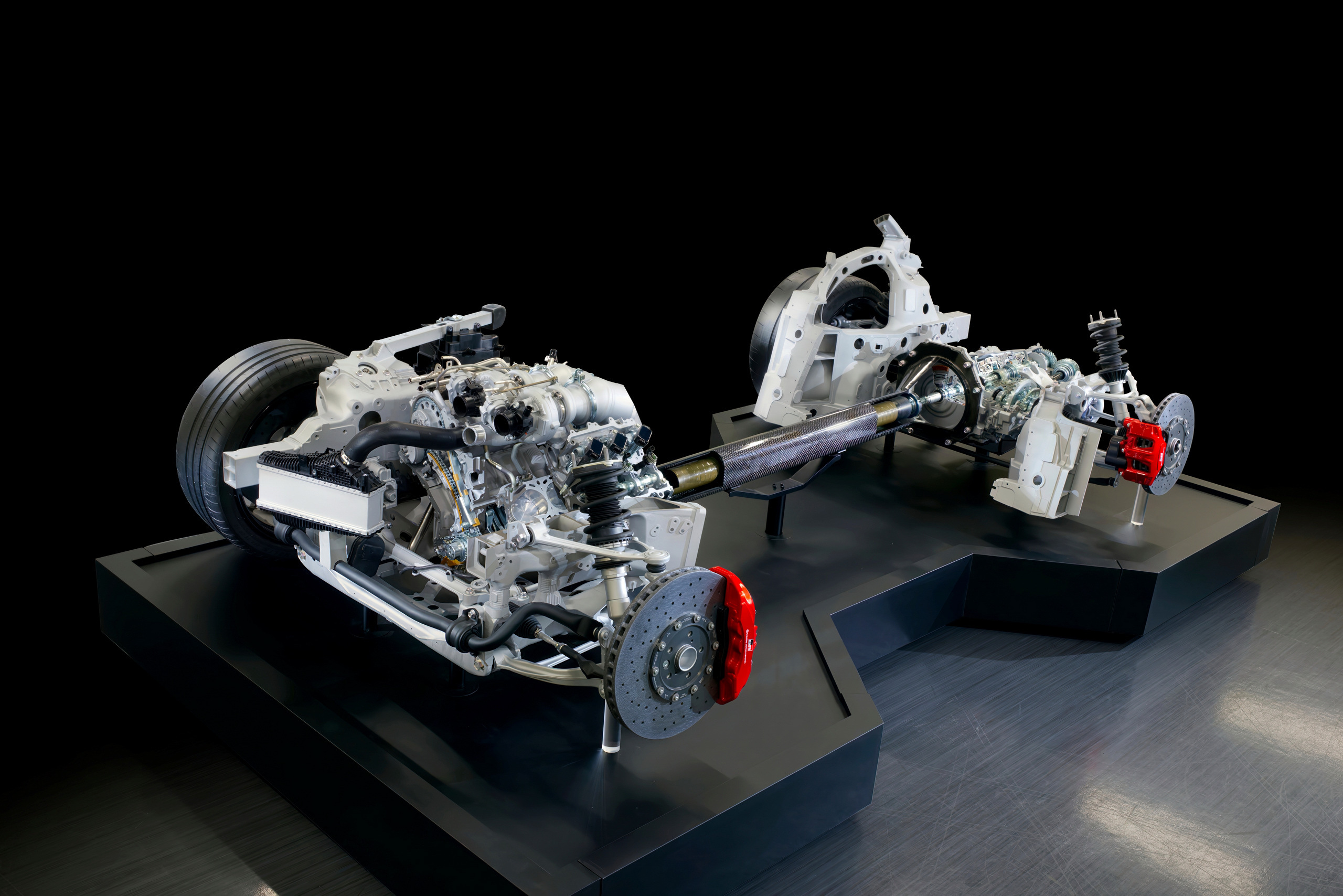
Now, it may be clear that Toyota wasn’t going to say goodbye to combustion without a fight, but we imagine not many would have predicted the unveiling of the GR GT: a production-slated halo supercar with a ferocious twin-turbocharged 4.0-liter hybridized V8 engine.
The Fight for Identity
In an era of tightening emissions regulations and downsized powertrains, the decision to green-light a V8 may seem almost rebellious. But for Toyota, the GR GT isn’t about volume or compliance alone. It’s about identity.
Nikkei Asia notes that the GR GT has been built without the assistance of Yamaha, unlike its spiritual forefathers, the 2000GT and Lexus LFA. “Automobiles, as an industrial product, are in danger of becoming commoditized,” says Toyota Chairman Akio Toyoda. “The engine still has a role to play,” underscoring the importance of the in-house powerplant.
The reality is that Toyota’s focus on keeping engines around will permeate throughout its lineup for the foreseeable future. In June 2025, Toyota convened suppliers at an internal combustion engine rally, where executives outlined plans to develop new engines, including high-output units, while maintaining overall engine production volumes through 2030.
It was a clear signal that Toyota sees a long runway for combustion, even as the market fragments.
However, Toyota is still hedging its bets with EVs, especially when it comes to China. Over there, the car-buying population continues to march towards an all-electric future.
Toyota, like all foreign manufacturers, is feeling the pinch against local rivals. At a supplier event in Shanghai last summer, a Toyota executive drew rare applause by declaring, “In China, we will focus not on cars for the global market, but on cars made specifically for China.”
He added pointedly that if Japan’s headquarters hesitated on investment, he would “explain things to them directly.”
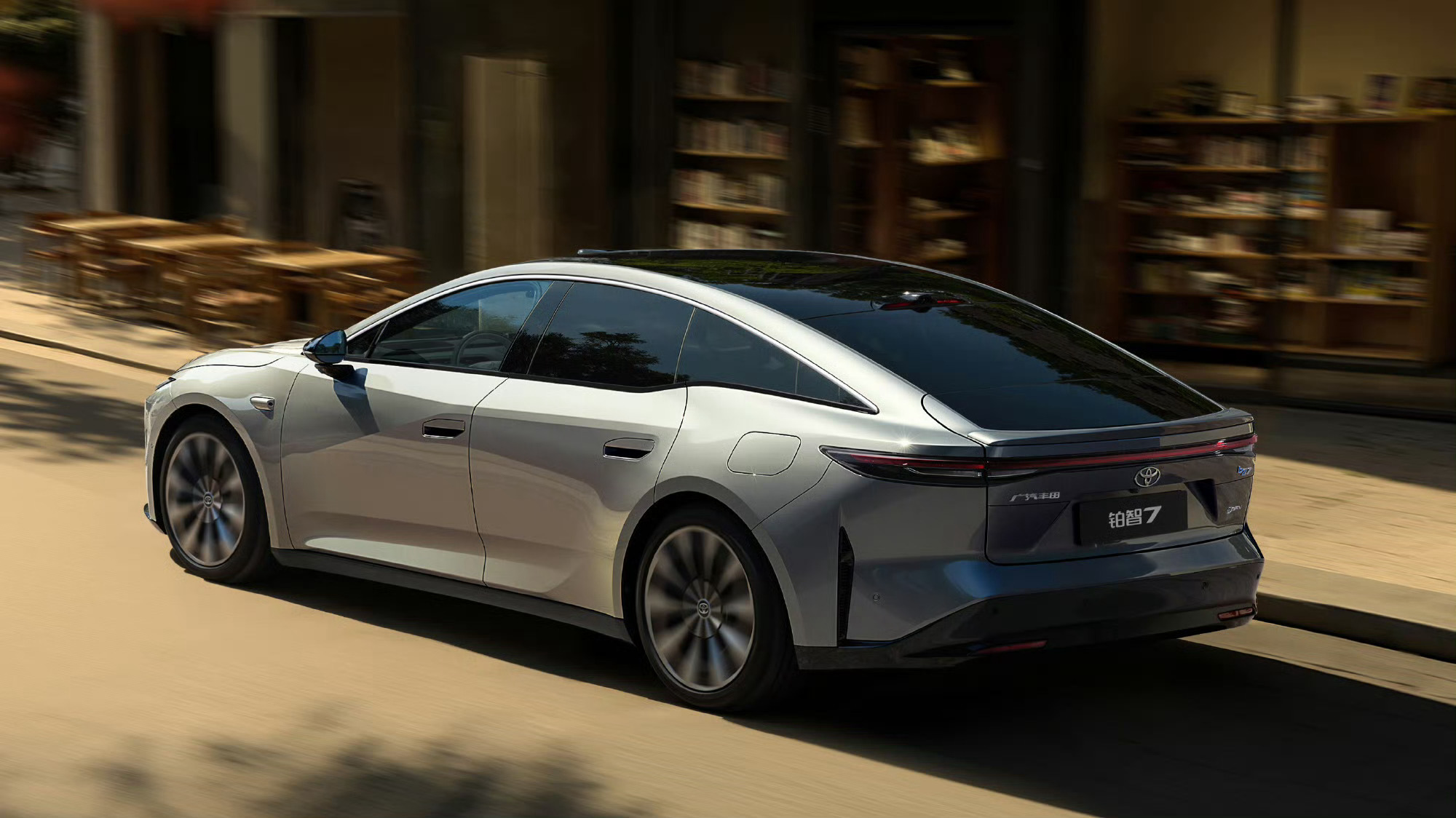
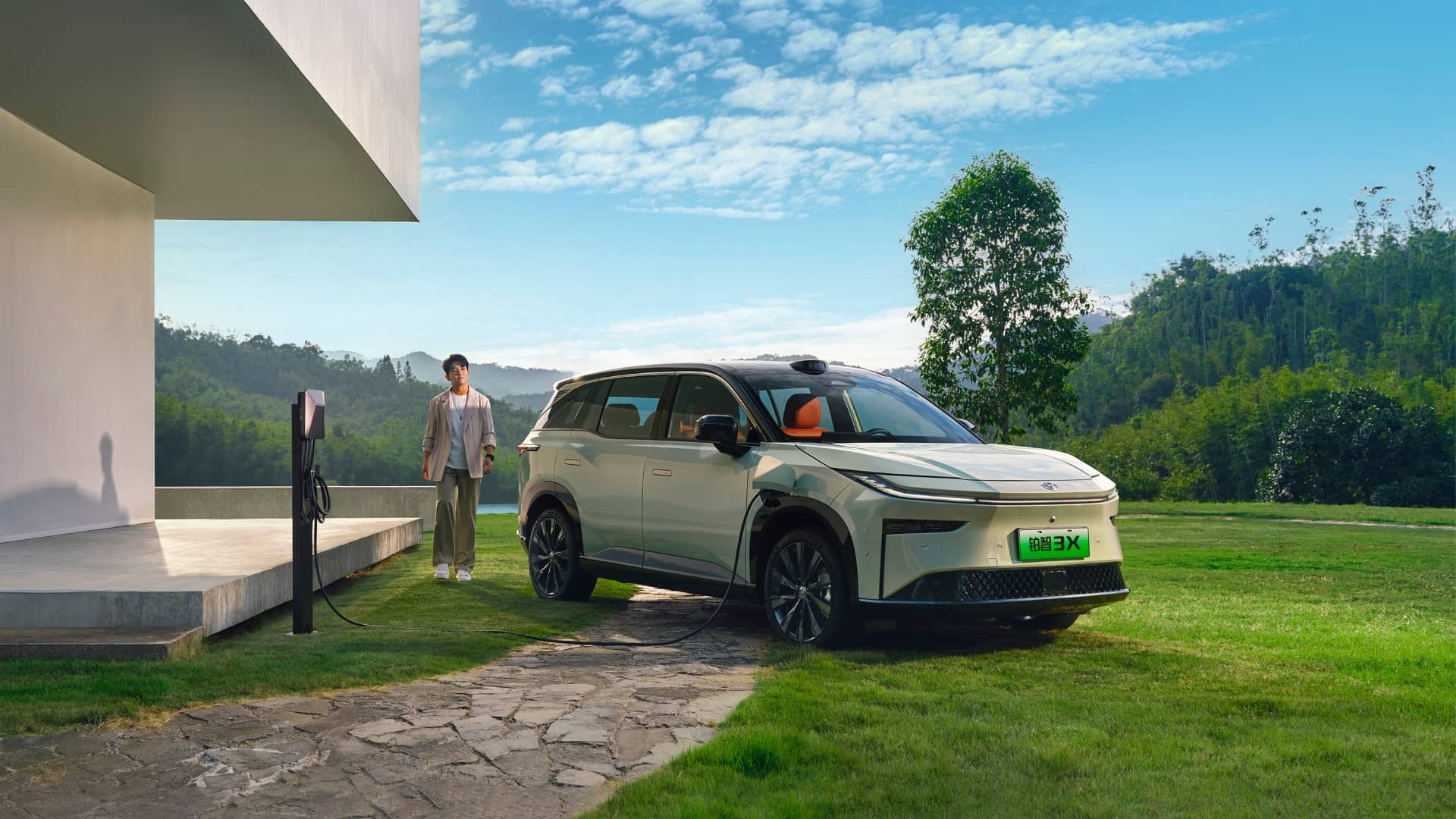
That shift is already visible in the product lineup. The bZ3X electric SUV, launched in March 2025 through GAC Toyota, was co-developed with Guangzhou Automobile Group and uses cost-effective lithium iron phosphate batteries. Priced from 109,800 yuan or about $15,300, it surpassed 10,000 units in monthly sales by November. A bZ7 electric sedan is set to follow.
Hybrid Momentum in America
Back in the US, where EV adoption is not as clear-cut, Toyota is investing in hybrid production. The move is driven by strong demand as hybrids accounted for roughly 13 percent of new-vehicle sales in the U.S. during the third quarter of 2025.
Toyota opened its new battery plant in North Carolina on November 12. Toyota Motor North America President Tetsuo Ogawa called it “a pivotal moment in our company’s history.”
On the same day, Toyota announced plans to invest up to $10 billion over five years to expand U.S. production of hybrids and related components, boosting output at five American plants and reducing reliance on Japanese imports.
Of course, building cars powered by everything from V8 hybrids to LFP-battery EVs is expensive. Toyota spent ¥1.3 trillion on R&D in the year ending March 2025, which is roughly on par with BYD, and well ahead of many rivals.
To manage the burden, Toyota has begun leaning more openly into partnerships, including work with NTT on AI-based crash prevention and a collaboration with Waymo on autonomous driving.
In a market increasingly obsessed with picking a single technological winner, Toyota’s refusal to do so may look risky. But if the global auto future really is plural rather than uniform, betting on engines, rather than shunning them, may yet prove to be the company’s most calculated move of all.
Before yesterdayElectric Vehicles - Latest News | Carscoops
Facelifted VW ID.4 spotted testing ahead of debut later this year.
Visual changes include new doors, lights, bumpers, rear hatch.
Updated MEB+ platform may add LFP batteries and extra range.
Volkswagen isn’t sitting still when it comes to electric cars, even if most of its lineup in the US has struggled to gain traction this year. The ID.4, one of only two VW models whose American sales actually increased in 2025, is getting more than a light polish.
Instead, it’s heading into a major refresh that reshapes it into what some within the company are already calling the “electric Tiguan.”
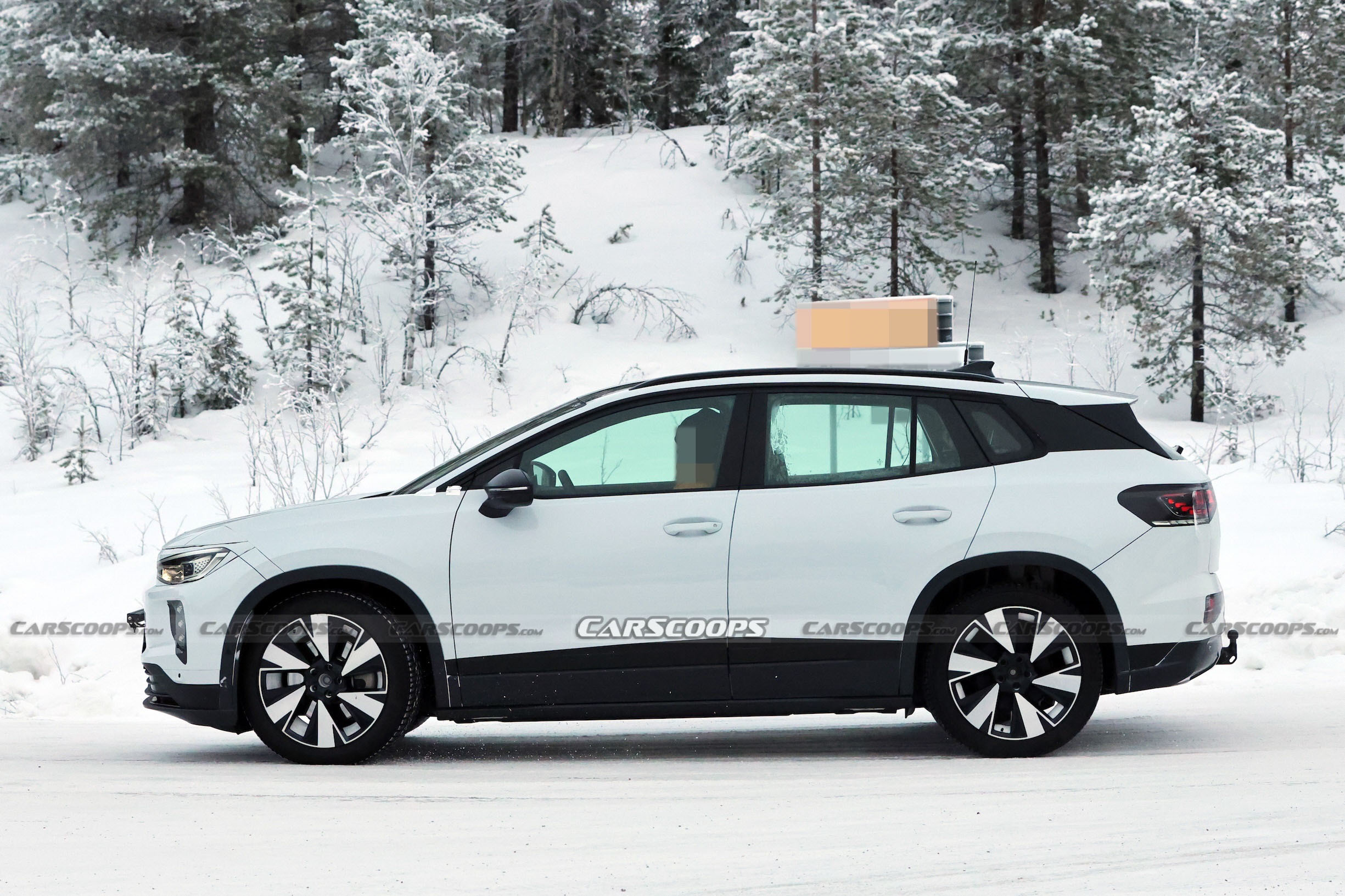
Our first spy shots show a crossover that’s recognizably an ID.4, but one that’s been carefully sharpened. The front end is squarer, clearly aligned with the upcoming ID Cross look.
SB-Medien
As you can see in our spy shots, the doors are new with proper pull handles, and the rear end has been subtly reworked with a concave rather than convex tailgate panel, plus a re-profiled D pillar.
It’s not a ground-up redesign, because there’s only so much you can change with a facelift. The underlying structure appears mostly identical, which makes sense for a mid cycle update.
However, the surfacing and proportions have been tweaked just enough to bring the ID.4 visually into sync with the new Tiguan and VW’s upcoming electric ID.Cross, which was unveiled in concept form last September, and goes on sale in Europe later in 2026.
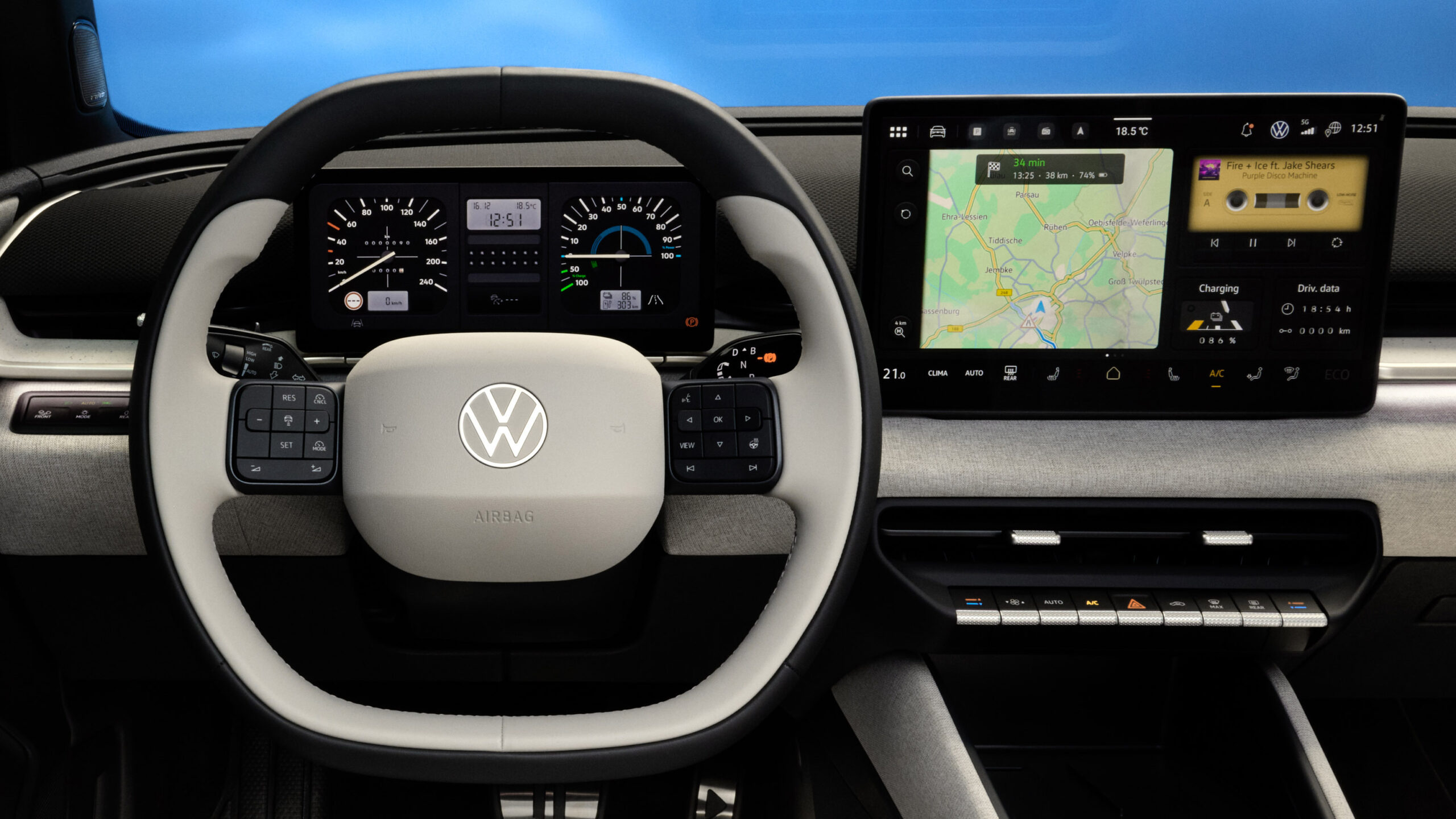
Inside is where the biggest changes may be felt day to day. Physical buttons and switches will feature prominently, including a real volume knob, alongside a new dashboard, better materials, and a revised user interface. We got our first glimpse of this direction in the official photos of the new ID. Polo’s interior (pictured above) earlier this month.
The software gets an upgrade too, with an improved AI-powered voice assistant, and the currently undersized digital gauge cluster will grow in size.
Under the skin sits a revised MEB plus platform that should feature LFP battery chemistry for better efficiency and potentially more range, though it’ll still be stuck with 400-volt electrics.
Powertrains are expected to receive light updates rather than dramatic changes. But VW did, after all, only relatively recently dramatically improve the output of the base single-motor ID.4, which since 2024 produces 282 hp (210 kW / 286 PS). That represents an increase of 80 hp (60 kW / 82 PS) over the previous version.
This facelifted ID.4 is expected to arrive near the end of 2026, helping carry the model through to 2028. That’s when a fully new version is due, this time based on a true 800-volt platform. That is nearly sure to be badged ID.Tiguan, if VW hasn’t decided that this year’s facelift is extensive enough to justify that name change for the 2027 model year.
Mercedes continues to test the upcoming EQE successor.
The E-Class EQ will have a more traditional design.
We can also expect 483 hp and a range of around 444 miles.
The Mercedes EQ lineup has been an unmitigated disaster and a lack of demand forced the company to temporarily pause production to reduce swelling inventories. While assembly of the EQE, EQE SUV, EQS, and EQS SUV recently resumed, the automaker is already looking forward to a less blob-like future.
That’s clear today as spy photographers have snapped the upcoming E-Class with EQ Technology. Terrible name aside, the EQE successor will fix the sins of the past with an all-new design that more closely resembles the ICE-powered model. As a result, it looks more like a sedan and less like a bar of Dove soap.
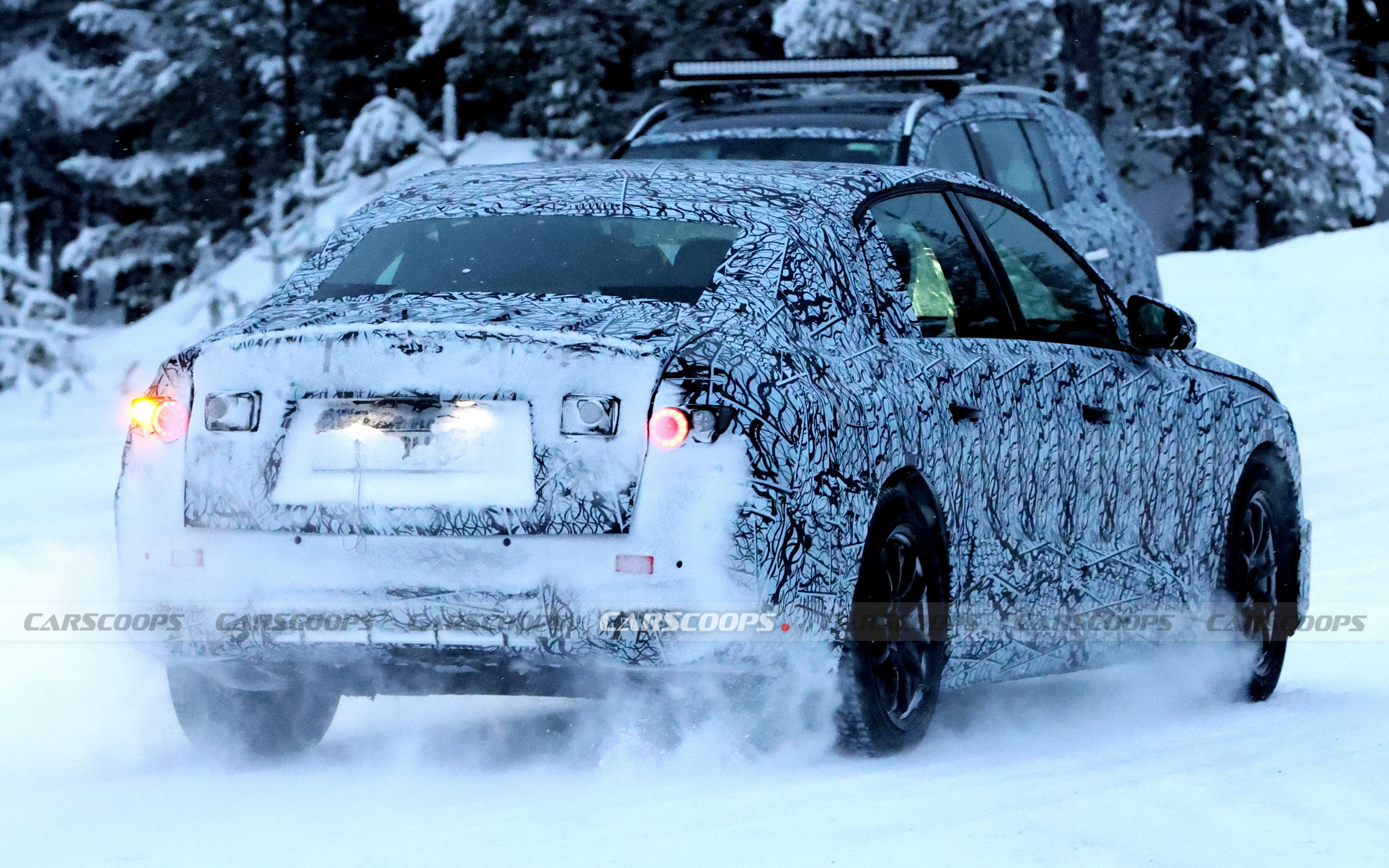
Caught undergoing testing in snowy conditions, the E-Class EQ is heavily disguised but will likely feature the brand’s new ‘iconic grille.’ The chrome-clad behemoth recently debuted on the GLC EV and will also be found on the upcoming C-Class EV. If its size didn’t draw enough attention, there’s an illuminated variant with 942 lights as well as a shining star.
The headlights and taillights are temporary units, but they’ll eventually be replaced by starry production components. We can also see an upward sweeping beltline and a greenhouse that echoes the one found on the C-Class EV. However, the E-Class is notable for having traditional door handles and mirrors that are mounted at the base of the A-pillar.
GLC EQ
Spy photographers haven’t gotten a good look inside, but the C-Class EQ follows in the footsteps of the CLA and appears to adopt a 10.25-inch digital instrument cluster, a 14-inch infotainment system, and a 14-inch front passenger display. However, the more upscale E-Class EQ could take a page from the GLC and sport a massive 39.1-inch screen.
The model will ride on the MB.EA platform and have a lot in common with the GLC EV. This means we can expect a two-speed transmission, a roughly 94 kWh battery pack, and a dual-motor all-wheel drive system producing a combined output of 483 hp (360 kW / 489 PS) and 590 lb-ft (800 Nm) of torque.
SHproshots
This setup enables the GLC 400 4MATIC to accelerate from 0-62 mph (0-100 km/h) in 4.3 seconds, before hitting a top speed of 130 mph (210 km/h). The crossover also has a WLTP range of up to 444 miles (715 km).
When the battery is low, drivers will be thankful for the 800-volt electrical architecture and the 330 kW DC fast charging capability. It will enable the GLC to get up to 188 miles (303 km) of range in as little as 10 minutes.
It offers gas, plug-in hybrid, and electric powertrains.
Larger than the Equinox, the model starts at $8,581.
Western brands have been struggling in China, but GM is the rare exception as the company and its joint ventures delivered nearly 1.9 million vehicles last year. That was up 2.3 percent compared to 2024 and this was largely driven by sales of New Energy Vehicles such as the Wuling Hong Guang MINI EV, which found over 435,000 takers.
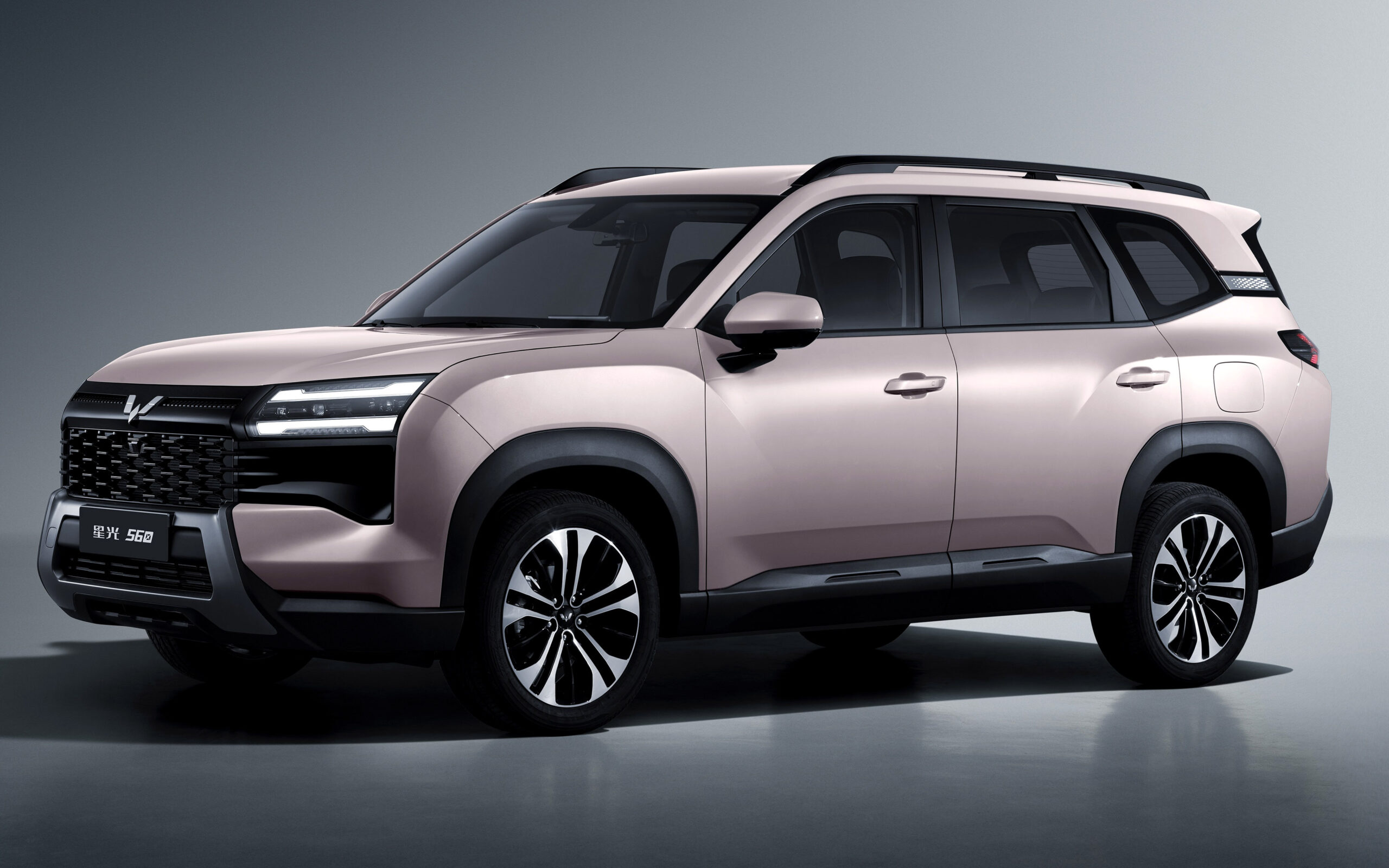
GM is looking for continued success with the new Wuling Xingguang 560, which is a mid-size crossover that will be offered with gas, plug-in hybrid, and electric powertrains. The company said surprisingly little about the model, but it features a slender grille that is flanked by sweptback headlights with X-shaped daytime running lights.
They’re joined by a powertrain-specific front end, which is enclosed on electrified models and open on the ICE-powered variant.
Moving further back, we can see plastic body cladding and an available contrasting roof. Other highlights include stylish wheels, a liftgate-mounted spoiler, and X-like taillights. The model also has a rear pillar and window treatment that closely recalls the Subaru Forester.
How Big Is It?
In terms of size, the Xingguang 560 measures 186.8 inches (4,745 mm) long, 72.8 inches (1,850 mm) wide, and 69.1 inches (1,755 mm) tall with a wheelbase that spans 110.6 inches (2,810 mm). To put those numbers into perspective, the model is 3.6 inches (91 mm) longer than the Chevrolet Equinox and has an extra 3.1 inches (79 mm) between the wheels.
The interior has a minimalist design with a digital instrument cluster and an infotainment system that reportedly measures 12.8 inches. They’re accompanied by a two-spoke steering wheel, distinctive air vents, and a center console that appears to have a dual wireless smartphone charger.
Wuling was coy on specifics, but said the crossover offers up to 68.7 cubic feet (1,945 liters) of cargo room when the second-row is folded flat. They added the model has more than 25 storage compartments, including one hidden beneath the rear seats.
Powertrain Options
On the performance front, the Xingguang 560 will be offered with a turbocharged 1.5-liter engine that produces 174 hp (130 kW / 177 PS) and 214 lb-ft (290 Nm) of torque. It can be paired to either a six-speed manual or a continuously variable transmission.
Customers can also opt for a plug-in hybrid, which offers a WLTC combined range of up to 684 miles (1,100 km). Wuling didn’t elaborate, but an earlier report from CarNewsChina said this variant has a 1.5-liter engine and an electric-only range of 78 miles (125 km).
Last but not least, there’s a fully electric variant that has a CLTC range of up to 311 miles (500 km). It’s said to have a 60 kWh battery pack as well as an electric motor developing 134 hp (100 kW / 136 PS).
How Much Does It Cost?
To help promote the model’s launch, Wuling is offering introductory pricing that ranges from $8,581 (¥59,800) to $13,746 (¥95,800). After this offer expires, pricing will apparently climb to $9,155 – $14,751 (¥63,800 – ¥102,800).
Ford is reportedly in early talks to source batteries from BYD.
Move follows Ford canceling projects and taking a $19.5B charge.
BYD has rapidly expanded battery production beyond China.
Ford may be pulling back on its EV spending, but it isn’t walking away from electrification. Instead, the company may be taking a different approach, and that path could lead through China. Specifically, Ford is reportedly in early talks with BYD, the Chinese automaker that recently overtook Tesla as the world’s top EV producer, to source batteries for its next hybrid models.
According to a report from the Wall Street Journal citing sources familiar with the discussions, nothing is finalized, and a deal may not materialize. But if it does, one idea under consideration is for Ford to begin importing BYD batteries for use in its factories outside the United States.
In response to the report, Ford didn’t confirm or deny the potential partnership. “We talk to lots of companies about many things,” the company told the newspaper. That kind of non-denial tends to say a lot without saying much at all.
BYD, while primarily known for its battery manufacturing in China, has been expanding its footprint globally, building production capacity in Brazil, Europe, and Southeast Asia.
Why BYD Might Be the Answer
The timing of these talks aligns with a major pivot inside Ford. The company recently took a $19.5 billion write-down after scaling back several electric vehicle initiatives, including high-profile battery joint ventures with South Korean firms SK On and LG Energy Solution. Alongside a renewed emphasis on internal combustion models, Ford plans to grow its hybrid lineup, an area where BYD already excels.
The Chinese company is one of the world’s largest producers of hybrid vehicles and battery packs for cars. Instead of launching new factories or reviving shelved partnerships, Ford might simply buy batteries directly, streamlining its supply chain as it targets a goal of having hybrids, plug-in hybrids, and EVs make up half of its global sales by 2030.
Will Washington Push Back on a BYD Deal?
Any such deal is unlikely to go over well with the Trump administration. Shortly after reports surfaced that Ford was speaking with BYD, top Trump trade advisor Peter Navarro hit out at the plan.
“So Ford wants to simultaneously prop up a Chinese competitor’s supply chain and make it more vulnerable to that same supply chain extortion?,” he wrote on X. “What could go wrong here?”
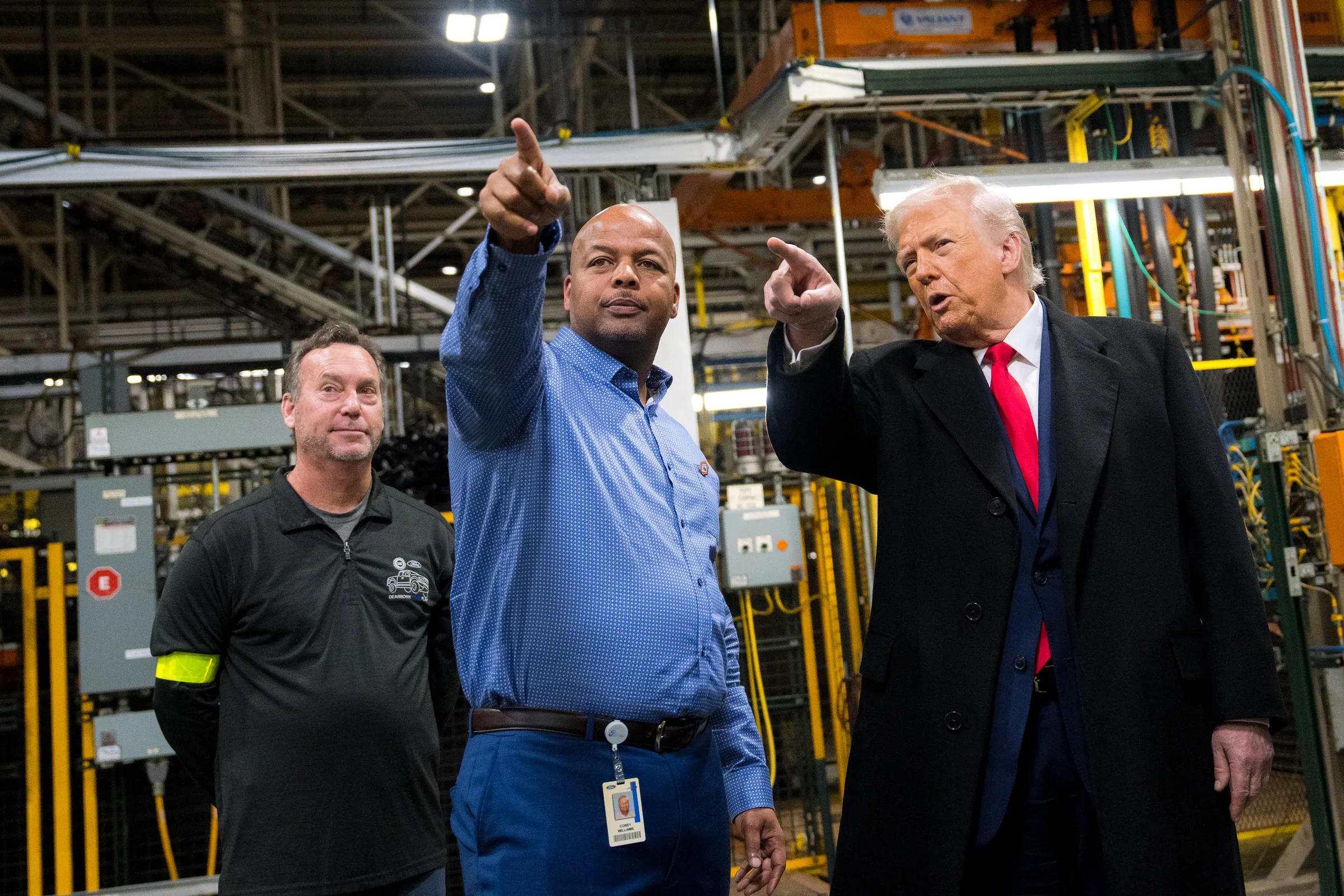
Meanwhile, Donald Trump took a different tack. Speaking to reporters in Detroit, the president said he welcomed foreign firms, including those from China and Japan, setting up shop in the States, as long as they employed American workers.
“You know, those tariffs are keeping the foreign autoworkers. Now, if they want to come in and build the plant and hire you and hire your friends and your neighbors, that’s great. I love that,” said Trump. ” Let China come in. Let Japan come in. They are. And they’ll be building plants, but they’re using our labor.
It would be Kia’s only GT without all-wheel drive.
Standard EV2 uses a 42.2 kWh battery and 145 hp.
The unveiling of the EV2 in Brussels marks another step in Kia’s relentless expansion into the electric market, and it could easily become one of the brand’s biggest hits. Aimed at the new Renault 4, the EV2 draws on proven tech and echoes the design language of Kia’s larger electric SUVs. There’s also the possibility of a full-bore GT version joining the range.
Kia has so far confirmed the EV2 will be offered as standard with a compact 42.2 kWh battery pack and a 145 hp electric motor driving the front wheels. With a claimed range of 197 miles (317 km), it’ll be best suited to urban dwellers and those who can charge at home.
Soon after, a GT-Line version will arrive, featuring a larger 61 kWh battery and a potential range of up to 278 miles (448 km). Kia hasn’t yet confirmed how much power the upgraded model will offer.
Is a Hot GT Variant in the Works?
A fully-fledged GT version would sit above these models in Kia’s line-up, and could serve as a rival to the Volkswagen ID. Polo GTI, albeit in a slightly larger package than the German hatchback. When asked by Autocar about the possibility of such a version, Kia Europe’s planning chief Alex Papapetropolous didn’t rule it out.
“At launch, we’re going to have Air and Earth trims, with GT Line following in June,” he said. “Of course, we’re looking at life-cycle animations on EV2, and it’s a segment that customers are very keen and receptive to have those life-cycle updates in, so we’re looking at adding more trims in the future.”
No AWD, No Problem?
If an EV2 GT is released, it will be quite different than Kia’s other electric GT models. Kia hasn’t engineered the car to support all-wheel drive, meaning it’d have to stick to front-wheel drive. That’s not the end of the world, but it does mean it wouldn’t be able to match the EV3 GT and EV4 GT, both rated at 282 hp, and would likely land closer to the 200 hp mark.
Kia would also have to reduce torque steer as much as possible. The front-wheel drive EV5 we drove last year was riddled with torque steer with its 215 hp and 229 lb-ft (310 Nm), and an EV2 GT would have far less weight to move.
Canada will cut EV tariffs from 100 percent to 6.1 percent.
China will slash canola duties from 84 percent to 15 percent.
The trade deal aims to repair Canada–China relations.
Canada and China announced a major tariff shift today in Beijing, and while it’s sure to have some North American farmers whooping with joy, it might also result in the region’s auto workers punching walls in frustration.
In late 2024, Canada had imposed a 100 percent tariff on Chinese-made electric vehicles, following similar action by the United States. That effectively shut out Chinese EVs from the Canadian market and was meant to protect local industry. China retaliated with crushing tariffs on Canadian canola seed of 84 percent, which effectively bottlenecked an export industry worth billions of dollars.
The new agreement reached by Canadian Prime Minister Mark Carney and Chinese President Xi Jinping rewrites that script. Canada will now allow up to 49,000 Chinese electric vehicles a year to be imported at a reduced tariff of around 6.1 percent, a massive drop from the previous 100 percent, and ease tariffs on steel and aluminium.
By the fifth year of the agreement, the EV import cap will rise to 70,000 units. “That’s a return to levels last seen in 2023, the last full year before the Canadian tariff actions,” Carney said.
Even so, the number remains relatively modest in the context of the overall market. Canadian consumers bought nearly 1.9 million vehicles last year, meaning Chinese EVs will still account for a small fraction, albeit a larger one when looking solely at electric vehicles. That said, we still don’t have the total EV sales figure for 2025.
China, for its part, will cut its canola seed duty to about 15 percent by March 1, significantly improving market access for Canadian farmers. The move is part of a broader effort to repair strained relations between the two nations and comes as the result of the first high-level visit by a Canadian prime minister to Beijing in nearly a decade.
But not everyone is thrilled. Some Canadian auto workers and industry observers worry that lower EV tariffs and an influx of affordable cars could increase competition in an already challenging market. And ahead of the final meeting Ontario Premier Doug Ford made clear he was against the lifting of tariffs.
Carney, however, predicts the EV pact will result in “considerable” Chinese investment into Canada’s auto sector that will create jobs, Reuters reports, while helping it meet its climate goals.
“For Canada to build its own competitive EV sector, we will need to learn from innovative partners, access their supply chains, and increase local demand,” he said.
US President Donald Trump and his administration will certainly be dismayed at this latest news from Canada. But there will also be thousands of American soy bean farmers whose livelihoods have been trashed by tariffs that will be wishing Trump would make a similar deal.
The BMW iX3 M has been spied undergoing testing in Europe.
Prototype has an M steering wheel and M-branded sport seats.
There will be four electric motors that could produce 700+ hp.
BMW M will begin offering electric vehicles in 2027, and the upcoming i3 M sedan has already been teased. But it won’t arrive alone, as spy photographers have captured the brand’s first high-performance electric SUV, possibly called the iX3 M, undergoing cold-weather testing in northern Sweden.
Dressed in heavy camouflage, the prototype looks virtually identical to the standard model. However, we can see the crossover has been equipped with sizable wheels that are backed up by a high-performance braking system. The latter feature cross-drilled discs as well as blue calipers up front.
SHproshots
The production model will presumably have more changes including sportier bumpers and a lightly revised grille. We also wouldn’t be surprised to find a modified diffuser and plenty of M badging.
While there isn’t much to see outside, the interior pictures show the M variant will have a sport steering wheel that eschews vertical spokes. We can also see red and blue contrast stitching as well as dedicated M buttons that are covered by tape.
The rest of the cabin is largely hidden behind disguise, but there are heavily bolstered sport seats that have taped up M logos. Besides the special touches, we can expect a pillar-to-pillar Panoramic iDrive display as well as a 17.9-inch infotainment system.
SHproshots
BMW M has been coy on powertrain details, but they recently said their upcoming EVs will have four electric motors as well as a front axle that can be “completely decoupled” to deliver rear-wheel drive characteristics and efficiency. All of these models, including the i3 M sedan and the iX3 M SUV, will also have simulated gear shifts and a newly developed “soundscape.”
The motors will deliver precisely controlled power and torque to each individual wheel and they’ll be powered by a 100+ kWh battery pack, which has been “specifically adapted to meet the demands of high-performance vehicles.” The company also noted upcoming models will have a long range, highly efficient energy recuperation, 800-volt technology, and their new Heart of Joy driving dynamics system.
The big question is how much power to expect. Only BMW knows for sure, but speculation suggests they could be packing between 700 hp (522 kW / 710 PS) and 800 hp (597 kW / 811 PS).
New Rolls-Royce Cullinan has been spied undergoing testing.
It sports an evolutionary design with cues from the Spectre.
The model will be fully electric and could have around 600 hp.
The Rolls-Royce Cullinan burst onto the scene in 2018 and became a successful addition to the lineup. Now, almost ten years later, the company has begun work on a new flagship crossover.
Spied undergoing cold weather testing in Scandinavia, the redesigned model is heavily disguised but looks instantly recognizable. However, there’s a new front fascia with split lighting units and what appears to be a wider grille. We can also see a wide lower intake that echoes the one found on the Spectre.
Moving further back, there’s a bulging hood and a pronounced shoulder line. They’re joined by an evolutionary greenhouse as well as new door handles that appear to be better integrated into the overall design.
The familiar styling continues out back, where there are new taillights with vertical elements. The model also has a new liftgate and a license plate recess that has been moved to the bumper. Speaking of which, there are new horizontal reflectors and no more exhaust cutouts.
Baldauf
There appears to be a good reason for this as spy photographers said the model is fully electric. Little is known about the crossover at this point, but the model could follow in the footsteps of the Spectre.
As you may recall, the electric coupe rides on the Architecture of Luxury and features a 102 kWh battery pack as well as a dual-motor all-wheel drive system with 577 hp (430kW / 584 PS) and 664 lb-ft (900Nm) of torque. This enables the Spectre to accelerate from 0-60 mph (0-96 km/h) in 4.4 seconds and have a WLTP range of 329 miles (530 km).
Customers can also upgrade to the Black Badge variant, which has an upgraded powertrain producing 650 hp (485 kW / 659 PS) and 793 lb-ft (1,075 Nm) of torque. Thanks to the extra oomph, 60 mph (96 km/h) comes in 4.1 seconds.
The crossover could use a larger battery than the coupe, but we likely won’t find out for awhile as a launch isn’t expected until 2028. That’s a ways off and it means Bentley will beat Rolls-Royce to the punch with an electric crossover of their own.
Mercedes is developing a smaller G-Class with classic styling.
The compact model will debut as an electric vehicle globally.
It uses a new platform and skips the full G’s ladder frame.
The wait is nearly over. After years of speculation and teasers, Mercedes-Benz’s smaller G-Class is finally edging closer to production, The compact G-Wagen sticks closely to the blocky proportions of its full-sized counterpart, aiming to carry over much of its tough, go-anywhere character.
Shrunk in scale but not in identity, it’s being positioned to take on Land Rover’s downsized Defender in the growing premium off-roader market.
Although this isn’t the first time the model has been spotted in testing, these new images give us the clearest view yet. Caught undergoing cold-weather trials in Europe, the compact Mercedes is visibly shorter and lower than the full-fat G-Class, but the family resemblance is obvious.
SHproshots
Peek through the camouflage and you’ll spot familiar round headlights, likely paired with a sizeable grille up front. The front fascia sits tall and upright, though the overall lines are slightly more sculpted than the full-size version. It keeps that classic G-Class stance but smooths out a few edge around the corners – literally.
According to Gordon Wagener, former Mercedes design chief, the baby G was intended to look “a touch more modern than the big one.” He made that point in an interview with Car Magazine last year, and it tracks. One of the more interesting new details is the small, triangular rear side windows.
Underpinning the compact G is a brand-new platform, entirely separate from the full-size G-Class’s traditional architecture. It abandons the ladder-frame chassis, a move that might raise questions about hardcore off-road capability and towing strength. However, the payoff should come in the form of a more refined on-road experience, with smoother ride quality and improved daily comfort.
Former tech boss Markus Schäfer referred to the platform as a “miniature ladder-frame chassis” while speaking to Autocar last year. While it isn’t a true body-on-frame setup, he explained that it shares key qualities, particularly in suspension geometry and wheel sizing. So while it won’t match the full G-Class for rock-crawling antics, it won’t be soft either.
Then there’s the all-important question of powertrains. The mini G-Class will debut as an EV, which may catch some by surprise, given the current state of the market, especially here in the US. However, remember, this is a global model and there’s plenty of interest in EVs in major markets like China and Europe.
Details on the battery pack and electric motors are still scarce, but it would make sense for Mercedes to draw from the technology used in the latest CLA and GLC EVs. That would help ensure the new model delivers a reasonable driving range along with sufficient performance.
Whether combustion-powered versions will arrive after the new baby G is released remains unclear. Demand for the full-size electric G580 with EQ Technology hasn’t been particularly strong, so it would make sense for Mercedes to at least consider offering a few combustion powertrains. In that scenario, hybrid models might also be on the table, though nothing has been confirmed.
Canada placed 100% tariffs on Chinese EVs, steel, and aluminum.
China hit back with tariffs on Canadian seafood, pork, and canola.
Mark Carney is the first Canadian PM to visit China since 2018.
Canadian Prime Minister Mark Carney is visiting China this week on a politically significant trip, one that could carry broad implications for America’s northern neighbor, especially for its closely watched automotive sector. Among the issues likely to come up is the contentious matter of auto tariffs
Back in 2024, the Canadian government imposed sweeping 100 percent tariffs on Chinese-made electric vehicles, as well as steel and aluminum. China didn’t take long to respond, slapping retaliatory tariffs on Canadian seafood, pork, and canola.
While some provincial leaders have been quietly pushing for a reciprocal easing of trade restrictions, Ontario Premier Doug Ford has taken a decidedly harder line. He has made it clear that he does not support lifting the tariffs on Chinese electric vehicles under any circumstances.
“I’m absolutely 100 per cent dead against this,” Ford told reporters. “I’ll reach out to him and text message and just tell them our concerns.”
“I’m very concerned and so are my friends in Michigan concerned,” the premier said after a meeting with Republican and Democratic state representatives from Michigan, according to The Star.
“When you have the Chinese government wanting to dump cheap Chinese parts and cheap vehicles here, it costs Canadian and American jobs,” said Ford. “This is nothing against the folks in the canola business or soybean — we have a thriving soybean business here, too — so it’s not about them. I fully understand why Premier Moe is concerned, but he’s protecting Saskatchewan.”
Could Local Production Change the Narrative?
Interestingly, Ford isn’t inherently opposed to Chinese brands. In fact, he recently expressed his openness for a Chinese brand to come to Canada and to set up a production facility in Ontario.
“If they’re willing to come here and invest in a plant just like GM, Stellantis, Ford, Volkswagen, Honda, Toyota and come here and manufacture, create jobs, and create parts here, well, now we’re on a whole different page,” he said.
Canadian Chinese Tensions
Carney’s diplomatic stop marks the first official visit to China by a Canadian Prime Minister in eight years. Political tensions have simmered between the two countries since 2019, when Canadian authorities detained a Chinese tech executive in Vancouver. In apparent retaliation, two Canadian citizens were arrested and held in China for nearly three years, according to CBC.
Despite those strains, China could become an increasingly important economic partner for Canada in the coming decade. The Canadian government has set a target to double non-U.S. trade by 2035, a goal that would almost certainly require deeper ties with Beijing.
While Canada’s tariffs on Chinese EVs has helped to insulate the local auto market, the reciprocal tariffs from China have hurt farmers. Speaking with CBC, a canola farmer recently revealed the tariffs had cost his farm roughly $450,000.
Australians bought 35,058 electrified cars last month, edging gas.
New low-cost EVs from China may push sales even higher in 2026.
Demand for diesel vehicles has stayed steady across five years..
Australia may be late to the EV party, but the guest list is growing fast. Despite trailing behind many nations in electric vehicle adoption, recent sales data shows an accelerating shift among local buyers. For the first time, electrified cars have outsold (gasoline) petrol-powered vehicles in a single month.
This could very well mark a turning point, positioning 2026 to potentially become the first full year where battery-assisted cars surpass traditional combustion sales.
In December, a total of 35,058 hybrids, plug-in hybrids, and battery-electric vehicles found new homes across the country. This was slightly above the 34,559 petrol cars sold over the same four-week period.
China’s Growing Influence on the Numbers
Zooming out to the full year, total electrified sales reached 355,887 vehicles, securing a 28.6 percent share of the overall market. Pure battery-electric vehicles made up 103,270 of that figure, accounting for an 8.3 percent slice.
Much of this momentum can be traced to the growing presence of Chinese manufacturers, whose expanding lineups have proved popular with Australian buyers. Brands such as BYD, Geely, MG, Xpeng, and Zeekr have led the charge.
Demand for EVs from China will likely grow even more this year. A slew of small and affordable electric offerings will soon hit the market, including Nio’s Firefly, the Geely EX2, and the BYD Atto 1, Australia’s Drive reports.
Petrol Still Leads the Pack
Although demand for electrified cars is increasing, petrol cars still represent the largest slice of the market. Indeed, a total of 475,279 were sold in 2025, which was 38.3 percent of the total market. Diesel models also remain popular, accounting for 29.4 percent, a figure which has remained relatively steady for the past five years.
It’s a long way from the market of a decade ago. Back in 2015, petrol cars accounted for a dominant 67 percent share, a clear sign of how much the market and consumer habits have changed in just ten years.
Traditional hybrids also had a strong showing last year. Australians bought 199,133 of them, giving the segment a 16 percent share. Plug-in hybrids, while still a smaller category, made notable progress as well. With 53,484 units sold, they secured 4.3 percent of the market, suggesting growing interest in flexible, transitional technologies
Honda and Sony will sell Afeela EVs directly to buyers only.
Dealers say Afeela pulls funding from core Honda models.
Lawsuit claims Afeela’s sales model breaks California law.
As Honda doubles down on its electric dreams, tensions are rising inside its own retail network. Honda dealerships are pushing back against the company’s joint EV venture with Sony, arguing that it’s siphoning attention and resources away from the core Honda and Acura lines, especially at a time when EV demand has begun to cool. The company, however, appears unmoved.
Sony Honda Mobility unveiled its near production-ready Afeela 1 electric sedan at this year’s Consumer Electronics Show, preparing it for a limited launch in California in late 2026. Alongside the sedan, the company also teased a second model, a crossover still in development.
Honda will manage all direct sales, vehicle deliveries, and servicing for the Afeela lineup, and will also collaborate with independent repair providers to support ownership beyond the showroom.
Dealers Push Back on Direct Sales
This has rubbed many dealers the wrong way. In August last year, the California New Car Dealers Association filed a lawsuit against Honda and Sony, claiming the direct-sales strategy is illegal under the California Vehicle Code.
Sony Honda Mobility has countered, maintaining that it operates as a separate business entity, and therefore isn’t bound to use Honda’s existing dealership infrastructure.
“While we understand the intent may be to target a different, tech-savvy customer segment, we see no compelling reason to bypass the established dealer network that has supported the brand for decades,” Bill Feinstein, the chairman of the Honda Dealer Advisory Board, told Auto News.
Honda says it has been “clear and transparent” with dealers that they will not be involved in the sale or distribution of the Afeela models.
A Hard Sell?
Feinstein didn’t stop there. “It’s really hard to understand how a premium electric vehicle priced at $90,000-plus makes sense with EV demand softening, high interest rates and intense price competition,” he said.
He also voiced concerns about the broader impact on the business. “We’re deeply worried about the ongoing drain on financial and engineering resources. Every dollar spent in Afeela’s R&D, manufacturing and marketing is a dollar not spent on core Honda and Acura products, where we see greater potential for volume growth and profitability.”
Despite the resistance, Sony Honda Mobility isn’t phased. At last week’s CES in Las Vegas, the joint venture unveiled a prototype of its next model, an all-electric SUV that shares much of its design language with the sedan. The company says this new model could hit the US market as early as 2028
GM will reintroduce plug-in hybrids despite its EV-first strategy.
Mary Barra says hybrids remain under evaluation for key markets.
Plug-in hybrids made up just 1.8 percent of U.S. sales last year.
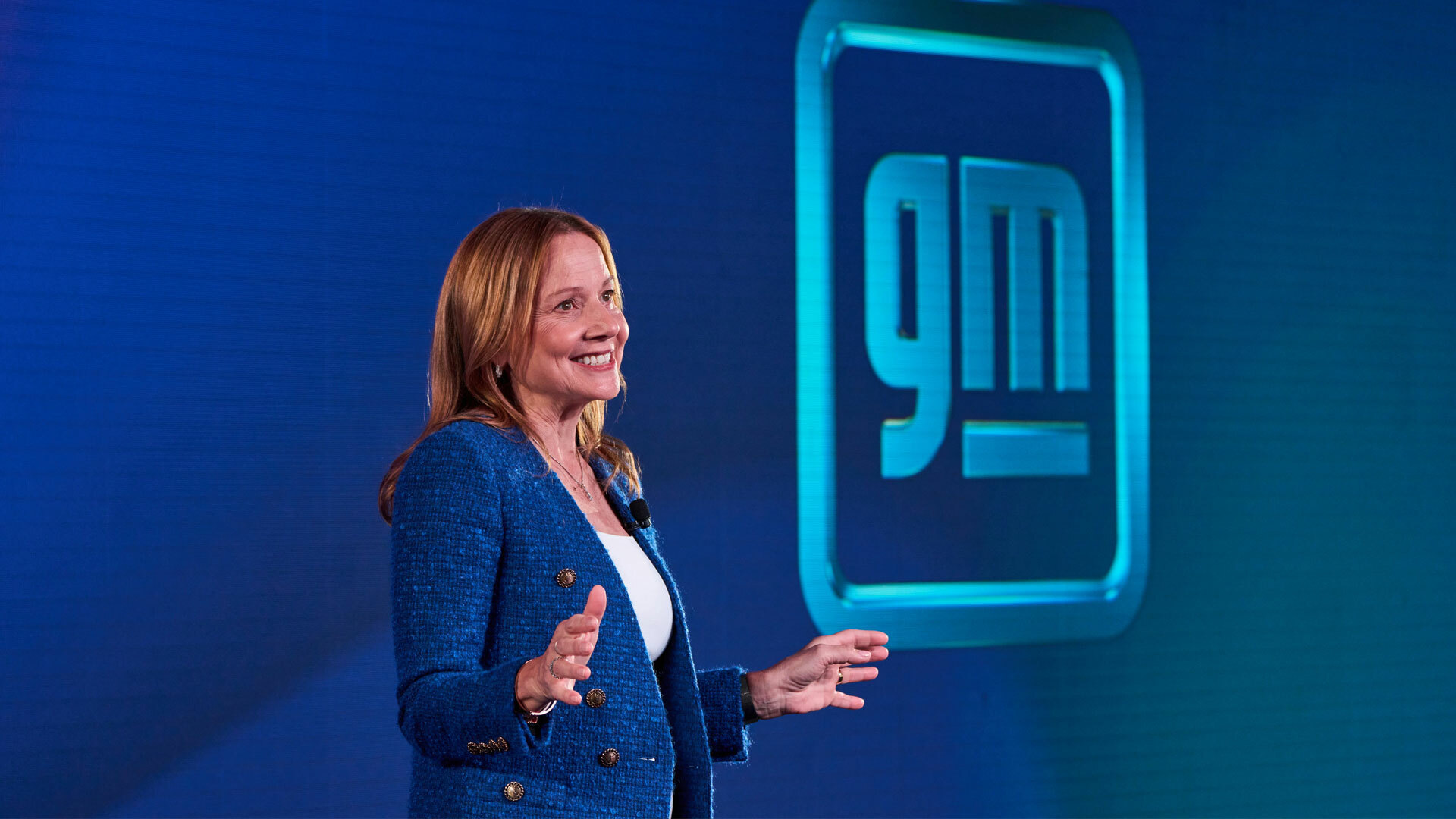
General Motors is finally stepping into the plug-in hybrid game, a move that’s been a long time coming. Despite shifting political winds that have made it easier to build thirsty combustion models, GM still sees full electric vehicles as the ultimate goal.
With tariffs weighing on costs, the federal $7,500 EV tax credit now off the table, and fuel economy standards loosened, automakers are being forced to rethink their timelines and adjust accordingly.
While speaking at the Automotive Press Association, Mary Barra confirmed that GM “had to make some fairly significant changes,” including cutting billions of dollars’ worth of EV investments. But she also made clear that new hybrids are in development, Autonews reports.
Plug-In Plans Materialize
“We are evaluating plug-in hybrids,” Barra said. “We have plans to do some. In the past, plug-ins were the only hybrids that actually counted toward the regulatory perspective. So we have plans to do those, and we’ll have hybrids where we think we need to. But again, we’re mainly investing and continuing to work on EVs because we think that’s the end game.”
In mid-2024, Barra revealed there were plans to start selling plug-in hybrids in the US in 2027. In her most recent remarks, she didn’t provide an updated timeline or name any specific GM models slated to receive the new powertrains.
However, she acknowledged that hybrids present their own challenges, particularly the fact that many owners don’t bother to plug them in. Nonetheless, GM is weighing both plug-in and conventional hybrid setups as part of its evolving strategy.
“We’re trying to be very thoughtful about what we do from a hybrid and a plug-in hybrid perspective,” she said.
Staying the Course on EVs
Even though GM will invest in PHEVs, it isn’t pulling back from BEVs quite as aggressively as some of its competition. For example, Ford recently took a $19.5 billion writedown after axing several important EV programs and partnerships. GM, by contrast, expects to take a $6 billion charge related to scaled-back EV spending, alongside a separate $1.6 billion charge posted in the third quarter.
During her remarks at the same event, Reutersreports that Barra emphasized GM’s desire to remain adaptable, especially given the uncertain regulatory environment ahead.
“I’m a little surprised at some [automakers] that are really pulling away very quickly, because we don’t know what will be in ‘29, ‘30, ’32.”

 Login
Login