Normal view

There are new articles available, click to refresh the page.
Yesterday — 22 April 2026Electric Vehicles - Latest News | Carscoops

Smart Goes Back To Its City Car Roots With Concept #2

  • The Smart Concept #2 previews a successor to the Fortwo.
  • The urban EV promises a range of 186 miles (300 km).
  • The production version will debut at the Paris Motor Show.

Smart goes back to basics with a successor to the original Fortwo microcar that put the company on the map. At the “Change of Perspectives” event in Beijing, the brand unveiled the Concept #2, which serves as a close preview of a tiny urban EV set to arrive later this year.

The model was designed by Mercedes-Benz, looking like a natural evolution of the EQ Fortwo that was discontinued in 2024. It has a familiar two-door silhouette with a very short hood and large wheels positioned at the corners. Other highlights include the aggressive LED headlights and the clean surfacing.

More: You’re Not Wrong, The New Mercedes GLB Looks Suspiciously Like A Smart

The concept features futuristic wheels with transparent aero covers shod in light-colored rubber, trick DRLs with #2 lettering, leather straps instead of door handles, and a blocked grille that looks like a luxury suitcase, while at the rear it sports a small matrix screen that can display various messages. Those elements will likely be toned down for production, as with the shiny gold finish of the floating roof.

\\\\\\\\\\\\\\\\\\\\\\\\\\\\\\\\\\\\\\

The Concept #2 measures 2,792 mm (109.9 inches) long, making it the largest interpretation of a two-door city car from Smart. It is 292 mm (11.5 inches) longer than the original Smart and 97 mm (3.8 inches) longer than the last generation of the EQ Fortwo.

More: Smart Thinks Its E-Class-Sized Sedan Looks Like A Shark, And Stands By It

Still, the EV remains the smallest contestant in Europe’s A-Segment, being 840 mm (33 inches) shorter than the Fiat 500e and 997 mm (39 inches) shorter than the Renault Twingo E-Tech. In fact, the new Smart is closer in size to heavy quadricycles like the Citroen Ami and the Fiat Topolino than actual cars.

New Underpinnings

Under the skin lies a new Electric Compact Architecture (ECA) developed in house. Since Smart is co-owned by Mercedes and Geely, it is safe to assume that the platform uses technology from the Chinese automaker.

The #2 will be exclusively available with an electric powertrain, similar to the #1 and #3 and unlike the larger #5 and #6, which are also available in plug-in hybrid forms.

\\\\\\\\\\

Smart has yet to announce detailed specifications, but mentioned a targeted range of around 186 miles (300 km), which is more than double the 135 km (84 miles) range of the EQ Fortwo. The battery will charge from 10-80% in under 20 minutes and will support V2L (Vehicle-to-Load) functions. Chances are that the #2 will stick to the RWD layout of its rear-engined predecessors.

More: Smart Just Killed Hopes Of A ForFour Comeback

The presentation didn’t include photos of the interior, but the packaging of the EV-dedicated platform promises a more spacious two-seater cabin which is also expected to be more premium than before.

The production Smart #2 will debut at the Paris Motor Show in October, ahead of its market launch. The model will be likely focused in Europe and the UK, although it could also find its way into other markets around the world.
\\\\\\\\\\\\\\\\\\\

Smart

The Olto Weighs 175 Pounds And Hits 33 MPH, But Regulators Call It An E-Bike

  • Olto combines e-bike legality with scooter-like performance and design.
  • A removable battery delivers up to 40 miles of claimed range.
  • Built-in security and app controls make it more car than bicycle.

Electrified bike-shaped vehicles are becoming more and more commonplace across the USA. One of the latest additions to the market is the Infinite Machine Olto, and what it might lack in lightweight construction or conventional design, it makes up for in sheer utility and practicality. Now, after a review and a deep dive into the specs, it’s easy to see why the manufacturer sees it as a car alternative.

The Olto is technically classified as a Class 2 ebike in most places. That’s problematic for real ebike riders, as we’ve pointed out in the past. The loophole that allows this 175-lb electric moped that goes up to 33 mph (and faster downhill) to be sold as an ebike is probably also what allows Infinite Machine to build and sell it in the first place. As an e-moped or e-motorcycle (both things that it’s far more akin to), it would have to navigate more regulations, and riders would likely need to do more with regard to getting licensed and insured to use it.

More: Colorado Police Lost Most Of The Dirt Bike Pack And Still Managed To Start A Bigger Fight

That said, the product itself is noteworthy for several reasons. Let’s start with the basics. The Olto starts at $3,495, and for that price, buyers get a 48-volt architecture, a 25-Ah removable battery, a 2-kW rear hub motor, weatherproof aluminum bodywork, NFC unlocking, GPS tracking, anti-theft alerts, automatic steering lock, USB-C charging, and even over-the-air software updates. In other words, it has more tech than some actual cars.

The Olto’s biggest trick is that it changes personality depending on how you use it. In Class 2 mode, it behaves like a legal e-bike with a 20 mph top speed and throttle operation. Switch to Class 3 and it can hit 28 mph, although you have to use pedal assist (yes, it has dinky little almost vestigial pedals to get into the ebike segment). Put it in Off-Road mode, and the full 33 mph is unlocked. Infinite Machine says the companion app can even tailor the settings based on local laws. In its review of the Olto, The Verge says it managed to achieve 36 mph.

\\\\\\\\\\\\\\

All of that tech should explain why Infinite Machine sees this as a car alternative. With 40 miles of range, it’s more than enough for most commutes, errands, or quick city runs. That said, if the battery dies, good luck pedaling it.

Most folks would struggle to pedal a 30lb mountain bike very far, and those are designed for human-powered movement only. The Olto isn’t. On the plus side, the removable battery can be charged indoors, while the bike itself is designed to stay outside thanks to its weatherproof construction and built-in security features. Is it truly worth $3,495? Probably for those who will truly use it instead of a car.

Most ebikes don’t offer the modularity and practicality of the Olto. It’s available with a slew of accessories such as a kid carrier, storage bins, baskets, racks, and more. That’s a great combo of features and flexibility. We just hope regulation figures out how to allow things like the Olto without sentencing actual ebike riders to wearing motorcycle helmets and having ebike insurance while they’re on a greenway.

The Jeep You Probably Forgot About Is Going Away For 2026

  • The electric Jeep Wagoneer S is skipping the 2026 model year.
  • It will return for 2027 with a NACS port and several updates.
  • Sales plummeted to a mere 175 units during the first quarter.

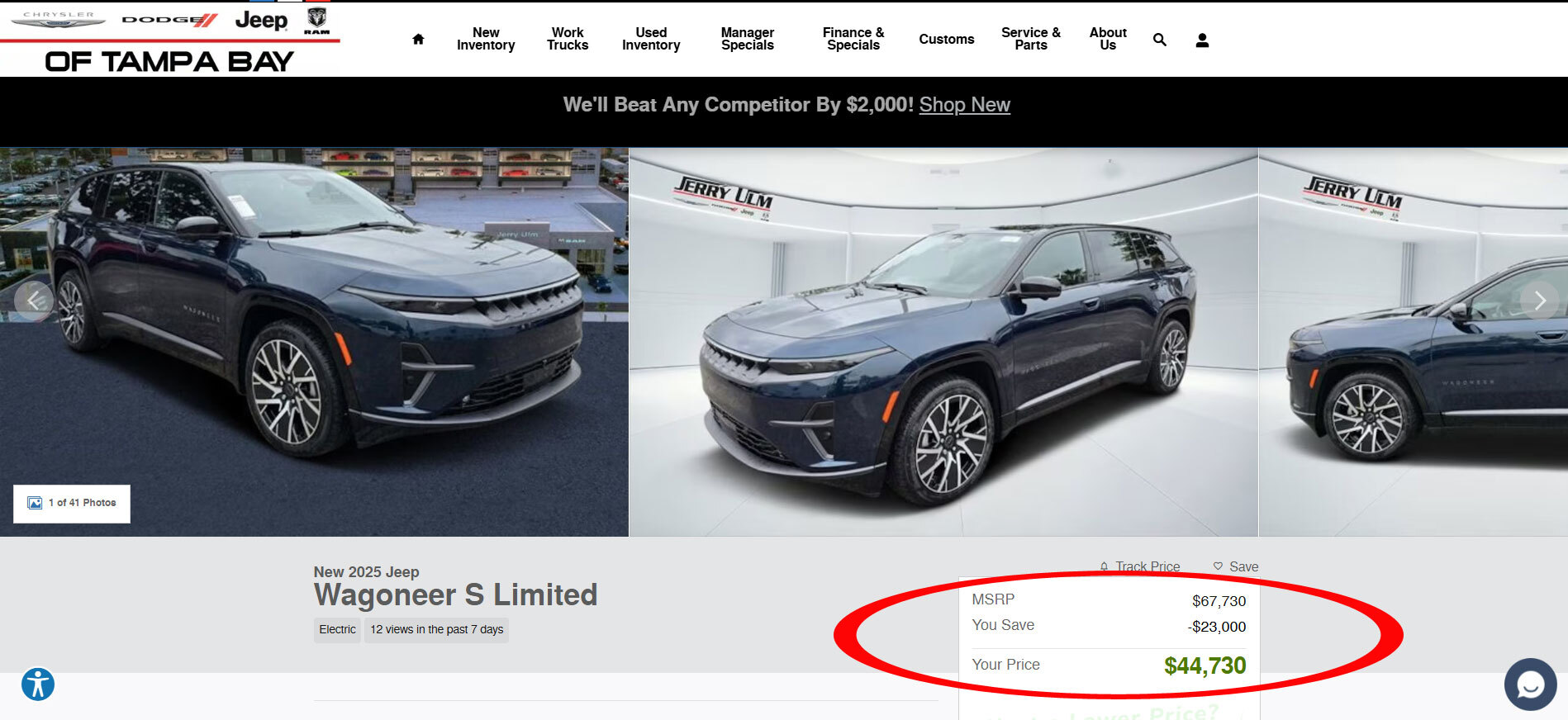
The Jeep Wagoneer S has been a perpetual disappointment and some dealers are offering discounts of nearly $25,000 to help move inventory. The fire sale enabled Stellantis to move 10,864 units in the United States last year, but sales have plummeted following the elimination of the federal tax credit.

In the fourth quarter of 2025, dealers only moved 438 crossovers. That fell to a mere 175 units in the first quarter of 2026 and that puts the company on track to sell a pathetic 700 for the entire year.

More: 2025 Jeep Wagoneer S EV Gains Cheaper Base Trim, But Locks Performance Behind A Paywall

However, even that sad figure now seems optimistic as the Wagoneer S is going away for 2026. The story was broken by Automotive News and confirmed to Car & Driver.

While the slow-selling crossover is going on hiatus like the Volkswagen ID. Buzz, it’s coming back for 2027. It also promises to be a tad more compelling when it returns as a spokesperson said they’re “pacing production of the all-electric Jeep Wagoneer S to support future improvements in battery performance, software, and capability.”

 The Jeep You Probably Forgot About Is Going Away For 2026

Those will be welcome improvements, but the biggest change appears to be the introduction of a NACS port. This will enable owners to access Tesla Superchargers without the need for an adaptor.

These sound like good developments, but the biggest hurdle appears to be price. The Wagoneer S starts at $65,200 and climbs to $70,200 for the Launch Edition, which features an increased output of 600 hp (447 kW / 608 PS).

That’s pretty steep considering the Mustang Mach-E GT begins at $53,395 and can be equipped with the GT Performance Upgrade for an additional $1,295. While the Ford has a significantly lower output of 480 hp (358 kW / 487 PS), it’s slightly quicker than the Wagoneer S as it accelerates from 0-60 mph (0-96 km/h) in 3.3 seconds, compared to the Jeep’s 3.4 seconds.

\\\\\\\\\\\\\\\\\\\

Gen4 Formula E Race Car Brings Massive 336 HP Power Boost

  • FIA and Formula E have unveiled the new Gen4 race car.
  • Features a new powertrain that produces up to 805 hp.
  • Said to be world’s first race car that is 100% recyclable.

If you think Formula E might as well be called Formula Zzz, the latest update could be right up your alley as they’ve introduced the new Gen4 race car for the 2026/2027 season. It features an all-new powertrain with significantly improved performance.

Showcased at the Paul Ricard Circuit earlier today, the model will be able to produce up to 805 hp (600 kW / 816 PS) in Attack Mode. That’s a huge increase from the previous limit of 469 hp (350 kW / 476 PS).

More: Porsche’s New 975 RSE Weighs Less Than A Miata And Hits Harder Than A Bugatti In Attack Mode

Even in ho-hum race mode, Gen4 cars will have 50% more power. This suggests they’ll produce 603 hp (450 kW / 612 PS), which is roughly on par with the Kia EV6 GT.

The impressive numbers don’t end there as the Gen4 racer accelerates from 0-62 mph (0-100 km/h) in 1.8 seconds and 0-124 mph (0-200 km/h) in 4.4 seconds, which is a full 1.5 seconds faster than its predecessor. Given enough room, the single seater will eventually hit a top speed of 208 mph (335 km/h).

Given the gains, it’s little surprise that Formula E says Gen4 cars will deliver the “fastest-ever” lap times seen in the series. In particular, they suggested lap times on street circuits should fall by at least five seconds per lap compared to Gen3 Evo cars.

The powerful stats behind the all-new GEN4 ⚡️ Reaching speeds of over 335kph and 0-200kph in 4.4 seconds, with a 71%…

Posted by ABB Formula E on Tuesday, April 21, 2026

Other highlights include a 600 kW charging capability and a focus on sustainability. In regards to the latter, the Gen4 is said to be the “world’s first racing car that is 100% recyclable.” It also includes at least 20% recycled materials as well as batteries that lack rare earth minerals.

Formula E CEO Jeff Dodds said, “Gen4 isn’t just a car, it’s a bold declaration of our ambition. Seeing what it can do on track for the first time is a real milestone for Formula E – we are now delivering performance levels that were thought impossible for electric vehicles just five years ago.” He went on to say, “This is just the beginning, as its refinement is now in the hands of our manufacturers – Porsche, Jaguar, Stellantis, Nissan, Lola Cars and Mahindra – to push development to even higher limits of performance ahead of its racing debut later this year.”

\\\\\\\\\\\

Formula E

Europe’s 51% EV Sales Boom Is Leaving America Back At The Gas Pump

  • Electric vehicle sales in Europe jumped by 51% in March.
  • High fuel prices, new govt incentives are driving the switch.
  • US EV picture is very different, sales dropping 27% in Q1.

Europe’s EV market is having a moment, and it’s in large part thanks to a man who’s no fan of clean energy. President Trump’s attack on Iran sent petrol and diesel prices soaring – and European drivers into the arms of electric cars.

New figures show battery-electric registrations surged 51 percent in March 2026 across 15 key EU + EFTA (European Free Trade Association) markets as drivers in the region battled with fuel costs that jumped by around a fifth.

Related: Ford’s EV Sales Collapsed 70% While Toyota’s Nearly Doubled

More than 224,000 electric passenger cars were registered in March alone as a result, accounting for 22 percent of all new-car sales. That means close to one in every four cars sold was an EV. Over the first quarter, more than half a million EVs were sold across the EU, up 33.5 percent year over year. 

Growth was broad, too. Germany rose 42 percent year to date, helped by new state incentives and France stayed strong with a 28 percent EV share in March. Italy, long considered a reluctant adopter, jumped 65 percent. Even Poland cracked the 40 percent growth club.

Scandis Embraced EVs

Then there’s the Nordics, where normal rules don’t apply. Denmark saw fully electric cars account for 76.6 percent of March registrations. Finland was near 50 percent. Norway, naturally, continued behaving like it’s already living in 2035, with 98.4 percent of new registrations fully electric.

 Europe’s 51% EV Sales Boom Is Leaving America Back At The Gas Pump

Now let’s cross the Atlantic, where the mood is rather different, despite pump prices also rising there. Though CarEdge reported internet searches for EVs jumped 20 percent in the first week following the original attack on Iran in early March, US EV sales in the first quarter fell 27 percent compared with the same period last year.

Tax Credit Hole

Only 216,399 EVs were sold in America between January and the end of March, that slide heavily influenced by the removal of the federal $7,500 tax credit last September, which appears to have yanked plenty of buyers back toward gasoline pumps.

Some brands still found success. Toyota rose 79 percent, Lexus jumped 207 percent, and Rivian edged upward by 21 percent. But others were hammered, with several mainstream and premium names like Audi, BMW, Mercedes, Porsche, Ford, VW, Jeep and Genesis posting dramatic declines as high as 93 percent.

 Europe’s 51% EV Sales Boom Is Leaving America Back At The Gas Pump

Porsche, Hyundai

China Is Getting A Jetta SUV For Less Than A Used Corolla Costs In America

  • VW debuts the ID. Aura T6 SUV and ID. Unyx 09 sedan in China.
  • The Jetta X Concept previews an affordable electric SUV.
  • The VW Group has also revealed the production AUDI E7X SUV.

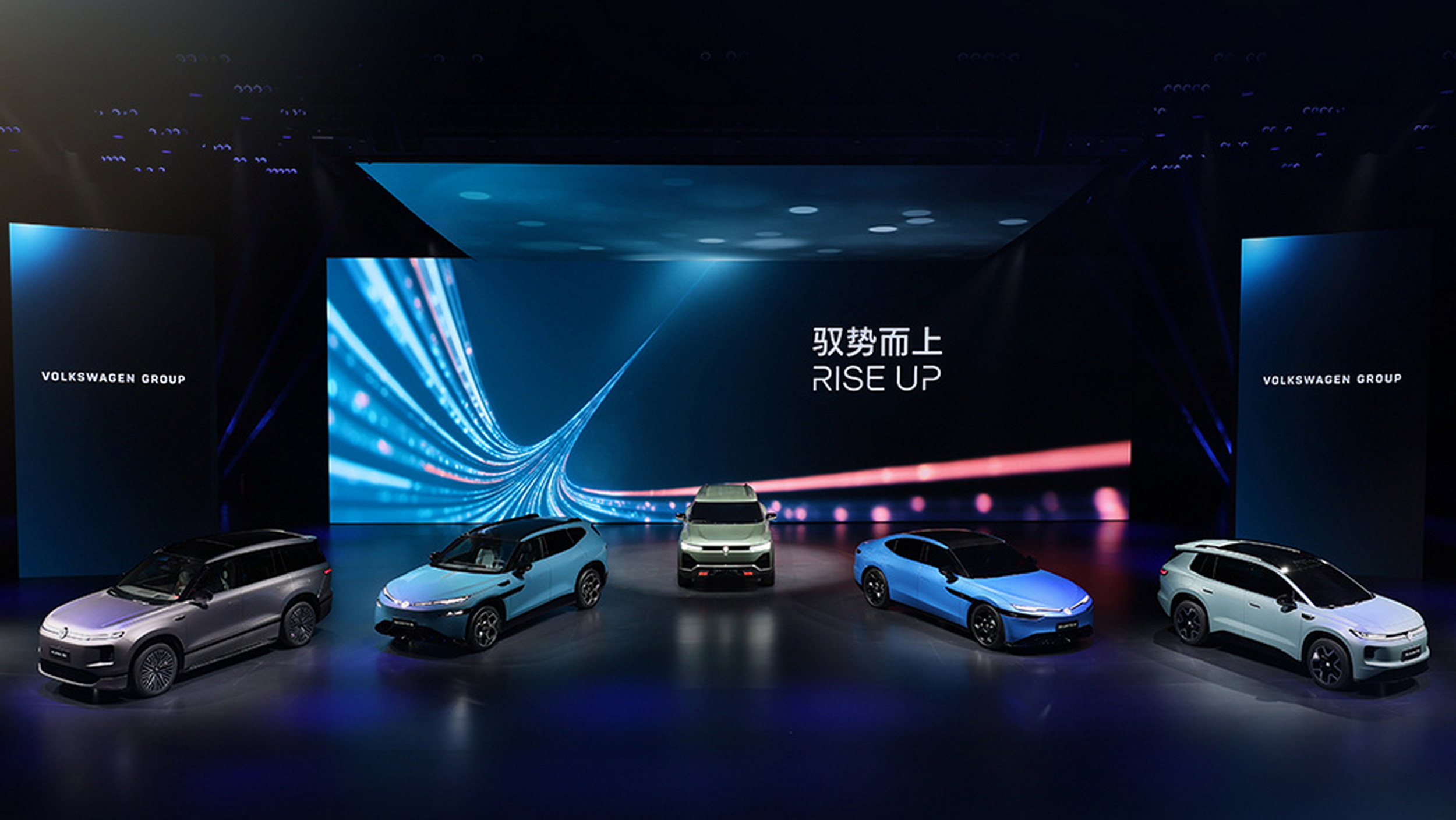
The Volkswagen Group arrived in China with a full plate, using its Media Night ahead of the Beijing Auto Show to roll out a mix of production models and near-future previews. There is a clear pattern running through it all, heavy local collaboration, faster development cycles, and a lineup that looks increasingly tailored to Chinese tastes rather than global consistency.

More: VW Spent Years Removing Knobs From Its Cars, The ID.3 Neo Puts Them Back

Among the reveals were the VW ID. Aura T6 from FAW, the ID. Unyx 09 co-developed with XPeng, and the AUDI E7X from SAIC. Sitting slightly off to the side, but arguably just as important, was the Jetta X Concept, previewing a cheaper, more accessible electric SUV.

The ID. Aura T6 is a fully electric midsize SUV built specifically for China, and at a glance, it could pass as an ID. Tiguan. It comes from the FAW-VW joint venture and leans into familiar design cues, split LED headlights, a full-width rear light bar, proper door handles, and a five-seat layout. It is also the first member of the ID. Aura family, even though the initial concept from 2025 was a sedan.

\\\\\\

VW ID. Aura T6

Next up is the ID. Unyx 09, an electrified sedan borrowing technology from Xpeng. It is a sibling to the recently unveiled ID Unyx 08 SUV, adopting a similar styling language. The low-slung model features slim LEDs and the signature black trim piece that connects the main headlights with the ADAS sensors on the profile.

More: Toyota Was Mocked For Going Slow On EVs, Honda And VW Are Now Paying For Going Fast

VW didn’t get into details, but the ID. Unyx 09 will likely share the electric powertrains with the ID. Unyx 08, including CATL-sourced battery packs. Its market launch in China is scheduled for the second half of 2026.

\\\\

VW ID. Unyx 09

Both the ID. Aura T6 and the ID. Unyx 09 feature the new CEA electric and electronic architecture, a result of VW’s partnership with Xpeng. This supports Level 2+ driving assistance and high-tech infotainment systems with an integrated AI Intelligent Assistant.

More: The New AUDI E7X Looks Nothing Like The Audis You Know

During the Media Night, VW Group also showed the production version of the AUDI E7X. The fully electric SUV is produced as part of its joint venture with SAIC, joining the E5 Sportback in the Chinese lineup.

A New Jetta SUV

Then there is the Jetta X Concept, which might be the most telling piece of the puzzle. It is a rugged-looking SUV with an electrified powertrain, styled with a kind of no-nonsense simplicity that feels closer to Dacia than anything wearing a VW badge. That is not accidental. With Skoda exiting China after a prolonged sales slide, Jetta now steps into its place as the value-focused brand.

The Jetta X rides on the Compact Main Platform (CMP), developed in China. More importantly, it is expected to reach production by FAW later this year, with a rumored starting price under the ¥100,000 ($14,700) mark. Overall, the Jetta lineup will grow with five new models by 2028, including four NEVs (models with electrified powertrains).

\\\\

VW Group’s Offensive In China

VW plans to launch 20 new electric vehicles this year as part of its “In China, for China” strategy. The company promises they will use “state-of-the-art electrical architectures, ADAS systems, an intelligent cockpit and AI features,” designed to fulfil the needs of Chinese customers.

More: VW’s China Collapse Is Bad, But Its American Problem Might Be Harder To Fix

Overall, the VW Group will offer around 50 electrified models in China by 2030, including around 30 battery electric vehicles.

 China Is Getting A Jetta SUV For Less Than A Used Corolla Costs In America

Porsche’s New Wireless Charger Is Fast, But It’ll Cost You

  • Real-world efficiency ranges from 89 to 92 percent in daily use.
  • The wireless charger is said to cost about $6,500 before taxes.
  • Upfront cost remains the main barrier despite a minimal long-term gap.

In the push to make home charging feel as seamless as refueling, automakers are starting to rethink the ritual itself. Before lifting the veil on the all-electric Cayenne, Porsche confirmed it had developed complex inductive charging technology. Now that the Cayenne Electric has reached the road, the brand is preparing to launch an optional wireless charging system for those who would rather skip plugging in at home.

At the heart of the charging system is the hefty base plate. Weighing in at 110 lbs (50 kg), it’s been designed to plug into a wall socket and houses a large transmitter coil. The base plate converts AC voltage from the electrical grid into DC voltage, and as the Cayenne Electric is positioned above it, a secondary coil beneath the SUV begins to receive power.

Read: Forget Cables, The Electric Cayenne Can Charge Hands-Free

Impressively, Porsche says its inductive charging technology supports up to 11 kW. Jason Fenske of Engineering Explained notes that Porsche’s own US mobile connector caps at 9.6 kW, making wireless the faster home-charging option for American owners.

The wireless charger comes with special software in the Cayenne Electric’s Surround View parking function, which displays the receiver’s position near the front axle, while a green circle indicates the base plate’s position. Simply pull the Porsche so the green dot is inside the circle, and it’s in the correct position to start charging.

Before the energy flow starts, the system automatically exchanges data, including a password, to prevent potential electricity theft. Wireless charging systems are generally regarded as inefficient, but Porsche’s engineers told Engineering Explained the system delivers between 89 and 92 percent efficiency in real-world use, comfortably clearing the 85 percent minimum the applicable charging standard requires.

Porsche also confirmed that Level 1 wired charging on the Cayenne Electric runs at just 60 percent efficiency, meaning the wireless pad is a significant step up over a standard household outlet.

Not Having A Cable Is Costly

\\\\

Tempted buyers shouldn’t worry about the system’s safety, with Porsche noting that the base plate is fully waterproof and includes sensors to detect foreign bodies, immediately stopping charging if something is detected.

“Ease of use, suitability for everyday use, and charging infrastructure are still the decisive factors when it comes to the acceptance of electric mobility,” Porsche R&D boss Michael Steiner said. “We are proud that inductive charging will soon be available in series production at Porsche. Charging an electric car at home has never been so easy and convenient.”

While the system is certainly convenient, it is expensive. In the UK, the entire setup is expected to cost around £6,750 ($9,125), with £4,750 ($6,421) of that being for the base plate itself.

In the US, the ground pad is said to be priced at about $6,500 before taxes, while the Cayenne EV’s onboard hardware adds another $1,650. A lifetime cost analysis by Fenske suggests the real expense is not in the electricity at all. He says that over 200,000 miles, the difference between wireless charging and a conventional wired Level 2 setup comes to roughly $1,000. Based on average U.S. driving of about 13,000 miles per year, reaching that gap would take roughly 15 years, leaving the upfront hardware premium as the main financial hurdle.

Rivian’s Factory Took A Direct Tornado Hit, But The R2 Launch May Not Be In Trouble

  • Rivian’s factory in Normal, Illinois, was struck by a tornado.
  • The EF1 twister traveled 10.3 miles and had 110 mph winds.
  • No employees were injured, but the plant was damaged.

Rivian has high hopes for the R2, and they have reason to be excited as the model easily beats the Jeep Recon on paper. However, it appears Mother Nature isn’t a fan.

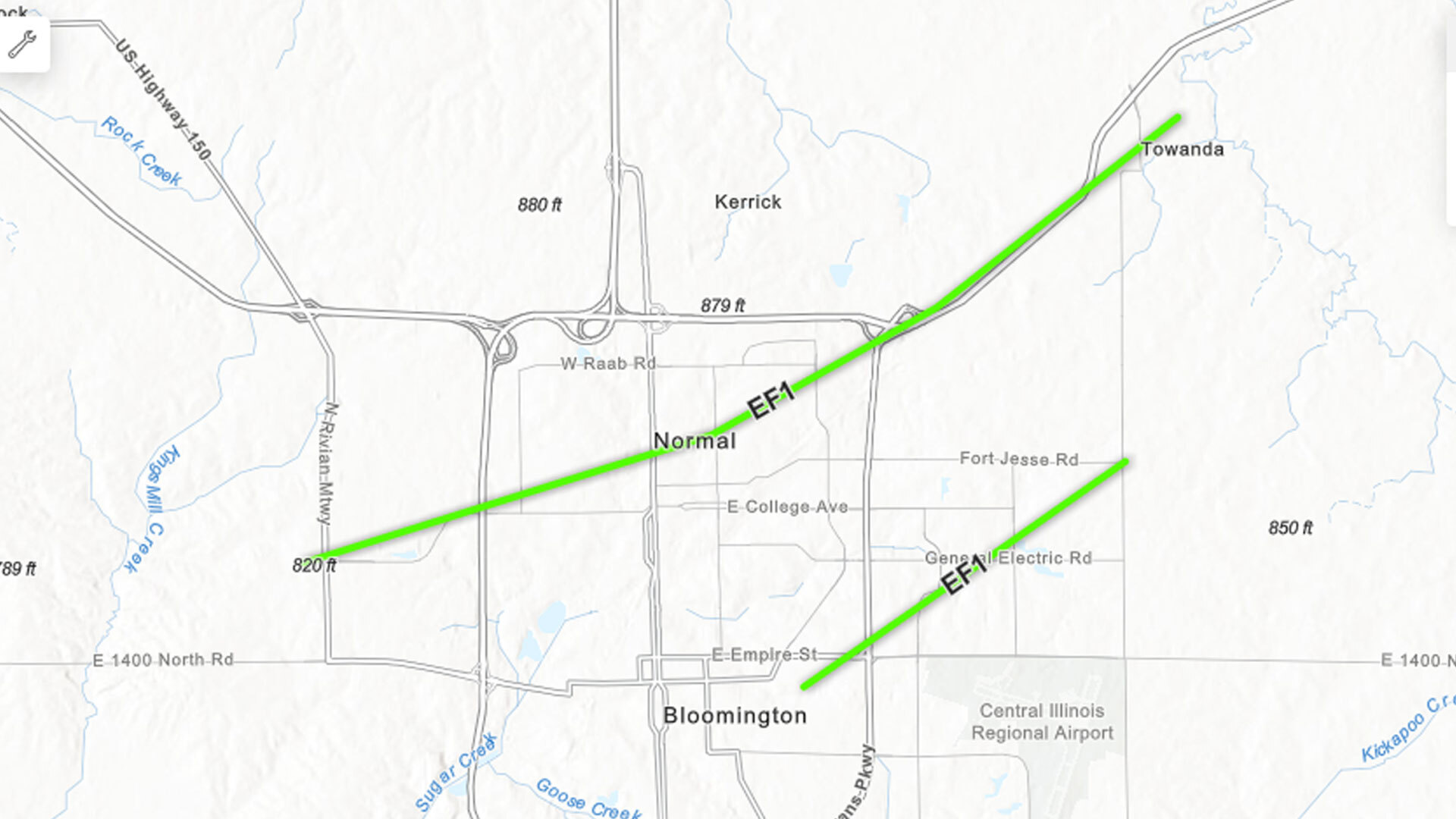
According to a company e-mail, Rivian’s factory in Normal, Illinois, was hit by a tornado on April 17. The national weather service reports a supercell traveled across the state on Friday night and spawned 25 tornados.

More: Rivian’s Most Affordable Model Arrives First In Its Most Expensive Form

The tornado that struck the plant started at 9:57 pm and was an EF1 twister that produced winds up to 110 mph (177 km/h). It traveled 10.3 miles (16.6 km) and was 800 yards (2,400 feet) wide. The government said it “damaged several metal buildings,” caused significant tree damage, and flipped over a semi on I-55.

Pictures posted on the Rivian Forums show a section of the exterior wall collapsed and the ceiling partially caved in. There’s also debris in the surrounding area, as well as a flipped-over semi-trailer, and damage to another building.

 Rivian’s Factory Took A Direct Tornado Hit, But The R2 Launch May Not Be In Trouble
National Weather Service

In a message seen by CNBC, Rivian CEO RJ Scaringe said “Building 2 has sustained damage and is closed for the time being as we complete our assessments.” He added, “I am incredibly relieved to share that there were no injuries at our plant.”

Damage reportedly occurred in areas related to “parts storage and logistics” for the R2. While the pictures look pretty bad, Scaringe suggested operations in these sections could resume as early as this week.

 Rivian’s Factory Took A Direct Tornado Hit, But The R2 Launch May Not Be In Trouble

The R2 will be launched in $57,990 Performance guise, featuring an 87.9 kWh battery pack and a dual-motor powertrain with 656 hp (489 kW / 665 PS) and 609 lb-ft (825 Nm) of torque. This enables it to accelerate from 0–60 mph (0-96 km/h) in as little as 3.6 seconds and have a range of up to 330 miles (531 km).

Additional variants will follow, including an R2 Standard Short Range in late 2027. It’s slated to cost around $45,000 and have a range in excess of 275 miles (443 km).

\\\\\\\\\\\\\\\\

Porsche’s New 975 RSE Weighs Less Than A Miata And Hits Harder Than A Bugatti In Attack Mode

  • The latest Formula E race cars can deliver up to 805 hp in peak output.
  • Each car uses a 51.25 kWh battery and reaches 62 mph in 1.8 seconds.
  • Porsche leads both drivers and teams titles in the 2025/2026 season.

Formula E will introduce its fourth generation of cars for the upcoming 2026/2027 season, and Porsche has become the latest company to unveil its entrant. Looking more like a concept out of a Tron film than a car that will actually race, the 975 RSE delivers far more downforce than previous entrants, which should slash lap times.

This year, the powertrains used across the Formula E grid will be uprated to deliver 805 hp in Attack Mode with permanent all-wheel drive and new tires ensuring that power is sent to the tarmac efficiently. During regular racing, power will be capped at 604 hp, and all cars will use a 51.25 kWh battery pack. The GEN4 car can sprint to 100 km/h (62 mph) in just 1.8 seconds, and the 975 RSE weighs just 2,103 lbs (954 kg).

Read: Liberty Walk Gets Its Hands On A Formula E Single-Seater

Elsewhere, the new cars offer up to 700 kW of recuperation power thanks to the regenerative braking system at the front and rear axles. They also support ultra-fast charging at up to 600 kW. But it’s the design of the GEN4 cars that will really catch the attention of fans of the single-seater, all-electric racing series.

A Racer From The Future

\\\\\\\\

The front end has been overhauled and sports an all-new nose cone with an intricate multi-level splitter and complex aero elements ahead of the front wheels. The aerodynamics have also been revised along the sides, while a flowing wing is positioned at the rear. Importantly, the livery shown is for testing only, and the racer will look a little different when the season starts.

Halfway through the current 2025/2026 season, Porsche leads the current drivers’ and teams’ championships and will look to build on this success for the next season. Porsche also won the teams’ titles in 2024-2025, while current-championship leader Pascal won the drivers’ championship for the brand in 2023-2024.

“The 975 RSE and its competitors are a massive step forward for the sport,” Porsche factory driver Nico Müller said. “I’m a big fan of how aggressively you can drive. Especially in qualifying, when everyone is pushing to the limit, it should be spectacular – particularly because of the strong acceleration out of the corners. I’m glad I was involved in the simulator work from the beginning. Pascal and I share the testing duties. That’s good, because it allows us to tailor the 975 RSE precisely to our needs.”

\\\\\\\\\\
Before yesterdayElectric Vehicles - Latest News | Carscoops

Porsche’s GEN4 Formula E Car Is Chasing Championship Glory

  • The new Formula E race cars will be capable of delivering up to 805 hp.
  • Each car will come with a 51.25 kWh battery pack and hit 62 mph in just 1.8 seconds.
  • Porsche currently leads the drivers’ and teams’ titles in the 2025/2026 season.

Formula E will introduce its fourth generation of cars for the upcoming 2026/2027 season, and Porsche has become the latest company to unveil its entrant. Looking more like a concept out of a Tron film than a car that will actually race, the 975 RSE delivers far more downforce than previous entrants, which should slash lap times.

This year, the powertrains used across the Formula E grid will be uprated to deliver 805 hp in Attack Mode with permanent all-wheel drive and new tires ensuring that power is sent to the tarmac efficiently. During regular racing, power will be capped at 604 hp, and all cars will use a 51.25 kWh battery pack. The GEN4 car can sprint to 100 km/h (62 mph) in just 1.8 seconds, and the 975 RSE weighs just 2,103 lbs (954 kg).

Read: Liberty Walk Gets Its Hands On A Formula E Single-Seater

Elsewhere, the new cars offer up to 700 kW of recuperation power thanks to the regenerative braking system at the front and rear axles. They also support ultra-fast charging at up to 600 kW. But it’s the design of the GEN4 cars that will really catch the attention of fans of the single-seater, all-electric racing series.

A Racer From The Future

\\\\\\\\

The front end has been overhauled and sports an all-new nose cone with an intricate multi-level splitter and complex aero elements ahead of the front wheels. The aerodynamics have also been revised along the sides, while a flowing wing is positioned at the rear. Importantly, the livery shown is for testing only, and the racer will look a little different when the season starts.

Halfway through the current 2025/2026 season, Porsche leads the current drivers’ and teams’ championships and will look to build on this success for the next season. Porsche also won the teams’ titles in 2024-2025, while current-championship leader Pascal won the drivers’ championship for the brand in 2023-2024.

“The 975 RSE and its competitors are a massive step forward for the sport,” Porsche factory driver Nico Müller said. “I’m a big fan of how aggressively you can drive. Especially in qualifying, when everyone is pushing to the limit, it should be spectacular – particularly because of the strong acceleration out of the corners. I’m glad I was involved in the simulator work from the beginning. Pascal and I share the testing duties. That’s good, because it allows us to tailor the 975 RSE precisely to our needs.”

\\\\\\\\\\

Honda Couldn’t Give Away Its Electric SUV In Europe, So Now It’s Killing It

  • Honda is withdrawing the e:Ny1 SUV from most European markets.
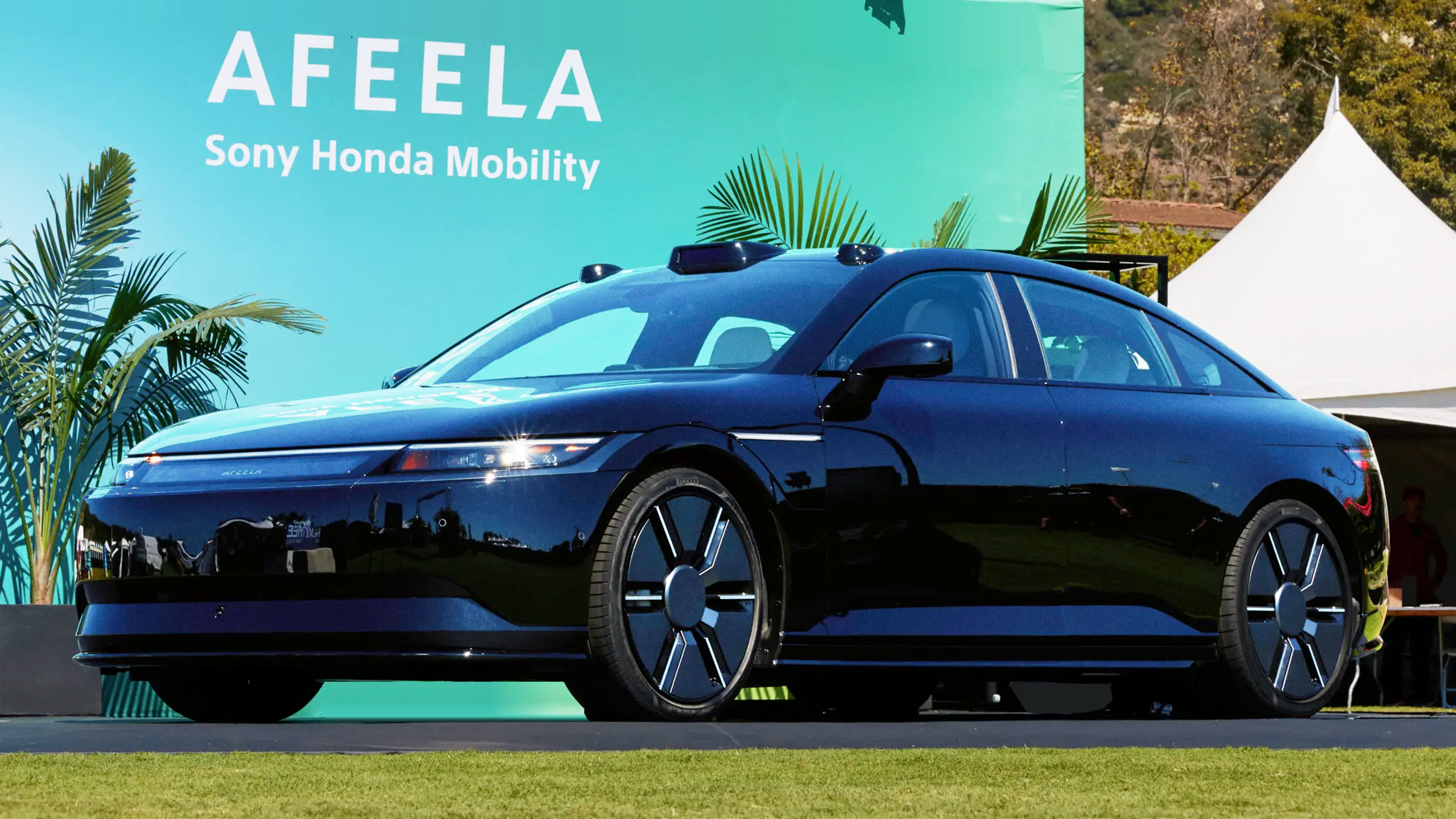
  • Global EV plans, including the Sony Afeela, have been canceled.
  • A new Super-N hatchback will arrive in Europe and the UK in July.

Honda is preparing to pull the plug on its only fully electric model currently sold in Europe. As part of a rethink of its EV strategy, the automaker will take the e:Ny1 off sale just three years after it arrived. That sounds abrupt, and it is. This is not a full EV retreat, though. The new Super-N hatchback is waiting in the wings, set to step in where the e:Ny1 leaves off, even if it targets a very different slice of the market.

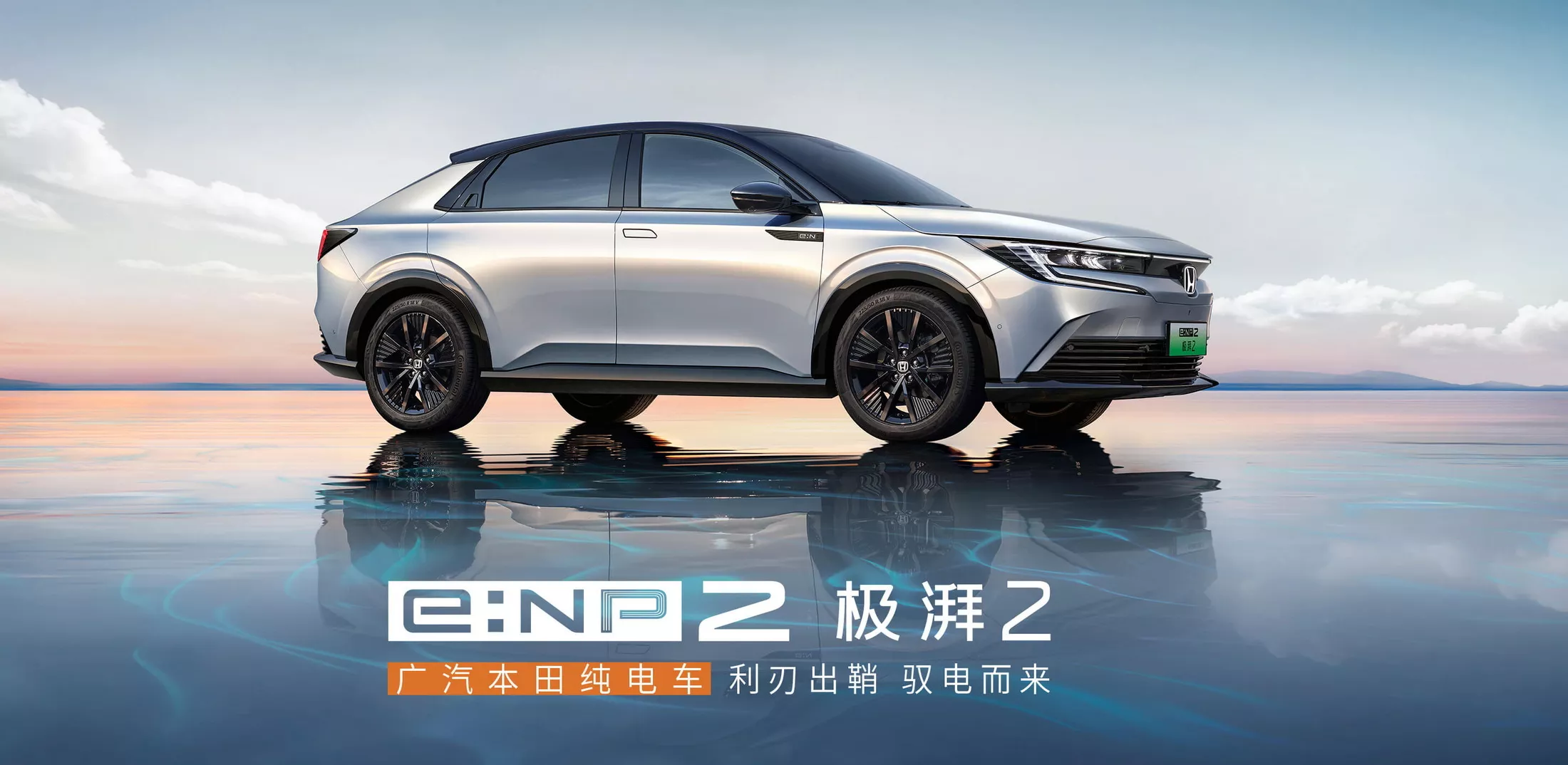
A product of Honda’s joint venture with Dongfeng, the e:Ny1 arrived in Europe in mid-2023 as the electric counterpart to the local-spec HR-V. It looks closely related to the hybrid crossover, but its roots trace back to China, where it has been sold as the e:NS1 and e:NP1 since 2022.

More: Honda’s 1.2 Million-Car China Peak Is Now A 720,000-Car Retreat

As reported by German newspaper Handelsblatt, the e:Ny1 has already disappeared from configurators in several major markets, including Germany, Italy, and Spain. The SUV remains available to order in France and Austria, but Honda is reportedly directing remaining stock toward the UK and Nordic regions, where demand has been stronger.

The model struggled to gain ground against newer, more affordable rivals from both European and Chinese brands. Even after a price cut in Germany from €47,590 ($56,100) to €38,990 ($46,000), Honda managed to sell just 105 units of the e:Ny1 last year.

\\\\\\\\\\\\\

The e:Ny1 rides on the “e:N Architecture F” platform and uses a single electric motor producing 201 hp (150 kW / 204 PS). A 68.8 kWh battery delivers a WLTP range of 412 km (256 miles). Compared with the EU-spec HR-V, it features a redesigned front end with a charging port integrated into the grille, clear taillights, and a 15.1-inch portrait touchscreen inside.

Honda Takes A Step Back

This European scale-back mirrors a wider global pivot. Honda recently confirmed it has canceled several planned EVs intended for North America, including the Acura RSX, the 0 Series Saloon and SUV, and the Afeela sedan and SUV from the Sony Honda Mobility joint venture.

More: Honda Plans To Sell 3,000 Rebadged Chinese EVs As The New Insight In Japan

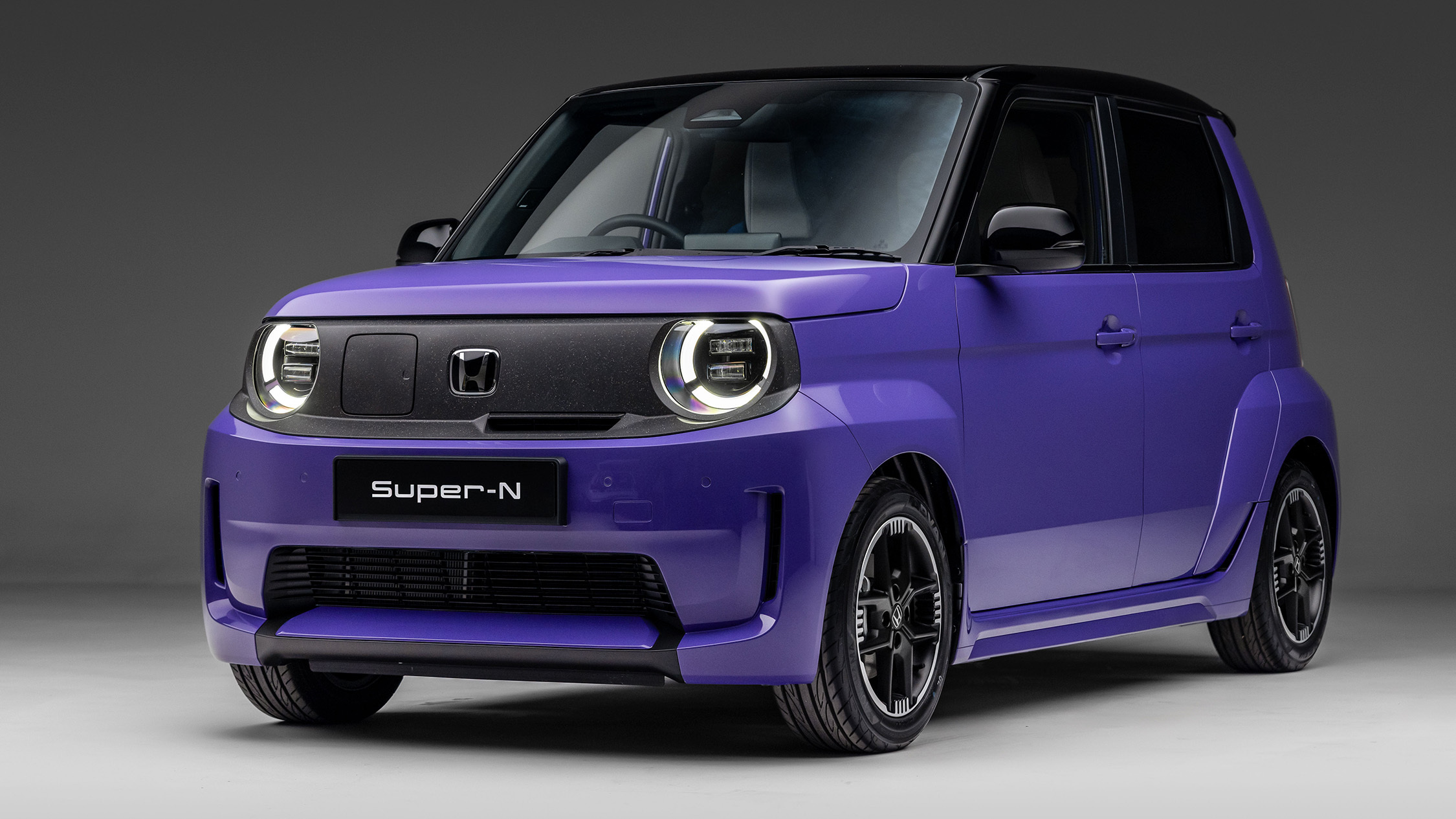
Despite the gloomy outlook for its larger EVs, Honda isn’t pulling the plug entirely. The Super-N will reach UK and Europe shortly after its initial roll-out in Japan. The pint-sized electric hatchback draws inspiration from the Honda City Turbo II, pairing a sporty body kit with a 94 hp motor. Pricing is expected to start below £20,000 (€23,000 / $27,100), aiming to attract buyers with a more accessible entry point and a distinct character.

The rest of Honda’s European lineup is exclusively available with self-charging hybrid and plug-in hybrid powertrains, as all ICE-only offerings were phased out in late 2022.

 Honda Couldn’t Give Away Its Electric SUV In Europe, So Now It’s Killing It
Honda Super-N

Honda’s 1.2 Million-Car China Peak Is Now A 720,000-Car Retreat

  • Honda and GAC will reportedly close one of the plants they operate together.
  • The report comes as Honda continues restructuring after betting big on EVs.
  • Honda’s Dongfeng joint venture may also see a plant closure due to low ICE sales.

Hot off the back of Honda’s $15.7 billion restructuring costs and a broader EV strategy overhaul announced last month, things aren’t looking good for Honda’s Chinese venture either. At least one of its automobile manufacturing plants in China will be closed by the end of June, according to a recent report.

The plant in question is part of their joint venture with Guangzhou Automobile Group (GAC), following Honda’s China sales fall by some 24% in 2025 to just under 647,000 vehicles, roughly half of the 1.2 million sold in 2023.

Read: Honda Went To China, Saw The Future, And Reached Back To The 1960s

According to Reuters, another plant from Honda’s other JV with Dongfeng Motor may be shut soon, as the Japanese automaker tries to keep pace with a rapidly changing market. Demand for traditional petrol vehicles has dropped significantly, and local electric vehicle brands are increasingly taking market share from foreign manufacturers, putting them under increasing strain.

A Turning Point For Honda In China’s Evolving Market 

 Honda’s 1.2 Million-Car China Peak Is Now A 720,000-Car Retreat

Honda has six plants as part of its alliances with GAC and Dongfeng, but sustaining ICE production looks increasingly difficult. Estimates indicate that closing a single ICE plant in each joint venture would halve Honda’s petrol car production capacity in China, dropping from 960,000 to approximately 480,000 cars per year. This would also reduce Honda’s total annual vehicle capacity in the country from 1.2 million to around 720,000.

This comes on the heels of a rough year for the automaker in China, where it posted a steep drop in sales. As yet, there have been no official announcements of closures by the company or its partners, but analysts expect some slowdown.

Honda’s ICE offerings have seen some impressive offers, indicative of their poor sales performance. For instance, GAC Honda was offering returning customers a hefty discount of $14,610 (100,000 yuan) off a new Accord e: PHEV earlier in the year.

The bigger picture is to shift investment toward electric vehicles, although Honda’s EV growth in China will likely remain slow, as competitors already outpace them in tech and consumers increasingly prefer cars better optimized for local integration and cutting-edge software.

 Honda’s 1.2 Million-Car China Peak Is Now A 720,000-Car Retreat

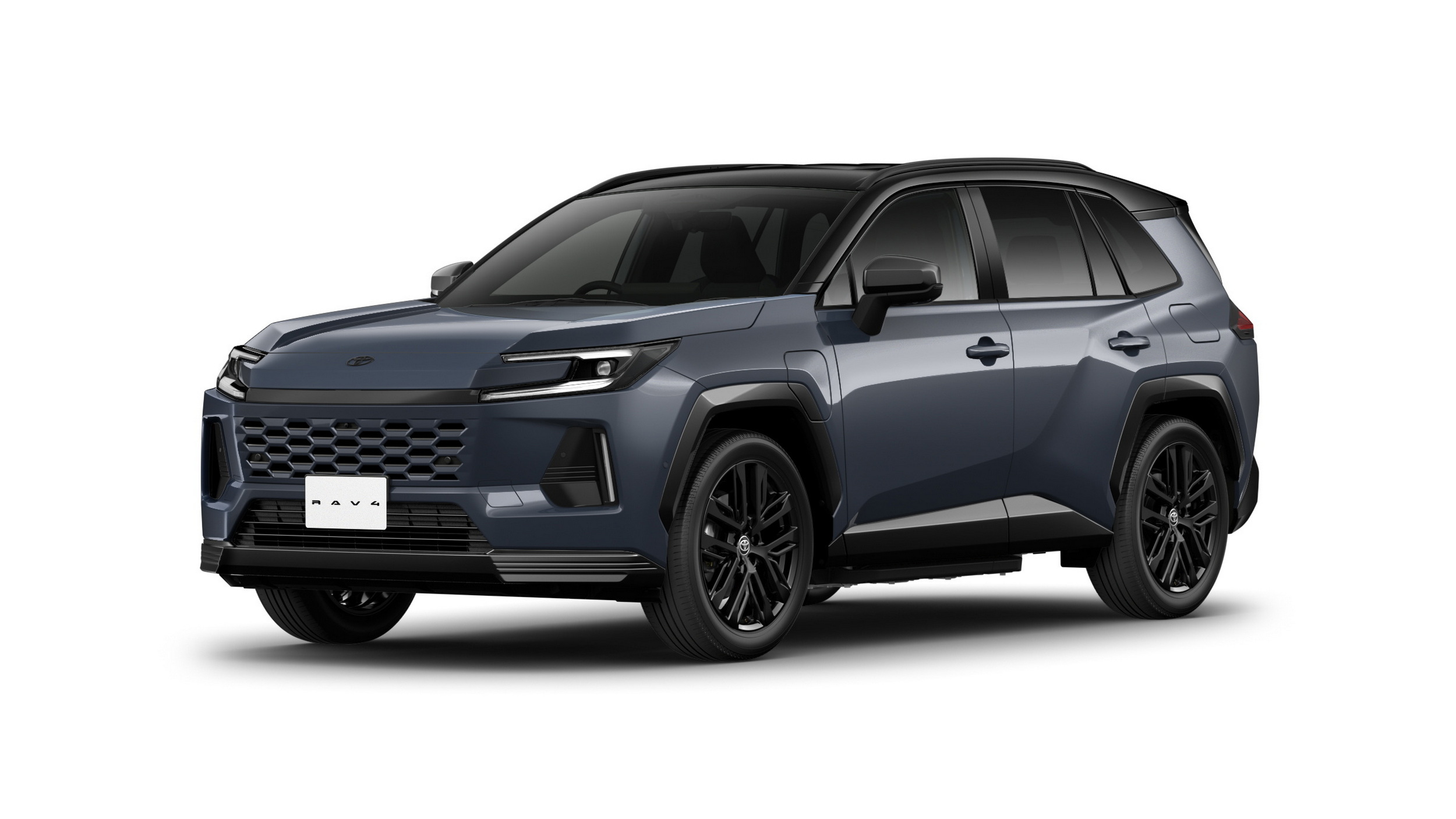
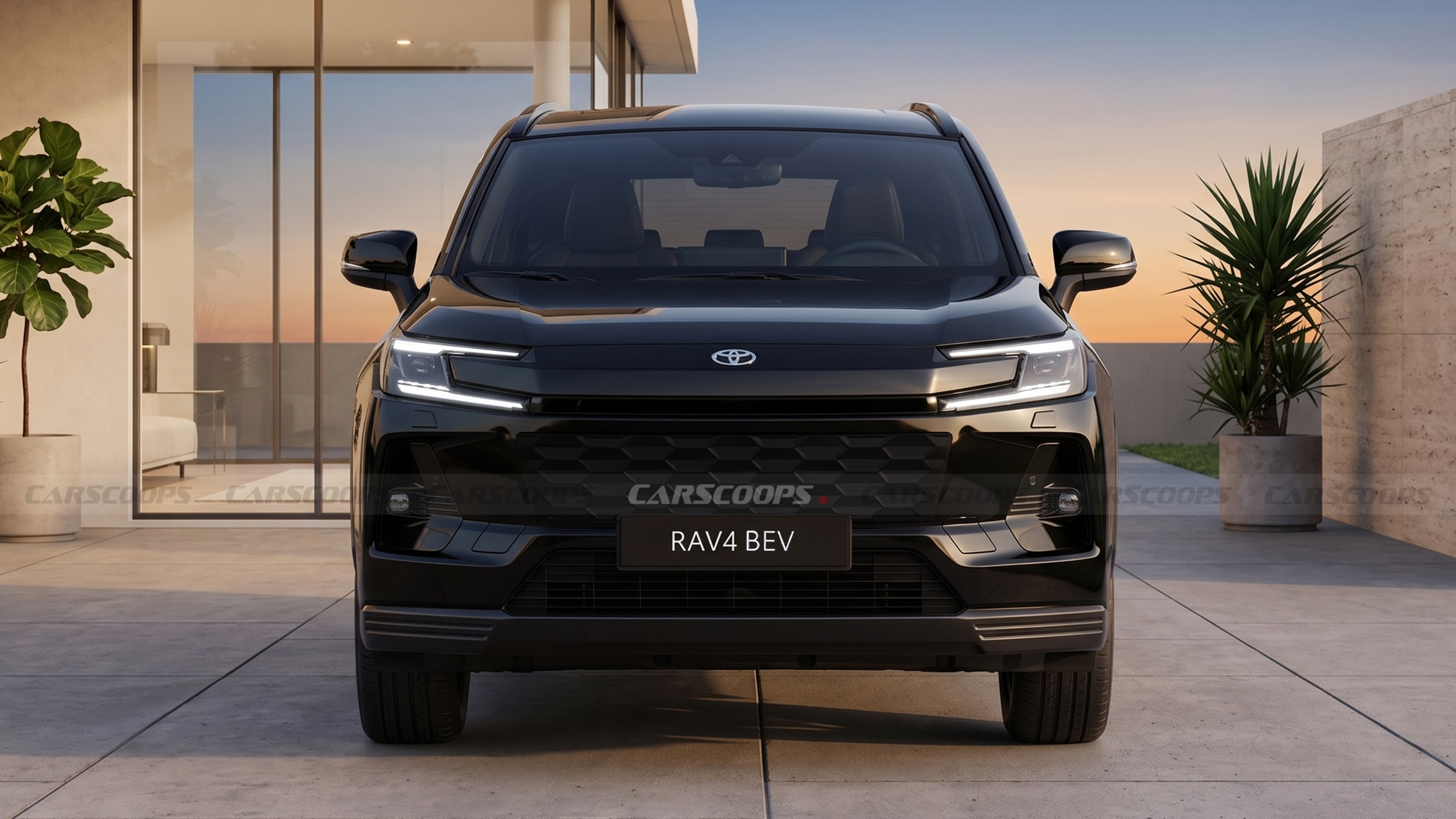
40,000 RAV4s Sell Every Month In The US, But An Electric Version Isn’t Coming

  • Toyota has ruled out an all-electric RAV4 in favor of purpose-built EV platforms.
  • The RAV4’s hybrid architecture can’t support a battery-electric conversion cleanly.
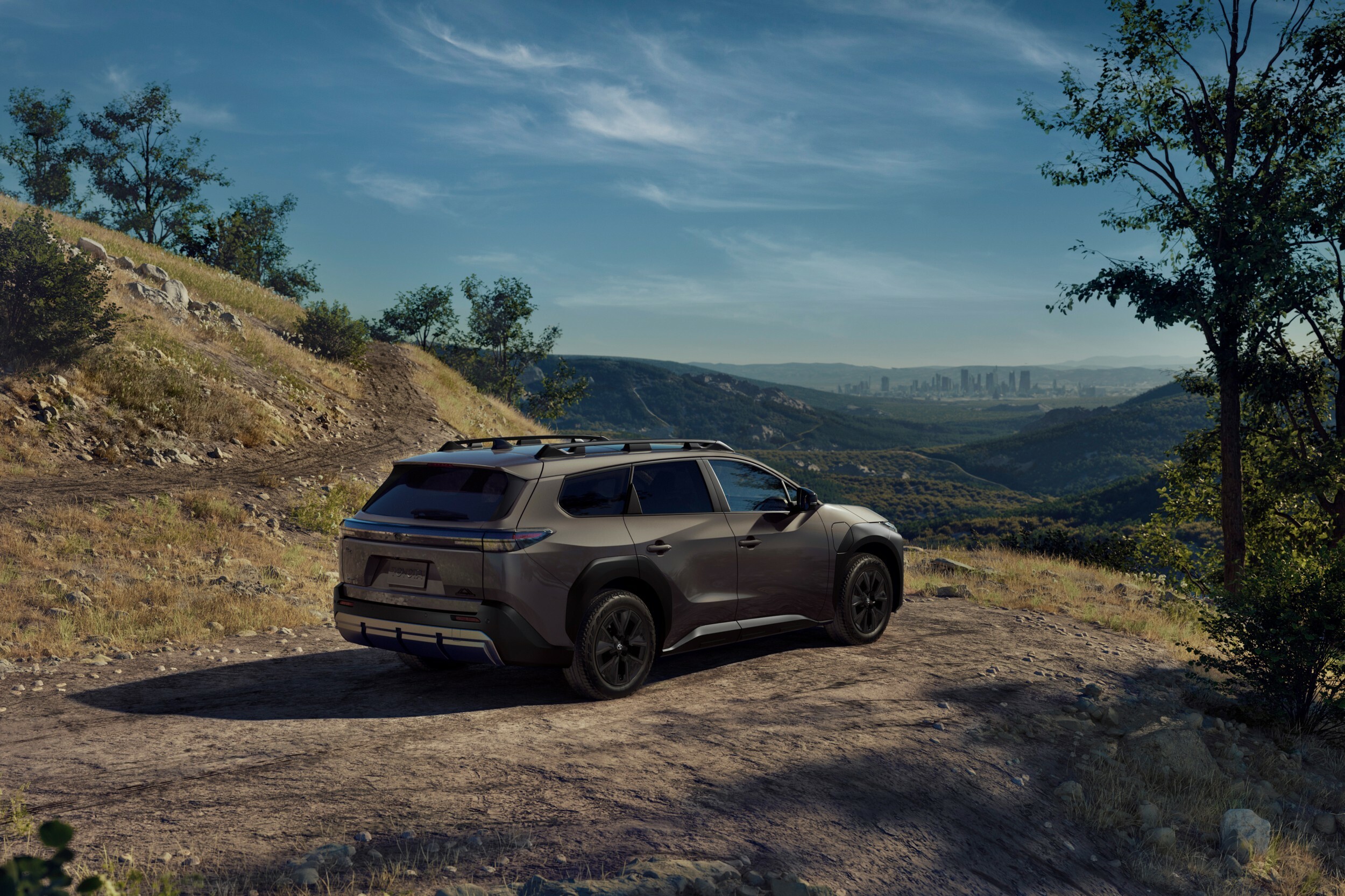
  • Instead, Toyota’s bZ lineup, led by the bZ, carries the company’s full EV ambitions.

As the world shifts to electric cars, Toyota has seemingly ruled out an all-electric variant of one of its best-selling SUVs. The move is an indication of a strong course by Toyota, which is opting to invest more in its broader electrification plan rather than turning one of its most successful cars into a battery-powered model.

Review: The 2026 Toyota RAV4 Finally Feels Like The SUV It Was Meant To Be

The report comes despite growing interest in EVs worldwide, particularly in Australia, where the bZ4X has seen a 300% increase in sales.

Toyota Shifts Focus Toward Dedicated EV Platforms

 40,000 RAV4s Sell Every Month In The US, But An Electric Version Isn’t Coming

It’s not just the bZ4X that has seen an uptick in numbers. With geopolitical tensions pushing more people towards EVs, Australia, one of many countries hit by rising fuel costs, recorded a record number of new EVs in March, accounting for 14.6 percent of new car sales and representing an 88.9 percent year-on-year increase.

On paper, an EV version of the hot-selling RAV4, which sees 40,000 units shifted in the US each month alone, would seem like a match made in heaven.

But speaking to CarSales, RAV4 chief engineer Yoshinori Futonagane confirmed that we won’t be seeing an all-electric version of his car. Rather, Toyota is concentrating on its purpose-specific electric range under the bZ brand. The models (e.g., the Toyota bZ) are being introduced as core EVs and are designed from the get-go to improve driving range and overall performance.

Designed Without An EV In Mind

 40,000 RAV4s Sell Every Month In The US, But An Electric Version Isn’t Coming

Futonagane went on to explain that simply converting the RAV4 to a full EV will not fit within the company’s existing product roadmap. The RAV4 is based on a hybrid and plug-in hybrid platform, and Toyota’s EVs are built on separate bespoke platforms.

Toyota has opted for multiple pathways in its electrification strategy. The car manufacturer has invested heavily in hybrids, plug-in hybrids, and hydrogen vehicles rather than fully converting to battery-electric cars.

Is Toyota’s strategy the right move, especially against Chinese offerings, such as Jaecoo? Time will tell, but for now, Toyota isn’t in any way rushing to change track.

 40,000 RAV4s Sell Every Month In The US, But An Electric Version Isn’t Coming
Illustration Thanos Pappas for Carscoops

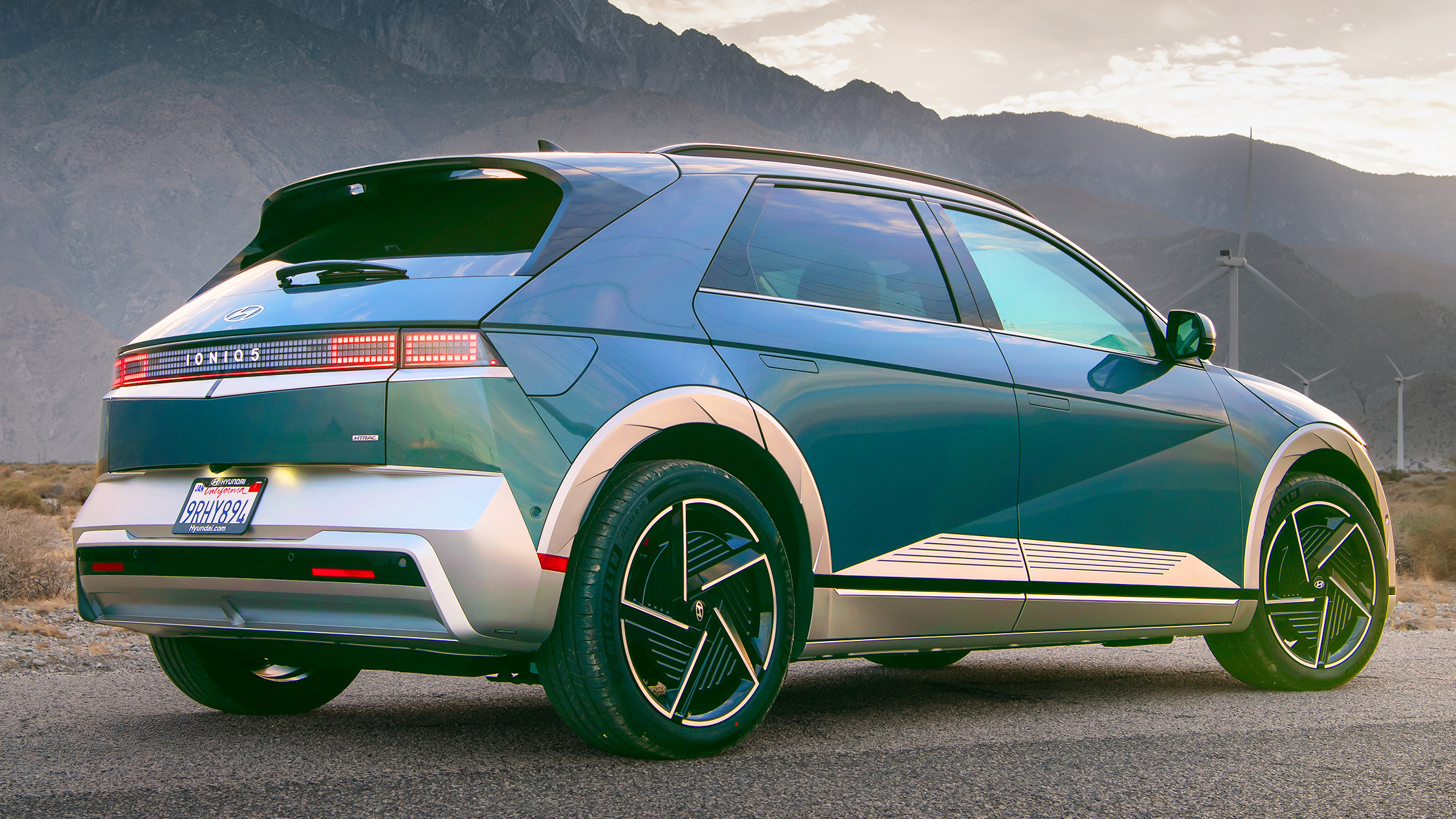
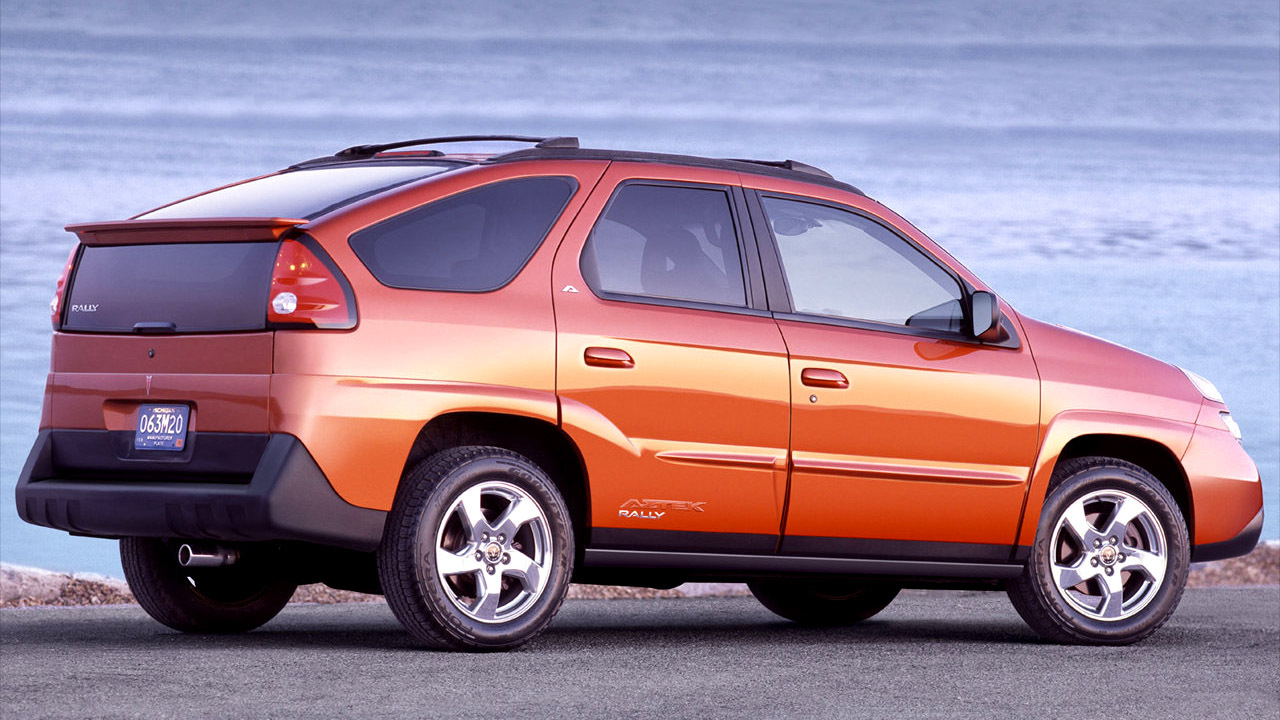
Hyundai’s Ioniq 3 Looks Like Someone Crossed A Veloster With A Pontiac Aztek

  • The Hyundai Ioniq 3 is a fully electric “aero hatchback”.
  • The new model is the baby brother of the Ioniq 5.
  • It shares its underpinnings with the Kia EV3 and EV4.

Hyundai has unveiled a new gateway model for its electric Ioniq range in Europe. The Ioniq 3 develops last year’s Concept Three into a new production model described as an “aero hatchback” though it does come with various crossover styling cues.

More: Hyundai’s Ioniq Concepts Forgot They Were Supposed To Look Like Hyundais, Especially The Lambo One

Measuring 4,155 to 4,170 mm (163.6 to 164.2 inches) in length, depending on the version, the EV is roughly the same size as the Hyundai Bayon. Its 2,680 mm (105.5-inch) wheelbase, however, matches the Elantra. Within Hyundai’s zero-emission lineup, it sits above the Inster and below the Kona Electric, effectively taking on the role of a junior Ioniq 5.

\\\\\\

The more experimental bits from the concept have quietly disappeared. No Veloster-style asymmetrical doors here. Just a regular five-door layout that is easier to live with and, more importantly, easier to sell. Up front, split LED lighting is paired with four illuminated dots that echo across the rear, spelling out an “H” in Morse code.

Speaking of the rear, the stubby silhouette flirts with some less flattering comparisons, not least the infamous Pontiac Aztek. A split rear window, bisected by a thick horizontal bar that holds a rear wing, does it no favors, though to be fair, it still comes off better than the much-derided Pontiac effort.

 Hyundai’s Ioniq 3 Looks Like Someone Crossed A Veloster With A Pontiac Aztek
The Pontiac Aztek

Elsewhere, the production model adds visual weight through chunkier surfacing and more plastic cladding than the concept suggested. Hyundai claims a drag coefficient of 0.263, which is respectable given the shape.

Hyundai showed the range-topping N Line, set apart by sportier bumpers, an integrated diffuser, a rear spoiler, and model-specific 19-inch alloy wheels (base model rides on 16-inch wheels). Those elements are finished in black, tying in with the roof, A-pillars, side skirts, and the cladding around the wheel arches.

Xavier Martinet, President and CEO of Hyundai Motor Europe, said that the Ioniq 3 is “Built for people’s real everyday needs”, combining “segment-leading driving range and aerodynamics with extraordinary levels of space, comfort and practicality”.

High-Tech And Spacious Interior

Inside, the centerpiece is a 14.6-inch free-standing touchscreen, while lower trims make do with a smaller 12.9-inch display paired with a compact digital instrument cluster. Both run Hyundai’s new Google-based Pleos infotainment system, making its debut in a production model. Thankfully, there’s a row of physical switches mounted above the climate vents and additional tactile controls on the N-branded steering wheel.

\\\\\\\

Hyundai designers integrated the gear lever on the right stalk, freeing up space on the slim two-story center tunnel for cup holders, storage cubbies, and a wireless charging pad. Other highlights include a practical tray on the dashboard, heated and ventilated Relaxation Seats, rear climate vents, a panoramic sunroof, a Bose Premium audio system and a comprehensive Hyundai SmartSense ADAS suite.

More: Hyundai Is Charging Koreans A Fee To Put Pikachu On Their 2027 Kona’s Dashboard

The boot has a double floor with a Ford Puma-style Megabox underneath. Total capacity stands at 441 liters (15.6 cubic feet), which is competitive for something this size.

Two Electric Powertrain Options

Underneath, the Hyundai Ioniq 3 rides on a 400-Volt version of the E-GMP architecture, just like the Kia EV3 and EV4 siblings. At launch, it will be offered in two front-wheel-drive configurations.

The Standard Range model comes with a 144 hp (108 kW / 147 PS) electric motor and a 42.2 kWh battery offering 214 miles (344 km) of WLTP range. The Long Range features a slightly less potent 133 hp (100 kW / 135 PS) electric motor and a larger 61 kWh battery, stretching the range to 308 miles (496 km) on a full charge. Both variants have the same 250 Nm (184 lb-ft) of torque.

What About A Proper Hot Hatch?

\\\\

For those after something with a bit more edge, Hyundai’s N division is reportedly exploring a baby hot hatch spun from the Ioniq 3. It is an easy leap, given the platform already supports dual-motor setups delivering up to 288 hp (292 PS / 215 kW), as seen in the range-topping Kia EV3 GT-Line.

More: New Elantra N TCR Undercuts The Civic Type R By $7,000 With A Bigger Wing

Besides the extra punch, the Ioniq 3 N will likely benefit from a more aggressive stance along with a unique setup for the chassis and the electronics, borrowing a few tricks from the Ioniq 5 N and Ioniq 6 N stablemates.

Market Availability

The Hyundai Ioniq 3 is set to launch in Europe later this year, with production based in Turkey. That also explains its absence from the US market, where tariffs would push pricing beyond what makes sense for a car in this segment.

It will step into a crowded field, going up against electric subcompact SUVs like the Kia EV3, Mini Aceman, Renault 4 E-Tech, Ford Puma Gen-E, Jeep Avenger, Alfa Romeo Junior, Volvo EX30, and Opel Mokka Electric. On the hatchback side, it will also face off against the Renault 5 E-Tech, BYD Dolphin, MG4 EV, and the upcoming VW ID. Polo.

Lynk & Co’s First GT Concept Looks Like It Could Actually Happen

  • Lynk & Co will debut its first GT concept car at the Beijing auto show.
  • The performance-focused study adopts a sleek two-door coupe stance.
  • Volvo will take over European commercial operations for Lynk & Co.

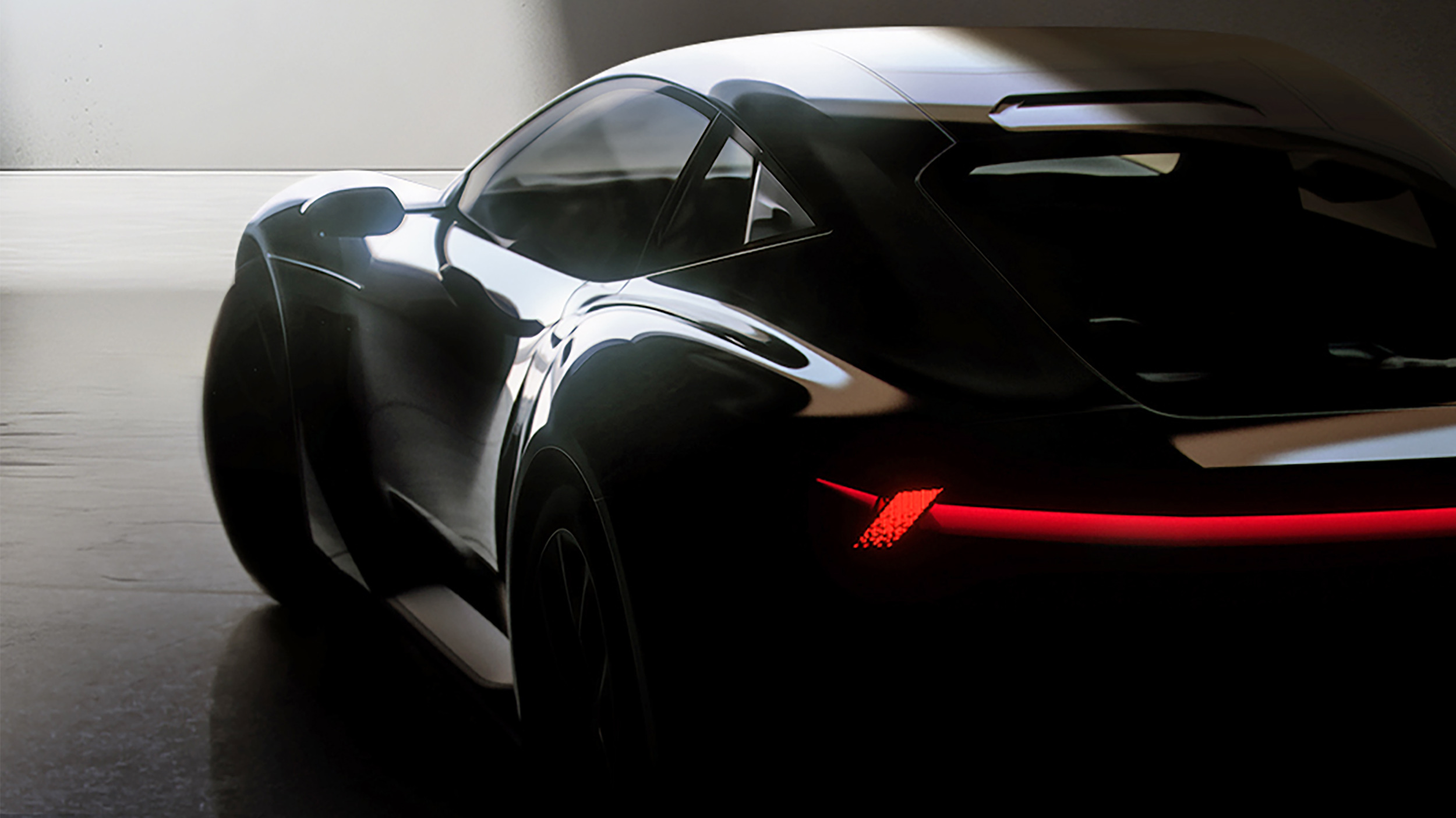
Lynk & Co’s production range has, until now, played it safe with SUVs and sedans. That may be about to change. The Geely-owned brand is preparing to show something with a bit more bite, announcing a two-door GT concept set to debut at the 2026 Beijing Auto Show on April 24, previewed by a single teaser.

The shadowy image suggests a front-engined, rear-wheel-drive sports car, with proportions that land somewhere close to the now-departed Jaguar F-Type. There is a long dash-to-axle ratio, a low, sculpted profile, and planted rear shoulders. A sloping roofline flows into full-width LED taillights, while the rising beltline brings to mind the Lynk & Co 10+ sedan.

More: This Chinese SUV Now Boasts Europe’s Longest Electric Range In A PHEV

Details remain thin, as expected at this stage, but the concept will almost certainly sit on existing Geely architecture. That opens the door to either a fully electric setup or a plug-in hybrid powertrain.

Interestingly, the GT appears closer to production than the 2022 Next Day concept, which shared a similarly low-slung, sporty silhouette but stretched things further with a longer body and four suicide scissor doors. If it gets the green light, this new model could find itself taking aim at the Porsche 911 and Mercedes-AMG GT, as well as China’s MG Cyberster.

 Lynk & Co’s First GT Concept Looks Like It Could Actually Happen
The official teaser of the new GT Concept by Lynk & Co.

The GT highlights the racing pedigree of Lynk & Co that has been quite successful in TCR. The company entered the TCR championship in 2019, taking the reigns from the defunct Volvo Polestar racing program.

Volvo Takes Over Sales And Service In Europe

Beyond the showroom floor, Lynk & Co is undergoing a structural shift in its global operations. Volvo Cars and Geely Auto recently signed a Memorandum of Understanding that will see the former take over the commercial and brand operations for Lynk & Co in Europe.

More: Volvo’s Favorite Tuner Just Crossed Over Into China’s EV Scene

Under this new arrangement, Volvo becomes the exclusive importer and distributor for Lynk & Co across the Old Continent, using its retailer and service networks. This means that the Geely-owned brand moves away from its previous subscription-heavy model toward a more traditional retail structure.

 Lynk & Co’s First GT Concept Looks Like It Could Actually Happen
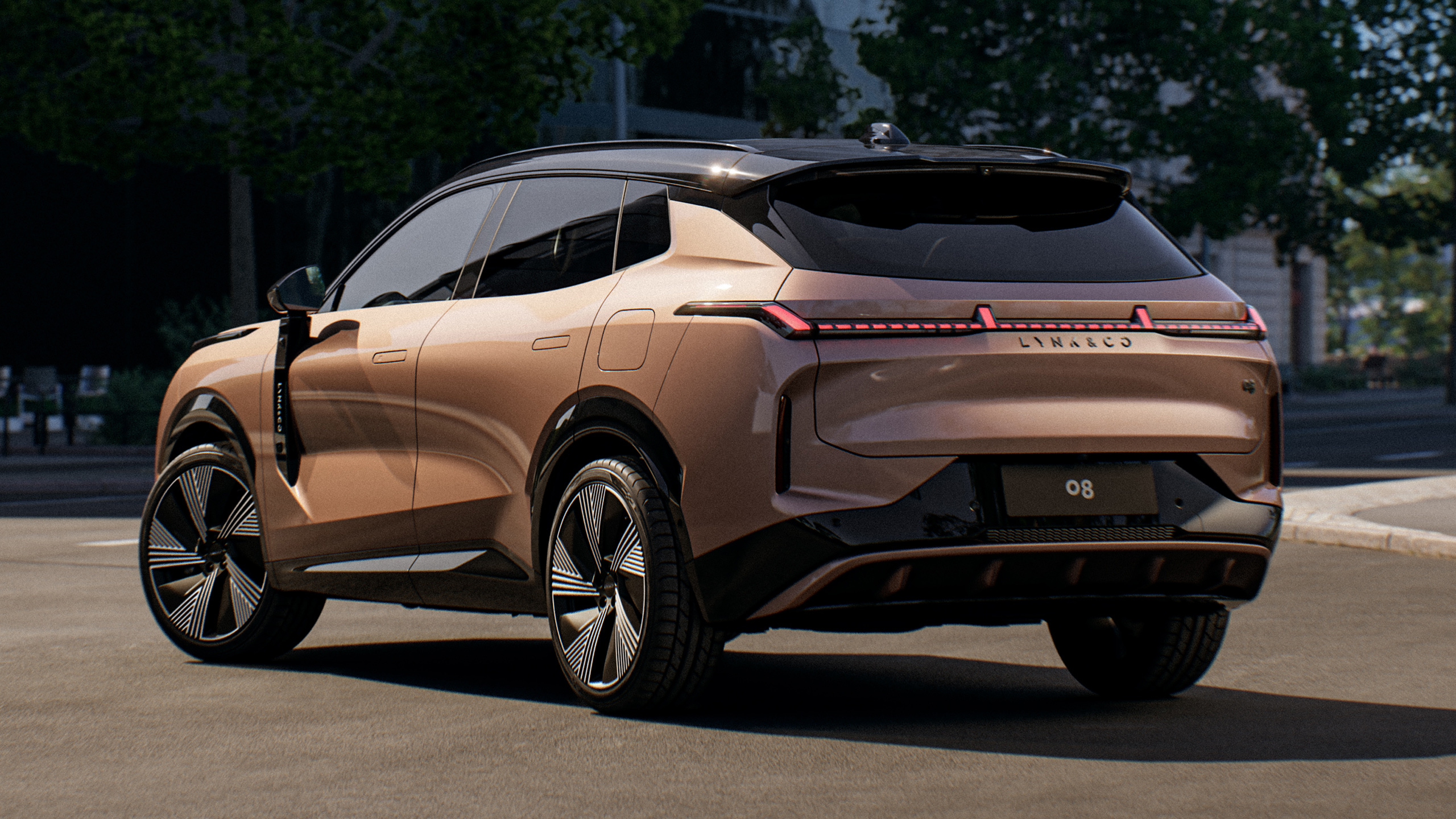
Lynk & Co 08

Smart’s Tiny ForTwo Is Back. Sort Of

  • Smart previews Concept #2 as modern two-seat city EV.
  • Original 1998 ForTwo spirit returns with same silhouette.
  • Concept debuts at Beijing alongside China-only #6 sedan.

Some cars try to dominate the road, but Smart’s greatest hit barely took up half a parking space. Now the brand is teasing its icon’s comeback act with the Concept #2, a preview of the long-awaited successor to the legendary ForTwo, which went out of production in 2024.

Having dropped disguised images of a prototype testing last year, Smart has now released sketches and extreme close-up teaser images of the new concept ahead of a global brand event at the Beijing Auto Show later this month.

Related: Smart’s First Ever Sedan Is Much Bigger Than You Think

While full design and tech details remain hidden, it’s clear from what we can see that the #2’s profile closely echoes the original’s, but that this time the the arches are much fatter. The front end also adopts the family face from other new-generation Smarts like the #1, #3 and #5. Slightly confusingly, the #2 will be much smaller, and probably less expensive, than the #1.

Fashion Inspiration

Smart says the concept uses a matte white and warm gold two-tone finish, along with details inspired by fashion accessories, including buckle-like elements and leather touches. This is definitely no Citroen Ami-style no-frills economy EV.

\\\

We can see some of that white and gold coloring in the teaser shots, though whether those “fashion” ideas will find their way onto the production car is another matter. That design direction makes sense, though. The modern Smart brand isn’t selling bare-bones transportation anymore. It now pitches itself as a premium EV maker, with larger models like the #1, #3, and #5 already moving the company far beyond its original microcar roots.

ForTwo Legacy

CEO Tong Xiangbei previously admitted that building a truly tiny EV on a fresh platform is harder than making a larger car. Packaging batteries, safety systems, and decent practicality into something this small is engineering Tetris at expert level. But the #2 matters emotionally. It’s the car enthusiasts actually associate with Smart, the machine that made city motoring weird and fun long before everyone else discovered quirky mobility.

We’ll see the full concept in Beijing on April 22, where it shares the stage with the new China-only #6 EHD fastback sedan. The #6 was designed by the Mercedes-Benz Global Design team, and is shaping up to be a bit like a cut-price Mercedes EQE.

\\\\\\\\

Smart

Toyota Was Mocked For Going Slow On EVs, Honda And VW Are Now Paying For Going Fast

  • Automakers in the US are taking sharply different paths toward EV adoption.
  • Some, like Toyota and Mercedes, continue with a measured approach to new EVs.
  • Others, such as Honda and Stellantis, are cutting back on their planned EV launches.

The auto industry is at a crossroads with EVs, and this is becoming increasingly evident. Nearly every automobile manufacturer has been forced into some level of self-reflection as far as electric cars are concerned. Some are forging ahead in hope, while others are slowing down and reassessing their plans as market demand fluctuates and prices rise.

Also: These Are The Best-Selling EVs In America This Year So Far

The recent developments in the industry portray the picture of how fragmented everything has become. Some have already abandoned or delayed EV projects since it has emerged that the growth they were envisaging was not that imminent. Others are in the process of doubling down and are taking this as a chance to leapfrog, as competition takes a breather.

Slow And Steady Wins The Race?

Toyota is one of the companies that continues to go on the offensive. It will launch four electric models in the U.S. towards the end of the year, including the bZ, bZ Woodland, C-HR, and a three-row Highlander EV.

 Toyota Was Mocked For Going Slow On EVs, Honda And VW Are Now Paying For Going Fast

Speaking to Automotive News, analysts from iSeeCars and Edmunds expressed positivity on Toyota’s approach. Toyota had attracted criticism for its slow approach towards EVs, but its measured approach seems to have left it in good standing. The ratio of hybrids, gas cars, and EVs the company has had over the years is finally starting to pay off because it will be able to be flexible as the market readjusts.

Pull Backs And Uncertainty

One of the biggest shifts in EV planning has to have been from Honda. The Japanese company has scrapped a number of future electric models and is shifting to hybrids. This move comes with a financial hit, but the company believes that it is a more prudent short-term decision since EV demand has not yet evened out.

Read: Toyota’s bZ Outsold The Prius, And Now A Second US-Made Electric SUV Is Coming

Stellantis is taking the same route, scrapping its electric Ram pickup and delaying other EV plans in Europe. Ford and General Motors are not giving up on electric vehicles, but instead, they are streamlining their production to suit demand rather than overloading it too soon. It is not about quitting but timing things.

 Toyota Was Mocked For Going Slow On EVs, Honda And VW Are Now Paying For Going Fast

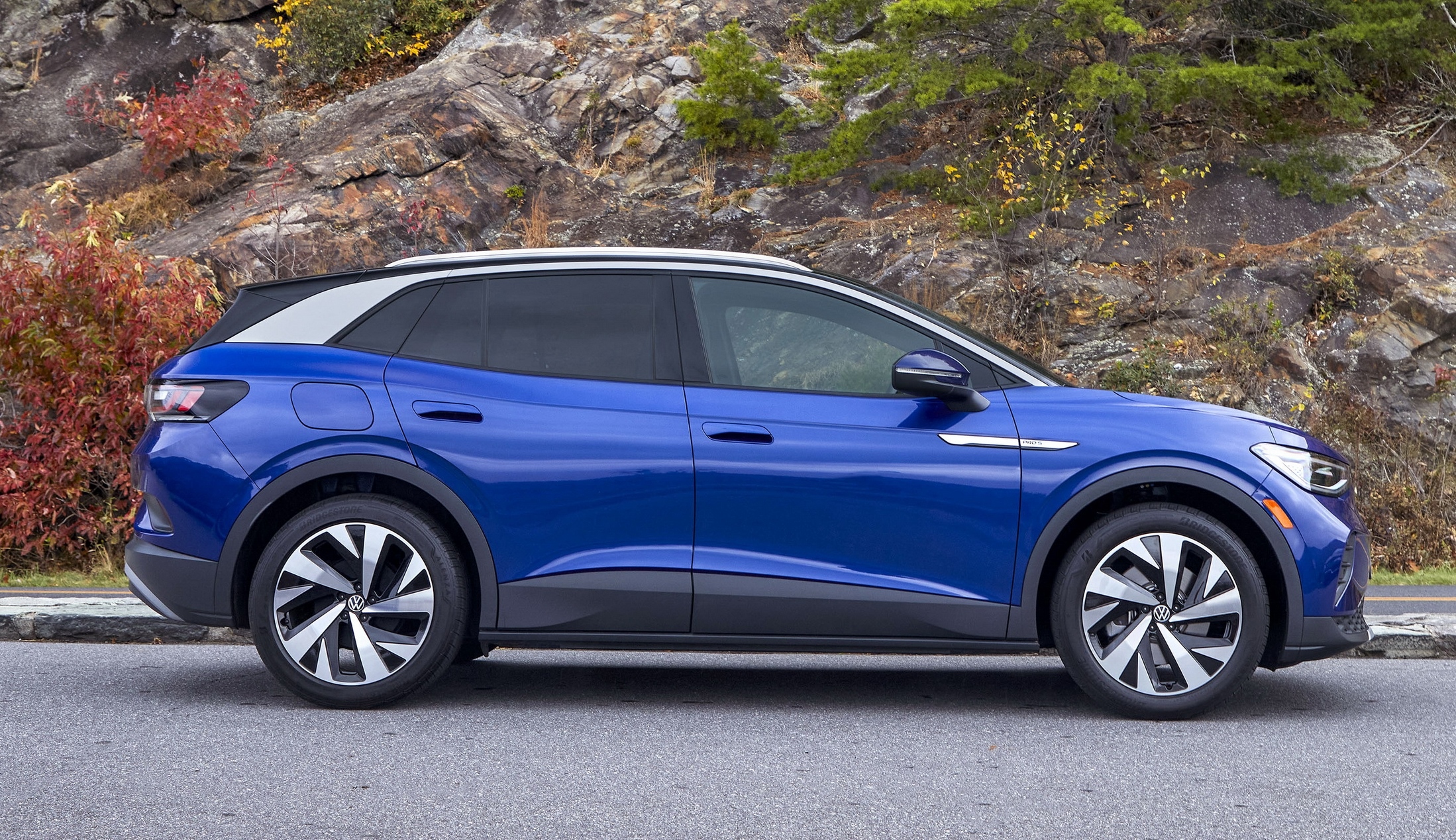
Meanwhile, Volkswagen has canceled its production of the US-made ID4 electric crossover. Besides the ID Buzz minivan, there are no plans to expand the VW EV lineup stateside for the next couple of years. On the other hand, Mercedes-Benz still plans to introduce more EVs to the US, but their approach will continue to incorporate gas and hybrid options too.

See Also: A 96% Sales Collapse Is Why VW Just Killed US ID.4 Production

These different avenues are reduced down to the situation of the firms, according to industry analysts. Some have the financial cushion to keep on investing, but others are choosing to save and avoid incurring more losses.

 Toyota Was Mocked For Going Slow On EVs, Honda And VW Are Now Paying For Going Fast

Toyota’s bZ7 Is Bigger Than A Model S And Cheaper Than A Model 3. China Ordered 3,100 In An Hour

  • Toyota grabbed 3,100 bZ7 orders during first launch hour.
  • China-only flagship EV priced below smaller Tesla Model 3.
  • Cabin features Huawei HarmonyOS and zero-gravity seats.

We’re seven months out from Black Friday, but Toyota could be forgiven for thinking it’s November already. The automaker was bombarded with 3,100 orders for its new electric sedan in just the first hour after it went on sale, which sounds nuts until you learn how much it costs.

The bZ7 is Toyota’s new flagship EV for China, launched through its GAC-Toyota joint venture. It’s big and full of clever tech, but it’s also ridiculously cheap. Prices begin at ¥147,800, or about $21,500, and rise to ¥199,800, roughly $29,000.

Related: Toyota’s Flagship Electric Sedan Undercuts Tesla Model S By Nearly $96,000 In China

China’s domestic market is so competitive that buyers’s aren’t short of bargains, but even so, the bZ7 looks like incredible value for money. At 5,130 mm (202 inches) long and with a 3,020 mm (118.9 inches) wheelbase, it is bigger than a Tesla Model S, but it’s priced below even the Model 3, which starts at ¥236,500 ($34,500) in China.

More Tortoise Than Hare

The biggest bZ is no Model S Plaid, with a peak power output of 278 hp (282 PS / 207 kW), but battery choices include 71 kWh and 88 kWh LFP packs delivering claimed CLTC ranges of up to 440 miles (710 km) depending on trim. Toyota also says fast charging can add 186 miles (300 km) in 10 minutes.

\\\\\\\\\\\\\\\

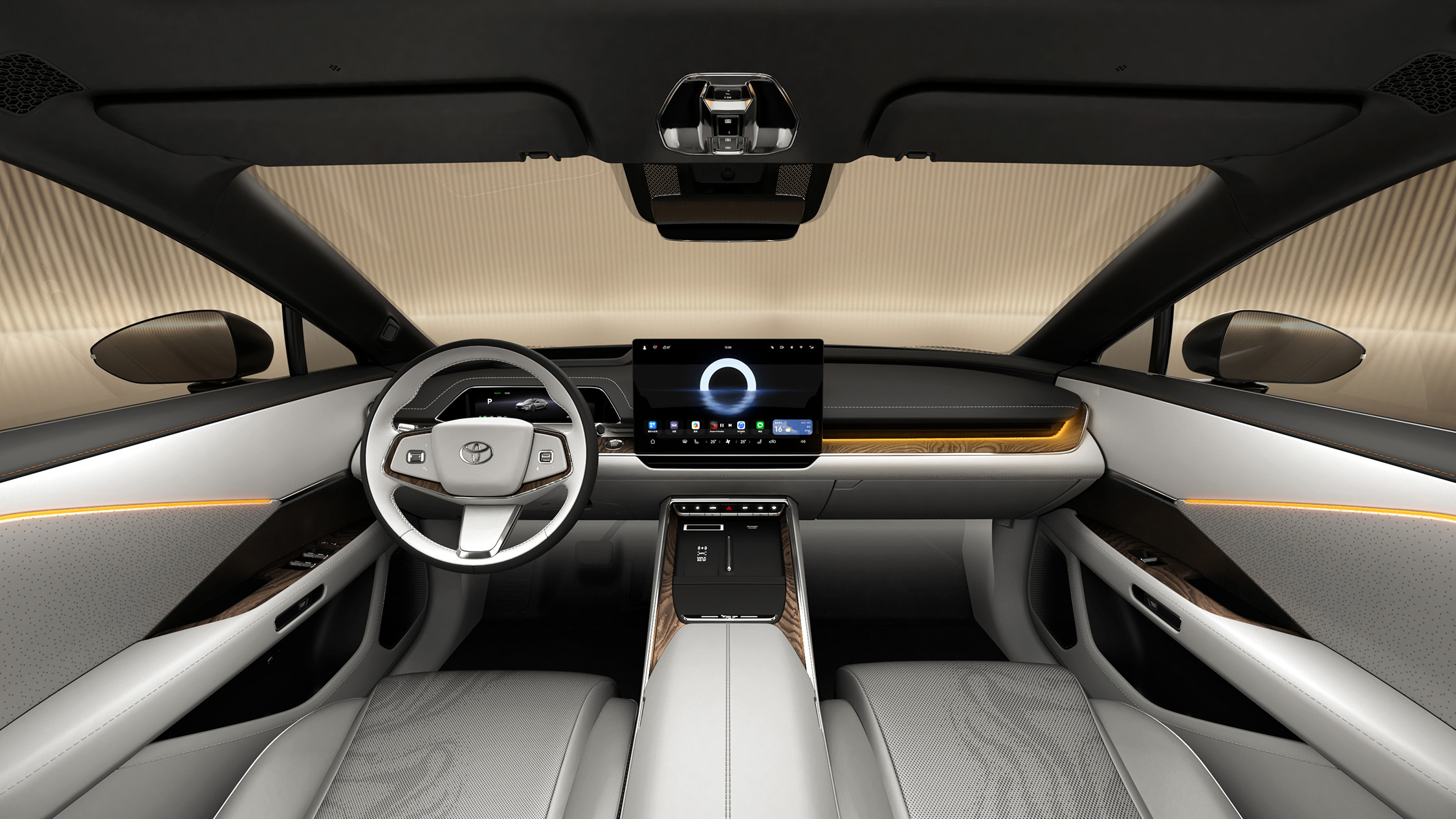
And although it won’t win many drag races, it will impress plenty of drivers with its tech. Available zero-gravity front seats offer heating, ventilation, and massage functions. A floating 15.6-inch center display dominates the dash, backed by a smaller driver screen and head-up display.

Sensory Overload

The cabin runs Huawei’s HarmonyOS system on a floating 15.6-inch center display, and there’s integration with Xiaomi’s smart-home ecosystem, meaning drivers can interact with household devices from the car. You can also spec a cutting-edge driver assistance pack with roof-mounted lidar, five millimetre-wave radars, 11 high-definition cameras, and 10 ultrasonic radars.

That’s 27 sensors to keep you safe, or just 27 electrical headaches for a used owner a decade down the road, depending on your point of view.

\\\\\\\\\\\\\\\

Toyota GAC

Toyota Flooded With 3,100 Orders In 1 Hour For New EV, See The Price And You’ll Know Why

  • Toyota grabbed 3,100 bZ7 orders during first launch hour.
  • China-only flagship EV priced below smaller Tesla Model 3.
  • Cabin features Huawei HarmonyOS and zero-gravity seats.

We’re seven months out from Black Friday, but Toyota could be forgiven for thinking it’s November already. The automaker was bombarded with 3,100 orders for its new electric sedan in just the first hour after it went on sale, which sounds nuts until you learn how much it costs.

The bZ7 is Toyota’s new flagship EV for China, launched through its GAC-Toyota joint venture. It’s big and full of clever tech, but it’s also ridiculously cheap. Prices begin at ¥147,800, or about $21,500, and rise to ¥199,800, roughly $29,000.

Related: Toyota’s Flagship Electric Sedan Undercuts Tesla Model S By Nearly $96,000 In China

China’s domestic market is so competitive that buyers’s aren’t short of bargains, but even so, the bZ7 looks like incredible value for money. At 5,130 mm (202 inches) long and with a 3,020 mm (118.9 inches) wheelbase, it has a similar footprint to a Tesla Model S, but it’s priced below even the Model 3, which starts at ¥236,500 ($34,500) in China.

More Tortoise Than Hare

The biggest bZ is no Model S Plaid, with a peak power output of 278 hp (282 PS / 207 kW), but battery choices include 71 kWh and 88 kWh LFP packs delivering claimed CLTC ranges of up to 440 miles (710 km) depending on trim. Toyota also says fast charging can add 186 miles (300 km) in 10 minutes.

 Toyota Flooded With 3,100 Orders In 1 Hour For New EV, See The Price And You’ll Know Why

And although it won’t win many drag races, it will impress plenty of drivers with its tech. Available zero-gravity front seats offer heating, ventilation, and massage functions. A floating 15.6-inch center display dominates the dash, backed by a smaller driver screen and head-up display.

Sensory Overload

The cabin runs Huawei’s HarmonyOS system on a floating 15.6-inch center display, and there’s integration with Xiaomi’s smart-home ecosystem, meaning drivers can interact with household devices from the car. You can also spec a cutting-edge driver assistance pack with roof-mounted lidar, five millimetre-wave radars, 11 high-definition cameras, and 10 ultrasonic radars.

That’s 27 sensors to keep you safe, or just 27 electrical headaches for a used owner a decade down the road, depending on your point of view.

\\\\\

Toyota GAC

H/t to Car News China

Porsche’s New Patent Turns Racing Stripes Into A Battery Gauge

  • Porsche patented body panels that can change color electronically.
  • The system could add racing stripes in different drive modes.
  • Future EVs might display battery charge through exterior color changes.

It’s a question that dates back decades. Do you option your fancy sports car with or without visual flourishes like rally or racing stripes? Once you choose, changing your mind isn’t exactly an easy task. Installing or removing stripes is a painstaking process on one’s own and can cost thousands when a professional does the work.

Porsche owners might not have to make that choice in the near future. A new patent would allow them to switch from stripes to no stripes with the push of a button.

More: Tesla Files New Seat Patent For A Supercar That’s Been Sitting Since 2017

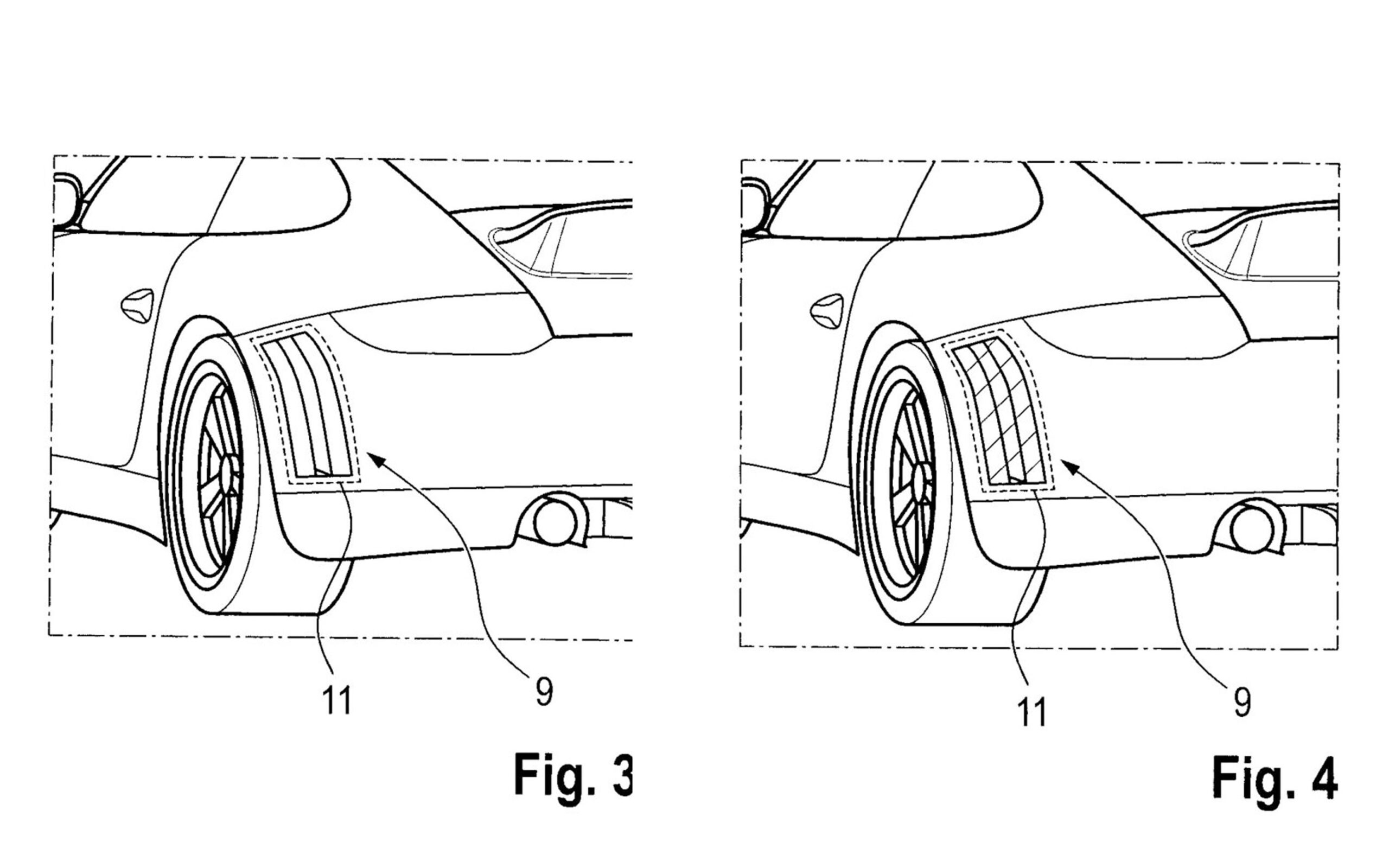
According to the newly published patent application that was first spotted by Jalopnik, Porsche’s system would use an “actively controllable, optically variable coating” applied to exterior body panels. When voltage is applied, the coating changes appearance.

The company says the technology could rely on either so-called electronic paper or paramagnetic coatings, both of which can alter their color when electricity is introduced. This kind of tech already exists, but it’s not used in this fashion.

Plenty of automakers use it for glass panels which allows the occupant to make the glass appear transparent or opaque on command. The big change here is using it on a body panel instead. According to the patent, Porsche owners would see the “rally stripes” appear when the car goes into Sport mode. Additional accents could also light up around areas like the diffuser or the side blades behind the rear wheels.

An EV Battery Indicator Too

\\\\\

Porsche says the idea is partly cosmetic, but there is a functional side too. The company notes that racing stripes could help identify one car from another during competition, especially when multiple identical cars are on track at the same time. Porsche also believes the same coating could act as an exterior battery gauge on EVs.

Instead of opening an app or looking at the dashboard, owners could glance at the car and instantly know how much charge remains. A panel might glow green when the battery is nearly full, yellow when it is running low, and red when it is close to empty.

While there’s no way to know for sure if or when Porsche gives this idea the green light, it’s very much the kind of tech we see popping up more and more across the bleeding edge of the industry. Sooner or later, someone will probably put it into production. Here’s hoping Porsche makes it happen and lets other automakers license the tech.

 Porsche’s New Patent Turns Racing Stripes Into A Battery Gauge

Credit: WIPO / Porsche

❌
❌