Reading view

There are new articles available, click to refresh the page.

EV Speed Comes At A Price, So Where’s The Sweet Spot?
  • A Tesla owner performed a series of real range tests in his single-motor Model Y.
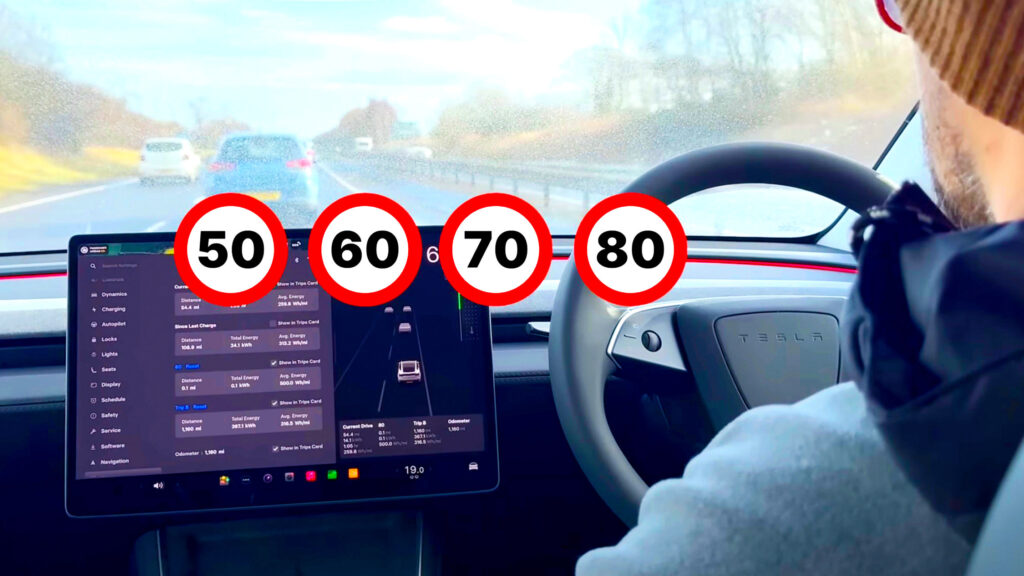
  • He drove the same route 30-mile route at 50 mph, 60mph, 70 mph and 80 mph.
  • Going 80 mph vs 50 mph cut time by 38% but dropped range by same amount.

Speed or efficiency? For as long as there have been cars, drivers have had to weigh up that decision. Going faster means getting from A to B sooner, but is going to burn through more fuel, costing you more money.

And now, in the EV age, there are added pressures. Some electric cars are only good for 250 real-world miles (402 km), and BYD’s new 1,500 kW chargers aren’t here yet, meaning that if you need to stop mid-journey you can easily add 15-30 minutes to your trip, more than wiping out the time you saved by flexing your right ankle.

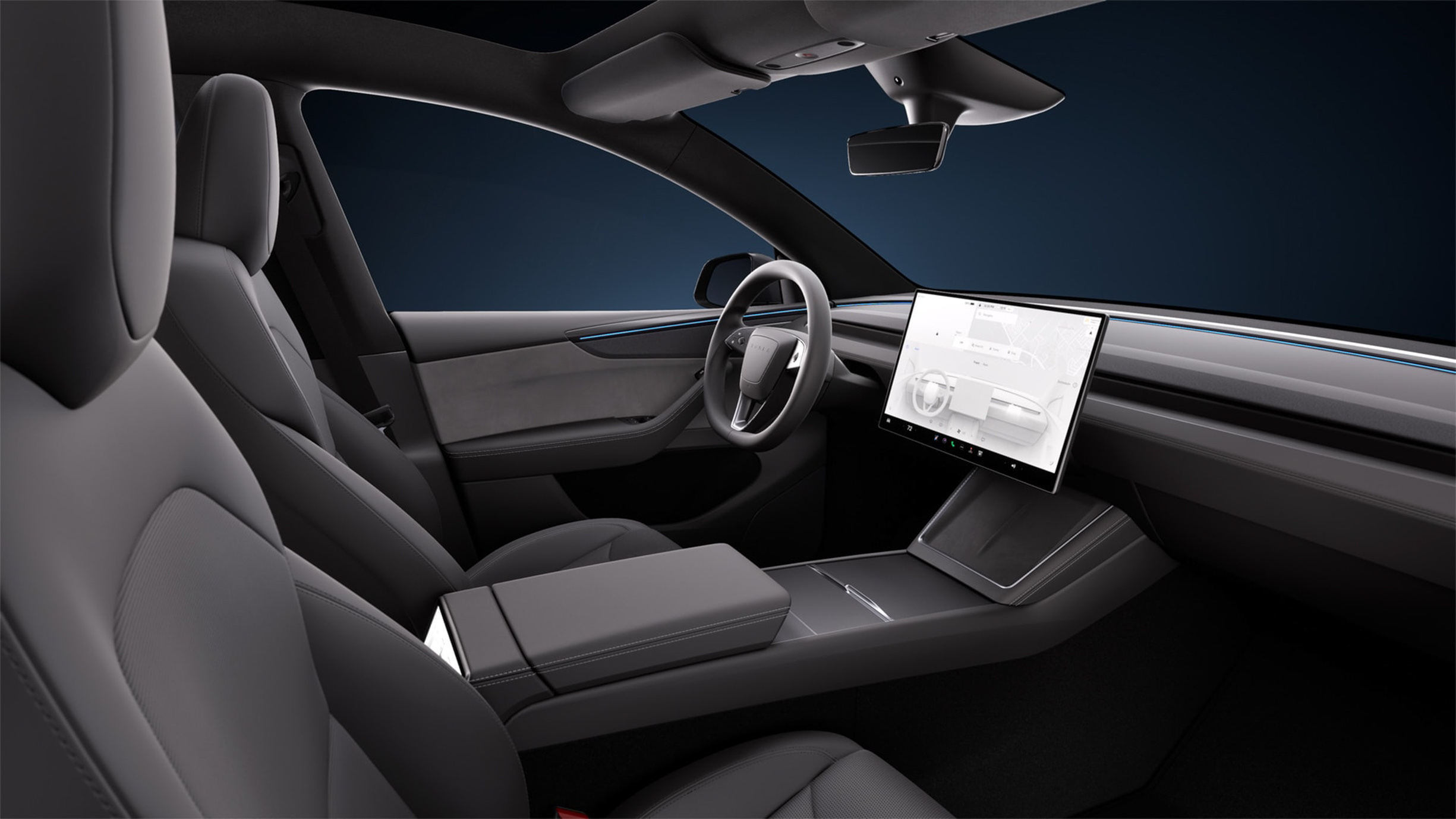
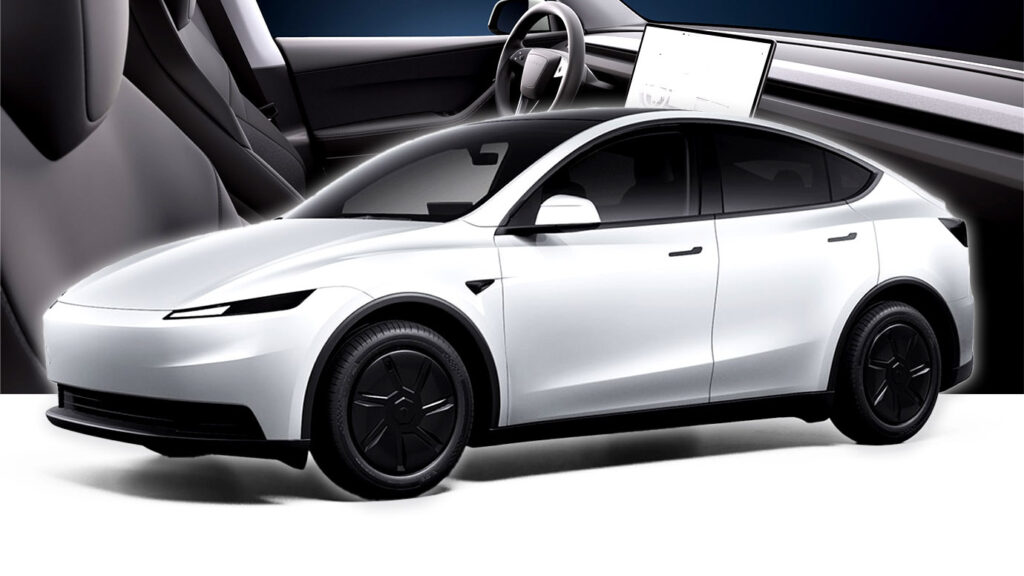
Related: Tesla’s Budget Model Y Gets Grip And Grit For $2K More, But Don’t Call It Standard

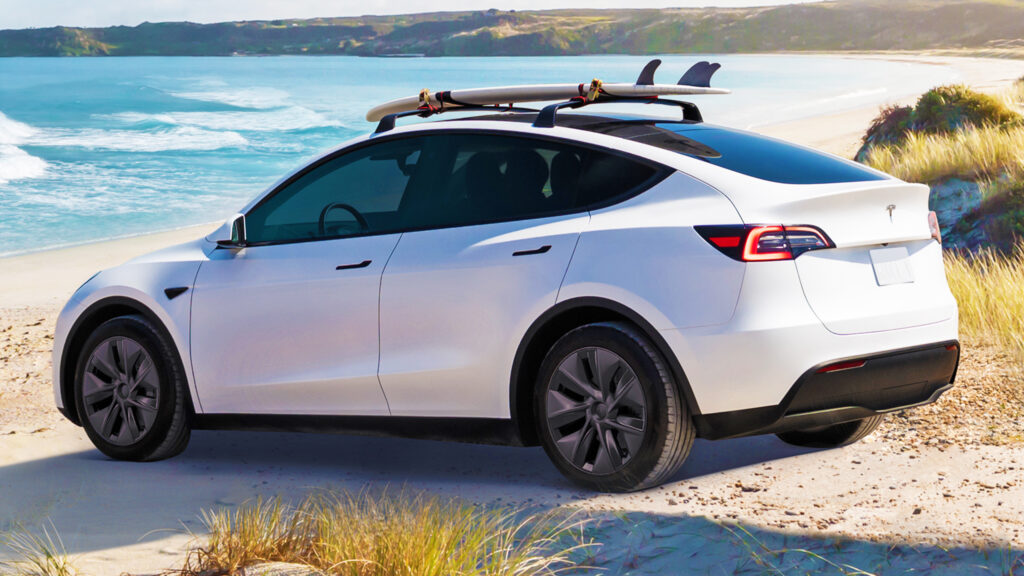
So what’s the sweet spot? That’s what one Tesla-owning YouTuber behind the Carwire channel decided to find out by conducting a series of test runs in his single-motor, rear-wheel drive Model Y.

He ran the same 30-mile (50 km) looping route along local multi-lane freeways (dual-carriageways in UK-speak) at 50 mph (81 km/h), 60 mph (96 km/h), 70 mph (113 km/h) and 80 mph (129 km/h), noting the Wh/mile efficiency for each trip.

Taking those numbers and assuming a 75 kWh usable battery capacity, he was able to extrapolate realistic freeway-type range figures, plus a hypothetical time for a 200-mile (302 km) journey based on the time taken to complete each loop at the different speeds. While this isn’t exactly super-scientific, it still delivers a useful comparison that highlights the huge effects different speeds have on efficiency and journey time.

The first loop, taken at a steady 50 mph, would result in 200-mile trip in the Model Y taking four hours. But the excellent 224.7 Wh/mi efficiency gives a calculated 333-mile (536 km) range, meaning you’d get to your destination with stacks of charge to spare.

80 MPH Decimates Range

At the other end of the scale, the 80 mph run crashed efficiency to 366.2 Wh/mi, and the range to just 204 miles (328 km). So while technically you could handle the 200-mile journey in one go, and in only 2 hours and 30 minutes, few people would risk not filling up before they hit the finish line.

The sweet spot, as Carwire concludes, seems to be somewhere between 60 and 70 mph. Bumping the speed up to 60 mph cuts a handy 40 minutes off the 50 mph journey time, yet the 300-mile (483 km) range is only 33 miles (53 km) lower.

Pushing the needle up to 70 mph cuts another half hour from the trip, and though the efficiency starts to tumble the 248-mile calculated range would still let you comfortably complete your 200-mile run without charging, or stressing that you probably ought to.

Speed Versus Time And Efficiency
50 mph60 mph70 mph80 mph
Journey time4 hours3 hours 20 mins2 hours 51 mins2 hours 30 mins
Efficiency224.7 Wh/mi249.9 Wh/mi302.2 Wh/mi366 Wh/mi
Calculated range333 miles300 miles248 miles204 miles
SWIPE

Carwire

Feds Expand Tesla FSD Investigation After Visibility Failures

  • NHTSA upgrades FSD probe to engineering analysis stage.
  • Over 3.2 million Tesla vehicles are included in investigation.
  • FSD may fail to detect vehicles in low visibility conditions

The NHTSA has intensified its scrutiny of Tesla’s Full-Self Driving system, focusing on how it copes when visibility drops. That escalation pushes the probe closer to a potential recall, one that could affect more than 3.2 million vehicles across the United States.

The agency first opened a preliminary evaluation in October 2024 to assess FSD’s ability to detect and respond appropriately in reduced roadway visibility. That probe has now been upgraded to an engineering analysis, which will examine how the vision-only system behaves in adverse conditions and whether it can alert drivers with enough time to react.

Read: Tesla Owners Furious After FSD Transfer Rules Change Again

According to regulators, Tesla developed and implemented a degradation detection system after transitioning to its camera-based vision setup in mid-2021, abandoning radar and other sensors. The company began working on an update to this system in June 2024, following a report of a fatal crash involving one of its vehicles on November 28, 2023

Rain Is FSD’s Enemy

 Feds Expand Tesla FSD Investigation After Visibility Failures

In its preliminary evaluation, the NHTSA began piecing together how Tesla’s Full Self-Driving system behaves in less-than-ideal conditions. The agency learned from Tesla that FSD’s ability to detect and respond to poor road conditions may have contributed to 3 of the 9 incidents identified by the Office of Defects Investigation (ODI).

In the crashes reviewed, the system failed to recognize common roadway conditions that affected camera visibility and did not issue alerts when camera performance degraded until just before impact.

A subsequent review of Tesla’s responses uncovered other crashes that occurred under similar circumstances. In these cases, the FSD system also lost track or “never detected a lead vehicle in its path.” The NHTSA also notes that Tesla says internal data and labeling limitations have prevented a uniform identification and analysis of crash events with the system engaged, meaning there is a possibility of under-reporting crashes.

The probe covers an estimated 3,203,754 Tesla vehicles, including the 2016-2026 Model S and X, 2017-2026 Model 3, 2020-2026 Model Y, and 2023-2026 Cybertruck models equipped with FSD.

 Feds Expand Tesla FSD Investigation After Visibility Failures

Texas PD Tests Model Y To See If Gas SUVs Really Cost Up To $12,000 More A Year

  • Murphy PD in Texas now runs the 2026 Model Y Juniper.
  • Each unit saves $4,100 to $12,000 a year in fuel and upkeep.
  • Its electric drivetrain could double the car’s service life.

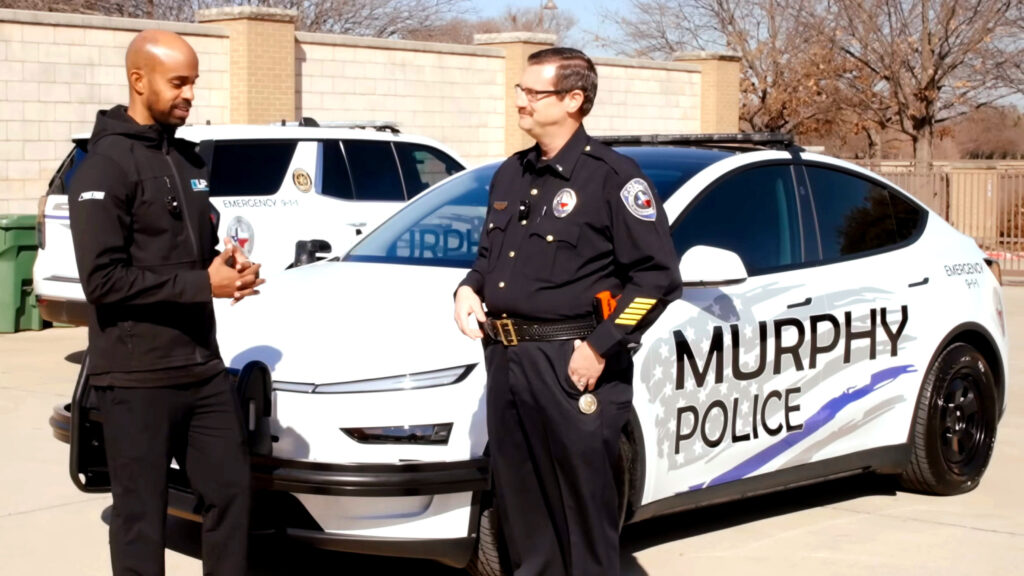
The Murphy Police Department in North Texas has become the first agency to roll out the refreshed 2026 Tesla Model Y Patrol, upgraded by Unplugged Performance. Instead of committing to a full fleet replacement, the department is running the EV in real-world conditions to see how it holds up to daily patrol duty.

Officials say the more persuasive case is financial. Each cruiser is projected to deliver measurable savings compared to a traditional ICE-powered patrol vehicle.

More: There’s A New Contender For The World’s Coolest Police Car

According to data from the City of Murphy, projected annual savings per vehicle range from $4,100 for single-officer units to as much as $12,000 for shared-shift cars clocking more than 140 hours per week. The bulk of that comes from eliminating fuel purchases, though the department will still incur electricity costs, along with a 75% reduction in maintenance compared to gasoline vehicles such as the Chevrolet Tahoe and Ford Explorer.

\\\\\\\\

No Idling Wear

The savings story does not stop at fuel and oil changes. EVs do not suffer engine wear from constant idling, which accounts for roughly 60% of a patrol car’s working life. As a result, they are expected to remain in service for up to twice as long as an ICE-powered equivalent.

More: Tesla Cybertruck Joins The Police, May Pull You Over This Year (If It Doesn’t Break Down)

Given that every hour spent idling is effectively equal to 33-35 miles (53-56 km) of driving wear, that difference adds up quickly. Without a combustion engine ticking away under the hood, the Model Y can sit on scene running lights, laptops, and climate control off its battery, without quietly shortening its lifespan.

Juniper Patrol Cars

\\\\\\\\\\\\\\\\\\\\

On the hardware front, the facelifted Tesla Model Y Juniper has been converted into a patrol unit by UP.FIT, the specialized fleet division of Unplugged Performance. Compared to the road-going version, it gains a front push bar, additional LEDs at the front and sides, a roof-mounted siren, and 18-inch forged aluminum wheels wrapped in pursuit-rated tires.

The police car is offered in RWD and AWD configurations, using the standard electric powertrains and delivering between 321-357 miles (517-574 km) of range per charge. That is more than enough for routine duty. And because police work occasionally involves pursuits, braking performance has been upgraded with six-piston calipers, stainless steel brake lines, specialized fluids, thermally upgraded components, and uprated rotors.

More: A Traffic Cop Just Got A 1,001 HP Company Car

Inside, officers get ventilated seats and improved sound insulation. Each vehicle is retrofitted with a customizable center console, a laptop mount, two weapon mounts, upgraded interior lighting, and a single rear prisoner partition.

Optional extras include ballistic protection for the front doors and custom reflective graphics.

UP.FIT has not disclosed the final MSRP for the Murphy units, though it insists the total cost of ownership undercuts everything else in the segment. Beyond the Model Y crossover, the company also offers police-ready conversions for the Cybertruck, Model S/X, and Model 3, in case your local department prefers its patrol cars in a different shape.

\\\\\

UP.FIT / Unplugged Performance

Used Tesla Prices Jump As Other EVs Crash Back To Earth

  • Used Tesla prices climbed after the tax credit ended.
  • Most other used EVs lost value as demand cooled.
  • The Porsche Taycan was the only non-Tesla EV to rise.

The loss of $7,500 federal tax credits should, in theory, have put every EV brand on an even footing, but Tesla and its customers decided to write their own script. While most electric car values have dropped since last fall, Tesla values are actually climbing.

According to a new study, used Tesla prices have risen 4.3 percent since the EV credit disappeared at the end of September 2025. Over the same period, nearly every other used EV dropped an average of 3.6 percent.

More: EV Sales Fell Off A Cliff, Yet New Car Prices Still Set Another Record

Because Teslas make up such a huge slice of the used EV pie, the average price of all used EVs actually went up 3.5 percent, painting a superficially rosy picture. Strip Tesla out of the equation and things look very different. Non-Tesla EVs slid from an average of $24,629 to $23,738. Meanwhile, used combustion cars dipped 2 percent.

Declining Share

 Used Tesla Prices Jump As Other EVs Crash Back To Earth

The iSeeCars study also found that used EV market share fell 20 percent between September and January, dropping from 3.5 percent to 2.8 percent. A year earlier, that share had been climbing, but now it is heading the other way. The early adopters already have their EVs. Mainstream buyers are apparently thinking harder about price, charging, and range.

Average Prices For 1- To 5-Year-Old Used Cars
SegmentSep ’25Jan ’26Diff.
EVs$29,637$30,666+3.5%
ICE$31,900$31,249-2.0%
SWIPE

Look at individual models and the pattern gets clearer. Lower-cost EVs like the Hyundai Kona Electric, Volkswagen ID.4, Kia Niro EV and Nissan Leaf all lost between roughly five and six percent of their value. Meanwhile Tesla Model 3 and Model Y prices ticked up, as did those for the Porsche Taycan, the only non-Tesla EV to experience a jump in values.

New EV Prices Down

 Used Tesla Prices Jump As Other EVs Crash Back To Earth
Tesla

New EVs tell a similar story. Excluding Tesla, which iSeeCars doesn’t have data for, average new EV prices dropped 2.3 percent, while new internal combustion vehicles rose 2.5 percent. Some mainstream EVs like the Hyundai Ioniq 5 and Chevrolet Equinox EV saw even steeper cuts.

Carmakers are clearly trying to replace that vanished tax credit with old fashioned discounting, but falling EV sales figures since tax credits disappeared tells us it’s not a complete fix.

Average Used EV Prices
 Used Tesla Prices Jump As Other EVs Crash Back To Earth
ModelSep ’25Jan ’26Diff.
Hyundai Kona Electric$21,020$19,678-6.4%
Volkswagen ID.4$23,307$21,860-6.2%
Kia Niro EV$21,128$20,024-5.2%
Ford Mustang Mach-E$30,575$29,014-5.1%
Nissan LEAF$16,360$15,606-4.6%
Polestar 2$26,006$25,508-1.9%
Tesla Model Y$29,603$29,989+1.3%
Tesla Model 3$25,061$25,701+2.6%
EV Average$29,637$30,666+3.5%
Porsche Taycan$74,465$77,552+4.1%
Tesla Model S$47,226$51,249+8.5%
Tesla Model X$51,973$57,306+10.3%
SWIPE
Average New EV Prices
 Used Tesla Prices Jump As Other EVs Crash Back To Earth
ModelSep ’25Jan ’26Diff.
Hyundai IONIQ 5$52,273$45,068-13.8%
Chevrolet Equinox EV$42,373$38,687-8.7%
Jeep Wagoneer S$58,377$53,568-8.2%
Ford F-150 Lightning$70,482$65,722-6.8%
Volkswagen ID. Buzz$65,753$61,425-6.6%
Kia Niro EV$39,363$37,267-5.3%
Dodge Charger$55,873$53,195-4.8%
GMC Sierra EV$78,897$75,302-4.6%
Kia EV6$50,664$48,732-3.8%
Kia EV9$64,125$61,749-3.7%
Volvo EX90$86,343$83,867-2.9%
EV* Average$63,327$61,860-2.3%
Audi A6 Sportback e-Tron$67,718$70,338+3.9%
Lucid Air$91,479$96,256+5.2%
Audi Q6 e-Tron$68,250$72,052+5.6%
Audi Q4 e-Tron$57,622$60,867+5.6%
Volvo EX40$55,343$59,239+7.0%
Mercedes-Benz EQS (SUV)$109,614$123,643+12.8%
SWIPE

Tesla Still Rules EV Satisfaction, Though One Rival Just Caught Up

  • EV owner satisfaction has reached an all-time high.
  • Best models come from Tesla, BMW, and Cadillac.
  • Most EV owners would consider getting another one.

Electric vehicles have come a long way in the past few years, and the progress is finally showing up where it matters most: in owner satisfaction. According to the latest data, these steady gains in technology and infrastructure are translating into record-high approval from drivers.

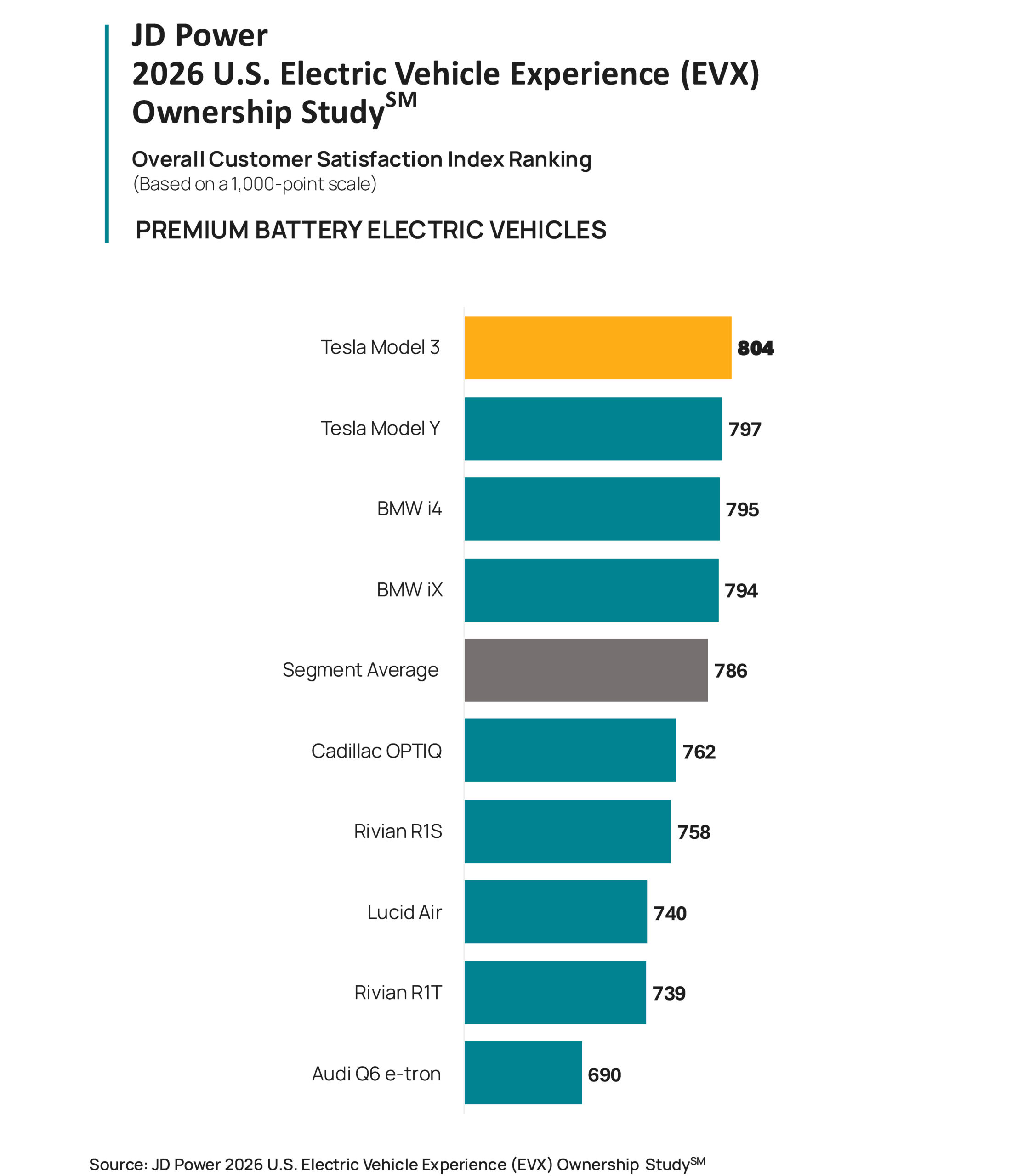
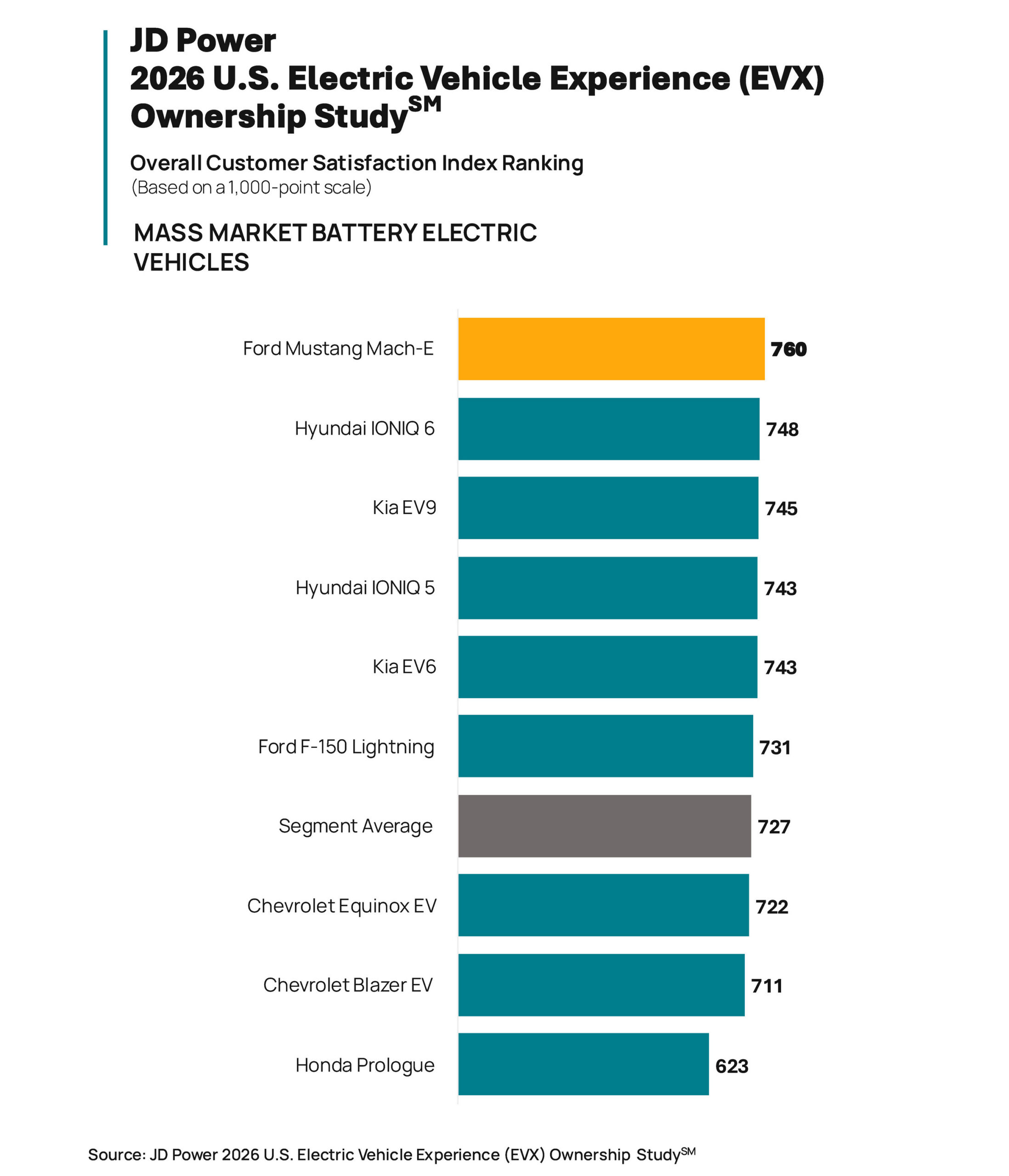
That’s the verdict from JD Power’s 2026 U.S. Electric Vehicle Experience Ownership Study, which found premium EV satisfaction climbed from 756 points last year to 789 in 2026. Mainstream EVs also improved two points to hit 727 out of 1,000.

More: A Third of Americans Are Priced Out Of New Cars, And It’s Getting Worse

The highest rated premium EVs were the Tesla Model 3 (804), Tesla Model Y (797), and BMW i4 (795). On the flip side, the new Audi Q6 e-tron came in dead last at 690. It placed well below the Lucid Air (740) and Rivian R1T (739).

 Tesla Still Rules EV Satisfaction, Though One Rival Just Caught Up

Segment Standouts And Stragglers

On the mass market side of the equation, the Ford Mustang Mach-E took top honors with a score of 760. The electric pony car was followed by the Hyundai Ioniq 6 (748) and Kia EV9 (745). Interestingly, the two lowest rated EVs were the Chevrolet Blazer EV (711) and Honda Prologue (623). That’s a huge point spread considering both models are built by GM and have a lot in common.

Of course, things aren’t completely straightforward as the study examined ten different factors. This includes the “accuracy of stated battery range, availability of public charging stations, battery range, cost of ownership, driving enjoyment, ease of charging at home, interior and exterior styling, safety and technology features, service experience, and vehicle quality and reliability.”

Encouragingly, 96 percent of EV owners said they would consider buying or leasing another one and the study also found quality has improved. That’s especially true of premium EVs, which had 15.9 fewer problems per 100 vehicles compared to last year. This brought the total down to 75 and JD Power said this was driven by noise improvements as well as fewer problems with driver assistance technology.

 Tesla Still Rules EV Satisfaction, Though One Rival Just Caught Up

Is Charging Still A Concern?

The study also found that EV drivers are becoming more satisfied with public charging. Scores climbed by over 100 points and this is being attributed to growing charging infrastructure as well as the opening of Tesla’s Supercharger network to other automakers.

Last but not least, EV drivers are more satisfied than those with plug-in hybrids. Premium EVs scored 114 points higher than their PHEV rivals, while mainstream electric vehicles had a 117 point advantage. Part of this can be chalked up to the cost of ownership as plug-in hybrid drivers have to deal with a more complex powertrain that involves gas and electricity.

In a statement, JD Power’s Brent Gruber said “Improvements in battery technology, charging infrastructure and overall vehicle performance have driven customer satisfaction to its highest level ever. What’s more, the vast majority of current EV owners say they will consider purchasing another EV for their next vehicle, regardless of whether they benefited from the now-expired federal tax credit.”

 Tesla Still Rules EV Satisfaction, Though One Rival Just Caught Up

Tesla Avoids A Massive California Ban By Junking Its Most Famous Feature

  • Tesla drops Autopilot term in California to avoid license suspension.
  • Brand’s new models now only come with cruise control as standard.
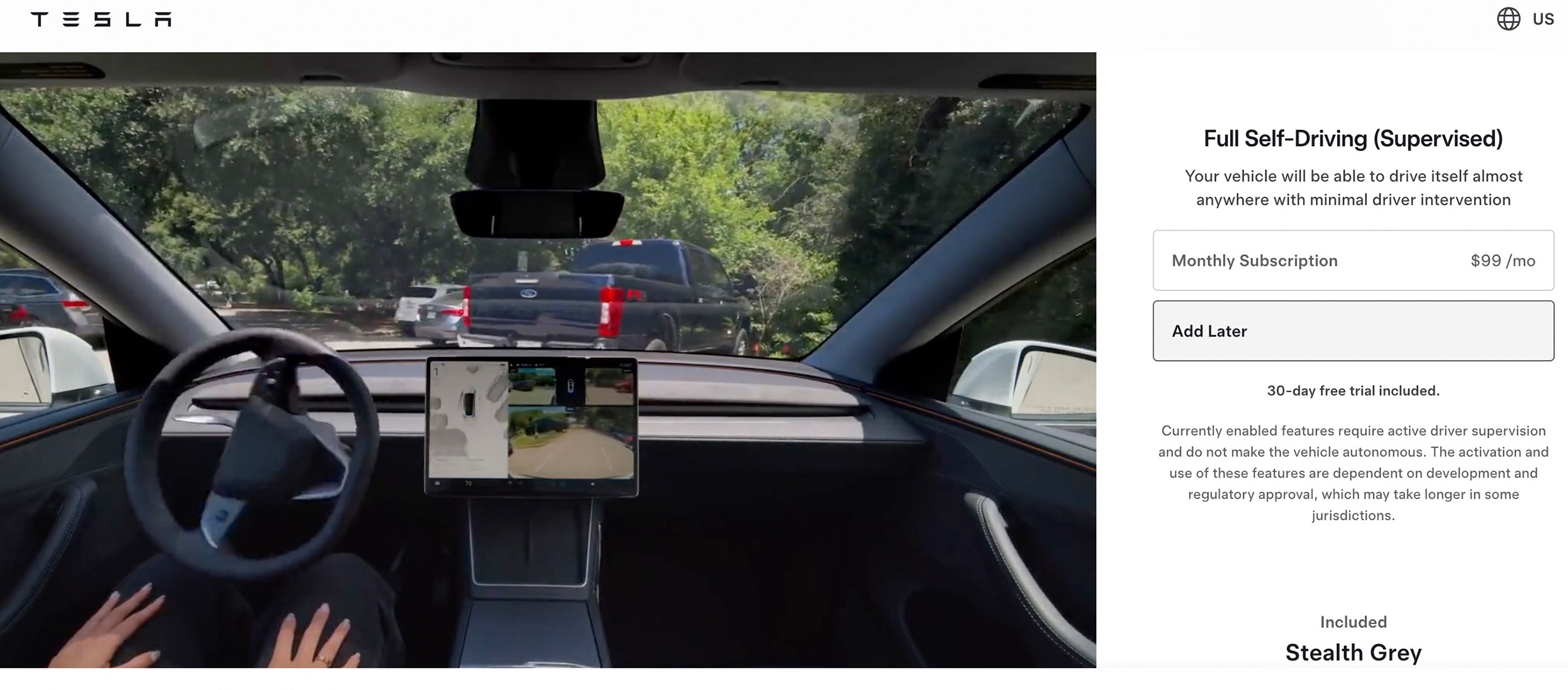
  • EV buyers are being pushed towards $99 FSD subscriptions instead.

After years of sparring with California regulators, Tesla has agreed to stop using its famous Autopilot term in the state, neatly sidestepping a 30-day suspension that would have frozen sales in its biggest US market with nearly 180,000 deliveries last year.

More: Tesla Quietly Kills Standard Autopilot, Now Wants $99 A Month To Give It Back

The California Department of Motor Vehicles (DMV) wasn’t amused by Tesla’s marketing language, arguing that phrases like “Autopilot” and “Full Self Driving Capability”, later softened to “Full Self-Driving (Supervised)”, gave buyers the impression their cars could drive themselves. The DMV pointed out that they can’t now, and never could, operate as autonomous vehicles.

The formal accusations were filed in 2023, though regulators traced the issue back to marketing language used as early as May 2021. At the time, Tesla described its system as capable of handling short and long-distance trips with no action required by the person in the driver’s seat, a claim the DMV said crossed a legal line.

60 Days To Find A Fix

A judge agreed and proposed suspending Tesla’s dealer and manufacturer licenses for a month. That would have been awkward timing for a company trying to convince the world that robotaxis are just around the corner. The DMV offered Tesla 60 days to fix the issue before the suspension started, and instead of digging in, Tesla wisely took corrective action.

“The DMV is committed to safety throughout all California’s roadways and communities,” said DMV Director Steve Gordon. “The department is pleased that Tesla took the required action to remain in compliance with the State of California’s consumer protections.”

So Autopilot, as a marketing term, is now gone in California (though you’ll still find it on the brand’s EVs elsewhere in the world). The company had already softened Full Self Driving into Full Self Driving Supervised to make it crystal clear that, no, the car is not fully autonomous. By complying with the deadline, Tesla avoided the suspension and kept the revenue rolling in.

 Tesla Avoids A Massive California Ban By Junking Its Most Famous Feature

Autopilot Feature Phased Out

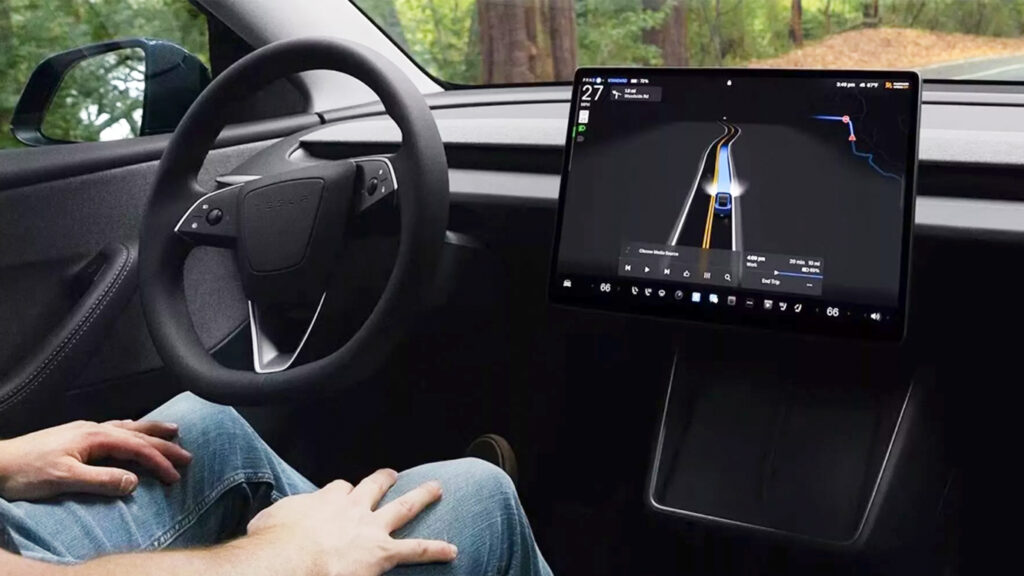
This is not just a word swap, though. We reported last month that Tesla had already begun phasing out the previously standard Autopilot system on its cars, replacing it with Traffic Aware Cruise Control and pushing buyers toward a $99 per month Full Self Driving subscription.

Lane centering that rivals include as standard now lives behind a paywall, and CEO Elon Musk has hinted that the subscription price could rise over time. From a business perspective, it’s clever, but from a branding perspective, it looks like a climbdown.

Autopilot was one of Tesla’s most recognizable terms, though it was also one due to be left behind in the coming years as the far more sophisticated FSD improves to the point where it really can deliver full self-driving.

 Tesla Avoids A Massive California Ban By Junking Its Most Famous Feature
Tesla

Tesla Faces A Reckoning As This New SUV Outsold The Model Y Two To One

  • Chinese tech giant sold 37,869 YU7s in the first month of the year.
  • Geely placed two strong sellers in the national top five chart.
  • VW posted several top sellers despite the wider market slowdown.

January tested the resilience of China’s auto market, exposing fault lines for some brands while spotlighting the rare breakout success. Many domestic manufacturers reported sales declines, with BYD among the most notable names to feel the squeeze. Yet even in a cooling climate, certain models found remarkable momentum. None more so than the Xiaomi YU7.

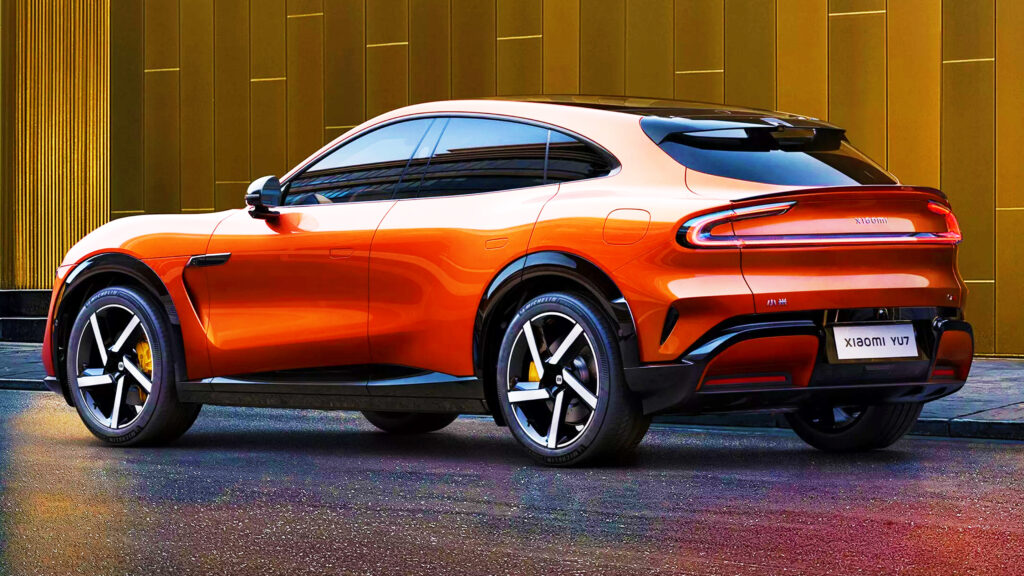
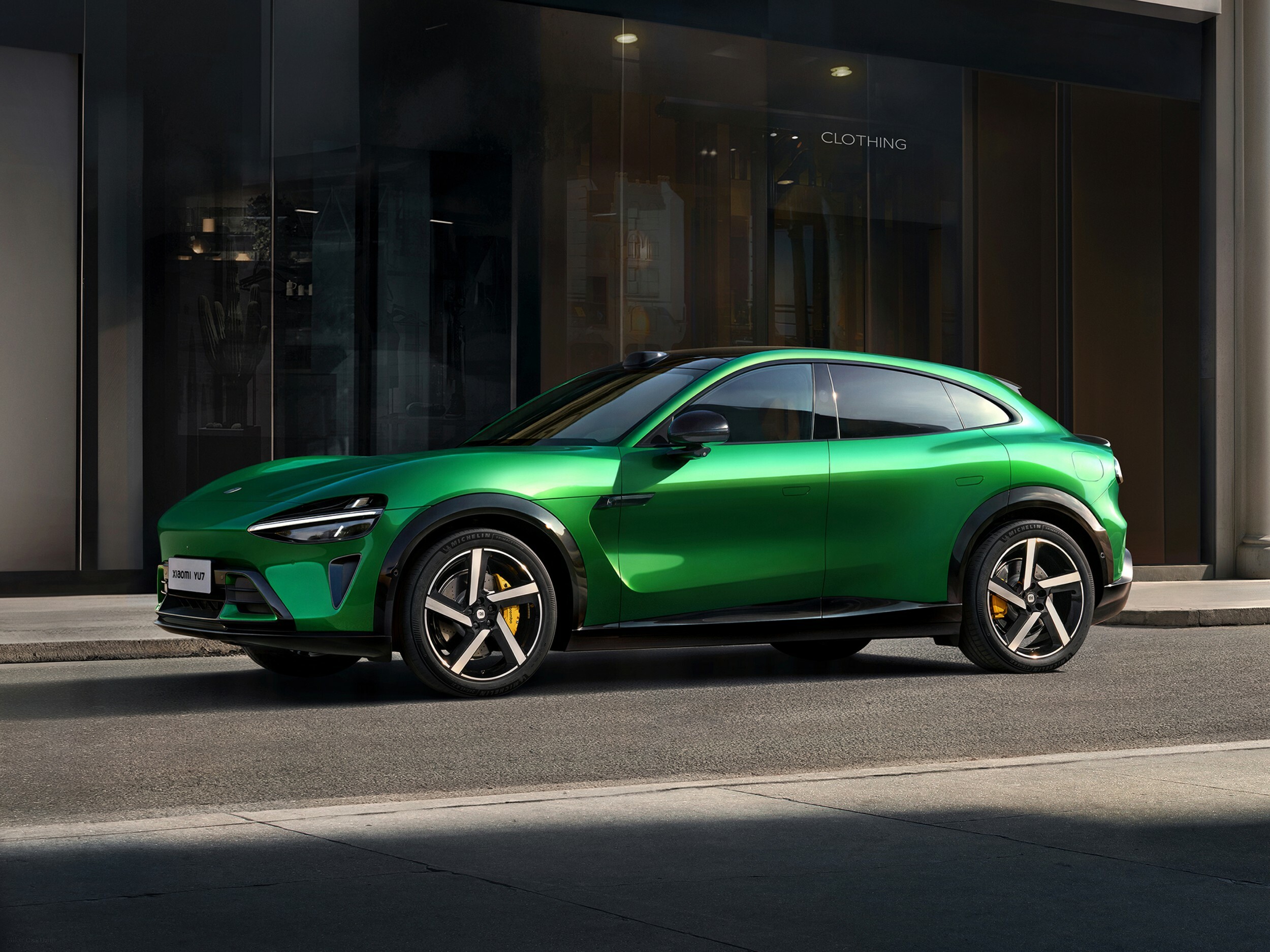
The all electric SUV, positioned as a rival to the Tesla Model Y and styled with more than a passing resemblance to the Ferrari Purosangue, was the best-selling new vehicle in China last month.

Read: This Ferrari SUV Lookalike From China Makes More Power Than The Real One

According to figures shared by Autohome, it moved 37,869 units, comfortably ahead of the Geely Boyue L in second place with 34,176 sales. The Geely Geome Xingyuan followed with 29,007, while the Aito M7 secured fourth with 26,454 units.

 Tesla Faces A Reckoning As This New SUV Outsold The Model Y Two To One

The presence of two Geely models in the top 5 best-sellers reflects a strong month for the group, with sales up 1 percent year-on-year to more than 270,000 units. The M7 from Aito, backed by Huawei and Seres, also surged in popularity, as did other models from the brand, helping it deliver more than 40,000 vehicles, a surge of over 80 percent from January 2025.

Sales of the YU7 in China have remained strong in recent months. December saw 39,089 units sold, making it the third best selling new car in China at the time. That figure represented a clear rise from November’s 33,729 and October’s 33,662.

It has also moved decisively ahead of the Tesla Model Y, selling more than twice as many units. The Model Y ranked only 20th last month, with 16,845 sales, a result that would have seemed unlikely not long ago. In fact, it was China’s best-selling model in December.

Familiar Names Climb The Charts

 Tesla Faces A Reckoning As This New SUV Outsold The Model Y Two To One
VW Sagitar

Perhaps the biggest surprises came from Volkswagen. It ranked fifth in China’s top 20 best-selling cars last month, led by the Sagitar with 25,316 units sold. VW also sold 23,481 Lavidas, 21,330 Tiguan Ls, 20,799 Passats, and 19,306 Magotans. In addition, the Nissan Slyphy sold 24,209 units, indicating that not all hope is lost for legacy carmakers in the country.

Things weren’t so rosy for BYD. It sold 205,518 vehicles in China last month across its brands, a significant decline from the 300,538 in January 2025. Only one of its models entered the top 20, the Fang Cheng Bao Ti7, which ranked 18th with 17,116 units sold.

China New Car Retail Sales January 2026
RankModelUnits
1Xiaomi YU737,869
2Geely Boyue L34,176
3Geely Geome Xingyuan29,007
4Aito M726,454
5Volkswagen Sagitar25,316
6Nissan Sylphy24,209
7Geely Xingyue L23,815
8Volkswagen Lavida23,481
9Volkswagen Tiguan L21,330
10Volkswagen Passat20,799
11Toyota Corolla20,188
12Volkswagen Magotan19,306
13Geely Xingrui19,027
14Honda CR-V18,900
15Toyota Frontlander18,629
16Nio ES817,645
17Toyota Camry17,426
18Fang Cheng Bao Ti717,116
19Li Auto i616,883
20Tesla Model Y16,845
SWIPE

Sources: Autohome, Carnewschina

Trapped In His Tesla, He Said “I Can’t Get Out” Before It Was Too Late

  • Samuel Tremblett, 20, died after his Tesla caught fire.
  • He called 911, saying he was trapped inside the car.
  • His body was later found in the Model Y’s rear seat.

Tesla has been hit with yet another lawsuit related to its electrically powered doors. Last week, the mother of a 20-year-old man who died following a collision in a 2021 Tesla Model Y filed a lawsuit against the automaker. The complaint was submitted to federal court in Massachusetts.

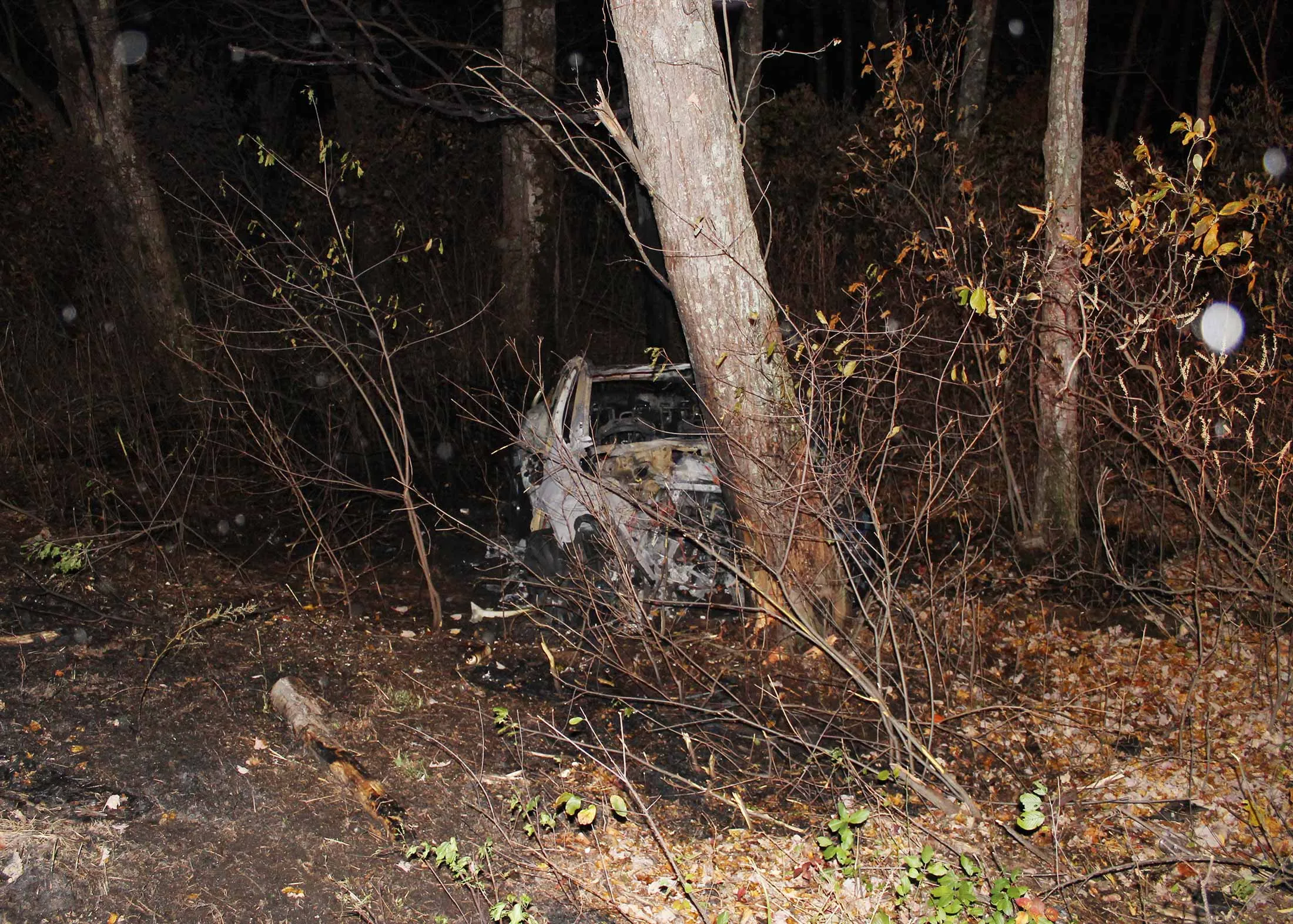
According to the filing, Samuel Tremblett was still alive after crashing his Model Y into a tree along Route 138 in Easton, a small town just south of Boston. He managed to dial 911 from inside the car, but a transcript of the call reveals he was unable to open the doors as fire began to engulf the car.

Trapped And Unable To Escape

“I’m stuck in a car crash,” Tremblett said on the call, no doubt in a frenzied state. “I can’t get out, please help me. I can’t breathe…It’s on fire…I’m going to die.”

Read: Families Claim Tesla Door Handles Trapped Teens In Burning Cybertruck

Emergency crews were dispatched to the scene, but they couldn’t extinguish the blaze fast enough to save the young man. According to local media, fire responders heard four explosions from the Model Y within the first 10 minutes at the scene. It took four hours before the inferno was put out.

 Trapped In His Tesla, He Said “I Can’t Get Out” Before It Was Too Late
The Tesla Model Y driven by Samuel Tremblett/Easton Police Department

The lawsuit states that Tremblett suffered “catastrophic thermal” injuries as well as smoke inhalation. His body was found in the back seat of the Model Y. According to the complaint, he was unable to open the doors after the crash and succumbed to the fire before help could reach him.

How Tesla Doors May Fail

The lawsuit claims that the electronic exterior door handles on the Tesla Model Y may fail to open during a crash, making it impossible to access the vehicle from outside. In addition, the suite says that the interior mechanical door release is not clearly marked and may be difficult to locate.

This is especially problematic in the rear, where the emergency release is hidden beneath a plastic panel in the door pocket. It’s a simple cable, and many Model Y owners and/or passengers may not even realize it’s there.

The lawsuit cites 17 incidents, going back to 2016, in which Tesla reportedly received complaints of both adults and children becoming trapped inside vehicles during thermal runaway events.

 Trapped In His Tesla, He Said “I Can’t Get Out” Before It Was Too Late

Growing Regulatory Pressure

A recent report from Bloomberg says that at least 15 people in the US have been killed in crashes involving Tesla vehicles where the doors couldn’t be opened. Concerns over the operation of these electronic door handles have recently prompted a ban in China, and it’s possible that other countries could follow suit.

In the US, the National Highway Traffic Safety Administration announced in September that it is investigating potential defects in some Model Y vehicles. These cases involve incidents where the external door handles allegedly failed following collisions.

Meanwhile, a US lawmaker has proposed legislation that would require manual door releases in new vehicles and provide first responders with reliable access when power is lost.

 Trapped In His Tesla, He Said “I Can’t Get Out” Before It Was Too Late

Tesla’s Budget Model Y Gets Grip And Grit For $2K More, But Don’t Call It Standard

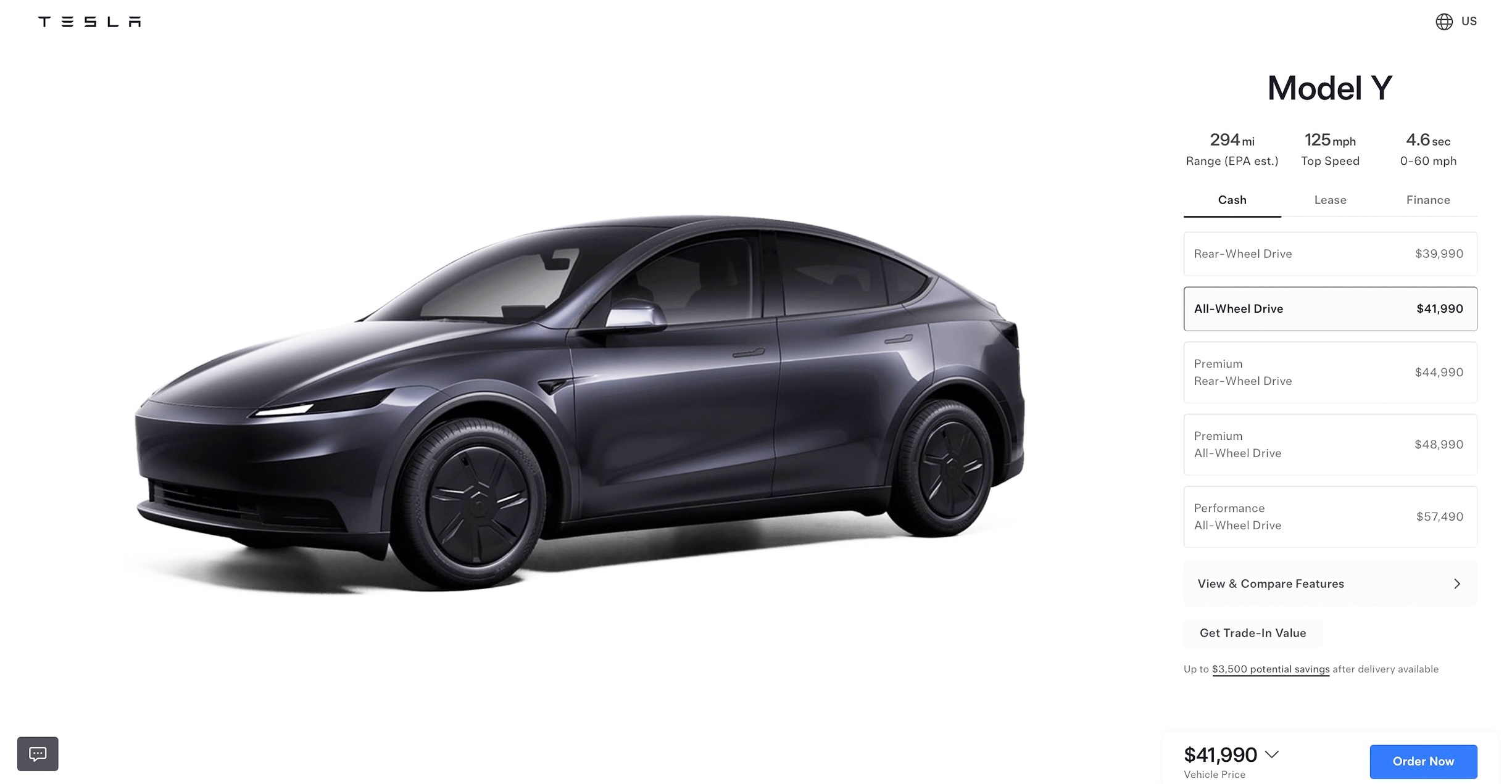
  • Tesla adds cheaper all-wheel drive Model Y for $41,990.
  • Hits 60 mph 2.2 seconds faster than the $39,990 RWD.
  • Bare spec is carried over, so no light bar or leather seats.

Affordability is a hot topic in America right now and Tesla is tapping into that by expanding on the base Model Y it announced last year. This updated version quietly drops the “Standard” trim name, adds all-wheel drive for improved traction, and knocks down the 0–60 mph (97 km/h) time. The tradeoff, however, is a notable drop in driving range.

The new Model Y AWD lands at $41,990, sliding between the $39,990 base RWD and $44,990 Premium RWD, while offering a big saving versus the $48,990 Premium AWD. For buyers who want extra traction and stronger acceleration without leaping to the more expensive models, this is the new sweet spot in the lineup.

Related: Luxury Sales Keep Surging As The Middle Class Quietly Gets Priced Out

Performance is where the extra cash shows. With a motor now powering the front wheels as well as the rear, this version slashes the zero to 60 sprint from 6.8 seconds to 4.6 seconds, exactly the same time the $7k pricier Premium AWD needs.

What You Lose

The trade off is range. The extra weight of the front motor means this Model Y gives up around 27 miles (44 km) compared with the 321-mile (517 km) rear-wheel drive version, dropping the EPA range to just 294 miles (473 km). The Premium RWD is rated at 357 miles (575 km) and the Premium AWD claims 327 miles (526 km).

 Tesla’s Budget Model Y Gets Grip And Grit For $2K More, But Don’t Call It Standard

What hasn’t changed when compared with the single motor base Model Y is the stripped back equipment list. This is still a no frills Model Y, with no front light bar, cloth seats instead of the Premium’s leather, a basic hifi with seven instead of 15 speakers, no FM radio, cheaper dampers, smaller wheels and manual rear air vents. And although the panoramic glass roof is still there, Tesla has covered it over with headliner to remind you you’re in the poverty-spec trim.

Sales Slip

The timing makes sense. Tesla sales have cooled in several markets, including the US, a situation exacerbated by the loss of federal EV tax credits, and small lineup tweaks are an easy way to spark fresh interest without developing an entirely new vehicle. A cheaper all wheel drive option broadens the appeal, especially in colder states where buyers like the security of power going to all four wheels.

\\\\\\\

Tesla

Tesla’s Sales Collapsed By Nearly 90% In The Land Of EVs

  • VW ID.3, Toyota bZ4X, and Urban Cruiser beat Model Y.
  • EVs made up 94 percent of all new car sales in Norway.
  • Tesla sales increased in Italy, Spain, Sweden, and Denmark.

It’s no secret that Tesla’s dominance in Europe has been under pressure for a while, but few expected just how steep the drop would be in one of its most loyal markets. While Elon Musk’s polarizing behavior and the rise of competitive alternatives have chipped away at Tesla’s popularity across the continent, one country had stood firm. Until now.

Read: Europe Just Replaced Tesla With A New EV Sales Champion

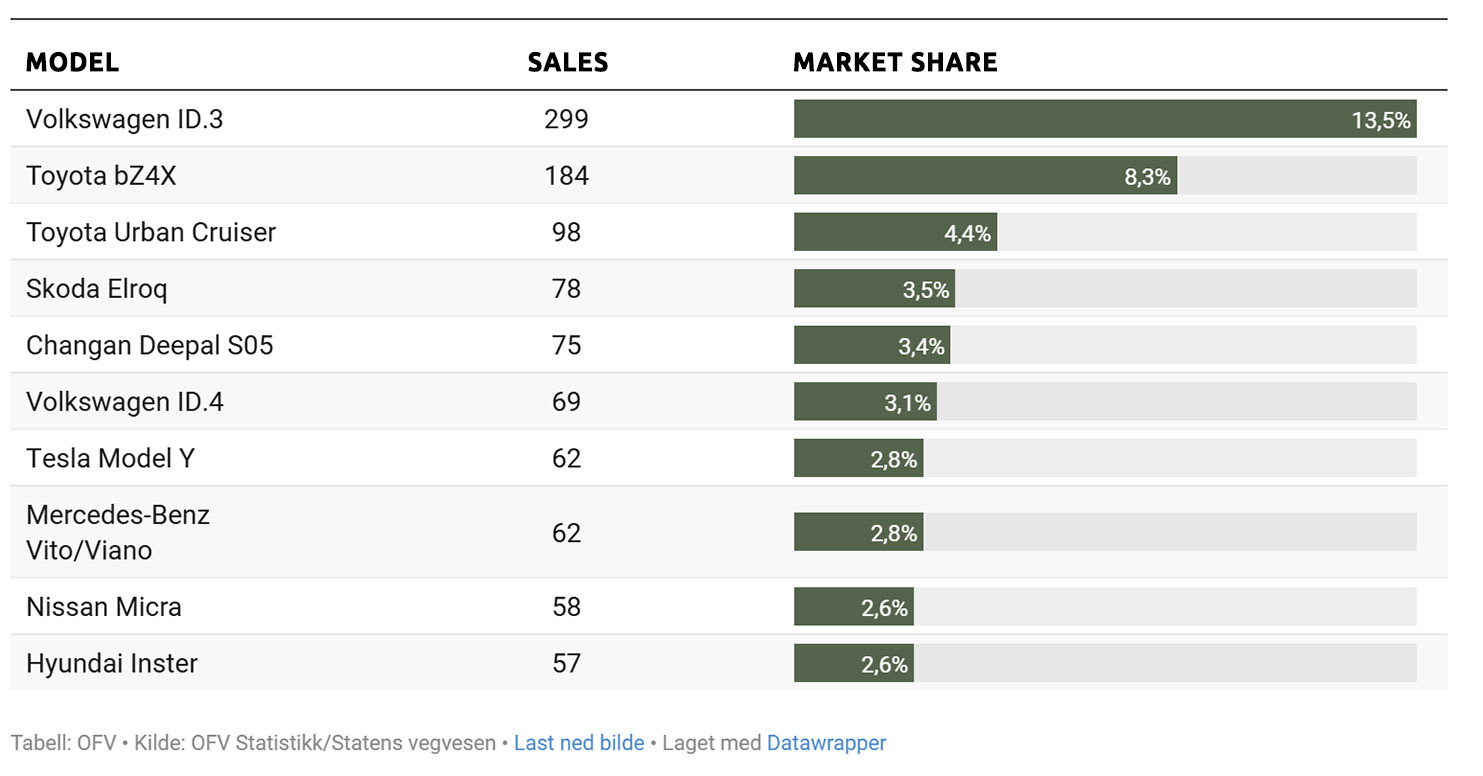
It turns out that even Norway, long considered Tesla’s European stronghold, may be losing interest. New registration data from January 2026 shows that only 62 units of the Tesla Model Y were delivered in Norway last month, accounting for just 2.8 percent of new car sales.

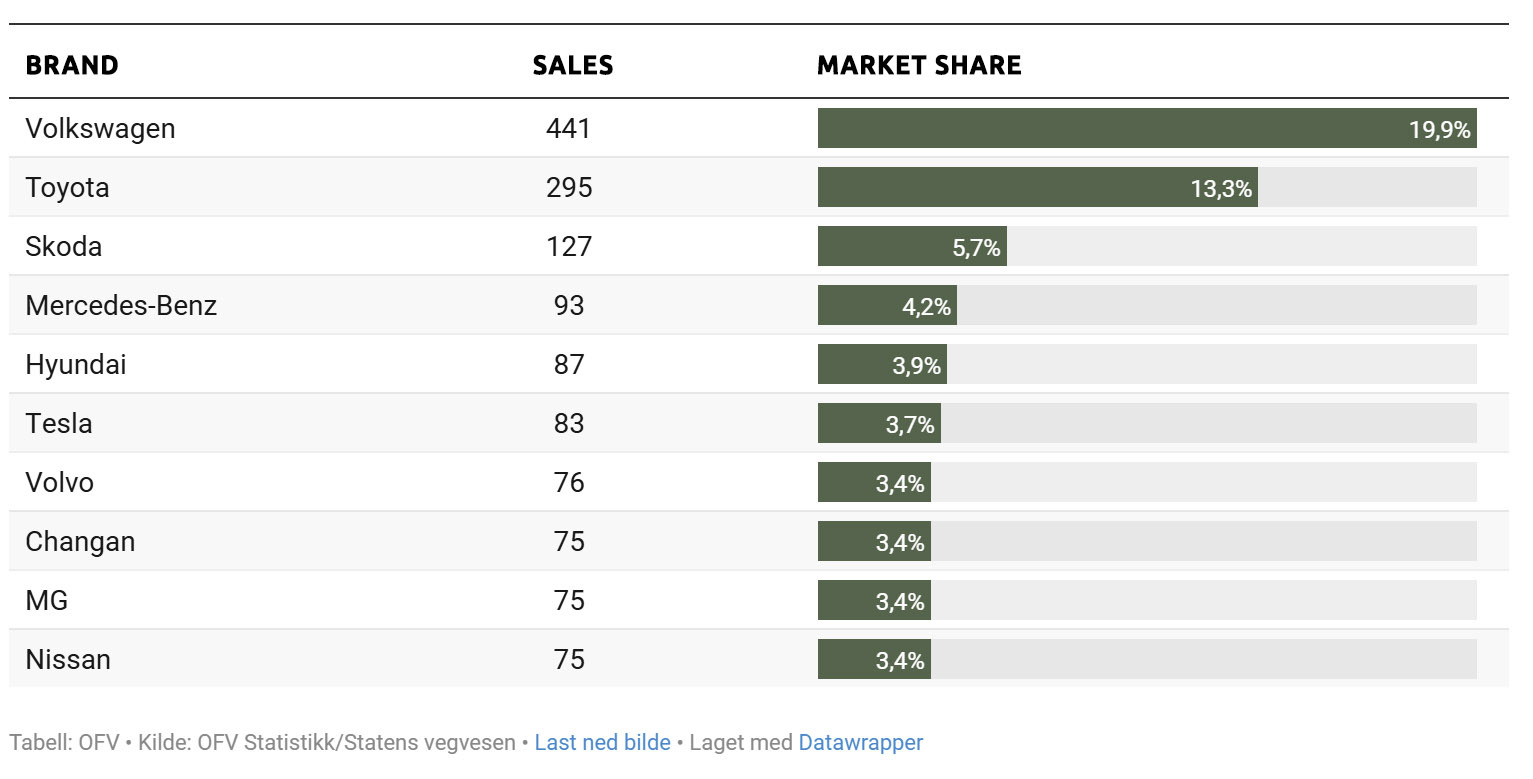
Across its full range, Tesla sold just 83 vehicles in total, marking an 88 percent decline compared to the same period last year.

Changing of the Guard

Several other electric vehicles now comfortably outpace the Model Y in Norwegian sales. Leading the pack in January was the Volkswagen ID.3, with 299 units registered, nearly five times as many as the Tesla.

Norway January 2026 Sales by Model
 Tesla’s Sales Collapsed By Nearly 90% In The Land Of EVs

The Toyota bZ4X followed with 184, ahead of the Toyota Urban Cruiser at 98 and the Skoda Elroq at 78. Even the relatively obscure Deepal S05 managed to beat the Model Y with 75 new registrations, while the Volkswagen ID.4 came in just above Tesla’s numbers with 69.

EVs Still Reign Supreme

Despite Tesla’s stumble, the Norwegian EV market remains overwhelmingly electric. A staggering 94 percent of all new vehicles sold in Norway last month were EVs. Diesel cars accounted for just 98 sales, while only 7 petrol-powered vehicles were registered across the entire country, the lowest number on record.

 Tesla’s Sales Collapsed By Nearly 90% In The Land Of EVs

While Tesla endured a difficult month in Norway, it did actually experience a bump in sales in certain European markets. For example, sales rose 70 percent in Spain to 456 examples. Additionally, sales jumped 75 percent in Italy to 713 units, rose 26 percent in Sweden to 512, and increased 3 percent in Denmark to 458.

Likely contributing to this growth are the newly available, affordable, and stripped-out versions of the Model 3 and Model Y. These Standard variants were introduced to breathe new life into Tesla’s aging lineup, which has been increasingly criticized for lagging behind newer, more dynamic competitors.

Still, Tesla’s European picture remains mixed. A Reuters report highlights significant losses in key markets: sales in France fell 42 percent, Belgium dropped 31 percent, and the Netherlands saw a dramatic 67 percent decline. In Portugal, the dip was modest but noticeable at just over 3 percent.

New Threats on the Horizon

It will be interesting to see how the rest of 2026 plays out for Tesla in Europe. A growing number of Chinese brands are launching several new models in Europe, and in the second quarter, BYD will start mass production at its plant in Szeged, Hungary, allowing it to sell EVs tariff-free in the region.

Norway January 2026 Sales by Brand
 Tesla’s Sales Collapsed By Nearly 90% In The Land Of EVs
❌