Ford has morphed the Explorer EV into a commercial vehicle in Europe.
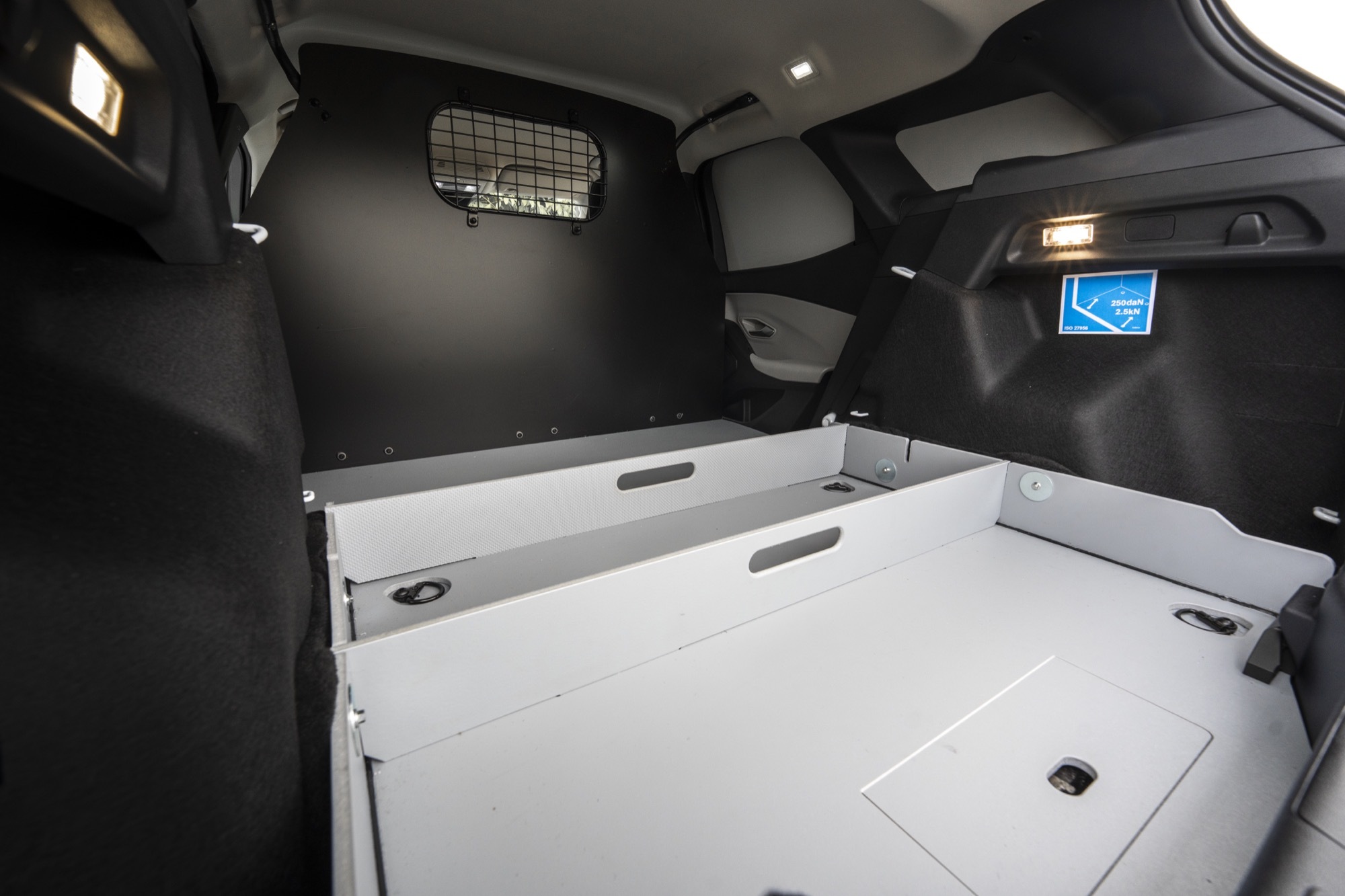
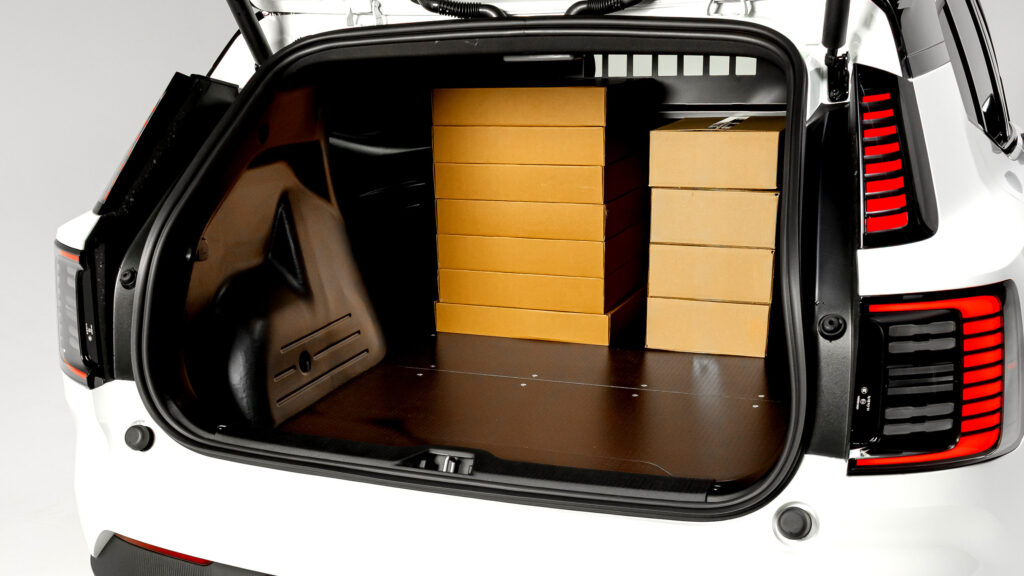
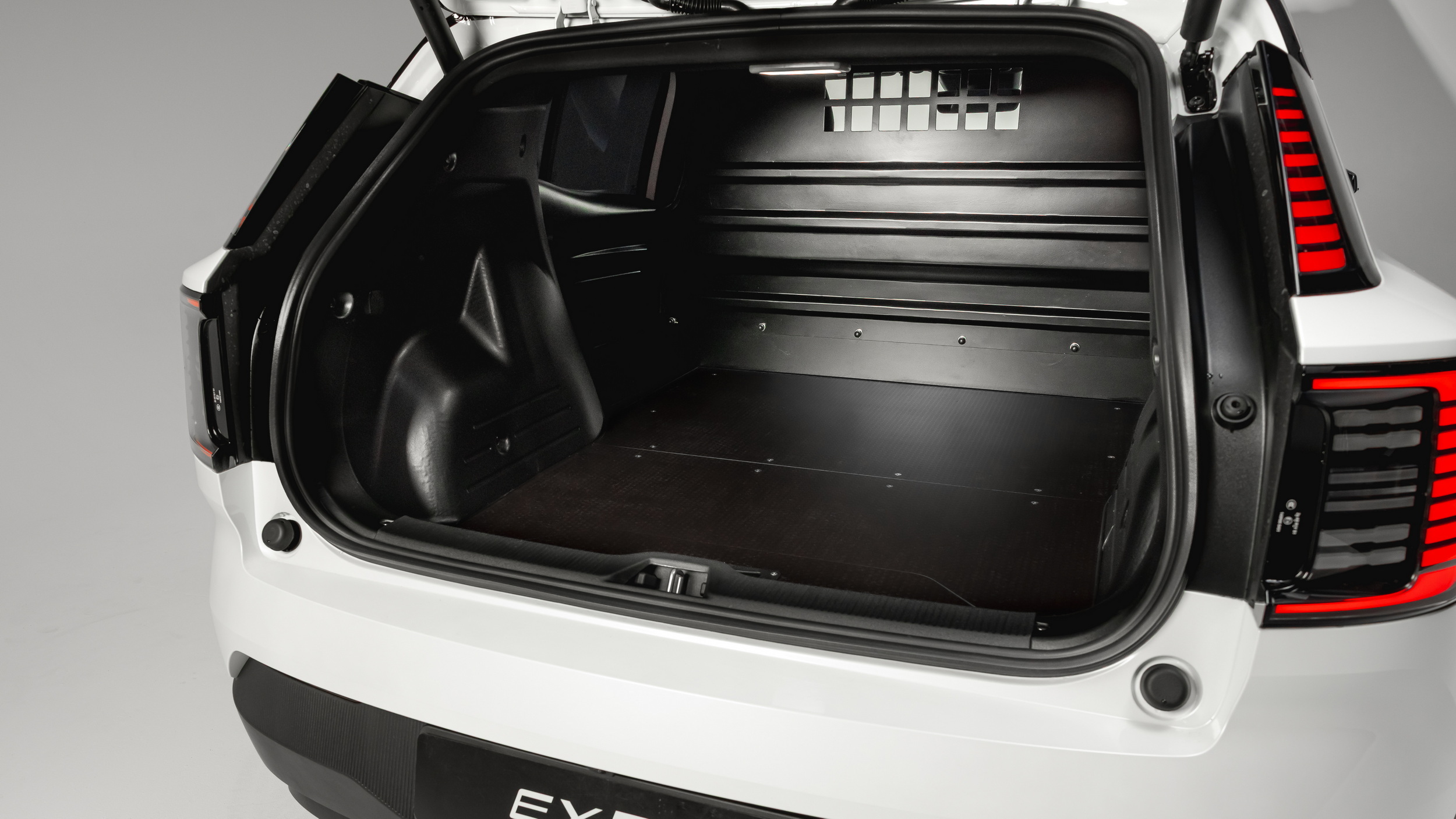
A fixed bulkhead has been added behind the front seats to boost space.
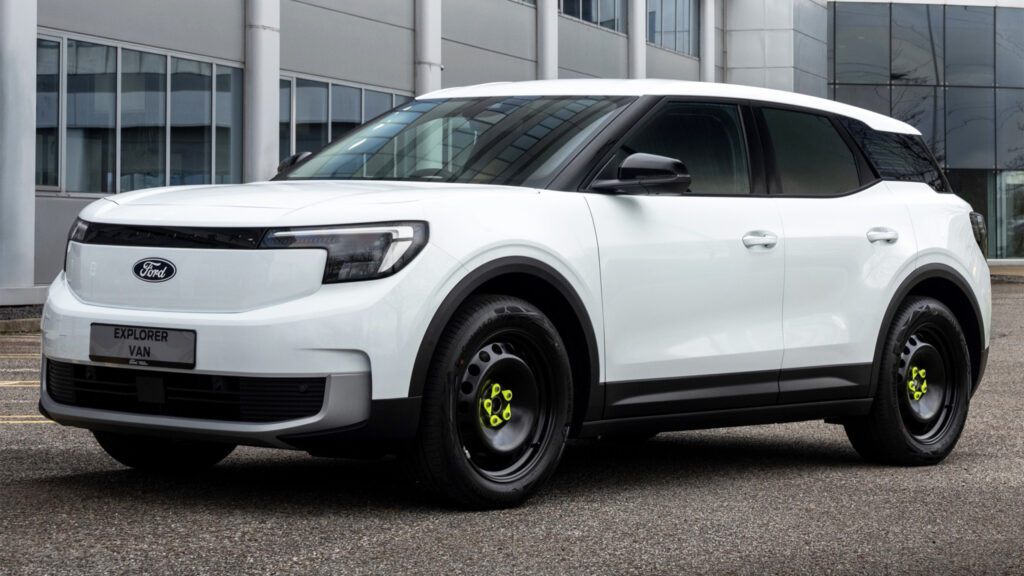
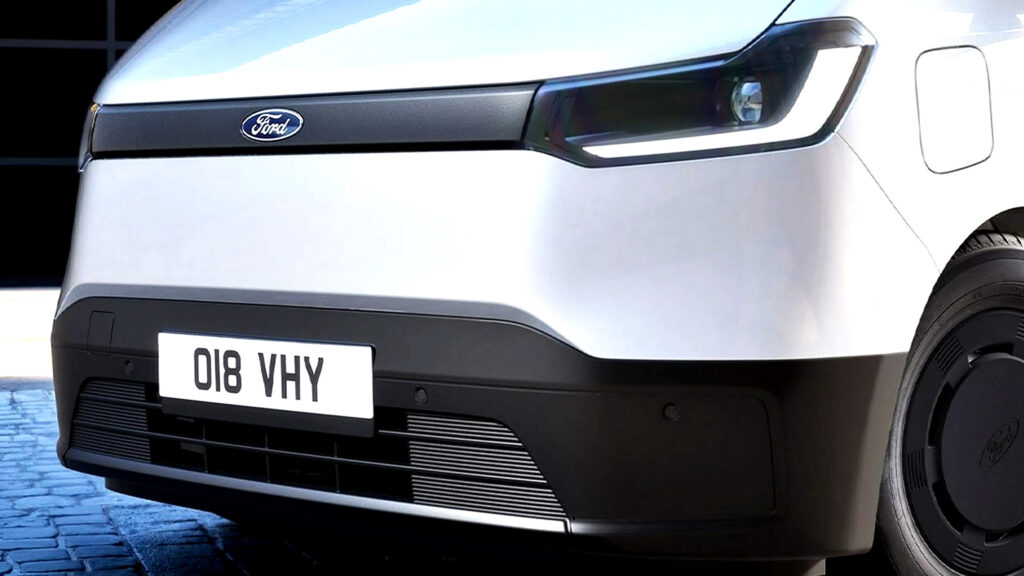
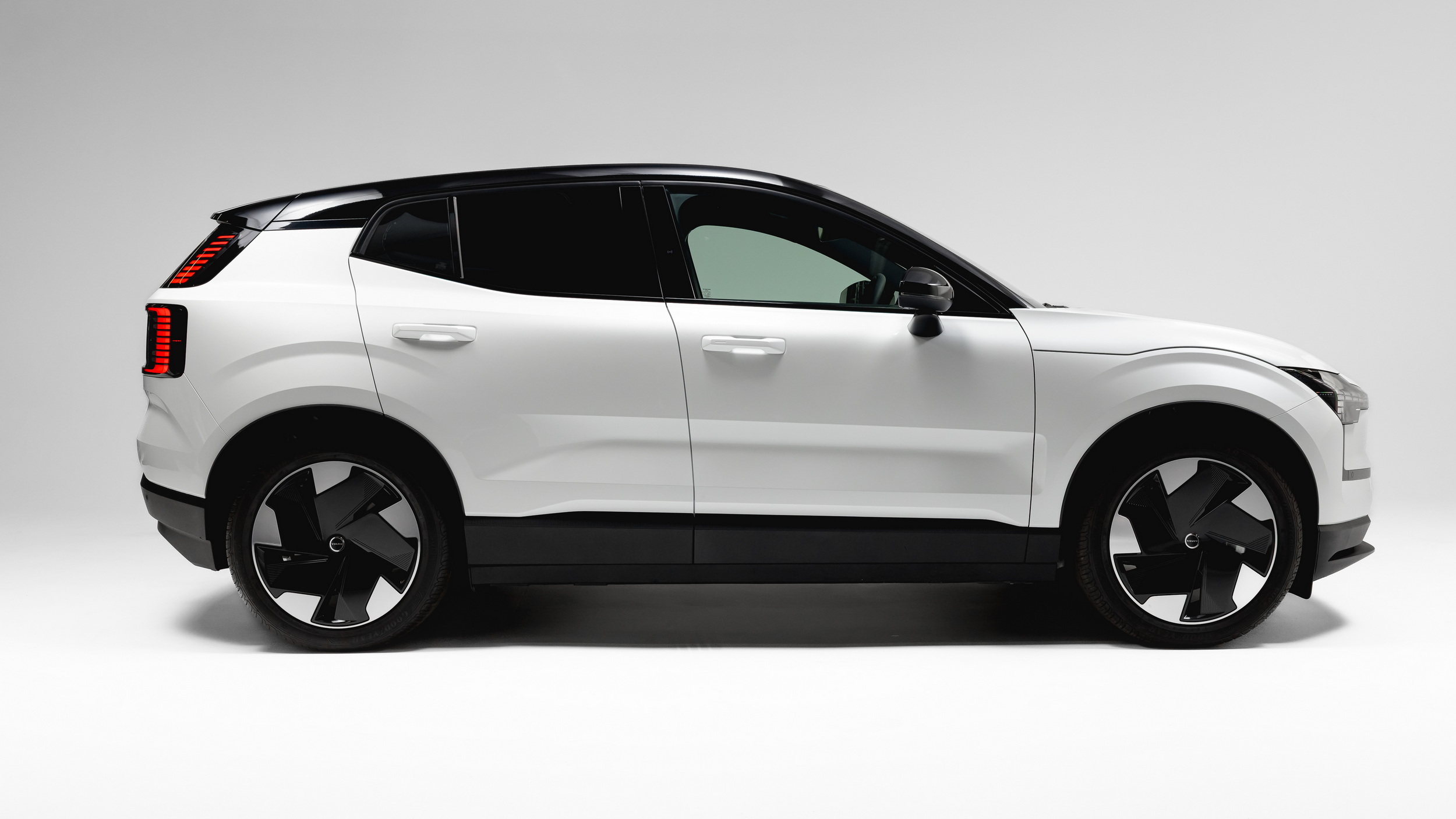
The Explorer Van is equipped with steel black wheels with yellow lug nuts.
This may look just like a base-level Ford Explorer EV, but thanks to some modifications, the all-electric SUV is now considered a commercial vehicle in Europe and has been rebadged the Explorer Van. While it may look like an undercover police car in America, it’s designed to carry things around, just like a Transit, albeit on a much smaller scale.
What starts out as a regular Explorer EV has been modified by Ford Pro’s Dagenham Conversion Centre in the UK and has been equipped with a permanent bulkhead behind the front seats, meaning it’s now considered a commercial vehicle rather than a passenger car. This offers purchasers important tax advantages and could prove popular among fleet buyers.
Beyond the inclusion of a new bulkhead, the Ford Explorer Van features a flat floor to maximize storage capacity, with several hooks and adjustable dividers. Those seeking even more practicality can order the EV with a Utility Pack, adding frunk storage, a roof rack, seat covers, and rear window mesh.
Ford also offers the stripped-down Explorer Van with a Commercial Pack that includes an amber lightbar, a tailgate work camp, and tailgate beacons, as well as a Welfare Pack with a fire aid kit and an eye washing and hand sanitizer station. Without a doubt, the most intriguing element of the EV is the simple, blacked-out steel wheels with bright yellow lug nuts. Add some blue and red lights and upgraded bumpers, and you’d have the perfect undercover SUV.
Two different powertrains are on offer. The base model is equipped with a rear-mounted electric motor delivering 282 hp and capable of towing up to 2,204 lbs (1,000 kg). An all-wheel drive version is also offered, complete with 335 hp and an improved 2,645 lbs (1,200 kg) towing rating. The rear-motor version can drive up to 374 miles (602 km) on a single charge, but no range figure has been announced for the dual-motor version just yet.
PROS ›› Great power, extremely spacious, refined CONS ›› Ioniq 9 is more luxurious, expensive, inefficient
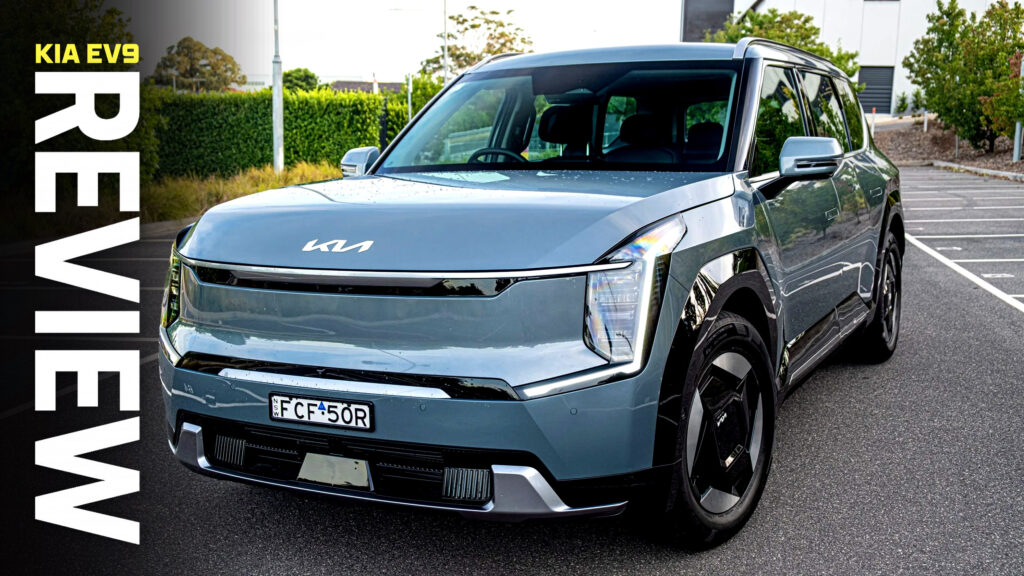
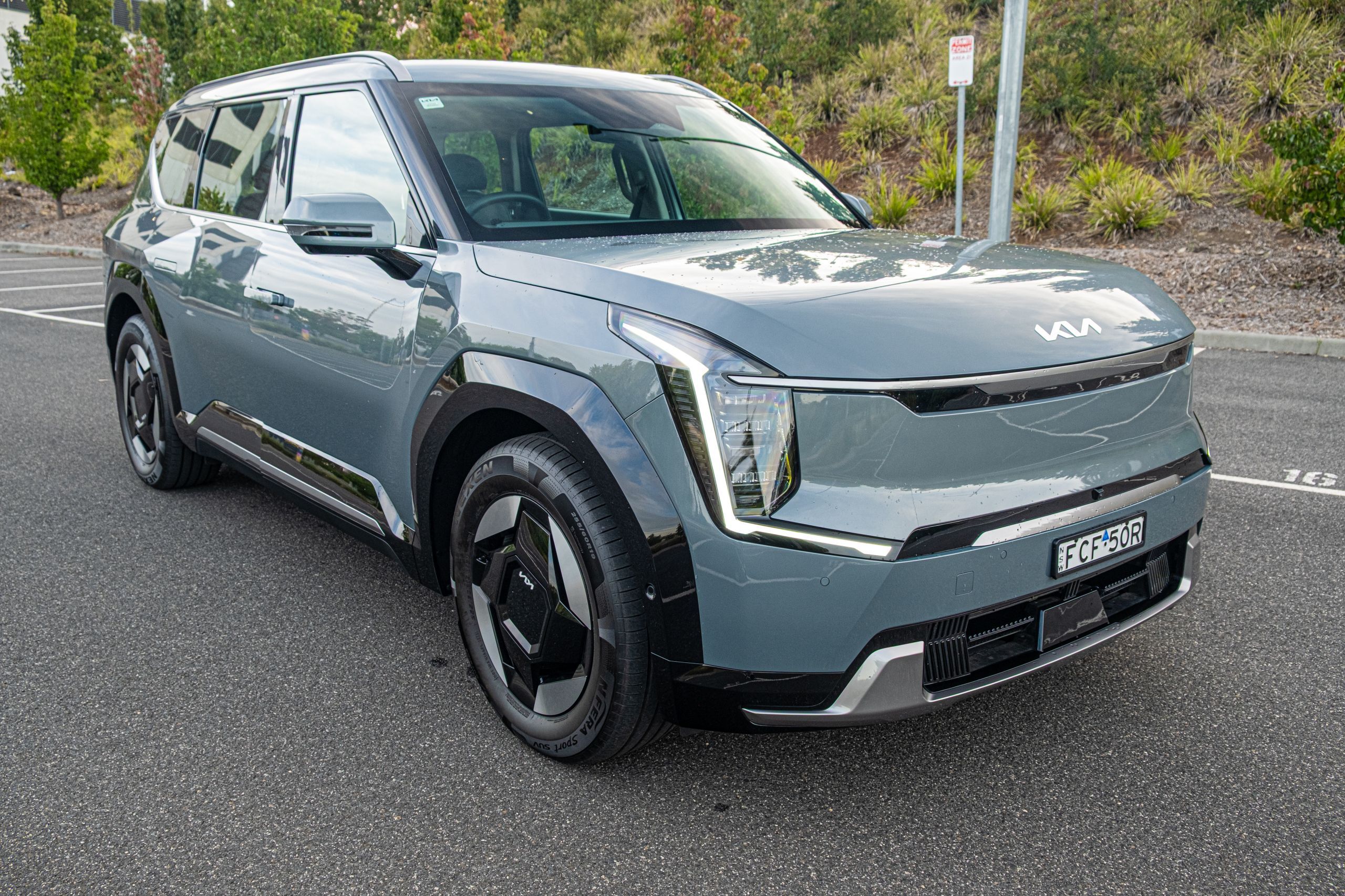
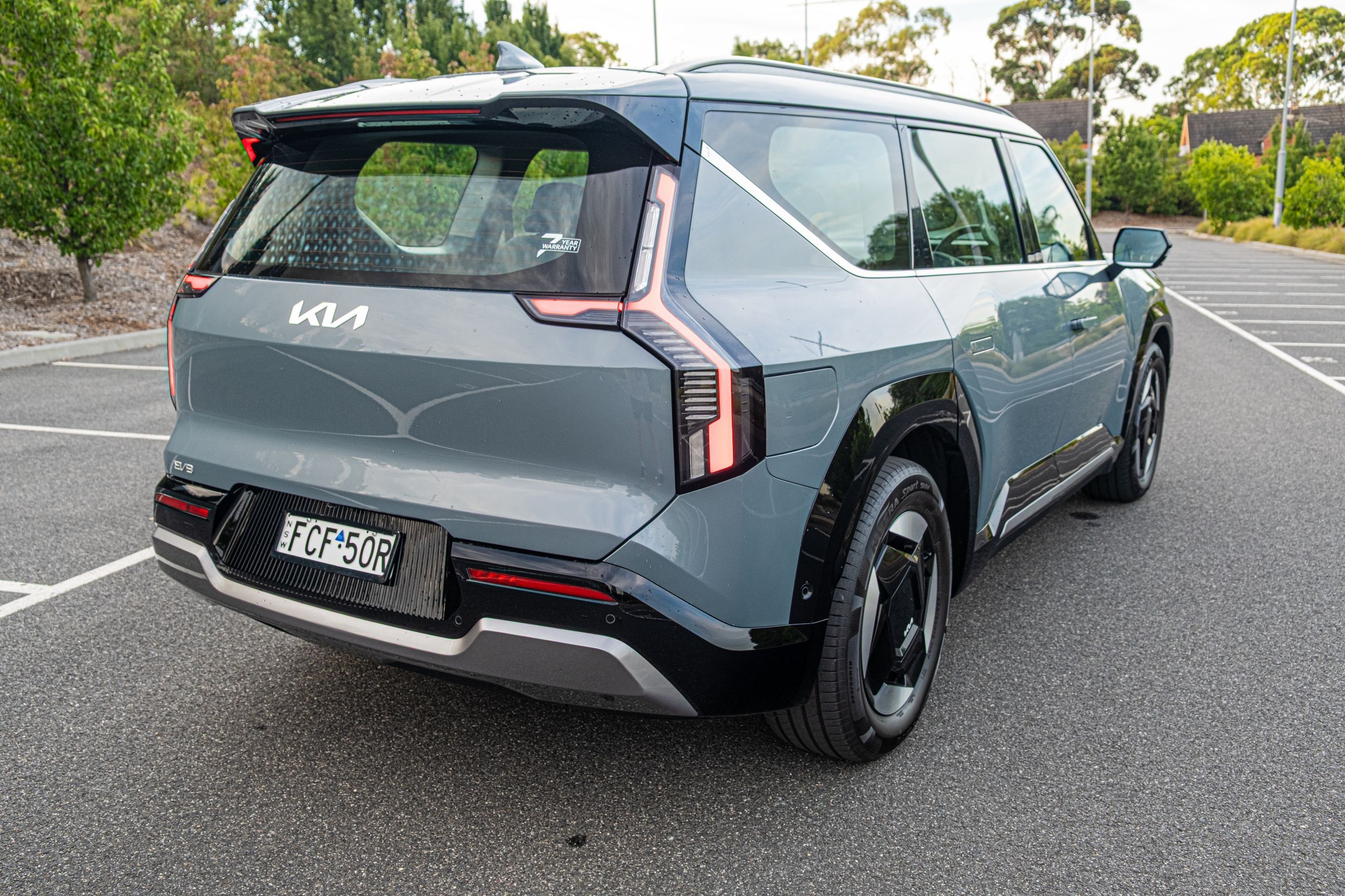
Kia’s EV9 arrived in Australia two years ago as the first fully electric SUV with three rows, and it didn’t try to blend in. The styling leaned hard into concept car territory, all sharp edges and presence, and it marked a turning point for the Korean brand as it pushed further upmarket. Locally, it wasn’t just another launch. It felt like a statement piece, and arguably the most important model Kia had put its name on in years.
In the two years since its launch, the segment hasn’t exactly exploded into life. Australia’s three-row EV space is still oddly thin, with only the Volvo EX90 and the sorted Hyundai Ioniq 9 joining the conversation so far. There’s also the looming arrival of the seven-seat Tesla Model Y L, which technically has three rows, in the same way a folding chair technically counts as living room furniture.
The question is, two years on, does the EV9 still hold the same appeal it had when it first launched, or has it been overshadowed by some of the newer competition? We spent a week with the mid-range Kia EV9 Earth to see where it now stands.
QUICK FACTS
› Model:
2026 Kia EV9 Earth
› Starting Price:
AU$119,273 ($84,231)
› Dimensions:
197.2 L x 78 W x 69.1 in H (5,010 x 1,980 x 1,755 mm)
› Wheelbase:
122 in wheelbase (3,100 mm)
› Curb Weight:
2,552 kg (5,626 lbs)
› Powertrain:
Dual electric motors / 99.8 kWh battery
› Output:
380 hp (283 kW) / 516 lb-ft (700 Nm)
› 0-62 mph
6.0 seconds
› Transmission:
Single speed
› Efficiency:
23 kWh/100 km as tested
› On Sale:
Now
SWIPE
Local prices for the EV9 have remained steady since the model’s introduction. While this is a good thing, it still remains pricey. The range starts with the Air, priced from AU$106,404 ($75,100) when factoring in all the on-road costs and fees, while the Earth we lived with kicks off from AU$119,273 ($84,231).
Then there’s the performance-focused GT, set to arrive shortly and expected to start just shy of AU$150,000 ($106,000). At that point, you’re not just shopping for a big electric SUV. You’re making a fairly serious financial statement.
Photos Brad Anderson/Carscoops
There’s a lot to like about the mid-range EV9 Earth on paper. It uses the same powertrain as the GT-Line, meaning there’s a 99.8 kWh battery pack and a pair of electric motors boasting 283 kW (380 hp) and 700 Nm (516 lb-ft) of torque. By comparison, the base model has a smaller 76.1 kWh pack and just a single, rear-mounted electric motor.
Kia quotes a solid driving range of 512 km (318 miles) in the EV9 Earth, the most of any model, as well as a 0-100 km/h (0-62 mph) time of 6.0 seconds. This is down from the GT-Line’s 5.3-second time and likely has to do with some electronic trickery, given it has the same powertrain.
Spacious, Functional, But A Bit Drab Interior
Photos Brad Anderson/Carscoops
Given the large footprint of the EV9, it should come as no surprise that the interior is absolutely vast. It’s a proper seven-seater – or six-seater when configured with the captain’s chairs – yet you quickly get used to the size of it.
Like other EV9 variants, as well as many other Kia EVs, the dashboard is dominated by a 12.3-inch infotainment display, a 5-inch climate control panel, and a 12.3-inch digital gauge cluster.
The implementation of the climate control screen leaves a little to be desired. It’s sandwiched between the two larger displays and is completely blocked by the rim of the steering wheel. Fortunately, Kia has included physical switches for the temperature and fan speed further down on the dash, so I very rarely had to use the screen to make adjustments. Even still, we’d prefer a narrow, horizontal display below the air vents for the climate settings.
Photos Brad Anderson/Carscoops
Just a few months ago, we drove the Hyundai Ioniq 9, a vehicle that shares its underpinnings with the EV9. Australia only gets that model in flagship Calligraphy guise, priced from AU$128,413 ($90,700), and while it’s more expensive than the EV9 Earth, the interior feels far plusher.
This isn’t to say the cabin of the EV9 is a disappointment. In fact, it’s very nice. But, whereas Hyundai has used a host of different colors, materials, and shapes in the Ioniq 9, the cabin of the EV9 is rather drab, offered exclusively with black artificial leather. There are no metal accents, or even faux metal parts, and instead just a bunch of leather (which isn’t particularly soft), small pieces of fabric on the dashboard and door panels, and plenty of black plastic. We’d expect more at this price point.
Functionally, the interior is great. Wireless Apple CarPlay and Android Auto come standard, although the Earth misses out on the head-up display of the GT-Line. It also does without Parking Collision Avoidance Assist – Forward, Kia’s relaxation seats, dual sunroof, rear privacy glass, small cube LED headlights, alloy sport pedals, premium door scuff panels, second-row sun blinds, and a 14-speaker Meridian sound system. Instead, it makes do with an 8-speaker system that’s adequate, but not particularly inspiring.
Photos Brad Anderson/Carscoops
There’s no knocking the space or comfort on offer, however. The front seats are great, as are the ultra-soft headrests. There are also plenty of charging ports, as well as heated and ventilated functions for the front seats.
Similarly, the second-row is incredibly spacious with ample legroom and headroom, even in the middle seat. Thanks to the upright roofline, there’s even plenty of headroom at the rear and slightly more than in the Ioniq 9. Cargo space is also good, with 828 liters (29.2 cubic feet) if the third row is folded down, and 2,318 liters (81.8 cubic feet) if the second- and third-row seats are folded away.
A GT Badge Isn’t Needed For Performance
While the Kia EV9 Earth isn’t marketed as a sporty SUV, unlike the GT-Line and GT models, it certainly has a sporty edge to it.
Unlike the Ioniq 9 Calligraphy, which has more power than all EV9 models bar the flagship GT, the EV9 doesn’t waft down the road quite the same. Instead, it rides noticeably firmer and has a more dynamic edge to it. This isn’t to say it feels like an out-and-out performance car, because it doesn’t, but it’s clear Kia’s engineers were eager to create something that driving enthusiasts like ourselves would appreciate.
It’s very common for big EVs to ride quite firmly – hardly a surprise given how heavy they can be. While the EV9 does lean towards firmness rather than suppleness, even in Earth configuration, it still remains comfortable and soaks up bumps nicely, almost as well as a high-priced European rival.
Photos Brad Anderson/Carscoops
Thanks to the suspension setup, the EV9 handles surprisingly well and offers a tremendous amount of grip given its size. The Nexen tires aren’t the most premium option, given the SUV’s hefty price tag. By comparison, the GT-Line rocks Continental rubber. Kia has done a commendable job of keeping the cabin quiet, eliminating any excessive tire or wind noise, even though the EV9 has a front area like a semi-truck.
The steering has a nice weight, even though it’s largely devoid of feel. Similarly, the brakes have been well-tuned, and there’s no noticeable crossover between the regenerative braking and the mechanical units. Like other Hyundai and Kia EVs, the regen can be adjusted on the fly with the paddle shifters.
Annoyances with the EV9 are few and far between, although the driver monitoring system is a little overactive, beeping and flashing even if you just take your gaze away from the road for a moment, even if that’s just to look in the mirrors. In addition, the multimedia shortcut buttons, incorporated into the dash with haptic buttons similar to what’s found in the Nissan Ariya, are very hard to use on the move.
The EV9’s 800-volt electrical architecture means the battery pack can be charged from 10-80 percent in just 24 minutes, which is impressive given the 99.8 kWh pack is quite sizeable. Yes, there are some Chinese brands that have pushed charging speeds to new levels in recent years, but the EV9 is more than adequate in this department.
In news that won’t surprise you, efficiency leaves a little to be desired. Kia quotes 22.3 kWh/100 km, but we ended up averaging 23 kWh/100 km, and that was driving almost exclusively in the Eco mode, always in one-pedal driving on a mix of urban roads and highways.
Verdict
Photos Brad Anderson/Carscoops
The Kia EV9 has been a relatively strong performer for the brand ever since it was launched. In Australia, 269 examples were sold last year, and while that was down 50 percent from the year prior, it did outsell the Volvo EX90, which shifted 209 units. In the US, sales have been in freefall since the $7,500 federal EV tax credit was scrapped, and in 2025, 15,051 were sold, down from 22,017 the year prior.
Should Kia be panicking? Probably not. The market for all-electric, three-row SUVs will never be huge, and a drop in demand doesn’t mean the EV9 has somehow become less appealing since its introduction. Indeed, it is just as good now as it ever was.
However, not only does it have to deal with competition from within the Kia stable, such as from the Sorento and the Telluride, but shoppers also need to be convinced to buy it over the Hyundai Ioniq 9 which is better, even if it costs a little more. Like so many other EVs, it will likely remain most appealing to those only interested in owning an electric vehicle, not necessarily a spacious seven-seat SUV that provides the best value for money. If you’re still after that, Kia’s hybrid alternatives might be a better option.
The facelifted Nissan Sakura adopts a redesigned grille and bumper.
It also gains a new color and an extra cup holder inside the cabin.
We don’t expect any upgrades to the fully electric powertrain.
Nissan is lining up a major product presentation in Japan on April 14, but it has quietly slipped in a facelift reveal ahead of schedule. The Sakura receives mild exterior and interior tweaks, aimed at keeping it relevant in Japan’s fast-moving electric kei car segment.
The model was originally introduced in 2022, as the production version of the IMk concept from 2019. Still, Nissan played it safe with small changes, likely due to a limited budget.
Fresh Face And Floral Hues
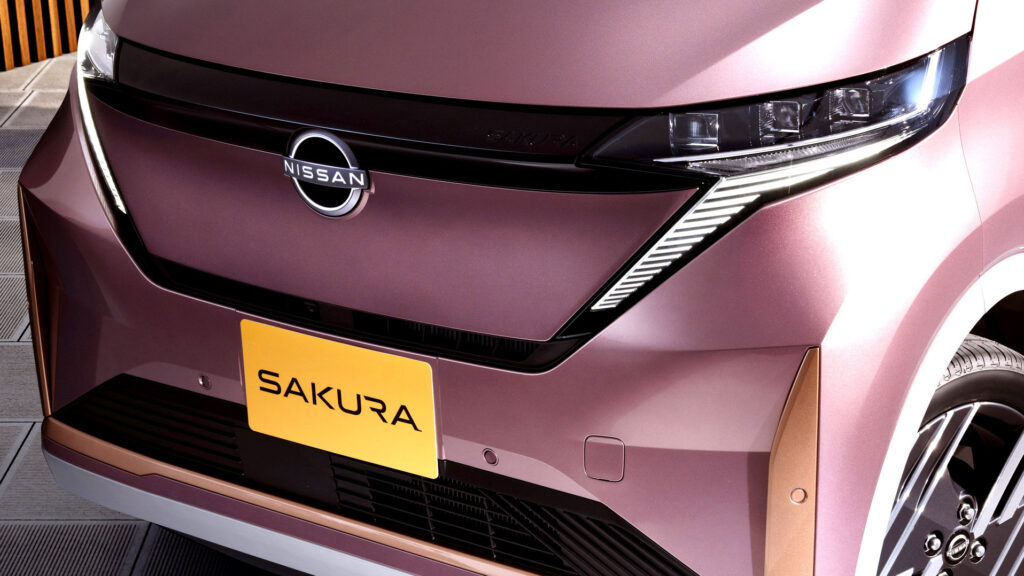
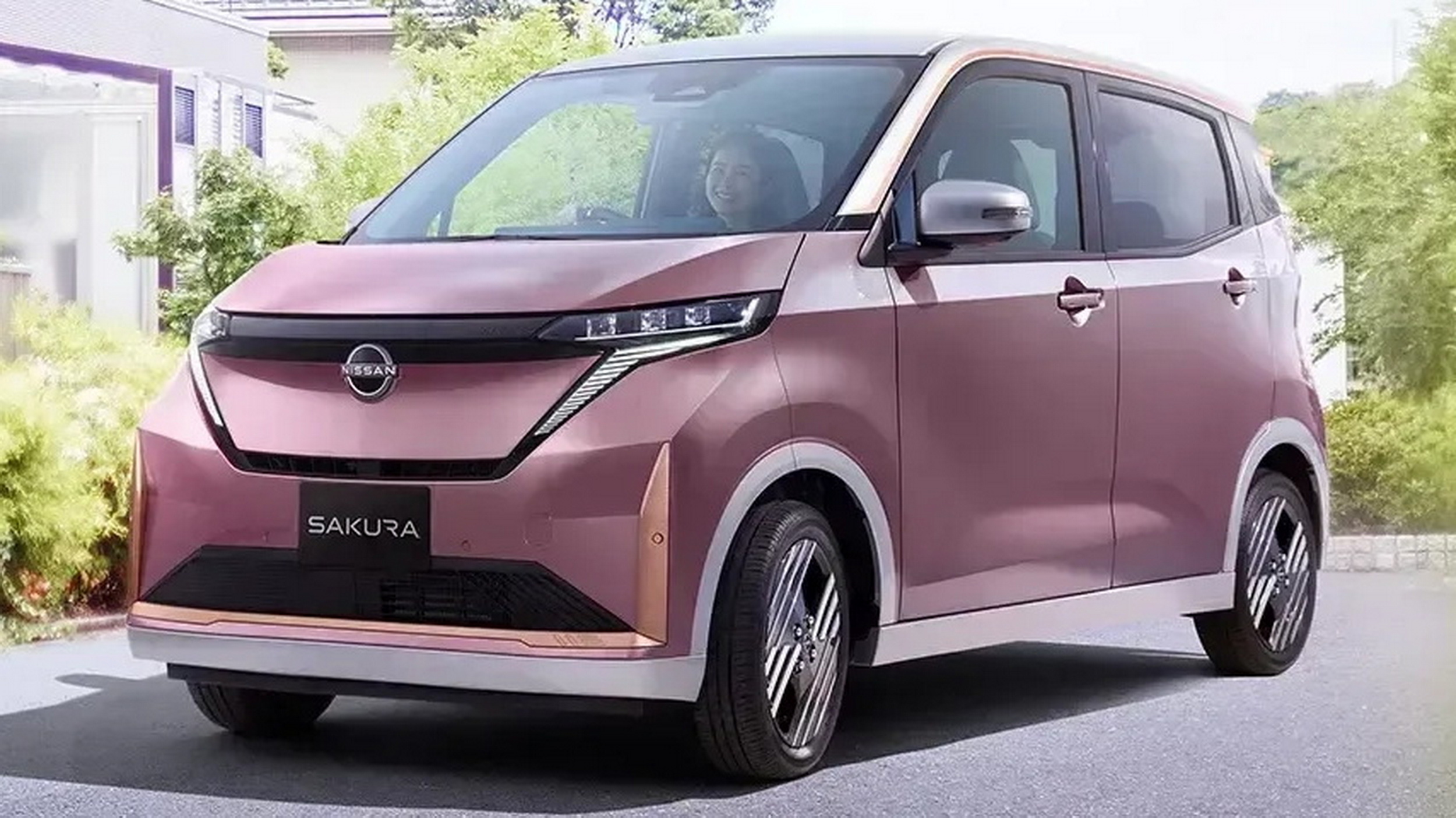
The most noticeable change is up front, where a redesigned fascia introduces a body-colored grille section that mimics the Nissan Leaf. It’s paired with a revised bumper that brings sharper angles and more pronounced vertical elements along the sides.
The LED headlights carry over unchanged, as does the sheet metal along the profile. Around the back, things appear largely untouched as well, although the lower portion of the rear bumper remains out of view.
The color palette gains a new shade called “Minamono Sakura”, inspired by cherry blossoms floating on water. In the pictured example, the paint combines copper and silver accents, creating an unusual tri-color finish.
Key-Sized Improvements Inside
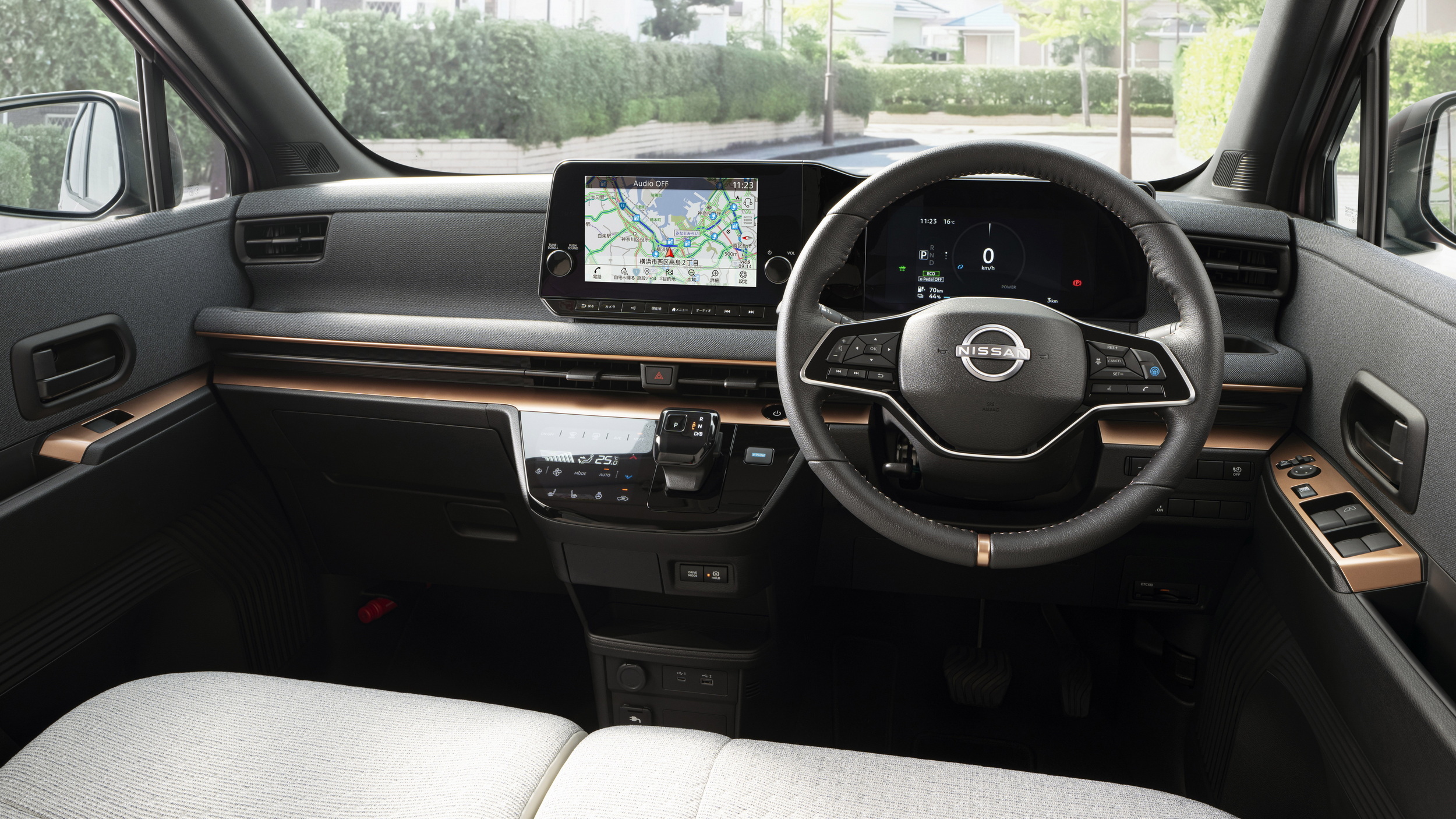
Inside, Nissan has shared just a single image, and at first glance, it looks unchanged. A closer look reveals addition of an extra cup holder on the passenger side.
Designers didn’t seem to bother changing the 7-inch digital instrument cluster and 9-inch infotainment, but they did relocate the USB Type-C ports lower in the center console.
While the company has yet to release detailed specifications, there is little reason to expect meaningful changes under the skin. The outgoing Sakura uses a single electric motor producing 63 hp (47 kW) and 195 Nm (144 lb-ft) of torque, paired with a 20 kWh battery that delivers a WLTC-rated range of 180 km (112 miles).
The facelifted kei car is expected to reach the Japanese market in the coming weeks, at which point pricing details should be confirmed. For reference, the current model starts at ¥2,599,300 ($16,300) for the base X trim and rises to ¥3,082,200 ($19,400) for the flagship G.
Nissan says the model has been Japan’s best-selling EV for four consecutive years, recording 14,093 sales in 2025. Competition comes from familiar domestic rivals, including the Mitsubishi eK X EV twin, the Honda N-One e: and N-Van e:, as well as the upcoming BYD Racco.
Honda brings Japan’s Super-One EV to Europe as Super-N.
Tiny EV has simulated transmission shifts and sound effects.
Sub £20k price is low, but so is 94 hp output, 128-mile range.
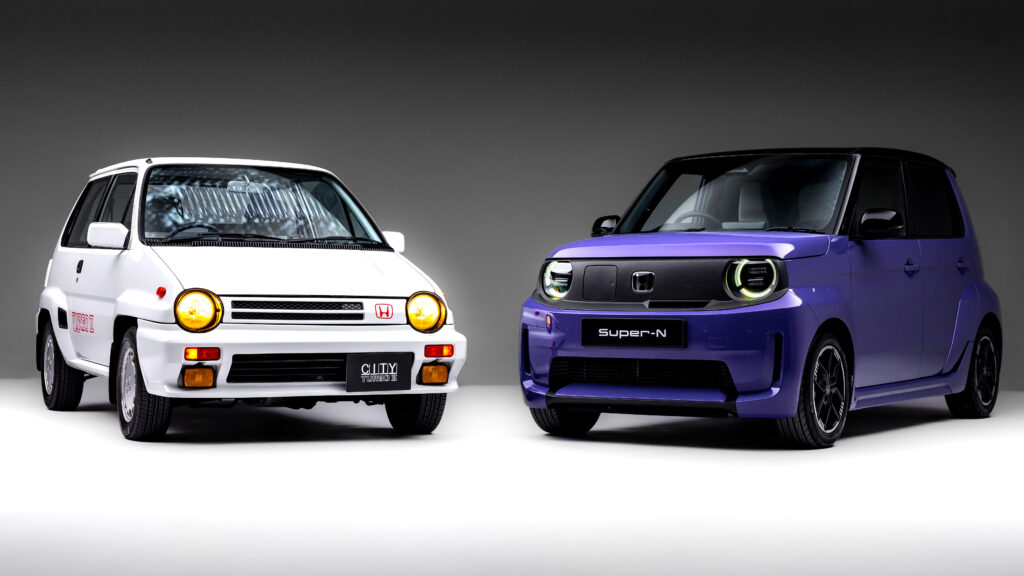
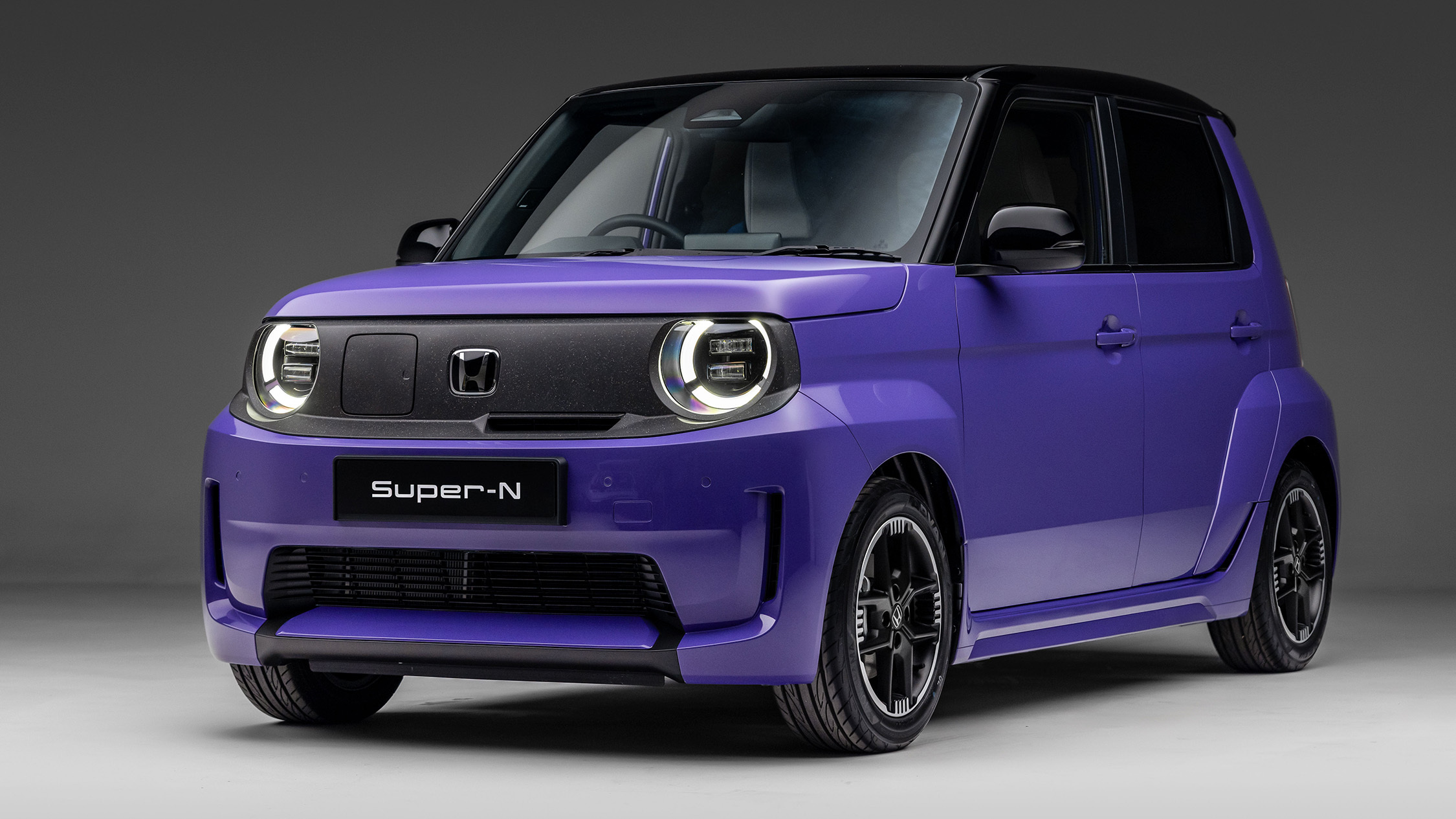
Honda has decided that what the world really needs right now is a tiny electric city car with dreams if being a rowdy ’80s hot hatch. Meet the Super-N, a kei car escapee heading to the UK and mainland Europe this July with a sub £20,000 (about $26,900 or €22,900 at current rates) price and a very clear mission to prove you can have fun even with a two-digit power output.
The Super-N is Europe’s version of the Japanese Super-One, itself a pumped-up evolution of Honda’s JDM N Series cars, but with a heavy dose of nostalgia thrown in. It borrows its attitude from the legendary City Turbo II, which means chunky arches, aggressive bumpers, and enough visual drama to make other sub-£20k EVs like the Dacia Spring look downright dull.
Under the short 3.59 m (141.3 inches) skin, a compact, front-mounted e-axle delivers between 63 hp (64 PS / 47 kW) and 94 hp (95 PS / 70 kW), with the higher figure unlocked in something called Boost Mode. That might not sound like much, but this is one of the lightest EVs around, so it should feel perkier than the numbers suggest.
Fake Gears And Sounds
Anyway, Boost Mode doesn’t just add power. It also brings a simulated seven-speed gearbox and fake engine noise, just like the acclaimed Hyundai Ioniq 5 N. The idea is to give drivers something closer to an old-school hot hatch experience, and convince ICE diehards that affordable EVs can be entertaining.
Range is very much city-focused. Honda quotes up to 199 miles (320 km) in urban driving, though that drops to 128 miles (206 km) combined. Still, that’s more than enough for daily duties, and this car isn’t pretending to be a motorway muncher anyway.
Sports Seats And Go-Faster Lighting
Inside, the Super-N gets playful with supportive seats, blue accents, and ambient lighting that switches to purple when you hit Boost Mode and start pushing the uprated chassis. Honda says the suspension has been specially tuned for UK and European roads, and the setup must be stiffer than what you get in the non-sporty, slab-sided N-One e: offered alongside the Super-One in Japan.
UK sales start in July, but fun as the Super-N looks, it won’t have things its own way. Renault’s stylish new Twingo also hits European roads this year, and will match the Honda’s sub-£20k price.
Denza’s entry-level Z9 sedan uses a single rear motor producing 496 hp.
The existing Z9 GT Shooting Brake is heading to Europe and Australia soon.
Design changes include revised lighting, door handles, and new mirror options.
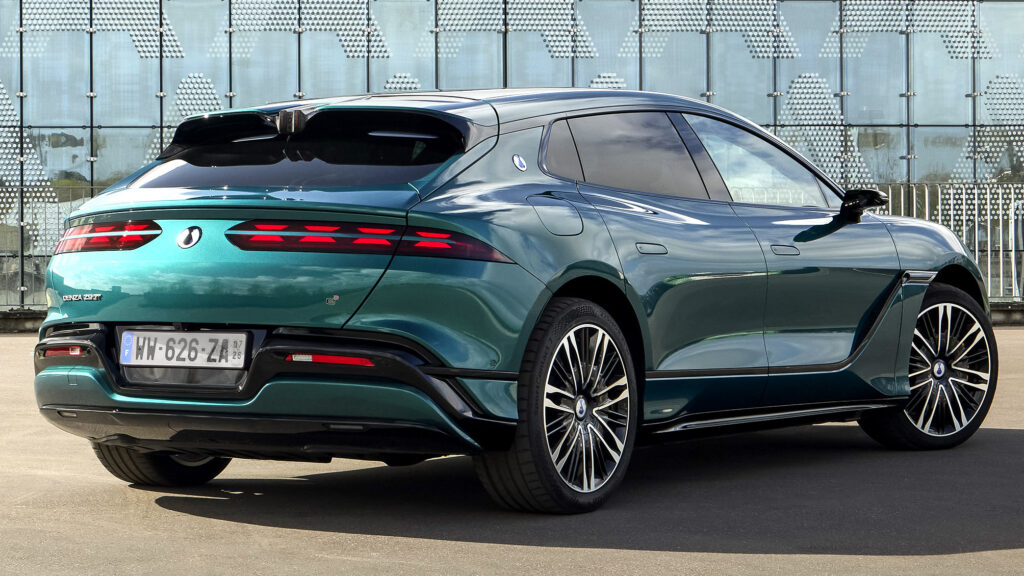
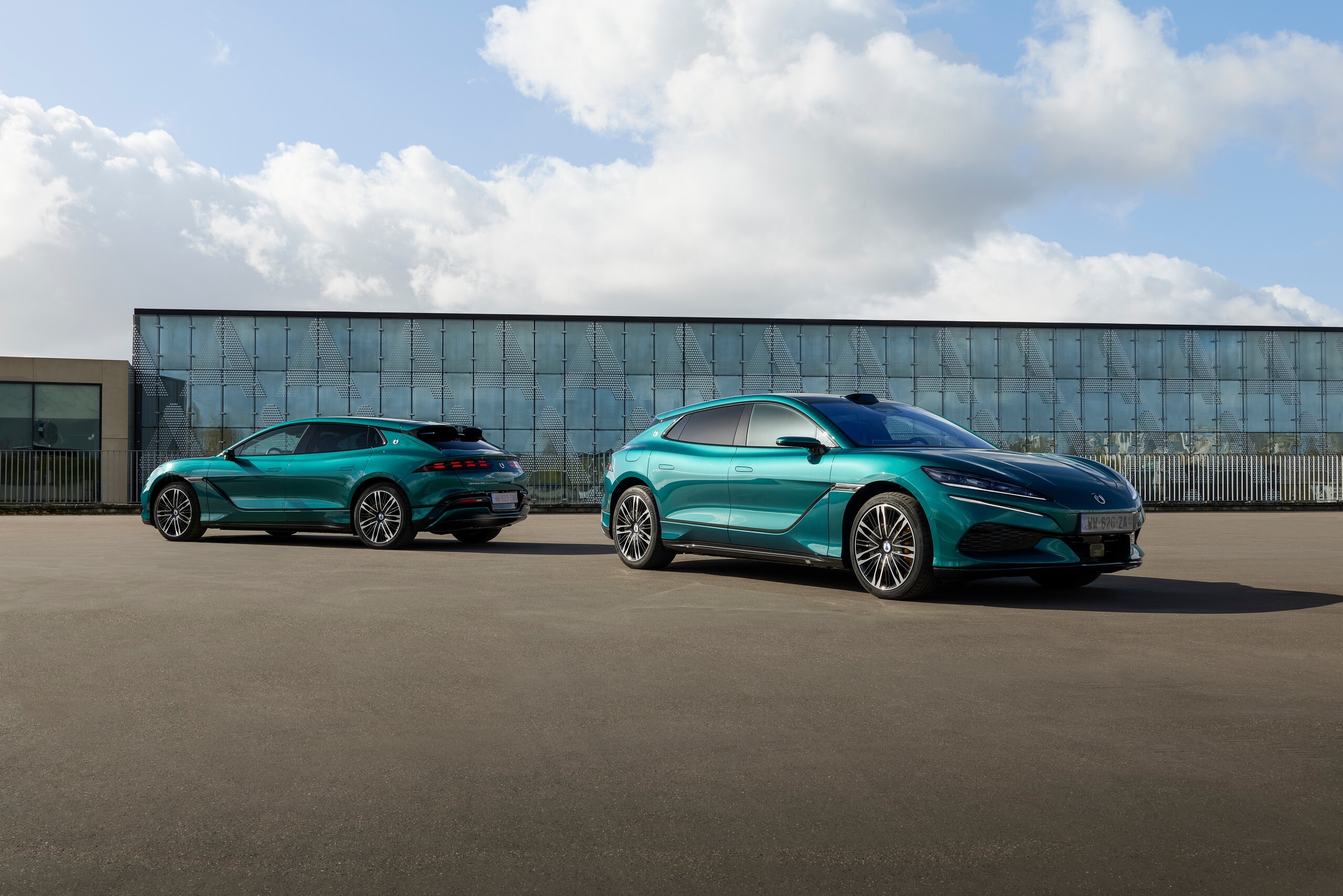
In a market where rapid model updates have become the norm, even relatively new EVs are already due for mid-cycle reinvention. Just 18 months after BYD’s Denza brand unveiled its all-electric Z9 sedan as a counterpart to the Z9 GT Shooting Brake, the first images and details of a revised version have surfaced. It has a thoroughly updated design and, fittingly, is now even more powerful.
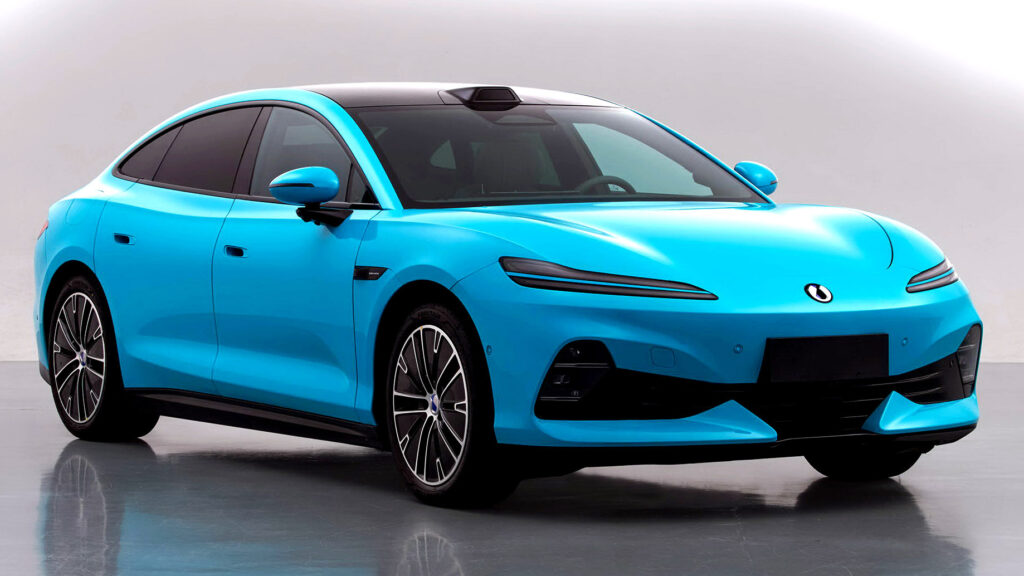
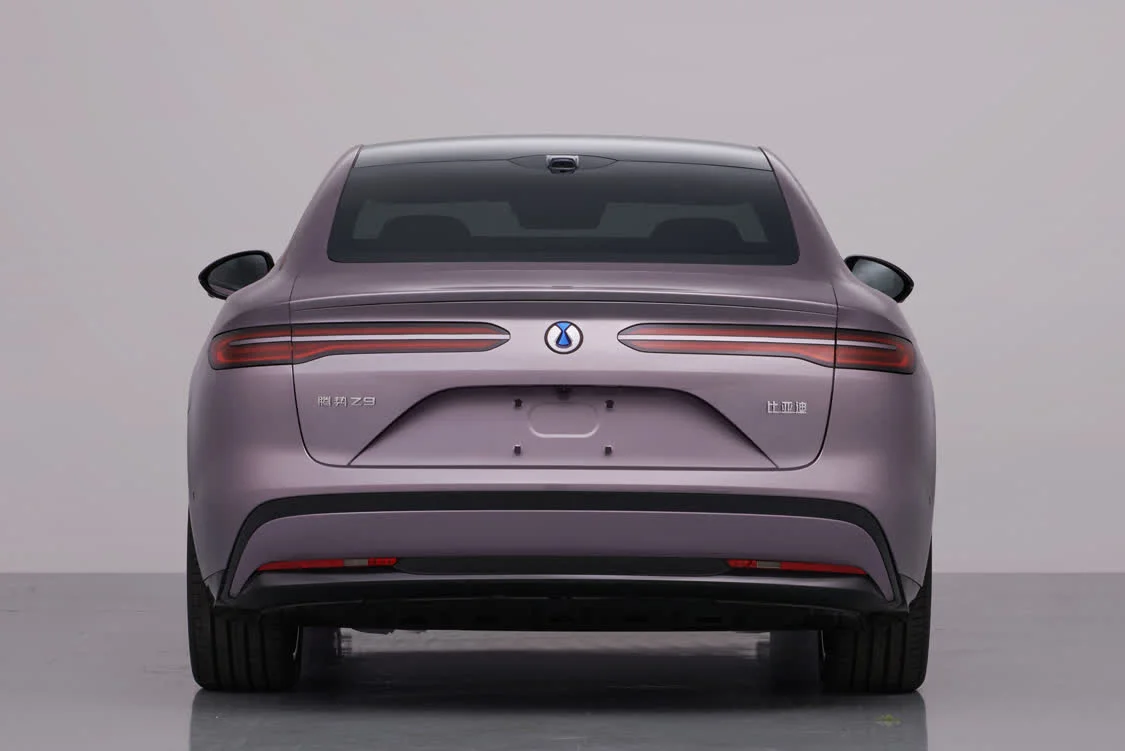
These images from China’s Ministry of Industry and Information Technology (MIIT) show the updated Z9 sports all-new bodywork. Visible at the front are revised split LED daytime running lights, while the headlights have been positioned alongside the black lower grille section.
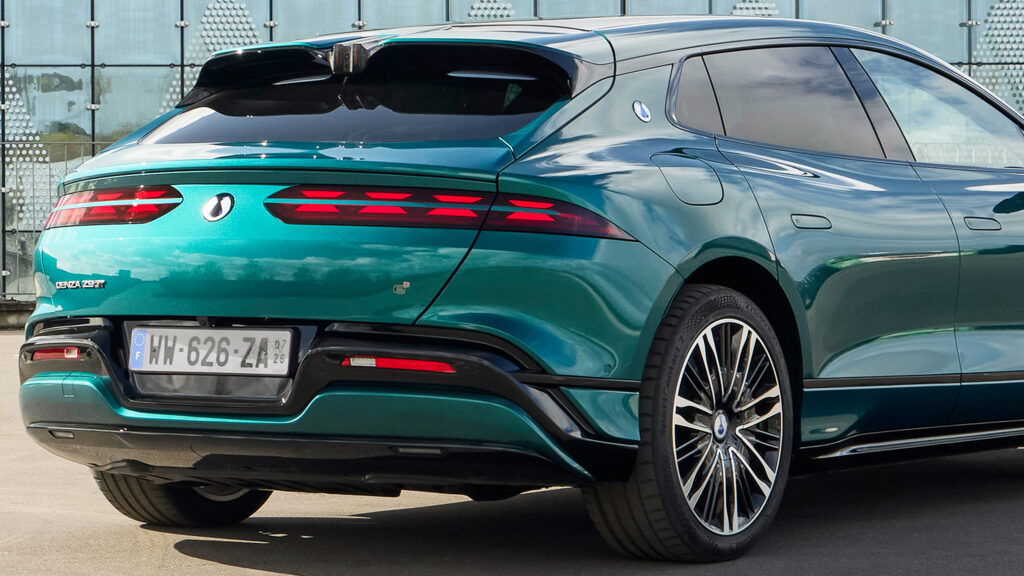
The sides remain sleek, although there are now new optional wing mirrors similar to those used by Volvo and Polestar models. The door handles have also been redesigned, while new slim LED taillights are found at the rear. The car is 5,090 mm (200.3 inches) long, 1,980 mm (77.9 inches) wide, stands just 1,490 mm (58.6 inches) tall, and has a generous 3,025 mm (119-inch) wheelbase.
Power For All
Two distinct, all-electric versions are mentioned in the MIIT filings. The first is a single-motor version with a rear-mounted electric motor delivering 496 hp. There’s no word on how large the car’s battery pack will be, but the weight of this model will vary between 2,397 kg (5,284 lbs) and 2,438 kg (5,374 lbs), depending on the specification. The top speed is listed at 155 mph (250 km/h).
As we’ve learned from Denza, simply having almost 500 hp isn’t enough. Sitting at the top of the Z9 sedan family will be a tri-motor version with a pair of 416 hp motors and a single 362 hp motor, delivering 1,328 hp. That gives it a power advantage over the existing Z9 GT Shooting Brake that tops out at 1,274 hp. The top speed of this model will be 168 mph (270 km/h), and it’ll be a little heavier, weighing in at 2,588 kg (5,705 lbs).
Details of this new model emerged shortly after Denza announced it was taking the current Z9 GT Shooting Brake global and will start selling it in Europe and Australia. Given that an updated sedan is in the works, it seems likely a new version of the Shooting Brake is also on the cards, mimicking some of the design changes made to the sedan.
The flagship Z9 will churn out an extraordinary 1,328 hp from three motors.
Denza is also readying a single-motor Z9 sedan with 496 hp at the rear wheels.
A slew of design changes have been made to the sleek Chinese sedan.
Just 18 months after BYD’s Denza brand unveiled its all-electric Z9 sedan as a counterpart to the Z9 GT Shooting Brake, the first images and details of a revised version have surfaced. It has a thoroughly updated design and, fittingly, is now even more powerful.
These images from China’s Ministry of Industry and Information Technology (MIIT) show the updated Z9 sports all-new bodywork. Visible at the front are revised split LED daytime running lights, while the headlights have been positioned alongside the black lower grille section.
The sides remain sleek, although there are now new optional wing mirrors similar to those used by Volvo and Polestar models. The door handles have also been redesigned, while new slim LED taillights are found at the rear. The car is 5,090 mm (200.3 inches) long, 1,980 mm (77.9 inches) wide, stands just 1,490 mm (58.6 inches) tall, and has a generous 3,025 mm (119-inch) wheelbase.
Power For All
Two distinct, all-electric versions are mentioned in the MIIT filings. The first is a single-motor version with a rear-mounted electric motor delivering 496 hp. There’s no word on how large the car’s battery pack will be, but the weight of this model will vary between 2,397 kg (5,284 lbs) and 2,438 kg (5,374 lbs), depending on the specification. The top speed is listed at 155 mph (250 km/h).
As we’ve learned from Denza, simply having almost 500 hp isn’t enough. Sitting at the top of the Z9 sedan family will be a tri-motor version with a pair of 416 hp motors and a single 362 hp motor, delivering 1,328 hp. That gives it a power advantage over the existing Z9 GT Shooting Brake that tops out at 1,274 hp. The top speed of this model will be 168 mph (270 km/h), and it’ll be a little heavier, weighing in at 2,588 kg (5,705 lbs).
Details of this new model emerged shortly after Denza announced it was taking the current Z9 GT Shooting Brake global and will start selling it in Europe and Australia. Given that an updated sedan is in the works, it seems likely a new version of the Shooting Brake is also on the cards, mimicking some of the design changes made to the sedan.
The NX8 arrives in two flavors, pure electric and range-extender.
Longest-range EREV version covers over 900 miles on a full tank.
Pricing ranges between ¥149,900-199,900 ($21,900-29,200).
Update: The new NX8 is now on sale in China. Pricing starts lower than expected, and Nissan is offering both a pure electric and a range-extender version. This story has been updated with full pricing, specs, and new photos.
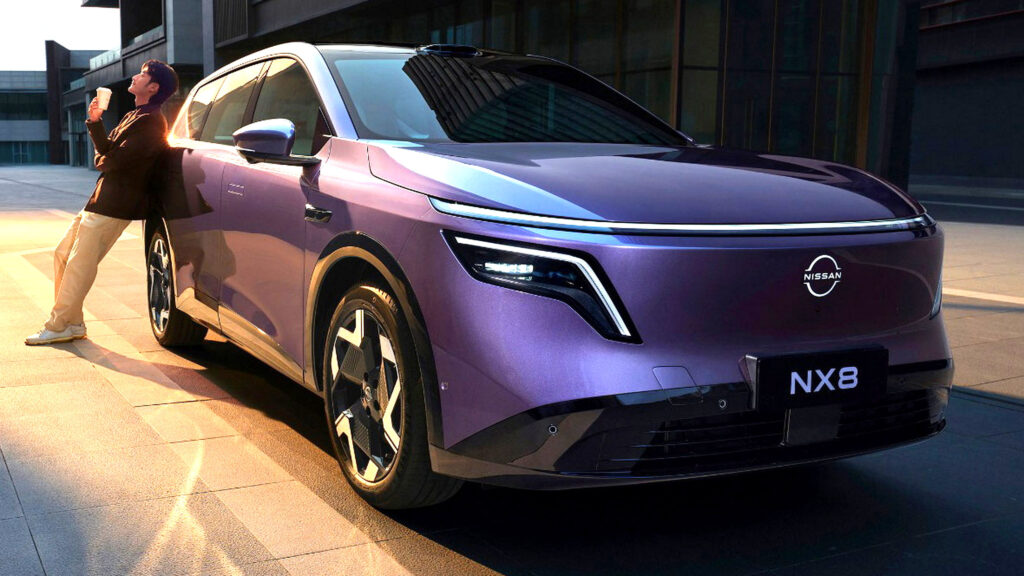
Nissan has introduced a new midsize SUV developed in partnership with Dongfeng in China, marking the latest addition to its growing, budget-conscious N-series lineup. Named the NX8, the model joins the existing N6 and N7 sedans and is offered with a selection of electrified powertrains.
The exterior design follows the same styling language as its sedan counterparts, with clean surfacing and a grille-free front fascia. A full-width daytime running light runs across the split headlights and wraps around the front fenders, while OLED tail lights extend across the rear.
The overall shape leans toward conventional SUV proportions, marked by flush-fitting door handles and pronounced shoulders.
How Big Is It?
The midsize NX8 measures 4,870 mm (191.7 inches) in length, 1,920 mm (75.6 inches) in width, and 1,680 mm (66.1 inches) in height, with a wheelbase of 2,917 mm (114.8 inches).
That makes it 222 mm (8.7 inches) longer than the Rogue (X-Trail) and 152 mm (6 inches) shorter than the Pathfinder. Interestingly, its wheelbase is 17 mm (0.7 inches) longer than the Pathfinder’s, which should translate to slightly better interior space.
A High-Tech Interior
Inside, we find dual 15.6-inch infotainment displays on the dashboard, which are separate from the 10.25-inch digital instrument cluster and run on the Qualcomm Snapdragon 8295P chipset. The flagship trim adds a 63-inch augmented reality head-up display and a 25-speaker audio system.
Additional highlights include AI Zero Gravity Seats 2.0 with massage, heating, and ventilation, along with contactless airflow control, an onboard refrigerator, and Motion Sickness Prevention Technology 3.0.
The five-seater cabin can transform into a comfortable couch/bed by fully reclining the front seatbacks. Furthermore, the boot has extra space under the floor, and is complemented by a frunk in the battery electric versions.
In terms of safety, the SUV is fitted with up to 29 sensors including a roof-mounted lidar unit. This the hardware for the Momenta-based Advanced Driver Assistance promising sophisticated autonomous capabilities.
Powertrain Options
The Nissan NX8 is offered with both range-extender (EREV) and fully electric (BEV) powertrains, each using lithium iron phosphate battery packs supplied by CATL.
The EREV pairs a turbocharged 1.5-liter engine acting as a generator with a single electric motor producing 335 hp (250 kW/ 340 PS). It delivers an EV-only range of 310 km (193 miles) and a combined range of 1,450 km (901 miles) under CLTC testing.
The BEV variant produces either 288 hp (215 kW / 292 PS) or 335 hp (250 kW / 340 PS). Range is rated at 580 km (360 miles) and 650 km (404 miles), respectively, under the CLTC cycle. These figures exceed the Leaf’s 303-mile EPA rating on paper, though CLTC estimates typically run 20 to 30 percent higher than EPA results, so real-world differences may be smaller than they appear. The larger 81 kWh battery supports ultra-fast charging at up to 463 kW, taking it from 10 to 80 percent in 12 minutes.
How Much Does It Cost?
Nissan has initially launched the NX8 in China but as with the N6 and N7 sedans, it is expected to be exported to additional markets. Whether that will include Western regions like Europe and Australia, however, remains to be seen.
In its home market, the SUV is currently priced between ¥149,900-199,900 ($21,900-$29,200), depending on the powertrain and trim level. That’s roughly in line with what you would pay for the older Kicks Play in the US ($21,520), which remains Nissan’s most affordable model there, and still less than the new Kicks ($22,430). It also comes in well below the new Leaf EV, which starts at $29,990 in America.
These figures reflect introductory pricing for the launch period, with standard pricing set at ¥159,900-209,900 ($23,400-30,700). Even so, the China-spec model remains considerably cheaper than the Nissan Rogue, which starts at $29,490 in the US market.
Cupra Raval launches before its VW ID. Polo and Skoda Epic siblings.
Multiple battery and motor options offer up to around 280 miles range.
Entry price should be around €26k/£23k to directly challenge Renault 5.
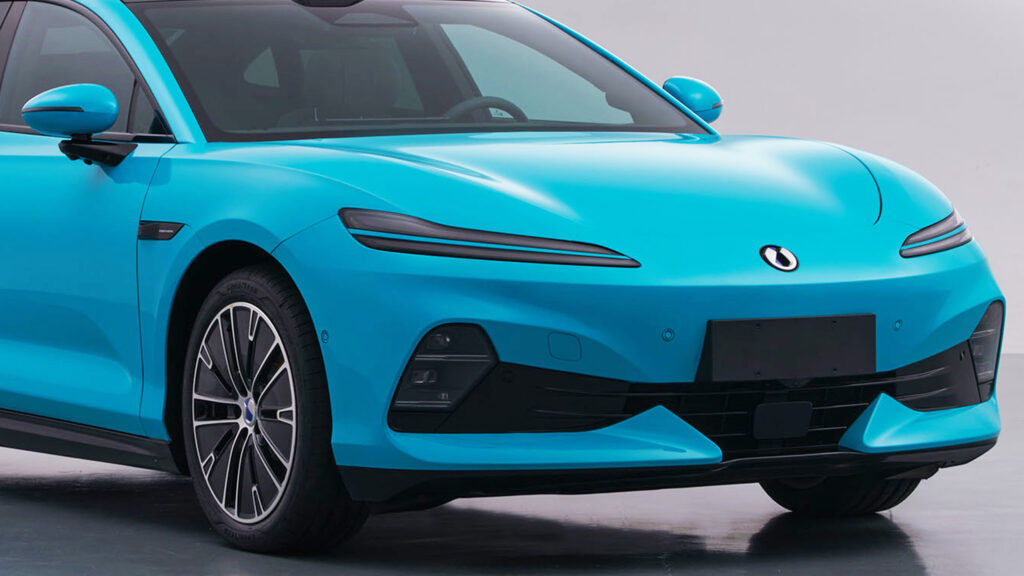
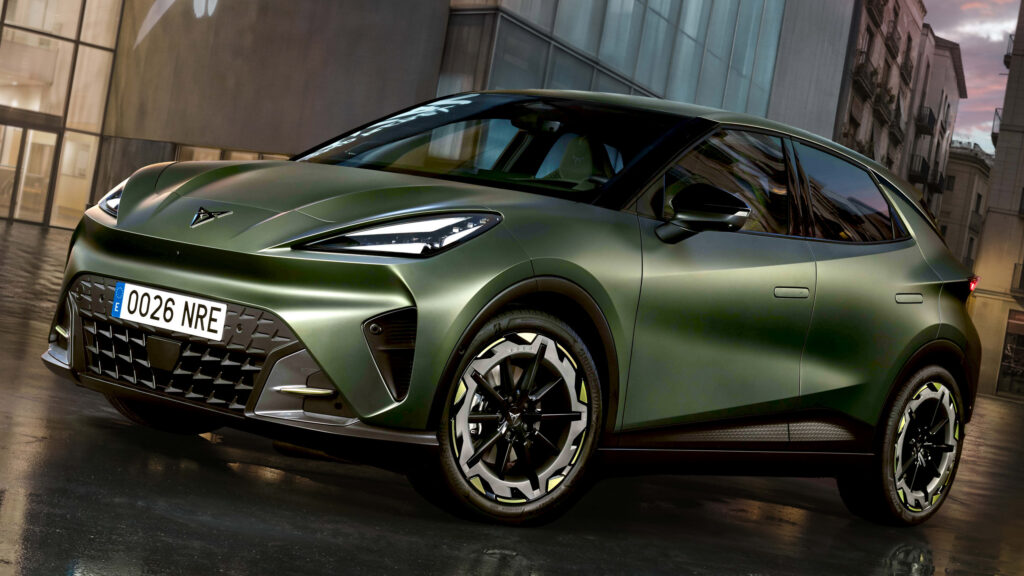
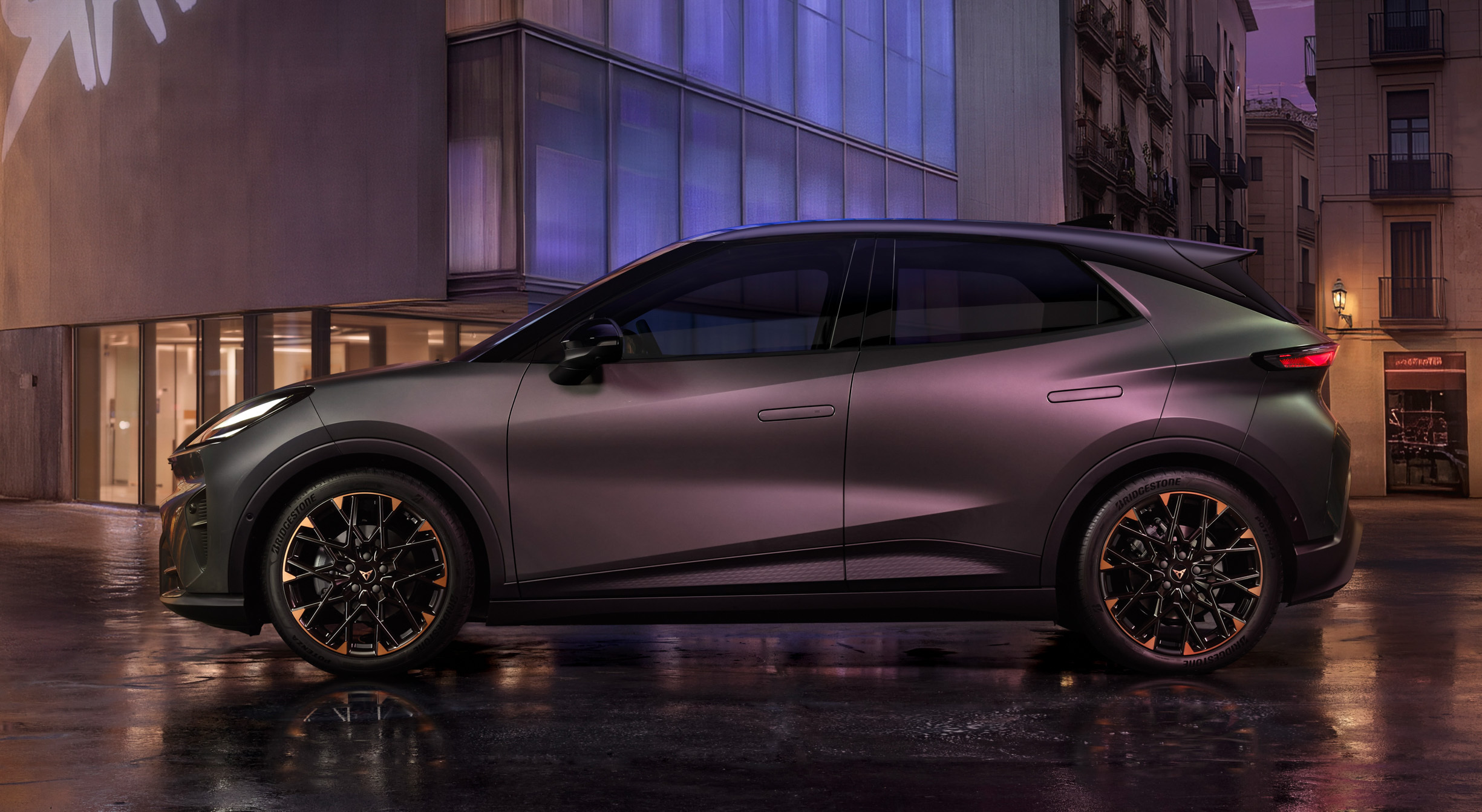
VW’s sporty Spanish brand, Cupra, has revealed its smallest EV yet. Called the Raval, this subcompact sister to the upcoming electric VW ID. Polo and Skoda Epiq hits European roads later in 2026 with bags of attitude and the aim of stealing sales away from Renault’s popular 5.
At just over 4 meters (157.4 inches) long the Raval sits in supermini territory but stretches expectations with a 2,600 mm (102.4 inches) wheelbase and a surprisingly roomy 441 liter (15.6 cu-ft) trunk. It’s wider and lower than you might expect too, giving it a squat, planted stance that screams more fun than frugal.
Underneath, it rides on the Volkswagen Group’s new MEB+ platform, which it’ll share with the ID. Polo and Epiq. Think of it as the budget friendly evolution of the architecture used in bigger EVs like the ID.4 and Born, but tuned here for smaller, cheaper cars, and set up to the drive the front wheels, rather than the rears, or all four.
Buyers get plenty of powertrain choice. Entry level versions badged simply Raval pair a 114 hp (116 PS / 85 kW) motor with a 37 kWh battery, good for around 186 miles (300 km) of range, though limited to just 50 kW DC charging. Step up a rung on the configuration ladder to Raval Plus and you’ll find a 133 hp (135 PS / 99 kW) motor using the same pack, although this time charging peaks at up to 88 kW DC for a 10 to 80 percent top up in roughly 23 minutes.
Hot Hatch Punch
Move into the bigger battery cars and things get spicier. The 52 kWh pack brings 208 hp (211 PS / 155 kW) in the Endurance trim and delivers around 280 miles (450 km) of range, with charging speeds up to 105 kW.
That should be feisty enough for most buyers, but if it’s not, there’s the VZ hot hatch. It pushes output to 222 hp (226 PS / 166 kW) and will hit 62 mph (100 kmh) in 6.8 seconds making it a rival for the Alpine A290, not to mention VW’s ID. Polo GTI. Range drops slightly to around 249 miles (400 km), but speed demons might think it a price worth paying.
Cupra hasn’t just chased power numbers, either. The Raval’s chassis sits 15 mm (0.59 inches) lower than the base MEB+ setup used on the ID. Polo and runs a 10 mm (0.39 inches) wider track, with adaptive dampers, progressive steering, and an electronic limited slip differential on the VZ. There’s also one pedal driving and a dramatic e launch feature for stoplight getaways complete with synthesized sound effects.
Big On Screen, Short On Buttons
Inside, drivers are treated to a usefully large 10.25-inch digital cluster and a 12.9 inch infotainment system, though unlike the ID. Polo, which has multiple physical buttons for features like the climate control the Raval is button-light and stuck with the old-style VW interface and its annoying temperature sliders. At least you get real physical switches on the chunky steering wheel.
Go for the launch edition Raval VZ Extreme and you’re treated to CUP bucket seats with 3D knit technology upholstery, as well as Sulfur Green 19-inch wheels and a Manganese matt exterior finish. At the other end of the scale, prices are expected to start at around €26,000, or just under £23,000 in the UK, when the Raval arrives in summer 2026. That puts the smallest Cupra in a head-on battle with the Renault 5 – which would you pick?
The Z9 GT Shooting Brake makes 1,139 hp in EV guise, hitting 62 mph in 2.7 seconds.
A PHEV variant offers 126 miles of electric range and a combined total of 500 miles.
BYD plans 3,000 European charging stations within 12 months alongside the launch.
BYD isn’t content with its core brand competing against the world’s biggest carmakers. It has now launched its premium Denza brand in Europe. There’s a certain irony here, as Denza was originally created as a joint venture between BYD and Mercedes-Benz owner Daimler, blending Chinese EV expertise with German premium know-how. It was established in 2010 before Mercedes-Benz gradually stepped back and exited entirely in 2024.
The rollout begins in Germany, France, Italy, Spain, and the UK, with two key models leading the way. By the end of 2026, Denza is expected to be present in 30 countries across the continent.
Those opening acts are the D9 DM-i minivan and the Z9GT Shooting Brake. The D9 leans on a plug-in hybrid setup, while the Z9GT gives buyers a choice between full electric and plug-in hybrid power. Their arrival also lines up with BYD’s wider push to roll out its Flash Charging system internationally. Over the next 12 months, the company aims to install 3,000 charging stations across Europe, with another 3,000 planned for markets beyond China.
Denza has already been selling the Z9GT Shooting Brake in China for quite some time, and it’s one of the country’s most intriguing family cars. Based on the firm’s e3 Platform, the all-electric model uses a sizeable 122.49 kWh battery pack, a front motor with 308 hp (230 kW) and 302 lb-ft (410 Nm) of torque, as well as two 416 hp (310 kW) and 295 lb-ft (400 Nm) motors at the rear axle, giving it a combined 1,139 hp (850 kW) and 892 lb-ft (1,210 Nm) of torque.
The sprint to 62 mph (100 km/h) is dealt with in just 2.7 seconds, and the top speed is 167 mph (269 km/h), more than enough for high-speed cruising on the German Autobahn. The EV has a quoted WLTP driving range of 372 miles (599 km), and thanks to BYD’s 1,500 kW Flash Charging system, it charges from 10-70 percent in five minutes and 10-97 percent in nine minutes.
A High-Powered Plug-In
The plug-in hybrid version uses a 2.0-liter turbocharged four-cylinder engine producing 170 hp (127 kW) and 236 lb-ft (320 Nm), along with a 268 hp (200 kW) front motor and two 248 hp (185 kW) rear motors producing 266 lb-ft (360 Nm) each, resulting in a combined output of 765 hp (570 kW) and 763 lb-ft (1,035 Nm).
It also features a sizeable 63.82 kWh battery and can travel 126 miles (203 km) on all-electric power, or 500 miles (805 km) when combined with the engine. It needs just 3.6 seconds to hit 62 mph (100 km/h) and tops out at 161 mph (259 km/h).
Both versions come standard with carbon ceramic brakes and include rear-wheel steering. They also included BYD’s advanced DiSUS-A dual-chamber air suspension system and can tow up to 2,000 kg (4,409 lbs). A rear-wheel-drive-only version of the electric Z9 GT will launch later this year, boasting greater driving range.
The D9 DM-i minivan features a plug-in hybrid, all-wheel-drive powertrain delivering up to 130 miles (209 km) of electric-only range and a combined range of 590 miles (950 km). It also supports BYD’s Flash Charging technology.
Market-specific pricing for the new Denza models has yet to be announced, though details are expected to follow shortly.
The Z9GT Shooting Brake churns out a massive 1,139 hp in EV guise.
A plug-in hybrid version with a 63.82 kWh battery is also offered.
Joining the sleek Z9GT Shooting Brake is Denza’s D9 DM-i minivan.
Not satisfied with its namesake brand expanding worldwide and rivaling some of the world’s largest car manufacturers, BYD has officially launched its premium Denza brand in Europe. Bringing with it two compelling models, the firm is initially launching in Germany, France, Italy, Spain, and the UK, but by the end of 2026, it will be present in 30 countries across the continent.
The two models launched are the D9 DM-i minivan and the Z9GT Shooting Brake. The D9 is a plug-in hybrid, while the Z9GT is offered in all-electric and plug-in hybrid guises, and the launch of both models coincides with BYD’s planned international rollout of its new Flash Charging system. Within the next 12 months, it plans to establish 3,000 stations in Europe and 3,000 others in markets outside of China.
Denza has already been selling the Z9GT Shooting Brake in China for quite some time, and it’s one of the country’s most intriguing family cars. Based on the firm’s e3 Platform, the all-electric model uses a sizeable 122.49 kWh battery pack, a front motor with 308 hp (230 kW) and 302 lb-ft (410 Nm) of torque, as well as two 416 hp (310 kW) and 295 lb-ft (400 Nm) motors at the rear axle, giving it a combined 1,139 hp (850 kW) and 892 lb-ft (1,210 Nm) of torque.
The sprint to 62 mph (100 km/h) is dealt with in just 2.7 seconds, and the top speed is 167 mph (269 km/h), more than enough for high-speed cruising on the German Autobahn. The EV has a quoted WLTP driving range of 372 miles (599 km), and thanks to BYD’s 1,500 kW Flash Charging system, it charges from 10-70 percent in five minutes and 10-97 percent in nine minutes.
A High-Powered Plug-In
The plug-in hybrid version uses a 2.0-liter turbocharged four-cylinder engine producing 170 hp (127 kW) and 236 lb-ft (320 Nm), along with a 268 hp (200 kW) front motor and two 248 hp (185 kW) rear motors producing 266 lb-ft (360 Nm) each, resulting in a combined output of 765 hp (570 kW) and 763 lb-ft (1,035 Nm). It also features a sizeable 63.82 kWh battery and can travel 126 miles (203 km) on all-electric power, or 500 miles (805 km) when combined with the engine. It needs just 3.6 seconds to hit 62 mph (100 km/h) and tops out at 161 mph (259 km/h).
Both versions come standard with carbon ceramic brakes and include rear-wheel steering. They also included BYD’s advanced DiSUS-A dual-chamber air suspension system and can tow up to 2,000 kg (4,409 lbs). A rear-wheel-drive-only version of the electric Z9 GT will launch later this year, boasting greater driving range.
The D9 DM-i minivan is equipped with a plug-in hybrid, all-wheel drive powertrain offering 130 miles (209 km) of electric driving range, and a combined driving range of 590 miles (950 km). It also supports BYD’s Flash Charging technology.
Market-specific pricing details for the new Denza models have yet to be announced, but are expected to be confirmed soon.
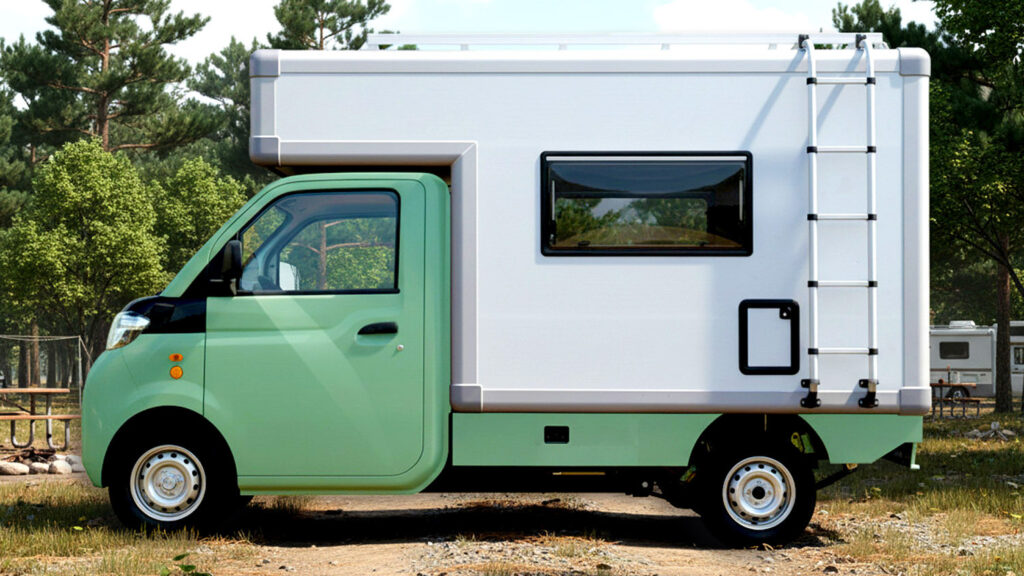
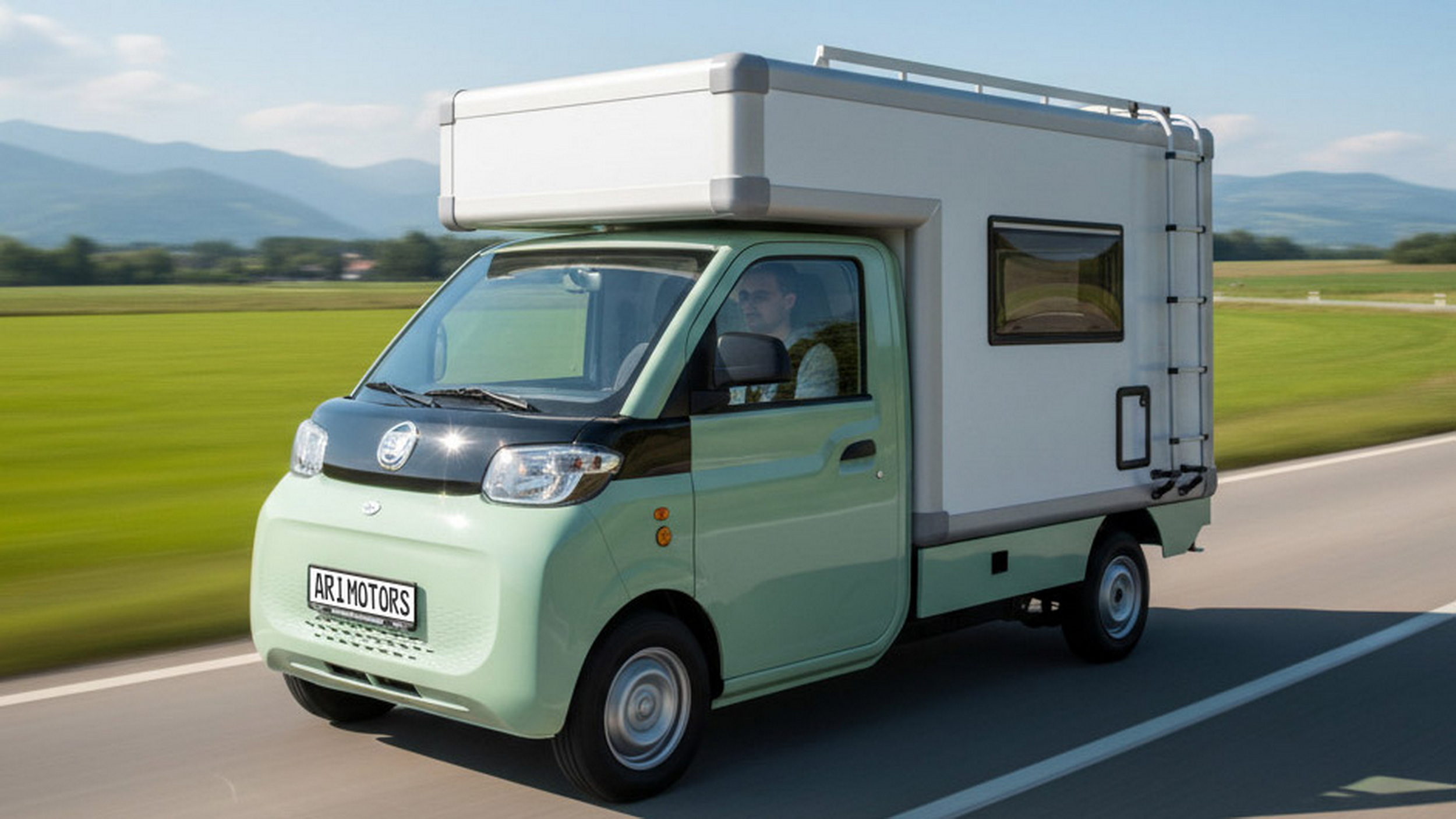
German firm Ari Motors has turned its compact LCV into a very small camper.
It sits in the L7e class and uses a modest electric motor with about 20 hp.
Rear module forms a configurable living area measuring about 30 square feet.
Campers have built a loyal following across Europe, with midsize LCVs emerging as the go-to base for conversion specialists. Not everyone needs that much space, though, and that gap has led German firm Ari Motors to create what may be the smallest camper currently on sale in the country, and possibly, the entire continent.
It’s based on the Ari 458 Pro, which the company describes as the largest van in the L7e category, a niche segment to begin with. At just 3,820 mm (150.4 inches) long, this tiny camper is barely longer than a current Fiat 500e at 3,632 mm (143.0 inches). It’s also still shorter than a Mini Cooper hatch at 3,858 mm (151.9 inches) and even undercuts a Mazda MX-5 ND at 3,915 mm (154.1 inches).
Up front, it keeps the same cheerful face, undersized wheels, and two-seat cabin as the LCV. Like several other Ari Motors products, it’s likely sourced from a Chinese partner.
Tiny Living Space Layout
The real talking point sits at the back. The rear module resembles a compact suitcase with small windows cut into it, forming a tiny living space. Ari says it offers 2.8 square meters (30 square feet) of usable area, with a maximum interior height of 1.85 m (72.8 inches).
In order to keep the entry price as low as possible, the camper is offered without any furniture. It is, in effect, an empty box on wheels. What you do get is the “necessary utility infrastructure,” which covers a water system with fresh and wastewater tanks, plus 230-volt sockets.
Photos Ari
Those who want a complete camper experience have to source a bed, rear seating, a table, a kitchenette, and a portable toilet from other companies. Ari Motors does offer a “minimalist” interior conversion built at its Borna facility near Leipzig, though it has yet to show what that actually looks like.
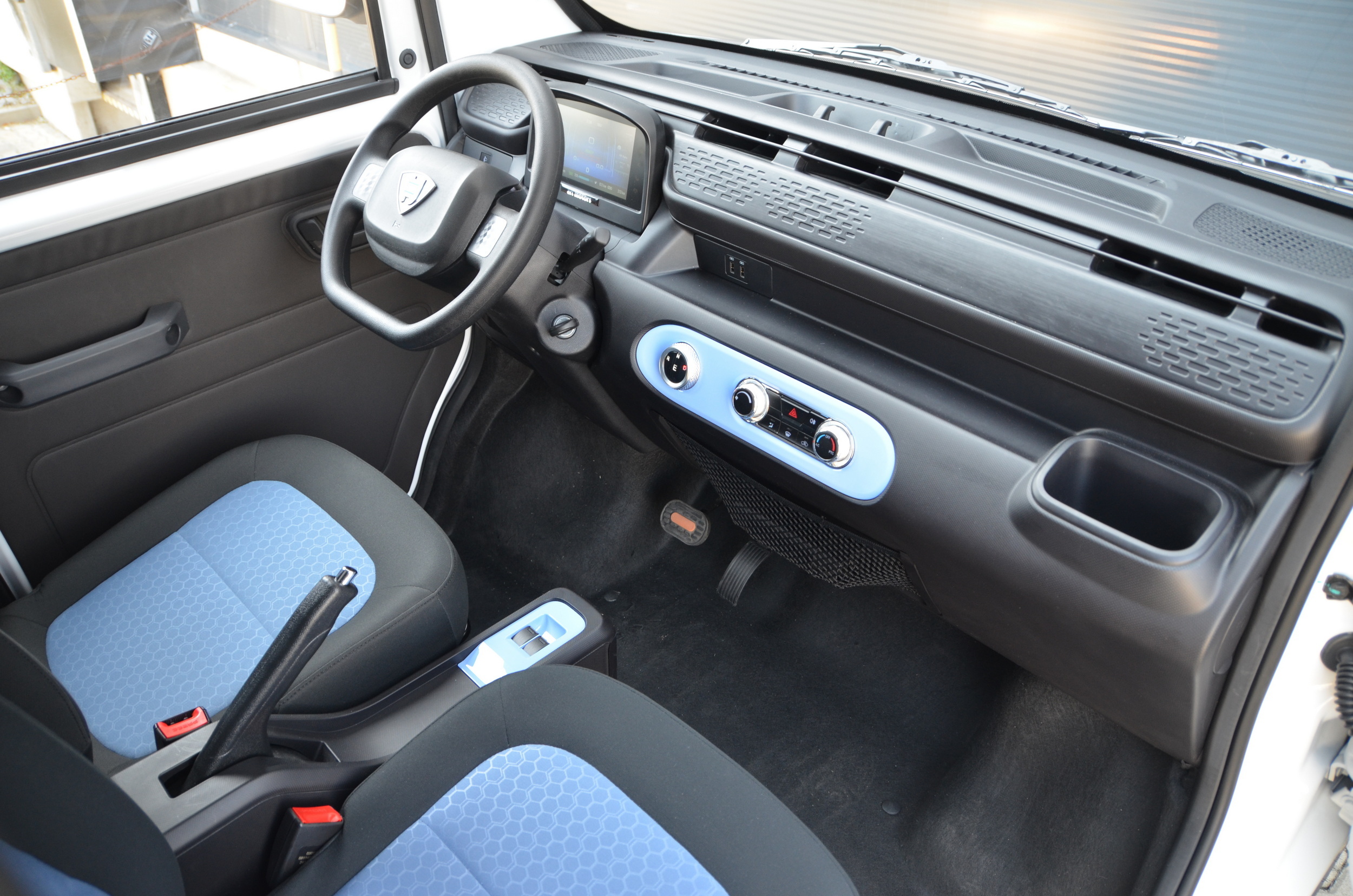
Up front, equipment is predictably sparse. There are electric windows, central locking, Bluetooth, a digital instrument cluster, a reversing camera, and a single cup holder. Air conditioning is optional, as are solar charging and a trailer coupling.
Electric Powertrain Specs
The Ari 458 Pro uses a single electric motor producing 20 hp (15 kW), which sits right in line with L7e regulations. Opt for the largest battery, and it delivers up to 230 km (143 miles) of range, while top speed is capped at 70 km/h (44 mph).
There is nothing particularly sophisticated happening underneath. Like most heavy quadricycles, it operates outside the stricter standards applied to conventional passenger cars.
How Much Does It Cost?
Beyond the camper variant, the Ari 458 Pro comes in more than 30 configurations. Buyers can choose from a box van, food truck, flatbed, tipper, or even a compact garbage truck. Pricing starts at €15,790 ($18,200) before taxes for the base LCV, while the camper version opens at €30,381 ($35,100) in Germany.
The Getaway is a three-row electric SUV built on Toyota’s Highlander EV platform.
Its dual-motor AWD setup produces 420 horsepower, topping the Toyota’s output.
Pricing has not been confirmed, but Subaru expects the Getaway to start near $55K.
Subaru has spent the past few years dabbling in EVs, but the Solterra always felt more like a compliance exercise than a serious attempt to challenge segment leaders. The new Trailseeker and Uncharted take the brand to new heights. Now, the Getaway, another EV built in partnership with Toyota, wants to add more passengers to the mix.
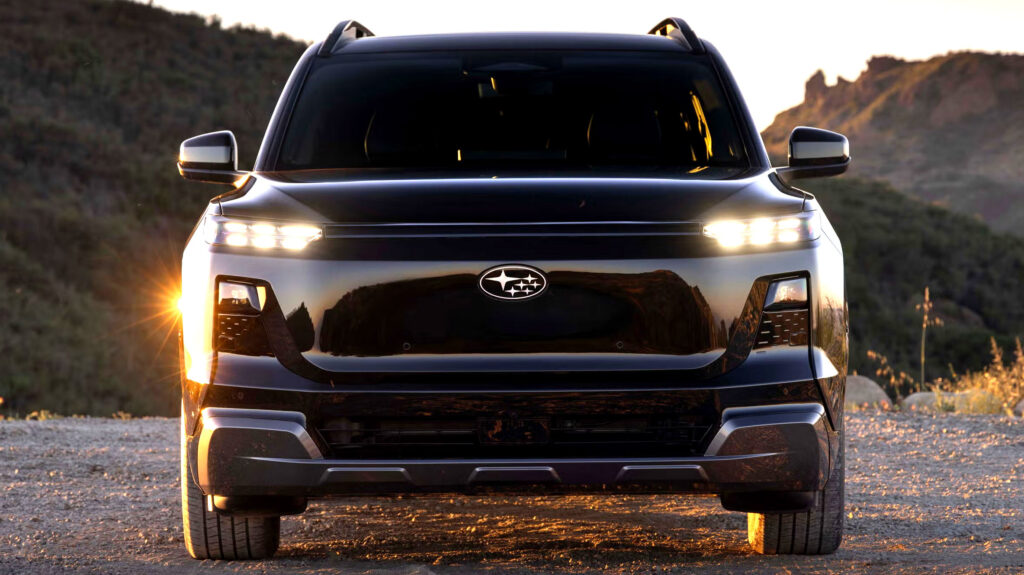
Revealed at the New York Auto Show, the Getaway is Subaru’s first three-row EV and easily its boldest electric model yet. It’s also the most powerful production Subaru ever built, with dual electric motors producing a combined 420 hp (313 kW), which is a lot more than the Highlander’s 388 horses.
According to Subaru, that’s enough to send the family hauler from 0-60 mph in under five seconds, which means it’ll outrun plenty of sports sedans while carrying six or seven people and all of their luggage.
Three-Row Space And Practicality
From a design standpoint, it’s easy to see the clear ties to Toyota’s new Highlander EV, which, like the Getaway, will debut later this year. Subaru says its new three-row SUV offers 45.6 cubic feet of cargo room behind the second row.
That’s more than Kia’s EV9 manages. There’s also 15.9 cubic feet of space behind the third row, captain’s chairs or a bench seat in the second row, depending on trim, and allegedly enough headroom and legroom for six-foot adults in all three rows.
Inside, the Getaway gets a standard 14-inch infotainment display, a 12.3-inch digital gauge cluster, wireless Apple CarPlay and Android Auto, USB-C ports in every row, and available luxuries including ventilated seats, heated rear seats (including the third row), and a panoramic roof.
Every Getaway comes standard with all-wheel drive, 8.3 inches of ground clearance, and the brand’s X-Mode system. The SUV can tow up to 3,500 pounds (1,588 kg). Power comes from a 95.8 kWh battery pack that Subaru says will deliver over 300 miles (483 km) of range. In 2027, a “standard-range” version will arrive with a 77 kWh battery pack, but Subaru didn’t release a range estimate for it.
The Getaway comes with a NACS charging point, which means that owners will have access to Tesla’s Supercharger network. The Getaway has a maximum charging speed of 150 kW, which is not very quick compared to most new EVs, but Subaru says it’ll go from 10 to 80 percent in around half an hour.
Expected Pricing Range
The biggest question at this point is what will pricing look like? For now, expect it to start at around the low-to-mid $50,000 range. That’s right in line with the Kia EV9 and a few thousand cheaper than the Hyundai Ioniq 9. Likely, the Getaway will also undercut the new Toyota Highlander by roughly the same margin.
Either way, we’ll know later this year, and Subaru will find out how big an appetite its fans have for what is likely the heaviest and somehow fastest production car it’s ever made.
The Hilux BEV enters Australia as the most expensive variant in the local lineup.
Electric pricing carries a significant premium over both diesel and hybrid versions.
Dual motors provide AWD capability with modest output and limited driving range.
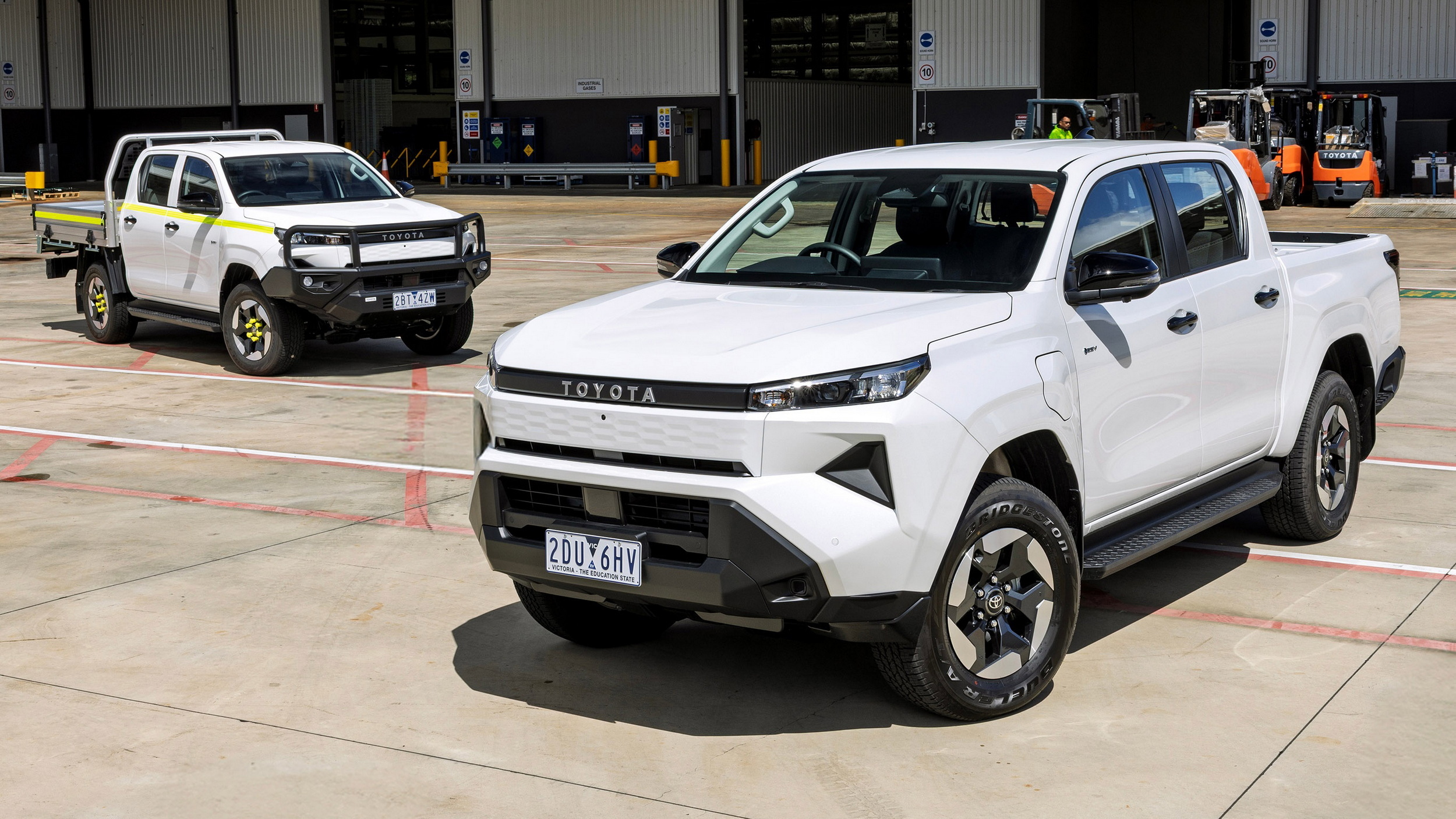
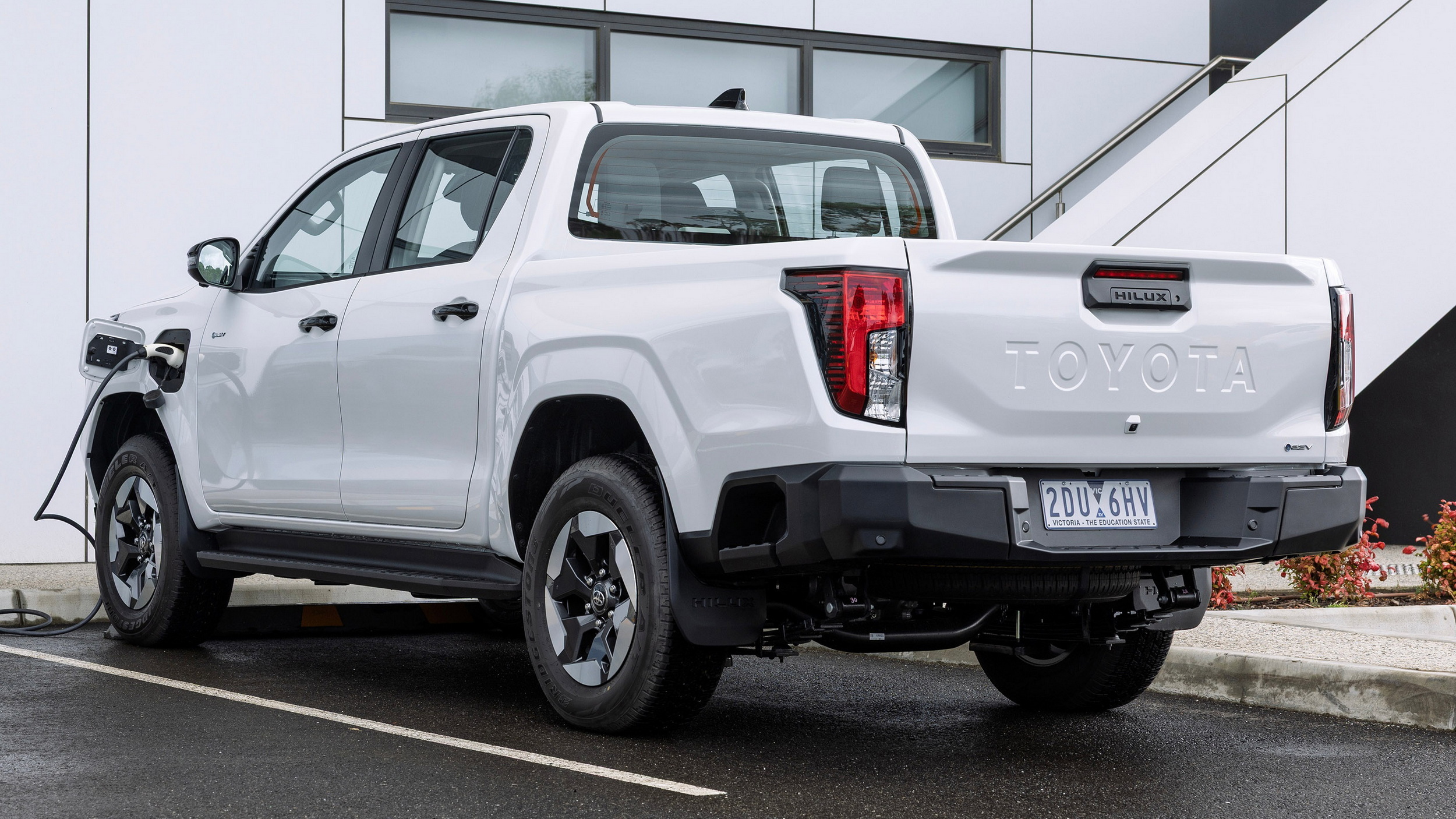
The latest generation of the Toyota Hilux has entered a new era. For the first time in its history, the nameplate offers a fully electric variant alongside existing gasoline, diesel, and mild-hybrid options. In Australia, the zero-emission truck is now available to order, sitting at the top of the local Hilux lineup as its most expensive model.
Jumping straight to the numbers, the entry-level Hilux BEV SR double-cab chassis starts at a hefty AU$74,990 (equal to US$51,400). That’s AU$20,000 (US$13,700) more than the equivalent diesel version with a manual gearbox. Move over to the electric SR double-cab pickup, and the price climbs to AU$76,490 (US$ 52,500), which still leaves it AU$ 17,000 (US$ 11,700) above its mild-hybrid diesel automatic counterpart.
The SR5 sits at the top of the electric Hilux range, largely by default, as the Rogue and Rugged X trims skip electrification altogether. Priced at AU$82,990 (US$56,900), it now stands as the most expensive Hilux you can buy in Australia.
Put that into perspective, and the electric SR5 carries a AU$19,000 (US$13,000) premium over the diesel SR5, while also undercutting expectations by coming in AU$11,000 (US$7,500) above the former range-topping mild-hybrid diesel Rugged X. More tellingly, it lands right on top of the starting price of the new Ford Ranger Super Duty, which says plenty about where Toyota is positioning its first electric truck.
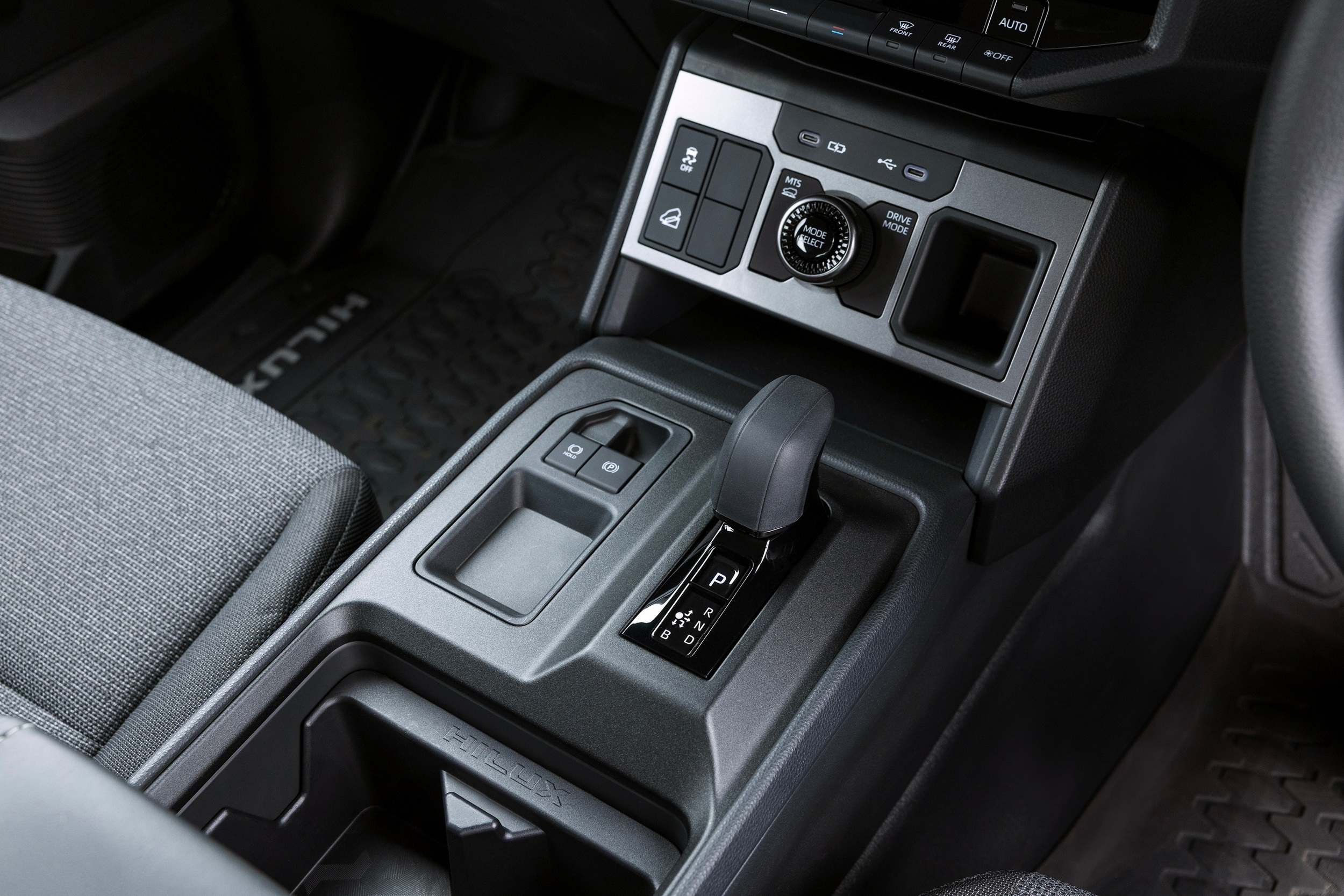
But what do you actually get for the money? The Hilux BEV runs a dual-motor setup delivering a combined 193 hp (144 kW / 196 PS) and 468 Nm (345 lb-ft) of torque. It comes with full-time AWD and six selectable drive modes via the Multi-Terrain Select system, so it’s not short on off-road intent.
Power comes from a 59.2 kWh battery, good for a claimed 245–315 km (152–196 miles) of range on the NEDC cycle, depending on spec. That’s hardly ideal for long hauls across the vast Australian outback, though a 10–80% charge takes around 30 minutes. There’s also a practical touch, as a 1,500 W inverter in the center console lets it double as a mobile power source when needed.
Underneath, the ladder-frame chassis gets a bespoke De Dion rear suspension with leaf springs, plus additional reinforcements to cope with the battery weight. Towing is capped at 2,000 kg (4,409 lbs), well short of the diesel’s 3,500 kg (7,716 lbs) figure.
Design And Features
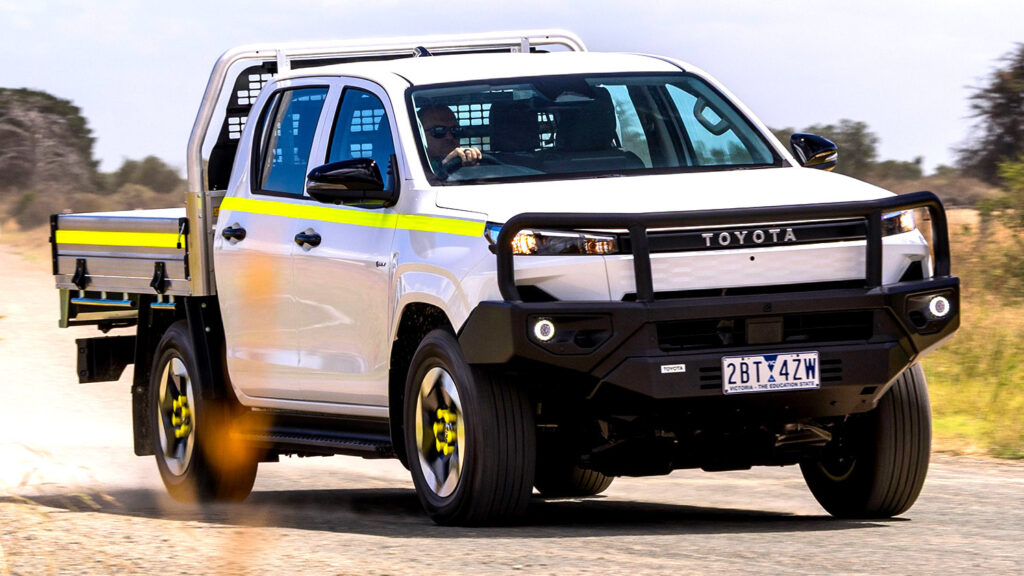
Visually, the Hilux BEV sets itself apart with a closed-off grille and a set of distinct 17-inch alloy wheels shaped for improved aerodynamics. Color choices are kept tight, as they’re limited to Glacier White, Frosted White, and Ash Slate, reinforcing its fleet-focused brief, even if private buyers are still free to place an order.
As for equipment, the SR trim comes well stocked. LED headlights, body-colored bumpers, side steps, fabric upholstery, and all-weather floor mats are all standard. So are dual-zone climate control, a pair of 12.3-inch displays with built-in navigation, eight airbags, and the full Toyota Safety Sense ADAS suite.
The SR5 adds auto-leveling headlights, LED tech for the footlights and taillights, retractable and heated mirrors, privacy glass, leather upholstery, heated seats and steering wheel, an eight-speaker audio system, a wireless charging pad and more. Thanks to the shared design, the BEV is compatible with most of the optional accessories already available for the diesel, including the pictured bull bar.
Modest Sales Target
Given its pricing and rather underwhelming driving range, Toyota keeping expectations in check with just 500 units for Australia’s first year doesn’t come as much of a shock. Most are likely headed straight for mining and construction fleets, where outright range matters less than predictable daily use. To help make that case, the company says the HiLux BEV has already been pushed through extensive testing in remote outback conditions, working closely with mining operators.
For now, Thailand is the first place where buyers can actually place an order, fittingly as the truck’s production hub. There, the Hilux Travo-e starts at ฿1,491,000 ($45,300), undercutting expectations slightly but still landing ฿165,000 ($5,000) above a comparable diesel automatic Hilux Travo 4TREX.
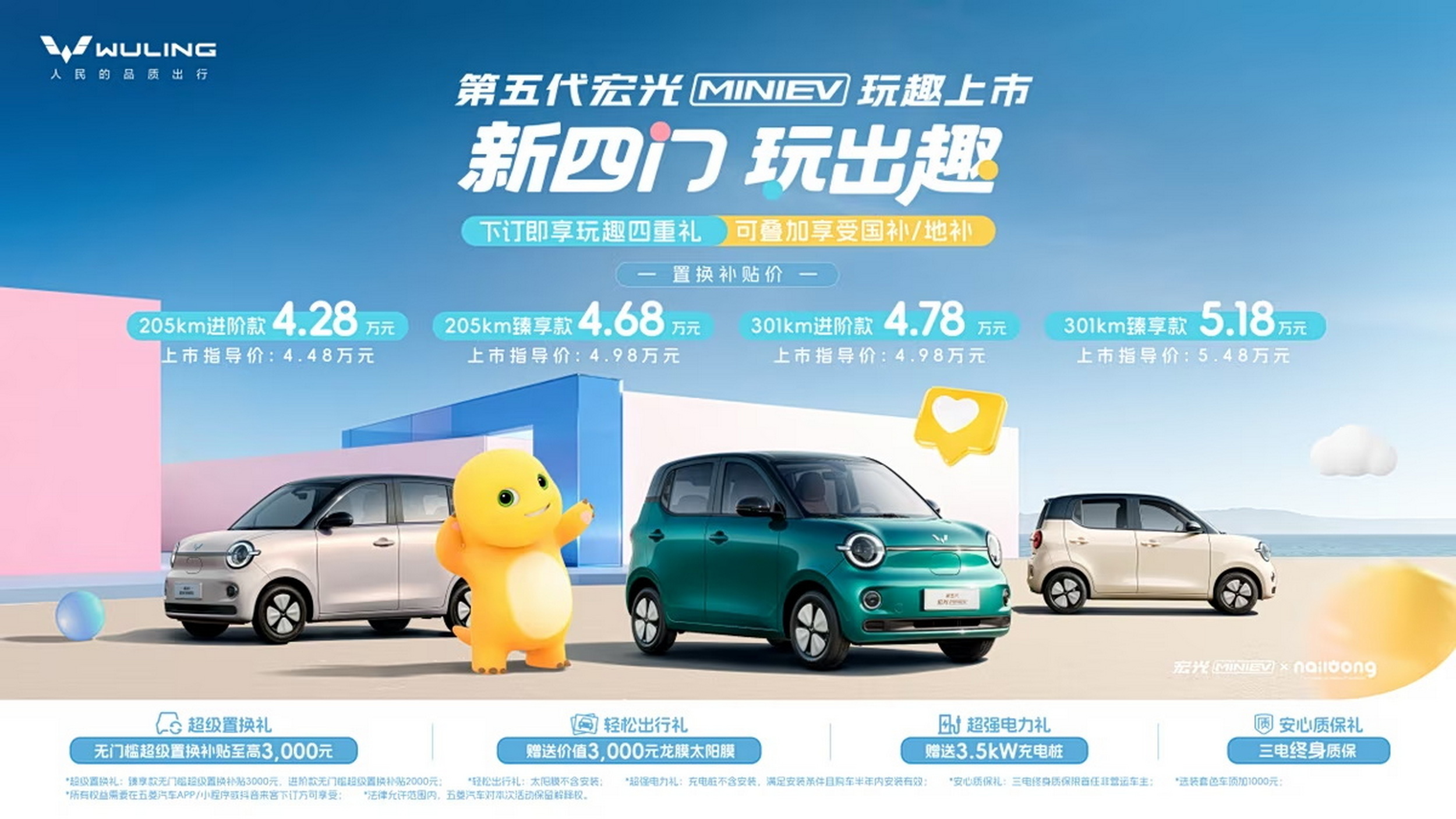
The fifth-gen Wuling Hongguang Mini EV has launched in China.
The EV has a 40 hp motor and offers up to 187 miles of range.
It brings a redesigned exterior and interior, starting at $6,200.
The Wuling Hongguang Mini EV has been around since 2020, yet it has already cycled into what’s being called its fifth generation. If that feels excessive, you’re not alone. In reality, these aren’t clean-sheet overhauls so much as heavy facelifts, which says plenty about the pace at which China’s car industry moves. Even so, racking up so many redesigns in just six years is an impressive feat.
This latest iteration leans into a redesigned exterior with a soft, almost sugar-cube look, while also stepping up inside with improved tech and a more polished cabin. Range has increased too.
Built by the SAIC-GM-Wuling partnership, the micro EV has quietly become a runaway success in China, with cumulative sales surpassing 1.9 million units by the end of 2025. This version continues to widen its appeal with a more practical five-door layout, a bodystyle first introduced late in 2024 on the outgoing model.
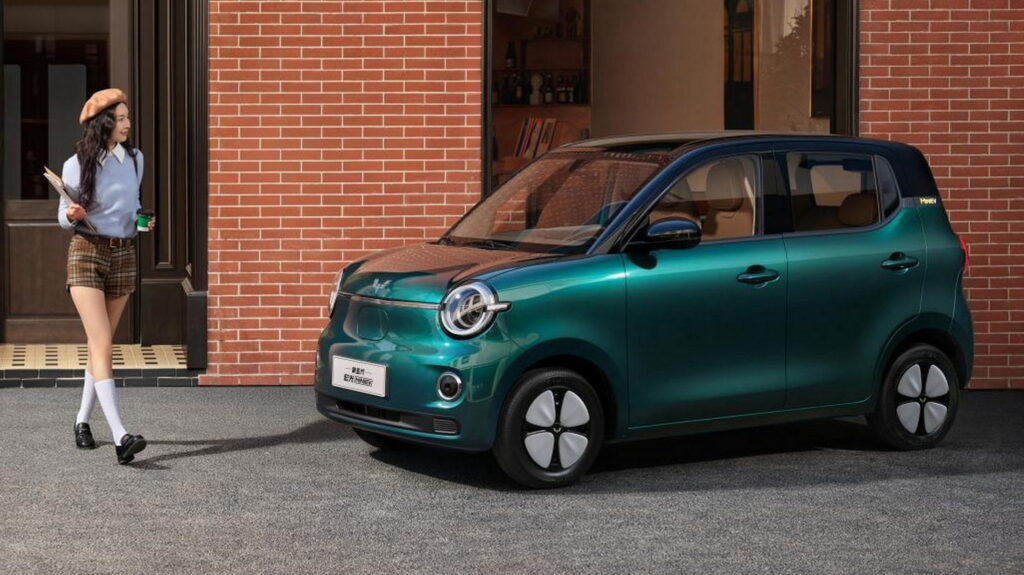
Visually, the highlight is the new face with a more upright nose giving the car a friendlier, almost toy-like expression. Round LED headlights and taillights are linked by a chrome strip. The overall silhouette remains familiar, but every panel has been reworked and paired with a brighter, more playful color palette.
It’s Small, Really Small
The five-door Hongguang Mini measures 3,268 mm (128.7 inches) in length, just 12 mm (0.5 inch) longer than before, while keeping the same 2,190 mm (86.2 inches) wheelbase. The two-door version remains the more compact option, coming in at 3,064 mm (120.6 inches) long with a 2,010 mm (79.1 inches) wheelbase.
The interior looks familiar, but the dashboard has been redesigned with a larger 10.1-inch infotainment touchscreen and slimmer climate vents. Furthermore, the physical climate controls have been removed entirely, and a column-mounted gear selector opens up extra space between the front seats.
Cargo space stands at 170 liters (6 cu ft) with the seats up, expanding to 838 liters (29.6 cu ft) when the rear bench is folded. The company also claims 20 separate storage compartments throughout the cabin, which should help offset the Mini’s modest footprint in everyday use.
40 HP, But Range Does The Talking
Every version sticks with a rear-mounted electric motor, delivering just 40 hp (30 kW / 41 PS) and 85 Nm (63 lb-ft) of torque, identical to the outgoing model. Performance remains modest, as expected, with top speed capped at 101 km/h (62 mph).
Buyers get a choice of two battery packs. The entry-level model runs a 16.2 kWh unit, good for 205 km (127 miles) of CLTC range. Step up to the 25.1 kWh battery, and that figure climbs to 301 km (187 miles). In both cases, charging from 30% to 80% takes around 35 minutes, which keeps downtime relatively short for a city-focused EV.
How Much Does It Cost?
The five-door 2026 Wuling Hongguang Mini EV is already on sale in China, with pricing starting at ¥44,800 ($6,500) and rising to ¥55,800 ($8,100) for the range-topping version with the larger battery. Factor in current trade-in subsidies, and the entry point drops slightly further to ¥42,800 ($6,200), reinforcing its position as one of the most accessible EVs on the market.
BMW’s iX3 LWB adds 108 mm (4.25 inches) of wheelbase for Chinese buyers.
China-specific software includes Huawei, Alibaba, Deepseek, and Amap navigation.
Longer rear doors and new semi-enclosed handles meet local safety regulations.
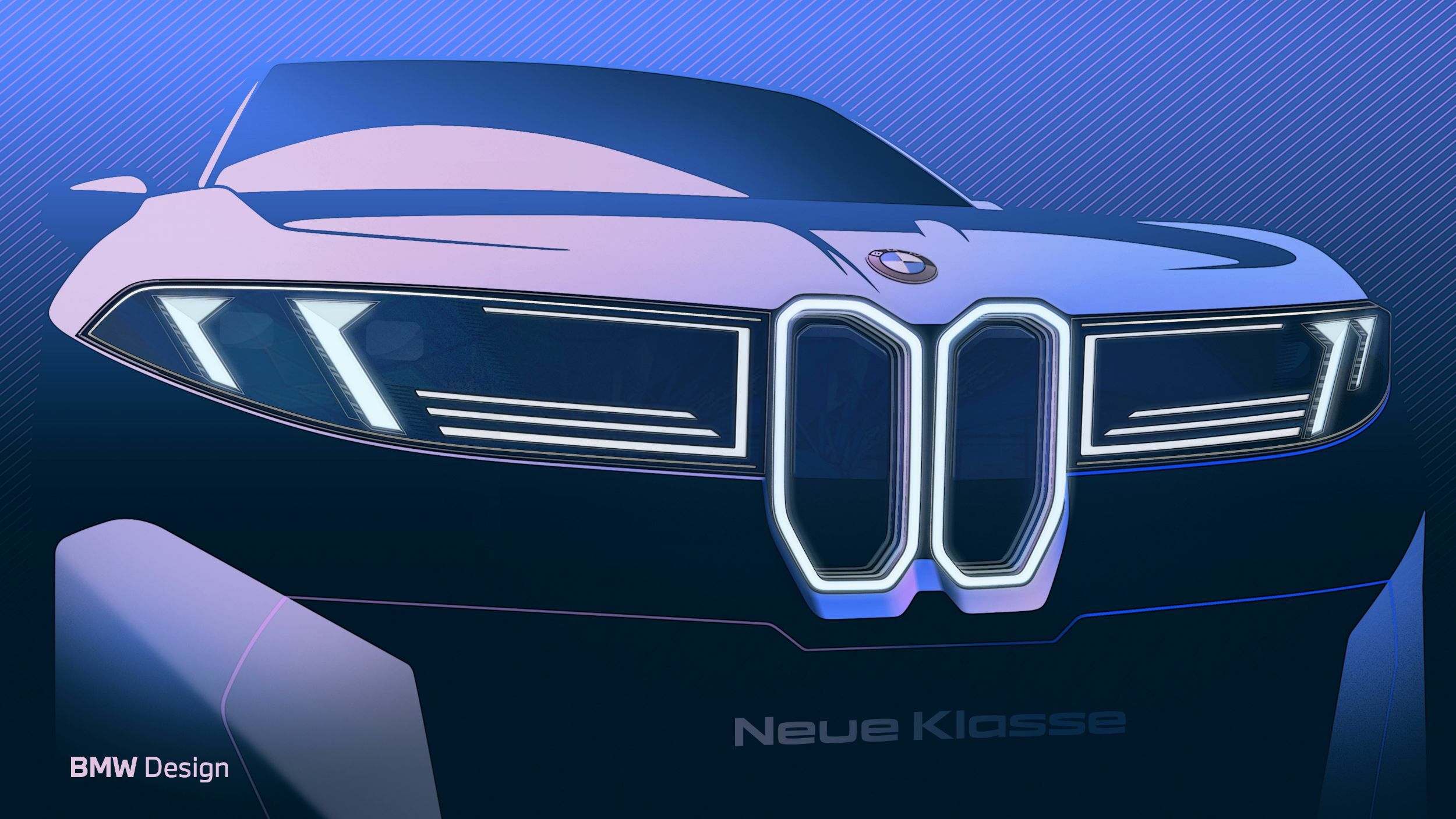
BMW is kicking off its Neue Klasse rollout in China with a version built specifically for the market, and the new iX3 LWB makes that clear from the outset. This all-electric SUV stretches its wheelbase to free up more rear-seat space, while also packing in tech and safety systems tuned to local expectations.
While the official debut of the BMW iX3 LWB is scheduled for the 2026 Beijing Auto Show in April, the company has already shared photos on its social media accounts, following the camouflaged prototypes they showed us last January.
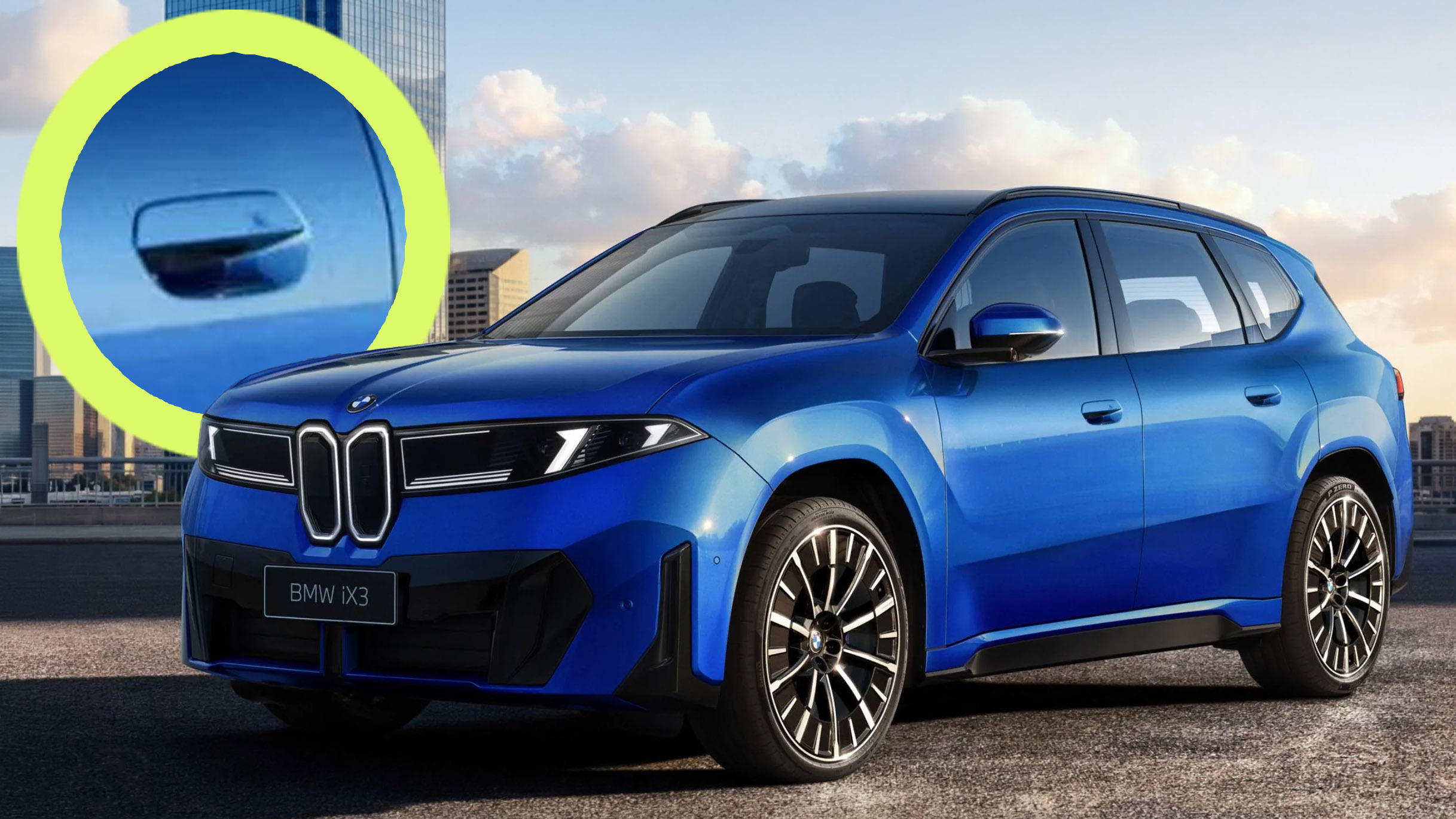
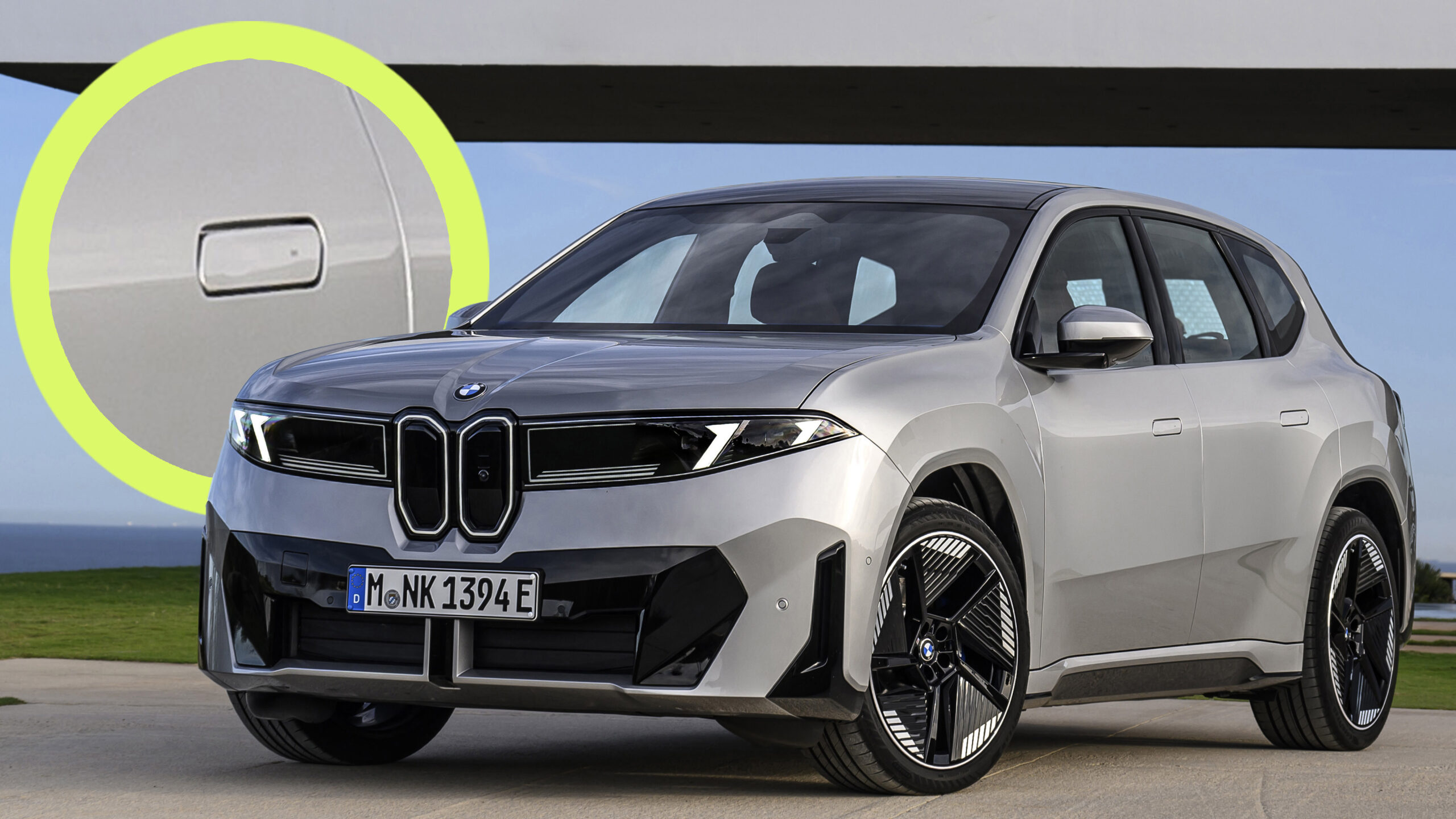
On the surface, the iX3 LWB closely mirrors the standard model, but the details start to separate it. The rear doors are slightly stretched, a result of the longer wheelbase, and the door handles now use a semi-enclosed design. That change is not just aesthetic, it aligns with Chinese regulations that restrict electronically controlled handles. It may also mark one of the first instances of a Western manufacturer developing two distinct door-handle solutions to comply with differing regional rules.
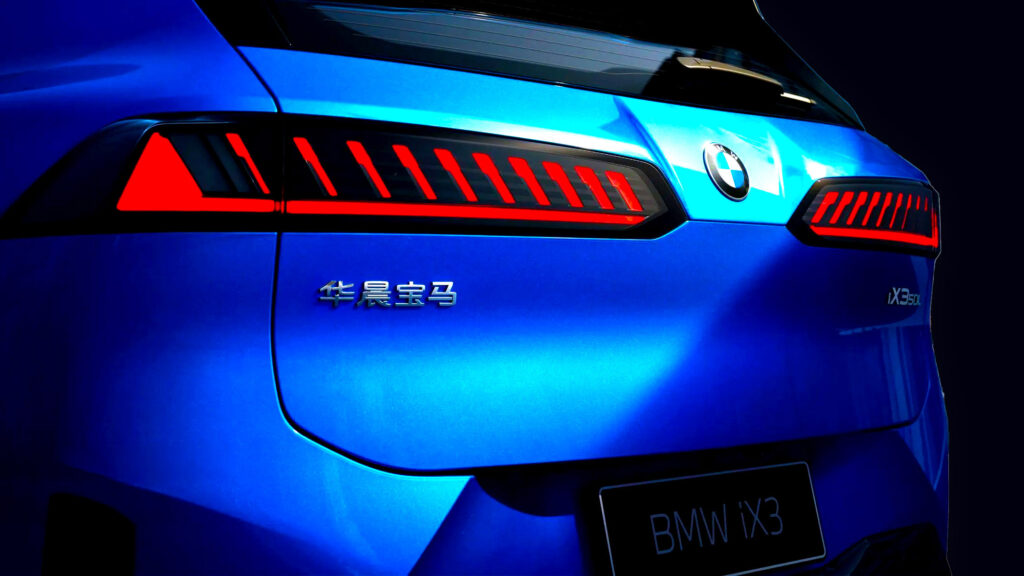
There are a couple of other small but telling tweaks. A new camera sensor sits on the roof spoiler, and the tailgate carries Chinese lettering, reinforcing that this version is very much market-specific.
The headline change is the extra 108 mm (4.25 inches) added to the wheelbase, bringing it to 3,005 mm (118.3 inches). That is actually 30 mm longer than the ICE-powered X3 LWB and puts it right in line with the current X5’s footprint between the axles.
Assuming the overhangs stay the same, overall length should land around 4,890 mm (192.5 inches). That places it slightly ahead of the X3 LWB, yet still just shy of an X5, which is an interesting bit of positioning.
Localized Software
Inside, BMW has yet to show the cabin, though expectations are that it will largely carry over from the standard iX3. The bigger story is software. The new BMW Operating System X is expected to integrate Huawei HarmonyOS Next, along with AI models from Alibaba and DeepSeek, plus navigation from Amap with 3D mapping.
BMW is also rolling out a “China-exclusive all-scenario driver assistance system” developed in collaboration with Momenta. This promises to be “deeply customized for Chinese users” providing sophisticated ADAS for China’s “complex urban environments, highways, and long-distance travel”.
Finally, BMW engineers have tweaked the chassis, electronics, and suspension of the Neue Klasse architecture for the Chinese market, targeting “an elegant balance of comfort and stability in diverse driving scenarios.”
Same Power, Big Numbers
As for the powertrain, the iX3 50L xDrive mirrors its standard iX3 counterpart. It runs a dual-motor setup producing a combined 463 hp (345 kW / 469 PS) and 645 Nm (476 lb-ft) of torque, paired with a 108.7 kWh battery pack. That battery is rated for more than 900 km (559 miles) of range on the CLTC cycle and supports DC fast charging at up to 400 kW.
Built In China, For China
This version of the iX3 will be exclusive to China, built locally through the BMW Brilliance partnership at its Shenyang plant. Pricing remains under wraps for now, though that will come into focus closer to launch.
Josef Borrell, CEO of BMW Brilliance, framed it as more than just another variant, positioning the long-wheelbase iX3 as a key step in blending BMW’s global tech with locally developed innovation.
“The new generation BMW iX3 long wheelbase represents a significant milestone for us in integrating innovation, driving pleasure, and digital intelligence for the Chinese market,” he said. “The new generation of technologies driven by our Chinese R&D team is gradually becoming an important part of BMW’s global technology landscape and brand DNA.”
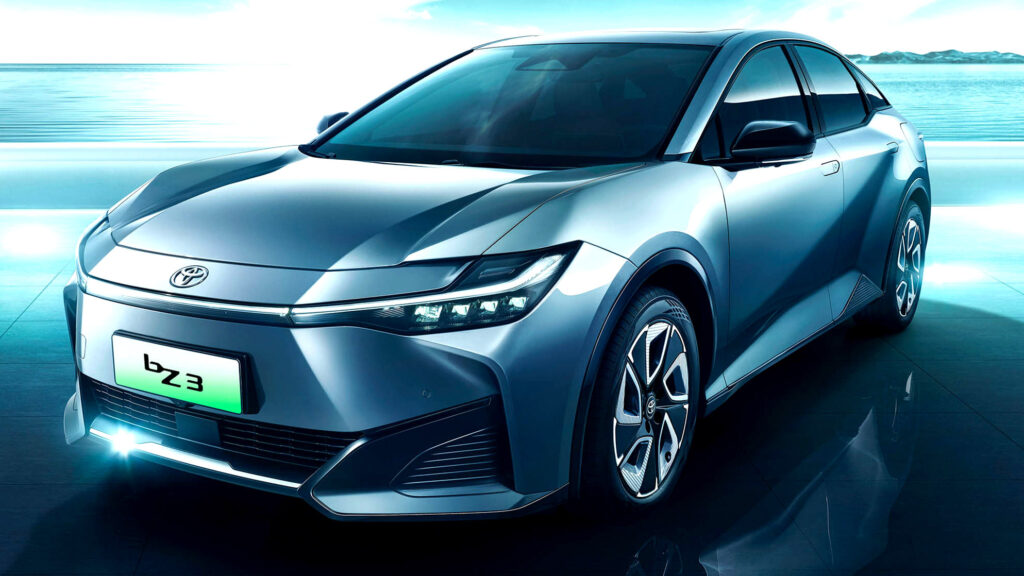
GAC and FAW Toyota have slashed pricing for their bZ3X SUV and bZ3 sedan.
bZ3X was the top-selling joint-venture EV in China for five consecutive months.
Both EVs use batteries with enough capacity to cover between 321 and 383 miles.
Toyota has just made two of its cheap EVs in China even cheaper. They’re so affordable that, depending on where you live, you may consider selling your house, packing up your belongings, and immediately moving to China.
Just kidding, but when a brand new vehicle costs less than what you pay in the States for a 15-year-old used Corolla (around $14,000), then something has gone genuinely, wonderfully wrong with our understanding of what a car is supposed to cost.
Perhaps the most interesting of the pair is the bZ3X SUV, launched in China in early 2025 through the GAC Toyota joint venture. It typically starts at 109,800 yuan, or about $15,800, which already feels like a steal. Now, to celebrate GAC Toyota shifting 80,000 vehicles in its first year, the entry price has dropped to just 99,800 yuan, roughly $14,400.
You get a heck of a lot of features for the money. The base model is powered by a 50 kWh battery, and while that’s small, it’s good enough for 267 miles (430 km) of driving on the generous CLTC cycle. It powers a single electric motor producing 221 hp. Step up to the 58 kWh or 68 kWh battery options, and range stretches to as much as 379 miles (610 km).
Unsurprisingly, it’s been flying out of showrooms. The bZ3X topped joint venture EV sales for five consecutive months starting in September. Given the starting price, it’s hardly a surprise why.
The Sedan Is Even Cheaper
Too expensive? Well, good news, as the price cuts don’t stop with the SUV. FAW Toyota has also trimmed the cost of the bZ3 sedan, another strong seller. The refreshed version arrived just a few months ago and, like the SUV, originally carried a 109,800 yuan ($15,800) starting price. Now, that entry point has dropped to 93,800 yuan, or about $13,500.
Underneath, the electric sedan uses BYD’s Blade battery tech and comes with either a 49.9 kWh or 65.3 kWh pack. Depending on configuration, that translates to between 321 miles (517 km) and 383 miles (616 km) of claimed range.
Of course, you’re not just paying for the powertrain, but a slew of other technologies. For example, there’s a new 15.6-inch infotainment display, a digital gauge cluster, panoramic sunroof, dual wireless smartphone charging pads, a roof-mounted LiDAR, and Level 2 semi-autonomous driving functionalities. Not bad for $13,500, right?
The ID. Unyx 08 is sold with 82 kWh and 95 kWh battery packs in China.
VW says the flagship model can drive up to 453 miles on a single charge.
Xpeng’s advanced Level 2 driving-assistance system is used in the SUV.
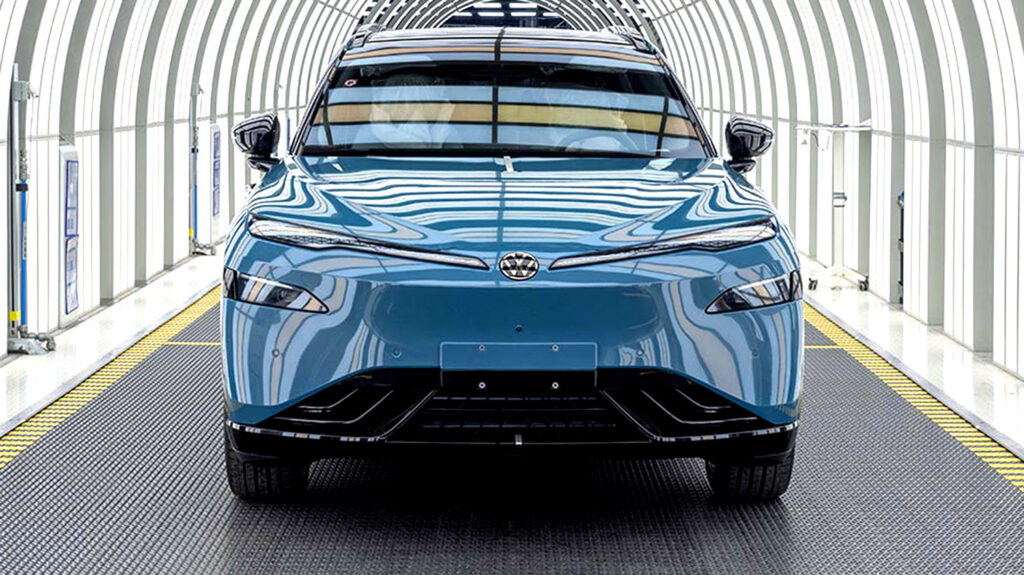
VW’s partnership with Xpeng in China has started to bear fruit. Less than two years after the two car manufacturers joined forces to develop new EVs, production of the full-size ID. Unyx 08 has just started. It’s been priced very reasonably, too.
Pre-sales have started to coincide with the production of the ID. Unyx 08, starting at 239,900 yuan ($34,700) and topping out at 299,900 yuan ($43,400). To put those prices into perspective, a new ID.4 starts at $45,095 in the US, yet the ID. Unyx 08 blows it out of the water in terms of performance and technology.
The design of the new SUV is unlike any VW sold in the West, which is no bad thing. The front is sleek with intricate LED daytime running lights and black elements. Flowing sides taper off to a modern rear-end with an illuminated VW logo. All up, it is 5,000 mm (196.8 inches) long, 1,954 mm (76.9 inches) wide, and 1,672 mm (65.8 inches) tall, with a 3,030 mm (112.9-inch) wheelbase.
Efficiency And Power
Autohome
Importantly, the ID. Unyx 08 is underpinned by an 800-volt electrical architecture and offered with 82 kWh and 95 kWh battery packs, both sourced from CATL. Chinese buyers can order the SUV with either a 308 hp (230 kW) motor at the rear wheels, or in all-wheel drive configuration, which includes a 188 hp (140 kW) motor at the front wheels, making for a combined 496 hp (370 kW). This model can hit 62 mph (100 km/h) in 4.9 seconds.
VW has yet to release range estimates for all powertrain configurations, but we know versions with the 95 kWh pack will be able to drive up to 730 km on the CLTC cycle. The battery packs also support 315 kW DC fast charging, meaning the pack can be topped up from 10-80 percent in roughly 20 minutes.
The EV is also equipped with Xpeng’s Level 2 intelligent driving assistance system and has a modern interior that appears just as tech-focused as some Chinese competitors. Positioned behind the steering wheel is a relatively traditional digital instrument cluster, but the ID. Unyx 08 also includes two huge screens, consisting of one for the infotainment system and another for the passenger.
Other key features include massaging seats, an optional in-car fridge, an electrochromatic panoramic glass roof, and a 20-speaker audio system.
Lexus brings its Interactive Manual Drive system to European RZ models this spring.
The setup simulates eight gears via paddles, complete with torque interruptions.
F Sport trims also gain steer-by-wire using a yoke with a 200-degree lock-to-lock ratio.
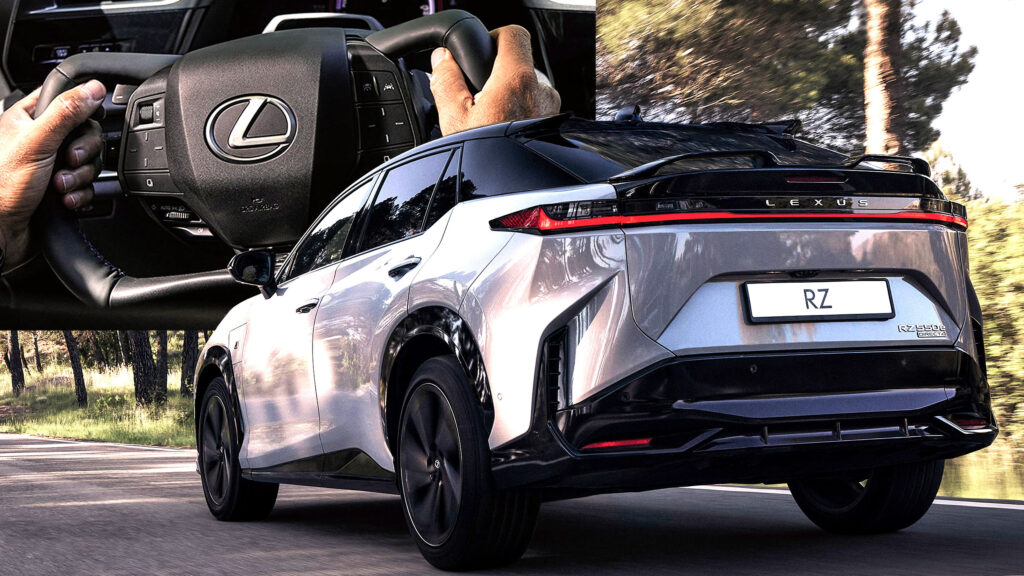
Lexus is bringing its Interactive Manual Drive system to Europe, following its debut in Japan. The technology simulates a manual gearshift feel in an electrified powertrain, giving drivers a sense of mechanical engagement the brand says was lost in the transition away of combustion.
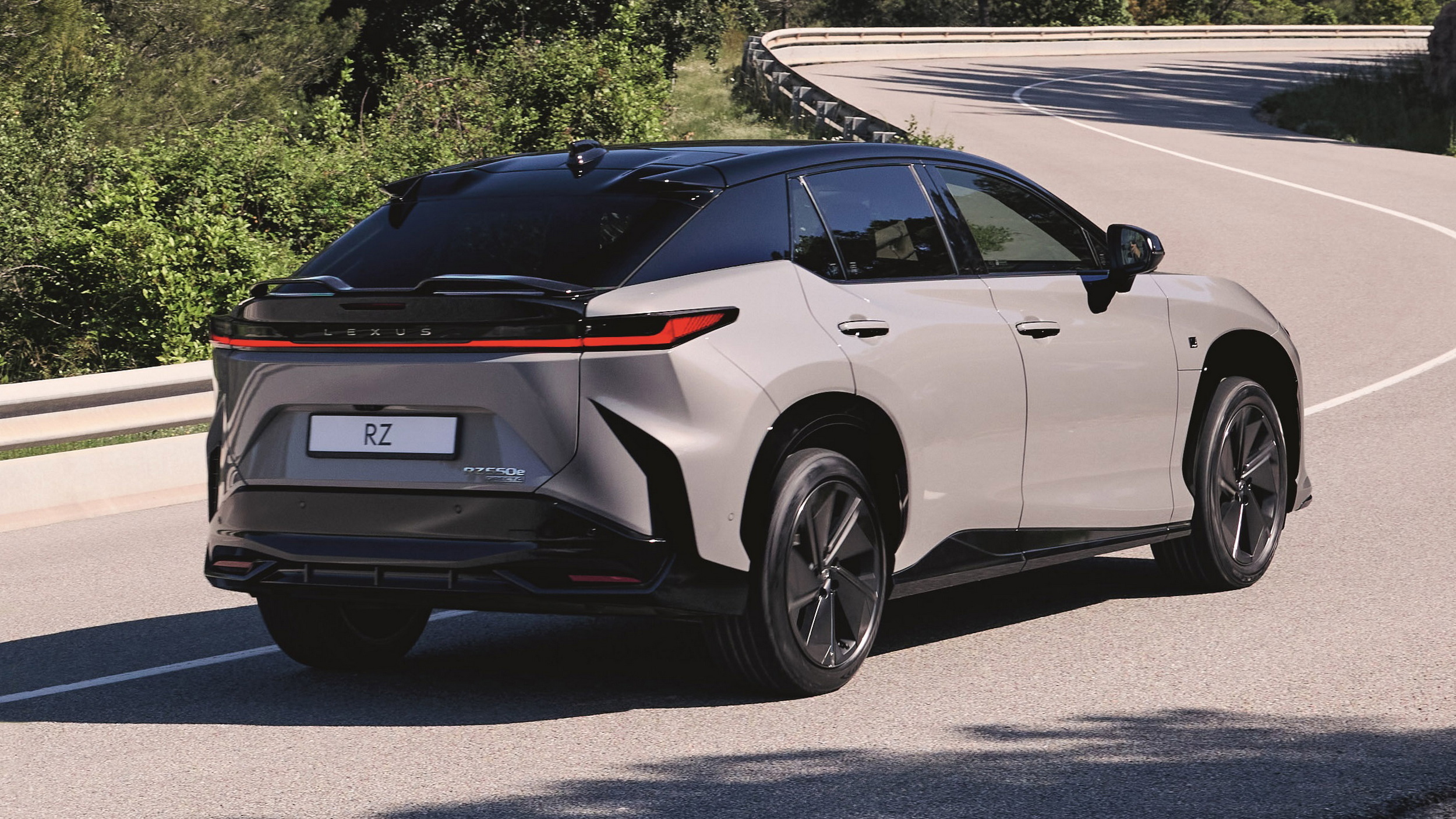
The system comes standard on F Sport trims of the updated Lexus RZ, which was detailed in Europe exactly one year ago, with first deliveries scheduled to begin this spring. Earlier prototypes previewed in 2022 featured a physical clutch and gear lever, but the production version leans heavily on software, making it closer in feel to a simulated automatic than a real manual.
Using steering-wheel-mounted paddle shifters, drivers can cycle through eight virtual gears, with a digital tachometer indicating optimal shift points. They can also choose between three levels of synthetic engine sound, each synced to the simulated gear changes.
Similar to the Honda Prelude’s S+ Shift gear system, it goes further than just noise. The setup calculates virtual torque based on throttle input and vehicle speed, then feeds that back through the drivetrain. The result is an illusion of real shifts, complete with torque interruptions, engine braking, and even a hint of G-force nudging you along. At least, that’s the theory Lexus is selling.
Lexus is not alone in attempting to bring a more engaging gear-changing experience to electrified models. Similar systems are already offered by other automakers, including Hyundai with the fully electric Ioniq 5 N.
Steer-By-Wire
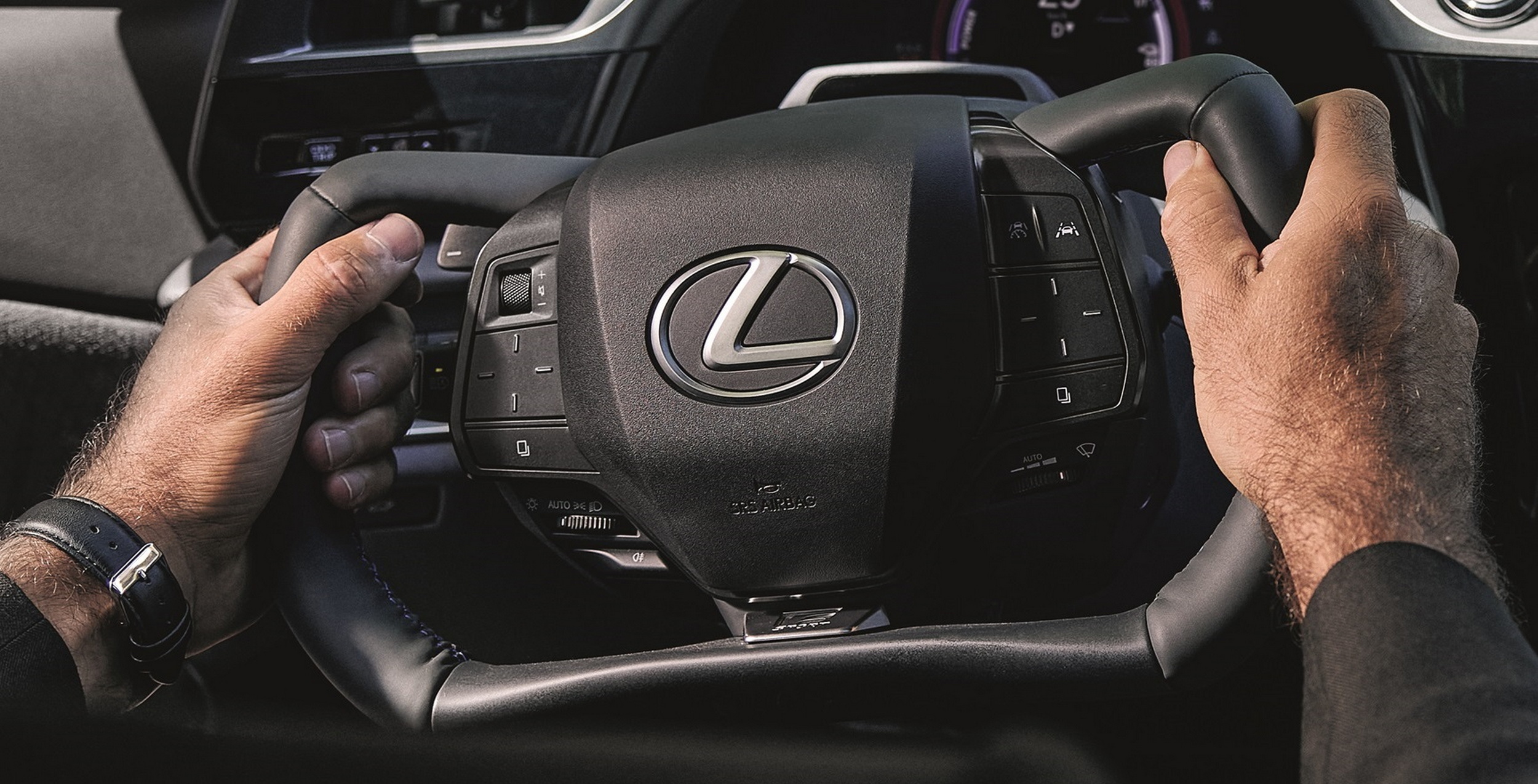
Lexus is also introducing its steer-by-wire system in Europe after years of delays. Standard on F Sport models and optional on the rest of the lineup, it replaces the mechanical steering column with a yoke-style controller and a fully digital connection.
The futuristic steering setup features a tight 200-degree lock-to-lock ratio. In practice, that means no hand-over-hand turning during a U-turn, something that would otherwise be awkward with a yoke.
The most powerful version of Lexus’ electric crossover in Europe is the RZ 550e F Sport AWD, producing a combined 402 hp (300 kW / 408 PS). While this can’t match the 424 hp (313 kW / 426 PS) of the Japanes-spec RZ 600e Sport Performance, it is enough to offer a 0-100 km/h (0-62 mph) acceleration in a respectable 4.4 seconds.
The latest update to the RZ lineup introduced a larger 77 kWh battery pack, delivering a WLTP range of up to 568 km (353 miles) for the entry-level RZ 350e FWD. Additional updates include a battery preconditioning system and a standard 22 kW onboard AC charger.
Ford debuts the EV-only Transit City van in Europe for last-mile urban delivery.
Payload ranges from 2,392 lbs. to 3,373 lbs. across three body configurations.
It is based on a Chinese platform and will be manufactured in China too.
Ford Pro’s van lineup is already sprawling, with models like the fully electric E-Transit Custom and E-Transit covering a lot of ground. Still, that hasn’t stopped Ford Pro from adding another name to the roster with the all-new Transit City. Built on an EV-focused platform developed by Jiangling Motors Corporation (JMC) and assembled in China, it will be offered in mainland Europe and the UK.
To further slash costs, Ford has pursued an aggressively simplified strategy. There’s just one trim, no options list, and very little room for personalization. It’s as pared back as it gets. The design follows suit. You get a straightforward look with modern LED lighting linked by a closed-off grille, clean body surfaces, black wheels, and unpainted plastic bumpers that make no attempt to hide their budget-friendly intent.
The Transit City is available in three body styles, including a standard panel van, a long-wheelbase high-roof variant, and a chassis cab version. The latter is designed to serve as a blank canvas for conversions by aftermarket specialists.
Payload capacity ranges between 1,085 kg (2,392 lbs) and 1,530 kg (3,373 lbs), depending on the specification. As for the available space at the back, the largest van can hold up to 8.5 cubic meters (300 cubic feet) of cargo and has a loading space length of 3,070 mm (120.9 inches).
Despite its budget character and lack of options, the standard equipment is quite generous for the segment. The dashboard features a 12.3-inch touchscreen running Ford’s SYNC 4 infotainment system, a digital instrument cluster, and plenty of storage compartments.
Furthermore, the van comes standard with adaptive cruise control, lane-keeping assist, front and rear parking sensors, a rearview camera, and even a heated driver’s seat.
A Dedicated EV
Unlike other models in Ford Pro’s commercial vehicle lineup, the Transit City is a dedicated battery-electric vehicle with no internal combustion or hybrid variants on the horizon. The company claims the electric powertrain will help reduce maintenance costs by up to 40% compared to a diesel van.
It rides on a ladder-frame chassis developed by the JMC joint venture and is fitted with a front-mounted electric motor producing 148 hp (110 kW / 150 PS). Energy is stored in a 56 kWh Lithium Iron Phosphate (LFP) battery pack, allowing a WLTP range of up to 254 km (158 miles). While that might sound modest to some, Ford notes that typical users in this segment average less than 110 km (68 miles) per day.
Charging is handled via an 87 kW peak DC fast-charging rate, enabling 50 km (31 miles) of range to be added in 10 minutes, or a 10-80% top-up in approximately 33 minutes. Using the standard 11 kW AC charger, a full charge takes about five hours.
Focused On Affordability
Ford hasn’t put a price tag on it yet, but it has made confirmed that the Transit City will slot between the smaller E-Transit Custom and the full-size E-Transit. Right now, those models start at £43,630 ($58,300) and £49,545 ($66,200), respectively, which gives a fairly tight window for where this new addition is likely to land.
Volvo turned the EX30 into a two-seat electric commercial vehicle for fleets.
The rear bench is replaced by a flat floor offering 1,000 liters of cargo space.
Conversion is available on new stock and applies across the full EX30 lineup.
The EX30 may be the smallest SUV in Volvo’s lineup, yet that hasn’t stopped the brand from turning it into a working vehicle. Meet the Volvo EX30 Cargo, a second-stage conversion developed by the brand’s UK arm, pitched as a compact and very quick way to move parcels around town.
From the outside, Volvo’s first commercial vehicle looks just like a regular EX30 if you look past the pitch-black rear windows. Volvo will even offer it in Cross Country form, adding a tougher look and a touch more ground clearance for those who like their delivery runs with a bit of attitude.
Open the tailgate, though, and the illusion falls away. What you find is effectively a two-seat van hiding inside a small SUV shell. The rear bench has been removed entirely, pushing cargo capacity from 318 liters (11.2 cu ft) in the passenger version to a much more useful 1,000 liters (35.3 cu ft).
To make it genuinely usable, Volvo added a bulkhead to separate the cargo area, paired with a flat load floor and tougher interior paneling that should shrug off daily abuse. Around the back, the rear doors now open wider, there’s an extra work light for low-visibility jobs, and an underfloor subframe brings additional mounting points into play. Payload capacity is rated at 390 kg (860 lbs).
Despite its work-focused role, the EX30 Cargo retains the performance, safety, and technology of the standard model. After all, the conversion can be applied to both new vehicles and existing stock, making it available across the full lineup.
The base Cargo Core trim comes equipped with automatic LED headlights, 18-inch Aero alloy wheels, adaptive cruise control, front and rear parking sensors, a rearview camera, and wireless Apple CarPlay and Google Android Auto.
Stepping up to the Cargo Plus adds 19-inch wheels, a black roof, heated seats and steering wheel, dual-zone climate control, a wireless charging pad, Pilot Assist, and a Harman Kardon premium audio system.
In terms of performance, the entry-level EV offers 148 hp (110 kW / 150 PS), while the twin-motor AWD flagship delivers 422 hp (315 kW / 428 PS). The most powerful version completes the 0-100 km/h (0-62 mph) sprint in 3.6 seconds, making it an unexpectedly rapid way to deliver a small parcel in Britain.
The bad news is that the EX30 Cargo is exclusively available through Volvo UK’s fleet sales channels, so private buyers are excluded. Pricing starts at £36,010 ($48,200), which is £2,950 ($3,900) more than the least expensive passenger version. Availability in other markets has not been confirmed and appears unlikely.

 Login
Login