Reading view

There are new articles available, click to refresh the page.

Mazda Bet Big On New Tech And Paid For It In The Reliability Rankings
  • Lexus, Subaru, and Toyota top Consumer Reports’ latest reliability rankings.
  • Tesla climbs sharply, while Mazda tumbles thanks to trouble with new SUVs.
  • Hybrids keep impressing, but EVs and PHEVs still cause trouble for owners.

If you want a new car that spends more time on your driveway than at the dealer, Consumer Reports has some familiar advice. Stick with the usual suspects, be suspicious of shiny new tech, and maybe don’t volunteer to beta test an automaker’s latest big idea.

At the top of the pile, Toyota grabbed first place with Subaru second and Lexus third. Honda and BMW rounded out the top five. Consumer Reports based the study on survey data covering about 380,000 vehicles, so this is the kind of league table that has credibility, and isn’t just the result of an angry guy yelling into a forum thread about his rogue SUV.

Related: A CX-90 Owner Returned His New SUV After One Day, Bought Another, And Got The Same Problem

If you’re wondering who had the best transformation, that would be Tesla. It jumped eight places from last year’s study to ninth overall, helped largely by stronger showings from the Model 3 and, in particular, the Model Y. That doesn’t mean everything in Tesla land is suddenly flawless, because the Cybertruck still landed below average, but it does suggest the company is finally getting a better grip on some of the fit, finish, and hardware gremlins that used to follow it around.

Mazda’s PHEV Nightmare

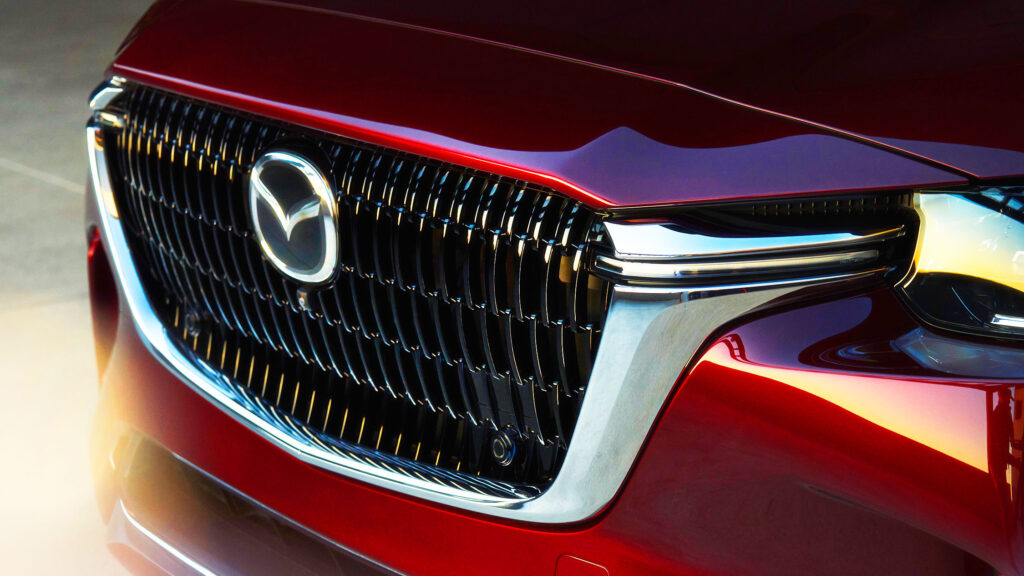
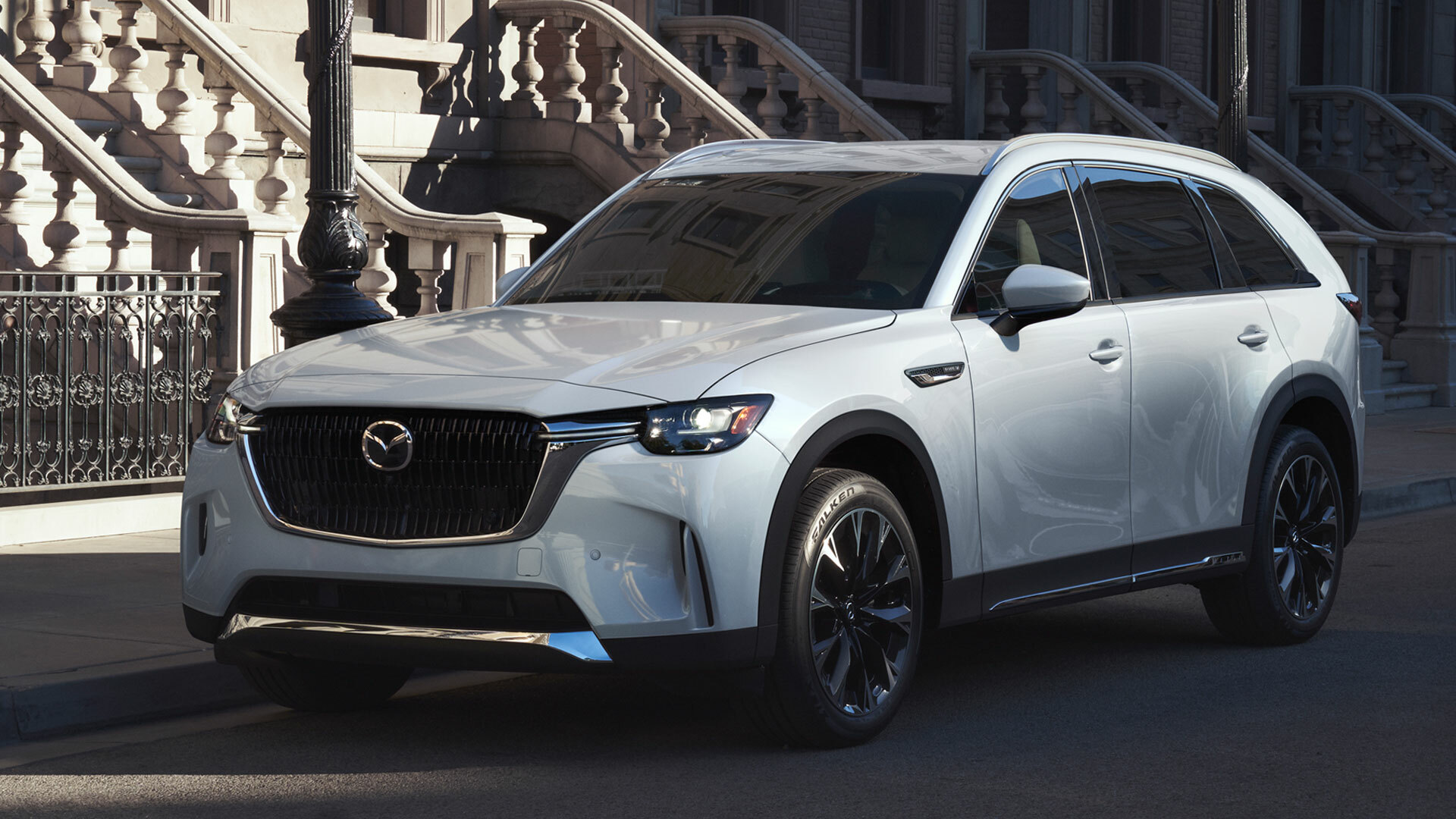
The brand that took the awkward tumble was Mazda, which dropped eight spots to 14th. Older Mazda models still did reasonably well, but the newer, more complicated CX-70 and CX-90, especially in plug-in hybrid form, apparently kept causing trouble.

That’s a classic case of what happens when an automaker gets ambitious with new platforms, new drivetrains, and new tech all at once. Sometimes the engineering team nails it. Sometimes the owners become unwitting, unpaid members of the R&D squad.
 Mazda Bet Big On New Tech And Paid For It In The Reliability Rankings
Mazda

Consumer Reports also says hybrids continue to be a safe option for ICE fans looking for better economy. EVs and PHEVs, meanwhile, remain overrepresented among the least reliable models in the survey, especially when they’re brand new or heavily redesigned.

Buick Leads Detroit Brands
 Mazda Bet Big On New Tech And Paid For It In The Reliability Rankings

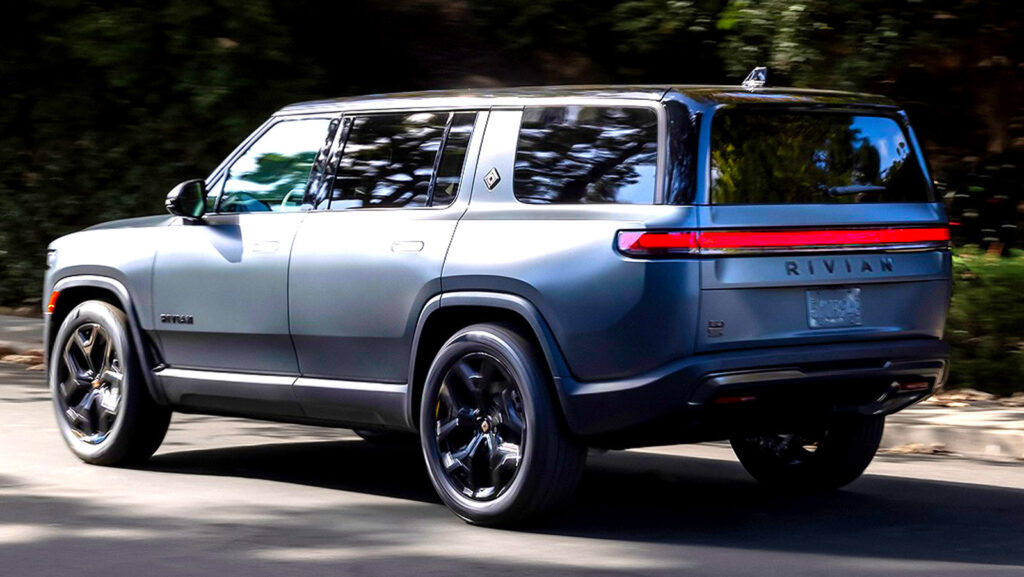
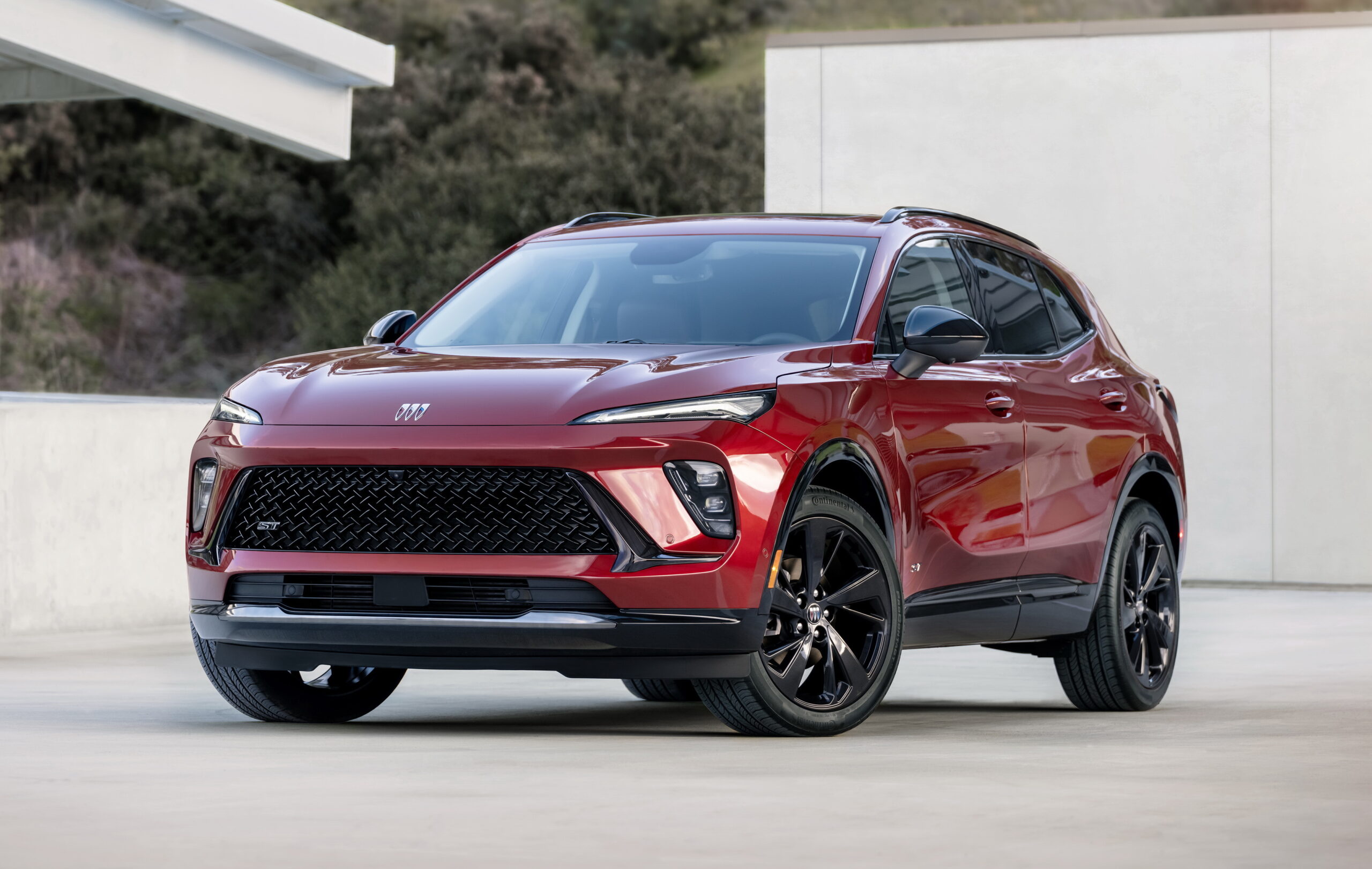
There were a few other eyebrow raisers in the rankings. Buick was the highest placed traditional Big Three Detroit brand at eighth, Ford landed 11th, and relative newcomer Rivian brought up the rear, though it’s worth pointing out that Jaguar, Land Rover, Fiat, Alfa Romeo and more were excluded from the study due to a lack of data.

Consumer Reports also found Asian brands still dominate on reliability, Europeans sit in the middle, and domestic brands trail overall, even if Tesla’s jump gave Team America something to celebrate. 

And reliability is worth celebrating. No, it’s never going to be sexy, but unless your idea of excitement includes hanging around in waiting rooms and constantly swapping into loaner crossovers, Consumer Reports has a pretty clear message: maybe let somebody else test the cutting edge first.

Consumer Reports Reliability Study
Position BrandScore
1Toyota66
2Subaru63
3Lexus60
4Honda59
5BMW58
6Nissan57
7Acura54
8Buick51
9Tesla50
10Kia49
11Ford48
12Hyundai48
13Audi44
14Mazda43
15Volvo42
16Volkswagen42
17Chevrolet42
18Cadillac41
19Mercedes-Benz41
20Lincoln40
21Genesis33
22Chrysler31
23GMC31
24Jeep28
25Ram26
26Rivian24
SWIPE

Consumer Reports

EV Prices Are Falling, But Automakers Are Eating Nearly $8,000 Per Sale To Pull It Off

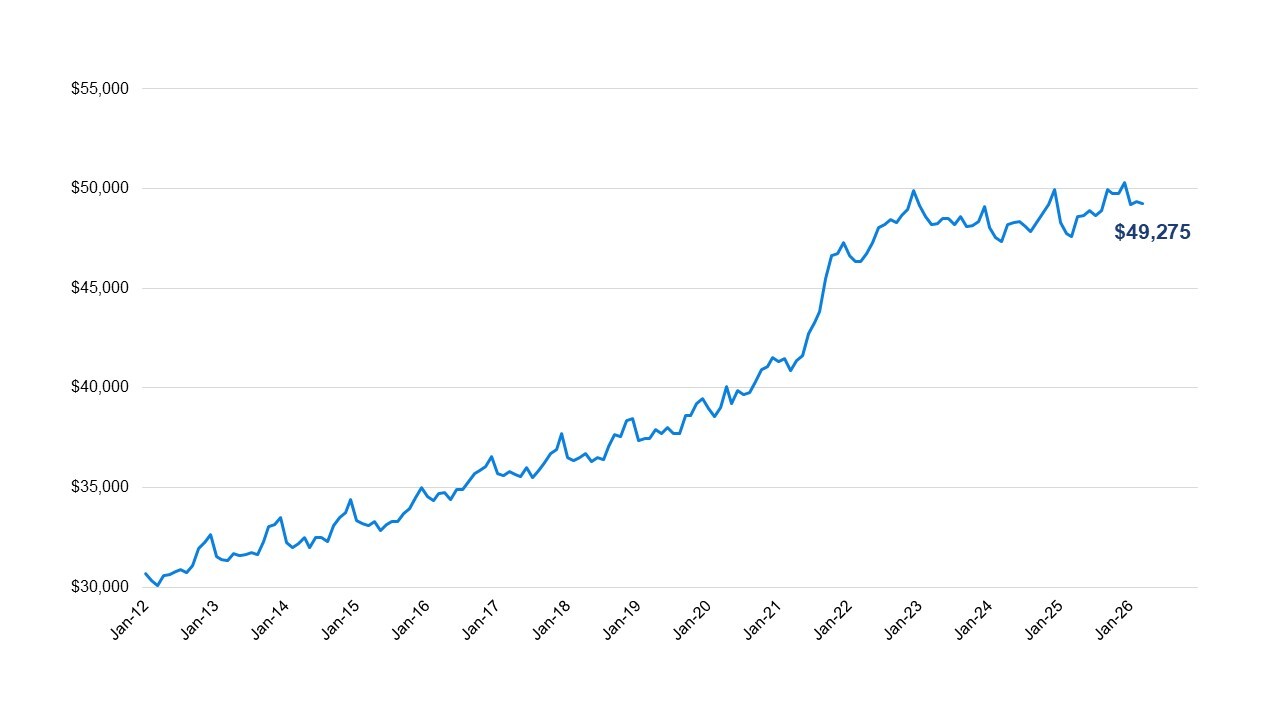
  • Average new car transaction price in US climbs to $49,275.
  • EV prices fall 2.8 % to $54,508 thanks to sales incentives.
  • Buyers are still choosing big vehicles such as full-size trucks.

Here’s some good news if you’ve been eyeing an EV as a way out of buying expensive gas, but also flinching at the price of making the switch. The gap between electric and gas cars just shrank to its smallest level ever. Okay, so $5,800 is not pocket change, but it’s a whole lot less scary than it used to be, and is the kind of difference you could even out with fuel cost savings if you’re a high mileage driver.

New EV prices dropped 2.8 percent year over year to $54,508, marking their third straight monthly decline, according to fresh data from Cox Automotive’s Kelley Blue Book. That’s not happening by accident, either. Automakers are throwing incentives at buyers like confetti, with EV discounts now averaging 14.6 percent of transaction price.

Related: Most Automakers Clear Inventory With Discounts, Tesla Raised Model S And X Prices Instead

Meanwhile, gas and hybrid vehicles are holding steady. The industry average transaction (ATP) price landed at $49,275 in March, up 3.5 percent from last year but basically flat compared with February. So while EVs are coming down, ICE models aren’t exactly rushing to meet them halfway.

The annual price gains have now accelerated for four consecutive months. The average MSRP reached $51,456, marking the 12th straight month above $50,000.

New-Vehicle Average Transaction Price
 EV Prices Are Falling, But Automakers Are Eating Nearly $8,000 Per Sale To Pull It Off

Bigger Is Better

What’s really driving the overall numbers, though, is what Americans are actually buying. Spoiler alert, it’s still big stuff, and its not electric. Full-size pickups are hovering near $66,000, while full-size SUVs are knocking on the door of $80,000. 

At the other end of the spectrum, compact cars are barely moving, up just 1.1 percent year over year and still sitting under $28,000. Even with rising prices, they’re losing relevance as buyers keep chasing space, power, and presence.

 EV Prices Are Falling, But Automakers Are Eating Nearly $8,000 Per Sale To Pull It Off

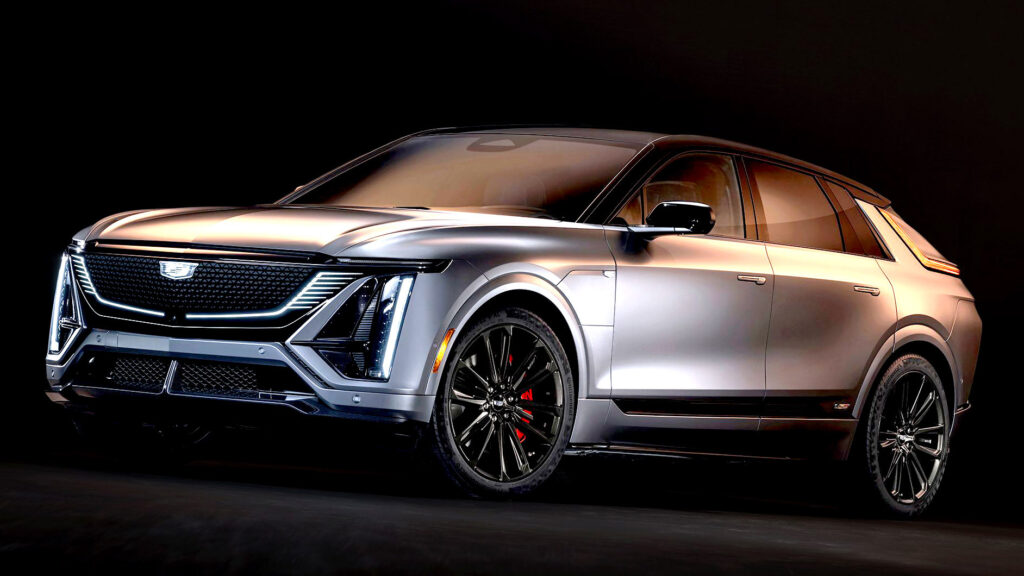
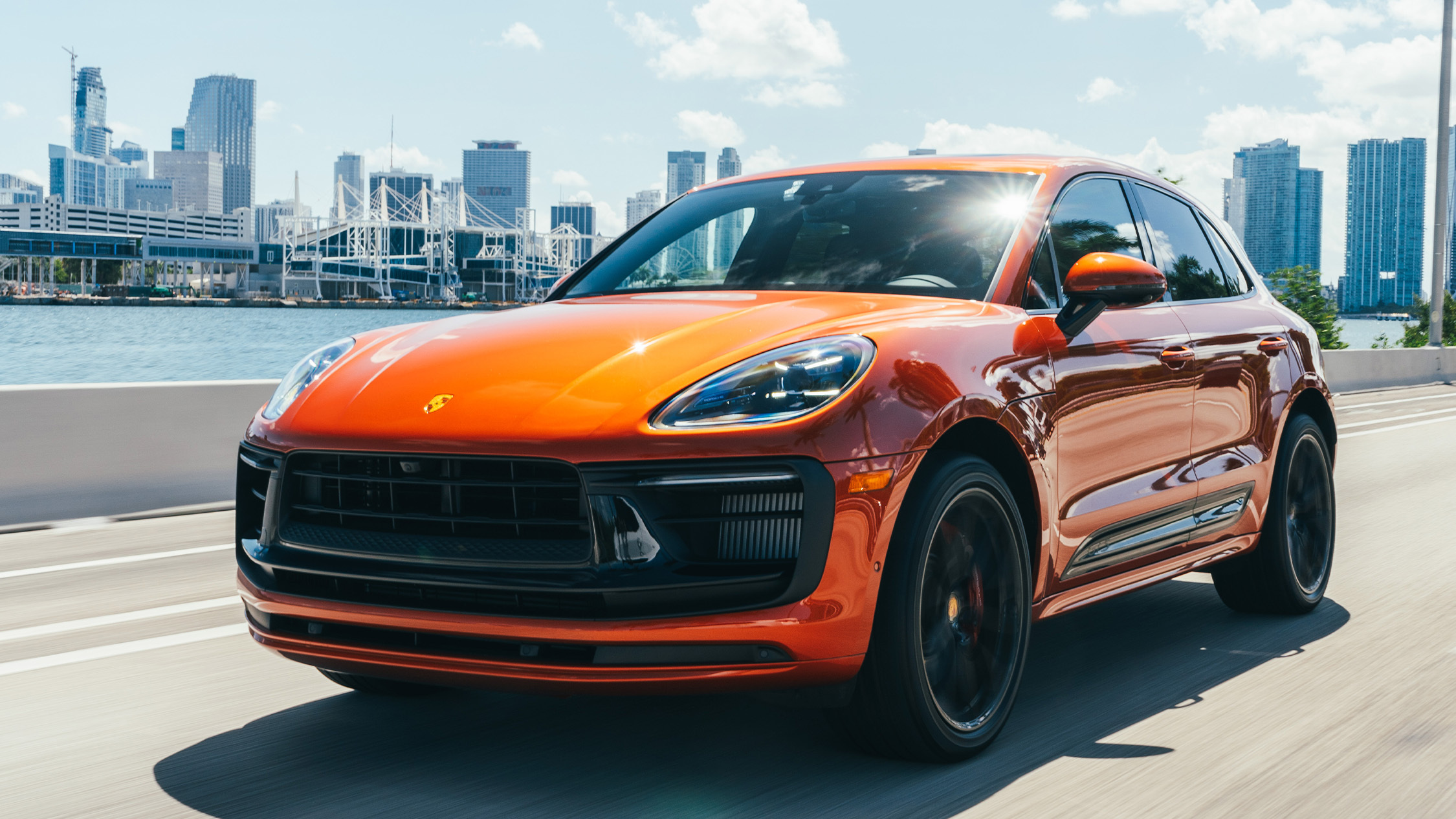
The brand data adds another layer of intrigue. Porsche buyers clearly didn’t get the memo about tightening American household budgets, with average prices jumping 12.4 percent year over year to $128,447. Cadillac is also riding high with an 11.6 percent increase to $84,139. 

Mercedes, Tesla Prices Down

But not everyone’s winning. Mercedes-Benz prices fell 3.4 percent to $75,886, while Tesla dropped 2.6 percent to $53,142, continuing its quiet price-cut campaign to stay competitive. 

And then there are incentives across the wider market. They climbed to 7.2 percent of ATP, up from 6.9 percent in February, showing that even as prices stay high, automakers are working harder behind the scenes to keep buyers interested.

Average Transaction Price By Automaker
AutomakerMar-26Feb-26Mar-25MoM
change
YoY
change
BMW$70,792$71,807$70,515-1.4%0.4%
Ford Motor Company$57,170$57,312$54,312-0.2%5.3%
Geely Auto Group$61,461$60,268$60,0942.0%2.3%
General Motors$53,474$53,325$51,5210.3%3.8%
Honda Motor Company$39,125$39,521$38,967-1.0%0.4%
Hyundai Motor Group$38,880$39,195$38,139-0.8%1.9%
Mazda Motor Corporation$36,229$36,068$36,1600.4%0.2%
Mercedes-Benz Group AG$75,886$76,904$78,592-1.3%-3.4%
Renault-Nissan-Mitsu Alliance$36,302$36,967$34,224-1.8%6.1%
Stellantis$56,366$56,391$53,2880.0%5.8%
Subaru Corporation$36,673$37,323$35,058-1.7%4.6%
Tata Motors$104,374$103,421$104,7910.9%-0.4%
Tesla Motors$53,142$53,798$54,573-1.2%-2.6%
Toyota Motor Corporation$46,293$46,651$45,060-0.8%2.7%
Volkswagen Group$58,314$58,346$55,244-0.1%5.6%
Industry Average$49,275$49,329$47,606-0.1%3.5%
SWIPE
Average Transaction Price By Brand
BrandMar-26Feb-26Mar-25MoM
change
YoY
change
Acura$49,505$49,968$52,525-0.9%-5.7%
Audi$62,942$64,334$63,067-2.2%-0.2%
BMW$73,226$73,635$72,750-0.6%0.7%
Buick$36,888$37,351$35,733-1.2%3.2%
Cadillac$84,139$81,667$75,3603.0%11.6%
Chevrolet$48,798$48,979$47,199-0.4%3.4%
Chrysler$47,484$48,215$48,539-1.5%-2.2%
Dodge$50,628$51,376$52,904-1.5%-4.3%
Ford$56,482$56,619$53,532-0.2%5.5%
Genesis$65,415$64,696$64,5361.1%1.4%
GMC$64,649$63,501$65,5061.8%-1.3%
Honda$38,033$38,346$37,686-0.8%0.9%
Hyundai$37,072$38,280$37,231-3.2%-0.4%
Infiniti$66,925$69,269$69,488-3.4%-3.7%
Jeep$52,502$51,885$49,2891.2%6.5%
Kia$38,295$37,891$36,7561.1%4.2%
Land Rover$106,837$104,602$107,2242.1%-0.4%
Lexus$62,717$64,189$61,256-2.3%2.4%
Lincoln$69,678$70,269$68,265-0.8%2.1%
Mazda$36,229$36,068$36,1600.4%0.2%
Mercedes-Benz$75,886$76,904$78,592-1.3%-3.4%
MINI$42,166$41,668$41,2531.2%2.2%
Mitsubishi$32,511$33,750$31,801-3.7%2.2%
Nissan$34,845$35,661$32,807-2.3%6.2%
Porsche$128,447$125,440$114,2562.4%12.4%
Ram$65,754$65,208$62,2880.8%5.6%
Subaru$36,673$37,323$35,058-1.7%4.6%
Tesla$53,142$53,798$54,573-1.2%-2.6%
Toyota$43,684$43,711$42,164-0.1%3.6%
Volkswagen$39,939$39,703$37,2250.6%7.3%
Volvo$61,376$60,018$59,6252.3%2.9%
SWIPE
Average Transaction Price By Segment
SegmentMar-26Feb-26Mar-25MoM
change
YoY
change
Compact Car$27,469$27,336$27,1680.5%1.1%
Compact SUV/Crossover$37,055$36,808$36,2960.7%2.1%
Entry-level Luxury Car$59,281$58,111$56,4042.0%5.1%
Full-size Pickup Truck$65,964$66,141$64,167-0.3%2.8%
Full-size SUV/Crossover$79,500$79,473$75,7570.0%4.9%
High Performance Car$129,076$134,010$113,379-3.7%13.8%
High-end Luxury Car$122,083$125,088$121,405-2.4%0.6%
Luxury Car$61,791$60,929$58,2521.4%6.1%
Luxury Compact SUV/Crossover$51,670$52,081$52,384-0.8%-1.4%
Luxury Full-size Pickup Truck$92,747$99,698$89,020-7.0%4.2%
Luxury Full-size SUV/Crossover$104,580$104,301$101,1210.3%3.4%
Luxury Mid-size SUV/Crossover$73,835$74,046$74,182-0.3%-0.5%
Lux. Subcompact SUV/Crossover$41,157$40,001$39,1262.9%5.2%
Mid-size Car$33,974$33,830$33,5910.4%1.1%
Mid-size SUV/Crossover$49,853$50,154$48,475-0.6%2.8%
Minivan$47,757$48,058$47,952-0.6%-0.4%
Small/Mid-size Pickup Truck$43,042$43,328$41,766-0.7%3.1%
Sports Car$47,244$47,295$48,445-0.1%-2.5%
Subcompact Car$26,479$24,948$23,3146.1%13.6%
Subcompact SUV/Crossover$30,612$30,832$29,957-0.7%2.2%
Van$60,485$60,754$59,075-0.4%2.4%
Industry Average$49,275$49,329$47,606-0.1%3.5%
SWIPE

Cox Automotive/KBB, Images Hyundai/Porsche

Polestar Is Dangling Up To $21,000 Off For Tesla Owners, More If You’re A Costco Member

  • After incentives, the base Polestar 3 is available for less than $50,000.
  • Existing Tesla owners are being offered a $3,000 conquest bonus.
  • Polestar is also offering a bonus for BMW, Audi, and Mercedes owners.

For most American buyers, Tesla remains the quintessential electric vehicle brand, accounting for roughly 46 percent of all EVs sold locally last year. Despite its stranglehold over the industry, competitors continue to announce incentives aimed at convincing current Tesla owners to jump ship, and Polestar is the latest.

Review: We Drove The Polestar 4 And It Wants To Change Your Mind On EVs

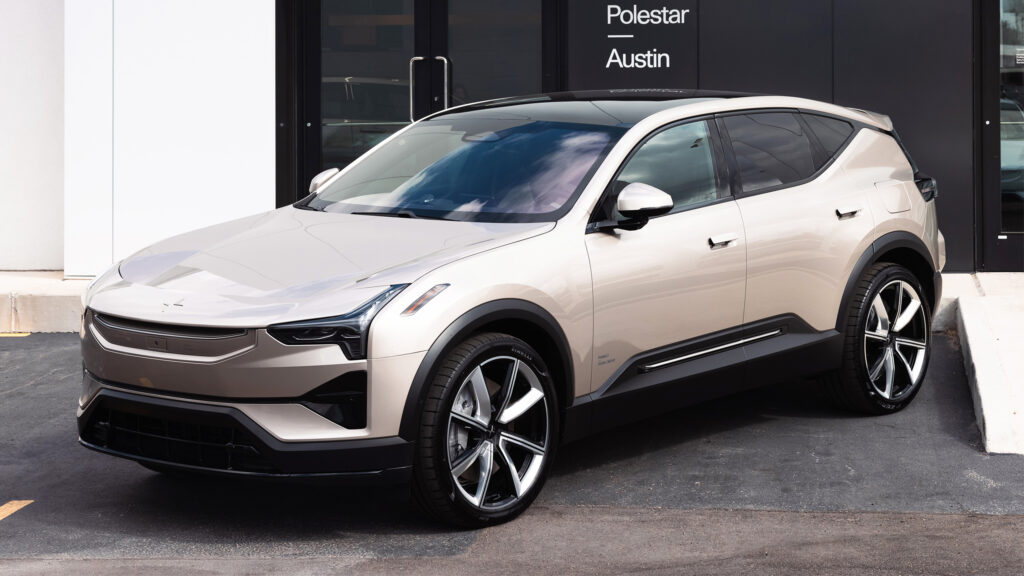
If you want to jump behind the wheel of a new Polestar 4 or Polestar 3, now could be the time to do it. Until April 30, the outgoing 2025 Polestar 3 includes an $18,000 ‘Polestar Clean Vehicle Incentive’ on purchases, slashing the SUV’s starting price. What’s more, it’s being sold with a $3,000 conquest bonus for any existing Tesla owner, regardless of whether someone wants to buy or at lease the 3.

 Polestar Is Dangling Up To $21,000 Off For Tesla Owners, More If You’re A Costco Member

It’s not just Tesla owners who can benefit. A $3,000 loyalty bonus is available to current Polestar owners, and a $1,000 conquest bonus is available to anyone who owns or leases an ICE or EV model from BMW, Audi, Mercedes-Benz, Porsche, or Cadillac. If you’re a Costco member, you may also be eligible to receive a discount of either $1,000 or $1,250. All up, we’re looking at potential savings of $21,000, or up to $22,250 for Costco members.

Importantly, these incentives are only for the 2025 Polestar 3, which has a 400-volt electrical architecture, whereas the 2026 model uses a more advanced 800-volt system. Nevertheless, it remains a good EV, and the base model can now be had for less than $50,000. The incentives also cut prices of the Long Range Dual Motor to under $55,000, while the Long Range Dual Motor with Performance Package can be purchased for less than $60,000.

Or Would You Prefer No Rear Window?

\\\\\\

Polestar is also offering several incentives for the 2026 Polestar 4. For starters, it’s available with a $10,000 clean vehicle incentive, which can be combined with a $4,000 conquest bonus for Tesla owners, a $3,000 loyalty bonus for existing Polestar owners, or a $1,000 conquest incentive for owners of BMW, Audi, Mercedes-Benz, Porsche, or Cadillac models.

Like the Polestar 3, the smaller 4 also offers up to $1,250 in incentives for Costco members. The main $10,000 incentive alone reduces prices of the Long Range Single Motor to $46,400, while the Long Range Dual Motor drops to $52,900.

\\\\\\\

Kia Is Coming For The Tacoma With Powertrains Toyota Doesn’t Offer In America

  • Kia confirms midsize pickup with hybrid and range extender powertrain options.
  • Truck targets US buyers with towing skills, off road ability and a roomy cabin.
  • Wider Kia strategy includes more hybrids, EV growth and big US sales targets.

Kia’s nearly ready to saddle up and ride into America’s most fiercely loyal segment, and it’ll be doing it with the help of two totally different electrified powertrains.

We’ve known for a while that Kia, along with its Hyundai sister brand, are working on a pair of midsize pickups for the US. They’ll be proper body-on-frame trucks designed to deprive Toyota and Ford salesmen of truck hunters that might otherwise have snapped up a Tacoma or Ranger.

More: Hyundai’s New Pickup Truck Will Be Everything The Santa Cruz Refused To Be

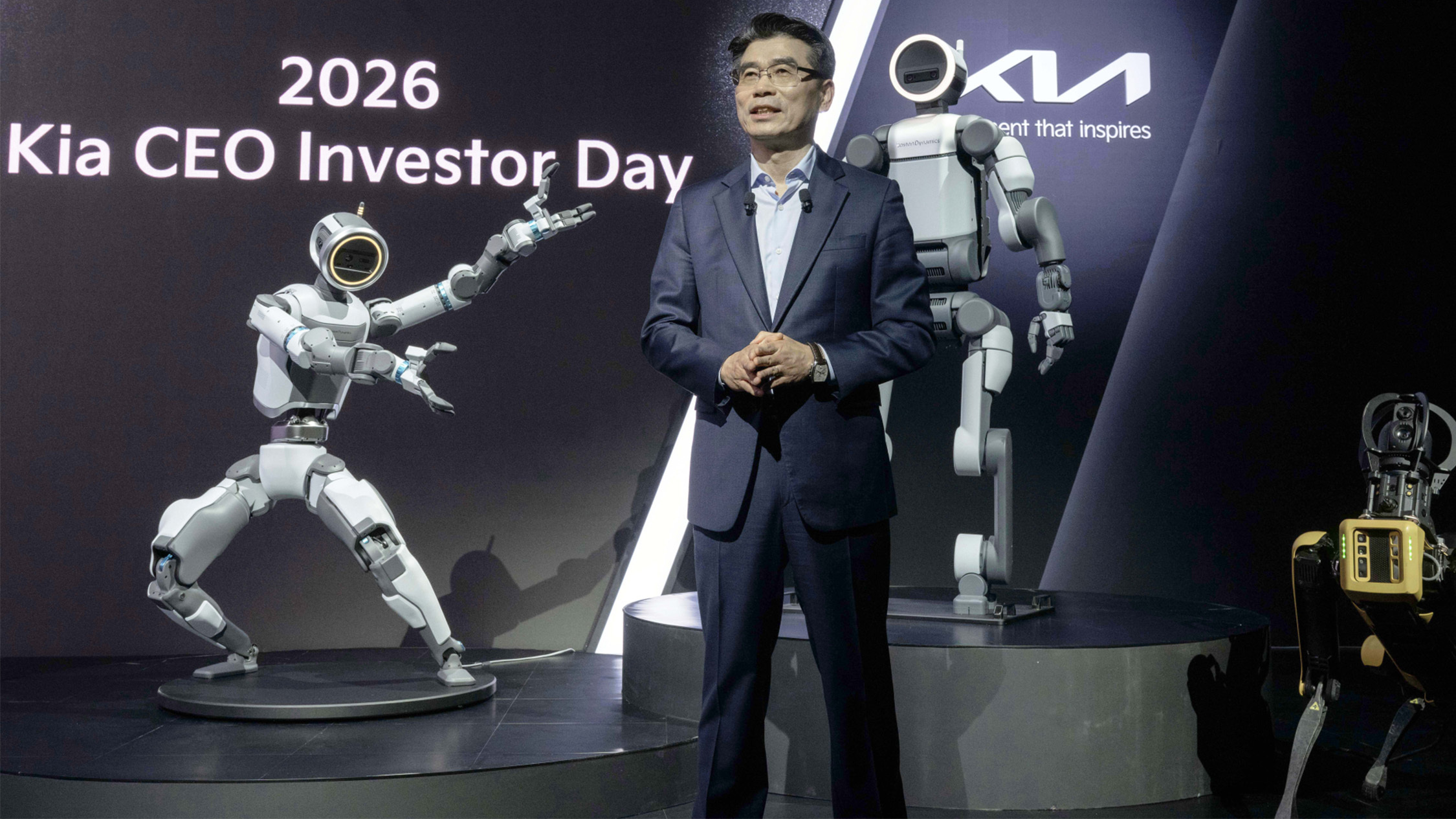
What wasn’t confirmed until today at Kia’s investor briefing, is what will be under the hood of those trucks. A hybrid option seemed likely, but Kia CEO Ho Sung Song says the pickup will offer buyers the choice of both hybrid and range-extender electric powertrains. That means it won’t just be chasing the usual suspects like the Tacoma and Ranger, but could potentially steal sales from more bigger, high-tech machinery like the Rivian R1T and Tesla Cybertruck.

Details are still thin, but Kia says the truck will offer proper capability where it matters. Expect solid towing, genuine off road chops and a roomy double-cab layout designed for real world use.

Boulder’s Brother

 Kia Is Coming For The Tacoma With Powertrains Toyota Doesn’t Offer In America
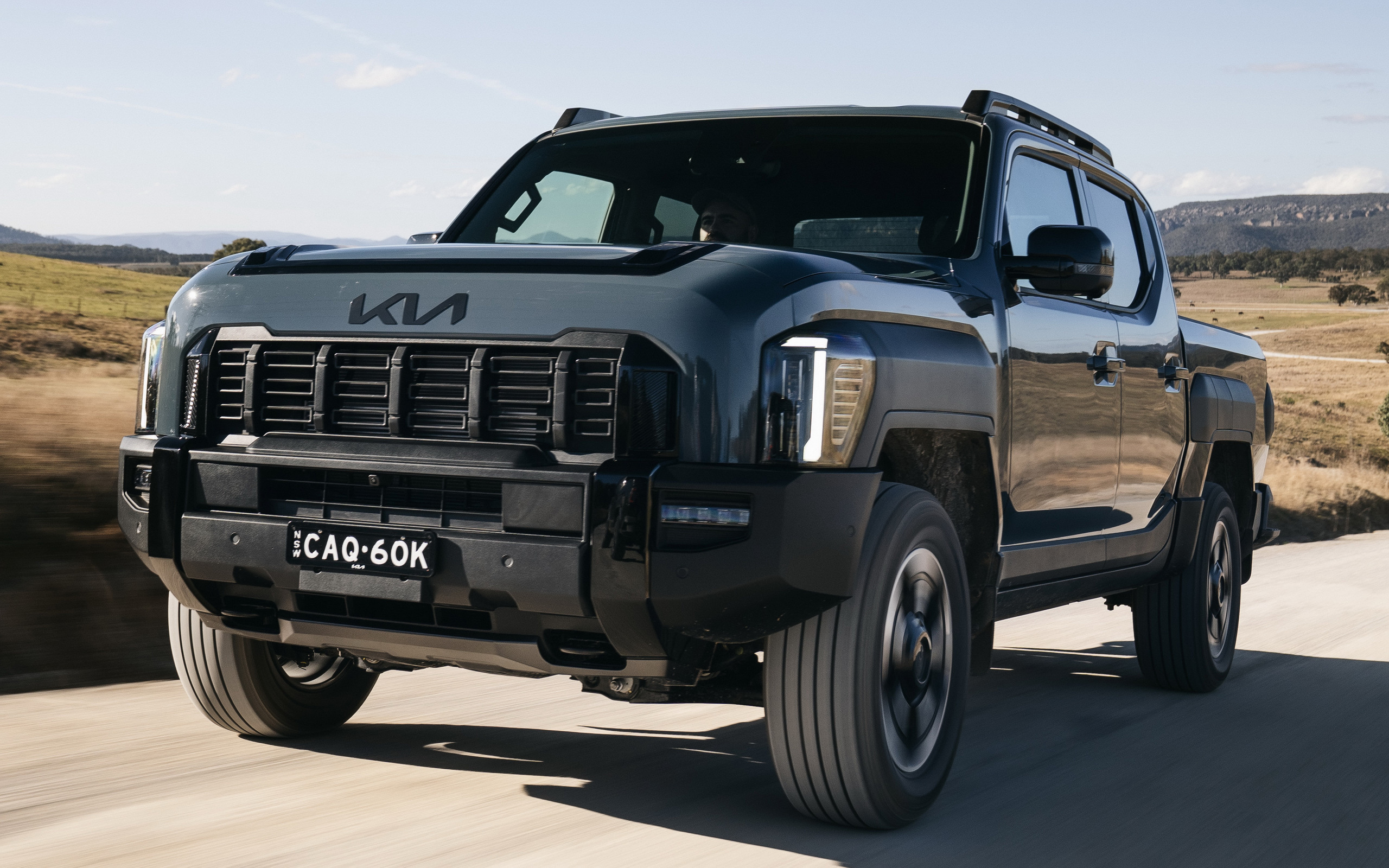
Current Kia Tasman.

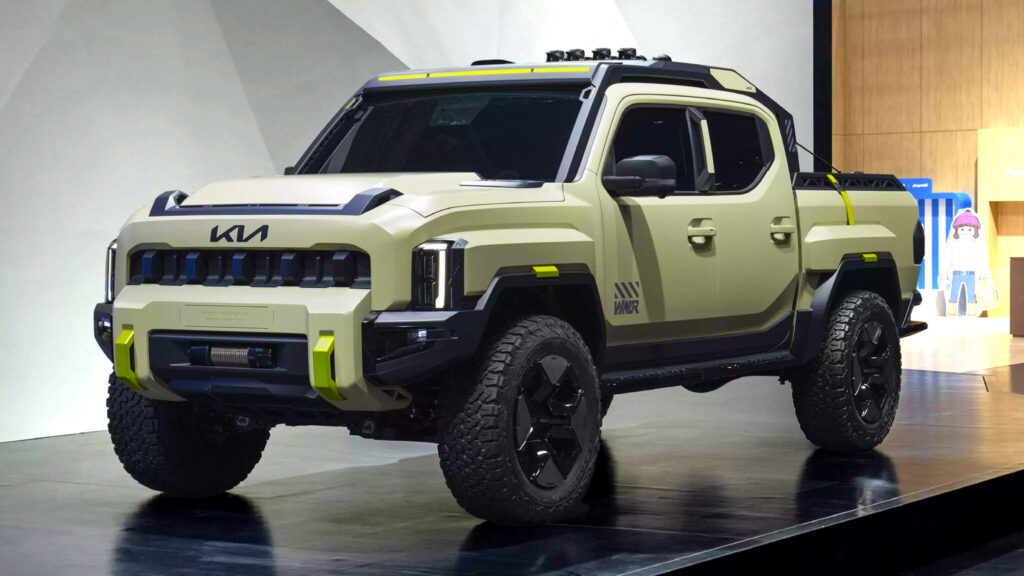
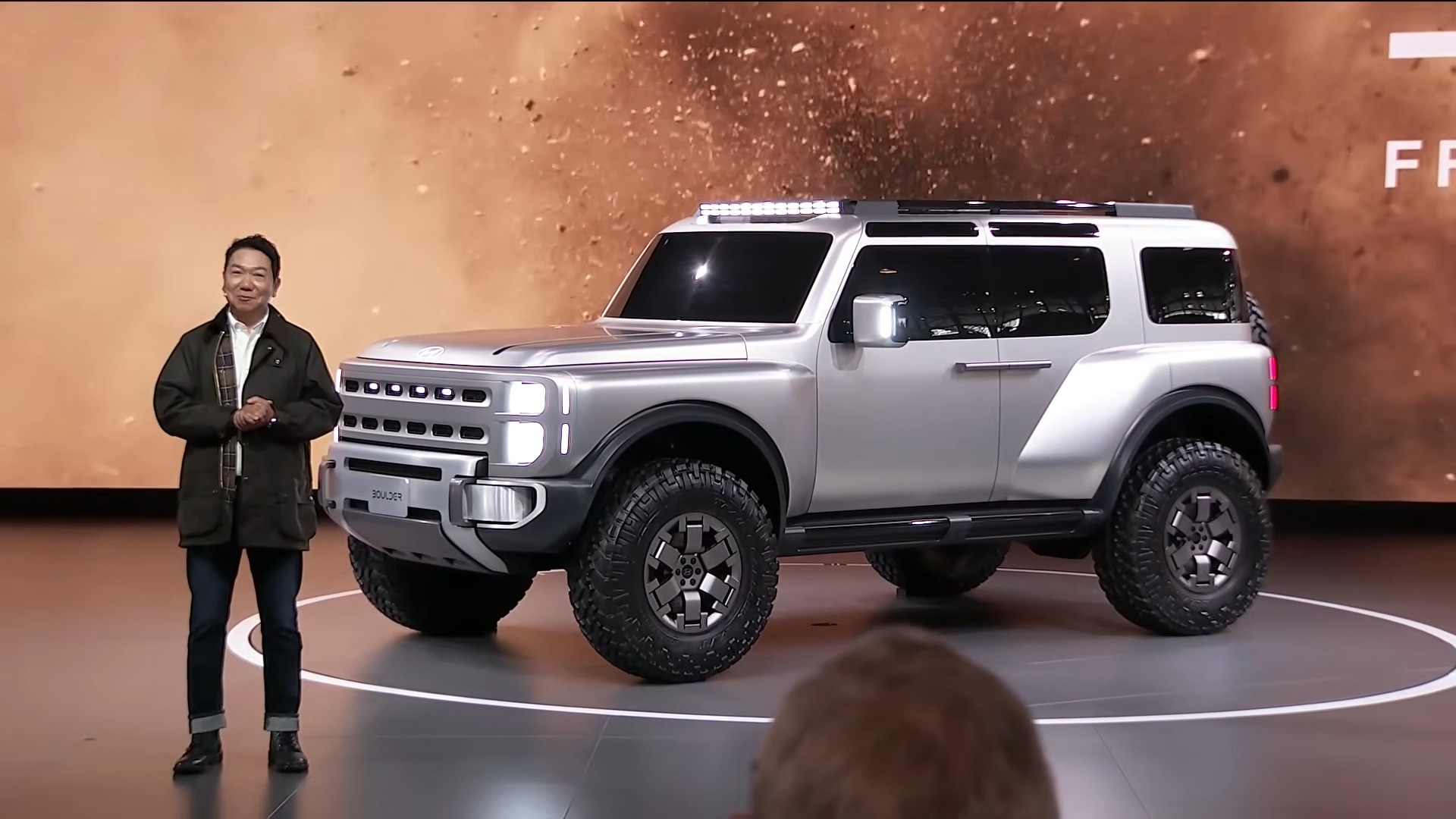
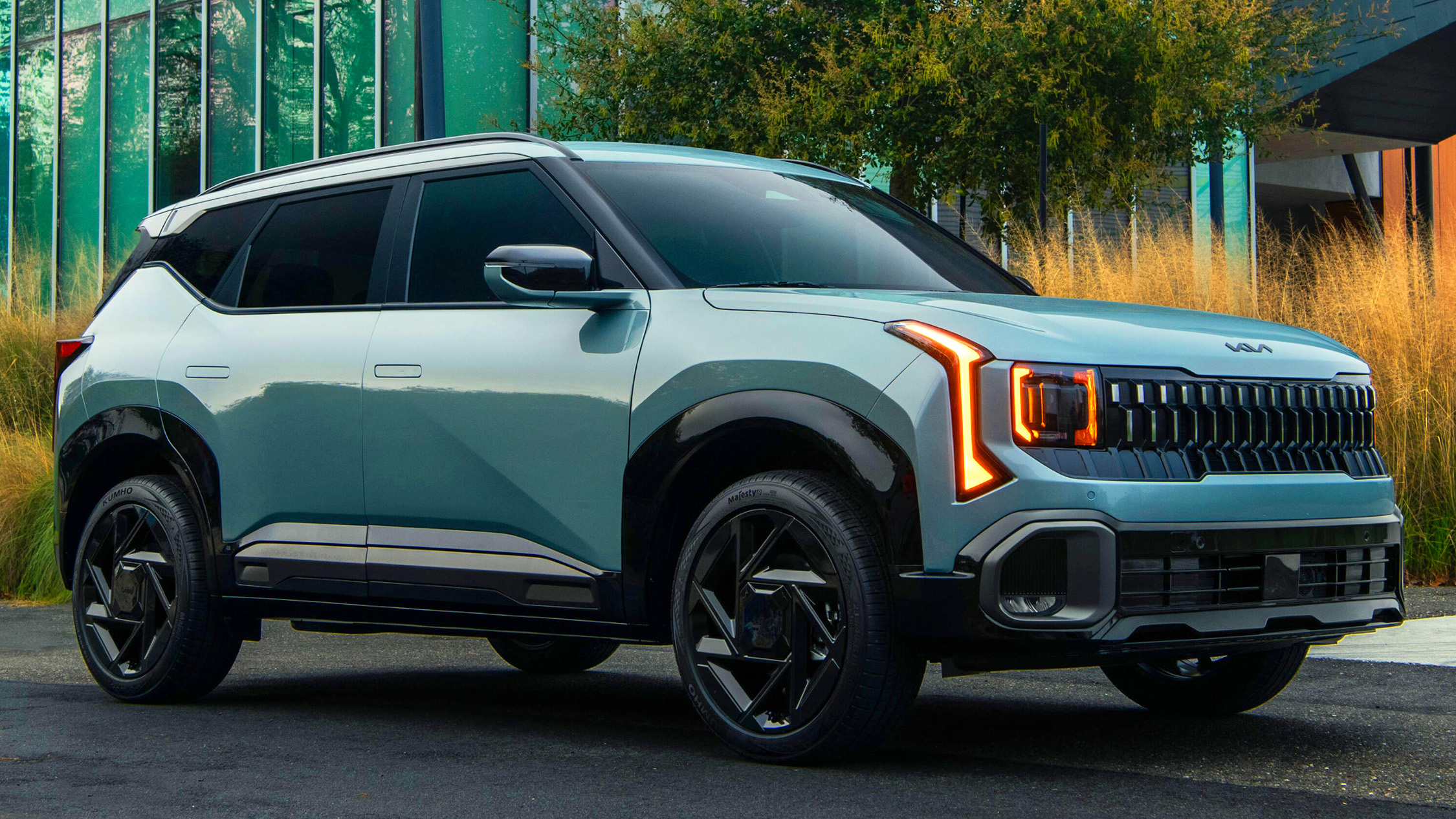
Underneath, it will share its rugged bones with a future Hyundai truck previewed by the Boulder SUV concept unveiled at the New York Auto Show earlier this month. Given the Boulder’s butch aesthetic, we can expect both trucks to have plenty of attitude, but hopefully it’ll be less ugly than the Kia Tasman truck (shown above and in the lead image) that’s sold in Australia and other markets.

 Kia Is Coming For The Tacoma With Powertrains Toyota Doesn’t Offer In America
The Hyundai Boulder SUV concept.

This new pickup won’t just be a niche addition either. Kia reckons it can shift around 90,000 units annually in North America, Auto News reports, and carve out a meaningful slice of the segment. That’s ambitious for a brand that’s never sold a truck in the US before, but then Kia isn’t exactly lacking in confidence these days.

Hybrids For US, EVs For Europe

The truck also fits neatly into Kia’s broader US push. The company is targeting more than one million annual sales stateside by 2030, with a 6.2 percent market share. To get there, it’s doubling down on hybrids, expanding from four to eight nameplates and adding electrified options to core models.

 Kia Is Coming For The Tacoma With Powertrains Toyota Doesn’t Offer In America

That includes big hitters like the Telluride, which is set to gain hybrid and range extender variants, plus the Sportage, which Kia wants to push past 200,000 annual sales. Even the smaller Seltos is getting in on the action with a new look (seen above) and a hybrid version aimed at cracking six-figure sales.

And while America gets a tough new truck, Europe is getting something much smaller but just as important. A new EV1 hatch is on the way to take on cars like the Renault 5, proving Kia’s strategy really does cover everything from city streets to dusty trails.

 Kia Is Coming For The Tacoma With Powertrains Toyota Doesn’t Offer In America
Kia

Honda Cancelled Its EV Future And Now Has Nothing New To Sell Until 2027

  • Honda faces product drought in North America after cancelling multiple EV programs.
  • No major redesigns expected until the new CR-V SUV arrives sometime around 2027.
  • Losses mount while rivals push ahead with fresher lineups and faster development.

Honda slammed the brakes on its EV push, and now it faces the prospect of being stuck at a development red light with not much new to show customers. After canceling several electric models, the company is staring down a product gap in North America that could stretch into 2027 and far beyond.

That’s a problem in a market where newness sells. Analysts say there may be no fully redesigned core models arriving next year, leaving Honda to rely on cars that are starting to feel a little long in the tooth.

More: Honda Went To China, Saw The Future, And Reached Back To The 1960s

The irony is that only a couple of months ago, Honda dealers were preparing for a massive influx of exciting new metal. Honda had gone all in on EVs, shifting engineers and resources away from traditional development. Then demand softened, policies shifted, and suddenly those future models didn’t make financial sense anymore.

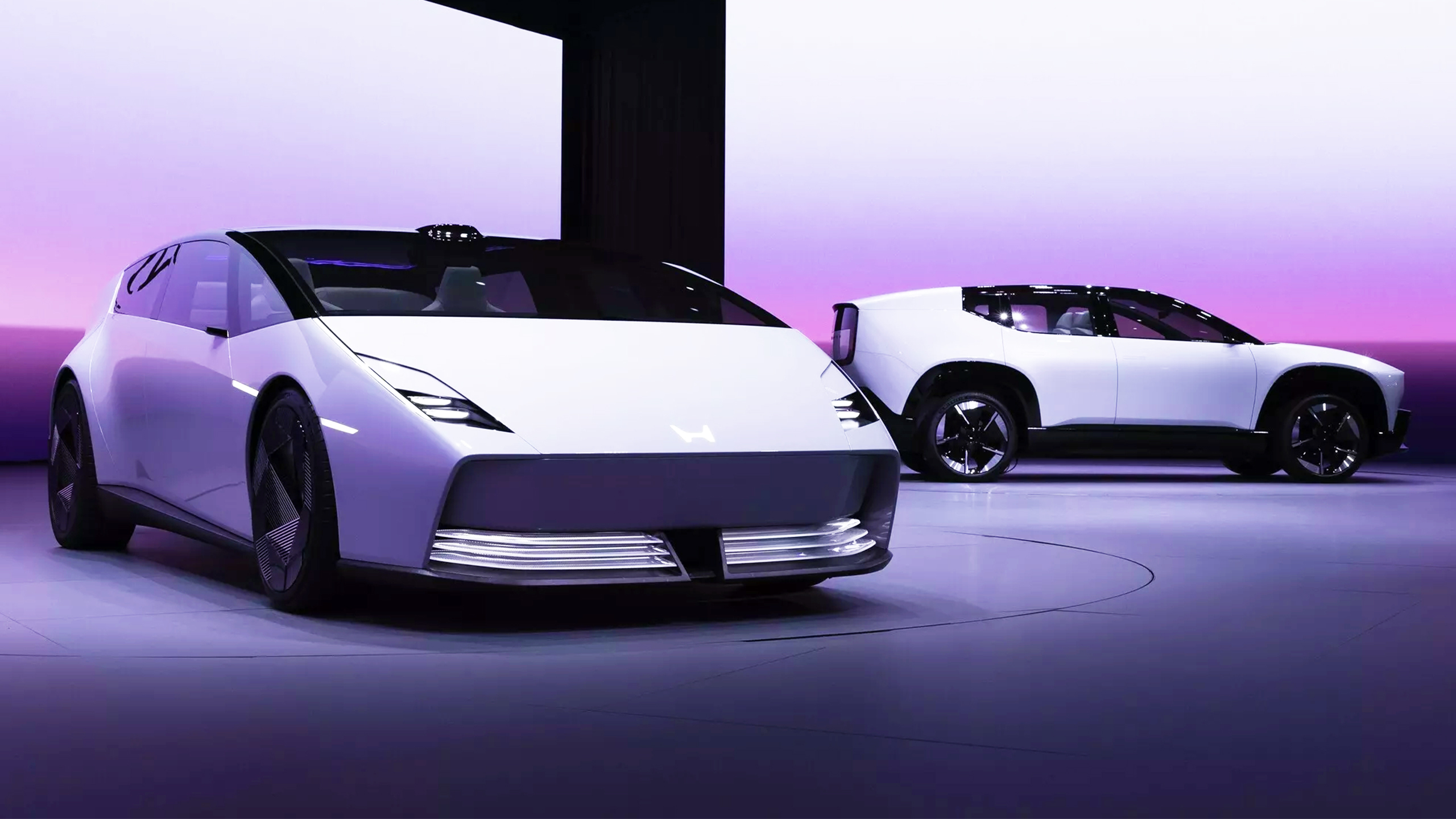
So the company pulled the plug. That included the wild looking 0 Saloon, the 0 SUV, and even Acura’s planned RSX revival. Cool ideas, all gone, along with billions in investment. What’s left is the hangover. Development pipelines for gas powered cars have slowed, and the company is left trying to rebuild momentum while competitors keep rolling out fresh vehicles. Its first fresh vehicle will be a redesigned CR-V due in 2027, Nikkei Asia reports.

Rivals More Efficient

 Honda Cancelled Its EV Future And Now Has Nothing New To Sell Until 2027

It’s not just about product timing either. Honda’s development efficiency has been under scrutiny for years, and the gap versus rivals like Toyota isn’t helping. Pricing pressure is another concern. In the US, Honda is already offering bigger incentives than some rivals to keep cars moving. If newer competitors arrive while Honda’s lineup stays largely unchanged, those discounts may have to climb even higher.

No New Cars But Plenty Of Bills

Financially, things don’t look much rosier. The EV retreat is expected to trigger massive losses, and not just in wasted development time and money. Nikkei Asia says the automaker could have to pay $10 billion to suppliers who were all geared up and ready to build parts for the cancelled electric cars. And there’s growing chatter that dividends could come under pressure if earnings don’t recover soon.

Honda insists it’s stabilizing things and focusing on hybrids while reorganizing development to speed things up again, and there’s even talk of potential collaboration with Nissan in North America. But nothing concrete has emerged yet, so don’t expect many new-model fireworks for a couple of years.

 Honda Cancelled Its EV Future And Now Has Nothing New To Sell Until 2027

Honda

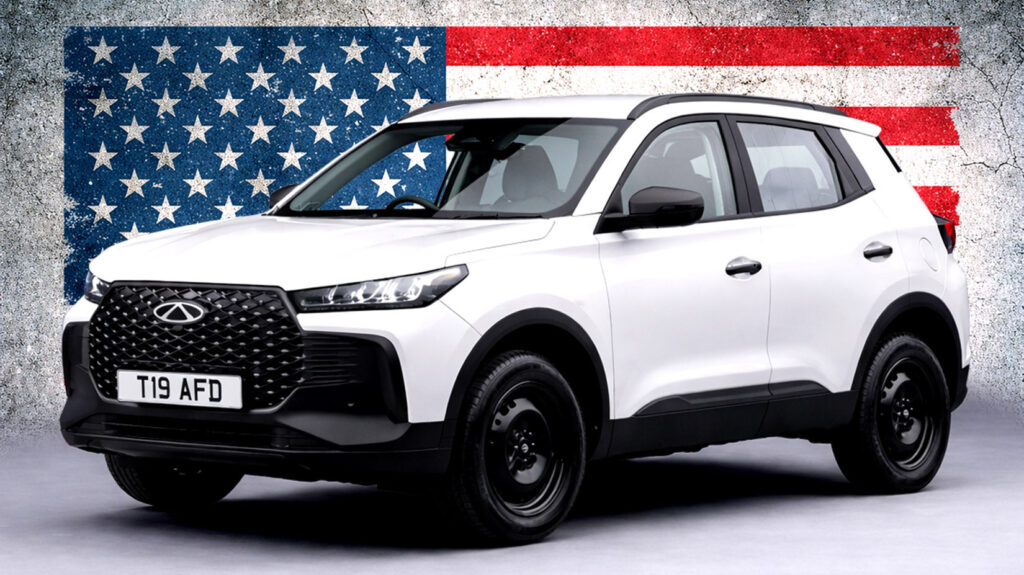
China Is Blocked From Selling Cars In America, Yet Three Democratic Senators Still Sent This Letter

  • Lawmakers oppose Chinese automakers building factories in the US.
  • Trump has expressed support for foreign firms investing locally.
  • China accuses the US of blocking fair access to its auto market.

While President Donald Trump has shown an unexpected openness to Chinese automakers building cars in the United States, three senators from the other side of the political spectrum have now joined Republican voices pushing to ensure that never happens.

Late last week, Democratic Senators Tammy Baldwin, Elissa Slotkin, and Chuck Schumer urged the administration not to allow Chinese car companies to manufacture vehicles locally, noting this could severely harm American companies. China is none too pleased and has accused the US of engaging in “trade protectionism.”

Read: US Senator Calls Chinese Cars “Cancer,” Wants Permanent Ban

“We must be clear-eyed that inviting China’s automakers to set up shop in the ⁠United States would confer an insurmountable economic advantage impossible for American automakers to overcome, and it would trigger a national security ​crisis that could never be reversed,” the senators wrote in a letter to Trump, first reported by Reuters.

 China Is Blocked From Selling Cars In America, Yet Three Democratic Senators Still Sent This Letter

They sent the letter to President Donald Trump following comments he made in January. Speaking at the Detroit Economic Club, Trump said that “if they [Chinese companies] want to come in and build a plant and hire you and hire your friends and your neighbors, that’s great, I love that.”

Responding to Reuters about the letter from Baldwin, Slotkin, and Schumer, the White House said that “while the administration is always working to secure more investment into America’s industrial resurgence, any notion that we would ever compromise our national security to do so is baseless and false.”

China’s Not Happy

Chinese car companies have effectively been banned from selling vehicles in the United States due to policies enacted by the Biden administration in early 2025. However, it appears the Trump administration is more open to Chinese companies coming to the US than ex-President Joe Biden was, particularly if it can help to reverse the trend of ongoing job losses in the manufacturing sector.

According to the Chinese Embassy in Washington, the US has “engaged in trade protectionism and set up obstacles, including discriminatory ⁠subsidy policies ​to obstruct access to the U.S. market by Chinese-made cars.”

 China Is Blocked From Selling Cars In America, Yet Three Democratic Senators Still Sent This Letter

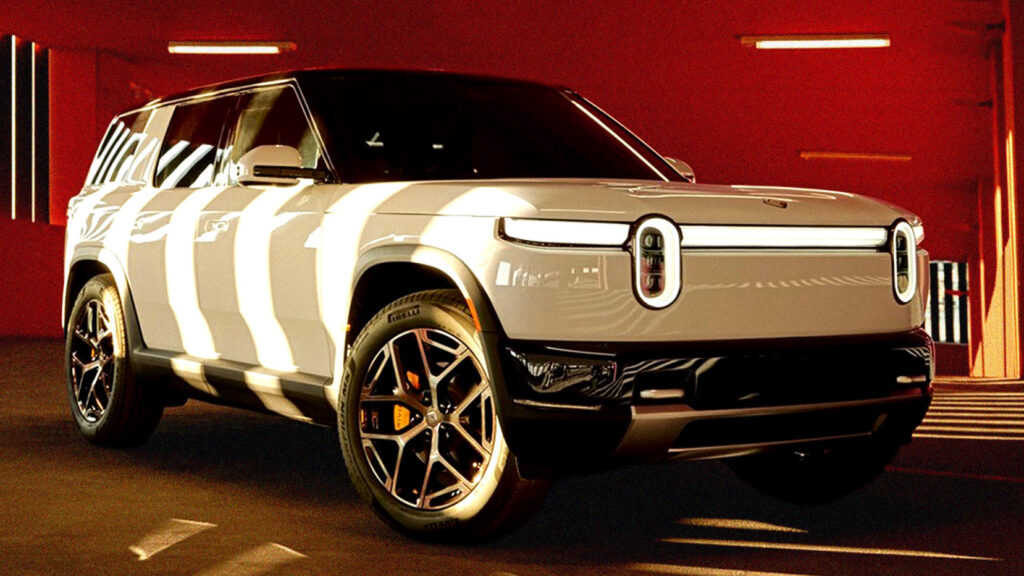
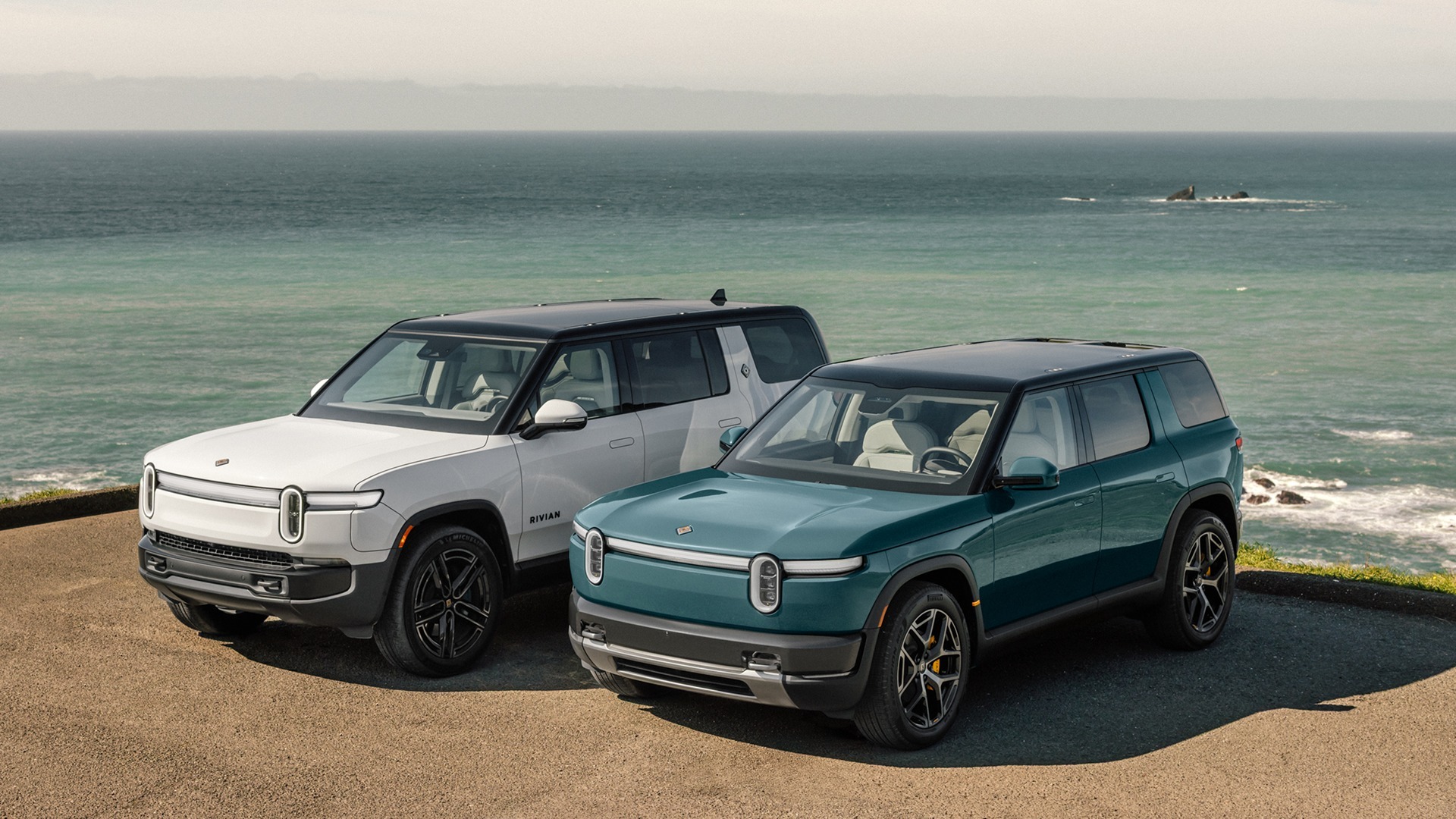
Rivian’s R2 Performance Just Out-Ranged The Tesla Model Y, And It Weighs Nearly 800 lbs More

  • The R2 Performance will have an EPA range of up to 335 miles.
  • By comparison, the Tesla Model Y Performance has a 306-mile range.
  • The R2’s dual electric motors offer a combined 656 hp and 609 lb-ft.

We already had a solid picture of the new Rivian R2, but fresh EPA testing data fills in a few remaining gaps. Positioned below the R1S in price yet still focused on performance and practicality, the all-electric R2 is shaping up to be a crucial model for the brand.

According to internal reports shared on the Rivian Forums, the range-topping Performance variant will use an 86.8 kWh usable battery pack and come with a choice of 20-inch or 21-inch wheels. Wheel and tire setup makes a noticeable difference. Models fitted with 20-inch wheels and all-terrain rubber are rated at up to 314 miles (505 km), while versions on 21-inch, road-focused tires stretch that to 335 miles (539 km).

Read: Rivian’s Most Affordable Model Arrives First In Its Most Expensive Form

While the R2 looks quite boxy, it has a better range than the Tesla Model Y Performance, which comes with an EPA-estimated range of 306 miles (492 km). The Tesla, however, is significantly lighter, weighing 4,466 lbs (2,025 kg), making it 784 lbs (356 kg) lighter than the R2 Performance at 5,250 lbs (2,381 kg) when equipped with 21-inch wheels.

\\\\\\

The published documents also reveal that Rivian has developed a proprietary heat pump for the R2, aimed at improving cabin cooling in hot weather while reducing NVH levels. It should also perform better in cold climates, thanks to a high-voltage coolant heater. The R2 will also feature an integrated battery health monitoring system.

There’s More To Come

The only R2 variant referenced in the EPA tests is the $57,990 Performance, which will be the first to launch. Later this year, Rivian plans to introduce the more affordable R2 Premium, starting at $53,990. It’s expected to produce 450 hp and 537 lb-ft (727 Nm), compared to the Performance model’s 656 hp and 609 lb-ft (825 Nm). There’s no official range estimate yet, though it should exceed that of the R2 Performance.

A more accessible R2 Standard is also scheduled for 2027. It will deliver 350 hp and 355 lb-ft (481 Nm), with early estimates pointing to a 345-mile (555 km) range. The lineup is expected to be completed in late 2027 with an entry-level R2 featuring a smaller battery, believed to offer around 275 miles (443 km) of range.

\\\\\\\\\\\\\\\\

Photos Rivian

Rivian Beat Four Major Automakers In EV Sales, And Its Biggest Model Hasn’t Even Launched Yet

  • Rivian delivered more EVs than many of its mainstream rivals managed in Q1 2026.
  • Toyota came closest, trailing Rivian by fewer than 400 units despite a strong rebound.
  • BMW counted plug-in hybrids in its total and still came up short of Rivian’s number.

First-quarter sales are in, and they come with a few surprises. One of the more unexpected outcomes is Rivian edging past several established players in the U.S. EV market. During Q1 2026, Rivian managed to outsell Kia, Ford, Toyota, and BMW in electric-vehicle deliveries across the United States.

More specifically, the California-based automaker delivered 10,365 EVs between January and March. During the same period, Rivian produced 10,236 vehicles, 129 fewer than it sold, likely drawing from existing inventory to close the gap. This comes just ahead of the launch of the more affordable R2, which is set to begin deliveries later this spring as a Tesla Model Y rival.

More: Rivian Won Direct Sales In Washington With A Threat That’s Coming For Dealers Everywhere

Following these results, the company has raised its annual delivery guidance to 67,000 units for 2026, an increase of 5,000 units over its previous estimate. Rivian will report its full financial results for Q1 2026 on April 30.

Rivian Sales Momentum

 Rivian Beat Four Major Automakers In EV Sales, And Its Biggest Model Hasn’t Even Launched Yet
Rivian R2

While Rivian remains a relatively small player compared to legacy automakers, it still managed to outsell several of them in the EV race.

More: Rivian R2 And Jeep Recon Solve The Same Problem, But Which One Solves It For You?

Kia America reported 2,023 sales for the EV6 and 2,740 for the EV9, totaling 4,763 units in Q1 2026. The brand also offers an electric version of the Niro in the US, though this likely accounts for only a small portion of the model’s 7,455 total sales, leaving Kia well short of the 10,000-unit mark.

Still, the upcoming Kia EV3, expected in late 2026, could change the narrative. It is also worth noting that Kia’s hybrid models set new Q1 sales records, marking a 73% increase over the same period last year.

Ford’s EV lineup saw an even steeper decline, with sales dropping 70% in Q1 2026 to 6,860 units in the US. The Mustang Mach-E made up 4,600 of those sales, while the F-150 Lightning and E-Transit contributed 2,060 and 200 units, respectively.

 Rivian Beat Four Major Automakers In EV Sales, And Its Biggest Model Hasn’t Even Launched Yet
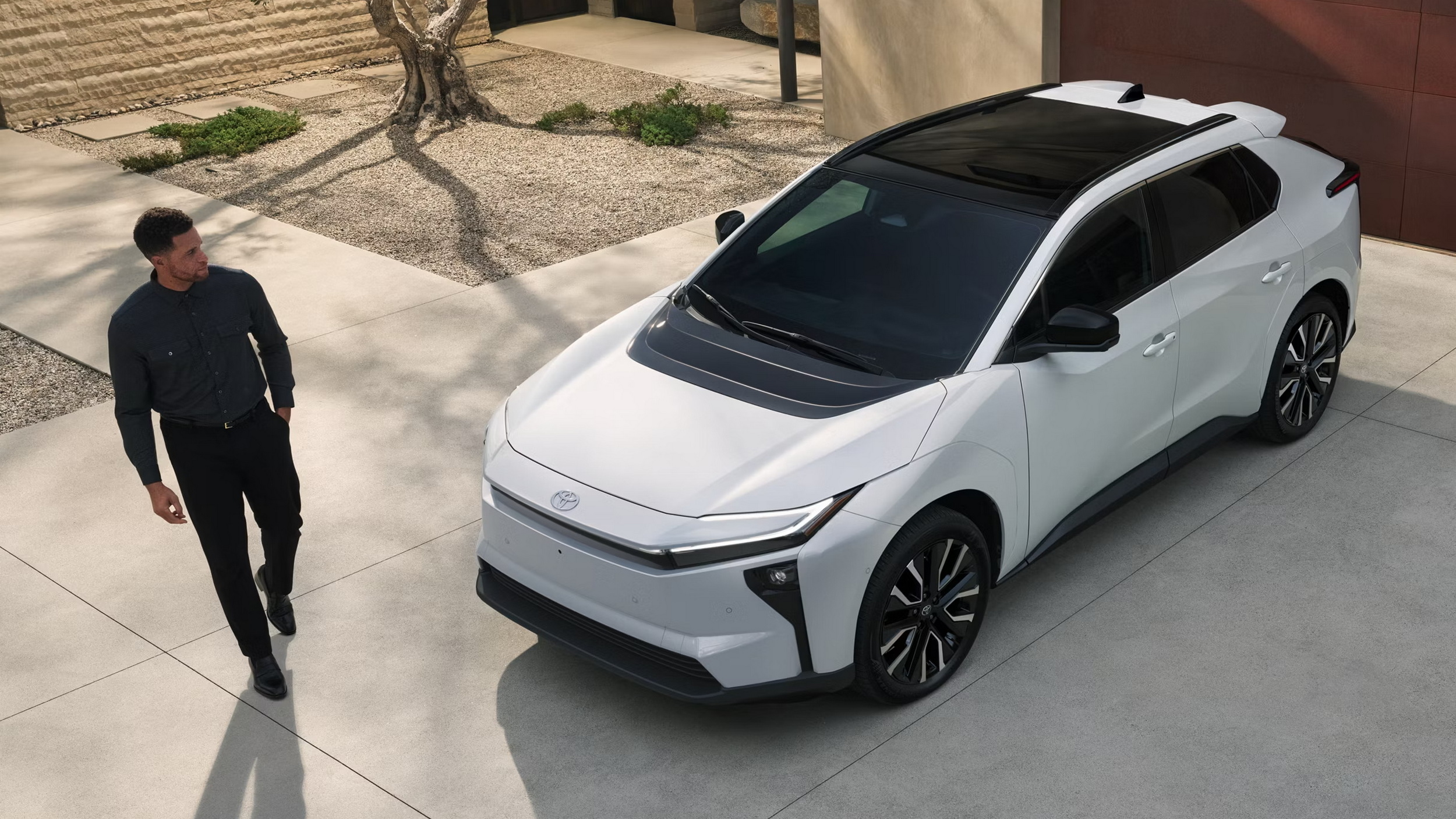
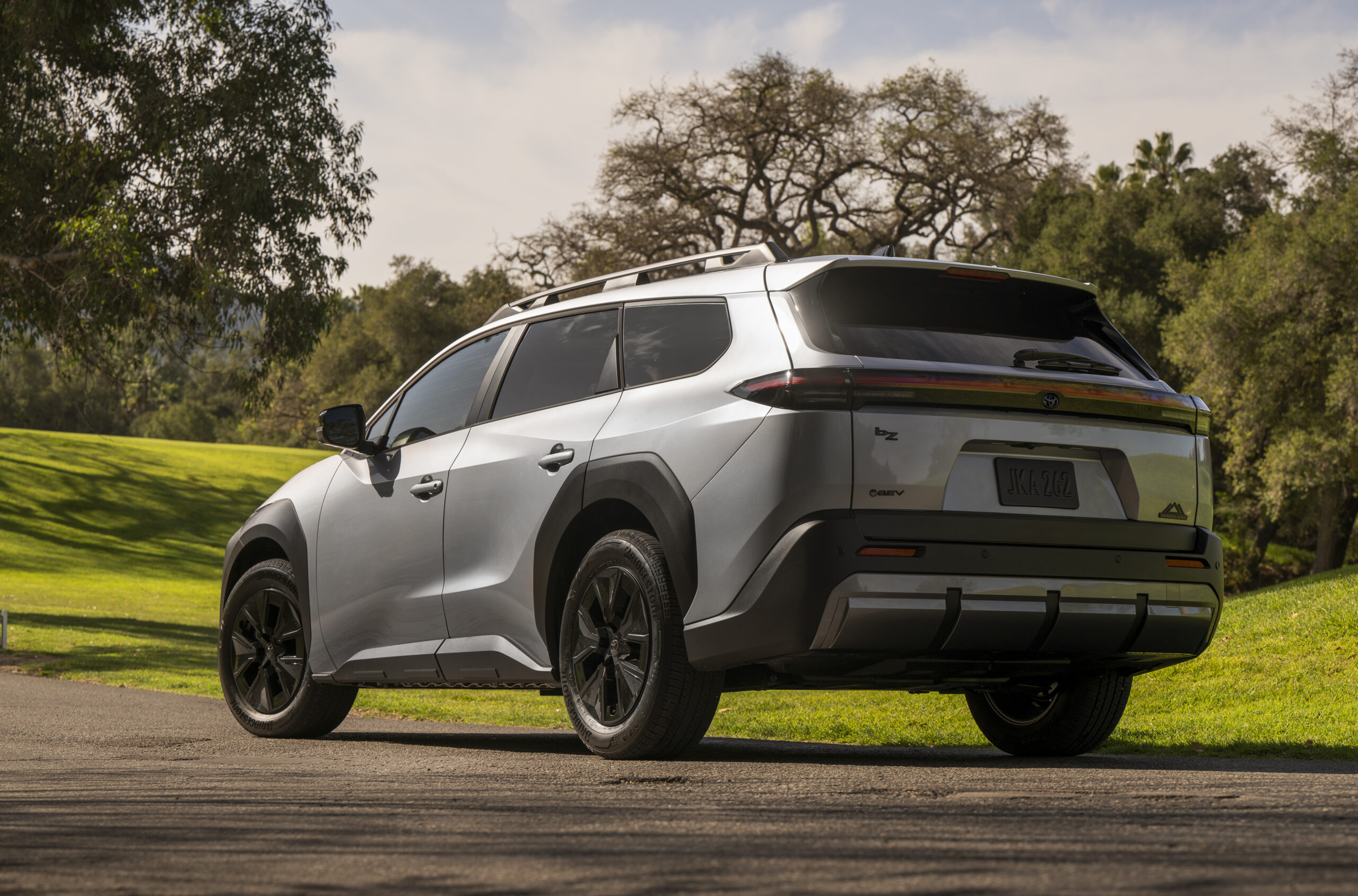
Toyota bZ

Toyota opened the year on a strong note, with the bZ, including the bZ Woodland, reaching 10,016 units in the first quarter, a 79% increase year over year. However, with only 13 units of the newly introduced C-HR arriving in March, Toyota’s total BEV sales reached 10,029 units, just behind Rivian’s 10,365. As the company expands its EV lineup in the US, that gap may not last long.

More: Toyota’s bZ Outsold The Prius, And Now A Second US-Made Electric SUV Is Coming

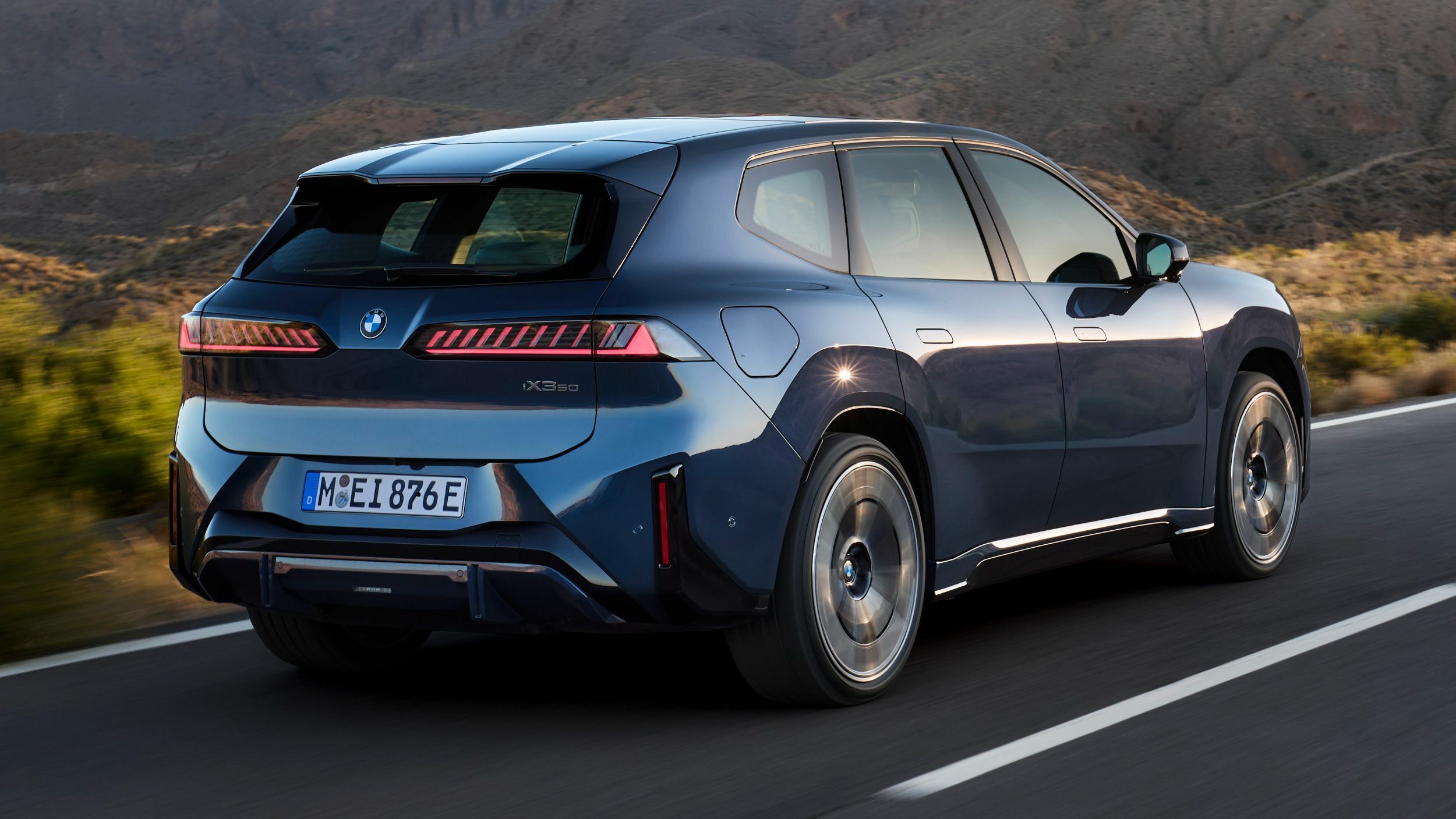
Finally, BMW recorded 9,856 combined BEV and PHEV sales in the US during Q1 2026, marking a 50% drop compared to last year. This slowdown may prove temporary, as the upcoming Neue Klasse BMW iX3 is expected to play a central role in the brand’s next phase of electrification when it arrives in late 2026.

 Rivian Beat Four Major Automakers In EV Sales, And Its Biggest Model Hasn’t Even Launched Yet
BMW iX3

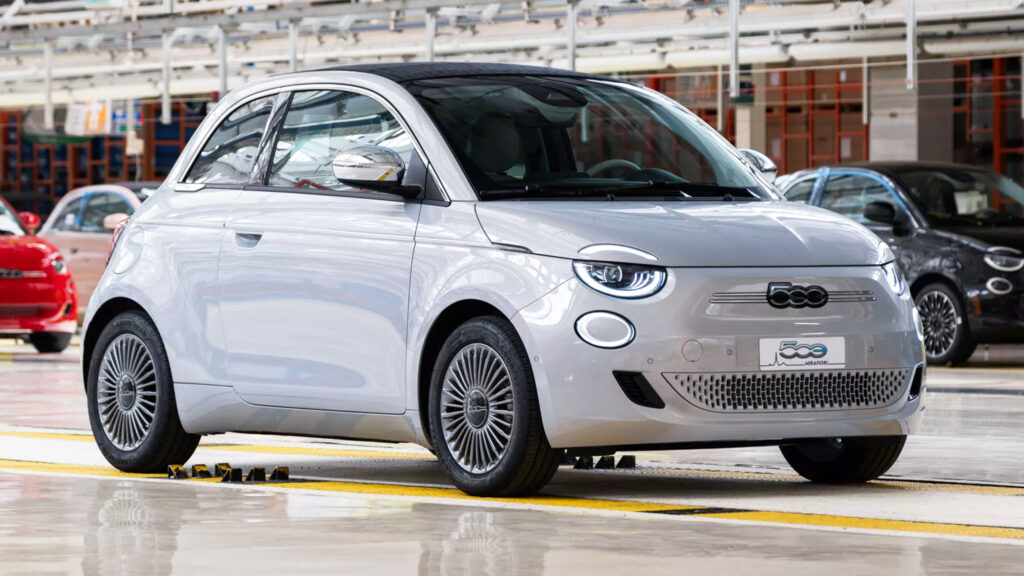
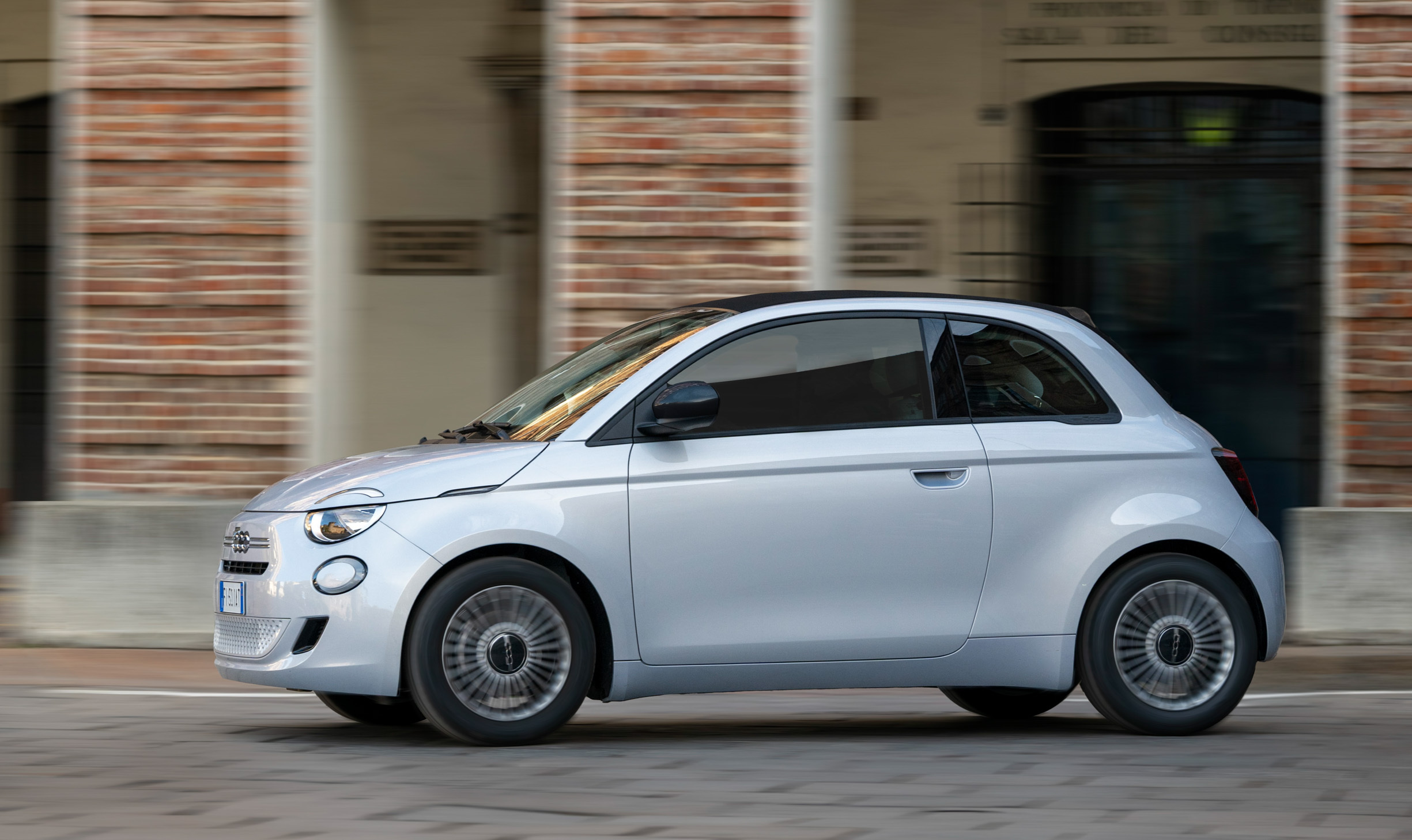
Fiat Sold Nearly 20 Times More 500e EVs in Canada Than In The US

  • Demand for the Fiat 500e has increased significantly over the last year.
  • Fiat’s electric 500 city car is much cheaper in Canada than in the US.
  • Total sales for Stellantis rose 15 percent in Canada in the first quarter.

Americans don’t seem particularly fond of new Fiat models, and the numbers make that pretty clear. The Italian brand sold just 155 vehicles in the US during the first quarter of 2025, down 70 percent from a year earlier, or roughly 1.75 cars per day. Across the border in Canada, however, the story takes a different turn.

While Fiat struggles with near nonexistent demand in the US, where 500e sales have plunged 85 percent to just 68 units and 500X deliveries slipped 4 percent to 71, the story looks very different north of the border. In Canada, sales of the tiny EV have surged.

Read: Stellantis Wants To Build Chinese Cars In Canada Instead Of The Jeeps It Promised

During the January–March period, Canadians buyers snapped up 1,287 examples of the electric 500e, the only model Fiat currently sells there. That’s 19 times more than it managed in the US, and a 72 percent jump from the 749 units sold in Q1 2025. It also works out to more than eight times Fiat’s total US sales over the same stretch.

 Fiat Sold Nearly 20 Times More 500e EVs in Canada Than In The US

No doubt contributing to the higher popularity of the 500e in Canada than in America is that it’s much cheaper. In the States, prices for the 500e start at $30,500, which is only about $5,000 less than a new Chevrolet Equinox EV that’s much larger, much more practical, and has more than double the driving range.

In Canada, the Fiat 500e starts at CA$30,290 (US$21,700 at current exchange rates), or effectively CA$25,290 (US$18,100), once a CA$5,000 (US$3,600) incentive from the country’s Electric Vehicle Affordability Program is applied. That makes it the cheapest EV on sale in Canada.

Some Stellantis Models Shine, Others Don’t

 Fiat Sold Nearly 20 Times More 500e EVs in Canada Than In The US

Fiat wasn’t the only brand from under the Stellantis umbrella to post gains in Q1 2026. Sales at Jeep rose 3 percent from 8,363 to 8,631, while Ram spiked 7 percent, hitting 12,463 units. Chrysler recorded the largest increase, with sales jumping 98 percent to 5,073, driven by a 256 percent surge in Pacifica demand.

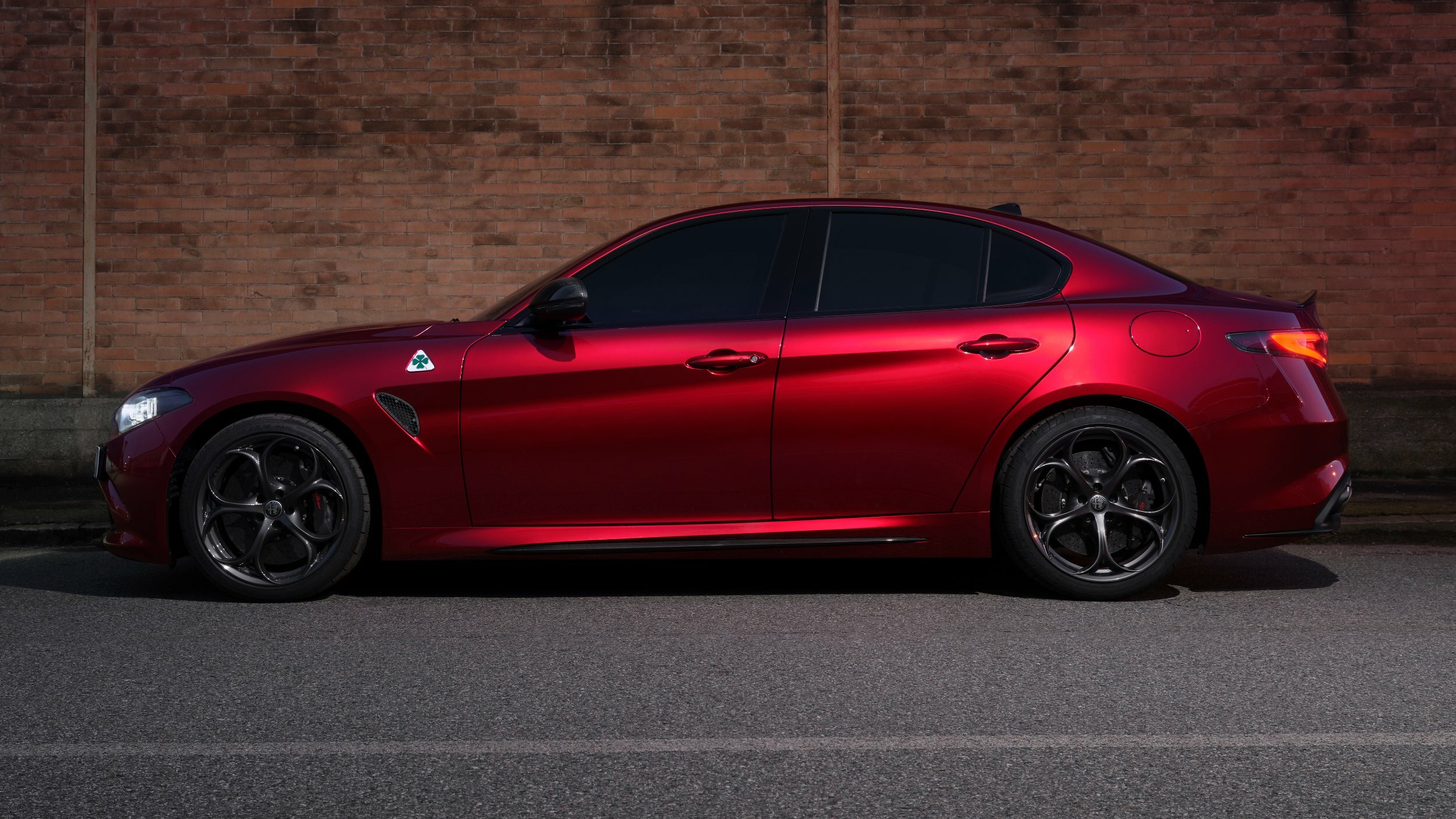
Things weren’t so pretty for Dodge as its sales fell 4 percent to 2,743 units. Additionally, Alfa Romeo plummeted by 51 percent to just 81 units, with a measly 15 Giulias, 46 Stelvios, and 20 Tonales finding new homes.

Stellantis Canada Sales

ModelQ1-26Q1-25Diff.
Compass2,0202,327-13%
Wrangler2,5182,821-11%
Gladiator53428389%
Cherokee126-96%
Cherokee (KM)9590NA
Grand Cherokee2,3342,3410%
Renegade03-100%
Wagoneer00NA
Wagoneer S29205-86%
Grand Wagoneer236357-34%
JEEP BRAND8,6318,3633%
Ram P/U11,5459,90317%
ProMaster Van9181,756-48%
ProMaster City00NA
RAM BRAND12,46311,6597%
300022-100%
Chrysler Grand Caravan1,0651,417-25%
Pacifica4,0081,126256%
CHRYSLER BRAND5,0732,56598%
Hornet37551-93%
Charger (LB)21416827%
Charger051-100%
Challenger123-96%
Caravan10NA
Durango2,4902,05121%
DODGE BRAND2,7432,844-4%
50000NA
500E1,28774972%
500X08-100%
FIAT BRAND1,28775770%
Giulia1521-29%
Stelvio4671-35%
Tonale2074-73%
ALFA BRAND81166-51%
TOTAL FCA CANADA30,27826,35415%
SWIPE

Toyota’s bZ Outsold The Prius, And Now A Second US-Made Electric SUV Is Coming

  • Toyota plans to offer seven electric models in the US lineup by 2027.
  • US-built Highlander EV will be joined by another electric SUV.
  • EV sales are climbing, with the bZ outselling the Prius in Q1 2026.

While much of the industry is quietly backing away from aggressive EV rollouts, Toyota is doing the opposite. The company is doubling down on its zero-emission push in North America, wagering that more Americans are ready to make the switch, even after the scrapped tax credits and incentives last year.

By 2027, Toyota plans to offer seven fully electric models in the country. Among them is a still-unnamed mystery SUV that will be built in the United States.

More: Toyota’s Electric Hilux Costs $20K More Than The Diesel, And That’s Not Even The Worst Part

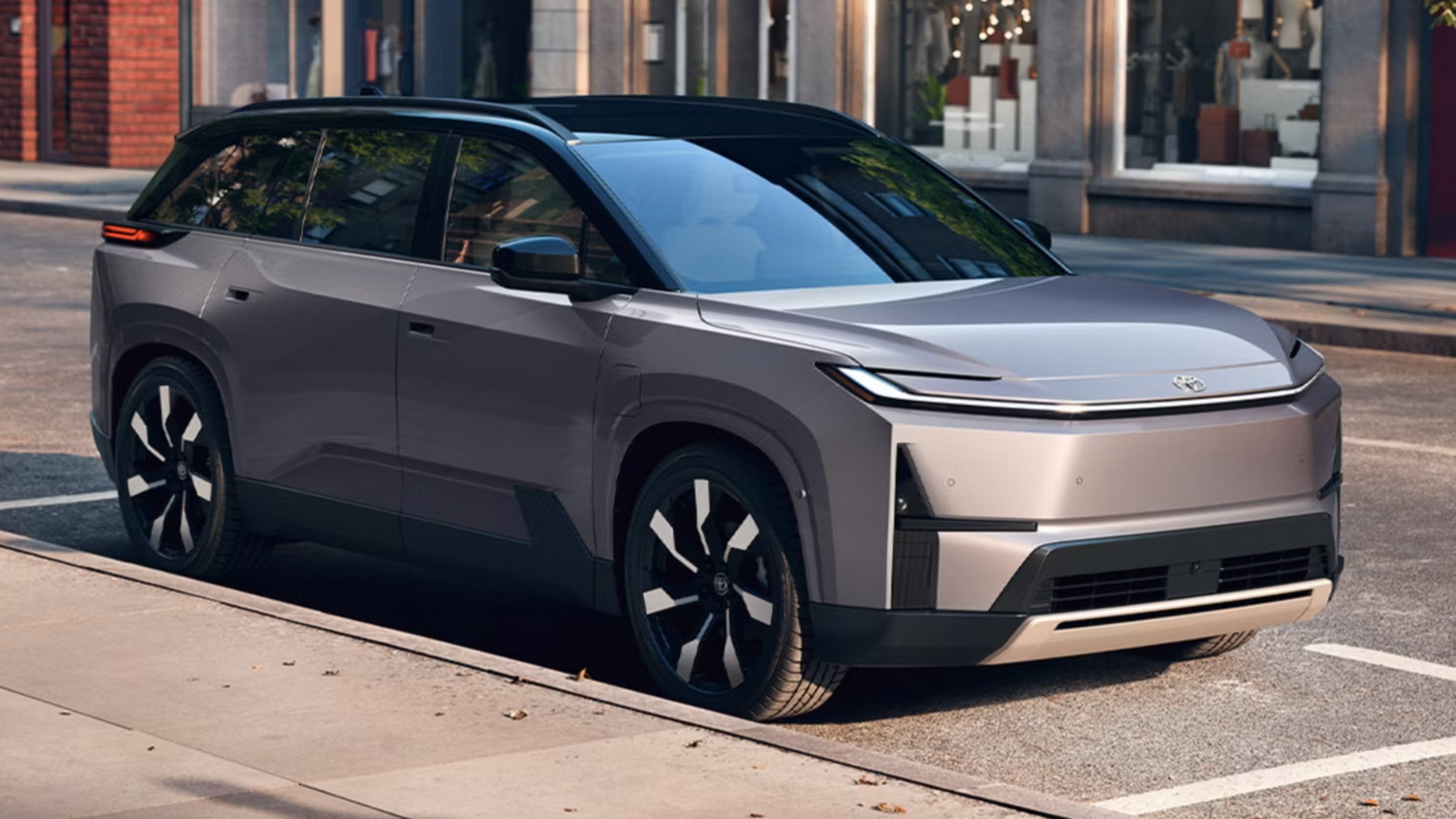
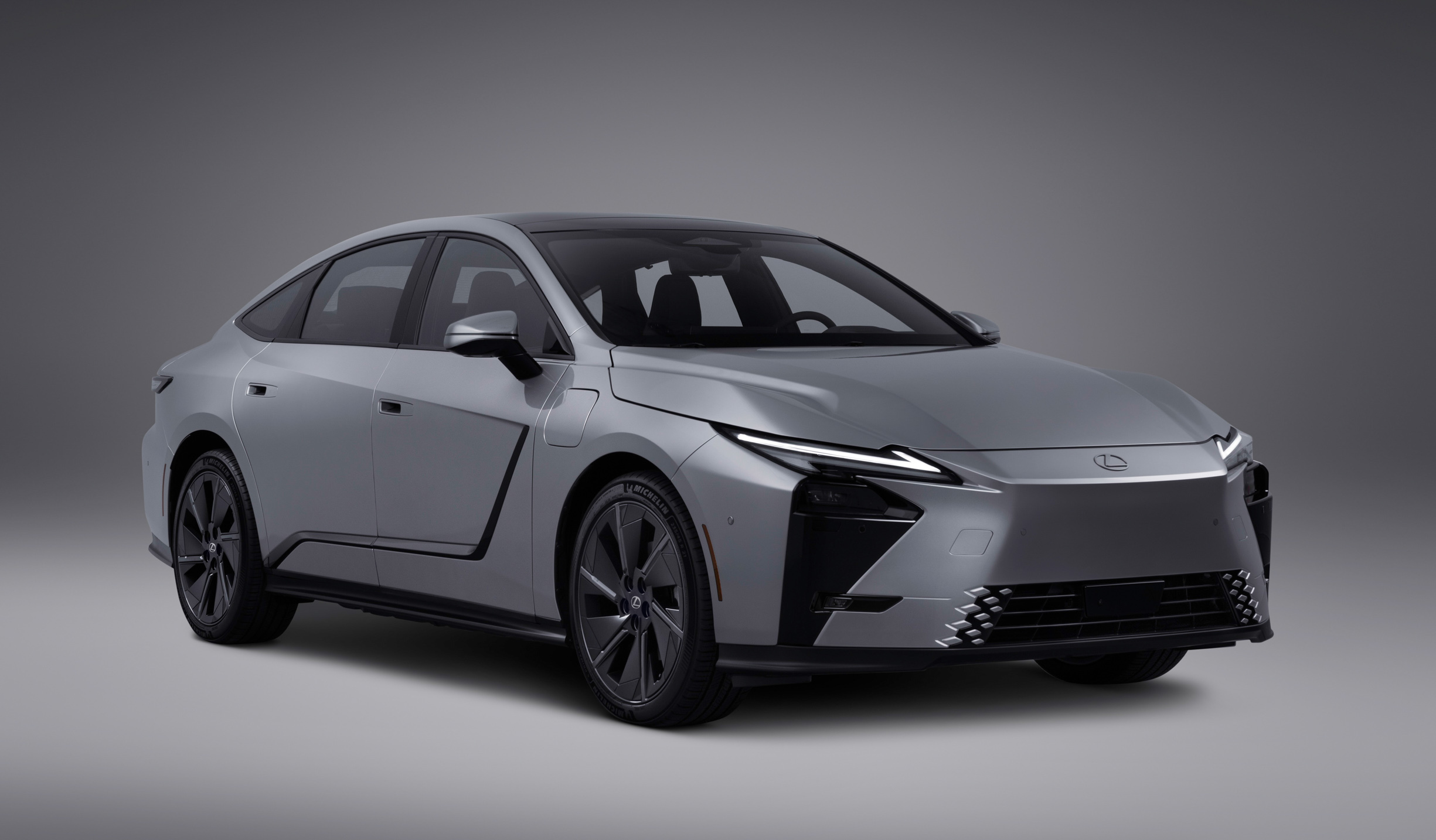
Right now, the Japanese automaker’s North American EV lineup sits at four models, and all of them are imported. That group includes the Toyota bZ, bZ Woodland, C-HR, and Lexus RZ. A fully electric Lexus ES sedan is set to arrive later this month, with the all-electric 2027 Toyota Highlander scheduled to follow in late 2026.

North America EV Expansion Plans

 Toyota’s bZ Outsold The Prius, And Now A Second US-Made Electric SUV Is Coming
2027 Toyota Highlander

The Highlander EV marks a turning point for the brand. It will be the first electric Toyota built in North America, assembled in Kentucky, with batteries sourced from North Carolina. But this is really just the first step in Toyota’s USA EV strategy.

According to a Bloomberg report, the second US-built EV is set to be an SUV already in development. Details remain scarce, including its size and where it will fit within the lineup, but production is also slated for Kentucky, with a planned start in 2027.

Mark Templin, executive vice president and chief operating officer at Toyota Motor North America, says the company plans to give buyers “multiple options.” The idea is fairly simple: if Toyota can secure 15% of the overall market in the US, it should be able to capture a similar share of the EV segment.

 Toyota’s bZ Outsold The Prius, And Now A Second US-Made Electric SUV Is Coming
Lexus ES

He also gave a better sense of who these upcoming EVs are meant to attract, referring to them as “Tesla killers.” The target, in his view, is a familiar group.

More: Toyota’s Flagship Electric Sedan Undercuts Tesla Model S By Nearly $96,000 In China

“We’ll probably see what I call boomerang customers, people who loved Prius for being the greenest car in the industry that maybe went to a Tesla – and then we get those people back. Two weeks ago in Japan, I drove three of our future battery electric cars. They’re fantastic. And I think they’re going to be Tesla killers.”

Recovering After A Rough Start

 Toyota’s bZ Outsold The Prius, And Now A Second US-Made Electric SUV Is Coming
2026 Toyota bZ

Toyota didn’t exactly nail its first swing at EVs. The bZ4X landed with a bit of a thud, but things are starting to look promising. The updated bZ and the related Lexus RZ are finally gaining traction, with deliveries more than doubling in March 2026.

The numbers are revealing, with the bZ reaching 10,029 sales in Q1 2026, up from 5,610 a year earlier, a jump of about 79%. Over the same period, Prius sales fell to 9,737 from 16,653, a drop of roughly 42%. That’s been enough for the bZ to move ahead of the Prius so far this year, which shows just how quickly things can flip.

Hybrids Remain The King

Even so, hybrids are still doing the heavy lifting. They made up 55% of Toyota’s North American sales in March 2026, up from 49% a year earlier. And that number probably doesn’t tell the whole story, since plenty of buyers are still stuck on waiting lists despite factories running flat out.

More: The Soon-To-Be-Axed Supra Has More Than Doubled Its Sales This Year

Toyota clearly knows where its strength lies. The company has committed $10 billion to its U.S. operations in the coming years, including $1 billion to expand plants in Kentucky and Indiana. EVs are part of the plan, but hybrids remain the safe bet that keeps the numbers moving.

 Toyota’s bZ Outsold The Prius, And Now A Second US-Made Electric SUV Is Coming
2026 Toyota bZ Woodland

Lucid Is Blaming Someone Else For The Gravity’s Second Recall In Four Months

  • Lucid’s second Gravity recall stems from a supplier change no one approved.
  • A seatbelt anchor weld falls short of federal safety requirements in most SUVs.
  • Affected owners will have their seats repaired or replaced at no charge.

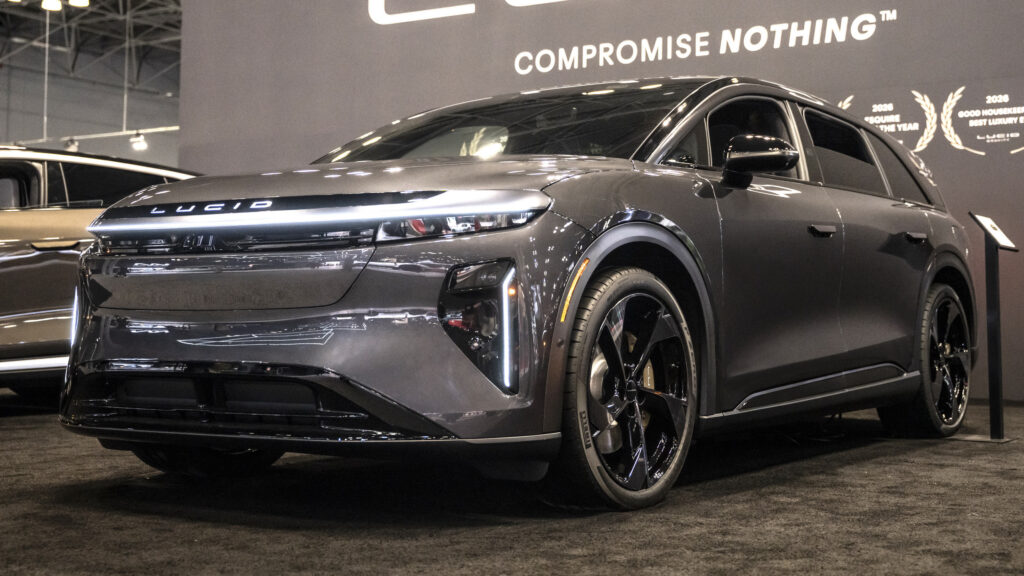
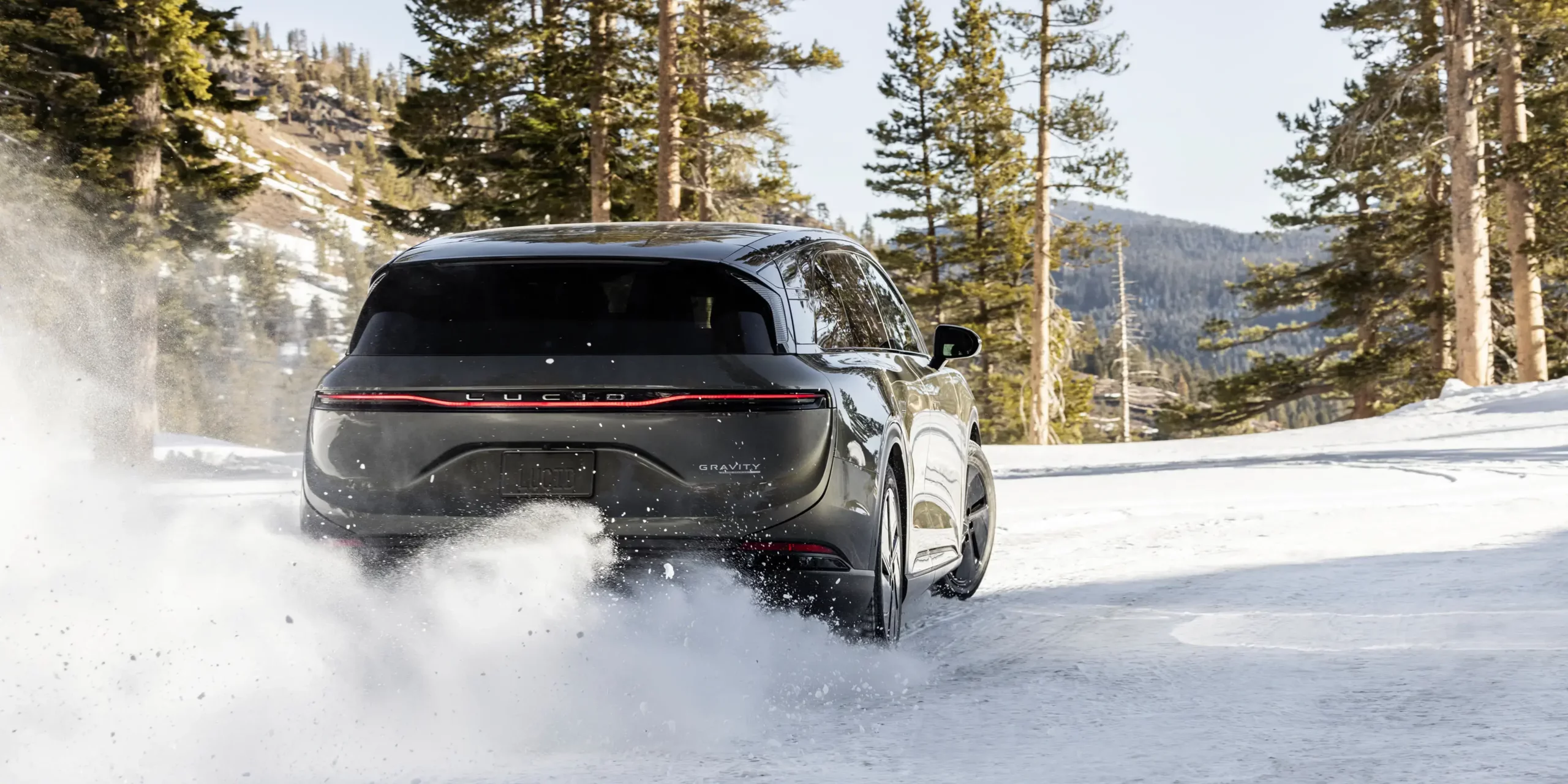
Just a few months after the Lucid Gravity was recalled over seat covers that could prevent the airbag from functioning properly, the electric luxury SUV has been recalled yet again. This time, it’s due to a potential defect in the second-row seatbelt anchors.

The EV maker says that during internal tests for another issue, it discovered the outboard lap belt anchor bracket weld in the second row is shorter than it should be and not positioned correctly. The reason? Lucid says seat manufacturer Camaco made a change to the manufacturing process without notifying the company or obtaining its approval.

Read: Wrong Seat Covers Could Stop This EV’s Airbags From Saving You

Vehicles with an insufficiently welded lap belt anchor fail to comply with Federal Motor Vehicle Safety Standards and may increase the risk of injury in a crash. Unlike December’s recall, which impacted just 66 vehicles, this one is much more widespread.

In fact, the recall involves 4,476 Lucid Gravity models built from December 2, 2024, to February 3, 2026, and listed as 2025-2026 model year vehicles. Of these, 97 percent are estimated to have the issue.

What Happens Next?

 Lucid Is Blaming Someone Else For The Gravity’s Second Recall In Four Months

This recall comes shortly after Lucid issued a brief stop-sale for the Gravity earlier this year as it ran tests to determine whether the seat belts could meet safety standards with or without a reinforcing bracket. Even with a bracket, they failed to meet load requirements, prompting Lucid to ensure the components sourced from Camaco meet its standards.

Lucid will start informing its owners of the recall on May 22. Dealers will inspect impacted vehicles, and if a non-conforming weld is found, it will be repaired with either a reinforcing bracket and adhesive or, if necessary, the entire seat will be replaced free of charge.

\\\\\\

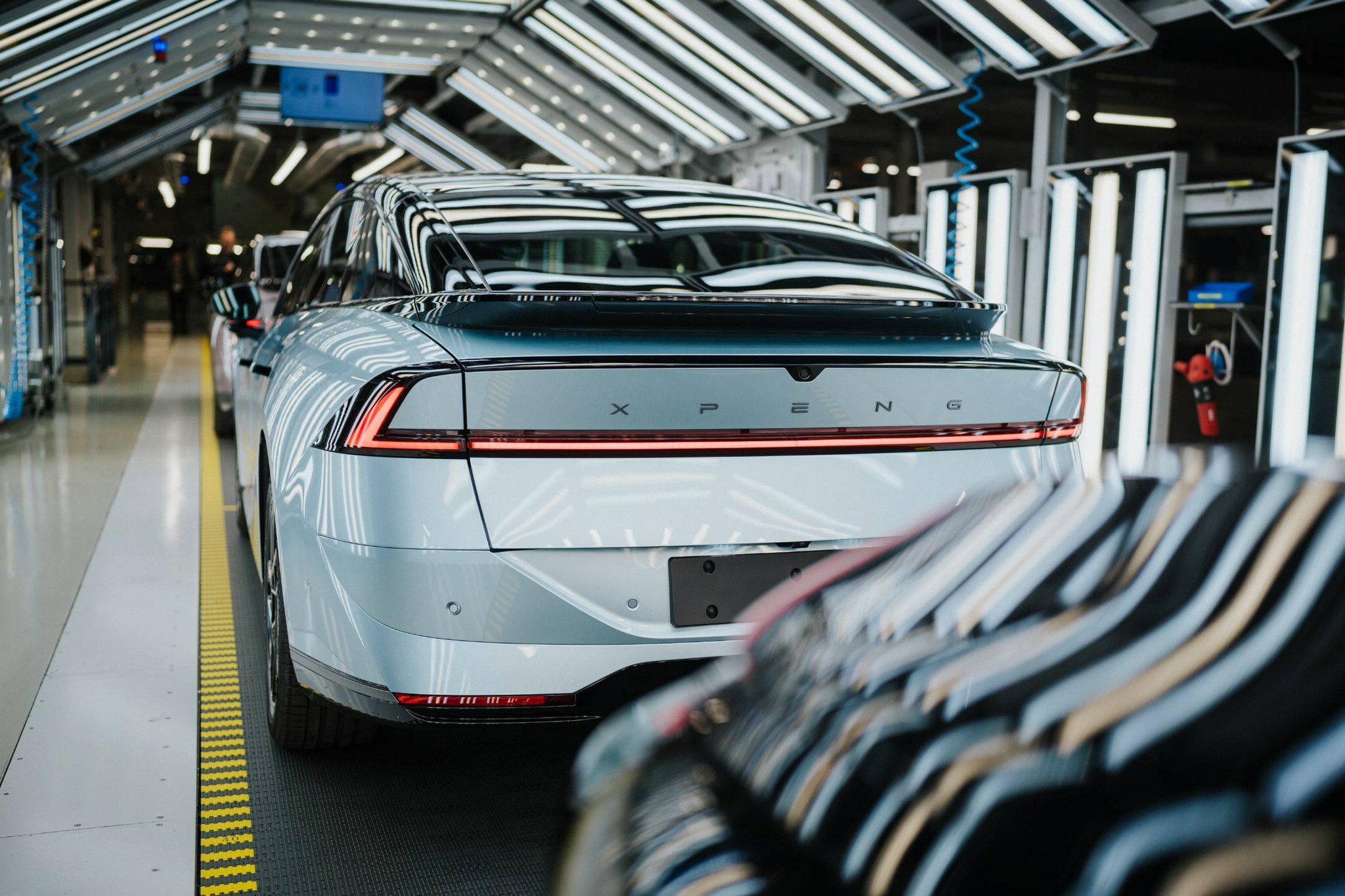
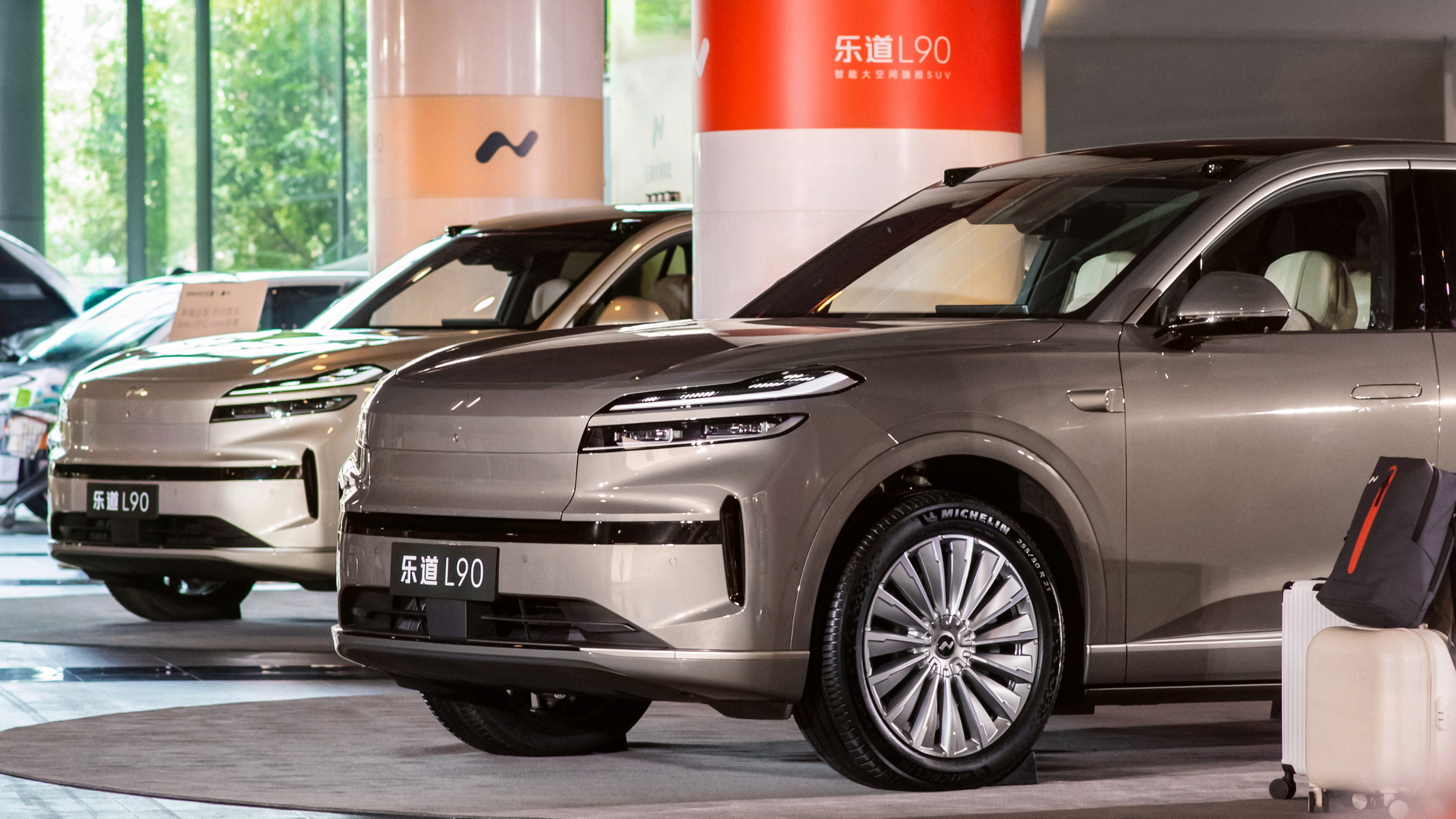
US Senator Calls Chinese Cars “Cancer,” Wants Permanent Ban

  • US lawmaker wants permanent block on Chinese cars, software, and partnerships.
  • Industry groups back ban, citing security fears and unfair competition concerns.
  • Trump previously signaled openness to Chinese brands building factories in US.

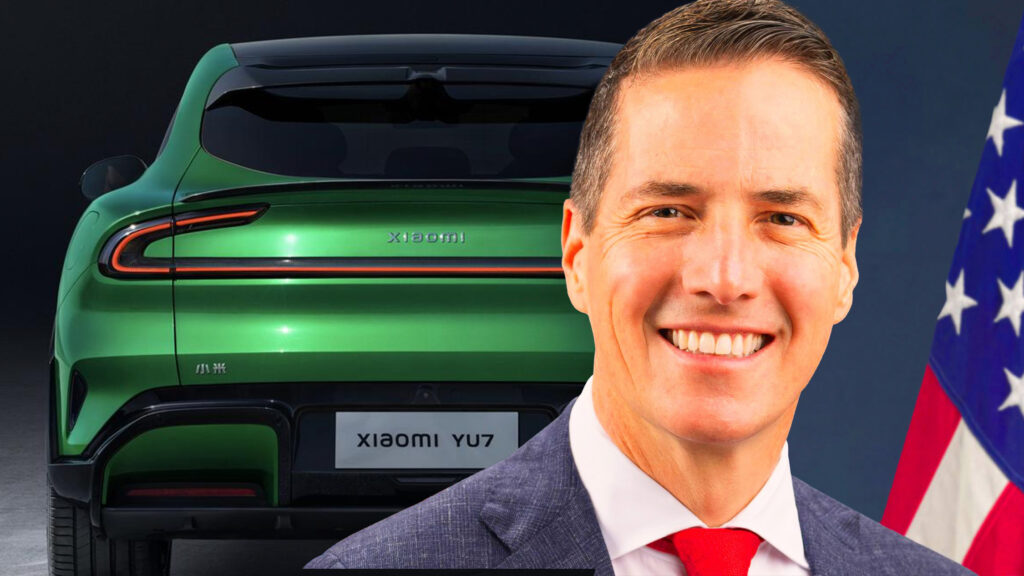
Chinese-brand cars now account for one in 10 new cars sold in Europe, but you won’t find a BYD or Xiaomi on sale in the US, and one Ohio senator is determined to maintain that situation. He wants to make absolutely sure Chinese car brands never make it to America in the form of auto imports, partnerships, or even just lines of code buried in software.

Senator Bernie Moreno is preparing legislation that goes beyond the current restrictions introduced in early 2025 by the Biden administration. Those rules already shut out Chinese passenger cars over concerns they could harvest sensitive driver data. Moreno’s proposal aims to slam every remaining door, then double lock them just in case.

More: Toyota Is Selling A New EV In China For Less Than A 15-Year-Old Used Corolla

Speaking at an automotive event ahead of the New York International Auto Show, he didn’t exactly hold back, as Reuters reported.

“We don’t allow Huawei to come into our telecommunications infrastructure,” Moreno said, referencing the US block on the Asian tech giant. “We’re not going to allow Chinese automakers into this market. We’re going to prevent the cancer from coming into our market, and we’re going to need the other countries to do chemotherapy.”

Appealing To Other Nations

Subtle? Not exactly. Effective at grabbing attention? Absolutely. The plan isn’t just about imports. Moreno wants to block anything with Chinese ties, including software integrations and joint ventures. In other words, even a hint of Chinese involvement could be enough to disqualify a vehicle from US roads under his vision. He also hopes Mexico, Latin America, Canada and even Europe will follow suit.

 US Senator Calls Chinese Cars “Cancer,” Wants Permanent Ban
Xiaomi

Unsurprisingly, American automakers and industry groups are on board. They’ve been lobbying hard to keep the barriers high, arguing it protects both national security and domestic jobs. It also conveniently keeps a wave of competitively priced EVs from shaking up the market.

An Attack On Fair Trade

China, for its part, isn’t thrilled. Officials have pushed back, calling the approach protectionist and accusing the US of stacking the deck against fair competition. That tension adds another layer to an already delicate economic relationship between the two countries.

And there’s an added complication here. Donald Trump has previously said he’d welcome Chinese automakers building factories in the US, as long as they hire American workers.

GM Pauses Production Of Two Hyped-Up EVs, Sending 1,300 Workers Home

  • GM’s Factory Zero will be idled from March 16 to April 13.
  • Shutdown affects 1,300 workers, who face temporary layoff.
  • Hummer EV sales dropped nearly 50 percent in Q4 2025.

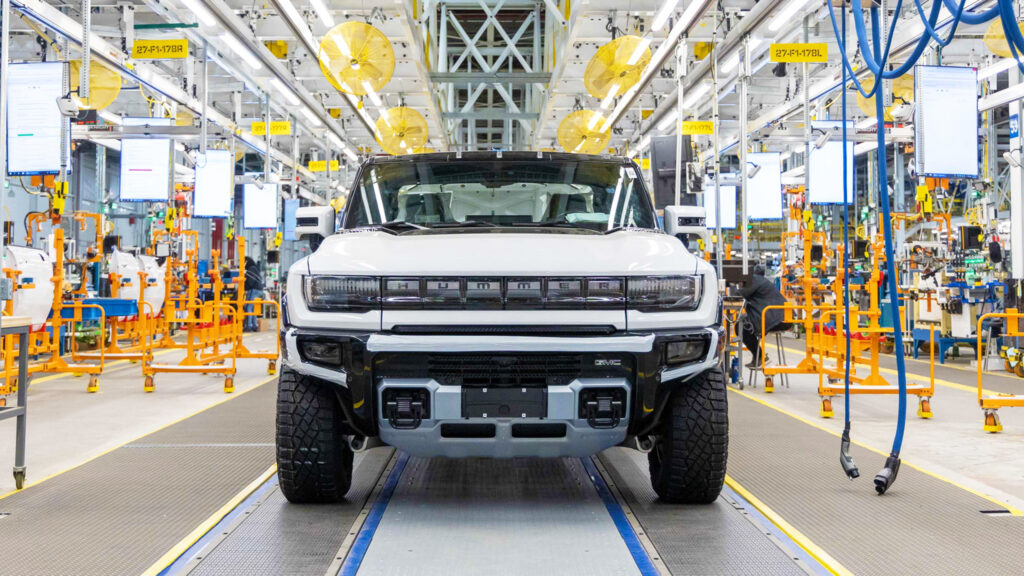
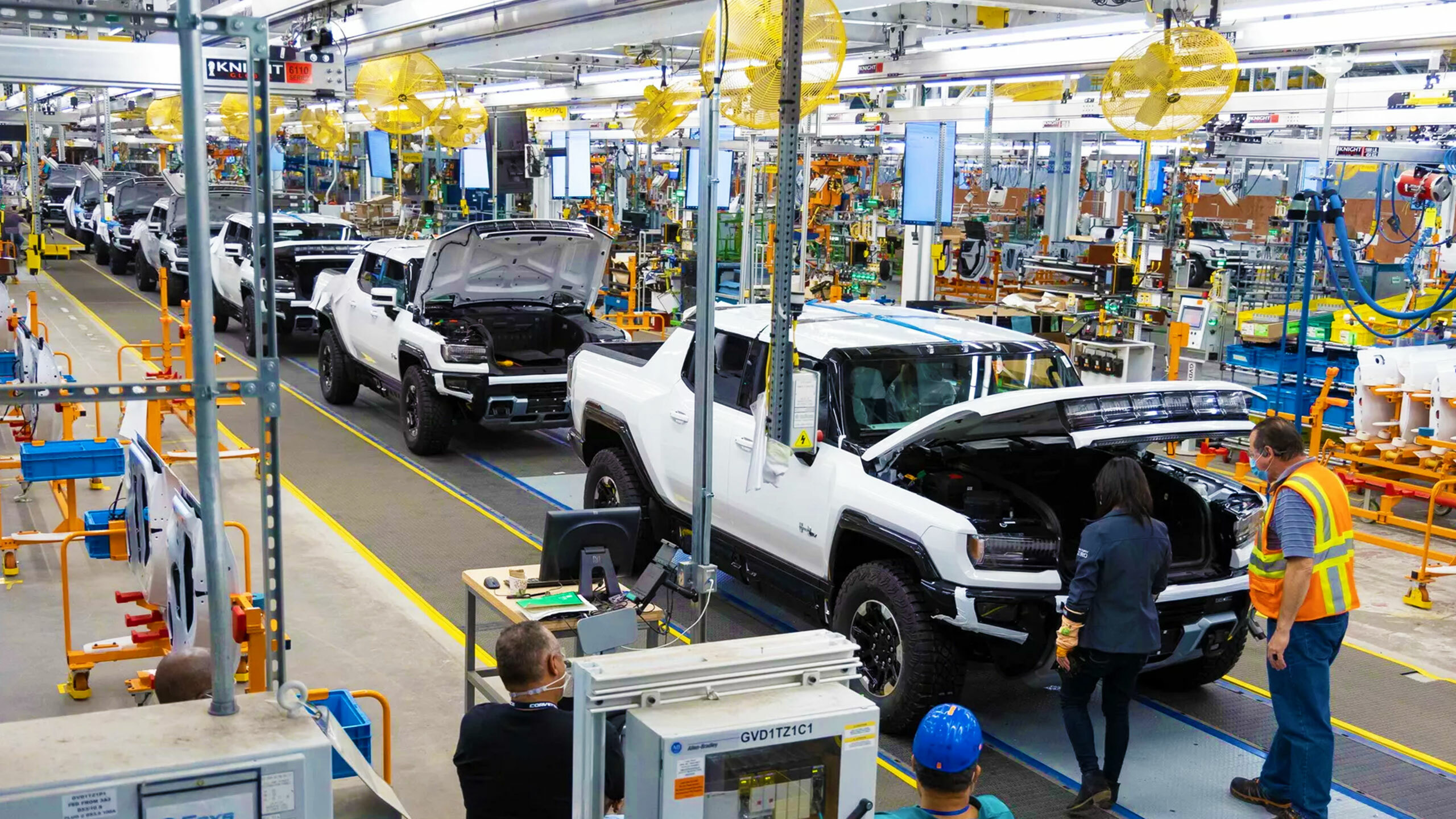
Demand for GM’s electric vehicles in the US is so poor that the carmaker has revealed Factory Zero in Detroit, its all-electric vehicle hub, will be idled until April 13. Production at the site has already been paused since March 16, so it’ll be offline for almost an entire month.

Due to the production pause, roughly 1,300 workers will be temporarily laid off by the car manufacturer. This news is just the latest blow for those who work at the site, as output at Factory Zero was already cut by almost 50 percent in January when it moved to a single-shift operation. This prompted GM to put 1,200 workers on indefinite layoff.

Read: GM Is Boosting Production Of Its Biggest Gas Guzzlers, Fuel Prices Be Damned

The plant handles production of models including the Chevrolet Silverado EV and Hummer EV, but sales have slowed since the US government axed the $7,500 federal EV tax credit.

In the last quarter of 2025, Chevy sold 1,896 Silverado EVs, down 12.9 percent from the 2,176 in 2024. Interestingly, total 2025 sales reached 11,275, which was 51.8 percent higher than 2024.

GMC Hummer EV Collapse

 GM Pauses Production Of Two Hyped-Up EVs, Sending 1,300 Workers Home

The GMC Hummer EV is starting to feel the effects of shifting government policy. Sales dropped 49.8 percent in the final quarter of 2025, falling from 5,091 units to 2,555. That slide carried straight into 2026, with just 1,653 units moved in Q1, down 52.5 percent from the 3,479 sold a year earlier.

The GMC Sierra EV, meanwhile, managed to buck the trend. It posted 1,288 deliveries in Q1 2026, narrowly beating the 1,249 units from the same period in 2025. In a tough stretch for Factory Zero, that modest gain stands out as one of the few positives.

Like some of the competition, GM is pulling back from its EV commitments, confirming it will take $7.6 billion in charges for scaling back its EV spending. While GM boss Mary Barra still refers to EVs as the company’s “end game,” The General is making changes in the meantime. This includes working on several plug-in hybrid models, details of which still remain thin on the ground.

GM also recently announced it’s boosting production of some of its biggest gas guzzlers, namely the Chevrolet Silverado 2500 and 3500, in addition to the GMC Sierra 2500 and 3500.

 GM Pauses Production Of Two Hyped-Up EVs, Sending 1,300 Workers Home

Kia Finally Brings An Affordable EV To America, Fake Gears And All

  • EV3 finally arrives in North America after success in overseas markets.
  • Up to 320 miles of range from the biggest of two available battery packs.
  • GT version delivers 288 hp, all-wheel drive, and sportier suspension tune.

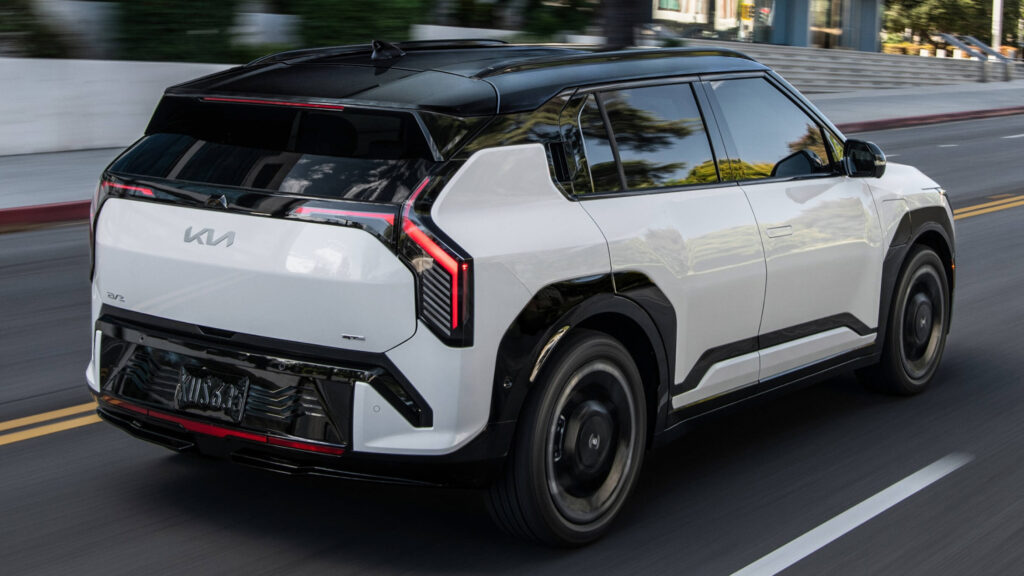
The all-new 2027 Kia EV3 has officially debuted in the US at the New York Auto Show, and it’s about time. This compact electric SUV, positioned above the smaller EV2 in Kia’s global lineup, has already built momentum in overseas markets. Now it’s finally set to take on American buyers, with an estimated starting price in the low-to-mid $30,000 range.

More: Kia Gives The 2027 Seltos Something It’s Never Had In The US Before

Positioned as the most attainable EV in the brand’s North American lineup, the EV3 opens the possibility of electric Kia ownership to a very different audience. A 105.5-inch (2,680 mm) wheelbase means it’s smaller than the EV5 Kia offered in Canada, though not the US, and tiny compared to the three-row EV9. But it doesn’t look or feel like a stripped-down option, or a copycat one.

\\\\\\\\\\\\\\\

Under the skin, it rides on the same dedicated E-GMP EV architecture as its bigger relatives like the EV9, but with 400- rather than 800-volt electrics. Buyers get a choice of two battery packs, starting with a 58.3 kWh unit available only on the entry-grade Light trim, delivering up to 220 miles (354 km) of EPA range. Step up to the 81.4 kWh battery on Wind and Land trims, and that climbs to an estimated 320 miles (515 km) in front-wheel drive form.

All-wheel drive is available with the larger battery as an option on Wind and Land, and comes standard on the GT-Line and GT, giving the EV3 a bit more scope for distance work. Charging is quick enough to keep things convenient, with a 10 to 80 percent top-up taking around 29 minutes on the smaller pack, which is only available on single-motor models, and just over 30 minutes on the larger one that gets you the choice of front- or all-wheel drive

Performance depends on trim, and though Kia in the US doesn’t quote an output for the single-motor powertrain, it rates it at 201 hp (204 PS / 150 kW) in Europe. If it’s the same setup, expect mid-seven-second zero to 60 mph (97 km/h) times and enough kick to handle most city sorties.

GT Should Eat GTIs

Dual-motor all-wheel drive models are confirmed to offer 261 hp (265 PS / 195 kW), and the range-topping GT gets a further lift to 288 hp (292 PS / 215 kW). That ought to be enough to drop the 60 mph time to 5.5 seconds, judging by the Euro numbers for the same model. No match for Volvo’s EX30, which goes a second quicker, true, but since Volvo’s just axed it in the US, Kia can breathe easy.

Also: Kia’s Cheapest Electric SUV Drops A Seat To Hit Its Price

Besides, you get more than an extra 17 hp when you step up to the GT. Kia also throws in sport-tuned suspension and steering, plus the option to equip your EV3 with the same kind of Virtual Gear Shift (VGS) and Active Sound Design (ASD) noise generator that’s already won heaps of praise on other Hyundai Group cars like the Ioniq 5 N.

Netflix or Disney?

\\\\\\\\\\\\\\\\\

The EV3 is similar in size to the second-generation Seltos, which Kia is debuting alongside it at New York, and there are more parallels inside the cabin. You get a variation on the same conjoined display setup used on most new Kias, which means dual 12.3-inch screens and a 5-inch climate display sandwiched between them.

The Navigation Cockpit (ccNC), which we first met on the EV9, lets you stream Netflix and YouTube as well as view content from the likes of Disney, Marvel and National Geographic. Want to make the most of those movie jump scares? Select the available Harman Kardon audio system, one of several tasty options you’ll find on the configurator alongside a panoramic roof, a Digital Key for your smartphone, a power liftgate, and a 360-degree camera.

Arrives Late 2026

\\\\\

Full trim details will be announced along with prices closer to the end-of-year on-sale date, but we know GT-Line cars get a three-spoke steering wheel, metal pedals, and off-white dual-tone seats. Splash for the true GT and you bag 19-inch wheels with green brake calipers, plus matching flashes of green on the seatbelts, steering wheel, and other interior trim.

The EV3 was meant to be one of an army of smaller, affordable electric Kias heading stateside, but the brand decided not to bring the EV4 hatch and sedan, or EV5 SUV, after all. That means a lot is riding on this little utility, which we know from our UK drive is a great EV, but one that arrives in the US when EV sales are falling. How do you rate its chances?

\\\\\

Kia

Honda Cuts $7,500 Off Every Prologue, Including Cars Already On Dealer Lots

  • The discount offsets the lost federal EV tax credit, dollar for dollar.
  • Price reductions apply to existing dealer inventory, not just new builds.
  • The base single-motor EX now starts at $41,395 including destination.

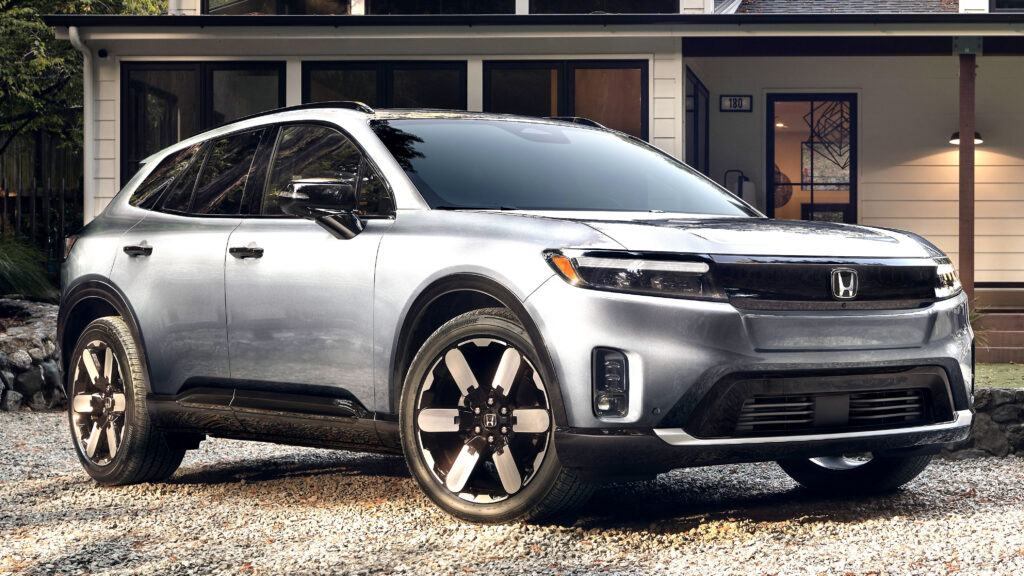
The Prologue hasn’t been the success that Honda would have liked, and pricing has been a big part of the problem. It was already on the expensive side, and the loss of the $7,500 federal EV tax credit under the Trump administration only made things harder to justify. Honda appears to have taken the hint.

For 2026, it’s cutting $7,500 across the entire Prologue lineup, effectively replacing the missing incentive and bringing the model within reach of a much wider pool of buyers.

The 2026 Prologue range goes unchanged, meaning it continues to be offered in single-motor and dual-motor EX, Touring, and Elite configurations. Importantly, the price cuts won’t just apply to newly-built models from April 1, but also 2026 models already in Honda’s inventory.

Read: That Strange Clicking Noise In Honda’s Prologue Is Now A Lawsuit

Sitting at the base of the range is the single-motor EX, now priced at $41,395, including a $1,495 destination charge, down from $48,895 for the 2025 model. Positioned above this model is the EX dual motor, now starting at $43,495. The 2026 Prologue continues to be sold in Touring guises, starting at $46,695 for the single-motor and $48,495 for the dual-motor.

2026 Honda Prologue
TrimDriveMSRPMSRP w/Dest.EPA Range
EXSingle Motor, 2WD$39,900$41,395308 miles
EXDual Motor, AWD$42,000$43,495294 miles
TouringSingle Motor, 2WD$44,200$46,695308 miles
TouringDual Motor, AWD$47,000$48,495294 miles
EliteDual Motor, AWD$50,400$51,895283 miles
SWIPE

Whereas the front-wheel drive models have 220 hp, 243 lb-ft (329 Nm) of torque, and an EPA range of 308 miles (496 km), the dual-motor versions deliver 300 hp and 355 lb-ft (481 Nm) of torque. The added power comes at the cost of range, which is reduced to 294 miles (473 km) in the dual-motor EX and Touring.

Continue to sit at the top of the range is the dual-motor Elite with a reduced range of 283 miles (455 km). For 2026, it starts at $51,895, including destination, down from $59,395.

The long-term future of the Honda Prologue remains unclear. Following the removal of the federal EV tax credit, sales have plunged through the early part of this year, prompting Honda to cut production in half. This also prompted recent speculation that the Prologue will be killed after production ends in December, with no successor on the agenda. However, Honda has denied these reports.

\\\\\\\\

Rivian Won Direct Sales In Washington With A Threat That’s Coming For Dealers Everywhere

  • Rivian wins direct sales rights in Washington after dealer resistance collapses.
  • Nearly 70 percent of buyers support skipping dealerships and buying directly.
  • Other states may follow as pressure builds against traditional franchise laws.

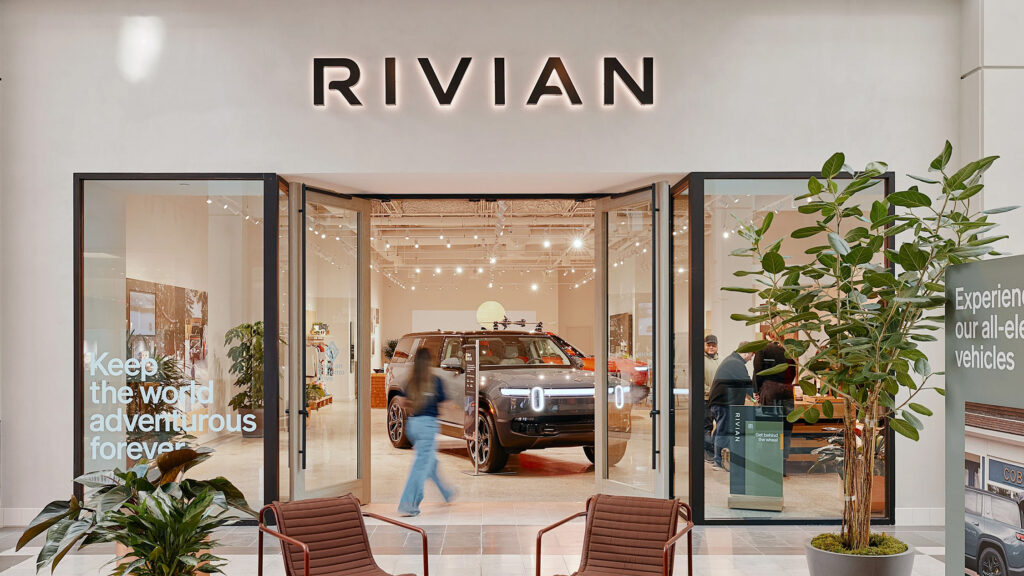
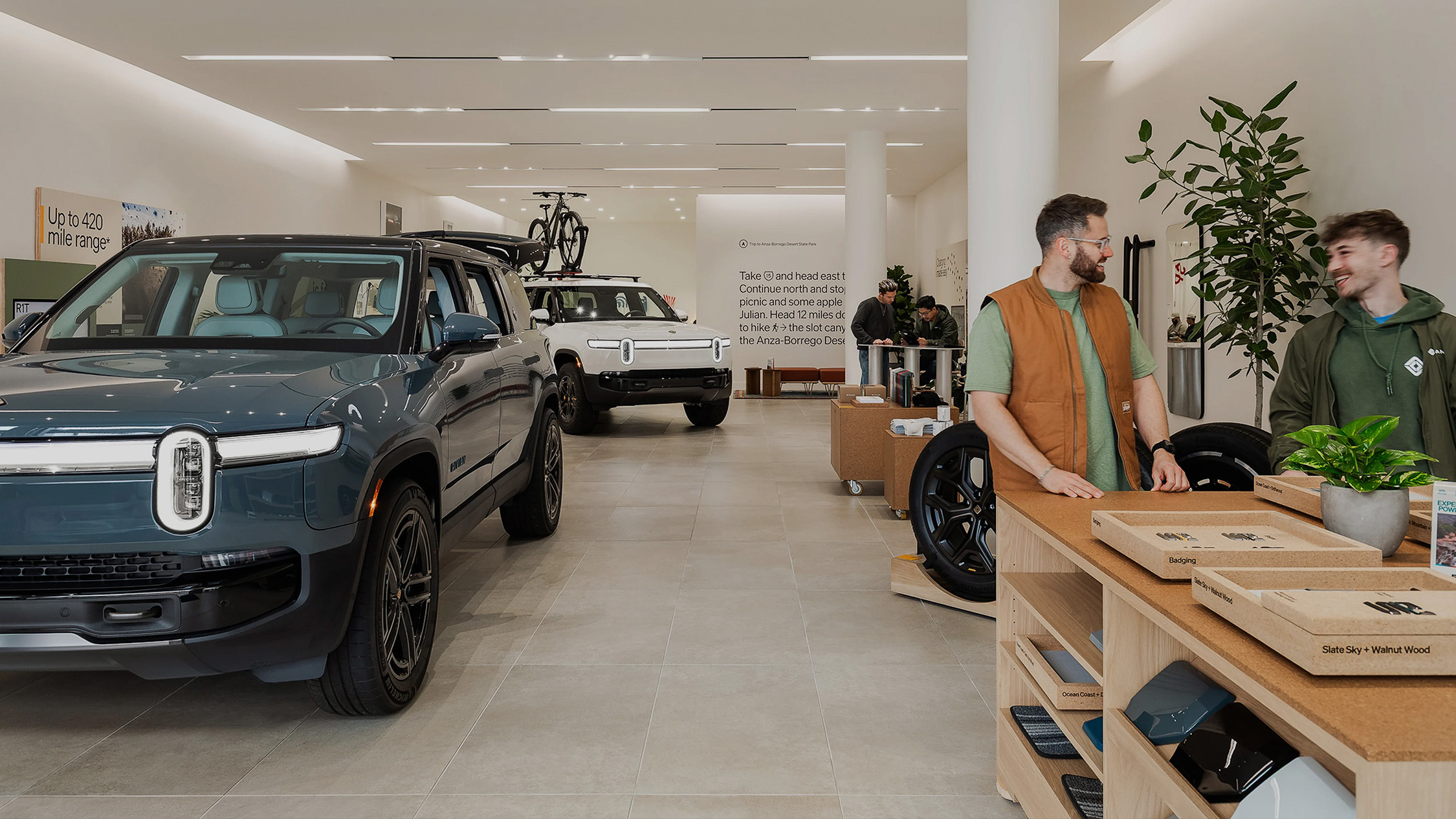
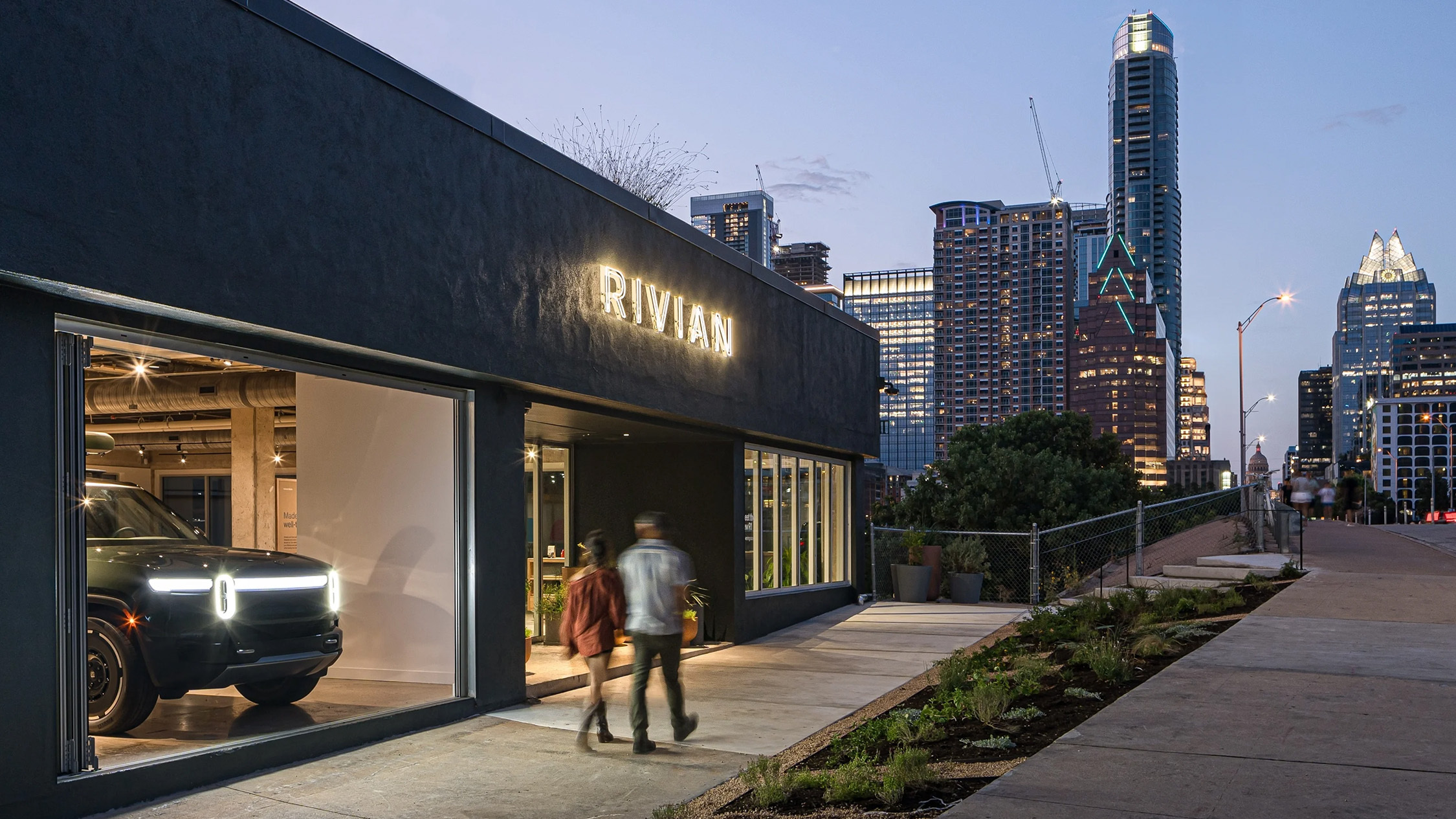
Rivian didn’t just win a fight in Washington this week when it was granted the right to sell cars directly to consumers. It might have started a war that will leave dealer groups across America far less powerful and profitable 10 or 15 years from now.

After years of getting blocked by dealer laws in Washington state, the EV startup pushed hard enough that the opposition simply stepped aside. The turning point came when Rivian threatened to take the issue to voters, a gamble that could have cost it up to $30 million. Faced with an expensive ballot battle, dealer groups backed off and supported a narrow law letting Rivian and Lucid – but no other brands – sell directly.

Related: More VW Dealers Sue, Say Scout Is A Shell Company Built To Cut Them Out

“The writing was on the wall,” said lawmaker Andrew Barkis to The Wall Street Journal. Once the resistance faded, the bill sailed through.

It’s a big moment in a long-running tug of war over how Americans buy cars. For decades, laws in most states have forced automakers to sell through independent dealers. That system isn’t going quietly, but Rivian just proved it can be bent, something Tesla already does, and VW is also trying to do with its new Scout brand.

Buyers Backed The Move

And the reason is simple. Buyers don’t love dealerships as much as the system assumes. Rivian’s own polling showed nearly 70 percent of people support direct sales in the same way that they like to get their sneakers from the Nike store or their new iPhone from an Apple outlet.

 Rivian Won Direct Sales In Washington With A Threat That’s Coming For Dealers Everywhere

Rivian CEO RJ Scaringe says selling direct means more control, better margins, and a cleaner customer experience. But not everyone’s thrilled. Traditional automakers and dealer groups argue this creates an uneven playing field. They say franchise networks keep prices competitive and provide essential services like repairs and financing.

Limited Freedom

“The franchise model continues to be the ideal system,” Vicki Giles Fabré of the Washington State Auto Dealers Association told the WSJ in a statement. Still, even dealers seem to recognize the tide is turning. The Washington compromise is tightly limited, applying only to Rivian and Lucid, but it cracks the door open.

Now Rivian is eyeing other states where voters can be brought into the fight. Places like Ohio and Oklahoma could be next, and if this strategy keeps working, the patchwork of sales laws might start to unravel.

 Rivian Won Direct Sales In Washington With A Threat That’s Coming For Dealers Everywhere

Rivian

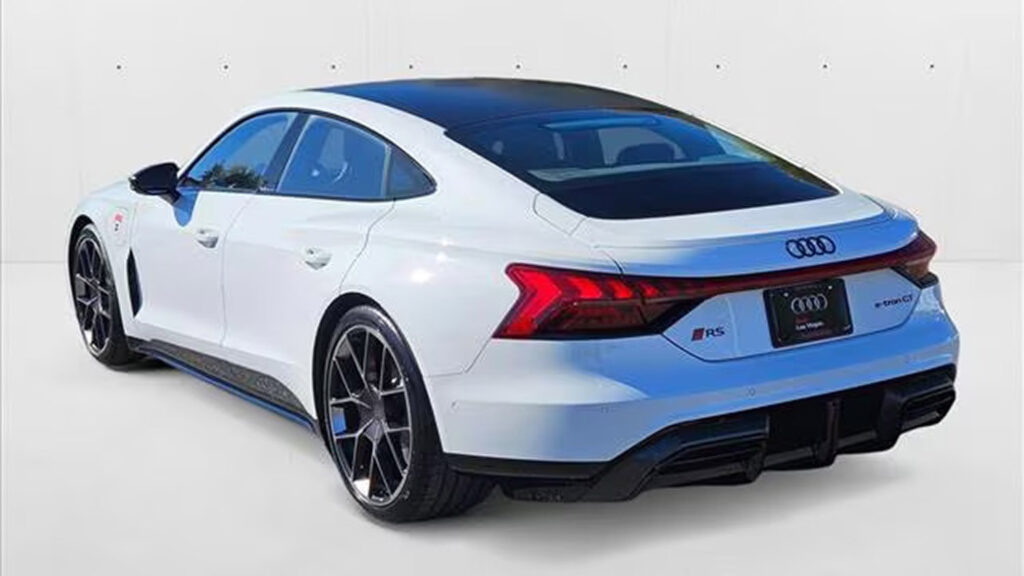
A New 912-HP Audi Sat Unsold For Months And The Price Finally Cracked

  • The 2025 Audi RS e-tron GT Performance starts at $170,500.
  • A new 13-mile example in Las Vegas is listed $54,005 under MSRP.
  • Listings nationwide show multiple cars already priced below sticker.

The new Audi RS e-tron GT Performance is a road-going rocket ship, blending hypercar-level acceleration with genuine long-distance comfort. It delivers extraordinary pace alongside impressive Grand Touring ability, yet like the model it replaces, it’s already shedding value quickly in the US. That makes now a surprisingly sensible moment to snag yourself a bargain.

The RS e-tron GT starts at $170,500, though that figure climbs past $180,000 once a few options are added. With 912 hp and 757 lb-ft (1,027 Nm) of torque available, that pricing isn’t outlandish on paper, but the market is clearly suggesting it’s too steep for a luxury EV.

Read: 2025 Audi e-tron GT Is $19,000 Pricier But Much Faster This Year

A quick scan of current classifieds shows dozens of 2025 and 2026 RS e-tron GT models listed across the United States, many showing minimal or delivery mileage and asking prices already below MSRP. The cheapest example we found is a lightly used 2025 model with 1,930 miles (3,106 km) listed by Audi Beverly Hills.

Prices Are Going Down, Down, Down

\\\\\\\\\\\\\\\\\

Audi Beverly Hills

That listing doesn’t specify the original MSRP, but with the $5,900 forged carbon package included, it would have cost at least $180,000 new. It’s now listed at just $123,993.

If you’re shopping for a new one, it’s worth checking out a 2025 model listed at Audi Las Vegas for $124,590, down from an MSRP of $178,595. It has just 13 miles (21 km) on the clock, essentially delivery mileage, and has already shed $54,005 in value without ever being registered. The gods of depreciation have clearly taken a liking to this electric Audi.

\\\\\\\\\

Audi Las Vegas

Despite the upgrades to the refreshed RS e-tron GT, it’s likely going to suffer the same fate as the original model, plummeting in value the moment it’s driven off the showroom floor. Some examples of the pre-facelift RS e-tron GT, which offers up to 637 hp and 612 lb-ft (830 Nm), have asking prices under the $50,000 mark, and the facelifted model is trending in that direction.

\\\\\\\\\

Audi Beverly Hills

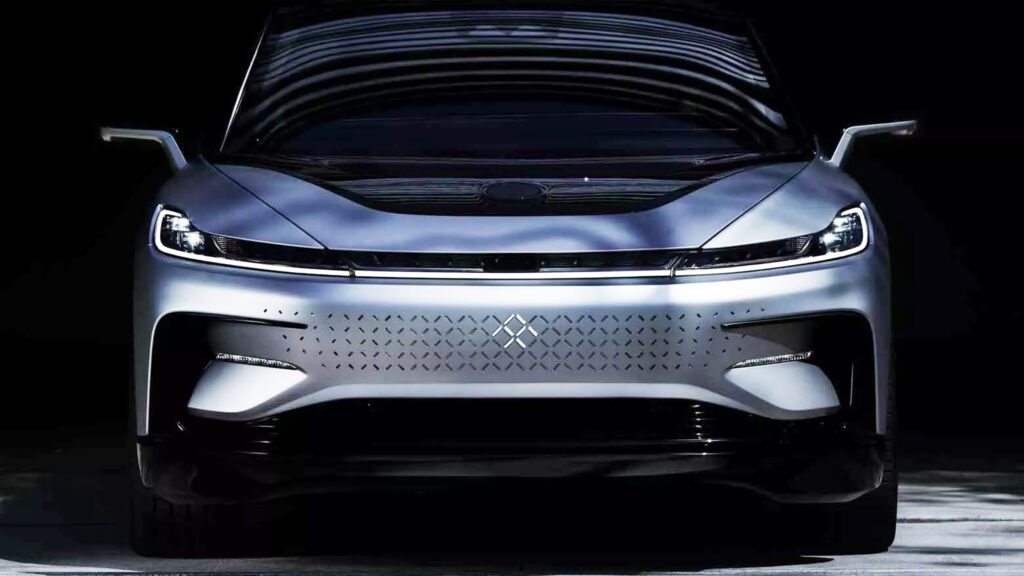
The EV Startup That Beat All Odds Just Beat An SEC Notice Sending 85% To Court

  • Faraday Future avoids SEC action after a four-year investigation.
  • Regulators scrutinized the company’s 2021 reverse merger with a SPAC.
  • Company now faces Nasdaq $1 share price compliance deadline.

Few car manufacturers have had a history as turbulent as Faraday Future. Founded more than a decade ago as one of America’s most promising EV startups, it’s been teetering on the edge of financial collapse for years, but has just reported one of its most significant wins.

Over the weekend, Faraday Future revealed that the US Securities and Exchange Commission has concluded its four-year investigation into the company and has decided not to take any action against it. Founder and co-CEO Jia Yueting, as well as Faraday Future President Jerry Wang, have also avoided the court room.

Read: After Failing At Cars, Faraday Is Now Building Robots

The SEC had been investigating Faraday Future over its 2021 merger with a special purpose acquisition company (SPAC) that allowed it to go public, alleging the company made several false and misleading statements. Throughout the SEC’s investigation, it subpoenaed the company and took depositions from multiple former employees and executives.

The Troubles Don’t Stop Here

\\\\\\\

Last year, it appeared the SEC was stepping up its action against Faraday Future, issuing ‘Wells Notices’ to Yueting and other executives, notices usually issued when the SEC has been recommended to take enforcement action. According to Tech Crunch, approximately 85 percent of cases where Wells Notices are issued result in the individuals facing the SEC in court.

“The conclusion of the SEC’s investigation means that the long-standing overhang and sources of instability that had constrained the Company have now been removed,” Faraday Future said in a statement. “This is the strongest and cleanest response to potential illegal short sellers. Some short sellers used the time when the investigation was still open to spread rumors, defame the Company, create panic, and profit illegally. Now, the SEC’s conclusion means FF’s reputation is being restored, and confidence is coming back.”

Admittedly, Faraday Future isn’t out of hot water yet, as it recently received a notice from Nasdaq for failing to meet the minimum $1-per-share price requirement over 180 days. It now has 180 days to boost its shares to over $1 and hopes to do so without issuing a reverse stock split.

\\\\\\\\\\\\\

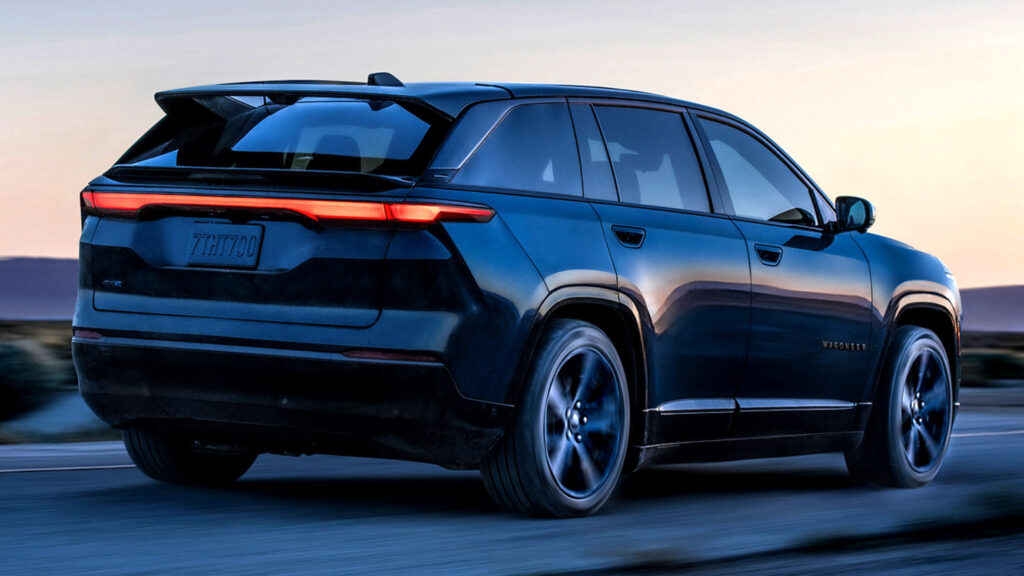
Nearly 1 In 15 Wagoneer S EVs Have A Part That Can Fall Off

  • Nearly 12,000 Wagoneer S SUVs from 2024 to 2026 are recalled.
  • The liftgate hinge cover may not clip in and could fall off.
  • Jeep is aware of 17 warranty claims related to the fault in the US.

Nearly 12,000 examples of Jeep’s all-electric Wagoneer S are being recalled in the United States, highlighting a quality lapse that arguably should have been caught earlier. Now, owners will need to visit a dealership to have their vehicles inspected and the faulty component repaired or replaced.

A recall notice issued by the NHTSA states that 2024–2026 Wagoneer S models may have been built with a liftgate hinge cover that lacks sufficient design tolerances. Stellantis explains that in some cases, the rear liftgate hinge cover may not clip securely into place and could detach from the vehicle, creating a potential road hazard.

Owners might get an early warning. The company notes that occupants could hear a rattling noise or notice that one or both hinge covers aren’t sitting flush.

Review: The 2026 Jeep Wagoneer S Is Fast, Comfortable, And Wearing The Wrong Badge

FCA’s Technical Safety and Regulatory Compliance team opened an investigation on January 8. Over the next five weeks, it worked with FCA US Engineering and Manufacturing to review production data and design revisions tied to the hinge cover, focusing on pinpointing the root cause of the issue.

Warranty Claims Start Piling Up

\\\\\\\\

Jeep says that as of February 18, it had logged two customer assistance cases, 17 warranty claims, and 32 field reports potentially tied to the issue. In total, 11,767 vehicles are being recalled, all built between March 21, 2024, and July 24, 2025. The automaker estimates that 6.7 percent of them may actually have the defect in question.

The problematic component comes from Magna International, with owner notifications set to go out starting May 1. Dealers have been told to inspect the hinge cover and, if needed, repair or replace it with an updated version that stays put.

This isn’t the only recall recently issued by Jeep in the US. In February, more than 80,000 Grand Cherokees were called in for repairs because the rear coil springs may have been installed incorrectly as part of a previous recall. In this case, Jeep revealed the spring could detach from the vehicle entirely, presenting a serious safety risk.

\\\\

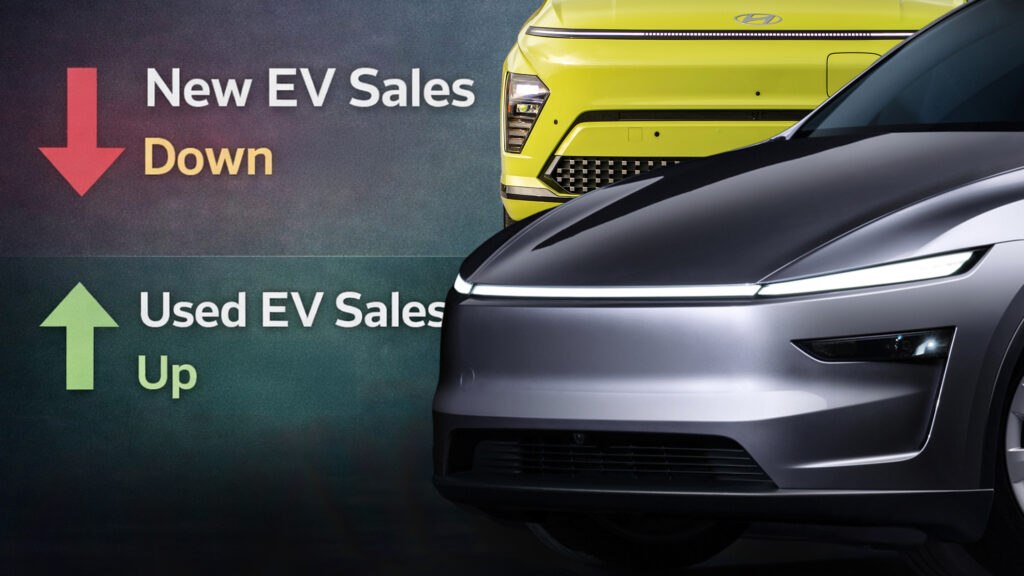
EV Buyers Didn’t Disappear, They Just Moved Somewhere Automakers Don’t Love

  • New EV sales dropped sharply year over year in Feb, but rose slightly versus Jan.
  • Used EV demand surged as prices fell and inventory tightened across the market.
  • Tesla still dominates, though rivals gained ground with strong February showing.

The war in Iran and resulting gas price spike might be making American drivers suddenly more interested in new EVs, but that’s obviously not reflected in February’s sales figures.

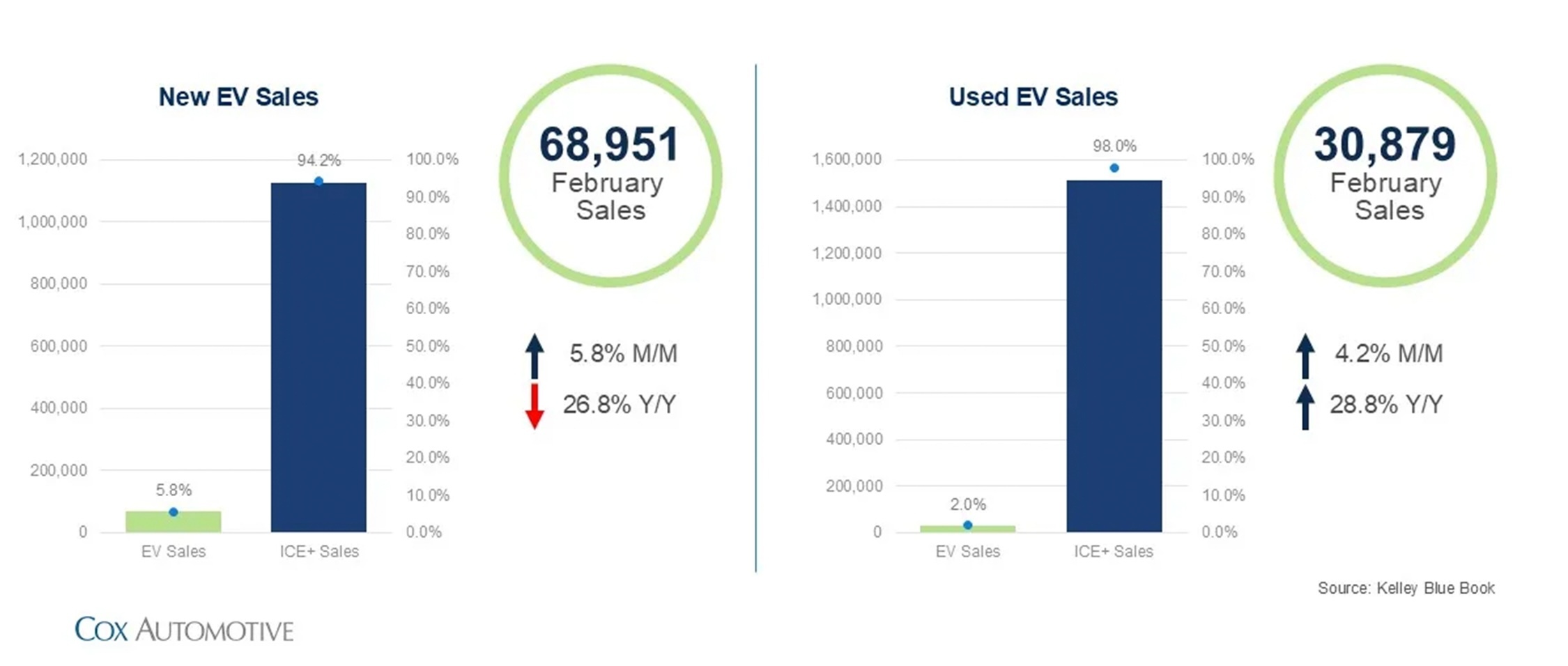
Data shows new EV sales came in just under 69,000 units last month, which sounds healthy until you notice that’s down a hefty 27 percent compared to last year. That total still marked a 5.8 percent increase compared to January and represented about 5.8 percent of all new vehicle sales.

There is a silver lining though, and it’s that those people who did buy an EV paid less for it as prices were pushed down across the board, Cox Automotive says.

More: Global EV Sales Just Fell 11%, But Carmakers Found A Surprising Backup Plan

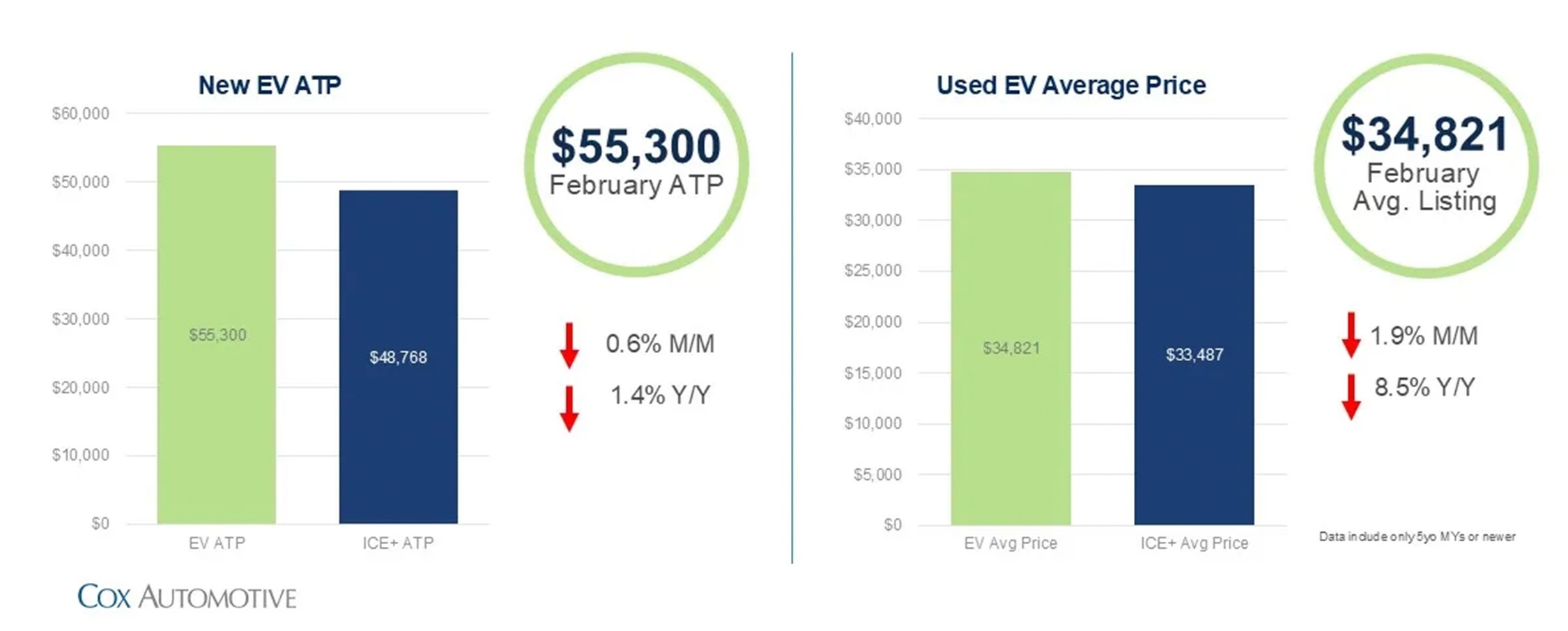
New EVs averaged around $55,300, dipping slightly from last year and narrowing the price gap with gas cars to its lowest ever. Incentives are doing a lot of work here, now making up more than 14 percent of the average transaction price.

 EV Buyers Didn’t Disappear, They Just Moved Somewhere Automakers Don’t Love

On average, incentives climbed to about $7,870 per vehicle, a clear sign automakers are relying heavily on discounts to keep buyers interested.

Tesla still leads the pack by a mile, shifting around 38,500 units, but even the world’s most famous EV company isn’t immune to gravity. Its share slipped 4 percent month over month as rivals started clawing back some ground.

Chevrolet had a particularly strong month, demand jumping 70 percent versus January, and Hyundai and Toyota also nudged forward, while Ford and Nissan’s performances suffered, as did EV sales overall.

Used Sales Head In The Opposite Direction

Meanwhile, the used EV market is quietly having a moment. Sales jumped nearly 29 percent year over year, with almost 31,000 units finding new homes. That’s not explosive growth, but it does show buyers are warming to second-hand electric cars, especially as prices keep sliding.

That figure also reflects a modest 4.2 percent increase from January, pointing to steady month-over-month momentum.

 EV Buyers Didn’t Disappear, They Just Moved Somewhere Automakers Don’t Love

We’ve already touched on the falling prices of new EVs, but prices for used ones are dropping even faster, and now average just under $35,000. That’s down more than 8 percent year over year, making them far more tempting for budget-minded buyers. In fact, many used EVs now cost less than their gas powered equivalents, which would’ve sounded wild not long ago.

The report also explains that inventory is tightening, especially for used EVs, suggesting demand is finally starting to match supply as the market  shifts from the oversupply headaches of recent months. But while Cox Automotive experts didn’t explicitly say that could lead to prices rising, simple supply and demand laws suggest to us they might.

In fact, used EV supply dropped to about 42 days, now slightly exceeding comparable gas vehicle levels for the first time in nearly a year.

 EV Buyers Didn’t Disappear, They Just Moved Somewhere Automakers Don’t Love

Cox Automotive

❌