Login
LoginPorsche’s EV Gamble Is Going So Well It’s Even Closing Its Ebike Arm And 500 Jobs
- Porsche plans major reset after weakening demand, tariff costs and pricey electric strategy u-turn.
- Several Porsche subsidiaries, including ebike and battery divisions, face closure, with loss of 500 jobs.
- Difficult years lie ahead while Porsche waits for new ICE Macan SUV it thought it would never need.
Porsche spent years telling us the future would be mostly electric. Now it’s scrambling to rebuild parts of the combustion lineup it already started phasing out, while simultaneously slashing jobs, shutting divisions, and reshuffling management to steady the ship and improve profits.
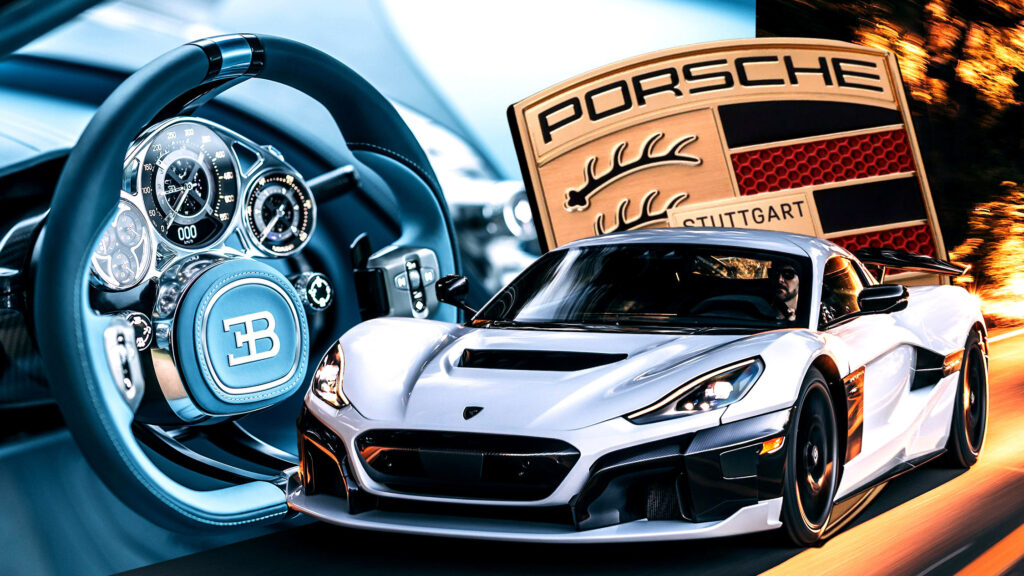
Having last month sold its stake in Bugatti and Rimac, the company this week confirmed plans to eliminate more than 500 jobs while discontinuing several electric-focused subsidiaries as part of a broader restructuring effort. Porsche is shutting down Cellforce Group, Porsche eBike Performance, and Cetitec as it narrows its focus back toward its main automotive business.
More: Porsche’s Profits Fell 93%, So It’s Selling Bugatti And Rimac
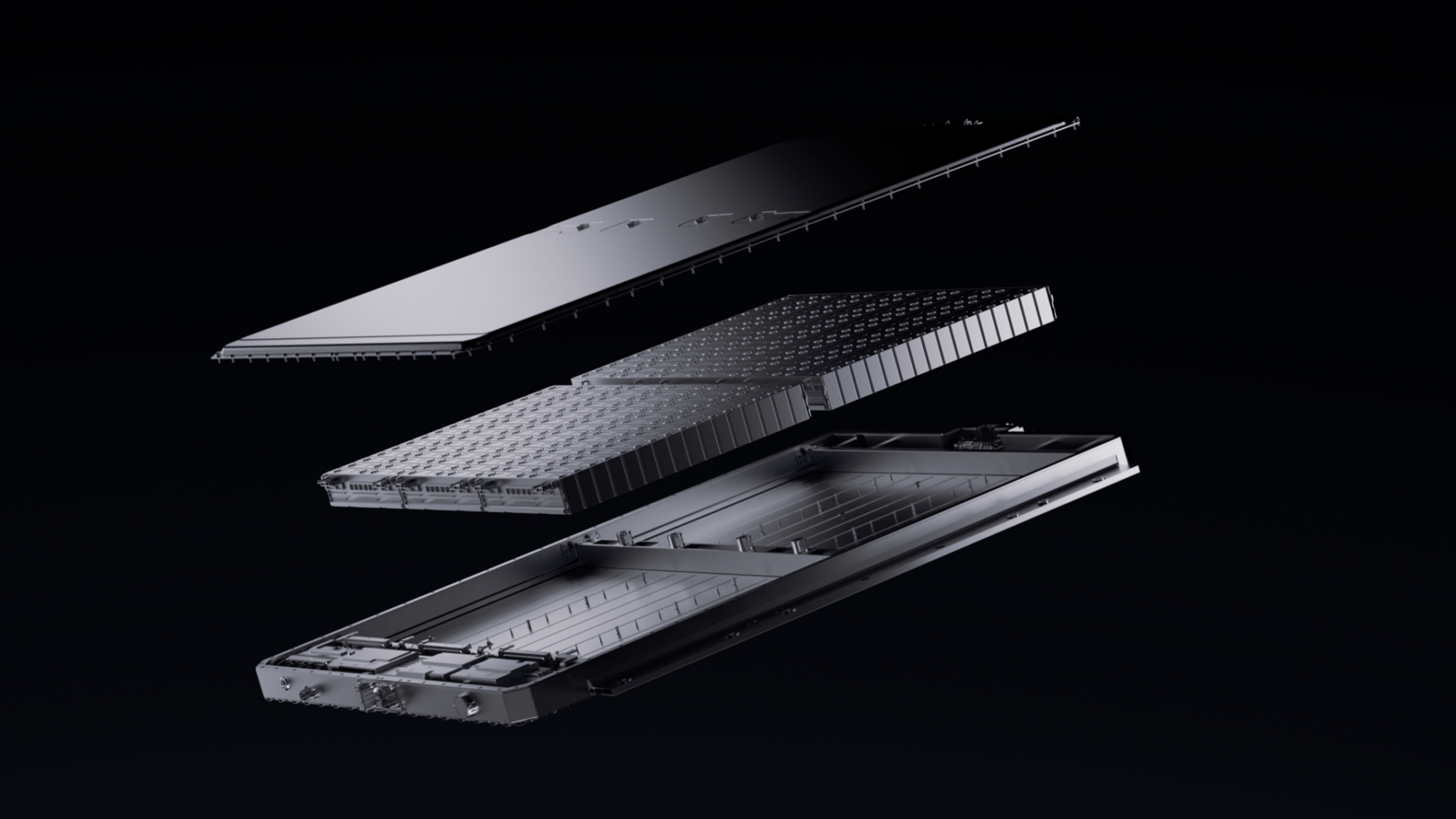
Cellforce was Porsche’s battery technology venture focused on developing high-performance lithium-ion cells for future EVs and motorsport applications. It “no longer has a sufficiently viable long-term perspective” and closes with the loss of 50 jobs, the company says.
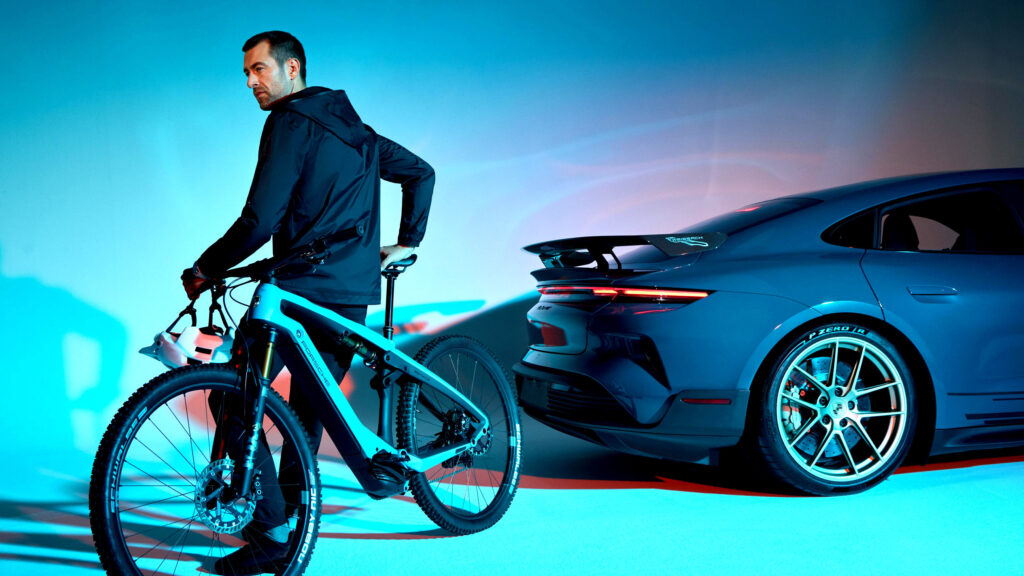
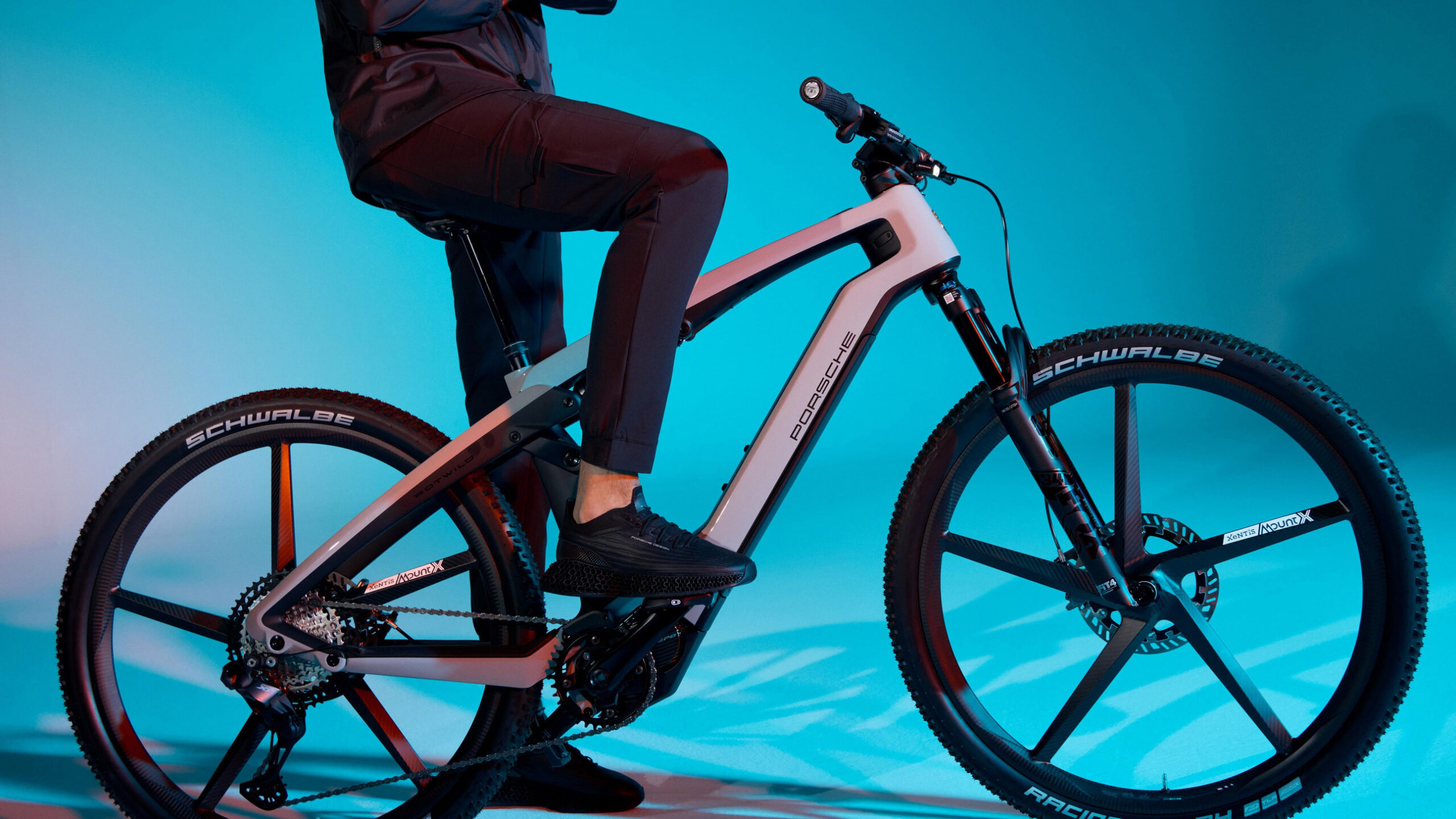
Porsche eBike Performance, as its name suggests, handled electric bike drive systems and related hardware, but “fundamentally changed market conditions for e‑bike drive systems” means it gets the chop, and so do 360 workers. Cetitec, meanwhile, specialized in engineering and technical consulting services for automotive development programs. Sixty people in Germany are now looking for a new paycheck as a result of it being shuttered, along with a further 30 in Croatia.
Getting Back To Cars
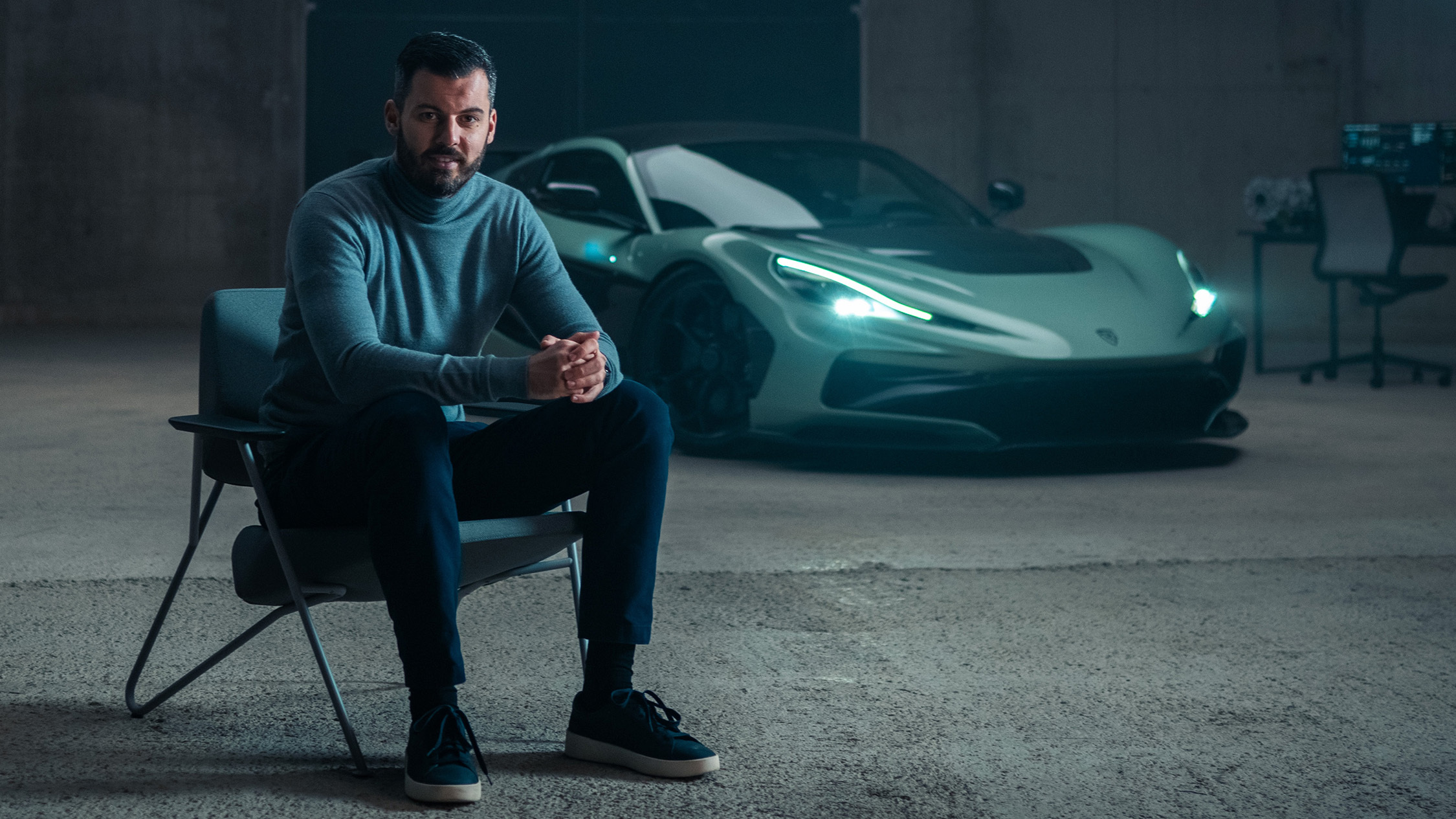
“Porsche must refocus on its core business,” CEO Michael Leiters said, announcing the reset. “This is the indispensable foundation for a successful strategic realignment [and] forces us to make painful cuts — including our subsidiaries.”
The €1.4 Million Dashboard
At the same time, Porsche is also restructuring its executive board and folding the standalone Car-IT division into the wider research and development department led by Michael Steiner.
That’s a notable reversal because Porsche created the dedicated software-focused board role a few years ago specifically to recruit Sajjad Khan away from Mercedes-Benz, Automobilwoche reports. Khan had been tasked with modernizing Porsche’s infotainment and digital experience, and his influence is already visible in the electric Cayenne’s redesigned cockpit and connected features. That influence came at a price, though. Last year, Kahn reportedly earned €1.4 million ($1.65 m).
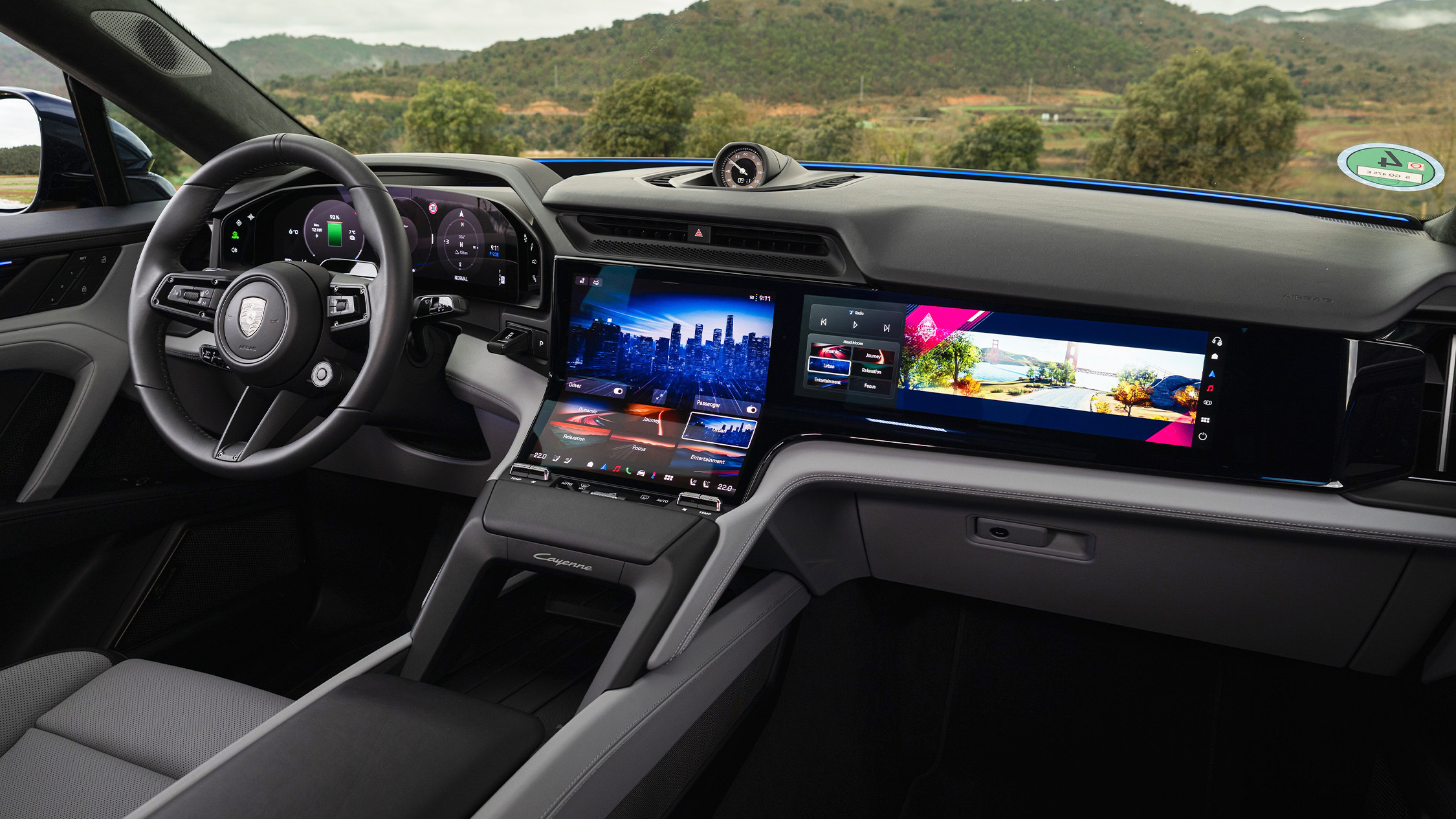
A bigger issue, though, is Porsche’s increasingly awkward product strategy. The company is preparing to kill the combustion Macan this summer despite demand for the gas-powered SUV still massively outweighing interest in the electric replacement in several markets, especially the US.
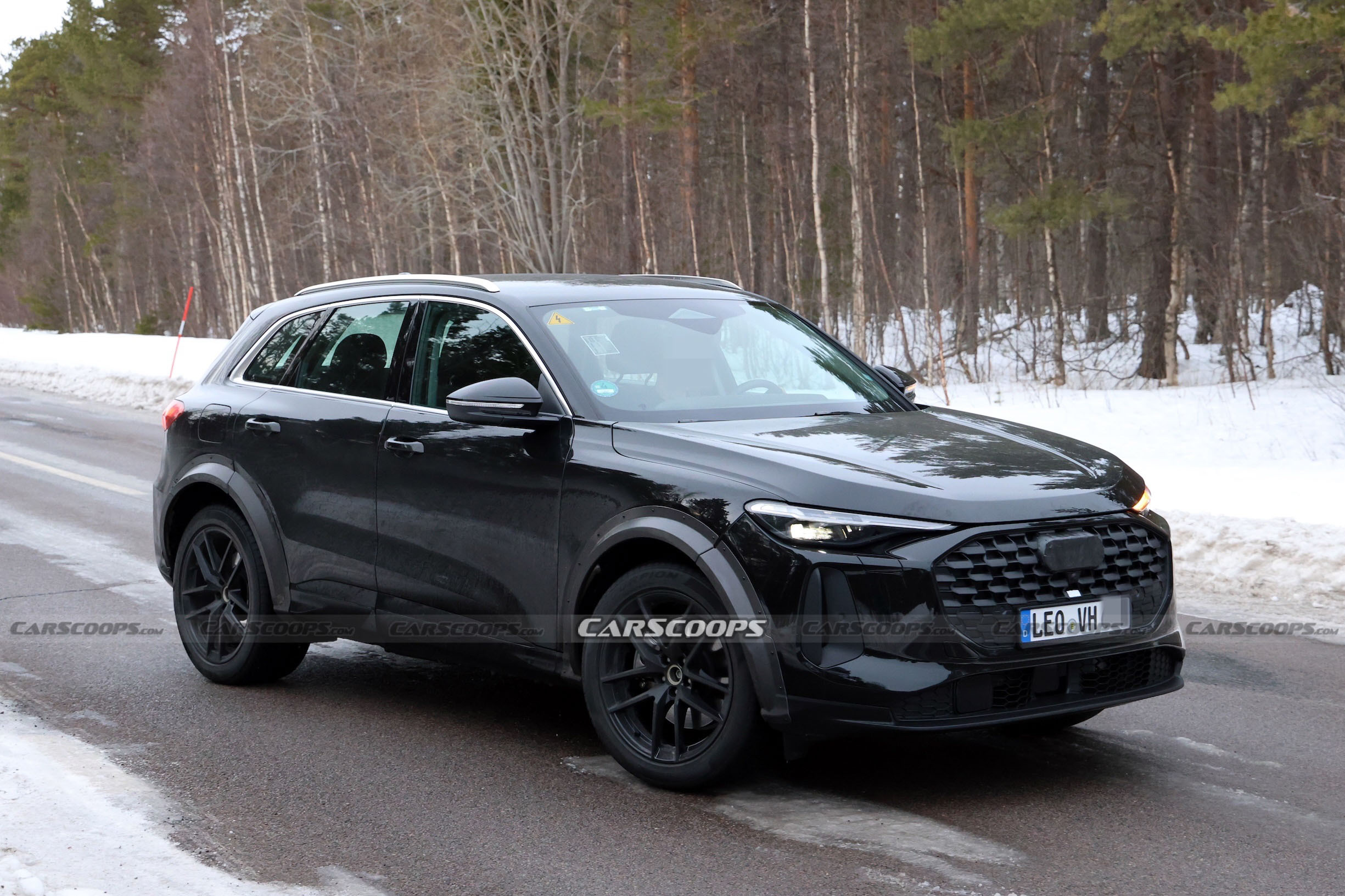
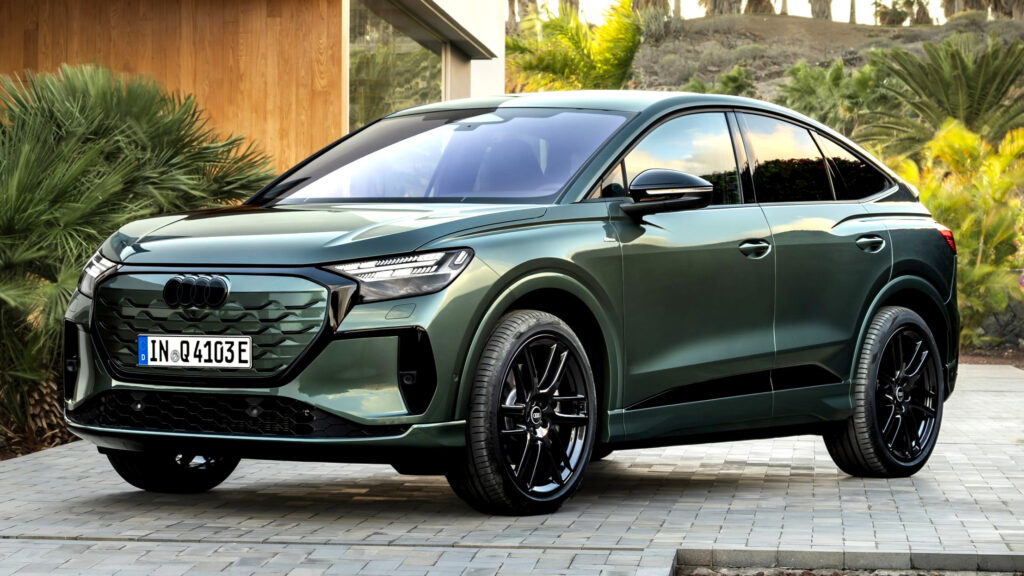
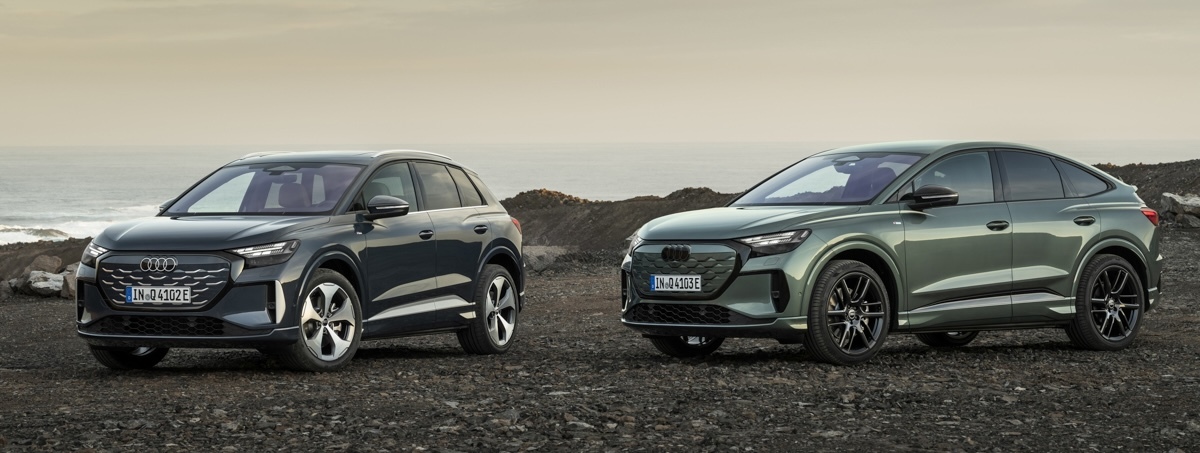
Porsche reportedly won’t have a new combustion or hybrid Macan (seen below testing in Audi Q5 mule form) ready until around 2028, leaving a painful gap in one of its most important model lines. Meanwhile, Chinese sales continue sliding as local EV brands offer cheaper alternatives loaded with flashy technology. It’s good that Porsche is grasping the nettle, but the pain isn’t going to disappear overnight.