Reading view

There are new articles available, click to refresh the page.

Rivian Won’t Add Buttons Back, Says You Should Talk To Your Car Instead
  • Rivian refuses to bring back the physical buttons rivals are restoring.
  • Its software chief believes voice should be the primary car interface.
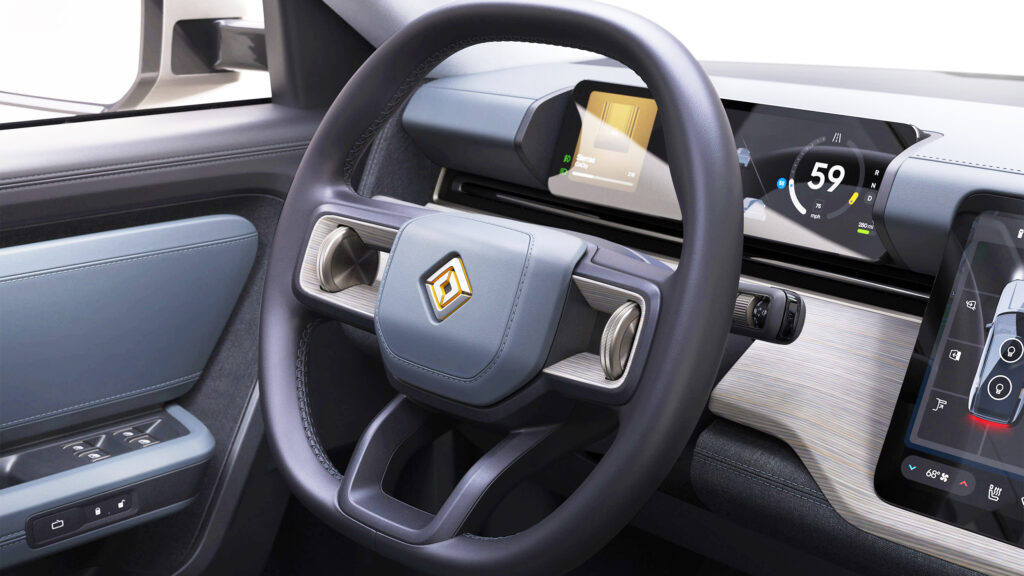
  • The new R2 ditches HVAC buttons for scroll wheels on the steering wheel.

Some automakers have caved to buyer demand and started bringing physical buttons back, including VW, Audi, Mercedes-Benz, and Hyundai. Rivian, on the other hand, has no interest in joining them, insisting its advanced AI-driven voice assistant is simply a better way to control a vehicle’s functions.

While recently speaking with Rivian’s chief software officer, and co-CEO of the Rivian and VW joint venture, Wassym Bensaid, The Verge dug into the new Rivian Assistant, which rolled out to existing R1 models in mid-May. It’s built on a shared, multimodal AI foundation and can handle core vehicle functions, HVAC included.

Read: For $50 A Month, Rivian Will Make You A Passenger In Your Own EV

Existing Rivian R1 models, along with the new R2, are largely free of physical buttons, and given the brand’s commitment to its new assistant, that isn’t likely to change anytime soon.

“I deeply believe that voice has the chance to be the primary interface in the car,” Bensaid told The Verge. “I also think that buttons can exist, but they shouldn’t be the primary way with which you interact with the car. I think there’s more that is possible with voice since you can do more than one single function. You don’t have to fiddle with so many functions.”

Are Scroll Wheels The Solution?

“You don’t have to go deep into the touchscreen to look into specific features. A great voice experience can elevate all of that, allow users to talk to the car as a human would, and really take the overall experience to the next level,” he added.

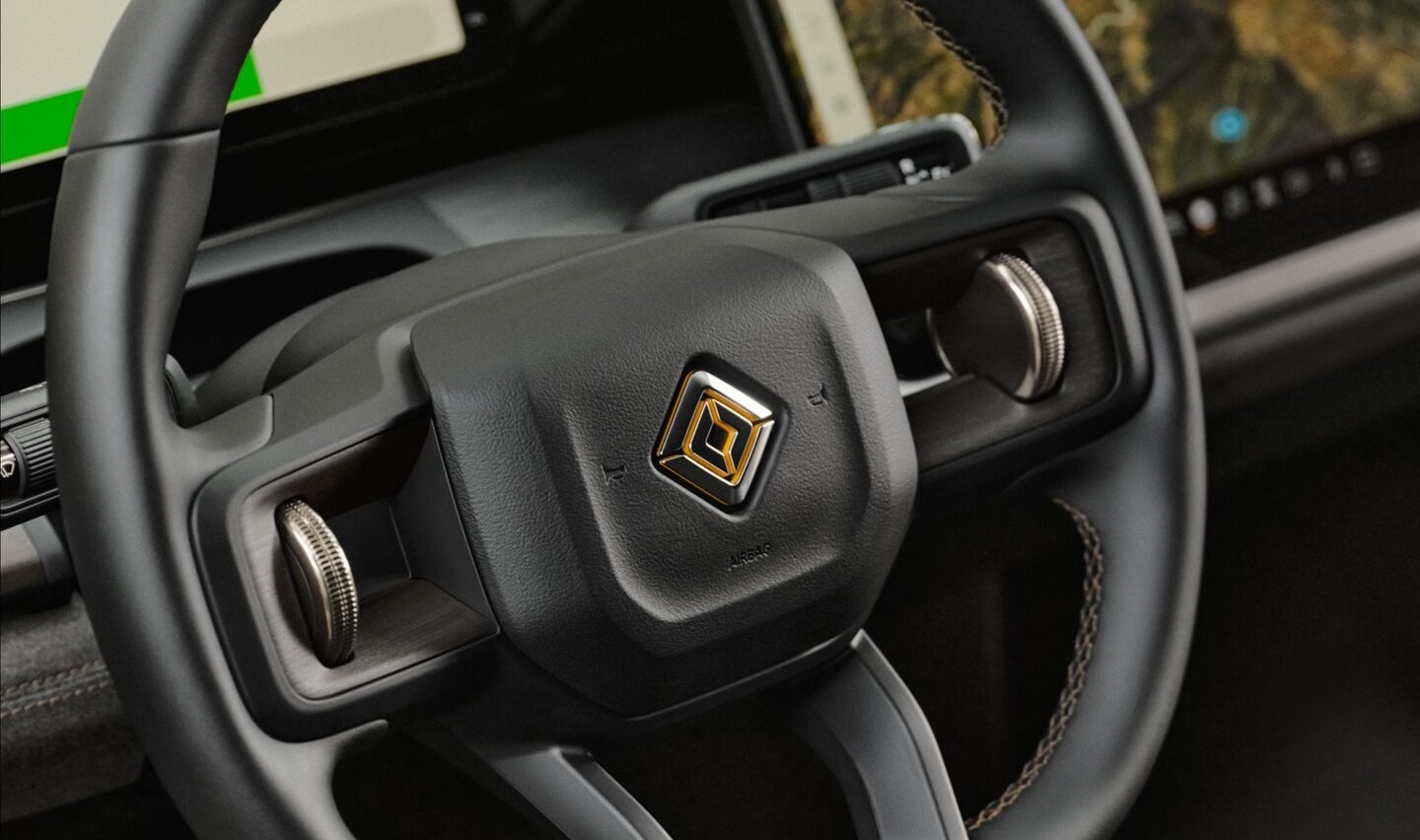
Bensaid went on to note that in the R2, there are no traditional HVAC buttons; instead, the large scroll wheels on the steering wheel can be used to adjust settings like fan speed on the fly. While not quite a button, they do seem like a better solution than tapping on a small icon on the touchscreen to tweak the fan speed.
 Rivian Won’t Add Buttons Back, Says You Should Talk To Your Car Instead
Scroll wheels on the Rivian R2’s steering wheel

According to Rivian, “the only reason that drivers and consumers do not interact with the car through voice is that, to put it really bluntly, the technology has been broken,” up until this point. A key difference between Rivian’s Assistant and those of competitors is that it uses its own Android-based infotainment system, which doesn’t offer support for Android Auto or Apple CarPlay, so the AI-assistant works seamlessly regardless of what screen is displayed.

Rivian also points out that the system takes a more conversational approach than traditional voice assistants. Instead of barking “Open the frunk,” for instance, you can simply say “I have a bag in the front of the car,” and the assistant will pop the frunk for you. It all sounds rather slick, though we’d still take a few physical buttons. What about you?
\\\\\\\\

Rivian Doesn’t Care How Much You Like Interior Buttons, Voice Control Is Better

  • The EV maker says voice control will be the primary interface for new vehicles.
  • Owners of the Rivian R2 will be able to tweak fan speed through the steering wheel.
  • Rivian started rolling out its new AI-powered Assistant for the R1 models last month.

Some car manufacturers have caved to demand from buyers to bring back physical buttons, including VW, Audi, Mercedes-Benz, and Hyundai. Rivian doesn’t seem interested in following suit, declaring that its advanced AI-driven voice assistant system is a better way to control a vehicle’s functions.

While recently speaking with Rivian’s chief software officer, and the co-CEO of the Rivian and VW joint venture, Wassym Bensaid, The Verge dived head-first into the new Rivian Assistant, introduced to existing R1 models in mid-May. It’s built on a shared, multimodal AI foundation and can control core vehicle functions, including HVAC.

Read: For $50 A Month, Rivian Will Make You A Passenger In Your Own EV

Existing Rivian R1 models, as well as the new R2, are largely devoid of physical buttons, and given the brand’s commitment to its new assistant, it doesn’t appear as though this will change.

“I deeply believe that voice has the chance to be the primary interface in the car,” Bensaid told The Verge. “I also think that buttons can exist, but they shouldn’t be the primary way with which you interact with the car. I think there’s more that is possible with voice since you can do more than one single function. You don’t have to fiddle with so many functions.”

Are Scroll Wheels The Solution?

“You don’t have to go deep into the touchscreen to look into specific features. A great voice experience can elevate all of that, allow users to talk to the car as a human would, and really take the overall experience to the next level,” he added.

Bensaid went on to note that in the R2, there are no traditional HVAC buttons; instead, the large scroll wheels on the steering wheel can be used to adjust settings like fan speed on the fly. While not quite a button, they do seem like a better solution than tapping on a small icon on the touchscreen to tweak the fan speed.

 Rivian Doesn’t Care How Much You Like Interior Buttons, Voice Control Is Better
Scroll wheels on the Rivian R2’s steering wheel

According to Rivian, “the only reason that drivers and consumers do not interact with the car through voice is that, to put it really bluntly, the technology has been broken,” up until this point. A key difference between Rivian’s Assistant and those of competitors is that it uses its own Android-based infotainment system, which doesn’t offer support for Android Auto or Apple CarPlay, so the AI-assistant works seamlessly regardless of what screen is displayed.

Rivian also notes that it provides a more conversational approach than traditional voice assistant systems. For example, you don’t have to say “Open the frunk,” and can instead say “I have a bag in the front of the car,” and the system will automatically open the frunk. It all sounds rather nice, but we’d still prefer some physical buttons. What about you?
\\\\\\\\

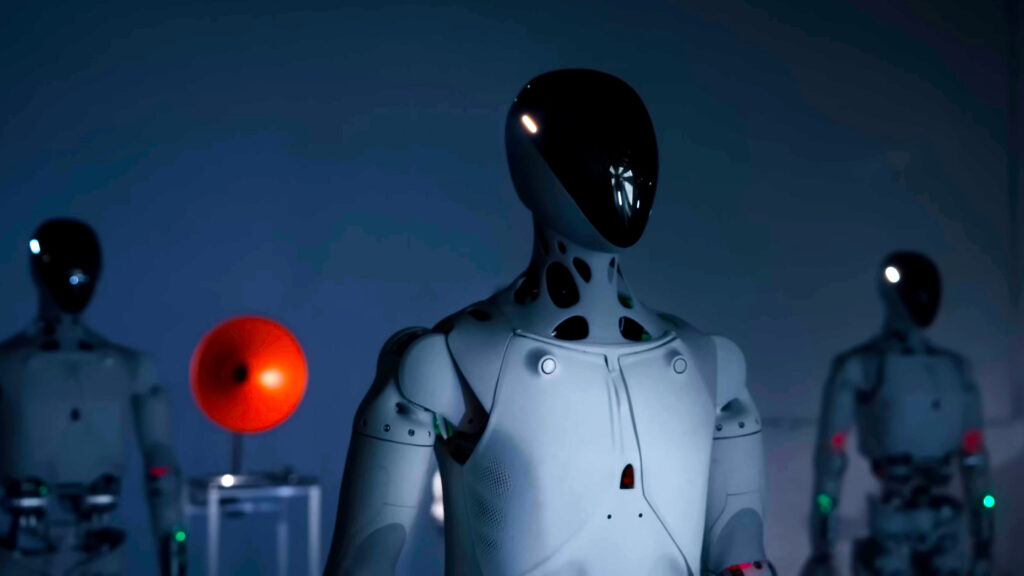
BYD Wants To Sell Humanoid Robots Right Next To Its Cars

  • BYD’s humanoid robots could include technology similar to that in its cars.
  • It’s possible the car manufacturer could work alongside existing robot firms.
  • Last year, rival brand Chery unveiled its own advanced humanoid robot.

The man who once couldn’t stop laughing at BYD probably isn’t laughing now. Back in 2011, Elon Musk dismissed the Chinese company outright when asked about it. These days BYD outsells Tesla over the course of a year and ranks among the largest carmakers on the planet, and like the brand it has overtaken, it now wants a piece of the world beyond cars.

Earlier this week, BYD executive vice president Li Ke revealed that the company is developing its own humanoid robots, noting that they will share common technologies with the brand’s cars. In addition, they could also be sold through BYD’s existing dealership network, not only in China, but also in other markets.

Read: BMW’s New Humanoid Workers Never Take A Break Or Get Paid

BYD hasn’t stated when its own humanoid robots could be ready to hit the market, nor has it said how it will develop and manufacture them. It’s possible they could be brought to life through an open platform where BYD works alongside established robotics companies, according to CarNewsChina. This would likely slash development times by relying on firms with extensive experience in this space.

China’s Robotic Future

 BYD Wants To Sell Humanoid Robots Right Next To Its Cars

While it’s Tesla that generates plenty of headlines for its humanoid robot, dozens of Chinese technology companies have already developed robots seemingly far more advanced than what Musk’s company has done. Earlier this year, more than 100 humanoid robots from different companies participated in a half-marathon in China. The winning robot, created by smartphone manufacturer Honor, needed just 50 minutes and 26 seconds to complete the half-marathon, almost seven full minutes quicker than the fastest half-marathon ever run by a human.

BYD isn’t the first Chinese brand to venture into the world of humanoid robots, either. Last year, Chery unveiled its own feminine humanoid robot, the Mornine M1, built by the company’s AiMoga subsidiary. Complete with long blonde hair, fake breasts, and a BBL, it’s a bizarre-looking creation that went on sale last month. It’s not cheap, however, starting at 285,800 yuan, or more than $41,000.

 BYD Wants To Sell Humanoid Robots Right Next To Its Cars
Chery’s Mornine M1 | Lead image Xpeng

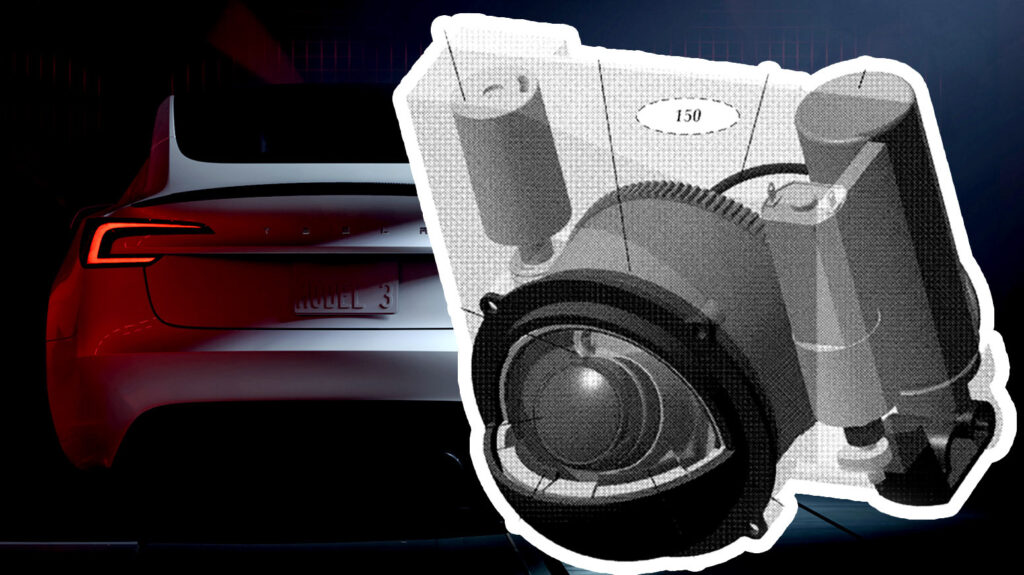
Tesla’s New Camera Design Could Borrow A Trick From Your Windshield

  • Tesla may finally have a fix for problems tied to its vision-only system.
  • A new patent shows camera units fitted with tiny wipers and water sprayers.
  • Cybercab prototypes have been spotted carrying camera-cleaning hardware.

Many automakers chasing autonomy have settled on roughly the same hardware recipe: cameras, radar, and LiDAR, each covering for the others’ weaknesses. Tesla went the other way. Its driver-assist suite leans entirely on cameras, no radar, no LiDAR. While using a vision-only system has some advantages, it also has some drawbacks, including issues caused by dirty camera lenses.

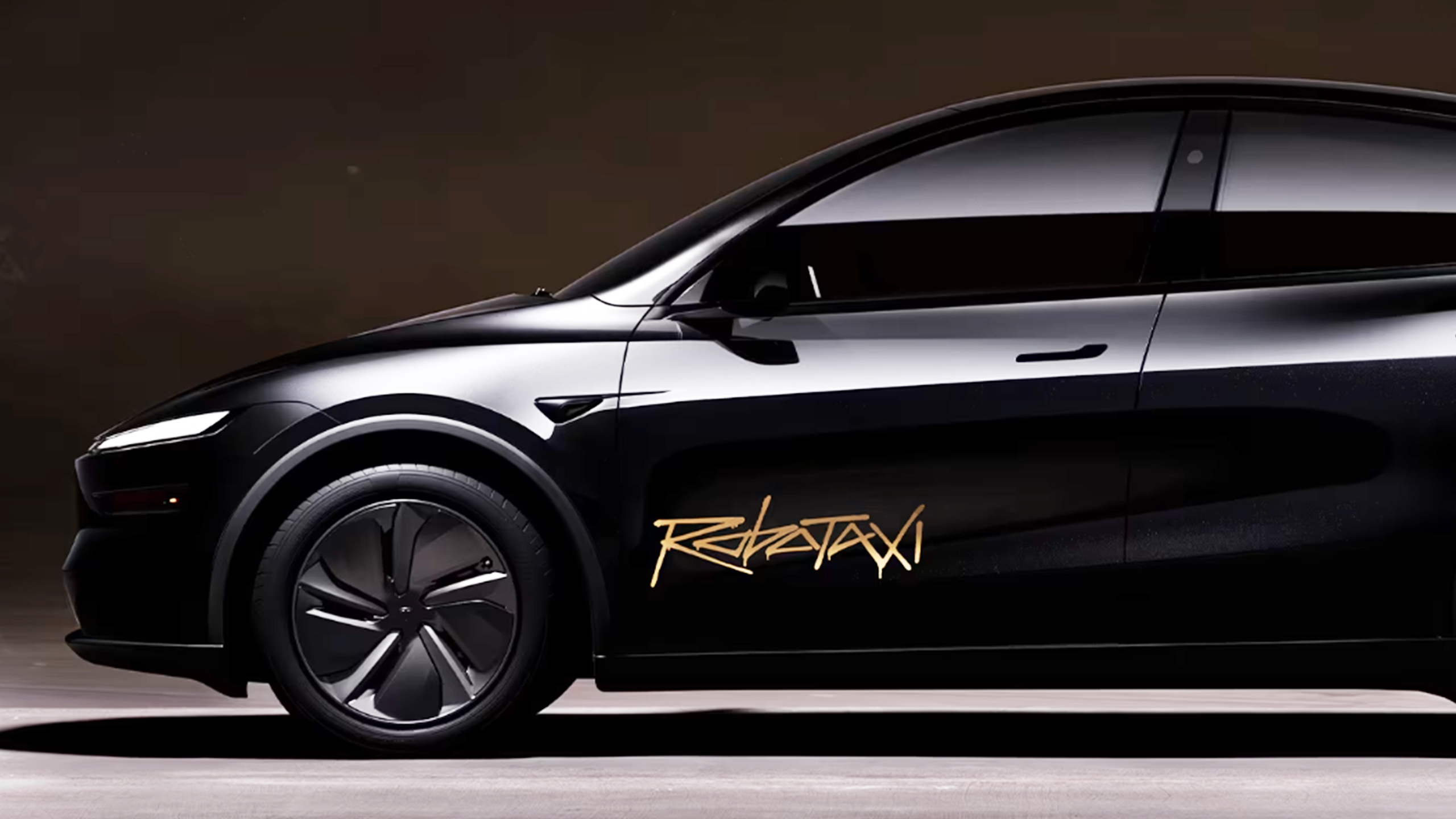
Tesla is aware of the problem. Recent Cybercab prototypes have turned up wearing small washer jets aimed at the exterior cameras, spraying them clean as needed. A patent filing suggests the company wants to go further than a squirt of fluid.

Read: Tesla’s Model Y Robotaxis Can Squirt Now, But Yours Still Can’t

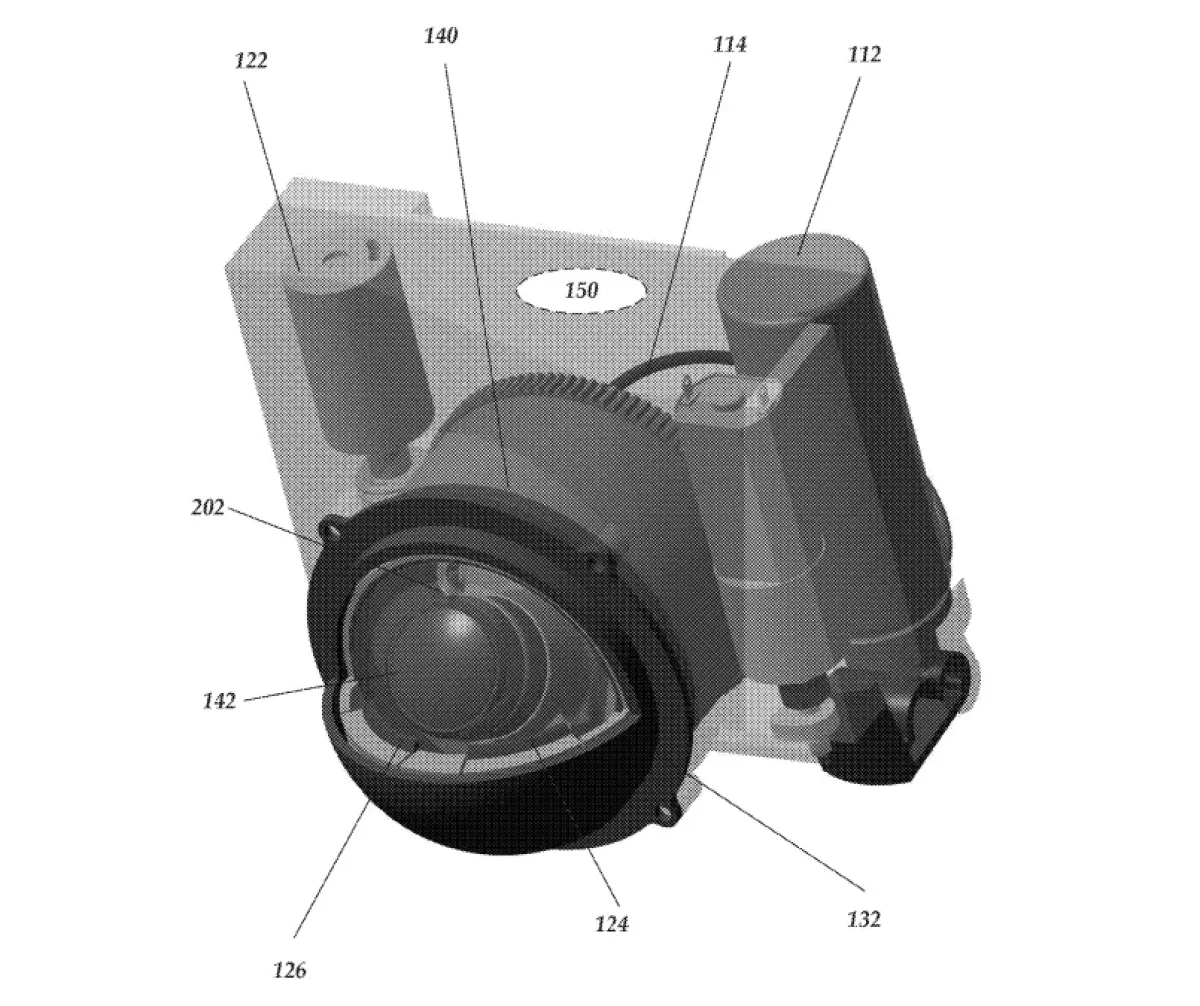
An image from the patent depicts the entire camera unit, including a tiny fluid reservoir that can spray water onto the camera’s lens. Tesla has also designed a tiny wiper blade that can sweep across the lens, ensuring it’s as clean as possible. This blade will be driven by a small wiper motor, also incorporated into the camera’s housing, Not A Tesla App notes.

It’s an innovative solution and could help to overcome some of the issues Tesla’s vision system experiences. Of course, a setup like this won’t help Tesla’s cameras in dealing with sun glare, for example, which can impact how the automated driving systems work.

 Tesla’s New Camera Design Could Borrow A Trick From Your Windshield

It’s also unclear if all of the exterior cameras used by current Tesla models could be fitted with these units, as they are noticeably larger than just having a camera. At the very least, Tesla may be able to squeeze camera units like these into the front of its vehicles, as well as the front quarter panels, and the rear, among the most important cameras it uses to capture 360-degree images.

Of course, these camera units will be more expensive than those currently used and, with more moving parts, will also be more prone to failure. But, as Tesla seeks to achieve full autonomy, they may be necessary.

\\\\\\

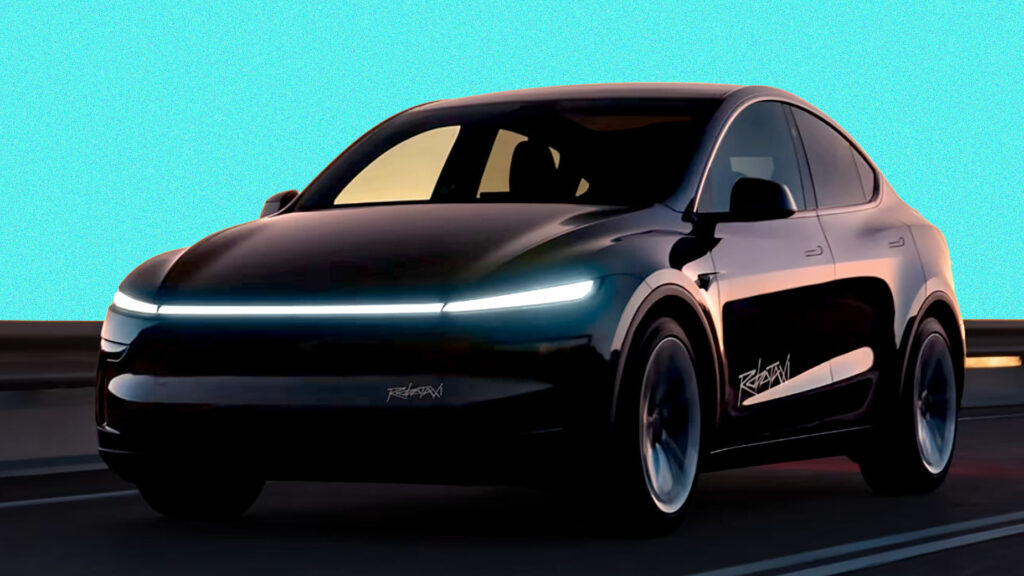
In 2020, Tesla Was Supposed To Have 1 Million Robotaxis. It Currently Has 20

  • Tesla’s current unsupervised fleet across the entire US is just 20 cars.
  • California regulators still block Tesla from running any unsupervised cars.
  • In the past 30 days, just 92 vehicles have been used in the robotaxi fleet.

Back in October 2019, Tesla chief executive Elon Musk told investors the company would have more than a million robotaxis on the road within a year. Six years on, Tesla has not only missed that deadline by an embarrassing margin, the US fleet it actually runs is getting smaller.

The long-promised robotaxi service finally launched in Texas last year, starting in a fenced-off corner of Austin with safety drivers riding shotgun. It has since spread to Dallas, Houston, and the Bay Area in California, but the scale remains a rounding error next to Waymo, the company that has quietly built the lead Tesla keeps talking about.

Watch: Tesla Robotaxi Driver Caught Asleep Proves Humans Are Still The Weakest Link

Data from the Robotaxi Tracker service reveals that across the four regions, Tesla has had just 20 unsupervised vehicles in use during the past seven days. Of these, 14 are operating in Austin, 3 are in Dallas, and 3 are in Houston. Crucially, California regulations continue to prevent Tesla from operating a single unsupervised robotaxi in the state. It’s not as if there are loads of human-driven Tesla robotaxis in the Bay Area, either.

The total fleet peaked around December 2025 and January 2026 and has been in steady decline ever since.

A Shrinking Fleet

 In 2020, Tesla Was Supposed To Have 1 Million Robotaxis. It Currently Has 20

Electrek reports that over the past week, the total number of cars operating in Tesla’s total robotaxi fleet, including supervised and unsupervised cars, was just 34 vehicles. In April, there were 107 vehicles operating in the Bay Area fleet, but currently there are just 9. Those Bay Area cars were never true robotaxis to begin with, operating with safety drivers under California’s Transportation Charter-Party permit.

An analysis of activity over the past 30 days shows that just 92 vehicles in total were used by the robotaxi service across the country, of which 33 were operating unsupervised. Most of these, 52 to be precise, are in use across the Bay Area. It’s worth reiterating, however, that these vehicles in California are driven by people, just like a normal ride-hailing service.

Tesla hasn’t explained why its robotaxi fleet is shrinking, but it’s likely related to safety issues that the company is experiencing. As we revealed in January, vehicles operating in Tesla’s robotaxi fleet were involved in an incident every 55,000 miles, roughly four times the average number of miles driven by people.  

 In 2020, Tesla Was Supposed To Have 1 Million Robotaxis. It Currently Has 20

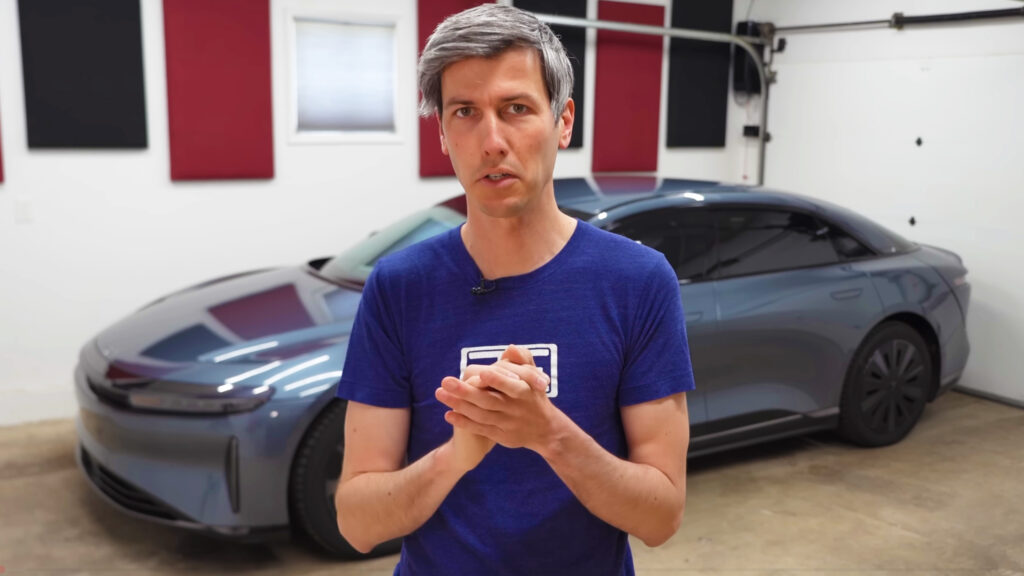
Lucid’s Flagship EV Broke So Often Even Jason Fenske Tapped Out

  • Jason Fenske’s 2025 Lucid Air began showing faults almost immediately.
  • Lucid failed to source a matching replacement Air for the YouTuber.
  • The automaker instead agreed to buy back the troubled EV outright.

On paper, the Lucid Air is one of the most accomplished electric sedans on sale, a technological tour de force wrapped in clean bodywork with class-leading efficiency. For one prominent YouTuber, the past eleven months of actually living with one have been a study in attrition.

Jason Fenske of Engineering Explained signed a three-year lease on a 2025 Lucid Air Touring last year. The problems started almost immediately. Door handles, phone-as-key functionality, the cupholder, the list grew quickly. Lucid reached out and promised to sort it.

Watch: Popular YouTuber Got Critical With Lucid, And Things Didn’t End With A Shrug

Fast forward a few months, and the YouTuber has reached his breaking point. During a recent four-day road trip, the Air kept suffering problems. For example, there was a time when the rear doors couldn’t be opened, even though they were unlocked. The HVAC system threw its own curveball.

As his dog sat in the rear, he noticed it was getting too hot. He checked the air vents and realized that while both were set to 65°F, one side was blowing much hotter than the other. He also experienced an issue where the reversing lines on the screen with the reversing camera would randomly disappear, and, most annoyingly, a number of Apple CarPlay issues, including it completely failing to load.

Then There’s A Big Safety Issue

His biggest issue is particularly concerning. Fenske also drives his Lucid Air with the vehicle’s Stop Mode set to hold. This essentially means that when it comes to a stop, it will automatically hold without applying the brake. It can also be set to roll, as a traditional automatic car would if you let off the brake while stopped. One time, when the YouTuber turned on the EV, put it into reverse, and lifted off the brake pedal, the car randomly started rolling forward. If this had happened on a steep hill, it could have caused an accident.

After contacting Lucid, the company first suggested it could take back Fenske’s Air and replace it with a like-for-like example, allowing him to continue his lease. That plan fell apart when Lucid couldn’t source a matching Air, so the automaker instead agreed to buy back the EV outright and reimburse him for every payment he’s made. It works out well for Fenske, though owners dealing with the same issue, minus the 4.2 million YouTube subscribers, probably shouldn’t expect identical treatment.

\\\\\\\\

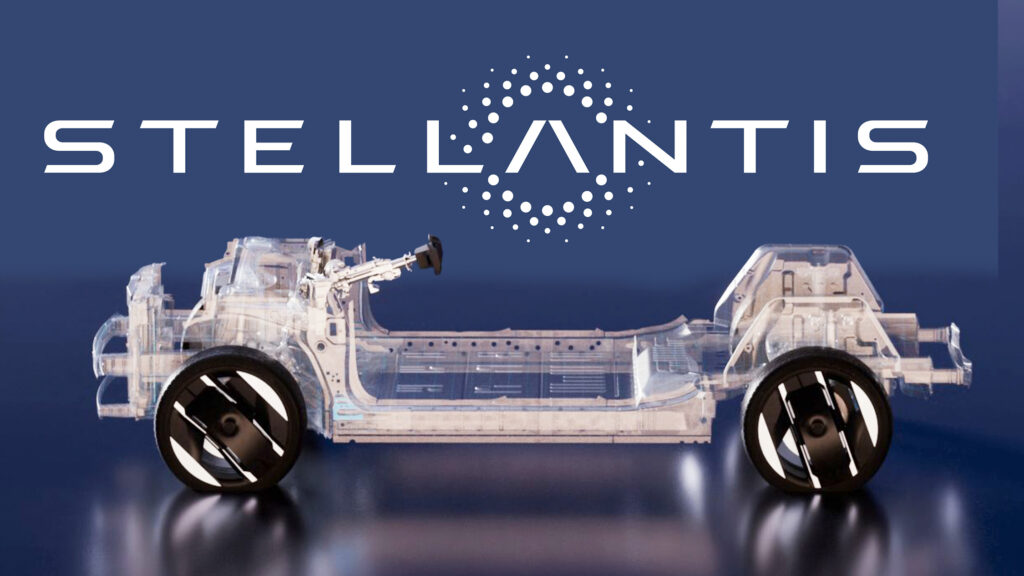
Stellantis Puts Cheap Cars Under $30,000 Back On America’s Menu

  • Stellantis plans a wave of affordable new vehicles before the decade’s end.
  • New global STLA One platform supports hybrids, EVs, and gasoline models.
  • Jeep, Ram, Peugeot, and Fiat receive biggest investments in a $70 billion plan.

Stellantis just pulled the covers off a gigantic new global strategy, and buried beneath all the boring corporate jargon is something buyers will really care about. Affordable cars are back.

The company says it plans several new sensibly-priced vehicles for North America, including two models priced below $30,000, and seven coming in under $40,000, all before the decade ends.

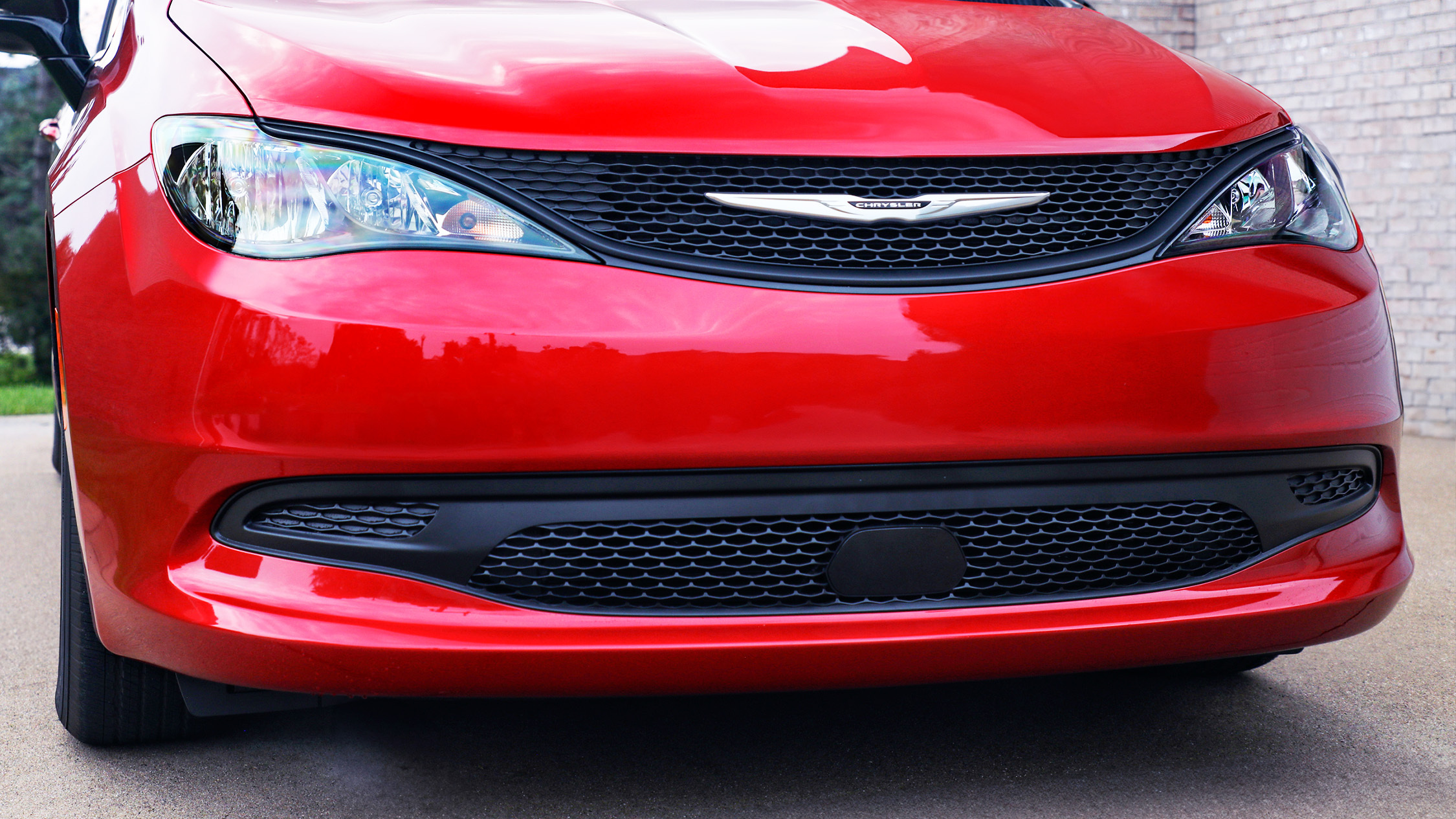
Also: Stellantis Quietly Showed Dealers A New Chrysler Starting In The $20,000s

North America will receive 11 all-new vehicles by 2030 as part of a wider global product offensive involving more than 60 launches and 50 major refreshes. And rather than trying to push EVs to audiences that don’t necessarily want an electric car, Stellantis is still betting on a broad mix of powertrains. The company confirmed future plans include 29 EVs, 15 plug-in hybrids or range-extenders, 24 hybrids, and nearly 40 combustion or mild-hybrid vehicles.

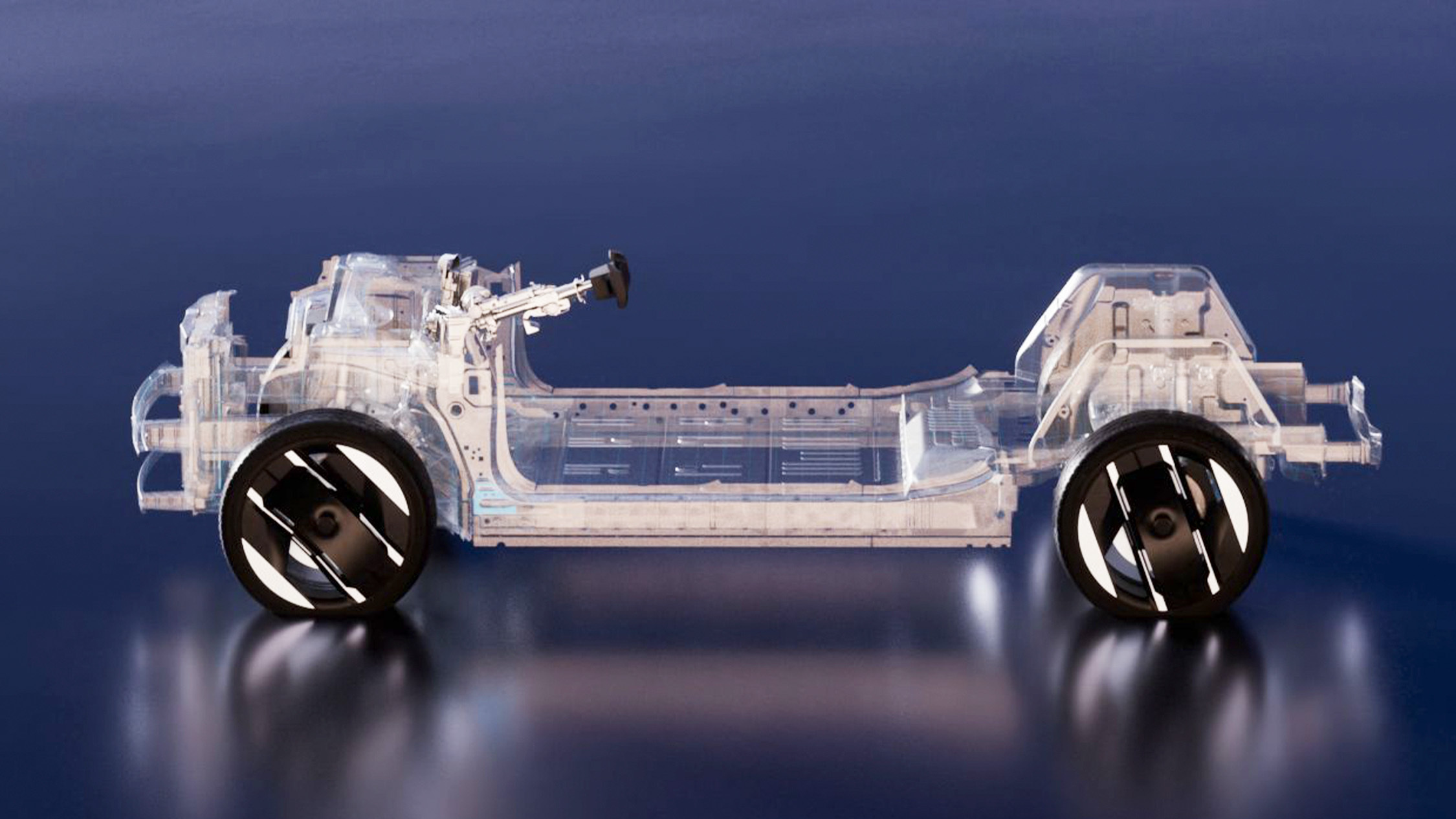
The backbone of this new strategy is a fresh modular architecture called STLA One that will underpin more than 30 models globally. Launching in 2027, it’s designed to replace multiple existing platforms with one scalable setup, supporting everything from compact hatchbacks to midsize SUVs.

 Stellantis Puts Cheap Cars Under $30,000 Back On America’s Menu

Stellantis says it’s engineered specifically for different propulsion systems and can feature steer-by-wire tech, STLA AutoDrive autonomy, and STLA Brain software architecture. It will also deliver something called STLA SmartCockpit to allow drivers more interaction with their cars, and EVs get cell-to-body battery integration to reduce cost and weight.

Related: Stellantis And JLR Want To Co-Develop And Build Cars In America

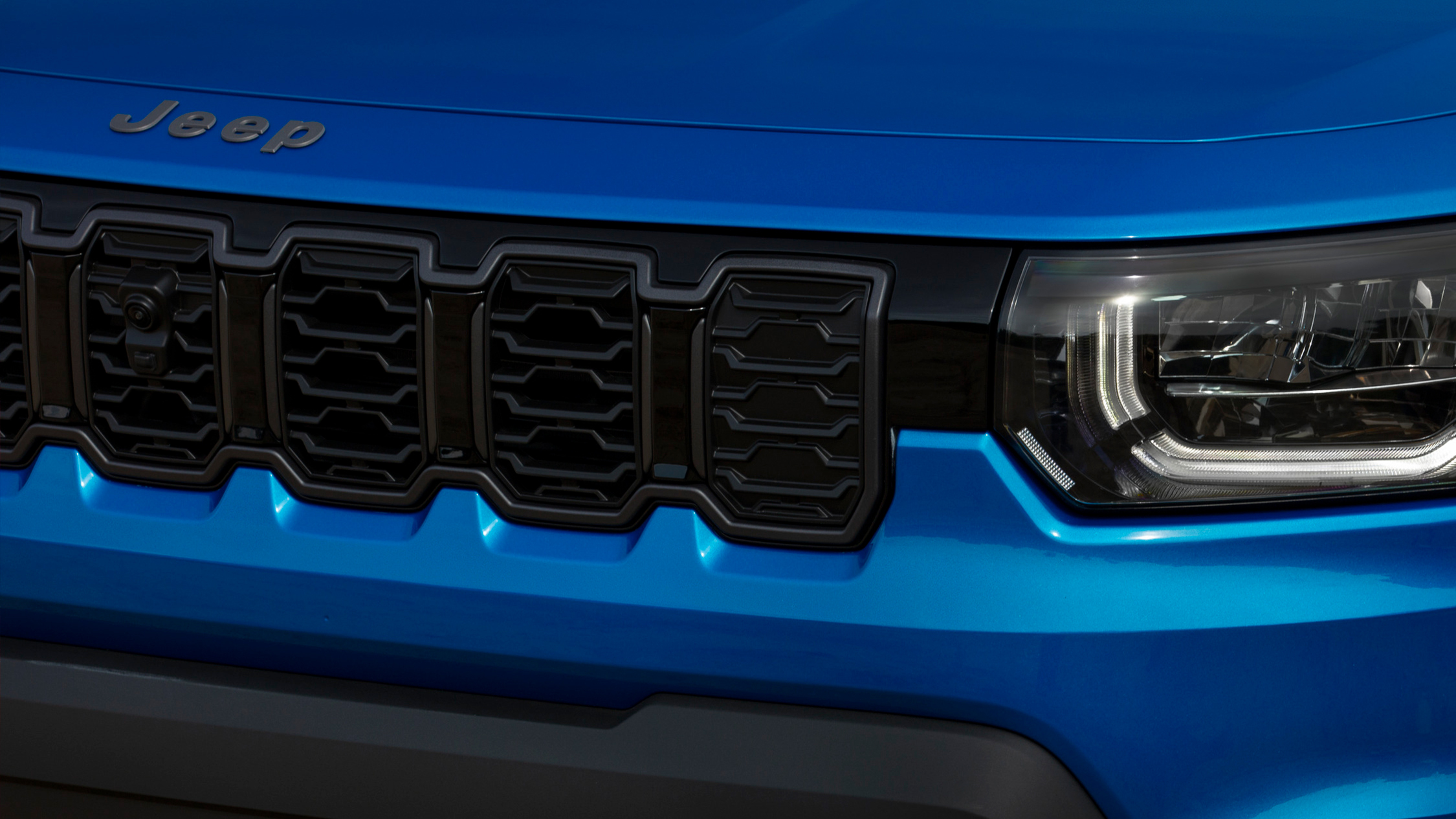
The automaker is also reshuffling its brand priorities. Jeep, Ram, Peugeot, and Fiat have now become the company’s four primary global brands and receive the lion’s share of future investment. Around 70 percent of development spending will go toward those names and the Pro One commercial vehicle business.

Other Brands Play Second Fiddle

 Stellantis Puts Cheap Cars Under $30,000 Back On America’s Menu

Other brands still survive, though they’ll get what they’re given when it comes to hardware, rather than get a say in what that hardware is. Alfa Romeo, Dodge, Chrysler, Citroen, and Opel are positioned as strong regional players using shared technology and platforms. Maserati also gets a time extension with two new flagship E-segment models promised, while Lancia and DS continue operating as niche specialty brands. 

Europe’s side of the plan includes a fresh wave of compact crossovers, hybrids, and city EVs designed to better compete against Chinese rivals rapidly expanding across the continent. Those cars could include the return of the iconic back-to-basics Citroen 2CV. Stellantis is also teaming up with its long-time partner in China, Dongfeng, to build and sell Voyah-brand cars in Europe.

And earlier this week it announced it was partnering with Jaguar Land Rover to develop cars for North America, a deal that could help JLR sidestep punishing import tariffs on the European-built cars it sells in the US.

 Stellantis Puts Cheap Cars Under $30,000 Back On America’s Menu

Stellantis

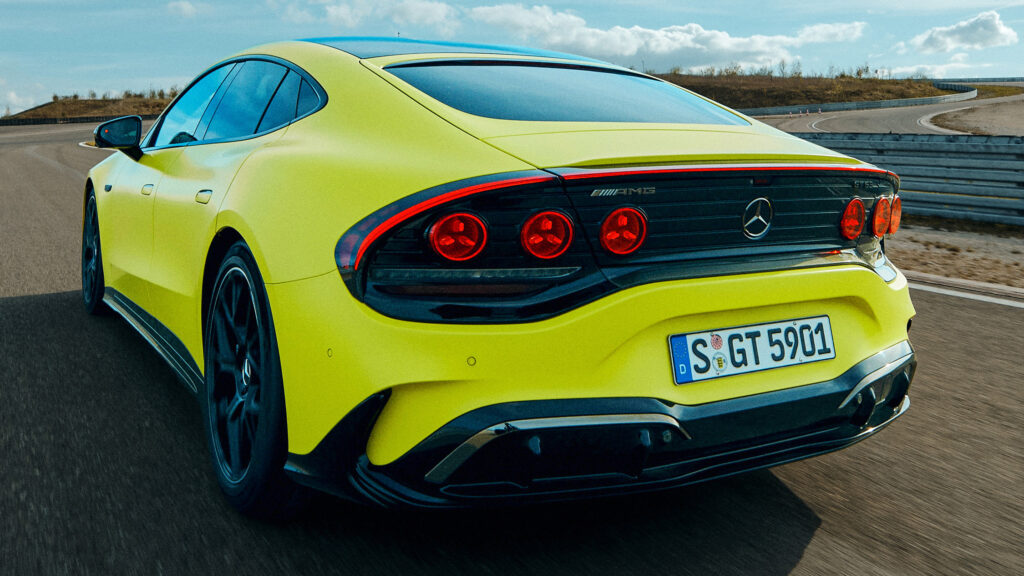
The 1,153 HP AMG GT’s Fake V8 Has To Be Heard To Be Believed

  • AMG’s latest EV mimics V8 noises using over 1,600 separate sound samples.
  • Simulated shifts and burbles aim to recreate ICE drama in the performance EV.
  • GT is available as a 55 or a 63, with the top one good for 62 mph in 2.1 seconds.

Mercedes-AMG’s new GT 4-Door Coupe might not burn gasoline, but it definitely burns rubber, and wants you to convince you it torches both. The all-electric super sedan debuted yesterday packing up to 1,153 hp (1,169 PS / 860 kW) and enough synthetic V8 noise to make nearby Hellcats nervously check their mirrors.

AMG also released footage of a bright yellow four-door coupe being hammered around a test circuit so we can make our own minds up about the fake V8 growls, aggressive crackles, and simulated gearshifts.

Related: Mercedes-AMG Is Bringing Back The Noise, The Drama, And The V8

The mischievous Mercedes brand calls the system AMGFORCE S+, and unlike the generic spaceship noises many EVs settle for, this setup specifically tries to mimic the sound and feel of the AMG GT R’s V8. That means fake upshifts, fake drivetrain interruptions, fake burbling on overrun, and apparently enough bass-heavy theatrics to shake your chest while accelerating.

The company’s engineers went seriously over the top when creating it, too. Mercedes says the sound system uses more than 1,600 individual audio samples combined in real time depending on throttle inputs, speed, shifting events and driving behavior. There are even custom sounds for unlocking the car, plugging in the charger and starting launch control.

Three Axial-Flux Motors

All mouth? Not at all. The AMG with the fugliest back end we’ve seen on a new car for a long while has more than enough firepower to back up the noise. Riding on the company’s bespoke AMG.EA architecture, the GT 63 4Matic+ packs a 106 kWh battery, an 800-volt electrical system, and three axial-flux electric motors producing up to 1,153 hp and 1,475 lb-ft (2,000 Nm) of torque with launch control activated.

AMG claims it’ll hit 62 mph (100 kmh) in 2.1 seconds with US-type drag strip rollout, top out at 186 mph (300 kmh), and recharge from 10-80 percent in only 11 minutes thanks to 600 kW charging capability.

Fast, But Not For Real

\\\\\\\\\\\\\

So it’s brutally fast in every sense. But the fake V8 soundtrack is what everyone’s going to argue about. Some enthusiasts will love that AMG’s trying to preserve some emotional drama in the EV era. Others will probably think it’s the automotive equivalent of lip-syncing. But what do you think?

Watch the video, crank the volume up, and tell us whether AMG nailed it or completely lost the plot.

\\\\\\\\\

Mercedes-AMG

Tesla’s Still Testing Its Vision-Only Robotaxi, Xpeng Just Started Building One

  • The company’s GX robotaxi will be offered with three seating configurations.
  • Xpeng relies on a vision-only system like Tesla, rather than using LiDAR.
  • The tech firm has permits to test Level 4 autonomous systems in China.

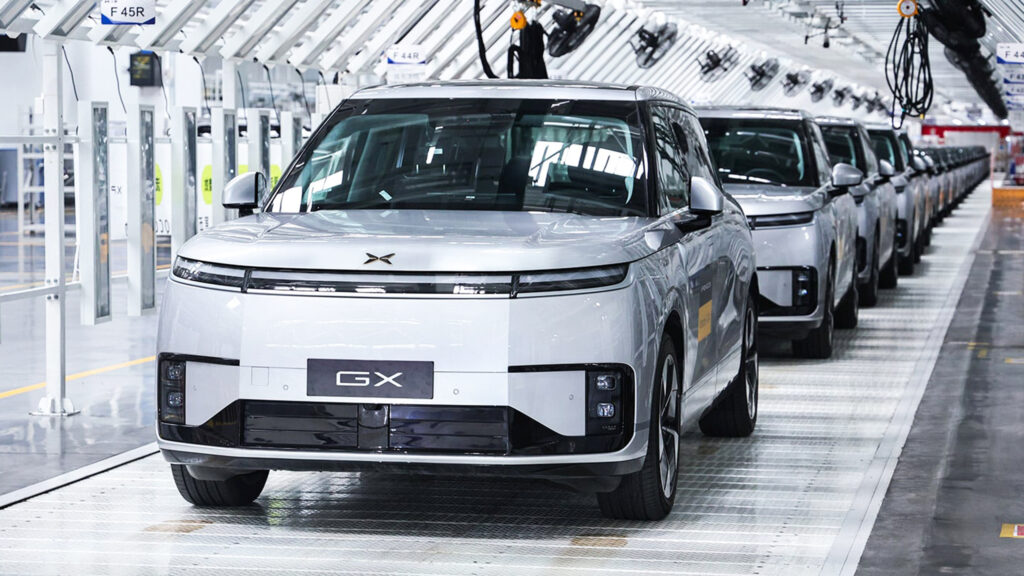
Xpeng is the latest Chinese car manufacturer to dive headfirst into the world of robotaxis, unveiling a specifically equipped version of the GX and quickly starting production.

Unlike companies like Tesla, Rimac, and Geely that have designed bespoke robotaxis from the ground up, Xpeng’s model is essentially just a specially equipped version of the GX it sells to the public. Using the GX as the basis for its robotaxi will significantly help the car manufacturer cut development and production costs.

Read: 200 Robotaxis Stopped In Traffic, Now China Has Stopped Issuing Permits

Xpeng hasn’t said whether its self-driving GX has the range-extender powertrain of the consumer model or instead the same all-electric powertrain. What we do know is that it’s powered by four in-house Turing AI chips with 3,000 TOPS of on-board computing power. It also includes steer-by-wire.

The SUV has been developed exclusively in-house and offers Level 4 self-driving capabilities. As of January, Xpeng has been testing its L4 vehicles on public roads across China and plans to launch pilot operations for its robotaxi service in the second half of this year.

Humans Still Play An Important Role

\\\\\\\\\\

Just like the robotaxis being tested by Tesla, Xpeng’s models will initially have a human supervisor behind the wheel in case anything unexpected happens. However, the Chinese firm plans to ditch these “safety officers” by early 2027.

The Xpeng GX robotaxi also differs from most others being tested in China in that it relies on a vision-only system, also like Tesla. This means there’s no LiDAR or high-definition maps, instead relying on cameras and an advanced AI model.

While we haven’t been able to find any images of the robotaxi’s interior, it apparently includes privacy glass, rear entertainment screens, plush new seats, and will be produced in five-, six-, and seven-seat configurations.

\\\\\\\

Xpeng Has Started Building Its Own Robotaxi, But It Doesn’t Look Like Any Other

  • The company’s GX robotaxi will be offered with three seating configurations.
  • Xpeng relies on a vision-only system like Tesla, rather than using LiDAR.
  • The tech firm has permits to test Level 4 autonomous systems in China.

Xpeng is the latest Chinese car manufacturer to dive headfirst into the world of robotaxis, unveiling a specifically equipped version of the GX and quickly starting production.

Unlike companies like Tesla, Rimac, and Geely that have designed bespoke robotaxis from the ground up, Xpeng’s model is essentially just a specially equipped version of the GX it sells to the public. Using the GX as the basis for its robotaxi will significantly help the car manufacturer cut development and production costs.

Read: 200 Robotaxis Stopped In Traffic, Now China Has Stopped Issuing Permits

Xpeng hasn’t said whether its self-driving GX has the range-extender powertrain of the consumer model or instead the same all-electric powertrain. What we do know is that it’s powered by four in-house Turing AI chips with 3,000 TOPS of on-board computing power. It also includes steer-by-wire.

The SUV has been developed exclusively in-house and offers Level 4 self-driving capabilities. As of January, Xpeng has been testing its L4 vehicles on public roads across China and plans to launch pilot operations for its robotaxi service in the second half of this year.

Humans Still Play An Important Role

\\\\\\\\\\

Just like the robotaxis being tested by Tesla, Xpeng’s models will initially have a human supervisor behind the wheel in case anything unexpected happens. However, the Chinese firm plans to ditch these “safety officers” by early 2027.

The Xpeng GX robotaxi also differs from most others being tested in China in that it relies on a vision-only system, also like Tesla. This means there’s no LiDAR or high-definition maps, instead relying on cameras and an advanced AI model.

While we haven’t been able to find any images of the robotaxi’s interior, it apparently includes privacy glass, rear entertainment screens, plush new seats, and will be produced in five-, six-, and seven-seat configurations.

\\\\\\\

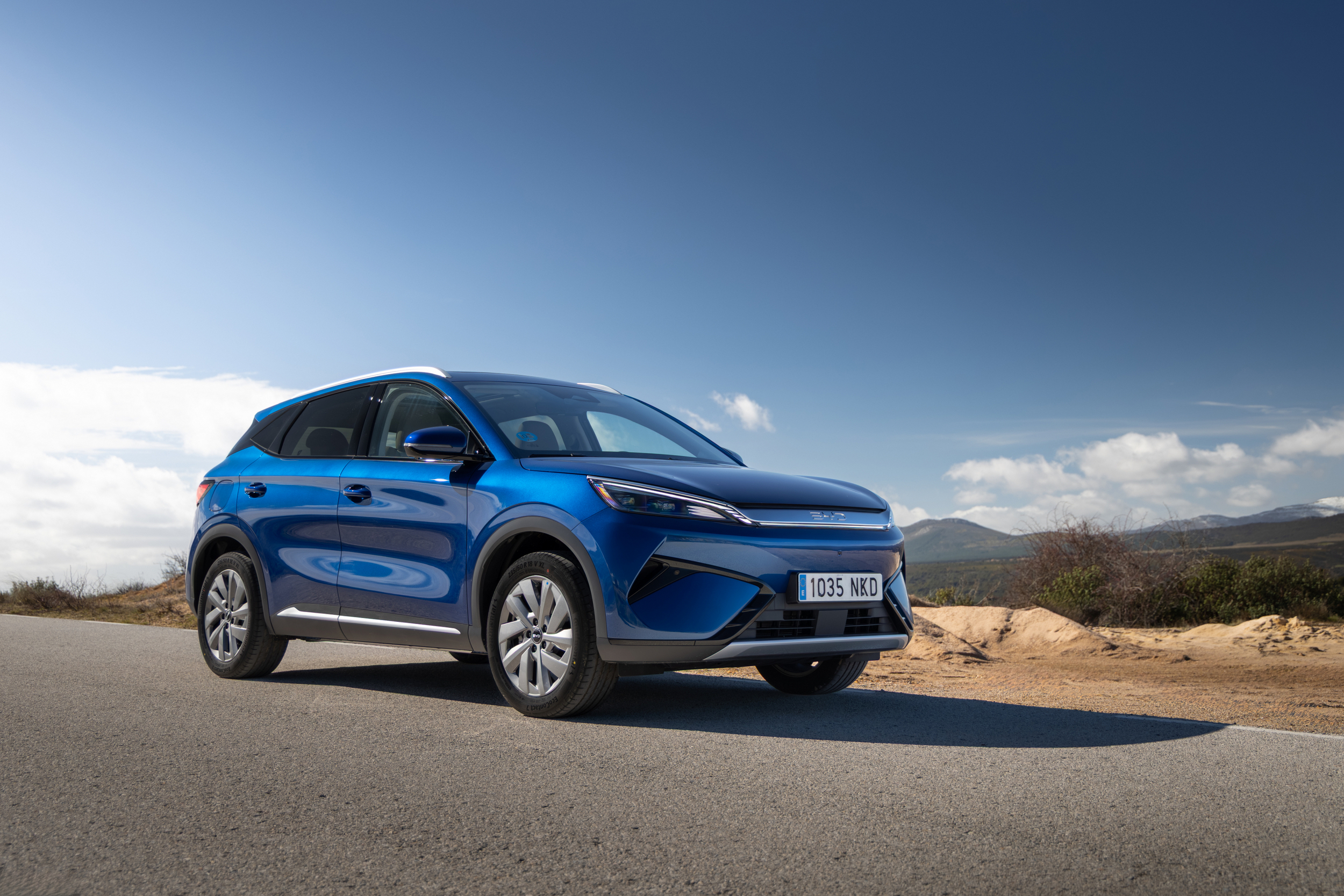
BMW And Mercedes Dropped LiDAR Over Cost, China Puts It On A $10K Hatch

  • BYD has rolled out a revised version of the little Seagull hatch in China.
  • The tiny EV starts at $10,300, or $13,400 with BYD’s DiPilot 300 ADAS.
  • DiPilot 300 isn’t fully autonomous, but can handle city streets, stoplights.

Though camera-loving Tesla swears otherwise, most experts agree that Lidar is the gold standard of driver assistance sensing technology. It’s better at judging distances and detecting unlit objects than cameras, and sees in more detail than radars. But it’s also expensive, or at least it is in Europe and America, where it’s restricted to $100k+ luxury cars. In China, though, you can now get it on a $10,000 micro EV.

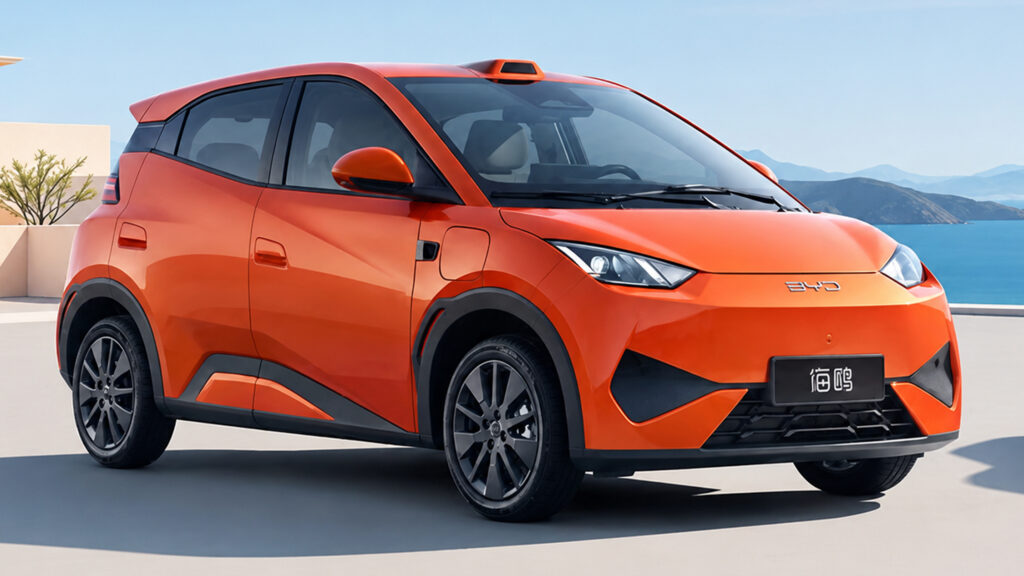
BYD has just refreshed its Seagull subcompact for its domestic market. The Seagull is the tiny 3,780 mm (148.8 inches) electric hatch sold as the Dolphin Surf in Europe. For MY26 there are a couple of new colors, Mango Orange and Mint Green, fresh 16-inch Starlight wheels and new LED taillights, though the 74 hp (75 PS / 55 kW) powertrain is carried over.

Related: BMW Removes Level 3 Self-Driving Tech From New 7-Series

But the big news is the availability of a driver assistance system that combines a Lidar sensor with more commonly available radar and camera-type sensors. The Lidar tech comes as part of the optional DiPilot 300, an ADAS system that’s the mid-point of three BYD “God’s Eye” assistance packages. You can tell if the Seagull you’re looking at has DiPilot 300 because it looks like someone’s grafted on the roof snorkel from a McLaren 675LT.

A base Seagull Vitality Edition with the smaller 30.1 kWh battery and 190-mile (305 km) range costs ¥69,900 ($10,300), Car News China reports, while the poshest Flying Edition with a bigger 38.9 kWh power pack and 252-mile (405 km) range runs to ¥85,900 ($12,600). But add on the DiPilot 300 option and those prices jump significantly to ¥90,900 ($13,400) and ¥97,900 yuan ($14,400).

Lidar Works, But At A Price

 BMW And Mercedes Dropped LiDAR Over Cost, China Puts It On A $10K Hatch

A $3,100 option on a $10,300 car is kind of crazy, but then Lidar is expensive. That’s why BMW and Mercedes, who both previously offered the technology as part of their hands-off Level 3 assistance packages on their 7-Series and S-Class flagships, have dropped the circa-$7k options from the newest version of those cars.

Instead, both German brands are switching their attention to Level 2 systems that still require drivers to look at the road, but unlike the Level 3 systems – which were restricted to freeways – can operate hands-free in urban environments. Both brands will return to L3 tech at a later date.

Despite the presence of a Lidar sensor, the Seagull’s DiPilot 300 is also an advanced Level 2 system, not Level 3. But BYD is talking about L3 as a future development for some of its cars, and you wouldn’t want to bet against even the humblest models like the Seagull getting it in a few years.

\\\\\

BYD

Ford’s Cheapest EV Yet Is Coming Out Of California, Not Detroit

  • Ford admits its first electric vehicles fell short of changing the industry.
  • A 350-person team in Long Beach is rebuilding how Ford makes EVs.
  • The new $30,000 mid-size electric pickup is expected to arrive next year.

Ford knows its first swing at EVs missed. The Mustang Mach-E and F-150 Lightning sold in respectable numbers but never delivered the volume, margins, or cultural impact the company was chasing, and both have since been overtaken by leaner, cheaper competition. The Blue Oval’s answer is a ground-up reset, and the headline product is a mid-size electric pickup priced at $30,000.

We’ve known about this model for quite some time, developed by Ford’s small skunkworks lab. The brand has now shed new light on the Ford Electric Vehicle Design Center, which houses its ace team of engineers, and provided select members of the automotive press with a quick preview of the new truck.

Read: Ford’s Biggest Product Push In Years Will See 80% Of Its American Lineup Refreshed By 2029

The campus now houses 350 people, including company veterans and new arrivals from startups and the consumer electronics industries. Situated in Long Beach, California, the site is rethinking how Ford should build EVs, making them simpler and cheaper. At the core of this is the new Universal EV Platform.

This platform consists of three large cast elements joined together and then topped by the cab of the pickup, or both body styles, which will follow. While Ford didn’t unveil the electric truck in full, Car and Driver caught a glimpse of a camouflaged mule, noting that it has a traditional pickup truck shape and appears similar in size to the current Maverick, albeit with higher sides on the bed.

\\\\\\\\\\\\\\

In addition, it seems the EV will have a short nose, allowing Ford to expand the cabin size. According to Ford, the truck will have more interior space than a Toyota RAV4.

Easy To Repair

An important aspect of the new platform will be its repairability. After all, there’s no point in selling an affordable car if it has to be scrapped after even the most minor of collisions. According to the chief engineer of Ford’s advanced vehicle structure architecture, the three large platform castings will each include cutlines, where damaged sections can be cut out and replaced with new ones.

48-Volt Tech

Another key area of development is the EV’s wiring. Vehicles using the new platform will rely primarily on 48-volt electrical systems for most components, other than the lights, electric windows, and other parts that will still run at 12 volts. Ford has significantly reduced the amount of wiring used in the vehicle and notes that 48-volt components are also much lighter and smaller.  

In total, the truck will have 20 percent fewer parts and 50 percent fewer cooling hoses and connections than previous Ford EVs, meaning it can be assembled 15 percent faster. Ford says the new pickup will be ready by next year.

\\\\\\\\\\\\\\\\\

Waymo’s Robotaxi Made It To San Jose, His Luggage Made It To San Francisco

  • The tech giant initially said it wouldn’t pay to ship the rider’s luggage back.
  • Waymo offered Di Jin two free rides to pick up his luggage from a depot.
  • As it turns out, there are some advantages to using human-driven taxis.

Taking a trip in one of Waymo’s robotaxis should be a smooth and stress-free experience, particularly since there’s no pressure to have an awkward conversation with a driver. However, for one Waymo user in California, taking a robotaxi to the airport left him without luggage for a business trip.

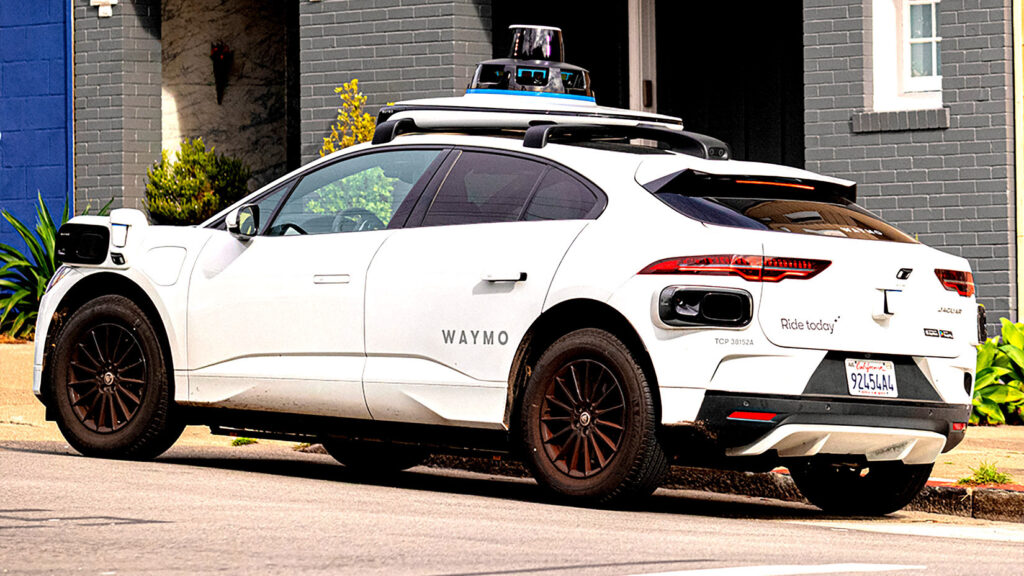
In late April, Di Jin took his first ride in one of Waymo’s robotaxis, traveling from Sunnyvale to San Jose Mineta Airport. The self-driving Jaguar I-Pace took him to the airport without issues, but when Jin got out of the car and attempted to open the trunk to get his luggage, the button did nothing. Moments later, the vehicle drove off, still carrying his luggage.

Read: Waymo’s Robotaxis Sometimes Receive Guidance By Some Guy In The Philippines

Speaking with NBC, Jin said he frantically contacted Waymo customer service but was told the robotaxi couldn’t be turned around and was heading to the depot. He was then forced to board his flight without any of his luggage.

The Californian man was informed later in the day that Waymo had retrieved his luggage at the depot. The only problem is that the depot is in San Francisco, and the company refused to pay shipping costs to get it back to Jin. If Jin didn’t want to pay for shipping, Waymo offered him two free rides to and from the depot to pick up his luggage.

Waymo Finally Steps Up

However, time is money, and Jin didn’t like the idea of wasting two hours getting his luggage. Waymo ultimately relented, confirming that it would pay to deliver his luggage after all.

Waymo notes that riders can open the trunk of one of its vehicles by pressing the physical trunk release button on the outside of the vehicle, or by tapping the ‘open trunk’ button in the Waymo app. For this rider, the trunk release apparently didn’t work, and with no human driver behind the wheel, he had no way of immediately notifying the car that he couldn’t retrieve his luggage. Perhaps human-operated taxis aren’t so bad after all.

 Waymo’s Robotaxi Made It To San Jose, His Luggage Made It To San Francisco
Photos Waymo

If You Ever Dreamed Of A Cheap Bugatti Sedan, China Has You Covered

  • Dreame moved from vacuum cleaners into cars with three new brands.
  • Star Motor’s latest crossover-sedan concept borrows heavily from luxury icons.
  • Images show it sporting Rolls-Royce-style suicide doors with no B-pillar.

Just a few months ago, Dreame was a virtual unknown in the West, having primarily cut its teeth in China’s consumer electronics industry, making a name for itself with vacuum cleaners. The company has since pivoted hard into the automotive space, spinning up three separate car brands called Nebula Next, Kosmera, and Star Motors, each with its own stream of concepts. This is its latest creation.

The car appears to wear the badge of Star Motor, one of Dreame’s three new automotive sub-brands. It was introduced back in February with the T08 and T08L, a pair of boxy off-roaders that looked like carbon copies of Dongfeng’s M817 and M917. The brand also showed the D09, a luxury SUV that lifted heavily from the Rolls-Royce Cullinan playbook.

Read: The Chinese Vacuum Brand That Built A 1,973-HP Sedan Just Showed Up At Berkeley With It

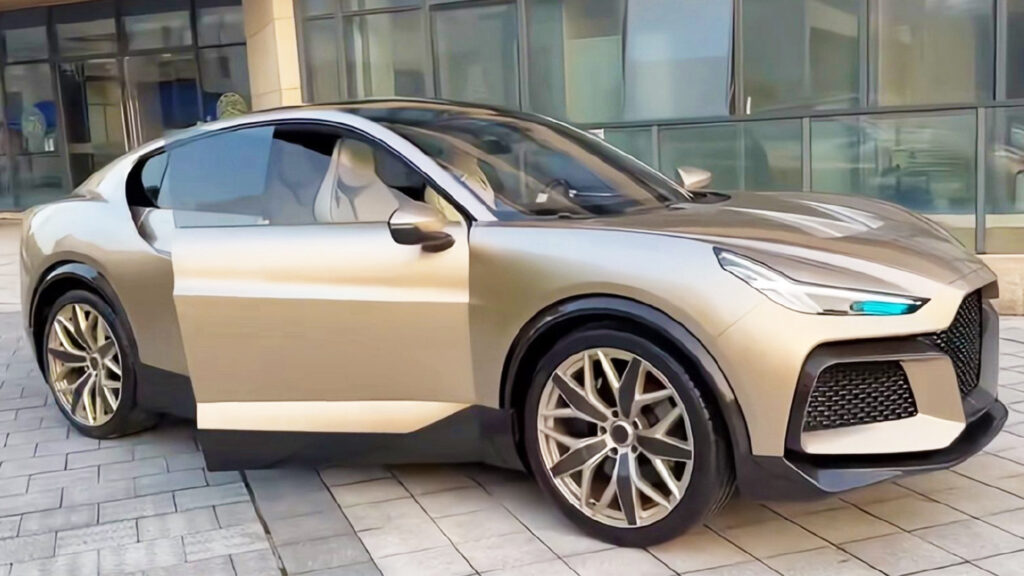
As for this latest concept, it was present at the recent Beijing Auto Show and may make a return appearance at the Chengdu Auto Show in September in more production-ready form. Dreame has shown a penchant for taking inspiration from other brands’ designs, and this sedan appears no different. If the Bugatti Chiron and Ferrari Purosangue had a baby, it would look a lot like this.

\\

TychodeFeijter/X

The front of the crossover-style sedan features a massive grille that recalls the Kosmera concept Dreame trotted out at CES back in January, only scaled up and turned more aggressive. It also sports wide, gaping air intakes and a set of sharp LED headlights.

The standout feature in profile is the set of Rolls-Royce-style rear suicide doors, though Star Motor has pushed the idea further than Goodwood does. Where the Phantom retains a structural B-pillar between the front and rear doors, this Dreame concept deletes it entirely, leaving one uninterrupted opening when both doors swing wide. Recent spy shots show the upcoming Genesis GV90 adopting the same pillarless layout.

\\

Photos of the rear haven’t surfaced yet, but the C-shaped element wrapping the rear side windows and rear doors definitely looks reminiscent of the signature C-line used by Bugatti.

No details have emerged on the powertrain, assuming there’s even a working one under the sheetmetal, but in all likelihood, it will follow the lead of Dreame’s other concepts and run on pure electric power.

Whether any of these showcars will actually reach production remains anyone’s guess. Dreame has so far traded entirely in show cars and renderings.

\\\\\\\\\\\\\

Dreame Nebula Next Jet Concept

200 Robotaxis Stopped In Traffic, Now China Has Stopped Issuing Permits

  • Baidu engineers instructed robotaxis to stop and immediately collect data.
  • As many as 200 robotaxis operated by the tech firm stopped in Wuhan traffic.
  • Regulations for robotaxis are generally set by local governments in China.

The robotaxi gold rush in China has just hit its first serious speed bump. About a month ago, dozens of autonomous vehicles run by Baidu malfunctioned on Chinese roads, and Beijing has now stopped issuing new robotaxi licenses. The episode is a reminder that while domestic brands push hard on ever more advanced self-driving systems, a single bad afternoon can quickly unravel progress.

The incident itself happened on March 31, when around 200 robotaxis from Baidu’s Apollo Go program stopped dead in traffic in Wuhan. Several collisions followed and passengers were left stranded in their cars. Fortunately, no one was injured. According to an unnamed source, Baidu engineers issued a command to tell vehicles to stop and collect data on the spot, triggering the chaos.

Read: Baidu’s Robotaxis Froze On Wuhan Highways And Cars Started Crashing Into Them

According to Nikkei Asia, China’s transport ministry, the industry and information technology ministry, the public security ministry, and the Cyberspace Administration sat down with eight of the country’s biggest autonomous driving firms after the Wuhan incident. Authorities demanded that these firms conduct a “comprehensive self-inspection.”

Although the Chinese government has stopped issuing new licenses for robotaxi operators, those who are already operating can continue to do so. For example, Pony.ai continues to operate its robotaxi services in Beijing, Shanghai, Guangzhou, and Shenzhen as normal.

What Laws Exist?

NEW: Dozens of robotaxis by Baidu stopped on the road in Wuhan, causing crashes on highways and trapping passengers in the cars—some for more than an hour. One passenger told me it took her 30 minutes to even connect to a customer representative.

Here’s a video of a crash. pic.twitter.com/fTitNMv8kj

— Zeyi Yang 杨泽毅 (@ZeyiYang) April 1, 2026

In general, regulations governing the testing of self-driving vehicles in China are relatively lax. The federal government has let local governments decide how they’d like to govern the introduction of robotaxi services, leading to a wide range of different regulations throughout the country.

It’s understood that roughly 4,500 robotaxis were operating across pilot zones in 10 Chinese cities as of last year. Some analysts estimate that as many as 500,000 robotaxis could be in service by 2030, or about 10 percent of the country’s total taxi fleet. A national decision outlining steps to prevent similar incidents could arrive by the end of May.

 200 Robotaxis Stopped In Traffic, Now China Has Stopped Issuing Permits

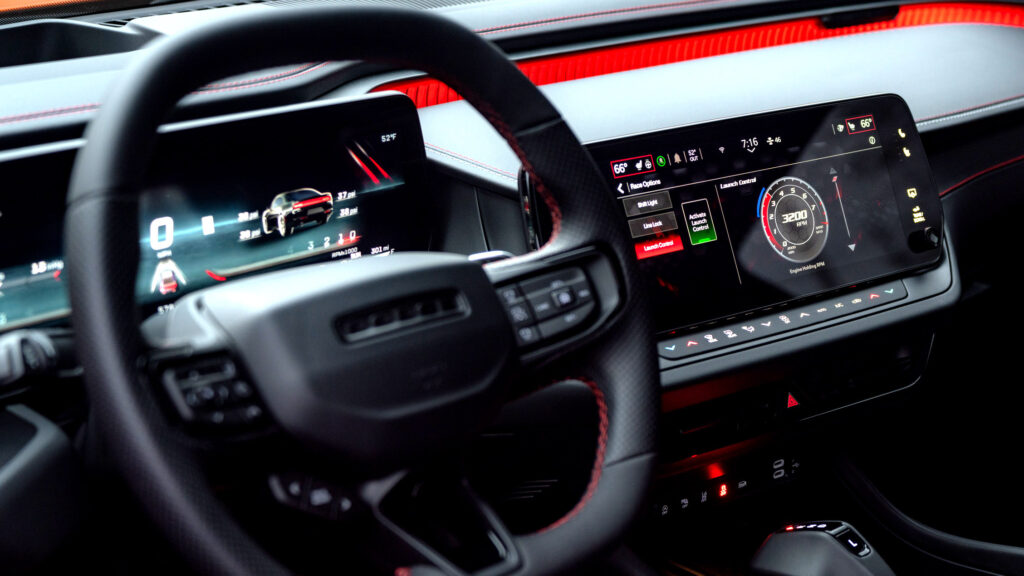
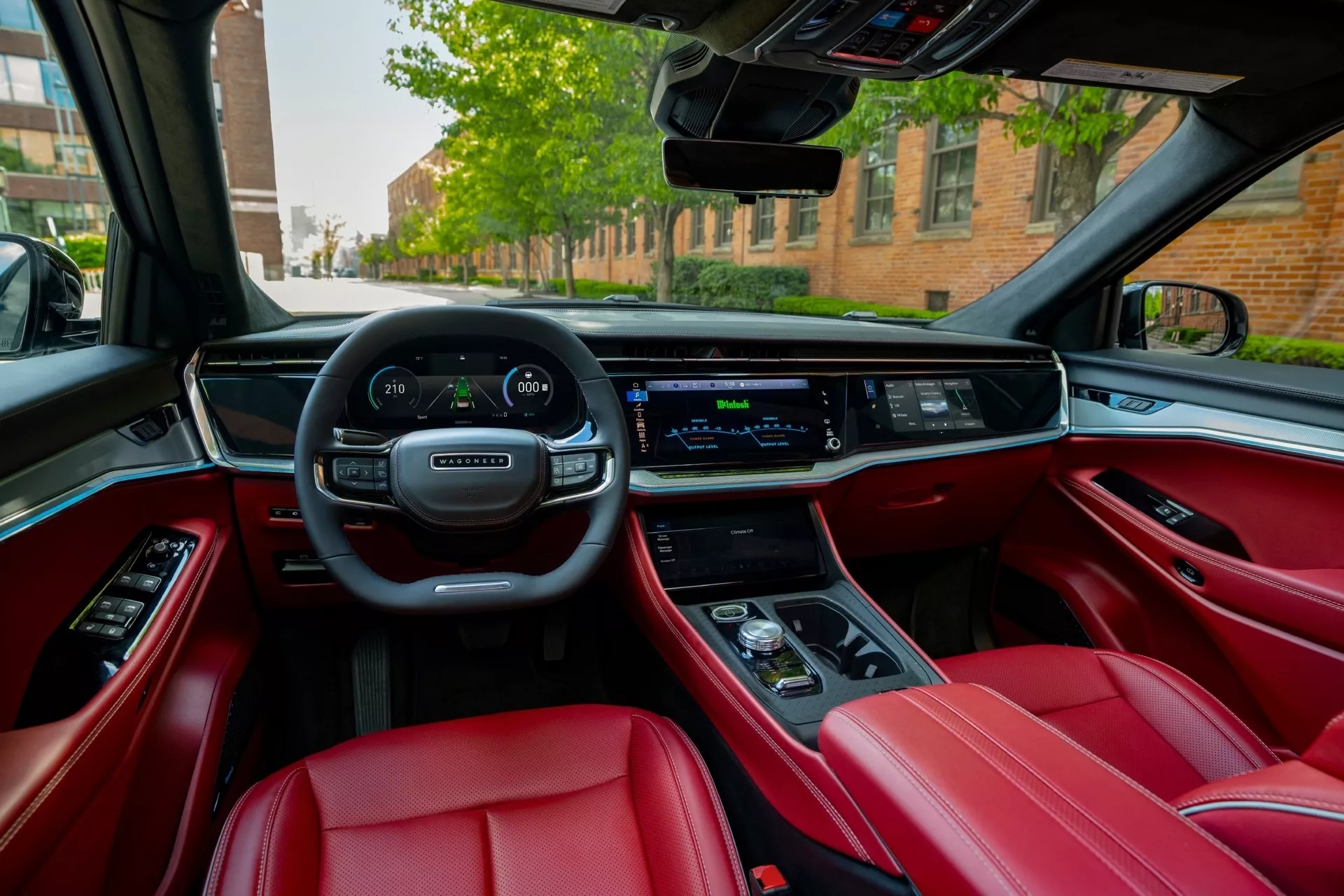
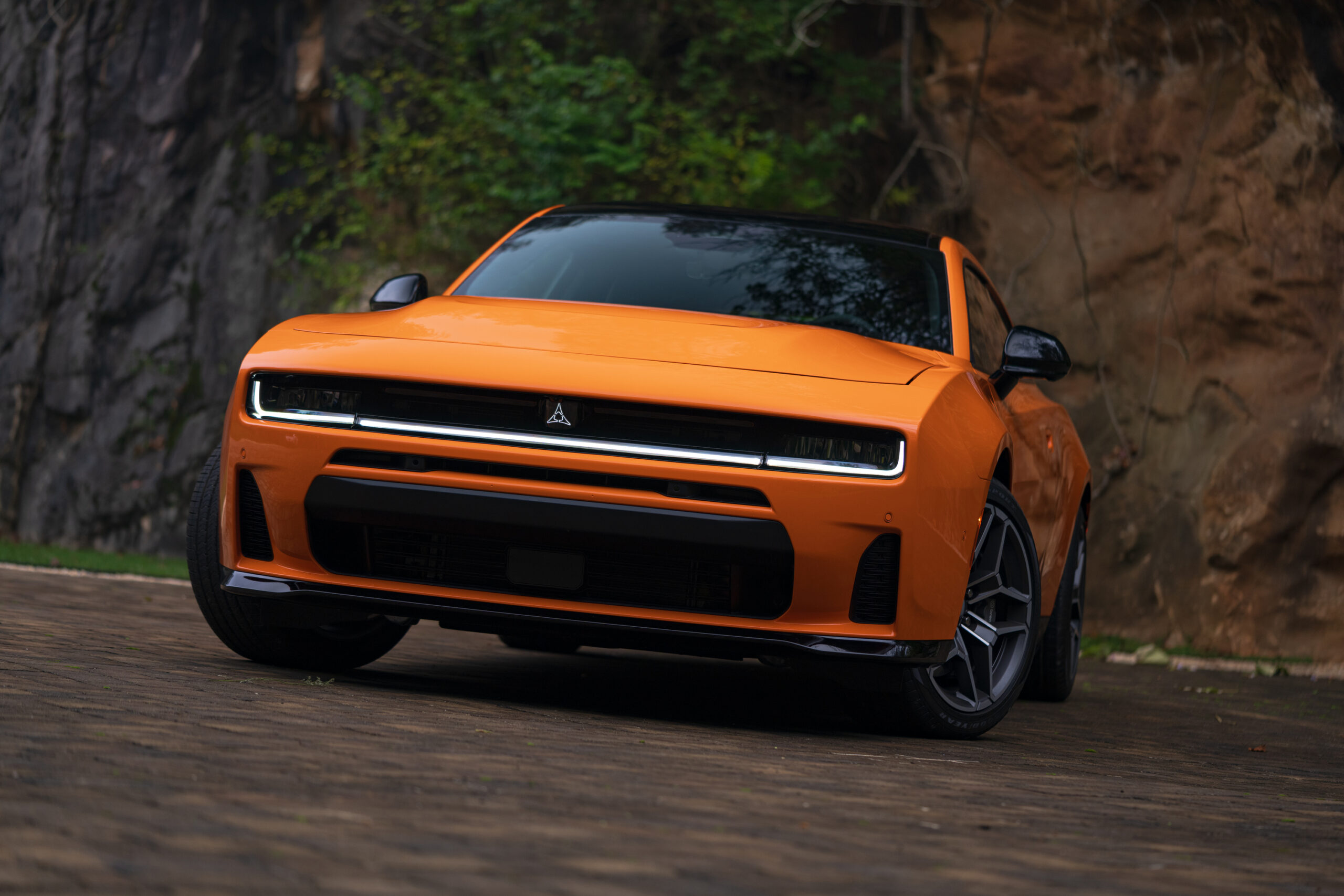
Wagoneer S And Charger Daytona Buyers Paid For More Screen, Now It Just Goes Blank

  • Over 20,000 EVs were just recalled due to blank instrument clusters.
  • Affected models include the Jeep Wagoneer S and Dodge Charger Daytona.
  • The issue could hide critical warnings like brake, ESC, and tire pressure alerts.

The shift to more screens in cars was supposed to be the wave of the future. We could customize them, enjoy cute little animations, and pack more info into them than anyone could dream of doing with an analog gauge cluster. Of course, an old-school mechanical cluster can’t disappear for no obvious reason during a drive. Over 20,000 Stellantis vehicles with a digital cluster might have just that happen, so the automaker is issuing a new recall.

According to documents put together by Stellantis and filed with the NHTSA, the issue potentially exists in 100 percent of the 20,271 affected vehicles built from March of 2024 through November 2025. 11,743 are Jeep Wagoneer S EVs, and the other 8,528 are Dodge Charger Daytonas.

Read: Stellantis Faces Third Recall As Jeep Hybrid Engines Keep Failing

Stellantis says it met internally about the issue on March 10, 2026 and worked with its FCA engineering team to understand what was happening through the end of that month and into April. On April 16, it decided to issue the recall but not simply because the gauge cluster was going dark. No, instead, it’s doing this because when the cluster goes dark it can no longer alert the driver to certain information.

 Wagoneer S And Charger Daytona Buyers Paid For More Screen, Now It Just Goes Blank

Federal Motor Vehicle Safety Standards require that a car can alert a driver to issues with systems like the ABS, TPMS, ESC, and more. When the panel in a Jeep Wagoneer S or Dodge Charger Daytona takes a nap, it can’t tell the driver if there are issues with these key systems. As a result, Stellantis must recall the cars and fix the issue.

Notably, the automaker stopped well short of describing exactly what causes the panel to blank out in the first place. It appears that it’s entirely software-related, as the ‘remedy’ is quoted as “software,” in the filing. Dealers will simply update the cluster software, and that should prevent them from taking a break while the driver is driving.

 Wagoneer S And Charger Daytona Buyers Paid For More Screen, Now It Just Goes Blank

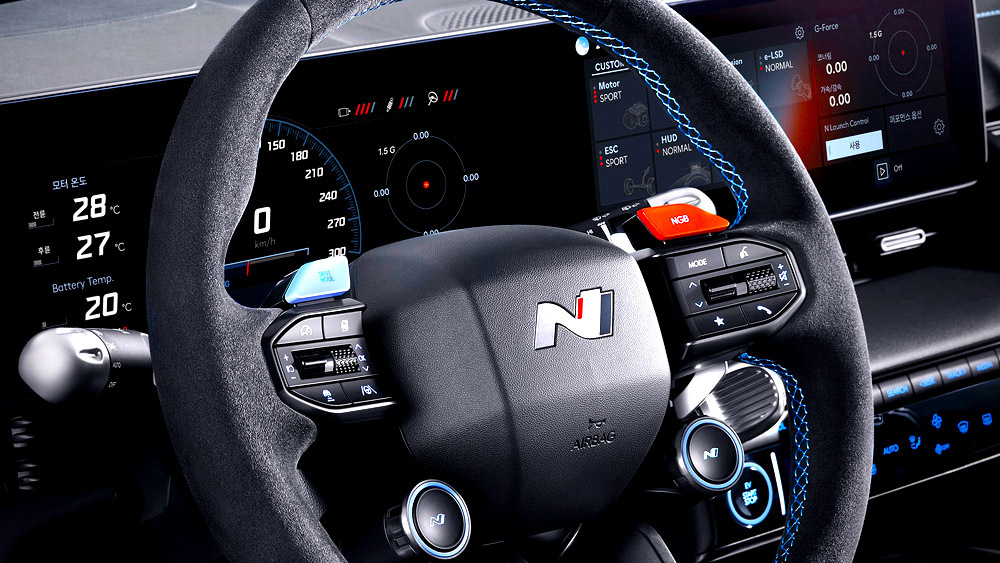
Hyundai’s Ioniq 5 N Party Tricks Are Coming To Cars That Aren’t N

  • Hyundai will expand fake gearshifts and sounds beyond its performance EVs.
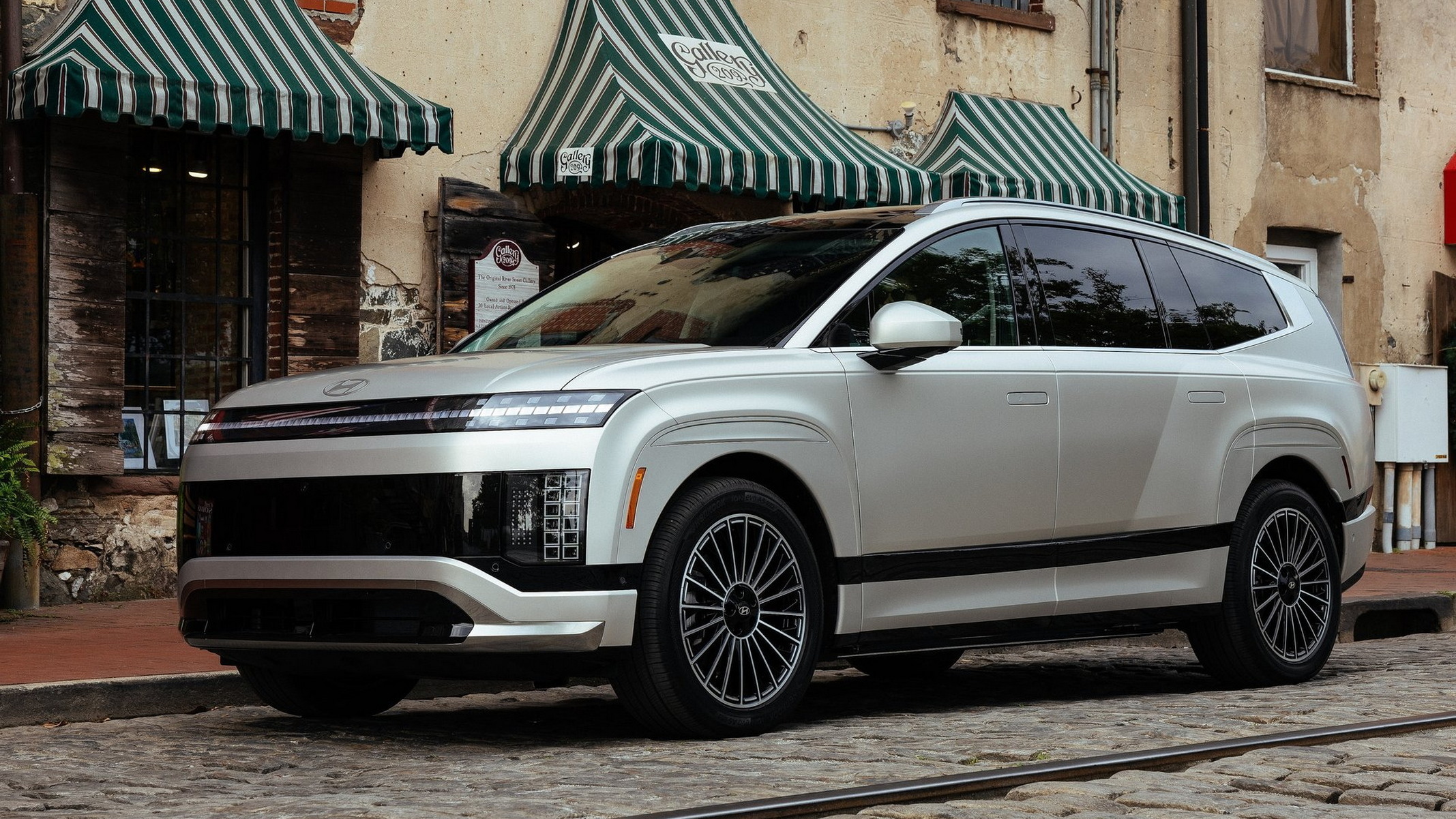
  • The tech is already being tested in non-N models like the Ioniq 9 SUV.
  • Lower-output EVs won’t get it, as the illusion depends heavily on power.

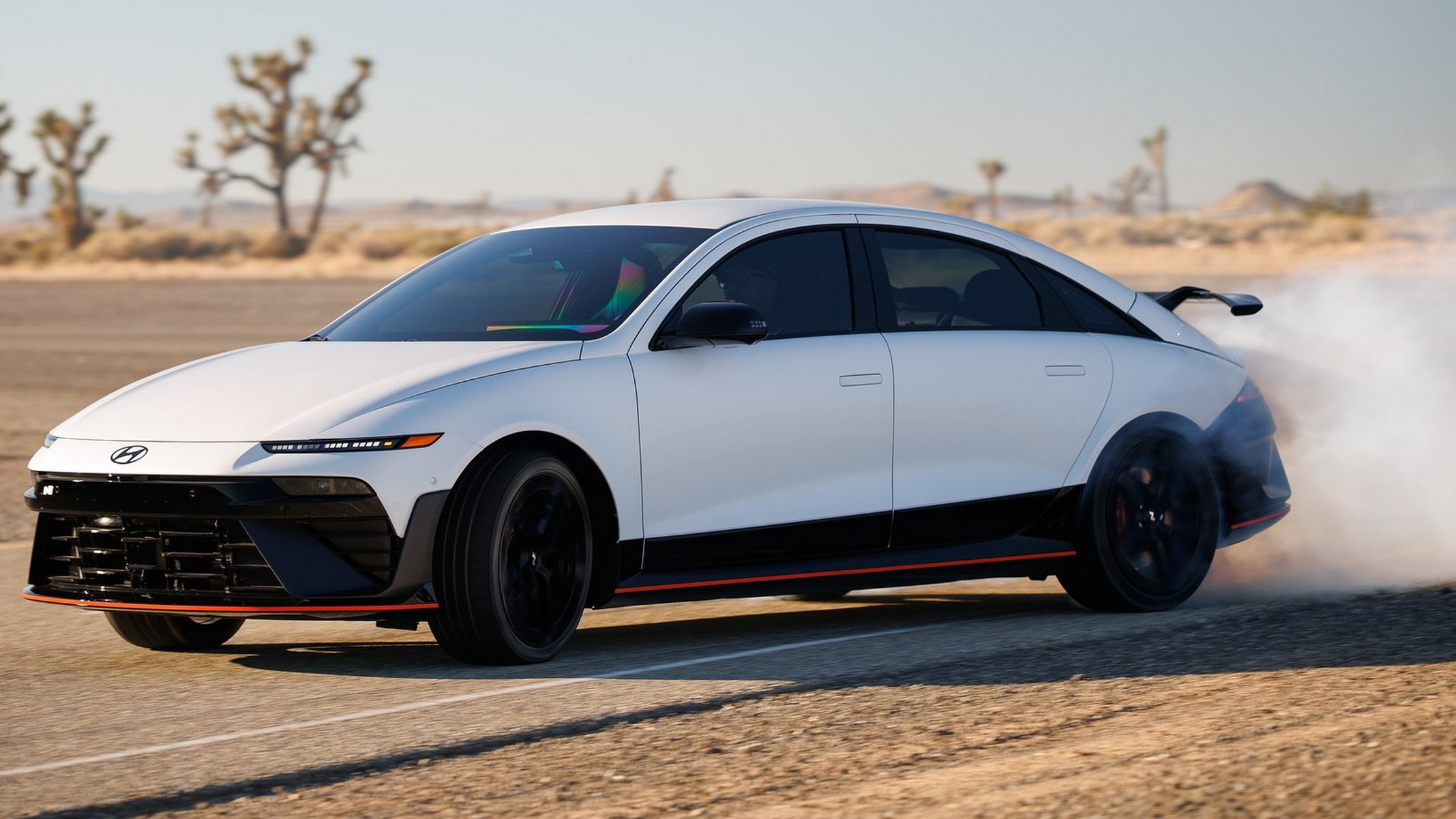
The Hyundai Ioniq 5 N made the driving experience engaging, playful, and more akin to the experience of a combustion car. After plenty of praise surrounding the fake gearshifts and engine noise used in this model, Hyundai expanded the tech to the 6 N and Ioniq 9. Soon, it’ll find its way into more mainstream Hyundai EVs.

More: Hyundai’s N Rule Was Simple Until The Ioniq 3 Made It Inconvenient

“We really want to have a proper [driving] experience – not just the sound, but a bit of the boost,” Hyundai Europe product vice president Raf van Nuffel told Carsales. What he’s referring to is that Hyundai doesn’t just use fake engine sounds. It manages power so that when drivers call for a ‘gear shift’, the car feels like a clutch engaged and released.

The system can be switched off, so drivers won’t have to use it. That said, it’s a defining feature of models like the 5 N, and most enthusiasts seem to enjoy it. Introducing the feature to the Ioniq 9 and other mainstream cars down the road could help Hyundai stand out from a crowd of otherwise silent contenders. Importantly, the brand says it won’t extend the features to base models, but there’s a reason for that.

 Hyundai’s Ioniq 5 N Party Tricks Are Coming To Cars That Aren’t N

“It is not something that we limit to N, but we have certain requirements – we do need a minimum level of power to have this clutch-type feeling. We are not going to offer it across the range, but definitely [there is] more to come without always having to go for 600 horsepower,” van Nuffel said.

There’s little doubt that fake engine sounds have been divisive. Despite that, plenty of automakers use them now, and they’re not just limited to EVs. Combustion cars often pipe in faux exhaust noise to “enhance” the driving experience. Hyundai is taking that approach and adding in more than just audible sensations. Considering that owners can choose if they want them or not, this seems like a win-win.

 Hyundai’s Ioniq 5 N Party Tricks Are Coming To Cars That Aren’t N

The Brand Behind Your Robot Vacuum Strapped Rockets To Its EV Claiming 0-62 In 0.9 Seconds

  • Dreame unveiled a concept EV with jet power at an event in Silicon Valley.
  • Rocket-assisted sedan promises 0-100 kmh (62 mph) in less than a second.
  • Concept also features solid state batteries and Lidar that works at 600 m.

Chinese consumer electronics brand turned carmaker Dreame hasn’t even delivered its first vehicle, but it’s already talking about what comes next, and it might have rockets attached.

Dreame unveiled the Nebula NEXT 01 JET Edition during the company’s DREAME NEXT event in San Francisco, and yes it looks just like the Nebula Next 01X EV we’ve reported on before, and which is earmarked for sale in 2027.

Also: The Chinese Vacuum Brand That Built A 1,973-HP Sedan Just Showed Up At Berkeley With It

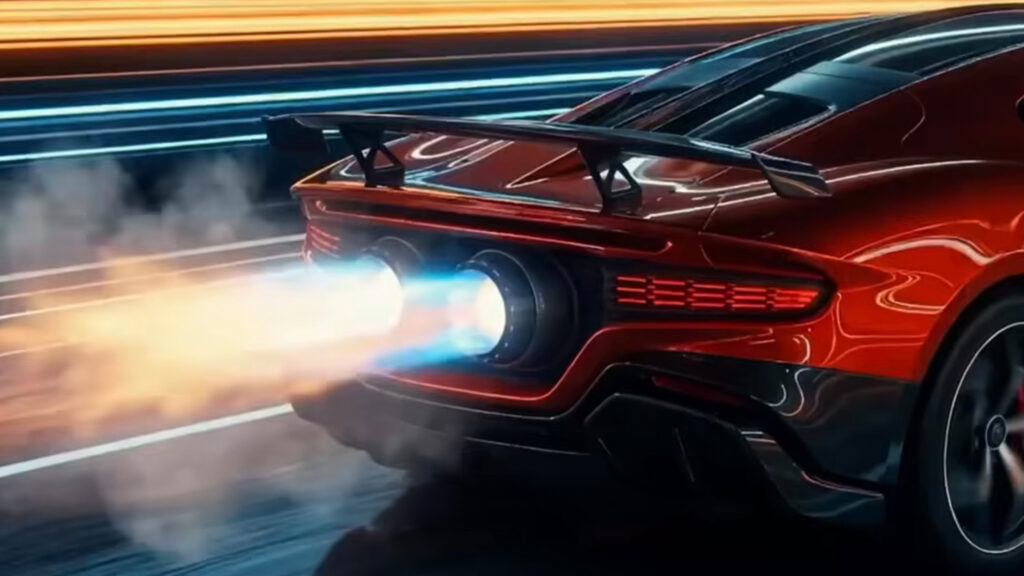
But compared with the production supercar-shaped four-door sedan, this one looks rather different at the rear. That’s where you’ll find a pair of rocket boosters that give the concept a claimed 0-62 mph (100 kmh) time of just 0.9 seconds.

\\\\\\\\\\\

Dreame says the concept, which explores where the company’s car development could go in future, represents more than a decade of development in autonomous systems, motors, AI, and robotics. It also represents someone in marketing being allowed unsupervised access to caffeine and hallucinogenics.

Twin Jets

The headline feature is that custom dual solid-fuel rocket setup mounted to assist acceleration. Dreame claims the system reacts in 150 milliseconds and produces up to 100 kN of thrust. But there’s plenty of other modern or futuristic tech onboard that isn’t just concept nonsense, including steer- and brake-by-wire, and solid-state batteries with an energy density above 450 Wh/kg that Dreame says is nearing production readiness.

For ADAS duties, the company introduced its DHX1 LiDAR unit. Dreame says it can detect objects from up to 600 m (1,970 ft) away, Autohome reports, and deliver detail clarity rather than traditional rough outlines of obstacles. The plan includes advanced assisted L2+ driving and eventually more advanced L3 autonomy.

Inside, the car is intended to act as a rolling smart-home hub. Dreame’s AI assistant is designed to connect with robots, appliances, and other devices, turning the vehicle into a mobile command center for your gadgets. Perhaps surprisingly for a car from a brand famous for its vacuum cleaner and robot window washers, the car isn’t capable of washing itself.

Dreame says vehicle manufacturing begins in 2027, but don’t expect rockets to be part of the specification when those first cars hit the road.

\\\\\\\\\\\

Dreame

BYD’s Nine-Minute Charge Was Industry Leading For About Four Weeks

  • CATL says its new Shenxing 3 charges from 10 to 98 percent in 6.5 minutes.
  • The Qilin 3 promises 621 miles of range while weighing only 1,378 pounds.
  • Company is betting fast charging and battery swapping will drive EV adoption.

Electric vehicles are quick, quiet, and typically offer awesome packaging and an easier maintenance schedule than combustion-powered cars. Where they struggle to keep up with their gas-powered competition is on the refueling side of things.

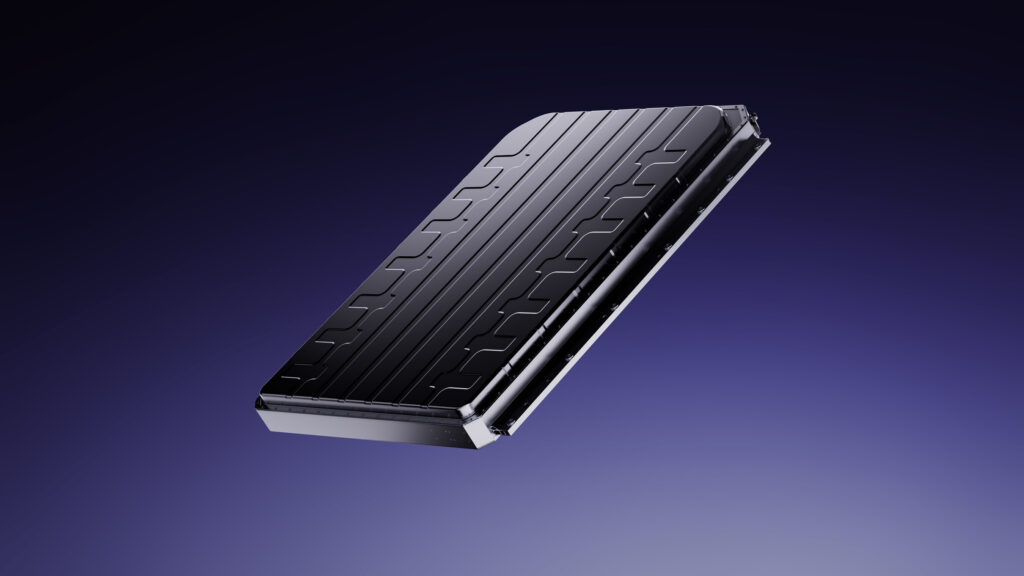
Charging infrastructure is nowhere near what it is for gas-powered cars, and when one does find a charger, it can take a long time to get a battery that’s flat back to full. Now, CATL says it’s found a solution, and it’ll charge a battery from 10 to 98 percent in just 6.5 minutes.

More: This New Battery Could Outlive You, Never Mind Your Car

According to The Wall Street Journal, the new Shenxing 3 battery hits that mark in roughly 6.5 minutes, beating the charging capability BYD revealed just last month, which took nine minutes to go from 10 to 97 percent, or seven minutes from 10 to 70. Bernstein analysts told the publication the new battery “effectively closes the gap with ICE vehicles.”

 BYD’s Nine-Minute Charge Was Industry Leading For About Four Weeks

CATL says the new pack is capable of a 10C charging rate and can go from 10 to 80 percent in just 3 minutes and 44 seconds. Even more impressive, the company claims the battery can still charge from 20 to 98 percent in around nine minutes even when temperatures plunge to -22 degrees Fahrenheit (-30 Celsius).

Perhaps most impressive is that CATL says these charging speeds don’t destroy long-term battery life. Evidently, the Shenxing 3 still retains over 90 percent of its capacity after 1,000 full charging cycles.

CATL also introduced the new Qilin 3 battery, which it says can deliver up to 621 miles (1,000 km) of range while weighing just 1,378 pounds (625 kg). That makes it significantly lighter than comparable packs and, according to the company, improves efficiency, acceleration, braking, and handling. Oh, and wait, there’s more.

 BYD’s Nine-Minute Charge Was Industry Leading For About Four Weeks

A new Qilin Condensed battery can deliver up to 932 miles (1,500 km) of range in a sedan or over 621 miles (1,000 km) in a full-size SUV. Obviously, that kind of range would be a giant benefit for the EV industry as it would reduce range anxiety and the need for additional charging infrastructure.

CATL says the Shenxing 3 and Qilin 3 batteries are intended for production vehicles rather than distant concepts, with the first applications likely arriving within the next year or so. The more ambitious Qilin Condensed battery appears further off, while CATL says its sodium-ion battery will enter mass production by the end of 2026.

 BYD’s Nine-Minute Charge Was Industry Leading For About Four Weeks

CATL Says Its New EV Battery Can Charge From 10 To 98 Percent In Just 6.5 Minutes

  • CATL says its new Shenxing 3 battery charges in just 6.5 minutes.
  • The company also unveiled lighter batteries with up to 1,500 km range.
  • CATL is betting fast charging and battery swapping will drive EV adoption.

Electric vehicles are quick, quiet, and typically offer awesome packaging and an easier maintenance schedule than combustion-powered cars. Where they struggle to keep up with their gas-powered competition is on the refueling side of things. Charging infrastructure is nowhere near what it is for gas-powered cars, and when one does find a charger, it can take a long time to get a battery that’s flat back to full. Now, CATL says it’s found a solution, and it’ll charge a battery from 10 to 98 percent in just 6.5 minutes.

According to The Wall Street Journal, the new Shenxing 3 battery can hit that mark in roughly 6.5 minutes, beating the approximately nine-minute charging capability BYD revealed just last month. Bernstein analysts told the publication the new battery “effectively closes the gap with ICE vehicles.”

More: This New Battery Could Outlive You, Never Mind Your Car

CATL says the new pack is capable of a 10C charging rate and can go from 10 to 80 percent in just 3 minutes and 44 seconds. Even more impressive, the company claims the battery can still charge from 20 to 98 percent in around nine minutes even when temperatures plunge to -22 degrees Fahrenheit (-30 Celsius). Perhaps most impressive is that CATL says these charging speeds don’t destroy long-term battery life. Evidently, the Shenxing 3 still retains over 90 percent of its capacity after 1,000 full charging cycles.

 CATL Says Its New EV Battery Can Charge From 10 To 98 Percent In Just 6.5 Minutes

CATL also introduced the new Qilin 3 battery, which it says can deliver up to 621 miles (1,000 km) of range while weighing just 1,378 pounds (625 kg). That makes it significantly lighter than comparable packs and, according to the company, improves efficiency, acceleration, braking, and handling. Oh, and wait, there’s more.

 CATL Says Its New EV Battery Can Charge From 10 To 98 Percent In Just 6.5 Minutes

A new Qilin Condensed battery can deliver up to 932 miles (1,500 km) of range in a sedan or over 621 miles (1,000 km) in a full-size SUV. Obviously, that kind of range would be a giant benefit for the EV industry as it would reduce range anxiety and the need for additional charging infrastructure.

CATL says the Shenxing 3 and Qilin 3 batteries are intended for production vehicles rather than distant concepts, with the first applications likely arriving within the next year or so. The more ambitious Qilin Condensed battery appears further off, while CATL says its sodium-ion battery will enter mass production by the end of 2026.

 CATL Says Its New EV Battery Can Charge From 10 To 98 Percent In Just 6.5 Minutes
❌