Hundreds of plants are protected by the Endangered Species Act, but moss is an underdog. There's only one type that has federal protection, but a group of scientists wants to change that.
A Maryland electric utility is launching a pilot program designed to help school districts overcome one of the biggest barriers to adopting electric school buses: Upfront costs.
The Maryland Public Service Commission approved a plan by Potomac Edison, a subsidiary of FirstEnergy serving about 285,000 customers in Maryland, to implement an $11.1 million electric school bus pilot program. The initiative will help fund the deployment of up to 28 electric school buses within the utility’s service territory.
The program comes as Maryland advances its transition to zero-emission transportation under the Climate Solutions Now Act of 2022, which requires public school systems to purchase zero-emission vehicles.
The law states that county school boards must only enter into new contracts to purchase or operate zero-emissions school buses, or otherwise electric school buses. Districts may seek exemptions if zero-emission buses cannot meet operational needs, such as route length, or if sufficient funding is not available to cover the higher upfront costs.
The EV transition is not without its challenges. Montgomery County Public Schools, the largest school district in Maryland and an early national leader in school bus electrification, recently requested approval to purchase about 140 new diesel buses to meet immediate transportation needs. According to local news reports, district officials said current electric bus technology and fleet availability have not fully met operational demands for longer routes, field trips and midday service. These reasons prompted the temporary return to conventional buses while the district continues to evaluate its long-term electrification strategy.
Funding Aims to Incentivize Zero-Emissions Adoption
Meanwhile, Potomac Edison is supporting the electric shift by covering the cost difference between diesel and electric school buses, up to $250,000 per vehicle. It is also paying for the cost of charging infrastructure and any required electrical upgrades.
In addition to financial incentives, the program will provide school districts with technical and administrative support for planning and installing charging equipment and training personnel responsible for operating the buses.
The pilot will also test V2G technology. Utilities and policymakers have increasingly pointed to V2G as a way EVs could support grid reliability while vehicles sit idle between routes. Successful use cases have been slow to proliferate throughout the industry, but recent developments point to more achievable success with V2G.
“This program is designed to help make the EV transition more practical and affordable,” said Jim Myers, FirstEnergy’s president of West Virginia and Maryland. “We’re reducing upfront costs and offering hands-on support to help school systems integrate electric buses smoothly.”
A 38-year-old man already facing charges in a separate case is accused of pointing what appeared to be a long gun at a school bus transporting nine children in southern Minnesota, reported Fox 9.
According to the news report, police charged Alex Jeffrey Wolters with second-degree assault with a dangerous weapon and threats of violence following the March 5 incident in Faribault.
Police said officers received a report around 7:40 a.m. from a school bus aide who claimed they saw a man brandishing a gun. Investigators later identified the man as Wolters.
Law enforcement officials reviewed video from the school bus that showed the aide reacting after spotting the object. The bus was transporting nine children at the time of the incident. Authorities arrested Wolters several hours later.
During a post-Miranda interview, Wolters denied pointing anything at the bus but acknowledged he had been in his home garage that morning. He told police he had been working on an insulation project and went into the garage to retrieve an item. Officers later found a copper tube and black plastic tubing in the home’s attic that, when combined, resembled a long gun.
Police also spoke with Wolters’ father, who allowed investigators to inspect two-gun safes inside the home. Authorities said one safe appeared to have been tampered with since the father said he last used it. Another safe appeared partially opened but remained locked.
The complaint states the tampered safe contained several rifles, shotguns and a pistol, while the other safe held two pellet rifles.
Court records indicate Wolters was already on pretrial supervision in a separate 2025 case involving threats of violence. He allegedly threatened to “murder everyone” in a local apartment building, saying he would go to a police station and “kill the police.”
We examine the impact of the war in Iran and Clean School Bus program updates on district fuel choices, as well as a Pennsylvania school bus driver arrested after driving over 50 students while intoxicated.
We are joined by Nate Springer, vice president of market development at TRC Companies, the presenter of the upcoming Advanced Clean Transportation (ACT) EXPO. He unpacks the reasoning behind various fuel choices available to school districts today and funding options amid changes to the Clean School Bus program.
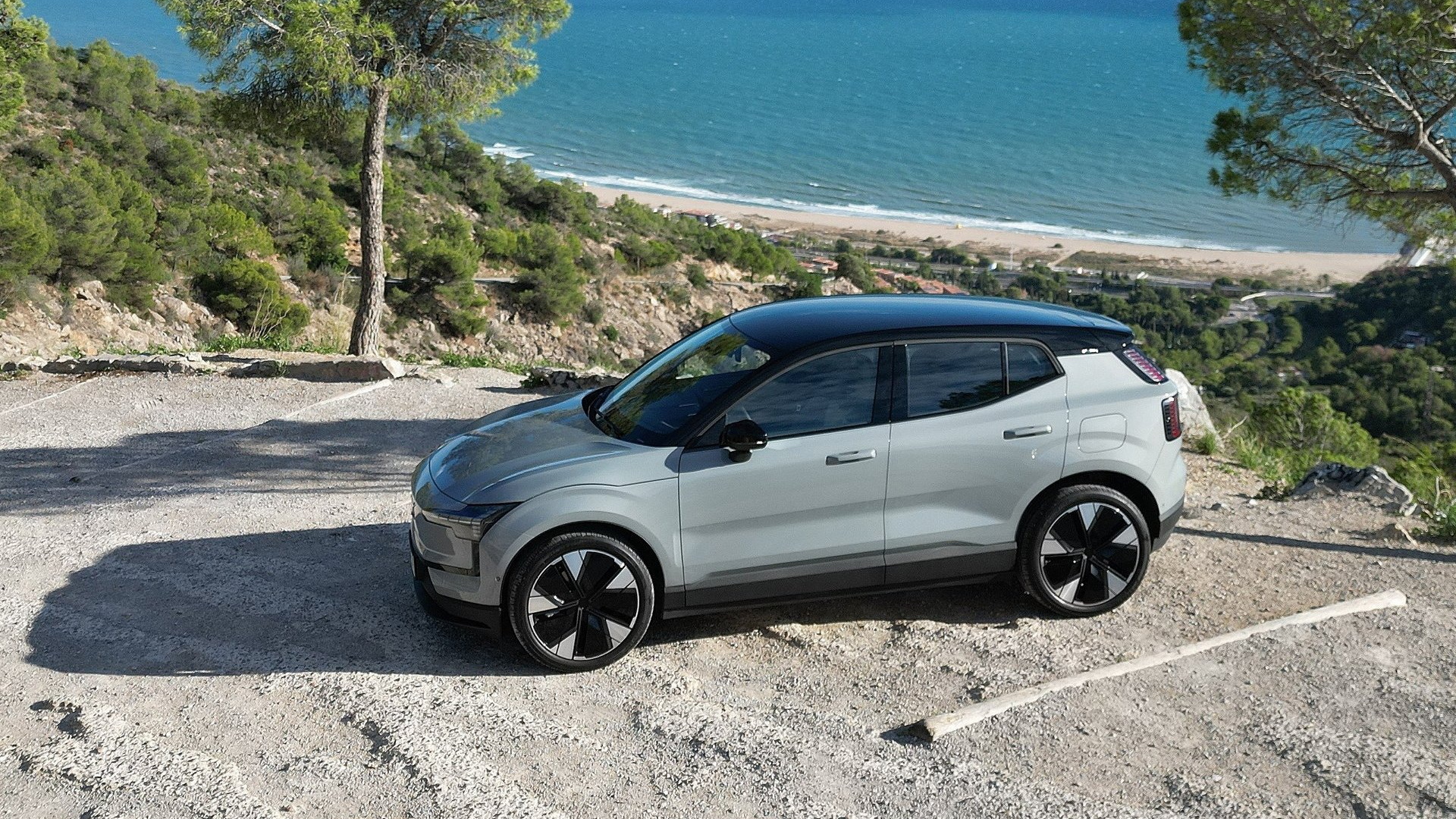
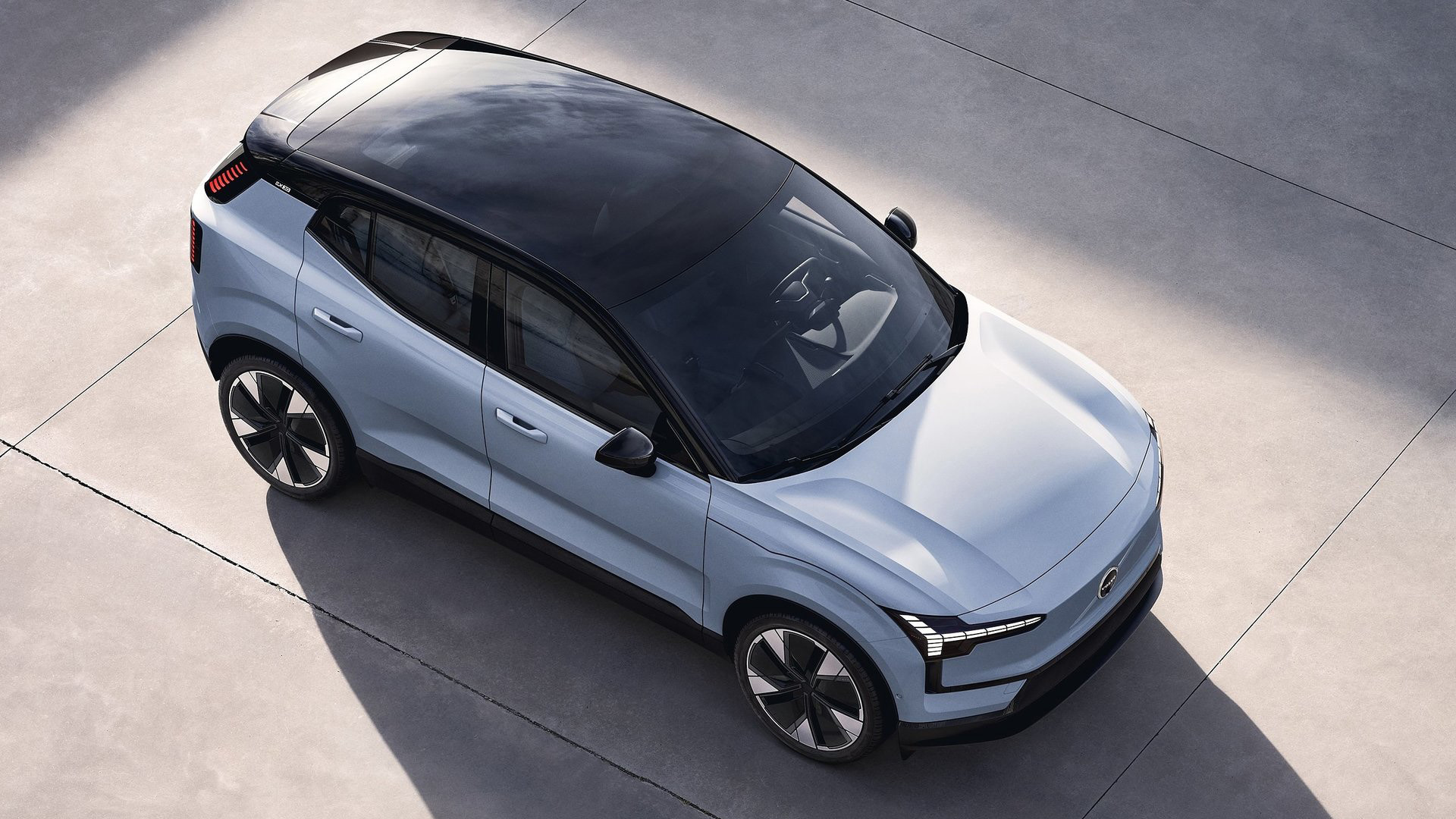
Volvo will discontinue the EX30 in the U.S. after the 2026 model year.
Tariffs, tax-credit changes, and slowing EV demand likely sealed its fate.
The small electric SUV will remain on sale in Canada, Mexico, and other markets.
Volvo is suffering a new setback as the short-lived EX30 is leaving the USA after this model year. The automaker confirmed the news that will see both the normal and Cross Country versions of the electric crossover exit the U.S. Notably, Volvo will continue selling it in Mexico and Canada, which makes the motive behind this choice a little more obvious.
On paper, the EX30 made a lot of sense. It was positioned as Volvo’s most affordable EV, starting at just over $40,000, with up to 422 horsepower in dual-motor form and EPA range estimates of around 253–261 miles depending on configuration. It was quick, stylish, and small enough to appeal to urban buyers who didn’t need a full-size electric SUV.
In reality, the U.S. market just wasn’t ready for it. The EX30 is tied to a Chinese-built EV architecture like the one used in the Zeekr X. That complicated life for Volvo when President Trump enacted steep tariffs on Chinese-made vehicles. Volvo shifted U.S. supply to Belgium to get around the issue, only to end up hit by more tariffs later on.
At the same time, Trump killed the EV tax credit for imported vehicles and then all vehicles. Sales reflected that change. Volvo shifted just over 5,400 EX30s in the U.S. during 2025. A Volvo spokesperson confirmed the situation to The Drive, saying it is “a thorough evaluation of our business and operational strategies and is a direct response to shifting market conditions and financial factors.”
Importantly, Volvo isn’t backing away from electrification overall. The brand will continue selling the EX40 and EX90 in the U.S., and the upcoming EX60 is still likely coming later this year. The EX30 didn’t flop in America because it was a bad car. It just ended up being launched at the worst time possible for a small, imported EV. Most automakers worldwide would struggle with such a task, and it’s why so many have changed their EV plans.
The Chinese brand will start building the B10 in Spain, likely in Zaragoza.
Leapmotor’s global exports surged almost 400 percent last year.
Stellantis and Leapmotor are also eager to deepen the EV collaboration.
After a misstep last year in building its T03 electric city car in Poland, Leapmotor is on track to start building EVs elsewhere in Europe, this time in Spain. This will be a hugely important part of the company’s global expansion, particularly in Western markets, which has intensified since Stellantis took a major stake in it.
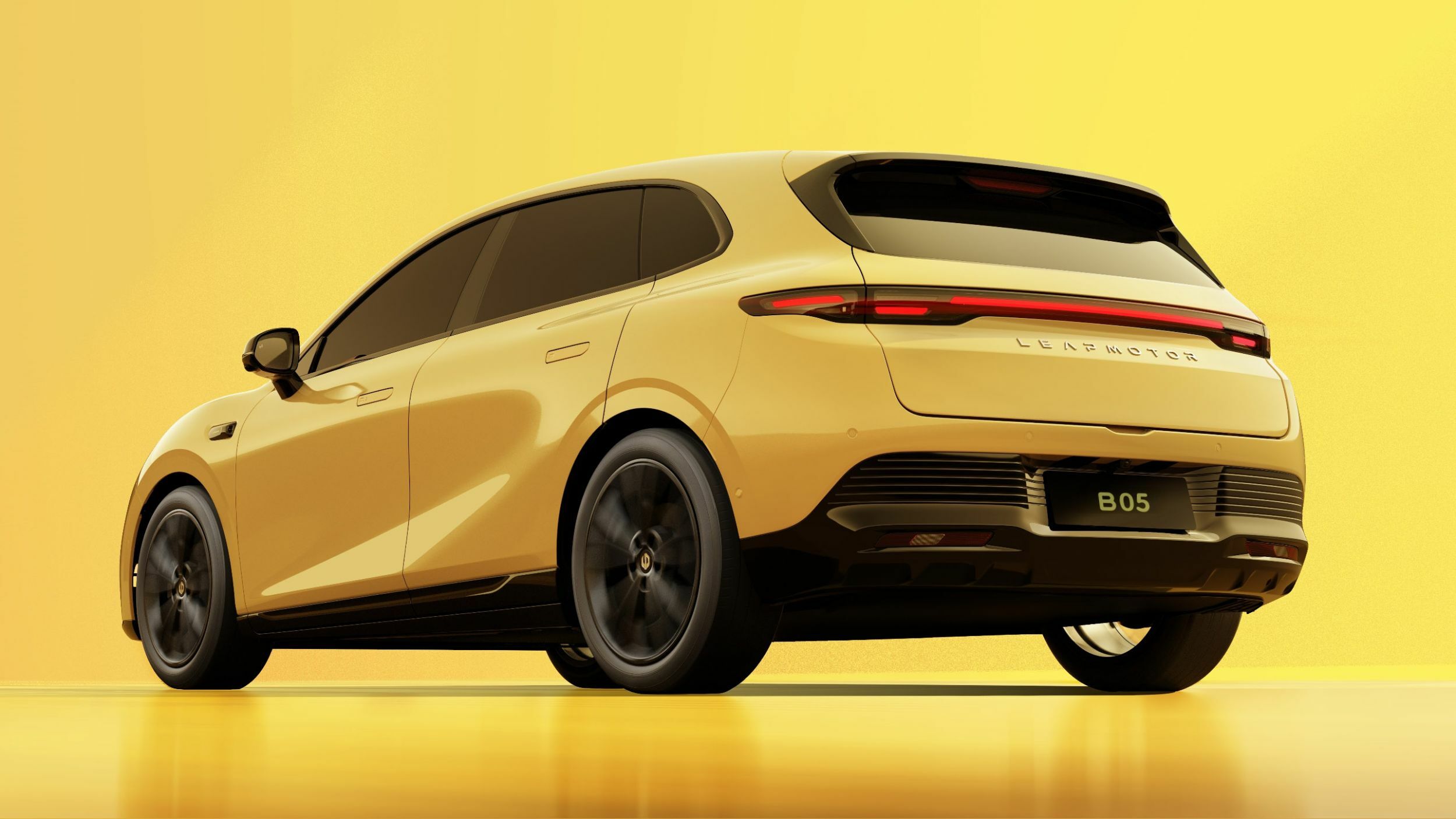
Leapmotor is expected to use the current Zaragoza plant operated by Stellantis, starting with the all-electric B10 from October according to the latest reports. This model is already available in Europe, but is currently being imported from China. The smaller B05 hatchback could also be built in Spain from as early as 2027.
Last year proved to be a pivotal one for the brand. Its global exports surged almost 400 percent, reaching 67,052 units, up from 13,726 in 2024. The Chinese brand’s expansion into Europe also saw local revenue jump 479 percent in 2025 compared to the year prior, hitting 5.6 billion yuan or $810 million.
Perhaps most impressive is the fact that Leapmotor posted a 538 million yuan ($78 million) net profit last year, making it just the second Chinese EV startup to post a full-year profit.
With Leapmotor now stronger than ever, it has acknowledged it is “actively exploring” cooperation on cars and components with Stellantis, and is already having in-depth discussions on many important projects, Auto News reports.
Speaking on an earnings call, Leapmotor chief financial officer Li Tengfei said that a closer partnership with Stellantis will enable it to better navigate European regulations and tariff exemptions. As Bloomberg notes, establishing closer ties with Stellantis would also provide Leapmotor with more overseas opportunities, while enabling Stellantis to realize significant savings in developing new EVs by leveraging Leap’s existing EV technology.
Congress is set to take up a new surface transportation bill.
EV owners could be looking at new fees to fund road repairs.
A number of states have already increased costs for EV drivers.
The war on electric vehicles continues in Washington as the House of Representatives will reportedly begin work on a new bill that could cost owners hundreds of dollars. It’s the latest in a series of legislative moves aimed at getting EV drivers to pay for road repairs.
Most of this maintenance is funded by taxes on gasoline or diesel. While this worked great for decades, electric vehicles have essentially been getting a free pass. Congress is now looking at ways to close the loop hole, like an increasing number of state governments.
According to Reuters, the chairman of the House Transportation and Infrastructure Committee has revealed they’ll be taking up a new surface transportation bill in April, which is designed to replace the current law that expires on September 30.
While it’s not clear what will be in the bill, Rep. Sam Graves recently revealed we can expect a new five year proposal that includes $500 to $550 billion in federal funding. More interestingly, he said “We would like to get money from EVs.”
The publication noted there have been competing Republican proposals to tax EVs as the House sought annual fees of $250, while Senators favored a one-time fee of $1,000.
Some people aren’t happy with those proposals, especially considering fuel taxes have remained unchanged for nearly 33 years. However, even suggesting raising the gas tax would likely be a non-starter as prices have soared following the war on Iran.
That effectively leaves EVs as an easy target and their market share pales in comparison to gas-powered vehicles. That being said, some politicians have been pushing to tax electrified vehicles as well, so EVs might not be the only victim.
It remains unclear how this will shake out, especially as we’re heading into an election year where the cost of living will be a key issue. That being said, the average American reportedly pays $88 per year in federal gas taxes.
The Verge’s motorcycle has an 18 kWh capacity and supports fast charging.
A recent test shows the Donut Lab battery sitting at over 100 kW while charging.
Crucially, the motorcycle’s battery is air-cooled, rather than being liquid-cooled.
Electric motorcycles haven’t gained widespread acceptance to the same extent as electric cars. However, with solid-state battery packs now just around the corner, the motorbike industry is on the precipice of a revolution, one which could be led by Verge Motorcycles and Finnish firm Donut Lab.
Verge unveiled its new TS Pro electric two-wheeler earlier this year, promising up to 186 miles (299 km) of range in as little as 10 minutes when plugged into a 200 kW NACS charger. Eager to show the world just how quickly the bike can charge, Donut Lab conducted a live test at a public charging station as part of the company’s ongoing series to address the critics.
The model from Verge Motorcycles in this test is a previous-generation model that’s been upgraded with the latest Donut Lab battery pack. It has a capacity of 18 kWh, and the test showed peak charging rates of over 100 kW, allowing it to charge from 10-70 percent in a touch over 9 minutes, and then 10-80 percent in 12 minutes.
According to Donut Lab, the battery pack charges three times faster than Verge’s previous-generation pack. On the surface, having a battery pack that charges at a touch over 100 kW may not seem very impressive, particularly compared to some 1,500 kW charging systems being deployed by Chinese brands like BYD, Geely, and Zeekr.
An Air-Cooled Battery
However, it’s important to note that electric cars capable of extraordinarily fast charging use liquid cooling systems to prevent the battery pack from overheating. By comparison, Verge’s battery is air-cooled, which is why the charging rates aren’t as high. Donut Lab also says its battery will charge more quickly once Verge fully optimizes it.
“This is the first test we have published to a wider audience that demonstrates the performance and behaviour of multiple battery cells in a real vehicle environment,” Donut Lab chief technology officer Ville Piippo said. “The high energy density of our battery technology enables flexible battery pack design and superior performance even in more challenging applications, such as motorcycles, where space is limited and system simplicity is key.”
The 2027 Range Rover Velar has been spied inside and out.
Interior sports an all-new dash and infotainment system.
EV adopts a sleek design focused on improved aerodynamics.
Spy photographers have caught the redesigned Range Rover Velar on multiple occasions, but now they’ve gotten a glimpse inside too. This reveals a number of changes and things aren’t exactly looking luxurious.
Drivers sit behind a new two-spoke steering wheel, which features a horizontal bar decked out in digital buttons. More notably, traditional control stalks have been replaced by stubby, wing-like appendages.
Elsewhere, we can see a flat dashboard with a freestanding digital instrument cluster. It looks relatively small compared to the 12.3-inch displays found in many vehicles.
Further below, we can see what appears to be a full-width air vent. It’s joined by a new infotainment system, which features a squared off display. The bottom has a band dedicated to climate controls and shortcuts, suggesting physical switchgear will be kept to a minimum.
None of this looks particularly luxurious, but the cabin is largely covered by camouflage. As a result, there could be Windsor leather and wood trim hiding out of sight.
SHProshots
Putting the interior aside, the Velar adopts a sleek new design that puts an emphasis on aerodynamics. Starting up front, there’s a fully enclosed grille that is flanked by slender headlights. They’re joined by a clamshell hood and a wide lower intake.
The former meets a rakish windscreen, which flows into an angular roof. While there had been speculation about the model potentially eschewing a rear window like the Polestar 4, a gap in the disguise clearly shows one.
That’s a good call and so is the streamlined bodywork and aerodynamically optimized wheels. Rounding out the highlights are flush-mounted door handles, a rear charging port, and a rounded rump.
The Velar will ride on the electrified modular architecture and be built at the company’s Halewood plant in the United Kingdom. Land Rover has been coy on specifications, but the model could echo the Range Rover EV, which will have a 117 kWh battery pack as well as a dual-motor all-wheel drive system producing 542 hp (404 kW / 550 PS) and 627 lb-ft (849 Nm) of torque.
Tesla has delayed the Roadster again, now aiming for a late-April 2026 demo.
EV clashes with Tesla’s push toward steering-wheel-free autonomous vehicles.
After a decade of hype, the Roadster feels increasingly out of step with its future.
Sit down for this, because it might shake everything you thought you knew. The Tesla Roadster is delayed once again. Now that you’ve recovered from the shock of this news, let it be known that this time the delay is only a few weeks beyond the previous demo date of April 1. Every day that Tesla waits to bring this car to production, the less it makes sense, and that seems to be the viewpoint of the automaker itself.
CEO Elon Musk confirmed the latest delay on his social media platform X, writing in part, “New Roadster unveil probably in late April.” That moves it back from April 1, itself already a revision after missing earlier targets in 2020, 2021, 2022, 2023, 2024, and “late 2025.” Still, Musk insists it will be “a banger next-level.”
The second-generation Roadster has been pushed back so many times that its timeline now spans multiple presidential administrations, several Tesla product cycles, and an entire industry shift toward autonomy. At this stage, it’s starting to get really weird.
Musk and Tesla executives have hyped the Roadster as the “last best driver’s car,” a halo vehicle meant to prove EVs can outperform anything with pistons. Of course, plenty of EVs have come and gone that already made that point (at least on drag strips or shorter race tracks). The kicker is that while Tesla has delayed this car over and over and over again, its own view of the future has dramatically shifted.
The company is betting heavily on fully autonomous vehicles, including the upcoming Cybercab, which could, in theory, arrive without a steering wheel or pedals at all. That’s the way Tesla initially pitched it before regulations dampened that possibility. That creates a strange contradiction.
On one hand, Tesla says the future doesn’t require human drivers. On the other hand, it’s still teasing a six-figure performance car built entirely around the idea that driving engagement matters. At this rate, it likely doesn’t show up in production form until Tesla actually masters Full Self-Driving (Unsupervised).
VinFast plans to recommence construction of its US plant later this year.
The North Carolina site could start producing electric SUVs as early as 2028.
VinFast more than doubled its global sales last year, delivering 196,919 cars.
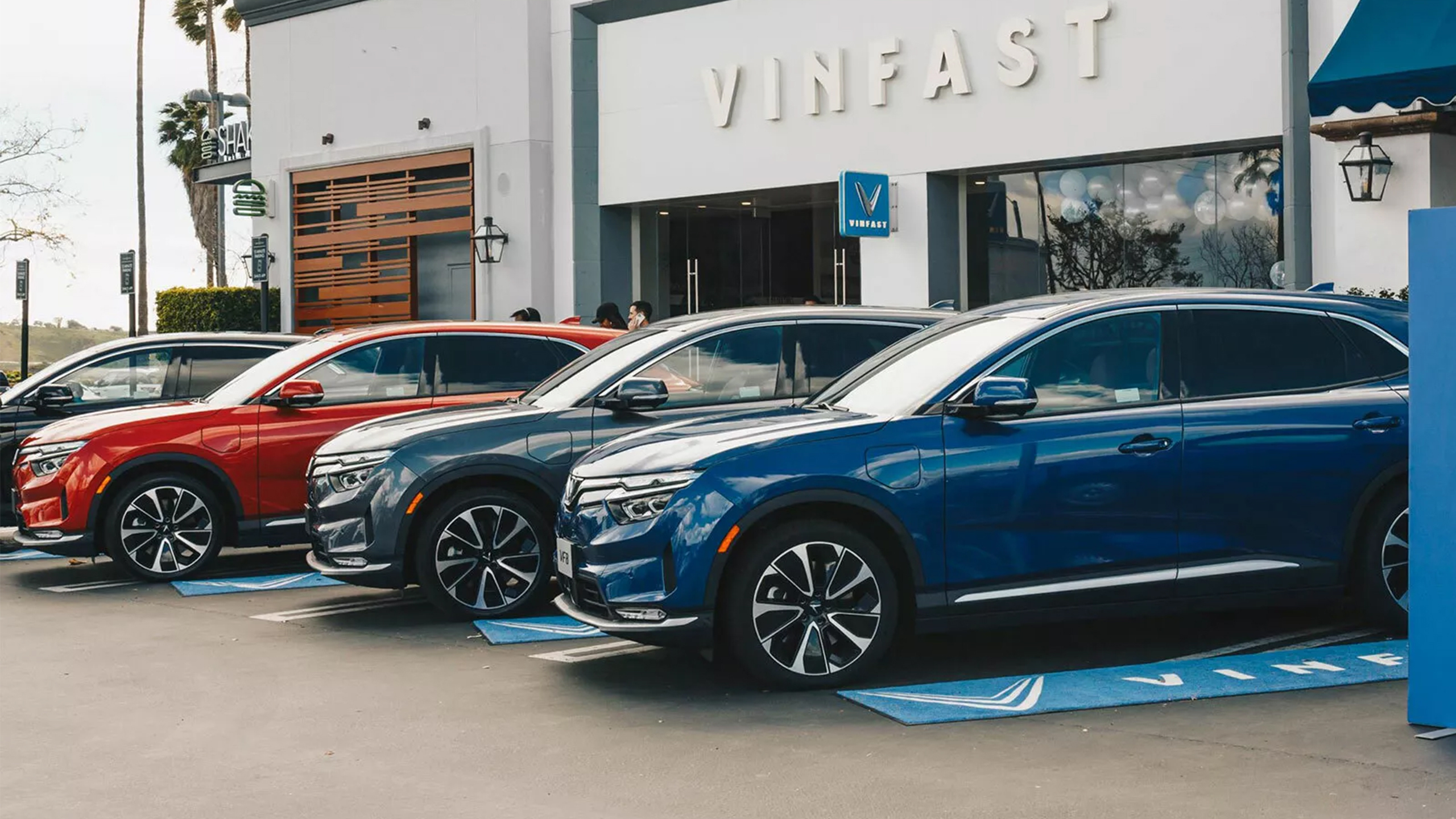
The American EV market may be faltering, but that hasn’t quelled the ambitions of Vietnamese car manufacturer VinFast. In fact, it’s been revealed that work will resume at its planned North Carolina production facility later this year, after being suspended more than 18 months ago.
VinFast first announced its plans for a US production site in March 2022 and said it could start production as early as mid-2024. Before long, that date was pushed back to 2025, and then VinFast decided to pause work on the plant entirely. It seemed almost inevitable that the firm would pull out of the US entirely, having registered fewer than 1,500 cars locally last year.
Evidently, VinFast isn’t giving up just yet. Its most recent financial earnings report reveals that construction at the North Carolina site will resume later this year and that it still plans to start production in 2028. VinFast is also planning to open factories in India and Indonesia.
Although the company’s presence in America is tiny, it has been growing elsewhere. In the fourth quarter of 2025, VinFast sold 86,557 cars, a 127 percent quarterly jump and a 63 percent increase year-over-year, Bloomberg reports. The company ended last year having sold 196,919 vehicles, more than double its 2024 figure.
Revenues Rise But Problems Remain
Thanks to the surge in sales, revenue rose 138.9 percent year-on-year in the fourth quarter to 39.4 trillion dong ($1.5 billion), although it reported a Q4 net loss of 35.2 trillion dong ($1.3 billion), a 15 percent increase.
VinFast says it “continues to evaluate opportunities to expand into additional countries and regions across Europe, Asia, the Middle East and Africa,” adding its “expansion strategy is aligned with Vingroup’s broader global development approach, leveraging the Vingroup ecosystem, partnerships and capital resources to support VinFast’s international growth.”
If the company wants to be successful in the US, it’ll need to start building some more compelling cars. The VF 8 and VF 9, available locally, have been criticized since launching. Late last year, VF 8 owners sued VinFast, alleging that DC charging speeds top out at under 2 kW, despite them being promoted as supporting charge rates of 6.6 kW or higher, meaning it can take more than 24 hours for the battery to be fully charged.
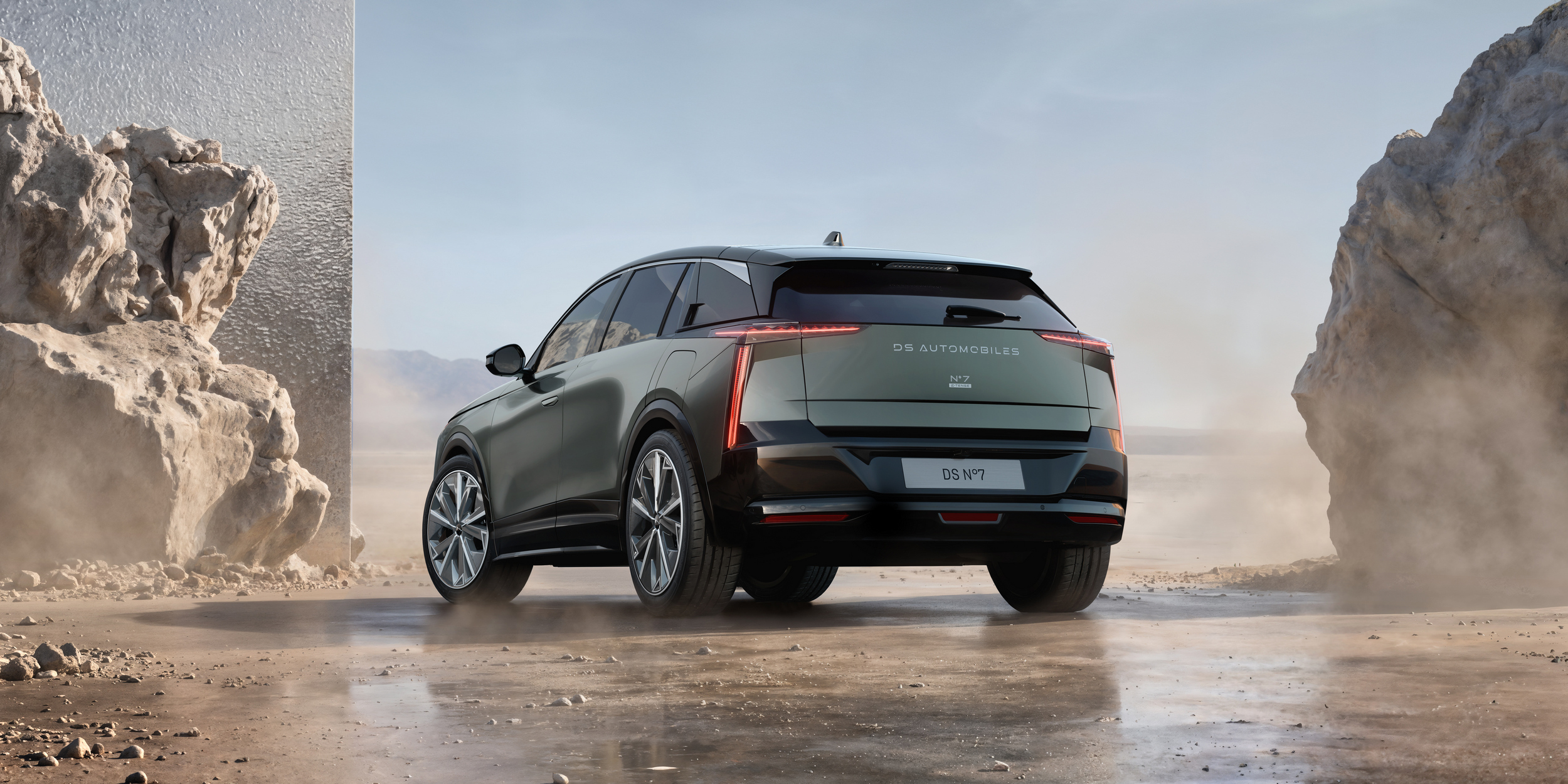
DS Automobiles has unveiled the all-new N°7, a model that points to where the brand is headed next. This compact crossover steps in for the outgoing 7, taking over from the company’s previous best-seller while marking a pivotal moment for the brand.
The premium model follows in the footsteps of the N°8 and adopts a familiar front end with V-shaped light blades and slender PixelVision headlights, which detect other road users and adapt their beams to avoid glare. They’re joined by a Luminascreen grille and gloss black accents.
Moving further back, we can see streamlined bodywork and flush-mounted door handles. Designers also gave the crossover a sloping roofline and longer rear doors. They’re accompanied by a 40% larger panoramic glass roof and wheels ranging in sizes up to 21 inches.
Speaking of size, the model measures 183.5 inches (4,660 mm) long, 74.8 inches (1,900 mm) wide and 64.2 inches (1,630 mm) tall with a wheelbase that spans 109.8 inches (2,790 mm). This means length is up by 2.8 inches (70 mm), while the wheelbase grows 2 inches (50 mm).
An Upscale And Minimalist Interior
The minimalist interior is dominated by a 10-inch digital instrument cluster and a 16-inch infotainment system with wireless Apple CarPlay and Android Auto. They’re joined by a heads-up display and an X-shaped steering wheel, which is billed as a new “brand signature” for DS.
Elsewhere, there’s a floating center console and a toggle-style shifter. The model also offers fabric, Alcantara, and Nappa leather upholstery as well as brushed aluminum or genuine wood trim. Customers can also get heated rear seats as well as heated, ventilated, and massaging front chairs with a neck warmer. Rounding out the highlights are an ambient lighting system, a digital rearview mirror, and a six- or 14-speaker audio system.
The automaker didn’t release full equipment details, but said the model will be offered with DS Drive Assist 2.0. It’s a semi-autonomous Level 2 system that combines lane centering and adaptive cruise control with a stop and go function. The crossover also has an automatic lane change function as well as a night vision system, which can detect pedestrians, cyclists, and animals up to 984 feet (300 meters) in front of the vehicle.
Electric And Hybrid Power
The N°7 rides on the STLA Medium platform and will be offered with an assortment of powertrains. The fully electric N°7 E-TENSE lineup begins with a 73.7 kWh battery pack that powers a front-mounted motor developing 227 hp (169 kW / 230 PS). This setup enables the crossover to have a WLTP combined range of up to 337 miles (543 km).
Customers can also get a long range variant, which features a larger 97.2 kWh battery as well as an upgraded motor producing 242 hp (180 kW / 245 PS). Besides the extra oomph, the range climbs up to 460 miles (740 km).
Last but not least, there’s a long range all-wheel drive variant with a combined output of 345 hp (257 kW / 350 PS). This drops the range down to a maximum of 422 miles (679 km).
All three powertrains have a boost function and the range-topping variant can temporarily produce 370 hp (276 kW / 375 PS). This enables the dual-motor variant to accelerate from 0-62 mph (0-100 km/h) in 5.4 seconds.
Buyers will also find a 160 kW DC fast charging capability, which can take the battery from a 20% to 80% charge in around 30 minutes. The EVs also have a plug and charge capability as well as automatic battery preconditioning.
If you’re not ready to go electric, there’s a hybrid with a turbocharged 1.2-liter three-cylinder petrol engine and a six-speed dual-clutch transmission with an integrated electric motor. This setup produces 143 hp (107 kW / 145 PS) and enables the model to have a fuel consumption of 5.4 L/100 km (43.5 mpg).
DS is currently accepting orders in France, where pricing starts at €64,200 (approximately $69,800 at current exchange rates) for the N°7 E-TENSE FWD ÉTOILE LIGNE BUSINESS.
Buick just revealed a luxury electric MPV you won’t see in America.
It packs 900V charging, 640-kW fast charge, and lounge seats.
China gets what might be Buick’s most advanced minivan yet.
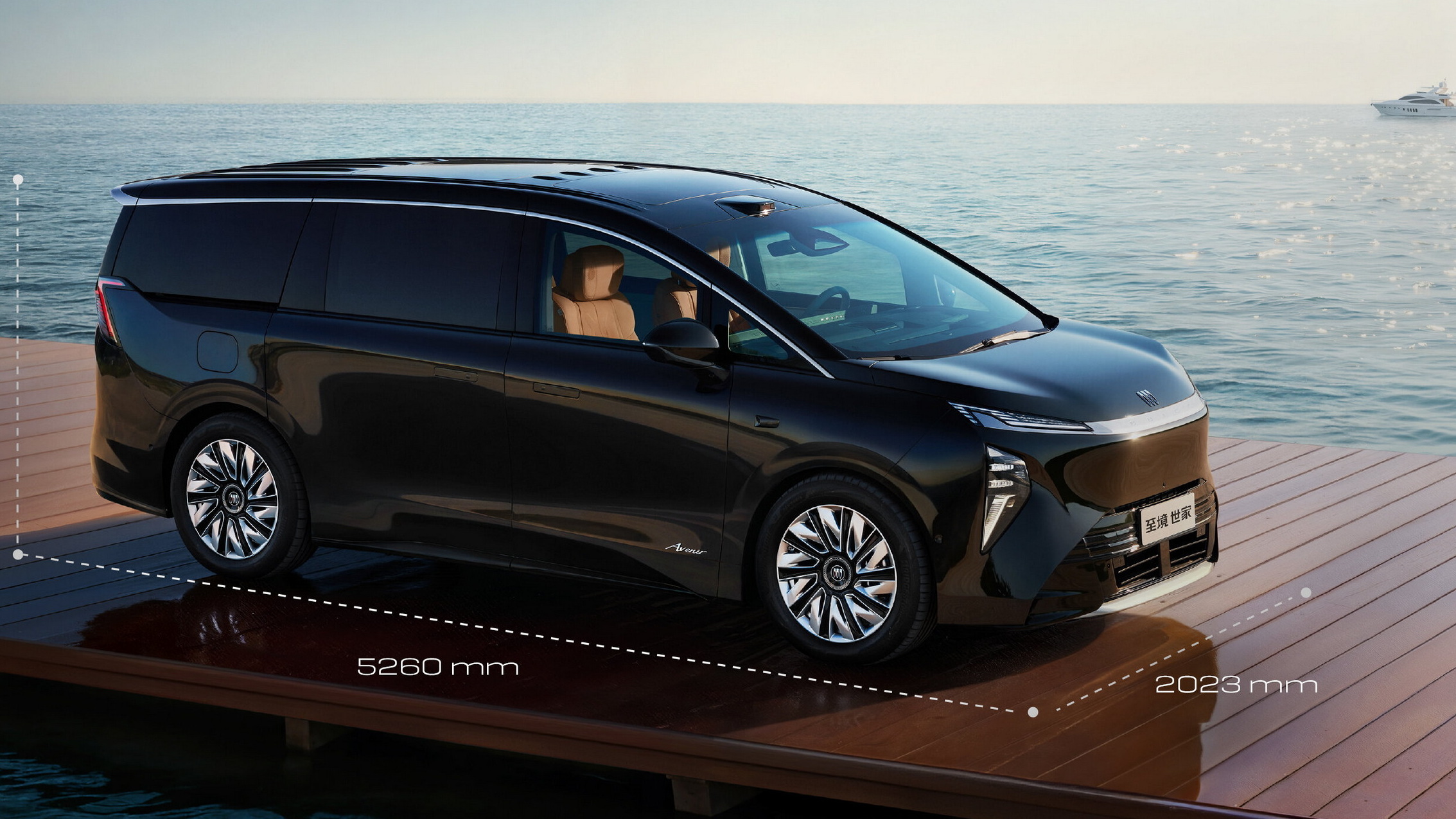
America, you won’t believe the $70,000 Buick you’re missing out on. While the brand’s U.S. lineup has been trimmed down to a handful of boring crossovers, China is getting a futuristic, all-electric luxury minivan with ultra-fast charging, reclining lounge seats, and enough screens to make a business jet jealous.
This is the new Encasa EV, Buick’s latest flagship MPV for the Chinese market, and almost certainly the most advanced vehicle wearing the tri-shield badge today.
The Encasa already existed as a plug-in hybrid, which we showed you back in December, so this new EV version just gives Chinese customers more choice. It rides on GM’s latest dedicated EV architecture and uses a 96-kWh battery paired with a 900-volt electrical system. For comparison, the Hummer EV has two 400-volt batteries that can switch to 800 volts during charging.
Buick claims the setup can deliver up to 373 miles (601 km) of range on the CLTC cycle and support peak charging speeds of 640 kW, allowing the battery to jump from 10 to 80 percent in about 11.5 minutes under ideal conditions. To put that into perspective, that’s faster charging than almost anything sold in North America, let alone a minivan.
Performance isn’t exactly slow either. Chinese-market specs list a dual-motor all-wheel-drive system producing 646 hp (482 kW) and 406 lb-ft (550 Nm) of peak torque , good for a 0–62 mph (0-100 km/h) time of about 5.1 seconds. The exterior follows Buick’s latest “Land Jet” design language, with a slippery 0.258 Cd drag coefficient, matte gray paint option, and a long, low MPV shape that prioritizes interior space over SUV styling trends.
A Living Room On Wheels
Inside, the Encasa EV goes all-in on the luxury MPV formula that Chinese buyers love. The three-row cabin uses a 2+2+3 layout with reclining second-row seats, multiple display screens, and a massive augmented-reality head-up display reportedly measuring up to 50 inches.
Passengers also get features rarely seen in U.S. Buicks, including air suspension with ride-height adjustment, a built-in refrigerator, rear entertainment screens, and an advanced driver-assistance system based on Momenta’s reinforcement-learning software.
The Encasa EV starts at 489,900 yuan (about $68,000), putting it right in the middle of China’s rapidly growing premium electric MPV segment. Buick once built its reputation on big, comfortable family haulers, but today the brand sells no minivan at all in the U.S., let alone a 900-volt electric one. In China, though, the formula clearly still works.
Audi will launch the Q9 flagship SUV and A2 e-tron EV this year.
The first Audi with a Rivian-sourced architecture will arrive in 2028.
The brand sold 1,623,551 vehicles in 2025, including 223,032 EVs.
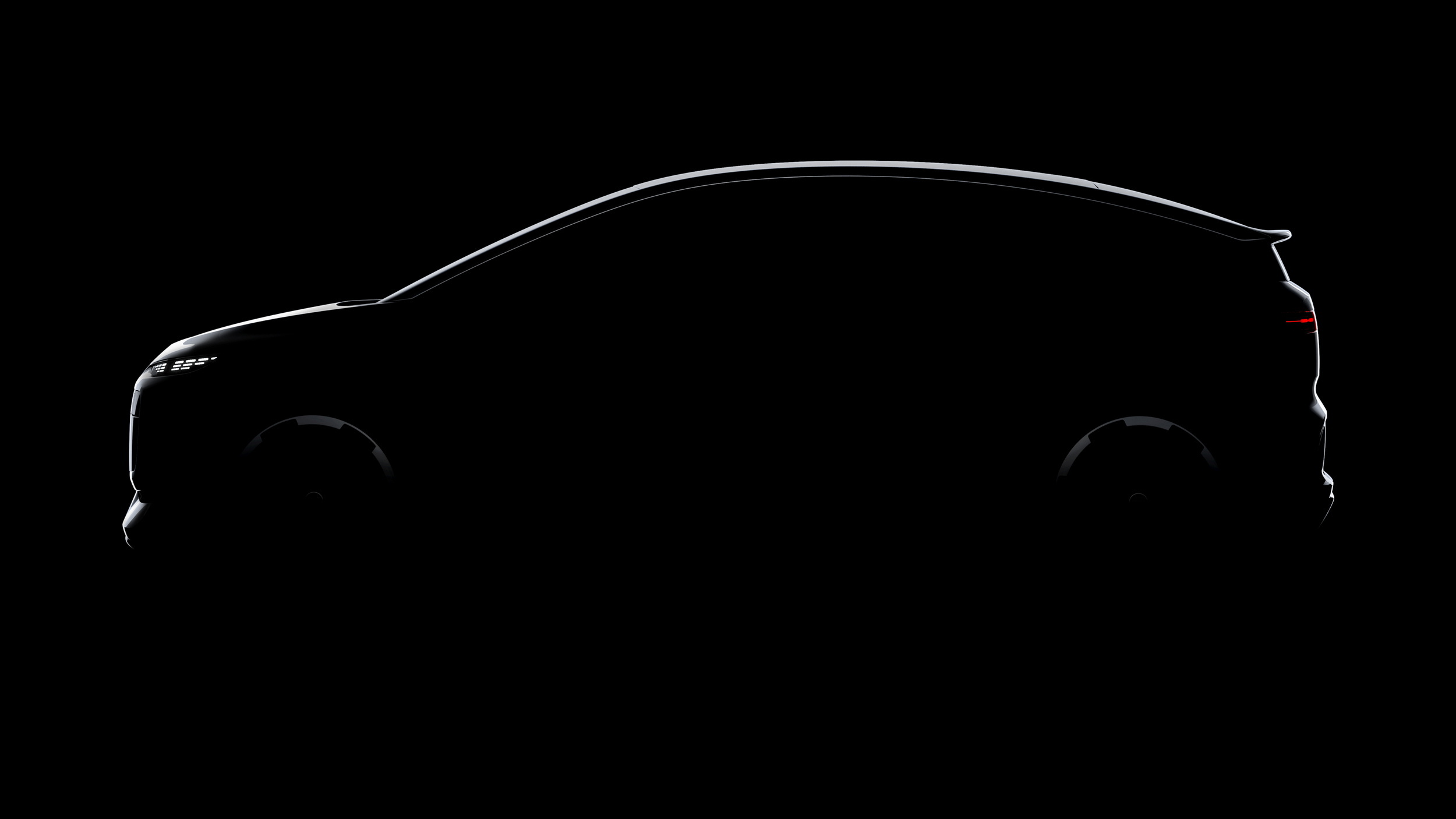
Audi is finally stepping into a part of the market it has long circled but never fully committed to. In 2026, that changes with the arrival of the Q9, a proper flagship SUV aimed squarely at the heavyweight class. At the other end of the lineup, the brand is also revisiting a familiar idea, confirming a new entry-level EV that brings back the A2 name.
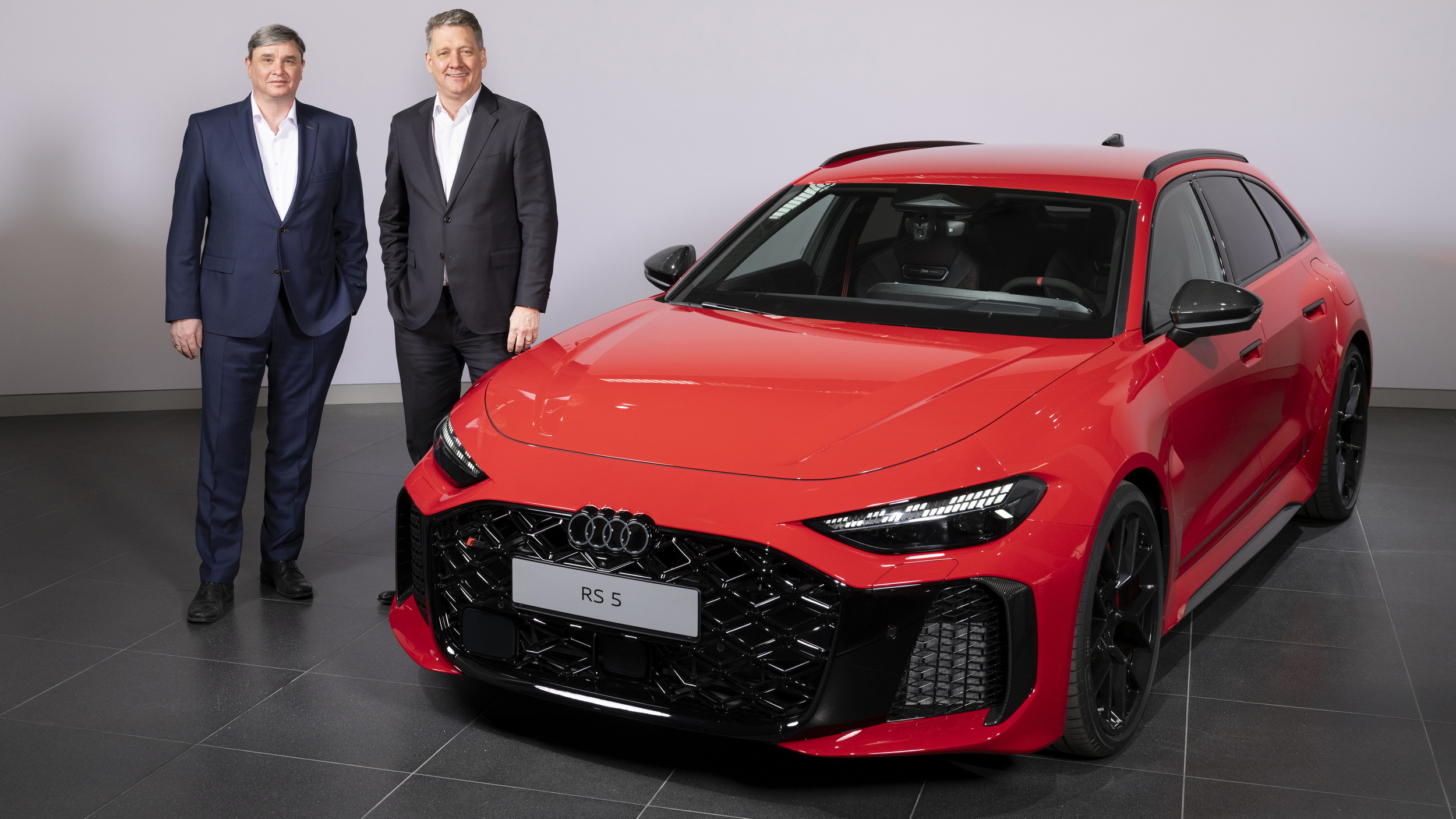
Speaking at the 2026 Annual Media Conference, CEO Gernot Dollner pointed to both arrivals as key pieces of Audi’s next move. “The new Audi Q9 strengthens our position in the US and defines the top of our portfolio. And with the A2 e-tron, we are bringing a highly efficient entry point into electric mobility to market in fall 2026, a clear statement on efficiency.”
For years, Audi’s North American dealers have been asking for something bigger and more imposing than the Q7. It sells well enough, but it does not quite deliver the size, presence, or third-row space that full-size SUV buyers in the US expect. The Q9 is intended to close that gap, arriving alongside a next-generation Q7, with both models confirmed for a 2026 debut.
Audi Q9 | Photo: Baldauf
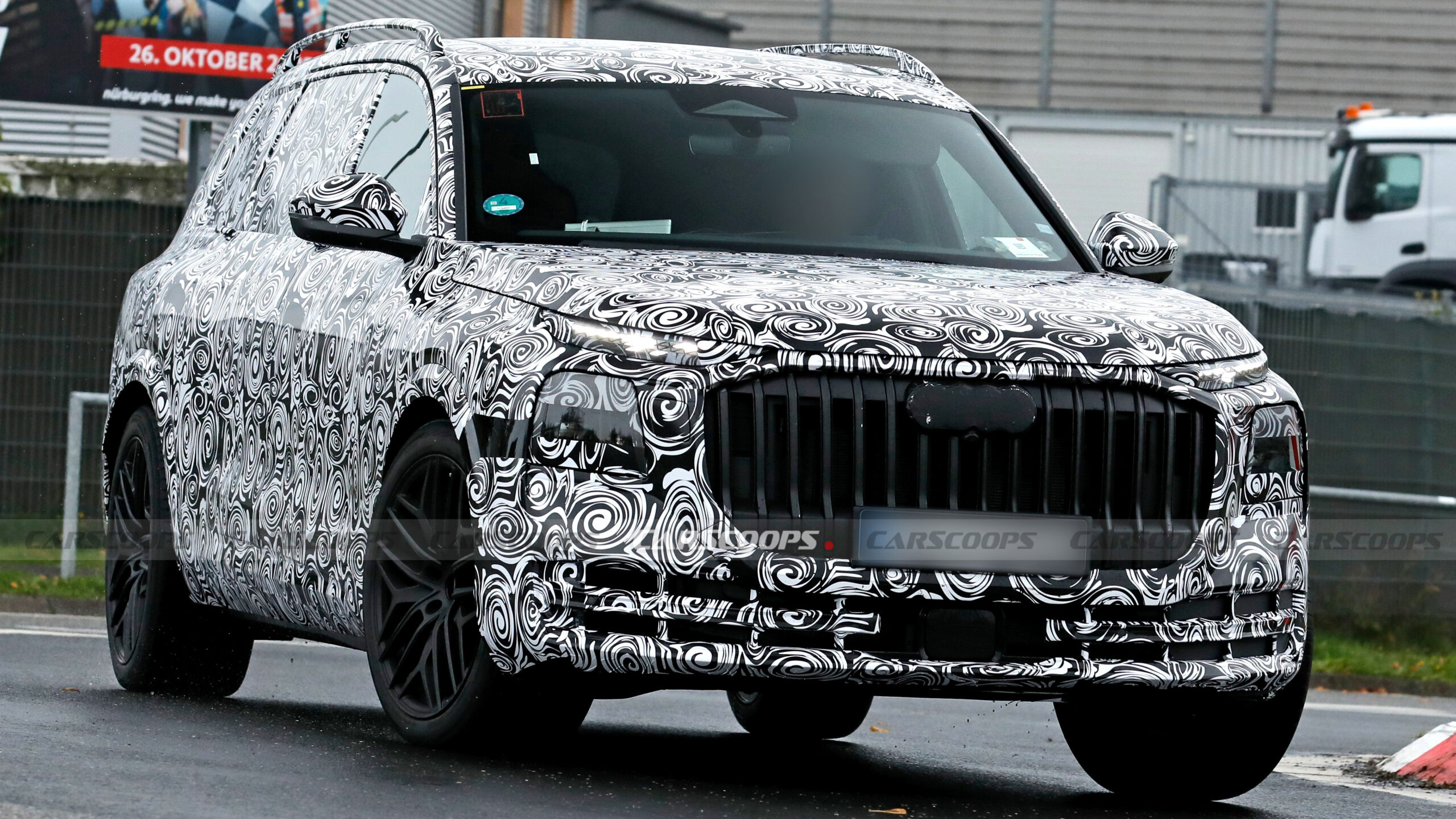
Audi has yet to show the Q9 in any official form, but spy shots have already done most of the talking. What they reveal is a big, upright SUV with split LED headlights, a wide grille, pronounced shoulders, and the expected three-row layout. It’s aimed directly at the BMW X7 and Mercedes GLS, and it looks ready for that fight.
The large SUV will ride on a stretched version of the Premium Platform Combustion (PPC) architecture, which supports both traditional engines and hybrid setups. The range is expected to go beyond the usual trims, with an SQ9 packing V8 power and a range-topping Horch version rivaling Maybach’s offering.
Entry-Level EV And Rivian Partnership
While the Q9 will grab most of the attention in the US, Audi has something very different lined up for Europe. The A2 e-tron, previewed in an official teaser, returns as a compact entry-level EV. It is scheduled to debut in fall 2026 and will ride on VW Group’s familiar MEB architecture.
Audi is also casting an eye further ahead with its Rivian partnership. The first model to use the new E/E architecture from the RV Tech joint venture is due in 2028, and it is widely expected to take the shape of a high-end off-roader, targeting the Mercedes-Benz G-Class and Land Rover Defender.
Audi A2 E-Tron
Zoom out to the bigger picture, and Audi knows where the pressure is coming from. China, in particular, is forcing a rethink, and not just for Audi but for Germany’s auto industry as a whole.
“The industry, and Germany as a whole, needs to reinvent itself,” said Dollner. “Today, the US and China are driving the major technology trends, while Germany and Europe have fallen behind. Innovation for customers must therefore become the top priority again.”
Still, the CEO believes that Audi’s ambitious targets for the future are achievable: “Our growth targets through 2030 are both realistic and ambitious – and we are squarely aligning our position in our core regions of Europe, the US, and China to achieve them.”
A Challenging Year
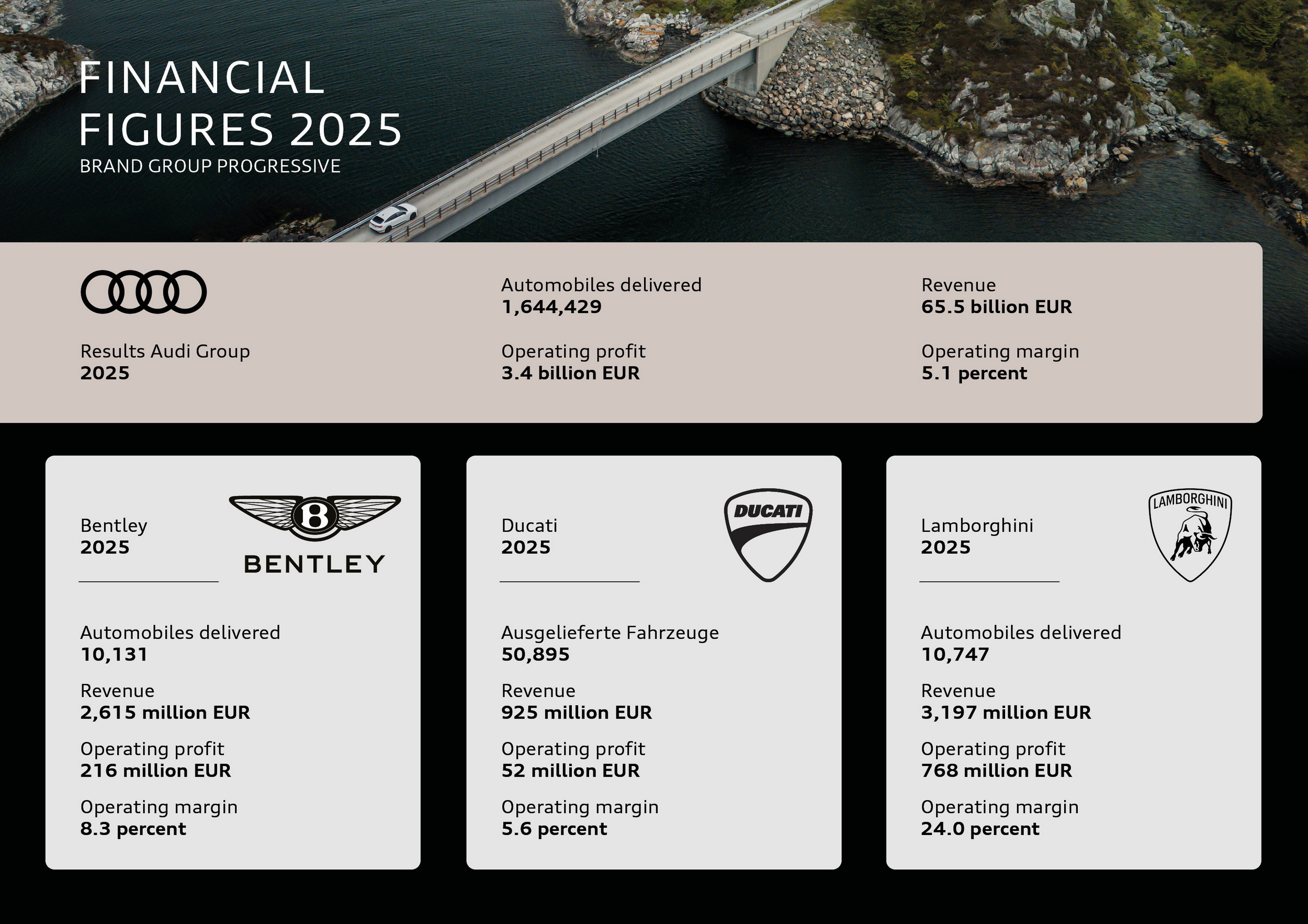
Audi delivered 1,623,551 vehicles in 2025, a modest 2.9 percent decline compared to 2024. Even so, its EV push is gaining traction, with battery-electric deliveries jumping 36% to 223,032 units. Much of that growth came from the Q6 e-tron (84,000 units) and the A6 e-tron (37,000 units).
The Audi Group, which includes the Audi, Bentley, Ducati, and Lamborghini brands, brought in €65.5 billion ($75.5 billion) in revenue for 2025, up 1.5% year over year. Profit, however, moved in the opposite direction. Operating profit fell 13.6% to €3.37 billion ($3.88 billion), and margins slipped to 5.1% from 6%. So, more money coming in, but less of it sticking.
A large part of that pressure came from US tariffs, which carved €1.2 billion ($1.38 billion) out of the bottom line. Even so, net cash flow improved by 11.4% to €3.422 million ($3.95 million).
“We ended a challenging year with robust finances,” said Audi CFO Jürgen Rittersberger. ” The key now is to seize all operational and financial opportunities to make Audi more efficient, competitive, and profitable.”
For 2026, Audi predicts a revenue between €63-68 billion ($72.7-78.4 billion) and an improved operating margin of 6-8%.
Bentley is delaying most EVs as luxury demand stays uncertain.
Hybrids and gas models will take priority through the decade.
Only one EV is confirmed before 2030 despite earlier plans.
The automotive industry is undergoing a gigantic shift, and Bentley is changing too. The British luxury brand had big plans to go all electric, but consider that plan delayed big time. Now, it’ll launch just one EV before 2030, and the rest of the lineup will use gas or hybrid powertrains.
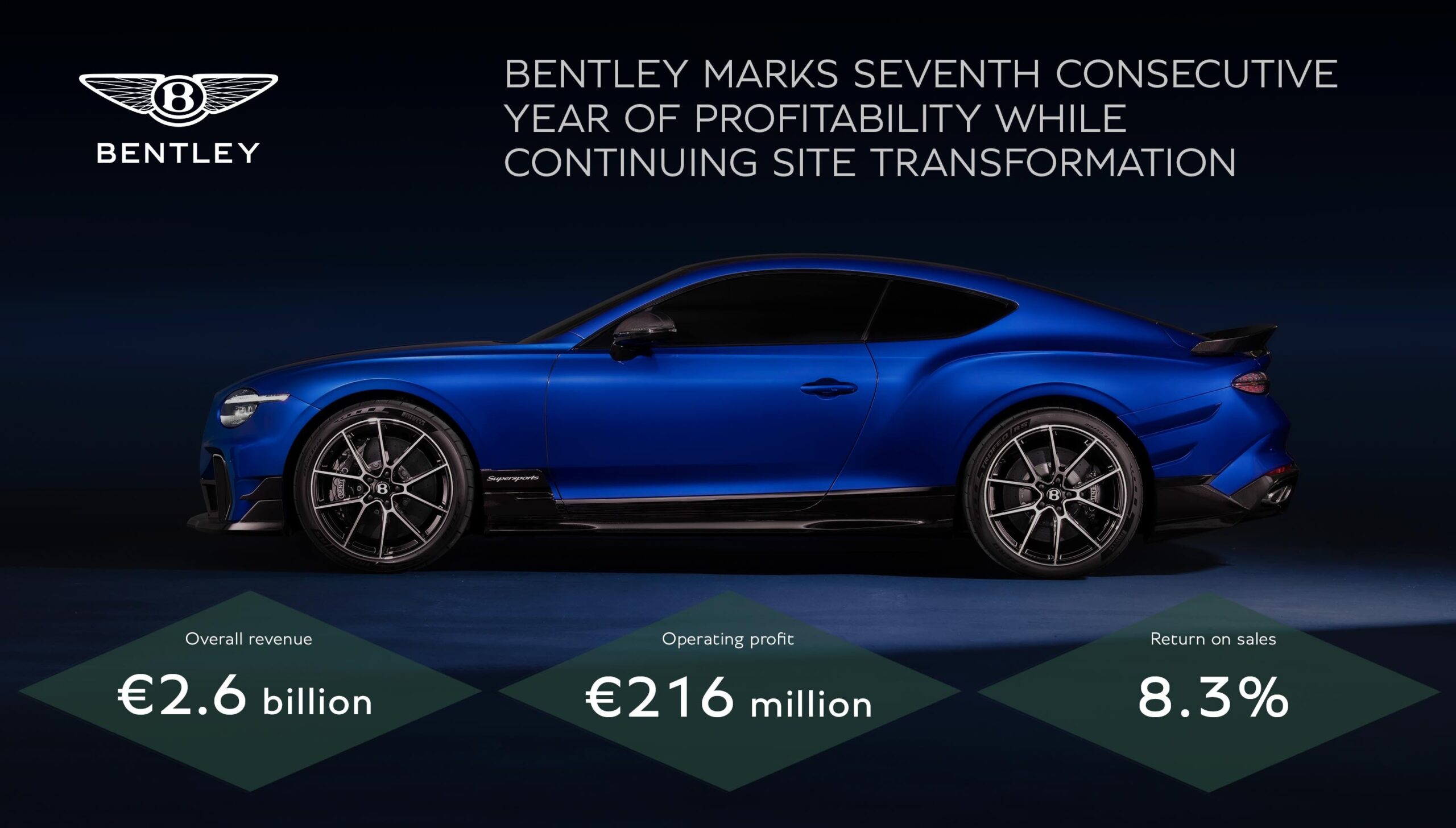
This all comes as Bentley reports its seventh straight year of profitability despite a 42 percent drop in that figure year over year, and layoffs hit the company.
The company had previously outlined an ambitious strategy that would see five fully electric Bentleys arrive by 2035. Now, only the first one, an SUV-like EV due in 2027, is still locked in, while the rest of the program has effectively been put on ice.
That first EV is expected to be revealed before the end of this year and will ride on Volkswagen Group’s Premium Platform Electric (PPE) architecture, which also underpins several other upcoming luxury EVs. The four additional EVs were originally being developed on the Porsche-led platform that has since been canceled, effectively ending those projects.
Future Lineup Prioritizes Hybrids
Instead of rapidly expanding its EV lineup, the brand will lean heavily on plug-in hybrids and gas engines. It might even keep traditional combustion models around longer than expected. That’s big news all by itself and provides an extra layer of exclusivity for future buyers.
Bentley CEO Frank-Steffen Walliser said the company has had to rethink its entire product plan as the market shifts. Some of that comes directly from customer demands. Recent plug-in hybrid versions of the Continental GT and Flying Spur were well received, and the company says these electrified V8 models can meet future emissions rules without giving up the performance buyers expect.
According to Car&Driver, he also noted that future models will continue adopting plug-in hybrid systems, and confirmed that retrofitting EVs with combustion or hybrid powertrains is not part of the company’s strategy due to feasibility constraints.
That said, it seems clear why Bentley is being cautious. The company reported its seventh straight year of profitability, but deliveries fell five percent, with weaker demand in China cited as a major factor. Bentley says it remains financially solid, but the changing market means it has to be selective about where it invests next. A 42 percent drop in profit is nothing to ignore, and Bentley is making moves to improve its position.
Bentley is also cutting some 140 jobs in the UK. That’s only a portion of total layoffs, which Walliser says will likely amount to 275 employees, mostly in office jobs. Some of the changes are due to forces outside of Bentley itself.
The Volkswagen group is no longer going to build the Porsche-led Scalable Systems Platform that was going to underpin multiple Bentley products. Without it, the brand had basically no choice but to abandon its plans. Despite that, it’ll still likely go EV-only at some point… just not anytime soon.
BYD could enter Canada solo, avoiding joint venture deals entirely.
Canada may serve as a North American base for production and exports.
Tariff quota begins at 49,000 units and rises steadily over five years.
BYD is taking on the world, and thanks to a new trade deal between Canada and China, it could start building vehicles in the Great White North. The company’s executive vice president has even admitted an openness to acquire an existing car manufacturer as it looks to further broaden its reach.
Earlier this year, Canada announced it would slash tariffs on Chinese EVs from 100 percent to 6.1 percent, but only for the first 49,000 vehicles per year. This quota will grow to around 70,000 vehicles annually over five years, reopening the door for BYD to enter the Canadian market.
The Chinese juggernaut was eager to enter Canada a couple of years ago, but shelved its plans in late 2024 when the 100 percent tariffs were announced by then-Prime Minister Justin Trudeau. Now, BYD executive vice president Stella Li said at an event in Brazil that a Canadian launch is back on the cards and that the firm is even considering a manufacturing facility there.
Exactly how BYD would establish itself locally remains undecided. Ottawa has been pushing Chinese automakers toward joint ventures with domestic partners, but Li was blunt on that point, saying she does not believe “a JV will work” for the company.
Can Anything Stop BYD’s Growth?
Canada could provide BYD with a foothold in North America, meaning building models for the local market and having the option of exporting them. Fellow Chinese brands Geely and Chery are also reportedly making moves to enter Canada, although they’ve yet to commit to building cars in the country.
BYD’s growth strategy could involve acquiring an existing automaker. Speaking with Bloomberg, Li suggested the company is interested in taking over a legacy car brand, noting that “We’re open to every opportunity we have,” and that BYD is currently evaluating potential assets.
Acquiring an established automaker could also give BYD an indirect route into the United States. It is a well-worn strategy, and one that has worked before. Geely took control of Volvo and used it to expand its global footprint, while SAIC revived MG into a thriving EV-focused brand. BYD could be looking at a similar playbook.
Audi revives A2 name for small electric SUV aimed at urban buyers.
New A2 e-tron replaces combustion A1 and Q2 with a single EV.
MEB platform underpins hatch, meaning it’s limited to 400-volt tech.
It’s official, the A2 is back, or at least its name is. Audi confirmed today that it’s resurrecting the badge it last used in the 2000s on an advanced but slow-selling hatch. Only this time, the A2 plugs in, speaks fluent touchscreen, and Audi hopes it will prove a lot more profitable.
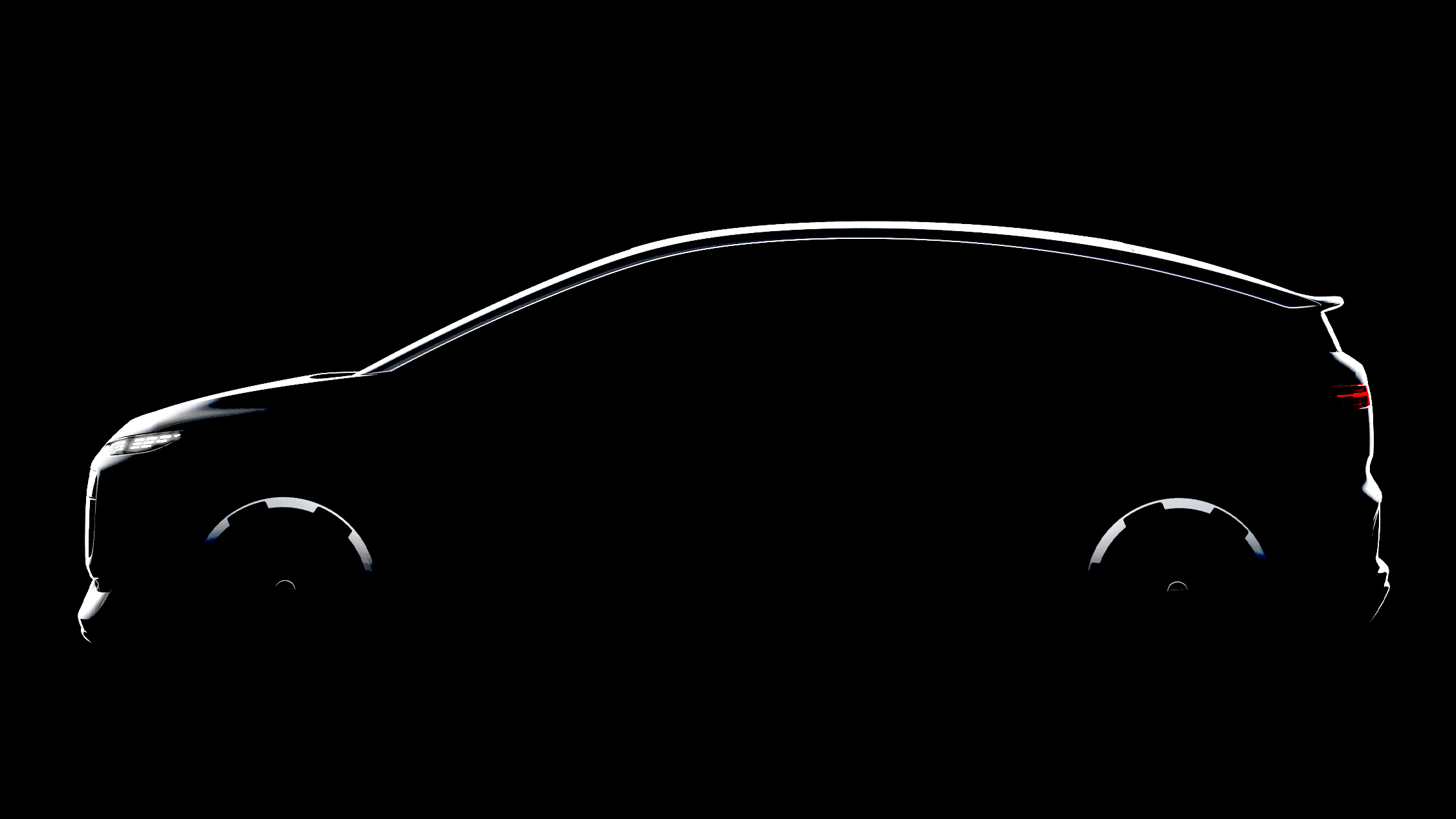
Audi released a silhouetted profile image of the new A2 e-tron ahead of a full reveal this fall, probably at this year’s Munich Motor Show in Germany. The outline closely echoes the look of the original A2 that launched in 1999 with an exotic but expensive all-aluminum body and a lineup of efficient engines, the most frugal of which was a tiny 1.2-liter diesel rated at the equivalent of an incredible 94 mpg (78.4 mpg US, 3L/100 km).
But you won’t find any rattly diesel engines or combustion tech of any kind under the A2’s skin, which, being boring old steel, is far less advanced than the old model’s but much cheaper to make. The A2 e-tron rides on the Volkswagen Group’s MEB electric platform, meaning it shares its bones with cars like the Volkswagen ID.3. That should translate to decent range, familiar tech, and the option of multiple power outputs, but only 400-volt electrics, so no super-fast charging.
Retro Silhouette
Design-wise, Audi says the new car nods to the original, and the teaser image backs that up. The silhouette has a slightly MPV-ish shape with a roofline that slopes gently towards the tail, finishing with a discreet lip spoiler. But we know from spy shots that the new A2 is much wider than the old one, giving the whole car a more planted look, presumably while still impressing with its aerodynamic qualities and interior space as the old car did.
Spy shots also tell us to expect the same clean, tech-heavy layout we’ve already seen in the latest Audis, including the bigger Q6. So big screens, minimal buttons, and enough ambient lighting to make your living room jealous. The A2 may be the smallest Audi EV, but it doesn’t sound like it’ll feel like a cheap one, even though it should be affordable by Audi standards.
Premium Badge, Mass-Market Price
The A2 e-tron, which will be built at Audi’s hometown of Ingolstadt, is effectively stepping in for both the A1 and Q2, making it a cornerstone of Audi’s entry-level strategy. And with prices expected to land below £30,000 / €35,000 for the most basic model, it could be a car that brings a whole new crowd into the brand.
“We’ve listened,” said CEO Gernot Döllner. “Our customers want electric mobility that impresses in everyday life. The A2 e-tron is our promise to deliver exactly that – efficient, compact, and confident. We’re making entry into the electric Audi world easier and more relevant than ever.”
A collector in California commissioned Totem Automobili to build this car.
Powering this special Alfa Romeo-based model is a 590 hp electric motor.
The cabin includes high-end leather and a slew of satin gold accents.
This is the latest Alfa Romeo-based restomod from Italian brand Totem Automobili, and while it’s not the first we’ve seen, there’s one major thing that sets it apart from others. You see, rather than a 2.8-liter twin-turbocharged V6 producing up to 739 hp, this car is equipped with an all-electric powertrain.
Totem refers to this car as the GT Electric ‘Zeal 01’ and says it was commissioned by a client from California. Visually, it looks just as incredible as the ICE-powered GT Super models the small firm is also building. If Alfa Romeo itself were to build a new model inspired by its past, it’d be wise to look at this car for inspiration.
The exterior is painted in a special shade known as Accurro Pervinca and has loads of satin gold accents. These include the headlight surrounds, the triangular Scudetto grille, the wing mirrors, door surrounds, and even the metal windshield wipers. A set of gorgeous matching wheels has then been fitted.
A Masterpiece Of A Cabin
Somehow, the cabin looks even better than the outside. Totem has crafted custom gauges for the car, complete with satin gold surrounds, as well as a three-spoke steering wheel trimmed in blue leather and complete with custom switchgear on the steering column. The column itself, as well as parts of the dashboard and door panels, are made from carbon fiber with a very distinctive weave.
The rest of the interior is a mix of blue and cream Nappa leather, including on the seats, dash, transmission tunnel, and doors. Totem has then added a special fabric to the center of the carbon-fiber-backed Sabelt seats and even crafted a leather headliner.
While we think it’s a little sad that the car’s owner won’t be able to enjoy the specially developed twin-turbo V6 that Totem also sells, the electric powertrain isn’t exactly lacking in grunt. It features a 590 hp motor at the rear axle, allowing it to hit 60 miles (96 km/h) in 2.9 seconds and is also said to be good for up to 300 miles (482 km) on a charge. Finally, Brembo brakes and an electronically controlled suspension should ensure the car handles as one would expect from such a build.
Sony Honda Mobility has quietly introduced two new art cars.
Created in collaboration with Matt Copson and Hajime Sorayama.
Afeela 1 starts at $89,900 and is slated to arrive late this year.
Just days after Acura and Honda killed three upcoming EVs, Sony Honda Mobility quietly announced a new art car based on the Afeela 1. It was created in collaboration with Japanese illustrator Hajime Sorayama, who is best known for creating sexy robots.
That’s an unlikely combination, but it spawned the dull sounding “Afeela prototype tuned up by Hajime Sorayama.” The model was unveiled over the weekend at a museum in Tokyo celebrating the artist’s work.
SHM didn’t say much about the art car, but noted it “embodies the concepts of light, transparency, and reflection.” That’s not a lot to go on, but it appears the model has been given a chrome wrap as well as special Sorayama badging. We can also see deep tinted windows as well as gray tires and blue lights.
In a brief statement, Sorayama said: “I’ve always been fascinated by machines, so it was a real pleasure to take part in designing a car. I aimed to give it an analog sensibility that hints at a near-future vision. I’m especially proud of the moiré effect on the wheels.”
Besides the art car, SHM used the event to launch Afeela’s first-ever apparel item. It’s a black silkscreen t-shirt that features layers of ink showing the car. The shirt costs ¥11,000 ($69.15) and will be offered in limited quantities at the museum.
A Second Art Car
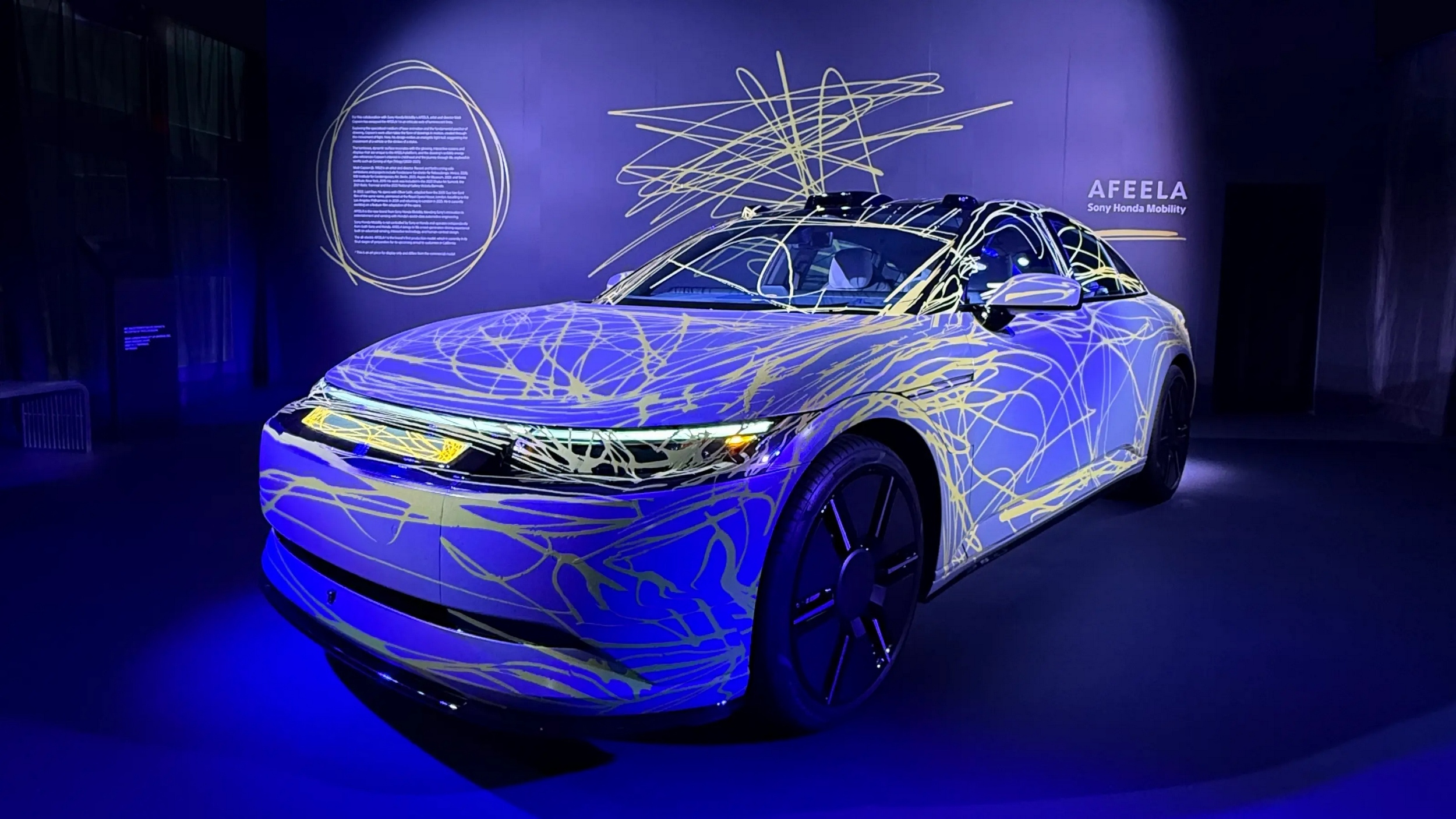
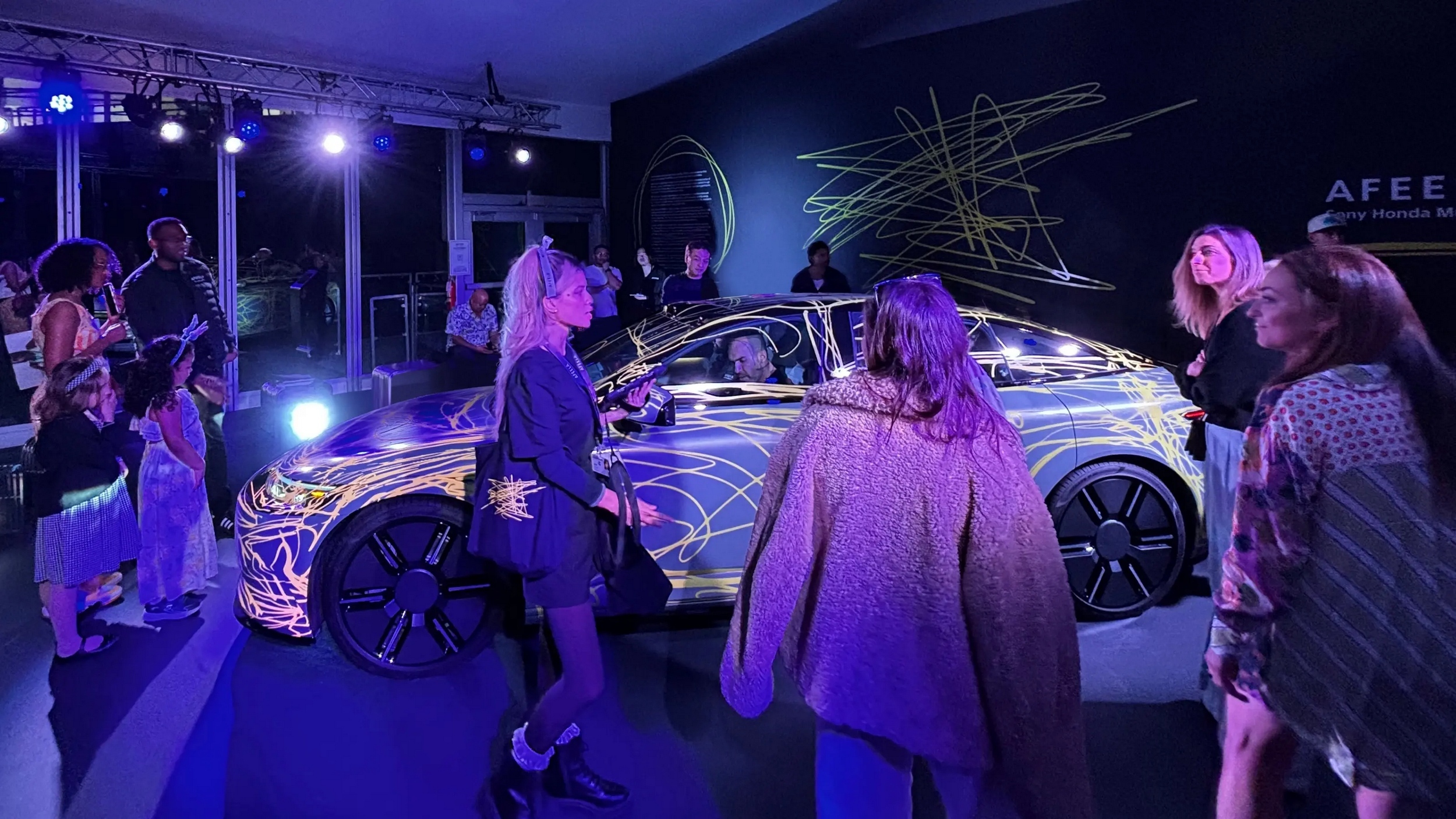
Closer to home, SHM teamed up with artist and director Matt Copson to introduce a separate art car at Frieze Los Angeles. It’s been covered in a “reflective material… commonly found on emergency vehicles and signage.” As a result, it looks like it’s been coated in glow-in the dark silly string.
The car was accompanied by limited-edition tote bags and will eventually be shown at Frieze New York in May.
Seawalls are great at protecting property and people. A new nature-inspired seawall add-on is trying to make them better at protecting marine wildlife too.

 Login
Login