A former school bus monitor in Grady County in southwest Georgia is facing a simple battery charge following allegations that she assaulted a student with autism while on duty, reported WALB News.
The alleged student assault occurred Feb. 12 at Eastside Elementary School in Cairo, Georgia.
The school’s resource officer along with another witness reviewed surveillance footage from the school bus. The officer reportedly stated that the video showed the bus monitor pinching the child and “striking him in the face with what appeared to be a bag.”
The child’s mother said she was notified to come to the school and discovered a bruise on her son when she arrived. She said her child, who is on the autism spectrum, was able to communicate what happened during the student assault on the school bus ride.
“I felt like I needed to speak out to protect my son,” the mother said via the article.
Grady County Schools confirmed that the school bus monitor involved is no longer employed by the district.
Authorities said the former school employee was charged with simple battery. The school resource officer indicated officials are working toward making an arrest as the investigation continues.
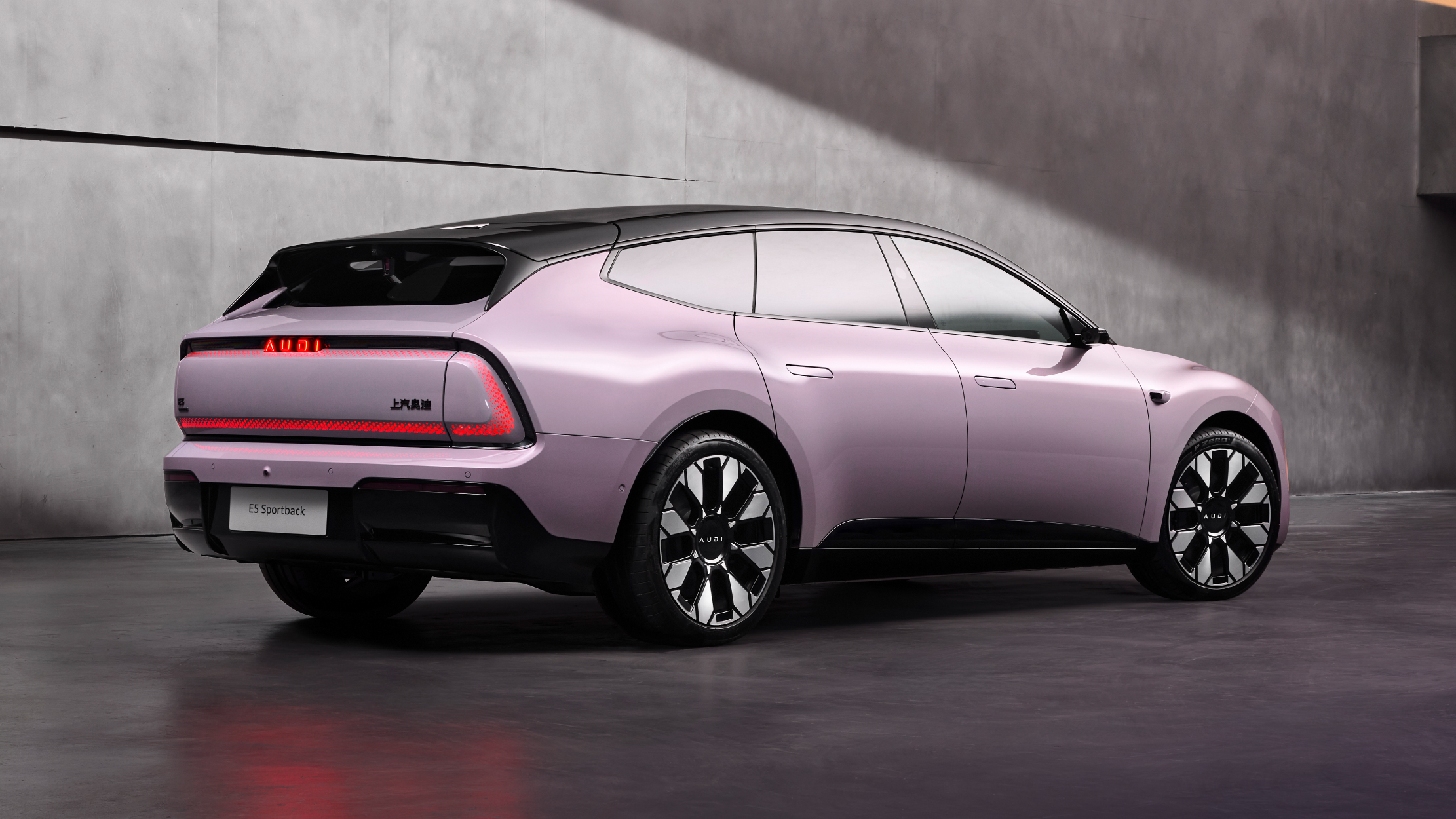
AUDI E5 Sportback price cut by $4,370 to stir up demand.
Total wagon deliveries reached just 7,070 units since launch.
New brand abandons Audi’s iconic four rings in China.
When Audi decided to launch a new AUDI brand just for China, complete with no four-ring badge and a bold new design language, it looked like a confident reset. Fast forward a few months and there’s another reset, this time to the price, which has been slashed in the face of abysmal sales.
Deliveries of the E5 Sportback, AUDI’s first model under its SAIC joint venture, began in August 2025, with prices ranging from ¥235,900 to 319,900 yuan (equal to around $34,300-$46,600 at current rates). On paper, it ticked plenty of boxes and had the potential to snare Chinese buyers who are increasingly picking domestic brands over legacy Western luxury ones. But things haven’t gone according to plan.
Now Under $30,000
Total deliveries since launch have only reached 7,070 units, with just 420 cars sold in January. So AUDI has rolled out a limited-time discount, slicing ¥30,000 ($4,370) off the already low sticker, bringing the entry price down to ¥205,900, or just under $30,000, Car News China reports.
Buyers get ¥10,000 ($1,460) in purchase tax compensation, ¥10,000 yuan in cash discount, and ¥10,000 in trade-in subsidy. Financing sweeteners include a five-year plan with zero interest, or a seven-year low-interest option if you only take the purchase tax handout.
Tough Competition
Price-wise, that puts the E5 Sportback right in the mix with the Zeekr 007 GT and slightly below the Xiaomi SU7, a car bought over 250,000 times last year. That’s strong competition in a market that does not lack for shiny new electric sedans and fastbacks.
Spec-wise, the E5 isn’t exactly junk. It has a long 2,950 mm (116.1 inches) wheelbase, up to 776 hp (787 PS / 579 kW) and 480 miles (773 km) of CLTC range, depending on the spec chosen. It also comes with LiDAR, three radars, 11 cameras, and 12 ultrasonic radars on every model, and the interior is dominated by a 59-inch, pillar-to-pillar screen.
Why Aren’t Buyers Responding?
But for some reason, the E5 Sportback just isn’t hooking Chinese drivers in. That’s despite Audi claiming last September that it had scored 10,000 pre-orders in only 30 minutes, and the model recently being named China Car of the Year. The price cut is only supposed to last until March 31, but we can imagine Audi extending it if sales don’t pick up.
Audi isn’t the only Western premium brand forced to cut prices to shore up sales in China. BMW and Mercedes have also been forced to reduce MSRPs by as much as 10 percent to compete in a market so aggressive that less than a third of dealers turned a profit last year, according to the same report.
Authorities in Georgia are searching for a woman accused of stealing a full-size school bus from an elementary school parking lot and taking it on a late-night drive across county lines, reported Fox News.
The school bus was reportedly taken from Arbor Springs Elementary School in Coweta County during the early morning hours Feb. 9. The vehicle was later recovered nearly 40 miles away in Temple, located in Carroll County.
Investigators reportedly said the suspect did not appear to force entry into the bus, as she seemingly had access to a key. Internal surveillance cameras installed on the vehicle captured images of the woman during the incident. Authorities noted that a bag or purse could be seen being placed on the front seat in the footage.
The school bus was recovered without any visible damage, and officials confirmed the incident occurred on school property outside of normal school hours. No injuries have been reported.
The case remains under investigation. The sheriff’s office is asking for the public’s assistance, particularly residents in the Temple area, to help identify the suspect.
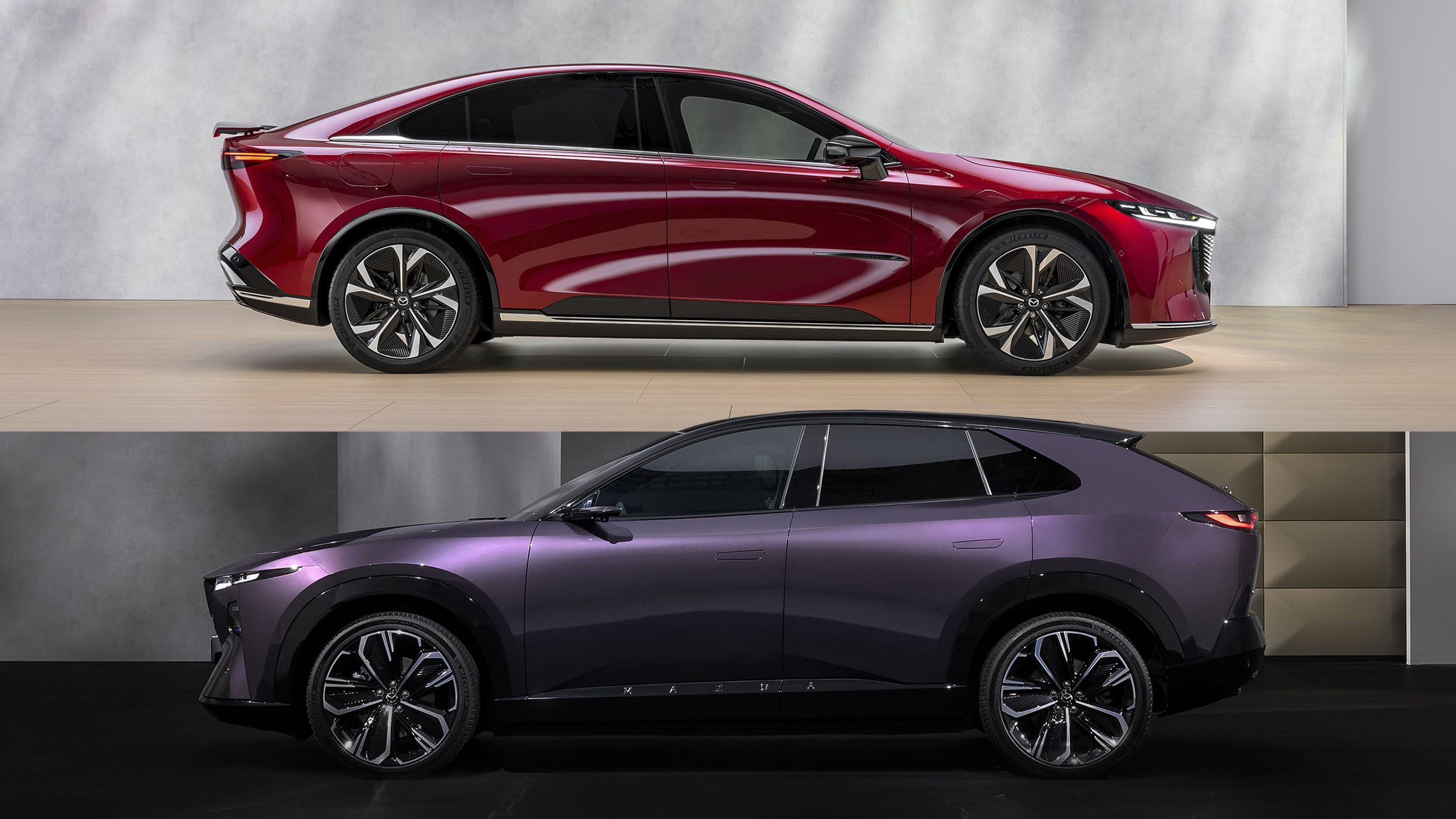
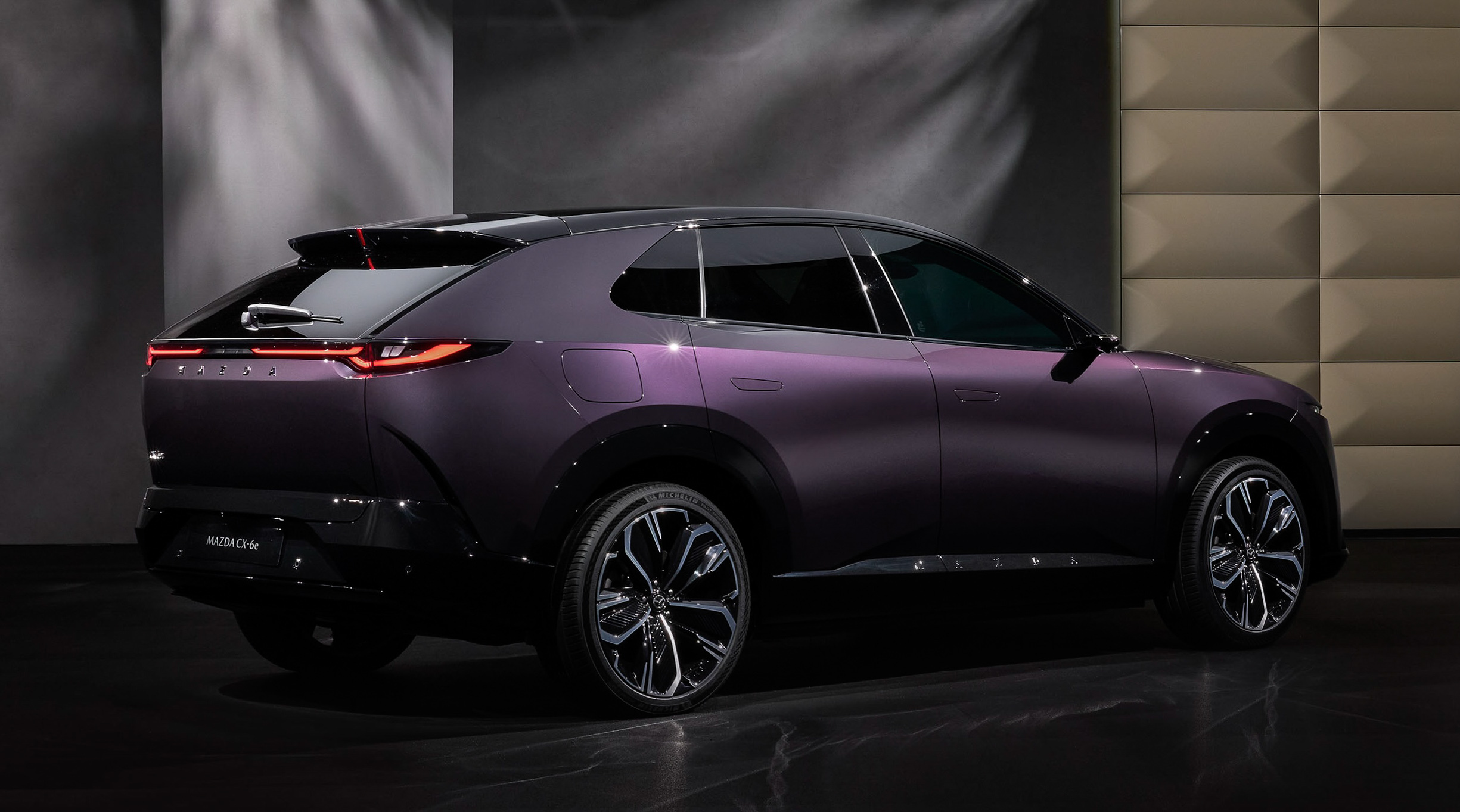
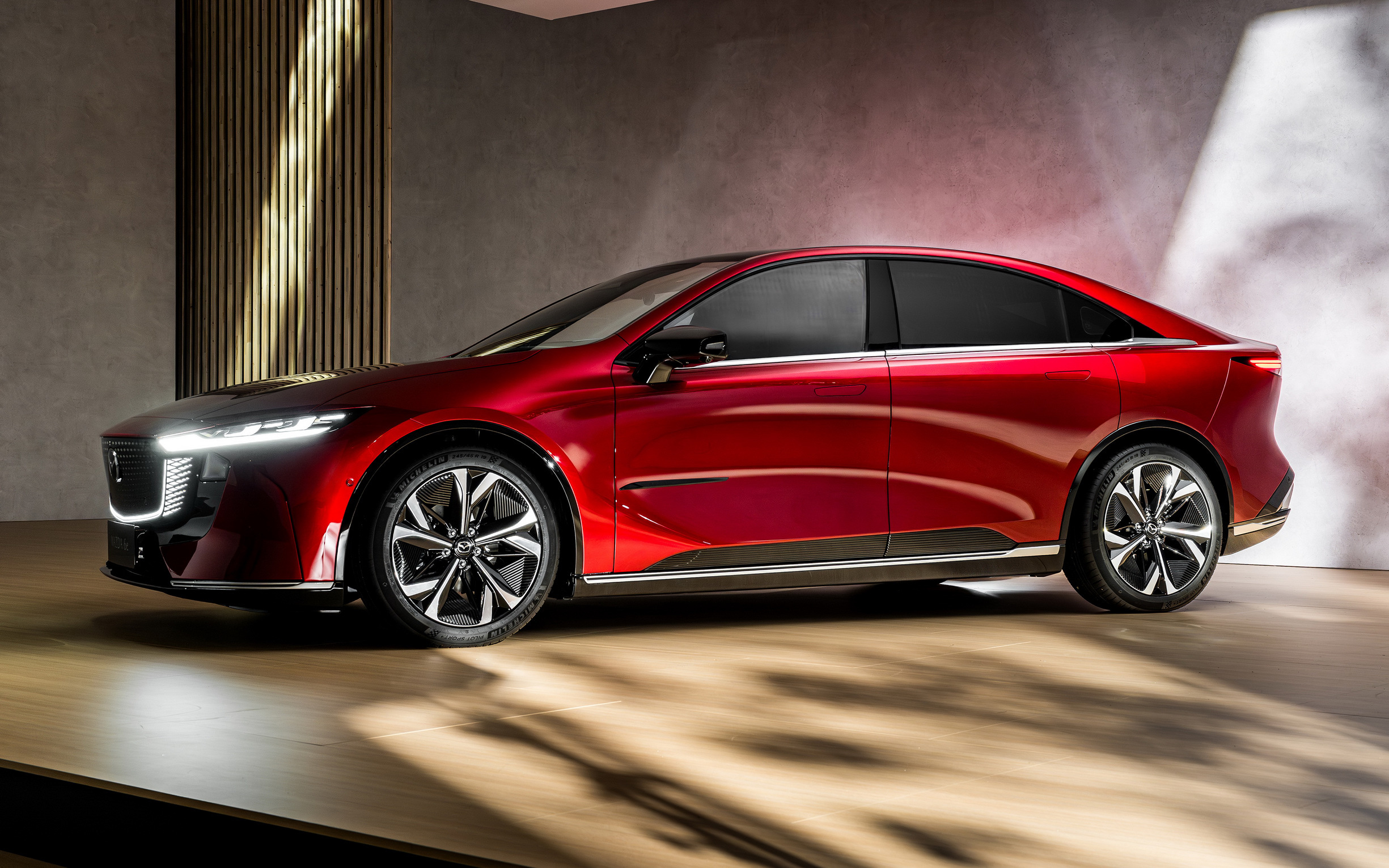
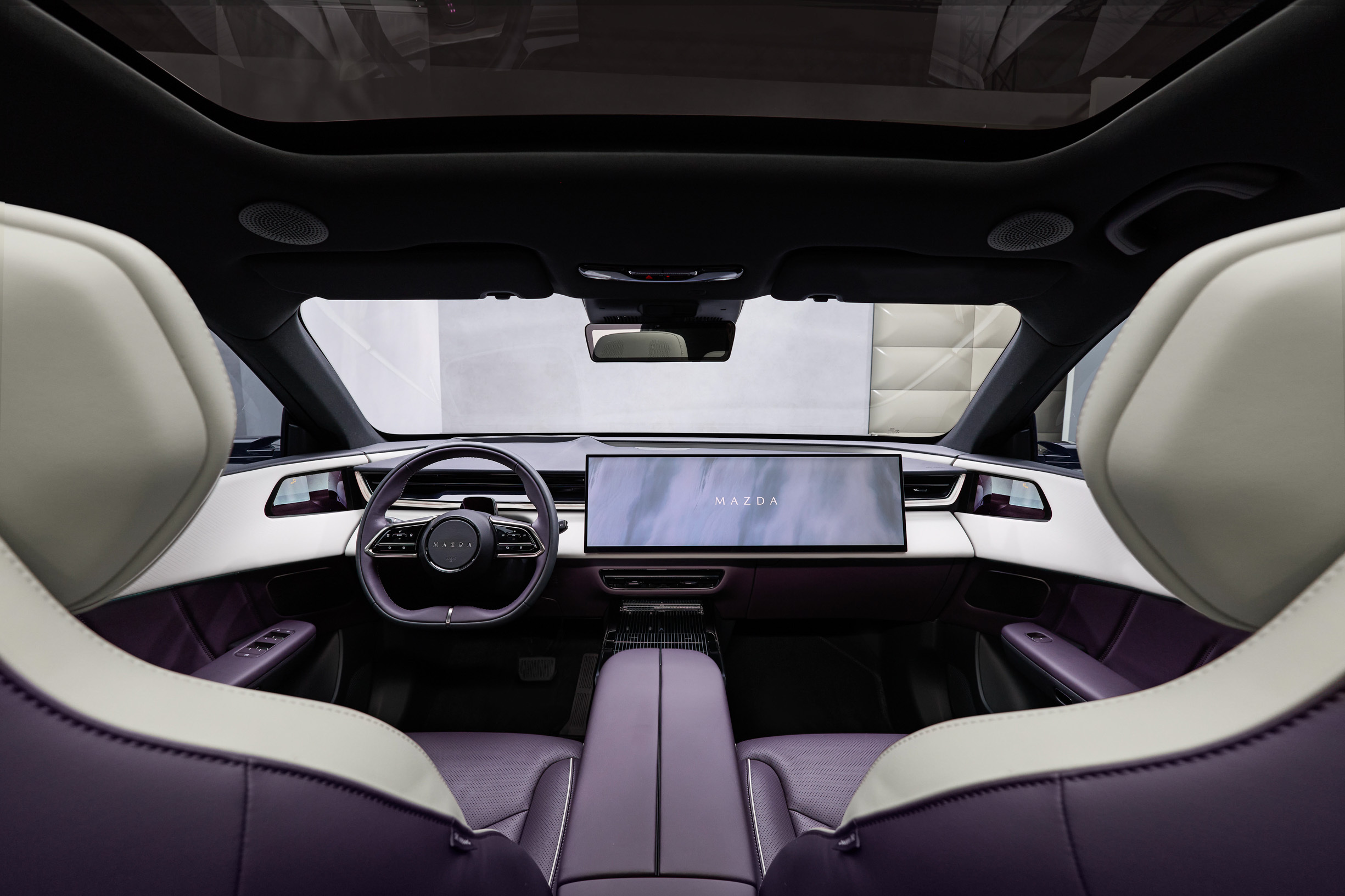
Mazda says the CX-6e is a clear step beyond the 6e.
Working with Changan brought a steep learning curve.
Those lessons will shape Mazda’s future in-house EVs.
Mazda has moved on from the niche MX-30 crossover, reshuffling its fully electric lineup in China and select global markets, though not North America, with the 6e sedan and the CX-6e SUV. The two mechanically related EVs arrived in quick succession, yet a senior Mazda Europe executive says there is a noticeable development gap between them, largely due to the steep learning curve that came with partnering up with Changan.
Christian Schultze, Director of Technology Research at Mazda Europe, explained the process in an interview with AutoRAI. Both models are heavily based on the Deepal L07 sedan and S07 SUV from Changan’s dedicated EV brand, adapted for global markets under the Mazda joint venture.
Bridging Cultures Through Engineering
So what actually separates the Mazda 6e, launched in 2024, from the CX-6e that arrived a year later? According to Schultze, progress came in increments.
“I’d say we’ve taken another half-step forward. The 6e was the first joint development with our partner Changan Mazda Automobile for a car that would be sold in Europe. That was a huge learning experience for them, because they had never before developed a car specifically for the European market. It was also a learning experience for us, because we suddenly had to explain much more than we were used to heading into Hiroshima.”
Schultze explained that while the R&D center in Hiroshima works seamlessly with the European team, adding Changan Mazda Automobile changed the dynamic. The shared understanding required for such projects had to be built from the ground up, a process that took more time and effort than Mazda initially expected.
Despite looking almost identical to the Chinese-spec Mazda EZ-6 sedan and EZ-60 SUV, the European versions had to meet different regulations. That proved challenging for engineers unfamiliar with European requirements.
“When we develop a car together with Hiroshima, we essentially already get about 98 percent of what we’re looking for. Then it’s mainly just fine-tuning here and there. With Changan Mazda Automobile, we had to go much further back to basics,” he said.
“For example, they had never created a setup for European radar systems. We had to explain the requirements and why they were important. What we appreciated was how quickly they responded and how willing they were to understand. But we first have to convey that understanding.”
Schultze noted that the SUV’s electric motor is a “further development,” offering “greater efficiency and a higher continuous power output” than the sedan. That fits with Mazda’s philosophy of making each new model incrementally better.
The Mazda 6e sedan currently sold in mainland Europe and the UK produces 255 hp (190 kW / 258 PS) in Standard Range form and 241 hp (180 kW / 245 PS) in Long Range trim. The CX-6e retains the higher output with the larger 80 kWh battery.
“We’re pursuing a strategy where we collaborate with partners, for example, in the field of electric vehicles, and develop our own electric models. Our roadmap shows that one of the next EVs will be based on a fully Mazda-owned platform. Moreover, our insights are growing every day, thanks in part to market feedback. For example, we learned a lot from the reactions to the Mazda 3, and those insights have been incorporated into our internal objectives. The same applies to the lessons we’re learning from the CX-6e.”
He also highlighted how modern technology allows continuous improvement without waiting for a facelift or full generational change.
“The great advantage of today’s world is that many systems are digital or electronic. This means we can implement improvements even during ongoing production. In the past, in the purely mechanical world, if a switch felt too heavy, it would stay that way for four years until the next model change. Fortunately, those days are behind us.”
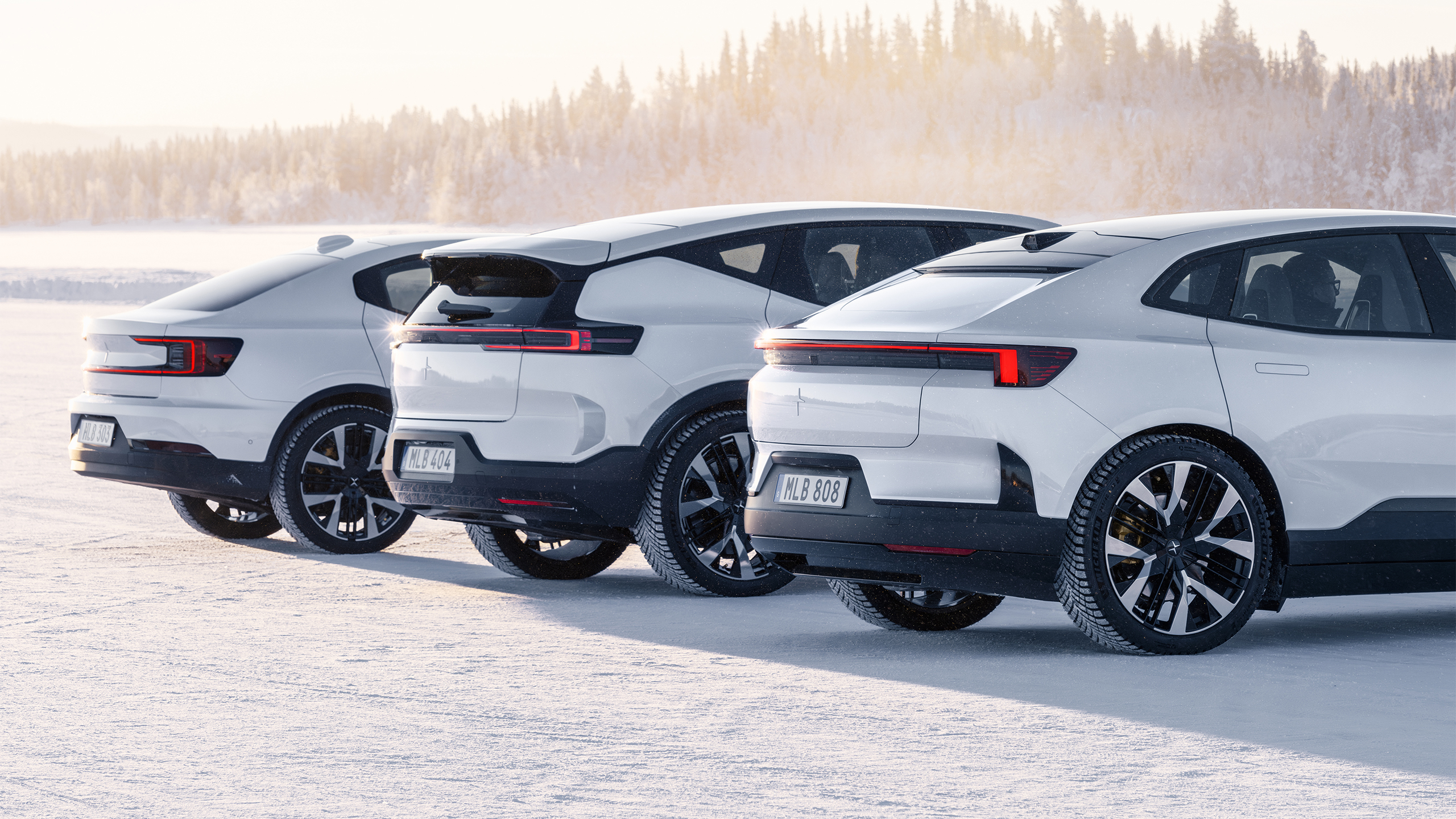
It is not only Tesla that struggles to turn a halo roadster into reality. The production version of Polestar’s stunning, two-door 02 Concept, known as the 6, was supposed to hit the market later this year. That’s no longer happening, and those who have already placed an order will have to wait until at least 2029 to take delivery.
Polestar, like many other young car manufacturers, has ambitions for a massive family of models, but it remains a relatively small player in the burgeoning, ultra-competitive EV market. With this in mind, the firm has put the Polestar 6 on the back burner for now, allowing it to prioritize the updated 2 and its next all-new product, the Polestar 7 small SUV.
While speaking with Auto Express at a recent company event in Gothenburg, Sweden, Polestar chief executive Michael Loscheller described the Polestar 6 as a “small volume” product, meaning customers will have to wait.
“We are targeting the big-profit potential of segments and that’s what we should have done in the first place,” he revealed. “We are working on the 6 as a high-end product. The 6 is still in the plan, but plans can change.”
The Next Tesla Roadster?
Delays like this aren’t uncommon in the automotive industry, but Polestar seems to be following the unfortunate lead of Tesla in this case. It’s been over eight years since the second-generation Tesla Roadster was unveiled, and those who placed $50,000 deposits have yet to receive their cars.
Similarly, Polestar began accepting $25,000 deposits for the limited-run 6 LA Concept, capped at just 500 units, in 2022 with the promise of launching it in 2026. Those who have locked in an order will now be waiting at least seven years for their car, and that’s only if the 2029 timeline doesn’t blow out further.
Just like the Polestar 5, the new 6 will be based around an 800-volt electric architecture and a 112 kWh battery pack. The flagship Polestar 5 Performance pairs this with two electric motors delivering 872 hp and 749 lb-ft (1,015 Nm), the same figures expected for the 6.
Wisconsin had its fair share of athletes representing the United States at the 2026 Winter Olympics in Milan, Italy. Including Jordan Stolz who took home two gold medals and one silver.
The sturgeon spearing season on Lake Winnebago will end Monday afternoon, after spearers got close to hitting the harvest cap for adult female sturgeon.
Volvo is recalling over 40,000 EX30 EVs due to a fire risk.
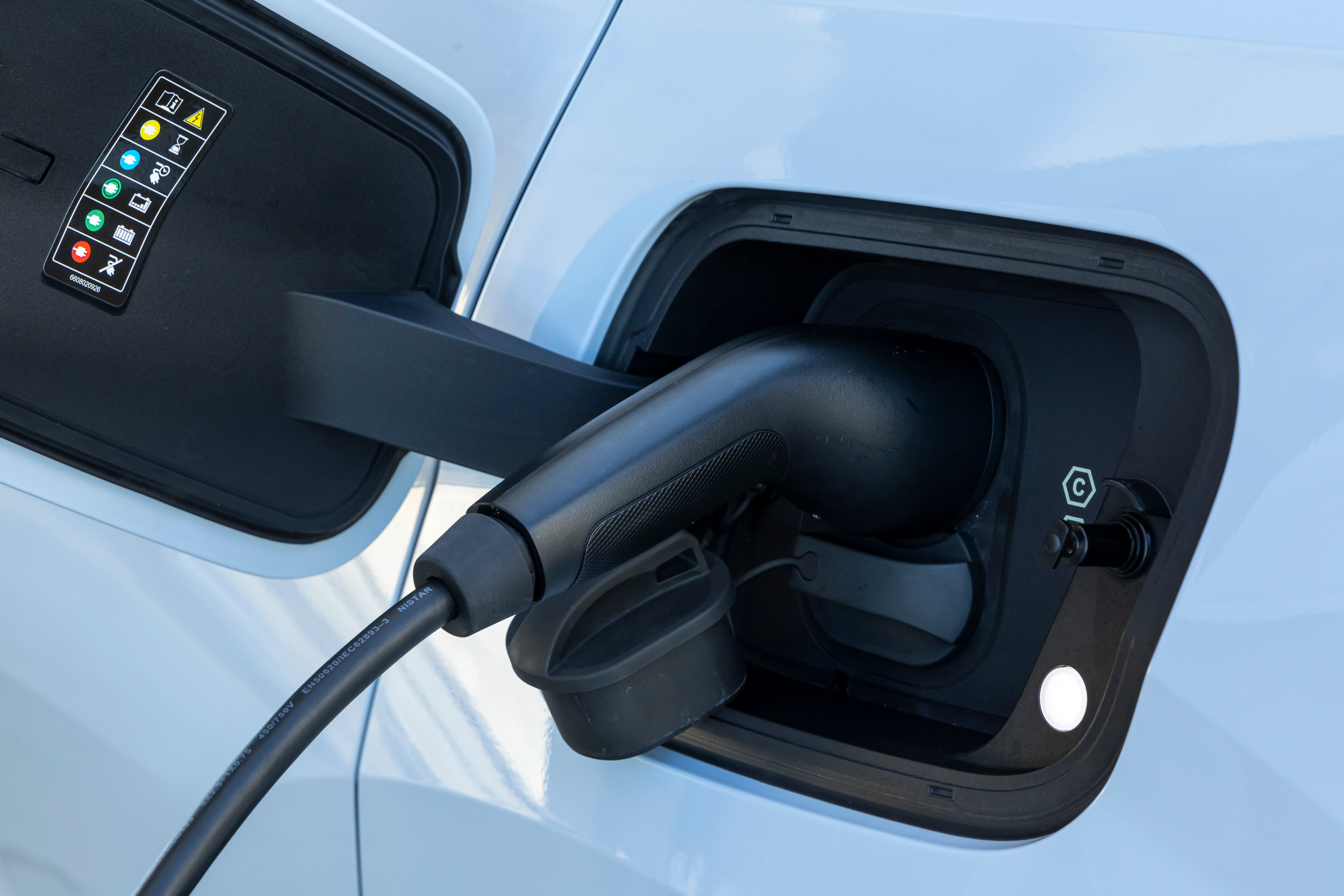
The crossovers need to have their battery packs replaced.
Owners should limit charging to 70% in the meantime.
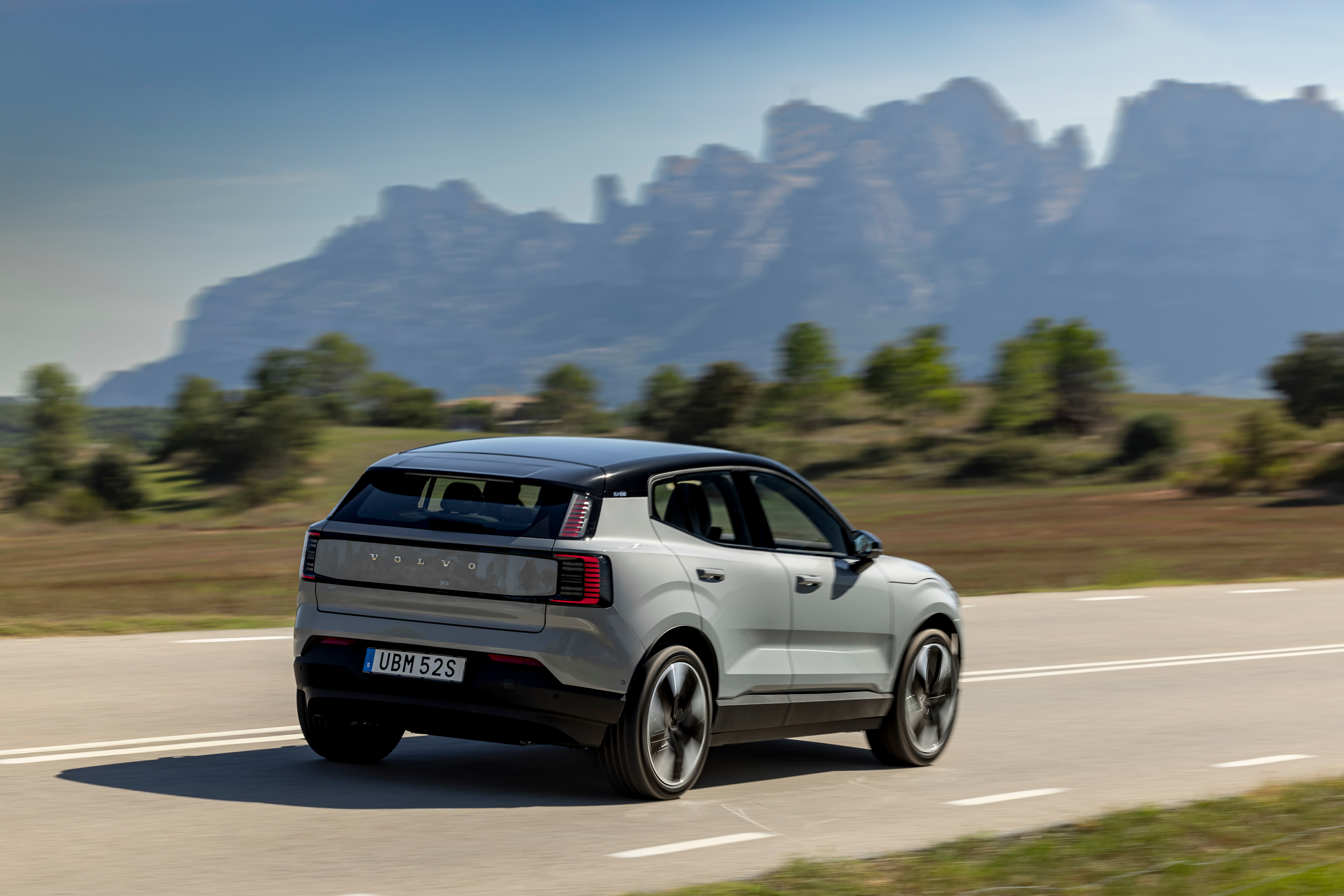
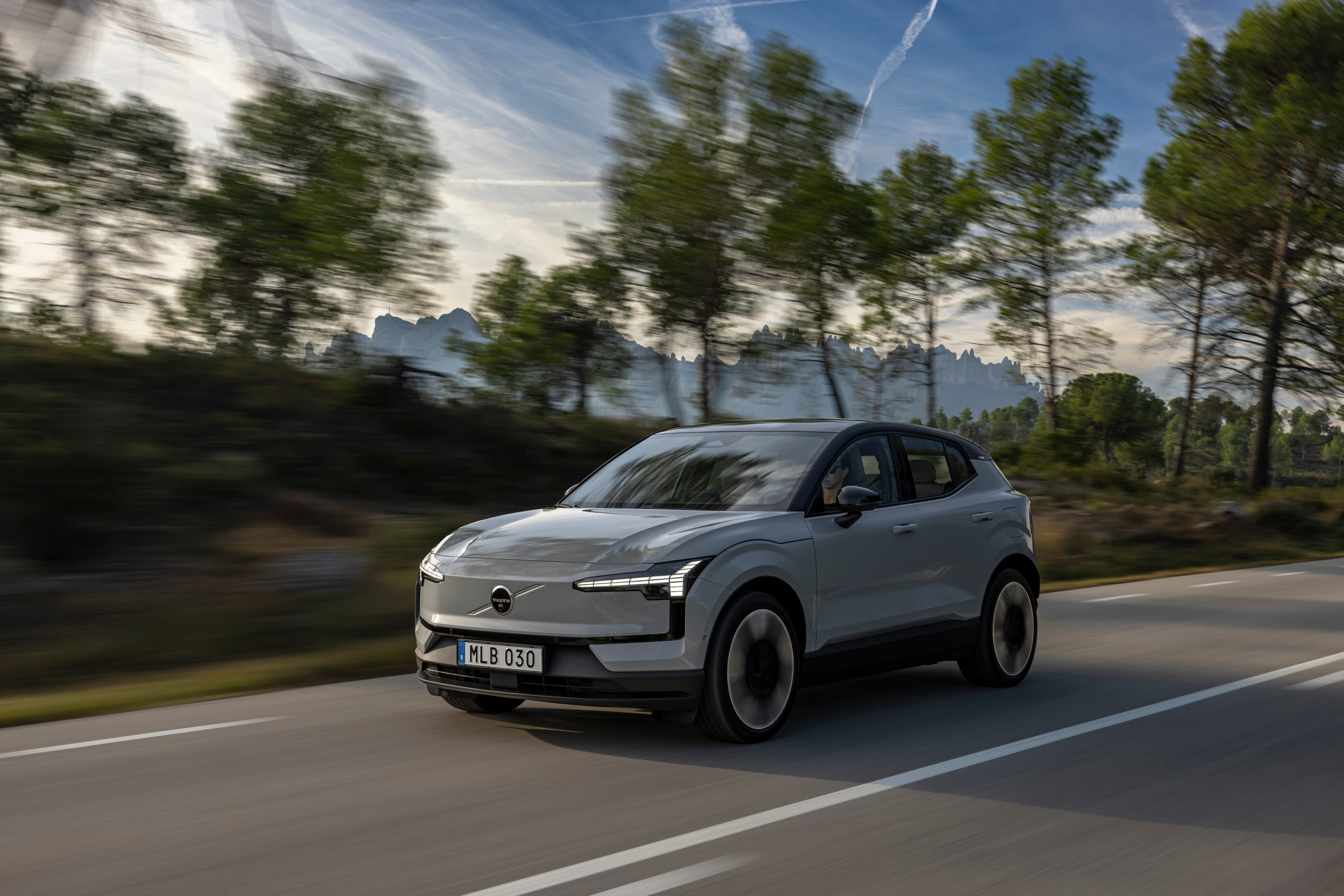
Another day, another EV recall, and this time it is Volvo’s smallest electric offering in the firing line. The EX30, positioned as the brand’s entry-level EV, is being recalled over a potential fire risk.
While the recall hasn’t been posted by the National Highway Traffic Safety Administration yet, Reuters reports it involves 40,323 vehicles worldwide, including an unspecified number sold in the United States, and will require “replacing modules in the high-voltage battery packs.”
Specifics are few and far between, but the recall is said to impact the EX30 Single-Motor Extended Range and Twin-Motor Performance. A spokesperson told the publication the company is reaching out to customers to “advise them of next steps.”
Little is known about the issue at this point, but the problematic batteries were reportedly made by Shandong Geely Sunwoda Power Battery Co. Volvo said the mysterious issue has been addressed and the Geely joint venture will supply them with new battery cells.
It’s unclear what the problem was, but it appears to be related to a high-state of charge. As a result, Volvo is telling customers to limit the battery to a 70 percent charge. This reportedly eliminates the risk of a fire, but parking outside – away from buildings and other vehicles – is probably a good idea.
Volvo’s relative silence isn’t very reassuring, but the company previously recalled 40 EX30s over a fire risk in January. That recall involved 2025 models, which had a high-voltage battery that could short circuit and overheat. This was blamed on a “process deviation,” which could “result in the formation of lithium plating growth.” If this occurs, there could be an internal cell short.
At the time that recall was announced, Volvo didn’t have a fix for the issue. However, it told owners to limit charging to 70% and to park outside, away from structures.
It remains unclear if the two recalls are related, but they’re shaping up to be a huge mess for a company that has heavily invested in EVs. In fact, Reuters estimates the latest recall alone could cost around $195 million.
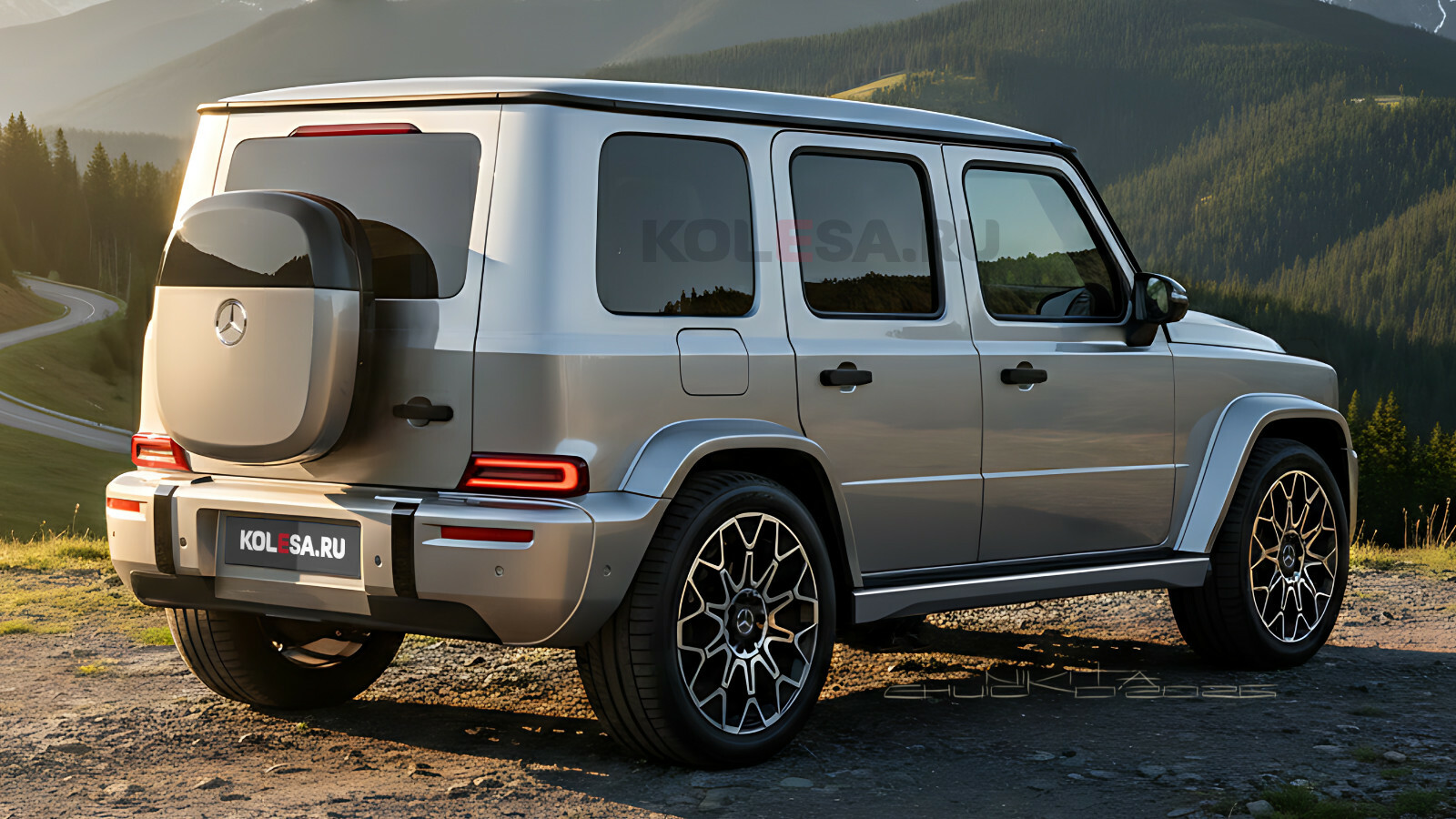
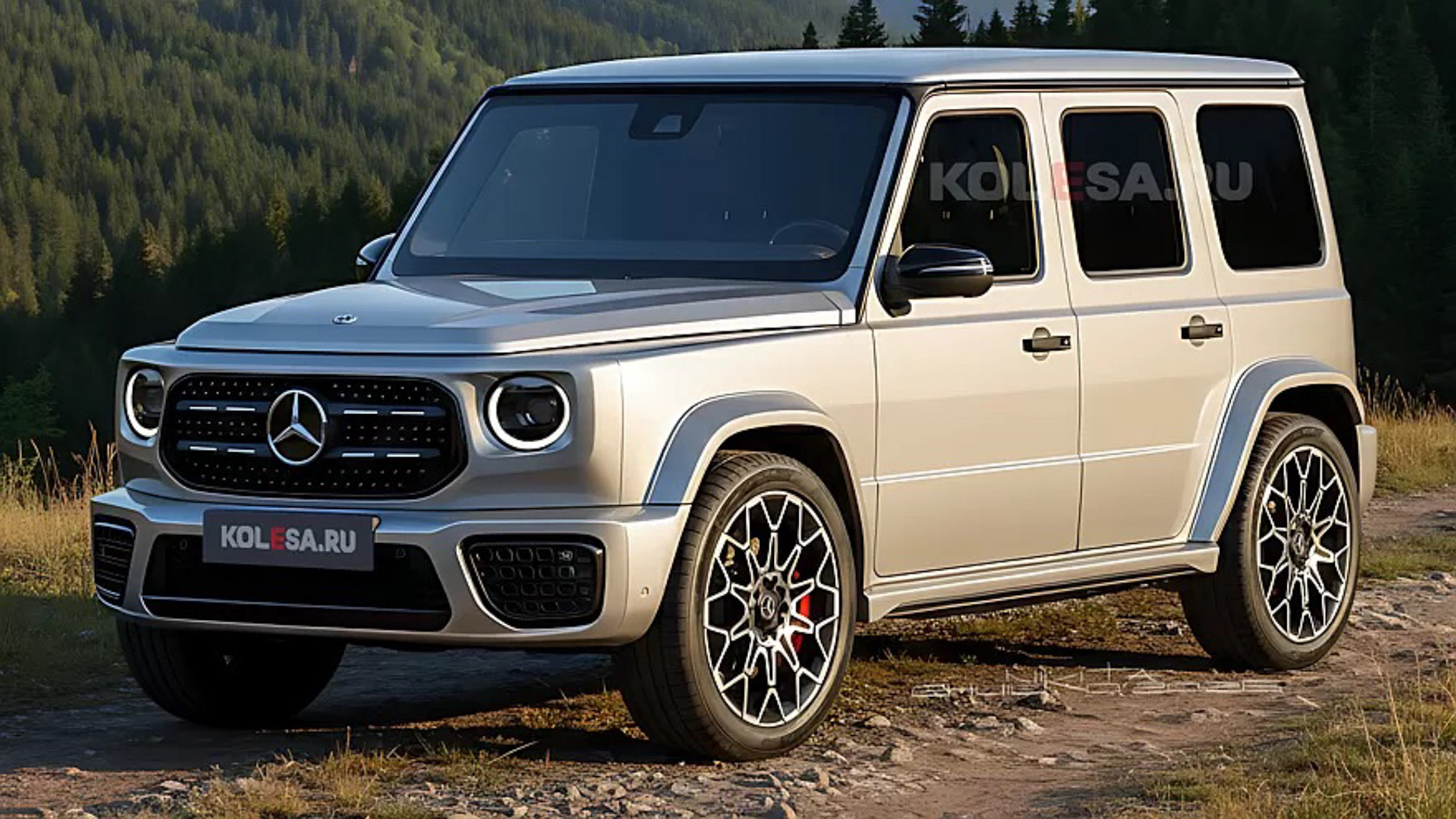
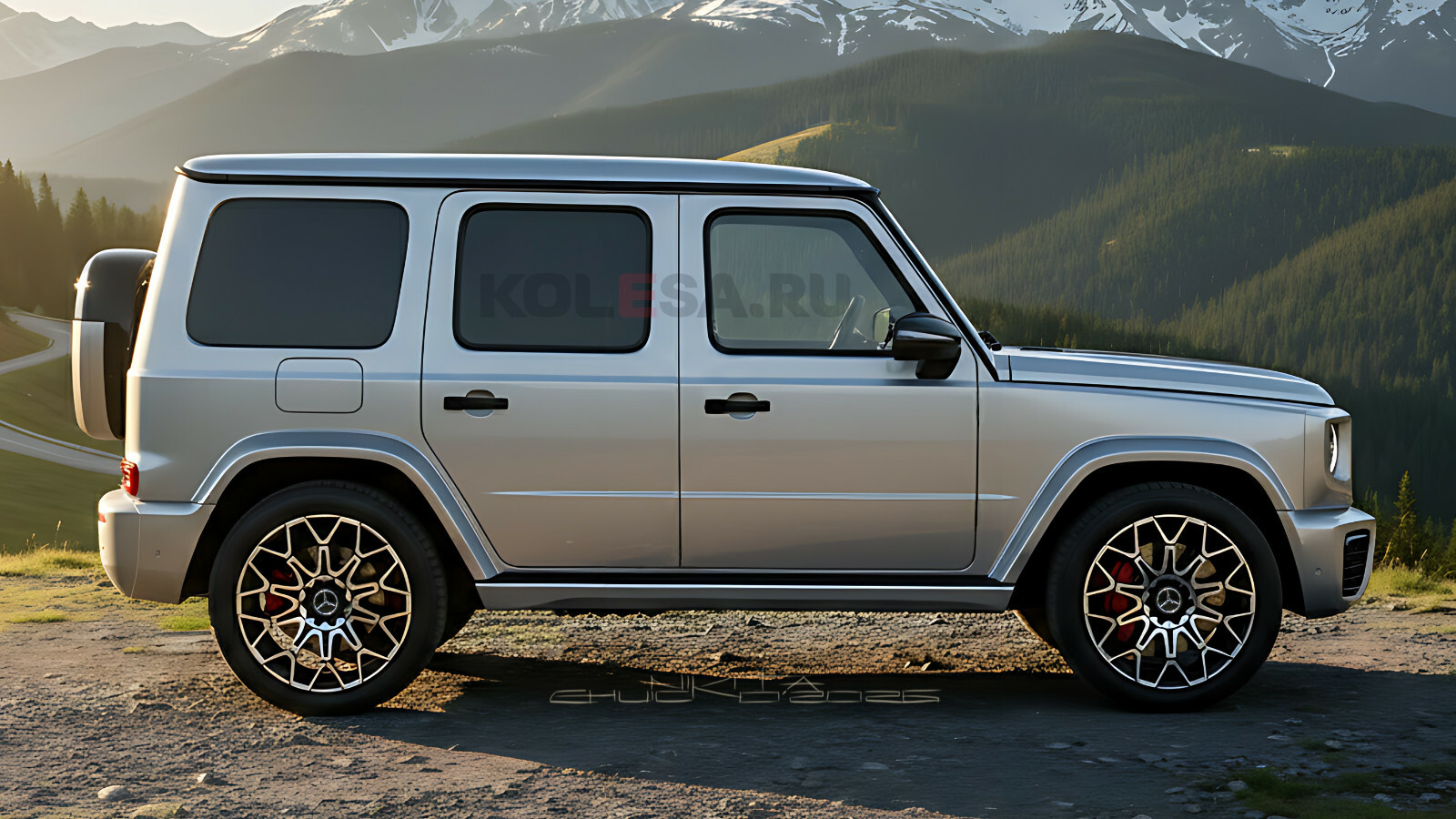
Shrunken G-Class will offer both hybrid and fully electric options.
Hybrid borrows 1.5-liter turbo engine from new CLA, report says.
EV version targets nearly 450-mile range, far better than big G EV.
Mercedes’ upcoming baby-G was supposed to be the cute, chunky electric-only gateway into G-Class ownership. But the automotive market is changing fast, and so are Benz’s plans, as it reacts to cooling demand for EVs in some markets, especially for its own electric cars. As a result, the boxy SUV will now come with hybrid power.
Internally nicknamed Little G, Autocar reports, the compact, GLB-sized, two-row off-roader is due in 2027 and will still be available as a pure EV. But a companion hybrid model is now in development, using the turbocharged four-cylinder from the latest Mercedes-Benz CLA sedan.
The change speaks to a wider reset inside Mercedes. The company has stepped back from its earlier EV-only plans, with CEO Ola Källenius confirming it will keep selling combustion models well into the 2030s to stay flexible across different markets. Tepid demand for the electric G-Class has, by most accounts, helped concentrate minds.
The hybridized 1.5-liter unit is designed by Mercedes and built by Horse Powertrain in China, a joint venture involving Geely and Renault. Exactly how much kick it will deliver in the Little G is unknown, but the new CLA 220 hybrid makes 208 hp (211 PS) and 280 lb-ft (380 Nm) of torque, and gets to 62 mph (100 kmh) in 7.1 seconds.
In the CLA, the engine is paired with a gearbox-mounted electric motor that allows short periods of engine-off driving.
Prefer your G a little more refined? The EV variant will reportedly come standard with two motors and all-wheel drive to preserve off-road credibility, Autocar says.
An 85 kWh NMC battery is tipped to deliver close to 450 miles (724 km) of WLTP range, which would be seriously impressive for something shaped like a luxury brick – it’s not far short of the CLA 350 sedan’s 418-479 miles (672-771 km) figures. The full-size electric G580 with EQ technology, you might recall, is only rated for 280 WLTP miles (450 km).
Regardless of powertrain, the Little G will be sold exclusively with four-wheel drive, and both versions are tipped to feature advanced torque vectoring capable of distributing drive to individual wheels to mirror the off-road ability of the larger G-Class.
Where the baby G does follow its big brother’s lead, though, is in military-chic charm. Unofficial renders from Nikita Chuyko for Kolesagive us a credible idea of what the finished SUV could look like, showing round headlights, upright glass, three big side windows and a tailgate-mounted spare.
It looks like someone left a G-Class in the dryer too long, and the good news is the slow-selling G580 EV’s $163k price should also shrink, hopefully by around 50 percent.
Unlike many compact crossovers pretending to be rugged, the Little G is said to ride on a bespoke ladder-frame platform rather than sharing underpinnings with Mercedes’ electric GLC or C-Class.
That should help it take on the incoming Land Rover Defender Sport, the Little G’s most natural rival, though that gets a unibody structure. We can’t wait to see them duke it out in the dirt next year.
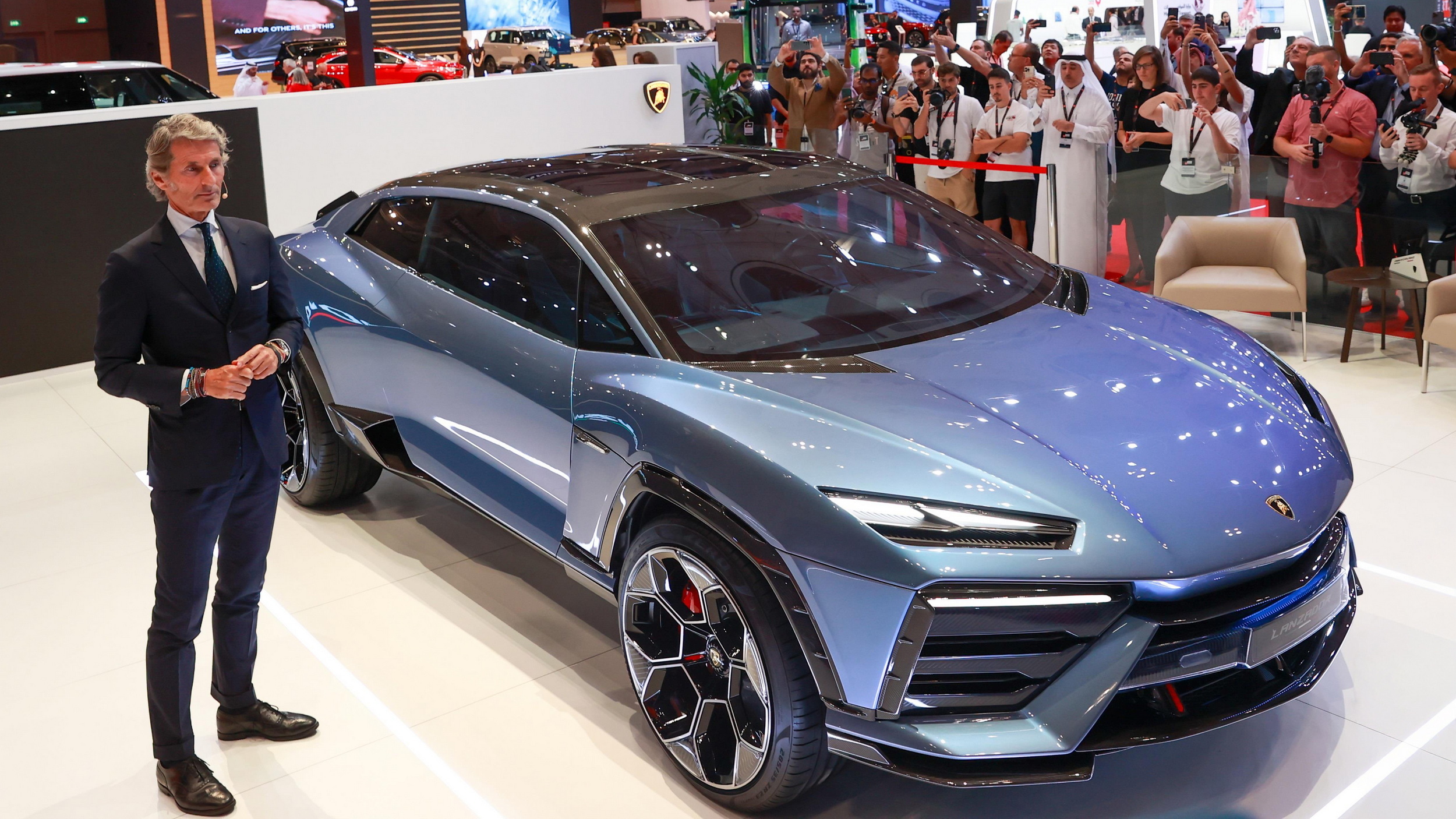
Lamborghini has canceled the electric Lanzador over low demand.
The brand will stick with plug-in hybrids across its range.
CEO Stephan Winkelmann says EVs risk becoming costly hobbies.
Lamborghini has officially shelved plans for its first production EV, deciding instead to lean harder into high-performance plug-in hybrids through 2030. In Sant’Agata’s world, electricity is welcome, just so long as it’s boosting a V8 or V12 rather than replacing one.
The model in question, previewed by the Lamborghini Lanzador concept in 2023, was supposed to arrive before the end of the decade as a fully electric 2+2 crossover. Instead, it is heading back to the drawing board, if not straight into the history books.
A Strategic Backflip On EVs
Speaking to the Sunday Times, Lamborghini CEO Stephan Winkelmann confirmed the EV won’t be joining the production lineup and will instead give way to another plug-in hybrid offering. He also cautioned that going all-in on electric could turn into an “expensive hobby,” noting that the “acceptance curve” for zero-emission tech among Lamborghini’s clientele is “close to zero.” Not exactly a ringing endorsement.
Winkelmann went on to say that Lamborghini buyers are still chasing the full “emotional experience,” meaning the styling, the performance, and, crucially, the noise. That, in his view, is something EVs cannot yet replicate in their current form. So for now, combustion engines remain very much on the menu, and will continue to be built “for as long as possible.”
The call to axe the project was reportedly made behind closed doors late last year, after extensive talks with customers and dealers, along with a thorough market analysis. In other words, Lamborghini did the homework and did not like what it saw. As Winkelmann put it:
“Investing heavily in full-EV development when the market and customer base are not ready would be an expensive hobby, and financially irresponsible towards shareholders, customers [and] to our employees and their families. Plug-in hybrids offer the best of both worlds, combining the agility and low-rev boost of electric battery technology with the emotion and power output of an internal combustion engine.”
Pressed by the Sunday Times on whether Lamborghini would ever build a full EV, Winkelmann left the door slightly ajar, albeit with a very firm hand on the handle.
“Never say never, but only when the time is right,” he said. “For the foreseeable future, only PHEVs. We will continue to develop electrification because we also need to be ready. The times we are living in are fast moving; if you don’t react fast, you risk going out of business or losing momentum. Therefore we need a solid financial base to reinvest in the future.”
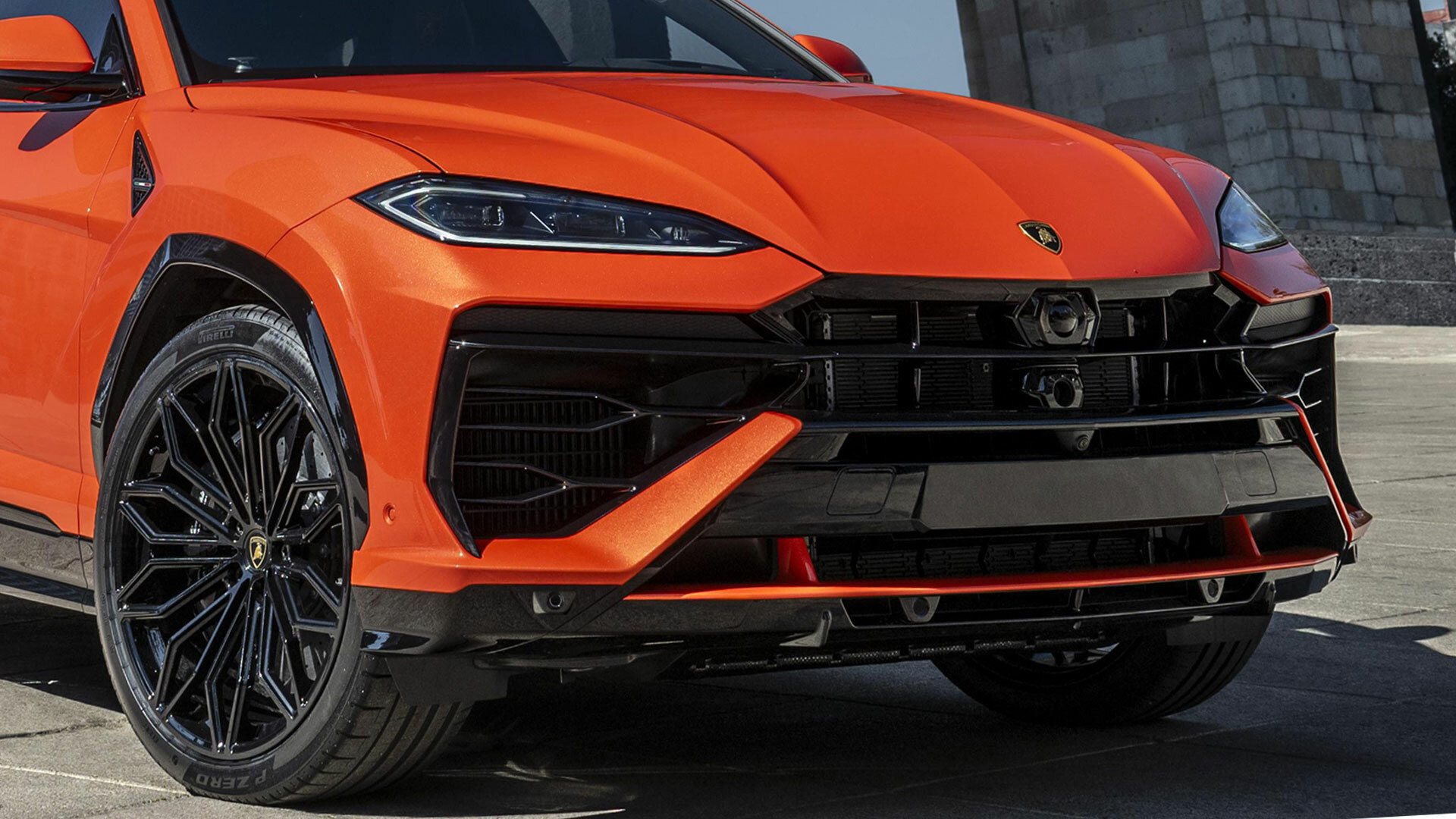
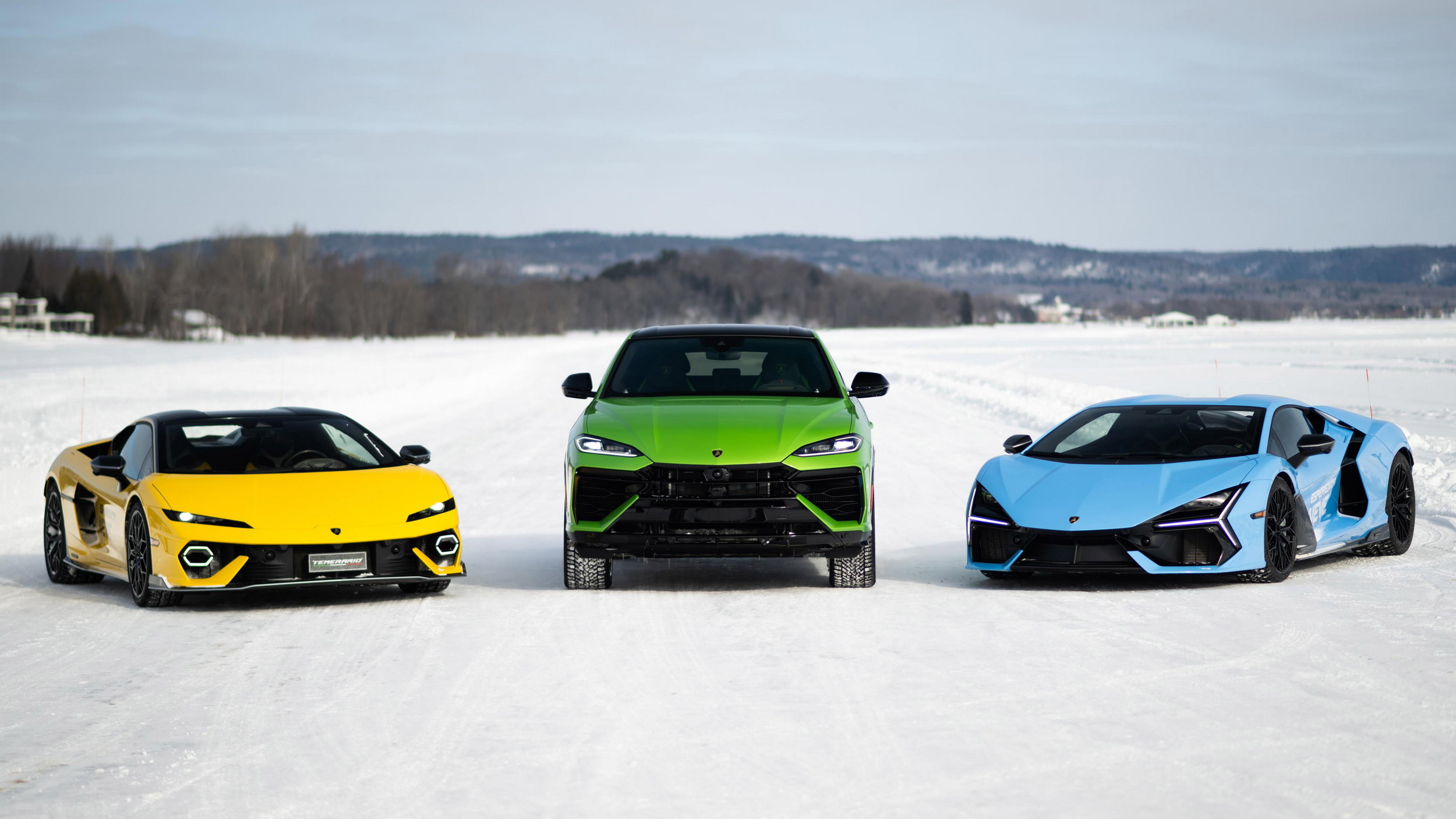
Lamborghini’s current lineup is now fully hybridised, from the Urus SUV to the Temerario and Revuelto supercars, each pairing combustion muscle with electric assistance. The formula seems to be working. Last year Sant’Agata shifted a record 10,747 cars, with the Urus comfortably leading the charge.
Protecting The Brand’s Best Seller
The performance-focused SUV was supposed to enter a new generation in 2029, transitioning to a fully electric powertrain, but that is no longer the case. After speaking with customer groups, Lamborghini concluded that a battery-powered Urus would not exactly set its order books alight.
According to Winkelmann, they simply couldn’t risk it with their best seller. The Urus is the brand’s financial backbone. Supercars may command higher margins, but they occupy what he calls a “tiny segment” compared with the Urus market, which is “bigger and more stable.” In other words, you do not gamble with the model that pays the bills.
Winkelmann also pointed to the regulatory road ahead. “We have a big task as an automotive industry. Everybody’s speaking about 2035, but there’s a big date which is very dangerous at 2030, due to the emissions. And this is something which is not clear enough, in my opinion, today.”
One of the new models is a wagon above the Jogger.
Another model, based on the electric Twingo, is near.
Dacia now builds only Duster and Bigster at home.
Dacia is Romania’s largest and most important car manufacturer, and this year it is preparing to expand its lineup in a meaningful way. Two all-new models are on the way, yet neither will actually be built in the company’s home market.
The first arrival will be a new wagon with crossover elements, currently known as the C-Neo. Positioned above the Jogger in Dacia’s range, it is intended to tap into the ever-growing compact segment.
Initially, Dacia planned to build the C-Neo in Romania. However, Romania-Insider reports that production will instead take place in Turkey. That decision leaves Dacia’s Mioveni plant in Romania focused exclusively on the Duster and Bigster.
SHproshots
The C-Neo will be underpinned by the existing CMF-B platform and should be offered with a slew of different powertrains, including gas, LPG, mild-hybrid, and full-hybrid options that use a 1.2-liter turbocharged three-cylinder.
Visually, Dacia says the new wagon will follow in the footsteps of the Sandero Stepway with rugged design elements, likely including muscular fenders and roof rails.
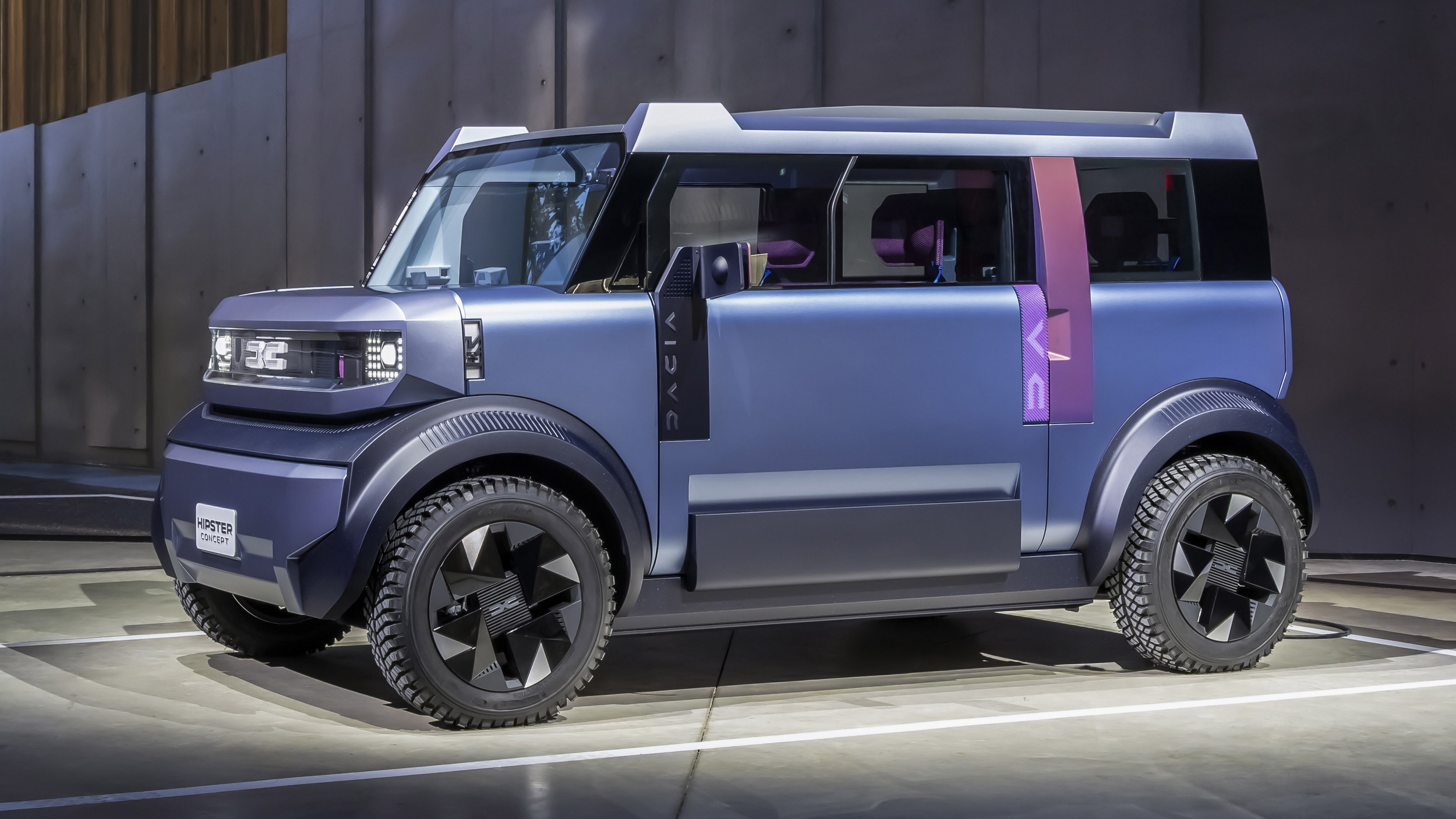
Just as significant is Dacia’s upcoming electric vehicle, which will be based on the Renault Twingo. It will not undercut the China-built Dacia Spring on price, but it is expected to start at around €18,000 or just over $20,000. That still positions it as one of the more accessible EV options in Europe. Production of this new addition will take place at Dacia’s Novo Mesto plant in Slovenia.
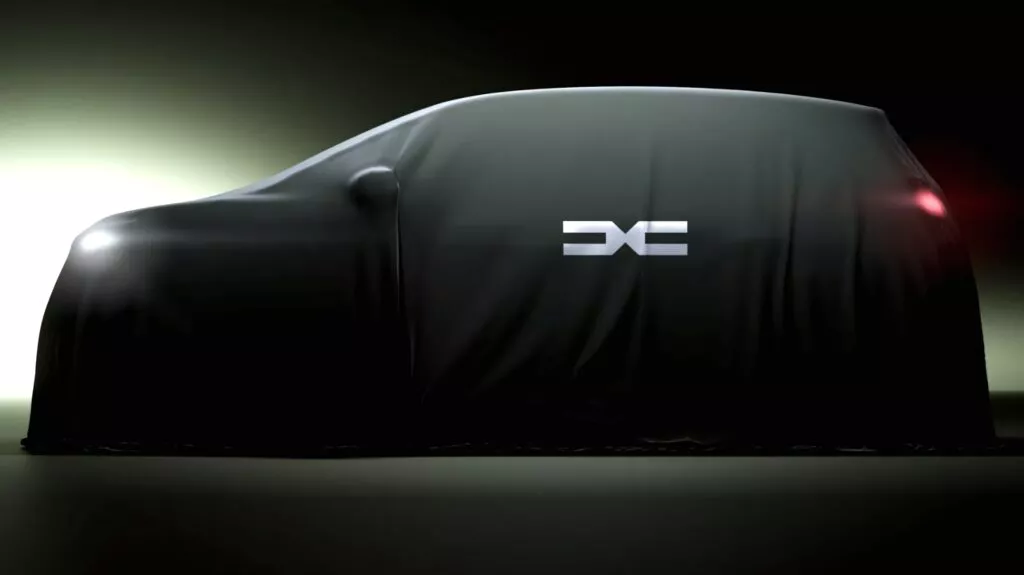
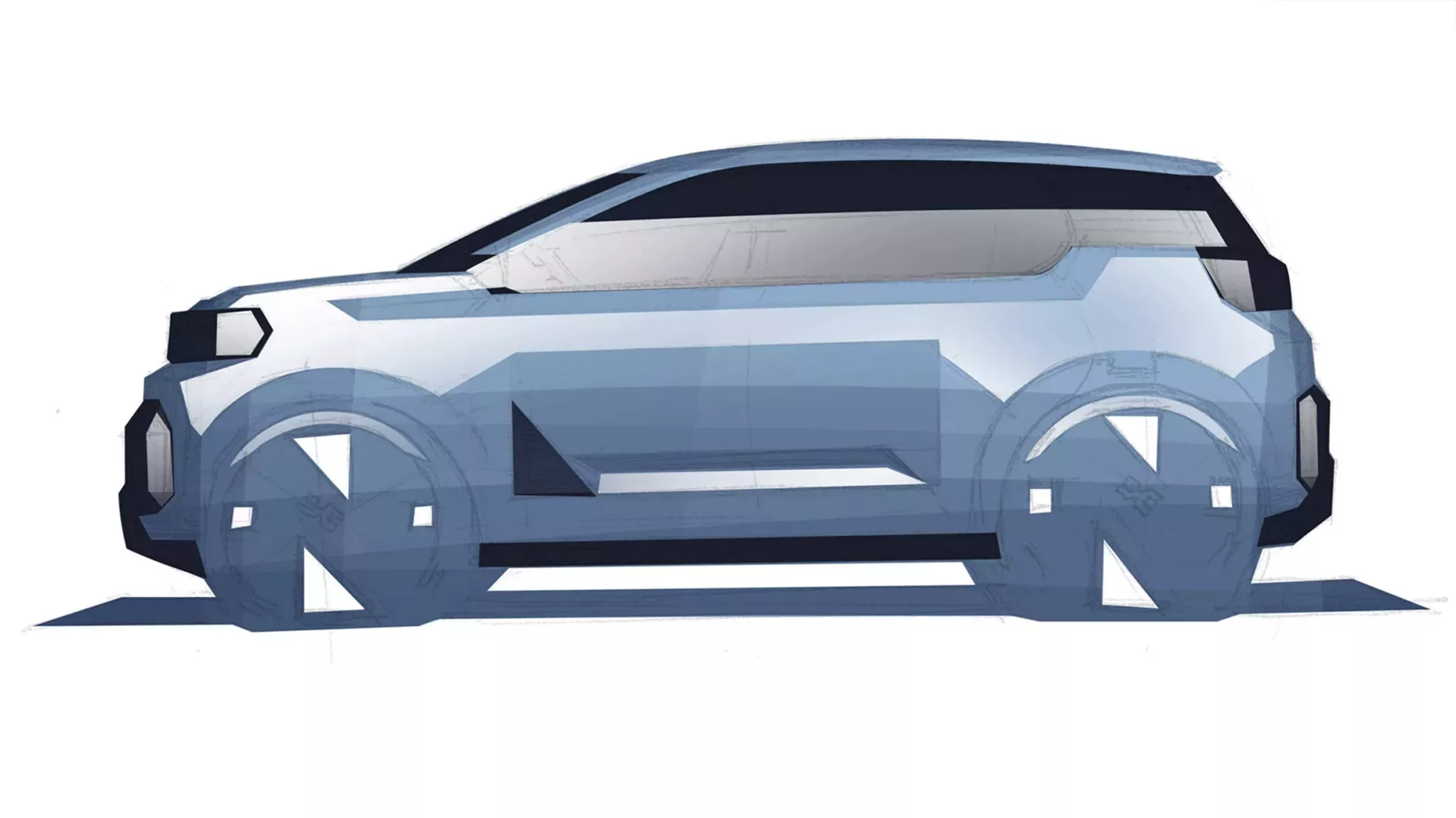
Dacia has identified the A-segment as an important growth driver in the broader EV market, hence why it’s launching a new model to compete. A single teaser image of the car has been released, revealing that while the proportions may be similar to the Twingo, it will look nothing like its French sibling.
Beyond these new models, Dacia already produces the Sandero and Jogger in Morocco to take advantage of the lower manufacturing costs. The approach reflects how the brand now operates as an international manufacturer, not one anchored solely to its Romanian base.
Nissan planned a $25,360 Leaf S for the US market.
The entry-level model has been delayed indefinitely.
It was set to use a smaller 52 kWh battery pack.
In September last year, Nissan revealed it was preparing a new cut-price version of the 2026 Leaf for the US, known simply as the Leaf S. The announcement signaled a renewed push toward true entry-level electric mobility. This model was expected to start at just $25,360, significantly undercutting the competition and bringing an affordable EV within reach of many more buyers.
Sadly, this model is nowhere to be seen and may have been dropped entirely. Last week, Nissan confirmed that the entry-level Leaf S will not launch this year as originally planned. While it said the car has not been canceled, at least not at this stage, there is no guarantee it will ever see the light of day.
“Nissan continually evaluates market trends, customer preferences, and the evolving EV landscape to ensure we are focusing our resources where they create the most value,” Nissan US director of product communications Dominic Vizor told InsideEVs. “As part of that process, we have decided not to introduce the smaller‑battery variant of the 2026 Nissan LEAF in the U.S. this model year.”
Vizor added that Nissan remains “committed to delivering the right products at the right time,” adding that it “will continue to assess future battery configurations based on customer demand and segment needs.”
The Nissan Leaf S was supposed to launch with a 52 kWh battery pack, significantly smaller than the 75 kWh pack of other models. No range figure was announced, but it would likely have fallen to the low 200s, which would be enough for some but would no doubt fall short of those planning longer journeys. Existing Leaf models have a driving range of 288-303 miles (463-487 km).
Although Nissan didn’t pinpoint a specific reason for the Leaf S’s delay, beyond mentioning broad market trends and the “evolving EV landscape,” likely impacting the model’s financial viability are the import tariffs it would be subject to due to its Japanese origins.
Used Tesla prices climbed after the tax credit ended.
Most other used EVs lost value as demand cooled.
The Porsche Taycan was the only non-Tesla EV to rise.
The loss of $7,500 federal tax credits should, in theory, have put every EV brand on an even footing, but Tesla and its customers decided to write their own script. While most electric car values have dropped since last fall, Tesla values are actually climbing.
According to a new study, used Tesla prices have risen 4.3 percent since the EV credit disappeared at the end of September 2025. Over the same period, nearly every other used EV dropped an average of 3.6 percent.
Because Teslas make up such a huge slice of the used EV pie, the average price of all used EVs actually went up 3.5 percent, painting a superficially rosy picture. Strip Tesla out of the equation and things look very different. Non-Tesla EVs slid from an average of $24,629 to $23,738. Meanwhile, used combustion cars dipped 2 percent.
Declining Share
The iSeeCars study also found that used EV market share fell 20 percent between September and January, dropping from 3.5 percent to 2.8 percent. A year earlier, that share had been climbing, but now it is heading the other way. The early adopters already have their EVs. Mainstream buyers are apparently thinking harder about price, charging, and range.
Average Prices For 1- To 5-Year-Old Used Cars
Segment
Sep ’25
Jan ’26
Diff.
EVs
$29,637
$30,666
+3.5%
ICE
$31,900
$31,249
-2.0%
SWIPE
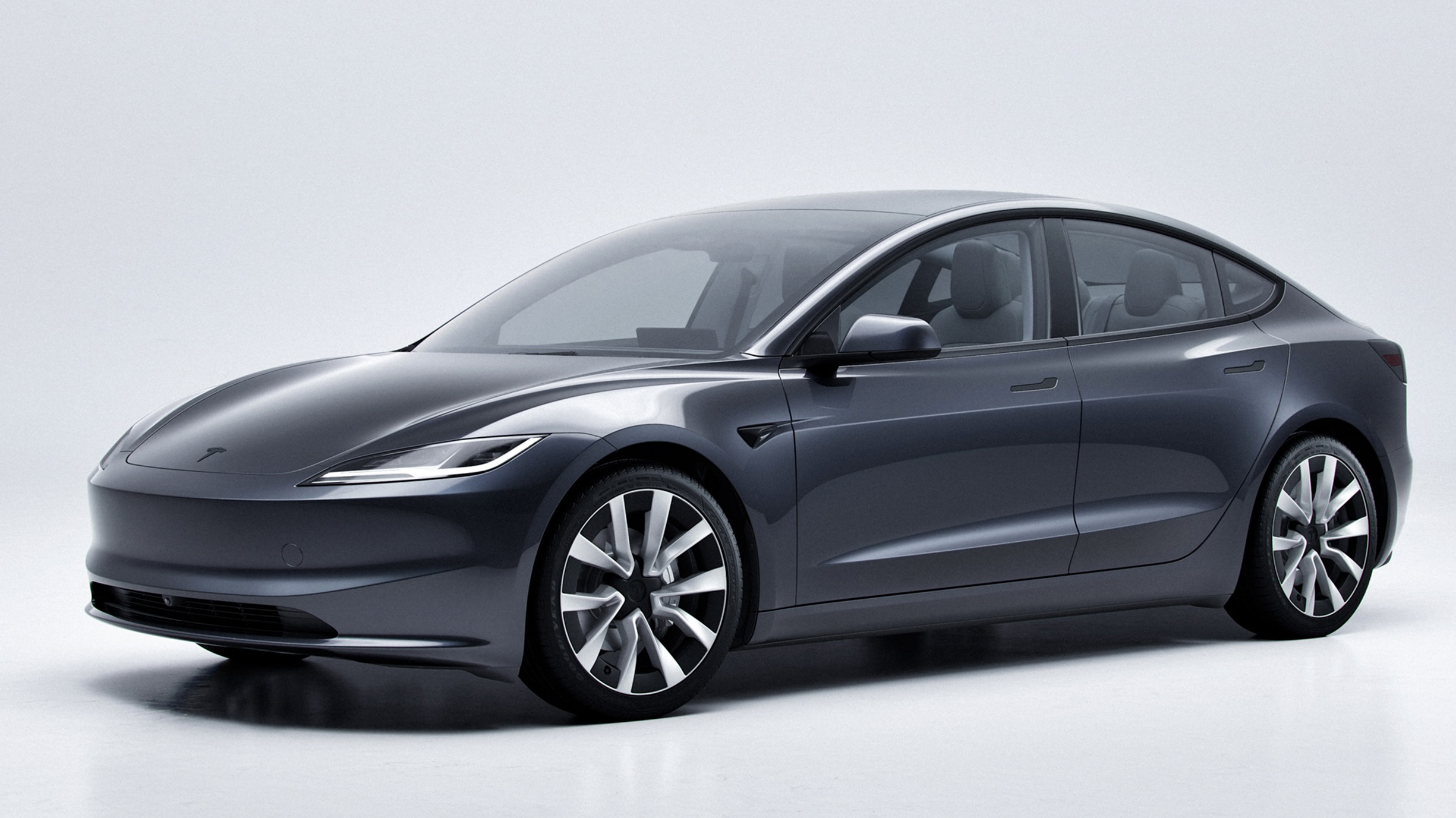
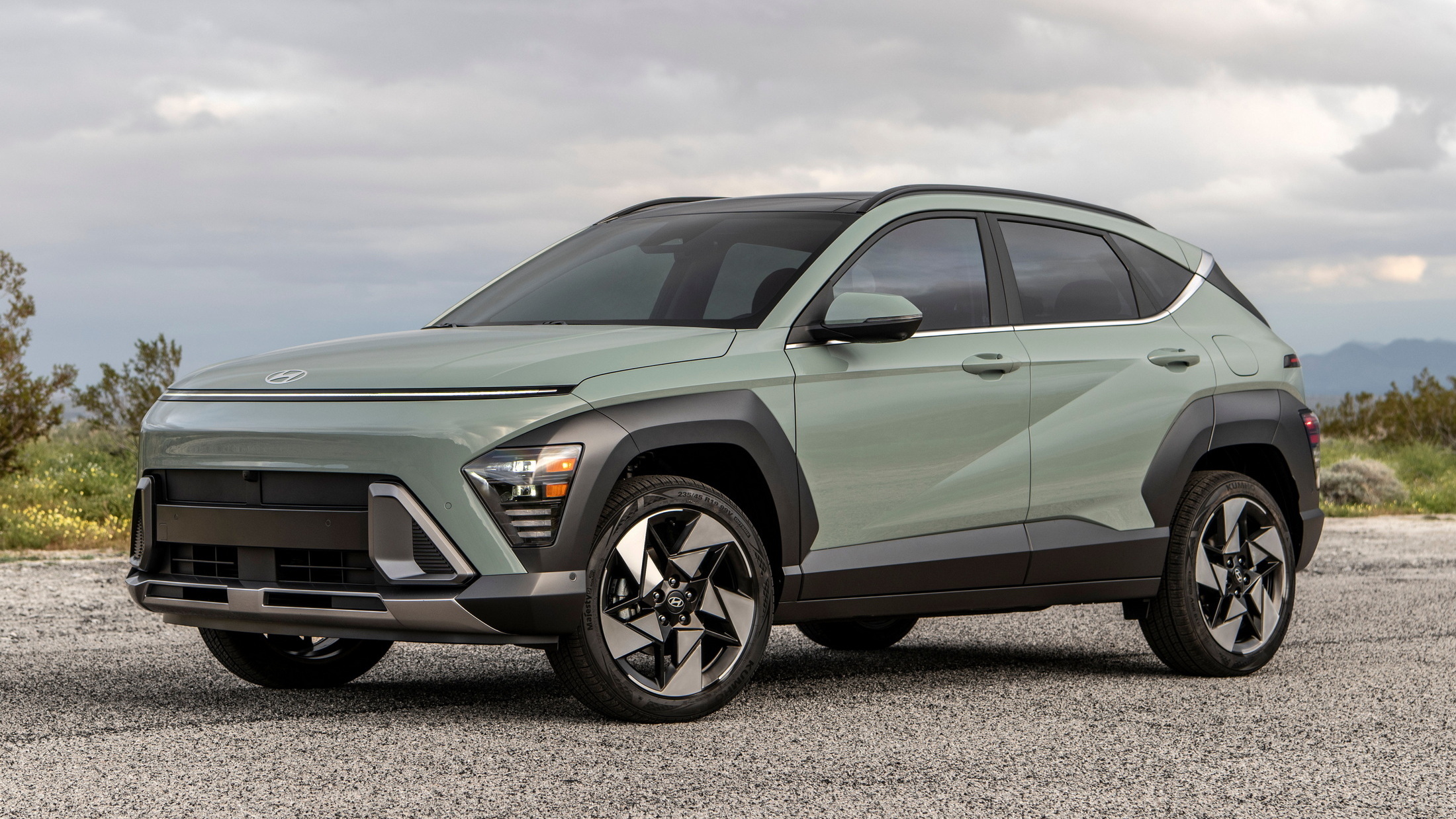
Look at individual models and the pattern gets clearer. Lower-cost EVs like the Hyundai Kona Electric, Volkswagen ID.4, Kia Niro EV and Nissan Leaf all lost between roughly five and six percent of their value. Meanwhile Tesla Model 3 and Model Y prices ticked up, as did those for the Porsche Taycan, the only non-Tesla EV to experience a jump in values.
New EVs tell a similar story. Excluding Tesla, which iSeeCars doesn’t have data for, average new EV prices dropped 2.3 percent, while new internal combustion vehicles rose 2.5 percent. Some mainstream EVs like the Hyundai Ioniq 5 and Chevrolet Equinox EV saw even steeper cuts.
Carmakers are clearly trying to replace that vanished tax credit with old fashioned discounting, but falling EV sales figures since tax credits disappeared tells us it’s not a complete fix.
A New Britain man was charged with 12 counts of risk of injury to a child after police say he failed to intervene while middle school students fought with and sexually assaulted other students on a school bus he was driving last October, reported CT Insider.
Dominic Jimerson, 61, was arrested Jan. 21 and was scheduled to be arraigned Feb. 4 in Manchester Superior Court. Has released on a $5,000 bond.
Jimerson was reportedly driving a Dattco-contracted school bus carrying 11- to 14-year-old Timothy Edwards Middle School students from South Windsor to Hartford, with multiple drop-offs along the route.
Police said Jimerson failed to act as multiple incidents unfolded on the bus, including fights and sexual assaults involving students. Investigators said school bus drivers are responsible for the welfare, safety and security of students and are trained as mandated reporters for the state Department of Children and Families. Drivers are also required to intervene when a child’s safety or welfare is in jeopardy.
Jimerson’s manager reportedly told police that Jimerson filed a report about the students’ behavior after the incident and informed the company he would not drive the route again. Even after being told that a bus monitor would be assigned to the route, Jimerson refused to return.
According to the report, Jimerson had multiple options to intervene prior, including stopping the bus, addressing the students directly, contacting the bus dispatcher, and contacting the district or police. South Windsor police became aware of the incident after a video showing a student attempting to sexually assault another student began circulating on Snapchat. The mother of a student who was allegedly assaulted also contacted school administrators.
Investigators obtained video footage from the bus, which was provided by the Capitol Region Education Council. Police said via the article that some students were actively involved in the assaults, while others were “uninvolved participants, but clearly intimidated or upset by the actions of others.”
At one point in the video, police reportedly heard muffled screams from a student who appeared to be held down in a seat. In another video, a student can be heard alerting the Jimerson. But police said Jimerson did not respond.
Several students involved in the incident are under investigation for crimes against one another and are considered both victims and suspects in alleged breaches of peace and sexual misconduct. The warrant identifies six suspects: One 11-year-old, one 12-year-old and four 13-year-olds. Police said they will not release information about juvenile arrests.
Lt. Mark Cleverdon of the South Windsor Police Department said no additional details regarding juveniles would be disclosed.
Jimerson did not speak with police during the investigation. Attorney Patrick Paoletti contacted police on Jimerson’s behalf and asked investigators to direct any communication through him. But police said Paoletti did not return follow-up calls.
The Judicial Branch lists Paoletti as an attorney for Dattco. Calls to Paoletti and Dattco were not returned. The case remains under investigation.
The U.S. Supreme Court on Oct. 9, 2024. (Photo by Jane Norman/States Newsroom)
WASHINGTON — The U.S. Supreme Court dealt a major blow to President Donald Trump’s trade agenda Friday, ruling the tariffs he issued under the International Economic Emergency Powers Act are illegal.
In a 6-3 decision authored by Chief Justice John Roberts, the court said Congress alone holds the power to tax in almost all circumstances. The Trump administration’s argument that trade deficits and illegal drug imports granted it emergency power to levy tariffs was not justified, the court said. Tariffs are taxes on imported goods.
The Trump administration had argued that a provision in the law, known as IEEPA, that said the executive branch could “regulate” imports empowered the president to levy tariffs.
“Based on two words separated by 16 others (in the law)—‘regulate’ and ‘importation’—the President asserts the independent power to impose tariffs on imports from any country, of any product, at any rate, for any amount of time,” Roberts wrote. “Those words cannot bear such weight.”
Justices Sonia Sotomayor, Elena Kagan, Neil Gorsuch, Amy Coney Barrett and Ketanji Brown Jackson joined Roberts’ opinion.
Justices Clarence Thomas and Brett Kavanaugh filed dissenting opinions. Thomas and Justice Samuel Alito joined Kavanaugh’s.
Kavanaugh’s dissent accepted the administration’s reading of the law and said it was not the justices’ role to decide a policy matter that has “generated vigorous” debate.
“The sole legal question here is whether, under IEEPA, tariffs are a means to ‘regulate . . . importation,’” he wrote. “Statutory text, history, and precedent demonstrate that the answer is clearly yes: Like quotas and embargoes, tariffs are a traditional and common tool to regulate importation.”
New tariffs
Trump blasted the ruling at an afternoon press conference. Asked if he regretted nominating Gorsuch and Barrett, he said the decision was “an embarrassment to their families.”
He said the judges were “being politically correct” and catering to special interests rather than fairly interpreting the law.
He also said he would impose global 10% tariffs under a provision of the Trade Act of 1974, which allows the president to unilaterally apply tariffs for up to 150 days.
“Today, I will sign an order to impose a 10% global tariff under Section 122 over and above our normal tariffs already being charged,” he said.
Tariffs were an important tool to balance the country’s trade and hold leverage over other countries, he said.
‘Unchecked’ presidential authority
In the opinion of the court, Roberts wrote that Trump’s expansive use of the emergency tariff powers would upend the balance of powers between branches of government.
The administration’s position would empower the president “to unilaterally impose unbounded tariffs,” simply by declaring an economic emergency, Roberts wrote. Further, that declaration would be unreviewable and could be overturned only by a veto-proof majority in both houses of Congress.
That view “would replace the longstanding executive-legislative collaboration over trade policy with unchecked Presidential policymaking,” he wrote.
When Congress intends to convey that kind of power to the executive branch, it generally does so in uncertain terms, Roberts said.
“In light of the breadth, history, and constitutional context of that asserted authority, he must identify clear congressional authorization to exercise it,” he wrote.
The government’s argument that IEEPA authorized that power, “falls short,” the opinion said.
The chief justice added that it was telling that in the nearly 50 years since the IEEPA became law, no other president has read such broad powers into it.
What to do about the taxes that were collected?
The ruling opens a new debate about how to handle tariff revenue that the government has already collected since Trump first imposed the IEEPA tariffs a year ago.
Kavanaugh noted the likely confusion the issue would cause.
“The Court says nothing today about whether, and if so how, the Government should go about returning the billions of dollars that it has collected from importers,” he wrote. “But that process is likely to be a ‘mess,’ as was acknowledged at oral argument.”
U.S. Sen. Elizabeth Warren, a Massachusetts Democrat and prominent economic liberal, said that revenue should be sent to small businesses that were harmed by the imposition of tariffs.
“Any refunds from the federal government should end up in the pockets of the millions of Americans and small businesses that were illegally cheated out of their hard-earned money by Donald Trump,” she wrote in a statement.
Main Street Alliance, a national trade group representing small businesses, called for the revenue collected under the tariffs to be returned to small businesses.
“If the authority was unlawful, the collections were unlawful,” Executive Director Richard Trent said in a statement. “Every penny taken from small businesses under this framework should be returned.”
Attention turns to Congress
With the court ruling that taxing power lies with Congress, efforts to codify the tariffs Trump had applied could become a priority for Republican lawmakers.
“No one can deny that the President’s use of tariffs has brought in billions of dollars and created immense leverage for America’s trade strategy and for securing strong, reciprocal America-first trade agreements with countries that had been taking advantage of American workers for decades,” House Speaker Mike Johnson, a Louisiana Republican, wrote on social media. “Congress and the Administration will determine the best path forward in the coming weeks.”
Adrian Smith, a Nebraska Republican who chairs the House Ways and Means Committee’s subpanel on trade, said Congress should work with the president to legislate tariffs.
“Nebraska’s farmers, ranchers, and manufacturers create world-leading products and deserve reliable access to global markets,” he said. “I am committed to working with the administration to deliver long-term certainty through comprehensive and enforceable trade agreements. The President has made clear his intention to use every available tool to secure strong deals, but only Congress can ensure that these agreements provide lasting stability beyond any single administration.”
Ohio Republican Sen. Bernie Moreno, though, said in a social media post that the ruling would severely hamper efforts to rebalance trade, and called for Congress to codify the tariffs.
“SCOTUS’s outrageous ruling handcuffs our fight against unfair trade that has devastated American workers for decades,” he wrote. “These tariffs protected jobs, revived manufacturing, and forced cheaters like China to pay up. Now globalists win, factories (sic) investments may reverse, and American workers lose again. This betrayal must be reversed and Republicans must get to work immediately on a reconciliation bill to codify the tariffs that had made our country the hottest country on earth!”
Democratic lawmakers praised the court’s decision, while blasting the tariffs as a matter of policy.
“This is a win for the wallets of every American consumer,” Senate Minority Leader Chuck Schumer, D-N.Y., said. “Trump’s chaotic and illegal tariff tax made life more expensive and our economy more unstable. Families paid more. Small businesses and farmers got squeezed. Markets swung wildly. We’ve said from day one: a president cannot ignore Congress and unilaterally slap tariffs on Americans. That overreach failed.”
Sen. Jeff Merkley, the ranking Democrat on the Senate Budget Committee, called the decision “a win for farmers, small businesses, and hardworking, middle-class families across the country,” he said in a statement.
“Trump’s illegal and chaotic tariffs have harmed American consumers and businesses, leaving them to foot the bill for rising prices due to Trumpflation,” the Oregon Democrat added. “While Trump continues his ‘families lose, billionaires win’ agenda, we’re using every tool at our disposal to fight back against his reckless policies and build an economy where families thrive, and billionaires pay their fair share.”
Arguments were heard in November
The justices heard arguments in early November in what was the first major case of the second Trump term to move beyond the court’s emergency docket and be heard on the merits of the case.
Small businesses and Democratic state attorneys general led the legal challenges against Trump’s tariffs in the two separate cases, consolidated before the Supreme Court. They alleged Trump usurped taxing power, which belongs to Congress as outlined in Article I of the Constitution.
Victor Schwartz, founder and president of VOS Selections, spoke to reporters outside the U.S. Supreme Court on Wednesday, Nov. 5, 2025. Schwartz, a New York-based wine and spirits importer of 40 years, was the lead plaintiff in a case against President Donald Trump’s sweeping emergency tariffs. (Photo by Ashley Murray/States Newsroom)
Victor Schwartz, founder and president of the family-owned, New York-based wine and spirits importer VOS Selections led the small business plaintiffs, which included a Utah-based plastics producer, a Virginia-based children’s electricity learning kit maker, a Pennsylvania-based fishing gear company and a Vermont-based women’s cycling apparel company.
State attorneys general who sued included those from Arizona, Colorado, Maine, Minnesota, Nevada, New Mexico and Oregon.
Two Illinois-based toy makers that primarily manufacture products in Asia filed a separate challenge.
For nearly three hours on Nov. 5, the justices dissected the language of IEEPA, a 1970s-era sanctions law that Trump invoked during the first year of his term in a series of emergency declarations and proclamations triggering import taxes on goods from nearly every country.
The high-profile case drew Cabinet officials to the court, including Treasury Secretary Scott Bessent, who sat shoulder-to-shoulder with Commerce Secretary Howard Lutnick and U.S. Trade Representative Jamieson Greer.
Members of Congress also attended. Among the crowded rows were U.S. House Ways and Means Chairman Jason Smith, R-Mo., Sen. Mike Lee, R-Utah, and Democratic Sens. Amy Klobuchar of Minnesota and Ed Markey of Massachusetts.
‘Liberation day’
Trump began imposing tariffs under IEEPA via executive order in February and March on products from China, Canada and Mexico, declaring the countries responsible for illegal fentanyl smuggled into the United States.
The president escalated the emergency tariffs April 2, which he dubbed “liberation day,” when he declared trade imbalances a national emergency. In addition to a new baseline 10% global tariff, Trump announced hefty additional duties on products from countries that export more goods to the U.S. than they import from U.S. suppliers.
The White House calculations baffled economists, as the administration proposed steep duties on close trading partners — including 20% on products from the European Union, 25% on South Korea, 32% on Taiwan and 46% on Vietnam.
Inexplicably he also announced a 50% tariffs on goods from the landlocked, 11,000-square-mile African nation of Lesotho, and 10% on the Heard and McDonald Islands, only inhabited by penguins and seals.
Trump’s announcement crashed markets, wiping trillions of dollars away in just a matter of days. He relented and delayed most of the tariffs, but escalated a trade war with China — shooting up the levy to 125%, and eventually to 145%.
The administration’s trade war with China cooled a bit in May, but left the rate on some products at an effective 55%.
Trump maintains his tariffs have forced the hand of other governments to invest in the U.S. in exchange for lower tariffs. For example, Trump officials claimed victory in a framework deal with Japan that lowered duties on Japanese products to 15%, from 25%, with a promise from Japan to invest $550 billion in the U.S.
As recently as late August, Trump imposed an extra 25% tariff on goods imported from India, bringing the total tariffs on Indian products to 50%, because of the country’s usage of Russian oil.
In early August, Trump slapped a 40% tax on all Brazilian goods after he disagreed with the country’s prosecution of its former right-wing President Jair Bolsonaro for plotting a coup to remain in power in 2022.
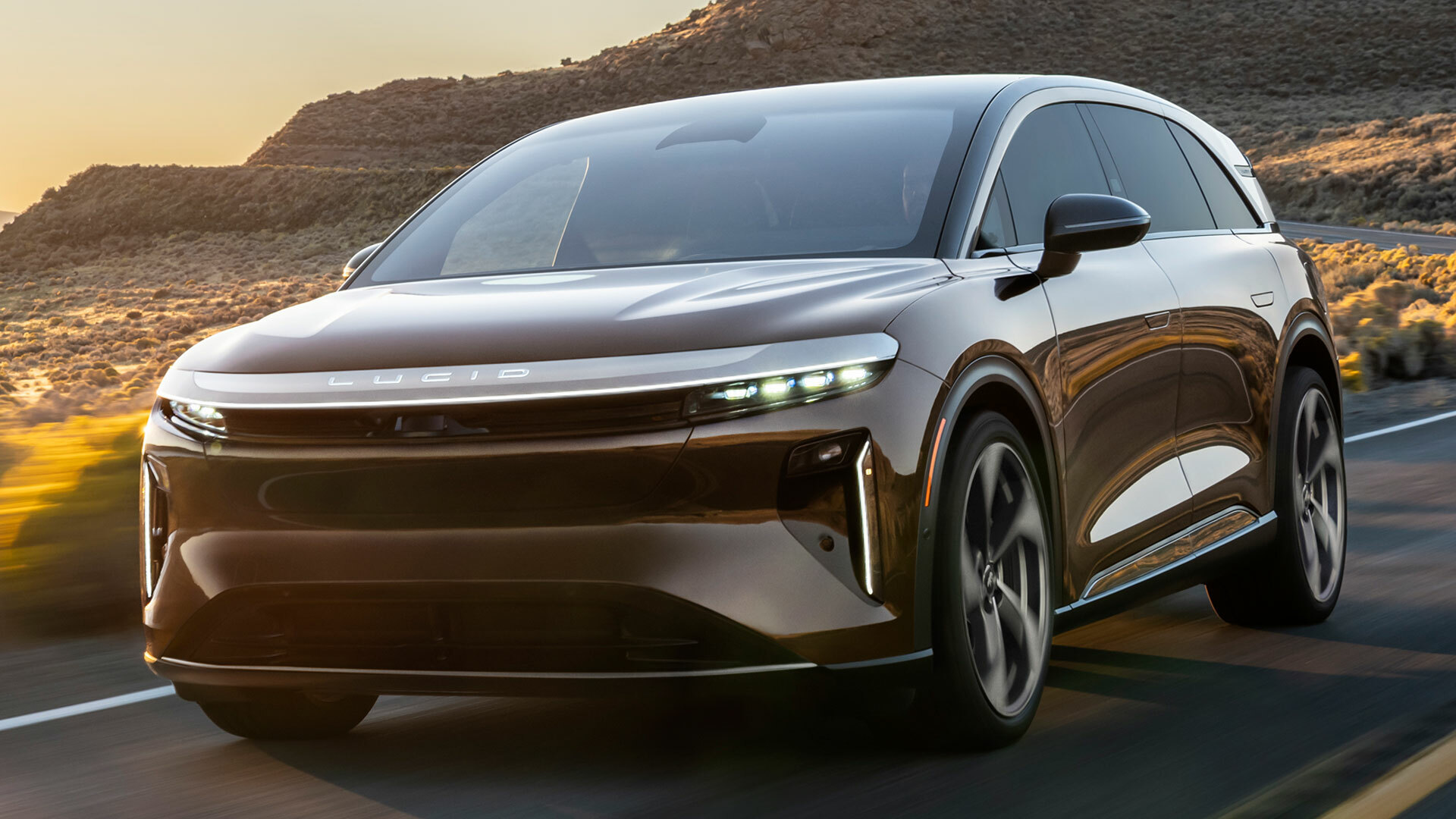
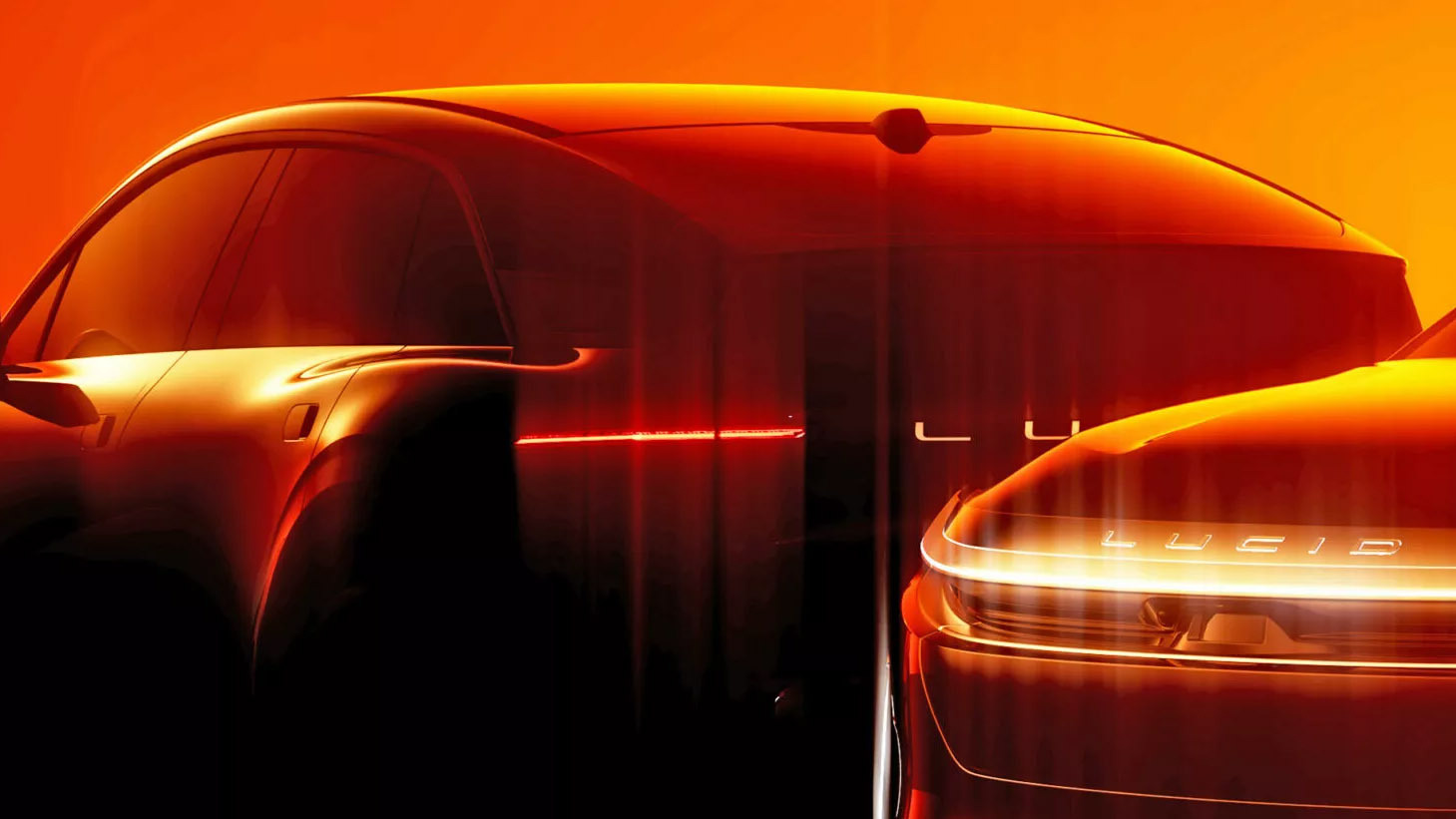
The automotive industry never slows down, and EV brands feel that pressure more than most. Lucid is responding to the market and to its own position by cutting 12 percent of its workforce. The move comes as it attempts to tighten spending and move closer to profitability as it ramps up Gravity production.
The layoffs were confirmed to Bloomberg in an emailed statement, following the leak of an internal memo from interim CEO Marc Winterhoff that circulated within the company and was seen by Techcrunch.
In the memo, Lucid addresses the cuts head on. “Saying goodbye to colleagues is never easy,” Winterhoff wrote. “We are grateful for the contributions of those impacted by today’s actions, and we are providing severance, bonus, continued health benefits, and transition support to help them through this period.”
Bloomberg reports that the majority of workers affected are salaried and corporate roles. Hourly workers tied directly to manufacturing, logistics, and quality operations at Lucid’s Arizona facility are not expected to be part of this reduction. That’s not all that shocking, given the brand’s need to ramp up production of the Gravity SUV and continue development of its Midsize platform.
“Importantly, today’s actions do not affect our strategy,” Winterhoff wrote. “Our core priorities remain unchanged, and we continue to focus on the start of production of our Midsize platform. With disciplined execution, we are also focused on further expansion into the robotaxi market, continued ADAS and software development, and growth in sales of Lucid Gravity and Air across existing and new geographies.”
A Murky Future
Right now, Lucid’s momentum is almost entirely pinned on the Gravity SUV. It undoubtedly broadens appeal beyond the ultra-luxury Air sedan expanding its reach to a more popular segment. That said, it’s not exactly what most buyers would consider mainstream or affordable.
That’s why the Midsize platform is so key to Lucid’s future. Tesla’s Model 3 and Model Y turned a niche player into a volume powerhouse, and Lucid is hoping for a similar inflection point.
Rivian is following a similar playbook with the R2. By the end of the year, we should have a clearer picture of who is getting closer to that goal. In a cooling US EV market, profitability is no longer a nice to have. It is the whole game.
New interiors may debut with the next Polestar 2 and 7.
The current Polestar 3 and 4 rely heavily on one screen.
Polestar also plans to expand its interior color range.
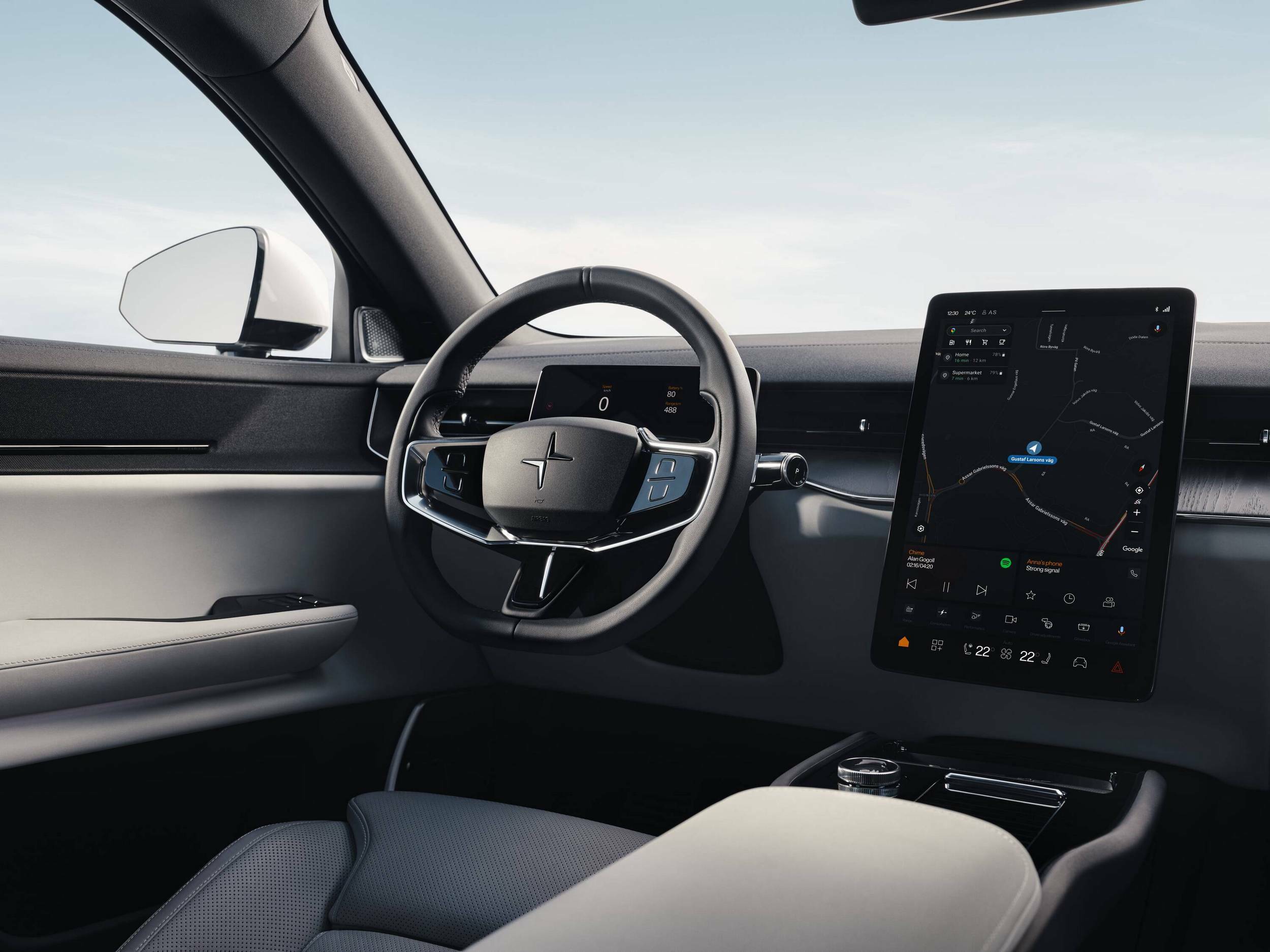
Like many other EV makers, Polestar has largely followed Tesla down the minimalist route, filling its cabins with screens, clean surfaces, and very few physical controls in models such as the Polestar 4 and 5. That approach is now set to change.
The company has confirmed it will begin reintroducing more physical switches inside its cars, a move that will likely be welcomed by drivers who prefer not to hunt through menus to adjust basic functions.
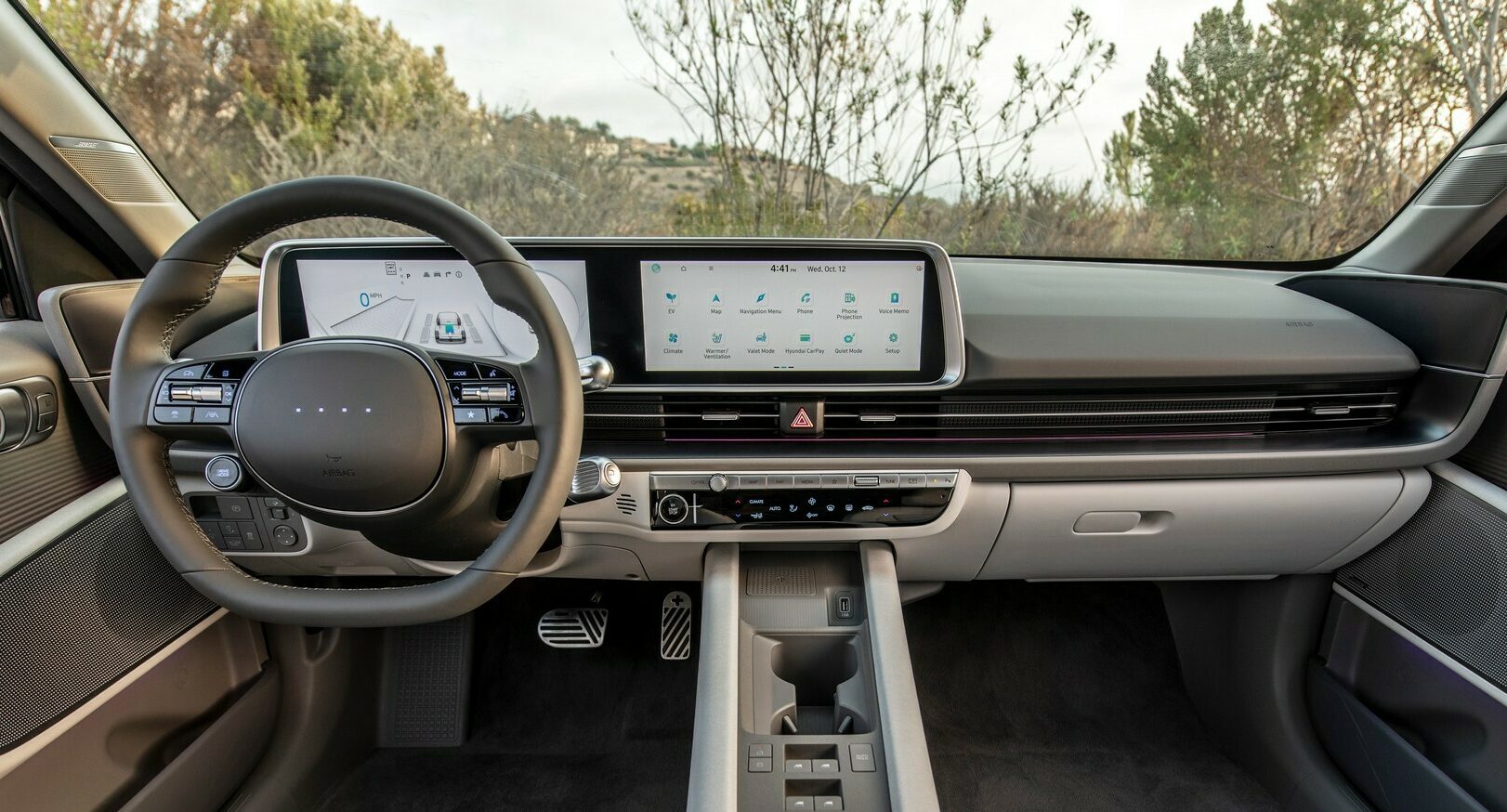
Take the Polestar 4 as it stands today. Physical controls are limited to the steering wheel, the seat adjustments, the stalks, plus a Play and Pause button and a volume dial on the center console. Beyond that, nearly everything lives inside the touchscreen.
To its credit, Polestar never removed every physical button. Still, the cabins can feel pared back to the point of austerity. Speaking to InsideEVs while previewing upcoming models, Polestar head of design Philipp Römers confirmed that more buttons are on the way, though he stopped short of detailing which functions will regain dedicated controls.
Römers added that Polestar plans to add more interior color options, noting that its customers are on average roughly 10 years younger than those of Audi, Mercedes, and BMW. Improvements will also be made to the Android Automotive-based infotainment system, and it will soon offer more scope for personalization.
Unfortunately, we won’t see new Polestar interiors for quite some time. For example, the updated Polestar 4 ‘wagon,’ complete with a rear window, will likely retain the same cabin as the existing model. Similarly, the Polestar 5 grand tourer will get a familiar minimalist cabin.
The first real glimpse of a revised interior could come with the second-generation Polestar 2, recently teased ahead of its launch next year. After that, the new Polestar 7, due in 2027 and positioned above the current Polestar 3 SUV, should follow suit.
Lexus plans to turn the next IS into a dedicated EV.
It may adopt styling cues from the 2023 LF-ZC concept.
Output could reach 500 hp with up to 620 miles of range.
Lexus has just given the aging IS another facelift, sharpening the nose, tidying up the cabin, and revising the chassis. It keeps the familiar formula alive a little longer. Behind the scenes, though, work on a full successor is underway, and reports from Japan suggest it will arrive in 2027 as an EV-only model.
Talk of a zero-emission IS dates back to late 2021, when Lexus unveiled the Electrified Sedan concept. The LF-ZC concept that followed in 2023 offered a clearer look at a future production EV, promising a slippery shape, gigacasting manufacturing, and prismatic battery shells said to double range.
Even as enthusiasm for EV sedans has cooled in some markets, though not all, with buyers drifting back to hybrids and governments trimming, or in the case of the US scrapping, tax incentives, Toyota has stuck to its multi-path strategy. Combustion, hybrid, and electric powertrains are all set to coexist in future models such as the Corolla.
Lexus
Despite these issues, there are signs Lexus may stick with the original EV-only vision for the next IS, echoing the brand’s recent concept-heavy direction with projects like the new LFA Concept and the six-wheeled LS Concept revealed in late 2025.
Targeting The German EV Trio
According to a report from Japan’s Best Car, the next Lexus IS will abandon internal combustion entirely and become a dedicated EV. It is expected to compete directly with the upcoming BMW i3 Neue Klasse, Audi A4 e-tron, and Mercedes-Benz C-Class EQ. All three German rivals are expected around 2027, which conveniently matches the rumored debut timing for the Lexus.
The report suggests the production IS will draw heavily from the LF-ZC concept, adopting a low-slung silhouette that favors aerodynamics over traditional three-box sedan proportions. It is rumored to measure around 4,790 mm (188.6 inches) long, positioning it below the new Lexus ES, which has stretched to 5,140 mm (202.4 inches).
Expect Tesla-like gigacasting to feature in the manufacturing process, along with a high-tech interior packed with advanced connectivity and safety systems.
Theottle
Digital artist Theophilus Chin has previously produced speculative renderings of the next IS, blending cues from the larger ES with the proportions of the 2021 Electrified Sedan concept. The results look closer to production, while still reflecting Lexus’ current design language. That said, Toyota has signaled it will grant Lexus more creative freedom, so the final car could end up more adventurous than these illustrations suggest.
Advanced Tech Beneath The Surface
Regardless of how radical it looks, the next IS is expected to double down on EV hardware. The report points to a lineup starting with a single-motor, rear-wheel-drive version, topped by a dual-motor AWD flagship producing close to 500 horsepower. A steer-by-wire system and a carefully tuned chassis aligned with the “Lexus Driving Signature” philosophy are also likely.
What is more interesting is the potential of solid-state battery technology, with range estimates exceeding 620 miles (1,000 km). If that figure proves realistic, it would make the case for a hybrid alternative harder to justify and give Lexus a meaningful edge in the premium compact EV segment.
With a rumored launch in late 2027, the new Lexus IS should already be in advanced stages of development. Do not be surprised if Lexus starts dropping more direct hints about its electric sedan plans in the near future.
Megan Keller backhanded in a shot 4:07 into overtime and the United States won its third Olympic gold medal in women’s hockey, beating Canada 2-1 at the Milan Cortina Games on Thursday night to close another thrilling chapter of one of sports’ most heated rivalries.

 Login
Login