Mazda says rotary dreams live, but business limits remain.
Iconic SP may shape MX-5 more than spawn an RX-7 reboot.
European emissions rules complicate rotary development.
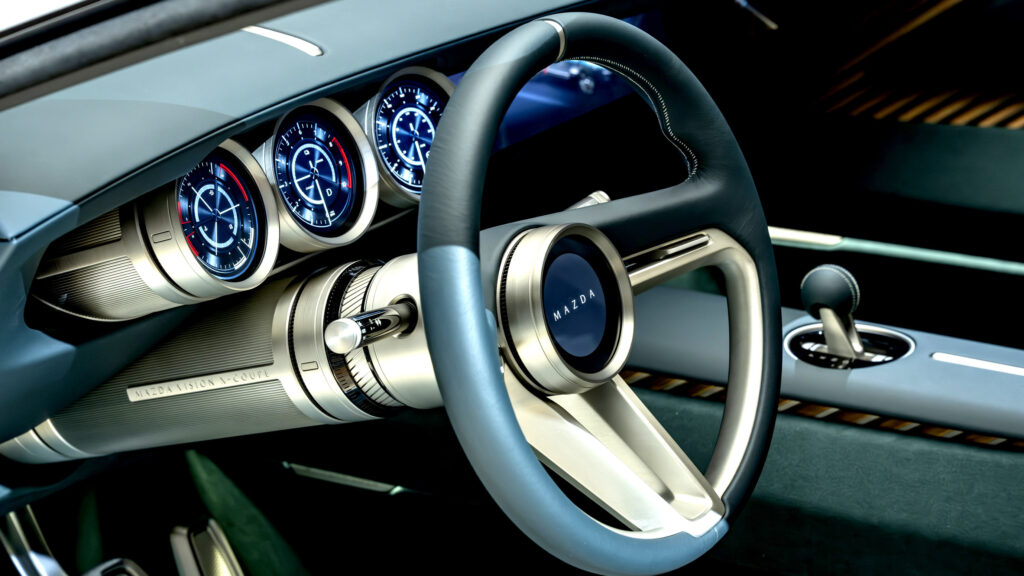
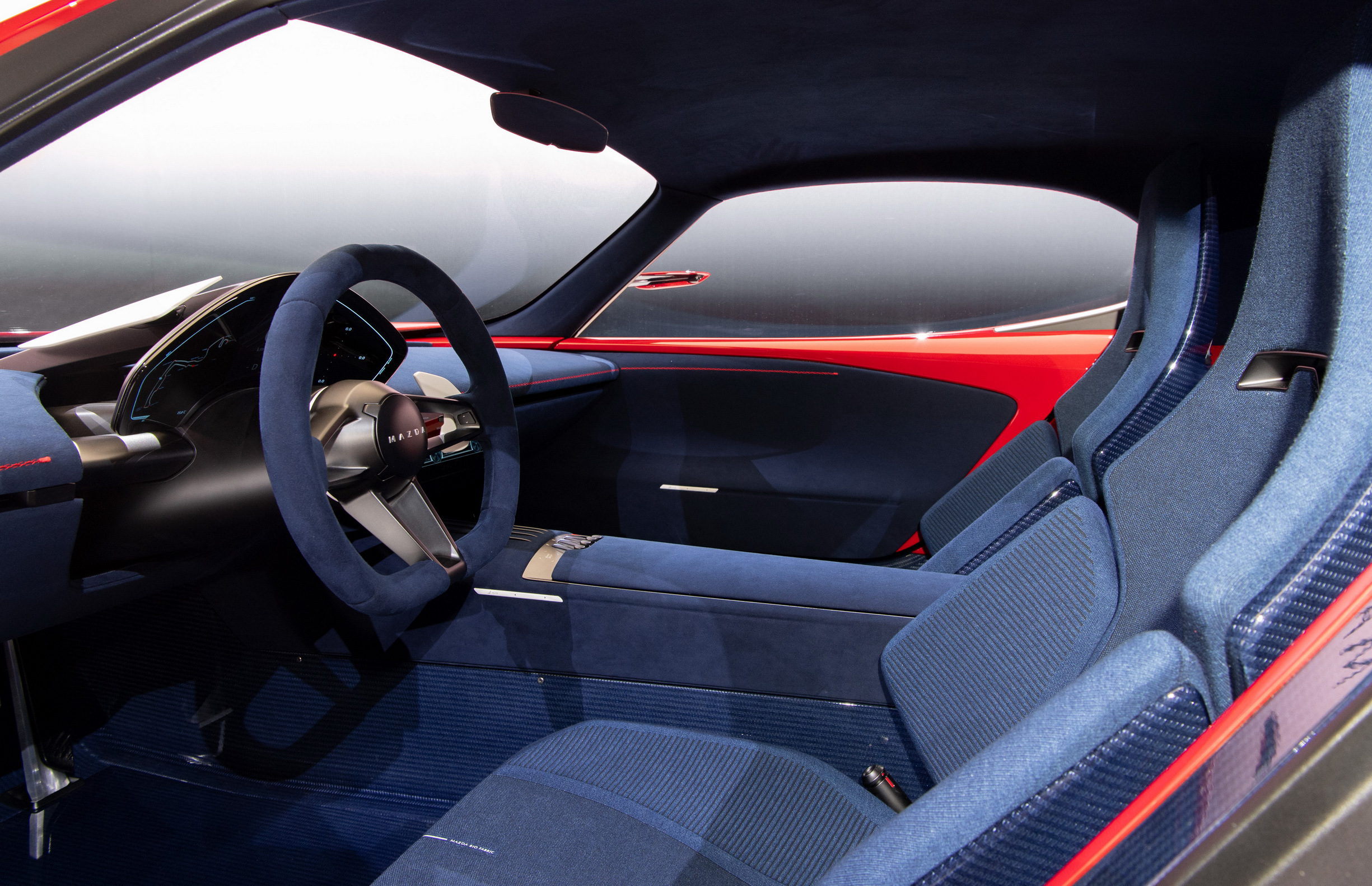
When Mazda rolled out the gorgeous Iconic SP concept in 2023, the enthusiast collective brain immediately screamed “new RX-7 confirmed!” Now yet another interview with Mazda execs is gently fanning those flames again, but serving it with a generous helping of cold financial reality.
In a recent chat, Mazda insiders made it clear the idea of a rotary sports car is not locked in a dusty basement drawer and that the company’s workforce would love to crank out a new RX-7-style flagship.
“The amount of car enthusiasts in this company is insane,” Mazda Europe’s planning chief Moritz Oswald told Auto Express. “Everybody loves cars, so of course there is a deep desire to keep on launching emotional products.”
Profit Is The Priority
The problem is passion doesn’t usually balance spreadsheets, and while no one doubts Mazda could deliver a great $100k sports car, guaranteeing that it would sell in sufficient quantities to make a decent profit is another matter altogether.
“So are we looking into [the Iconic SP]? Yes, of course,” Oswald continued. “But again, we are also a company that has to bring in revenues,” he aded, making clear that the MX-5 is “still our halo car.”
Christian Schultze of Mazda Europe’s R&D team also poured water on the RX-7 dream in the same Auto Express story, stating that “Mazda stands for cars for ordinary people,” not wealthy Porsche owners.
True rotary sports car
But Schultze did hint that if Mazda ever did build something like the SP, it could have a much better powertrain setup than the concept, which used its rotary engine only as a generator to power the 365 hp (272 kW / 370 PS) electric motors that turned the car’s road wheels.
“If you want to have it more sporty then maybe you look rotary plus a more sporty oriented hybrid, more parallel hybrid rather than a series hybrid,” said Schultze. “Because people who cherish the engine, they want to feel the power of the engine directly, not only listen to it.”
What Happened To “Coming Soon”?
This downbeat, pragmatic intel from Mazda Europe paints a very different picture of the SP’s future than the one presented by Masashi Nakayama, Mazda’s design chief, in November 2024.
“This concept is not just one of those empty show cars,” Nakayama said at the time. “It has been designed with real intent to turn it into a production model in the not-so-distant future.”
What feels more realistic to us is the Iconic SP acting as a design preview for the next MX-5. Not the full rotary fantasy, maybe, but still a pretty tasty compromise. And last year’s 503 hp (375 kW / 510 PS) Vision X four-door coupe concept hinted that we could still see a performance rotary powertrain in the near future, though probably not in a two-seat sports car.
January’s average new car price hit a record as incentives quietly pulled back.
Affordable models still exist, but true entry-level cars keep disappearing.
Electric car prices slip slightly, but EV sales have taken a dramatic slide.
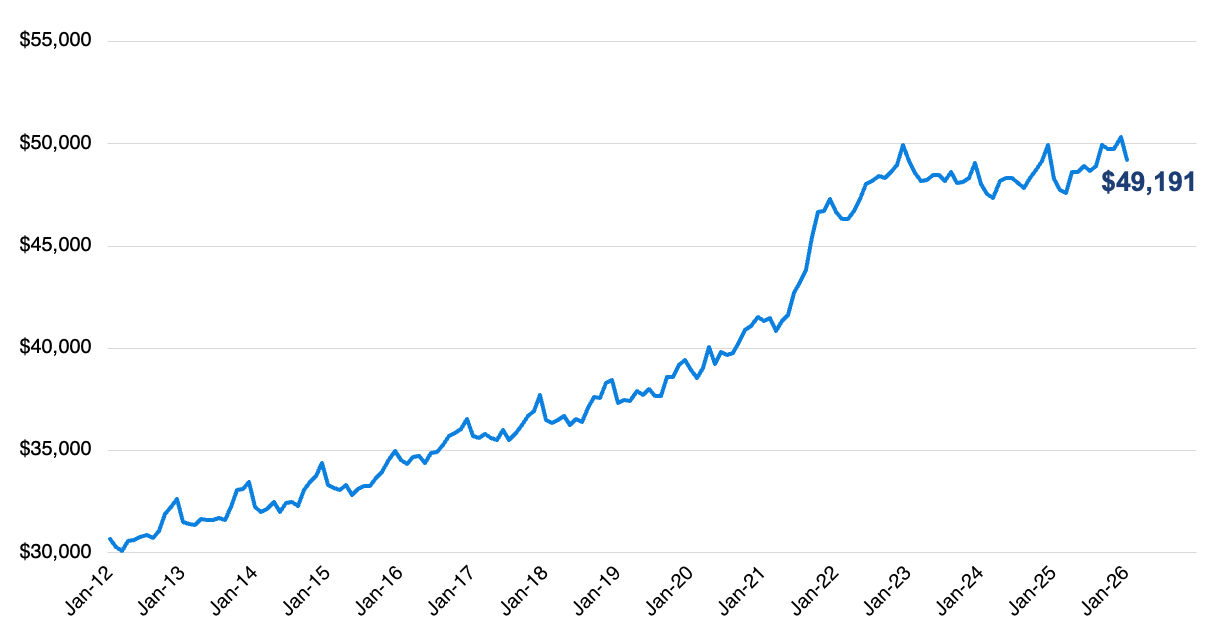
You might have set a New Year’s resolution to slim down, but new-car prices made no such commitment. According to fresh industry data, prices just set another record for January, proving that handing over $50k for a virgin vehicle is basically normal now. But the number of people who think buying an EV is the normal thing to do has dropped dramatically.
The average transaction price in January reached $49,191, up nearly 2 percent from a year earlier and the highest ever recorded for the month, according to KBB. Although prices dipped slightly from December, Cox Automotive called the drop “seasonally normal,” explaining that the market usually “takes a breather” after year-end, when luxury vehicles make up a larger share of sales.
The average new-vehicle manufacturer’s suggested retail price (MSRP), commonly called “the asking price,” also kept climbing, now sitting at $51,288 and staying north of fifty grand for 10 straight months.
New-Vehicle Average Transaction Price
Last month’s pricing uptick came even as sales mix shifted away from year-end luxury volumes. “We hit a new January high even as prices naturally pulled back from December’s luxury-heavy finish,” said Erin Keating, executive analyst at Cox Automotive.
“Consumers are still finding plenty of options below the industry average, especially in core segments like best-selling compact SUVs, but the disappearance of true entry-level vehicles continues to lift the floor higher.”
Incentives Pull Back Hard
Incentives fell to about 6.5 percent of transaction prices, down from higher levels late last year, meaning buyers are shouldering the burden of those higher prices. Automakers are clearly in margin-protection mode, offering just enough in the way of deals to keep metal moving but not enough to feel generous.
Luxury models and big pickups got the juiciest offers, while compact and midsize cars were left mostly to fend for themselves.
Few Bargains Remain
Compact SUVs remain the value choice. With average prices around $36,000 and down 0.6 percent, they sit well below the industry average and continue to dominate sales. Meanwhile, true bargain basement cars are basically extinct. With the Mitsubishi Mirage gone and the recently axed Nissan Versa reduced to whatever stock is still hanging around, the US market has waved goodbye to the sub $20,000 new car.
At the other end of the spectrum, full-size pickups are still living large. Average prices in that segment remain comfortably above $70,000, and buyers are still lining up, with more than 150,000 big trucks finding homes last month.
January marked the fifth consecutive month where full-size pickups averaged over $70K, reinforcing their outsized role in propping up the market average. Subcompact cars, by contrast, struggle to attract more than a few thousand takers a month. Fewer than 4,000 were sold industry-wide last month.
EVs Shunned
Electric vehicle prices actually slipped to around $55,700, down 0.6 percent lower than a year ago, although Tesla’s fell 2.2 percent in the same period. Incentives for EVs also cooled sharply, dropping to 12.4 percent of ATP, down from 18.3 percent in December. Even at those reduced levels, they remain well above the industry average.
However, we wouldn’t be surprised if they are kicked back in to shore up demand, which has dropped alarmingly, according to the data.
KBB says only 66,000 EVs were sold in January, being down a fifth from January 2025, and you can bet the loss of tax credits from October played a big role. In fact, that total reflects a nearly 30 percent year-over-year drop and a 20 percent decline from December. Tesla accounted for about 60 percent of total EV sales.
Spy shots reveal ID. Polo bodywork with minimal disguise.
Two prototypes show R-Line styling with subtle add-ons.
FWD platform offers 114, 133, and 208 hp configurations.
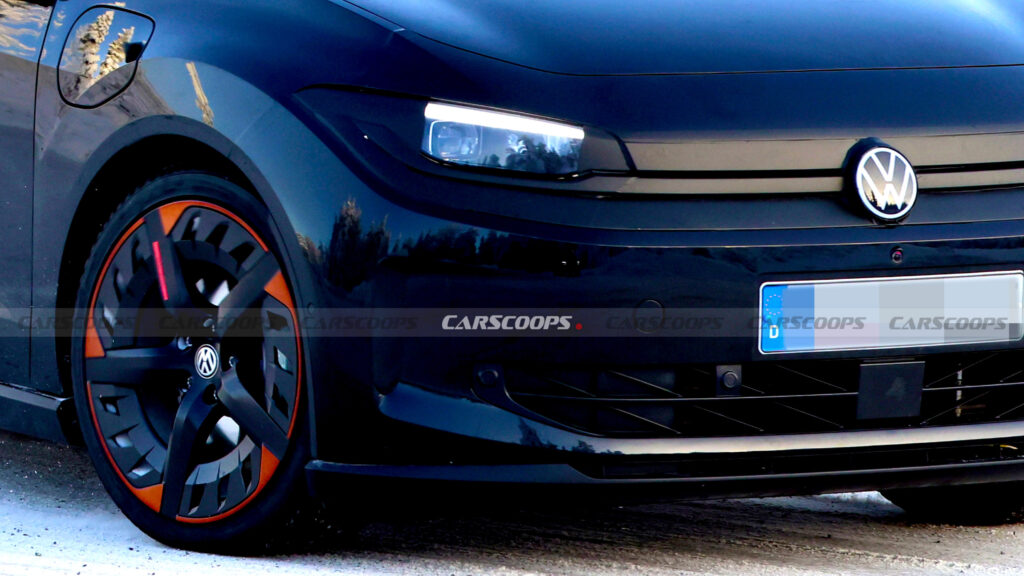
Camo season is clearly ending early for Volkswagen’s smallest electric hatch. Fresh spy shots show the upcoming ID. Polo testing in winter conditions, while wearing so little disguise it might as well not have bothered at all.
Sure, VW already showed us official photos of prototypes at the tail end of 2025, but those cars were wrapped like overenthusiastic Christmas presents. These new images are different. The sides are totally clean, giving us a proper look at the proportions, surfacing, and that neat rear door handle tucked into the window frame near the C pillar.
Up front and out back, there’s still a thin layer of visual misdirection, but not enough to hide the shape of the lower intakes or the basic bumper design. It all looks very production-ready and incredibly close to the ID.2 all concept from back in 2023.
Not Quite A GTI
Two cars appear in the photos, one white and one black. The darker car rolls on larger, sportier alloys, and both seem to wear subtle body add-ons. Think small roof spoiler, chunkier side skirts, and a deeper front lip. That points to R Line trims rather than the full-fat GTI, which VW has previewed separately, again in disguise form, with even angrier details.
Size-wise, this electric supermini is close to the current combustion Polo, but clever packaging and a long 2,600 mm (102.4 inches) wheelbase mean more interior room. Volkswagen says rear passengers get extra legroom, plus gains in headroom and cabin width.
Inside, drivers get to enjoy real buttons, warm materials, and some slick retro gauge cluster graphics, as VW itself recently teased.
Up To 223 hp
Power comes from front-mounted motors in three flavors: 114 hp (116 PS / 85 kW), 133 hp (135 PS / 99 kW), and 208 hp (211 PS / 155 kW). Those setups exactly match those confirmed for the ID. Polo’s Skoda Epiq cousin, which, along with the Cupra Raval, rides on the same front-wheel drive MEB+ platform, so expect zero to 62 mph (100 kmh) in around 7 seconds.
The even hotter ID. Polo GTI, the first electric VW to get those letters, lands later with 223 hp (226 PS / 166 kW).
Entry versions use a 37 kWh battery with modest fast charging and city-friendly range, but a larger 52 kWh pack will give 280 miles (450 km) between stops. But it sounds like the big battery will be the only one available at launch, meaning the promised €25,000 starting price might not be a reality until very late 2026 or early 2027.
Chinese Cupra Tavascan could dodge tariffs under EU price deal.
Lawmakers expected to approve the pricing-based tariff path.
China supports the move but pushed for broader concessions.
The Volkswagen Group has been doing some careful footwork lately, trying to stay ahead as Europe tightens the rules on electric cars coming in from China. Cupra boss Wayne Griffiths warned just over a year ago that the brand could be “wiped out” by new European Union tariffs on electric vehicles imported from China.
But now, the VW Group might get a special lane through Europe’s new tariffs on Chinese-built EVs, and that possibility isn’t going unnoticed in Beijing.
Here’s the deal in simple terms. The EU slapped tariffs on electric cars made in China, arguing they benefit from heavy state support. But there is a loophole. Instead of paying those extra duties, a carmaker can agree to sell a model at a minimum price.
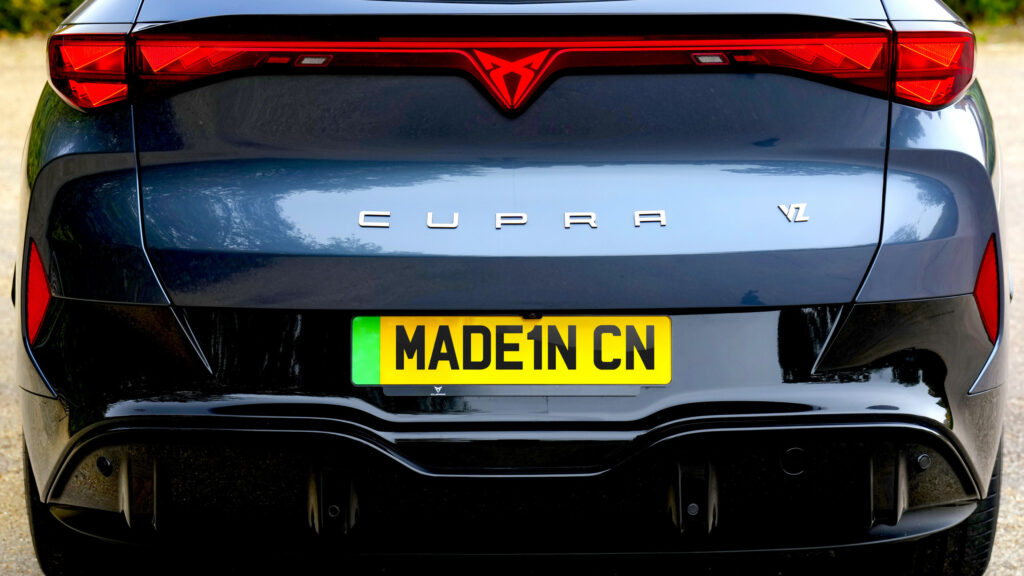
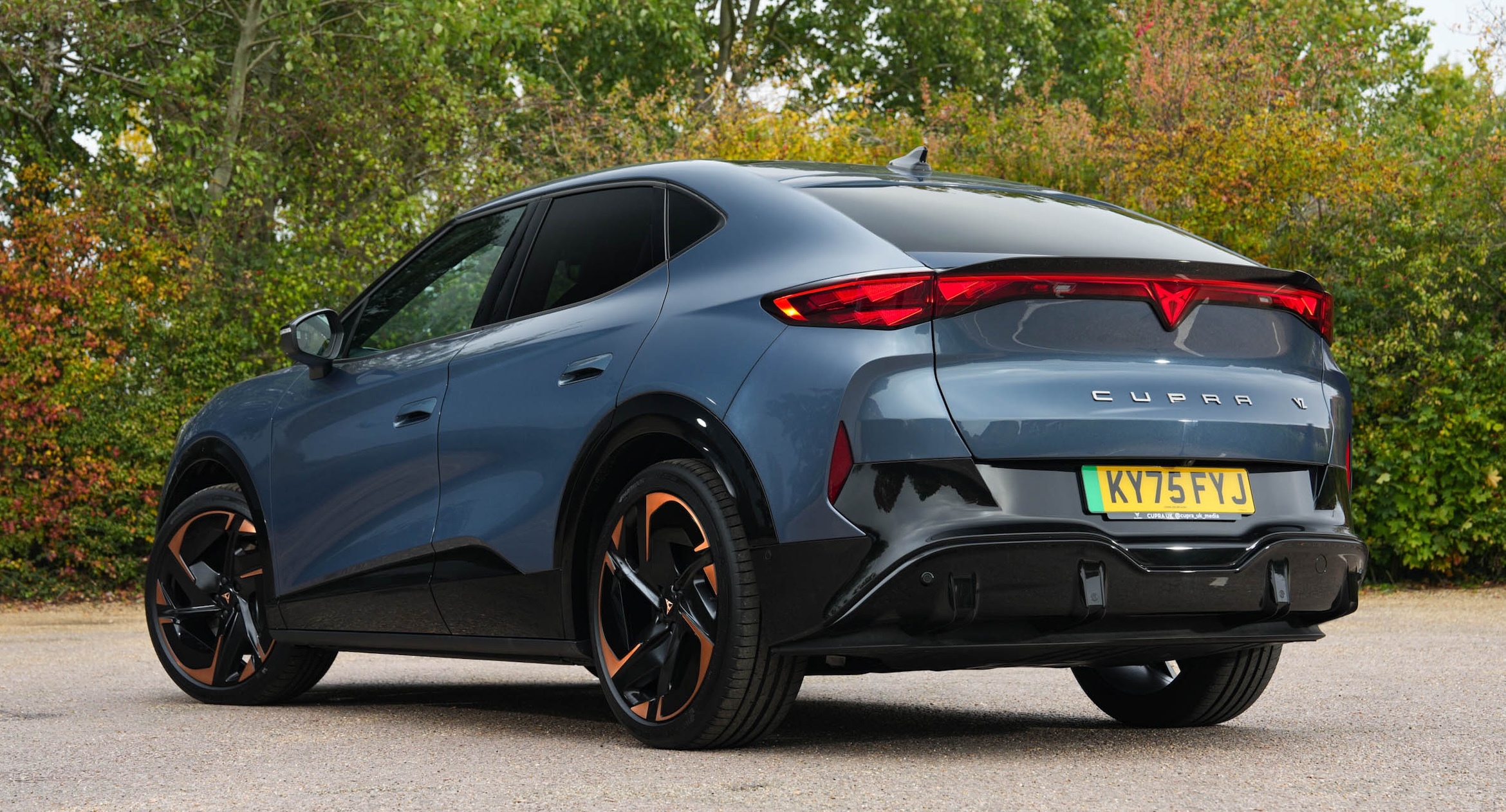
Volkswagen looks set to use that option for the Cupra Tavascan, which is built in China, Germany’s Handelsblatt reports. If Brussels signs off, VW can ship it into Europe without being stung by punitive 20.7 percent tariffs, as long as it sticks to the agreed pricing rules. Officially, this is all perfectly above board and part of existing procedures.
Not A U-Turn
The European Commission’s diplomats in Beijing say these kinds of allowances do not constitute a U-turn on its Chinese vehicle policy, a complaint leveled by some critics. Beijing, meanwhile, is being outwardly positive about the rumored EU concessions.
But behind closed doors, the Chinese worry that Volkswagen might be getting friendlier treatment than other manufacturers because it’s a European brand. China had pushed for an industry-wide solution, but now seems to be accepting smaller, case-by-case deals, realizing that letting individual brands cut their own deals may be better than endless stalemate.
Long Process
Each application for a minimum pricing deal can take well over a year and must be reportedly handled on a car-by-car basis, the report says. Industry watchers doubt every Chinese brand will rush in, especially those already making healthy margins even with tariffs in place, but VW evidently believes it’s worth the admin in the Tavascan’s case.
The Tavascan is Cupra’s sportier take on the VW ID.5, a 182.8-inch (4,644 mm) electric crossover built around the MEB platform and offering a mix of single and dual-motor powertrains with up to 353 miles (568 km) of electric range.
Ferrari’s first EV named Luce, pairs retro tactility with futuristic digital tech.
Exposed aluminum and innovative layered displays are like nothing else.
Nardi-style steering wheel features power and chassis manettinos toggles.
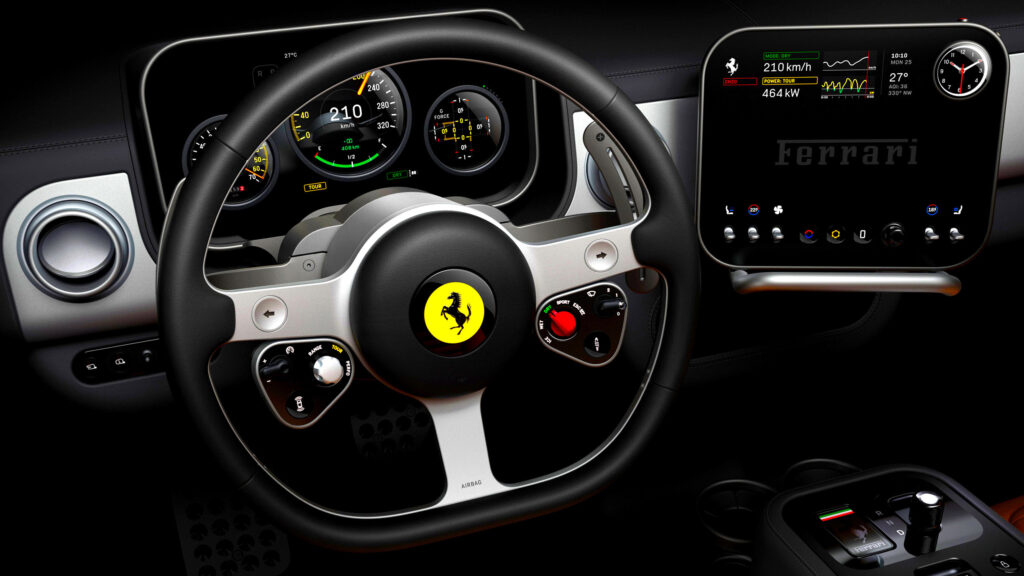
If you thought Ferrari’s first EV would feel like an iPad on wheels, think again. The new cabin designed by former Apple man Jonny Ive is a gorgeous fusion of digital tech, tactile physical controls, and some retro styling cues guaranteed to make even a trip to the corner store feel like a Mille Miglia run.
Meet the Ferrari Luce, a name that means light and quietly hints that electrons can still have a pulse. Before we even see the bodywork in May, the Italians have pulled back the curtain on the interior to prove to us that maybe an electric Ferrari isn’t the devil’s work after all.
That design energy comes courtesy of LoveFrom, the creative outfit founded by Jony Ive and Marc Newson. Ive is famous for his work on touchscreen tech juggernauts like the iPhone and iPad, but for this project, he was adamant that the Luce needed plenty of real switches.
Toggles Are Back
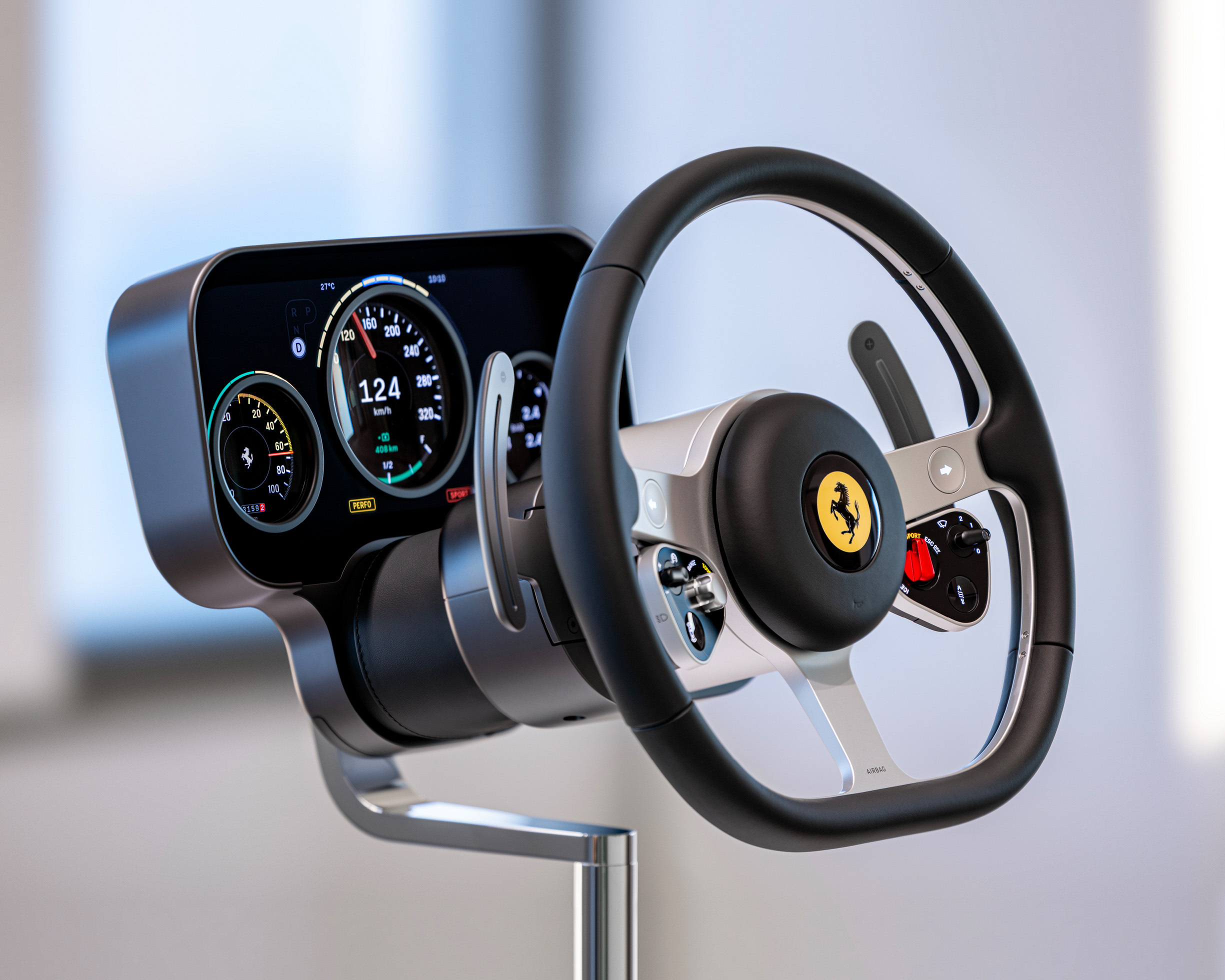
So the Luce doubles down on physicality. Real buttons. Real toggles. Real rotary controls that click with satisfying precision. Ferrari says test drivers went through more than 20 rounds just to perfect the feel and sound of each switch. It is basically ASMR for your fingertips, especially the launch control switch, which is located above your head, aircraft-style.
Front and center is a steering wheel that looks like it time-traveled from the 1960s. Three slim spokes, exposed aluminum, and a layout inspired by classic Formula One cars. Nineteen CNC-machined parts make it lighter than a typical Ferrari wheel, yet it’s packed with finger controls so you can adjust things without playing touchscreen whack-a-mole.
Real Or Virtual?
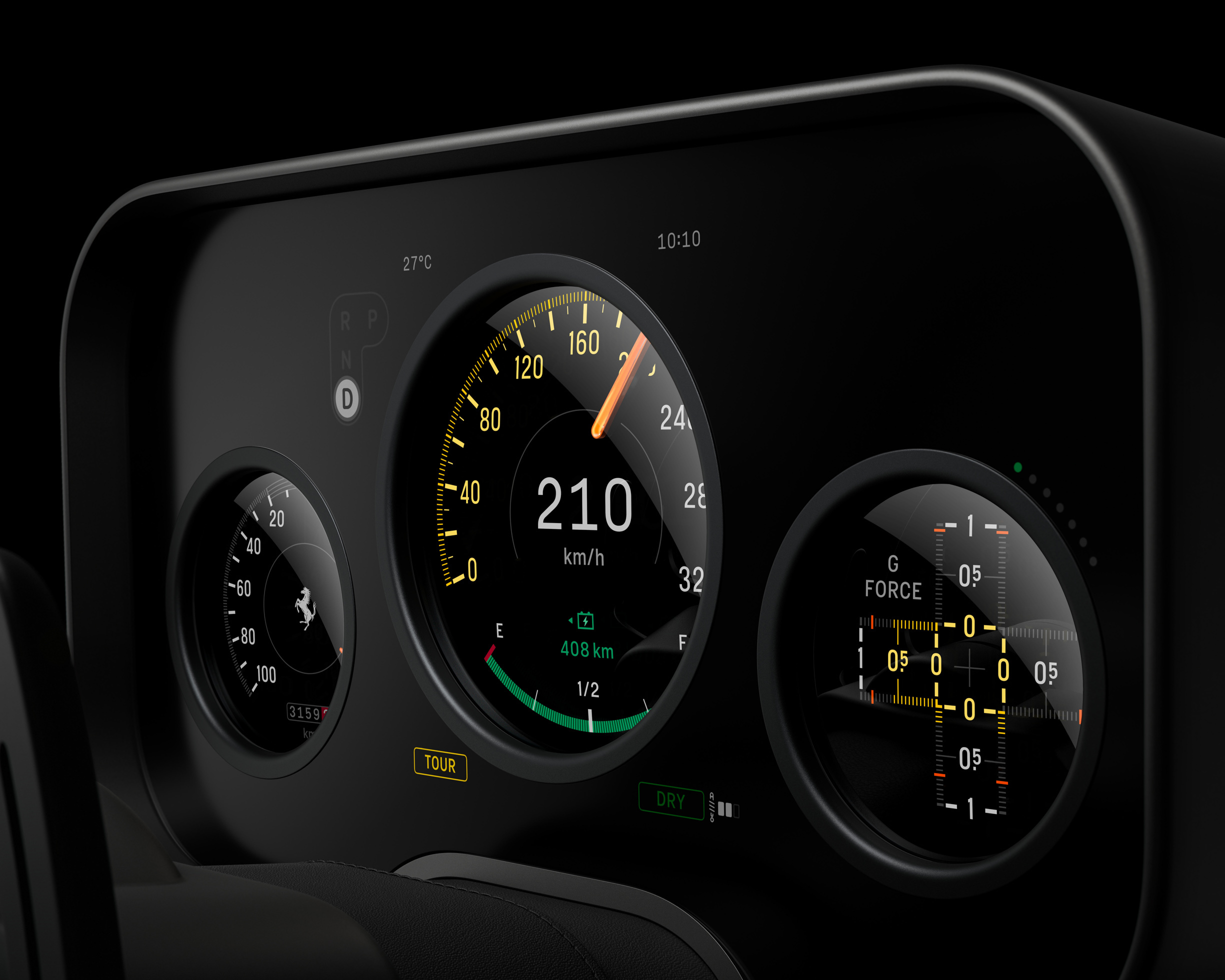
Behind it sits a wild instrument binnacle developed with help from Samsung Display. Two wafer-thin OLED panels overlap to create deep, layered dials that look almost analog at a glance. There’s even a physical needle sweeping across digital graphics because apparently pixels alone weren’t dramatic enough.
According to Ferrari, the Luce’s digital displays were “inspired by both historic automotive cues and the purposeful, clear graphics found in aviation, particularly helicopters and aircraft.” The influence is easy to spot. The layout and typography are unmistakably automotive, a modern tribute to the Veglia and Jaeger instruments from classic Ferraris.
Start-Up Buzz
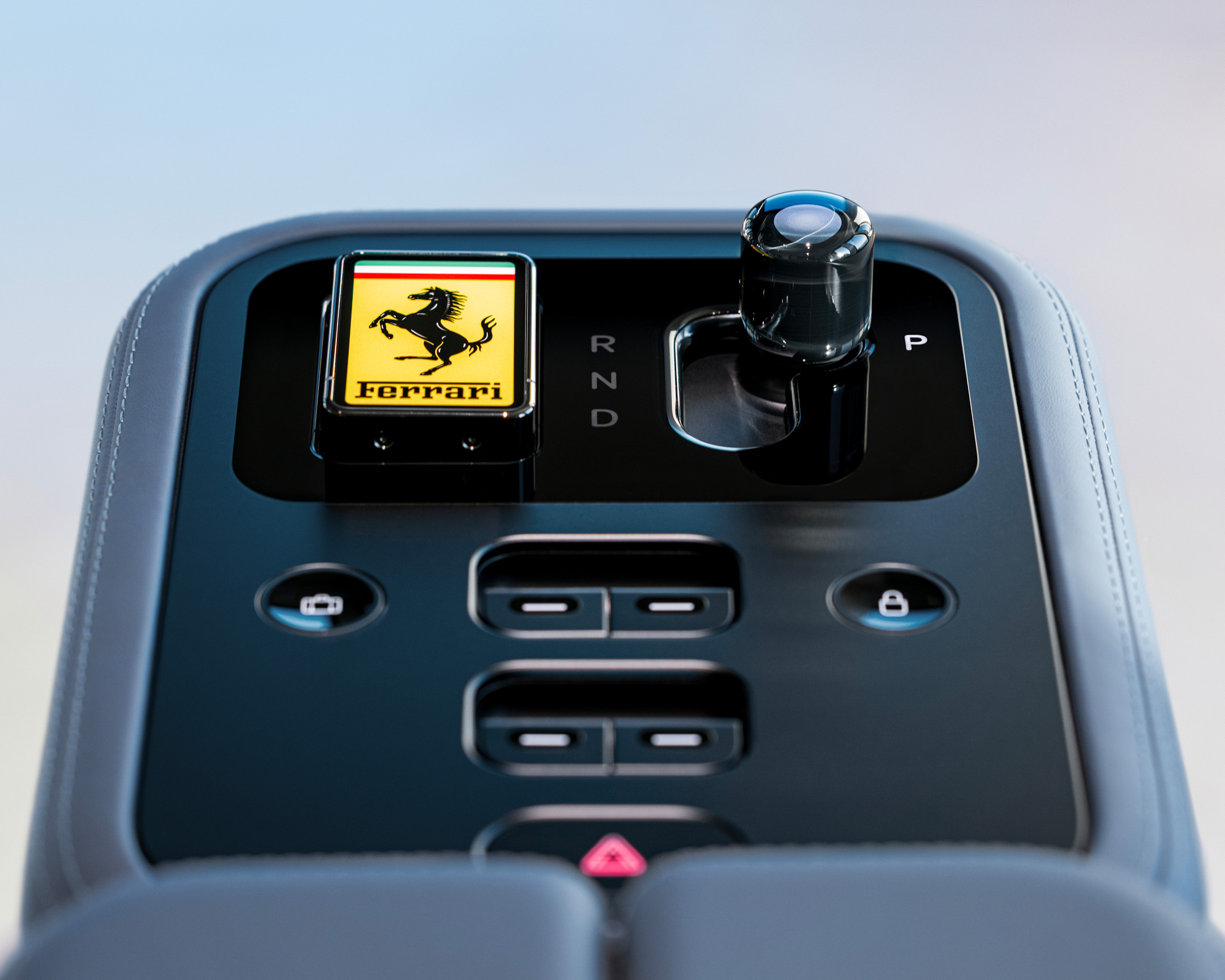
Ferrari messed up with the SF90, putting a nasty touch-sensitive start button on the steering wheel that killed much of the buzz you normally get from firing up a Maranello car. But it has redressed the balance with the Luce’s startup ritual. First, you insert a chunky glass key into a dock on the console. Its color shifts, then the drive selector wakes up in a coordinated light show.
We’ll have to wait until May to see the Luce’s exterior, though it’s likely we’ll learn more about the powertrain and chassis package between now and then.
Many of us thought we’d find it hard to get excited about an electric Ferrari, no matter how quickly it laps Fiorano, but if the rest of the car is as thoughtful and original as this cockpit there’s going to be plenty to love, even if it doesn’t have gas in its veins.
Skoda Epiq is the brand’s smallest EV and Kamiq alternative.
Built on VW’s MEB Plus with FWD and up to 267 miles of range.
Related to VW ID. Polo and Cupra Raval, starts from €26,000.
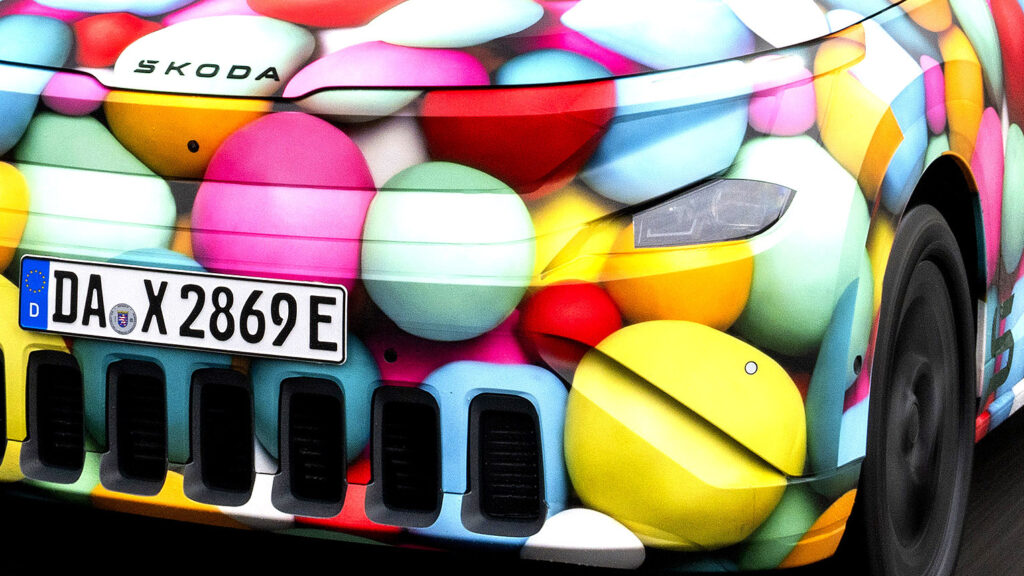
This year’s new Skoda Epiq still wearing a psychedelic disguise, but underneath the swirls and squiggles is a very clear message. This is the electric SUV for people who like their cars small on the outside, big on the inside and don’t want to pay a premium for swapping a combustion powertrain for an electric one.
Think of the Epiq as the baby brother to the Elroq and Enyaq, and the electric cousin of the Kamiq. At just under 4,200 mm (165 inches) long and riding on a 2,601 mm (102 inches) wheelbase, it’s squarely in city-friendly crossover territory.
However, Skoda claims packaging magic gives it one of the biggest boots in its class, at a surprising 475 liters (16.8 cu-ft). Fold the seats and you get 1,344 liters (47.5 cu-ft), which is properly useful family car stuff.
What’s Underneath?
Under the skin, the Epiq is Skoda’s first model on the new MEB Plus platform, a cost focused evolution of the VW Group’s electric toolkit. Unlike larger rear drive MEB cars, this one is front wheel drive, which helps free up cabin and cargo space.
It’s also closely related to the upcoming VW ID. Polo and the Cupra Raval, all part of the group’s affordable urban EV push along with the ID. Cross SUV.
Tortoise Or Hare?
The not very epic entry-level Epiq 35 makes 85 kW, or about 114 hp (116 PS), from a single front motor that gets it to 62 mph (100 kmh) in 11.2 seconds, and uses a 38.5 kWh LFP battery for up to 196 miles (315 km) of range. But a maximum 50 kW charge speed means fills will be slow, so this one is best suited to urban sorties from the house, not road trips.
The Epiq 40 bumps power to 133 hp (135 PS / 99 kW) and drops to 62 mph sprint to 9.8 seconds, with similar battery capacity but slightly faster 90 kW DC charging. At the top sits the Epiq 55 with 208 hp (211 PS / 155 kW) and a larger 55 kWh NMC battery good for up to 267 miles (430 km) of range.
Charging peaks at up to 133 kW on the bigger battery, meaning a 10 to 80 percent top up can take just over 20 minutes, and the 62 mph time is a spritely 7.4 seconds. That makes this little Skoda more road trip capable than you might expect from something that looks ready to spend its life dodging delivery vans and cyclists.
Big Screen, Eco Materials
Inside, Skoda promises its usual Simply Clever touches, a 13 inch central screen, a small digital driver display and lots of recycled materials. It hasn’t released any interior images of the finished car yet, but the cabin pics of the Epiq concept shown in the gallery below are surely at least 85 percent on the money.
We’ll get the real images in the coming weeks, along with prices, which are expected to start at $26,000 (£25k for the UK), matching those of the combustion Kamiq. That looks like good value next to Kia’s EV3, though the base EV3 is much more powerful and longer-legged. Renault’s 4 E-Tech also poses a strong threat thanks to its even lower entry price, better range and acceleration and more interesting design.
75 percent of Germans say they probably won’t buy a Tesla.
Politics now shape how Germans view EV brands and buyers.
Domestic brands are gaining as Tesla’s appeal declines.
Tesla might be providing employment for thousands of Germans at its Berlin Gigafactory, but the nation’s car buyers have no interest in returning the favor by getting a Tesla of their own. A new survey suggests most Germans aren’t just hesitant about buying a Tesla, they’re actively swiping left on the idea.
According to research from the German Economic Institute, more than three quarters of Germans say buying a Tesla is off the table. Around 60 percent called it completely out of the question, while another 16 percent polled in the study said they probably wouldn’t buy one.
That’s not a minor wobble in brand appeal, it’s a serious collapse, and helps makes sense of Tesla’s 27 percent sales decline in Europe last year.
What makes it more awkward is that interest in electric cars in general is not the problem. According to DW, the same survey shows plenty of Germans are open to EVs, especially from domestic brands. Around one in five new cars sold there is fully electric and roughly 40 percent of those surveyed said they could imagine buying an electric car from a German brand.
Musk Is The Problem
Researchers point to Tesla boss Elon Musk as a big part of the story. His outspoken political positions, including voicing support for Germany’s far-right AfD party, and his association with President Trump, and by proxy, tariffs and US threats against Greenland and European security, have not exactly gone down smoothly with many German buyers.
Political views now play a major role in EV purchasing decisions in Germany, turning what used to be a tech and environmental choice into something that feels far more tribal.
Even groups you might expect to be more Tesla friendly aren’t rushing to sign order forms. Among supporters of Germany’s Green Party, who are generally enthusiastic about electric mobility, only one in 10 said they could imagine buying a Tesla.
On the other end of the political spectrum where AfD supporters live, enthusiasm for EVs overall is low, which drags Tesla interest down even further.
A Win For BMW And Mercedes
For German automakers, this looks like an unexpected gift. With Tesla stumbling in the court of public opinion, local brands suddenly have more room to sell their own electric models without having to wrestle with Silicon Valley star power. BMW’s new iX3 is one EV capitalizing on Tesla apathy. It’s nearly sold out for the year.
It is a reminder that in the EV era, software and charging speeds matter, but so does how people feel about the badge on the hood. But maybe Elon Musk doesn’t care, because he has his eyes on a bigger prize.
Having revolutionised the car market, Musk is going all in on robots and robotaxis, which have the potential to generate even more money for Tesla. Last month the CEO confirmed the Model X and S would be axed this spring to make way for Optimus robot production.
CATL says its new 5C battery lasts far longer than rivals.
Delivers 1.1M miles with repeated fast charging at 20 C.
Withstands 60 C heat and still offers over 500,000 miles.
New EVs come with long battery warranties, but used EV buyers picking one up years later don’t get that same safety net. And the thought that a car spent its early life tethered to a fast charger is a major worry. But according to one major Chinese battery supplier, that may not be the case for much longer.
CATL claims its latest 5C lithium ion pack can retain 80 percent of its original capacity after 3,000 full charge cycles when hooked up to a fast charger under ideal 20 degrees C (68 F) conditions. Do the math and that works out to roughly 1.1 million miles (1.8 million km). That’s taxi driver territory, not school run use.
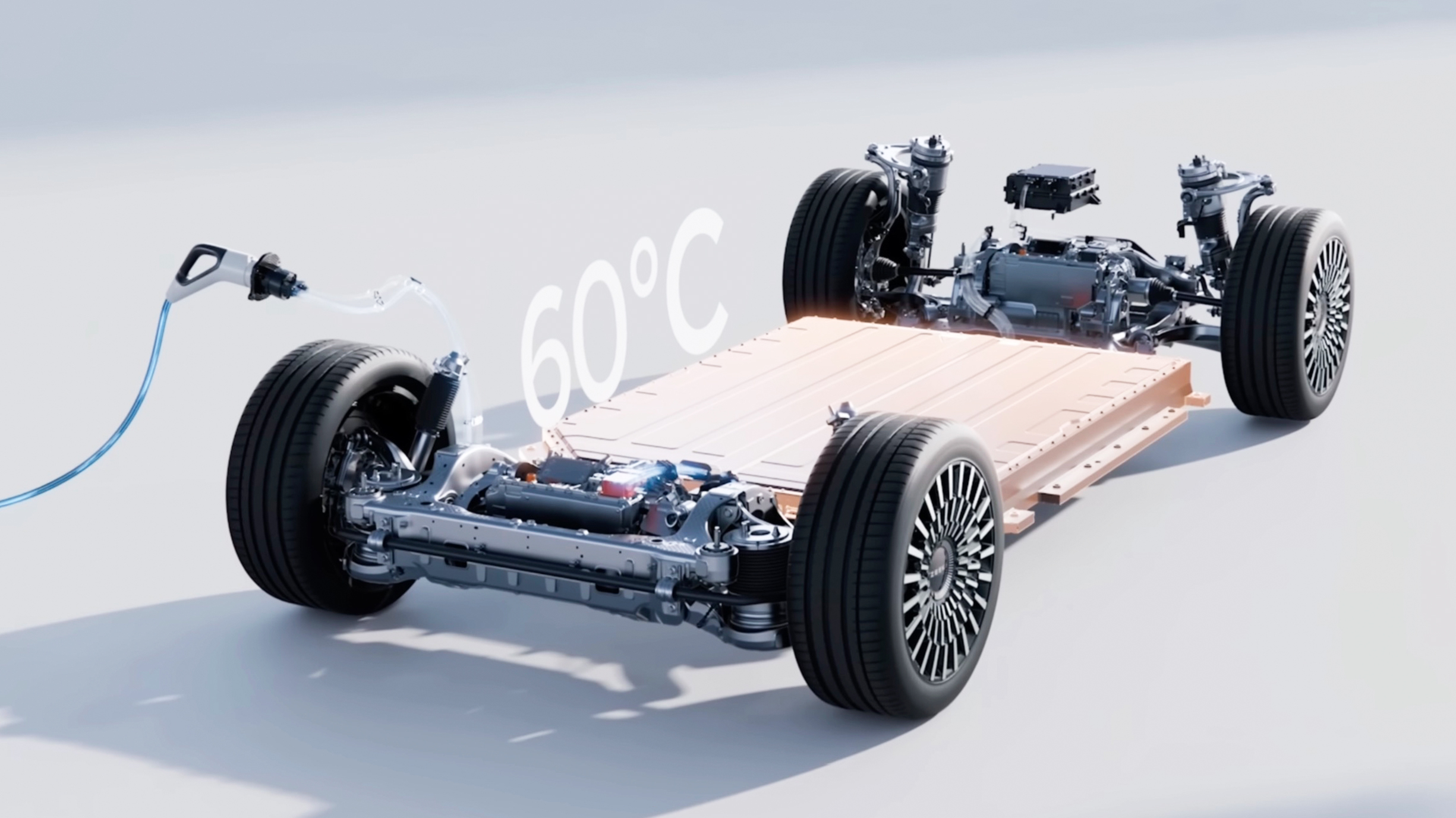
Even when things get toasty, the numbers still look wild. CATL says that at 60 C (140 F), which it compares to a Dubai summer, the battery still holds 80 percent capacity after 1,400 cycles. That equates to around 520,000 miles (840,000 km), which is still more than many cars ever see.
Charge In 12 Minutes
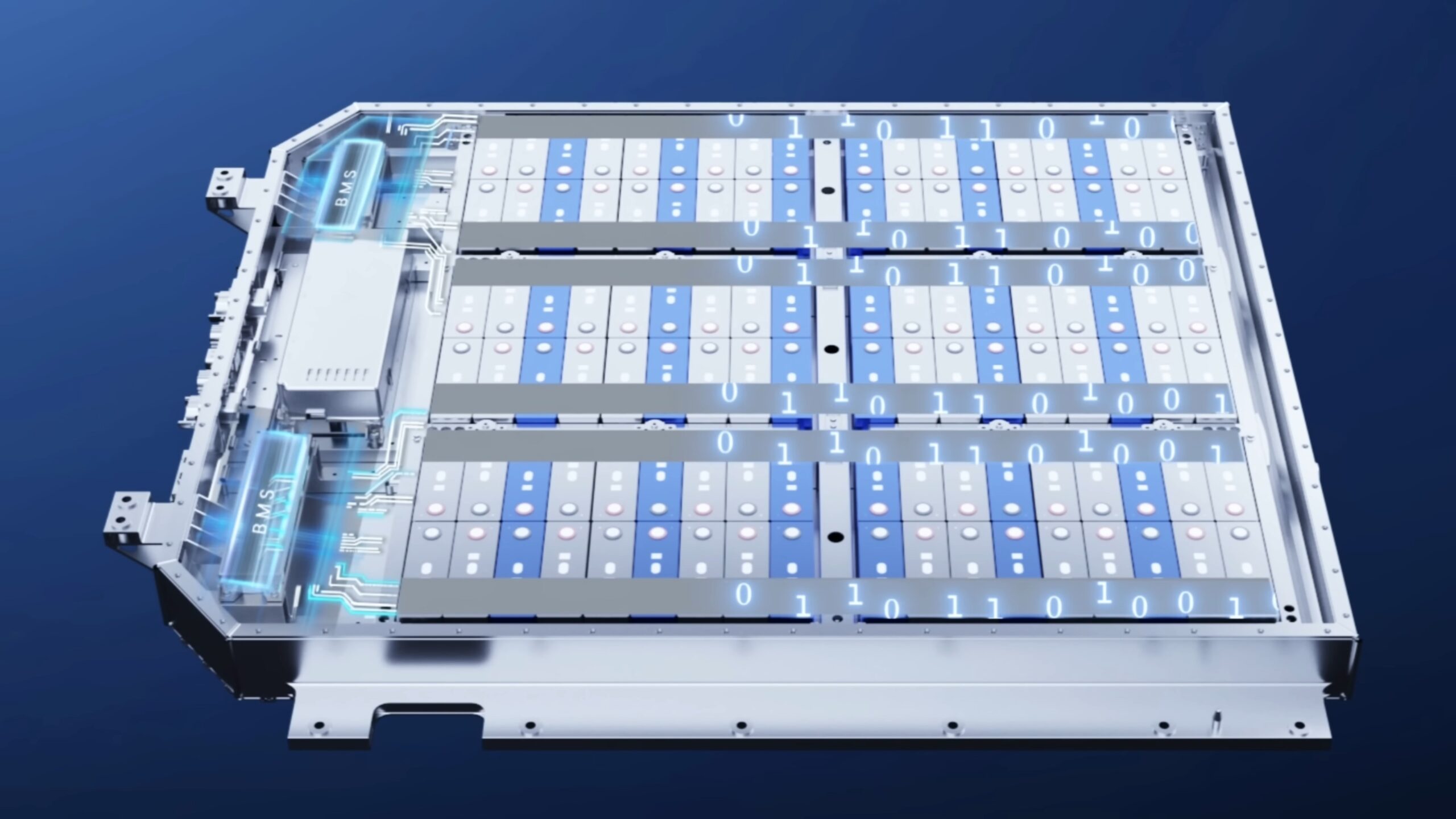
The 5C label refers to charge rate in fills per hour. In simple terms, this battery can theoretically be charged from empty in about 12 minutes. Ultra fast charging like that normally hammers battery longevity, but CATL says clever chemistry and thermal management keep degradation in check.
According to the company, the secret sauce includes a more uniform cathode coating to reduce structural damage, a special additive in the electrolyte that helps repair tiny cracks, and a temperature responsive layer on the separator that slows ion movement if things start getting too hot. The battery management system can also target cooling to specific hot spots inside the pack.
All of this is aimed at making fast charging routine rather than something owners try to avoid. That could be a game changer for high mileage users like taxis, ride hailing drivers and delivery fleets, where downtime really is money.
Of course, this is all on paper for now. CATL hasn’t said when mass production will start or which cars will get these long-life packs first. Real world results often look less glamorous than lab numbers.
Still, if even half these claims hold up, the idea that an EV battery might outlast the car wrapped around it suddenly sounds a lot less like science fiction and a lot more like your next used car bargain.
Canada cut Chinese EV tariffs from 100% to 6.1% in new deal.
Initial cap set at 49,000 vehicles, with future growth to 70,000.
Nearly half of new EVs expected to cost under $35k CAD to start.
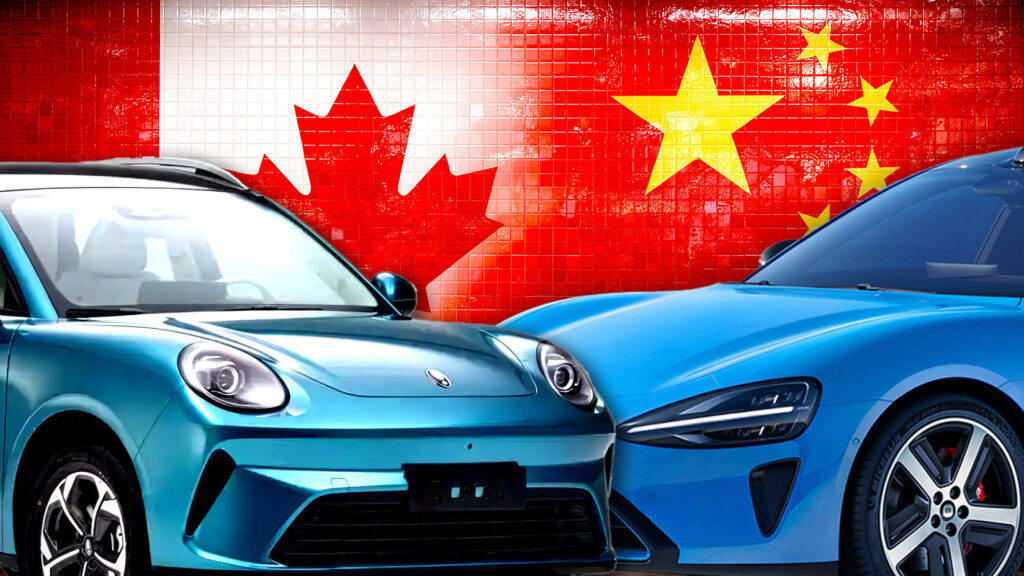
A new trade agreement has cracked the door open for electric vehicles from China to officially re-enter the Canadian market. In exchange, the People’s Republic is easing up on tariffs for Canadian agricultural exports, especially canola. Yes, your future EV might be indirectly powered by salad oil diplomacy.
Cheap, tech-packed, and improving at a scary pace, Chinese EVs are terrifying North American automakers and fascinating savvy car buyers, and they haven’t even landed yet, kept out by tariffs and political caution.
This new agreement changes the vibe. Canada gets more affordable EV options because the tariff rate is being cut from 100 percent to 6.1 percent.
The initial annual import cap is set at 49,000 vehicles, or one third of the car market, but could grow to 70,000 annually five years from now. And crucially, around half of the volume is expected to cost less than $35k CAD ($25k).
But what would you buy? If price is king, the tiny BYD Seagull, sold in some markets as the Dolphin Surf, could be the ultimate city runabout. Sure, it looks about the size of a carry on suitcase with headlights, and Canadian winters are not exactly minicar friendly.
However, if the goal is getting more people into affordable EVs, this little hatch and its bigger Dolphin brother could be game changers for urban commuters.
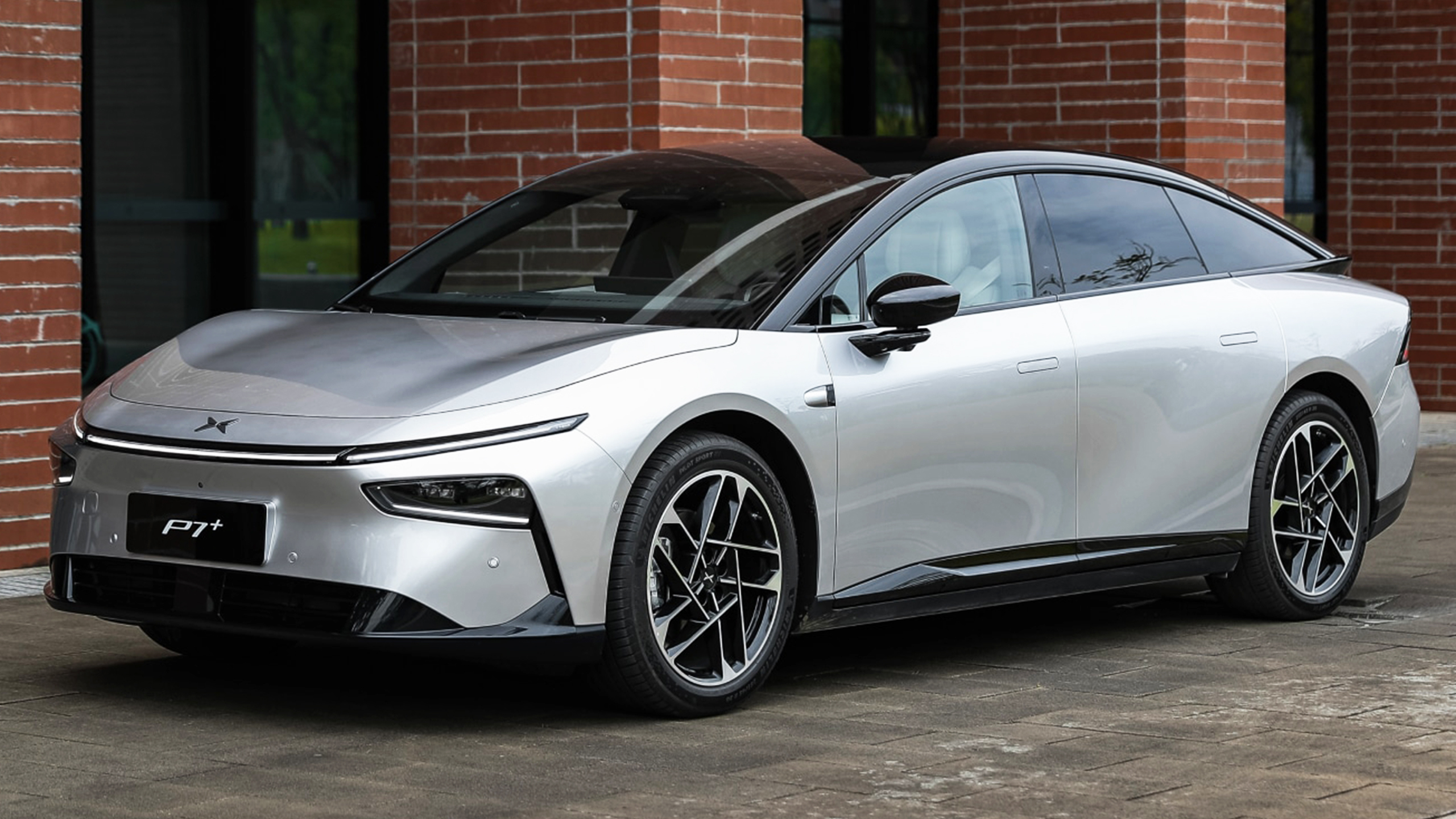
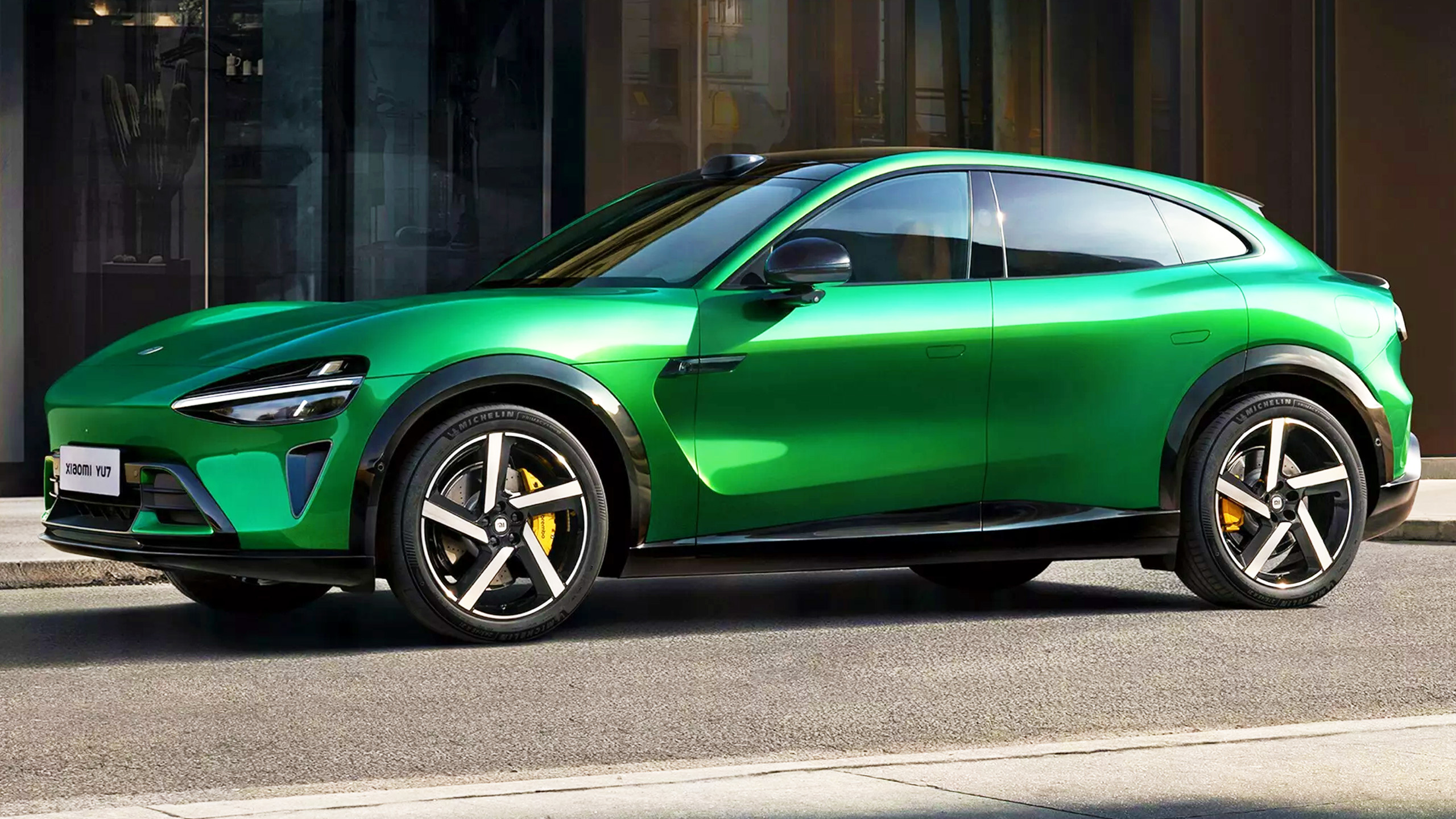
Sedan fans looking for some style, will be hoping Xpeng’s P7+ (seen above) gets an invite, but if you’re determined to blow past that $35k budget you’ve surely got to be rooting for the Xiaomi SU7 sedan and YU7 SUV.
These are the cars that make traditional brands nervous and car nerds very curious. Ford CEO Jim Farley daily-drove an SU7 specially imported for him and his team in 2024 and described it as “fantastic,” telling an interviewer “I don’t want to give it up.”
Of course, there will be questions about service networks, long term reliability, and how these brands fit into Canada’s market. But purely from a car geek perspective, the idea of suddenly having access to this whole new wave of EVs is kind of exciting.
So Canadians, if these cars start showing up in showrooms, which one are you signing for? And if you are reading from elsewhere, play along. If you did live in Canada, what Chinese EV would be on your driveway?
Electric YU7 GT packs 990 hp from dual-motor, all-wheel drive setup.
Voluptuous body bigger air intakes, large rear diffuser, red GT badge.
Reports say the Model Y Performance-eater could cost $60k-$70k.
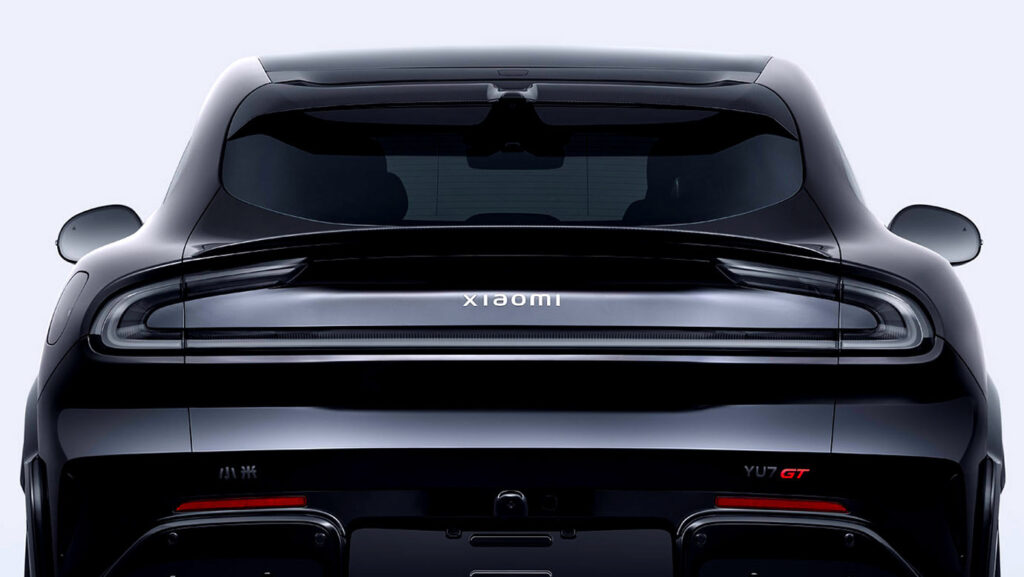
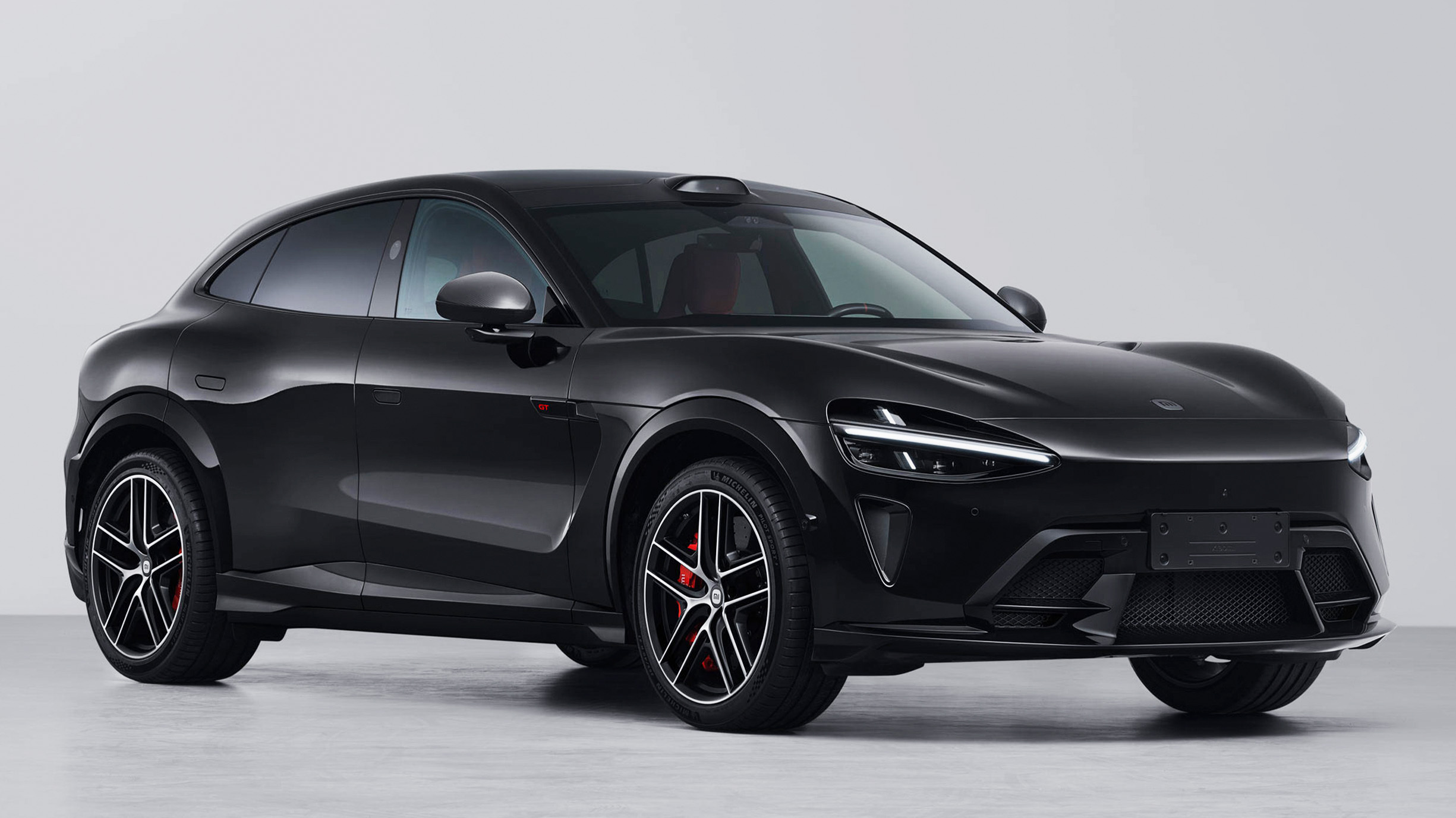
Xiaomi isn’t content with making an SUV that looks almost as good as Ferrari’s. The Chinese tech giant’s high performance YU7 GT has surfaced in official Chinese filings, and if the numbers are right, this thing has enough power to make some V12 Purosangue owners sweat into their designer driving gloves.
The regular YU7 is already turning heads by mixing sleek looks with serious EV grunt. Now Xiaomi has cranked the dial way past sensible. The GT version gets a dual-motor setup pushing a combined 738 kW, which works out to about 990 hp (1,004 PS). Its combustion Ferrari lookalike makes do with 715 hp (725 PS / 733 kW).
Okay, so that’s not quite as crazy as the 1,526 hp (1,547 PS / 1,138 kW) punched out by the hottest version of the YU7’s sedan brother, the SU7 Ultra, but we doubt anyone who buys one will feel it lacking in go.
Spec papers logged with Chinas’ Ministry of Industry, Information and Technology (MIIT) list the top speed as 186 mph (300 kmh) and we’d put money on that being artificially limited. The battery is a lithium pack from CATL but electric range details are still under wraps.
Subtle Menace
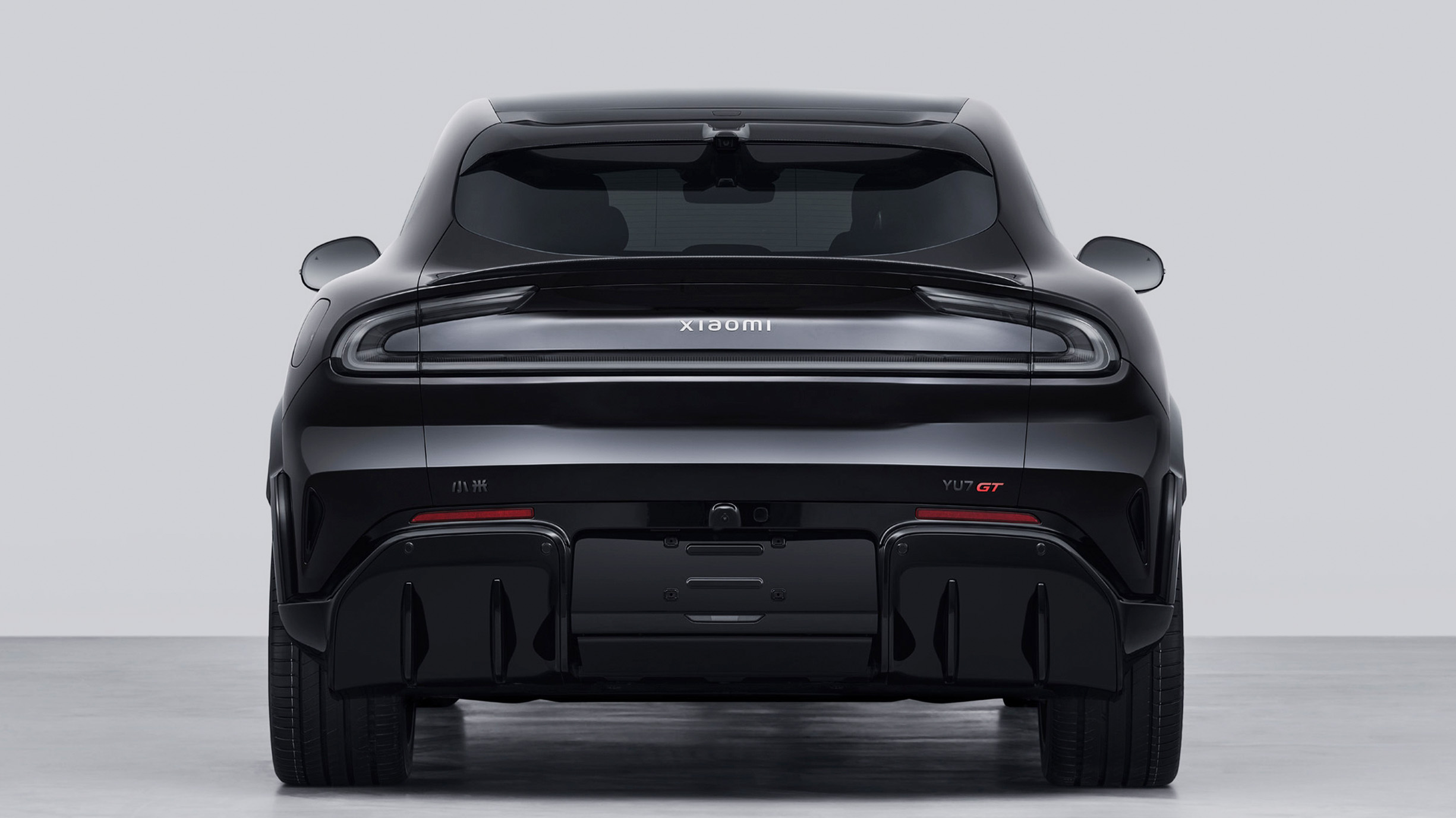
Visually, the GT dials up the drama with, chunkier bumpers with angrier air intakes and a large rear diffuser. Red brake calipers peek out from behind 21 inch wheels, and there are matching red GT badges on the rail and doors to make sure nobody mistakes this for the sensible family version.
The regular YU7 lineup already stretches from single-motor, rear-drive models with around 315 hp (320 PS / 235 kW) up to dual-motor versions with as much as 681 hp (691 PS / 508 kW). Those cars helped Xiaomi rack up huge sales in China and even outranked the Tesla Model Y on home turf.
Priced to Shame Porsche
The YU7 GT sits higher, both in performance and, most likely, price. Early chatter from China point to a range between 450,000 and 500,000 yuan, or roughly $60,000 to $70,000. Porsche’s new Cayenne Turbo Electric makes significantly more power, with 1,139 hp (1,155 PS / 850 kW), but it starts at $163,000 in the U.S. and is expected to cost at least twice as much as the Xiaomi in China. No surprise, then, that Porsche is struggling.
Ford will debut five new models under $40k before 2030.
They’ll be SUVs, trucks and cars with mix of powertrain types.
First affordable model is $30,000 electric truck coming ’27.
The average new car now stands at $50k, and that’s a stretch too far for many American drivers, who in some case have drifted to used lots and rival brands. But Ford wants to throw them a lifeline, well, actually five lifelines, promising a wave of sub-$40,000 vehicles before the end of the decade.
Ford executives told retailers at this week’s NADA Show meeting that five new models priced under $40k will join the lineup by the end of the decade, Automotive News reports. That is not just one bargain hero car, but a whole lineup.
The first arrival is one we already know about, a midsize electric pickup coming next year, a truck dealers are already buzzing about. Previous reports suggest it could land around the $30k mark, which in today’s market qualifies as almost suspiciously affordable and could leave startup Slate’s electric truck dead in the water.
Cross-Segment
But Ford’s plans go far beyond one electric truck. Andrew Frick, who heads up Ford Blue and Model e, told Auto News the new products will span cars, trucks, SUVs, and vans with a mix of powertrains. These will be brand new nameplates, not just cheaper versions of existing models.
“It will be across our lineup of cars, trucks, SUVs, vans, and it will be multi-energy,” Frick said. “That’ll start to fill in the product side, but we have work to do to help affordability in the near term more tactically.”
That sounds great, but dealers still have some short term pain to manage.
Short-term Gap
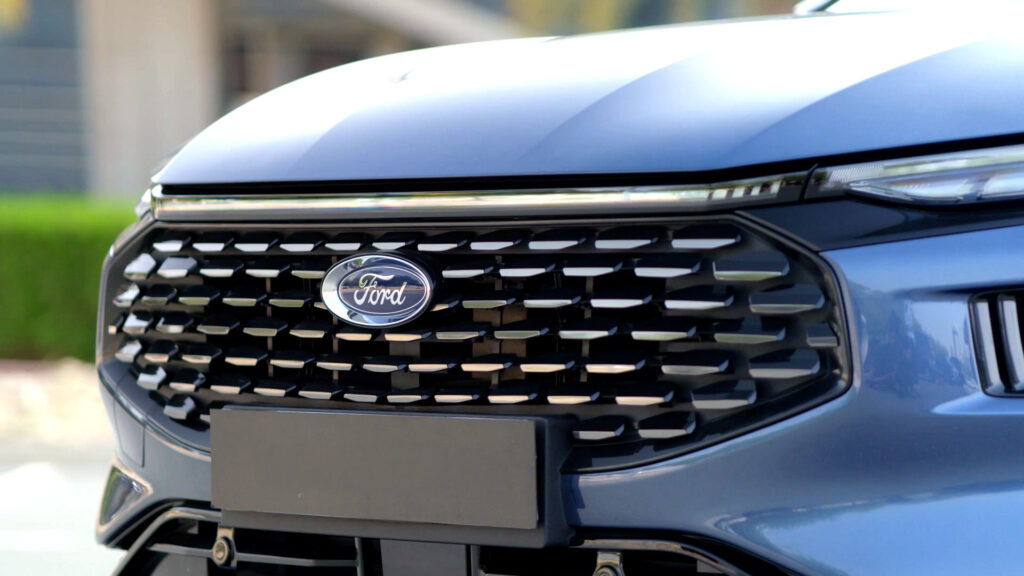
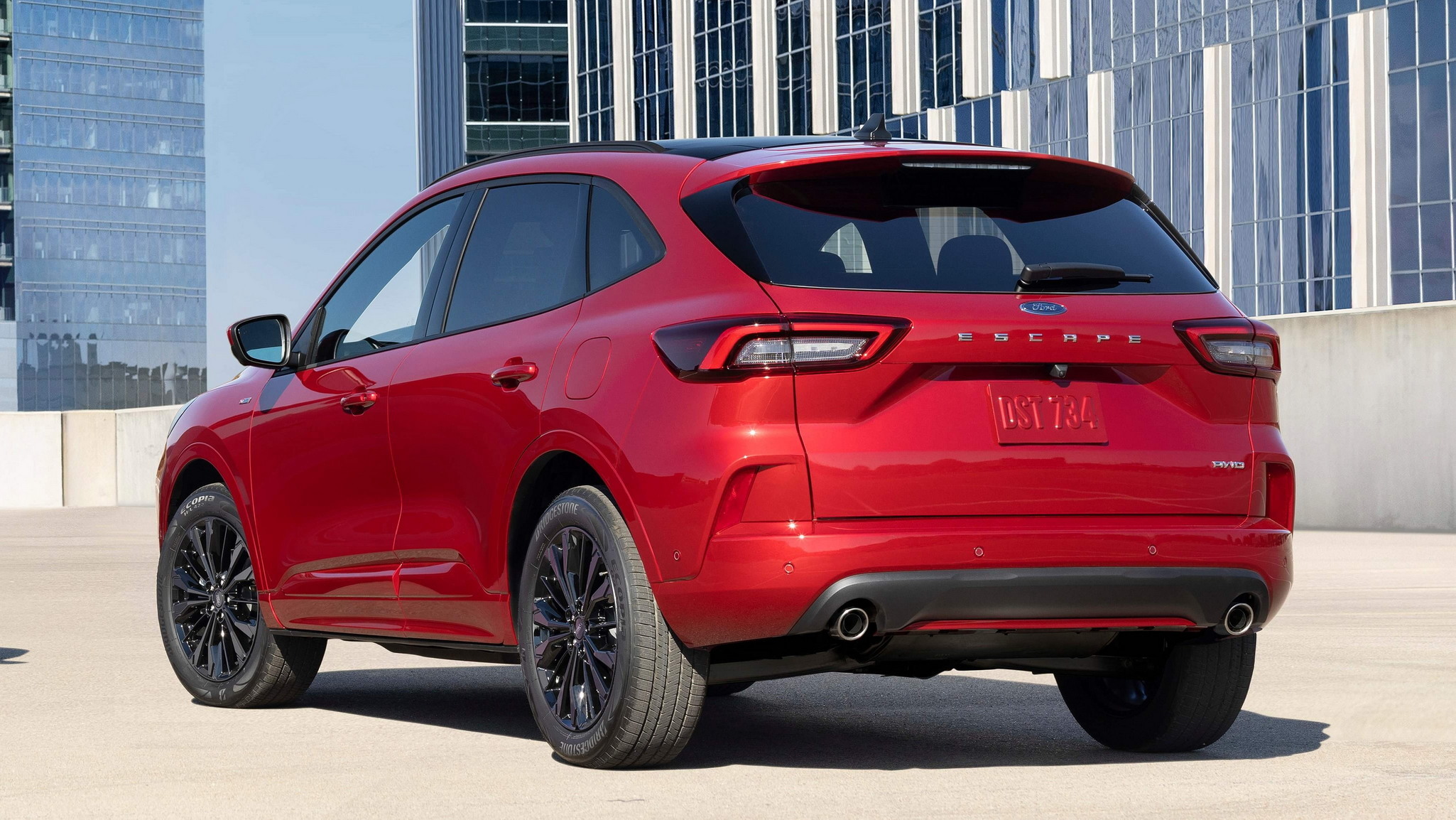
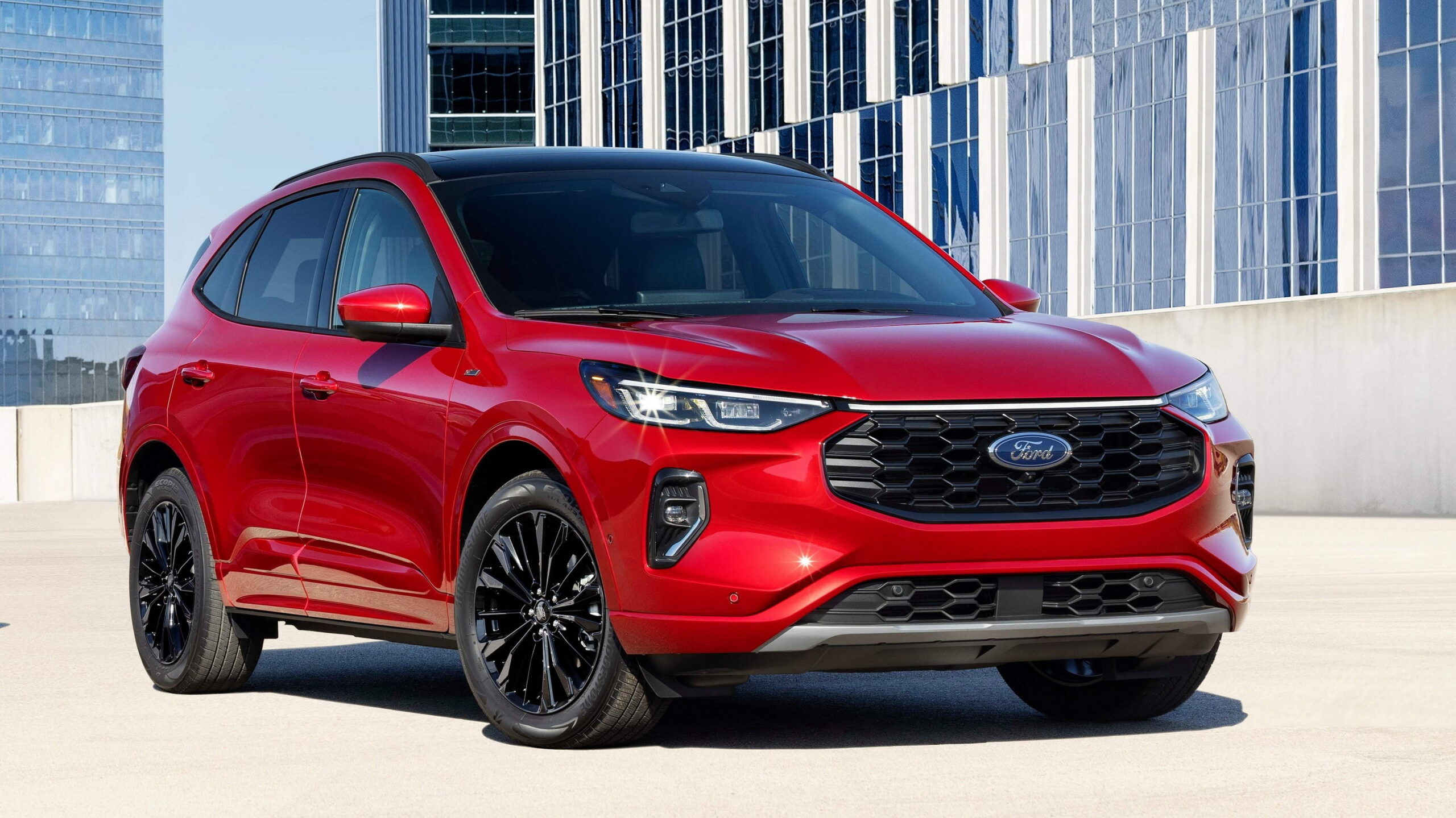
A big hole in the lineup is centered around the Escape (pictured below). Ford stopped building its entry level crossover in December, and although dealers still have stock to sell, at some point this year they’ll be left with a gap right where many first time and budget focused buyers used to land.
“We understand we’ll be selling Escape into this year, but at some point we’ll run out,” Frick explained. “That does not mean we cannot continue to drive profitable growth through the nameplates we have.”
Dealers have been clear they would love a proper replacement, and while they are dreaming, maybe even an affordable sedan too.
In the meantime, Ford plans to push more entry level trims of models like Explorer and Bronco, lean harder on certified pre owned cars, and offer longer loans and first-time buyer programs. Frick told said there are about 10 separate actions in motion to tackle affordability, so the next time you head down to your Ford dealer, don’t be afraid to bargain hard.
BMW begins i3 pre-series production at its Munich facility.
Electric i3 promises strong performance and long driving range.
Gas-powered 3-Series continues using BMW’s CLAR platform.
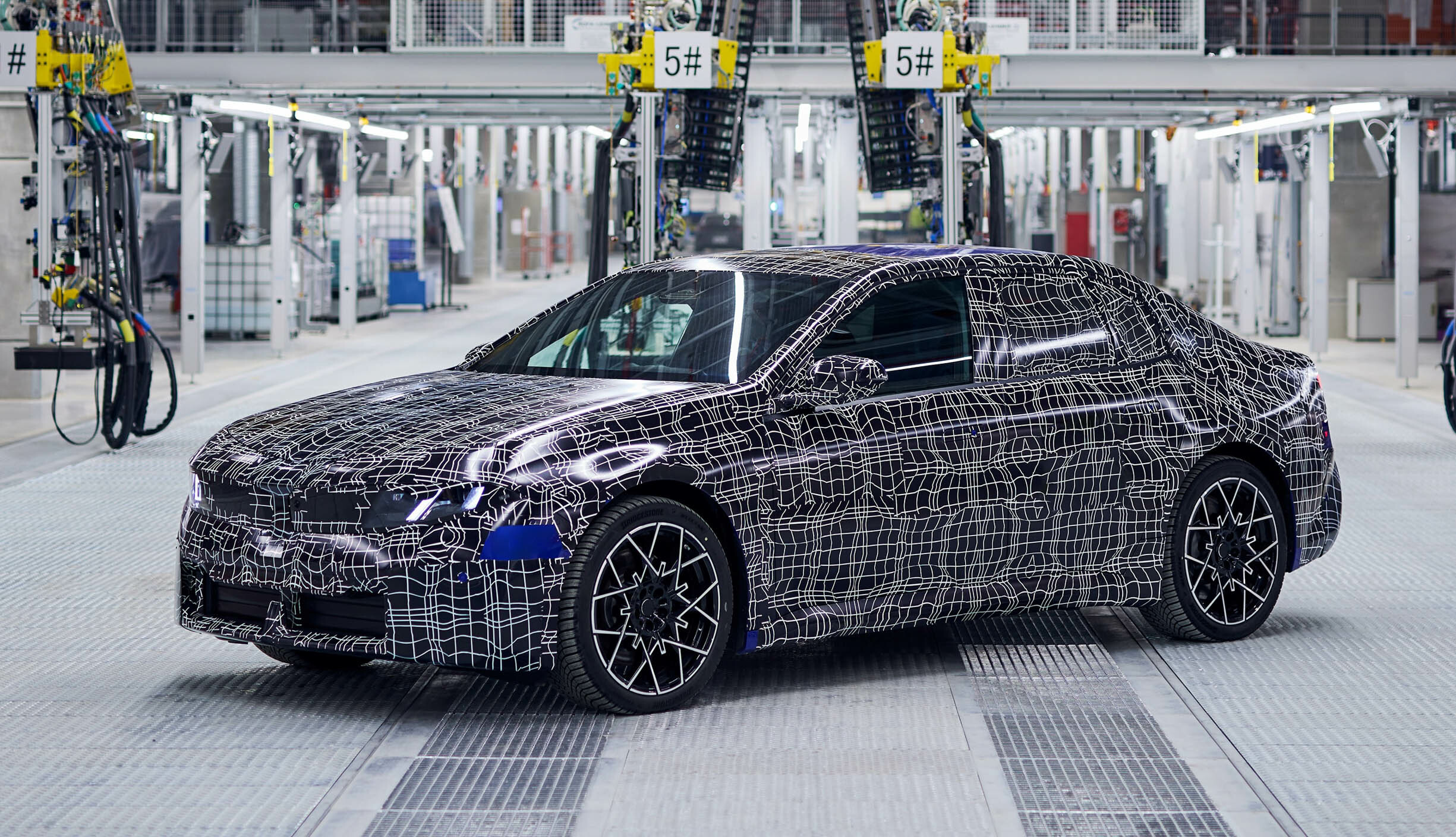
After months of spy shots and speculation, BMW’s all-new electric i3 is officially leaving the theoretical stage. The brand has begun pre-series production at its Munich plant, which means the future 3-Series EV is no longer just a prototype trying to evade Nürburgring photographers.
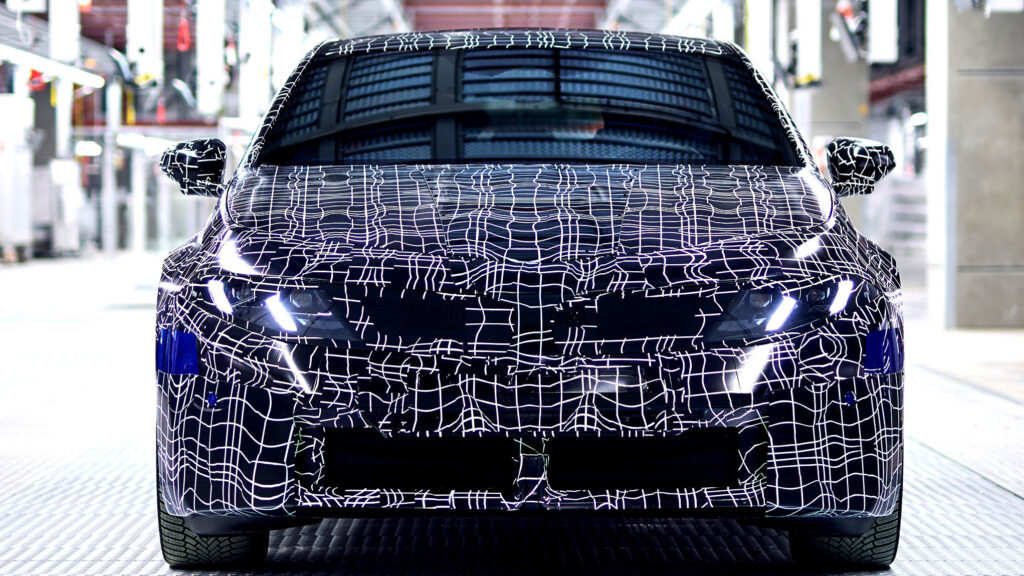
BMW released official images of camouflaged near-series cars to mark the milestone, confirming that production-spec hardware is now running through the factory. According to BMW, these early cars are built using full production processes, from the press shop to final assembly, to stress-test logistics, equipment, and workflows before series production begins in the second half of 2026.
This is a bigger deal than it sounds. Until now, early i3s were assembled partly at BMW’s pilot plant near its Research and Innovation Centre. With Munich’s new body shop, paint shop, and assembly areas now complete, the i3 finally goes through every production step under one roof, just like a real car should.
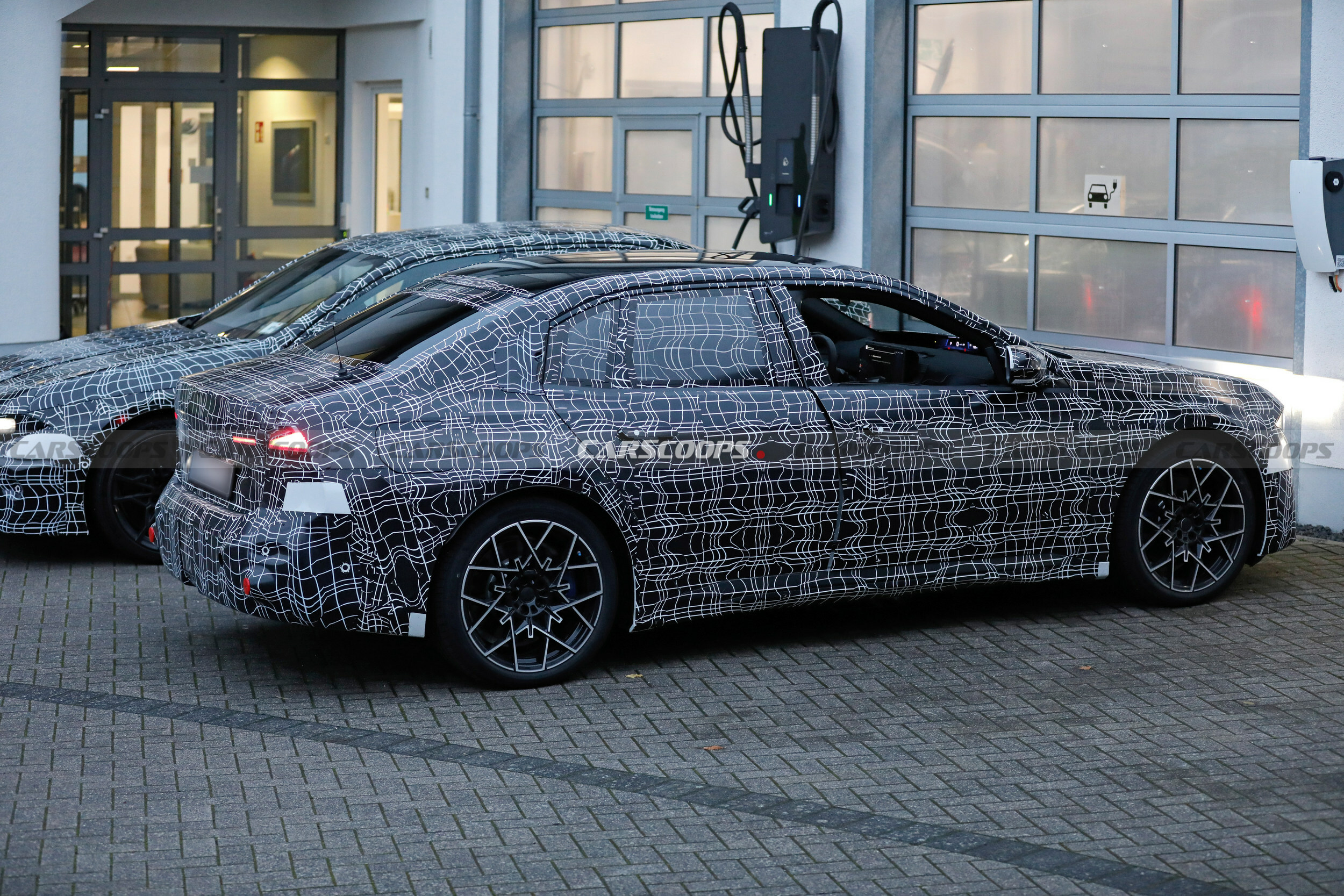
The timing fits perfectly with what we’ve seen on the road. Spy shots have shown the electric i3 and the next combustion 3-Series testing side by side, wearing similar Neue Klasse styling but hiding very different bones underneath.
The i3 rides on BMW’s dedicated Neue Klasse EV platform first seen on the 2026 iX3 SUV, while the gas-powered 3-Series sticks with an updated version of today’s CLAR architecture.
Spot the EV
But you won’t need to get them on a ramp to tell them apart, you’ll just have to look closely. The electric i3 has a flatter roofline, different door and window shapes, and even a relocated charging port compared to the fuel door on the ICE model. Inside, though, both will share a futuristic cabin, including a freestanding display and BMW’s pillar-to-pillar Panoramic iDrive screen.
iX3 Powertrain
Powertrain details remain unofficial, but based on what we already know about the iX3, expectations are sky high. The i3 50 xDrive is rumored to deliver around 463 hp (469 PS / 345 kW) and an EPA range that should exceed 400 miles (644 km), backed by a massive battery and ultra-fast DC charging.
An entry-level rear-wheel drive version will follow, with a hotter, heavier, M3 EV also confirmed.
BMW says employee training is now shifting from virtual reality to hands-on work with real machinery, which tells us the launch clock is ticking. The camouflage may still be on, but the electric i3 has clearly entered its final dress rehearsal and the full disguise-free show starts later this year with first deliveries coming in early 2027.
Ioniq 6 sales collapse 61% in January, while Ioniq 5 only dipped slightly.
Hyundai SUVs and hybrids deliver strong gains, carry sales performance.
Overall, Hyundai sales rise 2% despite sharp drop for electric sedan.
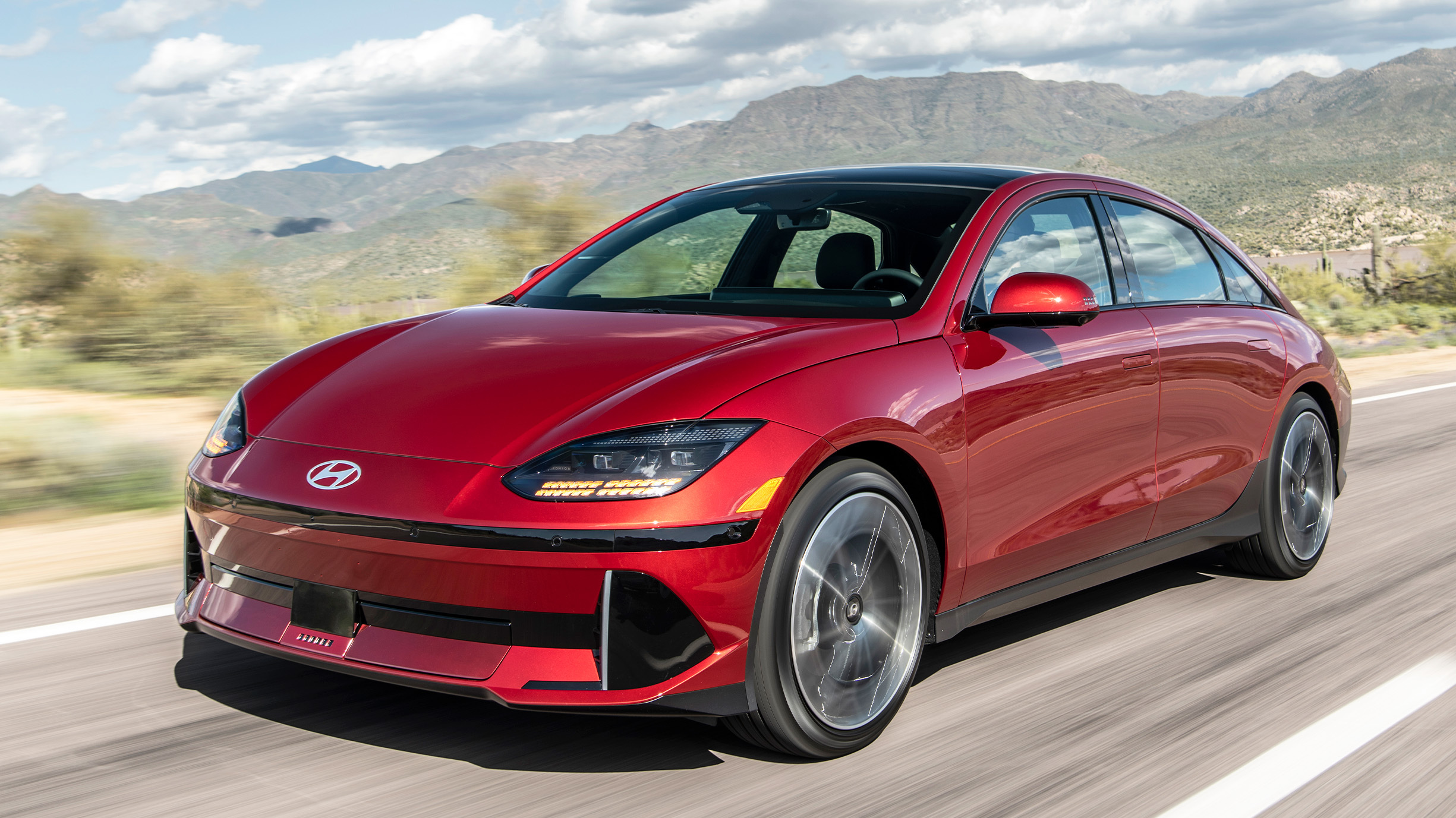
Hyundai just posted its best January ever in the US, but if you zoom in on the EV corner of the showroom, you’ll probably find salesmen consoling one particular electric model. Because while one Ioniq barely flinched in the face of EV market turmoil, the other faceplanted. Hard, really hard.
Let’s start with the good-ish news. The Hyundai Ioniq 5 slipped just 6 percent year over year in January, which in today’s EV market basically counts as holding steady while everyone else is struggling to keep the fire alive. Hyundai moved 2,126 of them, proving the retro-futuristic crossover still has plenty of fans.
Now for the ouch. The Ioniq 6 didn’t just dip, it fell off a statistical cliff, plunging 61 percent to just 344 units. That’s the kind of number that makes accountants quietly close the spreadsheet and go for a walk. Stylish and slippery though it is, the sedan is clearly having a much tougher time finding buyers.
SUVs Equals Sales Success
If Hyundai needs a reminder of what Americans really want, it only has to glance at the SUV side of the ledger. The combustion Palisade surged 29 percent off the back of a refresh, while the Santa Fe climbed 9 percent.
Even the smaller Kona jumped 22 percent. Big, practical, and family-friendly continues to beat low and sleek in the real world.
Hybrids are the real heroes here, though. Hyundai says petrol-electric sales shot up 60 percent, showing buyers still love the idea of electrification, just maybe not one that doesn’t come with a plan B. Models like the Santa Fe Hybrid are clearly hitting the sweet spot between fuel savings and banishing charging anxiety.
Combustion Losers
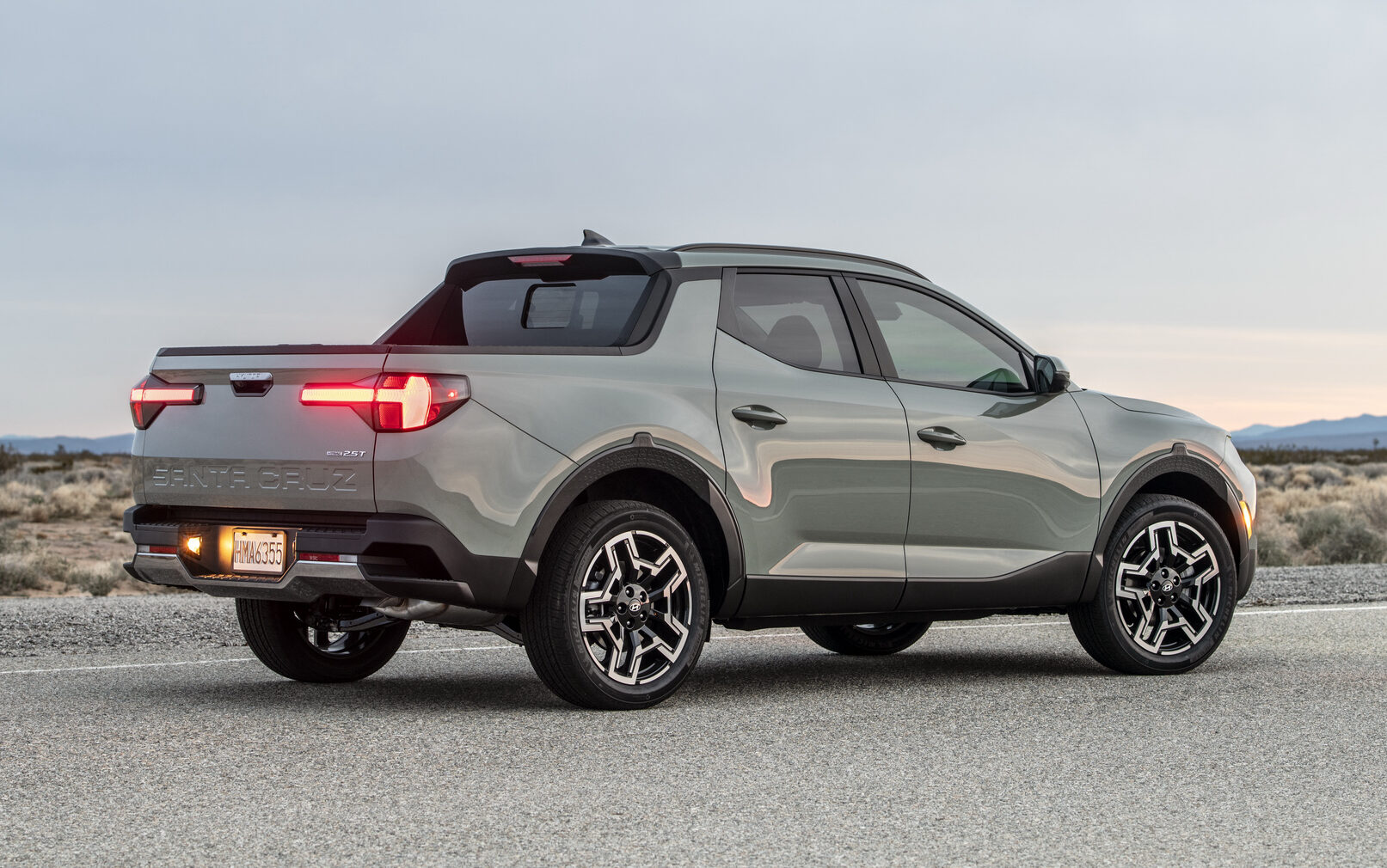
Not everything else was sunshine, though. The Sonata slid 34 percent, the dies-soon Santa Cruz dropped 32 percent, and Tucson eased back 4 percent. Still, with total Hyundai sales up 2 percent and SUVs making up the bulk of the action, the brand has a solid cushion.
We’ll be following the action closely to see if Hyundai can keep the good news flowing through 2026 – and what action it takes to turn the Ioniq 6’s dismal performance around.
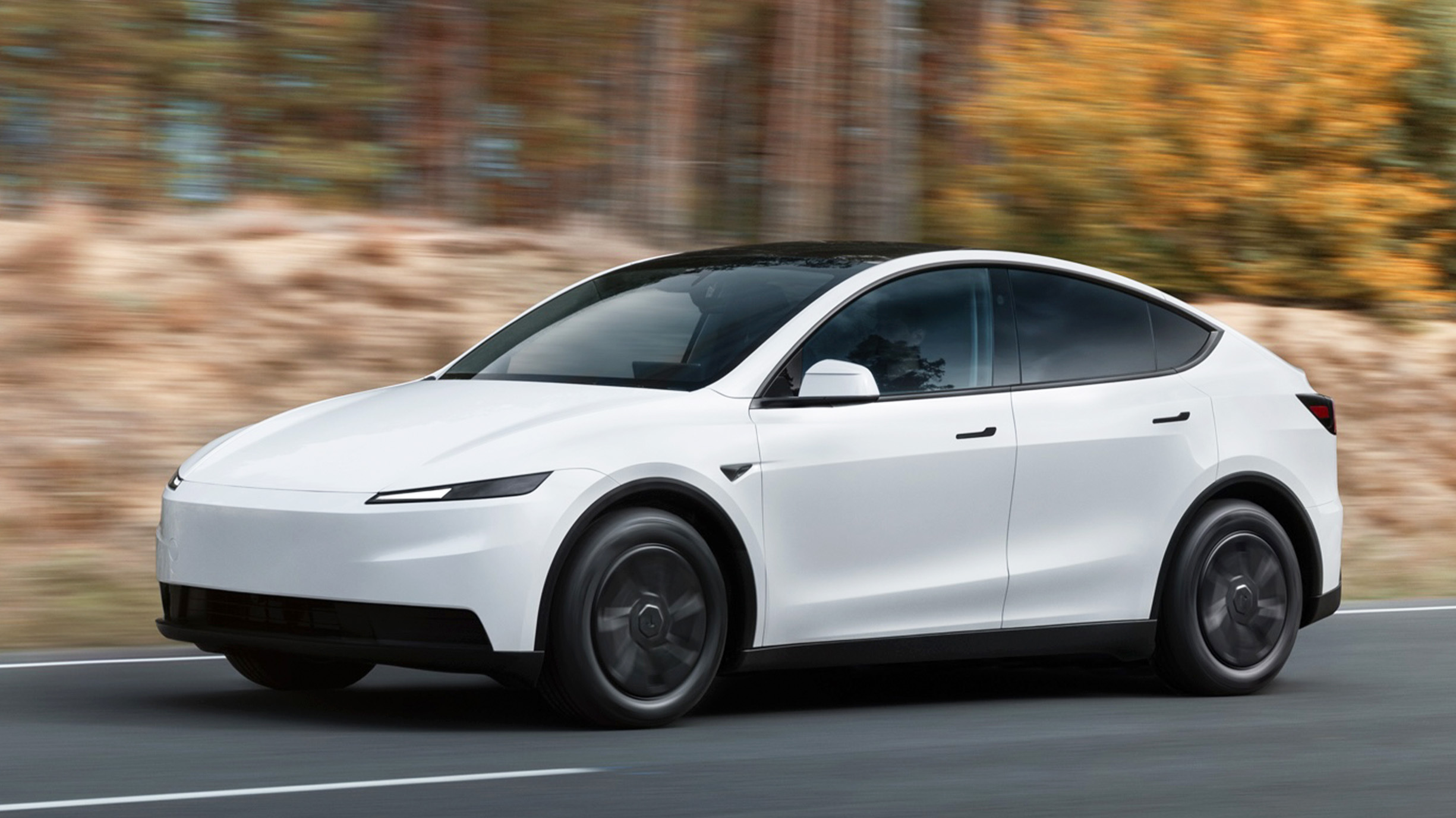
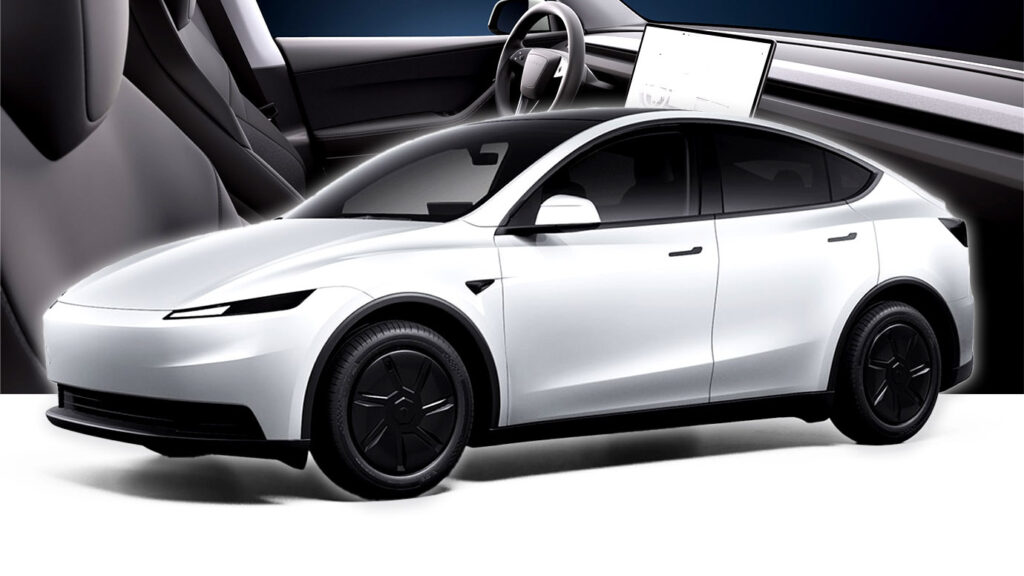
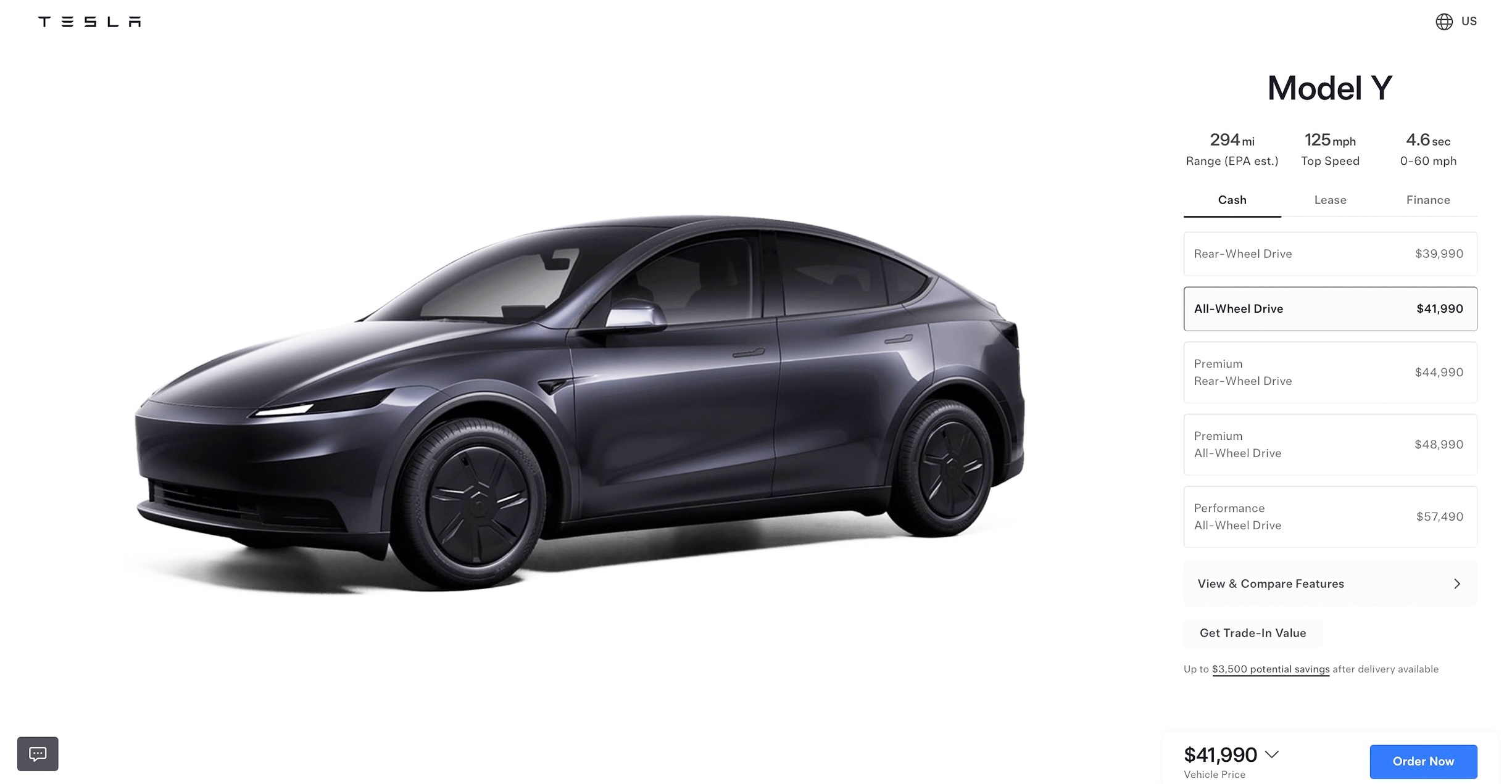
Tesla adds cheaper all-wheel drive Model Y for $41,990.
Hits 60 mph 2.2 seconds faster than the $39,990 RWD.
Bare spec is carried over, so no light bar or leather seats.
Affordability is a hot topic in America right now and Tesla is tapping into that by expanding on the base Model Y it announced last year. This updated version quietly drops the “Standard” trim name, adds all-wheel drive for improved traction, and knocks down the 0–60 mph (97 km/h) time. The tradeoff, however, is a notable drop in driving range.
The new Model Y AWD lands at $41,990, sliding between the $39,990 base RWD and $44,990 Premium RWD, while offering a big saving versus the $48,990 Premium AWD. For buyers who want extra traction and stronger acceleration without leaping to the more expensive models, this is the new sweet spot in the lineup.
Performance is where the extra cash shows. With a motor now powering the front wheels as well as the rear, this version slashes the zero to 60 sprint from 6.8 seconds to 4.6 seconds, exactly the same time the $7k pricier Premium AWD needs.
What You Lose
The trade off is range. The extra weight of the front motor means this Model Y gives up around 27 miles (44 km) compared with the 321-mile (517 km) rear-wheel drive version, dropping the EPA range to just 294 miles (473 km). The Premium RWD is rated at 357 miles (575 km) and the Premium AWD claims 327 miles (526 km).
What hasn’t changed when compared with the single motor base Model Y is the stripped back equipment list. This is still a no frills Model Y, with no front light bar, cloth seats instead of the Premium’s leather, a basic hifi with seven instead of 15 speakers, no FM radio, cheaper dampers, smaller wheels and manual rear air vents. And although the panoramic glass roof is still there, Tesla has covered it over with headliner to remind you you’re in the poverty-spec trim.
Sales Slip
The timing makes sense. Tesla sales have cooled in several markets, including the US, a situation exacerbated by the loss of federal EV tax credits, and small lineup tweaks are an easy way to spark fresh interest without developing an entirely new vehicle. A cheaper all wheel drive option broadens the appeal, especially in colder states where buyers like the security of power going to all four wheels.
Audi admits renaming A4 to A5 confused both customers and dealers.
Brand plans return to simpler naming based on car size not engine type.
Electric A4 e-tron sedan is due later this with Concept C styling cues.
A couple of years ago, Audi cooked up a grand plan where gas and diesel cars would wear odd numbers and EVs would get even ones. But the automaker now admits that wasn’t such a genius moment after all, and hints that the classic A4 badge could be heading back from exile to a combustion car soon.
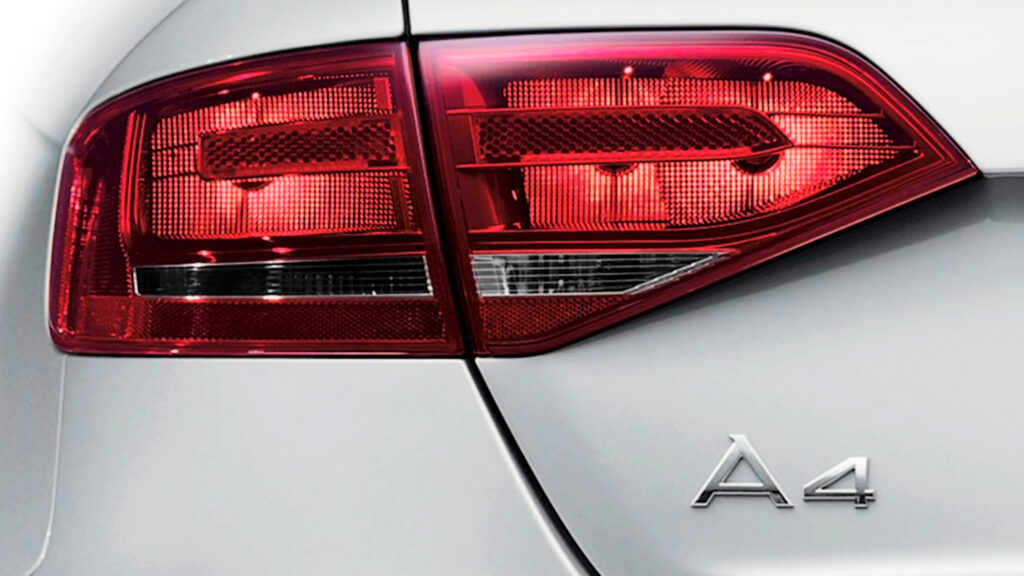
The odd vs even number strategy sounds tidy on a whiteboard, but in real life, it meant the long-running A4 sedan and wagon suddenly became A5 models, a name previously used for coupes and Sportbacks. That shift confused care buyers and frustrated the salespeople who had to deal with them.
Audi CEO Gernot Döllner has now openly called the move, rubber-stamped by his predecessor, a mistake. Speaking to Australia’s Drive at the Munich motor show, he said the brand will return to its traditional system where “A is for flat-floor cars, Q is for SUVs, and then the number describes the size of the car or the segment of the car.”
A4 Facelift and Namelift
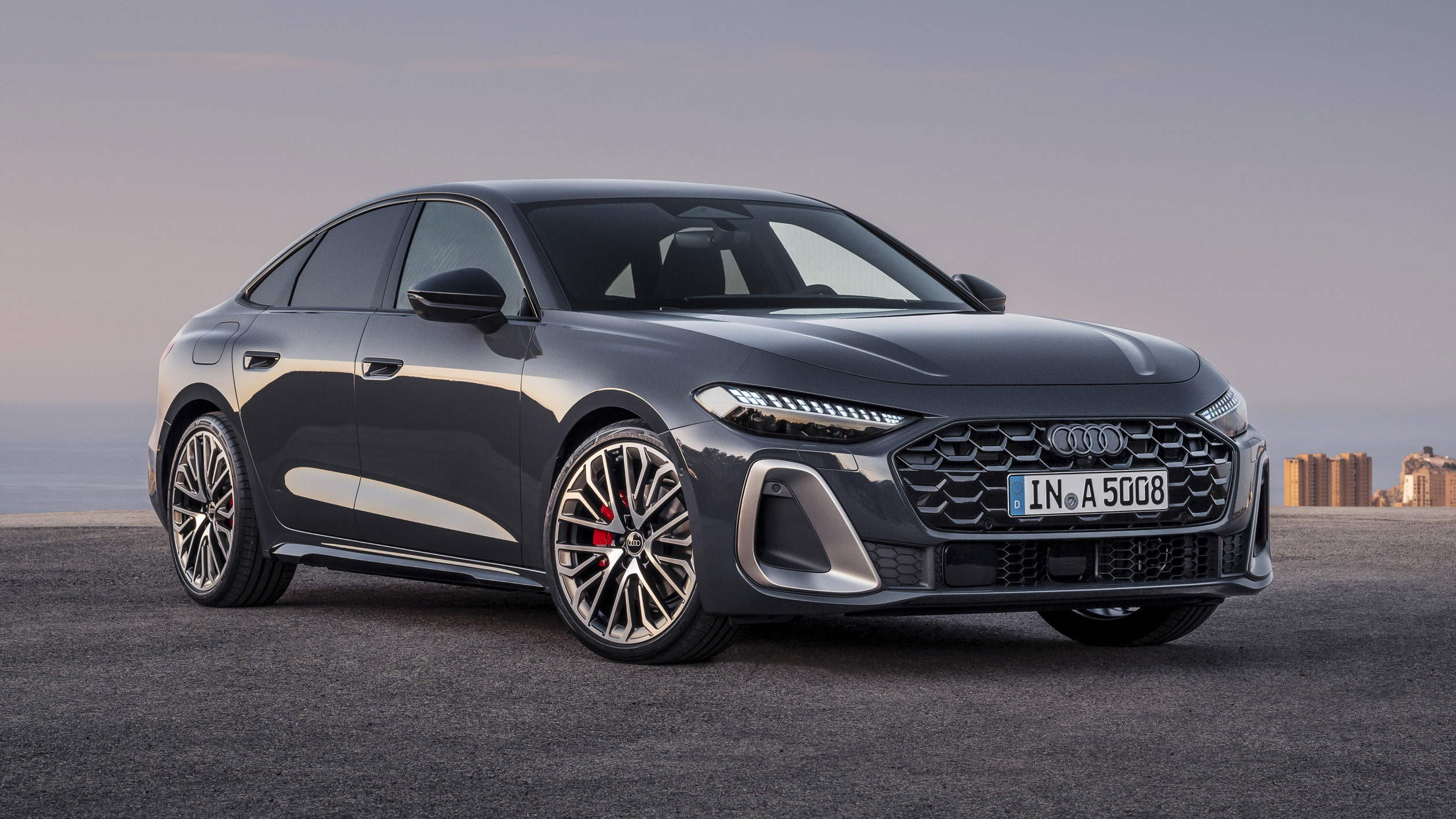
Audi U-turned after turning the A4 into an A5, but in time to prevent the A6 from making the same switch. And now Döllner says that rebranding the ICE A5 as an A4 is “thinkable.” That strongly hints the current combustion-powered A5 (seen below) could wear A4 badges when it gets its mid-life update, probably in the next couple of years.
Electric A4 On the Horizon
But while the gas-powered car may revert to A4, Audi is also planning a fully electric A4 e-tron for the 2028 model year, seen below in our artist’s impression. As we’ve reported before, that car is expected to ride on the new Scalable Systems Platform and take design cues from the dramatic Concept C show car.
So in a few years, you could have an A4 with a combustion engine and an A4 that plugs in, a strategy that will be mirrored at BMW and Mercedes with the 3-Series and C-Class. BMW has it slightly easier on the naming front, since it plans to use the i3 badge for the EV, though that comes with its own complications, given the name was already used for an electric hatchback not too long ago.
This isn’t the first time Audi has fessed to making a badging boo-boo. A few years back, it abandoned its traditional engine size-based model names for ones like ’35’ and ’55’ that buyers also found confusing, but it has now backtracked on that decision.
Jaguar’s four door electric GT packs over 986 hp and three motors.
Engineers tune ride comfort and handling in brutal Arctic testing.
About 400 miles EPA range expected when cars arrive in spring 2027.
Jaguar’s dramatic electric rebirth is not just about pastel concept cars and moody teaser shots. Prototypes of the upcoming four door GT are out on frozen lakes in Sweden, being hurled sideways in temperatures that would make most EVs want to stay plugged in.
The GT, or whatever Jaguar decides to call it when it debuts later this year, is the production follow up to the Type 00 concept, and Jaguar says it will be the most powerful road car it has ever built.
With more than 986 hp (1,000 PS) on tap, it has far more power than you could used on a frozen lake, but the Arctic Circle is the perfect place to test out the limit-behaviour of the all-wheel drive chassis.
Jaguar released some high quality images of the four-door sedan testing, but not much in the way of meaningful technical info to advance the story, beyond mentioning that its clever thermal management system can reduce heating energy consumption by up to 40 percent.
We already knew about the total power output and torque vectoring capability, and the confirmation of twin-valve active dampers and air suspension isn’t much of a surprise.
Tri-motor Setup
But a report by Autocar, which got to hang out with the test team in Sweden, fills in some of the blanks, including breaking down the tri-motor setup. Up front is a roughly 350 hp (355 PS / 261 kW) unit, mainly used for efficiency at cruising speeds. At the rear sit two much angrier motors that together deliver around 950 hp (963 PS / 708 kW).
Combined output is at least 986 hp (1,000 PS / 735 kW), along with a walloping 959 lb ft (1,300 Nm) of torque. And that rumored hybrid conversion JLR is working on? Not true and not happening, the company claims.
Instead of one giant skateboard pack, the 5,200 mm (205 inches) Jag uses multiple battery stacks, including a smaller pack near the front and several larger ones further back.
That setup allows the cabin floor and seats to sit lower, giving the car a sports car like driving position, an impressively low centre of gravity, and keeps the roof height to 1,400 mm (55 inches).
Up to 400 Miles Between Fills
Range is expected to be around 400 miles (644 km) on the US EPA cycle, or about 430 miles (692 km) WLTP, from a battery of roughly 120 kWh. That should make it a genuine long legged GT, the kind of thing Jaguar has historically been good at building, even if this car – at a starting price of £120,000 (about $160,000) – will be twice as expensive as many recent Jaguars.
Production Reveal Coming This Summer
In terms of timing, Jag says we will see the finished production car revealed later this summer. Order books are expected to open in the autumn, with first customer deliveries planned for spring next year.
That’s still a long way off and some dealers are already feeling unsure about the whole EV direction, but the GT and the SUV that comes later, could be worth the wait.
Carl Benz patented his three wheeled motor car in January 1886.
Modern cars are faster, safer, and easier to drive than today.
Autonomous tech may mark the biggest shift in car history so far.
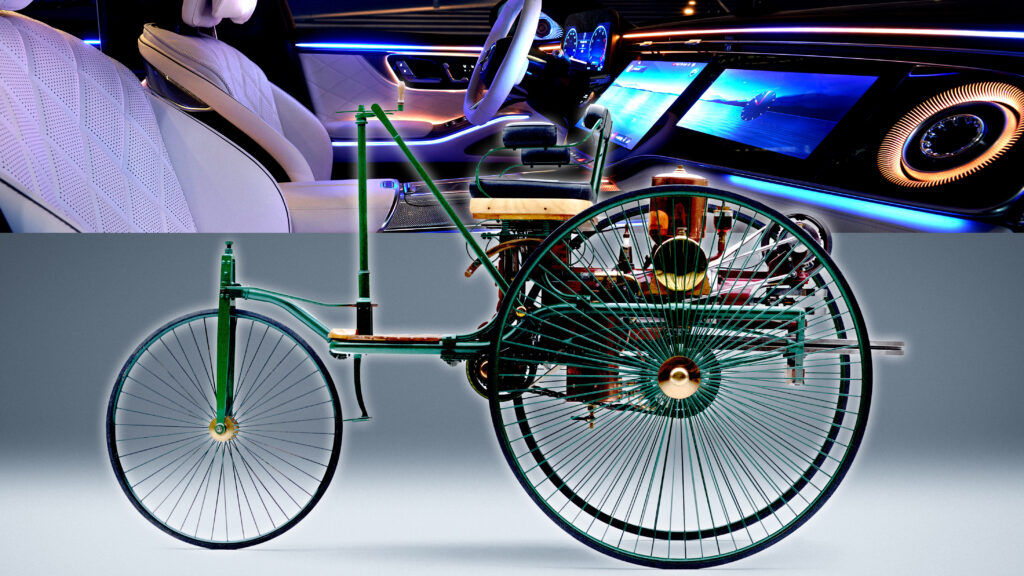
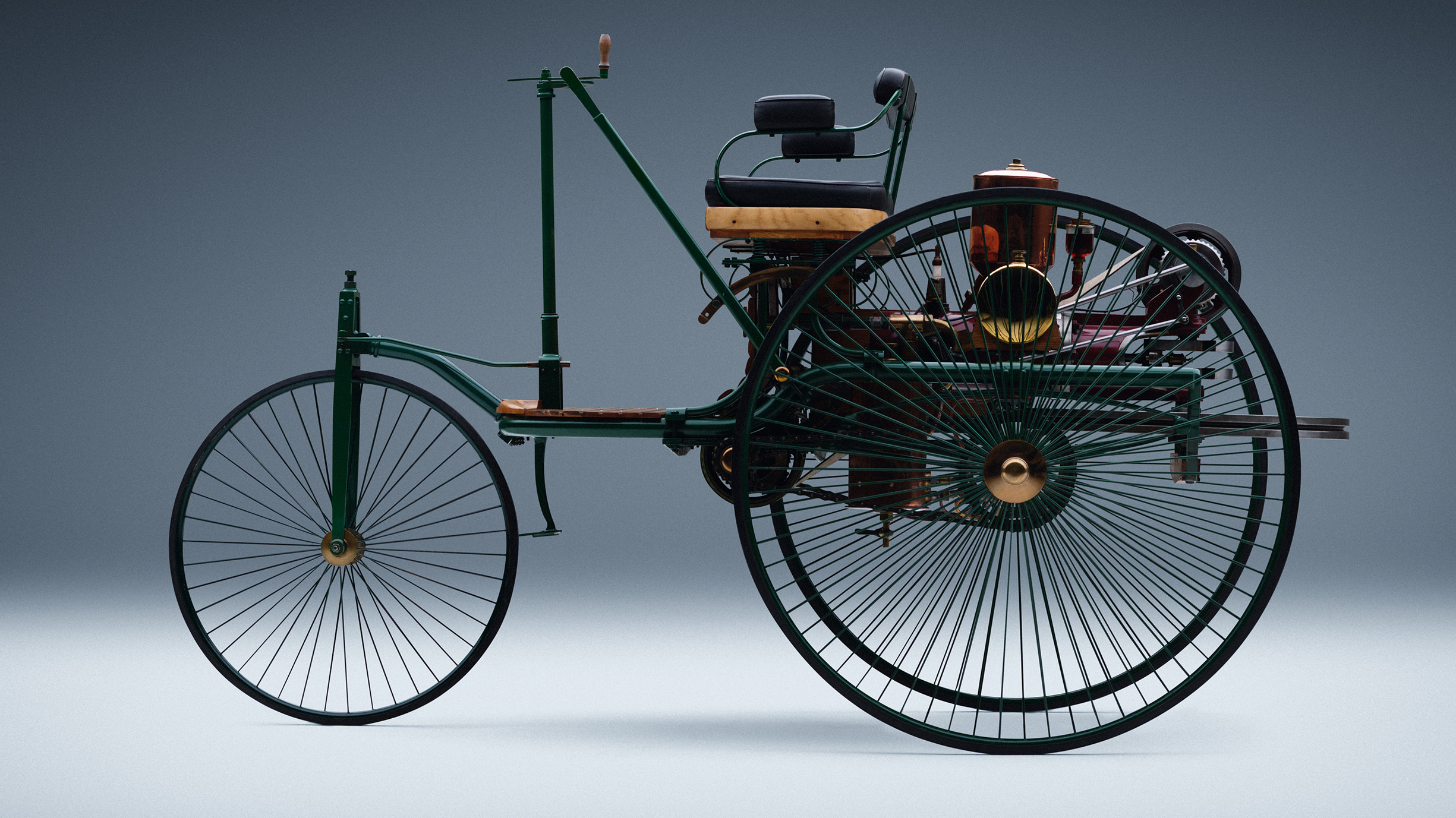
The story of the automobile is never just about a single moment, even when a neat anniversary tempts us to frame it that way. Mercedes is marking 140 years since Carl Benz first putt-putted down the road in his Patent-Motorwagen, often described by the brand as the “world’s first automobile”.
That claim, however, has long been debated in enthusiast circles, including at The Autopian, where Jason Torchinsky recently revisited the subject in detail. Even Mercedes itself acknowledges the history is more nuanced.
The Origins Are Messier Than You Think
On its own website, the company concedes that the automobile did not simply appear in 1886. It recognizes that numerous forerunners existed well before Carl Benz. These range from steam-powered road vehicles to earlier experimental self-moving machines, including Frenchman Nicolas Joseph Cugnot’s three wheeled steam cart from 1769, or possibly 1770, depending on who you ask.
Innovation In Retrospect
Looking at Mercedes’ car no. 1 now, with its huge, spindly wheels, puts that layered history into perspective. It is a vivid reminder of how far the automobile has evolved since Benz’s first outing in 1886, but it also invites a more fundamental question.
With so many ideas, inventions, and refinements accumulating across more than a century of experimentation, which single innovation truly transformed driving the most?
Early breakthroughs were about simply making cars usable. Four wheels brought stability. Steering wheels replaced awkward tillers. Then came the electric starter, which saved drivers from wrestling engines by hand and occasionally breaking bones, transmissions with synchromesh or fully automatic operation. Suddenly cars weren’t just for the brave and mechanically gifted, but for everyone.
Design took its own leap forward as cars stopped looking like horse carriages and started slicing through air. Windshields, enclosed bodies and integrated fenders all radically changed how automobiles looked, even before wind tunnels started to have a major say in the styling process.
And let’s not forget power and speed. That first car in 1886 had less than 1 hp (1 PS) and was all out of puff at 10 mph (16 kmh). Today, even the most ordinary subcompact makes 100 times as much grunt and is 10 times as fast, while hypercars now punch out 2,000 hp (2,023 PS) and in some cases can top 300 mph (483 kmh).
Those feats would be terrifying with the kind of safety equipment Benz’s Motorwagen had on board. The 1886 original had solid rubber tires and no braking system on any of its three wheels, the only way to slow it down being to tug on a simple hand-operated lever that created friction on the drive belt.
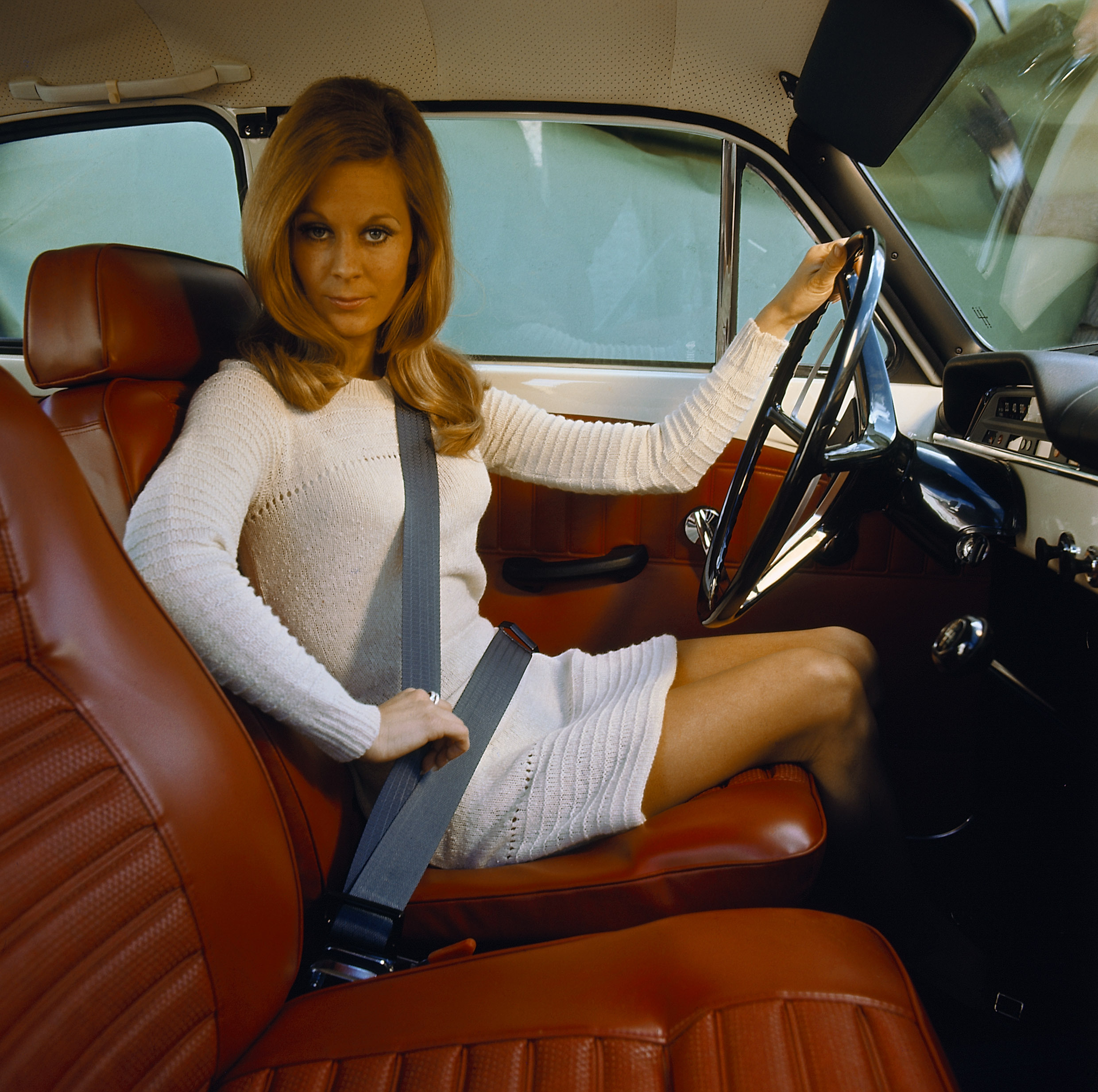
Safety improved relatively quickly, but the major advances in that department have come in the second half of the car’s 140-year life. Seatbelts, crumple zones, airbags, and anti lock brakes quietly saved millions of lives, while air conditioning, power steering, satellite navigation and in-car hifi made those lives behind the wheel more bearable.
Biggest Changes Still to Come
Now we’re living through another turning point. Hybrids, EVs, driver assistance systems, and cars that can steer, brake, and park themselves are redefining what it even means to drive. Mercedes is, appropriately, at the forefront of that change, and will offer Level 4 self-driving on the new S-Class that debuts this year.
Some people see freedom in that kind of tech. Others see the end of real driving. Either way, the car is changing again.
So what gets your vote as the biggest advance to emerge from the car’s long evolution, the one innovation without which modern driving would feel impossible? And which car helped all cars make the biggest leap forward? Jump into the comments and make your case.
A Yangwang U9 crashed into a Zeekr 009 and BYD Seagull in China.
Thankfully, no serious injuries or battery fires occurred.
The U9 claims it can drive on three wheels and jump over road obstacles.
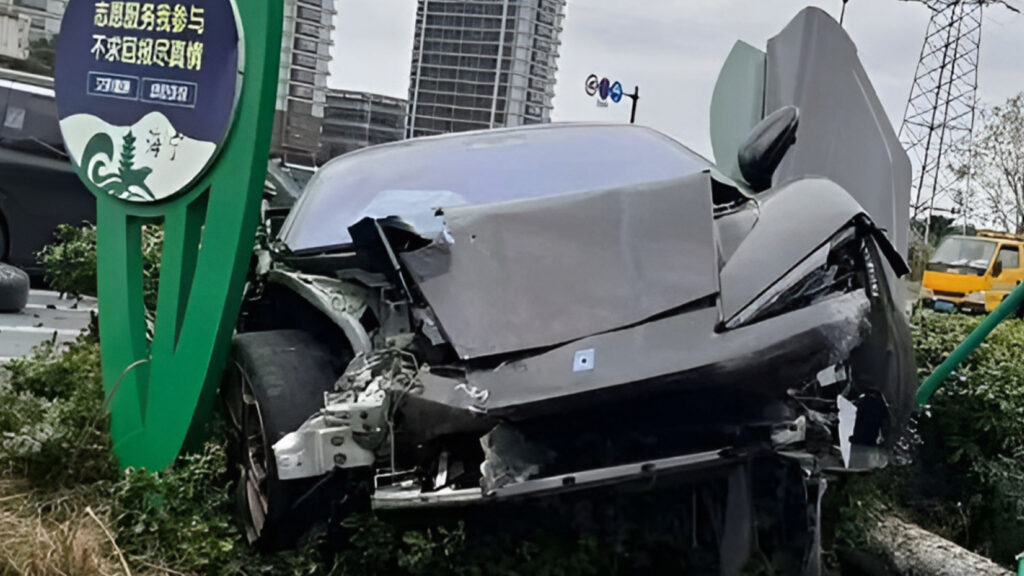
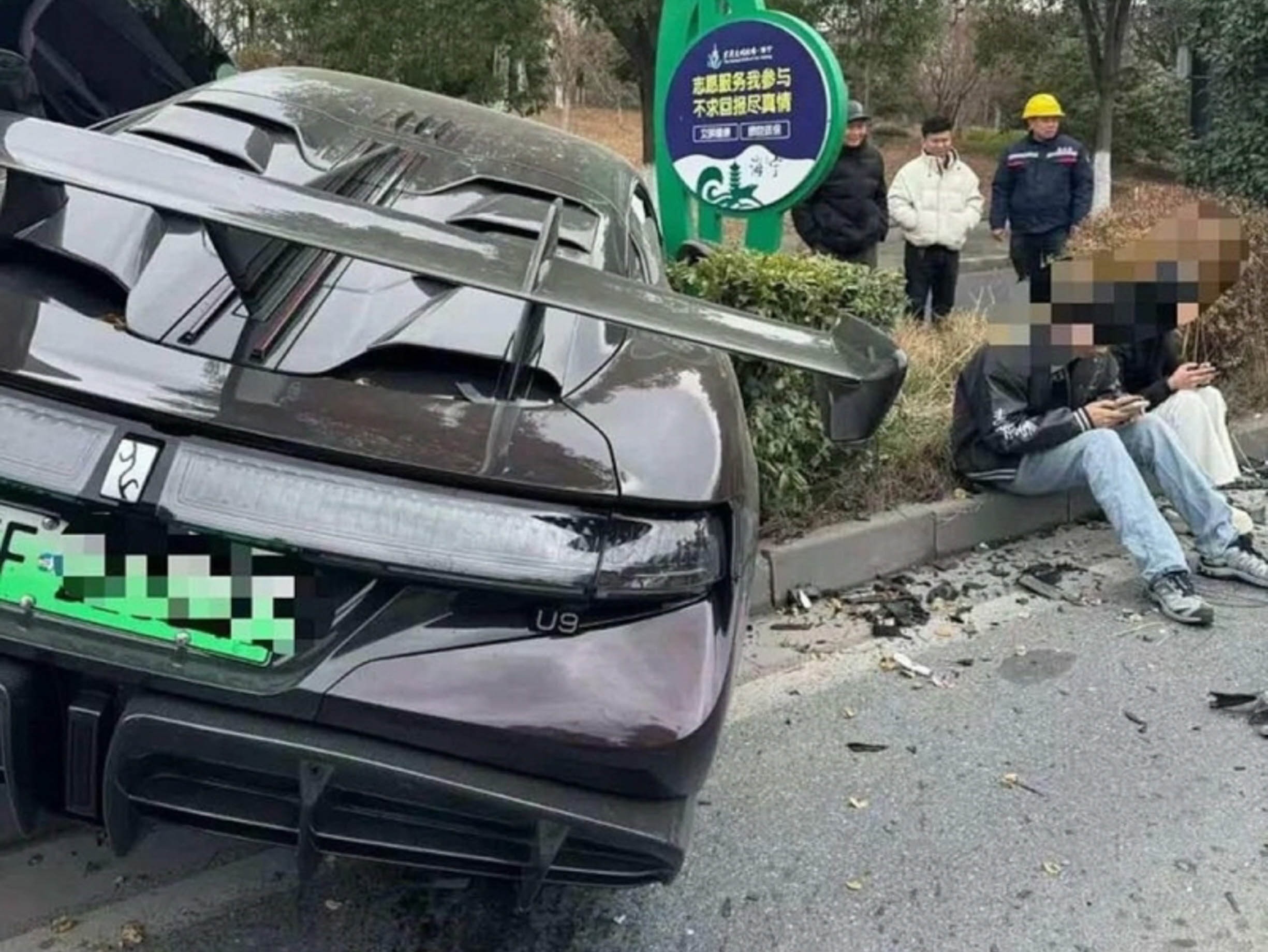
For a hypercar famous for hopping over potholes like a caffeinated kangaroo, the Yangwang U9 just had a very grounded moment. The Chinese electric hypercar was involved in a multi vehicle crash in Zhejiang, and this time its trick suspension could not spring it out of trouble.
According to reports shared on Chinese social media, the incident happened near an intersection while a Zeekr 009 electric MPV was stopped at a red light. The U9 reportedly struck the Zeekr at speed, then continued on to meet some roadside greenery and an advertising sign on the median.
A BYD Seagull also got caught up in the chain of impacts, according to Car News China, making this one unfortunate EV love-in. Thankfully, early accounts say no one in any of the vehicles suffered serious injuries, and there were no fatalities.
Images from the scene show heavy front-end damage to the U9, while the Zeekr 009 appears to have taken a serious hit as well, as one of its front wheels was reportedly detached.
One thing observers were quick to note was what did not happen. Despite the severity of the crash sequence, there were no reports of battery fires in any of the cars, including the U9. In a high-performance EV with a massive battery pack, that’s something to be thankful for.
Pointless Tricks
The Yangwang U9 made headlines this time last year when the BYD-owned brand released a video showing it leaping over small obstacles in the road. Using its trick Disus X suspension, the quad motor hypercar can clear potholes and spikes, dance, and drive on three wheels. But as this accident proves, some laws of physics can’t be cheated.
The regular U9 packs a 1,287-hp (1,305 PS / 960 kW) quad-motor powertrain, but last fall an appropriately-named limited edition U9 Extreme with an outrageous 2,978 hp (3,019 PS / 2,220 kW) achieved 308.4 mph (496.22 km/h).
Tesla is ending Model S and X production this year, Musk says.
Model S helped prove EVs could be fast, fun, and desirable.
Fremont, CA, plant will be retooled to build humanoid robots.
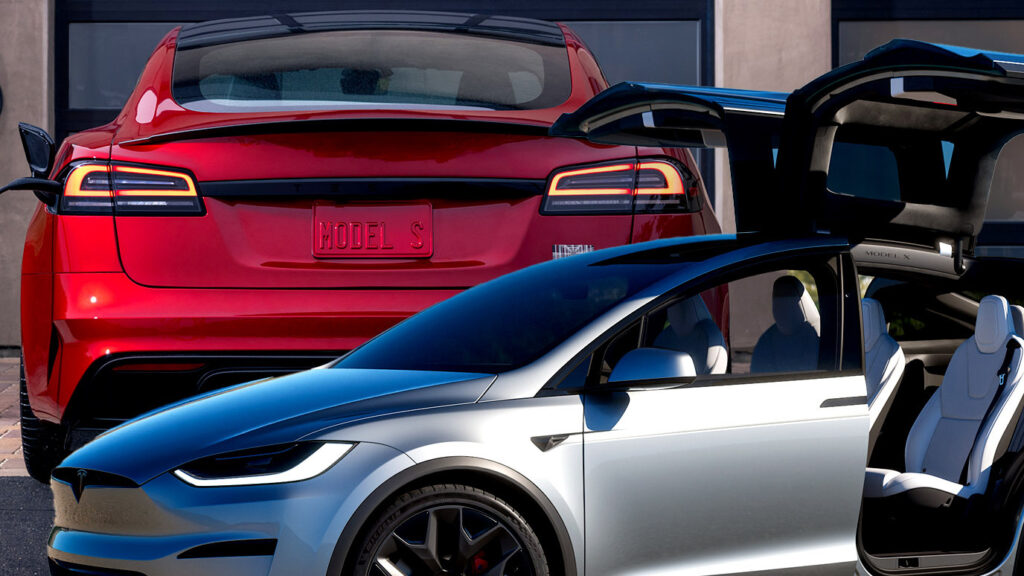
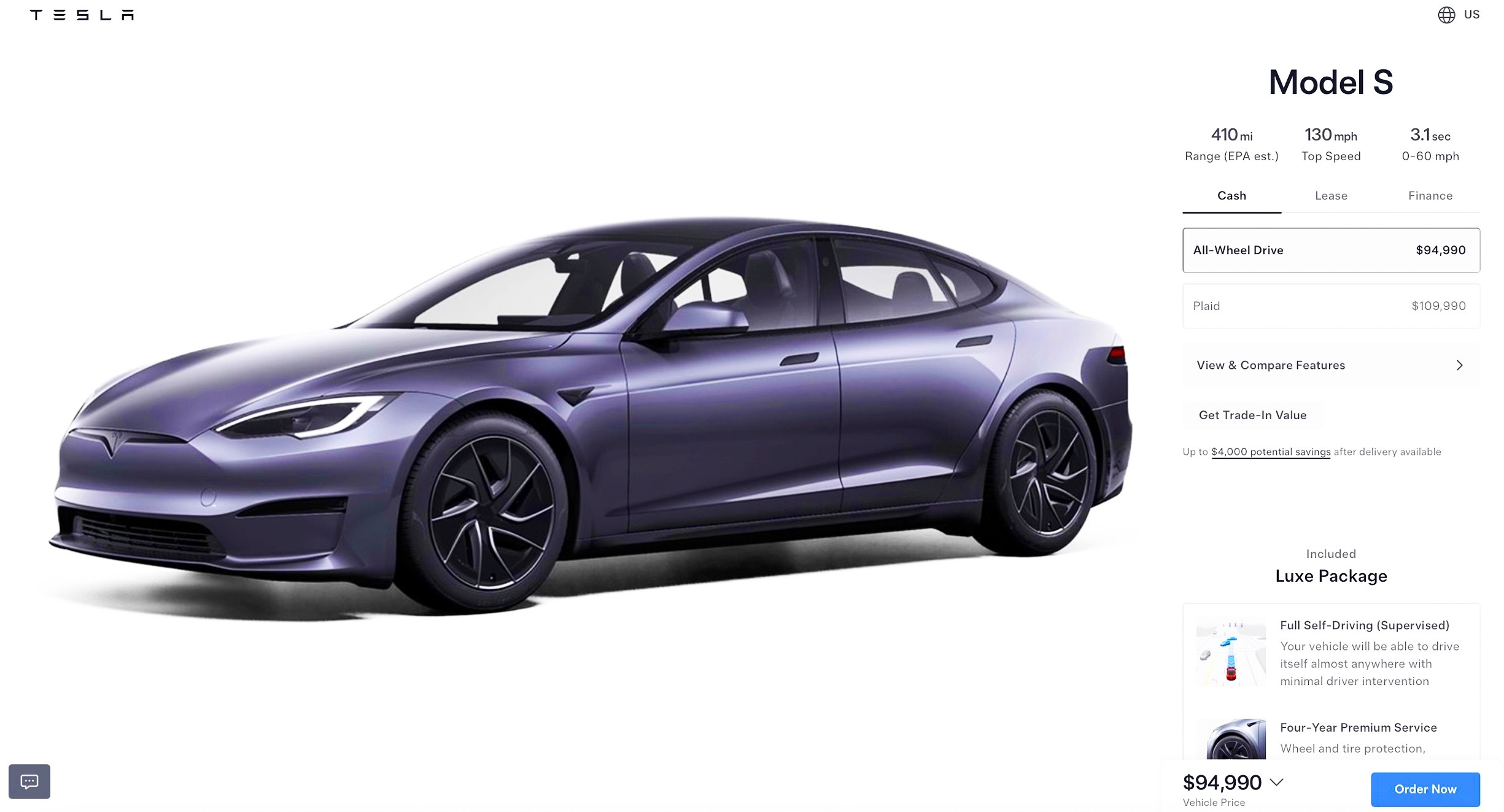
Tesla is quietly switching off two of the cars that helped kickstart the modern EV revolution. The Model S sedan and Model X SUV are heading for retirement as the company steers away from cars and toward humanoid robots instead.
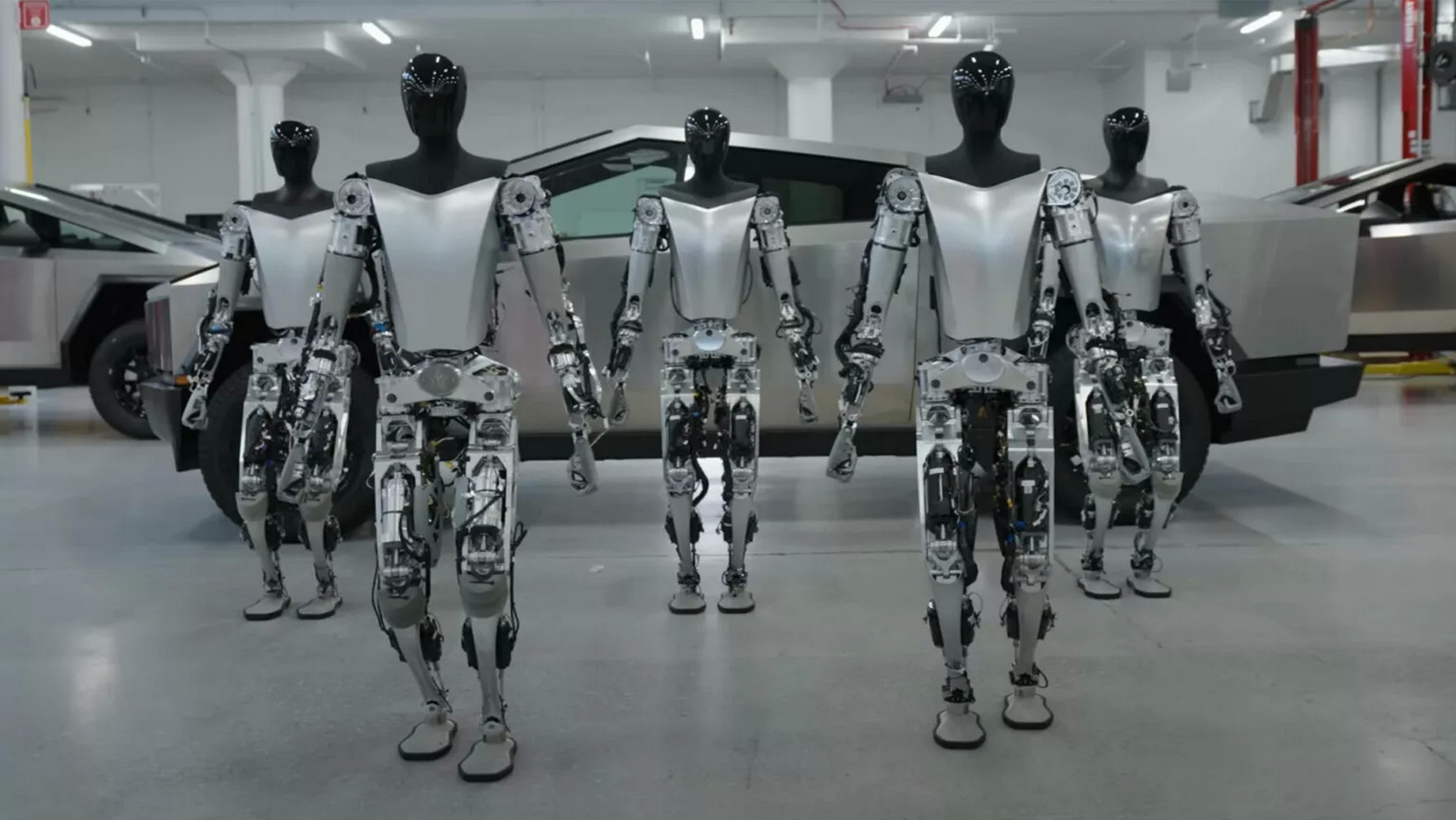
CEO Elon Musk made the announcement on an earnings call on Wednesday, explaining that S and X production would end in California next quarter, and the Fremont plant would be repurposed to build Optimus robots.
“It’s time to bring the Model S and X programs to an honorable discharge because we’re really moving into a future that is based on autonomy,” Musk told investors.
“We’ll obviously continue to support S and X programs for as long as people have the vehicles, but we’re going to take the production space in our Fremont factory and convert that into an Optimus factory with the long term goal of having 1 million units a year.”
Game changer
It feels strange to say goodbye to the Model S, and Musk himself conceded the news was “slightly sad.” When it launched back in 2012, it rewrote the rulebook. Here was an electric car that was not a compromise box on wheels but a sleek, luxury sedan with Aston Martin vibes that could outrun a BMW M5 – and later, supercars – in a straight line. Alongside the Nissan Leaf, it helped drag EVs into the mainstream.
The Model X followed with its dramatic falcon wing doors and family friendly space, though it never quite matched the S for cultural impact. Still, both became rolling symbols of Tesla’s rise from scrappy startup to industry disruptor.
Replacements Overdue
The problem is time waits for no car, especially in the EV world. Sales numbers told the story. The Model 3 and Model Y became Tesla’s volume heroes, while S and X faded into niche status. While Tesla refreshed the S and X over the years, it never gave us all-new versions even as the threat from Western and Chinese rivals grew stronger.
Now, rather then reboot them, Tesla has decided to pivot to something different altogether, something with the potential to make even more money, and have an even bigger impact than the S did a decade ago.
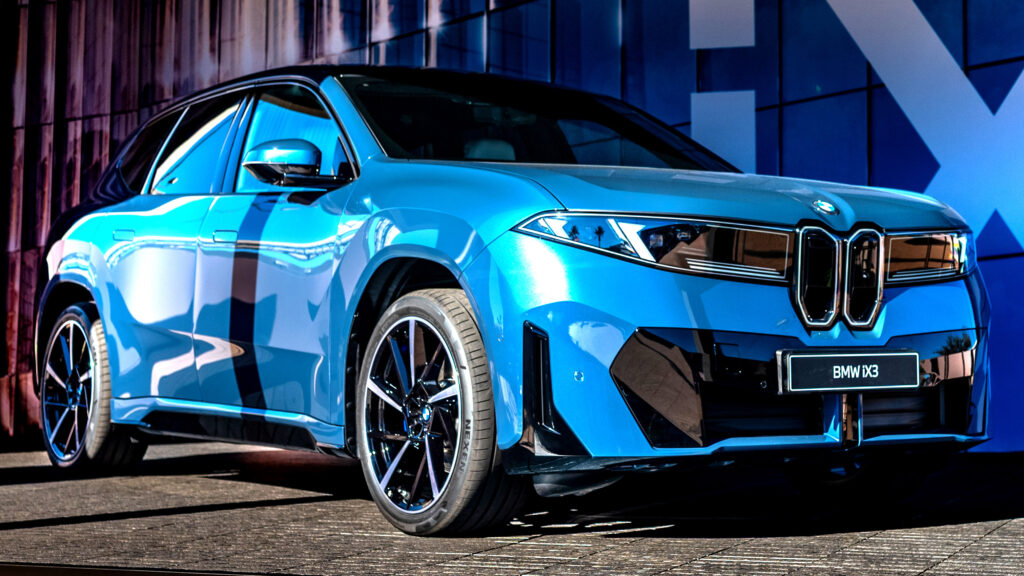
Neue Klasse iX3 demand is so strong BMW is adding production shifts early.
Strong early sales bode well for the Neue Klasse 3-Series arriving later this year.
BMW also upgrades charging, colors, and range for iX3 and other electric SUVs.
The Neue Klasse revolution has barely begun and already BMW has a problem. The good kind. Buyers are snapping up the new electric iX3 so quickly that it’s almost sold out through to the end of 2026, forcing the company to speed up plans for extra factory shifts.
That’s a big vote of confidence for a car customers haven’t even driven yet. Since its debut last autumn, the iX3 has made up around a third of BMW’s electric orders in Europe. Deliveries only start in March, yet much of the planned output is effectively gone.
To keep wait times from stretching into next winter, BMW is bringing forward a second production shift at its brand new Debrecen plant in Hungary, Auto News reports. The site is BMW’s first factory built purely for EVs, and while it’ll eventually build around 150,000 cars a year, it’s currently still ramping up. Clearly, that ramp needs to get steeper.
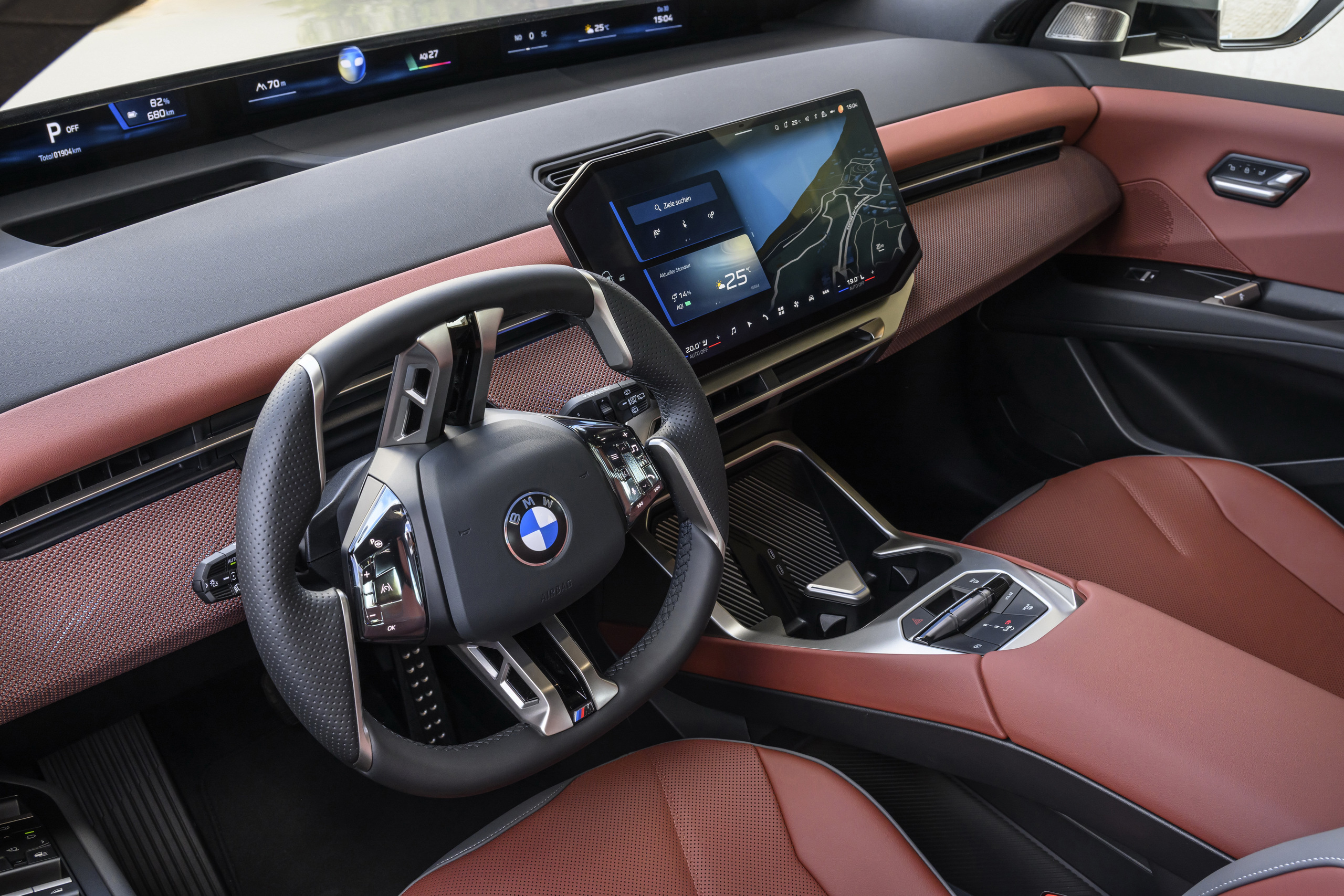
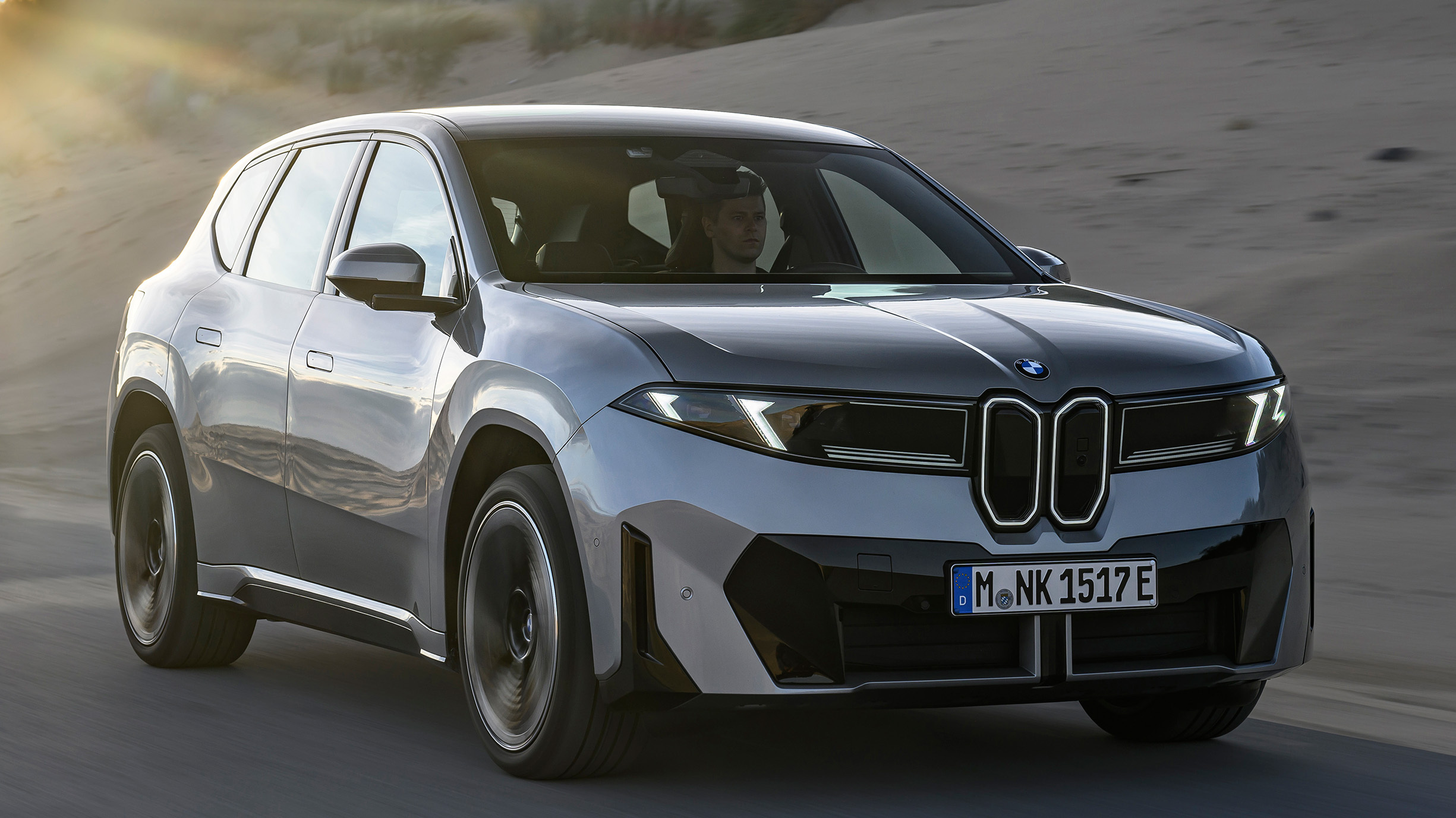
This matters far beyond one SUV. The iX3 is the first model on BMW’s all-new Neue Klasse platform and wears a bravely modern Neue Klasse design, as will the upcoming Neue Klasse 3-Series replacement later this year.
If buyers are this enthusiastic about the SUV, BMW executives will be feeling pretty good about the electric sports sedan waiting in the wings.
More Tech, More Color for 2027MY
BMW isn’t wasting time in adding polishing the package to make the iX3 even more desirable, either. From spring, the compact SUV gains an optional 22 kW AC charging upgrade, cutting home and workplace charging times. It also adds Vehicle to Load capability, letting owners power external devices at up to 3.7 kW and making camping trips more sophisticated.
There are fresh paint choices, too, including Eucalyptus Green metallic and Frozen Space Silver, plus some interior trim tweaks and the introduction of new options like a stainless steel loading sill, bright white steering wheel and an M-striped key.
Smaller SUVs Get Some Love Too
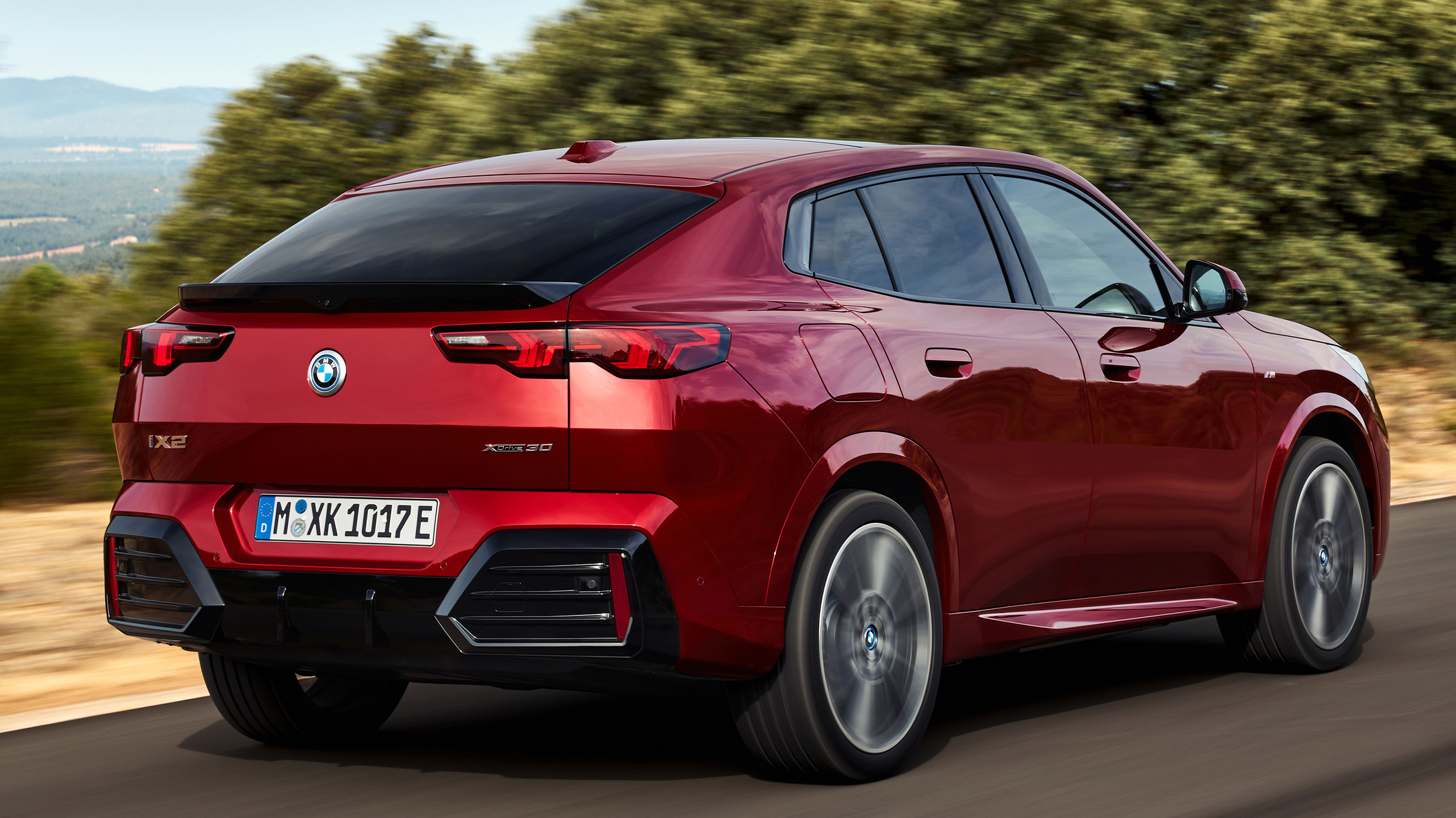
And BMW’s older electric crossovers aren’t being ignored this year, even if the iX3 is hogging the spotlight. The iX1 and iX2 receive more efficient silicon-carbide semiconductor components, boosting range by about 25 miles (40 km) depending on version. That’s a handy bump for everyday usability, improving the previously poor range of the best-performing eDrive20 to as much as 319 miles (514 km).

 Login
Login