Normal view

There are new articles available, click to refresh the page.
Today — 21 April 2026Main stream

Honda Couldn’t Give Away Its Electric SUV In Europe, So Now It’s Killing It

  • Honda is withdrawing the e:Ny1 SUV from most European markets.
  • Global EV plans, including the Sony Afeela, have been canceled.
  • A new Super-N hatchback will arrive in Europe and the UK in July.

Honda is preparing to pull the plug on its only fully electric model currently sold in Europe. As part of a rethink of its EV strategy, the automaker will take the e:Ny1 off sale just three years after it arrived. That sounds abrupt, and it is. This is not a full EV retreat, though. The new Super-N hatchback is waiting in the wings, set to step in where the e:Ny1 leaves off, even if it targets a very different slice of the market.

A product of Honda’s joint venture with Dongfeng, the e:Ny1 arrived in Europe in mid-2023 as the electric counterpart to the local-spec HR-V. It looks closely related to the hybrid crossover, but its roots trace back to China, where it has been sold as the e:NS1 and e:NP1 since 2022.

More: Honda’s 1.2 Million-Car China Peak Is Now A 720,000-Car Retreat

As reported by German newspaper Handelsblatt, the e:Ny1 has already disappeared from configurators in several major markets, including Germany, Italy, and Spain. The SUV remains available to order in France and Austria, but Honda is reportedly directing remaining stock toward the UK and Nordic regions, where demand has been stronger.

The model struggled to gain ground against newer, more affordable rivals from both European and Chinese brands. Even after a price cut in Germany from €47,590 ($56,100) to €38,990 ($46,000), Honda managed to sell just 105 units of the e:Ny1 last year.

\\\\\\\\\\\\\

The e:Ny1 rides on the “e:N Architecture F” platform and uses a single electric motor producing 201 hp (150 kW / 204 PS). A 68.8 kWh battery delivers a WLTP range of 412 km (256 miles). Compared with the EU-spec HR-V, it features a redesigned front end with a charging port integrated into the grille, clear taillights, and a 15.1-inch portrait touchscreen inside.

Honda Takes A Step Back

This European scale-back mirrors a wider global pivot. Honda recently confirmed it has canceled several planned EVs intended for North America, including the Acura RSX, the 0 Series Saloon and SUV, and the Afeela sedan and SUV from the Sony Honda Mobility joint venture.

More: Honda Plans To Sell 3,000 Rebadged Chinese EVs As The New Insight In Japan

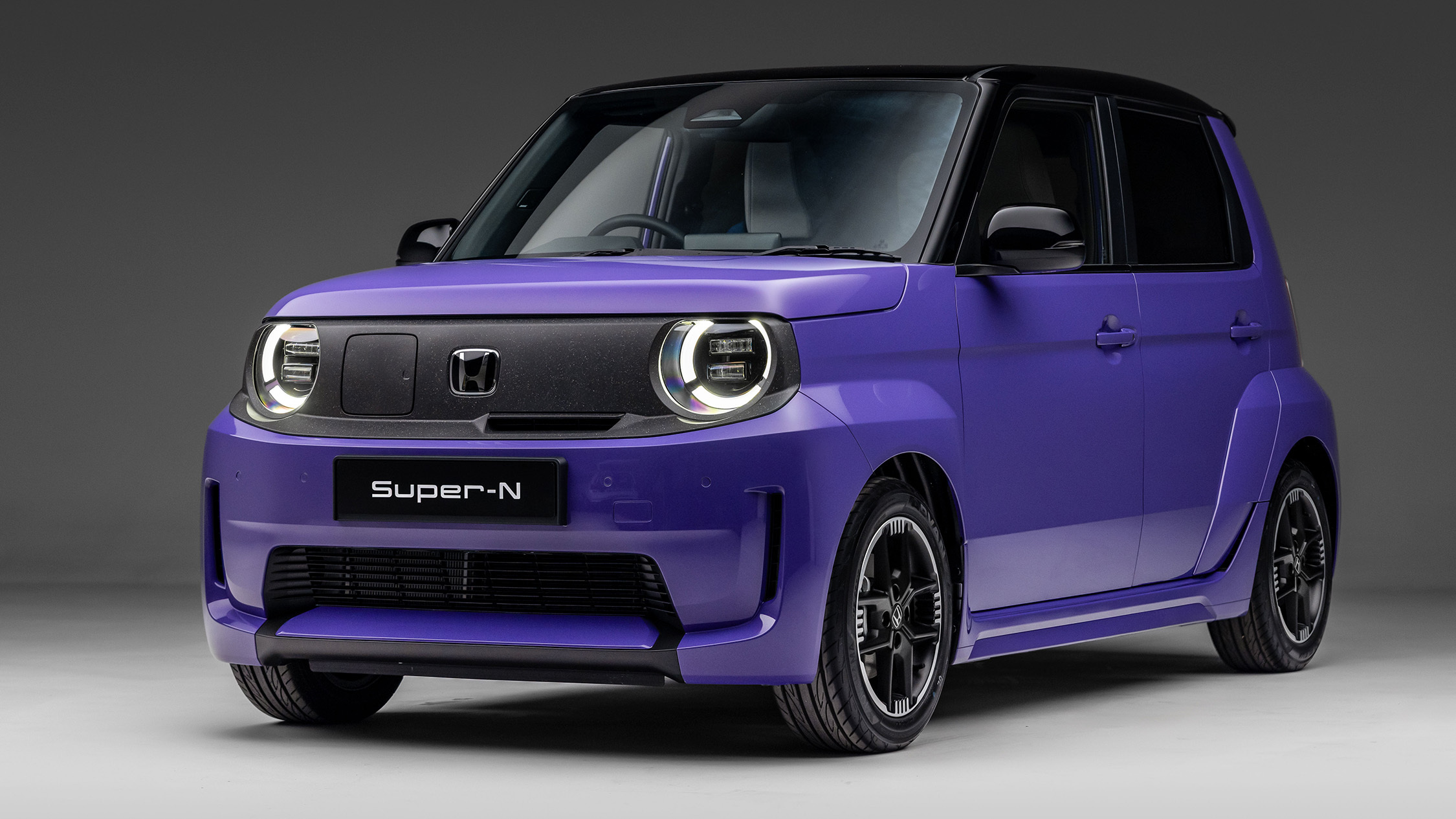
Despite the gloomy outlook for its larger EVs, Honda isn’t pulling the plug entirely. The Super-N will reach UK and Europe shortly after its initial roll-out in Japan. The pint-sized electric hatchback draws inspiration from the Honda City Turbo II, pairing a sporty body kit with a 94 hp motor. Pricing is expected to start below £20,000 (€23,000 / $27,100), aiming to attract buyers with a more accessible entry point and a distinct character.

The rest of Honda’s European lineup is exclusively available with self-charging hybrid and plug-in hybrid powertrains, as all ICE-only offerings were phased out in late 2022.
 Honda Couldn’t Give Away Its Electric SUV In Europe, So Now It’s Killing It
Honda Super-N

Hyundai’s Ioniq 3 Looks Like Someone Crossed A Veloster With A Pontiac Aztek

  • The Hyundai Ioniq 3 is a fully electric “aero hatchback”.
  • The new model is the baby brother of the Ioniq 5.
  • It shares its underpinnings with the Kia EV3 and EV4.

Hyundai has unveiled a new gateway model for its electric Ioniq range in Europe. The Ioniq 3 develops last year’s Concept Three into a new production model described as an “aero hatchback” though it does come with various crossover styling cues.

More: Hyundai’s Ioniq Concepts Forgot They Were Supposed To Look Like Hyundais, Especially The Lambo One

Measuring 4,155 to 4,170 mm (163.6 to 164.2 inches) in length, depending on the version, the EV is roughly the same size as the Hyundai Bayon. Its 2,680 mm (105.5-inch) wheelbase, however, matches the Elantra. Within Hyundai’s zero-emission lineup, it sits above the Inster and below the Kona Electric, effectively taking on the role of a junior Ioniq 5.

\\\\\\

The more experimental bits from the concept have quietly disappeared. No Veloster-style asymmetrical doors here. Just a regular five-door layout that is easier to live with and, more importantly, easier to sell. Up front, split LED lighting is paired with four illuminated dots that echo across the rear, spelling out an “H” in Morse code.

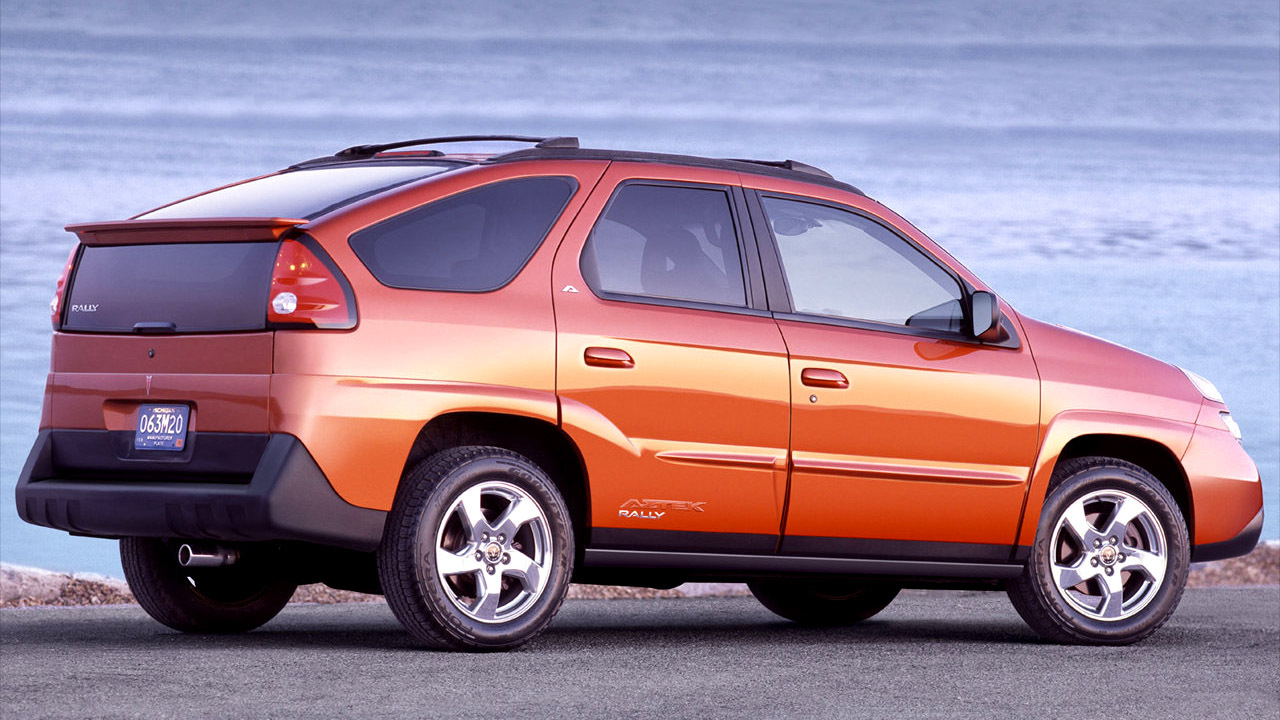
Speaking of the rear, the stubby silhouette flirts with some less flattering comparisons, not least the infamous Pontiac Aztek. A split rear window, bisected by a thick horizontal bar that holds a rear wing, does it no favors, though to be fair, it still comes off better than the much-derided Pontiac effort.

 Hyundai’s Ioniq 3 Looks Like Someone Crossed A Veloster With A Pontiac Aztek
The Pontiac Aztek

Elsewhere, the production model adds visual weight through chunkier surfacing and more plastic cladding than the concept suggested. Hyundai claims a drag coefficient of 0.263, which is respectable given the shape.

Hyundai showed the range-topping N Line, set apart by sportier bumpers, an integrated diffuser, a rear spoiler, and model-specific 19-inch alloy wheels (base model rides on 16-inch wheels). Those elements are finished in black, tying in with the roof, A-pillars, side skirts, and the cladding around the wheel arches.

Xavier Martinet, President and CEO of Hyundai Motor Europe, said that the Ioniq 3 is “Built for people’s real everyday needs”, combining “segment-leading driving range and aerodynamics with extraordinary levels of space, comfort and practicality”.

High-Tech And Spacious Interior

Inside, the centerpiece is a 14.6-inch free-standing touchscreen, while lower trims make do with a smaller 12.9-inch display paired with a compact digital instrument cluster. Both run Hyundai’s new Google-based Pleos infotainment system, making its debut in a production model. Thankfully, there’s a row of physical switches mounted above the climate vents and additional tactile controls on the N-branded steering wheel.

\\\\\\\

Hyundai designers integrated the gear lever on the right stalk, freeing up space on the slim two-story center tunnel for cup holders, storage cubbies, and a wireless charging pad. Other highlights include a practical tray on the dashboard, heated and ventilated Relaxation Seats, rear climate vents, a panoramic sunroof, a Bose Premium audio system and a comprehensive Hyundai SmartSense ADAS suite.

More: Hyundai Is Charging Koreans A Fee To Put Pikachu On Their 2027 Kona’s Dashboard

The boot has a double floor with a Ford Puma-style Megabox underneath. Total capacity stands at 441 liters (15.6 cubic feet), which is competitive for something this size.

Two Electric Powertrain Options

Underneath, the Hyundai Ioniq 3 rides on a 400-Volt version of the E-GMP architecture, just like the Kia EV3 and EV4 siblings. At launch, it will be offered in two front-wheel-drive configurations.

The Standard Range model comes with a 144 hp (108 kW / 147 PS) electric motor and a 42.2 kWh battery offering 214 miles (344 km) of WLTP range. The Long Range features a slightly less potent 133 hp (100 kW / 135 PS) electric motor and a larger 61 kWh battery, stretching the range to 308 miles (496 km) on a full charge. Both variants have the same 250 Nm (184 lb-ft) of torque.

What About A Proper Hot Hatch?

\\\\

For those after something with a bit more edge, Hyundai’s N division is reportedly exploring a baby hot hatch spun from the Ioniq 3. It is an easy leap, given the platform already supports dual-motor setups delivering up to 288 hp (292 PS / 215 kW), as seen in the range-topping Kia EV3 GT-Line.

More: New Elantra N TCR Undercuts The Civic Type R By $7,000 With A Bigger Wing

Besides the extra punch, the Ioniq 3 N will likely benefit from a more aggressive stance along with a unique setup for the chassis and the electronics, borrowing a few tricks from the Ioniq 5 N and Ioniq 6 N stablemates.

Market Availability

The Hyundai Ioniq 3 is set to launch in Europe later this year, with production based in Turkey. That also explains its absence from the US market, where tariffs would push pricing beyond what makes sense for a car in this segment.

It will step into a crowded field, going up against electric subcompact SUVs like the Kia EV3, Mini Aceman, Renault 4 E-Tech, Ford Puma Gen-E, Jeep Avenger, Alfa Romeo Junior, Volvo EX30, and Opel Mokka Electric. On the hatchback side, it will also face off against the Renault 5 E-Tech, BYD Dolphin, MG4 EV, and the upcoming VW ID. Polo.

Lynk & Co’s First GT Concept Looks Like It Could Actually Happen

  • Lynk & Co will debut its first GT concept car at the Beijing auto show.
  • The performance-focused study adopts a sleek two-door coupe stance.
  • Volvo will take over European commercial operations for Lynk & Co.

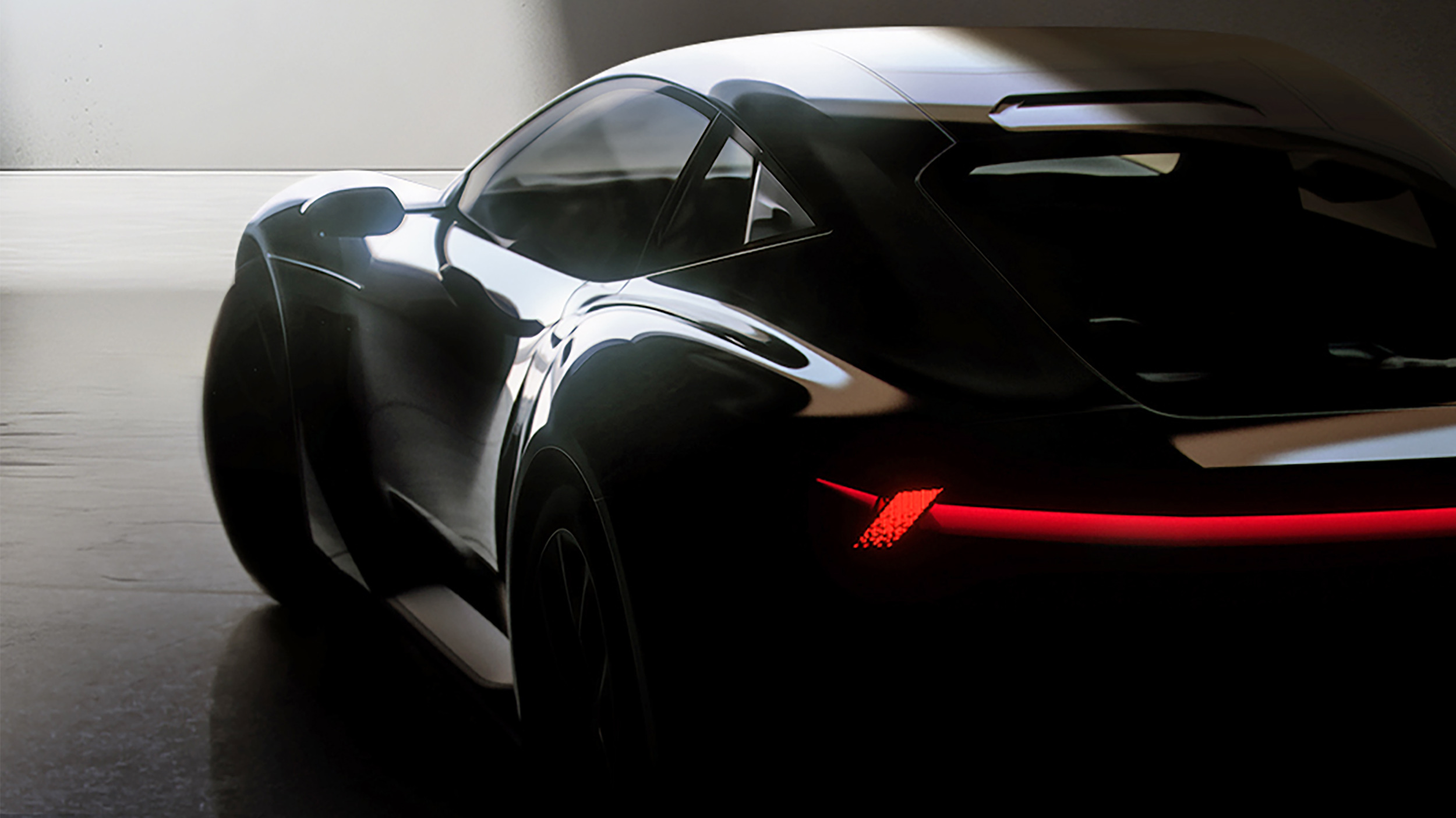
Lynk & Co’s production range has, until now, played it safe with SUVs and sedans. That may be about to change. The Geely-owned brand is preparing to show something with a bit more bite, announcing a two-door GT concept set to debut at the 2026 Beijing Auto Show on April 24, previewed by a single teaser.

The shadowy image suggests a front-engined, rear-wheel-drive sports car, with proportions that land somewhere close to the now-departed Jaguar F-Type. There is a long dash-to-axle ratio, a low, sculpted profile, and planted rear shoulders. A sloping roofline flows into full-width LED taillights, while the rising beltline brings to mind the Lynk & Co 10+ sedan.

More: This Chinese SUV Now Boasts Europe’s Longest Electric Range In A PHEV

Details remain thin, as expected at this stage, but the concept will almost certainly sit on existing Geely architecture. That opens the door to either a fully electric setup or a plug-in hybrid powertrain.

Interestingly, the GT appears closer to production than the 2022 Next Day concept, which shared a similarly low-slung, sporty silhouette but stretched things further with a longer body and four suicide scissor doors. If it gets the green light, this new model could find itself taking aim at the Porsche 911 and Mercedes-AMG GT, as well as China’s MG Cyberster.

 Lynk & Co’s First GT Concept Looks Like It Could Actually Happen
The official teaser of the new GT Concept by Lynk & Co.

The GT highlights the racing pedigree of Lynk & Co that has been quite successful in TCR. The company entered the TCR championship in 2019, taking the reigns from the defunct Volvo Polestar racing program.

Volvo Takes Over Sales And Service In Europe

Beyond the showroom floor, Lynk & Co is undergoing a structural shift in its global operations. Volvo Cars and Geely Auto recently signed a Memorandum of Understanding that will see the former take over the commercial and brand operations for Lynk & Co in Europe.

More: Volvo’s Favorite Tuner Just Crossed Over Into China’s EV Scene

Under this new arrangement, Volvo becomes the exclusive importer and distributor for Lynk & Co across the Old Continent, using its retailer and service networks. This means that the Geely-owned brand moves away from its previous subscription-heavy model toward a more traditional retail structure.

 Lynk & Co’s First GT Concept Looks Like It Could Actually Happen
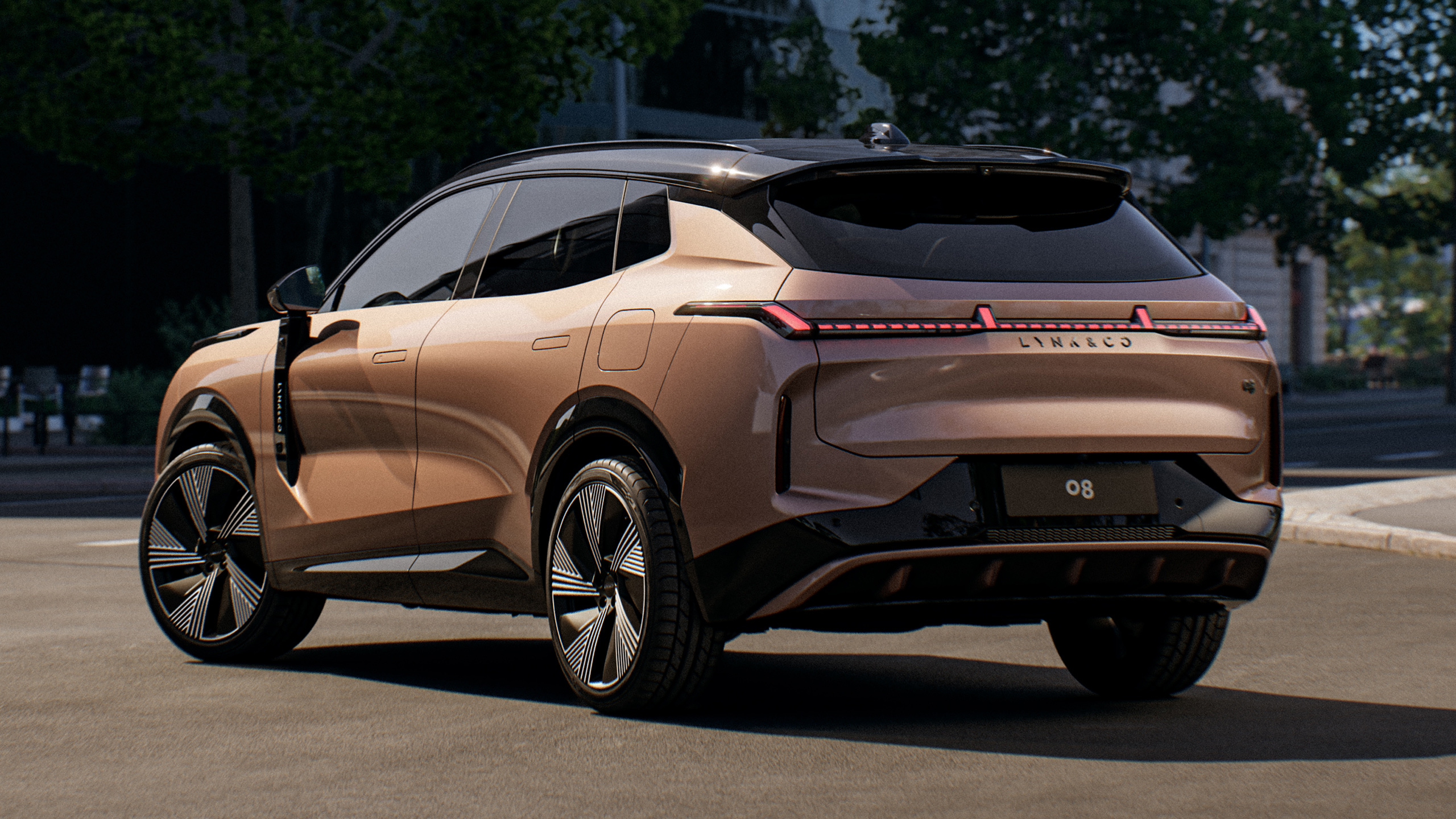
Lynk & Co 08
Before yesterdayMain stream

Mugen’s Super-One Looks Like A Race Car. Its Motor Disagrees

  • Mugen reveals upgrades for the Honda Super-One EV platform.
  • A widebody kit with carbon aero parts adds visual aggression.
  • Changes focus on style and dynamics rather than outright power.

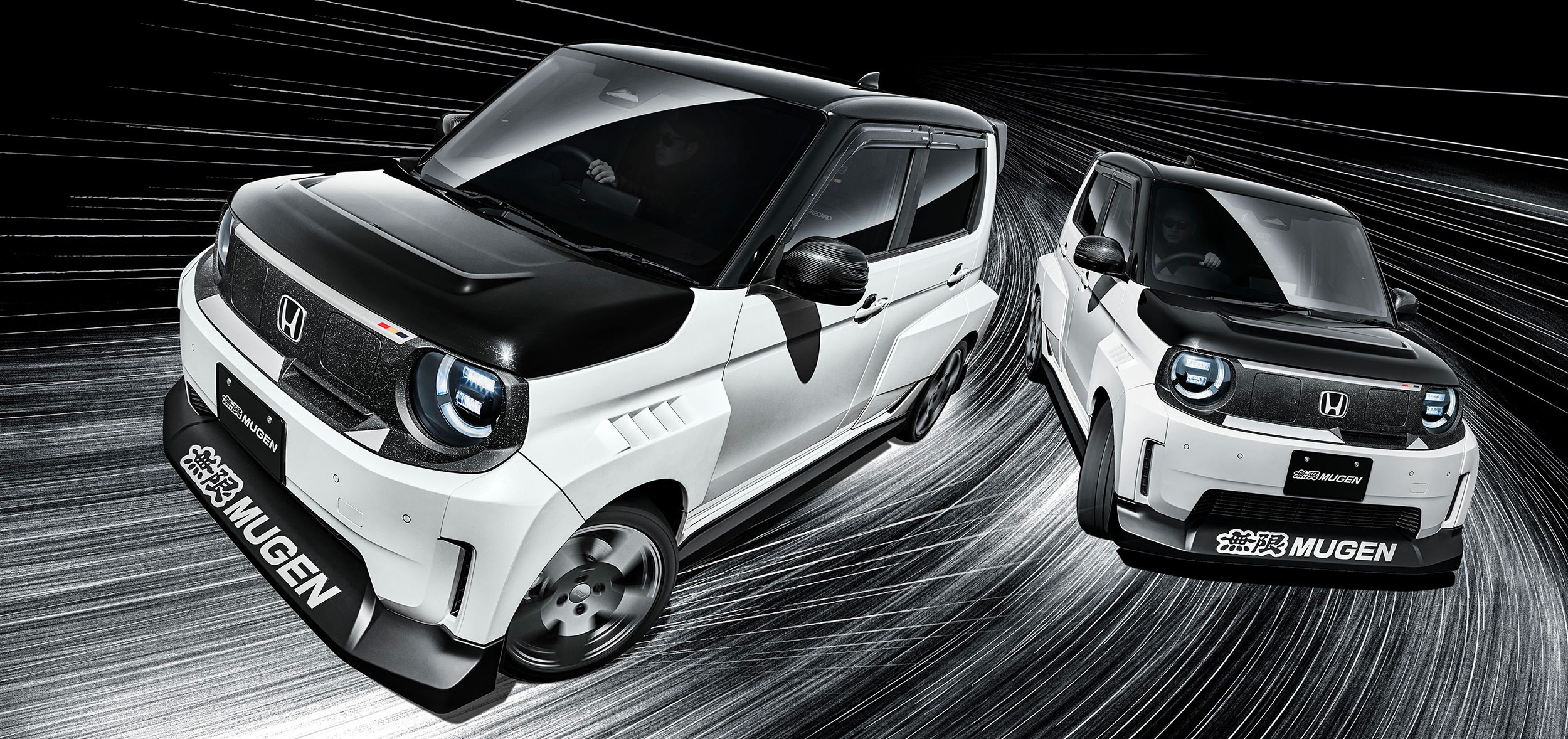
The new Honda Super-One taps into a growing appetite for retro-flavored EVs, borrowing heavily from the irreverent charm of the City Turbo II from the ’80s. While the standard model already leans into a sporty aesthetic, Mugen has taken it further with a more aggressive bodykit, interior tweaks, and a set of performance dampers to back up the look.

Starting with the exterior, the Japanese tuner injects a dose of motorsport attitude into the Super-One. Up front, it gains a black chin spoiler and a vented hood, but the real standout sits along the sides, where vented wide fender extensions are mounted over the already flared arches.

More: Mugen Turns Honda’s Tiny EV Into A Pocket-Sized Street Fighter

Those arches are complemented by carbon mirror caps, deeper side skirts, and a set of 16-inch forged aluminum wheels with a five-spoke design. Around back, Mugen adds a sizeable roof spoiler and sharper extensions to the rear bumper.

\\\\

Inside, the front seats have been swapped with semi-buckets from Recaro, complementing the track-ready stance. Buyers can also get special floor and luggage mats, scuff plates, and protective door trim with Mugen branding, which can also be found on the rim of the two-spoke steering wheel. Other accessories include the hydrophobic mirrors and the window visors.

More: The Manual Honda That Thinks It’s A Baby Type R

Under the skin, Mugen is offering Performance Dampers developed in collaboration with Yamaha, which are said to improve handling and reduce vibrations. Note that the Super-One has a more aggressive chassis setup compared to the N-One e: kei car, featuring a lowered suspension and wider tracks.

\\\\\\\\

Unfortunately, the zero-emission powertrain is left untouched. The Super-One sticks with a single electric motor producing 94 hp (70 kW / 95 PS) in Boost Mode. It is not a headline-grabber, though Honda tries to add some theatre with an Active Sound Control system that pipes in simulated gearshifts and engine noise through the speakers.

More: Honda’s Tiny £20k Super-N EV Lands In UK Like A Half-Scale Ioniq 5 N

Mugen has yet to put a price on any of these upgrades, as they remain under development. A market launch in Japan is scheduled for late May 2026.

Beyond Japan, the Super-One is headed to the UK, Europe, Australia, New Zealand, and parts of Asia, which raises the prospect of a one-make series. It would suit the car rather well.

 Mugen’s Super-One Looks Like A Race Car. Its Motor Disagrees

Mugen

Mercedes Heard ‘Too Many Screens’ And Built A New C-Class That’s One Giant Screen

  • The new electric C-Class adopts a full-width digital dashboard layout.
  • A 39.1-inch Hyperscreen dominates the cabin with few physical controls.
  • Mercedes promises improved space, long-distance comfort, and sportiness.

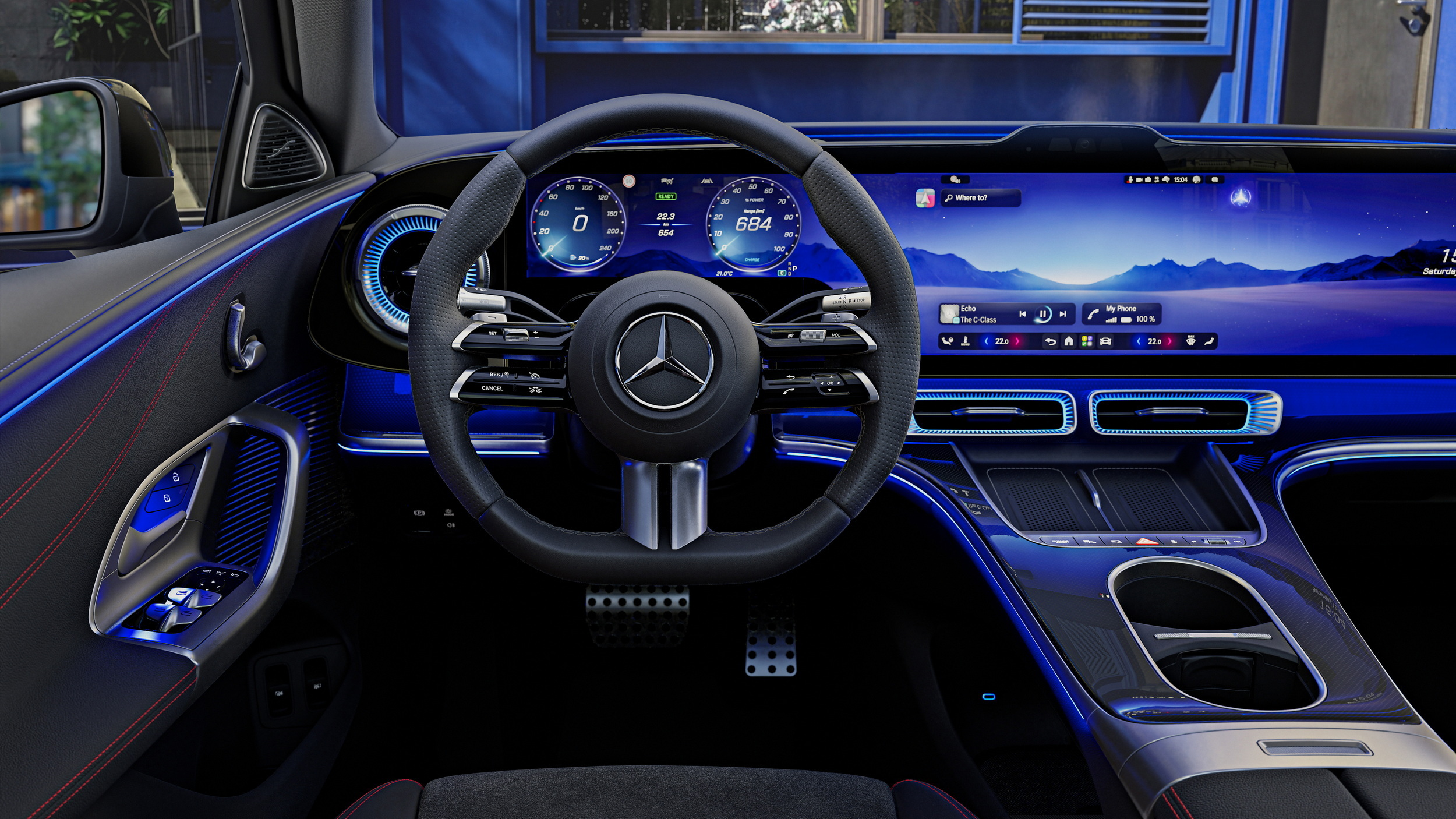
Mercedes is getting ready to reveal its all-electric C-Class on April 20, but the interior has already made an early appearance. Front and center is a massive MBUX Hyperscreen stretching almost the full width of the dashboard, uninterrupted and unmistakably similar to what we have already seen in the GLC EV.

The company describes the new interior of the electric sedan as a “driver-oriented refuge”, though it reads more like a rolling digital billboard from where we’re sitting. The display appears to mirror the 39.1-inch Hyperscreen from the GLC EV, which makes the recently updated EQS and S-Class flagships feel either a step ahead or already behind, depending on your perspective.

More: Mercedes’ Electric C-Class EQ Is Running Out Of Camouflage

With approximately 10 million pixels, the giant display aims to reduce the need of menus, having everything within reach. Even so, experience keeps reminding us that glass can’t replace the certainty of a proper button or dial. There are at least a few holdouts here, with physical controls still present on the center console and steering wheel, the latter seemingly lifted straight from its SUV counterpart.

 Mercedes Heard ‘Too Many Screens’ And Built A New C-Class That’s One Giant Screen

Besides the attention-grabbing Hyperscreen, Mercedes also mentions the Superscreen, which is a more conventional triple-screen layout reserved for lower trim levels of the sedan. Both setups offer the option between ten ambient styles with different colors to fit your mood.

More Space And Comfort

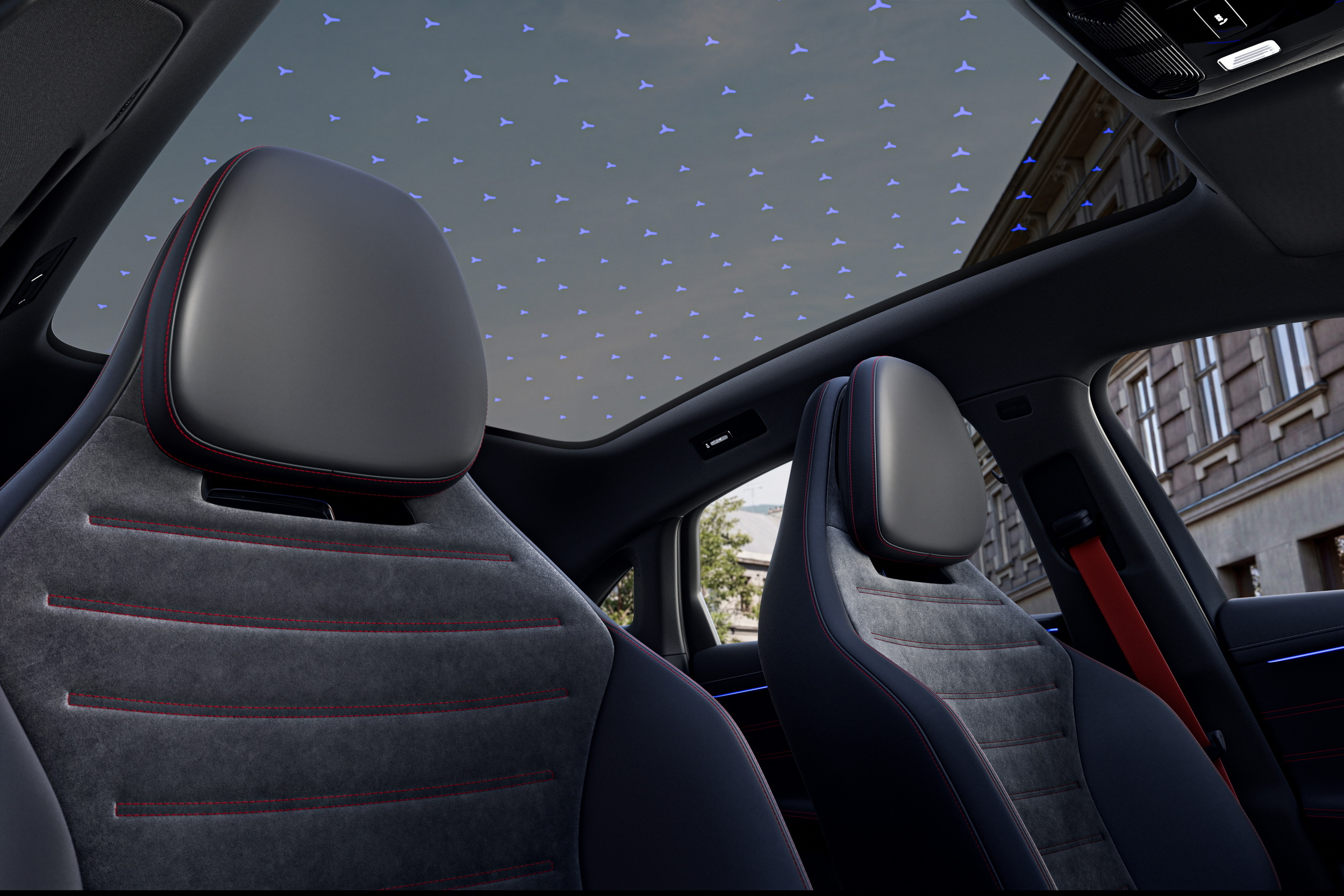
The company promises that the electric sedan will be the best and sportiest C-Class yet, while offering more space than ever before. It will also bring “exceptional” long distance comfort thanks to the new seats, the optional star-shedded panoramic sunroof, the sophisticated climate control system, and the extensive sound insulation.

 Mercedes Heard ‘Too Many Screens’ And Built A New C-Class That’s One Giant Screen

The front seats come with electro-pneumatic four-way lumbar support, 4D sound, massaging and ventilation functions. These are coordinated with the Energizing Comfort programs designed for “mental and physical rejuvenation” while on the go. Furthermore, the climate system features a multi-source heat pump that can heat the cabin twice as fast as a combustion vehicle while using 50% less energy.

More: C-Class Facelift Mirrors A Direction Mercedes Has Already Taken Elsewhere

The electric C-Class will also offer a vegan-certified interior with soft-touch surfaces. Other options include the Softtorino leather grain, the Twisted Diamond Nappa leather, and the 3D-relief stainless steel speaker grilles for the Burmester 3D sound system.

 Mercedes Heard ‘Too Many Screens’ And Built A New C-Class That’s One Giant Screen
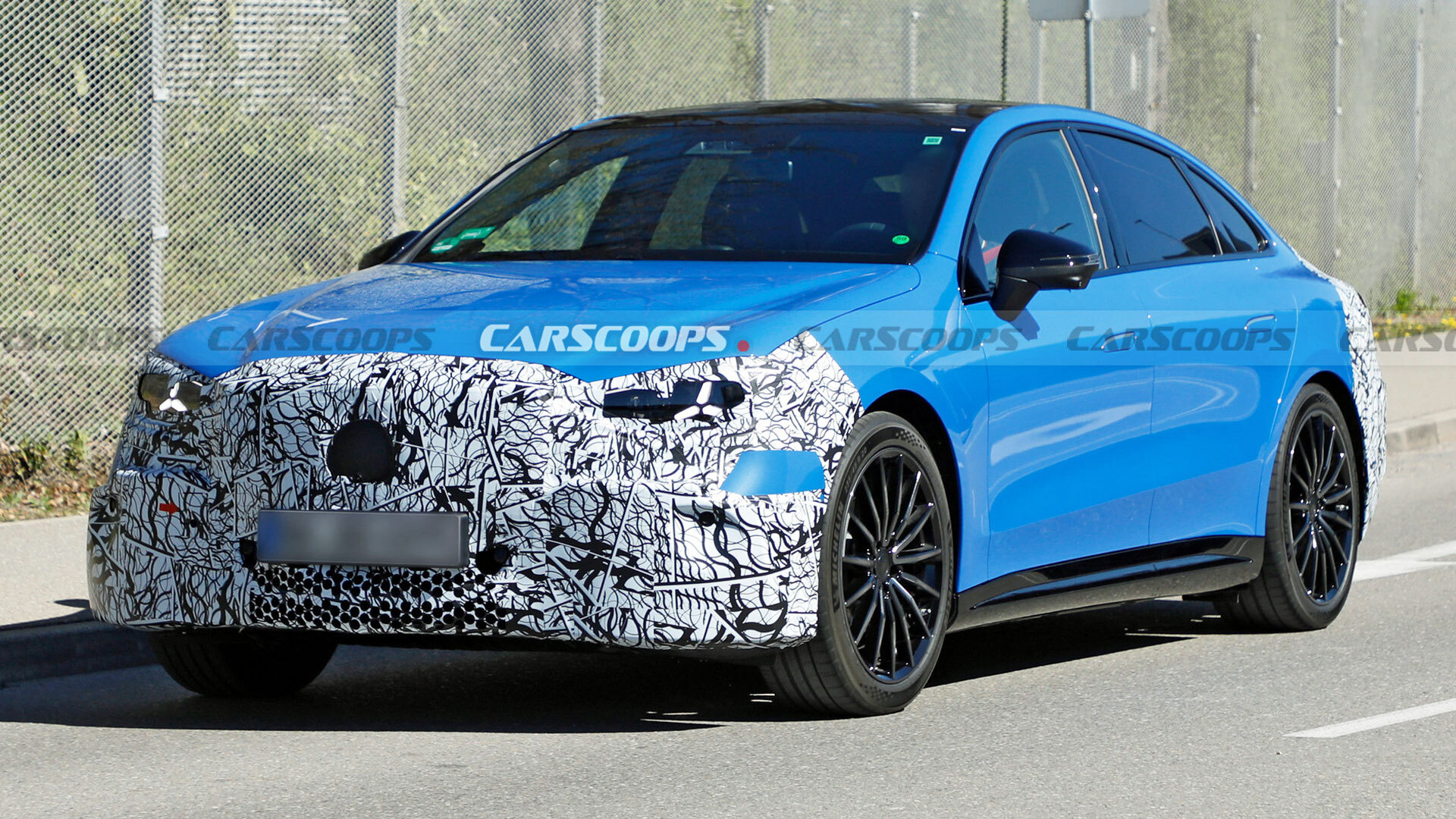
A lightly camouflaged prototype of the electric C-Class. Photo: Baldauf

In terms of exterior design, we already know that the model will adopt a large illuminated grille flanked by aggressive headlights with star-shaped LED graphics.

Recent spy shots have also revealed the sleek surfacing of the profile, looking like an evolution of the EQE and EQS sedans albeit with more pronounced front and rear volumes to avoid an egg-shaped silhouette. Expect sportier bumpers and different wheels for the AMG Line trims.

Any Specs?

Mercedes has yet to announce the technical specifications of the electric C-Class, but the model will most likely ride on the same 800-volt MB.EA platform with the GLC. The SUV produces 483 hp (360 kW / 490 PS) and 800 Nm (590 lb-ft) of torque from dual electric motors, with a 94 kWh battery offering a WLTP range of 673 km (418 miles).

More: AMG Built A Sedan That Growls, Revs, And Shifts Like It Has A V8. It Doesn’t

In terms of the chassis setup, the company claims that the sedan “raises performance and driving dynamics”, making our appetite for future AMG-branded versions.

We will learn everything about the new model at its official debut in South Korea on April 20. The EV will be joined by a facelifted version of the ICE-powered C-Class, also expected to be unveiled later this year. It’s biggest rival is the new BMW i3 Neue Klasse sedan that debuted last month.

\\\\\\\

Toyota And Isuzu’s New Hydrogen Truck Solves The Problem Refrigerated Delivery EVs Can’t

  • Isuzu and Toyota are building Japan’s first hydrogen light-duty truck.
  • The fuel cell hardware is Toyota’s, the chassis is Isuzu’s Elf EV.
  • Toyota’s next fuel cell system delivers 20% better efficiency than before.

Hydrogen mobility might not be moving forward as quickly as expected in passenger cars, but it still has clear promise in the commercial space. The latest move comes from Isuzu and Toyota, which have teamed up to develop Japan’s first mass-produced light-duty fuel-cell electric truck, expected to reach the road within the next two years.

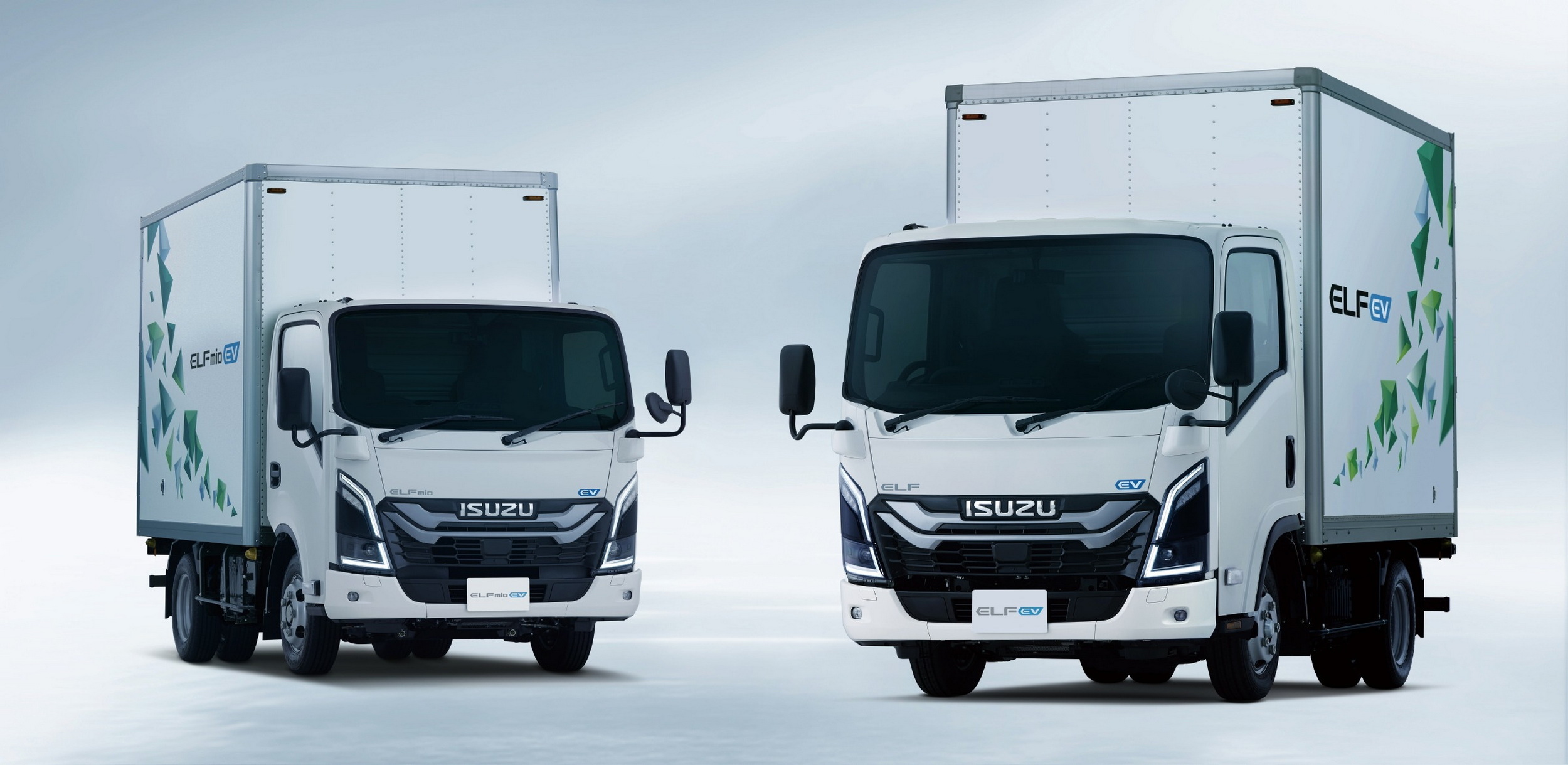
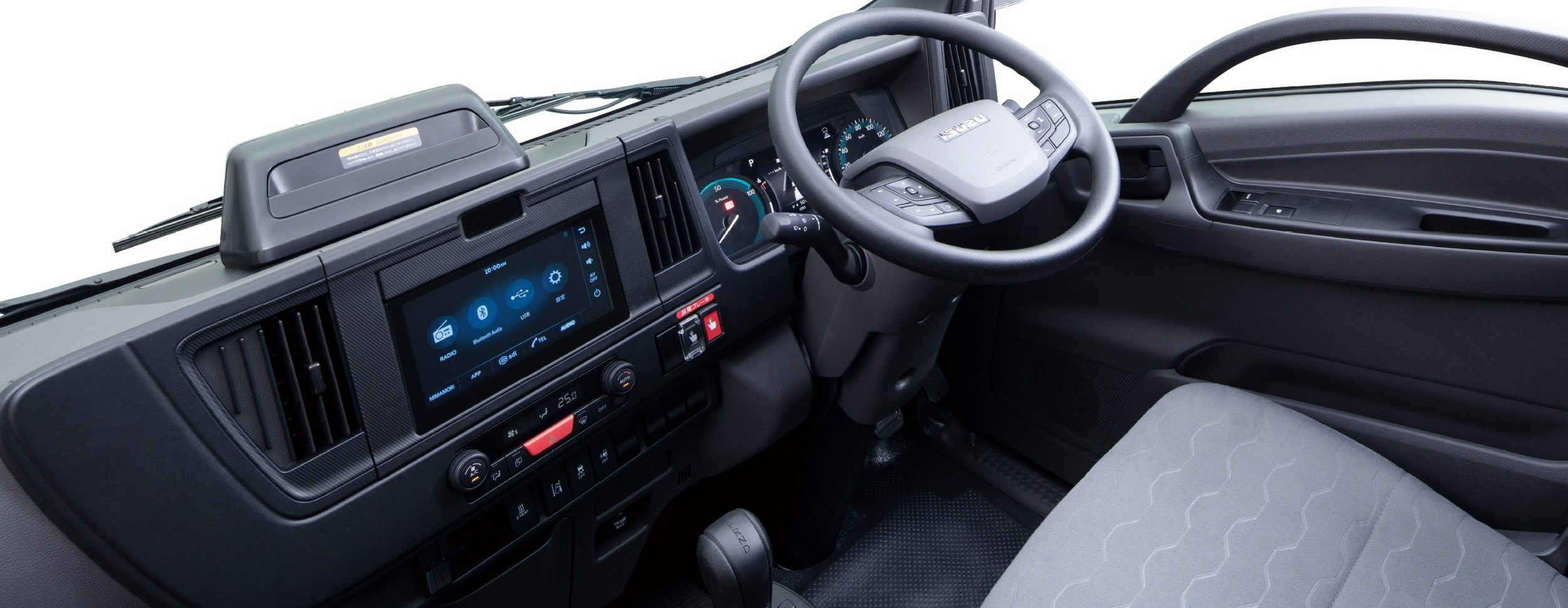
This won’t be a ground-up rethink. Instead, it rides on the familiar ladder-frame chassis of the Isuzu Elf EV. The electric Elf, known globally as the N-Series, arrived in 2023 with modular 20 kWh battery packs, scaling from 40 to 180 kWh depending on spec.

More: A Gullwing Door Hides The Coziest Room On Wheels

The real story sits under the skin. Toyota’s upcoming third-generation fuel-cell system takes center stage here, bringing a claimed 20% improvement in efficiency over the current setup. It is also expected to last longer and cope better with hard use, which matters when your daily routine involves stop-start urban logistics or hauling refrigerated goods across a city.

Why Hydrogen?

 Toyota And Isuzu’s New Hydrogen Truck Solves The Problem Refrigerated Delivery EVs Can’t

One of the primary drivers behind this FCEV project is the inherent limitation of battery-electric trucks in certain commercial roles. Light-duty trucks used for supermarket and convenience store deliveries often require heavy refrigeration equipment that drains battery power quickly. Furthermore, the long charging times associated with large battery packs can disrupt tight delivery schedules.

More: BMW iX5 Hydrogen Teased With 385 Miles Of Range

Hydrogen refueling, which takes roughly the same amount of time as diesel, offers a more seamless transition for fleet operators, while offering an extended driving range. At the same time, an FCEV truck produces much fewer vibrations and noise compared to a diesel-powered equivalent, while having zero CO2 emissions.

Reducing Costs Is The Key

 Toyota And Isuzu’s New Hydrogen Truck Solves The Problem Refrigerated Delivery EVs Can’t

The sticking point remains cost. Fuel-cell vehicles are still expensive, and hydrogen infrastructure is far from widespread. Isuzu and Toyota say the answer lies in smarter engineering, from optimizing the vehicle structure to rethinking manufacturing processes, alongside continued development of the fuel-cell system itself.

More: The Honda CR-V e:FCEV Is Living On Borrowed Time

Production of the light-duty fuel cell truck is scheduled to start in the Japanese fiscal year 2027, which ends on March 30, 2028.

This isn’t the first time the two companies have worked together on hydrogen. Isuzu and Toyota are already collaborating on the ERGA FCV, an urban flat-floor bus with hydrogen tanks integrated on its roof structure.

\\\\\\

VW Spent Years Removing Knobs From Its Cars, The ID.3 Neo Puts Them Back

  • The VW ID.3 Neo arrives as a successor with several key updates.
  • It gets sharper styling and an interior with welcome physical controls.
  • Three battery options are offered, with up to 391 miles of range.

Volkswagen has revealed a heavily updated version of its electric compact hatchback, giving it a new identity and a much-needed hardware boost to carry it through until the electric ID. Golf arrives later this decade. The ID.3 Neo brings cleaner styling and a welcome return to physical controls, along with more power and range at the top end.

The compact EV, still absent from North America, was originally introduced in 2019 and received a mild facelift in 2023. While the ID.3 Neo is not a new generation, it represents a comprehensive update designed to keep it competitive against the growing competition from China.

More: VW’s ID. Lineup Looked Like The Future, Turns Out People Wanted The Past

Starting with the exterior, the biggest change is the adoption of a thicker full-width LED strip that connects the slightly tweaked headlights and is joined by black trim. The VW emblem is positioned slightly lower than before, while the bumper gains sharper intakes.

\\\\\\\\\\\\\\\\\\\\

The rest of the bodywork is carried over, but the A-pillars, roof, rear spoiler, and tailgate gain a body-colored finish, replacing the previous glossy black treatment. According to the company, this makes the ID.3 Neo appear “longer, flatter, and more dynamic” than its predecessor.

Overall, the styling updates are not as extensive as one would expect, but they do bring the compact hatchback closer to the upcoming ID. Polo.

Overhauled Interior

Inside, Volkswagen has listened to critics and replaced its controversial touch-sensitive sliders and with traditional buttons. Those can be found on the new two-spoke steering wheel, and on the center console. The dashboard has been slightly redesigned with simpler lines and improved materials, while a wider center tunnel sits higher than before.

More: Finally, The 2027 VW Atlas Gets A Cabin You Won’t Have To Apologize For

Besides the clicky controls, the centerpiece is a new digital cockpit comprising a larger 10.25-inch instrument cluster and a 12.9-inch infotainment display. Those feature fresh graphics and simpler menus, following the example of the ID. Polo. The Innovision infotainment system comes with an integrated app store, offering options for video streaming, gaming, parking, and charging.

\\\\\\\\\\

Premium features such as an augmented reality head-up display, a panoramic sunroof, front seats with massage and memory functions, and a Harman Kardon Audio system are available as options.

More: VW’s Considering A Flagship SUV For Buyers Who Can Afford A Porsche But Won’t Drive One

In terms of safety, the ID.3 Neo will be available with an enhanced Connected Travel Assist system featuring optional traffic light recognition, and the optional Park Assist Pro with a memory function. Those join various standard ADAS such as Lane Assist, Front Assist, and turning brake function.

Powertrain Options

The ID.3 Neo launches in Europe with three outputs and battery configurations, bringing improved efficiency. The Entry model delivers 168 hp (140 kW / 170 PS) from a 50 kWh battery. The Mid version nudges that to 188 hp (140 kW / 190 PS), paired with a 58 kWh pack.

At the top, the High model makes the case for sticking around a bit longer. It produces 228 hp (170 kW / 231 PS) and uses a 79 kWh battery, good for a claimed WLTP range of 391 miles (630 km). That is the number that matters here, and it does most of the heavy lifting.

\\\\\\\\

Charging capacity has also been improved at 105 kW in the Entry and Mid versions, and up to 183 kW in the High. Furthermore, the EV gains Vehicle-to-Load (V2L) capability, allowing it to power external devices.

More: VW’s New Compact Sedan Costs Less Than Half What Americans Pay For A Jetta

For anyone still holding out for a bit of life, Volkswagen is said to be working on a quicker follow-up to the performance-focused ID.3 GTX. The smart money is on a GTI badge, which gives it some heritage to lean on, even if the driving experience has to do the rest of the talking.

Simplified Lineup

Pre-sales for the ID.3 Neo start in Germany and other European markets on April 16. While official pricing has yet to be announced, VW has simplified the trim structure reducing it to Trend, Life, and Style grades.

\\\\\\\\\\\

Rolls-Royce Calls The Nightingale Its Most Accessible Coachbuild. It Starts At $9.5 Million

  • Rolls-Royce’s Nightingale is a fully electric, two-seat coachbuild.
  • At 226.8 inches, it matches the Phantom sedan in overall length.
  • The cabin ceiling uses 10,500 stars patterned on a nightingale’s song.

While several automakers quietly scale back their EV projects, Rolls-Royce is doing the opposite, and doing it in typical fashion. The Project Nightingale arrives as an exclusive two-door convertible, marking the first entry in the company’s Coachbuild Collection with bespoke styling and a strictly limited run of 100 units

With a length of 5.76 meters (226.8 inches), the Nightingale closely mirrors the Phantom sedan in sheer presence. It adopts a raked windscreen, a two-seat cabin, a long, tapering tail, and a set of 24-inch directional wheels styled to echo yacht propellers.

More: Rolls-Royce’s Electric SUV Revives A Long-Forgotten Hood Design

The front is dominated by the Pantheon Grille, carved from a solid block of stainless steel, and flanked by ultra-slim vertical LED headlights. Those are connected to the split LED taillights through polished stainless-steel bands that run across the entire length of the car. Furthermore, a sophisticated diffuser manages airflow without the need for a spoiler, a feat made possible by the absence of exhaust pipes.

\\\\\\\\\\\\\

The pictured model is painted in Cote d’Azur Blue infused with subtle red flakes, combined with silver accents and a matching soft top. This pale blue shade is inspired by the experimental Rolls-Royce 17EX from 1928.

Two-Seater Cabin

Inside, the dashboard looks familiar, but the cabin only has two seats, framed by horseshoe-shaped forms. The saddle-like armrest glides rearwards to reveal the Spirit of Ecstasy controller, which is one of the five rotary controls.

More: This Exclusive Rolls-Royce Was 100 Years In The Making

Another highlight is the “Starlight Breeze” with 10,500 individual fiber-optic stars that wrap around the occupants. In typical Rolls-Royce fashion, these are not arranged in a random order, but with a special pattern derived from the sound-wave analysis of a nightingale’s song

\\\\\\\\\

For the launch vehicle, designers chose a combination of Charles Blue with Grace White, joined by Deep Navy details, Peony Pink accents, and Openpore Blackwood inserts.

More: When A Tech Billionaire Says Game On, Rolls-Royce Unlocks A Secret Level

To maintain the romance of open-top driving, the roof uses a composite blend of cashmere and high-performance fabrics, specifically tuned to let the sound of raindrops through while blocking mechanical noise.

Shared Underpinnings

Naturally, the Nightingale shares the “Architecture of Luxury” aluminum spaceframe chassis with the rest of the Rolls-Royce lineup. It also uses the same fully electric powertrain, currently employed by the Spectre.

Specifications remain under wraps, but the company promised to unveil more details as the vehicle “progresses through its global testing and development program”.

Rolls-Royce Decides Who Will Buy It

The Nightingale is significantly less exclusive than coachbuilt specials from the recent past like the Sweptail, Boat Tail, and Drop Tail. More specifically, the model will be manufactured in 100 units, with owners hand-picked from the firm. Deliveries are scheduled to begin in 2028.

As reported by Autocar, the starting price is approximately £7 million ($9.5 million), although the final cost is expected to climb following extensive personalization options. Besides the vehicle itself, the Coachbuild Collection program includes behind-the-scenes access to design and testing, plus global curated events.

\\\\\\\\\\\\\\\\\\\\\
\\\\\

Stellantis Turns A Tiny Chinese Hatch Into A Delivery Van That’s Light On The Van Part

  • The Leapmotor T03 urban EV transforms into a pint-sized van.
  • It offers a 657-liter cargo area and 220 kg payload capacity.
  • The model will hit dealers this summer, starting at €14,590.

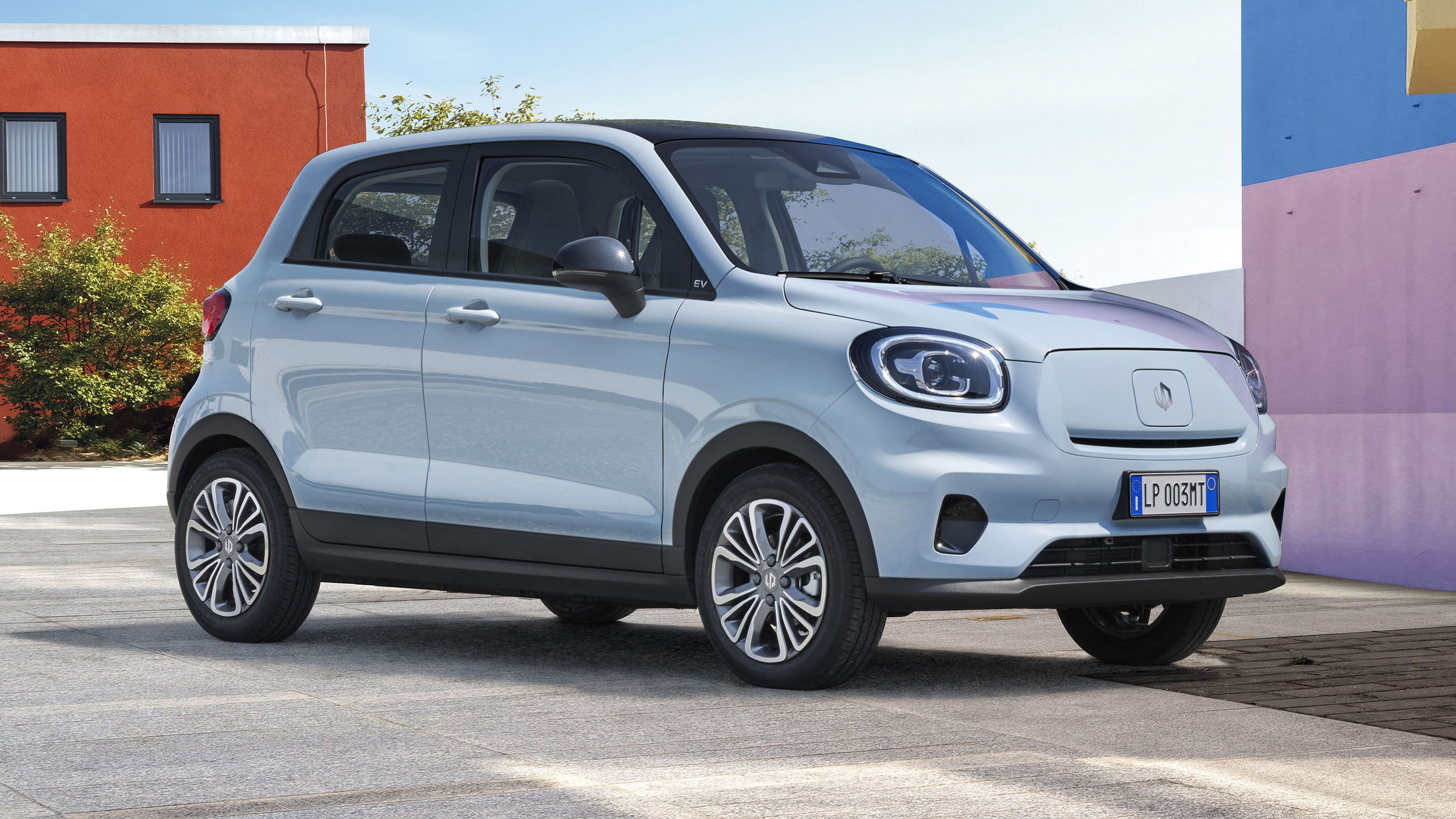
Stellantis is broadening its lineup with a slightly left-field addition, rolling out a last-mile delivery vehicle for Europe through its Leapmotor joint venture, based on the tiny T03. Its compact footprint makes it well suited to the cramped streets of Europe’s city centers, backed by a zero-emission powertrain and pricing pitched to keep fleet buyers interested.

As with most LCV conversions of existing models, the T03 has been reworked into a two-seat van. The rear bench is gone, replaced by a 657 lt (23.2 cubic feet) cargo area. Access comes via the tailgate and rear doors, though the openings are predictably tight.

More: This Leapmotor Packs Lamborghini Huracan Power Into A $38K Family SUV

Payload is less convincing. It is rated at just 220 kg (485 lbs), which limits what it can realistically carry. Then again, this is more about parcels and city drops than shifting bags of cement, so for its intended job, it may be enough.

\\\\\\\\\\\

Inside, it’s better equipped than you’d expect from something pitched at delivery duty. You get an 8-inch digital instrument cluster, a 10.1-inch infotainment touchscreen, and a full suite of ADAS features.

More: Opel And Alfa Romeo’s Next EVs May Be Built Around Chinese Tech, Not German Or Italian

On the outside, the five-door hatchback is unchanged from the standard Leapmotor T03, measuring 3,620 mm (142.5 inches) long. The LCV version sets itself apart with 15-inch steel wheels finished in black, while the color choices are limited to Caribbean Blue, Light White, and Canopy Grey.

Power comes from a single electric motor producing 95 hp (70 kW) and 158 Nm (116.5 lb-ft) of torque, identical to the passenger model. A 37.3 kWh battery delivers up to 256 km (159 miles) of WLTP range, with support for 45 kW DC fast charging.

\\\\\\

According to Stellantis, “production finalization” for European markets will take place at the Mirafiori plant in Turin. In reality, that likely means the LCV conversion is handled there, as the Leapmotor T03 itself continues to be built in Jinhua, China, after plans for production at the Tychy plant in Poland were quietly dropped.

More: Stellantis’ Plan For Canada Looks Less Like A Car Factory And More Like A Chinese IKEA, Says Official

Orders for the Leapmotor T03 LCV will open in select EU markets later this month, with the first deliveries expected to land this summer.

Pricing starts at €14,590 ($17,100) excluding VAT, putting it among the most affordable commercial vehicles on sale in Europe. Stellantis is not new to the small EV game either, already offering an LCV version of the even smaller Citroen Ami heavy quadricycle.

 Stellantis Turns A Tiny Chinese Hatch Into A Delivery Van That’s Light On The Van Part
The standard Leapmotor T03.

Ford’s F-150 Starts At $87,000 In Australia, And BYD Thinks That’s An Opportunity

  • BYD is developing a rival to the Ford F-150, Ram 1500, and Chevy Silverado.
  • The “super-sized” truck is a response to strong customer demand in Australia.
  • Company is also reportedly considering an EV counterpart to the Shark 6.

BYD isn’t content with just taking on the Ford Ranger. China’s most successful automaker is already looking to move up a weight class to challenge the Ford F-150. That next step won’t involve the US market, though, as this larger model is being developed with Australia in mind.

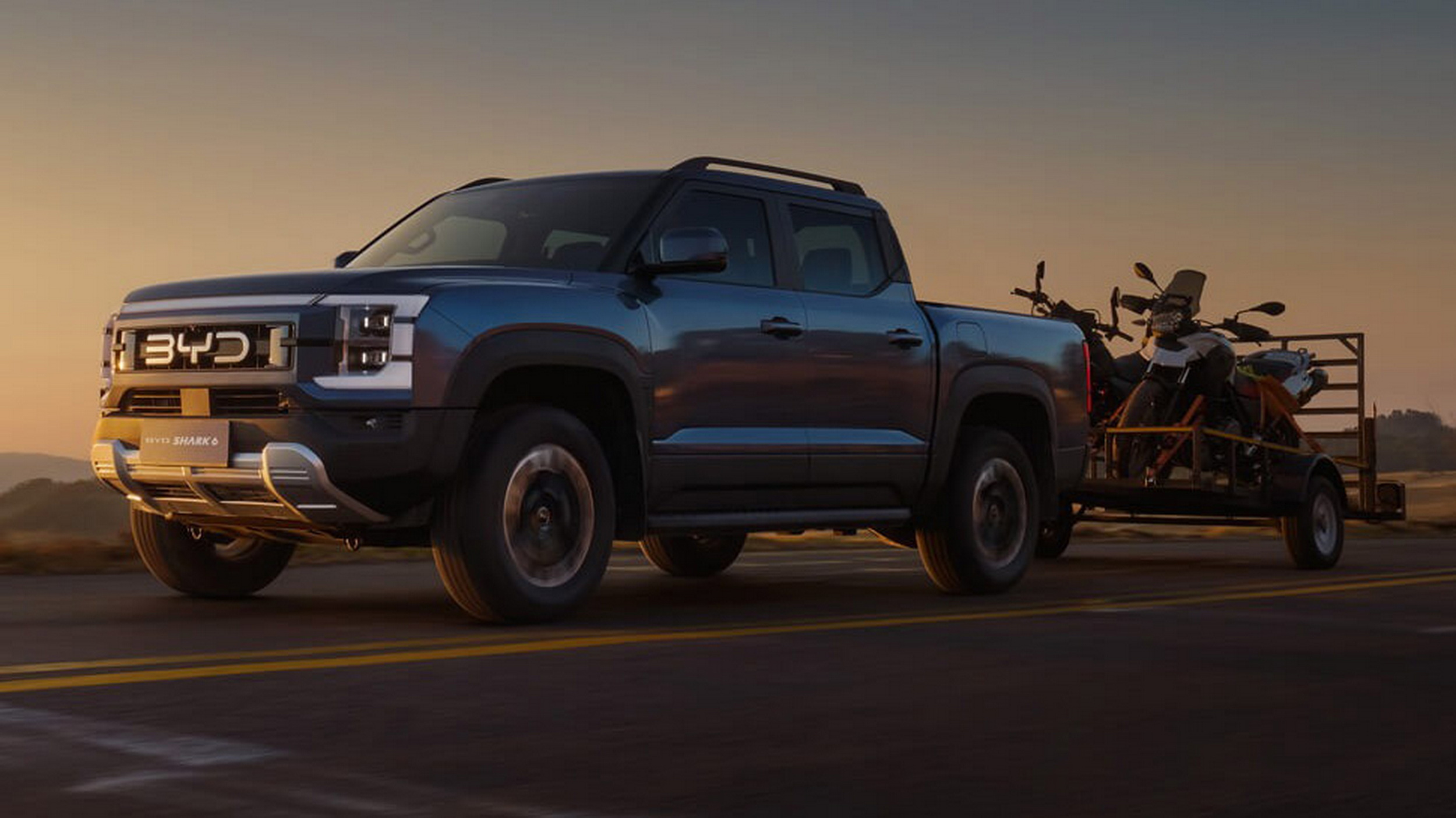
BYD’s first pickup in Australia, the Shark 6, arrived in late 2024 wearing a face that looked more than a little inspired by the F-150. At 5,457 mm (214.8 inches) long, it sits just beyond the typical midsize footprint and comes equipped with a plug-in hybrid powertrain.

More: Jim Farley Said Chinese Pickups Couldn’t Tow Like A Ranger. BYD Just Proved Him Wrong

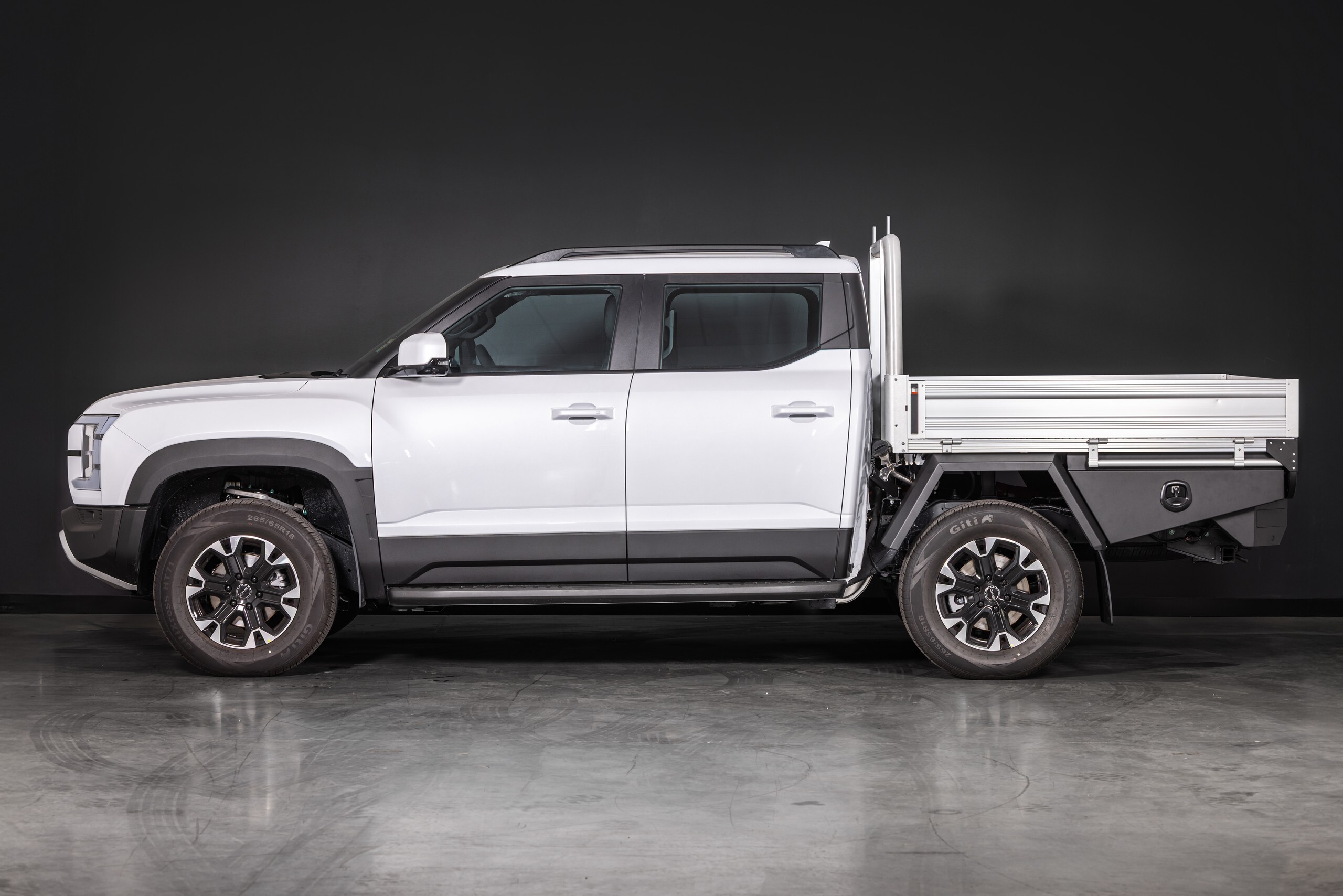
The Shark 6 was a runaway success, becoming Australia’s best-selling PHEV truck in 2025 with 18,073 deliveries. For 2026, BYD has doubled down, introducing a Performance trim with a more potent powertrain along with a chassis-cab bodystyle driven by customer demand.

Moving Up to the Heavyweights

However, Australians have been asking for something even bigger. Liu Xueliang, managing director of BYD Asia Pacific, said: “Some customers have requested a full-size Shark 6, similar in size to the Ford F-150. We are on our way to try to get there.”

 Ford’s F-150 Starts At $87,000 In Australia, And BYD Thinks That’s An Opportunity
BYD Shark 6

Word of the program first slipped out in early 2025, when David Smitherman, then CEO of EVDirect, said a full-size BYD pickup was “absolutely in development.” Since then, things have gone quiet on timing, but the working expectation points to a 2027 arrival if everything stays on track.

More: BYD Just Landed On Brazil’s Dirty List, And It Wasn’t For Its Cars

According to CarExpert, the real pressure isn’t coming from private buyers chasing something bigger. It’s fleet operators, particularly mining companies, that are pushing for a larger, more capable truck with electrification baked in from the start.

In Australia, the full-size segment currently includes the Ford F-150, Ram 1500, Chevrolet Silverado, and Toyota Tundra. With a combined sales of 8,763 units in 2025, full-size trucks are a niche compared to the midsize segment, as the Ford Ranger alone sold 56,555 units becoming Australia’s best-selling vehicle overall for the third consecutive year. Still, the profit margins are significantly higher, which explains BYD’s interest.

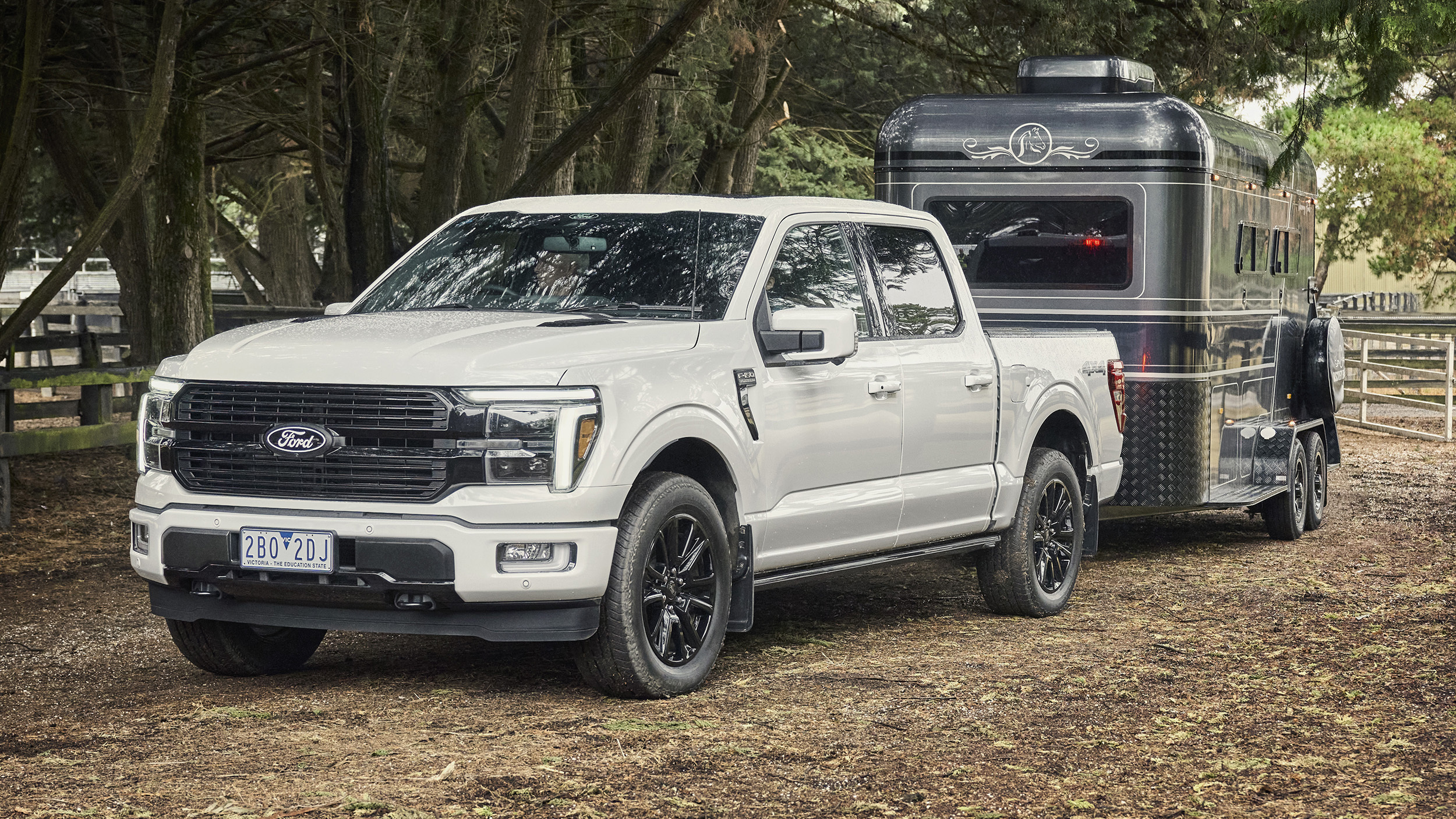
 Ford’s F-150 Starts At $87,000 In Australia, And BYD Thinks That’s An Opportunity
Australian-spec Ford F-150

Factory right-hand-drive conversions for full-size trucks don’t come cheap, and in Australia they can easily push past AU$150,000 (US$105,800). The F-150 starts from a little over AU$122,000 (US$87,000) in XLT trim climbing to over AU$152,000 (US$108,000) for the Lariat, both with the 3.5L engine. BYD sees an opening here. Build the truck properly from the start in right-hand drive, price it more sensibly, add a tech-heavy cabin and an electrified powertrain, and suddenly those inflated conversion costs start to look like yesterday’s problem.

More BYD Trucks On The Horizon

That move upmarket isn’t happening in isolation. Liu Xueliang has already suggested a fully electric counterpart to the Shark 6 is in development, aimed squarely at industries that no longer want diesel on site. Mining is the obvious target. If it lands as expected, it will go head-to-head with the electric workhorses now lining up, including the Toyota Hilux BEV, the upcoming Isuzu D-Max BEV, and the LDV eTerron 9.

More: Toyota’s Electric Hilux Costs $20K More Than The Diesel, And That’s Not Even The Worst Part

At the other end of the scale, BYD is also sketching out something smaller. A compact pickup is in the works, expected to ride on a unibody platform and use a plug-in hybrid setup. This one isn’t chasing job sites. It’s aimed at buyers who want the look and versatility of a pickup without committing to something oversized or overly serious.

 Ford’s F-150 Starts At $87,000 In Australia, And BYD Thinks That’s An Opportunity
BYD Shark 6 Cab-Chassis

You’d Have To Be High To Pay $159,420 For Tesla’s Signature Editions

  • Tesla ends Model S and X run with Signature Edition farewell specials.
  • Limited versions go to invited buyers only, each priced at $159,420.
  • They stand out with Garnet Red paint paired with gold accents.

Tesla is preparing to phase out the two EVs that defined its early success, but not without giving them one last push into the spotlight. Just days after reports emerged that remaining Model S and Model X inventory had been hit with $15,000 price hikes, there is a new sting for anyone who paid up. Both models are being sent off with a final, tightly capped Signature Edition, reserved for a small group of buyers who received email invites.

The Model S sedan and Model X SUV have been around since 2012 and 2015, respectively. After a final update in mid-2025, Tesla confirmed in January 2026 that both would leave production later this year, clearing space at the Fremont plant in California for humanoid robot assembly.

More: Tesla’s Replacing Half Its Lineup With Something That Doesn’t Even Have Wheels

While Tesla has not formally announced the send-off, the news surfaced on X through Ryan McCaffrey, host of the Ride the Lightning podcast. Invitations have already gone out, with a private launch event reportedly set for May.

\\\\\\

Tesla will build 250 units of the Model S and just 100 units of the Model X Signature Editions. Both are priced at $159,420. Yes, the last three digits are a wink to Musk’s well-known favorite number, a reference rooted in cannabis culture. And yes, it is a ridiculously steep jump, with premiums of $59,430 for the sedan and $54,430 for the SUV over the standard Plaid versions. For what is essentially a farewell package, that is serious money, even by Tesla standards.

Signature Edition Visual Identity

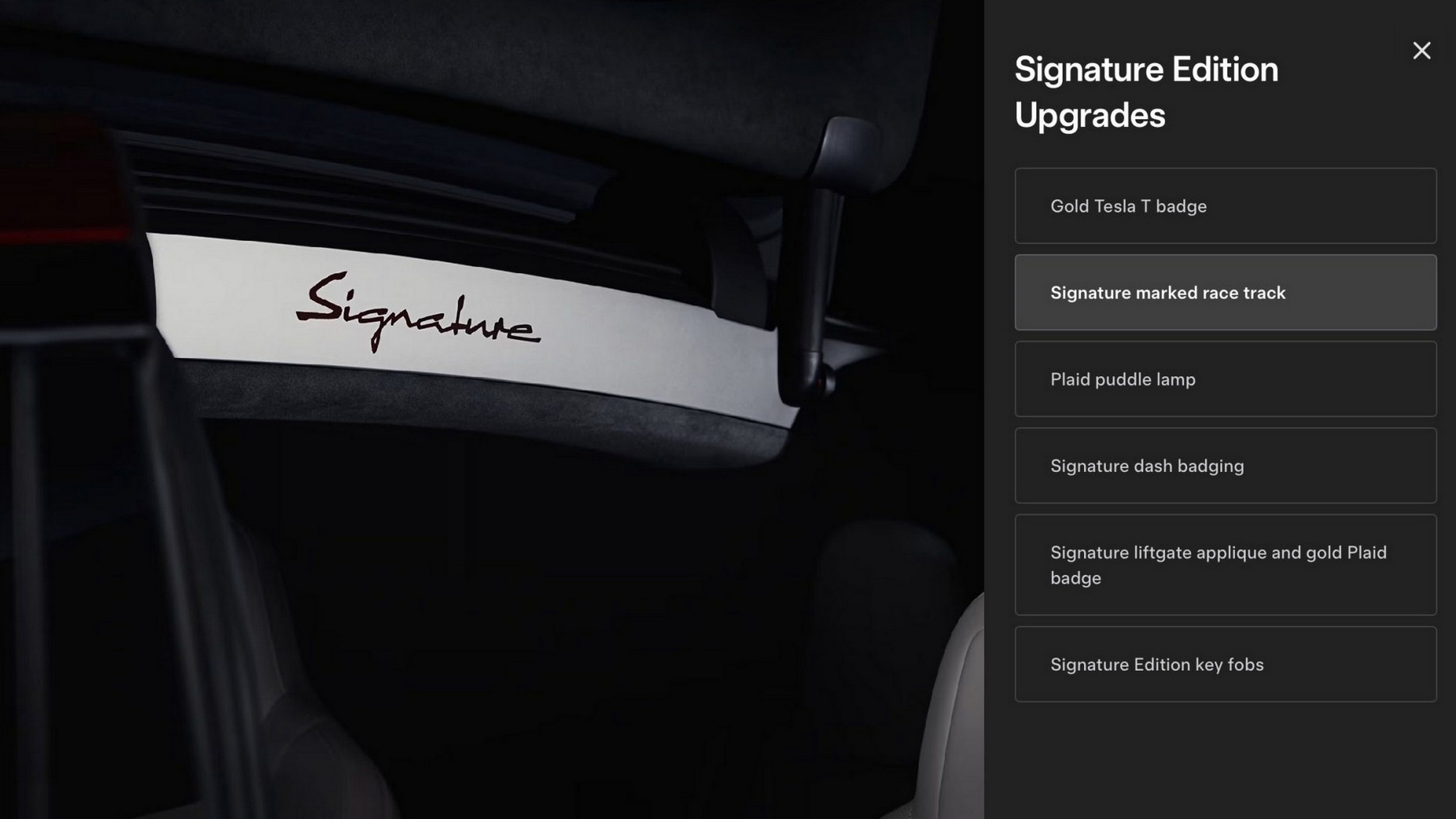
Both models wear an exclusive Garnet Red finish, inspired by the original Model S launch color. It is paired with gold emblems, giving the cars a celebratory tone. Inside, there is a white Alcantara interior, a yoke steering wheel, and Signature branding throughout.

 You’d Have To Be High To Pay $159,420 For Tesla’s Signature Editions

The Model S sits on 21-inch Velarium wheels with gold brake calipers over carbon ceramic brakes. The Model X gets 22-inch Machina wheels.

More: Tesla’s FSD Was Branded Controversial, But Dutch Safety Regulators Called It The Safest System In The Test

Tesla has also added a numbered plate on the dashboard, special key fobs, and Plaid puddle lights. Finally, the EVs come standard with a Luxe Package including free lifetime access to Tesla Superchargers and the Full Self-Driving (FSD) system.

Underneath, nothing changes mechanically. Both cars retain the tri-motor Plaid setup, delivering 1,020 hp (760 kW / 1,034 PS) and 1,420 Nm (1,047 lb-ft) of torque. Still absurdly quick, still more than enough, if you can stomach that $60K pill.

\\\\

Screenshots: Tesla via Teslarati

Japan’s Favorite $11,800 EV Just Got A Facelift Before BYD Comes For Its Crown

  • Facelifted Nissan Sakura adopts a redesigned grille and bumper.
  • It also gains a new color and an extra cup holder inside the cabin.
  • There are no changes to the 63 hp e-motor and 20 kWh battery.

Update: After a short teaser run, Nissan has now fully revealed the model in Japan, with fresh images and additional details added below.

Nissan’s Sakura isn’t broken, but it is getting older. Japan’s best-selling EV has now been given a light facelift to keep it competitive in the kei segment, just as a high-profile challenger from China, BYD, enters the scene. The tiny electric car has been around since 2022, when it emerged as the production version of Nissan’s IMk concept from three years prior.

Fresh Face And Floral Hues

The most noticeable change is up front, where a redesigned fascia introduces a body-colored grille section that mimics the Nissan Leaf. It’s paired with a revised bumper that brings sharper angles and more pronounced vertical elements along the sides. The LED headlights carry over unchanged, as does the sheet metal along the profile and the back.

More: Nissan’s New Skyline Borrows Its Most Iconic Detail From The GT-R

Interestingly, these updates are only effective to the X and G grades, with the entry-level S retaining the old design.

\\\\\\\\\\\

The color palette gains a new shade called “Minamono Sakura”, inspired by cherry blossoms floating on water. This is combined with copper accents and a Sterling Silver roof creating an unusual tri-color finish for the flagship Sakura G.

Key-Sized Improvements Inside

The interior looks familiar, but Nissan has introduced several functional upgrades. The drive mode switch has been moved to a more ergonomic position, and the passenger side now includes an additional cup holder.

More: Nissan Killed The Xterra Eleven Years Ago. It Just Teased Its Return

Designers didn’t seem to bother changing the 7-inch digital instrument cluster and 9-inch infotainment, but they did relocate the USB Type-C ports lower in the center console.

For the mid-range X trim, Nissan has moved several popular options to the standard equipment list, including the Intelligent Around View Monitor, heated front seats, and a steering wheel heater. The EV also gains auto lock and unlock functions, a rear seat reminder, a locking mechanism for the charging port, and an optional 1500W AC power outlet.

\\\\\\\\\\\\\\\\

Mechanically, the Sakura remains powered by a single electric motor producing 63 hp (47 kW / 64 PS) and 195 Nm (144 lb-ft) of torque. The carry-over 20 kWh lithium-ion battery provides a range of up to 180 km (112 miles) under the WLTC cycle.

More: Nissan’s 2027 Rogue Is Gunning For The RAV4, And Its Hybrid Works Nothing Like Toyota’s

The facelifted kei car is available to order in Japan, with the first deliveries expected this summer. Pricing ranges from ¥2,448,600 ($15,400) for the base X trim to ¥2,998,600 ($18,900) for the flagship G. If you take into consideration Japan’s current clean energy subsidies of ¥580,000 ($3,650), the starting price drops to approximately ¥1,870,000 ($11,800).

Nissan says the model has been Japan’s best-selling EV for four consecutive years, recording 14,093 sales in 2025. Competition comes from familiar domestic rivals, including the Mitsubishi eK X EV twin, the Honda N-One e: and N-Van e:, as well as the upcoming BYD Racco.

\\\\\\\\\\\\\\\\

Nissan

Nissan’s New Midsize SUV Costs Less Than A Kicks And Has More Screens Than A Mercedes

  • The NX8 arrives in two flavors, pure electric and range-extender.
  • Longest-range EREV version covers over 900 miles on a full tank.
  • Pricing ranges between ¥149,900-199,900 ($21,900-29,200).

Update: The new NX8 is now on sale in China. Pricing starts lower than expected, and Nissan is offering both a pure electric and a range-extender version. This story has been updated with full pricing, specs, and new photos.

Nissan has introduced a new midsize SUV developed in partnership with Dongfeng in China, marking the latest addition to its growing, budget-conscious N-series lineup. Named the NX8, the model joins the existing N6 and N7 sedans and is offered with a selection of electrified powertrains.

More: Nissan’s New Hybrid Sedan Is As Big An Altima For Thousands Less Than A Versa

The exterior design follows the same styling language as its sedan counterparts, with clean surfacing and a grille-free front fascia. A full-width daytime running light runs across the split headlights and wraps around the front fenders, while OLED tail lights extend across the rear.

The overall shape leans toward conventional SUV proportions, marked by flush-fitting door handles and pronounced shoulders.

How Big Is It?

\\\\\\\\\\\\

The midsize NX8 measures 4,870 mm (191.7 inches) in length, 1,920 mm (75.6 inches) in width, and 1,680 mm (66.1 inches) in height, with a wheelbase of 2,917 mm (114.8 inches).

More: Nissan’s Old Kicks Returns, And It Drives Like An EV Without Ever Plugging In

That makes it 222 mm (8.7 inches) longer than the Rogue (X-Trail) and 152 mm (6 inches) shorter than the Pathfinder. Interestingly, its wheelbase is 17 mm (0.7 inches) longer than the Pathfinder’s, which should translate to slightly better interior space.

A High-Tech Interior

Inside, we find dual 15.6-inch infotainment displays on the dashboard, which are separate from the 10.25-inch digital instrument cluster and run on the Qualcomm Snapdragon 8295P chipset. The flagship trim adds a 63-inch augmented reality head-up display and a 25-speaker audio system.

\\\\\\\\\\\\\\\\\\\\\\\\\\\\\

Additional highlights include AI Zero Gravity Seats 2.0 with massage, heating, and ventilation, along with contactless airflow control, an onboard refrigerator, and Motion Sickness Prevention Technology 3.0.

The five-seater cabin can transform into a comfortable couch/bed by fully reclining the front seatbacks. Furthermore, the boot has extra space under the floor, and is complemented by a frunk in the battery electric versions.

In terms of safety, the SUV is fitted with up to 29 sensors including a roof-mounted lidar unit. This the hardware for the Momenta-based Advanced Driver Assistance promising sophisticated autonomous capabilities.

Powertrain Options

\\\\\\

The Nissan NX8 is offered with both range-extender (EREV) and fully electric (BEV) powertrains, each using lithium iron phosphate battery packs supplied by CATL.

More: Nissan Thinks You’re Not Mature Enough To Appreciate What It Just Launched In Japan

The EREV pairs a turbocharged 1.5-liter engine acting as a generator with a single electric motor producing 335 hp (250 kW/ 340 PS). It delivers an EV-only range of 310 km (193 miles) and a combined range of 1,450 km (901 miles) under CLTC testing.

The BEV variant produces either 288 hp (215 kW / 292 PS) or 335 hp (250 kW / 340 PS). Range is rated at 580 km (360 miles) and 650 km (404 miles), respectively, under the CLTC cycle. These figures exceed the Leaf’s 303-mile EPA rating on paper, though CLTC estimates typically run 20 to 30 percent higher than EPA results, so real-world differences may be smaller than they appear. The larger 81 kWh battery supports ultra-fast charging at up to 463 kW, taking it from 10 to 80 percent in 12 minutes.

How Much Does It Cost?

\\\\\\\\\\\\\

Nissan has initially launched the NX8 in China but as with the N6 and N7 sedans, it is expected to be exported to additional markets. Whether that will include Western regions like Europe and Australia, however, remains to be seen.

In its home market, the SUV is currently priced between ¥149,900-199,900 ($21,900-$29,200), depending on the powertrain and trim level. That’s roughly in line with what you would pay for the older Kicks Play in the US ($21,520), which remains Nissan’s most affordable model there, and still less than the new Kicks ($22,430). It also comes in well below the new Leaf EV, which starts at $29,990 in America.

These figures reflect introductory pricing for the launch period, with standard pricing set at ¥159,900-209,900 ($23,400-30,700). Even so, the China-spec model remains considerably cheaper than the Nissan Rogue, which starts at $29,490 in the US market.

Nissan NX8 Pricing
TrimPowertrain TypeLaunch PriceUSD
NX8 150 ProEREV¥149,900$21,900
NX8 150 MaxEREV¥159,900$23,400
NX8 310 MaxEREV¥169,900$24,900
NX8 580 ProBEV¥149,900$21,900
NX8 580 MaxBEV¥159,900$23,400
NX8 650 MaxBEV¥174,900$25,600
NX8 Master EditionBEV¥199,900$29,200
SWIPE
\\\\\\\

A Chinese Car Has Never Topped UK Sales Before. One Just Did

  • Jaecoo 7 leads UK sales charts after a strong March debut run.
  • Plug-in hybrid demand drove most of the SUV’s early momentum.
  • Electrified vehicles reached record highs across the UK market.

The UK’s sales charts don’t usually throw up surprises, yet March 2026 did exactly that. A relatively new Chinese SUV, the Jaecoo 7, jumped straight to the top spot, becoming the best-selling new car in the country. It’s the first time a Chinese model has led the UK market, landing right in the middle of the industry’s busiest sales month, which also saw electrified vehicles and BEVs hit record numbers.

More: UK Buyers Now Love This ‘Temu Range Rover’ More Than The Real Thing

Not everything is rosy, though, as some analysts are already questioning how long that pace can last.

Chinese Intruder Steals The Crown

 A Chinese Car Has Never Topped UK Sales Before. One Just Did
SMMT

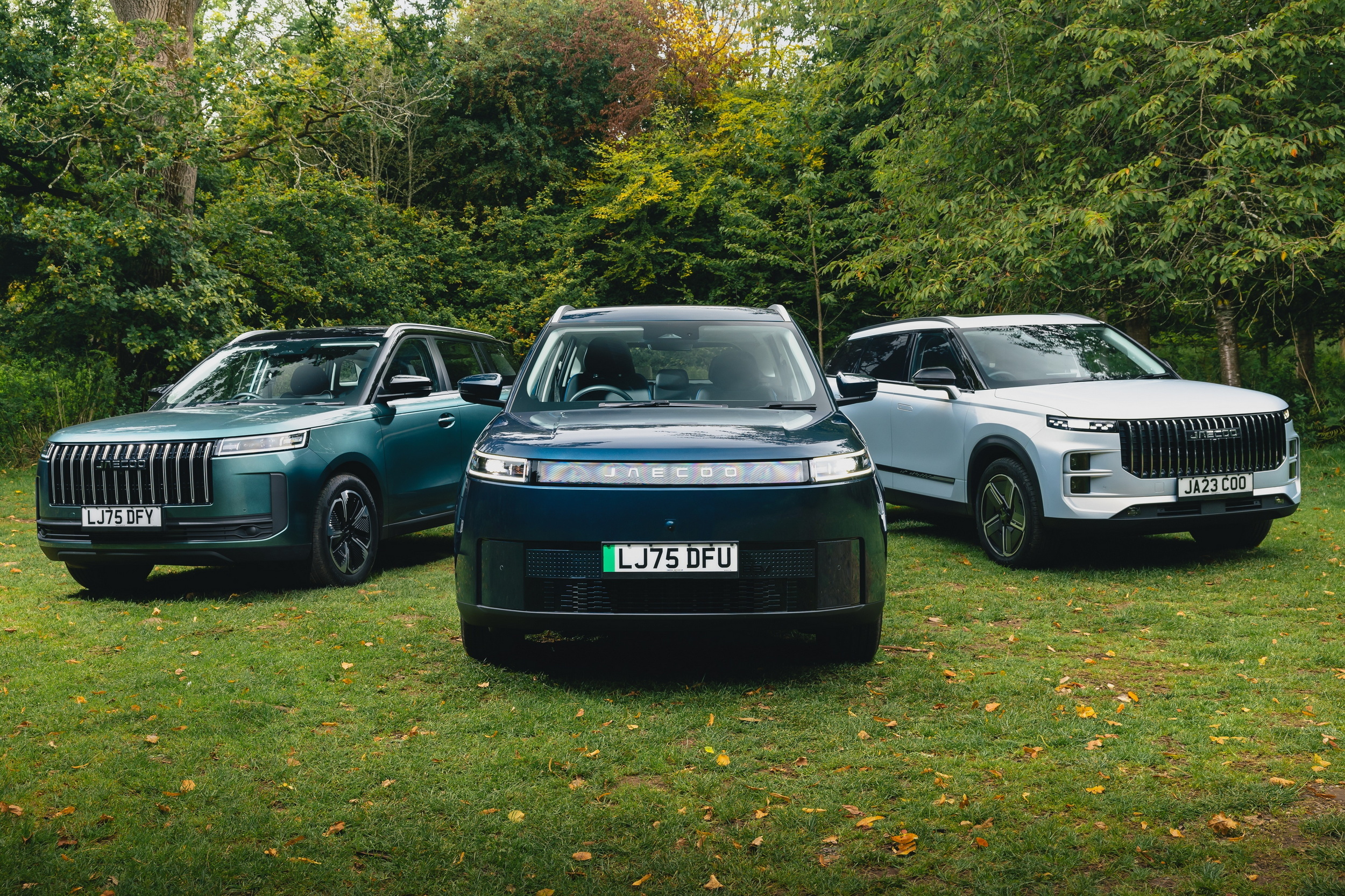
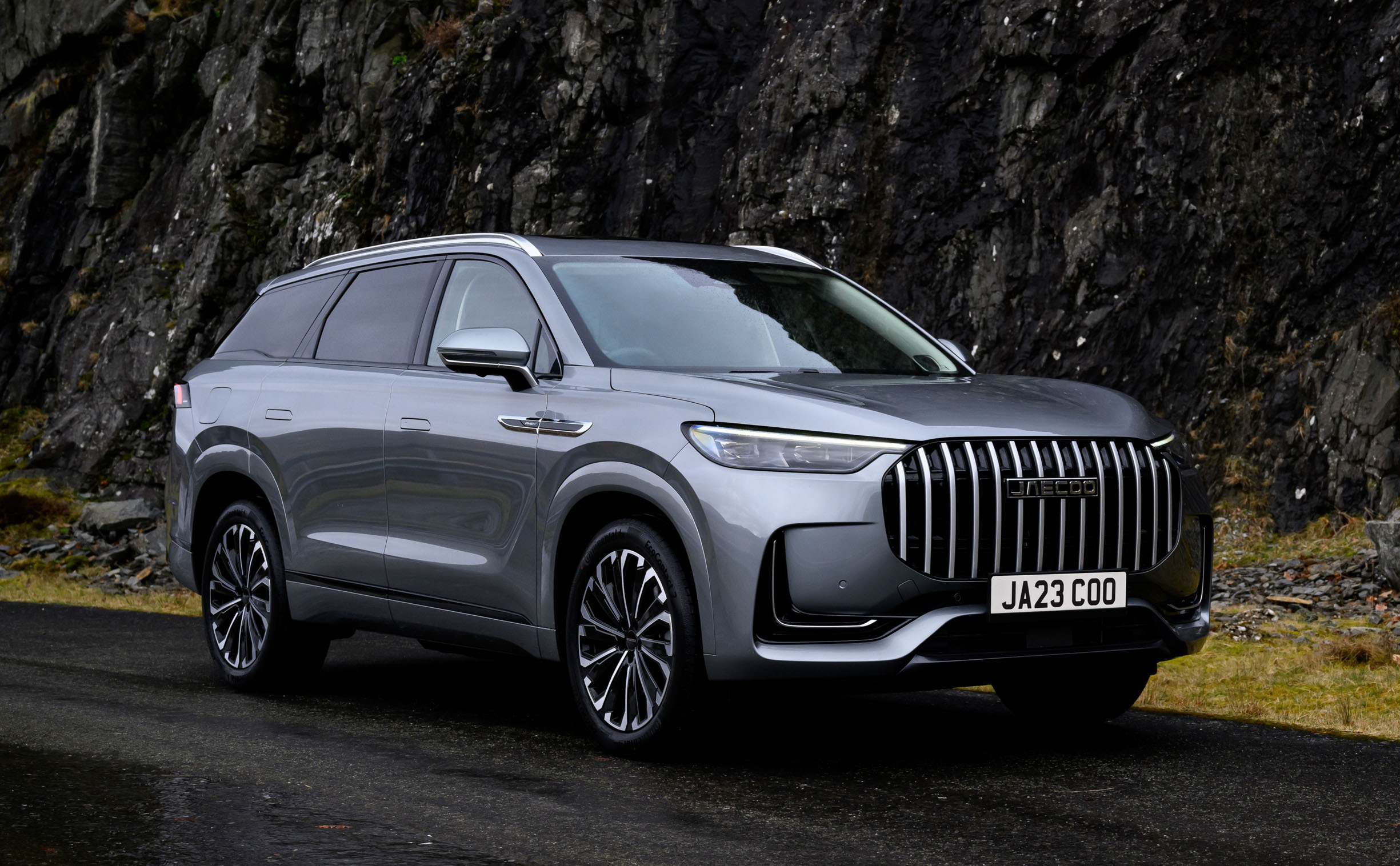
The compact SUV from Chery, carrying styling that leans heavily on Range Rover cues, has even picked up a nickname online, with some calling it the “Temu Range Rover” in a tongue-in-cheek dig to its bargain-luxury vibe and resemblance to the real thing.

It racked up 10,064 registrations in March, enough to push past familiar heavyweights like the Ford Puma, which logged 9,193 units, and the Nissan Qashqai with 8,718. The rest of the top five followed a predictable script, with the Kia Sportage at 7,310 units and the Vauxhall Corsa close behind at 6,315.

More: Ford Fixes Puma Gen-E’s Biggest Weakness And Adds A Clever Upgrade

Since arriving in the UK in September 2025, the Jaecoo 7 has steadily hovered around the top ten, but this latest jump changes the tone. It now sits second in the year-to-date rankings with 15,569 registrations, closing in on the Ford Puma, which still holds the overall lead for the first quarter of 2026 with 16,128 sales. The gap is small enough to make the next few months worth watching closely.

\\\\\\\\\\\\\\\

According to Jaecoo, the plug-in hybrid version equipped with its Super Hybrid System (SHS-P) has quickly become the star of the lineup, accounting for 85% of the SUV’s sales in March.

More: The Brand Behind The ‘Temu Range Rover’ Just Made A Temu Mercedes GLS

In the UK, the Jaecoo 7 starts at £29,105 ($38,600) for the gasoline model, climbing to £35,175 ($46,600) for the range-topping PHEV. Even at the top end, it undercuts plug-in hybrid rivals of similar size, which gives it a clear pricing edge. It also manages up to 56 miles (90 km) of electric-only driving, enough to land in a lower tax bracket and make it appealing to fleet buyers.

The Chery-owned brand leans on a 7-year warranty to ease the usual doubts that come with a new badge. Its UK presence is growing quickly too, with a retail network now up to 124 locations. Together, sister brands Omoda and Jaecoo have moved more than 80,000 vehicles in the UK in just 19 months. March alone accounted for 17,861 registrations.

The Biggest Month On Record For Electrified Vehicles

\\\\\\\\\\\\

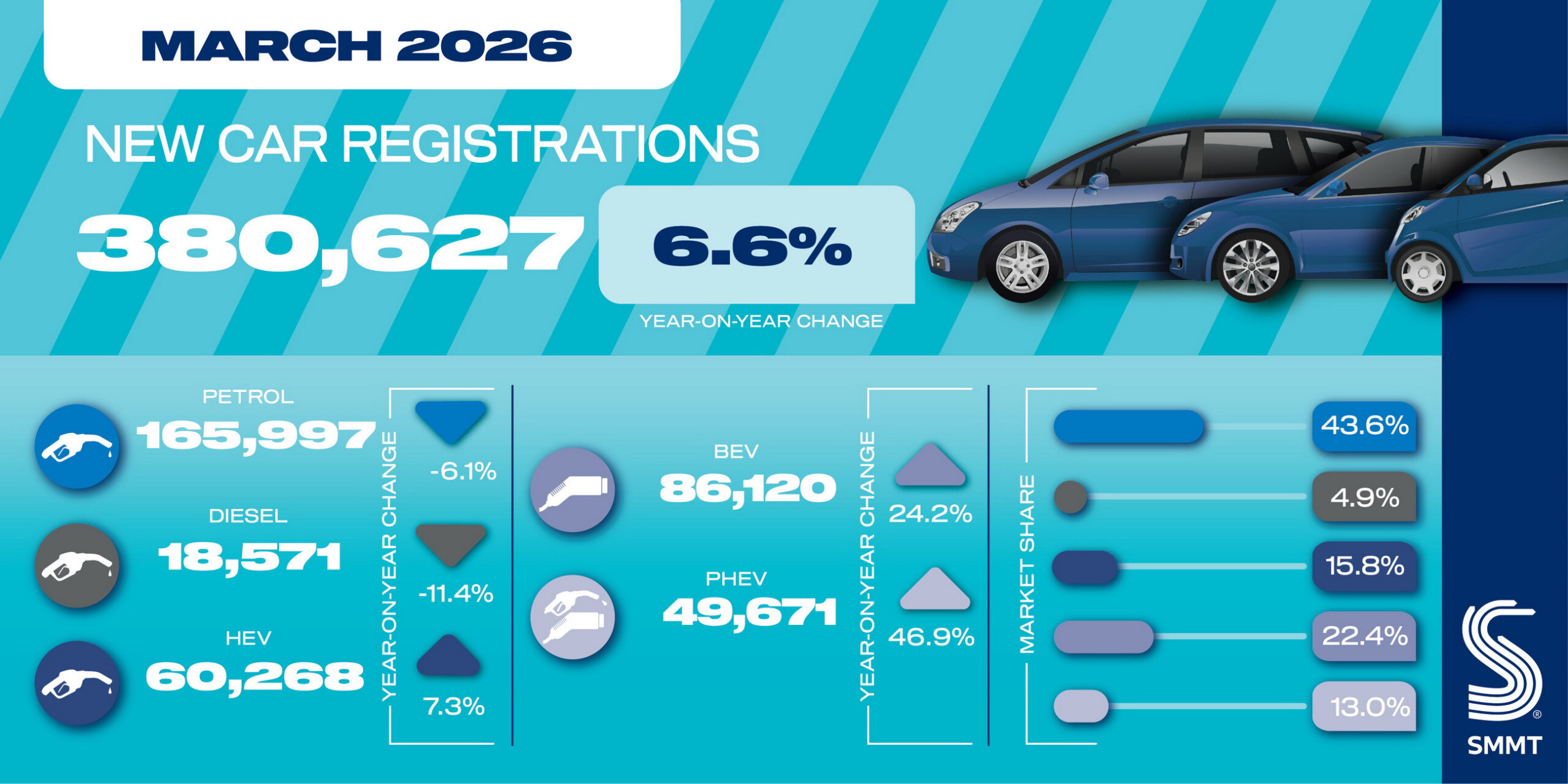
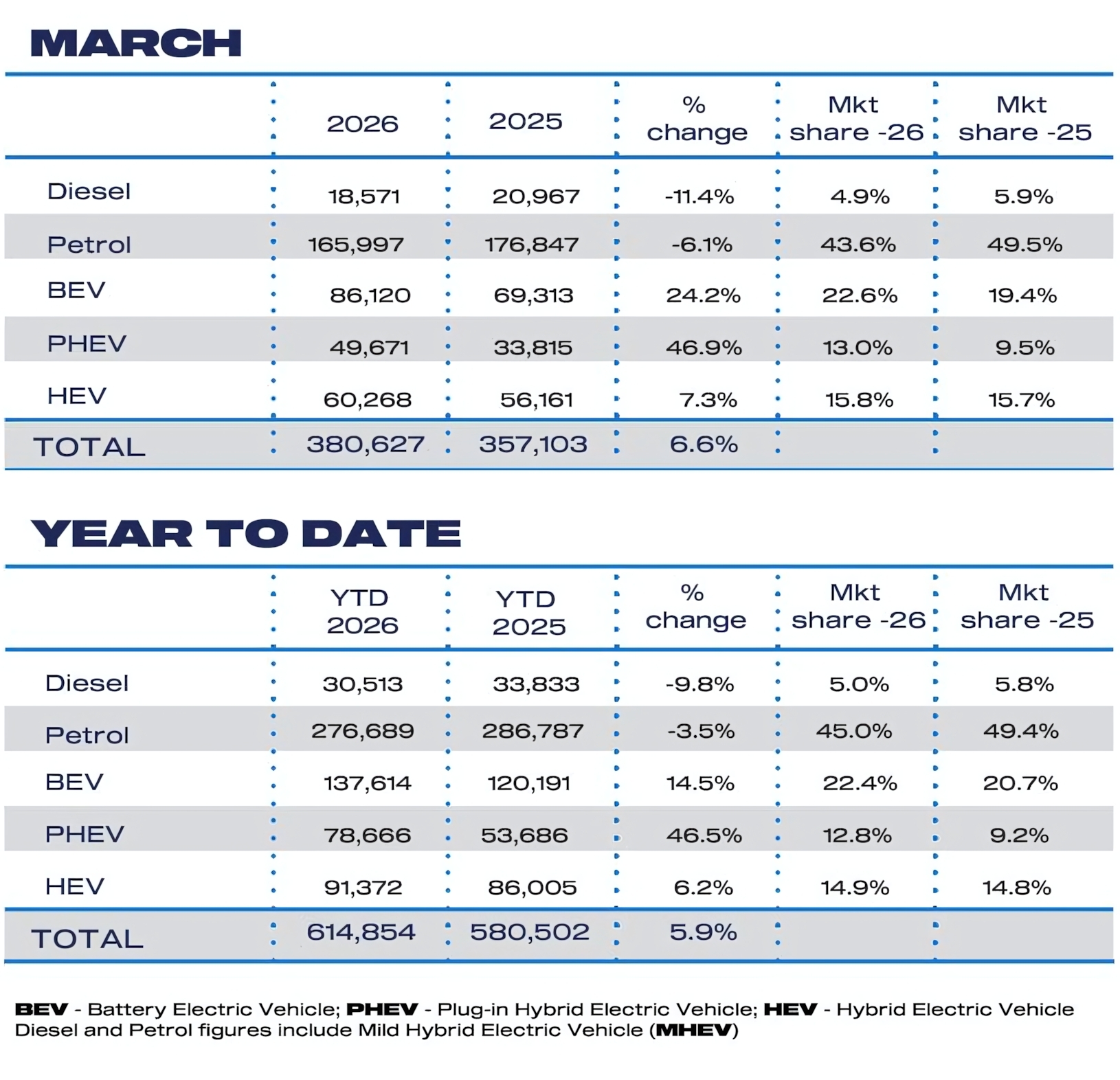
The UK’s new car market picked up pace in March, with the Society of Motor Manufacturers and Traders reporting a 6.6% increase to 380,627 registrations, making it the strongest month since 2019. Private buyers led the charge with a 10.1% jump, while fleet sales rose 3.5% and business registrations climbed 18.8%.

More: Rivian Beat Four Major Automakers In EV Sales, And Its Biggest Model Hasn’t Even Launched Yet

Electrified vehicles delivered a record-setting month, led by a 46.9% surge in plug-in hybrids. Self-charging hybrids followed with a 7.3% increase, while battery electric vehicles climbed 24.2%. It also marked the strongest month on record for fully electric cars in the UK

In market share terms, plug-in hybrids took 13%, self-charging hybrids reached 15.8%, and battery electric vehicles claimed 22.6% of UK sales in March. That last figure looks strong, but it still sits well short of the government’s 33% Zero Emission Vehicle target for 2026.

UK New Car Registrations 2026
ModelMarch 2026ModelYear To Date 2026
1. Jaecoo 710,0641. Ford Puma16,128
2. Ford Puma9,1932. Jaecoo 715,569
3. Nissan Qashqai8,7183. Kia Sportage14,190
4. Kia Sportage7,3104. Nissan Qashqai12,853
5. Vauxhall Corsa6,3155. Vauxhall Corsa10,552
6. Volvo XC406,3116. Volvo XC409,288
7. MG HS6,1357. VW Golf9,176
8. VW Golf5,8908. MG HS9,147
9. Tesla Model Y5,1779. Nissan Juke8,512
10. BMW 1-Series4,93610. Mini Cooper8,109
SWIPE

Source SMMT

Clouds On The Horizon

Even with record numbers on paper, the mood behind the scenes is far less celebratory. SMMT says automakers are leaning heavily on discounts just to keep momentum going. At the same time, battery costs are running about 30% higher than expected, while public charging prices have climbed 140% over the past five years. That combination leaves margins looking increasingly fragile.

More: The Iran War Could End Tomorrow. The Auto Industry Could Still Lose Over A Million Sales

The situation is further complicated by the ongoing Iran crisis. While the conflict has pushed fuel prices sharply higher and nudged more drivers to consider EVs, it also risks eroding consumer confidence as everyday costs rise across the board.

 A Chinese Car Has Never Topped UK Sales Before. One Just Did

Mike Hawes, SMMT Chief Executive, said:

“The strongest new car market since 2019, with the highest ever volume of EV registrations, is a boost to the industry and the economy. However, the headlines belie the costs incurred and the challenges involved. Much of March’s performance will be from orders placed before the start of the Iran conflict, which threatens to raise the cost of living, undermining consumer confidence. Against this backdrop, and with the EV market falling further away from mandated levels despite record levels of incentives, an urgent review of the transition is required to secure a sustainable market, economic growth and the UK’s net zero ambitions.”

 A Chinese Car Has Never Topped UK Sales Before. One Just Did
The Jaecoo 5 (left), the E5 (middle) and the 7 (right) will soon be joined by the Jaecoo 8 flagship (below).
 A Chinese Car Has Never Topped UK Sales Before. One Just Did

Rimac Went From Modifying An Old BMW To Supplying The New i7’s Most Expensive Part

  • The new i7 battery pack promises more range and faster charging.
  • BMW and Rimac spent five years developing the battery together.
  • Facelifted i7 and 7-Series will debut at Auto China 2026 in Beijing.

BMW has confirmed the next phase of its partnership with Rimac Technology that will see the Croatian firm supply high-voltage battery systems for the upcoming facelifted i7, which is expected to debut later this month.

For CEO Mate Rimac, the deal brings things full circle. His journey into the EV space started back in 2009 with a modified E30 BMW 3-Series. Now, the company he founded is delivering the most critical component for BMW’s flagship electric sedan. Rimac Group also holds a controlling stake in Bugatti Rimac, the hypercar joint venture with Bugatti.

More: There’s A Lot More To The 2027 BMW 7-Series Facelift Than A New Face

Rimac shared the news via his personal social media channels, noting that development work on the battery has been underway with BMW for the past five years.

\\\\\\

BMW / Rimac

The battery unit was developed in Jankomir, Croatia, and is now built locally at Rimac’s sprawling 90,000 square meter (968,751 square feet) campus in Zagreb. From there, completed battery packs are shipped to BMW’s Dingolfing plant in Germany, where final vehicle assembly takes place.

Production capacity stands at 300,000 modules per year, translating to around 50,000 full battery systems annually. Rimac says the scale of the operation likely makes it the largest industrial project in Croatia’s history, which puts into perspective just how ambitious this setup really is.

More: BMW’s iX7 Gets Every Neue Klasse Upgrade Except The One That Would Make It Look Different

According to the Bugatti Rimac CEO, the dedicated production line for the BMW i7 battery carries a €130 million ($150 million) price tag. That figure actually surpasses the €120 million ($139 million) cost to build the entire campus.

 Rimac Went From Modifying An Old BMW To Supplying The New i7’s Most Expensive Part
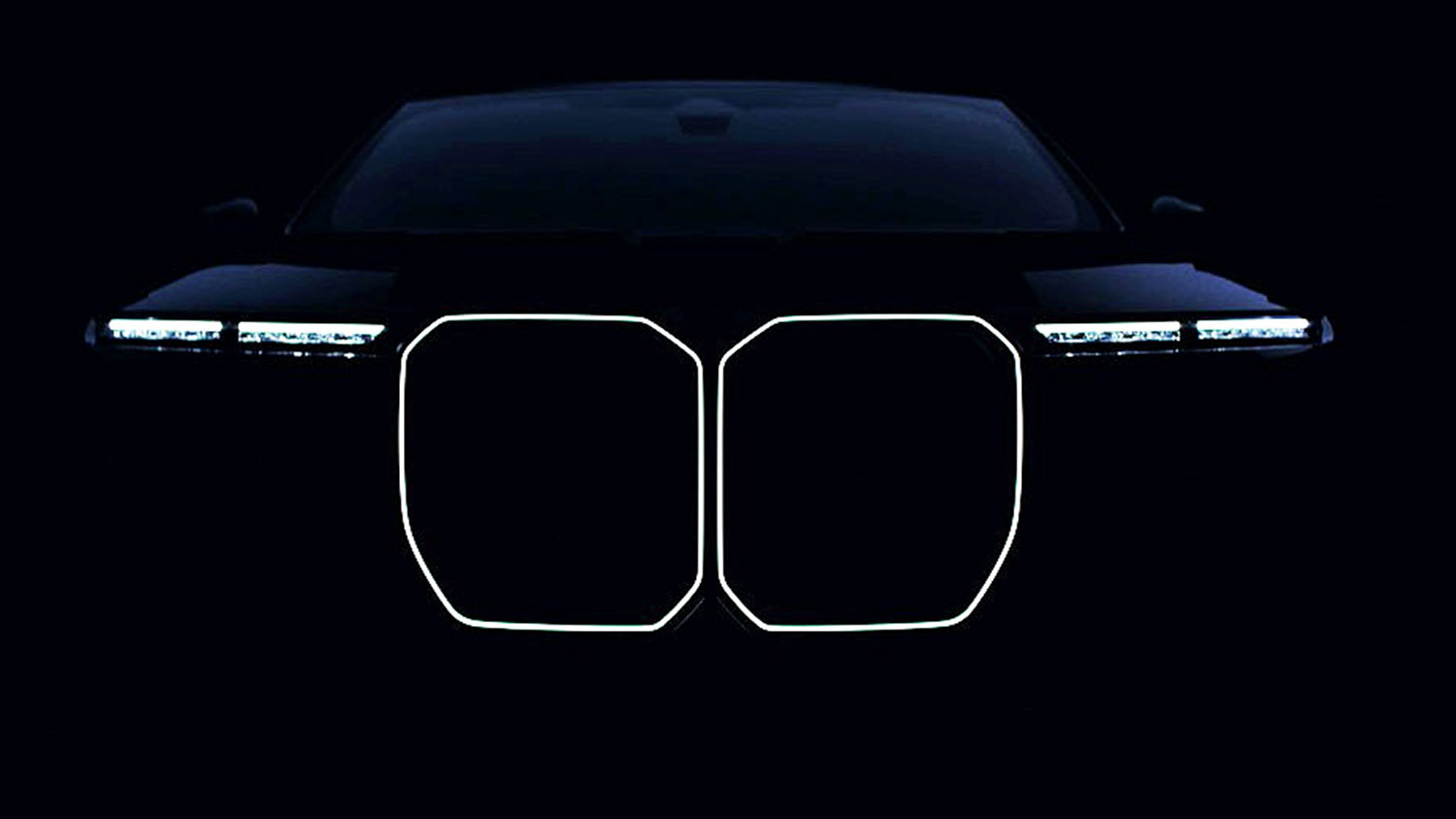
The official teaser for the updated BMW 7-Series / i7.


The high-voltage battery pack blends BMW’s Gen6 cell chemistry with its Gen5 module-based architecture. It uses 4695-format cylindrical lithium-ion cells, delivering a 20% boost in energy density compared to the prismatic cells used in current batteries.

BMW says the new setup will bring “significantly increased range” and “much faster” charging than the outgoing i7, effectively injecting some Neue Klasse thinking into the brand’s flagship EV sedan.

More: BMW Once Owned Range Rover, Now It Wants To Make One

Rimac added: “BMW has always been known for pushing engineering to the highest level, which made this collaboration especially exciting for us. Together, we developed a high-voltage battery system that unlocks the full potential of the new cylindrical cells in record time, delivering significant improvements in energy, range, and charging performance. We are proud to now see this system being produced at scale at our new Rimac Campus.”

The updated BMW i7 is set to make its global debut alongside the combustion 7-Series facelift at the Auto China 2026 in Beijing at the end of April. Teasers, leaks, and recent spy shots all point to a redesigned front end and a refreshed interior.

The Neue Klasse 6-Series BMW Won’t Build Looks Better Than The Ones It Will

  • An independent artist blends the 4- and 8-Series into one sleek coupe.
  • The concept follows Neue Klasse design cues with a more exotic edge.
  • BMW has yet to confirm any plans to bring back the 6-Series name.

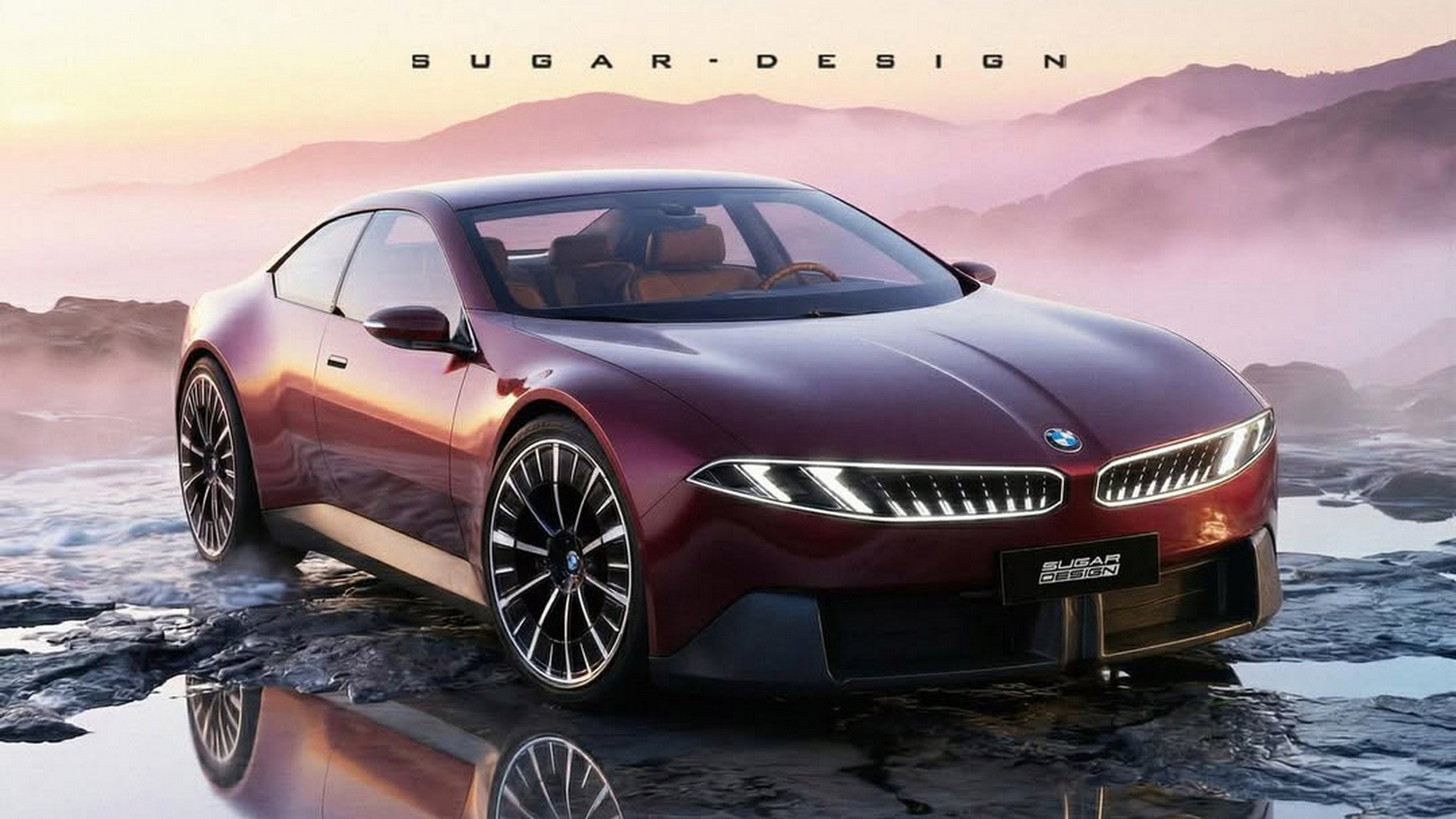
The BMW 6-Series Coupe may have been retired in favor of the soon-to-be discontinued 8-Series Coupe, but interest in the nameplate hasn’t disappeared. For some enthusiasts, the idea of a modern revival still holds real appeal. One of them is digital artist Sugar Design, who has imagined a return of the 6 as a midsize two-door coupe for the Neue Klasse era.

The front end of the digital concept leans heavily on the BMW i3, borrowing its slim LEDs integrated into an illuminated grille. This time, though, the 6-Series sits wider and lower than its sibling. It adds sharper bumper intakes, a more pronounced shark-nose profile, and larger alloy wheels to dial up the attitude.

More: BMW Sends Off The 8-Series In E31 Colors And All The M Branding It Could Find

The profile keeps things clean, taking clear cues from the Vision Neue Klasse concept. It may not match the classic dash-to-axle proportions of earlier models, yet the overall stance still lands as striking and suitably exotic.

\\\\\\\\\\

Illustrations Sugardesign

The rear end clearly borrows from the limited-run Skytop convertible, itself built on the 8-Series Coupe platform, just like the Speedtop shooting brake. You can see it in the wide, sculpted rear haunches, the razor-thin taillights, and the crisp tailgate edge. Even the diffuser looks like it means business, tying the whole thing together with a properly athletic finish.

More: BMW Showed Just Enough Of The i3 Touring For Someone Else To Finish The Job

Sugar Design didn’t go into detail on the powertrain, but everything about this points to a fully electric setup. The proportions and surfacing suggest it rides on BMW’s Neue Klasse platform, likely sharing its underpinnings with the smaller i3 and iX3.

A Long Bloodline Of Coupes

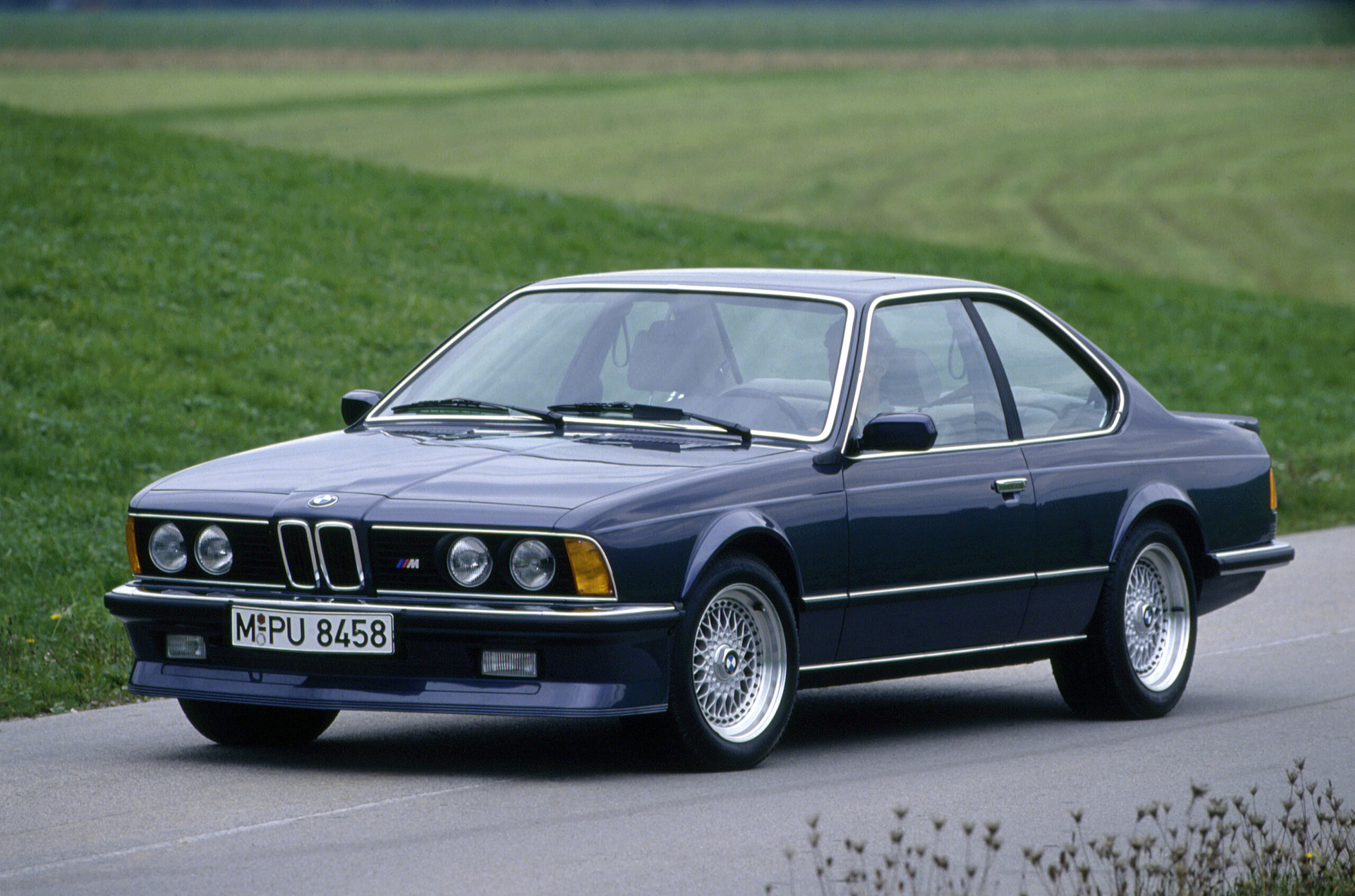
The digital concept nods to the 50th anniversary of the original E24 generation (1976–1989), still widely regarded as the most attractive 6-Series ever made, though that may not be an especially high bar given its modern successors.

\\\\\\

The nameplate returned with the Bangle-era E63 (2003-2010), followed by the F13 (2011-2018), which was also offered in Convertible (F12) and Gran Coupé (F06) variants. BMW also introduced the unrelated G32 6-Series GT (2017-2023) five-door liftback, though it had a relatively short run.

A New Role

The independent designer suggests that a Neue Klasse 6-Series could take on the role of both the 4-Series Coupe (G22) and 8-Series Coupe (G15), much like how the Mercedes-Benz CLE replaced the C-Class and E-Class Coupe/Convertible models.

More: Someone Should Make This BMW M6 V12 Restomod A Reality

 The Neue Klasse 6-Series BMW Won’t Build Looks Better Than The Ones It Will

Such an approach could simplify BMW’s lineup and help reduce development costs, while keeping a larger, more premium coupe in the range.

Even so, it’s hard to say whether putting resources into such a niche segment really adds up, especially when an electric successor to the 4-Series Coupe would likely cover what most buyers actually want.

 The Neue Klasse 6-Series BMW Won’t Build Looks Better Than The Ones It Will

Illustrations: Sugardesign_1

Rivian Beat Four Major Automakers In EV Sales, And Its Biggest Model Hasn’t Even Launched Yet

  • Rivian delivered more EVs than many of its mainstream rivals managed in Q1 2026.
  • Toyota came closest, trailing Rivian by fewer than 400 units despite a strong rebound.
  • BMW counted plug-in hybrids in its total and still came up short of Rivian’s number.

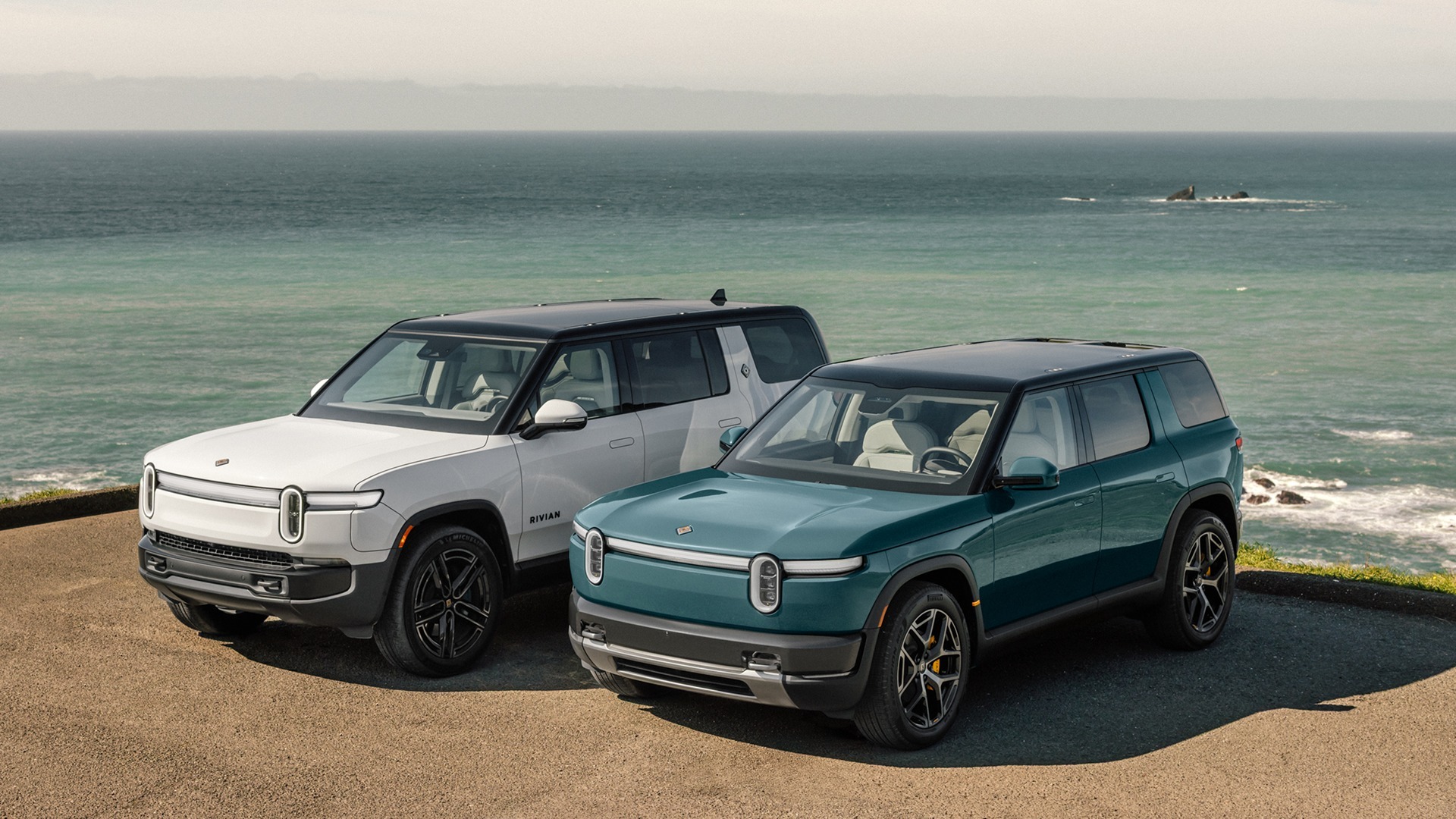
First-quarter sales are in, and they come with a few surprises. One of the more unexpected outcomes is Rivian edging past several established players in the U.S. EV market. During Q1 2026, Rivian managed to outsell Kia, Ford, Toyota, and BMW in electric-vehicle deliveries across the United States.

More specifically, the California-based automaker delivered 10,365 EVs between January and March. During the same period, Rivian produced 10,236 vehicles, 129 fewer than it sold, likely drawing from existing inventory to close the gap. This comes just ahead of the launch of the more affordable R2, which is set to begin deliveries later this spring as a Tesla Model Y rival.

More: Rivian Won Direct Sales In Washington With A Threat That’s Coming For Dealers Everywhere

Following these results, the company has raised its annual delivery guidance to 67,000 units for 2026, an increase of 5,000 units over its previous estimate. Rivian will report its full financial results for Q1 2026 on April 30.

Rivian Sales Momentum

 Rivian Beat Four Major Automakers In EV Sales, And Its Biggest Model Hasn’t Even Launched Yet
Rivian R2

While Rivian remains a relatively small player compared to legacy automakers, it still managed to outsell several of them in the EV race.

More: Rivian R2 And Jeep Recon Solve The Same Problem, But Which One Solves It For You?

Kia America reported 2,023 sales for the EV6 and 2,740 for the EV9, totaling 4,763 units in Q1 2026. The brand also offers an electric version of the Niro in the US, though this likely accounts for only a small portion of the model’s 7,455 total sales, leaving Kia well short of the 10,000-unit mark.

Still, the upcoming Kia EV3, expected in late 2026, could change the narrative. It is also worth noting that Kia’s hybrid models set new Q1 sales records, marking a 73% increase over the same period last year.

Ford’s EV lineup saw an even steeper decline, with sales dropping 70% in Q1 2026 to 6,860 units in the US. The Mustang Mach-E made up 4,600 of those sales, while the F-150 Lightning and E-Transit contributed 2,060 and 200 units, respectively.

 Rivian Beat Four Major Automakers In EV Sales, And Its Biggest Model Hasn’t Even Launched Yet
Toyota bZ

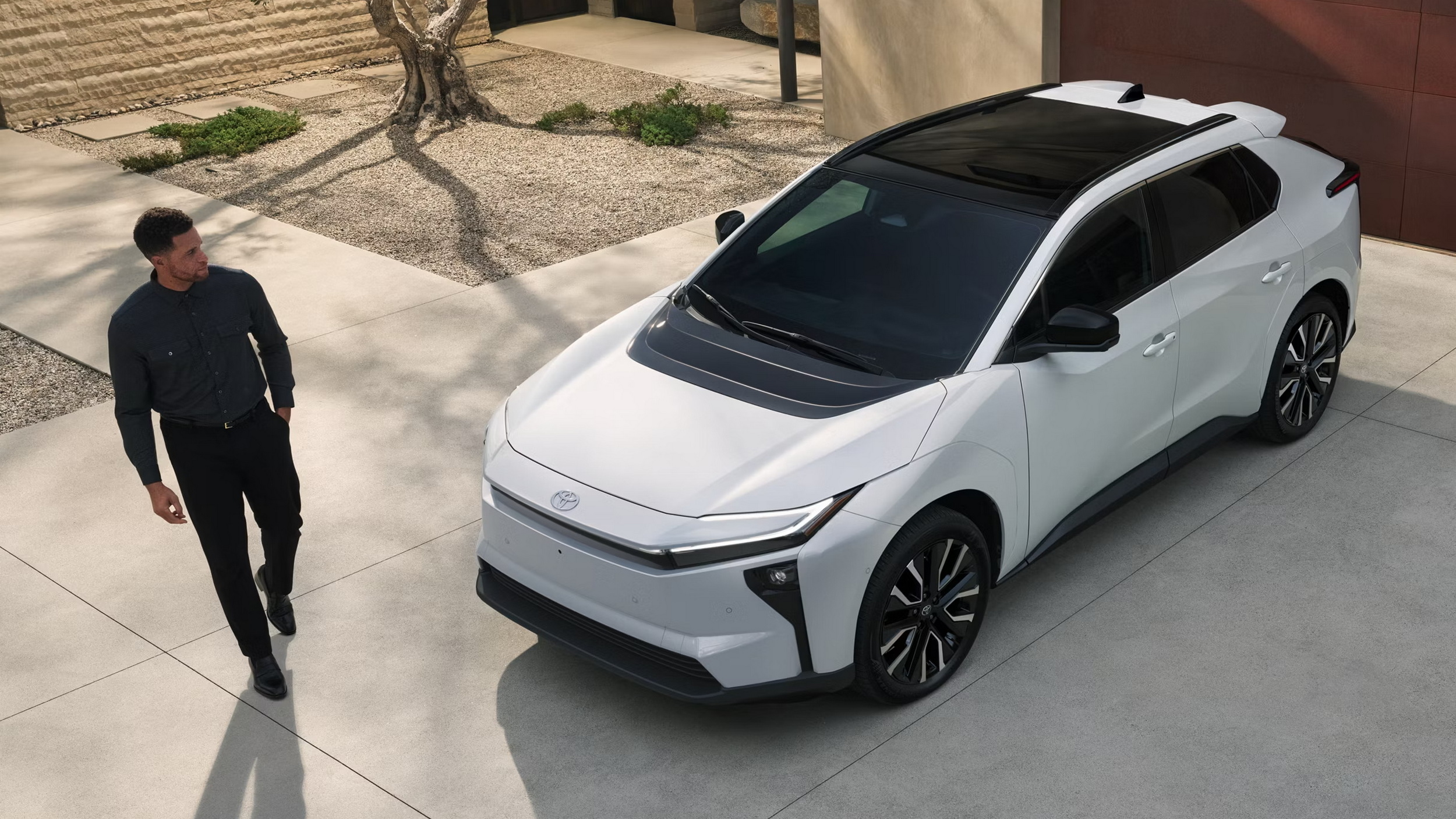
Toyota opened the year on a strong note, with the bZ, including the bZ Woodland, reaching 10,016 units in the first quarter, a 79% increase year over year. However, with only 13 units of the newly introduced C-HR arriving in March, Toyota’s total BEV sales reached 10,029 units, just behind Rivian’s 10,365. As the company expands its EV lineup in the US, that gap may not last long.

More: Toyota’s bZ Outsold The Prius, And Now A Second US-Made Electric SUV Is Coming

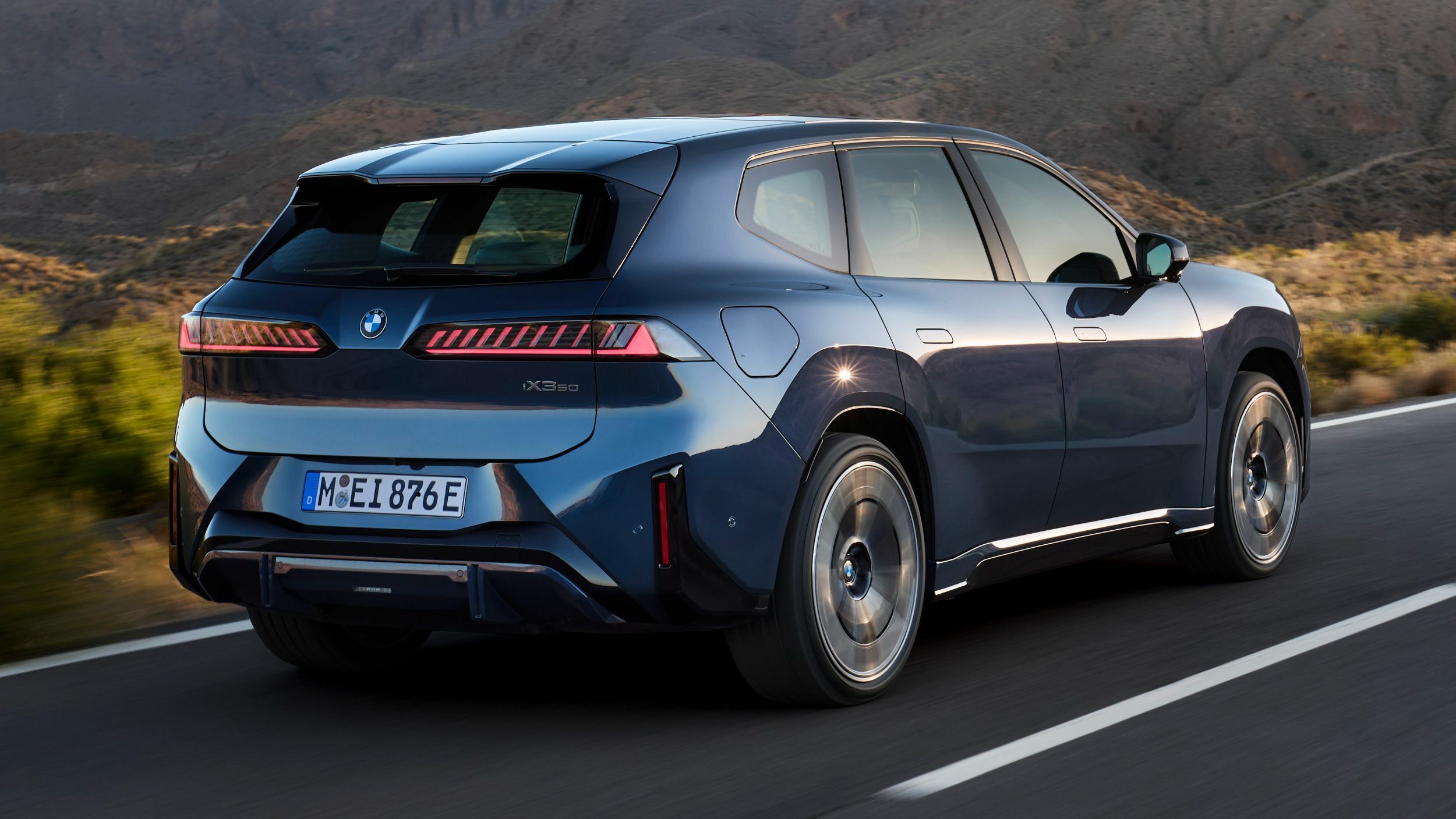
Finally, BMW recorded 9,856 combined BEV and PHEV sales in the US during Q1 2026, marking a 50% drop compared to last year. This slowdown may prove temporary, as the upcoming Neue Klasse BMW iX3 is expected to play a central role in the brand’s next phase of electrification when it arrives in late 2026.

 Rivian Beat Four Major Automakers In EV Sales, And Its Biggest Model Hasn’t Even Launched Yet
BMW iX3

AMG Built A Sedan That Growls, Revs, And Shifts Like It Has A V8. It Doesn’t

  • Mercedes-AMG has revealed the V8 soundtrack of its latest EV
  • We’re talking about the fully electric AMG GT 4-Door Coupe.
  • The upcoming model offers highly configurable drive modes.

Mercedes-AMG is gearing up to unveil its new GT 4-Door Coupe, and this time it’s chasing a different target. What once took aim at the Porsche Panamera now pivots toward the Porsche Taycan, trading combustion muscle for electric intent without losing its sense of theater.

Even without a drop of fuel involved, AMG says it will still deliver a proper performance experience. The new model mimics the character of a V8, leaning on a mix of synthetic sound, feedback, and clever engineering to deliver something that still feels alive from behind the wheel.

The latest video teaser shows a camouflaged prototype of the Mercedes-AMG GT 4-Door Coupe undergoing winter testing in Lapland. American actor Gabriel Macht, AMG’s brand ambassador since mid-2025, gets an early drive of the upcoming EV before its official arrival.

More: AMG’s GT SUV Could Be The Least Mercedes-Looking Car Mercedes Has Ever Made

The highlight of the clip is the startup sequence when the driver selects Sport+ mode via the rotating steering wheel dial. That setting brings a digital V8 to life, complete with a simulated rev counter and paddle shifters that echo the feel of a combustion-powered car.

The Concept GT XX featured eight external speakers pumping synthesized engine sounds to alert pedestrians of the vehicle’s presence. Based on the exterior shots in the video, the production version appears to follow a similar approach.

More: Mercedes Is Betting On A Yoke To Save The Disastrous EQS

Macht also gets to play around with the three rotating dials on the center tunnel. These provide access to different levels of Throttle Response, Agility, and Traction, transforming the driving experience of the new AMG GT 4-Door Coupe. The Traction is probably the most impressive of the three, allowing everything from crazy wheel spin to insane traction and everything in between.

\\\\\\\\\\\\\\\\\

Mercedes-AMG / YouTube

Predictably, the video includes plenty of drifting, with the driver exploiting the advanced torque vectoring system. Since Mercedes has already revealed the interior, the prototype’s screen-heavy cabin remains fully visible throughout the drive.

More: Drivers Want More Buttons, So Mercedes-AMG’s New Super Sedan Removes Most Of Them

The new-generation AMG GT 4-Door Coupe will be the first production model built on the AMG.EA platform. The concept points to outputs as high as 1,341 hp (1,000 kW / 1,360 PS), delivered by three axial-flux electric motors. On the chassis side, AMG has confirmed adjustable air suspension, semi-active roll stabilization, configurable dampers, and a mix of carbon-ceramic and steel brake discs.

It remains to be seen whether the V8 soundtrack and the highly configurable driving experience will make the zero-emission era of AMG more appealing to its target audience.

\\\\\\

Mercedes-AMG

This Absurdly Tiny Camper Is Shorter Than An MX-5, And Isn’t Even A Real Car

  • German firm Ari Motors has turned its compact LCV into a very small camper.
  • It sits in the L7e class and uses a modest electric motor with about 20 hp.
  • Rear module forms a configurable living area measuring about 30 square feet.

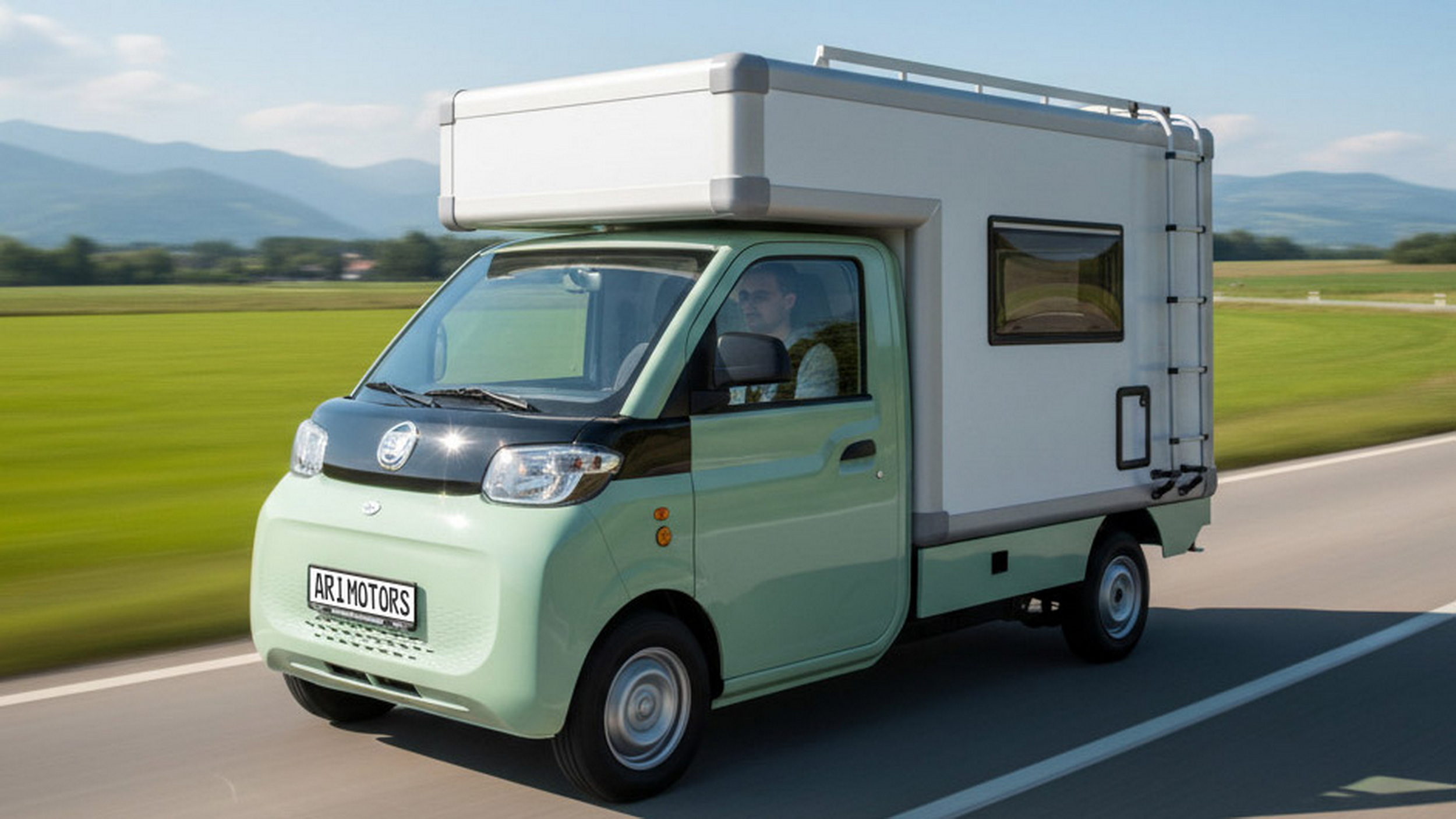
Campers have built a loyal following across Europe, with midsize LCVs emerging as the go-to base for conversion specialists. Not everyone needs that much space, though, and that gap has led German firm Ari Motors to create what may be the smallest camper currently on sale in the country, and possibly, the entire continent.

It’s based on the Ari 458 Pro, which the company describes as the largest van in the L7e category, a niche segment to begin with. At just 3,820 mm (150.4 inches) long, this tiny camper is barely longer than a current Fiat 500e at 3,632 mm (143.0 inches). It’s also still shorter than a Mini Cooper hatch at 3,858 mm (151.9 inches) and even undercuts a Mazda MX-5 ND at 3,915 mm (154.1 inches).

More: I Designed A 10-Foot Budget Camper You Can Tow With A Small Hatch

Up front, it keeps the same cheerful face, undersized wheels, and two-seat cabin as the LCV. Like several other Ari Motors products, it’s likely sourced from a Chinese partner.

Tiny Living Space Layout

 This Absurdly Tiny Camper Is Shorter Than An MX-5, And Isn’t Even A Real Car

The real talking point sits at the back. The rear module resembles a compact suitcase with small windows cut into it, forming a tiny living space. Ari says it offers 2.8 square meters (30 square feet) of usable area, with a maximum interior height of 1.85 m (72.8 inches).

More: Tiny Kei Truck Becomes A Real Tiny Home On Wheels

In order to keep the entry price as low as possible, the camper is offered without any furniture. It is, in effect, an empty box on wheels. What you do get is the “necessary utility infrastructure,” which covers a water system with fresh and wastewater tanks, plus 230-volt sockets.

\\\\\\\

Photos Ari

Those who want a complete camper experience have to source a bed, rear seating, a table, a kitchenette, and a portable toilet from other companies. Ari Motors does offer a “minimalist” interior conversion built at its Borna facility near Leipzig, though it has yet to show what that actually looks like.

Up front, equipment is predictably sparse. There are electric windows, central locking, Bluetooth, a digital instrument cluster, a reversing camera, and a single cup holder. Air conditioning is optional, as are solar charging and a trailer coupling.

Electric Powertrain Specs

 This Absurdly Tiny Camper Is Shorter Than An MX-5, And Isn’t Even A Real Car

The Ari 458 Pro uses a single electric motor producing 20 hp (15 kW), which sits right in line with L7e regulations. Opt for the largest battery, and it delivers up to 230 km (143 miles) of range, while top speed is capped at 70 km/h (44 mph).

More: Mercedes Built A Two-Story Sleep Setup That Still Fits In A Parking Spot

There is nothing particularly sophisticated happening underneath. Like most heavy quadricycles, it operates outside the stricter standards applied to conventional passenger cars.

How Much Does It Cost?

Beyond the camper variant, the Ari 458 Pro comes in more than 30 configurations. Buyers can choose from a box van, food truck, flatbed, tipper, or even a compact garbage truck. Pricing starts at €15,790 ($18,200) before taxes for the base LCV, while the camper version opens at €30,381 ($35,100) in Germany.

SPECS
Model Ari 458 Pro Camper
Motor15 kW (approx. 20 hp) electric motor
Top speed70 km/h (44 mph)
Range120 to 230 km (75 to 143 miles)
BatteryLiFePO4, optional 15 kWh or 23.5 kWh
Vehicle length3.82 m (150.4 in / 12.5 ft)
Vehicle width1.49 m (58.7 in / 4.9 ft)
Interior standing height (box body)approx. 1.85 m (72.8 in / 6.1 ft)
Operating costsapprox. €4 per 100 km ($4.35 per 62 miles)
Pricefrom €30,381 ($35,100) with VAT
SWIPE

BMW Showed Just Enough Of The i3 Touring For Someone Else To Finish The Job

  • The i3 Touring will shares its design with the sedan up to the B-pillars.
  • A longer roof and revised rear will give the wagon added practicality.
  • Production starts in 2027 following the sedan’s launch in late 2026.

The new BMW i3 sedan has finally filled in enough blanks to picture what its more practical wagon sibling might look like. With BMW confirming an i3 Touring, independent artists have stepped in to interpret the brand’s vague teasers and turn them into something more tangible.

Nikita Chuyko from Kolesa and Theophilus Chin have each offered their own interpretation of the fully electric wagon, and while both follow the same basic blueprint, the details diverge. In each case, the sheet metal mirrors the i3 sedan up to the B-pillars. What distinguishes the i3 Touring is the extended roof and the redesigned tail.

More: The iX3 And i3 Will Send Video Of Your Worst Moments On The Road To BMW

BMW’s own teaser hints at a rising beltline behind the C-pillars, a small tweak meant to inject some visual tension into the longer body. Theottle leans heavily into that idea, exaggerating the upward sweep, while Chuyko opts for a more restrained interpretation. The production version could land somewhere in the middle, keeping things sporty without overdoing it.

\\

Illustrations Kolesa / Nikita Chuyko

At the rear, both designers carry over the slim LED taillights and rear bumper from the i3 sedan, focusing their changes on the tailgate and the sloping rear glass. Theottle retains the sculpted lines beside the BMW emblem and adds a more contemporary roof spoiler, similar to the one seen on the iX3 SUV.

More: BMW Gives China’s Stretched iX3 Door Handles The Rest Of The World Can’t Have

We suspect that the production i3 Touring will likely keep the sedan’s 114.1-inch (2,898 mm) wheelbase, meaning any increase in overall size will likely come from a longer rear overhang.

\\\\\

Illustrations Theophilus Chin

The interior will also be carried over, including the pillar-to-pillar display on the base of the windshield and the 17.9-inch infotainment touchscreen. Rear passengers should benefit from slightly improved headroom, along with a more generous cargo area.

Also: BYD Says Five-Minute Charging Adds 310 Miles, BMW Says Read The Fine Print

Underneath, the i3 Touring will share its 800-volt Neue Klasse architecture with the i3 sedan and the iX3 SUV. A potential 50 xDrive variant is expected to produce 463 hp (345 kW / 469 PS) and 645 Nm (476 lb-ft) of torque, offering more than enough performance for a family-oriented model.

The i3 sedan targets an EPA range of 708 km (440 miles) between charges, though the wagon’s less aerodynamic shape will likely reduce that figure slightly. Even so, it should be capable of adding 249 miles (400 km) of range in just 10 minutes when connected to a 400 kW charger.

\\\\\\

BMW has confirmed that production of the i3 sedan will begin in August 2026, with first deliveries scheduled for the fall. The i3 Touring is expected to follow in 2027, as part of the 40 new and updated models the company plans to introduce by the end of that year.

The Bavarian automaker is also preparing an ICE-powered 3-Series Touring, which will mirror the design and technology of the Neue Klasse-based i3 Touring while riding on an updated version of the current CLAR platform.

❌
❌