Reading view

There are new articles available, click to refresh the page.

The Cheapest Mercedes In America Is Getting An Electrifying Redesign
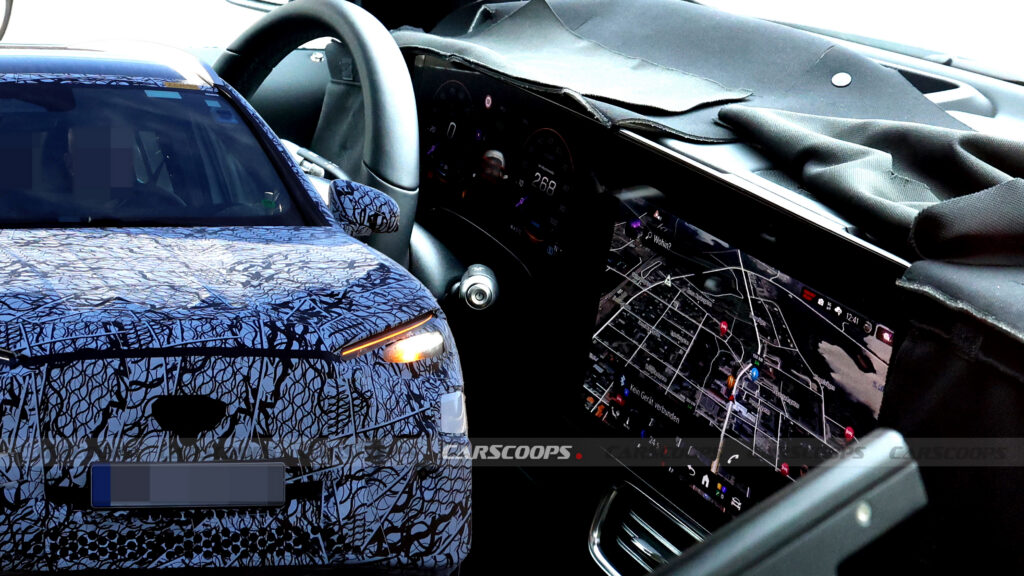
  • The 2027 Mercedes GLA has been spied undergoing testing.
  • Sports an evolutionary, but more upscale and streamlined design.
  • Crossover will be offered with hybrid and electric powertrains.

Mercedes is in the process of revamping their entry-level lineup and this has already seen the company introduce the redesigned CLA and GLB. The brand’s most affordable model in America, the GLA, is next in line and spy photographers recently snapped a prototype undergoing cold weather testing.

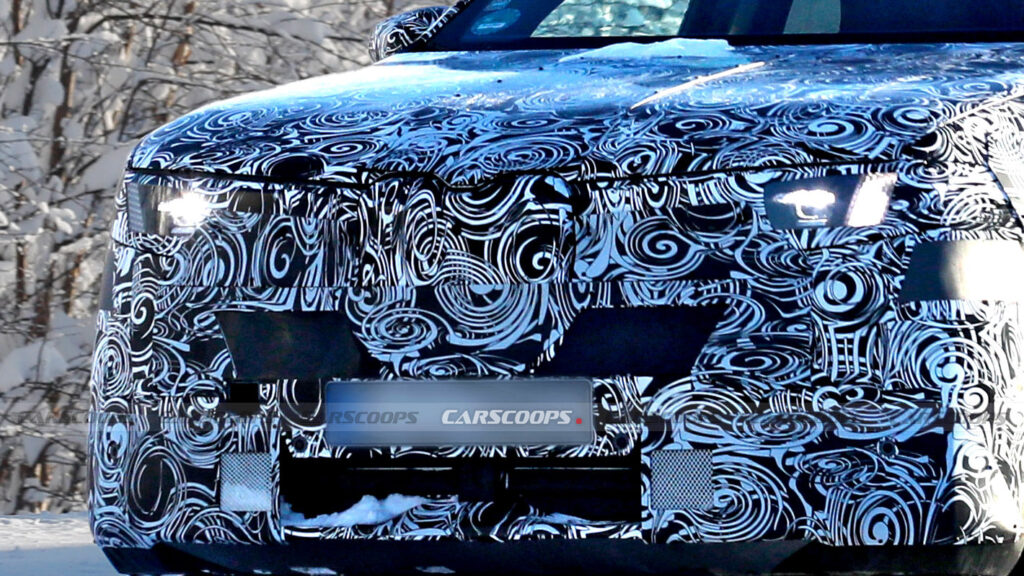
Dressed in swirly black and white camouflage, the crossover sports a fully enclosed grille that resides above a wide intake. We can also get a glimpse at unique headlights, which will undoubtedly be infused with stars on the production model.

More: Mercedes Baby G Spied With Big Brother Looks

Moving down the sides, we can see streamlined bodywork and flush-mounted door handles. They’re joined by an upward sweeping beltline, a sloping roof, and aerodynamically optimized five-spoke wheels as we’re looking at the fully electric EQ variant.

The rear end sports an evolutionary design, but the license plate recess has been moved from the liftgate to the bumper. We can also see squared off outer taillights with a three-pointed star graphic.

While the interior is heavily disguised, it carries over from the CLA and GLB. As a result, we can expect an optional MBUX Superscreen with a 10.25-inch digital instrument cluster, a 14-inch infotainment system, and a 14-inch front passenger display. They’ll be joined by an MBUX Virtual Assistant with a “living avatar” that takes the form of a Mercedes star.

\\\

SHProshots

Powertrain options will also carryover and this means we can expect a GLA 250+ with a rear-mounted motor developing 268 hp (200 kW / 272 PS) and 247 lb-ft (335 Nm) of torque. It should be joined by a GLA 350 4MATIC with a dual-motor all-wheel drive system producing a combined output of 349 hp (260 kW / 354 PS) and 380 lb-ft (515 Nm) of torque. Both versions should have a roughly 85 kWh battery pack and an 800-volt architecture that allows for a DC fast charging capability of up to 320 kW.

The instrument cluster shows the battery has 268 km (167 miles) of range remaining at 55%, but we shouldn’t read too much into that as it implies an overall range of around 487 km (303 miles). However, the CLA offers up to 793 km (493 miles) of range, while the GLB has up to 632 km (393 miles).

Later on, we can expect hybrid variants with a 1.5-liter four-cylinder engine, a 1.3 kWh battery, and an electric motor that is integrated into an eight-speed dual-clutch transmission. In the CLA, this allows for outputs of between 134 hp (100 kW / 136 PS) and 187 hp (140 kW / 190 PS), before accounting for the extra 30 hp (22 kW / 30 PS) contributed by the electric motor.
\\\\\\\\\\\\\\

SHProshots

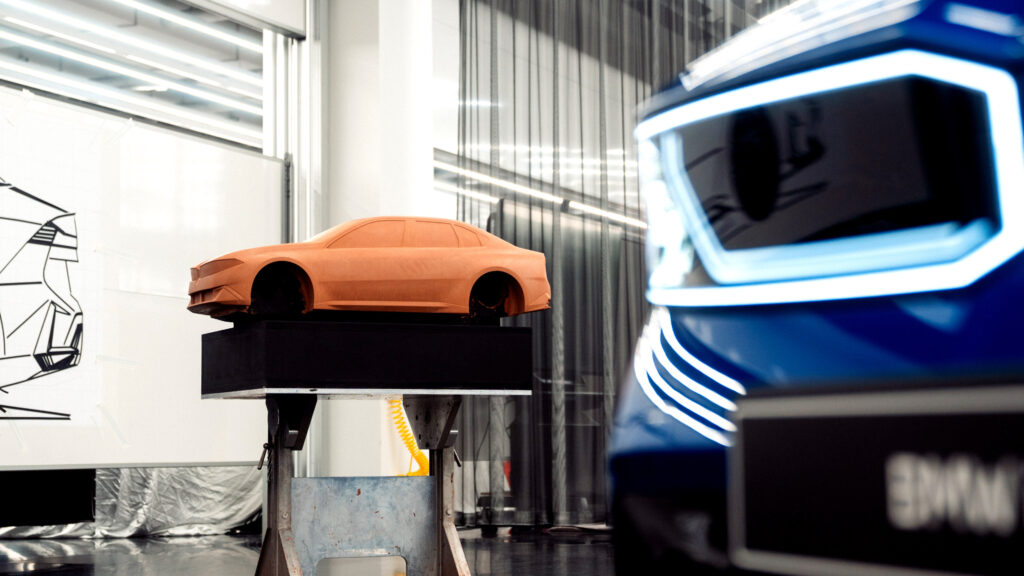
BMW Is Taking The Next i5 In A Direction The 5-Series Won’t Follow

  • The i5 will shift onto the Neue Klasse platform next generation.
  • That move will clearly set it apart from the ICE 5-Series sibling.
  • Before that, the current 5 and i5 will receive a Neue Klasse facelift.

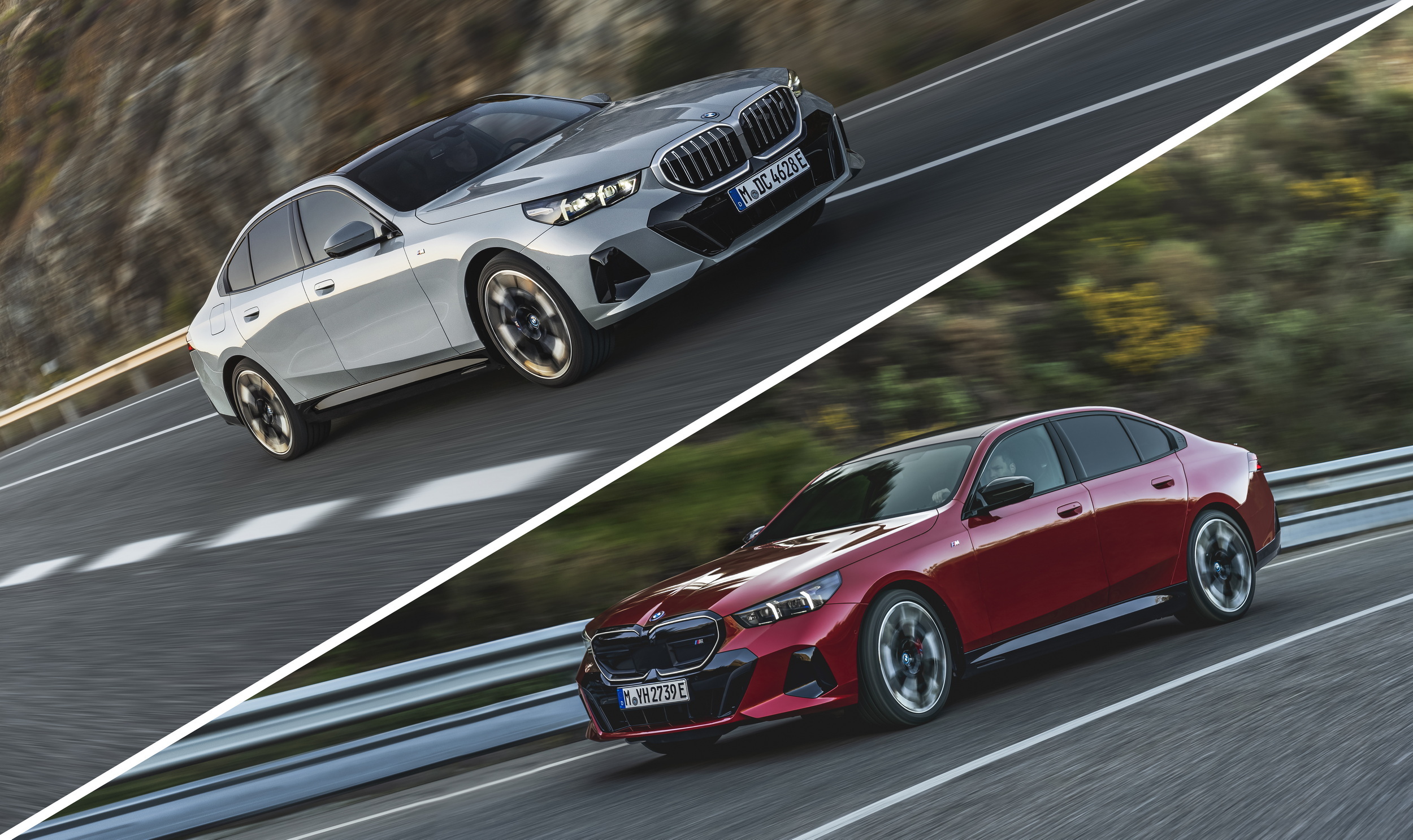
BMW may have taken a one-size-fits-all approach with the current i5 and 5-Series, but that strategy is already on borrowed time. Looking ahead, the next generation is expected to split the two paths entirely, following the template set by the newer i3 / 3-Series and iX3 / X3, where each powertrain gets its own dedicated platform.

The transition is already underway. BMW has begun rolling out its Neue Klasse era with the all-electric iX3 SUV, and the i3 sedan close behind. It has also officially confirmed that Neue Klasse styling and technology will be applied to as many as 40 new and updated BMW models by 2027.

More: BMW Leak Reveals Two Very Different Futures For 2028 X5 And 7-Series Facelift

Joachim Post, BMW’s board member for R&D, explained the company’s thinking in a conversation with Auto Express:

“When we as BMW develop a new technology, we’re making 2.5 million cars a year in a lot of derivatives. What is always important for us is to scale. We are a global player, and we must scale our technology into the whole fleet to get that economy of scale. That gives you a feeling that once we do things, we don’t do it for just one car,” he told the magazine.

Neue Klasse Platform Expansion

 BMW Is Taking The Next i5 In A Direction The 5-Series Won’t Follow
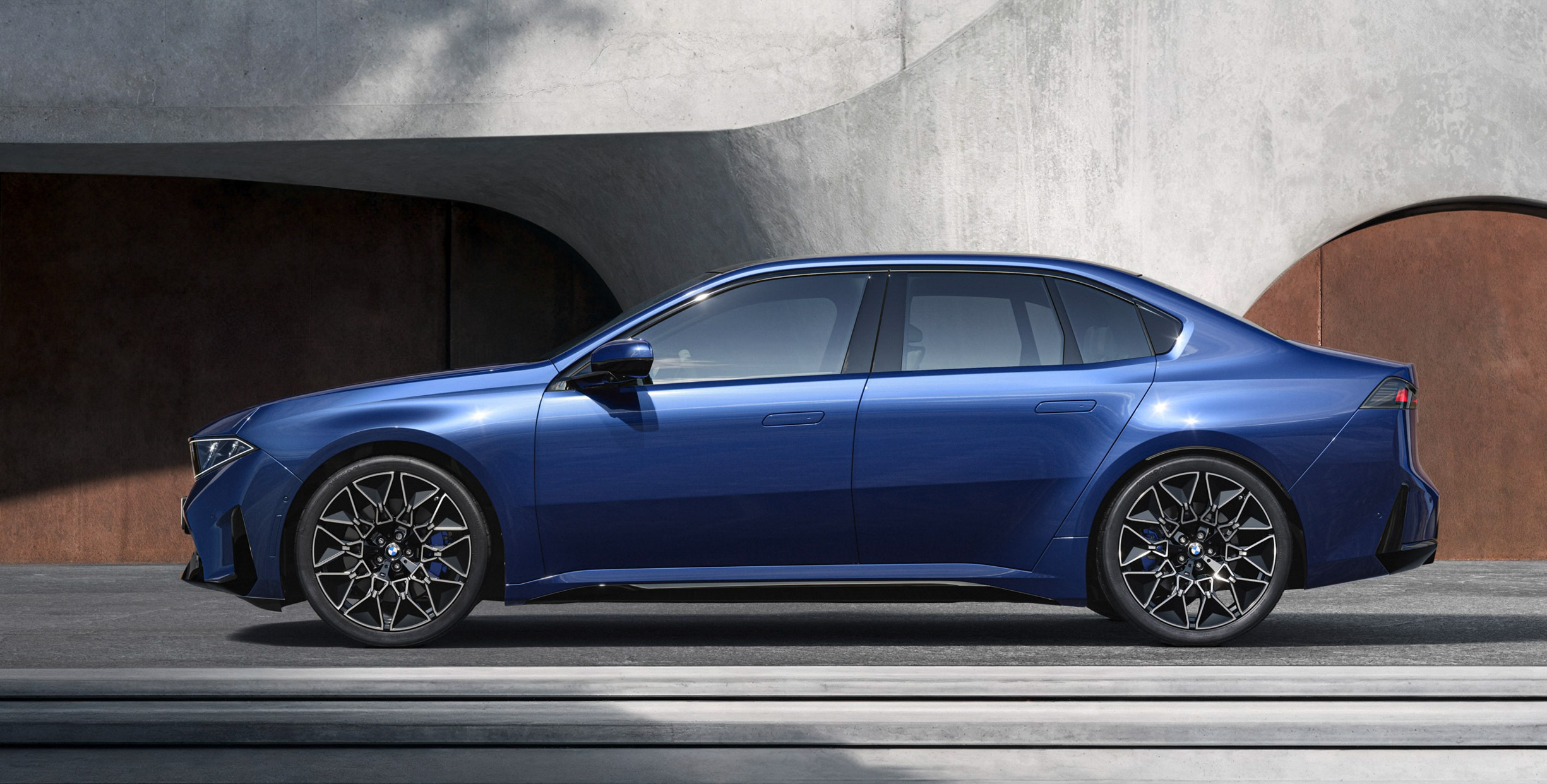
The current BMW i5 looks nearly identical to the 5-Series.

Beyond individual components such as electric motors, battery packs, infotainment systems, and ADAS, those comments extend to the EV-focused Neue Klasse architecture. Post suggested that the platform will eventually underpin larger models, including future iterations of the i5 and i7. That would clearly separate them from their combustion-powered 5-Series and 7-Series counterparts, which are expected to continue using the CLAR platform.

More: BMW’s Already Facelifting The Facelifted Neue Klasse 5-Series

The current 5-Series and i5 arrived in 2023 and are expected to receive a facelift in 2027. That timeline points to a full generational replacement toward the end of the decade. A similar pattern applies to the 7-Series and i7, which debuted in 2022 and are now approaching their own mid-cycle update with revised styling and technology.

EV Proportions Shift

By moving away from the constraints of platforms designed around inline-six engines and traditional transmissions, BMW designers gain significantly more flexibility. While a cohesive family identity will likely remain, dedicated EV models will inevitably feature different proportions and packaging compared to their ICE counterparts.

 BMW Is Taking The Next i5 In A Direction The 5-Series Won’t Follow
The new BMW i3 sedan

The first clear example will be the next 3-Series, expected to arrive as a heavily updated evolution of the current model. Spy shots already indicate a different dash-to-axle ratio compared to the i3 sedan, even though both share similar visual cues.

More: BMW’s New 3-Series Wagon Just Crashed The i3 Party

Similarly, shifting the next i5 and i7 onto dedicated EV platforms should bring shorter overhangs, longer wheelbases, and more cab-forward silhouettes. The focus here leans heavily toward interior space and aerodynamic efficiency.

BMW, however, appears keen to avoid the rounded, egg-like profiles seen on the Mercedes-Benz EQE and EQS, which struggled to win over buyers. Mercedes itself is now pivoting, with future EVs set to more closely resemble their combustion-engine equivalents.

 BMW Is Taking The Next i5 In A Direction The 5-Series Won’t Follow
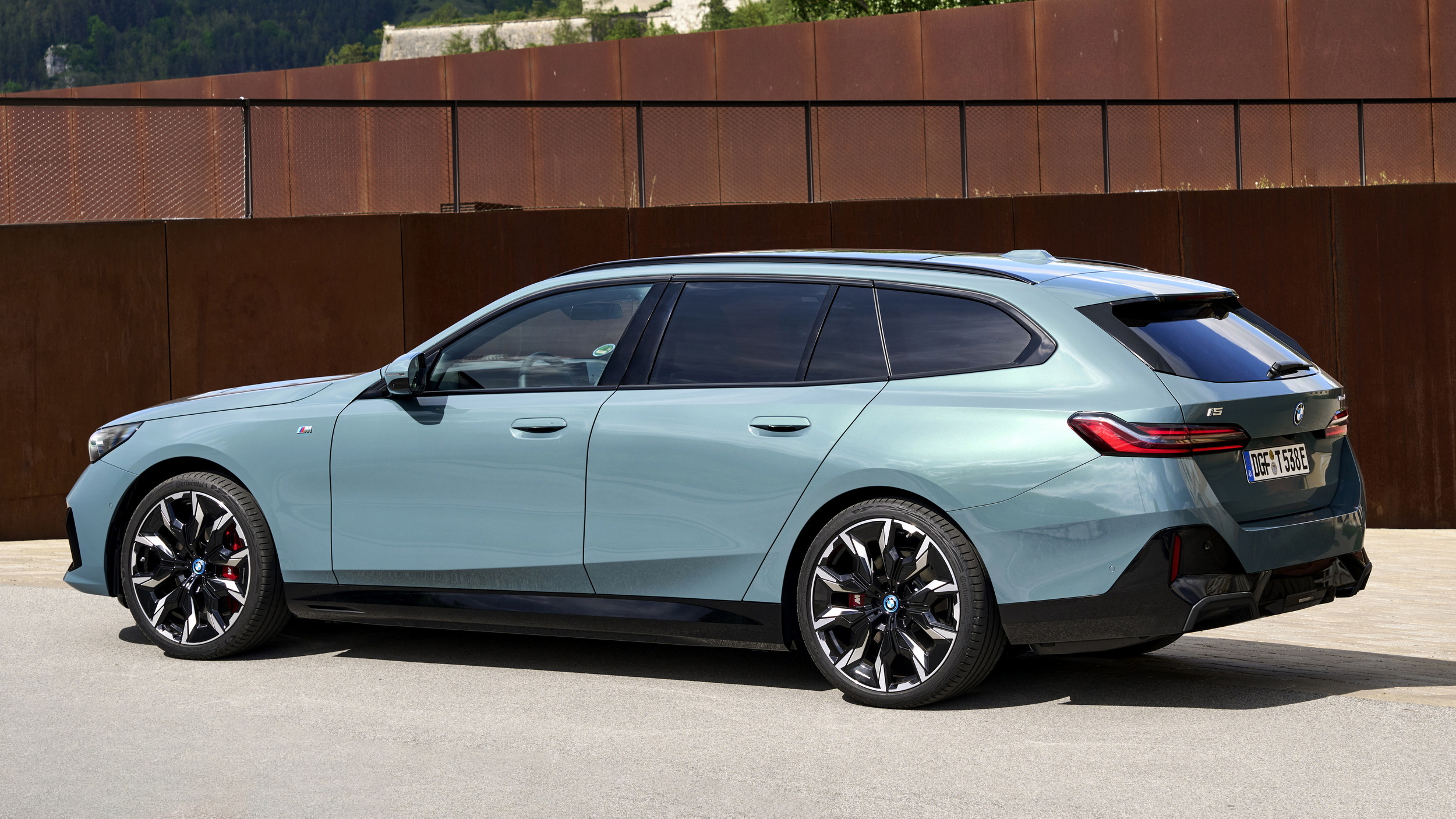
The current BMW i5 Touring

Feds Expand Tesla FSD Investigation After Visibility Failures

  • NHTSA upgrades FSD probe to engineering analysis stage.
  • Over 3.2 million Tesla vehicles are included in investigation.
  • FSD may fail to detect vehicles in low visibility conditions

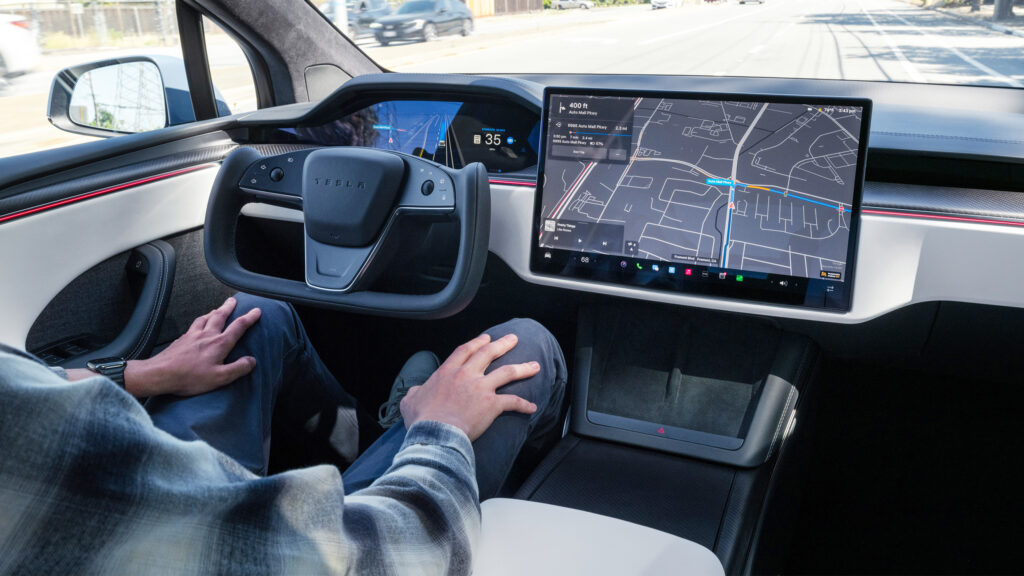
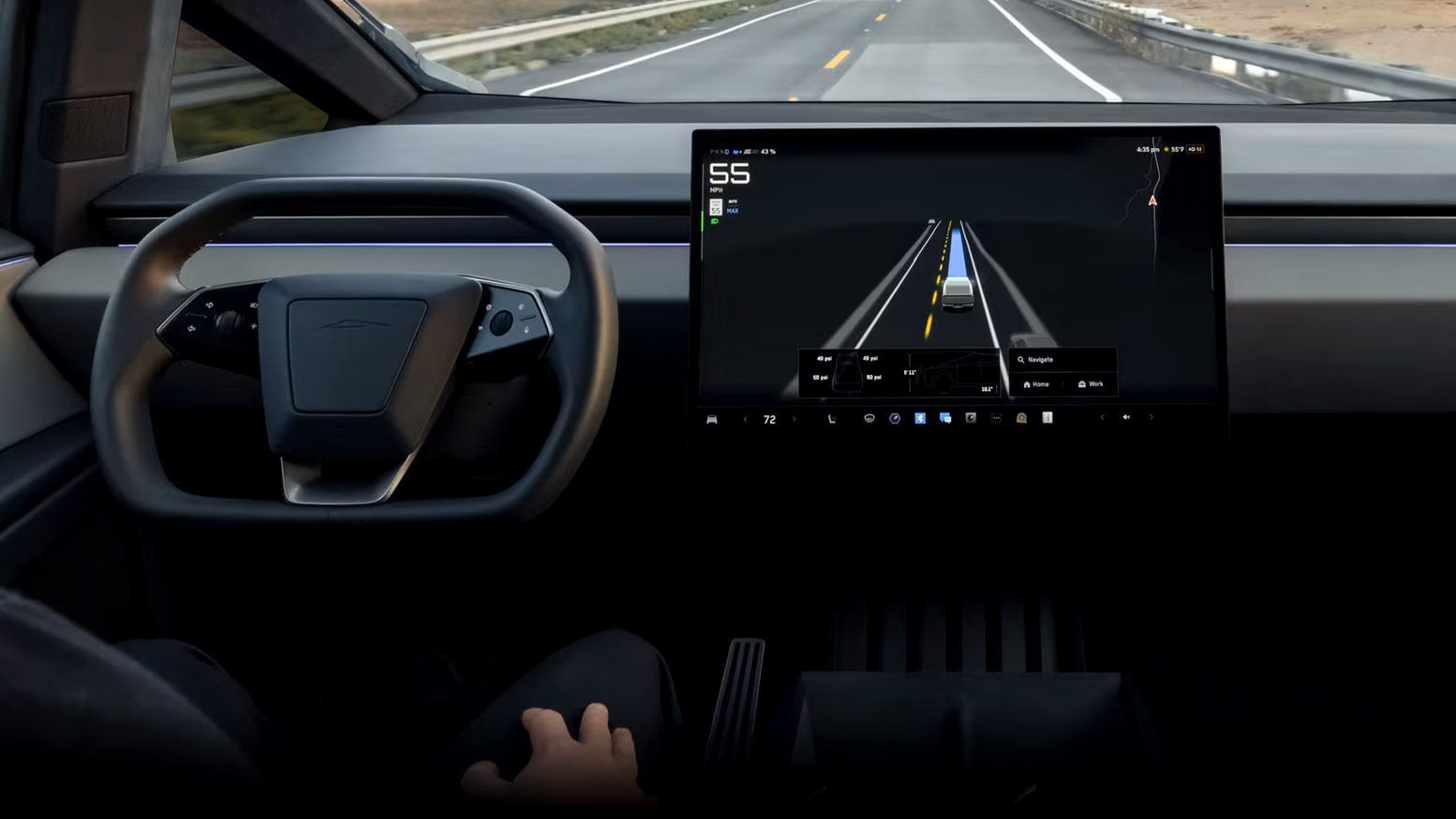
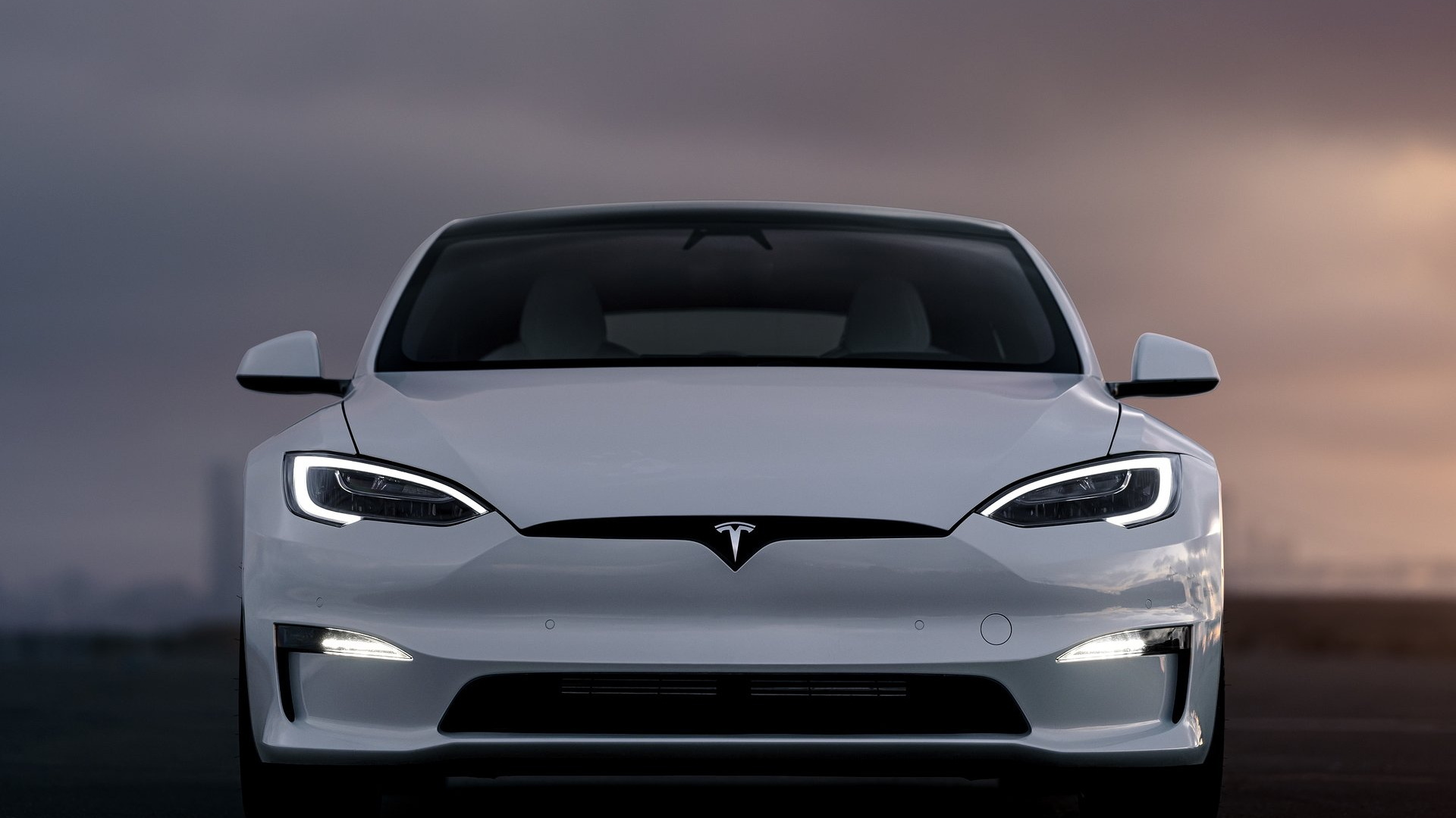
The NHTSA has intensified its scrutiny of Tesla’s Full-Self Driving system, focusing on how it copes when visibility drops. That escalation pushes the probe closer to a potential recall, one that could affect more than 3.2 million vehicles across the United States.

The agency first opened a preliminary evaluation in October 2024 to assess FSD’s ability to detect and respond appropriately in reduced roadway visibility. That probe has now been upgraded to an engineering analysis, which will examine how the vision-only system behaves in adverse conditions and whether it can alert drivers with enough time to react.

Read: Tesla Owners Furious After FSD Transfer Rules Change Again

According to regulators, Tesla developed and implemented a degradation detection system after transitioning to its camera-based vision setup in mid-2021, abandoning radar and other sensors. The company began working on an update to this system in June 2024, following a report of a fatal crash involving one of its vehicles on November 28, 2023

Rain Is FSD’s Enemy

 Feds Expand Tesla FSD Investigation After Visibility Failures

In its preliminary evaluation, the NHTSA began piecing together how Tesla’s Full Self-Driving system behaves in less-than-ideal conditions. The agency learned from Tesla that FSD’s ability to detect and respond to poor road conditions may have contributed to 3 of the 9 incidents identified by the Office of Defects Investigation (ODI).

In the crashes reviewed, the system failed to recognize common roadway conditions that affected camera visibility and did not issue alerts when camera performance degraded until just before impact.

A subsequent review of Tesla’s responses uncovered other crashes that occurred under similar circumstances. In these cases, the FSD system also lost track or “never detected a lead vehicle in its path.” The NHTSA also notes that Tesla says internal data and labeling limitations have prevented a uniform identification and analysis of crash events with the system engaged, meaning there is a possibility of under-reporting crashes.

The probe covers an estimated 3,203,754 Tesla vehicles, including the 2016-2026 Model S and X, 2017-2026 Model 3, 2020-2026 Model Y, and 2023-2026 Cybertruck models equipped with FSD.

 Feds Expand Tesla FSD Investigation After Visibility Failures

Hyundai Unveils Luxurious Version Of Its Smallest EV

  • The Hyundai Casper Electric Lounge is the new flagship trim of the micro-SUV.
  • Exclusive 17-inch alloy wheels and new colors distinguish the exterior design.
  • The cabin gets genuine leather upholstery and plenty of standard equipment.

Hyundai’s smallest EV is getting a taste of the finer things. The automaker is taking its most compact electric vehicle upmarket with the debut of the Lounge trim for the Casper Electric in South Korea, also known as the Inster in export markets. The new micro-SUV trim serves as a premium alternative to the rugged Cross model, sitting at the top of the range.

On the outside, the Lounge is distinguished by a new grille pattern, an exclusive Glow Mint paint option, a lighter Medium Metallic Paint finish for the plastic cladding, and a set of 17-inch futuristic-looking alloy wheels. Like the Cross, it now comes standard with full-LED headlights and taillights.

Review: The Hyundai Inster Ticks Many Boxes Except The One That Counts

The interior is where the Lounge truly sets itself apart from its siblings. The headline feature is genuine leather upholstery, which remains genuinely rare in this segment. Hyundai has also fitted knit-material headliner and sun visors, along with Kevlar cone speakers for improved sound quality.

\\\\\\\\\\

Hyundai Casper Electric Lounge

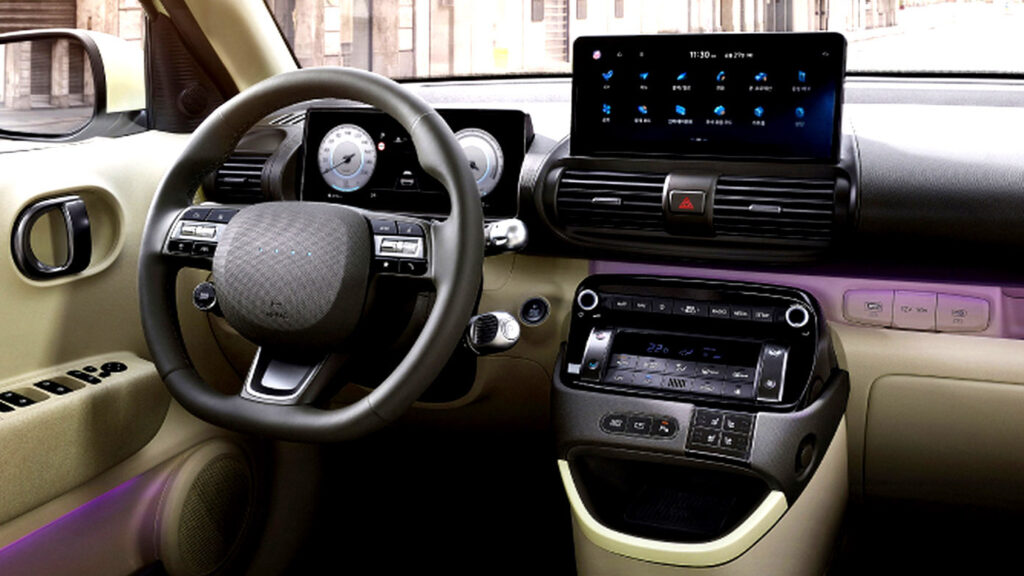
The 10.25-inch infotainment display and matching digital instrument cluster are both standard, as is Level 2 ADAS. A sunroof and wireless charging pad are optional extras. Hyundai also offers a range of accessories including interior storage solutions, pet-friendly items, roof racks, a retractable awning, and an inflatable mattress.

Powertrain And Pricing

Mechanically, the Casper Electric Lounge uses the more potent 113 hp (84.5 kW / 115 PS) electric motor paired with the larger 49 kWh battery pack. Driving range is rated at 295 km (183 miles), which is 10 km (6 miles) more than the Cross but 20 km (12 miles) fewer than the Inspiration, a gap attributed to the different wheel size.

\\\\\\\\\\\\\\\

Hyundai Casper Electric

Predictably, the Casper Electric Lounge is the most expensive version of the urban EV on sale in Korea. It is priced at ₩36,410,000 ($24,500), or ₩1,260,000 ($850) more than the Cross. According to the Korean Car Blog, however, the effective price drops closer to ₩20 million (around $13,400) once EV subsidies in Seoul are factored in.

More: New Hyundai Inster Is A Tiny Electric Crossover For The Masses

Hyundai has yet to confirm whether the new flagship trim will reach export markets under the Inster name, following the precedent set by the Cross.

The automaker also continues to offer an gas-powered Casper in Korea, featuring a 180 mm (7.1 inches) shorter wheelbase than the Casper Electric. It is available with naturally aspirated and turbocharged versions of a 1.0-liter three-cylinder engine, though it misses out on the Lounge and Cross grades offered on its fully electric sibling

\\\\\\\\\\

Hyundai Casper Electric

Jaguar Cancelled Three New Cars In Development To Make Room For One EV

  • A second-generation F-Type was in development before cancellation.
  • Jaguar will reveal its production Type 00 electric sedan this year.
  • Ian Callum designed new XF and F-Pace models before leaving in 2019.

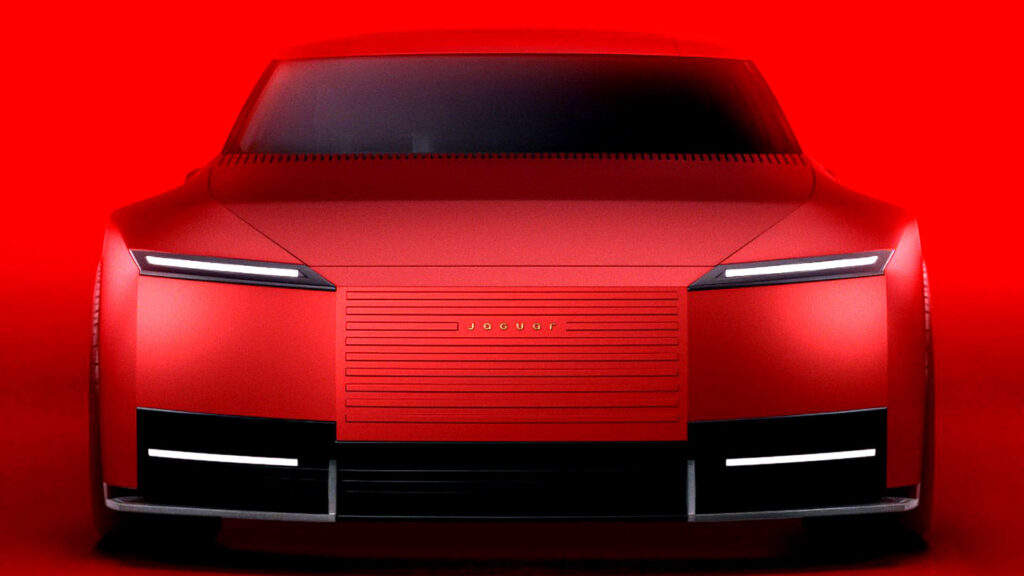
Jaguar’s radical pivot to electric vehicles, anchored by a four-door GT sedan, has proven deeply controversial. And once you learn about some of the planned future Jaguar models that had to be killed to make way for the Type 00, you may deride Jaguar’s EV shift even more.

For years, it was known that Jaguar had been developing an all-new XJ before abruptly changing course, cancelling the project mere months before it was ready. The car was going to be electric, but the platform was flexible enough to support a six-cylinder engine if the market demanded it.

Read: Secrets Of The Ill-Fated Jaguar XJ Revealed

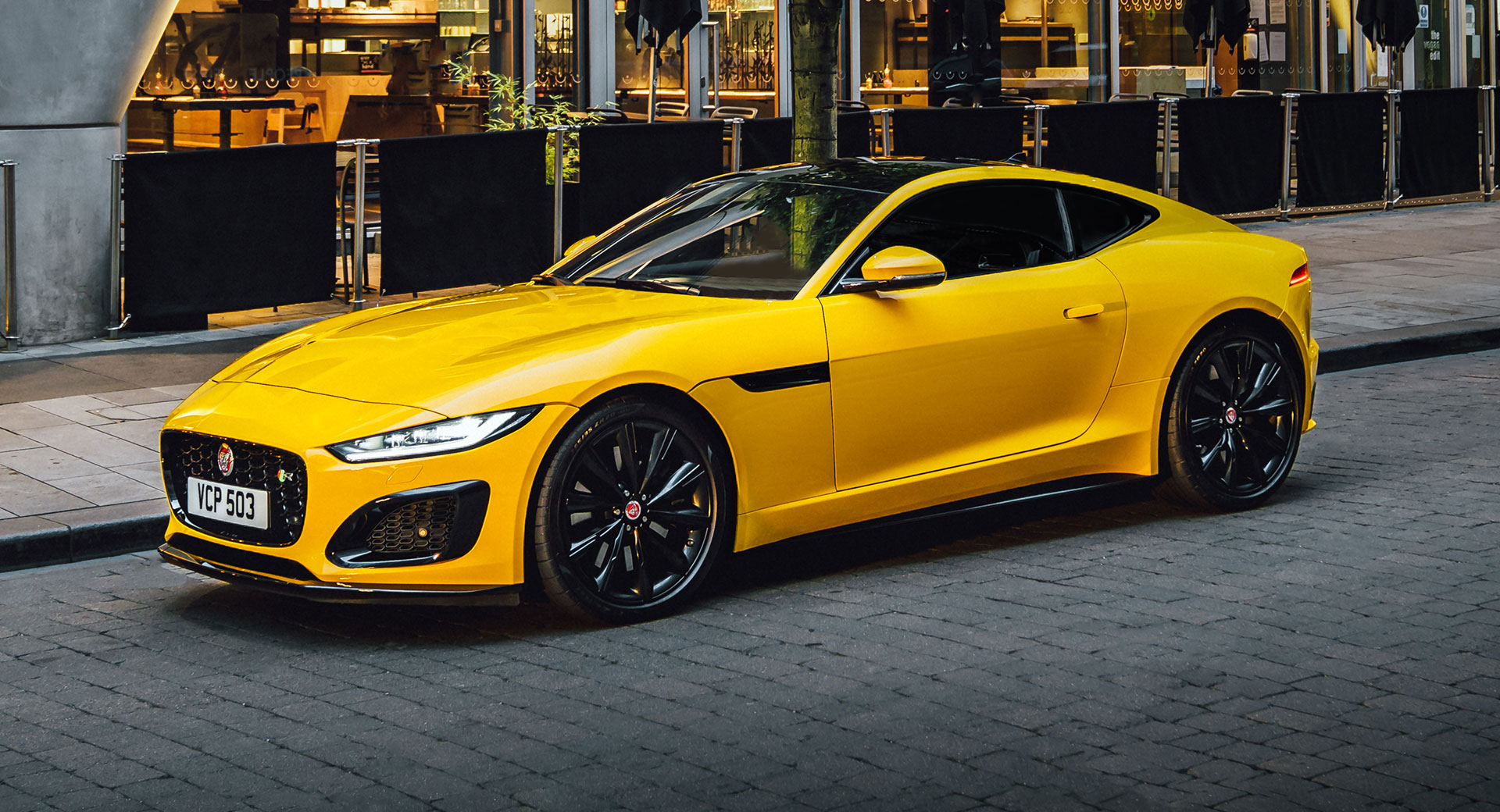
In a recent chat on the Road to Success Podcast, Jaguar’s former design director Ian Callum revealed he had also designed a new XF sedan and an F-Pace SUV before departing the company in 2019. Both were scrapped to clear the path for the Type 00. The most painful revelation, perhaps, is that a successor to the F-Type was also in development.

What Could Have Been

 Jaguar Cancelled Three New Cars In Development To Make Room For One EV

Callum didn’t say how far work on a second-generation F-Type had progressed when he left. He considers the original one of the last great Jaguars, before the company’s strategy shifted beneath it. At a time when sleek, front-engined two-door sports cars are disappearing from the market, losing the F-Type to make room for a grand touring EV is a difficult pill to swallow.

Speaking about the company’s new EV, Callum described it as a “handsome car,” adding that “it’s bold, it’s brave, and it’s got a lot of good design attributes about it, but it’s not beautiful and Jaguars need to be beautiful.” He also said the Type 00 is “too retro.”

What Can We Expect From The Type 00?

Jaguar wants to establish itself as a legitimate rival to Bentley and Rolls-Royce with the Type 00, abandoning its pursuit of volume sales and chasing the likes of BMW, Audi, and Mercedes-Benz. The production model will stick true to the concept’s radical design, though it will add two extra doors and have a longer wheelbase.

Power comes from three motors, a 350 hp unit up front and two at the rear producing a combined 950hp, with Jaguar promising at least 1,000 hp total along with just over 1,000lb ft of torque. According to Top Gear, that translates to a 0-62 mph (100 km/h) sprint in around 3.3 seconds, a limited top speed of 155 mph (250 km/h), and a driving range of approximately 430 miles (692 km).

Smart Thinks Its E-Class-Sized Sedan Looks Like A Shark, And Stands By It

  • Smart has shared more photos of the #6 ahead of its market launch in China.
  • The flagship fastback sedan adopts shark-inspired styling cues and active aero.
  • It will be initially available with a PHEV powertrain offering a 1,125-mile range.

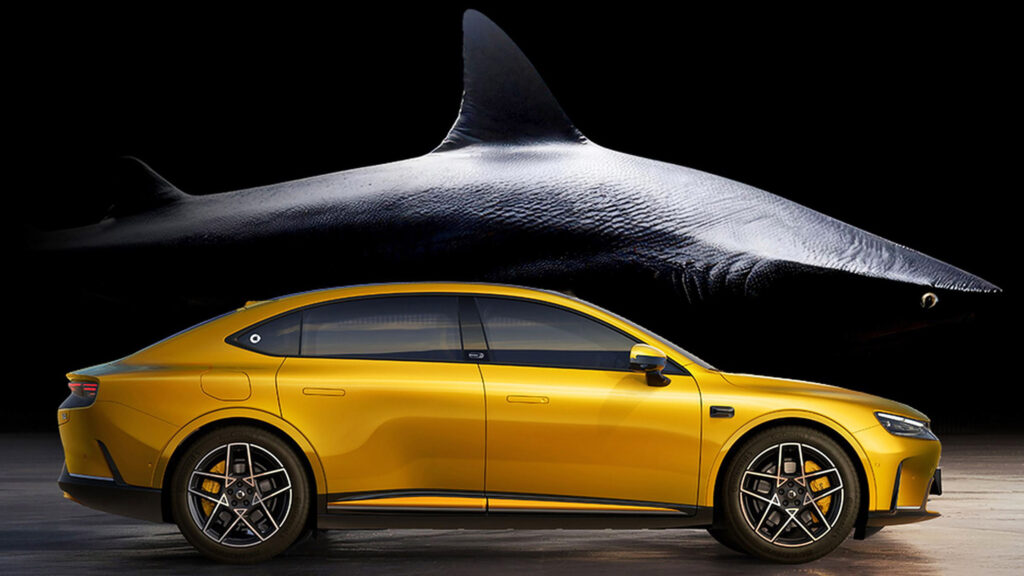
Smart may be best known for its pint-sized two-door hatchbacks, but its lineup has been steadily expanding to include SUVs and coupe-style crossovers. Now it is pushing further upmarket with something entirely different. The Geely and Mercedes-backed brand has unveiled its first fastback, pairing an aerodynamic silhouette with what it describes as, “shark-inspired” styling cues.

More: You’re Not Wrong, The New Mercedes GLB Looks Suspiciously Like A Smart

Following its earlier appearance in regulatory filings, Smart has now released a fresh batch of images of the #6 EHD. Mercedes-Benz was responsible for the exterior, and Smart says the whole thing takes its cues from marine predators.

At the front, the hood integrates functional air channels that Smart has branded “Bionic Shark-Gills.” Around the rear, a four-stage adjustable spoiler is said to echo the movement of a shark’s tail Or so the company claims, so take that with a pinch of seal salt.

Other details include tightly drawn body surfacing along the profile, aggressive LED headlights linked by a central grille element, and full-width LED taillights set within a sculpted rear panel.

\\\\\\\\\\

At 4,906 mm (193.1 in) long, the #6 sits in executive sedan territory, being closer to a Mercedes E-Class or BMW 5-Series than anything Smart used to build. The 2,926 mm (115.2 in) wheelbase is the longest the brand has put into production, which should pay dividends for cabin space.

The interior has yet to be revealed, but spy shots suggest it will feature a tall center tunnel and a large infotainment display with the latest tech, similar to the Smart #5 SUV.

Electrified Powertrains

The Smart #6 sits on Geely’s PMA2+ architecture, a further development of the widely used SEA platform that also underpins models like the Zeekr 007 and its GT counterpart. It will debut as a plug-in hybrid, with fully electric versions set to follow, including a range-topping Brabus variant.

More: Smart’s About To Drop A #2 On The City Car Segment

The EHD, short for Extended Hybrid Drive, uses Geely’s NordThor 2.0 system. It pairs a turbocharged 1.5-liter gasoline engine with a front-mounted electric motor, delivering a combined 429 hp (320 kW / 435 PS). The headline figure is range, with a claimed 1,810 km (1,125 miles) on the CLTC cycle, including up to 285 km (177 miles) in electric-only driving.

The Smart #6 EHD is scheduled to launch in China in the coming months, ahead of a global rollout. Pricing will be announced at a later date.

\\\\\\\

Smart

Mahindra Offers To Buy Back Its Sold-Out Batman SUV

  • Mahindra offers a full buyback for the BE 6 Batman Edition.
  • The move follows backlash over a second “limited” batch launch.
  • First-batch owners can return SUVs for a full refund by April 17.

Exclusivity is a powerful currency in the car world, and it’s not just reserved for exotics. Mahindra is now learning that the hard way. After two rapid-fire sellouts of its officially licensed BE 6 Batman Edition, the automaker is now dealing with pushback from early buyers and has rolled out a 30-day buyback scheme.

The BE 6 Batman Edition first appeared in August 2025, bringing a mix of exterior and interior details inspired by the Dark Knight. It was initially pitched as a 300-unit run, but demand quickly changed those plans. Mahindra expanded production to 999 units, and they were gone in a claimed 135 seconds.

More: Mahindra’s Confused Formula E SUV Looks More Dakar Than Formula

By March 2026, Mahindra went back for another round, reopening orders for a second batch of 999 units on the back of what it called “unprecedented demand”. Those didn’t hang around either, selling out in just seven minutes and confirming there’s strong appetite for anything with a hint of Bruce Wayne about it.

Disappointment Among The “Founding Owners”

What was pitched as a 1-of-300 collector’s piece quickly ballooned into a 1-of-1,998 run. So much for exclusivity. Unsurprisingly, owners weren’t thrilled, and social media filled up fast with complaints accusing Mahindra of watering down what was meant to feel special.

More: You Can Buy Four Of These Wrangler Clones For One Jeep And Still Have Cash Left

In response, Mahindra has taken the unusual step of offering a way out. First-batch buyers now get a 30-day window, from March 18 to April 17, to return their Batman SUVs for a full refund. Hand the keys back, and you’ll get ₹27.79 lakh ($29,900), the original ex-showroom price, rather than the slightly higher ₹28.49 lakh ($30,700) attached to the later batch.

\\\\\\\\\\\\

Whether owners will actually hand the keys back is anyone’s guess. Some might take the guaranteed refund, others may hold on and hope values recover. Not long ago, low-mileage first-batch cars were advertised at up to ₹45 lakh ($48,500). Since the second wave landed, that’s slipped to roughly ₹29–31 lakh ($31,200–33,400).

The Electric Batmobile

So why all the noise in the first place? This special edition came together through a collaboration with Warner Bros Discovery Global Consumer Products. Underneath the themed styling, it’s based on the range-topping BE 6, packing a 282 hp (210 kW / 286 PS) electric motor and a 79 kWh battery.

More: You Can Pretend To Be Batman With This Bulletproof Lamborghini

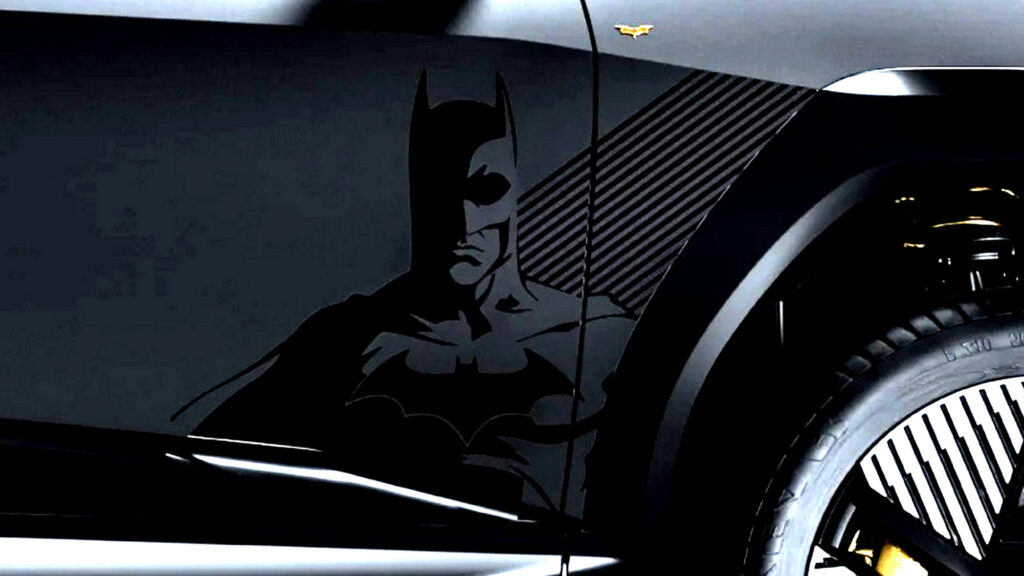
Visually, the Batman Edition is distinguished by the Satin Black shade with gloss black graphics, an Alchemy Gold finish for the suspension and the brake calipers, 20-inch alloy wheels, and countless bat emblems around the bodywork.

\\\\\\\\\

Inside, it leans fully into the theme. Black suede and leather cover most surfaces, broken up by gold accents that make sure you don’t forget this is the special one. Then come the details. Custom puddle lights, bespoke welcome animations on the infotainment screen, unique sounds, even an illuminated bat logo set into the glass roof.

Despite the production increase, the “Founding 999” units still hold a slight edge because they are the only units with the numbered dashboard plaques.

As for Mahindra, it’s sticking to the script. The company says these kinds of editions are about “celebrating passion and individuality,” and hints that more of these themed projects are already in the pipeline for 2027.

Mahindra

NASA Helped Ferrari Fix The Luce EV’s “Disturbing” Acceleration

  • The Ferrari Luce has paddle shifters to adjust the torque deployment.
  • Ferrari will also enhance the motors’ sounds for added auditory pleasure.
  • Unlike some of the brand’s other cars, the Luce won’t be a track model.

The high-end EV market is facing some struggles, but despite this, Ferrari is plowing ahead with its first-ever electric car, the aptly named Luce. While the brand is perhaps the last you’d ever expect to enter the EV world, it’s confident the model will offer all the driving thrills expected of a Prancing Horse.

During a recent interview, Ferrari chief executive Benedetto Vigna insisted that the Luce will deliver each of the five key drivers of driving thrills, ensuring it is befitting of the brand’s badge and can succeed where some EVs have failed: to tug at the emotional heartstrings.

Read: Ferrari Breaks Its Silence On Luce Trademark Rights After Mazda Filing

Speaking with Autocar India, Vigna said one element “is longitudinal acceleration,” agreeing with the interviewer that perhaps this acceleration in EVs is too linear, and also “too much, because sometimes it’s disturbing our brain.” He went on to reveal that Ferrari has worked with NASA to “understand what is the level of acceleration that is disturbing people,” and that too much acceleration is not a good thing.

Sounds And Shifts

\\\\\\\\\\\\\\

SHProshots

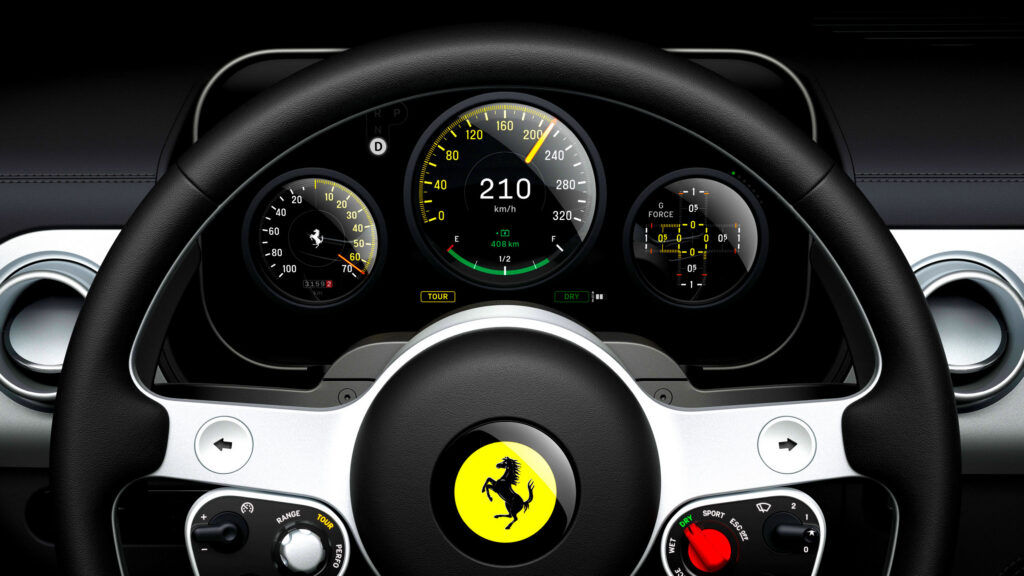
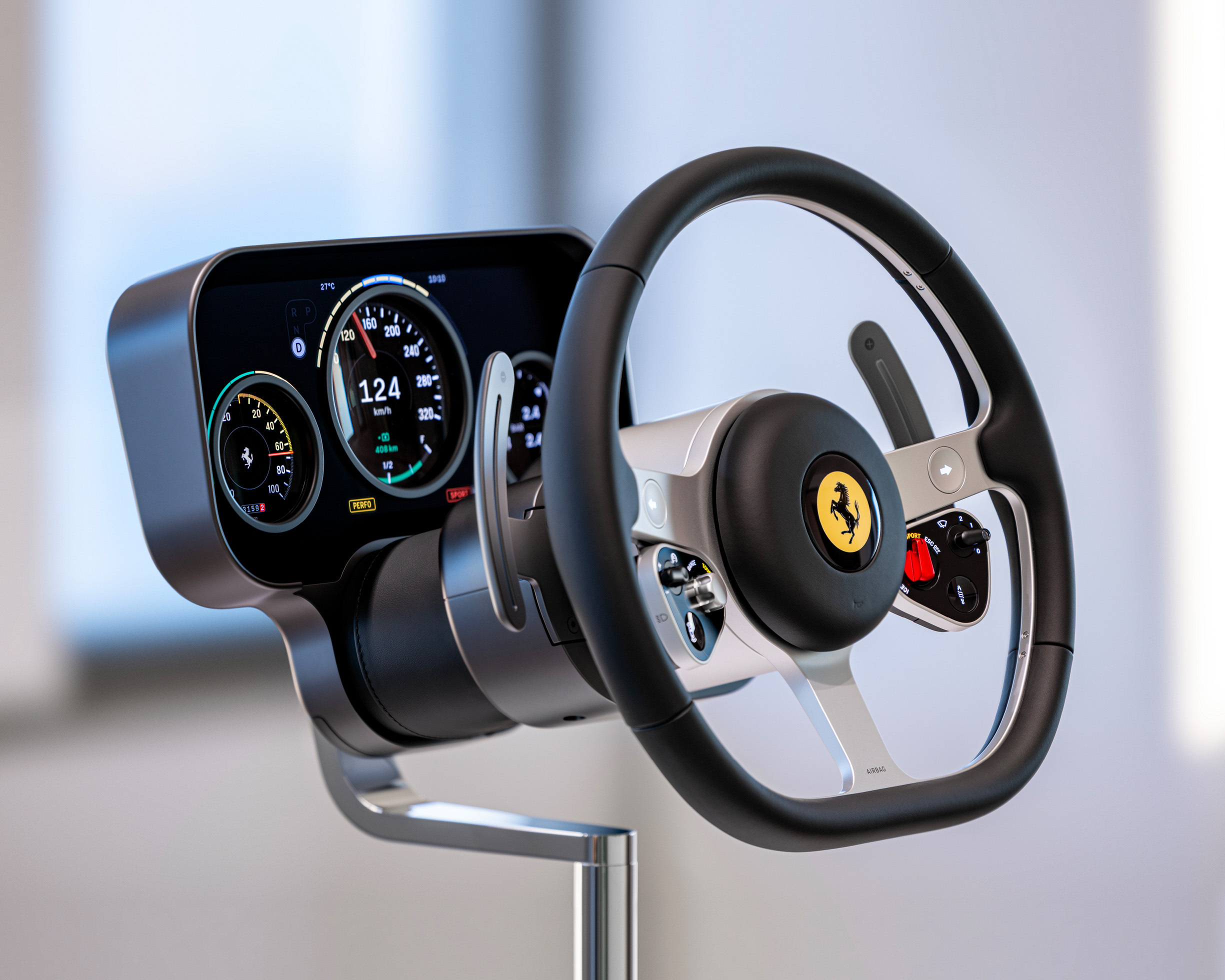
Another important contributor to driving thrills is “transversal acceleration, followed by the braking experience, the gearshift, and the sound. As recent images of the Luce’s interior revealed, it will include paddle shifters, and unlike some EVs, these won’t be used to adjust the level of brake regeneration but instead to adjust the level of torque engagement.

Vigna stopped short of confirming that the system will mimic traditional shifts, as in the Hyundai Ioniq 5 N, but it certainly sounds like that is what Ferrari is aiming for. Then there’s the all-important sound.

 NASA Helped Ferrari Fix The Luce EV’s “Disturbing” Acceleration

As patents have revealed, Ferrari won’t aim to mimic the sound of an internal combustion engine with the Luce, and instead will amplify the sounds of the electric motor.
“The electric motor is not silent,” he said, “there is a sound there. The problem sometimes today [is that] most of us associate the sound of electric motor with something high frequency that is disturbing. But, there are also low frequency, there are also ways to pick up the sound in an authentic way, in the original way, to avoid the two looking like a DJ.”

Vigna went on to add that the Luce will have a driving range of over 311 miles (500 km), and while that may not sound all that impressive, he noted it has not been designed with track use in mind, indicating that the battery technology is not in a place to make such cars achievable.

Xiaomi Updates The SU7, Gets 15,000 Orders In 8 Hours

  • The updated SU7 looks the same, but changes have been made under the skin.
  • Xiaomi is selling the electric sedan with 73 kWh and 96.3 kWh battery packs.
  • Prices start at 219,900 yuan ($31,900) and top out at 303,900 yuan ($44,000).

It’s been only two years since the Xiaomi SU7 hit the market, and it has quickly become one of the most popular electric sedans in China. An updated version has just been launched, and it promises to be even better while still remaining an absolute bargain.

Ordinarily, it takes car manufacturers four or five years to update a model, but Xiaomi is more like Apple than a traditional car brand, and it’s used to updating its products on a yearly basis, so it’s perhaps no surprise the SU7 has already been refreshed. Like before, it’ll continue to be sold in Standard, Pro, and Max configurations, and it took just 8 hours for local enthusiasts to place 15,000 orders.

Read: Xiaomi Finally Fixed A Feature Owners Said Was Fake, For Real This Time

The base SU7 Standard is equipped with a 73 kWh lithium-iron phosphate battery and a rear-mounted motor with 315 hp (235 kW). It has a claimed CLTC range of 447 miles (720 km), and starts at just 219,900 yuan or around $31,900. Sitting above it is the SU7 Pro, fitted with a larger 96.3 kWh LFP battery and the same 315 hp (235 kW) motor, boosting its range to 560 miles (902 km) and bumping up the price to 249,900 yuan, roughly $36,200.

\\\\\\\\\\\\\\\\\\\\\\\

The SU7 Max comes equipped with a 101.7 kWh ternary lithium battery, dual motors delivering 681 hp (508 kW), and a 519-mile (835 km) range. It starts at 303,900 yuan or $44,000. There’s no word on whether an update is also being readied for the hypercar-rivaling SU7 Ultra, but changes are likely in the works.

Visually, the new model looks largely the same as the outgoing SU7, though all versions now come with a roof-mounted LiDAR, a 4D millimeter-wave radar, and the Nvidia Thor-U computing system. A new radar has also been added up front, and the rear tires are slightly wider, perhaps to improve grip and reduce the risk of crashes like this.

An Important Door Solution

\\\\\\\\\\\\\\\\\\\\\\\\\\\\\\\

Xiaomi has also added a new door unlocking mechanism with a triple-redundancy system, no doubt to ensure drivers don’t get stuck inside should they be involved in a serious accident. The mechanical release on the front passenger doors is also now finished in bright red, making it easier to spot in an emergency.

The rest of the interior is familiar, although the infotainment screen is slightly bigger at 16.1 inches. The dual wireless phone chargers have been retained, but Xiaomi has repositioned the cupholders from a vertical configuration to a horizontal one. It’s also removed the vertical row of buttons that had been fitted to the console, instead shifting them between the charging pads and the cupholders.

\\\\\\\\\

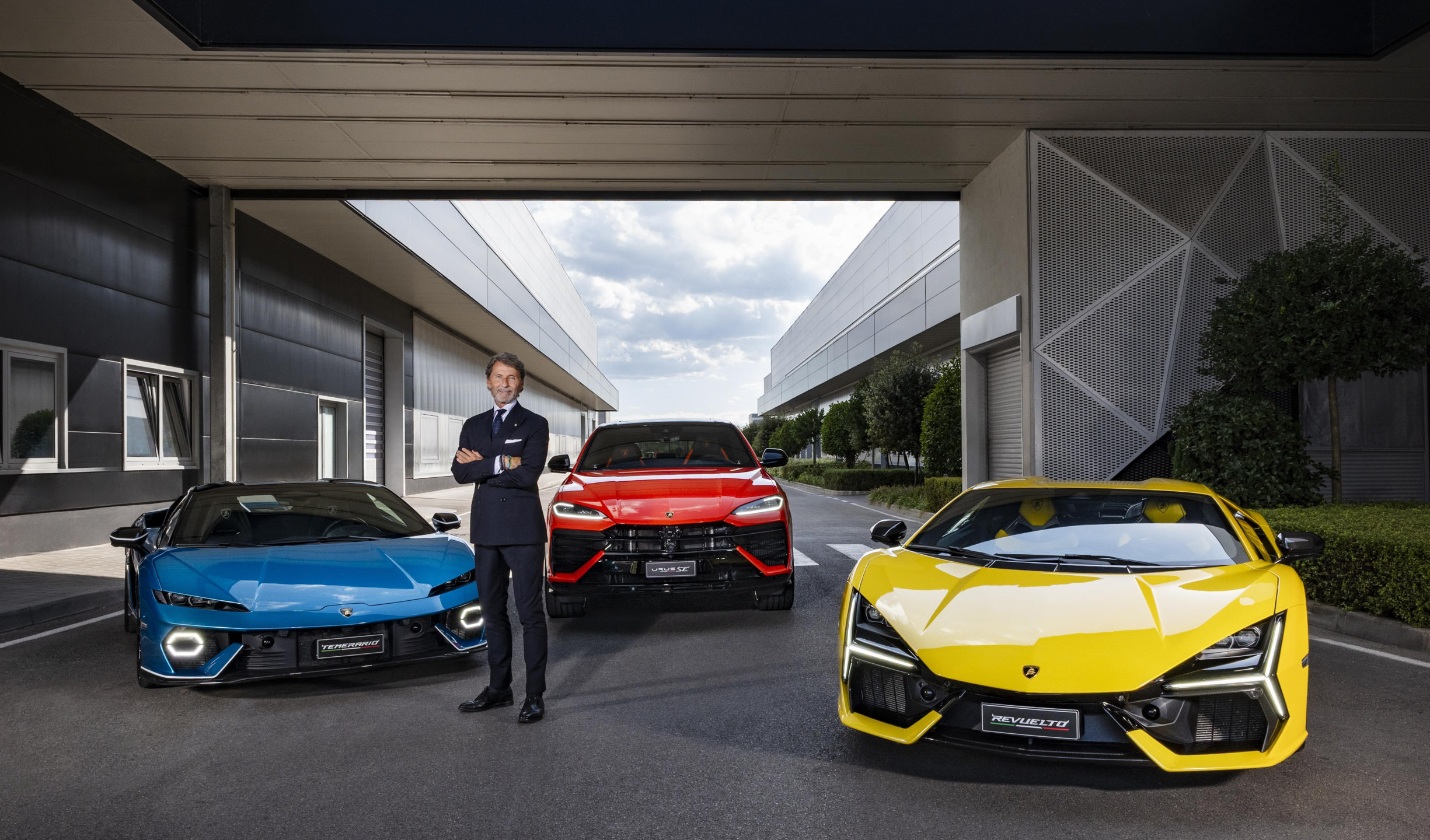
EV Plans Wait As Lamborghini Expands V8 And V12 Lineup

  • Lamborghini’s CEO hinted that an EV is still coming, but not any time soon.
  • Two new 2026 debuts likely, Revuelto Roadster and Urus Performante PHEV.
  • Record revenue and deliveries show brand thriving with V12 and hybrids.

The Lanzador crossover, the fourth Lamborghini model, and the one that was supposed to be its first EV, will now be a hybrid arriving before the end of the decade. That much we knew. But the brand’s CEO made clear this week that he hasn’t completely shut the door on a fully electric car. He’s just going to make sure he gives us plenty of V8s and V12s first.

“The recent announcement of a fourth hybrid model reinforces a long-term industrial vision focused on sustainable value creation, without compromising the future development of a fully electric model,” the company said this week as it announced its latest financial figures.

Related: Lamborghini Scraps EV Supercar After Admitting Interest Was ‘Close To Zero’

So it sounds like an EV is still on the cards, but don’t bank on seeing it any time soon.

\\\\\\\\\\\\\\\\\\

The Lamborghini Lanzador EV Concept.

“Resistance to EVs has increased significantly worldwide in our segment”, Lambo’s boss Stephen Winkelmann told Reuters. “Many customers have tried EVs, but let’s say their experience didn’t quite live up to their expectations”.

The brand is still putting time and money into EV tech in readiness for the luxury and supercar market reaching a point where it’s ready to buy electric cars in large numbers. But Winkelmann, who recently described EVs as “an expensive hobby,” is in no rush.

“I can’t see the trend today, and I don’t see it for tomorrow either,” he added.

Revuelto Variants Incoming

 EV Plans Wait As Lamborghini Expands V8 And V12 Lineup

What’s happening right now is much more exciting anyway, if you like noise and mechanical drama. Lamborghini has already confirmed new, unnamed debuts for 2026 that will appear at events like Goodwood and Monterey Car Week, and everything points to a growing family of Revuelto- and Urus-based models leading the charge.

A Revuelto Roadster definitely feels like a solid bet at this point. The V12 hybrid flagship has been around long enough that a roofless version is overdue, and it’s hard to imagine Lamborghini resisting that opportunity. But don’t expect it to stop there.

A hotter, more driver-focused Revuelto variant is almost inevitable, though perhaps not this year, and you can bet a Roadster version of that won’t be far behind. Lamborghini knows exactly what its core audience wants, and it isn’t silence.

Performante Goes PHEV

 EV Plans Wait As Lamborghini Expands V8 And V12 Lineup

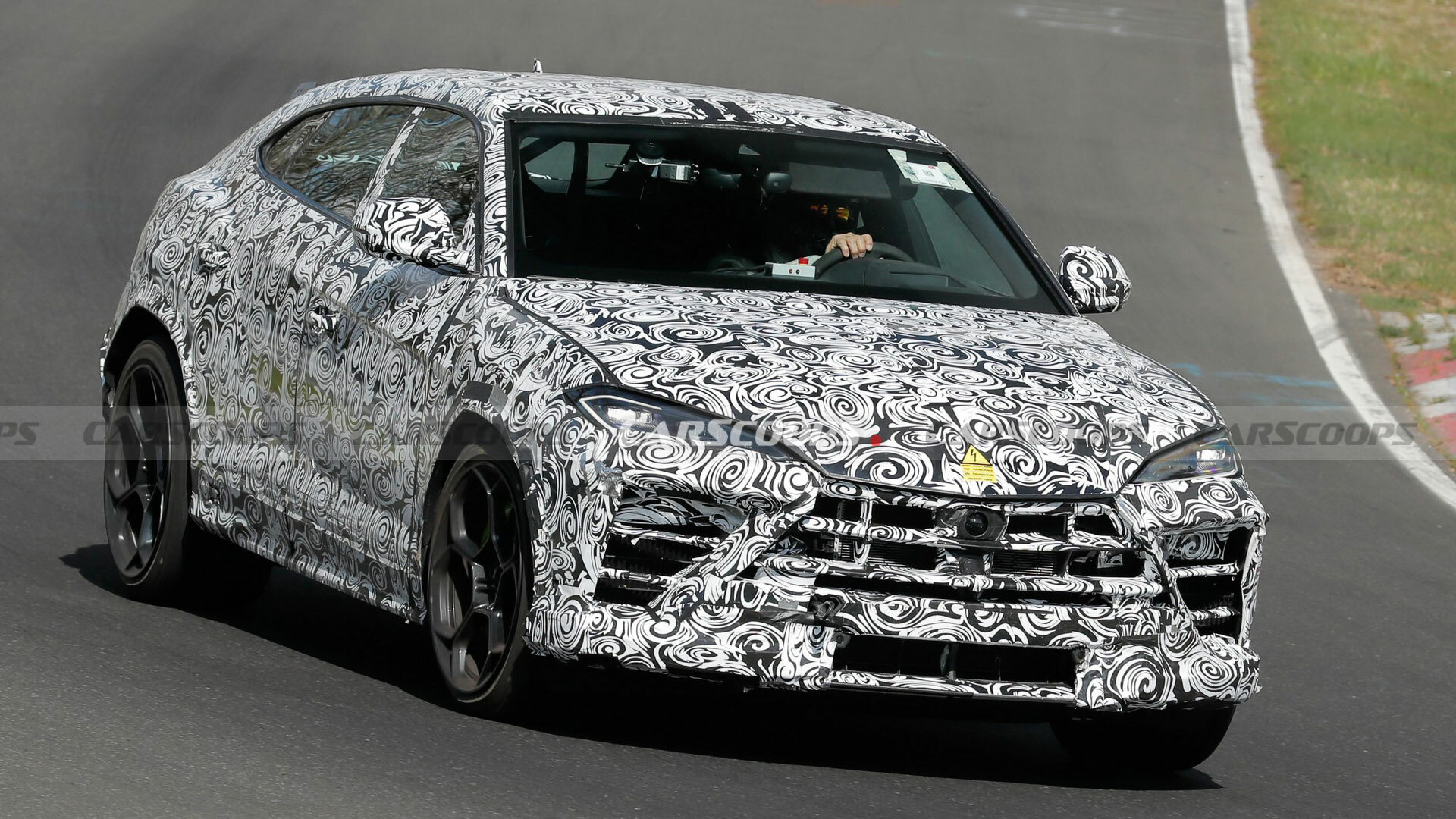
Alongside the V12 fireworks, the V8-powered Urus and Temerario aren’t being left alone either. A more aggressive Performante-flavored plug-in hybrid version of the US is expected to arrive soon, building on the potent Urus SE with even more power and sharper dynamics. We’ve already seen the new Performante PHEV testing, so a launch can’t be far off. And roofless and angrier Temerario variants are surely in the pipes.

Making Bank

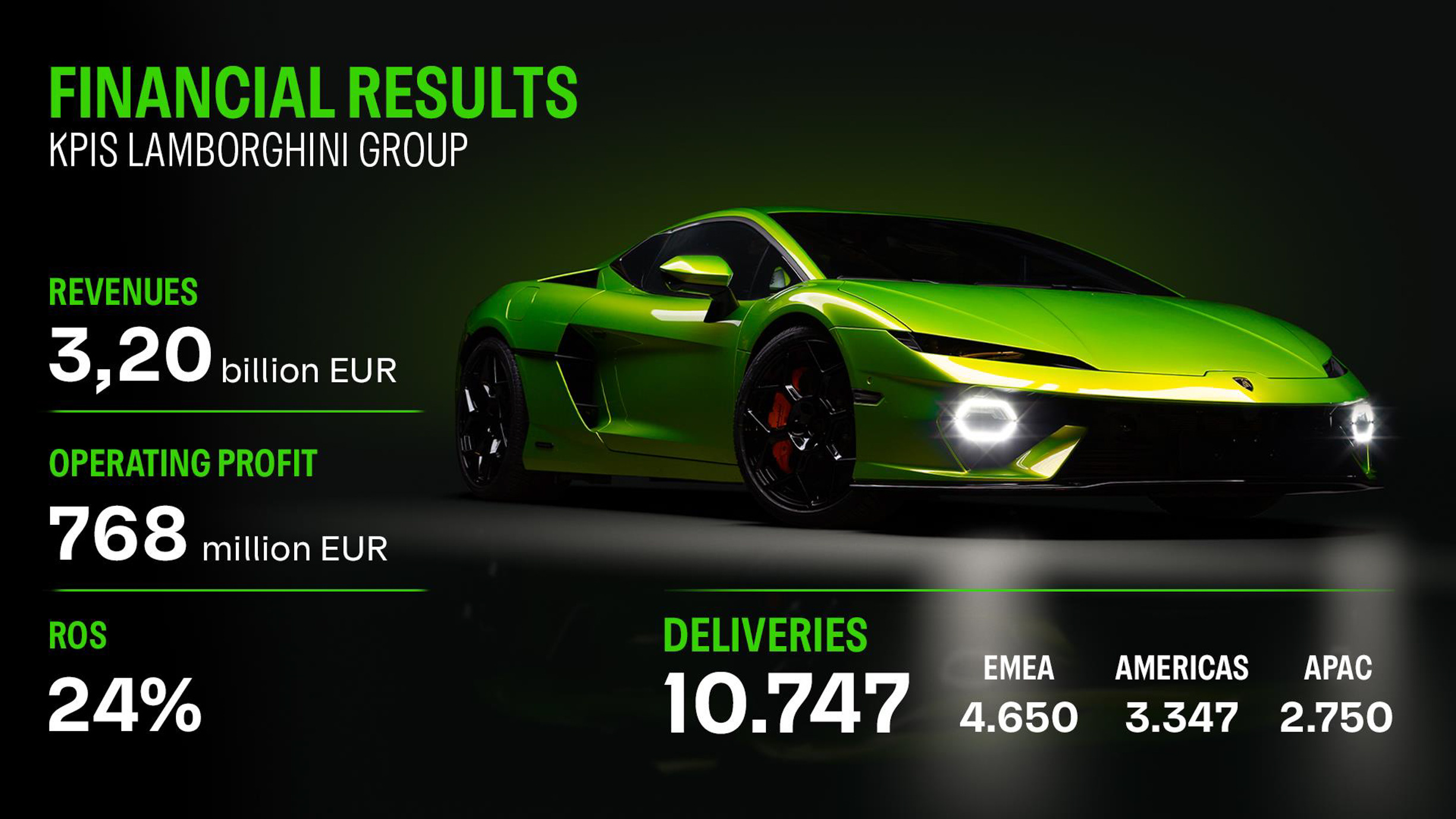
And here’s why Lamborghini can afford to double down on this formula. Business is good. The company delivered 10,747 cars in 2025, its best year ever and the third straight year above 10,000 units. And revenue climbed to €3.20 billion ($3.67 bn), up 3.3 percent on the previous year.

Operating income came in at €768 million ($881 m) with a 24 percent margin, only slightly down despite external pressures like exchange rates, tariffs and the costs of changing up its Direzione Cor Tauri (towards electrification) strategy to switch the Lanzador from an EV to a hybrid.

So yes, an electric Lamborghini is coming. Just don’t expect it to steal the spotlight from the V12 anytime soon.

 EV Plans Wait As Lamborghini Expands V8 And V12 Lineup

Lamborghini

China’s No. 2 Automaker Is Making A Play For Canada

  • Geely is preparing to launch its EV lineup in Canada soon.
  • The company is competing with BYD for early market entry.
  • Local production remains a possibility for market expansion.

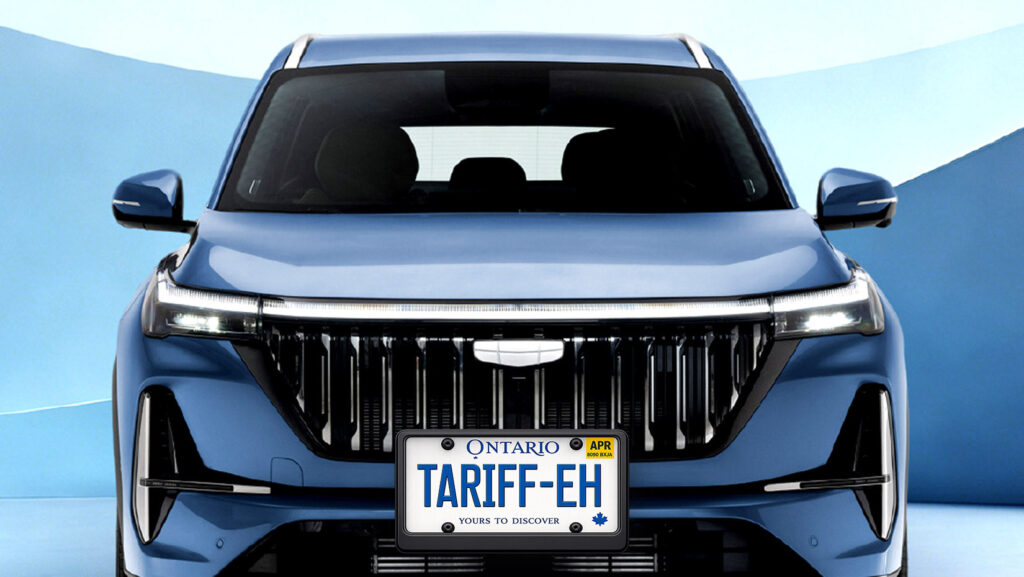
Geely has begun taking the necessary steps to launch its vehicles in Canada and could start sales as early as this year. The move places it in direct competition with BYD, as both aim to become among the first Chinese EV-focused brands to enter the Canadian market following a recent trade deal between the two countries.

They are both locked in a race against Tesla, which appears positioned to secure, if not all, then most of the first batch of 24,500 Chinese-made EV permits available at a reduced tariff rate.

Geely Group chief executive Andy An says the company expects to secure the required certifications from Canadian officials soon, clearing the way for local sales. The automaker has been steadily climbing the ranks among the world’s largest car manufacturers and is now setting its sights on expansion across several key markets.

Read: Canada Could Give China’s Biggest Carmaker A Backdoor Into The US Market

“We’re not only considering the Canadian market, but also Brazil, South America, Eastern Europe, and Southeast Asia,” An told Bloomberg. “Geely’s globalization is mostly through exports right now, but we will look to localize production.”

 China’s No. 2 Automaker Is Making A Play For Canada

Geely ranks just behind BYD as China’s second-largest car manufacturer, and it already has a foothold in both Canada and the United States through Polestar and Volvo. Even so, steep 100 percent tariffs have long made exporting additional China-built models to Canada a tough business case.

Things are changing. Earlier this year, Canada and China agreed to a pivotal new trade deal, announcing that up to 49,000 Chinese-built EVs will be eligible for importation into the country at a reduced tariff rate of just 6.1 percent. That ceiling is expected to climb over time, reaching roughly 70,000 vehicles annually.

With those barriers easing, Geely, along with rivals like BYD and Chery, is lining up a Canadian market entry. The simplest route is to ship existing EVs from China, but local production, either through partnerships or independent operations, is very much on the table. Chery, for its part, is already recruiting in Canada as it prepares for its own arrival.

 China’s No. 2 Automaker Is Making A Play For Canada

BMW’s Smallest EV Now Looks Like A Mini iX3

  • BMW iX1 adopts Neue Klasse styling with a cleaner look.
  • The EV is expected to share battery and motor tech with iX3.
  • Single-motor variants are expected to launch before dual.

BMW may have just revealed the new i3 sedan, but behinds the scenes, it’s already working on another EV. A redesigned iX1 is on the way, and fresh spy shots make one thing clear, it is moving in a very different visual direction.

The brand’s smallest electric SUV now appears to be taking heavy inspiration from the iX3, effectively shrinking down that model’s look while adopting the Neue Klasse design language that is gradually rolling out across the brand’s lineup.

Read: BMW’s New Compact SUV Spills Its Innermost Secrets

While the company has gone to the trouble of wrapping the prototype in its typical black-and-white camouflage, there’s no hiding some of the biggest design changes. Most notably, we can see that the large kidney grilles of the outgoing EV have been ditched in favor of small, vertical units, similar to the iX3, which are also being added to the new X5.

Trick Tech And Quick Charging

\\\\\\\\\\\

Baldauf

The new grille will be joined by new headlights and a redesigned bumper. The side profile also looks noticeably cleaner than the outgoing iX1, and includes flush door handles. The rear is hidden from view, but we can see parts of the new LED taillights.

Based on early reviews, it looks like the second-generation iX3 is BMW’s first competitive offering against the tidal wave of Chinese electric SUVs. It’s equipped with the company’s sixth-generation battery pack and electric motors, providing it with class-leading range and performance.

\\\\\\\\

Baldauf

The new iX1 will use similarly innovative tech for a, hopefully, dramatic improvement over the existing model. We don’t know yet if it will have the same 108.7 kWh battery as the iX3, given its smaller size, but if it shares its 800-volt electrical architecture, it will enable charging speeds of up to 400 kW.

These images don’t show the cabin of the new iX1, but earlier ones from December did, revealing the same basic interior setup as the iX3, including BMW’s new Panoramic iDrive system and tilted central infotainment display. In all likelihood, the iX3’s odd four-spoke steering wheel will also come standard, like in the all-new i3 sedan.

\\\\\\\

Baldauf

AMG Plots V8 Comeback With Wild 646-HP CLE 63 And GT Black Series

  • Mercedes-AMG’s track-ready CLE 63 will make 646 hp, new report claims.
  • Future lineup, including crossover EVs and G63 cabrio, was revealed to dealers.
  • North America is targeted as growth engine while China demand flattens out.

Mercedes-AMG might be talking a big EV game, but behind closed doors, it’s the return of a fire-breathing V8 that’s really getting hearts racing.

One of the biggest, rarest stars of the coming model blitz is the new CLE 63, and AMG isn’t playing it safe. Just 30 examples will reportedly be built worldwide, each believed to be equipped with a seriously spicy version of Benz’s new flat-plane crank V8. The intel claims an output of 646 hp (655 PS), though since the Germans love their nice round kW figures, we suspect it could be 637 SAE hp, which would be 475 kW or 646 PS.

Related: AMG’s New Super Sedan Reveals Components Not Seen On Other Testers

Whatever the true number, enthusiasts will be thrilled to see it debut after the whole four-cylinder C63 experiment fell flat on its face. And this AMG-ized version of the V8, already doing business in the latest S-Class, won’t be restricted to just 30 CLE hot rods. It’s expected to spread across the lineup, potentially finding its way into future models, like the next C 63 sedan. Hopefully it’ll find its way into the new two-door GT Black Series that the same report also says is coming.

\\\\

What Are AMG’s New EVs?

Of course, AMG isn’t ditching electrification. Far from it. Dealers were shown a trio of upcoming electric GT models, according to Auto News, including the sleek four-door GT coupe and two crossovers riding on a dedicated AMG platform. One has a stance similar to a Cayenne, while the other sits lower with a sportier, sloping roofline.

They sound quick, with strong range figures in the region of 400 miles (644 km) of range for the coupe and at least 300 (483 km) for the utilities, but not everyone’s convinced. Some dealers are already worried that three closely related electric AMGs could crowd showrooms and dilute the brand’s edge.

G-Class Blows Its Top

But all dealers need to do to reassure customers AMG is still bad-ass is show them the G-Class Cabriolet, which returns after a three-decade absence, and this time it’s finally heading to the US. The G 63 Cabriolet skips EV power, as it goes for the current G 63’s twin-turbo V8, and swaps in a fabric roof for maximum Insta flex.

G Cabrio production is expected to kick off in 2027, with American buyers firmly in focus. And that’s really the bigger story here. This entire product blitz is aimed squarely at North America, because with China flatlining, the US and Canada are the only hopes for growth for both Mercedes and AMG.

\\\\

EV Searches Jump 20% In One Week Of Rising Gas Prices

  • Last year, EVs cut oil use by 2.3 million barrels a day.
  • US drivers spent $1.65 billion more on fuel in just one week.
  • EV search interest surged after news of the Iran conflict.

Due to the ongoing conflict in the Middle East, oil prices have surged to a four-year high and are fast approaching $100 per barrel. Regardless of where you live, this means that if you’re driving an ICE-powered car, you’ll be paying more to fill it up. It’s perhaps the perfect time to own an EV instead.

A recent study indicates that last year’s increased adoption rate of EVs reduced oil consumption by 2.3 million barrels per day, and these fuel savings will continue to grow as more EVs are sold. By 2030, EVs could help to reduce global oil consumption by 5.25 million barrels per day.

Read: The $8 Gallon Is Here, If You’re Dumb Enough To Pay For It

As noted by BloombergNEF, a key contributor to the reduced oil demand is two- and three-wheeled EVs, which have surged in popularity, particularly across Asia. A separate, more conservative study that factors in how often plug-in hybrid vehicles run on fossil fuels pegged last year’s daily oil savings at 1.7 million barrels.

At this rate, and with average prices of $80 per barrel, the analysis says that China would save more than $28 billion a year in oil imports thanks to its massive EV industry. Similarly, Europe would save $8 billion, and India could save $600 million per year.

Is This The Break EVs Need?

 EV Searches Jump 20% In One Week Of Rising Gas Prices

The war in Iran has made regular fill-ups for ICE drivers far more expensive. Just this week, Bloomberg expects US drivers to pay an additional $1.65 billion at the pump. With gas prices showing no signs of stopping, it should come as no surprise that interest in EVs has jumped this month.

CarEdge reports that search traffic for electric vehicles jumped 20 percent in the week following the attack on Iran. Search traffic also nearly doubled for many of the market’s most popular EVs, including the Chevrolet Equinox EV and Tesla Model Y.

Of course, surging oil prices will likely also lead to increased electricity costs, meaning charging an EV could become more expensive. However, electricity rates won’t rise by as much, as only roughly a quarter of a typical US power bill is directly tied to fuel costs.

 EV Searches Jump 20% In One Week Of Rising Gas Prices

New Fiat Giga Panda SUV And Lancia Gamma Have A Reveal Date

  • Fiat returns to the compact segment with two new production SUVs.
  • The “Giga Panda” in SUV and Fastback forms will premiere in Paris.
  • Other Stellantis debuts include the Lancia Gamma and two concepts.

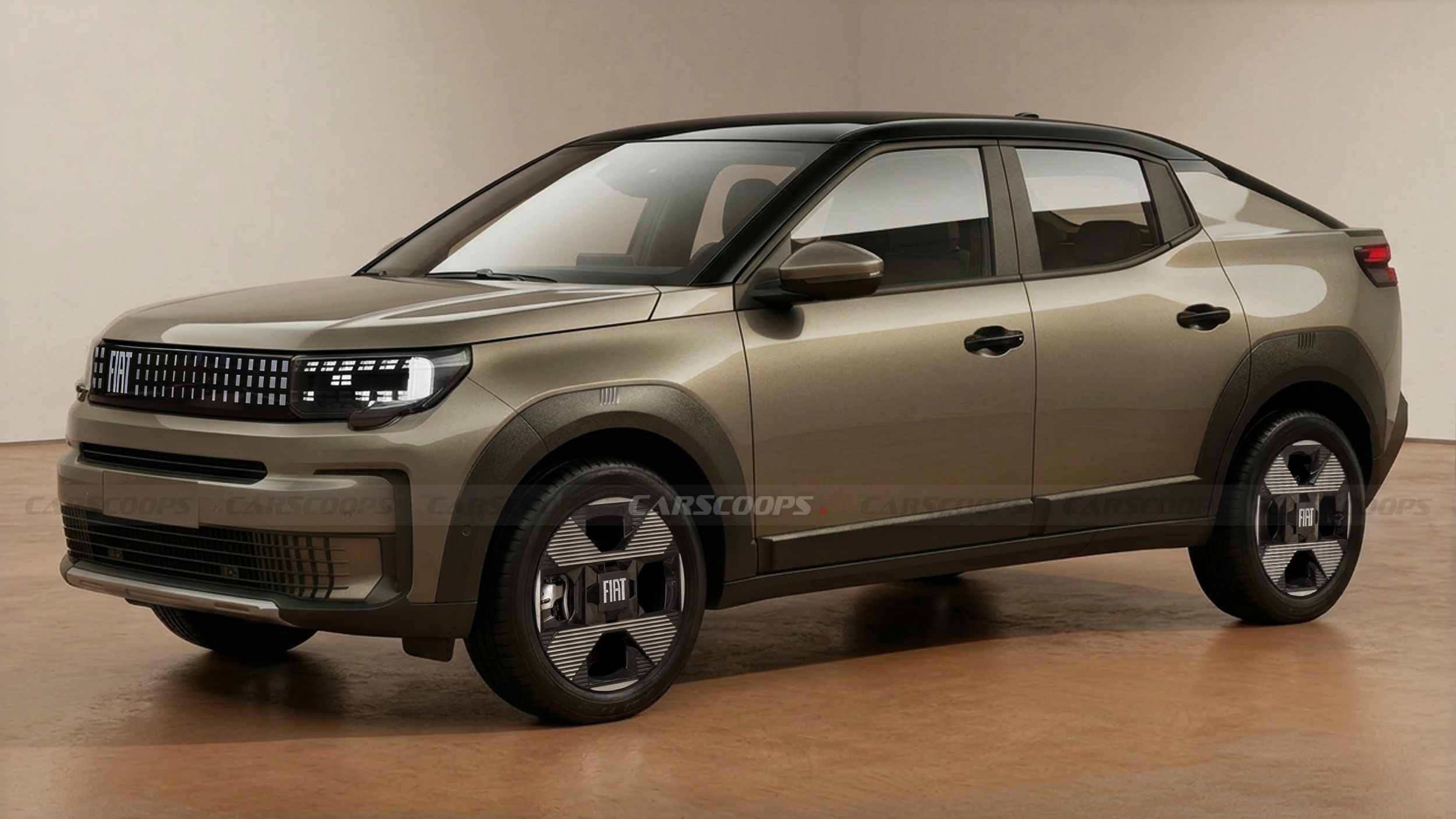
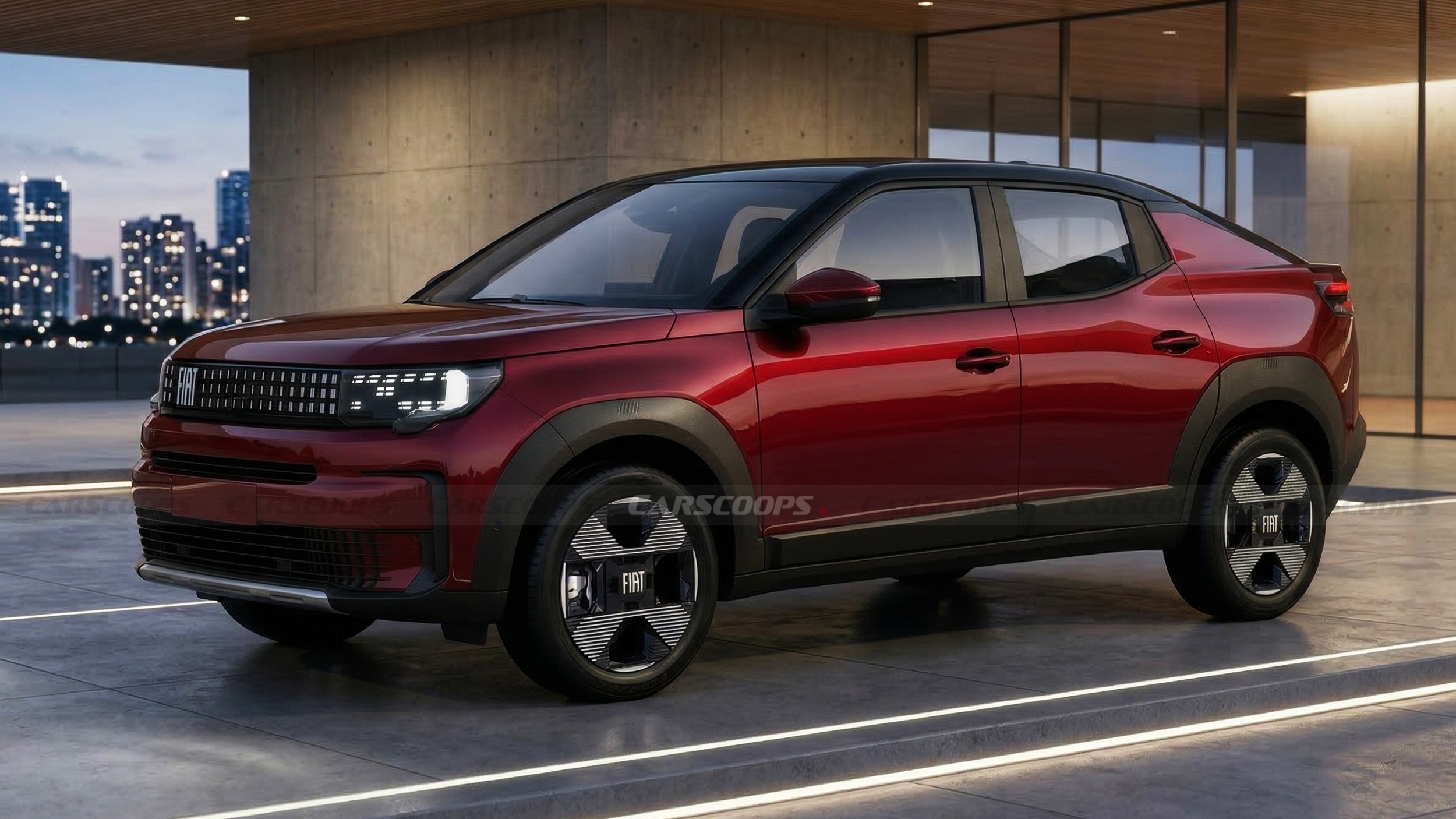
Fiat is lining up three debuts for the Paris Motor Show this October, two production cars and one concept. In the process, the brand returns to the compact segment, all but confirming that the long-teased “Giga Panda” SUV and Fastback will be the main attractions.

Building on the momentum of the Grande Panda, these new additions are set to be larger, more practical, and better suited to family duties. Their designs will closely follow the 2024 concepts, with the SUV adopting a more upright rear end, while the Fastback getting a sloping roofline similar to the Citroen Basalt.

More: Fiat’s New SUV Concept Just Got Real And The Fastback Roofline Isn’t Even The Best Part

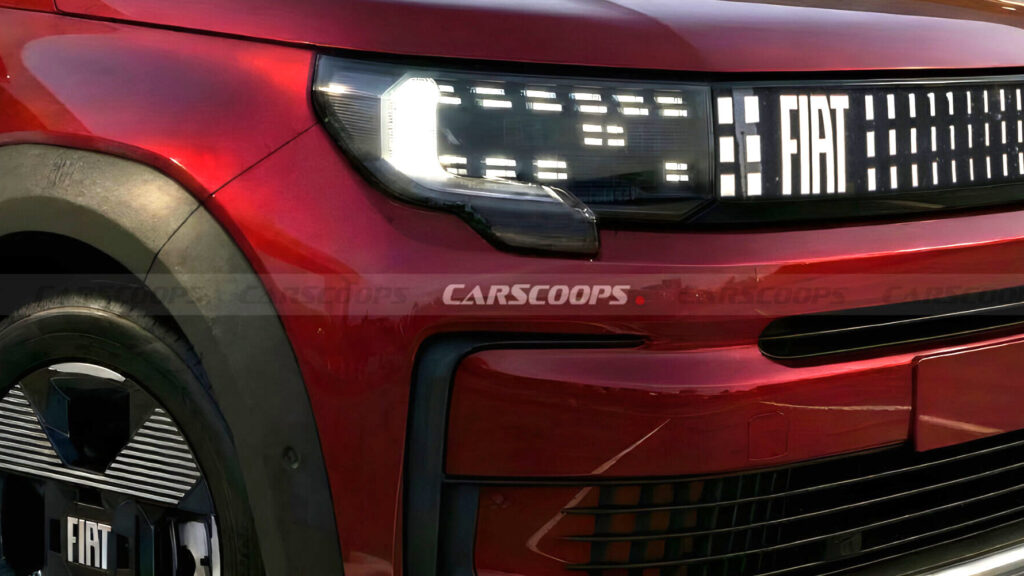
Expect the two models to share a front-end design, featuring pixel-style LED lighting and a covered grille. Our speculative rendering, which is based on earlier prototype sightings, depicts the Fastback with modern styling cues borrowed from the smaller Grande Panda.

 New Fiat Giga Panda SUV And Lancia Gamma Have A Reveal Date
Illustrations Thanos Pappas / CarScoops

Underneath, both sit on Stellantis’ Smart Car platform, already in use on models like the Citroen C3 Aircross and the Opel Frontera. While it’s a cost-conscious architecture, it’s also a flexible one, supporting everything from combustion to mild-hybrid and fully electric powertrains.

More: A Tiny Crossover May Finally Bring Gas Engines Back To Abarth

Fiat has shared almost no details about the new concept, beyond vaguely calling it “exclusive.” Whether it previews another future addition to the expanding Panda family remains unclear.

 New Fiat Giga Panda SUV And Lancia Gamma Have A Reveal Date

What Else Will Stellantis Debut?

While Fiat focuses on the more affordable end of the spectrum, the wider Stellantis lineup is also bringing a few noteworthy debuts to this year’s Mondial de l’Auto in Paris.

More: New Lancia Crossover Appears In The Wild Hiding A Famous Old Name

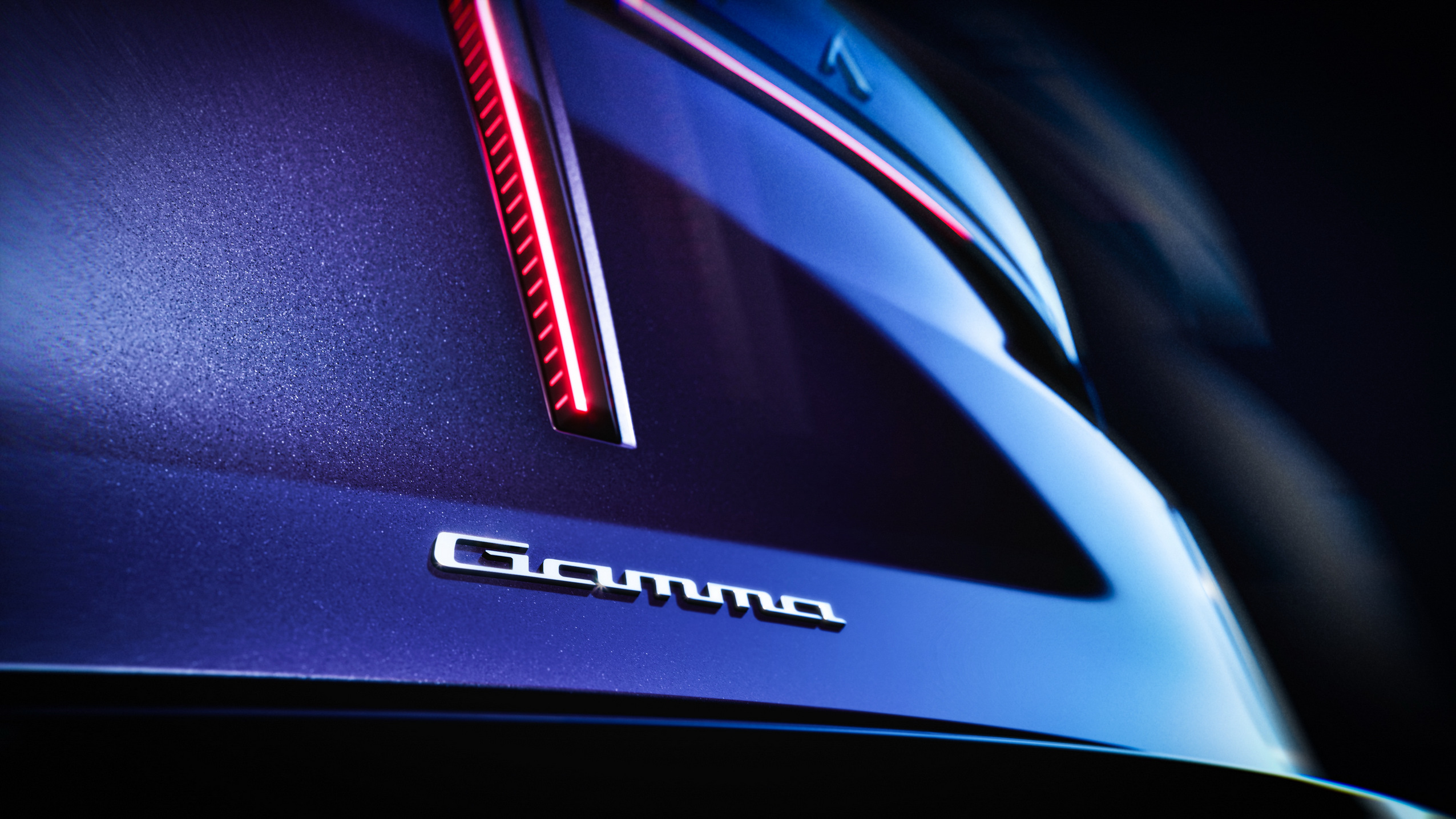
Lancia is set to take a leading role with the public debut of the all-new Gamma. It arrives as a sleek fastback-style crossover and will be built at the Melfi plant in Italy, alongside the DS No8. Underneath, it uses the STLA Medium platform, with a full spread of options including electric, mild-hybrid, and plug-in hybrid powertrains.

 New Fiat Giga Panda SUV And Lancia Gamma Have A Reveal Date
An earlier teaser for the new Lancia Gamma.

Citroen is also bringing a new concept to Paris, promising something “packed with personality.” Whether that means a pure design study in the vein of the late-2025 ELO concept or an early look at a future production model is still up in the air.

More: Stellantis Admits EV Bet Went Too Far, $26 Billion Later

Leapmotor, the Chinese brand backed by Stellantis, will also make an appearance with the B03 subcompact hatchback, positioned as the lower, better-looking counterpart to the B03X SUV. A different shape, same idea.

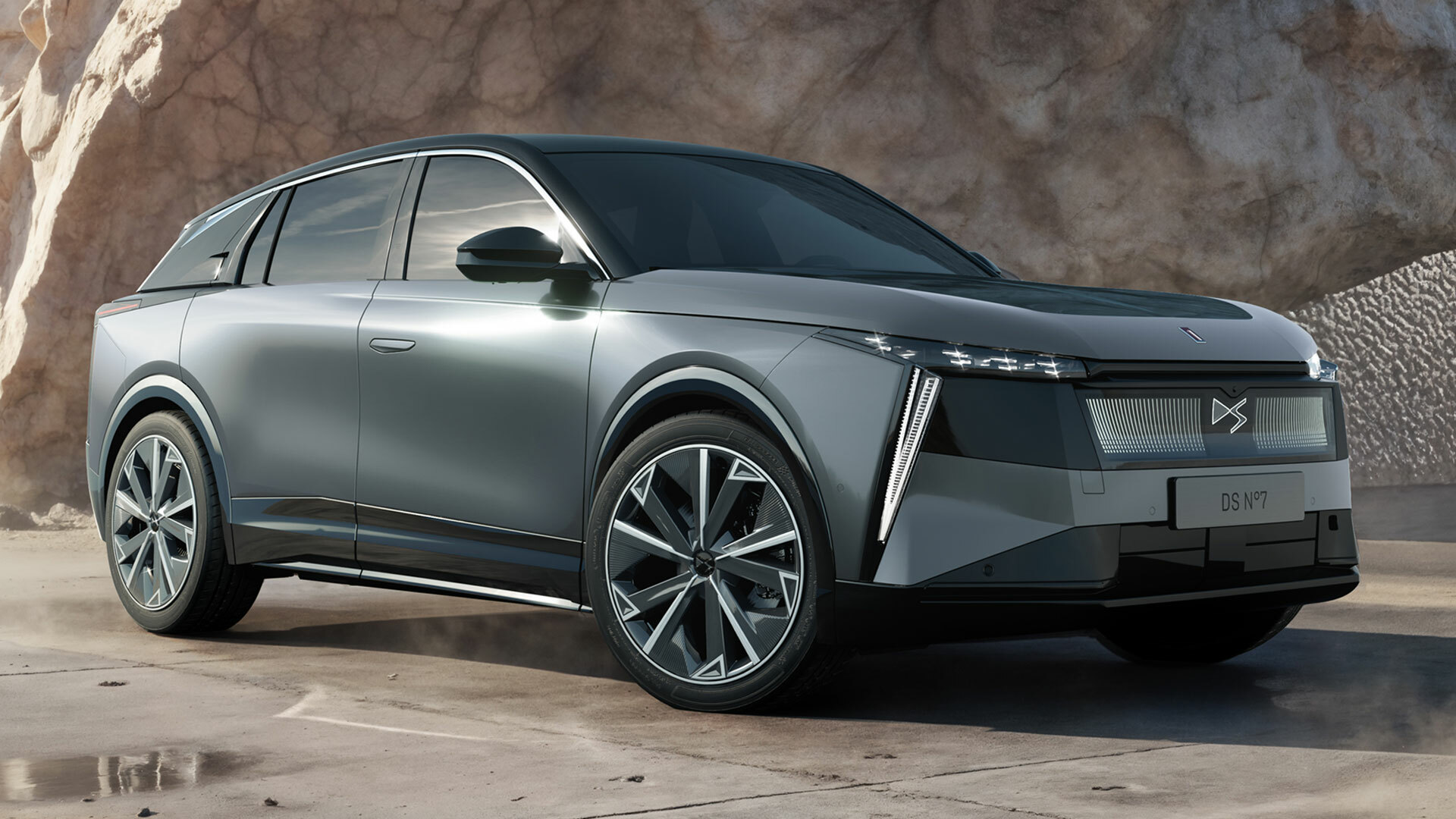
As for DS Automobiles, the more premium French brand is set to roll out the No7 SUV following its recent online reveal. The Stellantis roster, which includes Peugeot, Opel, and Alfa Romeo, will be on hand, though their displays will stick to models we have already seen.

 New Fiat Giga Panda SUV And Lancia Gamma Have A Reveal Date
DS No7

China Isn’t Buying Porsches, But It Sure Loves Making Ones That Look Like Them

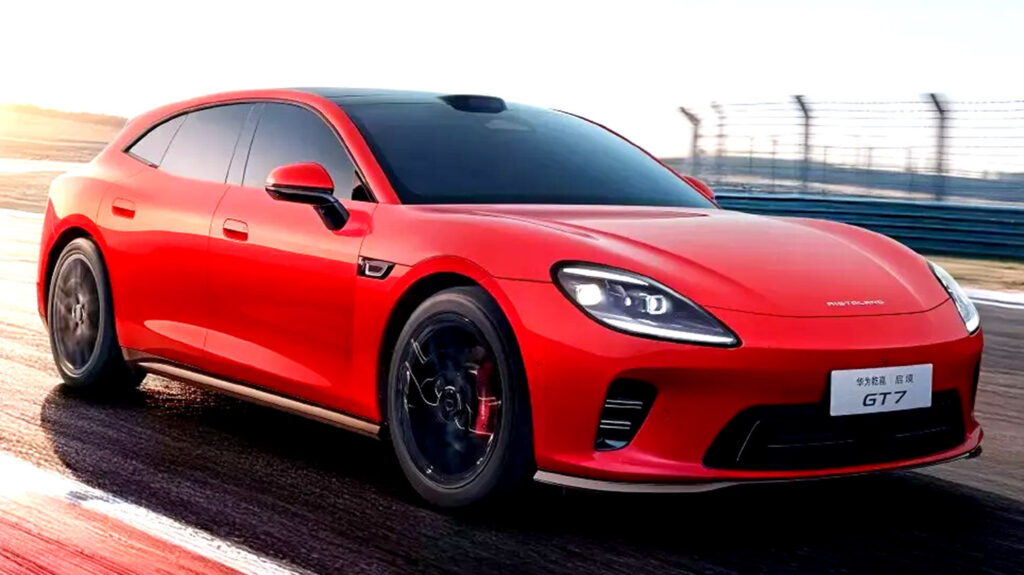
  • The Aistaland GT7 mirrors the looks of the Taycan Sport Turismo.
  • It rides on an 800-volt architecture offering up to three motors.
  • The new model is set for its full debut at April’s Beijing Auto Show.

Porsche took a heavy hit in China last year, with sales tumbling 26 percent from 56,887 units to 41,938, a drop steep enough to force significant dealership cuts. While it continues to sell some very compelling cars, the rise of local brands offering similarly styled models at much lower prices has chipped away at Porsche’s luster. With EVs like this entering the scene, it’s not hard to see why.

What you’re looking at is an all-electric estate that clearly draws inspiration from the Porsche Taycan Sport Turismo. And no, this isn’t another take on the Xiaomi SU7, the SAIC Z7 unveiled a couple of weeks ago, or the upcoming MG 07 from the same company, even if all of them wear their Taycan influences quite openly.

Read: Porsche Is Shutting Down A Third Of Its Dealerships In China

Instead, this EV is called the GT7 and comes from Aistaland, a newly formed brand backed by Huawei and GAC. It will join the HIMA alliance, which already includes Aito, Luxeed, Maextro, Shangjie, and Stelato. For whatever reason, Chinese brands seem to have developed a habit of using the number ‘7’ for their Taycan-style lookalikes.

European Design With Chinese Tech

\\\\\\\\\\\\\\\\

The GT7 will be unveiled in full next month, but at this stage, we know it’s 198.9 inches (5,050 mm) long, 77.9 inches (1,980 mm) wide, 57.9 inches (1,470 mm) tall, and rides on a 118.1-inch (3,000 mm) wheelbase. It uses an advanced 800-volt electrical architecture and will be available with up to three electric motors, one at the front axle and two at the rear.

There’s no word on how much power the GT7 will have, nor what kind of driving range it’ll hit the market with. But given that the Xiaomi SU7 delivers 664 hp in flagship dual-motor guise and 1,527 hp in the tri-motor SU7 Ultra, the GT7 will likely have output somewhere between those two models.

A Cut-Price Taycan

\\\\\\\\

Obviously, the GT7 doesn’t just echo the Porsche Taycan in the way it’s engineered; it leans heavily on it for visual inspiration too. Up front, things are kept relatively clean, with large teardrop-shaped headlights and a small black grille doing most of the work. From the side, it’s even more familiar, with matching door handle placement and a shoulder line that could easily pass for Stuttgart’s handiwork.

The resemblance continues at the rear, where a full-width LED light bar closely echoes the Taycan’s look. Aistaland also seems to have taken a cue from the latest Tesla Model Y, adding two cut-outs above the light bar that glow red and give off a faint jet-thruster vibe.

There’s still no sign of the interior, and pricing remains unknown. However, if it lands close to the Xiaomi SU7, which starts at 229,900 yuan ($33,400), and the Z7, expected to begin around the same point, it would sit dramatically below the Porsche. In China, the Taycan starts at 918,000 yuan ($126,000) for the sedan and 1,008,000 yuan ($138,000) for the Sport Turismo, making Porsche’s position in China even harder to defend.

\\\\\\\\\\\\\\\

Rolls-Royce Backs Away From EVs As Customers Would “Rather Have A V12”

  • Rolls-Royce delays EV-only plan as customers continue demanding traditional V12s.
  • Electric Spectre remains, but petrol models stay as brand pivots to demand-led strategy.
  • Regulatory changes and market hesitation give Rolls-Royce room to rethink EV timeline.

Rolls-Royce once promised a whisper-quiet electric future. Turns out, its customers still prefer a different kind of whisper. The kind that comes from a silky V12 under a mile-long hood.

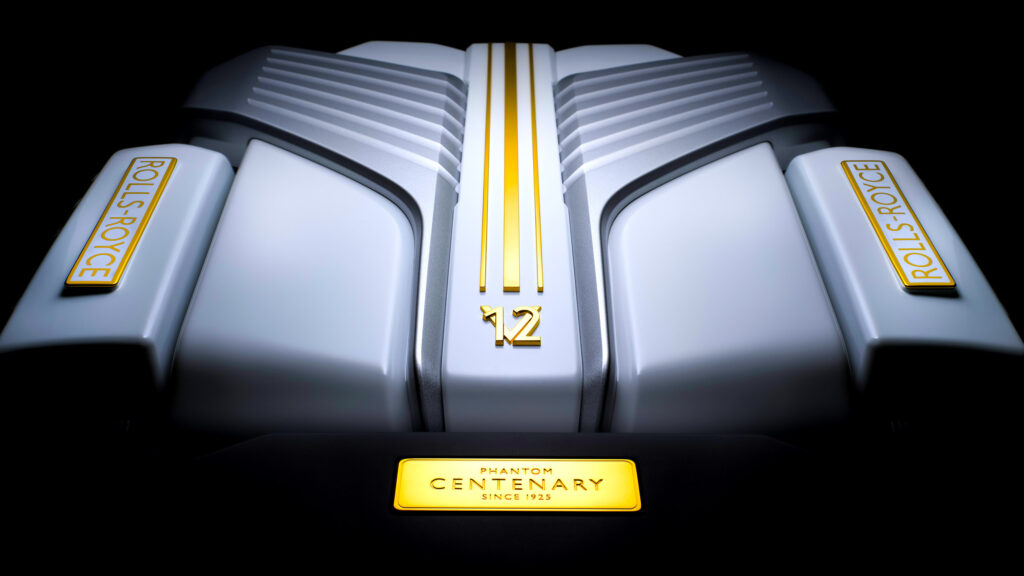
The British luxury marque has quietly backed away from its plan to go fully electric by 2030. Instead, it’ll keep building petrol-powered cars well into the next decade, because that’s what its ultra-wealthy clients are still asking for. And when your customers are dropping $400,000 or more on a car, you tend to listen.
More: Six Figure Rolls-Royce Spectre Discounts Raise The Question Why Are Rich Buyers Avoiding EVs

According to CEO Chris Brownridge, demand for EVs just isn’t universal among Rolls buyers.

“For every client that loves an electric vehicle there is one who does not,” said Brownridge, according to The Times. “We recognise some clients would rather have a V12 engine. The V12 is part of our history.”

It’s also part of the experience. Rolls-Royce buyers aren’t chasing lap times or charging speeds. They want effortlessness, presence, and that unmistakable waftability a big combustion engine delivers.

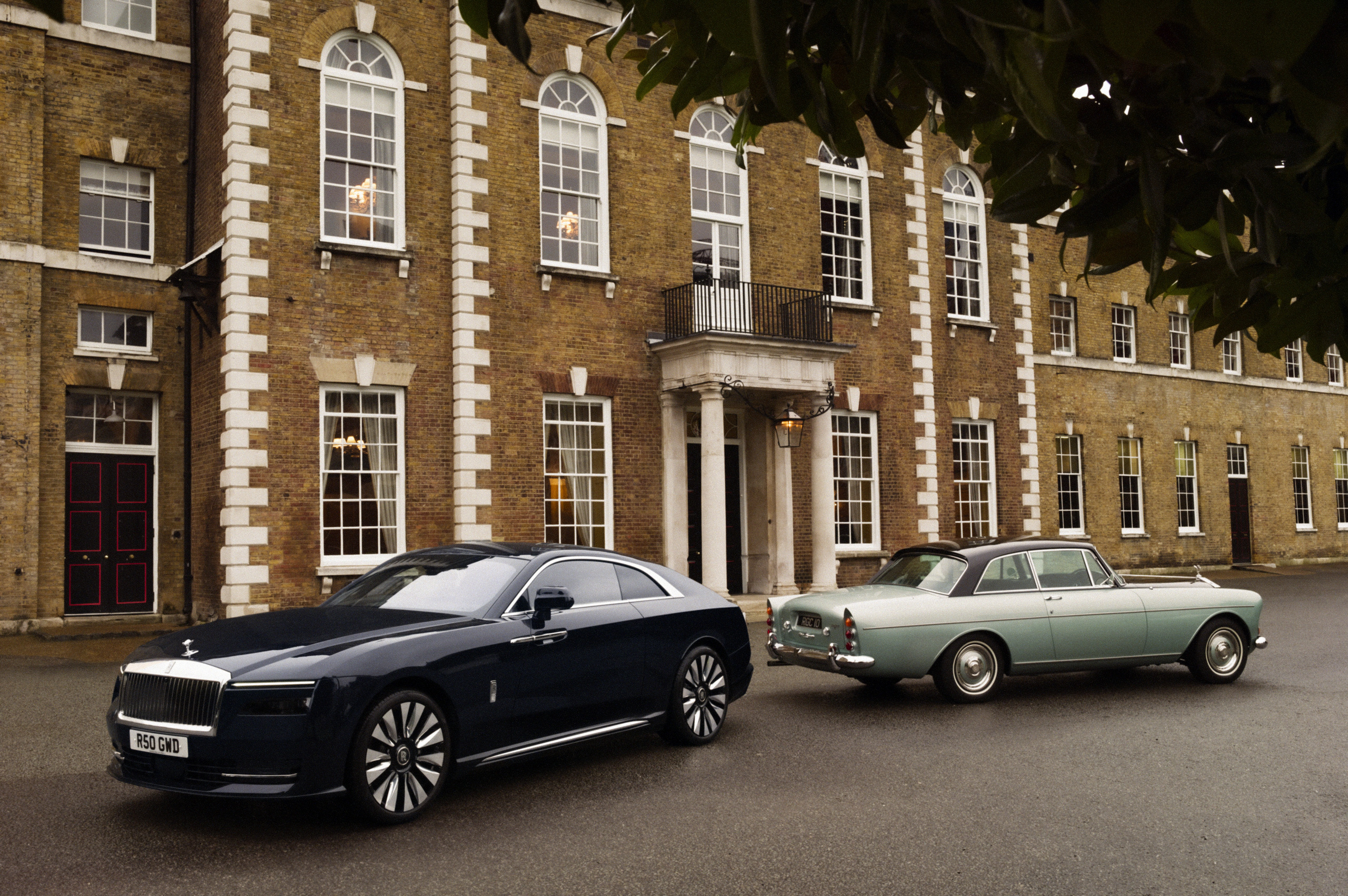
Though we can’t help thinking it’s maybe more about knowing there’s a V12 up front rather than experiencing it. A smooth, silent, effortlessly responsive electric motor setup like the one in the Spectre (seen below) that Rolls launched in 2022 seems like a logical fit for a uber-luxury sedan or coupe in the way it’s not for a $1 million hypercar that’s all about noise, drama and emotion.

Regulations Are Also Shifting

 Rolls-Royce Backs Away From EVs As Customers Would “Rather Have A V12”

The shift isn’t just about customer taste, anyway. Changing regulations have played their part. Softer government EV targets in key markets have given Rolls-Royce more breathing room, and since it operates as a low-volume manufacturer, it isn’t bound by all of the same rules as mass-market brands.

That flexibility matters. Rolls builds cars to order, meaning it can adapt to what clients actually want rather than chasing arbitrary production targets. Right now, that means a mix of electric and petrol, not an abrupt switch to one or the other.
Rolls-Royce isn’t alone in hitting the brakes. Bentley, Aston Martin, and Lamborghini have all softened their EV timelines as reality catches up with ambition.

\\\\\

New Subaru Patents Fuel STI Hatchback Rumors

  • The rumored STI hatchback appeared in patent drawings in Japan.
  • A closer inspection suggests it is the Performance-B STI Concept.
  • Still, Subaru is rumored to be working on the return of a hot hatch.

The trail of breadcrumbs pointing to the return of a proper Subaru STI has been an entertaining one to follow. Shortly after the company put its new racing hatchback through testing, a set of patent drawings surfaced online, fueling more speculation about a potential production version.

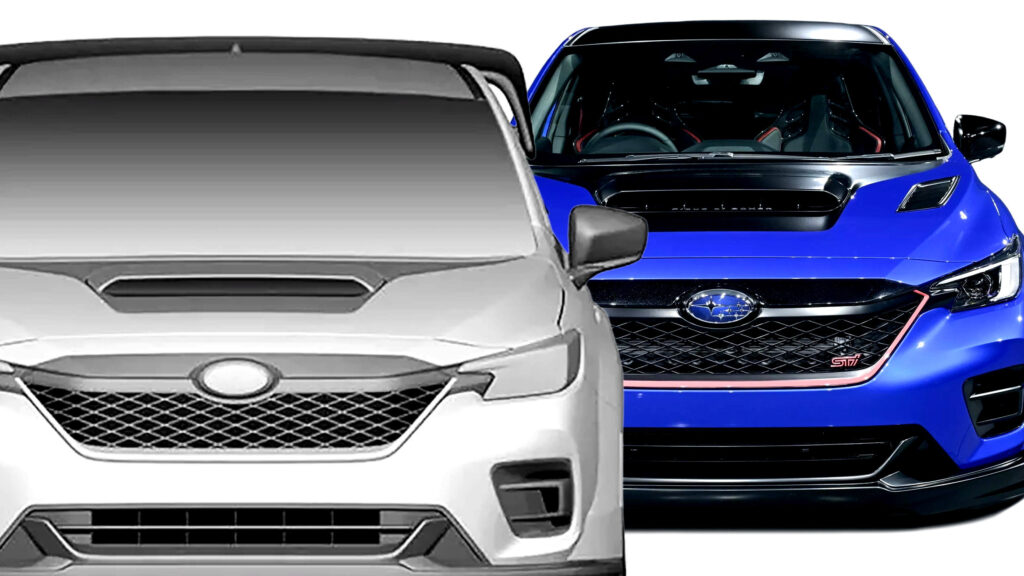
The patents, filed at the Japan Patent Office, depict a Subaru hatchback with a wide body kit, WRX-sourced headlights, a new grille, and prominent aero components. It looks nearly identical to the Performance-B STI Concept from the 2025 Japan Mobility Show.

More: Subaru Says STI Is “Not Dead”, But Its Boxer May Be

A closer look reveals only minor differences, namely the absence of extra vents on either side of the signature hood scoop and the lack of tailpipes at the rear. The latter likely relates to the patent application itself, much like the blank wheels and simplified lighting details.

Concept Design Captured In Patents

\\\\\\\

Japan Platform for Patent Information

As reported by Top Gear Philippines, which spotted the filing on the Japan Platform for Patent Information, the documents were submitted on September 29, 2025, one month before the show car’s debut on October 30. The timing, combined with the near-perfect visual match, strongly suggest these drawings depict the Subaru Performance-B STI Concept rather than a rumored 2027 production model.

More: Subaru Showed Four New STI Models, And Not Even One’s A Real STI

A quick search of the same database shows that similar patents for the Subaru Performance-E STI Concept were filed on the very same day. They replicate the fully electric fastback’s design without any changes. This is standard practice, as automakers routinely secure design protection for both concepts cars and future production models ahead of their public debut to prevent copyright issues.

\\\\\\\

What About The Rumors?

While these patents likely exist for legal reasons, the timing of their discovery is what has enthusiasts paying attention. Subaru’s HiPerfX2 hatchback, essentially the racing counterpart to the Performance-B STI Concept, is set to compete in Japan’s Super Taikyu series, where it will double as a rolling development lab.

More: Subaru’s WRX STI Hatch Is Back On Track, Just Not On The Street

The race car pulls together an assortment of WRX STI sedan components, wrapped in a widebody hatchback silhouette that appears to draw from the Impreza. Under the hood sits a motorsport-tuned version of the turbocharged 2.4-liter boxer engine, producing 359 hp (268 kW / 364 PS), paired with a six-speed manual gearbox and an all-wheel-drive system.

\\\\\\\\\\

Subaru Performance-B STI Concept

Talk of a 2027 return for the WRX STI hatchback starts to make more sense when you look at the gaps forming in Subaru’s current lineup. The company has confirmed it will stop taking orders for the WRX sedan in Japan, along with the Levorg and Layback wagons, leaving some notable space to fill.

Another telling move is the removal of the STI Sport grade from the WRX range, which could be less about trimming options and more about clearing the stage for something more exciting with the STI badge.

Whether this all points to a routine model year reshuffle or a deeper generational reset, one that finally brings the STI badge back to a hot hatch, is still an open question.

\\\\\\\\\\\\\\

Subaru Performance-E STI Concept

China Rewrites What An Audi SUV Should Look Like

  • The flagship E7X has a sizeable 109.3 kWh battery pack.
  • AUDI will sell the SUV in both single- and dual-motor guises.
  • Pricing details will be announced at April’s Beijing Auto Show.

While some of the electric SUVs that Audi sells in Western markets already feel a little outdated compared to the competition, the carmaker has shown that, in China, it can build an EV that feels as if it’s been dropped off from the future. We’re, of course, talking about the E7X, previewed late last year but only just officially launched.

To bring this model to life, the German marque leaned on its partnership with SAIC through the dedicated AUDI brand, which debuted the E5 Sportback last year. Like that model, the E7X bears little resemblance to any Audi sold elsewhere. While pricing details have yet to be announced, it’s a safe bet it will be cheaper than many European alternatives.

Read: This AUDI Is What Happens When A German Brand Asks China What It Should Be

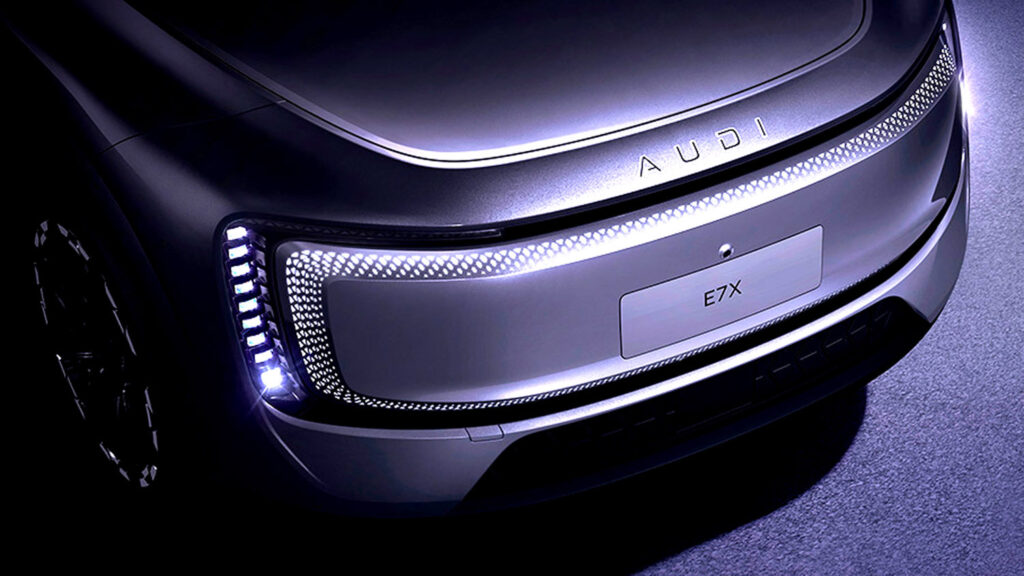
The E7X is a big thing, stretching 198.7 inches (5,049 mm) long, 78.6 inches (1,997 mm) wide, and 67.3 inches (1,710 mm) tall, with a 120.4-inch (3,060 mm) wheelbase. As AUDI was under no obligation to follow traditional design cues in its development, there’s no single-frame grille in sight, just a collection of elements intended to appeal to Chinese buyers.

Chief among these touches is the front fascia, dominated by hundreds of tiny LEDs that replace a traditional grille. The side profile is also quite striking, with sharp lines, flush door handles, and cameras instead of traditional wing mirrors. Just like the front, the rear also sports some wild wraparound LEDs.

Sports Car Levels Of Power

\\\\\\\\\\\

It’s not just the design of the E7X that distinguishes it from typical Audi models, as its underpinnings are also distinct. All models will use CATL battery cells, with 100 kWh and 109.3 kWh packs being available. Depending on the battery pack and electric motor configuration, the SUV’s range will vary between 382 miles (615 km) and 466 miles (751 km).

The base model will be driven by a rear-mounted electric motor producing a hefty 402 hp. Sitting above it will be a dual-motor version delivering 671 hp. This dual-motor version will hit 62 mph (100 km/h) in just 3.97 seconds.

While AUDI has released a slew of new images of the E7X and more details about its powertrain, it’s yet to unveil the interior. Thankfully, we won’t have to wait long to see it in full, as the E7X will be displayed at next month’s Beijing Auto Show.

\\\\\\\

One Of BMW’s Most Popular EVs Is About To Bite The Dust

  • BMW i4 will reportedly go out of production next year.
  • Model will effectively be replaced by the new i3 sedan.
  • An i4 coupe is possible in the future, but likely a ways off.

BMW unveiled the updated i4 lineup less than a year ago, but the company is reportedly pulling the plug on the EV. This is hardly surprising as the automaker recently introduced the all-new i3.

While the new car is far more advanced, the i4 was a solid and attractive EV that debuted in 2021. The model was relatively popular and Americans snapped up 23,403 units in 2024. However, that number fell to 20,114 last year as the federal tax credit was phased out.

More: BMW’s Most Traditional Sedan Becomes Its Most Futuristic Yet With New i3

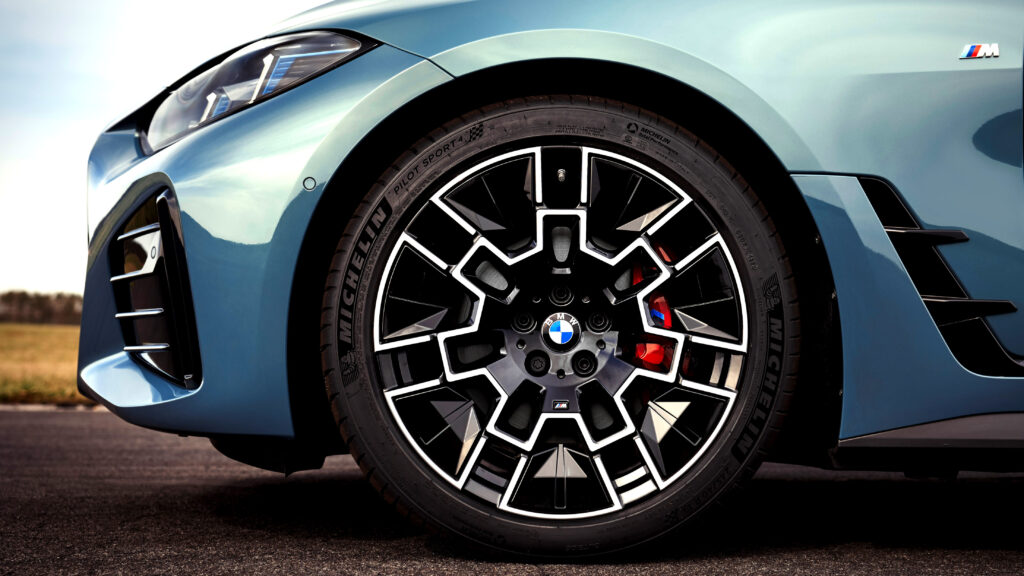
The i4 wasn’t just popular with the green crowd as it was the best-selling BMW M model between 2022 and 2024. In the case of the latest version, the i4 M60 produces up to 593 hp (442 kW / 601 PS) and can accelerate from 0-60 mph (0-96 km/h) in a mere 3.6 seconds. The model also offers up to 278 miles (447 km) of range, although opting for larger 20-inch wheels slashes that distance to a disappointing 232 miles (373 km).

\\\\\\\\

Despite having a lot going for it, Autocar reports the i4 will be going out of production next year. The publication also talked to board member Jochen Goller, who said “When you look back on the last 20 years, you always had new models coming in and old models phasing out, so I think this is part of the history of our industry.”

That said, the i4 might not be gone for long, as some reports have suggested a new 4-Series is in the works and will be offered with gas and electric powertrains.

As for the i3, it’s a big step forward as it has an 800-volt architecture and a 400 kW DC fast charging capability. The i3 50 xDrive also has 463 hp (345 kW / 469 PS) and 476 lb-ft (645 Nm) of torque as well as an expected EPA range of 440 miles (708 km).

\\\\\
❌