Manufacturing equipment and 20 electric trucks from Bollinger will be sold.
The Michigan Economic Development Corp is also looking to recoup $1 million.
Bollinger’s founder recently bought back the company’s IP for two of its EVs.
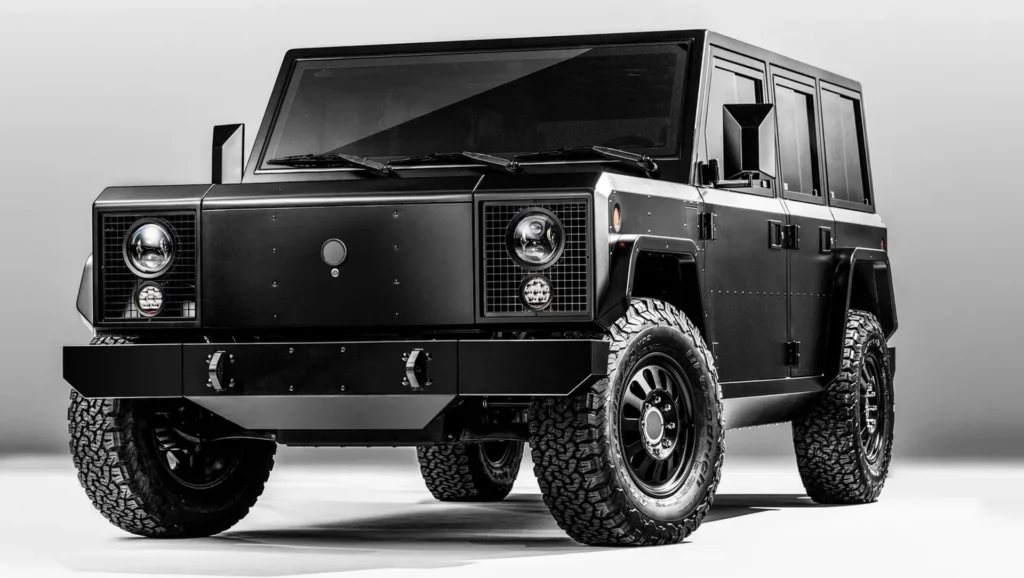
While the modern era of electric cars has led to the successful establishment of several new brands, such as Rivian and Lucid, many others have tried and failed. One of them is Bollinger Motors, a small company that had wanted to launch a pair of utilitarian, electric off-roaders.
After struggling to get off the ground, Bollinger officially merged with California-based Mullen Automotive last year, but even that apparently wasn’t enough to save it. A US court recently ordered the auction of Bollinger’s assets because it had failed to pay several suppliers.
Key manufacturing equipment from Bollinger will be sold through an online auction. This will include battery testing and validation systems used by the car manufacturer, as well as vehicle lifts and tooling. More importantly, 20 examples of the Bollinger B4 Class 4 electric truck will be available, along with other vehicles, shop equipment, and inventory.
Not only is Bollinger being forced to liquidate its assets, but the company is also being investigated by the Department of Labor and Economic Opportunity following dozens of complaints about unpaid wages or benefits.
As reported by Crains Detroit, the Michigan Economic Development Corp is also seeking to be repaid roughly $1 million of a $3 million award that was disbursed to the company in 2023. At the time, Bollinger said it’d invest $44 million into the state and create 237 jobs in Detroit.
Bollinger may not be gone forever, though. Last month, company founder and former chief executive Robert Bollinger bought back the intellectual property and prototypes of the original B1 and B2 electric off-roaders for less than $250,000. He was able to buy back these important assets after the company was ordered into receivership by a judge in Ohio. It’s unclear if Robert Bollinger plans to try to revive the B1 and B2, but he recently told The Detroit News that he believes there’s an opening in the EV market for vehicles like them.
California EV sales dropped 40% year over year in the first quarter.
Tesla shed the most volume yet gained share as rivals fared worse.
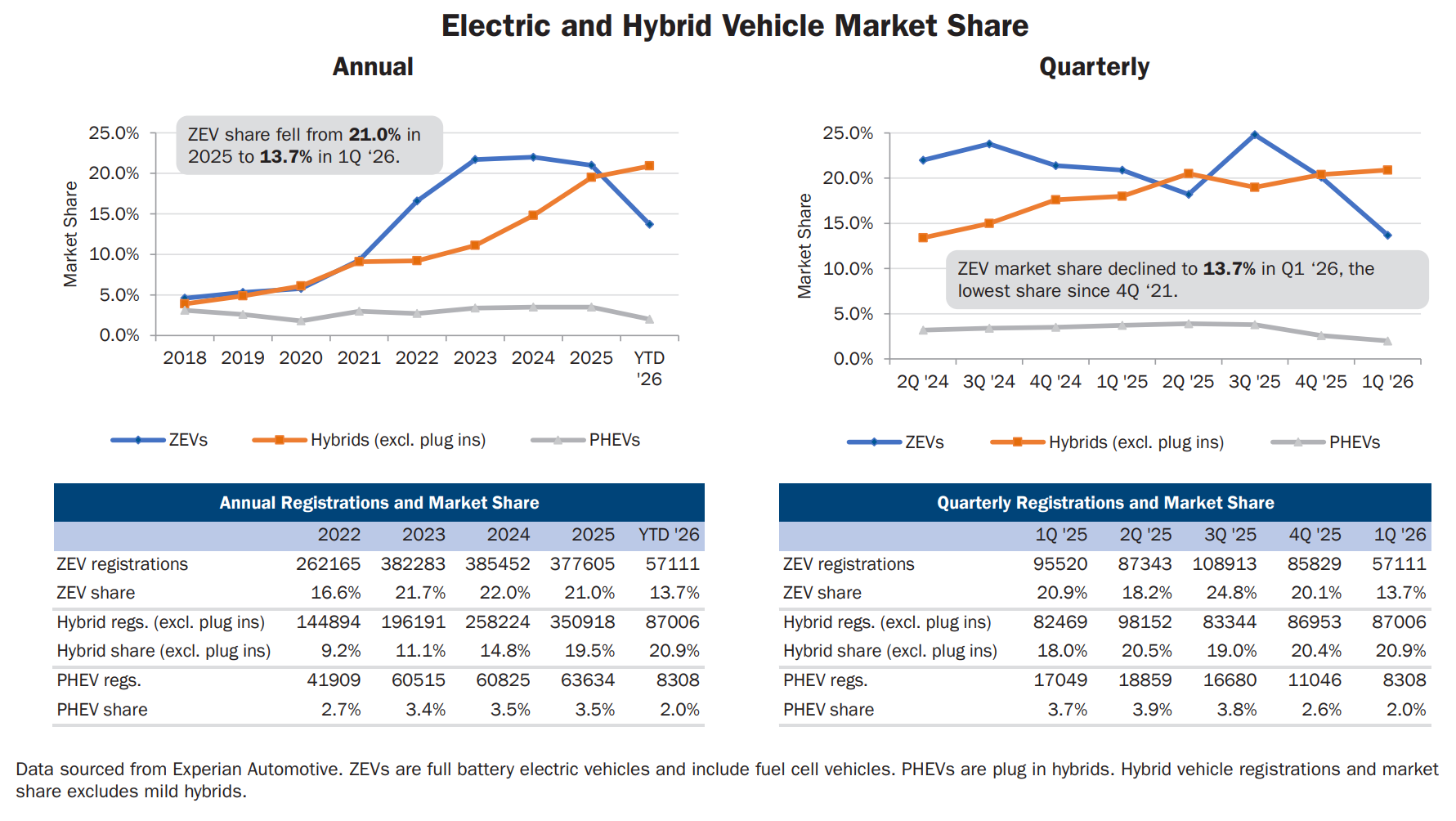
ZEV market share across the state has slipped to just 13.7%.
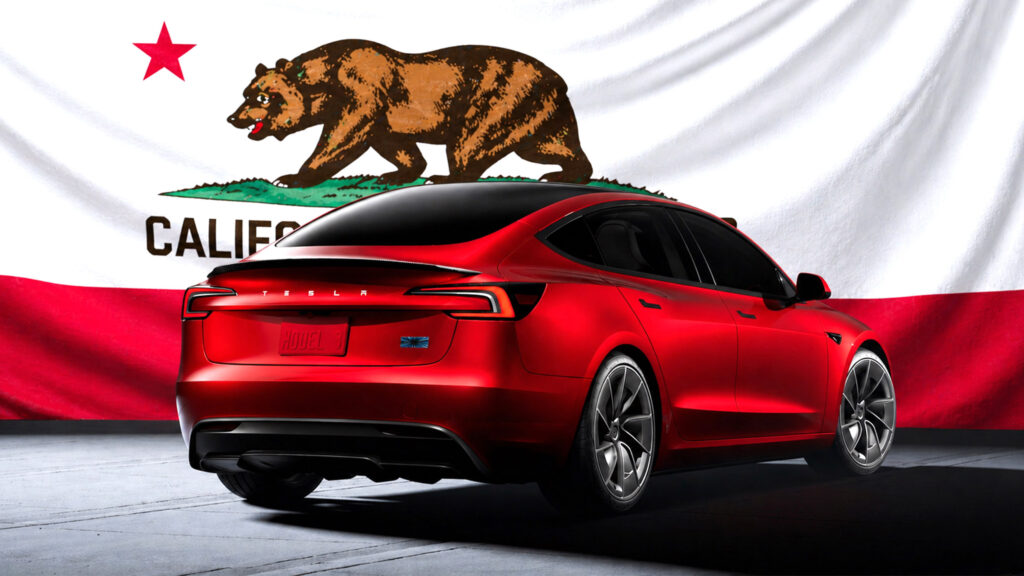
For years, California has set the pace for EV adoption in America, the bellwether other states watched. Now the bellwether is wobbling. Recent sales data reveal a significant decline in the state’s EV registrations through the first quarter of the year, driven by a sharp drop in demand for new Tesla models.
So far this year, a total of 57,111 zero-emission vehicles (ZEV) have been sold across the Golden State. This represents a significant 40.2 percent decline from the 95,520 sold over the same period last year, and comes on the back of an overall drop in new car registrations of 8.9 percent, falling from 457,525 to 416,810.
The decline in demand for ZEVs means they accounted for just 13.7 percent of the total market in Q1 2026. By comparison, they had a 16.6 percent share in Q1 2022, peaking at 22 percent in Q1 2024 before falling slightly to 21 percent in Q1 2025.
Things look particularly troubling for Tesla. First-quarter registrations fell 24.3 percent to 31,958, down from 42,211 a year earlier. In raw volume, no brand lost more. In percentage terms, Tesla actually weathered the storm better than most of its rivals. Despite its own losses, Tesla’s slice of the EV pie grew from 44.2 percent in Q1 2025 to 56 percent last quarter, less because Tesla improved than because everyone else collapsed around it.
Most Brands Suffer
The collapse around Tesla is brutal. Over at Acura, ZEV sales fell from 1,279 to just 11 units in Q1, down 99.1 percent. Audi managed 210 registrations against 2,319 a year earlier, down 90.9 percent. BMW fell 58.9 percent, from 5,301 to 2,180. Chevrolet dropped 59.6 percent to 1,875. Ford was off 58.8 percent at 2,374. Honda plunged 81.6 percent to 832. Dodge mustered 16 units, down 79.7 percent. Hyundai held up comparatively well, off 30.4 percent at 3,586.
Only a handful of brands moved the other way. Lexus posted the standout figure, climbing 192.1 percent to 1,405 units, while Toyota grew 37.8 percent to 2,599 and Lucid added 37.1 percent to reach 1,315. Cadillac edged up 17.1 percent to 1,771.
Several factors have fed into the decline. Affordability concerns remain prevalent across the state, as they are throughout the country, while financing costs remain high due to current interest rates. Additionally, tariffs have driven higher prices, and overall inflation has spiked, while the phase-out of the federal tax credit has done the rest. None of this is mysterious, it all adds up.
BYD’s average price cuts reached about 10 percent across its range in March.
China’s auto industry is still grappling with serious overcapacity issues.
Officials have warned carmakers against triggering a damaging price war.
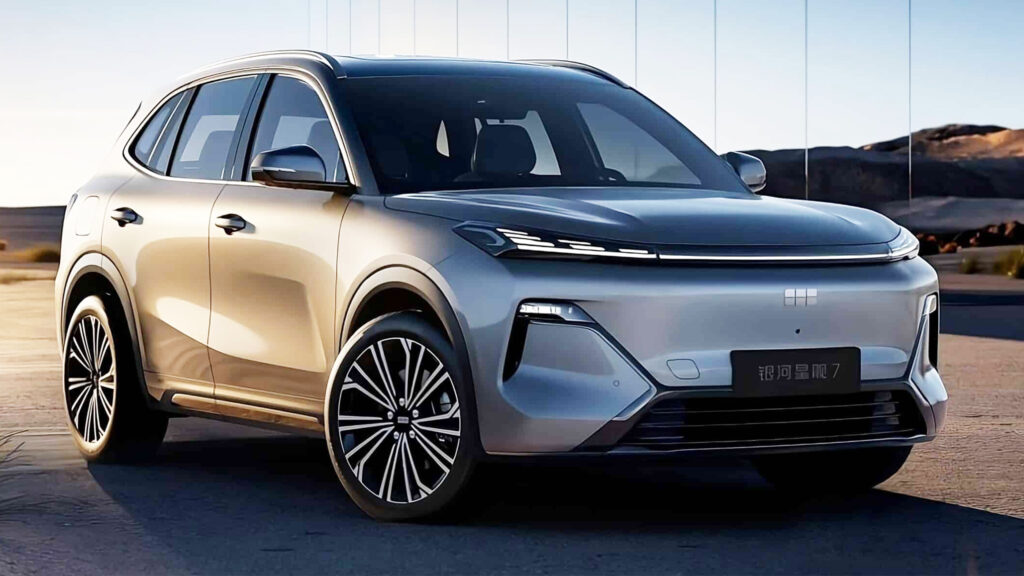
The Chinese auto industry has spent the better part of two years waiting for the price war to burn itself out. It hasn’t, and car companies are showing no signs of relenting. Facing declining sales, BYD is instituting significant price cuts, as are key rivals Geely and Chery.
Almost a year has passed since Chinese authorities sat down with the heads of more than a dozen carmakers and pressed them to call off the price war before it became a race to the bottom. The country’s market regulator called for efforts to “comprehensively rectify ‘involutionary’ competition,” borrowing a phrase Premier Li Qiang has used for the industry’s increasingly self-defeating behaviour.
It appears little has changed. Data from Bloomberg reveals the average price reduction across BYD models increased to 10 percent in March. Meanwhile, Geely and Chery are running discounts of around 15 percent, though those have held roughly steady through the past twelve months.
China Doesn’t Have Enough Car Buyers
Overcapacity within China’s automotive sector is at the root of the problem. Last year, approximately 23 million new vehicles were sold in the country, but its car factories have the capacity to produce 55.5 million vehicles a year. This has prompted many local brands to ramp up vehicle exports. Last month, EV exports from China more than doubled.
Now facing greater scrutiny from regulators, companies, including BYD, are being forced to pay suppliers much more quickly than in the past. Prior to local authorities getting involved, automakers had been delaying invoice fulfillment for months at a time, allowing them to offer deep discounts to spark sales. Now, invoices must be paid more promptly, increasing liabilities on carmakers’ balance sheets. For BYD, this has pushed its debt-to-equity ratio to 25 percent.
“It seems to be good for the customers, but it’s not — manufacturers are losing money,” the secretary general of the International Organization of Motor Vehicle Manufacturers, François Roudier, said. “It hurts the full system.”
A pair of electric motors combine for 2,200 hp in this racer.
Ford Racing has also shed 1,100 lbs from the Cobra Jet 1800.
Drag racer includes a centrifugal clutch and a 2-speed gearbox.
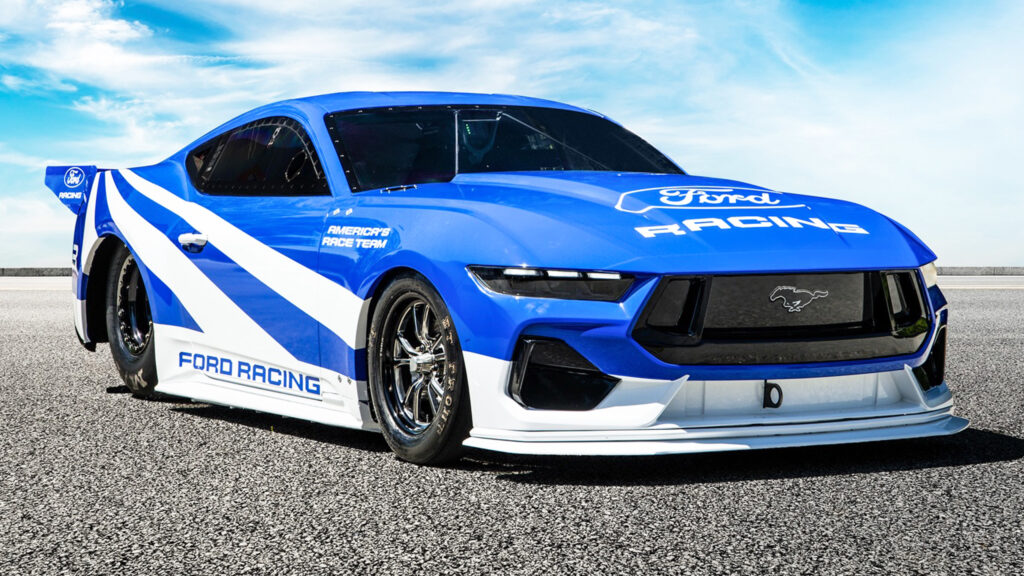
Ford has made a habit of creating wild all-electric performance machines, such as the SuperVan 4.2, the F-150 Lightning SuperTruck, and the Super Mustang Mach-E. It’s now revealed its latest other-worldly EV, and this one is all about smashing records on the drag strip.
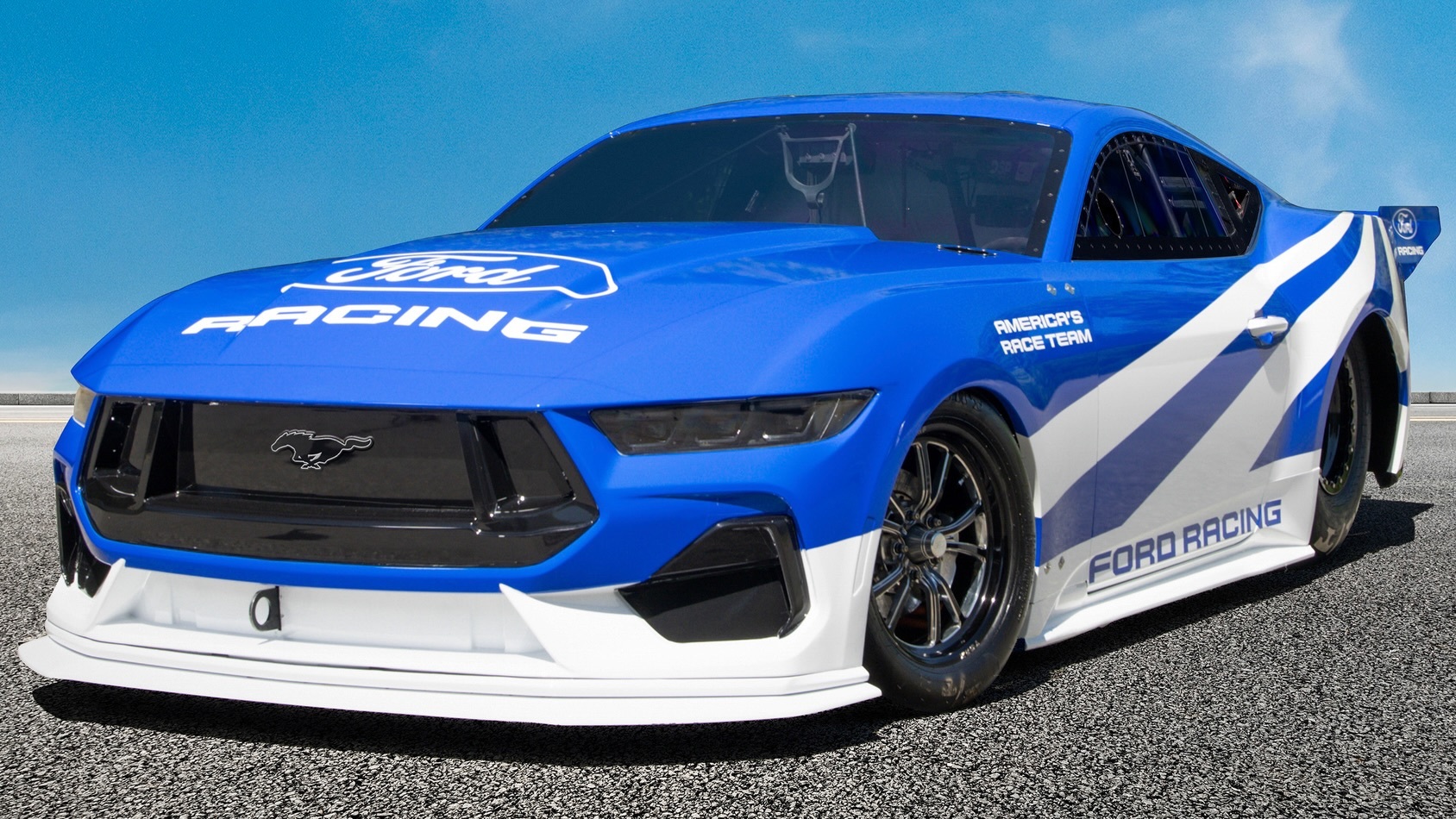
Dubbed the Mustang Cobra Jet 2200, it’s the third all-electric Cobra Jet Ford has built, starting with the 1400 in 2021, and then the 1800 in 2023. As you may have guessed from its name, the new Mustang Cobra Jet 2200 churns out 2,200 hp, a truly astonishing figure that easily eclipses even the Rimac Nevera and Pininfarina Battista hypercars.
Driving the Cobra Jet 2200 are two electric motors. These can each produce around 1,200 hp and weigh roughly half as much as they did in the Cobra Jet 1800 from just three years ago.
Despite being an EV, the Cobra Jet 2200 uses a centrifugal clutch to deliver torque in a controlled manner at launch. It also uses a two-speed transmission and includes a battery on the undertray and two additional battery packs at the rear. There’s also a battery at the front, which can be moved to adjust the weight distribution depending on track conditions.
The Power Of Electric
What’s particularly impressive about the Cobra Jet 2200 is that not only does it have way more power than the 1800, but it also weighs about 1,100 lbs (499 kg) less than its predecessor, tipping the scales at roughly 3,325 lbs (1,500 kg). According to Ford, the combination of immense power, the clutch, transmission, and the relatively light overall weight, the Cobra Jet 2200 apparently needs just 6.76 seconds to run down the quarter-mile, hitting up to 222 mph.
Ford Racing took the car to the NHRA 4-Wide Nationals in Charlotte over the weekend and performed several sub-7-second sprints down the quarter-mile. It quickly set a new world record for an EV with a time of 6.87 seconds at 221 mph, but in a subsequent run, it lowered it to 6.81 seconds.
Xiaomi revealed the flagship YU7 GT at the Beijing Auto Show this week.
The SUV was developed in part at the Nürburgring for sharper handling.
Pricing is expected to start between $65,800 and $73,100 in China.
As expected, Xiaomi unveiled the flagship version of its YU7 SUV, known as the GT, at the Beijing Auto Show. It’s nowhere near as extreme as the SU7 Ultra, but it has been developed in part at the Nürburgring and brings with it a slew of upgrades over lesser variants.
As our own spy images from earlier this month revealed, the YU7 GT looks a lot more aggressive than the standard version. For example, it has flared wheel arches and a much more menacing front fascia, complete with a new blacked-out grille and unique air intakes. Positioned on the hood is a special badge made from carbon fiber and 24-karat gold.
Xiaomi will sell the YU7 GT with 21- and 22-inch wheels, and has also upgraded its brakes. Other styling and aerodynamic tweaks are also found at the rear, including a dramatic diffuser and a small lip spoiler.
For as much as the YU7 GT may resemble a Ferrari Purosangue, it’s under the skin where most of the action is happening. Xiaomi has equipped the YU7 GT with a new front motor delivering 386 hp and a new rear motor with 604 hp, resulting in a combined 990 hp.
Although that falls well short of the SU7 Ultra’s 1,527 hp, it’s still a ludicrous amount of power for a family SUV, easily outgunning EVs like the flagship Porsche Macan Turbo Electric and its 630 hp.
Not Just About Power
Xiaomi has yet to release full performance specifications for the GT, including how quickly it can lap Green Hell. What we do know is that it will run on to 186 mph (300 km/h), and it’s safe to presume the sprint from a standstill to 62 mph (100 km/h) will be dealt with in the low-2-second range.
Beyond upgrading the motors, Xiaomi has included a new air suspension system, rear-axle torque vectoring, and made tweaks to the traction control. Buyers eager to take their YU7 GTs to the track will also be able to configure it with optional carbon ceramic brakes from Brembo.
Prices have yet to be confirmed, but the model is expected to start between 450,000 yuan ($65,800) and 500,000 yuan ($73,100). Xiaomi will be hopeful that it helps to reinvigorate interest in the YU7, which has seen sales decline from a peak of almost 40,000 units last December to just under 15,000 in March.
Jaguar will reveal its new electric GT sedan this September.
A 120 kWh battery targets about 435 miles of driving range.
Three electric motors are expected to produce over 986 hp.
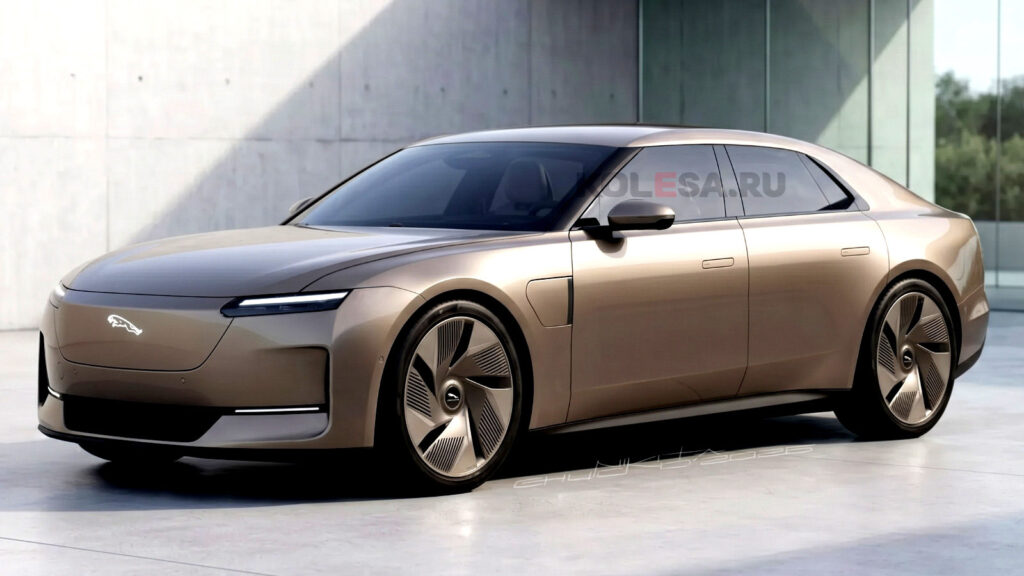
The Jaguar GT has been teased for what feels like an eternity, but the finish line is finally in sight. Jaguar shocked the world with the release of its wild Type 00 Concept, created to preview its upcoming flagship EV. Recent prototypes of this car have shown it will take key design inspiration from the study, but morph into a slightly more restrained four-door sedan.
With the September reveal drawing closer, a new set of renderings attempt to offer a glimpse at what the production version could look like. That said, the heavily camouflaged prototypes have kept key details well hidden, making it tricky to pin down exactly how far Jaguar will dial things back from the concept.
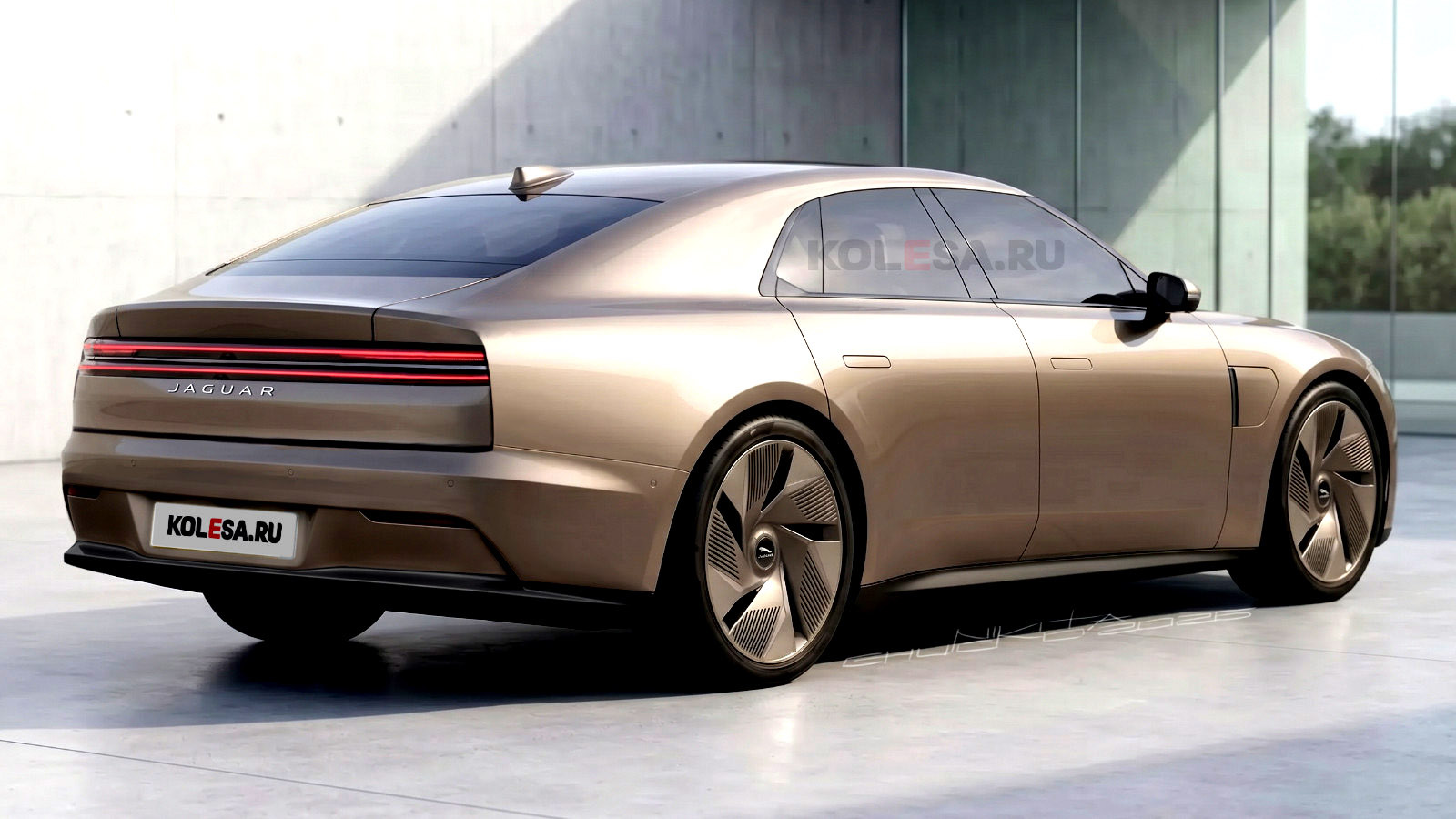
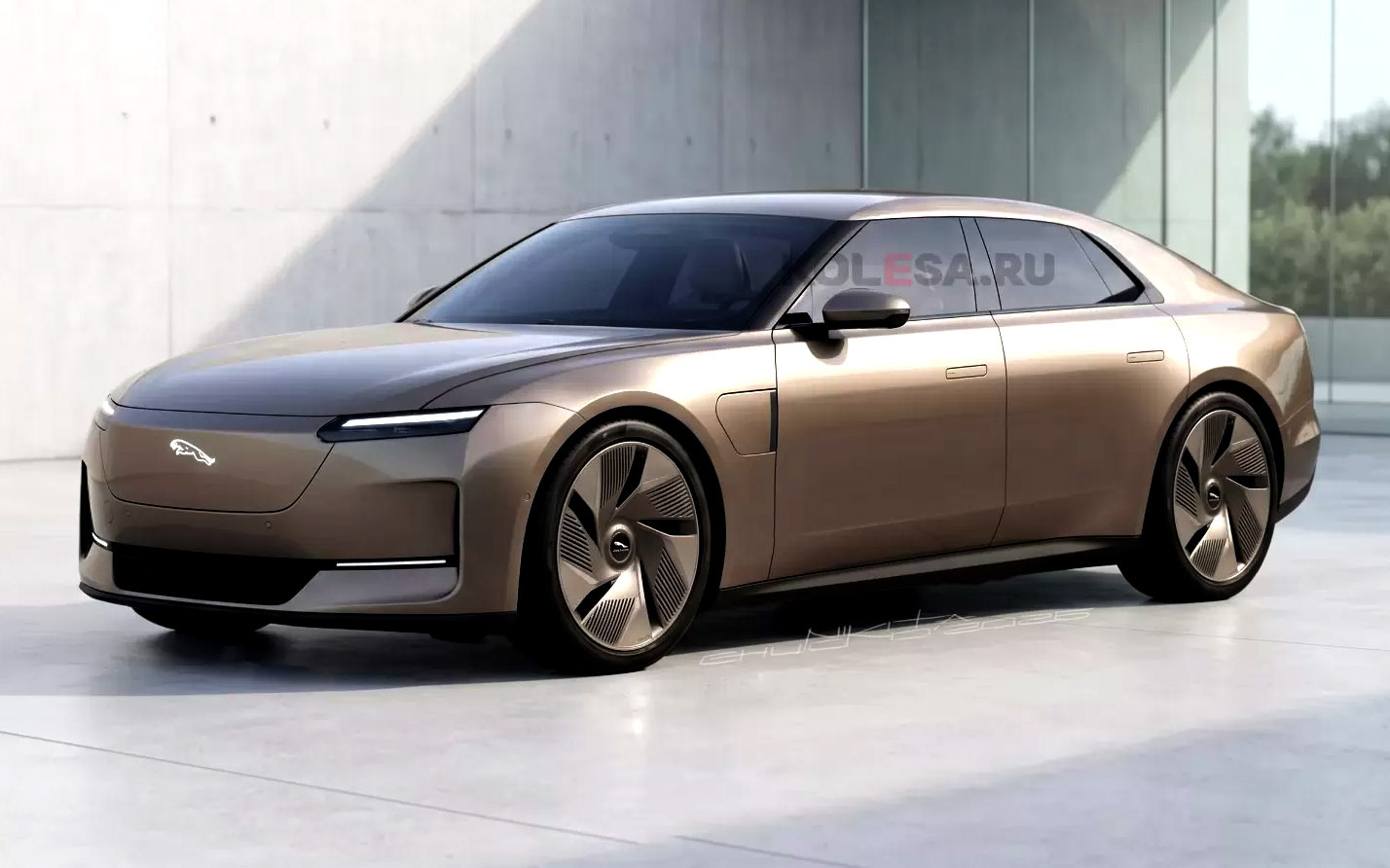
These new renderings, created by Nikita Chuyko for Kolesa, hint at a softened approach up front. The dramatic lighting signature gives way to more conventional LED headlights, paired with a cleaner, more familiar nose where a traditional grille would typically sit. There is still some flair, including an illuminated Jaguar badge, though the bumper trades concept-car aggression for smoother, more restrained curves.
The softer, more fluid treatment carries along the sides, where clean door skins replace the Type 00’s sharp shoulder line. Like a Porsche Taycan, charging flaps have been added to both front quarter panels, and there are also pop-out door handles. At the rear, a simple full-width LED lightbar stretches across the car, and while these renderings show a conventional rear window, from what we’ve heard, the production model may ultimately do without one.
Another detail worth noting, at least in prototype form, is that the GT appears to wear flared front and rear fenders that are absent from these illustrations, along with edgier detailing than seen here.
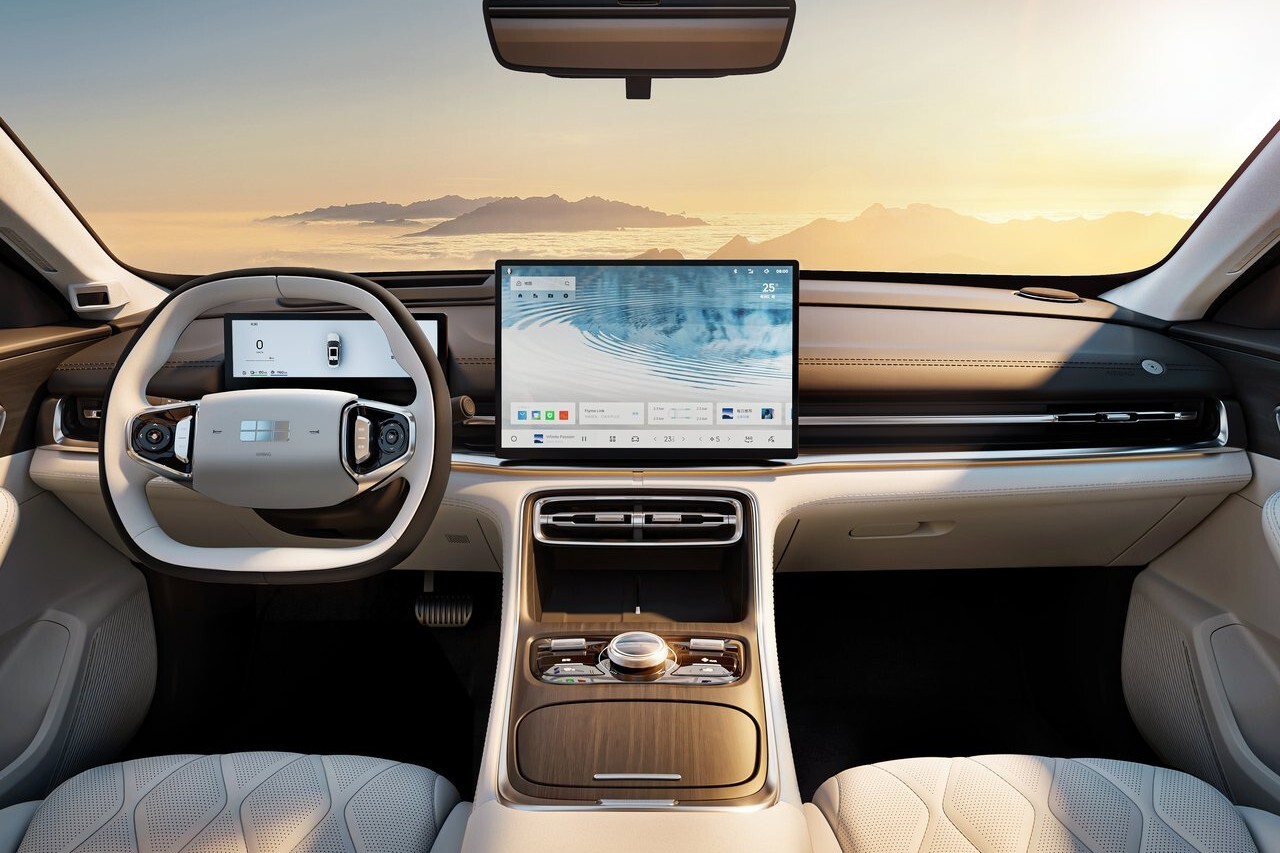
We also recently caught our first look at the interior, which places the driver in a cocooned position, framed by a tall center console and low-slung seats. The cabin leans into crisp lines and defined edges, anchored by an all-new steering wheel that looks lifted from a 1970s concept car. The dashboard is pared back, with a curved screen and digital gauge cluster taking over the role of traditional dials.
What Powers The Electric GT?
Beyond the car’s design, we know it will sport a large 120 kWh battery pack that should give it about 435 miles (700 km) of range on the WLTP cycle. It’ll support ultra-fast charging, too, meaning 200 miles (322 km) of range will be added in as little as 15 minutes.
The Jaguar Type 00 Concept
Power comes from three electric motors drawing on that battery. Combined output is expected to be north of 986 hp and 959 lb-ft (1,300 Nm) of torque. None of which is exotic by current EV standards, but the Jaguar should still feel properly rapid, despite tipping the scales at as much as 5,952 lbs (2,700 kg).
Jaguar itself is targeting a 0-62mph (100km/h) time of around three seconds, a 155mph (250 km/h) top speed, and 350kW peak charging. Pricing is expected to start around $160,000, with sales beginning in 2027.
PROS ›› Exceptional ride, feels premium, expansive cabin CONS ›› Looks weird, not very exciting, only FWD
A year ago, electric sedans looked like a settled bet. Not anymore. As recently as October last year, Kia was planning to build and sell the all-electric EV4 in the United States, aimed directly at the ever-popular Tesla Model 3.
However, the American market for EVs is markedly different now than it was in early 2025, due in no small part to the Trump administration’s pro-ICE policies and abandonment of the federal EV tax credit. This has forced Kia to indefinitely postpone the EV4 in America. While the US won’t get it, at least not yet, the EV4 has landed in several markets, including Australia.
To see if the States are missing out on an exceptional electric sedan, or if it is perhaps better off without it, we recently lived with one for a week. Sadly for our American readers, they don’t get to experience a very competitive EV.
QUICK FACTS
› Model:
2026 Kia EV4 GT-Line
› Starting Price:
AU$64,690 ($46,500) plus on-road costs
› Dimensions:
186.2 L x 73.2 W x 58.3 in H (4,730 x 1,863 x 1,480 mm)
› Wheelbase:
111 in (2,820 mm)
› Curb Weight:
1,910 kg (4,210 lbs)
› Powertrain:
81.4 kWh battery / single electric motor
› Output:
201 hp (150 kW) / 209 lb-ft (283 Nm)
› 0-62 mph
~7.7 seconds (0-100 km/h)
› Transmission:
Single speed
› Efficiency:
14.3 kWh/100 km as tested
› On Sale:
Now
SWIPE
Photos Brad Anderson/Carscoops
While much of the EV4 is similar to other current Kia EVs, much of it is also unique. For starters, it’s been developed in both sedan and Hatch guises, and in some markets, is sold in both configurations. Australia only gets the sedan, which is the version that the US was also going to receive.
Underpinning the EV4 is the familiar Electric Group Modular Platform (E-GMP) from Hyundai, but in this application, it’s a 400-volt system rather than the 800-volt architecture of models like the Hyundai Ioniq 5, Kia EV6, and others.
The downside of this platform is slower charging speeds. According to Kia, the max DC charge rate is a disappointing 128 kW. On the flip side, this cheaper platform has allowed Kia to make the EV4 more affordable. It starts at AU$49,990 ($35,800) for the EV4 Air Standard Range, and goes up to AU$59,190 ($42,400) for the EV4 Earth Long Range, and AU$64,690 ($46,300) for the EV4 GT-Line Long Range that we tested.
To put these prices into perspective, the Tesla Model 3 starts at AU$54,900 ($39,300) and tops out at AU$80,900 ($58,000), while the BYD Seal is available from as little as AU$46,990 ($33,700), has a mid-range AU$52,990 ($38,000) version, and tops out at AU$61,990 ($44,400).
What do you get for your money? The Standard Range model utilizes a 58.3 kWh battery pack and a front-mounted electric motor with 150 kW (201 hp) and 283 Nm (209 lb-ft) of torque. Long Range versions have the same motor, but are fitted with an 81.4 kWh pack, boosting the claimed driving range from 456 km (283 miles) to 612 km (380 miles).
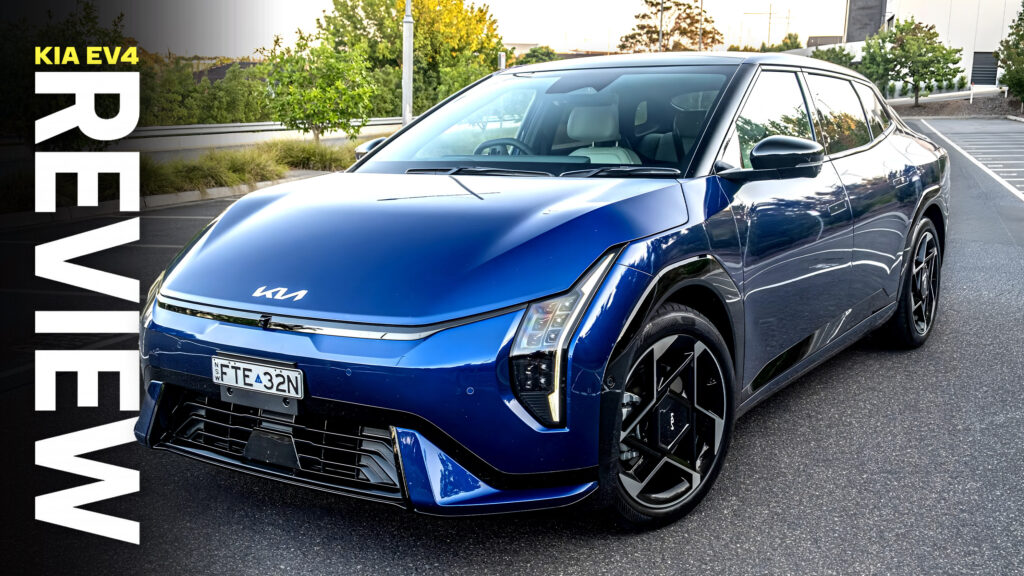
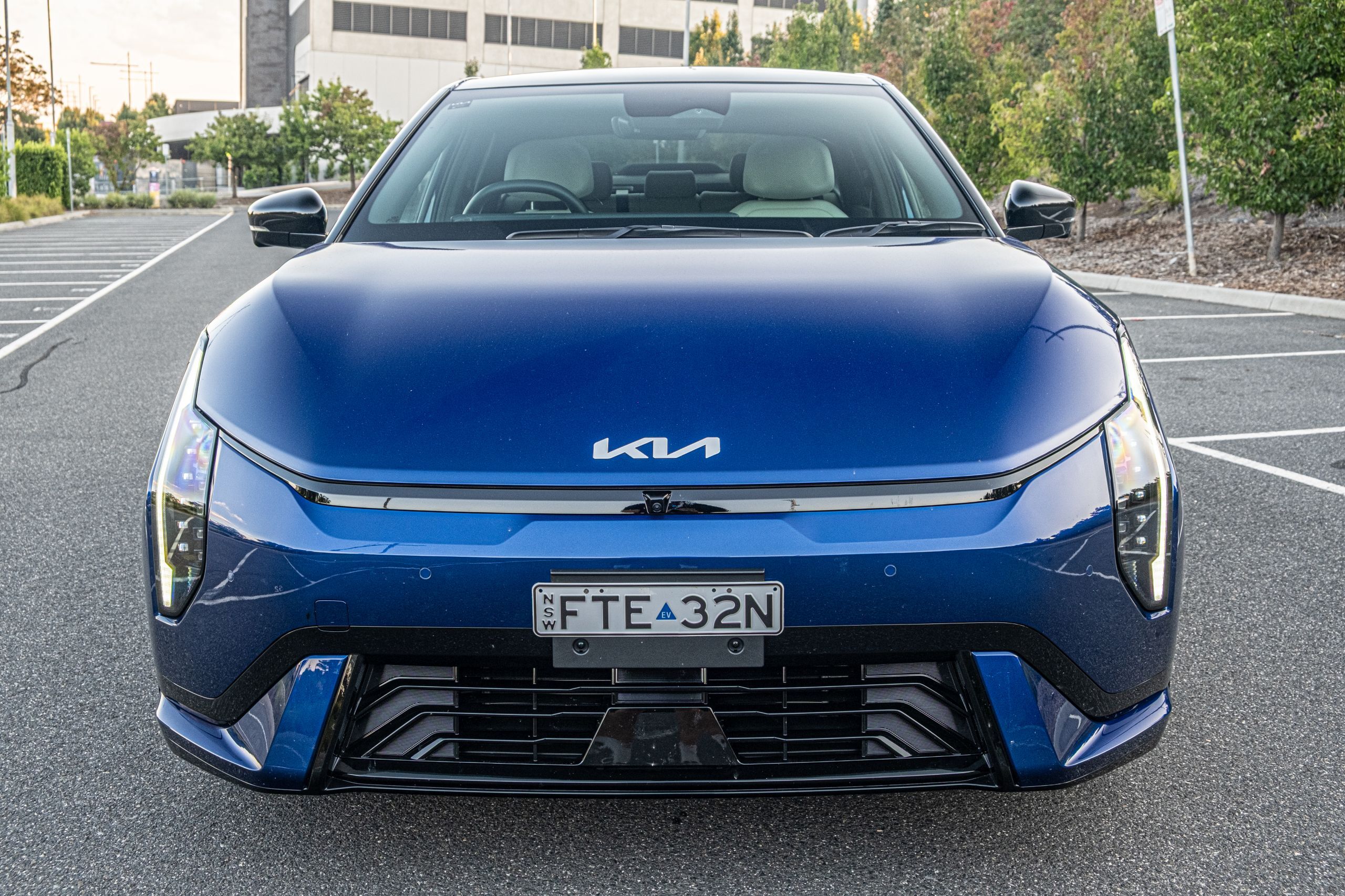
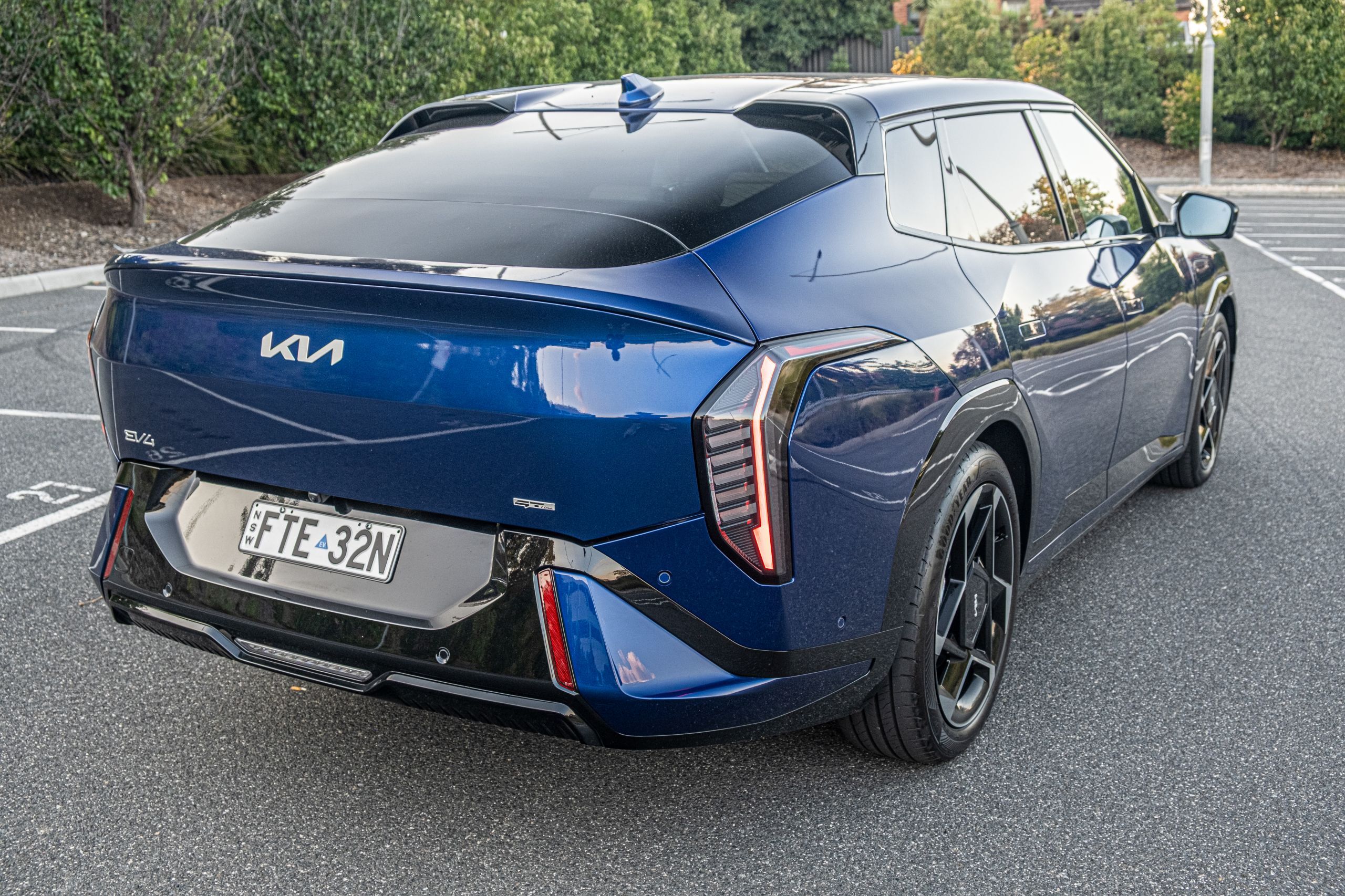
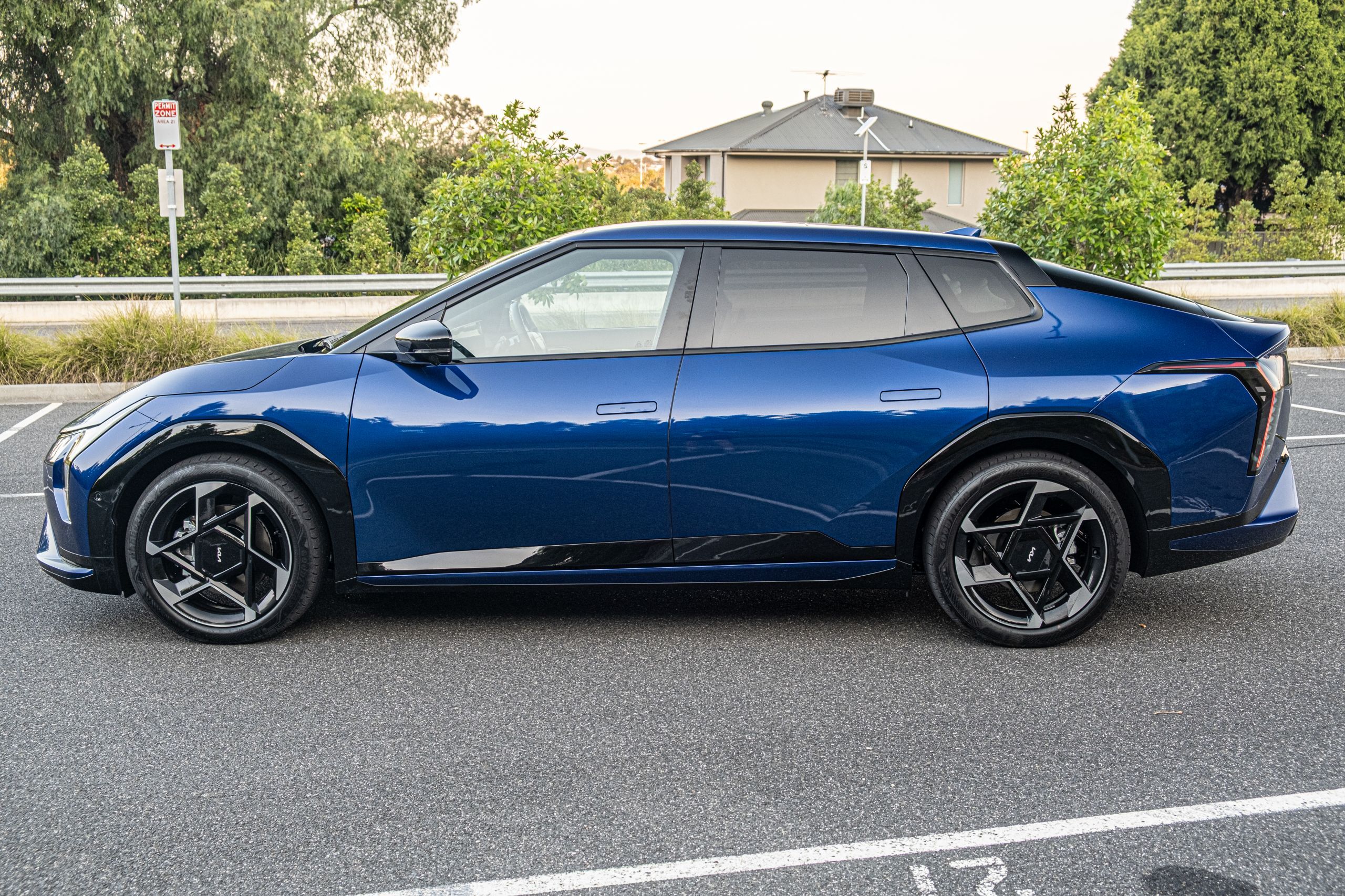
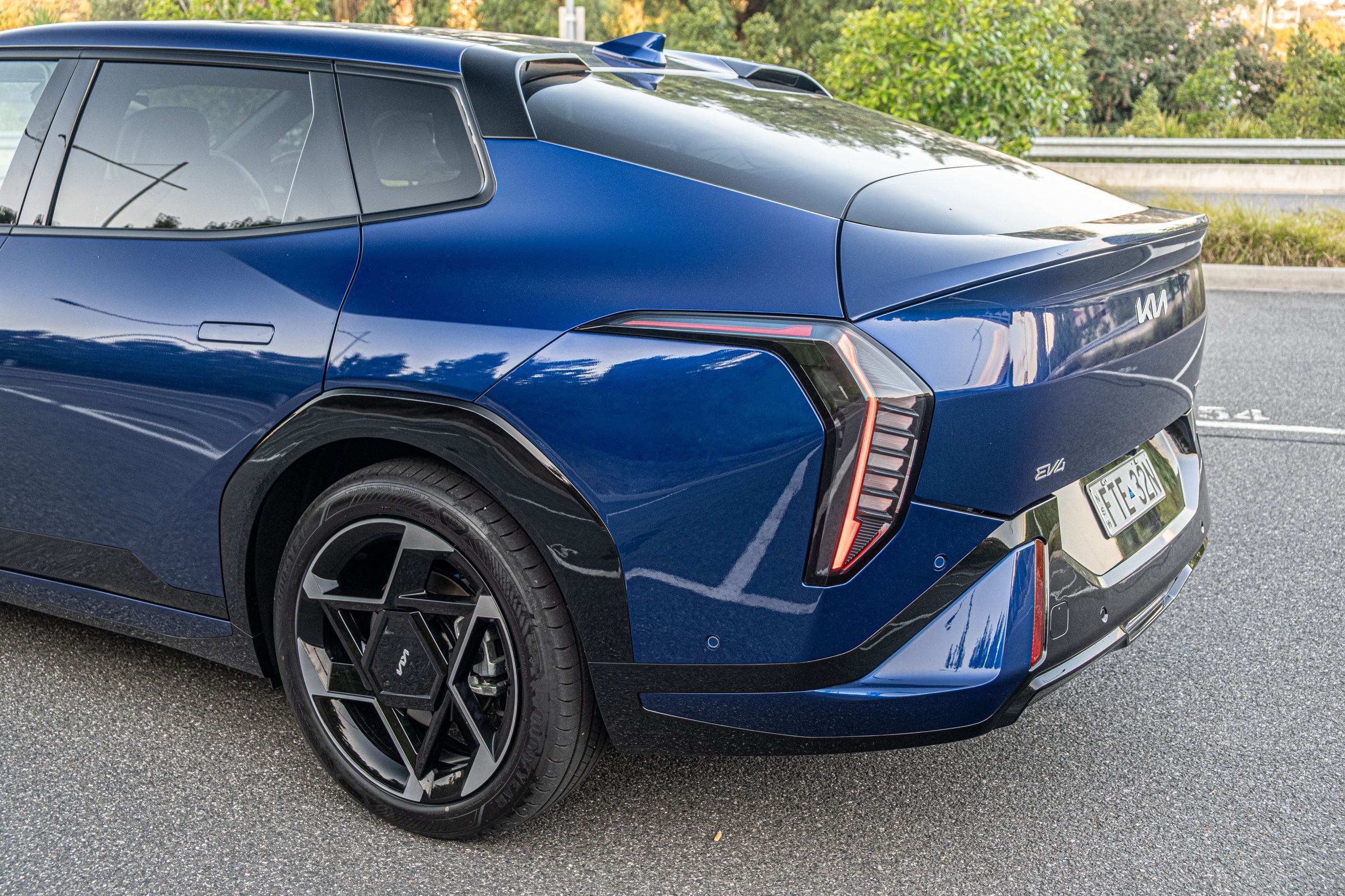
As we’ve seen from many other Kia EVs in recent years, the EV4 doesn’t want to blend in. It looks more like a concept car than one you can actually walk into a showroom and buy, with the sedan being even more striking than the hatch.
Likely eager to maximize cargo space, Kia has extended the roofline and stretched the rear window, so it almost looks like a cross between a sedan and an estate. Or, more aptly, it looks a bit like the hunchback of Notre Dame, because pretty, it is not.
Well-Equipped And Tech-Forward
Photos Brad Anderson/Carscoops
The cabin of Kia’s latest electric sedan is similar to that of some of the brand’s other EVs, but it has unique elements that make it stand out.
Key features include a pair of 12.3-inch screens and a smaller 5.0-inch display sandwiched between them, used for climate control. As in the much larger EV9, this central screen is mostly blocked by the steering wheel, but there are also physical HVAC toggles positioned further down on the dashboard.
With wireless Apple CarPlay and Android Auto, the infotainment display feels modern enough, even if the software is a little simple to what’s found in some of the EV4’s rivals.
Photos Brad Anderson/Carscoops
The surfaces feel slightly more premium than those of the EV5, and there are nice metallic switches for the seat heater and ventilation functions near the door handles. There’s also an abundance of storage between the seats, as well as a wireless smartphone charger.
In addition, the Earth and GT-Line models get a pair of premium front seats with pillowy headrests that feel great. These seats also include a one-touch reclining mode. It’s also nice that the seats can be adjusted very low, ensuring that even taller drivers have heaps of headroom.
The downsides of the EV4 sedan’s shape can be mostly felt in the second row. If you’re over 6 feet, there’s a good chance your hair will brush on the headliner. In addition, toe room is almost non-existent if one of the front seats is adjusted into a low position. While there are a couple of air vents in the rear, there unfortunately aren’t any temperature or fan speed controls.
Cargo volume is good, with Kia quoting 490 liters (17.3 cubic feet) of space in the trunk. Crucially, both rear seats can be folded flat, creating a large pass-through area that greatly enhances the car’s practicality.
Drives Like A Premium Sedan
Photos Brad Anderson/Carscoops
Given the specifications of the EV4, one can’t expect it to feel like a performance car, even in flagship GT-Line guise. However, it feels just as poised and polished to drive as the competition, as well as some more expensive electric offerings from Hyundai’s own stable, including the Ioniq 6.
The highlight of driving the EV4 isn’t the powertrain, its efficiency, or noise isolation, but rather how exceptional the ride quality is.
Like all other Kia models sold in Australia, the EV4 has undergone comprehensive local testing to fine-tune its ride, ensuring it perfectly irons out bumps and imperfections on the country’s often poorly surfaced roads.
It’s not an adjustable system, meaning there’s no way to stiffen or relax the ride as in some more expensive sedans. But it doesn’t need any adjustments, as it’s just about perfect and one of the most comfortable cars I’ve driven in quite some time.
Potholes and speed bumps are often a nuisance, but in the EV4, they completely fade into insignificance. It’s really quite extraordinary how well it rides, and it’s almost at the same standard as the Audi e-tron GT, which can cost over three times as much and has one of the more complex air suspension systems on the market. The Earth and GT-Line models have 19-inch wheels, while the Air sits on smaller 17-inch shoes, and may even be more supple.
The EV4’s sophisticated feel extends beyond its ride quality. Given that it’s down just 10 kW (13 hp) and 27 Nm (20 lb-ft) of torque from the EV5 SUV, I had expected the EV4 to suffer from the same torque steer qualms as its bigger brother. However, there’s not even a hint of torque steer under full throttle, perhaps in part due to the suspension setup.
Photos Brad Anderson/Carscoops
In addition, the EV4 doesn’t have quite the same propensity to spin up its inside front wheel as we found in the EV5. Admittedly, it’s not particularly quick and needs about 8 seconds to reach 100 km/h (62 mph). That said, it never feels like it’s lacking power.
It’s a shame that the GT-Line doesn’t have a dual-motor, all-wheel drive setup as found in some of Kia’s other GT-Line-badged EVs, particularly since the cheaper BYD Seal Performance has twin motors and an impressive 390 kW (523 hp) and 670 Nm (494 lb-ft) of torque.
Kia presented a GT version of the EV4 earlier this year, complete with twin motors producing 215 kW (282 hp), but I’d have liked to see this powertrain offered in the GT-Line, given the price point. This would have allowed Kia to develop a full-blown performance version to rival the BYD and the Tesla Model 3 Performance.
One good thing about the EV4’s single-motor setup is efficiency. Over my week with the car, I averaged just 14.3 kWh/100 km, beating Kia’s claimed 14.9 kWh/100 km and giving it a very achievable range of around 550 km (342 miles). It’s worth noting, however, that I spent most of my time with the EV4 driving in Eco mode and the regenerative braking in one-pedal mode.
The EV4’s steering has been well-calibrated and offers varying levels of feel depending on the driving mode. It’s also hard to fault how the EV4 feels under braking, with a consistent, smooth pedal feel and no noticeable shift from regenerative braking to mechanical braking.
While the EV4 does not prioritize performance, it handles shockingly well, thanks in part to the Goodyear tires. Front-end bite is great, and there’s plenty of grip.
Verdict
While the Kia EV4 looks a little odd, that doesn’t detract from the fact that it delivers exactly what an electric sedan like this should, at this price point.
It’s exceptionally efficient and undercuts many of its nearest rivals on price, all with the assurance of buying from a well-established brand with an expansive dealership and service network. The EV4’s ride is the standout, the cabin is well-equipped, and it offers plenty of range. If it were based on an 800-volt architecture that supported faster charging speeds, it would be difficult to fault. It’s a shame it won’t be sold in the US.
Future Mercedes models based on its MMA platform will use Samsung’s batteries.
Several existing Mercedes-Benz EVs already use advanced NMC battery packs.
The current Mercedes CLA 250+ and CLA 350 source battery packs from CATL.
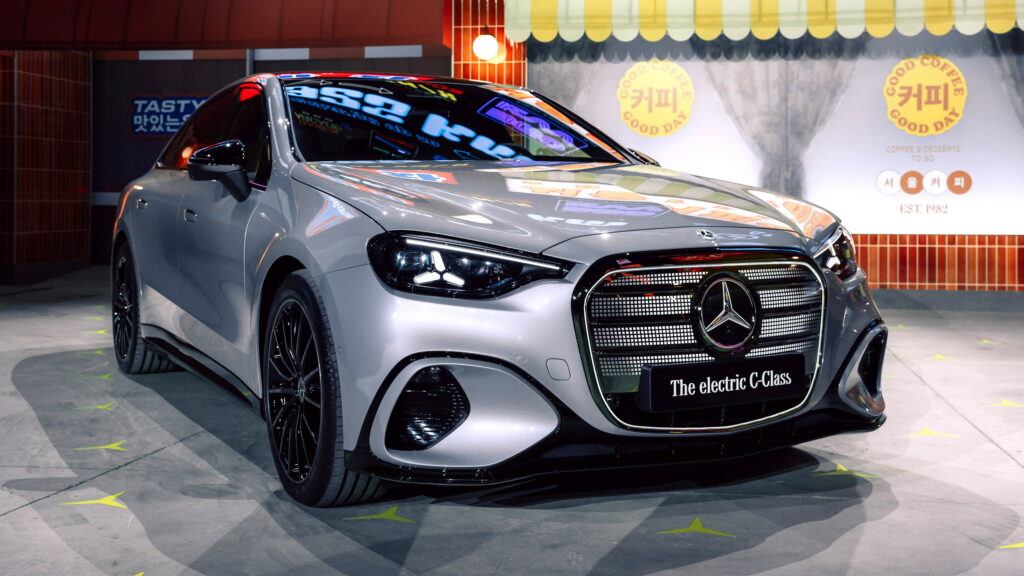
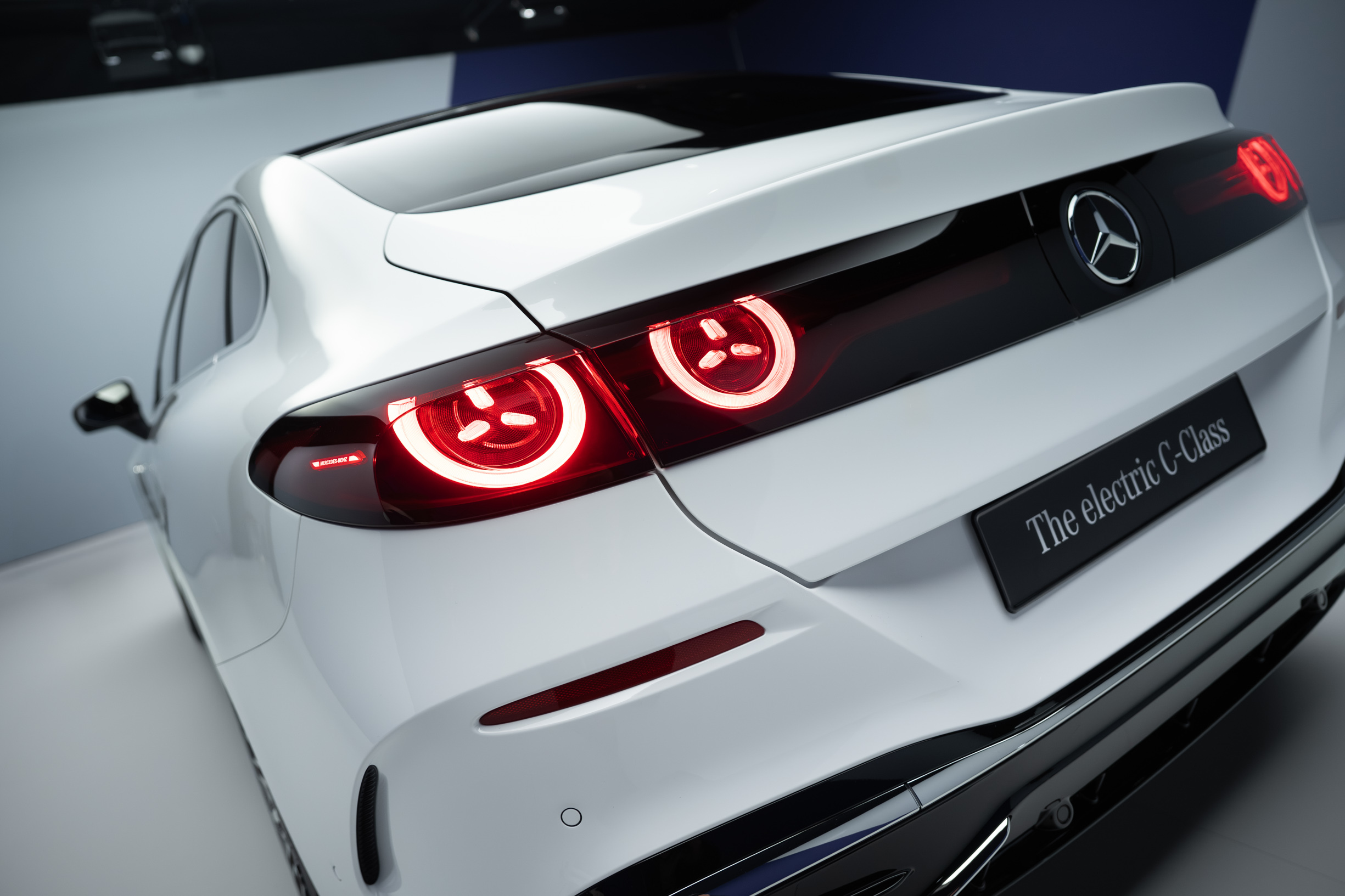
Just after unveiling its all-new electric C-Class, Mercedes-Benz confirmed a key piece of its future EV strategy. The next generation of its electric models will draw power from battery cells supplied by South Korea’s Samsung SDI.
The agreement, signed earlier this week, secures a steady flow of nickel, cobalt, and manganese (NMC) battery cells. Samsung claims these packs will deliver strong energy density, long service life, and the kind of sustained output and range figures premium EV buyers have come to expect, at least on paper.
Mercedes has yet to put a firm date on when these NMC batteries from Samsung will make their debut. Still, industry insiders point to models built on the upcoming Mercedes Modular Architecture (MMA) from 2028 onward. That would cover a wide spread of compact and mid-size SUVs, along with a handful of coupes that, for now, remain unnamed.
German Cars, Asian Batteries
The German brand already offers several of its EVs with NMC batteries, including the CLA 250+ and CLA 350 4Matic, sourced from China’s CATL. In addition, the all-electric Mercedes VLE uses a 115 kWh NMC battery pack, while the newly-revealed electric C-Class uses a 94.5 kWh NMC battery, promising a range of up to 472 miles (760 km).
“This partnership brings together the innovative DNA of both companies,” Samsung SDI said. “It is meaningful in that SAMSUNG SDI has secured a battery order aimed at strengthening its position in the global EV market.”
There are trade-offs between nickel, cobalt, and manganese (NMC) batteries and lithium iron phosphate (LFP) packs, the two chemistries currently dominating the EV space. NMC’s headline advantage is energy density, which means more range from a similarly sized battery, something premium brands tend to prioritize.
LFP, on the other hand, takes a more pragmatic approach. These packs are typically more durable over time and can be charged to 100 percent far more frequently without accelerating degradation. That makes them well suited to daily-use scenarios, even if they cannot quite match NMC’s outright range potential.
The cheapest Galaxy A7 variant opens today at just over $14,000 in China market.
A plug in hybrid pairs a 1.5 liter four cylinder with an electric motor system.
The electric version uses a 58 kWh battery and a 215 hp mounted motor up front.
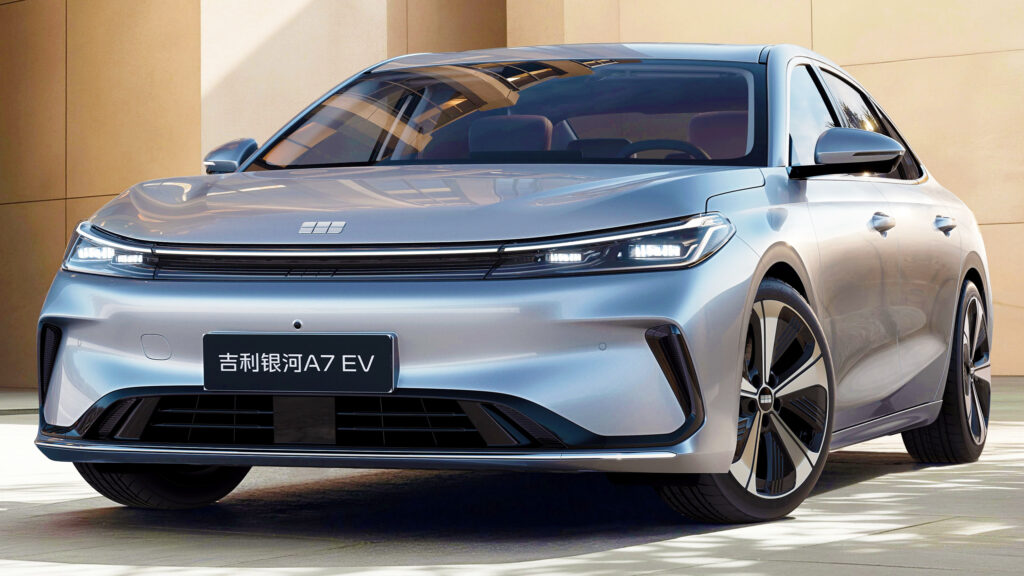
Over in China, Volvo’s parent company Geely isn’t just selling a slew of innovative and affordable hybrid and electric SUVs, but it’s also helping to keep the three-box sedan alive. One of its most appealing and cheapest models is the Galaxy A7, which has just been updated and is available in plug-in hybrid and all-electric guises.
There’s nothing particularly remarkable about the design of the sedan, but it’s hard to argue with the fact that it looks quite nice. The PHEV and EV models have the same classy headlights and light bar, but are distinguished by different grilles and intakes. The EV features a small lower grille finished in black and a pair of black trim accents, whereas the hybrid version sports additional air intakes and silver accents.
Around the back, it borrows cues from other Geely models like the Starray EM-I and the global market EX5. There’s a familiar LED light signature stretching across the tail, paired with minor differences in the lower bumper sections depending on whether you pick the EV or the hybrid.
Cheap And Efficient
Of course, it’s not the design of the Galaxy A7 that’s worthy of attention, but rather the price and the specs. The all-electric version opens at 112,800 yuan, roughly $16,500, for the A7 EV 550 Premium. It runs a 58 kWh battery and a front-mounted motor producing 215 hp. On paper, that modest battery still delivers up to 342 miles or 550 km of range, with energy consumption quoted at just 11.4 kWh per 100 km.
Shoppers wanting a few more luxuries can opt for the Galaxy A7 EM 550 Excellence. It has the same powertrain but is priced from 119,800 yuan ($17,500).
Hybrid Options
Then comes the part that feels almost provocative. The plug-in hybrid starts even lower, from a measly 97,800 yuan, or about $14,300, for the A7 EM 150 Enjoy. From there, trims stretch up to 131,800 yuan, around $19,300, for the A7 EM 235 Starship.
At the entry point, a 1.5-liter naturally aspirated four-cylinder producing 110 hp works alongside an electric motor and single-speed transmission, delivering a combined 235 hp. An 18.4 kWh battery allows up to 93 miles or 150 km of electric-only driving. Opt for the larger 28.3 kWh pack and that figure rises to 146 miles or 235 km.
It is not the most glamorous sedan on sale, but when something this usable lands at this price, the usual arguments about why sedans are fading start to look a little thin.
SAIC’s new Z7 starts at just $32K, undercutting Porsche’s Taycan dramatically.
The dual-motor Z7 Ultra hits 62 mph (100km/h) in a Taycan-baiting 3.4 seconds.
A Touring-body Z7T variant mirrors the Cross Turismo version of the Taycan.
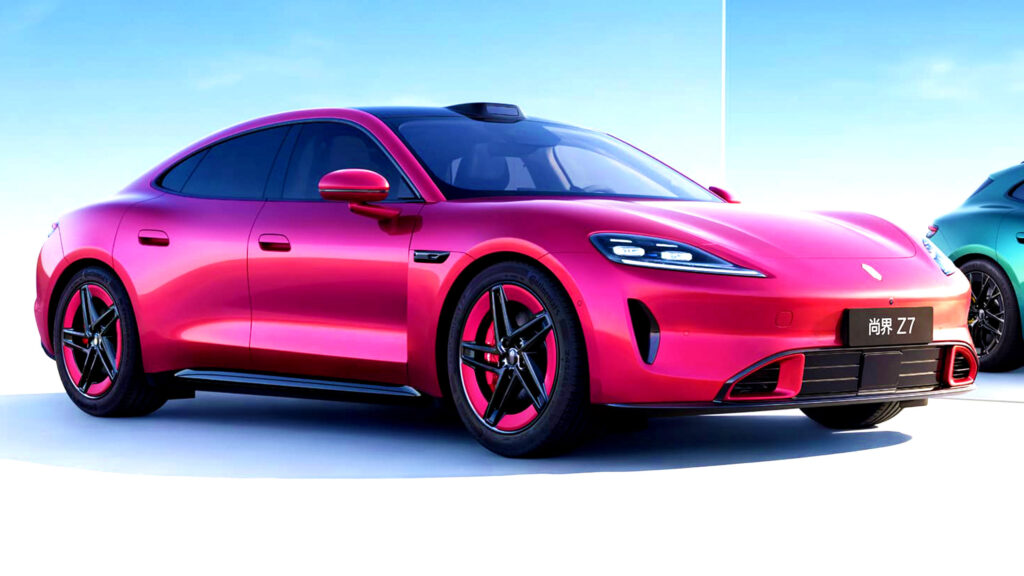
China continues to cement its position as the home of the cut-price EV, and the latest proof is SAIC’s bargain-bin Porsche Taycan lookalike. The company has confirmed that its Z7 will start at just 219,800 yuan ($32,200), which puts it in the realm of a mid-range Toyota Camry in the US. That is even less than expected, and a very, very long way below the Taycan’s 918,000 yuan ($134,500) starting point.
In fact, you could easily spend more with just a few options in Porsche’s configurator. There is a reason why Jim Farley has been warning about the pressure coming from China.
Unveiled earlier this year as a rival to the hugely popular Xiaomi SU7, the Z7 is making its public debut at this week’s Beijing Auto Show, where SAIC has also confirmed several variants. The standard sedan keeps things simple with the Z7 name, while the wagon version goes by Z7T. Put something like this in a showroom, and it does rather leave the Taycan looking like an expensive way to buy a badge.
The entry-level Z7 uses a rear-mounted electric motor with 359 hp and an 81 kWh battery pack. SAIC will also offer it with a 100 kWh pack and a dual-motor setup rated at 590 hp. In that form, it can reach 100 km/h (62 mph) in 3.44 seconds, which is not hanging about.
For comparison, the base Taycan at 918,000 yuan ($134,500) has 408 PS (402 hp) and covers 0 to 100 km/h in 4.8 seconds. The Taycan 4 costs 1,038,000 yuan ($152,100), has 517 PS (510 hp), and does the same run in 3.9 seconds. The Taycan GTS has 700 PS (690 hp), reaches 0 to 100 km/h in 3.3 seconds, and costs 1,298,000 yuan ($190,000). Meanwhile, the Taycan Turbo has 884 PS (872 hp), gets to 0 to 100 km/h in 2.7 seconds, and starts at 1,568,000 yuan ($230,000).
Cut-Price, But Promising Specs
The base model, known as the Z7 Max, is priced from 219,800 yuan ($32,200) and offers a solid 732 km (455 miles) range. Step up to the Z7 Max+, and you get the larger 100 kWh battery, stretching range to 905 km (562 miles) while nudging the price to 249,800 yuan ($36,600). Above that sits the dual-motor Z7 Ultra, also with the 100 kWh pack, delivering 791 km (491 miles) of range from 299,800 yuan ($43,900).
Three versions of the Z7T sports wagon are also offered, also badged the Z7T Max, Z7T Max+, and Z7T Ultra. The cheapest is priced at 229,800 yuan ($33,700) with the 81 kWh battery and 712 km (442 miles) of range, while the Z7T Max+ adds the 100 kWh pack, boosting the range to 873 km (542 miles). At 259,800 yuan ($38,000), it’s still very affordable. Then there’s the Z7T Ultra, rated at 776 km (482 miles) and priced from 309,800 yuan ($45,400).
All variants are built under SAIC’s Harmony Intelligent Mobility Alliance, led by Huawei, and come heavily loaded. Expect features like LiDAR and the brand’s latest intelligent driving system, which, on paper at least, puts it right up against far more expensive rivals.
Lexus is preparing a three-row electric flagship to take on Volvo and Hyundai rivals.
The TZ shares its overall shape and proportions with the new Toyota Highlander EV.
Powertrain choices may follow Toyota’s setup, though upgrades are likely.
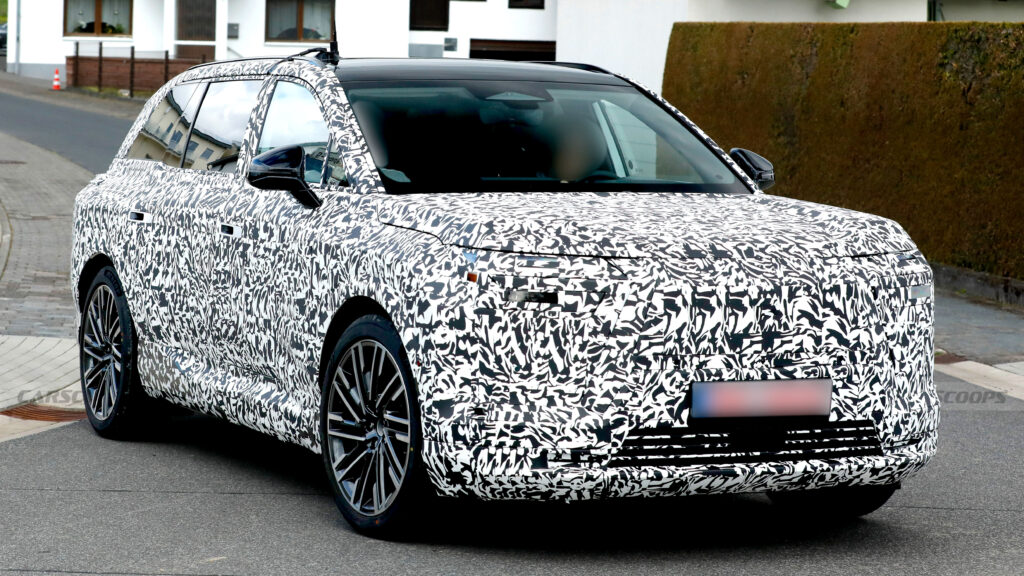
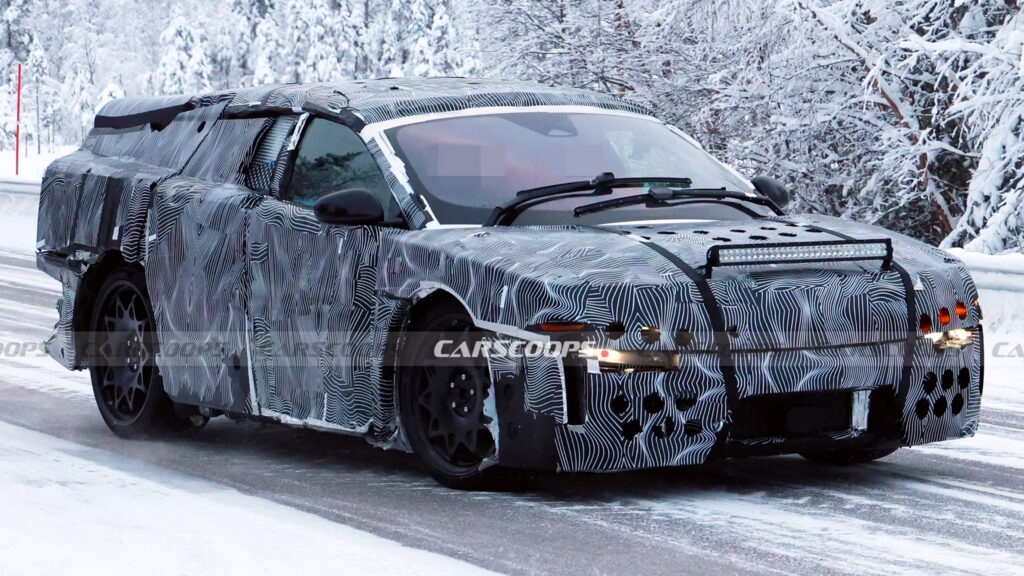
After plenty of speculation about its existence, Lexus’s long-expected electric three-row SUV has surfaced in the open at last. Spied testing for the first time, it is, at heart, a more polished take on the new Toyota Highlander EV, positioned to square up against the Hyundai Ioniq 9, Kia EV9, and Volvo EX90, with a ‘9’ set to feature in its name.
While this prototype is covered from head to toe in camouflage, we can see it retains the same overall shape and profile as the Highlander, though Lexus has worked over the details. Up front, for example, there are split headlights and a cleaner, less cluttered bumper design.
Cast your eyes down the sides of the TZ, and you’ll notice the wheel arches are slightly more square than they are on the Highlander, and it sits on new wheels, too. The door handles and side windows also look the same as the Toyotas’, although the door skins look a little different.
The rear remains carefully disguised, offering little beyond hints. The taillights appear to mirror the Highlander’s general shape, possibly stretching further down the sides, though for now, most of the detail stays under wraps.
Baldauf
With a few possible exceptions due to the different body panels, the Lexus TZ should have largely the same dimensions as the Highlander. That means it should be about 198.8 inches long, 78.3 inches wide, and stand 67.3 inches, complete with a 120.1-inch wheelbase.
With a few allowances for its unique bodywork, the Lexus TZ or TZ9 if the naming structure holds, is expected to mirror the Highlander’s footprint quite closely. That points to an overall length of roughly 198.8 inches, a width of 78.3 inches, and a height of 67.3 inches, riding on a 120.1-inch wheelbase.
What About The Powertrain?
As for what sits underneath, the safest assumption is that Lexus will lean heavily on Toyota’s existing hardware. In Highlander form, the base setup pairs a 77 kWh battery with a single motor producing 221 hp and 198 lb-ft (268 Nm). Step up to all-wheel drive and output rises to 338 hp and 323 lb-ft (438 Nm), alongside a larger 95.8 kWh battery and a claimed range of up to 320 miles (515 km).
SB-Medien
Although those figures would pass muster for a Lexus, the competition has already moved on. The Volvo EX90 carries a 111 kWh battery, while the Hyundai Ioniq 9 comes in at 110.3 kWh, both pushing for longer real-world range. Against that backdrop, a larger pack for the TZ would not go amiss.
A Familiar Lexus Cabin
We don’t yet have any photos of the TZ’s interior, though a couple of shots show the door panels. They’re clearly different from the doors of the Highlander and appear to have the same electric door release button as other Lexus models.
While some reports suggest it could be built alongside the Highlander EV at Toyota’s plant in Georgetown, Kentucky, others point to production in Japan with exports to global markets, including the US. Either way, it is expected to debut toward the end of the year or in early 2027.
The motorcycle is powered by a 7.1 kWh lithium-ion battery with a rear motor.
Flagship versions of the two-wheeler produce up to 37 hp and 350 lb-ft.
While the bikes look appealing, they cost more than a loaded BMW S 1000 RR.
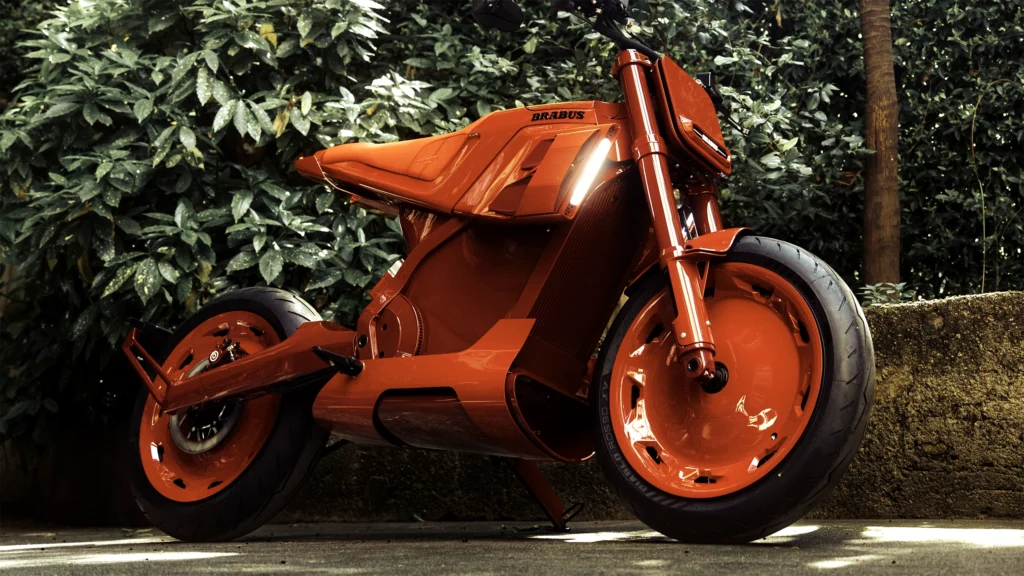
Brabus has taken a break from building V8-powered monsters with enough torque to twist the planet, and has partnered with a French motorcycle manufacturer to build three all-electric bikes. Dubbed the DAB 1a Brabus, Brabus Urban E, and Brabus Urban E First Edition, they appear well-suited for inner-city use.
All three are based on DAB’s existing 1a but offer different performance levels and unique designs. The DAB 1a Brabus is finished in black and features exposed carbon fiber on the belly pan, front fender, and engine cover inserts. It also rocks matte black wheel covers and an Alcantara seat with gray stitching, giving it a low-profile and stealthy look.
Power comes courtesy of a 7.1 kWh lithium-ion battery, driving a rear-mounted electric motor with 31 hp and 291 lb-ft (395 Nm) of torque. Brabus says the bike can travel up to 93 mph (150 km/h) on a charge and run through to 75 mph (120 km/h), while it can be charged from 20 to 100 percent through a standard household plug in about 3 hours.
Brabus DAB 1a
Then there’s the Brabus Urban E. It ups the ante with an upgraded motor delivering 37 hp and 350 lb-ft (475 Nm). The Urban E also introduces carbon-fiber air ducts on the left and around the motor to help keep the electric motor cool, while the battery pack is untouched.
Style And Power
Other upgrades include newly painted gloss-black parts with red accents and carbon-fiber pieces. The wheel covers are also made from carbon fiber, vertical DRLs have been added, and there’s a Supermoto-style handlebar with CNC-machined aluminum levers. Brabus has also added keyless start to this model and included several different riding modes: Eco, Street, Sport, Nitrous, and Reverse. What’s more, there’s also a fully adjustable suspension and upgraded Brembo brakes.
Brabus Urban E
Rounding out the trio is the Urban E First Edition. It has all the same features as the regular Urban E, but is offered in four distinctive colors: Peetch, Desert Sand, Superviolet, and Fusion Red. Each color will be limited to just 10 units.
While the designs of the bikes are quite appealing, their prices aren’t so pretty. The base DAB 1a Brabus starts at €16,590 ($19,500), the Urban E is priced from €20,800 ($24,400), and the First Edition is €32,500 ($38,100). To put those figures into perspective, you can get a brand new BMW S 1000 RR, a top-notch superbike that comes with no less than 215 hp, loaded with features for around €25,000 ($29,000). Guess it’s another case of horses for courses…
The plan leans on overseas markets that barely know the brand exists
Plug-in hybrids and BEVs would make up 60 percent of that volume
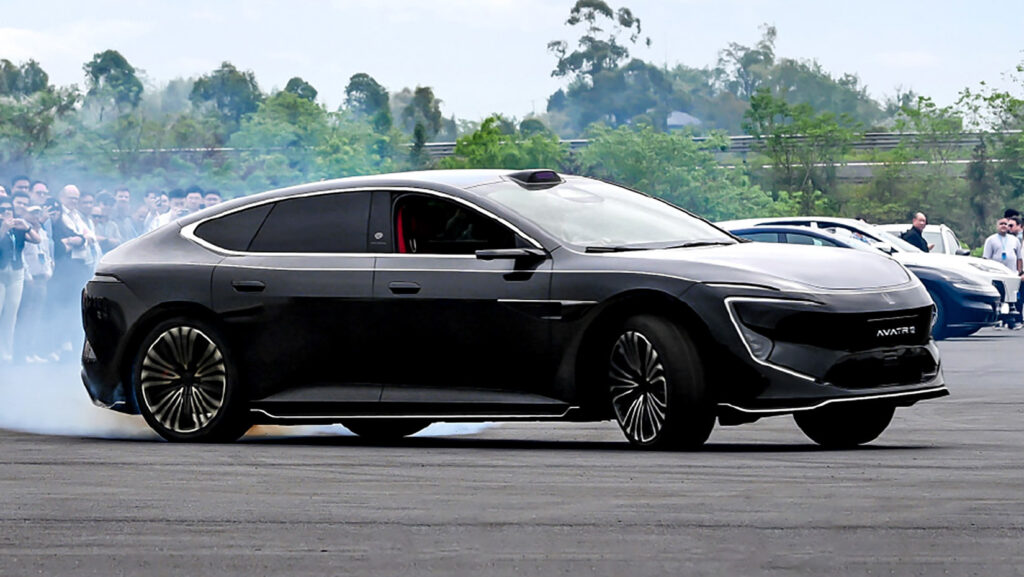
Changan operates brands like Nevo, Deepal, Volga, Avatr, and Kaicene.
Last year, BYD and Geely were the only two Chinese automakers to firmly establish themselves among the planet’s top 10 largest car manufacturers by volume. By 2030, fellow Chinese brand Changan aims to join them and grow its global sales by more than two-thirds.
Heading into the Beijing Auto Show, Changan Automobile says it is aiming for 5 million annual sales by 2030, with a fallback target of 4 million if conditions tighten. Reaching the higher figure would make it the world’s fifth-largest carmaker based on 2025 volumes, putting it ahead of Ford at 4.4 million, Honda at 3.5 million, and Nissan at 3.2 million. The plan leans heavily on electrification, with plug-in hybrids and battery-electric models expected to account for 60% of total sales.
The key to Changan’s desired growth will be overseas markets. Last year, it sold 638,000 vehicles outside China, but by 2030, it aims to increase this figure to between 1.4 million and 1.8 million units. Among the brands currently operated by Changan include Nevo, Deepal, Volga, Avatr, and Kaicene, while it also has joint ventures with Mazda and Ford.
Chinese Rivals Could Also Climb The Charts
Of course, Changan isn’t the only Chinese carmaker that wants to see more sales in the coming years. Geely, which ended 2025 as the world’s eighth largest car manufacturer with 4.12 million vehicles, is targeting 6.5 million sales in 2030. Additionally, BYD will be pushing for more sales, although it hasn’t announced a set target for 2030, Reuters notes.
New technologies will play a part in Changan’s sales growth. The car manufacturer is gearing up to launch a pair of all-electric sedans using advanced sodium-ion batteries. As sodium-ion batteries are far cheaper to produce than existing lithium-ion batteries, these models could usher in a new era of even more ultra-affordable EVs in China. Most other major Chinese car companies are also developing sodium-ion batteries, including Geely and BYD.
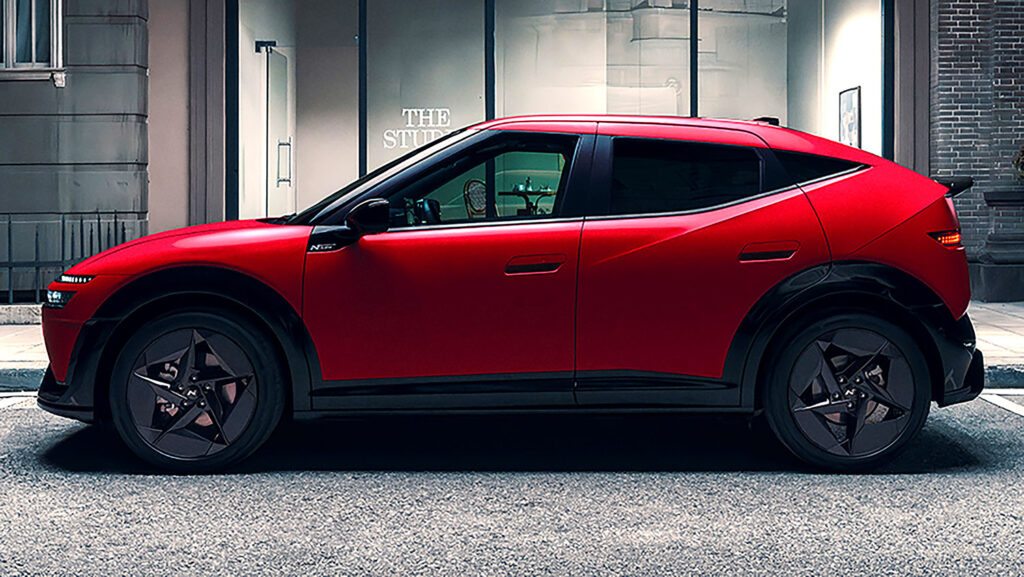
Hyundai’s N division is weighing whether the Ioniq 3 deserves its badge
Kia already launched an EV3 GT using nearly identical underpinnings
A 400-volt performance EV was something Hyundai previously ruled out
Electric performance cars are still working out what they want to be. Some feel quick but distant, others try a bit too hard. The new Hyundai Ioniq 3’s design has already picked up some unflattering Pontiac Aztek comparisons, yet this all-electric hatch could still be first in line for the N treatment.
Hyundai’s N performance division fast dabbled in the world of performance EVs with the Ioniq 5 N three years ago, proving it was possible to build an electric car that’s fun and engaging to drive. It’s since followed this up with the Ioniq 6 N, and senior executives at the company appear open to the idea of an Ioniq 3 N.
“We are looking into different ways to expand the N line-up,” Hyundai Europe product vice president Raf van Nuffel told Car Sales. “N was always about cornering and fun to drive. When we launched the i30 N, it was not about the sheer 0-100km/h number and so on. It’s about having fun while driving,” noting a smaller and lighter vehicle like the Ioniq 3 doesn’t need supercar-levels of performance.
Up until now, Hyundai has shied away from making any N EVs that use cheaper 400-volt architectures, citing concerns that they lack cooling systems to maintain on-track performance. Lower charging speeds could also impact their appeal for those seeking out their local circuit. However, it seems executives are reversing this stance and see an opportunity to make the Ioniq 3 more exciting.
Hyundai Could Follow Kia’s Lead
Kia has launched a GT-branded version of its EV3, and it shares many of its parts with the Ioniq 3, so there’s certainly scope for the Hyundai to be given some extra power. In the case of the EV3 GT, a pair of electric motors delivers 288 hp (215 kW) and 345 lb-ft (468 Nm) of torque, figures right in line with current combustion-powered hot hatches, including Hyundai’s own i30 N.
Speaking about the possibility of an Ioniq 3 N last year after the reveal of the dramatic Concept Three, the president and chief executive of Hyundai Motor Europe, Xavier Martinet, indicated such a project was under consideration.
“The concept is quite sporty, and obviously you have heritage with the N brand. I think it’s a fair topic to consider,” he said.
The all-electric Luce could be more expensive than the 849 Testarossa.
Ferrari’s first EV may also be a lot more expensive than the Purosangue.
A 122 kWh battery pack and four electric motors will be fitted as standard.
Ferrari is taking a gamble with its all-electric Luce, launching it at a time when EV sales have contracted in the US, and competition from China is offering EV buyers supercar-levels of power at a fraction of the cost. If a new report about the Luce’s potential starting price is accurate, it could prove to be a hard sell for the brand.
Citing unnamed sources, it’s being reported that European prices for the Luce will start at approximately €550,000, or the equivalent of $645,000. To put that in perspective, the Ferrari Purosangue SUV starts at around €400,000 ($470,000) in Europe, although strong demand for that model means some used examples are going for over €600,000 ($704,000).
Bloomberg understands that the final price is yet to be locked in, and could be adjusted 10 percent in either direction from the €550,000 mark. If true, this could make the Luce more expensive than even the 849 Testarossa and 12Cilindri, and would be the firm’s second-most expensive series production model after the F80 hypercar.
Such a sky-high price tag could limit the Luce’s appeal, particularly since Ferrari’s customers are used to buying models from the Italian marque with sizzling internal combustion engines, not heavy battery packs and electric motors. If it’s possible to buy a V12-powered, four-seat Purosangue for less, while boasting all the practicality as the Luce, some may be swayed by the allure of the combustion-powered Fezza.
Admittedly, loyal Ferrari customers aren’t exactly strapped for cash, so they may not really care about how much the Luce costs and could be fixated on buying one anyway. Not only could the Luce be one of Ferrari’s most expensive models, but it’d be one of the priciest EVs on the market, costing way more than anything sold by Porsche and even more than the Rolls-Royce Spectre that starts from under $400,000 in America.
Quad Motors
What will shoppers get for their money? While final specifications for the Luce won’t be announced until its unveiling next month, we know it will have four electric motors delivering over 986 hp. Feeding these motors with juice will be a 122 kWh battery pack supporting charging speeds of up to 350 kW, giving the model a driving range of over 329 miles (530 km).
Real-world efficiency ranges from 89 to 92 percent in daily use.
The wireless charger is said to cost about $6,500 before taxes.
Upfront cost remains the main barrier despite a minimal long-term gap.
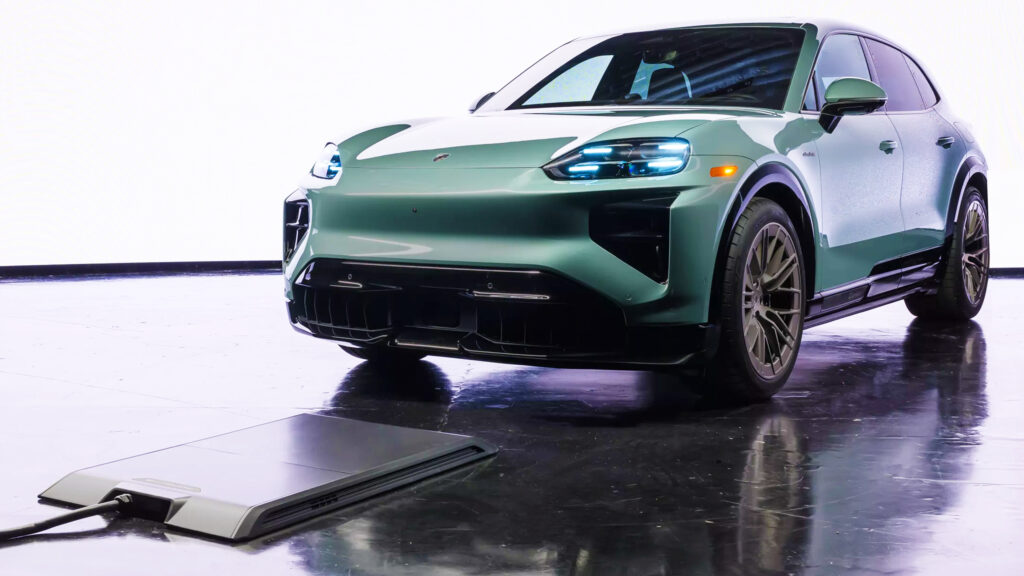
In the push to make home charging feel as seamless as refueling, automakers are starting to rethink the ritual itself. Before lifting the veil on the all-electric Cayenne, Porsche confirmed it had developed complex inductive charging technology. Now that the Cayenne Electric has reached the road, the brand is preparing to launch an optional wireless charging system for those who would rather skip plugging in at home.
At the heart of the charging system is the hefty base plate. Weighing in at 110 lbs (50 kg), it’s been designed to plug into a wall socket and houses a large transmitter coil. The base plate converts AC voltage from the electrical grid into DC voltage, and as the Cayenne Electric is positioned above it, a secondary coil beneath the SUV begins to receive power.
Impressively, Porsche says its inductive charging technology supports up to 11 kW. Jason Fenske of Engineering Explained notes that Porsche’s own US mobile connector caps at 9.6 kW, making wireless the faster home-charging option for American owners.
The wireless charger comes with special software in the Cayenne Electric’s Surround View parking function, which displays the receiver’s position near the front axle, while a green circle indicates the base plate’s position. Simply pull the Porsche so the green dot is inside the circle, and it’s in the correct position to start charging.
Before the energy flow starts, the system automatically exchanges data, including a password, to prevent potential electricity theft. Wireless charging systems are generally regarded as inefficient, but Porsche’s engineers told Engineering Explained the system delivers between 89 and 92 percent efficiency in real-world use, comfortably clearing the 85 percent minimum the applicable charging standard requires.
Porsche also confirmed that Level 1 wired charging on the Cayenne Electric runs at just 60 percent efficiency, meaning the wireless pad is a significant step up over a standard household outlet.
Not Having A Cable Is Costly
Tempted buyers shouldn’t worry about the system’s safety, with Porsche noting that the base plate is fully waterproof and includes sensors to detect foreign bodies, immediately stopping charging if something is detected.
“Ease of use, suitability for everyday use, and charging infrastructure are still the decisive factors when it comes to the acceptance of electric mobility,” Porsche R&D boss Michael Steiner said. “We are proud that inductive charging will soon be available in series production at Porsche. Charging an electric car at home has never been so easy and convenient.”
While the system is certainly convenient, it is expensive. In the UK, the entire setup is expected to cost around £6,750 ($9,125), with £4,750 ($6,421) of that being for the base plate itself.
In the US, the ground pad is said to be priced at about $6,500 before taxes, while the Cayenne EV’s onboard hardware adds another $1,650. A lifetime cost analysis by Fenske suggests the real expense is not in the electricity at all. He says that over 200,000 miles, the difference between wireless charging and a conventional wired Level 2 setup comes to roughly $1,000. Based on average U.S. driving of about 13,000 miles per year, reaching that gap would take roughly 15 years, leaving the upfront hardware premium as the main financial hurdle.
The latest Formula E race cars can deliver up to 805 hp in peak output.
Each car uses a 51.25 kWh battery and reaches 62 mph in 1.8 seconds.
Porsche leads both drivers and teams titles in the 2025/2026 season.
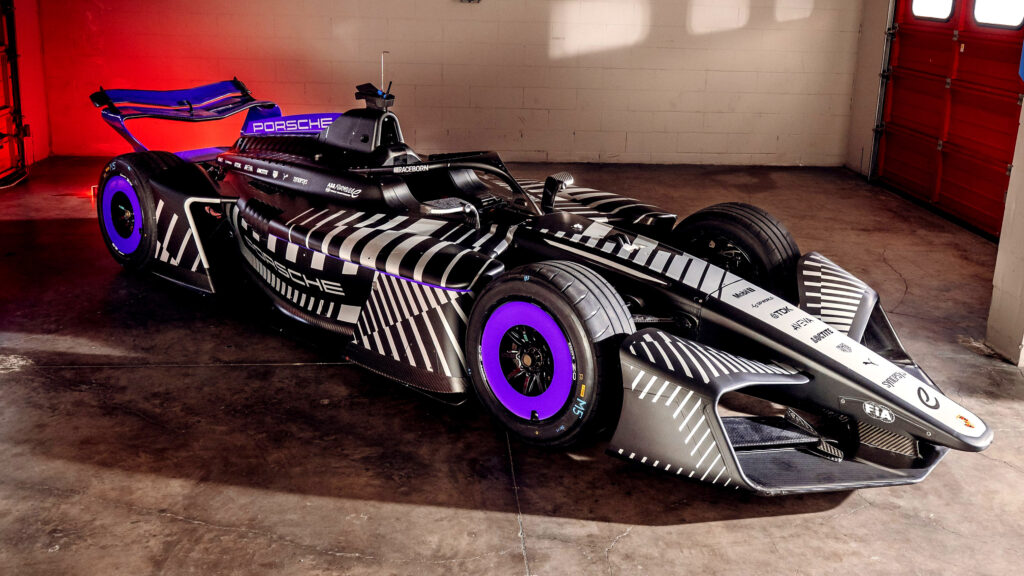
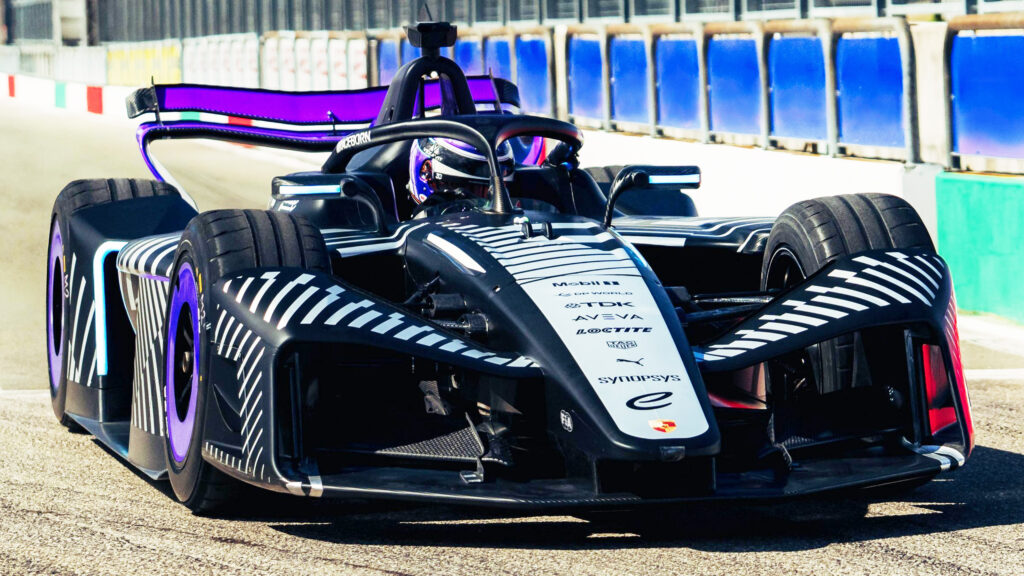
Formula E will introduce its fourth generation of cars for the upcoming 2026/2027 season, and Porsche has become the latest company to unveil its entrant. Looking more like a concept out of a Tron film than a car that will actually race, the 975 RSE delivers far more downforce than previous entrants, which should slash lap times.
This year, the powertrains used across the Formula E grid will be uprated to deliver 805 hp in Attack Mode with permanent all-wheel drive and new tires ensuring that power is sent to the tarmac efficiently. During regular racing, power will be capped at 604 hp, and all cars will use a 51.25 kWh battery pack. The GEN4 car can sprint to 100 km/h (62 mph) in just 1.8 seconds, and the 975 RSE weighs just 2,103 lbs (954 kg).
Elsewhere, the new cars offer up to 700 kW of recuperation power thanks to the regenerative braking system at the front and rear axles. They also support ultra-fast charging at up to 600 kW. But it’s the design of the GEN4 cars that will really catch the attention of fans of the single-seater, all-electric racing series.
A Racer From The Future
The front end has been overhauled and sports an all-new nose cone with an intricate multi-level splitter and complex aero elements ahead of the front wheels. The aerodynamics have also been revised along the sides, while a flowing wing is positioned at the rear. Importantly, the livery shown is for testing only, and the racer will look a little different when the season starts.
Halfway through the current 2025/2026 season, Porsche leads the current drivers’ and teams’ championships and will look to build on this success for the next season. Porsche also won the teams’ titles in 2024-2025, while current-championship leader Pascal won the drivers’ championship for the brand in 2023-2024.
“The 975 RSE and its competitors are a massive step forward for the sport,” Porsche factory driver Nico Müller said. “I’m a big fan of how aggressively you can drive. Especially in qualifying, when everyone is pushing to the limit, it should be spectacular – particularly because of the strong acceleration out of the corners. I’m glad I was involved in the simulator work from the beginning. Pascal and I share the testing duties. That’s good, because it allows us to tailor the 975 RSE precisely to our needs.”
The new Formula E race cars will be capable of delivering up to 805 hp.
Each car will come with a 51.25 kWh battery pack and hit 62 mph in just 1.8 seconds.
Porsche currently leads the drivers’ and teams’ titles in the 2025/2026 season.
Formula E will introduce its fourth generation of cars for the upcoming 2026/2027 season, and Porsche has become the latest company to unveil its entrant. Looking more like a concept out of a Tron film than a car that will actually race, the 975 RSE delivers far more downforce than previous entrants, which should slash lap times.
This year, the powertrains used across the Formula E grid will be uprated to deliver 805 hp in Attack Mode with permanent all-wheel drive and new tires ensuring that power is sent to the tarmac efficiently. During regular racing, power will be capped at 604 hp, and all cars will use a 51.25 kWh battery pack. The GEN4 car can sprint to 100 km/h (62 mph) in just 1.8 seconds, and the 975 RSE weighs just 2,103 lbs (954 kg).
Elsewhere, the new cars offer up to 700 kW of recuperation power thanks to the regenerative braking system at the front and rear axles. They also support ultra-fast charging at up to 600 kW. But it’s the design of the GEN4 cars that will really catch the attention of fans of the single-seater, all-electric racing series.
A Racer From The Future
The front end has been overhauled and sports an all-new nose cone with an intricate multi-level splitter and complex aero elements ahead of the front wheels. The aerodynamics have also been revised along the sides, while a flowing wing is positioned at the rear. Importantly, the livery shown is for testing only, and the racer will look a little different when the season starts.
Halfway through the current 2025/2026 season, Porsche leads the current drivers’ and teams’ championships and will look to build on this success for the next season. Porsche also won the teams’ titles in 2024-2025, while current-championship leader Pascal won the drivers’ championship for the brand in 2023-2024.
“The 975 RSE and its competitors are a massive step forward for the sport,” Porsche factory driver Nico Müller said. “I’m a big fan of how aggressively you can drive. Especially in qualifying, when everyone is pushing to the limit, it should be spectacular – particularly because of the strong acceleration out of the corners. I’m glad I was involved in the simulator work from the beginning. Pascal and I share the testing duties. That’s good, because it allows us to tailor the 975 RSE precisely to our needs.”
Bentley has developed new carbon fiber workwear for production staff.
The new clothing will work in electrostatically protected areas of the plant.
Underpinning the firm’s first EV is the VW Group’s PPE platform.
Later this year, Bentley will launch its very first EV. The new model, a mid-size SUV expected to be dubbed the Barnato, will slot below the Bentayga and arrive in the US in 2027. In addition to all the development of the vehicle itself, building an EV also prompted a rather unusual change at Bentley’s Crewe factory.
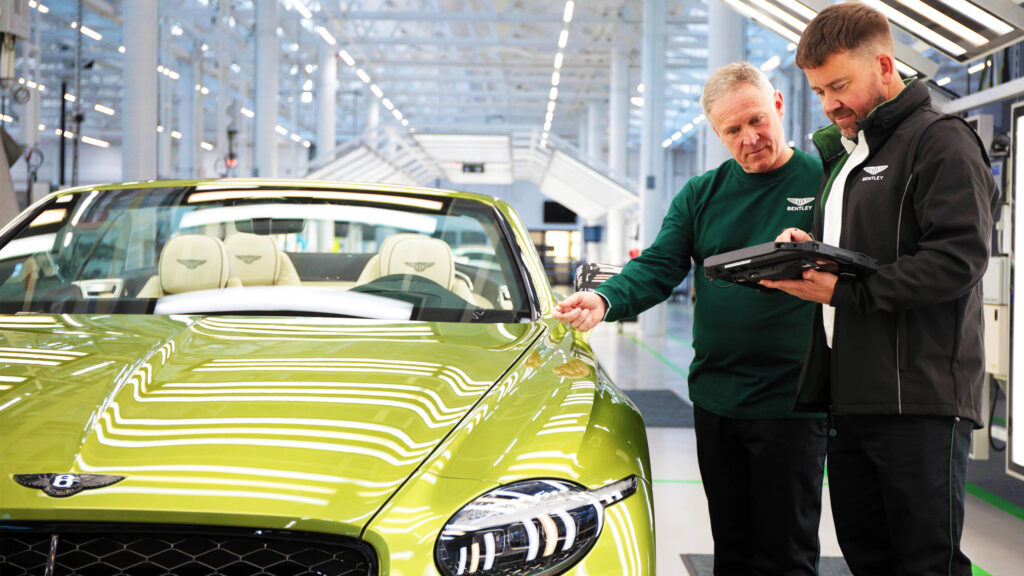
To get ready to start manufacturing the Barnato, Bentley has designed new workwear for those who’ll be working with electrostatically protected areas of the plant. According to Bentley, the new pieces of clothing include carbon fiber in their construction, not in an effort to reduce weight, but instead to dissipate static electricity.
The British automaker hasn’t mentioned working with external clothing suppliers for the new kit, but notes it focused on using specific materials and construction methods to reduce environmental impact. When the clothing is ready to be replaced, Bentley will recycle every single piece, which will then be repurposed into new items.
Several photos released by the company show workers posing in the new clothing. They may be smiling, but we suspect they were eager to actually get back to the job of building cars, not pretending to look busy for the camera.
A Bentley With VW Tech
Bentley’s second SUV is an important vehicle for the brand. It will launch at a time when EV sales are contracting in the United States, but rising in Europe, and it remains to be seen how receptive Bentley buyers will be to an electric SUV.
With that being said, the electric Rolls-Royce Spectre has established itself as their second-best-selling model after the Cullinan, meaning there’s a good chance those shopping for a Bentley will also appreciate the smoothness and quietness of an electric powertrain.
Underpinning the Barnato will be the same PPE platform as vehicles like the Audi A6 e-tron, Q6 e-tron, Porsche Macan Electric, and Cayenne Electric.
Ford plans to refresh most of its global vehicle lineup by 2029.
A new internal group will unify design, EV, and software teams.
UEV platform focuses on weight reduction and system simplicity.
Ford is preparing one of its most aggressive product overhauls in years, and it is reorganizing itself to get there. The company plans to refresh 70 percent of its global portfolio by 2029 and, to support that effort, has created a new end-to-end internal organization that integrates its EV, digital, and design teams with its global industrial system.
According to Ford, this structure will “deliver one of the most intensive product, software, and services rollouts in Ford’s history.”
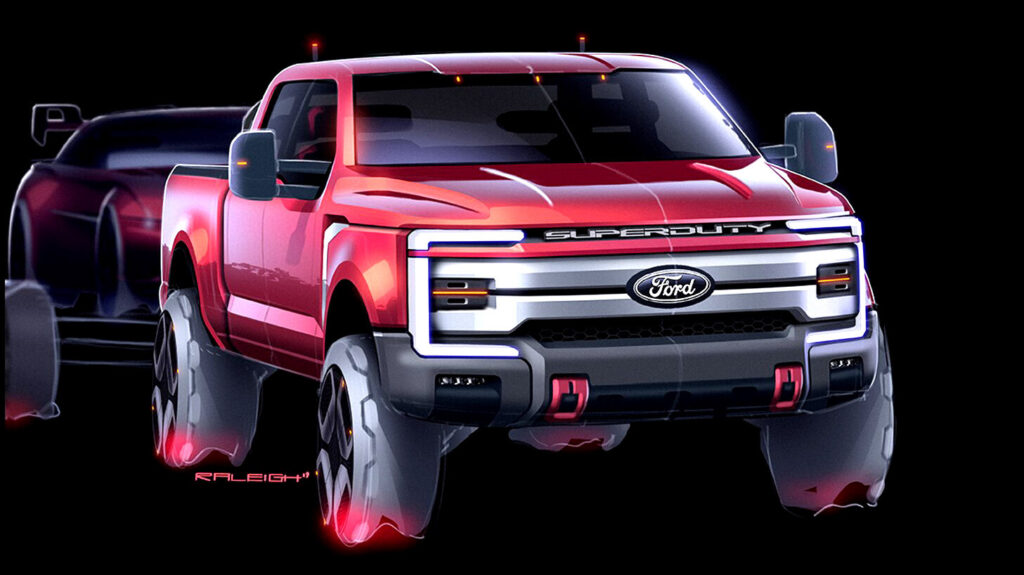
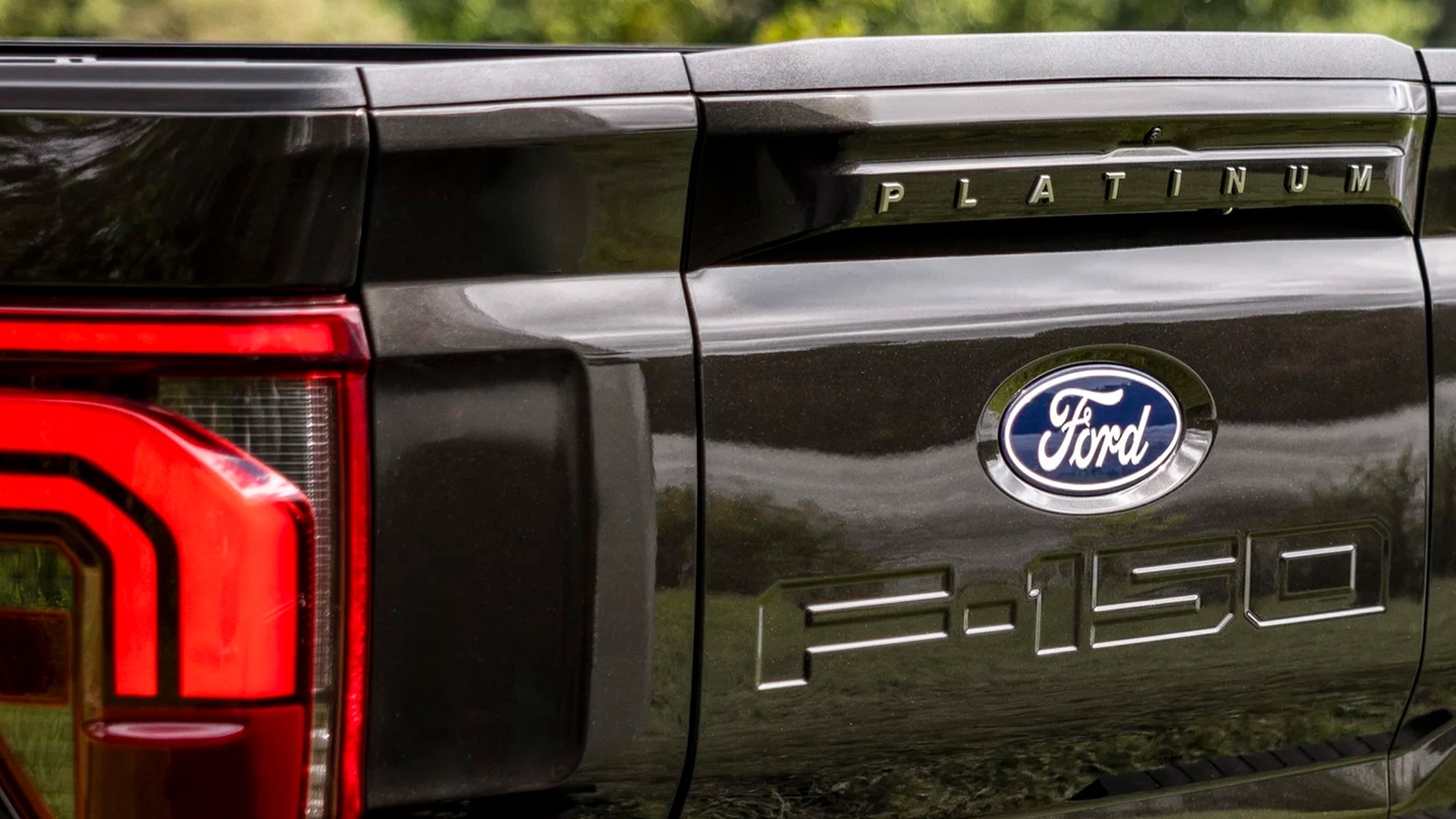
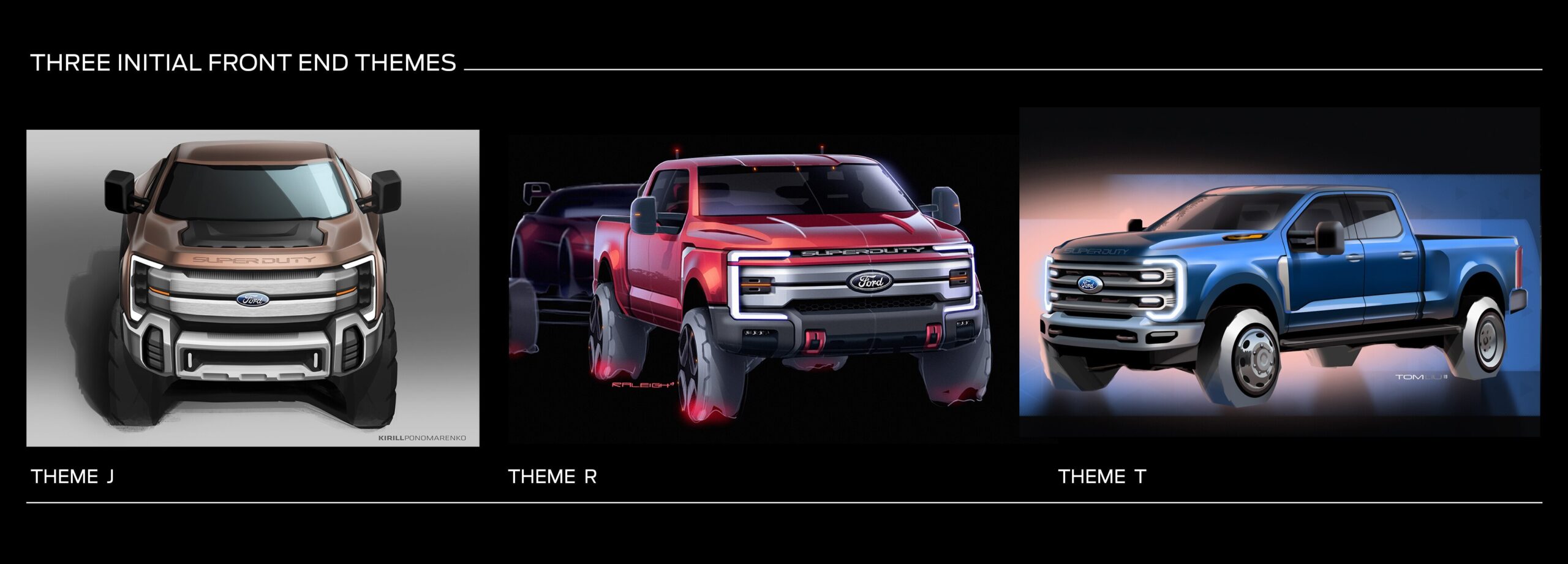
The new group, called Product Creation and Industrialization, will be led by Kumar Galhotra. Beyond the global target, Ford says 80 percent of its North American portfolio by volume will also be refreshed by 2029. That includes a next-generation F-150 and F-Series Super Duty, alongside a new mid-size pickup built on Ford’s Universal Electric Vehicle (UEV) platform.
Developed by a skunkworks team, the UEV platform uses unicastings to reduce weight and complexity. It also features an ultra-efficient powertrain and a fully zonal electrical architecture, supported by in-house software and advanced driver assistance systems.
More Electrified Options
As part of Ford’s product updates, nearly 90 percent of its global nameplates will offer electrified powertrains by 2030, including hybrids, extended-range EVs, and full EVs. Interestingly, Ford notes that work on its UEV platform will benefit its hybrids, too, thanks to the new high-efficiency motors developed.
“This is the culmination of years of work and progress to create the modern Ford – a talented, unified organization capable of scaling high-quality, software-defined vehicles with a choice of propulsion, distinctive digital experiences and features, and a personalized ownership experience that improves over time,” Ford chief executive Jim Farley said in the announcement.
Doug Field Exits
Ford’s sweeping internal reset comes with a notable departure at the top. The company confirmed that Doug Field, who joined five years ago to steer its push into electrified, connected, and software-defined vehicles, will leave within the next month.
Field played a central role in shaping the newly formed Product Creation and Industrialization organization, the same group tasked with streamlining development across hardware, software, and manufacturing. His exit lands at a critical moment, as Ford leans on this structure to execute its broad product overhaul and move toward an 8 percent adjusted EBIT margin by 2029.

 Login
Login