Normal view

There are new articles available, click to refresh the page.
Today — 21 January 2026Main stream

Lotus Might Slash Eletre’s Price In Half In Canada

  • Lotus could slash Eletre prices in Canada by nearly 50 percent.
  • Eletre currently costs more than a Lamborghini Urus SE in Canada.
  • EV tariff deal lets some Chinese imports face lower 6.1 percent tax.

The Lotus Eletre might soon become a far more accessible proposition in Canada, thanks to a new trade agreement with China that could take a wrecking ball to the electric SUV’s bloated sticker price. What is now priced well into super-luxury territory may soon fall within reach for a much broader group of buyers.

Read: We Drove Lotus’ Electric SUV To See If It Can Silence Its Haters

As in the United States, 100 percent tariffs have pushed the Eletre’s price in Canada into the stratosphere, starting at a jaw-tightening CA$313,500 (about US$226,000 at current exchange rates). That puts it in the same league as a mid-spec Bentley Bentayga and even pricier than the Lamborghini Urus E. In the U.S., things aren’t much better, with a starting price of US$229,000 before delivery.

Tariff Relief

 Lotus Might Slash Eletre’s Price In Half In Canada

With the new policy in effect, the first 49,000 Chinese EVs imported into Canada each year will now face a reduced 6.1 percent tariff. Lotus claims this will cause the Eletre’s price to “fall sharply by about 50 percent.”

However, it’s worth noting that under the terms of the agreement, half of those 49,000 vehicles are required to start below CA$35,000 (US$25,000), which the Eletre most definitely does not.

Lotus announced the change on Chinese social media, although it stopped short of confirming a new starting price for the Eletre. If it does indeed drop by 50 percent, it could start from around CA$156,000 ($112,500), significantly undercutting the Urus and positioning it closer to the Porsche Cayenne GTS, which starts at CA$134,800 ($97,200).

\\\\\\\\\

“Canada has always been an important market with great strategic significance in the global territory of Lotus sports cars,” Lotus Group chief executive Feng Qingfeng wrote in a social media posting. “Users here have a high appreciation for high performance and driving pleasure. We warmly welcome the new tariff optimization policy, which has created a more open and fair market environment for international car brands.”

More: Canada Just Invited China’s Biggest EV Makers To Build Cars On America’s Border

Lotus currently operates six dealerships across Canada and will no doubt be eager to ramp up sales of the Eletre. The flagship model features a pair of electric motors that combine to produce 905 hp, allowing a 0-100 km/h (62 mph) in a blistering 2.95 seconds and reach a 265 km/h (164 mph) top speed. It also has a quoted WLTP range of 280 miles.

A Hybrid Eletre Is in the Works Too

 Lotus Might Slash Eletre’s Price In Half In Canada
The upcoming hybrid Lotus Eletre For-Me

Lotus isn’t stopping with just the all-electric Eletre. A hybrid version is also in the works, offering an alternative path for buyers who aren’t quite ready to go fully electric. Official documents out of China confirm that this variant, called the Eletre For-Me, retains the SUV’s shape and layout but adds a turbocharged four-cylinder engine to the mix.

Read: Lotus Dropped A Gas Engine Into The Eletre SUV

It’s Lotus’s first step back from its earlier pledge to go EV-only, and while the full specs haven’t been disclosed, early reports point to a combined output of 952 hp, slightly more than the current top-spec Eletre R.

We had a chance to review the all-electric Eletre last year and were pleasantly surprised. It’s quick, feels well-built, and has a beautiful interior that suits the category. Will those qualities be enough to convince Canadians to buy it if the price drops by half?

 Lotus Might Slash Eletre’s Price In Half In Canada

Canada Just Invited China’s Biggest EV Makers To Build Cars On America’s Border

  • Canada will cut EV tariffs from 100 percent to just 6.1 percent.
  • New trade deal caps Chinese EV imports to 49,000 per year.
  • Ford warns deal risks job losses and US market retaliation.

Canadian Prime Minister Mark Carney says several Chinese carmakers are showing interest in building affordable electric vehicles on Canadian soil, just days after the country signed a new trade agreement with the world’s largest EV manufacturing nation.

Read: Canada Just Let Cheap Chinese EVs Back In

Carney met with Chinese President Xi Jinping in Beijing late last week, where the two leaders finalized a deal that will sharply cut tariffs on Chinese EVs entering Canada, dropping them from 100 percent to 6.1 percent. As part of the agreement, a cap will initially limit imports to 49,000 vehicles per year, with half of those required to start below CA$35,000 (roughly $25,000 USD).

Framing the cap as a measured opening rather than a floodgate, Carney pointed out that 49,000 vehicles matches the number of Chinese-made EVs imported into Canada in 2023.

A Cautious Green Light

 Canada Just Invited China’s Biggest EV Makers To Build Cars On America’s Border

“We’ve had direct conversations directly from the Chinese companies…and collectively are the world’s leaders in this space, with explicit interest and intention to partner with Canadian companies,” Carney said.

He described the deal as a phased rollout designed to encourage collaboration between Chinese automakers and local firms. “This is an opportunity for Ontario. It’s an opportunity for Ontario workers, an opportunity for Canada, done in a controlled way with a modest start,” he added.

Any Chinese car manufacturer that intends to build EVs in Canada will need to meet the nation’s labor standards, Carney said, and reiterated that he wants to see Canada remain competitive in the auto market well into the future.

“We don’t want to be competitive in the market of 2000, 2010,” he said. “We want to become competitive in the market in the future.”

A Small Slice of the Market. For Now

 Canada Just Invited China’s Biggest EV Makers To Build Cars On America’s Border

To address concerns about disruption, Carney pointed out that the import cap amounts to less than three percent of Canada’s annual new car sales, which hover around 1.8 million vehicles. He called the agreement a “modest” first step, noting that a review is built into the deal after three years to gauge market impact.

Perhaps surprisingly, US President Donald Trump said the trade deal was a good one, despite US Trade Representative Jamieson Greer deriding it as “problematic for Canada.” According to Trump, “Well, it’s okay. That’s what he [Carney] should be doing. If you can get a deal with China, you should do that.”

Premier Hits Out

Not everyone is a fan of seeing Canada reduce tariffs on Chinese EVs. Ontario Premier Doug Ford has criticized the deal, claiming it will hurt the local economy.

“By lowering tariffs on Chinese electric vehicles, this lopsided deal risks closing the door on Canadian automakers to the American market, our largest export destination, which would hurt our economy and lead to job losses,” he said, according to CP24.

Unifor National President Lana Payne also voiced concern. “Providing a foothold to cheap Chinese EVs, backed by massive state subsidies [and] overproduction…puts Canadian auto jobs at risk while rewarding labour violations and unfair trade practices,” she said.

 Canada Just Invited China’s Biggest EV Makers To Build Cars On America’s Border

Mitsubishi’s New 400HP Compact Comes From The Same Factory As Your iPhone

  • Mitsubishi’s next EV is based on the Foxtron Bria hatch.
  • Dual-motor flagship model is rated at 400 horsepower.
  • Testing of the new model is already underway in Australia.

If there were an award for the automaker with the least inspiring lineup, Mitsubishi might have a strong claim to it. But change is on the horizon. The Japanese brand is set to add some spark to its range with a new all-electric model, even if, as has become something of a pattern lately, the vehicle won’t be one of its own creations.

Read: Foxconn’s Pininfarina-Designed Model B Could Steal Tesla’s Thunder In The Small Segment

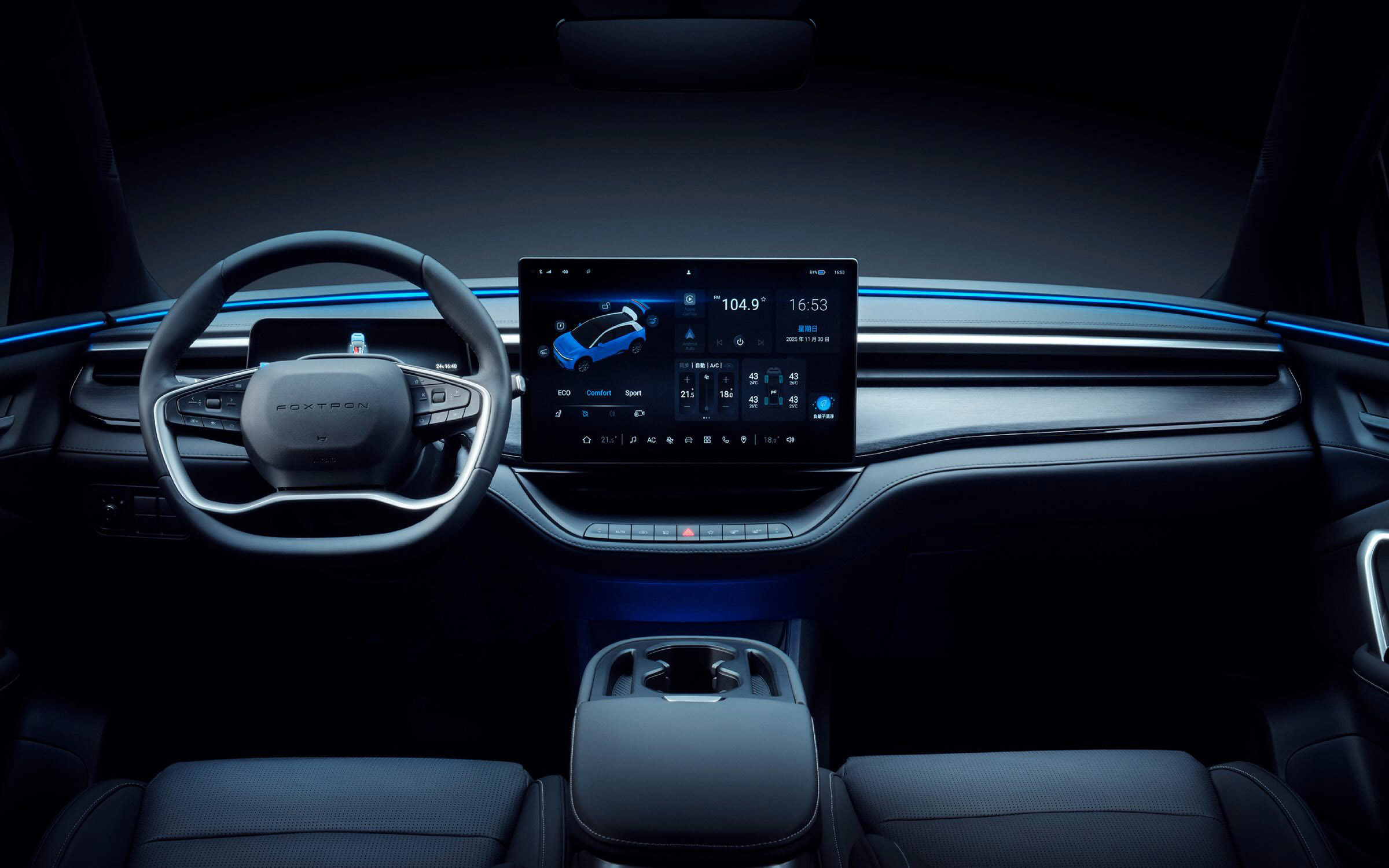
As covered previously, Mitsubishi has teamed up with Taiwanese contract manufacturer Foxconn, best known for assembling the iPhone. Together, they’ll introduce an electric hatchback based on Foxtron’s newly unveiled Bria designed by famed Italian studio Pininfarina.

That car, based on the striking Model B Concept, made its production debut in Taiwan and could bring a welcome dose of personality to Mitsubishi’s offerings.

Powering the Bria is a 57.5 kWh lithium-iron phosphate battery pack, and so far, three variants have been confirmed. Both the Elegant and Emerge models use a single 229 hp electric motor at the rear, allowing them to hit 100 km/h (62 mph) in 6.8 seconds.

For those wanting more punch, there’s the dual-motor Pioneer model. With all-wheel drive and a combined 400 hp, it cuts the sprint to 100 km/h down to just 3.9 seconds.

 Mitsubishi’s New 400HP Compact Comes From The Same Factory As Your iPhone

It’s unclear if the Mitsubishi version will retain the same specifications, but we suspect it will. A few months ago, I spotted a prototype of the Model B being tested in Melbourne, Australia, albeit without any Foxtron branding.

This is because the two companies are eyeing Australia as one of the car’s most important markets, and are believed to be fine-tuning the suspension for local road conditions.

The name of the Mitsubishi-branded EV hasn’t been confirmed, but recent trademark filings suggest a direction. According to Drive, the carmaker has secured rights in Australia for the names ‘ASX GT-e’ and ‘ASX VR-e’.

Golf Size

 Mitsubishi’s New 400HP Compact Comes From The Same Factory As Your iPhone

Dimensionally, the Bria measures 4,315 mm (169.8 inches) long, 1,885 mm (74.2 inches) wide, and 1,535 mm (60.4 inches) tall. That makes it slightly longer and wider than a Volkswagen Golf, and comparable in scale to the electric MG 4.

Considering this is Foxconn’s first production EV, the Bria makes a strong visual impression. It bears no resemblance to anything in Mitsubishi’s current stable, but that’s unlikely to be an issue. Mitsubishi has a long history with rebadged models, so it’d probably be happy to sell the Bria as is.

\\\\\\\\\\\
Yesterday — 20 January 2026Main stream

Mercedes Thinks A $10K Discount Will Get $165K Electric SUVs Moving

  • Mercedes G580 electric G-Class now has a $10,000 incentive bonus.
  • Previous lease-only bonus now expanded to all G580 transactions.
  • Quad-motor electric G starts at $164,550 including destination.

Mercedes-Benz’s decision to offer an all-electric version of the G-Class hasn’t come without controversy. After all, one of the most iconic and traditionally rugged off-roaders can now glide along in complete silence.

Still, fresh off a strong 2025 for the G-Wagen lineup in America, Mercedes is moving ahead with its electrification strategy, now aiming to boost interest in the G580 with EQ Technology.

Read: Mercedes’ Electric G Flops So Hard It Could Change What Comes Next

The electric G-Class is currently offered with a $10,000 Incentive Bonus, now available whether you lease or buy the vehicle outright. Previously, this discount was capped at $5,000 and applied only to lease agreements, according to Cars Direct.

 Mercedes Thinks A $10K Discount Will Get $165K Electric SUVs Moving

Whether that’s enough to sway potential buyers is another matter entirely.

The G580 starts at $164,550 including destination. However, as is often the case, finding one at base MSRP is nearly impossible. A quick search on Cars.com turned up 224 listings, with only a single example priced at MSRP. Most hovered between $180,000 and $190,000.

Even so, at base price, a $10,000 discount, while not insignificant, doesn’t sound like it will do much to tip the scales. It amounts to roughly 6 percent off, and for typical G-Class buyers, that might equate to a minor financial blip, not a reason to commit.

Sales Flop

\\\\\\\\

Mercedes recently confirmed it delivered 49,700 G-Class vehicles globally last year, a 23 percent jump over the previous year and a new high-water mark for the model. What it didn’t share is how many of those were the electric G580 and how many still carried internal combustion.

However, reports from early last year described the G580 as a sales “flop,” noting that just 1,450 examples had been sold in Europe as of April 2025, and only 58 in China. It was also claimed that Mercedes had failed to sell a single example in the US, though that was never officially confirmed.

\\\\\\\\\\\

Lucid Owner Gets A $50,000 Lesson On Depreciation

  • Lucid Air Grand Touring originally retailed for $124,950 new.
  • Seller drove 6,500 miles before listing it online this month.
  • Buyer avoided steep depreciation, gaining a flagship EV deal.

While Lucid has carved out a niche in the premium EV market with impressive engineering and design, even the most advanced models aren’t immune to real-world ownership realities. Software hiccups aside, the Lucid Air remains a strong contender, but like many luxury electric vehicles, it faces steep depreciation, a fact this particular seller encountered firsthand.

Read: Spilled Water Bricks Lucid, Repair Costs As Much As A Used Corolla

This 2025 Air, finished in Fathom Blue Metallic, is the Grand Touring variant. It sits near the top of Lucid’s lineup, just below the range-topping Air Sapphire, which plays in near-hypercar territory when it comes to straight-line performance.

A look at the window sticker shows a base price of $110,900 before destination charges. This example came well-optioned, including the $5,500 Tahoe extended leather package, Lucid’s $2,500 DreamDrive Pro driver assistance system, and $3,750 power front seats equipped with massage and ventilation.

What’s The Price Of Premium?
 Lucid Owner Gets A $50,000 Lesson On Depreciation

With these extras and a $1,500 delivery fee, the total MSRP climbed to $124,950 before taxes. The seller acquired the car less than a year ago, making the next part of the story particularly painful.

According to the Cars & Bids listing, the original owner bought it in February of last year and drove it just 6,500 miles (10,500 km) before putting it up for sale a few days ago. Despite being in near-new condition, it sold for only $75,500. That’s a brutal financial loss of $49,450. And that’s before taxes and other expenses like registration fees. It’s a sharp reminder of how rapidly luxury EVs can shed value.

\\\\\\\\\\\\\\\\

Cars & Bids

The good news, if you’re the buyer, is that much of that initial depreciation has likely already happened. Although the car will continue to lose value over time, as most do, the worst of the drop may be behind it. Some 2022 Air Grand Touring models are now changing hands for prices in the mid-$50,000 range, so this one may continue along that curve.

Read: Popular YouTuber Got Critical With Lucid, And Things Didn’t End With A Shrug

Still, for a long-term owner, there’s reason to feel good about the purchase. They’ve essentially sidestepped nearly $50,000 in immediate depreciation, while gaining access to one of the most refined and tech-laden luxury sedans available.

The Air Sapphire has attracted most of the buzz over the past couple of years, but the Grand Touring remains extraordinarily impressive. It has a pair of electric motors with a combined 819 hp, allowing it to hit 60 mph (96 km/h) in around 3 seconds. In addition, it has an exceptional driving range of 512 miles (824 km), among the highest of any current EV in the market.

\\\\\\\\\\\\\

Cars & Bids

Germany Reboots EV Subsidies, And This Time Chinese Brands Are In

  • Incentives range from €1,500 to €6,000 per eligible household.
  • Buyers earning under €45,000 may benefit from the new program.
  • Chinese brands are included in the subsidy with no import ban.

Not long ago, Germany made a sharp U-turn on electric vehicle incentives, pulling the plug on subsidies just as local automakers were counting on them to shore up faltering demand. Unsurprisingly, sales tanked. Now, the government is reversing course once again, preparing to reinstate a new subsidy program aimed at reviving interest in EVs.

Read: Mercedes Keeps Its Most Affordable Model Alive, But It Won’t Be German Soon

The upcoming scheme will offer buyers between €1,500 ($1,742) and €6,000 ($7,000) in incentives, depending on the vehicle, household income, and family size. The total budget stands at €3 billion ($3.48 billion), enough to support around 800,000 vehicles under the plan.

No Barriers for Foreign EVs

 Germany Reboots EV Subsidies, And This Time Chinese Brands Are In

Unlike some neighboring countries, Germany’s EV subsidy will be open to all manufacturers, including Chinese brands. According to Bloomberg, the government has confirmed it will not impose origin-based restrictions, with Environment Minister Carsten Schneider saying there’s no evidence of a flood of Chinese imports and that local brands are strong enough to compete.

Germany’s subsidies will be offered through 2029, and applications can be submitted retroactively to January 1, 2026. An online portal is scheduled to be launched in May to handle applications.

The program was first announced last October and has been designed to mostly benefit low- and middle-income households. Final terms are expected to be revealed later in the year.

A Reboot for EV Incentives

 Germany Reboots EV Subsidies, And This Time Chinese Brands Are In

Germany previously ditched its EV incentives in late 2023 due to budgetary issues. This immediately triggered a 27 percent decline in EV sales in 2024.

There’s now a new government in power who are clearly eager to see the sales of electric cars rebound, even though the European Union did recently give car manufacturers a major reprieve in reversing the proposed 2035 ban on new cars with internal combustion engines.

 Germany Reboots EV Subsidies, And This Time Chinese Brands Are In

In late last year, it was reported that the new incentive scheme would only provide subsidies for new EVs costing less than €45,000 ($52,300), but it’s unclear whether this cap has been confirmed. Additionally, it had been reported that only individuals earning less than €45,000 ($52,300) would be eligible.

Germany’s earlier EV incentive program, which ran from 2016 to 2023, distributed roughly €10 billion ($11.6 billion) in subsidies to buyers.

What Else Comes With the Package?

Alongside the new funding package, the program comes with additional efforts to support EV uptake, including a tax break for electric vehicles extended through 2035. Estimated to cost around €600 million (about $700 million) in forgone revenue, the move reflects the coalition’s backing for a slower, more flexible transition, even as the future of combustion engine bans remains under debate.

 Germany Reboots EV Subsidies, And This Time Chinese Brands Are In
Before yesterdayMain stream

Tesla’s Chinese Nemesis May Supply Ford With Batteries

  • Ford is reportedly in early talks to source batteries from BYD.
  • Move follows Ford canceling projects and taking a $19.5B charge.
  • BYD has rapidly expanded battery production beyond China.

Ford may be pulling back on its EV spending, but it isn’t walking away from electrification. Instead, the company may be taking a different approach, and that path could lead through China. Specifically, Ford is reportedly in early talks with BYD, the Chinese automaker that recently overtook Tesla as the world’s top EV producer, to source batteries for its next hybrid models.

According to a report from the Wall Street Journal citing sources familiar with the discussions, nothing is finalized, and a deal may not materialize. But if it does, one idea under consideration is for Ford to begin importing BYD batteries for use in its factories outside the United States.

Read: Hold Your Horses, Ford Might Be Working On A Hybrid Pony Car

In response to the report, Ford didn’t confirm or deny the potential partnership. “We talk to lots of companies about many things,” the company told the newspaper. That kind of non-denial tends to say a lot without saying much at all.

BYD, while primarily known for its battery manufacturing in China, has been expanding its footprint globally, building production capacity in Brazil, Europe, and Southeast Asia.

Why BYD Might Be the Answer

 Tesla’s Chinese Nemesis May Supply Ford With Batteries

The timing of these talks aligns with a major pivot inside Ford. The company recently took a $19.5 billion write-down after scaling back several electric vehicle initiatives, including high-profile battery joint ventures with South Korean firms SK On and LG Energy Solution. Alongside a renewed emphasis on internal combustion models, Ford plans to grow its hybrid lineup, an area where BYD already excels.

The Chinese company is one of the world’s largest producers of hybrid vehicles and battery packs for cars. Instead of launching new factories or reviving shelved partnerships, Ford might simply buy batteries directly, streamlining its supply chain as it targets a goal of having hybrids, plug-in hybrids, and EVs make up half of its global sales by 2030.

Will Washington Push Back on a BYD Deal?

 Tesla’s Chinese Nemesis May Supply Ford With Batteries

Any such deal is unlikely to go over well with the Trump administration. Shortly after reports surfaced that Ford was speaking with BYD, top Trump trade advisor Peter Navarro hit out at the plan.

“So Ford wants to simultaneously prop up a Chinese competitor’s supply chain and make it more vulnerable to that same supply chain extortion?,” he wrote on X. “What could go wrong here?”

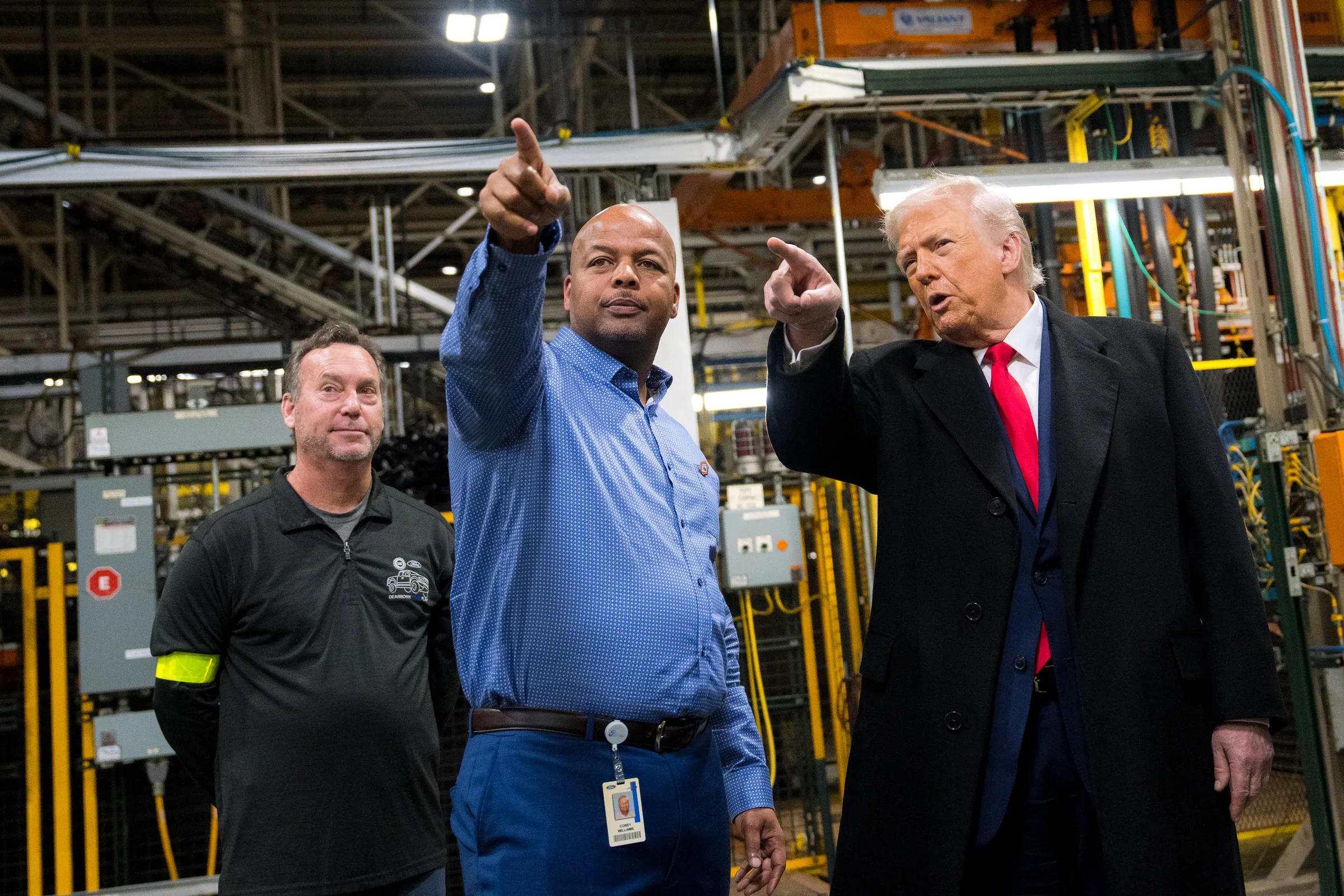
Meanwhile, Donald Trump took a different tack. Speaking to reporters in Detroit, the president said he welcomed foreign firms, including those from China and Japan, setting up shop in the States, as long as they employed American workers.

“You know, those tariffs are keeping the foreign autoworkers. Now, if they want to come in and build the plant and hire you and hire your friends and your neighbors, that’s great. I love that,” said Trump. ” Let China come in. Let Japan come in. They are. And they’ll be building plants, but they’re using our labor.

 Tesla’s Chinese Nemesis May Supply Ford With Batteries

Kia’s Smallest Electric SUV Might Get A GT Version, But Not The Kind You’re Expecting

  • A sportier EV2 GT could be on the horizon.
  • It would be Kia’s only GT without all-wheel drive.
  • Standard EV2 uses a 42.2 kWh battery and 145 hp.

The unveiling of the EV2 in Brussels marks another step in Kia’s relentless expansion into the electric market, and it could easily become one of the brand’s biggest hits. Aimed at the new Renault 4, the EV2 draws on proven tech and echoes the design language of Kia’s larger electric SUVs. There’s also the possibility of a full-bore GT version joining the range.

Read: Kia’s EV2 Is Like A Renault 4 Without The Nostalgia

Kia has so far confirmed the EV2 will be offered as standard with a compact 42.2 kWh battery pack and a 145 hp electric motor driving the front wheels. With a claimed range of 197 miles (317 km), it’ll be best suited to urban dwellers and those who can charge at home.

Soon after, a GT-Line version will arrive, featuring a larger 61 kWh battery and a potential range of up to 278 miles (448 km). Kia hasn’t yet confirmed how much power the upgraded model will offer.

Is a Hot GT Variant in the Works?

 Kia’s Smallest Electric SUV Might Get A GT Version, But Not The Kind You’re Expecting

A fully-fledged GT version would sit above these models in Kia’s line-up, and could serve as a rival to the Volkswagen ID. Polo GTI, albeit in a slightly larger package than the German hatchback. When asked by Autocar about the possibility of such a version, Kia Europe’s planning chief Alex Papapetropolous didn’t rule it out.

“At launch, we’re going to have Air and Earth trims, with GT Line following in June,” he said. “Of course, we’re looking at life-cycle animations on EV2, and it’s a segment that customers are very keen and receptive to have those life-cycle updates in, so we’re looking at adding more trims in the future.”

No AWD, No Problem?

\\\\\\\\\

If an EV2 GT is released, it will be quite different than Kia’s other electric GT models. Kia hasn’t engineered the car to support all-wheel drive, meaning it’d have to stick to front-wheel drive. That’s not the end of the world, but it does mean it wouldn’t be able to match the EV3 GT and EV4 GT, both rated at 282 hp, and would likely land closer to the 200 hp mark.

Kia would also have to reduce torque steer as much as possible. The front-wheel drive EV5 we drove last year was riddled with torque steer with its 215 hp and 229 lb-ft (310 Nm), and an EV2 GT would have far less weight to move.

\\\\\\\

Mercedes Wants This Baby G-Wagen To Win Buyers The Big One Never Could

  • Mercedes is developing a smaller G-Class with classic styling.
  • The compact model will debut as an electric vehicle globally.
  • It uses a new platform and skips the full G’s ladder frame.

The wait is nearly over. After years of speculation and teasers, Mercedes-Benz’s smaller G-Class is finally edging closer to production, The compact G-Wagen sticks closely to the blocky proportions of its full-sized counterpart, aiming to carry over much of its tough, go-anywhere character.

Shrunk in scale but not in identity, it’s being positioned to take on Land Rover’s downsized Defender in the growing premium off-roader market.

Read: A Baby G-Wagon Is Coming, And Yes, It Still Looks Kind of Badass

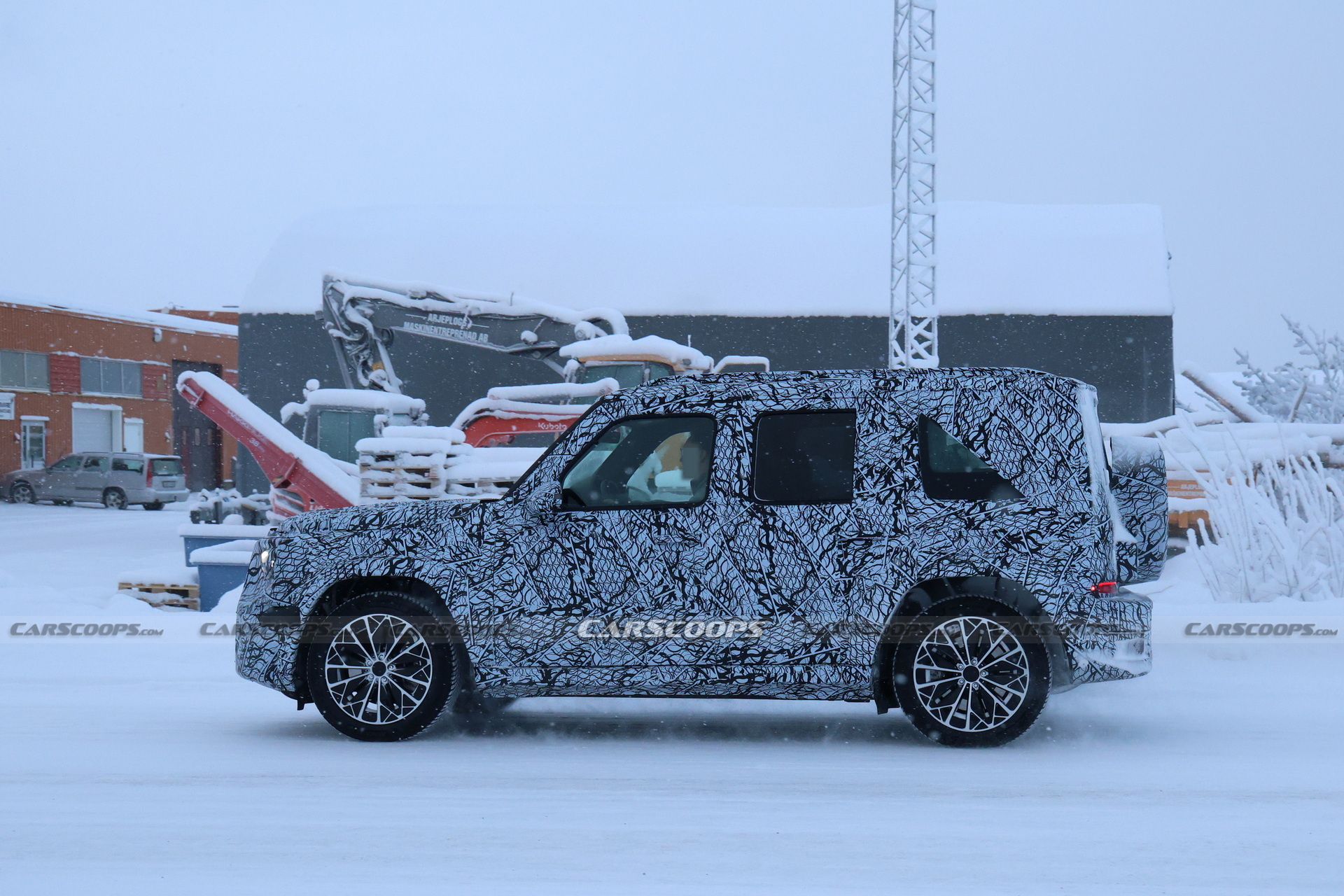
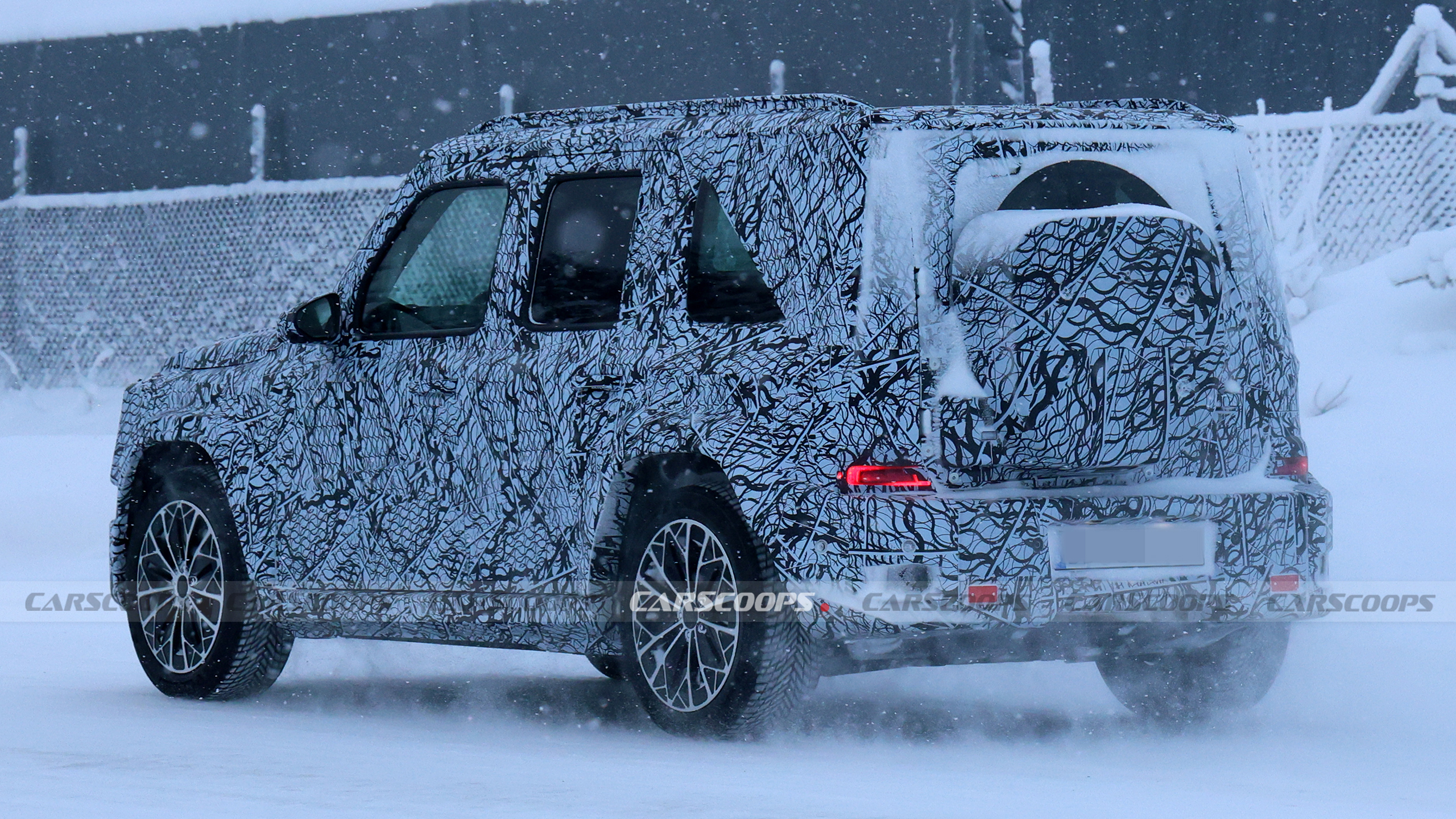
Although this isn’t the first time the model has been spotted in testing, these new images give us the clearest view yet. Caught undergoing cold-weather trials in Europe, the compact Mercedes is visibly shorter and lower than the full-fat G-Class, but the family resemblance is obvious.

\\\\\\\\\

SHproshots

Peek through the camouflage and you’ll spot familiar round headlights, likely paired with a sizeable grille up front. The front fascia sits tall and upright, though the overall lines are slightly more sculpted than the full-size version. It keeps that classic G-Class stance but smooths out a few edge around the corners – literally.

According to Gordon Wagener, former Mercedes design chief, the baby G was intended to look “a touch more modern than the big one.” He made that point in an interview with Car Magazine last year, and it tracks. One of the more interesting new details is the small, triangular rear side windows.

 Mercedes Wants This Baby G-Wagen To Win Buyers The Big One Never Could
SHproshots

Underpinning the compact G is a brand-new platform, entirely separate from the full-size G-Class’s traditional architecture. It abandons the ladder-frame chassis, a move that might raise questions about hardcore off-road capability and towing strength. However, the payoff should come in the form of a more refined on-road experience, with smoother ride quality and improved daily comfort.

Former tech boss Markus Schäfer referred to the platform as a “miniature ladder-frame chassis” while speaking to Autocar last year. While it isn’t a true body-on-frame setup, he explained that it shares key qualities, particularly in suspension geometry and wheel sizing. So while it won’t match the full G-Class for rock-crawling antics, it won’t be soft either.

What Will Power It?

 Mercedes Wants This Baby G-Wagen To Win Buyers The Big One Never Could
SHproshots

Then there’s the all-important question of powertrains. The mini G-Class will debut as an EV, which may catch some by surprise, given the current state of the market, especially here in the US. However, remember, this is a global model and there’s plenty of interest in EVs in major markets like China and Europe.

Details on the battery pack and electric motors are still scarce, but it would make sense for Mercedes to draw from the technology used in the latest CLA and GLC EVs. That would help ensure the new model delivers a reasonable driving range along with sufficient performance.

Whether combustion-powered versions will arrive after the new baby G is released remains unclear. Demand for the full-size electric G580 with EQ Technology hasn’t been particularly strong, so it would make sense for Mercedes to at least consider offering a few combustion powertrains. In that scenario, hybrid models might also be on the table, though nothing has been confirmed.

\\\\\\\\\

SHproshots

Premier Ford Warns Canada’s PM Not To Drop Chinese EV Tariffs During Beijing Visit

  • Canada placed 100% tariffs on Chinese EVs, steel, and aluminum.
  • China hit back with tariffs on Canadian seafood, pork, and canola.
  • Mark Carney is the first Canadian PM to visit China since 2018.

Canadian Prime Minister Mark Carney is visiting China this week on a politically significant trip, one that could carry broad implications for America’s northern neighbor, especially for its closely watched automotive sector. Among the issues likely to come up is the contentious matter of auto tariffs

Back in 2024, the Canadian government imposed sweeping 100 percent tariffs on Chinese-made electric vehicles, as well as steel and aluminum. China didn’t take long to respond, slapping retaliatory tariffs on Canadian seafood, pork, and canola.

Read: Canada Could Decide The Fate Of Chinese EV Tariffs As Carney Meets Xi

While some provincial leaders have been quietly pushing for a reciprocal easing of trade restrictions, Ontario Premier Doug Ford has taken a decidedly harder line. He has made it clear that he does not support lifting the tariffs on Chinese electric vehicles under any circumstances.

“I’m absolutely 100 per cent dead against this,” Ford told reporters. “I’ll reach out to him and text message and just tell them our concerns.”

“I’m very concerned and so are my friends in Michigan concerned,” the premier said after a meeting with Republican and Democratic state representatives from Michigan, according to The Star.

“When you have the Chinese government wanting to dump cheap Chinese parts and cheap vehicles here, it costs Canadian and American jobs,” said Ford. “This is nothing against the folks in the canola business or soybean — we have a thriving soybean business here, too — so it’s not about them. I fully understand why Premier Moe is concerned, but he’s protecting Saskatchewan.”

Could Local Production Change the Narrative?

Interestingly, Ford isn’t inherently opposed to Chinese brands. In fact, he recently expressed his openness for a Chinese brand to come to Canada and to set up a production facility in Ontario.

 Premier Ford Warns Canada’s PM Not To Drop Chinese EV Tariffs During Beijing Visit

“If they’re willing to come here and invest in a plant just like GM, Stellantis, Ford, Volkswagen, Honda, Toyota and come here and manufacture, create jobs, and create parts here, well, now we’re on a whole different page,” he said.

Canadian Chinese Tensions

Carney’s diplomatic stop marks the first official visit to China by a Canadian Prime Minister in eight years. Political tensions have simmered between the two countries since 2019, when Canadian authorities detained a Chinese tech executive in Vancouver. In apparent retaliation, two Canadian citizens were arrested and held in China for nearly three years, according to CBC.

Despite those strains, China could become an increasingly important economic partner for Canada in the coming decade. The Canadian government has set a target to double non-U.S. trade by 2035, a goal that would almost certainly require deeper ties with Beijing.

While Canada’s tariffs on Chinese EVs has helped to insulate the local auto market, the reciprocal tariffs from China have hurt farmers. Speaking with CBC, a canola farmer recently revealed the tariffs had cost his farm roughly $450,000.

 Premier Ford Warns Canada’s PM Not To Drop Chinese EV Tariffs During Beijing Visit

For The First Time, Electrified Car Sales Surpassed Gas Vehicles In Australia

  • Australians bought 35,058 electrified cars last month, edging gas.
  • New low-cost EVs from China may push sales even higher in 2026.
  • Demand for diesel vehicles has stayed steady across five years..

Australia may be late to the EV party, but the guest list is growing fast. Despite trailing behind many nations in electric vehicle adoption, recent sales data shows an accelerating shift among local buyers. For the first time, electrified cars have outsold (gasoline) petrol-powered vehicles in a single month.

This could very well mark a turning point, positioning 2026 to potentially become the first full year where battery-assisted cars surpass traditional combustion sales.

Read: Hyundai Slashes $7K From Its Smallest EV, But It’s Still $10K Pricier Than Its Chinese Rival

In December, a total of 35,058 hybrids, plug-in hybrids, and battery-electric vehicles found new homes across the country. This was slightly above the 34,559 petrol cars sold over the same four-week period.

China’s Growing Influence on the Numbers

 For The First Time, Electrified Car Sales Surpassed Gas Vehicles In Australia

Zooming out to the full year, total electrified sales reached 355,887 vehicles, securing a 28.6 percent share of the overall market. Pure battery-electric vehicles made up 103,270 of that figure, accounting for an 8.3 percent slice.

Much of this momentum can be traced to the growing presence of Chinese manufacturers, whose expanding lineups have proved popular with Australian buyers. Brands such as BYD, Geely, MG, Xpeng, and Zeekr have led the charge.

Demand for EVs from China will likely grow even more this year. A slew of small and affordable electric offerings will soon hit the market, including Nio’s Firefly, the Geely EX2, and the BYD Atto 1, Australia’s Drive reports.

 For The First Time, Electrified Car Sales Surpassed Gas Vehicles In Australia

Petrol Still Leads the Pack

Although demand for electrified cars is increasing, petrol cars still represent the largest slice of the market. Indeed, a total of 475,279 were sold in 2025, which was 38.3 percent of the total market. Diesel models also remain popular, accounting for 29.4 percent, a figure which has remained relatively steady for the past five years.

It’s a long way from the market of a decade ago. Back in 2015, petrol cars accounted for a dominant 67 percent share, a clear sign of how much the market and consumer habits have changed in just ten years.

Traditional hybrids also had a strong showing last year. Australians bought 199,133 of them, giving the segment a 16 percent share. Plug-in hybrids, while still a smaller category, made notable progress as well. With 53,484 units sold, they secured 4.3 percent of the market, suggesting growing interest in flexible, transitional technologies

 For The First Time, Electrified Car Sales Surpassed Gas Vehicles In Australia

Honda Dealers Are Furious About Afeela, But Honda Doesn’t Seem To Care

  • Honda and Sony will sell Afeela EVs directly to buyers only.
  • Dealers say Afeela pulls funding from core Honda models.
  • Lawsuit claims Afeela’s sales model breaks California law.

As Honda doubles down on its electric dreams, tensions are rising inside its own retail network. Honda dealerships are pushing back against the company’s joint EV venture with Sony, arguing that it’s siphoning attention and resources away from the core Honda and Acura lines, especially at a time when EV demand has begun to cool. The company, however, appears unmoved.

Sony Honda Mobility unveiled its near production-ready Afeela 1 electric sedan at this year’s Consumer Electronics Show, preparing it for a limited launch in California in late 2026. Alongside the sedan, the company also teased a second model, a crossover still in development.

Read: After A $90K Sedan, Sony Honda Thinks What America Needs Now Is Another Pricey Electric SUV

Honda will manage all direct sales, vehicle deliveries, and servicing for the Afeela lineup, and will also collaborate with independent repair providers to support ownership beyond the showroom.

Dealers Push Back on Direct Sales

 Honda Dealers Are Furious About Afeela, But Honda Doesn’t Seem To Care

This has rubbed many dealers the wrong way. In August last year, the California New Car Dealers Association filed a lawsuit against Honda and Sony, claiming the direct-sales strategy is illegal under the California Vehicle Code.

Sony Honda Mobility has countered, maintaining that it operates as a separate business entity, and therefore isn’t bound to use Honda’s existing dealership infrastructure.

“While we understand the intent may be to target a different, tech-savvy customer segment, we see no compelling reason to bypass the established dealer network that has supported the brand for decades,” Bill Feinstein, the chairman of the Honda Dealer Advisory Board, told Auto News.

Honda says it has been “clear and transparent” with dealers that they will not be involved in the sale or distribution of the Afeela models.

A Hard Sell?

 Honda Dealers Are Furious About Afeela, But Honda Doesn’t Seem To Care

Feinstein didn’t stop there. “It’s really hard to understand how a premium electric vehicle priced at $90,000-plus makes sense with EV demand softening, high interest rates and intense price competition,” he said.

He also voiced concerns about the broader impact on the business. “We’re deeply worried about the ongoing drain on financial and engineering resources. Every dollar spent in Afeela’s R&D, manufacturing and marketing is a dollar not spent on core Honda and Acura products, where we see greater potential for volume growth and profitability.”

Despite the resistance, Sony Honda Mobility isn’t phased. At last week’s CES in Las Vegas, the joint venture unveiled a prototype of its next model, an all-electric SUV that shares much of its design language with the sedan. The company says this new model could hit the US market as early as 2028

\\\\\\\\\\\\

Barra’s Playing Both Sides On EVs, Just In Case The White House Changes

  • GM will reintroduce plug-in hybrids despite its EV-first strategy.
  • Mary Barra says hybrids remain under evaluation for key markets.
  • Plug-in hybrids made up just 1.8 percent of U.S. sales last year.

General Motors is finally stepping into the plug-in hybrid game, a move that’s been a long time coming. Despite shifting political winds that have made it easier to build thirsty combustion models, GM still sees full electric vehicles as the ultimate goal.

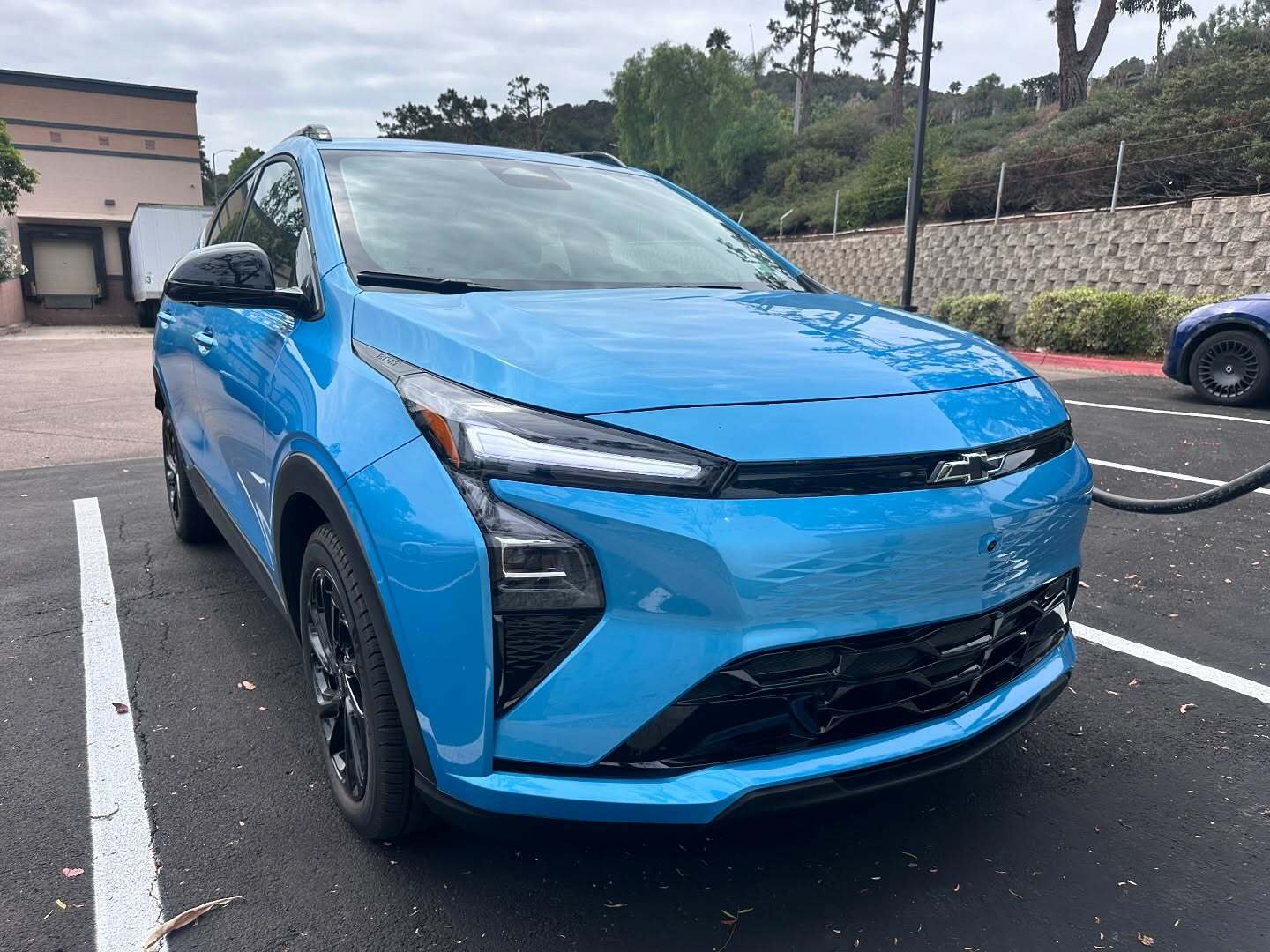
Read: Chevy Promised 255 Miles, The New Bolt Beats It Anyway

With tariffs weighing on costs, the federal $7,500 EV tax credit now off the table, and fuel economy standards loosened, automakers are being forced to rethink their timelines and adjust accordingly.

While speaking at the Automotive Press Association, Mary Barra confirmed that GM “had to make some fairly significant changes,” including cutting billions of dollars’ worth of EV investments. But she also made clear that new hybrids are in development, Autonews reports.

Plug-In Plans Materialize

“We are evaluating plug-in hybrids,” Barra said. “We have plans to do some. In the past, plug-ins were the only hybrids that actually counted toward the regulatory perspective. So we have plans to do those, and we’ll have hybrids where we think we need to. But again, we’re mainly investing and continuing to work on EVs because we think that’s the end game.”

 Barra’s Playing Both Sides On EVs, Just In Case The White House Changes

In mid-2024, Barra revealed there were plans to start selling plug-in hybrids in the US in 2027. In her most recent remarks, she didn’t provide an updated timeline or name any specific GM models slated to receive the new powertrains.

However, she acknowledged that hybrids present their own challenges, particularly the fact that many owners don’t bother to plug them in. Nonetheless, GM is weighing both plug-in and conventional hybrid setups as part of its evolving strategy.

Read: Drivers Buy Plug-In Hybrids And Forget The ‘Plug-In’ Part

“We’re trying to be very thoughtful about what we do from a hybrid and a plug-in hybrid perspective,” she said.

Staying the Course on EVs

 Barra’s Playing Both Sides On EVs, Just In Case The White House Changes

Even though GM will invest in PHEVs, it isn’t pulling back from BEVs quite as aggressively as some of its competition. For example, Ford recently took a $19.5 billion writedown after axing several important EV programs and partnerships. GM, by contrast, expects to take a $6 billion charge related to scaled-back EV spending, alongside a separate $1.6 billion charge posted in the third quarter.

Read: Stellantis Quietly Kills Its Plug-In Hybrids In America

During her remarks at the same event, Reuters reports that Barra emphasized GM’s desire to remain adaptable, especially given the uncertain regulatory environment ahead.

“I’m a little surprised at some [automakers] that are really pulling away very quickly, because we don’t know what will be in ‘29, ‘30, ’32.”

 Barra’s Playing Both Sides On EVs, Just In Case The White House Changes

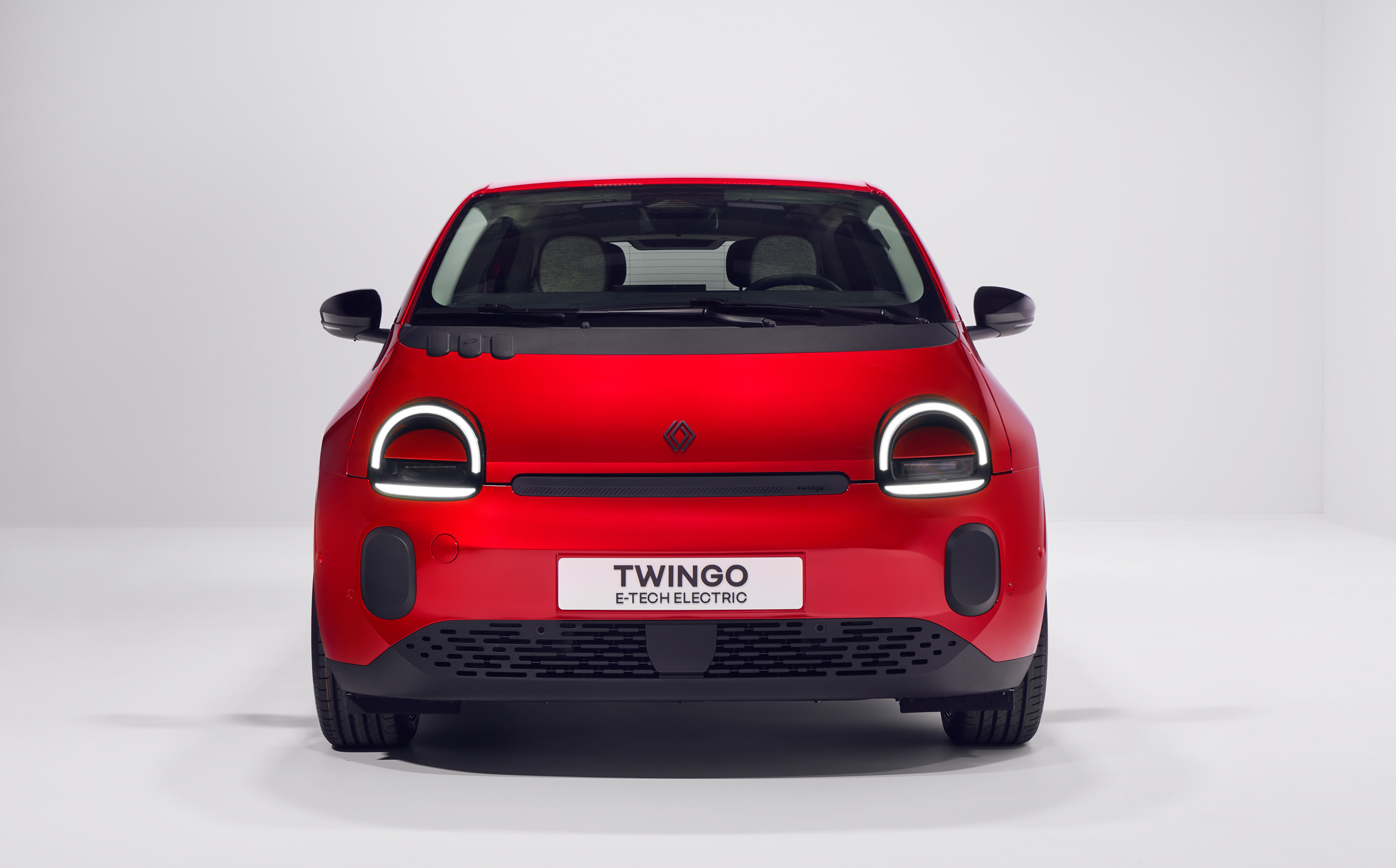
Dacia’s New Twingo-Based EV Could Undercut Its Own Cheapest Model In Some Markets

  • Dacia’s new budget EV will be based on the Renault Twingo.
  • European pricing is expected to start at around €18,000.
  • This entry-level EV will support Dacia’s CO2 fleet targets.

As affordable EVs from China continue to pour into Europe, the question for legacy automakers is no longer if they should respond, but how quickly they can. For Dacia, the solution is straightforward: beat them at their own game by offering budget-friendly electric cars under a European badge.

Also: Dacia Working On New Sub-€18k EV For Europe

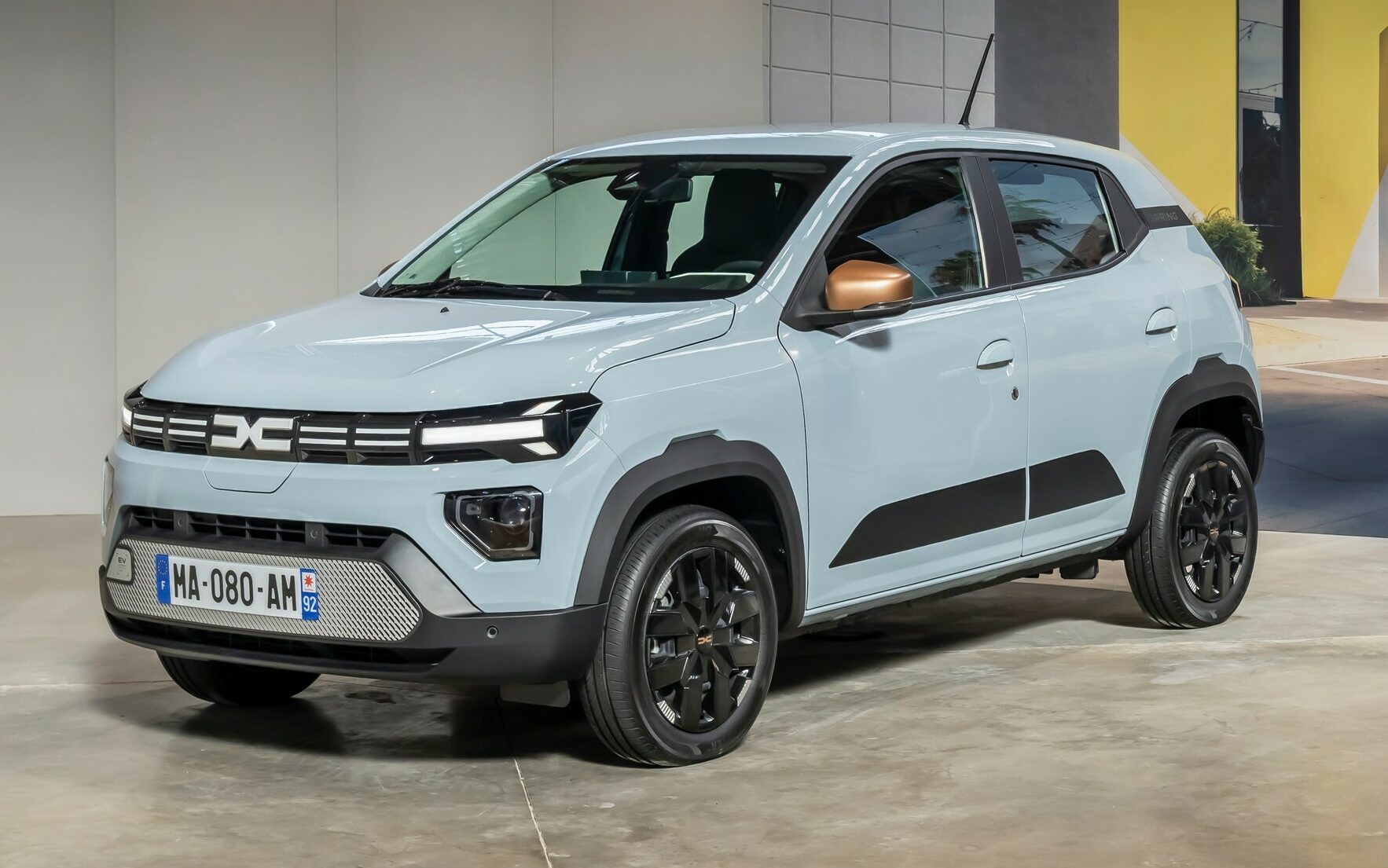
The Romanian brand, part of the Renault Group, already sells the Spring across the continent. Built in China, the Spring has carved out a niche as one of the cheapest EVs available in Europe, including Germany, where it can be had for just €11,900 ($13,900) after a massive €5,000 (around $5,900) discount that’s offered for a limited time.

But Dacia isn’t standing still. A second entry-level electric model is set to arrive in the second quarter of next year, priced around €18,000 (about $20,100).

The Twingo Connection

 Dacia’s New Twingo-Based EV Could Undercut Its Own Cheapest Model In Some Markets
Renault Twingo

This upcoming model will be based on the new Renault Twingo. Unlike the China-manufactured Spring, the new EV will be assembled in Slovenia, sharing the same Novo Mesto plant as its combustion-powered sibling.

“Our aim is basically to maximize the offer of EV in the [minicar segment],” Dacia sales chief Frank Marotte confirmed to Auto News. “What we see is that the A-segment and probably in the future the B-segment are moving very fast toward BEV models.”

A Different Flavor of Affordable

To avoid cannibalizing sales of the Spring, Dacia says the new model will be “completely different,” not just in exterior styling but in color choices, interior design, and feature mix. The idea is to give each model its own identity, even if they serve similar purposes at the affordable end of the EV spectrum.

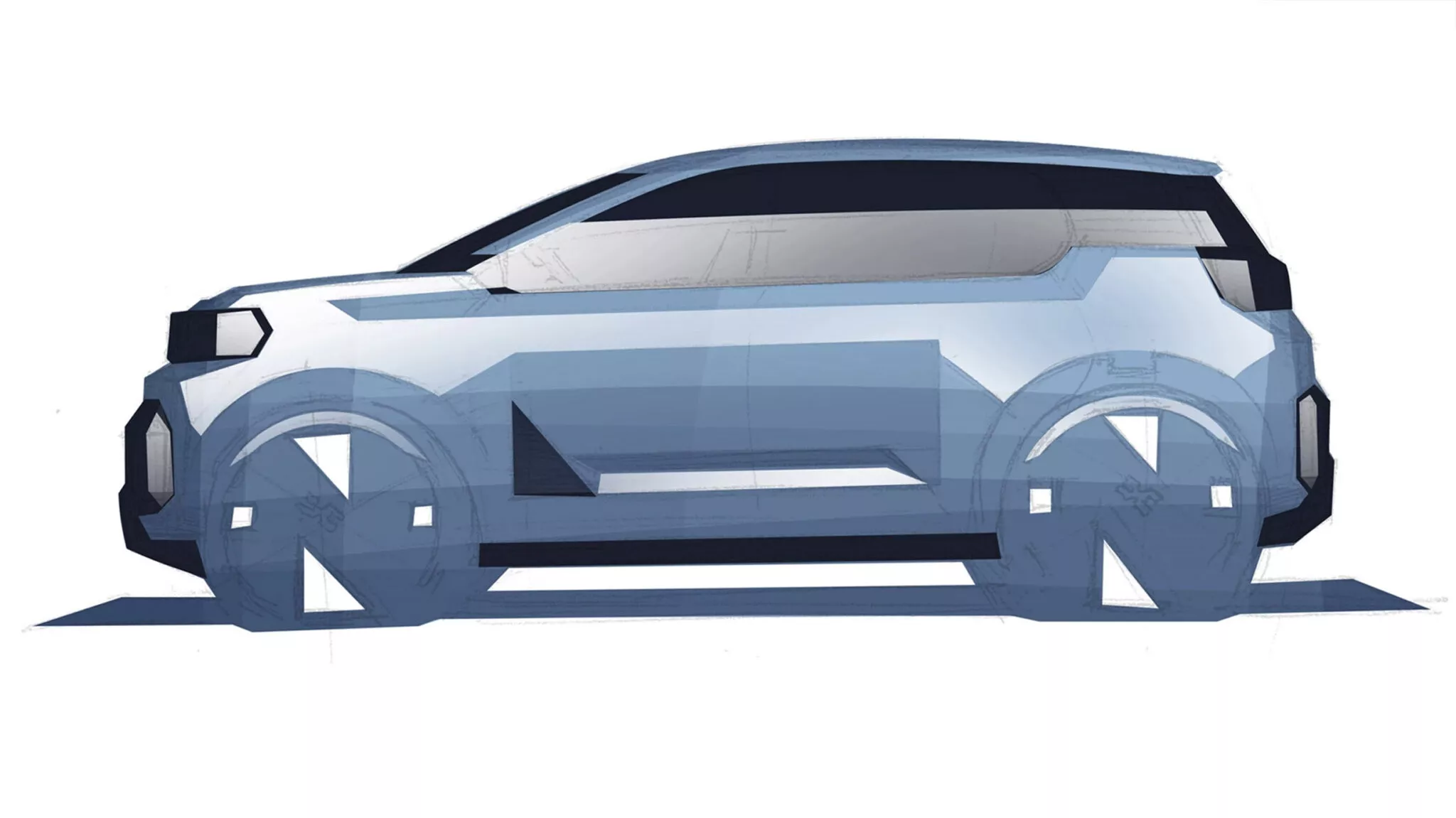
Dacia has already dropped a few hints about the design. A teaser sketch revealed a compact hatch with crossover cues and sharp lines, while a more restrained, camouflaged prototype appeared during a quarterly business update. Neither gives the full picture, but both suggest the new EV won’t be a softened copy of the Spring.

 Dacia’s New Twingo-Based EV Could Undercut Its Own Cheapest Model In Some Markets
Dacia Spring EV

Depending on where you live, the newcomer might actually be the cheaper option. In countries like France and the UK, government subsidies currently exclude Chinese-built models, potentially tipping the scales in favor of this Slovenia-produced car. Pricing could fall below that of the Spring once local incentives are applied.

Read: This EV Was Already Cheap, Then Dacia Knocked Off Nearly $6,000

There’s also a regulatory upside. The new EV will help Dacia lower its fleet-wide CO2 emissions average, an important piece of the puzzle as EU targets tighten. The brand missed emissions goals for both 2025 and 2024, but this new model is part of a push to stay within the rules by 2027.

The car will ride on a shortened version of Renault’s AmpR Small platform, the same one underpinning the new Twingo. Power will come from a single electric motor delivering 81 horsepower and 129 lb-ft (175 Nm) of torque, paired with a 27.5 kWh lithium-iron phosphate battery pack. At this stage, only one variant has been confirmed, and the Dacia-branded model is expected to use the same setup

 Dacia’s New Twingo-Based EV Could Undercut Its Own Cheapest Model In Some Markets
An official sketch of Dacia’s upcoming affordable EV

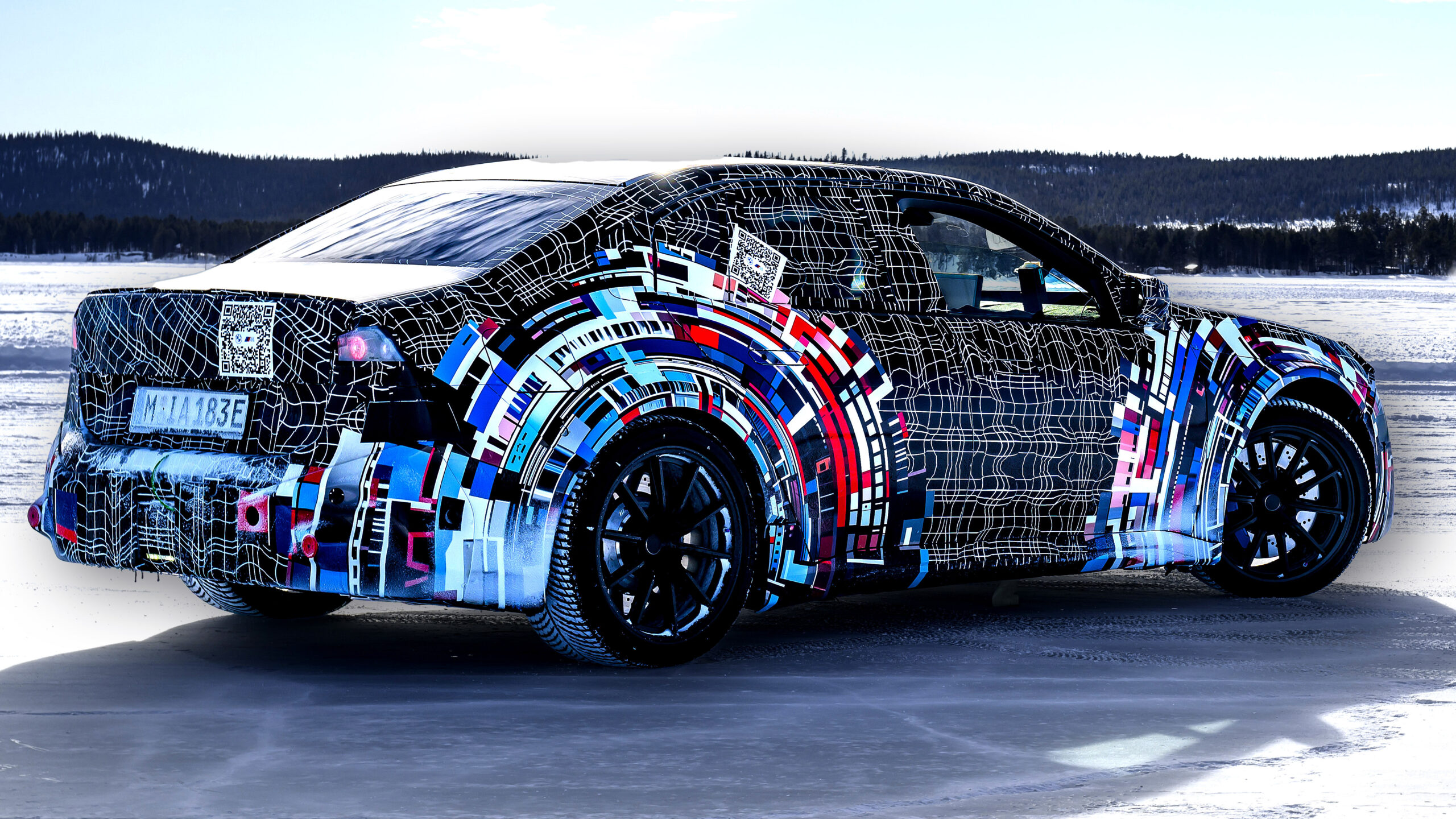
BMW’s Electric M3 Tries To Simulate Everything It Just Replaced

  • BMW M confirms the first quad-motor EV will debut in 2027.
  • The electric M3 will use a 100 kWh cylindrical cell battery pack.
  • Simulated gears and sound aim to give emotional engagement.

The era of all-electric performance cars from BMW M is nearly upon us. For years, the brand has been feverishly developing its next generation of cars and has confirmed that the first of these new models, the electric M3, will debut in 2027.

BMW isn’t officially calling the prototype shown here the Electric M3, or even the i3 M, though both names might seem like logical picks. If we had to guess, the latter feels like the more likely direction.

What Powers the Neue Klasse M?

At the center of all future electric models from BMW M, starting with the M3, will be an innovative powertrain based on the sixth-generation technologies found across the standard Neue Klasse family. At the front axle, there will be two motors, while at the rear, there will be a further two motors, each of which drives a single rear wheel.

Read: BMW’s Electric M3 Might Be Silent, But It’s Built To Make You Scream

BMW isn’t yet ready to reveal how much power its quad-motor system will produce, but don’t be surprised if future EV Neue Klasse models have four-digit horsepower ratings.

 BMW’s Electric M3 Tries To Simulate Everything It Just Replaced

The motors are arranged in parallel, delivering power to one gearbox per wheel. Each of the two drive units also incorporates an inverter. The motors also allow for the precise control of power and torque at each wheel, creating what BMW says is a driving experience “that has never been achieved before.”

Supplying the motors will be a 100 kWh battery pack using BMW’s latest cylindrical cells. Driving ranges will obviously vary depending on the model, but the brand notes the pack has been designed to withstand the rigors of racetrack use. To offset some of the hefty weight of the electric powertrain, these electric M models will include lightweight natural fiber components.

Rear-Drive When You Want It

In news that will no doubt please hardcore driving enthusiasts, M says the front axle can be fully decoupled, turning its models into rear-wheel-drive beasts. Switching into RWD will also improve efficiency and boost driving range, so you can save the planet and spin up the wheels at the same time.

\\\\\\\

Channeling Hyundai’s Playbook

This isn’t where the driver-focused features will end. Much like the Hyundai Ioniq 5 N, electric M Neue Klasse models, like the M3 EV, will include simulated gear shifts and a special soundscape, aiming to add some emotion into the EVs, which are often void of excitement.

The ’Heart of Joy’ high-performance control unit will control all driving-related processes, like control of the wheels and the steering, operating alongside four high-performance computers. To put it simply, M’s Neue Klasse models will be tech fests aiming to put the driver at the center of the experience.

\\\\\\\

What Jeep’s UK Boss Said About The Defender Might Hint At Wrangler’s Future

  • Jeep dropped the Wrangler in Europe over new regulations.
  • Jeep’s UK chief says a new version could arrive down the line.
  • He hopes the SUV can follow the path of Land Rover’s Defender.

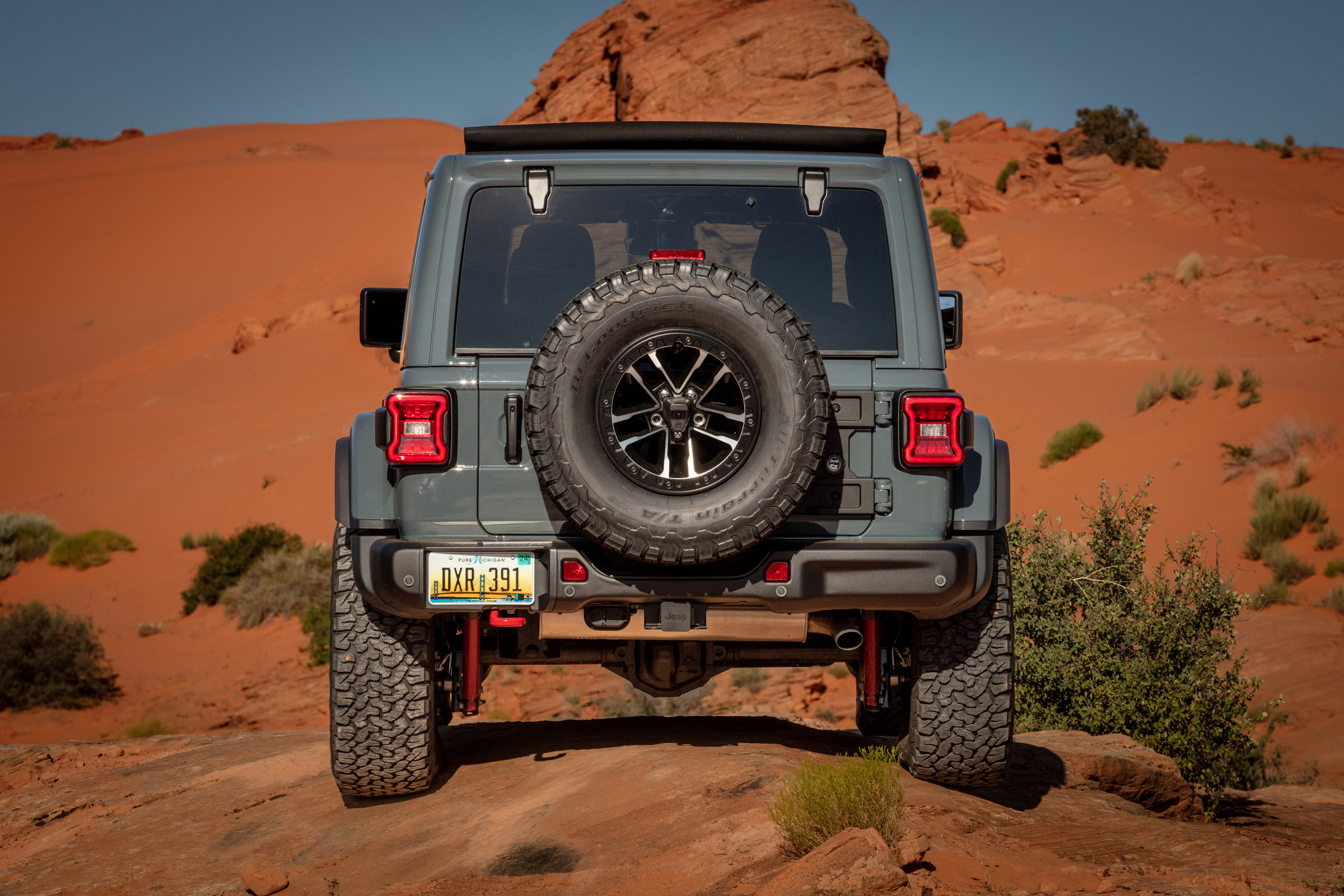
European buyers might soon get another shot at the Jeep Wrangler, after the model was recently discontinued across the continent. You’ll still find it at dealerships through the first half of 2026, but only what’s left in stock. After that, buyers will have to wait for Jeep to introduce the next-generation model.

More: Stellantis Quietly Kills Its Plug-In Hybrids In America

Jeep recently stopped taking new orders the current Wrangler in Europe, including the UK, because it no longer complies with updated GSR2 safety regulations. These require modern driver-assistance and monitoring systems, which the Wrangler lacks, along with updated cybersecurity protections.

On top of that, emissions played a role in its departure. The turbocharged 2.0-liter GME-T4 inline-four used in European models emits up to 269 grams of CO₂ per kilometer, putting it in the same category as some high-performance V8 SUVs. The fact that Jeep discontinued all hybrid variants in the US, probably didn’t help either.

It may be gone for now, but it won’t be gone forever.

Next Chapter in Sight

 What Jeep’s UK Boss Said About The Defender Might Hint At Wrangler’s Future
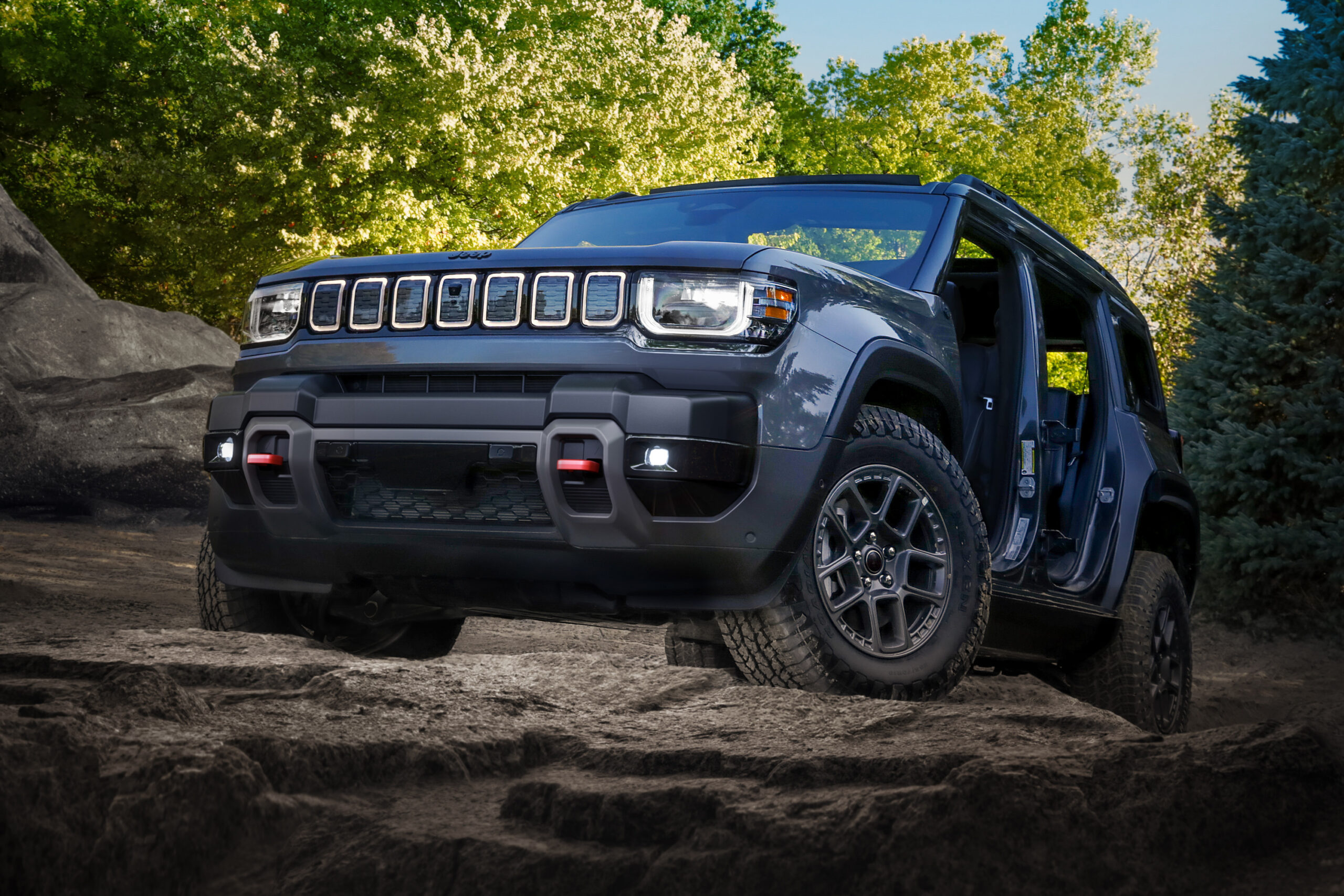
For now, the Wrangler will be replaced by the Recon in Europe

According to Jeep UK managing director Kris Cholmondeley, the current model has been “a victim of regulation” and he is confident there will be “another incarnation down the line.”

“I’ve had chats with the head of Europe and the head of the global team,” Cholmondeley told Auto Express. “I think we’re all aligned that we’d like to see it back – that’s what I would say. What and when? I don’t know. I honestly don’t know if it could come back as plug-in hybrid or full-electric. I just know the brand; it’s got such heritage, it seems silly to lose that.”

 What Jeep’s UK Boss Said About The Defender Might Hint At Wrangler’s Future

Lessons from the Defender

Although limited details are known about the next-generation Wrangler, it will almost certainly lean heavily on electrification with plug-in hybrid versions, and perhaps even an EV. Cholmondeley is hopeful that Jeep can replicate what Land Rover has done with the new Defender, making a future generation of the Wrangler more refined, while still retaining the off-roading abilities that have made it so iconic.

“Look at [the Land Rover] Defender,” he said. “If you can take something like a Wrangler and have a little bit of refinement, but still keep its personality, you see the hundreds [of sales] going to thousands, don’t you?”

Read: Jeep’s New Special Edition Looks Like It Borrowed A Bronco’s Sunday Best

While the Wrangler is one of Jeep’s most iconic models, the British director said the brand can retain an important presence in Europe, even without it in its range.

“Wrangler has been an enduring icon, but it has always been niche. That’s lovely for the heart – [but] in terms of the ongoing viability, a good brand can die by being too niche and not having a broader commercial appeal,” he told Autocar.

“Our job is to protect the core and the spirit and broaden the appeal. So I love Wrangler and everything it stands for, but I also love Avenger and Compass. They’ve got all that Jeep DNA running through them, but they’ve got much broader appeal.”

\\\\\\\

Trump Killed The Federal EV Credit, So California Wrote Its Own

  • Newsom proposes $200M to replace canceled federal EV tax credits.
  • Plan targets point-of-sale rebates for new zero-emission vehicles.
  • Rebate follows pressure from automakers and environmental groups.

California California is moving to jumpstart electric vehicle momentum in the wake of the now-vanished $7,500 federal tax credit, and it’s bringing serious money to the table. To keep buyers engaged and support EV adoption, the state plans to introduce a new point-of-sale incentive designed to lower the upfront cost of electric vehicles right at the dealership.

The centerpiece of Governor Gavin Newsom’s newly unveiled $348.9 billion state budget proposal includes a one-time $200 million allocation for a point-of-sale rebate program targeting light-duty zero-emissions vehicles. Specifics are still under development, including how many rebates will be offered and which vehicles will qualify.

Next Phase of the EV Push

“Despite federal interference, the governor maintains his commitment to protecting public health and achieving California’s world-leading climate agenda,” California Air Resources Board spokesperson Lindsay Buckley said. “This incentive program will help continue the state’s ZEV momentum, especially with the federal administration eliminating the federal EV tax credit and carpool lane access.”

Read: California Won’t Replace $7,500 EV Tax Credit as Newsom Accuses GM of Selling Out

Car buyers in California rushed to snag new EVs in the third quarter of last year before the tax credit expired. Indeed, a record number of 124,700 zero-emission vehicles and plug-in hybrids were purchased across the state between July and September, the highest number on record. Predictably, sales tapered off in the fourth quarter once the credit was gone.

 Trump Killed The Federal EV Credit, So California Wrote Its Own

It’s not just consumers who will be pleased to hear California has incentives up its sleeve. Back in September, a group of automakers including Honda, Hyundai, VW, Audi, and Rivian sent a letter to Governor Newsom, urging the state to create a $5,000 EV rebate to offset the loss of the federal incentive previously scrapped under the Trump administration.

An incentive program won’t just benefit the hip pockets of locals. As reported by the LA Times, transportation is the largest source of climate and air pollution in California, so the more zero-emissions vehicles that can be sold there, the cleaner the air will become.

Also: California Flips On Immigrant Truckers, And Now Washington Wants Payback

Governor Newsom added that the state “refuse[s] to be bystanders” as China and other countries lead the industry’s shift to EVs.

“We must continue our prudent fiscal management, funding our reserves, and continuing the investments Californians rely on, from education to public safety, all while preparing for Trump’s volatility outside our control,” he said. “This is what responsible governance looks like.”

\\\\

Nissan Lost Its EV Sales Lead In Japan For The First Time In Q4

  • EV sales from Nissan’s rivals jumped sharply late last year.
  • Japan now offers EV subsidies of up to $8,300 per buyer.
  • BYD will launch its all-electric Racco kei car this year.

Electric vehicle sales in Japan have never quite taken off, but disruptions are underway. For nearly 15 years, Nissan held the top spot in the country’s EV market, thanks largely to the Leaf. Now, that grip is loosening.

A cooling appetite for Nissan’s EVs and rising demand for newer offerings from rivals have pushed the market into a new phase. For the first time, Nissan has been overtaken as Japan’s top-selling EV brand in quarterly sales, with Toyota stepping into the lead during Q4 2025.

Read: Toyota Sold Just 18 EVs In Japan Last Month

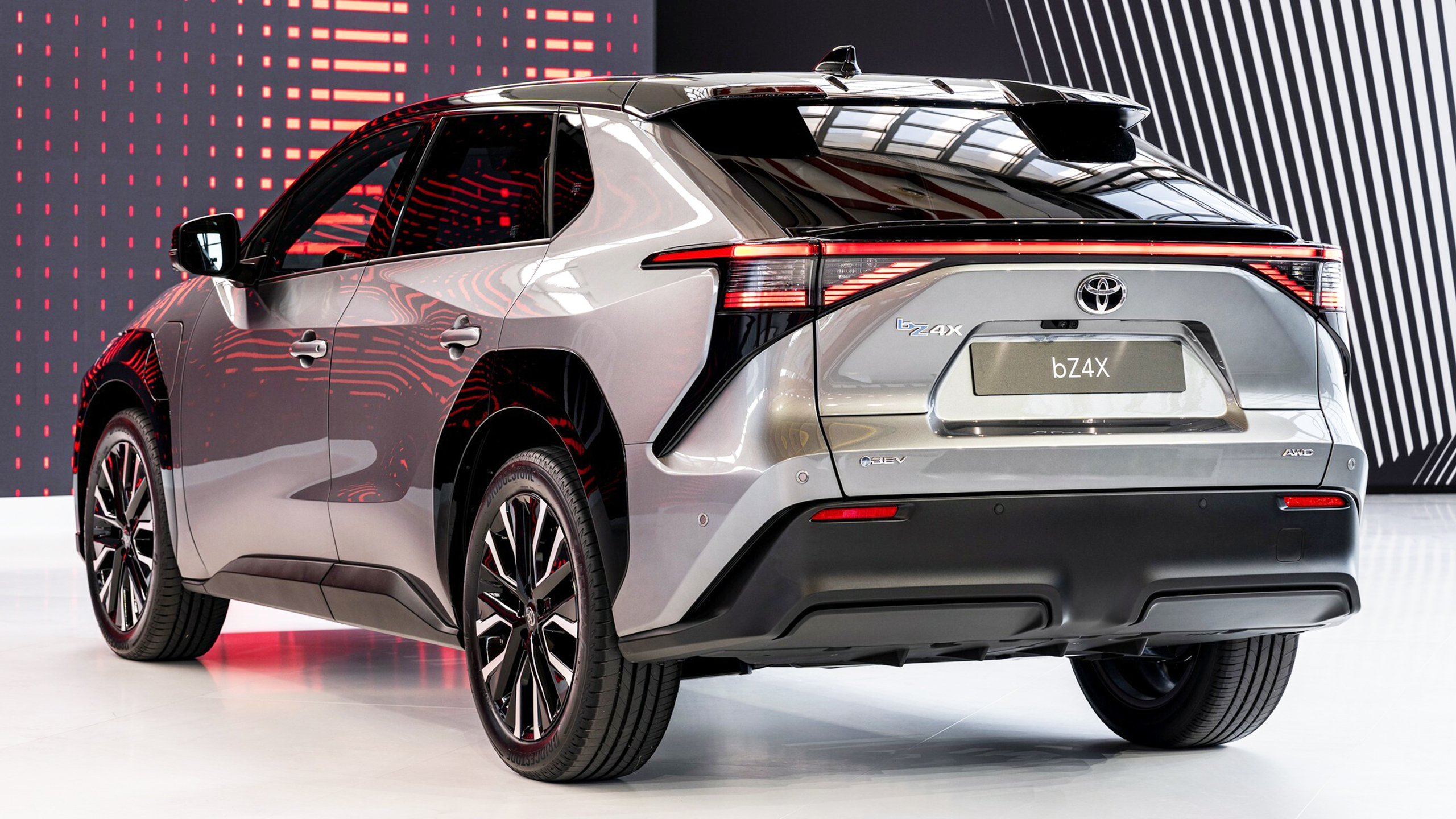
According to the latest data from Japan’s automotive industry association, Toyota sold 3,684 EVs domestically in the fourth quarter of 2025, a surge helped by the October launch of the bZ4X. While that figure is still modest by global standards, it represents a thirteenfold increase over the same period in 2024.

Nissan, meanwhile, saw its electric sales plunge 56 percent to 2,857 vehicles. The Leaf and Sakura both experienced weaker demand in the closing months of the year.

 Nissan Lost Its EV Sales Lead In Japan For The First Time In Q4

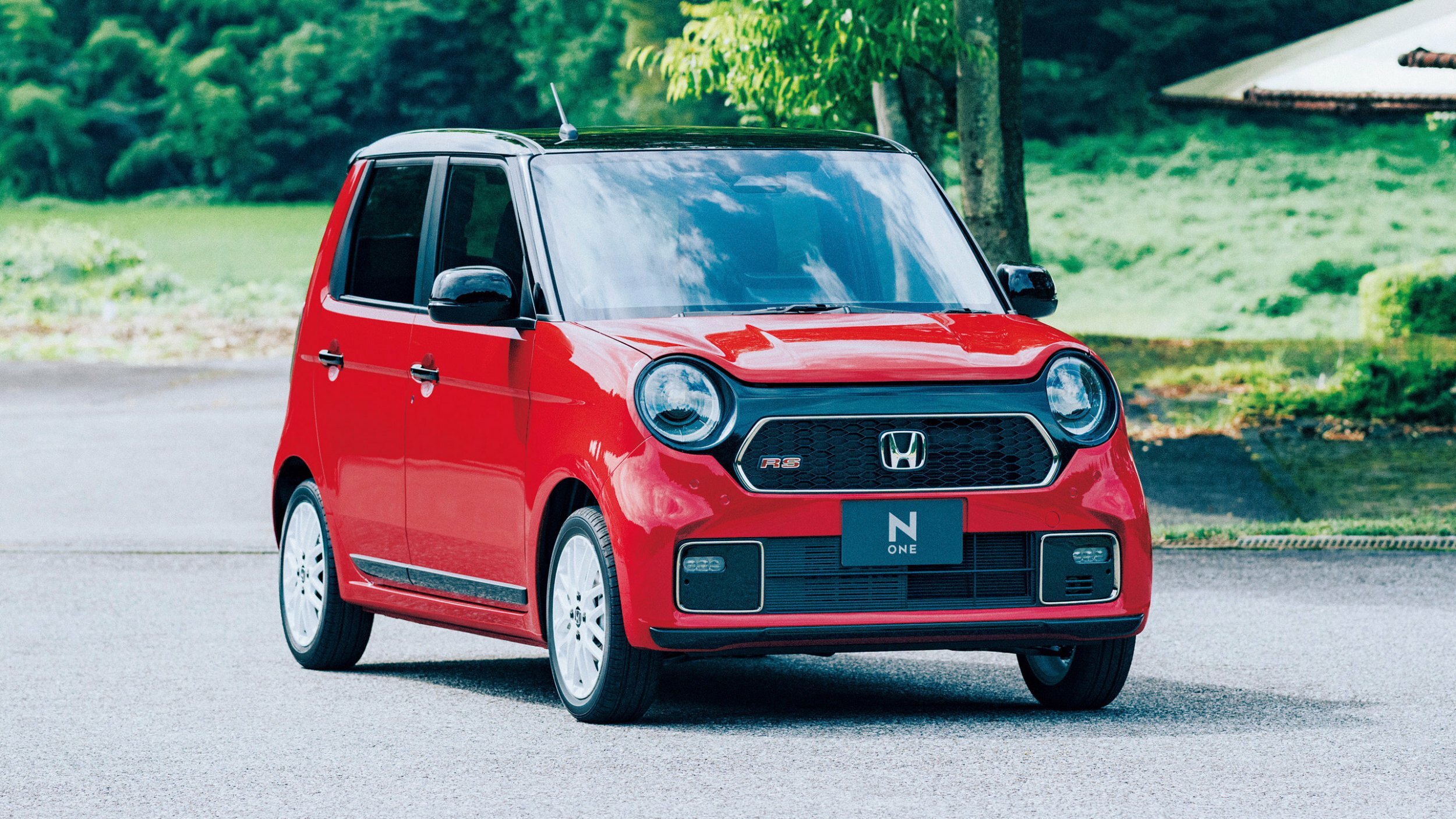
The momentum wasn’t limited to Toyota. According to Nikkei Asia, Honda also made gains, boosted by the launch of the N-One e:. With a range of up to 295 kilometers (183 miles) on a single charge, it now holds the title for longest-range electric minicar in the market.

Honda sold 2,732 units in Q4, a lift that was enough to pass Tesla, which also saw its numbers rise. Tesla’s sales increased by 62 percent year over year, reaching 2,600 vehicles in the quarter.

EVs Still a Niche in Japan

 Nissan Lost Its EV Sales Lead In Japan For The First Time In Q4

While EV sales have accelerated in much of the world over the past few years, they still make up only a small fraction of the Japanese market. At present, electric vehicles account for just 1.9 percent of all new car sales in the country. This is the lowest share among advanced economies.

Several new models slated for launch in 2026 could help lift that figure, and the government is moving to speed up the transition too. This year, qualifying buyers can receive up to 1.3 million yen ($8,300) in subsidies, aimed at nudging more drivers toward electric.

BYD may soon become a more significant contender. The Chinese automaker posted a 72 percent increase in Q4 sales, reaching 832 units. It plans to launch its all-new Racco electric kei car in the Japanese market this year, positioning it to make a more aggressive push into a historically difficult segment.

 Nissan Lost Its EV Sales Lead In Japan For The First Time In Q4
BYD Racco

China’s Biggest Electric SUV Yet Wasn’t Made For Drivers

  • ES9 is China’s longest electric SUV with a 127.9-inch wheelbase.
  • Dual electric motors deliver 697 hp and 516 lb-ft of torque total.
  • It supports three-minute battery swaps across Nio’s network.

For China’s most wealthiest car buyers, the appeal of driving often takes a back seat to being driven. Luxury isn’t measured in horsepower alone, but in legroom, comfort, and the ability to stretch out while someone else handles traffic.

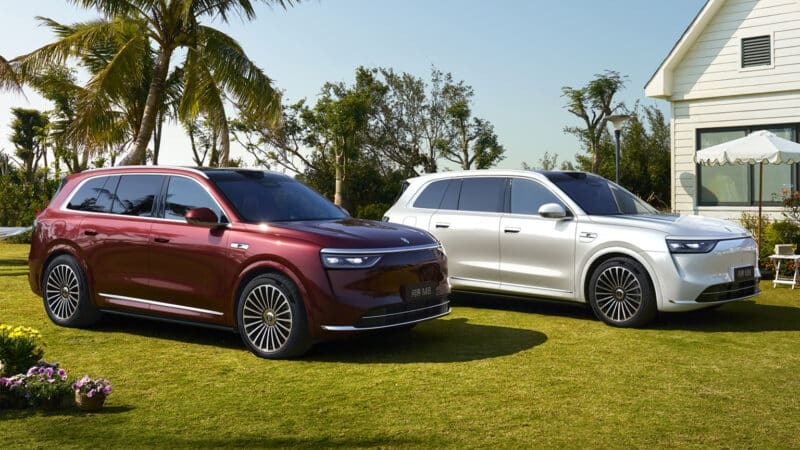
With that in mind, Nio is preparing a new electric SUV designed squarely for this audience, and for larger families as well. Shown here in newly released photos, the Nio ES9 is set to join the brand’s growing lineup, slotting in just above the ES8.

Big Numbers, Bigger Presence

This upcoming flagship will become the largest electric SUV available in China, overtaking the ES8 for that title, according to CarNewsChina. Figures from the Ministry of Industry and Information Technology confirm it stretches 5,365 mm (211.2 inches) in length, spans 2,029 mm (79.8 inches) in width, and stands 1,870 mm (73.6 inches) tall.

Read: This Full-Size Electric SUV Packs 456 HP And Costs Less Than A Honda Civic

That makes it 85 mm (3.3 inches) longer, 29 mm (1.1 inches) wider, and 70 mm (2.7 inches) taller than the ES8. More importantly, the wheelbase stretches to 3,250 mm (127.9 inches), an increase of 120 mm (4.7 inches) over the ES8, which translates to noticeably more room for passengers.

To put that in perspective, its footprint lands somewhere between the standard Cadillac Escalade and the extended-wheelbase Escalade ESV.

 China’s Biggest Electric SUV Yet Wasn’t Made For Drivers

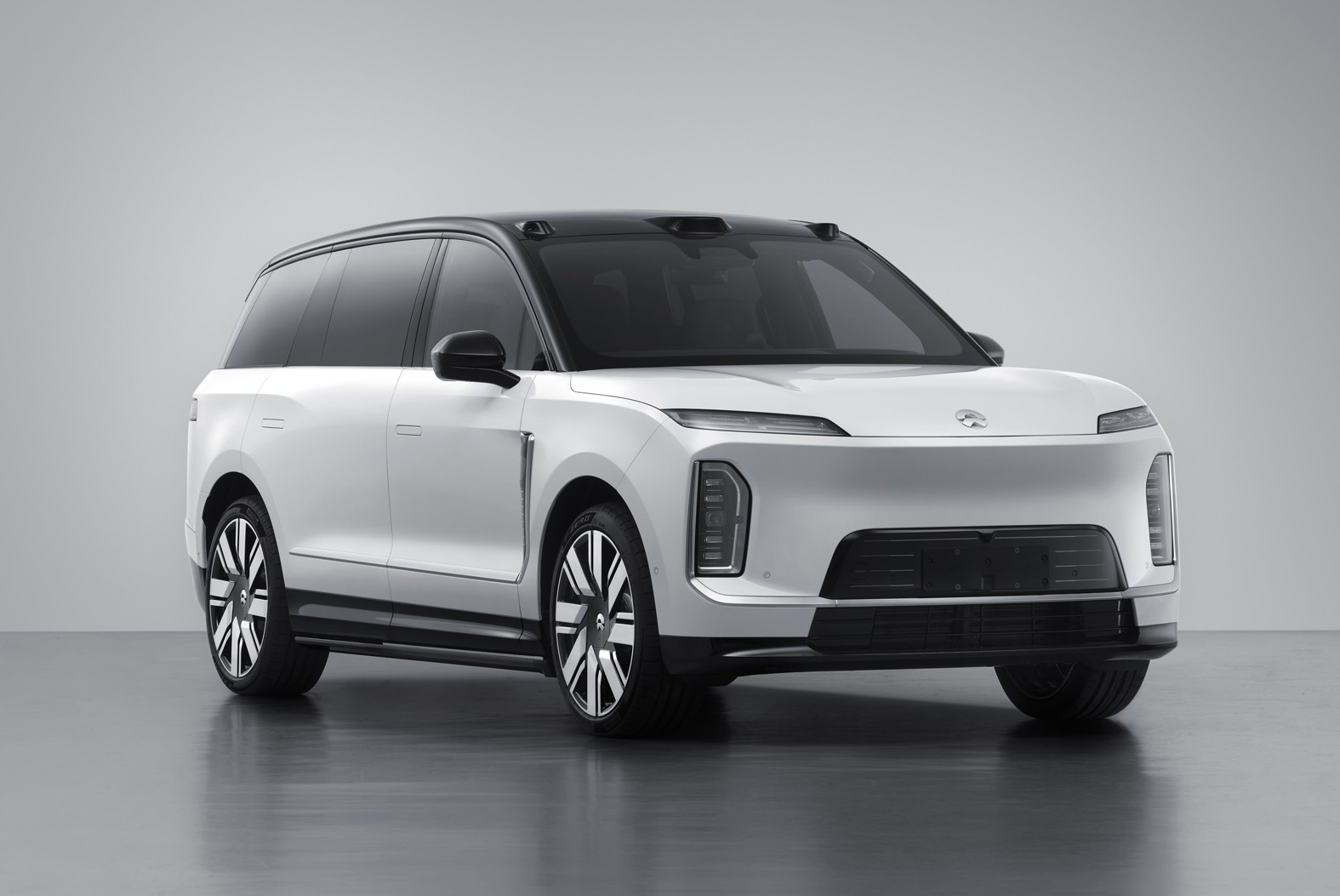
Visually, the design of the ES9 is very similar to its smaller brother, although it does have a more upright and squared front fascia. There are split DRLs and headlights at the front, alongside a large grille and a ribbon of black along the bottom of the bumper. As with the ES8, there’s a LiDAR protruding from the roof.

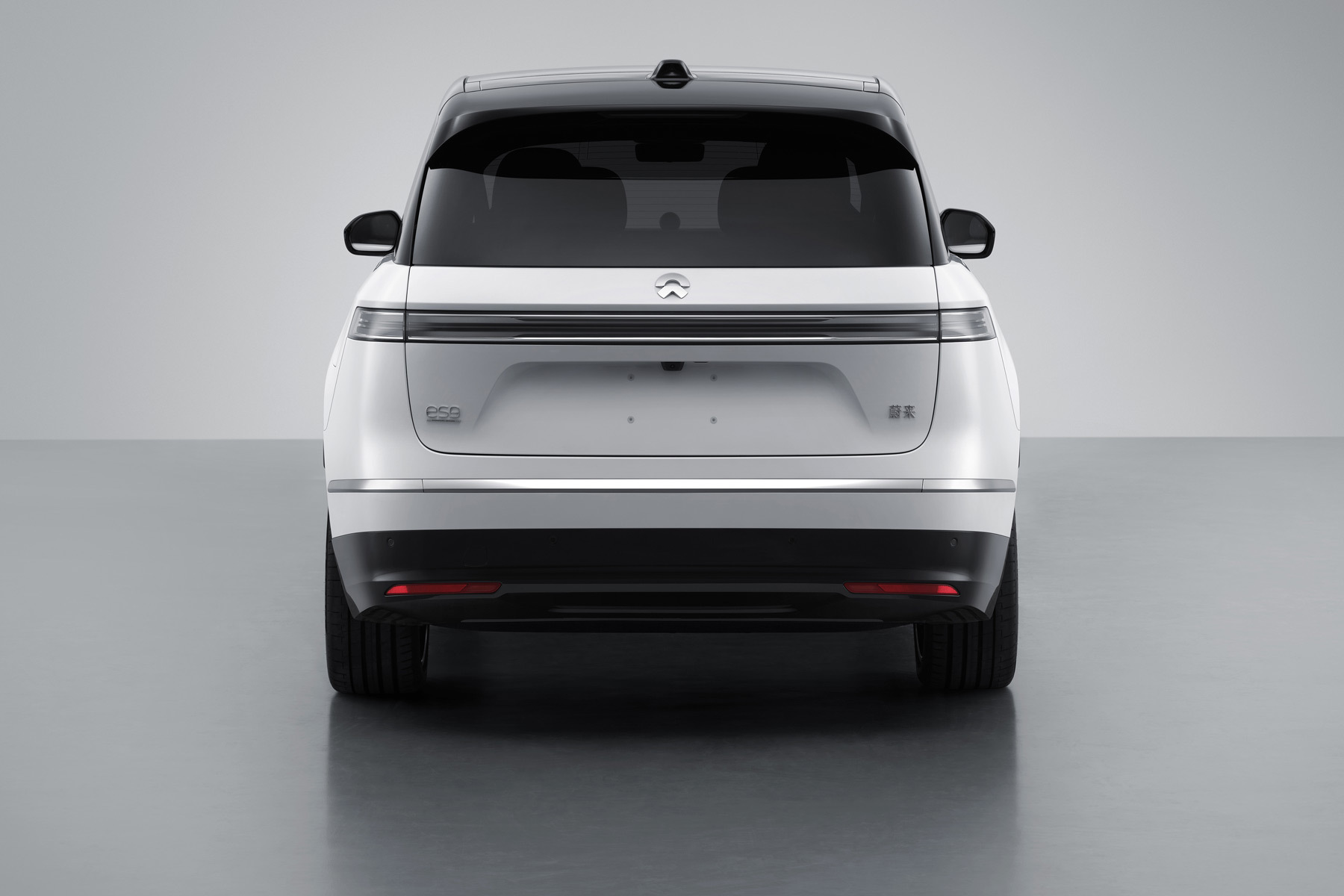
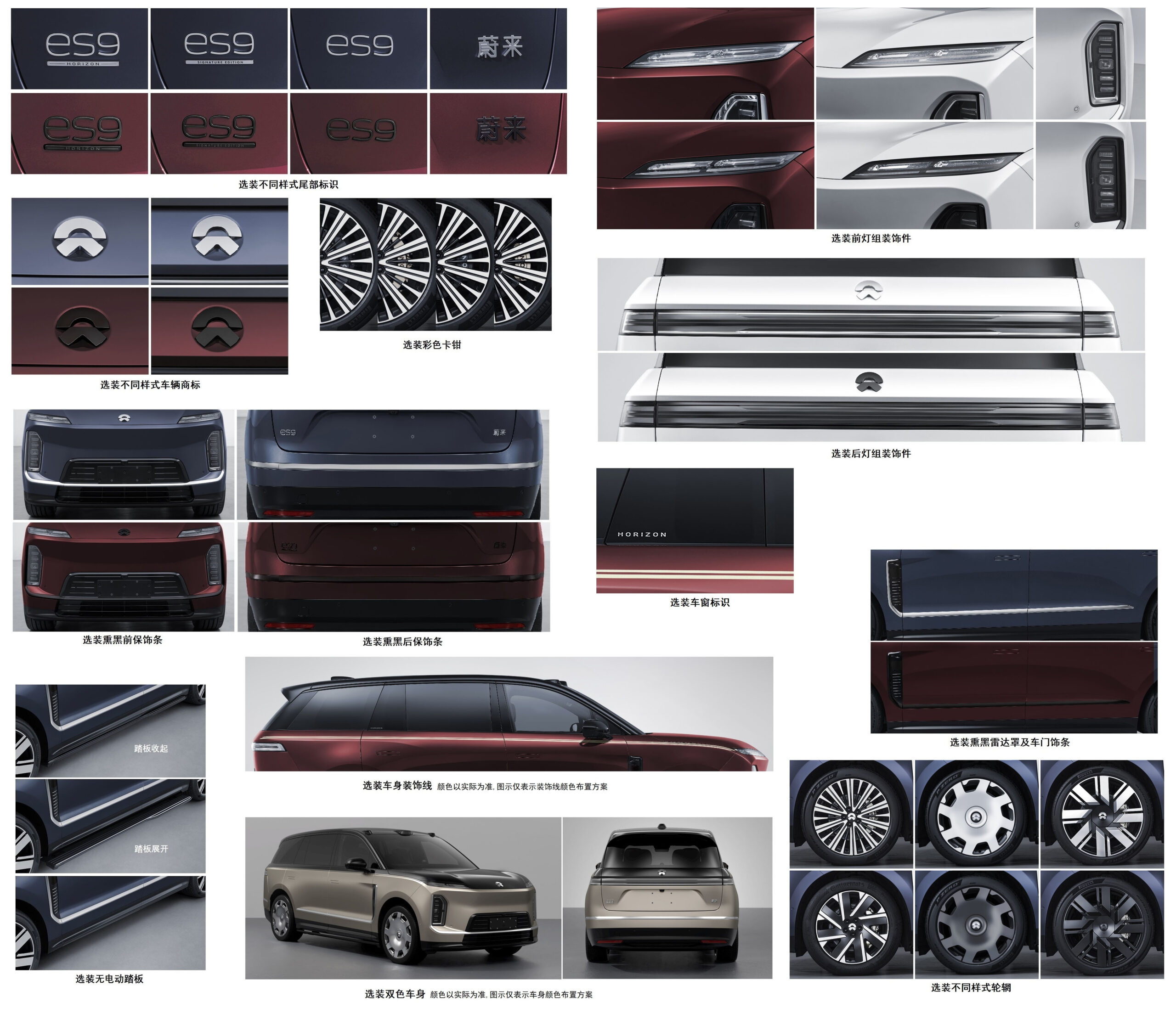
Around back, the design leans toward simplicity, featuring a single LED light bar and little else of interest. Other photos of the SUV reveal that retractable side steps will be available, as will at least six different wheel designs/finishes. Shoppers will also be able to choose between black or silver accents running along the body.

Dual-Motor Drive

 China’s Biggest Electric SUV Yet Wasn’t Made For Drivers

We don’t yet know what the cabin of the ES9 will look like, but we do have some important powertrain details. Powering the SUV will be a 241 hp (177 kW) electric motor at the front axle and a 456 hp (335 kW) motor at the rear axle, combining to deliver 697 hp (513 kW) and 516 lb-ft (700 Nm) of torque. The battery pack will be sourced from CATL and is expected to have a capacity of 102 kWh.

There’s no word on what charging speeds this battery will support, but in the land of Nio, charging times aren’t particularly important, as Nio operates a huge battery-swapping network where a depleted battery can be replaced with a fully charged one in just 3 minutes.

A full reveal is expected in the coming months, with its domestic launch set to follow soon after. Availability in markets outside China has not yet been confirmed.

 China’s Biggest Electric SUV Yet Wasn’t Made For Drivers

BMW Slashes EV Prices By Up To $42,000 In China, And It’s Not Alone

  • BMW cut prices across 31 models to stay competitive in China.
  • Fourteen brands launched incentives before the New Year rush.
  • Officials fear price cuts could trigger harmful deflation risks.

Price cuts aren’t just a domestic strategy for Chinese automakers. Even Western legacy brands are jumping in. Last week, BMW announced sweeping reductions across 31 of its models in China, highlighting a more aggressive effort to keep pace with intensifying competition in the world’s largest auto market.

The biggest cut came to the BMW i7 M70L, the high-performance flagship of the all-electric 7-Series. This dual-motor sedan delivers 659 horsepower and 811 lb-ft (1,100 Nm) of torque. As of last week, it now carries a price tag that’s 301,000 yuan lower, a reduction of roughly $42,000.

Read: BMW Is Cranking Out Cars “Like Pretzels” And Says Even China Can’t Keep Up

While the i7 had the largest drop in raw numbers, the steepest percentage cut went to the iX1 eDrive25L. BMW trimmed the price of the long-wheelbase variant of the compact SUV by 24 percent, bringing the new starting figure to 228,000 yuan, or about $32,600.

 BMW Slashes EV Prices By Up To $42,000 In China, And It’s Not Alone
BMW iX1

Speaking to Bloomberg, BMW said the price changes are part of its “regular price management,” adding that “final transaction prices are independently negotiated and determined between authorized BMW dealers and customers.”

How Far Will Discounts Go?

Behind the curtain, though, the timing suggests more than just routine recalibration. November marked the second straight month of declining sales in China, according to data from the China Passenger Car Association. That slide has spurred several automakers to adjust pricing.

Meanwhile, regulators have introduced measures designed to prevent brands from undercutting costs, prohibiting sales below production cost and banning dealer incentives that push prices beneath that threshold, Bloomberg reports.

Also: China Is Banning Tesla-Style Door Handles

BMW’s recent cuts appear to bring official pricing closer to what customers were already paying after negotiations. According to Yale Zhang, managing director at Automotive Foresight, the updated stickers largely reflect existing transaction norms rather than undercutting them. “The new prices aren’t any lower than typical dealer selling prices,” Zhang noted.

When Deals Become a Warning Sign

 BMW Slashes EV Prices By Up To $42,000 In China, And It’s Not Alone

Big savings could be just around the corner. With the Chinese New Year approaching in February, many manufacturers are expected to introduce further incentives in hopes of front-loading first-quarter sales.

At least 14 car brands have already rolled out some form of discount or incentive program since the beginning of 2026. Zhang believes this trend is less a temporary blip than a reflection of broader pressures within the market.

“Various kinds of promotional activities may ebb and flow in the market from time to time, but they are here to stay,” Zhang told the news outlet.

Chinese authorities, meanwhile, are taking a cautious stance. With more manufacturers opting to slash prices, regulators are increasingly concerned about the potential knock-on effects. They worry that an extended period of discounts could spark deflation, disrupt the automotive supply chain, and put downward pressure on wages.

 BMW Slashes EV Prices By Up To $42,000 In China, And It’s Not Alone
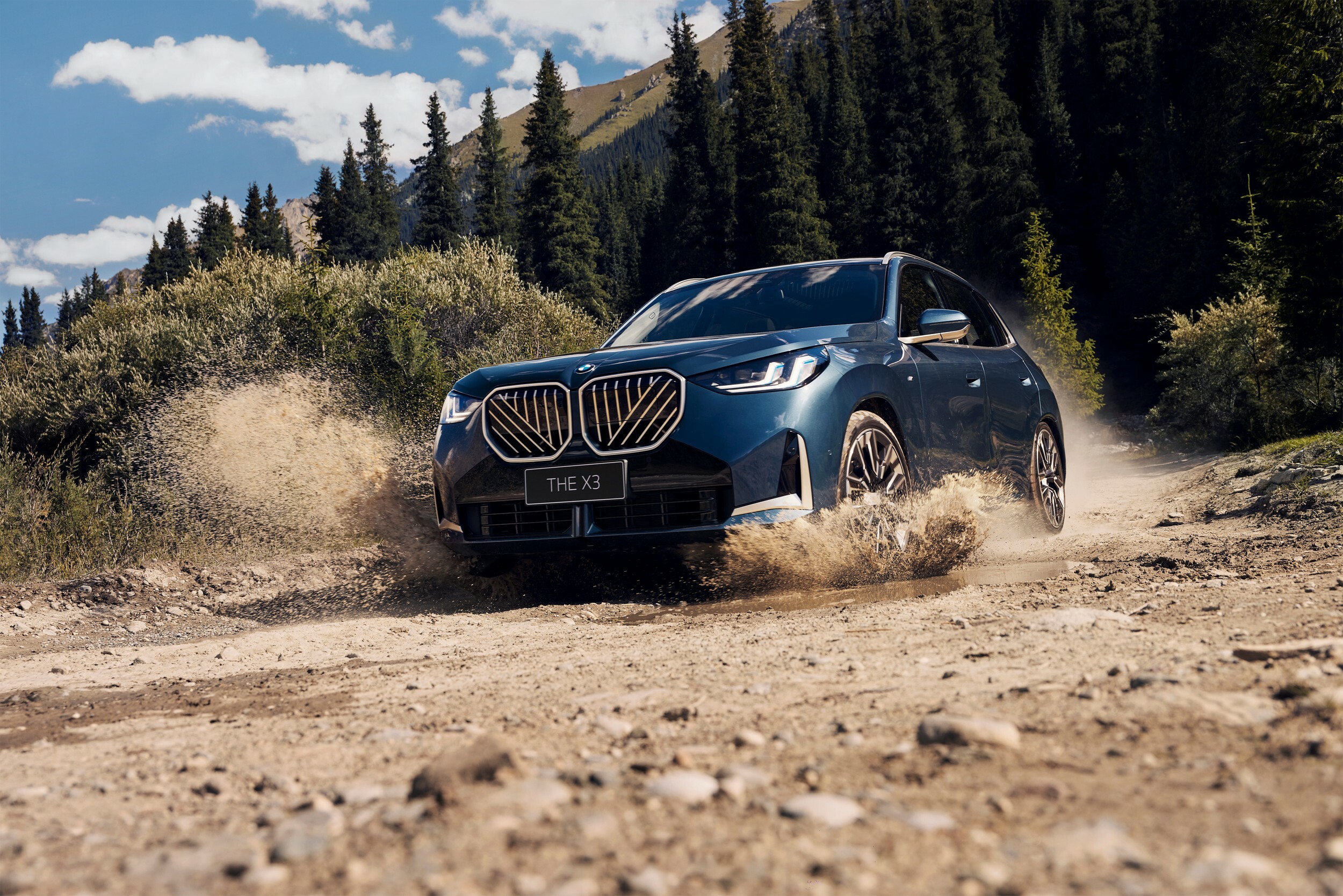
BMW X3 China
❌
❌