Reading view

There are new articles available, click to refresh the page.

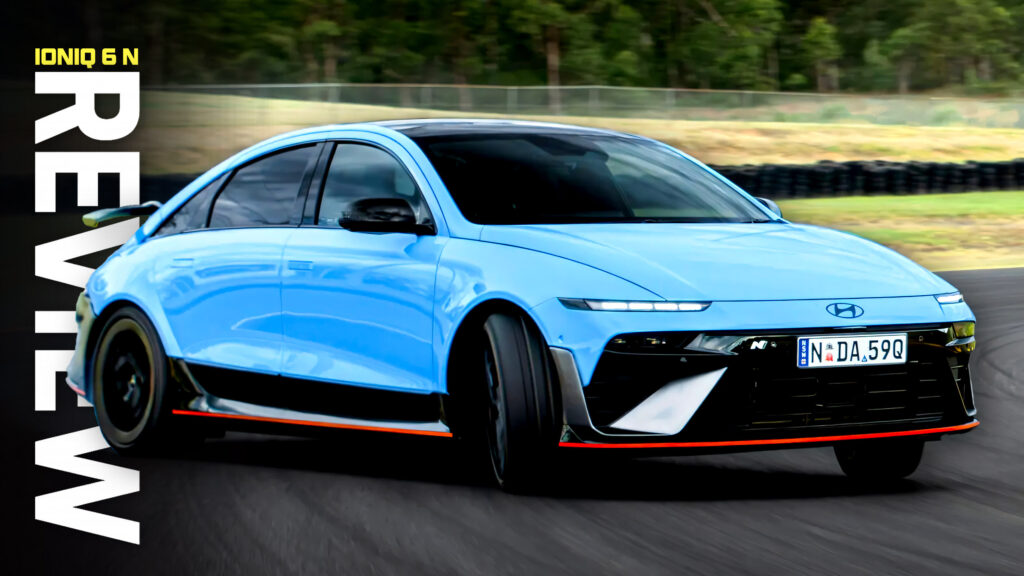
More Porsche Than Hyundai, The Ioniq 6 N Is A Masterstroke | Review
PROS ›› Exceptional performance, great sounds, fake DCT CONS ›› Design will divide opinions, expensive, poor range

Hyundai lit a fire under the performance EV world when it dropped the Ioniq 5 N a couple of years back. Not only was it the South Korean brand’s first crack at a high-performance electric car, it was arguably the first EV built with the driver, not the spec sheet, at the forefront.

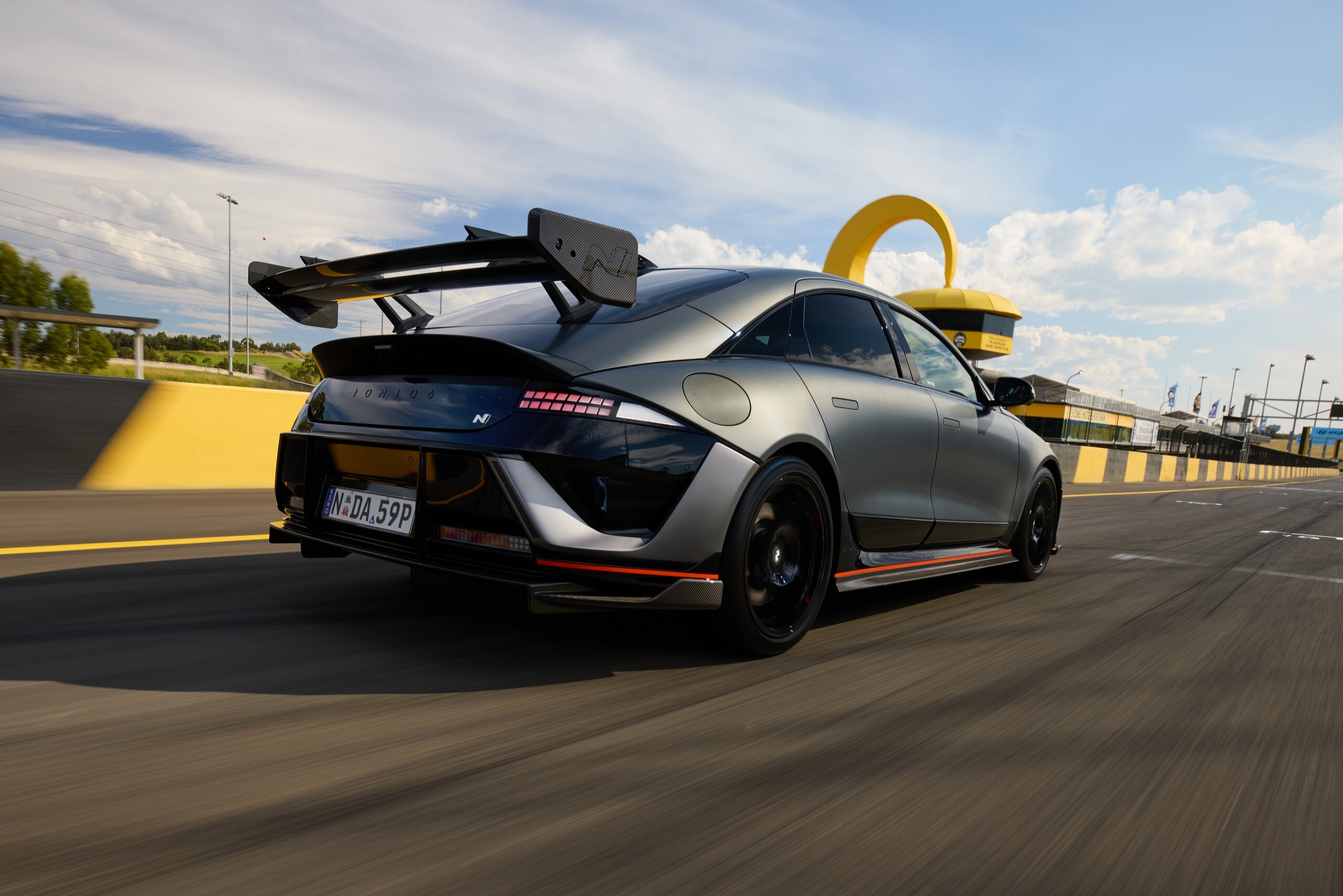
Now comes the follow-up. The Korean brand has launched its second high-performance EV, the Ioniq 6 N. Created around the same philosophy as the Ioniq 5 N, and sharing many of its parts, the 6 N promises even greater performance with far more adjustability, a slightly higher price tag, and quicker lap times, aided in no small part by the lower center of gravity.

Review: The Hyundai Ioniq 5 N Is A Ballistic Missile That Redefines EVs

The question is, can Hyundai have possibly made the already great Ioniq 5 N even better? We headed to Sydney Motorsport Park to find out, putting the Ioniq 6 N through its paces. It revealed itself to be a car so enjoyable to drive that it’s hardly even recognizable as an EV.

QUICK FACTS
› Model:2027 Hyundai Ioniq 6 N
› Starting Price:AU$115,000 ($82,800) plus on-road costs
› Dimensions:194.3 L x 76.4 W x 58.9 H inches (4,935 x 1,940 x 1,495 mm)
› Wheelbase:116.7 in (2,965 mm)
› Curb Weight:2,166 kg (4,775 lbs)
› Powertrain:Two electric motors / 84 kWh battery
› Output:650 hp (478 kW) / 546 lb-ft (740 Nm) w/ N Grin Boost
› 0-62 mph3.2 seconds (0-100 km/h) as tested
› Transmission:Single speed
› Efficiency:24 kWh/100 km as tested
› On Sale:Now
SWIPE

What Makes It Special?

Significant improvements have been made to the Ioniq 6 to ensure it’s fitting of the N badge. It uses an 84 kWh battery pack and a pair of electric motors delivering 448 kW (601 hp) and 740 Nm (546 lb-ft) of torque as standard, and 478 kW (650 hp) with the N Grin Boost function enabled and launch control engaged. The battery packs support charging from 350-kW DC fast chargers, with peak charging rates of around 250 kW, enough to charge the pack from 10-80 percent in 18 minutes.

\\\\\\\\\\\\\

Photos Hyundai Australia

Like any N product, this one is about much more than improved power. Hyundai has tweaked the suspension geometry, lowering the roll center and installing new dual-layer bushings. It also uses an advanced, new stroke-sensing electronically controlled suspension system that adjusts damping based on driving conditions and travel stroke. There’s also an electronically limited-slip differential at the rear, a steering mounting void bushing to improve response, and Hyundai’s Integrated Drive Axle.

Hyundai has also added 44 additional weld points and an extra 340 mm (13.4 inches) of structural adhesive to the body-in-white, and installed new brakes with 400 mm (15.7-inch) discs with four-piston calipers up front. There are also two brake-feel modes, a slew of regenerative-braking settings, and several aerodynamic improvements, including a rear wing that delivers 100 kg (220 lbs) of downforce.
 More Porsche Than Hyundai, The Ioniq 6 N Is A Masterstroke | Review

Like the Ioniq 5 N, the number of functions to enhance the driving experience is dizzying. There’s the N Drift Optimizer, N Launch Control, and an N Torque Distribution that allows for 11 different adjustments to how power is sent to the wheels, ranging from 95:5 front-to-rear to 5:95 front-to-rear. Hyundai has also included its N Pedal system to boost regenerative braking on the track and improve tuck-in response, N Grin Boost to increase power in 10-second bursts, and N Battery to optimize battery temperatures for drag, sprint, and endurance settings.

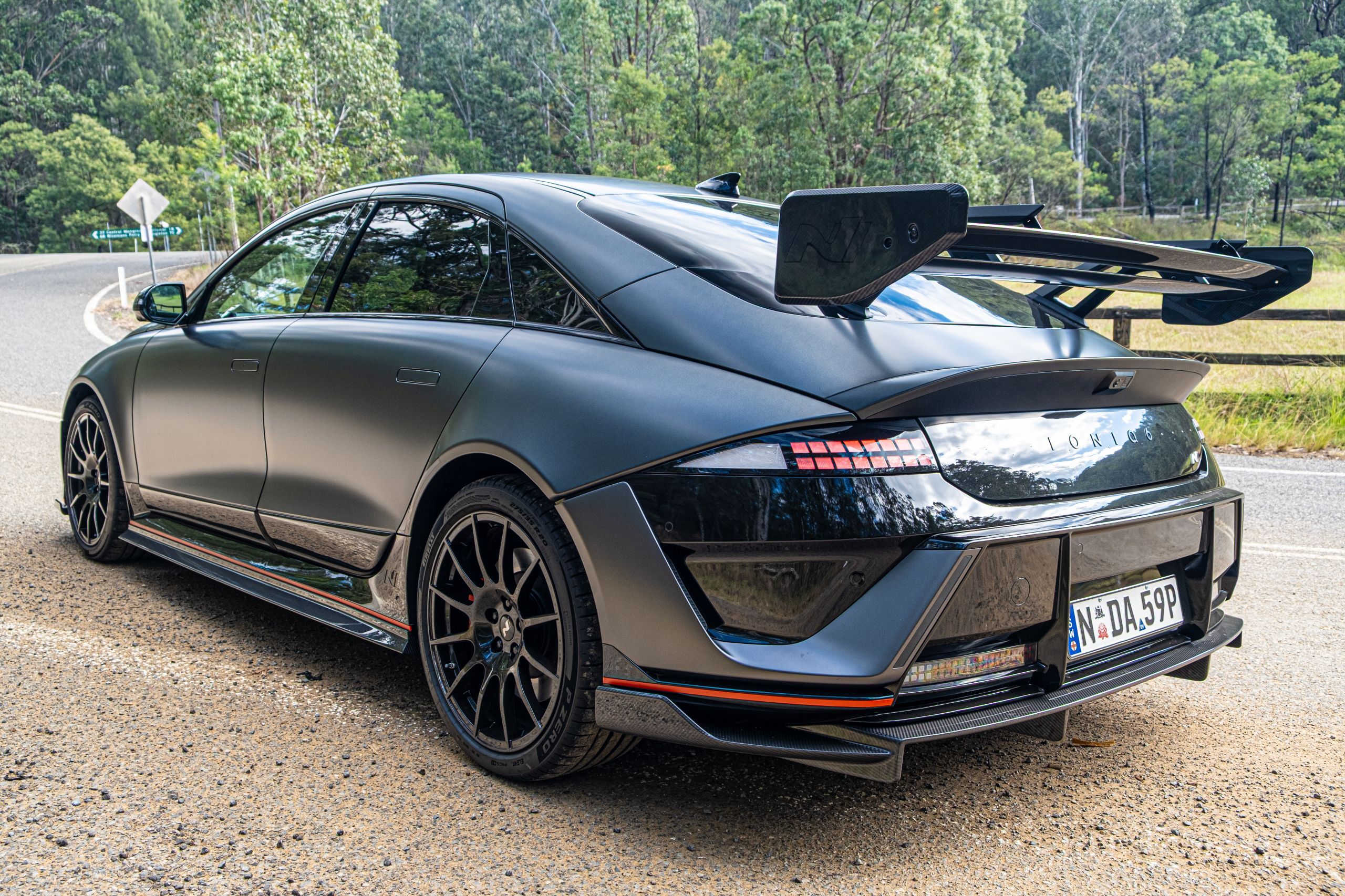
In Australia, prices start at AU$115,000 (US$82,800). In the US, it’s expected to start at around US$70,000. The matte grey model you’ll see in some photos includes several carbon fiber accessories, including a towering AU$7,289 (US$5,245) rear wing, a AU$2,484 (US$1,787) carbon splitter, AU$4,810 (US$3,461) side skirts, and a AU$4,090 (US$2,943) rear diffuser.

Sporty Cabin Tweaks

\\\\\\\\\\\\\\\\\\\\\\\\\\\\

Photos Hyundai Australia

The interior has also been tweaked, although it’s not dramatically removed from the regular Ioniq 6. Key touches include a new N steering wheel, new head-up display graphics, bucket seats, and new leather and Alcantara surfaces.

As the N is based on the facelifted Ioniq 6, it has all of the same features. These include a configurable 12.3-inch digital instrument cluster, a 12.3-inch infotainment display, and, importantly, loads of tactile, physical buttons throughout, an increasing rarity in the EV space. It’s a lovely space to spend time, and the upgrades made to the N ensure it feels special.

Just like the Ioniq 5 N, the Ioniq 6 N is very much a niche product. This is not the type of vehicle that Hyundai expects to sell in high numbers. In Australia, roughly 500 expressions of interest have been received, although order books have yet to open, so it’s unclear how many of those will actually translate into buyers.

Driving

\\\\\\\\\\\

Photos Hyundai Australia

All it takes is a quick look at the Ioniq 6 N’s specs to understand that this is a car that means serious business. However, unlike some of the straight-line heroes that dominate the so-called ‘performance’ class of EVs, Hyundai’s latest creation is about much more than simply pulling away from an intersection quickly.

Of course, that’s not to say that this thing isn’t ferocious off the line. It is. According to Hyundai, the Ioniq 6 N can sprint to 100 km/h (62 mph) in just 3.2 seconds with the N Grin Boost function enabled, which bumps up peak power to 478 kW (650 hp) and 740 Nm (546 lb-ft) of torque for 10-second bursts. In our testing, we recorded repeated runs to 100 km/h in 3.2 seconds, while running from 60-120 km/h takes as little as 2.45 seconds.

\\\\\\\\\\\

Photos Hyundai Australia

While it’d be easy to shrug off these figures given how many quick EVs are on the market right now, it’s worth remembering that numbers like these were once the exclusive territory of high-end supercars costing half a million dollars, not a practical four-door sedan that stickers for a fraction of that and costs about a third of what a Porsche Taycan Turbo does.

Fitted as standard with Pirelli P Zero Elect tires, but equipped with P Zero Corsa rubber for our track sessions, the car simply bites into the pavement, delivering unrelenting, unforgiving acceleration.

No Electric Sedan Should Drive Like This

However, it’s the handling and overall driving dynamics of the Ioniq 6 N that stand out more than the acceleration.

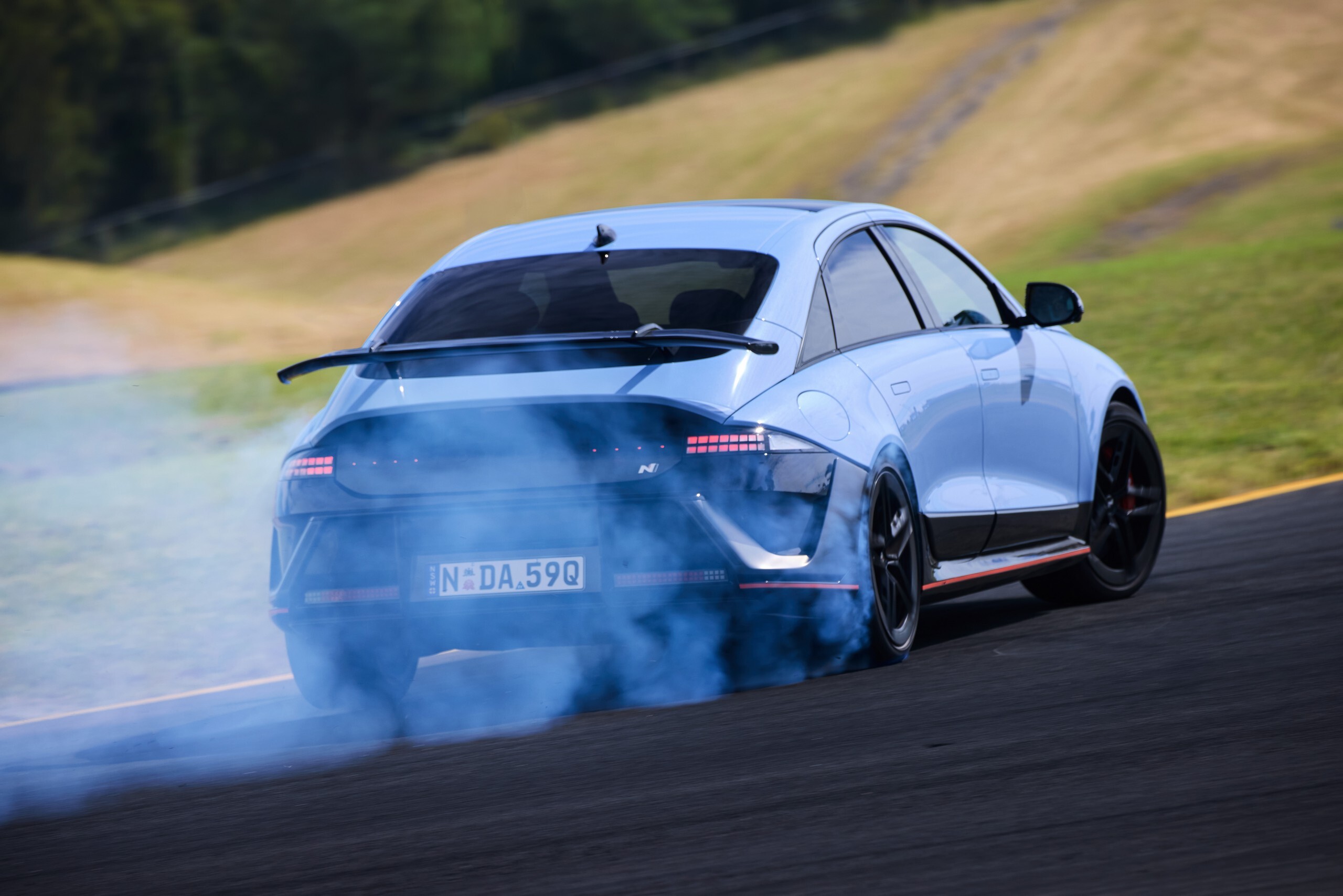
Like the Ioniq 5 N, the 6 N uses a pair of powerful electric motors at the front and rear axles. It includes the N Torque Distribution function, allowing drivers to move from as much as 95 percent front-power bias to 95 percent rear-power bias. However, to extract peak power from the two motors, it’s best to keep the power split in its 50-50 mode.
 More Porsche Than Hyundai, The Ioniq 6 N Is A Masterstroke | Review

Even in this mode, with a 60-40 front-to-rear power split, the Ioniq 6 N feels inherently rear-biased and is even more playful than its SUV sibling. For several laps, I had the car’s power split in 50-50 mode with the ESC in Sport mode, and was left giddy by how the rear end gracefully starts to kick under power. When it does step out, the stability control system allows for a surprising amount of slide angle before reining things in, making the EV exceptionally easy to control at and beyond the limit.

Read: New Elantra N TCR Undercuts The Civic Type R By $7,000 With A Bigger Wing

Outright grip is exceptional and has been perfectly coupled with superb steering feel, despite it being an electrically assisted system. What’s particularly impressive is that the steering provides just as much feedback as Hyundai’s combustion-powered N models. There are no dramas in determining where the extremities of the grip are, either through the front or the rear axle.

Admittedly, the overall size of the Ioniq 6 N and its weight mean that both the road-focused P Zero Elect and P Zero Corsa tires start to overheat after three or four flying laps. This wasn’t helped by the fact that the tires of the cars we tested were dated back to 2023, so they were a little old.

\\\\\\\\\\\\\\\\\\\\\\\\\\\\\\\\\\\\\\\\\\\

Photos Brad Anderson/Carscoops

Improvements have been made to the car’s N e-Shift function. This is the system that aims to replicate the feel of Hyundai N’s eight-speed dual-clutch, providing a satisfying thump in the back and a change in torque just like an ICE car. Whereas the Ioniq 5 N had seven of these fake gears, the Ioniq 6 N has eight. With shorter ratios, even though they’re not real, it’s possible to enjoy even more shifts.

Those who haven’t experienced this system may be quick to dismiss it. After all, how can an EV’s software possibly mimic actually shifting gears? However, the team of Hyundai engineers who developed the N’s eight-speed dual-clutch also developed this system, and it’s almost indistinguishable from a normal transmission. It’s bewildering at first, but quickly becomes second nature.

Alterations have also been made to the car’s N Active Sound+ system. As in the Ioniq 5 N, the Ioniq 6 N’s system includes three modes, Ignition, Evolution, and Supersonic, although changes have been made to all three. Whereas the Ioniq 5 N’s system uses two channels, the Ioniq 6’s uses six, providing a richer, louder, and more authentic soundtrack, particularly in Ignition, which sounds just like the exhaust of the i30 N. However, the Active Sound+ system doesn’t faithfully recreate the sound of a turbocharged four-cylinder quite as well as the e-Shift does act like a genuine dual-clutch.

On-Road Performance

\\\\\\\\\\\\\\\\\\

Photos Hyundai Australia

On the road, the Ioniq 6 N revealed itself to be a shockingly good cruiser, yet one that can transform into an animal at the press of the N button.

Given the performance on offer, it should come as no surprise that the Ioniq 6 N isn’t as efficient as the regular model. Sitting on the highway, it’ll average about 19 kWh/100 km, which is respectable. However, start driving it in a slightly sportier manner, and that figure will quickly rise deep into the 20s. On the track, when driven at its limits without regenerative braking, it’ll deplete the battery pack by about 8 percent over a 105-second lap. Using regen, it’s possible to lower this to around 5 percent.
 More Porsche Than Hyundai, The Ioniq 6 N Is A Masterstroke | Review

A key masterstroke for the Ioniq 6 N’s on-road performance is how well it rides. The new and improved suspension works wonders, soaking up bumps beautifully in its softest setting while still delivering a sporty feel. Amp things up into one of the more aggressive modes, and it’s far less jarring than an i30 N, remaining perfectly suitable for everyday driving.

While the street tires can overheat on the track, you’d have to find a very long ribbon of tarmac to get them to do so on the road. They provide loads of grip and excellent feedback about the limits of grip. Just like we found while on the circuit, there’s no other EV that feels like this on the road. Dynamically, the car’s hard to fault, and it’s absolutely more capable than the Ioniq 5 N.

Perhaps the feel of the brakes isn’t as nice as some other performance cars out there, but that’s clutching at straws. One thing’s for sure: there’s no noticeable shift from regenerative to friction braking, a trademark of other Hyundai Group EVs.

Verdict

\\\\\\\\\\\\\\\\\\\\\\\\

Photos Brad Anderson/Carscoops

Car manufacturers have struggled to develop and build EVs that tug at the heartstrings of driving enthusiasts. In general, these cars lack soul and passion, often devoid of any personality at all. That’s not the case with Hyundai, and there’s a good reason why Ferrari, Lamborghini, Porsche, and others have all benchmarked the Ioniq 5 N.

The Ioniq 6 N is the culmination of everything Hyundai’s N division has been developing since its establishment more than a decade ago. It’s expensive for a Hyundai, but it’s cheap compared to a Porsche Taycan or an Audi RS e-tron GT, and delivers thrills that neither of those two can. As we enter a world where performance-focused EVs will become increasingly common, it’s nice to know Hyundai is keeping the preferences of car enthusiasts at the top of its agenda.
\\\\\\\\\\\\\\\\\\\\\\\\\\\\\\\\\\\\\\\\\\\\\\\\\\\\\\\\\\\\\\\\\\\\\\\\\\\\\\\\\\\\\\\\\\\\\\\\\\\\\\

Photos Hyundai Australia

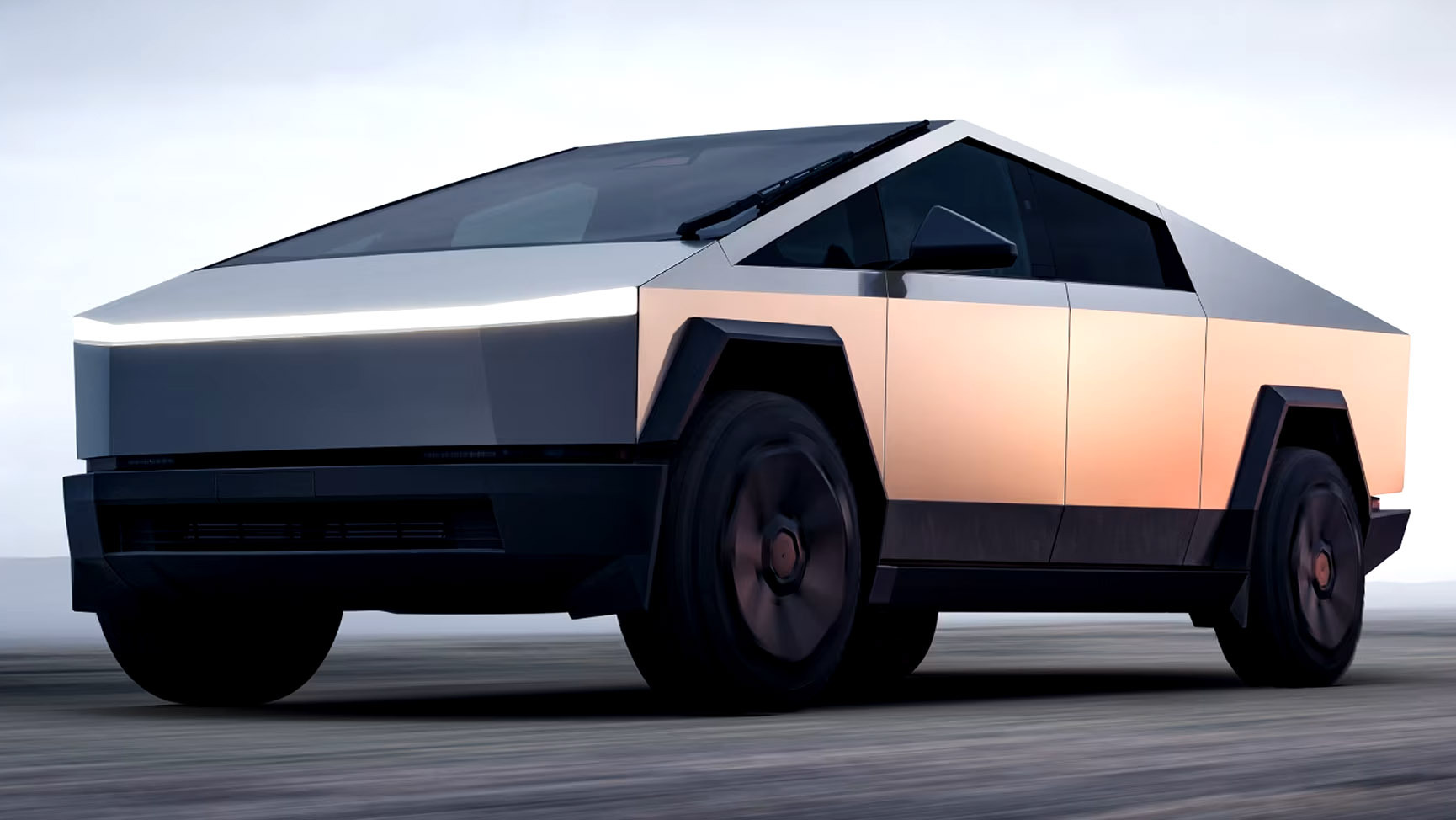
Tesla Is Recalling All 173 Cheap Cybertrucks Because Their Wheels Can Fall Off

  • The issue stems from cracking around brake rotor stud holes under load.
  • Only rear-wheel-drive units with base 18-inch wheels are affected.
  • Some serviced EVs may also carry the same potentially faulty parts.

The owners of 173 Cybertruck RWDs have a new problem to worry about. Tesla has issued a recall on the short-lived budget variant after discovering the wheels can come off while driving, which ranks somewhere near the top of the list of things you definitely do not want your vehicle to do.

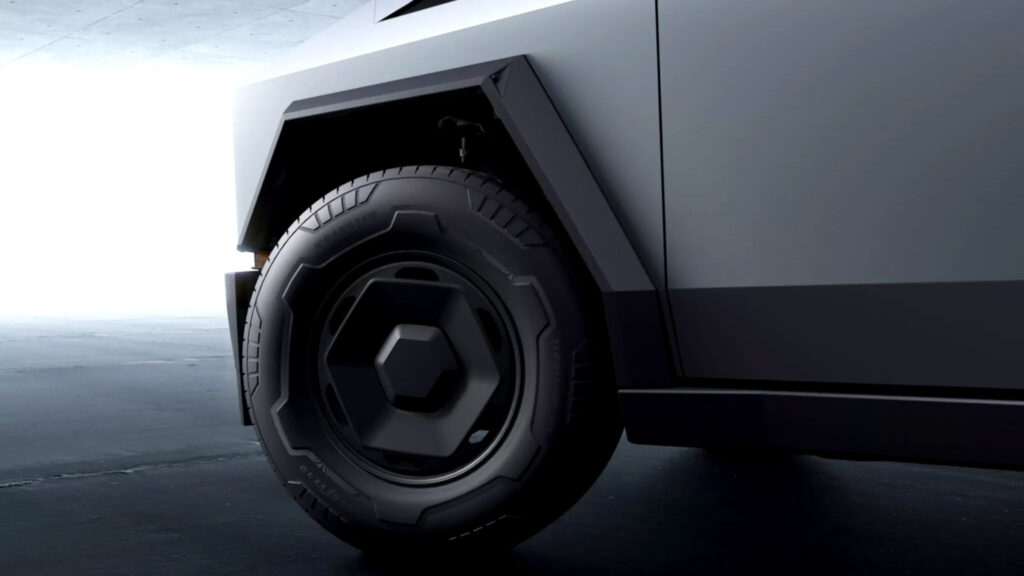
Tesla says that on-road disturbances and cornering forces can cause cracking around the stud holes in the brake rotors. If that happens, the entire wheel stud may separate from the hub. The company is not aware of any crashes or injuries tied to the issue, though it has logged three related warranty claims.

Read: His Cybertruck Made It to 100,000 Lyft Miles Before Sending A $7,200 Reminder

A total of 173 models built between March 21, 2024, and November 25, 2025, are included in the recall. Only Cybertruck RWD versions with the base 18-inch wheels are affected, not those fitted with the optional 20-inch setup.

Tesla first identified a potential problem in August of last year, when pre-production testing revealed some cracking in the brake rotors, even though all studs remained intact at the time. Further investigation, along with field reports, showed the issue was more serious than initially thought.

Not only did Cybertruck RWD models leave the factory with the defect, but some Tesla service centers were also using the potentially faulty brake rotors, so vehicles that have had their brakes replaced may also suffer from the same issue.

What’s The Fix?

 Tesla Is Recalling All 173 Cheap Cybertrucks Because Their Wheels Can Fall Off

While the recall notice lists vehicles produced from March 21, 2024, Tesla says it only began building Cybertruck RWD models with 18-inch wheels on August 28, 2025. Production ended less than three months later, on November 5, with the company citing limited demand for the variant.

Owners can expect notification from Tesla after June 20. They will be asked to bring their trucks to a service center, where technicians will replace the front and rear brake rotors, hubs, and lug nuts with updated, more durable components.

\\\\\

Waymo’s Robotaxi Made It To San Jose, His Luggage Made It To San Francisco

  • The tech giant initially said it wouldn’t pay to ship the rider’s luggage back.
  • Waymo offered Di Jin two free rides to pick up his luggage from a depot.
  • As it turns out, there are some advantages to using human-driven taxis.

Taking a trip in one of Waymo’s robotaxis should be a smooth and stress-free experience, particularly since there’s no pressure to have an awkward conversation with a driver. However, for one Waymo user in California, taking a robotaxi to the airport left him without luggage for a business trip.

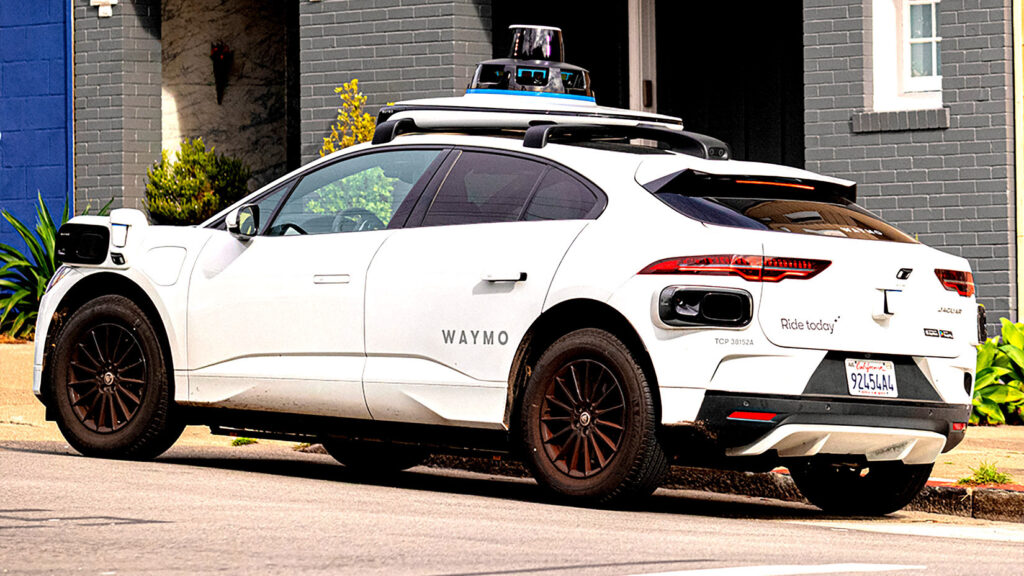
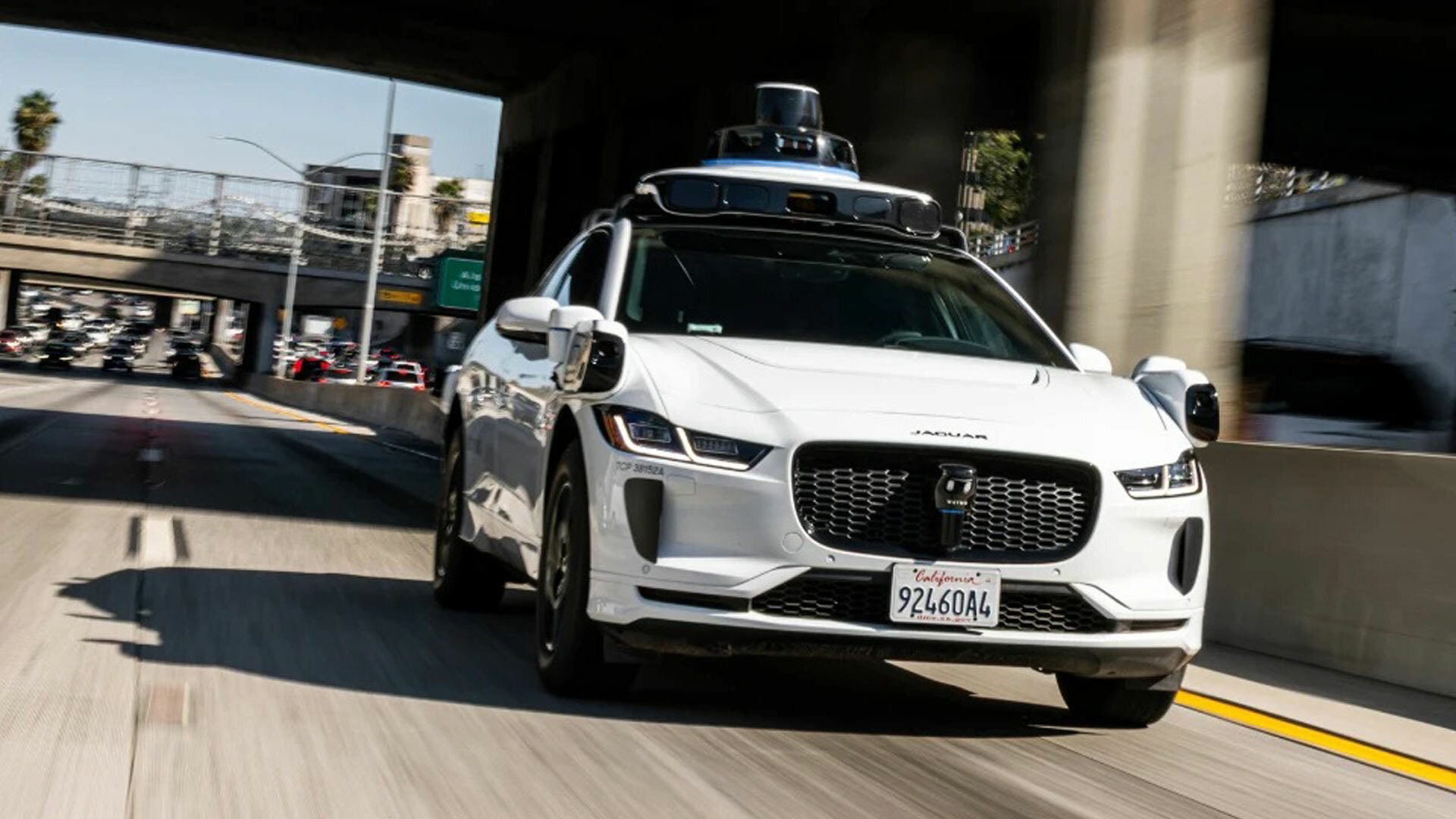
In late April, Di Jin took his first ride in one of Waymo’s robotaxis, traveling from Sunnyvale to San Jose Mineta Airport. The self-driving Jaguar I-Pace took him to the airport without issues, but when Jin got out of the car and attempted to open the trunk to get his luggage, the button did nothing. Moments later, the vehicle drove off, still carrying his luggage.

Read: Waymo’s Robotaxis Sometimes Receive Guidance By Some Guy In The Philippines

Speaking with NBC, Jin said he frantically contacted Waymo customer service but was told the robotaxi couldn’t be turned around and was heading to the depot. He was then forced to board his flight without any of his luggage.

The Californian man was informed later in the day that Waymo had retrieved his luggage at the depot. The only problem is that the depot is in San Francisco, and the company refused to pay shipping costs to get it back to Jin. If Jin didn’t want to pay for shipping, Waymo offered him two free rides to and from the depot to pick up his luggage.

Waymo Finally Steps Up

However, time is money, and Jin didn’t like the idea of wasting two hours getting his luggage. Waymo ultimately relented, confirming that it would pay to deliver his luggage after all.

Waymo notes that riders can open the trunk of one of its vehicles by pressing the physical trunk release button on the outside of the vehicle, or by tapping the ‘open trunk’ button in the Waymo app. For this rider, the trunk release apparently didn’t work, and with no human driver behind the wheel, he had no way of immediately notifying the car that he couldn’t retrieve his luggage. Perhaps human-operated taxis aren’t so bad after all.

 Waymo’s Robotaxi Made It To San Jose, His Luggage Made It To San Francisco
Photos Waymo

Americans Pay $37K For The Cheapest Tesla, Canada Got A Chinese One For $29K

  • Tesla is making the most out of reduced tariffs on Chinese-built EVs.
  • Up to 49,000 EVs built in China can be imported to Canada annually.
  • Base Model 3 RWD hits 62 mph in 5.2 seconds and has a 288-mile range.

As expected, Tesla has become the first EV maker to begin selling Chinese-made models in Canada after the two countries finalized a major trade deal earlier this year. It’s good news for Canadian car buyers, who now get access to Tesla models priced well below their American counterparts. In fact, it’s the cheapest Tesla EV ever sold in North America.

Thanks to the new trade deal, up to 49,000 EVs built in China can be imported into Canada at a reduced tariff rate of 6.1 percent, down from the 100 percent tariff imposed in 2024. Canadian officials began issuing permits for the first 24,500 vehicles in March, and Tesla moved quickly to capitalize.

Read: Canada Could Give China’s Biggest Carmaker A Backdoor Into The US Market

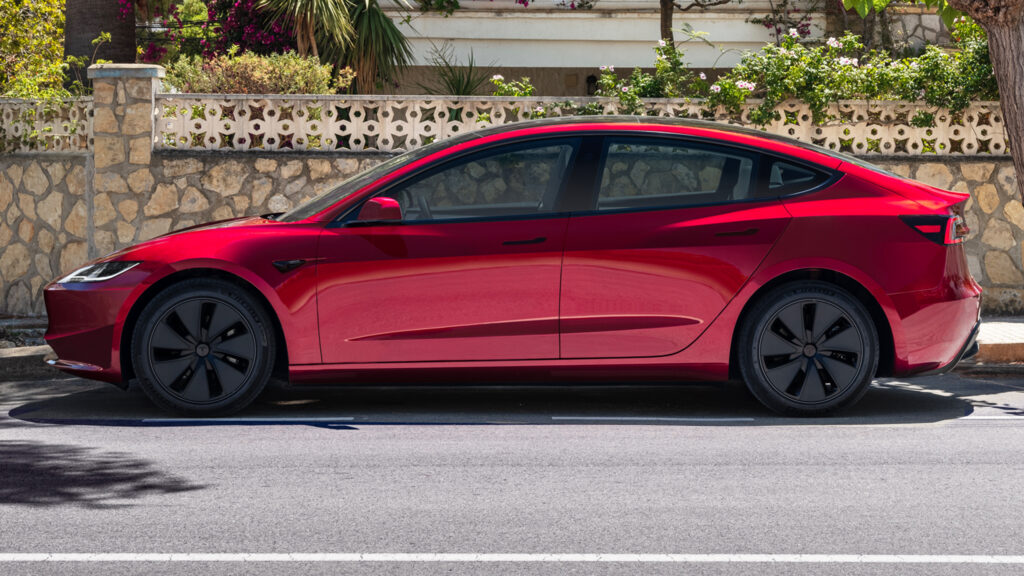
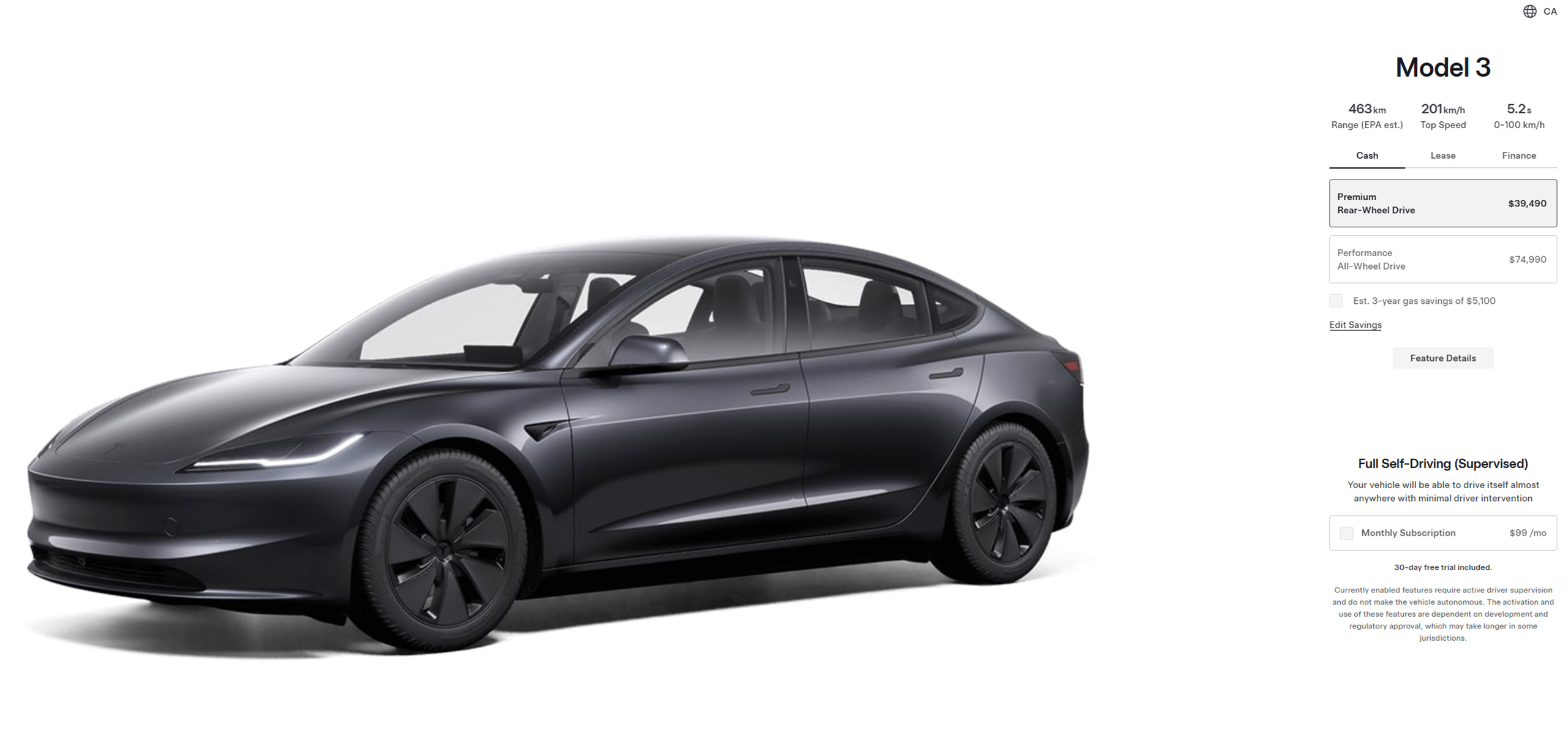
By importing from China, Tesla has reintroduced the entry-level Model 3 Premium RWD to Canada. It is priced from just CA$39,490 before delivery, or around US$29,007 at current exchange rates, undercutting the most affordable Model 3 in the US, the standard RWD model that starts at US$36,990 before taxes and delivery fees. The Shanghai-spec Model 3 has a quoted driving range of 463 km (288 miles) and can go from 0 to 100 km/h (62 mph) in 5.2 seconds.
Before the deal took effect, the most affordable Model 3 available in Canada was the Long Range AWD shipped up from Fremont, California, with a starting price of CA$79,990 (US$58,700). It isn’t a spec-for-spec comparison, but Tesla has effectively cut its Canadian entry point in half overnight.

Performance Gets A Price Cut

 Americans Pay $37K For The Cheapest Tesla, Canada Got A Chinese One For $29K

Canadian buyers can also order the Model 3 in Performance guise, now priced from CA$74,990 (US$55,050). That marks a 17 percent drop from CA$89,990 (US$66,070), bringing the Canadian price roughly in line with the US$54,490 sticker American buyers pay for the same trim. Tesla has not confirmed where it will source Model 3 Performance models for the Canadian market, though reports suggest Fremont remains the likely origin.

The only downside of Tesla now importing some Model 3s from China is that these models do not qualify for Canada’s Electric Vehicle Affordability Program (EVAP) rebate, valued at $5,000, according to Drive Tesla.
It remains unclear how many of the initial 24,500 permits Tesla will lock down, though Canadian officials have confirmed they’re being issued on a first-come, first-served basis. Unless rivals like Volvo and Polestar move quickly to get their own Chinese-built EVs across the Pacific, Tesla looks poised to walk away with the lion’s share.

\\\\\

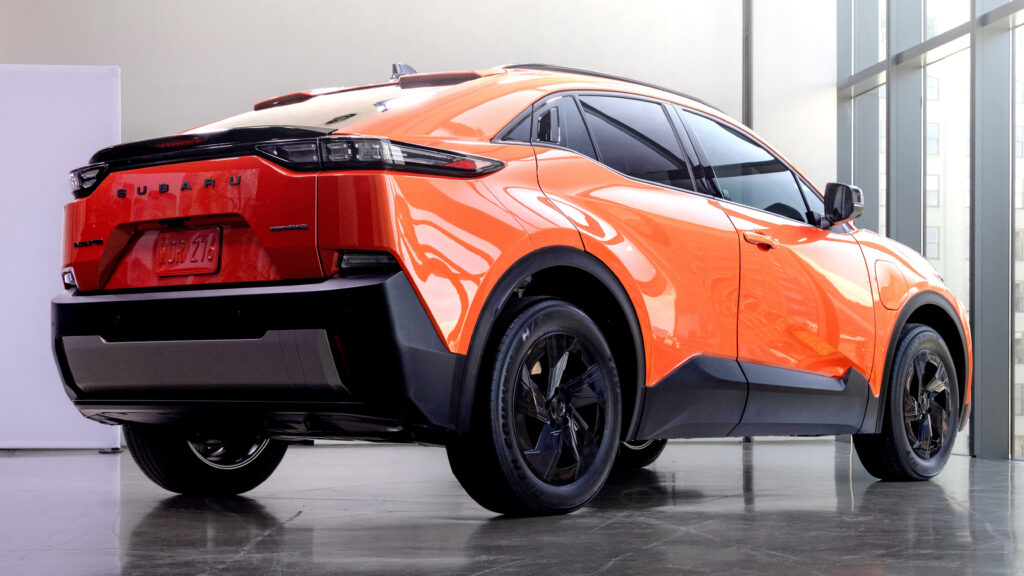
Subaru’s New EV Leases For $345, Less Than A Crosstrek Hybrid

  • In some states, it’s possible to lease the Uncharted for $345 per month.
  • Entry-level Uncharted models are front-wheel drive with a single motor.
  • The Uncharted’s RWD model has a driving range of 308 miles (496 km).

Subaru’s take on the all-electric Toyota C-HR, badged the Uncharted, may share a name with a 2022 Hollywood blockbuster starring Tom Holland and Mark Wahlberg, but it has a unique appeal that makes it stand out in this ever-competitive segment. It’s now also much cheaper to lease than it was last year.

In California, the Uncharted Premium can be leased for $345 per month with 10,000 miles a year and just $845 due at signing. Roll the drive-off into the payment, and the effective cost lands at $368 per month over 36 months, a $97 monthly savings versus the previous deal.

Read: Subaru’s New $35K SUV Breaks Years Of AWD Tradition

This actually makes the all-new Uncharted cheaper to lease in some areas than a Crosstrek Hybrid. As Cars Direct notes, a Crosstrek Hybrid Sport is available for $339 per month in Los Angeles but requires a $3,829 signing fee, effectively increasing the price to $445 per month. A standard gas-powered Crosstrek can be leased for as little as $345 per month, so it does undercut the Uncharted.

Through these lease cuts, the Uncharted is now $11 cheaper per month than the updated Subaru Solterra Premium.

Nationwide Savings

\\\\\\\\\

Lease deals vary across the country, but cuts have also been made in several other states, including New York, where prices are down 12 percent to an effective $410 per month when factoring in the $885 due at signing.

Importantly, these figures apply exclusively to the entry-level model, which is limited to front-wheel drive and comes with a single electric motor. This motor produces 221 hp and draws its juice from a 74.7 kWh battery pack. Although the front-wheel drive model can’t match the 338 hp offered up by the twin-motor AWD Sport and GT models, it does have the highest driving range of any Uncharted model, quoted at up to 308 miles (496 km).

\\\\\\\\\

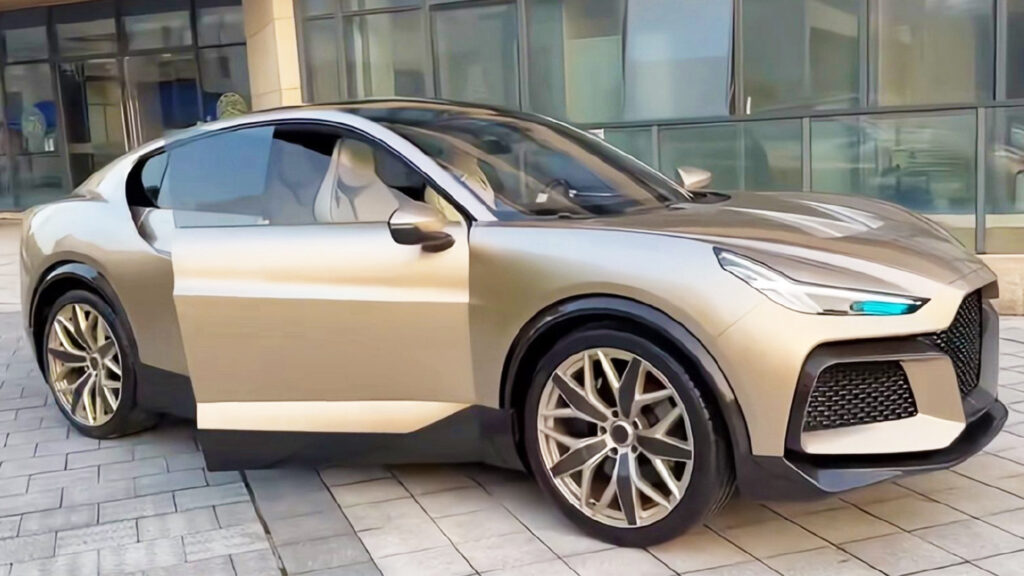
If You Ever Dreamed Of A Cheap Bugatti Sedan, China Has You Covered

  • Dreame moved from vacuum cleaners into cars with three new brands.
  • Star Motor’s latest crossover-sedan concept borrows heavily from luxury icons.
  • Images show it sporting Rolls-Royce-style suicide doors with no B-pillar.

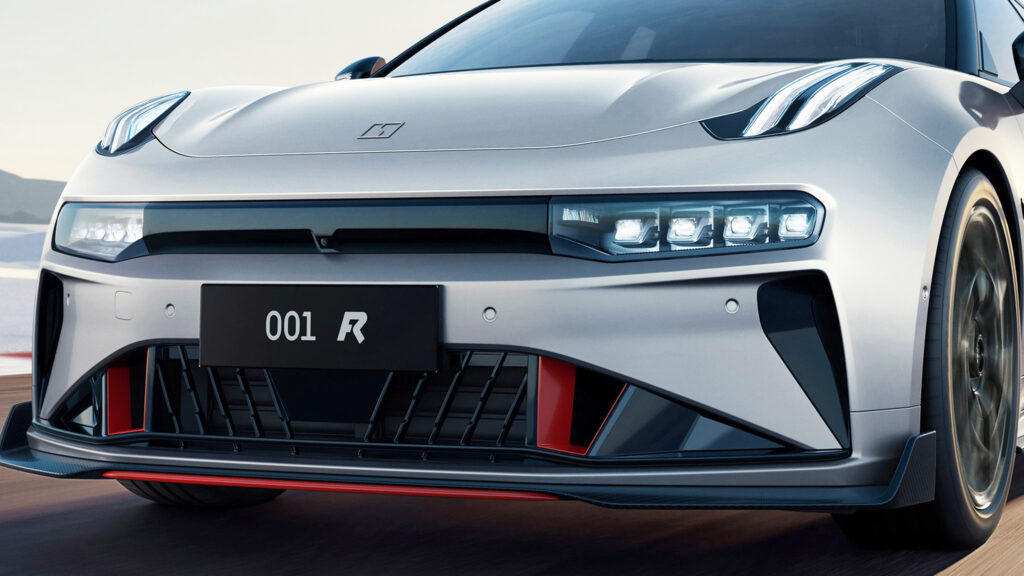
Just a few months ago, Dreame was a virtual unknown in the West, having primarily cut its teeth in China’s consumer electronics industry, making a name for itself with vacuum cleaners. The company has since pivoted hard into the automotive space, spinning up three separate car brands called Nebula Next, Kosmera, and Star Motors, each with its own stream of concepts. This is its latest creation.

The car appears to wear the badge of Star Motor, one of Dreame’s three new automotive sub-brands. It was introduced back in February with the T08 and T08L, a pair of boxy off-roaders that looked like carbon copies of Dongfeng’s M817 and M917. The brand also showed the D09, a luxury SUV that lifted heavily from the Rolls-Royce Cullinan playbook.

Read: The Chinese Vacuum Brand That Built A 1,973-HP Sedan Just Showed Up At Berkeley With It

As for this latest concept, it was present at the recent Beijing Auto Show and may make a return appearance at the Chengdu Auto Show in September in more production-ready form. Dreame has shown a penchant for taking inspiration from other brands’ designs, and this sedan appears no different. If the Bugatti Chiron and Ferrari Purosangue had a baby, it would look a lot like this.

\\

TychodeFeijter/X

The front of the crossover-style sedan features a massive grille that recalls the Kosmera concept Dreame trotted out at CES back in January, only scaled up and turned more aggressive. It also sports wide, gaping air intakes and a set of sharp LED headlights.

The standout feature in profile is the set of Rolls-Royce-style rear suicide doors, though Star Motor has pushed the idea further than Goodwood does. Where the Phantom retains a structural B-pillar between the front and rear doors, this Dreame concept deletes it entirely, leaving one uninterrupted opening when both doors swing wide. Recent spy shots show the upcoming Genesis GV90 adopting the same pillarless layout.

\\

Photos of the rear haven’t surfaced yet, but the C-shaped element wrapping the rear side windows and rear doors definitely looks reminiscent of the signature C-line used by Bugatti.

No details have emerged on the powertrain, assuming there’s even a working one under the sheetmetal, but in all likelihood, it will follow the lead of Dreame’s other concepts and run on pure electric power.

Whether any of these showcars will actually reach production remains anyone’s guess. Dreame has so far traded entirely in show cars and renderings.

\\\\\\\\\\\\\

Dreame Nebula Next Jet Concept

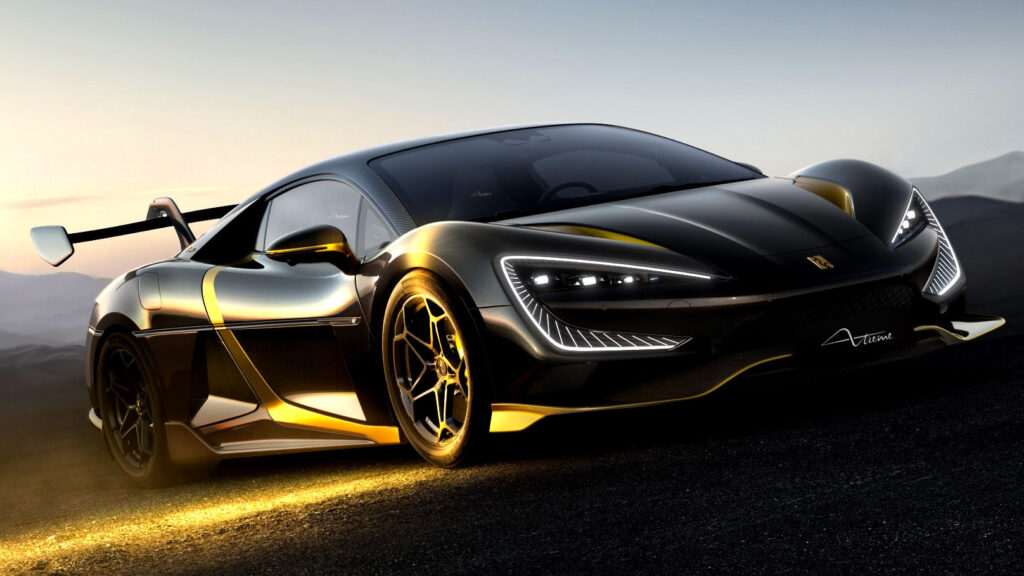
BYD’s 2,978 HP Hypercar Just Found Its First Buyers Willing To Pay Bugatti Money

  • The U9 Xtreme has four electric motors delivering 2,978 hp and hits 308.4 mph.
  • Last year, the limited-run U9 Xtreme lapped the Nurburgring in 6:57.147.
  • BYD is selling each YangWang U9 Xtreme for more than 20 million yuan.

Over the past few years, we’ve become accustomed to seeing new BYD models hit the market with absurdly low price tags. The record-breaking YangWang YangWang U9 Xtreme is not that kind of a car. It is, by some distance, the priciest thing the company has ever offered.

More: China’s YangWang U9 Smashed Bugatti’s Speed Record But Still Isn’t Officially The World’s Fastest Car

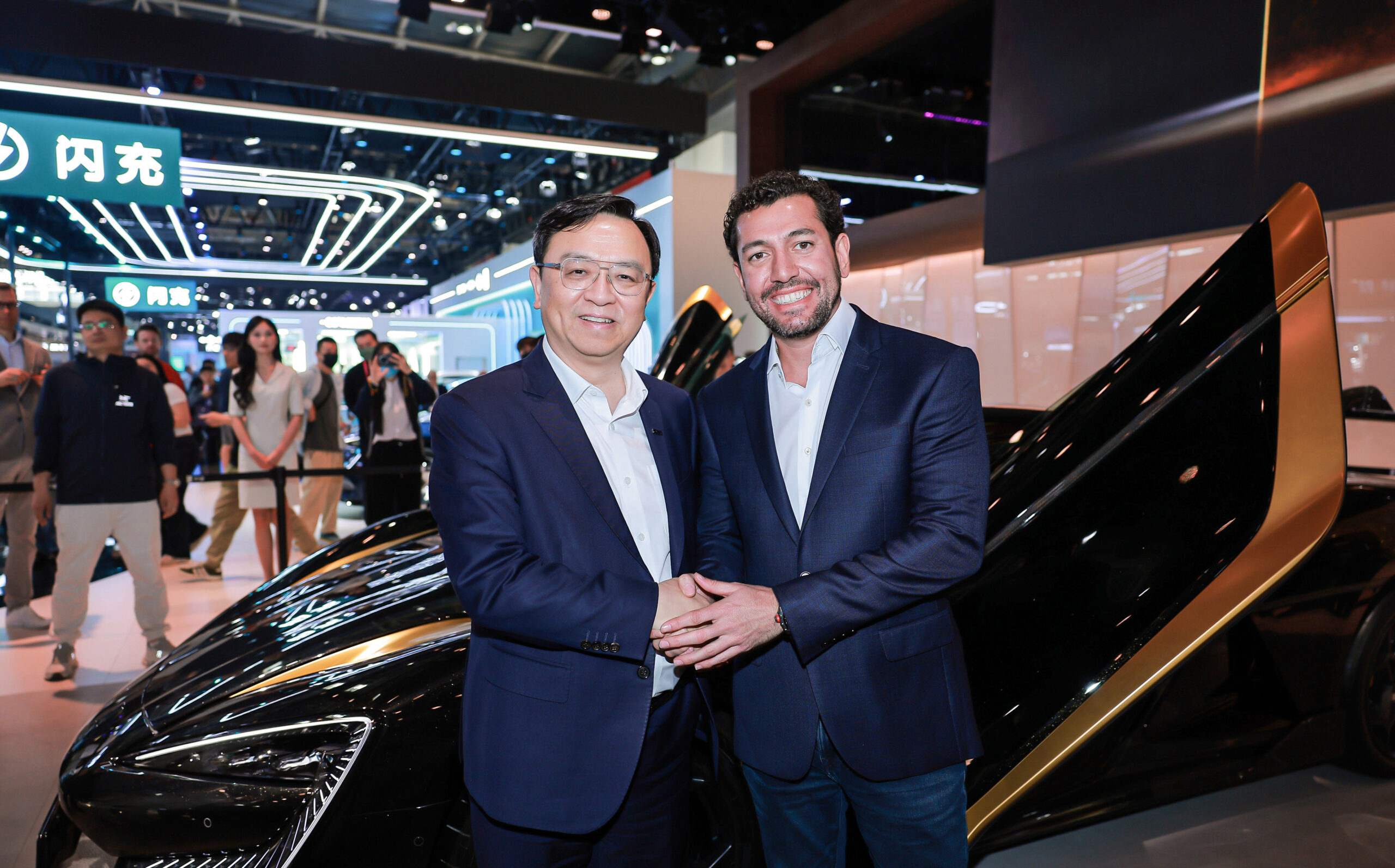
Li Yunfei, who runs branding and PR for BYD Group, posted on social media that several U9 Xtreme orders were locked in at the Beijing Auto Show. The price? North of 20 million yuan a pop, or roughly $2.92 million at current exchange rates.

 BYD’s 2,978 HP Hypercar Just Found Its First Buyers Willing To Pay Bugatti Money
Li Yunfei, BYD

This is more in line with hypercars from the likes of Koenigsegg and Bugatti than what we’d expect to see from BYD. It also makes it more than ten times as expensive as the ‘regular’ YangWang U9, which is available from 1.8 million yuan ($263,000).

Among those to have placed an order for the U9 Xtreme in Beijing was Nick Politis, an Australian businessman estimated to be worth over AU$4.5 billion ($3.2 billion). His car will be the only one sold in Australia and is expected to arrive early next year.

What will shoppers get for their money? Firstly, they get exclusivity, as just 30 units are bound for the production line. In addition, they get a car with four electric motors combining to produce an extraordinary 2,978 hp. This easily makes it the most powerful production car ever and the first to feature a 1,200-volt platform.

What Can It Do?

\\\\\\\\\\

All of the power means the U9 Xtreme can hit 308.4 mph or 496.22 km/h, a feat it achieved last year to eclipse the top speed of the Bugatti Chiron Super Sport 300+, while easily defeating the official two-way average top speed record holder of the SSC Tuatara, set at 282.9 mph (455.3 km/h). It’s unclear if customer cars will be able to hit these speeds, or if they’ll be software-limited to a slightly more reasonable pace.

The U9 Xtreme is also quite capable around a track. While it’s heavy, it lapped the Nurburgring Nordschleife in 6:57.147, outgunning the Rimac Nevera and Xiaomi SU7 Ultra. Admittedly, it is slower than a 500-hp Porsche 911 GT3 RS and almost 20 seconds slower than the new Ford Mustang GTD Competition.

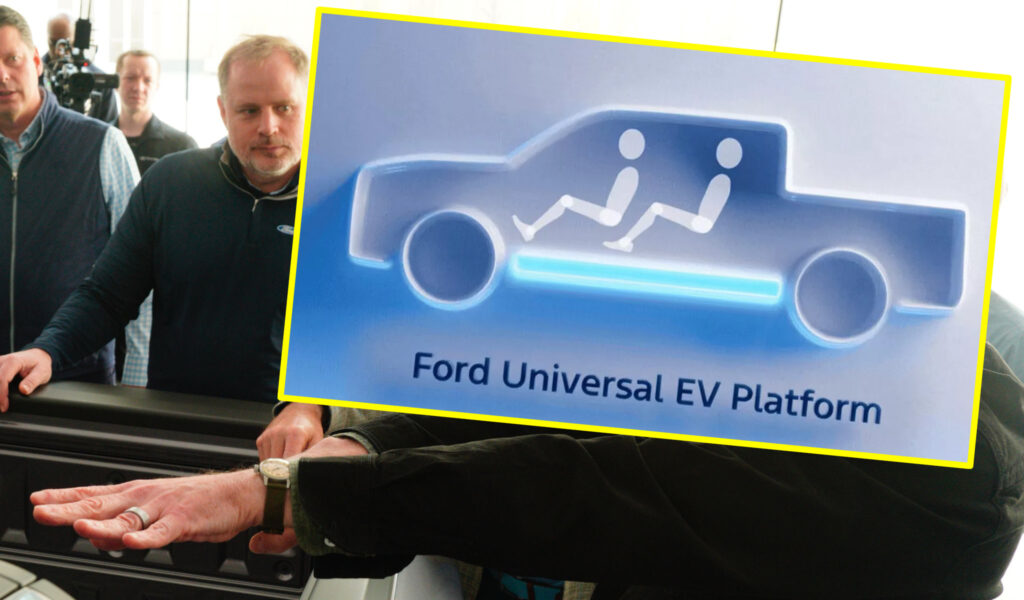
Ford Gives A Tiny Glimpse Of The $30K EV Truck Slate Should Be Worried About

  • Ford teased its upcoming $30,000 electric pickup in a LinkedIn post.
  • It rides on a new in-house platform built by a skunkworks team.
  • Truck could revive the Ranchero name, unused since the late 1970s.

Ford has trimmed plenty from its electric vehicle plans, but the compact electric truck has survived the cuts, and the company still hopes it will deliver the success the F-150 Lightning never quite managed. A proper reveal isn’t on the cards yet, though a handful of images posted to LinkedIn give an early look at what’s coming.

Company boss Jim Farley posted these images to celebrate Doug Field’s last day with the company. One of the photos shows Field speaking about the new truck with Farley and other Ford executives, and includes a small glimpse of the EV’s bed. A separate image also seems to show the roofline of the new model, while another shows it with several roof-mounted accessories.

Read: $30K Ford Electric Truck Coming In 2027 Is Seriously Bad News For Slate

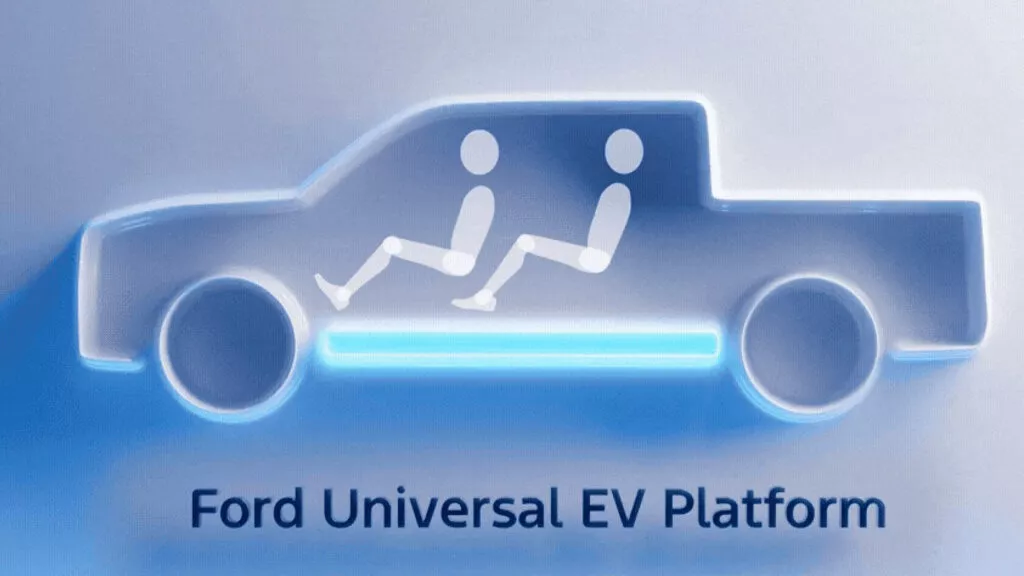
While these images don’t give us a good look at the new model, there’s plenty to get excited about. Underpinning the $30,000 pickup will be the new Ford Universal EV platform, developed in-house by a skunkworks team of engineers. This platform will be used by several other vehicles, including SUVs and vans.

Cheaper And More Efficient

\\\

According to Ford, the platform has 20 percent fewer parts, 25 percent fewer fasteners, and requires 40 percent fewer plant workstations than an ordinary platform. This will be aided by the new unicasting process, similar to Tesla’s gigacasting, in which important parts will use large single-piece aluminum castings. This process will also significantly reduce costs.

Speaking about the new truck last year, Farley noted its wiring harness will be more than 4,000 feet (1.3 km) shorter and 10 kg (22 lbs) lighter than its first-generation EVs. The company will also overhaul how it builds vehicles on this platform, manufacturing the front, rear, and structural battery pack in separate lines before joining them during final assembly.

Key specifications of the truck remain unclear, but we know it will use lithium iron phosphate batteries. It may also revive the Ranchero nameplate, which Ford hasn’t used since 1979.  

 Ford Gives A Tiny Glimpse Of The $30K EV Truck Slate Should Be Worried About

200 Robotaxis Stopped In Traffic, Now China Has Stopped Issuing Permits

  • Baidu engineers instructed robotaxis to stop and immediately collect data.
  • As many as 200 robotaxis operated by the tech firm stopped in Wuhan traffic.
  • Regulations for robotaxis are generally set by local governments in China.

The robotaxi gold rush in China has just hit its first serious speed bump. About a month ago, dozens of autonomous vehicles run by Baidu malfunctioned on Chinese roads, and Beijing has now stopped issuing new robotaxi licenses. The episode is a reminder that while domestic brands push hard on ever more advanced self-driving systems, a single bad afternoon can quickly unravel progress.

The incident itself happened on March 31, when around 200 robotaxis from Baidu’s Apollo Go program stopped dead in traffic in Wuhan. Several collisions followed and passengers were left stranded in their cars. Fortunately, no one was injured. According to an unnamed source, Baidu engineers issued a command to tell vehicles to stop and collect data on the spot, triggering the chaos.

Read: Baidu’s Robotaxis Froze On Wuhan Highways And Cars Started Crashing Into Them

According to Nikkei Asia, China’s transport ministry, the industry and information technology ministry, the public security ministry, and the Cyberspace Administration sat down with eight of the country’s biggest autonomous driving firms after the Wuhan incident. Authorities demanded that these firms conduct a “comprehensive self-inspection.”

Although the Chinese government has stopped issuing new licenses for robotaxi operators, those who are already operating can continue to do so. For example, Pony.ai continues to operate its robotaxi services in Beijing, Shanghai, Guangzhou, and Shenzhen as normal.

What Laws Exist?

NEW: Dozens of robotaxis by Baidu stopped on the road in Wuhan, causing crashes on highways and trapping passengers in the cars—some for more than an hour. One passenger told me it took her 30 minutes to even connect to a customer representative.

Here’s a video of a crash. pic.twitter.com/fTitNMv8kj

— Zeyi Yang 杨泽毅 (@ZeyiYang) April 1, 2026

In general, regulations governing the testing of self-driving vehicles in China are relatively lax. The federal government has let local governments decide how they’d like to govern the introduction of robotaxi services, leading to a wide range of different regulations throughout the country.

It’s understood that roughly 4,500 robotaxis were operating across pilot zones in 10 Chinese cities as of last year. Some analysts estimate that as many as 500,000 robotaxis could be in service by 2030, or about 10 percent of the country’s total taxi fleet. A national decision outlining steps to prevent similar incidents could arrive by the end of May.

 200 Robotaxis Stopped In Traffic, Now China Has Stopped Issuing Permits

American Influencers Are Reviewing Chinese Cars That Are Illegal To Own Here, And It’s Not By Accident

  • Chinese EVs are blocked from US sale but dominate American social feeds.
  • A third of US new-car shoppers now say they would buy a Chinese-built vehicle.
  • A Beijing platform called DCar is helping US influencers to test these EVs.

Chinese car brands can’t even sell their vehicles in the United States, yet they’re creating loyal fans across the country, largely thanks to targeted campaigns with the help of popular automotive content creators. If these brands ever do get the go-ahead to sell cars locally, established players will need to watch their backs.

If you follow any of these influencers, you’ve probably seen plenty of Chinese cars being tested on American roads, despite not being available here. Forrest Jones, who helped to pioneer short-form car reviews on TikTok, has reviewed a bunch of these over the past couple of years, generating tens of millions of views.

Read: China Is Blocked From Selling Cars In America, Yet Three Democratic Senators Still Sent This Letter

Speaking with Bloomberg, Jones says some of his highest engagement comes from his Chinese car content. Last year, tech YouTuber Marques Brownlee tested the popular Xiaomi SU7 in the US, and that video alone, with 10 million views, reportedly generated $1.2 million in unpaid brand exposure for the company.

The Chinese Are Taking Over

Data from Sprout reveals that, thanks to Brownlee’s video and others, Xiaomi’s TikTok following jumped 20 percent in 2025. Remarkably, roughly half of these 7.8 million followers are from the United States. Videos like Brownlee’s also lead to spikes in inquiries from Americans.

According to China EV Marketplace, a popular e-commerce platform that exports Chinese EVs overseas, it received more than 1,000 price-quote requests from the US after Brownlee released his video, with most seemingly unaware that EVs like the SU7 can’t be legally insured and titled in the US.

A Chinese automotive content platform called Beijing Dongchedi Technology Co., or DCar, is helping give Chinese cars exposure in the US. Spun out of ByteDance, the company behind TikTok, in 2023, DCar has been “courting American influencers to create content for its mobile app and showcase Chinese tech,” Bloomberg writes, with 10 million daily active users in China.

Bloomberg reports that in early 2025, DCar funded a trip to Alaska for YouTubers including Richard Benoit, better known as Rich Rebuilds, presenting him with a catalog of electric models such as the BYD Fangchengbao and Wuling Bingo before shipping the cars stateside. DCar covered Benoit’s travel and paid him a fee equal to “the price of a cheap Chinese EV” for his coverage, he told Bloomberg.

The company told the outlet it purchased or rented all the models itself, with no participation from the carmakers, to maintain “objectivity and veracity.” In return, DCar gets a barrage of slickly produced influencer posts introducing it to a wider audience.

For what it’s worth, Chinese brands like BYD and Xiaomi insist they have no immediate plans to start selling passenger cars in the United States. However, with loopholes potentially opening, you can be assured they’ll be lobbying hard to loosen regulations so they can gain access to the American market.

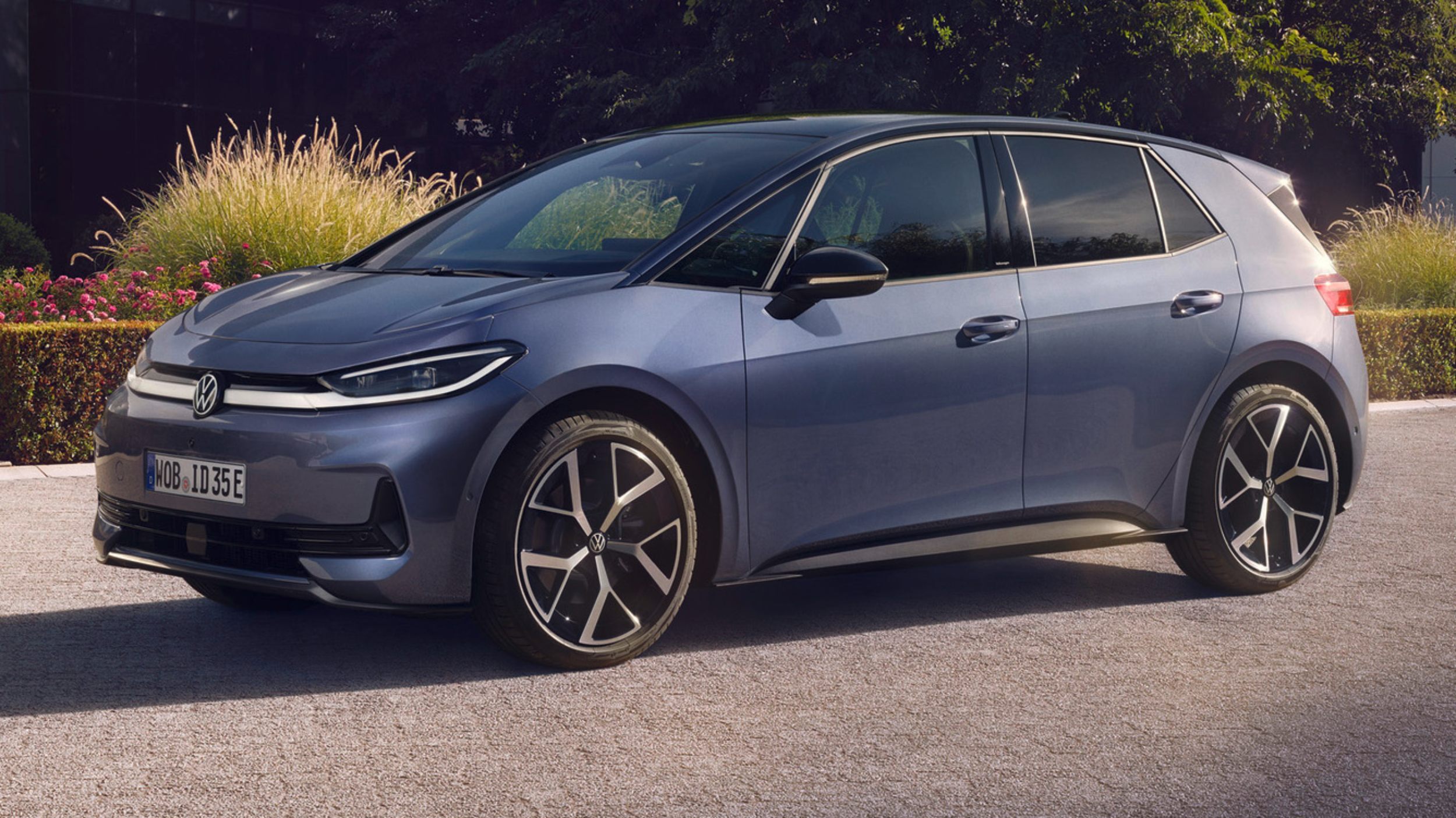
VW Ruled China For 25 Years, Now Young Buyers Call It Their Parents’ Car

  • VW’s China boss admits young buyers now see it as a brand for parents.
  • German market share in China fell from 26 percent to 16 percent since 2019.
  • BYD overtook VW in 2024, and Geely pushed it to third the year after.

For more than two decades, a German badge in China was shorthand for arrival. That equation no longer holds. China remains one of the most important markets for German automakers. The trouble is they are now struggling to compete with local rivals who have captured the hearts and minds of young buyers.

The boss of VW in China, Robert Cisek, admitted that the rapid change in China’s car market has been “beyond imagination,” and means that now, “some younger customers perceive us as the brand for the parents.” For more than 25 years, VW was the best-selling carmaker in China, but was overtaken by BYD in 2024, and dropped to third in 2025 behind Geely.

Read: China Is Getting A Jetta SUV For Less Than A Used Corolla Costs In America

Automotive consultant Felipe Munoz says German brands “didn’t see this big change coming, and they didn’t see the speed at which it came.” While overall new car sales in China continue to climb, the market share of German brands slipped from 26 percent in 2019 to 16 percent in 2025, when they sold 3.9 million vehicles.

Germans Race To Compete

 VW Ruled China For 25 Years, Now Young Buyers Call It Their Parents’ Car
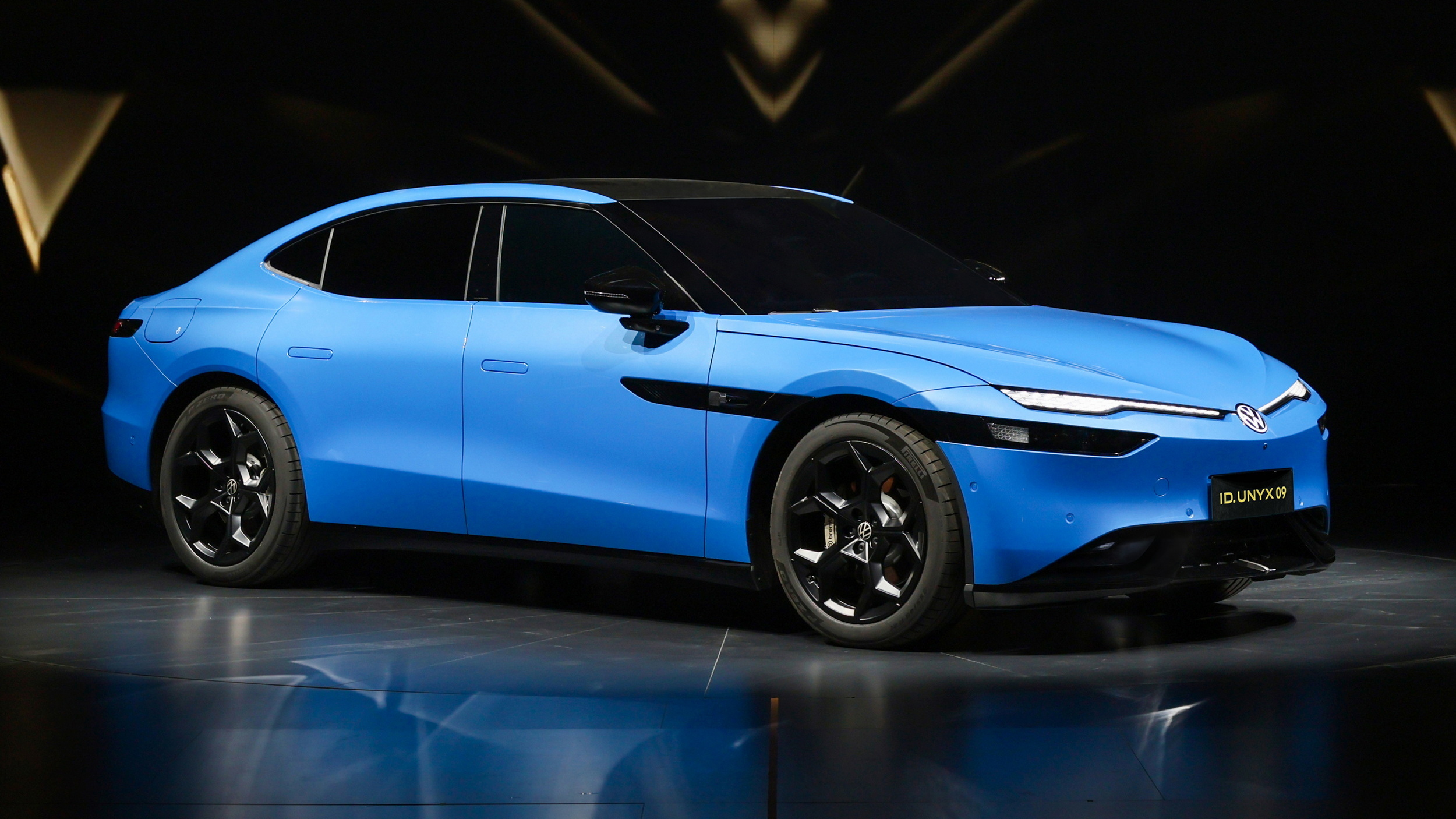
VW ID. Unyx 09

In times gone by, companies like VW could sell their vehicles in China thanks to their build quality, high-end materials, and strong reputations. However, this is no longer enough, Reuters reports.

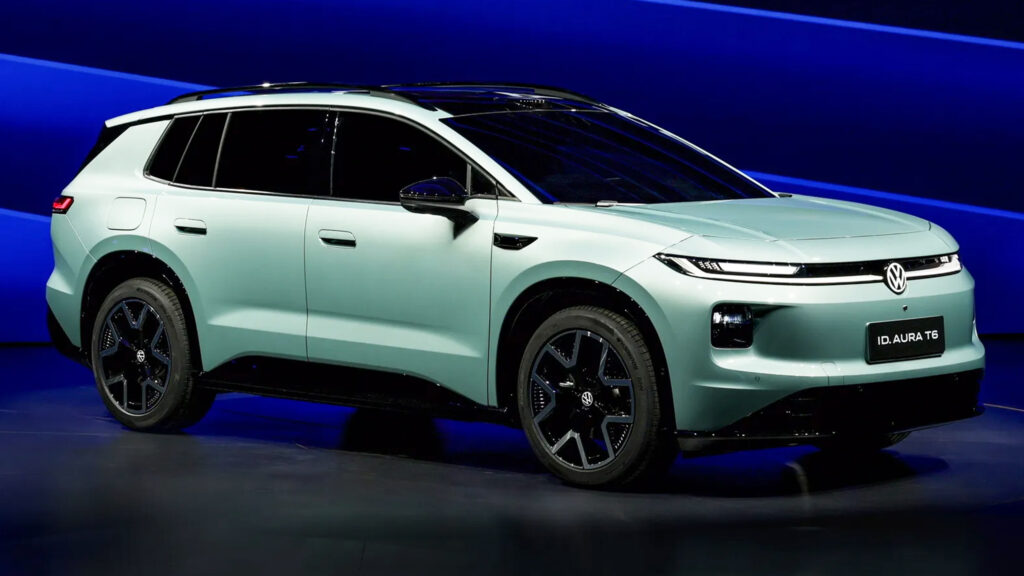
To try and claw back some ground, the Volkswagen Group will launch 20 new-energy vehicles in China this year, including several battery-electric models, plug-in hybrids, and EVs. Many of these new models were recently unveiled at the Beijing Auto Show, including the ID. Aura T6, which was built in partnership with FAW, the ID. Unyx 09, created alongside Xpeng, and the all-electric AUDI E7X from the firm’s SAIC joint venture.

It remains to be seen if vehicles like these will be enough. According to a recent survey from AlixPartners, young buyers in China are more likely to avoid German cars, despite the ‘Made in Germany’ tagline holding strong appeal in many other countries.

 VW Ruled China For 25 Years, Now Young Buyers Call It Their Parents’ Car

Renault’s Electric Scenic Is Already Getting A Refresh Just Over Two Years In

  • Spy shots reveal upcoming changes to the Scenic E-Tech’s lights front and rear.
  • Tweaks to the electric SUV’s grille and front fascia also appear to be on the list.
  • Buyers currently get a choice of 60 kWh or 87 kWh battery packs in the lineup.

It’s only been a little over two years since Renault pulled the wraps off the all-electric Scenic E-Tech, and already an update is on the way. The model, positioned a rung above the Megane in Renault’s expanding EVs lineup, is in line for some modest visual tweaks ahead of going on sale next year.

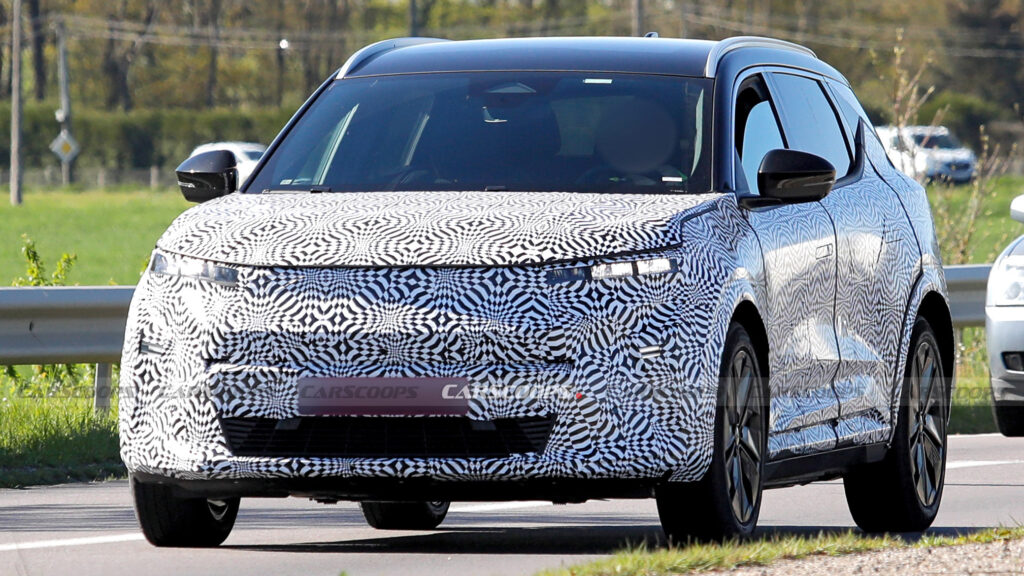
This camouflage-clad prototype was recently spotted on the streets of Europe, looking very similar to the refreshed Megane E-Tech we also saw recently. While most of the front fascia is shielded from view, we understand Renault’s designers have tweaked the Scenic E-Tech headlights, although we are rather fond of the current model’s lights.

Read: Renault’s Struggling Electric Crossover Is Getting A Second Chance

It appears that Renault has also adjusted the design of the SUV’s LED daytime running lights, which are stacked vertically below the headlights. The bumper looks slightly different too, though both it and the grille keep much of their current shape and proportion.

No obvious changes have been made to the sides of the SUV, which still sport flush door handles and sharp silver C-pillars. At the rear, there will be new LED taillights, although their final design remains hidden.

What Else Will Change?

\\\\\

Baldauf

The current Renault Scenic E-Tech is based on the firm’s AmpR Medium architecture, also underpinning the Nissan Ariya and Nissan Leaf. Powering the base model is a 168 hp electric motor and a 60 kWh battery, giving it a range of over 260 miles (418 km). A punchier version is also offered, delivering 215 hp and 221 lb-ft (300 Nm) of torque, and using a larger 87 kWh battery, boosting range to over 379 miles (610 km).

Given that these figures remain relatively competitive, particularly for the 87 kWh version, we don’t expect to see any significant changes made. With that being said, recent reports suggest the Megane E-Tech will switch from LG-sourced batteries to AESC ones. If this is the case, then it’s possible the Scenic E-Tech could make the same shift.

\\\\\

Baldauf

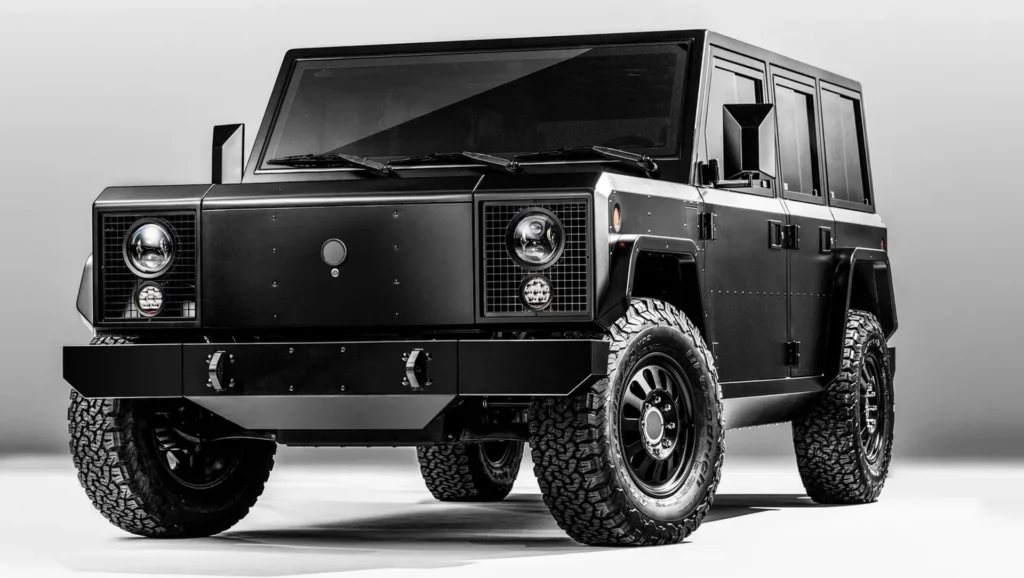
Failed EV Startup Bollinger Is Auctioning Its Last 20 Trucks As Michigan Wants Its Money Back

  • Manufacturing equipment and 20 electric trucks from Bollinger will be sold.
  • The Michigan Economic Development Corp is also looking to recoup $1 million.
  • Bollinger’s founder recently bought back the company’s IP for two of its EVs.

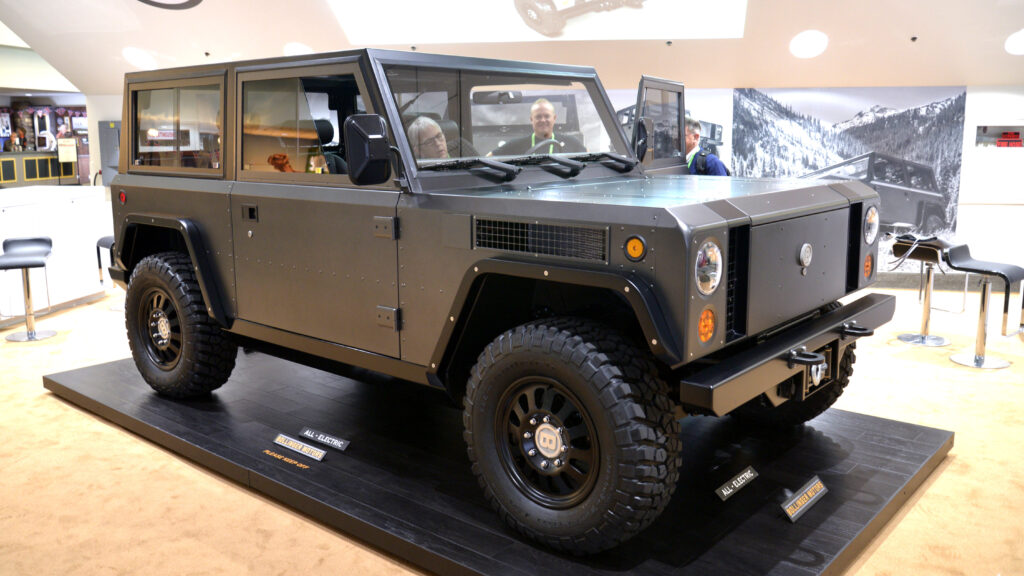
While the modern era of electric cars has led to the successful establishment of several new brands, such as Rivian and Lucid, many others have tried and failed. One of them is Bollinger Motors, a small company that had wanted to launch a pair of utilitarian, electric off-roaders and a delivery truck.

After struggling to get off the ground, Bollinger officially merged with California-based Mullen Automotive last year, but even that apparently wasn’t enough to save it. A US court recently ordered the auction of Bollinger’s assets because it had failed to pay several suppliers.

Read: Bollinger Gets A Patent For Their Unique Passthrough And Frunkgate

Key manufacturing equipment from Bollinger will be sold through an online auction. This will include battery testing and validation systems used by the car manufacturer, as well as vehicle lifts and tooling. More importantly, 20 examples of the Bollinger B4 Class 4 electric truck that had a list price of nearly $160,000 will be available, along with other vehicles, shop equipment, and inventory.

A Tale Of Troubles

 Failed EV Startup Bollinger Is Auctioning Its Last 20 Trucks As Michigan Wants Its Money Back
Bollinger B4

Not only is Bollinger being forced to liquidate its assets, but the company is also being investigated by the Department of Labor and Economic Opportunity following dozens of complaints about unpaid wages or benefits.

As reported by Crains Detroit, the Michigan Economic Development Corp is also seeking to be repaid roughly $1 million of a $3 million award that was disbursed to the company in 2023. At the time, Bollinger said it’d invest $44 million into the state and create 237 jobs in Detroit.

Bollinger may not be gone forever, though. Last month, company founder and former chief executive Robert Bollinger bought back the intellectual property and prototypes of the original B1 and B2 electric off-roaders for less than $250,000. He was able to buy back these important assets after the company was ordered into receivership by a judge in Ohio. It’s unclear if Robert Bollinger plans to try to revive the B1 and B2, but he recently told The Detroit News that he believes there’s an opening in the EV market for vehicles like them.

\\\\\\\\\\

Failed EV Startup Bollinger Forced To Sell Off Its Assets

  • Manufacturing equipment and 20 electric trucks from Bollinger will be sold.
  • The Michigan Economic Development Corp is also looking to recoup $1 million.
  • Bollinger’s founder recently bought back the company’s IP for two of its EVs.

While the modern era of electric cars has led to the successful establishment of several new brands, such as Rivian and Lucid, many others have tried and failed. One of them is Bollinger Motors, a small company that had wanted to launch a pair of utilitarian, electric off-roaders.

After struggling to get off the ground, Bollinger officially merged with California-based Mullen Automotive last year, but even that apparently wasn’t enough to save it. A US court recently ordered the auction of Bollinger’s assets because it had failed to pay several suppliers.

Read: Bollinger Gets A Patent For Their Unique Passthrough And Frunkgate

Key manufacturing equipment from Bollinger will be sold through an online auction. This will include battery testing and validation systems used by the car manufacturer, as well as vehicle lifts and tooling. More importantly, 20 examples of the Bollinger B4 Class 4 electric truck will be available, along with other vehicles, shop equipment, and inventory.

A Tale Of Troubles

 Failed EV Startup Bollinger Forced To Sell Off Its Assets
Bollinger B4

Not only is Bollinger being forced to liquidate its assets, but the company is also being investigated by the Department of Labor and Economic Opportunity following dozens of complaints about unpaid wages or benefits.

As reported by Crains Detroit, the Michigan Economic Development Corp is also seeking to be repaid roughly $1 million of a $3 million award that was disbursed to the company in 2023. At the time, Bollinger said it’d invest $44 million into the state and create 237 jobs in Detroit.

Bollinger may not be gone forever, though. Last month, company founder and former chief executive Robert Bollinger bought back the intellectual property and prototypes of the original B1 and B2 electric off-roaders for less than $250,000. He was able to buy back these important assets after the company was ordered into receivership by a judge in Ohio. It’s unclear if Robert Bollinger plans to try to revive the B1 and B2, but he recently told The Detroit News that he believes there’s an opening in the EV market for vehicles like them.

\\\\\\\\\\

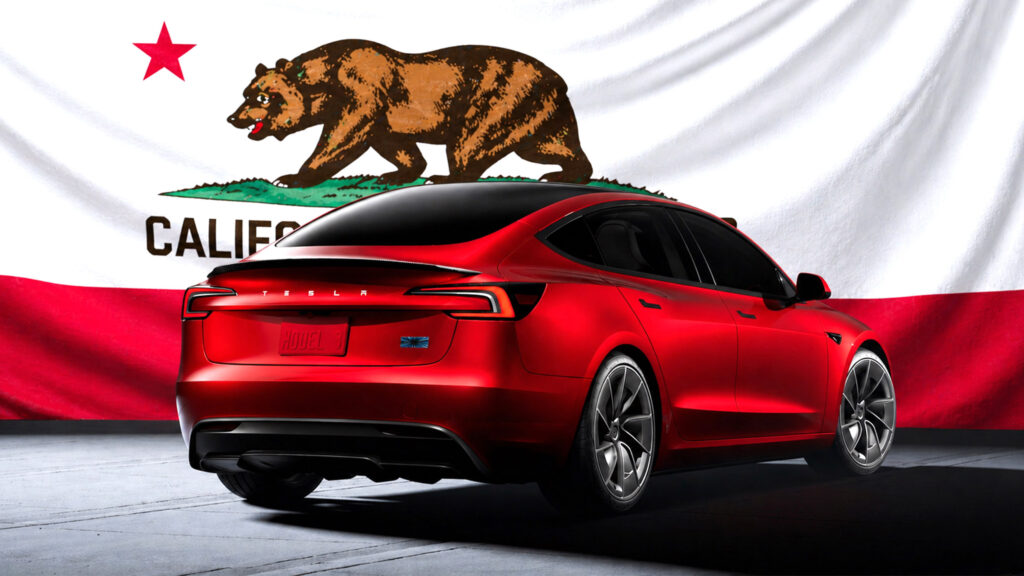
Tesla’s California Sales Fell 24 Percent, Nearly Everyone Else Got Crushed

  • California EV sales dropped 40% year over year in the first quarter.
  • Tesla shed the most volume yet gained share as rivals fared worse.
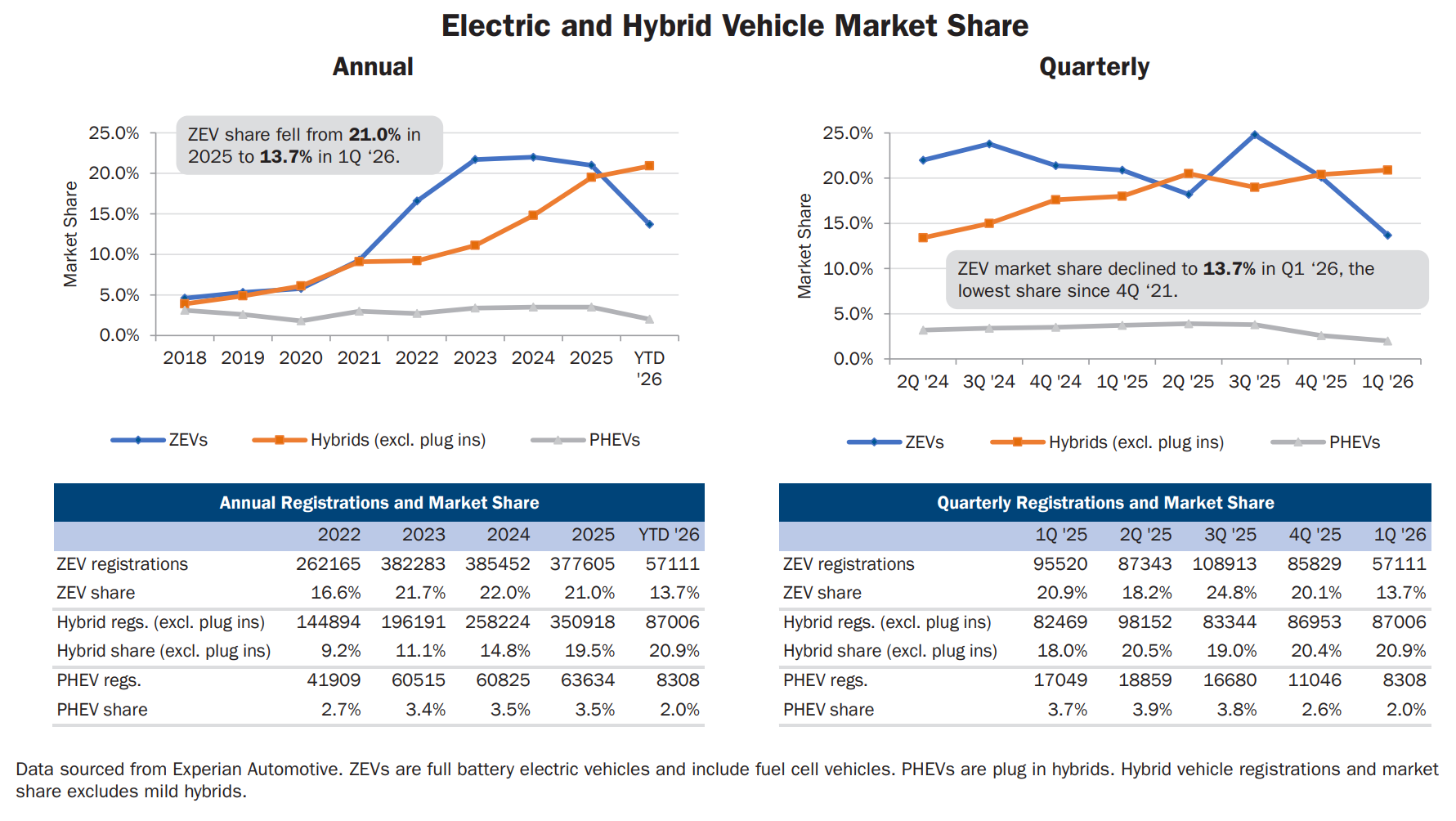
  • ZEV market share across the state has slipped to just 13.7%.

For years, California has set the pace for EV adoption in America, the bellwether other states watched. Now the bellwether is wobbling. Recent sales data reveal a significant decline in the state’s EV registrations through the first quarter of the year, driven by a sharp drop in demand for new Tesla models.

So far this year, a total of 57,111 zero-emission vehicles (ZEV) have been sold across the Golden State. This represents a significant 40.2 percent decline from the 95,520 sold over the same period last year, and comes on the back of an overall drop in new car registrations of 8.9 percent, falling from 457,525 to 416,810.

Read: Rivian Beat Four Major Automakers In EV Sales, And Its Biggest Model Hasn’t Even Launched Yet

The decline in demand for ZEVs means they accounted for just 13.7 percent of the total market in Q1 2026. By comparison, they had a 16.6 percent share in Q1 2022, peaking at 22 percent in Q1 2024 before falling slightly to 21 percent in Q1 2025.

Things look particularly troubling for Tesla. First-quarter registrations fell 24.3 percent to 31,958, down from 42,211 a year earlier. In raw volume, no brand lost more. In percentage terms, Tesla actually weathered the storm better than most of its rivals. Despite its own losses, Tesla’s slice of the EV pie grew from 44.2 percent in Q1 2025 to 56 percent last quarter, less because Tesla improved than because everyone else collapsed around it.

 Tesla’s California Sales Fell 24 Percent, Nearly Everyone Else Got Crushed

Most Brands Suffer

The collapse around Tesla is brutal. Over at Acura, ZEV sales fell from 1,279 to just 11 units in Q1, down 99.1 percent. Audi managed 210 registrations against 2,319 a year earlier, down 90.9 percent. BMW fell 58.9 percent, from 5,301 to 2,180. Chevrolet dropped 59.6 percent to 1,875. Ford was off 58.8 percent at 2,374. Honda plunged 81.6 percent to 832. Dodge mustered 16 units, down 79.7 percent. Hyundai held up comparatively well, off 30.4 percent at 3,586.

Only a handful of brands moved the other way. Lexus posted the standout figure, climbing 192.1 percent to 1,405 units, while Toyota grew 37.8 percent to 2,599 and Lucid added 37.1 percent to reach 1,315. Cadillac edged up 17.1 percent to 1,771.

Several factors have fed into the decline. Affordability concerns remain prevalent across the state, as they are throughout the country, while financing costs remain high due to current interest rates. Additionally, tariffs have driven higher prices, and overall inflation has spiked, while the phase-out of the federal tax credit has done the rest. None of this is mysterious, it all adds up.

Top 25 Selling Hybrid, ZEV, and PHEV Models
RankModelSales
1Tesla Model Y22,907
2Toyota Camry14,903
3Honda CR-V8,315
4Tesla Model 35,688
5Honda Civic5,507
6Toyota RAV44,770
7Honda Accord4,330
8Toyota Corolla3,639
9Toyota Sienna3,252
10Toyota Grand Highlander3,027
11Hyundai Ioniq 52,778
12Lexus RX2,714
13Ford Maverick2,631
14Kia Sportage2,588
15Toyota bZ4X2,527
16Hyundai Santa Fe2,201
17Hyundai Tucson2,194
18Toyota Prius2,139
19Mazda CX-501,963
20Lexus NX1,827
21Kia Niro1,805
22Subaru Forester1,704
23Tesla Model X1,652
24Ford Mustang Mach-E1,578
25Rivian R1S1,520
SWIPE
California ZEV Sales 2026
MakeQ1-25Q1-26% Diff.
Acura1,27911-99.1
Audi2,319210-90.9
BMW5,3012,180-58.9
Cadillac1,5121,77117.1
Chevrolet4,6411,875-59.6
Dodge7916-79.7
Ford5,7582,374-58.8
Genesis54692-83.2
GMC913376-58.8
Honda4,510832-81.6
Hyundai5,1563,586-30.4
Jeep14742-71.4
Kia3,0021,554-48.2
Lexus4811,405192.1
Lucid9591,31537.1
Mazda20-100.0
Mercedes-Benz3,617654-81.9
MINI20761-70.5
Nissan1,447150-89.6
Other1,059133-87.4
Polestar316219-30.7
Porsche1,335409-69.4
Ram1141,300.0
Rivian2,8721,841-35.9
Subaru924465-49.7
Tesla42,21131,958-24.3
Toyota1,8862,59937.8
Volkswagen2,404445-81.5
Volvo636524-17.6
TOTAL95,52057,111-40.2
SWIPE

China Told Automakers To Stop Cutting Prices, BYD Just Made It Worse

  • BYD’s average price cuts reached about 10 percent across its range in March.
  • China’s auto industry is still grappling with serious overcapacity issues.
  • Officials have warned carmakers against triggering a damaging price war.

The Chinese auto industry has spent the better part of two years waiting for the price war to burn itself out. It hasn’t, and car companies are showing no signs of relenting. Facing declining sales, BYD is instituting significant price cuts, as are key rivals Geely and Chery.

Almost a year has passed since Chinese authorities sat down with the heads of more than a dozen carmakers and pressed them to call off the price war before it became a race to the bottom. The country’s market regulator called for efforts to “comprehensively rectify ‘involutionary’ competition,” borrowing a phrase Premier Li Qiang has used for the industry’s increasingly self-defeating behaviour.

Read: Dozens Of Chinese EV Brands Could Collapse In The Next Year

It appears little has changed. Data from Bloomberg reveals the average price reduction across BYD models increased to 10 percent in March. Meanwhile, Geely and Chery are running discounts of around 15 percent, though those have held roughly steady through the past twelve months.

China Doesn’t Have Enough Car Buyers

 China Told Automakers To Stop Cutting Prices, BYD Just Made It Worse

Overcapacity within China’s automotive sector is at the root of the problem. Last year, approximately 23 million new vehicles were sold in the country, but its car factories have the capacity to produce 55.5 million vehicles a year. This has prompted many local brands to ramp up vehicle exports. Last month, EV exports from China more than doubled.

Now facing greater scrutiny from regulators, companies, including BYD, are being forced to pay suppliers much more quickly than in the past. Prior to local authorities getting involved, automakers had been delaying invoice fulfillment for months at a time, allowing them to offer deep discounts to spark sales. Now, invoices must be paid more promptly, increasing liabilities on carmakers’ balance sheets. For BYD, this has pushed its debt-to-equity ratio to 25 percent.

“It seems to be good for the customers, but it’s not — manufacturers are losing money,” the secretary general of the International Organization of Motor Vehicle Manufacturers, François Roudier, said. “It hurts the full system.”

 China Told Automakers To Stop Cutting Prices, BYD Just Made It Worse

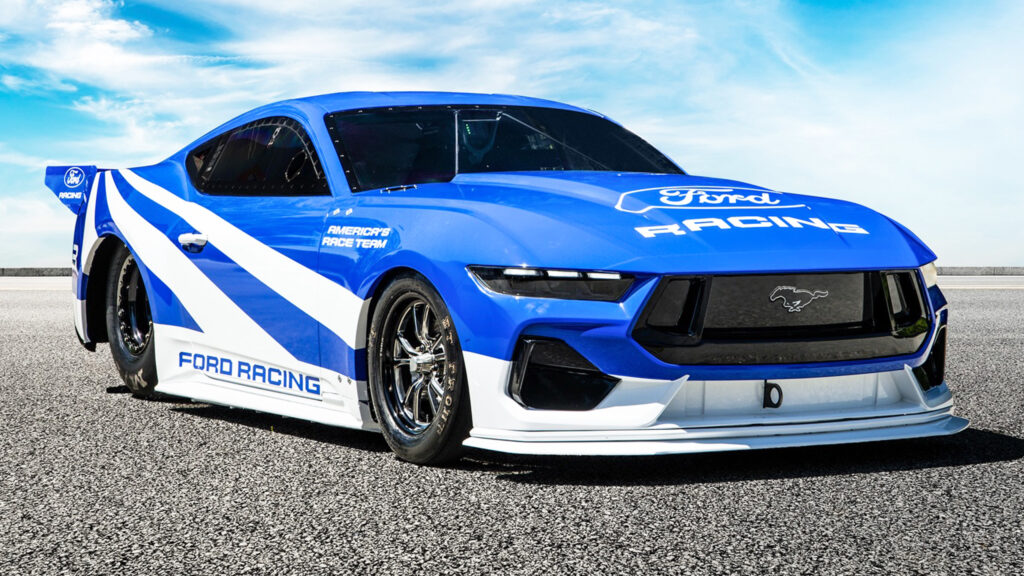
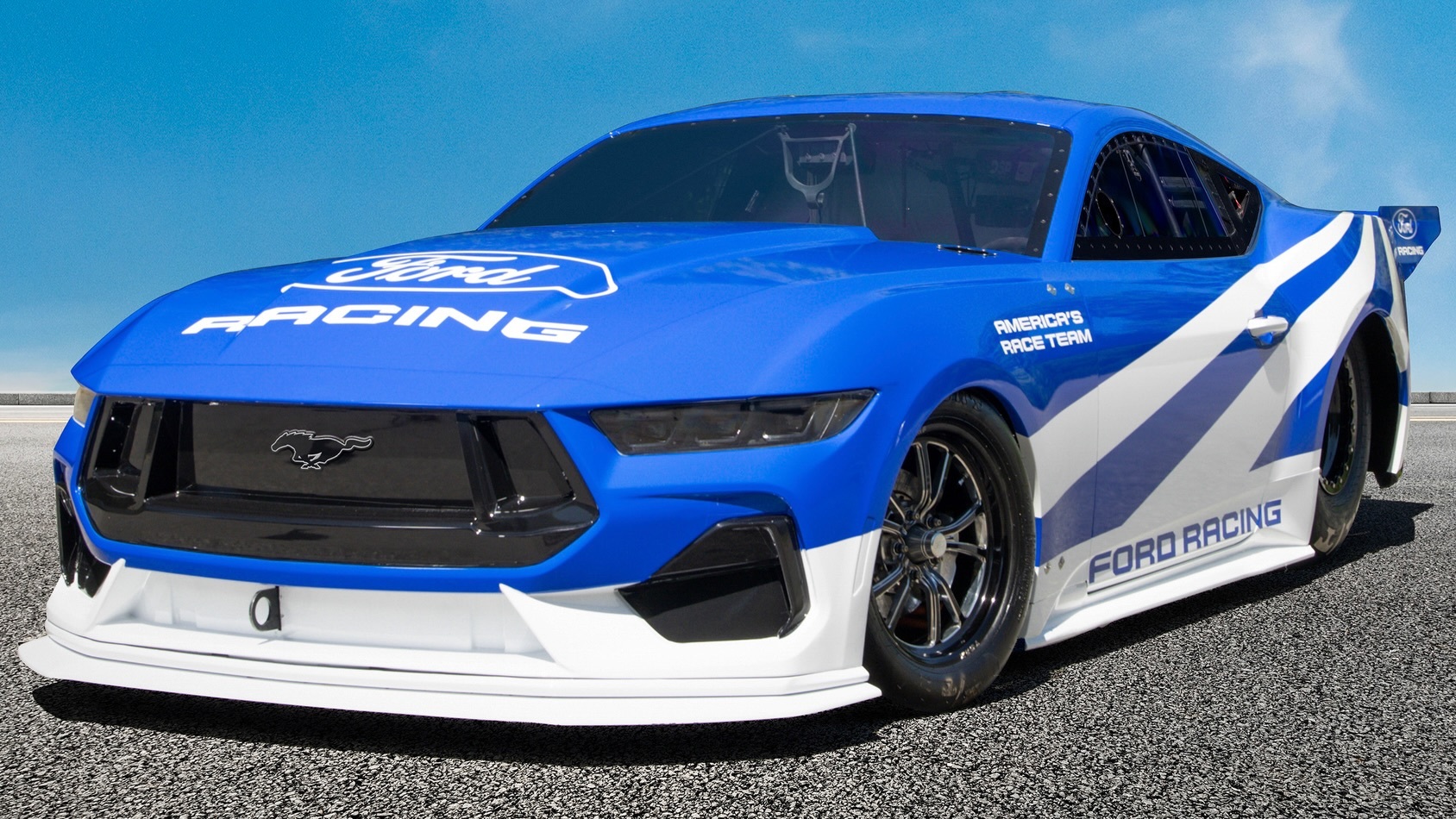
A 2,200 HP Mustang Silently Outran Every V8 Cobra Jet Ford Has Ever Built

  • A pair of electric motors combine for 2,200 hp in this racer.
  • Ford Racing has also shed 1,100 lbs from the Cobra Jet 1800.
  • Drag racer includes a centrifugal clutch and a 2-speed gearbox.

Ford has made a habit of creating wild all-electric performance machines, such as the SuperVan 4.2, the F-150 Lightning SuperTruck, and the Super Mustang Mach-E. It’s now revealed its latest other-worldly EV, and this one is all about smashing records on the drag strip.

Dubbed the Mustang Cobra Jet 2200, it’s the third all-electric Cobra Jet Ford has built, starting with the 1400 in 2021, and then the 1800 in 2023. As you may have guessed from its name, the new Mustang Cobra Jet 2200 churns out 2,200 hp, a truly astonishing figure that easily eclipses even the Rimac Nevera and Pininfarina Battista hypercars.

Read: You’ve Never Seen A Mustang Mach-E Like This One

Driving the Cobra Jet 2200 are two electric motors. These can each produce around 1,200 hp and weigh roughly half as much as they did in the Cobra Jet 1800 from just three years ago.

Despite being an EV, the Cobra Jet 2200 uses a centrifugal clutch to deliver torque in a controlled manner at launch. It also uses a two-speed transmission and includes a battery on the undertray and two additional battery packs at the rear. There’s also a battery at the front, which can be moved to adjust the weight distribution depending on track conditions.

The Power Of Electric

 A 2,200 HP Mustang Silently Outran Every V8 Cobra Jet Ford Has Ever Built

What’s particularly impressive about the Cobra Jet 2200 is that not only does it have way more power than the 1800, but it also weighs about 1,100 lbs (499 kg) less than its predecessor, tipping the scales at roughly 3,325 lbs (1,500 kg). According to Ford, the combination of immense power, the clutch, transmission, and the relatively light overall weight, the Cobra Jet 2200 apparently needs just 6.76 seconds to run down the quarter-mile, hitting up to 222 mph.

Ford Racing took the car to the NHRA 4-Wide Nationals in Charlotte over the weekend and performed several sub-7-second sprints down the quarter-mile. It quickly set a new world record for an EV with a time of 6.87 seconds at 221 mph, but in a subsequent run, it lowered it to 6.81 seconds.

Xiaomi’s 990 HP Family SUV Costs Less Than A Base Macan EV And Outguns The Turbo

  • Xiaomi revealed the flagship YU7 GT at the Beijing Auto Show this week.
  • The SUV was developed in part at the Nürburgring for sharper handling.
  • Pricing is expected to start between $65,800 and $73,100 in China.

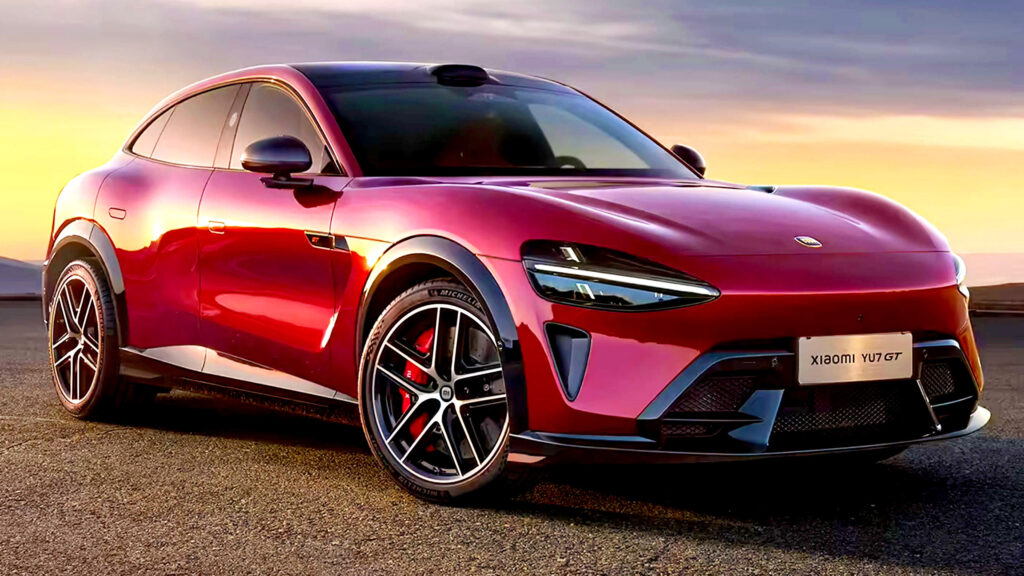
As expected, Xiaomi unveiled the flagship version of its YU7 SUV, known as the GT, at the Beijing Auto Show. It’s nowhere near as extreme as the SU7 Ultra, but it has been developed in part at the Nürburgring and brings with it a slew of upgrades over lesser variants.

As our own spy images from earlier this month revealed, the YU7 GT looks a lot more aggressive than the standard version. For example, it has flared wheel arches and a much more menacing front fascia, complete with a new blacked-out grille and unique air intakes. Positioned on the hood is a special badge made from carbon fiber and 24-karat gold.

Read: Xiaomi Brings Its 1,000HP YU7 GT To Porsche’s Backyard Naked And Unafraid

Xiaomi will sell the YU7 GT with 21- and 22-inch wheels, and has also upgraded its brakes. Other styling and aerodynamic tweaks are also found at the rear, including a dramatic diffuser and a small lip spoiler.

For as much as the YU7 GT may resemble a Ferrari Purosangue, it’s under the skin where most of the action is happening. Xiaomi has equipped the YU7 GT with a new front motor delivering 386 hp and a new rear motor with 604 hp, resulting in a combined 990 hp.

Although that falls well short of the SU7 Ultra’s 1,527 hp, it’s still a ludicrous amount of power for a family SUV, easily outgunning EVs like the flagship Porsche Macan Turbo Electric and its 630 hp.

Not Just About Power

\\\\

Xiaomi has yet to release full performance specifications for the GT, including how quickly it can lap Green Hell. What we do know is that it will run on to 186 mph (300 km/h), and it’s safe to presume the sprint from a standstill to 62 mph (100 km/h) will be dealt with in the low-2-second range.

Beyond upgrading the motors, Xiaomi has included a new air suspension system, rear-axle torque vectoring, and made tweaks to the traction control. Buyers eager to take their YU7 GTs to the track will also be able to configure it with optional carbon ceramic brakes from Brembo.

Prices have yet to be confirmed, but the model is expected to start between 450,000 yuan ($65,800) and 500,000 yuan ($73,100). Xiaomi will be hopeful that it helps to reinvigorate interest in the YU7, which has seen sales decline from a peak of almost 40,000 units last December to just under 15,000 in March.

\\\\\\\\\

Baldauf

Jaguar’s Type 00 Was Wild, The Production GT Could Take A Step Back

  • Jaguar will reveal its new electric GT sedan this September.
  • A 120 kWh battery targets about 435 miles of driving range.
  • Three electric motors are expected to produce over 986 hp.

The Jaguar GT has been teased for what feels like an eternity, but the finish line is finally in sight. Jaguar shocked the world with the release of its wild Type 00 Concept, created to preview its upcoming flagship EV. Recent prototypes of this car have shown it will take key design inspiration from the study, but morph into a slightly more restrained four-door sedan.

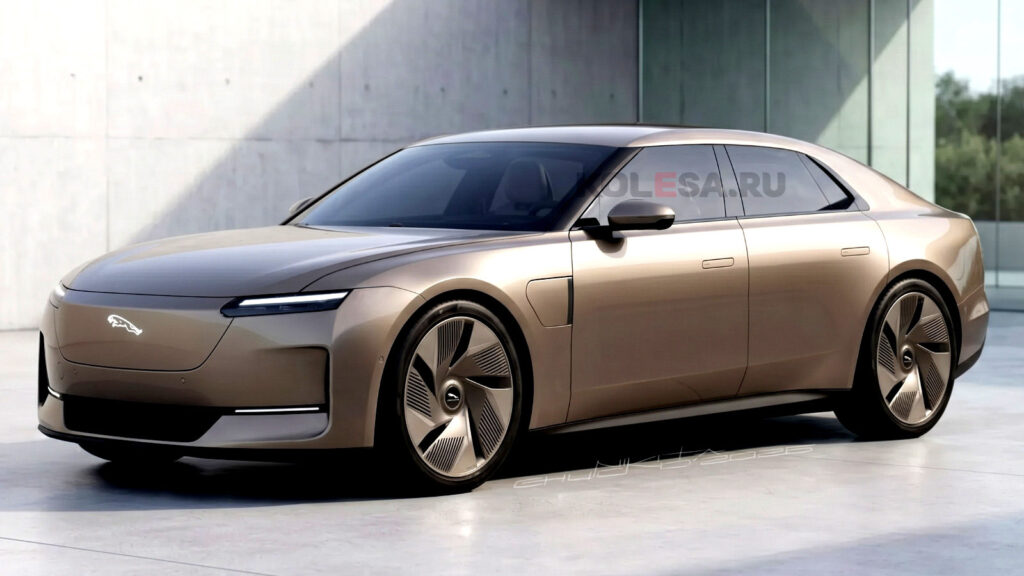
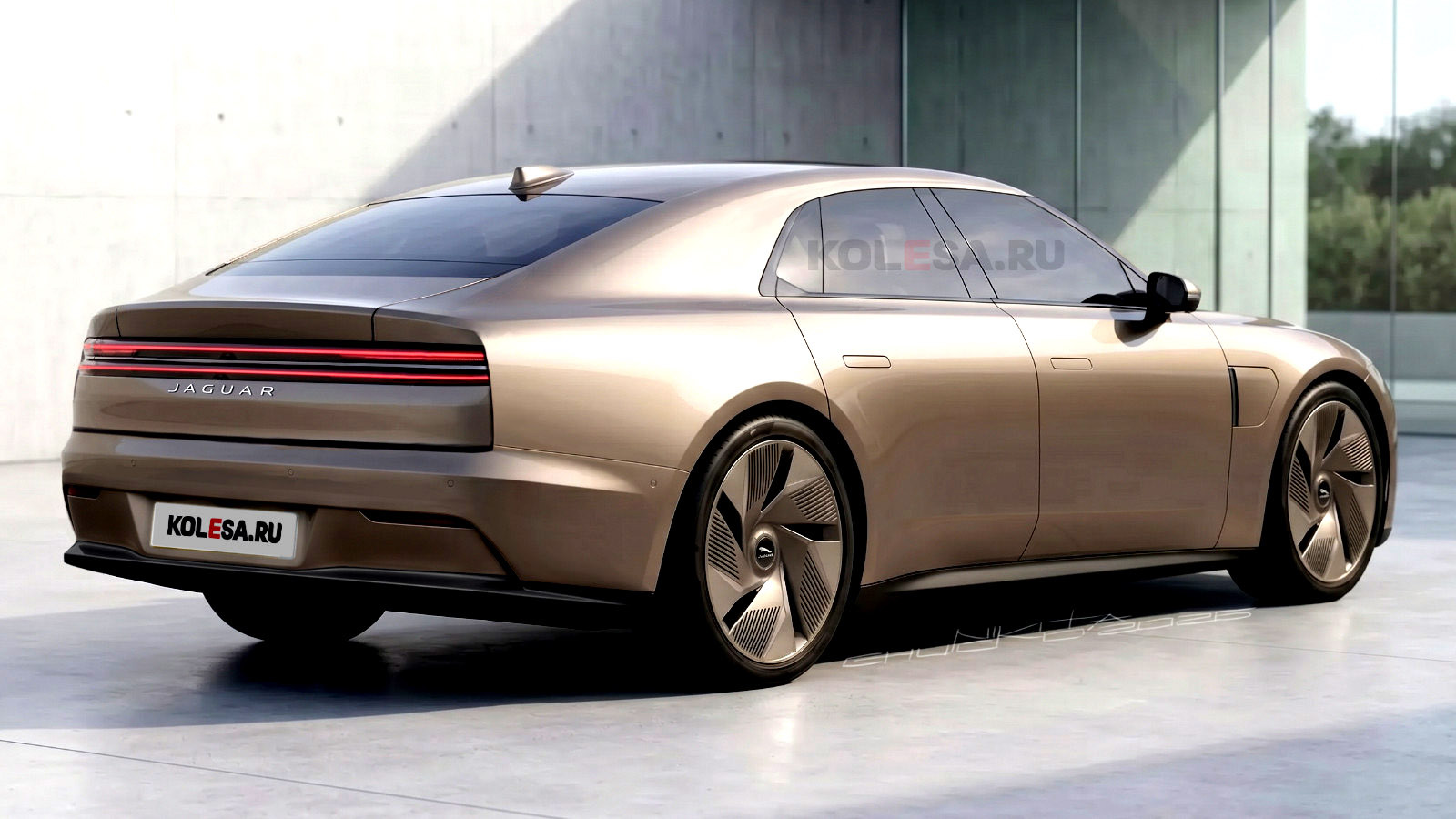
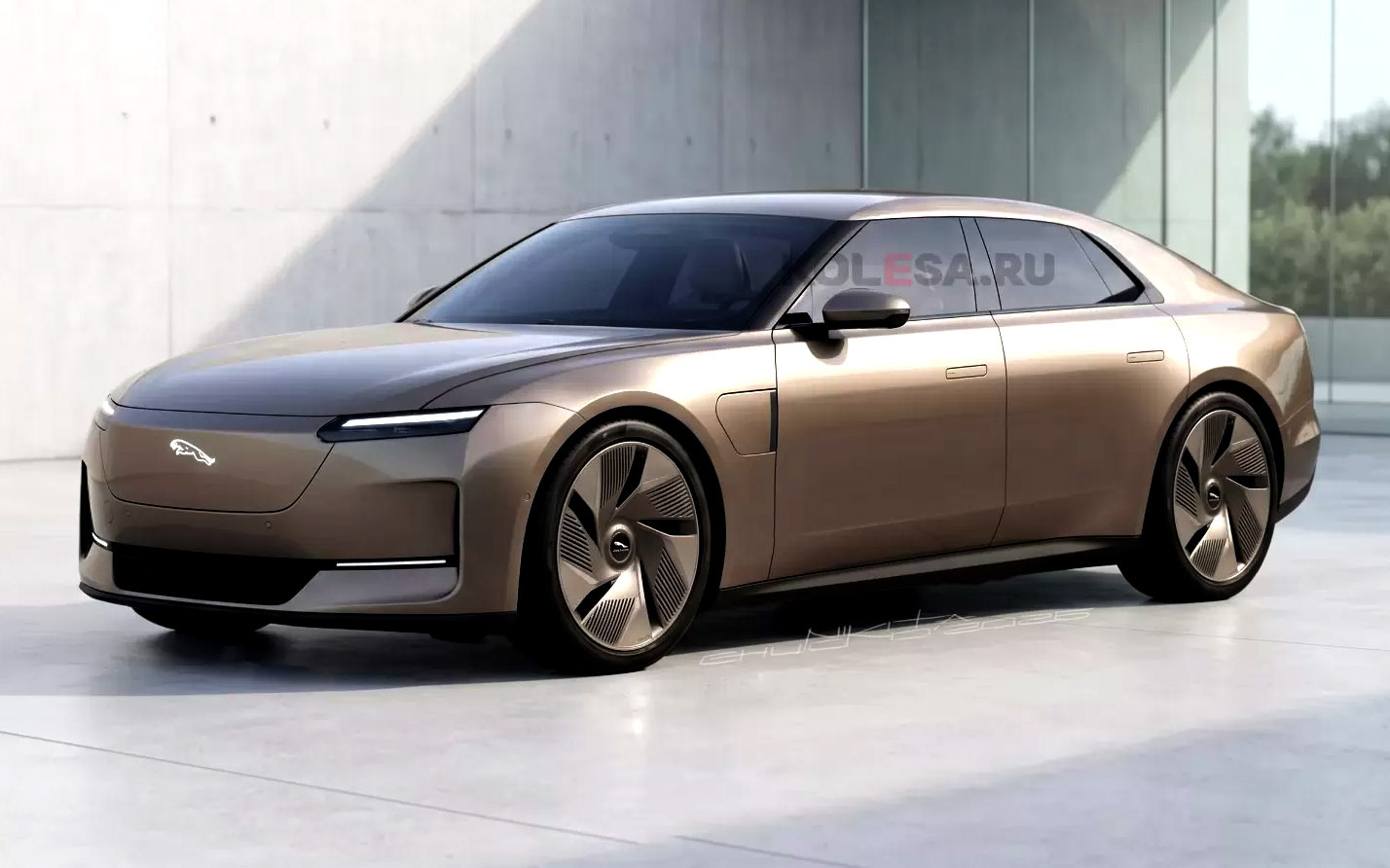
With the September reveal drawing closer, a new set of renderings attempt to offer a glimpse at what the production version could look like. That said, the heavily camouflaged prototypes have kept key details well hidden, making it tricky to pin down exactly how far Jaguar will dial things back from the concept.

Read: Jaguar Benchmarked Its Electric GT Against One Classic Above All Others

These new renderings, created by Nikita Chuyko for Kolesa, hint at a softened approach up front. The dramatic lighting signature gives way to more conventional LED headlights, paired with a cleaner, more familiar nose where a traditional grille would typically sit. There is still some flair, including an illuminated Jaguar badge, though the bumper trades concept-car aggression for smoother, more restrained curves.

 Jaguar’s Type 00 Was Wild, The Production GT Could Take A Step Back
Nikita Chuyko / Kolesa

The softer, more fluid treatment carries along the sides, where clean door skins replace the Type 00’s sharp shoulder line. Like a Porsche Taycan, charging flaps have been added to both front quarter panels, and there are also pop-out door handles. At the rear, a simple full-width LED lightbar stretches across the car, and while these renderings show a conventional rear window, from what we’ve heard, the production model may ultimately do without one.

Another detail worth noting, at least in prototype form, is that the GT appears to wear flared front and rear fenders that are absent from these illustrations, along with edgier detailing than seen here.

We also recently caught our first look at the interior, which places the driver in a cocooned position, framed by a tall center console and low-slung seats. The cabin leans into crisp lines and defined edges, anchored by an all-new steering wheel that looks lifted from a 1970s concept car. The dashboard is pared back, with a curved screen and digital gauge cluster taking over the role of traditional dials.

What Powers The Electric GT?

\\\\\\\\\\\\

Beyond the car’s design, we know it will sport a large 120 kWh battery pack that should give it about 435 miles (700 km) of range on the WLTP cycle. It’ll support ultra-fast charging, too, meaning 200 miles (322 km) of range will be added in as little as 15 minutes.

\\\\\\\

The Jaguar Type 00 Concept

Power comes from three electric motors drawing on that battery. Combined output is expected to be north of 986 hp and 959 lb-ft (1,300 Nm) of torque. None of which is exotic by current EV standards, but the Jaguar should still feel properly rapid, despite tipping the scales at as much as 5,952 lbs (2,700 kg).

Jaguar itself is targeting a 0-62mph (100km/h) time of around three seconds, a 155mph (250 km/h) top speed, and 350kW peak charging. Pricing is expected to start around $160,000, with sales beginning in 2027.

 Jaguar’s Type 00 Was Wild, The Production GT Could Take A Step Back
Nikita Chuyko / Kolesa

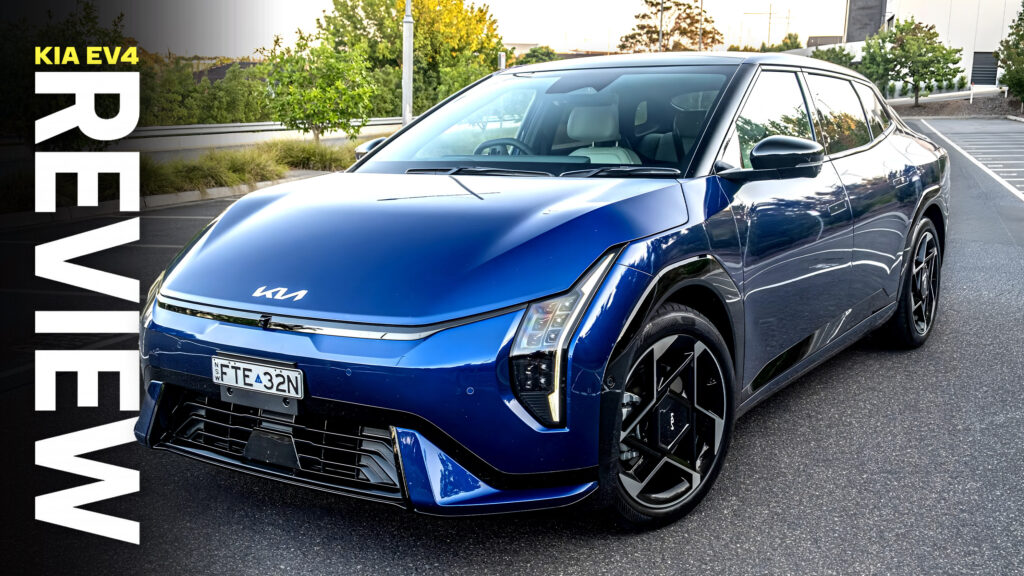
Kia’s 2026 EV4 GT-Line Rides Like An Audi e-tron GT For A Third Of The Price | Review

PROS ›› Exceptional ride, feels premium, expansive cabin CONS ›› Looks weird, not very exciting, only FWD

A year ago, electric sedans looked like a settled bet. Not anymore. As recently as October last year, Kia was planning to build and sell the all-electric EV4 in the United States, aimed directly at the ever-popular Tesla Model 3.

However, the American market for EVs is markedly different now than it was in early 2025, due in no small part to the Trump administration’s pro-ICE policies and abandonment of the federal EV tax credit. This has forced Kia to indefinitely postpone the EV4 in America. While the US won’t get it, at least not yet, the EV4 has landed in several markets, including Australia.

Read: Kia Finally Brings An Affordable EV To America, Fake Gears And All

To see if the States are missing out on an exceptional electric sedan, or if it is perhaps better off without it, we recently lived with one for a week. Sadly for our American readers, they don’t get to experience a very competitive EV.

QUICK FACTS
› Model:2026 Kia EV4 GT-Line
› Starting Price:AU$64,690 ($46,500) plus on-road costs
› Dimensions:186.2 L x 73.2 W x 58.3 in H (4,730 x 1,863 x 1,480 mm)
› Wheelbase:111 in (2,820 mm)
› Curb Weight:1,910 kg (4,210 lbs)
› Powertrain:81.4 kWh battery / single electric motor
› Output:201 hp (150 kW) / 209 lb-ft (283 Nm)
› 0-62 mph~7.7 seconds (0-100 km/h)
› Transmission:Single speed
› Efficiency:14.3 kWh/100 km as tested
› On Sale:Now
SWIPE
\\\\\\\\

Photos Brad Anderson/Carscoops

While much of the EV4 is similar to other current Kia EVs, much of it is also unique. For starters, it’s been developed in both sedan and Hatch guises, and in some markets, is sold in both configurations. Australia only gets the sedan, which is the version that the US was also going to receive.

Underpinning the EV4 is the familiar Electric Group Modular Platform (E-GMP) from Hyundai, but in this application, it’s a 400-volt system rather than the 800-volt architecture of models like the Hyundai Ioniq 5, Kia EV6, and others.

The downside of this platform is slower charging speeds. According to Kia, the max DC charge rate is a disappointing 128 kW. On the flip side, this cheaper platform has allowed Kia to make the EV4 more affordable. It starts at AU$49,990 ($35,800) for the EV4 Air Standard Range, and goes up to AU$59,190 ($42,400) for the EV4 Earth Long Range, and AU$64,690 ($46,300) for the EV4 GT-Line Long Range that we tested.

 Kia’s 2026 EV4 GT-Line Rides Like An Audi e-tron GT For A Third Of The Price | Review

To put these prices into perspective, the Tesla Model 3 starts at AU$54,900 ($39,300) and tops out at AU$80,900 ($58,000), while the BYD Seal is available from as little as AU$46,990 ($33,700), has a mid-range AU$52,990 ($38,000) version, and tops out at AU$61,990 ($44,400).

What do you get for your money? The Standard Range model utilizes a 58.3 kWh battery pack and a front-mounted electric motor with 150 kW (201 hp) and 283 Nm (209 lb-ft) of torque. Long Range versions have the same motor, but are fitted with an 81.4 kWh pack, boosting the claimed driving range from 456 km (283 miles) to 612 km (380 miles).

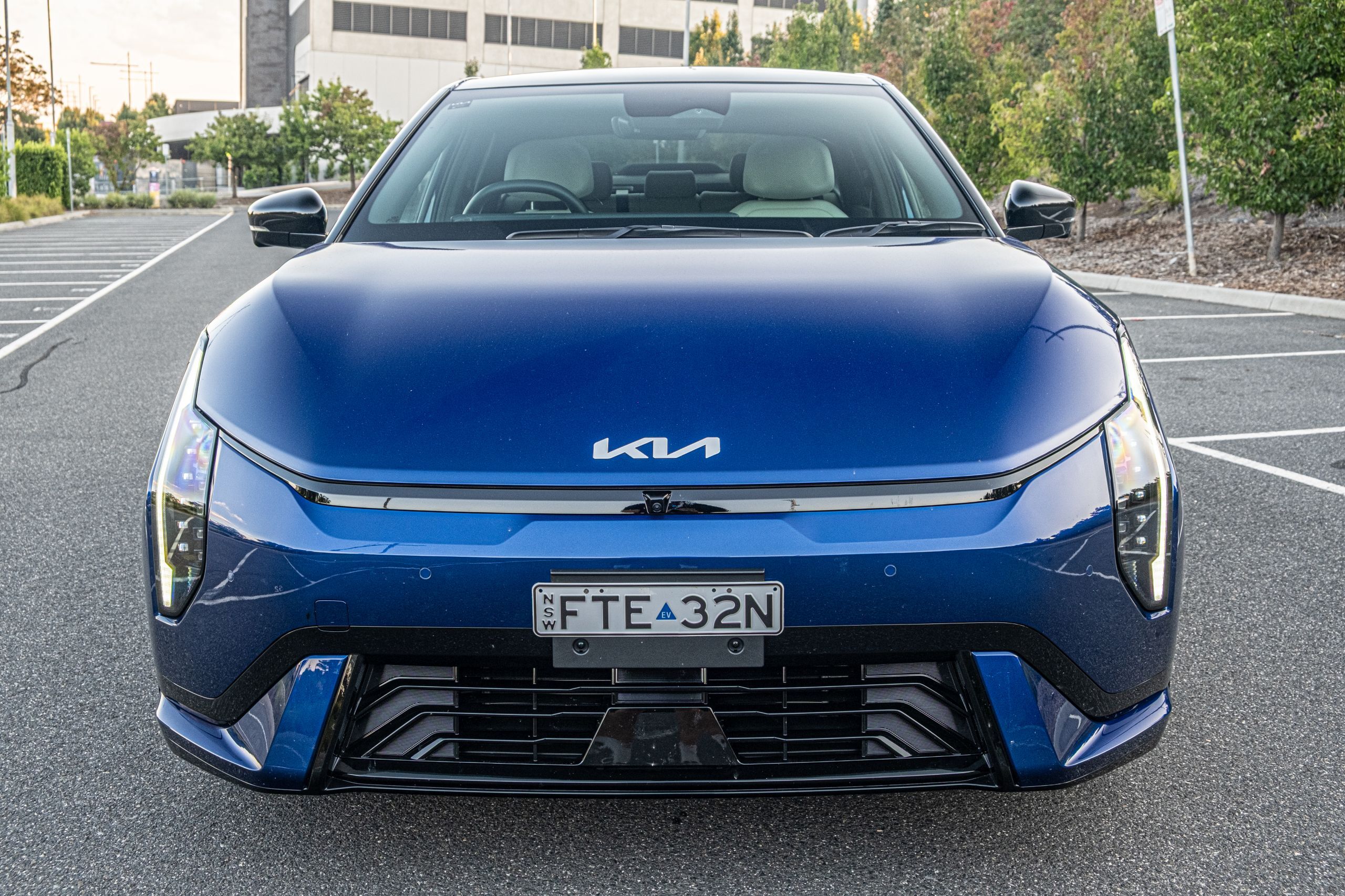
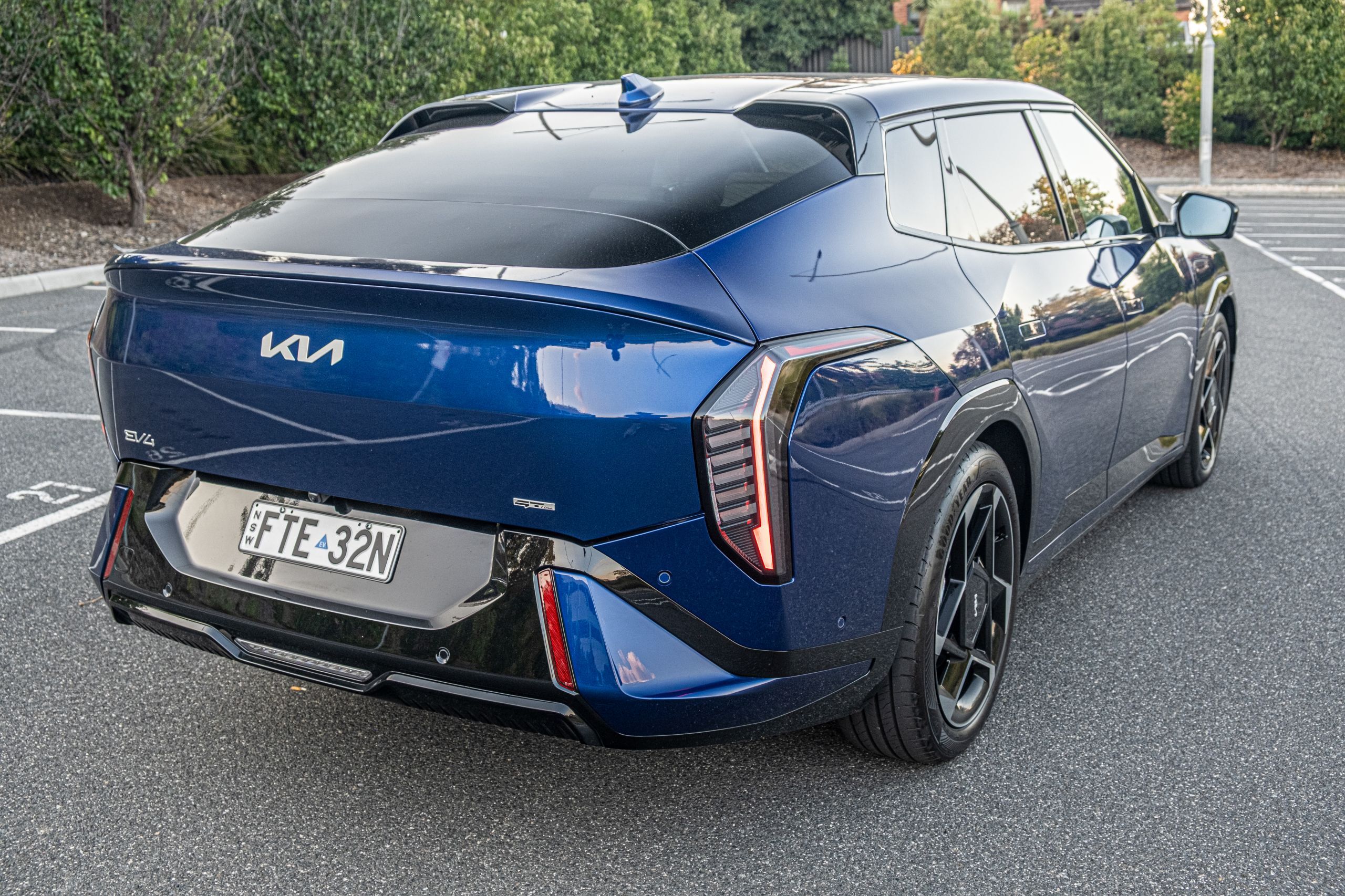
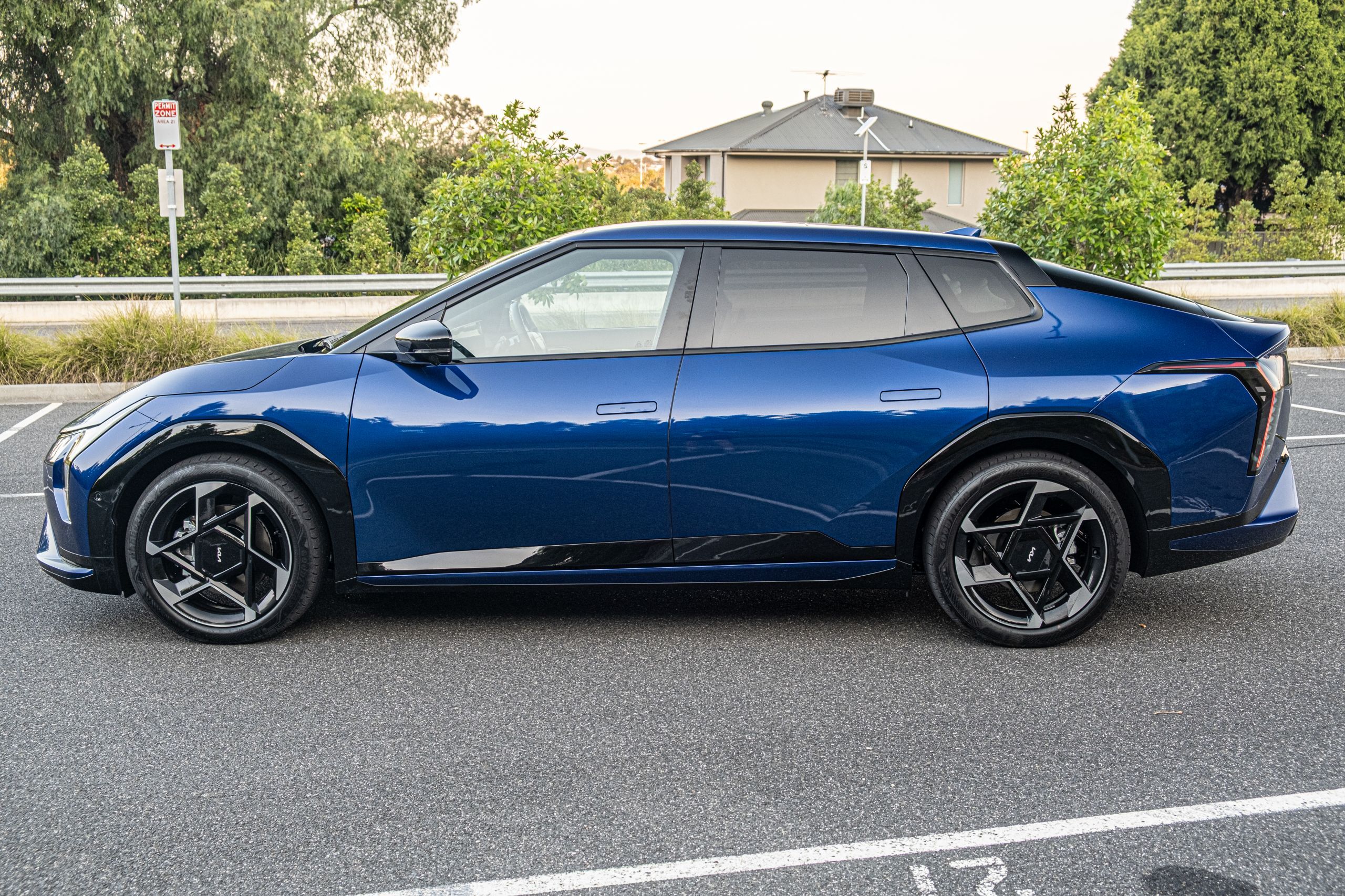
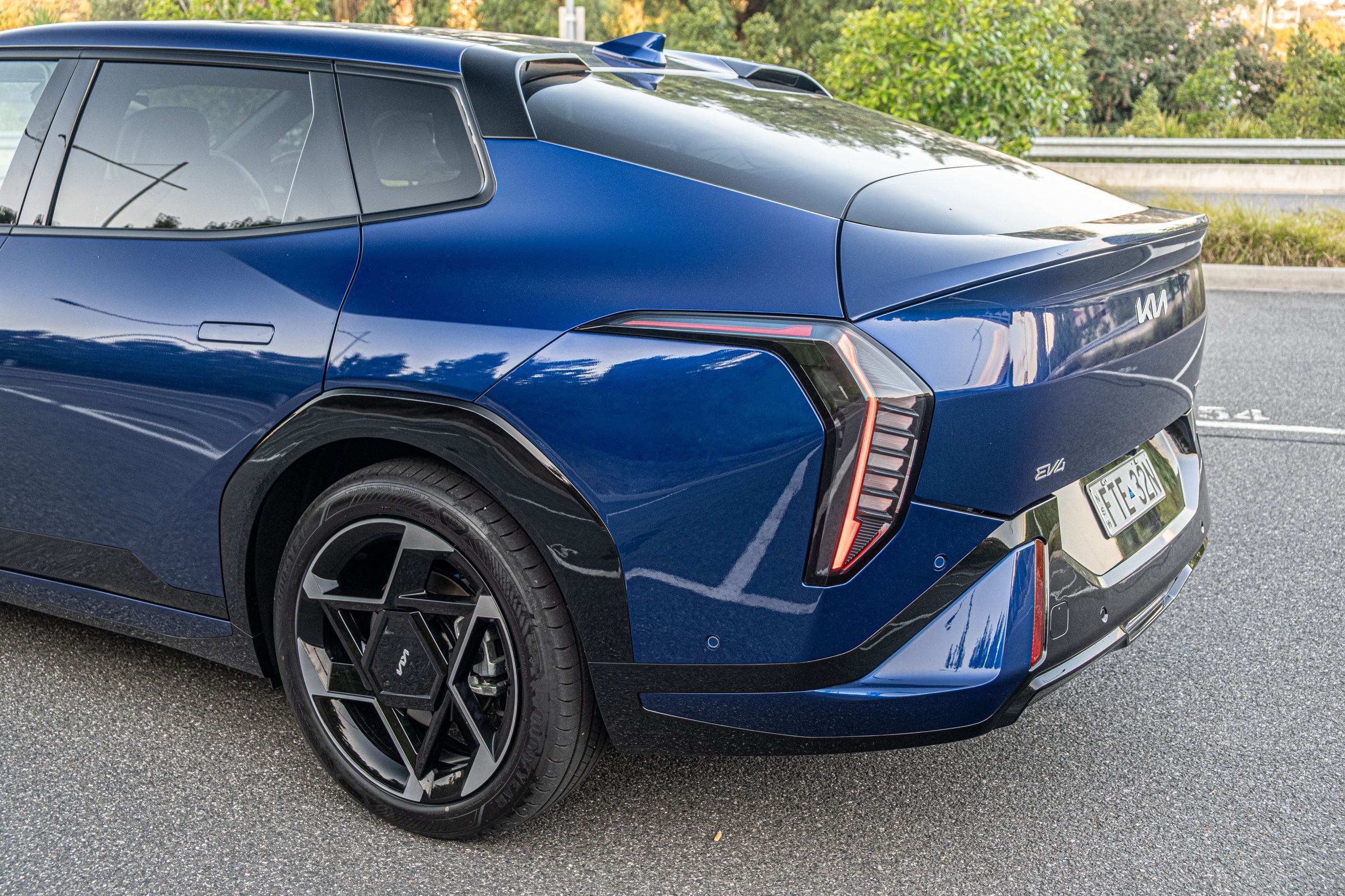
As we’ve seen from many other Kia EVs in recent years, the EV4 doesn’t want to blend in. It looks more like a concept car than one you can actually walk into a showroom and buy, with the sedan being even more striking than the hatch.

Likely eager to maximize cargo space, Kia has extended the roofline and stretched the rear window, so it almost looks like a cross between a sedan and an estate. Or, more aptly, it looks a bit like the hunchback of Notre Dame, because pretty, it is not.

Well-Equipped And Tech-Forward

\\\\\\\\\\\\\\\\\\\\

Photos Brad Anderson/Carscoops

The cabin of Kia’s latest electric sedan is similar to that of some of the brand’s other EVs, but it has unique elements that make it stand out.

Key features include a pair of 12.3-inch screens and a smaller 5.0-inch display sandwiched between them, used for climate control. As in the much larger EV9, this central screen is mostly blocked by the steering wheel, but there are also physical HVAC toggles positioned further down on the dashboard.

With wireless Apple CarPlay and Android Auto, the infotainment display feels modern enough, even if the software is a little simple to what’s found in some of the EV4’s rivals.

\\\\\\\\\\\\\\

Photos Brad Anderson/Carscoops

The surfaces feel slightly more premium than those of the EV5, and there are nice metallic switches for the seat heater and ventilation functions near the door handles. There’s also an abundance of storage between the seats, as well as a wireless smartphone charger.

In addition, the Earth and GT-Line models get a pair of premium front seats with pillowy headrests that feel great. These seats also include a one-touch reclining mode. It’s also nice that the seats can be adjusted very low, ensuring that even taller drivers have heaps of headroom.

Review: 2023 Hyundai Ioniq 6 Epiq Shakes Up The EV Hierarchy

The downsides of the EV4 sedan’s shape can be mostly felt in the second row. If you’re over 6 feet, there’s a good chance your hair will brush on the headliner. In addition, toe room is almost non-existent if one of the front seats is adjusted into a low position. While there are a couple of air vents in the rear, there unfortunately aren’t any temperature or fan speed controls.

Cargo volume is good, with Kia quoting 490 liters (17.3 cubic feet) of space in the trunk. Crucially, both rear seats can be folded flat, creating a large pass-through area that greatly enhances the car’s practicality.

Drives Like A Premium Sedan

\\\\\\\\\\\\

Photos Brad Anderson/Carscoops

Given the specifications of the EV4, one can’t expect it to feel like a performance car, even in flagship GT-Line guise. However, it feels just as poised and polished to drive as the competition, as well as some more expensive electric offerings from Hyundai’s own stable, including the Ioniq 6.

The highlight of driving the EV4 isn’t the powertrain, its efficiency, or noise isolation, but rather how exceptional the ride quality is.

Like all other Kia models sold in Australia, the EV4 has undergone comprehensive local testing to fine-tune its ride, ensuring it perfectly irons out bumps and imperfections on the country’s often poorly surfaced roads.

 Kia’s 2026 EV4 GT-Line Rides Like An Audi e-tron GT For A Third Of The Price | Review

It’s not an adjustable system, meaning there’s no way to stiffen or relax the ride as in some more expensive sedans. But it doesn’t need any adjustments, as it’s just about perfect and one of the most comfortable cars I’ve driven in quite some time.

Potholes and speed bumps are often a nuisance, but in the EV4, they completely fade into insignificance. It’s really quite extraordinary how well it rides, and it’s almost at the same standard as the Audi e-tron GT, which can cost over three times as much and has one of the more complex air suspension systems on the market. The Earth and GT-Line models have 19-inch wheels, while the Air sits on smaller 17-inch shoes, and may even be more supple.

The EV4’s sophisticated feel extends beyond its ride quality. Given that it’s down just 10 kW (13 hp) and 27 Nm (20 lb-ft) of torque from the EV5 SUV, I had expected the EV4 to suffer from the same torque steer qualms as its bigger brother. However, there’s not even a hint of torque steer under full throttle, perhaps in part due to the suspension setup.

\\\\\\\\\\\\\\\

Photos Brad Anderson/Carscoops

In addition, the EV4 doesn’t have quite the same propensity to spin up its inside front wheel as we found in the EV5. Admittedly, it’s not particularly quick and needs about 8 seconds to reach 100 km/h (62 mph). That said, it never feels like it’s lacking power.

It’s a shame that the GT-Line doesn’t have a dual-motor, all-wheel drive setup as found in some of Kia’s other GT-Line-badged EVs, particularly since the cheaper BYD Seal Performance has twin motors and an impressive 390 kW (523 hp) and 670 Nm (494 lb-ft) of torque.

Kia presented a GT version of the EV4 earlier this year, complete with twin motors producing 215 kW (282 hp), but I’d have liked to see this powertrain offered in the GT-Line, given the price point. This would have allowed Kia to develop a full-blown performance version to rival the BYD and the Tesla Model 3 Performance.

 Kia’s 2026 EV4 GT-Line Rides Like An Audi e-tron GT For A Third Of The Price | Review

One good thing about the EV4’s single-motor setup is efficiency. Over my week with the car, I averaged just 14.3 kWh/100 km, beating Kia’s claimed 14.9 kWh/100 km and giving it a very achievable range of around 550 km (342 miles). It’s worth noting, however, that I spent most of my time with the EV4 driving in Eco mode and the regenerative braking in one-pedal mode.

The EV4’s steering has been well-calibrated and offers varying levels of feel depending on the driving mode. It’s also hard to fault how the EV4 feels under braking, with a consistent, smooth pedal feel and no noticeable shift from regenerative braking to mechanical braking.

While the EV4 does not prioritize performance, it handles shockingly well, thanks in part to the Goodyear tires. Front-end bite is great, and there’s plenty of grip.

Verdict

 Kia’s 2026 EV4 GT-Line Rides Like An Audi e-tron GT For A Third Of The Price | Review

While the Kia EV4 looks a little odd, that doesn’t detract from the fact that it delivers exactly what an electric sedan like this should, at this price point.

It’s exceptionally efficient and undercuts many of its nearest rivals on price, all with the assurance of buying from a well-established brand with an expansive dealership and service network. The EV4’s ride is the standout, the cabin is well-equipped, and it offers plenty of range. If it were based on an 800-volt architecture that supported faster charging speeds, it would be difficult to fault. It’s a shame it won’t be sold in the US.

\\\\\\\\\\\\\\\\\\\\\\\\\\\\\\\\\\\\\\\\\\\\\\\\\\\\\\\\\\\\\\\\\\\\\\\\\\\\\\\\\\\\\\\\\\\\\\

Photos Brad Anderson/Carscoops

❌