Reading view

There are new articles available, click to refresh the page.

Ford Killed Fiesta For A Crossover, Now It Might Return Like This
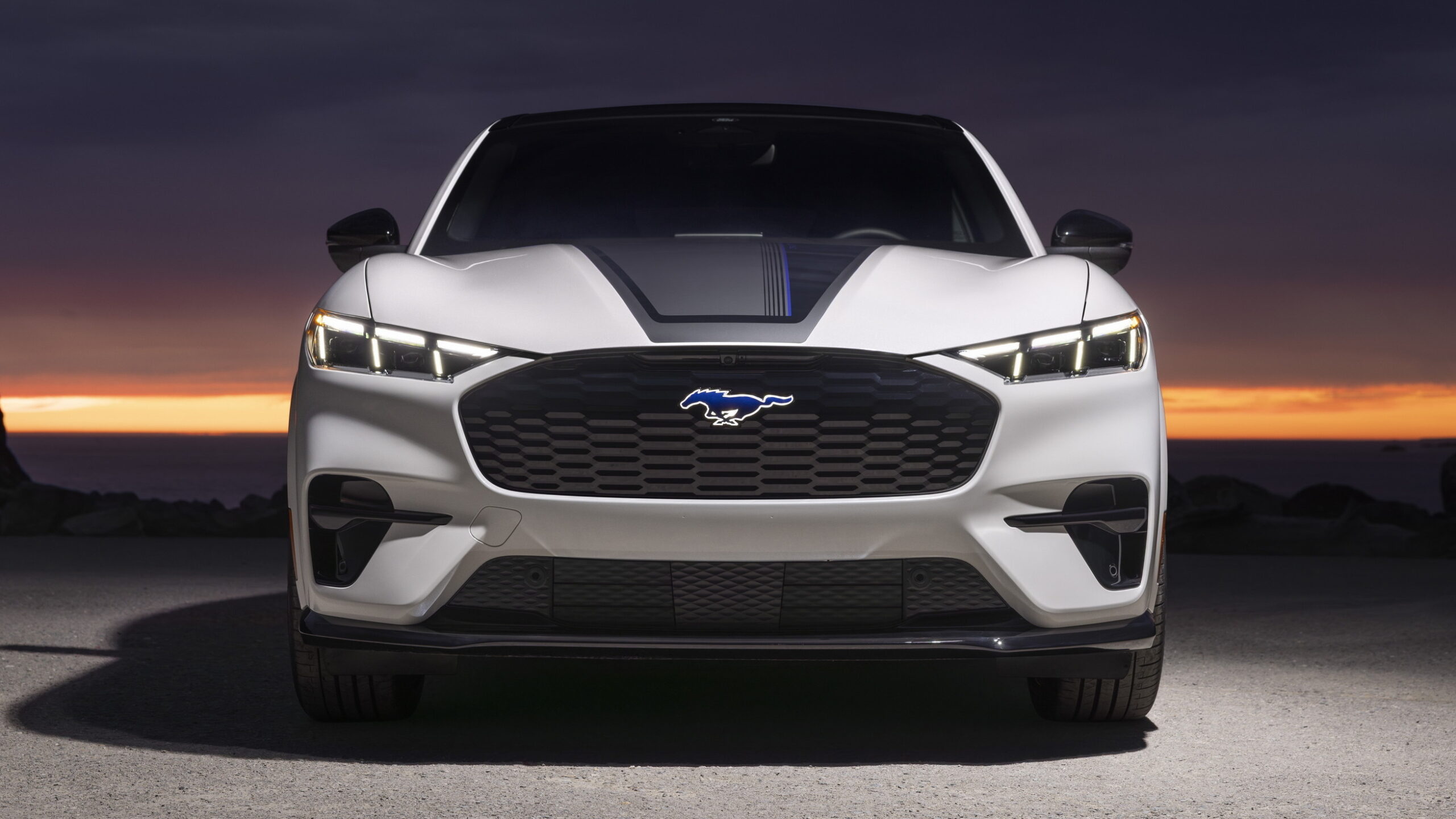
  • Ford Fiesta could return as an all-electric model in Europe.
  • It will ride on Renault’s 400-volt AmpR Small platform.
  • Hotter ST version may join the lineup with around 200 hp.

Once thought to be permanently axed in favor of the Puma subcompact crossover, it appears the Ford Fiesta is poised for an electrified resurrection. The Blue Oval has turned to its strategic partnership with Renault Group to develop two affordable electric cars for Europe based on the French automaker’s AmpR Small platform.

Future Cars: Mercedes’ Smallest SUV Points To A Different Kind Of Compact Future

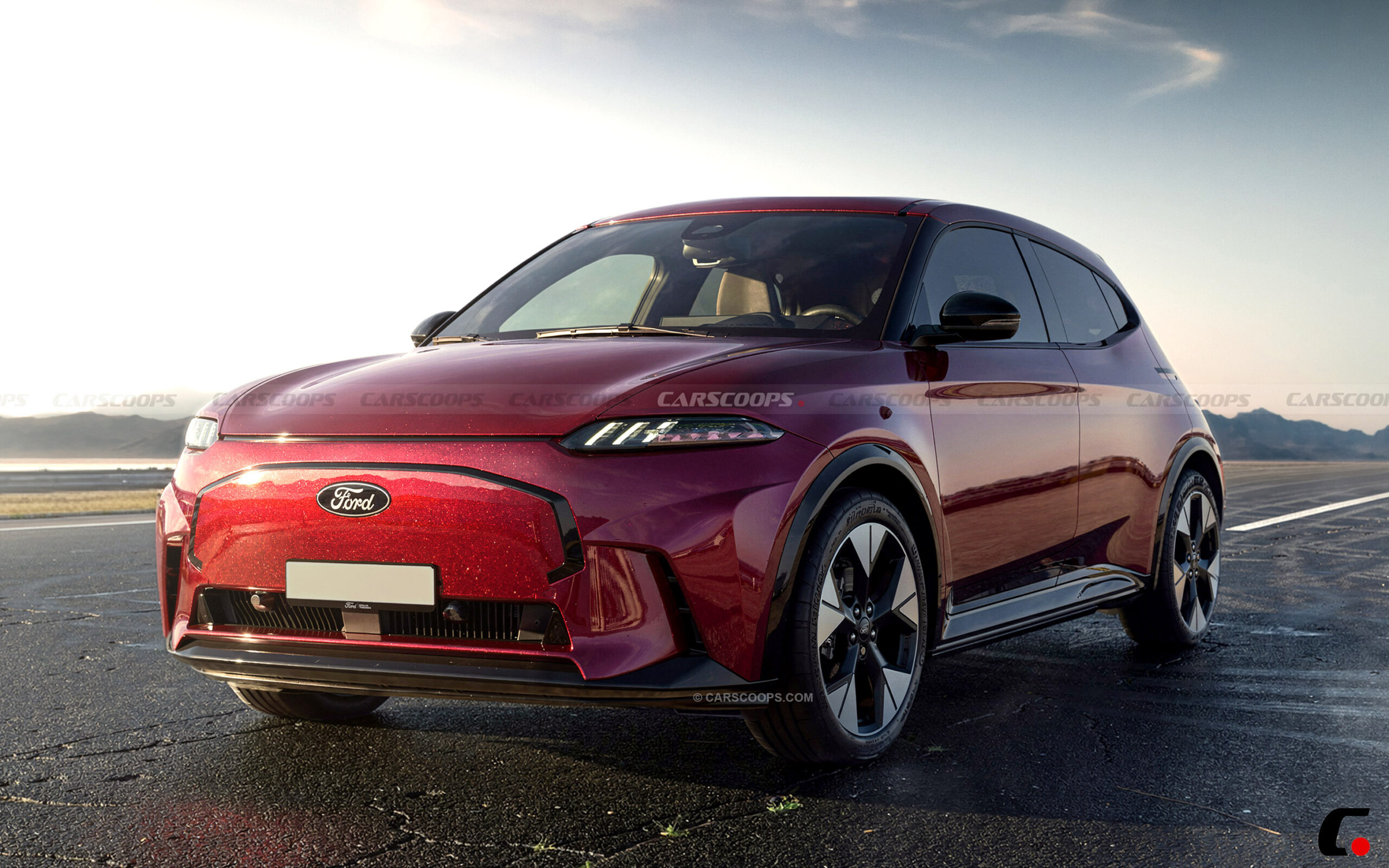
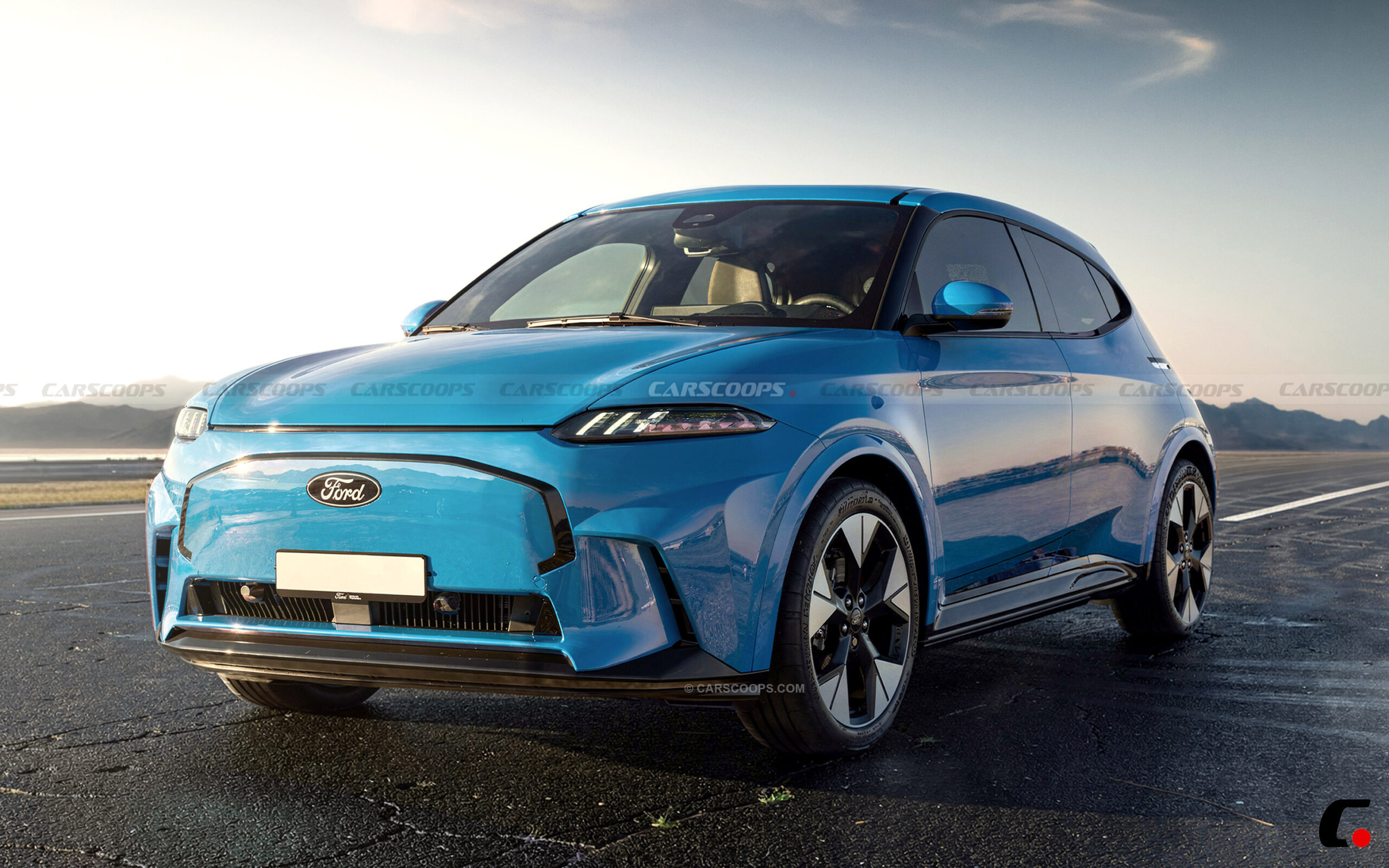
While the Fiesta EV has yet to be officially confirmed, intel suggests it’s all systems go. So we’ve pulled together everything we know so far, along with what to reasonably expect, including an exclusive illustration previewing how Ford’s smallest electric hatch might look in production form.

Fresh Look, Familiar Proportions
 Ford Killed Fiesta For A Crossover, Now It Might Return Like This
Illustrations Josh Byrnes / Carscoops

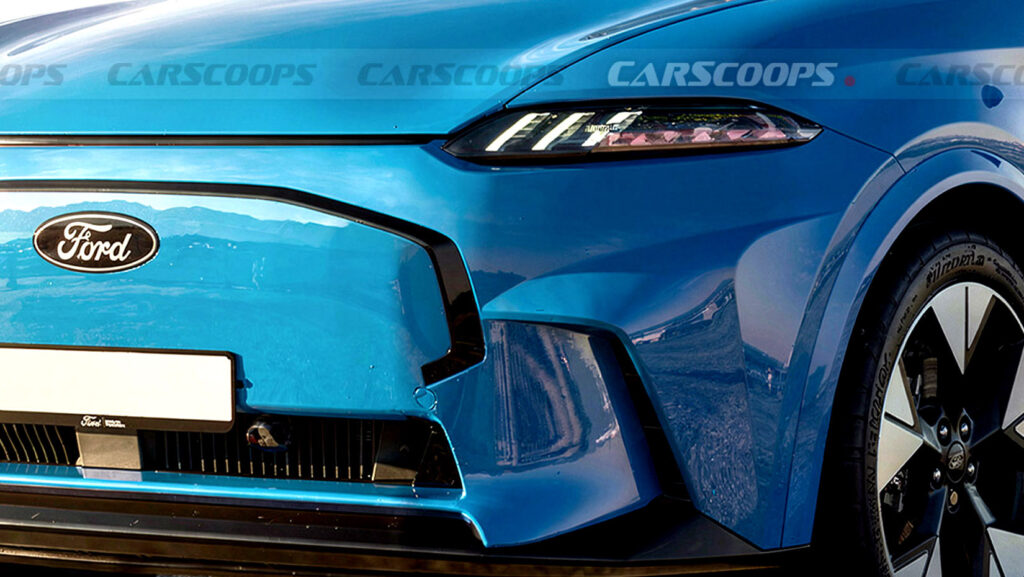
The basis for my render is the Renault R5, which is evident in its bite-size dimensions, short overhangs, and upright windscreen. Upfront, it adopts a clean, closed-off nose typical of most EVs with a smooth panel framed by a gloss-black moustache motif. Slim headlights with tri-DRLs sit high on the fascia, while subtle air intakes below aid cooling without adding visual clutter.

Read: Ford Quietly Ends Focus Production After 27 Years Without Even Saying Goodbye

In profile, it’s defined by a gently rising beltline, blacked-out a-pillars, and curvaceous surfacing inspired by Ford’s radical ‘Start’ that debuted in 2010. Out back, it appears wider due to a contrasting horizontal line that connects the taillights and the lower bumper, which sports a centrally located vertical fog lamp.

\\\\\\\\\\\

A Smart Interior

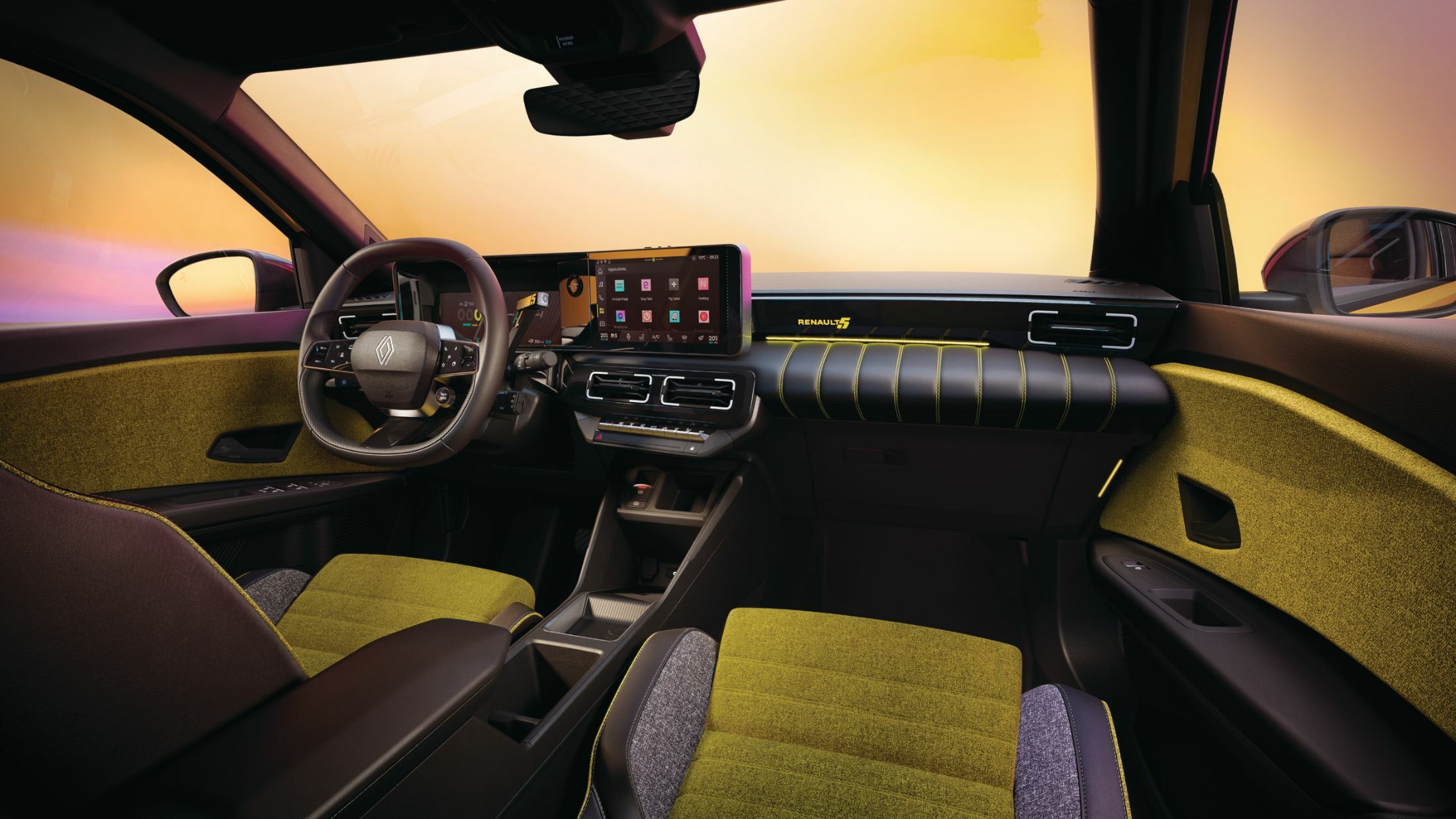
Inside, the Fiesta is expected to be a tech-laden affair, owing much of its electronic hardware to its French-supplied architecture. Sure, it’ll feature Ford-specific fonts and graphics, but underneath the dual 10-inch digital instrument cluster and infotainment screen, it’s a Google-based Renault operating system with over-the-air update capabilities.

Future Cars: Ford’s $30K Pickup Wants To Beat Cybertruck At Its Own Game
 Ford Killed Fiesta For A Crossover, Now It Might Return Like This
The new Renault 5’s interior.

Material quality should improve, with soft-touch surfaces and recycled fabrics replacing the budget plastics of past Fiestas. The dedicated EV platform should also help liberate cabin space, with overall dimensions expected to closely shadow those of the Renault 5.

The electric French hatch measures 3,922 mm (154.4 inches) in length, 1,774 mm (69.8 inches) in width and 1,498 mm (59.0 inches) in height, with a wheelbase of 2,540 mm (100.0 inches). Sharing the same underpinnings, the Fiesta EV should sit in virtually the same size class, even if Ford gives it its own visual character.

Renault Platform

Based on the Renault group’s 400-volt AmpR-Small architecture, Ford Europe engineers will work their magic on ride and handling. It will likely have a multi-arm rear suspension and a low-mounted battery for comfort and taut body control.
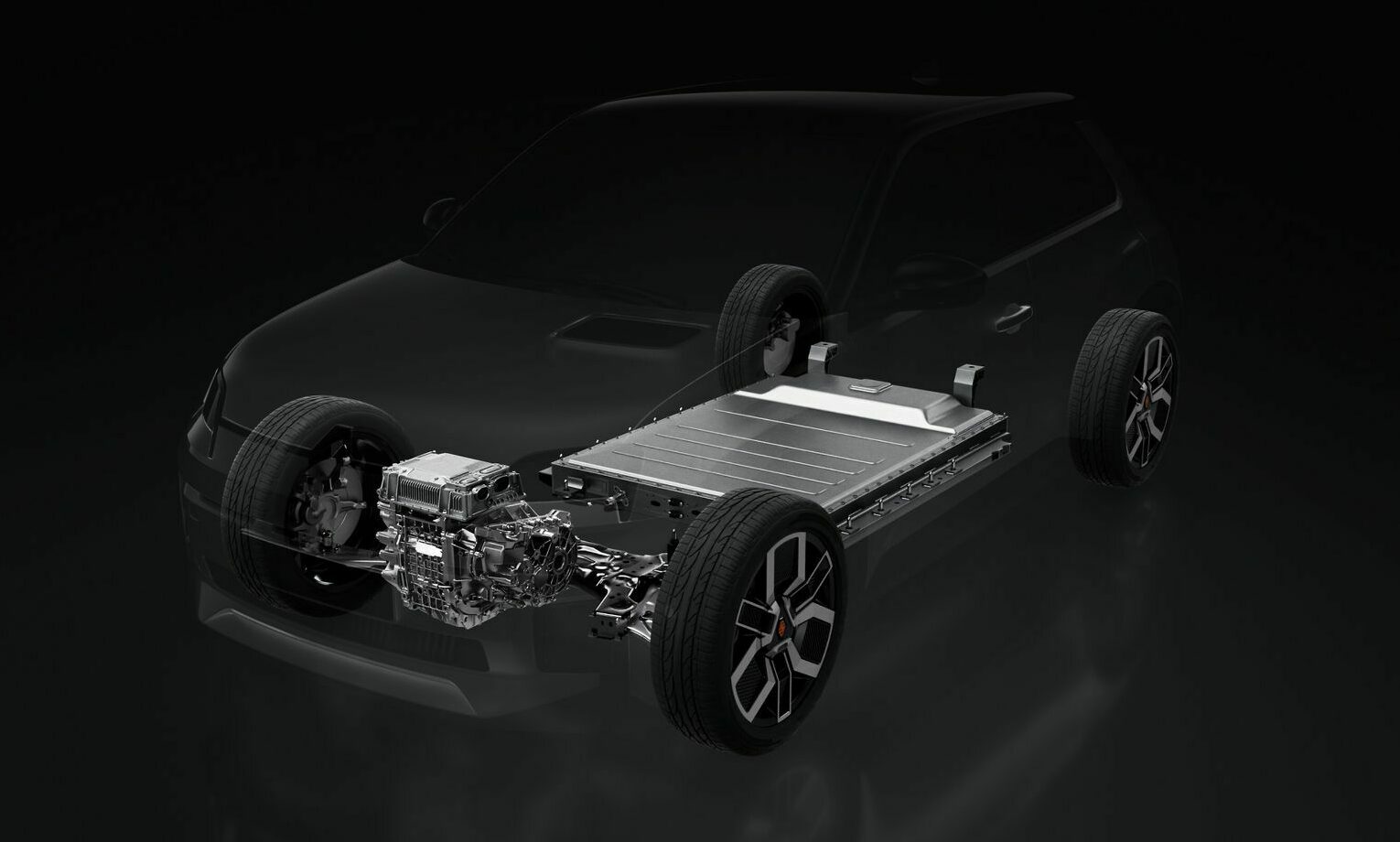
 Ford Killed Fiesta For A Crossover, Now It Might Return Like This

Watts Over EcoBoost

Before the axe fell, the last Fiesta had a cracking wee 1.0-litre turbocharged 3-cylinder engine. Sadly, the three-pot thrum will be replaced by a front-drive, single-motor electric setup. It’s not all bad, though, with outputs projected to be in the 120-150 hp (88–110kW) range. We’d expect a spicier ‘ST’ variant to come later with up to 210 hp.

Also: Farley Says Ford Couldn’t Compete With Toyota And Hyundai, So It Stopped Trying

Expect 40 kWh and 52 kWh NMC battery options, with a range up to 248 miles (400km) on the WLTP cycle. Using the R5 as a reference, DC fast charging will max out at 101 kW, and it is expected to have vehicle-to-load and vehicle-to-grid capabilities.

Rivals And Reveal
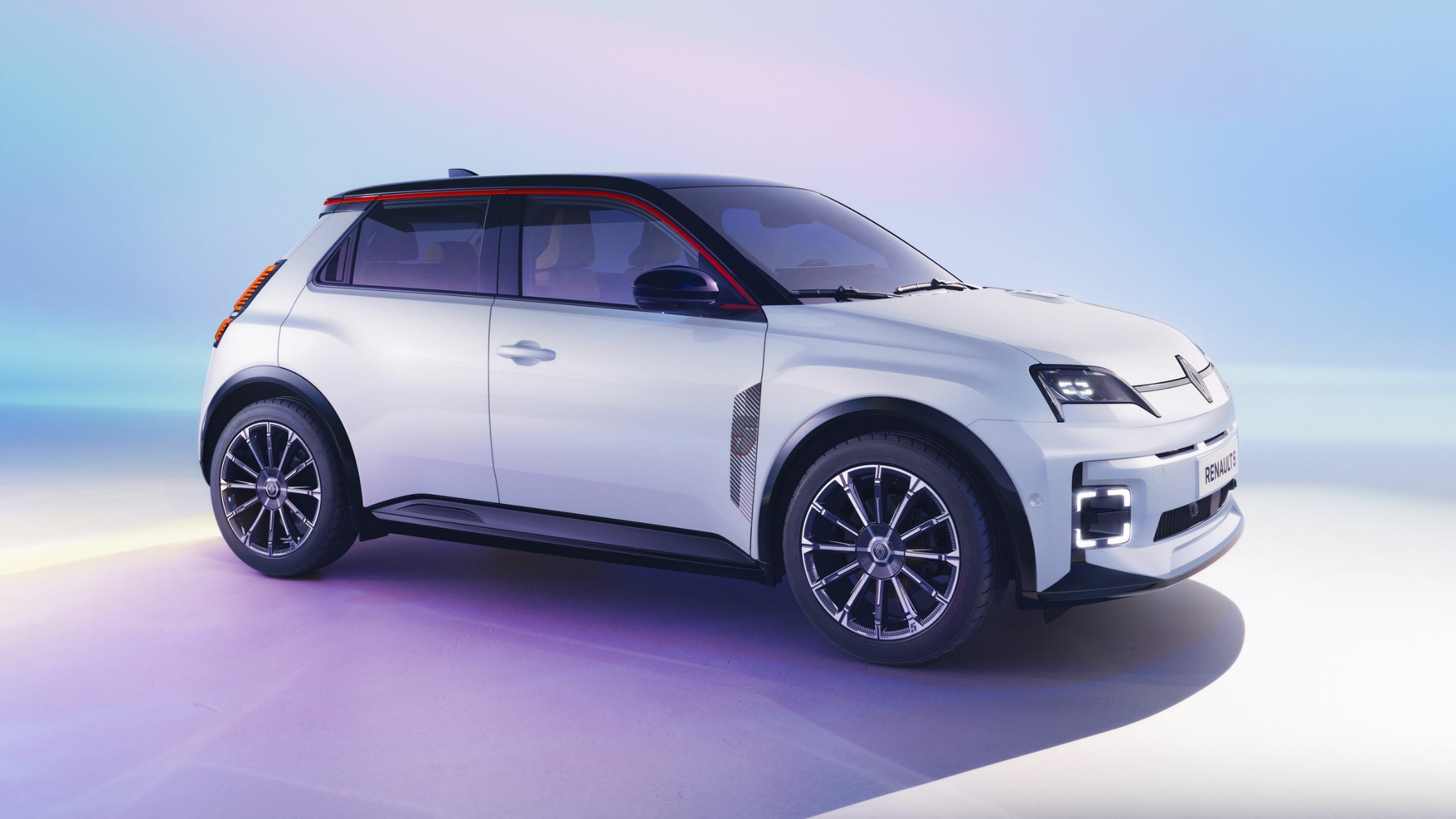
 Ford Killed Fiesta For A Crossover, Now It Might Return Like This
Renault 5 EV

Competition will be fierce. Likely rivals include the Peugeot e-208, Opel Corsa-ECupra RavalKia EV2, Renault 5 E-Tech and Volkswagen ID.Polo. More about the Fiesta EV is expected to surface in the next 12 months, with a potential reveal likely to be late next year or early 2028.

Could it be offered outside Europe? It’s possible. But given the current tariff landscape, the Fiesta’s small footprint, and America’s cooling appetite for EVs following the end of the federal tax credit last year, a US launch feels highly unlikely.

Would you like to see the Fiesta reborn as an affordable EV? We’d love to hear your thoughts in the comments below.
 Ford Killed Fiesta For A Crossover, Now It Might Return Like This
Illustrations Josh Byrnes / Carscoops

Ford’s $30K Pickup Wants To Beat Cybertruck At Its Own Game

  • Ford’s upcoming $30k electric truck reveals new details.
  • Sketches show an ultra-aerodynamic, wind-cheating shape.
  • Radical tech cuts weight, trims costs, and simplifies wiring.

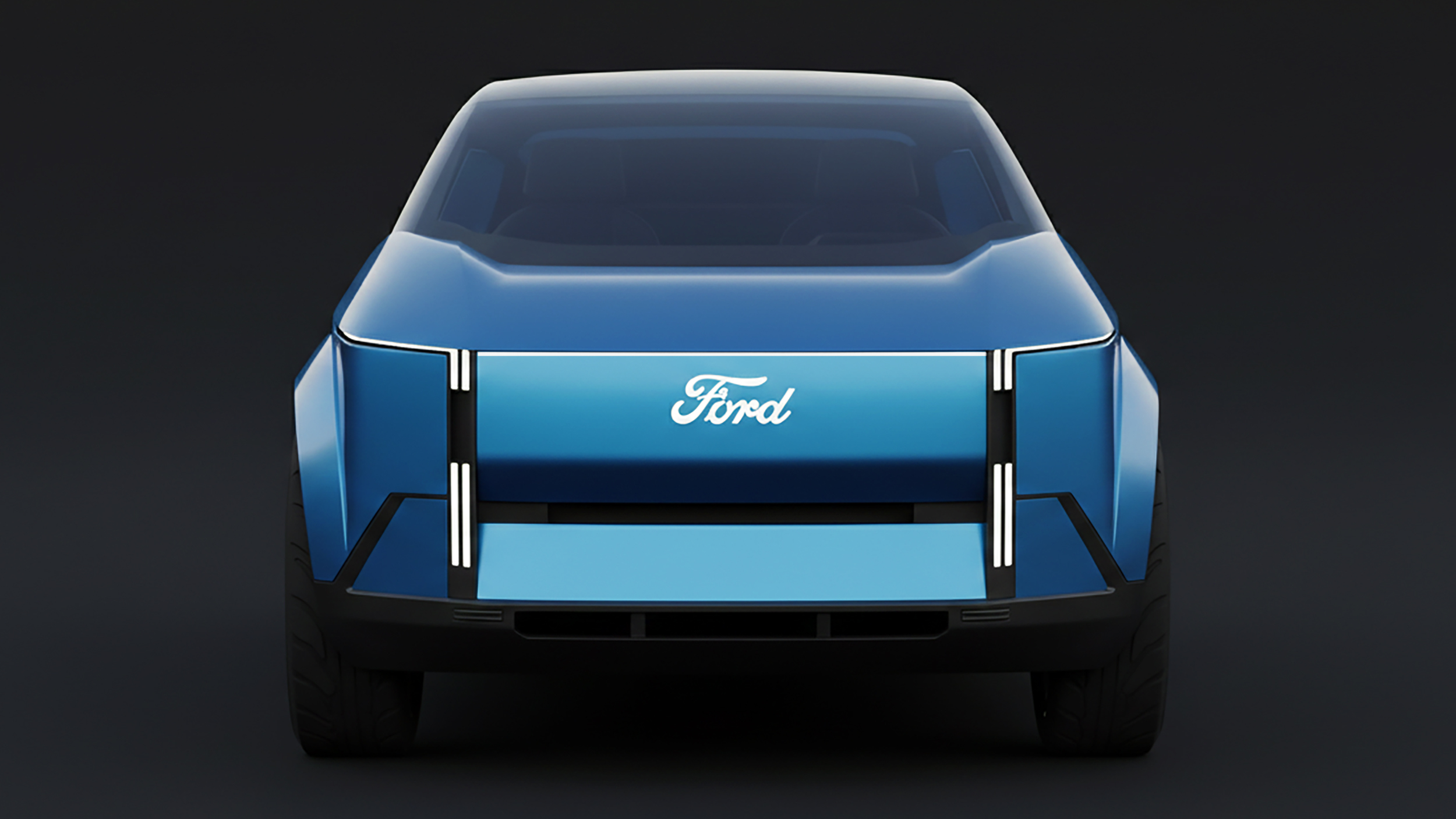
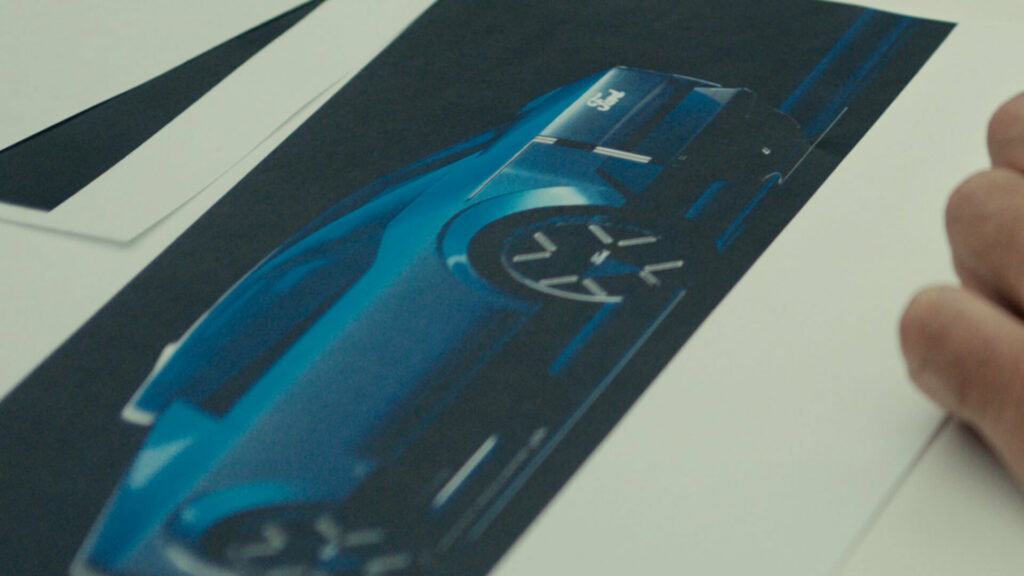
Ford has lifted the lid a little further on its so-called “Universal Electric Vehicle” project, the one tasked with delivering a brand-new $30,000 electric midsize truck in 2027. The tech breakdown in the 14-minute teaser packs plenty of stuff, but it is the design sketches that really grab your attention, offering the first glimpse of what this thing might look like in the metal.

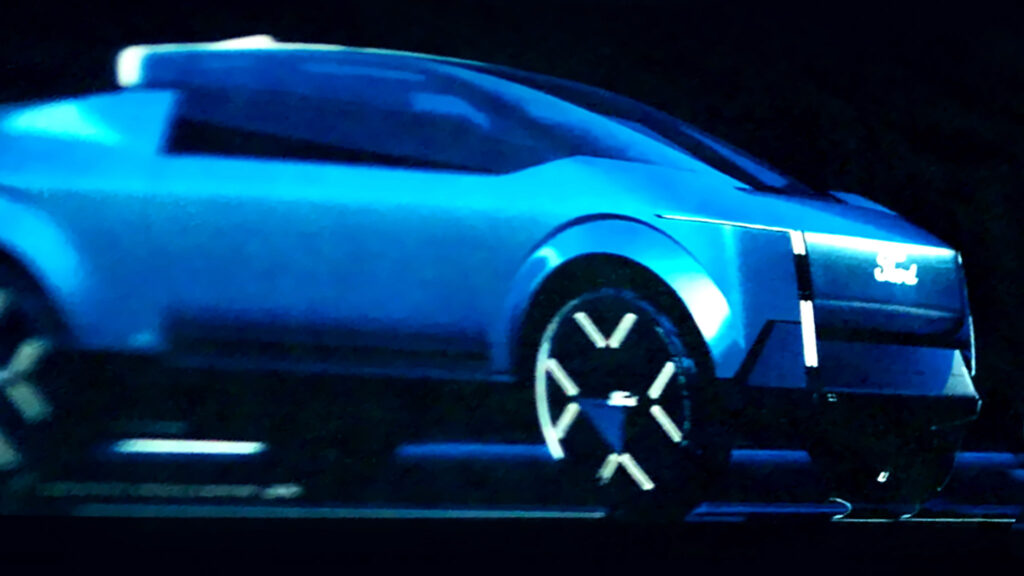
From those early drawings, which also align with the ghost images seen so far, the truck appears slippery and futuristic. Think of it as a softer, more rounded take on the larger Tesla Cybertruck, minus the origami and unpolished edges, not to mention with a far more reasonable entry price. Up front, there are slim vertical LEDs, an illuminated Ford badge, and horizontal intakes carved into the bumper.

More: The One Car Ford Refuses To Build Is One Dealers Want The Most

The windshield stretches deep into the hood and flows into an integrated roof spoiler at the rear. Despite the futuristic surfacing, this is still (likely) a Ranger-sized pickup with a traditional dual-cab layout. Practicality has not been shown the door.

\\\\\\\

Ford

Low Drag Is Key

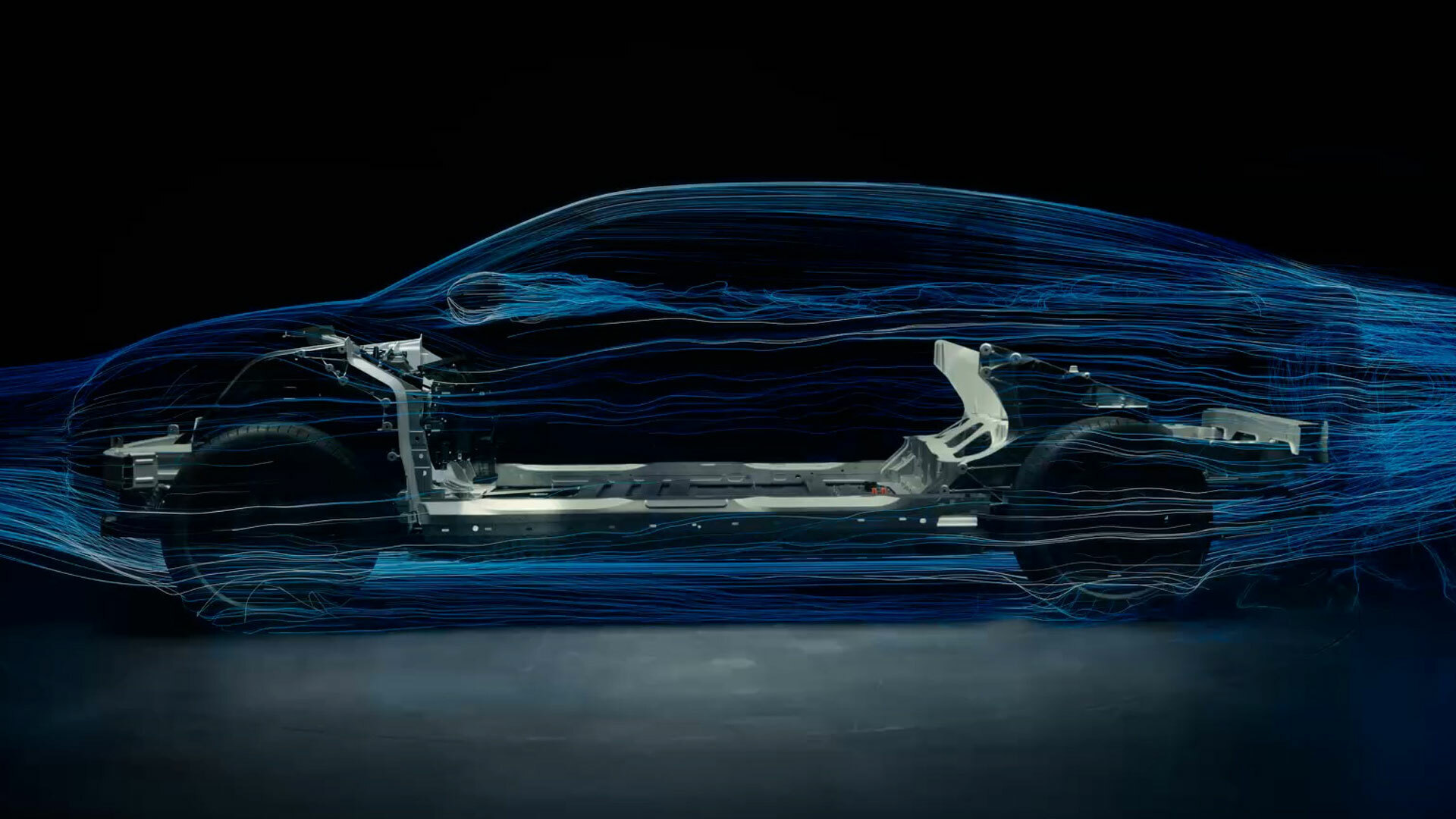
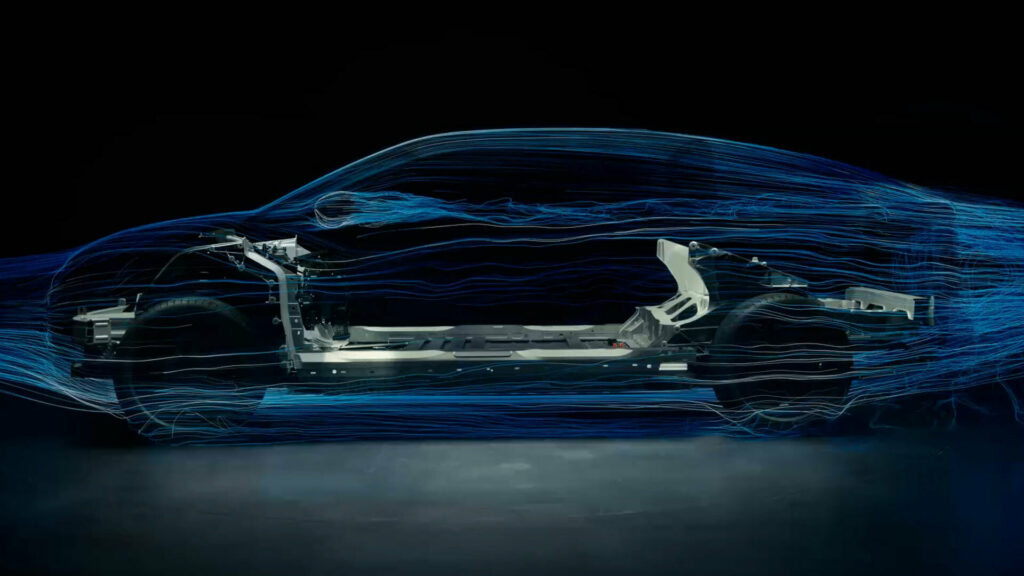
Unsurprisingly, the aerodynamics team had a heavy hand in shaping this truck, with former F1 experts brought in to chase every last fraction of efficiency. The mission was simple: slash drag hard enough that smaller batteries could deliver the required range, keeping production costs in check.

More: Ford Says Every Millimeter Of Roof Saves $1.30 On Its New $30K EV Truck

The curved roof reportedly reduces the turbulence typically created by a pickup bed. The side mirrors are 20 percent smaller than standard items, adding 1.5 miles (2.4 km) of range, while specially designed underbody panels contribute another 4.5 miles (7.2 km).

In total, Ford estimates these measures deliver 50 miles (80 km) of additional range compared to a similarly sized truck with a more conventional shape. That is not a rounding error.

 Ford’s $30K Pickup Wants To Beat Cybertruck At Its Own Game
Speculative rendering based on the official teasers.

Lower Production Costs

Aerodynamics are only half the story. Ford has also focused heavily on reducing manufacturing complexity. The company will use large aluminum unicastings, broadly similar in principle to Tesla’s gigacasting method. Structural components drop from 146 pieces in today’s Ford Maverick to just two, and overall weight is said to be 27 percent lower than rival offerings.

More: Next Ford And GM Pickups May Swap Mechanical Linkages For Lines Of Code

Fewer parts and fewer joints mean fewer robots on the line, which Ford claims results in “measurable gains” in both build quality and production efficiency.

 Ford’s $30K Pickup Wants To Beat Cybertruck At Its Own Game

it also appears that Ford engineers have borrowed lessons from reverse-engineering Chinese and Tesla EVs. The new truck’s wiring is 4,000 feet (1.2 km) shorter than that of the Mustang Mach-E crossover, trimming 22 pounds (10 kg). It will run prismatic lithium iron-phosphate (LFP) battery cells and a separate 48V system for auxiliary functions.

More: Ford Could Bring Back Sedans After Realizing It Can’t Afford Not To

The skunkworks team behind Ford’s next generation of EVs is led by former Tesla executive Alan Clarke, bringing 12 years of experience from the rival automaker.

As for the name, Ford is staying quiet. A recent patent filing hints at a possible return of the Ranchero badge, though nothing is confirmed. The affordable pickup is due in 2027 and will be followed by additional affordable EVs, with a sedan reportedly on the wish list.

Forget Ford’s Hype, The $30,000 EV Is Already Here

  • Ford is making a big fuss about their upcoming $30k EV.
  • Affordable options already exist and can be bought now.
Ford is preparing to launch a $30,000 electric truck, and the steady drumbeat of promotion is starting to wear a little thin. Earlier this month, the Blue Oval released three glorified blog posts about the affordable mid-size pickup and a 14 minute video, which was approximately 10 minutes too long.

Before that, the company talked about failure and Henry Ford’s ill-fated stints at the Detroit Automobile Company and the Henry Ford Company. The automaker then said they’re pursuing similar bold efforts as it “works to design and assemble affordable electric vehicles.”

More: Ford’s ‘Model T Movement’ Is A New $30,000 Electric Pickup

 Forget Ford’s Hype, The $30,000 EV Is Already Here
Ford teased what appears to be an early sketch of the upcoming EV truck.

The thing is that $30,000 electric vehicles already exist and can be bought today. While the upcoming model will be notable for being a mid-size truck that introduces some new techniques and technology, it might not be as revolutionary as Ford would have you believe.

The Blue Oval will likely continue trickling out trivial details for months to come, but shoppers could easily head to their nearest Chevy dealer and snag an Equinox EV. While the model starts at $34,995, the company is offering $6,500 in incentives, and this lowers the price of entry to $28,495 before factoring in the $1,800 destination fee.

\\\\\\\\\

The bowtie brand also recently brought back the Bolt, which starts at $27,600 and has a $1,395 destination fee. This means you can get an electric hatchback with 262 miles (422 km) of range for $28,995.

Chevrolet isn’t alone as the redesigned Nissan Leaf starts at $29,990 before a $1,495 destination charge. It will eventually be joined by an even more affordable variant that has a smaller battery pack and a less powerful electric motor.

All three of these vehicles are available now, although they lack a truck bed. Ford is banking on the latter being a big differentiator, although early teaser images suggest this won’t be your typical pickup as the company is focusing on range and efficiency.

\\\\\\\\\\\\\

Tesla Still Rules EV Satisfaction, Though One Rival Just Caught Up

  • EV owner satisfaction has reached an all-time high.
  • Best models come from Tesla, BMW, and Cadillac.
  • Most EV owners would consider getting another one.

Electric vehicles have come a long way in the past few years, and the progress is finally showing up where it matters most: in owner satisfaction. According to the latest data, these steady gains in technology and infrastructure are translating into record-high approval from drivers.

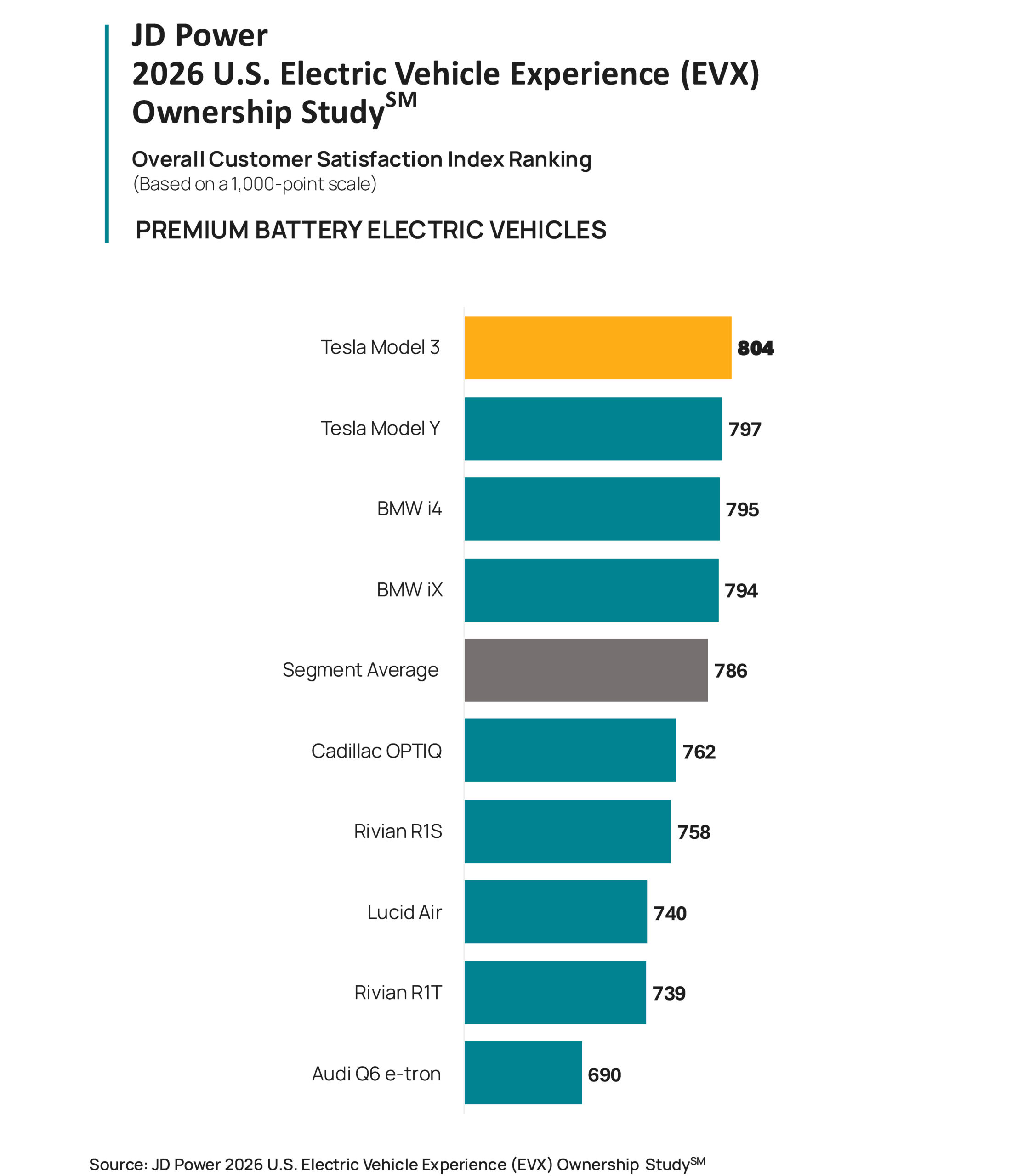
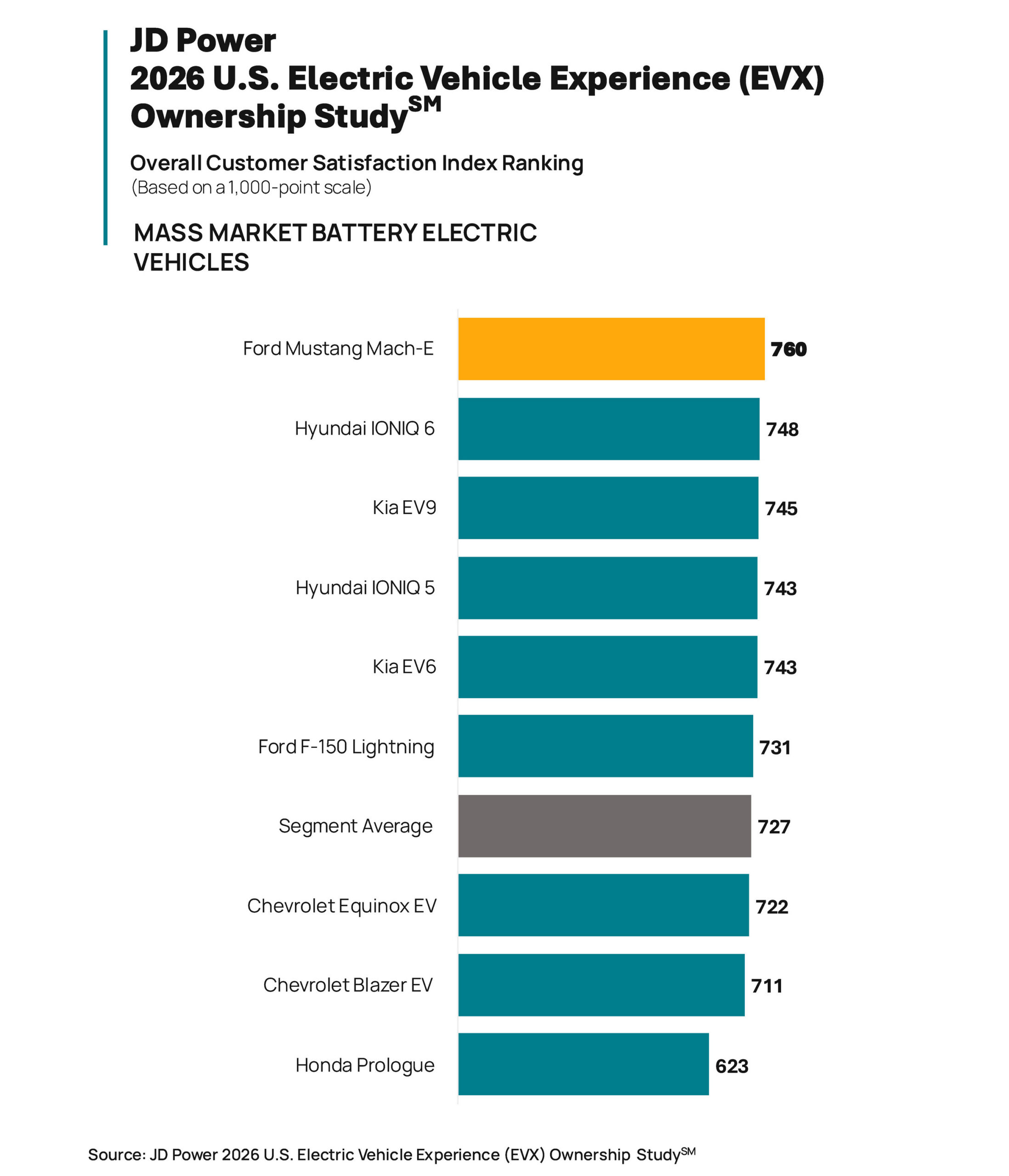
That’s the verdict from JD Power’s 2026 U.S. Electric Vehicle Experience Ownership Study, which found premium EV satisfaction climbed from 756 points last year to 789 in 2026. Mainstream EVs also improved two points to hit 727 out of 1,000.

More: A Third of Americans Are Priced Out Of New Cars, And It’s Getting Worse

The highest rated premium EVs were the Tesla Model 3 (804), Tesla Model Y (797), and BMW i4 (795). On the flip side, the new Audi Q6 e-tron came in dead last at 690. It placed well below the Lucid Air (740) and Rivian R1T (739).

 Tesla Still Rules EV Satisfaction, Though One Rival Just Caught Up

Segment Standouts And Stragglers

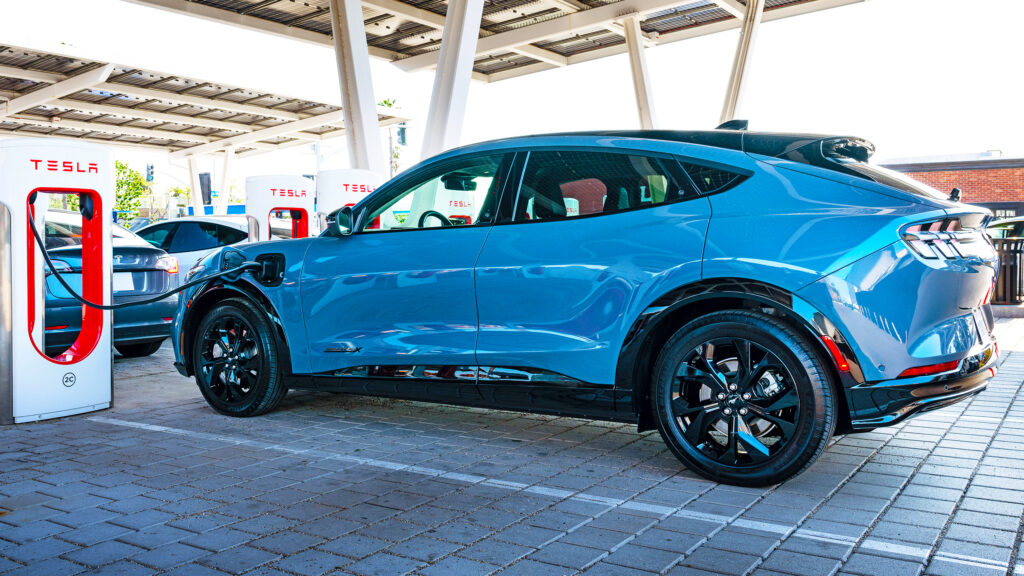
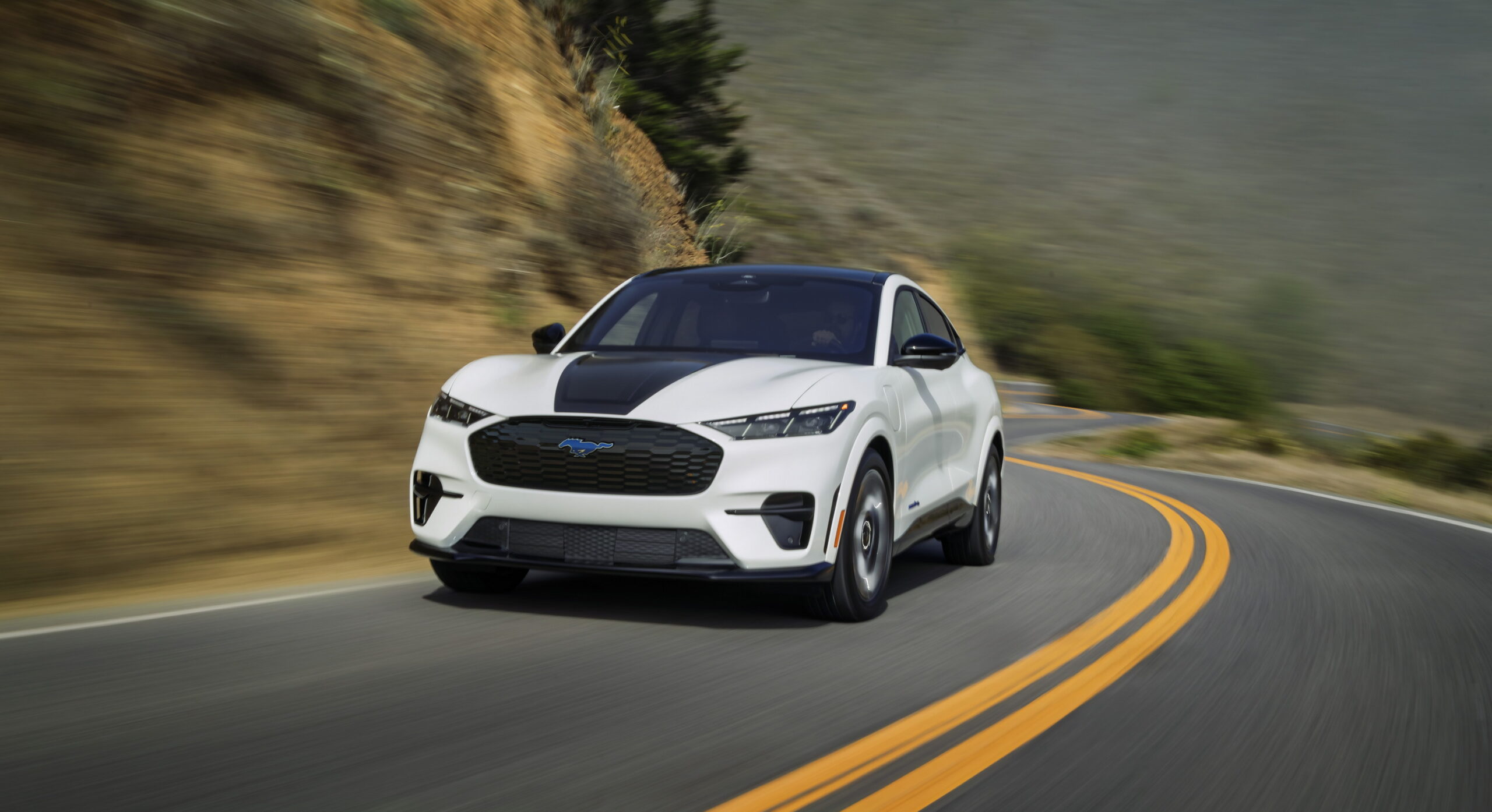
On the mass market side of the equation, the Ford Mustang Mach-E took top honors with a score of 760. The electric pony car was followed by the Hyundai Ioniq 6 (748) and Kia EV9 (745). Interestingly, the two lowest rated EVs were the Chevrolet Blazer EV (711) and Honda Prologue (623). That’s a huge point spread considering both models are built by GM and have a lot in common.

Of course, things aren’t completely straightforward as the study examined ten different factors. This includes the “accuracy of stated battery range, availability of public charging stations, battery range, cost of ownership, driving enjoyment, ease of charging at home, interior and exterior styling, safety and technology features, service experience, and vehicle quality and reliability.”

Encouragingly, 96 percent of EV owners said they would consider buying or leasing another one and the study also found quality has improved. That’s especially true of premium EVs, which had 15.9 fewer problems per 100 vehicles compared to last year. This brought the total down to 75 and JD Power said this was driven by noise improvements as well as fewer problems with driver assistance technology.

 Tesla Still Rules EV Satisfaction, Though One Rival Just Caught Up

Is Charging Still A Concern?

The study also found that EV drivers are becoming more satisfied with public charging. Scores climbed by over 100 points and this is being attributed to growing charging infrastructure as well as the opening of Tesla’s Supercharger network to other automakers.

Last but not least, EV drivers are more satisfied than those with plug-in hybrids. Premium EVs scored 114 points higher than their PHEV rivals, while mainstream electric vehicles had a 117 point advantage. Part of this can be chalked up to the cost of ownership as plug-in hybrid drivers have to deal with a more complex powertrain that involves gas and electricity.

In a statement, JD Power’s Brent Gruber said “Improvements in battery technology, charging infrastructure and overall vehicle performance have driven customer satisfaction to its highest level ever. What’s more, the vast majority of current EV owners say they will consider purchasing another EV for their next vehicle, regardless of whether they benefited from the now-expired federal tax credit.”

 Tesla Still Rules EV Satisfaction, Though One Rival Just Caught Up

Ford Says Every Millimeter Of Roof Saves $1.30 On Its New $30K EV Truck

  • Ford has released a new teaser video for their mid-size electric truck.
  • Arrives next year with an aerodynamic design and a focus on efficiency.
  • It will have LFP batteries as well as a new 48-volt low-voltage system.

Ford swung and missed with the F-150 Lightning, but the company continues to pour billions into electric vehicles. We’re starting to see some of the fruits of their labor as they’ve revealed more details about their next-generation of electric vehicles based on the new Universal EV platform.

Set to be launched on a mid-size electric truck in 2027, Ford is promoting the project with a 14 minute video that provides a few glimpses of the vehicle as well as a lot of talk without saying much.

More: $30K Ford Electric Truck Coming In 2027 Is Seriously Bad News For Slate

The end result feels like a waste of time, but there are a few interesting nuggets of information including that the model’s “aerodynamic efficiency is more than 15% better than any other pickup truck on the market today and will ultimately result in longer range and lower cost for our customers.”

We can see a rounded front end as well as a curved roof, which enables air to ‘skip’ over the bed. The model also has 20% smaller side mirrors that result in an extra 1.5 miles of range.

The video goes onto say the truck will have large aluminum unicastings that deliver a 27% advantage in casting weight compared to competitors. The model will also have two structural components compared to the Maverick’s 146.

Ford then talks about the truck’s cost-effective lithium iron phosphate battery pack and mentions an upgraded regenerative braking system, which reportedly saves $100 in battery costs.

Digging Deeper

\\\\\\\\\\\\

Putting the video aside, Ford noted most automakers have tackled range anxiety by adding large battery packs. This adds range, but it introduces a host of new problems as batteries account for roughly 40% of an EV’s total cost as well as around 25% of their total weight. As a result, bigger batteries mean heavy and expensive vehicles.

To keep prices low, Ford is betting on a small battery and a focus on efficiency. The latter saw them keep a close watch on weight, drag, and rolling resistance.

Ford also introduced a bounties system when developing the truck, which focused on “evaluating tradeoffs.” While there are always competing goals in vehicle development, Ford connected changes to a “specific value tied to the range and battery cost.”

How Much Is 1 mm Worth?

 Ford Says Every Millimeter Of Roof Saves $1.30 On Its New $30K EV Truck

As the automaker explained, their aerodynamic and interior teams could easily see that “adding even 1 mm to the roof height would mean $1.30 in additional battery cost or .055 miles of range. ”This process repeated itself over and over again in other areas, allowing Ford to create an efficient and affordable pickup.

The focus on efficiency didn’t stop there as the Blue Oval noted “power conversion within an electric vehicle platform can account for a surprising amount of wasted energy in a vehicle while charging or even taking energy from the 400V battery and converting it to 48V for the low-voltage devices.” To address this, the truck has a “fully electric vehicle charging ecosystem” that was designed in-house and uses their own software.

This promises to increase efficiency, reduce charging times, and maximize the lifespan of the battery. The company also revealed the model has a bi-directional charging capability and the company’s first 48-volt low-voltage system. Furthermore, the model’s wire harness is 4,000 feet (1,219 meters) shorter and 22 lbs (10 kg) lighter than on their first-generation of electric vehicles.

 Ford Says Every Millimeter Of Roof Saves $1.30 On Its New $30K EV Truck

Kentucky Workers Are Furious After Ford’s EV Factory Reversal

  • Ford closed Kentucky EV battery plant after just 4 months.
  • 1,600 workers lost jobs after tax credit policy change.
  • Plant originally projected employment near 5,000 workers.

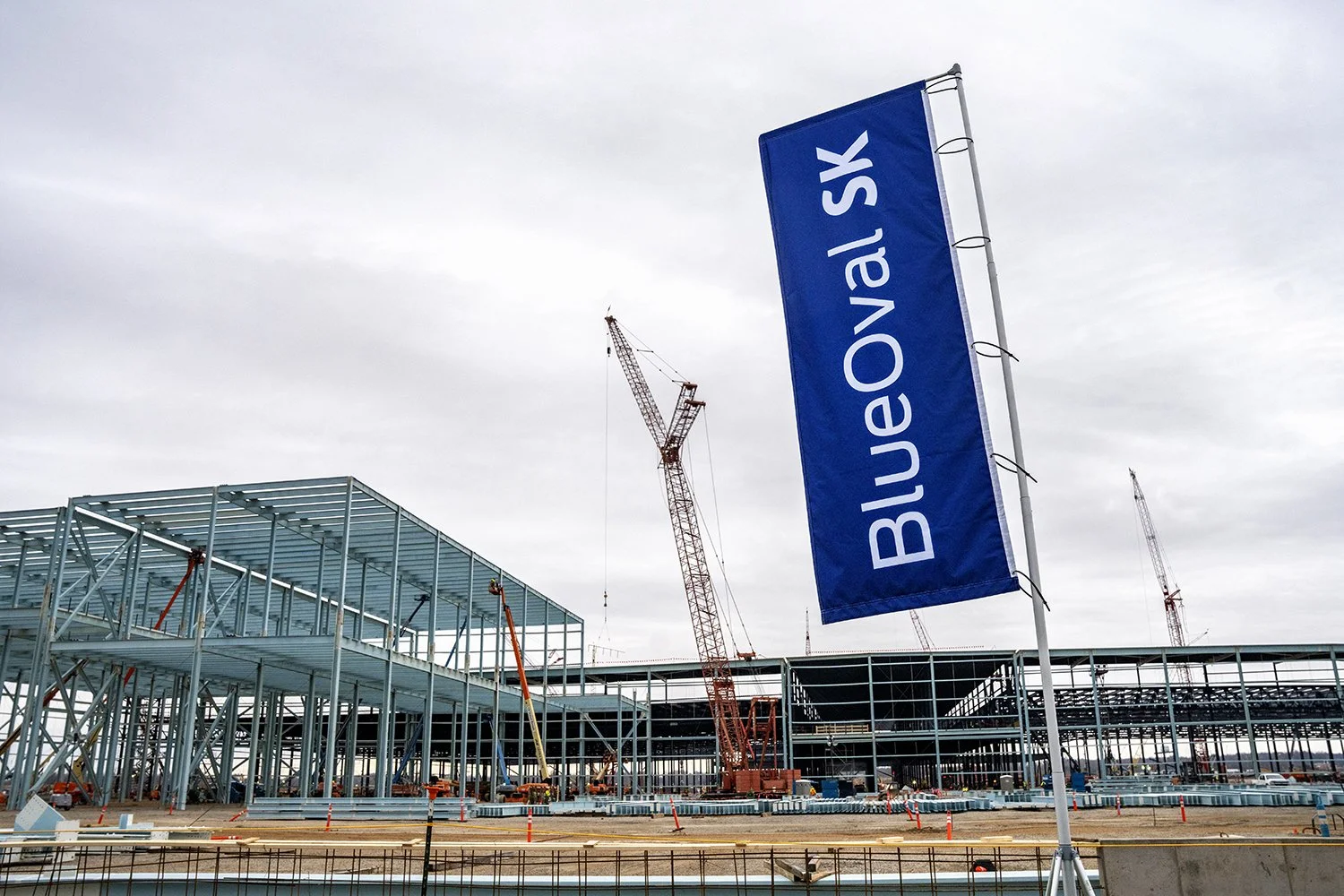
Ford’s sudden decision to cancel its multi-billion-dollar partnership with South Korean battery manufacturer SK On in December, just four months after the first batteries rolled off the line, left 1,600 people without jobs at the joint battery plant in Kentucky.

Read: Ford Got The Loan And Built The EV Battery Plant. Now Everything’s Falling Apart

The move caught workers and locals off guard, and many are placing the blame squarely on Ford. That’s not surprising. Still, the political backdrop, including Trump-era EV policies that limited Ford’s options, played a larger role in how this ultimately unfolded.

The Ripple Effect Of A $7,500 Credit

 Kentucky Workers Are Furious After Ford’s EV Factory Reversal

All brands selling EVs in the US were hurt by the government’s decision to kill the federal tax credit, valued at up to $7,500 for new EVs. While some understandably criticized the program as artificially propping up the industry, there’s no denying that it played a hugely important role in convincing many Americans.

With fewer people buying EVs and other government policies relaxing CAFE fuel-economy standards, Ford acknowledged that “the operating reality has changed,” which is why it’s scrapped a slew of its more ambitious and important EV projects. “We are listening to customers and evaluating the market as it is today, not as everyone predicted it would be five years ago,” Ford recently said.

As reported by The New York Times, Kentucky’s Democratic governor, Andy Beshear, said: “1,600 Kentuckians lost their jobs solely because of Donald Trump pushing that big, ugly bill, eliminating the credits that had people interested and excited to buy EVs. I bet many, if not most, of those 1,600 people voted for him, and he basically fired them.”

Unexpected Closure

 Kentucky Workers Are Furious After Ford’s EV Factory Reversal

The site had only been manufacturing EV batteries for four months before it was shut down. Speaking with the NYT, Joe Morgan says he left a job of 24 years to start working at the plant, confident that EVs would grow in popularity.

Morgan, a registered Republican, acknowledges that “taking away the tax credits did play a little bit of a role in not selling EVs,” but he thinks it’s Ford that should take most of the blame. “I just think Ford made a bad decision when they came out with an F-150 that they wanted to make all electric.”

Derek Doughtery shares a similar view. Landing a job at the battery plant was a turning point for him after previously experiencing homelessness, especially with a second child on the way. He, like others, believes Ford may have misread the market and bears more responsibility than the government.
“At the end of the day, whatever the government policy would be, the company made the decision,” he said.

A Scaled-Back Future

Fortunately, the facility will not close entirely. Now under full Ford control, it will be retooled for battery storage production and is expected to employ roughly 2,100 people. That figure is well below the 5,000 jobs originally projected when the plant was dedicated to building EV batteries, but it offers at least some continuity for a site that only recently promised much more.

 Kentucky Workers Are Furious After Ford’s EV Factory Reversal

EVs Just Did Something In America Not Seen In A Decade

  • US EV registrations dipped for the first time in a decade last year.
  • December sales plunged 48 percent after the EV tax credit repeal.
  • Analysts expect a slow recovery as prices and charging improve.

After a decade of growth, America’s electric car boom has stopped booming. In 2025, EV registrations slipped 0.4 percent to 1.3 million units, marking the first annual decline in at least 10 years. That’s not exactly a collapse, but it is the first crack in what once looked like an unstoppable surge.

The real drama arrived in December. Registrations plunged 48 percent year over year to just 75,427 vehicles after Congress repealed the $7,500 federal EV tax credit. EVs’ share of the overall market tumbled from 9.9 percent in December 2024 to 5.3 percent in the same month in ’25.

Related: EV Sales Are Booming Everywhere Except One Place

For the full year, EVs accounted for 7.8 percent of light vehicle registrations, down slightly from 8 percent in 2024, according to S&P Global Mobility data reported by Auto News. Meanwhile, total vehicle registrations rose 2.2 percent to 16.25 million units. In other words, Americans kept buying cars, but they increasingly chose ones with old-fashioned combustion engines.

Warning Signs Were There

 EVs Just Did Something In America Not Seen In A Decade

The slowdown didn’t come out of nowhere. Growth had already cooled from triple-digit surges earlier in the decade to an 11 percent gain in 2024. Through the first half of 2025, EV registrations were still up 4.6 percent before the July announcement that the tax credit would vanish at the end of September. Buyers rushed to beat the deadline in the third quarter, then the market fell silent in the fourth.

Price remains the elephant in the charging bay. Even with incentives, EV sticker prices have hovered above what mainstream buyers feel comfortable paying. Early adopters are largely spoken for, and the next wave of customers worries about charging access and range anxiety. Hybrids have quietly become the safe middle ground.

Tesla Trouble

 EVs Just Did Something In America Not Seen In A Decade

Tesla, still the heavyweight champion of EV sales, saw its registrations drop 6.8 percent for the year to 570,418 vehicles. Its market share slipped 3.1 percent to 44.9 percent. December was painful but not catastrophic, with a 35 percent decline.

The Model Y held its crown, but the Cybertruck and Model 3 both took heavy hits, and with the Model S and X due to be axed this year and the once-rumored small model not happening, this year is going to be tough, too.

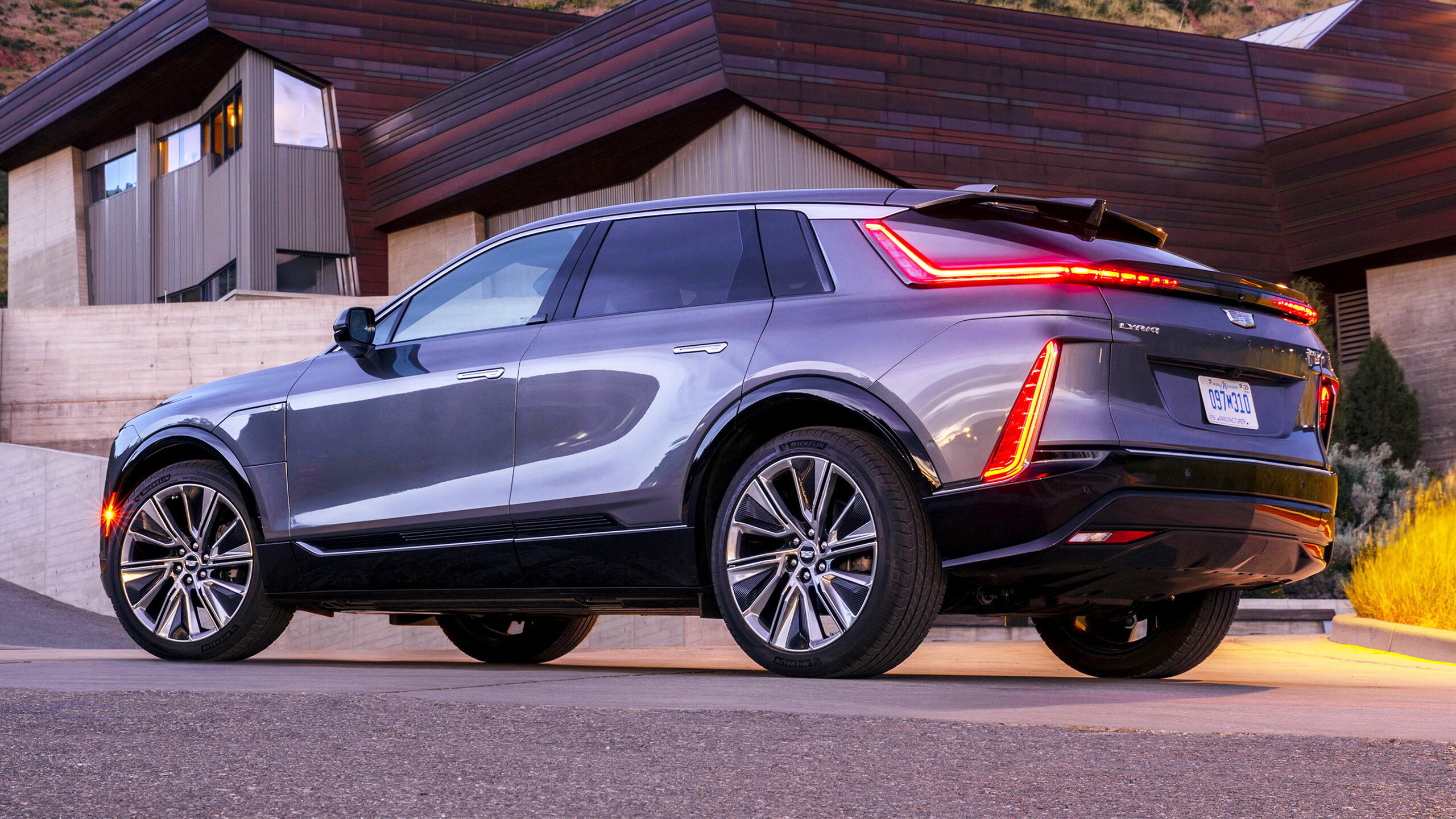
Ford endured an even steeper December slide of 61 percent, while Cadillac enjoyed a rare bright spot thanks to genuinely fresh models, something Tesla badly needs. Rivian and Hyundai also saw declines, underscoring that this was not a one-brand problem, though Rivian does at least have a plan in the form of the smaller R2 SUV that goes on sale this year.

So is that it for EVs? Was it just a brief fad, like fidget spinners? No, analysts expect a slow and steady rebound as automakers trim prices and expand incentives. Charging networks are improving, and some EVs are nearing price parity with comparable gas models. The boom may be over, but the electric story is far from finished.

 EVs Just Did Something In America Not Seen In A Decade
GM

Ford Admits Its EV Division Will Keep Burning Billions For Years

  • Ford’s Model e division lost $4.48 billion again last year.
  • Total EV losses now exceed $16 billion in just four years.
  • Breakeven for Model e may not arrive until 2029.

Ford has never been shy about making big, attention-grabbing bets. Sometimes they pay off, sometimes they don’t. In early 2022, the company announced it was splitting its automaking operations into two distinct branches: Ford Blue, handling traditional combustion vehicles, and Ford Model e, dedicated to EVs. At the time, it sounded like a smart move, especially with EV demand climbing fast.

That optimism, however, hasn’t quite paid off. Fast forward four years, and Ford’s huge investments in EVs have come back to bite it. In its latest financial results, the automaker disclosed that the Model e division posted a staggering $4.48 billion loss in 2025. Worse, those losses are expected to continue mounting, even after canceling several planned EV projects.

Read: Ford Got The Loan And Built The EV Battery Plant. Now Everything’s Falling Apart

Earlier this week, Ford revealed its electric car business will likely lose between $4 billion and $4.5 billion this year, and will continue to lose money through at least 2027 and 2028.

Speaking on a conference call following the earnings report, Ford CFO Sherry House stated the company is not aiming for a breakeven point for the Model e brand until “around 2029.”

Tallying The Fallout

 Ford Admits Its EV Division Will Keep Burning Billions For Years

In the four years since the Model e division was established, Ford lost more than $16 billion. That’s an extraordinary amount of money, particularly when you consider that the only electric cars it currently sells in its home market are the Mustang Mach-E and E-Transit, following the early demise of the F-150 Lightning.

Combustion Still Carries The Load

According to The New York Times, Ford’s losses in electric vehicles were offset last year by stronger performance from its combustion-powered lineup and commercial vehicle sales. Those segments generated enough revenue to support an adjusted earnings total of $6.8 billion before interest and taxes. Ford expects those numbers to climb in 2026, projecting earnings between $8 billion and $10 billion.

Read: Farley Just Realized $55K EV Trucks Don’t Sell, After Ford Made Sure That’s All It Sold

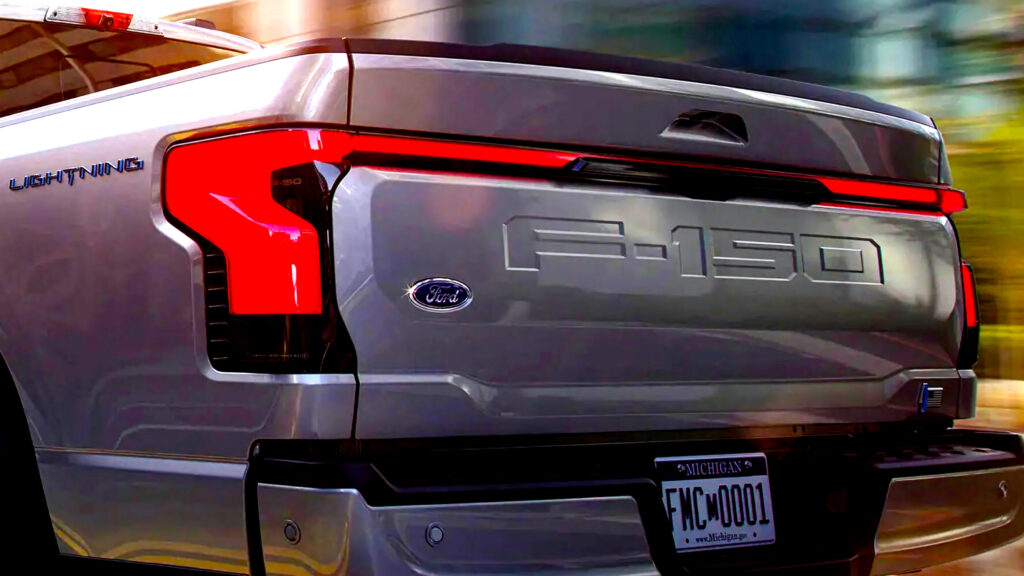
One of the earliest signs of Ford backtracking on EVs came last year when it confirmed production of the F-150 Lightning had been halted indefinitely.

Still, there’s a sliver of hope for those holding out for an electrified truck. The next-generation F-150 Lightning is in the works and will feature a range-extending powertrain that combines electric drive with a combustion engine backup, offering over 700 miles of combined range.

 Ford Admits Its EV Division Will Keep Burning Billions For Years

Wisconsin Supreme Court justices call arguments against minority college grants ‘shocking’

The Wisconsin Supreme Court chambers. (Henry Redman/Wisconsin Examiner)

Liberal members of the Wisconsin Supreme Court said they were “shocked” at the ramifications of the right-wing Wisconsin Institute for Law & Liberty’s arguments against a grant program meant to help prevent minority students from dropping out of technical college. 

The Court on Wednesday held oral arguments in a case that began in a 2021 lawsuit in Jefferson County Circuit Court. The suit alleges that the state’s Minority Undergraduate Retention Grant program, administered by the Higher Education Aids Board, unlawfully discriminates based on race. 

The program, established in the 1980s, provides small-dollar grants to Black, Native American and Hispanic students, as well as Southeast Asians who came to the U.S. from Laos, Cambodia or Vietnam after 1975. On average, members of these groups drop out of school or fail to graduate at substantially higher rates than their peers, the state has argued. 

The program has been a frequent target of Wisconsin Republicans in recent years — especially after the U.S. Supreme Court’s 2023 decision in Students for Fair Admissions v. Harvard, which ended the legality of affirmative action in college admissions. 

The Wisconsin Examiner previously reported that money through the program has largely been used to assist Black students at Milwaukee Area Technical College. 

In a decision last year, the 2nd District Court of Appeals sided with WILL and the taxpayers it is representing, declaring the program unconstitutional. Wisconsin Attorney General Josh Kaul appealed the decision and in November the Supreme Court agreed to hear the case. 

WILL attorney Luke Berg argued Wednesday that any program that targets specific racial groups is unconstitutional — regardless of whether those groups face statistical disparities. 

“I think the worst form of discrimination is discrimination under the law, when the law treats individuals differently based on their race,” Berg said. “I’m not asking the Court to ignore that there are disparities in statistics, and I think we should all be concerned about that. But there are poor white students, there are poor Asian students, there are poor Afghani students, there are poor Palestinian students, there are poor Egyptian students.” 

“It cannot have explicit race discrimination under the law,” he continued later. “It can target racially neutral criteria like poverty, and it can solve those disparities indirectly. Give the scholarship to every student that needs it. If there are more poor Black students, more of them will get that scholarship.”

Several of the Court’s left-leaning justices pushed back on Berg’s comments, questioning how ignoring race-based statistical gaps achieves the 14th Amendment’s promise of equal protection. Justice Jill Karofsky told him, “your argument basically asks us to stick our heads in the sand.” 

Justice Rebecca Dallet noted that in Wisconsin, Black mothers and babies face much higher rates of health issues and under Berg’s legal construction, the state couldn’t do anything to specifically target that problem. 

“If the purpose is to help Black babies live who are not living at the same rate as white babies. How would they do that without mentioning the word Black?” Dallet said.

Berg responded that the state could pass a program that applies to “all babies” because “there are some white babies in the world who might need that program, too, and so you would make the program available to all.” 

“That is shocking, and if that’s what our U.S. Supreme Court wants to say, that is shocking, but I don’t think that that’s what they said in SFFA,” Dallet responded. 

Charlotte Gibson, the Department of Justice attorney arguing on behalf of the HEAB, called the appeals court’s decision “radical” saying that it went further than the U.S. Supreme Court’s ruling to end affirmative action. 

“The court of appeals decision was radical,” Gibson said. “I’m not aware of any court in the country that has come up with a ban this categorical that would impact things like medical research that’s targeted a particular racial group that’s suffering from specific health outcomes. But … that’s exactly what the rule of law they’re looking for would do.”

Berg opened his arguments to the Court saying he believed the justices should dismiss the case and accept the appeals court’s decision. He argued that if the Court sides with the state, an appeal will immediately be filed in federal court. 

“If this court reverses, either on standing or the merits, the next thing that will happen is someone will file this case in federal court, us or somebody else,” Berg said. “It may be a race to the courthouse, because this is, like I said, the lowest of low hanging fruit in terms of federal claims … So what will happen is the taxpayers will pay for this court’s time. The taxpayers will pay for their time to litigate the case again for three to four years. The taxpayers will pay the time [of] federal district court counsel.”

Justices Susan Crawford, Janet Protasiewicz and Dallet objected, saying they took his comments as a “threat.” 

“That is such an inappropriate argument. It is so inappropriate and disrespectful to the state and their program that they are here to argue in front of us, it’s basically a threat to us,” Dallet said.

GET THE MORNING HEADLINES.

Ford Hasn’t Lost This Much Money Since The Great Recession And It’s Not Over

  • Ford had a disappointing 2025 as their bet on EVs backfired.
  • Booked billions in special charges related to failed projects.
  • Tariffs and supplier fires also weighed heavily on the automaker.

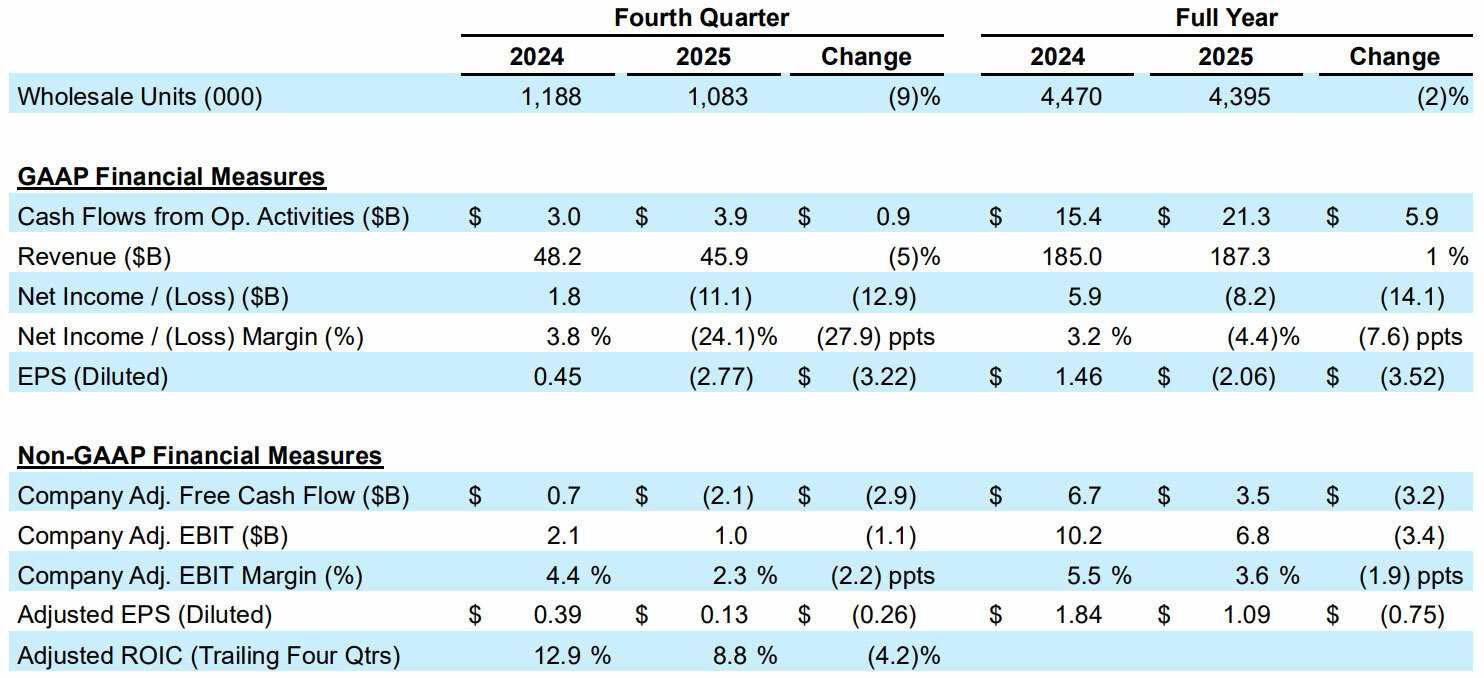
Ford has revealed their fourth quarter and full year 2025 financial results, and they’re a doozy. While officials tried to sugar coat things, there’s no hiding an $8.2 billion net loss for the full year, the company’s largest since the 2008 financial crisis, also known as the Great Recession. This compares to a net profit of $5.9 billion the prior year and it came despite revenues of $187.3 billion.

The company was dragged down by an $11.1 billion net loss in the fourth quarter, as well as lackluster demand for electric vehicles. Ford’s Model e division reported a full-year EBIT loss of $4.8 billion, although they noted it was an improvement compared to 2024.

More: Ford Kills The F-150 Lightning And Proves Ram Had The Right Idea

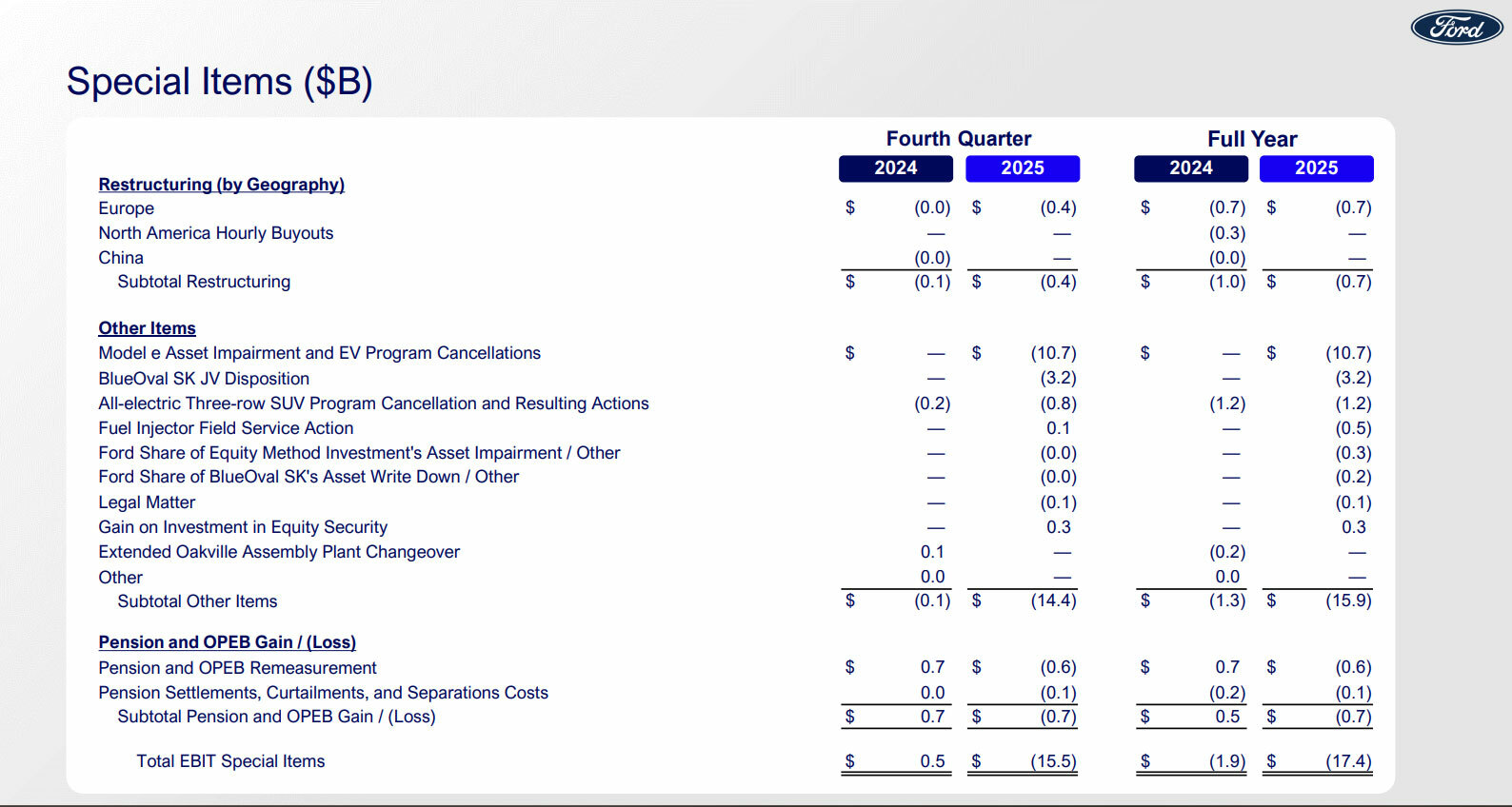
EVs weighed heavily on the automaker last year as they booked a $10.7 billion special charge for “Model e Asset Impairment and EV Program Cancellations.” Another $1.2 billion was wasted on cancelled three-row EVs, while $3.2 billion went to the BlueOval SK joint venture disposition. The company also spent around $500 million on a fuel injector recall.

While EVs were front and center as Ford recently killed the fully electric F-150 Lightning, they weren’t the company’s only problem. Far from it as the automaker got hammered by tariffs as well as fallout from the Novelis fires. The latter impacted supplies of aluminum, which hampered F-150 production.

 Ford Hasn’t Lost This Much Money Since The Great Recession And It’s Not Over

For the year, the company posted an adjusted EBIT of $6.8 billion, which was down from $10.2 billion in 2024. Adjusted earnings per share also fell from $1.84 to $1.09.

CEO Jim Farley said, “Ford delivered a strong 2025 in a dynamic and often volatile environment. We improved our core business and execution, made significant progress in the areas of the business we control – lowering material and warranty costs and making real progress on quality – and made difficult but critical strategic decisions that set us up for a stronger future.”

 Ford Hasn’t Lost This Much Money Since The Great Recession And It’s Not Over

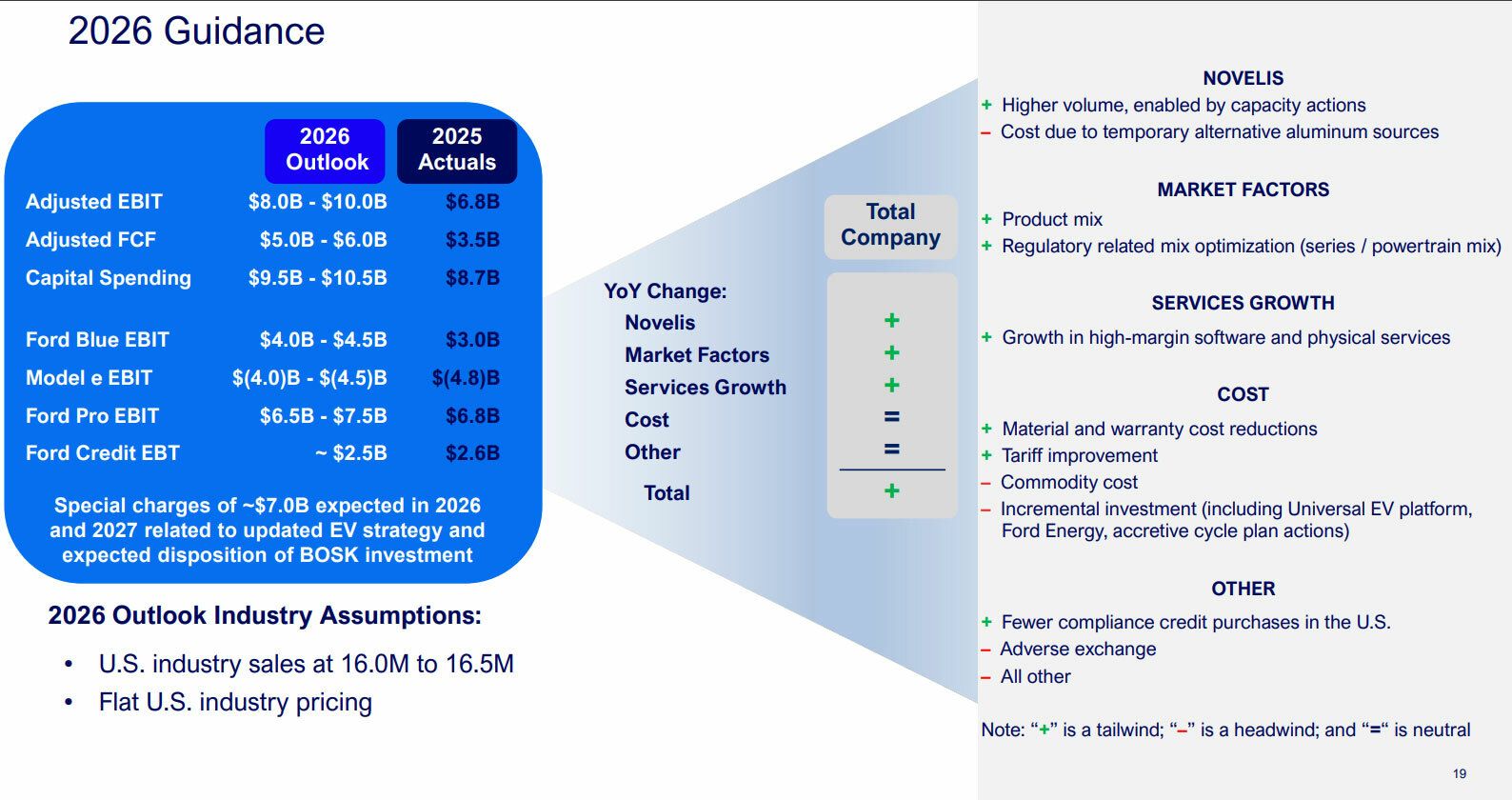
Speaking of which, the company is expecting an adjusted EBIT of between $8 and $10 billion for 2026. The automaker is also expecting to lose $4 to $4.5 billion on Ford e.

On top of that, we can expect special charges of around $7 billion in 2026 and 2027 due to their “updated EV strategy and expected disposition of BOSK [BlueOval SK] investment.”

 Ford Hasn’t Lost This Much Money Since The Great Recession And It’s Not Over

Missing Washers Put A Ford EV At Risk Of Fire

  • Ford has issued two new recalls for the Transit and E-Transit.
  • Both involve missing washers, but are entirely separate.
  • Recalls address slipping engines and a busbar connection.

Ford is already dominating the recall chart and we can add two more campaigns to their early lead. Both of them involve the Transit and one is hot stuff.

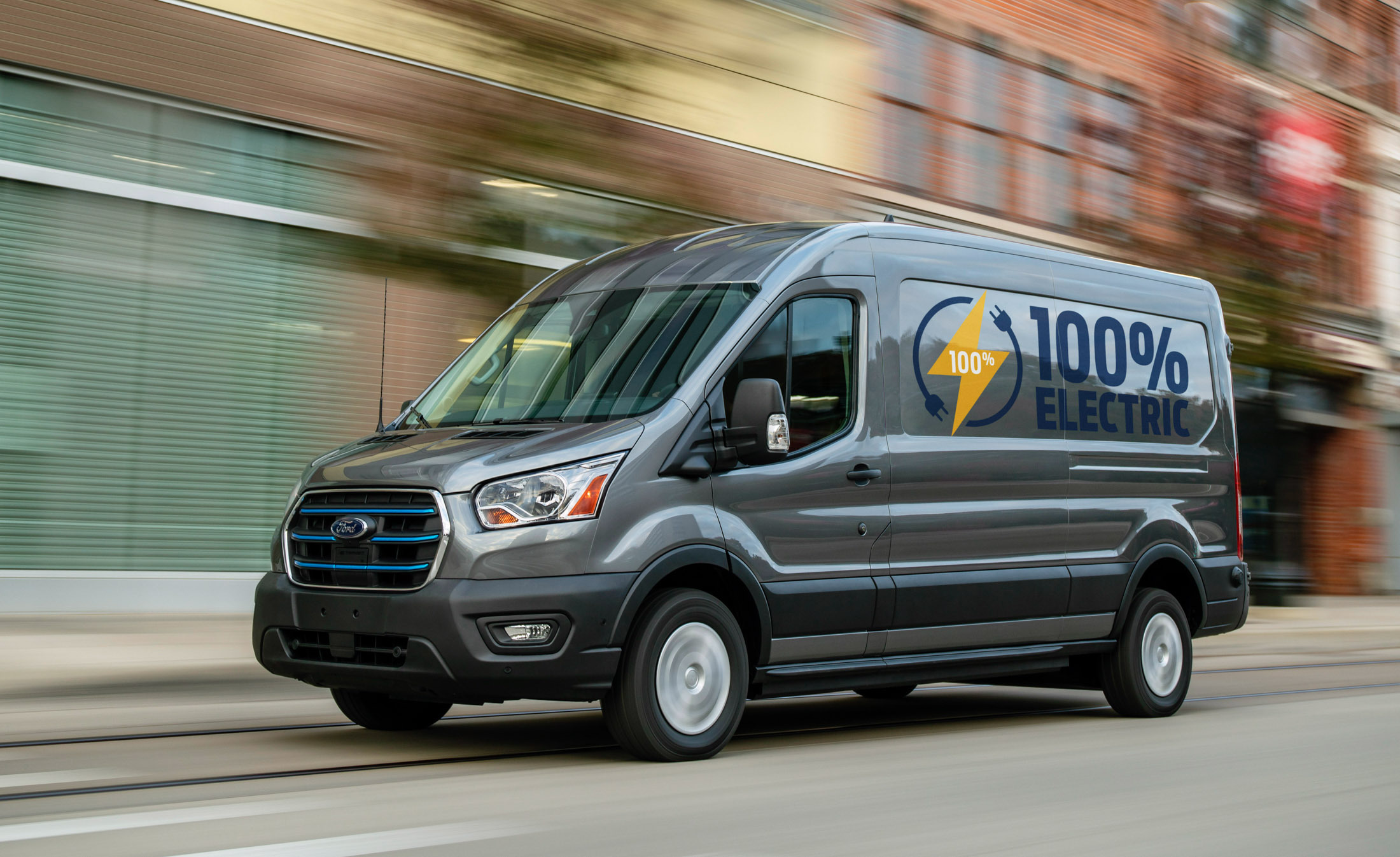
As you may have guessed, it involves a fire risk on the 2026 E-Transit. The van’s high-voltage battery pack could be missing washers, which can “cause high electrical resistance or electrical arcing.” This increases the risk of a fire as well as the potential for a loss of propulsion.

More: Ford’s Work Van Just Got A Lot Smarter, But You’ll Pay The Price For 2026

98 vehicles are impacted and the issue was traced back to missing washers on bolts used to secure busbar connections in the battery pack. Ford became aware of the issue last November, when a worker noticed two bolts were missing conical washers.

 Missing Washers Put A Ford EV At Risk Of Fire

This kicked off an investigation, which eventually blamed the problem on a supplier sorting error that failed to detect the absence of washers during production. Thankfully, this appears to have been a rare oversight as Ford isn’t aware of any field reports and believes just 1 percent of the recall population is impacted, which equates to one van.

However, it’s better to be safe than sorry, so dealers will inspect and replace the busbar fasteners as needed. If there’s a bigger issue, technicians will replace the entire busbar.

Loose Engine Crossmembers

 Missing Washers Put A Ford EV At Risk Of Fire

The second recall involves 1,403 Transit vans from the 2023 and 2024 model years. These vehicles have engine crossmembers that may not have been properly secured, which means the engine can shift and, potentially, result in brake failure or a loss of drive power.

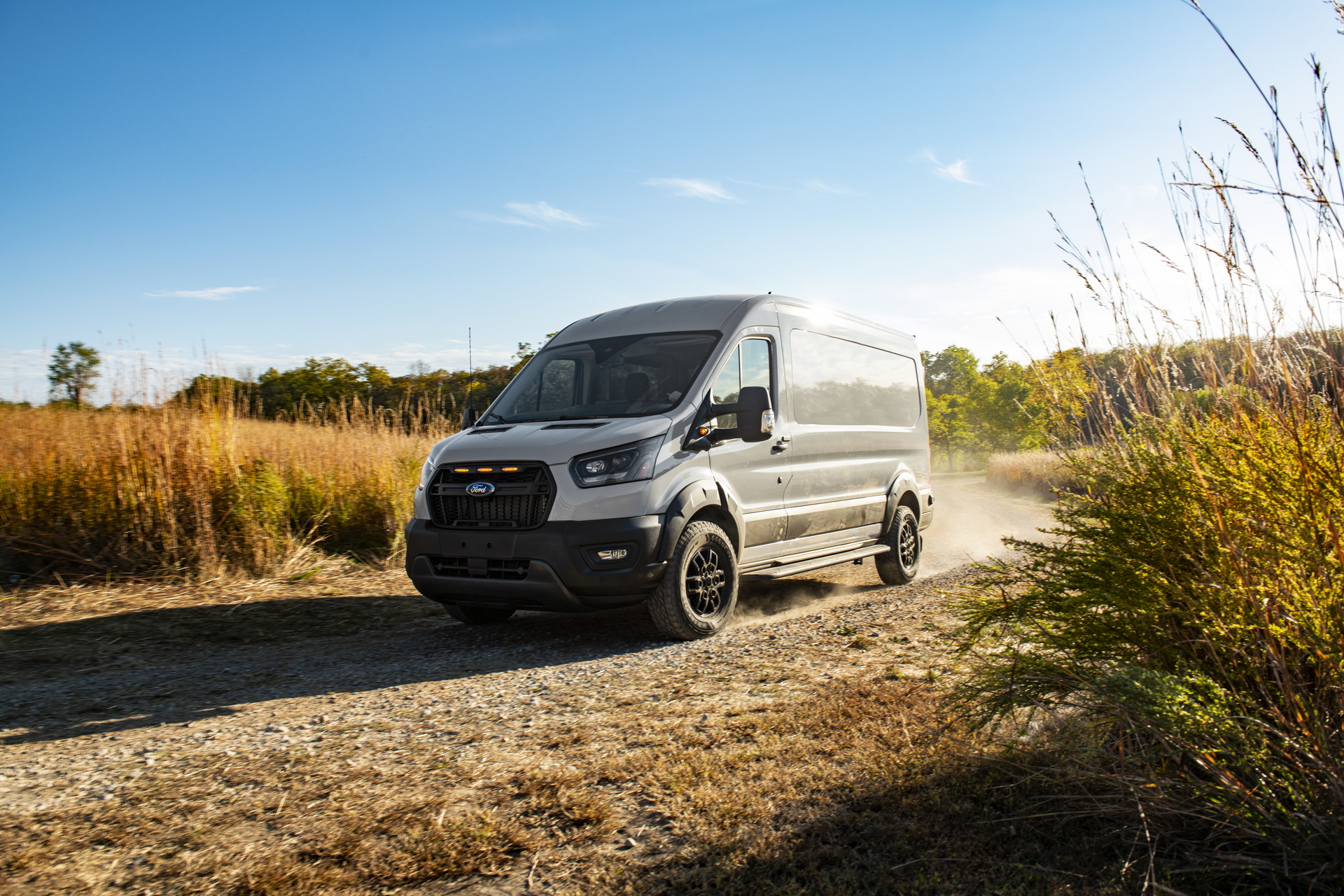
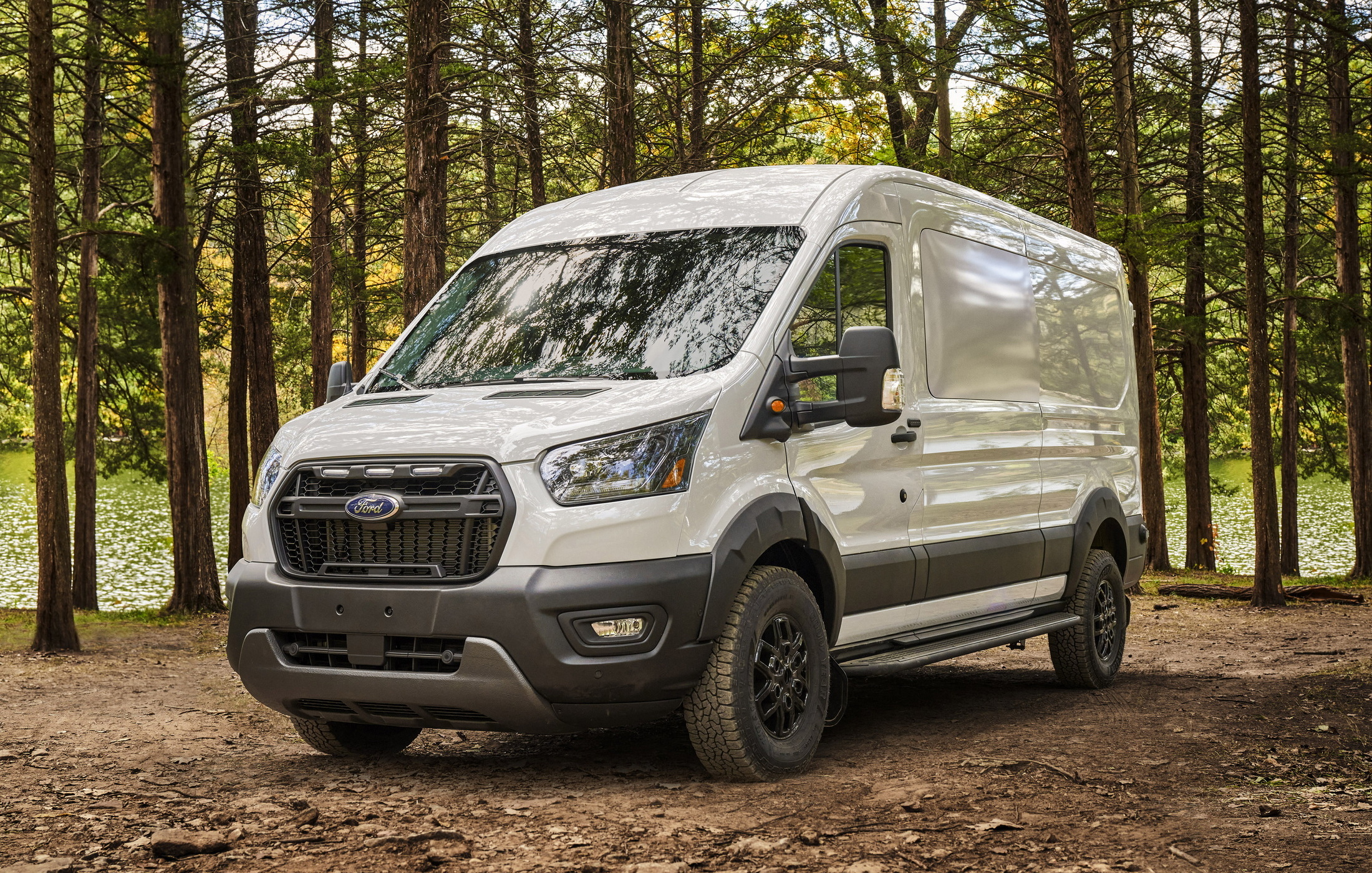
The models were equipped with the off-road focused Trail package and the government says fasteners used to secure the engine crossmember to the vehicle body may not have included a washer. This can result in joint failure over time, causing the engine to slip out of position.

 Missing Washers Put A Ford EV At Risk Of Fire

Last summer, Ford learned the Transit Trail modifier used substitute bolts that may not have included washers. This hadn’t been validated, so the automaker ran a series of tests to examine the possible implications. These “confirmed engine slip and loss of clamp load on assemblies with no washers.”

No problems have been reported and 1.1 percent of the vehicles are believed to be missing washers. Notification letters will go out later this month and dealers will replace the crossmember fasteners.

 Missing Washers Put A Ford EV At Risk Of Fire

Ford Confirms Five New Affordable Models, And One Is Cheaper Than You Think

  • Ford will debut five new models under $40k before 2030.
  • They’ll be SUVs, trucks and cars with mix of powertrain types.
  • First affordable model is $30,000 electric truck coming ’27.

The average new car now stands at $50k, and that’s a stretch too far for many American drivers, who in some case have drifted to used lots and rival brands. But Ford wants to throw them a lifeline, well, actually five lifelines, promising a wave of sub-$40,000 vehicles before the end of the decade.

Ford executives told retailers at this week’s NADA Show meeting that five new models priced under $40k will join the lineup by the end of the decade, Automotive News reports. That is not just one bargain hero car, but a whole lineup.

Related: Ford Just Killed A Popular SUV And Dealers Are Not Happy

The first arrival is one we already know about, a midsize electric pickup coming next year, a truck dealers are already buzzing about. Previous reports suggest it could land around the $30k mark, which in today’s market qualifies as almost suspiciously affordable and could leave startup Slate’s electric truck dead in the water.

Cross-Segment

But Ford’s plans go far beyond one electric truck. Andrew Frick, who heads up Ford Blue and Model e, told Auto News the new products will span cars, trucks, SUVs, and vans with a mix of powertrains. These will be brand new nameplates, not just cheaper versions of existing models.

 Ford Confirms Five New Affordable Models, And One Is Cheaper Than You Think

“It will be across our lineup of cars, trucks, SUVs, vans, and it will be multi-energy,” Frick said. “That’ll start to fill in the product side, but we have work to do to help affordability in the near term more tactically.”

That sounds great, but dealers still have some short term pain to manage.

Short-term Gap

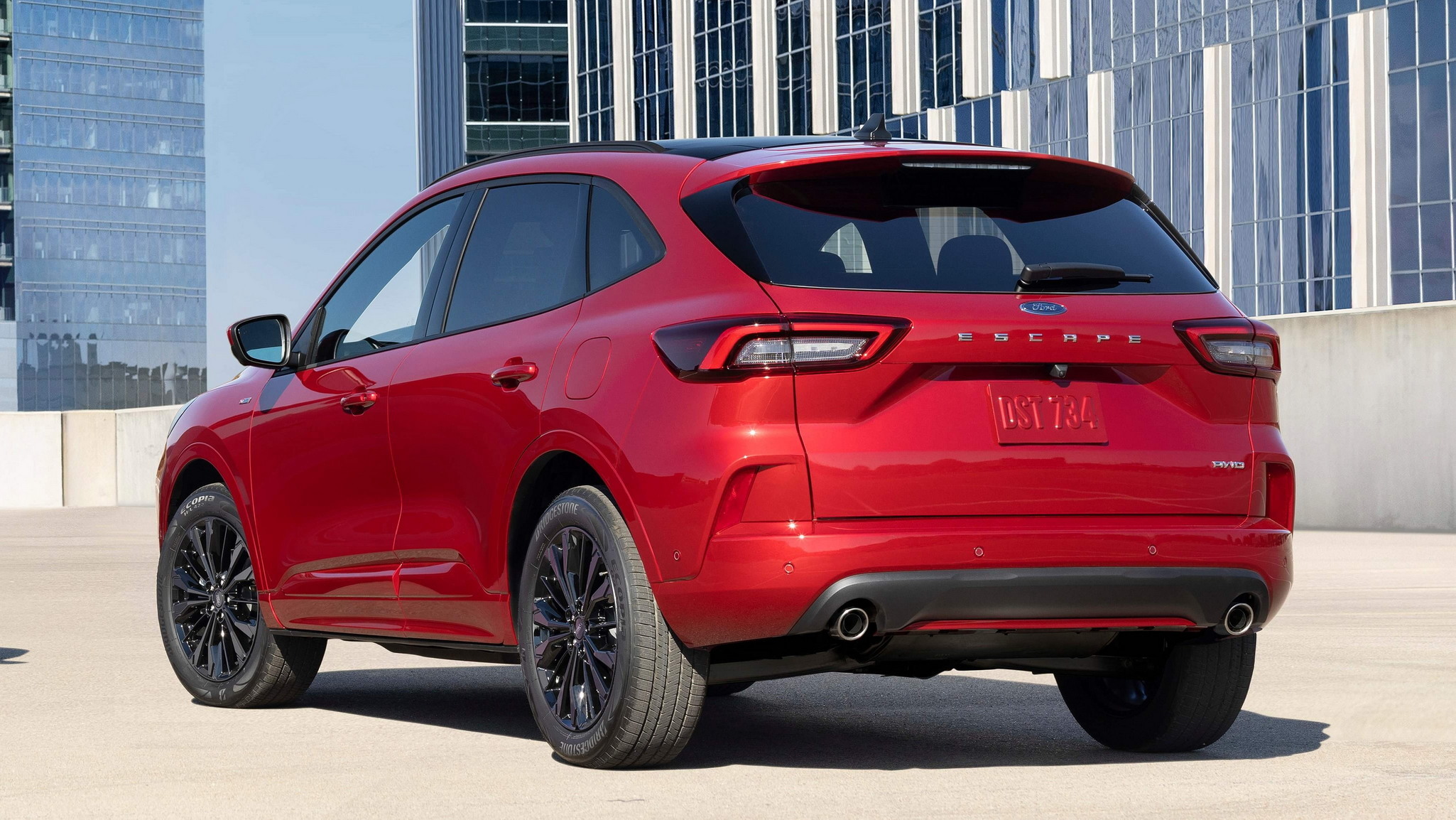
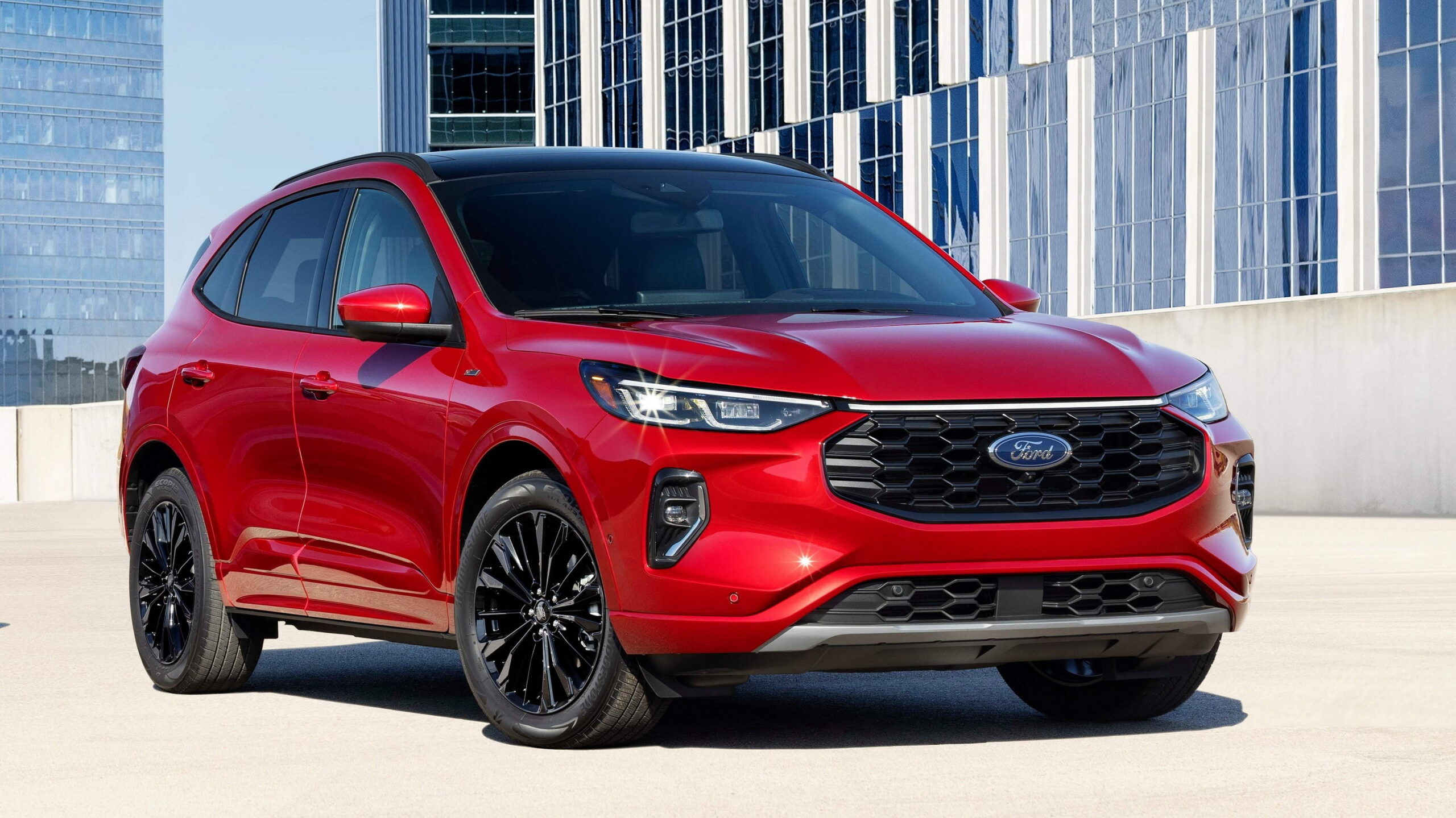
A big hole in the lineup is centered around the Escape (pictured below). Ford stopped building its entry level crossover in December, and although dealers still have stock to sell, at some point this year they’ll be left with a gap right where many first time and budget focused buyers used to land.

“We understand we’ll be selling Escape into this year, but at some point we’ll run out,” Frick explained. “That does not mean we cannot continue to drive profitable growth through the nameplates we have.”

 Ford Confirms Five New Affordable Models, And One Is Cheaper Than You Think

Dealers have been clear they would love a proper replacement, and while they are dreaming, maybe even an affordable sedan too.

In the meantime, Ford plans to push more entry level trims of models like Explorer and Bronco, lean harder on certified pre owned cars, and offer longer loans and first-time buyer programs. Frick told said there are about 10 separate actions in motion to tackle affordability, so the next time you head down to your Ford dealer, don’t be afraid to bargain hard.

 Ford Confirms Five New Affordable Models, And One Is Cheaper Than You Think
Ford

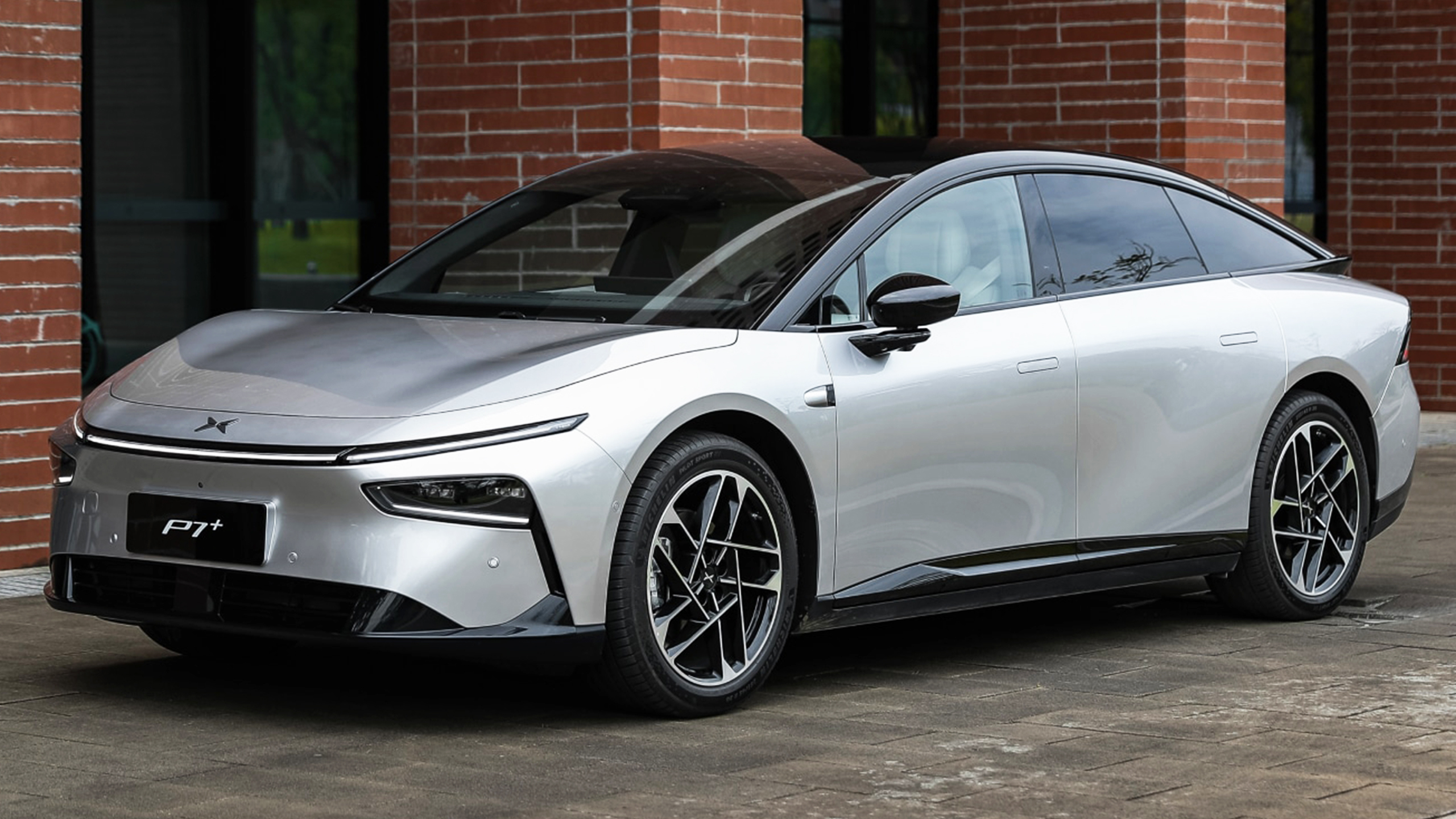
Even The Rumor Of This EV Deal With Ford Had Congress Fuming

  • A rumored Ford-Xiaomi EV deal quickly drew national attention.
  • Both companies denied plans for any US-based collaboration.
  • Lawmakers quickly criticized idea despite both sides denying.

The global EV race has reached a point where even rumors can travel fast and land hard, and this week provided a clear example. Xiaomi and Ford have both denied a report that they are in talks to jointly manufacture new electric vehicles in the United States, pushing back against a surprise claim that the two companies were exploring a shared path forward.

The story, published over the weekend by The Financial Times and attributed to four people familiar with the matter, alleged that Ford had held discussions with Xiaomi about forming a joint venture to build future EVs on American soil. It also claimed Ford has spoken with other Chinese automakers about possible US-based collaborations, including BYD.

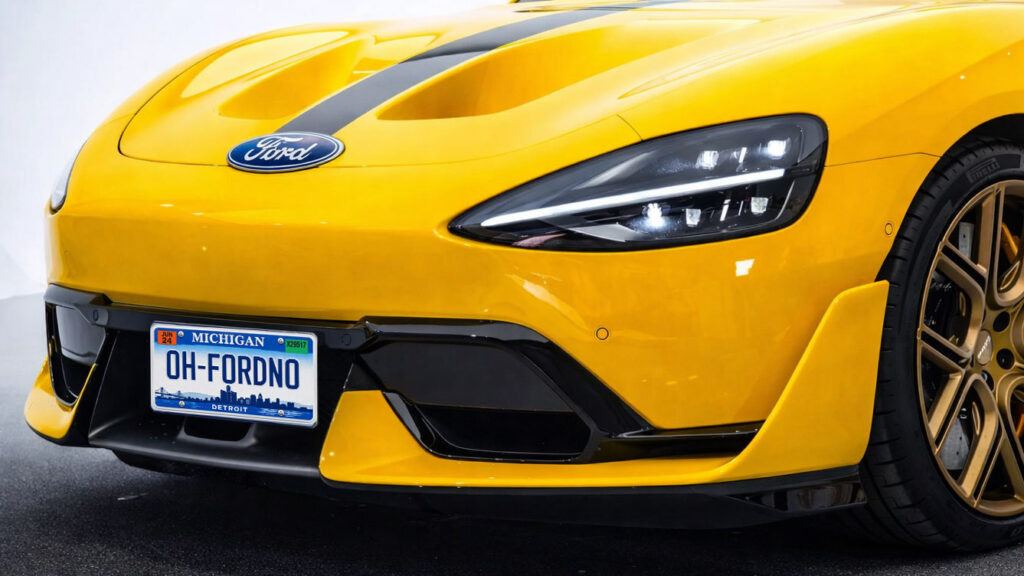
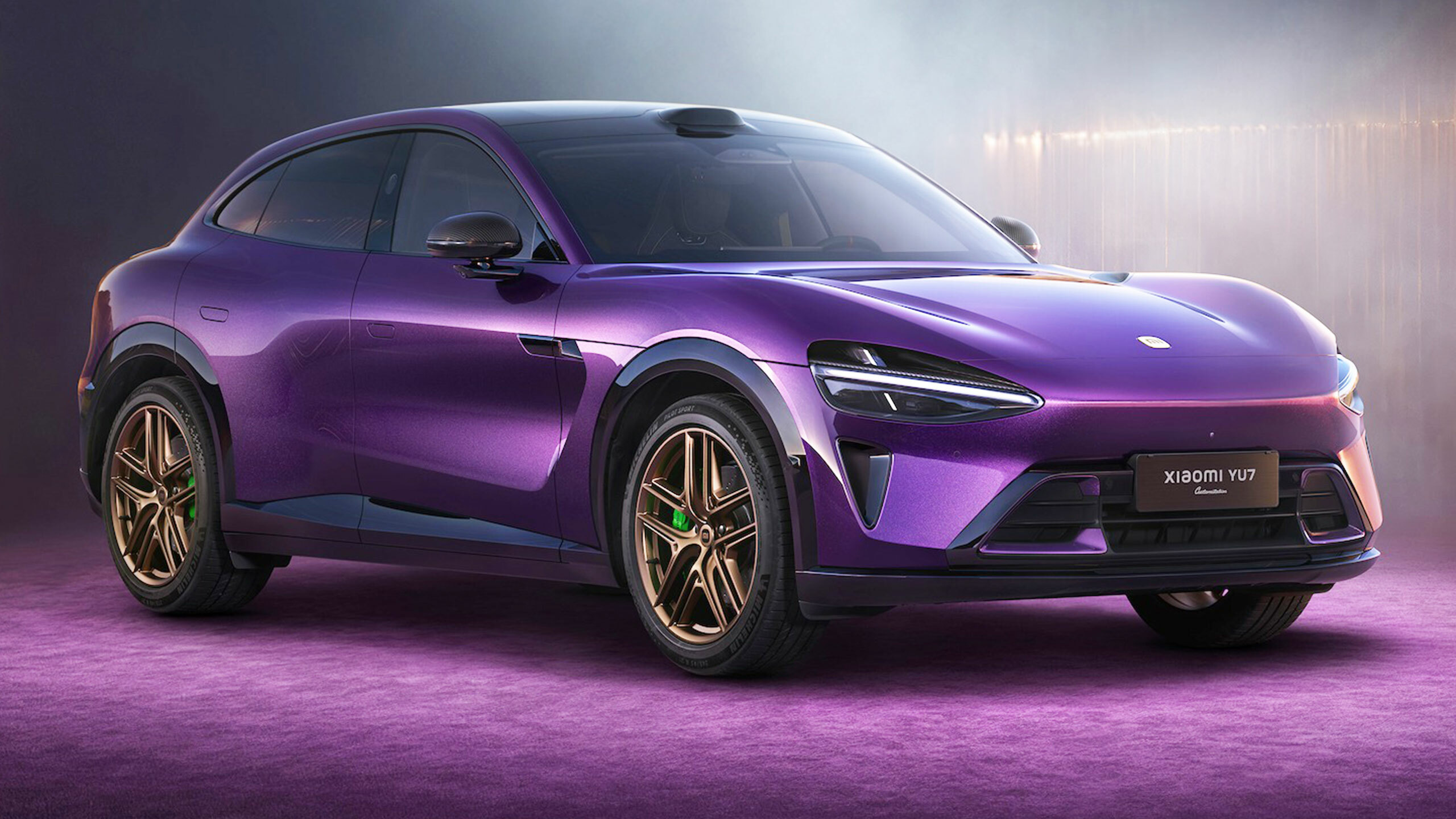
Read: Ford’s CEO Is Daily Driving A Xiaomi SU7 EV And Loving It

Adding weight to the speculation, Ford chief executive Jim Farley has been openly complimentary about Chinese EVs in recent years, with particular praise reserved for the Xiaomi SU7. His remarks, along with his personal use of the car, have fueled curiosity about how closely Detroit is watching developments in China’s EV market.

Both Sides Say No

However, shortly after the report was published, Ford pushed back, stating, “This story is completely false,” and adding, “There is no truth to it.” Xiaomi also denied any plans to collaborate with Ford on building EVs in the US.

 Even The Rumor Of This EV Deal With Ford Had Congress Fuming

“Reports that Xiaomi is discussing a joint venture with Ford Motor Co are false. Xiaomi does not sell its products and services in the United States and is not negotiating to do so,” the Chinese company said.

Would the U.S. Even Allow It?

Even the idea of such a deal is politically volatile. Any partnership between an American automaker and a Chinese firm would likely face immediate scrutiny in Washington.

Speaking to the Financial Times, Representative John Moolenaar, the Republican chair of the House China committee, said a Ford-Xiaomi deal would amount to “turning its back on American and allied partners, and it will make our country further dependent on China.”

 Even The Rumor Of This EV Deal With Ford Had Congress Fuming

Current federal policy makes the prospect even more unlikely. The Biden administration recently finalized rules that effectively block Chinese EVs from entering the U.S. market, citing national security risks.

Surprisingly, President Donald Trump has taken a more nuanced stance. While still critical of China on trade, he has said he’d support Chinese companies building factories in the U.S. and employing American workers.

“If they want to come in and build a plant and hire you and hire your friends and your neighbors, that’s great, I love that,” Trump said. “Let China come in.”

 Even The Rumor Of This EV Deal With Ford Had Congress Fuming

Ford Made Its VW-Based EVs Better, But Still Can’t Fix The Real Problem

  • Ford updates Explorer and Capri with new battery chemistry.
  • 52 kWh LFP battery adds up to 70 km (52 miles) of extra range.
  • Output climbs to 187 hp with an 8.0-second 0–100 km/h time.

Sluggish demand is putting pressure on Ford’s European EV strategy, as two of its newest models struggle to gain traction. The Explorer and Capri have fallen short of sales expectations across the region, prompting the company to scale back shifts and lay off workers at its Cologne factory in Germany.

To rekindle buyer interest in its VW-based EVs, Ford has upgraded the Standard Range versions with added power and extended driving range.

More: The Ford Explorer Just Got A Makeover You Won’t See In America

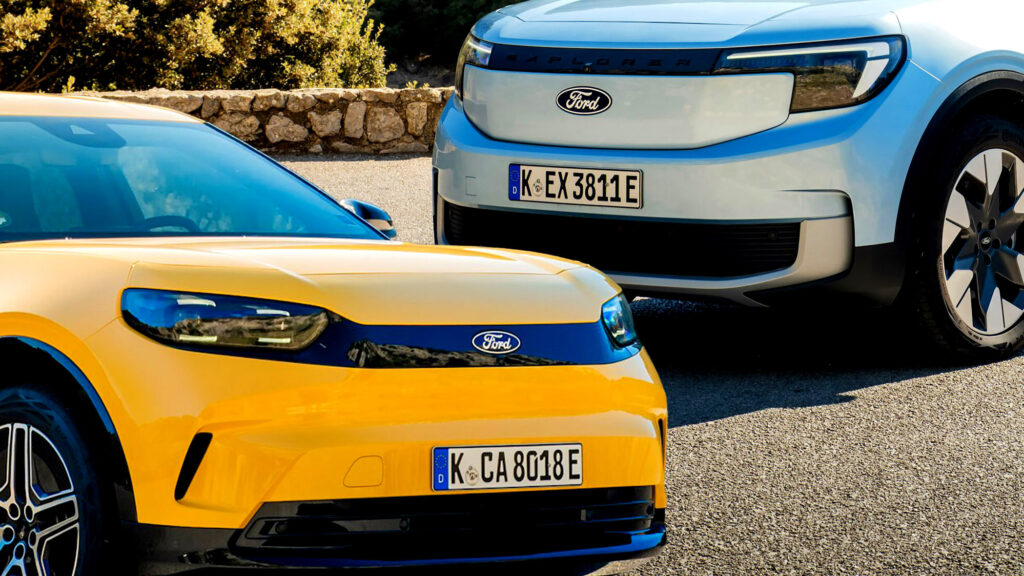
The 2026 Ford Explorer and Capri Standard Range look the same as before, but benefit from hardware upgrades under the skin. The 52 kWh battery has the same capacity but now features lithium iron phosphate technology, unlocking more range.

According to Ford, the WLTP range figures have been increased by up to 70 km (52 miles). More specifically, the Explorer can travel 444 km (276 miles) between charges, and the more aerodynamic Capri has a range of 464 km (288 miles).

\\\\\

Acceleration Gets a Modest Bump

Furthermore, the rear-mounted electric motor is now making 187 hp (140 kW / 190 PS) and 350 Nm (258 lb-ft) of torque. This represents an increase of 20 hp (15 kW) and 40 Nm (30 lb-ft) compared to the outgoing Standard Range models, allowing the 0-100 km/h (0-62 mph) sprint to be completed in 8 seconds flat (-0.7 seconds).

More: VW’s Killing The ID.4 To Bring Back A Familiar Name

Those suffering from range anxiety can still get the Extended Range RWD, which comes with a bigger 77 kWh battery and a more powerful 282 hp (210 kW / 286 PS) motor, or the flagship Extender Range AWD with a 79 kWh battery and dual motors producing 335 hp (250 kW / 340 PS).

 Ford Made Its VW-Based EVs Better, But Still Can’t Fix The Real Problem

The Ford Explorer was introduced in 2023, followed by the Capri in 2024. Both models are produced at the Cologne Electric Vehicle Center in Germany, following a multi-billion-dollar investment to convert the historic Fiesta plant into an EV hub.

Ford has yet to announce pricing for the updated EVs. In Germany, the current Explorer and Capri start from €39,900 ($47,600) and €42,400 ($50,700) respectively. It remains to be seen whether the improved specs will lead to increased customer demand.

What’s Going on With the Competition?

Meanwhile, over at Volkswagen, the German brand is preparing to replace the ID.4 with a refreshed model named ID. Tiguan, while quietly retiring the ID.5.

Ford’s rivals in the segment continue to grow, with the list including the Skoda Enyaq, Renault Scenic E-Tech, Nissan Ariya, Kia EV6, Hyundai Ioniq 5, Peugeot E-3008, Opel Grandland Electric, Citroen e-C5 Aircross, Jeep Compass Electric, and the ever-present Tesla Model Y

\\\\\

Ford

Tesla’s Chinese Nemesis May Supply Ford With Batteries

  • Ford is reportedly in early talks to source batteries from BYD.
  • Move follows Ford canceling projects and taking a $19.5B charge.
  • BYD has rapidly expanded battery production beyond China.

Ford may be pulling back on its EV spending, but it isn’t walking away from electrification. Instead, the company may be taking a different approach, and that path could lead through China. Specifically, Ford is reportedly in early talks with BYD, the Chinese automaker that recently overtook Tesla as the world’s top EV producer, to source batteries for its next hybrid models.

According to a report from the Wall Street Journal citing sources familiar with the discussions, nothing is finalized, and a deal may not materialize. But if it does, one idea under consideration is for Ford to begin importing BYD batteries for use in its factories outside the United States.

Read: Hold Your Horses, Ford Might Be Working On A Hybrid Pony Car

In response to the report, Ford didn’t confirm or deny the potential partnership. “We talk to lots of companies about many things,” the company told the newspaper. That kind of non-denial tends to say a lot without saying much at all.

BYD, while primarily known for its battery manufacturing in China, has been expanding its footprint globally, building production capacity in Brazil, Europe, and Southeast Asia.

Why BYD Might Be the Answer

 Tesla’s Chinese Nemesis May Supply Ford With Batteries

The timing of these talks aligns with a major pivot inside Ford. The company recently took a $19.5 billion write-down after scaling back several electric vehicle initiatives, including high-profile battery joint ventures with South Korean firms SK On and LG Energy Solution. Alongside a renewed emphasis on internal combustion models, Ford plans to grow its hybrid lineup, an area where BYD already excels.

The Chinese company is one of the world’s largest producers of hybrid vehicles and battery packs for cars. Instead of launching new factories or reviving shelved partnerships, Ford might simply buy batteries directly, streamlining its supply chain as it targets a goal of having hybrids, plug-in hybrids, and EVs make up half of its global sales by 2030.

Will Washington Push Back on a BYD Deal?

 Tesla’s Chinese Nemesis May Supply Ford With Batteries

Any such deal is unlikely to go over well with the Trump administration. Shortly after reports surfaced that Ford was speaking with BYD, top Trump trade advisor Peter Navarro hit out at the plan.

“So Ford wants to simultaneously prop up a Chinese competitor’s supply chain and make it more vulnerable to that same supply chain extortion?,” he wrote on X. “What could go wrong here?”

Meanwhile, Donald Trump took a different tack. Speaking to reporters in Detroit, the president said he welcomed foreign firms, including those from China and Japan, setting up shop in the States, as long as they employed American workers.

“You know, those tariffs are keeping the foreign autoworkers. Now, if they want to come in and build the plant and hire you and hire your friends and your neighbors, that’s great. I love that,” said Trump. ” Let China come in. Let Japan come in. They are. And they’ll be building plants, but they’re using our labor.

 Tesla’s Chinese Nemesis May Supply Ford With Batteries
❌