❌

Normal view

There are new articles available, click to refresh the page.
Before yesterdayVehicles

BYD’s Atto 8 Charges In Less Time Than You’ll Spend Scrolling Netflix Tonight

  • BYD’s electric Atto SUV charges faster than any rival – with the right charger.
  • The 115-kWh Blade battery can charge from 10% to 70% in five minutes.
  • Most potent version makes 764 hp and gives a 374-mile WLTP electric range.

Fast electric SUVs are nothing new. But BYD’s new Atto 8 is fast in a straight line and at the charging station. You might even spend less time topping up the battery than you would pumping gas into a combustion SUV and paying for it.

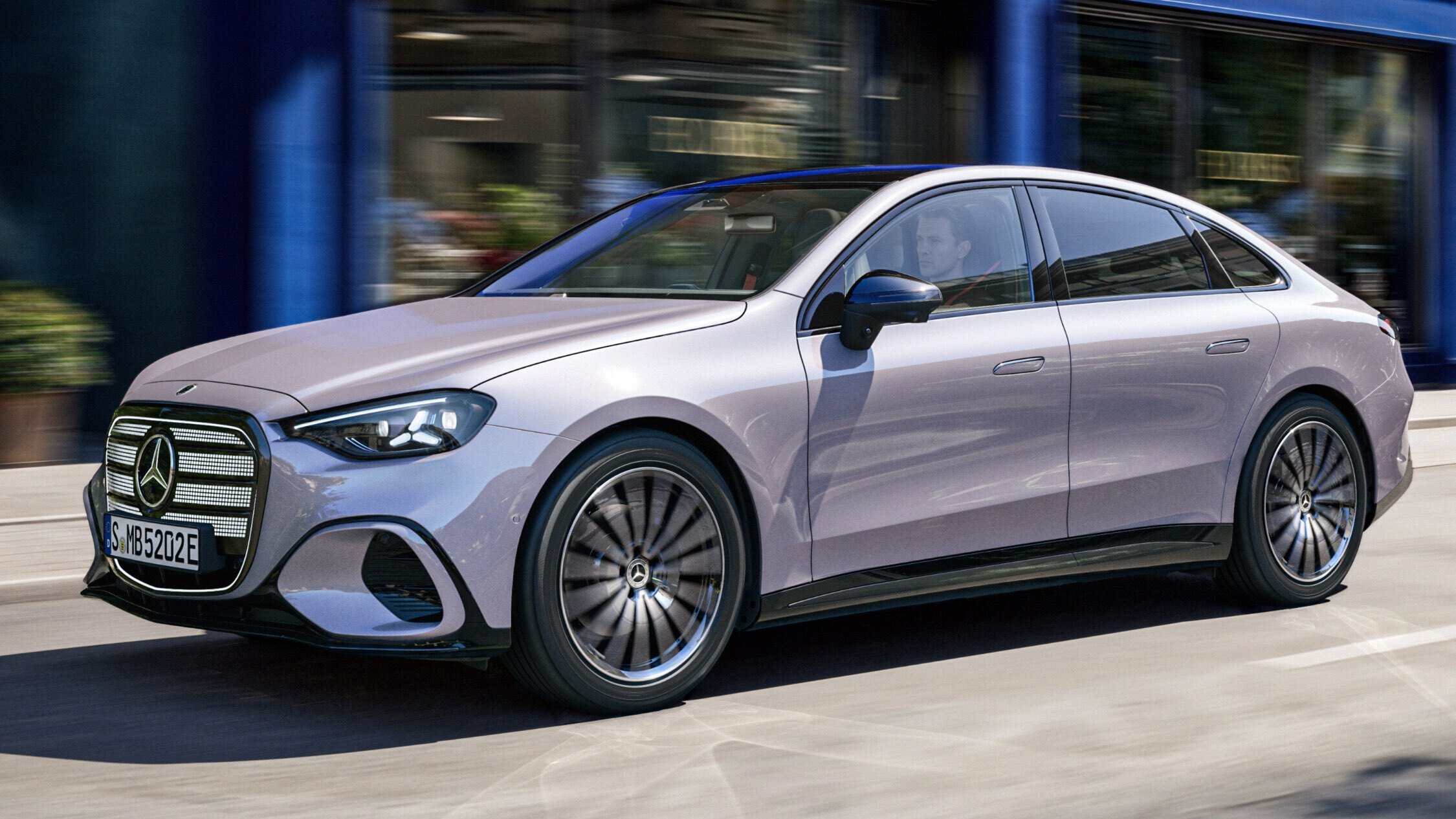
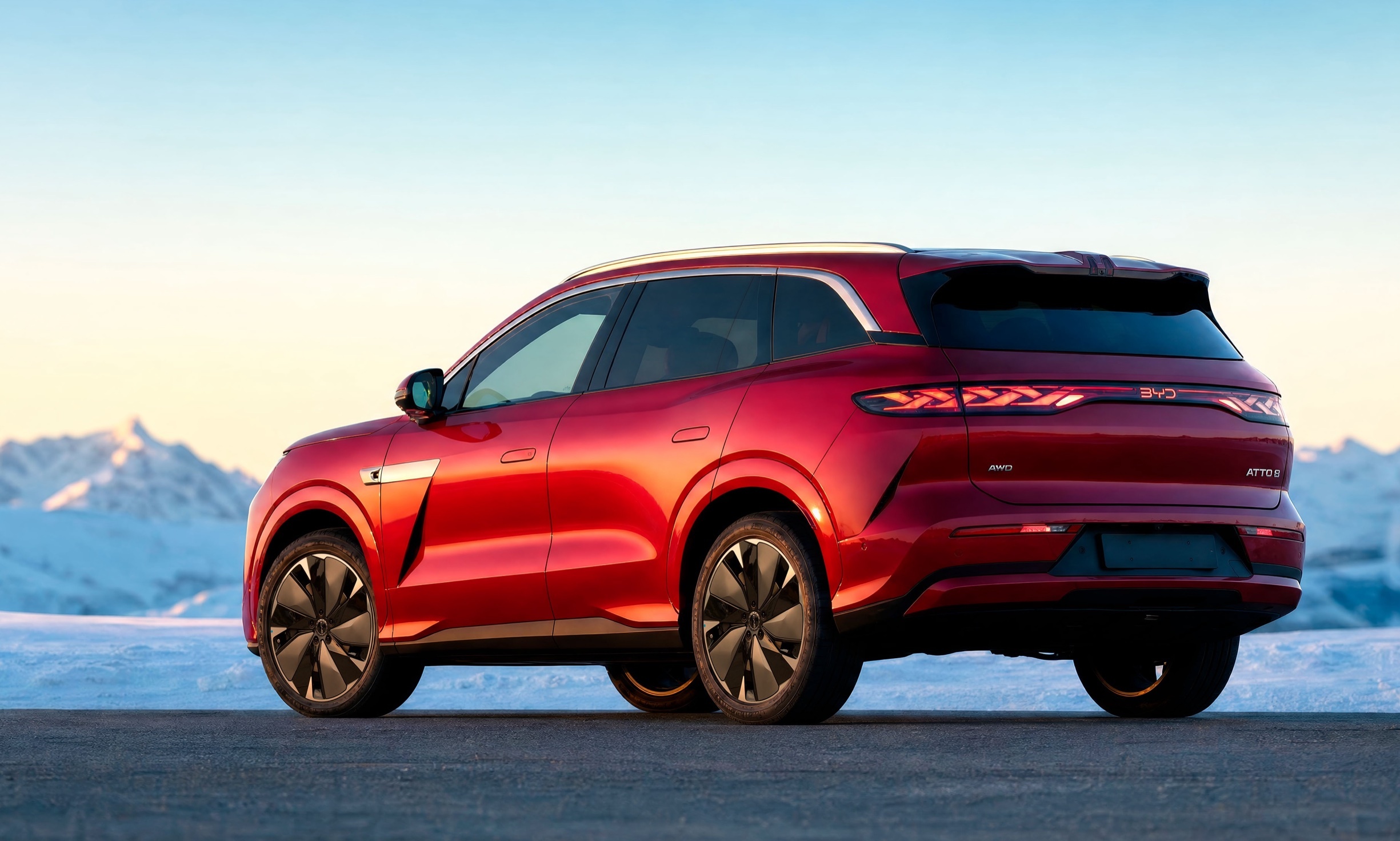
The Atto 8 made its European debut at this week’s Paris Motor Show, and on the stand, it doesn’t look particularly groundbreaking. Sure, it’s BYD’s first three-row vehicle for Europe, where it will take on the new Skodq Peaq. But the design, a predictable mashup of existing BYD styling cues, is entirely forgettable.

Review: The BYD Seal 6 Is A Perfectly Adequate EV Sedan, But That’s About It

It’s a different story under the skin. The Atto 8 is powered by BYD’s second generation Blade battery, and the generous 115 kWh capacity is actually the least interesting thing about it. Because the real story is the Atto 8’s ability to charge that huge battery from 10-97 percent full in only nine minutes.

And you can cut that almost in half by settling on a 10% to 70% fill, pulling the plug before the charge rate slows for the final push. Even in chilly (-30 C) weather, a 20-97 percent charge is done in 12 minutes. That compares with a 10% to 80% fill time of 28 minutes for the new Skoda Peaq.

BYD’s Flash Charging technology makes those feats possible, but only if you can find a Flash charger. The automaker is still building the infrastructure, so they’re few and far between right now, although BYD says 3,000 Flash stations will be live across Europe by the end of 2027.

Choose 456 HP Or 764 HP
 BYD’s Atto 8 Charges In Less Time Than You’ll Spend Scrolling Netflix Tonight

Both versions of the 198-inch (5 m) SUV get the same battery and charging capabilities, but not the same powertrain. The entry level Design comes with a 456 hp (462 PS / 340 kW) electric motor and rear-wheel drive. That might sound like a solid number of horses, but the weight of the huge battery means zero to 62 mph takes a leisurely 8 seconds.

Atto 8 Excellence adds a second motor, boosting overall output to 764 hp (775 PS / 570 kW), and chopping the sprint time to 4.6 seconds. But it also chops the available range. The RWD 8 can over a respectable 405 miles (652 km) on a fill, and the dual-motor SUV, a less impressive 374 miles (602 km).

26-Inch Head-Up Display
 BYD’s Atto 8 Charges In Less Time Than You’ll Spend Scrolling Netflix Tonight

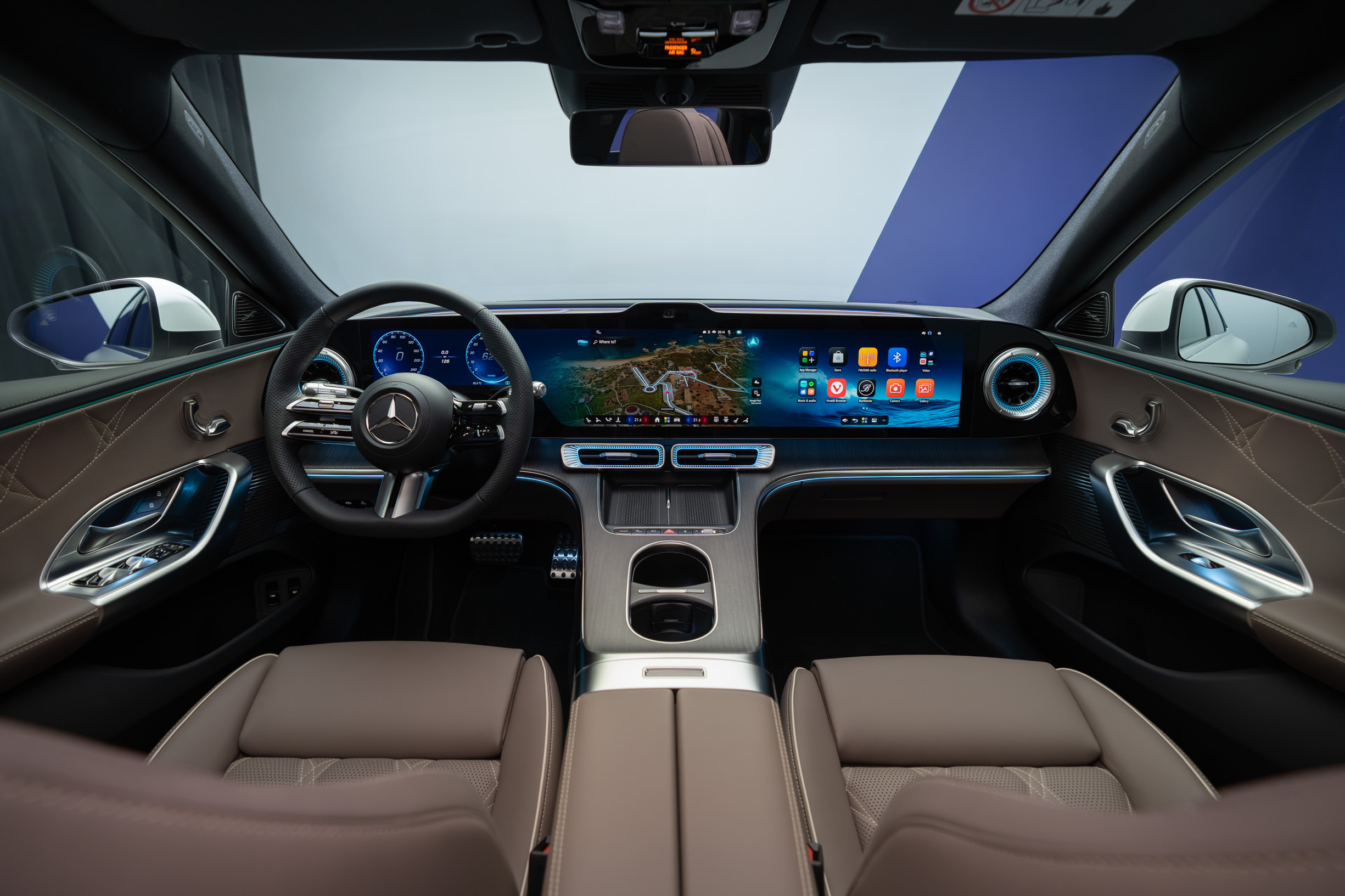
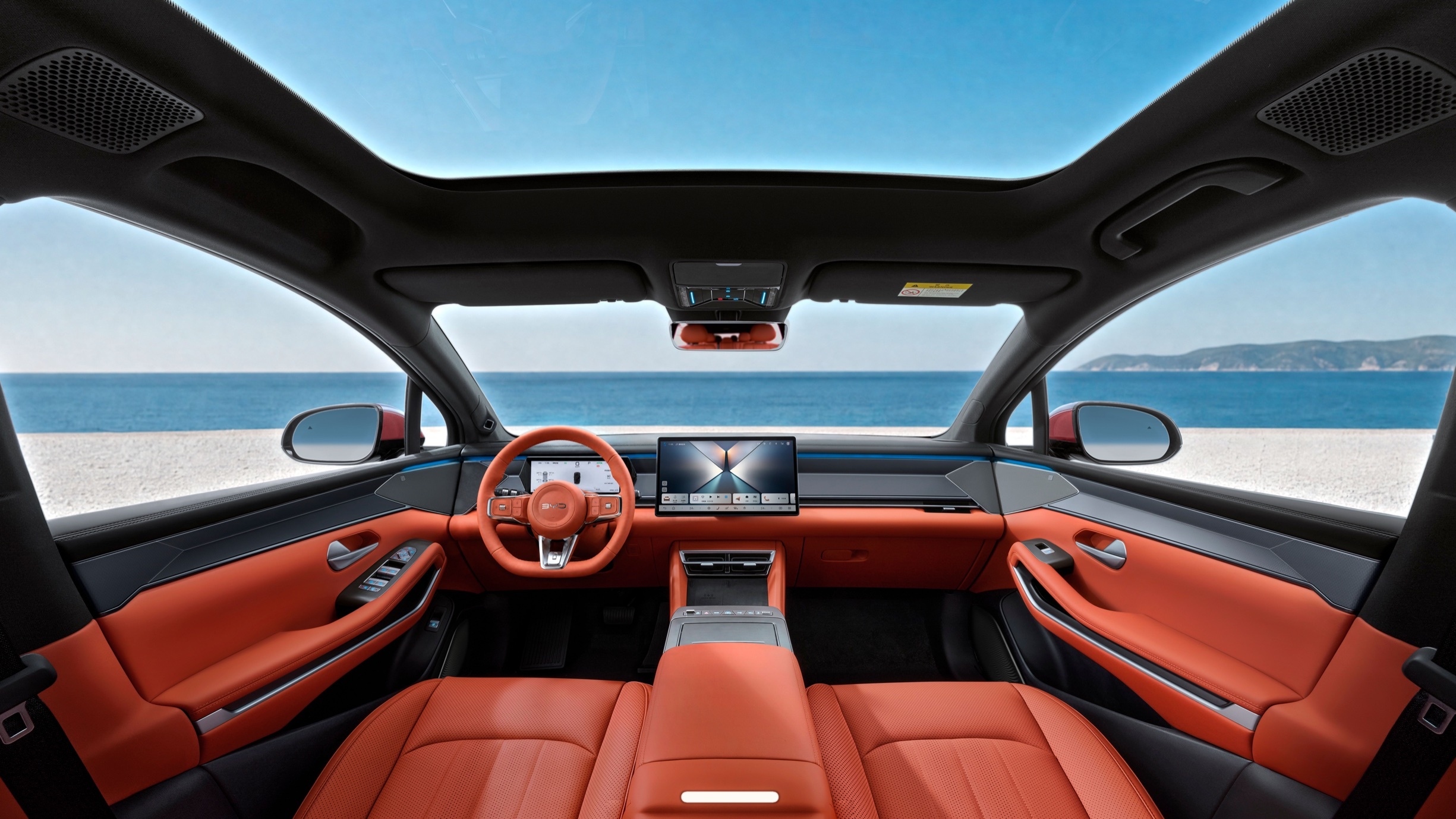
The Atto 8’s flagship status in BYD’s lineup means it comes loaded with standard equipment, including a panoramic glass roof, a 26-inch head-up display, and heating, ventilation and massage functions for both the front seats, and the outer pair in the middle row. Both models get dual 50W smartphone chargers, and Excellence models attempt to justify their name with a refrigerator.

Will it also be excellent value? We’ll find out later this year, closer to the spring 2027 on-sale date, by which time BYD might have plumbed in a few more Flash chargers.
\\\\\

BYD

Leapmotor’s Fast, Affordable B03 Lands In Europe, And VW And Renault Should Be Worried

  • Leapmotor is taking on the VW ID. Polo with the B03 subcompact electric hatch.
  • A 191 hp motor driving the front wheels pulls it to 62 mph in just 7.6 seconds.
  • The 54 kWh battery provides a WLTP range of 242 miles and V2L functionality.

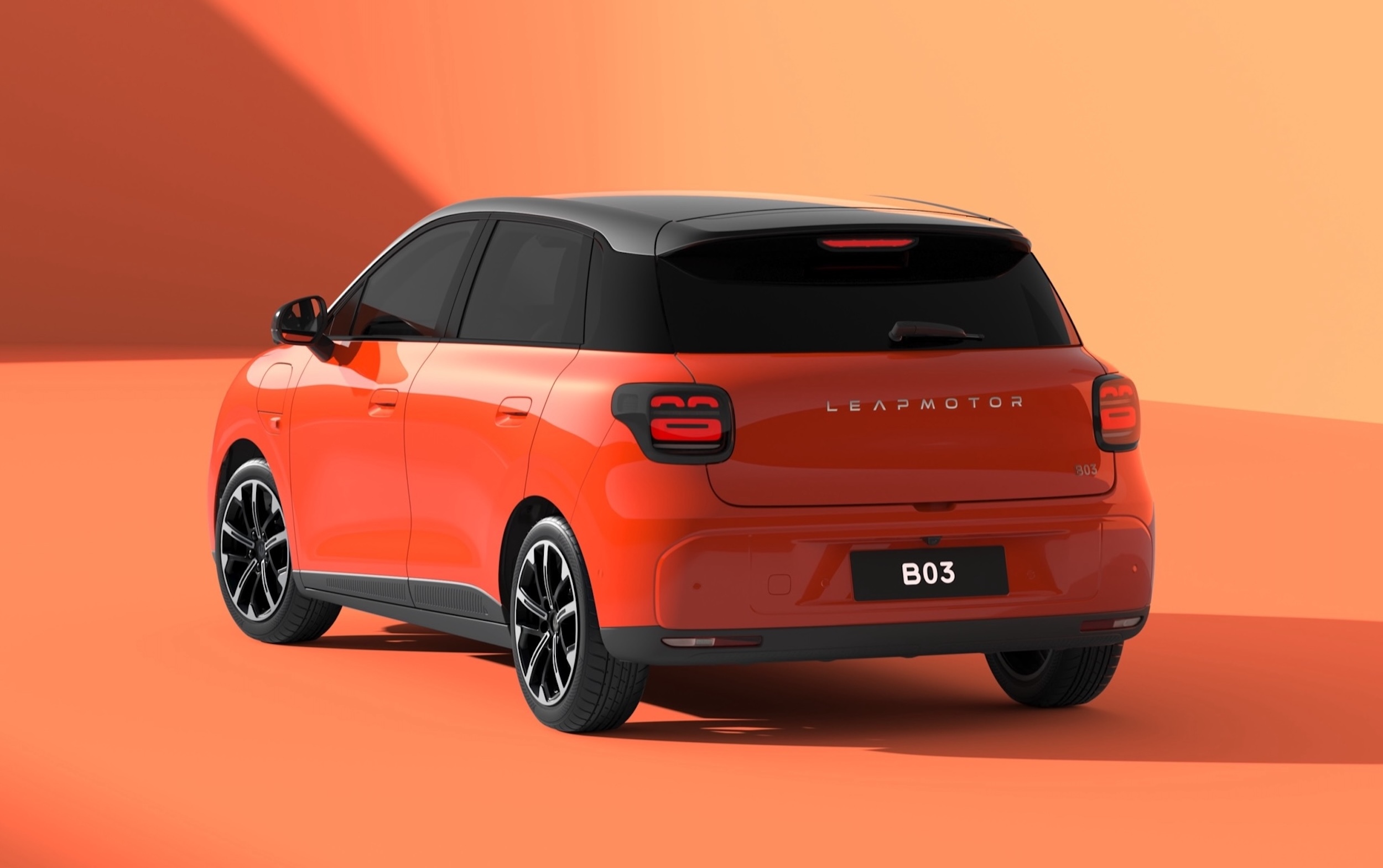
Chinese brands are out in force at this week’s Paris Motor Show, and the Leapmotor B03 is one of the cars putting Western brands on high alert. The B03 is a subcompact electric hatch designed to steal customers away from the VW ID. Polo and Renault 5 by offering more performance, more equipment and more range for a whole lot less cash.

You might have seen the B03 wearing another badge. The same car is known in China as the B05, where it costs less than €7,500 ($8,400), and even comes with Lidar driver assistance technology. Europe’s version misses out on the Lidar, and predictably is vastly more expensive, with an estimated target price of around €25,000 ($28,000). But it’s still likely to prove a hit with drivers who buy with their head, rather than their heart.

Related: Chinese Brands Are Building 90,000 Cars In Europe. In Ten Years, Make That 1.5 Million

The subcompact B03 slots above the existing T03, and below the crossover B03X says Leapmotor, which is part-owned by Stellantis. It comes standard with a 53 kWh battery that delivers a WLTP range of 242 miles (389 km). Rivals like the VW ID. Polo and Renault 5 can match, or even beat, that range claim, but not in their affordable entry-level configurations.

Almost Hot-Hatch Quick

 Leapmotor’s Fast, Affordable B03 Lands In Europe, And VW And Renault Should Be Worried

Same goes for the powertrain. The B03 is powered by a single 191 hp (194 PS / 143 kW) electric motor that’s powerful enough to haul it to 62 mph (100 kmh) in just 7.6 seconds. That makes it only two tenths slower than the Alpine A290 GT hot hatch.

The Leapmotor wins don’t end there. Its 133 kW max charge rate is faster than anything Renault or VW can deliver, and allows the B03 to charge from 10-80 percent in 21 minutes. The Chinese car’s trunk is also significantly bigger than the Renault 5’s, and although the Polo’s is bigger again, only the B03 lets you crank the passenger seat fully flat to carry long loads. You also get an underfloor storage box for wet or muddy boots and clothes.

Instantly Forgettable

 Leapmotor’s Fast, Affordable B03 Lands In Europe, And VW And Renault Should Be Worried

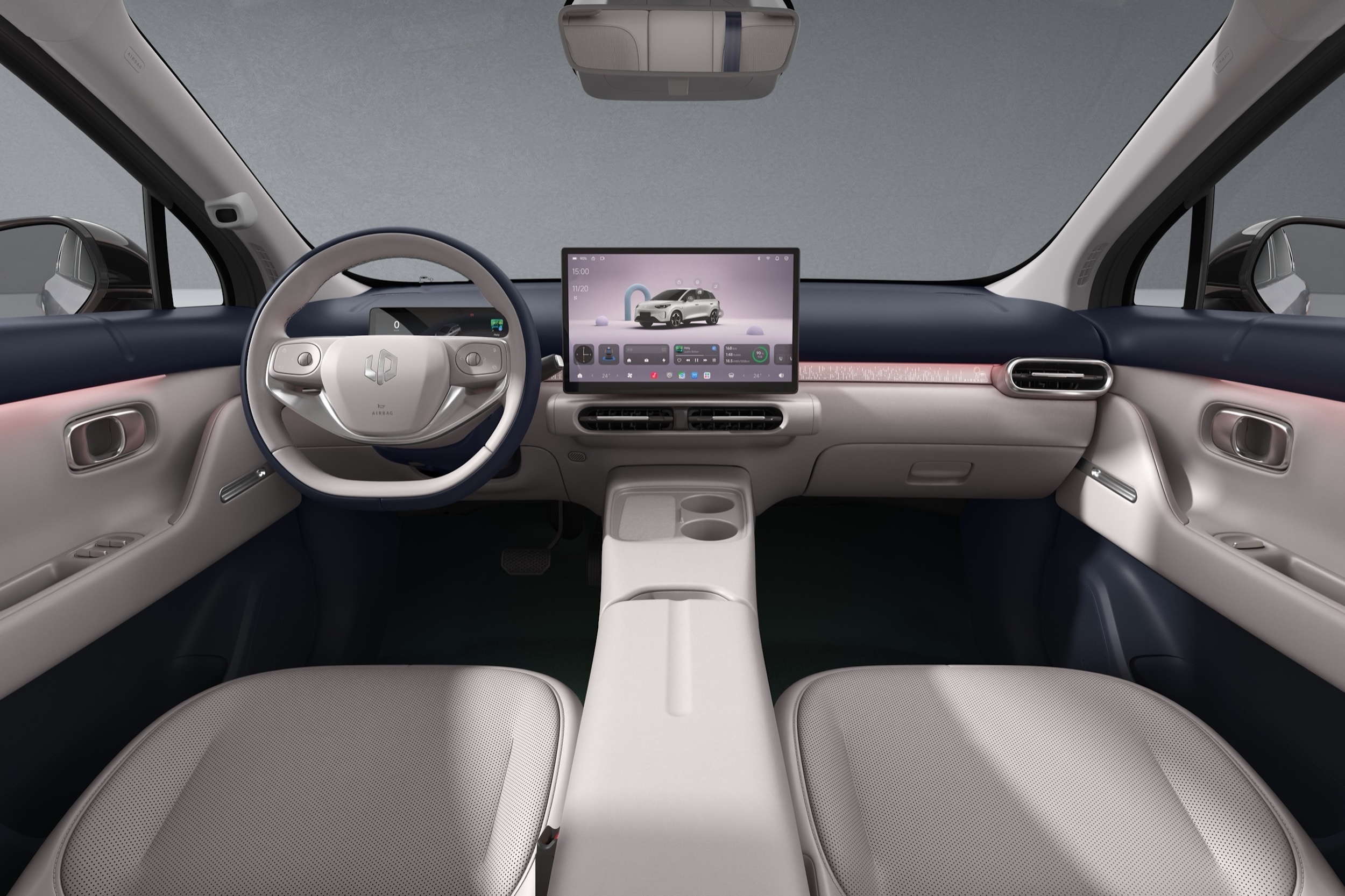
What you don’t get is a memorable design. The B03 is blandly handsome on the outside, and the interior looks like the cabin of any number of other Chinese cars. It pairs a 14.6-inch touchscreen with an 8.8 inch digital gauge cluster, and promises easy voice-activated access to many functions. Which is a good thing, because real switches are in short supply.

But bland or not, the strong power and range specifications, and a generous equipment list that includes automatic LED lights, electrically folding mirrors, a heated six-way power driver’s seat, a heat pump and V2L capability, is going to have plenty of appeal for buyers who prioritize value when European sales kick off in 2027.

\\\\\\\\\\\\

Leapmotor

Citroën Already Brought Back The 2CV, Now Its Fourgonette Van Could Get the Same Treatment

  • A panel van version of the Citroën 2 CV Concept has debuted at the Paris Motor Show.
  • It reimagines the popular 2CV Fourgonette van Citroën built between 1951 and 1978.
  • Citroën describes the van as a “passion project” and won’t confirm production plans.

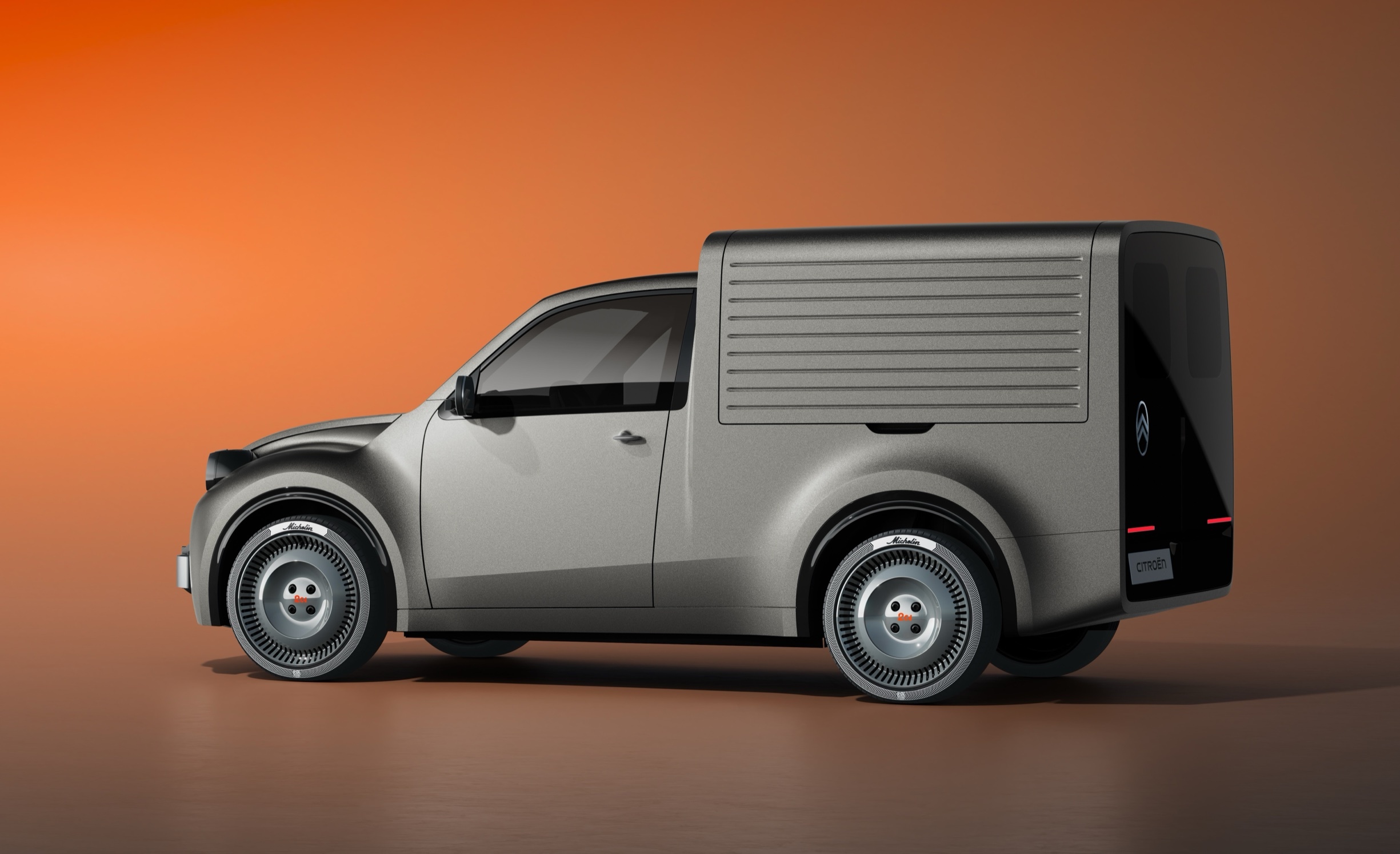
The Citroën 2CV’s return is arguably the biggest news at this year’s Paris’ Motor Show. But the four-door family car with the rollback roof might not be the only 2CV making a comeback. Citroën’s designers have also reimagined the classic 2CV Fourgonette van.

The stubby commercial vehicle marries the front half of the new electric 2 CV hatch concept with a with a square box that swaps back seats for extra load carrying capacity. Cargo is loaded either through the split rear doors, or via a flip-up panel on the side.

Related: Citroen’s 2CV is Back, And It’s Still A Safe Space For Eggs

Production of the original 2CV-based Fourgonette panel van ran from 1951 to 1978, but the survivors were still powering businesses across France well into the new millennium. And while Citroën has yet to confirm the concept van for production – unlike the hatch, which morphs into a production car for 2028 – it’s not hard to see it getting the corporate thumbs up.

Citroën’s conventional ë-Berlingo is already a popular van option in Europe, but it doesn’t have anywhere near the sense of fun or emotional draw that a new Fourgonette would. And that’s before you consider the price advantage. The cheapest ë-Berlingo costs over €24,000, but Citroën says the 2CV hatch will cost around €15,000, which would suggests a van variant might be even more affordable.

Urban Missions

 Citroën Already Brought Back The 2CV, Now Its Fourgonette Van Could Get the Same Treatment

Hitting that price target would inevitably mean making do with a small capacity electric battery, although Citroën hasn’t revealed the size of the hatch’s power pack yet. But the Fourgonette’s brief would be to cover small urban journeys, the kind of use where a long electric driving range isn’t necessary.

Citroën hasn’t shown any pictures of the Fourgonette’s interior, though it should mirror the 2CV concept’s, maybe minus some of the more cutesy elements and colors. We’d expect to see a simple one-spoke steering wheel and basic seating, but the panel van misses out on the retractable roof.

“The 2CV Fourgonnette was more than just a workhorse. It was part of everyday life,” Xavier Chardon, CEO of Citroën and DS Automobiles said of the original van. “Simple, ingenious and accessible, it above all possessed something few commercial vehicles have: a soul. That is the spirit we are bringing back to life today, because being useful should never mean being ordinary.”

\\\\\\\\\\\\

Citroën

Citroen’s 2CV is Back, And It’s Still A Safe Space For Eggs

  • Citroen is taking on cut-price Chinese EVs with a homage to the iconic 2CV.
  • A production version of the retro 2 CV Concept hits showrooms in late 2028.
  • In-door egg storage nods to the original 2CV’s quirky egg-friendly design brief.

The Mini Cooper, Fiat 500, VW Beetle, Renault 5, Chevy Camaro, and other classics have been resurrected to push our nostalgia buttons over the last 30 years. But the Citroën 2CV was always a glaring absentee from the list, until this week’s Paris Motor Show. This is the 2 CV Concept, and it’s more than a bit fun. A production version arrives in 2028, Citroën promises.

Previous Citroën CEOs vowed they’d never resurrect the iconic 2CV, despite it remaining the brand’s most famous car. More than 3.8 million were sold between 1948 and 1990. But now Citroën, like other legacy brands, is making use of its heritage to remind us why we should stick with it as Chinese automakers take an ever larger slice of the European car market.

Review: Stellantis Gave Citroen C3 And Fiat Grande Panda The Same Bones, But Not The Same Soul

The result is a four-door electric hatch concept that doesn’t just dip its toe in retro waters. It free dives right to the bottom. All the classic design cues are present. The plunging, ribbed hood, the bug-eye headlights on fenders that stand proud of the flat bodywork, and the roll-back canvas roof. But there’s a pumped-up muscular look this time around, and the wide track and 19-inch wheels fill the fenders like no original 2CV ever did.

It’s also around 8 inches (0.2 m) smaller than the OG tin snail, at 148 inches ( 3.76 m) long. Citroën says that size makes it easy to park in cities, but it will also help keep the cost of the production version down to just €15,000 ($16.8k / £12.7k).

Removable Seats, Egg Storage

\\\\\\\\\\\\\\\\

The interior definitely doesn’t scream ‘budget car,’ even if it does channel the simplicity of the original. The bench seats can be removed for picnics, and a portable hamper on the floor serves as a console and storage cubby. The doors even have an integral egg box. Why? Because the original 1930s design brief for the 2CV called for a car that could carry a basket of eggs across a rutted field without any breakages.

Other retro details include a single-spoke steering wheel and transmission shifter that sprouts from under the dash. But that shifter is hooked up to an electric drivetrain here, not an air-cooled 2-cylinder and four-speed manual.

Citroën hasn’t revealed anything about the motor and battery. But it’s unlikely to be fast, or go far on a charge. The target price makes it impossible. Rival Renault’s base model Twingo produces 81 hp (82 PS / 60 kW) and lasts 163 miles (262 km), which might offer some kind of guide. We’ll find out more in the run up to the production 2CV making its global debut at the 2028 Paris Motor Show, exactly after the original premiered at the same event.

\\\\\\\\\\\\\\\\\\\\\\

Citroën

Hate Ferrari’s Electric Luce? Blame Jeff Bezos

  • Ferrari chairman John Elkann credits Amazon’s Jeff Bezos with inspiring the Luce EV.
  • “You need to really think hard about building an electric vehicle,” Bezos told him in 2016.
  • Ferrari’s first electric car has proved controversial for both its powertrain and design.

The world doesn’t need more reasons to dislike Jeff Bezos or the Ferrari Luce. But Ferrari’s chairman just gave us one anyway, explaining that a conversation with the Amazon founder helped push Maranello to develop its first electric car.

John Elkann told a conference that a conversation with Bezos in 2016 convinced him that Ferrari needed to take the idea of an EV seriously, Reuters reports.

Related: The Aftermarket Already Has Plans For Ferrari’s $639K Luce EV

“I don’t know anything about cars, but I know about innovation,” Elkann recalls Bezos telling him 10 years before Ferrari unveiled the production Luce. “And I think that you really need to think hard about electric vehicles.”

Ferrari has produced some controversial cars in the past, including the 1974 Dino 308GT4, whose fashionably wedgy Bertone styling was a radical break from the swoopy Pininfarina lines of the brand’s earlier cars. And the 2012 FF shooting brake also got some flack for its awkward styling.

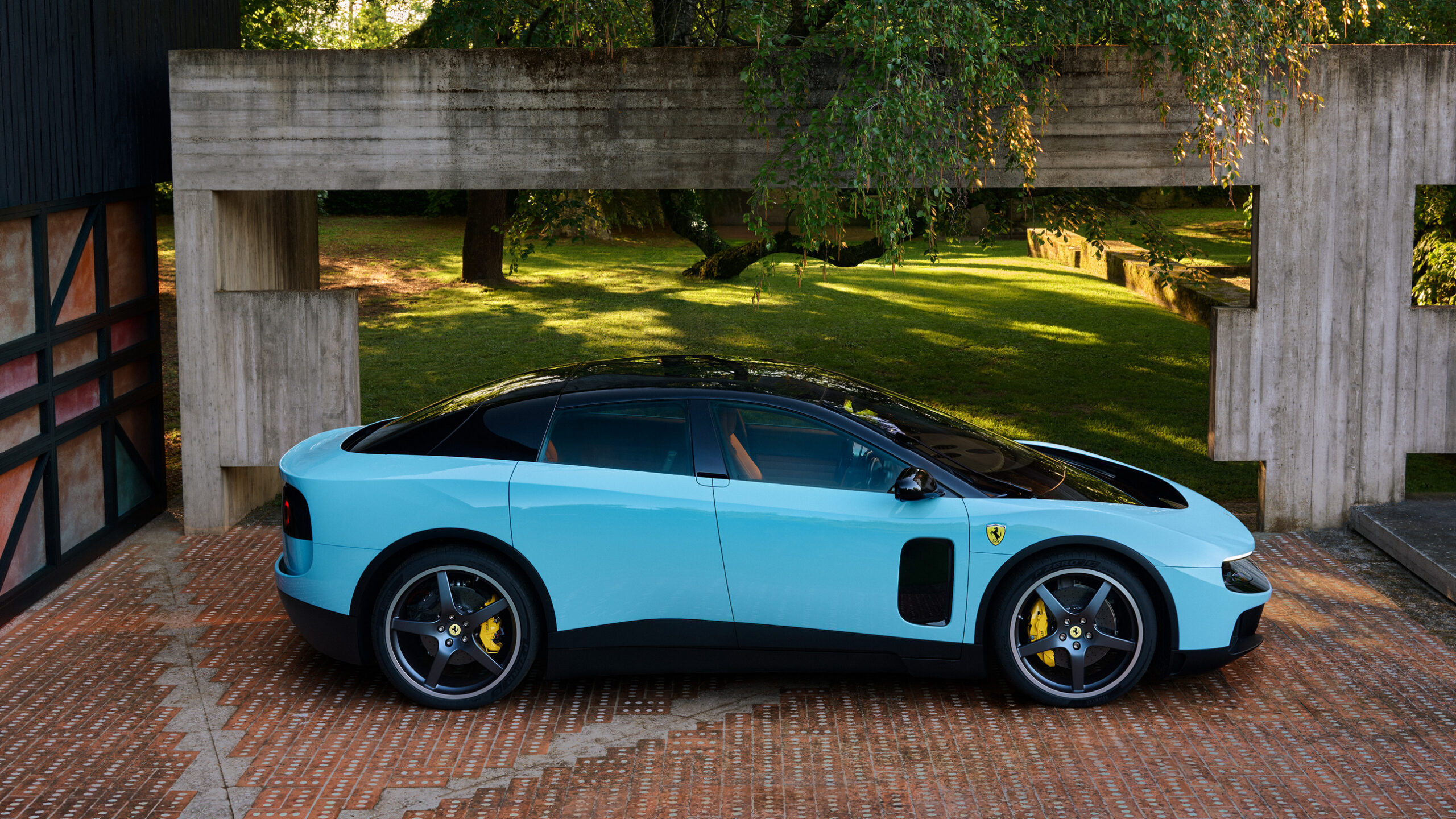
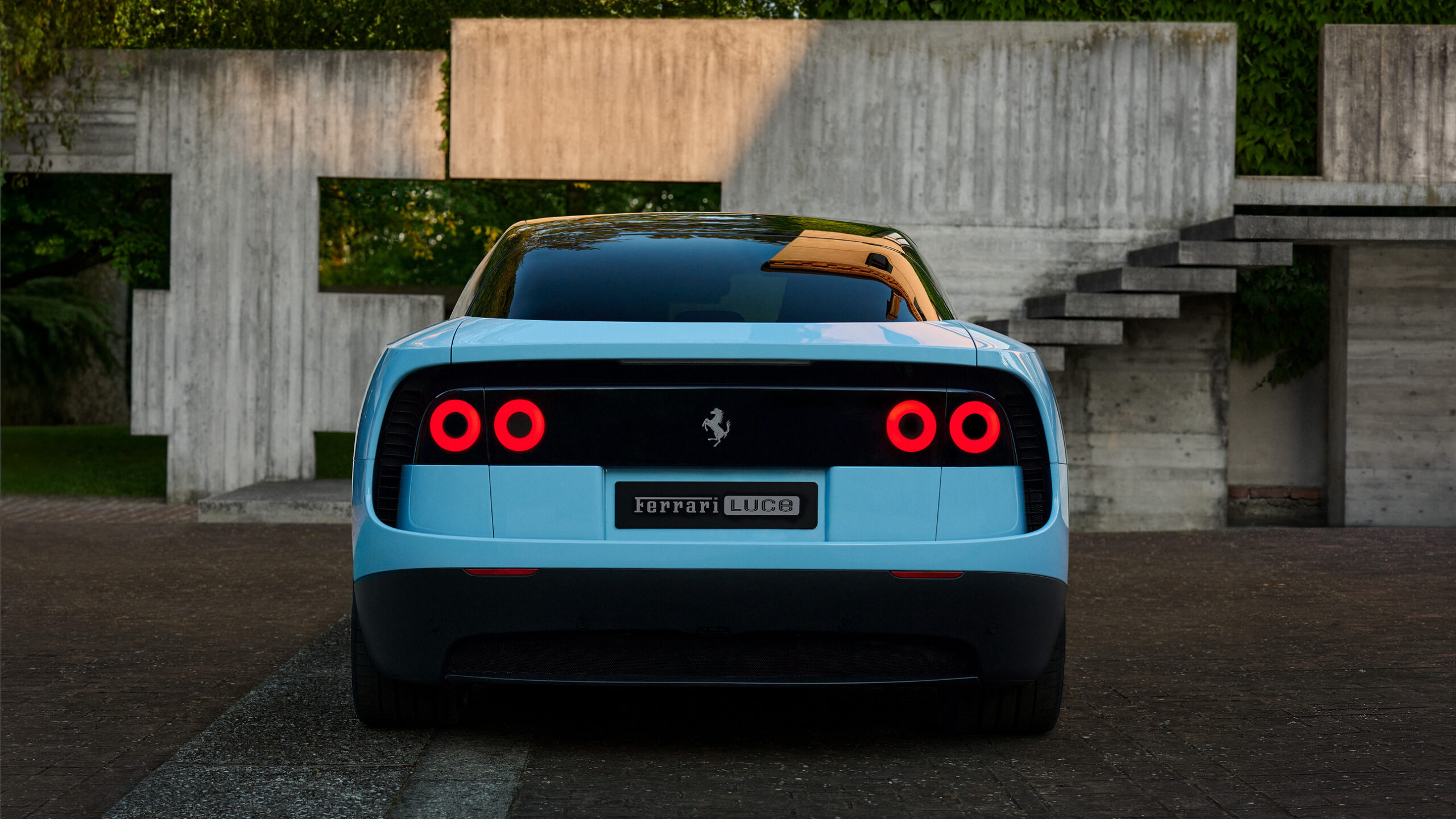
But no Ferrari has ever got fans worked up for the wrong reason like the Luce. Going electric was always going to be a much more controversial move for a brand like Ferrari than for a company like Kia, or even Porsche. But maybe Ferrari could have escaped much of the criticism if the Luce didn’t look like it does.

Apple Influences

 Hate Ferrari’s Electric Luce? Blame Jeff Bezos

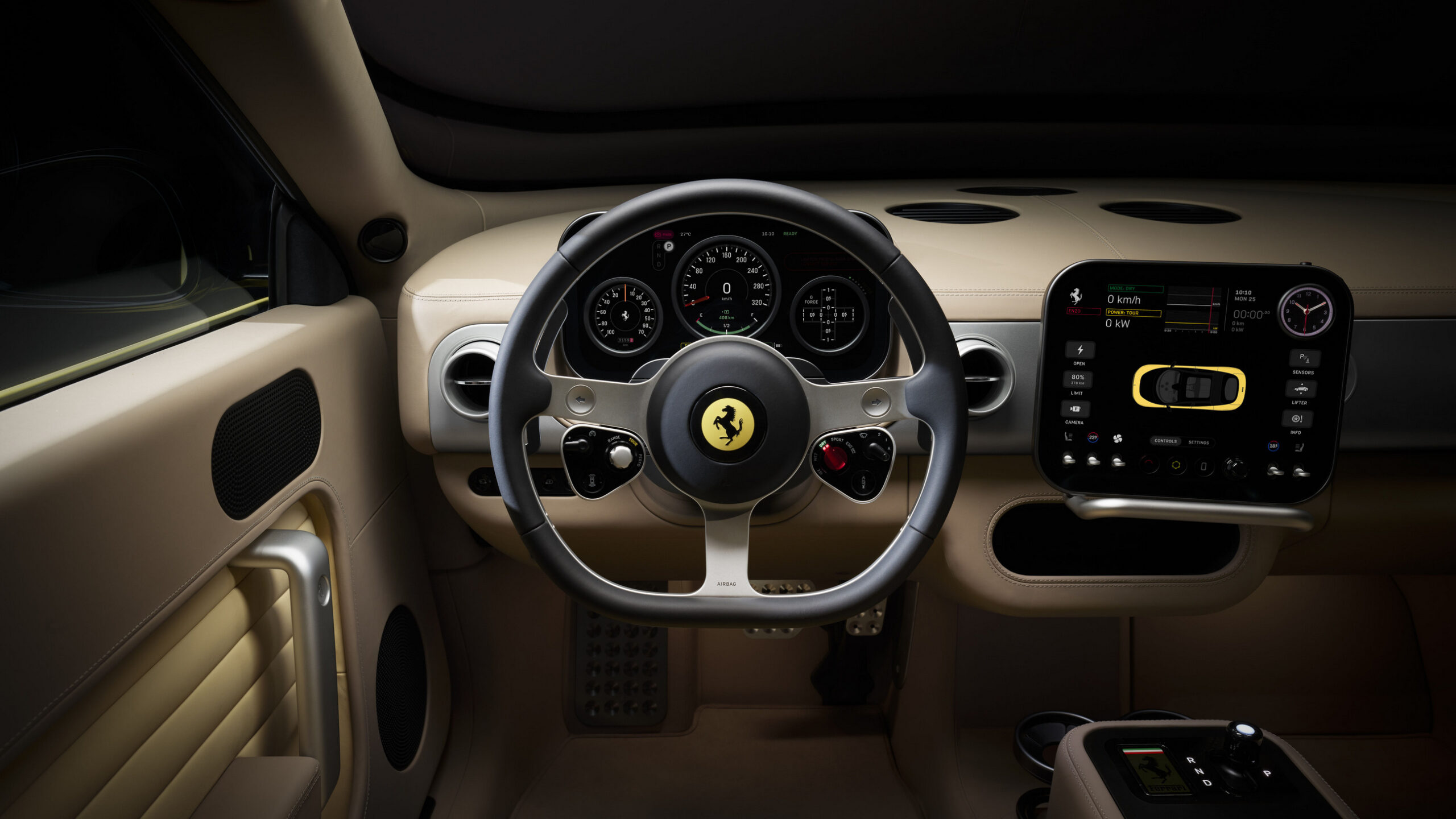
Both the exterior and interior design of the Luce were handled by LoveFrom, whose team includes former Apple designer Jony Ive. And while the interior has drawn praise for its Apple-like high quality materials and tactile switchgear, the body itself looks kind of dumpy.

“We weren’t in any way intending to do a controversial Ferrari,” Elkann told conference guests. “What is important is how much that touches your conviction. What it did is that it made our conviction very strong.”

Goes Like A Ferrari

 Hate Ferrari’s Electric Luce? Blame Jeff Bezos

Ferrari always intended the Luce to appeal to a very different audience than the one buying its other cars. But even if it looks nothing like most gearheads’ idea of a Ferrari, the Luce at least goes like one. It has four motors that collectively make 1,035 hp (772 kW / 1,050 PS), and can hit 62 mph (100 kmh) in just 2.5 seconds. A massive 122 kWh battery gives an unimpressive 329 mile (530 km) range.

It’s also priced like a true Ferrari. The Luce costs €550,000 in Europe, and while US prices have yet to be revealed, they’re likely to be in the $640,000 range.

 Hate Ferrari’s Electric Luce? Blame Jeff Bezos

Ferrari, Prime Minister’s Office (GODL-India), GODL-India

Alfa Romeo’s Changing The Junior Again, But This Time The Name Stays

  • Alfa Romeo improves Junior’s low-rent interior feel for 2027.
  • Smallest SUV gains better cabin materials, new alloy wheels.
  • Stelvio Quadrifoglio now comes standard with 21-inch rims.

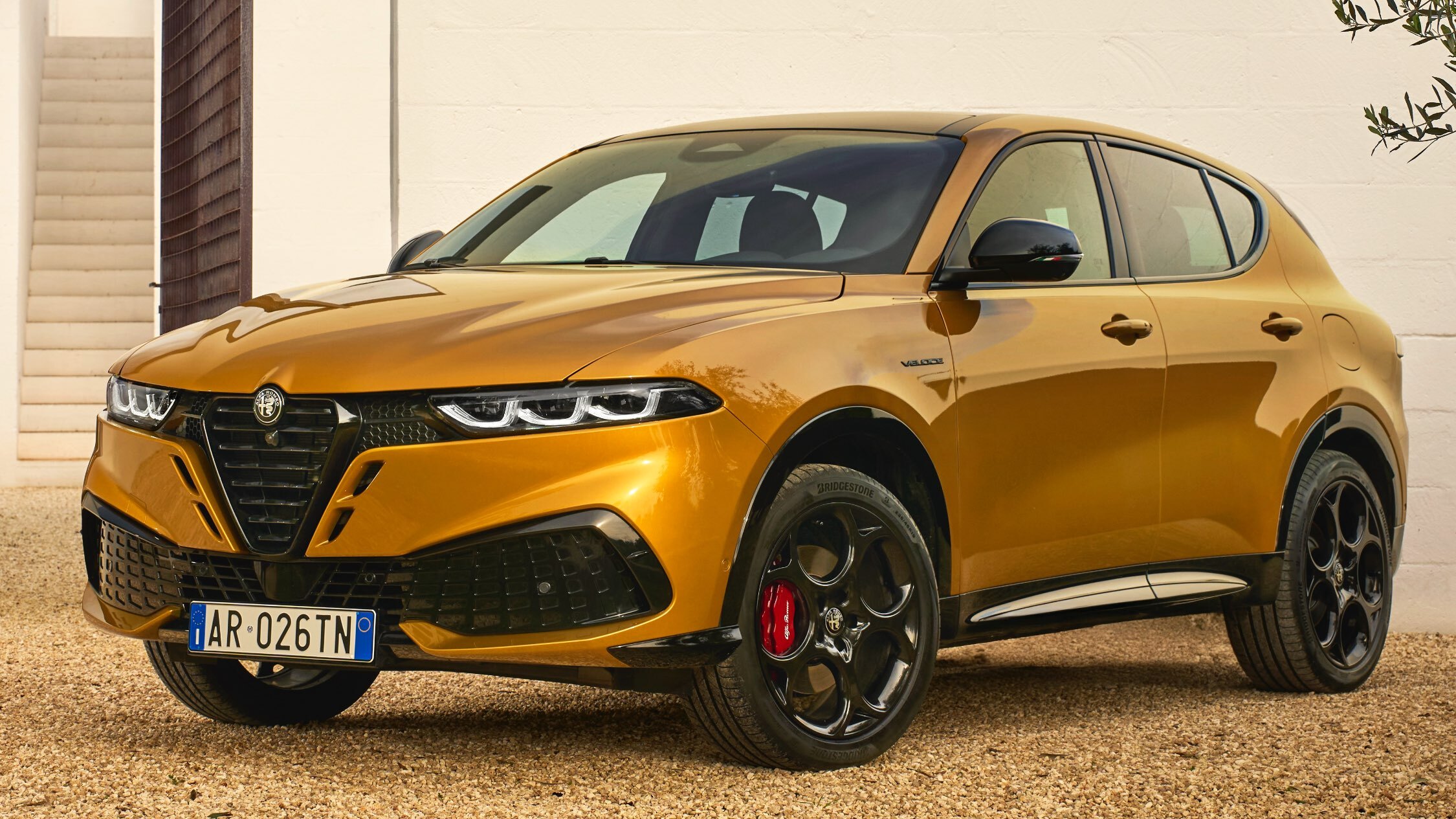
Changes are coming to Alfa Romeo’s entry-level car for 2027, though this time the badge on the tail isn’t looking for a new home. The Junior, which was originally called Milano before the Italian city objected to its use on a car built in Poland, benefits from some upgrades that promise to give it a more premium feel.

New 18-inch three-hole, and 19-inch four-hole alloy wheels help you spot one of the upgraded SUVs from the outside, though the biggest changes are found inside. And not just on the more expensive variants. Junior and Sprint trims head into MY27 with new ‘Icona’ upholstery that mixes black fabric seats, gray stitching and black Scuba material across the dashboard, console and door cards.

Related: Alfa Romeo’s Mystery Concept Looks Like A Low-Slung Supercar

Step up to Ti or Veloce spec and you upgrade to Alfa Romeo’s ‘Carbon’ interior. Scuba fabric is used again, but this time with red stitching and details and a new Microcloud material on the dash and doors. What you won’t find, despite that name, is any carbon trim, but these upgrades might offset criticism that the Junior’s cabin has always felt a bit low rent for something wearing a premium badge.

A load of extra standard equipment ought to lend an extra hand in that department. Sprint versions look like the sweet spot in the range now that they come with navigation, keyless entry, adaptive cruise, a reversing camera, wireless phone charging and blind-spot monitoring. But the Ti’s heated, powered and massaging seats, and ambient lighting will surely help open a few wallets wider.

Elettrica EV Holds The Performance Card

\\\\\\

What Alfa hasn’t messed with is the mechanical package. Base Junior Ibrida models still feature a 143 hp (145 PS) 1.2-litre, mild hybrid engine in front-wheel drive, or Q4 all-wheel drive forms. The Junior Elettrica EV makes 154 hp (156 PS), but only drives the front wheels. Top dog is another EV, this one the 276 hp (281 PS) Junior Veloce, which relies on a sportier suspension tune and a mechanical limited-slip differential to help its front end handle the extra muscle.

Tonale Tweaks

 Alfa Romeo’s Changing The Junior Again, But This Time The Name Stays

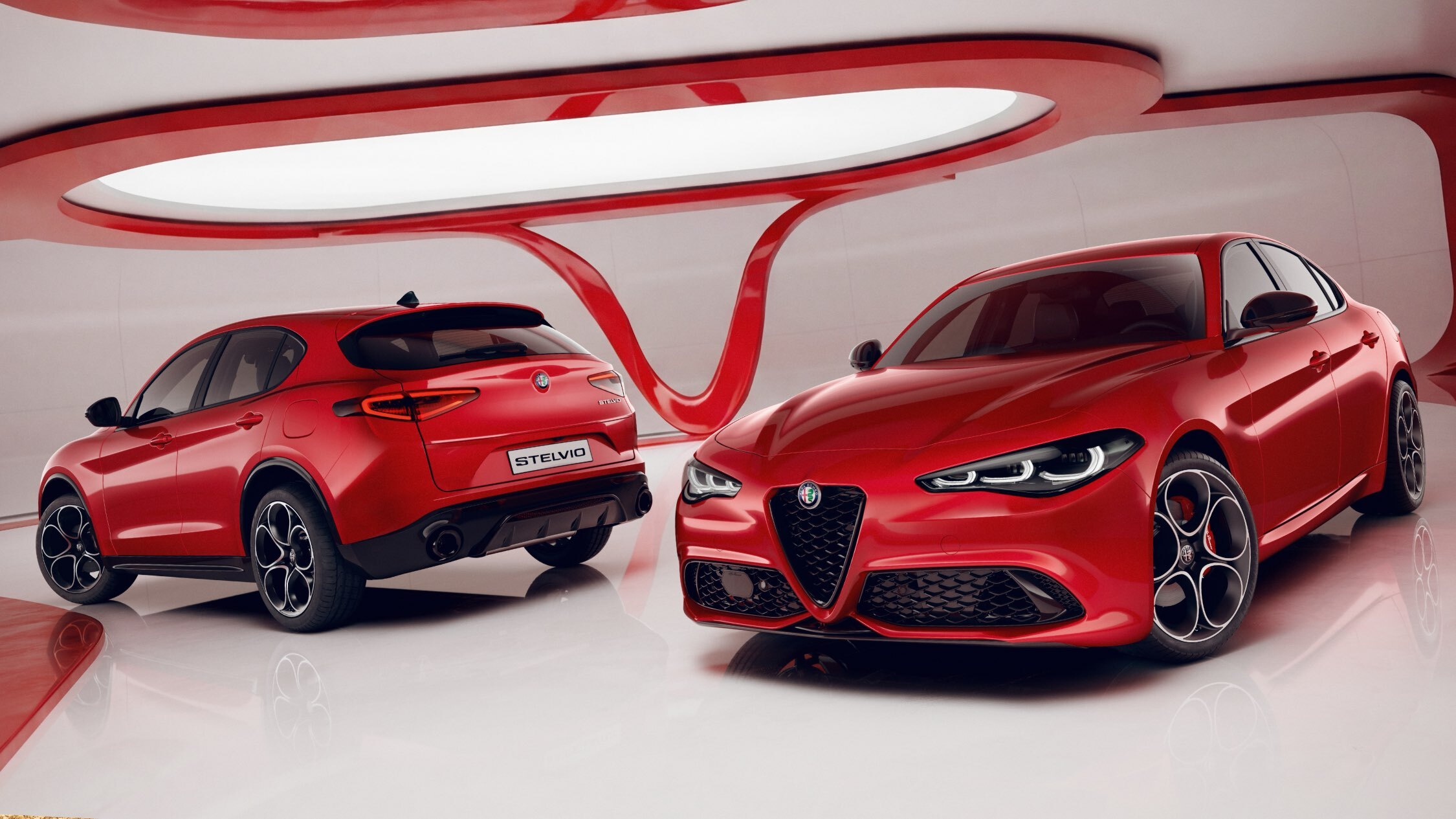
The brand already upgraded the Junior’s Tonale big brother – Alfa’s base model for the US – and you can read about those changes, and why the model might soon be axed, here. But it’s only thrown a few teaks the way of the geriatric Giulia SUV and Stelvio sports sedan. By rights both of those models should have been replaced by now, but the planned replacements were EVs and in the wake of falling electric sales in the US Alfa was forced to go back to the drawing board and come up versions that could also take combustion power.

Giulia And Stelvio Tread Water

We won’t see those new Giulia and Stelvio models until at least next year, by which time the pair will be 12 and 11 years old. To keep potential buyers interested while we wait, the current models gain updated software and driver monitoring kit required by EU law, black and white Alfa Romeo badges and a new Anodized Blue paint option. Hardly, the kind of thing to worry BMW when it has a brand new 3 Series and i3 EV ready to ship to dealers.

 Alfa Romeo’s Changing The Junior Again, But This Time The Name Stays

But the new M3 and X3 M are a year or two away, and you can still buy both Alfa Romeos in 520 hp (513 PS), 2.9-liter V6 Quadrifoglio guise. Go for the hot Stelvio Quadrifoglio and you now get 21-inch wheels instead of 20-inch rims, while buying either of the QVs unlocks a day’s on-track training at the Alfa Romeo Driving Academy.

All of these Alfa updates will be on display at Alfa’s Paris Motor Show Stand, though they might not get much attention. The brand has teased a new concept for Paris called the Cuorerosso (image below) that looks like a low-slung supercar, and it’s sure to dominate the conversation.

 Alfa Romeo’s Changing The Junior Again, But This Time The Name Stays

Alfa Romeo

Renault’s E-Space Concept Reboots A Minivan Icon

  • Renault is reinventing its Espace as an electric minivan concept.
  • The EV makes its debut at the Paris Motor Show later in October.
  • Tech details are scarce, but it matches a Honda CR-V for length.

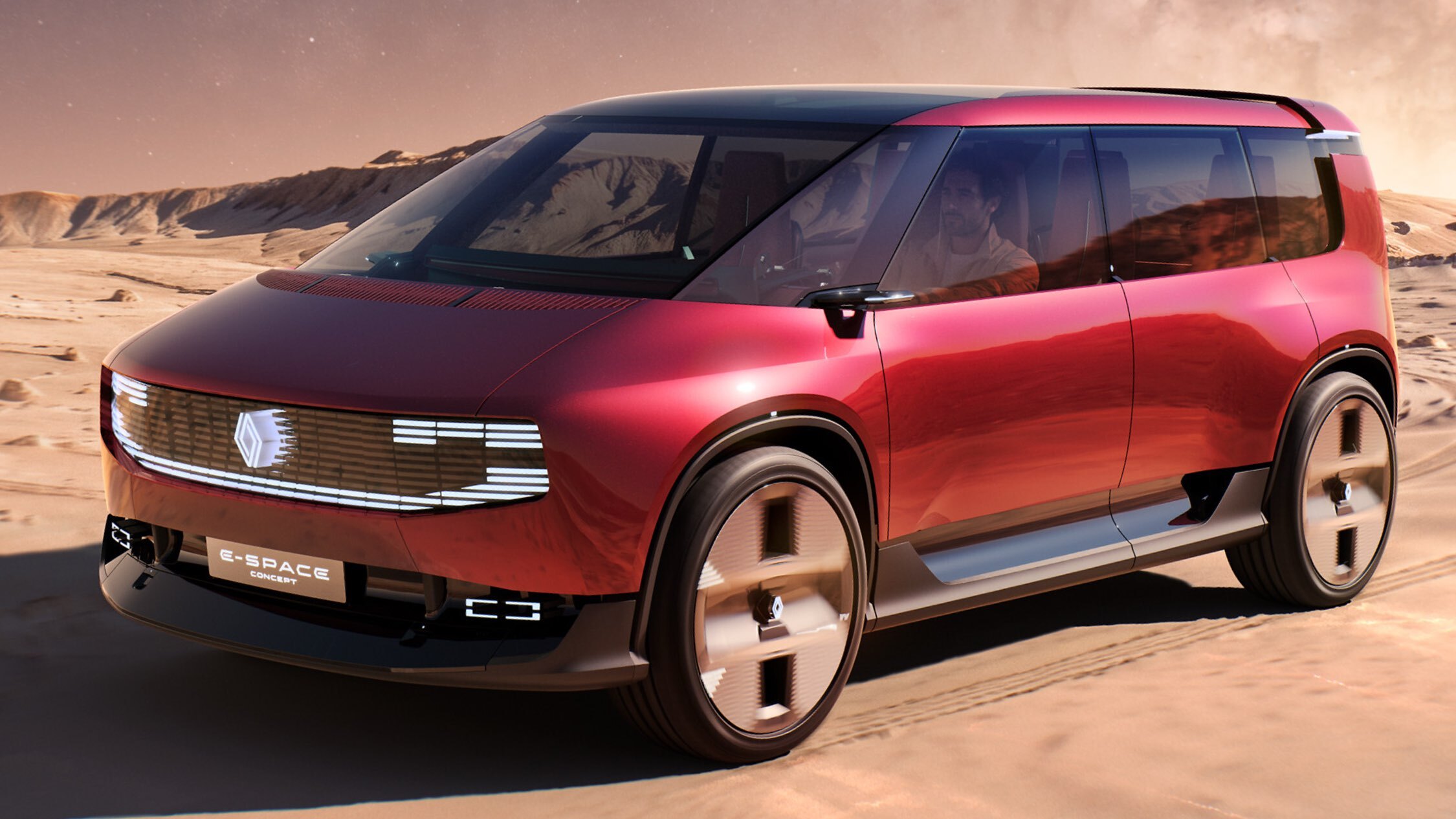
The car that reinvented family transport for European drivers in the 1980s is itself being reinvented. Renault’s E-Space Concept, an electric reboot of the Espace minivan, makes its debut at the Paris Motor Show next week, and Renault’s pattern of quickly turning concepts into real production cars tells us this VW ID. Buzz rival could be in showroom two years from now.

Renault calls the newest EV a “future-focused version of the original” – that original being the boxy, fiberglass-bodied van (MPV to Europeans) from 1984. The first-generation Espace launched in Europe only a few months after Chrysler’s K-car minivans debuted in the US. More recently the Espace badge has been used on a three-row, combustion SUV, a clear sign of how far minivans had fallen out of favor.

Related: Millennials Grew Up Mocking Minivans, Now They Can’t Buy Them Fast Enough

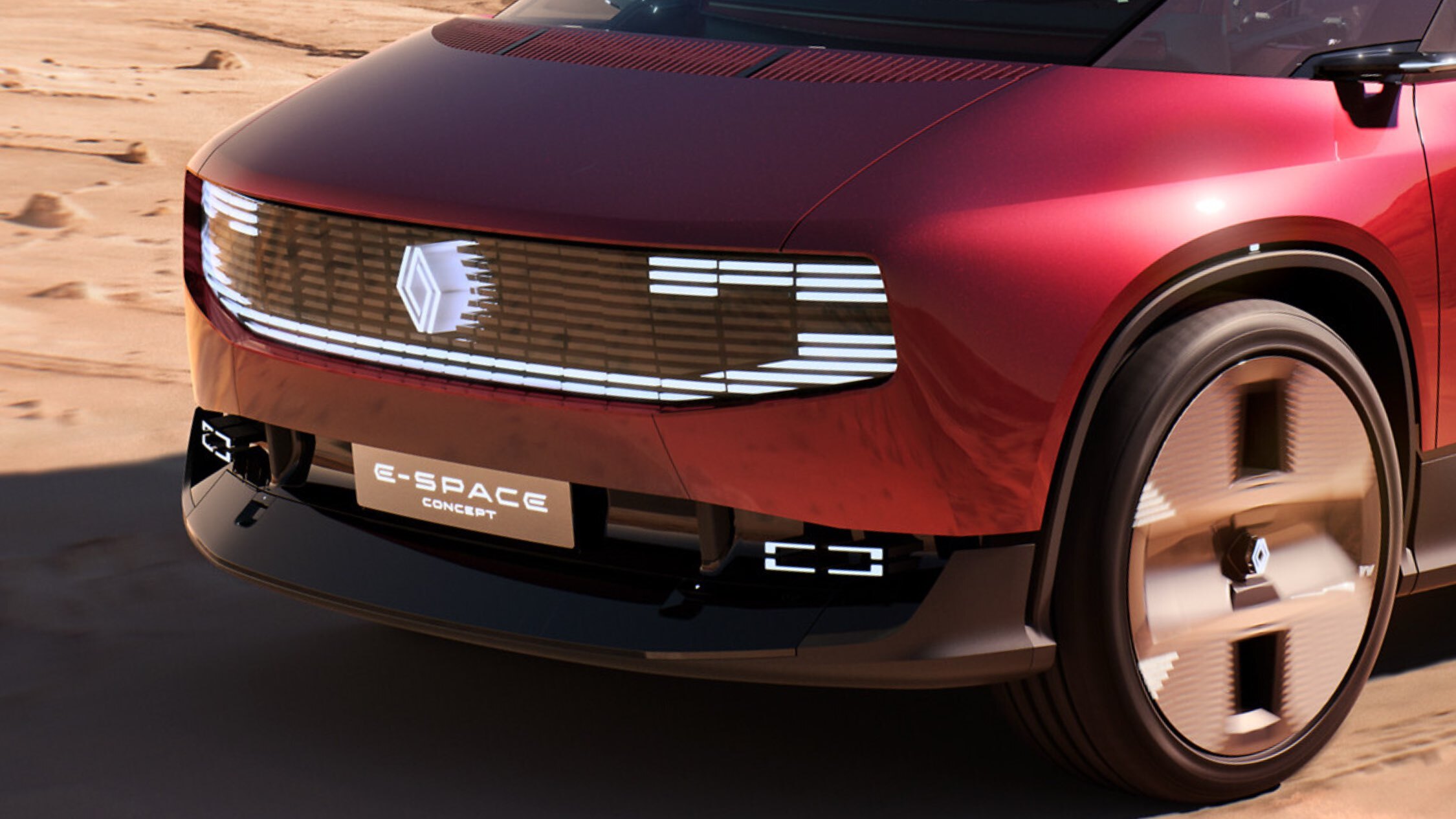
But maybe the tide has turned. Renault clearly wants us to remember what made the original Espace great, and includes some subtle retro influenced to help us. The stubby nose features a short hood and vertical face, this time with LED lights and an illuminated Renault diamond badge, and the windshield is raked like a sports car’s.

A perfectly horizontal waist line runs through to a vertical rear end and maximizes interior space, though Renault doesn’t offer any data about seating capacity or luggage space. Previous Espace models have had both two- and three-row seating configurations, sometime with front captain’s seats that swivelled 180 degrees, and though there are no interior images yet, it looks like the concept is a two-row van.

Honda CRV-Sized

 Renault’s E-Space Concept Reboots A Minivan Icon

Renault hasn’t given much away in terms of tech specs, only revealing that the concept is 4.7 m (185 inches) long, making it roughly the same length as a Honda CR-V. But it previously confirmed a new RGEV platform for compact cars that gains 800-volt electrics, while costing 40 percent less to build than its current cars.

The new motor that comes with the RGEV architecture makes up to 271 hp (275 PS / 202 kW), versus 217 hp (220 PS / 162 kW) for today’s equivalent, and Renault said a range-extender option could boost electric driving range from 466 miles (750 km) to 879 miles (1,400 km).

Could Be Two Years From The Showroom

 Renault’s E-Space Concept Reboots A Minivan Icon

It took three years for Renault to productionize its Renault 5 concept, but only two to bring the Twingo to the road. The smaller car was developed with Chinese help to supercharge the development process. If the E-Space gets the same treatment, we could see a fully legal version on the road in Europe two years from now.

Renault’s lack of presence in the US means it won’t be offered in the US, which is a shame, because minivan sales in North America have experienced a resurgence lately. Having abandoned them for more fashionable SUVs years ago, buyers are rediscovering how useful minivans really are, with millennials the driving force behind the trend.

One Of Several Paris Debuts

\\\\\

The E-Space will be a major draw to Renault’s stand at this month’s Paris Motor Show, and we wouldn’t be surprised if it also had an original (above) on hand to stoke the nostalgia. But the E-Space won’t be the only draw. The brand is also showing its Gordini 8 electric coupe concept, a Twingo electric subcompact with a new Twingobay panoramic glass roof, the facelifted Scenic and Megane, and the 4 JP4x4 concept it previewed at this year’s Roland-Garros French Open tennis tournament.

\\\\\\

Renault

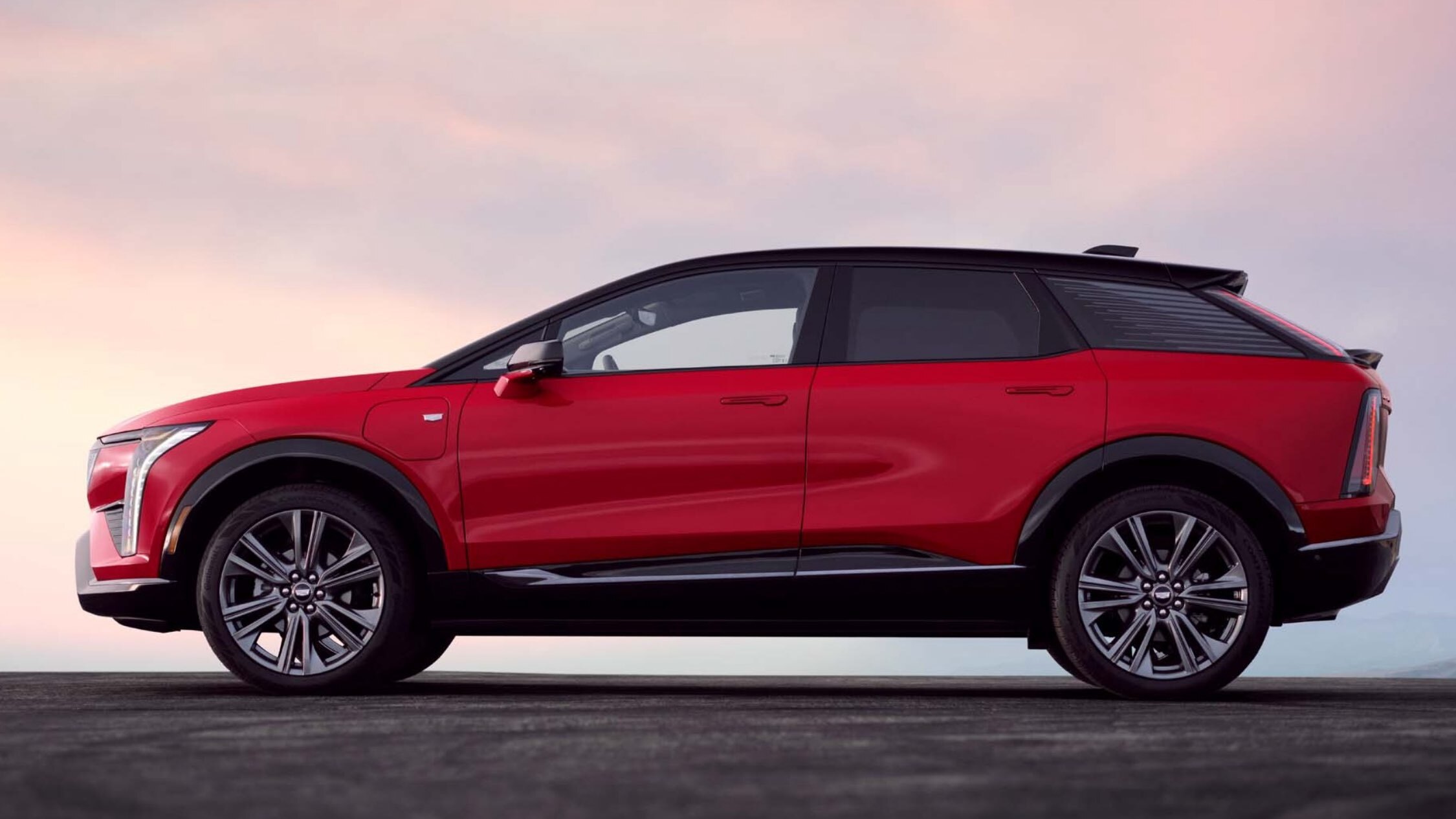
Cadillac’s Optiq Wants To Munch Your Fingers

  • Cadillac is recalling 29,347 Optiq EVs to fix a problem with their front windows.
  • Windows might not spot a foreign object in the final 0.5 inch of travel and reverse.
  • It’s only a problem when using the key fob button, is remedied with new software.

Power windows have been around since the 1940s and are now standard on pretty much every new car, Slate Truck excepted. But this week GM was forced to recall nearly 30,000 Cadillacs because they’re replicating some dangerous habits of those early convenience features.

Though the first power windows used hydraulic power, by the 1950s automakers has switched to the electric lifts we now take for granted. But there’s one big difference between modern and classic power windows.

Related: GM Halts Vistiq Shipments Over 3rd-Row Seats That Can Trap A Child

It’s called anti-pinch, and is software designed to detect when there’s an obstruction in the window’s path. When the glass encounters extra resistance, the motor’s load increases, spiking the current and telling it to reverse direction.

Anti-pinch has been legal required on US cars for over 20 years, and it’s saved countless fingers, necks and who knows what else from being crushed in the years since. But on certain 2025-27 Cadillac Optiqs, anti-pinch might not turn up to save the day.

The problem relates specially to use of the express-up function on the electric SUV’s key fob. Press the fob button to roll up the windows and there’s a chance the glass might not stop and reverse if it comes across a hazard in the final 0.5 inches (13 mm) of window travel. This is obviously a worry for drivers with young children, but it’s also illegal, because it contravenes Federal Motor Vehicle Safety Standard 118.

GM Says Supplier At Fault

 Cadillac’s Optiq Wants To Munch Your Fingers

In the NHTSA recall notes GM places the blame squarely on supplier Kwangjin America, who its says set the upper travel range of the anti-pinch software incorrectly. The good news for squeamish readers is that the automaker has no reports of fingers being mangled due to the goof, at least not yet.

Quick Fix, No Wrenches Required

And the remedy is a simple one that doesn’t involve tearing the door down to replace hardware. A simple software update to the Optiq’s Body Control Module on 29,347 cars at a GM dealership should ensure your kids’ mini sausages are safe for years to come. And owners who have signed up for OTA (over-the-air updates) don’t even need to visit a service center.

This week’s recall isn’t the only example of Cadillac caring for Optiq owners’ fingers. GM’s poshest brand is rolling out new infotainment software for the Optiq, Lyriq, Vistiq and CT5-V that gives the screens bigger virtual buttons. The move is a response to customer feedback reporting that the existing touch targets were too easy for fingers to miss, especially on the move.

 Cadillac’s Optiq Wants To Munch Your Fingers

Cadillac

Tesla’s Model 3 Gets A Bigger Screen And V2L, But You Can’t Buy One

  • Model 3 sedans sold in China now come with a bigger 16-inch infotainment screen.
  • It’s the same media display already fitted to Tesla’s Model Y SUV around the world.
  • China’s 3 also brings 2.2 kW V2L charging, a feature not offered in US or Europe. 

Tesla pioneered the use of the big infotainment screens that now dominate every car’s dashboard, and now the Model 3 is getting an even bigger one. The electric sedan is switching from a 15.4-inch display to a 16-inch unit, but there’s a catch. So far the upgrade, and several others, are restricted to Model 3s sold in China.

The automaker announced the spec enhancement on China’s social media platform Weibo, claiming the new screen offers more than just extra digital real estate. It also promises a higher resolution and improved refresh rate, which could be useful for owners who like to watch movies or play video games. This bigger screen is already fitted to Model Ys in China, the US and Europe.

Related: Tesla’s Long-Awaited Roadster Demo Won’t Happen This Week After All

We checked Tesla’s European and US sites and in each case the Model 3 is still listed as having a 15.4-inch screen, though it’s very likely China’s display will be rolled out across the globe later this year. Tesla has a habit of treating Chinese customers to the new stuff before giving it to the rest of us. The Model Y “Juniper” facelift and long wheelbase Model Y L both appeared first in Chia.

White Too Bright?

 Tesla’s Model 3 Gets A Bigger Screen And V2L, But You Can’t Buy One

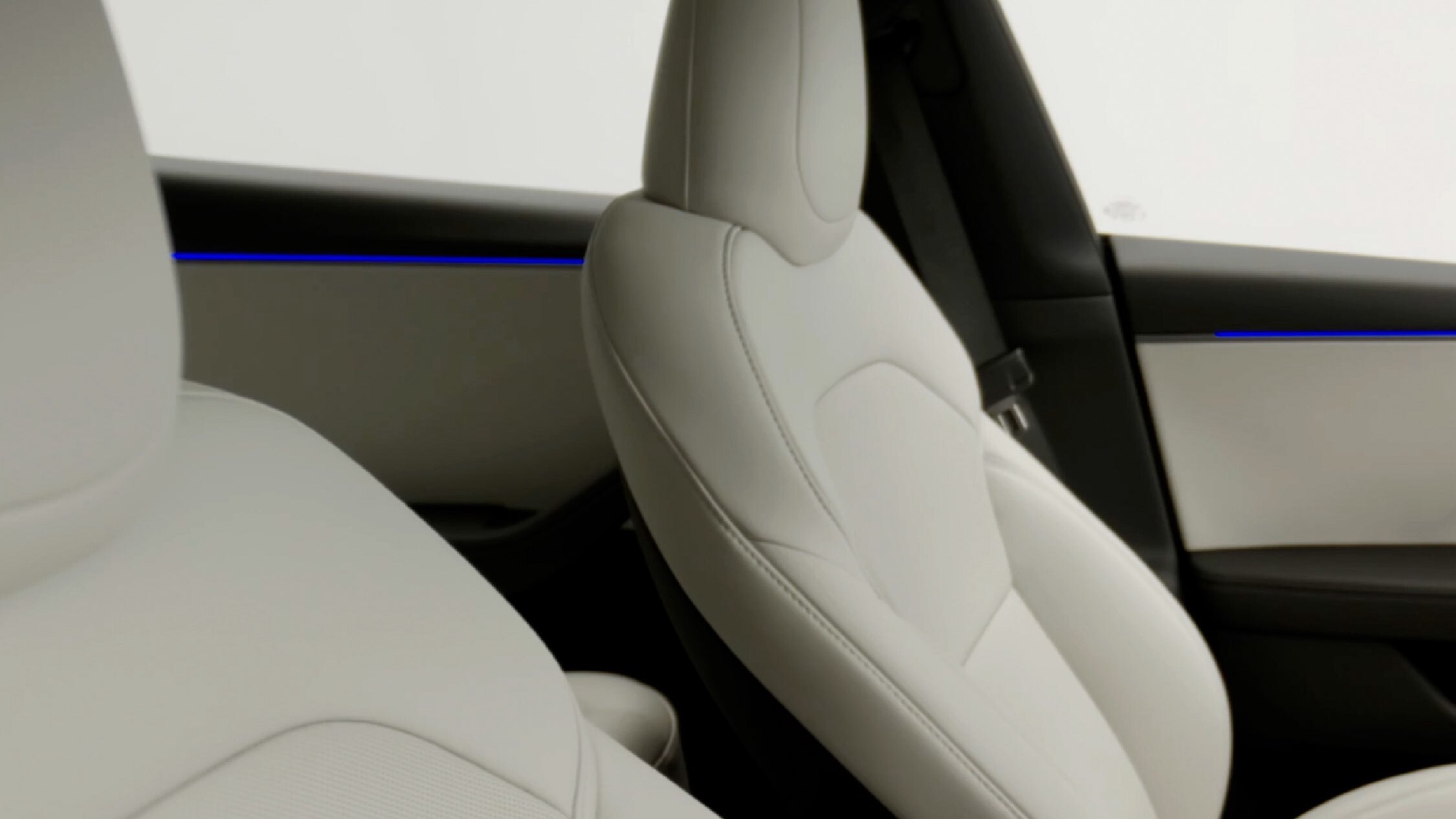
Another Model 3 change is the option of a light gray premium interior as an alternative to the default black. Both choices are paired with a black headliner. We’ve seen that combination before, again on the Model Y, so there’s a clear pattern here of new features appearing on the SUV before trickling down to the more affordable sedan.

Camping, Chinese-Style

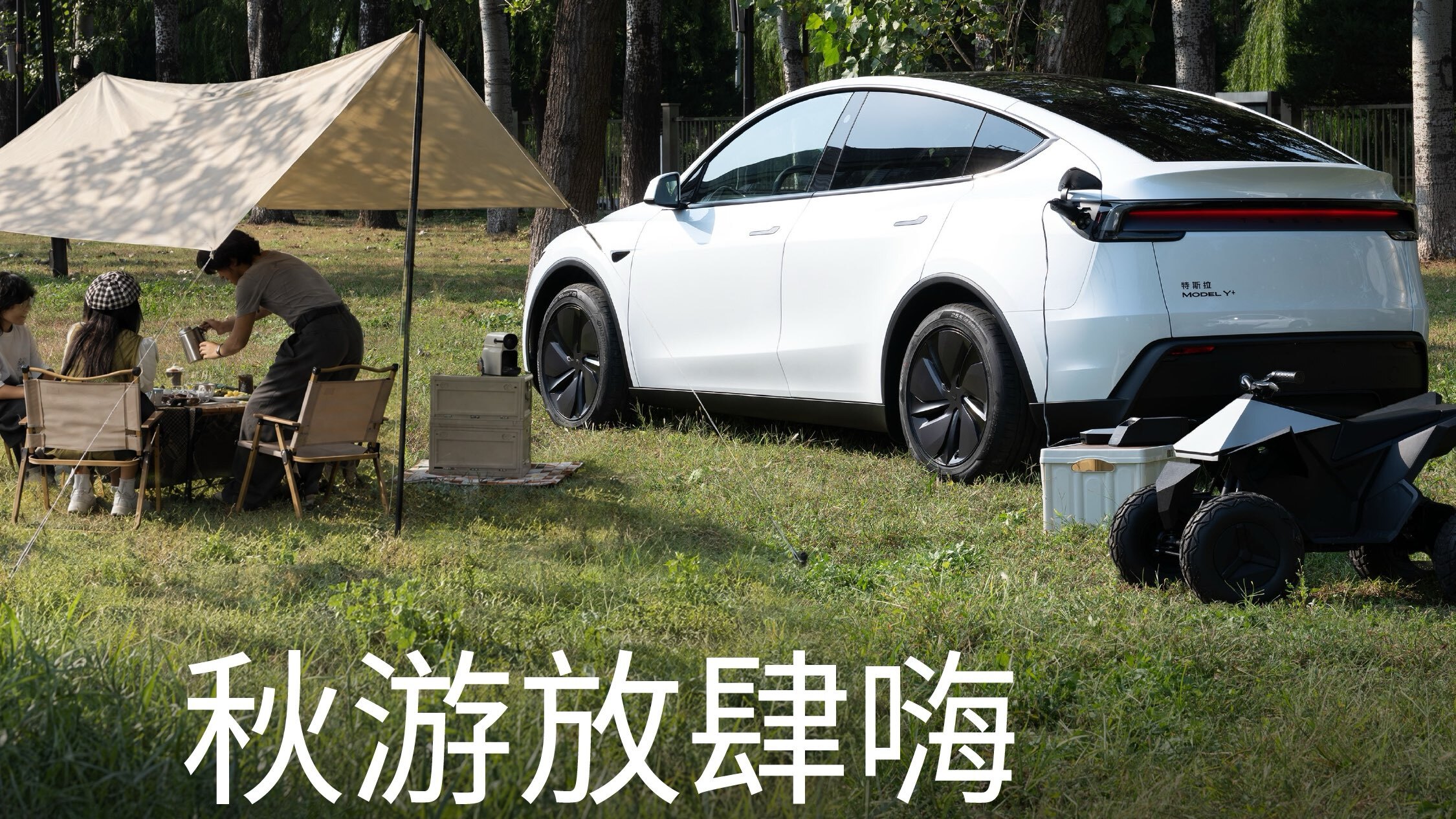
One new feature not available until now on the 3 in any Tesla market is V2L vehicle-to-load capability, though the Model Y and Cybertruck do offer it in the US. One of multiple promotional slides on Tesla’s Weibo account confirmed that all Model 3 and Model Y variants are now capable of delivering up to 2.2 kW of AC power.

 Tesla’s Model 3 Gets A Bigger Screen And V2L, But You Can’t Buy One

That output is enough to run a portable rice cooker, a kettle and another cooking device at the same time, Tesla claims, though the small print says you’ll need a special Tesla AC external power adapter for most cars, which is sold separately. The exception is the Model Y L. The three-row SUV is ready to juice up your camping accessories right out of the box, no adapter required.

And if some useful new tech isn’t enough to lure Chinese EV buyers into their local Tesla showroom, some big financial incentives might be. Stick an order in for a Model 3 by the end of October and you get 5000 yuan ($740) from the total bill. Other sweeteners include 5 years of zero percent financing and credits towards paint upgrades and charging costs.

\\\\

Tesla

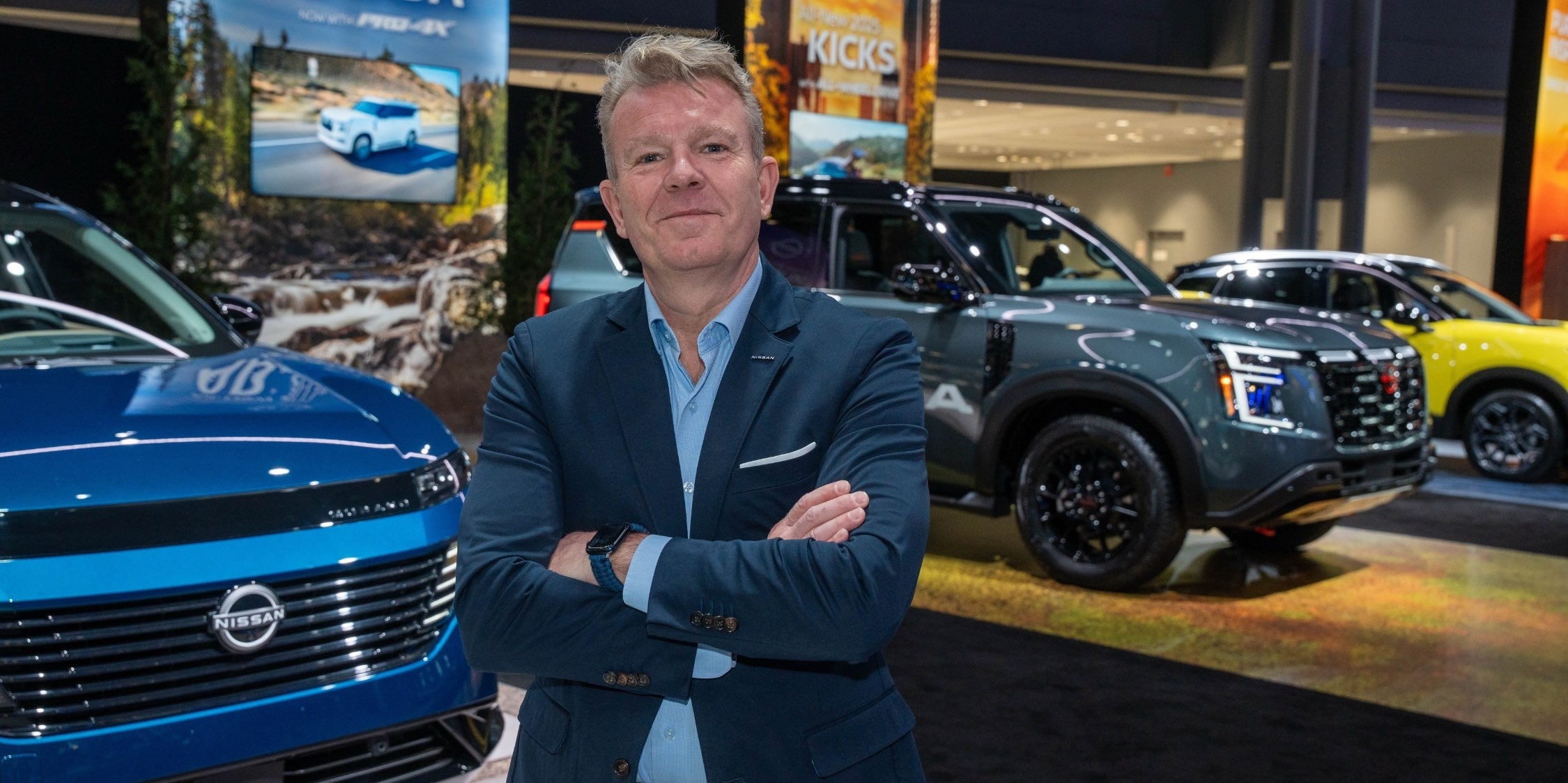
Chinese Will Build Cars In North America In 2-3 Years, Nissan Boss Warns

  • China automakers will set up Mexico factories within three years, Nissan America’s Chairman predicts.
  • Christian Meunier says Nissan is cutting costs, plans to send China-built cars to Mexico to meet the push.
  • China brands will sell in US eventually, but not for at least five years, Meunier suggested to Auto News.

America rolled out the red carpet for China president Xi Jinping last week, though Chinese cars on US roads remains a firm red line. But a senior Nissan executive is warning that Chinese automakers will start building cars on the continent in as little as two years despite US senators’ determination to keep them at bay.

Nissan America’s Chairman Christian Meunier predicts that Chinese automakers will be building cars in Mexico, just hours from the US border, within three years.

Related: US Lawmakers Push For A Permanent Ban On Chinese Cars

“We have a very aggressive plan in Mexico, especially to get the cost down for us to be able to compete with the Chinese when they get localized,” Meunier told guests at Nissan’s HQ in Yokohama, Japan. “It will happen probably in the next two to three years, so we need to be ready,” Auto News reports him saying.

Like Bill Ford and Ford’s CEO, Jim Farley, Meunier is convinced that Chinese brands will eventually find their way onto US streets. He thinks that won’t happen for at least five years though, which gives existing US brands a little time to prepare for a battle on home turf.

Build Local To Escape Tariffs

 Chinese Will Build Cars In North America In 2-3 Years, Nissan Boss Warns

But most of those brands also operate south of the border, where Chinese cars are already sold, albeit hampered by a 50 percent tariff. The Mexican market is going to be even tougher once cars are built locally, and prices are pushed even lower without tariffs in place. Legacy brands are going to have to push theirs down to compete.

“Cost competitiveness is going to be the rule of the game in the next five years,” Meunier said, claiming that Western and Japanese brands haven’t worked hard enough in recent years to reduce costs. He described Nissan’s current supply and cost setup as being “not good enough to compete head to head with the BYDs of this world.”

Fight Fire With Fire

 Chinese Will Build Cars In North America In 2-3 Years, Nissan Boss Warns

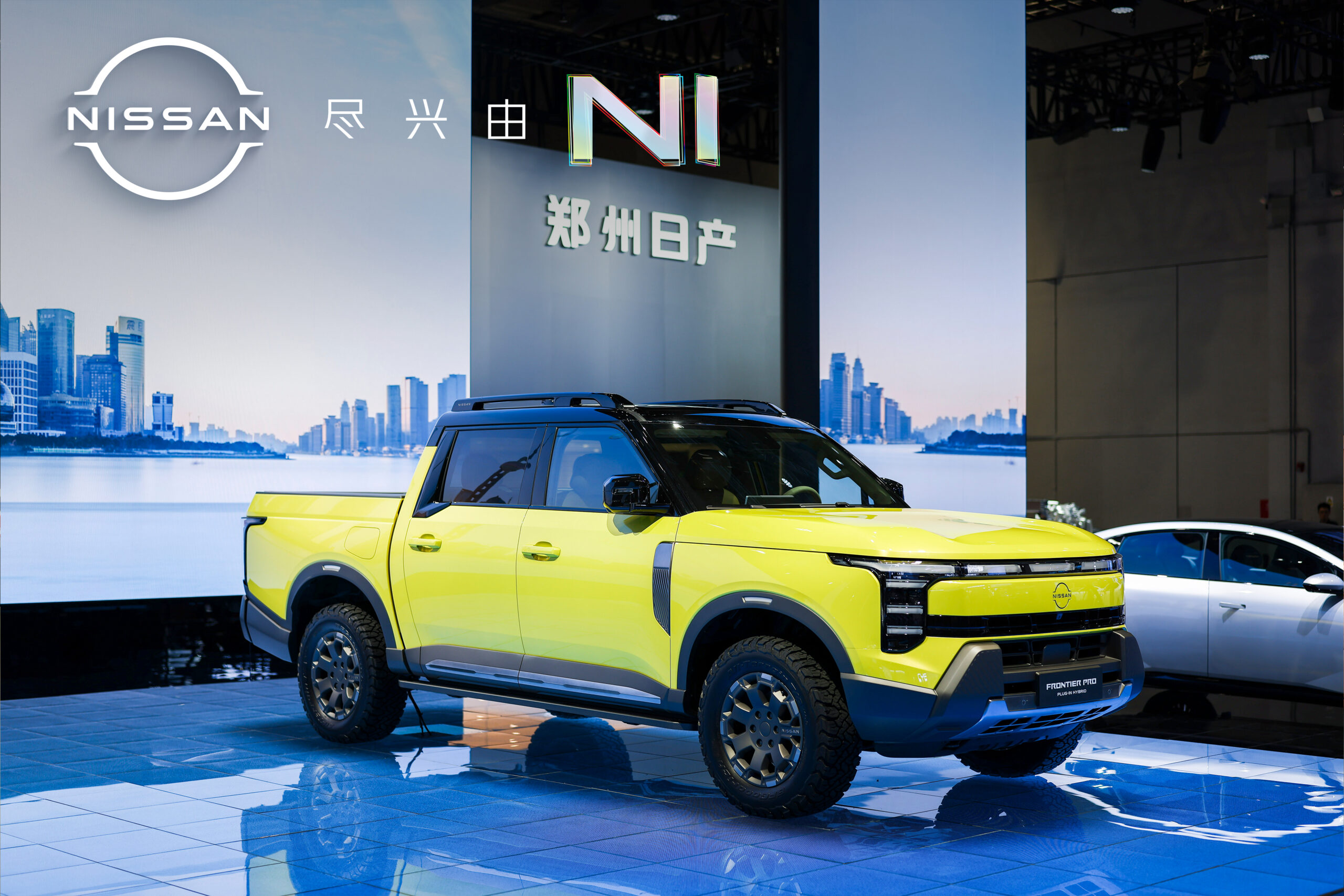
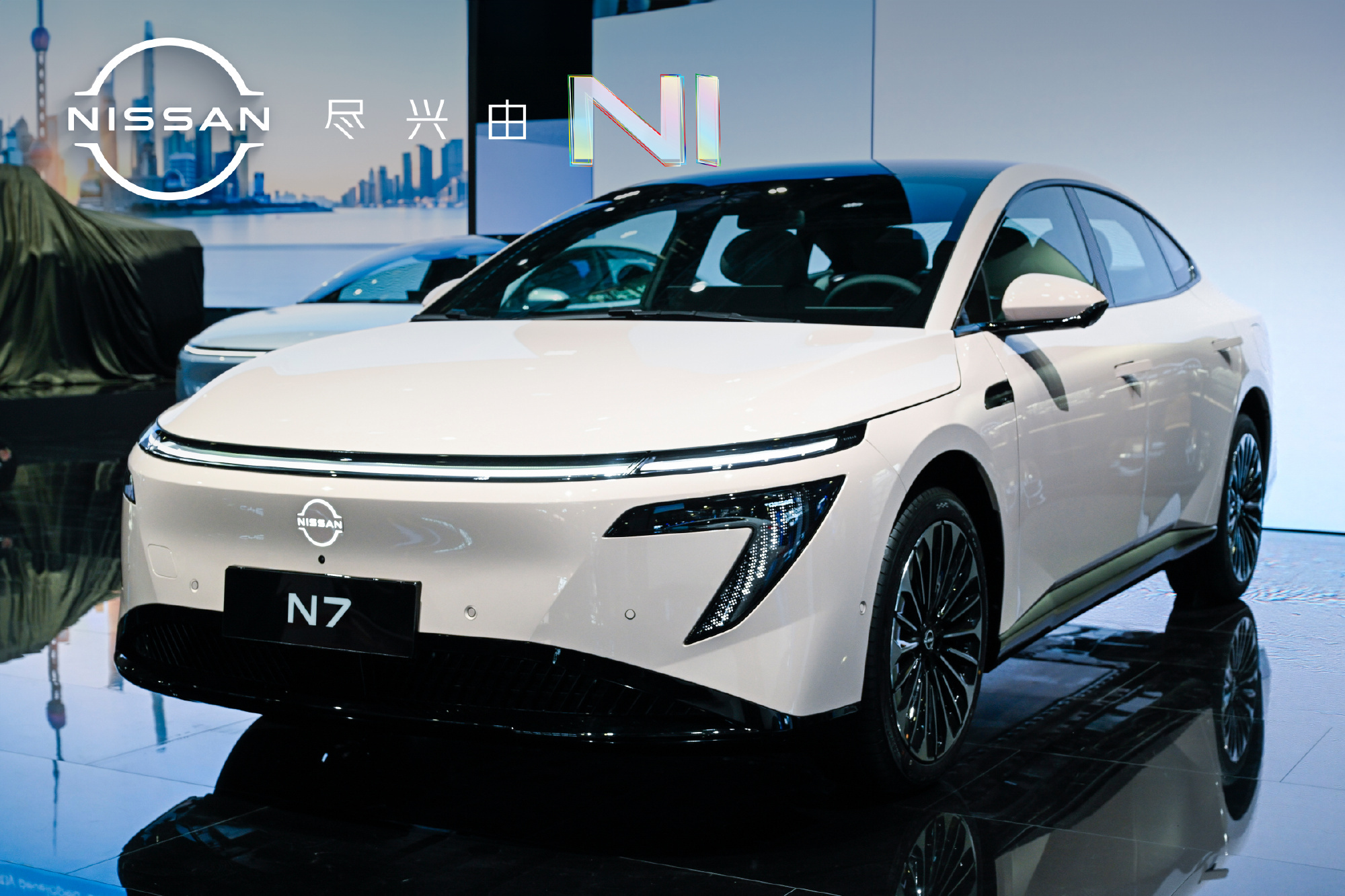
But Meunier says Nissan has another weapon in its arsenal besides simply trimming fat, one that will help it keep pace with the Chinese. It plans to give China’s automakers a taste of their own medicine by selling China-built models in Mexico. The Frontier Pro pickup (above) is now being launched in the country, and availability will expand to Latin America this year, Auto News reports. The N7 electric sedan (bottom pic) will also soon land in the region from China to tap into a boom in EV sales.

“We’re taking advantage of the opportunity to have a Chinese developed product compete with Chinese manufacturers in Latin America, because it’s clearly a big, fast invasion that is happening,” Meunier said.

Europe Shows What Could Happen

Meunier’s warning comes less than two weeks after Hyundai CEO Jose Munoz raised the alarm over the prospect of Chinese cars disrupting the US market. Munoz said that without safeguards in place, the US could end up like the UK or Europe, where one in every 10 cars sold is Chinese, a share that is only growing.

Big tariffs on Chinese cars currently keep them out of the US, but senators are currently trying to introduce legislation to permanently ban them. At the same time, President Trump has said he is open to the idea of Chinese brands opening car plants inside US borders.

 Chinese Will Build Cars In North America In 2-3 Years, Nissan Boss Warns

Nissan

Alpine Teases Next A110’s Design, But It’s What’s Underneath That Will Make Or Break It

  • Alpine will show a 1:1 sculpture of the new A110 at this October’s Paris Motor Show.
  • Design is recognisable as an A110, but looks longer, leaner and more supercar-like.
  • A110 will debut in 2027 as an EV but Alpine hints that hybrid engines will fit chassis.

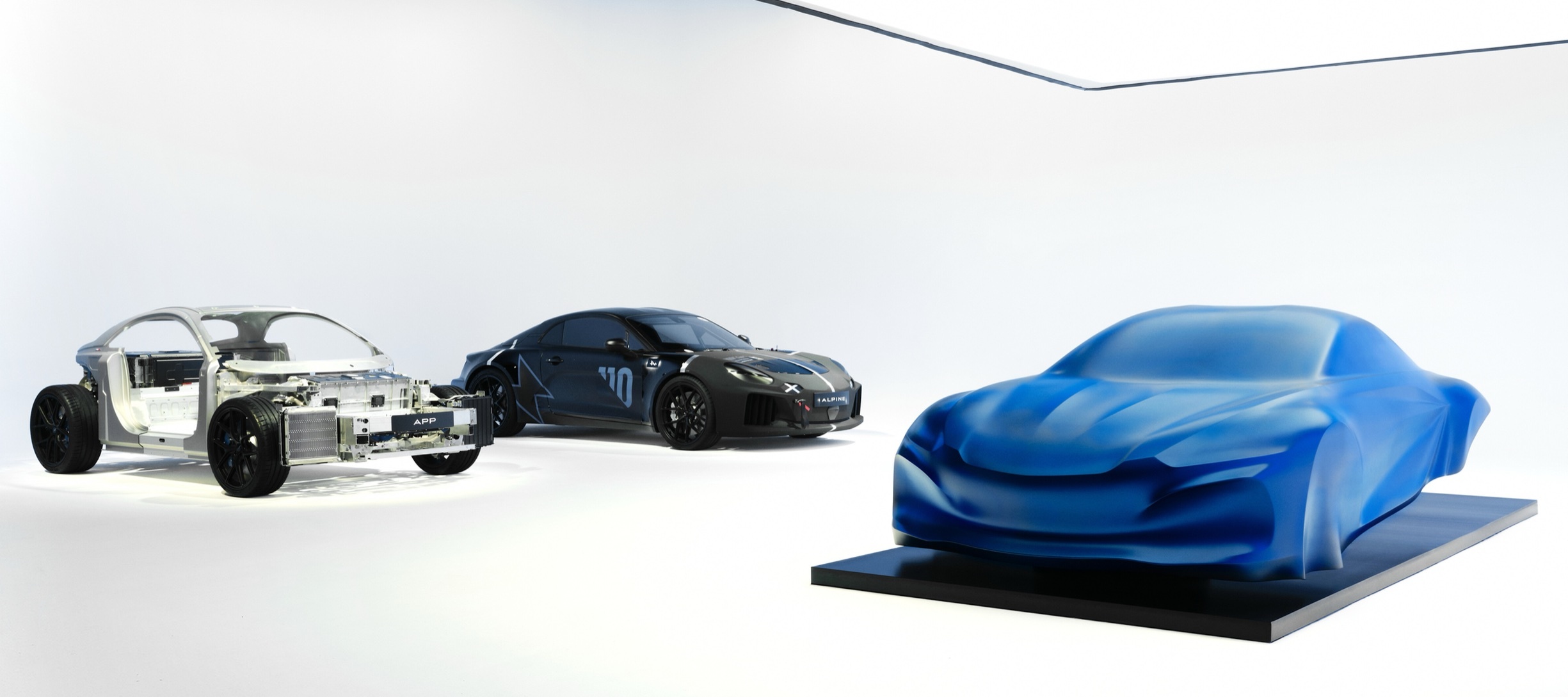
Beautiful cars are sometimes likened to sculptures, but French sports car brand Alpine’s latest concept really is a sculpture. The full scale exhibit previews the look of next year’s new Alpine A110 and will be the focal point of the brand’s Paris Motor Show stand this October.

The sculpture reveals the design of the 2028 A110 without revealing too much, if that makes sense. It’s as if someone has dropped a silk sheet over the coupe’s bodywork, then pulled the air out from underneath it. What you see is the shape and contours of the aluminium skin and a hint at some of the details, while still leaving some mystery.

Related: Americans Might Force Alpine To Put Gas Back In Its New Electric Sports Car

Alpine says the tension visible in the blue veil is meant to look like it was caught by the wind, a nod to lightness and aerodynamics. It even claims one of the big inspirations was Concorde, the supersonic passenger jet co-created by Britain and Frances.

But that doesn’t mean Alpine has junked everything we loved about the outgoing A110, itself heavily inspired by the classic 1960s original. The V-shaped nose and dual light setup are still there, and though the sculpture tells us the new car will be leaner and possibly lower and longer, you’re not going to mistake it for anything else.

Design Evolution, Powertrain Revolution

\\\\\\\\\

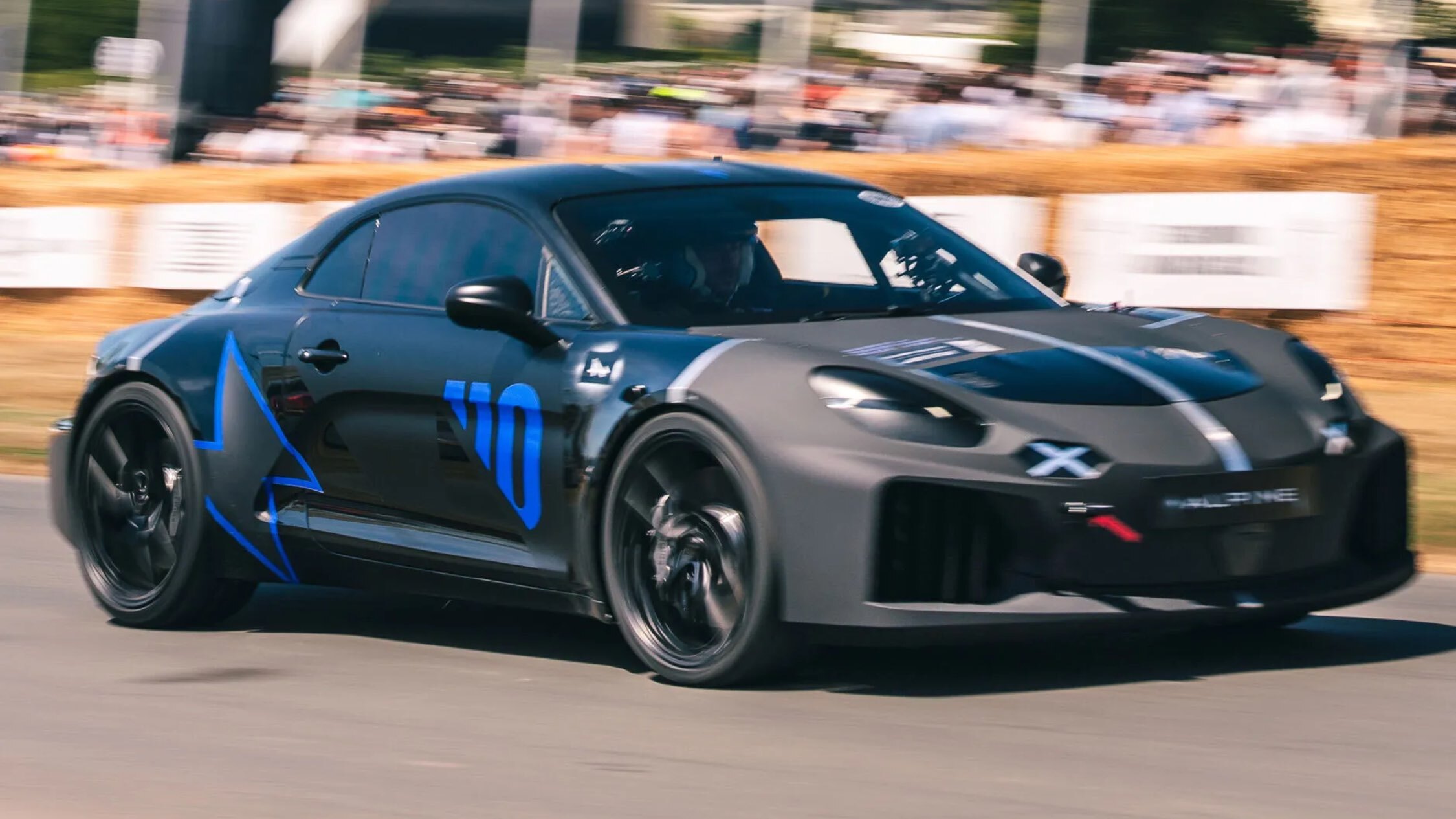
Unless you’ve got your eyes closed when one drives past, in which case you might assume it was a runaway washing machine. Because the A110 is going electric. At the Goodwood Festival of Speed in July Alpine demo’d the new hardware in stretched version of the current A110 (below) called the A110 Future. That hardware includes a dual-motor rear axle with active torque vectoring and clever wheel-slip control. Today’s A110 is lauded for its agility, but the EV is shaping up to be even more mobile.

It’ll also have an unusual battery arrangement. Instead of having one massive battery under the floor of the APP platform, the new A110 will have two smaller batteries placed at each end of the chassis. That keeps the floorpan low and the driving position and roof, too. It will also help Alpine achieve a 40:60 front to rear weight distribution. An 800-volt electric system will ensure fast charging, though the exact speed and range figures are still secret. As is the weight, which is expected to balloon by 660 lbs (300 kg).

Electric First, Possible ICE Option Later

 Alpine Teases Next A110’s Design, But It’s What’s Underneath That Will Make Or Break It

Also secret are Alpine’s intentions when it comes to combustion power. The A110 was conceived as an EV when it looked like electric cars were set to make gas ones a minority in short order. But while EV sales continue to grow in Europe, where they now account for one in four new cars, enthusiast buyers have signalled their preference for petrol engines. And it sounds like Alpine is listening.

“Before you ask, yes the platform is designed to accommodate an internal combustion engine,” Alpine’s CEO Philippe Krief told British magazine Autocar in March. At Goodwood, four months later, he said a decision over whether to make a petrol model will be made by the end of 2026. If it gets the green light it could take around two years to reach production.

Could Come To America

 Alpine Teases Next A110’s Design, But It’s What’s Underneath That Will Make Or Break It

Although Krief gave no indication of which ICE motor might find its way into the A110’s chassis, there is one obvious source. Horse Powertrain, the company created by Alpine’s parent company Renault and China’s Geely, has developed multiple hybrid engines, one of which is good for 349 hp (354 PS) and 380 lb-ft (515 Nm).

A combustion engine option would be essential if Alpine ever wanted to bring the A110 to the US – where the current car was never available, and where EV sales are very weak. Expansion to America was previously baked into Alpine’s growth plans, but they were put on hold in 2025, in part due to the introduction of tariffs by President Trump. But Krief revealed this summer that the A110 was being put through US crash tests.

\\\\\\\\\\

Alpine

Land Rover’s Baby Defender Is Testing Something Strange

  • Land Rover’s mini Defender is testing ahead of a 2027 debut.
  • Box on rear could be hiding storage cables and tire foam can.
  • Hybrid and EV types offered, could get Defender Sport name.

Land Rover is working on a smaller version of its massively popular Defender, a compact SUV that could be called Defender Sport. But a smaller Defender means a smaller trunk, and it looks like Land Rover has come up with a new solution to expand storage options.

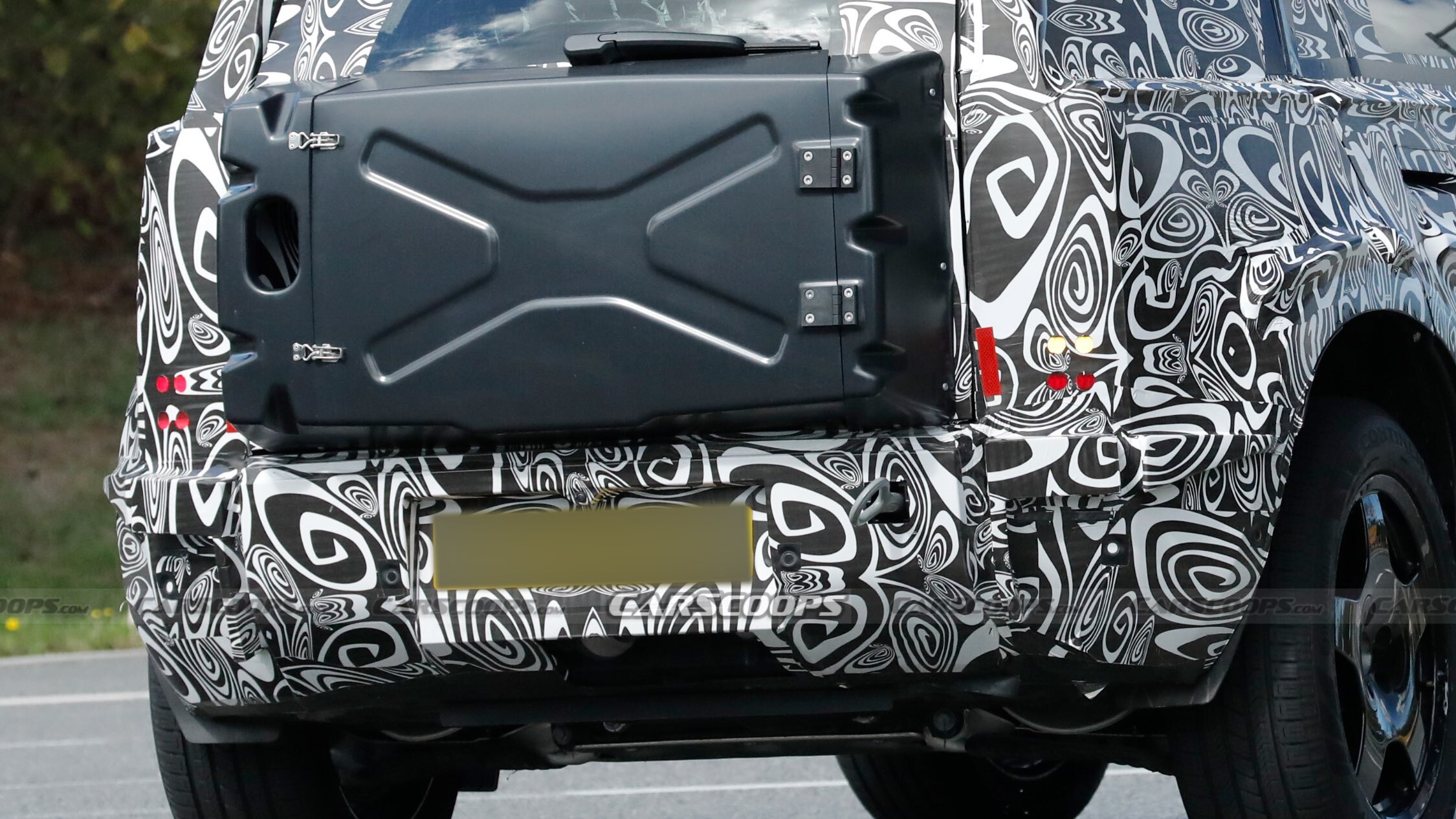
New spy shots taken close to JLR’s Nurburgring base show the baby Defender with a strange-looking rectangular box bolted to the outside of the side-hinged rear door. It’s the wrong shape to be hiding a conventional spare wheel, something we saw on a different prototype earlier this month. And the fact that’s not covered in camouflage suggests Land Rover wants us to notice it and ask questions.

Related: Land Rover Defender Reports For Duty As JLR Bids For UK and NATO Defense Contracts

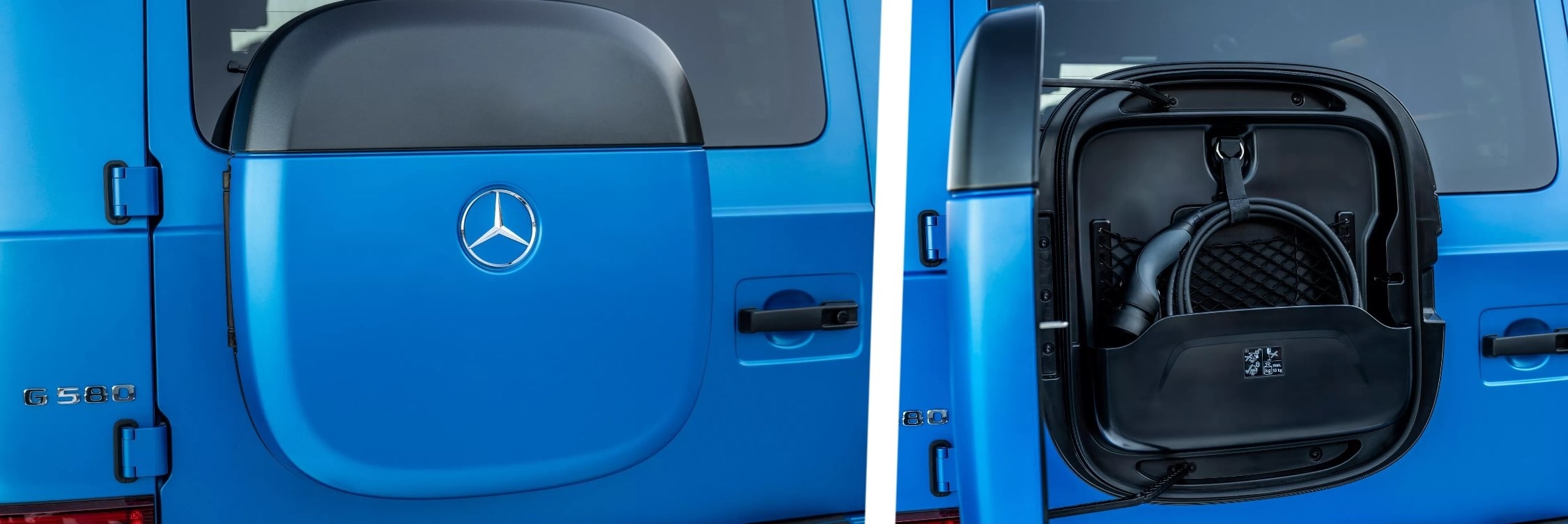
We’re sure that the box we can see in these pics is only there to hide what’s underneath, and won’t actually be available on the Defender Sport when it goes on sale next year. But if that’s the case, what is underneath? One possibility is that there’s a dedicated box for a charging cable, like the Design box Mercedes offers for its slow-selling electric G-Class (below).

 Land Rover’s Baby Defender Is Testing Something Strange

Cable storage is a bit of a problem on most EVs, especially ones without a frunk, and particularly if you carry a lot of other kit around in your trunk. The Mercedes Design box solves this problem, allowing you to easily access the cable from a box on the rear door that looks like a mini spare wheel, so fits with the rugged SUV design aesthetic.

But it’s possible Land Rover might choose a different look for its box, maybe one that replicates the look of the side panel boxes on the big Defender. And on cars without the rear-mounted spare wheel, which is heavy and saps range on an EV, Land Rover could potentially use that same box for a tire repair kit to at least continue the wheel theme.

Hybrid And Electric

 Land Rover’s Baby Defender Is Testing Something Strange

Not all Defenders will even need a charging cable box, because although the EMA platform the baby Defender shares with the new Range Rover GT coupe was designed originally for EVs and features 800-volt electrics for speedy charging, it has since been modified to accept hybrid power. But unlike some premium SUV brands, this one won’t offer plug-in powertrains, focusing instead on conventional full hybrid tech.

That shift from electric to petrol-electric was essential for the SUV to succeed in the US, which is likely to be its biggest market. It’s a market where EV sales have sunk like a stone, but hybrid demand is on the rise. In Europe, on the other hand, where electric sales are hitting new heights, and one in every four new cars is electric, the EV version will be extremely popular.

But the Defender Sport won’t have the market all to itself. Because Mercedes is working on a shrunken G-Class in the same mould as Land Rover’s compact Defender. Like the baby Defender, the pocket G will be offered with both hybrid and electric powertrains. This time next year could have a real boxing match on our hands.

\\\\\\\\\\\\

Baldauf

Rolls Royce Will Open And Close The $9.5 Million Nightingale’s Trunk 15,000 Before Owners Take The Keys

  • Rolls Royce’s coachbuilt Nightingale project has moved to the dynamic testing phase.
  • The 5,760 mm roadster is as long as a Phantom limo, but only has seating for two.
  • Unusual test protocol involves opening and closing “piano” lid trunk 15,000 times.

Do Rolls Royce owners even open their trunks, or do they have someone to do it for them? We’re not rich enough to know the answer, but whoever is tasked with stashing and retrieving luggage from the automaker’s coachbuilt Nightingale roadsters won’t have to worry about the trunk mechanism going wrong. By our estimation it will have seen 200 years’ worth of action before being delivered.

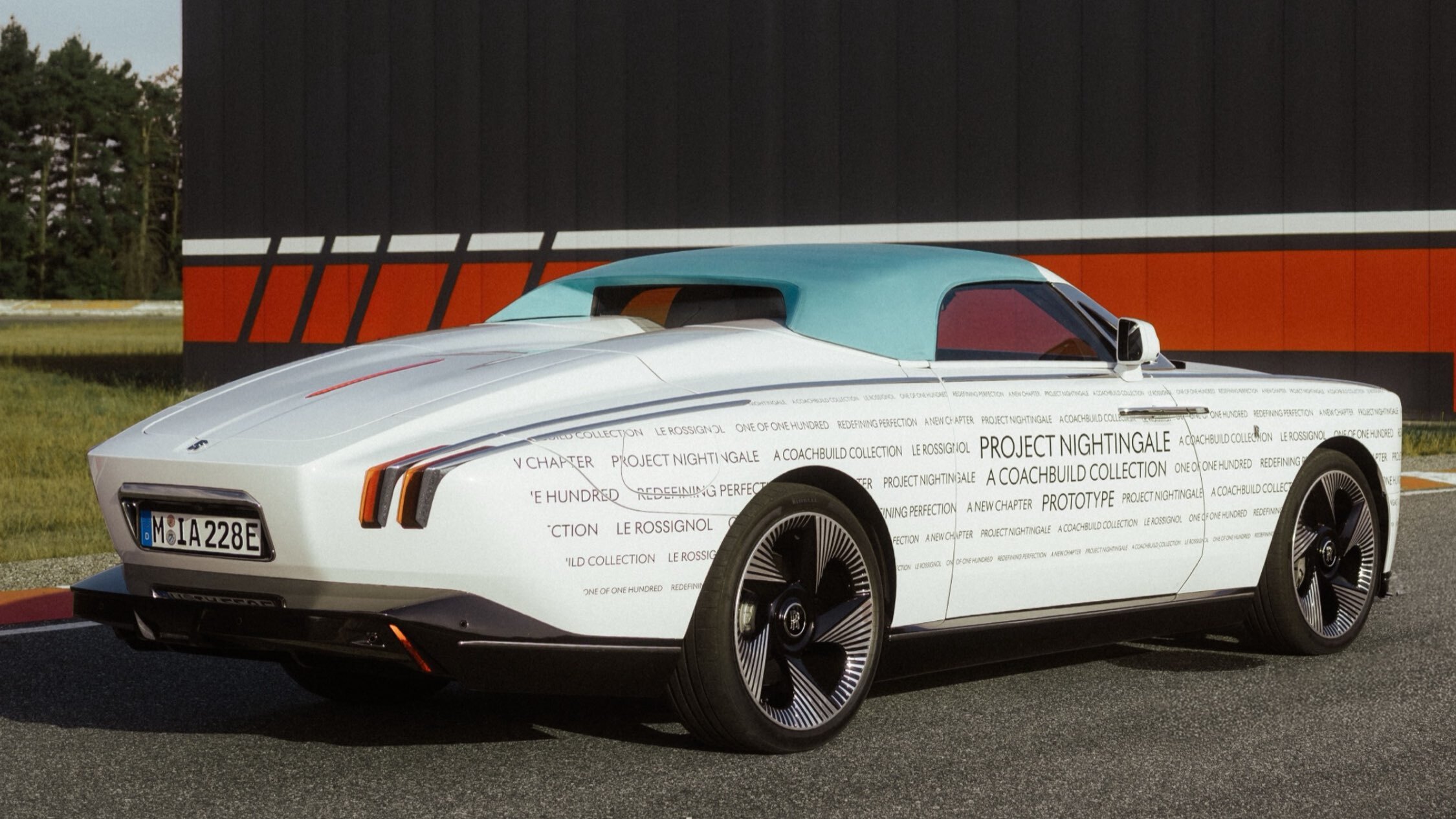
The Nightingale is a fully electric convertible that must be the sportiest thing to feature the Spirit of Ecstasy since Henry Royce was still steering the ship in the early 1930s. It kicks off the brand’s Coachbuild Collection series and is limited to 100 units. Each one is estimated to set its owner back a staggering $9.5 million, and that’s before Rolls adds any really special personalization requests to the bill.

Related: When It Comes To Rolls Royce, The White House Hasn’t Got A Clue

At a colossal 226.8 inches (5,760 mm) long, and offering space for only two passengers, the Nightingale has the kind of length to seats ratio that makes even Detroit’s most wasteful 1970s land yachts look as space efficient as a Japanese Kei car. But because the design draws inspiration from luxury watercraft, it kind of works. Hey, we said “kind of.”

 Rolls Royce Will Open And Close The $9.5 Million Nightingale’s Trunk 15,000 Before Owners Take The Keys

My favourite feature is the tiny cashmere top that’s been designed to let the sound of raindrops through, while blocking out what little mechanical noise the electric powertrain generates. But the most arresting feature is certainly that huge boat-tail rear end and the “piano boot” (trunk) that opens sideways like the lid on a baby grand.

Rolls Royce says the mechanism is subjected to 15,000 cycles of opening and closing, ensuring repeated use “never interrupts the perfect theatre and effortless operation of this hallmark gesture for generations to come.”

Two Lifetimes Of Use

\\\\\\\\\\

Assuming these cars are used maybe once a week (and that’s probably a generous assumption), and the trunk is used opened and closed twice on each of those days, Rolls has probably tested the hardware for the equivalent of around 150 years of use.

But that’s not the only testing the automaker has planned for the Nightingale, which translates as Le Rossigni in French, and was the name of Henry Royce’s villa on the Riviera. Royce and his team used the villa as a testing base when putting cars through their paces across Europe, and the modern Rolls claims it will spend 350 weeks testing the coachbuilt convertibles in similar locales.

They’ll be subjected to twisty Mediterranean roads, snowy Arctic Circle ones and even tackle North African deserts and 2,750 m (9,020 ft) mountains. Most of which, owners will never do, just as they’re unlikely to test the accuracy of the 155 mph (250 km/h) speed limiters. But when you’re trying to sell someone a car costing the thick end of $10 million, you damn well better get it right.

\\\\\\

Rolls Royce

BMW M3 EV Lays Down 11s Trying To Shake Xiaomi At The Ring

  • BMW’s upcoming electric M3 just showed us it’ll still drift like a gas-powered M3.
  • Disguised sedan carved two arcs of rubber exiting a corner at the Nurburgring.
  • A 1,526 hp Xiaomi SU7 Ultra was turning up the heat a few car lengths back.

No matter how good the 2028 M3 EV is, it’s going to be missing some of the current (and next) gas car’s calling cards, including the signature quad tailpipe setup. But one thing that won’t change is the M3’s ability to lay down a couple of big curling lines of rubber on a corner exit.

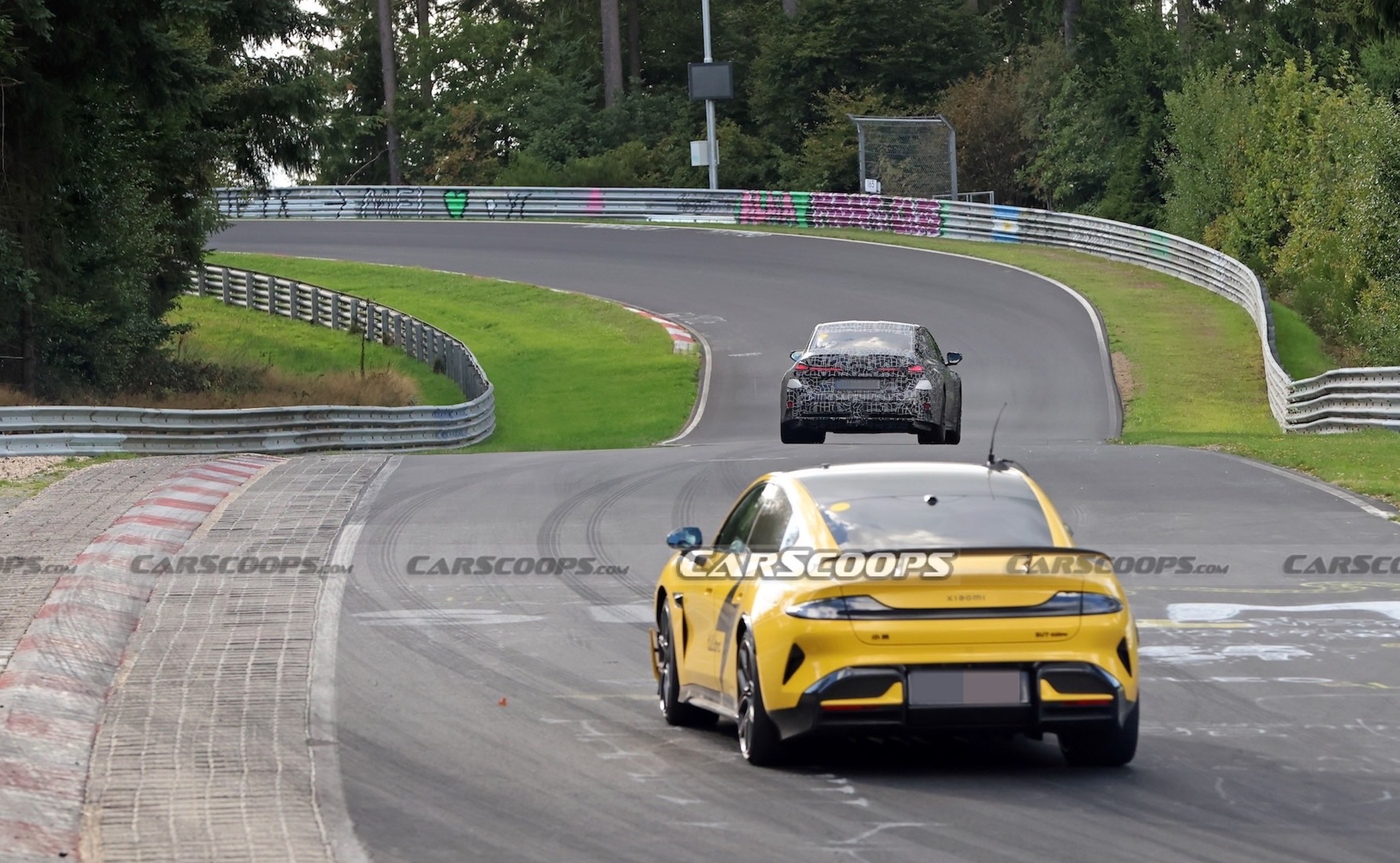
We know this because our spy photo guys were positioned at just the right spot to see an electric M3 prototype push a little harder than normal while hot-lapping at the Nurburgring. Why was the driver pushing harder? The yellow sedan closing in from behind might have something to do with it.

Related: The BMW M3 Is Going Electric, But Not Every M3

It’s a Chinese Xiaomi SU7 Ultra, which you might recall was for a while the fastest production EV at the Ring. The 1,526 hp (1,547 PS / 1,138 kW) sedan recorded 7:04.96 in 2025, but has since been relegated down the league table by the Yangwang U9 Extreme (6:59.157) and Manthey-kitted Porsche Taycan Turbo GT (6:55.53).

We don’t yet know how much power the electric M3 will make, though the base version probably isn’t going to match the SU7’s output, or the 1,341 hp (1,360 PS / 1,000 kW) of the 2025 Vision Driving Experience concept. BMW M boss Frank van Meel has even been quoted by Evo as saying it “makes no sense to drive with 1000 horsepower…because it’s not controllable.”

Trades Brute Force For Agility

 BMW M3 EV Lays Down 11s Trying To Shake Xiaomi At The Ring

Instead, the regular M3 EV is expected to generate far less power. The Hyundai Ioniq N makes 641 hp (650 PS), and no one who has driven one ever got out suggesting it could do with a bit more oomph. BMW will probably feel the need to move the needle, perhaps closer to 790 hp (800 PS). But still keep way below the four-figure outputs of EVs like the SU7 Ultra.

In a way, and I know this sounds perverse when we’re talking about a heavy EV, it’s like BMW is remembering what made the original M3 so much fun, and acknowledging that most EVs have got it wrong. The E30 wasn’t outrageously quick, even when new, but it was agile and felt real-world fast. And BMW’s M team wants the gas-free M3 to be, too.

So it’ll have four electric motors, allowing it to run in either rear- or all-wheel drive mode, and it’ll feature agility-boosting torque vectoring capabilities. Which should mean that even if you have to pull your M3 over to let one of those power-powered Chinese EVs past, you’ll probably be the one wearing the bigger grin.

\\\\\\\\\\\\\\\\\\\

SH Proshots

Lucid Wants To Put 25,000 Robotaxis On European Roads

  • Lucid’s upcoming midsize platform will spawn a robotaxi for European cities.
  • The cabs will operate under the Bolt banner and use Nvidia Hyperion L4 tech.
  • Lucid already has a US deal with Uber and Nuro to deploy 35,000 robotaxis.

The name might not be familiar in America, but the Bolt ride-hailing company is a Goliath in other parts of the globe, operating in more than 850 cities across 50 countries. And proving that anything its more famous rival Uber can do, Bolt can do too, the Euro operation is teaming up with Lucid to develop tens of thousands of robotaxis.

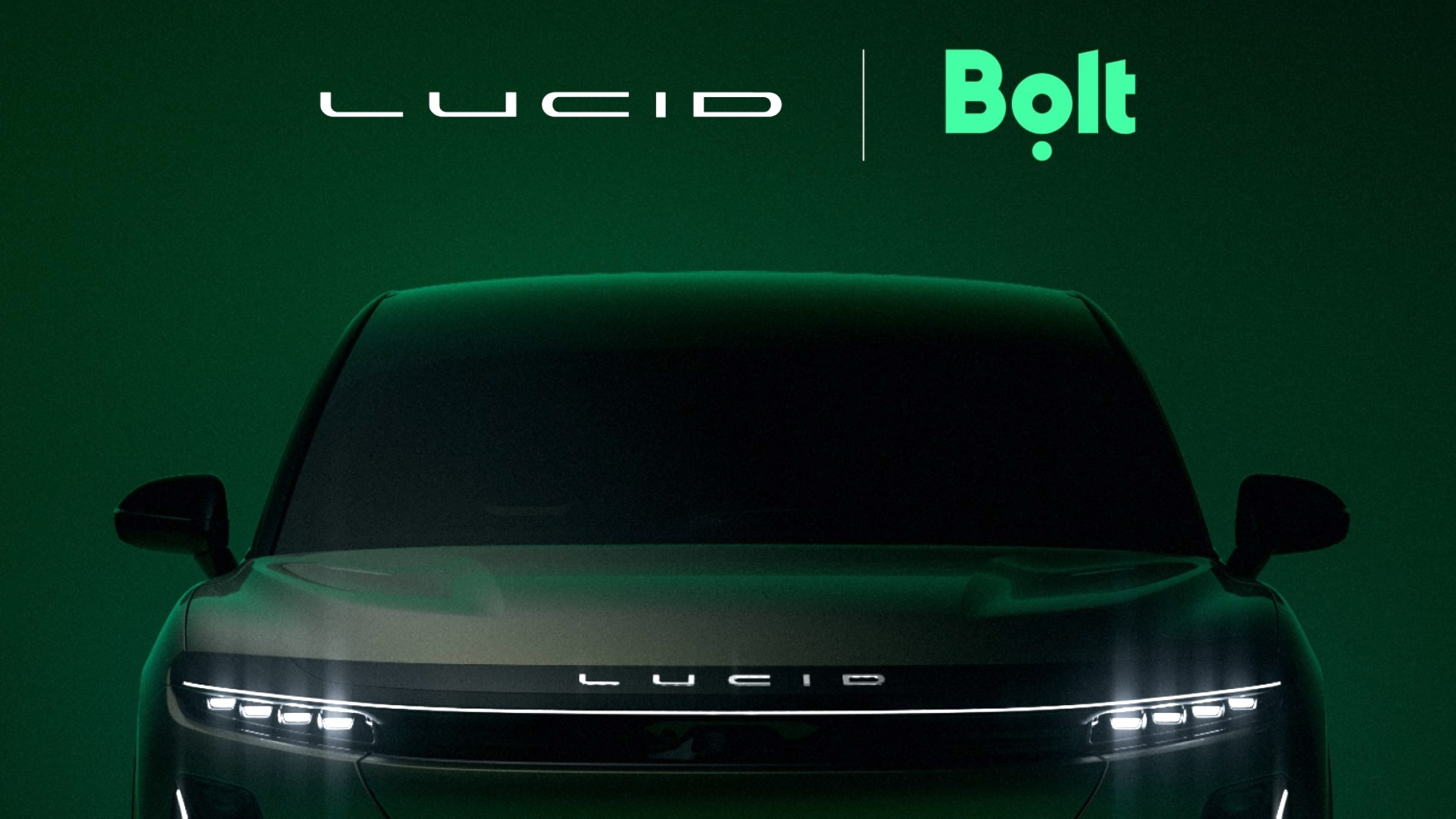
Lucid and Bolt today announced they are joining forces to put 25,000 autonomous cabs on Europe’s streets. It’s part of Bolt’s commitment to provide riders access to 100,000 driverless cars on its platform by 2035. The American EV brand already has a deal in place with Uber to roll out 35,000 robotaxis across North America starting this year.

Related: Don’t Play Chicken With A Tesla Cybercab By Jumping In Front Of It

But there are a couple of important differences between the two deals. Bolt’s Lucids will be based on the carmaker’s upcoming midsize platform, which is probably a better fit for Europe’s generally smaller roads. Lucid and Uber in the US, meanwhile, will use the Gravity SUV, as well as the midsize car when it arrives.

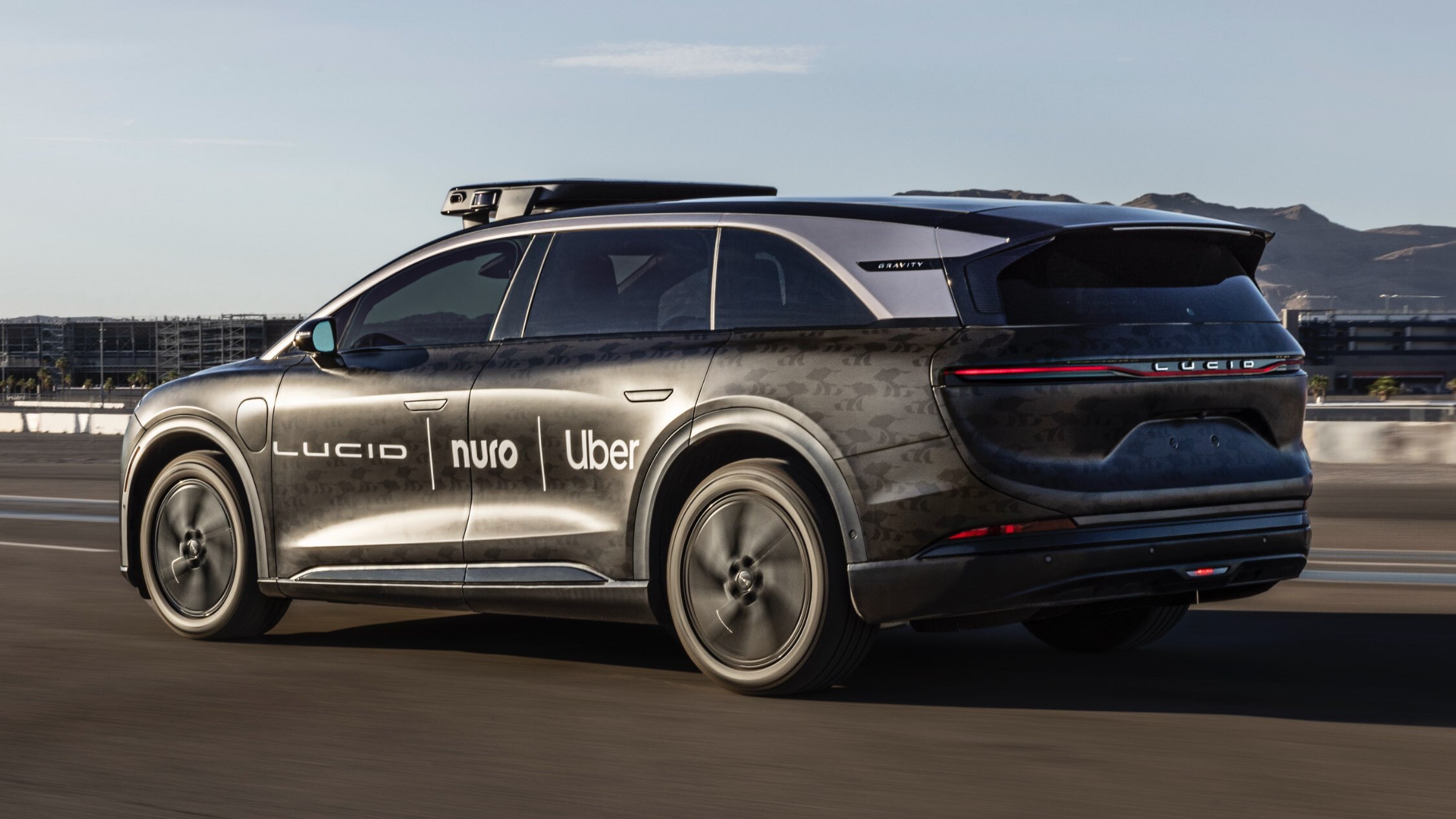
And that’s not the only point of differentiation. Both ride-hail operators’ robotaxis will feature Level 4 autonomous tech enabling them to function without a human driver. But while the US cabs rely on hardware and software from Nuro (image below), Bolt’s robotaxis get their driverless brains from Nvidia Hyperion. Bolt says it will own the entire 25,000-car fleet.

Strong Competition

 Lucid Wants To Put 25,000 Robotaxis On European Roads

The robocab market is really heating up in Europe right now. Uber, Verne (co-founded by Mate Rimac) and Pony.ai have already started offering rides in Zagreb, Croatia, and Waymo is currently testing in Europe and plans to launch in Germany before the end of 2027.

Uber has also joined forces with Wayve to put 15 autonomous Mustang Mach-E robotaxis on London’s streets, though each of the EVs is currently required to have a human driver, while Wayve waits for final regulatory approval. And Elon Musk has promised to bring Tesla’s Cybercab to Europe, without offering any kind of timeline.

 Lucid Wants To Put 25,000 Robotaxis On European Roads

Lucid, Tesla

US Hybrid Sales Are Full Steam Ahead, But EV-Focused GM Missed The Boat

  • Hybrid sales in the US jumped from 16 % share to 19 % after start of Iran war.
  • Explosion in gas prices has pushed people into hybrids, but not fully electric cars.
  • GM lost market share because of its EV focus while Toyota has gained ground.

If you follow the stock market at all, you’re probably still kicking yourself for not dropping $10k into Sandisk last year. If you’d done that in April 2025 and cashed out 14 months later you’d have made almost $800k. It could be worse though: You could be GM and have invested billions in EVs only to discover everyone wants hybrids.

Rewind to the late 2010s and the whole car industry was going gaga for EVs, with multiple brands pledging to go electric-only by 2030 and most putting huge resources into battery-powered cars. Growing EV sales figures and tightening regulations really did make electric vehicles look like they would take over the world.

Related: Kia Sets All-Time August Sales Record As Hybrids Soar

Hybrids, meanwhile, which had kick-started the modern electric revolution in the late 1990s, were dismissed as an “interim solution” by GM boss Mary Barra in 2019, Reuters reminds us. But seven years later, American car sales say hybrids are the complete solution, not an interim one. And automakers who bet on gasoline-electric rather than electric power alone are winning big.

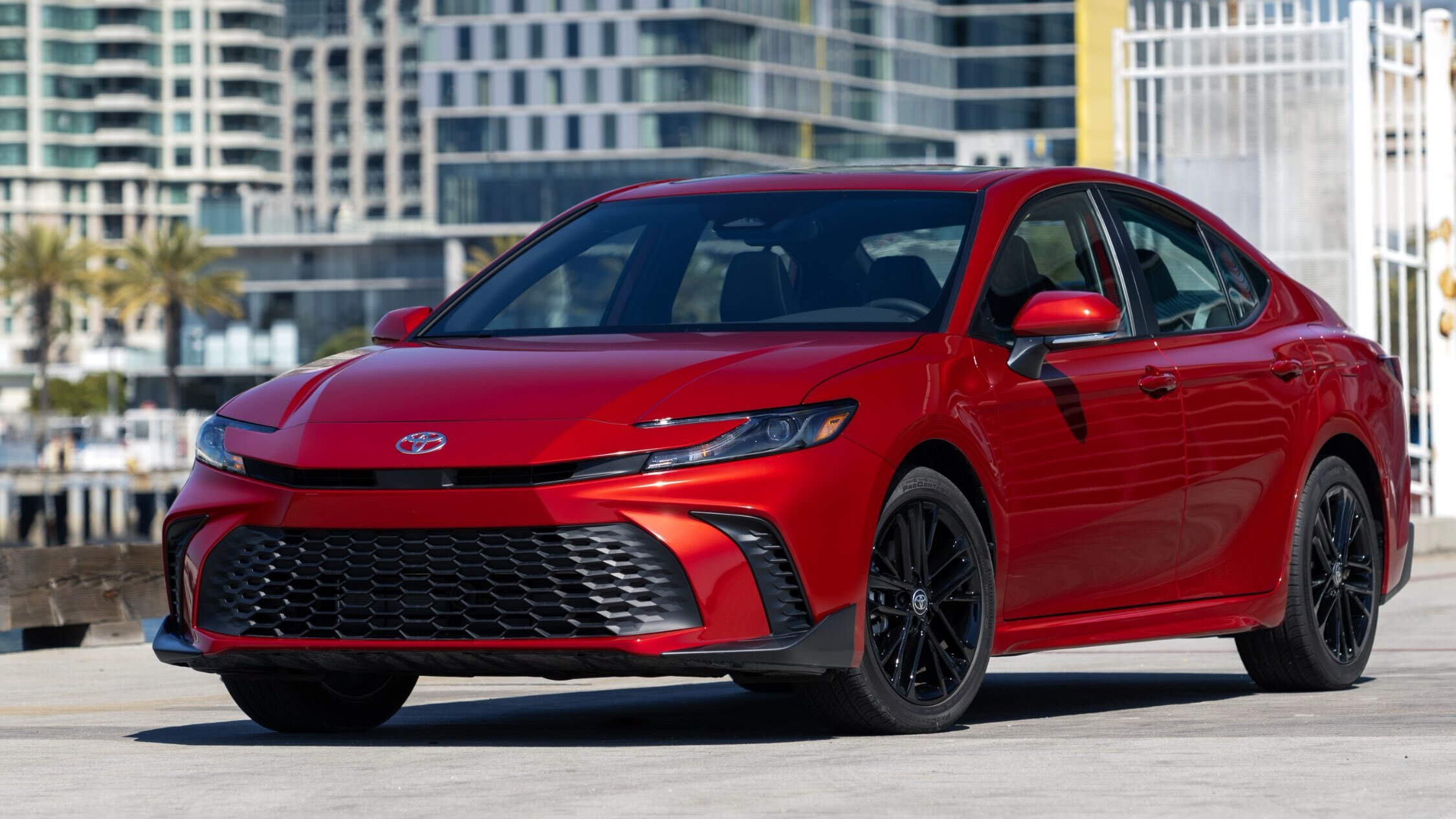
The biggest winner is Toyota. It’s crushing the competition, securing a 49.2 percent share in Q1 of the hybrid market, Cox Automotive says, per Reuters. That market has grown, too. Hybrids’ share of the total car market swelled from 16 percent in February to 19 percent in August on account of gas prices exploding following the start of war in Iran. And one analyst told Reuters he expects hybrids to hit a 34 percent share by 2031.

Stuck To Its Hybrid Guns

 US Hybrid Sales Are Full Steam Ahead, But EV-Focused GM Missed The Boat

Toyota, you’ll remember, popularized the hybrid with the original Prius, and endured years of criticism for being slow to launch EVs. But it never wavered from its commitment to hybrids, and that determination is paying off in the US in 2026. While GM’s share of the US car market fell from 17.6 percent in the first half of 2025 to 16.8 percent in the same period this year, Toyota’s grew from 15.5 to 15.8 percent, according to Cox Automotive.

EVs also cut fuel costs, of course. And in Europe, which is suffering the same kind of gas pain American drivers are battling, EV sales are on fire. One in every four new cars sold there is an EV. But in the US, sales are heading in the opposite direction, partly as a result of the Trump administration killing federal EV tax credits. Their share of the US market fell from 14.4 percent in September 2025 to 7.1 percent this May.

The 19 MPG Hybrid

 US Hybrid Sales Are Full Steam Ahead, But EV-Focused GM Missed The Boat

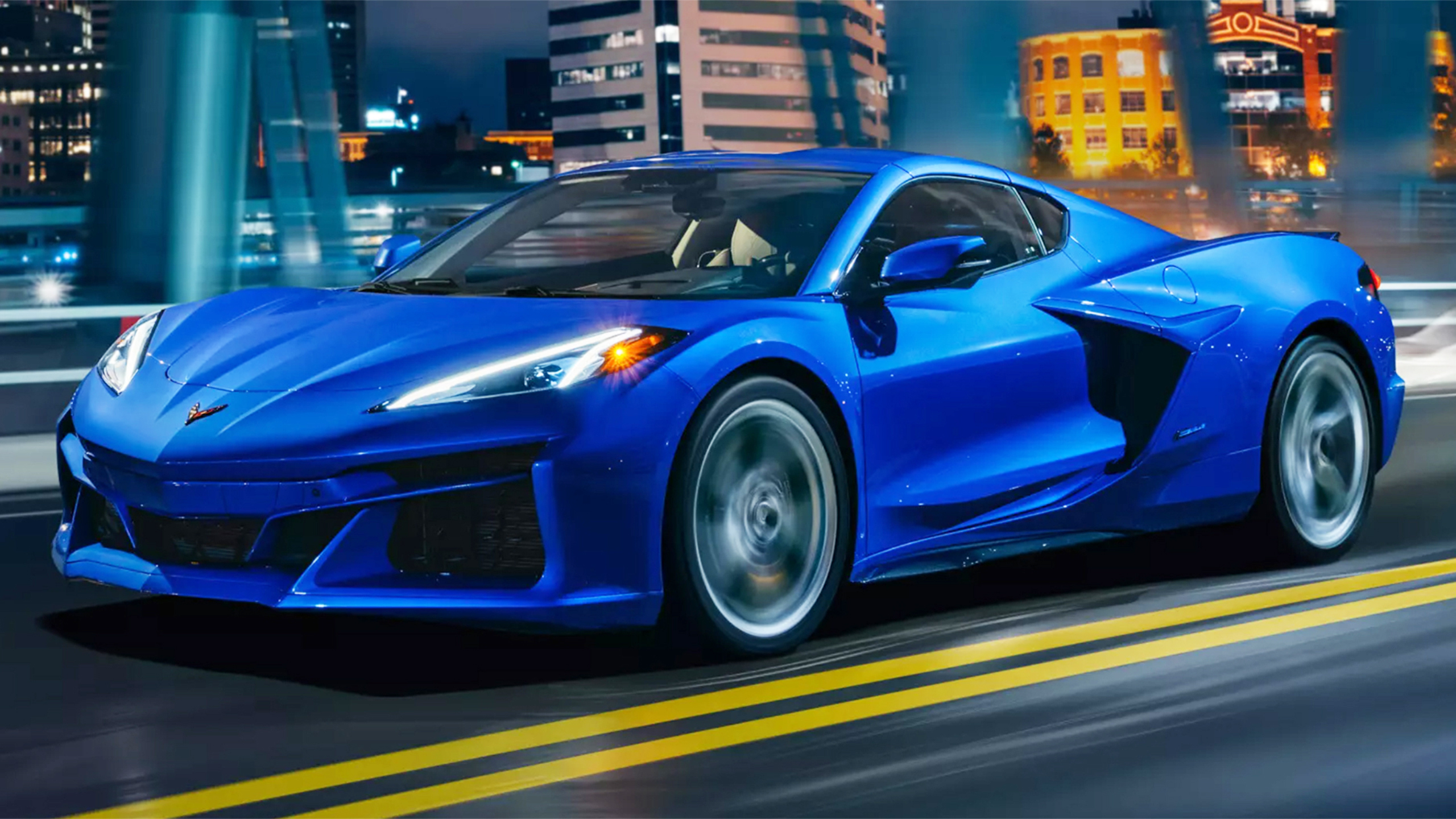
So if GM wants to get back in the game, it’s got no option but to deliver multiple new hybrid choices to support the straight gas vehicles it fortunately kept building. Incredibly, the General’s sole hybrids in the US today are three Corvettes, the $111k E-Ray, $119k Grand Sport X and $227k ZR1X, though in previous years it also sold hybrid sedans and SUVs. It also sells hybrids in China.

When will we see new GM hybrids with more than two seats in North America? Dealers won’t like the answer, because while the automaker won’t confirm dates or comment on speculation, Reuters industry sources say American showrooms could be hybrid-free zones until near the end of the decade.

 US Hybrid Sales Are Full Steam Ahead, But EV-Focused GM Missed The Boat

GM, Toyota

Has Mercedes’ New Entry-Level C 300 Electric Just Made The C 400 Redundant?

  • Mercedes debuts new entry-level C 300 electric with 416 hp instead of C 400’s 483 hp.
  • Zero to 62 mph takes 4.5 seconds, and range falls from 473 to 429 miles.
  • C300 is $5,500 cheaper in Germany, but even more affordable RWD models land soon.

Mercedes pulled the covers off its first-ever electric C-Class sedan back in April, but so far we’ve only seen one flavor. That was the C 400 4Matic electric, a bi-motor, all-wheel-drive version of the compact luxury car. Now it’s joined by a more affordable C 300, but the specs are so close it feels like one of those cars is pointless. But which one?

First, let’s quickly recap the C 400 specs. It makes 482 hp (490 PS / 360 kW), gets to 62 mph (100 km/h) in 4.0 seconds, can charge at 330 kW, and claims a 473-mile (762 km) range from a 94 kWh (usable) battery.

Related: The Mercedes-AMG CLE 646 Will Demolish An M4, But You Can’t Buy One

Now the C 300. You still get two electric motors and all-wheel drive, plus the same 590 lb-ft (800 Nm) of torque. But output falls to 416 hp (422 PS / 310 kW) and the 62 mph trip takes 4.5 seconds, so half a second longer. That’s still plenty of power and performance though, and even the range holds its own, despite a drop in battery capacity to 85 kWh.

180 Miles Added In A Bathroom Break

 Has Mercedes’ New Entry-Level C 300 Electric Just Made The C 400 Redundant?

Mercedes says it’ll manage 429 miles (690 km), and while the max charge rate is slightly slower, from 330 to 320 kW, the C 300’s ability to add 180 miles (290 km) of range in 10 minutes isn’t that far off the 202 miles (325 km) the C 400 gains in the same time.

If you want that plush air-spring ride, a passenger-side screen, and more than 18 inches of wheel, you’ll have to hit the options list in both cars, so there’s no big difference in spec that we can see. But in Germany, where C-Class electric prices have been announced, the C 300’s €62,951 ($72,700) sticker saves you €4,760 ($5,500) versus going for the €67,711 ($78,200) C 400. In the US, the C 400 is expected to cost around $65,000.

Worth The Premium?

 Has Mercedes’ New Entry-Level C 300 Electric Just Made The C 400 Redundant?

The C 400 pulls rank in every key area, but to be honest, we’re surprised how close the C 300 gets. It’s still brisk, still has a really usable electric range, and also the security of all-wheel drive. For plenty of buyers who can look past the kudos of the C 400’s badge, the C 300 looks like the better value option.

But that’s not the end of the C-Class electric story. Mercedes says even more affordable single-motor, rear-wheel-drive cars will follow, and at the other end of the spectrum, AMG is working on a tri-motor rival for BMW’s electric M3 with at least 671 hp (680 PS / 500 kW). Which would you pick – C 300 or C 400?

\\\\\\\\\\\\\

Mercedes

VW’s Most Powerful GTI Ever Is A RWD Electric Hot Hatch

  • ID.3 GTI gets a single rear motor and can go from zero to 62 mph in 5.6 seconds.
  • 79 kWh net battery gives a WLTP range of 373 miles, can charge at up to 183 kW.
  • 20-inch Wörthersee wheel design lifted from the smaller, also-electric ID. Polo GTI.

VW celebrated its GTI badge’s half-century earlier this year with the launch of the first-ever electric hatch to wear those three letters, the ID. Polo GTI. The ID.3 GTI then is only the second-ever electric GTI. But it is a pioneer in other ways. It’s the first ever VW GTI to send its power to the rear wheels, rather than the front.

Europe’s ID.3 electric hatch was overhauled in April and rebranded as ID.3 Neo. The GTI is the halo model of the new lineup and is effectively the pre-facelift GTX, but this time with a GTI badge and some design cues pinched from the ID. Polo GTI.

Related: VW’s ID. Polo Waiting List Is So Long You’ll Get A McLaren Sooner

And damn, doesn’t it look the better for it? A GTI trademark red stripe connects the IQ. Light LED matrix headlights and the gloss-black honeycomb lower grille is punctuated by a pair of red-painted elements meant to look like racecar towing eyes.

Contrasting with the launch car’s searing Tornado red paint – it’s actually a classic 1980s GTI color – are the gorgeous black 20-inch Wörthersee wheels and black mirror caps. But unlike the GTX, the GTI features a body-color roof, rear spoiler, and rear panel.

What has been carried over from the GTX is the single 322 hp (326 PS / 240 kW) electric motor, which outranks the Golf GTI Edition 50’s as the most powerful GTI engine by just one horse. Unlike the ID. Polo GTI, which uses VW’s new MEB+ front-wheel-drive platform, the ID.3 rides on the older MEB shared with models like the ID.4 and ID. Buzz.

Beats Edition 50 For Power, But Not Pace

\\\\\\\\\\\

Which means the single motor sends its power to the rear wheels, VW quoting the exact same 5.6-second zero-to-62 mph (100 km/h) time it did for the old GTX Performance. That compares with 6.8 seconds for the 223 hp (226 PS / 166 kW) Polo GTI and 5.3 seconds for the petrol GTI Edition 50.

A 79 kWh (net) battery under the floor can charge at 183 kW, top up from 10-80 percent in a middling 29 minutes, and gives a solid WLTP range of 373 miles (601 km). The Polo manages just 263 miles (424 km) from its 52 kWh battery.

GTI Mode

But is the GTI just a GTX with some Tornado red lipstick? VW says it’s more than that thanks to a new GTI-specific tune for the DCC adaptive dampers, springs and anti-roll bars. There’s even a GTI driving mode that shifts the motor, throttle response, steering and chassis into maximum attack mode, and is activated by pressing an illuminated button at the base of the sport steering wheel’s center boss.

\\\\

You won’t find that feature in other ID.3s, or the motorsport-style 12 o’clock marker or red, black and gray bucket seats. But the GTI does benefit from the same interior upgrade regular ID.3s got earlier this year. That means higher-quality materials, clickable steering wheel buttons, and another bank of real switches under the 12.9-inch touchscreen.

One thing VW hasn’t yet revealed is how much the ID.3 GTI will set you back when it goes on sale in Europe (but not America) in early 2027. The old GTX Performance cost more than £46,000 in the UK ($62,000), placing it above the Golf GTI, and even making it more expensive than the mighty R. For some potential buyers, those cars, and the slower but roomy and fun-looking ID. Polo GTI with its circa £34k ($46k) sticker, are going to seem like tempting alternatives.

\\\\\\\\

VW

$95k Buys One Of These Official Porsche Licensed 550 Spyders, But There’s One Small Problem

  • Hedley Studios has teamed up with Porsche to create 250 shrunken 550 Spyders.
  • The UK firm also makes similar-scale EVs for Aston, Ferrari, Bentley and Bugatti.
  • Base 550Js get 11 hp and 40 mph vmax; optional RS Pack gives 21 hp, 50 mph.

Camo-free sightings of Porsche’s new Boxster EV point to a debut later this year and a 2027 on-sale date. But if you’re dead-set on a brand new Porsche-branded electric sports car for less than $100k and can’t wait that long, there is another option. The snag is you’ll only be able to cruise it to the end of your driveway and back.

It’s called the 500J, and it’s from Hedley Studios. They’re the folks who previously went by the name Little Car Company and built electric-powered scale replicas of classic legends for the likes of Aston Martin, Ferrari, Bugatti and Bentley. As with those previous projects, the 550J was created in partnership with the automaker using real technical drawings and specifications stashed in the archives.

Related: Porsche’s Boss Saved The Electric 718 And Is Eyeing A Car Above The 911

The original Porsche 550 was built between 1953 and 1956 and is most famous for either being James Dean’s last ride, or a motorsport giant killer, depending on your interest in pop culture and racing. On the track, it used its tiny 1,213 lbs (550 kg) curb weight and 109-133 hp (110-135 PS) 1.5-liter boxer engine to score wins at major events like Le Mans, the Mille Miglia, and the Carrera Panamericana. Only 90 were built, and they’re now worth anything from $1.5 million to $5 million depending on racing provenance.

Hedley’s flyweight 728 lbs (330 kg) 550J is based on the later 550 A, which arrived in 1956 and replaced the original ladder chassis with a much stiffer steel spaceframe. But instead of the original’s aluminium body, the scale tribute gets a carbon fiber suit. And instead of a Type 547 Fuhrmann four-cam, there’s a single electric motor behind the rear seats.

Drilled Rotors But Only 22 HP

\\\\

In stock form, that motor delivers just 11 hp (11 PS / 8 kW) and a 40 mph (64 km/h) top speed. But spring for the optional RS Pack and output is boosted to 22 hp (22 PS / 16 kW), and the top speed to 50 mph (81 km/h). Going the RS route also brings drilled brake discs and adjustable Bilstein dampers, while also lifting the electric range from 30 to 50 miles (48-81 km).

Which sounds fairly pointless since, unlike some of Hedley’s other cars, this one can’t be used on the road. And that, together with a price that’d net you a nice used Porsche, ought to make it the kind of niche trinket that sells in handfuls. But Hedley plans to build 250 of these, each costing £69,500 ($93,800) before taxes and personalization requests. Besides adding the RS Pack, buyers can option theirs with period liveries and even paint-to-sample colors, just like on a full-size Porsche.

Barmy Not To Get A Beck Instead?

The idea of shelling out six figures on what is really just a beautifully crafted toy probably sounds as ludicrous to you as it does to me. But saying that you’d rather spend that $94k on a brand new full-size Beck 550 at Indiana-based Special Edition misses the point.

Seriously rich people live in a different world where they can have both to keep their real 550 company, and throw in a Boxster Electric order for fun. Hedley Studios is just helping them do some of the crazy things we’d all do if we had too much money. What do you think the company’s next scale replica should be?

\\\\\\\\\\\\\\\\

Hedley Studios

VW’s Hypermiling Supercar Is Back

  • VW turned its electric ID. Polo into a concept coupe with a slippery 0.158 Cd.
  • The 2+2 achieved a proven 400+ mile range from a modest 54.9 kWh battery.
  • Carbon bodywork inspired by the 2013 XL1 conceals a 133 hp electric motor.

Speed thrills, but VW thinks efficiency can too. The German brand has just whipped up a new hyper-frugal EV concept that channels the style and spirit of its bonkers XL1 from 2013. And the range figures are kind of wild.

Called the Mission Efficiency, the teardrop-shaped 2+2 coupe has a fairly conventional front end, but the extended bodywork tapers at the rear over an incredibly narrow track. That slippery shape and runway model-skinny 155-section tires help deliver a 0.158 Cd drag coefficient. For a bit of context, the Lucid Air, the most aerodynamically efficient production car on sale, has a 0.197 Cd.

Related: 5 Surprising Similarities Between Tesla’s Cybercab And VW’s XL1

Under the skin, the Mission Efficiency is effectively the new ID. Polo, an electric hatch that rides on VW’s MEB+ EV platform. A single 133 hp (135 PS / 99 kW) motor drives the front wheels for a 9-second zero-to-62 mph (100 km/h) time. And there’s a 54 kWh (usable) battery under the floor, which is essentially the production Polo’s 52 kWh pack but with the lifespan-enhancing safety buffer removed to squeeze out another 2.9 kWh.

But while a 138 mm (5.4 inches) taller and 722 mm (28.4 inches) shorter Polo equipped with the 52 kWh battery achieves around 5.4 miles per kWh, the concept recorded 6.48 mpkWh. On a real-world 794-mile (1,278 km) trip from VW’s Wolfsburg base to Vienna, Austria, it eked out the equivalent of 412 miles (663 km) from a single charge. Engineers also added a 370 W photovoltaic panel to the glass, which it reckons could be worth 18.6 miles (30 km) of range per day in good weather.

Who Needs Brake Fluid, Anyway?

\\\\\\\\

Other efficiency-boosting tricks employed to achieve that feat include using electro-mechanical rear brakes to save weight by junking the hydraulic lines and fluid. The Polo platform is topped with an aluminium structure, and the doors, trunk and hood are made from CFRP composite. And inside, there’s no infotainment screen or even speakers, the idea being that your smartphone and a portable Bluetooth speaker will do the same job.

Will VW put the Mission Efficiency on sale? It certainly won’t be mass-produced, but ideas like the fluid-free rear brakes could possibly make it to a future production EV. And let’s not forget that VW did sell 250 examples of the original XL1.

\\

Conceived by the VW Group’s late Ferdinand Piech as a kind of economy yin to his Bugatti Veyron’s power-crazed yang, the XL1 was built like a hypercar and featured a carbon body, carbon brakes and gullwing doors. But instead of a quad-turbo V12 it got an 800 cc two-cylinder diesel hybrid powertrain making just 68 hp (69 PS). Zero to 62 mph took 12.7 seconds.

Weirdly though, it was fantastic fun to drive. I had a go back in 2019 (pics below) and was blown away by the feel from the unassisted steering, and the kind of chassis balance you’d expect from a supercar. The ID. Polo hardware means the Mission Efficiency won’t be anything like as tactile. But its mission is even more relevant.

\\\\\\\\\\\\\

VW, Chris Chilton

❌
❌