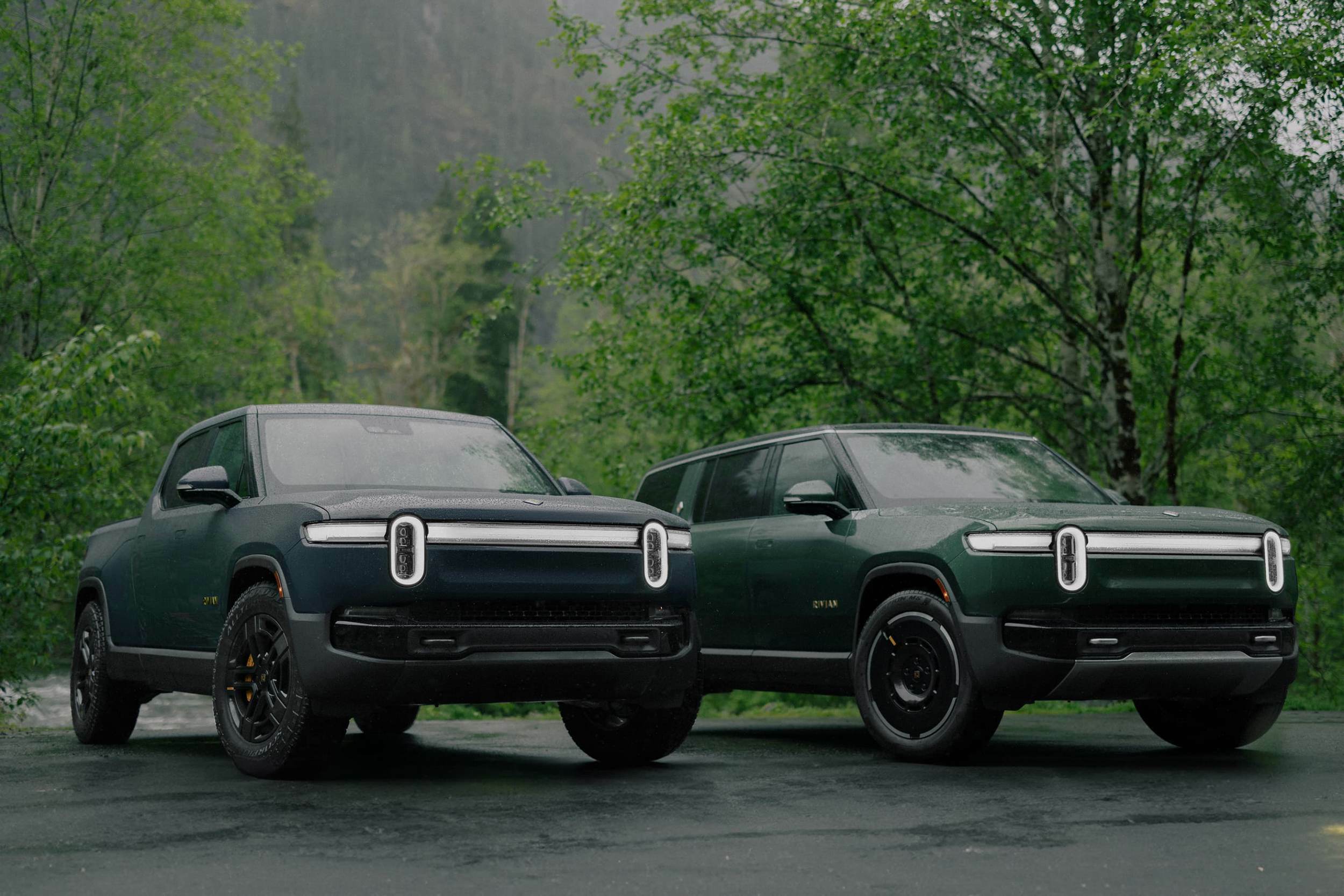
Rivian appears to be killing off the entry-level R1 Dual Standard.
Prices could climb by $7,000, but buyers would get more range.
Move appears to be in response to the R2, which debuts this week.
Rivian is gearing up to launch the highly anticipated R2 on March 12, but it looks like they’re also planning to trim the R1 lineup. This is unfortunate, but the company sent out a rather ominous e-mail announcing the “Dual Standard is ending.”
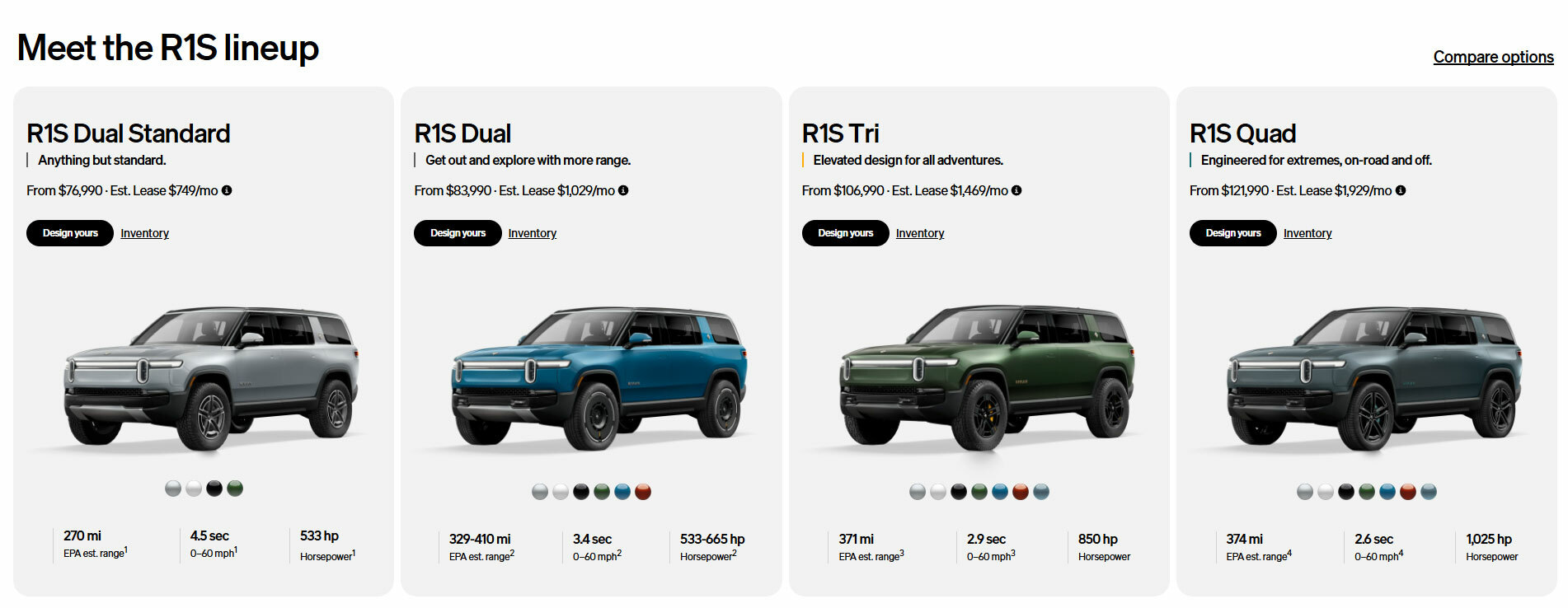
The R1S Dual Standard starts at $76,990 and offers 270 miles (435 km) of range. The R1S Dual, on the other hand, begins at $83,990 and has a larger battery pack that enables owners to travel 329 miles (529 km) on a single charge.
The R1T Dual Standard also has 270 miles (435 km) of range, but it’s even cheaper as pricing starts at $72,990. Its death will force people to get the R1T Dual, which begins at $79,990.
The automaker isn’t saying much, but confirmed “we have changes coming to our vehicle lineup later this year.” They then suggested customers get an R1 Dual Standard “while you can.”
Rivian went on to promote leases starting at $749 per month for 36 months with a $3,000 incentive on R1T and R1S Dual Standard models ordered by March 19. While there’s enough fine print to call in a lawyer, the company suggested customers could get a new vehicle for only $5,644 due at signing – although that appears to exclude a $1,895 destination fee.
While Rivian didn’t say why they’re apparently discontinuing the R1 Dual Standard, it’s likely in response to the R2. The model is slated to begin around $45,000 and this will undoubtedly pull some customers away from the R1. Eliminating the entry-level R1 helps put some distance between the vehicles, while also simplifying production at the company’s plant in Normal, Illinois.
Mercedes has taken the wraps off the fully electric VLE.
It has a 115 kWh battery pack as well as up to 409 hp.
Van offers private jet-style seats and 31.3-inch rear display.
Mercedes-Benz has introduced the new 2028 VLE, which is being billed as a “grand limousine.” Marketing hyperbole aside, it’s essentially a luxurious electric minivan that should appeal to everyone from families to executives when it goes on sale in the United States in 2027.
Looking sleek and modern, the model has a bold grille with an available illuminated surround. It’s flanked by starry lighting units and a power dome hood with a tri-star ornament. Customers can also opt for an AMG package that adds a sportier bumper as well as a revised grille with a star emblem in the center.
Moving down the sides, we can see streamlined bodywork and flush-mounted door handles. They’re joined by power sliding doors with fully retractable windows.
Designers also gave the van an expansive greenhouse and wheels ranging in sizes from 19- to 22-inches. Other highlights include a low drag coefficient of 0.25 and an upright rear end with arc‑shaped taillights that are integrated into the van’s spoiler. The model also has an opening rear window and an odd charging port that opens downward.
It’s pretty big too. The minivan measures 209.0 inches (5,309 mm) long, 78.7 inches (1,999 mm) wide, and 76.5 inches (1,943 mm) tall. The wheelbase spans 131.6 inches (3,342 mm). A longer version arriving later will stretch to 215.9 inches (5,484 mm) overall and ride on a 138.5-inch (3,517 mm) wheelbase.
For some perspective, the standard Cadillac Escalade measures 211.9 inches (5,382 mm) long with a 120.9-inch (3,071 mm) wheelbase, while the Chrysler Pacifica minivan is 204.3 inches (5,189 mm) long and rides on a 121.6-inch (3,089 mm) wheelbase.
Fancy Seats And Screens Galore
The interior is luxurious and high-tech as it offers an optional MBUX Superscreen, which consists of a 10.25-inch digital instrument cluster, a 14-inch infotainment system, and a 14-inch front passenger display. Customers can also get a rear entertainment system that has a 31.3-inch panoramic screen that deploys from the headliner. It echoes the one found in the BMW 7-Series and features 8K resolution, split-screen functionality, and an eight-megapixel camera for use with teleconferencing software.
Other highlights include a 22-speaker Burmester 3D surround sound system and a Sky View panoramic fix glass roof with an ambient lighting surround. The van also has folding tables and an assortment of consoles that offer wireless smartphone chargers as well as heated/cooled compartments.
The VLE will be offered with six to eight seats as customers can get second- and third-row captain’s chairs, second-row captain’s chairs, and two rear benches. Mercedes is particularly proud about the seats and manually operated ones have four integrated wheels, which allow them to be moved effortlessly both inside and outside the vehicle.
Higher-end variants have power seats, which can be controlled by the infotainment system or a smartphone app. Mercedes said adjusting them is “almost like choreographing a ballet.”
Speaking of higher-end variants, the company offers Premium Comfort and Grand Comfort seats. The latter are worthy of a private jet as they have a foot rest, lumbar support, a massage function, a pillow, and a wireless phone charger.
Two Powertrains And 435 Miles Of Range
Mercedes only released a handful of powertrain details, but confirmed the first model out of the gate will be the VLE 300. It has a 115 kWh NMC battery pack and a front-mounted motor producing 272 hp (203 kW / 276 PS). This setup promises a class-leading WLTP range in excess of 435 miles (700 km).
A VLE 400 4MATIC will follow with a dual-motor all-wheel drive system producing a combined output of 409 hp (305 kW / 415 PS). This will enable the van to accelerate from 0-60 mph (0-96 km/h) in just 6.4 seconds.
When the battery is low, owners will be thankful for the model’s 800-volt technology and 300+ kW DC fast charging capability. It allows the van to get up to 221 miles (355 km) of range in as little as 15 minutes.
Rounding out the highlights are an AirMatic air suspension and a rear-axle steering system, which enables the wheels to turn up to 7 degrees. This enables the VLE to have a turning circle of 35.75 feet (10.9 meters), which is comparable to the CLA.
The van will also have 12 ultrasonic sensors, 10 cameras, and five radar sensors. They provide information to the available MB.Drive Assist Pro system, which allows for hands-free operation in cities as well as on highways.
Mercedes has not revealed pricing yet. Still, considering the technology on board, the lavish interior, and its self-described “grand limousine” positioning, it is unlikely to land anywhere near the affordable end of the spectrum. Expect more details to surface closer to launch next year.
Ford has announced a series of updates for the Explorer EV.
Standard Range gets upgraded motor and new LFP battery.
SUV gains upgraded technology and new special edition.
The European market Ford Explorer EV hasn’t lived up to expectations, but it’s getting better with age as the company has announced an updated powertrain and a new special edition. The automaker has also updated the infotainment system and added several new driver assistance systems.
Starting with performance, the Explorer Standard Range adopts a new lithium iron phosphate battery and an “enhanced” electric motor that produces 188 hp (140 kW / 190 PS) and 258 lb-ft (350 Nm) of torque. Thanks to these changes, the model offers a WLTP range of up to 276 miles (444 km), which is an increase of more than 37 miles (60 km).
As for the motor, the output appears to climb by 20 hp (15 kW / 20 PS) and 30 lb-ft (40 Nm). This lowers the 0-62 mph (0-100 km/h) time from 8.7 to 8.0 seconds.
New Driver Assistance Technology
Besides powertrain updates, the Explorer gains an improved Intelligent Adaptive Cruise Control system with Traffic Light Recognition. It can automatically slow or stop the crossover if it detects a red or amber light ahead.
The model also receives Reversing Assist, which automatically records the vehicle’s last 164 feet (50 meters) of travel and can replicate the steering in reverse. The system is designed for backing out of tight quarters, such as alleys, and drivers need to operate the accelerator and brakes.
It’s accompanied by Trained Park Assist, which enables owners to program a parking maneuver that is up to 164 feet (50 meters) long. Once learned, the vehicle can automatically park itself while taking care of acceleration, braking, and steering.
The EV also has a new one-pedal driving mode as well as a driver monitoring system known as Driver State Assist. If the driver becomes unresponsive, the Explorer can turn on the hazard lights, come to a controlled stop, unlock the doors, and call emergency services.
Pro Power And Updated Infotainment
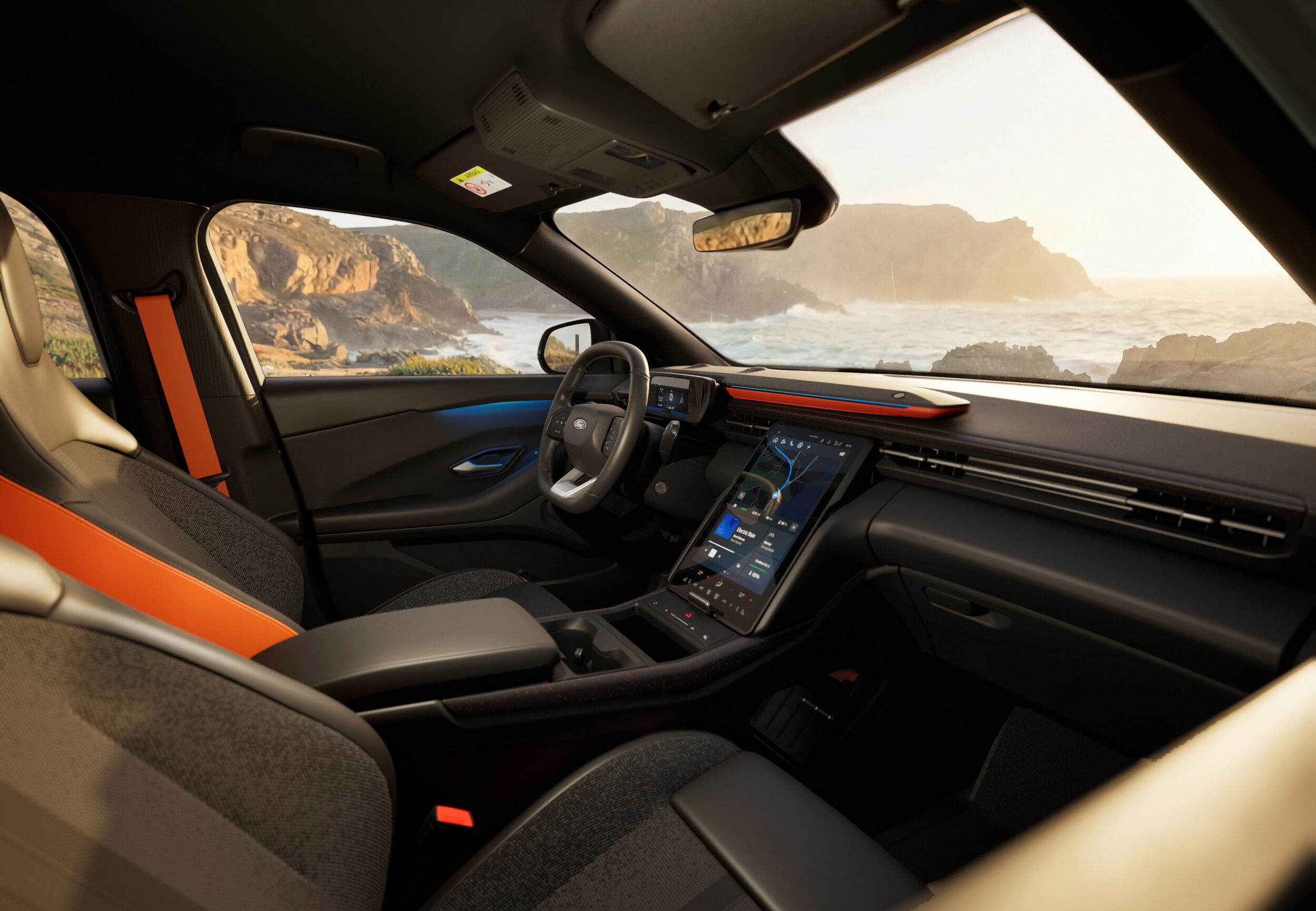
Speaking of technology, the 14.6-inch infotainment system is now based on Android for “smoother operation.” The system has also been given a fresh design theme that promises greater clarity and ease of use.
Furthermore, Pro Power Onboard turns the Explorer EV into a big battery pack. An outlet is located in the cargo area and it can be accompanied by an optional adapter that plugs into the vehicle’s charging port. These outlets enable owners to export 2.3 kW of power to other devices such as laptops, lights, or power tools.
Explorer Collection
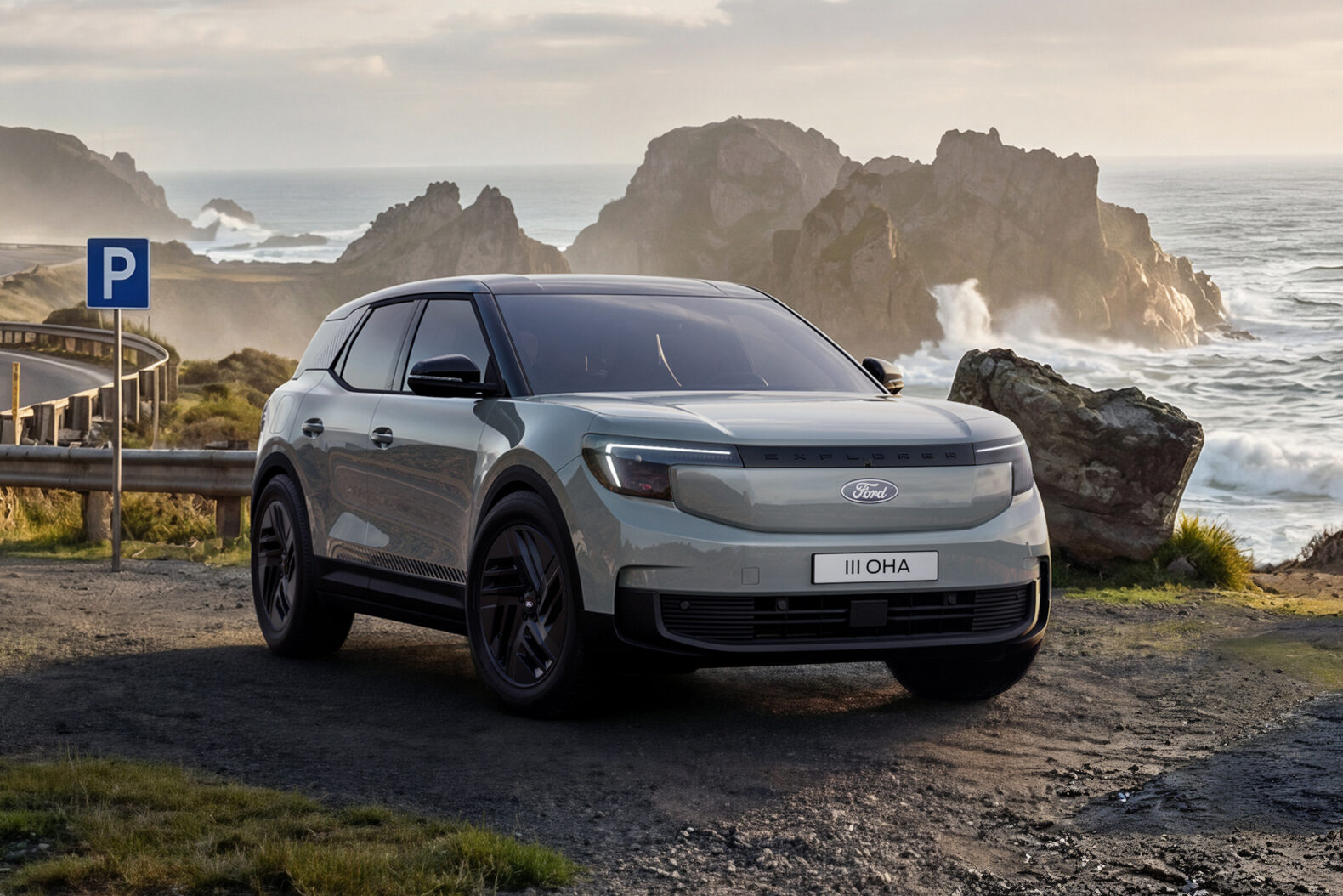
Buyers looking for something more unique can opt for the Explorer Collection. The special edition features a unique Cactus Grey exterior with 20-inch wheels sporting a Satin Black finish. The model is also notable for having a black roof, black skid plates, and black graphics.
The Black Onyx interior has contrasting orange accents on the seats, seatbelts, and dashboard. Elsewhere, there is black and orange speckle effect trim as well as “2D knit” inserts on the seats. The latter is said to be inspired by the “texture and appearance of high-quality sport clothing.”
Honda faces lawsuit over persistent Prologue axle noise.
Two owners cite popping and clicking after early delivery.
Dealers replaced CV axles but noises reportedly remain.
Honda’s all-electric Prologue has found itself under legal scrutiny following reports of some rather odd drivetrain noises. Not long after the company warned US dealers that certain 2024–2026 Prologue models might require repairs due to clicking or ratcheting-type sounds from the drive axles, a lawsuit followed. Owners say the noises can linger even after a trip, sometimes more than one, to the dealership.
A class action lawsuit filed in Pennsylvania names two Prologue owners who say their SUVs developed unusual noises from the front axle. One of them, Ashley Custer, leased a 2024 Prologue in May 2025 and soon began hearing the sounds, prompting a trip to the dealer with just 4,039 miles (6,500 km) on the odometer.
After she reported a creaking noise when turning, the Honda dealer replaced the CV axles. That, however, didn’t solve the problem. Custer returned to the dealership in November, where she was told no repair was currently available. An associated repair order reportedly noted that she was “experiencing the suspension noise that we are familiar with and have seen on other Prologues,” adding that it is a “known issue that Honda is working on.”
She took her Prologue to a dealer last month, but was again told that no repairs were available. Similarly, the second plaintiff, Jorge Santiago, drives a 2024 Prologue and started noticing popping and clicking sounds shortly after taking delivery. Despite the car also being taken to a dealership, it hasn’t been fixed.
What’s The Fix?
In December, Honda issued a Tech Line to dealerships, asking them to verify the noise of faulty Prologue models, inspect for damage, and make any necessary repairs. However, the lawsuit claims that the fix is pointless as Honda is simply using the same defective front axles and components. As such, the noise continues, even after multiple dealership visits.
The lawsuit claims that Honda was aware of the “abnormal and anxiety-inducing noises” when it first started selling the all-electric Prologue.
Ferrari fits the Luce with a 122 kWh battery and over 986 hp.
Its exterior may blend modern design with subtle retro cues.
Deliveries are expected to begin in 2027 after the May reveal.
While there will always be enthusiasts who scoff at Ferrari launching an EV, there’s an inevitability that even the most exotic of car manufacturers would need to venture into all-electric vehicles. Ferrari is doing exactly that with the Luce, and the company has now released a short clip offering a glimpse of its exterior. Well, sort of, because there is not much, if anything, to make out.
In this video, we’re given a brief teaser of the electric car, filmed at night. Don’t expect to see much detail, though, as the car appears to be wearing the same white-and-black camouflage seen on recent prototypes.
What Will Power It?
What we can say with confidence is that the Luce will be a four- or five-seater, slightly smaller and sleeker than the Purosangue. Power will come from four electric motors, combining to produce more than 986 hp, enough to send the car to 62 mph (100 km/h) in 2.5 seconds and on to a top speed of 193 mph (310 km/h), an impressive figure for an EV.
Integrated into the Luce’s floorpan will be a large 122 kWh battery pack that supports charging speeds of up to 350 kW, giving the Luce a range exceeding 329 miles (530 km). To ensure the first electric Ferrari still delivers some sense of drama from behind the wheel, the company has developed a system that amplifies the powertrain’s mechanical vibrations, producing distinctive tones that vary with speed and torque delivery.
Ferrari has confirmed the Luce will be revealed in full in May, with the first customer deliveries expected to begin next year.
The all-new iX3 undercuts key Audi, Polestar rivals.
In Australia, the dual-motor iX3 starts at AU$109,900.
BMW says US pricing will start near the $60,000 mark.
The second-generation iX3 is one of BMW’s most important new models in recent memory. It introduces an all-new design language and becomes the first EV to feature the brand’s sixth-generation batteries and electric motors. Still, like any new car, much of its success will ultimately depend on the price tag.
In the United States, we know it’ll start at around $60,000, but final details have yet to be announced. In Australia, however, pricing has now been locked in. The dual-motor iX3 50 xDrive will start at AU$109,900 ($77,600), which makes BMW’s latest EV look surprisingly competitive.
It undercuts several key rivals, including the Polestar 3 (AU$116,700 / US$82,500), Audi Q6 e-tron quattro (AU$122,500 / US$86,600), Genesis Electrified GV70 (AU$132,800 / US$93,900), and Porsche Macan 4 (AU$134,400 / US$95,000). It is also just AU$5,000 ($3,500) more expensive than the previous-generation iX3 was in flagship form, back when it used a single electric motor.
The base price, however, is up AU$18,900 ($13,300) compared with the previous base iX3, which admittedly had a smaller battery pack, produced just 281 hp (210 kW) from its rear-mounted motor, and offered a quoted range of 286 miles (460 km).
By comparison, the new iX3 50 is available only with a pair of electric motors delivering 463 hp (345 kW) and 476 lb-ft (645 Nm) of torque. It also features a much larger 108 kWh battery pack that supports DC charging speeds of up to 400 kW and offers a range of up to 500 miles (805 km) on a single charge. The dash to 62 mph (100 km/h) also comes in just 4.9 seconds.
Options Can Quickly Add Up
While the new model’s starting price is very competitive compared to European rivals, it will rise significantly once shoppers start ticking off a few options. For example, any color other than the standard Alpine White paint is a AU$2,000 ($1,400) option, or AU$6,000 ($4,200) for the Frozen Space Silver.
Wheel upgrades add further to the tally. The 21-inch wheels cost AU$2,500 ($1,700), 22-inch aerodynamic wheels add AU$5,300 ($3,700), and 22-inch M light-alloy wheels come in at AU$7,700 ($5,400). Buyers can also add an AU$3,500 ($2,500) M Sport Package Pro, AU$4,000 ($2,800) Black Bicolor or Adelaide Grey Bicolor interior finishes, and even a white leather steering wheel priced at AU$300 ($212).
Alpine developing advanced APP platform for next-gen A110 EV.
Platform features 800-volt charging tech and dual rear motors.
Alpine boss confirms platform can also support combustion power.
Alpine has hung its hat on electric power with cars like the A290, A390, and the upcoming A110, but the company isn’t completely closing the door on gasoline just yet. The brand has revealed secrets of its new Alpine Performance Platform that will underpin the next A110 and future models, and it’s reportedly designed to handle both EV and combustion power.
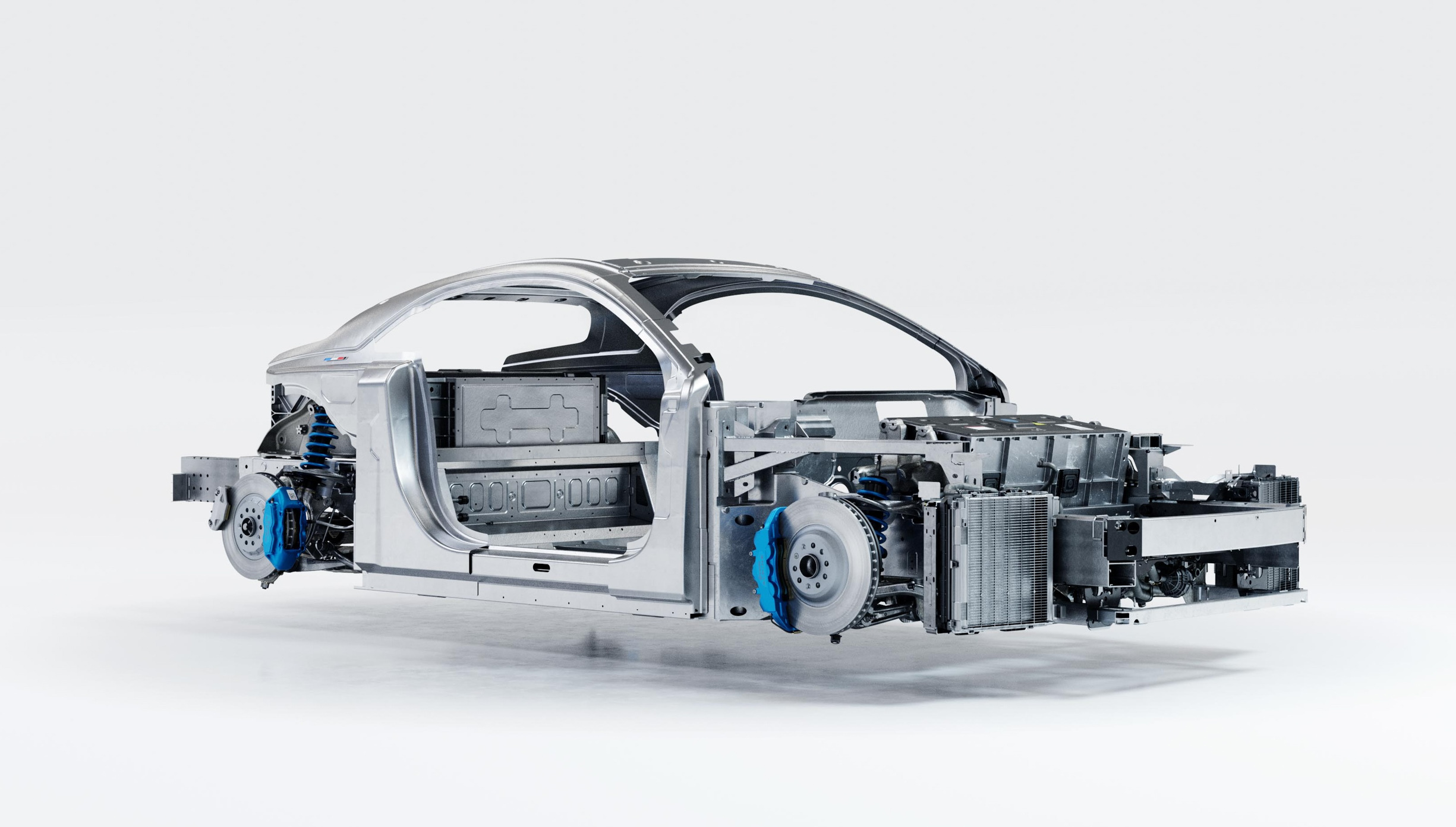
The new platform, which will underpin coupe and spider versions of the A110, as well as a 911-rivalling 2+2, sits at the center of Alpine’s role in Renault Group’s wider futuREady strategy. It’s a super-stiff, bonded, and riveted aluminum structure featuring all-aluminum suspension components to keep weight low, and two separate battery packs to ensure an optimal 40:60 front-rear weight distribution.
A dual-motor rear axle setup provides the power, together with a torque-vectoring function that can adjust power side-to-side every 10 milliseconds to sharpen handling. It should perform well at the charging station, too. The platform uses an 800-volt electrical architecture for fast charging capability. A new central computer, called the Alpine Dynamic Model ECU, will act as the brain of the system, coordinating the motors, battery management, steering, brakes, and even active aerodynamics.
CEO Philippe Krief says he’s confident the finished A110 EV will be “true to Alpine’s DNA and outperform the best of today’s combustion sports cars.”
Keep The Customer Satisfied
But he also knows the majority of Alpine buyers – and sports car fans in general – don’t want an electric A110. And it looks like he’s going to give them a lifeline. Although there’s no mention of a petrol-powered A110 in Alpine’s official strategy drop this morning, Autocar reports Krief confirming that the possibility is there.
“Before you ask, yes the platform is designed to accommodate an internal combustion engine,” the CEO told the British magazine.
Horse Power
No further details were given, but we previously reported how Alpine could use a hybrid powertrain developed by Renault-Geely collab Horse. It’s alleged to pump out 349 hp (354 PS) and 380 lb-ft (515 Nm), which would be plenty in a relatively lightweight car.
Sadly for US fans of the Alpine brand, neither the next ICE-powered A110, its electric sibling, nor any other Alpine model will be heading to North America. Expansion across the Atlantic had been under consideration for a while, but Alpine put those plans on hold last year due to the arrival of Trump’s tariffs and slowing growth in the US EV market.
The Renault Group futuREady plan announced this week also makes clear that Alpine will focus on existing markets for the time being rather than attempting to expand into new ones.
Dacia will launch a sub-€18k urban EV later this year.
Three additional electric models are planned by 2030.
Electrified models may reach two-thirds of sales.
Dacia has revealed its future roadmap as part of Renault Group’s futuREady plan, outlining how the Romanian brand intends to expand its lineup and accelerate electrification. The automaker will launch four new EVs by 2030 while steadily increasing electrification across its entire range.
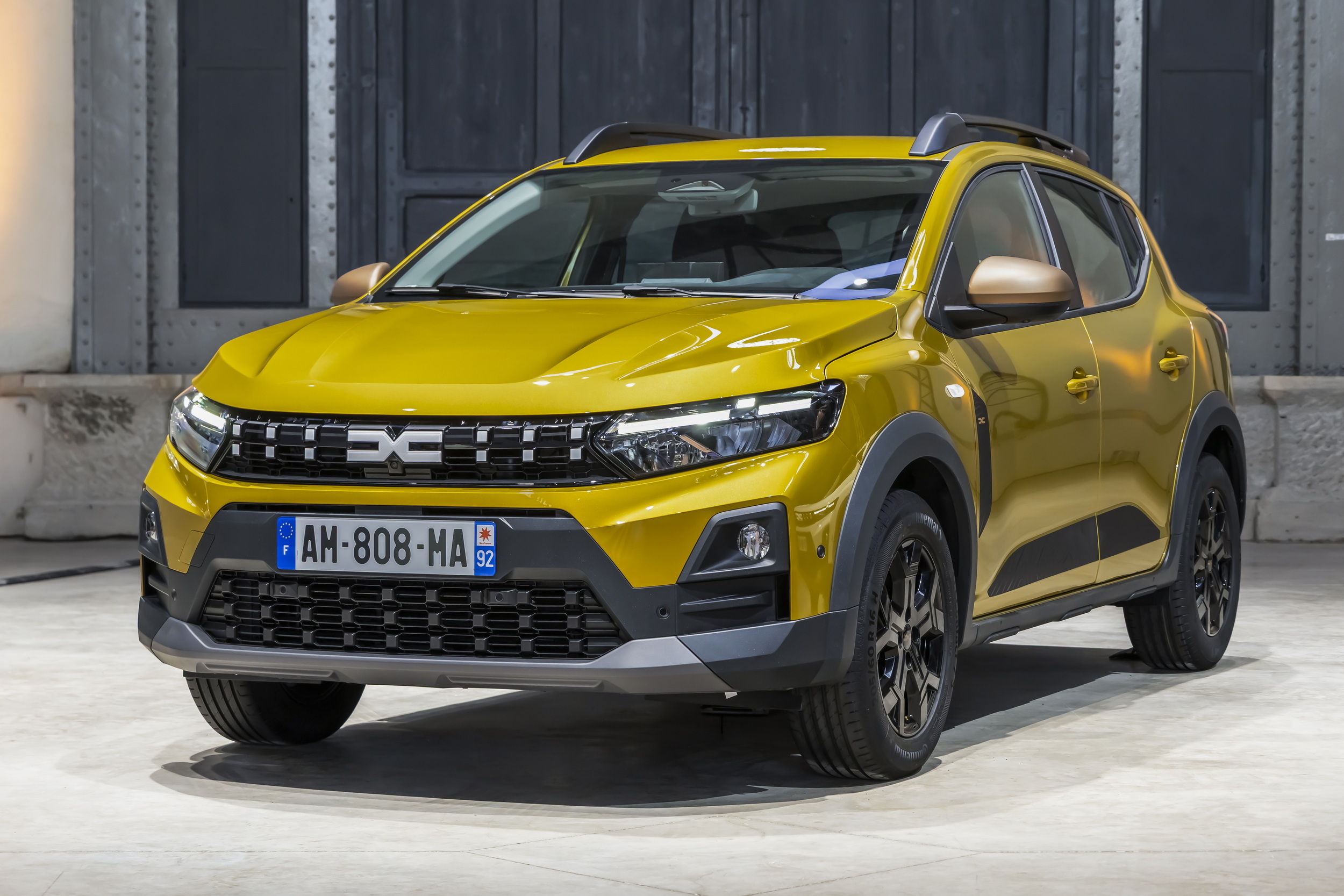
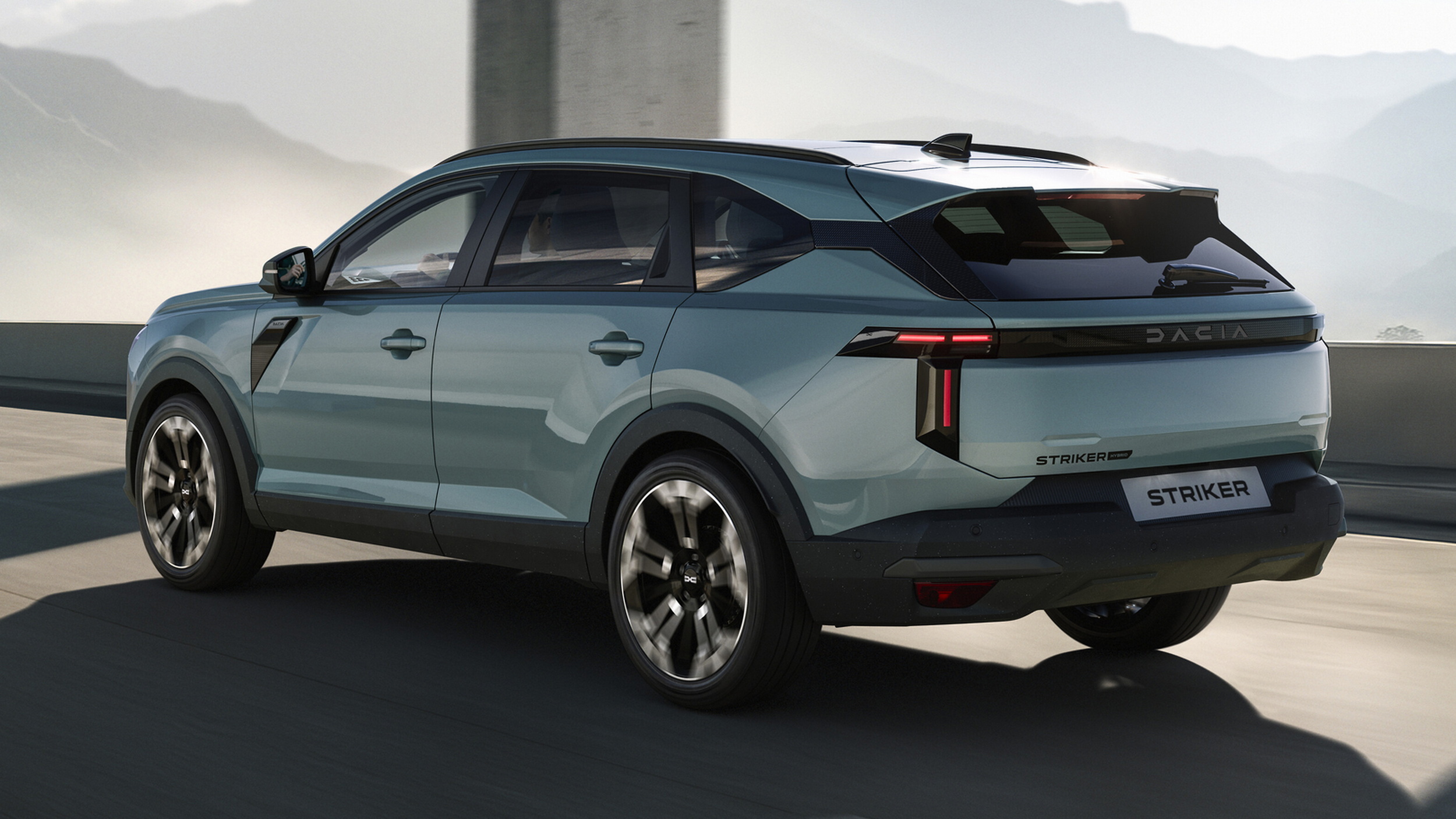
Furthermore, Dacia is also stepping up its presence in the compact segment. The new Striker crossover wagon will join the Bigster SUV, while the company continues work on the next generation of its best-selling Sandero.
New Urban Electric Model
Starting with the zero-emission plans, Dacia has confirmed that a new entry-level urban EV priced below €18,000 ($21k) will debut later this year. This model will coexist with the Chinese-built Dacia Spring despite their similar size and positioning.
The yet-unnamed model will ride on the RGEV architecture, which appears to be a new name for the AmpR Small platform used by the Renault Twingo E-Tech. The EV was developed in less than 16 months and is expected to be manufactured at Dacia’s Novo Mesto plant in Slovenia.
The company did not provide specifics about the other three EV debuts, but one is widely expected to be a fully electric version of the next-generation Sandero subcompact hatchback. Another possibility is a production version of the Hipster concept, which could target an even smaller segment.
Next Generation Sandero Plans
The Sandero was Europe’s best-selling passenger vehicle in both 2024 and 2025. It has also remained the “number one vehicle sold to private customers” since 2017. The current generation debuted in 2020 and received updates in 2022 and 2024, followed by a facelift for 2026. Even so, Dacia is already working on its successor.
The next Sandero will feature a “multi-energy powertrain range,” aligning with Dacia’s broader electrification roadmap. This points to hybrid and fully electric variants alongside a combustion option compatible with gasoline and LPG. Regardless of the powertrain mix, Dacia says the new generation will remain the value-for-money benchmark in the subcompact segment. Current reports suggest a debut in 2028.
Dacia has shown notable resilience over the past decades, evolving from a regional player into a major European brand. Last year, the Romanian automaker surpassed 10 million sales since its 2004 relaunch under Renault ownership.
As electrification expands across the lineup, Dacia expects its sales mix to shift significantly. The company believes electrified vehicles will account for about 67% of new car sales in the future, up from roughly 25% today. Alongside hybrids and EVs, the brand continues to emphasize LPG-powered models as part of its cost-focused strategy.
As you might expect, Dacia places strong emphasis on cost efficiency. Its business model delivers a 15% cost advantage compared with the rest of the market. According to the company, that edge comes from local integration, high factory utilization rates, and a distribution model that operates at less than half the average cost of Western European competitors.
Finally, Dacia highlights the loyalty of its customer base. In Europe, more than 70% of Dacia buyers remain with the brand for their next purchase, while another 10% move up to a Renault. At the same time, roughly 65% of first-time Dacia customers come from outside the Renault Group.
Renault Group will introduce 36 new models by 2030 including 16 new EVs.
800-volt RGEV platform offers 466-mile EV range, 879 with range extender.
Aims to cut EV costs by 40 percent and development times to just 24 months.
Renault has decided the best way to prepare for the future is to literally name its strategy after it. The company’s new futuREady plan promises dozens of new models, cheaper EVs, and dramatically faster development cycles as the French automaker tries to China-proof its business and become Europe’s “benchmark” carmaker.
The strategy builds on the Renaulution turnaround plan launched in 2021, which helped stabilize the company after several turbulent years. Now Renault wants to turn that recovery into long term growth with a roadmap that stretches through the end of the decade.
The headline figure is simple enough. Renault Group plans to launch 36 new models in the next five years, including 22 in Europe and 14 for international markets. Electrification will be a lynchpin, with 16 of those European launches set to be fully electric.
Hybrids will still have a role, though. Renault says hybrid technology will remain in its European lineup beyond 2030 while continuing to expand globally where charging infrastructure isn’t yet ready for a full EV takeover.
Dacia Expansion
Each brand has its own role in the plan. Renault aims to strengthen its European position while expanding internationally, targeting more than 2 million annual sales by 2030 with half delivered outside Europe, including a production version of the chunky Bridger combustion SUV set to do battle with the Suzuki Jimny in India (see gallery below).
Dacia will stick with its familiar value formula but add more electrification. By the end of the decade, about two thirds of its sales are expected to be electrified and the brand will expand further into the larger C segment.
Alpine will carry the performance torch and a new generation of the A110, this time as an EV, is coming alongside newer models like the electric A290 and A390. And the brand’s boss Philippe Krief confirmed that the electric A110’s platform will also be able to handle combustion power. But if you were hoping to buy one in the United States, Renault’s latest strategy rules out a North American adventure for any of its brands.
Compact Upgrade
One of the most important pieces of the plan is Renault’s upcoming RGEV medium 2.0 electric platform destined for its next generation of compact, C-segment vehicles. This architecture brings 800 volt charging technology to the company for the first time and promises some impressive numbers, including a 40 percent reduction in build costs. Renault teased its possibilities, and also the look of the next Espace, with the the R-Space Lab, a slippery EV concept (shown below).
Renault says EVs built on the platform could deliver up to 466 miles (750 km) of range, while a range extender version could stretch that figure to around 879 miles (1400 km). Power won’t be lacking either. The next-generation electric motor is expected to deliver up to 271 hp (275 PS).
Keeping Up With China
Software is another big piece of the puzzle. Future Renault models will move toward software defined vehicle architecture that allows most functions to be updated over the air and eventually managed by artificial intelligence systems. The company also wants to speed things up dramatically. Renault aims to reduce development cycles for new vehicles to just two years, something that will be crucial to keeping pace with Chinese automakers.
Renault’s platform strategy
Platform Family
Platforms
Type
Segments / Purpose
Electric Passenger Car Platforms
RGEV Small
EV platform
A and B segment small EVs
RGEV Medium 1.0
EV platform
First generation C segment EVs
RGEV Medium 2.0
EV platform
Next generation C and D segment EVs with 800V tech
Electric Commercial Platforms
RGEV Medium Van
EV platform
C segment light commercial vans
Modular Multi Energy Platforms
RGMP Small
Modular platform
B and C segment vehicles with multiple powertrains
The solid-state battery kept 97.7% charge in ten days.
Donut Lab faced claims its tech was just supercapacitors.
Independent test conducted by Finnish Technical Research Centre.
Donut Lab, a small Finnish startup claiming to have developed the first solid-state battery for electric vehicles, has released results from a new test aimed at addressing doubts about its technology. The company says the data shows its battery retains 97.7 percent of its charged capacity after sitting idle for 10 days. Even so, skeptics may still need convincing.
This third test follows Donut Lab’s recent demonstration of how quickly its solid-state cells can charge. It is intended to counter reports suggesting the company has not built a true battery at all, but rather a supercapacitor. To address those claims, Donut Lab worked with the Finnish Technical Research Centre (VTT) to measure how slowly the cell loses charge while idle.
Measuring Idle Voltage Loss
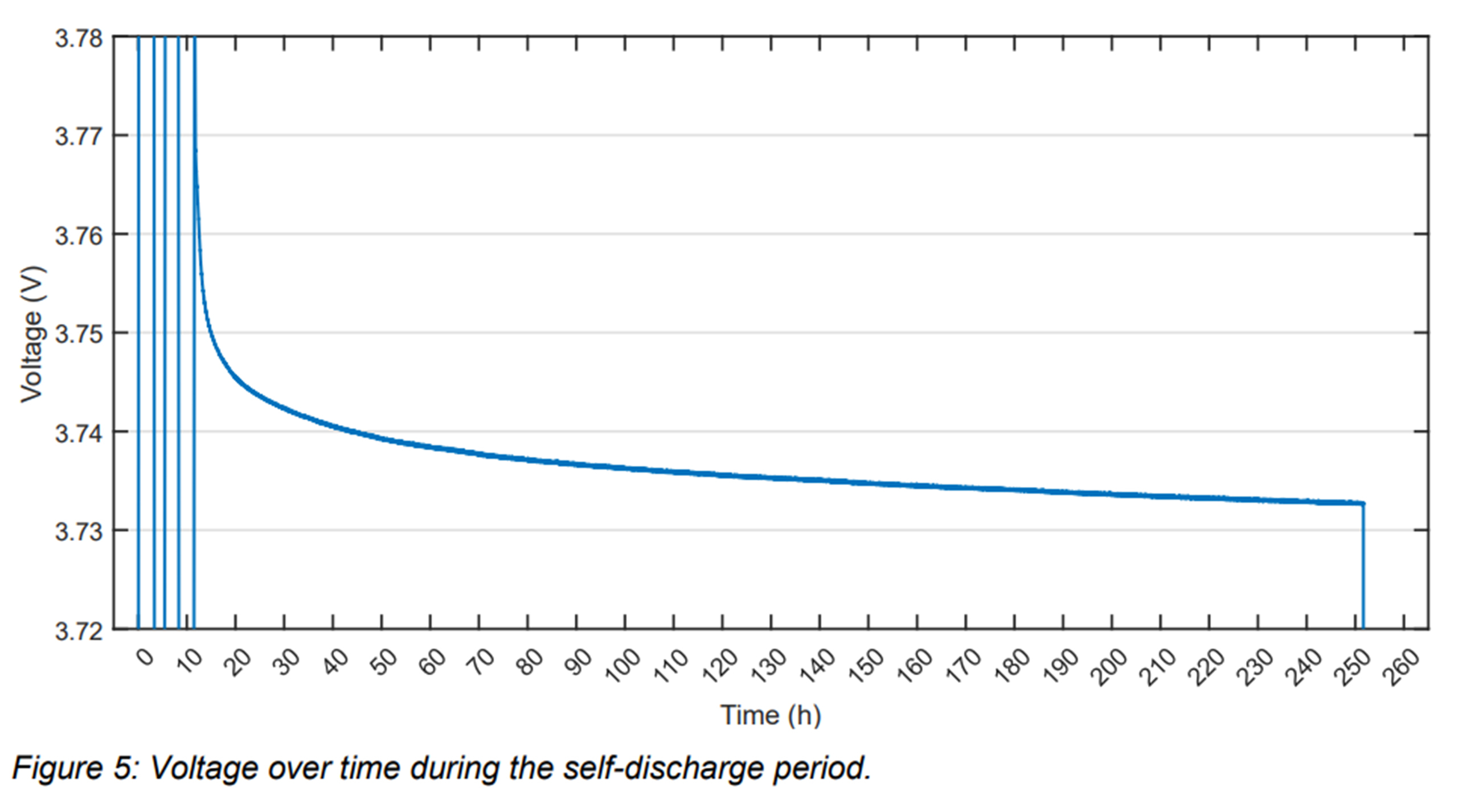
For the self-discharge test, a cell was charged to approximately 50 percent and then left idle for 240 hours. During the test, temperatures ranged between 22-28°C, and the cell’s voltage was recorded every 10 seconds.
The results are interesting. During the first hour, the battery’s voltage dropped by 103 mV, though the company says this is largely due to voltage relaxation rather than true self-discharge. By the end of the 240-hour test, the voltage had fallen by an additional 12 mV, representing a total loss of 2.3 percent over the 10-day period.
While this is a solid result, it’s not incredible. Typical lithium-ion battery cells can lose around 5 percent of their charge within the first 24 hours, after which the self-discharge rate typically slows to between 1-2 percent per month. Donut Lab argues the results still demonstrate that the technology is not a supercapacitor, which would normally lose far more charge when idle.
“Since we unveiled the Donut Battery, there has been a lot of speculation and theories about whether it is a supercapacitor,” Donut Lab chief technology officer Ville Piippo said. “In all its simplicity, this test proves that it is a battery. Supercapacitors charge and discharge quickly, but they also lose their charge quickly when not in use. The Donut Battery behaves like a battery and can maintain a charge for significantly longer.”
The Cayenne S Electric sits between the base and Turbo models.
Dual motors deliver up to 657 hp with Launch Control.
New trim starts at $126,300 with summer 2026 deliveries.
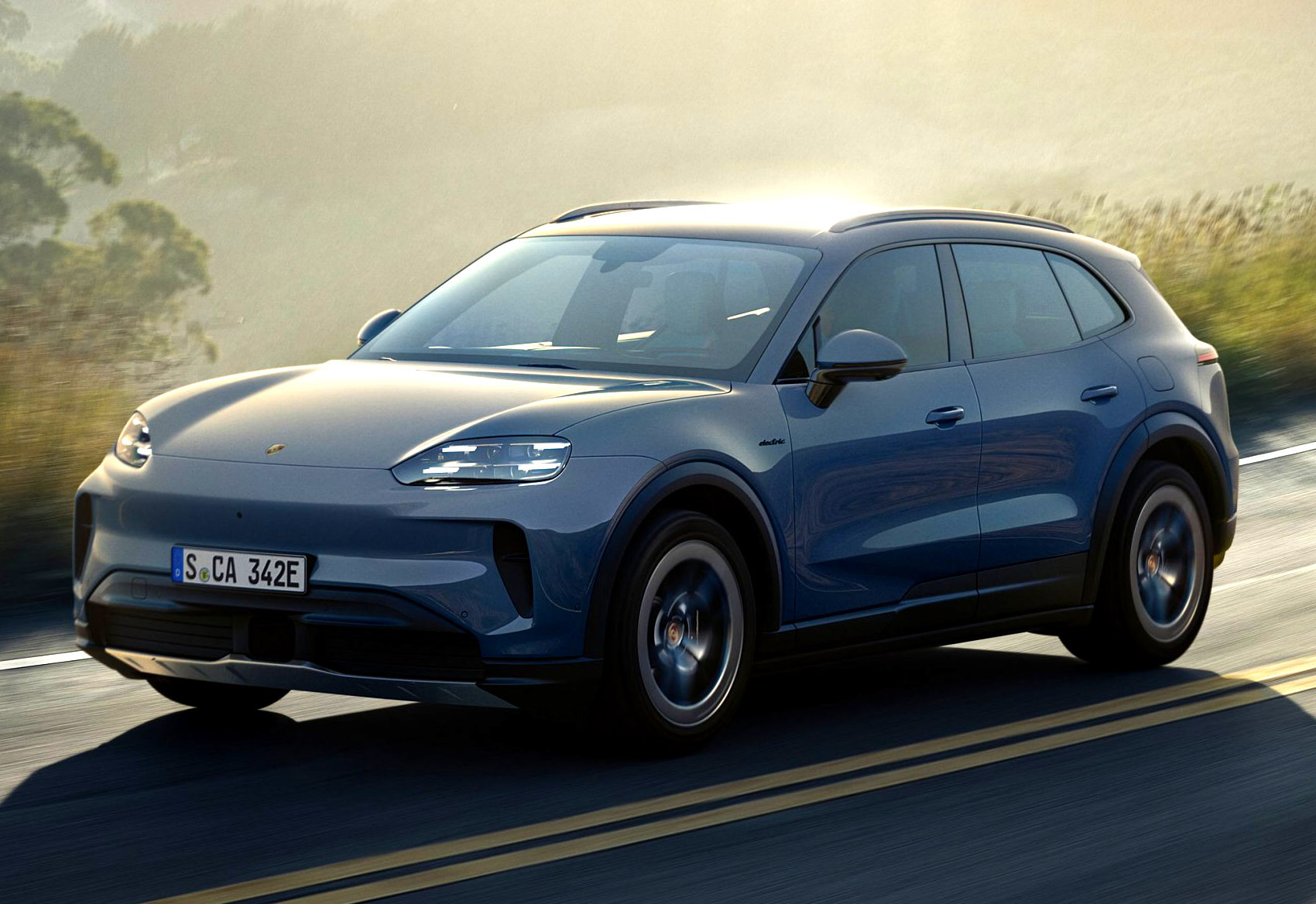
Sometimes the most interesting vehicle in a lineup is not the flagship. Porsche understands this well, which explains the broad mix of trims across much of its range. Now the electric Cayenne gains another variant called simply the S.
Unveiled as the third member of the family, it sits between the base model and the Cayenne Turbo Electric. Even so, it still delivers the sort of power and pace normally associated with something far less practical.
On paper, at least, the numbers are strong. The dual-motor all-wheel-drive setup produces 536 hp (400 kW) in normal operation and up to 657 hp (490 kW) when Launch Control is activated. That’s enough to send the large electric SUV from 0–60 mph (0-96 km/h) in just 3.6 seconds, with a top speed of 155 mph (250 km/h). That’s serious oomph for a large family hauler, and Porsche managed it by borrowing a bit from the top trim.
In comparison, the base Porsche Cayenne Electric produces 435 hp. Engage the overboost function and it will run from 0-60 mph in 4.5 seconds, cover the quarter mile in 13.2 seconds, and eventually top out at 143 mph (230 km/h).
Both electric motors are permanent-magnet synchronous units, and the rear one uses direct oil cooling to manage heat under heavy loads. Unlike most EV motor cooling systems, Porsche’s setup extracts heat directly from current-carrying components. That helps the car sustain performance through better efficiency. The rear inverter also uses silicon-carbide semiconductors that can handle a current of up to 620 amps.
Those looking to really make their new Cayenne S shine can add a few different packages, including Porsche Active Ride suspension, Porsche Torque Vectoring Plus, Porsche Ceramic Composite Brakes, and the Sport Chrono Package with push-to-pass. Notably, that last one boosts output by an additional 120 hp (90 kW) for up to ten seconds.
Charging And Design
The Cayenne S is not only quick off the line. It is also fast at the charger. It uses a 113 kWh battery pack that can charge from 10 to 80 percent in under 16 minutes when connected to a suitable high-speed charger, matching the base model.
The system supports charging speeds of up to 400 kW. The vehicle features a NACS-style connector on the driver’s side and a J1772 port on the passenger side, while a a CCS adapter is also provided with each vehicle. The automaker has yet to confirm the driving range.
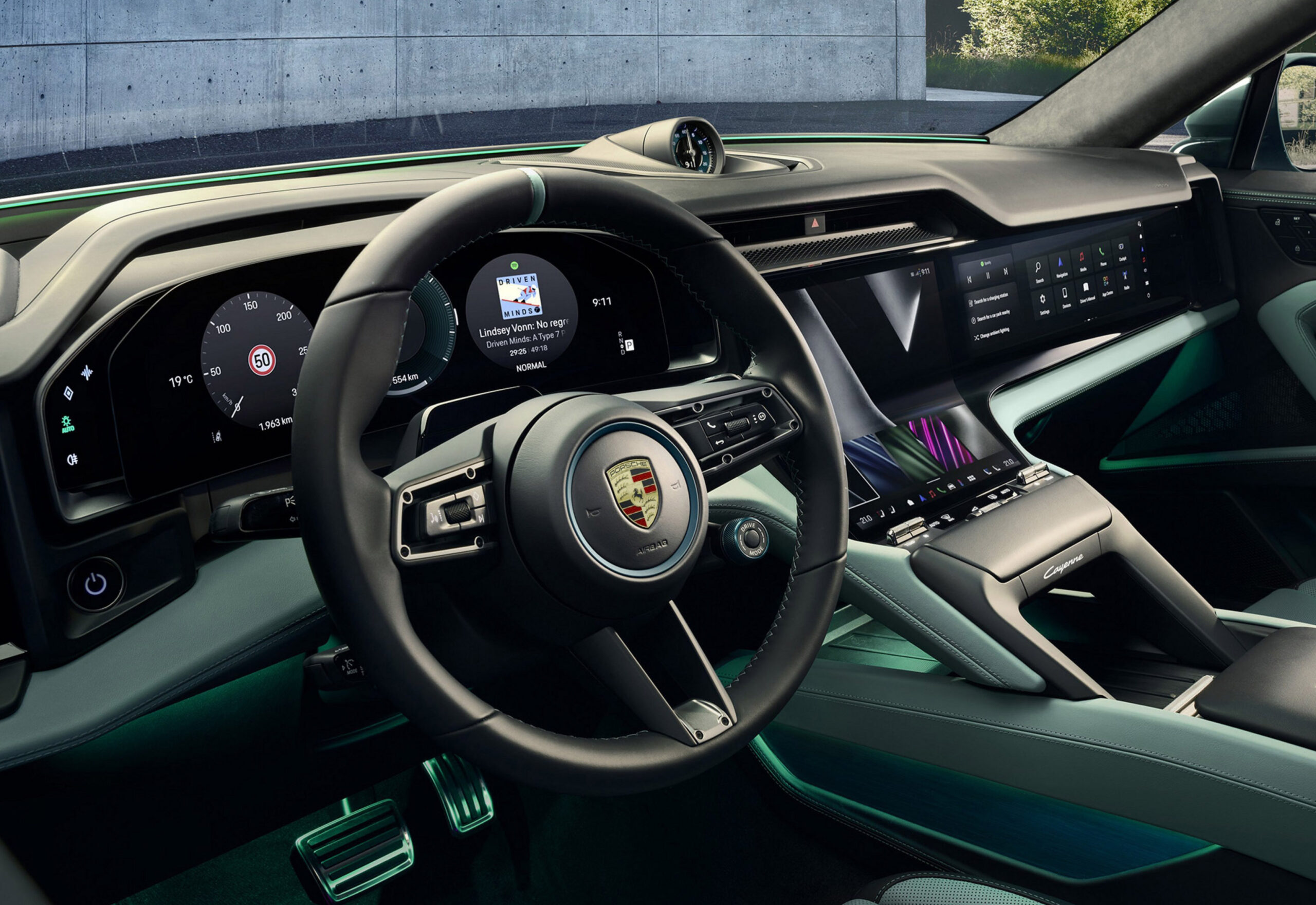
Visually, the S gets model-specific touches such as Volcano Grey Metallic trim on the front and rear fascias and 20-inch Cayenne S Aero wheels. Buyers can choose from 13 exterior colors along with multiple interior customization options. One new personalization option is the “Interior Style Package,” a curated design from Porsche Exclusive Manufaktur that mixes black leather with green accents and matching stitching throughout the cabin.
How Much Does It Cost?
The new Cayenne S Electric is now available to order, priced from $126,300 before a $2,350 delivery fee, with U.S. deliveries expected to begin in late summer 2026. That’s $17,300 more than the base Cayenne Electric. Porsche has also confirmed the 1,139 hp Cayenne Electric Turbo, which is due to arrive later this summer at a price yet to be announced.
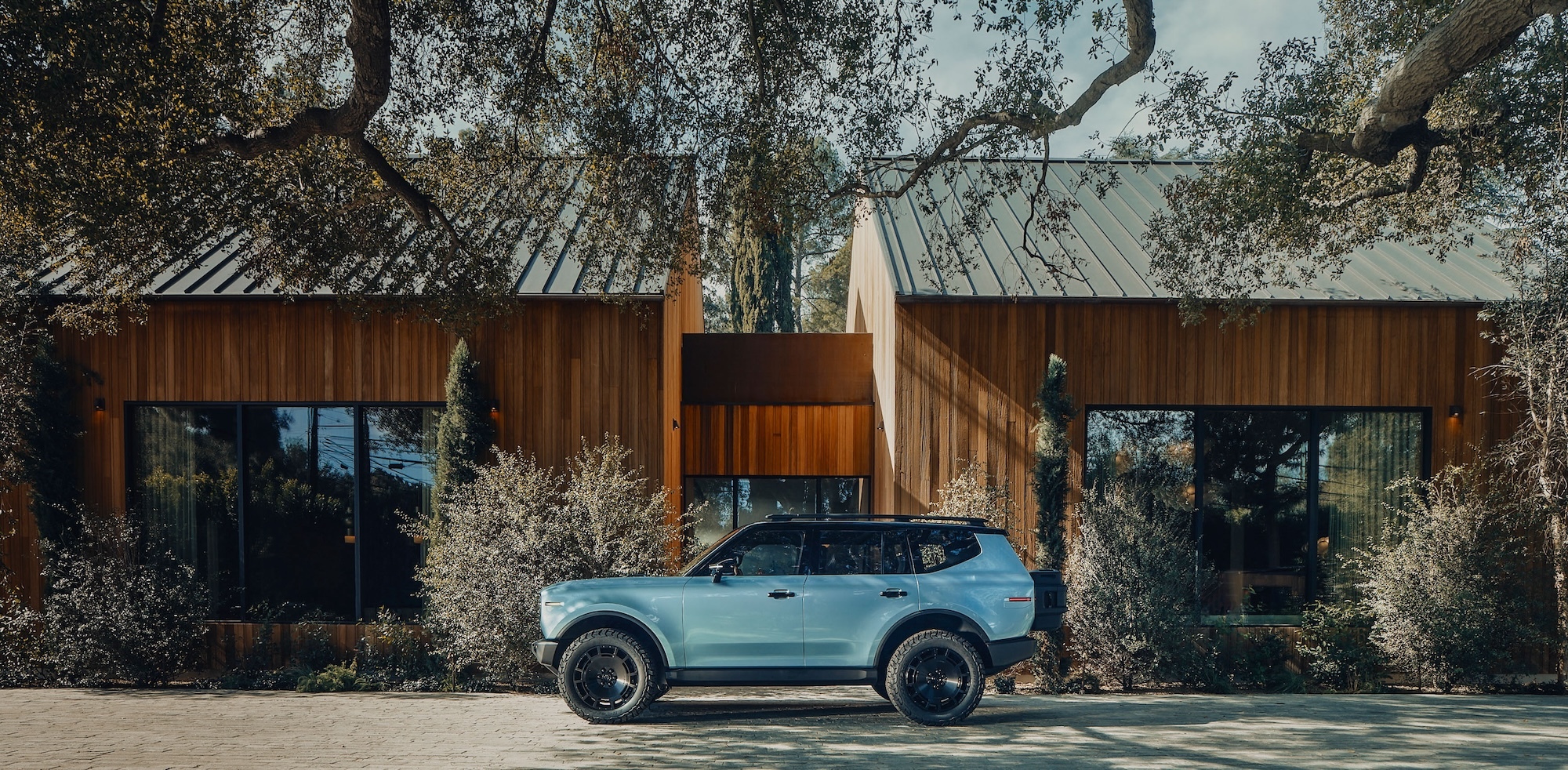
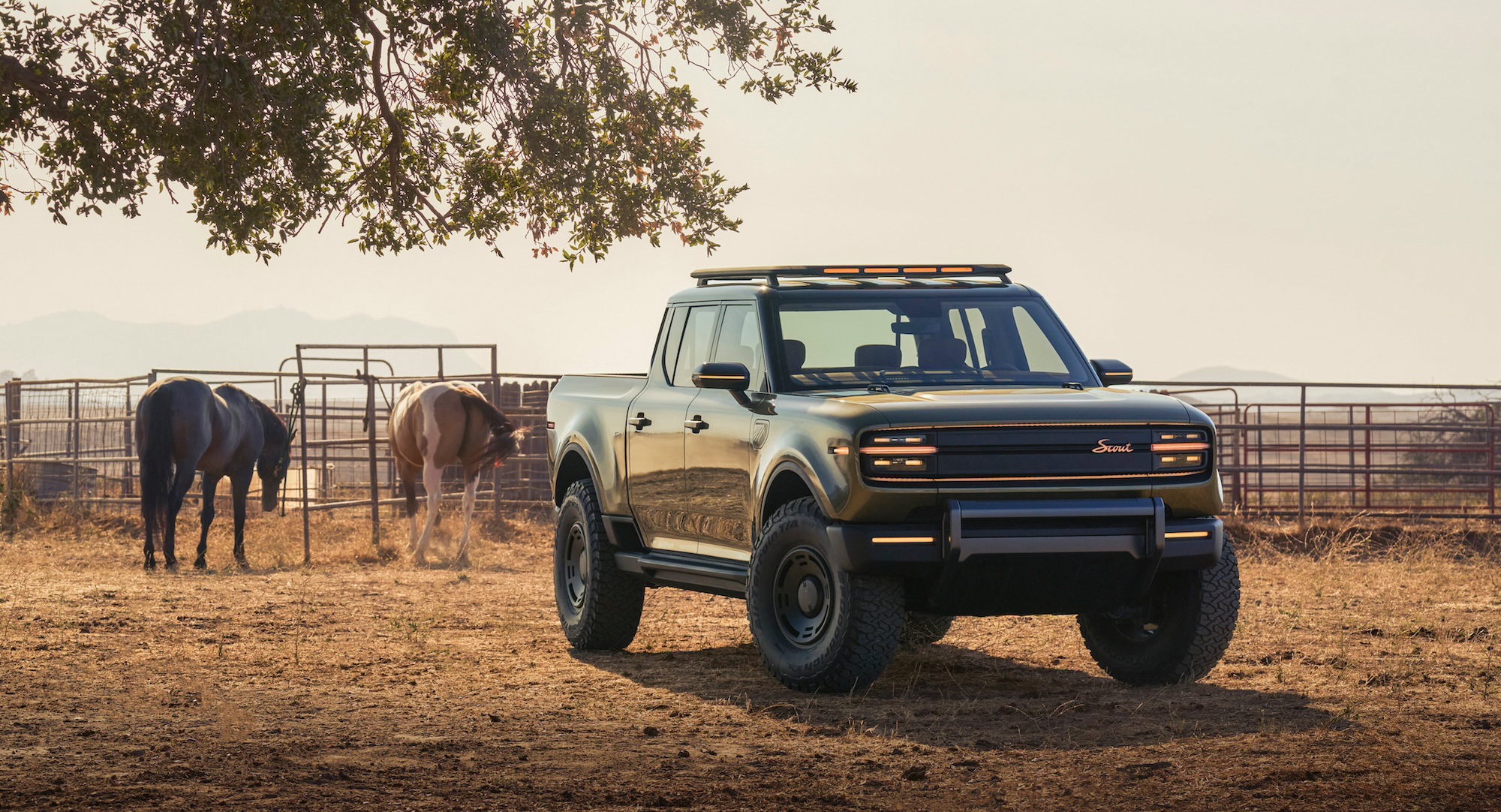
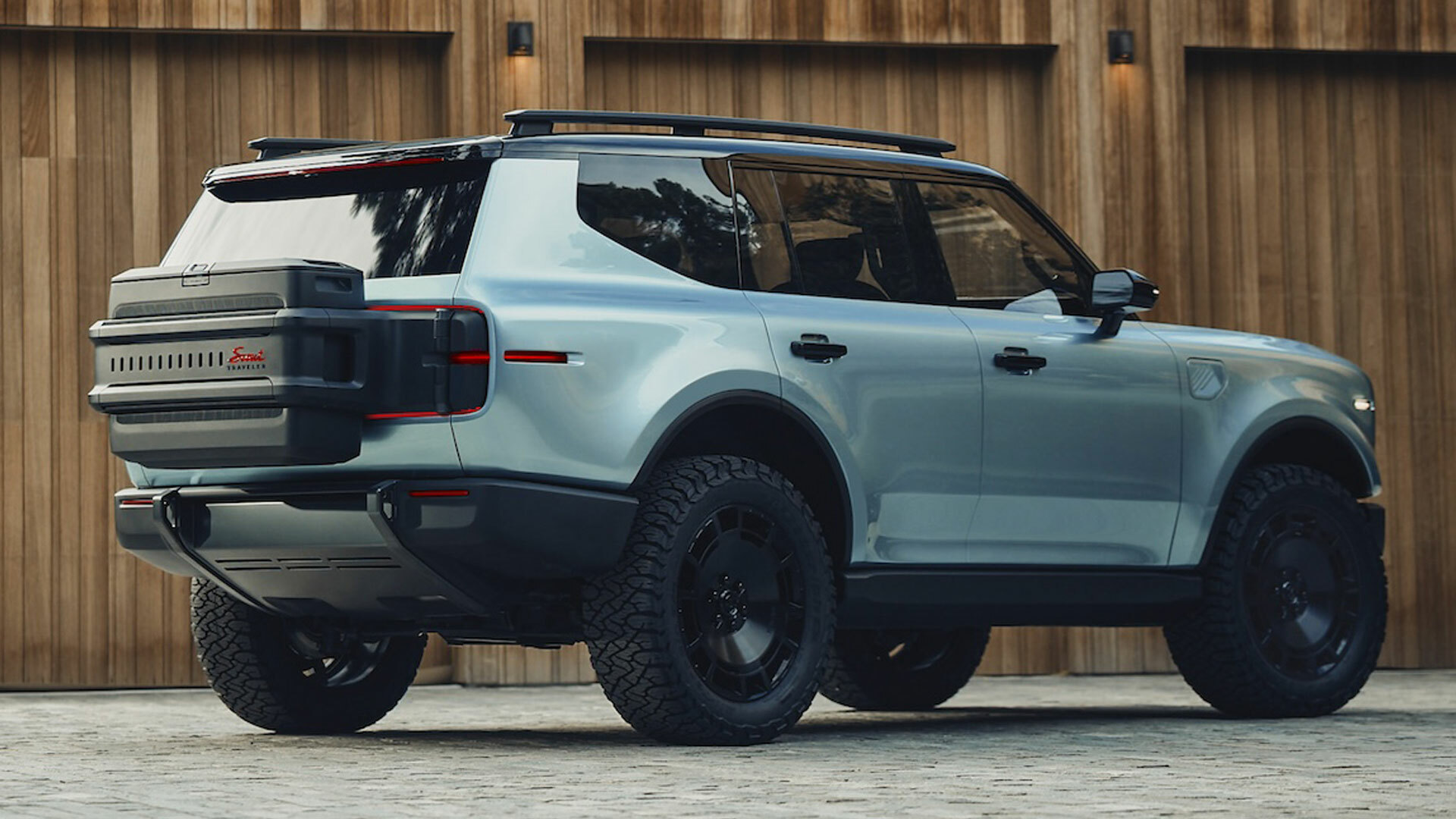
Scout’s CEO has implied deliveries might not begin until 2028.
Company’s website still says production is scheduled for 2027.
Exec doesn’t seem to understand why the launch date is important.
Scout’s relaunch is quickly turning into Schrödinger’s cat as it’s either on schedule or delayed. Now, the company is essentially claiming its both.
That’s absurd, but it follows a report last month that claimed the Traveler and Terra were being delayed by approximately one year due to “technical problems.” Scout lightly pushed back on this without confirming or denying anything, and their website continued to say initial production is targeted to begin in 2027.
Fast forward to today and Scout CEO Scott Keogh has revealed customer deliveries likely won’t begin until 2028. The Drive reports the executive also decried the so-called “communication game of ‘What exact day and what hour are you launching the car?’”
That comes across as rather disingenuous as Scout is asking people to place deposits and wait years for the vehicles to be launched. A delay likely means a lot to customers, so dismissing the importance of when the models will arrive is a bad look for the automaker.
However, Keogh went on to suggest people wrongly assumed the vehicles would be launched in 2027. Instead, he said prototypes will roll off the line this year and continue into 2027.
Scout’s own website states initial production is targeted for 2027, but is “subject to change.” The company even throws in a sizable disclaimer saying “All forward‑looking timelines, including development milestones and future production plans, reflect current expectations and are subject to change. Actual production timing, vehicle availability, and final specifications may differ based on various factors.”
As for those rumored technical problems, Keogh said there are “hurdles every minute of every day.” However, he suggested this is business as usual.
Keogh went on to say “The most important thing to me is one, we’re on course, and we’re on plan. Number two, put a killer product in the hands of a customer, that’s an absolute home run, without a doubt.”
Of course, it’s hard to get excited about a product if you’re not sure when it will arrive and the company appears to be playing word games to give itself an escape hatch.
New details are emerging about the upcoming Jaguar GT.
Tri-motor sedan will have 1,000+ hp and around 1,000 lb-ft.
Upcoming model will reportedly weigh around 5,952 lbs.
Jaguar’s electric rebirth is running behind schedule, but new details are starting to emerge about their four-door GT. It’s slated to debut later this year and the company has promised it will be “fearlessly unique and emotionally engaging.”
While that remains to be seen, Evo recently took a spin in a prototype and shared an assortment of specifications. They’re reporting the model will measure around 204.7 inches (5,200 mm) long, which would slot it between the short- and long-wheelbase XJ. The latter variant measured 206.9 inches (5,255 mm) long, while the shorter version came in at 202 inches (5,130 mm).
The luxury sedan will ride on the 850-volt Jaguar Electrical Architecture and feature a tri-motor powertrain with two motors mounted at the rear, enabling torque vectoring. Combined output is said to exceed 1,000 hp (746 kW / 1,014 PS) with around 1,000 lb-ft (1,354 Nm) of torque. That should make the flagship blisteringly quick, with 0-62 mph (0-100 km/h) reportedly arriving in the low three-second range.
Power is provided by a 120 kWh battery pack, which is said to provide a WLTP range of 435 miles (700 km). When the battery is low, a 350 kW fast charger can reportedly provide 200 miles (322 km) of range in less than 15 minutes.
While the beefy battery ensures a healthy range, it also means the car weighs around 5,952 lbs (2,700 kg). That’s around 2,039 lbs (925 kg) more than the old XJ LWB 3.0 Supercharged. It’s also worth noting the model will weigh about as much as the BMW i7 xDrive60, which tips the scales at 5,986 lbs (2,715 kg).
The publication goes on to say the car has a twin-chamber air suspension with Bilstein adaptive dampers as well as three drive modes known as Comfort, Dynamic, and Rain/Snow/Ice. They added most of the hard work is already done, but the software tuning is only 75-80% complete. That likely explains why the car missed its originally scheduled debut of late last year.
Toyota adopts Huawei HarmonyOS Cockpit for connectivity.
The bZ7 also syncs with Xiaomi smart home devices easily.
Starting from $26,000, it’s about the same size as a Model S.
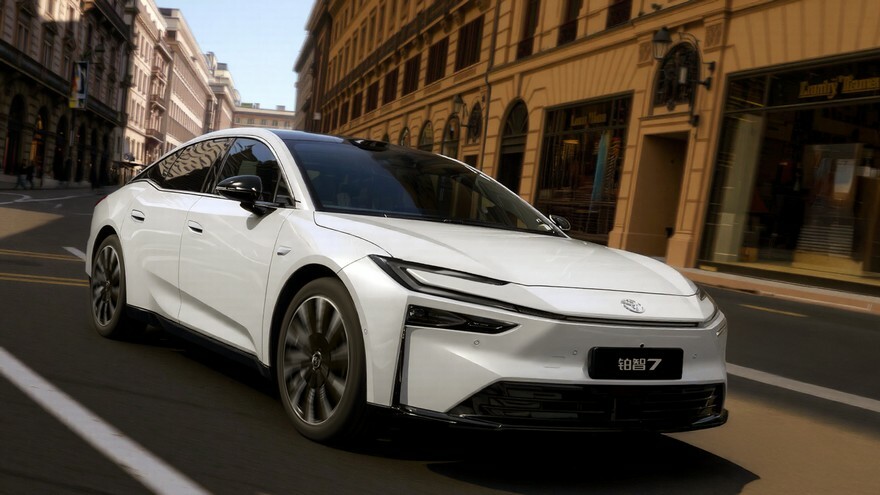
Toyota has officially opened pre-sales of its new all-electric bZ7 in China, priced between 179,800 and 239,800 yuan for the 600 Pro and 710 Ultra LiDAR trims respectively, or roughly $26,000 to nearly $34,800 depending on the version. That aggressive entry point immediately puts it in the thick of China’s hotly competitive EV market.
But this launch is not only about affordability. It represents a clear change in the way that Toyota is approaching electric vehicles in the region.
The bZ7 has a sleek fastback design, modern without being too dramatic. At just over 5.1 meters (200.8 inches) long, 1,965 mm (77.3 inches) wide, and 1,506 mm (59.2 inches) tall, with a 3,020 mm (118.9 inches) wheelbase, it carries the proportions of a proper executive sedan. Those dimensions place it squarely alongside rivals such as the Tesla Model S, BYD Han L, and BMW i5.
Inside, the layout is clean and technology-focused. A huge 15.6-inch central display is located at the center of the dashboard, backed by the compact driver screen and head-up display. The system runs off Huawei’s HarmonyOS Cockpit 5.0, something that is important for Toyota.
Legacy automakers have long struggled to get on top of Chinese-centric ecosystems which buyers love. The adoption of HarmonyOS Cockpit not only offers sharp graphics, quick response times, and voice control features, but it will also be able to natively integrate with China’s own ecosystem of connected apps and services.
A Serious Push Into China’s Connected Car era
Toyota’s integration with Xiaomi’s smart ecosystem means that the car itself is intended to integrate with compatible Xiaomi home devices. Drivers can control select functions of a smart home directly from the interface in the vehicle and also sync personal preferences across devices. It makes the car part of a wider digital lifestyle rather than being simply a transport tool.
Advanced driver assistance comes from Momenta’s R6 system, which uses a combination of sensors and roof-mounted lidar. Features include navigation-assisted driving support and automated parking features. Higher trims focus strongly on comfort too with zero gravity seats, massage and ventilation, a premium audio system, rear seat tray tables and even a built-in refrigerator focused on rear passengers.
Powering the bZ7 is Huawei’s DriveONE electric system in conjunction with lithium iron phosphate battery packs. Depending on the trim, Toyota is claiming a driving range of between about 600-710 km (373-441 miles) under CLTC standards (so take that with a grain of salt). Still, that puts it squarely in line with important domestic competitors. That’s paired with a 207 kW (277 hp) electric motor that provides motive power.
That headline range also nudges it into the territory of the dual-motor Model S AWD, at least on paper. The Tesla, of course, operates in a very different league when it comes to outright performance, with roughly 670 hp on tap. It also sits in a completely different price bracket, starting at 842,900 yuan, or around $122,000. That works out to roughly 4.6 times the base bZ7 and about 3.5 times the price of the top-spec version.
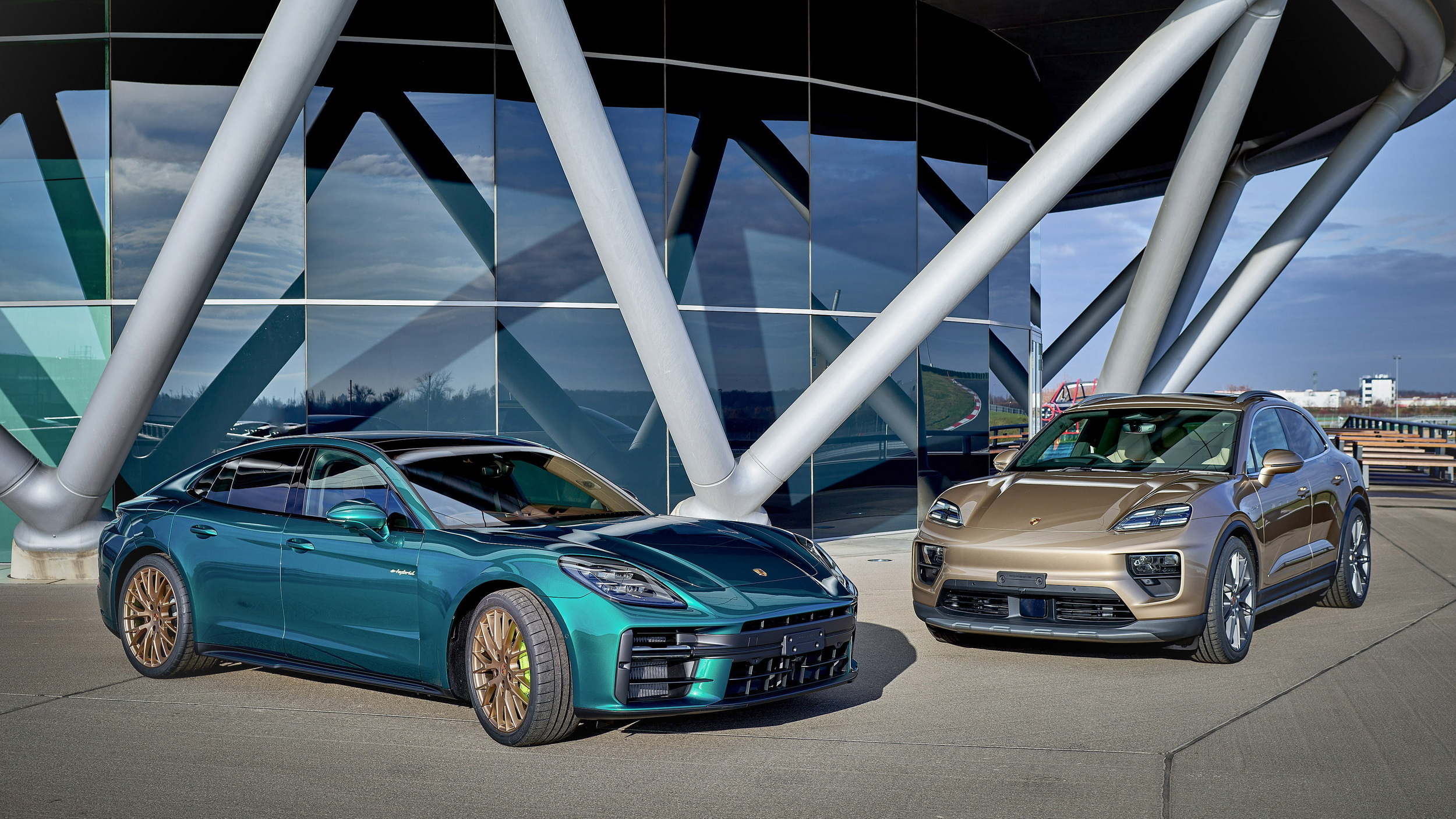
Porsche may merge Panamera and Taycan into a single lineup.
A shared sedan line could cut costs but keep two platforms.
The successor would likely offer ICE PHEV and EV options.
Are two separate Porsche sedans one too many? It’s a fair question, especially as the performance luxury world adjusts to the slower, slightly messier reality of electrification. The answer may well be yes, as the Zuffenhausen brand is reportedly considering a consolidation of its lineup that would see the Panamera and Taycan folded into a single model line, without actually turning them into the same car.
The whole “merging without actually merging” idea comes down to platform strategy. Porsche could build a future sedan family that follows the same dual-track playbook already used by the Macan and Cayenne, where combustion and hybrid models sit on one architecture while fully electric versions use another.
The news marks a fairly notable pivot from Porsche’s earlier line on the matter. Back in 2024, Kevin Giek, Vice President of the Taycan Product Line, described the Taycan as a “long-lasting” nameplate, putting it in the same durability bracket as the 911. He also made it clear that the facelifted model would not be the end of the road, with Porsche planning to keep evolving it over time.
According to a report from Autocar, the rethink comes down largely to cost. Porsche recently took a €1.8 billion ($2.1 billion) write-down tied to delays in platform development, which tends to sharpen the pencils in Stuttgart rather quickly. Folding strategies together could help the company avoid the less appealing option of canceling one of the engineering programs outright just to balance the books.
Which One Will Survive?
We still do not know which badge Porsche might send to the great brochure archive in the sky, the Panamera or the Taycan. What we do know is which one buyers currently prefer. Last year the combustion-powered Panamera shifted 27,701 units, nearly 70 percent more than the 16,339 Taycans delivered in the same period. Taycan deliveries have dropped sharply over the past two years, a slide significant enough to make Porsche take a long look at its electrification plans.
The third-generation Panamera arrived in late 2023 riding on Porsche’s MSB architecture, and it is already penciled in for a mid-cycle refresh around 2027. The Taycan, meanwhile, first appeared in 2019 on the EV-dedicated J1 platform and received its facelift in 2024. Read between the lines and the likely scenario is fairly clear. Proper replacements for both sedans probably will not arrive until sometime after the end of the decade.
What seems far more certain is the powertrain buffet. Whatever replaces today’s cars will almost certainly be offered with ICE, hybrid, and fully electric setups, giving buyers plenty of choice. Combustion-powered versions could sit on Porsche’s PPC architecture, while the EV variants would likely move to the newer SSP Sport platform. One sedan shape, several very different ways to make it go fast. Very Porsche, really.
The two might occupy roughly the space and wear broadly similar shapes, but they go about it quite differently. The Taycan is the sportier-looking one, lower, tighter, and built with aerodynamics very much in mind. The Panamera, being the combustion car, stretches out a bit more. It is 89 mm (3.5 inches) longer, 44 mm (1.7 inches) taller, and rides on a wheelbase that is 50 mm (2 inches) longer.
There are differences in body styles too. The Panamera can be had in long-wheelbase form for those who prefer their Porsche with a little extra rear legroom. The Taycan, meanwhile, branches out into Cross Turismo and Sport Turismo variants.
If Porsche does march toward a unified sedan line, some of those distinctions will probably have to shrink. Even so, the electric version could still wear its own visual identity, much like the new Cayenne Electric.
Whether the Taycan name ends up as a trim level or the Panamera simply absorbs its electric sibling altogether, the real takeaway sits higher up the strategy ladder. Porsche’s focus is no longer on pushing electrification at any cost, but on building a proper multi-energy lineup that gives buyers a choice.
Porsche confirms electric 718 project remains alive.
Executive says he has already driven a prototype.
Launch timing for the new EV sports cars unclear.
Porsche has poured cold water on recent reports suggesting the entire electric 718 Boxster and Cayman project could be scrapped following the arrival of a new chief executive. While there’s still no confirmed timeline for the new models, Porsche says they will arrive first as fully electric vehicles.
It’s no secret that Porsche has faced challenges developing the next-generation Boxster and Cayman, particularly when it comes to capturing the character that defined their predecessors. The company has already scaled back parts of its EV strategy, and new CEO Michael Leiters, formerly of McLaren, was reportedly evaluating whether the project should proceed at all.
However, Car Sales recently spoke with Daniel Schmollinger, managing director and chief executive of Porsche Cars Australia, who said the project remains on track and revealed that he has already driven a prototype.
SH Proshots
“We can’t tell yet when it’s coming, but I had the chance to drive it, and it is actually amazing,” he said. “So I had the chance to drive it on a race track, and it was just amazing. A Boxster type of car should give you the weight distribution, a very go karty feeling and it provides that. And with the electric engine, of course, it gives you even more dynamic driving.”
Electric And Combustion Models
Initially, Porsche planned to offer the next-generation Boxster and Cayman exclusively with electric powertrains. Later reports suggested that the duo’s top derivatives could also arrive with internal combustion engines. According to more recent claims, combustion engines may even appear in more affordable 718 variants.
Schmollinger’s media training paid off when he was asked to confirm plans for the ICE models, stating that “there’s no official announcement,” but noted “headquarters is basically constantly evaluating where the opportunities are. Every six months they look into what can we do and what do we not want to do, so there is opportunity out there,” he added.
While the likes of Tesla can sleep easily in the US, largely insulated from the surge of Chinese EVs sweeping through global markets, the situation looks very different overseas. In places like Malaysia, where we’re currently experiencing the BYD lineup firsthand, the competitive landscape is far more intense.
You’re probably already aware that brands like BYD have moved quickly to market with smaller and more affordable electric vehicles. What’s becoming clearer, however, is that they also seem to have an answer for nearly every category Tesla occupies.
Take the Sealion 7. In East Asia, it’s a mid size electric SUV that carries the Ocean Series legacy into a more premium segment. Available in both rear wheel drive and all wheel drive Performance variants, the Sealion 7 brings BYD’s e Platform 3.0 Evo, Blade Battery, and its so called Ocean Aesthetics design language into a very capable package.
QUICK FACTS
› Model:
2026 BYD Sealion 7 Performance
› Dimensions:
190.2 L x 75.8 W x 63.8 in H (4,830 x 1,925 x 1,620 mm)
› Wheelbase:
115.4 in (2,930 mm)
› Curb Weight:
2,340 kg (5,159 lbs)
› Powertrain:
Dual electric motors / 82.56 kWh battery
› Output:
290 kW / 690 Nm (509 lb-ft) of torque
› Performance:
4.5 seconds 0–62 mph (0–100 km/h)*
› Charging
Rapid Charger (150 kW DC)
› Range
283 miles (456 km) WLTP*
› On Sale:
Now
SWIPE
*Manufacturer
Or, if we strip away the brochure language, it may simply represent the next major headache for the Tesla Model Y.
But with the EV market at its most competitive, and BYD no longer alone in its export ambitions, the real question is whether the Sealion 7 can go toe to toe not just with Tesla, but with the growing wave of Chinese rivals also establishing themselves abroad.
Sealion? Ocean Aesthetics? What Does Any Of That Mean?
Photos Sam D. Smith / Carscoops
Okay, it’s a bit complex, but let’s try to break it down: BYD has multiple lines. For the domestic market, it has models under the Dynasty lines, and then you have the Ocean series, which, as the name implies, takes aquatic styling cues with sea-creature-based names. Seagull, Dolphin, and yes, Sealion. There are multiple Sealions as well, with the 5 being a Honda HR-V-sized competitor that’s also available with a hybrid drivetrain, and the Sealion 6 being a larger SUV in the vein of the Nissan Rogue.
The Sealion 7 is more akin to the Audi Q8, a more stylish approach for those who care about such things. And while the front end is very much BYD, in the fact that it’s a tad anonymous but inoffensive, the rear end has actually grown on me.
Rather than trying to make a bold, but frankly pointless statement by being objectionably coupe-like (I’m looking at you, Porsche Cayenne Coupe and BMW X6), it’s a more cohesive, perhaps egg-like, shape. Again, it’s not revolutionary, but nor is it different for the sake of being different either. It’s streamlined and more put-together in its execution, avoiding the awkward proportions that so many other “sporty” SUVs seem to cling to.
That Low Tapering Roofline Can’t Be Very Practical, Can It?
Photos Sam D. Smith / Carscoops
Well, rear-seat passengers don’t have to sacrifice too much in terms of headroom, which is a plus. However, after several airport runs, it was soon clear that boot space, or rather the shape of it, is not the Sealion 7’s strong suit.
That rounded-off rear does look nice, but when it comes to getting it to close when stuffed to the brim, you’re going to have to end up playing some suitcase tetris…or, in our case, moving some luggage to the passenger compartment instead.
Photos Sam D. Smith / Carscoops
It’s a common tradeoff: looks at the expense of practicality. But it’s also worth noting if you’re trying to decide between the more conventional Sealion 6 or the Sealion 7. Plus, it’s not all style over substance. There are some nice functional features too, such as proper air curtains in the front bumper, which help with airflow around the wheels.
It’s Still A Chinese Car, Right? How Stylish Can It Be?
You’d be surprised. Yes, there are still a fair few (how should we put this?) “inspired” designs throughout the Chinese market, with the Land Rover Defender and Range Rover seemingly being the most imitated. The Sealion 7, though, looks to be cutting its own mold in many respects.
It’s the interior that really shines. Unlike the Atto 3 we tested earlier, this is a much more “conventional” setup. The interior quality feels premium, with soft-touch plastics everywhere, while the layout won’t have you scratching your head.
It still lacks physical AC controls, except there’s a button to turn the fan on and off. Not fan speed. Not temperature. Just on and off. Why?
Now, having spent some time with BYD products, I’m going to label the rotating screen as gimmicky. At 15.6 inches, it’s large enough for anything you’d want, and the hardware is beefy enough for the system to be super snappy and responsive. However, if you do use wireless CarPlay or Android Auto, as 90 percent of users will, the screen will force you to use it in its landscape orientation. Go figure.
Photos Sam D. Smith / Carscoops
Still, there’s some great integration with the super-legible driver’s display and head-up display, the latter of which supports turn-by-turn navigation when using Google Maps. Both screens also do an excellent job of displaying info for the lane-keep assist and cruise control functions, which are noticeably less intrusive than earlier attempts from BYD.
The electric seats feature lumbar and adjustable under-thigh support, helping these chairs feel supportive, but not overly bolstered. The front seats are also ventilated, with up to three speeds of cooled air channeled to combat any hint of back sweat.
If you want to see more of the outside, there’s a full-length panoramic roof with an electrically controlled sunshade, and there are physical switches for drive modes and regen.
So, How Does It Drive?
In a single sentence, it feels mature, but still not as polished as I’d have hoped. BYD may have had a few missteps in the past, but their premium product offerings are starting to feel closer to the semi-premium image they’re chasing in the way they drive.
The Performance AWD model we got to the keys to packs a dual-motor setup for AWD, producing 390kW (523 hp) and 690 Nm of torque. To get from 0-100 km/h (0-62 mph) you need just 4.5 seconds. That’s faster than a Porsche Cayenne Coupe S, all while offering an integrated battery, fast charging up to 230 kW, and being able to top up from 10-80 percent in around 24 minutes.
While figures are all well and good, there’s proper substance when you’re behind the wheel. While a proper enthusiast may want a quicker ratio rack, the Sealion 7’s steering is nicely weighted, and does a decent job of providing the kind of feedback that you need with 500+ hp under your right foot.
The car also handles better than expected. There’s a trend for Chinese SUVs to be a bit over-damped, with the ensuing wallow meaning that true confidence can’t be found. But the Sealion 7’s chassis not only feels dynamic through a set of quick corners, it also remains planted, more sedan-like than you may expect.
There’s one huge penalty, though, experienced while driving on Malaysia’s roads. Over bigger, faster imperfections, such as expansion joints, the ride feels almost crashy. It’s the one chink in this BYD’s armor that would otherwise have convinced us that the Germans themselves had tuned this suspension. But alas, there’s still a lack of composure there.
But at slower speeds, and over smaller humps, the Sealion 7 maintains a well-damped composure that you’d expect from something upmarket, and that’s despite riding on 19-inch rims. Also of note is that the Performance version of the Sealion 7 comes equipped with Michelin Pilot Sport EV tires, again, another sign that BYD is taking this segment of SUV seriously, rather than cheaping out on lesser-known rubber, as has been seen in the past.
You also get several drive modes, and they behave pretty much as expected. However, despite offering selectable “normal” and “larger” regenerative braking settings, there’s still no proper one-pedal driving mode. It’s not a dealbreaker, but it does feel like something future versions of the Sealion should include if it’s going to go head-to-head with Tesla
Verdict
For the Malaysian market, the Sealion 07 comes in at RM 183,800 (equal to $25,900 a current rates) for the Premium model, or RM 199,800 ($28,100) for the AWD Performance. The latter undercuts Tesla’s Model Y Long Range AWD (RM 242,450) significantly, which is slower (0-62 mph in 4.8 seconds vs 4.5 seconds for the BYD), and has less range on the WLTP cycle.
But with more aggressive entries planned for East Asia, including the likes of Chery and Changan, the Sealion 7 is about to come up against tough competition. It highlights the fast-moving pace of the EV industry, particularly spurred on by the Chinese automakers who are keen to find market share outside of their home playing field.
Spy shots reveal VW ID. Polo prototypes with little camo.
Electric lineup may offer outputs of 114, 133, or 208 hp.
A GTI version is confirmed with a hotter 223 hp setup.
The VW ID. Polo is edging closer to its debut, and the camouflage is gradually coming off like a present that someone started unwrapping revealing more of its sculpted bodywork with each sighting. Our spies spotted two examples of the upcoming “people’s EV,” both ditching the colorful disguise used in official teasers.
The pair of subcompact hatchbacks was photographed during a charging stop somewhere in the snowy reaches of Northern Europe. One prototype sits on the familiar 19-inch five spoke alloy wheels we have already seen on earlier test cars. The other, however, appears to be trying something slightly more interesting.
Interesting Wheel Design
SH Proshots
We are looking at a different wheel design finished in black with copper accents, the sort of thing that appears to have wandered over from a Cupra showroom. More specifically, they closely resemble the alloys fitted to the related Cupra Raval. Yet the center caps carry VW logos, so either the parts bin is being shared quite freely or someone in Wolfsburg simply liked the look and borrowed it.
Our spy photographers didn’t need to chase down interior shots this time because Volkswagen has already shown it. In fact, a camouflaged prototype of the ID. Polo appeared at the Car Design Festival 2026 last weekend, greeting visitors with its doors left open.
Physical Controls Return
The dashboard sticks to a minimalist layout, anchored by a 10.25-inch digital instrument cluster that runs retro inspired graphics, alongside a 12.9-inch infotainment display.
More intriguing is what sits beneath the screen. VW has fitted a proper row of physical switches, along with an actual volume knob on the center console. Pair that with the clicky buttons on the two spoke steering wheel and it becomes fairly obvious that Wolfsburg may be admitting the all touchscreen trend went a bit too far.
The cabin itself is trimmed in modern recycled fabrics, which cover large sections of the dashboard and door cards, giving the interior a contemporary feel without leaning too heavily on glossy plastics.
The rest of the 4,053 mm (159.5 inches) long bodywork appears to be shared between the two prototypes. The GTI version, however, should be easy to spot thanks to a redesigned bodykit that adds bumper extensions, unique wheels, and a roof spoiler.
SH Proshots
Plastic tape covers portions of the grille and the LED headlights. Around the back, VW has applied vinyl over the full-width LED taillights, making them resemble those of the current ICE-powered Polo.
Overall, the ID. Polo looks fairly sporty. Pronounced fenders, sculpted profile lines, sturdy proportions, and deep bumpers give it a planted stance even at this early stage. Like the ID.2all concept before it, the production version was signed off by Andreas Mindt, who was recently promoted to Head of Design for the entire VW Group.
Powertrain Options
The ID. Polo will share Volkswagen Group’s MEB+ platform with the Cupra Raval, the VW ID. Cross, and the Skoda Epiq. Expect a choice of electric powertrains producing 114 hp, 133 hp, and up to 208 hp, depending on how much pace you want from your electric hatch.
At the top of the lineup will sit the inevitable GTI-badged hot hatch. That version is expected to produce 223 horsepower, giving the compact EV some proper pace. At launch, the hatchback will use a 52 kWh battery pack, while a smaller 37 kWh unit is expected to arrive later for entry level variants.
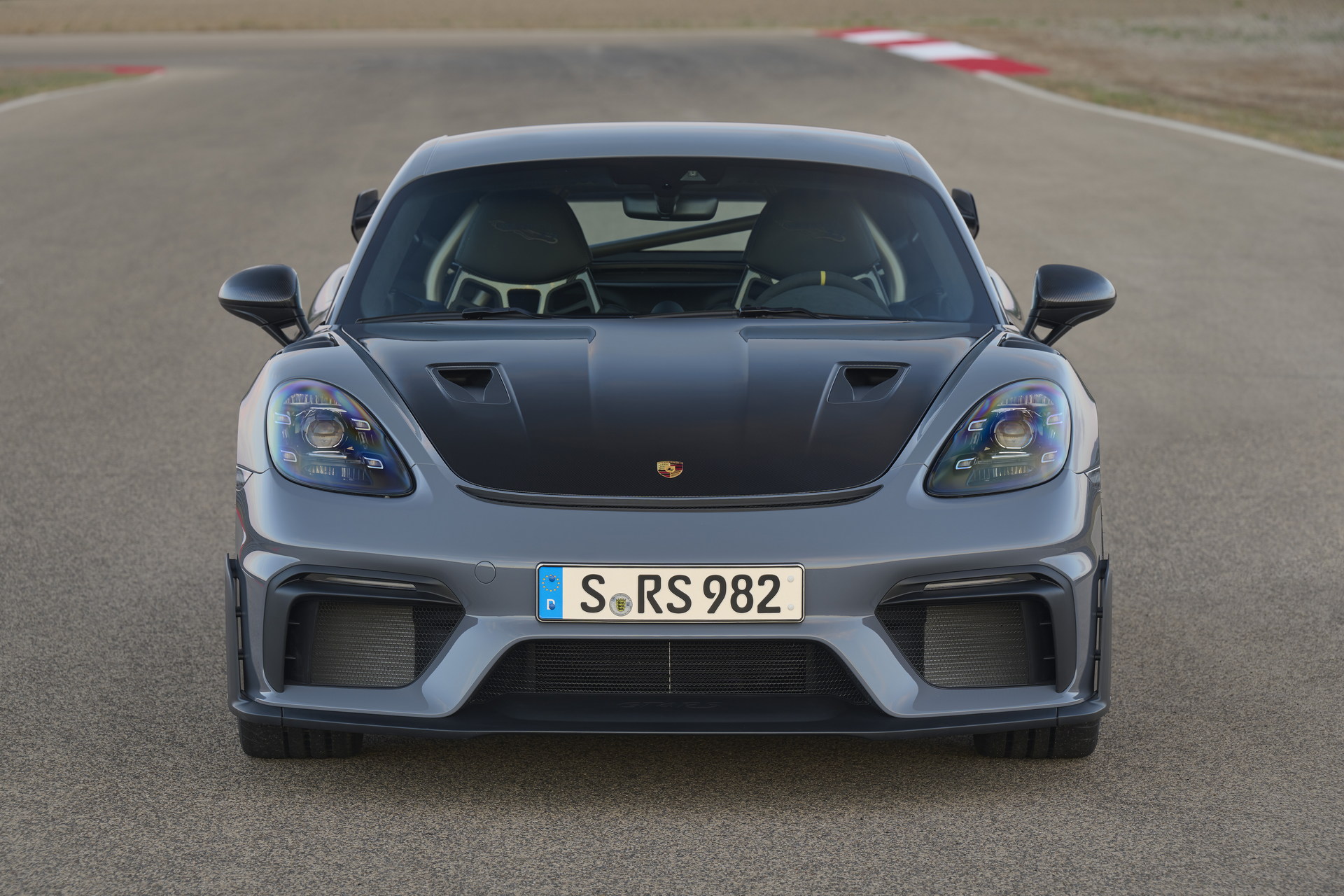
Porsche marks 75 years in Australia with four bespoke models.
Each car mirrors landscapes from four Australian regions.
Customers can recreate the builds via Porsche’s configurator.
Porsche is marking 75 years in Australia with a quartet of bespoke models inspired by some of the country’s most recognizable landscapes. Consider it both a birthday celebration and a (costly) reminder that Porsche’s customization department can turn just about any idea into paint, leather, and expensive options.
Debuting at the Australian Grand Prix in Melbourne this weekend, the collection spans the Panamera, Taycan, Macan, and Cayenne, highlighting the customization possibilities offered by Porsche Exclusive Manufaktur and the Sonderwunsch program.
Interestingly, these are far from being strictly one-off specials. Customers can actually recreate the same specifications through Porsche’s official configurator, assuming they are willing to spend enough time clicking through options and, of course, paying for them.
Go North With The Panamera
The first model is based on the Porsche Panamera 4 E-Hybrid, finished with a livery inspired by the rainforests of Queensland and the Northern Territory. The exterior wears Emerald Green Metallic paint, paired with Neodyme 21-inch wheels and bright Acid Green accents on the brake calipers and hybrid emblems.
Inside, the Club leather upholstery comes in Espresso with Night Green stitching, Neodyme accents, and Eucalyptus wood trim. The sedan also receives illuminated scuff plates with “Go North” lettering, a matching key, and 75th anniversary floor mats. For added practicality, it is also fitted with the optional Porsche Performance roof box, just in case the rainforest theme inspires an actual road trip.
Go East With The Taycan
The second model is based on the electric Taycan 4S Cross Turismo. Drawing inspiration from the surf culture of Australia’s Pacific coast, places like Noosa, Byron Bay, Newcastle, and Sydney, it wears an Ipanema Blue Metallic finish. The high gloss black 21-inch alloy wheels feature Crayon aero blades meant to evoke coral formations, while the Glacier Iceblue daytime running lights mirror the irises of the Pacific Blue Eye fish.
The beach theme continues inside the cabin, where a mix of Black and Crayon leather echoes what Porsche describes as “the warm sands and shade of Australia’s eastern beaches.” References to the sea show up in the Dark Night Blue leather seat inserts and the Speed Blue stitching. The EV is also fitted with a panoramic roof featuring Variable Light Control, aluminum roof rails, a bespoke key, and illuminated scuff plates.
Go West With The Cayenne
The first SUV of the group is based on the V8-powered Cayenne S and draws inspiration from the vast open spaces of Western Australia’s Outback, terrain that dates back around 4.4 billion years. The exterior is finished in Ipanema Brown Metallic, paired with white decals and silk gloss black 22-inch alloy wheels.
The model is fitted with the optional Off-Road package, which adds rock rails, skid plates, extra underbody protection, and even a compass mounted on the dashboard, presumably for when the road disappears altogether. It also gets aluminum roof rails carrying a roof box.
Inside, Black leather is paired with Bordeaux Red inserts meant to echo indigenous rock formations. Like the other special editions, it also receives unique floor mats, keys, and illuminated scuff plates.
Go South With The Macan
The final car in the set is the fully electric Macan 4S, styled as a tribute to the southern coastlines of Victoria, South Australia, and Tasmania. Its Gold Bronze Metallic paint is meant to mirror the cliffs along the Great Ocean Road, while the 22-inch RS Spyder wheels, finished in Vesuvius Grey, nod to the region’s rugged stone formations.
The electric SUV also gets the Off-Road Design package, which brings Vesuvius Grey skid plates into the mix. Glacier Blue accents appear in the Matrix LED headlights and along the taillight strip. Inside, the cabin references South Australia’s volcanic landscapes with Black and Chalk Beige leather, punctuated by orange highlights across the seat centers, seatbelts, door cards, and dashboard.
Curiously, Porsche Australia’s 75th anniversary collection arrives without a 911. Still, when the theme revolves around the four cardinal directions, the math rather limits your options.
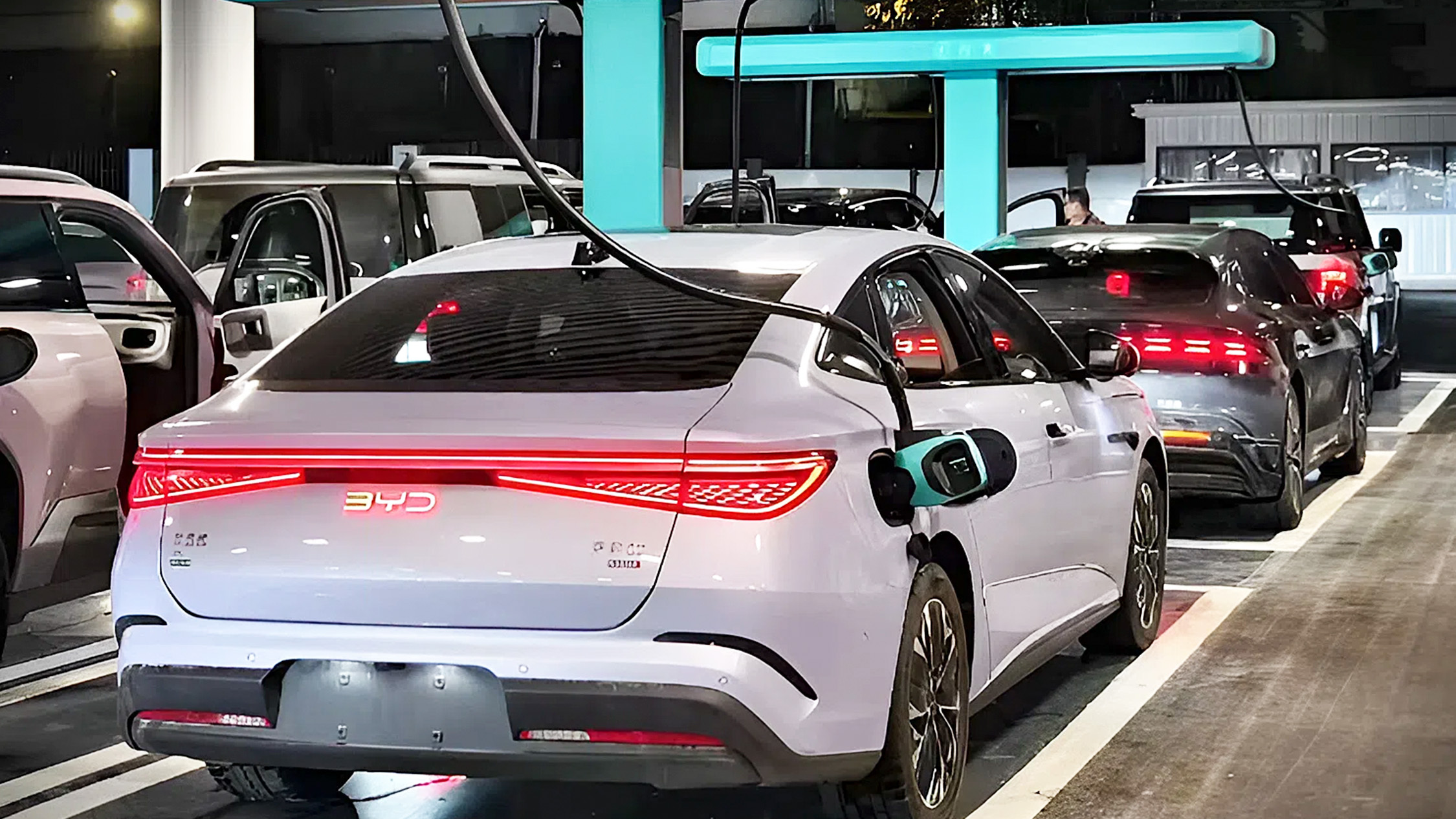
BYD’s China sales have tumbled 36 percent in 2026.
About half of BYD vehicles this year were exported.
Geely sold 76,000 more vehicles than BYD in China.
For much of the past three years, it has often seemed as though BYD could do no wrong. The company steadily launched new models, expanded its lineup, and watched its sales climb at an impressive pace. However, the start of 2026 has been alarmingly slower, allowing fellow Chinese automaker Geely to pull ahead.
Through the first two months of this year, BYD has sold 400,241 vehicles, down 36 percent from the year prior. Of these, 190,190 vehicles were sold in February, a drop of 9.5 percent from the past month, due in large part to the Lunar New Year holiday, but it was also a 41 percent drop compared to the same month last year.
Apparently, shrinking tax breaks and a dip in buyer confidence are starting to cool the market. Plenty of shoppers are opting to wait it out, holding off to see what new models land and whether government trade in schemes become clearer before committing their cash.
While BYD is facing some struggles at home, it continues to gain popularity in foreign markets. In February alone, it exported 100,600 of its new energy vehicles, consisting of EVs and plug-in hybrids. Include January in those figures, and BYD has exported 201,082 vehicles.
Competitors Step Up
While BYD is facing growing pains, several other Chinese automakers are enjoying the opposite problem. Through the first two months of 2026, Stellantis partner Leapmotor’s sales have climbed 19 percent to 60,126 units. Xiaomi’s EV division is up 48 percent year over year to more than 59,000 units. Zeekr has posted an 84 percent surge across January and February, while Nio deliveries have jumped 77 percent, according to CNBC.
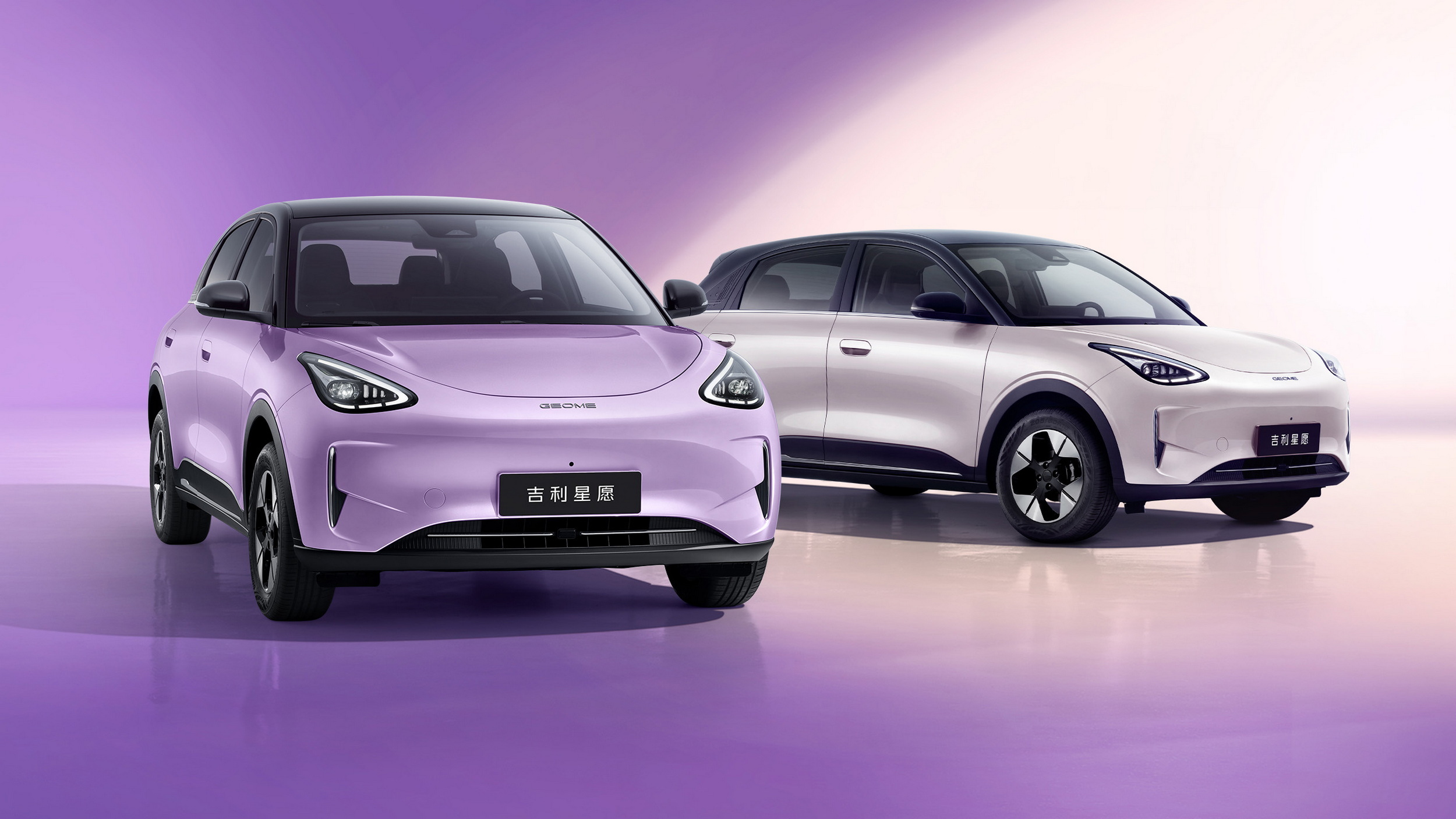
Geely is also having a particularly strong run. So far this year, it has delivered roughly 76,000 more vehicles than BYD. That is notable because it marks the first time Geely has outsold BYD for at least two consecutive months since 2022. While Geely currently leads within China, it trails slightly in overseas markets, exporting 181,891 vehicles so far this year.
According to Bloomberg, BYD chief executive Wang Chuanfu acknowledged the growing pressure back in December. He said rival automakers had begun closing the technological gap that once gave BYD a clear edge, something that now appears to be showing up in the sales figures.

 Login
Login