Normal view

There are new articles available, click to refresh the page.
Yesterday — 27 February 2026Main stream

Stellantis Admits EV Bet Went Too Far, $26 Billion Later

  • Stellantis posts $26.3B net loss for FY 2025.
  • Dividend suspended, $5.9B bonds issued.
  • ICE and hybrid pivot lifts H2 shipments.

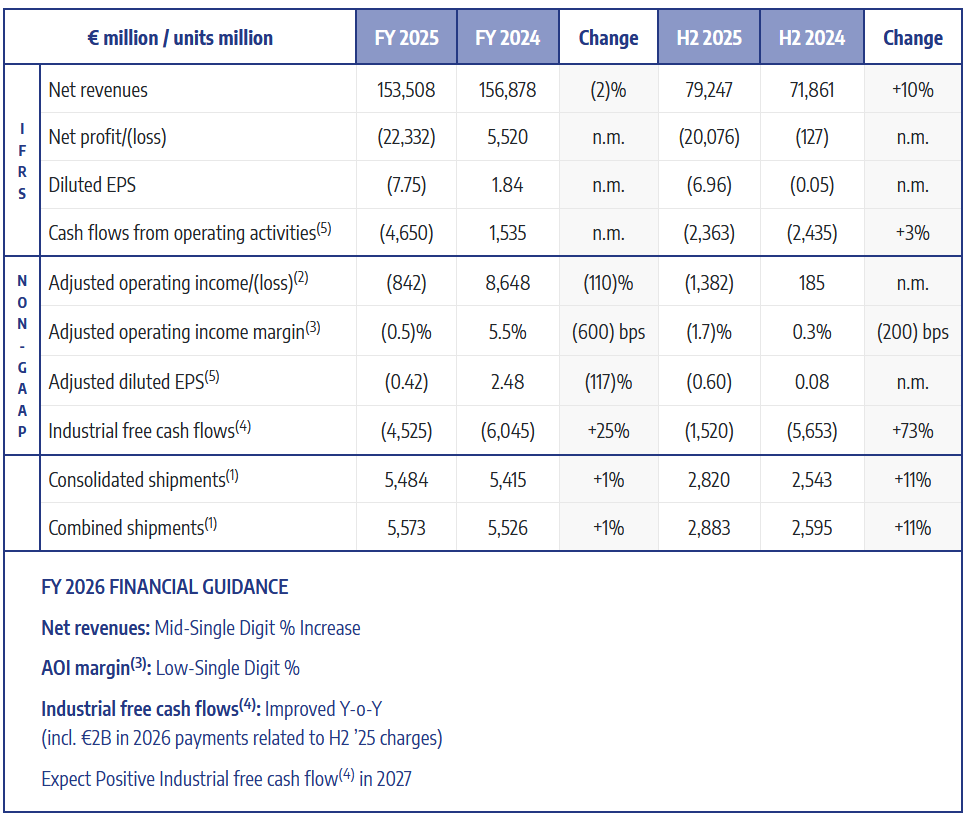
Stellantis has published its 2025 financial results, and they make for sobering reading. The headline figure is a €22.3 billion deficit, equal to $26.3 billion at current rates, marking the group’s first-ever annual loss. That swing looks even worse when set against 2024’s €5.5 billion ($5.8 billion) profit, which was already down 70% compared to 2023. In the span of two years, the company has gone from profitable to deep in the red.

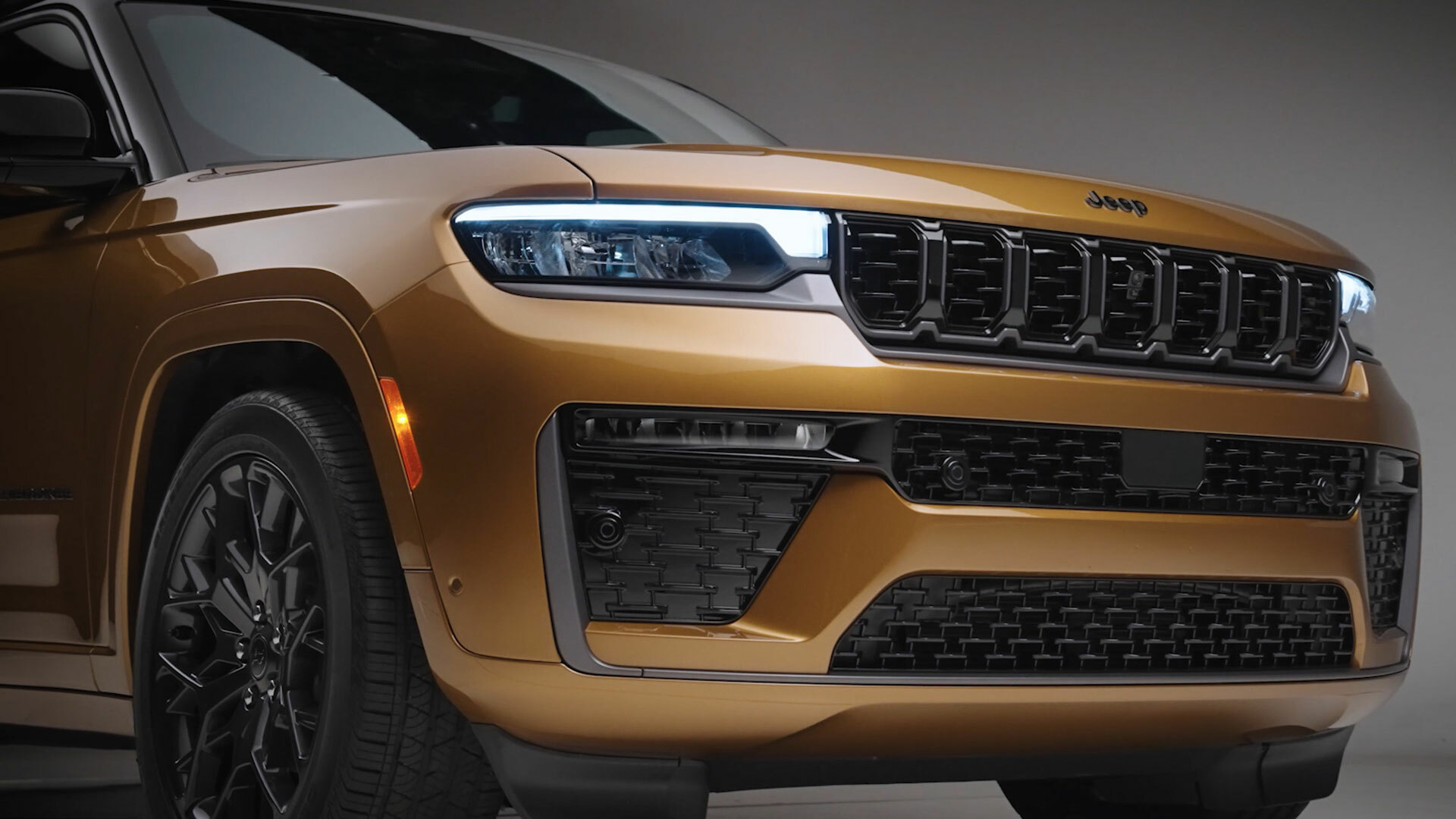
The group, which owns 14 brands including Abarth, Alfa Romeo, Chrysler, Citroen, Dodge, DS Automobiles, Fiat, Jeep, Lancia, Maserati, Opel, Peugeot, Ram, and Vauxhall, attributes the damage to €25.4 billion ($30 billion) in “unusual charges,” largely tied to what it calls a “profound strategic shift to meet customer preferences.” In plain terms, Stellantis overestimated how quickly the market would pivot toward electric mobility and is now paying to recalibrate.

More: Stellantis Bet Big On EVs, Now It’s Betting On The Engine Europe Wrote Off

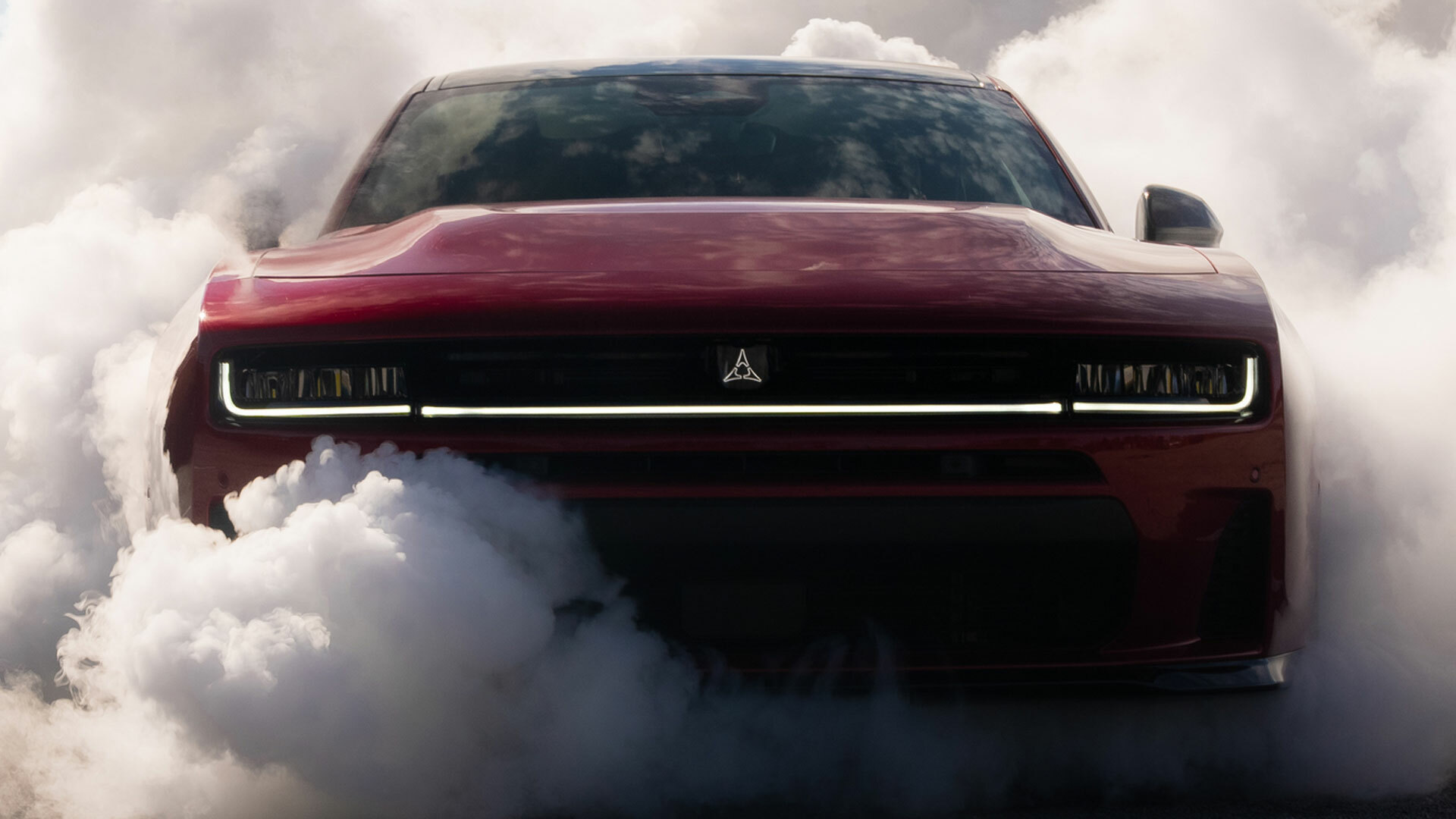
That is only part of the story. It wasn’t just a matter of customers being slow to embrace EVs. Several of Stellantis’ electric efforts, particularly in the US, struggled on their own terms. Models such as the Dodge Charger Daytona EV and the Jeep Wagoneer S were priced at the upper end of their segments yet struggled to justify that positioning against established rivals.

Rethinking Its EV Strategy

Regardless, that recalibration means canceling several electric models that were in development, mainly for the US market, and putting new emphasis on high-margin combustion engines. The return of the HEMI V8 in North America is the obvious attention grabber.

In Europe, diesel and mild-hybrid gasoline options are being folded back into the lineup across several current and upcoming models, including the now-delayed Alfa Romeo Stelvio and Giulia replacements.
 Stellantis Admits EV Bet Went Too Far, $26 Billion Later

“Our 2025 full year results reflect the cost of over-estimating the pace of the energy transition and of the need to reset our business around our customers’ freedom to choose from the full range of electric, hybrid and internal combustion technologies,” said Stellantis CEO Antonio Filosa.

“In the second half of the year we began to see initial, positive signs of progress with the early results of our drive to improve quality, strong execution of the launches of our new product wave and a return to top line growth. In 2026 our focus will be on continuing to close the execution gaps of the past, adding further momentum to our return to profitable growth.”

How Does Stellantis Plug The Gap?

The financial strain has prompted the board to suspend the 2026 dividend and authorize up to €5 billion ($5.9 billion) in hybrid bonds to shore up liquidity. Industrial free cash flow remained firmly negative at €4.5 billion ($5.3 billion), although that represents a 25% improvement on the previous year.
 Stellantis Admits EV Bet Went Too Far, $26 Billion Later

Net revenue totaled €153.5 billion ($181.1 billion), down 2% year-on-year. The decline is attributed to exchange rate headwinds and net pricing drops in the first quarter of 2025, neither of which tends to flatter the bottom line.

More: Stellantis Adds A Third Shift Where You Least Expect It

The group posted an adjusted operating loss of €842 million ($993.5 million). Still, the second half of the year showed signs of stabilization. Revenues rose 10% and shipments climbed 11% as inventories normalized. Stellantis also highlighted that H2 2025 marked the first six months under its renewed leadership team, a detail clearly intended to signal that the worst may already be in the rearview mirror.

Shipments Went Up But Shares Go Down

Combined shipments for 2025 reached 5.573 million vehicles, up 1% year-on-year. That keeps Stellantis in fifth place globally by volume, behind Toyota (11.3 million), Volkswagen Group (8.98 million), Hyundai Motor Group (7.27 million), and General Motors (6.11 million).

Momentum was stronger in the second half, with 2.883 million shipments, up 11% over H2 2024. North America did most of the heavy lifting, posting a 39% H2 increase as inventories returned to more normal levels and demand improved.

Investors, however, appear less convinced. Reuters reports that Stellantis shares have fallen by more than 30% this year, sliding to their lowest level since the PSA-FCA merger in 2021.
 Stellantis Admits EV Bet Went Too Far, $26 Billion Later

Stellantis

Before yesterdayMain stream

Toyota Wants To Fix Your Home Charger Install Headache In 48 Hours

  • Toyota and Lexus teamed up with Treehouse to simplify home charging.
  • Every 2026 and newer model includes a Level 1 and Level 2 charger.
  • Buyers can spend $524 on a stronger ChargePoint Level 2 unit.

Electric vehicles make plenty of sense if you are not clocking up cross-country miles every week and you have somewhere at home to plug in. The complication usually starts after you sign the paperwork, when you realize installing a home charger involves quotes, site visits, and more emails than expected. Toyota thinks it has found a way to smooth that part out.

Toyota’s North American division has partnered with Treehouse, an EV charging infrastructure company, to simplify the process of getting a Level 2 AC home charger installed and operational.

Read: Toyota Slashes Thousands Off Its Newest EV Just Weeks After Launch

Thanks to Treehouse, owners only need to upload a few photos and complete a short survey. From there, the company promises a quote within 48 hours and can then send technicians out to install the charger.

Traditionally, home charger installs can involve multiple visits, especially when someone needs to assess the right mounting location and electrical setup in person. This approach is meant to cut that step out entirely.

Treehouse says it relies on proprietary technology, along with the homeowner’s photos, to determine exactly what the installation requires. If upgrades are necessary, licensed electricians will step in to update or install any electrical systems needed to support home EV charging.

Standard Equipment On 2026 Models

 Toyota Wants To Fix Your Home Charger Install Headache In 48 Hours

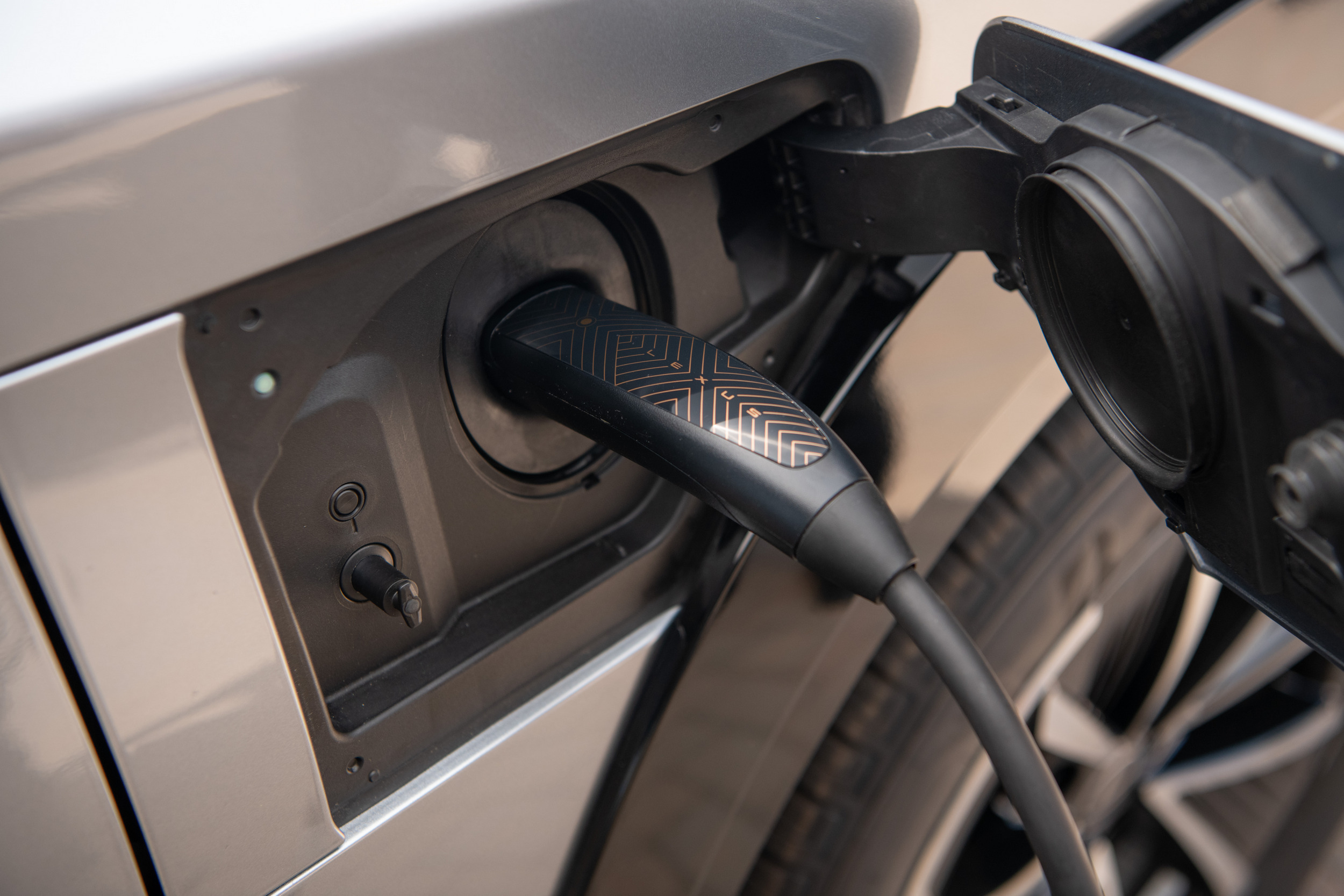
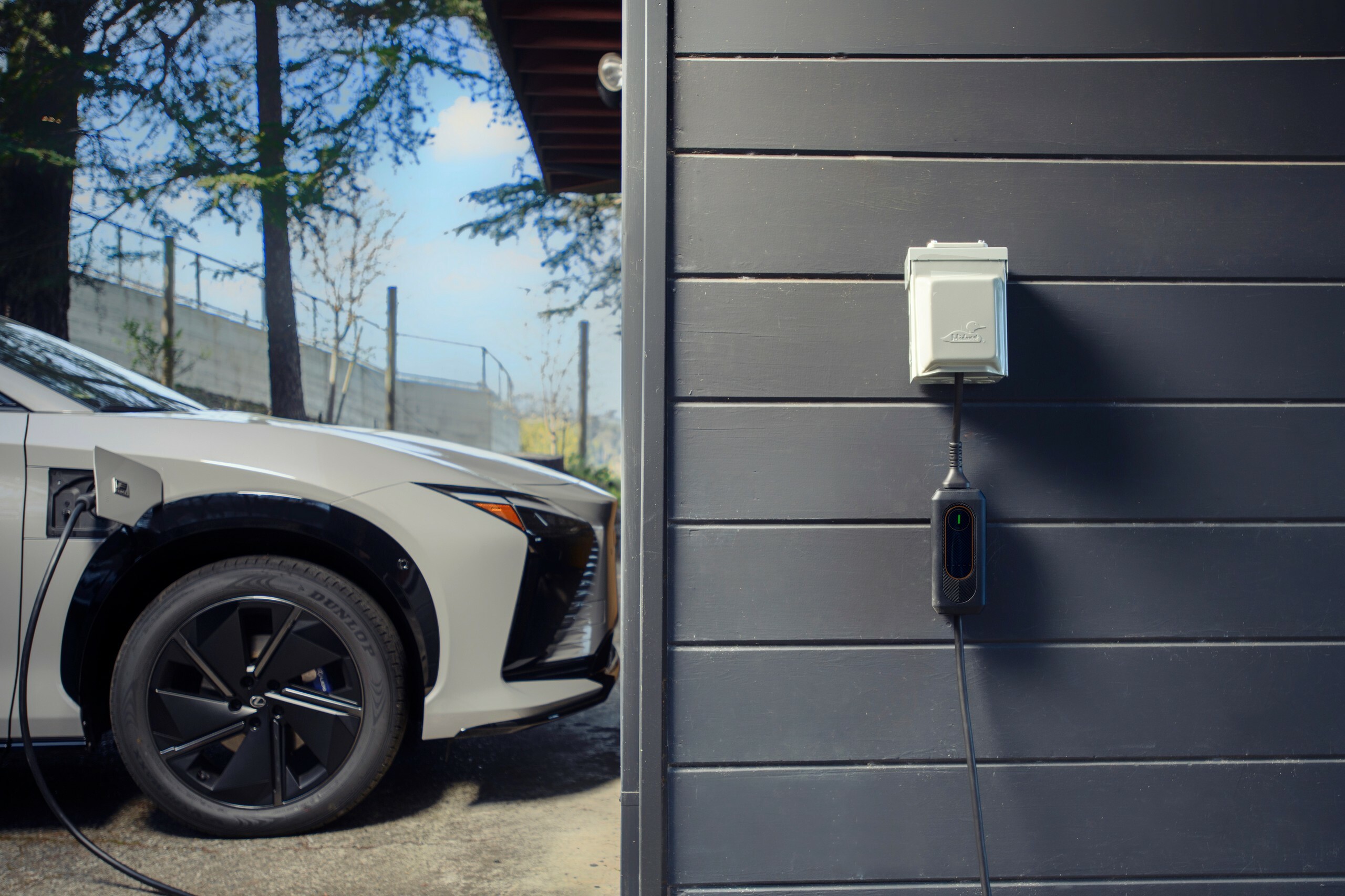
From 2026 onward, every Toyota and Lexus battery-electric vehicle and PHEV sold in the US will include a dual-voltage 120V/240V AC home charger. It supports both Level 1 and Level 2 charging, so you can plug into a standard outlet or step up to a quicker setup. In typical conditions, that is enough to take a battery from about 10 percent to full overnight, which should cover most daily routines.

If that still feels too leisurely, there is an upgrade. Owners can opt for a hardwired ChargePoint Home Flex Level 2 charger, installed by Treehouse, which Toyota says trims charging times by roughly 30 percent. The unit costs $524, assuming your electrical panel is feeling cooperative.

“We’re thrilled to work with Toyota to enhance the electrified vehicle and home charging experience for Toyota and Lexus customers,” Treehouse co-founder and chief executive Eric Owski said. “By bringing seamless, end-to-end home charging solutions into the EV ownership journey, this collaboration with Toyota reflects our shared commitment to making electrification easy and accessible for consumers.”

\\\\

Used Tesla Prices Jump As Other EVs Crash Back To Earth

  • Used Tesla prices climbed after the tax credit ended.
  • Most other used EVs lost value as demand cooled.
  • The Porsche Taycan was the only non-Tesla EV to rise.

The loss of $7,500 federal tax credits should, in theory, have put every EV brand on an even footing, but Tesla and its customers decided to write their own script. While most electric car values have dropped since last fall, Tesla values are actually climbing.

According to a new study, used Tesla prices have risen 4.3 percent since the EV credit disappeared at the end of September 2025. Over the same period, nearly every other used EV dropped an average of 3.6 percent.

More: EV Sales Fell Off A Cliff, Yet New Car Prices Still Set Another Record

Because Teslas make up such a huge slice of the used EV pie, the average price of all used EVs actually went up 3.5 percent, painting a superficially rosy picture. Strip Tesla out of the equation and things look very different. Non-Tesla EVs slid from an average of $24,629 to $23,738. Meanwhile, used combustion cars dipped 2 percent.

Declining Share

 Used Tesla Prices Jump As Other EVs Crash Back To Earth

The iSeeCars study also found that used EV market share fell 20 percent between September and January, dropping from 3.5 percent to 2.8 percent. A year earlier, that share had been climbing, but now it is heading the other way. The early adopters already have their EVs. Mainstream buyers are apparently thinking harder about price, charging, and range.

Average Prices For 1- To 5-Year-Old Used Cars
SegmentSep ’25Jan ’26Diff.
EVs$29,637$30,666+3.5%
ICE$31,900$31,249-2.0%
SWIPE

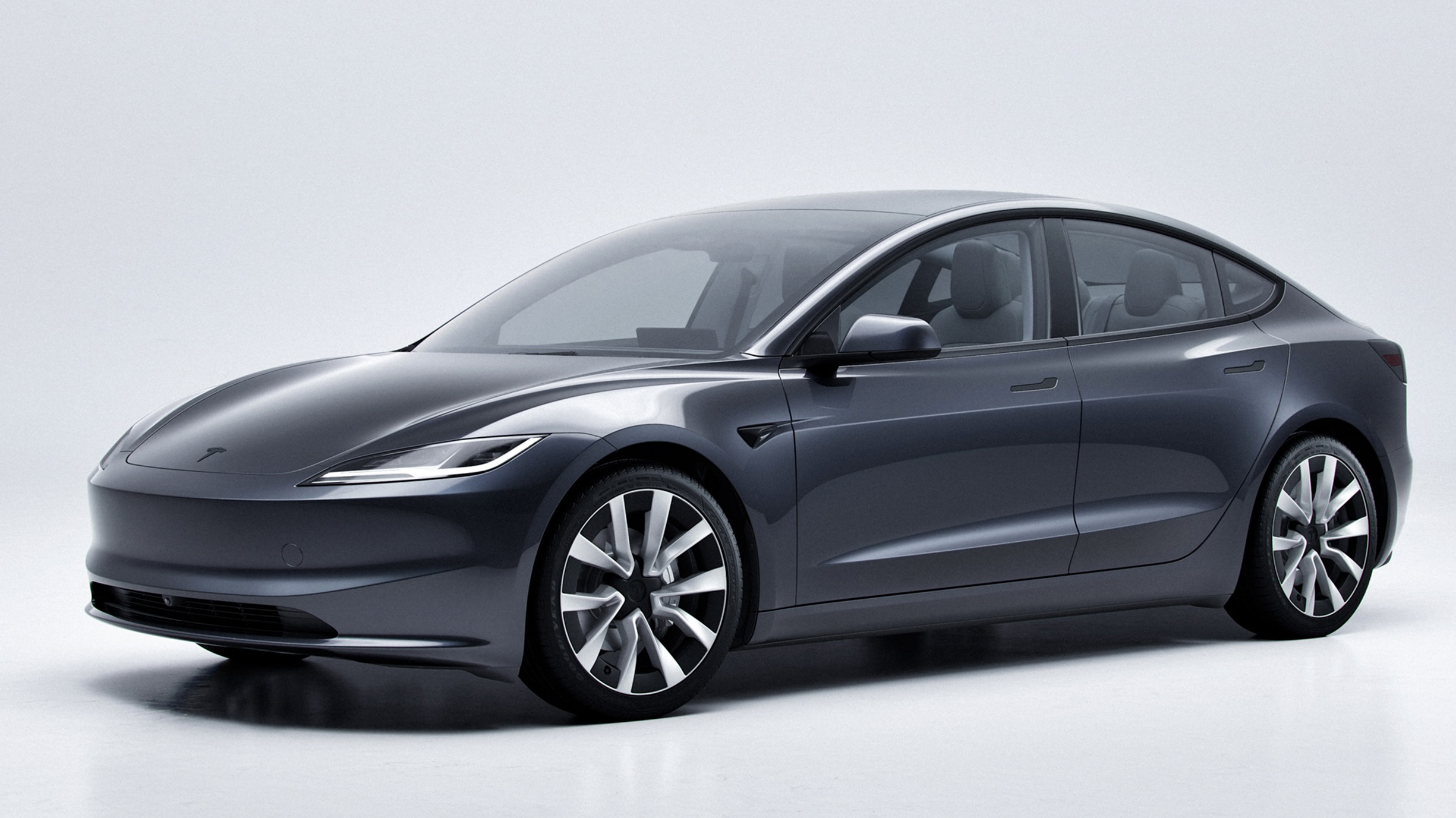
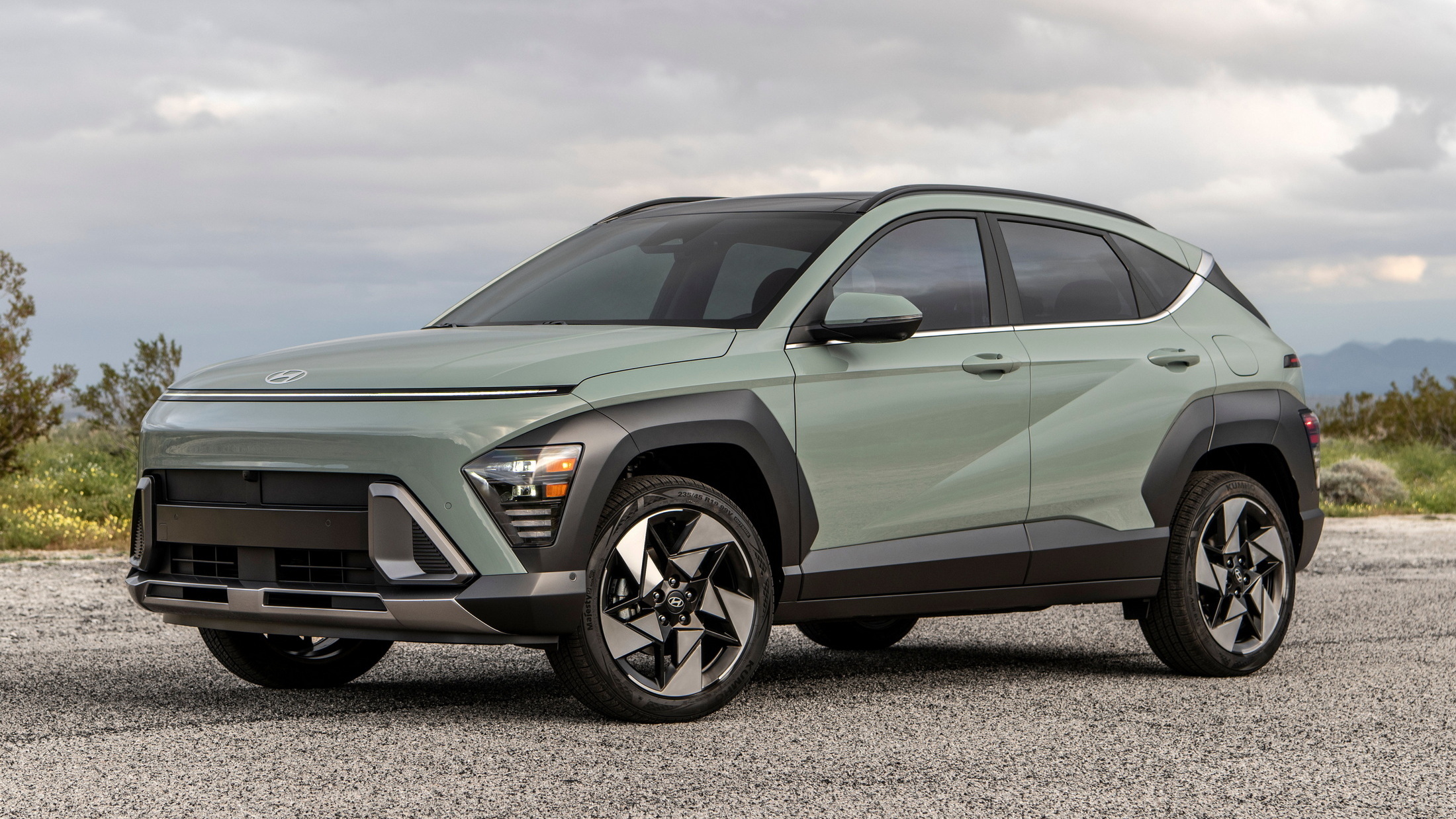
Look at individual models and the pattern gets clearer. Lower-cost EVs like the Hyundai Kona Electric, Volkswagen ID.4, Kia Niro EV and Nissan Leaf all lost between roughly five and six percent of their value. Meanwhile Tesla Model 3 and Model Y prices ticked up, as did those for the Porsche Taycan, the only non-Tesla EV to experience a jump in values.

New EV Prices Down

 Used Tesla Prices Jump As Other EVs Crash Back To Earth
Tesla

New EVs tell a similar story. Excluding Tesla, which iSeeCars doesn’t have data for, average new EV prices dropped 2.3 percent, while new internal combustion vehicles rose 2.5 percent. Some mainstream EVs like the Hyundai Ioniq 5 and Chevrolet Equinox EV saw even steeper cuts.

Carmakers are clearly trying to replace that vanished tax credit with old fashioned discounting, but falling EV sales figures since tax credits disappeared tells us it’s not a complete fix.

Average Used EV Prices
 Used Tesla Prices Jump As Other EVs Crash Back To Earth
ModelSep ’25Jan ’26Diff.
Hyundai Kona Electric$21,020$19,678-6.4%
Volkswagen ID.4$23,307$21,860-6.2%
Kia Niro EV$21,128$20,024-5.2%
Ford Mustang Mach-E$30,575$29,014-5.1%
Nissan LEAF$16,360$15,606-4.6%
Polestar 2$26,006$25,508-1.9%
Tesla Model Y$29,603$29,989+1.3%
Tesla Model 3$25,061$25,701+2.6%
EV Average$29,637$30,666+3.5%
Porsche Taycan$74,465$77,552+4.1%
Tesla Model S$47,226$51,249+8.5%
Tesla Model X$51,973$57,306+10.3%
SWIPE
Average New EV Prices
 Used Tesla Prices Jump As Other EVs Crash Back To Earth
ModelSep ’25Jan ’26Diff.
Hyundai IONIQ 5$52,273$45,068-13.8%
Chevrolet Equinox EV$42,373$38,687-8.7%
Jeep Wagoneer S$58,377$53,568-8.2%
Ford F-150 Lightning$70,482$65,722-6.8%
Volkswagen ID. Buzz$65,753$61,425-6.6%
Kia Niro EV$39,363$37,267-5.3%
Dodge Charger$55,873$53,195-4.8%
GMC Sierra EV$78,897$75,302-4.6%
Kia EV6$50,664$48,732-3.8%
Kia EV9$64,125$61,749-3.7%
Volvo EX90$86,343$83,867-2.9%
EV* Average$63,327$61,860-2.3%
Audi A6 Sportback e-Tron$67,718$70,338+3.9%
Lucid Air$91,479$96,256+5.2%
Audi Q6 e-Tron$68,250$72,052+5.6%
Audi Q4 e-Tron$57,622$60,867+5.6%
Volvo EX40$55,343$59,239+7.0%
Mercedes-Benz EQS (SUV)$109,614$123,643+12.8%
SWIPE

EV Repair Costs Are Starting To Drop, But The Real Bill Is Hiding Elsewhere

  • Repairable EV collision claims rose sharply in 2025.
  • EVs required an average of 1.70 calibrations per estimate.
  • US EV total loss values fell 6% due to depreciation.

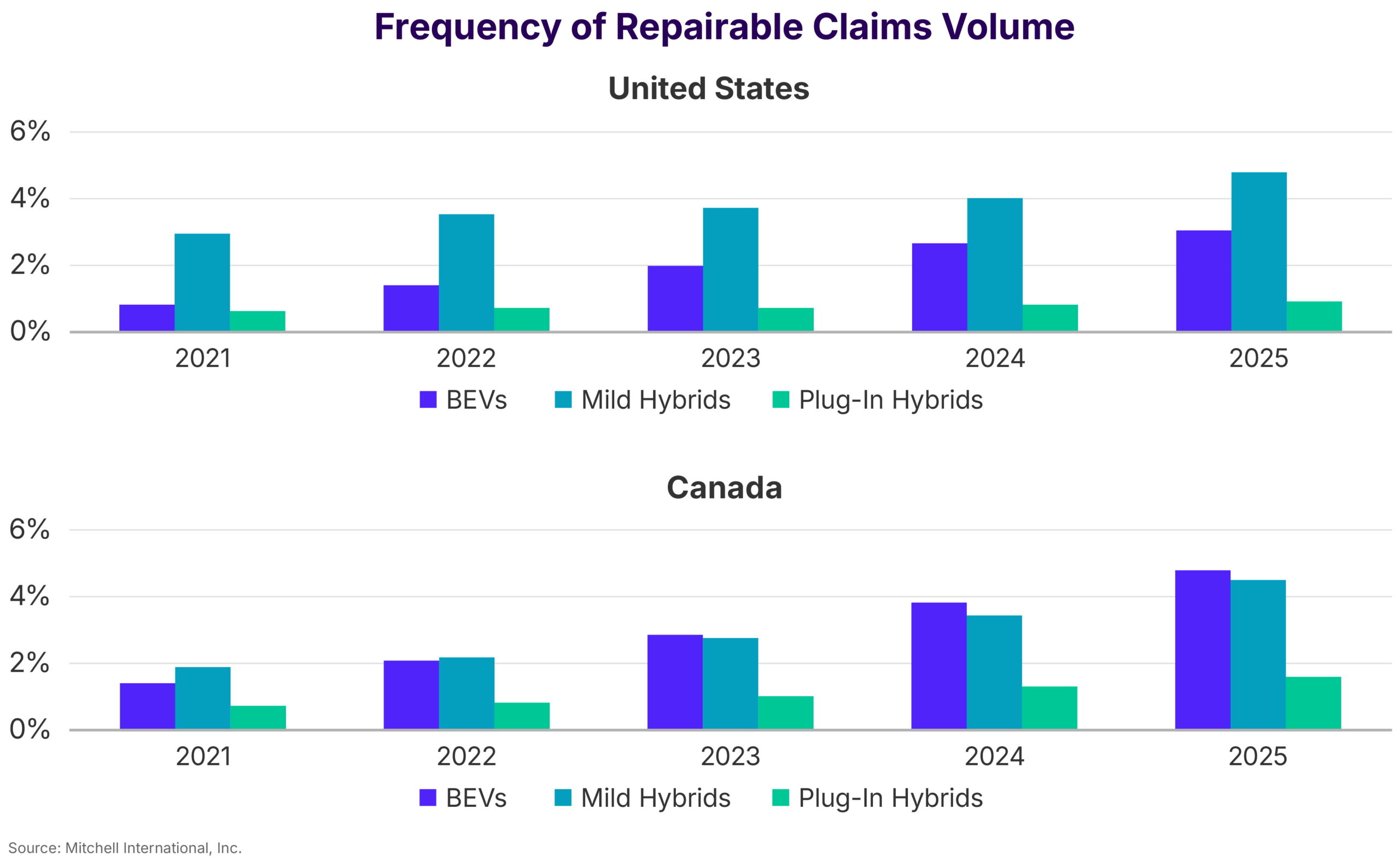
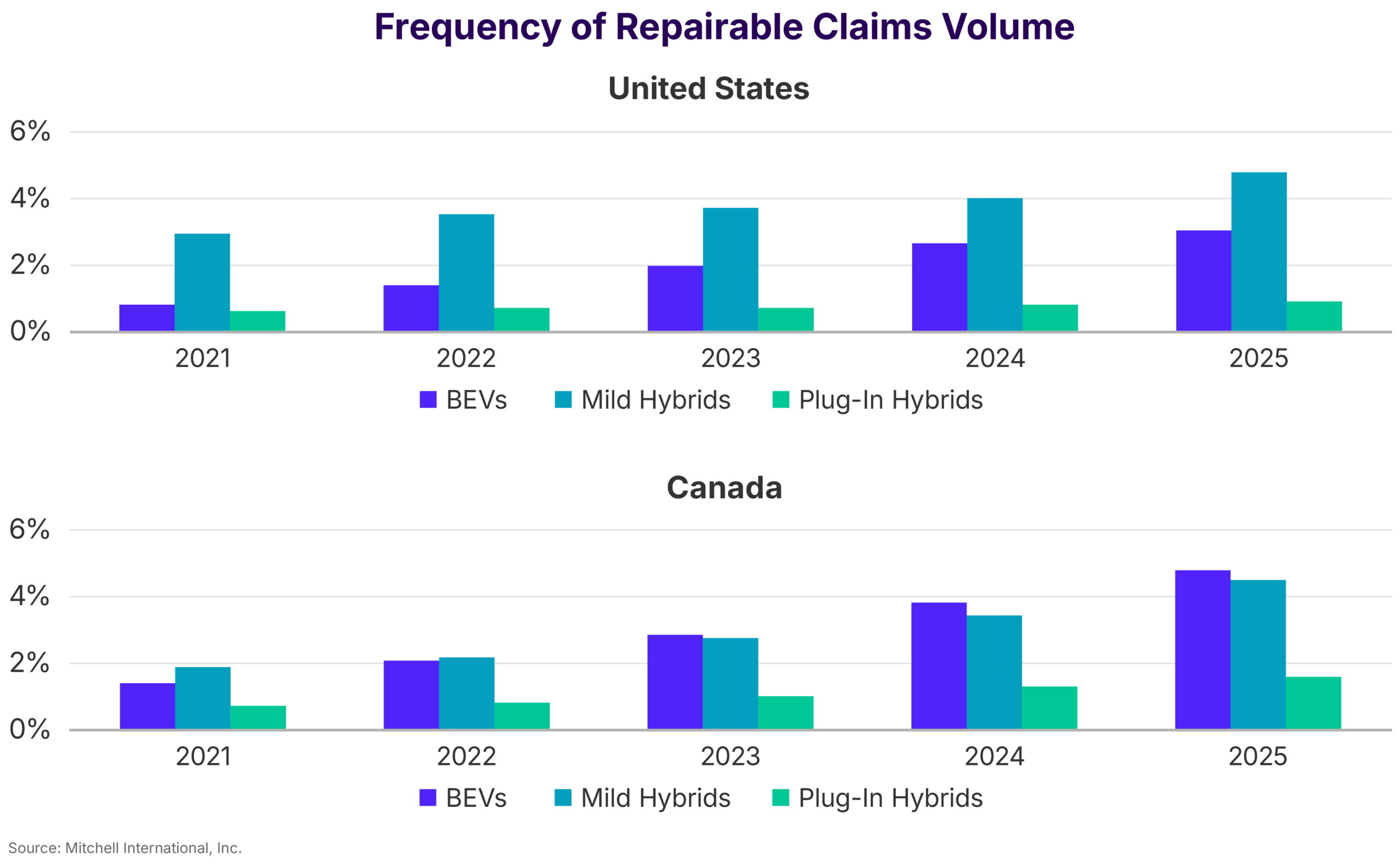
Electric vehicles are turning into a proper migraine for the insurance industry. According to the latest report from collision management software provider Mitchell, repairable collision claims for EVs jumped 14% in the US and 24% in Canada during 2025.

What makes these numbers particularly jarring is the fact that EV sales growth slowed down in 2025 as government tax incentives expired and consumer interest shifted to hybrids. Cox Automotive estimates that new EV sales dropped approximately 2% in the US, with S&P Global Mobility reporting a 0.4% decline in new EV registrations.

More: Car Repair Costs Are Exploding And It’s Not Just About Tariffs

Even Tesla’s grip on the market loosened slightly, with its US market share slipping to 46.2% from 48.7% in 2024 as more competitors gained ground.

Rising Repair Complexity

Even so, the existing EV fleet is aging into more accidents, and the complexity of repairing them is becoming a logistical and financial hurdle for the repair industry.

Ryan Mandell, Mitchell’s vice president of strategy and market intelligence, explained: “Due to their dense electrical architectures, software-driven systems and interconnected, sensor-heavy designs, these vehicles require additional diagnostic and calibration operations when damaged that can add cost, complexity and cycle time to each repair.”

 EV Repair Costs Are Starting To Drop, But The Real Bill Is Hiding Elsewhere

The “Plugged-In: EV Collision Insights” report also examined other electrified vehicles. Repairable claims for PHEVs increased 6% in the US and 26% in Canada in 2025. Mild-hybrid models (MHEV) recorded increases of 20% in the US and 29% in Canada. It is worth noting, however, that MHEV sales in the US surged 28% in 2025.

Also: Why Even The Smallest Accident Is Designed To Destroy Your Wallet

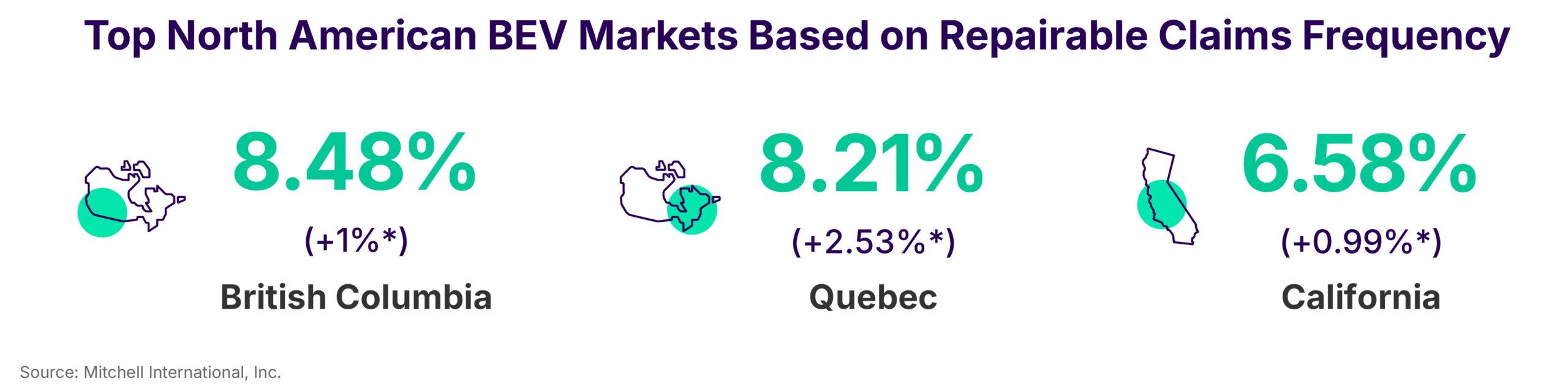
Across North America, British Columbia recorded the highest EV repair demand at 8.48%, followed by Quebec at 8.21% and California at 6.58%.

Which Models Top The Claims List?

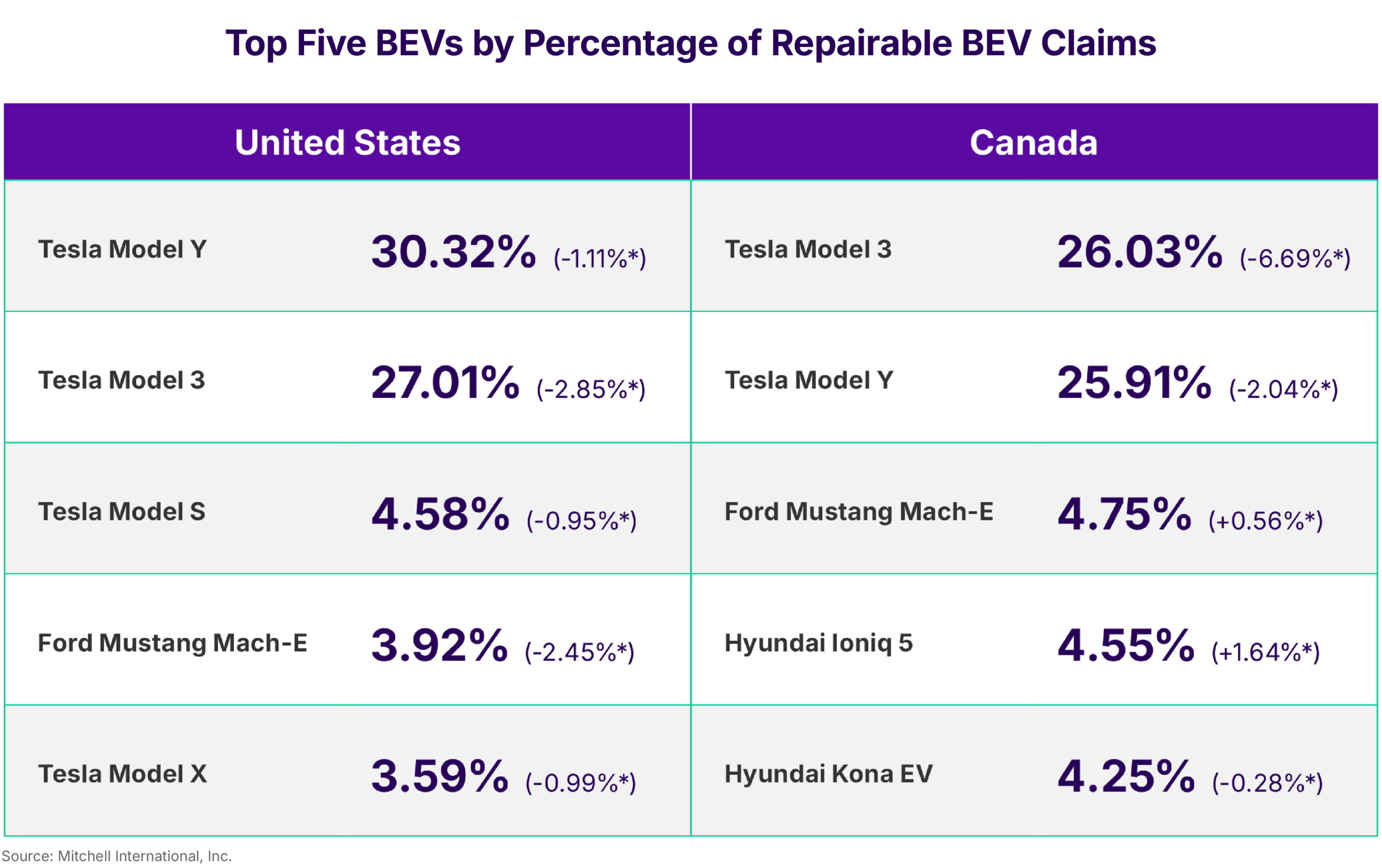
Looking at individual models, Tesla continues to dominate claims volume. In the US, the Model Y accounts for 30.32% of repairable BEV claims, followed by the Model 3 at 27.01%, meaning the two together represent more than half of all such claims. The pattern is similar in Canada, although the positions are reversed, with the Model 3 at 26.03% slightly ahead of the Model Y at 25.91%.

 EV Repair Costs Are Starting To Drop, But The Real Bill Is Hiding Elsewhere
*Difference between 2025 and 2024.

The Economics Of Fixing An EV

There is at least one sliver of good news. On the repair side, the average cost to fix an EV fell 5% in the US, from US$ 6,707 to US$ 6,395, and declined 2% in Canada in 2025. ICE-powered vehicles and PHEVs remained largely flat in the US, while MHEVs saw their average claim cost rise 4%, from $4,865 to $5,054.

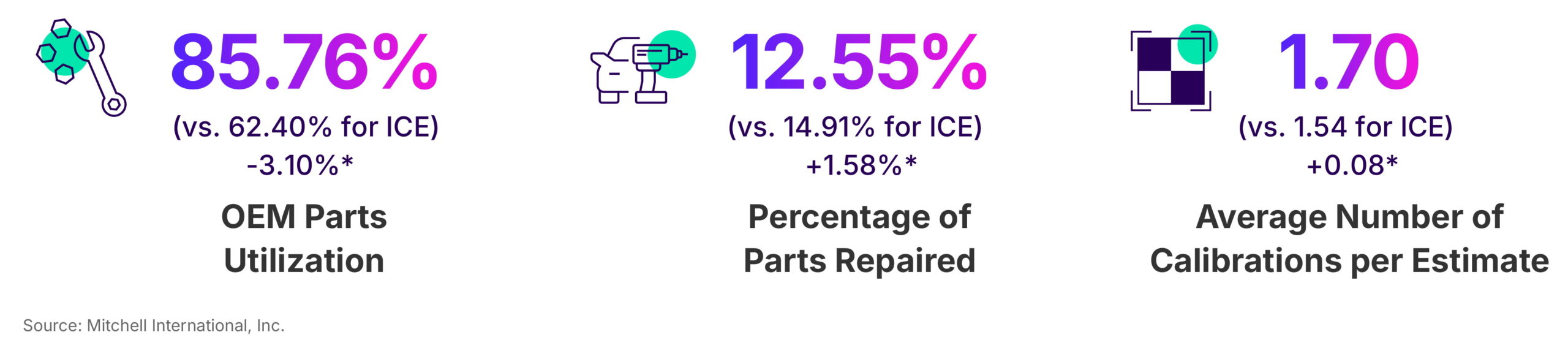
Nevertheless, the higher repair complexity of electrified vehicles is reflected in their “calibrations per estimate” rating, which tracks how often sensors and systems must be recalibrated after repairs. In 2025, the average number of revisions was 1.70 for EVs and 1.63 for hybrids, compared to 1.54 for ICE-powered vehicles.

Mitchell’s data also shows that 86% of EV parts dollars go toward OEM components, with only 13% of parts deemed repairable rather than replaceable. For ICE-powered vehicles, 62% of parts dollars go to OEMs, and 15% of components are considered repairable.

 EV Repair Costs Are Starting To Drop, But The Real Bill Is Hiding Elsewhere
 EV Repair Costs Are Starting To Drop, But The Real Bill Is Hiding Elsewhere

The Depreciation Trap

Mitchell also reported that total loss market values declined across most powertrain types in 2025, with EVs seeing the sharpest drops. In the US, EV values fell 6%, from US$ 30,126 in 2024 to US$ 28,185 in 2025. In Canada, they dropped 13%, from CA$ 41,775 to CA$ 36,504.

More: China’s EV Boom Is Cooling, And The Big Names Are Feeling It

By comparison, ICE vehicle values declined 2.55% in the US, from $14,241 to $13,887, and 6.12% in Canada, from $17,049 to $16,005. Hybrids presented a more mixed picture, with US values rising 4.18%, from $18,453 to $19,225, while Canadian values fell 4.40%, from $30,268 to $28,938.

Analysts attribute the steeper EV declines to accelerated depreciation, the arrival of more budget-friendly models, and shifts in consumer sentiment.

 EV Repair Costs Are Starting To Drop, But The Real Bill Is Hiding Elsewhere

Tesla Avoids A Massive California Ban By Junking Its Most Famous Feature

  • Tesla drops Autopilot term in California to avoid license suspension.
  • Brand’s new models now only come with cruise control as standard.
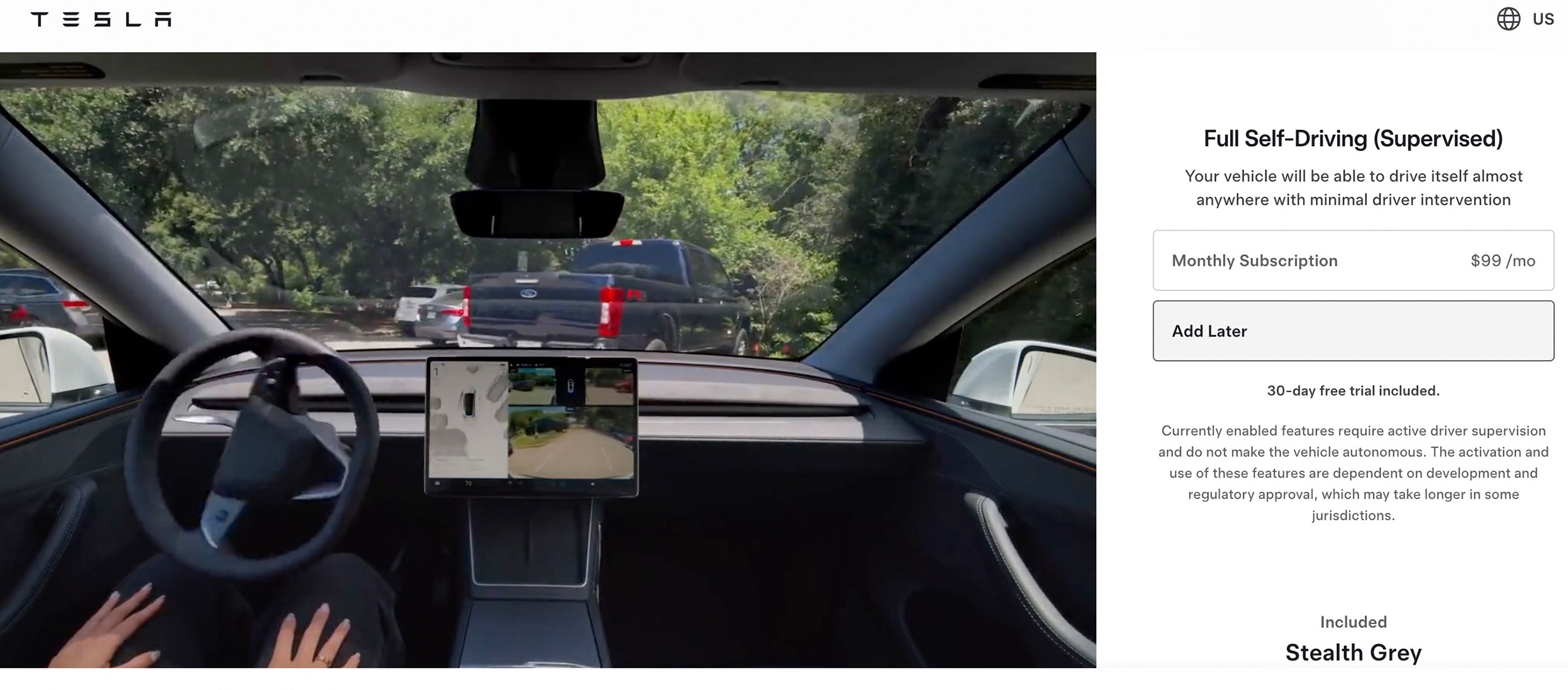
  • EV buyers are being pushed towards $99 FSD subscriptions instead.

After years of sparring with California regulators, Tesla has agreed to stop using its famous Autopilot term in the state, neatly sidestepping a 30-day suspension that would have frozen sales in its biggest US market with nearly 180,000 deliveries last year.

More: Tesla Quietly Kills Standard Autopilot, Now Wants $99 A Month To Give It Back

The California Department of Motor Vehicles (DMV) wasn’t amused by Tesla’s marketing language, arguing that phrases like “Autopilot” and “Full Self Driving Capability”, later softened to “Full Self-Driving (Supervised)”, gave buyers the impression their cars could drive themselves. The DMV pointed out that they can’t now, and never could, operate as autonomous vehicles.

The formal accusations were filed in 2023, though regulators traced the issue back to marketing language used as early as May 2021. At the time, Tesla described its system as capable of handling short and long-distance trips with no action required by the person in the driver’s seat, a claim the DMV said crossed a legal line.

60 Days To Find A Fix

A judge agreed and proposed suspending Tesla’s dealer and manufacturer licenses for a month. That would have been awkward timing for a company trying to convince the world that robotaxis are just around the corner. The DMV offered Tesla 60 days to fix the issue before the suspension started, and instead of digging in, Tesla wisely took corrective action.

“The DMV is committed to safety throughout all California’s roadways and communities,” said DMV Director Steve Gordon. “The department is pleased that Tesla took the required action to remain in compliance with the State of California’s consumer protections.”

So Autopilot, as a marketing term, is now gone in California (though you’ll still find it on the brand’s EVs elsewhere in the world). The company had already softened Full Self Driving into Full Self Driving Supervised to make it crystal clear that, no, the car is not fully autonomous. By complying with the deadline, Tesla avoided the suspension and kept the revenue rolling in.

 Tesla Avoids A Massive California Ban By Junking Its Most Famous Feature

Autopilot Feature Phased Out

This is not just a word swap, though. We reported last month that Tesla had already begun phasing out the previously standard Autopilot system on its cars, replacing it with Traffic Aware Cruise Control and pushing buyers toward a $99 per month Full Self Driving subscription.

Lane centering that rivals include as standard now lives behind a paywall, and CEO Elon Musk has hinted that the subscription price could rise over time. From a business perspective, it’s clever, but from a branding perspective, it looks like a climbdown.

Autopilot was one of Tesla’s most recognizable terms, though it was also one due to be left behind in the coming years as the far more sophisticated FSD improves to the point where it really can deliver full self-driving.

 Tesla Avoids A Massive California Ban By Junking Its Most Famous Feature
Tesla

Kentucky Workers Are Furious After Ford’s EV Factory Reversal

  • Ford closed Kentucky EV battery plant after just 4 months.
  • 1,600 workers lost jobs after tax credit policy change.
  • Plant originally projected employment near 5,000 workers.

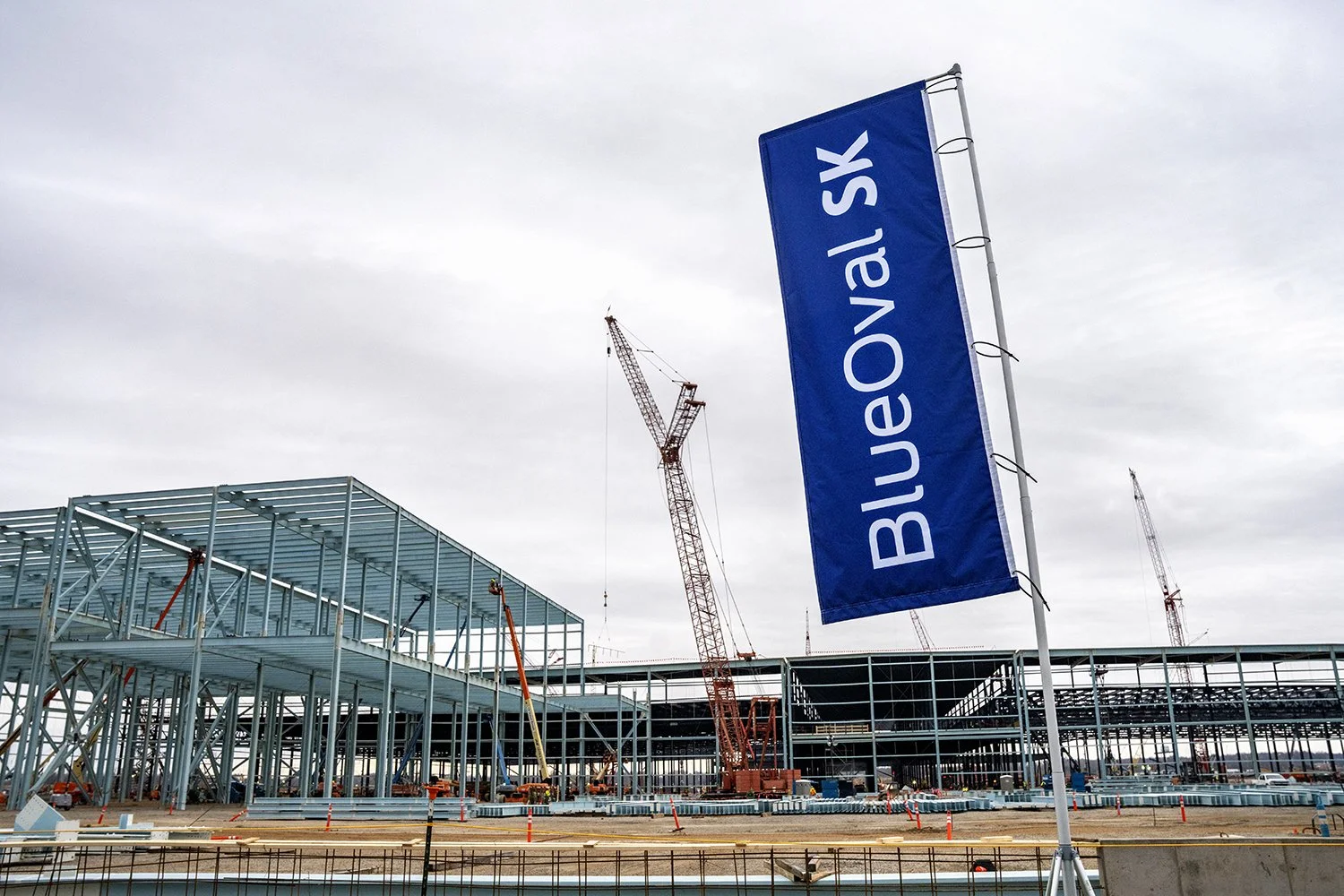
Ford’s sudden decision to cancel its multi-billion-dollar partnership with South Korean battery manufacturer SK On in December, just four months after the first batteries rolled off the line, left 1,600 people without jobs at the joint battery plant in Kentucky.

Read: Ford Got The Loan And Built The EV Battery Plant. Now Everything’s Falling Apart

The move caught workers and locals off guard, and many are placing the blame squarely on Ford. That’s not surprising. Still, the political backdrop, including Trump-era EV policies that limited Ford’s options, played a larger role in how this ultimately unfolded.

The Ripple Effect Of A $7,500 Credit

 Kentucky Workers Are Furious After Ford’s EV Factory Reversal

All brands selling EVs in the US were hurt by the government’s decision to kill the federal tax credit, valued at up to $7,500 for new EVs. While some understandably criticized the program as artificially propping up the industry, there’s no denying that it played a hugely important role in convincing many Americans.

With fewer people buying EVs and other government policies relaxing CAFE fuel-economy standards, Ford acknowledged that “the operating reality has changed,” which is why it’s scrapped a slew of its more ambitious and important EV projects. “We are listening to customers and evaluating the market as it is today, not as everyone predicted it would be five years ago,” Ford recently said.

As reported by The New York Times, Kentucky’s Democratic governor, Andy Beshear, said: “1,600 Kentuckians lost their jobs solely because of Donald Trump pushing that big, ugly bill, eliminating the credits that had people interested and excited to buy EVs. I bet many, if not most, of those 1,600 people voted for him, and he basically fired them.”

Unexpected Closure

 Kentucky Workers Are Furious After Ford’s EV Factory Reversal

The site had only been manufacturing EV batteries for four months before it was shut down. Speaking with the NYT, Joe Morgan says he left a job of 24 years to start working at the plant, confident that EVs would grow in popularity.

Morgan, a registered Republican, acknowledges that “taking away the tax credits did play a little bit of a role in not selling EVs,” but he thinks it’s Ford that should take most of the blame. “I just think Ford made a bad decision when they came out with an F-150 that they wanted to make all electric.”

Derek Doughtery shares a similar view. Landing a job at the battery plant was a turning point for him after previously experiencing homelessness, especially with a second child on the way. He, like others, believes Ford may have misread the market and bears more responsibility than the government.

“At the end of the day, whatever the government policy would be, the company made the decision,” he said.

A Scaled-Back Future

Fortunately, the facility will not close entirely. Now under full Ford control, it will be retooled for battery storage production and is expected to employ roughly 2,100 people. That figure is well below the 5,000 jobs originally projected when the plant was dedicated to building EV batteries, but it offers at least some continuity for a site that only recently promised much more.

 Kentucky Workers Are Furious After Ford’s EV Factory Reversal

America Needs More EV Chargers, Trump Wants Something Else First

  • Trump administration is taking aim at EV chargers.
  • It wants to significantly increase US parts content.
  • Rule would only apply to federally funded chargers.

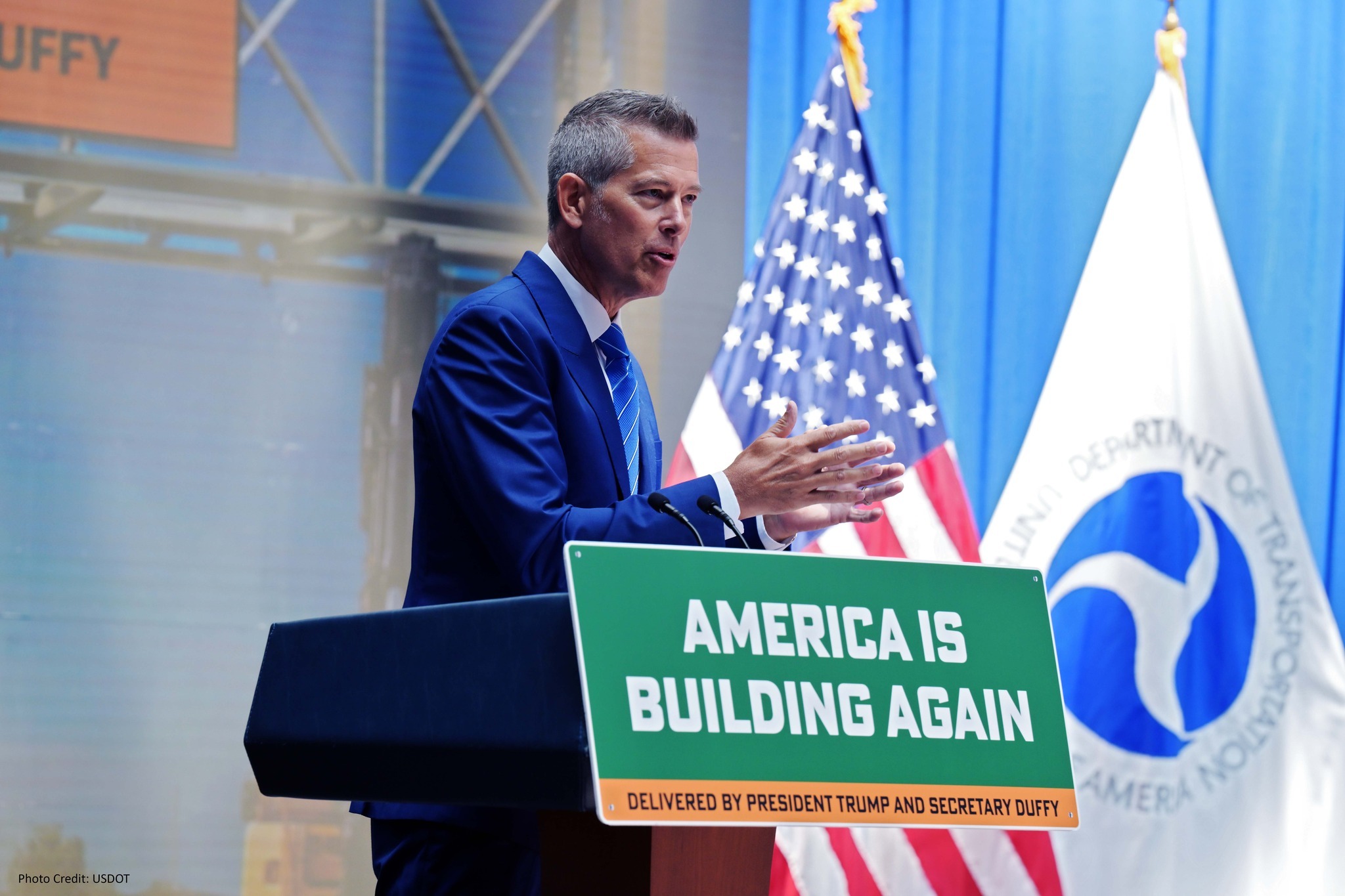
The Trump administration has found a new way to hamper electric vehicles as Transportation Secretary Sean Duffy is eyeing an expanded “Buy America public interest waiver” for electric vehicle chargers. The proposal would increase the required domestic content from 55 percent to 100 percent.

Needless to say, that’s a tall order and would likely require significant changes to supply chains. The move would also likely drive up costs, while limiting options.

More: Trump Administration Rolls Out Updated EV Charger Program

While there are obvious drawbacks, the government pointed to several benefits as they suggested the change would “strengthen domestic manufacturing, generate new American jobs, make U.S. businesses more competitive, and address potential national security concerns.”

They went on to say the administration believes manufacturers have the capacity to produce chargers in America with high domestic content.

Security Concerns In Focus

 America Needs More EV Chargers, Trump Wants Something Else First

The Federal Highway Administration added the change would “protect Americans from foreign-made EV charger components that use technology with cybersecurity vulnerabilities.” Speaking of which, there have been growing concerns about vulnerabilities in American infrastructure.

Last year, the FHA warned everything from traffic signs to cameras and weather stations could be equipped with hidden cellular radios installed in batteries or inverters. The fear is these could be used for surveillance or conducting a targeted outage during the outbreak of hostilities.

What Happens Next?

The proposal hasn’t been finalized and the requirement would only apply to federally funded EV charger projects. For now, it appears there will be a comment period before the government makes its final determination.

In a statement, Secretary Duffy said “We’re ensuring that if Congress wants to see these chargers built, we put America First. Doing so will unleash American manufacturing, protect our national security, and prevent taxpayer dollars from subsidizing our foreign adversaries.”

 America Needs More EV Chargers, Trump Wants Something Else First

EVs Just Did Something In America Not Seen In A Decade

  • US EV registrations dipped for the first time in a decade last year.
  • December sales plunged 48 percent after the EV tax credit repeal.
  • Analysts expect a slow recovery as prices and charging improve.

After a decade of growth, America’s electric car boom has stopped booming. In 2025, EV registrations slipped 0.4 percent to 1.3 million units, marking the first annual decline in at least 10 years. That’s not exactly a collapse, but it is the first crack in what once looked like an unstoppable surge.

The real drama arrived in December. Registrations plunged 48 percent year over year to just 75,427 vehicles after Congress repealed the $7,500 federal EV tax credit. EVs’ share of the overall market tumbled from 9.9 percent in December 2024 to 5.3 percent in the same month in ’25.

Related: EV Sales Are Booming Everywhere Except One Place

For the full year, EVs accounted for 7.8 percent of light vehicle registrations, down slightly from 8 percent in 2024, according to S&P Global Mobility data reported by Auto News. Meanwhile, total vehicle registrations rose 2.2 percent to 16.25 million units. In other words, Americans kept buying cars, but they increasingly chose ones with old-fashioned combustion engines.

Warning Signs Were There

 EVs Just Did Something In America Not Seen In A Decade

The slowdown didn’t come out of nowhere. Growth had already cooled from triple-digit surges earlier in the decade to an 11 percent gain in 2024. Through the first half of 2025, EV registrations were still up 4.6 percent before the July announcement that the tax credit would vanish at the end of September. Buyers rushed to beat the deadline in the third quarter, then the market fell silent in the fourth.

Price remains the elephant in the charging bay. Even with incentives, EV sticker prices have hovered above what mainstream buyers feel comfortable paying. Early adopters are largely spoken for, and the next wave of customers worries about charging access and range anxiety. Hybrids have quietly become the safe middle ground.

Tesla Trouble

 EVs Just Did Something In America Not Seen In A Decade

Tesla, still the heavyweight champion of EV sales, saw its registrations drop 6.8 percent for the year to 570,418 vehicles. Its market share slipped 3.1 percent to 44.9 percent. December was painful but not catastrophic, with a 35 percent decline.

The Model Y held its crown, but the Cybertruck and Model 3 both took heavy hits, and with the Model S and X due to be axed this year and the once-rumored small model not happening, this year is going to be tough, too.

Ford endured an even steeper December slide of 61 percent, while Cadillac enjoyed a rare bright spot thanks to genuinely fresh models, something Tesla badly needs. Rivian and Hyundai also saw declines, underscoring that this was not a one-brand problem, though Rivian does at least have a plan in the form of the smaller R2 SUV that goes on sale this year.

So is that it for EVs? Was it just a brief fad, like fidget spinners? No, analysts expect a slow and steady rebound as automakers trim prices and expand incentives. Charging networks are improving, and some EVs are nearing price parity with comparable gas models. The boom may be over, but the electric story is far from finished.

 EVs Just Did Something In America Not Seen In A Decade
GM

Ford Admits Its EV Division Will Keep Burning Billions For Years

  • Ford’s Model e division lost $4.48 billion again last year.
  • Total EV losses now exceed $16 billion in just four years.
  • Breakeven for Model e may not arrive until 2029.

Ford has never been shy about making big, attention-grabbing bets. Sometimes they pay off, sometimes they don’t. In early 2022, the company announced it was splitting its automaking operations into two distinct branches: Ford Blue, handling traditional combustion vehicles, and Ford Model e, dedicated to EVs. At the time, it sounded like a smart move, especially with EV demand climbing fast.

That optimism, however, hasn’t quite paid off. Fast forward four years, and Ford’s huge investments in EVs have come back to bite it. In its latest financial results, the automaker disclosed that the Model e division posted a staggering $4.48 billion loss in 2025. Worse, those losses are expected to continue mounting, even after canceling several planned EV projects.

Read: Ford Got The Loan And Built The EV Battery Plant. Now Everything’s Falling Apart

Earlier this week, Ford revealed its electric car business will likely lose between $4 billion and $4.5 billion this year, and will continue to lose money through at least 2027 and 2028.

Speaking on a conference call following the earnings report, Ford CFO Sherry House stated the company is not aiming for a breakeven point for the Model e brand until “around 2029.”

Tallying The Fallout

 Ford Admits Its EV Division Will Keep Burning Billions For Years

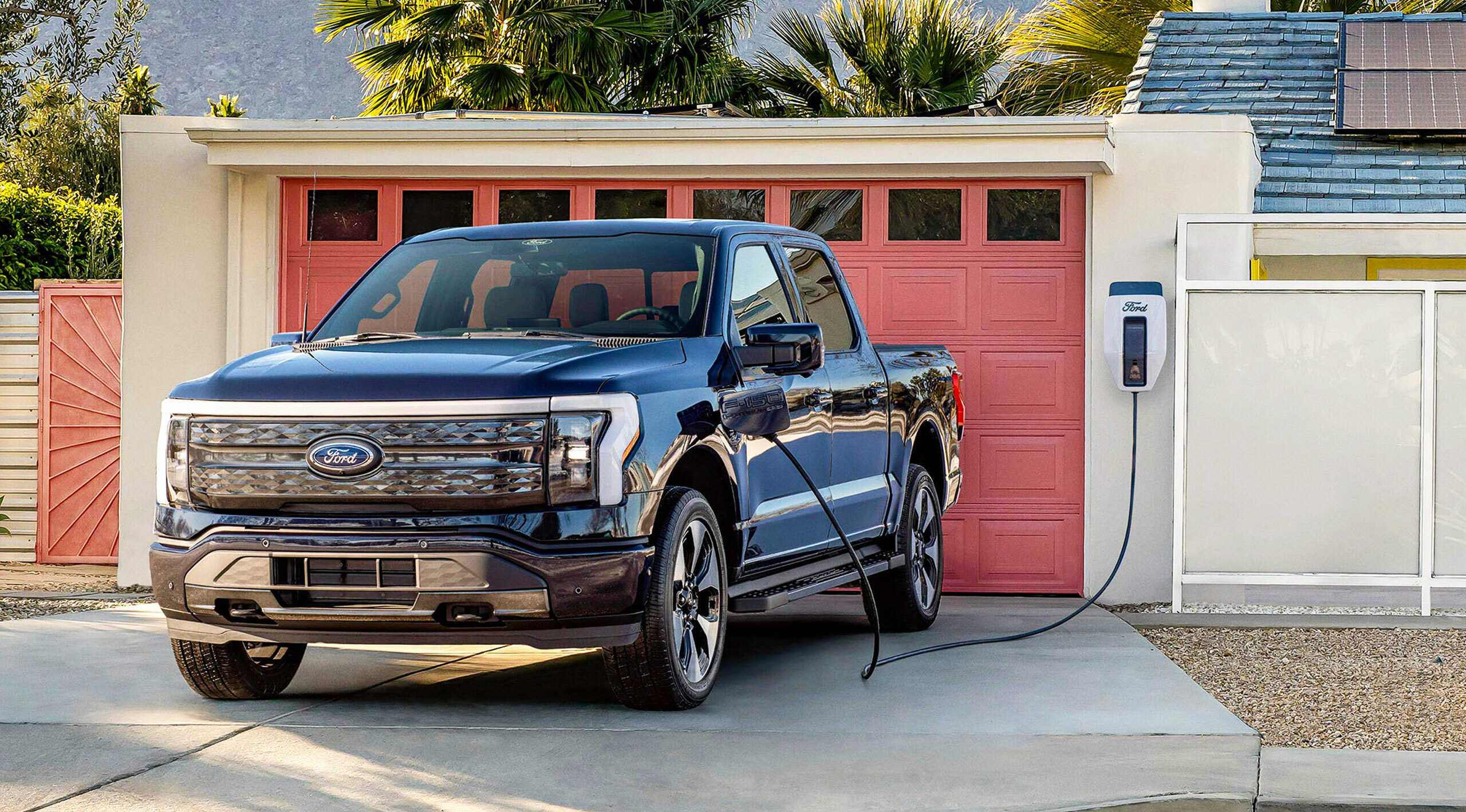
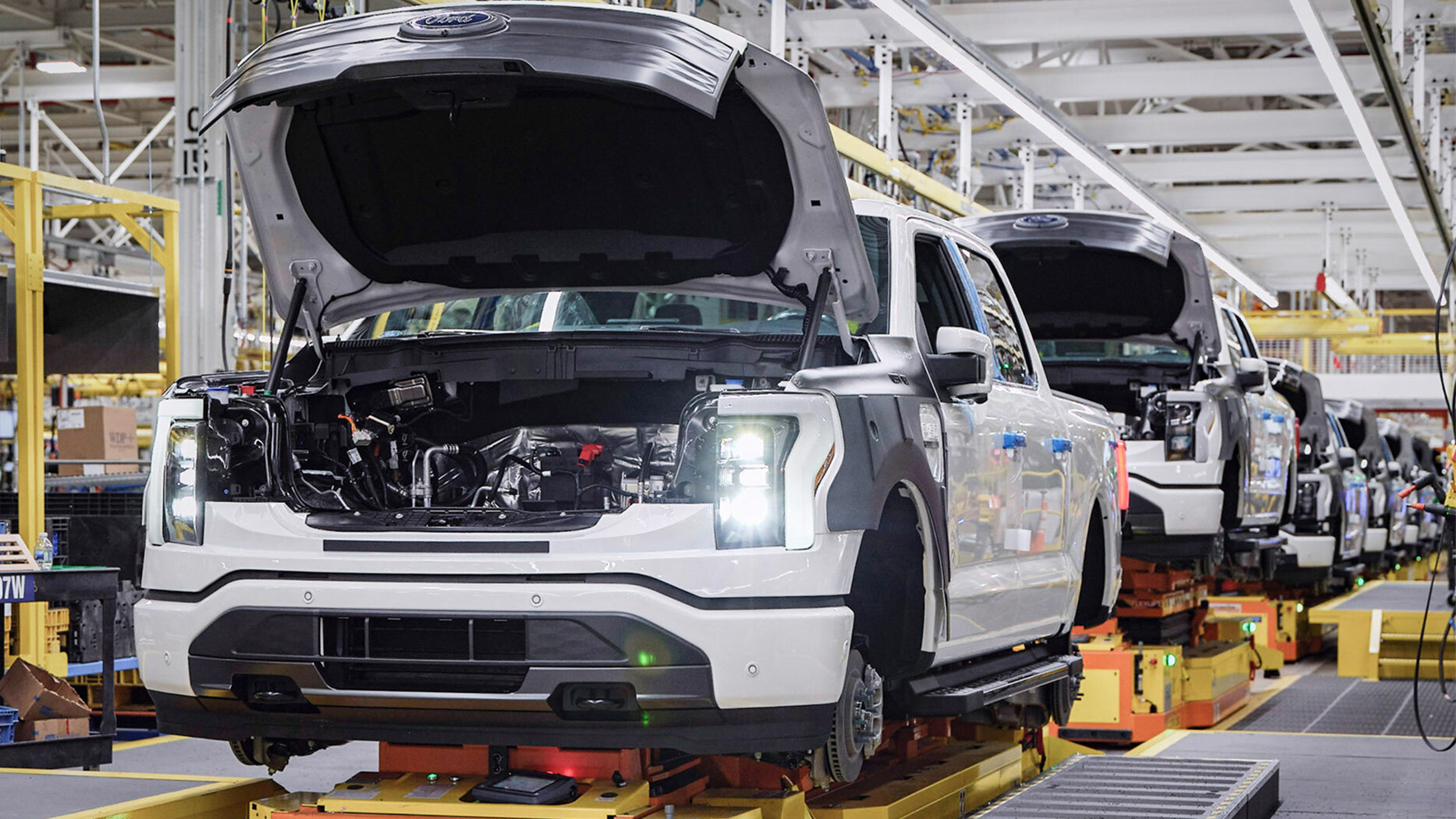
In the four years since the Model e division was established, Ford lost more than $16 billion. That’s an extraordinary amount of money, particularly when you consider that the only electric cars it currently sells in its home market are the Mustang Mach-E and E-Transit, following the early demise of the F-150 Lightning.

Combustion Still Carries The Load

According to The New York Times, Ford’s losses in electric vehicles were offset last year by stronger performance from its combustion-powered lineup and commercial vehicle sales. Those segments generated enough revenue to support an adjusted earnings total of $6.8 billion before interest and taxes. Ford expects those numbers to climb in 2026, projecting earnings between $8 billion and $10 billion.

Read: Farley Just Realized $55K EV Trucks Don’t Sell, After Ford Made Sure That’s All It Sold

One of the earliest signs of Ford backtracking on EVs came last year when it confirmed production of the F-150 Lightning had been halted indefinitely.

Still, there’s a sliver of hope for those holding out for an electrified truck. The next-generation F-150 Lightning is in the works and will feature a range-extending powertrain that combines electric drive with a combustion engine backup, offering over 700 miles of combined range.

 Ford Admits Its EV Division Will Keep Burning Billions For Years

EV Sales Fell Off A Cliff, Yet New Car Prices Still Set Another Record

  • January’s average new car price hit a record as incentives quietly pulled back.
  • Affordable models still exist, but true entry-level cars keep disappearing.
  • Electric car prices slip slightly, but EV sales have taken a dramatic slide.

You might have set a New Year’s resolution to slim down, but new-car prices made no such commitment. According to fresh industry data, prices just set another record for January, proving that handing over $50k for a virgin vehicle is basically normal now. But the number of people who think buying an EV is the normal thing to do has dropped dramatically.

More: A Third of Americans Are Priced Out Of New Cars, And It’s Getting Worse

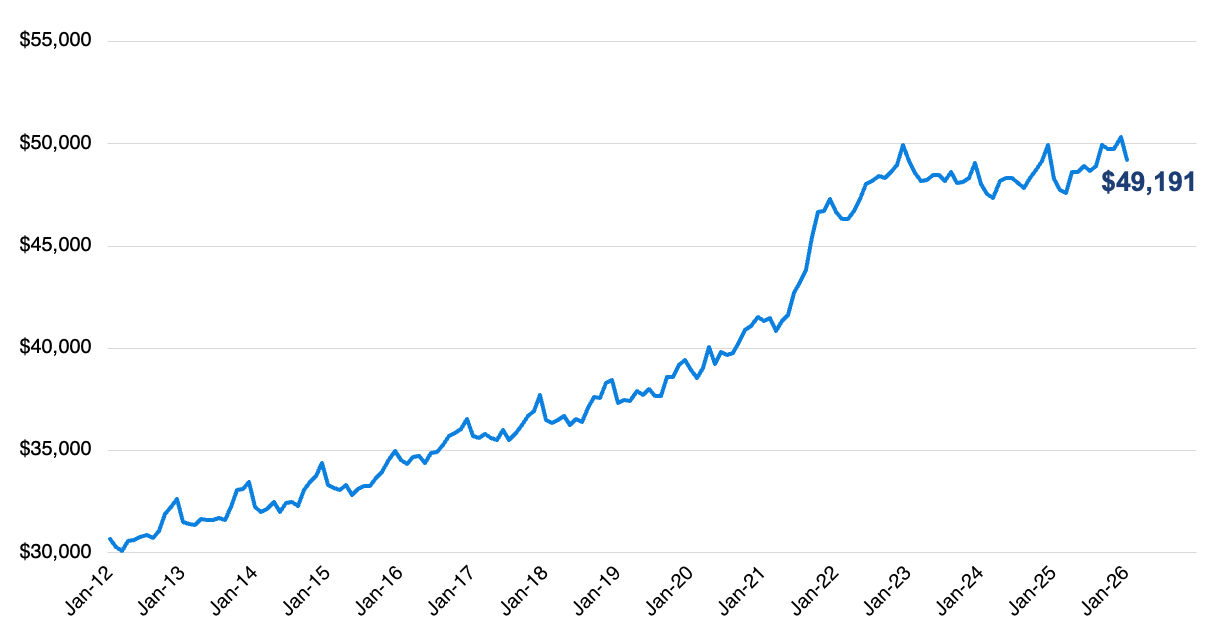
The average transaction price in January reached $49,191, up nearly 2 percent from a year earlier and the highest ever recorded for the month, according to KBB. Although prices dipped slightly from December, Cox Automotive called the drop “seasonally normal,” explaining that the market usually “takes a breather” after year-end, when luxury vehicles make up a larger share of sales.

The average new-vehicle manufacturer’s suggested retail price (MSRP), commonly called “the asking price,” also kept climbing, now sitting at $51,288 and staying north of fifty grand for 10 straight months.

New-Vehicle Average Transaction Price
 EV Sales Fell Off A Cliff, Yet New Car Prices Still Set Another Record

Last month’s pricing uptick came even as sales mix shifted away from year-end luxury volumes. “We hit a new January high even as prices naturally pulled back from December’s luxury-heavy finish,” said Erin Keating, executive analyst at Cox Automotive.

“Consumers are still finding plenty of options below the industry average, especially in core segments like best-selling compact SUVs, but the disappearance of true entry-level vehicles continues to lift the floor higher.”

Incentives Pull Back Hard

Incentives fell to about 6.5 percent of transaction prices, down from higher levels late last year, meaning buyers are shouldering the burden of those higher prices. Automakers are clearly in margin-protection mode, offering just enough in the way of deals to keep metal moving but not enough to feel generous.

Luxury models and big pickups got the juiciest offers, while compact and midsize cars were left mostly to fend for themselves.

Few Bargains Remain

Compact SUVs remain the value choice. With average prices around $36,000 and down 0.6 percent, they sit well below the industry average and continue to dominate sales. Meanwhile, true bargain basement cars are basically extinct. With the Mitsubishi Mirage gone and the recently axed Nissan Versa reduced to whatever stock is still hanging around, the US market has waved goodbye to the sub $20,000 new car.

 EV Sales Fell Off A Cliff, Yet New Car Prices Still Set Another Record

At the other end of the spectrum, full-size pickups are still living large. Average prices in that segment remain comfortably above $70,000, and buyers are still lining up, with more than 150,000 big trucks finding homes last month.

January marked the fifth consecutive month where full-size pickups averaged over $70K, reinforcing their outsized role in propping up the market average. Subcompact cars, by contrast, struggle to attract more than a few thousand takers a month. Fewer than 4,000 were sold industry-wide last month.

EVs Shunned

Electric vehicle prices actually slipped to around $55,700, down 0.6 percent lower than a year ago, although Tesla’s fell 2.2 percent in the same period. Incentives for EVs also cooled sharply, dropping to 12.4 percent of ATP, down from 18.3 percent in December. Even at those reduced levels, they remain well above the industry average.

However, we wouldn’t be surprised if they are kicked back in to shore up demand, which has dropped alarmingly, according to the data.

KBB says only 66,000 EVs were sold in January, being down a fifth from January 2025, and you can bet the loss of tax credits from October played a big role. In fact, that total reflects a nearly 30 percent year-over-year drop and a 20 percent decline from December. Tesla accounted for about 60 percent of total EV sales.

Average transaction price by automaker
Jan ’26Dec ’25Jan ’25MoM changeYoY change
BMW$71,396$72,139$71,684-1.0%-0.4%
Ford Motor Company$58,041$58,451$56,187-0.7%3.3%
Geely Auto Group$60,034$61,317$60,443-2.1%-0.7%
General Motors$53,588$55,803$53,274-4.0%0.6%
Honda Motor Company$38,984$38,874$38,4800.3%1.3%
Hyundai Motor Group$38,292$38,890$37,813-1.5%1.3%
Mazda Motor Corporation$36,089$36,237$36,093-0.4%0.0%
Mercedes-Benz Group AG$76,410$75,819$78,0200.8%-2.1%
Renault-Nissan-Mitsubishi Alliance$35,753$36,888$35,144-3.1%1.7%
Stellantis$56,634$55,417$53,7402.2%5.4%
Subaru Corporation$37,522$37,125$34,8301.1%7.7%
Tata Motors$99,594$101,565$96,935-1.9%2.7%
Tesla Motors$52,628$53,678$53,795-2.0%-2.2%
Toyota Motor Corporation$46,207$45,571$44,2541.4%4.4%
Volkswagen Group$57,744$58,624$54,272-1.5%6.4%
Industry$49,191$50,318$48,2802.2%1.9%
SWIPE
Average transaction price by brand
Jan ’26Dec ’25Jan ’25MoM changeYoY change
Acura$49,911$49,817$52,4320.2%-4.8%
Audi$64,573$65,968$65,260-2.1%-1.1%
BMW$73,653$73,935$74,353-0.4%-0.9%
Buick$36,229$36,765$35,147-1.5%3.1%
Cadillac$83,667$86,931$86,721-3.8%-3.5%
Chevrolet$49,208$50,429$47,934-2.4%2.7%
Chrysler$48,252$47,646$47,9001.3%0.7%
Dodge$49,589$48,166$50,4753.0%-1.8%
Ford$57,249$57,620$55,745-0.6%2.7%
Genesis$65,223$65,571$63,202-0.5%3.2%
GMC$64,806$67,196$65,126-3.6%-0.5%
Honda$37,886$37,661$37,1040.6%2.1%
Hyundai$37,966$38,050$36,776-0.2%3.2%
Infiniti$68,538$70,793$67,350-3.2%1.8%
Jeep$52,386$49,589$49,3995.6%6.0%
Kia$36,414$36,761$36,644-0.9%-0.6%
Land Rover$101,554$104,193$99,386-2.5%2.2%
Lexus$64,231$61,877$60,7013.8%5.8%
Lincoln$72,264$71,957$65,4300.4%10.4%
Mazda$36,089$36,237$36,093-0.4%0.0%
Mercedes-Benz$76,410$75,819$78,0200.8%-2.1%
MINI$40,906$41,061$40,990-0.4%-0.2%
Mitsubishi$31,593$34,238$28,645-7.7%10.3%
Nissan$34,677$34,848$33,916-0.5%2.2%
Porsche$128,761$128,593$111,9660.1%15.0%
Ram$64,850$64,612$63,6230.4%1.9%
Subaru$37,522$37,125$34,8301.1%7.7%
Tesla$52,628$53,678$53,795-2.0%-2.2%
Toyota$43,105$42,345$41,6151.8%3.6%
Volkswagen$38,324$38,732$37,415-1.1%2.4%
Volvo$59,815$61,131$60,498-2.2%-1.1%
Industry$49,191$50,318$48,2802.2%1.9%
SWIPE
Average transaction price by segment
CategoryJan ’26Dec ’25Jan ’25MoM changeYoY change
Compact Car$27,306$26,939$27,0711.4%0.9%
Compact SUV/Crossover$36,414$36,414$36,5700.0%-0.4%
Entry-level Luxury Car$57,803$57,672$57,9310.2%-0.2%
Full-size Pickup Truck$66,102$66,384$65,251-0.4%1.3%
Full-size SUV/Crossover$79,492$79,731$75,385-0.3%5.4%
High Performance Car$137,774$137,992$117,837-0.2%16.9%
High-end Luxury Car$125,918$122,758$120,6212.6%4.4%
Luxury Car$60,093$62,491$57,619-3.8%4.3%
Luxury Compact SUV/Crossover$51,380$52,176$51,647-1.5%-0.5%
Luxury Full-size SUV/Crossover$103,461$98,854$111,4974.7%-7.2%
Luxury Mid-size SUV/Crossover$74,444$73,219$73,6101.7%1.1%
Luxury Subcompact SUV/Crossover$38,309$38,790$38,956-1.2%-1.7%
Mid-size Car$33,838$33,554$33,3690.8%1.4%
Mid-size SUV/Crossover$49,890$49,143$48,3591.5%3.2%
Minivan$48,033$47,697$47,9340.7%0.2%
Small/Mid-size Pickup Truck$43,426$43,144$43,5330.7%-0.2%
Sports Car$47,848$49,334$47,749-3.0%0.2%
Subcompact Car$25,610$24,665$22,3193.8%14.7%
Subcompact SUV/Crossover$30,877$30,883$29,6530.0%4.1%
Van$61,917$59,028$61,7994.9%0.2%
Industry$49,191$50,318$48,2802.2%1.9%
SWIPE

Data Cox Automotive/Kelley Blue Book

This Might Be The Biggest Discount Any Luxury EV Has Ever Seen

  • Maserati is offering up to $85,000 off select 2025 Folgore EVs.
  • Discounts represent cuts of more than 40 percent off MSRP.
  • Incentives appear aimed at clearing unsold electric inventory.

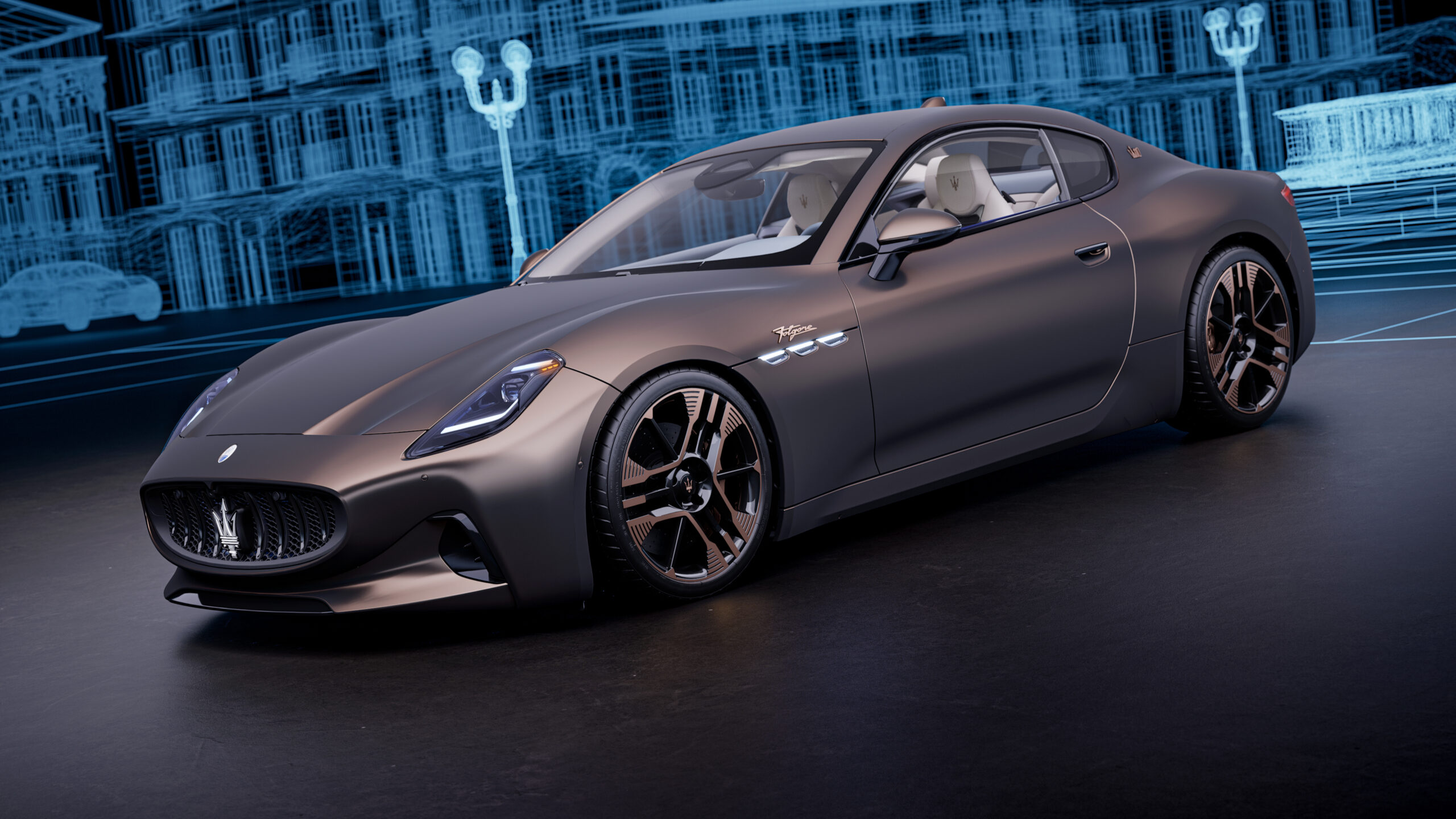
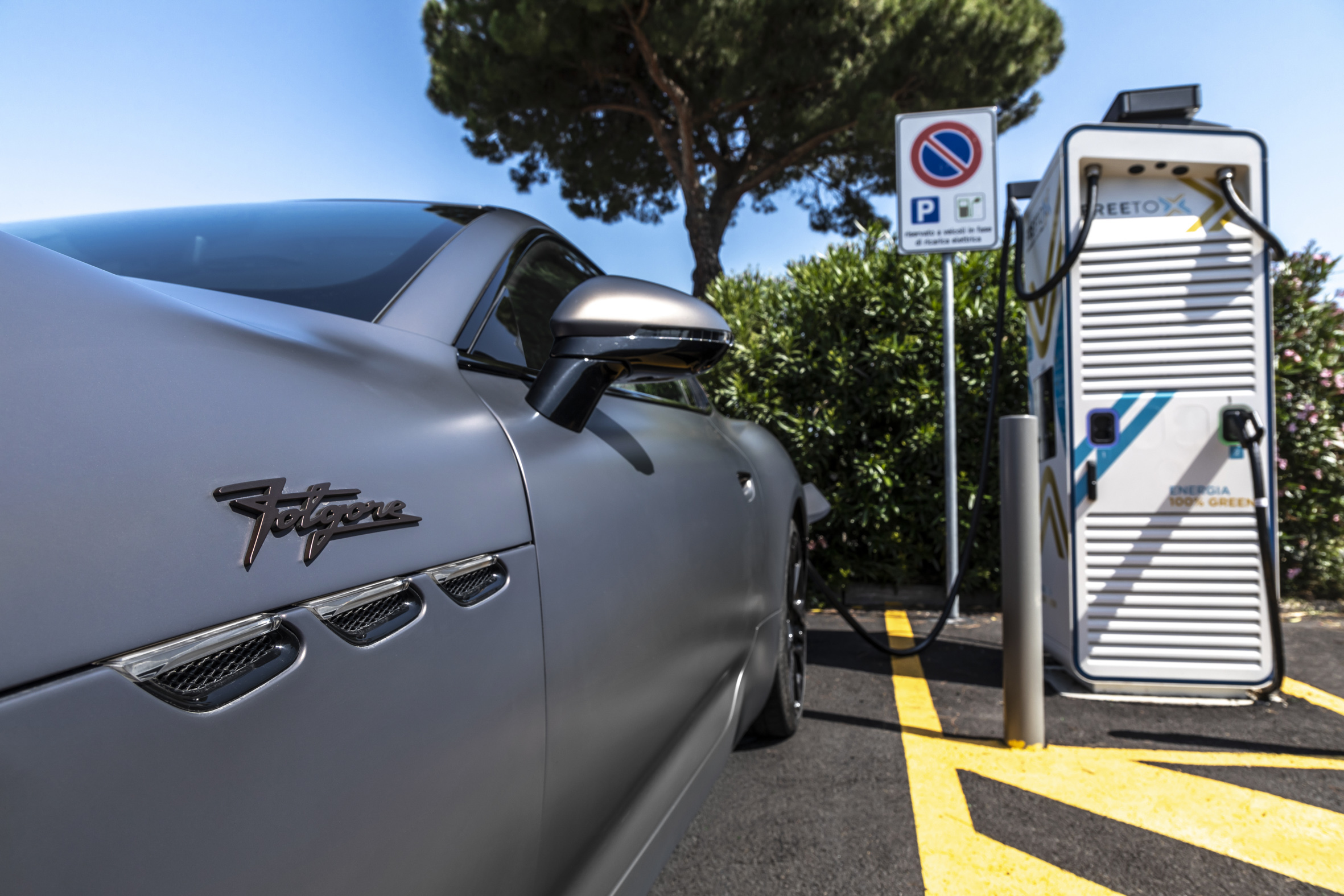
It’s official: Maserati is in “just get it out of here” territory regarding its electric lineup. A new bulletin sent to dealers authorizes them to serve up $85,000 in EV Assistance Cash on select 2025 Folgore models. And no, that number is not a typo.

More: Maserati GranCabrio Folgore Tignanello Is A Wine-Themed One-Off

Folgore is the Italian brand’s moniker for its EV lineup, and that discount is simply too big not to discuss. Put another way, buyers who once would have shelled out full price for a single Maserati EV could now walk away with that car and a brand-new Chevy Corvette for the same amount.

Sticker Shock Reversed

 This Might Be The Biggest Discount Any Luxury EV Has Ever Seen

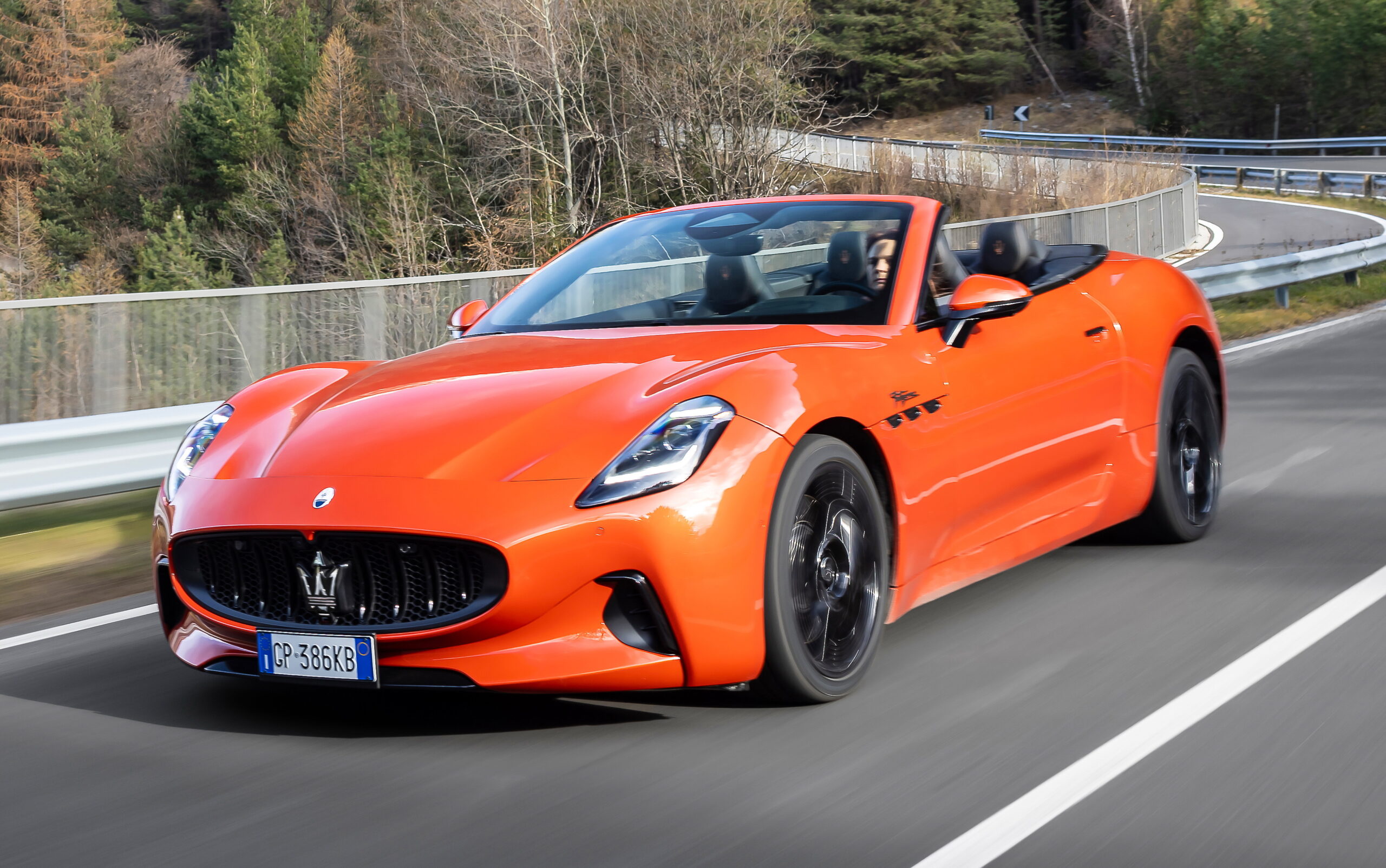
Leading the charge are the 2025 GranTurismo Folgore and GranCabrio Folgore, both eligible for the full $85,000 incentive when purchased or leased. On the GranTurismo, which carries an MSRP of $199,690, that discount works out to about 43 percent off at $114,690.

According to a report from CarsDirect, it’s the single largest manufacturer-backed discount they’ve ever encountered. That says a lot.

For comparison, the gas-powered GranTurismo starts at $159,495, meaning Maserati originally wanted roughly $40,000 more for the electric version. Now the pendulum has swung violently in the opposite direction.

The GranCabrio Folgore, priced at $208,590, isn’t far behind. Its $85,000 discount equates to roughly 41 percent off MSRP, making it a far more palatable proposition than it was just months ago.

\\\\\\\

Grecale Joins the Party

Even the far more accessible and practical Gercale Folgore is getting a big cut. Buyers can get up to 33 percent off its $121,290 sticker price, which amounts to $40,000 off. After incentives, that leaves it within just $1,400 of its gas-powered counterpart, which starts at $79,895.

Not only is that a huge change, but the Folgore also comes with a few more bells and whistles that buyers might be interested in if they don’t have to pay a premium.

 This Might Be The Biggest Discount Any Luxury EV Has Ever Seen

Where’s the Maserati Magic?

That all said, it’s not too tough to see why these cars didn’t fly off of lots in the first place. For starters, none of them offers especially competitive range. The Grecale is rated for 245 miles, the GranTurismo manages 229, and the GranCabrio tops out at 233 miles.

Really, though, the biggest problem is likely the theater shoppers desire in a Maserati. Sure, these look great… but they don’t sound great.

 This Might Be The Biggest Discount Any Luxury EV Has Ever Seen

BYD Got In America Through The Back Door, Now It Wants The Front One Too

  • BYD is suing US officials over vehicle import tariffs.
  • The lawsuit claims the US overstepped legal authority.
  • Company already builds electric buses in California.

Chinese juggernaut BYD has expanded rapidly across global markets in a remarkably short time, positioning itself as one of the world’s largest car manufacturers. Yet despite its international reach, it has so far been unable to enter the world’s second-largest new car market: the United States. The main obstacle has been import tariffs, but BYD is now pushing back.

Eager to establish a foothold in the US market with its passenger vehicles, four BYD subsidiaries based in the United States have filed suit against the federal government.

Read: China’s EV Boom Is Cooling, And The Big Names Are Feeling It

The case, brought before the US Court of International Trade, challenges tariffs imposed under the International Emergency Economic Powers Act (IEEPA). The plaintiffs include BYD America LLC, BYD Coach & Bus LLC, BYD Energy LLC, and BYD Motors LLC.

The lawsuit names not only the federal government but also officials from the Department of Homeland Security, Customs and Border Protection, the Office of the US Trade Representative, and the Treasury Department.

It argues that these agencies exceeded the authority granted to them under the IEEPA statute and contends that the resulting tariff orders are legally invalid.

Tariffs Under Fire

\\\\\

In addition, the lawsuit specifically challenges nine executive orders and amendments issued since February 2025, including tariffs at the borders with Mexico and Canada, as well as tariffs targeting China and related to fentanyl.

The Chinese car manufacturer is seeking permanent injunctions against these measures and wants refunds for all IEEPA tariffs collected, in addition to interest and reasonable litigation costs.

While it may sound like a long shot for BYD to try and get these tariffs overthrown, its efforts aren’t without precedent. The lawsuit cites the case of New York-based wine importer V.O.S. Selections, which successfully sued the US government over tariffs, arguing that the US President lacks authority to impose them, even under the IEEPA framework.

Already On American Soil

 BYD Got In America Through The Back Door, Now It Wants The Front One Too
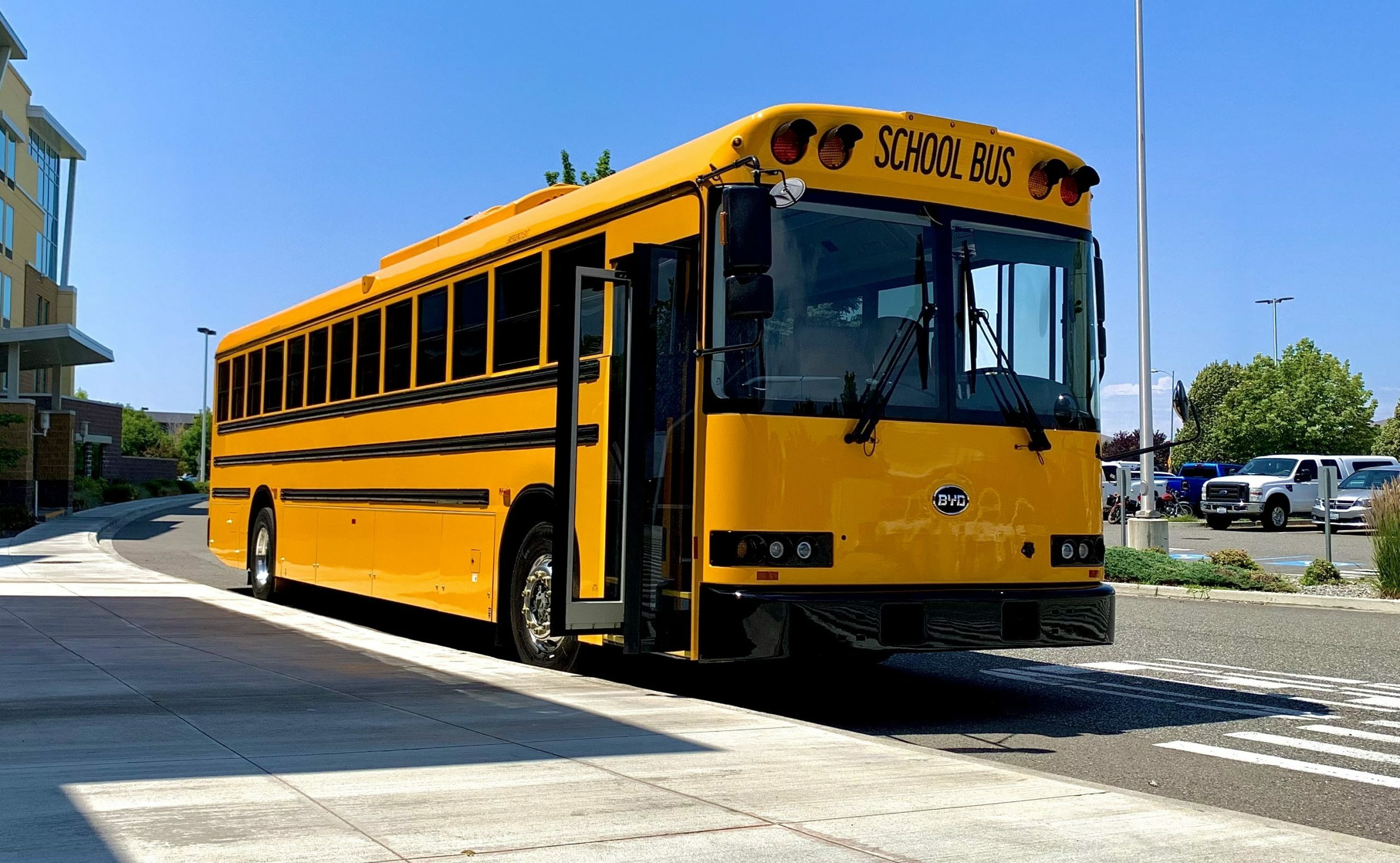
BYD school bus

Though it may surprise many American consumers, BYD already maintains a manufacturing presence in the United States. Its 550,000 square-foot facility in Lancaster, California, produces hundreds of electric buses and employs roughly 500 workers.

Getting the tariffs thrown out wouldn’t just help this complex, but also open the door for BYD to sell cars in the United States, perhaps importing them from factories in Canada and Mexico.

Could This Open the Floodgates?

Sun Xiaohong, secretary-general of the automotive branch of the China Chamber of Commerce for Import and Export of Machinery and Electronic Products, told Global Times that “BYD’s move follows a growing trend of companies using legal channels to safeguard their legitimate rights and interests.”

While the case still faces legal hurdles, Sun told the outlet that it could set an important precedent for other Chinese companies looking to assert their rights through formal channels. He also argues that letting automakers like BYD in could benefit US buyers by adding more affordable EV options to a market that’s only getting more competitive.

\\\\\

Waymo’s Robotaxis Sometimes Receive Guidance By Some Guy In The Philippines

  • Lawmakers criticized Waymo’s growing reliance on Chinese suppliers.
  • Some robotaxi operations are remotely managed from the Philippines.
  • Senators raised national security concerns over foreign involvement.

Waymo chief safety officer Mauricio Peña fronted US lawmakers at a tense Senate hearing last week, where the self-driving tech company was accused of getting “in bed with China,” as it rolls out more of its robotaxis. The hearing also offered a reminder that beneath the polished image of AI, there’s still a reliance on human labor, often lower paid, sourced from abroad, and largely out of sight.

For years, the Google Alphabet-owned company has relied on the Jaguar I-Pace for its fleet, but Waymo is now preparing to roll out a next-generation, minivan-style robotaxi developed in partnership with Zeekr, a subsidiary of China’s Geely Group.

During the hearing, Peña told lawmakers that the United States is “locked in a race with Chinese companies for the future of autonomous vehicles.”

Read: Waymo’s Ready For One Of Europe’s Busiest Cities, But Is The City Ready?

He also warned that without a clear national framework, the industry could end up facing a fragmented patchwork of state regulations that slows investment and limits progress.

Lawmaker Questions Zeekr Partnership

 Waymo’s Robotaxis Sometimes Receive Guidance By Some Guy In The Philippines

Sen. Bernie Moreno from Ohio didn’t let the irony of Waymo using a Chinese vehicle for its fleet go unnoticed. “You said in your testimony that we’re locked in a race with China, but it seems like you’re getting in bed with China,” he retorted during the hearing.

“Giving a natural market to a Chinese company to ship us cars is making us better and creating more jobs for Americans? That’s completely ridiculous,” Moreno added.

According to Business Insider, Moreno went on to suggest that Waymo could be sidestepping US laws designed to curb Chinese involvement in sensitive vehicle technologies. He speculated that the company might be using a “backdoor” to avoid complying with the federal connected vehicle rule, which was finalized last year but has not yet been fully implemented.

Peña rejected that characterization. He maintained that the Zeekr vehicles have “no connectivity” and that all of the autonomous systems are installed in the United States. He also argued that leveraging a global supply chain gives Waymo the flexibility to grow faster and build in operational safeguards.

Overseas Operators Raise Flags

Still, the issue of oversight didn’t stop at the hardware. During the hearing, Waymo revealed that in addition to using remote operators in the US, it also has some working overseas.

When asked for a breakdown of operator locations, Peña said he didn’t have exact figures but confirmed that while some are based in the US, others are much farther away, including in the Philippines, Futurism reports.

“They provide guidance,” he argued. “They do not remotely drive the vehicles. Waymo asks for guidance in certain situations and gets an input, but the Waymo vehicle is always in charge of the dynamic driving tasks, so that is just one additional input.”

According to Senator Ed Markey of Massachusetts, “having people overseas influencing American vehicles is a safety issue,” adding that these are the jobs that Americans should have. He called the use of remote human operators outside the US “completely unacceptable,” according to Business Insider.

In a statement to Carscoops, Waymo emphasized that no remote employees drive the vehicles.

“Waymo’s fleet response teams are located in the U.S. and abroad. As we scale globally – including to London and Tokyo – we need some Fleet Response functions outside of the U.S. It is very important to note, however, their role is never to drive the vehicle remotely. Our technology, the Waymo Driver, is in control of the dynamic driving task, even when it is receiving guidance from remote assistance”, the spokesperson said.

Tesla Joins the Conversation

The vice president of vehicle engineering at Tesla, Lars Moravy, was also in attendance at the Senate hearing. He said that the US needs to “modernize regulations that inhibit the industry’s ability to innovate,” or risk losing the autonomous vehicle race.

“Federal regulations for vehicles have not kept up with the pace of the rapid evolution of technology,” Moravy said. He added that many safety standards still in place were designed decades ago and no longer account for today’s technical realities.

Update: We’ve added quotes from Mauricio Peña and a statement from Waymo.

 Waymo’s Robotaxis Sometimes Receive Guidance By Some Guy In The Philippines

Karma’s New Hypercar Could Leapfrog Rivals With This Battery Deal

  • New Kaveya will use a U.S.-made solid-state battery pack.
  • Factorial’s battery tech also works with existing EV factories.
  • Karma delayed the hypercar to improve driving range and feel.

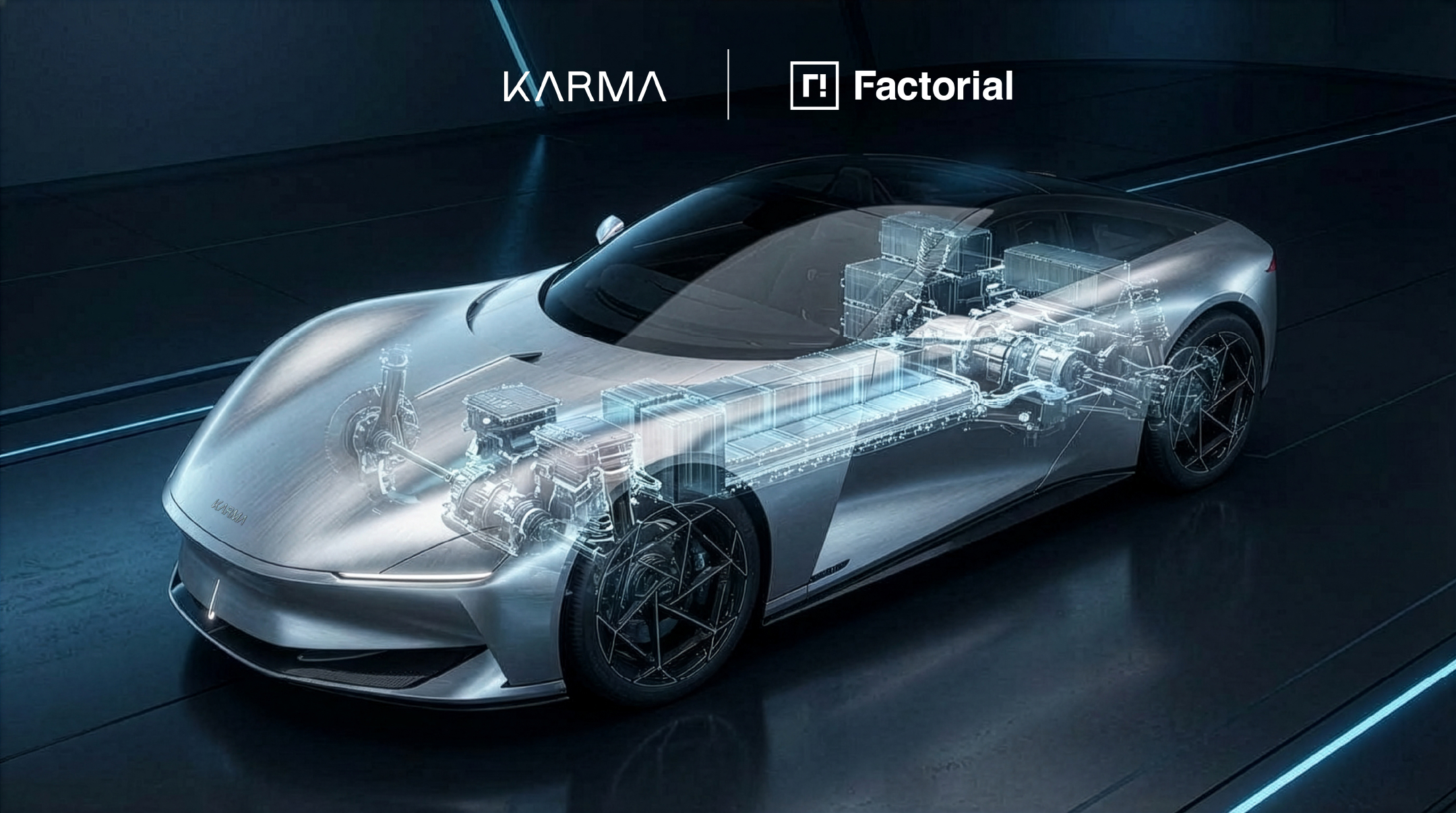
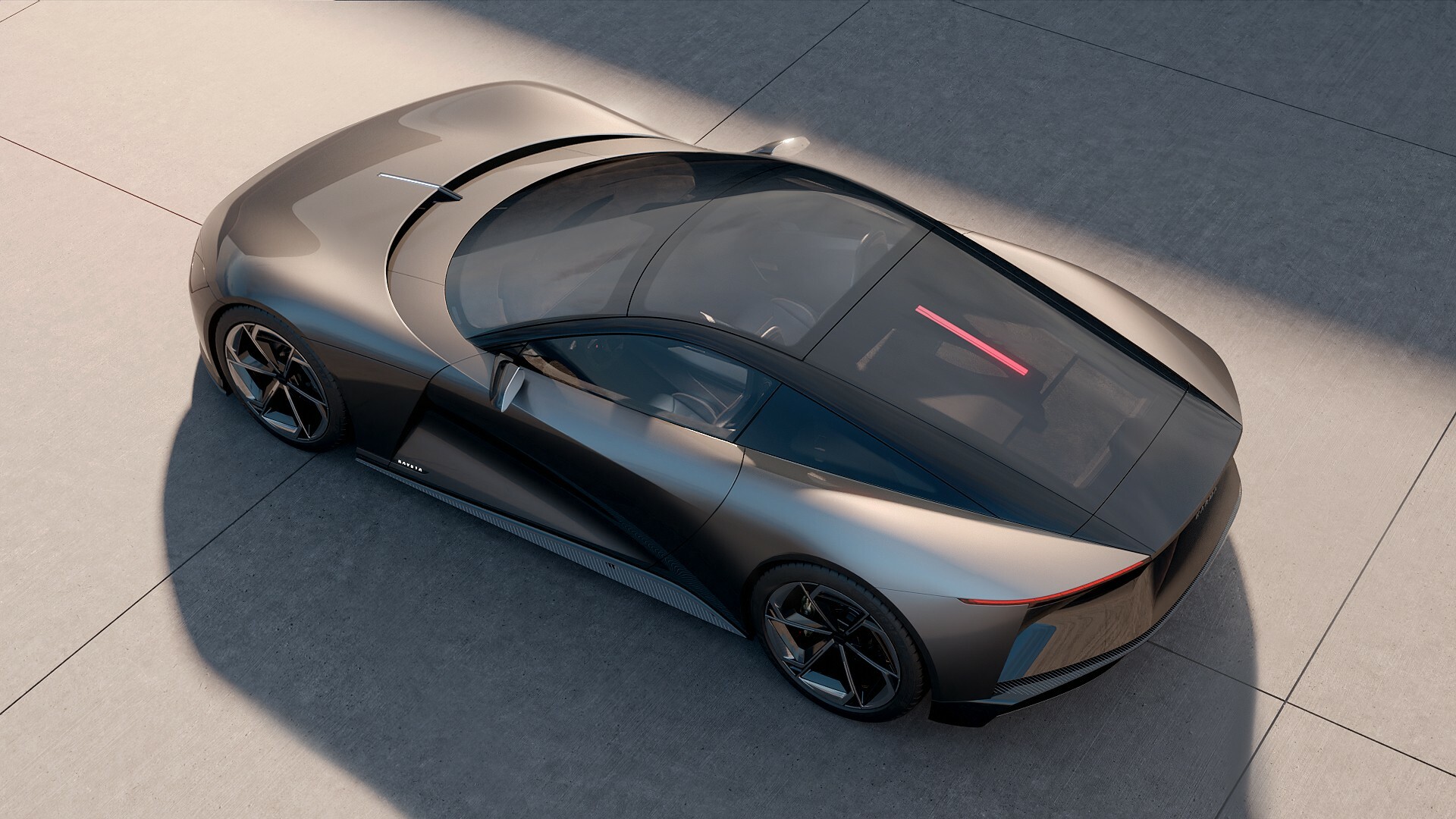
Karma Automotive, which emerged from the remnants of Fisker Automotive, recently ended production of its range-extender Revero and is now turning its attention to a far more ambitious project. In late 2023, the American brand previewed the Kaveya, a hypercar-rivaling electric coupe, and to bring it to life, it’s teaming up with a local solid-state battery manufacturer.

That partner is Factorial, a solid-state battery company with close ties to several global OEMs, including Mercedes-Benz, Hyundai, Kia, and Stellantis. Its technology will form the foundation of Karma’s upcoming electric platform, which will debut in the Kaveya.

Read: Karma Is Moving On Up, Sets Sights On McLaren And Ferrari

Technical specifications for the battery pack are not yet known, but Factorial’s proprietary FEST (Factorial Electrolyte System Technology) solid-state design is engineered for compatibility with current lithium-ion manufacturing lines.

 Karma’s New Hypercar Could Leapfrog Rivals With This Battery Deal

Up to 80 percent of the same production equipment can be reused, which could dramatically cut costs and speed up deployment. For a low-volume manufacturer like Karma, that’s a critical advantage.

Waiting Until the Tech Could Catch Up

Karma president and chief executive Marques McCammon says Karma delayed the launch of the Kaveya last year as it “did not yet see a clear path to fully delivering the uncompromising driving experience that should be expected from an American ultra-luxury vehicle company.”

Thanks to its partnership with Factorial, the company’s solid-state battery will offer better efficiency and a longer driving range compared with traditional lithium-ion batteries. When the Kaveya was first previewed, it was going to use a 120 kWh pack with over 250 miles (402 km) of range. In all likelihood, the new solid-state pack will be smaller and offer more range.

 Karma’s New Hypercar Could Leapfrog Rivals With This Battery Deal

“Launching our first U.S. passenger-vehicle program with Karma is a meaningful milestone for Factorial,” said CEO Siyu Huang. “FEST was built to scale, and this milestone not only highlights the energy and performance solid-state technology can deliver but also underscores the global leadership of U.S. technology innovators. High-performance luxury vehicles require cutting-edge innovation, and this collaboration showcases what’s possible when performance leads.”

Hypercar Performance

Karma has already outlined some of the performance targets for the Kaveya. Dual electric motors will combine for a total output of 1,180 hp and 1,270 lb-ft (1,720 Nm) of torque. That should be enough to get the car from zero to 60 mph (96 km/h) in under 3 seconds, with a projected top speed north of 180 mph (290 km/h)

\\\\\\\\\\\\

This Might Be The Tesla Roadster’s Biggest Update Since 2017

  • Tesla filed two new Roadster trademarks in the United States.
  • One shows three sharp lines, possibly previewing the design.
  • The other spells Roadster in a slanted sci-fi-style font.

Could the second-generation Tesla Roadster finally be on the verge of actually hitting the market? Well, if history is any guide, don’t hold your breath. It’s been more than eight years since it first showed up as a concept, but two recent trademark applications suggest things might actually be moving, and that the car could, just maybe, be inching closer to something.

Earlier this week, Tesla submitted two trademark filings with the United States Patent and Trademark Office, as first spotted by Business Insider. The first features three sharp lines that outline the sleek silhouette of the two-door, all-electric supercar. It could be used in marketing or possibly even serve as the foundation for a new badge.

Read: Tesla Chief Swears We’ll See A Demo Of The Roadster This Year

The second application depicts the ‘Roadster’ name in all-caps. It uses a custom font that’s slanted and has a sci-fi vibe, perfect for a vehicle like this.

 This Might Be The Tesla Roadster’s Biggest Update Since 2017
 This Might Be The Tesla Roadster’s Biggest Update Since 2017
Tesla / USPTO

Since its initial reveal in November 2017, details on the production Roadster have been scarce. Tesla originally promised a massive 200 kWh battery pack, claiming over 620 miles (1,000 km) of range per charge. Performance targets were just as ambitious, including a 0–60 mph (96 km/h) time of 1.9 seconds and a top speed north of 250 mph (402 km/h).

The electric car industry has advanced significantly since the Roadster was first previewed, so we expect it to reach the market with different performance and range figures. A 200 kWh pack, which would be extraordinarily heavy, seems unlikely, particularly given how much more energy-dense and efficient battery packs are now.

Last October, Tesla chief designer Franz von Holzhausen said Tesla would demo the new car before the end of 2025. That deadline came and went without anyone outside of the company seeing the new car in the flesh. He also said production would start within two years, but as with every promise made about the Roadster over the past decade, we’re taking that with a grain of salt.

\\\\\\\\

Ford Confirms Five New Affordable Models, And One Is Cheaper Than You Think

  • Ford will debut five new models under $40k before 2030.
  • They’ll be SUVs, trucks and cars with mix of powertrain types.
  • First affordable model is $30,000 electric truck coming ’27.

The average new car now stands at $50k, and that’s a stretch too far for many American drivers, who in some case have drifted to used lots and rival brands. But Ford wants to throw them a lifeline, well, actually five lifelines, promising a wave of sub-$40,000 vehicles before the end of the decade.

Ford executives told retailers at this week’s NADA Show meeting that five new models priced under $40k will join the lineup by the end of the decade, Automotive News reports. That is not just one bargain hero car, but a whole lineup.

Related: Ford Just Killed A Popular SUV And Dealers Are Not Happy

The first arrival is one we already know about, a midsize electric pickup coming next year, a truck dealers are already buzzing about. Previous reports suggest it could land around the $30k mark, which in today’s market qualifies as almost suspiciously affordable and could leave startup Slate’s electric truck dead in the water.

Cross-Segment

But Ford’s plans go far beyond one electric truck. Andrew Frick, who heads up Ford Blue and Model e, told Auto News the new products will span cars, trucks, SUVs, and vans with a mix of powertrains. These will be brand new nameplates, not just cheaper versions of existing models.

 Ford Confirms Five New Affordable Models, And One Is Cheaper Than You Think

“It will be across our lineup of cars, trucks, SUVs, vans, and it will be multi-energy,” Frick said. “That’ll start to fill in the product side, but we have work to do to help affordability in the near term more tactically.”

That sounds great, but dealers still have some short term pain to manage.

Short-term Gap

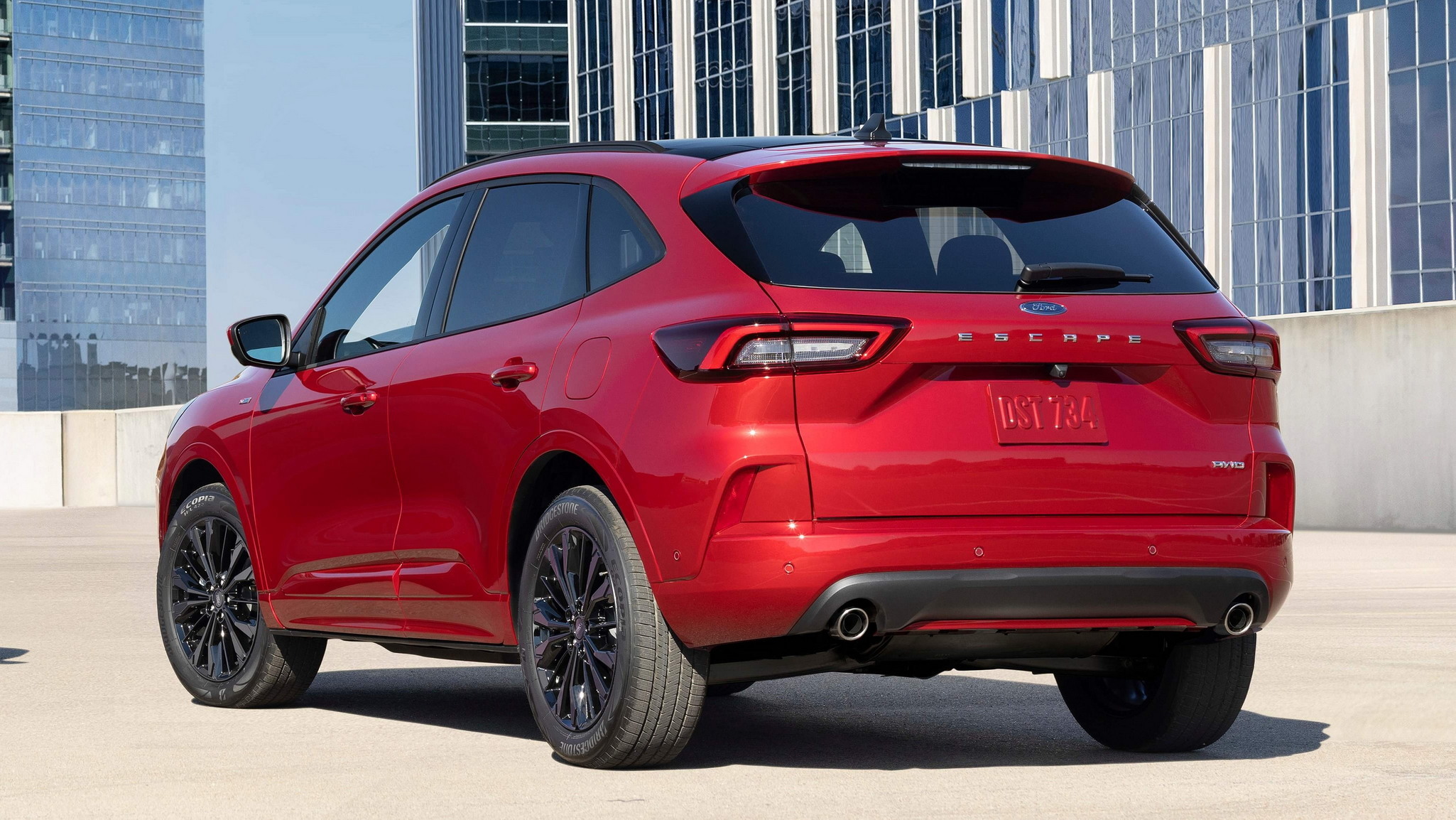
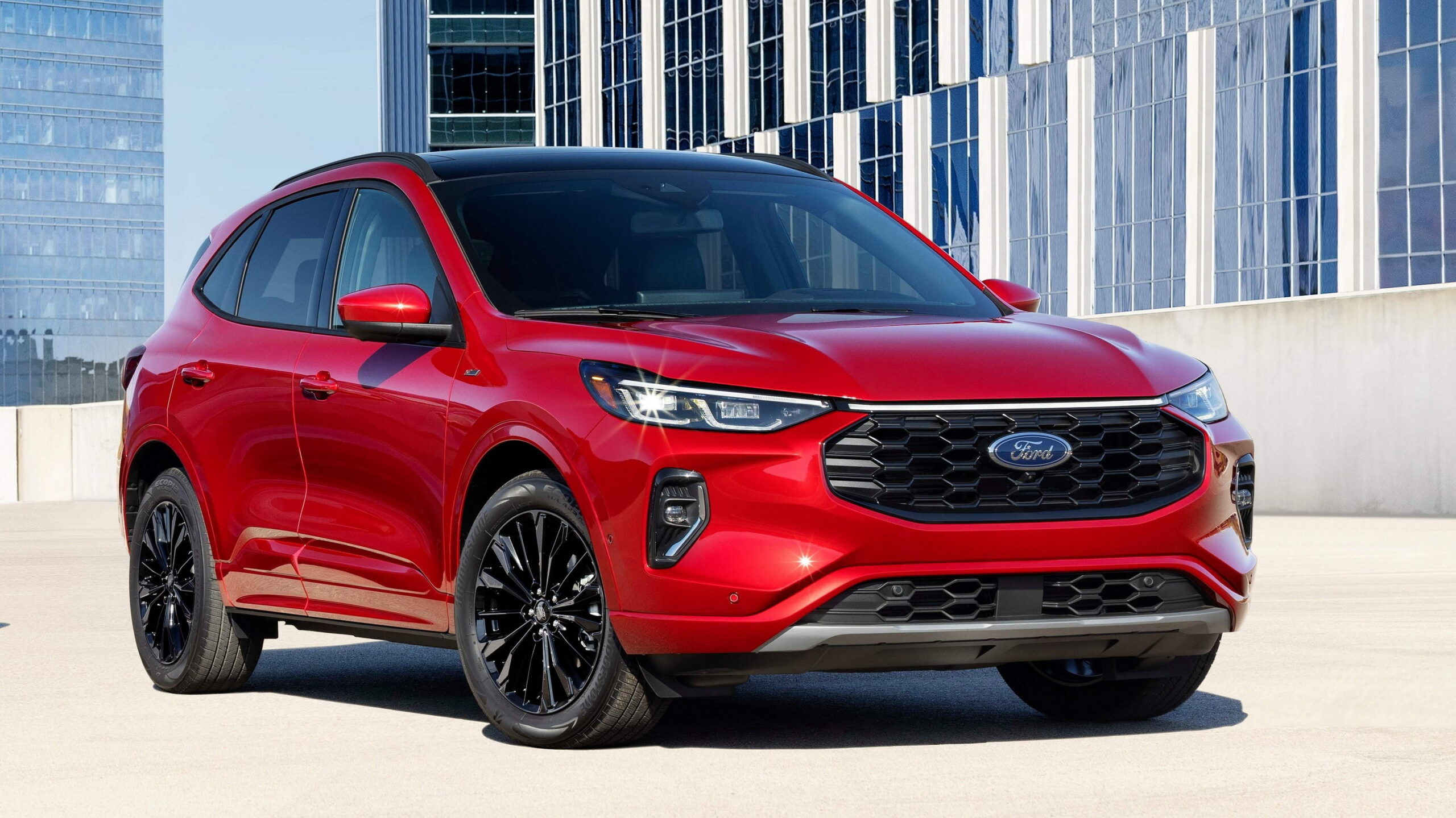
A big hole in the lineup is centered around the Escape (pictured below). Ford stopped building its entry level crossover in December, and although dealers still have stock to sell, at some point this year they’ll be left with a gap right where many first time and budget focused buyers used to land.

“We understand we’ll be selling Escape into this year, but at some point we’ll run out,” Frick explained. “That does not mean we cannot continue to drive profitable growth through the nameplates we have.”

 Ford Confirms Five New Affordable Models, And One Is Cheaper Than You Think

Dealers have been clear they would love a proper replacement, and while they are dreaming, maybe even an affordable sedan too.

In the meantime, Ford plans to push more entry level trims of models like Explorer and Bronco, lean harder on certified pre owned cars, and offer longer loans and first-time buyer programs. Frick told said there are about 10 separate actions in motion to tackle affordability, so the next time you head down to your Ford dealer, don’t be afraid to bargain hard.

 Ford Confirms Five New Affordable Models, And One Is Cheaper Than You Think
Ford

Her $546K EV Failed In Four Months, And Rolls-Royce Still Hasn’t Fixed It

  • A woman’s Spectre has been sitting at a service center for months.
  • The EV reportedly “experienced a sudden and serious malfunction.”
  • The lawsuit says the electric Rolls has a major battery defect.

A dissatisfied Rolls-Royce buyer in Texas has filed a lawsuit against the automaker, claiming her 2025 Spectre Black Badge failed just four months after delivery due to an serious battery defect. With the brand planning additional EVs, including an electric sedan and SUV, the legal dispute is a headache it’d rather not have to deal with.

Read: Spectre Black Badge Is The Most Powerful Rolls-Royce Ever Created

The complaint, filed against Rolls-Royce Motor Cars North America and authorized dealer Avondale Dealership, alleges that plaintiff Marci M. Donovitz paid $546,385 for a bespoke Rolls-Royce Spectre Black Badge in early 2025. She took delivery on June 23, 2025.

Buyer Says Car Failed in Four Months

Things soon turned sour. According to the filing, the vehicle “experienced a sudden and serious malfunction” in October, just months after delivery. The plaintiff claims the EV would “soon become inoperable” and sent it to the dealer for inspection.

The dealership reportedly informed her by text that parts had been ordered, but were on backorder with no estimated delivery date.

\\\\\\\\

Rolls-Royce Spectre Black Badge

After 40 days with no progress, Donovitz retained legal counsel and sent a letter to Rolls-Royce requesting that it repurchase the vehicle and issue a refund. The company declined. As of February, the lawsuit states, the Spectre remains in the possession of Avondale Dealership and has not been repaired. The filing refers to the luxury EV as a “lemon.”

Also: California Court Strips Lemon Law Protections For Used Cars Under Warranty

It further claims the vehicle suffers from a “serious battery defect rendering it unsafe and undrivable.” It’s also claimed that Rolls-Royce and the dealer have failed to diagnose or repair the vehicle within a reasonable timeframe, and they’ve retained the car even as it depreciates.

 Her $546K EV Failed In Four Months, And Rolls-Royce Still Hasn’t Fixed It

Resale Value in Question

The complaint additionally alleges that Rolls-Royce was aware of reliability concerns and declining secondary-market performance related to the Spectre but failed to disclose this information to the plaintiff at or before the time of sale.

More: GM Buys Back Lemon C8 Corvette And Allows Customer To Upgrade To New Z06

Donovitz is seeking economic damages, including a full repurchase or rescission of the sale, damages for loss of use and enjoyment, diminished value, incidental and consequential losses, pre- and post-judgment interest, and attorney’s fees and legal costs associated with pursuing the case.

\\\\\\

Canada Scraps EV Mandate And Loses Faith In America

  • Canada is scrapping its EV sales mandate and changing course.
  • The 2035 target shifts from 100% EVs down to just 75% now.
  • Clean car incentives return as Canada distances from the U.S.

Canadian Prime Minister Mark Carney has introduced a new automotive strategy that “rewards the production of made-in-Canada vehicles and harnesses our world-class capabilities in artificial intelligence and technology expertise to build the cars of the future.”

As part of this effort, the country is revamping its electric vehicle mandate once again. The goal is to “rationalize emissions reduction policies” and put Canada on a path that will see 75% of sales come from EVs by 2035. That would then climb to 90% by 2040. This is a notable shift as the country was previously looking at reaching 100% by 2035.

More: Canada Walks Back EV Mandate Amid US Trade War

Furthermore, Canada is repealing the Electric Vehicle Availability Standard and increasing emissions standards. The government said this will “allow manufacturers to use a wide array of technologies to meet the [new] standards and respond to consumer preferences in the near-term, while driving EV adoption over time.”

New Incentives For Canadians To Go Green

While the country is tapping the brakes on the electric vehicle transition, they’ll encourage Canadians to buy EVs with a new five-year program that will provide individuals and businesses with incentives to go green. Electric and fuel cell vehicles will be eligible for up to $5,000 CAD (3,658 USD), while plug-in hybrids can get up to $2,500 CAD ($1,829 USD).

Canada’s auto industry is facing huge pressures, leaving workers and businesses in a state of uncertainty. So we’re taking control — and launching a new strategy that will transform the industry to be a global leader in electric vehicles.

We’ll reward the production of…

— Mark Carney (@MarkJCarney) February 5, 2026

There’s a $50,000 CAD ($36,574 USD) limit on the final transaction price for vehicles made in countries Canada has a free-trade agreement with, but Canadian-made EVs and PHEVs have no price cap at all.

To further encourage adoption, Canada will invest $1.5 billion CAD ($1.1 billion USD) to improve their charging infrastructure. This aims to make it “easier and more convenient for drivers to charge their EVs across the country.”

Incentives For Businesses As Well

 Canada Scraps EV Mandate And Loses Faith In America

The government is setting aside up to $3.1 billion CAD ($2.3 billion USD) to “help the auto industry adapt, grow, and diversify to new markets.” There will also be tax incentives to encourage companies to invest in electric vehicles as well as clean technologies.

On top of that, the country aims to strengthen the competitiveness of their auto sector by rewarding companies that produce and invest in Canada. They’ll also maintain counter-tariffs on automotive imports from the United States and look to grow automotive imports from elsewhere.

China is front and center as vehicles will be imported from there in the near future. Ultimately, Canada hopes Chinese automakers will setup shop in the country and build vehicles locally. This could help fill the void left by American automakers, who have moved some production stateside.

Support For Autoworkers

 Canada Scraps EV Mandate And Loses Faith In America

Canada announced a handful of measures designed to protect autoworkers in an era of trade wars and electrification. In particular, there will be a new Work-Sharing grant that aims to support worker retention and prevent layoffs.

The country will also provide employment assistance and reskilling support for up to 66,000 people including displaced auto workers. This will be made possible by a $570 million CAD ($417 million USD) investment.

American Tariffs Push Canada To Embrace Other Countries

 Canada Scraps EV Mandate And Loses Faith In America

The government noted over 90% of Canadian-made vehicles and 60% of Canadian-made parts are exported to the United States. This is a huge problem as Canadian-made vehicles have faced a 25% tariff in America (on non-US content) since April.

The country said the tariff is “threatening Canada’s automotive manufacturing industry and the 125,000 direct jobs it supports.” Given this, the country is looking to develop a more independent economy and one that can ship Canadian-made vehicles to new export markets.

In a statement, Carney said “Canada’s new government is fundamentally transforming our economy – from one reliant on a single trade partner, to one that is stronger, more independent, and more resilient to global shocks. We are making strategic decisions and generational investments to build a strong Canadian auto sector, where Canadian workers build the cars of the future.”

Unifor welcomes elements of the new federal auto policy, while calling for bold steps to protect Canadian auto jobs and secure a future for workers at idled plants in Brampton and Ingersoll. #canlabhttps://t.co/r8CXSmPp0S

— Unifor (@UniforTheUnion) February 5, 2026

California’s New EV Rebate Is A Huge Slap In The Face For Loyal Owners

  • Unlike an early proposal, the new EV incentive will include several Tesla models.
  • Passenger vehicles priced at or below $55,000 in the state will be eligible.
  • State needs to finalize details for the new program, but it will commit $200M.

The federal EV tax credit is no more, but California is stepping in with a plan to keep momentum alive in the country’s largest EV market. Governor Gavin Newsom has outlined a new set of state-level incentives aimed at first-time EV buyers, designed to pick up where the now-defunct federal tax credit left off.

However, the proposal rules out any repeat discounts for those who already own an electric vehicle, limiting eligibility to newcomers.

Read: Trump Killed The Federal EV Credit, So California Wrote Its Own

The initiative, which still requires approval from state lawmakers, would set aside $200 million. Under the current framework, passenger EVs priced at or under $55,000 would qualify, while vans, SUVs, and pickup trucks with a starting price below $80,000 would also be eligible.

Who Gets What and When?

California has yet to confirm the value of each incentive. What we do know is that the policy would require manufacturers to match the state’s contribution dollar-for-dollar. Like the old federal tax credit, the incentives will be offered immediately at the point of sale and will apply to new EVs purchased or leased. Additionally, Bloomberg reports there will be incentives for used EVs priced below $25,000.

 California’s New EV Rebate Is A Huge Slap In The Face For Loyal Owners

Sarah Swig, a senior climate advisor to Governor Newsom, criticized the rollback of federal support. “The Trump administration’s reckless retreat has created unprecedented uncertainty for automakers and families alike,” she said.

“California is proud to partner with automakers who are committed to the transition to a zero-emission future through shared investment to keep costs down and drive the market forward.”

Expanding the EV Base

According to a spokesperson from the California Air Resources Board, limiting eligibility to first-time EV buyers will help to expand the market, “introducing new consumers to ZEV technology.” CARB added in a statement to InsideEVs that “research shows that once consumers make the switch to ZEVs, they typically don’t go back to dirty gasoline or diesel vehicles.”

In late 2024, Governor Gavin Newsom presented his first proposal for a new EV subsidy scheme in the state, in response to President-elect Trump’s threat to repeal the federal program. Newsom’s proposal would have excluded EVs from Tesla, which quickly drew the ire of Elon Musk. As part of the latest proposal, many Tesla models would be eligible.

 California’s New EV Rebate Is A Huge Slap In The Face For Loyal Owners

America Is Stockpiling Something Most Drivers Never Knew Could Stop Production

  • The United States has announced a Project Vault stockpile.
  • Designed for industry, it will store rare earths and critical minerals.
  • The move comes after China cut off access to rare earths last year.

President Trump has signed an executive order establishing Project Vault. It’s being billed as the critical materials equivalent of the strategic petroleum reserve.

Designed to ensure that American businesses and workers are never harmed by shortages of critical materials, the stockpile will be established by a $12 billion investment. It’s focused on rare earths and critical minerals, which have been dominated by China.

More: A Resource You’ve Probably Never Heard Of Is Quietly Crippling The Auto Industry

Things came to a head last year when China imposed export restrictions on rare earth elements in April. This forced a number of automakers and suppliers to scramble and some even had to temporarily stop production.

While the situation has improved significantly since those dire days, the United States has apparently decided they can’t depend on China.

Introducing Project Vault, a critical mineral stockpile for American businesses, unaffected by market disruptions. 💎🇺🇸 pic.twitter.com/Hd14JxujdP

— The White House (@WhiteHouse) February 2, 2026

The White House hasn’t released the wording of the executive order, as of this writing, but President Trump said $10 billion of funding will come from export-import bank financing, while another $2 billion will come from the private sector. He also claimed taxpayers could end up making a profit on the loan interest.

The president added the government is working to streamline the permitting process for mines and is signing major critical mineral deals with countries from all over the world.

GM CEO Mary Barra was on hand for the signing and Trump said she’s doing a “fantastic job.” Barra returned the compliment and said, “Having a resilient supply chain is critical for our nation and it’s critical for all industry, especially the auto industry.”

Things then got a little awkward as one of the attendees claimed that if Trump hadn’t been elected, the “auto industry in America would be over.” He also slammed Democrats and their electric vehicle ‘mandates,’ which is a bit ironic for a signing event that will presumably benefit EVs.

Update: The Export-Import Bank of the United States released new details about the “supply chain security initiative” that establishes a Strategic Critical Minerals Reserve. It will be an independently governed public‑private partnership, which will store essential raw materials in facilities across the United States.

Specifics are few and far between, but the bank said the move advances “U.S. economic and national security objectives by reducing dependence on foreign‑controlled supply chains, strengthening the domestic industrial base, and ensuring uninterrupted access to materials essential for advanced manufacturing and critical technologies.”

pic.twitter.com/71SqRqBQJS

— U.S. Export-Import Bank (@EximBankUS) February 2, 2026

Lead image Nissan

❌
❌