GM reportedly pauses next-gen full-size electric truck development.
Gas V8s, hybrids and range extenders are suddenly more important.
Current-generation EV trucks stay alive, but future refresh looks hazy.
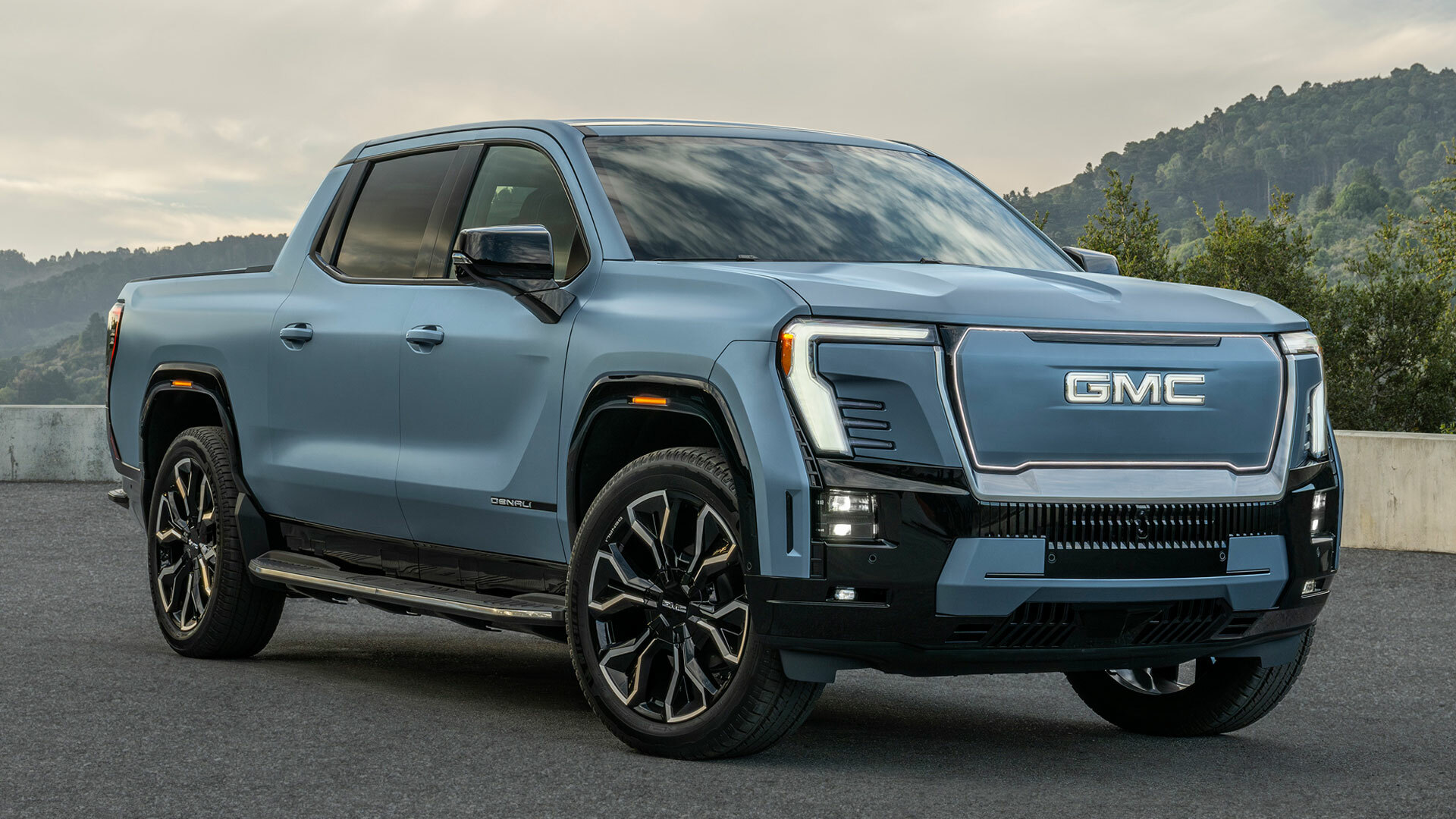
General Motors spent years telling us electric pickups were the next great American migration. Now the convoy appears to have missed an exit because reports claim GM has indefinitely paused development of its next-generation full-size EV trucks.
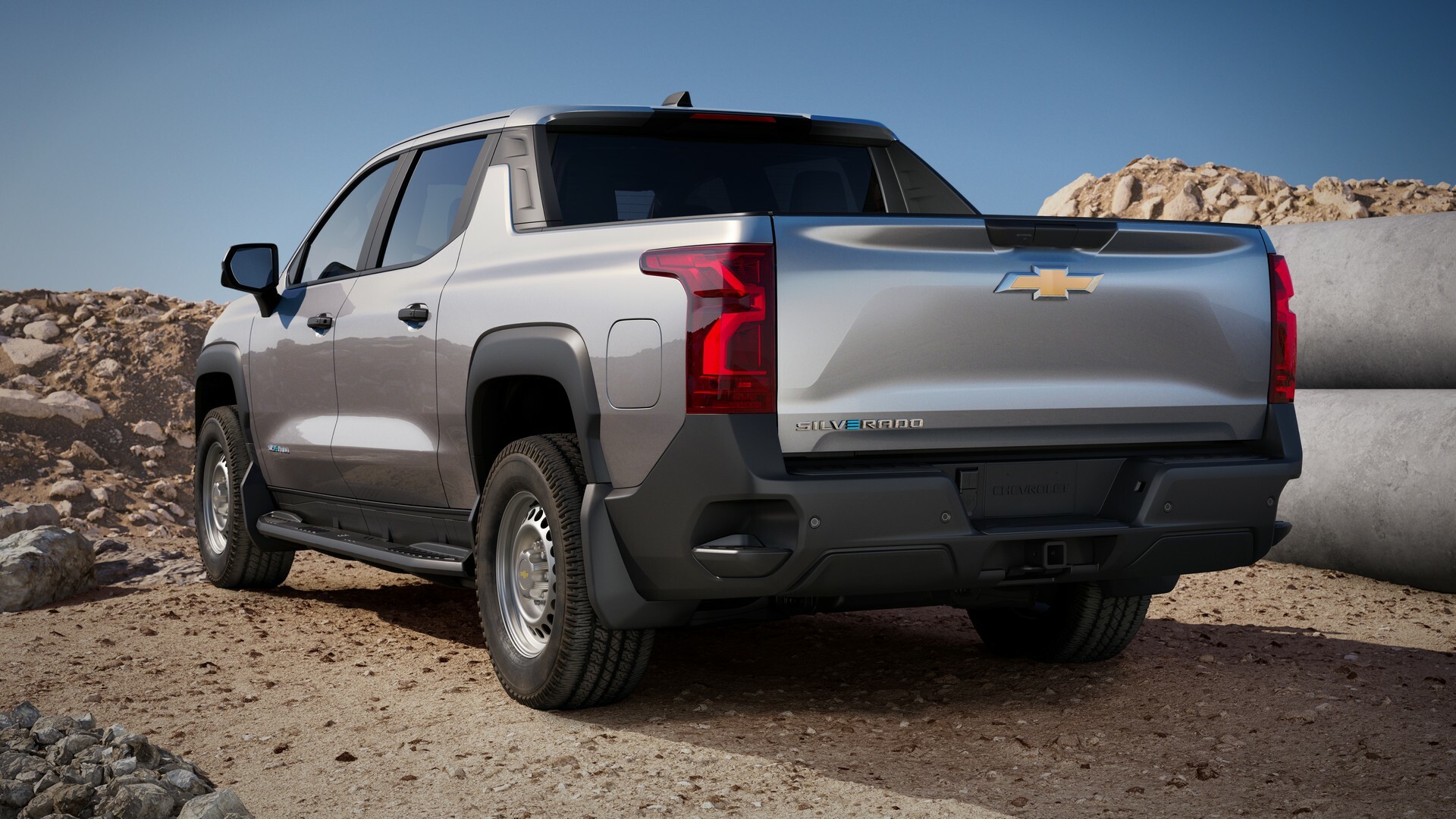
According to a piece by Crain’s Detroit, GM had been developing updated and lower-cost successors for the electric Chevrolet Silverado EV, GMC Sierra EV, Cadillac Escalade IQ, and GMC Hummer EV lineup, with production previously targeted for 2028.
But suppliers were reportedly told the program has been halted, with no replacement timeline offered. Industry watchers now don’t expect fresh full-size GM electric trucks before 2030, and they could end up arriving much later.
That doesn’t mean GM’s current EV trucks are dead. Existing models will continue rolling out of the under-utlilized Factory Zero in Detroit-Hamtramck, the story says, and experts think the Escalade IQ is important enough to Cadillac’s plans to keep in production. But it does suggest GM wants to spend more R&D time and money on products customers are actually buying in larger numbers right now. Ones that run on gasoline.
The company is said to be redirecting resources toward its upcoming T1-2 internal-combustion truck platform, which is expected to power future full-size pickups and SUVs. Orion Assembly, once earmarked for electric trucks, and now thriving after switching to ICE versions, is now reportedly preparing for future gas-powered models.
Hybrids And Range Extenders
Crain’s Detroit sources also claim plug-in hybrid versions of the Silverado and Sierra are in the mix, while GM has discussed range-extended EV tech with suppliers. It’s an idea rivals are already chasing. Ram is expected to launch a range-extended pickup first, while Ford has signaled similar plans after backing away from the idea of renewing the all-electric F-150 Lightning.
No More Federal Handouts, Or Directives
None of this is happening in a vacuum. EV tax credits have been rolled back, emissions rules have softened, and demand for expensive electric pickups hasn’t exactly set sales charts on fire. Big batteries and six-figure stickers remain a hard sell for many truck buyers, though GM refused to comment on the report that its EV plans have been axed.
“We have not disclosed any potential plans or timing for any next-generation battery electric trucks and we’re not going to engage in speculation,” a GM spokesperson told Crain’s Detroit.
GM still says the long-term destination is electric, and it probably is. But right now, Detroit’s most profitable vehicles are trucks, and trucks and their buyers can’t kick their gasoline habit.
Battery maker CATL has just leaped ahead of BYD and Geely in charge speeds.
Its latest Shenxing LFP battery can charge from 10-35 % in only one minute.
A 10-80% charge takes 3 min 44 seconds, cold weather has minimal impact.
Some records stand for decades. Bob Beamon’s 8.9 m 1968 long jump, still unbroken 58 years later, is one. Others, like the 5 minutes it takes BYD’s Blade 2.0 battery to go from 10-70 percent, seem spectacular at the time, but here we are only weeks later and it’s already been smashed not once, but twice.
First it was Geely, whose Golden Brick battery can charge from 10-70 percent in 4 minutes 22 seconds. And now battery giant CATL has made even that look like it was hooked up to a household AC socket.
CATL’s 3rd-gen Shenxing LFP battery stops the clock at 3 minutes 44 seconds. And that’s not even charging to 70 percent, but to 80 percent. Geely’s battery needs almost two minutes longer to reach the same point.
And that’s not the only crushing stat. If you’ve ever charged an EV, you’ll know that charge rates aren’t linear. It takes a while to reach peak charge speed and then the rate falls away again as the battery gets closer to full. But the CATL pack comes out all guns blazing, charging from 10-35 percent in just 1 minute.
And from 10-98 percent takes only 6 minutes and 27 seconds. That compares with 8 minutes 42 seconds for a 10-97 percent fill with Geely’s Golden Brick and 9 minutes for BYD’s Blade 2.0. Or to put it another way, the CATL goes from flat to full 13 seconds faster than it takes a Ford Mustang GTD to lap the Nurburgring.
Cold Weather? No Problem
These numbers are all achieved in optimal temperatures, of course, but CATL threw out another one to show that even in less than ideal condition charging is still really rapid. Drop the temperature to -30˚ C (-22˚F) and the 10-98 percent top-up still only takes 9 minutes.
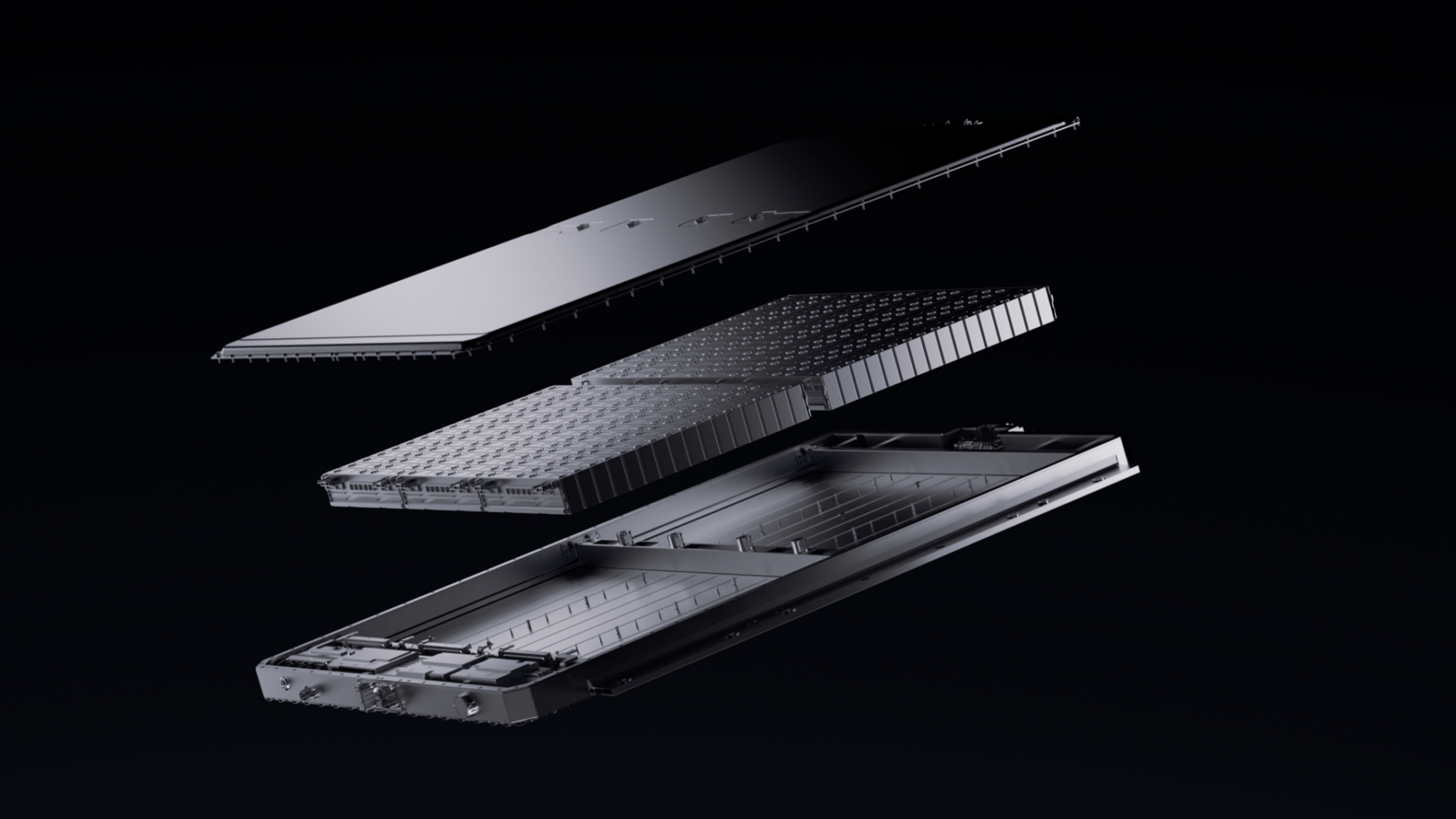
Unveiling the new battery at its Tech Day Event, CATL claimed the pack’s 0.25 milliohms internal resistance is 50 percent lower than the industry average. It also features multi-point temperature monitoring for each cell and Self-Heating tech that involves using pulses of heat to improve low-temperature charging speeds.
Long Lifespan
Just as importantly, CATL claims that the battery health remains above 90 percent even after 1,000 ultra-fast charge cycles, countering skepticism from BMW engineers about the viability of the new generation of insanely fast-filling Chinese batteries.
BYD has already begun to expand its Flash Charging network to Europe, and CATL also claims it’s looking into bringing its own tech behind China’s borders together with SAIC-GM-Wuling. But don’t bank on it arriving in the US any time soon.
China-market BMW EVs swap pop-out handles for safer ones.
Long-wheelbase i3 and iX3 debut with local tech upgrades.
Claimed 621-mile range probably translates to less than 400.
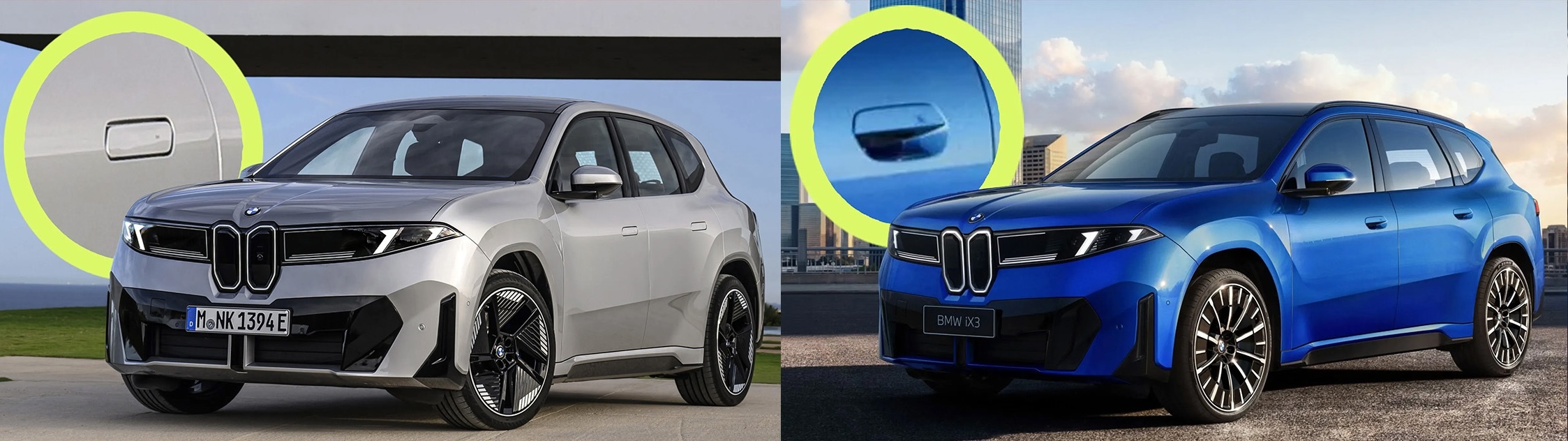
Sometimes the smallest detail says the most. BMW has launched its new China-only i3 Long Wheelbase and iX3 Long Wheelbase, but the headline feature, as we see it, isn’t rear legroom, horsepower, batteries, or giant screens. It’s the door handles.
While European and US Neue Klasse models launched with flush pop-out handles, China’s versions get semi-recessed, more conventional units instead. That follows growing scrutiny of retractable handles after several high-profile crashes in China, where trapped occupants reportedly struggled to exit damaged vehicles.
Tesla has faced similar concerns in the US and abroad, with NHTSA opening an investigation into Model Y door handles last year after reports of parents unable to reach children trapped inside after a power loss. Suddenly, boring handles look pretty smart.
BMW says the redesigned hardware meets Chinese regulations while still satisfying its own global safety standards. And having tried cars with pop-out handles, often finding them fiddly, we’re kind of jealous of these new Asian ones.
Beyond the door handles, these two EVs mark the official start of the Neue Klasse era in China and have been tailored specifically for local buyers. Both ride on BMW’s latest Neue Klasse dedicated EV architecture, but they’re stretched compared with Western versions because you can never have enough legroom in China.
Exactly how much the i3L is stretched versus the 2,898 mm (114.1 inches) wheelbase of the West’s i3 sedan, BMW hasn’t yet revealed. But we know the iX3L gets an extra 108 mm (4.25 inches) of wheelbase, bringing it to an X5-like 3,005 mm (118.3 inches). The good news is that the extra sheetmetal has been carefully integrated so as not to upset the proportions of either car.
Bespoke China OS
Inside, both models use BMW Panoramic iDrive and a China-specific version of Operating System X. There’s navigation developed with Amap, AI help via Alibaba and DeepSeek, and HarmonyOS NEXT compatibility so the cars can better live inside China’s digital ecosystem.
Driver assistance was also developed locally with Momenta and is tuned for Chinese roads, traffic patterns, and parking chaos. BMW says it offers Level 2 navigation-guided support across city streets, highways, and parking scenarios.
That, we’re happy to believe, but as usual, we’ll treat the optimistic CLTC range figures with some healthy skepticism. BMW claims over 900 km (559 miles) for the iX3 Long Wheelbase and more than 1,000 km (621 miles) for the i3 Long Wheelbase.
To give some perspective, BMW in North America quotes 400 miles (644 km) EPA for the shorter, so presumably lighter, iX3 and 440 miles (709 km) for the truncated i3 sedan.
Both Chinese models get 800-volt electrical systems with up to 400 kW DC charging, just like Western cars, but way behind what BYD can offer Chinese drivers. The powertrains seem identical, too. The iX3 50L xDrive makes 463 hp (470 PS / 345 kW) plus 476 lb-ft (645 Nm) of torque, BMW says.
Do you think BMW should also swap out its pop-out handles on Western-market i3s and iX3s? Drop a comment and let us know.
New 7-Series gets Neue Klasse tech, including a standard front passenger display screen.
Electric i7 gets cylindrical battery cells, standard all-wheel drive, and 350+ miles of range.
Rear 31.3-inch Theater Screen now does Zoom calls, has touch functionality, HDMI port.
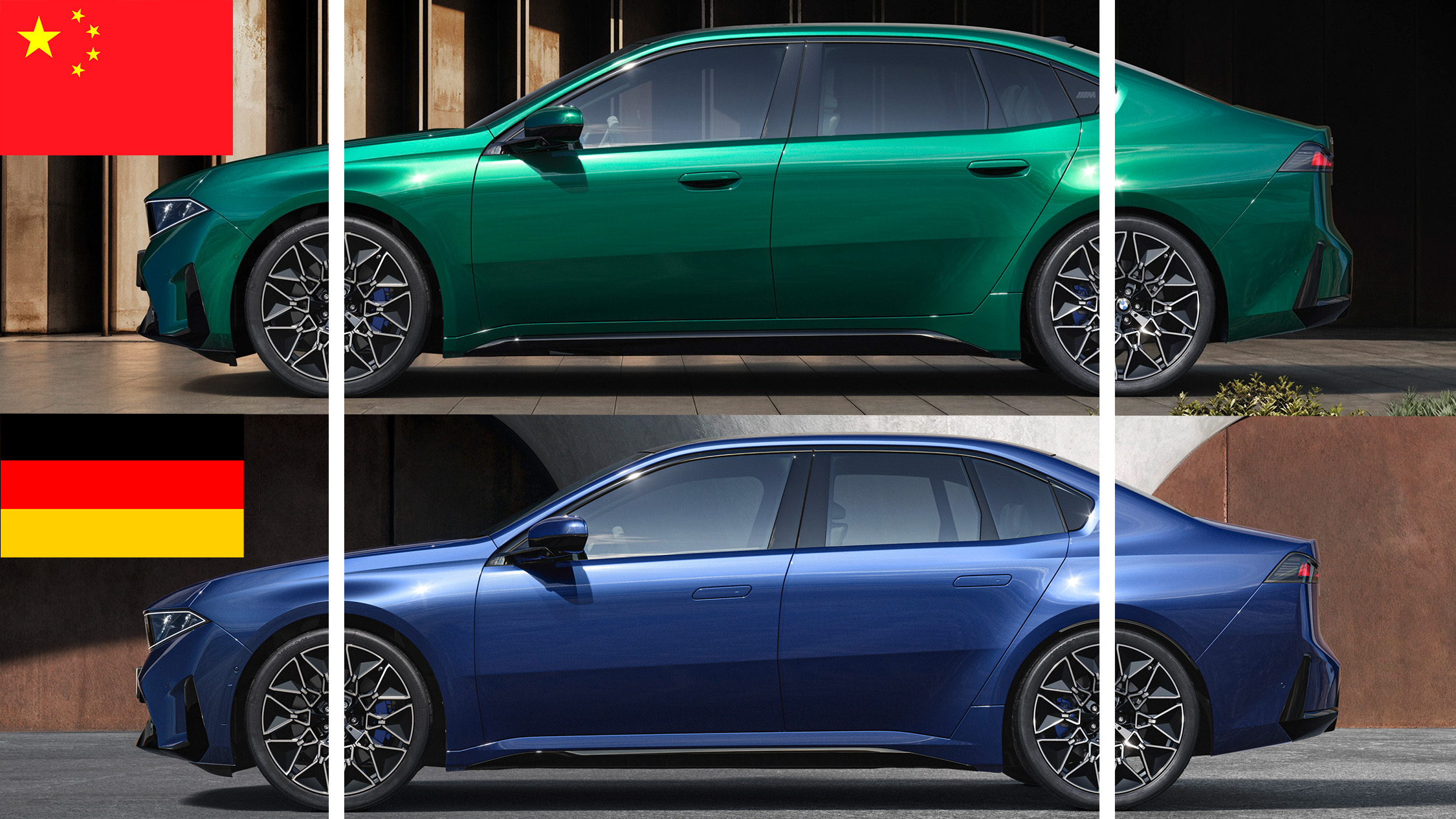
BMW’s calling the new 2027 7-Series the most extensive mid-life update it’s ever done, but what we’re seeing here goes beyond Munich’s flagship sedan. Because this update shows us how BMW will apply its Neue Klasse thinking to every older model going forward, including the revised 5-Series.
That claim of “most extensive update” might leave you shrugging at first. The new 7-Series still rides on the older CLAR platform adapted to take both ICE and electric powertrains, rather than the EV-only Neue Klasse architecture seen on the i3 and iX3. And even some of the visual changes are subtle. It doesn’t have the visor face or retro-futuristic compact kidneys.
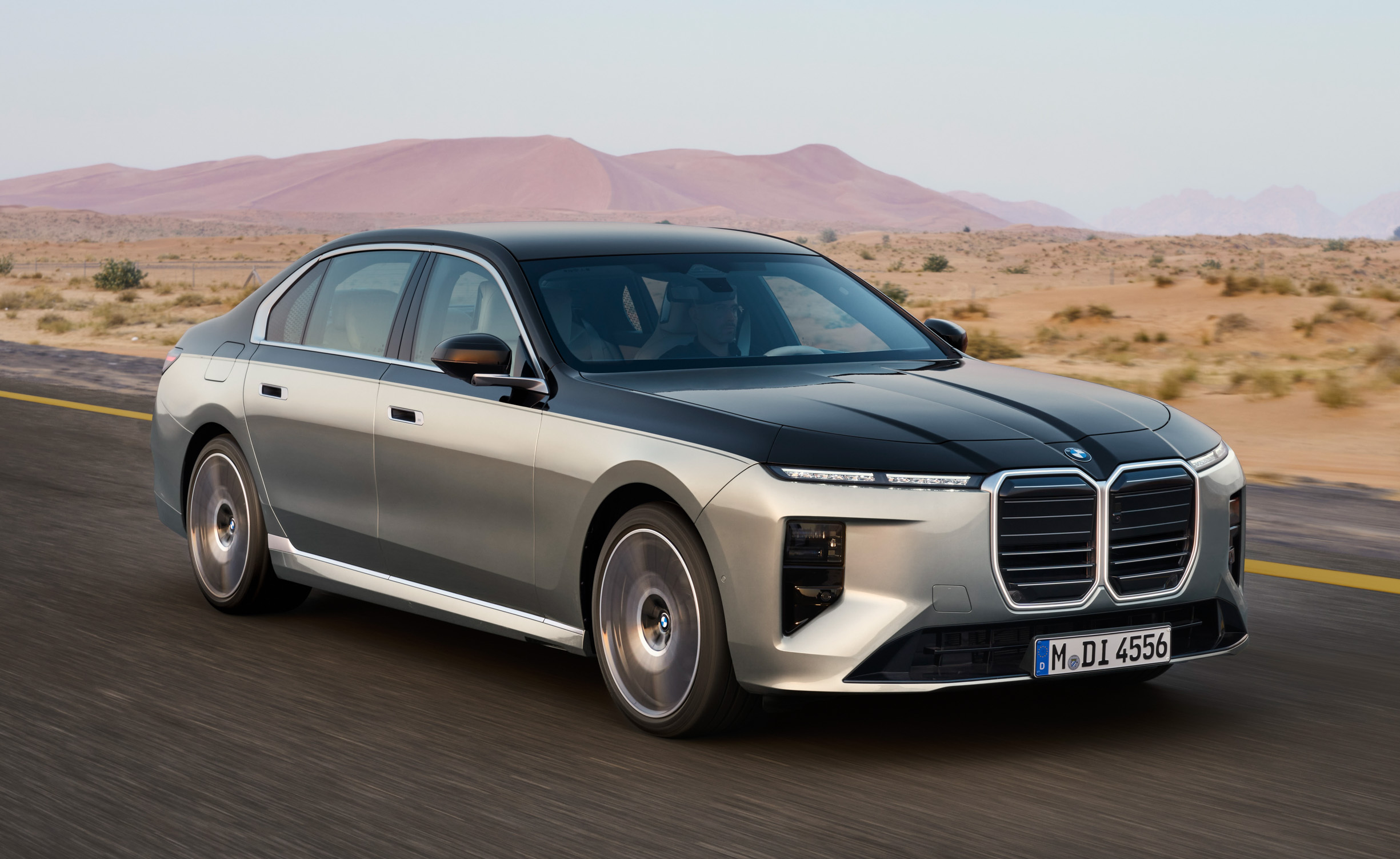
But take another look. The now illuminated jumbo grille is narrower, and its bars run horizontally, not vertically. The super-slim DRLs butt up against the grille, and the real headlights are now smaller and almost hidden in the front bumper’s side air intakes. BMW is even bracing the 7’s industrial look this time around, happy to leave big expanses of body-color plastic up front, rather than trying to break it up with large chunks of black.
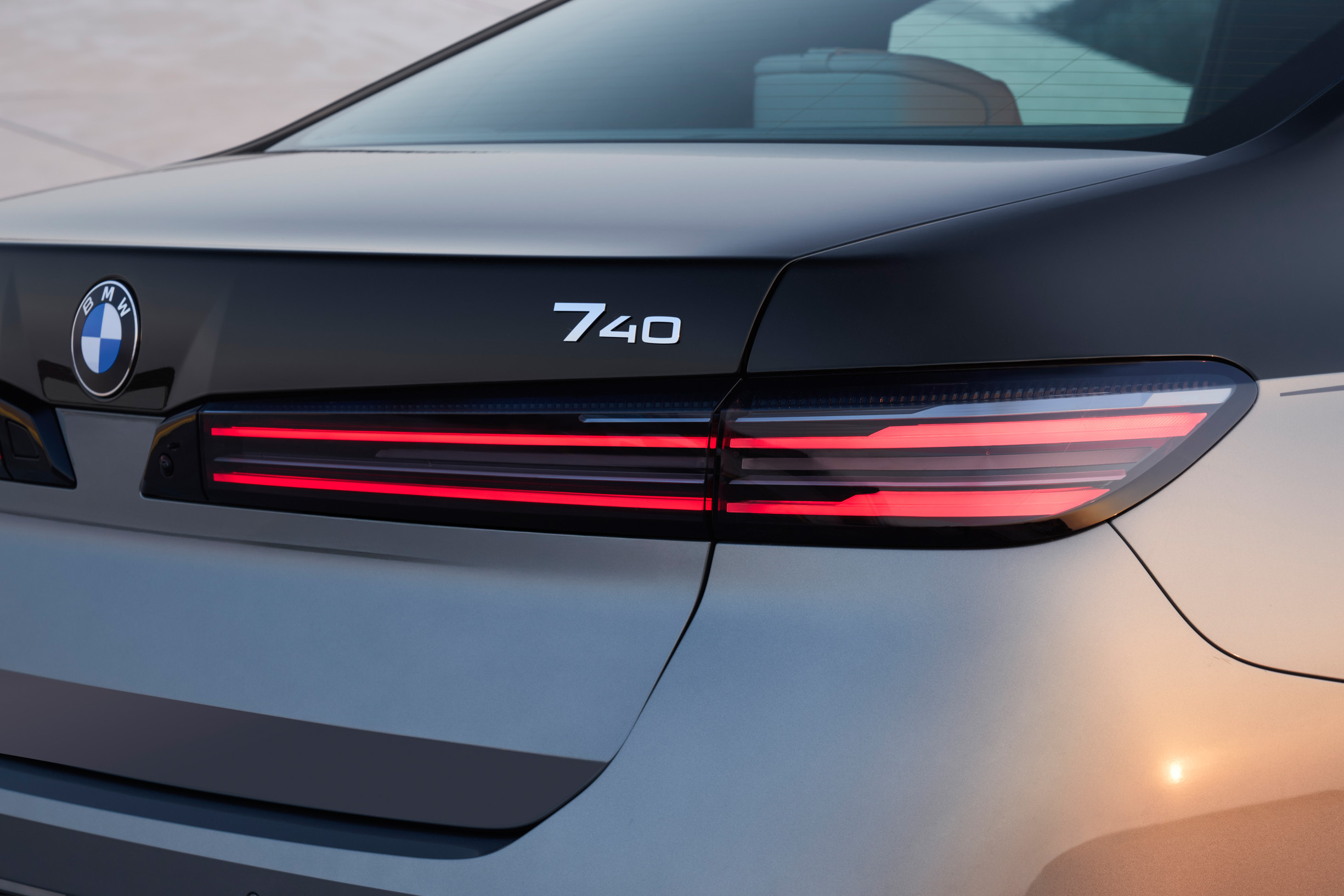
It’s not pretty, and we don’t love the duo-tone Individual paint, even if it does take 75 hours of shop time to create. But the 7-Series is certainly not lacking in presence, looking like someone machined a luxury sedan directly from a solid billet of aluminum and bolted some wheels on. Head round the back, and things are less aesthetically challenging. Besides adopting BMW’s new matte roundel first seen on the iX3, the 7-Series now has longer light units that are just a handspan from being a full light bar.
Panoramic iDrive
Step inside and you’ll not need a guide to help you spot the changes, like you might the exterior updates. BMW’s Panoramic iDrive, again first seen on the iX3 and then the i3, and coming to the facelifted 5-Series and i5, and new X5 soon, makes its debut here, bringing a full-width windscreen projection called Panoramic Vision and a 17.9-inch free-floating central display.
But in this case, there’s a standard 14.6-inch Passenger Screen for whoever’s riding shotgun. They get streaming, gaming, and TV, but you only get jealous: an interior camera dims it automatically if it detects driver distraction. Maybe it’s just us, but that second screen looks kind of clunky, like an afterthought. Mercedes’ latest full-width Hyperscreen setup is slicker.
Zoom On the Move
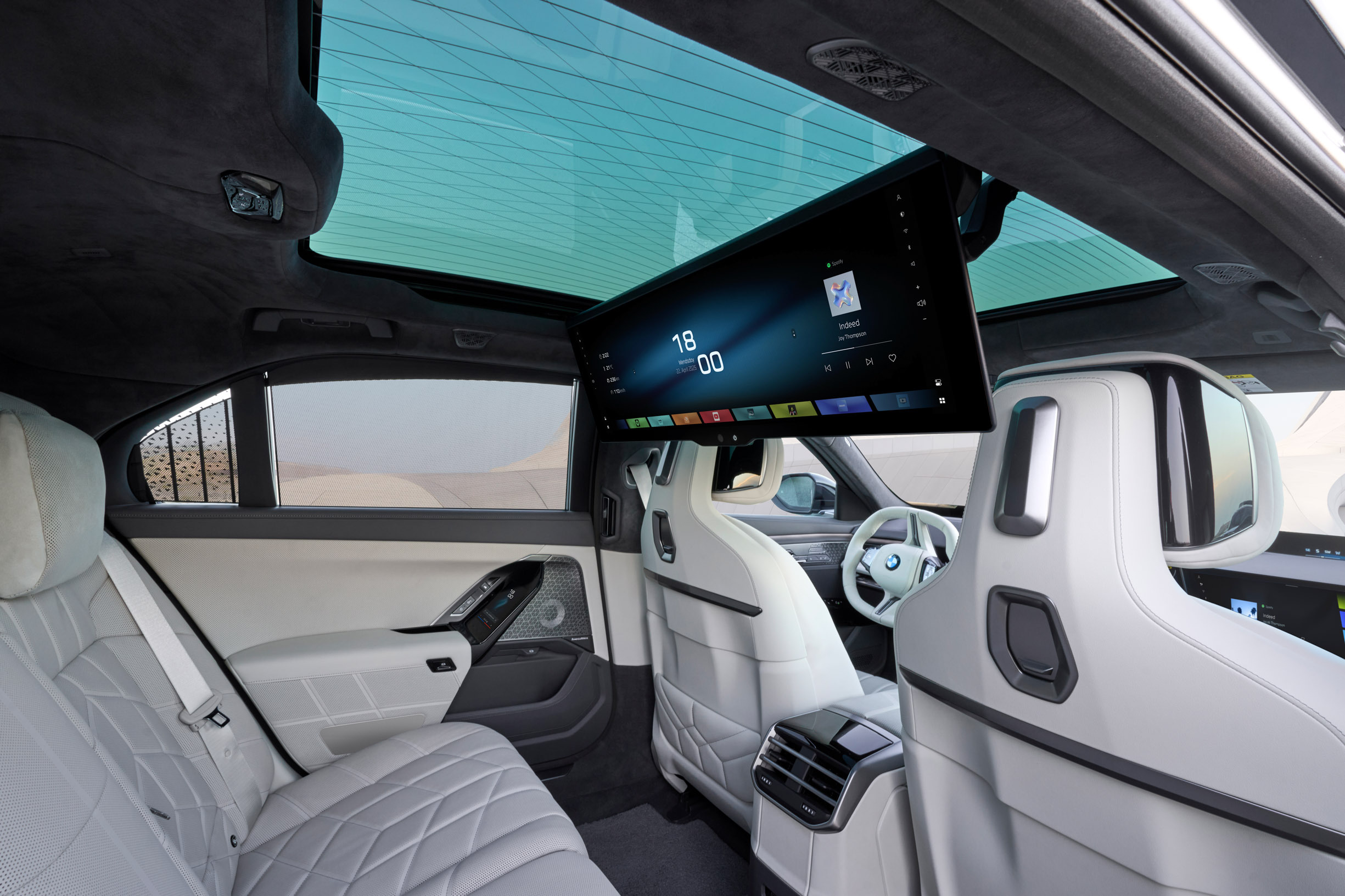
The rear Theater Screen that was such a big deal when the G70 7-Series debuted in 2022 hasn’t been left out of the updates. The 31.3-inch 8K display is now a touchscreen, supports Zoom video calls via a built-in camera, and has an HDMI input for a laptop or streaming stick, and Dolby Atmos through the optional 36-speaker, 1,925-watt Bowers and Wilkins Diamond system. It’s all optional, of course, but the standard kit includes a more modest but still very decent 18-speaker, 575-watt Bowers and Wilkins setup, so even base buyers aren’t exactly slumming it.
Powering all of this digital extravagance is a completely new electrical architecture borrowed from the Neue Klasse cars. It packs 20 times more processing power than before, and a zonal wiring harness that cuts around 2,000 ft (610 m) of cabling and sheds 30 percent of harness weight. The voice assistant had a serious upgrade too, now integrating Amazon’s Alexa+ AI for proper conversational interaction, smart home control, and streaming. BMW claims you can just talk to your 7-Series like you would a real person.
New Batteries, Extra Range
On the electric side of the 7-Series equation, the biggest news is found under the floorpan. BMW’s swapped to sixth-generation cylindrical cells that are 20 percent more energy dense, and bumped usable battery capacity up more than 10 percent to 112.5 kWh. All 2027 i7s come standard with an NACS port and can charge at up to 250 kW instead of 195 kW.
The 536 hp (544 PS / 400 kW) i7 60 xDrive makes the same power as before but now offers over 350 miles (563 km) of range rather than 311 miles (500 km), and can charge from 10 to 80 percent in just 28 minutes. It gets to 60 mph (97 kmh) in 4.6 seconds and costs $126,250, including $1,550 destination, up from $125,750 for the 2026 equivalent, the XDrive60.
At the lower end of the lineup, there’s no single-motor eDrive50 this year, but the equally powerful 449 hp (455 PS / 335 kW) i7 50 xDrive that replaces it looks like a better value at $107,750 (up from $107,250). We know it hits 60 mph in the same 5.3 seconds as the old rear-wheel drive car, but BMW hasn’t released a range figure.
ICE Upgrade, M Comes Later
For those who’d rather have pistons, the 740 and 740 xDrive use a new-generation 3.0 inline-six making 394 hp (400 PS), or 19 hp/20 PS more than before, with the xDrive sprinting to 60 in under 5 seconds. Prices start at $101,350 and $104,350, respectively. A plug-in hybrid 750e xDrive follows in early 2027, pairing an inline six with an electric motor for the same 483 combined hp (490 PS) as the outgoing PHEV, and an unchanged 4.6-second zero-to-60.
There’s no mention of a direct replacement for 2026’s 650 hp (659 PS / 485 kW) electric M70, or the 536 hp (544 PS) 4.0-liter V8 760i xDrive, but BMW does say a V8 M Performance model arrives a little time after launch, and will probably take on that 760i ICE powertrain.
Scaling Back Autonomous Ambitions
Driver assistance has been overhauled under the banner of BMW Symbiotic Drive, a Level 2 system designed to assist without being annoying. It uses eye-tracking to understand driver intent, meaning the lane-keeping assist only nudges you when you’re actually drifting unintentionally. Wildlife detection has been added to automatic emergency braking, too.
Worth noting, though, is that this generation quietly drops the Level 3 autonomous driving capability that once made the 7-Series a genuine tech pioneer. BMW isn’t alone in retreating here. Mercedes has pulled back from Level 3 as well, both apparently concluding that the regulatory headaches and liability questions aren’t worth it when a really good Level 2 system is cheaper to develop and easier to sell.
Production kicks off in July 2026 at BMW’s Dingolfing plant with the i7s and 740s arriving in the US soon after. But the 750e xDrive PHEV doesn’t land until early 2027, some time before the V8-powered M Performance model.
Electric vehicle sales in Europe jumped by 51% in March.
High fuel prices, new govt incentives are driving the switch.
US EV picture is very different, sales dropping 27% in Q1.
Europe’s EV market is having a moment, and it’s in large part thanks to a man who’s no fan of clean energy. President Trump’s attack on Iran sent petrol and diesel prices soaring – and European drivers into the arms of electric cars.
New figures show battery-electric registrations surged 51 percent in March 2026 across 15 key EU + EFTA (European Free Trade Association) markets as drivers in the region battled with fuel costs that jumped by around a fifth.
More than 224,000 electric passenger cars were registered in March alone as a result, accounting for 22 percent of all new-car sales. That means close to one in every four cars sold was an EV. Over the first quarter, more than half a million EVs were sold across the EU, up 33.5 percent year over year.
Growth was broad, too. Germany rose 42 percent year to date, helped by new state incentives and France stayed strong with a 28 percent EV share in March. Italy, long considered a reluctant adopter, jumped 65 percent. Even Poland cracked the 40 percent growth club.
Scandis Embraced EVs
Then there’s the Nordics, where normal rules don’t apply. Denmark saw fully electric cars account for 76.6 percent of March registrations. Finland was near 50 percent. Norway, naturally, continued behaving like it’s already living in 2035, with 98.4 percent of new registrations fully electric.
Now let’s cross the Atlantic, where the mood is rather different, despite pump prices also rising there. Though CarEdge reported internet searches for EVs jumped 20 percent in the first week following the original attack on Iran in early March, US EV sales in the first quarter fell 27 percent compared with the same period last year.
Tax Credit Hole
Only 216,399 EVs were sold in America between January and the end of March, that slide heavily influenced by the removal of the federal $7,500 tax credit last September, which appears to have yanked plenty of buyers back toward gasoline pumps.
Some brands still found success. Toyota rose 79 percent, Lexus jumped 207 percent, and Rivian edged upward by 21 percent. But others were hammered, with several mainstream and premium names like Audi, BMW, Mercedes, Porsche, Ford, VW, Jeep and Genesis posting dramatic declines as high as 93 percent.
Smart previews Concept #2 as modern two-seat city EV.
Original 1998 ForTwo spirit returns with same silhouette.
Concept debuts at Beijing alongside China-only #6 sedan.
Some cars try to dominate the road, but Smart’s greatest hit barely took up half a parking space. Now the brand is teasing its icon’s comeback act with the Concept #2, a preview of the long-awaited successor to the legendary ForTwo, which went out of production in 2024.
Having dropped disguised images of a prototype testing last year, Smart has now released sketches and extreme close-up teaser images of the new concept ahead of a global brand event at the Beijing Auto Show later this month.
While full design and tech details remain hidden, it’s clear from what we can see that the #2’s profile closely echoes the original’s, but that this time the the arches are much fatter. The front end also adopts the family face from other new-generation Smarts like the #1, #3 and #5. Slightly confusingly, the #2 will be much smaller, and probably less expensive, than the #1.
Fashion Inspiration
Smart says the concept uses a matte white and warm gold two-tone finish, along with details inspired by fashion accessories, including buckle-like elements and leather touches. This is definitely no Citroen Ami-style no-frills economy EV.
We can see some of that white and gold coloring in the teaser shots, though whether those “fashion” ideas will find their way onto the production car is another matter. That design direction makes sense, though. The modern Smart brand isn’t selling bare-bones transportation anymore. It now pitches itself as a premium EV maker, with larger models like the #1, #3, and #5 already moving the company far beyond its original microcar roots.
ForTwo Legacy
CEO Tong Xiangbei previously admitted that building a truly tiny EV on a fresh platform is harder than making a larger car. Packaging batteries, safety systems, and decent practicality into something this small is engineering Tetris at expert level. But the #2 matters emotionally. It’s the car enthusiasts actually associate with Smart, the machine that made city motoring weird and fun long before everyone else discovered quirky mobility.
We’ll see the full concept in Beijing on April 22, where it shares the stage with the new China-only #6 EHD fastback sedan. The #6 was designed by the Mercedes-Benz Global Design team, and is shaping up to be a bit like a cut-price Mercedes EQE.
Toyota grabbed 3,100 bZ7 orders during first launch hour.
China-only flagship EV priced below smaller Tesla Model 3.
Cabin features Huawei HarmonyOS and zero-gravity seats.
We’re seven months out from Black Friday, but Toyota could be forgiven for thinking it’s November already. The automaker was bombarded with 3,100 orders for its new electric sedan in just the first hour after it went on sale, which sounds nuts until you learn how much it costs.
The bZ7 is Toyota’s new flagship EV for China, launched through its GAC-Toyota joint venture. It’s big and full of clever tech, but it’s also ridiculously cheap. Prices begin at ¥147,800, or about $21,500, and rise to ¥199,800, roughly $29,000.
China’s domestic market is so competitive that buyers’s aren’t short of bargains, but even so, the bZ7 looks like incredible value for money. At 5,130 mm (202 inches) long and with a 3,020 mm (118.9 inches) wheelbase, it is bigger than a Tesla Model S, but it’s priced below even the Model 3, which starts at ¥236,500 ($34,500) in China.
More Tortoise Than Hare
The biggest bZ is no Model S Plaid, with a peak power output of 278 hp (282 PS / 207 kW), but battery choices include 71 kWh and 88 kWh LFP packs delivering claimed CLTC ranges of up to 440 miles (710 km) depending on trim. Toyota also says fast charging can add 186 miles (300 km) in 10 minutes.
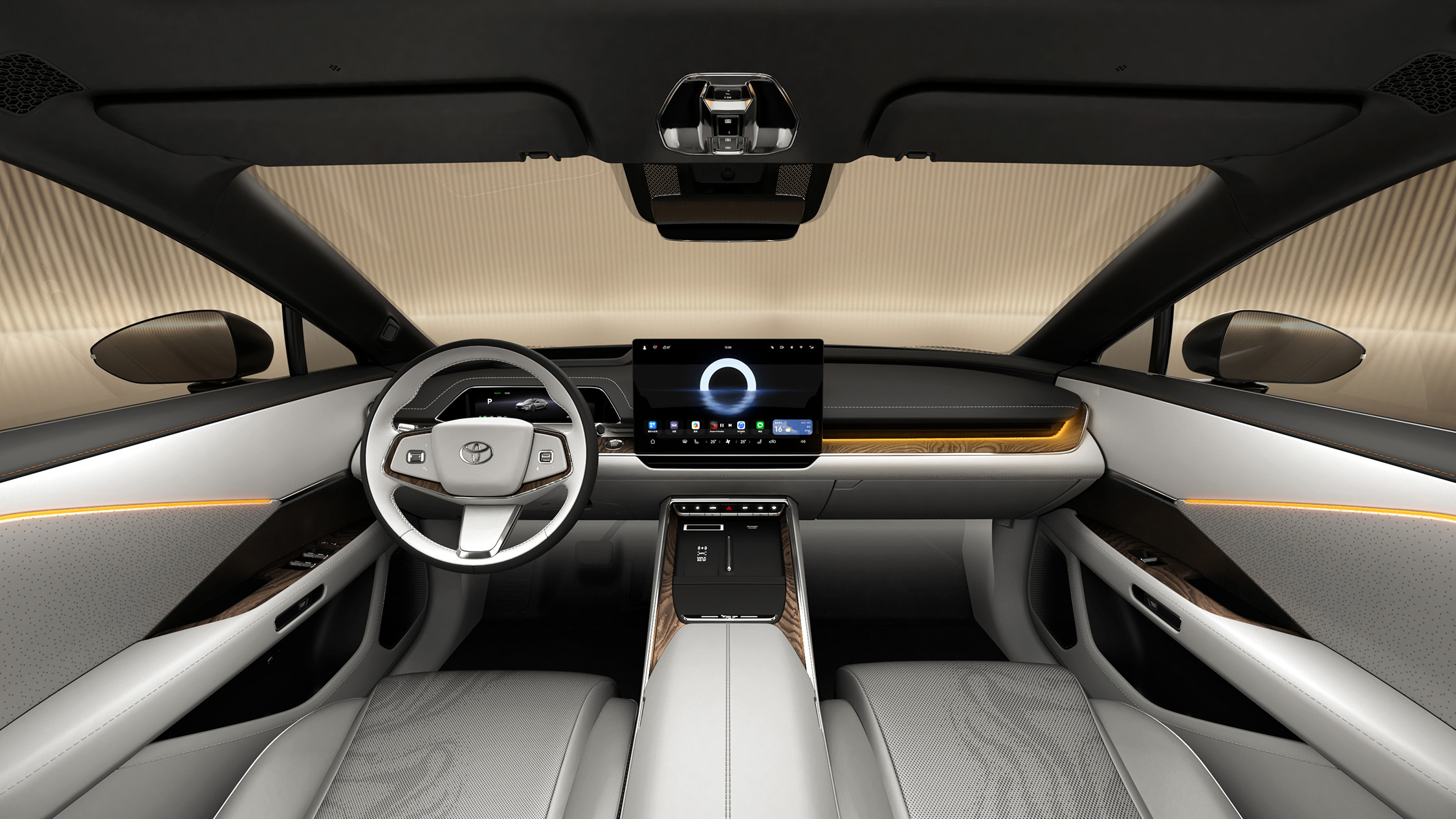
And although it won’t win many drag races, it will impress plenty of drivers with its tech. Available zero-gravity front seats offer heating, ventilation, and massage functions. A floating 15.6-inch center display dominates the dash, backed by a smaller driver screen and head-up display.
Sensory Overload
The cabin runs Huawei’s HarmonyOS system on a floating 15.6-inch center display, and there’s integration with Xiaomi’s smart-home ecosystem, meaning drivers can interact with household devices from the car. You can also spec a cutting-edge driver assistance pack with roof-mounted lidar, five millimetre-wave radars, 11 high-definition cameras, and 10 ultrasonic radars.
That’s 27 sensors to keep you safe, or just 27 electrical headaches for a used owner a decade down the road, depending on your point of view.
Toyota grabbed 3,100 bZ7 orders during first launch hour.
China-only flagship EV priced below smaller Tesla Model 3.
Cabin features Huawei HarmonyOS and zero-gravity seats.
We’re seven months out from Black Friday, but Toyota could be forgiven for thinking it’s November already. The automaker was bombarded with 3,100 orders for its new electric sedan in just the first hour after it went on sale, which sounds nuts until you learn how much it costs.
The bZ7 is Toyota’s new flagship EV for China, launched through its GAC-Toyota joint venture. It’s big and full of clever tech, but it’s also ridiculously cheap. Prices begin at ¥147,800, or about $21,500, and rise to ¥199,800, roughly $29,000.
China’s domestic market is so competitive that buyers’s aren’t short of bargains, but even so, the bZ7 looks like incredible value for money. At 5,130 mm (202 inches) long and with a 3,020 mm (118.9 inches) wheelbase, it has a similar footprint to a Tesla Model S, but it’s priced below even the Model 3, which starts at ¥236,500 ($34,500) in China.
More Tortoise Than Hare
The biggest bZ is no Model S Plaid, with a peak power output of 278 hp (282 PS / 207 kW), but battery choices include 71 kWh and 88 kWh LFP packs delivering claimed CLTC ranges of up to 440 miles (710 km) depending on trim. Toyota also says fast charging can add 186 miles (300 km) in 10 minutes.
And although it won’t win many drag races, it will impress plenty of drivers with its tech. Available zero-gravity front seats offer heating, ventilation, and massage functions. A floating 15.6-inch center display dominates the dash, backed by a smaller driver screen and head-up display.
Sensory Overload
The cabin runs Huawei’s HarmonyOS system on a floating 15.6-inch center display, and there’s integration with Xiaomi’s smart-home ecosystem, meaning drivers can interact with household devices from the car. You can also spec a cutting-edge driver assistance pack with roof-mounted lidar, five millimetre-wave radars, 11 high-definition cameras, and 10 ultrasonic radars.
That’s 27 sensors to keep you safe, or just 27 electrical headaches for a used owner a decade down the road, depending on your point of view.
Nearly-new Macan Turbo Electric struggled to excite auction bidders.
High-specification, 1,500-mile car failed to sell on the Cars&Bids site.
Porsche is also struggling with a fall in demand for new examples.
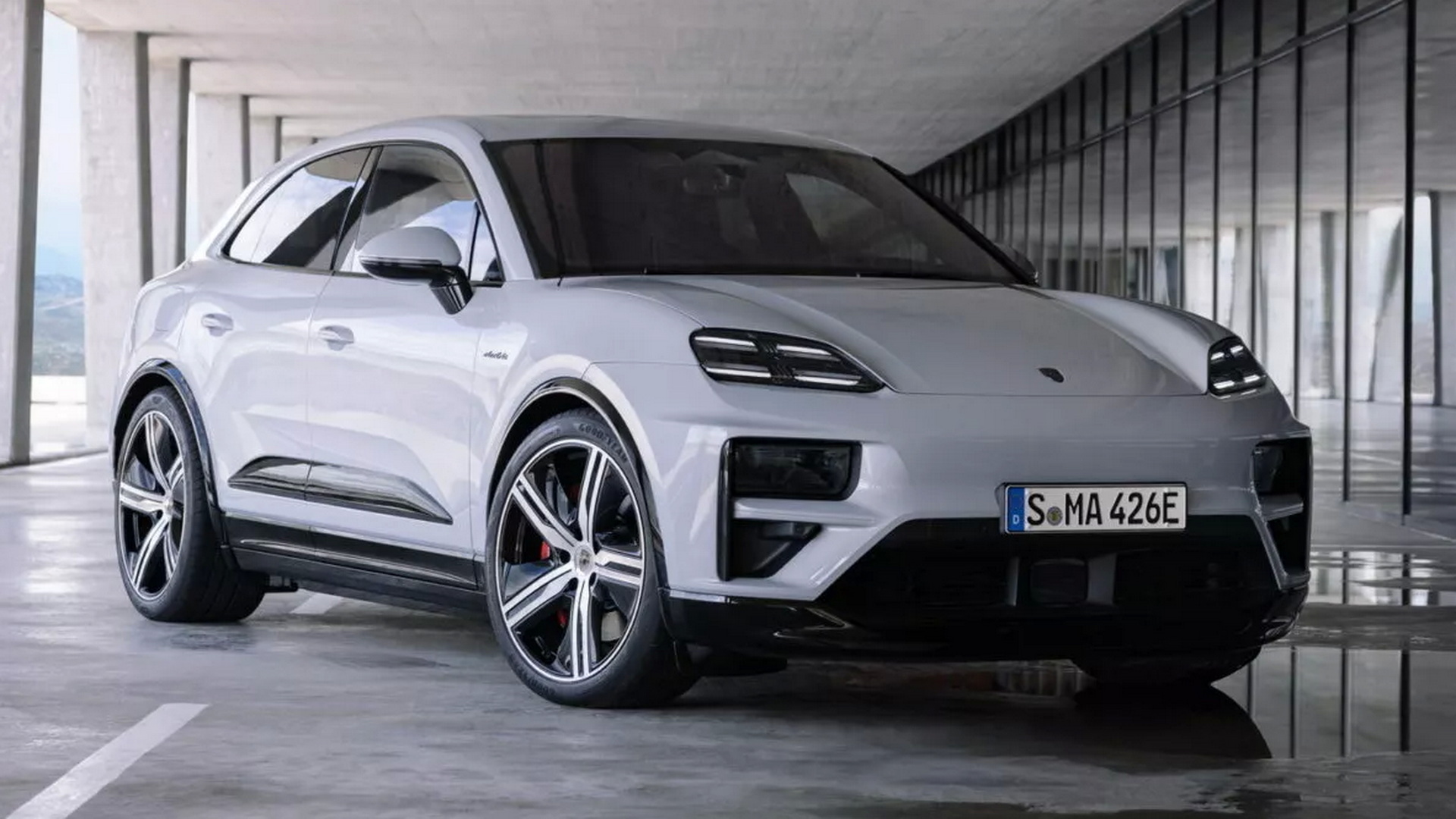
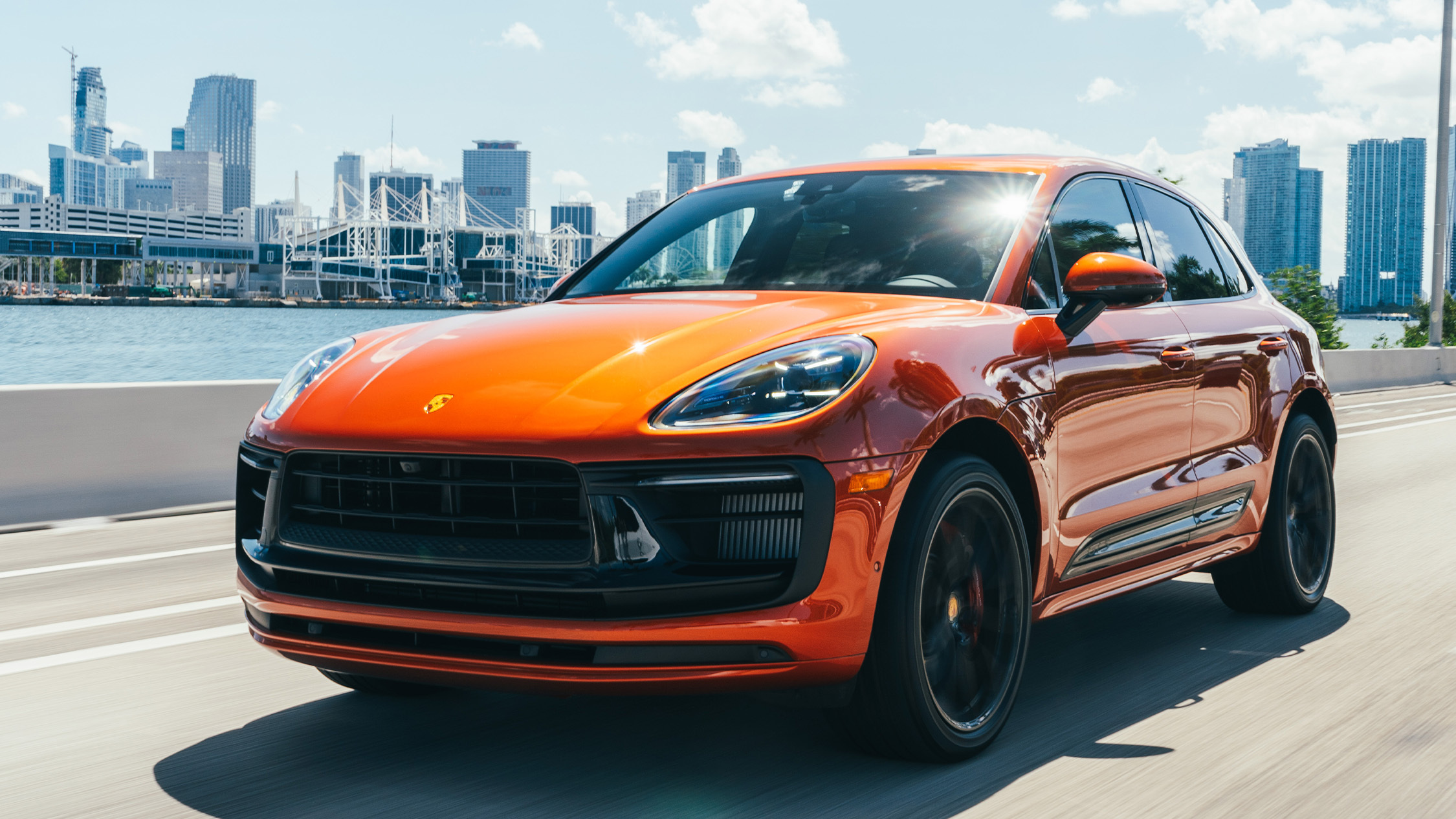
Hype and market reality are very different. Just check out the tale of this Porsche Macan Electric. A 2025 MY car in desirable Turbo trim bought for over $120,0000 when the Macan EV was still bathing in the glow of the model’s launch buzz, it stalled at just $88,500 in bids on an auction website this month.
This particular example, finished in Ice Grey Metallic and with just 1,500 miles (2,414 km) on the clock, originally stickered at $121,855 including destination when sold through Porsche Edison, NJ. That’s some serious money for a compact luxury SUV, even one wearing a Porsche badge.
But then it also offers some serious go. The Macan Turbo Electric packs dual-motors pushing around 630 hp (639 PS / 470 kW) and a massive 833 lb ft (1,130 Nm) of torque through all four wheels. It’ll hit 60 mph (96 km/h) in just 3.1 seconds and still promises nearly 300 miles (483 km) of EPA range.
RS Wheels And Bottom Coolers
A bare-bones Turbo would have cost $105,300, but this car’s first owner splashed out another $15k on goodies like the 22-inch RS Spyder Design wheels ($3,900), head-up display ($2,630), Sport Chrono package ($980), and $600 of fake engine sounds. It also has a $1,310 Premium Package that included four-zone climate, ventilated front seats and heated rear seats.
It’s the kind of EV most of us would love to see on our driveways, but Cars&Bids visitors didn’t like it enough to put in on theirs. The C&B listing shows bidding stopped short of the unknown reserve at $88,500, which would have represented a $33,355 haircut, and that was obviously too much for the seller to handle. The seller, by the way, claims he bought the car 100 miles (160 km) ago, so we don’t know how much he would have lost had the final bid secured a sale.
New Macan Sales Struggling
Macan Electric owners looking to exit aren’t the only one struggling to find buyers for the EV. So are Porsche dealers. Global Macan sales are already sliding, down 23 percent overall, and the electric version is taking an even harder hit. Deliveries dropped 43 percent year over year in Q1, while the combustion version most buyers prefer goes out of production this summer and won’t be replaced until 2028.
VW admits ID. models missed mark on design, usability and emotional appeal.
New leadership focuses on customers not egos to reshape future EV lineup.
Return of buttons, names and identity aims to reconnect brand with buyers
VW rebounded from the dieselgate scandal determined to do better, but the German brand’s boss has admitted that some of those early efforts landed wide of the mark. Now he’s on a mission to right some ID. wrongs and win back the crowd it drifted away from.
“It was clear to me that we were actually losing our core,” CEO Thomas Schäfer told journalists at the presentation of the heavily facelifted ID.3 Neo. The former Skoda chief, who bagged the top Wolfsburg job in 2022, says the brand had drifted from the VW people knew and loved.
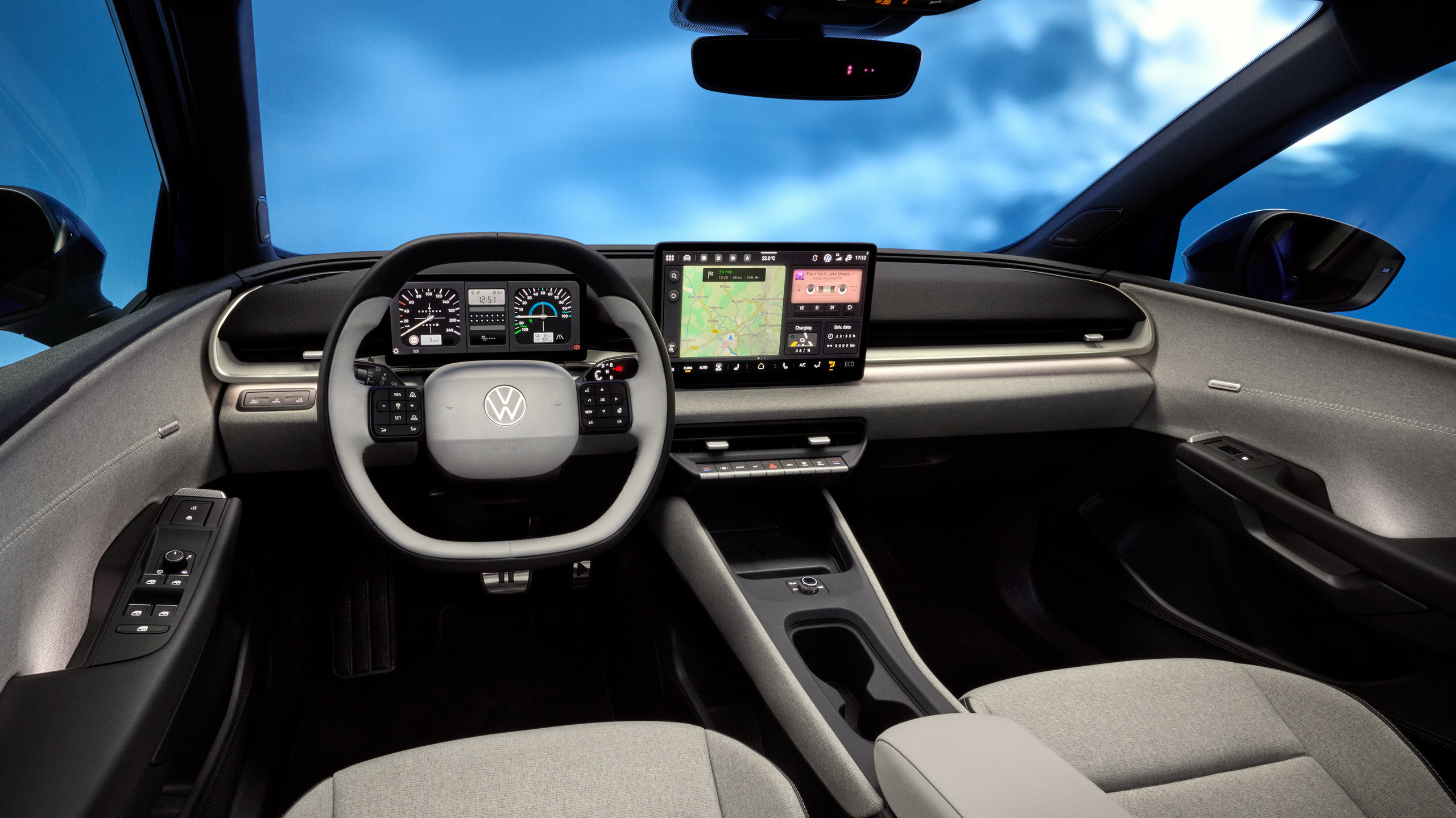
The problems were everywhere once you started looking. Styling that didn’t quite feel right, confusing touch controls, and a naming strategy that ditched familiar badges in favor of cold tech-speak. Turns out customers didn’t love slider controls for basic functions, and they definitely missed the clarity of names like Golf and Tiguan.
Schäfer didn’t just tweak things around the edges. He gathered hundreds of managers, threw every issue on the table, and asked for brutal honesty. “We had to change ourselves, we had to create a new mindset,” Auto Express reports the CEO saying. He recalled how his wider team reacted with relief rather than resistance when he laid out the new plan.
Ask The Customer
Engineering boss Kai Grünitz says the reset goes deeper than pretty design. “We are doing customer clinics a lot,” he explained, signalling a shift away from gut feeling toward actual feedback. That means features get tested by real people before making production, not just approved in boardrooms because the CEO has decided he likes something and engineers don’t feel able to push back.
Exterior styling is getting a rethink, too, following the Schäfer-assisted exodus of Klaus Bischoff, architect of the mostly bland first-generation ID. cars. New creative boss Andy Mindt, who came from Bentley, has pushed for simpler, more timeless shapes, plus interiors that don’t require a tutorial. Physical buttons are coming back, and even door handles are being reconsidered so they actually work when your hands are full.
“We sell emotions, we sell memories,” Grünitz said, summing up the new direction, which is really just about getting back to the old direction. If VW can pull that off again with the help of cars like the new ID. Polo (below), maybe the people’s car maker really can find its groove.
Maserati is testing facelifted prototypes of its Grecale SUV.
Both ICE and Folgore EV versions of the Macan rival spotted.
New bumpers seen in photos but rear, interior look unchanged.
Maserati is having a rough old time, its sales sinking from 51,500 cars in 2017 to a pitiful 7,900 last year across all of its model lines. Porsche was down too, in 2025, but to 279,449 vehicles, and the Macan alone accounted for over 84,000 of them.
But now Porsche has goofed, giving Maserati a chance to boost its own performance with a refreshed version of its Grecale, the Italian firm’s Macan rival. Fresh spy shots show Maserati is working on updates for both the combustion and the Folgore electric variants of its smallest SUV that are likely to be MY27 cars.
So what exactly is this open goal Porsche has gifted Maserati? It’s the end of combustion Macan production. The SUV is already off-sale in mainland Europe due to its failure to comply with European cybersecurity regulations, and though it’s still available in other markets for the time being, production ends this summer.
The Macan Electric EV, which Porsche conceived as taking over from the ICE version altogether, will still be available, but that’s not the one most buyers want. In the first quarter of this year Porsche sold 18,209 Macans of all powertrain types, but only 8,079 of them were EVs. The Stuttgart crew already knows it made a mistake killing off one of its most popular models, and has greenlit a new combustion Macan it never expected to make, but it’s going to be 2028 before its available.
Maserati Needs To Capitalize On Porsche’s Mistake
That presents Maserati – presuming parent company Stellantis doesn’t decide to cut its losses – with a small opportunity to pick up sales for the Grecale, which is still available in both ICE and EV form.
The camouflage on the nose of both the white combustion prototype and gray Folgore EV (above) suggests we can expect some very mild front-end changes, and it looks like the lower bumper shape has changed. We can’t see any tweaks to the headlights or anything at the undisguised rear, but we might see some mods on later prototypes as we closer to the launch.
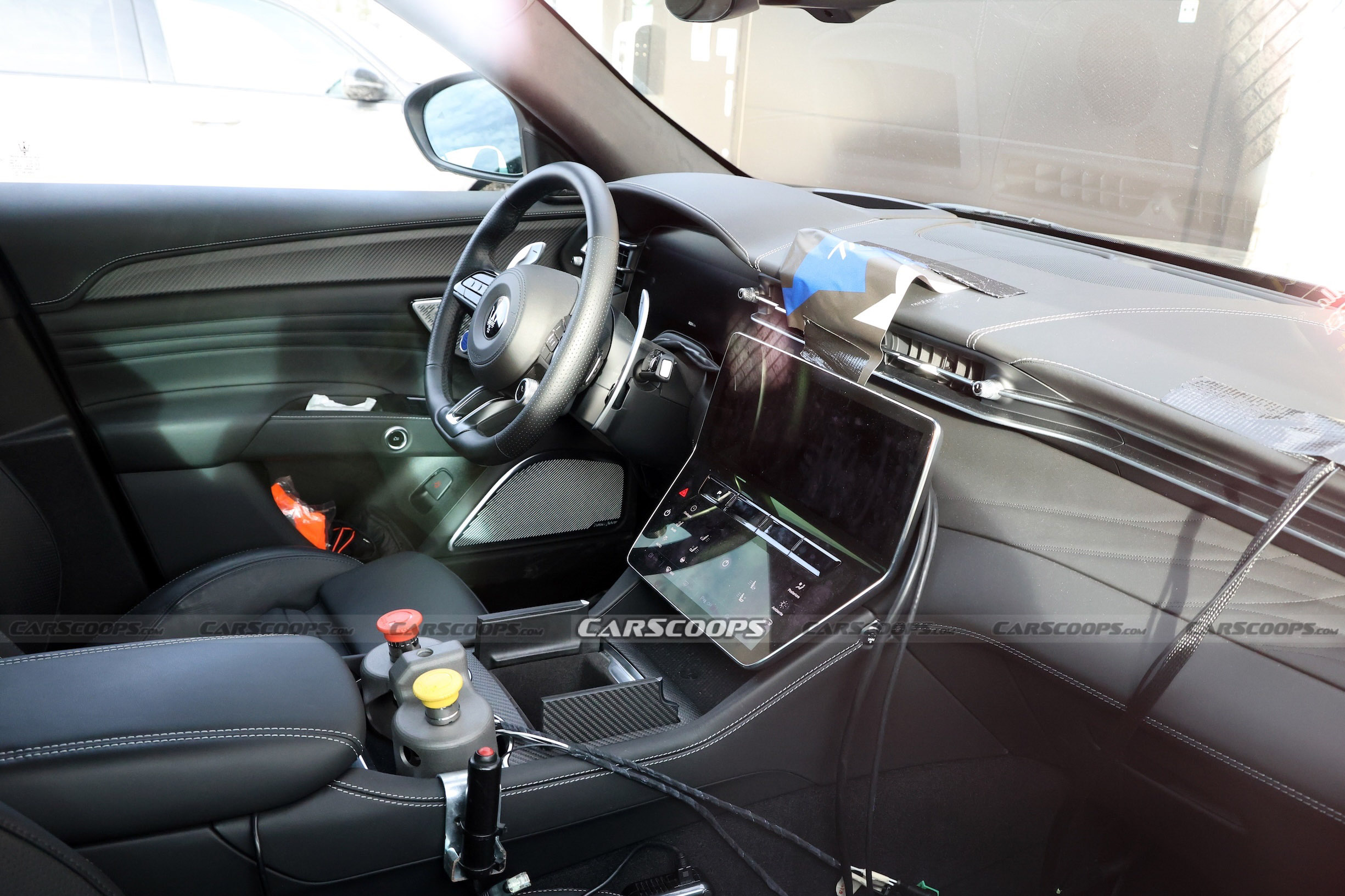
One shot showing the interior tells us Maserati hasn’t got any big updates planned for the dashboard, whose upper navigation screen and lower climate one are separated by a bank of transmission buttons. We’ve tried the current Grecale and came away impressed with the handling balance and quality, but less enamoured with the lack of physical switches, brake pedal feel and four-cylinder engine noise.
Grecale Already Updated For 2026
We don’t know yet what Maserati has planned under the hood of the facelifted cars, but we wouldn’t be surprised to see improvements to the Folgore’s 550 hp (558 PS / 410 kW) power output. The 275 mile (443 km) EPA range stats could also be bumped though they were already upped by 30 miles (48 km) for 2026 thanks to a new all-wheel drive disconnect function.
Also for 2026 Maserati junked the unloved 2.0-liter four-cylinder from entry-level and mid-spec US-market cars, replacing them with a version of the brand’s 3.0-liter twin-turbo Nettuno V6 making 385 hp (390 PS). The Trofeo halo model has a 523 hp (530 PS) take on the same powertrain.
The Macan’s absence isn’t going to dramatically change Maserati’s fortunes, but if the brand really is to survive it needs to leverage the hell out of the advantage Porsche has given it.
Lexus, Subaru, and Toyota top Consumer Reports’ latest reliability rankings.
Tesla climbs sharply, while Mazda tumbles thanks to trouble with new SUVs.
Hybrids keep impressing, but EVs and PHEVs still cause trouble for owners.
If you want a new car that spends more time on your driveway than at the dealer, Consumer Reports has some familiar advice. Stick with the usual suspects, be suspicious of shiny new tech, and maybe don’t volunteer to beta test an automaker’s latest big idea.
At the top of the pile, Toyota grabbed first place with Subaru second and Lexus third. Honda and BMW rounded out the top five. Consumer Reports based the study on survey data covering about 380,000 vehicles, so this is the kind of league table that has credibility, and isn’t just the result of an angry guy yelling into a forum thread about his rogue SUV.
If you’re wondering who had the best transformation, that would be Tesla. It jumped eight places from last year’s study to ninth overall, helped largely by stronger showings from the Model 3 and, in particular, the Model Y. That doesn’t mean everything in Tesla land is suddenly flawless, because the Cybertruck still landed below average, but it does suggest the company is finally getting a better grip on some of the fit, finish, and hardware gremlins that used to follow it around.
Mazda’s PHEV Nightmare
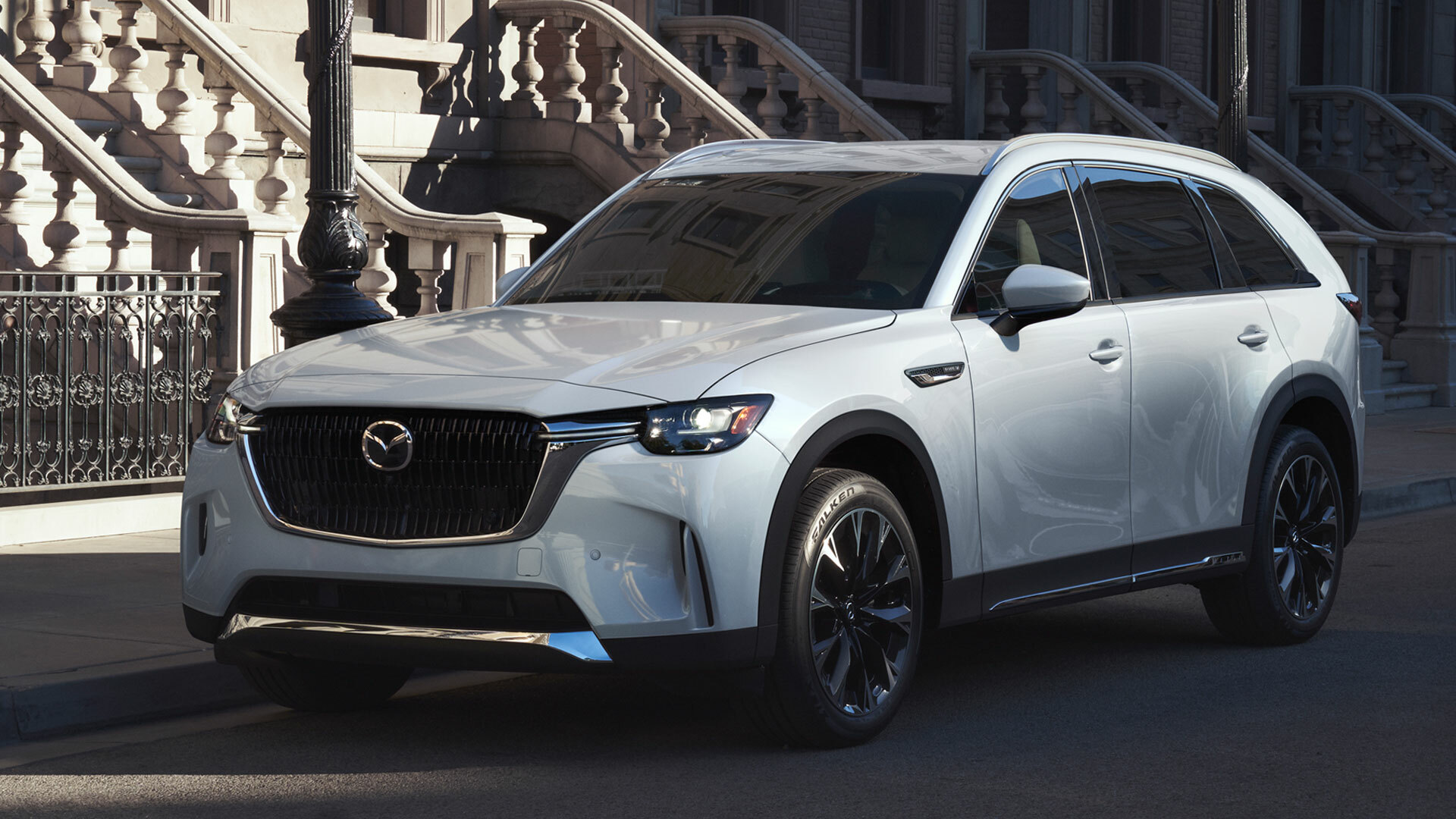
The brand that took the awkward tumble was Mazda, which dropped eight spots to 14th. Older Mazda models still did reasonably well, but the newer, more complicated CX-70 and CX-90, especially in plug-in hybrid form, apparently kept causing trouble.
That’s a classic case of what happens when an automaker gets ambitious with new platforms, new drivetrains, and new tech all at once. Sometimes the engineering team nails it. Sometimes the owners become unwitting, unpaid members of the R&D squad.
Consumer Reports also says hybrids continue to be a safe option for ICE fans looking for better economy. EVs and PHEVs, meanwhile, remain overrepresented among the least reliable models in the survey, especially when they’re brand new or heavily redesigned.
Buick Leads Detroit Brands
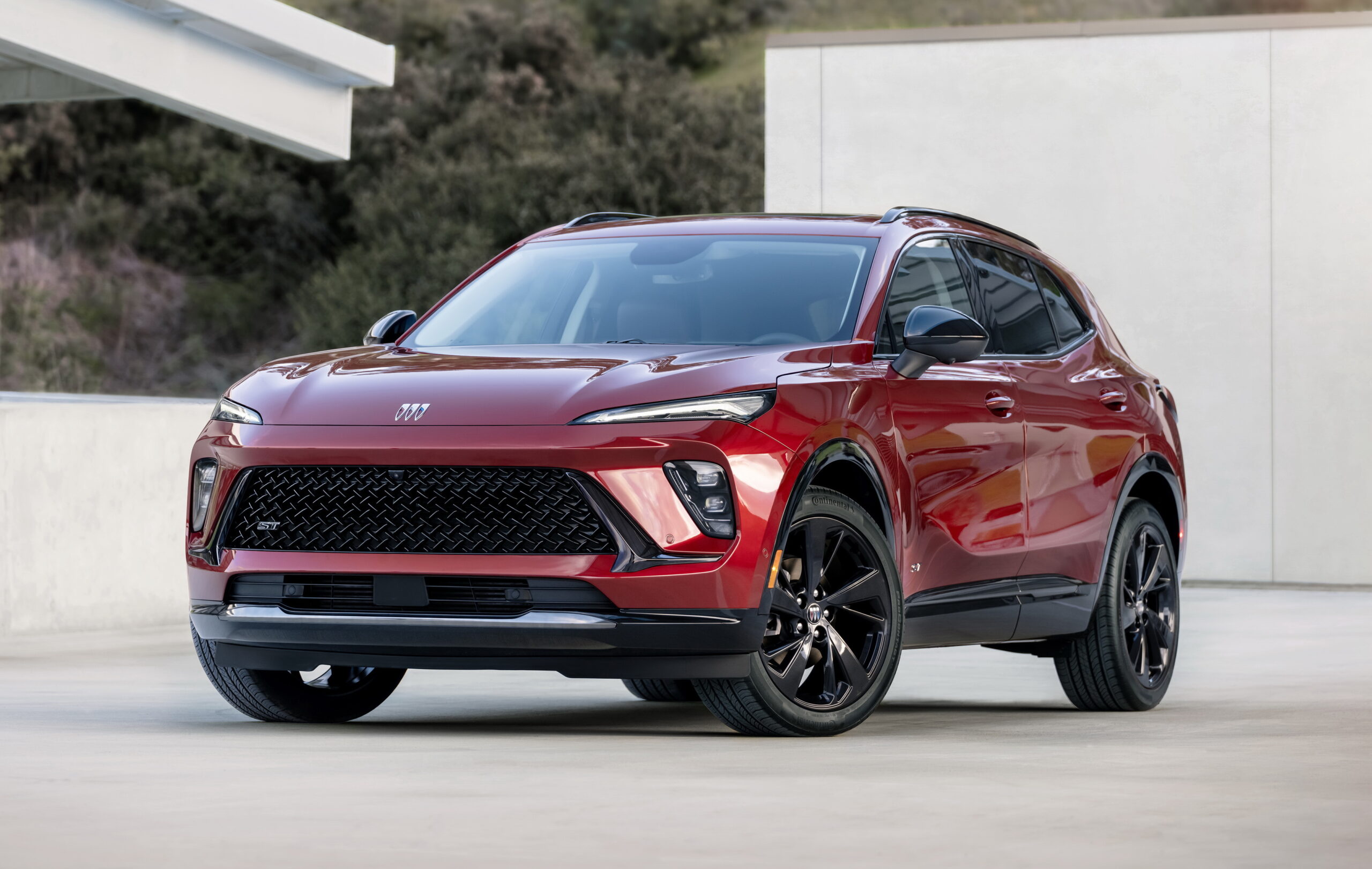
There were a few other eyebrow raisers in the rankings. Buick was the highest placed traditional Big Three Detroit brand at eighth, Ford landed 11th, and relative newcomer Rivian brought up the rear, though it’s worth pointing out that Jaguar, Land Rover, Fiat, Alfa Romeo and more were excluded from the study due to a lack of data.
Consumer Reports also found Asian brands still dominate on reliability, Europeans sit in the middle, and domestic brands trail overall, even if Tesla’s jump gave Team America something to celebrate.
And reliability is worth celebrating. No, it’s never going to be sexy, but unless your idea of excitement includes hanging around in waiting rooms and constantly swapping into loaner crossovers, Consumer Reports has a pretty clear message: maybe let somebody else test the cutting edge first.
Average new car transaction price in US climbs to $49,275.
EV prices fall 2.8 % to $54,508 thanks to sales incentives.
Buyers are still choosing big vehicles such as full-size trucks.
Here’s some good news if you’ve been eyeing an EV as a way out of buying expensive gas, but also flinching at the price of making the switch. The gap between electric and gas cars just shrank to its smallest level ever. Okay, so $5,800 is not pocket change, but it’s a whole lot less scary than it used to be, and is the kind of difference you could even out with fuel cost savings if you’re a high mileage driver.
New EV prices dropped 2.8 percent year over year to $54,508, marking their third straight monthly decline, according to fresh data from Cox Automotive’s Kelley Blue Book. That’s not happening by accident, either. Automakers are throwing incentives at buyers like confetti, with EV discounts now averaging 14.6 percent of transaction price.
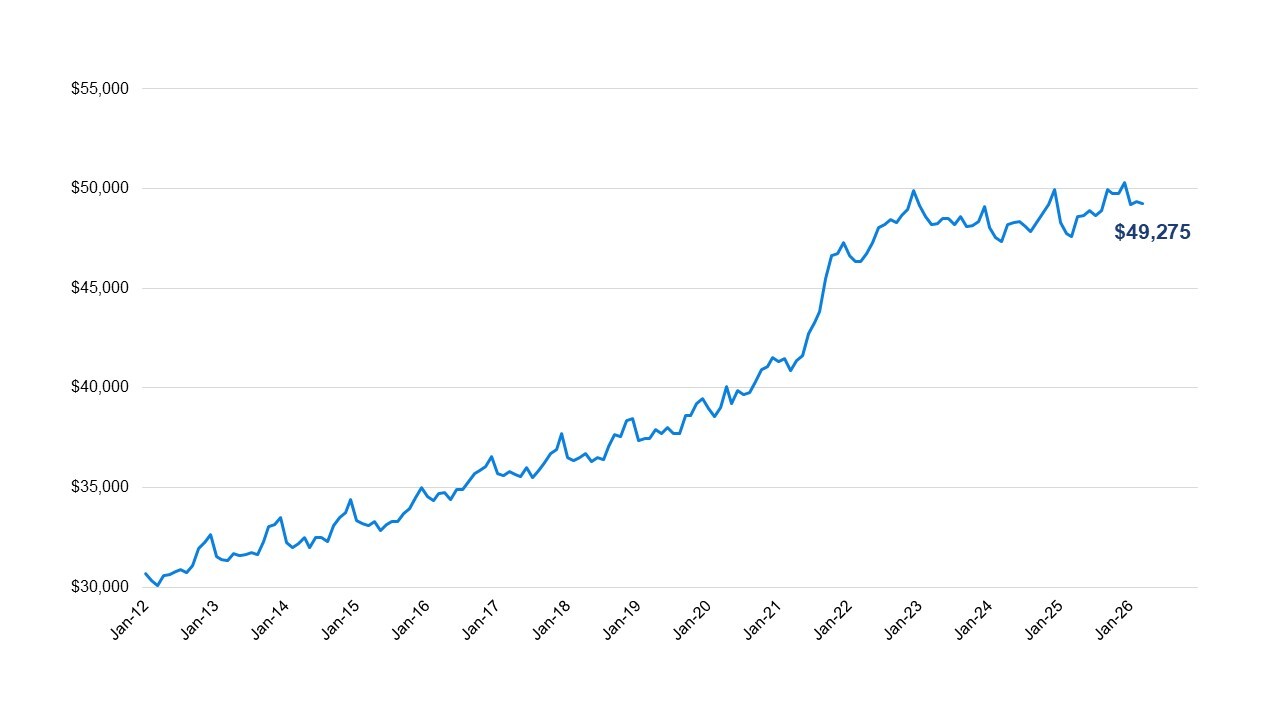
Meanwhile, gas and hybrid vehicles are holding steady. The industry average transaction (ATP) price landed at $49,275 in March, up 3.5 percent from last year but basically flat compared with February. So while EVs are coming down, ICE models aren’t exactly rushing to meet them halfway.
The annual price gains have now accelerated for four consecutive months. The average MSRP reached $51,456, marking the 12th straight month above $50,000.
New-Vehicle Average Transaction Price
Bigger Is Better
What’s really driving the overall numbers, though, is what Americans are actually buying. Spoiler alert, it’s still big stuff, and its not electric. Full-size pickups are hovering near $66,000, while full-size SUVs are knocking on the door of $80,000.
At the other end of the spectrum, compact cars are barely moving, up just 1.1 percent year over year and still sitting under $28,000. Even with rising prices, they’re losing relevance as buyers keep chasing space, power, and presence.
The brand data adds another layer of intrigue. Porsche buyers clearly didn’t get the memo about tightening American household budgets, with average prices jumping 12.4 percent year over year to $128,447. Cadillac is also riding high with an 11.6 percent increase to $84,139.
Mercedes, Tesla Prices Down
But not everyone’s winning. Mercedes-Benz prices fell 3.4 percent to $75,886, while Tesla dropped 2.6 percent to $53,142, continuing its quiet price-cut campaign to stay competitive.
And then there are incentives across the wider market. They climbed to 7.2 percent of ATP, up from 6.9 percent in February, showing that even as prices stay high, automakers are working harder behind the scenes to keep buyers interested.
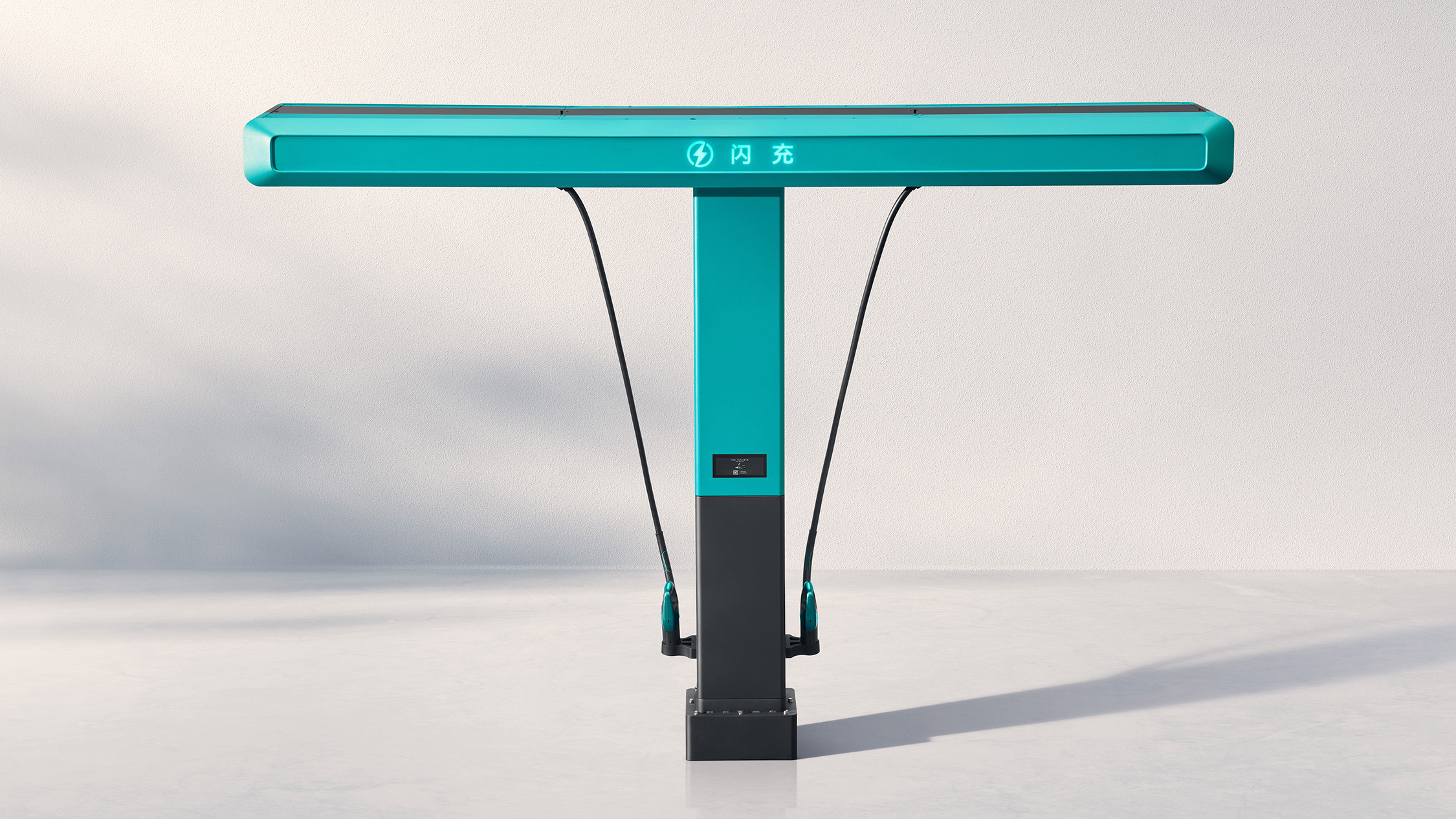
BYD will roll out ultra fast chargers in Europe delivering up to 1,500 kW.
Europe gets 3,000 Flash Charging stations within the next 12 months.
Denza EVs and even hybrids will both exploit very short top-up times.
BYD has officially confirmed that its absurdly powerful new charging tech is headed to Europe, which means the phrase “rapid charger” may soon need a slightly more ambitious definition. Across the next 12 months, the company plans 6,000 Flash Charging stations outside China, including 3,000 across Europe.
Europe already has thousands of EV fill-up stations, but these BYD Flash Charge devices don’t just edge past today’s fastest public chargers, they absolutely body-slam them. BYD says the new hardware can deliver up to 1,500 kW, making it comfortably the quickest charging setup announced for Europe so far.
Better yet, this won’t be some members-only club for BYD owners. The chargers are set to use CCS2 connectors and should be open to other brands too. Dealers selling BYD’s posh Denza vehicles will get their own branded versions, while public sites elsewhere will simply wear the Flash name. BYD is also planning to work with existing charging locations rather than starting from scratch every time.
The headline numbers are predictably bonkers. BYD says its newest battery tech can take compatible cars from 10 to 70 percent in five minutes, and from 10 to 97 percent in nine. That’s less charging stop, and more pause for breath.
Denza Leads The Charge
The first big beneficiaries in Europe will be the Denza Z9GT and the D9 DM-i. The Z9GT is the flashy one, a tri-motor, fully-electric shooting brake with a 123 kWh battery and enough shove to hit 62 mph in 2.7 seconds.
The D9 DM-i minivan, meanwhile, proves plug-in hybrids can join the party too. Its 58.5 kWh battery can accept up to 559 kW, allowing the same five-minute run from 10 to 70 percent and nine minutes from 10 to 97. That’s especially handy in a giant seven-seat MPV with 130 miles (209 km) of electric range and a 590-mile (950 km) total figure when the petrol tank is full. In contrast, some PHEVs from other brands still don’t accept DC charging at all.
Of course, BYD isn’t the only one throwing elbows. Earlier this week, Geely claimed its latest chargers and Golden Brick battery tech were even quicker still, because apparently the industry has decided the best way to sell EVs is through stopwatch violence.
BMW Says Non To Charging War
BMW, though, isn’t buying the hype. “You always have to be careful with those kinds of announcements,” the company’s battery production boss Markus Fallböhmer told Car Sales recently, suggesting battery longevity and reliability could be at stake.
“It is possible to optimize one single performance indicator, but you have to make compromises on other sides. We could also increase our charging speed, but then you have to reduce other important factors of a battery.”
Honda brings Japan’s Super-One EV to Europe as Super-N.
Tiny EV has simulated transmission shifts and sound effects.
Sub £20k price is low, but so is 94 hp output, 128-mile range.
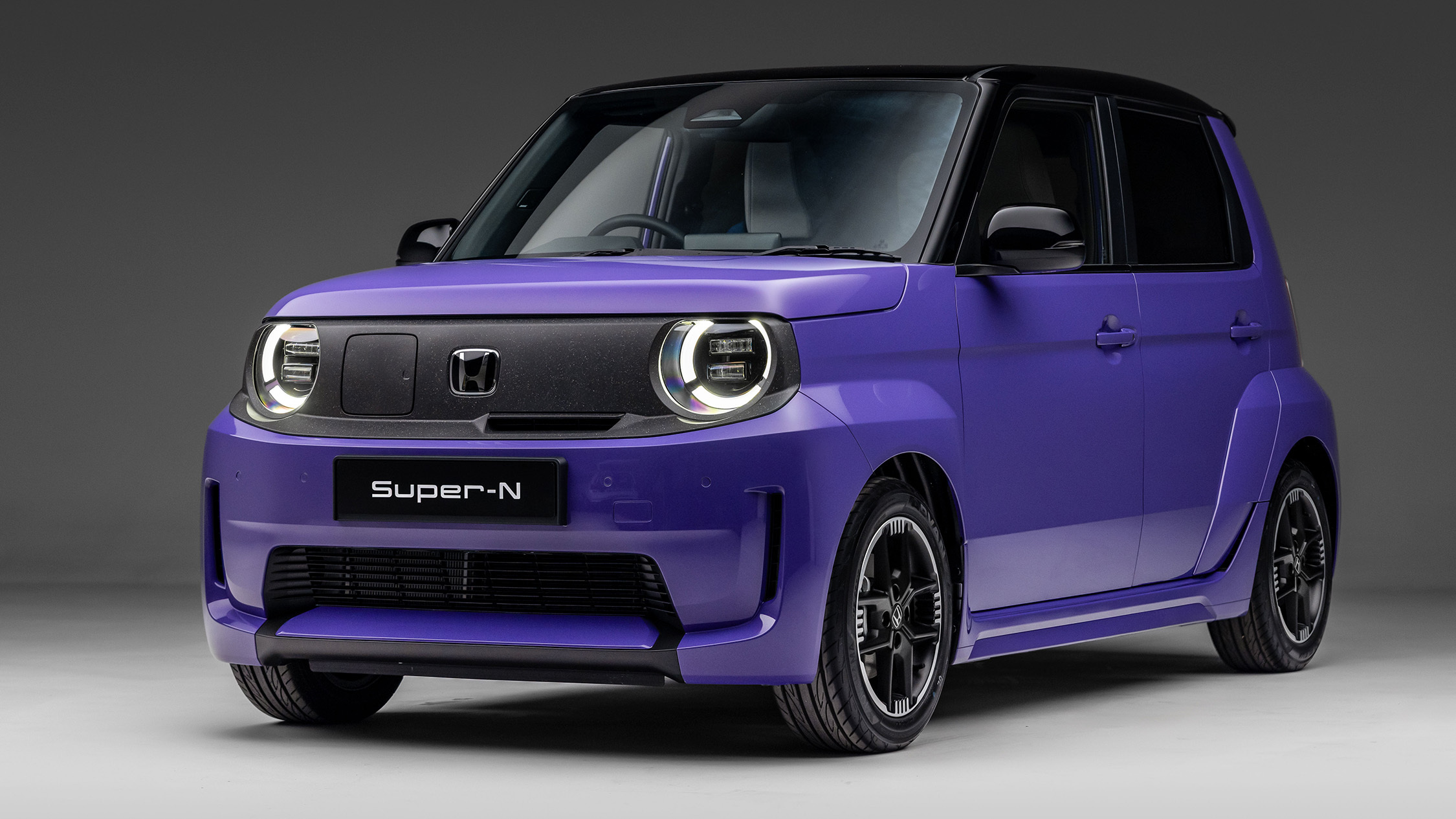
Honda has decided that what the world really needs right now is a tiny electric city car with dreams if being a rowdy ’80s hot hatch. Meet the Super-N, a kei car escapee heading to the UK and mainland Europe this July with a sub £20,000 (about $26,900 or €22,900 at current rates) price and a very clear mission to prove you can have fun even with a two-digit power output.
The Super-N is Europe’s version of the Japanese Super-One, itself a pumped-up evolution of Honda’s JDM N Series cars, but with a heavy dose of nostalgia thrown in. It borrows its attitude from the legendary City Turbo II, which means chunky arches, aggressive bumpers, and enough visual drama to make other sub-£20k EVs like the Dacia Spring look downright dull.
Under the short 3.59 m (141.3 inches) skin, a compact, front-mounted e-axle delivers between 63 hp (64 PS / 47 kW) and 94 hp (95 PS / 70 kW), with the higher figure unlocked in something called Boost Mode. That might not sound like much, but this is one of the lightest EVs around, so it should feel perkier than the numbers suggest.
Fake Gears And Sounds
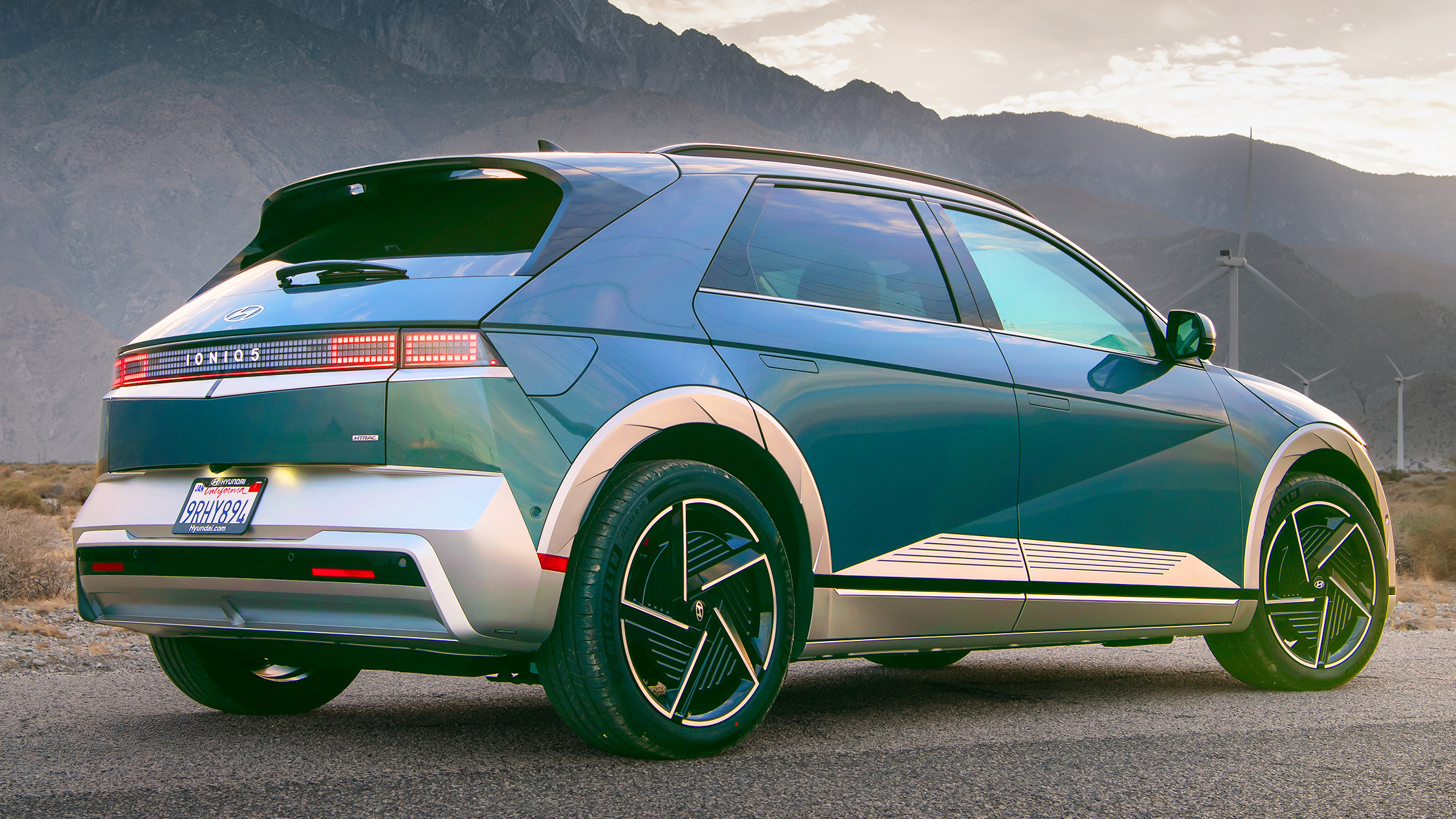
Anyway, Boost Mode doesn’t just add power. It also brings a simulated seven-speed gearbox and fake engine noise, just like the acclaimed Hyundai Ioniq 5 N. The idea is to give drivers something closer to an old-school hot hatch experience, and convince ICE diehards that affordable EVs can be entertaining.
Range is very much city-focused. Honda quotes up to 199 miles (320 km) in urban driving, though that drops to 128 miles (206 km) combined. Still, that’s more than enough for daily duties, and this car isn’t pretending to be a motorway muncher anyway.
Sports Seats And Go-Faster Lighting
Inside, the Super-N gets playful with supportive seats, blue accents, and ambient lighting that switches to purple when you hit Boost Mode and start pushing the uprated chassis. Honda says the suspension has been specially tuned for UK and European roads, and the setup must be stiffer than what you get in the non-sporty, slab-sided N-One e: offered alongside the Super-One in Japan.
UK sales start in July, but fun as the Super-N looks, it won’t have things its own way. Renault’s stylish new Twingo also hits European roads this year, and will match the Honda’s sub-£20k price.
911 bucks the trend with 22 % demand upswing and more variants on the way.
Porsche isn’t having the best time right now. Fresh from admitting that operating profit plummeted 93 percent in 2025, the automaker has revealed that sales in the first quarter of this year sank 15 percent to 60,991 cars, down from 71,470 a year ago.
The company says it saw this coming due to the end of 718 production and Macan Electric sales settling down after the flurry of interest at last year’s debut. But there’s a problem looming ahead that could make things worse before they get better.
The biggest red flag sits right in the middle of Porsche’s lineup. The Macan, previously the brand’s best selling model, managed 18,209 deliveries, down 23 percent, but here’s the kicker. More than half of those, 10,130 units, were still combustion versions, while the electric version accounted for only 8,079, down a massive 43 percent from last year. With the ICE Macan heading for the exit this summer, and no replacement due for a couple of years, Porsche is about to lose its volume backbone.
911 Is Growing, But Nothing Else Is
Elsewhere, the Cayenne kept things relatively steady with 19,183 deliveries, down just 4 percent, and with Macan sales falling, the bigger SUV is now the most bought. And the 911 is out here ignoring the downturn entirely. Sales of the iconic sports car jumped 22 percent to 13,889 units, proving once again that heritage still sells, even when the broader market gets shaky.
But most Porsche models ended Q1 battered and bruised. The Taycan dropped 19 percent to 3,420 units, while the Panamera plunged 42 percent to 4,498 – due to a model transition, Porsche claims – particularly in China. The 718 range, now effectively retired, collapsed 60 percent to just 1,792 cars.
Porsche Q1 Sales By Model
Model
2025
2026
Change
Cayenne
20,055
19,183
-4%
Macan total
23,555
18,209
-23%
(of which Electric)
14,185
8,079
-43%
911
11,390
13,889
22%
Taycan
4,203
3,420
-19%
Panamera
7,769
4,498
-42%
718 Boxster/Cayman
4,498
1,792
-60%
SWIPE
The regional picture doesn’t help much either. North America remained Porsche’s biggest market with 18,344 deliveries, though that’s down 11 percent, likely not helped by changing incentives and tariff pressures. Europe excluding Germany fell 18 percent to 14,710, while overseas markets dropped 20 percent to 12,640.
China Woes Worsen
China has been a problem for a while, and deliveries in the country sank 21 percent to 7,519 units as domestic brands tighten their grip on the premium space. Porsche says it’s focusing on value over volume there, but that’s often what companies say when volume disappears.
Put it all together and Porsche’s explanation about product timing only tells part of the story. Between a cooling EV market, rising competition, and the imminent loss of the ICE Macan, the next few quarters could get even more uncomfortable.
Kia confirms midsize pickup with hybrid and range extender powertrain options.
Truck targets US buyers with towing skills, off road ability and a roomy cabin.
Wider Kia strategy includes more hybrids, EV growth and big US sales targets.
Kia’s nearly ready to saddle up and ride into America’s most fiercely loyal segment, and it’ll be doing it with the help of two totally different electrified powertrains.
We’ve known for a while that Kia, along with its Hyundai sister brand, are working on a pair of midsize pickups for the US. They’ll be proper body-on-frame trucks designed to deprive Toyota and Ford salesmen of truck hunters that might otherwise have snapped up a Tacoma or Ranger.
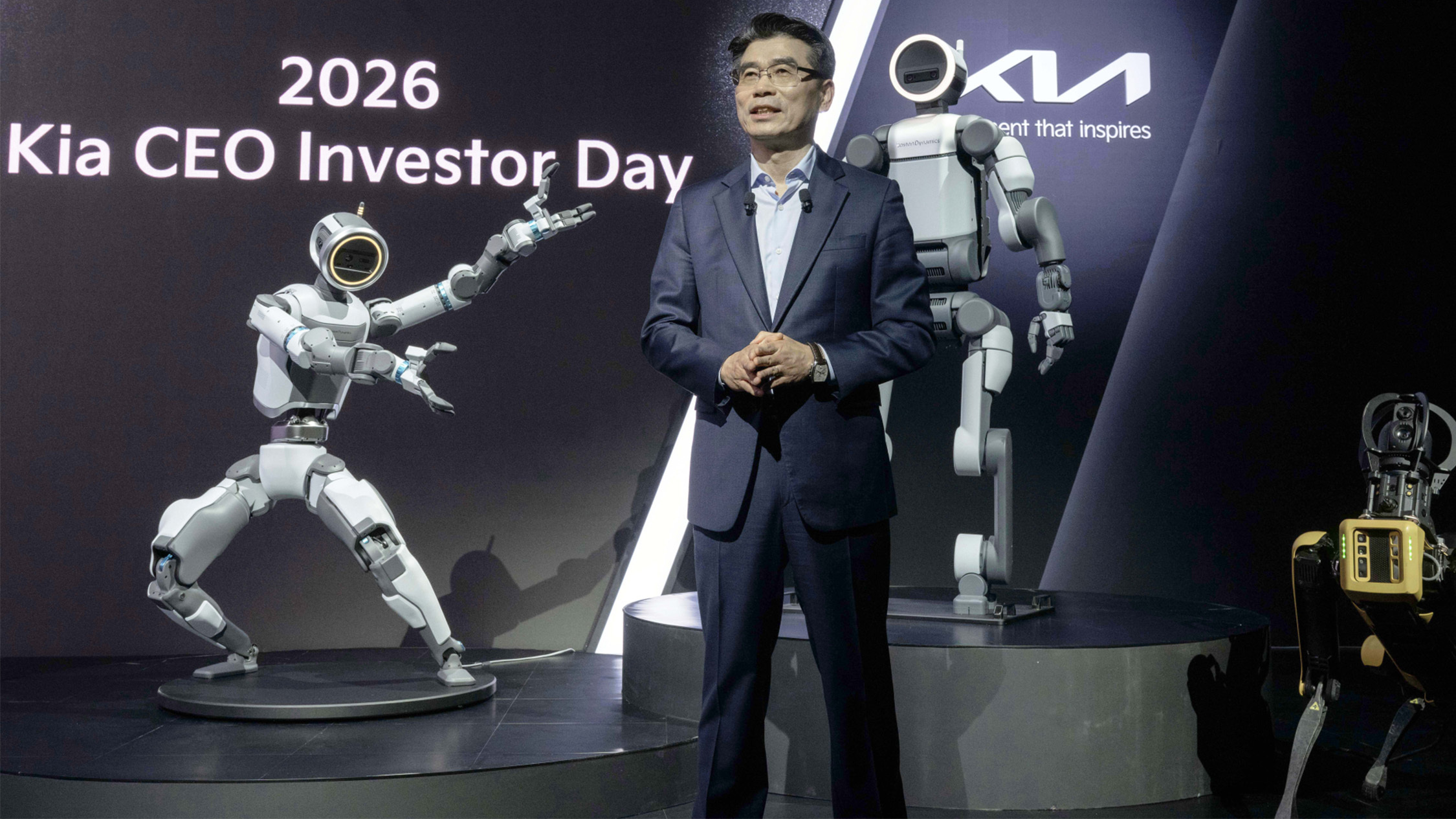
What wasn’t confirmed until today at Kia’s investor briefing, is what will be under the hood of those trucks. A hybrid option seemed likely, but Kia CEO Ho Sung Song says the pickup will offer buyers the choice of both hybrid and range-extender electric powertrains. That means it won’t just be chasing the usual suspects like the Tacoma and Ranger, but could potentially steal sales from more bigger, high-tech machinery like the Rivian R1T and Tesla Cybertruck.
Details are still thin, but Kia says the truck will offer proper capability where it matters. Expect solid towing, genuine off road chops and a roomy double-cab layout designed for real world use.
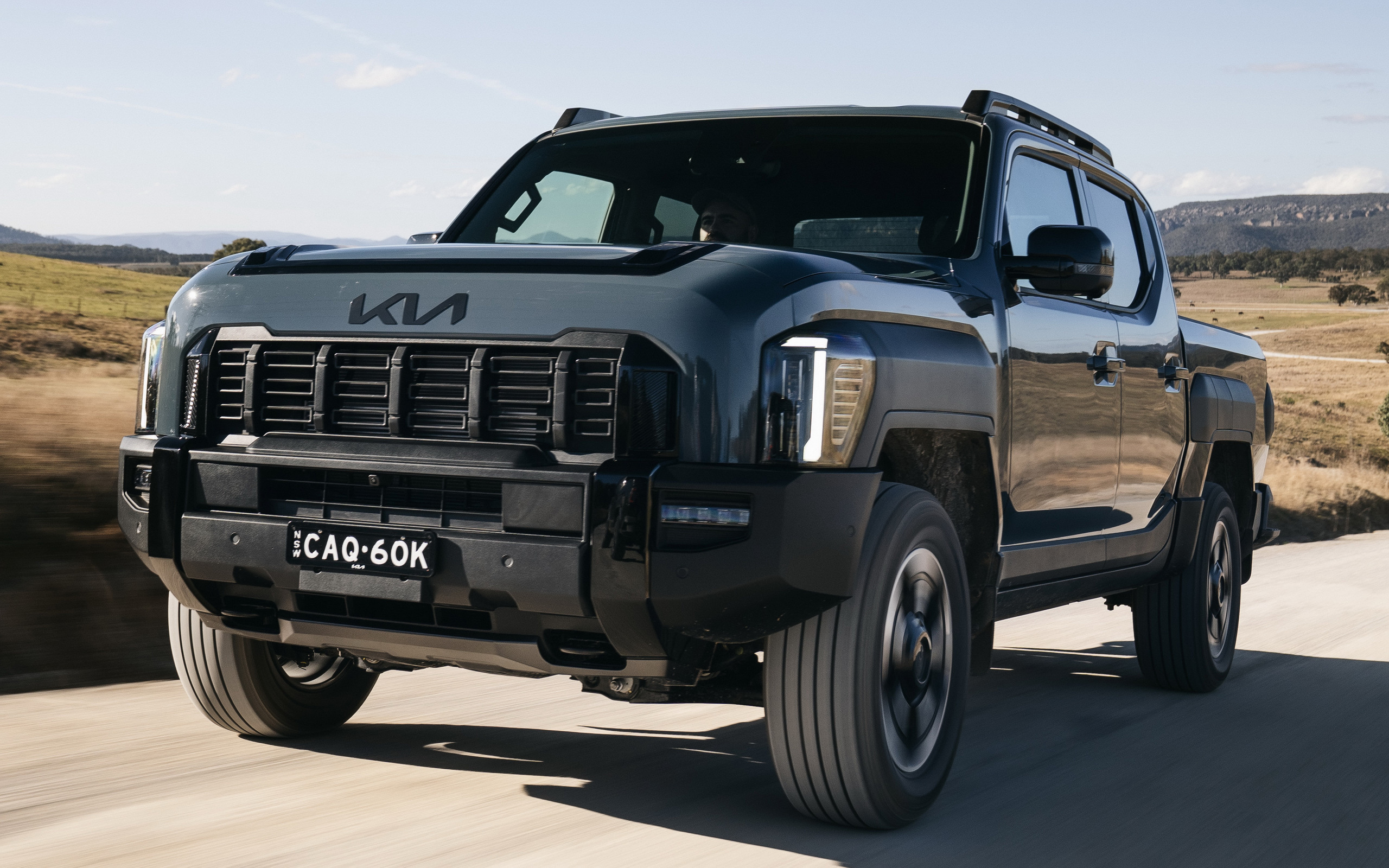
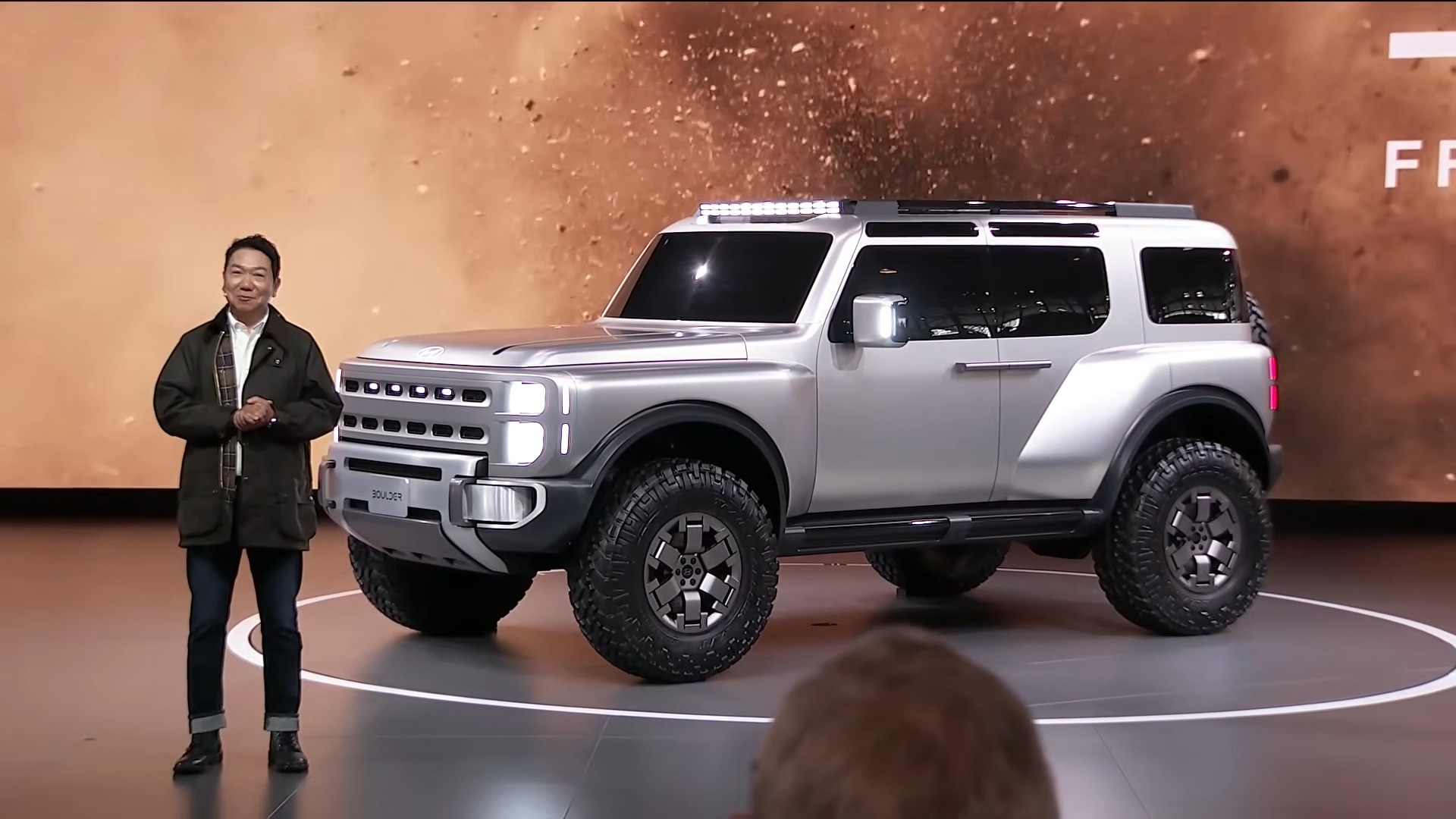
Underneath, it will share its rugged bones with a future Hyundai truck previewed by the Boulder SUV concept unveiled at the New York Auto Show earlier this month. Given the Boulder’s butch aesthetic, we can expect both trucks to have plenty of attitude, but hopefully it’ll be less ugly than the Kia Tasman truck (shown above and in the lead image) that’s sold in Australia and other markets.
This new pickup won’t just be a niche addition either. Kia reckons it can shift around 90,000 units annually in North America, Auto News reports, and carve out a meaningful slice of the segment. That’s ambitious for a brand that’s never sold a truck in the US before, but then Kia isn’t exactly lacking in confidence these days.
Hybrids For US, EVs For Europe
The truck also fits neatly into Kia’s broader US push. The company is targeting more than one million annual sales stateside by 2030, with a 6.2 percent market share. To get there, it’s doubling down on hybrids, expanding from four to eight nameplates and adding electrified options to core models.
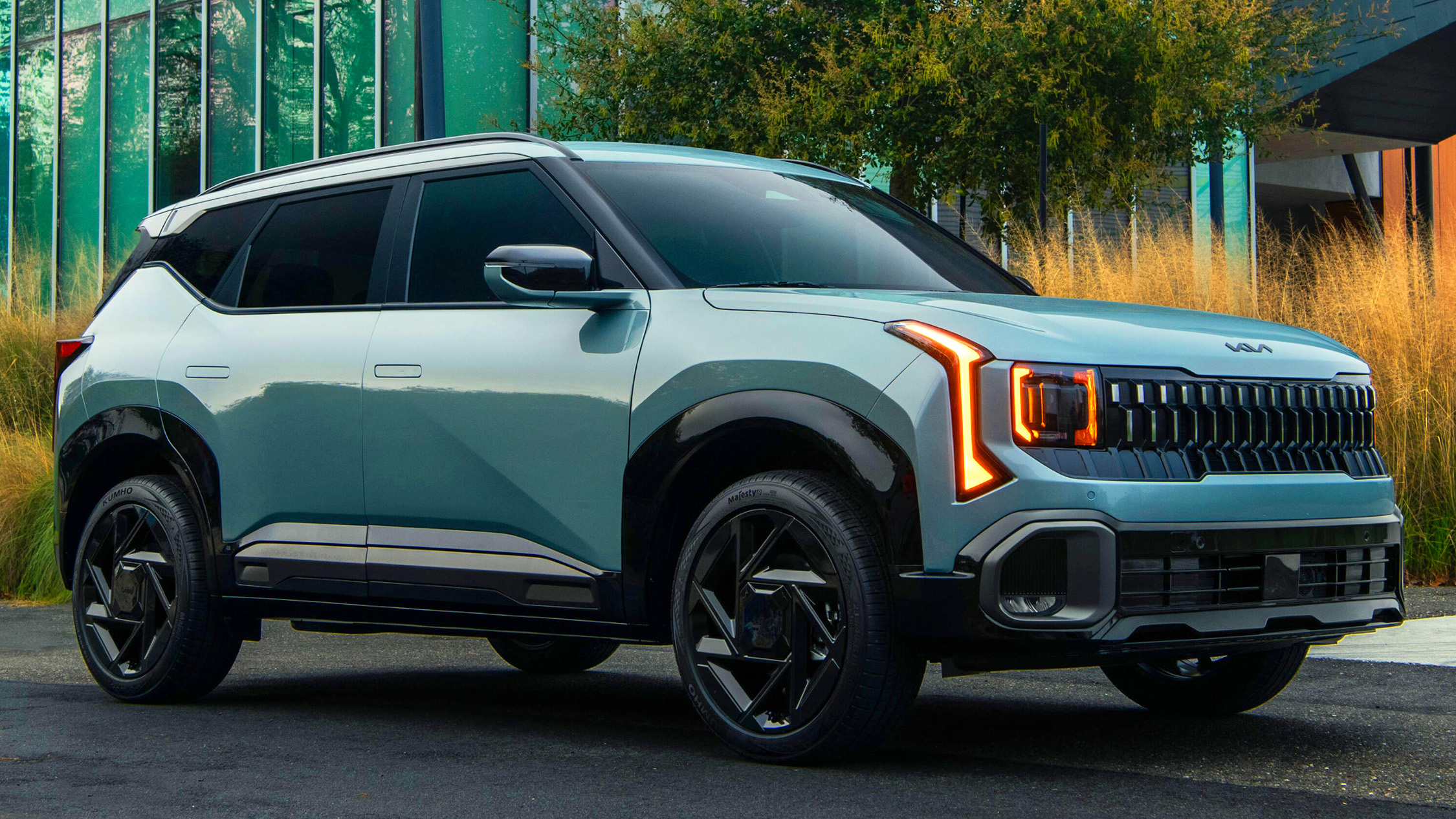
That includes big hitters like the Telluride, which is set to gain hybrid and range extender variants, plus the Sportage, which Kia wants to push past 200,000 annual sales. Even the smaller Seltos is getting in on the action with a new look (seen above) and a hybrid version aimed at cracking six-figure sales.
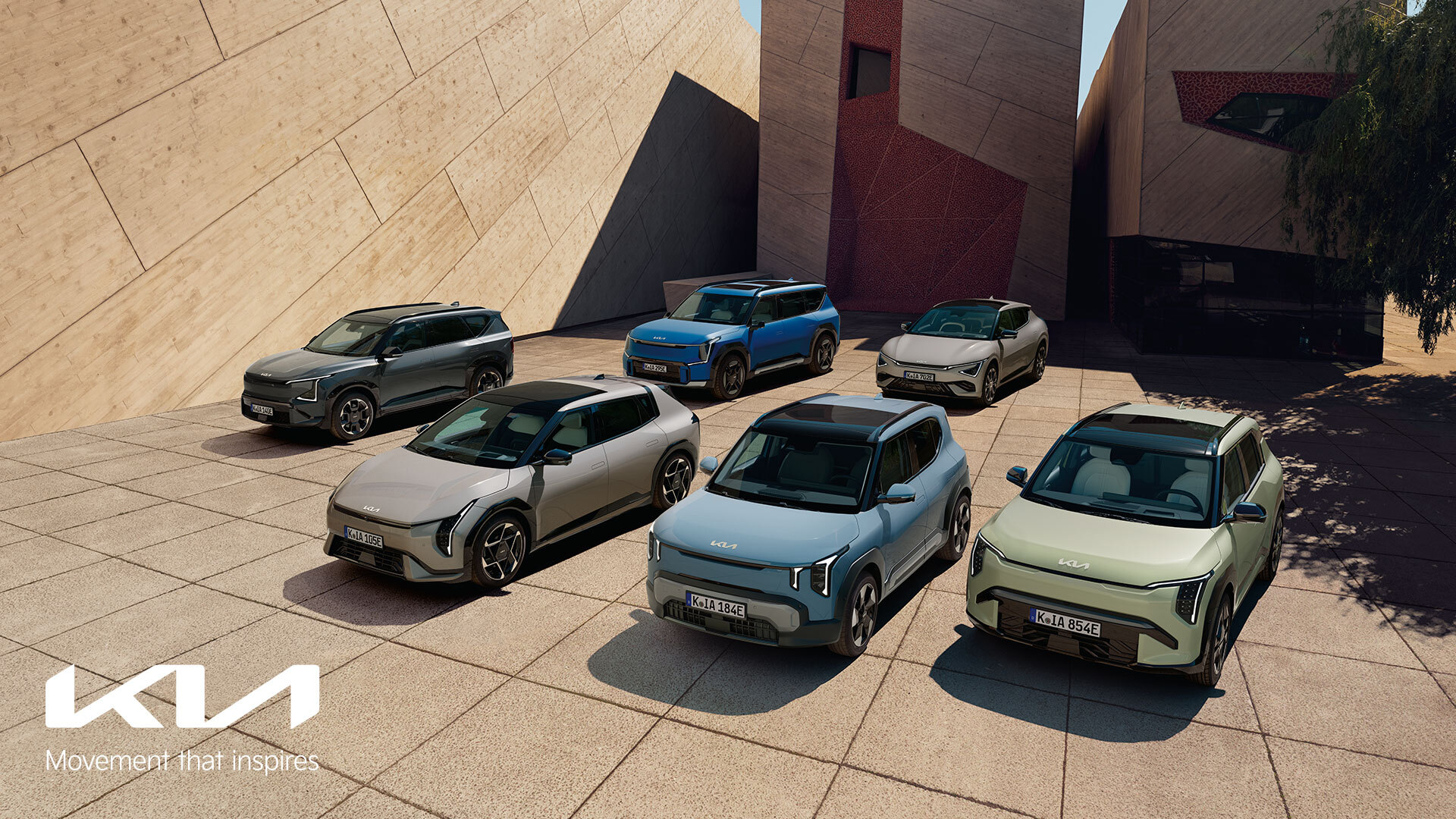
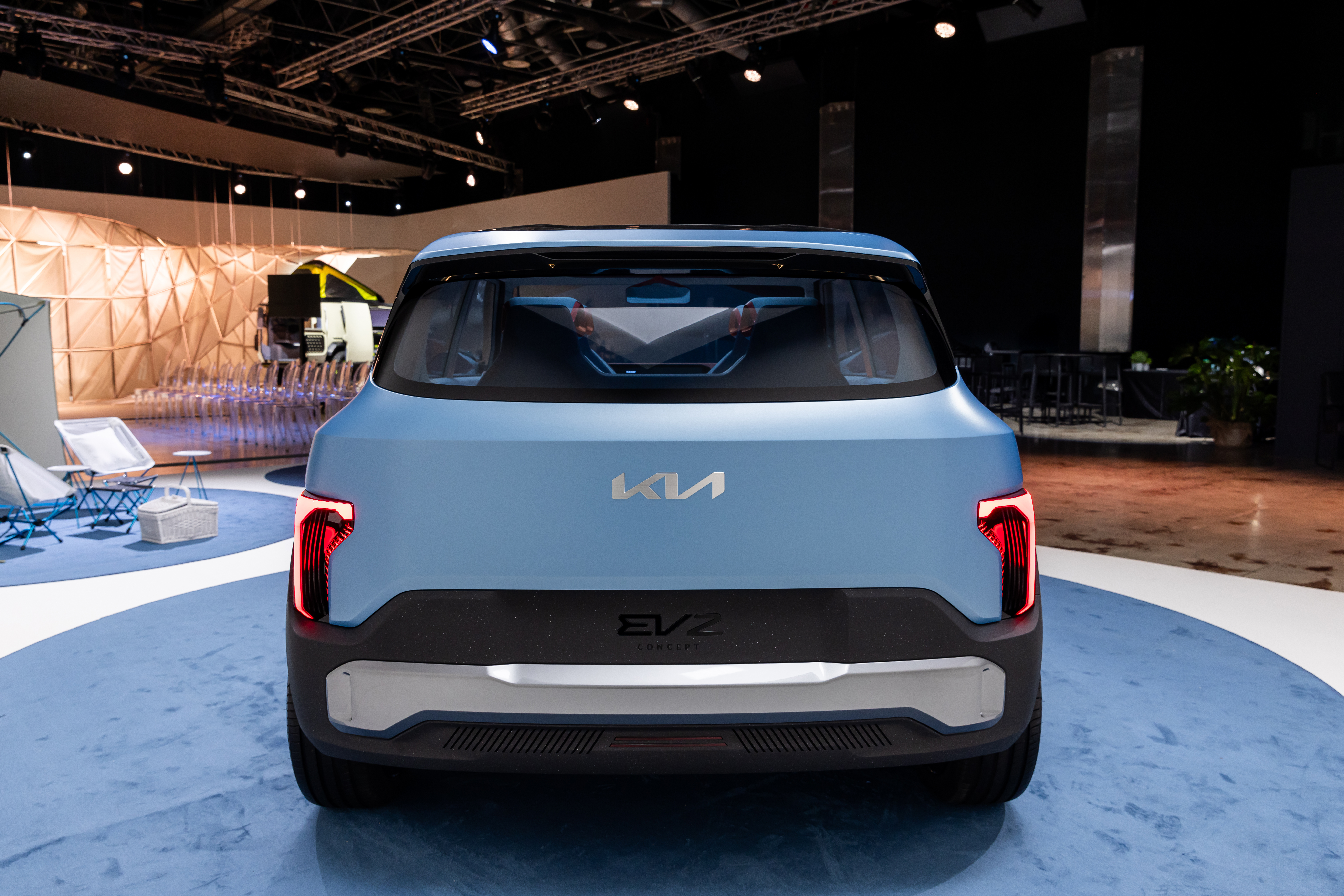
And while America gets a tough new truck, Europe is getting something much smaller but just as important. A new EV1 hatch is on the way to take on cars like the Renault 5, proving Kia’s strategy really does cover everything from city streets to dusty trails.
Kia readies subcompact EV1 hatch based on new EV2 SUV hardware.
Brand targets one million EV sales globally while boosting hybrid lineup.
New platform coming later with 40% bigger batteries, 9% more power.
Kia just pulled the covers off its future plans, and while there’s plenty to digest, the real headline act for Europe is a tiny newcomer with big expectations. Enter the upcoming EV1, a compact electric hatch that’s shaping up to be Kia’s most affordable EV yet when it debuts next year.
Think of it as the lower, sleeker sibling to the EV2. It’s aimed squarely at Europe’s hotly contested supermini class, going up against the Renault 5, Peugeot e208 and Vauxhall Corsa Electric.
Under the skin, the EV1 is expected to share its hardware with the EV2, meaning a 400-volt E GMP platform and two battery options. Entry models should get a 42.2 kWh pack with roughly 200 miles (322 km) of range, while higher trims could use a 61 kWh battery pushing closer to 300 miles (483 km). Power outputs will likely mirror the EV2’s, so expect something in the region of 145 hp (147 PS / 108 kW) on base or mid-spec cars.
Kia also says this will be its first car in the segment to be a software-defined vehicle, one where everything from infotainment to vehicle systems is deeply integrated and updateable. Despite the clever tech, prices are likely to start at a little over £20,000 (€23,000), making it a genuine mass market EV.
New EV Platform In The Works
But the EV1 is just one piece of a much bigger puzzle. Kia wants 14 EVs globally by 2030 and annual electric sales of one million units. That’s part of a broader push to hit 4.13 million total sales and a 4.5 percent global market share.
Beyond the EV1, Kia will launch a new electric platform that it says will deliver up to 40 percent bigger batteries with 15 percent greater energy density powering motors that are 9 percent gruntier. An electric SUV to bridge the gap between the EV5 and EV9 is also on the way.
Big Hybrid Push
But Kia isn’t going all in on EVs just yet, especially not in the US, CEO Ho Sung Song admitting that the rate of global electric adoption had slowed. So hybrids are getting a major boost, with 13 HEV models planned and annual hybrid sales targeted at 1.1 million units. New hybrid versions of key models like the Telluride, Seltos and K4 are coming, as are hybrid and range-extender versions of the midsize body-on-frame truck Kia will debut before 2030.
Furthermore, the Korean brand is doubling down on commercial vehicles like the PV5, adding a bigger PV7 in 2027 and PV9 two years later. It’s also pushing robotics, with factory bots and delivery solutions in development. So yes, the EV1 might be small, but it’s leading a very big plan.
Cupra Raval launches before its VW ID. Polo and Skoda Epic siblings.
Multiple battery and motor options offer up to around 280 miles range.
Entry price should be around €26k/£23k to directly challenge Renault 5.
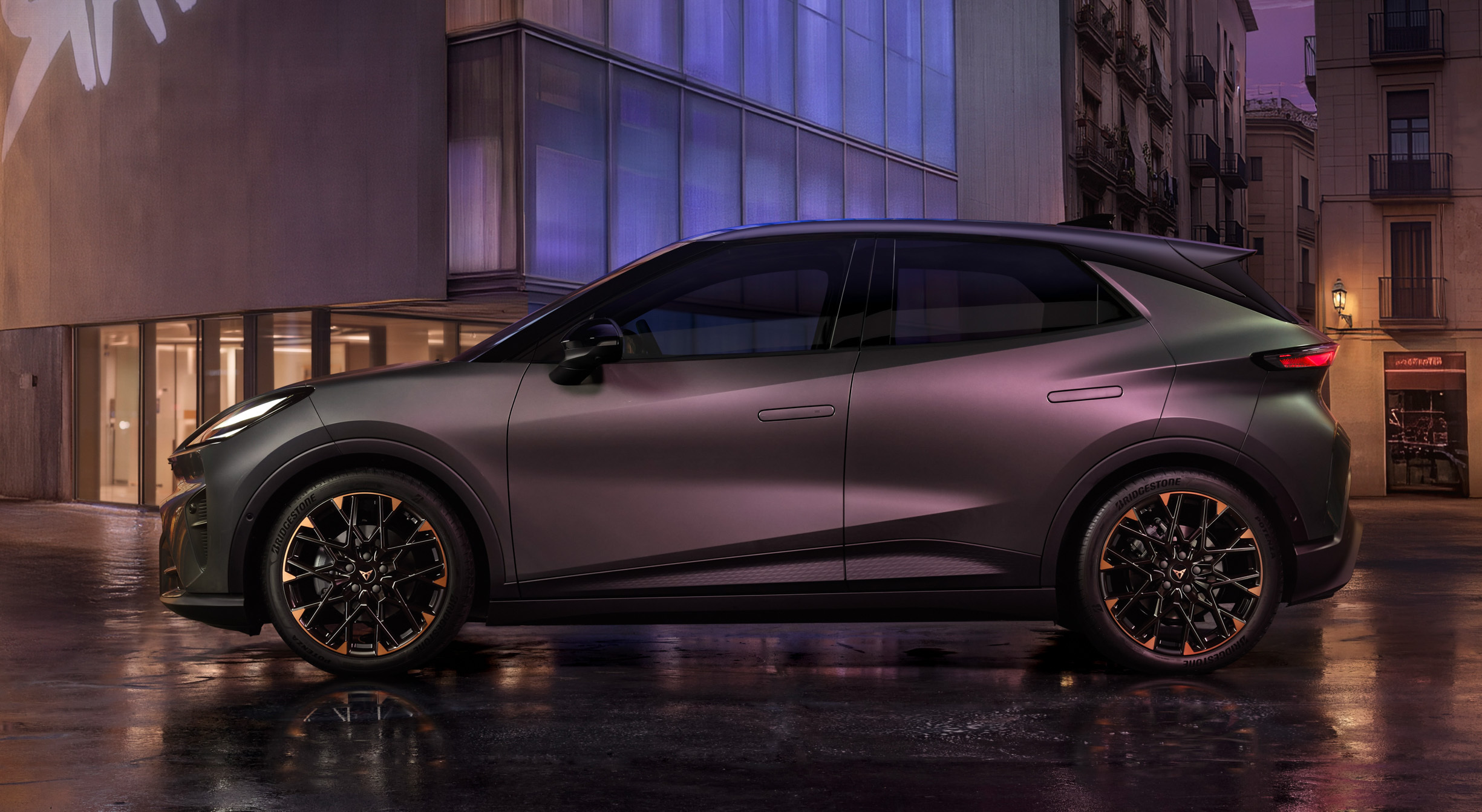
VW’s sporty Spanish brand, Cupra, has revealed its smallest EV yet. Called the Raval, this subcompact sister to the upcoming electric VW ID. Polo and Skoda Epiq hits European roads later in 2026 with bags of attitude and the aim of stealing sales away from Renault’s popular 5.
At just over 4 meters (157.4 inches) long the Raval sits in supermini territory but stretches expectations with a 2,600 mm (102.4 inches) wheelbase and a surprisingly roomy 441 liter (15.6 cu-ft) trunk. It’s wider and lower than you might expect too, giving it a squat, planted stance that screams more fun than frugal.
Underneath, it rides on the Volkswagen Group’s new MEB+ platform, which it’ll share with the ID. Polo and Epiq. Think of it as the budget friendly evolution of the architecture used in bigger EVs like the ID.4 and Born, but tuned here for smaller, cheaper cars, and set up to the drive the front wheels, rather than the rears, or all four.
Buyers get plenty of powertrain choice. Entry level versions badged simply Raval pair a 114 hp (116 PS / 85 kW) motor with a 37 kWh battery, good for around 186 miles (300 km) of range, though limited to just 50 kW DC charging. Step up a rung on the configuration ladder to Raval Plus and you’ll find a 133 hp (135 PS / 99 kW) motor using the same pack, although this time charging peaks at up to 88 kW DC for a 10 to 80 percent top up in roughly 23 minutes.
Hot Hatch Punch
Move into the bigger battery cars and things get spicier. The 52 kWh pack brings 208 hp (211 PS / 155 kW) in the Endurance trim and delivers around 280 miles (450 km) of range, with charging speeds up to 105 kW.
That should be feisty enough for most buyers, but if it’s not, there’s the VZ hot hatch. It pushes output to 222 hp (226 PS / 166 kW) and will hit 62 mph (100 kmh) in 6.8 seconds making it a rival for the Alpine A290, not to mention VW’s ID. Polo GTI. Range drops slightly to around 249 miles (400 km), but speed demons might think it a price worth paying.
Cupra hasn’t just chased power numbers, either. The Raval’s chassis sits 15 mm (0.59 inches) lower than the base MEB+ setup used on the ID. Polo and runs a 10 mm (0.39 inches) wider track, with adaptive dampers, progressive steering, and an electronic limited slip differential on the VZ. There’s also one pedal driving and a dramatic e launch feature for stoplight getaways complete with synthesized sound effects.
Big On Screen, Short On Buttons
Inside, drivers are treated to a usefully large 10.25-inch digital cluster and a 12.9 inch infotainment system, though unlike the ID. Polo, which has multiple physical buttons for features like the climate control the Raval is button-light and stuck with the old-style VW interface and its annoying temperature sliders. At least you get real physical switches on the chunky steering wheel.
Go for the launch edition Raval VZ Extreme and you’re treated to CUP bucket seats with 3D knit technology upholstery, as well as Sulfur Green 19-inch wheels and a Manganese matt exterior finish. At the other end of the scale, prices are expected to start at around €26,000, or just under £23,000 in the UK, when the Raval arrives in summer 2026. That puts the smallest Cupra in a head-on battle with the Renault 5 – which would you pick?
Honda faces product drought in North America after cancelling multiple EV programs.
No major redesigns expected until the new CR-V SUV arrives sometime around 2027.
Losses mount while rivals push ahead with fresher lineups and faster development.
Honda slammed the brakes on its EV push, and now it faces the prospect of being stuck at a development red light with not much new to show customers. After canceling several electric models, the company is staring down a product gap in North America that could stretch into 2027 and far beyond.
That’s a problem in a market where newness sells. Analysts say there may be no fully redesigned core models arriving next year, leaving Honda to rely on cars that are starting to feel a little long in the tooth.
The irony is that only a couple of months ago, Honda dealers were preparing for a massive influx of exciting new metal. Honda had gone all in on EVs, shifting engineers and resources away from traditional development. Then demand softened, policies shifted, and suddenly those future models didn’t make financial sense anymore.
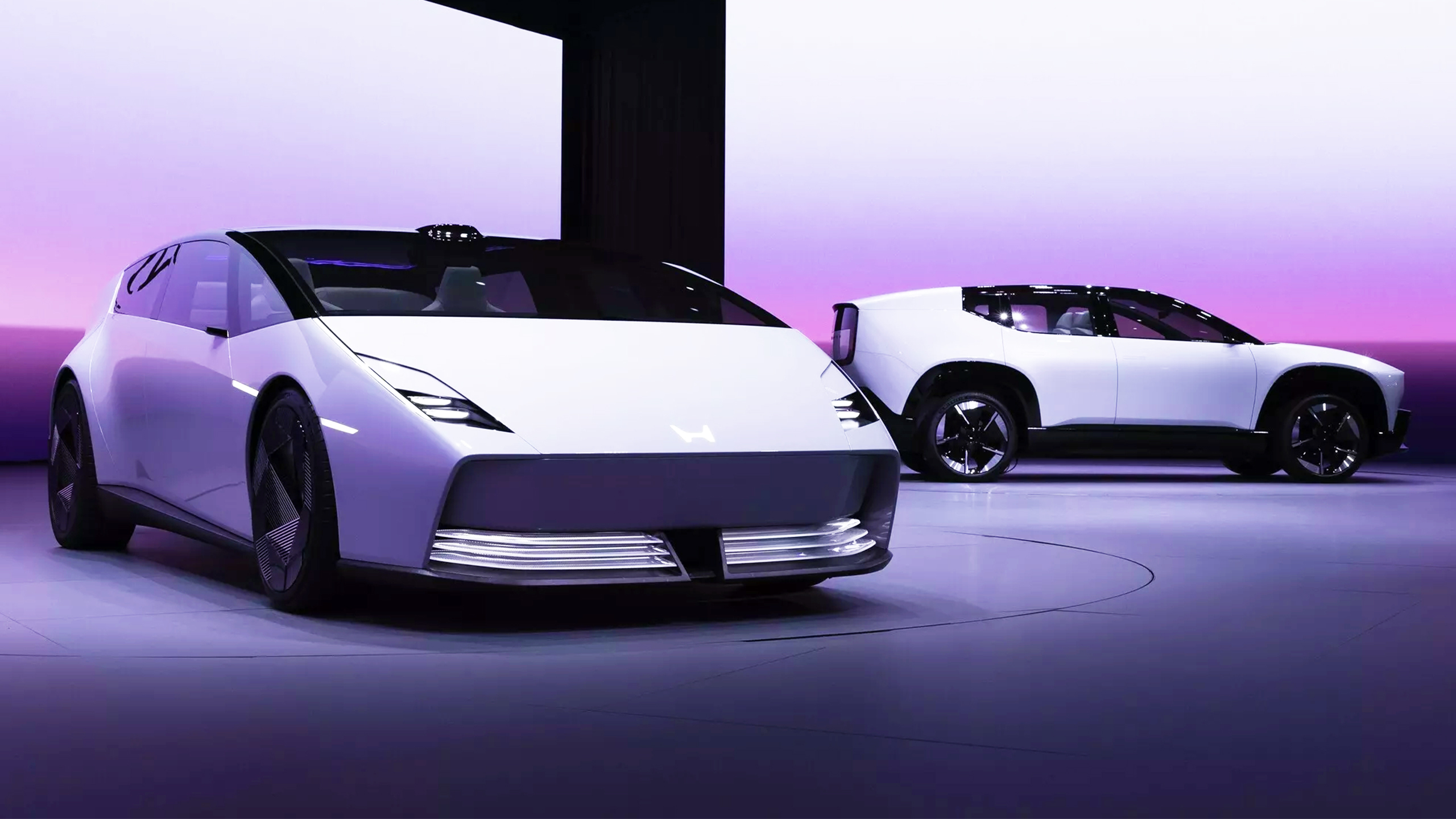
So the company pulled the plug. That included the wild looking 0 Saloon, the 0 SUV, and even Acura’s planned RSX revival. Cool ideas, all gone, along with billions in investment. What’s left is the hangover. Development pipelines for gas powered cars have slowed, and the company is left trying to rebuild momentum while competitors keep rolling out fresh vehicles. Its first fresh vehicle will be a redesigned CR-V due in 2027, Nikkei Asia reports.
Rivals More Efficient
It’s not just about product timing either. Honda’s development efficiency has been under scrutiny for years, and the gap versus rivals like Toyota isn’t helping. Pricing pressure is another concern. In the US, Honda is already offering bigger incentives than some rivals to keep cars moving. If newer competitors arrive while Honda’s lineup stays largely unchanged, those discounts may have to climb even higher.
No New Cars But Plenty Of Bills
Financially, things don’t look much rosier. The EV retreat is expected to trigger massive losses, and not just in wasted development time and money. Nikkei Asia says the automaker could have to pay $10 billion to suppliers who were all geared up and ready to build parts for the cancelled electric cars. And there’s growing chatter that dividends could come under pressure if earnings don’t recover soon.
Honda insists it’s stabilizing things and focusing on hybrids while reorganizing development to speed things up again, and there’s even talk of potential collaboration with Nissan in North America. But nothing concrete has emerged yet, so don’t expect many new-model fireworks for a couple of years.

 Login
Login