Normal view

There are new articles available, click to refresh the page.
Today — 27 March 2026Main stream

Lexus Cures Europe’s EV Engagement Problem With Fake Gears And Half A Steering Wheel

  • Lexus brings its Interactive Manual Drive system to European RZ models this spring.
  • The setup simulates eight gears via paddles, complete with torque interruptions.
  • F Sport trims also gain steer-by-wire using a yoke with a 200-degree lock-to-lock ratio.

Lexus is bringing its Interactive Manual Drive system to Europe, following its debut in Japan. The technology simulates a manual gearshift feel in an electrified powertrain, giving drivers a sense of mechanical engagement the brand says was lost in the transition away of combustion.

The system comes standard on F Sport trims of the updated Lexus RZ, which was detailed in Europe exactly one year ago, with first deliveries scheduled to begin this spring. Earlier prototypes previewed in 2022 featured a physical clutch and gear lever, but the production version leans heavily on software, making it closer in feel to a simulated automatic than a real manual.

More: Lexus Quietly Killed Its Smallest EV, And Hardly Anyone Noticed

Using steering-wheel-mounted paddle shifters, drivers can cycle through eight virtual gears, with a digital tachometer indicating optimal shift points. They can also choose between three levels of synthetic engine sound, each synced to the simulated gear changes.

Similar to the Honda Prelude’s S+ Shift gear system, it goes further than just noise. The setup calculates virtual torque based on throttle input and vehicle speed, then feeds that back through the drivetrain. The result is an illusion of real shifts, complete with torque interruptions, engine braking, and even a hint of G-force nudging you along. At least, that’s the theory Lexus is selling.
 Lexus Cures Europe’s EV Engagement Problem With Fake Gears And Half A Steering Wheel

Lexus is not alone in attempting to bring a more engaging gear-changing experience to electrified models. Similar systems are already offered by other automakers, including Hyundai with the fully electric Ioniq 5 N.

Steer-By-Wire

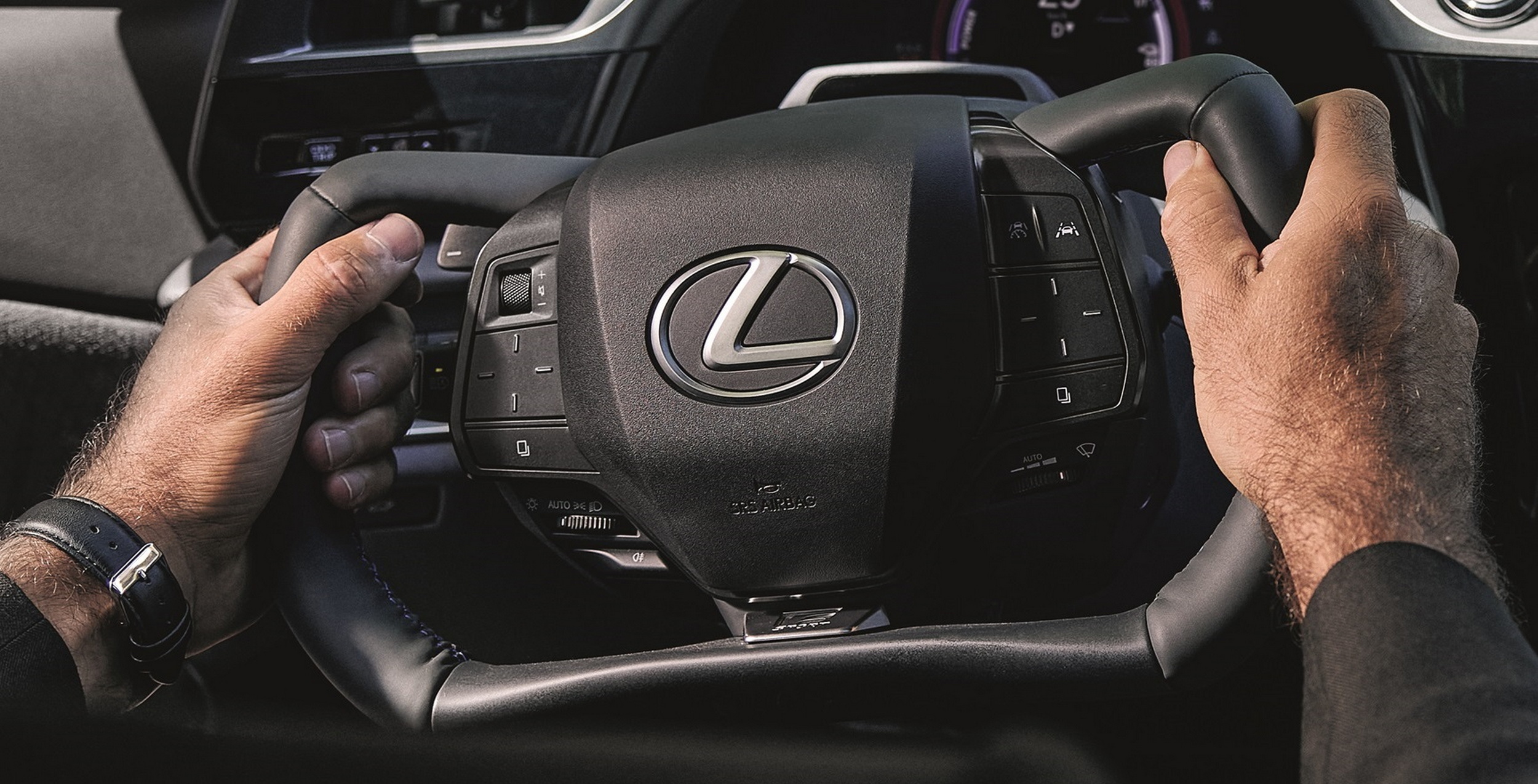
Lexus is also introducing its steer-by-wire system in Europe after years of delays. Standard on F Sport models and optional on the rest of the lineup, it replaces the mechanical steering column with a yoke-style controller and a fully digital connection.

More: Yoke’s Over, Say Chinese Lawmakers

The futuristic steering setup features a tight 200-degree lock-to-lock ratio. In practice, that means no hand-over-hand turning during a U-turn, something that would otherwise be awkward with a yoke.
 Lexus Cures Europe’s EV Engagement Problem With Fake Gears And Half A Steering Wheel

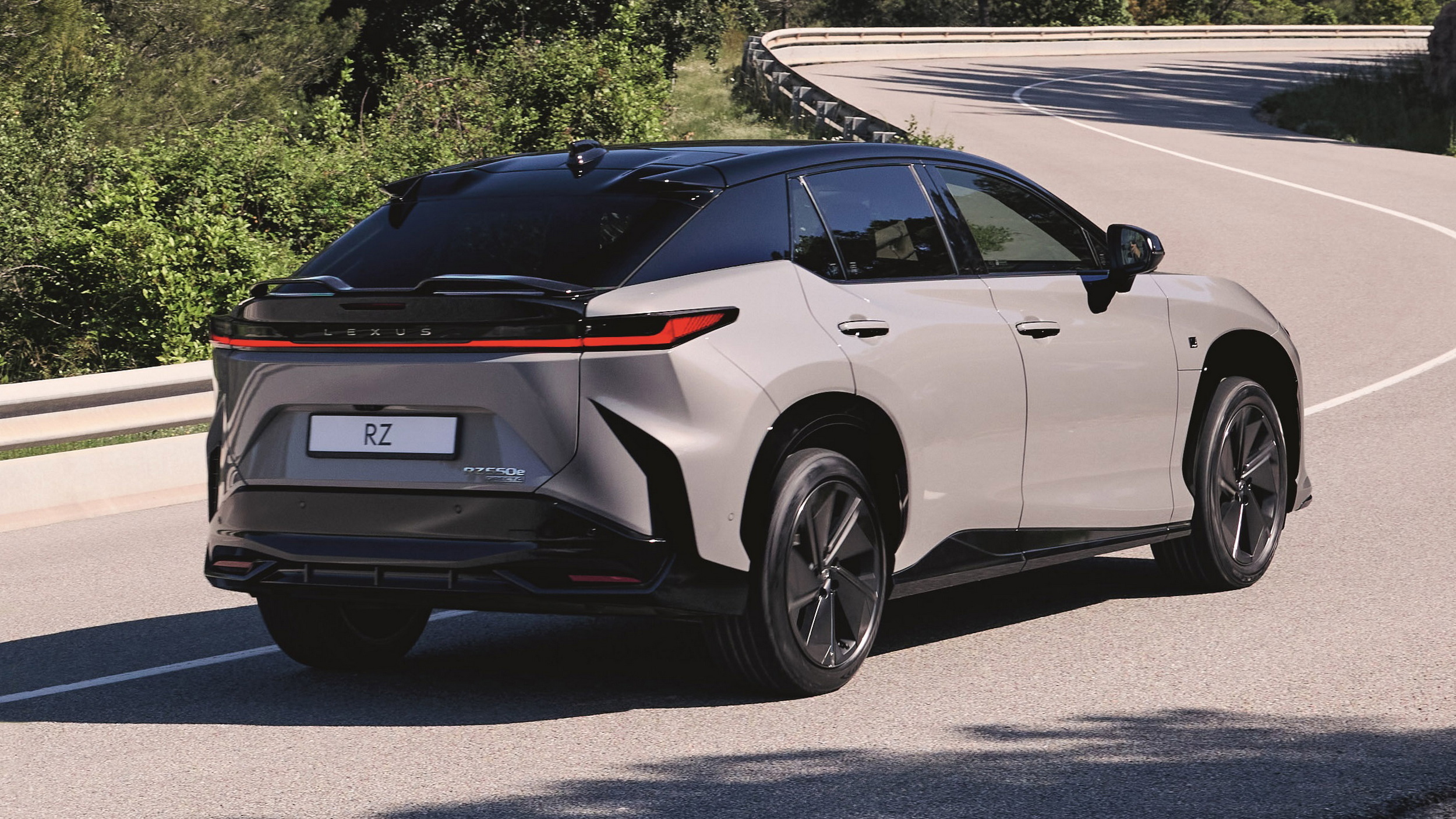
The most powerful version of Lexus’ electric crossover in Europe is the RZ 550e F Sport AWD, producing a combined 402 hp (300 kW / 408 PS). While this can’t match the 424 hp (313 kW / 426 PS) of the Japanes-spec RZ 600e Sport Performance, it is enough to offer a 0-100 km/h (0-62 mph) acceleration in a respectable 4.4 seconds.

More: The Next Lexus IS May Go In A Very Different Direction

The latest update to the RZ lineup introduced a larger 77 kWh battery pack, delivering a WLTP range of up to 568 km (353 miles) for the entry-level RZ 350e FWD. Additional updates include a battery preconditioning system and a standard 22 kW onboard AC charger.

What About The US?

The Interactive Manual Drive system is also included as standard equipment on the US-spec RZ 550e F Sport. However, the steer-by-wire setup with the yoke will not be offered in North America.
\\\\\\\\\\\\

Lexus RZ 550e F Sport AWD

Ford’s New Electric Van Has A Chinese Secret

  • Ford debuts the EV-only Transit City van in Europe for last-mile urban delivery.
  • Payload ranges from 2,392 lbs. to 3,373 lbs. across three body configurations.
  • It is based on a Chinese platform and will be manufactured in China too.

Ford Pro’s van lineup is already sprawling, with models like the fully electric E-Transit Custom and E-Transit covering a lot of ground. Still, that hasn’t stopped Ford Pro from adding another name to the roster with the all-new Transit City. Built on an EV-focused platform developed by Jiangling Motors Corporation (JMC) and assembled in China, it will be offered in mainland Europe and the UK.

To further slash costs, Ford has pursued an aggressively simplified strategy. There’s just one trim, no options list, and very little room for personalization. It’s as pared back as it gets. The design follows suit. You get a straightforward look with modern LED lighting linked by a closed-off grille, clean body surfaces, black wheels, and unpainted plastic bumpers that make no attempt to hide their budget-friendly intent.

More: Volvo’s First Commercial Van Looks Familiar Because It Is

The Transit City is available in three body styles, including a standard panel van, a long-wheelbase high-roof variant, and a chassis cab version. The latter is designed to serve as a blank canvas for conversions by aftermarket specialists.

\\\\\\\\\\\

Payload capacity ranges between 1,085 kg (2,392 lbs) and 1,530 kg (3,373 lbs), depending on the specification. As for the available space at the back, the largest van can hold up to 8.5 cubic meters (300 cubic feet) of cargo and has a loading space length of 3,070 mm (120.9 inches).

More: VW’s ID. Buzz Picks Up A Feature No Minivan Has Any Business Offering

Despite its budget character and lack of options, the standard equipment is quite generous for the segment. The dashboard features a 12.3-inch touchscreen running Ford’s SYNC 4 infotainment system, a digital instrument cluster, and plenty of storage compartments.

Furthermore, the van comes standard with adaptive cruise control, lane-keeping assist, front and rear parking sensors, a rearview camera, and even a heated driver’s seat.

\\\\\\\\\\

A Dedicated EV

Unlike other models in Ford Pro’s commercial vehicle lineup, the Transit City is a dedicated battery-electric vehicle with no internal combustion or hybrid variants on the horizon. The company claims the electric powertrain will help reduce maintenance costs by up to 40% compared to a diesel van.

More: These Chinese Trucks Look Like Ford Rejects

It rides on a ladder-frame chassis developed by the JMC joint venture and is fitted with a front-mounted electric motor producing 148 hp (110 kW / 150 PS). Energy is stored in a 56 kWh Lithium Iron Phosphate (LFP) battery pack, allowing a WLTP range of up to 254 km (158 miles). While that might sound modest to some, Ford notes that typical users in this segment average less than 110 km (68 miles) per day.

Charging is handled via an 87 kW peak DC fast-charging rate, enabling 50 km (31 miles) of range to be added in 10 minutes, or a 10-80% top-up in approximately 33 minutes. Using the standard 11 kW AC charger, a full charge takes about five hours.

Focused On Affordability

Ford hasn’t put a price tag on it yet, but it has made confirmed that the Transit City will slot between the smaller E-Transit Custom and the full-size E-Transit. Right now, those models start at £43,630 ($58,300) and £49,545 ($66,200), respectively, which gives a fairly tight window for where this new addition is likely to land.

Tesla’s Next Model “Way Cooler Than A Minivan”, And That’s All Musk Will Say

  • Elon Musk teased a new Tesla model described as “cooler than a minivan”.
  • Tesla is discontinuing the Model S and Model X by the end of the year.
  • A Cybertruck-derived three-row SUV appeared as a clay model in 2025.

Elon Musk has confirmed that Tesla is working on a new model, and the internet has done what the internet does: immediately begun speculating. The leading theory involves a rugged, three-row SUV inspired by the Cybertruck.

Unless, of course, the big reveal turns out to be the three-row Model Y L recently spotted at Gigafactory Texas, in which case Musk’s gift for generating hype will have once again conjured a drum roll worthy of a stadium concert. Wouldn’t be the first time.

But we digress. On March 24, the Tesla CEO shared a post on X noting that the Cybertruck’s rear bench is large enough to fit three child seats or three adults. A follower then suggested he “make a minivan,” to which Musk replied: “Something way cooler than a minivan is coming.”

More: Tesla Roadster Delayed Again, Weeks Late But Years Behind

One credible scenario involves what has been dubbed by the internet, the CyberSUV. Back in September 2025, a clay model appeared in the background of an official Tesla video, suggesting a potential SUV sibling to the Cybertruck.

 Tesla’s Next Model “Way Cooler Than A Minivan”, And That’s All Musk Will Say
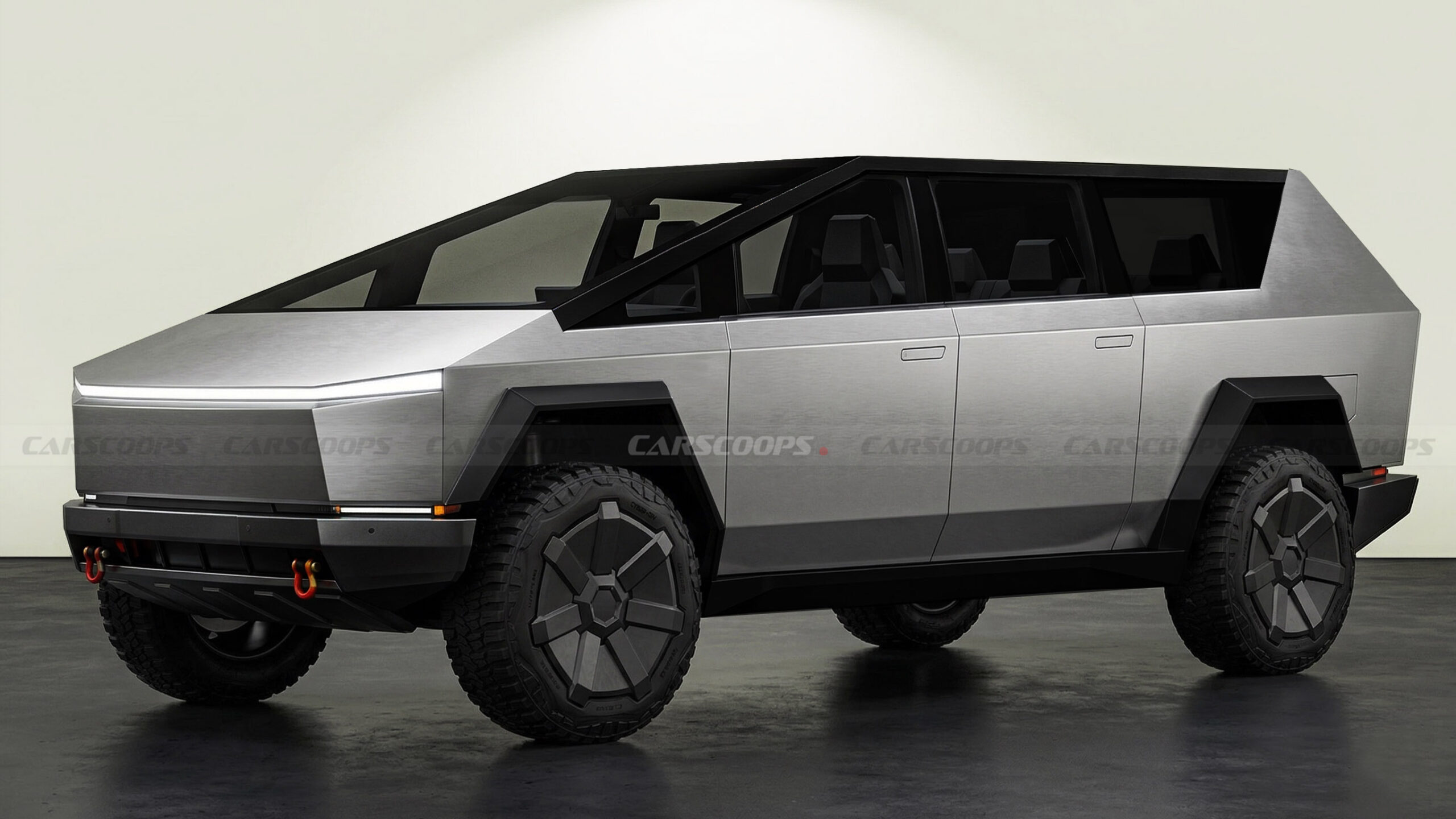
Our rendering of a Cybertruck-derived SUV (above) based on the clay model from last year (below).
 Tesla’s Next Model “Way Cooler Than A Minivan”, And That’s All Musk Will Say

The mockup featured a redesigned roofline and greenhouse, while the front-end design, full-width LED bar, and flat stainless steel surfacing appeared to carry over from the truck.

The timing matters, too, since Tesla is winding down production of the Model S and Model X this year, leaving a conspicuous gap in its production capacity.

More: Musk Lectures Legacy Brands On Cars, Even As Tesla Drifts Beyond Them

A CyberSUV would be larger and more spacious than the Model Y and Model X, positioning it against full-size SUVs such as the Cadillac Escalade.

Repurposing the Cybertruck platform for an SUV makes strategic sense. Sales of the electric truck are abysmal, given initial expectations, and an SUV twin could help Tesla increase production at Giga Texas while tapping a segment that American buyers never stopped loving. Keeping R&D costs down would be another advantage, particularly if the new model shared its underpinnings along with numerous exterior and interior components with the Cybertruck.

Could It Be A Longer Model Y?

Well this is interesting at Giga Texas today … what do YOU think this is? 🤔😎 pic.twitter.com/U9pLvqbf7L

— Joe Tegtmeyer 🚀 🤠🛸😎 (@JoeTegtmeyer) March 23, 2026

As we mentioned, another possibility is a stretched Model Y heading to North America. Last year, Musk stated that this model wouldn’t enter US production until late 2026, if at all. Footage from outside Gigafactory Texas, however, tells a somewhat different story.
More: Musk Said The U.S. Wouldn’t Get This Tesla. Texas Factory Footage Disagrees

Drone pilot Joe Tegtmeyer captured a large vehicle shell wrapped in blue plastic and sitting inside a wooden crate. Many believe the shell belongs to the Tesla Model Y L, already sold in China with extended bodywork and six-seat seating.

Whether the new Tesla will actually be cooler than a minivan remains to be seen. Hopefully, Tesla will clear up the mystery soon.

Something way cooler than a minivan is coming

— Elon Musk (@elonmusk) March 25, 2026
Yesterday — 26 March 2026Main stream

Volvo’s First Commercial Van Looks Familiar Because It Is

  • Volvo turned the EX30 into a two-seat electric commercial vehicle for fleets.
  • The rear bench is replaced by a flat floor offering 1,000 liters of cargo space.
  • Conversion is available on new stock and applies across the full EX30 lineup.

The EX30 may be the smallest SUV in Volvo’s lineup, yet that hasn’t stopped the brand from turning it into a working vehicle. Meet the Volvo EX30 Cargo, a second-stage conversion developed by the brand’s UK arm, pitched as a compact and very quick way to move parcels around town.

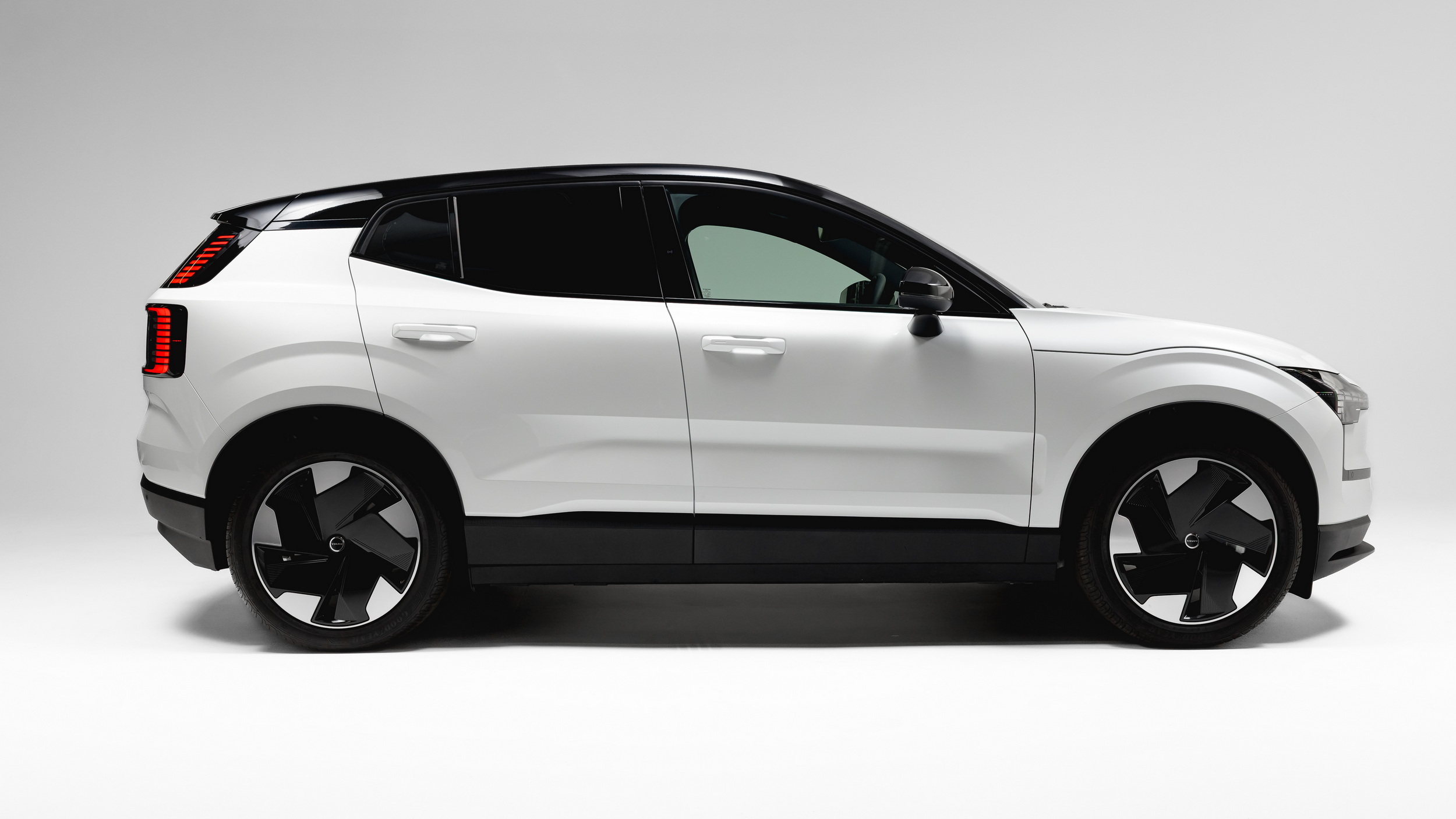
From the outside, Volvo’s first commercial vehicle looks just like a regular EX30 if you look past the pitch-black rear windows. Volvo will even offer it in Cross Country form, adding a tougher look and a touch more ground clearance for those who like their delivery runs with a bit of attitude.

More: After Just Two Years, Volvo Drops Its Cheapest EV From America

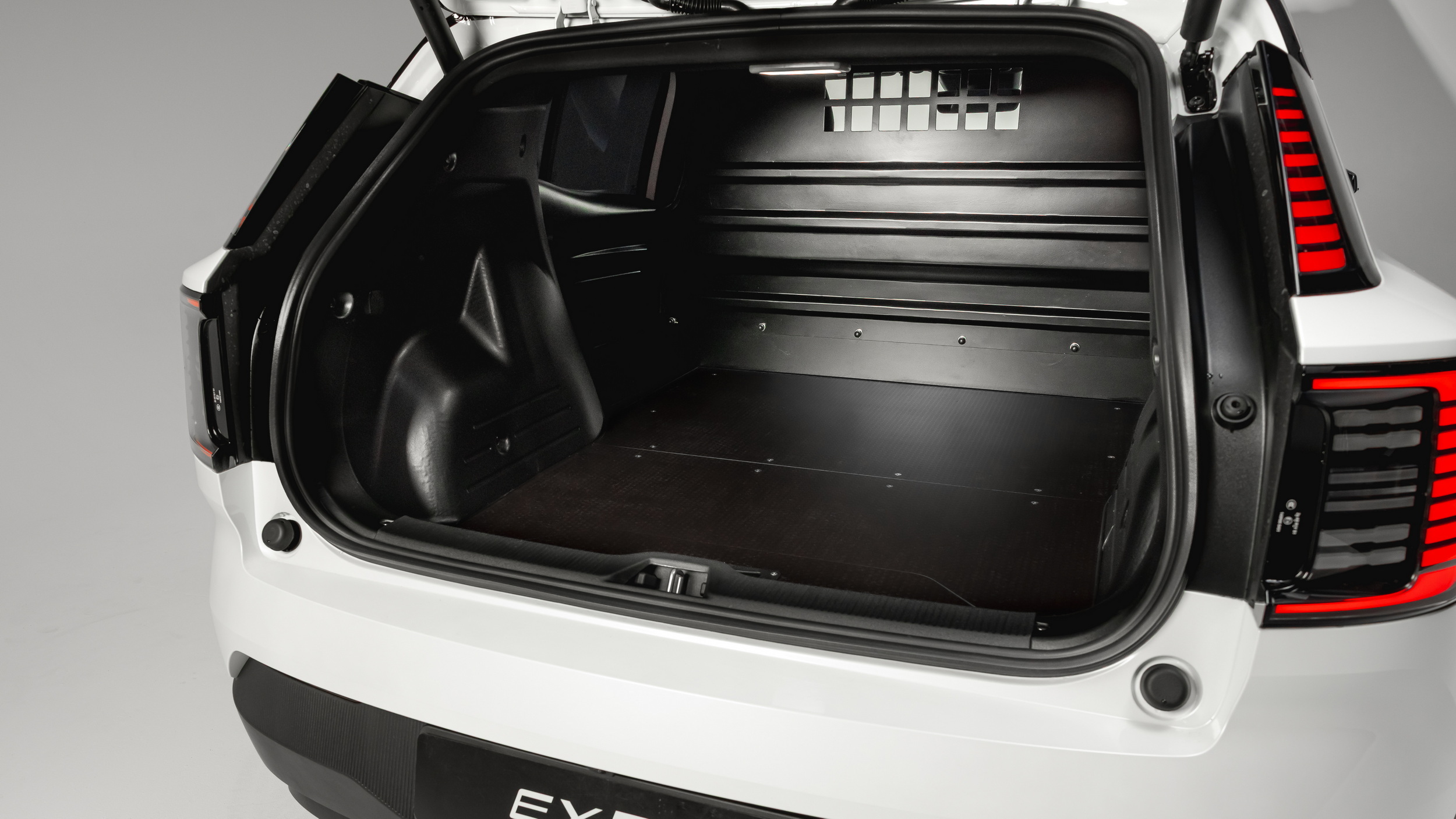
Open the tailgate, though, and the illusion falls away. What you find is effectively a two-seat van hiding inside a small SUV shell. The rear bench has been removed entirely, pushing cargo capacity from 318 liters (11.2 cu ft) in the passenger version to a much more useful 1,000 liters (35.3 cu ft).

To make it genuinely usable, Volvo added a bulkhead to separate the cargo area, paired with a flat load floor and tougher interior paneling that should shrug off daily abuse. Around the back, the rear doors now open wider, there’s an extra work light for low-visibility jobs, and an underfloor subframe brings additional mounting points into play. Payload capacity is rated at 390 kg (860 lbs).

 Volvo’s First Commercial Van Looks Familiar Because It Is

Despite its work-focused role, the EX30 Cargo retains the performance, safety, and technology of the standard model. After all, the conversion can be applied to both new vehicles and existing stock, making it available across the full lineup.

Review: New Zeekr X Got Me Questioning My Feelings For Volvo

The base Cargo Core trim comes equipped with automatic LED headlights, 18-inch Aero alloy wheels, adaptive cruise control, front and rear parking sensors, a rearview camera, and wireless Apple CarPlay and Google Android Auto.

Stepping up to the Cargo Plus adds 19-inch wheels, a black roof, heated seats and steering wheel, dual-zone climate control, a wireless charging pad, Pilot Assist, and a Harman Kardon premium audio system.

 Volvo’s First Commercial Van Looks Familiar Because It Is

In terms of performance, the entry-level EV offers 148 hp (110 kW / 150 PS), while the twin-motor AWD flagship delivers 422 hp (315 kW / 428 PS). The most powerful version completes the 0-100 km/h (0-62 mph) sprint in 3.6 seconds, making it an unexpectedly rapid way to deliver a small parcel in Britain.

More: New Base Volvo EX30 In Europe Has 45% Less Power Than Yours

The bad news is that the EX30 Cargo is exclusively available through Volvo UK’s fleet sales channels, so private buyers are excluded. Pricing starts at £36,010 ($48,200), which is £2,950 ($3,900) more than the least expensive passenger version. Availability in other markets has not been confirmed and appears unlikely.

\\\\\\

Volvo UK

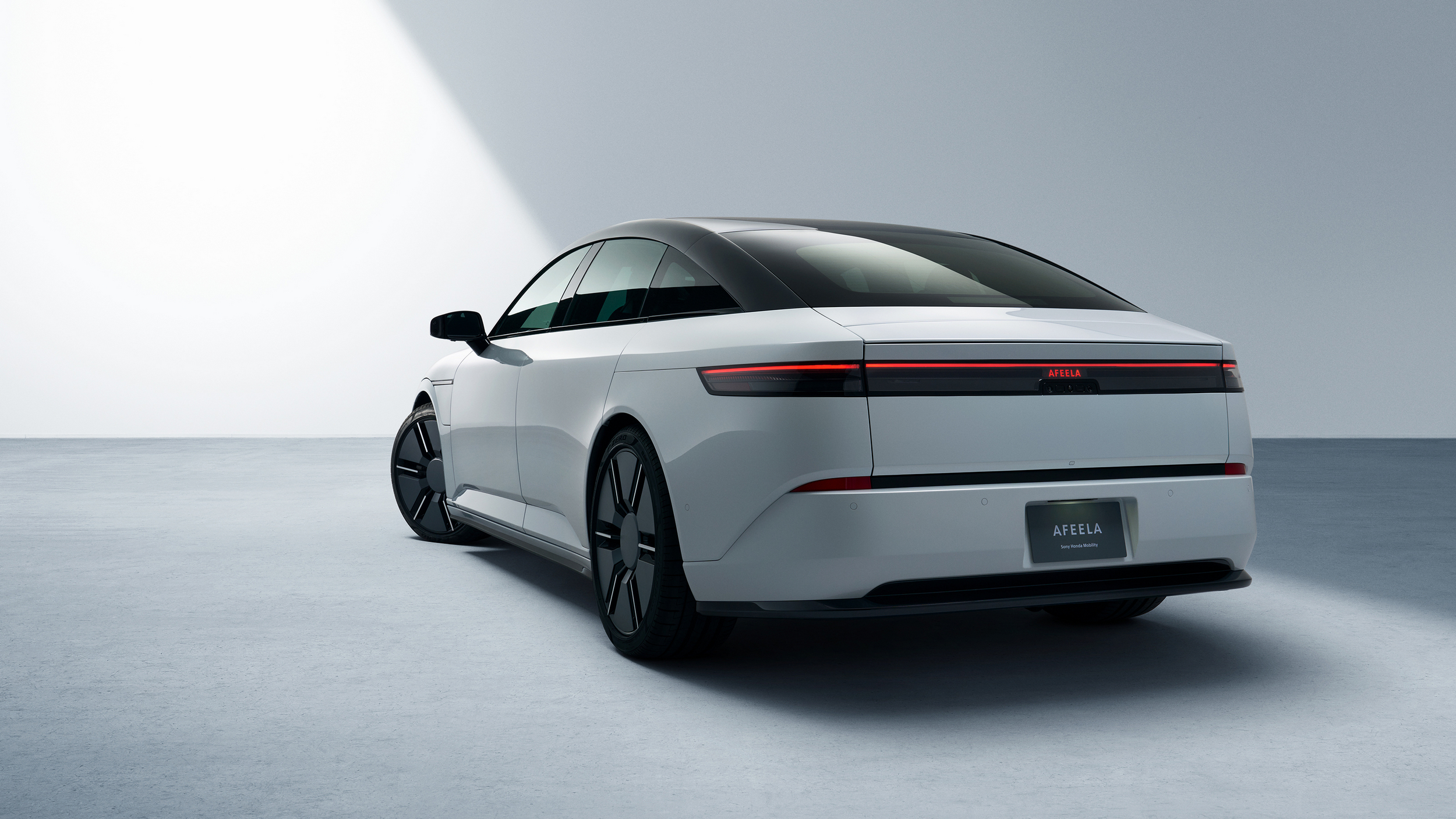
Honda’s EV Pivot Just Wiped Out The Entire Sony Afeela Brand

  • Sony Honda Mobility cancels electric sedan and SUV
  • Honda’s strategy shift leaves the joint venture without tech.
  • Reservation holders of the Afeela 1 will receive full refunds.

The dream of a Sony-branded electric car has officially run out of road, ending a project that once promised to blend consumer tech with automotive engineering. Sony Honda Mobility has confirmed it is pulling the plug on the development and launch of its entire EV lineup, including the Afeela 1 sedan set to arrive later this year, along with a follow-up SUV previously penciled in for 2028.

The decision effectively collapses the joint venture formed in 2022, which aimed to combine Sony’s software and entertainment ecosystem with Honda’s manufacturing backbone. What once looked like a credible attempt to rethink the in-car experience has instead unraveled before a single production model reached customers.

More: EV Bets Already Cost Four Legacy Carmakers $70B, And The Tab Keeps Climbing

The project’s demise traces directly back to Honda’s sweeping strategy reset announced earlier this month. The automaker pulled the plug on several key EV programs, including the Honda 0 Saloon, the 0 SUV, and the Acura RSX crossover, all of which had been planned for North America.
 Honda’s EV Pivot Just Wiped Out The Entire Sony Afeela Brand
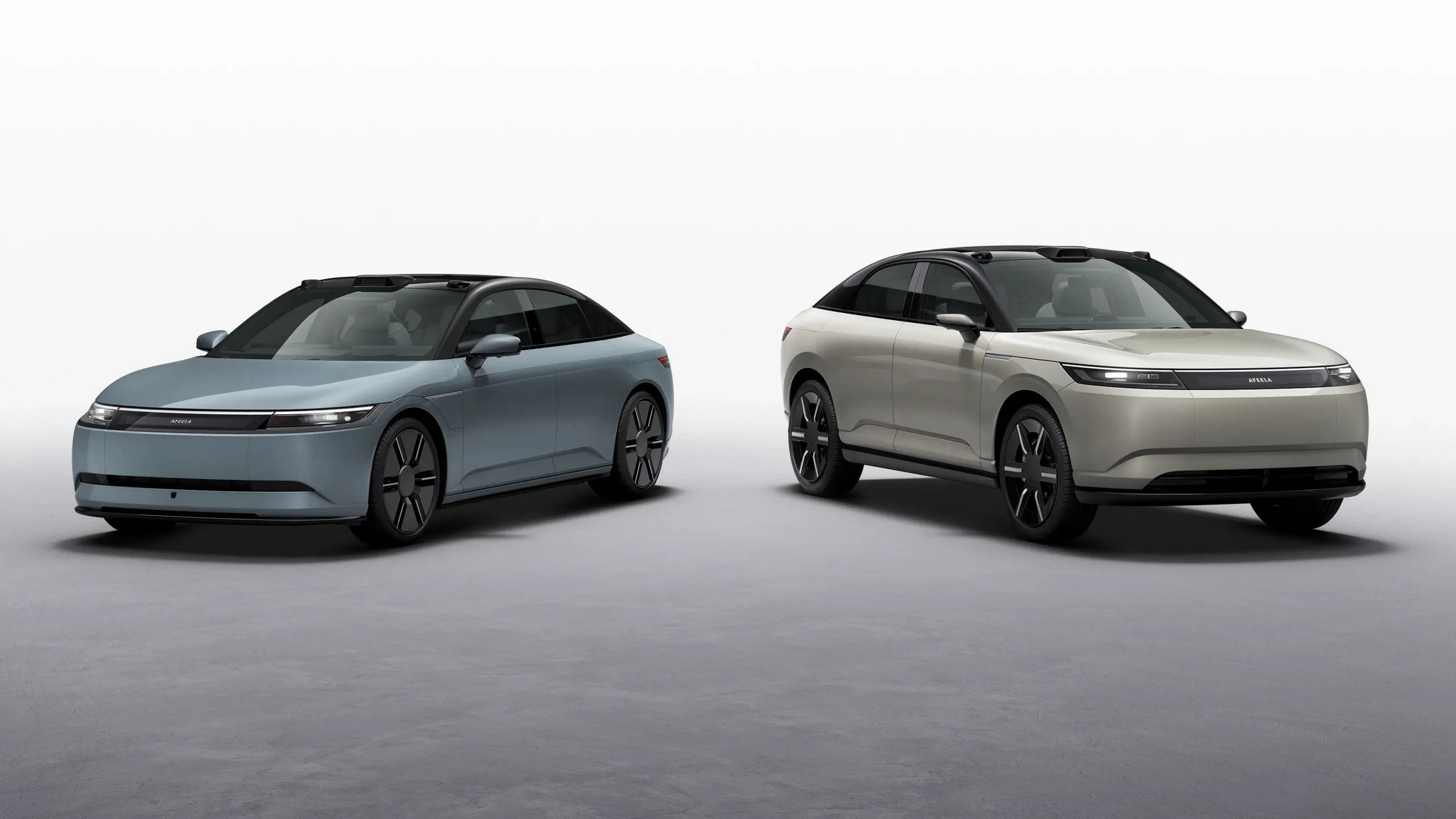
The Afeela 1 sedan (left) and a prototype of the mechanically-related SUV (right).

As Honda pivots away from its previous electrification targets to stem a projected 2.5 trillion yen ($15.7 billion) loss, it has withdrawn the technical assets and dedicated platforms that Afeela was supposed to use. Without the automaker’s hardware support, the joint venture admitted it does not have a viable path forward to bring the models to market as originally planned.

More: Honda’s Prologue Might Soon Become An EV Epilogue

The news comes shortly after Sony Honda Mobility of America announced the grand opening of the Afeela Studio and Delivery Hub in Torrance, California, on March 16. Instead of taking delivery of the Afeela 1, those who placed reservations for the electric sedan will receive full refunds.

Is It Game Over For Sony?

 Honda’s EV Pivot Just Wiped Out The Entire Sony Afeela Brand
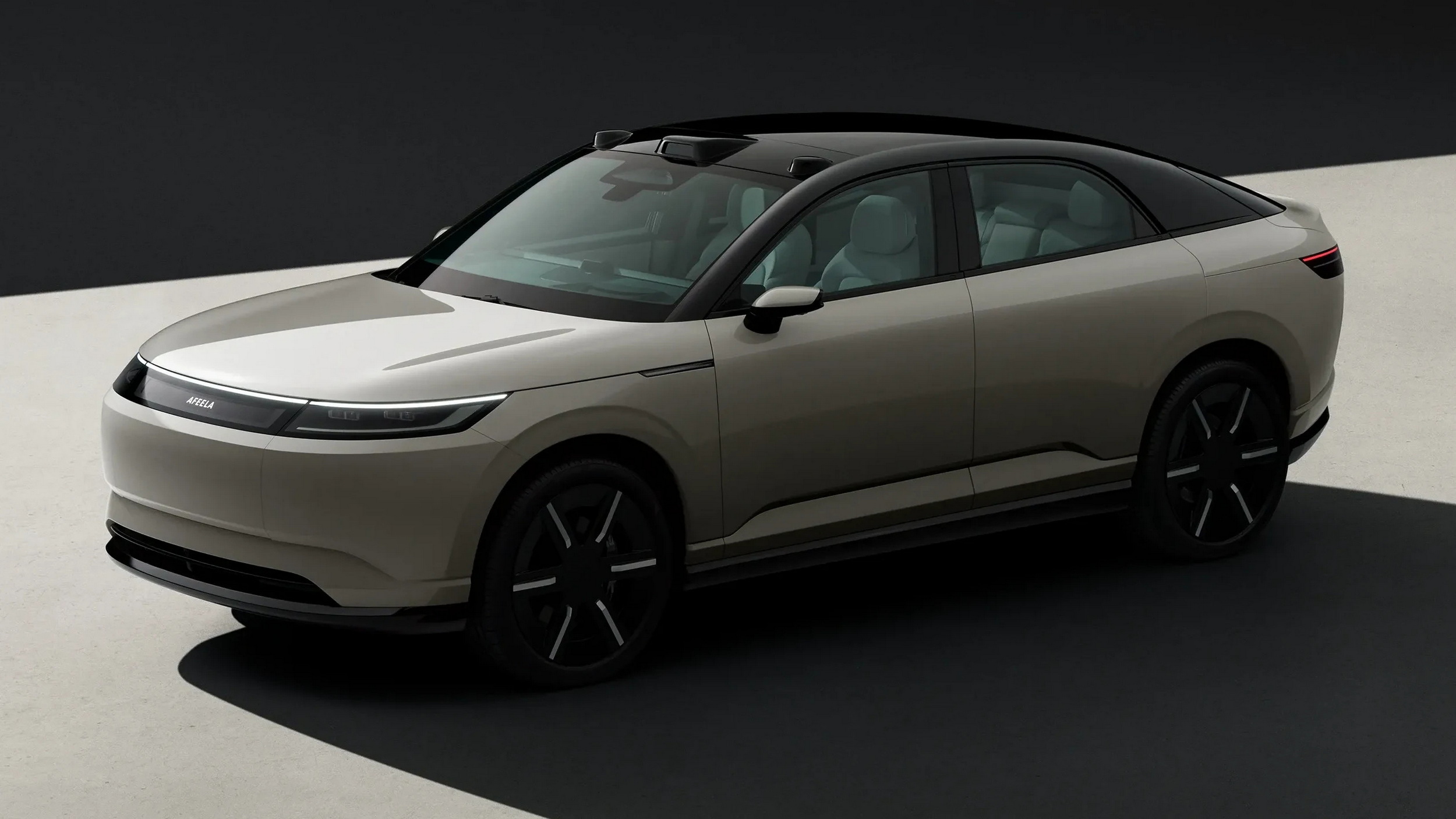
Afeela Prototype 2026

Sony’s push into the automotive space began with the Vision-S 01 and Vision-S 02 prototypes, unveiled at CES in 2020 and 2022, with the intention of evolving into production models. In 2022, Sony partnered with Honda to form the joint venture that would bring that ambition closer to reality.

The Afeela brand name was introduced at CES 2023 alongside an early prototype. By CES 2025, the production version of the electric sedan debuted as the Afeela 1, with reservations opening via a refundable $200 deposit and a target price of $89,900.

More: After Honda Kills Three EVs, Afeela Tries Something Shiny While It Still Can

The last chapter was written at CES 2026 with the unveiling of the Afeela Prototype 2026, which was intended to evolve into a production SUV by 2028. In March 2026, the company also revealed two art cars based on the Afeela 1 in collaboration with Matt Copson and Hajime Sorayama, though by then the project was already on borrowed time.

In its announcement, the company stated that Sony Honda Mobility will continue discussions with Sony and Honda regarding its future business plans. Whether it can repurpose its technology and resources, or whether this venture will stand as a costly experiment, remains unclear.

 Honda’s EV Pivot Just Wiped Out The Entire Sony Afeela Brand
Afeela 1
Before yesterdayMain stream

Land Rover Built It, Killed It, And Now China Is Bringing It Back Without A Land Rover Badge

  • Freelander returns as a standalone electrified brand under JLR and Chery.
  • The teaser reveals pixel-style LED headlights and a boxy SUV design.
  • A global rollout is planned following the first model’s initial launch in China.

The Freelander name is making an unexpected return, though not in the way many would have predicted just a few years ago. Jaguar Land Rover’s Chinese joint venture with Chery has confirmed that the new Freelander will debut on March 31. This time, the badge does not belong to Land Rover at all, instead re-emerging as a standalone electrified brand with no traditional ties to its former parent.

The first official teaser focuses on the rectangular headlights, featuring pixel-style LED graphics. We can also spot an upright nose and hints of fender extensions, paired with gray plastic cladding on the front bumper.

More: Jaguar Land Rover’s Design Boss Is Out After Two Decades With No Successor Named

The upright lines across the front seem to nod to the original design. The Land Rover Freelander first arrived in 1997, followed by a second generation in 2006 that stayed on sale until 2015, when it was ultimately phased out in favor of the Discovery Sport.

Overall, the new model leans heavily on the Land Rover Defender’s design playbook, much like a growing number of SUVs coming out of China. Still, with JLR’s UK studio leading the design, this one at least has a legitimate claim to the look.

\\\\\\\\

Earlier spy shots have already given away much of the Freelander’s stance, revealing a boxy silhouette that leans heavily into SUV convention. It is expected to feature a three-row layout, with an overall length stretching beyond 5,100 mm (200.8 inches), placing it firmly in large family hauler territory.

Under the skin, the SUV is expected to ride on Chery’s modular architecture. The platform is designed to support both fully electric and range-extender powertrains, while also enabling ultra-fast charging,

More: Jaguar Built Its Last Gas Car, Now It Might Build China’s Next Best-Seller

Production of the new model will be centralized at the CJLR plant in Changshu, China. The facility is currently undergoing a ¥3 billion ($436 million) investment as it transitions away from the aging Land Rover Discovery Sport and Range Rover Evoque, preparing instead for the upcoming Freelander lineup.

The Chinese joint venture has also begun scaling up its workforce, recently sharing a recruitment poster on social media that lists more than 30 open positions across its Shanghai and Suzhou operations. The recruitment drive confirms that JLR and Chery are building an entirely new corporate infrastructure. While the new brand will initially launch in China, a wider global rollout is planned for the near future.

Spy Shots: Chery-JLR Freelander SUV for China

Freelander is a new brand under Chery-JLR. The Chinese name is 神行者 (Shén Xíngzhě). Freelander will manufacture various SUVs based on Chery platforms.

The spy shots show a boxy off-road-style SUV during winter tests in Northern… pic.twitter.com/IduwHRG5vw

— Tycho de Feijter (@TychodeFeijter) February 1, 2026

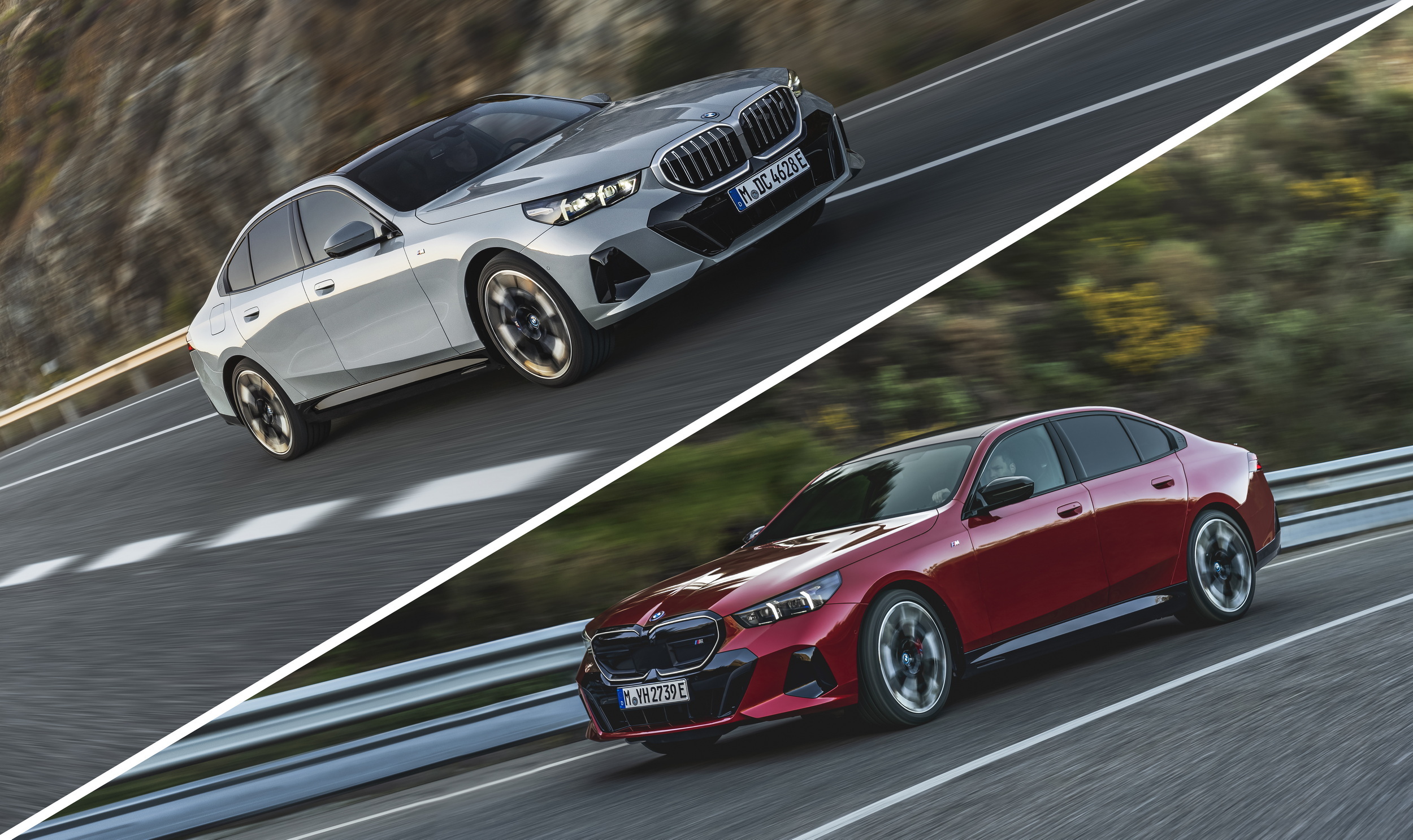
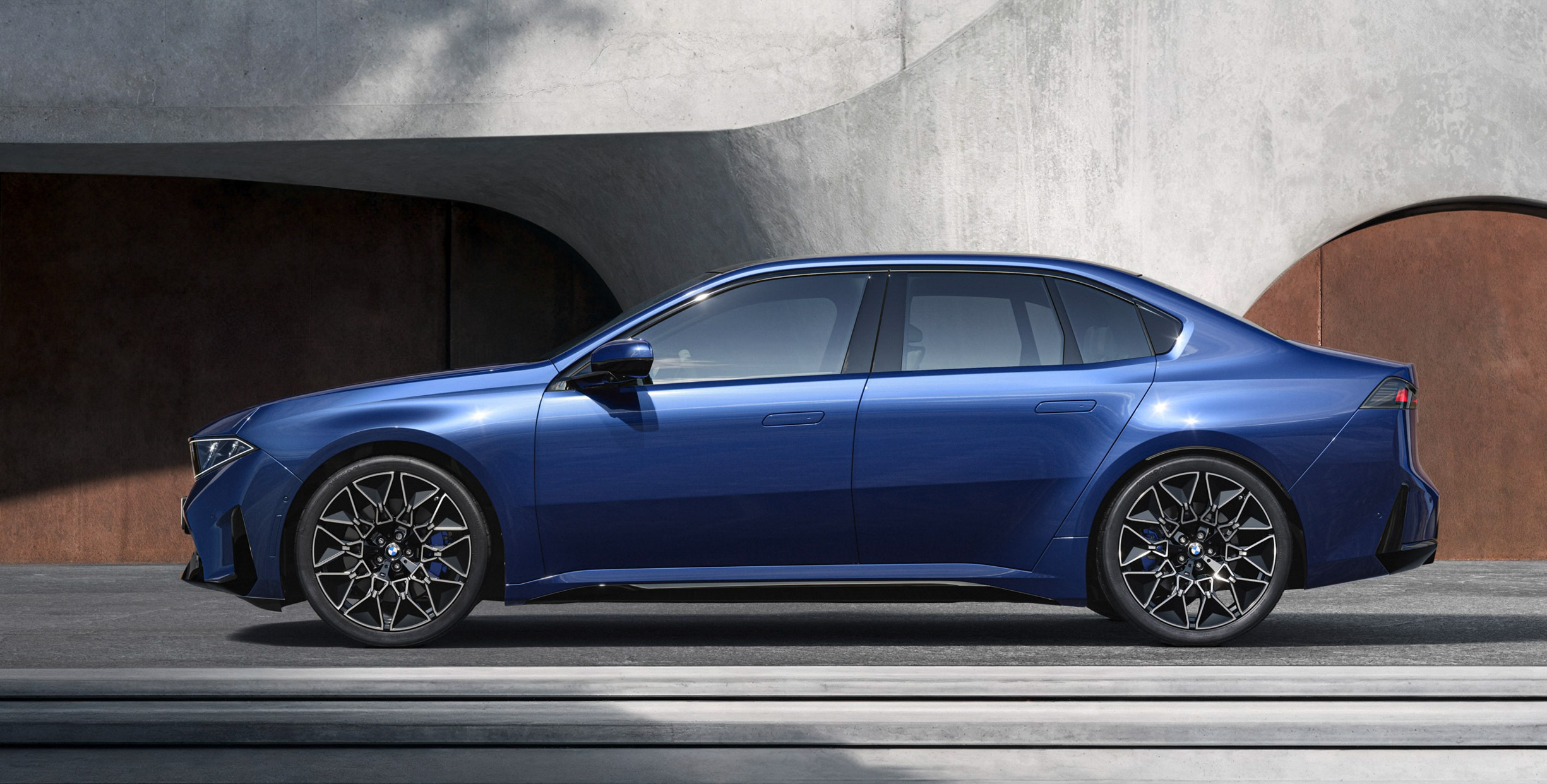
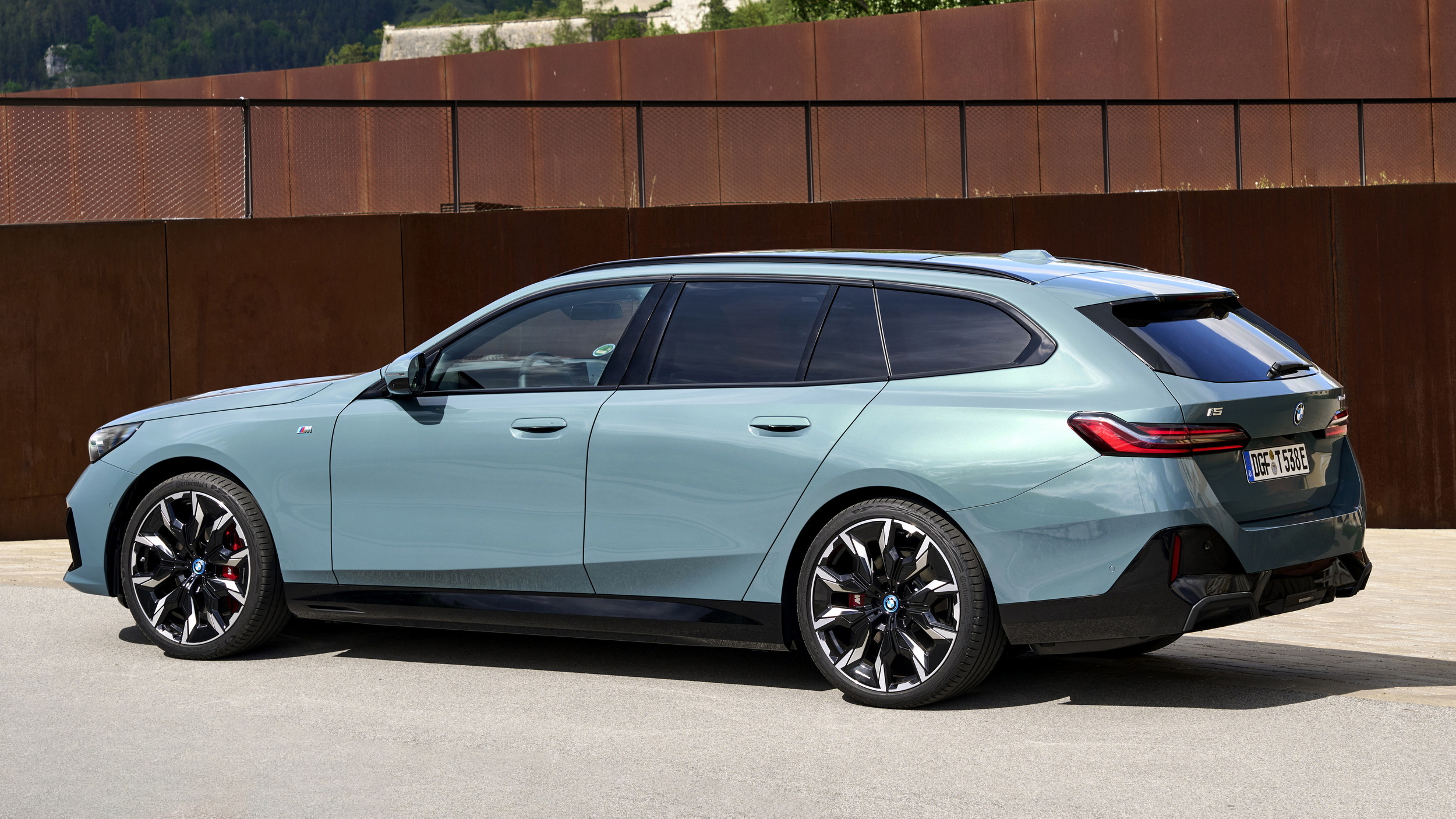
BMW Is Taking The Next i5 In A Direction The 5-Series Won’t Follow

  • The i5 will shift onto the Neue Klasse platform next generation.
  • That move will clearly set it apart from the ICE 5-Series sibling.
  • Before that, the current 5 and i5 will receive a Neue Klasse facelift.

BMW may have taken a one-size-fits-all approach with the current i5 and 5-Series, but that strategy is already on borrowed time. Looking ahead, the next generation is expected to split the two paths entirely, following the template set by the newer i3 / 3-Series and iX3 / X3, where each powertrain gets its own dedicated platform.

The transition is already underway. BMW has begun rolling out its Neue Klasse era with the all-electric iX3 SUV, and the i3 sedan close behind. It has also officially confirmed that Neue Klasse styling and technology will be applied to as many as 40 new and updated BMW models by 2027.

More: BMW Leak Reveals Two Very Different Futures For 2028 X5 And 7-Series Facelift

Joachim Post, BMW’s board member for R&D, explained the company’s thinking in a conversation with Auto Express:

“When we as BMW develop a new technology, we’re making 2.5 million cars a year in a lot of derivatives. What is always important for us is to scale. We are a global player, and we must scale our technology into the whole fleet to get that economy of scale. That gives you a feeling that once we do things, we don’t do it for just one car,” he told the magazine.

Neue Klasse Platform Expansion

 BMW Is Taking The Next i5 In A Direction The 5-Series Won’t Follow
The current BMW i5 looks nearly identical to the 5-Series.

Beyond individual components such as electric motors, battery packs, infotainment systems, and ADAS, those comments extend to the EV-focused Neue Klasse architecture. Post suggested that the platform will eventually underpin larger models, including future iterations of the i5 and i7. That would clearly separate them from their combustion-powered 5-Series and 7-Series counterparts, which are expected to continue using the CLAR platform.

More: BMW’s Already Facelifting The Facelifted Neue Klasse 5-Series

The current 5-Series and i5 arrived in 2023 and are expected to receive a facelift in 2027. That timeline points to a full generational replacement toward the end of the decade. A similar pattern applies to the 7-Series and i7, which debuted in 2022 and are now approaching their own mid-cycle update with revised styling and technology.

EV Proportions Shift

By moving away from the constraints of platforms designed around inline-six engines and traditional transmissions, BMW designers gain significantly more flexibility. While a cohesive family identity will likely remain, dedicated EV models will inevitably feature different proportions and packaging compared to their ICE counterparts.

 BMW Is Taking The Next i5 In A Direction The 5-Series Won’t Follow
The new BMW i3 sedan

The first clear example will be the next 3-Series, expected to arrive as a heavily updated evolution of the current model. Spy shots already indicate a different dash-to-axle ratio compared to the i3 sedan, even though both share similar visual cues.

More: BMW’s New 3-Series Wagon Just Crashed The i3 Party

Similarly, shifting the next i5 and i7 onto dedicated EV platforms should bring shorter overhangs, longer wheelbases, and more cab-forward silhouettes. The focus here leans heavily toward interior space and aerodynamic efficiency.

BMW, however, appears keen to avoid the rounded, egg-like profiles seen on the Mercedes-Benz EQE and EQS, which struggled to win over buyers. Mercedes itself is now pivoting, with future EVs set to more closely resemble their combustion-engine equivalents.

 BMW Is Taking The Next i5 In A Direction The 5-Series Won’t Follow
The current BMW i5 Touring

Hyundai Unveils Luxurious Version Of Its Smallest EV

  • The Hyundai Casper Electric Lounge is the new flagship trim of the micro-SUV.
  • Exclusive 17-inch alloy wheels and new colors distinguish the exterior design.
  • The cabin gets genuine leather upholstery and plenty of standard equipment.

Hyundai’s smallest EV is getting a taste of the finer things. The automaker is taking its most compact electric vehicle upmarket with the debut of the Lounge trim for the Casper Electric in South Korea, also known as the Inster in export markets. The new micro-SUV trim serves as a premium alternative to the rugged Cross model, sitting at the top of the range.

On the outside, the Lounge is distinguished by a new grille pattern, an exclusive Glow Mint paint option, a lighter Medium Metallic Paint finish for the plastic cladding, and a set of 17-inch futuristic-looking alloy wheels. Like the Cross, it now comes standard with full-LED headlights and taillights.

Review: The Hyundai Inster Ticks Many Boxes Except The One That Counts

The interior is where the Lounge truly sets itself apart from its siblings. The headline feature is genuine leather upholstery, which remains genuinely rare in this segment. Hyundai has also fitted knit-material headliner and sun visors, along with Kevlar cone speakers for improved sound quality.

\\\\\\\\\\

Hyundai Casper Electric Lounge

The 10.25-inch infotainment display and matching digital instrument cluster are both standard, as is Level 2 ADAS. A sunroof and wireless charging pad are optional extras. Hyundai also offers a range of accessories including interior storage solutions, pet-friendly items, roof racks, a retractable awning, and an inflatable mattress.

Powertrain And Pricing

Mechanically, the Casper Electric Lounge uses the more potent 113 hp (84.5 kW / 115 PS) electric motor paired with the larger 49 kWh battery pack. Driving range is rated at 295 km (183 miles), which is 10 km (6 miles) more than the Cross but 20 km (12 miles) fewer than the Inspiration, a gap attributed to the different wheel size.

\\\\\\\\\\\\\\\

Hyundai Casper Electric

Predictably, the Casper Electric Lounge is the most expensive version of the urban EV on sale in Korea. It is priced at ₩36,410,000 ($24,500), or ₩1,260,000 ($850) more than the Cross. According to the Korean Car Blog, however, the effective price drops closer to ₩20 million (around $13,400) once EV subsidies in Seoul are factored in.

More: New Hyundai Inster Is A Tiny Electric Crossover For The Masses

Hyundai has yet to confirm whether the new flagship trim will reach export markets under the Inster name, following the precedent set by the Cross.

The automaker also continues to offer an gas-powered Casper in Korea, featuring a 180 mm (7.1 inches) shorter wheelbase than the Casper Electric. It is available with naturally aspirated and turbocharged versions of a 1.0-liter three-cylinder engine, though it misses out on the Lounge and Cross grades offered on its fully electric sibling

\\\\\\\\\\

Hyundai Casper Electric

Smart Thinks Its E-Class-Sized Sedan Looks Like A Shark, And Stands By It

  • Smart has shared more photos of the #6 ahead of its market launch in China.
  • The flagship fastback sedan adopts shark-inspired styling cues and active aero.
  • It will be initially available with a PHEV powertrain offering a 1,125-mile range.

Smart may be best known for its pint-sized two-door hatchbacks, but its lineup has been steadily expanding to include SUVs and coupe-style crossovers. Now it is pushing further upmarket with something entirely different. The Geely and Mercedes-backed brand has unveiled its first fastback, pairing an aerodynamic silhouette with what it describes as, “shark-inspired” styling cues.

More: You’re Not Wrong, The New Mercedes GLB Looks Suspiciously Like A Smart

Following its earlier appearance in regulatory filings, Smart has now released a fresh batch of images of the #6 EHD. Mercedes-Benz was responsible for the exterior, and Smart says the whole thing takes its cues from marine predators.

At the front, the hood integrates functional air channels that Smart has branded “Bionic Shark-Gills.” Around the rear, a four-stage adjustable spoiler is said to echo the movement of a shark’s tail Or so the company claims, so take that with a pinch of seal salt.

Other details include tightly drawn body surfacing along the profile, aggressive LED headlights linked by a central grille element, and full-width LED taillights set within a sculpted rear panel.

\\\\\\\\\\

At 4,906 mm (193.1 in) long, the #6 sits in executive sedan territory, being closer to a Mercedes E-Class or BMW 5-Series than anything Smart used to build. The 2,926 mm (115.2 in) wheelbase is the longest the brand has put into production, which should pay dividends for cabin space.

The interior has yet to be revealed, but spy shots suggest it will feature a tall center tunnel and a large infotainment display with the latest tech, similar to the Smart #5 SUV.

Electrified Powertrains

The Smart #6 sits on Geely’s PMA2+ architecture, a further development of the widely used SEA platform that also underpins models like the Zeekr 007 and its GT counterpart. It will debut as a plug-in hybrid, with fully electric versions set to follow, including a range-topping Brabus variant.

More: Smart’s About To Drop A #2 On The City Car Segment

The EHD, short for Extended Hybrid Drive, uses Geely’s NordThor 2.0 system. It pairs a turbocharged 1.5-liter gasoline engine with a front-mounted electric motor, delivering a combined 429 hp (320 kW / 435 PS). The headline figure is range, with a claimed 1,810 km (1,125 miles) on the CLTC cycle, including up to 285 km (177 miles) in electric-only driving.

The Smart #6 EHD is scheduled to launch in China in the coming months, ahead of a global rollout. Pricing will be announced at a later date.

\\\\\\\

Smart

Mahindra Offers To Buy Back Its Sold-Out Batman SUV

  • Mahindra offers a full buyback for the BE 6 Batman Edition.
  • The move follows backlash over a second “limited” batch launch.
  • First-batch owners can return SUVs for a full refund by April 17.

Exclusivity is a powerful currency in the car world, and it’s not just reserved for exotics. Mahindra is now learning that the hard way. After two rapid-fire sellouts of its officially licensed BE 6 Batman Edition, the automaker is now dealing with pushback from early buyers and has rolled out a 30-day buyback scheme.

The BE 6 Batman Edition first appeared in August 2025, bringing a mix of exterior and interior details inspired by the Dark Knight. It was initially pitched as a 300-unit run, but demand quickly changed those plans. Mahindra expanded production to 999 units, and they were gone in a claimed 135 seconds.

More: Mahindra’s Confused Formula E SUV Looks More Dakar Than Formula

By March 2026, Mahindra went back for another round, reopening orders for a second batch of 999 units on the back of what it called “unprecedented demand”. Those didn’t hang around either, selling out in just seven minutes and confirming there’s strong appetite for anything with a hint of Bruce Wayne about it.

Disappointment Among The “Founding Owners”

What was pitched as a 1-of-300 collector’s piece quickly ballooned into a 1-of-1,998 run. So much for exclusivity. Unsurprisingly, owners weren’t thrilled, and social media filled up fast with complaints accusing Mahindra of watering down what was meant to feel special.

More: You Can Buy Four Of These Wrangler Clones For One Jeep And Still Have Cash Left

In response, Mahindra has taken the unusual step of offering a way out. First-batch buyers now get a 30-day window, from March 18 to April 17, to return their Batman SUVs for a full refund. Hand the keys back, and you’ll get ₹27.79 lakh ($29,900), the original ex-showroom price, rather than the slightly higher ₹28.49 lakh ($30,700) attached to the later batch.

\\\\\\\\\\\\

Whether owners will actually hand the keys back is anyone’s guess. Some might take the guaranteed refund, others may hold on and hope values recover. Not long ago, low-mileage first-batch cars were advertised at up to ₹45 lakh ($48,500). Since the second wave landed, that’s slipped to roughly ₹29–31 lakh ($31,200–33,400).

The Electric Batmobile

So why all the noise in the first place? This special edition came together through a collaboration with Warner Bros Discovery Global Consumer Products. Underneath the themed styling, it’s based on the range-topping BE 6, packing a 282 hp (210 kW / 286 PS) electric motor and a 79 kWh battery.

More: You Can Pretend To Be Batman With This Bulletproof Lamborghini

Visually, the Batman Edition is distinguished by the Satin Black shade with gloss black graphics, an Alchemy Gold finish for the suspension and the brake calipers, 20-inch alloy wheels, and countless bat emblems around the bodywork.

\\\\\\\\\

Inside, it leans fully into the theme. Black suede and leather cover most surfaces, broken up by gold accents that make sure you don’t forget this is the special one. Then come the details. Custom puddle lights, bespoke welcome animations on the infotainment screen, unique sounds, even an illuminated bat logo set into the glass roof.

Despite the production increase, the “Founding 999” units still hold a slight edge because they are the only units with the numbered dashboard plaques.

As for Mahindra, it’s sticking to the script. The company says these kinds of editions are about “celebrating passion and individuality,” and hints that more of these themed projects are already in the pipeline for 2027.

Mahindra

New Fiat Giga Panda SUV And Lancia Gamma Have A Reveal Date

  • Fiat returns to the compact segment with two new production SUVs.
  • The “Giga Panda” in SUV and Fastback forms will premiere in Paris.
  • Other Stellantis debuts include the Lancia Gamma and two concepts.

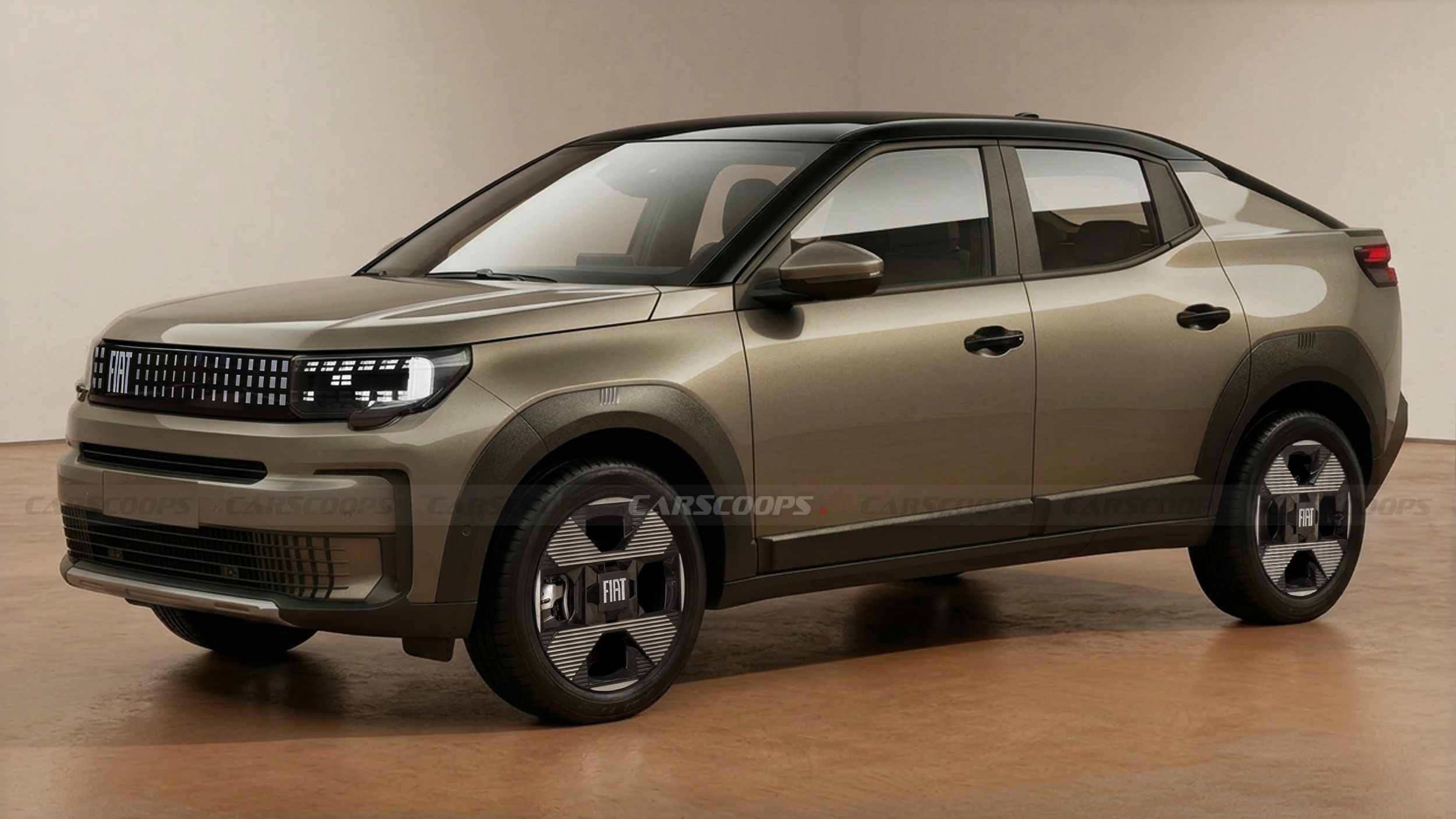
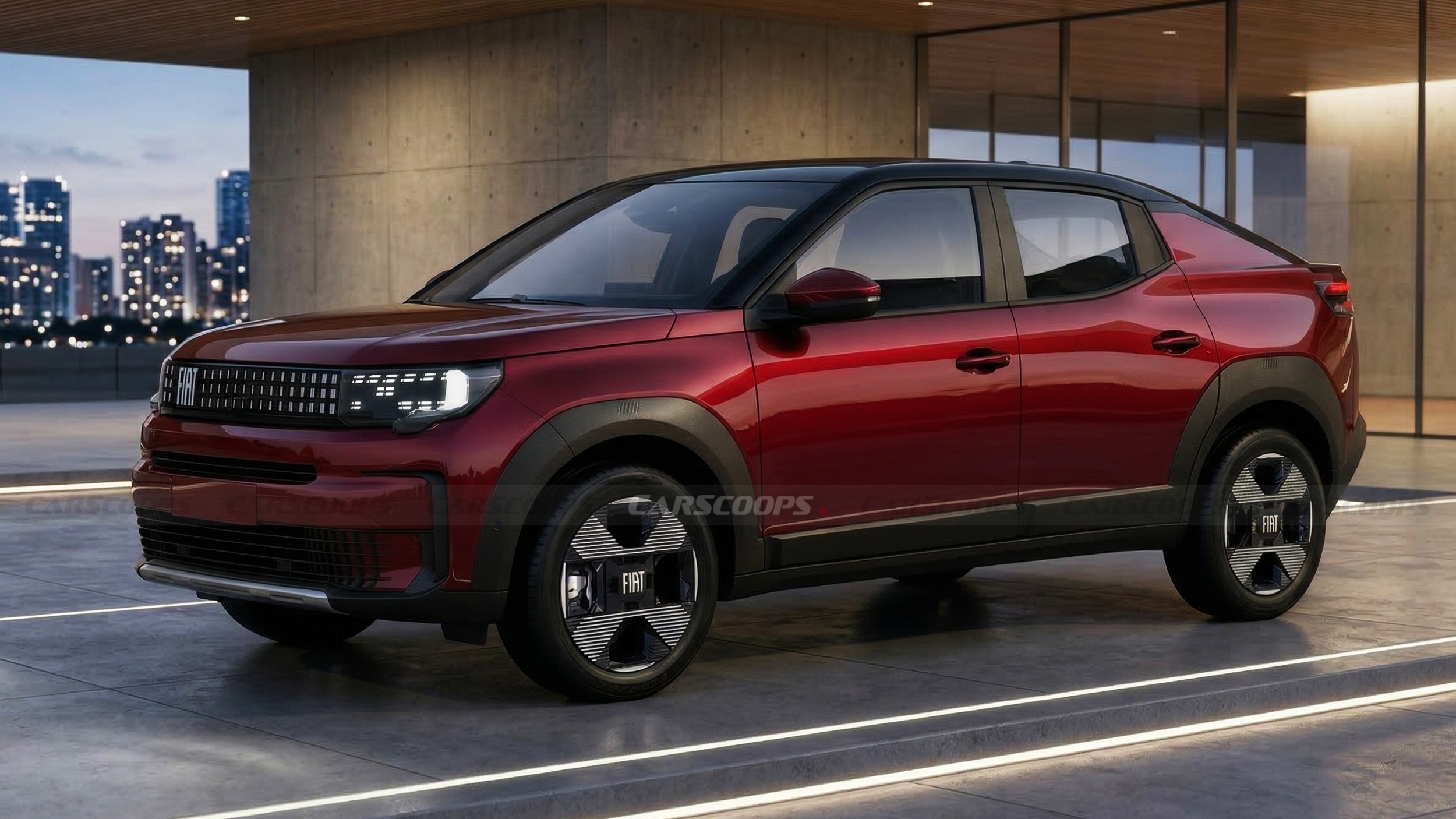
Fiat is lining up three debuts for the Paris Motor Show this October, two production cars and one concept. In the process, the brand returns to the compact segment, all but confirming that the long-teased “Giga Panda” SUV and Fastback will be the main attractions.

Building on the momentum of the Grande Panda, these new additions are set to be larger, more practical, and better suited to family duties. Their designs will closely follow the 2024 concepts, with the SUV adopting a more upright rear end, while the Fastback getting a sloping roofline similar to the Citroen Basalt.

More: Fiat’s New SUV Concept Just Got Real And The Fastback Roofline Isn’t Even The Best Part

Expect the two models to share a front-end design, featuring pixel-style LED lighting and a covered grille. Our speculative rendering, which is based on earlier prototype sightings, depicts the Fastback with modern styling cues borrowed from the smaller Grande Panda.

 New Fiat Giga Panda SUV And Lancia Gamma Have A Reveal Date
Illustrations Thanos Pappas / CarScoops

Underneath, both sit on Stellantis’ Smart Car platform, already in use on models like the Citroen C3 Aircross and the Opel Frontera. While it’s a cost-conscious architecture, it’s also a flexible one, supporting everything from combustion to mild-hybrid and fully electric powertrains.

More: A Tiny Crossover May Finally Bring Gas Engines Back To Abarth

Fiat has shared almost no details about the new concept, beyond vaguely calling it “exclusive.” Whether it previews another future addition to the expanding Panda family remains unclear.

 New Fiat Giga Panda SUV And Lancia Gamma Have A Reveal Date

What Else Will Stellantis Debut?

While Fiat focuses on the more affordable end of the spectrum, the wider Stellantis lineup is also bringing a few noteworthy debuts to this year’s Mondial de l’Auto in Paris.

More: New Lancia Crossover Appears In The Wild Hiding A Famous Old Name

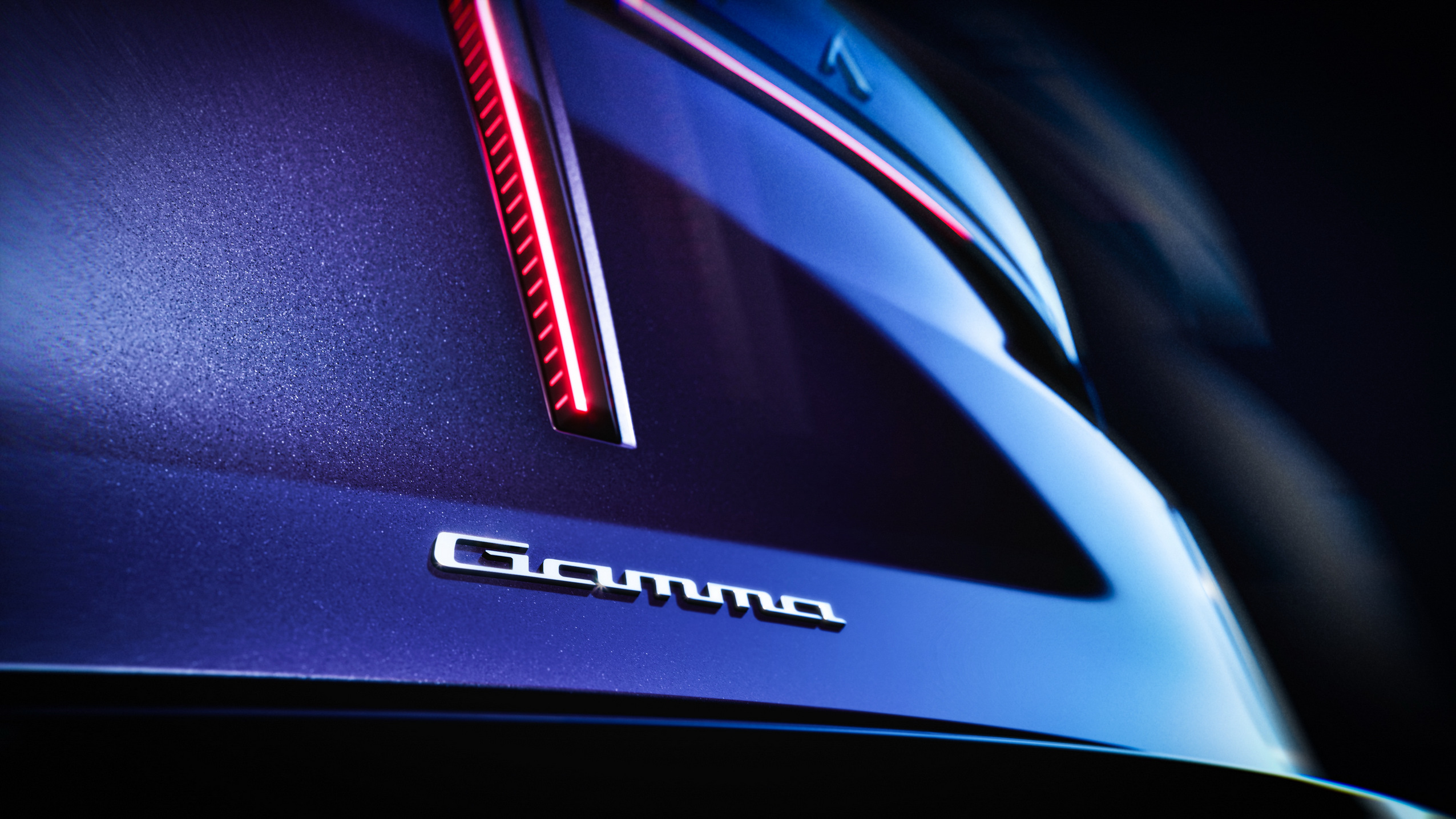
Lancia is set to take a leading role with the public debut of the all-new Gamma. It arrives as a sleek fastback-style crossover and will be built at the Melfi plant in Italy, alongside the DS No8. Underneath, it uses the STLA Medium platform, with a full spread of options including electric, mild-hybrid, and plug-in hybrid powertrains.

 New Fiat Giga Panda SUV And Lancia Gamma Have A Reveal Date
An earlier teaser for the new Lancia Gamma.

Citroen is also bringing a new concept to Paris, promising something “packed with personality.” Whether that means a pure design study in the vein of the late-2025 ELO concept or an early look at a future production model is still up in the air.

More: Stellantis Admits EV Bet Went Too Far, $26 Billion Later

Leapmotor, the Chinese brand backed by Stellantis, will also make an appearance with the B03 subcompact hatchback, positioned as the lower, better-looking counterpart to the B03X SUV. A different shape, same idea.

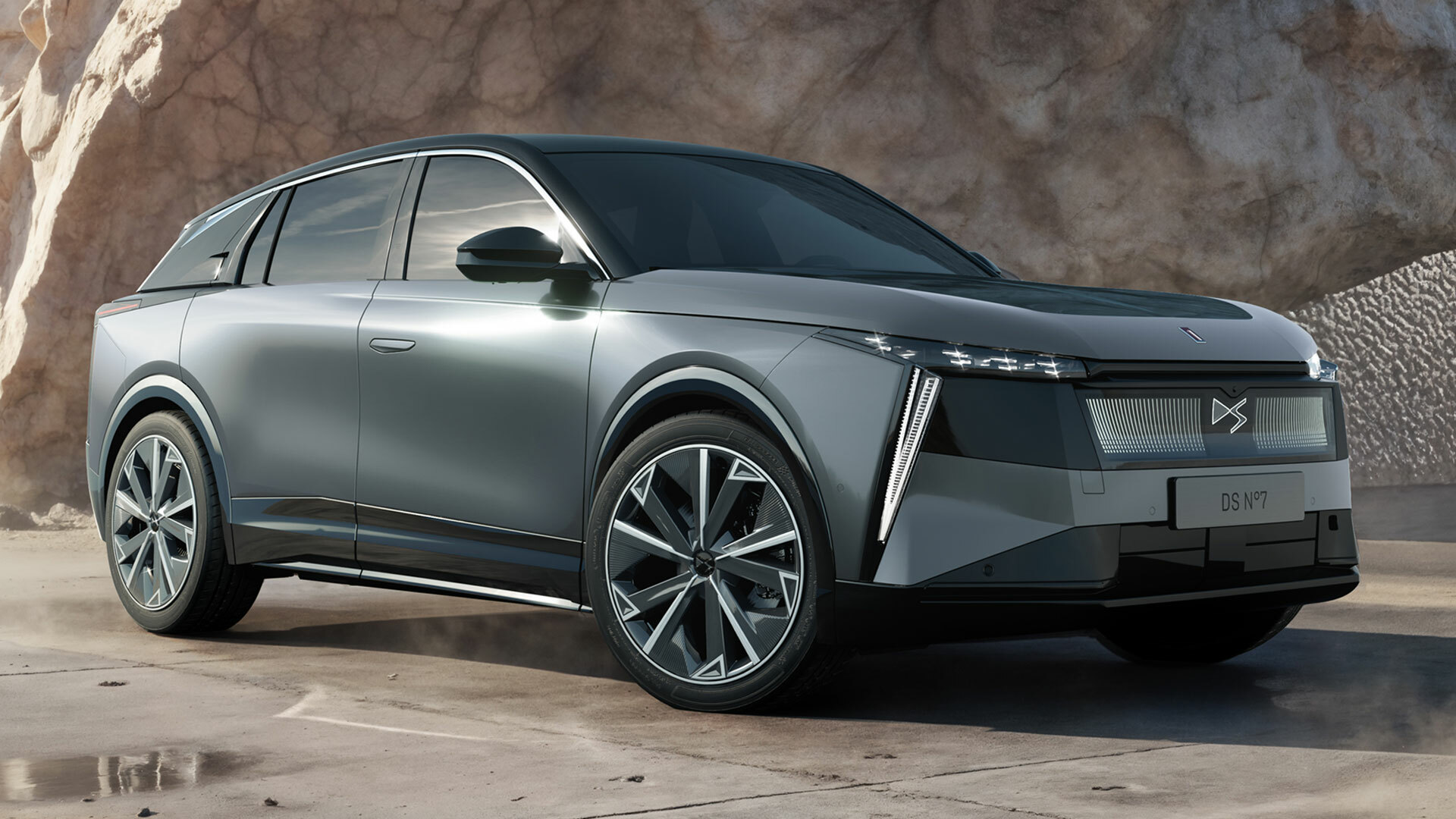
As for DS Automobiles, the more premium French brand is set to roll out the No7 SUV following its recent online reveal. The Stellantis roster, which includes Peugeot, Opel, and Alfa Romeo, will be on hand, though their displays will stick to models we have already seen.

 New Fiat Giga Panda SUV And Lancia Gamma Have A Reveal Date
DS No7

New Subaru Patents Fuel STI Hatchback Rumors

  • The rumored STI hatchback appeared in patent drawings in Japan.
  • A closer inspection suggests it is the Performance-B STI Concept.
  • Still, Subaru is rumored to be working on the return of a hot hatch.

The trail of breadcrumbs pointing to the return of a proper Subaru STI has been an entertaining one to follow. Shortly after the company put its new racing hatchback through testing, a set of patent drawings surfaced online, fueling more speculation about a potential production version.

The patents, filed at the Japan Patent Office, depict a Subaru hatchback with a wide body kit, WRX-sourced headlights, a new grille, and prominent aero components. It looks nearly identical to the Performance-B STI Concept from the 2025 Japan Mobility Show.

More: Subaru Says STI Is “Not Dead”, But Its Boxer May Be

A closer look reveals only minor differences, namely the absence of extra vents on either side of the signature hood scoop and the lack of tailpipes at the rear. The latter likely relates to the patent application itself, much like the blank wheels and simplified lighting details.

Concept Design Captured In Patents

\\\\\\\

Japan Platform for Patent Information

As reported by Top Gear Philippines, which spotted the filing on the Japan Platform for Patent Information, the documents were submitted on September 29, 2025, one month before the show car’s debut on October 30. The timing, combined with the near-perfect visual match, strongly suggest these drawings depict the Subaru Performance-B STI Concept rather than a rumored 2027 production model.

More: Subaru Showed Four New STI Models, And Not Even One’s A Real STI

A quick search of the same database shows that similar patents for the Subaru Performance-E STI Concept were filed on the very same day. They replicate the fully electric fastback’s design without any changes. This is standard practice, as automakers routinely secure design protection for both concepts cars and future production models ahead of their public debut to prevent copyright issues.

\\\\\\\

What About The Rumors?

While these patents likely exist for legal reasons, the timing of their discovery is what has enthusiasts paying attention. Subaru’s HiPerfX2 hatchback, essentially the racing counterpart to the Performance-B STI Concept, is set to compete in Japan’s Super Taikyu series, where it will double as a rolling development lab.

More: Subaru’s WRX STI Hatch Is Back On Track, Just Not On The Street

The race car pulls together an assortment of WRX STI sedan components, wrapped in a widebody hatchback silhouette that appears to draw from the Impreza. Under the hood sits a motorsport-tuned version of the turbocharged 2.4-liter boxer engine, producing 359 hp (268 kW / 364 PS), paired with a six-speed manual gearbox and an all-wheel-drive system.

\\\\\\\\\\

Subaru Performance-B STI Concept

Talk of a 2027 return for the WRX STI hatchback starts to make more sense when you look at the gaps forming in Subaru’s current lineup. The company has confirmed it will stop taking orders for the WRX sedan in Japan, along with the Levorg and Layback wagons, leaving some notable space to fill.

Another telling move is the removal of the STI Sport grade from the WRX range, which could be less about trimming options and more about clearing the stage for something more exciting with the STI badge.

Whether this all points to a routine model year reshuffle or a deeper generational reset, one that finally brings the STI badge back to a hot hatch, is still an open question.

\\\\\\\\\\\\\\

Subaru Performance-E STI Concept

Audi Is Finally Building The SUV US Dealers Wanted, With A Rivian Surprise Coming Next

  • Audi will launch the Q9 flagship SUV and A2 e-tron EV this year.
  • The first Audi with a Rivian-sourced architecture will arrive in 2028.
  • The brand sold 1,623,551 vehicles in 2025, including 223,032 EVs.

Audi is finally stepping into a part of the market it has long circled but never fully committed to. In 2026, that changes with the arrival of the Q9, a proper flagship SUV aimed squarely at the heavyweight class. At the other end of the lineup, the brand is also revisiting a familiar idea, confirming a new entry-level EV that brings back the A2 name.

Speaking at the 2026 Annual Media Conference, CEO Gernot Dollner pointed to both arrivals as key pieces of Audi’s next move. “The new Audi Q9 strengthens our position in the US and defines the top of our portfolio. And with the A2 e-tron, we are bringing a highly efficient entry point into electric mobility to market in fall 2026, a clear statement on efficiency.”

More: This Is The SUV Audi Dealers Think America’s Soccer Moms Actually Want

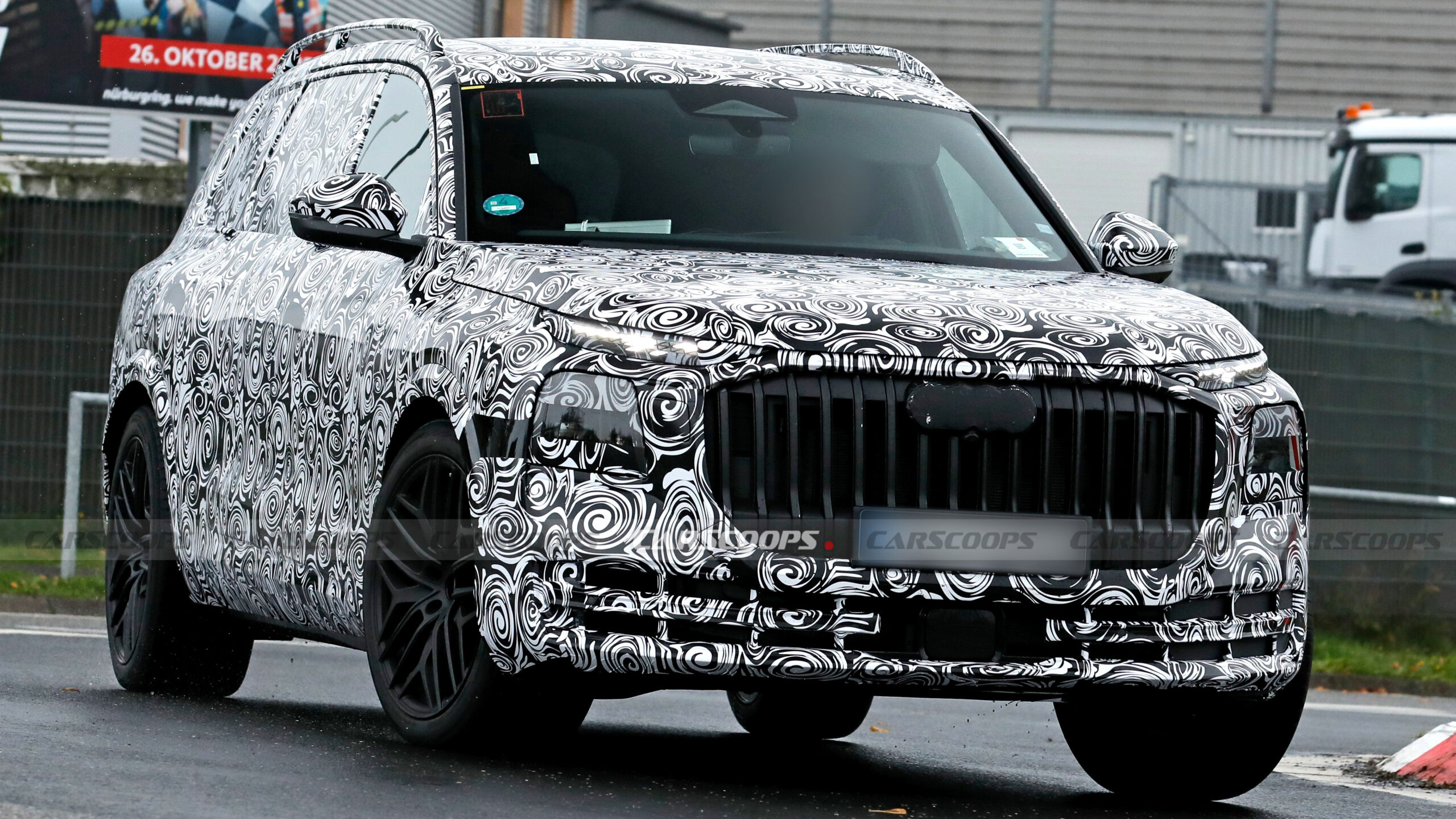
For years, Audi’s North American dealers have been asking for something bigger and more imposing than the Q7. It sells well enough, but it does not quite deliver the size, presence, or third-row space that full-size SUV buyers in the US expect. The Q9 is intended to close that gap, arriving alongside a next-generation Q7, with both models confirmed for a 2026 debut.

 Audi Is Finally Building The SUV US Dealers Wanted, With A Rivian Surprise Coming Next

Audi Q9 | Photo: Baldauf

Audi has yet to show the Q9 in any official form, but spy shots have already done most of the talking. What they reveal is a big, upright SUV with split LED headlights, a wide grille, pronounced shoulders, and the expected three-row layout. It’s aimed directly at the BMW X7 and Mercedes GLS, and it looks ready for that fight.

The large SUV will ride on a stretched version of the Premium Platform Combustion (PPC) architecture, which supports both traditional engines and hybrid setups. The range is expected to go beyond the usual trims, with an SQ9 packing V8 power and a range-topping Horch version rivaling Maybach’s offering.

Entry-Level EV And Rivian Partnership

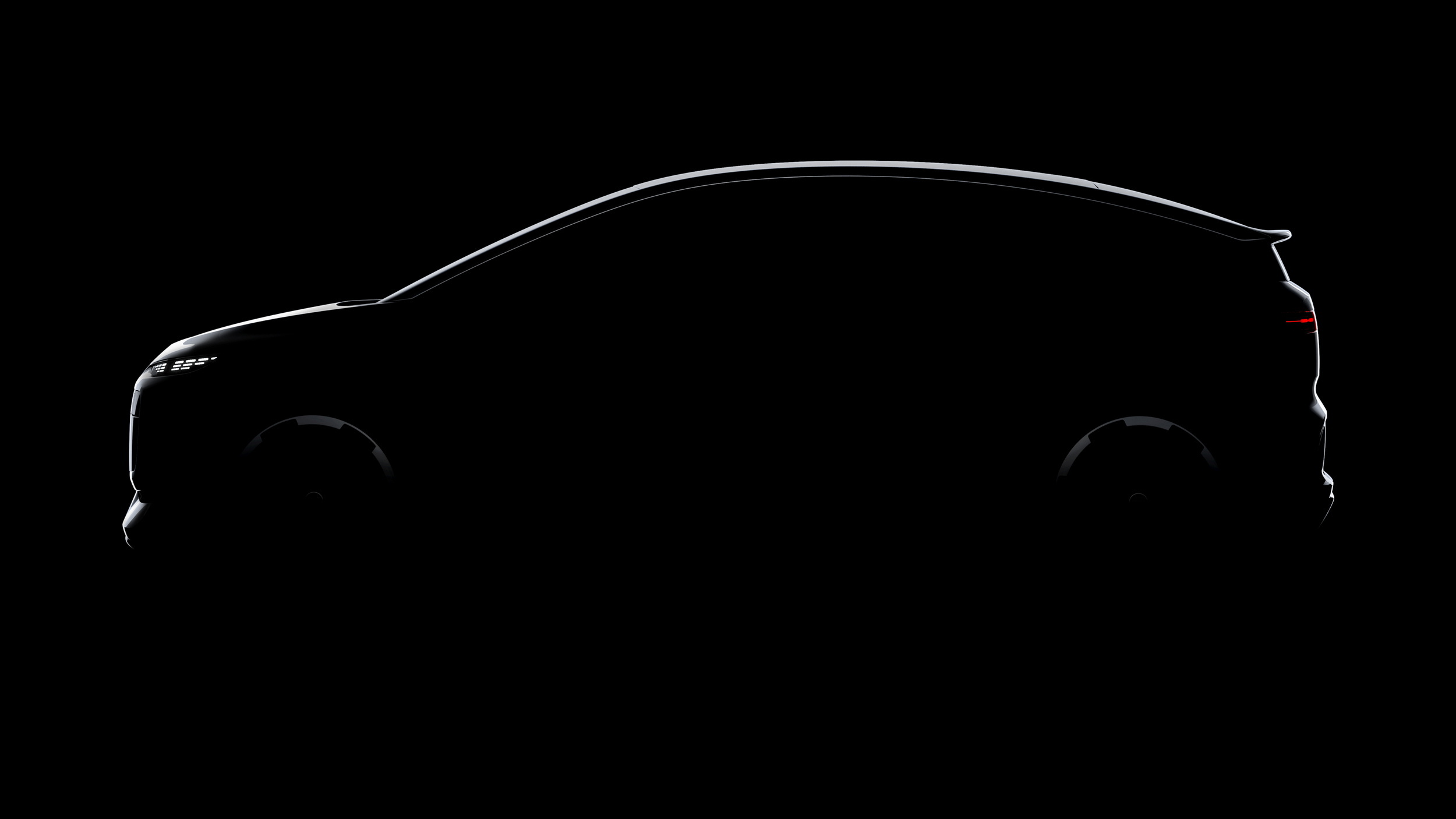
While the Q9 will grab most of the attention in the US, Audi has something very different lined up for Europe. The A2 e-tron, previewed in an official teaser, returns as a compact entry-level EV. It is scheduled to debut in fall 2026 and will ride on VW Group’s familiar MEB architecture.

More: Audi Confirms The A2 Is Back, Prays It’ll Sell This Time

Audi is also casting an eye further ahead with its Rivian partnership. The first model to use the new E/E architecture from the RV Tech joint venture is due in 2028, and it is widely expected to take the shape of a high-end off-roader, targeting the Mercedes-Benz G-Class and Land Rover Defender.

 Audi Is Finally Building The SUV US Dealers Wanted, With A Rivian Surprise Coming Next

Audi A2 E-Tron

Zoom out to the bigger picture, and Audi knows where the pressure is coming from. China, in particular, is forcing a rethink, and not just for Audi but for Germany’s auto industry as a whole.

“The industry, and Germany as a whole, needs to reinvent itself,” said Dollner. “Today, the US and China are driving the major technology trends, while Germany and Europe have fallen behind. Innovation for customers must therefore become the top priority again.”

Still, the CEO believes that Audi’s ambitious targets for the future are achievable: “Our growth targets through 2030 are both realistic and ambitious – and we are squarely aligning our position in our core regions of Europe, the US, and China to achieve them.”

A Challenging Year

 Audi Is Finally Building The SUV US Dealers Wanted, With A Rivian Surprise Coming Next

Audi delivered 1,623,551 vehicles in 2025, a modest 2.9 percent decline compared to 2024. Even so, its EV push is gaining traction, with battery-electric deliveries jumping 36% to 223,032 units. Much of that growth came from the Q6 e-tron (84,000 units) and the A6 e-tron (37,000 units).

More: Volkswagen To Slash 50,000 Jobs After Profits Fell Off A Cliff

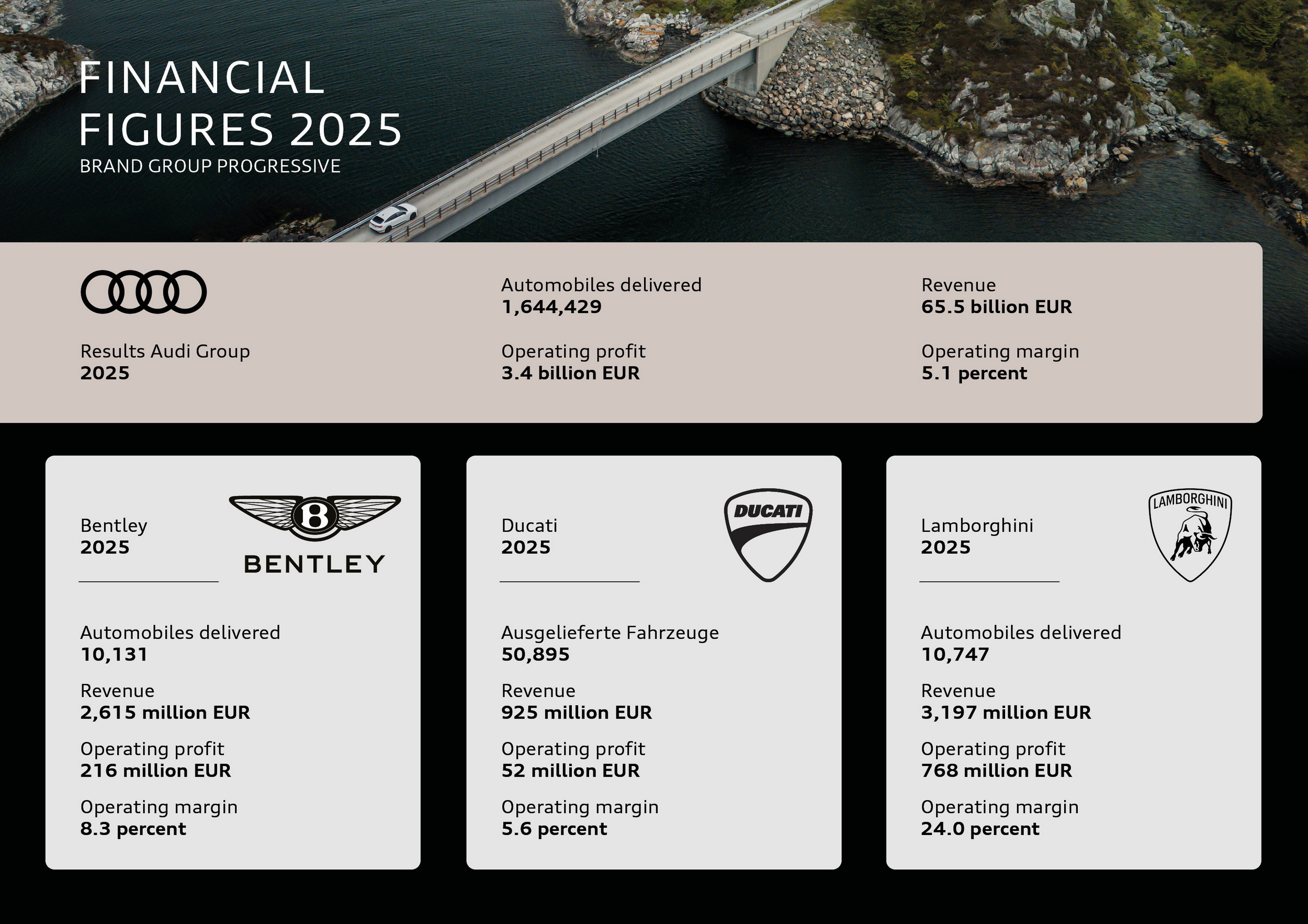
The Audi Group, which includes the Audi, Bentley, Ducati, and Lamborghini brands, brought in €65.5 billion ($75.5 billion) in revenue for 2025, up 1.5% year over year. Profit, however, moved in the opposite direction. Operating profit fell 13.6% to €3.37 billion ($3.88 billion), and margins slipped to 5.1% from 6%. So, more money coming in, but less of it sticking.

A large part of that pressure came from US tariffs, which carved €1.2 billion ($1.38 billion) out of the bottom line. Even so, net cash flow improved by 11.4% to €3.422 million ($3.95 million).

“We ended a challenging year with robust finances,” said Audi CFO Jürgen Rittersberger. ” The key now is to seize all operational and financial opportunities to make Audi more efficient, competitive, and profitable.”

For 2026, Audi predicts a revenue between €63-68 billion ($72.7-78.4 billion) and an improved operating margin of 6-8%.

 Audi Is Finally Building The SUV US Dealers Wanted, With A Rivian Surprise Coming Next
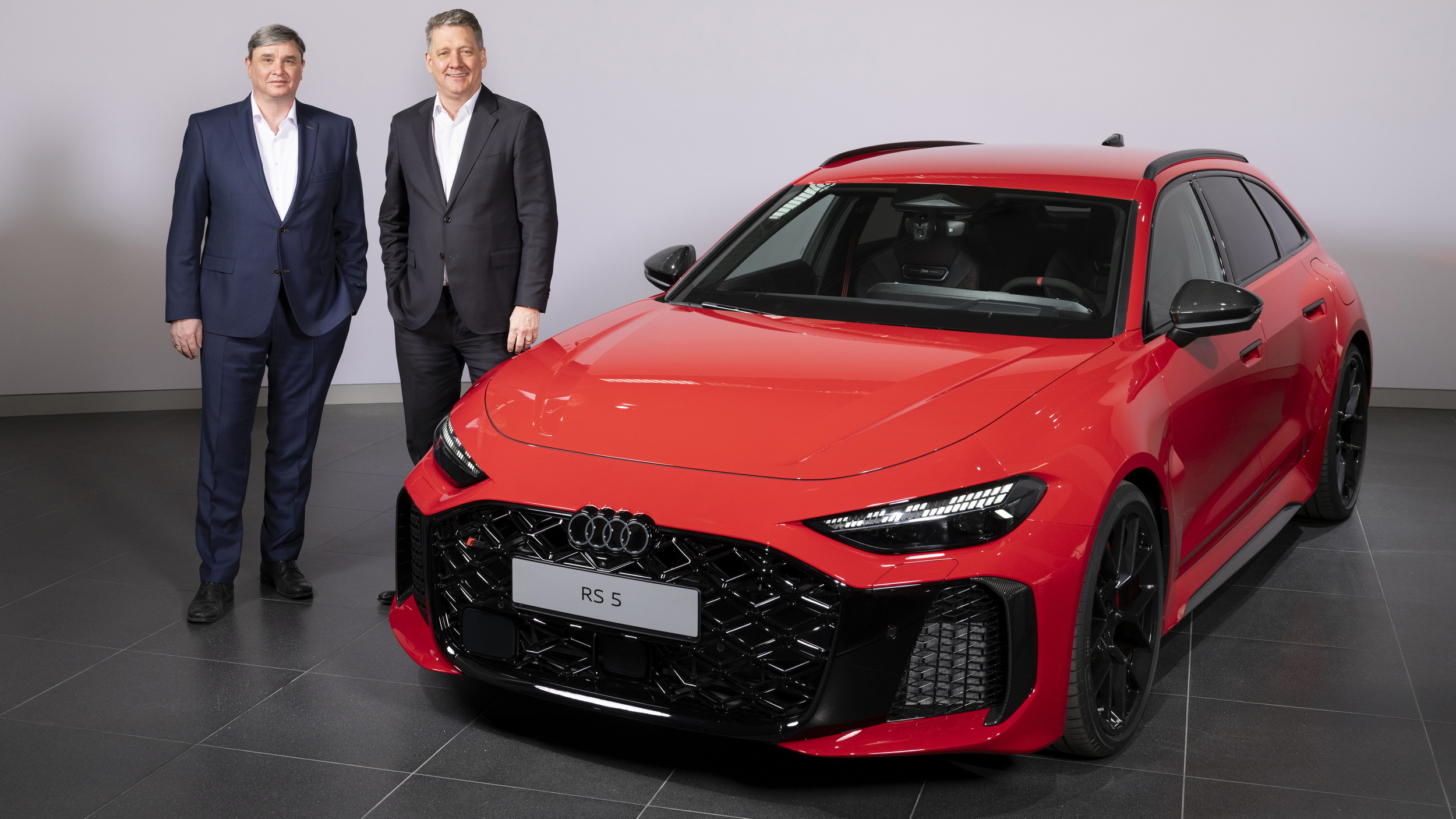
CFO Jurgen Rittersberger and CEO Gernot Döllner with the new Audi RS 5 Avant.

VW Teases Facelifted Vans, But The Real Changes Are Hidden Inside

  • Volkswagen previews refreshed Caddy and Multivan vans for 2026.
  • Larger infotainment screens arrive with simpler, more intuitive menus.
  • Other models, including the ID. Buzz, are also lined up for upgrades.

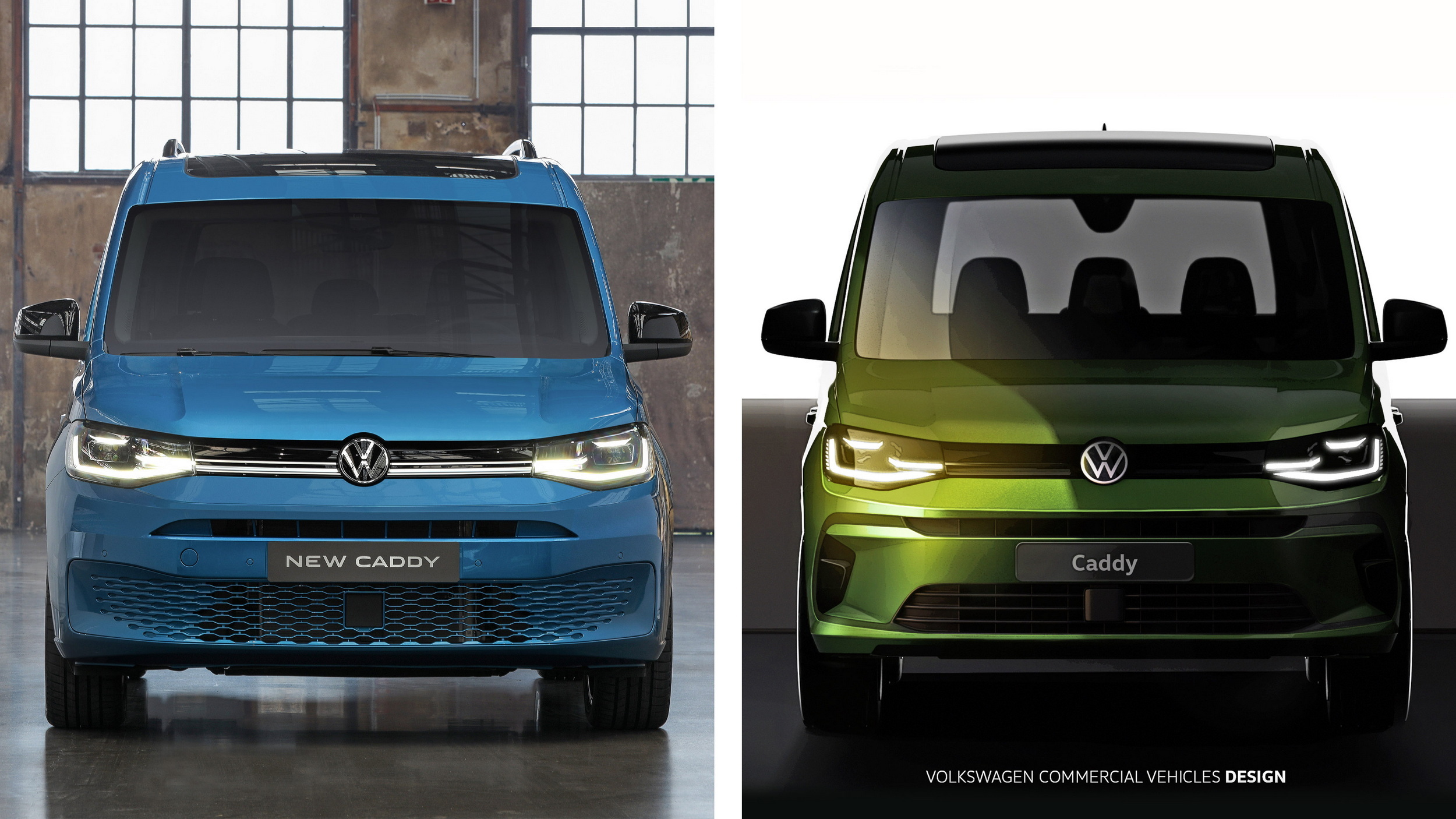
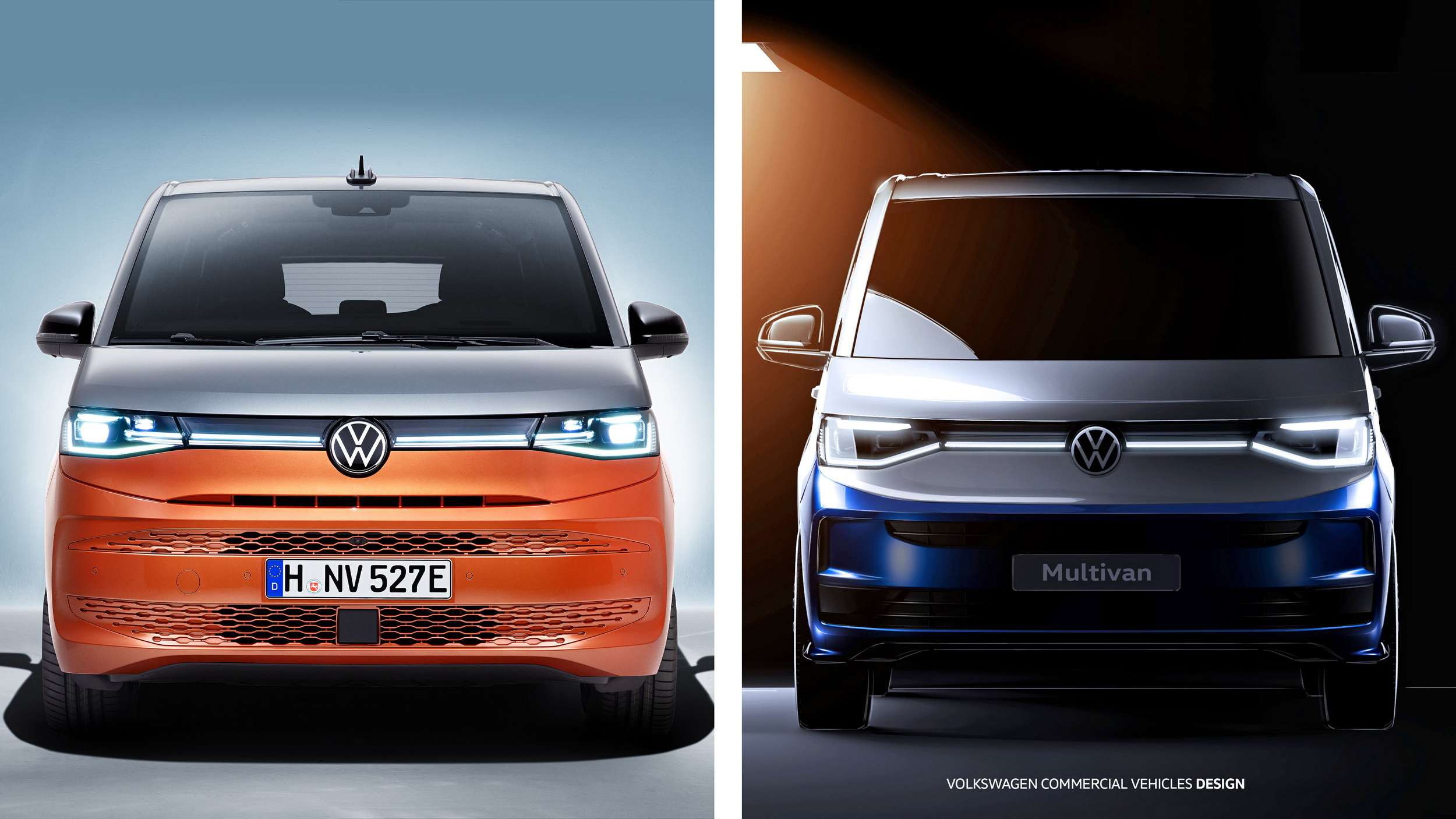
Volkswagen’s commercial vehicles division has offered a preview of what’s coming next for its van lineup at the 2026 Annual Media Conference. Alongside a business update, the company released official sketches teasing facelifted versions of the Caddy and the Multivan T7, both scheduled to arrive later this year with styling revisions and cabin upgrades.

The first teaser focuses on the Caddy. Up front, the van picks up a redesigned bumper that replaces the previous body-colored mesh pattern with more traditional cooling intakes. The grille shown in the sketch appears to drop illuminated elements altogether, though it remains unclear whether that detail will apply across the entire trim range.

More: Volkswagen Renames Its Hatch To ID.3 Neo, But The Real Change Is Inside

The Multivan T7 receives a similar refresh, although its front end retains the LED light strip spanning the grille. The headlights adopt revised LED graphics, and the van shown in the teaser wears a new two-tone paint scheme that echoes the look of the ID. Buzz.

 VW Teases Facelifted Vans, But The Real Changes Are Hidden Inside

Beyond the exterior tweaks, Volkswagen says both vans will receive what it calls “significantly optimized interior solutions.” The most obvious change will be larger infotainment displays paired with simpler, more intuitive menus, an update the company claims will make everyday use noticeably easier for owners.

More: VW Locks Gas Tiguan In Until 2035 With Two Major Updates Planned

It has also been confirmed that the 2026 MY updates will be applied to the California version of the Multivan T7, which was caught by our spy photographers during winter testing. For now, Volkswagen has not indicated any mechanical changes. Powertrain options for the Caddy and Multivan are expected to carry over largely unchanged from the current lineup.

 VW Teases Facelifted Vans, But The Real Changes Are Hidden Inside

Upgrades For Other Vans

The update cycle is not limited to the Caddy and Multivan. Volkswagen also plans to expand electrified options across the rest of its van range in 2026. That includes new plug-in hybrid powertrains for the Ford-based VW Transporter and Caravelle, giving both models a partially electric option for the first time.

More: VW’s ID. Buzz Picks Up A Feature No Minivan Has Any Business Offering

The fully electric ID. Buzz is also due for a few new tricks. Volkswagen plans to add Vehicle-to-Load (V2L) capability, allowing owners to power external devices directly from the van’s battery. A “Good Night” package and a dedicated Camp Mode are also on the way.

Finally, the Grand California flagship camper will be “comprehensively upgraded based on customer feedback”, and the Crafter will become available with a three-way tipper bodystyle.

Financial Hurdles Amid A Fresh Start

 VW Teases Facelifted Vans, But The Real Changes Are Hidden Inside

The product push comes as VW Commercial Vehicles tries to bounce back from a difficult 2025. Sales revenue actually rose 11% to €16.86 billion ($19.3 billion), but operating profit plunged 67% to €245 million ($281 million).

More: Volkswagen To Slash 50,000 Jobs After Profits Fell Off A Cliff

Much of the decline was attributed to provisions set aside for CO2 fines in the European Union, largely tied to the slower-than-expected ramp-up of fully electric LCVs. Even so, the brand maintained a solid net cash flow of €1 billion ($1.15 billion) to support future product updates. Deliveries also edged up, with VW Commercial Vehicles selling 428,000 units in 2025, a 6% increase compared to 2024.

\\\\\\\

Volkswagen Commercial Vehicles

Volkswagen Renames Its Hatch To ID.3 Neo, But The Real Change Is Inside

  • VW ID.3 Neo refresh brings a few subtle design and tech tweaks.
  • The electric hatch arrives next month with hardware upgrades.
  • Other ID EVs also now gain the same updated software platform.

Volkswagen is preparing another update for its compact electric hatchback. In mid-April, the company will unveil a revised version of the ID.3, which will carry the new ID.3 Neo name. The refreshed model brings a mix of hardware and software changes intended to keep the hatch competitive for the rest of the decade, at least until the long-anticipated ID. Golf eventually reaches showrooms.

Alongside the announcement, the automaker released a set of official design sketches. They show a shape that remains immediately recognizable as an ID.3, but with styling cues that align it more closely with Volkswagen’s next batch of electric models, including the ID. Polo and ID. Cross.

More: Volkswagen To Slash 50,000 Jobs After Profits Fell Off A Cliff

Most of the visual changes are concentrated at the front. The headlights are now linked by a slim grille element, creating a more cohesive face, while the bumper intakes adopt a simpler, cleaner design. From the side, the proportions look largely untouched.

\\\\\

Out back, however, the taillights gain updated LED graphics, and the lower section of the tailgate is now finished in body color rather than contrasting trim. Volkswagen is also expected to expand the palette with new exterior colors and wheel options.

Volkswagen design chief Andreas Mindt says the update focuses on refining the car’s overall presence. The goal, he explained, was to deliver “clean proportions, confident surfaces, and a sharper digital character” for one of the company’s most important electric models.

The ID.3 first arrived in 2019 as Volkswagen’s inaugural purpose-built EV, marking the start of the brand’s modern electric era. A facelift followed in 2023, so the upcoming ID.3 Neo effectively represents the model’s second major update since its original launch.

New Software And More Buttons

A major focus of the ID.3 Neo is the new Innovision infotainment system, which introduces an integrated app store for audio and video streaming, gaming, charging services, and parking services. Inside the cabin, Volkswagen has also eliminated the controversial touch-sensitive steering wheel controls, replacing them with traditional tactile buttons.

In addition, a new digital vehicle key option allows owners to unlock and access their cars using a smartphone or smartwatch without needing to carry a physical key fob or install a dedicated app.

\\\\\\

Updates For Other ID Models

On the practical side, Volkswagen is rolling out Vehicle-to-Load (V2L) capability across the ID lineup. This allows owners to draw up to 3.6 kW of electricity from the high-voltage battery through a 230V socket inside the cabin or by using an external adapter. That output can power tools, charge e-bikes, or run camping equipment when the car is parked.

More: VW Locks Gas Tiguan In Until 2035 With Two Major Updates Planned

The software package also receives additional functionality. Updates include Travel Assist with traffic light detection, along with support for One-Pedal Driving.

Kai Grünitz, Member of the Volkswagen Board of Management responsible for Technical Development, said: “The new software generation brings more performance and an even better customer experience to the ID. models. The new Volkswagen electric models in the small and compact vehicle segments – ID. Polo, ID. Polo GTI, ID. Cross – will also soon be launched on the market with these new innovations, offering more flexibility in everyday life and for leisure activities.”

More Power And Range For The ID.4 and ID.5

 Volkswagen Renames Its Hatch To ID.3 Neo, But The Real Change Is Inside

While a full facelift for the ID.4 is expected later this year, Volkswagen has already outlined a smaller round of updates for the current model and its coupe-styled sibling, the ID.5.

More: VW’s 1 Millionth EV Took 12 Years, Its 2 Millionth Took 10 Months

Beyond the updated software, the Pure trims of both electric crossovers will receive a new electric motor called the APP 350. The unit recently appeared in the closely related Ford Explorer and Capri EVs. It produces 187 hp (140 kW / 190 PS) and is said to deliver more torque while consuming less energy than the previous motor.

Efficiency gains also come from a new 58 kWh lithium phosphate battery pack. Combined with the updated motor, Volkswagen says the changes increase the WLTP range of the ID.4 by 40 km (25 miles).

 Volkswagen Renames Its Hatch To ID.3 Neo, But The Real Change Is Inside

Volkswagen

Even A Facelift Cannot Hide The New BMW 7-Series’ Giant Grille

  • The facelifted BMW 7-Series debuts next month in Beijing.
  • Teaser hints at a redesigned front and new lighting signature.
  • The luxury sedan gains Neue Klasse “tech clusters” in update.

BMW is getting ready to freshen up its flagship sedan. After months of camouflaged prototypes roaming public roads, the company has finally released its first official teaser of the facelifted 7-Series, confirming the luxury sedan will make its global debut at Auto China in Beijing next month.

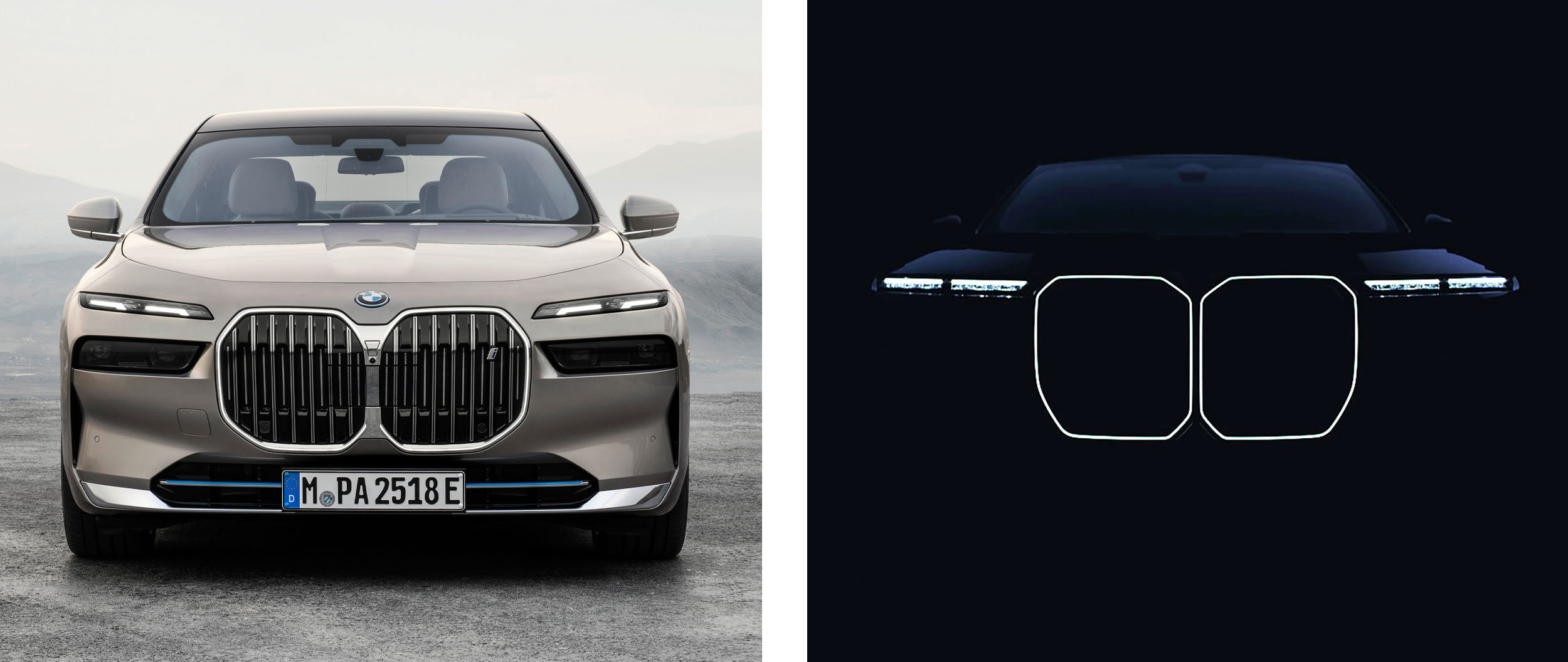
The current 7-Series generation arrived in 2022, which means it is right on schedule for BMW’s mid-cycle LCI update, short for Life Cycle Impulse. The shadowy teaser image focuses on the front end, revealing a new lighting signature with slimmer, more horizontal daytime running lights. They sit on either side of a larger, more squared-off illuminated kidney grille.

More: BMW’s New Electric 3-Series Has A Reveal Date

Judging from earlier spy shots, the kidney grille appears to switch from vertical slats to a horizontal layout. The split headlight arrangement remains, although the lower clusters that house the main beams look slightly smaller than before.

The side profile does not appear to be changing much. Expect the familiar long-wheelbase silhouette to carry over largely untouched, while the rear receives the usual facelift treatment with updated LED taillights and minor revisions to the bumper.

Neue Klasse Technology

 Even A Facelift Cannot Hide The New BMW 7-Series’ Giant Grille

At BMW’s 2026 Annual Conference, chairman Oliver Zipse confirmed that the facelifted 7-Series will serve as the first current model to inherit what the company calls “technology clusters” from the upcoming Neue Klasse lineup. The next-generation X5 is expected to follow shortly after, with its own debut slated for later this summer.

More: This BMW 7-Series Looks Like A Chauffeur Car, Until Your Day Turns Ugly

For the flagship sedan, that means several of the brand’s next-generation digital systems will make their way into the cabin. Among them is BMW Panoramic Vision, the wide pillar-to-pillar display stretching across the base of the windshield, along with the company’s new iDrive X operating system.

Behind the scenes, BMW also plans to integrate four central computing units, referred to internally as “Superbrains,” which handle major vehicle functions and software processes.

\\\\\\

Despite those upgrades, the big sedan will not migrate to the Neue Klasse platform itself. Instead, the facelift keeps the current CLAR architecture underneath. As with the outgoing model, it will remain available with gasoline, plug-in hybrid, and fully electric (i7) powertrain options, possibly with small refinements. It is also safe to assume that the 7-Series will gain a new variant from the BMW Alpina sub-brand.

The teaser for the mid-lifecycle update of the BMW 7-Series arrives just weeks after Mercedes unveiled a heavily refreshed version of its longtime rival, the S-Class. The luxury sedan also faces growing competition in China from newcomers such as the Huawei-backed Maextro S800.

\\\\\\

Baldauf

SAIC Teases Another Porsche Lookalike, This Time With MG Badges

  • MG 07 teaser reveals styling clearly inspired by Porsche.
  • Fastback shape pairs Taycan style vents with Panamera tail.
  • SAIC’s Nebula platform will support EV and PHEV options.

The newly-released SAIC Z7 electric sedan and shooting brake already turned heads for looking suspiciously like Porsche’s Taycan models. Not “inspired by,” not “loosely referencing,” but very much in the same visual neighborhood. And it seems SAIC isn’t done visiting that neighborhood either.

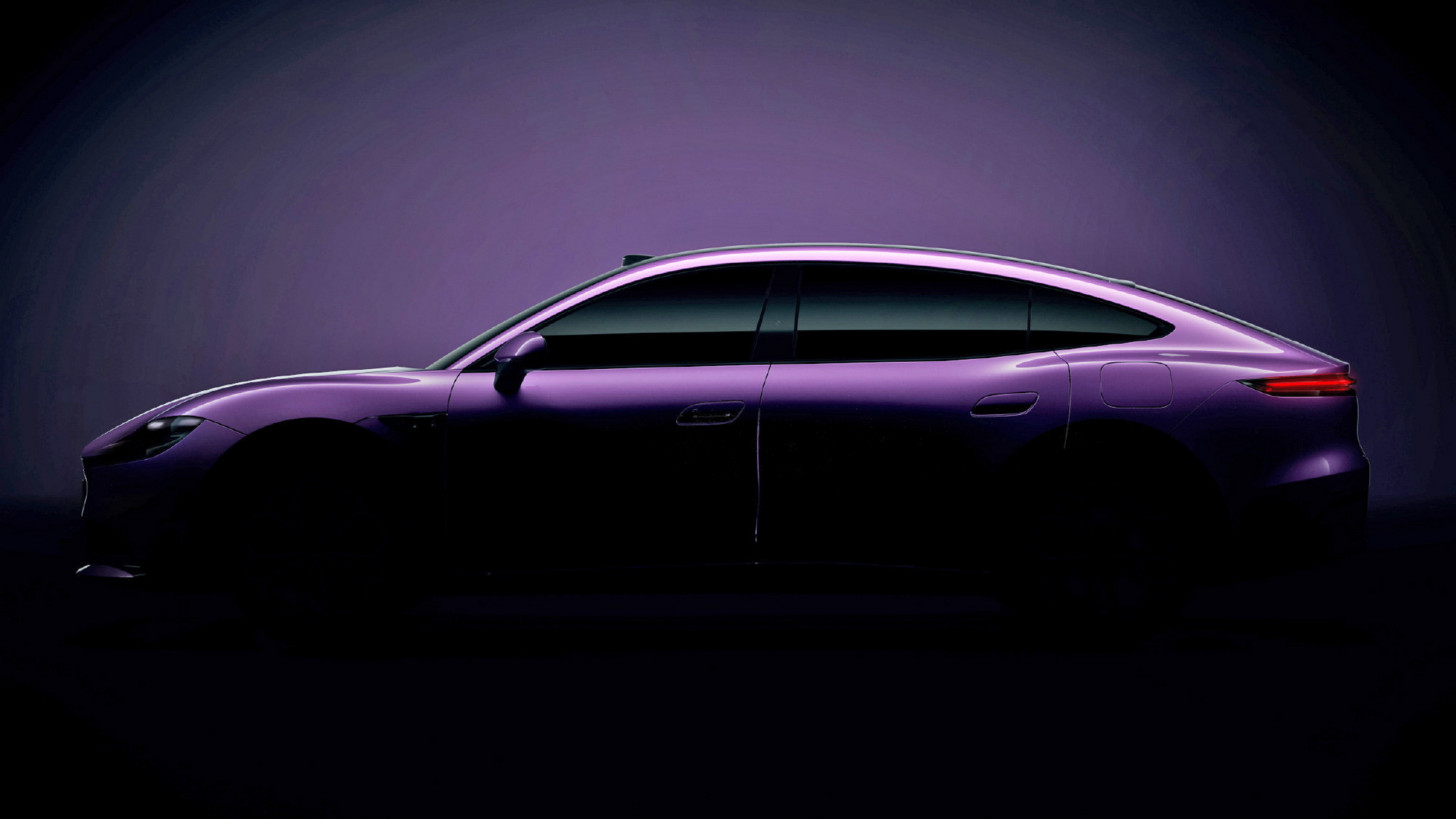
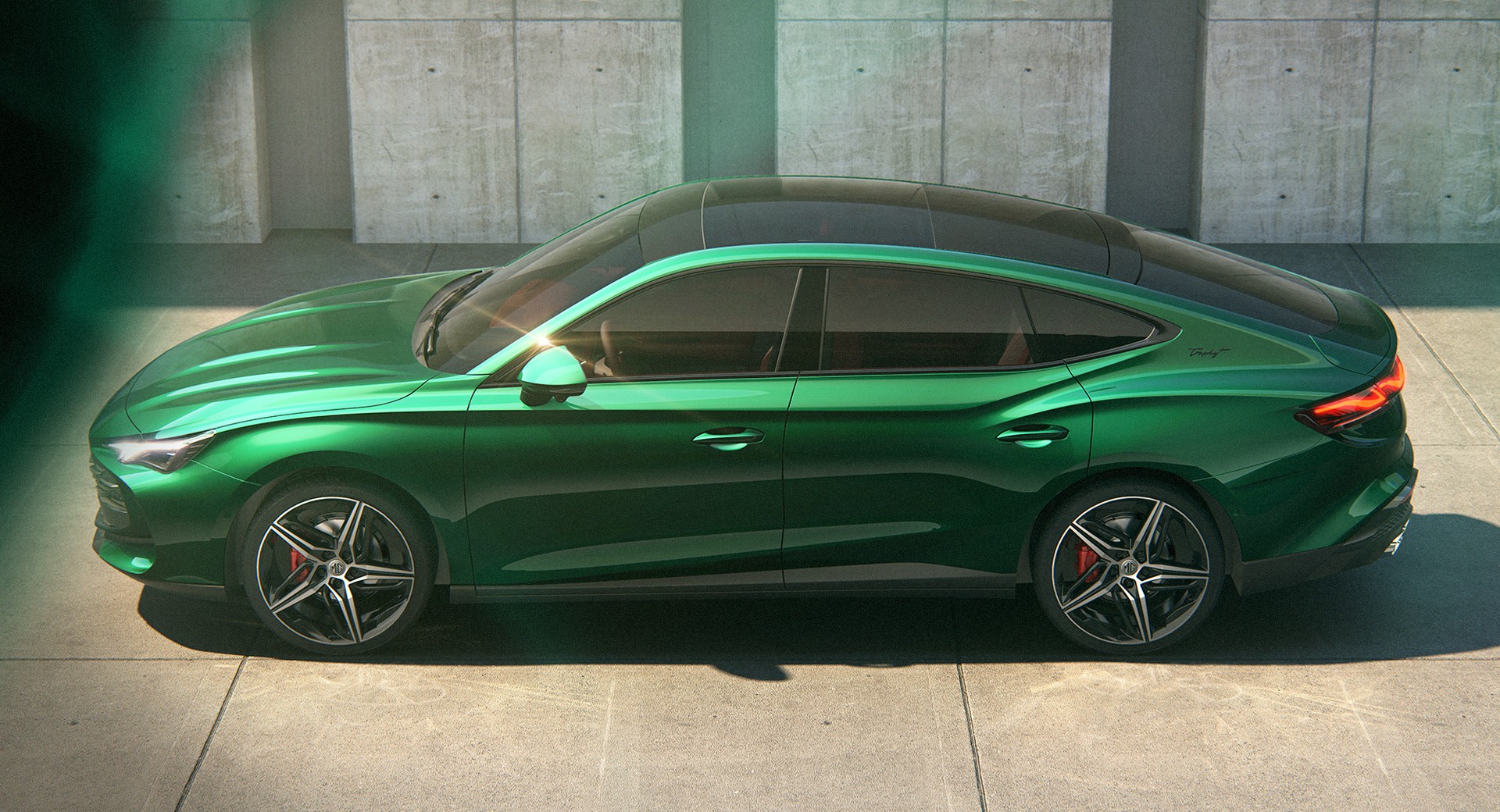
The upcoming MG 07 continues the theme, borrowing liberally from Porsche’s modern design language, with the rear in particular appearing to have spent quite a bit of time studying the view from Zuffenhausen.

The teasers reveal a five-door fastback silhouette, reminiscent of the MG7 that was introduced in 2022. While the two models share a similar greenhouse, the MG 07 has cleaner surfacing, and semi-concealed door handles.

More: Chinese Brand Faces Backlash After SUV Ad Looks Suspiciously Familiar

MG’s designers have also borrowed a few cues from the Taycan, including the inlets behind the front fenders. They are paired with side gills reminiscent of the Avatr 06. The most Porsche-like element, though, is the rear, which looks like a blend of the Panamera and the Taycan. Pronounced shoulders flow into full-width LED taillights with clear lenses, positioned just above the MG emblem.

 SAIC Teases Another Porsche Lookalike, This Time With MG Badges
The upcoming MG 07 (above) compared to the existing MG7 (below).
 SAIC Teases Another Porsche Lookalike, This Time With MG Badges

From the profile view, the front end is only partly visible, but it hints at styling cues reminiscent of the Nissan Z and even a touch of Maserati. Expect it to follow the aggressive theme established by the MG7, likely toned down with a smaller grille. A roof-mounted LiDAR unit is also visible, suggesting the car will offer more advanced driver-assistance systems.

Despite the Porsche-inspired exterior, the cabin is expected to take a more localized approach. The MG 07 will likely feature a large central display running an infotainment system developed in collaboration with Oppo, rather than the Huawei-backed setup used in the SAIC Z7.

More: Spot The Differences, Then Save $150,000

Specifications remain under wraps for now, but Chinese media reports that the MG 07 will ride on SAIC’s Nebula platform. The architecture is expected to support both fully electric and plug-in hybrid powertrains. A slim battery pack may also incorporate semi-solid-state technology, which could help deliver a competitive driving range.

The MG 07 is expected to debut soon in China. Its competitors will likely include the Porsche-inspired Xiaomi SU7 and similarly sized sedans such as the BYD Seal, Zeekr 007, Luxeed S7, Deepal SL03, Leapmotor C01, and Tesla Model 3. The electrified fastback may also find its way into other markets later on, following the export path taken by the ICE-powered MG7.

\\\\\\\

SAIC MG / Weibo

Porsche Profit Crash Suddenly Makes A New Sports Car Above The 911 Likely

  • Porsche launches recovery plan after steep 2025 sales declines.
  • CEO Michael Leiters aims to make the brand leaner and faster.
  • Strategy adds higher margin models and extends ICE hybrids.

Porsche has outlined a recovery plan after a bruising year, aiming to streamline operations and cut costs as it works to regain its financial footing. Under new CEO Michael Leiters, the former McLaren and Ferrari executive, the company hopes to restore its reputation as a profit powerhouse while reshaping itself into what Leiters calls a “leaner, faster, and even more desirable” brand. He took over at the start of the year, replacing Oliver Blume.

A Year Of Tough Numbers

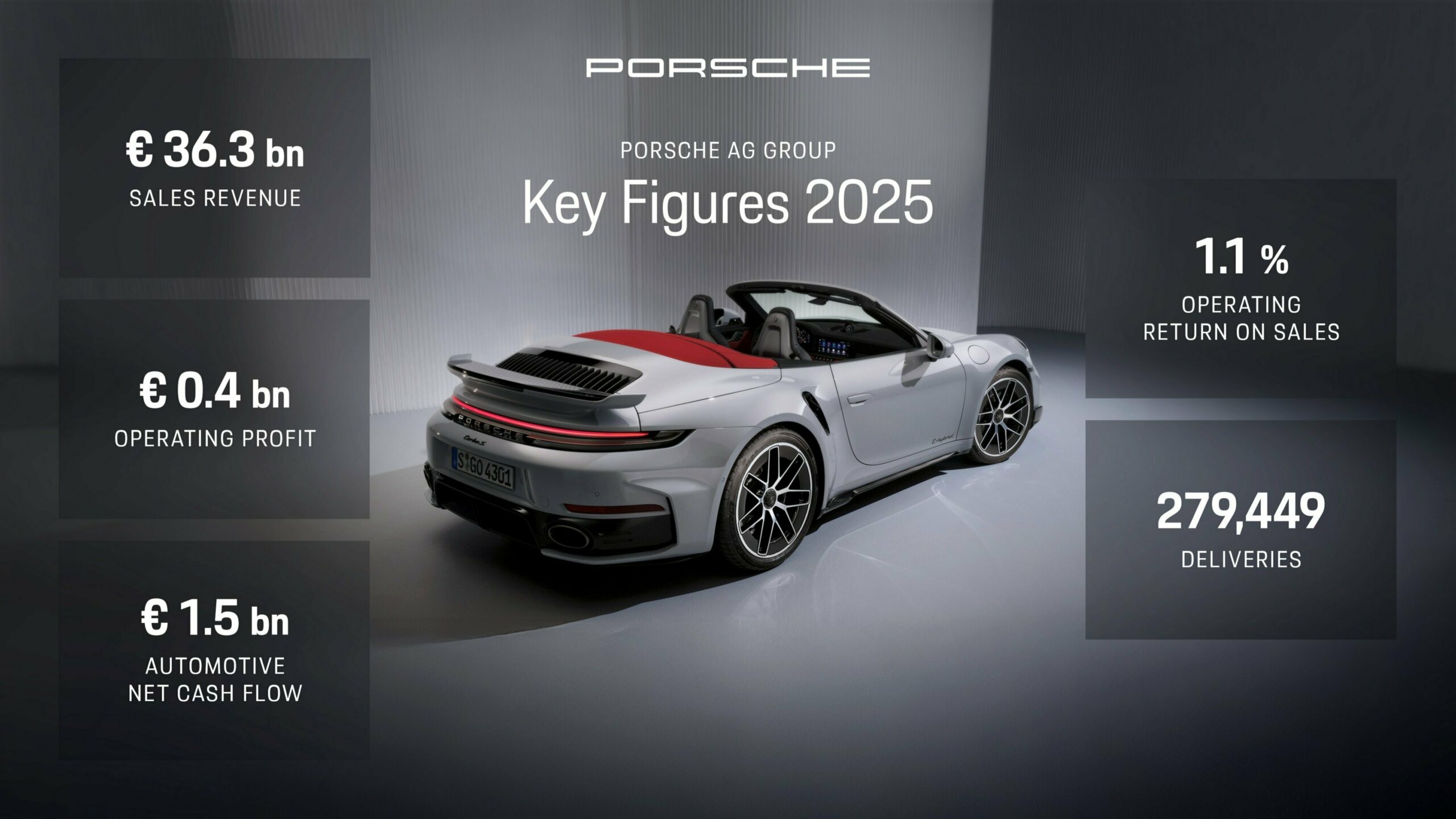
The reset follows a difficult set of results. Porsche’s operating profit plunged 92.7% from €5.64 billion ($6.55 billion) in 2024 to just €413 million ($479 million) in 2025. Revenue also slipped, falling 9.5% to €36.27 billion ($42.10 billion). Operating return on sales shrank to a narrow 1.1%, while global deliveries dropped to 279,449 units, down 10.1%.

More: Porsche Posts Its Biggest Drop In Sixteen Years

Several factors combined to produce that outcome. Porsche booked €3.1 billion ($3.6 billion) in one-time restructuring charges, absorbed €700 million ($813 million) related to US tariffs, and faced a steep 26% drop in sales in China.

 Porsche Profit Crash Suddenly Makes A New Sports Car Above The 911 Likely

Porsche CFO Dr. Jochen Breckner said: “The global challenges and the company’s realignment impacted earnings in 2025. In 2026, our recalibrations measures will continue to have one-off effects on earnings in the high three-digit million euros range. In order to secure adequate margins by Porsche standards in the medium term and strengthen our resilience in the long term, we accept these burdens.”

The Solution

During Porsche’s annual press conference in Stuttgart, Leiters acknowledged that the turnaround plan is still taking shape. With the new leadership only just past its first 100 days, he admitted the company does not yet have “an answer to every question or a solution for every problem.” Even so, he used the event to outline the direction Porsche intends to take.

“We will streamline our management structure, reduce hierarchies and cut back on bureaucracy. We have also already begun to focus more strongly on our core business. We are using the current challenges as an opportunity to act even more decisively. We will comprehensively reposition Porsche, make the company leaner, faster and the products even more desirable.”

More: Porsche’s US Sales Rose Thanks To Cars It’s About To Kill

Porsche is also planning significant changes in China, where the company intends to shrink its dealer network from 150 outlets to just 80 by the end of 2026 in an effort to protect pricing power.

 Porsche Profit Crash Suddenly Makes A New Sports Car Above The 911 Likely
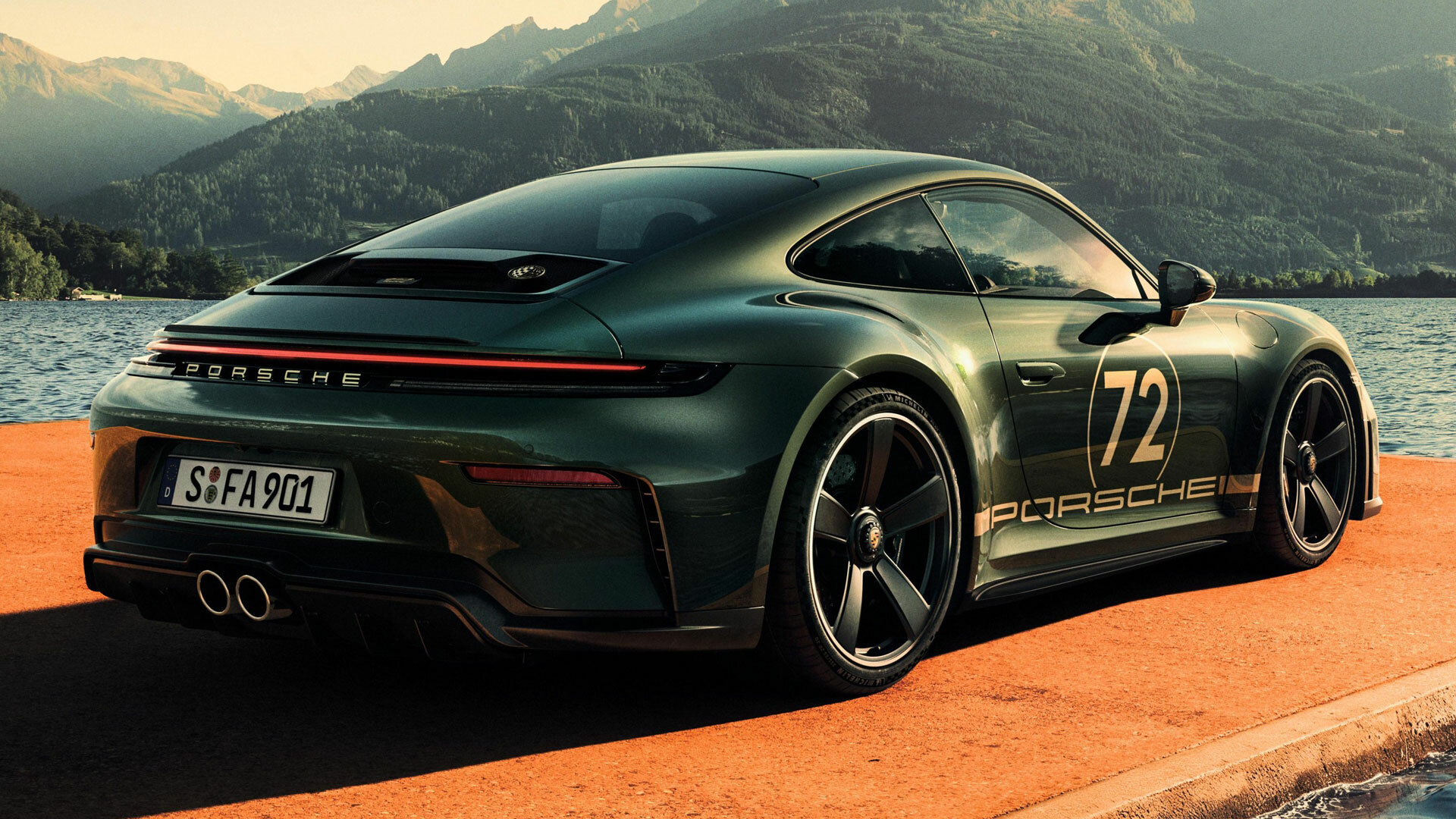
The limited edition 911 GT3 90 F. A. Porsche.

Expanding The Lineup

To stop the bleeding, Leiters is looking upmarket. One of the first moves will be to simplify Porsche’s product portfolio by cutting complexity and reducing the number of variants. According to the CEO, the changes will focus on models with weaker demand, which likely points to the Taycan. Even so, Porsche says it plans to introduce “emotive new derivatives” of certain models later this year, though it has not revealed exactly which ones.

More: Porsche’s Mega SUV Drops EV Plan For V8 Power And An Audi Link

At the same time, Porsche’s boss confirmed the company is developing new models aimed squarely at higher-margin segments. “We stand for uncompromisingly good sports cars that you want to drive yourself, that are fun, that convey performance and passion. And all this regardless of the type of powertrain,” said Leiters.

“We are considering the expansion of our product portfolio in order to grow in higher-margin segments. In doing so, we are looking at models and derivatives both above our current two-door sports cars and above the Cayenne,” he added

Porsche’s Next Halo Car?

 Porsche Profit Crash Suddenly Makes A New Sports Car Above The 911 Likely
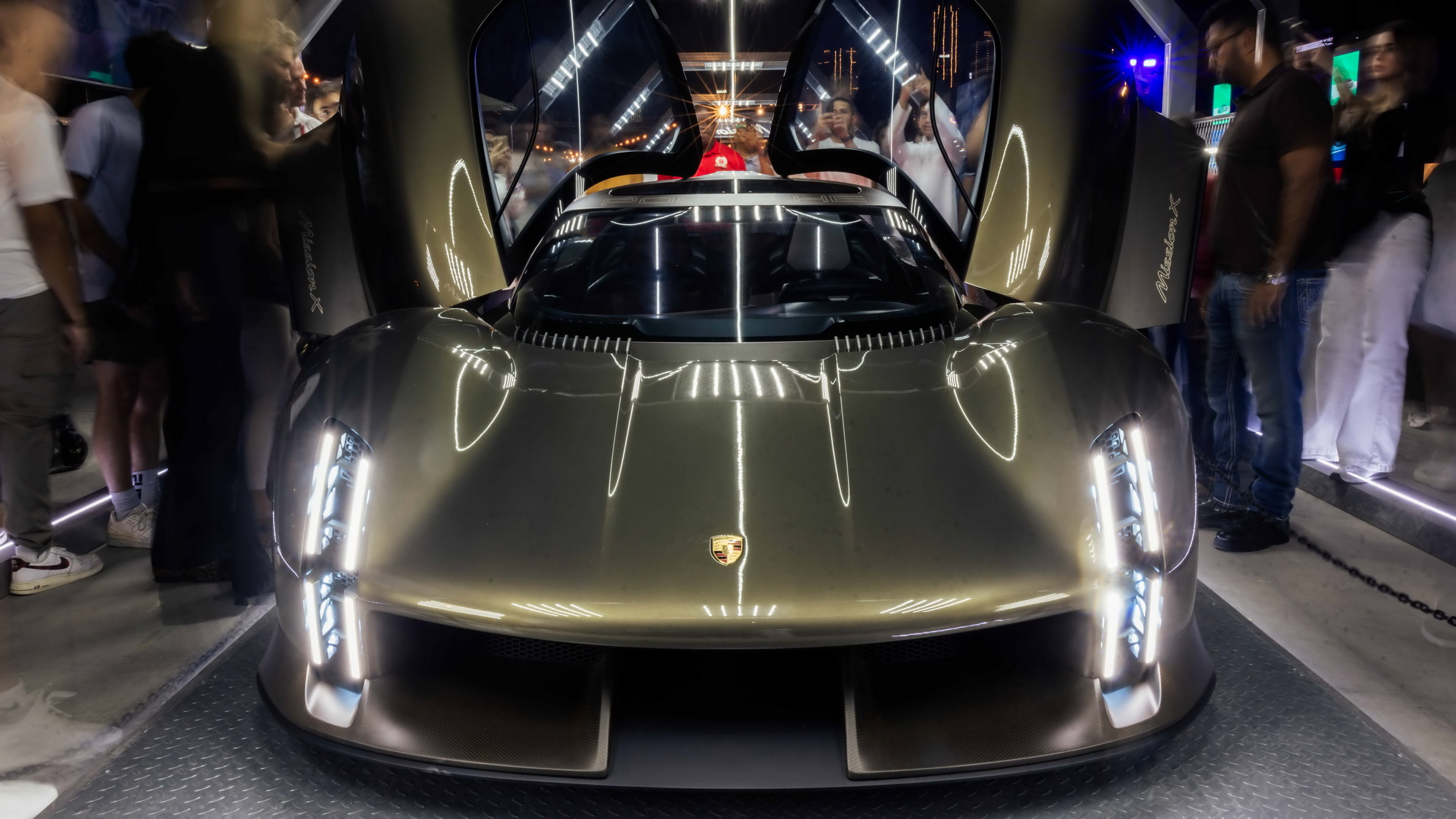
The Porsche Mission X EV Concept.

The reference to two-door sports cars clearly points to the 911. What might sit above it is less clear. Leiters did not elaborate, but the possibilities range from a modern interpretation of the 928 to something far more exotic, such as a supercar or even a flagship hypercar.

Read: Porsche 928 Conceptualized As A Modern Electric Coupe For 2030

Porsche has been exploring that territory for years, with potential successors to the 918 Spyder. The Mission X concept hinted at one possible direction before enthusiasm for electric hypercars cooled.

 Porsche Profit Crash Suddenly Makes A New Sports Car Above The 911 Likely
A test mule for the seven-seater K1 SUV.

The other confirmed project is a long-rumored three-row SUV flagship positioned above the Cayenne. Codenamed K1, it is expected to target markets such as the United States and the Middle East and could offer V6 or V8 powertrains.

The new offerings will benefit from the expansion of “high-margin customization programs” that will “further strengthen the exclusivity of the brand” helping it move into a new territory closer to the likes of Ferrari and Lamborghini.

ICE Life Support And EV Reality Check

 Porsche Profit Crash Suddenly Makes A New Sports Car Above The 911 Likely
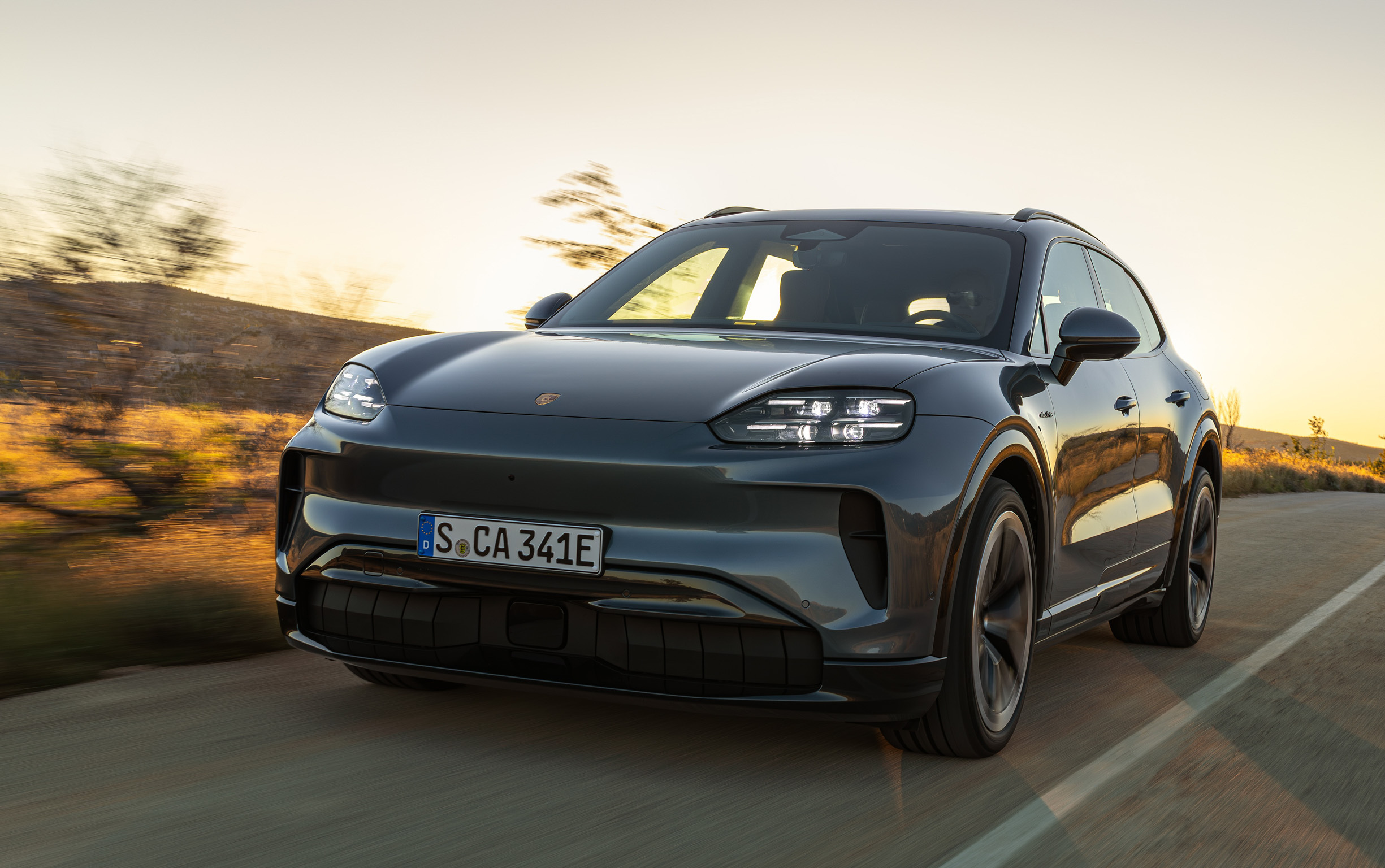
2026 Porsche Cayenne Electric

Leiters acknowledged that Porsche needs to rethink what he called “the right drive technology.” Early momentum behind the fully electric Taycan has run into a tougher reality as regulations, demand patterns, and customer expectations have shifted in recent years. Slower-than-expected demand has forced the company to “adjust the ramp-up and portfolio of fully electric vehicles while extending the life of combustion and hybrid offerings.”

More: Porsche’s Next Sedan Could Replace Both The Panamera And Taycan

The ultimate goal is to reduce upfront and direct costs by “fundamentally rethinking the development of our sports cars.” In the process, Leiters effectively confirmed earlier reports that the next generation of the 718 series will follow a multi-energy path. Porsche also plans to “leverage further synergies between our models,” using platforms and industry solutions more flexibly.

 Porsche Profit Crash Suddenly Makes A New Sports Car Above The 911 Likely
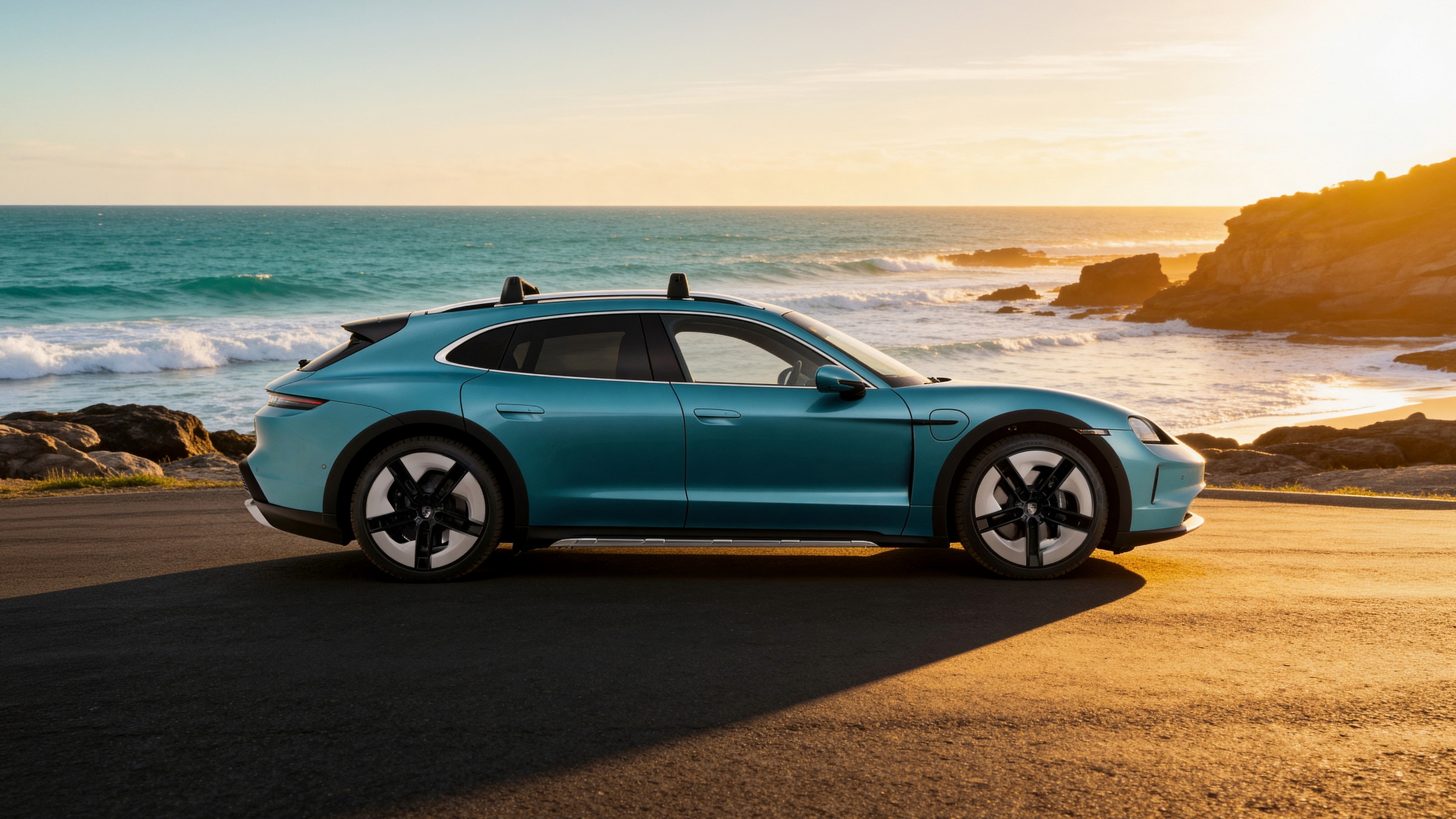
Porsche Taycan 4S Cross Turismo GO EAST edition.

Dacia Confirms Four New EVs, Including A Sub-$21K Model

  • Dacia will launch a sub-€18k urban EV later this year.
  • Three additional electric models are planned by 2030.
  • Electrified models may reach two-thirds of sales.

Dacia has revealed its future roadmap as part of Renault Group’s futuREady plan, outlining how the Romanian brand intends to expand its lineup and accelerate electrification. The automaker will launch four new EVs by 2030 while steadily increasing electrification across its entire range.

Furthermore, Dacia is also stepping up its presence in the compact segment. The new Striker crossover wagon will join the Bigster SUV, while the company continues work on the next generation of its best-selling Sandero.

New Urban Electric Model

Starting with the zero-emission plans, Dacia has confirmed that a new entry-level urban EV priced below €18,000 ($21k) will debut later this year. This model will coexist with the Chinese-built Dacia Spring despite their similar size and positioning.

The yet-unnamed model will ride on the RGEV architecture, which appears to be a new name for the AmpR Small platform used by the Renault Twingo E-Tech. The EV was developed in less than 16 months and is expected to be manufactured at Dacia’s Novo Mesto plant in Slovenia.

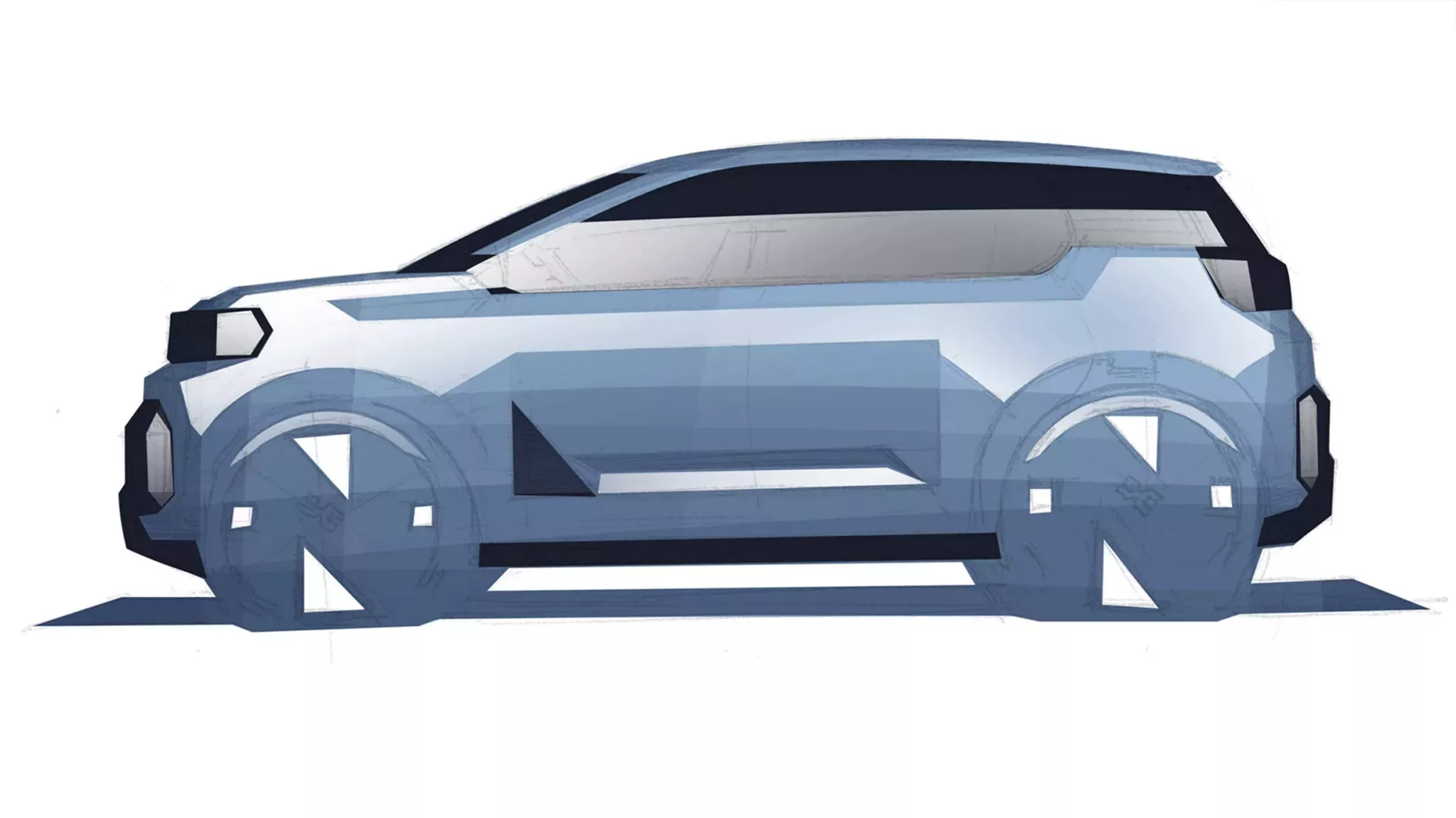
 Dacia Confirms Four New EVs, Including A Sub-$21K Model
An earlier teaser sketch of the upcoming urban EV.

The company did not provide specifics about the other three EV debuts, but one is widely expected to be a fully electric version of the next-generation Sandero subcompact hatchback. Another possibility is a production version of the Hipster concept, which could target an even smaller segment.

Next Generation Sandero Plans

The Sandero was Europe’s best-selling passenger vehicle in both 2024 and 2025. It has also remained the “number one vehicle sold to private customers” since 2017. The current generation debuted in 2020 and received updates in 2022 and 2024, followed by a facelift for 2026. Even so, Dacia is already working on its successor.

More: Dacia’s Best Seller Could Be Headed For A Big Transformation

The next Sandero will feature a “multi-energy powertrain range,” aligning with Dacia’s broader electrification roadmap. This points to hybrid and fully electric variants alongside a combustion option compatible with gasoline and LPG. Regardless of the powertrain mix, Dacia says the new generation will remain the value-for-money benchmark in the subcompact segment. Current reports suggest a debut in 2028.

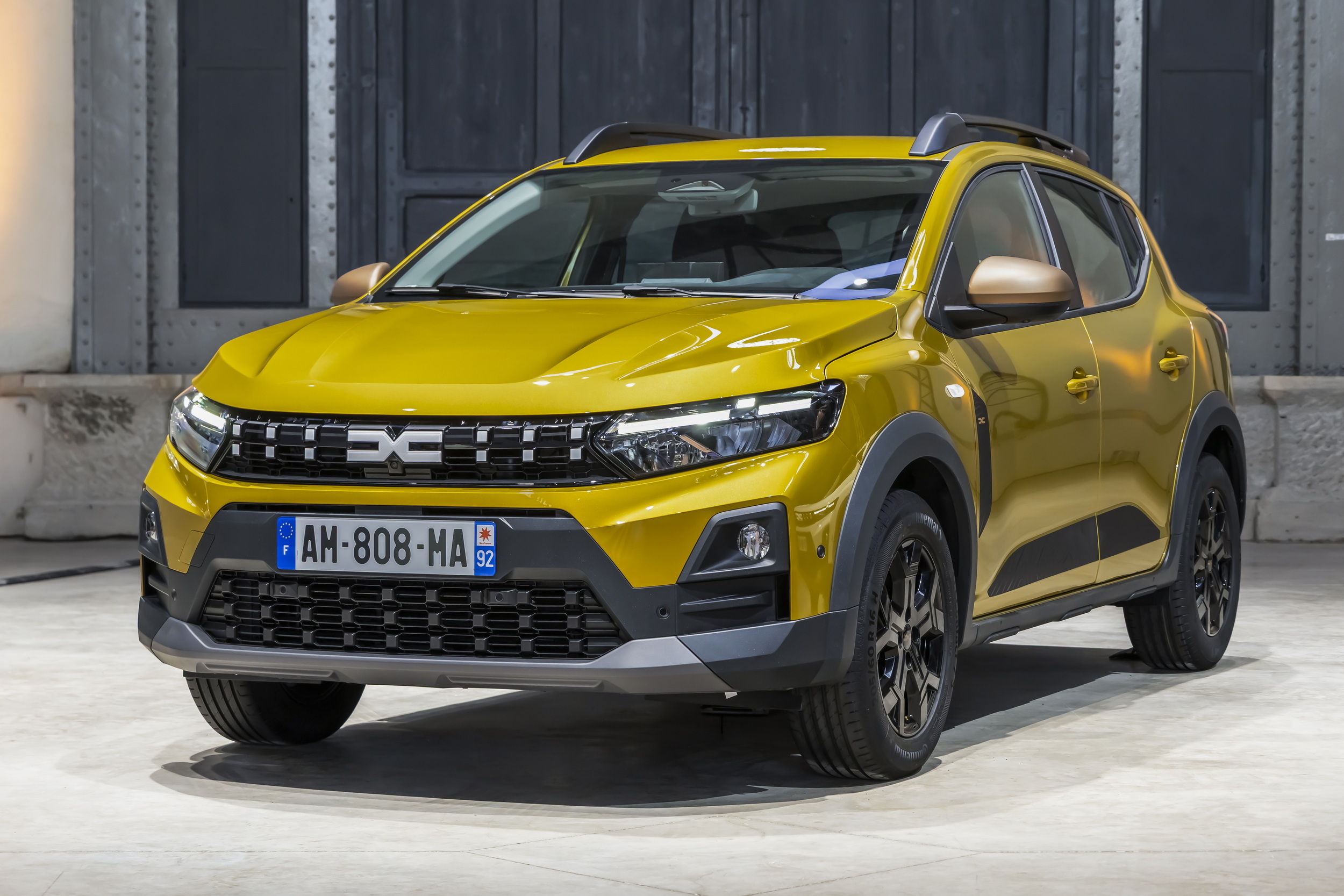
 Dacia Confirms Four New EVs, Including A Sub-$21K Model
The facelifted version of the Dacia Sandero Stepway.

Electrified Sales Mix Target

Dacia has shown notable resilience over the past decades, evolving from a regional player into a major European brand. Last year, the Romanian automaker surpassed 10 million sales since its 2004 relaunch under Renault ownership.

More: Dacia Striker Brings The Budget Wagon Back For Under €25K

As electrification expands across the lineup, Dacia expects its sales mix to shift significantly. The company believes electrified vehicles will account for about 67% of new car sales in the future, up from roughly 25% today. Alongside hybrids and EVs, the brand continues to emphasize LPG-powered models as part of its cost-focused strategy.

 Dacia Confirms Four New EVs, Including A Sub-$21K Model
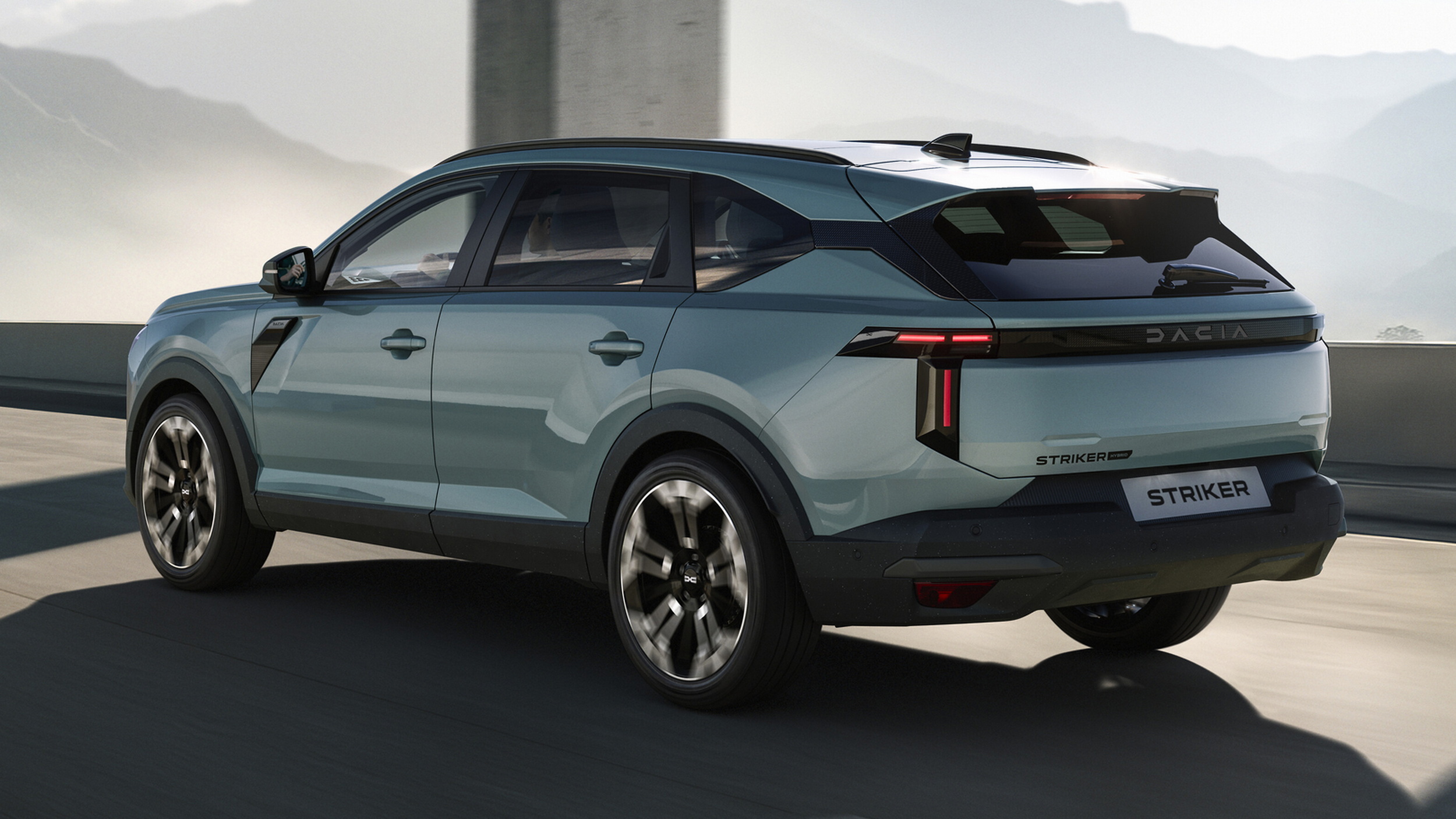
The new Dacia Striker will be available with hybrid and LPG powertrains.

As you might expect, Dacia places strong emphasis on cost efficiency. Its business model delivers a 15% cost advantage compared with the rest of the market. According to the company, that edge comes from local integration, high factory utilization rates, and a distribution model that operates at less than half the average cost of Western European competitors.

More: Only 500 Of These Rugged Dakar Dusters Exist And You Can’t Have One

Finally, Dacia highlights the loyalty of its customer base. In Europe, more than 70% of Dacia buyers remain with the brand for their next purchase, while another 10% move up to a Renault. At the same time, roughly 65% of first-time Dacia customers come from outside the Renault Group.

 Dacia Confirms Four New EVs, Including A Sub-$21K Model
The Dacia Bigster is essentially a longer version of the Duster.

Porsche’s Next Sedan Could Replace Both The Panamera And Taycan

  • Porsche may merge Panamera and Taycan into a single lineup.
  • A shared sedan line could cut costs but keep two platforms.
  • The successor would likely offer ICE PHEV and EV options.

Are two separate Porsche sedans one too many? It’s a fair question, especially as the performance luxury world adjusts to the slower, slightly messier reality of electrification. The answer may well be yes, as the Zuffenhausen brand is reportedly considering a consolidation of its lineup that would see the Panamera and Taycan folded into a single model line, without actually turning them into the same car.

The whole “merging without actually merging” idea comes down to platform strategy. Porsche could build a future sedan family that follows the same dual-track playbook already used by the Macan and Cayenne, where combustion and hybrid models sit on one architecture while fully electric versions use another.

More: Porsche’s Most Extreme Taycan Yet Exists For A Very Personal Reason

The news marks a fairly notable pivot from Porsche’s earlier line on the matter. Back in 2024, Kevin Giek, Vice President of the Taycan Product Line, described the Taycan as a “long-lasting” nameplate, putting it in the same durability bracket as the 911. He also made it clear that the facelifted model would not be the end of the road, with Porsche planning to keep evolving it over time.

 Porsche’s Next Sedan Could Replace Both The Panamera And Taycan
The current Porsche Panamera (top) and Taycan (bottom).

According to a report from Autocar, the rethink comes down largely to cost. Porsche recently took a €1.8 billion ($2.1 billion) write-down tied to delays in platform development, which tends to sharpen the pencils in Stuttgart rather quickly. Folding strategies together could help the company avoid the less appealing option of canceling one of the engineering programs outright just to balance the books.

Which One Will Survive?

We still do not know which badge Porsche might send to the great brochure archive in the sky, the Panamera or the Taycan. What we do know is which one buyers currently prefer. Last year the combustion-powered Panamera shifted 27,701 units, nearly 70 percent more than the 16,339 Taycans delivered in the same period. Taycan deliveries have dropped sharply over the past two years, a slide significant enough to make Porsche take a long look at its electrification plans.

 Porsche’s Next Sedan Could Replace Both The Panamera And Taycan
The 2026 Porsche Panamera’s interior.

The third-generation Panamera arrived in late 2023 riding on Porsche’s MSB architecture, and it is already penciled in for a mid-cycle refresh around 2027. The Taycan, meanwhile, first appeared in 2019 on the EV-dedicated J1 platform and received its facelift in 2024. Read between the lines and the likely scenario is fairly clear. Proper replacements for both sedans probably will not arrive until sometime after the end of the decade.

More: Porsche’s Panamera Is Crushing The Taycan EV, Now The 2028MY Wants To Squeeze Harder

What seems far more certain is the powertrain buffet. Whatever replaces today’s cars will almost certainly be offered with ICE, hybrid, and fully electric setups, giving buyers plenty of choice. Combustion-powered versions could sit on Porsche’s PPC architecture, while the EV variants would likely move to the newer SSP Sport platform. One sedan shape, several very different ways to make it go fast. Very Porsche, really.

What About The Design?

 Porsche’s Next Sedan Could Replace Both The Panamera And Taycan
Porsche Panamera 4 E-Hybrid

The two might occupy roughly the space and wear broadly similar shapes, but they go about it quite differently. The Taycan is the sportier-looking one, lower, tighter, and built with aerodynamics very much in mind. The Panamera, being the combustion car, stretches out a bit more. It is 89 mm (3.5 inches) longer, 44 mm (1.7 inches) taller, and rides on a wheelbase that is 50 mm (2 inches) longer.

More: Porsche Custom Builds Usually Stay One-Off, Not These Four

There are differences in body styles too. The Panamera can be had in long-wheelbase form for those who prefer their Porsche with a little extra rear legroom. The Taycan, meanwhile, branches out into Cross Turismo and Sport Turismo variants.

If Porsche does march toward a unified sedan line, some of those distinctions will probably have to shrink. Even so, the electric version could still wear its own visual identity, much like the new Cayenne Electric.

Whether the Taycan name ends up as a trim level or the Panamera simply absorbs its electric sibling altogether, the real takeaway sits higher up the strategy ladder. Porsche’s focus is no longer on pushing electrification at any cost, but on building a proper multi-energy lineup that gives buyers a choice.

 Porsche’s Next Sedan Could Replace Both The Panamera And Taycan
The 2026 Porsche Taycan’s cabin.
❌
❌