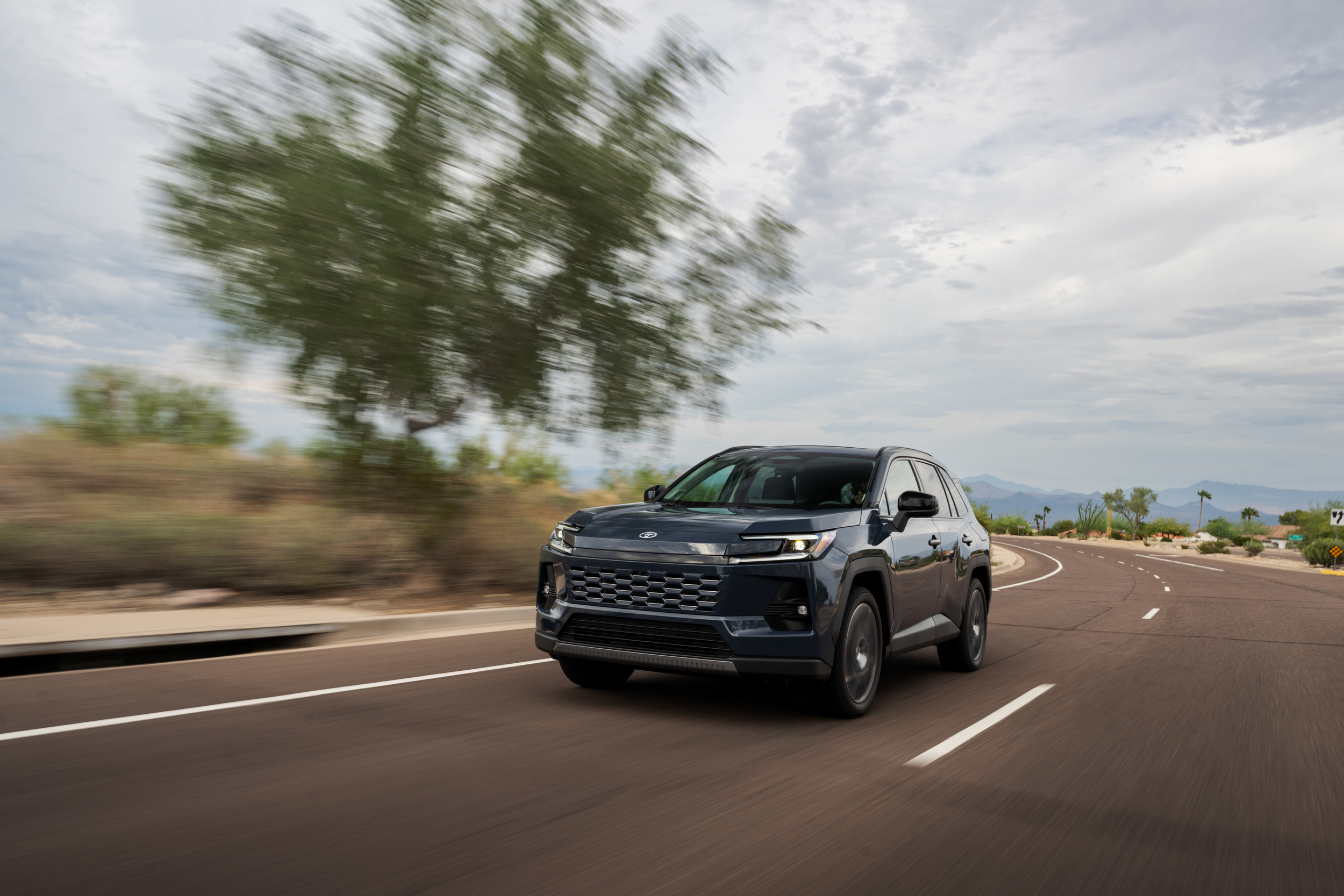
Lexus, Subaru, and Toyota top Consumer Reports’ latest reliability rankings.
Tesla climbs sharply, while Mazda tumbles thanks to trouble with new SUVs.
Hybrids keep impressing, but EVs and PHEVs still cause trouble for owners.
If you want a new car that spends more time on your driveway than at the dealer, Consumer Reports has some familiar advice. Stick with the usual suspects, be suspicious of shiny new tech, and maybe don’t volunteer to beta test an automaker’s latest big idea.
At the top of the pile, Toyota grabbed first place with Subaru second and Lexus third. Honda and BMW rounded out the top five. Consumer Reports based the study on survey data covering about 380,000 vehicles, so this is the kind of league table that has credibility, and isn’t just the result of an angry guy yelling into a forum thread about his rogue SUV.
If you’re wondering who had the best transformation, that would be Tesla. It jumped eight places from last year’s study to ninth overall, helped largely by stronger showings from the Model 3 and, in particular, the Model Y. That doesn’t mean everything in Tesla land is suddenly flawless, because the Cybertruck still landed below average, but it does suggest the company is finally getting a better grip on some of the fit, finish, and hardware gremlins that used to follow it around.
Mazda’s PHEV Nightmare
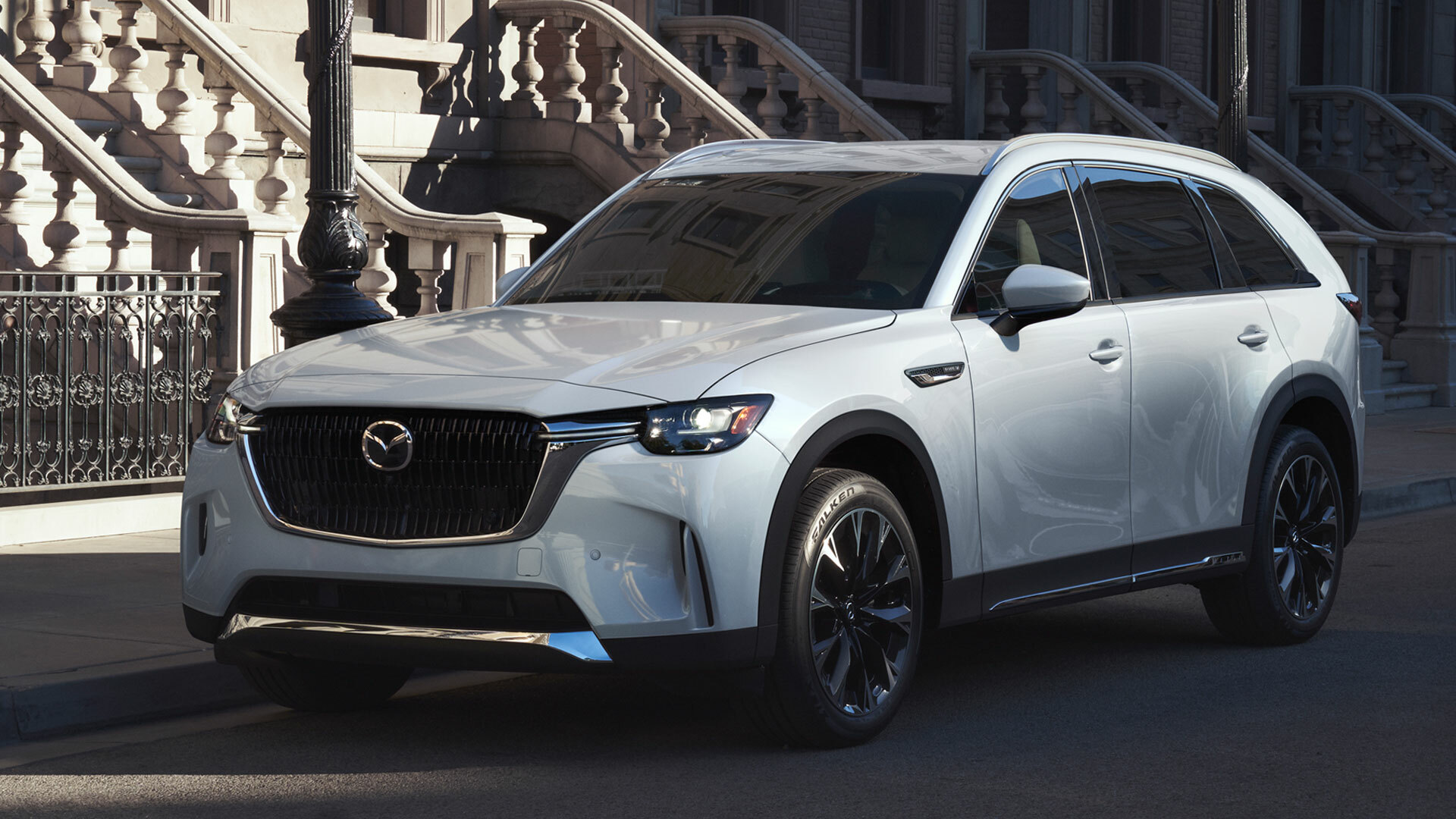
The brand that took the awkward tumble was Mazda, which dropped eight spots to 14th. Older Mazda models still did reasonably well, but the newer, more complicated CX-70 and CX-90, especially in plug-in hybrid form, apparently kept causing trouble.
That’s a classic case of what happens when an automaker gets ambitious with new platforms, new drivetrains, and new tech all at once. Sometimes the engineering team nails it. Sometimes the owners become unwitting, unpaid members of the R&D squad.
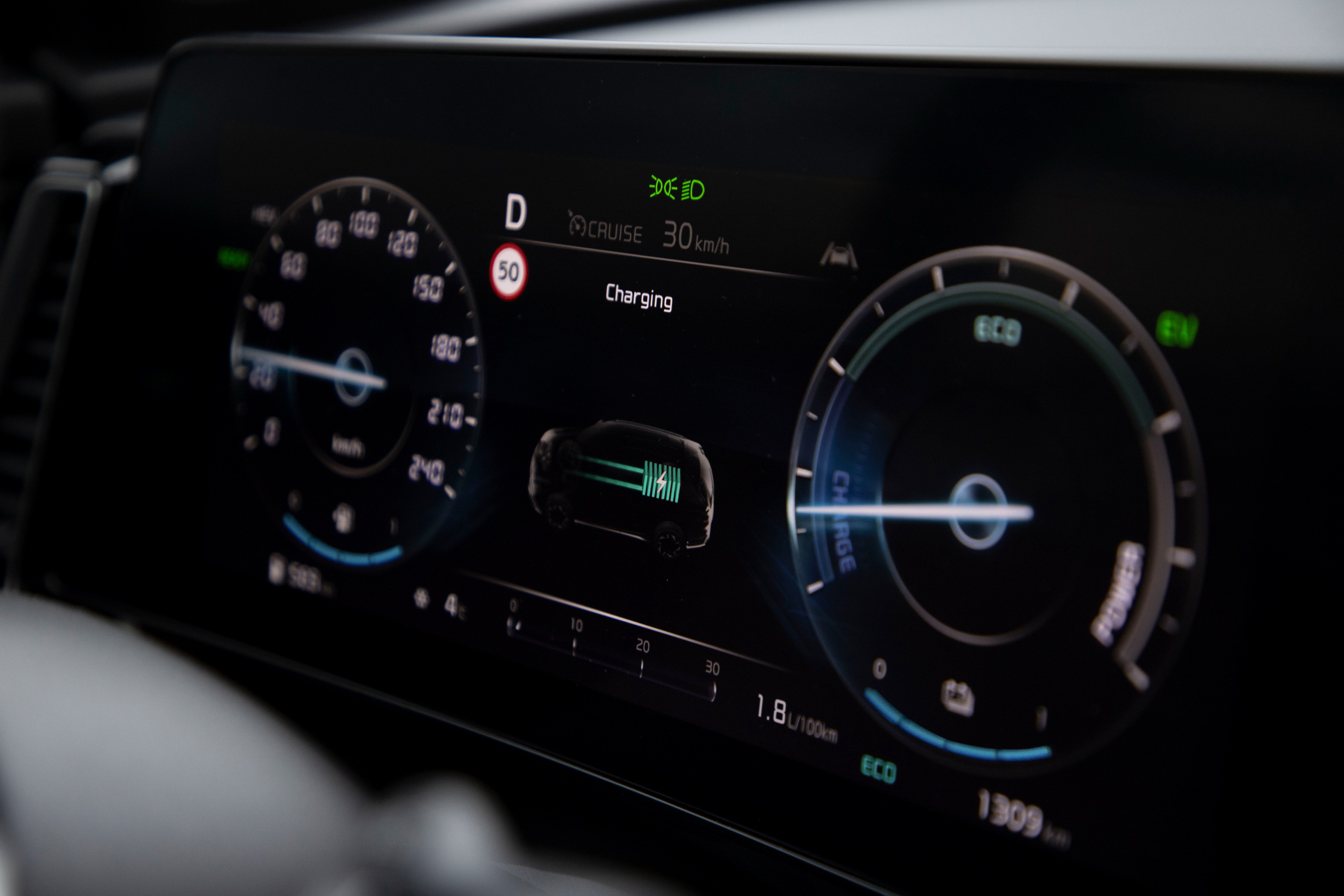
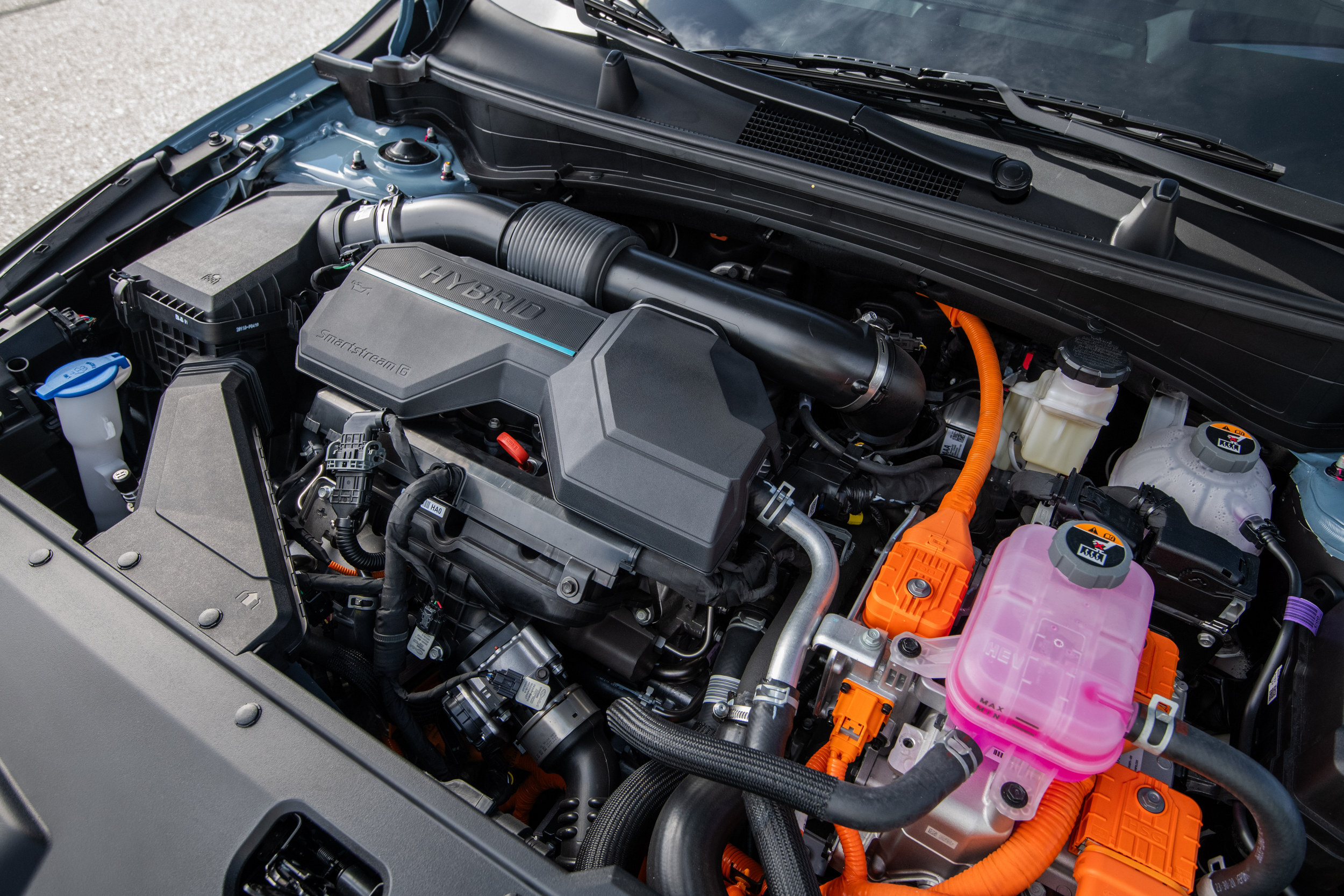
Consumer Reports also says hybrids continue to be a safe option for ICE fans looking for better economy. EVs and PHEVs, meanwhile, remain overrepresented among the least reliable models in the survey, especially when they’re brand new or heavily redesigned.
Buick Leads Detroit Brands
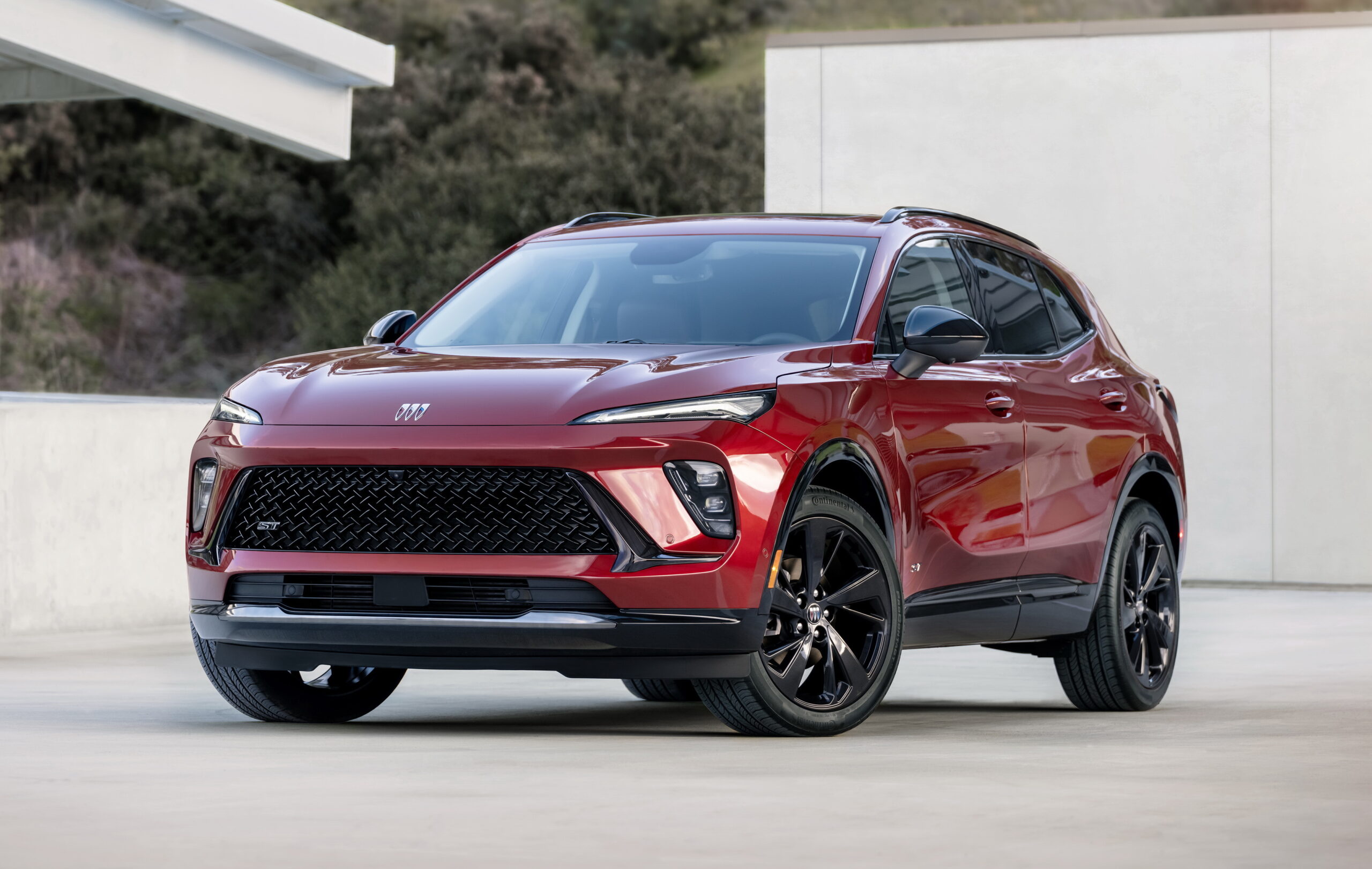
There were a few other eyebrow raisers in the rankings. Buick was the highest placed traditional Big Three Detroit brand at eighth, Ford landed 11th, and relative newcomer Rivian brought up the rear, though it’s worth pointing out that Jaguar, Land Rover, Fiat, Alfa Romeo and more were excluded from the study due to a lack of data.
Consumer Reports also found Asian brands still dominate on reliability, Europeans sit in the middle, and domestic brands trail overall, even if Tesla’s jump gave Team America something to celebrate.
And reliability is worth celebrating. No, it’s never going to be sexy, but unless your idea of excitement includes hanging around in waiting rooms and constantly swapping into loaner crossovers, Consumer Reports has a pretty clear message: maybe let somebody else test the cutting edge first.
Chinese brands are outpacing Western automakers on updates.
Legacy manufacturers are struggling to keep up, says report.
Despite this, Chinese marques are struggling to monetize software.
In an era where cars are less mechanical than they are tech showpieces on wheels, your car is becoming more akin to your phone in terms of how its lifecycle is updated. Modern vehicles are packed with screens and features, all governed by software, software that can be updated, refined, and patched with relative ease. According to one report, there’s a company that understands that better than any others.
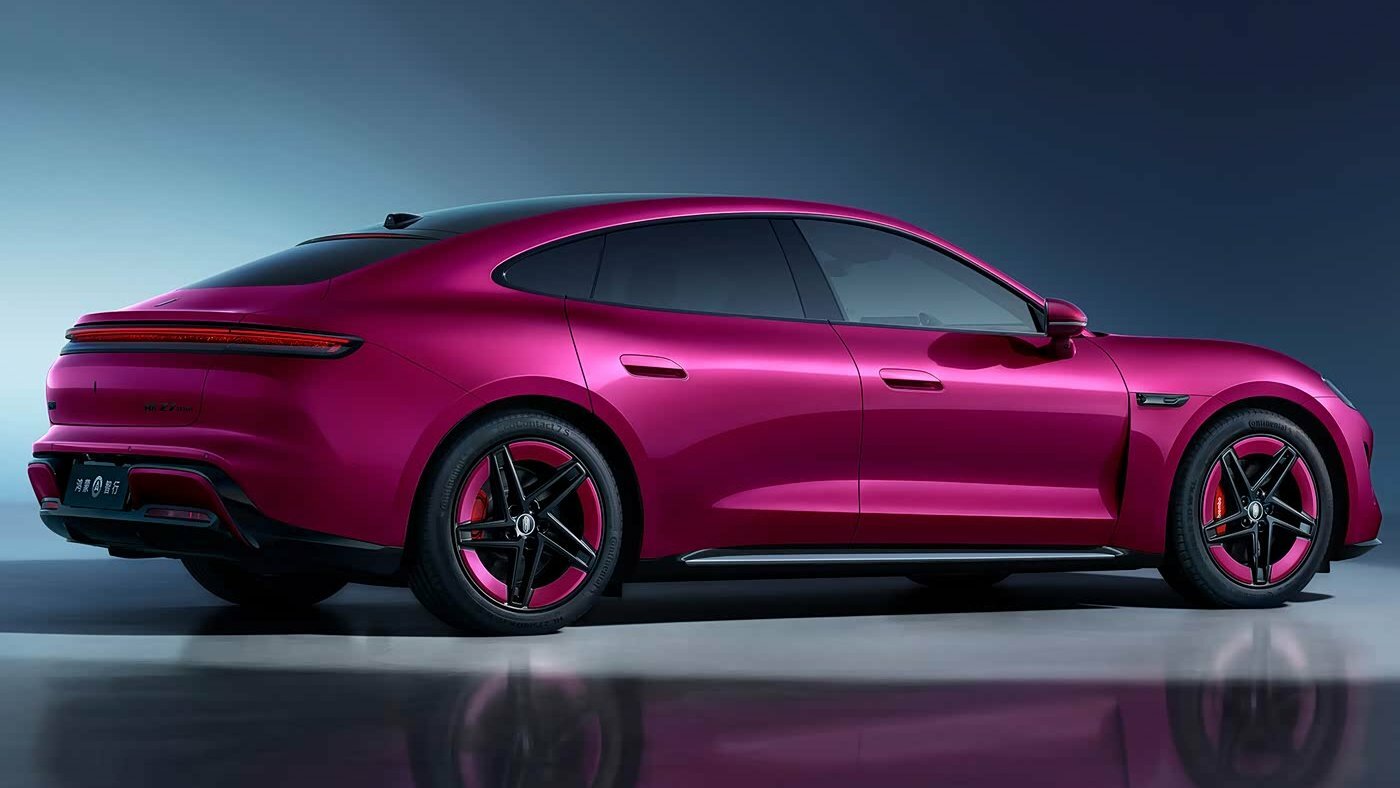
That company is none other than BYD, the Chinese New Energy Vehicle specialist that continues to make headlines, both good and bad. In this instance, the firm is employing over-the-air (OTA) software updates to increase vehicle performance and the life cycle of its models.
In mid-February, BYD released the fourth OTA update to its Han L sedan, a flagship vehicle of the Dynasty family, which was first unveiled in April 2025. The upgrade will introduce an enhanced driver assistance system, which is end-to-end AI-driven to improve its perception and decision-making in complex driving scenarios.
The new features will take about two hours to install, and owners will be in a position to utilize the new features without going to an automobile dealership.
Chinese Lead In OTA Updates
Chinese manufacturers, such as BYD, seem to be leading in the OTA update sphere. While the concept may have been pioneered by brands such as Tesla, the evidence would suggest that Western manufacturers are lagging.
In the past, vehicles would receive only minor changes, often via facelifts and perhaps even several years after being introduced. OTA technology has broken this pattern and enabled the cycle of continuous improvements to keep vehicles updated throughout their lifetime in a similar manner as smartphones.
BYD leads this change with its active strategy of updates. In 2025, Nikkei Asia reports that the company released about 200 software updates on its Ocean and Dynasty brands. Other brands like Aito, a creation of Huawei Technologies and Seres Group, and startups like Leapmotor have become more prolific when it comes to OTA updates. Tesla, by comparison, only had 16 OTA updates last year. Toyota and VW didn’t fair any better, with eight and five respectively.
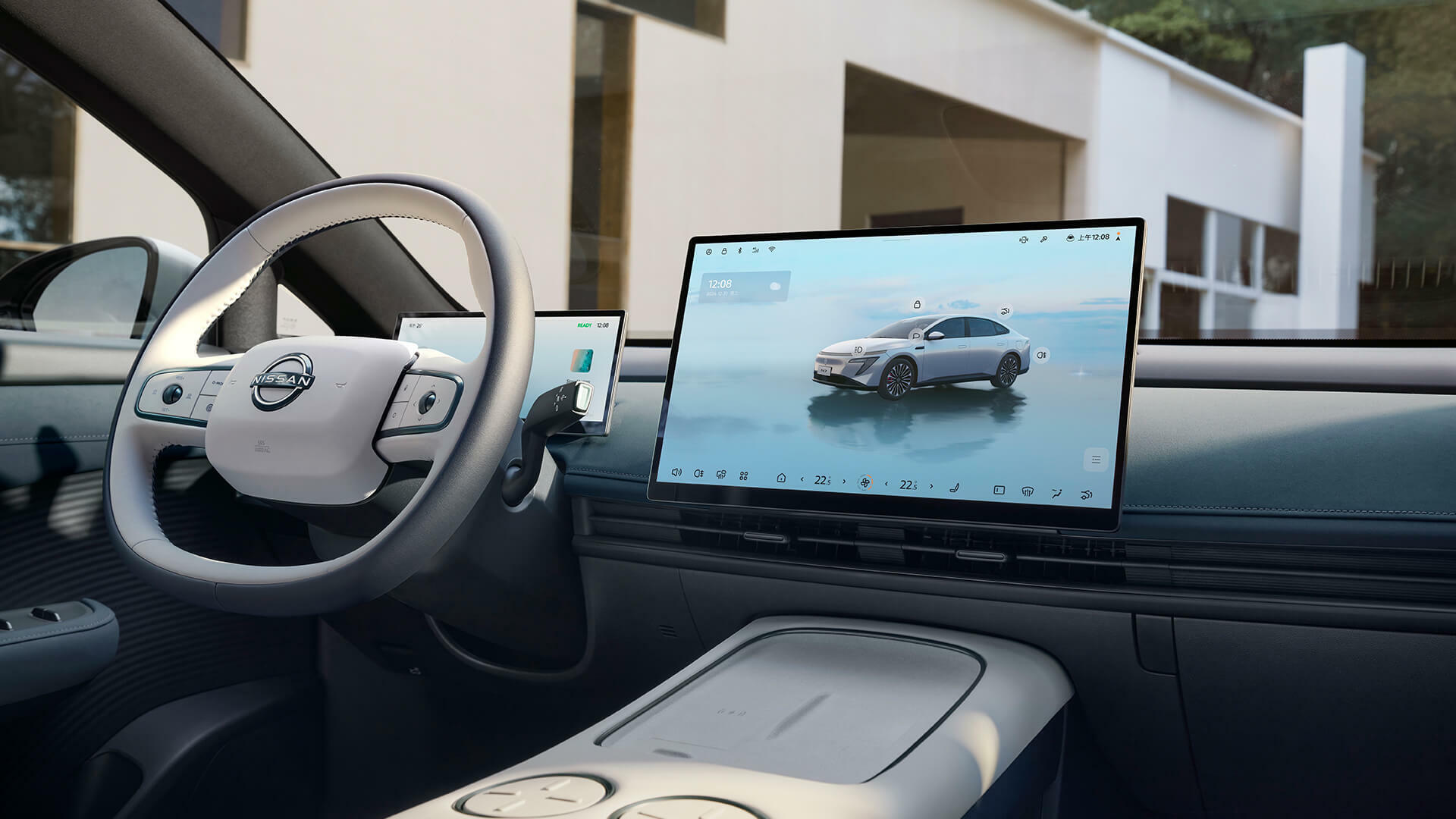
Nissan, with its new N7 electric car, however, managed to push out its first update just two months after its launch, unlocking new applications and longer voice recognition capabilities. “OTA updates must be developed even before product launch as part of the car’s lifecycle, in order to keep up,” said Isao Sekiguchi, managing director of Dongfeng Nissan.
There is a catch. The N7 is not a clean-sheet Nissan effort, but a joint project with Dongfeng Motor Corporation, built on the Chinese partner’s eπ 007 platform.
Less Opportunities To Monetize Updates
BYD’s rapid rate may be explained by the vertical integration development model, i.e. in-house design of semiconductors, operating systems, and hardware, designed by BYD. Such control allows the company to update it at a very high speed and efficiently without modifying the user experience.
However, OTA updates have an economic cost. It’s not just the cost incurred in developing and rolling out each update. While the extension of technological relevance of a vehicle may enhance the resale values and decrease the occurrence of complete model redesigns, OTA technology is difficult to commercialize.
In China, updates are generally free of charge, which rules out the opportunity to add to a company’s bottom line. Instead, Tesla-like subscription-based solutions are being considered by the industry. XPeng is mulling over more advanced levels of autonomous driving, particularly Level 4 technology, which could be marketed as an extra service. This would mirror the strategy Tesla already used with its Full Self-Driving subscription in North America.
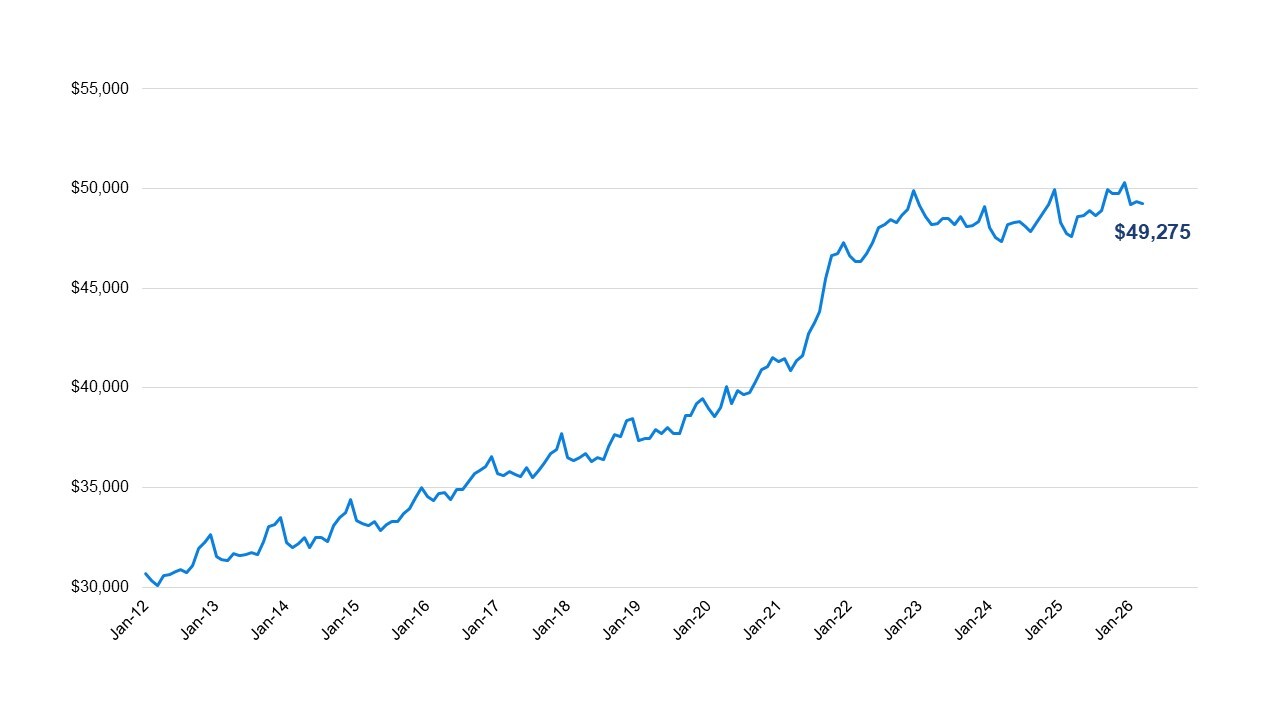
Average new car transaction price in US climbs to $49,275.
EV prices fall 2.8 % to $54,508 thanks to sales incentives.
Buyers are still choosing big vehicles such as full-size trucks.
Here’s some good news if you’ve been eyeing an EV as a way out of buying expensive gas, but also flinching at the price of making the switch. The gap between electric and gas cars just shrank to its smallest level ever. Okay, so $5,800 is not pocket change, but it’s a whole lot less scary than it used to be, and is the kind of difference you could even out with fuel cost savings if you’re a high mileage driver.
New EV prices dropped 2.8 percent year over year to $54,508, marking their third straight monthly decline, according to fresh data from Cox Automotive’s Kelley Blue Book. That’s not happening by accident, either. Automakers are throwing incentives at buyers like confetti, with EV discounts now averaging 14.6 percent of transaction price.
Meanwhile, gas and hybrid vehicles are holding steady. The industry average transaction (ATP) price landed at $49,275 in March, up 3.5 percent from last year but basically flat compared with February. So while EVs are coming down, ICE models aren’t exactly rushing to meet them halfway.
The annual price gains have now accelerated for four consecutive months. The average MSRP reached $51,456, marking the 12th straight month above $50,000.
New-Vehicle Average Transaction Price
Bigger Is Better
What’s really driving the overall numbers, though, is what Americans are actually buying. Spoiler alert, it’s still big stuff, and its not electric. Full-size pickups are hovering near $66,000, while full-size SUVs are knocking on the door of $80,000.
At the other end of the spectrum, compact cars are barely moving, up just 1.1 percent year over year and still sitting under $28,000. Even with rising prices, they’re losing relevance as buyers keep chasing space, power, and presence.
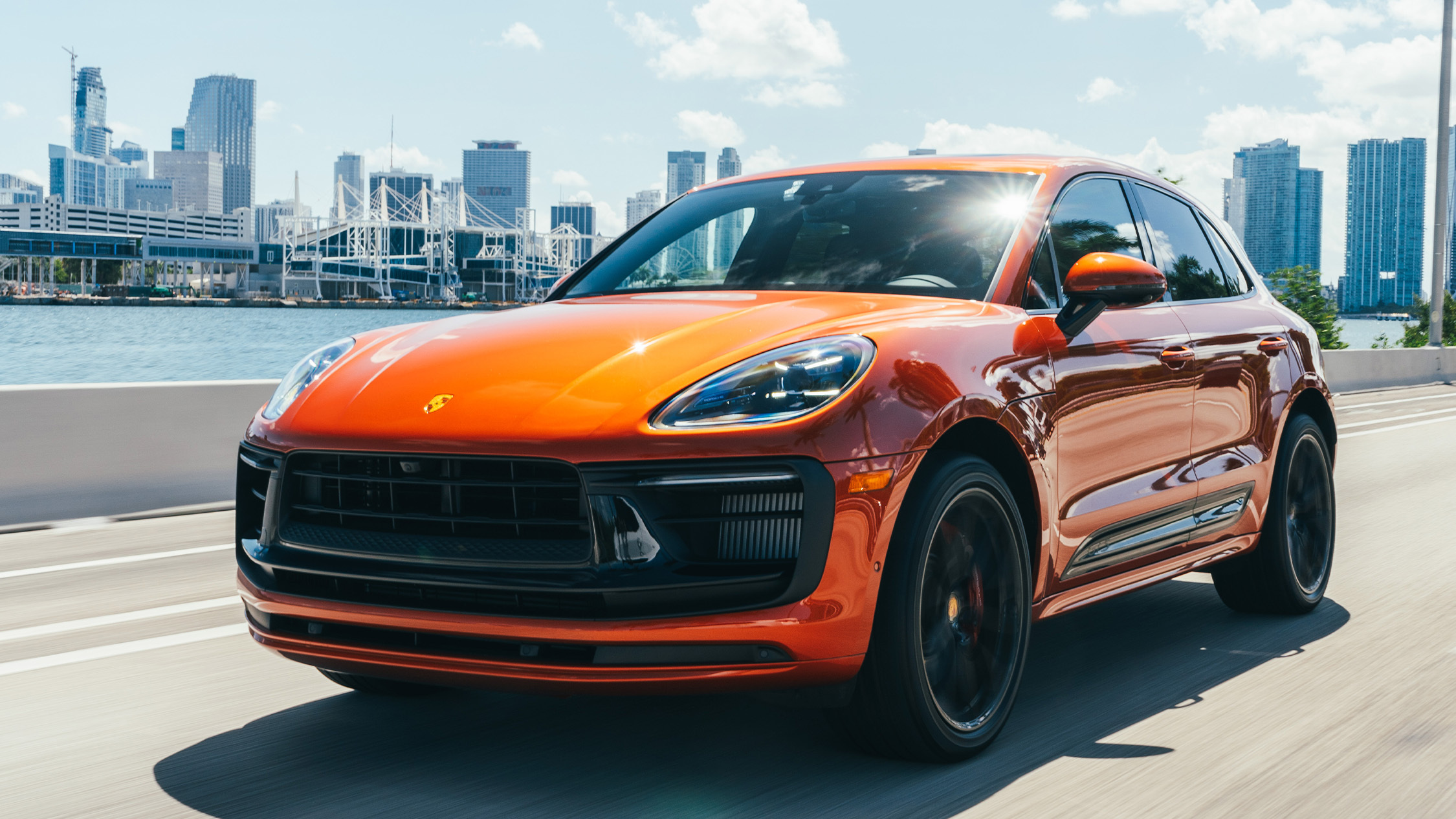
The brand data adds another layer of intrigue. Porsche buyers clearly didn’t get the memo about tightening American household budgets, with average prices jumping 12.4 percent year over year to $128,447. Cadillac is also riding high with an 11.6 percent increase to $84,139.
Mercedes, Tesla Prices Down
But not everyone’s winning. Mercedes-Benz prices fell 3.4 percent to $75,886, while Tesla dropped 2.6 percent to $53,142, continuing its quiet price-cut campaign to stay competitive.
And then there are incentives across the wider market. They climbed to 7.2 percent of ATP, up from 6.9 percent in February, showing that even as prices stay high, automakers are working harder behind the scenes to keep buyers interested.
BYD will roll out ultra fast chargers in Europe delivering up to 1,500 kW.
Europe gets 3,000 Flash Charging stations within the next 12 months.
Denza EVs and even hybrids will both exploit very short top-up times.
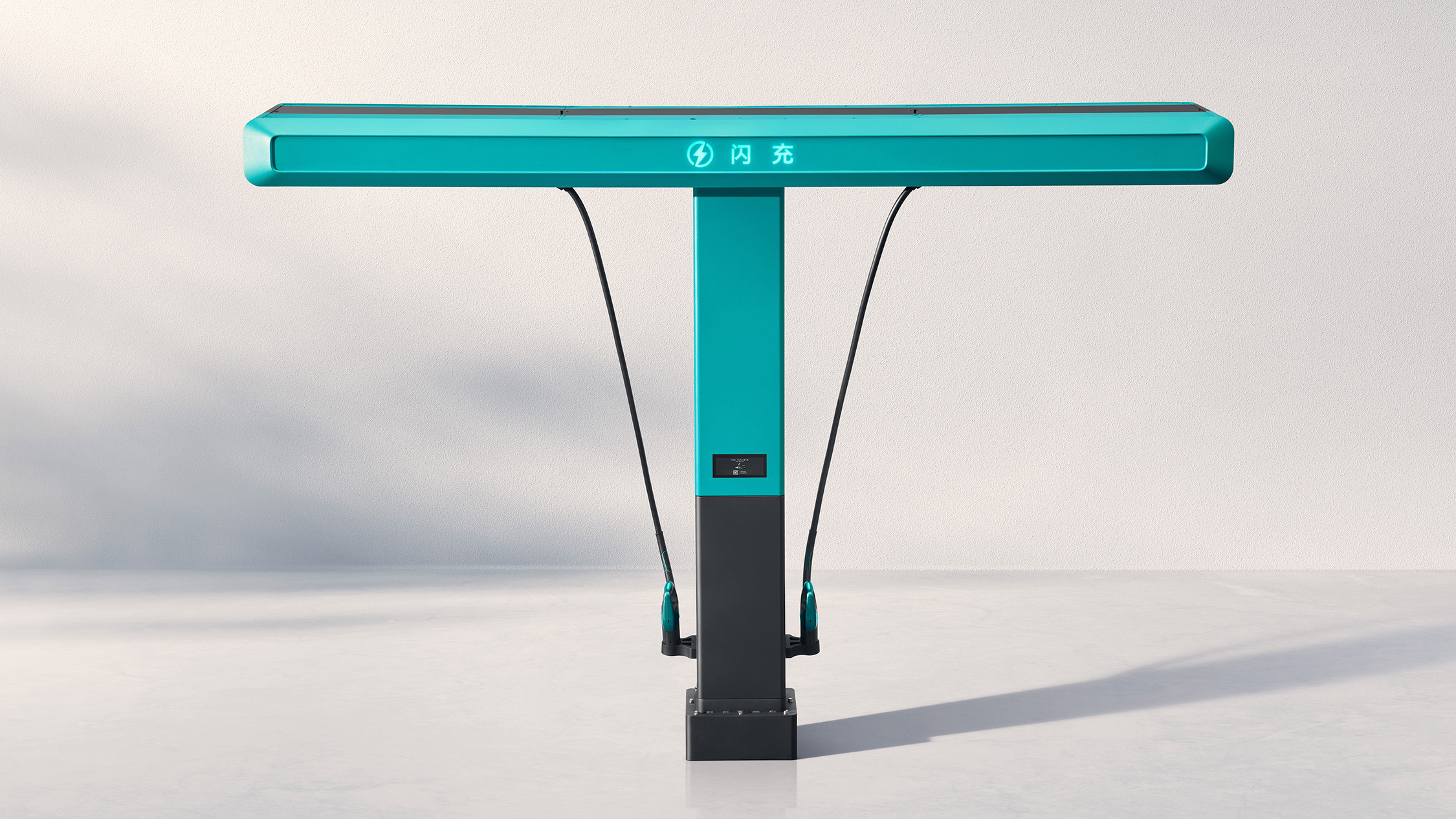
BYD has officially confirmed that its absurdly powerful new charging tech is headed to Europe, which means the phrase “rapid charger” may soon need a slightly more ambitious definition. Across the next 12 months, the company plans 6,000 Flash Charging stations outside China, including 3,000 across Europe.
Europe already has thousands of EV fill-up stations, but these BYD Flash Charge devices don’t just edge past today’s fastest public chargers, they absolutely body-slam them. BYD says the new hardware can deliver up to 1,500 kW, making it comfortably the quickest charging setup announced for Europe so far.
Better yet, this won’t be some members-only club for BYD owners. The chargers are set to use CCS2 connectors and should be open to other brands too. Dealers selling BYD’s posh Denza vehicles will get their own branded versions, while public sites elsewhere will simply wear the Flash name. BYD is also planning to work with existing charging locations rather than starting from scratch every time.
The headline numbers are predictably bonkers. BYD says its newest battery tech can take compatible cars from 10 to 70 percent in five minutes, and from 10 to 97 percent in nine. That’s less charging stop, and more pause for breath.
Denza Leads The Charge
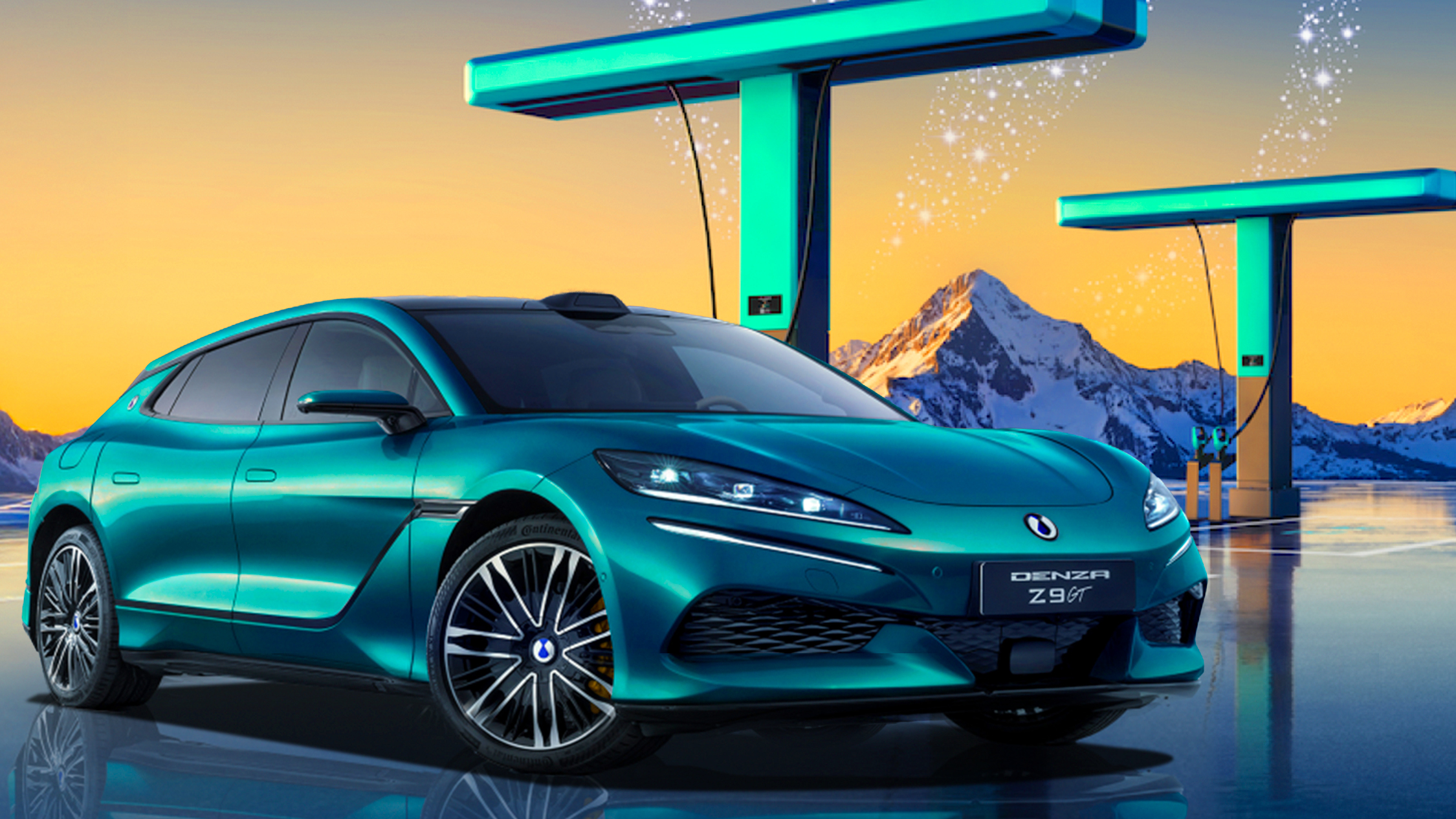
The first big beneficiaries in Europe will be the Denza Z9GT and the D9 DM-i. The Z9GT is the flashy one, a tri-motor, fully-electric shooting brake with a 123 kWh battery and enough shove to hit 62 mph in 2.7 seconds.
The D9 DM-i minivan, meanwhile, proves plug-in hybrids can join the party too. Its 58.5 kWh battery can accept up to 559 kW, allowing the same five-minute run from 10 to 70 percent and nine minutes from 10 to 97. That’s especially handy in a giant seven-seat MPV with 130 miles (209 km) of electric range and a 590-mile (950 km) total figure when the petrol tank is full. In contrast, some PHEVs from other brands still don’t accept DC charging at all.
Of course, BYD isn’t the only one throwing elbows. Earlier this week, Geely claimed its latest chargers and Golden Brick battery tech were even quicker still, because apparently the industry has decided the best way to sell EVs is through stopwatch violence.
BMW Says Non To Charging War
BMW, though, isn’t buying the hype. “You always have to be careful with those kinds of announcements,” the company’s battery production boss Markus Fallböhmer told Car Sales recently, suggesting battery longevity and reliability could be at stake.
“It is possible to optimize one single performance indicator, but you have to make compromises on other sides. We could also increase our charging speed, but then you have to reduce other important factors of a battery.”
Porsche says Chinese brands present an intriguing opportunity for it.
Executives see Chinese EV brands as a pathway to future premium buyers.
Many current buyers are likely focused on value rather than brand prestige.
Surging demand for domestic brands in China has dealt a heavy blow to Porsche, pushing the company to shutter roughly 30 percent of its dealerships as sales have plunged 50 percent since 2022. The slide shows little sign of easing. In the most recent quarter alone, Porsche lost another 21 percent of its market share.
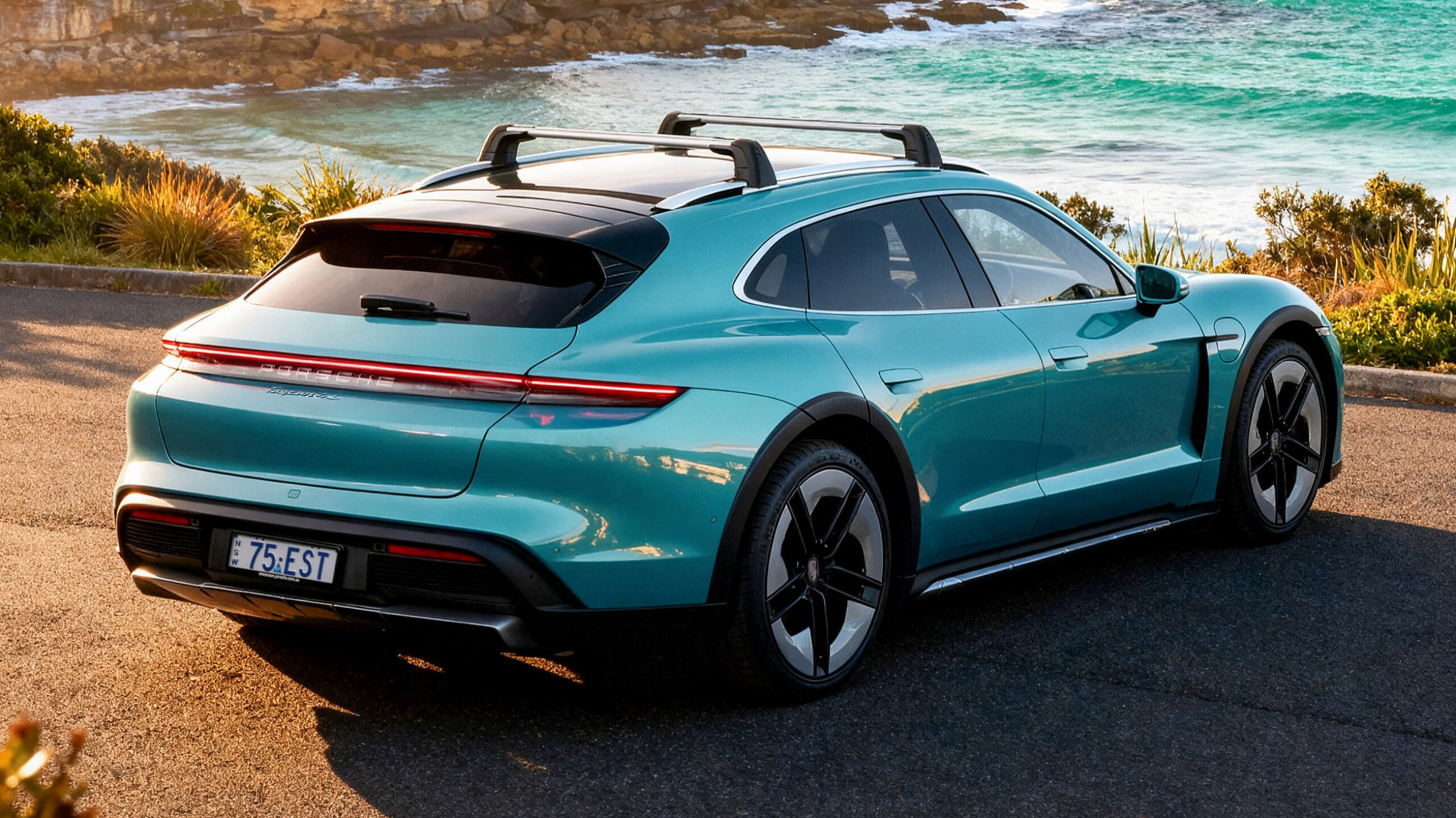
Yet despite the growing pressure from Chinese automakers, the brand insists the trend could work in its favor, at least in select Western markets such as Australia.
While the number of vehicles from China available in Australia continues to increase by the month, the German sports car maker doesn’t face the same level of competition as it does elsewhere. According to Porsche Cars Australia chief executive Daniel Schmollinger, many buyers entering the market through more affordable Chinese models may eventually set their sights higher.
“I wouldn’t call it concern; I wouldn’t call it worried; I look at it as an opportunity,” he told Australia’s Drive. “They’re obviously in a different price range from where we are. I’m actually happy to see these brands being successful here because at one point in time we will see, like after three years, first-time electric in a Chinese brand, people will want what’s next. And what is the next step? Then we are here for them.”
From Chinese To German?
While this certainly seems possible, there’s absolutely no guarantee that those buying an EV from a Chinese company now will be interested in upgrading to a Porsche in the future. Indeed, if they’re after a new EV from China, they’re likely quite budget-conscious and are looking for something that presents good value for money.
If, for example, someone were to buy a 700 hp EV from China for a third of the price of a Porsche, would they really have any interest in upgrading in a few years just for the German badge? Porsche is likely betting that these individuals’ incomes will grow, and as they do, it’s certainly possible they will start looking at more traditionally premium brands.
Kia confirms midsize pickup with hybrid and range extender powertrain options.
Truck targets US buyers with towing skills, off road ability and a roomy cabin.
Wider Kia strategy includes more hybrids, EV growth and big US sales targets.
Kia’s nearly ready to saddle up and ride into America’s most fiercely loyal segment, and it’ll be doing it with the help of two totally different electrified powertrains.
We’ve known for a while that Kia, along with its Hyundai sister brand, are working on a pair of midsize pickups for the US. They’ll be proper body-on-frame trucks designed to deprive Toyota and Ford salesmen of truck hunters that might otherwise have snapped up a Tacoma or Ranger.
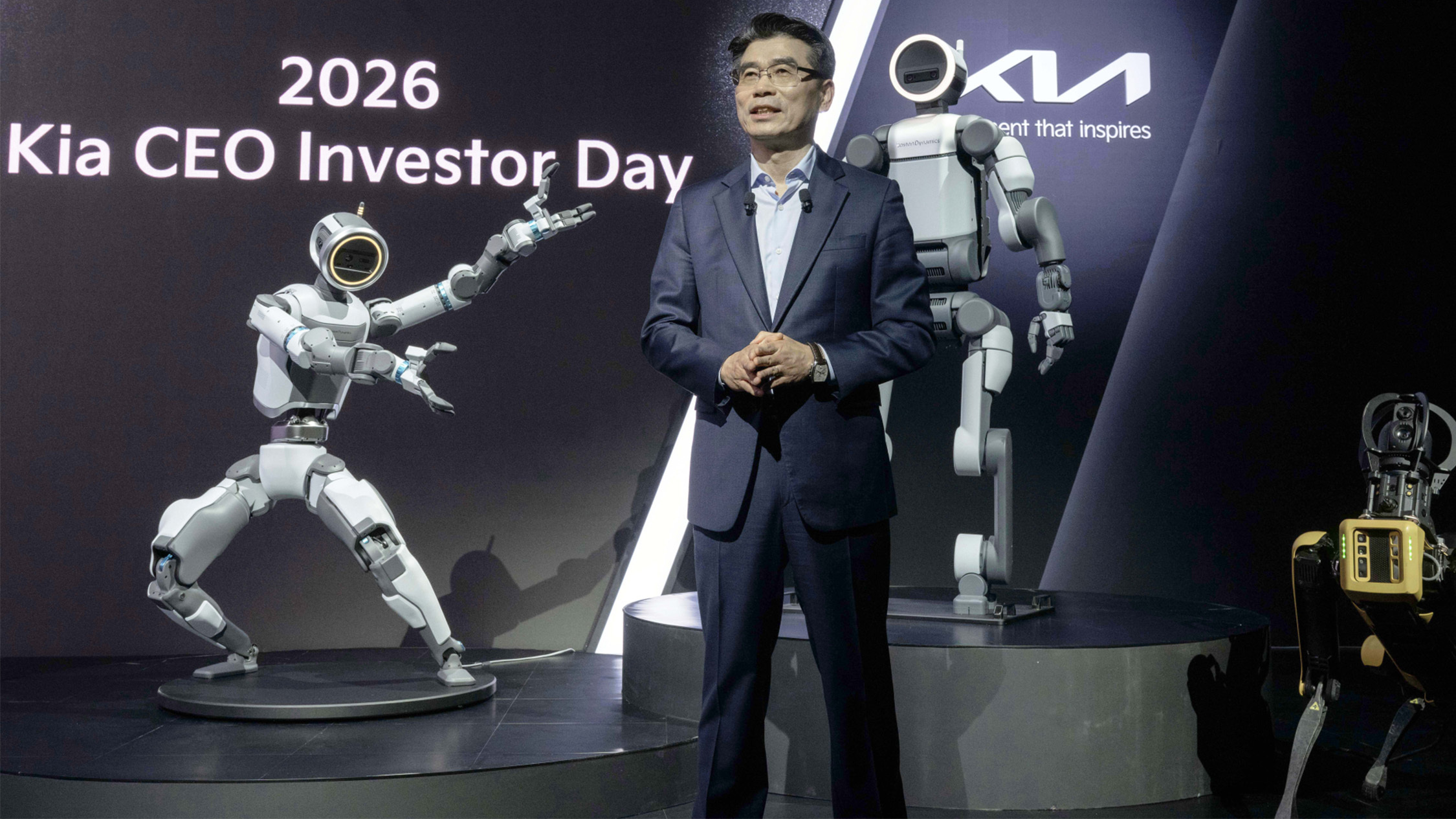
What wasn’t confirmed until today at Kia’s investor briefing, is what will be under the hood of those trucks. A hybrid option seemed likely, but Kia CEO Ho Sung Song says the pickup will offer buyers the choice of both hybrid and range-extender electric powertrains. That means it won’t just be chasing the usual suspects like the Tacoma and Ranger, but could potentially steal sales from more bigger, high-tech machinery like the Rivian R1T and Tesla Cybertruck.
Details are still thin, but Kia says the truck will offer proper capability where it matters. Expect solid towing, genuine off road chops and a roomy double-cab layout designed for real world use.
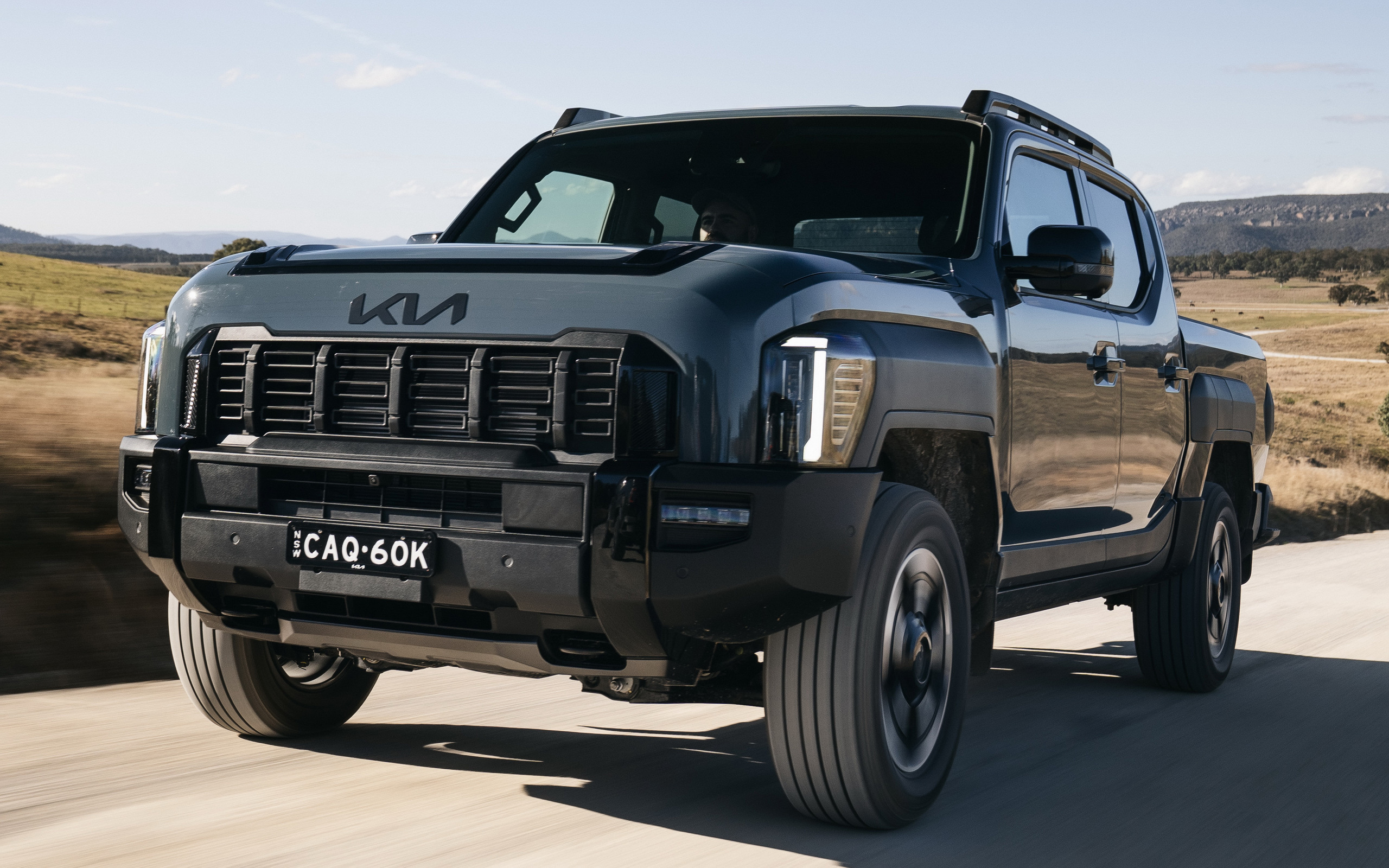
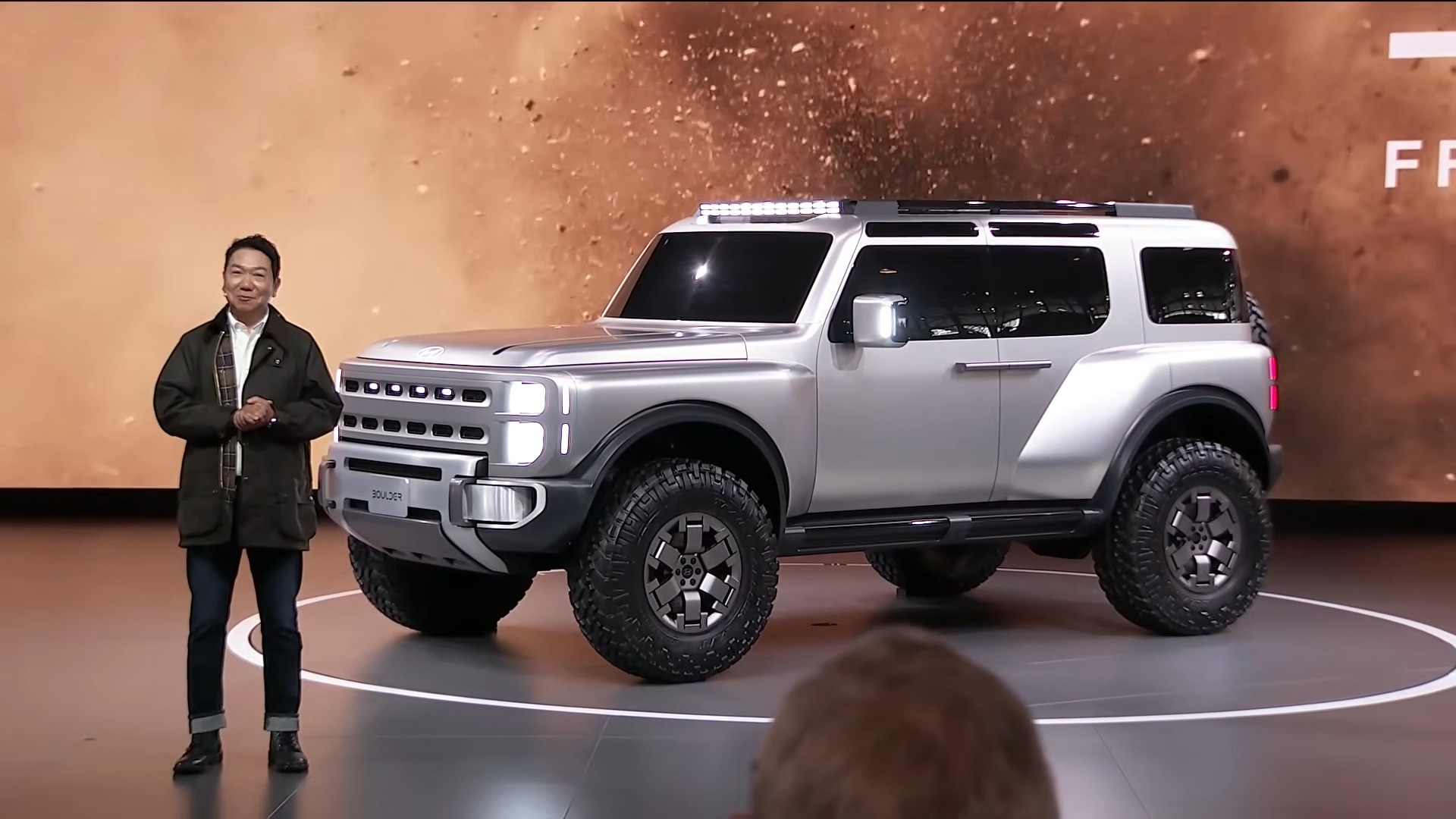
Underneath, it will share its rugged bones with a future Hyundai truck previewed by the Boulder SUV concept unveiled at the New York Auto Show earlier this month. Given the Boulder’s butch aesthetic, we can expect both trucks to have plenty of attitude, but hopefully it’ll be less ugly than the Kia Tasman truck (shown above and in the lead image) that’s sold in Australia and other markets.
This new pickup won’t just be a niche addition either. Kia reckons it can shift around 90,000 units annually in North America, Auto News reports, and carve out a meaningful slice of the segment. That’s ambitious for a brand that’s never sold a truck in the US before, but then Kia isn’t exactly lacking in confidence these days.
Hybrids For US, EVs For Europe
The truck also fits neatly into Kia’s broader US push. The company is targeting more than one million annual sales stateside by 2030, with a 6.2 percent market share. To get there, it’s doubling down on hybrids, expanding from four to eight nameplates and adding electrified options to core models.
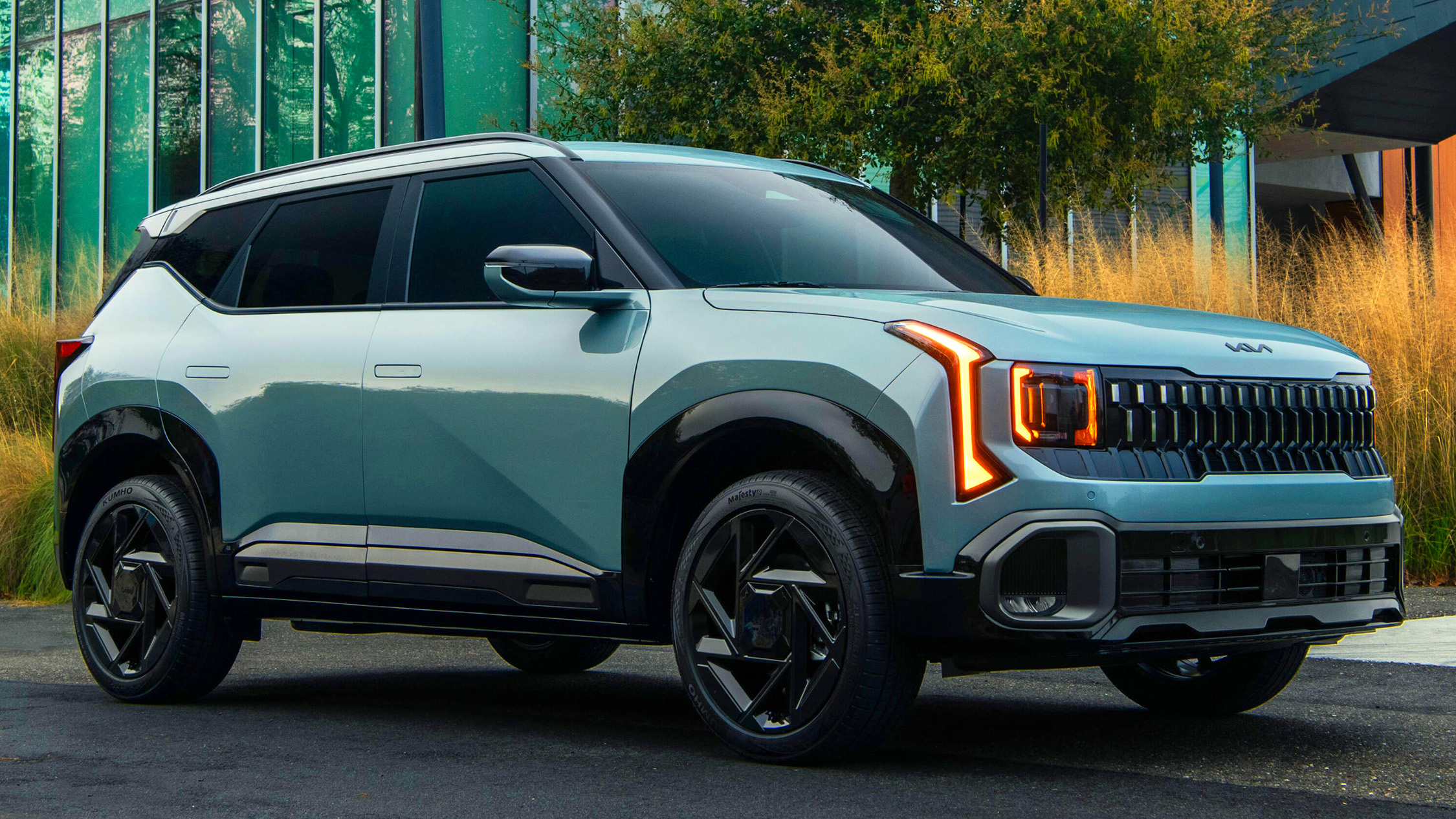
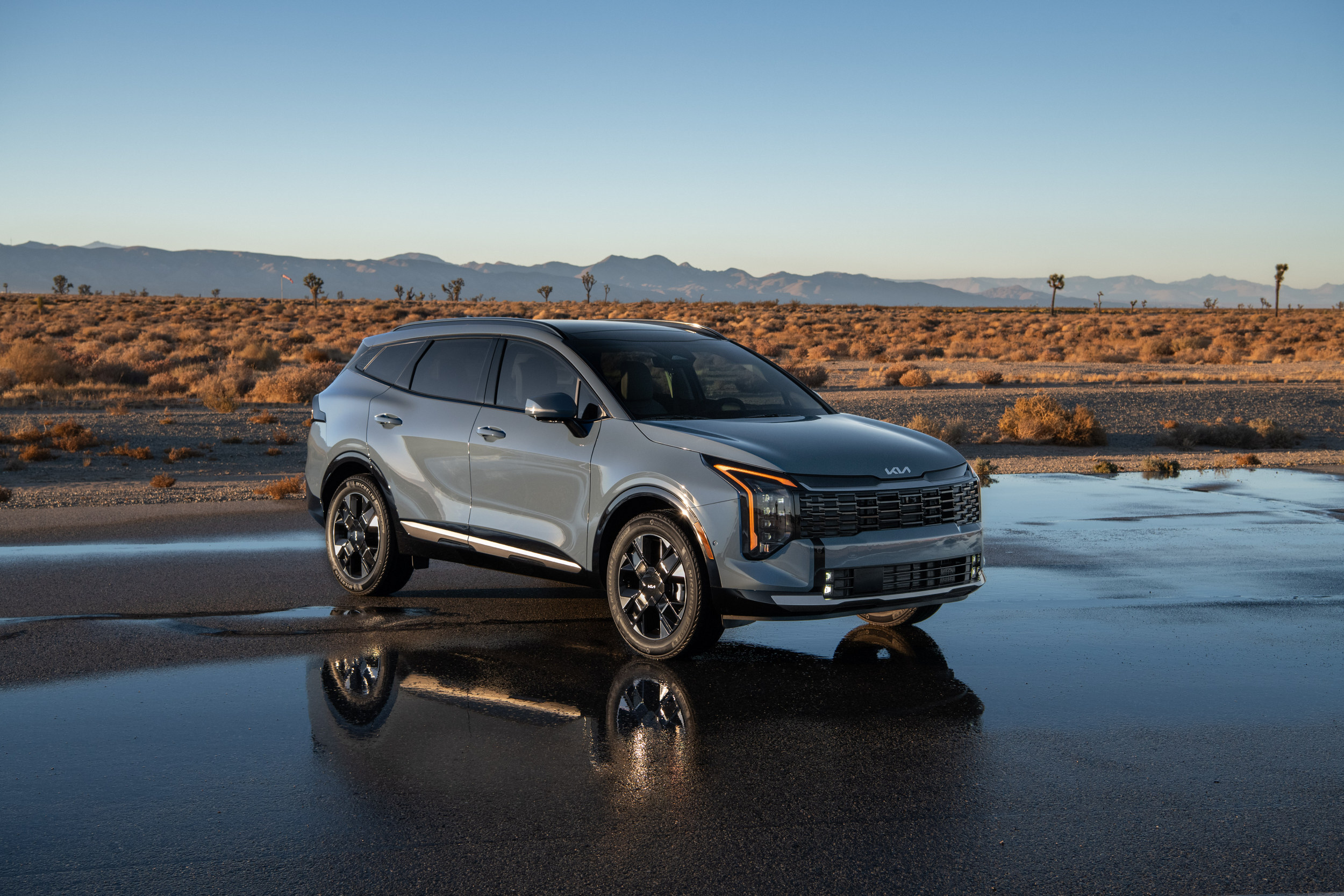
That includes big hitters like the Telluride, which is set to gain hybrid and range extender variants, plus the Sportage, which Kia wants to push past 200,000 annual sales. Even the smaller Seltos is getting in on the action with a new look (seen above) and a hybrid version aimed at cracking six-figure sales.
And while America gets a tough new truck, Europe is getting something much smaller but just as important. A new EV1 hatch is on the way to take on cars like the Renault 5, proving Kia’s strategy really does cover everything from city streets to dusty trails.
Kia readies subcompact EV1 hatch based on new EV2 SUV hardware.
Brand targets one million EV sales globally while boosting hybrid lineup.
New platform coming later with 40% bigger batteries, 9% more power.
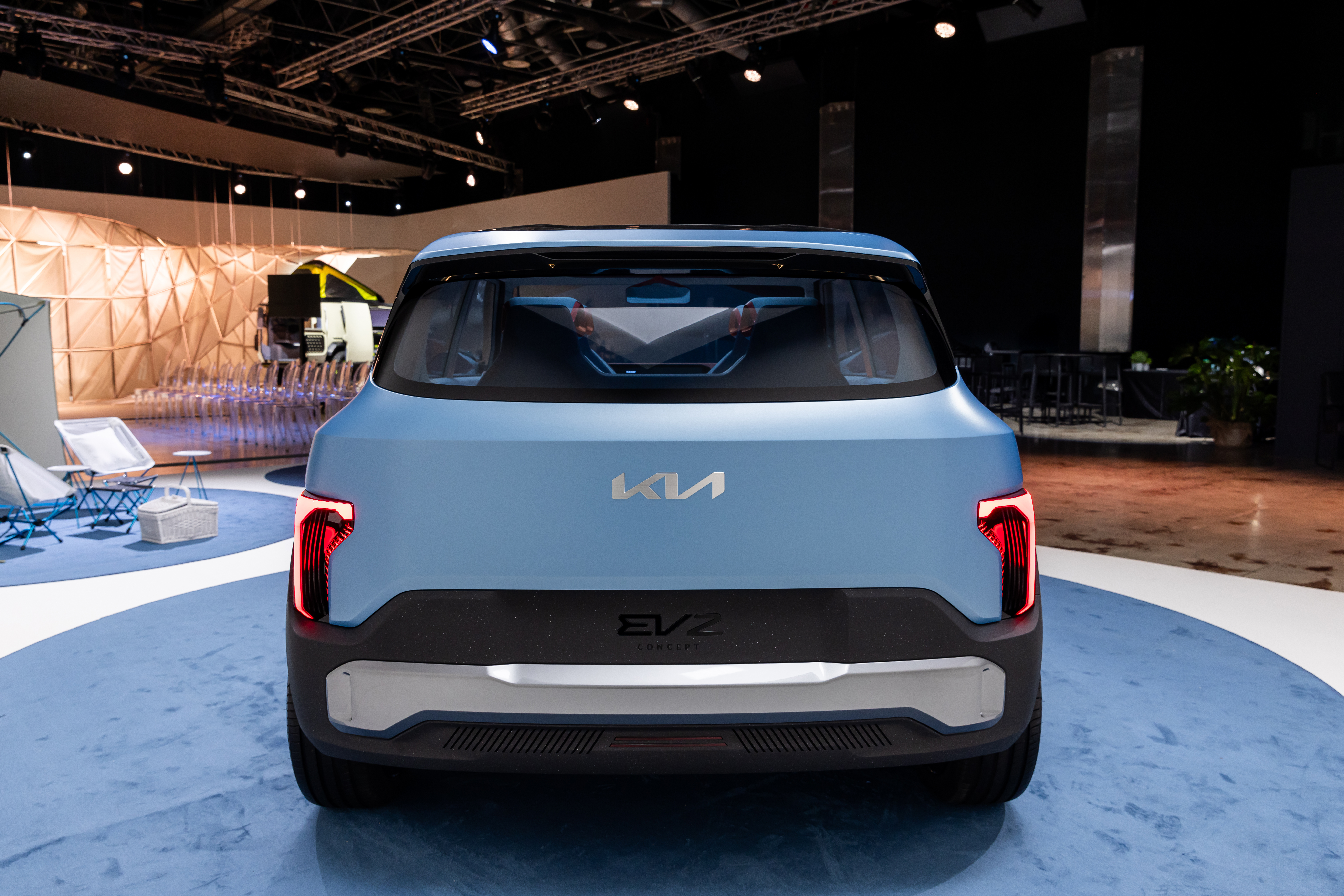
Kia just pulled the covers off its future plans, and while there’s plenty to digest, the real headline act for Europe is a tiny newcomer with big expectations. Enter the upcoming EV1, a compact electric hatch that’s shaping up to be Kia’s most affordable EV yet when it debuts next year.
Think of it as the lower, sleeker sibling to the EV2. It’s aimed squarely at Europe’s hotly contested supermini class, going up against the Renault 5, Peugeot e208 and Vauxhall Corsa Electric.
Under the skin, the EV1 is expected to share its hardware with the EV2, meaning a 400-volt E GMP platform and two battery options. Entry models should get a 42.2 kWh pack with roughly 200 miles (322 km) of range, while higher trims could use a 61 kWh battery pushing closer to 300 miles (483 km). Power outputs will likely mirror the EV2’s, so expect something in the region of 145 hp (147 PS / 108 kW) on base or mid-spec cars.
Kia also says this will be its first car in the segment to be a software-defined vehicle, one where everything from infotainment to vehicle systems is deeply integrated and updateable. Despite the clever tech, prices are likely to start at a little over £20,000 (€23,000), making it a genuine mass market EV.
New EV Platform In The Works
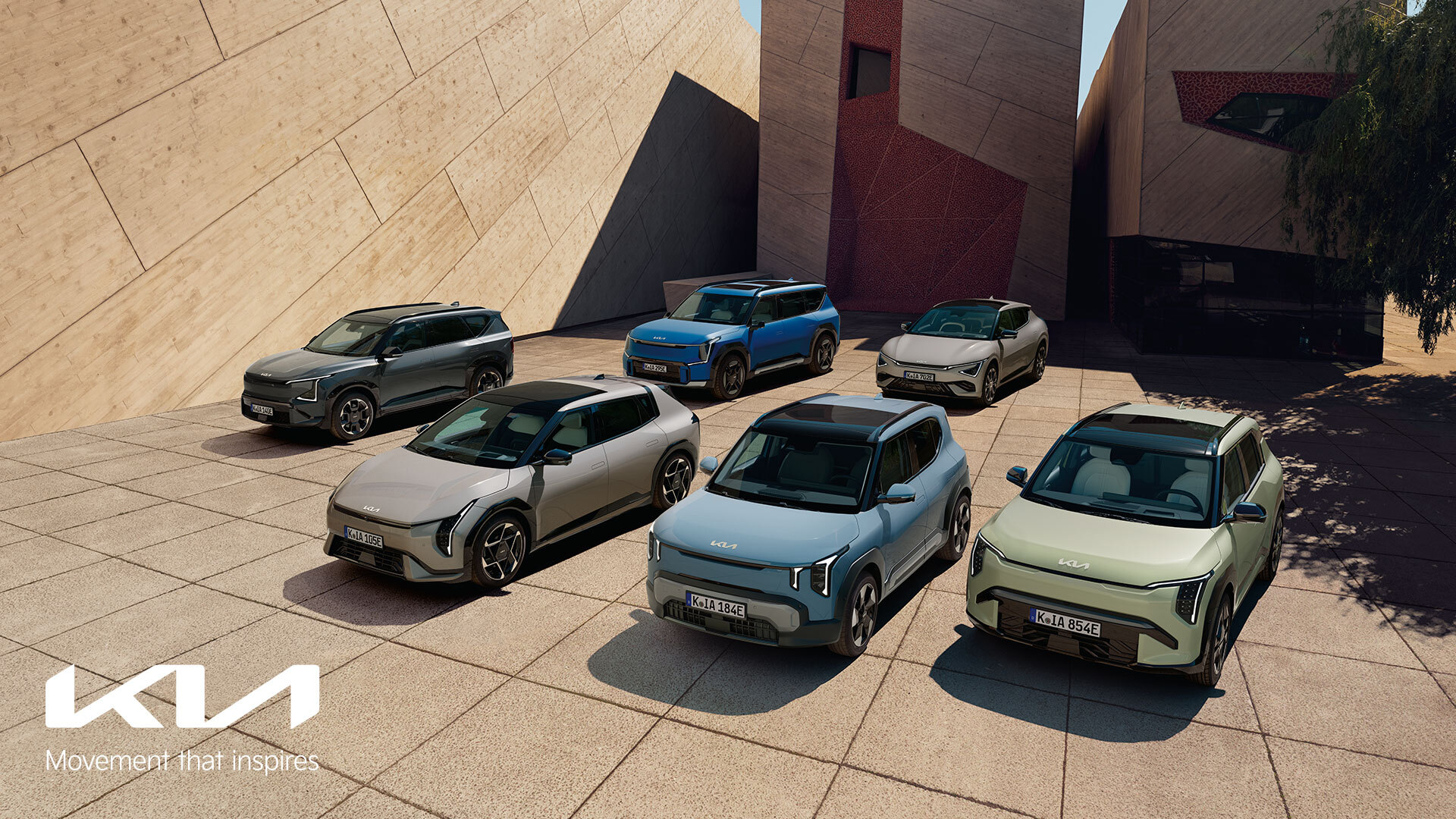
But the EV1 is just one piece of a much bigger puzzle. Kia wants 14 EVs globally by 2030 and annual electric sales of one million units. That’s part of a broader push to hit 4.13 million total sales and a 4.5 percent global market share.
Beyond the EV1, Kia will launch a new electric platform that it says will deliver up to 40 percent bigger batteries with 15 percent greater energy density powering motors that are 9 percent gruntier. An electric SUV to bridge the gap between the EV5 and EV9 is also on the way.
Big Hybrid Push
But Kia isn’t going all in on EVs just yet, especially not in the US, CEO Ho Sung Song admitting that the rate of global electric adoption had slowed. So hybrids are getting a major boost, with 13 HEV models planned and annual hybrid sales targeted at 1.1 million units. New hybrid versions of key models like the Telluride, Seltos and K4 are coming, as are hybrid and range-extender versions of the midsize body-on-frame truck Kia will debut before 2030.
Furthermore, the Korean brand is doubling down on commercial vehicles like the PV5, adding a bigger PV7 in 2027 and PV9 two years later. It’s also pushing robotics, with factory bots and delivery solutions in development. So yes, the EV1 might be small, but it’s leading a very big plan.
A new Opel EV may be built at a Spain plant alongside the Leapmotor B10 model.
Leapmotor is expected to supply key electrical and electronic parts to Stellantis.
Stellantis aims to deepen its ties after buying a 20 percent stake in the company.
Facing mounting pressure to cut costs and speed up timelines, Stellantis is looking beyond its own engineering bench. The automaker is reportedly exploring a plan to co-develop a new EV for Opel, and possibly Alfa Romeo too, with Leapmotor, leaning heavily on the Chinese firm’s underlying technologies.
The move comes as Stellantis recalibrates its EV strategy following a $25 billion writedown tied to scaling back parts of its electric vehicle roadmap.
China-Based Development Plans
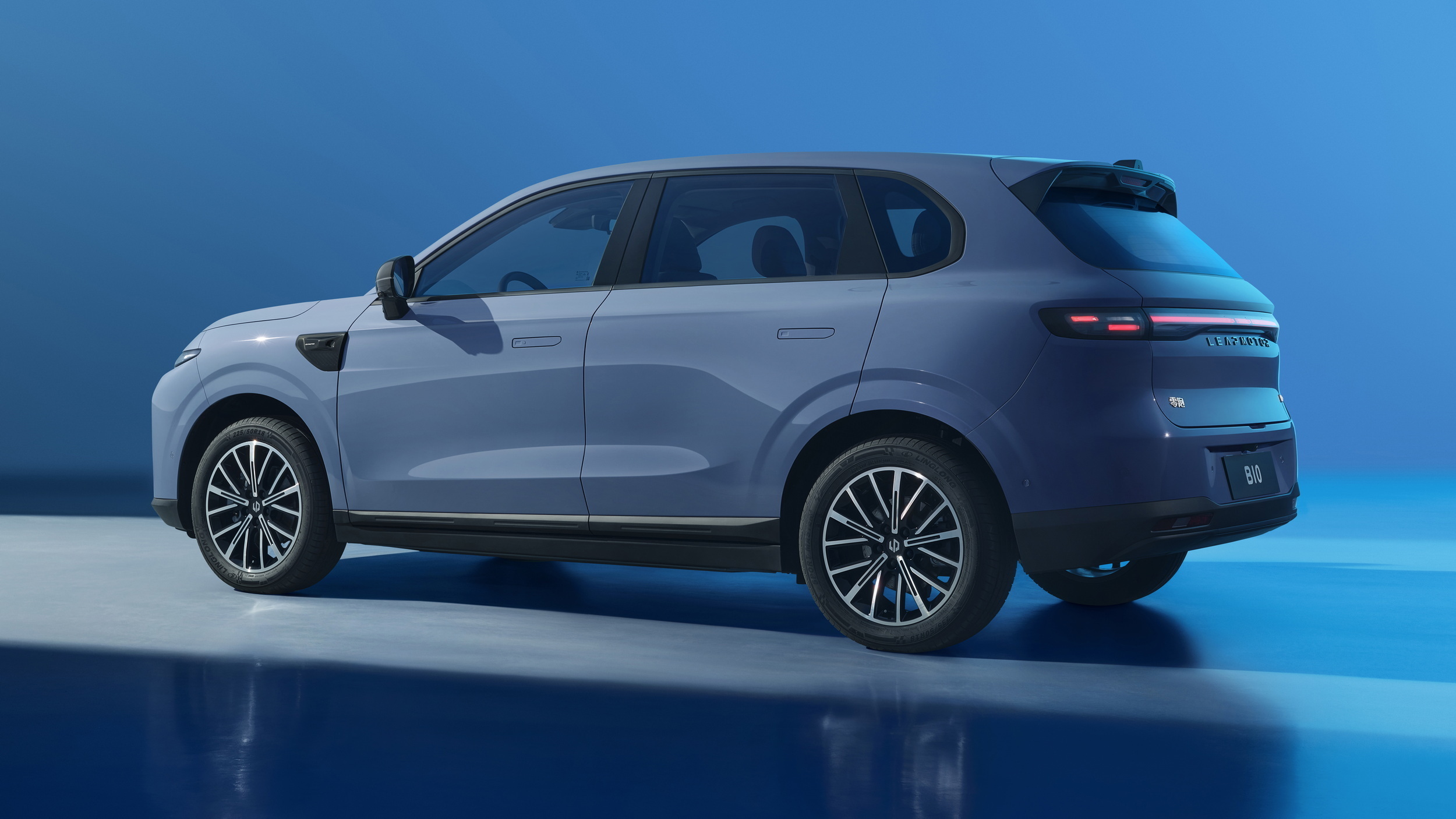
Unnamed sources claim that the new Opel could use the same architecture as the Leapmotor B10. Whether it will share the exact same powertrain remains unclear, but Leapmotor is expected to supply key systems, including electrical and electronic components, effectively doing much of the heavy lifting under the skin.
In addition, much of the development work would take place in China, with Opel focusing primarily on exterior design. Reuters reports that discussions between the two companies began late last year, and a deal could be finalized in the coming weeks.
Stellantis acquired a 20 percent stake in Leapmotor in 2023 and has since supported the brand’s international expansion through their joint venture, Leapmotor International. This entity oversees sales and production outside China. If approved, the new Opel SUV would be built at Stellantis’ Zaragoza plant in Spain, which is also set to assemble the Leapmotor B10 starting later this year.
An Alfa Romeo Next?
It is understood that the new Opel could enter production in 2028, with annual output targeted at around 50,000 units. Leapmotor has responded cautiously to the reports, noting that it continues discussions with partners, including Stellantis, but has no plans for full platform-level collaboration. Instead, it remains focused on supplying its own in-house components.
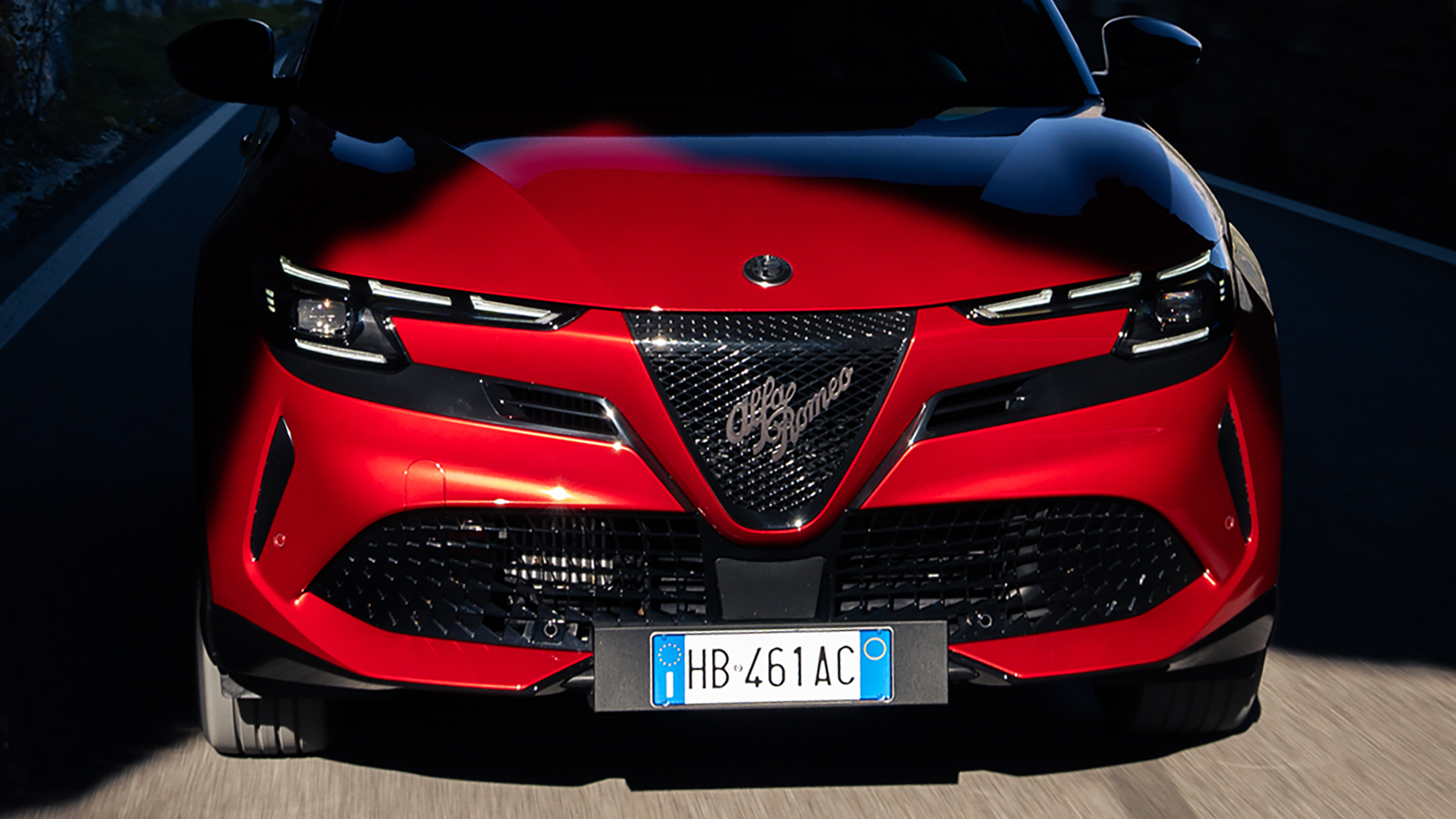
The close-knit partnership between Stellantis and Leapmotor may extend beyond a single Opel EV. Early discussions have considered applying Leapmotor’s technology to smaller A-segment models, which would likely require separate production lines. The same report also points to a possible Alfa Romeo model based on the B10 architecture, which could also be produced in Zaragoza.
A man was arrested over the weekend after authorities say he stole a school bus from a high school parking lot and later abandoned it at a nearby store, reported ABC 13.
According to the news report, officers responded Saturday afternoon to a Dollar General near Glasgow High School after school officials reported that the stolen bus had been located. The vehicle showed visible scratches on the rear-passenger side and front that appeared to be recent.
Glasgow Independent Schools Superintendent Chad Muhlenkamp said GPS data indicated the bus was started at approximately 4:34 a.m., left school property and traveled along Coral Hill Road before making a stop. The bus was later parked at the Dollar General around 5:27 a.m.
Security camera footage identified the suspect as 18-year-old Tayesean M. Barlow. The footage reportedly showed Barlow entering the bus with a flashlight and appearing to have what looked like a drum magazine attached to a handgun in his waistband. He was later seen sitting in the driver’s seat, starting the bus and driving away. Police said he briefly stopped to speak with someone out of view before continuing and eventually parking the bus.
According to the article, officers later went to Barlow’s home on Coral Hill Road, where his mother told them she was aware of the situation and had instructed her son to return the stolen bus. Barlow then came outside and was taken into custody.
While being held at the Barren County Detention Center, Barlow reportedly told police he had been with friends at a local apartment complex and decided to leave after “things got a little crazy.” He said he entered the bus after finding it unlocked, located the keys and drove it home because he did not want to walk.
Barlow remains jailed on a $25,000 cash bond. He faces charges including theft by unlawful taking, second-degree criminal mischief, unlawful possession of a weapon on school property, and operating a vehicle with a suspended or revoked license.
A 78-year-old school bus monitor in South Carolina is charged with sex crimes involving a teenage girl who was riding his bus, reported The Augusta Press.
According to the news report, McDonald Walker of Aiken was charged Friday with criminal sexual conduct with a minor and criminal solicitation of a minor. The charges stem from an incident reported March 6 on a school bus.
Police stated a 14-year-old girl said she boarded the bus and took a seat when Walker approached her. “The bus monitor got up from his seat and went over to speak to her and then returned to his seat,” the report states. “The victim stated she began crying.”
Authorities reportedly said Walker allegedly made another comment to the teen girl as she was getting off the bus. Details of the alleged conduct were not immediately released, and officials said additional information is expected in formal warrants.
Aiken Public Safety Lt. Jennifer Hayes said investigators are working to obtain those warrants, which typically provide more specific descriptions of the allegations. Walker turned himself in to authorities Friday and was served with the warrants, Hayes said. He was later released after posting a $20,000 bond.
Officials have not released further details about the circumstances of the encounter or whether additional incidents are being investigated. It was also unclear if Aiken County Public Schools continued to employ the school bus monitor.
Records show Walker has previously been arrested multiple times in Aiken County. Past charges include domestic violence in 2017, 2018, and 2023, as well as violating an order of protection in 2018. He was also charged with assault and battery in 2017, a case that resulted in a sentence of 30 days in jail or a fine. The investigation remains ongoing.
Honda faces product drought in North America after cancelling multiple EV programs.
No major redesigns expected until the new CR-V SUV arrives sometime around 2027.
Losses mount while rivals push ahead with fresher lineups and faster development.
Honda slammed the brakes on its EV push, and now it faces the prospect of being stuck at a development red light with not much new to show customers. After canceling several electric models, the company is staring down a product gap in North America that could stretch into 2027 and far beyond.
That’s a problem in a market where newness sells. Analysts say there may be no fully redesigned core models arriving next year, leaving Honda to rely on cars that are starting to feel a little long in the tooth.
The irony is that only a couple of months ago, Honda dealers were preparing for a massive influx of exciting new metal. Honda had gone all in on EVs, shifting engineers and resources away from traditional development. Then demand softened, policies shifted, and suddenly those future models didn’t make financial sense anymore.
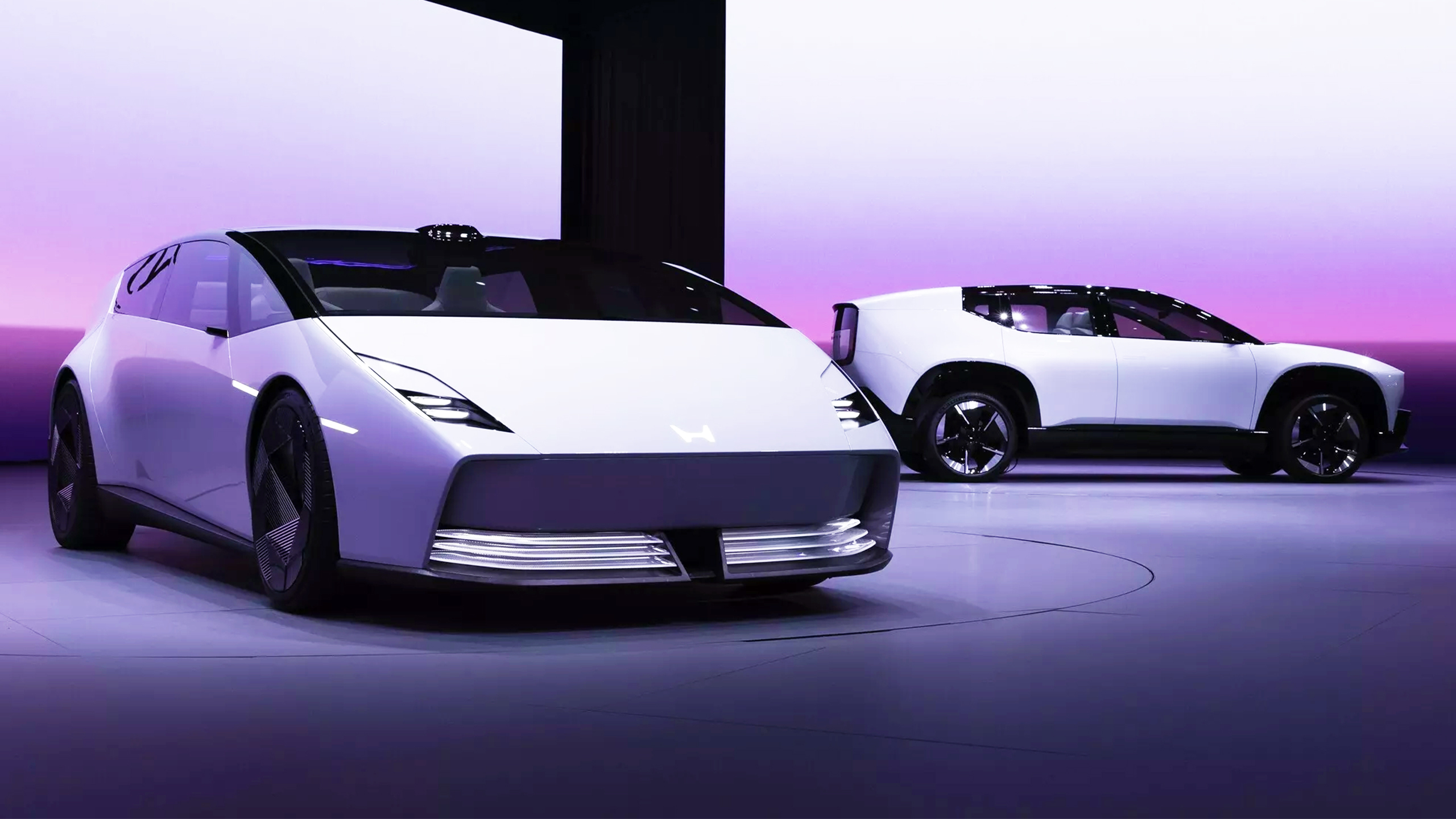
So the company pulled the plug. That included the wild looking 0 Saloon, the 0 SUV, and even Acura’s planned RSX revival. Cool ideas, all gone, along with billions in investment. What’s left is the hangover. Development pipelines for gas powered cars have slowed, and the company is left trying to rebuild momentum while competitors keep rolling out fresh vehicles. Its first fresh vehicle will be a redesigned CR-V due in 2027, Nikkei Asia reports.
Rivals More Efficient
It’s not just about product timing either. Honda’s development efficiency has been under scrutiny for years, and the gap versus rivals like Toyota isn’t helping. Pricing pressure is another concern. In the US, Honda is already offering bigger incentives than some rivals to keep cars moving. If newer competitors arrive while Honda’s lineup stays largely unchanged, those discounts may have to climb even higher.
No New Cars But Plenty Of Bills
Financially, things don’t look much rosier. The EV retreat is expected to trigger massive losses, and not just in wasted development time and money. Nikkei Asia says the automaker could have to pay $10 billion to suppliers who were all geared up and ready to build parts for the cancelled electric cars. And there’s growing chatter that dividends could come under pressure if earnings don’t recover soon.
Honda insists it’s stabilizing things and focusing on hybrids while reorganizing development to speed things up again, and there’s even talk of potential collaboration with Nissan in North America. But nothing concrete has emerged yet, so don’t expect many new-model fireworks for a couple of years.
CONCORD, N.C. – The Green Bus Summit at STN EXPO East featured school bus manufacturers discussing products, technology, innovations and support for school districts looking to run cleaner, safer and more efficient school bus operations.
Blue Bird: EV Myth vs. Reality: What’s Actually Driving Adoption?
“We’ve taken the lead on the EV side,” declared Brad Beauchamp, EV product segment leader for Blue Bird, reviewing how the company entered the field eight years ago.
Noelle White, channel partner marketing specialist for Blue Bird, led attendees through a gamified quiz on common electric school bus myths.
Attendees correctly identified answers to questions such as what regenerative braking does (charges the battery while slowing), time required for infrastructure upgrades (six to 18 months), and how much of a total EV project cost is tied to infrastructure (25 to 40 percent).
Although cold weather reduces electric school bus range by 10 to 30 percent, Beauchamp noted that technology advances and operational techniques allow for improvements in this area.
Level 1 chargers are commonly used by most districts today, but Beauchamp recommended Level 2 chargers, which he said are best for overnight charging.
Infrastructure readiness most commonly delays electric school bus projects since the work “doesn’t stop on the first wave of buses,” Beauchamp cautioned.
Operational planning significantly shifts during the move from diesel to electric due to routes and weather, to name a few factors, Beauchamp reminded attendees.
“As you start to use [electric school buses], there is a learning curve,” he said. “On the great side for EV, a lot of things can be corrected without even leaving your yard.”
Viewing electric bus deployment as equivalent to a straightforward vehicle purchase is a common pitfall, explained Beauchamp. Instead, he said districts must consider infrastructure, utilities, load planning and route modeling early in the process. He added that data gathered from onboard telematics helps transportation directors in this crucial planning phase.
“It’s going to take a team,” he said, especially as not all aspects of electric school bus implementation happen sequentially.
In fact, the bus purchase from the OEM is “the easy part,” he quipped.
“Eighty percent of routes in the U.S. can be covered with an EV,” Beauchamp continued.
He advised putting an electric school bus on shorter routes until success is achieved, and then operations can branch out.
“Figure out what your long-term strategy will be,” he said.
When districts purchase an electric school bus with federal funds, they are required to decommission and scrap an old diesel bus rather than keep it as a spare, Beauchamp cautioned. He advised planning for scalability, not simply pilot projects.
Lastly, he reviewed EPA Clean School Bus program updates, noting that state and local funding opportunities also help keep electric school bus projects afloat. He advised performing preventative maintenance on both the bus and charger.
1 of 2
Brad Beauchamp, EV product segment leader for Blue Bird, speaks at STN EXPO East 2026.
IC Bus: Leveraging Technology Solutions for Efficient Fleet Management
Matt Milewski, market segmentation director for IC Bus, reviewed how First Student announced last September that it was outfitting its fleet of 46,000 school buses with Samsara technology.
Jason Kierna, vice president of information technology for First Student, spoke to the company’s customer-focused motivation rather than just adding technology for its own sake.
“We’ve got thousands of customers and all of them want to use technology in a different way and that’s why it’s more about the process for us than it is about the technology,” he said.
He explained how the new AI-powered HALO offering combines vehicle inspections, driver coaching, AI cameras, predictive analytics, and more to improve safety for students and transparency for parents.
“Parents today are expecting more objective evidence when incidents occur,” agreed Scott Jobe, head of public sector strategists for Samsara.
He noted that AI is “maybe not the best when you deal with human interaction or conversation, but when it comes to objectivity, we think of AI as like a force multiplier.”
Kierna elaborated that hazard alerts or safety behavior remediation that HALO provides, can help school bus drivers proactively self-correct so a reactive supervisor conversation is unneeded. He added that some First Student drivers now refuse to drive a bus without the technology.
Kierna related an incident in which a bus was struck at over 60 mph and said the driver would have been injured if she had not been wearing her seatbelt, which she had just put on properly due to the AI powered camera’s alert. Jobe added that another district saw a reduction in risky behaviors by drivers, illegal passing incidents, bus crashes and maintenance costs due to the AI technology.
“What does safety mean to your organization?” Kierna rhetorically asked the audience.
Milewski emphasized IC Bus’ support for what Jobe termed a “frictionless experience” in technology integration for school district and bus contractor clients. Kierna reiterated the commitment of all three companies to overall safety for students.
Kierna underscored that empowering drivers and lobbying for safety initiatives are two of the many aspects that are directly related to the effective gathering and leveraging of data.
“Integrated technology is the future,” Jobe agreed. He shared a pothole detection feature in development, in which information gathered via onboard cameras, bus location and G-forces the bus undergoes can be sent directly to cities for repair escalation.
“We have so much data that we can turn into real actionable insights,” he said.
In answer to an attendee question on staff who may struggle with technology, Kierna said the AI assistant helps put things in plain language for users.
1 of 4
Matt Milewski, market segmentation director for IC Bus.
Jason Kierna, vice president of information technology for First Student.
Thomas Built Bus: Let’s Talk Fuels – What Legislative Uncertainty Means for School Transportation
Mark Childers, direct sales and technology sales manager for Thomas Built Buses, reviewed current challenges and uncertainty surrounding fuel choice. “You’ve got to make some decisions,” he said.
“Where we stand today is that in 2027 all of the manufacturers are subject to EPA’s low NOx rule, so that is the new multi-pollutant criteria rule that’s going to deal with NOx and particulate matter that is coming in 2027,” explained Alissa Rector, policy advisor for Thomas Built Buses parent company Daimler Trucks North America. “Even though EPA’s greenhouse gas regulations have been rolled back in 2027, we are still subject to the existing greenhouse gas phase 2 standard at [the National Highway Traffic Safety Administration] NHTSA so there’s not a lot of change that you’re going to see on the greenhouse gas side compared to where we are today.”
Jim Ellis, director of pupil transportation for Henrico County Public Schools in Virginia, has 600 school buses and is receiving 25 electric buses in July. When managing his bus fleet, he said he must balance getting the best bang for his buck with environmental concerns for cleaner air.
“I think that the key lesson is to just know change is going to continue to happen and just continue to take one step at a time,” declared Brittany Barrett, deputy director of operations and implementation for the World Resources Institute. She advised staying on top of fleet data, so it is easier to pivot and make decisions.
Rector discussed the differences between local pollutants like NOx, Volatile Organic Compounds (VOCs) and particulate matter, as opposed to greenhouse gases like carbon and CO2 which enter the atmosphere.
Whitney Kopanko, vice president of school bus sales and marketing for Sonny Merryman, noted that the Thomas Built Buses Virginia dealer has put 300 electric school buses on the road. She spoke to dovetailing student transporter priorities of getting students to and from schools with community and regulatory pressure for cleaner air.
She and Ellis agreed that it’s crucial to provide numbers and data to stakeholders during decision-making processes.
WRI provides helpful tools and resources, Barrett informed attendees. Kopanko added that AFLEET suite from the U.S. Department of Energy can be used to compare fuel types. Fuel choice is a hyper localized decision based on what each district needs, she stated.
Though most school buses currently run clean diesel and will continue to, Rector prognosticated that the future will be mixed fuels with interesting developments in hydrogen. “Any future roadmap is going to have a lot of different options on it,” she declared.
Diesel fuel doubling in price due to the war in Iran is currently juxtaposed with conversations on propane or electric implementation, said Ellis.
While changing fuels may look tempting, Kopanko advised considering availability of alternative or drop-in fuel, infrastructure needs, driver and mechanic training, and the extra accountability involved in abiding by rules for government subsidies.
Barrett said electric buses have the range to meet 90 percent of the routing requirements for districts she works with, but infrastructure is the biggest question mark. “It’s not insurmountable but it requires a plan,” she said.
She praised Sonny Merryman’s electrification project with Dominion Energy in Virginia.
Panelists advised working closely with dealers, gathering all available fleet operation data, considering urban versus rural needs to determine what type of bus goes where, taking part in vigorous training and education, and keeping abreast of the rapidly changing regulatory landscape.
They also answered questions from attendees on electric school bus range, charging time, battery degradation and V2G.
(Left to right) Alissa Rector, policy advisor for Daimler Trucks North America, and Brittany Barrett, deputy director of operations and implementation for the World Resources Institute, speak at STN EXPO East 2026.
Volkswagen is considering a next-generation Touareg.
If approved, the redesigned SUV would be fully electric.
Porsche Cayenne Electric could offer hints at what to expect.
Volkswagen recently stopped accepting orders for the Touareg as the company prepares to sunset the model. However, the automaker is reportedly considering an electric successor that would enable them to hold onto well-heeled customers.
In an interview with Autocar, Volkswagen’s sales and marketing boss said ,”We are the brand for the people,” but the Touareg has “its place and this is why we are looking into opportunities for a next-generation. ”
Martin Sander went on to acknowledge low sales, but noted there’s a certain type of customer that wants “great design and space, and a very high level of quality and sophistication but, for whatever reason, do not want to be associated with a premium brand.”
In essence, it’s for people that want the luxury and style of an Audi, but with a Volkswagen badge. Sander went on to describe Touareg customers as “very down-to-earth people who are affluent,” but “low-key” and don’t want to show off. He went on to note many are business owners and it might send the wrong signal if they show up to a customer’s home in a vehicle like a Porsche Macan.
Little is known about the next-generation Touareg but, if approved, Sander said it would be fully electric and a large SUV. This suggests the model could be based on either the PPE or SSP platform. The former underpins the electric version of the Porsche Cayenne and that model has typically been closely related to the Touareg.
If history repeats itself, the ID. Touareg could follow in the footsteps of the entry-level Cayenne Electric and have a roughly 113 kWh battery pack, a 390 kW DC fast charging capability, and a dual-motor all-wheel drive system producing a combined output of around 435 hp (324 kW / 441 PS). Of course, the Volkswagen could be less advanced to help keep prices down.
Geely claims its latest batteries charge faster than BYD’s mk2 Blades.
Energee Golden Brick charges from 10-70 % in just 4 minutes 22 secs.
BMW warns extreme charging speeds could bring durability trade-offs.
Forget zero to 60 mph (97 kmh) times, the EV world has a new kind of electric performance battleground and China’s Geely just claimed top honors. It says its new batteries can charge even faster than the BYD batteries that sent us into a spin last month with their crazy top-up times.
Geely’s Lynk and Co brand says its latest 95 kWh battery – the hopefully not prophetically named 900V Energee Golden Brick – can charge from 10 to 70 percent in just 4 minutes 22 seconds. That compares with BYD’s megawatt flash charging results of 5 minutes for the same race, an achievement that itself is way ahead of anything European or American automakers can deliver.
Stretch the experiment from 10-80 percent and the Geely EV does the job in 5 minutes 32 seconds, and even going from 10-97 percent, which takes account of batteries charging more slowly as they get close to full, the clock only registers 8 minutes 42 seconds. BYD’s second-generation blade battery needs 9 minutes to get to 97 percent when hooked up to one of the company’s new megawatt flash chargers.
Destroys Western EVs
The secret sauce is a high voltage setup paired with seriously beefy charging hardware. We’re talking peak power of around 1,100 kW with strong input of more than 500 kW at 75 percent charged, and 350 kW at 97 percent. That 350 kW figure is higher than the peak charge rate achieved by all but the fastest-charging Western EVs.
There is a catch though, or more likely several. These charge speeds rely on next level charging stations that aren’t exactly everywhere yet. Geely’s network is growing, but it’s way behind BYD in terms of super-fast rollout, being about one quarter the size, Car News China reports. So while Geely may have bragging rights today, the real winner could still be whoever builds the infrastructure fastest.
BMW Not Convinced
Not everyone’s convinced this race is worth winning anyway. BMW has been openly skeptical about the obsession with ever faster charging.
“You always have to be careful with those kinds of announcements,” BMW’s battery production boss, Markus Fallböhmer told Carsales last month. “It is possible to optimize one single performance indicator, but you have to make compromises on other sides.”
That’s BMW’s polite way of saying there’s no free lunch. Push charging speeds high enough and something else may give, whether that’s longevity, cost, or overall performance.
Jim Farley says Ford will ditch generic cars in favor of passion products.
New affordable electric pickup will redefine mainstream EV appeal in US.
Europe gets small EVs with attitude via Renault partnership and technology.
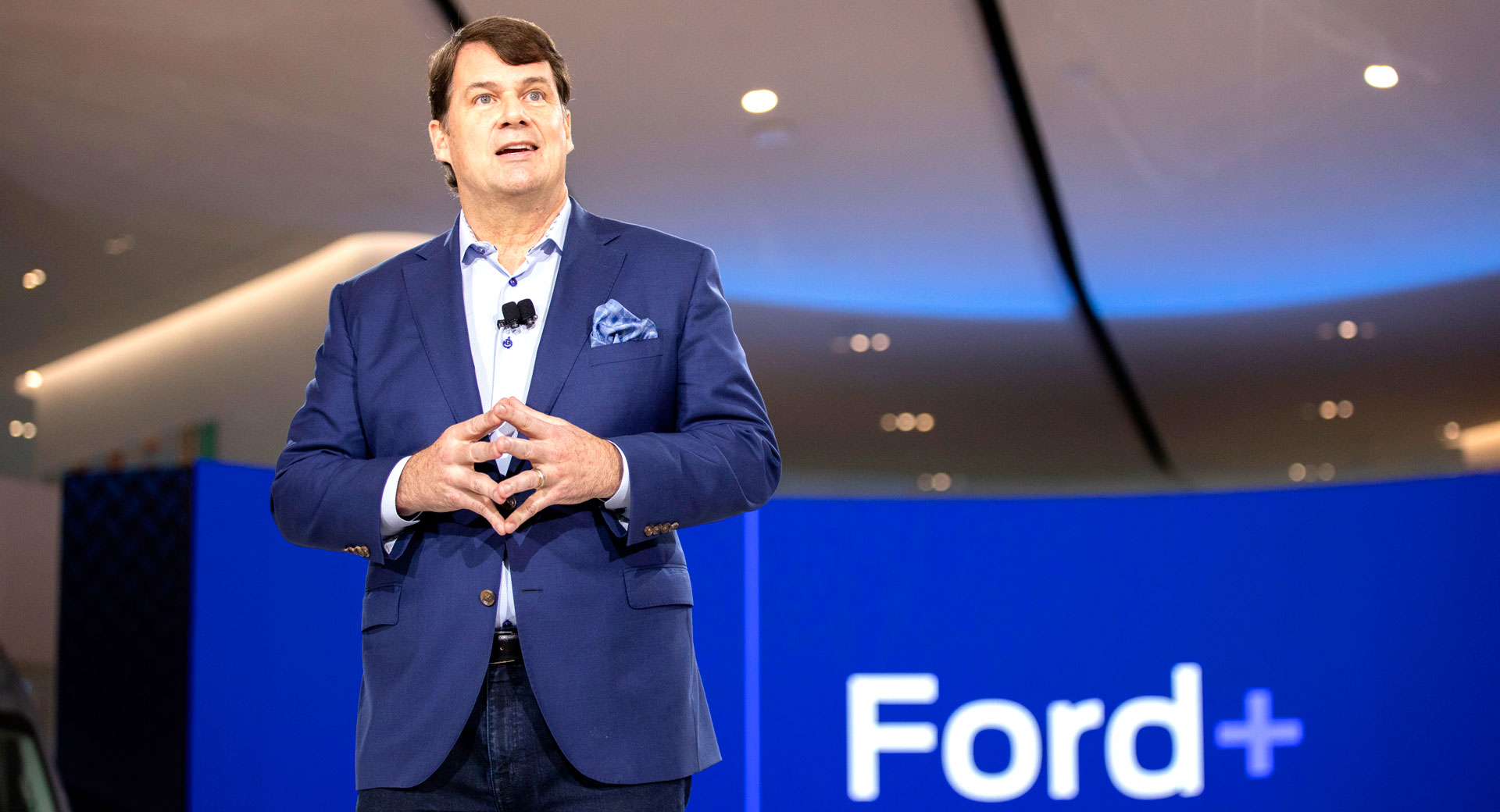
Jim Farley has been saying it for a while now, and he’s not backing off. Ford’s CEO doesn’t want to build boring cars, and now that promise stretches from American pickups to small European EVs, with even a supercar tease thrown in for good measure.
Farley first floated the idea back in 2024, but in a new chat with Top Gear, he reasserted his position, this time with Europe firmly in his sights.
“No more generic vehicles,” Farley told TG’s reporter at an interview in Detroit recently. “People loved Focus and Fiesta because they were affordable vehicles with great driving dynamics. They were not boring vehicles.”
But it sounds like their replacements, built around the same Renault AmpR platform that’s helped make the 5 a hit, will be much funkier, and also tangibly different from Renault’s own products.
Aspirational Appeal In Europe
“Our EV strategy is changing in Europe and we intend to compete differently,” Farley says. “The cars will have a specific feel that is not mid-market. Even in the EV world I think that’s possible, but we’re going to have to take some risks.”
He even reached for a big-name comparison to underline the point.
“We’re making passion products, this is not a marketing conversation. This is a Steve Jobs kind of conversation. I’m challenging the concept that the Fiesta ST is the best example of democratized performance at Ford. Whether they’re based on a VW or Renault platform, we’re going to execute those cars with a swagger that’s specific to Ford of Europe.”
Affordability For America
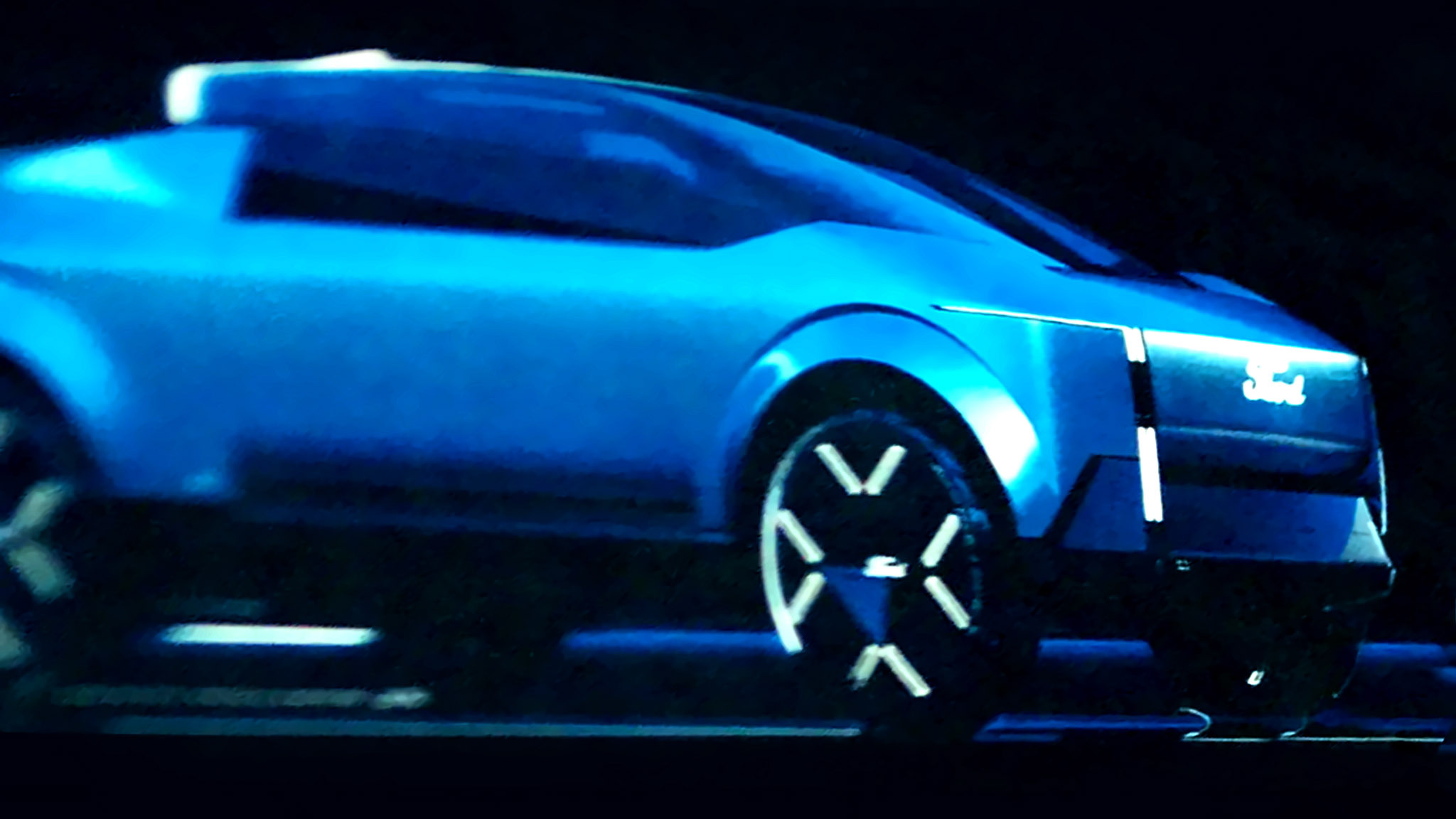
Meanwhile, in the US, Ford’s taking a different route to the same destination. Instead of chasing premium EVs, it’s working on a smaller, cheaper, $30k electric pickup (seen above) aimed squarely at the mainstream. The idea is simple: build something affordable that people actually want, not just something that ticks regulatory boxes.
It’s all part of a broader rethink that also pushes hybrids and new production methods designed to cut costs and complexity. If it works, Ford could finally crack the code on making electrified vehicles both desirable and profitable.
A New GT?
And then there’s the wildcard. Right at the end of the interview, Farley hinted that a new halo performance car has already been decided, and suggested his team was way past the question of what kind of car it should be.
“We’re not pondering, we’ve already answered it,” he teased. Farley didn’t spill details, but the message was clear. Ford wants excitement back at every level, from entry EVs to whatever sits at the very top.
Jaecoo 7 leads UK sales charts after a strong March debut run.
Plug-in hybrid demand drove most of the SUV’s early momentum.
Electrified vehicles reached record highs across the UK market.
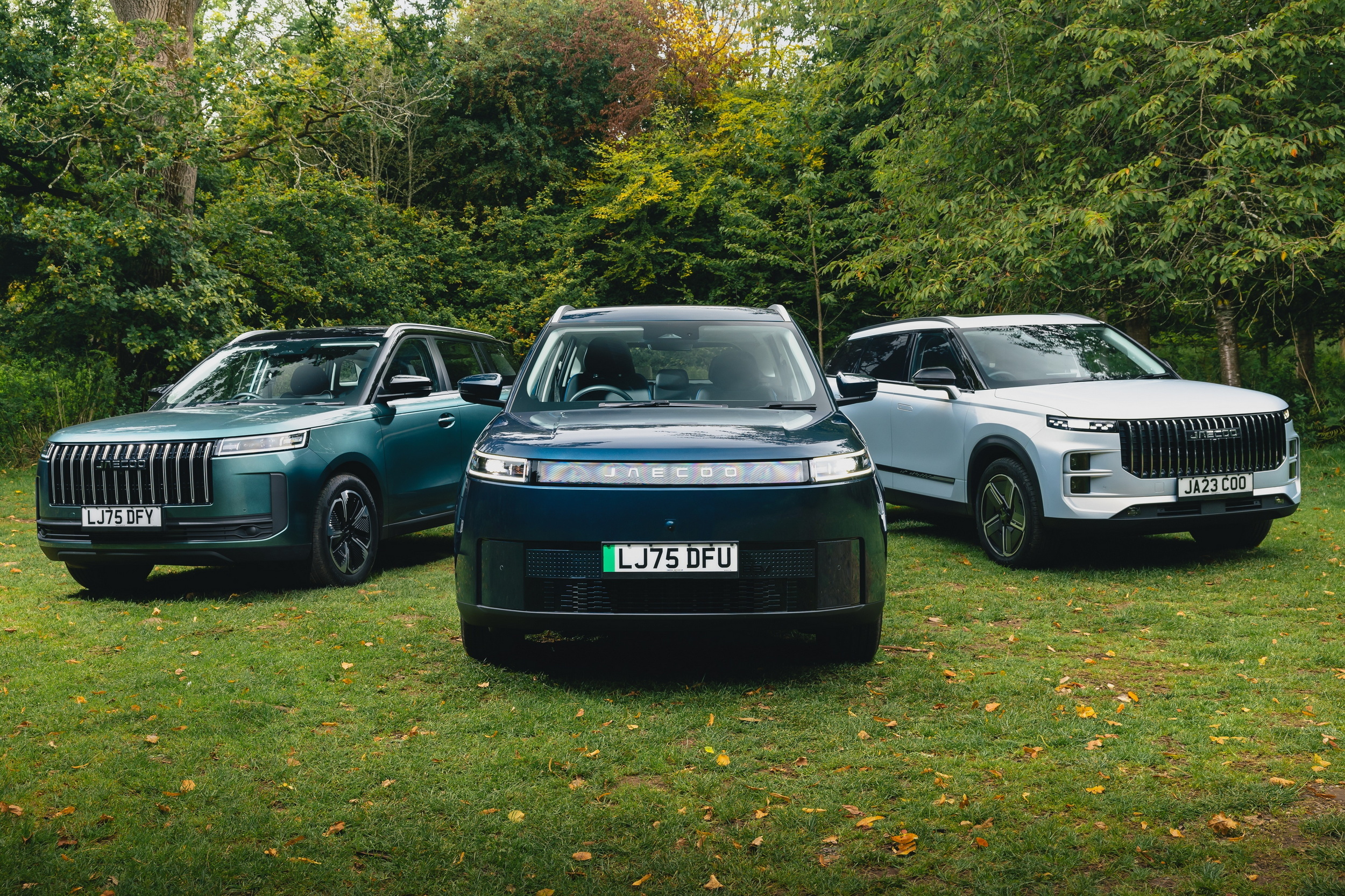
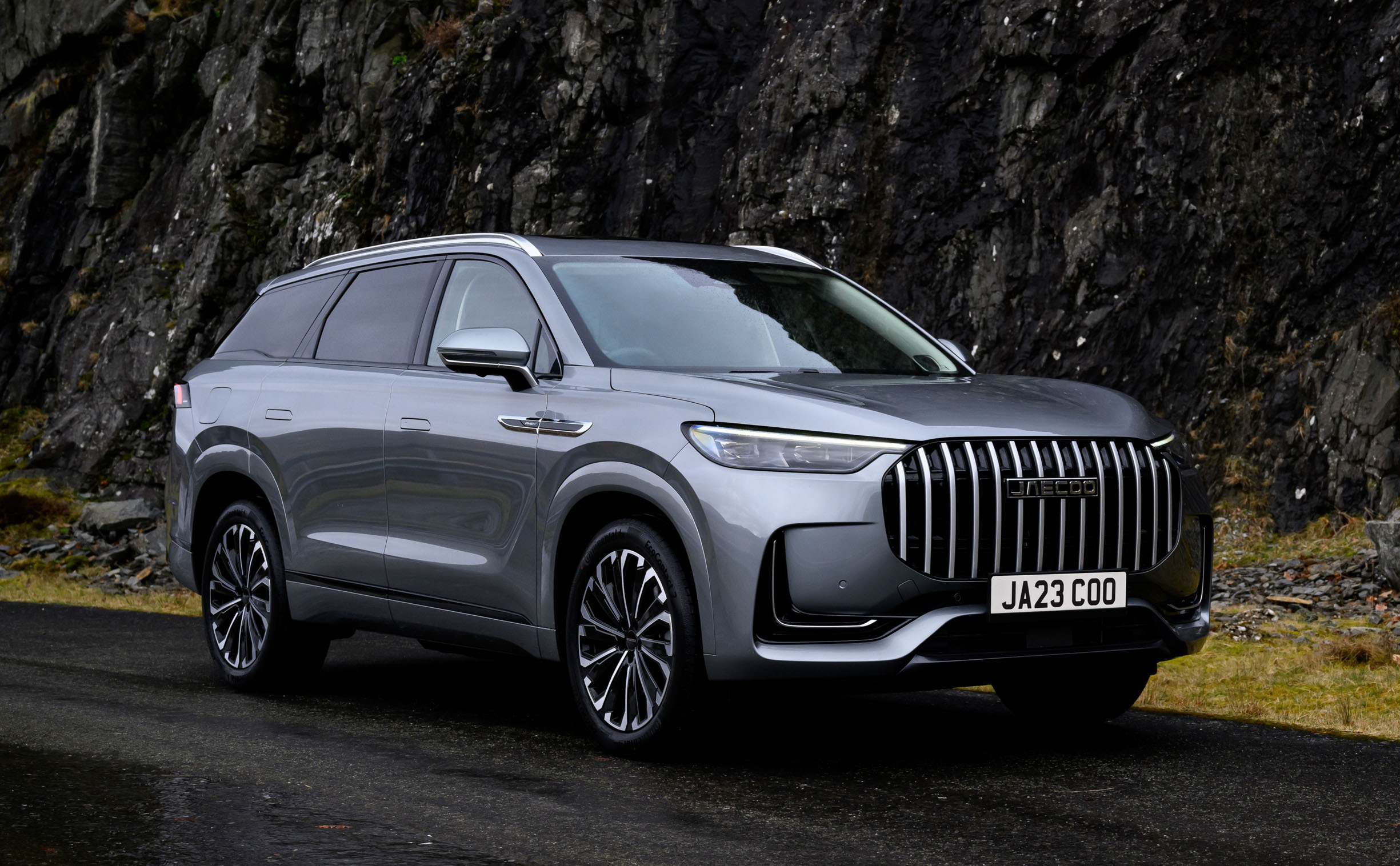
The UK’s sales charts don’t usually throw up surprises, yet March 2026 did exactly that. A relatively new Chinese SUV, the Jaecoo 7, jumped straight to the top spot, becoming the best-selling new car in the country. It’s the first time a Chinese model has led the UK market, landing right in the middle of the industry’s busiest sales month, which also saw electrified vehicles and BEVs hit record numbers.
The compact SUV from Chery, carrying styling that leans heavily on Range Rover cues, has even picked up a nickname online, with some calling it the “Temu Range Rover” in a tongue-in-cheek dig to its bargain-luxury vibe and resemblance to the real thing.
It racked up 10,064 registrations in March, enough to push past familiar heavyweights like the Ford Puma, which logged 9,193 units, and the Nissan Qashqai with 8,718. The rest of the top five followed a predictable script, with the Kia Sportage at 7,310 units and the Vauxhall Corsa close behind at 6,315.
Since arriving in the UK in September 2025, the Jaecoo 7 has steadily hovered around the top ten, but this latest jump changes the tone. It now sits second in the year-to-date rankings with 15,569 registrations, closing in on the Ford Puma, which still holds the overall lead for the first quarter of 2026 with 16,128 sales. The gap is small enough to make the next few months worth watching closely.
According to Jaecoo, the plug-in hybrid version equipped with its Super Hybrid System (SHS-P) has quickly become the star of the lineup, accounting for 85% of the SUV’s sales in March.
In the UK, the Jaecoo 7 starts at £29,105 ($38,600) for the gasoline model, climbing to £35,175 ($46,600) for the range-topping PHEV. Even at the top end, it undercuts plug-in hybrid rivals of similar size, which gives it a clear pricing edge. It also manages up to 56 miles (90 km) of electric-only driving, enough to land in a lower tax bracket and make it appealing to fleet buyers.
The Chery-owned brand leans on a 7-year warranty to ease the usual doubts that come with a new badge. Its UK presence is growing quickly too, with a retail network now up to 124 locations. Together, sister brands Omoda and Jaecoo have moved more than 80,000 vehicles in the UK in just 19 months. March alone accounted for 17,861 registrations.
The Biggest Month On Record For Electrified Vehicles
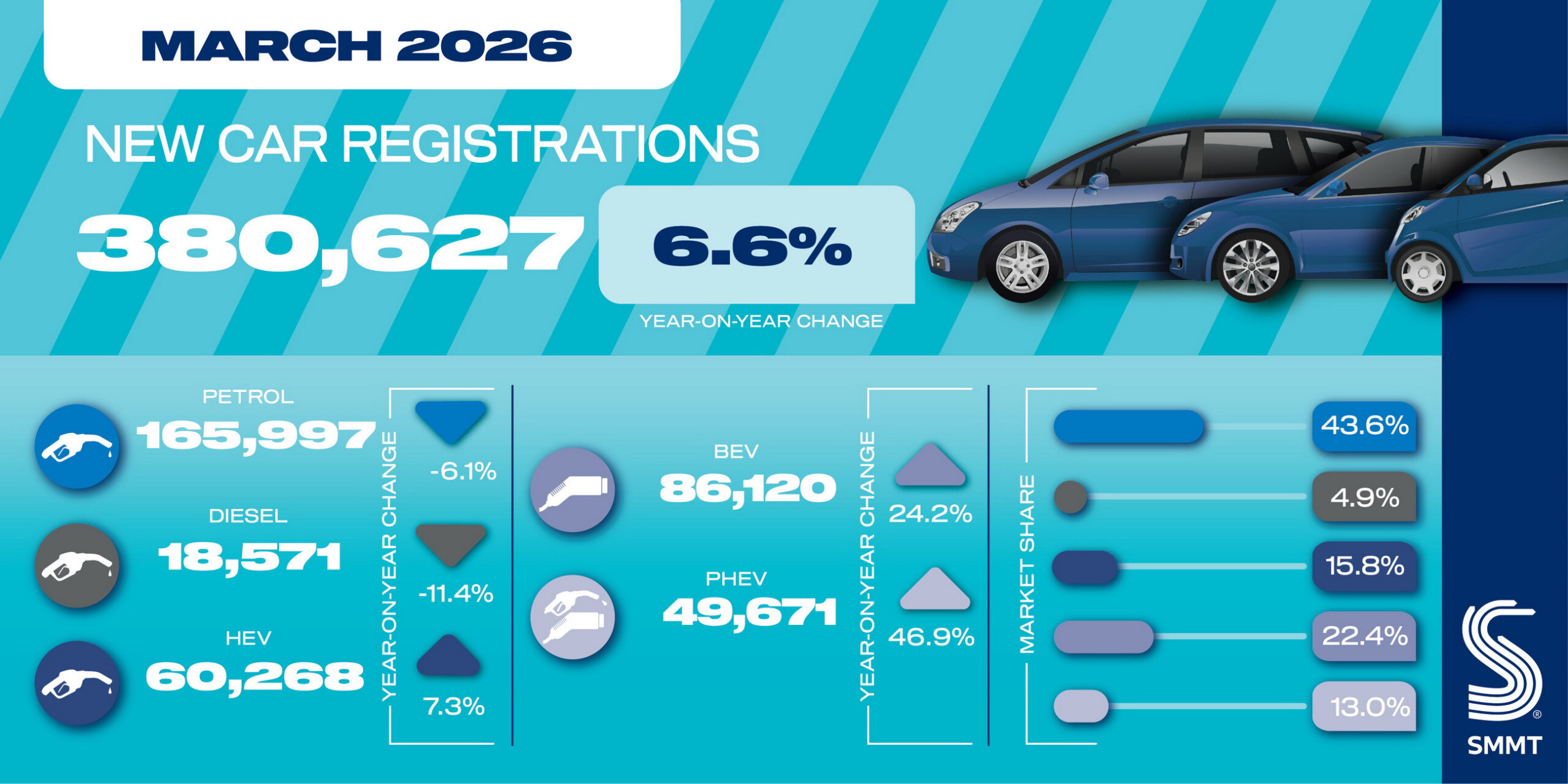
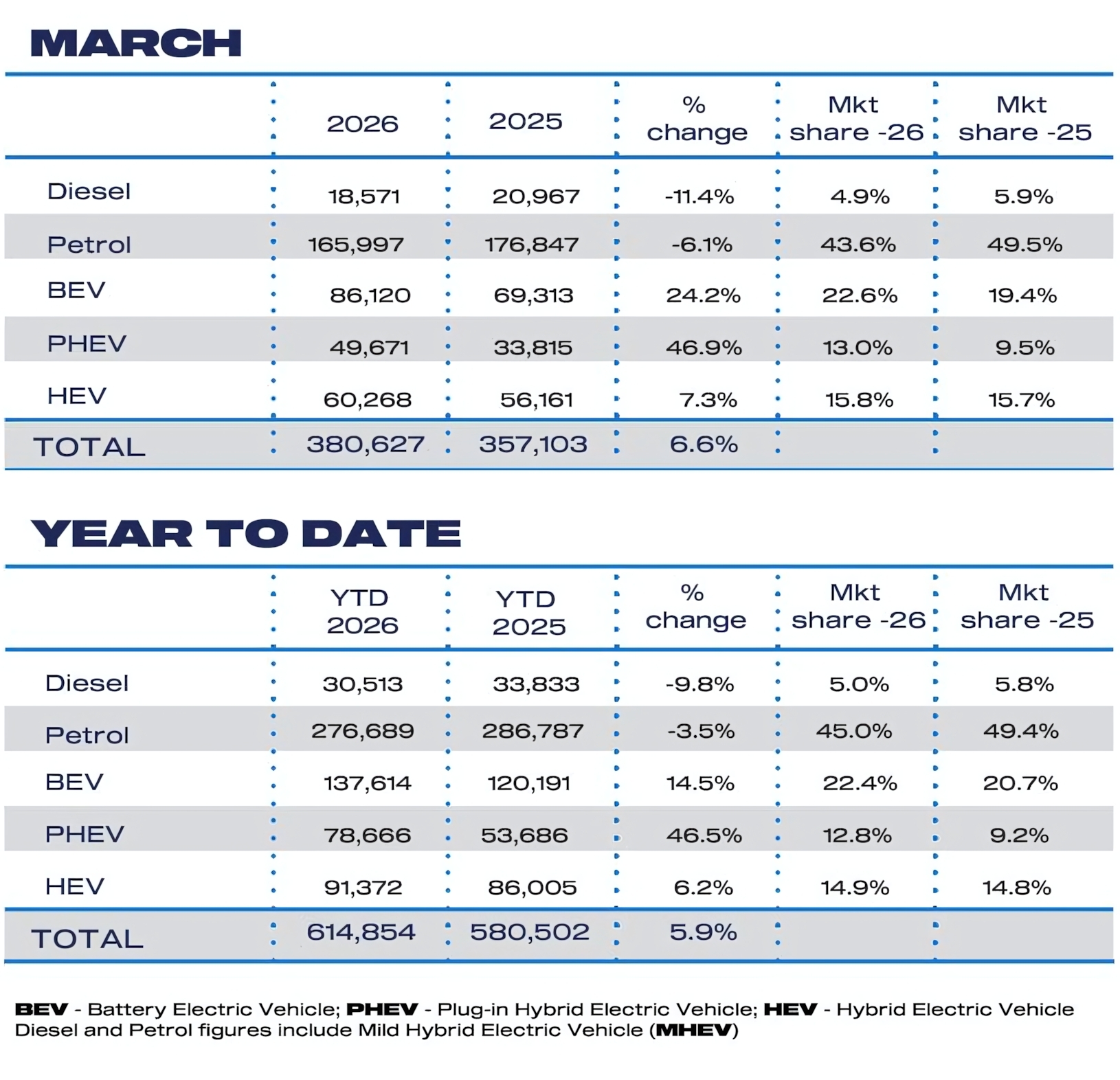
The UK’s new car market picked up pace in March, with the Society of Motor Manufacturers and Traders reporting a 6.6% increase to 380,627 registrations, making it the strongest month since 2019. Private buyers led the charge with a 10.1% jump, while fleet sales rose 3.5% and business registrations climbed 18.8%.
Electrified vehicles delivered a record-setting month, led by a 46.9% surge in plug-in hybrids. Self-charging hybrids followed with a 7.3% increase, while battery electric vehicles climbed 24.2%. It also marked the strongest month on record for fully electric cars in the UK
In market share terms, plug-in hybrids took 13%, self-charging hybrids reached 15.8%, and battery electric vehicles claimed 22.6% of UK sales in March. That last figure looks strong, but it still sits well short of the government’s 33% Zero Emission Vehicle target for 2026.
UK New Car Registrations 2026
Model
March 2026
Model
Year To Date 2026
1. Jaecoo 7
10,064
1. Ford Puma
16,128
2. Ford Puma
9,193
2. Jaecoo 7
15,569
3. Nissan Qashqai
8,718
3. Kia Sportage
14,190
4. Kia Sportage
7,310
4. Nissan Qashqai
12,853
5. Vauxhall Corsa
6,315
5. Vauxhall Corsa
10,552
6. Volvo XC40
6,311
6. Volvo XC40
9,288
7. MG HS
6,135
7. VW Golf
9,176
8. VW Golf
5,890
8. MG HS
9,147
9. Tesla Model Y
5,177
9. Nissan Juke
8,512
10. BMW 1-Series
4,936
10. Mini Cooper
8,109
SWIPE
Source SMMT
Clouds On The Horizon
Even with record numbers on paper, the mood behind the scenes is far less celebratory. SMMT says automakers are leaning heavily on discounts just to keep momentum going. At the same time, battery costs are running about 30% higher than expected, while public charging prices have climbed 140% over the past five years. That combination leaves margins looking increasingly fragile.
The situation is further complicated by the ongoing Iran crisis. While the conflict has pushed fuel prices sharply higher and nudged more drivers to consider EVs, it also risks eroding consumer confidence as everyday costs rise across the board.
Mike Hawes, SMMT Chief Executive, said:
“The strongest new car market since 2019, with the highest ever volume of EV registrations, is a boost to the industry and the economy. However, the headlines belie the costs incurred and the challenges involved. Much of March’s performance will be from orders placed before the start of the Iran conflict, which threatens to raise the cost of living, undermining consumer confidence. Against this backdrop, and with the EV market falling further away from mandated levels despite record levels of incentives, an urgent review of the transition is required to secure a sustainable market, economic growth and the UK’s net zero ambitions.”
Brazil adds BYD to labor abuse registry over construction worker treatment.
Chinese workers faced passport confiscation, poor housing, and wage restrictions.
Carmaker denies knowledge, but authorities say it shoulders the responsibility.
BYD sells more EVs than any other carmaker on the planet, but Brazil’s government doesn’t like some of the methods it used to get there. Lawmakers in the country have just placed the Chinese automaker on a “dirty list” due to mistreatment of workers.
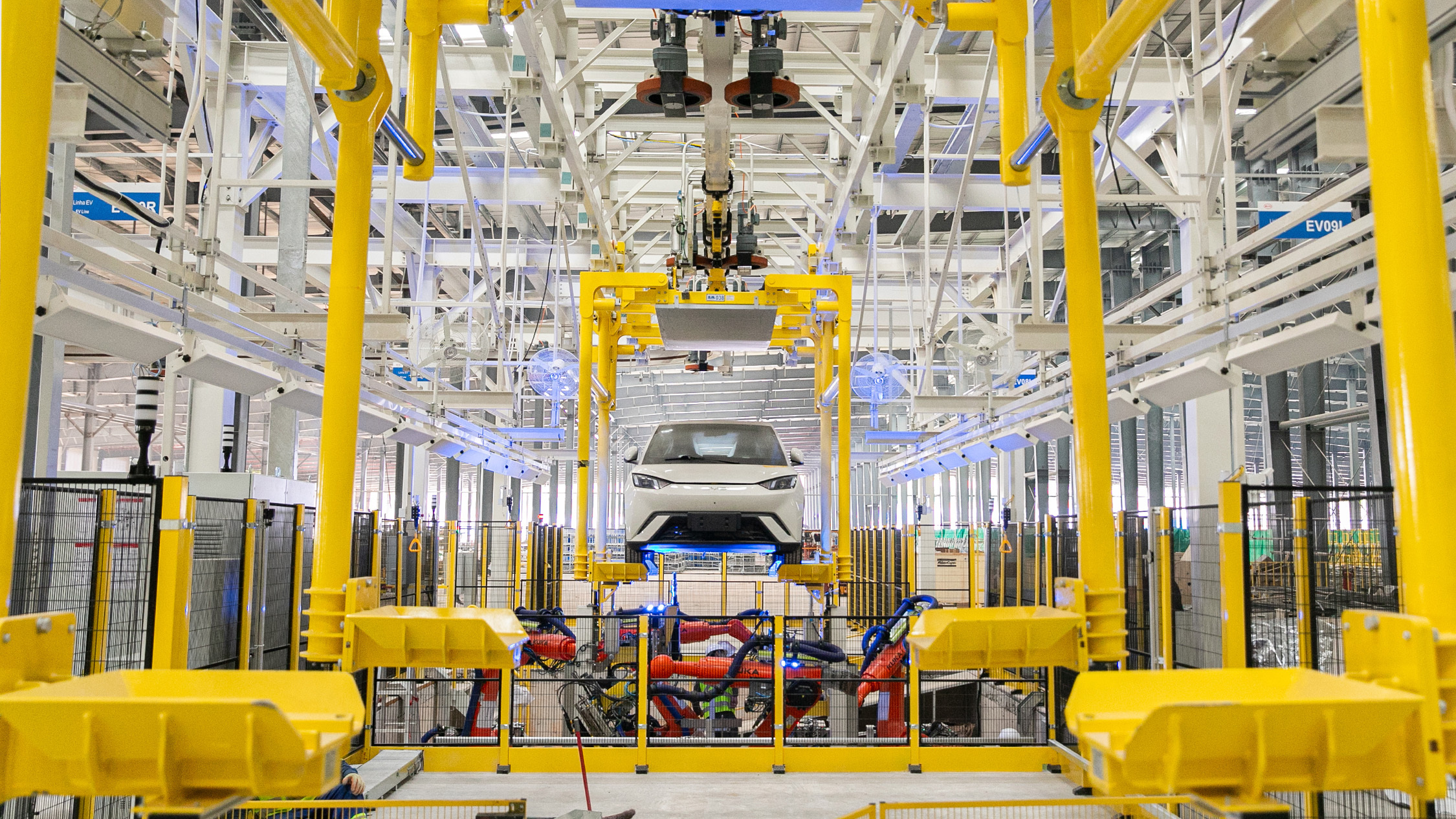
The issue doesn’t involve people building cars for BYD in Brazil, but those who built the plant at Camaçari. A group of 163 Chinese laborers brought in by contractor Jinjiang Group allegedly faced conditions that sound less like a modern construction job and more like something from the 1800s.
Investigators found workers living in overcrowded housing, with dozens sharing limited facilities and basic comforts noticeably absent, Reuters says. In one raid, 31 workers were found squashed into a single house with only one bathroom.
Reports also suggested the workers’ passports were taken away and a chunk of wages never made it into their hands, instead being routed to China. They even had to hand over a $900 deposit just to start the job, which was only returned after they had completed six months on the site.
BYD Blamed Contractor
The 2024 scandal raised serious questions about how closely BYD was watching what was happening on its own project. The company has said it wasn’t aware of any wrongdoing until the situation became public, but Brazilian authorities aren’t buying the idea that responsibility stops with the contractor.
Officials argue that if your name is on the factory, then the buck stops with you, even if someone else handled the hiring. That stance has now resulted in BYD being formally added to a government registry reserved for companies linked to deeply unacceptable labor practices.
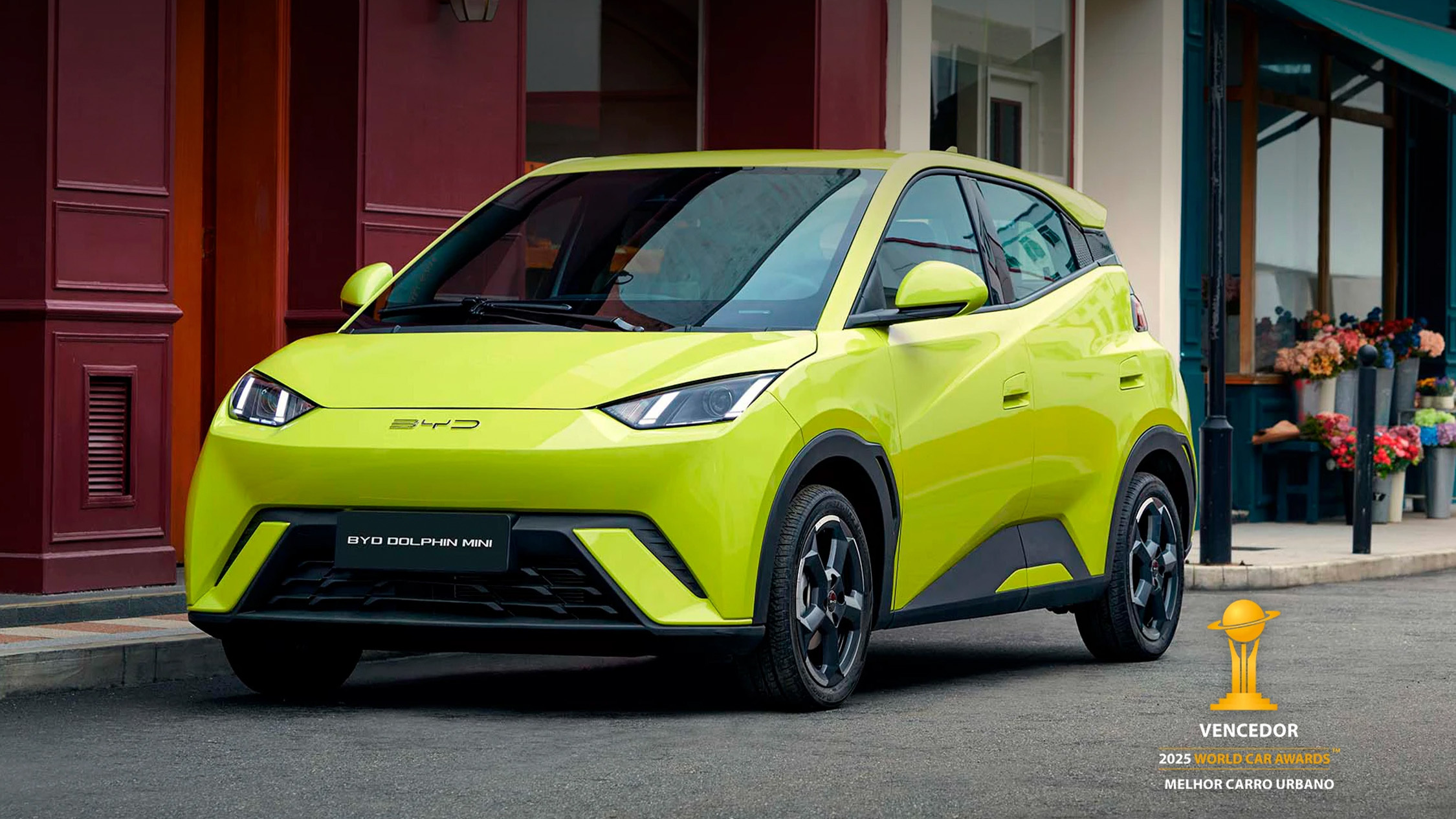
Being on that list isn’t just a bad look. It can also limit access to certain financial support from Brazilian institutions, which could complicate future expansion plans in BYD’s biggest market after its home country. But since its ability to produce and sell cars like the Camaçari-built Dolphin Mini (Seagull in China; Dolphin Surf in Europe) isn’t affected, BYD is going to remain a major thorn in the side of every other brand operating in the region.
Authorities in Yellowstone County are investigating after a mother reported that a 6-year-old student brought a vape device onto a school bus in Shepherd, used it and shared it with other children, reported KTVQ News.
The mother, who requested anonymity to protect her daughter’s identity, said via the news report that her child admitted to trying the vape after another student brought it on board.
“She told me, ‘Mom, I have to be honest with you. Another kid on the bus had a vape,’” the mother said. “And I was like, ‘And you tried it?’ and she was like, ‘Yeah, I did.’”
The mother told local news reporters that she immediately contacted school officials after learning of the incident, which she said had occurred days earlier without the school’s knowledge. “The next morning, I went to the school and let them know,” she said. “They didn’t know anything, and this was now day three.”
According to the news report, the Shepherd School District notified the Yellowstone County Sheriff’s Office. Sheriff Mike Linder said a guardian of the child who brought the vape was initially cited for child endangerment, but that the citation has since been rescinded. The county attorney’s office is reviewing the case.
District officials reportedly declined to comment, citing the ongoing investigation.
The incident has raised concerns among parents about young children vaping. Caroline Joyce, executive director of Parents Against Vaping, said such cases, while rare, reflect a growing trend.
“Vaping is starting to reach more elementary school-aged children,” Joyce said via the article. “These products are widely available and appealing.”
Joyce said vaping poses serious health risks and criticized marketing practices, which target youth. “Six is incredibly alarming,” she said of the child’s age. “It’s an indication of systemic failures.”
She added that addressing the issue will require more than punishment, calling for broader education and prevention efforts.
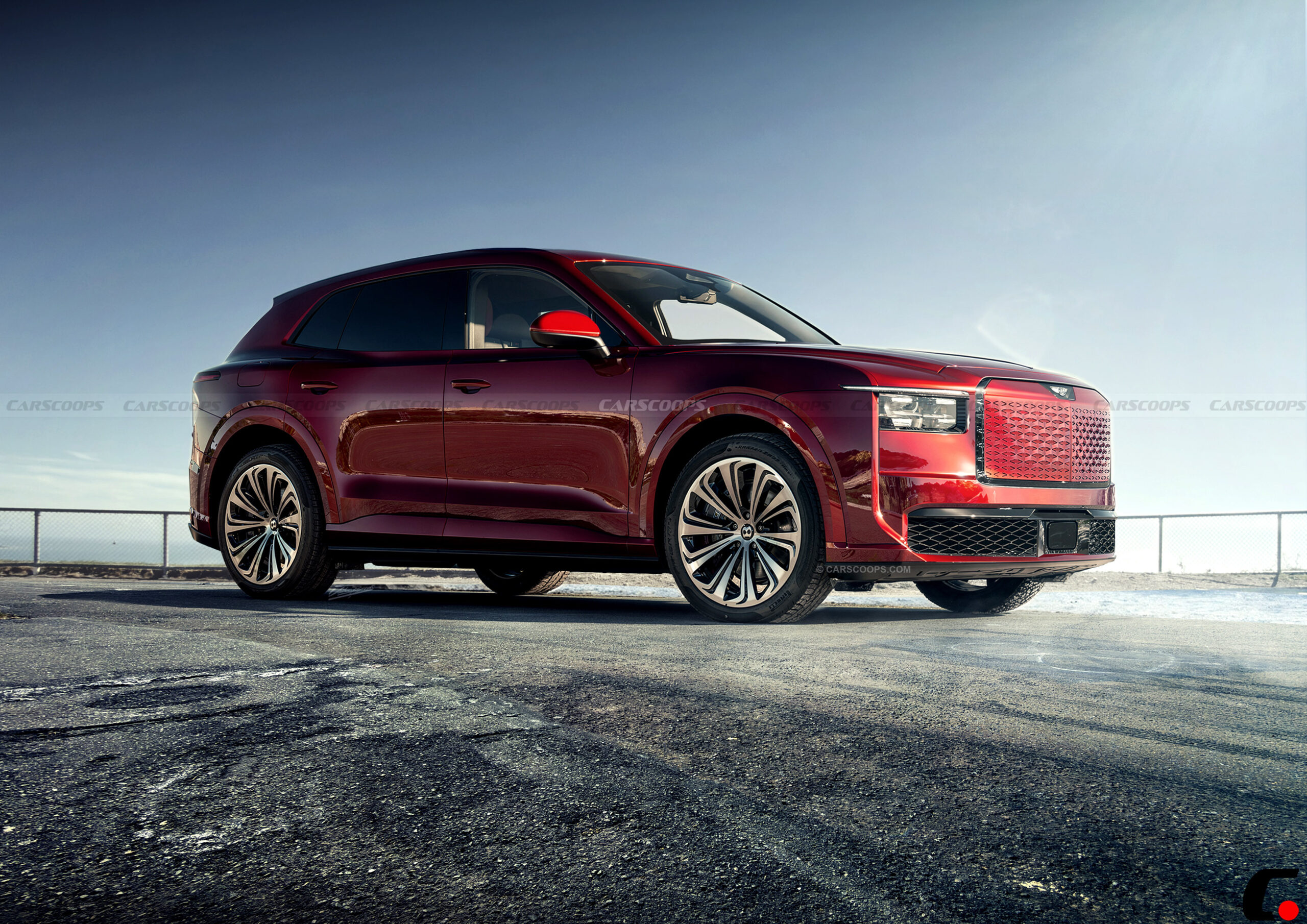
Bentley’s smaller SUV, likely called Barnato, is set for a 2027 launch.
Pricing is expected to start at the lower end of Bentley’s range.
The new model rides on Porsche and Audi’s shared PPE EV platform.
Bentley’s “urban SUV” has been spied on multiple occasions, but the automaker hasn’t said much about it. That’s slowly starting to change as the company gears up for a debut later this year.
In an interview with Road & Track, Bentley Americas CEO Mike Rocco revealed a teaser campaign is in the works and the crossover will eventually arrive in the United States in the third quarter of 2027. That’s a ways off and the automaker is still fine-tuning pricing.
While nothing is set in stone, Rocco implied the model, which is expected to be called the Barnato, will likely be priced on the “lower end” of its lineup. Bentley doesn’t exactly advertise pricing, but the Bentayga starts around $210,000 and the new model will likely play in the same neighborhood.
SH Proshots
Regardless of the final number, Bentley seems pretty confident in the crossover despite lackluster EV sales. As Rocco explained, “A lot of work, a lot of research has gone into this vehicle.” This includes consumer clinics, where 80% of people who saw the model said they would buy it.
The executive also suggested the crossover won’t necessarily be defined by its powertrain. Instead, people will embrace the fact that it’s a new Bentley SUV, which is street-focused.
We’ll learn more about the vehicle later this year, but the Barnato will ride on the PPE platform that underpins the Audi A6 and Q6 e-trons as well as the Porsche Macan and Cayenne Electric. The latter features a 113 kWh battery pack, a 390 kW DC fast charging capability, and outputs of 435 hp (324 kW / 441 PS), 657 hp (490 kW / 666 PS), and 1,139 hp (849 kW / 1,155 PS).
Speaking of the Cayenne Electric, pricing starts at $109,000 and climbs to $163,000 for the Turbo variant. This means that roughly $50,000 could separate it from the Barnato.
Some automakers ignored hybrids to bet big on EVs.
That bet went bad and could get worse as gas prices soar.
Toyota and Hyundai stand to benefit from diverse lineup.
A few years ago, automakers faced a tough choice. They could eschew hybrids and plug-in hybrids to go all-in on EVs, or adopt a more balanced, but expensive approach that saw them invest in multiple technologies.
A number of companies went the electric route and that ended up costing them greatly as adoption was slower than they anticipated. If that wasn’t bad enough, the United States eliminated the federal tax credit and governments rolled back overly ambitious green agendas.
This has pushed automakers to cancel EVs and abandon plans to go electric-only. Companies have posted huge losses and now they’re suddenly playing catch-up with rivals that took a more nuanced approach.
Expensive Gas Is Going To Make Things Even Worse
Since some companies were betting on a quick transition to EVs, a number of them don’t have many hybrids or plug-in hybrids to offer customers. That’s bad news in an era where the national average price of a gallon of gasoline is above $4 and climbs to nearly $6 in some states.
The only hybrid GM has in America is the $108,600 Corvette E-Ray and that’s a huge problem. Consumers in the market for a compact crossover might look at an Equinox, which returns up to 26 mpg city, 29 mpg highway, and 27 mpg combined. That’s not terrible, but the Toyota RAV4 gets 47 mpg city, 40 mpg highway, and 43 mpg combined. This is a huge difference, especially in an era of sky high gas prices.
Hyundai and Kia also offer hybrid competitors in the form of the Tucson and Sportage. The former offers up to 38 mpg across the board, while the latter returns up to 41 mpg city, 44 mpg highway, and 42 mpg combined. It’s also worth noting all three competitors offer plug-in hybrid variants, while GM doesn’t offer a single one in the United States.
General Motors isn’t the only automaker that bet big on EVs and lived to regret it. Ford has a limited hybrid lineup that consists of the Maverick and F-150. The Escape, which offered hybrid and plug-in hybrid options, was recently killed off, while the Explorer Hybrid is limited to police and the Pope.
Hybrid Sales Are Skyrocketing
While the war in Iran is barely more than a month old, hybrid sales are booming. Kia recently revealed sales of hybrids soared 73% to set a new quarterly record.
Last month was also Hyundai’s best ever March for hybrid sales. The company noted hybrids saw a huge jump in the first quarter as the Elantra Hybrid was up 141%, while the Sonata Hybrid soared 107%. The Santa Fe Hybrid also got a 47% boost as consumers embraced efficiency.
While Toyota sales fell 6.9% in the first quarter, high gas prices could help to reverse that trend as the company offers a dizzying array of hybrids. Seventeen, to be exact, according to our last count. This includes the Camry, Corolla, Crown, Corolla Cross, and Prius, as well as the Crown Signia, Highlander, Grand Highlander, Land Cruiser, RAV4, 4Runner, Tacoma, Tundra, Sequoia, and Sienna. Two of those, the Prius and RAV4, are also offered as plug-in hybrids.
That’s a huge lineup, especially compared to Ford, GM, and Stellantis. The latter recently killed off plug-in hybrids and only offers the new Cherokee Hybrid in America. However, range-extended variants of the Ram 1500 and Grand Wagoneer are coming.
While EVs do offer some cover to these companies during periods of high gas prices, consumers have been clear: most want hybrids, not fully electric vehicles.

 Login
Login