Normal view

There are new articles available, click to refresh the page.
Today — 2 April 2026Vehicles

Kia Posts Best-Ever First Quarter As Hybrid Sales Soar

  • Kia posted its best-ever first quarter sales in America.
  • Customers snapped up 207,015 vehicles for a 4.1% increase.
  • Result is due to strong sales of Sportage, Telluride and K4.

General Motors had a terrible first quarter, but Kia was triumphant as sales climbed 4.1% to reach a new record of 207,015 vehicles. The company said the result underscores their “steady growth despite uncertain market conditions.”

The redesigned Telluride is proving to be a key asset as it helped Q1 sales climb 16.9% to 35,928 units. The company went on to note that’s the “highest quarterly result in the vehicle’s history.”

More: Kia Is Finally Brings An Affordable EV To America With New EV3

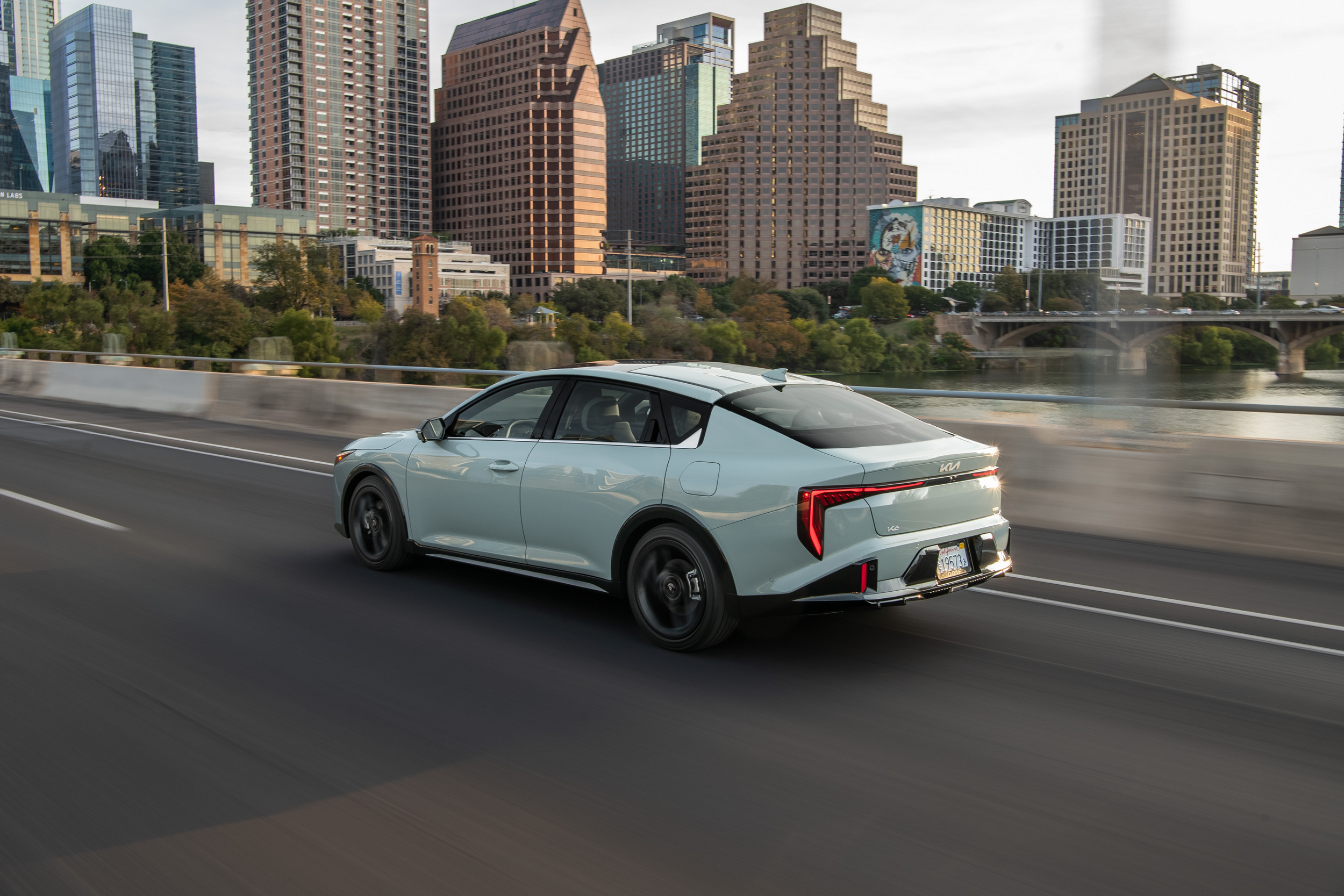
Other big gainers were the K5 and Seltos, which were up 19.4% and 29.2%, respectively. The Sportage climbed 8.2%, while the Carnival bucked minivan stereotypes to post a 27.8% increase in the first quarter. It’s also worth noting the K4 was the brand’s second best-selling vehicle and sales were up 0.6%.

EVs Struggle, While Hybrids Soar

 Kia Posts Best-Ever First Quarter As Hybrid Sales Soar

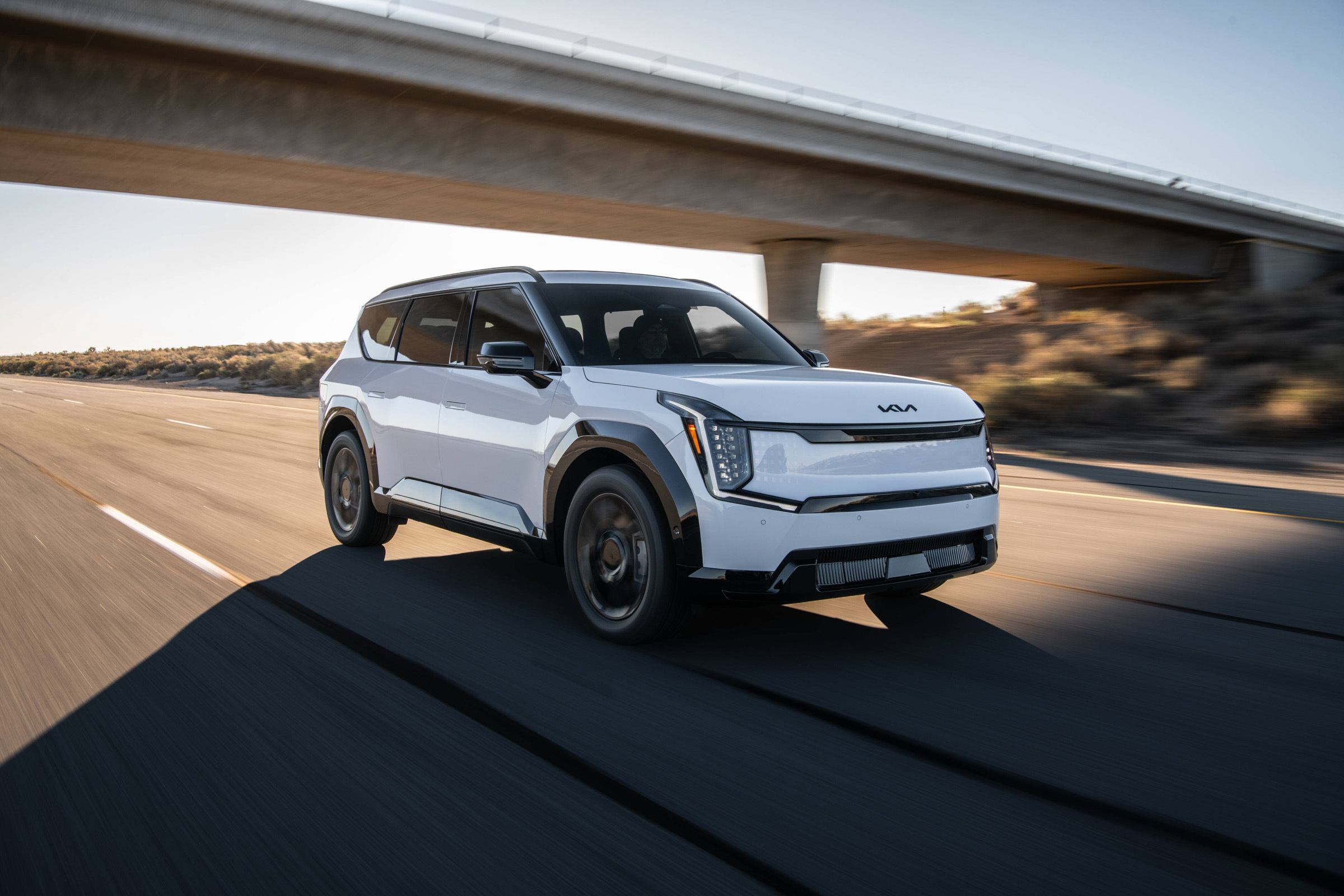
It wasn’t all good news as EVs continue to struggle following the elimination of the federal tax credit. EV6 sales fell 45.8% in the first quarter, while the EV9 was down 27.1%. On the bright side, sales of the three-row crossover did climb 7.1% in March. However, that only equates to an additional 83 vehicles.

While consumers turned their backs on EVs, they embraced hybrids. Sales skyrocketed 73% to achieve a new quarterly record. Kia can also expect a boost from the 2027 Seltos, which recently debuted with a new hybridized 1.6-liter engine.

 Kia Posts Best-Ever First Quarter As Hybrid Sales Soar

Putting electrification aside, the Sorento is having a difficult time as the model was off 14.4% in the quarter. Sales also took a hit from the discontinuation of the Soul, although some dealers still have inventory in stock.

2026 Kia US March And Q1 Sales
ModelMarch 26March 252026 YTD 2025 YTD
EV91,2471,1642,7403,756
EV68839212,0233,738
K4/Forte13,71413,71937,22037,004
K56,4776,39918,80615,747
Soul5433,7173,29911,277
Niro2,5022,4317,4555,118
Seltos5,2124,82814,69911,375
Sportage16,81916,87244,70441,301
Sorento8,85810,54721,51025,117
Telluride13,30611,47335,92829,843
Carnival6,9476,46918,63114,574
Total76,50878,540207,015198,850
SWIPE

Xiaomi’s YU7 GT Is Coming To Steal Porsche’s Thunder

  • The flagship YU7 GT will have two electric motors, providing blistering performance.
  • New spy shots show that Xiaomi has upgraded parts of the electric SUV’s exterior.
  • With camouflage stripped away from this prototype, a reveal may be coming soon.

Not satisfied with only building an all-electric sedan with the performance to match multi-million-dollar hypercars, Chinese tech giant Xiaomi is finalizing development of a high-performance, GT-branded version of the YU7 SUV. It has the potential to lay the smackdown on Porsche.

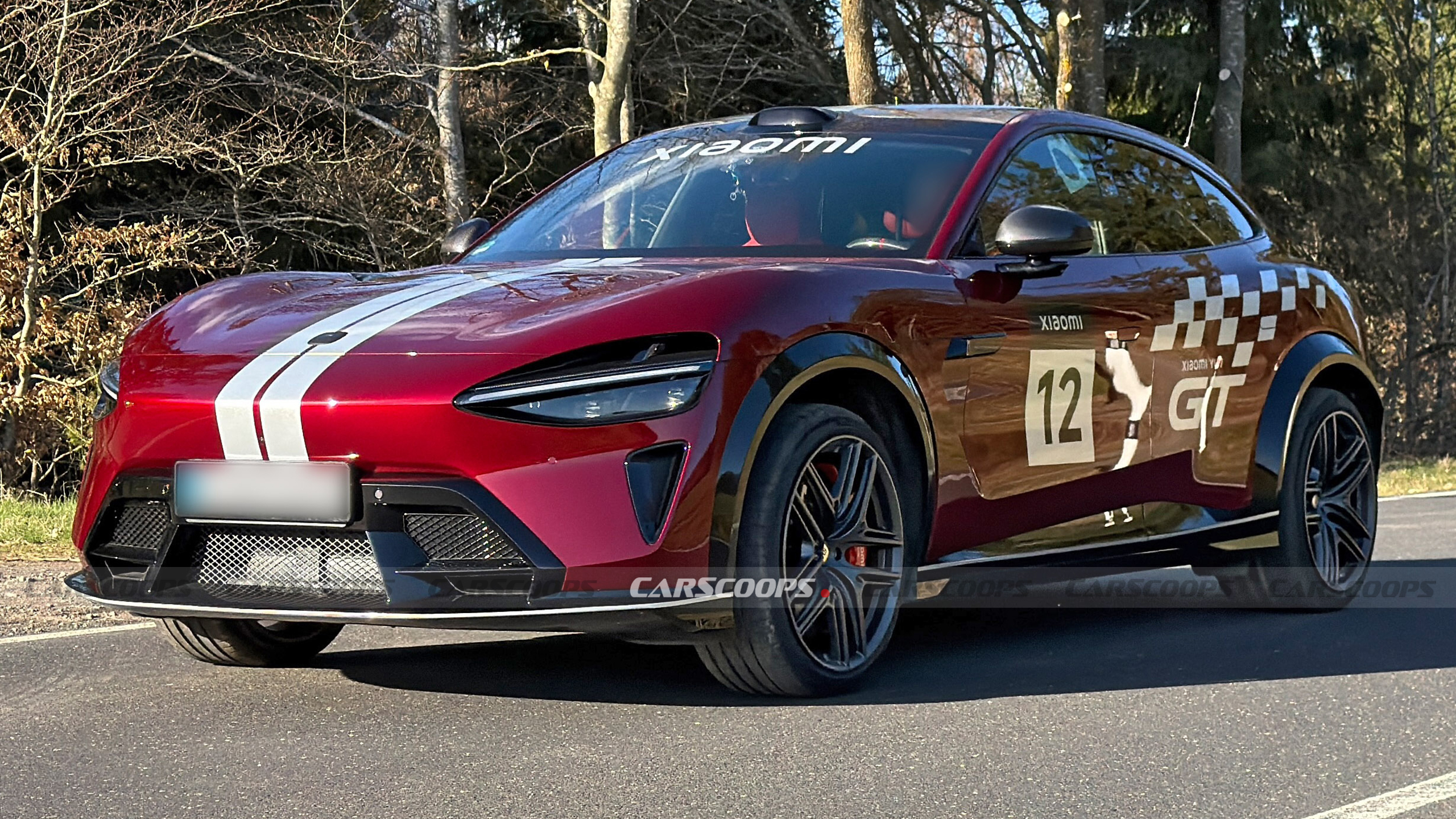
We’ve seen Xiaomi testing the YU7 GT in the past, but this is our first time seeing it without any camouflage. These photos were snapped as Xiaomi conducted an official photoshoot for the SUV near the Nurburgring. It looks just as extreme as the SU7 Ultra and appears ready to conquer race tracks and drag strips around the world.

Read: This Ferrari SUV Lookalike From China Makes More Power Than The Real One

A host of design changes have been made to the SUV, ensuring it stands out from the regular model. The alterations start at the front-end, where Xiaomi has redesigned the lower front grille of the SUV and added a new splitter to it.

Beefed Up And Aggressive

\\\\\

Baldauf

We can also see the company’s designers have crafted dramatic flared fenders for the YU7 GT, allowing for the fitment of wider wheels and tires. Hiding behind these new wheels are enlarged brakes, including absolutely gargantuan red calipers. Plenty of changes have also been made to the rear, including a more aggressive diffuser and a different bumper.

This prototype has also been equipped with a silver, motorsport-inspired livery, including silver racing stripes running over it.

Power To Match

 Xiaomi’s YU7 GT Is Coming To Steal Porsche’s Thunder
Baldauf

Recent Chinese filings have revealed how much performance the new EV will pack. Whereas the SU7 Ultra uses three high-powered electric motors to deliver 1,548 hp and 1,305 lb-ft (1,770 Nm) of torque, this model doesn’t use Ultra branding and isn’t quite as extreme. With that being said, it will still deliver 990 hp from its twin-motor setup, enough to reach an 186 mph (300 km/h) top speed.

These comprehensive tests at the Nurburgring indicate that Xiaomi is also serious about delivering phenomenal on-track performance. However, whether it can match this performance with driving thrills remains to be seen.

Prices have yet to be announced, but rumors point towards it costing between 450,000 yuan and 500,000 yuan, or between $65,000 and $73,000.

\\\\\

Baldauf

Buick Rolled Over And Played Dead, So Did Sales

  • All four GM brands posted declines, with Buick falling the hardest.
  • Chevy’s EV lineup had a brutal quarter, with one model dropping 83%.
  • GMC was the only brand that came through largely unscathed.

Buick was on a roll as the affordable Envista was bringing new customers into showrooms, while the redesigned Enclave proved popular. Then, seemingly overnight, the brand decided to roll over and play dead.

The automaker hasn’t issued a proper press release in nearly two years and many people associated with their marketing efforts fled for greener pastures at Stellantis. If that wasn’t bad enough, GM basically abandoned Buick’s electrification plans in the United States.

More: Buick Delays Plan To Launch First EV In America

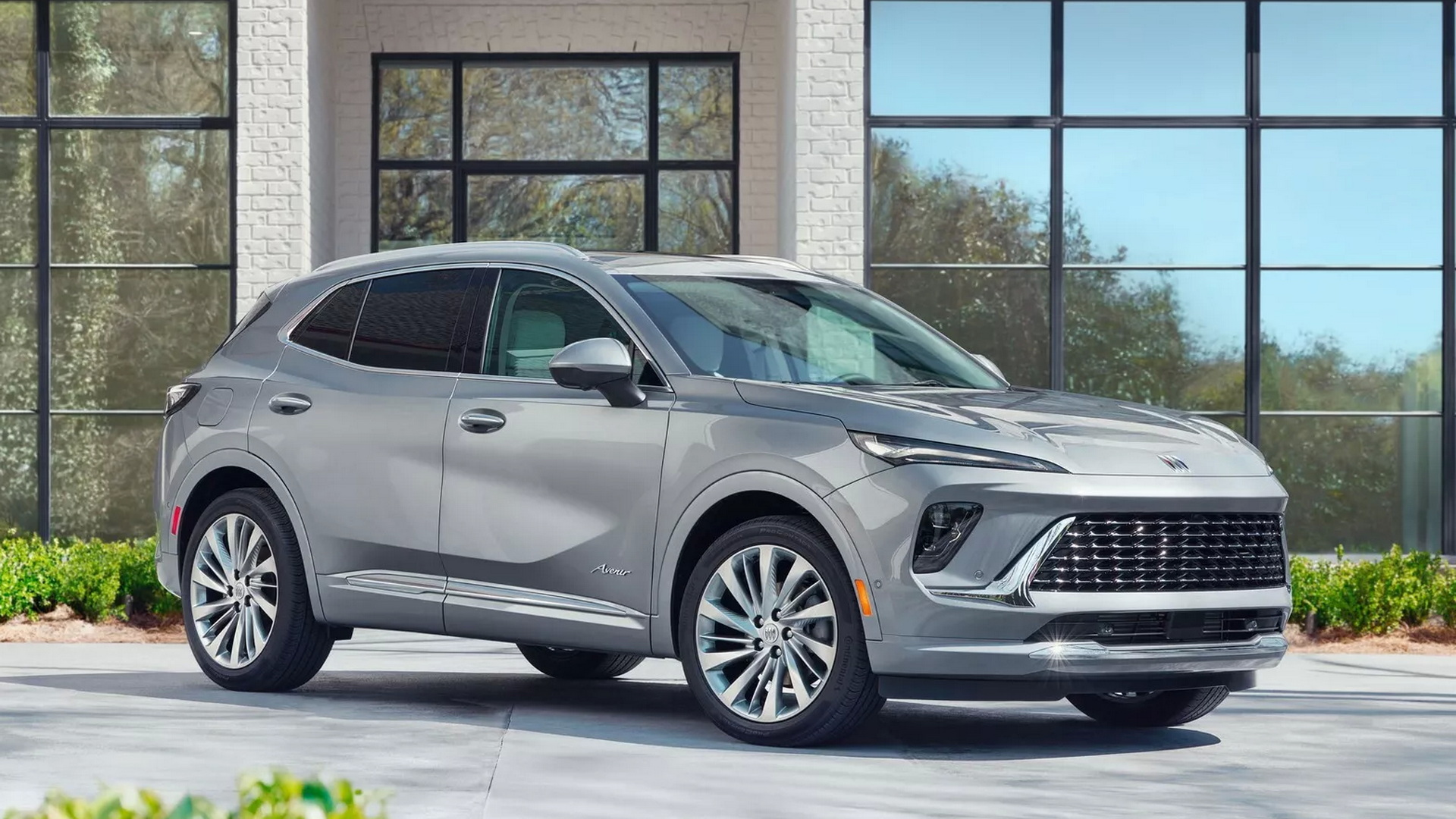
Thanks to these and other issues, sales are tanking – hard. In the first quarter, deliveries plunged 32.6% to a mere 41,654 units. The big loser was the Chinese-built Envision, which received a $3,000 price hike for 2026 as the model is getting hammered by tariffs.

 Buick Rolled Over And Played Dead, So Did Sales

The decline doesn’t appear to be an availability issue as dealers have more than 9,000 Envisions in stock. That’s roughly six months of supply, suggesting demand is lacking.

If losers love company, Buick had a lot to celebrate as the Encore GX was off by 36%, while the Envista was down 9.7%. Even the Enclave struggled as sales dropped 3.3%.

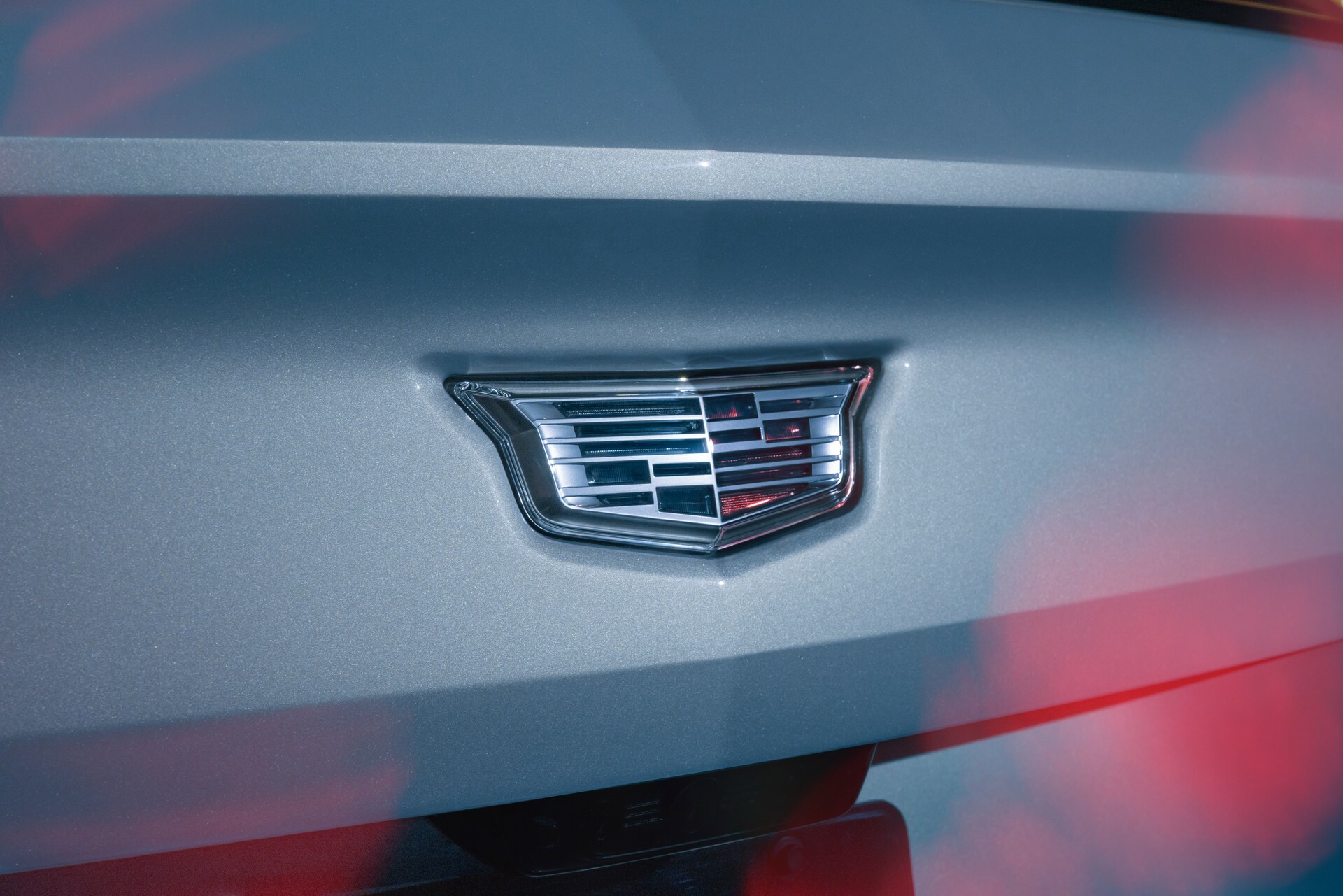
Cadillac’s Big Bet On EVs Is Having Mixed Results

 Buick Rolled Over And Played Dead, So Did Sales

When the electric vehicle tax credit was eliminated last year, sales plummeted. That continues and has put Cadillac in a tough spot as they have an EV-laden lineup.

Lyriq sales fell 21.6%, while the Escalade IQ dropped 26.8%. However, the Optiq soared 65.9% thanks to significant powertrain updates as well as the addition of the Optiq-V. The three-row Vistiq also seems to be doing okay as the company moved 1,902 units in the first quarter.

\\\\\\

On the gas side of the equation, the outgoing CT4 saw sales surge 27.4%, but that only equates to an additional 333 vehicles. Elsewhere in the lineup, the CT5 was down 13.3% while the Escalade was off 28.5%. The XT4, XT5, and XT6 are all dead or almost dead, so we’ll skip them like buyers did.

Given all of this, it’s hardly surprising that overall Cadillac sales dropped 25.5%.

Chevrolet Had A Rough Quarter

 Buick Rolled Over And Played Dead, So Did Sales

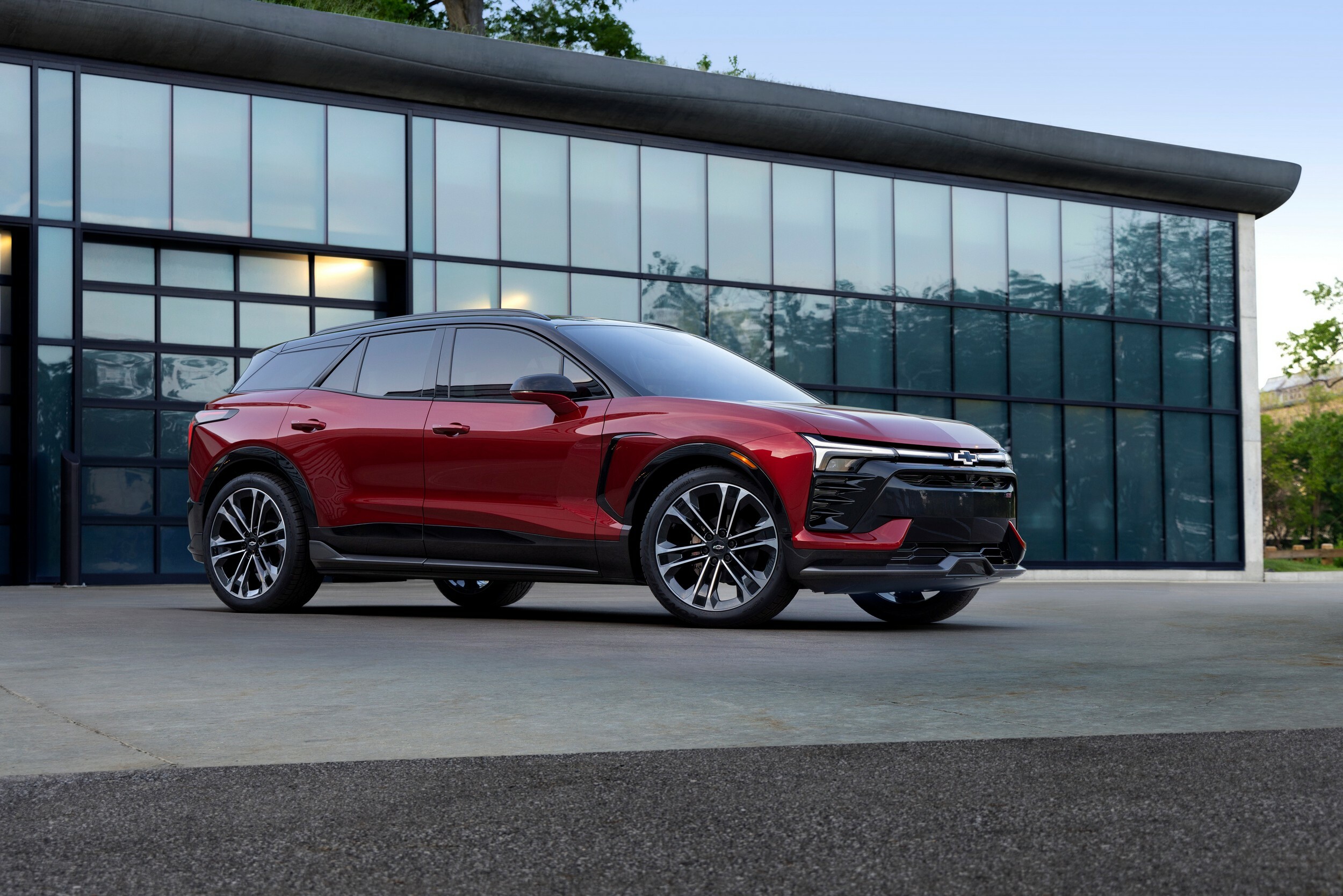
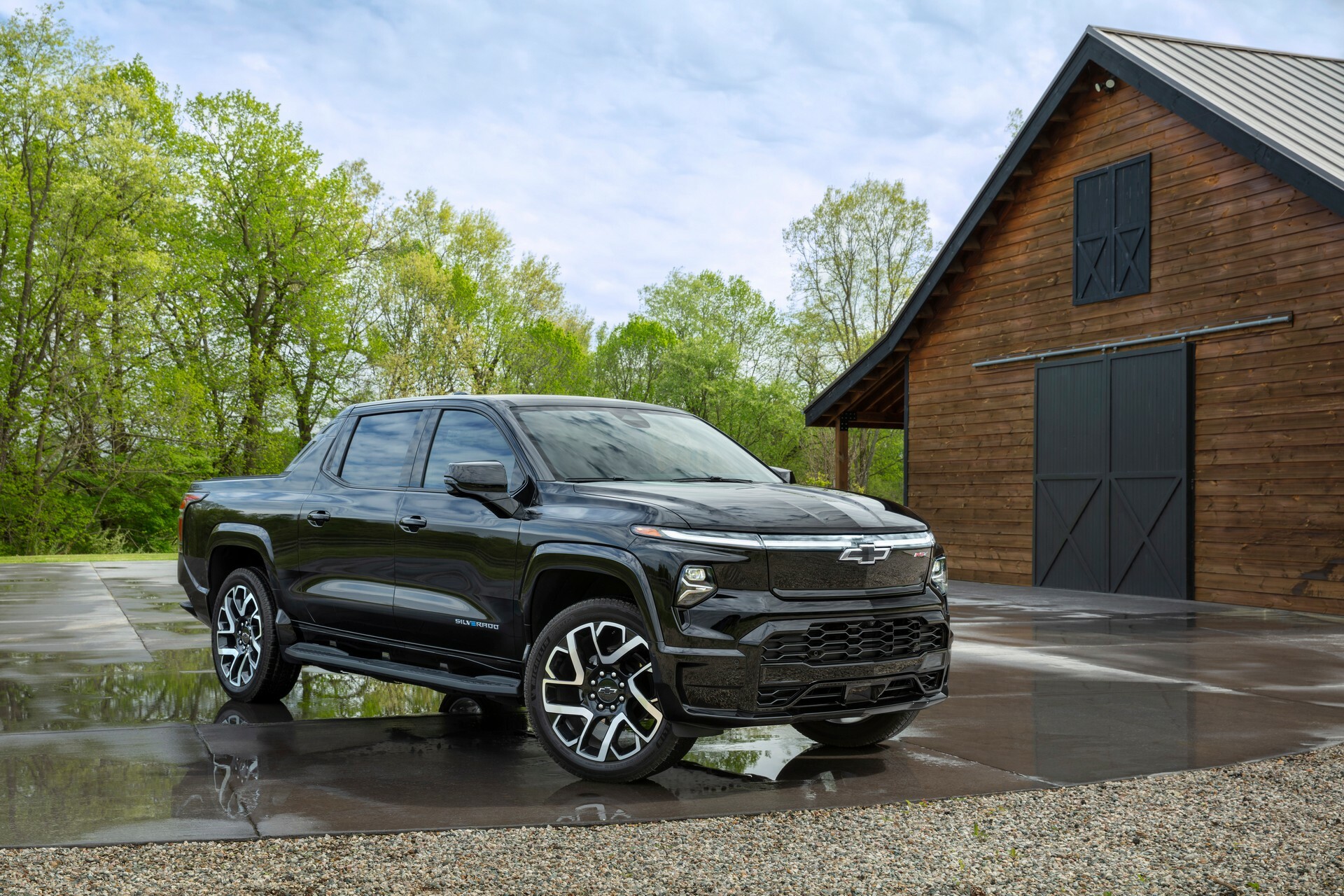
Over in bowtie land, it’s an EV bloodbath. The Blazer EV plummeted 82.6% to a mere 1,077 units. The Equinox EV was off 7.2%, while the Silverado EV fell 41%.

Even the resurrected Bolt seems like a failure as the company only moved 791 units. That’s less than 270 per month and it seems like the model’s death and rebirth was a giant waste of time, effort, and resources.

 Buick Rolled Over And Played Dead, So Did Sales

The only bright spot was the deceased Brightdrop vans, which saw sales soar 81%. However, this was likely driven by a fire sale with six figure discounts.

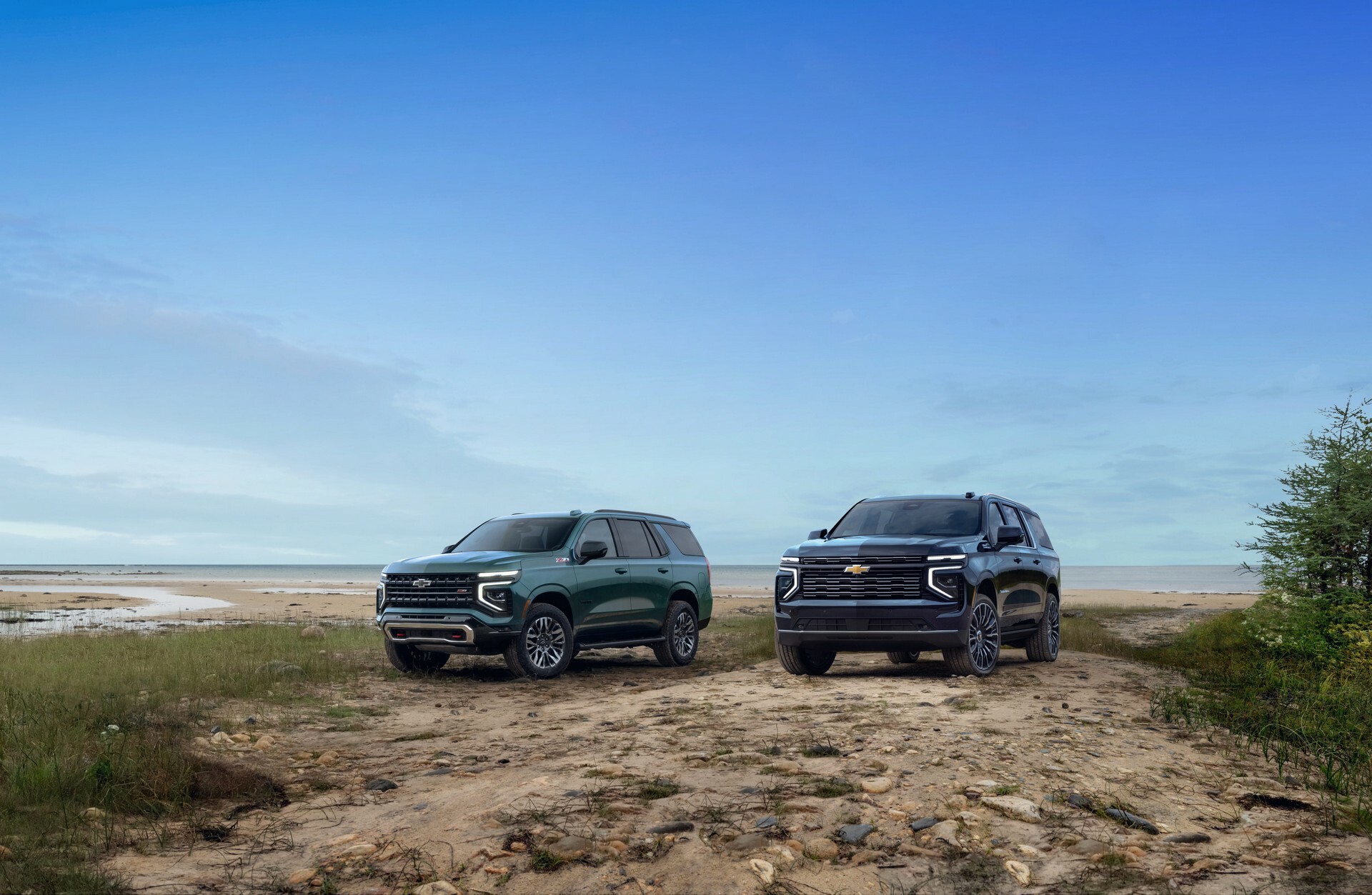
Putting EVs aside, overall sales fell 8.1% as numerous models struggled including the Blazer (-26.3%), Colorado (-16.5%), Corvette (-8.2%), Equinox (-13.5%), Trailblazer (-6.3%), Tahoe (-10.0%), and Suburban (-14.0%). Traverse sales climbed 33.6% and the Silverado 1500 was up 7.9%, but they couldn’t offset the overall decline.

GMC Did Okay

 Buick Rolled Over And Played Dead, So Did Sales

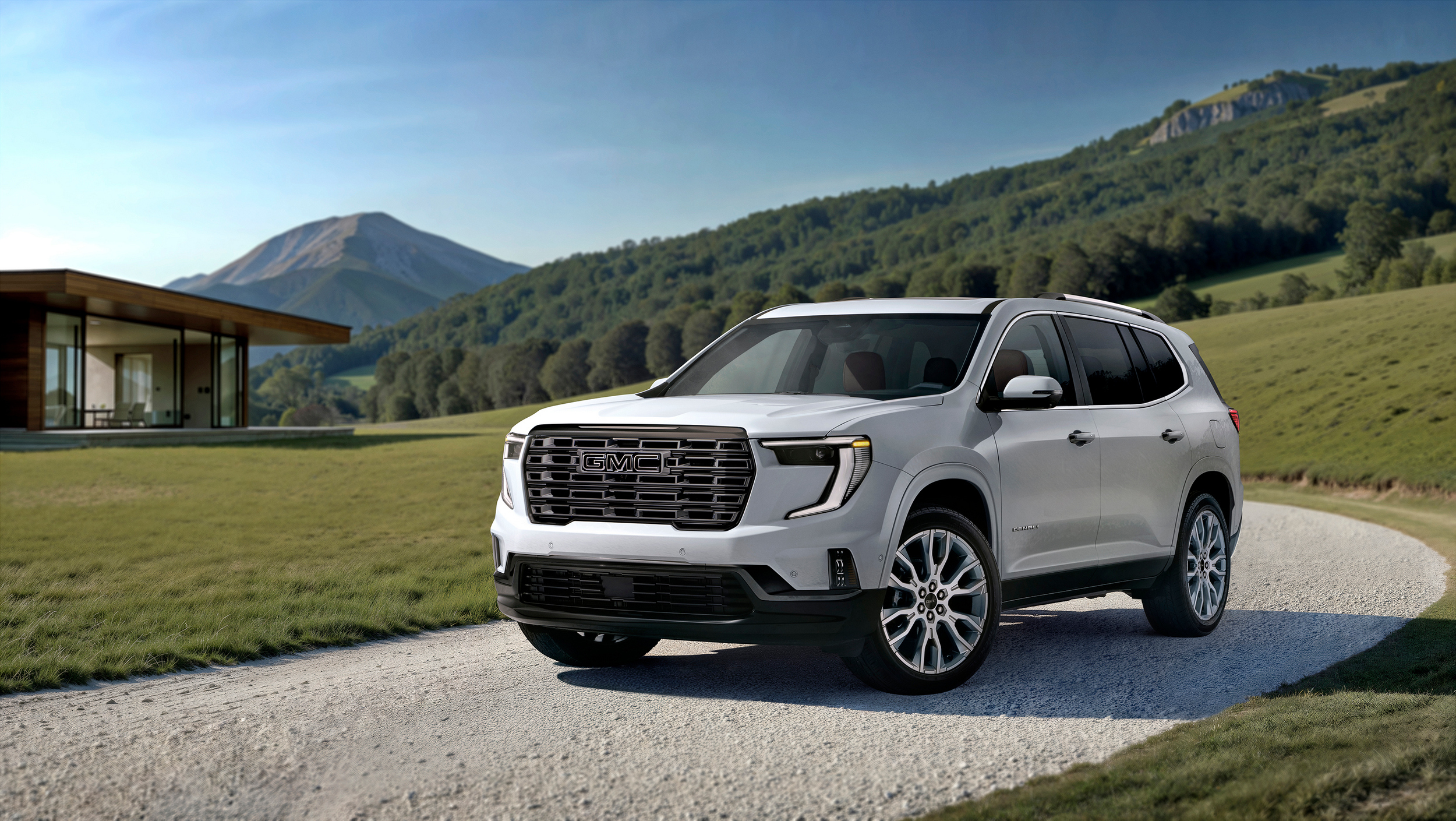
GMC had the best performance as sales were only down 0.2%. The Acadia tied last year’s result as the company once again sold 13,257 crossovers. The Colorado was up 21.2%, while the Terrain soared 35.2%. Even the Sierra EV saw a slight 3.1% improvement, but that only equates to an additional 39 pickups as sales were terrible to begin with.

Speaking of EVs, the Hummer lineup plunged 52.5% despite a handful of updates for the 2026 model year. Sierra 1500, 2500, and 3500 sales also fell as did those for the Yukon.

A Bad Quarter Overall

 Buick Rolled Over And Played Dead, So Did Sales

Zooming out even further, GM’s total sales fell 9.7% to 626,429 units. The automaker tried to put a positive spin on things as they said “momentum in March helped results partially recover from a slower January and February, when winter storms impacted the market.” GM added they’re leading in U.S. sales and gained an additional 50,000 Super Cruise subscribers.

2026 GM Q1 Sales
ModelQ1 26Q1 25% Chg
Enclave10,69911,067-3.3
Encore GX13,05220,408-36.0
Envision4,48515,485-71.0
Envista13,41814,862-9.7
Buick Total41,65461,822-32.6
CT41,5471,21427.4
CTS3,4513,981-13.3
Escalade9,06312,683-28.5
ESCALADE IQ1,4321,956-26.8
LYRIQ3,3704,300-21.6
OPTIQ2,8471,71665.9
VISTIQ1,9021190100.0
XT41274,775-97.3
XT55,3436,353-15.9
XT62,0164,778-57.8
Cadillac Total31,09841,757-25.5
Blazer10,70014,510-26.3
Blazer EV1,0776,187-82.6
Bolt791135984.6
BrightDrop 400 / 600 49627481.0
Colorado21,59625,856-16.5
Corvette6,2356,794-8.2
Equinox61,39871,002-13.5
Equinox EV9,58910,329-7.2
Express12,48812,3710.9
LCF857991-13.5
Malibu1375,369-97.4
Silverado HD41,73847,099-11.4
Silverado LD84,40178,1997.9
Silverado MD1,2732,033-37.4
Silverado EV1,4062,383-41.0
TOTAL Silverado128,818129,714-0.7
Suburban11,69613,594-14.0
Tahoe26,83629,827-10.0
Trailblazer27,47529,323-6.3
Traverse37,84928,33133.6
Trax49,70659,021-15.8
Chevrolet Total407,747443,564-8.1
Acadia13,25713,2570.0
Canyon11,0279,09621.2
HUMMER EV (Pickup and SUV)1,6533,479-52.5
Savana2,2332,575-13.3
Sierra HD22,46224,401-7.9
Sierra LD51,85752,891-2.0
Sierra EV1,2881,2493.1
TOTAL Sierra75,60778,541-3.7
Terrain21,56715,94835.2
Yukon20,58623,324-11.7
GMC Total145,930146,220-0.2
GM Total626,429693,363-9.7
SWIPE

Kia Brought Its Electric Van To America As Something New York Actually Needs

  • Kia has introduced the PV5 WAV New York Taxi concept.
  • The electric van features a rear-mounted wheelchair ramp.
  • It appears to be a revised version of Korea’s PV5 WAV Taxi.

Hyundai didn’t have the only surprise at the New York Auto Show as Kia used the event to unveil the PV5 WAV New York Taxi and Rideshare concept. It was introduced alongside the redesigned Seltos as well as the new EV3.

Created in collaboration with BraunAbility, the concept is a wheelchair accessible vehicle that is fully compliant with the Americans with Disability Act. It’s designed to demonstrate the electric van’s potential as a wheelchair-accessible taxi and rideshare vehicle.

More: The PV5 Is Kia’s Idea Of An Electric Minivan

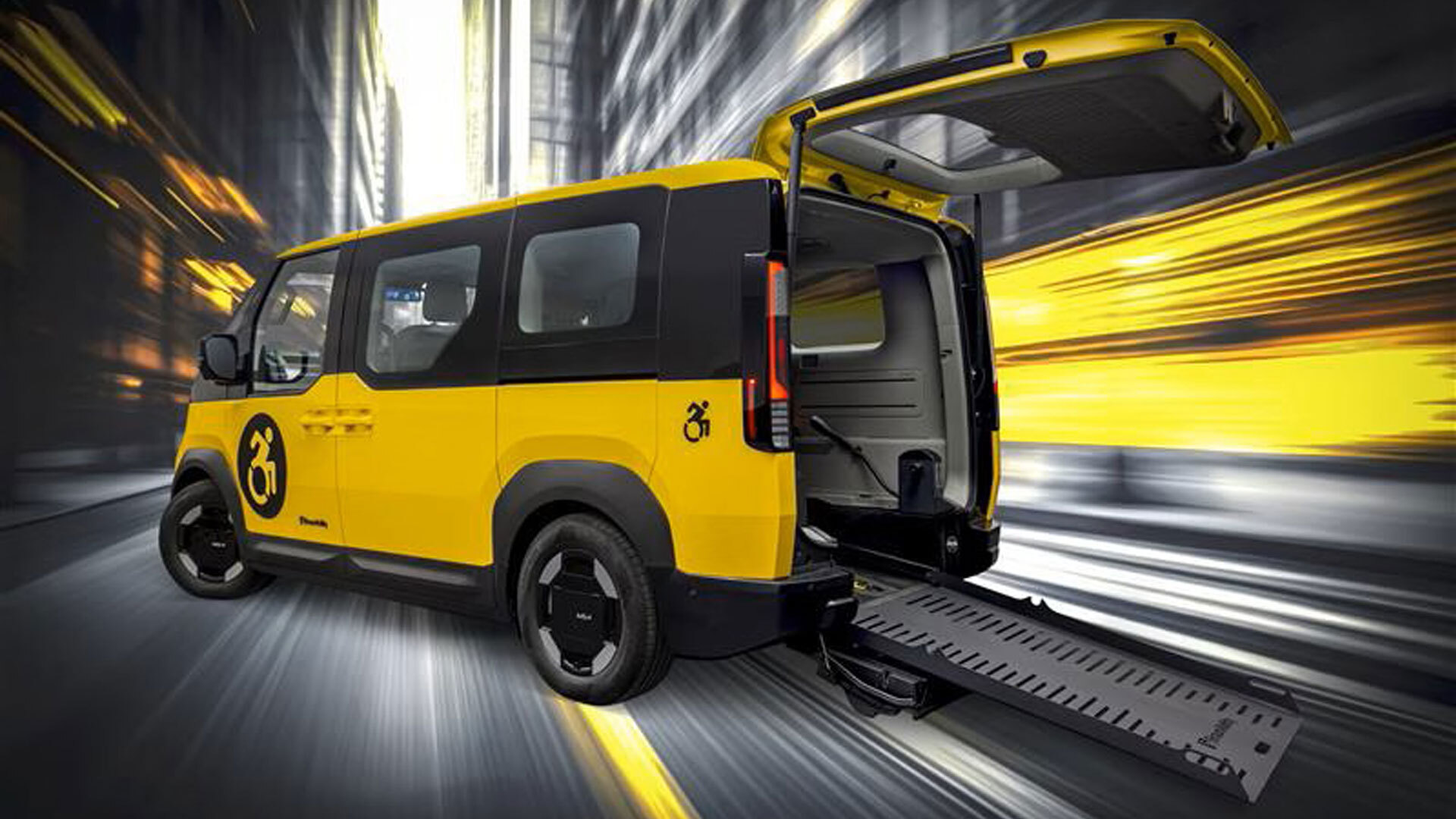
The companies said little about the “production-ready” concept and have only released one low-resolution image as of this writing. That doesn’t exactly scream commitment, but we can see the concept features a classic yellow and black livery with numerous wheelchair graphics.

More importantly, the PV5’s liftgate opens to reveal a wheelchair ramp that deploys from the back of the vehicle. Kia also mentioned the model has “integrated tiedowns and occupant restraints” as well as a low step height that is “well-suited to everyday taxi operations and entry for wheelchair users.”

 Kia Brought Its Electric Van To America As Something New York Actually Needs

The companies said the concept was “created with real-world production feasibility in mind” and will be evaluated in New York, which is one of the largest taxi and rideshare markets in the world. As part of this process, they’ll “engage government agencies, fleet operators, disability advocacy organizations, and other stakeholders to gather additional input and refine the vehicle based on their feedback.”

While little is known about the concept, the PV5 offers Passenger, Cargo, and Chassis Cab configurations as well as 43.3, 51.5, and 71.2 kWh battery packs. The model rides on the fleet-focused E-GMP.S platform and sports a front-mounted motor developing 161 hp (120 kW / 163 PS) and 184 lb-ft (250 Nm) of torque.

Despite the lack of details, Kia offers a PV5 WAV Taxi in Korea. It starts at $33,768 (₩ 51,100,000) and offers a range of up to 214 miles (345 km). However, that model has a side-mounted wheelchair ramp.

\\\\\\

A Hyundai Beat The BMW M2 CS For World Performance Car Of The Year

  • BMW’s iX3 took home two trophies at the 2026 World Car Awards.
  • Lucid’s Gravity SUV beat the Cadillac Vistiq for a major global title.
  • Gas-powered cars didn’t win a single category at this year’s event.

Electric vehicles have dominated the World Car Awards as they’ve won every single category this year. This is hardly surprising as many of the finalists were EVs, but it likely won’t alleviate criticism.

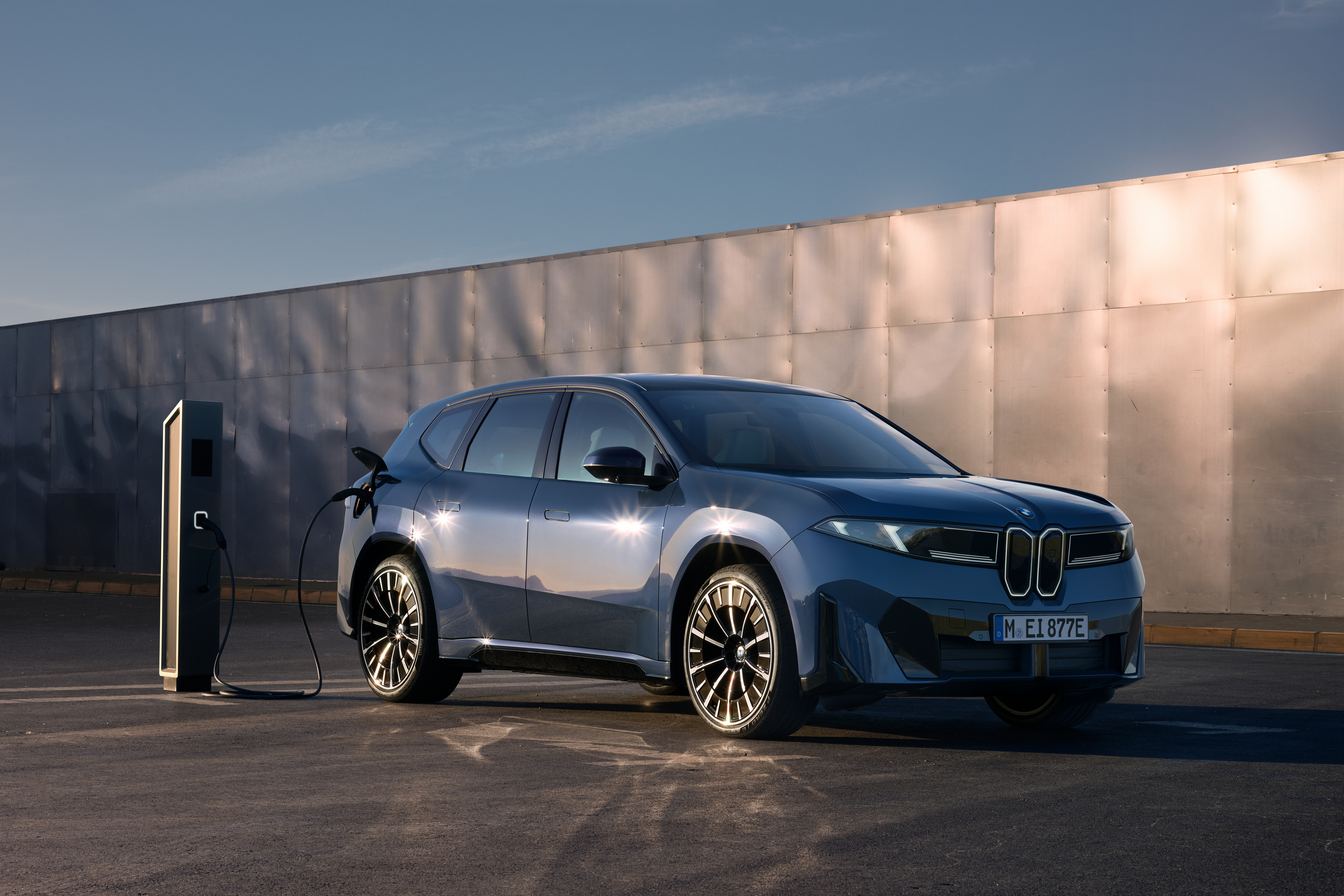
Top honors went to the BMW iX3 which was named 2026 World Car of the Year as well as World Electric Vehicle. In the former category, it beat out the redesigned Hyundai Palisade and Nissan Leaf. The Leaf was also up for being named World Electric Vehicle, but it and the Mercedes CLA lost to the German crossover.

More: Ford Won North American Truck Of The Year With A Trim

Speaking of luxury brands, the Lucid Gravity was named World Luxury Car. The electric crossover, which offers up to 450 miles (724 km) of range, bested the Cadillac Vistiq and Volvo ES90.

That brings us to the most controversial award, which is World Performance Car. Here, the Hyundai Ioniq 6 N beat the BMW M2 CS and Chevrolet Corvette E-Ray.

\\\\\\\\\\\

While a 641 hp (478 kW / 650 PS) Hyundai is certainly impressive, is it really more of a performance car than a 523 hp (390 kW / 530 PS) coupe that accelerates from 0-60 mph (0-96 km/h) in 3.7 seconds and laps the Nordschleife in 7:25.534? The E-Ray, on the other hand, has all-wheel drive, an EV-only mode, and a combined output of 655 hp (488 kW / 664 PS).

Since you’re probably still stewing over that, we’ll finish up with the two categories little care about. World Urban Car went to the Nio Firefly, which beat out the Hyundai Venue as well as the Baojun Yep Plus / Chevrolet Spark EUV.

\\\\\\\\\\\\\\

There’s also World Car Design of the Year, which was apparently decided by Mr. Magoo. The Mazda 6e / EZ-6 took home the prize as it won over the Kia PV5 and Volvo ES90. None of them are particularly pretty, but the 6e isn’t too shabby and the finalists were chosen by a design panel of people you’ve probably never heard of before.

2026 World Car Awards
World Car of the YearBMW iX3
World Electric VehicleBMW iX3
World Luxury CarLucid Gravity
World Performance CarHyundai Ioniq 6 N
World Urban CarNio Firefly
Car Design of the YearMazda 6e / EZ-6
SWIPE

Honda Isn’t Done With The 0 Series, Just Done With Selling One Here

  • Honda will build the 0 α SUV in India to take advantage of lower production costs.
  • The smaller 0 α is distinct from the 0 SUV that was cancelled for the U.S. market.
  • Japan is confirmed as an export destination, though other markets remain open.

It’s been a couple of weeks since Honda pulled the plug on plans to build the 0 Saloon, 0 SUV, and Acura RSX EVs in the US. However, not all of that investment is going to waste, as the smaller 0 α SUV has now been confirmed for production in India, with exports planned for other markets as well.

Last month, Honda began testing the all-electric SUV in India for the first time, putting it through a wide range of driving conditions. Engineers are also evaluating performance in extreme heat and monsoon environments, alongside testing its charging capabilities.

Read: New Honda 0 SUV Gets Real With Production Design

Deciding on Indian production is an obvious move for Honda. Having already poured billions of dollars investing too heavily in EVs, Honda will be eager to make the most of lower labor costs in India. It’s revealed that not only will the 0 α SUV be built and sold in India, but it will also be exported to its home market of Japan, among other “key markets”, though Honda won’t say which ones at this stage.

Deciding on Indian production is a logical move. After pouring billions into EV development with limited return, Honda will be keen to capitalize on lower labor costs. The plan now is for the 0 α SUV to be built and sold in India, while also being exported to Japan and other “key markets”, though the company has yet to specify which ones.

This Isn’t The American Model

\\\\\\

The Honda 0 α SUV was unveiled as a concept in late 2025 and looks almost identical to the 0 SUV that had been destined for the US. However, the 0 α is smaller and designed to be more affordable. In a world where lots of SUVs look the same, the 0 α stands apart, largely due to its unusually tall rear end. Whether buyers will embrace the design remains an open question.

Developed under Honda’s new ‘Thin, Light, and Wise,’ approach, the Honda 0 α SUV will hit the market with a thin and lightweight battery pack, although capacity details are not yet known. Honda has also committed to mounting the batteries and power units as low as possible to reduce the center of gravity.

 Honda Isn’t Done With The 0 Series, Just Done With Selling One Here

Honda says the new 0 α SUV will be introduced during the 2026-2027 financial year, likely launching first in India and Japan before expanding to other regions.

According to Honda, “The start of pan-India Public Road Verification testing is a key milestone in our electrification journey. India has unique driving and climate conditions, and it is important for us to test our electric vehicle thoroughly in real-world environments. This programme reflects Honda’s global engineering strengths combined with a strong focus on local customer needs, as we prepare to introduce an electric SUV that offers reliability, comfort, and ease of use.”

 Honda Isn’t Done With The 0 Series, Just Done With Selling One Here

US Senator Calls Chinese Cars “Cancer,” Wants Permanent Ban

  • US lawmaker wants permanent block on Chinese cars, software, and partnerships.
  • Industry groups back ban, citing security fears and unfair competition concerns.
  • Trump previously signaled openness to Chinese brands building factories in US.

Chinese-brand cars now account for one in 10 new cars sold in Europe, but you won’t find a BYD or Xiaomi on sale in the US, and one Ohio senator is determined to maintain that situation. He wants to make absolutely sure Chinese car brands never make it to America in the form of auto imports, partnerships, or even just lines of code buried in software.

Senator Bernie Moreno is preparing legislation that goes beyond the current restrictions introduced in early 2025 by the Biden administration. Those rules already shut out Chinese passenger cars over concerns they could harvest sensitive driver data. Moreno’s proposal aims to slam every remaining door, then double lock them just in case.

More: Toyota Is Selling A New EV In China For Less Than A 15-Year-Old Used Corolla

Speaking at an automotive event ahead of the New York International Auto Show, he didn’t exactly hold back, as Reuters reported.

“We don’t allow Huawei to come into our telecommunications infrastructure,” Moreno said, referencing the US block on the Asian tech giant. “We’re not going to allow Chinese automakers into this market. We’re going to prevent the cancer from coming into our market, and we’re going to need the other countries to do chemotherapy.”

Appealing To Other Nations

Subtle? Not exactly. Effective at grabbing attention? Absolutely. The plan isn’t just about imports. Moreno wants to block anything with Chinese ties, including software integrations and joint ventures. In other words, even a hint of Chinese involvement could be enough to disqualify a vehicle from US roads under his vision. He also hopes Mexico, Latin America, Canada and even Europe will follow suit.

 US Senator Calls Chinese Cars “Cancer,” Wants Permanent Ban
Xiaomi

Unsurprisingly, American automakers and industry groups are on board. They’ve been lobbying hard to keep the barriers high, arguing it protects both national security and domestic jobs. It also conveniently keeps a wave of competitively priced EVs from shaking up the market.

An Attack On Fair Trade

China, for its part, isn’t thrilled. Officials have pushed back, calling the approach protectionist and accusing the US of stacking the deck against fair competition. That tension adds another layer to an already delicate economic relationship between the two countries.

And there’s an added complication here. Donald Trump has previously said he’d welcome Chinese automakers building factories in the US, as long as they hire American workers.

GM Pauses Production Of Two Hyped-Up EVs, Sending 1,300 Workers Home

  • GM’s Factory Zero will be idled from March 16 to April 13.
  • Shutdown affects 1,300 workers, who face temporary layoff.
  • Hummer EV sales dropped nearly 50 percent in Q4 2025.

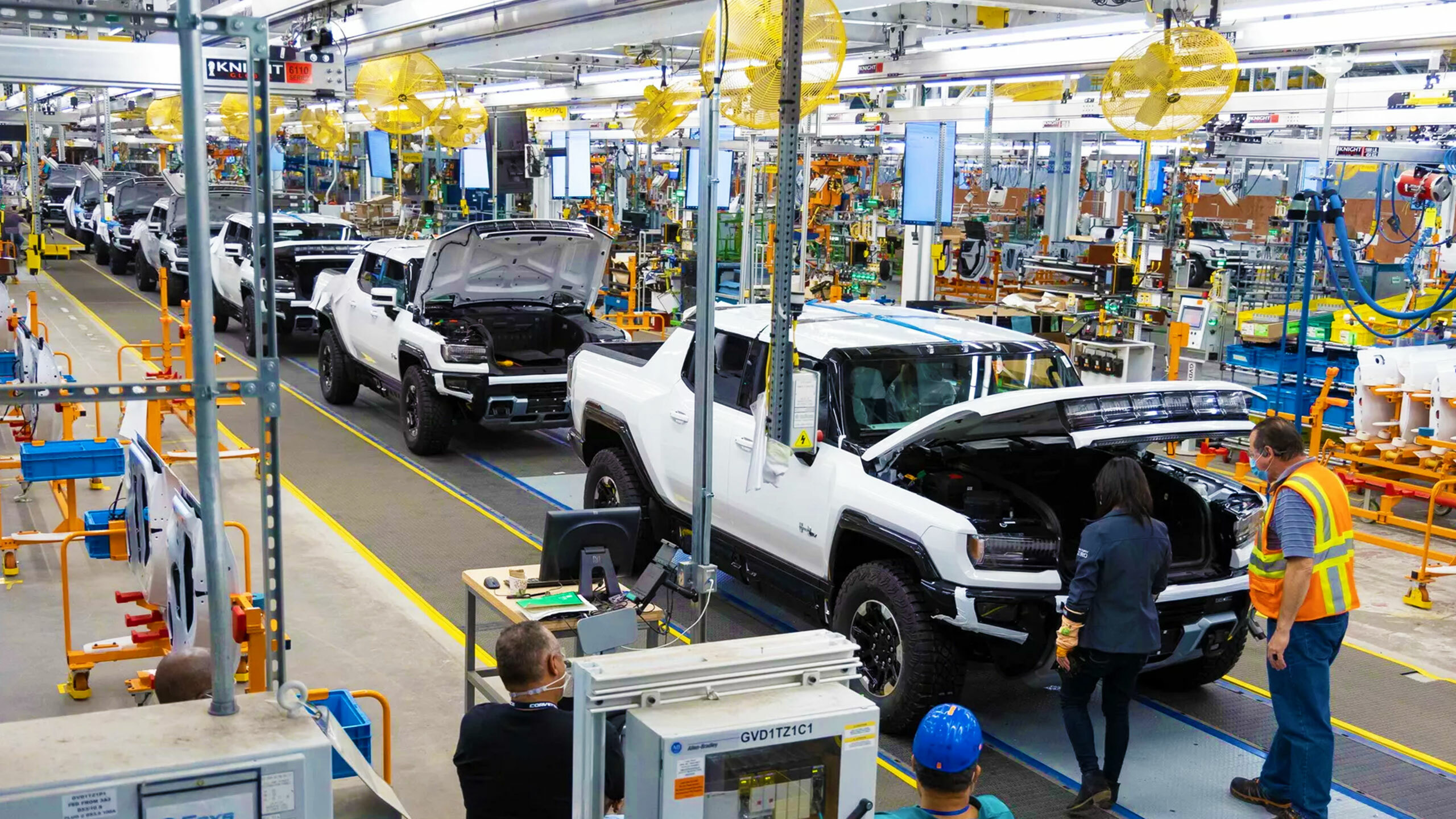
Demand for GM’s electric vehicles in the US is so poor that the carmaker has revealed Factory Zero in Detroit, its all-electric vehicle hub, will be idled until April 13. Production at the site has already been paused since March 16, so it’ll be offline for almost an entire month.

Due to the production pause, roughly 1,300 workers will be temporarily laid off by the car manufacturer. This news is just the latest blow for those who work at the site, as output at Factory Zero was already cut by almost 50 percent in January when it moved to a single-shift operation. This prompted GM to put 1,200 workers on indefinite layoff.

Read: GM Is Boosting Production Of Its Biggest Gas Guzzlers, Fuel Prices Be Damned

The plant handles production of models including the Chevrolet Silverado EV and Hummer EV, but sales have slowed since the US government axed the $7,500 federal EV tax credit.

In the last quarter of 2025, Chevy sold 1,896 Silverado EVs, down 12.9 percent from the 2,176 in 2024. Interestingly, total 2025 sales reached 11,275, which was 51.8 percent higher than 2024.

GMC Hummer EV Collapse

 GM Pauses Production Of Two Hyped-Up EVs, Sending 1,300 Workers Home

The GMC Hummer EV is starting to feel the effects of shifting government policy. Sales dropped 49.8 percent in the final quarter of 2025, falling from 5,091 units to 2,555. That slide carried straight into 2026, with just 1,653 units moved in Q1, down 52.5 percent from the 3,479 sold a year earlier.

The GMC Sierra EV, meanwhile, managed to buck the trend. It posted 1,288 deliveries in Q1 2026, narrowly beating the 1,249 units from the same period in 2025. In a tough stretch for Factory Zero, that modest gain stands out as one of the few positives.

Like some of the competition, GM is pulling back from its EV commitments, confirming it will take $7.6 billion in charges for scaling back its EV spending. While GM boss Mary Barra still refers to EVs as the company’s “end game,” The General is making changes in the meantime. This includes working on several plug-in hybrid models, details of which still remain thin on the ground.

GM also recently announced it’s boosting production of some of its biggest gas guzzlers, namely the Chevrolet Silverado 2500 and 3500, in addition to the GMC Sierra 2500 and 3500.

 GM Pauses Production Of Two Hyped-Up EVs, Sending 1,300 Workers Home

Subaru’s New Getaway Is Basically A Faster, More Powerful Highlander

  • The Getaway is a three-row electric SUV built on Toyota’s Highlander EV platform.
  • Its dual-motor AWD setup produces 420 horsepower, topping the Toyota’s output.
  • Pricing has not been confirmed, but Subaru expects the Getaway to start near $55K.

Subaru has spent the past few years dabbling in EVs, but the Solterra always felt more like a compliance exercise than a serious attempt to challenge segment leaders. The new Trailseeker and Uncharted take the brand to new heights. Now, the Getaway, another EV built in partnership with Toyota, wants to add more passengers to the mix.

Read: Subaru Finally Connects Its Two Best Ideas In One Vehicle

Revealed at the New York Auto Show, the Getaway is Subaru’s first three-row EV and easily its boldest electric model yet. It’s also the most powerful production Subaru ever built, with dual electric motors producing a combined 420 hp (313 kW), which is a lot more than the Highlander’s 388 horses.

According to Subaru, that’s enough to send the family hauler from 0-60 mph in under five seconds, which means it’ll outrun plenty of sports sedans while carrying six or seven people and all of their luggage.

Three-Row Space And Practicality

\\\\\\\\\\\

From a design standpoint, it’s easy to see the clear ties to Toyota’s new Highlander EV, which, like the Getaway, will debut later this year. Subaru says its new three-row SUV offers 45.6 cubic feet of cargo room behind the second row.

That’s more than Kia’s EV9 manages. There’s also 15.9 cubic feet of space behind the third row, captain’s chairs or a bench seat in the second row, depending on trim, and allegedly enough headroom and legroom for six-foot adults in all three rows.

\\\\\\\\\\\\\\

Inside, the Getaway gets a standard 14-inch infotainment display, a 12.3-inch digital gauge cluster, wireless Apple CarPlay and Android Auto, USB-C ports in every row, and available luxuries including ventilated seats, heated rear seats (including the third row), and a panoramic roof.

Also: Kia Finally Brings An Affordable EV To America, Fake Gears And All

Every Getaway comes standard with all-wheel drive, 8.3 inches of ground clearance, and the brand’s X-Mode system. The SUV can tow up to 3,500 pounds (1,588 kg). Power comes from a 95.8 kWh battery pack that Subaru says will deliver over 300 miles (483 km) of range. In 2027, a “standard-range” version will arrive with a 77 kWh battery pack, but Subaru didn’t release a range estimate for it.

\\\\\\\\

The Getaway comes with a NACS charging point, which means that owners will have access to Tesla’s Supercharger network. The Getaway has a maximum charging speed of 150 kW, which is not very quick compared to most new EVs, but Subaru says it’ll go from 10 to 80 percent in around half an hour.

Expected Pricing Range

The biggest question at this point is what will pricing look like? For now, expect it to start at around the low-to-mid $50,000 range. That’s right in line with the Kia EV9 and a few thousand cheaper than the Hyundai Ioniq 9. Likely, the Getaway will also undercut the new Toyota Highlander by roughly the same margin.

Either way, we’ll know later this year, and Subaru will find out how big an appetite its fans have for what is likely the heaviest and somehow fastest production car it’s ever made.

\\\\\\\\\\\

Kia Finally Brings An Affordable EV To America, Fake Gears And All

  • EV3 finally arrives in North America after success in overseas markets.
  • Up to 320 miles of range from the biggest of two available battery packs.
  • GT version delivers 288 hp, all-wheel drive, and sportier suspension tune.

The all-new 2027 Kia EV3 has officially debuted in the US at the New York Auto Show, and it’s about time. This compact electric SUV, positioned above the smaller EV2 in Kia’s global lineup, has already built momentum in overseas markets. Now it’s finally set to take on American buyers, with an estimated starting price in the low-to-mid $30,000 range.

More: Kia Gives The 2027 Seltos Something It’s Never Had In The US Before

Positioned as the most attainable EV in the brand’s North American lineup, the EV3 opens the possibility of electric Kia ownership to a very different audience. A 105.5-inch (2,680 mm) wheelbase means it’s smaller than the EV5 Kia offered in Canada, though not the US, and tiny compared to the three-row EV9. But it doesn’t look or feel like a stripped-down option, or a copycat one.

\\\\\\\\\\\\\\\

Under the skin, it rides on the same dedicated E-GMP EV architecture as its bigger relatives like the EV9, but with 400- rather than 800-volt electrics. Buyers get a choice of two battery packs, starting with a 58.3 kWh unit available only on the entry-grade Light trim, delivering up to 220 miles (354 km) of EPA range. Step up to the 81.4 kWh battery on Wind and Land trims, and that climbs to an estimated 320 miles (515 km) in front-wheel drive form.

All-wheel drive is available with the larger battery as an option on Wind and Land, and comes standard on the GT-Line and GT, giving the EV3 a bit more scope for distance work. Charging is quick enough to keep things convenient, with a 10 to 80 percent top-up taking around 29 minutes on the smaller pack, which is only available on single-motor models, and just over 30 minutes on the larger one that gets you the choice of front- or all-wheel drive

Performance depends on trim, and though Kia in the US doesn’t quote an output for the single-motor powertrain, it rates it at 201 hp (204 PS / 150 kW) in Europe. If it’s the same setup, expect mid-seven-second zero to 60 mph (97 km/h) times and enough kick to handle most city sorties.

GT Should Eat GTIs

Dual-motor all-wheel drive models are confirmed to offer 261 hp (265 PS / 195 kW), and the range-topping GT gets a further lift to 288 hp (292 PS / 215 kW). That ought to be enough to drop the 60 mph time to 5.5 seconds, judging by the Euro numbers for the same model. No match for Volvo’s EX30, which goes a second quicker, true, but since Volvo’s just axed it in the US, Kia can breathe easy.

Also: Kia’s Cheapest Electric SUV Drops A Seat To Hit Its Price

Besides, you get more than an extra 17 hp when you step up to the GT. Kia also throws in sport-tuned suspension and steering, plus the option to equip your EV3 with the same kind of Virtual Gear Shift (VGS) and Active Sound Design (ASD) noise generator that’s already won heaps of praise on other Hyundai Group cars like the Ioniq 5 N.

Netflix or Disney?

\\\\\\\\\\\\\\\\\

The EV3 is similar in size to the second-generation Seltos, which Kia is debuting alongside it at New York, and there are more parallels inside the cabin. You get a variation on the same conjoined display setup used on most new Kias, which means dual 12.3-inch screens and a 5-inch climate display sandwiched between them.

The Navigation Cockpit (ccNC), which we first met on the EV9, lets you stream Netflix and YouTube as well as view content from the likes of Disney, Marvel and National Geographic. Want to make the most of those movie jump scares? Select the available Harman Kardon audio system, one of several tasty options you’ll find on the configurator alongside a panoramic roof, a Digital Key for your smartphone, a power liftgate, and a 360-degree camera.

Arrives Late 2026

\\\\\

Full trim details will be announced along with prices closer to the end-of-year on-sale date, but we know GT-Line cars get a three-spoke steering wheel, metal pedals, and off-white dual-tone seats. Splash for the true GT and you bag 19-inch wheels with green brake calipers, plus matching flashes of green on the seatbelts, steering wheel, and other interior trim.

The EV3 was meant to be one of an army of smaller, affordable electric Kias heading stateside, but the brand decided not to bring the EV4 hatch and sedan, or EV5 SUV, after all. That means a lot is riding on this little utility, which we know from our UK drive is a great EV, but one that arrives in the US when EV sales are falling. How do you rate its chances?

\\\\\

Kia

Honda Cuts $7,500 Off Every Prologue, Including Cars Already On Dealer Lots

  • The discount offsets the lost federal EV tax credit, dollar for dollar.
  • Price reductions apply to existing dealer inventory, not just new builds.
  • The base single-motor EX now starts at $41,395 including destination.

The Prologue hasn’t been the success that Honda would have liked, and pricing has been a big part of the problem. It was already on the expensive side, and the loss of the $7,500 federal EV tax credit under the Trump administration only made things harder to justify. Honda appears to have taken the hint.

For 2026, it’s cutting $7,500 across the entire Prologue lineup, effectively replacing the missing incentive and bringing the model within reach of a much wider pool of buyers.

The 2026 Prologue range goes unchanged, meaning it continues to be offered in single-motor and dual-motor EX, Touring, and Elite configurations. Importantly, the price cuts won’t just apply to newly-built models from April 1, but also 2026 models already in Honda’s inventory.

Read: That Strange Clicking Noise In Honda’s Prologue Is Now A Lawsuit

Sitting at the base of the range is the single-motor EX, now priced at $41,395, including a $1,495 destination charge, down from $48,895 for the 2025 model. Positioned above this model is the EX dual motor, now starting at $43,495. The 2026 Prologue continues to be sold in Touring guises, starting at $46,695 for the single-motor and $48,495 for the dual-motor.

2026 Honda Prologue
TrimDriveMSRPMSRP w/Dest.EPA Range
EXSingle Motor, 2WD$39,900$41,395308 miles
EXDual Motor, AWD$42,000$43,495294 miles
TouringSingle Motor, 2WD$44,200$46,695308 miles
TouringDual Motor, AWD$47,000$48,495294 miles
EliteDual Motor, AWD$50,400$51,895283 miles
SWIPE

Whereas the front-wheel drive models have 220 hp, 243 lb-ft (329 Nm) of torque, and an EPA range of 308 miles (496 km), the dual-motor versions deliver 300 hp and 355 lb-ft (481 Nm) of torque. The added power comes at the cost of range, which is reduced to 294 miles (473 km) in the dual-motor EX and Touring.

Continue to sit at the top of the range is the dual-motor Elite with a reduced range of 283 miles (455 km). For 2026, it starts at $51,895, including destination, down from $59,395.

The long-term future of the Honda Prologue remains unclear. Following the removal of the federal EV tax credit, sales have plunged through the early part of this year, prompting Honda to cut production in half. This also prompted recent speculation that the Prologue will be killed after production ends in December, with no successor on the agenda. However, Honda has denied these reports.

\\\\\\\\

Michelin Develops New EV Tires It Claims Will Seriously Extend Your Range

  • Michelin has launched new EV-focused tires, including a special Pilot Sport.
  • Despite boosting efficiency, the new tires also provide improved performance.
  • Both use new elastomers and resins to balance resistance and wet performance.

In the world of electric cars, efficiency is one of the most important priorities. The further you can drive, the less charging is required, so it’s hardly a surprise that so many carmakers are fixated on improving aerodynamics, ensuring their EVs can slice through the air with as little resistance as possible. Tires also play a crucial role in efficiency, and Michelin looks to have made a major step forward with EV-specific tires.

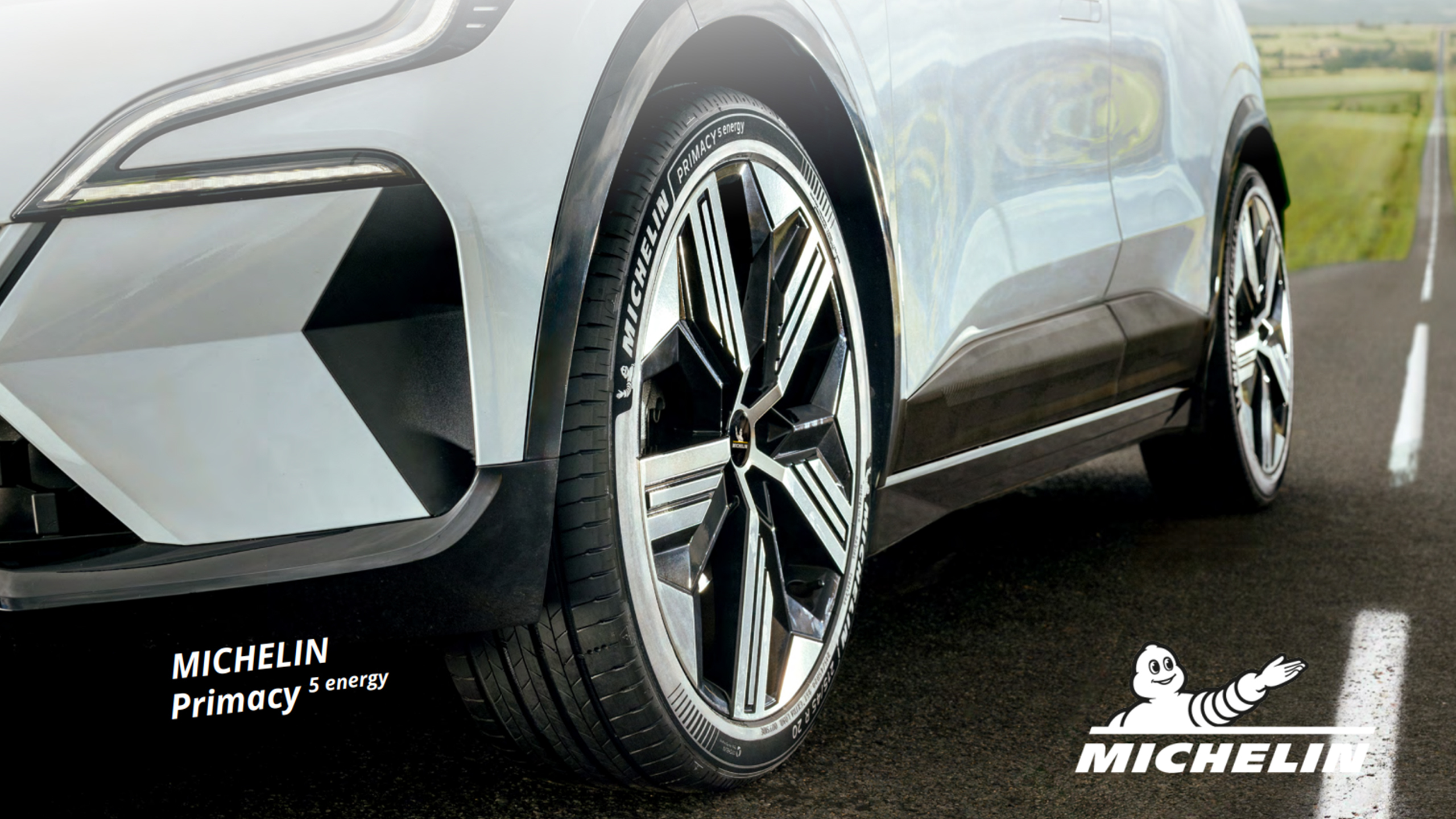
The French company has just unveiled its new Michelin Primacy 5 Energy and Michelin Pilot Sport 5 Energy, two summer tires that will be available in a number of different sizes, making them ideal for a broad spectrum of EVs.

Read: AMG Hyper EV Circles The Globe In Seven Days And Smashes 25 Records

Those fixated on efficiency will be most interested in the Primacy 5 Energy. It is rated A for rolling resistance and, when fitted to an EV, is said to boost the range by up to 10 percent, adding up to 43 miles (70 km) of driving range. On an ICE model, it can improve fuel efficiency by as much as 6 percent, or 0.3 l/100 km.

When tested for longevity on a VW ID.3, the tire outperformed the Bridgestone Turanza 6, Continental PremiumContact 7, Goodyear Efficient Grip Performance 2, and Pirelli Cinturato P7C3.

Michelin hasn’t sacrificed performance, either. Compared to its predecessor, braking distances are improved by up to 8 percent, both when fresh off the shelf and when it has just 2 mm of tread remaining. Aiding in the tire’s improved performance are functionalized elastomers, new resins, and an improved tread architecture. The tire is available in 33 sizes from 16 to 19 inches.

An Efficient Pilot Sport

 Michelin Develops New EV Tires It Claims Will Seriously Extend Your Range

Car owners looking for a more performance-focused tire, yet one that is still efficient, would be wise to check out the new Pilot Sport 5 Energy. It includes a new Energy Passive compound on the shoulders to reduce rolling resistance and is the same tire Mercedes-AMG used with its record-breaking GT XX Concept.

When tested on a Tesla Model Y, this tire performed better in wet and dry braking than the Hankook iON Evo SUV and Pirelli P Zero E, while also outperforming those two options in longevity. With electric vehicle adoption being on the rise, it’s good to see that tire companies are tailoring their products to match the specific needs of EVs.

\\\\\\\\\\\

Student ID Cards Present a Host of Transportation, Educational Opportunities

Students nationwide are scanning their way on and off school buses at an increasing pace, as school districts realize student identification cards improve transparency for parents on the whereabouts of their children.

But ID cards once used solely for transportation, or more accurately in a silo apart from other school district and community uses, are going the way of the Dodo.

Miles Cole, chief strategy officer for RFID card provider CI Solutions, noted universal ID cards and developing community partners is a “big-league move for metro districts,” which “turns the student ID into a mobility plus access credential, not just a school badge.

“When a student ID works for school and for city services, you remove friction from the two biggest ‘non-classroom’ barriers to learning—getting places and accessing resources,” he continued.

In Columbus, Ohio, high school students can use the district-issued Student Success Card to ride the Central Ohio Transit Authority (COTA) through its Educational Pass Program and also access Columbus Metropolitan Library.

Machelle Kline, the chief student services officer for Columbus City Schools department of student services, noted the district issues each ninth through 12th grade student a free COTA pass each school year, good 24/7 without weekend restrictions. The district pays COTA $13.50 per student per semester.

“Our Student Success Card also allows them to check out books at the Columbus Metropolitan Library and is in pilot mode to scan on our school buses,” Kline said. “The card also allows our youngest learners and those with disabilities to scan onto a computer. It acts as a student ID.”

Kline said the district is conducting an indepth analysis with COTA to see if it can eliminate ninth through 12th grade transportation as it is not required in Ohio.

In the Salt Lake City School District, district employees, students, and a parent or guardian from each student household can receive a free Utah Transit Authority (UTA) pass for unlimited access to buses, TRAX, UTA On Demand and S-Line.

Such passes are a “direct lever on attendance and student engagement,” Cole said. “Transportation access is one of the most practical, immediate levers districts can pull to improve attendance, tutoring participation, internships, after-school programs, and family engagement.”

Cole noted a universal ID improves equity “without making parents jump through hoops. A universal ID that works for lunch, library, login, transit can be a major equity upgrade because it reduces requirements like separate transit applications, separate library card sign-ups, multiple credentials/password resets, and reliance on a parent’s phone, credit card, and time to set things up.”


Related: April 2026
Related: Where Is the Bus?
Related: Update: Tennessee Crash Kills 2 Students During Field Trip


Ken Martinez, Salt Lake City’s transportation director, explained the school district implemented Zum technologies and student ID cards into the school bus fleet. “We are in the process of getting this one card to be used for tapping on and off the school bus,” he shared. “[The] same function on UTA utilizing their bus, TRAX [electric train] and on-demand services. The same card will be used for accessing the school library and student lunches.”

He added that this streamlined approach will help students keep track of their student ID card.

“When it is just their bus pass, they did not seem to care if they got damaged or lost and did not mind waiting to order a replacement,” he continued. “When the same card determines all the activities, including the ones they truly want to use, their level of concern will highly increase.”

Martinez said the goal is to fully implement the ID cards for the upcoming 2026-2027 school year.

The post Student ID Cards Present a Host of Transportation, Educational Opportunities appeared first on School Transportation News.

Yesterday — 1 April 2026Vehicles

BMW’s Entry-Level iX3 Saves You Over $7K, But There’s A Real Trade-Off

  • BMW has quietly introduced the entry-level iX3 40.
  • It features a smaller battery and rear-mounted motor.
  • Crossover has 316 hp and a WLTP range of 395 miles.

When BMW introduced the iX3 last fall, it was launched with a 108.7 kWh battery pack and a dual-motor all-wheel drive system producing a combined output of 463 hp (345 kW / 469 PS) and 476 lb-ft (645 Nm) of torque. The company promised further variants would follow including an entry-level model.

The automaker is now delivering on that by introducing the iX3 40. The crossover features a smaller 82.6 kWh battery as well as a rear-mounted motor developing 316 hp (235 kW / 320 PS) and 369 lb-ft (500 Nm) of torque. This enables the entry-level EV to accelerate from 0-62 mph (0-100 km/h) in 5.9 seconds, before hitting a top speed of 124 mph (200 km/h).

More: BMW iX3 Ushers In Neue Klasse Era With A Surprising Price Tag

Buyers can expect a WLTP range of up to 395 miles (636 km), which falls well below the iX3 50’s rating of up to 500 miles (805 km). On the bright side, a 300 kW DC fast charger can provide up to 186 miles (299 km) of range in as little as 10 minutes. The model also has a bidirectional charging capability and can go from a 10-80% charge in as few as 21 minutes.

 BMW’s Entry-Level iX3 Saves You Over $7K, But There’s A Real Trade-Off

The iX3 40 will arrive in the United Kingdom this summer, where pricing starts at £53,250 (approximately $70,450 at current exchange rates). That’s £5,505 (around $7,280) less than the iX3 50, which represents a considerable savings.

The automaker was coy on equipment details, but said “as with its exterior and interior design, standard specification for the new iX3 40 is identical to that of the iX3 50 xDrive.” However, that might not be the same for all markets and we wouldn’t be surprised if some regions got smaller wheels or other minor changes.

\\\\\\\

iX3 50 pictured

Land Rover Let The Freelander Go. China Brought It Back As An Electrified SUV

  • The Freelander name returns on a new electrified 4×4 developed jointly in China.
  • It rides on an 800-volt platform supporting EV, PHEV, and range-extender setups.
  • Export versions will be bespoke regional models, not adapted China-market cars

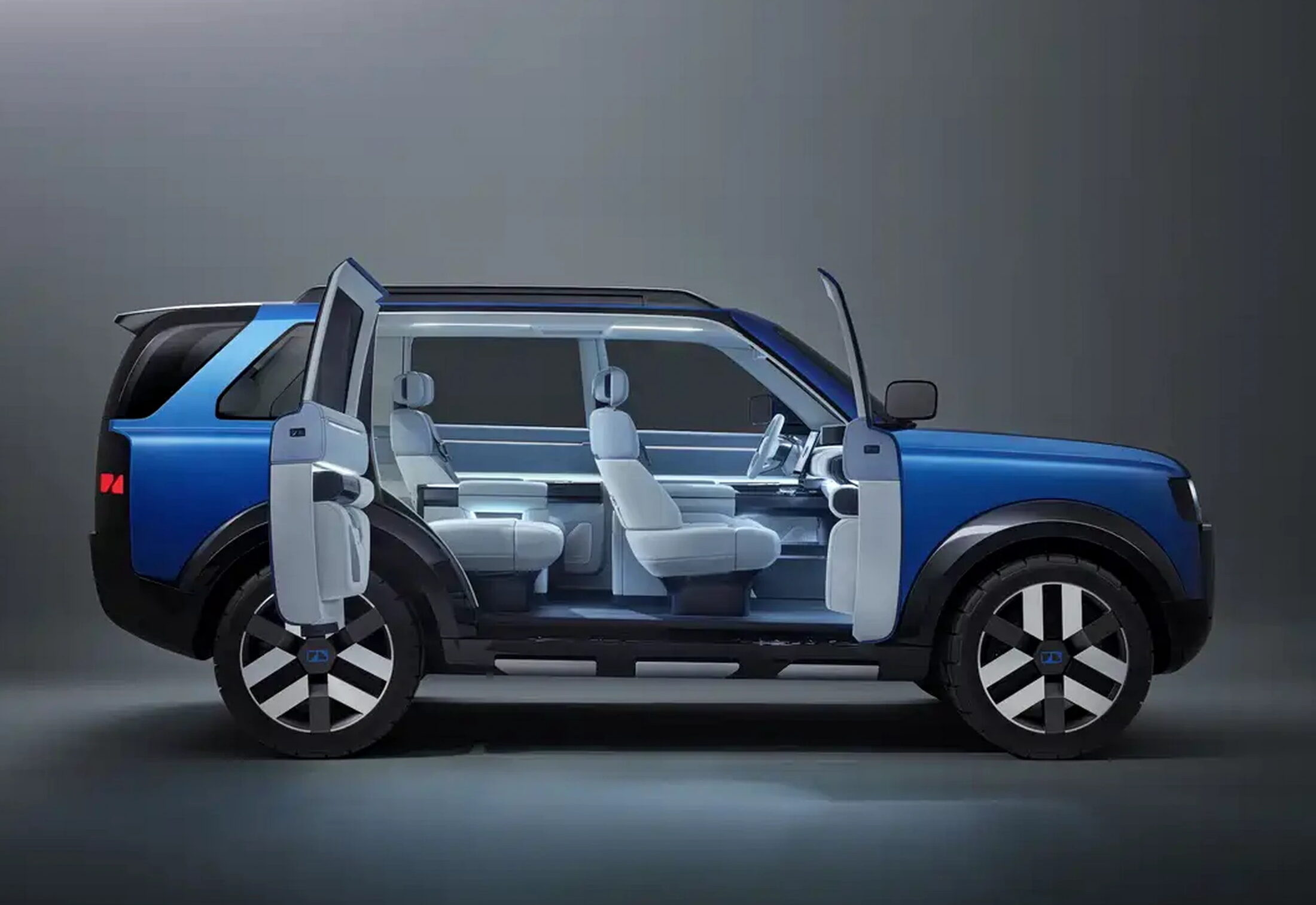
The Freelander name has been dormant since 2015, but Jaguar Land Rover’s Chinese joint venture with Chery has brought it back as something entirely new. Instead of a badge within Land Rover’s lineup, it now stands alone as its own brand, focused squarely on electrified off-roaders. The first look at that direction comes in the form of a concept rather than a production-ready model.

The Concept 97 takes its name from the Freelander’s original 1997 debut. While it wears no Land Rover badges, its design still leans heavily on the brand’s visual language, blending cues from the original Freelander with elements reminiscent of the modern Defender. The design is a product of collaboration between the teams at the UK and China.

More: The Freelander Is Coming Back, Just Not As A Land Rover

The company showed two cocnept models, finished in Glacier Blue and Thousand Mountain Green. Both feature black cladding paired with aluminum accents across the hood, grille, skid plate, and tailgate. The wheels and tires lean toward concept-car theatrics, and the suicide doors underline that this is still very much a showpiece. Expect those to give way to something more conventional in production, unless Land Rover decides to keep things interesting, at least with the doors.

Design Details Pull From Different Eras

\\\\\\\\\\\

Look closer and the references become more specific. The angled D-pillar is a clear callback to the three-door Freelander from 1997, including the era when it even offered a soft-top. Meanwhile, the black trim beneath the headlights and the pixel-style LED arrangement echo the facelifted model introduced in 2003.

More: Jaguar Land Rover’s Design Boss Is Out After Two Decades With No Successor Named

Around back, the taillights are tucked into a strip of black trim, contrasting against an upright aluminum-finished tailgate. The rear skid plate mirrors the front, and a sizeable roof spoiler caps things off with a slightly more modern flourish.

High-Tech Interior With Six Seats

\\\\\\\

The interior adopts a three-row six-seater configuration, with a rear bench that looks like a couch. A pillar-to-pillar display is mounted on the base of the windshield, joined by a large infotainment touchscreen. We can also see a pair of rotating dials and physical buttons on the steering wheel, alongside traditional stalks.

Second-row passengers have access to a drop-down screen, and a high-mounted center console similar to the one between the front seats. The SUV is also equipped with the latest Qualcomm Snapdragon 8397 chip, and Huawei’s Qiankun Intelligent Driving ADS 4.1 system featuring a 896-line LiDAR sensor.

Six Models Planned, But Not For Everyone

 Land Rover Let The Freelander Go. China Brought It Back As An Electrified SUV

This is not a one-off exercise. The company says six production models will arrive under the Freelander brand over the next five years. China comes first, with global expansion planned afterward, although that rollout carries a significant caveat.

Every model will be built at the CJLR plant in Changshu, effectively replacing the soon-to-be discontinued Land Rover Discovery Sport and Range Rover Evoque on the production line. With production rooted entirely in China, current US tariff conditions make an American launch highly unlikely. Canada, however, thanks to newly reduced tariffs, could still be in play.

More: Here’s The New Freelander Before You’re Supposed To See It

The SUVs are expected to ride on Chery underpinnings, supporting range-extender, plug-in hybrid, and fully electric powertrains. Based on earlier spy shots and leaked images, the first production Freelander of this new era will likely be a three-row, six-seat model, closely mirroring the Concept 97.

\\\\\\\\\\\\\\

Photos Chery Jaguar Land Rover, Weibo

Cupra’s Baby EV Looks Like It Was Designed By People Who Actually Drive

  • Cupra teases Raval rear with dramatic reflection, confirming April 9 reveal date.
  • Triple triangle LED lights and glowing Cupra badge hint at bold, sporty styling.
  • VZ version promises hotter performance with 233 hp and sharper chassis setup.

Cupra has confirmed the Raval will debut on April 9, and with just weeks to go, it’s dropped a teaser that gives us our first real taste of its smallest electric car yet. It’s only one image, but it’s enough to get us excited about a baby EV that should be both fun to drive and affordable.

The shot as provided by Cupra shows the rear end reflected in water, though flipping it reveals the details more clearly. The lighting signature is the standout feature. Triple triangle LED elements sit at each corner, connected by a full-width light bar with a textured, mesh-like look that feels suitably dramatic. An illuminated Cupra badge takes center stage, a detail we last saw on the facelifted Born.

Related: Cupra’s Smallest EV Just Drove Around Naked Hoping Nobody Would Notice

We can also make out a roof spoiler at the top of the hatch door and a set of black and bronze alloy wheels wrapped in chunky Bridgestone tires, hinting at a sportier edge than your average small EV, and probably telling us that we’re looking at the VZ hot hatch version.

The Raval rides on VW Group’s new front-wheel drive MEB+ platform and measures just over 4,000 mm (157.5 inches) long, placing it firmly in the subcompact class. It shares its underpinnings with the upcoming VW ID. Polo and Skoda Epiq, though Cupra has reportedly led chassis development.

The Driver’s Choice

That influence shows in the setup. Engineers have lowered the suspension by around 15 mm versus the VW and Skoda equivalents, even on the base cars, stiffened things up, and added progressive steering to give it a more engaging feel. It’s meant to be the enthusiast’s option in this trio.

\\\\\\\\\\\\

Cupra

Power options though, cover a broad range. Entry-level versions are expected to offer 114 hp (116 PS / 85 kW) or an optional 133 hp (135 PS / 99 kW), both paired with a 38.5 kWh battery. Step up and you get a single, front-mounted electric motor producing around 208 hp (211 PS / 155 kW) with a 55 kWh pack.

That mid-tier setup should deliver a 0 to 62 mph time of around 7.2 seconds and a WLTP range of up to 278 miles or 450 km. It’s a solid balance of performance and efficiency for everyday use.

VZ Equals GTI

But we’re naturally drawn towards the VZ, Cupra’s take on the ID. Polo GTI, the first electric VW to wear that legendary hot hatch badge. With 233 hp (226 PS 166 kW), an electronic differential, and a wider track, it promises sharper responses and more punch, even if range dips to around 249 miles (400 km).

With prices expected to start around €26,000 (£23,000) and a funkier, more youthful design than its VW and Skoda cousins, the Raval looks set to bring some real personality to the affordable EV space.

\\\\\\\\\\

Baldauf

Jaguar Benchmarked Its Electric GT Against One Classic Above All Others

  • Jaguar pits its future EV flagship against icons from its storied past.
  • A V12-powered XJ Coupe served as a key benchmark for the project.
  • The four-door GT arrives in September with more than 986 hp on tap.

Jaguar has begun sketching out what comes next, offering fresh details on the new four-door GT that will usher in its all-electric era. The production EV is set to debut in September, pitched as a modern tribute to the brand’s most celebrated grand tourers, even as it marks a clean break from them.

To show that the move to a zero-emission powertrain won’t dull the experience, the company went digging through its archives. Jaguar engineers ran what they call a “Spirit of Jaguar Drive” evaluation, benchmarking the new GT against the XK120, E-Type, XJS, and the XJ Series I.

More: Jaguar Cancelled Three New Cars In Development To Make Room For One EV

What stands out is the timeframe. Every benchmark model comes from between 1948 and 1975, with nothing from Jaguar’s more recent past making the cut, a telling choice about where the brand sees its identity, something that could just as easily apply to the as-yet unnamed EV.

Jaguar says the new GT’s character leans heavily on the V12-powered XJ Coupe, aiming to balance pace with refinement. Vehicle Engineering Director Matt Becker insists that familiar duality remains intact, describing a blend of performance and comfort that sits in what he calls “perfect harmony.”

Jaguar Drops The Curves And Starts Over

\\\\\\\\\\\

In terms of styling, the new Jag leans heavily on the Type 00 concept, now stretched into a four-door form. It marks a clean break from the past, ditching the brand’s familiar curves in favor of ultra-simple lines and flat, almost architectural surfacing. Even so, the long hood, low stance, oversized alloys, and sleek, aerodynamic roofline still give it the kind of proportions you’d expect from a proper rear-drive sedan.

More: Jaguar Land Rover’s Design Boss Is Out After Two Decades With No Successor Named

The company also confirmed that the GT’s “cosseting cabin” will follow a “shrink around the driver” philosophy, echoing the approach first seen in the XK120.

Electric Underpinnings

The new luxury sedan will ride on Jaguar’s new Electric Architecture. At its core sits a tri-motor powertrain producing more than 986 hp (735 kW / 1,000 PS) and a hefty 1,300 Nm (959 lb-ft) of torque. That kind of output demands more than brute force alone. To keep it all in check, Jaguar has developed its own in-house torque vectoring software, fine-tuning how power is distributed.

\\\\\\\\\

The GT will ride on a dynamic air suspension setup with twin-valve active dampers, engineered to keep its rumored 2,700 kg (5,952 lbs) mass in check. That’s no small ask, though it gives a sense of the kind of grand touring brief Jaguar is chasing here.

Power comes from a substantial 120 kWh battery pack, targeting roughly 700 km (435 miles) of WLTP range, or about 400 miles on the EPA cycle. Hook it up to a 350 kW fast charger, and the numbers start to look properly competitive, with 322 km (200 miles) of range added in under 15 minutes.

More: You Can Still Buy A New Gas Jaguar For $22K, But Not Here

Jaguar says it has put the car through its paces in extreme real-world conditions across the globe, alongside extensive digital testing. The company, which infamously halted production of its entire lineup to make room for a clean-sheet reset, hopes everything will be ready for the big launch in September 2026.

\\\\\\\\\\\\\\

Jaguar

Leadership Under Pressure

By: STN
1 April 2026 at 07:00

Findlay City Schools (OH) has faced its share of challenges in the past couple of years, from funding cuts to the tune of $6 million, key personnel departures in transportation and the ongoing driver shortage.

Superintendent Andy Hatton knew transportation would be one of the hardest areas to touch—and one of the most visible.

“We had to announce $6 million in cuts,” Dr. Hatton said. “Out of a budget of about $60 million to $65 million.”

Those reductions included roughly $820,000 from transportation alone, which led to significant alterations and hard choices.

“We eliminated high school busing,” he explained. “We went to a two-mile walk radius for all students, which is the state’s minimum requirement.”

For many superintendents, this would have been a crisis to survive. For Hatton, superintendent at the district for just under three years, it became a leadership test: How to protect families, support drivers, and still keep the system functional with fewer resources.

Turning to an Underutilized Partner: Transfinder

Findlay is a community of about 40,000 people located in the northwest of Columbus, about 40 miles south of Toledo. Its claim to fame is Marathon Petroleum, which traces its origins to the late 1880s, resulting in Findlay being a boomtown. Marathon Petroleum (NYSE: MPC) is still headquartered in Findlay today.

Findlay City Schools has 5,000 students attending two primary schools, three intermediate schools, two middle schools, and the high school. Also on the central office campus is the Career Center which serves 14 school districts across four counties.

As the district was learning of the funding shortfall it was facing, Hatton was also learning that the transportation department had a solution it wasn’t fully using: Routefinder PLUS.

“What we discovered was we were not leveraging this really powerful, amazing tool to help us route our district efficiently,” he said. “We found out that we had not updated our maps in 10 years.”

Hatton and Kelly Cheney, Findlay’s director of communications, are quoted saying in The Courier story how Transfinder’s solutions would play a role in helping the transportation navigate the challenges and get back on course. Cheney noted, before Transfinder, “our transportation department was hand-routing every single student who rode the bus, manually inputting the information for each student and then tweaking it as the year went on … again manually,” according to coverage in the local newspaper, The Courier. “Adjustments were not able to be made quickly for special circumstances, like construction, for example, so buses were delayed.”

Cheney said Transfinder’s technology was playing a key role in not just modernizing its transportation operation but solving critical issues and supporting drivers.

“This program will allow us to immediately message parents of any and all buses as soon as it is needed,” Cheney told The Courier. “Substitute drivers will have turn-by-turn directions to follow as they drive a new route, and student stop information will be updated daily.”

Hatton, in an interview with Transfinder following that meeting, said there were other challenges the transportation department was facing, such as losing key transportation staff.

“In early June, we realized we lost our router,” Hatton said. “She had been routing our district for like a decade.”

The combination of funding cuts, staff turnover, and a driver shortage could have pushed the department into chaos. But Hatton reframed the challenge as an opportunity to update the operation and increase efficiency.

“We had literally stacks of 500 pages of paper all over tables all summer long,” he said. “And then ‘sort of’ using Transfinder.” The district rebuilt its routing process inside Transfinder’s award-winning Routefinder PLUS routing software, cleaned up rider data, and upgraded GPS so routes were no longer guesswork.

He also reorganized leadership needs in the transportation department. Rather than refilling a high-cost director role, Hatton created a transportation manager position with deep system expertise.

“We decided not to replace our director of transportation position,” he said. “We went with a transportation manager and she’s been amazing.”

For Hatton, this wasn’t just about efficiency—it was about accountability to the community.

“We feel this responsibility to live up to the expectations that the community has with a high level of service,” he said. “One of the things that the Board of Education then put together for us was a set of goals that they would like to see implemented. I’m calling it our Path to Progress as we rebuild our district.”

How did Transfinder play a key role in meeting those goals? Continue reading the rest of the story below.

Not Just a Bird’s Eye View but a Windshield View

Hatton doesn’t want just a “bird’s eye view” of transportation but wants to see how things are really working. Last year, he said, “I jumped on a bus on the second to last day of school. It was Miss Tammy’s bus and she was showing me how she used the tablet.”

Hatton said the driver app installed on the tablet combined with the parent app Stopfinder has done wonders for the transportation operation.

“She’s one of those drivers who has incredible relationships with her kids,” Hatton said. “That was the first time I really got to see it and some of the potential that we have behind it.”

Transfinder technology and the support provided became a way to stabilize operations under pressure.

“When we had a really rough start to the year, we had this amazing client success manager who jumped on calls with us at the ready – like daily,” Hatton said. “He showed us little shortcuts and tweaks… and that will solve this issue.”

He said as the district looked route by route, often challenging a driver’s perspective of the best way to drive a route, efficiencies surfaced immediately.

For example, Hatton said, on Day 1 the driver would travel his or her usual route. “And then Day 2 we’d say, let’s run this route exactly the way Transfinder’s mapped it out.” The result?

“It actually saves three minutes here, two minutes there, a minute there,” Hatton said. “And then they (the drivers) start to believe, ‘Wow! This is actually going to be better!’”

Communication also changed for the better. Instead of broad, districtwide alerts, tools now allow precise updates.

“Almost instant communication is expected,” Hatton said. “If we’re not communicating with our families within five to 10 minutes of something happening on that bus… that’s just not acceptable in this day and age.”

Hatton’s approach resonates with other district leaders because it blends realism with vision. He does not promise quick fixes.

“I anticipate efficiencies in our routing,” he said. “I anticipate efficiencies with not having to hire as many drivers because I think we’re going to have fewer bus stops and we’re going to be much more efficient with our routes. … I think we’re going to see savings in the efficiencies of the routing.”

But he also ties technology to human impact.

“The power of what Transfinder can bring allows that driver to focus on the road,” Hatton said. “Take their anxiety and stress down and build those relationships with kids.”

For superintendents and business managers watching state dollars shrink, Hatton’s lesson is clear: leadership is not just about absorbing cuts—it is about using the right tools and people to keep services intact.

“We’re really proud of that,” he said.

In Findlay, funding cuts forced change. Leadership—and smart use of technology—made stability possible.

Hatton’s goal is to restore the service his community received prior to the funding cuts. He is approaching that goal methodically. Certain checkpoints have to be met before making major changes, such as increasing the number of drivers to cover routes.

“We’re just looking forward to maximizing the technology,” he said. Then, referencing the movie The Matrix, he added: “Never send a human to do a machine’s job. But also, never send a machine to do a human’s job. I firmly believe that even though we need to leverage AI and prepare children for their future, the classroom teacher is never going to be replaced and I think should never be replaced. The same with the bus driver. I think that relationship is so important.”

Transfinder technology is at the intersection.

“I think the power of what Transfinder and the resources it can bring to bear allows the driver to focus on the road, take their anxiety and stress down and build those relationships with kids,” Hatton said. “And then in terms of the parents, they feel safer. They can look at their phones and see exactly where the bus is.”

To learn more, visit transfinder.com/solutions, call 800-373-3609 or email solutions@transfinder.com.

Key Takeaways from Findlay’s Experience

  • Leverage technology fully before cutting service further. Findlay discovered it had powerful tools in place with Transfinder but wasn’t using them to their potential. Updating maps, data, and routing inside the system created immediate efficiencies when funding was reduced.
  • Use disruption as a catalyst to modernize. The loss of state funding and key staff forced the district to abandon paper-based processes and rebuild routing digitally, improving accuracy, visibility, and long-term sustainability.
  • Pair software with the right people. Leadership restructured transportation staffing around system expertise, ensuring the technology was supported by someone who could actively manage and optimize it.
  • Efficiency protects students and drivers. More precise routing reduced unnecessary stops and confusion, helping drivers focus on safety and relationships with students while maintaining service under tighter budgets.
  • Strong vendor partnership matters in crisis. Access to hands-on support and problem-solving from the Transfinder team helped stabilize operations quickly during a difficult transition period.

The views expressed are those of the content sponsor and do not reflect those of School Transportation News.

The post Leadership Under Pressure appeared first on School Transportation News.

❌
❌