Reading view

There are new articles available, click to refresh the page.

Fiat’s Best-Sellers Might Soon Be Slower Than The Speed Limit
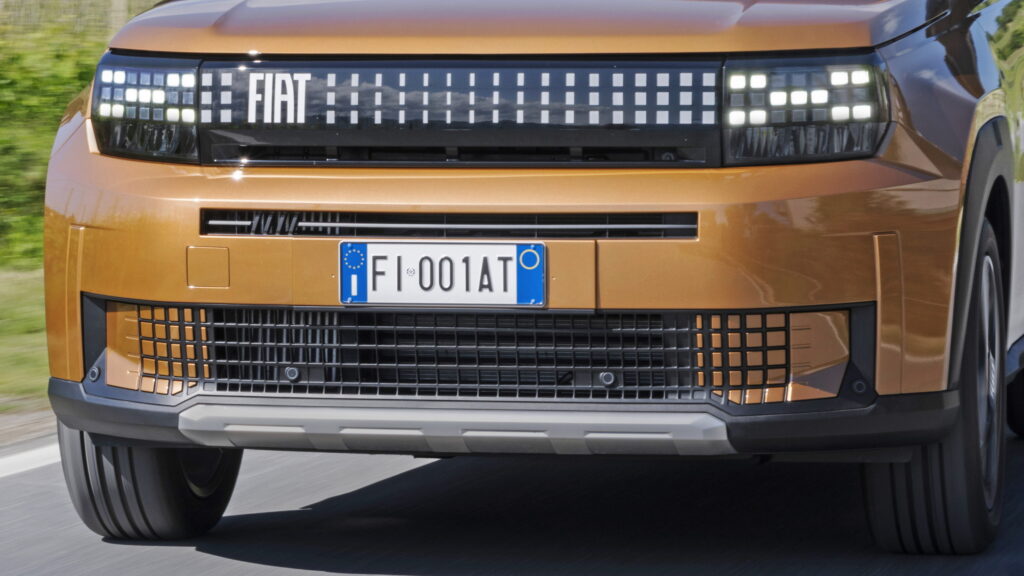
  • The Fiat CEO said he would be happy to limit the top speed of city cars to 73 mph (118 km/h).
  • Olivier Francois thinks that speed limiters could be a low-cost alternative to fitting more ADAS.
  • The Fiat 500, Pandina, and Grande Panda are mostly used at low speeds within the city.

Fiat’s urban dwellers, like the 500 and the Panda, are not known for their speed, but they could soon become even slower on purpose. According to Fiat CEO Olivier Francois, limiting top speed could be a way to satisfy EU safety regulations without having to fit their budget models with expensive ADAS.

Francois spoke to Autocar about his intentions: “I would happily limit my city cars, my smaller cars, to what is today the maximum legal speed limit. It’s already a limitation. There is something weird that I need to over-spec my cars to go above the legal speed limit.”

Review: New Fiat Grande Panda Hybrid Makes Budget Look Cool Again

The CEO said that the average legal maximum speed in Europe is 73 mph (118 km/h), adding that most of the safety equipment “has been developed for cars to go way above the speed limit.”

On the contrary, Fiat’s most popular models, including the 500, Panda, and Grande Panda, are mostly used at low speeds within urban environments. Francois doesn’t believe that capping their top speed at 73 mph (118 km/h) would have a serious impact, as none of the aforementioned city cars is particularly fast in the first place.
 Fiat’s Best-Sellers Might Soon Be Slower Than The Speed Limit
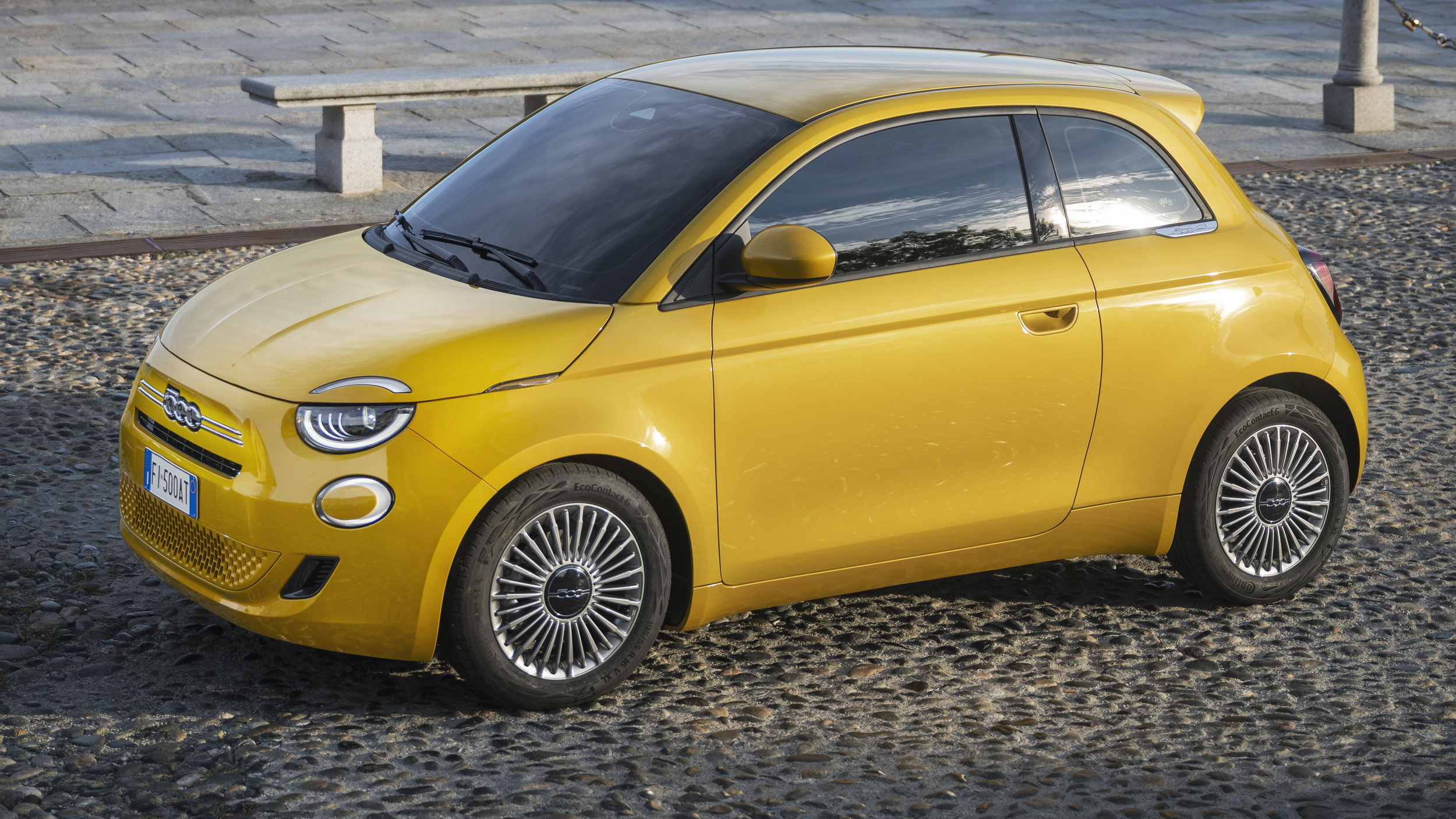
Fiat 500 Hybrid

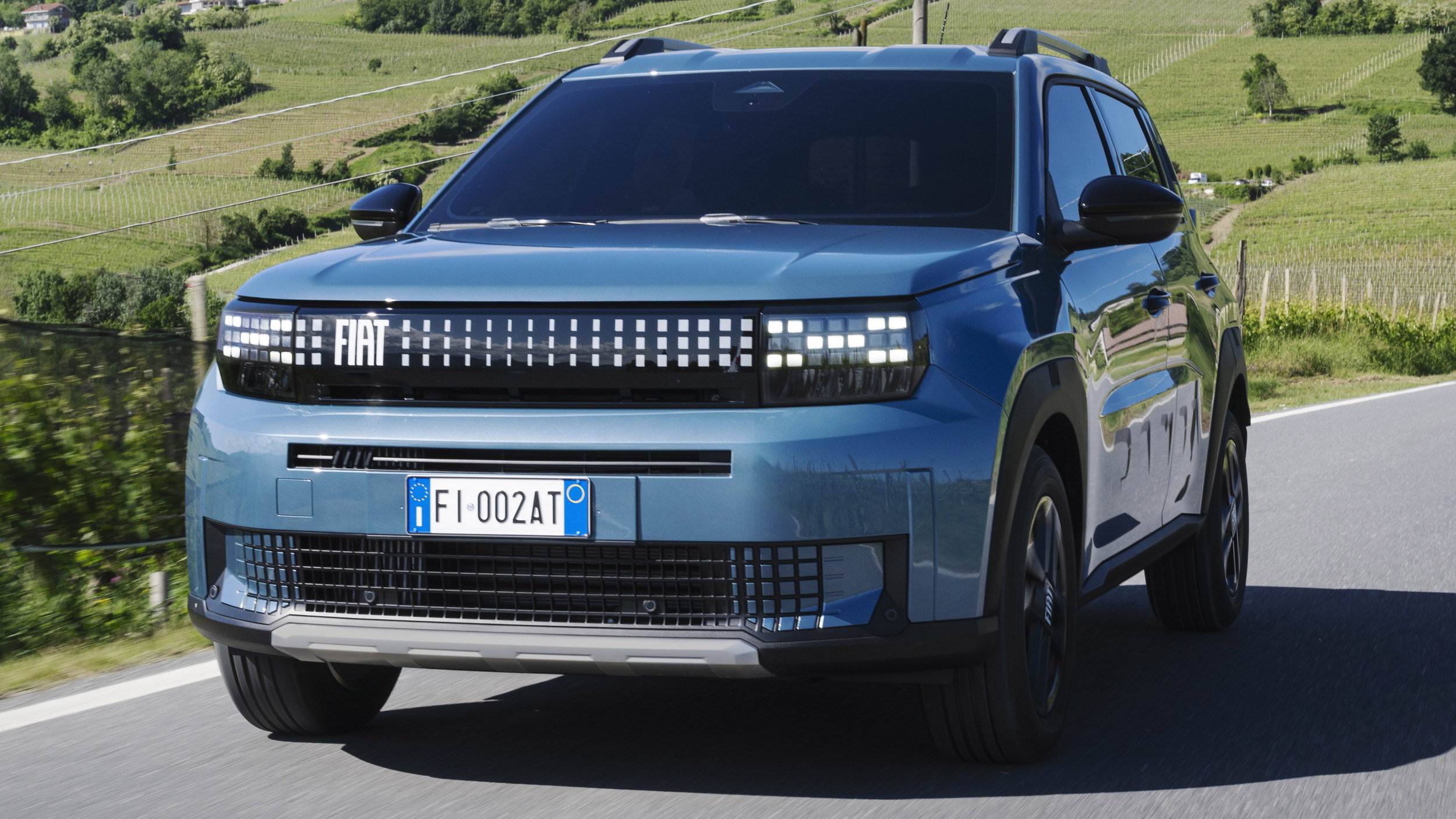
More specifically, the electric Grande Panda is already restricted to 82 mph (132 km/h) to preserve range, while the ICE and hybrid variants of the subcompact hatchback can go up to 99 mph (160 km/h).

The Fiat 500e has a limiter at 84 mph (135 km/h) or 93 mph (150 km/h), depending on battery size. As for the new 500 Hybrid, it can theoretically reach 93 mph (150 km/h), but judging from the acceleration figures, that would require lots of patience.

Slower Means Safer

Francois thinks that a new speed limiter could serve as a cheaper alternative to more sophisticated ADAS that would inevitably increase the price of the models with little or no benefit to the customer. He also welcomed the proposal for a new small car category in Europe that could be free of the strict safety rules applicable in higher segments.

More: EU Quietly Plans New Car Class That Could See Prices Drop To €15,000

“I have a hard time understanding why we need to install all this super-expensive hardware: sensors, cameras, road sign recognition… All this is a little bit inadequate, a bit crazy, and has contributed to raising the average price of a city car by 60% over the last five or six years. I don’t think that city cars in 2018 or 2019 were extremely dangerous. Our proposal was literally to say ‘let’s go a little bit backward from overloading cars with expensive hardware’.”

“We fundamentally think that with all these rules, the most unsustainable portion lies in the city cars and urban driving, because all these cars are small, democratic and inexpensive, bought by younger people and so on for the daily commute in a city. They are driven at way slower speeds. It’s not the same usage.”

If Fiat imposes new speed restrictions across its lineup, it won’t be the first automaker to do so. Volvo, Renault, and Dacia models already have a limited top speed of 112 mph (180 km/h), designed to reduce the likelihood of serious accidents.
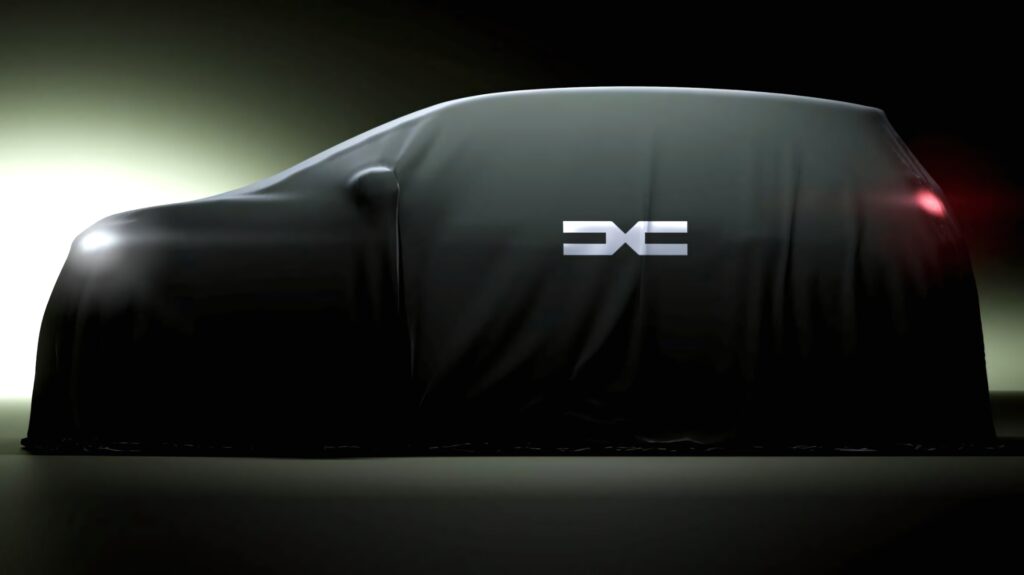
 Fiat’s Best-Sellers Might Soon Be Slower Than The Speed Limit
Fiat Grande Panda Hybrid

Dacia’s New Twingo-Based EV Could Undercut Its Own Cheapest Model In Some Markets

  • Dacia’s new budget EV will be based on the Renault Twingo.
  • European pricing is expected to start at around €18,000.
  • This entry-level EV will support Dacia’s CO2 fleet targets.

As affordable EVs from China continue to pour into Europe, the question for legacy automakers is no longer if they should respond, but how quickly they can. For Dacia, the solution is straightforward: beat them at their own game by offering budget-friendly electric cars under a European badge.

Also: Dacia Working On New Sub-€18k EV For Europe

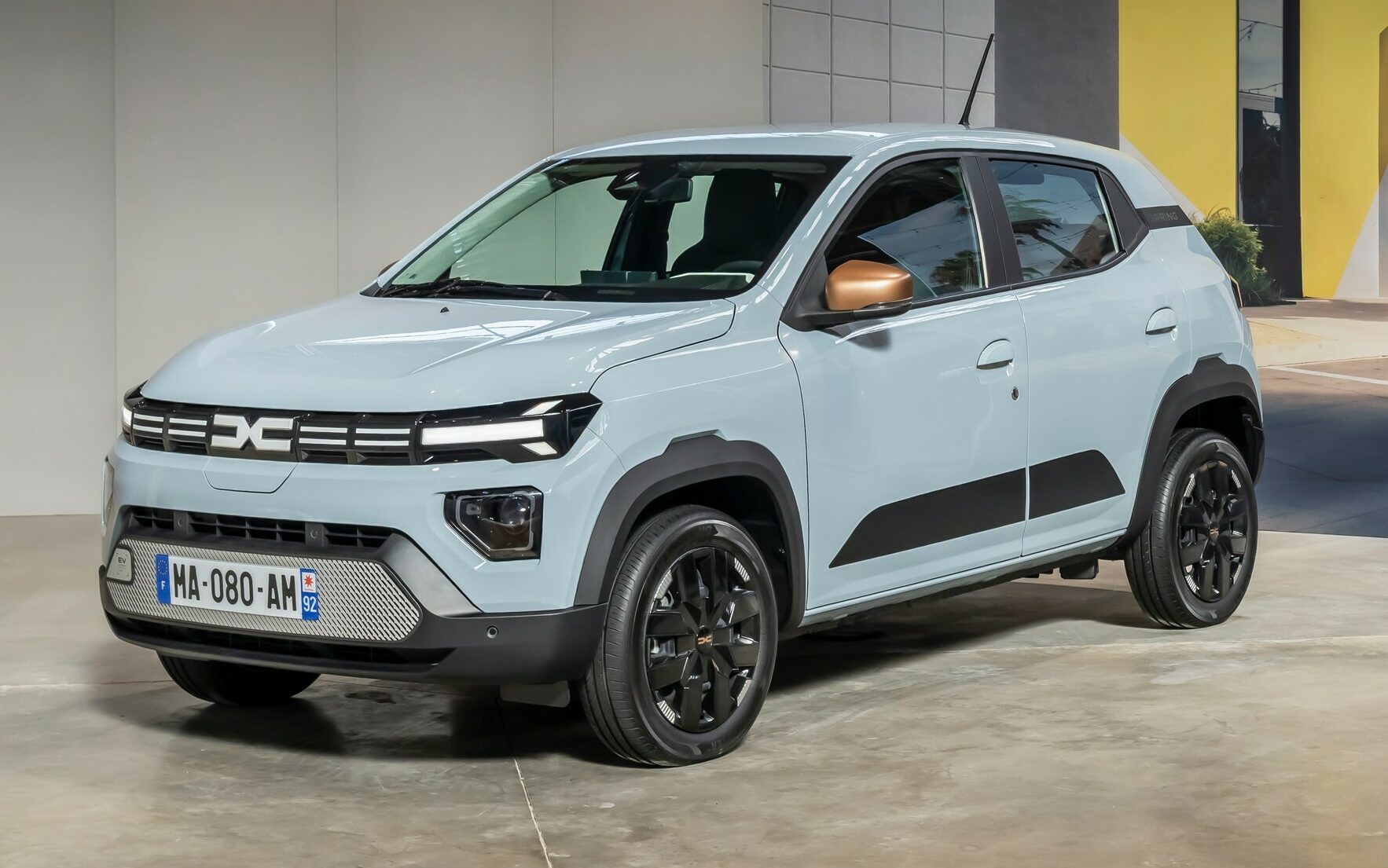
The Romanian brand, part of the Renault Group, already sells the Spring across the continent. Built in China, the Spring has carved out a niche as one of the cheapest EVs available in Europe, including Germany, where it can be had for just €11,900 ($13,900) after a massive €5,000 (around $5,900) discount that’s offered for a limited time.

But Dacia isn’t standing still. A second entry-level electric model is set to arrive in the second quarter of next year, priced around €18,000 (about $20,100).

The Twingo Connection

 Dacia’s New Twingo-Based EV Could Undercut Its Own Cheapest Model In Some Markets
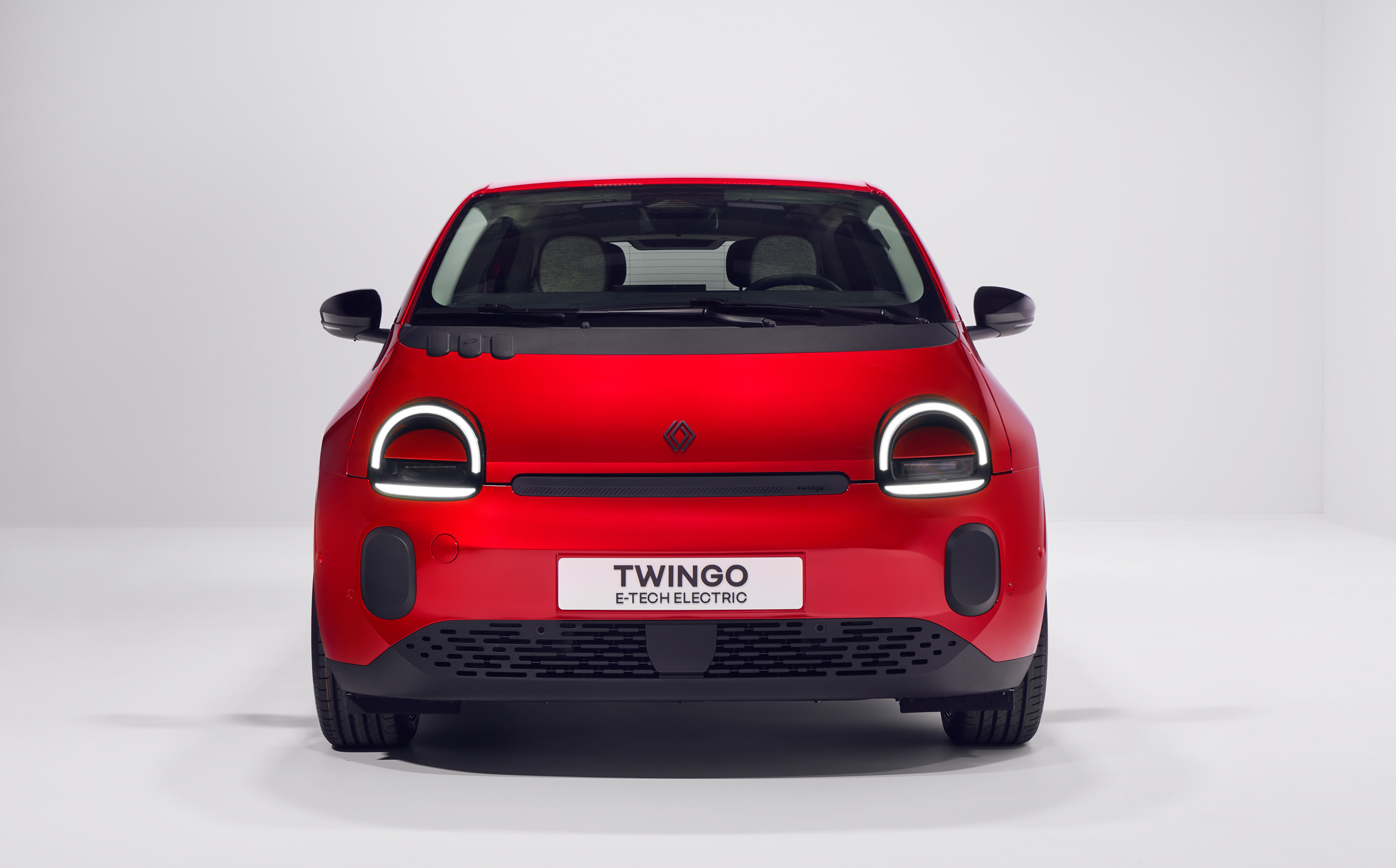
Renault Twingo

This upcoming model will be based on the new Renault Twingo. Unlike the China-manufactured Spring, the new EV will be assembled in Slovenia, sharing the same Novo Mesto plant as its combustion-powered sibling.

“Our aim is basically to maximize the offer of EV in the [minicar segment],” Dacia sales chief Frank Marotte confirmed to Auto News. “What we see is that the A-segment and probably in the future the B-segment are moving very fast toward BEV models.”

A Different Flavor of Affordable

To avoid cannibalizing sales of the Spring, Dacia says the new model will be “completely different,” not just in exterior styling but in color choices, interior design, and feature mix. The idea is to give each model its own identity, even if they serve similar purposes at the affordable end of the EV spectrum.

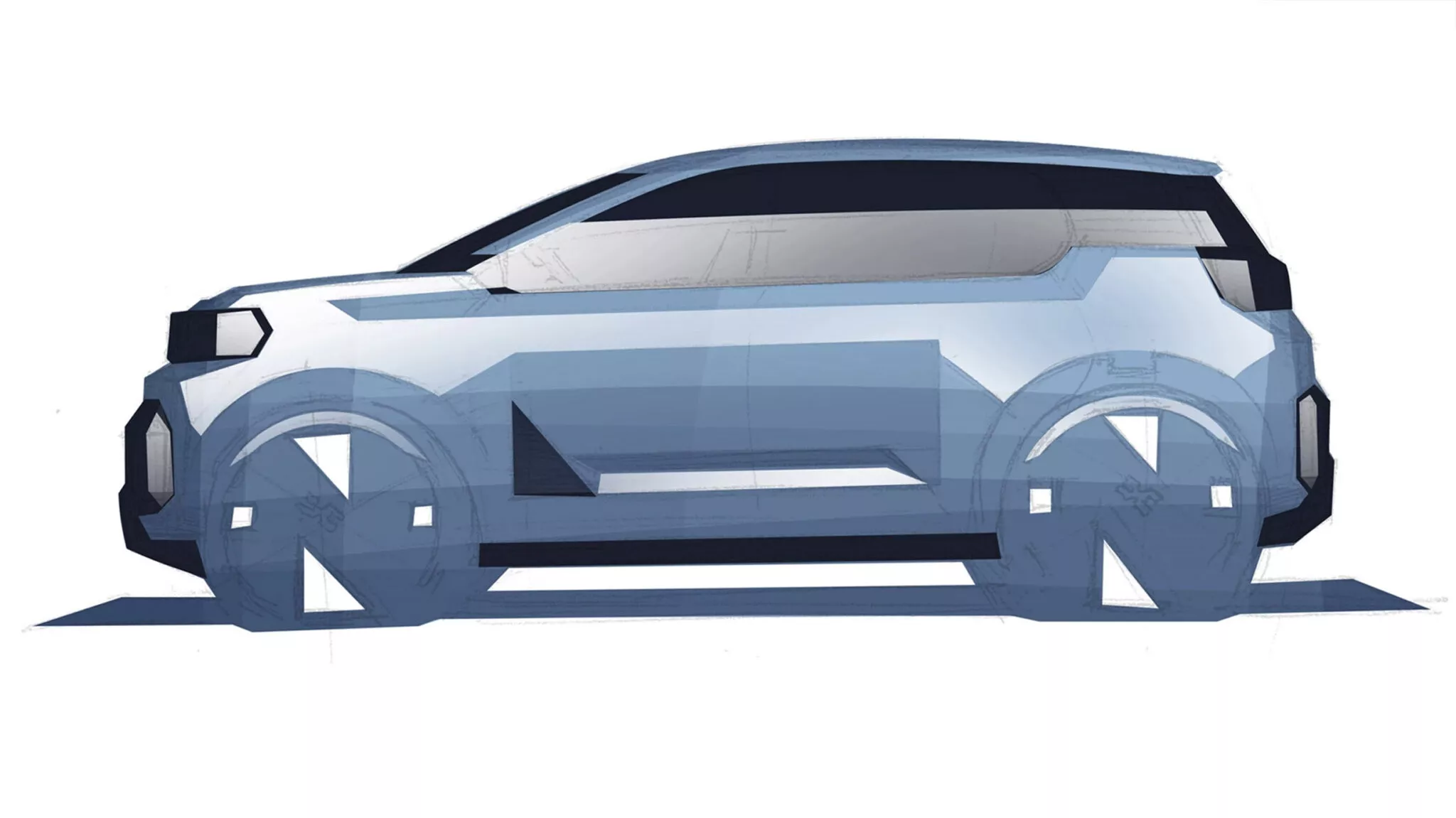
Dacia has already dropped a few hints about the design. A teaser sketch revealed a compact hatch with crossover cues and sharp lines, while a more restrained, camouflaged prototype appeared during a quarterly business update. Neither gives the full picture, but both suggest the new EV won’t be a softened copy of the Spring.

 Dacia’s New Twingo-Based EV Could Undercut Its Own Cheapest Model In Some Markets
Dacia Spring EV

Depending on where you live, the newcomer might actually be the cheaper option. In countries like France and the UK, government subsidies currently exclude Chinese-built models, potentially tipping the scales in favor of this Slovenia-produced car. Pricing could fall below that of the Spring once local incentives are applied.

Read: This EV Was Already Cheap, Then Dacia Knocked Off Nearly $6,000

There’s also a regulatory upside. The new EV will help Dacia lower its fleet-wide CO2 emissions average, an important piece of the puzzle as EU targets tighten. The brand missed emissions goals for both 2025 and 2024, but this new model is part of a push to stay within the rules by 2027.

The car will ride on a shortened version of Renault’s AmpR Small platform, the same one underpinning the new Twingo. Power will come from a single electric motor delivering 81 horsepower and 129 lb-ft (175 Nm) of torque, paired with a 27.5 kWh lithium-iron phosphate battery pack. At this stage, only one variant has been confirmed, and the Dacia-branded model is expected to use the same setup

 Dacia’s New Twingo-Based EV Could Undercut Its Own Cheapest Model In Some Markets
An official sketch of Dacia’s upcoming affordable EV

Student Transportation Veterans Discuss 2026 Hot Industry Trends

The first School Transportation News webinar of 2026 started strong by sharing perspectives of two industry veterans on four hot trends in student transportation.

Unifying the Tech Ecosystem

Keba Baldwin, director of transportation and central garage for Prince George’s County Public Schools (PGCPS) in Maryland and the STN Transportation Director of the Year, said that having a unified tech stack has helped him be proactive on safety rather than reactive. Building staff capacity to accept and use the technology has been a challenge, but once team members are on board, they also see the benefits, he added.

“Having disparate platforms can cause tension,” agreed Alfred Karam, who returned as interim director of transportation for Shenendehowa Central School District (CSD) in New York after retiring in July 2024.

Baldwin and Karam shared how data results in more accurate reports and improved driver performance.

“All these tools help us be more efficient and save time,” Karam noted.

When implementing multiple technology systems, he advised doing so slowly and ensuring each aspect is accompanied by thorough training.

Meanwhile, PGCPS’s bus tech stack was recently rolled out slowly across each of the 12 bus depots, Baldwin said. He is focused on making sure everything works as it should. Importantly, each department from transportation to classrooms to administration was involved in the process, in order to support it.

Overcoming the Labor Crisis

When lacking a centralized hiring department, as is the case for Shenendehowa CSD, Karam said he actively requested district help on getting the word out through emails and hosting “test drive a bus” events, so the spotlight is constantly on recruitment.

PGCPS does have a hiring department, which Baldwin said he works closely with. He also offers both paid training and bonuses.

Onboard school bus tablets make the job easier for new drivers but are not as readily accepted by older drivers that make up most of his workforce, Baldwin noted.

The average age of drivers at PGCPS is 50, and at Shenendehowa CSD it is 56. Technology acceptance and comfort level are important considerations, commented Craig Berndt, business segment manager of people transportation for webinar sponsor Geotab.

Karam stressed the importance of framing bus technology to supporting and improving driver skills rather than simply blaming drivers.

In response to an attendee question on how many drivers quit during their probationary period, both directors said that keeping a recruit throughout the training process likely ensures they will stay with the district for some time.


Related: School District Directors Share Strategies for Transporting Students with Disabilities
Related: (STN Podcast E280) Nuts and Bolts: Transportation Director of the Year Talks Data-Focused Oregon Ops
Related: (STN Podcast E283) Onsite at TSD 2025 (Part 2/2): Solution-Driven Partners + TD of the Year Interview
Related: Magician Teaches Transportation Directors About Connection at STN EXPO West
Related: Pasco County Schools Rolls Out New Cash Incentives to Tackle School Bus Driver Shortage


Balancing ZEV Mandates and Budget

PGCPS had 20 electric buses and several mobile propane-powered chargers when Baldwin joined the district. The district has since canceled the planned on-site infrastructure due to cost concerns. Baldwin therefore advised ensuring local utilities can handle the electricity demand as well as training all staff in case of potential emergencies. He said the World Resources Institute’s Electric Bus Initiative has helpfully provided templates and information on funding.

“We do have areas where EVs can be beneficial and other areas where they won’t be beneficial,” he noted.

The 2035 electrification mandate is still in effect in New York, which meant Karam had to quickly familiarize himself with the related jargon, organizations and procedures. He shared often-overlooked aspects of the conversation such as changing bus purchasing processes. Buying the bus is the last piece of the puzzle, after planning and infrastructure is in place.

He additionally underscored that chargers must be maintained as much as the buses themselves. Also, securing additional charging capacity requires heavy construction and miles of wires brought in – it is not as easy as calling a supplier to bring over extra gallons of diesel fuel, he quipped.

Karam shared that Shenendehowa runs only four out of six electric buses due to utility electricity caps.

Harnessing the Power of AI

AI is more than just a conversation with ChatGPT, Berndt declared. He said Geotab is focused on utilizing it to save human time by gathering data and making predictions on the likelihood of collisions or bus failures, which a human can then make decisions on.

“Everything we do has an AI component,” Baldwin declared. “What we have to do is embrace it and break it down into areas where we can apply it.”

He added that AI helps develop driver scorecards visible to him and his drivers, who then know specifically what to improve on.

“AI is in our hands already,” Karam agreed. “Safety is going to shift from being incident-driven and reactive to being pattern-driven and predictive.”

He shared that he used AI to crunch numbers rather than spending hours working manually with data from routing software. He related how AI-driven tools discovered that some drivers falling asleep at the wheel had sleep apnea.

Rather than stealing jobs and replacing humans, Karam said he sees AI “as a game changer and force multiplier as it matures and is adopted within the transportation system.”

Berndt gave listeners tips to make sure the AI model they are training is secure, so sensitive information stays safe.

Watch the webinar on demand.

The post Student Transportation Veterans Discuss 2026 Hot Industry Trends appeared first on School Transportation News.

(STN Podcast E289) 2026 Kicks Off: Winter Weather, the World Stage & Rock ‘n Roll Leadership

Back-from-break headlines cover winter weather conditions, rockstars and leadership at STN EXPO East, updates from the U.S. Environmental Protection Agency, and what impact recent developments in Venezuela could have on the school bus industry.

Keynote speaker and best-selling author Jim Knight, who rubbed shoulders with musicians and celebrities during his tenure with Hard Rock International, discusses building a student transportation brand and improving workplace culture. He will present a keynote and Transportation Director training at STN EXPO East in Charlotte, North Carolina this March.

Read all our latest news.

This episode is brought to you by Transfinder.


Stream, subscribe and download the School Transportation Nation podcast on Apple Podcasts, Deezer, Google Podcasts, iHeartRadioSpotify, Stitcher and YouTube.

The post (STN Podcast E289) 2026 Kicks Off: Winter Weather, the World Stage & Rock ‘n Roll Leadership appeared first on School Transportation News.

Unlocking Brazil’s Untapped Biomass Potential

By: newenergy

Driving R&D Excellence in Refining Low Carbon Products: Unlocking Brazil’s Untapped Biomass Potential The global refining and petrochemicals landscape is undergoing a fundamental transformation. What was once a linear, fossil-centric value chain is rapidly shifting toward a diversified ecosystem built on low carbon products. This shift is no longer driven solely by compliance pressures—it is …

The post Unlocking Brazil’s Untapped Biomass Potential appeared first on Alternative Energy HQ.

The US Is Seeing Slower Coal Plant Retirements, But Don’t Mistake It for a Return to Coal

By: newenergy

By: Britt Burt, Senior VP of Research for the Power industry A new round of headlines has revived an old storyline about the United States “bringing coal back.” As an expert of nearly four decades, I can confidently say that this interpretation misses what is actually happening on the grid. Coal is not gaining ground …

The post The US Is Seeing Slower Coal Plant Retirements, But Don’t Mistake It for a Return to Coal appeared first on Alternative Energy HQ.

BMW’s Electric M3 Sounds Familiar And Hyundai Might Be Why

  • BMW M confirms the first quad-motor EV will debut in 2027.
  • The electric M3 will use a 100 kWh cylindrical cell battery pack.
  • Simulated gears and sound aim to give emotional engagement.

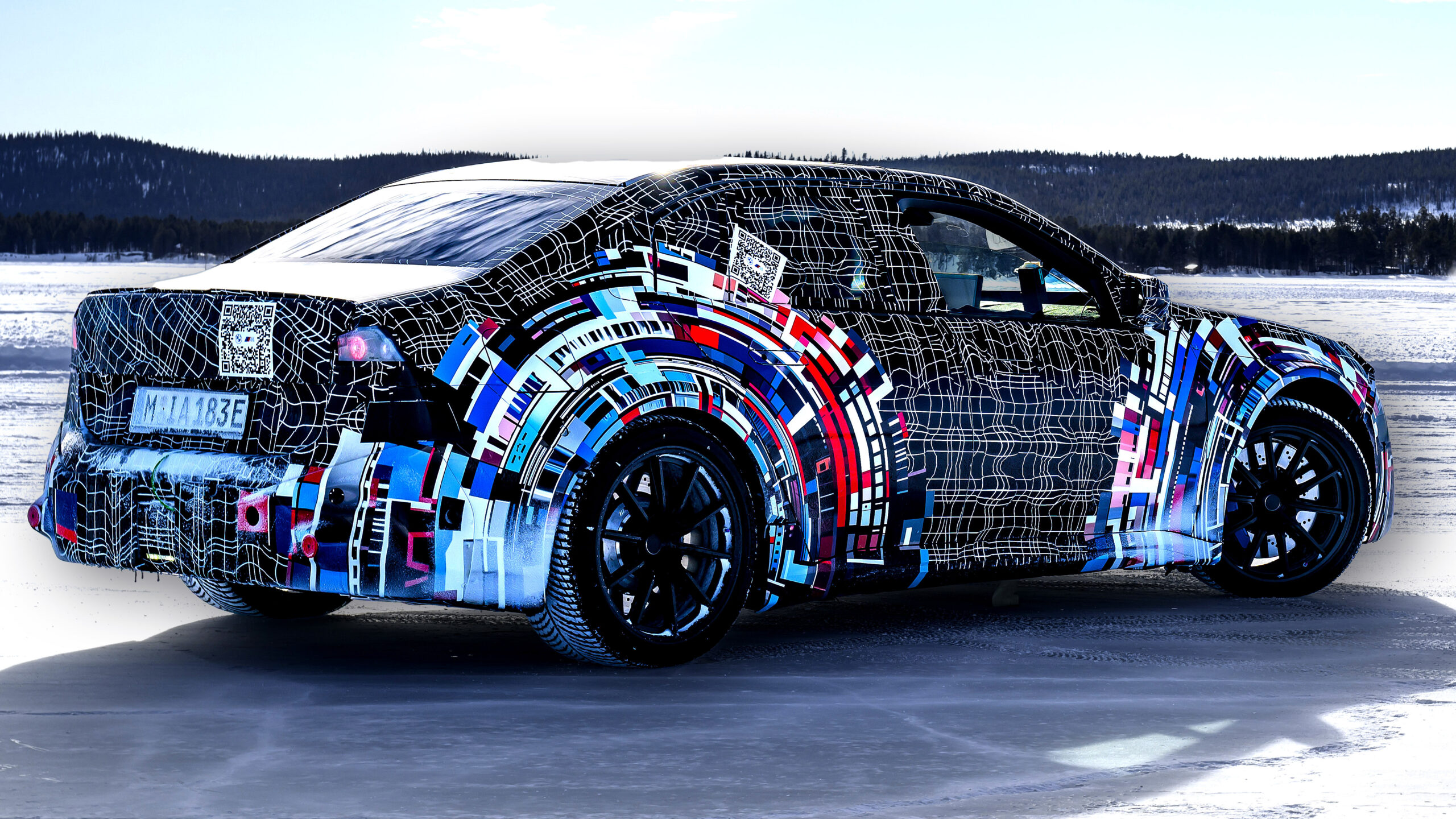
The era of all-electric performance cars from BMW M is nearly upon us. For years, the brand has been feverishly developing its next generation of cars and has confirmed that the first of these new models, the electric M3, will debut in 2027.

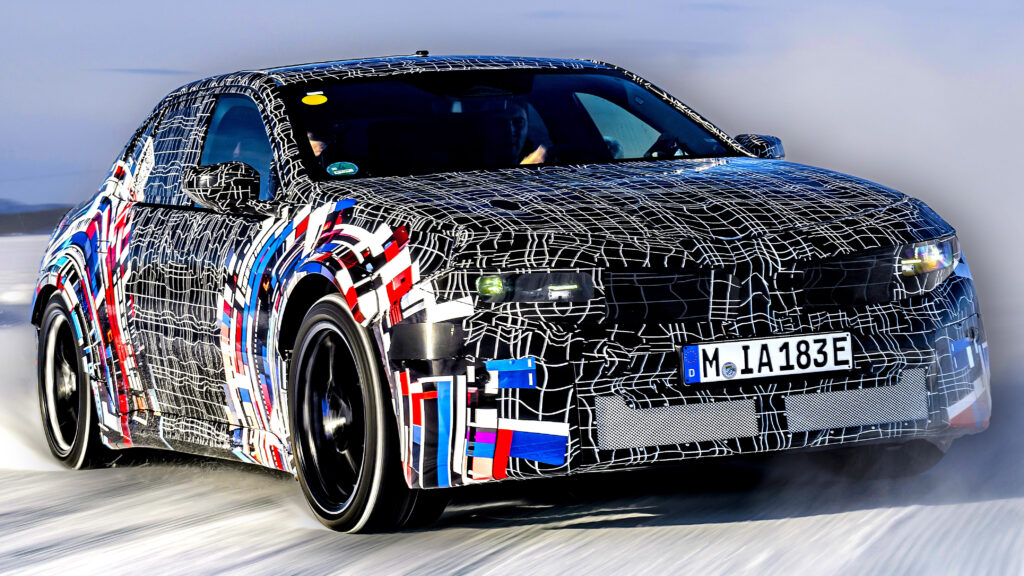
BMW isn’t officially calling the prototype shown here the Electric M3, or even the i3 M, though both names might seem like logical picks. If we had to guess, the latter feels like the more likely direction.

What Powers the Neue Klasse M?

At the center of all future electric models from BMW M, starting with the M3, will be an innovative powertrain based on the sixth-generation technologies found across the standard Neue Klasse family. At the front axle, there will be two motors, while at the rear, there will be a further two motors, each of which drives a single rear wheel.

Read: BMW’s Electric M3 Might Be Silent, But It’s Built To Make You Scream

BMW isn’t yet ready to reveal how much power its quad-motor system will produce, but don’t be surprised if future EV Neue Klasse models have four-digit horsepower ratings.

 BMW’s Electric M3 Sounds Familiar And Hyundai Might Be Why

The motors are arranged in parallel, delivering power to one gearbox per wheel. Each of the two drive units also incorporates an inverter. The motors also allow for the precise control of power and torque at each wheel, creating what BMW says is a driving experience “that has never been achieved before.”

Supplying the motors will be a 100 kWh battery pack using BMW’s latest cylindrical cells. Driving ranges will obviously vary depending on the model, but the brand notes the pack has been designed to withstand the rigors of racetrack use. To offset some of the hefty weight of the electric powertrain, these electric M models will include lightweight natural fiber components.

Rear-Drive When You Want It

In news that will no doubt please hardcore driving enthusiasts, M says the front axle can be fully decoupled, turning its models into rear-wheel-drive beasts. Switching into RWD will also improve efficiency and boost driving range, so you can save the planet and spin up the wheels at the same time.

\\\\\\\

Channeling Hyundai’s Playbook

This isn’t where the driver-focused features will end. Much like the Hyundai Ioniq 5 N, electric M Neue Klasse models, like the M3 EV, will include simulated gear shifts and a special soundscape, aiming to add some emotion into the EVs, which are often void of excitement.

The ’Heart of Joy’ high-performance control unit will control all driving-related processes, like control of the wheels and the steering, operating alongside four high-performance computers. To put it simply, M’s Neue Klasse models will be tech fests aiming to put the driver at the center of the experience.

\\\\\\\

What Jeep’s UK Boss Said About The Defender Might Hint At Wrangler’s Future

  • Jeep dropped the Wrangler in Europe over new regulations.
  • Jeep’s UK chief says a new version could arrive down the line.
  • He hopes the SUV can follow the path of Land Rover’s Defender.

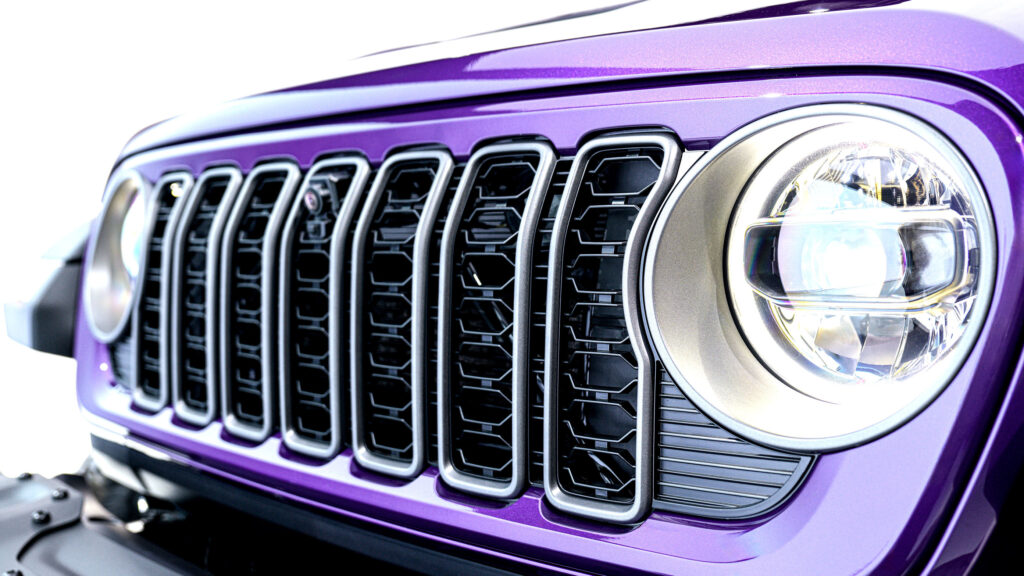
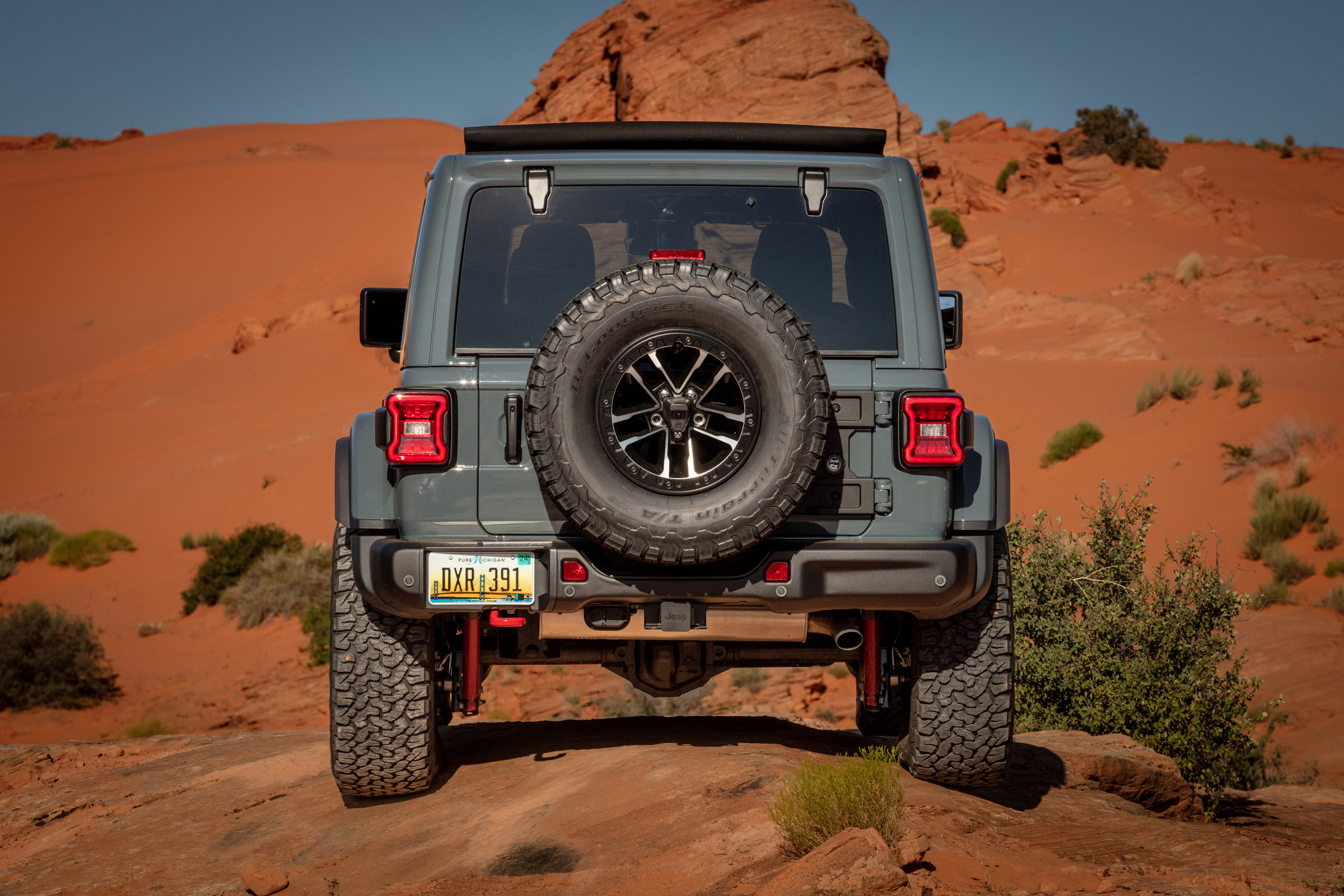
European buyers might soon get another shot at the Jeep Wrangler, after the model was recently discontinued across the continent. You’ll still find it at dealerships through the first half of 2026, but only what’s left in stock. After that, buyers will have to wait for Jeep to introduce the next-generation model.

More: Stellantis Quietly Kills Its Plug-In Hybrids In America

Jeep recently stopped taking new orders the current Wrangler in Europe, including the UK, because it no longer complies with updated GSR2 safety regulations. These require modern driver-assistance and monitoring systems, which the Wrangler lacks, along with updated cybersecurity protections.

On top of that, emissions played a role in its departure. The turbocharged 2.0-liter GME-T4 inline-four used in European models emits up to 269 grams of CO₂ per kilometer, putting it in the same category as some high-performance V8 SUVs. The fact that Jeep discontinued all hybrid variants in the US, probably didn’t help either.

It may be gone for now, but it won’t be gone forever.

Next Chapter in Sight

 What Jeep’s UK Boss Said About The Defender Might Hint At Wrangler’s Future
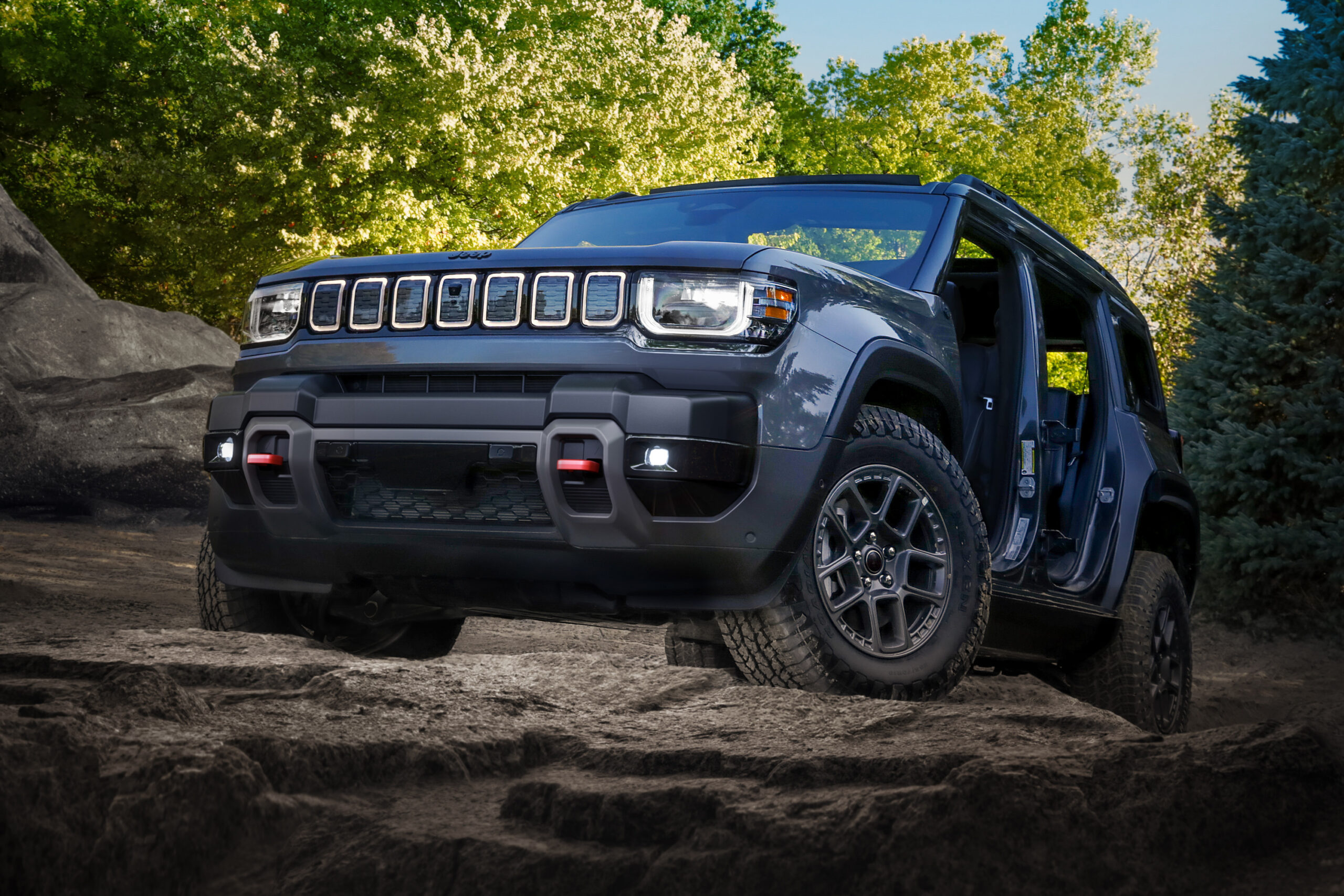
For now, the Wrangler will be replaced by the Recon in Europe

According to Jeep UK managing director Kris Cholmondeley, the current model has been “a victim of regulation” and he is confident there will be “another incarnation down the line.”

“I’ve had chats with the head of Europe and the head of the global team,” Cholmondeley told Auto Express. “I think we’re all aligned that we’d like to see it back – that’s what I would say. What and when? I don’t know. I honestly don’t know if it could come back as plug-in hybrid or full-electric. I just know the brand; it’s got such heritage, it seems silly to lose that.”

 What Jeep’s UK Boss Said About The Defender Might Hint At Wrangler’s Future

Lessons from the Defender

Although limited details are known about the next-generation Wrangler, it will almost certainly lean heavily on electrification with plug-in hybrid versions, and perhaps even an EV. Cholmondeley is hopeful that Jeep can replicate what Land Rover has done with the new Defender, making a future generation of the Wrangler more refined, while still retaining the off-roading abilities that have made it so iconic.

“Look at [the Land Rover] Defender,” he said. “If you can take something like a Wrangler and have a little bit of refinement, but still keep its personality, you see the hundreds [of sales] going to thousands, don’t you?”

Read: Jeep’s New Special Edition Looks Like It Borrowed A Bronco’s Sunday Best

While the Wrangler is one of Jeep’s most iconic models, the British director said the brand can retain an important presence in Europe, even without it in its range.

“Wrangler has been an enduring icon, but it has always been niche. That’s lovely for the heart – [but] in terms of the ongoing viability, a good brand can die by being too niche and not having a broader commercial appeal,” he told Autocar.

“Our job is to protect the core and the spirit and broaden the appeal. So I love Wrangler and everything it stands for, but I also love Avenger and Compass. They’ve got all that Jeep DNA running through them, but they’ve got much broader appeal.”

\\\\\\\

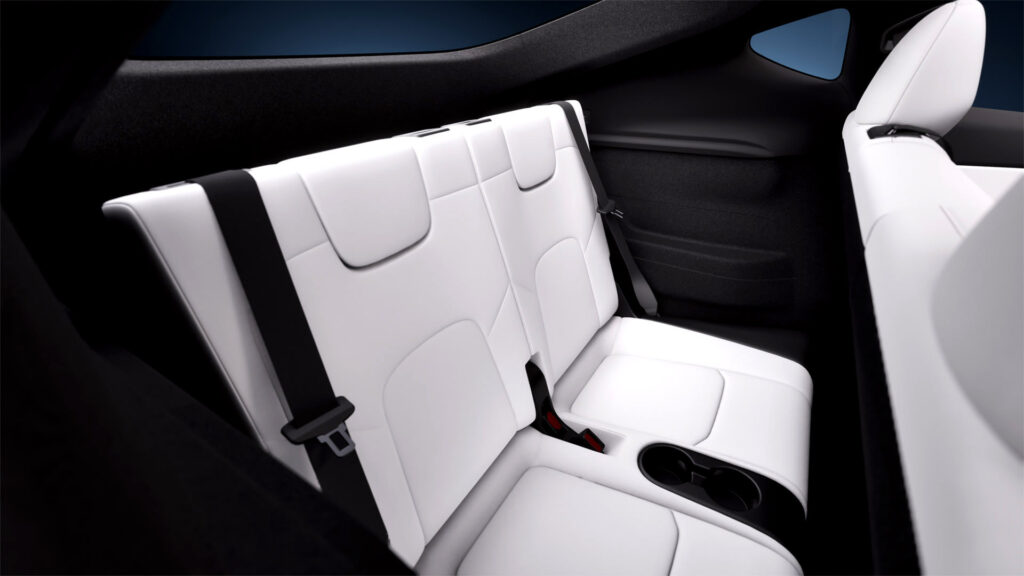
Model Y’s New Third-Row Looks Perfect For Kids You Secretly Don’t Like

  • Tesla has introduced a new seven-seat version of the Model Y.
  • Seats cost $2,500 and are limited to the Model Y Premium AWD.
  • There are also other changes including a larger 16-inch display.

Tesla has introduced a new seven-seat version of the facelifted Model Y Premium. It’s available exclusively on the all-wheel drive Premium variant and costs an additional $2,500.

While the company hasn’t provided specifics on the fold-flat third row, it appears nearly identical to the setup found in the pre-facelift Model Y, meaning it can accommodate two small children at best. Unfortunately, they won’t find much back there besides two cup holders and some armrests integrated into the cargo area.

More: Tesla’s Model Y L Gets Bigger And Pricier With New Six-Seat Layout

Pricing starts at $51,490 and the vehicle has an EPA-estimated range of 327 miles (526 km). The crossover can also accelerate from 0-60 mph (0-96 km/h) in 4.6 seconds, before hitting a top speed of 125 mph (201 km/h).

\\\

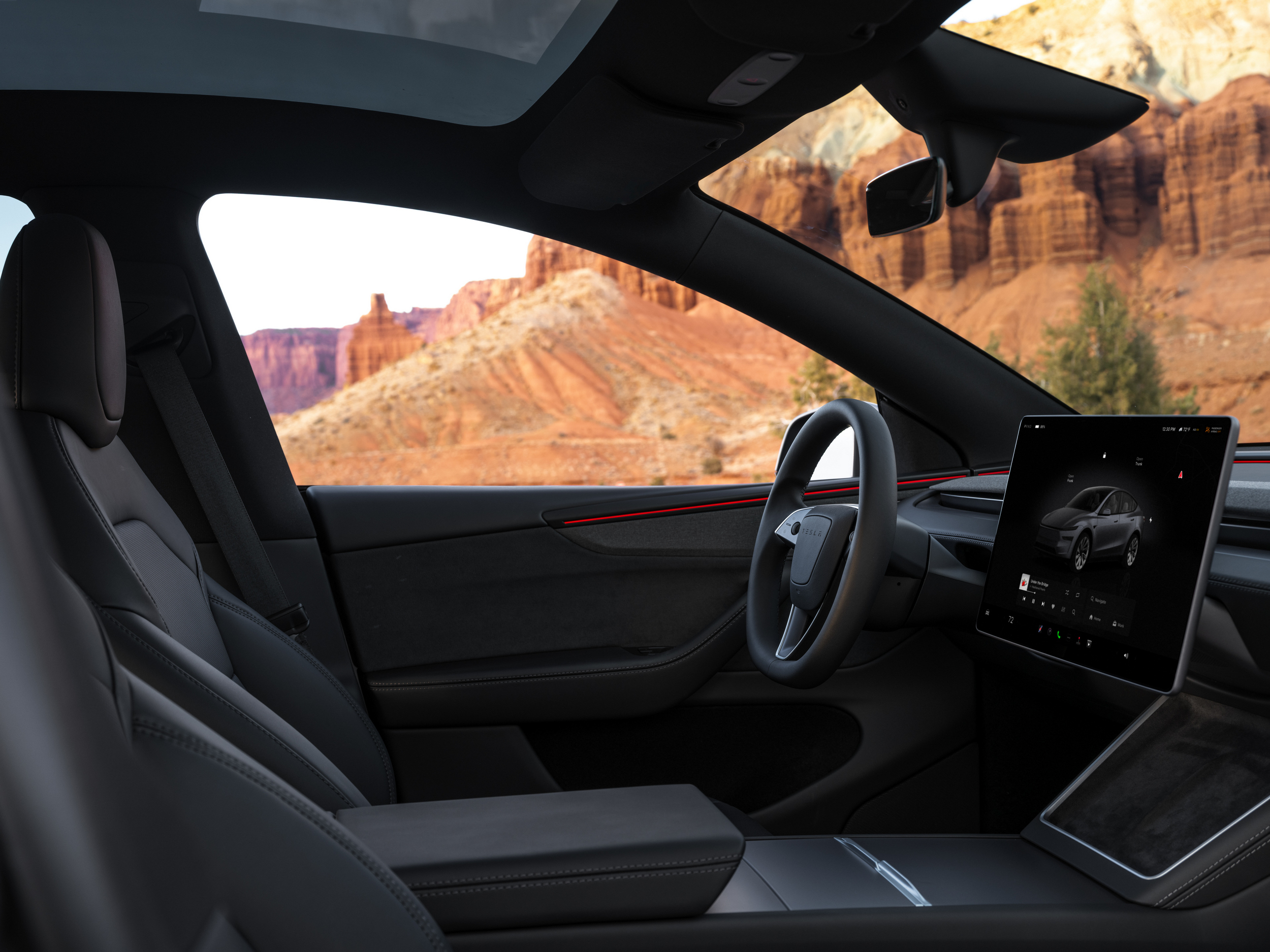
In other news, Tesla revealed all Premium and Performance variants will now come equipped with a black headliner and a larger 16-inch infotainment system. That’s up slightly from the previous 15.4-inch display.

Tesla didn’t mention additional changes, but reports suggest the model also gains matte black badging and a new 20-inch wheel design. The latter are known as the Helix 2.0 and they cost $2,000. Unfortunately, the titanium colored wheels lower the range of the aforementioned all-wheel drive Model Y Premium to 303 miles (488 km).

 Model Y’s New Third-Row Looks Perfect For Kids You Secretly Don’t Like

Trump Killed The Federal EV Credit, So California Wrote Its Own

  • Newsom proposes $200M to replace canceled federal EV tax credits.
  • Plan targets point-of-sale rebates for new zero-emission vehicles.
  • Rebate follows pressure from automakers and environmental groups.

California California is moving to jumpstart electric vehicle momentum in the wake of the now-vanished $7,500 federal tax credit, and it’s bringing serious money to the table. To keep buyers engaged and support EV adoption, the state plans to introduce a new point-of-sale incentive designed to lower the upfront cost of electric vehicles right at the dealership.

The centerpiece of Governor Gavin Newsom’s newly unveiled $348.9 billion state budget proposal includes a one-time $200 million allocation for a point-of-sale rebate program targeting light-duty zero-emissions vehicles. Specifics are still under development, including how many rebates will be offered and which vehicles will qualify.

Next Phase of the EV Push

“Despite federal interference, the governor maintains his commitment to protecting public health and achieving California’s world-leading climate agenda,” California Air Resources Board spokesperson Lindsay Buckley said. “This incentive program will help continue the state’s ZEV momentum, especially with the federal administration eliminating the federal EV tax credit and carpool lane access.”

Read: California Won’t Replace $7,500 EV Tax Credit as Newsom Accuses GM of Selling Out

Car buyers in California rushed to snag new EVs in the third quarter of last year before the tax credit expired. Indeed, a record number of 124,700 zero-emission vehicles and plug-in hybrids were purchased across the state between July and September, the highest number on record. Predictably, sales tapered off in the fourth quarter once the credit was gone.

 Trump Killed The Federal EV Credit, So California Wrote Its Own

It’s not just consumers who will be pleased to hear California has incentives up its sleeve. Back in September, a group of automakers including Honda, Hyundai, VW, Audi, and Rivian sent a letter to Governor Newsom, urging the state to create a $5,000 EV rebate to offset the loss of the federal incentive previously scrapped under the Trump administration.

An incentive program won’t just benefit the hip pockets of locals. As reported by the LA Times, transportation is the largest source of climate and air pollution in California, so the more zero-emissions vehicles that can be sold there, the cleaner the air will become.

Also: California Flips On Immigrant Truckers, And Now Washington Wants Payback

Governor Newsom added that the state “refuse[s] to be bystanders” as China and other countries lead the industry’s shift to EVs.

“We must continue our prudent fiscal management, funding our reserves, and continuing the investments Californians rely on, from education to public safety, all while preparing for Trump’s volatility outside our control,” he said. “This is what responsible governance looks like.”

\\\\

Americans Just Blew $15 Billion On Pickups In A Single Month

  • Truck buying pushed U.S. average transaction prices to a new high.
  • December 2025 ATP hit $50,326, up 0.8% yearly and 1.1% monthly.
  • Over 233,000 full-size trucks sold at a $66K average, Cox says.

New vehicle prices traditionally peak in December, but last month they really boomed, the average transaction price (ATP) in America reaching an all-time high after breaking the $50,000 barrier for the first time in September of 2025. And it was trucks, appropriately enough, that did the heavy lifting.

Kelley Blue Book says the average transaction price for a new vehicle climbed to $50,326 in the final month of 2025, up 0.8 percent year on year and up 1.1 percent from November. Americans’ desire to put a pickup on their driveway helped fuel that growth, with drivers splurging a staggering $15 billion on full-size trucks in December alone.

Related: Woohoo! We Found A New Honda Prelude With A Discount

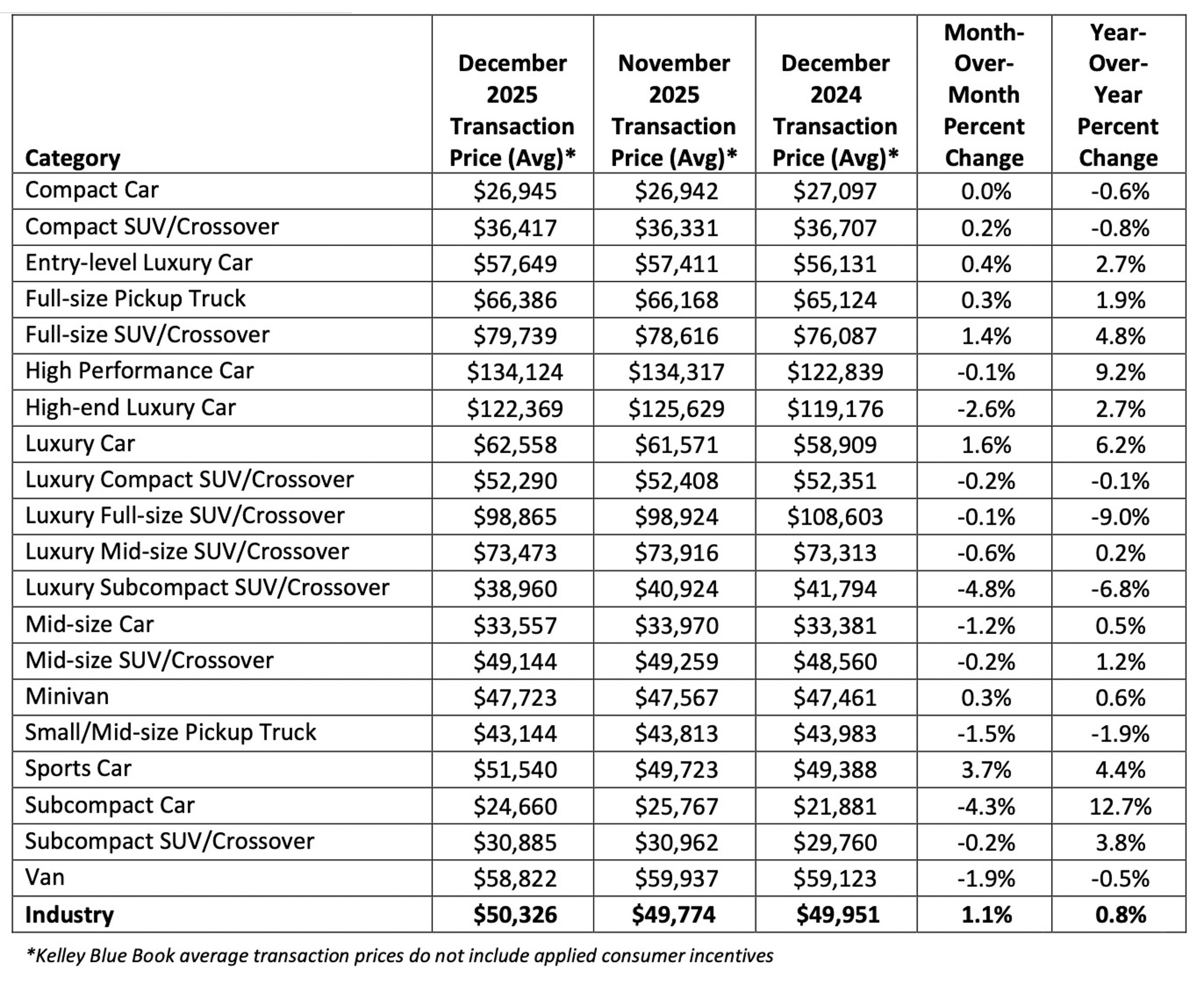
Jumbo pickups including the Ford F-150 and Chevy Silverado had an averaged price of $66,386 in December, according to Cox Automotive’s data, that average a modest 1.9 percent higher than the previous December. But over 233,000 of them were sold, turning the segment into a kind of economic leaf blower that pushed the entire industry’s average higher.

Choosing luxury

That truck performance confirms that average prices aren’t simply rising because everything naturally gets more expensive, even when inflation is low. They’re rising because buyers are choosing more expensive stuff. Nearly 20 percent of shoppers went for luxury rides in December, according to Cox and that doesn’t even include high-end trucks, which increasingly behave like luxury vehicles with bed liners.

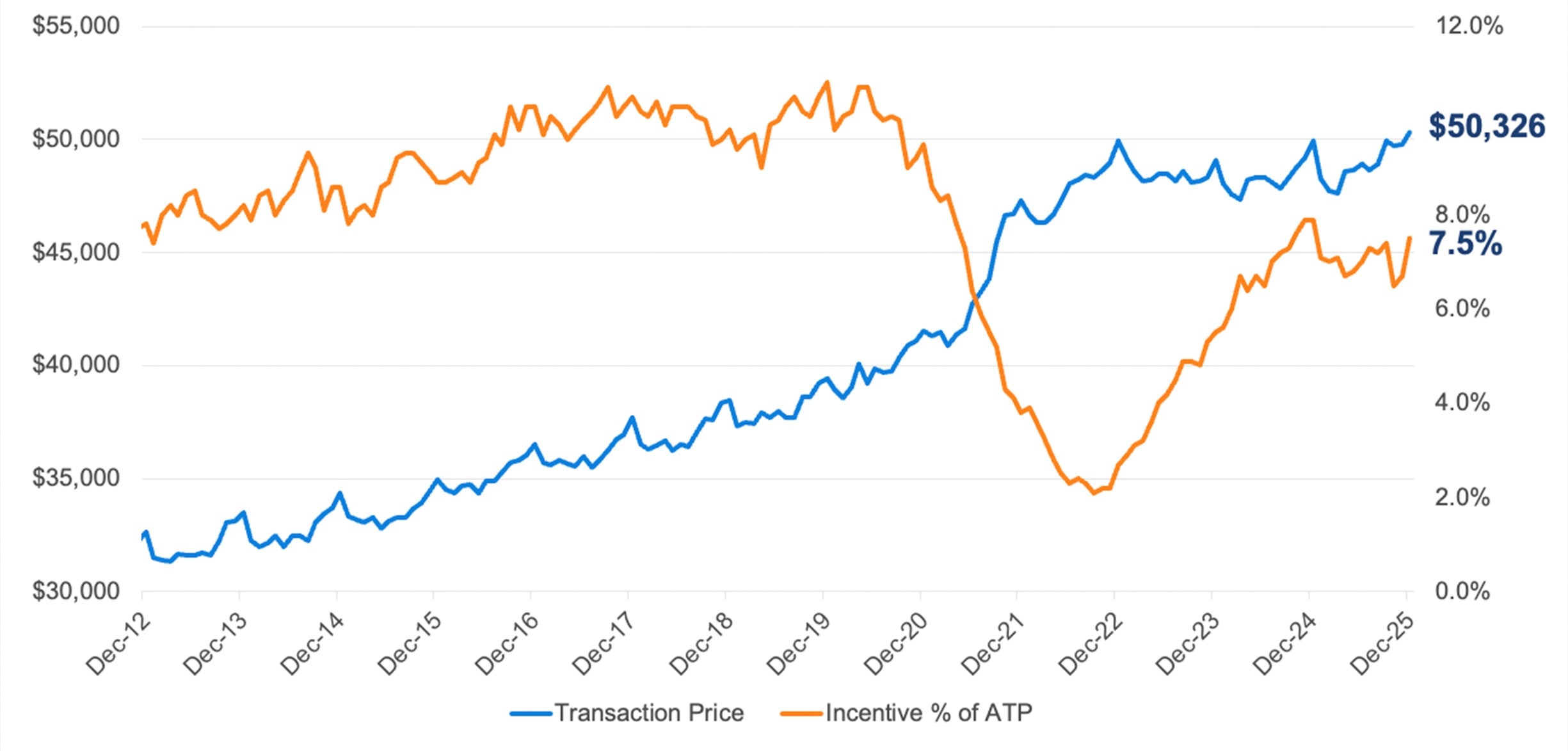
Transaction Price Versus Incentives
 Americans Just Blew $15 Billion On Pickups In A Single Month
Cox Automotive

December’s $50,326 ATP, by the way, reflects what buyers are actually paying at the dealership. It wasn’t the only number to hit a new high. The average new-vehicle manufacturer’s suggested retail price (MSRP), often referred to as the “asking price,” also set a record last month, reaching $52,627. That figure is 1.2 percent higher than it was in December 2024. Notably, the average MSRP has stayed above $50,000 for eight straight months.

The industry average incentive rose to 7.5 percent of transaction price, higher than November but lower than last year and far lower than pre-covid levels. That means the sticker shock is real regardless of the difference between ATP and MSRP.

“We typically see elevated prices in December, as the market delivers a strong mix of high-end and luxury vehicle sales,” said Cox Automotive Executive Analyst Erin Keating. “It’s important to remember, the Kelley Blue Book ATP is a reflection of what was sold in a given month, not what is available. Last month, nearly 20% of shoppers bought luxury, a peak for 2025 – and that doesn’t include the volume of high-end pickups that were snapped up by affluent shoppers.”

Big EV Incentives

 Americans Just Blew $15 Billion On Pickups In A Single Month

On the electric front it was a mixed bag, which is hardly surprising given how much uncertainty tariffs and the loss of tax credits has injected into a segment whose growth has slowed. Average EV transaction prices dipped slightly from November but stayed higher than a year ago at just over $58,000 on average.

But much more generous incentives – a record 18 percent, more than twice that for combustion cars – must have played a big role in pushing monthly electric sales above 84,000 units in December. That last figure is the best since credits were axed in September, but 2025’s total EV sales of around 1.28 million is down 2 percent on 2024, Cox analysts say.

Average Transaction Price by segment
 Americans Just Blew $15 Billion On Pickups In A Single Month
Cox Automotive
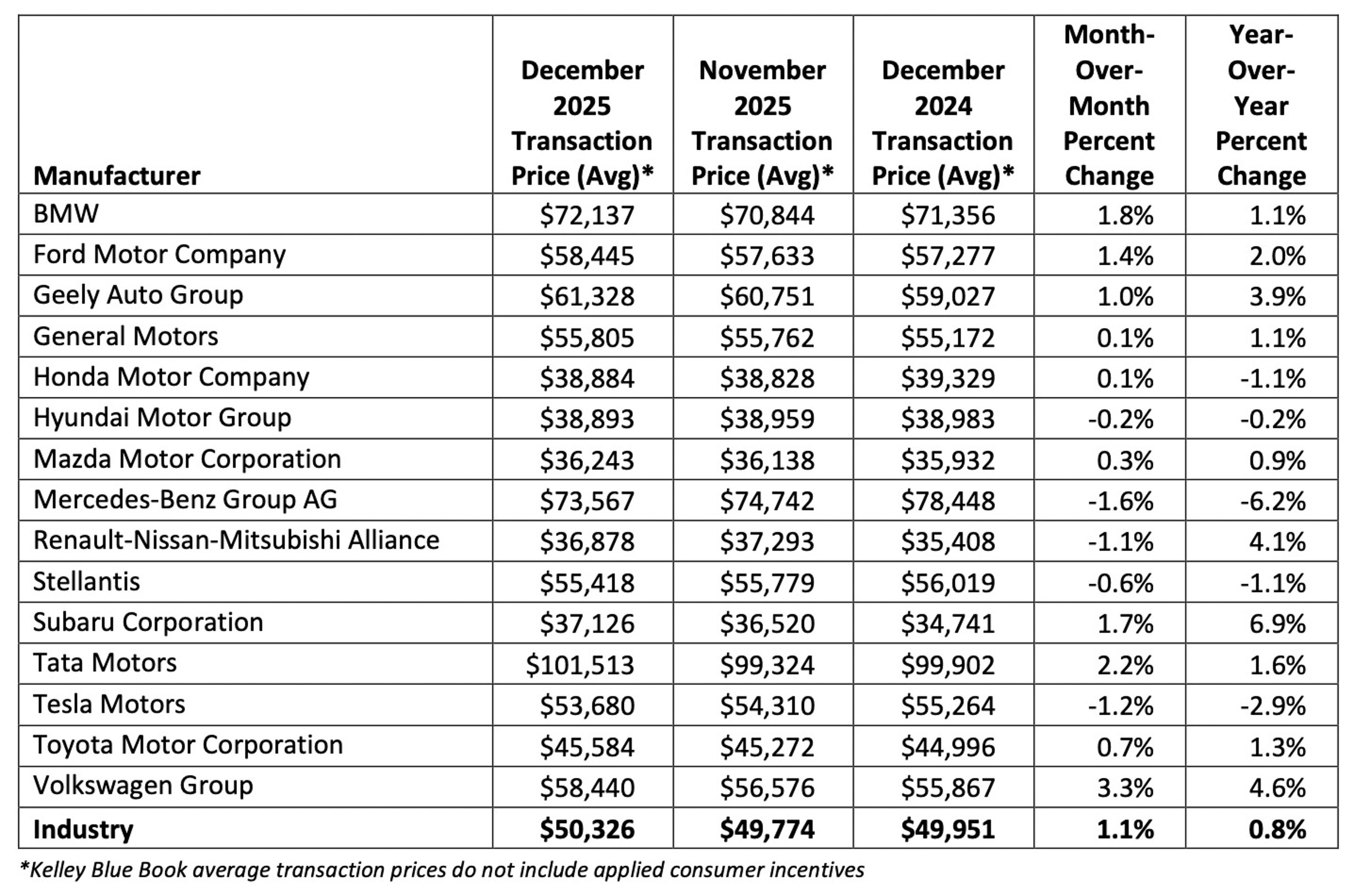
Average Transaction Price by automaker
 Americans Just Blew $15 Billion On Pickups In A Single Month
Cox Automotive
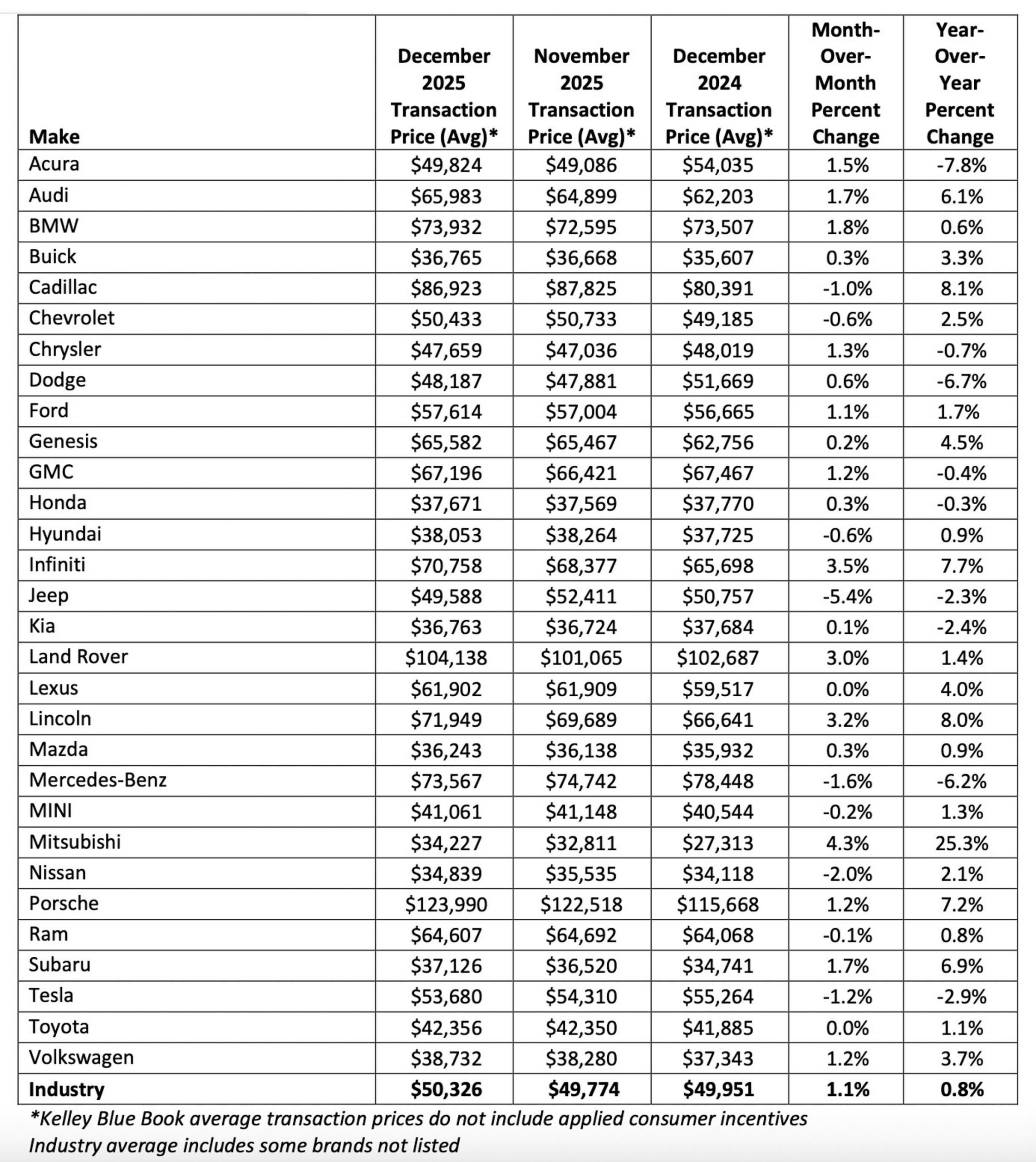
Average Transaction Price by brand
 Americans Just Blew $15 Billion On Pickups In A Single Month
Cox Automotive

Honda Is Replacing Its Classic ‘H’ Logo, But Not On Every Model

  • Honda’s new borderless H emblem arrives on cars starting 2027.
  • It will appear on 0 Series EVs and 13 next-generation hybrids.
  • The new badge rollout includes dealers, branding, and motorsport.

Update: We reached out to Honda for clarification on whether its new logo will appear solely on electrified vehicles (EVs and hybrids) or across all models, including gasoline-powered ones.

“Honda has announced that the new H-Mark will be applied to EV/HEV models launched after 2027,” a US spokesperson told us. “Honda has no details to share regarding gasoline models at this time.”

Honda is preparing for a small but symbolic shift in its visual identity as it steps deeper into electrification. The company has announced that a newly designed emblem will begin appearing on its electrified production vehicles and across other areas of its automotive business, including dealerships and motorsport divisions.

More: Prelude, Type R And CR-V Get Sporty HRC Makeovers, And Honda Didn’t Stop There

The classic H mark has been reimagined with a simplified, borderless design and will make its production debut on future electric vehicles and next-generation hybrids beginning in 2027.

Which Models Get It First?

The new logo made its first appearance on Honda’s 0 Series concepts, revealed in early 2024. The first production model expected to wear it is the 0 SUV, which will be built in Ohio. That vehicle was originally slated to launch in 2026, although the first confirmed use of the new badge is now set for 2027.

Following the 0 SUV, Honda will introduce the closely related 0 Saloon, which also features the illuminated emblem. A third vehicle, the compact 0 Alpha SUV, is being developed as a global model, with particular attention to the Japanese and Indian markets.

 Honda Is Replacing Its Classic ‘H’ Logo, But Not On Every Model
Honda 0 Alpha

Alongside its all-electric lineup, Honda has confirmed the emblem will appear on a series of new hybrids as well. Between 2027 and 2031, the company plans to roll out 13 new vehicles featuring an updated version of its e:HEV hybrid system. The revised setup promises better efficiency, stronger performance, and tighter integration of components.

More: Next CR-V And Civic Hybrids Borrow A Trick From The Prelude To Feel Fun Again

This means the Prelude coupe and the upcoming Super-One hatchback could be among the final new models to carry the current emblem, unless Honda opts to retrofit them with the new badge as part of future model year updates.

While there is no mention of future ICE-powered products, Honda has confirmed that the new branding will be “rolled out gradually across automobile models and other business areas” such as dealerships, communications initiatives, and motorsport activities.

The H mark has served as Honda’s signature since 1963, with previous redesigns arriving in 1969, 1981, 1991, and 2001. The latest version, inspired by the image of two outstretched hands, is intended to symbolize a “second founding” for the brand as it moves through a period of transformation.

\\\\\\\\\\\\\\

Skoda’s Got A New Flagship With The Name To Prove It

  • Peaq becomes Skoda’s first electric seven-seat SUV later in 2026.
  • Based on 2022’s Vision 7S concept with modern solid design language.
  • Rides on same MEB platform as other VW Group EVs including ID. Buzz

Skoda has finally put a name to its long awaited electric seven-seater, and it’s a short one with a lot riding on it. The new flagship will be called Peaq, to reflect its position at the top of the Skoda lineup, and it arrives in summer 2026 as the brand’s biggest and most ambitious EV yet.

Remember the stylish Vision 7S concept from 2022? The Peaq is that car toned down just enough for production and aimed straight at families who want space, comfort and zero tailpipe emissions without jumping into premium brand pricing. Think of it as an electric Kodiaq, only smoother, quieter and more digital.

Related: Skoda’s Kia EV9 Rival Isn’t Fooling Anyone With This BMW Disguise

The Vision 7S was the first full expression of Skoda’s Modern Solid design language, and though Skoda hasn’t yet revealed any pictures of the Peaq beyond its badge and a handful of dark teasers, it’s expected to stick pretty close to that look. That means a blocky, confident shape, a clean Tech Deck front end instead of a traditional grille, flush door handles and distinctive T shaped lighting signatures front and rear.

We’ve already seen heavily disguised prototypes testing at the Nürburgring, and while the camo played tricks with the details, the proportions made one thing clear. This is a big car by European standards at around 5m (197 inches) long, with three rows and a proper road presence.

\\\\\\\

VW family ties

Under the skin, the Peaq will ride on the Volkswagen Group’s MEB platform, the same architecture used by cars like Skoda’s own, smaller Enyaq, and the VW ID. Buzz and ID. 7. The original concept packed an 89 kWh battery and promised over 373 miles of range on the WLTP cycle, and something close to that is expected for the production version.

Rear-wheel drive and dual-motor all-wheel drive versions are likely, with the quicker model delivering around 335 hp (340 PS / 250 kW), though Skoda could theoretically offer an entry-level model with rear-wheel drive, as VW does with the ID. Buzz in Europe.

Skoda admits the Peaq will be its most expensive model yet, sitting above the Enyaq, but it’ll still pitched as a value choice compared with rivals like the Kia EV9, Volvo EX90 and Hyundai Ioniq 9. If we were heading up those other brands we’d be taking this Peaq threat very seriously.

\\\\\\\\\\\\\\\\\

New Skoda Peaq teaser shots and spy images

Former Colorado School Bus Aide Pleads Guilty to Abusing At-Risk Students

A former Littleton Public Schools bus aide has pleaded guilty to multiple charges stemming from the abuse of at-risk students, including a nonverbal child with autism, after disturbing video evidence came to light, reported Fox 31.

Kiarra Jones reportedly accepted a plea agreement Jan. 5 that includes 10 counts of third-degree assault of an at-risk individual and two counts of child abuse. One additional charge was dismissed as part of the agreement. The case followed the release of a video in 2024 showing Jones punching and stomping on a nonverbal student while the child was riding a school bus to the Joshua School, which serves students on the autism spectrum.

Following the video’s release, additional families came forward with allegations the aide was abusing their children. The law firm representing three of those families said the abuse occurred over several months. Attorneys reported numerous warning signs, including behavioral changes and physical injuries such as unexplained bruises, scratches, a lost tooth, a broken toe, a black eye, and deep bruising on students’ bodies and feet.

“Each one of us have kids that get scared every time they see a school bus driving by,” said Kevin Yarbrough, the father of one of the students. “My son still walks with a limp from what she did to my kid, so this is going to be a lifelong process. There were obvious systemic failures, and we want more people to be held accountable.”

Attorneys for the families have alleged that Littleton Public Schools failed to protect the students, stating that district officials reviewed bus video footage in 2024 and concluded there was no cause for concern. Parents said they requested an investigation for months before action was taken.

“This should not have gone on as long as it did,” Yarbrough said. “We are going to make sure people are held accountable.”

Jones did not comment as she left the courtroom.

Jones had previously pleaded not guilty in August 2024 to 11 counts but reportedly accepted the plea agreement ahead of her scheduled trial, which was set to begin Monday. Sentencing is scheduled for March 18. According to the 18th Judicial District Attorney’s Office, each felony count carries a maximum sentence of 1.5 years in prison.


Related: Texas Student Arrested Following Alleged Sexual Assault on School Bus
Related: Indiana 15-year-old Accused of Sexual Assault on Ohio School Bus
Related: Virginia School Bus Aide Arrested for Alleged Assault
Related: Alabama School Bus Driver Arrested for Allegedly Assaulting Student with Special Needs

The post Former Colorado School Bus Aide Pleads Guilty to Abusing At-Risk Students appeared first on School Transportation News.

Driving Change in 2026

By: Ryan Gray

It’s a new calendar year but school transportation leaders face the same challenges. As Albert Einstein famously said, “In the middle of every difficulty lies opportunity.”
This month’s articles highlight key areas where leaders can make impactful changes to improve safety, efficiency and equity for all students, especially those riders with
disabilities.

While all important, Linda Bluth’s column on addressing sexual assault on school transportation vehicles especially strikes a chord. The topic must be the most horrifying for student transporters to discuss, aside from a fatality. We know from research that students with disabilities are at a significantly higher risk of being targeted for sexual assault than their non-disabled peers. Bluth shares that one constant over her storied career has been the number of sexual assault cases she has been asked to serve as an expert witness on.

She underscores the urgent need for proactive measures to protect students by calling for an industry task force to address this sensitive yet essential topic, to confront it head-on and ensure the safety and well-being of students.

Ask yourself, what policies does your transportation department and school district have in place regarding sexual assaults occurring on or around school buses or other school transportation vehicles. Bluth writes it is vital to create clear, school board-approved policies that define and address sexual assault as well as bullying and harassment on school transportation vehicles. Training all transportation personnel and students on these policies is vital.

Supervision must also be enhanced. A growing trend is more attendants on routes to assist school bus drivers with behavior management. High-back seats, Bluth says, create a barrier to seeing what students are doing. I hear that concern often from readers, an unintended consequence of NHTSA’s 2009 update to FMVSS 222 that increased the minimum seatback height to 24 inches.

Providing adequate adult supervision on all vehicles used for school transportation is paramount to the safety of all students.

Technology is supplementing these efforts with state-of-the art video camera systems. Increasingly, AI-enhanced software is showing the promise of even predicting or identifying the risk of potential assaults, but these solutions are in their infancy. Never mind the expense. First and foremost, student transporters must have policies for regularly reviewing footage. Most camera systems come with alerts to notify supervisors
of incidents. But there remains no consistent solution better than, if you “see something, say something.”

Train your school bus drivers, monitors and other staff to trust their intuitions. If something feels “off” during a route, it probably is. Foster a culture where transportation personnel and students feel safe reporting inappropriate behavior without fear of retaliation.

There is plenty to think about when reading this month’s issue, which also looks at the importance of modern routing software, AI-powered tools and data-driven solutions to address driver shortages and training, route optimization, and Medicaid reimbursement challenges. Alternative vehicles also continue to gain ground in transporting students to and from school.

With them comes the need to train their drivers on proper child safety restraint and wheelchair securement. At the half-way point of the school year, consider how your operations are poised to tackle all these issues. As school transportation leaders, the responsibility to ensure the safety and well-being of students is paramount. By addressing critical safety issues, embracing technology, and fostering collaboration, we can drive meaningful change in the industry.

Let’s turn these insights into action, ensuring that every student’s journey is safe, efficient and supportive of their educational success.

Editor’s Note: As reprinted from the January 2026 issue of School Transportation News.


Related: (Recorded Webinar) Building Resiliency: Hot Trends in Student Transportation For 2026
Related: Ohio School Bus Driver on Administrative Leave After ‘Reckless Driving’
Related: Eagle Eye on Student Transportation Safety
Related: Transportation (Success) Leads the Way to Sustainability

The post Driving Change in 2026 appeared first on School Transportation News.

STN EXPO East to Feature Timely Discussion on Managing Stress

Uncertainty with transportation funding, policies and federal changes can make the future seem foreboding for the student transportation industry. Security consultant Bret Brooks plans to outline ways to manage stress without being overwhelmed by today’s challenges.

The opening general session “How to Care Less Without Being Careless: Modern Stress Management,” is scheduled for Friday, March 27 at STN EXPO East. Brooks will explain the “Law of Reversed Effort” that reveals the impact of lowering anxiety to increase openness, creativity and problem-solving abilities.

Through a combination of real-life examples and interactive exercises, attendees will learn how to evaluate their triggers and stressors, and manage stress by realigning priorities. Brooks plans to show attendees how to see through the noise and identify “What’s Important Now,” through contemporary methods such as the Care-O-Meter, the 30,000-foot perspective and the recommendations of Stephen Covey, author of “The 7 Habits of Highly Effective People.”

This dynamic session will not only provide educational instruction but equip attendees with the steps to remove avoidable stress and focus their energies in a targeted and efficient way. Attendees will not only be able to reflect on their personal and professional challenges but discover the secrets to reducing stress and living a healthy, balanced life.

Brooks’ military and law enforcement background — he is a major in the U.S. Army and a retired member of the Missouri State Highway Patrol — provides a unique take on stress management as someone with decades of experience in high-stress situations. He is the chief operating officer for Gray Ram Tactical, LLC, a Missouri-based international training and consulting firm specializing in transportation safety and security issues, as well as an author of books and articles.

STN EXPO East will be held March 26- 31, 2026 at Embassy Suites by Hilton Charlotte Concord Golf Resort & Spa. The Early Bird Savings Deadline is Feb. 13, register today at stnexpo.com/east.


Related: STN EXPO East Agenda Addresses Industry Challenges, Outlines Innovative Solutions
Related: STN EXPO East Keynote Speaker to Outline Strategies for Creating Impactful Culture
Related: STN EXPO East Opens Online Registration for March 2026

The post STN EXPO East to Feature Timely Discussion on Managing Stress appeared first on School Transportation News.

AASA Announces 2026 National Superintendent of Year Finalists

The School Superintendents Association, AASA, announced its four finalists for the 2026 National Superintendent of the Year Award. The winner will be named at the annual National Conference on Education in February.

AASA along with award co-sponsors Corebridge Financial and Sourcewell will recognize on of the finalists “for their outstanding leadership and dedication to advancing public education in their communities,” a press release noted.

The following finalists were nominated by their state associations and honored with the title of State Superintendent of the Year. They were measured against criteria such as leadership for learning, communication, professionalism and community involvement.

Demetrus Liggins, superintendent of Fayette County Public Schools in Kentucky joins Roosevelt Nivens, superintendent of Lamar Consolidated Independent School District in Texas, Heather Perry, superintendent of Schools at Maine’s Gorham School Department, and Sonja Santelises, the chief executive officer at Baltimore City Schools in Maryland.


Related: Superintendent Defends School Bus Driver Accused of Erratic Driving, Potential Impairment
Related: First Alabama Educator Named 2025 AASA Superintendent of the Year
Related: Superintendent Snapshot: Florida District Depends on Transportation
Related: Superintendent Snapshot: Staying Connected with Departments, Students


“These extraordinary leaders embody the transformative power of public education,” stated David R. Schuler, AASA’s executive director. “Their visionary leadership uplifts students and demonstrates our continued commitment to providing every child with the opportunities, experiences, and education that prepares them for college, career, and real life in the real world. We are honored to celebrate their incredible success and accomplishments.

The winner will be announced on stage during the National Conference on Education, Feb. 12-14 in Nashville, Tennessee. A $10,000 college scholarship will be presented in the name of the 2026 National Superintendent of the Year to a student who attends the high school from which the superintendent graduated or a school within the district.

The full list of 50 state superintendents of the year is online.

The post AASA Announces 2026 National Superintendent of Year Finalists appeared first on School Transportation News.

❌