Normal view

There are new articles available, click to refresh the page.
Yesterday — 13 April 2026Main stream

Mazda Bet Big On New Tech And Paid For It In The Reliability Rankings

  • Lexus, Subaru, and Toyota top Consumer Reports’ latest reliability rankings.
  • Tesla climbs sharply, while Mazda tumbles thanks to trouble with new SUVs.
  • Hybrids keep impressing, but EVs and PHEVs still cause trouble for owners.

If you want a new car that spends more time on your driveway than at the dealer, Consumer Reports has some familiar advice. Stick with the usual suspects, be suspicious of shiny new tech, and maybe don’t volunteer to beta test an automaker’s latest big idea.

At the top of the pile, Toyota grabbed first place with Subaru second and Lexus third. Honda and BMW rounded out the top five. Consumer Reports based the study on survey data covering about 380,000 vehicles, so this is the kind of league table that has credibility, and isn’t just the result of an angry guy yelling into a forum thread about his rogue SUV.

Related: A CX-90 Owner Returned His New SUV After One Day, Bought Another, And Got The Same Problem

If you’re wondering who had the best transformation, that would be Tesla. It jumped eight places from last year’s study to ninth overall, helped largely by stronger showings from the Model 3 and, in particular, the Model Y. That doesn’t mean everything in Tesla land is suddenly flawless, because the Cybertruck still landed below average, but it does suggest the company is finally getting a better grip on some of the fit, finish, and hardware gremlins that used to follow it around.

Mazda’s PHEV Nightmare

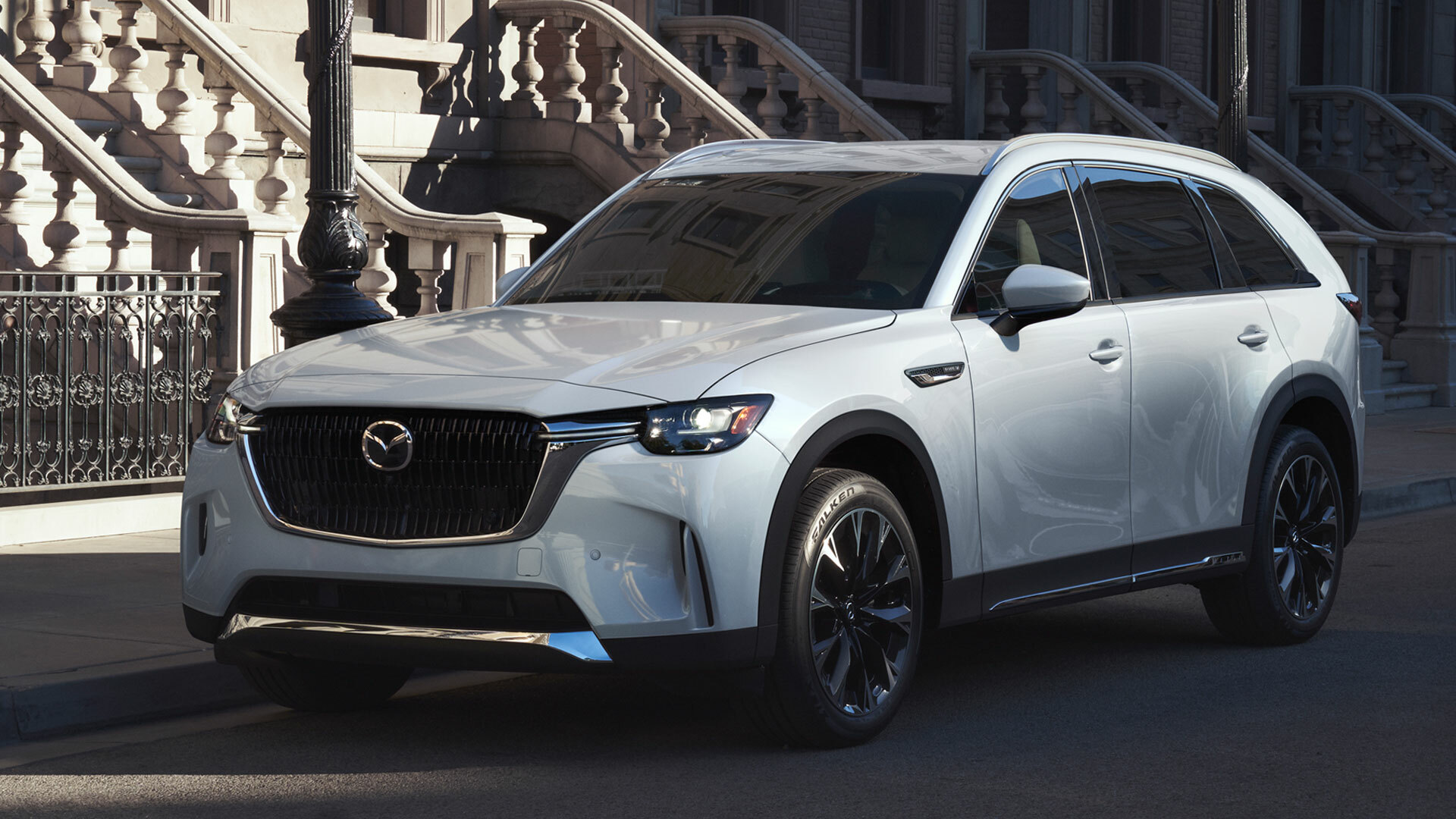
The brand that took the awkward tumble was Mazda, which dropped eight spots to 14th. Older Mazda models still did reasonably well, but the newer, more complicated CX-70 and CX-90, especially in plug-in hybrid form, apparently kept causing trouble.

That’s a classic case of what happens when an automaker gets ambitious with new platforms, new drivetrains, and new tech all at once. Sometimes the engineering team nails it. Sometimes the owners become unwitting, unpaid members of the R&D squad.
 Mazda Bet Big On New Tech And Paid For It In The Reliability Rankings
Mazda

Consumer Reports also says hybrids continue to be a safe option for ICE fans looking for better economy. EVs and PHEVs, meanwhile, remain overrepresented among the least reliable models in the survey, especially when they’re brand new or heavily redesigned.

Buick Leads Detroit Brands
 Mazda Bet Big On New Tech And Paid For It In The Reliability Rankings

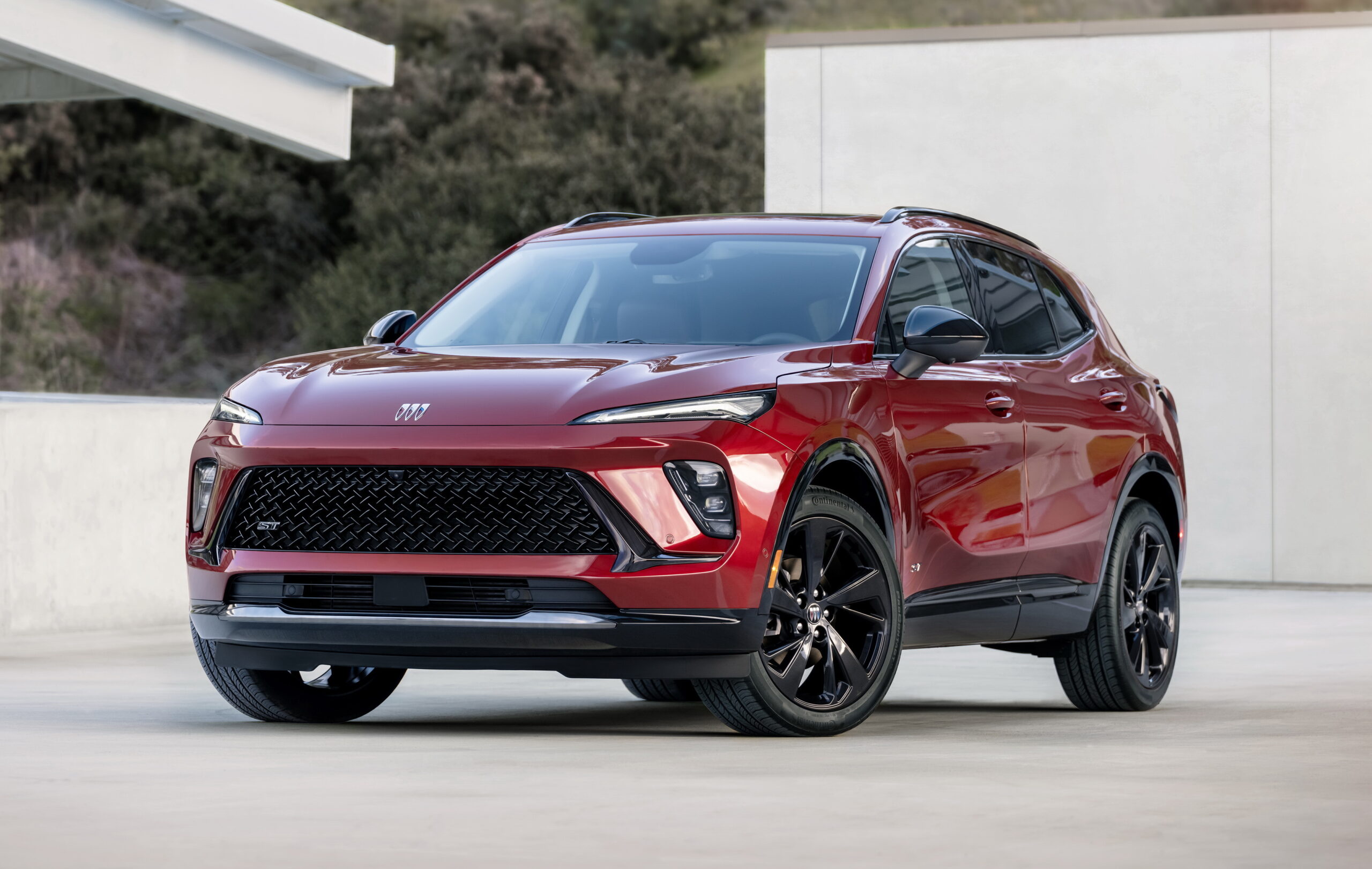
There were a few other eyebrow raisers in the rankings. Buick was the highest placed traditional Big Three Detroit brand at eighth, Ford landed 11th, and relative newcomer Rivian brought up the rear, though it’s worth pointing out that Jaguar, Land Rover, Fiat, Alfa Romeo and more were excluded from the study due to a lack of data.

Consumer Reports also found Asian brands still dominate on reliability, Europeans sit in the middle, and domestic brands trail overall, even if Tesla’s jump gave Team America something to celebrate. 

And reliability is worth celebrating. No, it’s never going to be sexy, but unless your idea of excitement includes hanging around in waiting rooms and constantly swapping into loaner crossovers, Consumer Reports has a pretty clear message: maybe let somebody else test the cutting edge first.

Consumer Reports Reliability Study
Position BrandScore
1Toyota66
2Subaru63
3Lexus60
4Honda59
5BMW58
6Nissan57
7Acura54
8Buick51
9Tesla50
10Kia49
11Ford48
12Hyundai48
13Audi44
14Mazda43
15Volvo42
16Volkswagen42
17Chevrolet42
18Cadillac41
19Mercedes-Benz41
20Lincoln40
21Genesis33
22Chrysler31
23GMC31
24Jeep28
25Ram26
26Rivian24
SWIPE

Consumer Reports

BYD’s New Megawatt Flash Chargers Are Coming To Europe, And They’ll Be Open To Everyone

  • BYD will roll out ultra fast chargers in Europe delivering up to 1,500 kW.
  • Europe gets 3,000 Flash Charging stations within the next 12 months.
  • Denza EVs and even hybrids will both exploit very short top-up times.

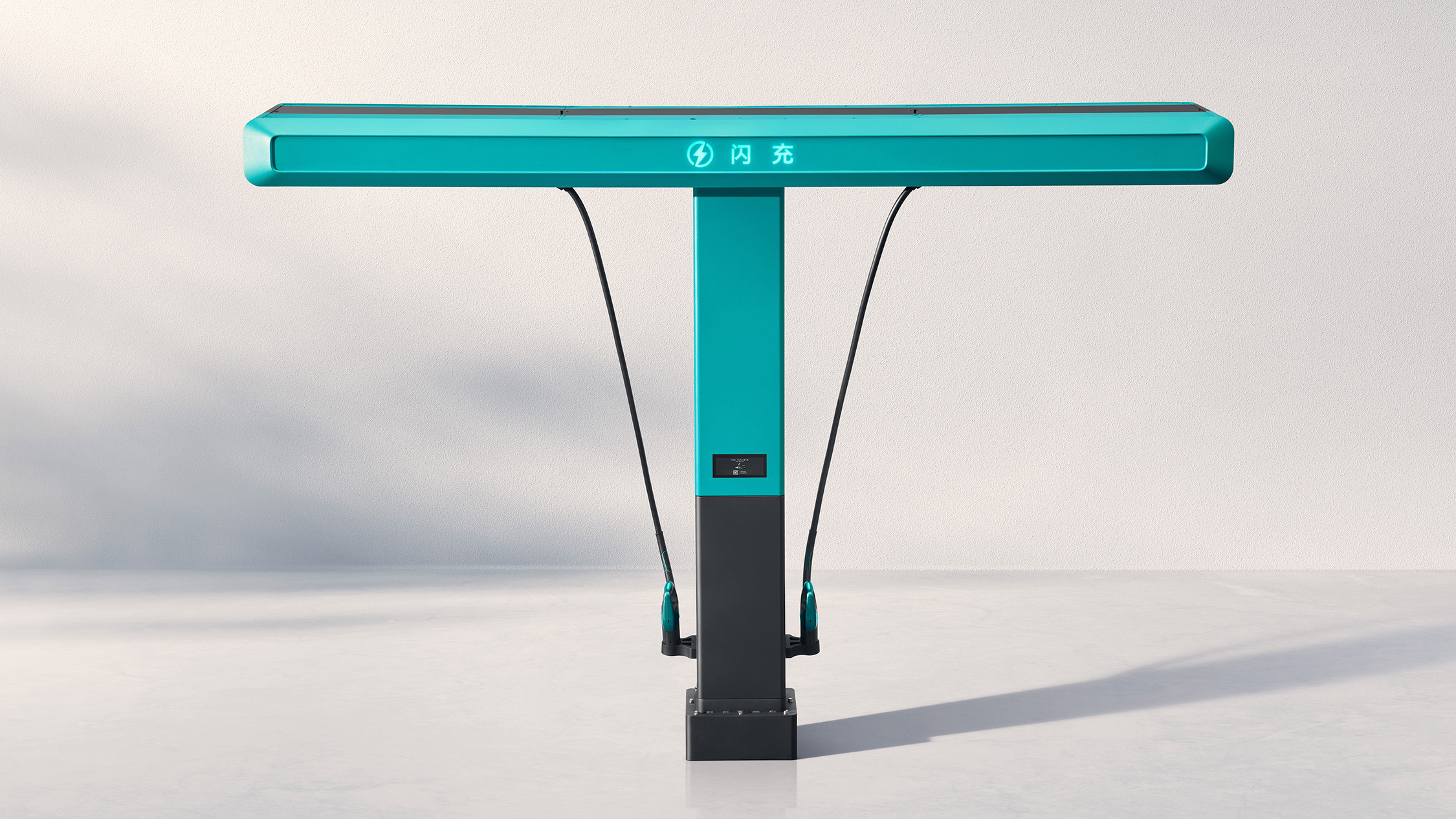
BYD has officially confirmed that its absurdly powerful new charging tech is headed to Europe, which means the phrase “rapid charger” may soon need a slightly more ambitious definition. Across the next 12 months, the company plans 6,000 Flash Charging stations outside China, including 3,000 across Europe.

Europe already has thousands of EV fill-up stations, but these BYD Flash Charge devices don’t just edge past today’s fastest public chargers, they absolutely body-slam them. BYD says the new hardware can deliver up to 1,500 kW, making it comfortably the quickest charging setup announced for Europe so far.

Related: Geely’s Golden Brick Battery Charges Faster Than BYD, But Good Luck Finding A Plug For It

Better yet, this won’t be some members-only club for BYD owners. The chargers are set to use CCS2 connectors and should be open to other brands too. Dealers selling BYD’s posh Denza vehicles will get their own branded versions, while public sites elsewhere will simply wear the Flash name. BYD is also planning to work with existing charging locations rather than starting from scratch every time.

The headline numbers are predictably bonkers. BYD says its newest battery tech can take compatible cars from 10 to 70 percent in five minutes, and from 10 to 97 percent in nine. That’s less charging stop, and more pause for breath.

Denza Leads The Charge

\\\\\\

The first big beneficiaries in Europe will be the Denza Z9GT and the D9 DM-i. The Z9GT is the flashy one, a tri-motor, fully-electric shooting brake with a 123 kWh battery and enough shove to hit 62 mph in 2.7 seconds.

The D9 DM-i minivan, meanwhile, proves plug-in hybrids can join the party too. Its 58.5 kWh battery can accept up to 559 kW, allowing the same five-minute run from 10 to 70 percent and nine minutes from 10 to 97. That’s especially handy in a giant seven-seat MPV with 130 miles (209 km) of electric range and a 590-mile (950 km) total figure when the petrol tank is full. In contrast, some PHEVs from other brands still don’t accept DC charging at all.

\\\

Of course, BYD isn’t the only one throwing elbows. Earlier this week, Geely claimed its latest chargers and Golden Brick battery tech were even quicker still, because apparently the industry has decided the best way to sell EVs is through stopwatch violence.

BMW Says Non To Charging War

BMW, though, isn’t buying the hype. “You always have to be careful with those kinds of announcements,” the company’s battery production boss Markus Fallböhmer told Car Sales recently, suggesting battery longevity and reliability could be at stake.

“It is possible to optimize one single performance indicator, but you have to make compromises on other sides. We could also increase our charging speed, but then you have to reduce other important factors of a battery.”

 BYD’s New Megawatt Flash Chargers Are Coming To Europe, And They’ll Be Open To Everyone

BYD

Before yesterdayMain stream

Kia Is Coming For The Tacoma With Powertrains Toyota Doesn’t Offer In America

  • Kia confirms midsize pickup with hybrid and range extender powertrain options.
  • Truck targets US buyers with towing skills, off road ability and a roomy cabin.
  • Wider Kia strategy includes more hybrids, EV growth and big US sales targets.

Kia’s nearly ready to saddle up and ride into America’s most fiercely loyal segment, and it’ll be doing it with the help of two totally different electrified powertrains.

We’ve known for a while that Kia, along with its Hyundai sister brand, are working on a pair of midsize pickups for the US. They’ll be proper body-on-frame trucks designed to deprive Toyota and Ford salesmen of truck hunters that might otherwise have snapped up a Tacoma or Ranger.

More: Hyundai’s New Pickup Truck Will Be Everything The Santa Cruz Refused To Be

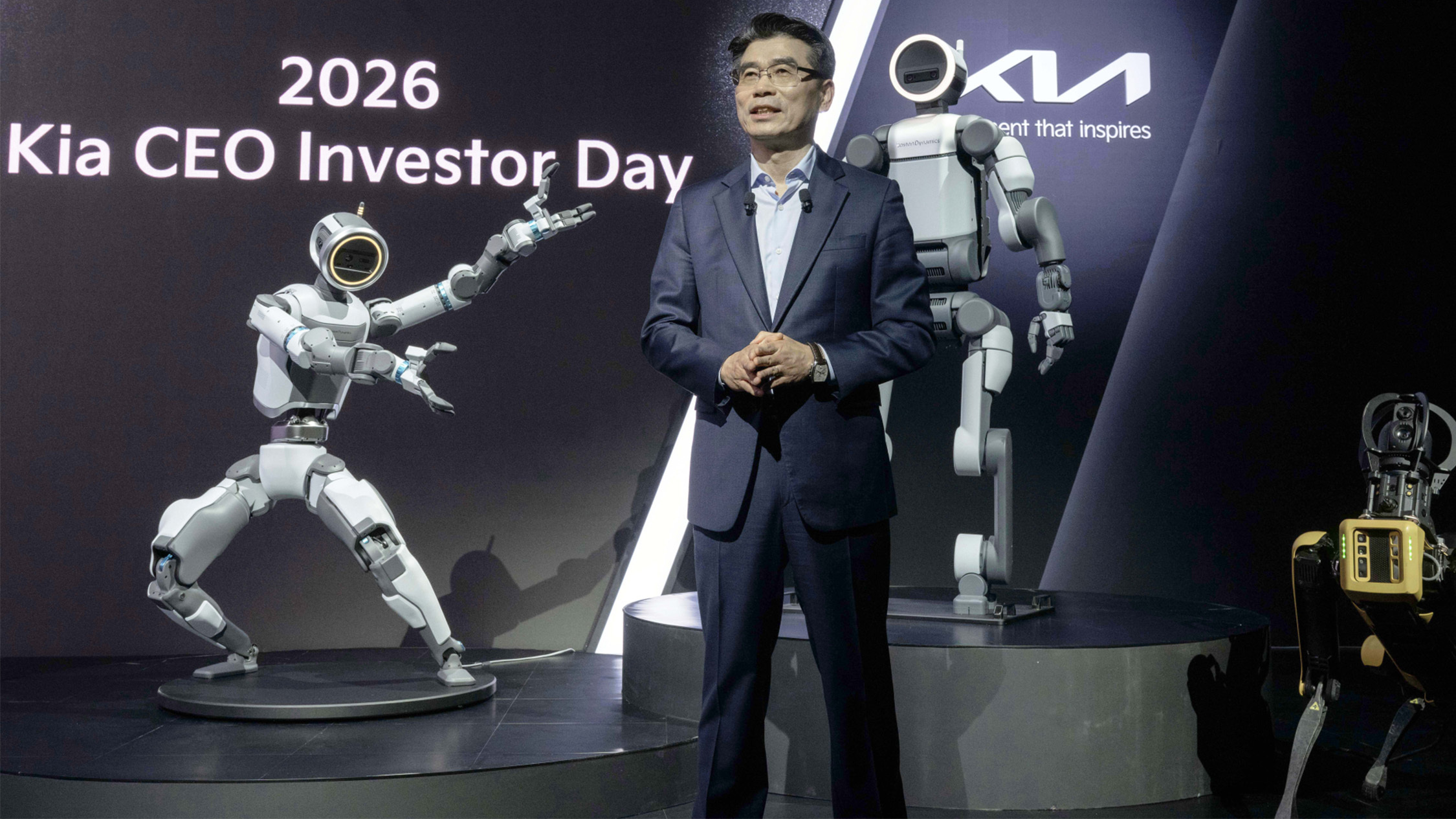
What wasn’t confirmed until today at Kia’s investor briefing, is what will be under the hood of those trucks. A hybrid option seemed likely, but Kia CEO Ho Sung Song says the pickup will offer buyers the choice of both hybrid and range-extender electric powertrains. That means it won’t just be chasing the usual suspects like the Tacoma and Ranger, but could potentially steal sales from more bigger, high-tech machinery like the Rivian R1T and Tesla Cybertruck.

Details are still thin, but Kia says the truck will offer proper capability where it matters. Expect solid towing, genuine off road chops and a roomy double-cab layout designed for real world use.

Boulder’s Brother

 Kia Is Coming For The Tacoma With Powertrains Toyota Doesn’t Offer In America
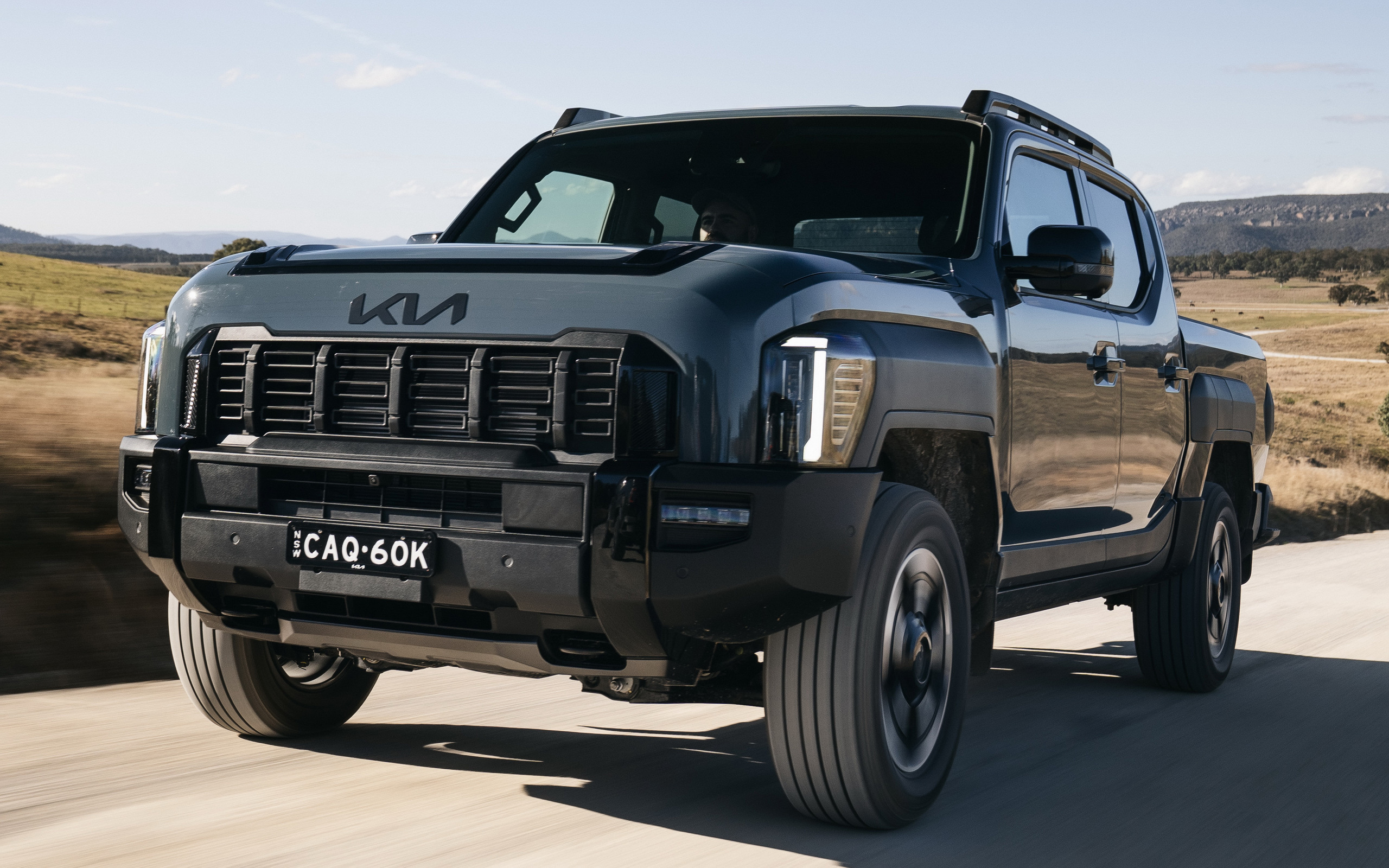
Current Kia Tasman.

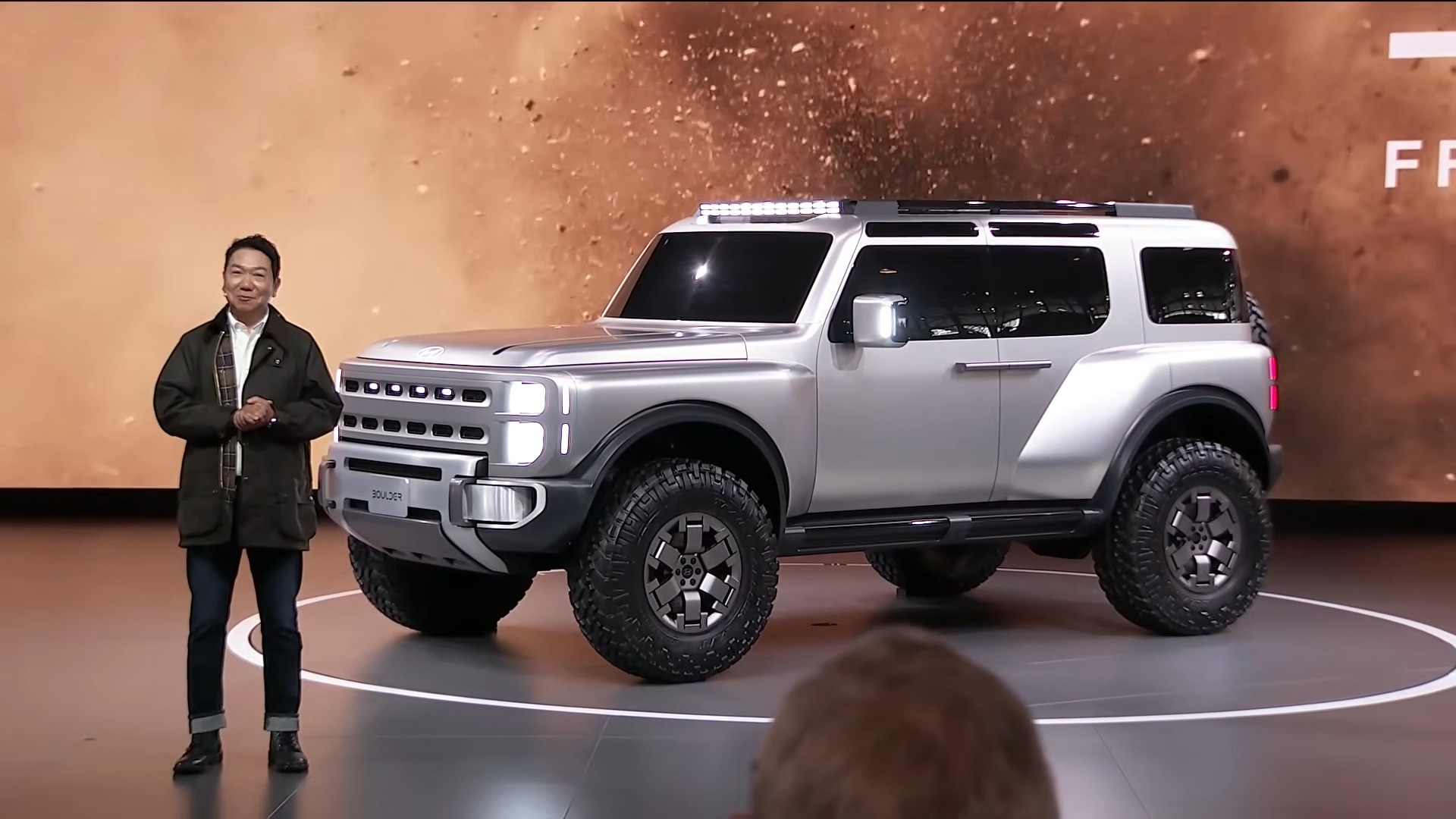
Underneath, it will share its rugged bones with a future Hyundai truck previewed by the Boulder SUV concept unveiled at the New York Auto Show earlier this month. Given the Boulder’s butch aesthetic, we can expect both trucks to have plenty of attitude, but hopefully it’ll be less ugly than the Kia Tasman truck (shown above and in the lead image) that’s sold in Australia and other markets.

 Kia Is Coming For The Tacoma With Powertrains Toyota Doesn’t Offer In America
The Hyundai Boulder SUV concept.

This new pickup won’t just be a niche addition either. Kia reckons it can shift around 90,000 units annually in North America, Auto News reports, and carve out a meaningful slice of the segment. That’s ambitious for a brand that’s never sold a truck in the US before, but then Kia isn’t exactly lacking in confidence these days.

Hybrids For US, EVs For Europe

The truck also fits neatly into Kia’s broader US push. The company is targeting more than one million annual sales stateside by 2030, with a 6.2 percent market share. To get there, it’s doubling down on hybrids, expanding from four to eight nameplates and adding electrified options to core models.

 Kia Is Coming For The Tacoma With Powertrains Toyota Doesn’t Offer In America

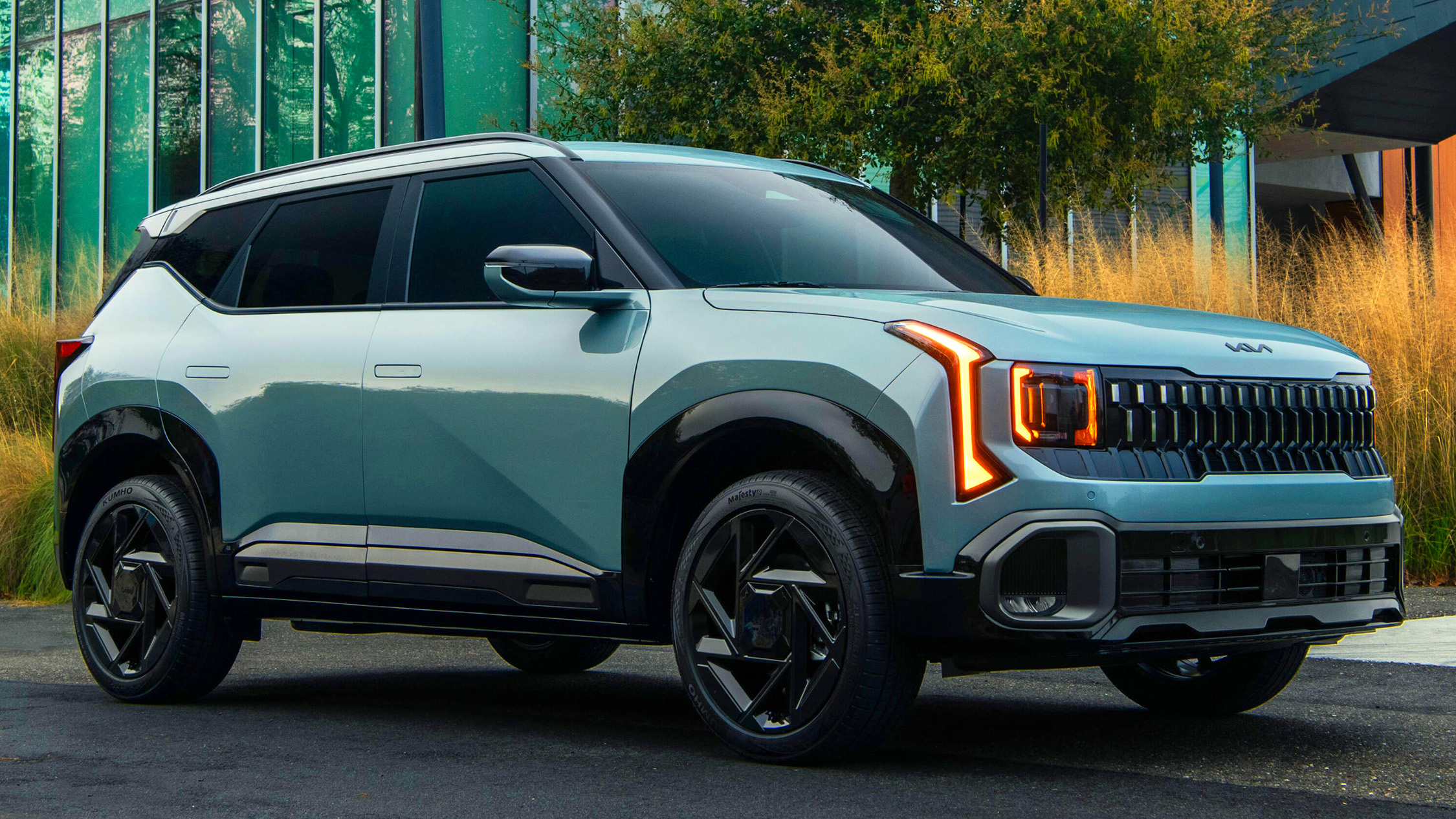
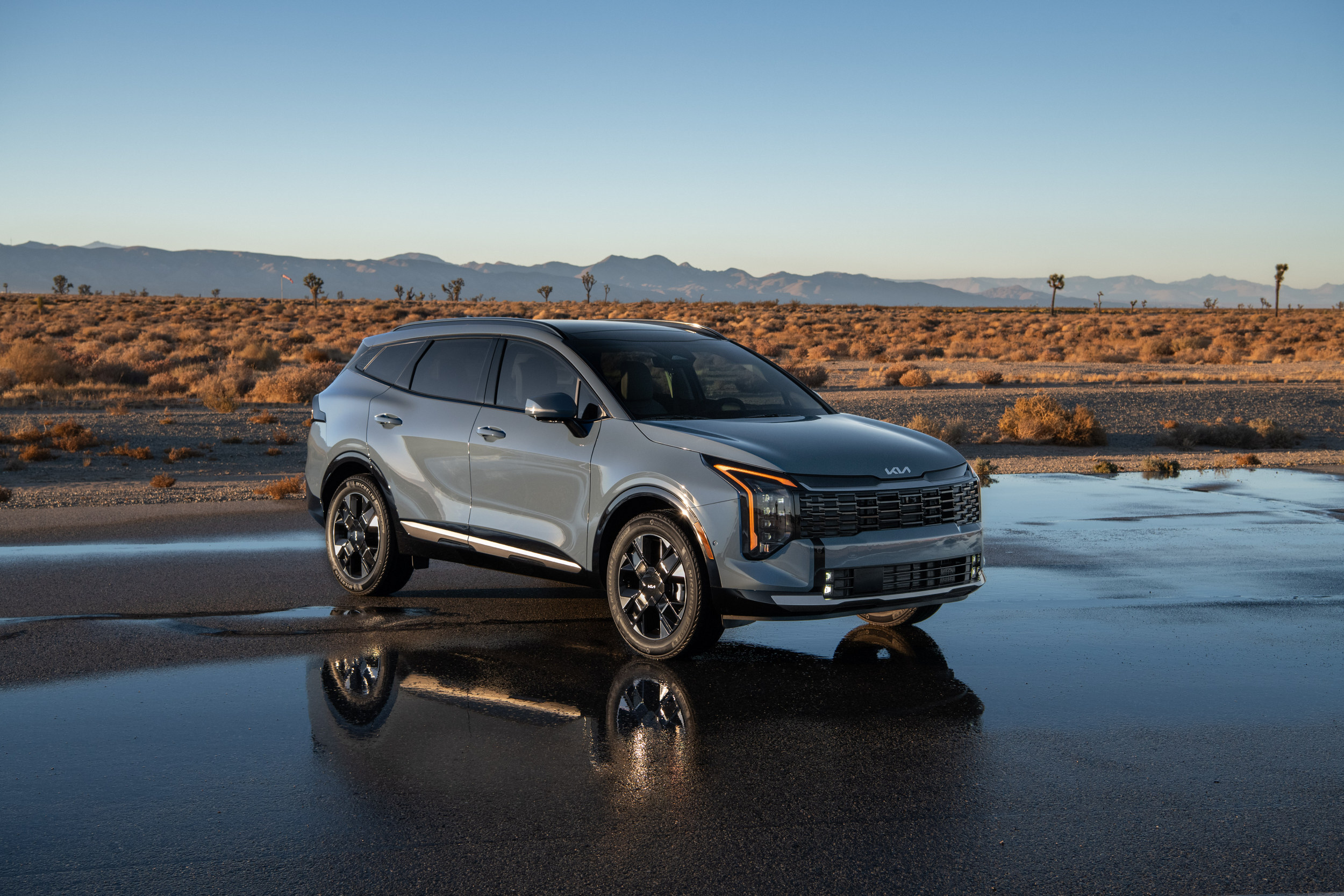
That includes big hitters like the Telluride, which is set to gain hybrid and range extender variants, plus the Sportage, which Kia wants to push past 200,000 annual sales. Even the smaller Seltos is getting in on the action with a new look (seen above) and a hybrid version aimed at cracking six-figure sales.

And while America gets a tough new truck, Europe is getting something much smaller but just as important. A new EV1 hatch is on the way to take on cars like the Renault 5, proving Kia’s strategy really does cover everything from city streets to dusty trails.

 Kia Is Coming For The Tacoma With Powertrains Toyota Doesn’t Offer In America
Kia

Nissan’s New Midsize SUV Costs Less Than A Kicks And Has More Screens Than A Mercedes

  • The NX8 arrives in two flavors, pure electric and range-extender.
  • Longest-range EREV version covers over 900 miles on a full tank.
  • Pricing ranges between ¥149,900-199,900 ($21,900-29,200).

Update: The new NX8 is now on sale in China. Pricing starts lower than expected, and Nissan is offering both a pure electric and a range-extender version. This story has been updated with full pricing, specs, and new photos.

Nissan has introduced a new midsize SUV developed in partnership with Dongfeng in China, marking the latest addition to its growing, budget-conscious N-series lineup. Named the NX8, the model joins the existing N6 and N7 sedans and is offered with a selection of electrified powertrains.

More: Nissan’s New Hybrid Sedan Is As Big An Altima For Thousands Less Than A Versa

The exterior design follows the same styling language as its sedan counterparts, with clean surfacing and a grille-free front fascia. A full-width daytime running light runs across the split headlights and wraps around the front fenders, while OLED tail lights extend across the rear.

The overall shape leans toward conventional SUV proportions, marked by flush-fitting door handles and pronounced shoulders.

How Big Is It?

\\\\\\\\\\\\

The midsize NX8 measures 4,870 mm (191.7 inches) in length, 1,920 mm (75.6 inches) in width, and 1,680 mm (66.1 inches) in height, with a wheelbase of 2,917 mm (114.8 inches).

More: Nissan’s Old Kicks Returns, And It Drives Like An EV Without Ever Plugging In

That makes it 222 mm (8.7 inches) longer than the Rogue (X-Trail) and 152 mm (6 inches) shorter than the Pathfinder. Interestingly, its wheelbase is 17 mm (0.7 inches) longer than the Pathfinder’s, which should translate to slightly better interior space.

A High-Tech Interior

Inside, we find dual 15.6-inch infotainment displays on the dashboard, which are separate from the 10.25-inch digital instrument cluster and run on the Qualcomm Snapdragon 8295P chipset. The flagship trim adds a 63-inch augmented reality head-up display and a 25-speaker audio system.

\\\\\\\\\\\\\\\\\\\\\\\\\\\\\

Additional highlights include AI Zero Gravity Seats 2.0 with massage, heating, and ventilation, along with contactless airflow control, an onboard refrigerator, and Motion Sickness Prevention Technology 3.0.

The five-seater cabin can transform into a comfortable couch/bed by fully reclining the front seatbacks. Furthermore, the boot has extra space under the floor, and is complemented by a frunk in the battery electric versions.

In terms of safety, the SUV is fitted with up to 29 sensors including a roof-mounted lidar unit. This the hardware for the Momenta-based Advanced Driver Assistance promising sophisticated autonomous capabilities.

Powertrain Options

\\\\\\

The Nissan NX8 is offered with both range-extender (EREV) and fully electric (BEV) powertrains, each using lithium iron phosphate battery packs supplied by CATL.

More: Nissan Thinks You’re Not Mature Enough To Appreciate What It Just Launched In Japan

The EREV pairs a turbocharged 1.5-liter engine acting as a generator with a single electric motor producing 335 hp (250 kW/ 340 PS). It delivers an EV-only range of 310 km (193 miles) and a combined range of 1,450 km (901 miles) under CLTC testing.

The BEV variant produces either 288 hp (215 kW / 292 PS) or 335 hp (250 kW / 340 PS). Range is rated at 580 km (360 miles) and 650 km (404 miles), respectively, under the CLTC cycle. These figures exceed the Leaf’s 303-mile EPA rating on paper, though CLTC estimates typically run 20 to 30 percent higher than EPA results, so real-world differences may be smaller than they appear. The larger 81 kWh battery supports ultra-fast charging at up to 463 kW, taking it from 10 to 80 percent in 12 minutes.

How Much Does It Cost?

\\\\\\\\\\\\\

Nissan has initially launched the NX8 in China but as with the N6 and N7 sedans, it is expected to be exported to additional markets. Whether that will include Western regions like Europe and Australia, however, remains to be seen.

In its home market, the SUV is currently priced between ¥149,900-199,900 ($21,900-$29,200), depending on the powertrain and trim level. That’s roughly in line with what you would pay for the older Kicks Play in the US ($21,520), which remains Nissan’s most affordable model there, and still less than the new Kicks ($22,430). It also comes in well below the new Leaf EV, which starts at $29,990 in America.

These figures reflect introductory pricing for the launch period, with standard pricing set at ¥159,900-209,900 ($23,400-30,700). Even so, the China-spec model remains considerably cheaper than the Nissan Rogue, which starts at $29,490 in the US market.

Nissan NX8 Pricing
TrimPowertrain TypeLaunch PriceUSD
NX8 150 ProEREV¥149,900$21,900
NX8 150 MaxEREV¥159,900$23,400
NX8 310 MaxEREV¥169,900$24,900
NX8 580 ProBEV¥149,900$21,900
NX8 580 MaxBEV¥159,900$23,400
NX8 650 MaxBEV¥174,900$25,600
NX8 Master EditionBEV¥199,900$29,200
SWIPE
\\\\\\\

Kia’s Baby EV1 Kicks Off A Tsunami Of New Models, And They’re Not All Electric

  • Kia readies subcompact EV1 hatch based on new EV2 SUV hardware.
  • Brand targets one million EV sales globally while boosting hybrid lineup.
  • New platform coming later with 40% bigger batteries, 9% more power. 

Kia just pulled the covers off its future plans, and while there’s plenty to digest, the real headline act for Europe is a tiny newcomer with big expectations. Enter the upcoming EV1, a compact electric hatch that’s shaping up to be Kia’s most affordable EV yet when it debuts next year.

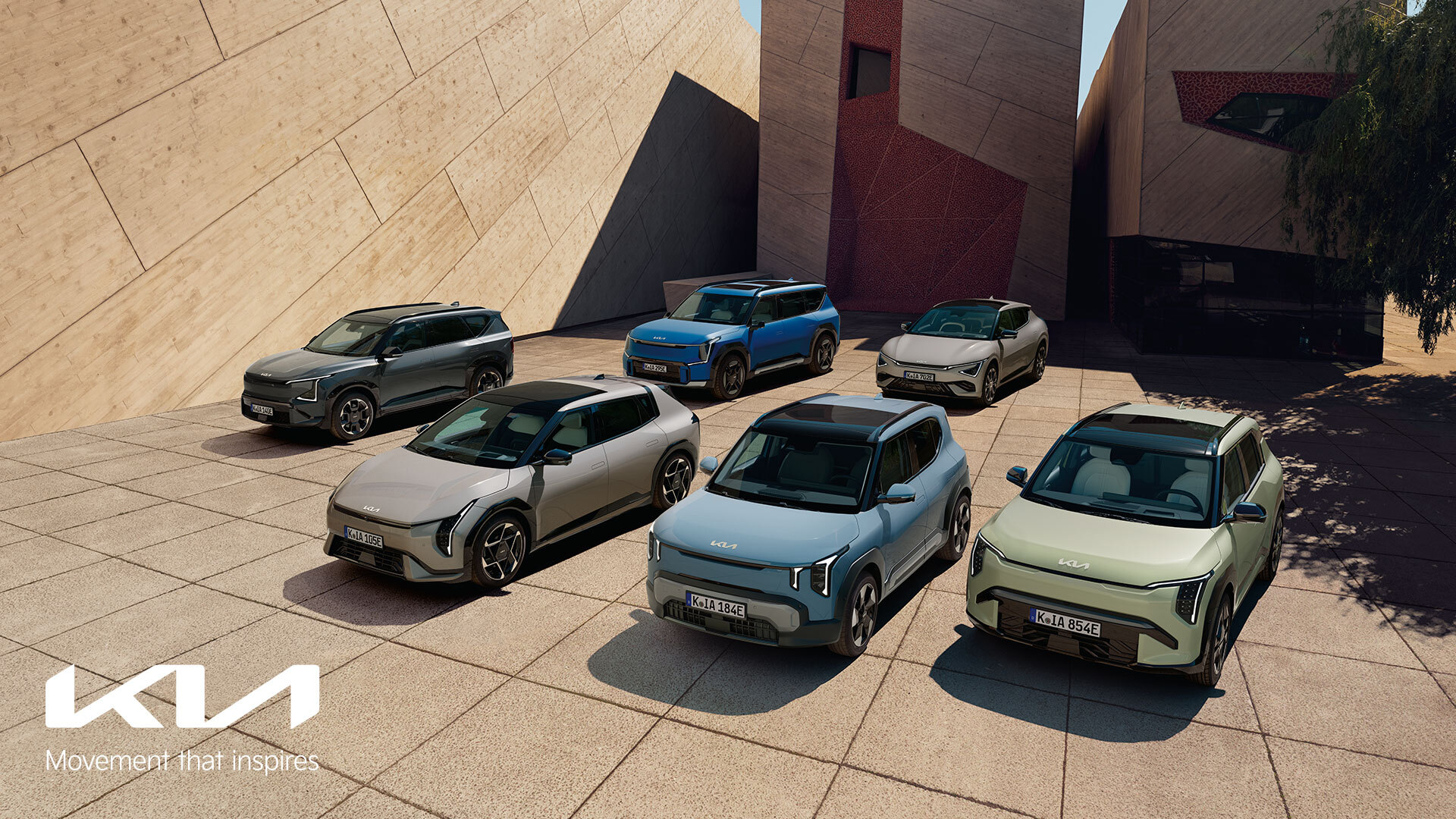
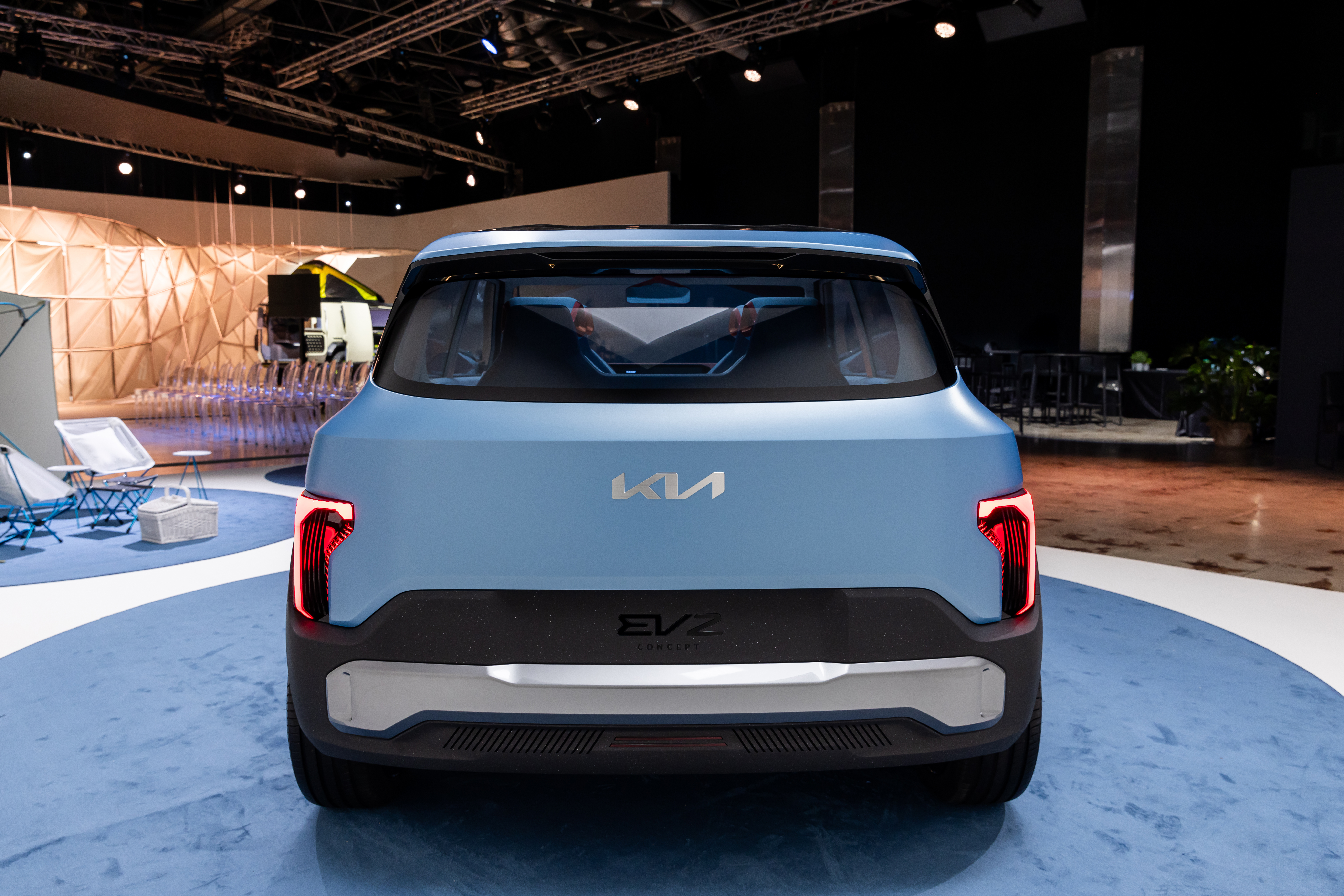
Think of it as the lower, sleeker sibling to the EV2. It’s aimed squarely at Europe’s hotly contested supermini class, going up against the Renault 5, Peugeot e208 and Vauxhall Corsa Electric.

More: Kia’s Cheapest Electric SUV Drops A Seat To Hit Its Price

Under the skin, the EV1 is expected to share its hardware with the EV2, meaning a 400-volt E GMP platform and two battery options. Entry models should get a 42.2 kWh pack with roughly 200 miles (322 km) of range, while higher trims could use a 61 kWh battery pushing closer to 300 miles (483 km). Power outputs will likely mirror the EV2’s, so expect something in the region of 145 hp (147 PS / 108 kW) on base or mid-spec cars.

Kia also says this will be its first car in the segment to be a software-defined vehicle, one where everything from infotainment to vehicle systems is deeply integrated and updateable. Despite the clever tech, prices are likely to start at a little over £20,000 (€23,000), making it a genuine mass market EV.

New EV Platform In The Works

 Kia’s Baby EV1 Kicks Off A Tsunami Of New Models, And They’re Not All Electric

But the EV1 is just one piece of a much bigger puzzle. Kia wants 14 EVs globally by 2030 and annual electric sales of one million units. That’s part of a broader push to hit 4.13 million total sales and a 4.5 percent global market share.

Beyond the EV1, Kia will launch a new electric platform that it says will deliver up to 40 percent bigger batteries with 15 percent greater energy density powering motors that are 9 percent gruntier. An electric SUV to bridge the gap between the EV5 and EV9 is also on the way.

Big Hybrid Push

 Kia’s Baby EV1 Kicks Off A Tsunami Of New Models, And They’re Not All Electric

But Kia isn’t going all in on EVs just yet, especially not in the US, CEO Ho Sung Song admitting that the rate of global electric adoption had slowed. So hybrids are getting a major boost, with 13 HEV models planned and annual hybrid sales targeted at 1.1 million units. New hybrid versions of key models like the Telluride, Seltos and K4 are coming, as are hybrid and range-extender versions of the midsize body-on-frame truck Kia will debut before 2030.

Furthermore, the Korean brand is doubling down on commercial vehicles like the PV5, adding a bigger PV7 in 2027 and PV9 two years later. It’s also pushing robotics, with factory bots and delivery solutions in development. So yes, the EV1 might be small, but it’s leading a very big plan.

 Kia’s Baby EV1 Kicks Off A Tsunami Of New Models, And They’re Not All Electric
The new Kia EV2 electric crossover.

Germany’s EV Market Was In Freefall A Year Ago, Now EVs Are Outselling Gas Cars

  • New EVs are now out-selling petrol-powered cars in the country.
  • On January 1, Germany reintroduced subsidies for electric cars.
  • Sales of hybrid and plug-in hybrid models are also on the rise.

It hasn’t taken long for the EV pendulum to swing back in Germany. Less than a year after Europe’s biggest car market pulled the plug on EV subsidies and watched demand stumble, fresh incentives have stepped in and buyers are piling back in like the discount aisle just reopened.

Despite economic jitters tied to trade tensions and the war in Iran, Germany’s car market picked up pace in March, with registrations rising 16 percent compared to the previous month. A total of 294,161 vehicles were registered, and a striking 24 percent of them were battery-electric. That translates to 70,663 EVs sold during the month.

Read: EV Buyers Just Got A Huge Break In Germany That Lasts Ten Years

This surge has pushed EVs ahead of both petrol and diesel models, which now account for 22.8 percent and 12.8 percent of the market, respectively.

This represents a significant 66.2 percent increase over the 42,521 sold in March of last year. Year-to-date, a total of 159,630 BEVs have been sold, up 41.3 percent from the 112,968 sold across the January-March period in 2025.

Hybrids Join The Party

 Germany’s EV Market Was In Freefall A Year Ago, Now EVs Are Outselling Gas Cars

It’s not just EVs that have surged in popularity this year. Sales of hybrid models, including plug-in hybrids, climbed 16.2 percent in March to 117,845 units. First-quarter figures are up as well, rising 10.4 percent to 282,600 units. Hybrids now account for 40.1 percent of all new car registrations in the country.

Several brands contributed to the surge in electrified vehicle sales. For example, BYD sold 3,438 vehicles in March, up 327.1 percent from the year prior. Sales from Leapmotor also rose 318.1 percent to 1,388, and Tesla sales climbed 315.1 percent to 9,252 units. This year, 12,829 new Tesla models have been sold in Germany, up 160 percent from the same period last year.

Among established brands, Opel (+43.0%), Audi (+25.0%), and BMW (+16.5%) posted strong gains in March, while Skoda reached an 8.4 percent market share, making it the top import brand.

As of January 1, new electric vehicles registered in Germany are exempt from motor vehicle tax until December 31, 2035. Additionally, EVs are eligible for a base subsidy of €3,000 ($3,500) and up to €6,000 ($7,000) for lower-income households. Similarities, plug-in hybrids, and extended-range EVs can receive subsidies of up to €4,500 ($5,200).

Overall registrations for the first quarter of the year rose by 5.2 percent compared to the same period last year.

Germany Car Sales March 2026
BrandMar-26Market
Share
Mar-26
Diff. vs
Mar-25
Jan-Mar
26
Market
Share
YTD-26
Diff. vs
YTD-25
ALFA ROMEO5270.2-26.11,3520.2-30.1
ALPINE1240138.53660.1145.6
ASTON MARTIN6801420
AUDI22,0137.52551,5867.47.1
BENTLEY520131240-24.4
BMW24,3088.316.558,5478.48.1
BYD3,4381,2327.19,1201.3644.5
CADILLAC9050180-35.7
CITROEN4,9631.712.113,0551.912
DACIA6,5522.2-5.213,7702-21.1
DAF TRUCKS1020
DEEPAL80210
DS1930.1-45.34550.1-60.3
FERRARI1890.10.54210.1-8.3
FIAT6,5482.22917,0312.465.6
FORD9,5113.28.723,9053.4-7.4
GWM1830.136.63300-42.5
HONDA1,2700.4262,1920.310.3
HYUNDAI10,2733.529.523,7063.416.5
INEOS240-38.58601.2
IVECO127033.7271015.8
JAC1010
JAECOO80100
JEEP1,3110.48.52,8430.4-14.3
KGM3010.122.96400.1-20.7
KIA6,1722.133.314,3762.13.5
LADA20
LAMBORGHINI1350-17.23380-8.6
LAND ROVER1,6780.635.13,8010.514
LEAPMOTOR1,3880.5318.13,1680.5370.7
LEXUS3020.1-227940.1-26.5
LOTUS38018.8780-20.4
LUCID170142.9350
LYNK & CO13602640633.3
MAN880-47.63120-14.3
MASERATI450-44.41070-28.2
MAXUS10-92.330-86.4
MAZDA6,7522.327.612,8301.820.8
MERCEDES23,7108.17.559,0958.4-2.4
MG ROEWE2,5590.921.96,1770.912.3
MINI3,5401,242.39,1341.336.3
MITSUBISHI1,3770.5-233,0570.4-40.3
MORGAN16045.522015.8
NIO20-90.580-87.5
NISSAN4,2061.4-149,0781.3-3.2
OMODA1010
OPEL13,6974.74333,5644.838.9
PEUGEOT6,2192.13.515,4282.2-0.9
POLESTAR4560.227.71,2840.250.2
PORSCHE2,8351-12.18,3601,25
RENAULT6,1952.1413,3921.9-3.7
ROLLS ROYCE270-15.6750-25.7
SEAT16,3605.6-4.937,4435.4-14.6
SKODA24,8548.43462,4388.924.6
SMART6950.2189.61,5170.250
SUBARU3310.1-27.97950.1-26.5
SUZUKI2,7620.93.96,1900.91.5
TESLA9,2523.1315.112,8291.8160
TOGG330X950X
TOYOTA7,2832.5-1.415,7062.2-14.9
VINFAST17088.961010.9
VOLVO4,6521.6-10.412,6011.8-22.4
VW52,55617.93.2131,01218.7-5.3
XPENG5490.2211.91,2070.2179.4
ZEEKR80300
OTHER1,2150.47.92,7030.4
TOTAL294,161100%16%699,404100%5%
SWIPE
 Germany’s EV Market Was In Freefall A Year Ago, Now EVs Are Outselling Gas Cars

A Chinese Car Has Never Topped UK Sales Before. One Just Did

  • Jaecoo 7 leads UK sales charts after a strong March debut run.
  • Plug-in hybrid demand drove most of the SUV’s early momentum.
  • Electrified vehicles reached record highs across the UK market.

The UK’s sales charts don’t usually throw up surprises, yet March 2026 did exactly that. A relatively new Chinese SUV, the Jaecoo 7, jumped straight to the top spot, becoming the best-selling new car in the country. It’s the first time a Chinese model has led the UK market, landing right in the middle of the industry’s busiest sales month, which also saw electrified vehicles and BEVs hit record numbers.

More: UK Buyers Now Love This ‘Temu Range Rover’ More Than The Real Thing

Not everything is rosy, though, as some analysts are already questioning how long that pace can last.

Chinese Intruder Steals The Crown

 A Chinese Car Has Never Topped UK Sales Before. One Just Did
SMMT

The compact SUV from Chery, carrying styling that leans heavily on Range Rover cues, has even picked up a nickname online, with some calling it the “Temu Range Rover” in a tongue-in-cheek dig to its bargain-luxury vibe and resemblance to the real thing.

It racked up 10,064 registrations in March, enough to push past familiar heavyweights like the Ford Puma, which logged 9,193 units, and the Nissan Qashqai with 8,718. The rest of the top five followed a predictable script, with the Kia Sportage at 7,310 units and the Vauxhall Corsa close behind at 6,315.

More: Ford Fixes Puma Gen-E’s Biggest Weakness And Adds A Clever Upgrade

Since arriving in the UK in September 2025, the Jaecoo 7 has steadily hovered around the top ten, but this latest jump changes the tone. It now sits second in the year-to-date rankings with 15,569 registrations, closing in on the Ford Puma, which still holds the overall lead for the first quarter of 2026 with 16,128 sales. The gap is small enough to make the next few months worth watching closely.

\\\\\\\\\\\\\\\

According to Jaecoo, the plug-in hybrid version equipped with its Super Hybrid System (SHS-P) has quickly become the star of the lineup, accounting for 85% of the SUV’s sales in March.

More: The Brand Behind The ‘Temu Range Rover’ Just Made A Temu Mercedes GLS

In the UK, the Jaecoo 7 starts at £29,105 ($38,600) for the gasoline model, climbing to £35,175 ($46,600) for the range-topping PHEV. Even at the top end, it undercuts plug-in hybrid rivals of similar size, which gives it a clear pricing edge. It also manages up to 56 miles (90 km) of electric-only driving, enough to land in a lower tax bracket and make it appealing to fleet buyers.

The Chery-owned brand leans on a 7-year warranty to ease the usual doubts that come with a new badge. Its UK presence is growing quickly too, with a retail network now up to 124 locations. Together, sister brands Omoda and Jaecoo have moved more than 80,000 vehicles in the UK in just 19 months. March alone accounted for 17,861 registrations.

The Biggest Month On Record For Electrified Vehicles

\\\\\\\\\\\\

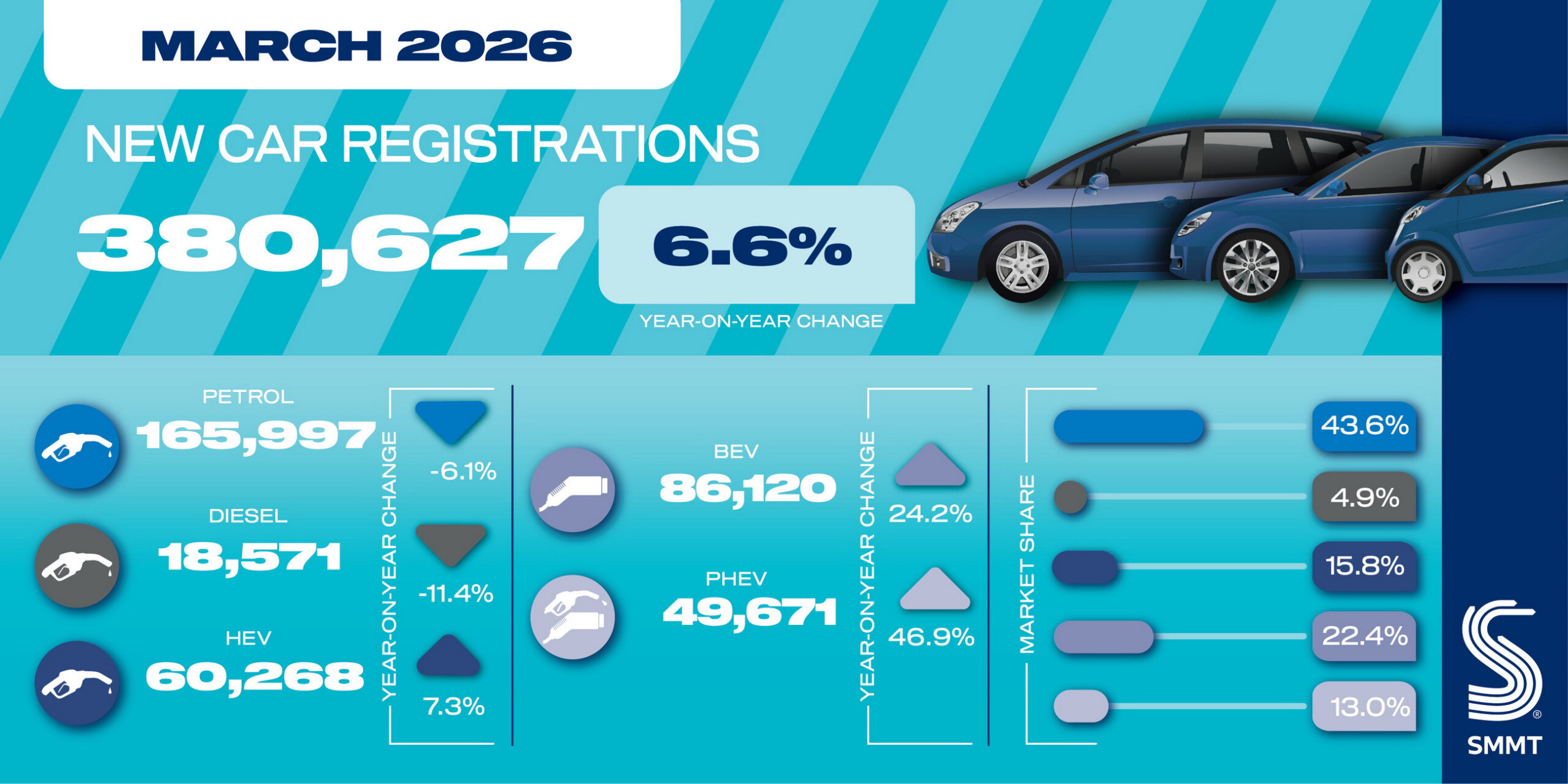
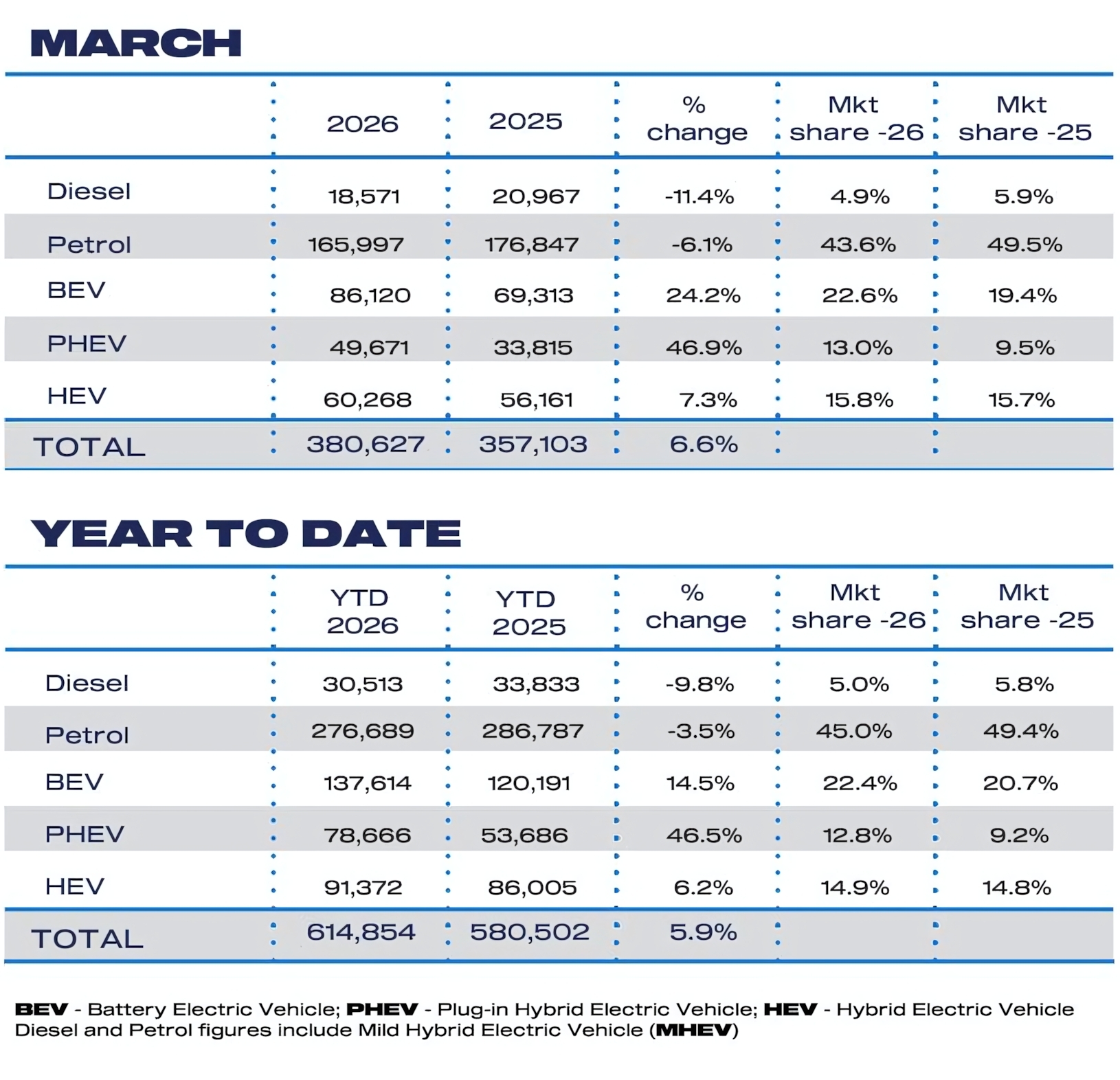
The UK’s new car market picked up pace in March, with the Society of Motor Manufacturers and Traders reporting a 6.6% increase to 380,627 registrations, making it the strongest month since 2019. Private buyers led the charge with a 10.1% jump, while fleet sales rose 3.5% and business registrations climbed 18.8%.

More: Rivian Beat Four Major Automakers In EV Sales, And Its Biggest Model Hasn’t Even Launched Yet

Electrified vehicles delivered a record-setting month, led by a 46.9% surge in plug-in hybrids. Self-charging hybrids followed with a 7.3% increase, while battery electric vehicles climbed 24.2%. It also marked the strongest month on record for fully electric cars in the UK

In market share terms, plug-in hybrids took 13%, self-charging hybrids reached 15.8%, and battery electric vehicles claimed 22.6% of UK sales in March. That last figure looks strong, but it still sits well short of the government’s 33% Zero Emission Vehicle target for 2026.

UK New Car Registrations 2026
ModelMarch 2026ModelYear To Date 2026
1. Jaecoo 710,0641. Ford Puma16,128
2. Ford Puma9,1932. Jaecoo 715,569
3. Nissan Qashqai8,7183. Kia Sportage14,190
4. Kia Sportage7,3104. Nissan Qashqai12,853
5. Vauxhall Corsa6,3155. Vauxhall Corsa10,552
6. Volvo XC406,3116. Volvo XC409,288
7. MG HS6,1357. VW Golf9,176
8. VW Golf5,8908. MG HS9,147
9. Tesla Model Y5,1779. Nissan Juke8,512
10. BMW 1-Series4,93610. Mini Cooper8,109
SWIPE

Source SMMT

Clouds On The Horizon

Even with record numbers on paper, the mood behind the scenes is far less celebratory. SMMT says automakers are leaning heavily on discounts just to keep momentum going. At the same time, battery costs are running about 30% higher than expected, while public charging prices have climbed 140% over the past five years. That combination leaves margins looking increasingly fragile.

More: The Iran War Could End Tomorrow. The Auto Industry Could Still Lose Over A Million Sales

The situation is further complicated by the ongoing Iran crisis. While the conflict has pushed fuel prices sharply higher and nudged more drivers to consider EVs, it also risks eroding consumer confidence as everyday costs rise across the board.

 A Chinese Car Has Never Topped UK Sales Before. One Just Did

Mike Hawes, SMMT Chief Executive, said:

“The strongest new car market since 2019, with the highest ever volume of EV registrations, is a boost to the industry and the economy. However, the headlines belie the costs incurred and the challenges involved. Much of March’s performance will be from orders placed before the start of the Iran conflict, which threatens to raise the cost of living, undermining consumer confidence. Against this backdrop, and with the EV market falling further away from mandated levels despite record levels of incentives, an urgent review of the transition is required to secure a sustainable market, economic growth and the UK’s net zero ambitions.”

 A Chinese Car Has Never Topped UK Sales Before. One Just Did
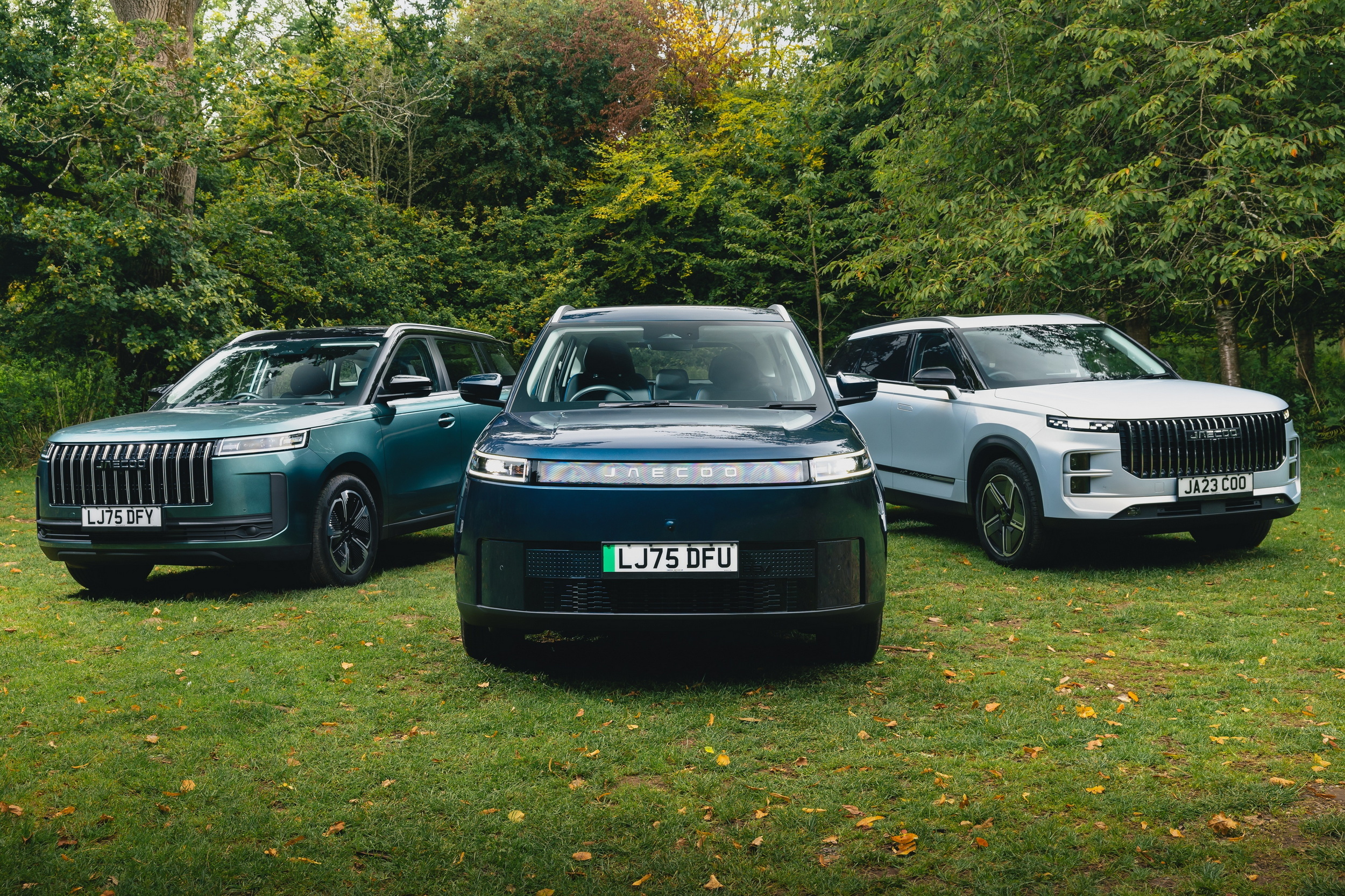
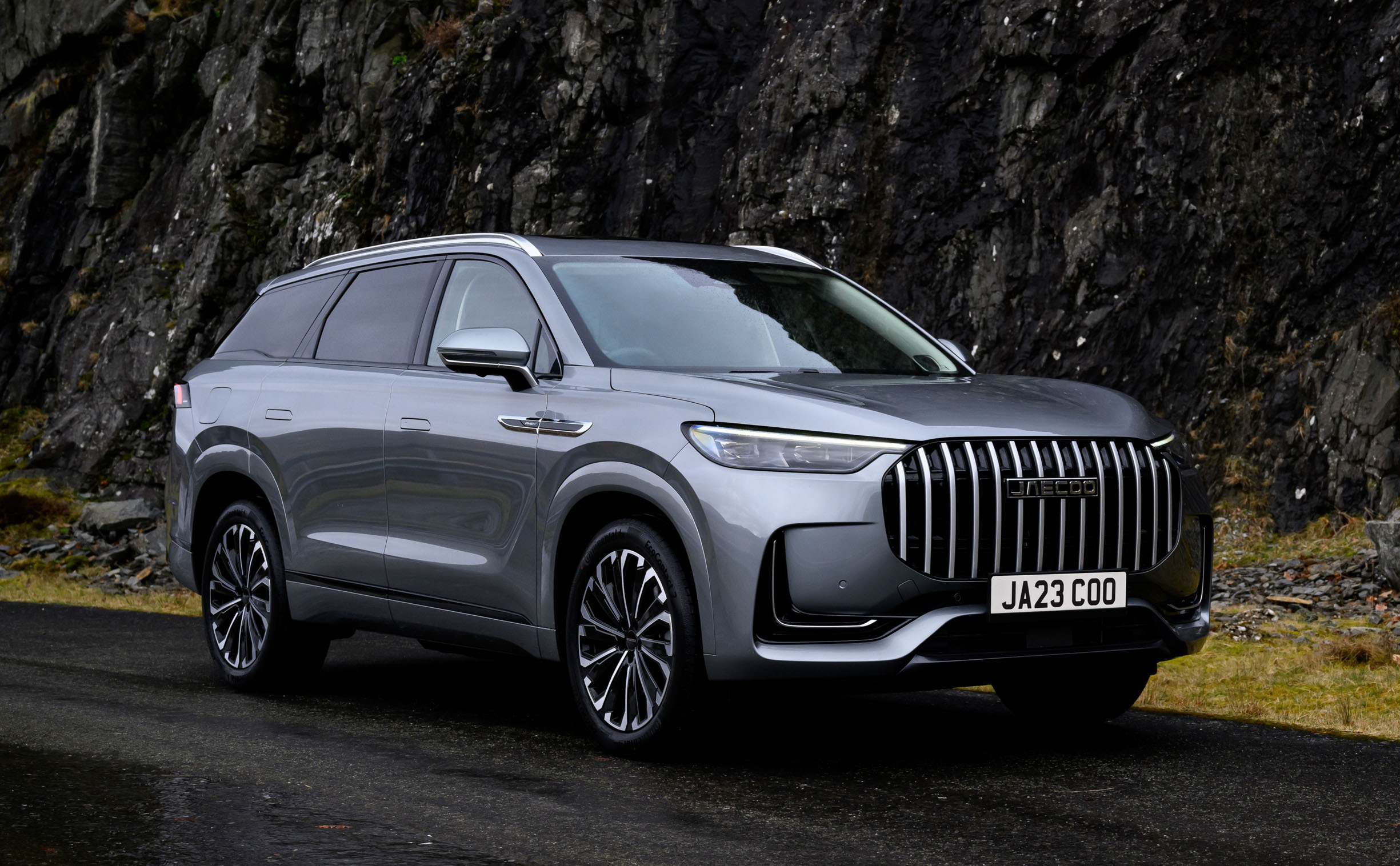
The Jaecoo 5 (left), the E5 (middle) and the 7 (right) will soon be joined by the Jaecoo 8 flagship (below).
 A Chinese Car Has Never Topped UK Sales Before. One Just Did

GM’s Only Answer To Toyota’s Seventeen Hybrids Is A $109K Corvette

  • Some automakers ignored hybrids to bet big on EVs.
  • That bet went bad and could get worse as gas prices soar.
  • Toyota and Hyundai stand to benefit from diverse lineup.

A few years ago, automakers faced a tough choice. They could eschew hybrids and plug-in hybrids to go all-in on EVs, or adopt a more balanced, but expensive approach that saw them invest in multiple technologies.

A number of companies went the electric route and that ended up costing them greatly as adoption was slower than they anticipated. If that wasn’t bad enough, the United States eliminated the federal tax credit and governments rolled back overly ambitious green agendas.

More: Gas Was $2.98 A Month Ago. It Just Crossed $4 For The First Time Since 2022

This has pushed automakers to cancel EVs and abandon plans to go electric-only. Companies have posted huge losses and now they’re suddenly playing catch-up with rivals that took a more nuanced approach.

Expensive Gas Is Going To Make Things Even Worse

 GM’s Only Answer To Toyota’s Seventeen Hybrids Is A $109K Corvette

Since some companies were betting on a quick transition to EVs, a number of them don’t have many hybrids or plug-in hybrids to offer customers. That’s bad news in an era where the national average price of a gallon of gasoline is above $4 and climbs to nearly $6 in some states.

The only hybrid GM has in America is the $108,600 Corvette E-Ray and that’s a huge problem. Consumers in the market for a compact crossover might look at an Equinox, which returns up to 26 mpg city, 29 mpg highway, and 27 mpg combined. That’s not terrible, but the Toyota RAV4 gets 47 mpg city, 40 mpg highway, and 43 mpg combined. This is a huge difference, especially in an era of sky high gas prices.

 GM’s Only Answer To Toyota’s Seventeen Hybrids Is A $109K Corvette

Hyundai and Kia also offer hybrid competitors in the form of the Tucson and Sportage. The former offers up to 38 mpg across the board, while the latter returns up to 41 mpg city, 44 mpg highway, and 42 mpg combined. It’s also worth noting all three competitors offer plug-in hybrid variants, while GM doesn’t offer a single one in the United States.

General Motors isn’t the only automaker that bet big on EVs and lived to regret it. Ford has a limited hybrid lineup that consists of the Maverick and F-150. The Escape, which offered hybrid and plug-in hybrid options, was recently killed off, while the Explorer Hybrid is limited to police and the Pope.

Hybrid Sales Are Skyrocketing

 GM’s Only Answer To Toyota’s Seventeen Hybrids Is A $109K Corvette

While the war in Iran is barely more than a month old, hybrid sales are booming. Kia recently revealed sales of hybrids soared 73% to set a new quarterly record.

Last month was also Hyundai’s best ever March for hybrid sales. The company noted hybrids saw a huge jump in the first quarter as the Elantra Hybrid was up 141%, while the Sonata Hybrid soared 107%. The Santa Fe Hybrid also got a 47% boost as consumers embraced efficiency.

 GM’s Only Answer To Toyota’s Seventeen Hybrids Is A $109K Corvette

While Toyota sales fell 6.9% in the first quarter, high gas prices could help to reverse that trend as the company offers a dizzying array of hybrids. Seventeen, to be exact, according to our last count. This includes the Camry, Corolla, Crown, Corolla Cross, and Prius, as well as the Crown Signia, Highlander, Grand Highlander, Land Cruiser, RAV4, 4Runner, Tacoma, Tundra, Sequoia, and Sienna. Two of those, the Prius and RAV4, are also offered as plug-in hybrids.

That’s a huge lineup, especially compared to Ford, GM, and Stellantis. The latter recently killed off plug-in hybrids and only offers the new Cherokee Hybrid in America. However, range-extended variants of the Ram 1500 and Grand Wagoneer are coming.

While EVs do offer some cover to these companies during periods of high gas prices, consumers have been clear: most want hybrids, not fully electric vehicles.

 GM’s Only Answer To Toyota’s Seventeen Hybrids Is A $109K Corvette

Kia’s EVs Bleed Out While Hybrids Carry The Brand To Its Highest-Ever First-Quarter Sales

  • Kia posted its best-ever first quarter sales in America.
  • Customers snapped up 207,015 vehicles for a 4.1% increase.
  • Result is due to strong sales of Sportage, Telluride and K4.

General Motors had a terrible first quarter, but Kia was triumphant as sales climbed 4.1% to reach a new record of 207,015 vehicles. The company said the result underscores their “steady growth despite uncertain market conditions.”

The redesigned Telluride is proving to be a key asset as it helped Q1 sales climb 16.9% to 35,928 units. The company went on to note that’s the “highest quarterly result in the vehicle’s history.”

More: Kia Is Finally Brings An Affordable EV To America With New EV3

Other big gainers were the K5 and Seltos, which were up 19.4% and 29.2%, respectively. The Sportage climbed 8.2%, while the Carnival bucked minivan stereotypes to post a 27.8% increase in the first quarter. It’s also worth noting the K4 was the brand’s second best-selling vehicle and sales were up 0.6%.

EVs Struggle, While Hybrids Soar

 Kia’s EVs Bleed Out While Hybrids Carry The Brand To Its Highest-Ever First-Quarter Sales

It wasn’t all good news as EVs continue to struggle following the elimination of the federal tax credit. EV6 sales fell 45.8% in the first quarter, while the EV9 was down 27.1%. On the bright side, sales of the three-row crossover did climb 7.1% in March. However, that only equates to an additional 83 vehicles.

While consumers turned their backs on EVs, they embraced hybrids. Sales skyrocketed 73% to achieve a new quarterly record. Kia can also expect a boost from the 2027 Seltos, which recently debuted with a new hybridized 1.6-liter engine.

 Kia’s EVs Bleed Out While Hybrids Carry The Brand To Its Highest-Ever First-Quarter Sales

Putting electrification aside, the Sorento is having a difficult time as the model was off 14.4% in the quarter. Sales also took a hit from the discontinuation of the Soul, although some dealers still have inventory in stock.

2026 Kia US March And Q1 Sales
ModelMar-26Mar-25Diff.26-YTD25-YTDDiff.
EV91,2471,1647.1%2,7403,756-27.1%
EV6883921-4.1%2,0233,738-45.9%
K4/Forte13,71413,7190.0%37,22037,0040.6%
K56,4776,3991.2%18,80615,74719.4%
Soul5433,717-85.4%3,29911,277-70.7%
Niro2,5022,4312.9%7,4555,11845.7%
Seltos5,2124,8288.0%14,69911,37529.2%
Sportage16,81916,872-0.3%44,70441,3018.2%
Sorento8,85810,547-16.0%21,51025,117-14.4%
Telluride13,30611,47316.0%35,92829,84320.4%
Carnival6,9476,4697.4%18,63114,57427.8%
Total76,50878,540-2.6%207,015198,8504.1%
SWIPE

Land Rover Let The Freelander Go. China Brought It Back As An Electrified SUV

  • The Freelander name returns on a new electrified 4×4 developed jointly in China.
  • It rides on an 800-volt platform supporting EV, PHEV, and range-extender setups.
  • Export versions will be bespoke regional models, not adapted China-market cars

The Freelander name has been dormant since 2015, but Jaguar Land Rover’s Chinese joint venture with Chery has brought it back as something entirely new. Instead of a badge within Land Rover’s lineup, it now stands alone as its own brand, focused squarely on electrified off-roaders. The first look at that direction comes in the form of a concept rather than a production-ready model.

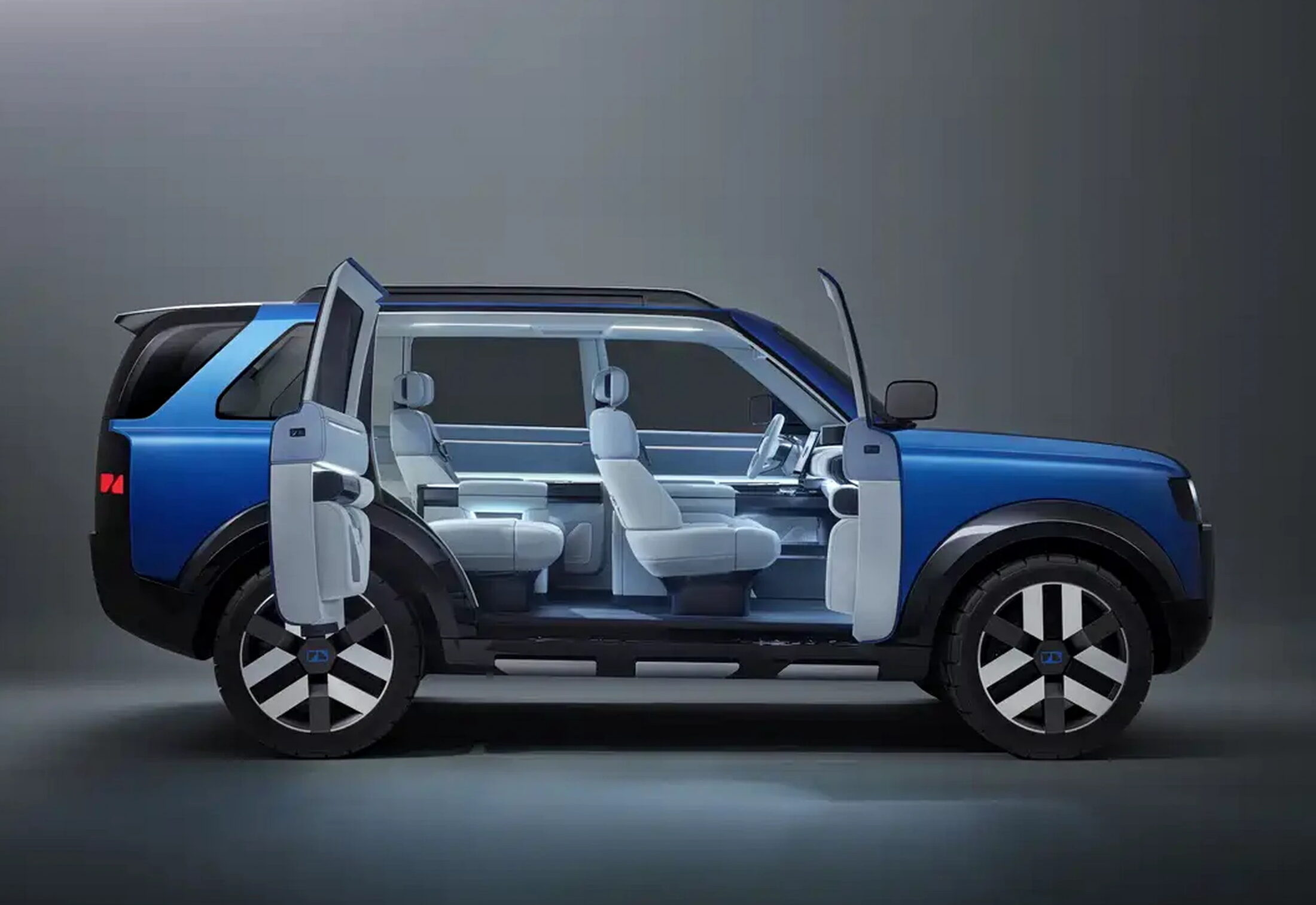
The Concept 97 takes its name from the Freelander’s original 1997 debut. While it wears no Land Rover badges, its design still leans heavily on the brand’s visual language, blending cues from the original Freelander with elements reminiscent of the modern Defender. The design is a product of collaboration between the teams at the UK and China.

More: The Freelander Is Coming Back, Just Not As A Land Rover

The company showed two cocnept models, finished in Glacier Blue and Thousand Mountain Green. Both feature black cladding paired with aluminum accents across the hood, grille, skid plate, and tailgate. The wheels and tires lean toward concept-car theatrics, and the suicide doors underline that this is still very much a showpiece. Expect those to give way to something more conventional in production, unless Land Rover decides to keep things interesting, at least with the doors.

Design Details Pull From Different Eras

\\\\\\\\\\\

Look closer and the references become more specific. The angled D-pillar is a clear callback to the three-door Freelander from 1997, including the era when it even offered a soft-top. Meanwhile, the black trim beneath the headlights and the pixel-style LED arrangement echo the facelifted model introduced in 2003.

More: Jaguar Land Rover’s Design Boss Is Out After Two Decades With No Successor Named

Around back, the taillights are tucked into a strip of black trim, contrasting against an upright aluminum-finished tailgate. The rear skid plate mirrors the front, and a sizeable roof spoiler caps things off with a slightly more modern flourish.

High-Tech Interior With Six Seats

\\\\\\\

The interior adopts a three-row six-seater configuration, with a rear bench that looks like a couch. A pillar-to-pillar display is mounted on the base of the windshield, joined by a large infotainment touchscreen. We can also see a pair of rotating dials and physical buttons on the steering wheel, alongside traditional stalks.

Second-row passengers have access to a drop-down screen, and a high-mounted center console similar to the one between the front seats. The SUV is also equipped with the latest Qualcomm Snapdragon 8397 chip, and Huawei’s Qiankun Intelligent Driving ADS 4.1 system featuring a 896-line LiDAR sensor.

Six Models Planned, But Not For Everyone

 Land Rover Let The Freelander Go. China Brought It Back As An Electrified SUV

This is not a one-off exercise. The company says six production models will arrive under the Freelander brand over the next five years. China comes first, with global expansion planned afterward, although that rollout carries a significant caveat.

Every model will be built at the CJLR plant in Changshu, effectively replacing the soon-to-be discontinued Land Rover Discovery Sport and Range Rover Evoque on the production line. With production rooted entirely in China, current US tariff conditions make an American launch highly unlikely. Canada, however, thanks to newly reduced tariffs, could still be in play.

More: Here’s The New Freelander Before You’re Supposed To See It

The SUVs are expected to ride on Chery underpinnings, supporting range-extender, plug-in hybrid, and fully electric powertrains. Based on earlier spy shots and leaked images, the first production Freelander of this new era will likely be a three-row, six-seat model, closely mirroring the Concept 97.

\\\\\\\\\\\\\\

Photos Chery Jaguar Land Rover, Weibo

Hyundai Is About To Flood The North American Market With 36 New Models

  • Hyundai will launch 36 vehicles in North America through 2030.
  • This includes new and updated models as well as derivatives.
  • There will be new XRT and N variants, and range-extended EVs.

Hyundai CEO José Muñoz used the company’s annual shareholders meeting to reveal an accelerated North American growth strategy. It calls for launching 36 all-new or “significantly enhanced” vehicles in Canada, Mexico, and the United States between 2026 and 2030.

The automaker didn’t go into many specifics, but confirmed we can expect commercial vehicles as well as cars, trucks, and SUVs. There will also be a mix of “core models and expanded trims” as well as new XRT and N variants.

More: Hyundai’s Best-Seller Is About To Get A Major Redesign

While Hyundai has bet heavily on EVs, they’re not putting all their eggs in one basket. Quite the opposite as they promised a “broad mix” of powertrains that will include gas and hybrid options as well as battery and range-extended EVs. This is designed to meet “evolving customer demands across the region,” which is codeword for slower than expected electric vehicle adoption.

\\\\

Muñoz alluded to this as he said, “By expanding our product portfolio and offering a wider range of powertrains in North America, we’re giving customers more choice while continuing to strengthen our long‑term investment in U.S. manufacturing, jobs, and the broader automotive ecosystem.”

Speaking of the latter, Hyundai aims to have more than 80% of vehicles sold in the United States assembled domestically by 2030. The automaker also wants to increase U.S. parts content from around 60% to 80% by the end of the decade.

What’s Coming?

\\\\\\\\\\\\\

The automaker was tight-lipped on what to expect, but spy photographers have already snapped an assortment of upcoming models including the redesigned Tucson and Elantra. The company is also working on a facelifted Santa Fe, while a larger truck is expected to replace the Santa Cruz.

On top of those models, Hyundai and General Motors have teamed up to jointly develop five new vehicles including an electric commercial van for North America.

\\\\\\\\

Europe’s ICE Car Sales Collapsed 23% In A Single Month, As EVs Surge

  • EVs accounted for 18.8 percent of EU sales in the first two months of 2025.
  • Petrol car registrations collapsed 23.3 percent in February across the bloc.
  • BYD doubled its European sales while matching Tesla’s 1.8 percent market share.

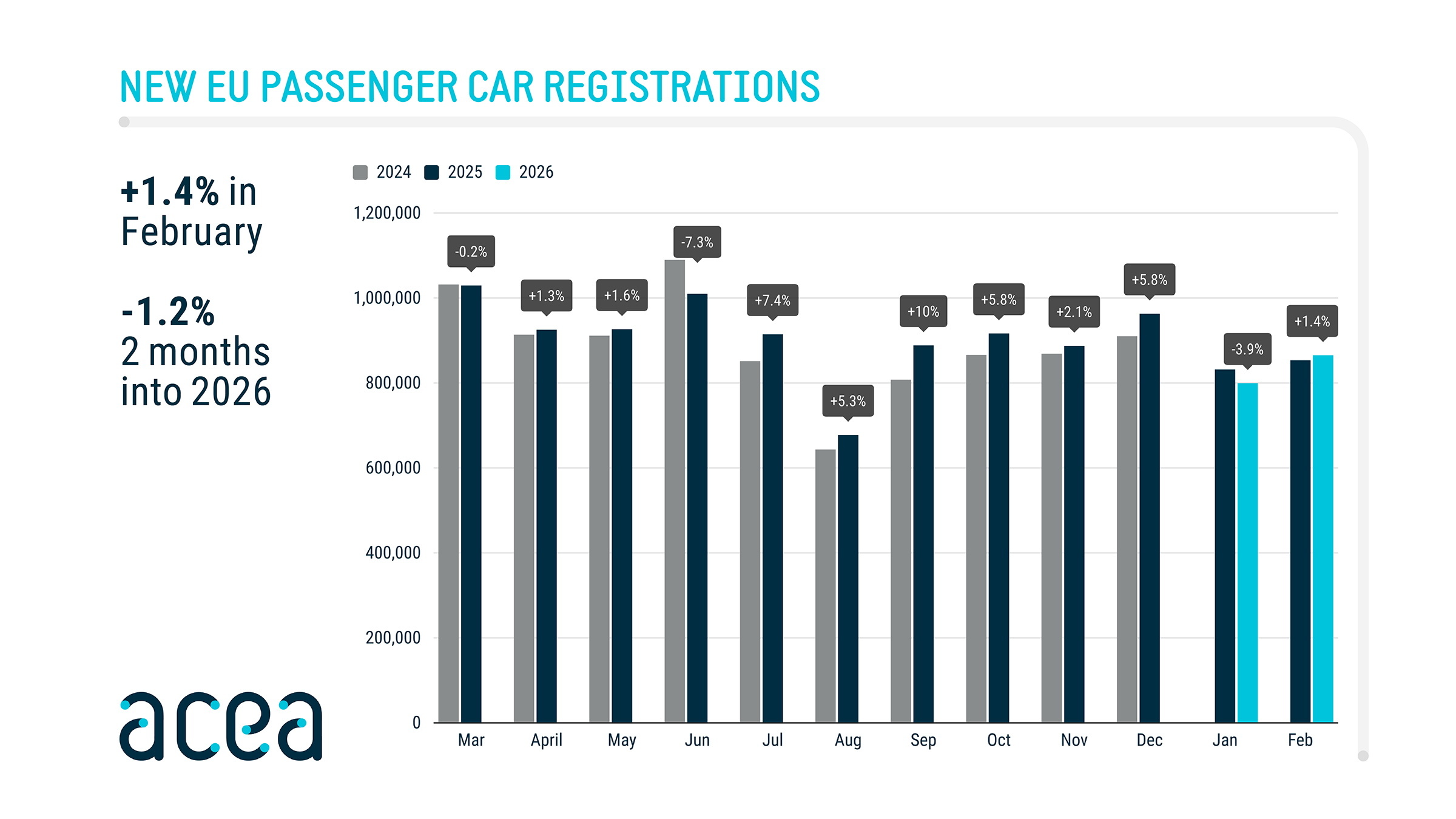
Sales of battery-electric vehicles across the European Union continue to rise and are now nipping at the heels of petrol-powered cars. Due to the ongoing war in Iran and spiking oil prices, EV demand could jump even further. However, market conditions remain mixed, with total car registrations across the EU, Britain, and EFTA rising just 1.7 percent in February to 979,321 units, signaling only modest overall growth.

Registration data from Europe’s ACEA reveals that EVs accounted for 18.8 percent of the new car market across January and February, a notable increase from 15.2 percent over the same period last year. A total of 312,369 EVs were registered in the first two months of the year, thanks in part to France (38.5 percent increase) and Germany (26.3 percent increase).

Read: EV Buyers Didn’t Disappear, They Just Moved Somewhere Automakers Don’t Love

This growth has been supported by a surge of more affordable EV models and national incentive programs that continue to encourage adoption. However, not every European country bought more electric vehicles. In fact, EV sales declined by a significant 34.9 percent in the Netherlands and 11 percent in Belgium.

 Europe’s ICE Car Sales Collapsed 23% In A Single Month, As EVs Surge

Notably, Tesla’s registrations rose 11.8 percent year-on-year, snapping a prolonged decline, though it still trailed BYD by a slim margin. Both brands held a 1.8 percent market share, while BYD’s sales more than doubled over the same period, highlighting growing pressure at the top of the EV segment.

Hybrid Boost

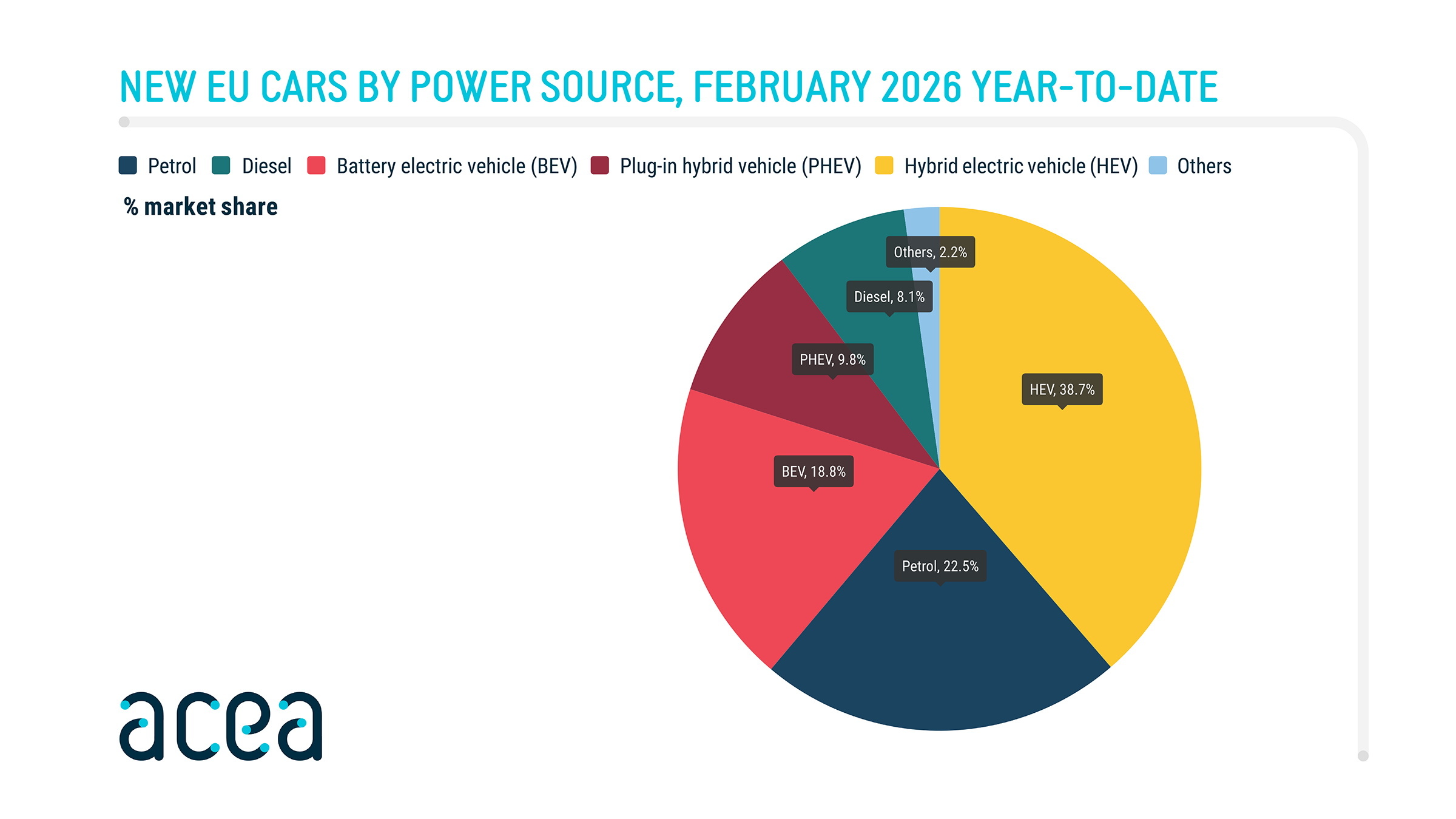
Hybrid vehicles remain the most popular powertrain choice in Europe, accounting for 38.7 percent of the market. This placed HEVs well ahead of cars powered solely by petrol, which have accounted for 22.5 percent of new car registrations this year.

Across February alone, battery-electric, plug-in hybrid, and hybrid vehicles together represented 67 percent of registrations, up from 58.5 percent a year earlier.

 Europe’s ICE Car Sales Collapsed 23% In A Single Month, As EVs Surge
ACEA

Petrol car sales are also on a downward trajectory, dropping 23.3 percent in February, with France reporting a massive 48.5 percent decrease. Registrations also dropped 22.8 percent in Germany, 20.8 percent in Spain, and 18.6 percent in Italy. Last year, petrol cars had a 29 percent share of the market, and this time next year, EVs may have overtaken them if current trends continue.

Plug-in hybrids were behind HEVs, petrol cars, and EVs as the fourth most popular powertrain choice, securing a 9.8 percent share of the market, over 7.4 percent last year. Sales reached 162,751 in the first two months, thanks in part to Italy (116.1 percent increase), Spain (71.5 percent increase), and Germany (23.8 percent increase). Trailing behind PHEVs are diesel vehicles with an 8.1 percent share, down 17.7 percent, and ‘others’ with a 2.2 percent share.

 Europe’s ICE Car Sales Collapsed 23% In A Single Month, As EVs Surge

Smart Thinks Its E-Class-Sized Sedan Looks Like A Shark, And Stands By It

  • Smart has shared more photos of the #6 ahead of its market launch in China.
  • The flagship fastback sedan adopts shark-inspired styling cues and active aero.
  • It will be initially available with a PHEV powertrain offering a 1,125-mile range.

Smart may be best known for its pint-sized two-door hatchbacks, but its lineup has been steadily expanding to include SUVs and coupe-style crossovers. Now it is pushing further upmarket with something entirely different. The Geely and Mercedes-backed brand has unveiled its first fastback, pairing an aerodynamic silhouette with what it describes as, “shark-inspired” styling cues.

More: You’re Not Wrong, The New Mercedes GLB Looks Suspiciously Like A Smart

Following its earlier appearance in regulatory filings, Smart has now released a fresh batch of images of the #6 EHD. Mercedes-Benz was responsible for the exterior, and Smart says the whole thing takes its cues from marine predators.

At the front, the hood integrates functional air channels that Smart has branded “Bionic Shark-Gills.” Around the rear, a four-stage adjustable spoiler is said to echo the movement of a shark’s tail Or so the company claims, so take that with a pinch of seal salt.

Other details include tightly drawn body surfacing along the profile, aggressive LED headlights linked by a central grille element, and full-width LED taillights set within a sculpted rear panel.

\\\\\\\\\\

At 4,906 mm (193.1 in) long, the #6 sits in executive sedan territory, being closer to a Mercedes E-Class or BMW 5-Series than anything Smart used to build. The 2,926 mm (115.2 in) wheelbase is the longest the brand has put into production, which should pay dividends for cabin space.

The interior has yet to be revealed, but spy shots suggest it will feature a tall center tunnel and a large infotainment display with the latest tech, similar to the Smart #5 SUV.

Electrified Powertrains

The Smart #6 sits on Geely’s PMA2+ architecture, a further development of the widely used SEA platform that also underpins models like the Zeekr 007 and its GT counterpart. It will debut as a plug-in hybrid, with fully electric versions set to follow, including a range-topping Brabus variant.

More: Smart’s About To Drop A #2 On The City Car Segment

The EHD, short for Extended Hybrid Drive, uses Geely’s NordThor 2.0 system. It pairs a turbocharged 1.5-liter gasoline engine with a front-mounted electric motor, delivering a combined 429 hp (320 kW / 435 PS). The headline figure is range, with a claimed 1,810 km (1,125 miles) on the CLTC cycle, including up to 285 km (177 miles) in electric-only driving.

The Smart #6 EHD is scheduled to launch in China in the coming months, ahead of a global rollout. Pricing will be announced at a later date.

\\\\\\\

Smart

New Fiat Giga Panda SUV And Lancia Gamma Have A Reveal Date

  • Fiat returns to the compact segment with two new production SUVs.
  • The “Giga Panda” in SUV and Fastback forms will premiere in Paris.
  • Other Stellantis debuts include the Lancia Gamma and two concepts.

Fiat is lining up three debuts for the Paris Motor Show this October, two production cars and one concept. In the process, the brand returns to the compact segment, all but confirming that the long-teased “Giga Panda” SUV and Fastback will be the main attractions.

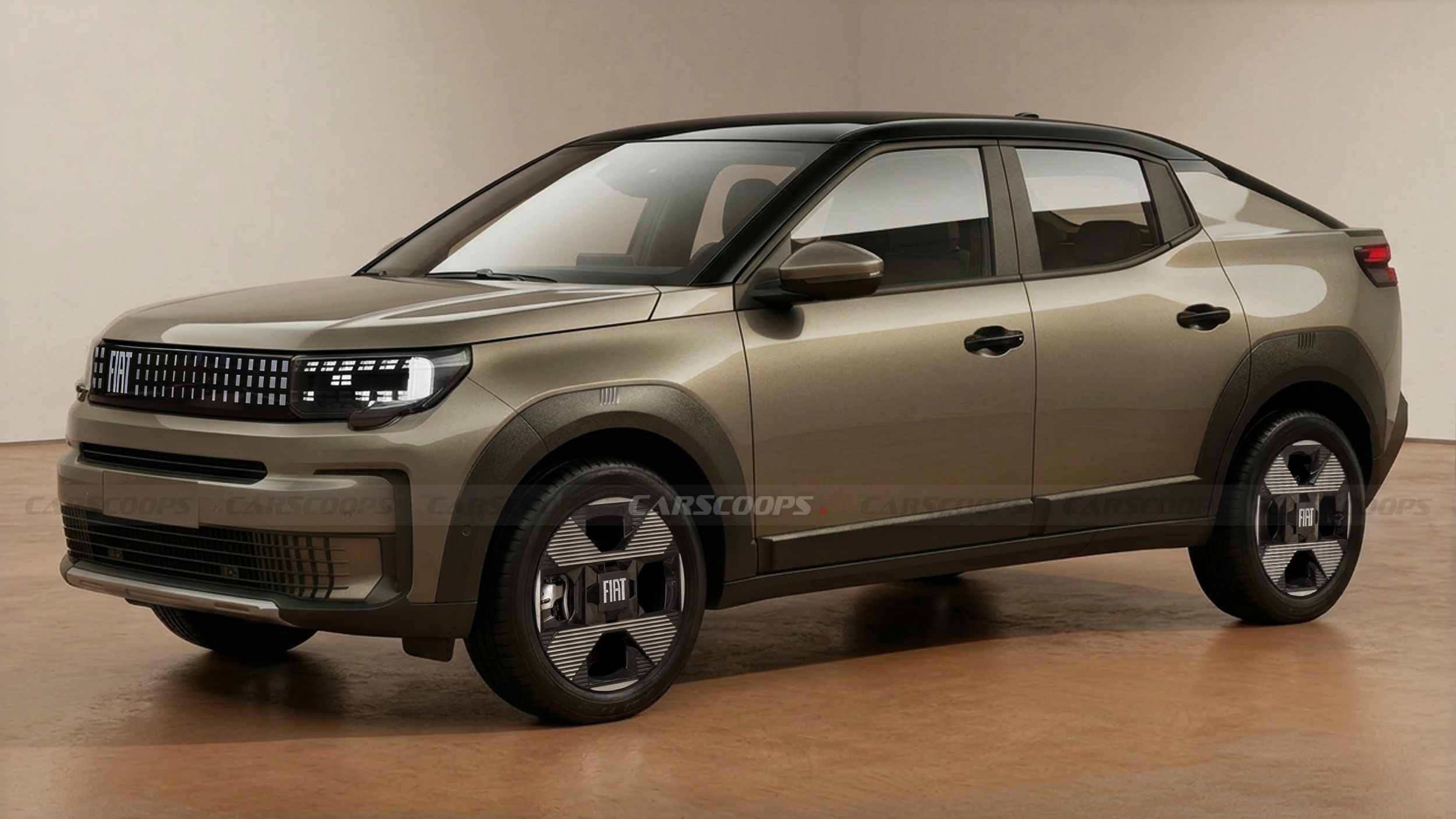
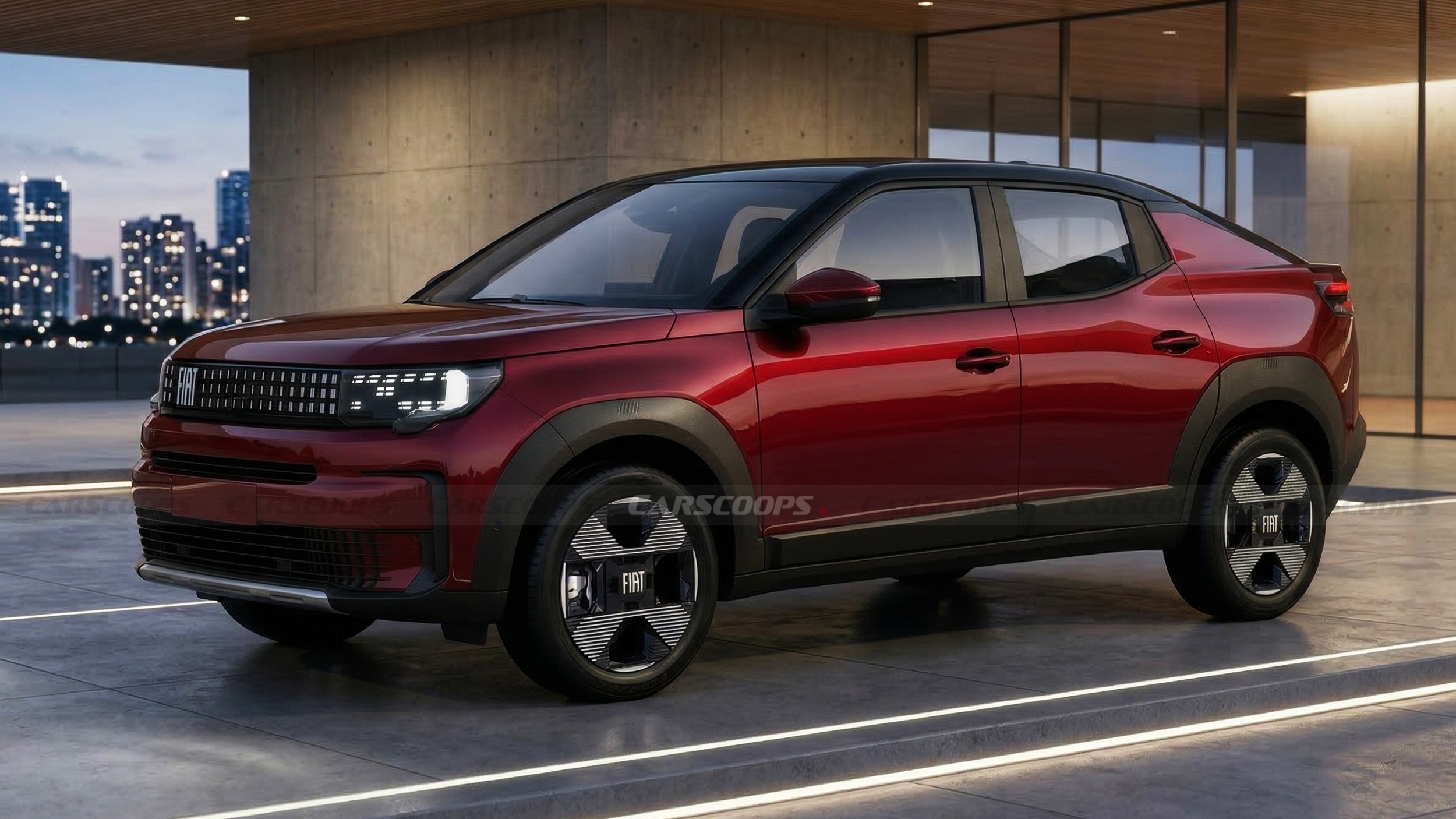
Building on the momentum of the Grande Panda, these new additions are set to be larger, more practical, and better suited to family duties. Their designs will closely follow the 2024 concepts, with the SUV adopting a more upright rear end, while the Fastback getting a sloping roofline similar to the Citroen Basalt.

More: Fiat’s New SUV Concept Just Got Real And The Fastback Roofline Isn’t Even The Best Part

Expect the two models to share a front-end design, featuring pixel-style LED lighting and a covered grille. Our speculative rendering, which is based on earlier prototype sightings, depicts the Fastback with modern styling cues borrowed from the smaller Grande Panda.

 New Fiat Giga Panda SUV And Lancia Gamma Have A Reveal Date
Illustrations Thanos Pappas / CarScoops

Underneath, both sit on Stellantis’ Smart Car platform, already in use on models like the Citroen C3 Aircross and the Opel Frontera. While it’s a cost-conscious architecture, it’s also a flexible one, supporting everything from combustion to mild-hybrid and fully electric powertrains.

More: A Tiny Crossover May Finally Bring Gas Engines Back To Abarth

Fiat has shared almost no details about the new concept, beyond vaguely calling it “exclusive.” Whether it previews another future addition to the expanding Panda family remains unclear.

 New Fiat Giga Panda SUV And Lancia Gamma Have A Reveal Date

What Else Will Stellantis Debut?

While Fiat focuses on the more affordable end of the spectrum, the wider Stellantis lineup is also bringing a few noteworthy debuts to this year’s Mondial de l’Auto in Paris.

More: New Lancia Crossover Appears In The Wild Hiding A Famous Old Name

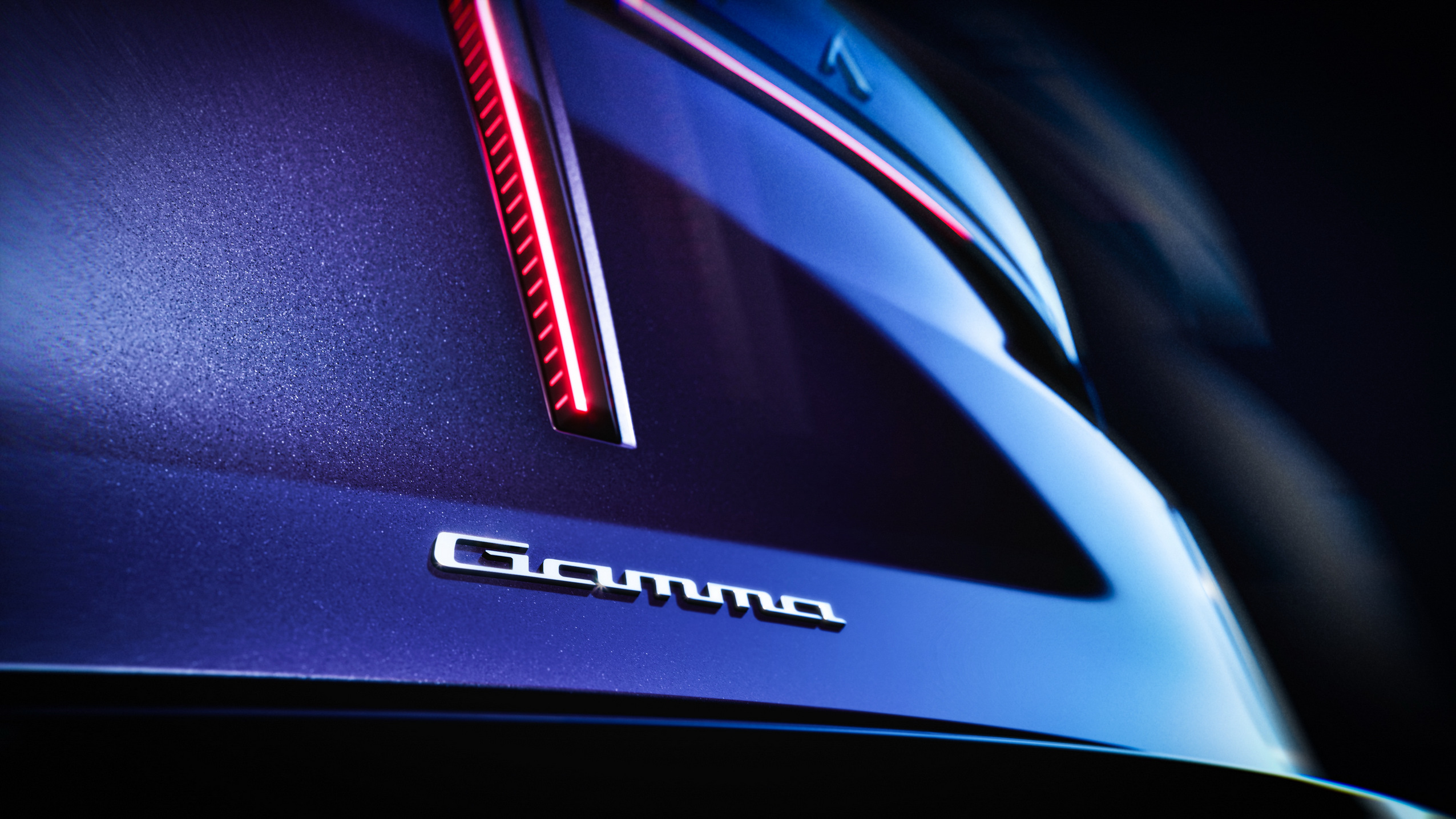
Lancia is set to take a leading role with the public debut of the all-new Gamma. It arrives as a sleek fastback-style crossover and will be built at the Melfi plant in Italy, alongside the DS No8. Underneath, it uses the STLA Medium platform, with a full spread of options including electric, mild-hybrid, and plug-in hybrid powertrains.

 New Fiat Giga Panda SUV And Lancia Gamma Have A Reveal Date
An earlier teaser for the new Lancia Gamma.

Citroen is also bringing a new concept to Paris, promising something “packed with personality.” Whether that means a pure design study in the vein of the late-2025 ELO concept or an early look at a future production model is still up in the air.

More: Stellantis Admits EV Bet Went Too Far, $26 Billion Later

Leapmotor, the Chinese brand backed by Stellantis, will also make an appearance with the B03 subcompact hatchback, positioned as the lower, better-looking counterpart to the B03X SUV. A different shape, same idea.

As for DS Automobiles, the more premium French brand is set to roll out the No7 SUV following its recent online reveal. The Stellantis roster, which includes Peugeot, Opel, and Alfa Romeo, will be on hand, though their displays will stick to models we have already seen.

 New Fiat Giga Panda SUV And Lancia Gamma Have A Reveal Date
DS No7

DS Redesigns Their Best-Seller And Gives It A New Name

  • DS is replacing the 7 with the all-new N°7.
  • It offers hybrid and electric powertrains.
  • Flagship has 345 hp and 422 miles of range.

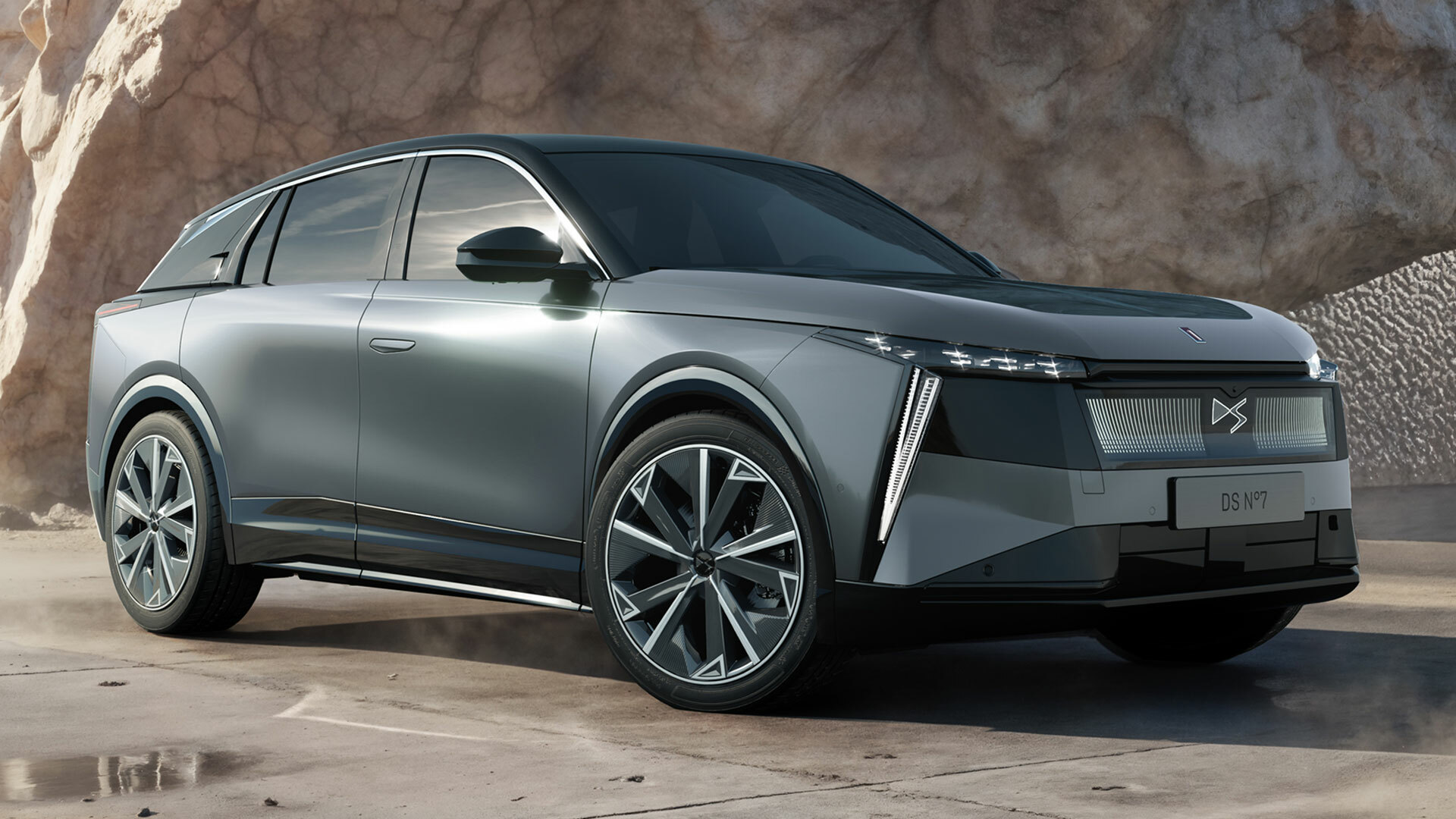
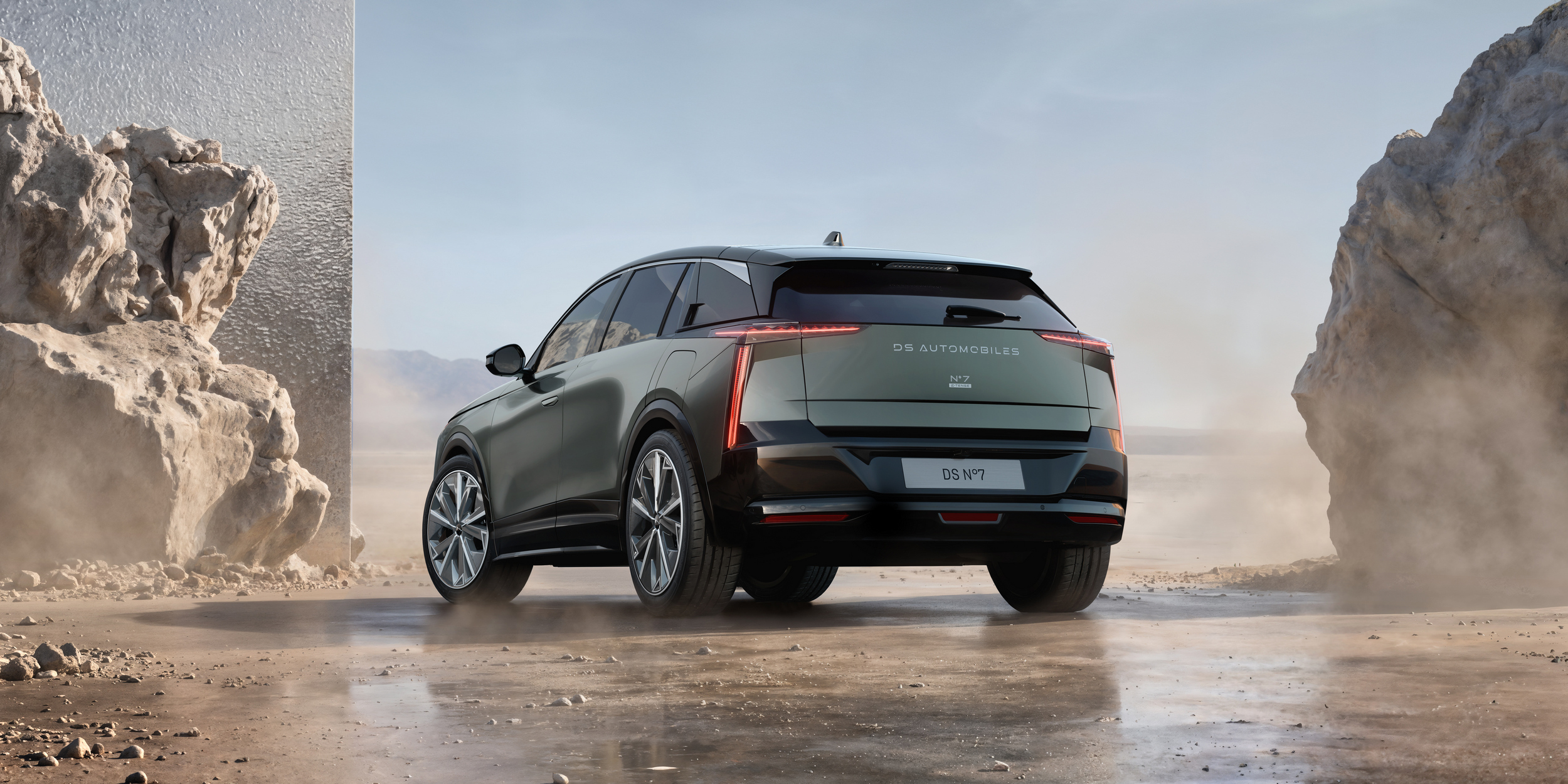
DS Automobiles has unveiled the all-new N°7, a model that points to where the brand is headed next. This compact crossover steps in for the outgoing 7, taking over from the company’s previous best-seller while marking a pivotal moment for the brand.

The premium model follows in the footsteps of the N°8 and adopts a familiar front end with V-shaped light blades and slender PixelVision headlights, which detect other road users and adapt their beams to avoid glare. They’re joined by a Luminascreen grille and gloss black accents.

More: DS N°4 Debuts As A Chic Hatch With Hybrid, Plug-In Hybrid, And Electric Power

Moving further back, we can see streamlined bodywork and flush-mounted door handles. Designers also gave the crossover a sloping roofline and longer rear doors. They’re accompanied by a 40% larger panoramic glass roof and wheels ranging in sizes up to 21 inches.

Speaking of size, the model measures 183.5 inches (4,660 mm) long, 74.8 inches (1,900 mm) wide and 64.2 inches (1,630 mm) tall with a wheelbase that spans 109.8 inches (2,790 mm). This means length is up by 2.8 inches (70 mm), while the wheelbase grows 2 inches (50 mm).

An Upscale And Minimalist Interior

\\\\\\\\\\\\\\\\\\\

The minimalist interior is dominated by a 10-inch digital instrument cluster and a 16-inch infotainment system with wireless Apple CarPlay and Android Auto. They’re joined by a heads-up display and an X-shaped steering wheel, which is billed as a new “brand signature” for DS.

Elsewhere, there’s a floating center console and a toggle-style shifter. The model also offers fabric, Alcantara, and Nappa leather upholstery as well as brushed aluminum or genuine wood trim. Customers can also get heated rear seats as well as heated, ventilated, and massaging front chairs with a neck warmer. Rounding out the highlights are an ambient lighting system, a digital rearview mirror, and a six- or 14-speaker audio system.

The automaker didn’t release full equipment details, but said the model will be offered with DS Drive Assist 2.0. It’s a semi-autonomous Level 2 system that combines lane centering and adaptive cruise control with a stop and go function. The crossover also has an automatic lane change function as well as a night vision system, which can detect pedestrians, cyclists, and animals up to 984 feet (300 meters) in front of the vehicle.

Electric And Hybrid Power

The N°7 rides on the STLA Medium platform and will be offered with an assortment of powertrains. The fully electric N°7 E-TENSE lineup begins with a 73.7 kWh battery pack that powers a front-mounted motor developing 227 hp (169 kW / 230 PS). This setup enables the crossover to have a WLTP combined range of up to 337 miles (543 km).

Customers can also get a long range variant, which features a larger 97.2 kWh battery as well as an upgraded motor producing 242 hp (180 kW / 245 PS). Besides the extra oomph, the range climbs up to 460 miles (740 km).

Last but not least, there’s a long range all-wheel drive variant with a combined output of 345 hp (257 kW / 350 PS). This drops the range down to a maximum of 422 miles (679 km).

\\\\

All three powertrains have a boost function and the range-topping variant can temporarily produce 370 hp (276 kW / 375 PS). This enables the dual-motor variant to accelerate from 0-62 mph (0-100 km/h) in 5.4 seconds.

Buyers will also find a 160 kW DC fast charging capability, which can take the battery from a 20% to 80% charge in around 30 minutes. The EVs also have a plug and charge capability as well as automatic battery preconditioning.

\\\\\\\\\\\\\\\\\\\\

If you’re not ready to go electric, there’s a hybrid with a turbocharged 1.2-liter three-cylinder petrol engine and a six-speed dual-clutch transmission with an integrated electric motor. This setup produces 143 hp (107 kW / 145 PS) and enables the model to have a fuel consumption of 5.4 L/100 km (43.5 mpg).

DS is currently accepting orders in France, where pricing starts at €64,200 (approximately $69,800 at current exchange rates) for the N°7 E-TENSE FWD ÉTOILE LIGNE BUSINESS.

 DS Redesigns Their Best-Seller And Gives It A New Name

Bentley Scraps Four Future EVs, But One Model Still Survives

  • Bentley is delaying most EVs as luxury demand stays uncertain.
  • Hybrids and gas models will take priority through the decade.
  • Only one EV is confirmed before 2030 despite earlier plans.

The automotive industry is undergoing a gigantic shift, and Bentley is changing too. The British luxury brand had big plans to go all electric, but consider that plan delayed big time. Now, it’ll launch just one EV before 2030, and the rest of the lineup will use gas or hybrid powertrains.

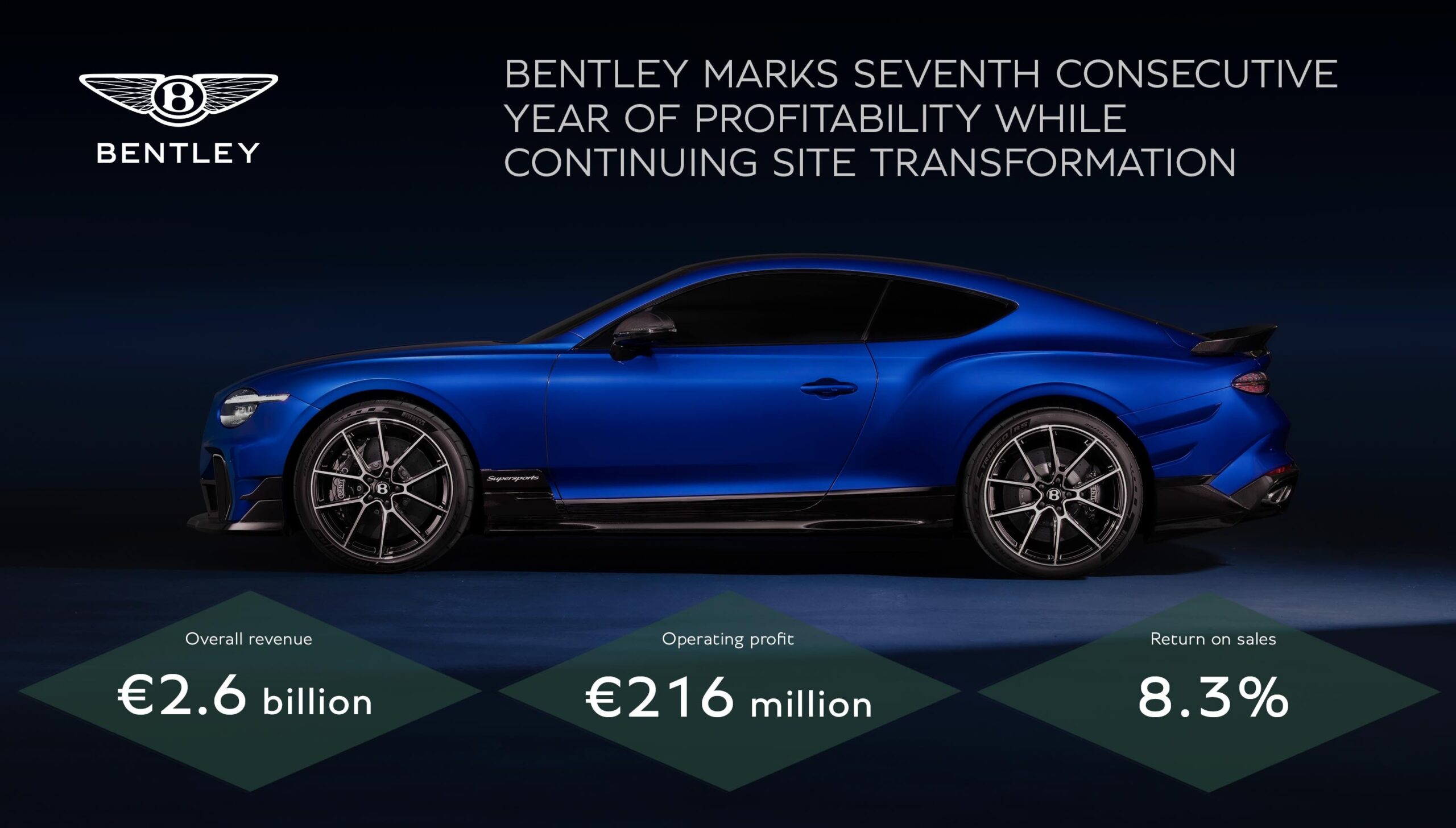
This all comes as Bentley reports its seventh straight year of profitability despite a 42 percent drop in that figure year over year, and layoffs hit the company.

The company had previously outlined an ambitious strategy that would see five fully electric Bentleys arrive by 2035. Now, only the first one, an SUV-like EV due in 2027, is still locked in, while the rest of the program has effectively been put on ice.

More: Bentley’s New SUV Will Hit 100 Miles In Seven Minutes

That first EV is expected to be revealed before the end of this year and will ride on Volkswagen Group’s Premium Platform Electric (PPE) architecture, which also underpins several other upcoming luxury EVs. The four additional EVs were originally being developed on the Porsche-led platform that has since been canceled, effectively ending those projects.

\\\\\\\

Future Lineup Prioritizes Hybrids

Instead of rapidly expanding its EV lineup, the brand will lean heavily on plug-in hybrids and gas engines. It might even keep traditional combustion models around longer than expected. That’s big news all by itself and provides an extra layer of exclusivity for future buyers.

Bentley CEO Frank-Steffen Walliser said the company has had to rethink its entire product plan as the market shifts. Some of that comes directly from customer demands. Recent plug-in hybrid versions of the Continental GT and Flying Spur were well received, and the company says these electrified V8 models can meet future emissions rules without giving up the performance buyers expect.

According to Car&Driver, he also noted that future models will continue adopting plug-in hybrid systems, and confirmed that retrofitting EVs with combustion or hybrid powertrains is not part of the company’s strategy due to feasibility constraints.

 Bentley Scraps Four Future EVs, But One Model Still Survives

That said, it seems clear why Bentley is being cautious. The company reported its seventh straight year of profitability, but deliveries fell five percent, with weaker demand in China cited as a major factor. Bentley says it remains financially solid, but the changing market means it has to be selective about where it invests next. A 42 percent drop in profit is nothing to ignore, and Bentley is making moves to improve its position.

See: What Bentley’s Smaller SUV Could Look Like Is Already Stirring Debate

Bentley is also cutting some 140 jobs in the UK. That’s only a portion of total layoffs, which Walliser says will likely amount to 275 employees, mostly in office jobs. Some of the changes are due to forces outside of Bentley itself.

The Volkswagen group is no longer going to build the Porsche-led Scalable Systems Platform that was going to underpin multiple Bentley products. Without it, the brand had basically no choice but to abandon its plans. Despite that, it’ll still likely go EV-only at some point… just not anytime soon.

\\\

VW Teases Facelifted Vans, But The Real Changes Are Hidden Inside

  • Volkswagen previews refreshed Caddy and Multivan vans for 2026.
  • Larger infotainment screens arrive with simpler, more intuitive menus.
  • Other models, including the ID. Buzz, are also lined up for upgrades.

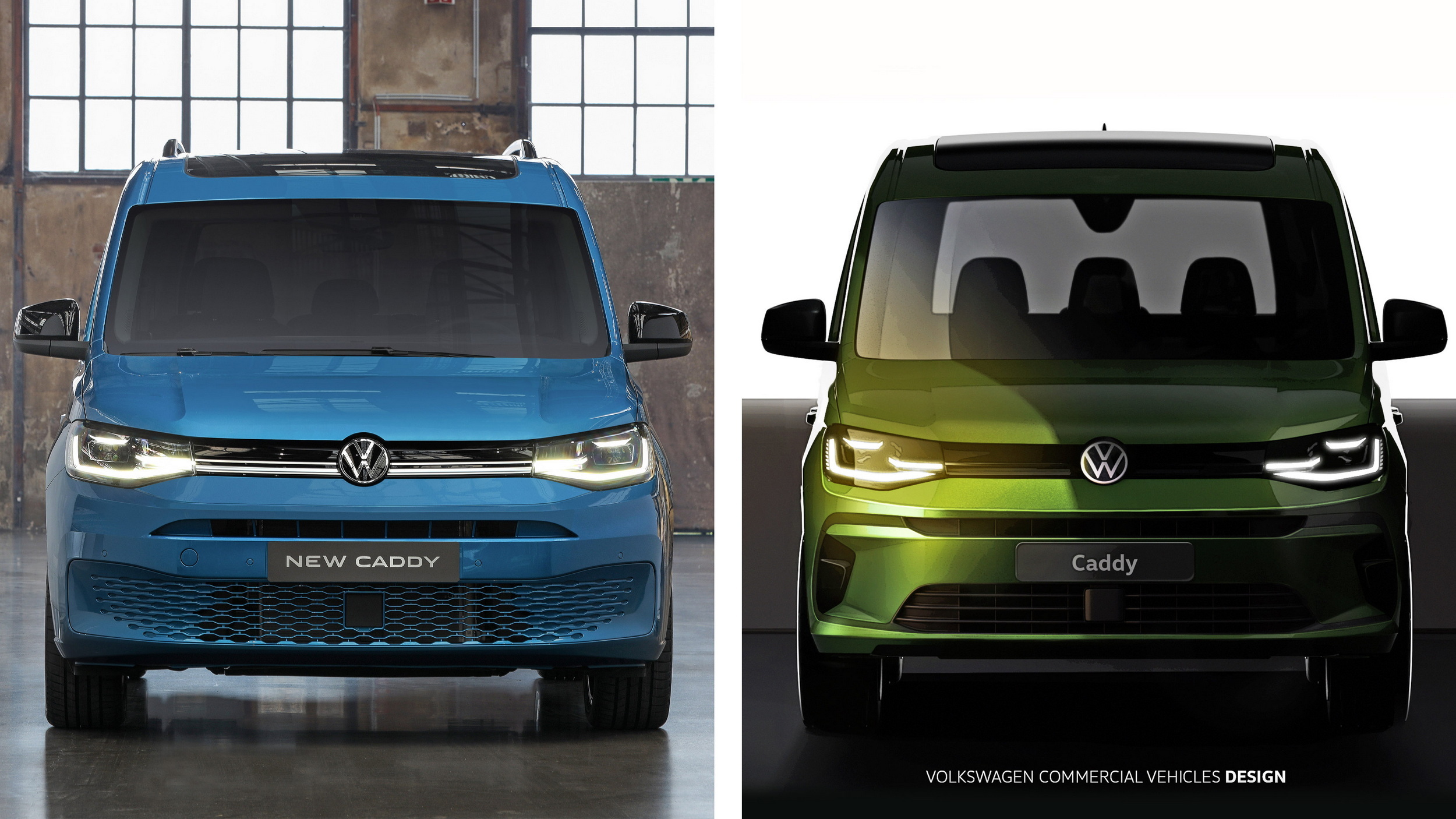
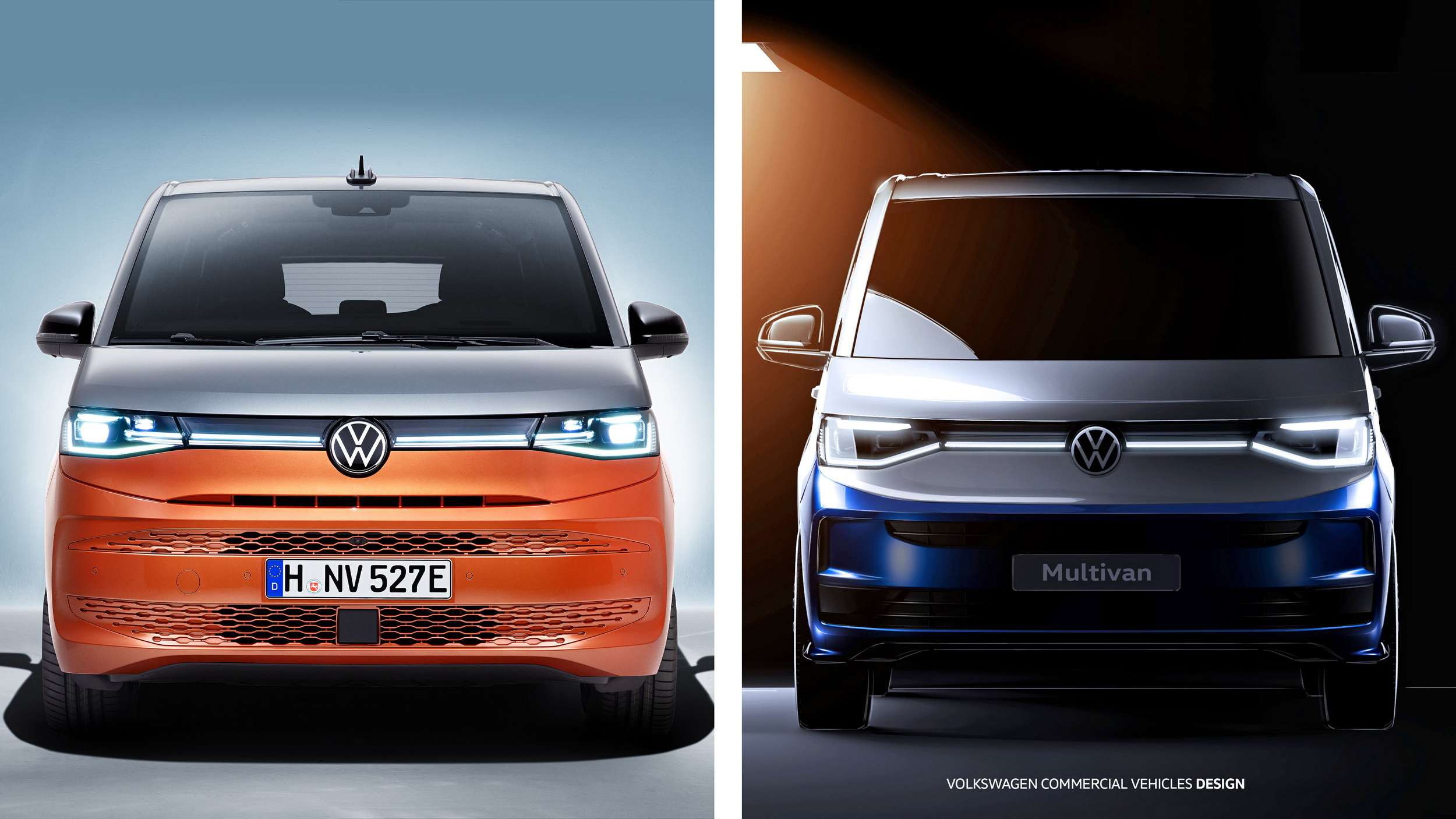
Volkswagen’s commercial vehicles division has offered a preview of what’s coming next for its van lineup at the 2026 Annual Media Conference. Alongside a business update, the company released official sketches teasing facelifted versions of the Caddy and the Multivan T7, both scheduled to arrive later this year with styling revisions and cabin upgrades.

The first teaser focuses on the Caddy. Up front, the van picks up a redesigned bumper that replaces the previous body-colored mesh pattern with more traditional cooling intakes. The grille shown in the sketch appears to drop illuminated elements altogether, though it remains unclear whether that detail will apply across the entire trim range.

More: Volkswagen Renames Its Hatch To ID.3 Neo, But The Real Change Is Inside

The Multivan T7 receives a similar refresh, although its front end retains the LED light strip spanning the grille. The headlights adopt revised LED graphics, and the van shown in the teaser wears a new two-tone paint scheme that echoes the look of the ID. Buzz.

 VW Teases Facelifted Vans, But The Real Changes Are Hidden Inside

Beyond the exterior tweaks, Volkswagen says both vans will receive what it calls “significantly optimized interior solutions.” The most obvious change will be larger infotainment displays paired with simpler, more intuitive menus, an update the company claims will make everyday use noticeably easier for owners.

More: VW Locks Gas Tiguan In Until 2035 With Two Major Updates Planned

It has also been confirmed that the 2026 MY updates will be applied to the California version of the Multivan T7, which was caught by our spy photographers during winter testing. For now, Volkswagen has not indicated any mechanical changes. Powertrain options for the Caddy and Multivan are expected to carry over largely unchanged from the current lineup.

 VW Teases Facelifted Vans, But The Real Changes Are Hidden Inside

Upgrades For Other Vans

The update cycle is not limited to the Caddy and Multivan. Volkswagen also plans to expand electrified options across the rest of its van range in 2026. That includes new plug-in hybrid powertrains for the Ford-based VW Transporter and Caravelle, giving both models a partially electric option for the first time.

More: VW’s ID. Buzz Picks Up A Feature No Minivan Has Any Business Offering

The fully electric ID. Buzz is also due for a few new tricks. Volkswagen plans to add Vehicle-to-Load (V2L) capability, allowing owners to power external devices directly from the van’s battery. A “Good Night” package and a dedicated Camp Mode are also on the way.

Finally, the Grand California flagship camper will be “comprehensively upgraded based on customer feedback”, and the Crafter will become available with a three-way tipper bodystyle.

Financial Hurdles Amid A Fresh Start

 VW Teases Facelifted Vans, But The Real Changes Are Hidden Inside

The product push comes as VW Commercial Vehicles tries to bounce back from a difficult 2025. Sales revenue actually rose 11% to €16.86 billion ($19.3 billion), but operating profit plunged 67% to €245 million ($281 million).

More: Volkswagen To Slash 50,000 Jobs After Profits Fell Off A Cliff

Much of the decline was attributed to provisions set aside for CO2 fines in the European Union, largely tied to the slower-than-expected ramp-up of fully electric LCVs. Even so, the brand maintained a solid net cash flow of €1 billion ($1.15 billion) to support future product updates. Deliveries also edged up, with VW Commercial Vehicles selling 428,000 units in 2025, a 6% increase compared to 2024.

\\\\\\\

Volkswagen Commercial Vehicles

Mercedes Planned An EV-Only Baby G, Now It’s Having Second Thoughts

  • Mercedes may sell the scaled-down G-Class as EV and hybrid.
  • The hybrid could borrow the CLA’s 1.5-liter engine setup.
  • The electric version may carry a sizable 85 kWh battery pack.

Given the cultural weight carried by the Mercedes G-Wagen, it’s a bit surprising the company has taken this long to pursue a smaller, more accessible version. Yet here it is at last. The so-called baby G is now deep into development, and these latest spy shots give us the clearest look yet at Mercedes’ downsized off-roader.

Read: Mercedes Baby G-Class Ditches Its EV-Only Plan

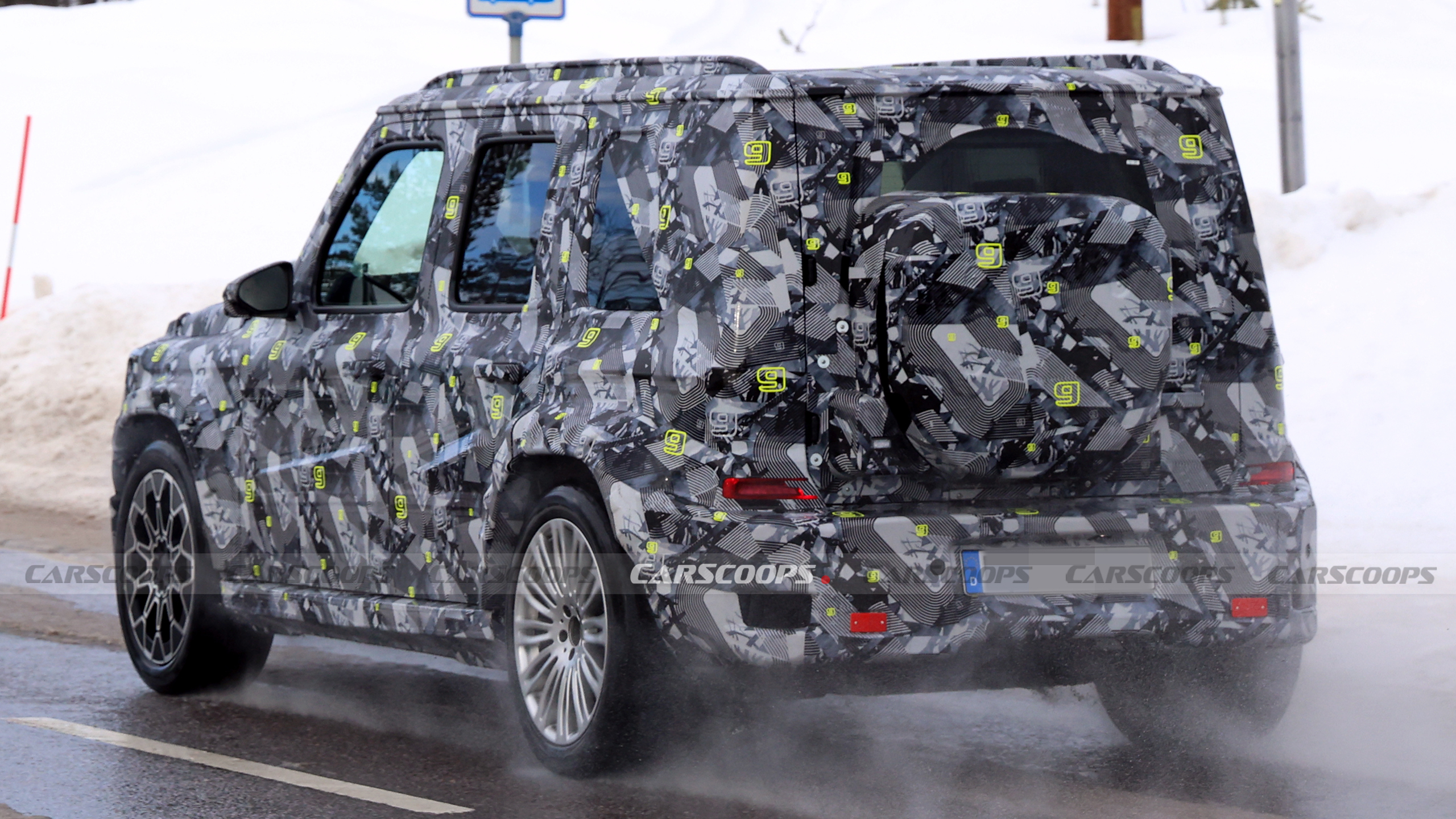
This prototype is sporting a distinctive new camouflage wrap that hides many of the more intricate details, but does nothing to shield the overall shape of the model from view. Look closely, and you’ll notice the wrap has hundreds of lower-case ‘g’ graphics, a playful nod to the model’s scaled-down identity.

Mercedes could easily have fallen into the trap of making the baby G-Class look a little too soft or restrained, perhaps little more than a lightly reworked GLB. Instead, the company appears to have taken the design of the full-size model, scaled it down, and applied a few subtler tweaks. Based on early impressions, the result looks very promising.

Classic But Modern Looks

 Mercedes Planned An EV-Only Baby G, Now It’s Having Second Thoughts
SH Proshots

The front has round headlights just like you’d expect, as well as a pronounced hood. The sides come complete with flared wheel arches, squared-off side windows, and prominent roof rails. Found at the rear will be small taillights positioned lower on the fascia, just like the normal G, in addition to a large spare wheel carrier.

Clearly, Mercedes has nailed the design. But what about what’s underneath? According to Mercedes CTO Markus Schäfer, the baby G is being engineered as a fully bespoke model rather than using an adapted version of an existing Mercedes platform. The company is developing new modules, suspension components, and wheel setups specifically for the vehicle, although it will not use a traditional ladder-frame chassis.

An Electrified Line-up

Originally, the project was intended to be purely electric. Now, however, Mercedes appears to be reconsidering that strategy. Recent reports suggest the company is evaluating the addition of a hybrid variant as well, a decision that makes practical sense given the current state of the EV market, particularly in North America.

\\\\\\

SH Proshots

If Mercedes follows through and offers a gas option, it could use the same hybrid powertrain found in the new CLA sedan. That system pairs a 1.5-liter engine developed through the Geely and Renault Horse Powertrain joint venture with electric assistance, producing 208 hp and 280 lb-ft (380 Nm). The German carmaker could recalibrate the setup for the baby G, squeezing out more power to better suit the SUV’s character.

More: Shrunken Land Rover Defender Is Coming For The Baby G-Class

As for the all-electric version, it could come fitted with an 85 kWh NMC battery providing 450 miles (724 km) of range and driving a pair of electric motors. Carscoops understands it could have a driving range of up to 450 miles (724 km), which would be very impressive considering the full-size electric G580 is only good for 280 miles (450 km).

When it finally reaches showrooms, the baby G-Class will not have the small off-roader space to itself. Rivals are already lining up, including a rumored compact version of the Land Rover Defender that aims to bring the same rugged image in a smaller package.

\\\\\

SH Proshots

Avatr’s Electric Wagon Packs Supercar Power And A Backup Gas Engine

  • Avatr previews the 06T electric shooting brake for China market.
  • The wagon body looks better balanced than the sedan version.
  • Battery EV models offer up to 955 hp in the range topping trim.

Sleek estate cars have become somewhat of a rarity these days. Buyers keep drifting toward crossovers and SUVs, and manufacturers have largely followed the money. Traditional wagons, especially the low and sporty ones, now feel like a niche choice. China, however, still has a few brands willing to keep the format alive. Avatr is one of them.

The company has now previewed its newest addition, a wagon called the 06T. Similar in size and profile to the Zeekr 007 GT, Avatr’s new model will be sold both as a range-extender and as a fully-electric wagon. It also has a seductive Shooting Brake shape that should get many car enthusiasts excited.

Read: Avatr Just Extended The 06 In More Ways Than One

Measuring 4,940 mm (194.4 inches) long, 1,960 mm (77.1 inches) wide, and 1,475 mm (58 inches) tall, the 06T rides on a 2,940 mm (115.7-inch) wheelbase and shares its underpinnings with the existing 06 sedan. The sedan’s rear design has always looked a bit awkward, but stretching the roof into a wagon shape helps smooth out the proportions and gives the overall profile a more natural look.

The Juicy Details

\\\\\

Pictured here in a new color known as Liujin Orange, the fully electric version uses an 89.33 kWh battery pack. Buyers will have two rear-wheel-drive EV options to choose from. The entry model uses a pair of 302 hp (225 kW) motors, while the more powerful version upgrades to two 337 hp (251 kW) units.

Sitting above these two variants in the range will be an all-wheel drive variant. In addition to having the two 337 hp motors at the rear, it also includes a 282 hp (210 kW) unit at the front, combining to produce 955 hp (712 kW). There’s no word on how quickly it’ll hit 60 mph (96 km/h), but we know all models will be capped at a 149 mph (240 km/h) top speed.

\\\\\

Avatr will offer the three EV variants alongside an extended-range version of the 06T. This model uses a 1.6-liter turbocharged engine producing 154 hp (115 kW), which functions solely as a generator for the battery pack. Propulsion comes from two 248 hp (185 kW) electric motors mounted at the rear axle. Battery capacity has not yet been disclosed, and there is still no information on either the combined driving range or the all-electric range.

\\\\\\\\\\\

Ineos Hints Its Smallest SUV Yet Could Arrive Sooner Than Expected

  • Ineos admits it rushed early plans for the Fusilier SUV.
  • The Fusilier will rival baby Defender and G-Class models.
  • The company says the new model is not years away now.

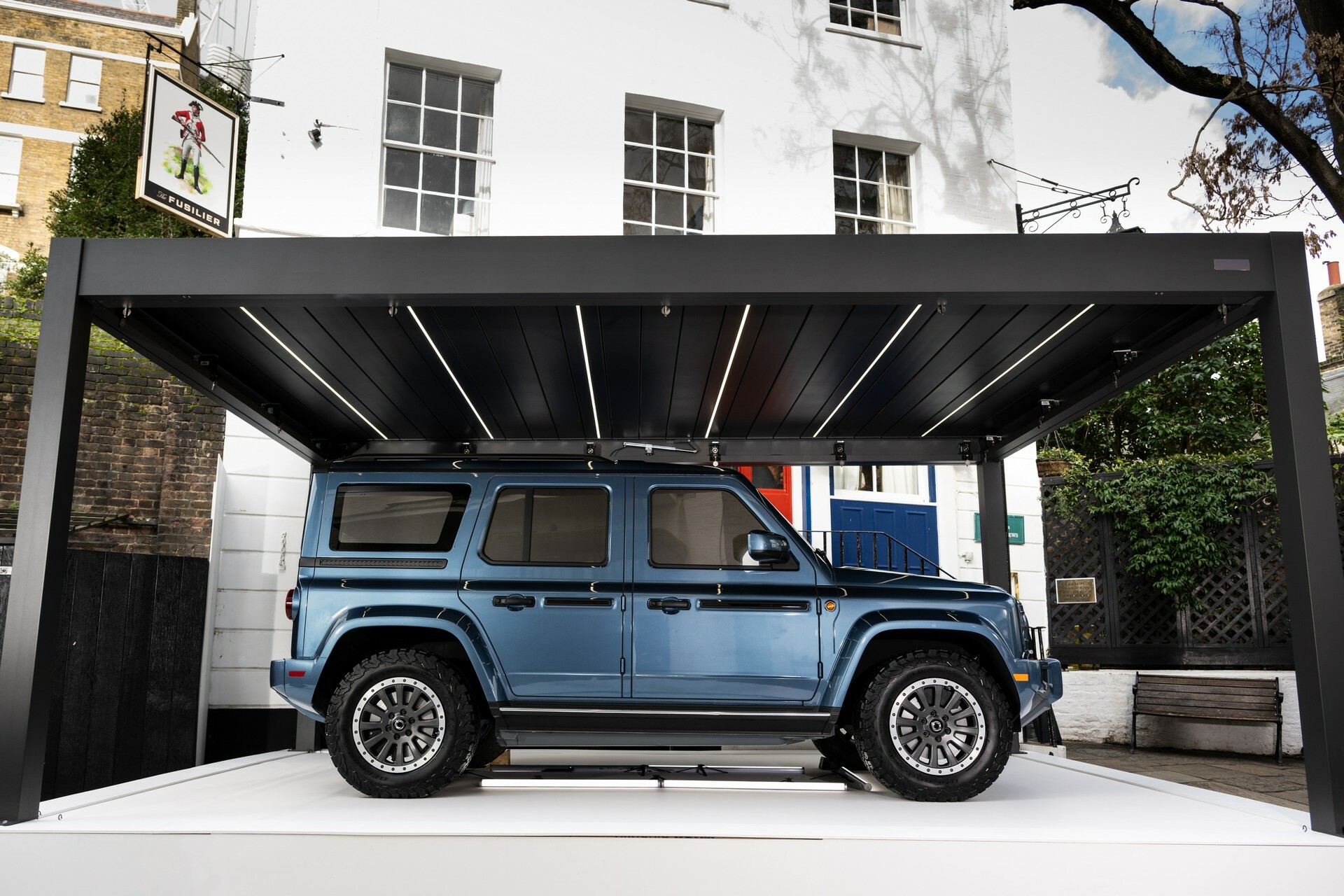
Ineos says development of the smaller Fusilier is back underway, nearly two years after the project was paused as enthusiasm for EVs began to cool. Exactly when it might appear in showrooms is still unclear, but the program itself is no longer sitting on the sidelines.

The company first pulled the wraps off the Fusilier in early 2024, outlining plans for a new bespoke skateboard platform underneath. Both a fully electric version and a range-extender variant were on the table from the start. In the bigger picture, the model is expected to become a key gateway into the Ineos lineup, positioned as a smaller, more attainable alternative to the Grenadier.

Read: New Ineos Fusilier EV Is A Smaller SUV With Optional Range-Extender

“The concept of the Fuselier – something that’s a bit smaller than the Grenadier – is still a vision that is alive and well in the company, and we’re actively pursuing what that vehicle would look like, or a vehicle like that would look like going forward,” the region director for Ineos in Australia, New Zealand, and APAC, Justin Hocevar told Car Expert. “That’s what we’ll be talking about in the not-too-distant future. In terms of announcing the timeline, I don’t think it’s years away.”

What’s Changed?

 Ineos Hints Its Smallest SUV Yet Could Arrive Sooner Than Expected

According to Hocevar, Ineos was “charging into” the Fusilier project too quickly, and had to pause it to ensure a range-extender powertrain could work with it.

“The project morphed over time, and part of the pause on that project had a lot to do with our desire to have an alternative new-energy powertrain in that vehicle – hybridization or a range-extender solution,” he said.

Hocevar stopped short of putting a firm date on the Fusilier’s arrival. Still, his suggestion that the wait is not “years away” hints that the project is moving along at a healthy pace, which should reassure anyone keeping an eye on Ineos’ next move.

Whenever it finally lands in showrooms, the compact off-roader will enter a growing niche. Mercedes-Benz is preparing a smaller G-Class and Land Rover has a baby Defender in the pipeline. Ineos appears ready to take a slightly different approach, leaning toward a more traditional, less tech-heavy interpretation of the segment.

\\\\\\\\\
❌
❌