Romania’s history offers a rare natural experiment on what happens when abortion laws change rapidly. What can the rest of the world learn from this?<br><br><a href="https://ourworldindata.org/the-human-cost-of-unsafe-abortions"><img src="https://ourworldindata.org/cdn-cgi/imagedelivery/qLq-8BTgXU8yG0N6HnOy8g/f022345d-6fae-4d0e-f408-54a324b62200/w=1024"/></a>
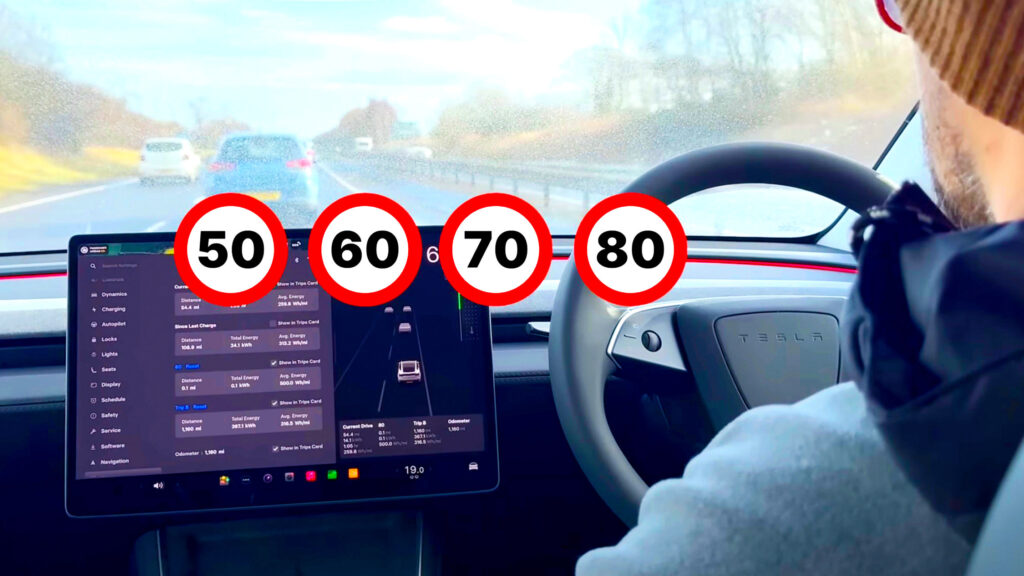
A Tesla owner performed a series of real range tests in his single-motor Model Y.
He drove the same route 30-mile route at 50 mph, 60mph, 70 mph and 80 mph.
Going 80 mph vs 50 mph cut time by 38% but dropped range by same amount.
Speed or efficiency? For as long as there have been cars, drivers have had to weigh up that decision. Going faster means getting from A to B sooner, but is going to burn through more fuel, costing you more money.
And now, in the EV age, there are added pressures. Some electric cars are only good for 250 real-world miles (402 km), and BYD’s new 1,500 kW chargers aren’t here yet, meaning that if you need to stop mid-journey you can easily add 15-30 minutes to your trip, more than wiping out the time you saved by flexing your right ankle.
So what’s the sweet spot? That’s what one Tesla-owning YouTuber behind the Carwire channel decided to find out by conducting a series of test runs in his single-motor, rear-wheel drive Model Y.
He ran the same 30-mile (50 km) looping route along local multi-lane freeways (dual-carriageways in UK-speak) at 50 mph (81 km/h), 60 mph (96 km/h), 70 mph (113 km/h) and 80 mph (129 km/h), noting the Wh/mile efficiency for each trip.
Taking those numbers and assuming a 75 kWh usable battery capacity, he was able to extrapolate realistic freeway-type range figures, plus a hypothetical time for a 200-mile (302 km) journey based on the time taken to complete each loop at the different speeds. While this isn’t exactly super-scientific, it still delivers a useful comparison that highlights the huge effects different speeds have on efficiency and journey time.
The first loop, taken at a steady 50 mph, would result in 200-mile trip in the Model Y taking four hours. But the excellent 224.7 Wh/mi efficiency gives a calculated 333-mile (536 km) range, meaning you’d get to your destination with stacks of charge to spare.
80 MPH Decimates Range
At the other end of the scale, the 80 mph run crashed efficiency to 366.2 Wh/mi, and the range to just 204 miles (328 km). So while technically you could handle the 200-mile journey in one go, and in only 2 hours and 30 minutes, few people would risk not filling up before they hit the finish line.
The sweet spot, as Carwire concludes, seems to be somewhere between 60 and 70 mph. Bumping the speed up to 60 mph cuts a handy 40 minutes off the 50 mph journey time, yet the 300-mile (483 km) range is only 33 miles (53 km) lower.
Pushing the needle up to 70 mph cuts another half hour from the trip, and though the efficiency starts to tumble the 248-mile calculated range would still let you comfortably complete your 200-mile run without charging, or stressing that you probably ought to.
PROS ›› Sleek looks, cheap, efficient, comfortable ride CONS ›› Annoying safety tech, smallish trunk, not fun to drive
The all-electric SUV space has transformed at a remarkable pace in recent years, shifting from niche curiosity to mainstream battleground. Over the past five years in particular, growth has been rapid, driven in no small part by a surge of ambitious entrants from China.
If you’re a Carscoops regular, you’ll no doubt be familiar with all of the new and compelling EVs coming out of the People’s Republic. It’s bad news for those living in the US, as none of them are available, but across Europe, Asia Pacific, and elsewhere, these EVs have forced legacy carmakers to up their game and cut prices, which is great news for consumers.
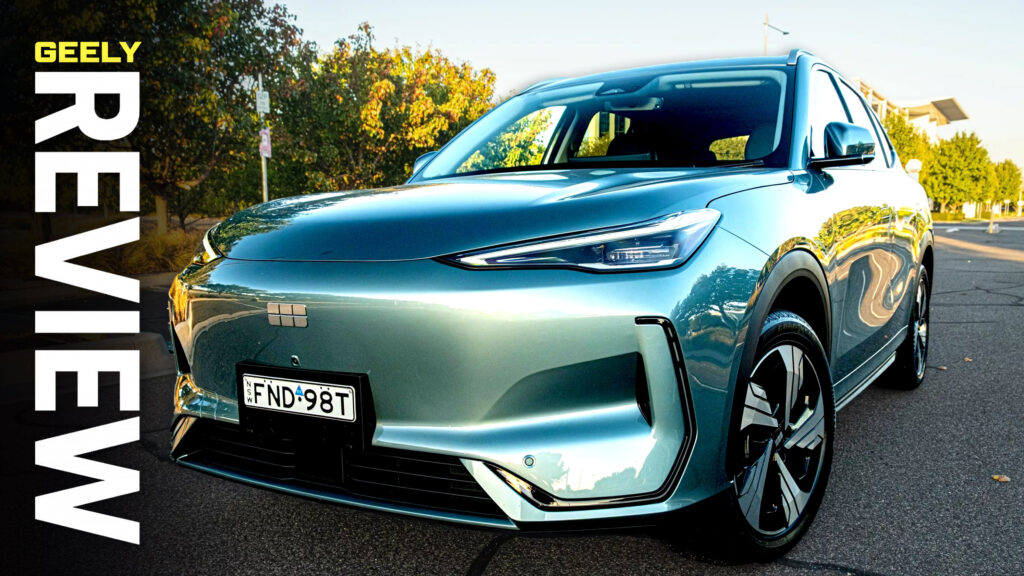
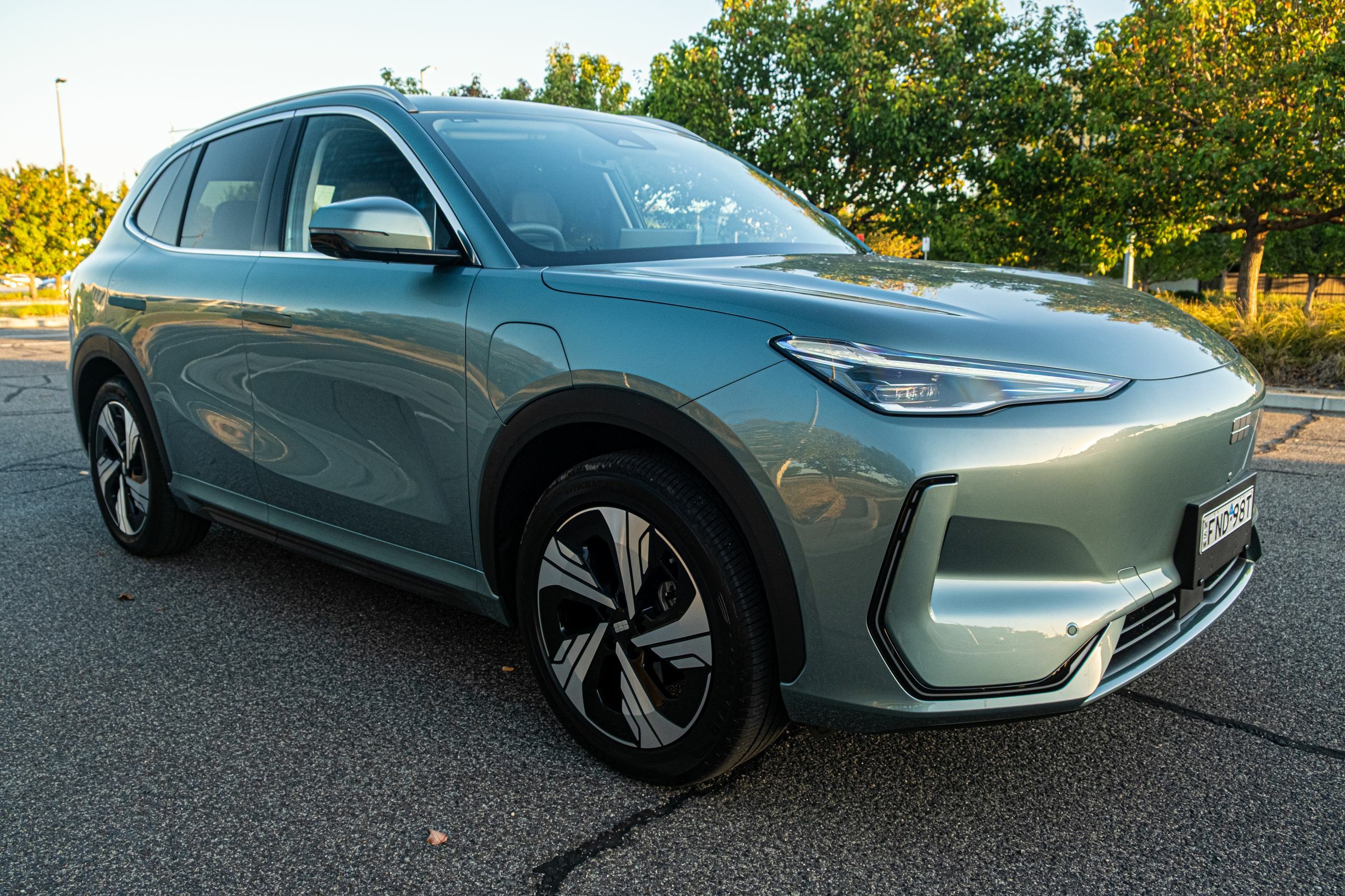
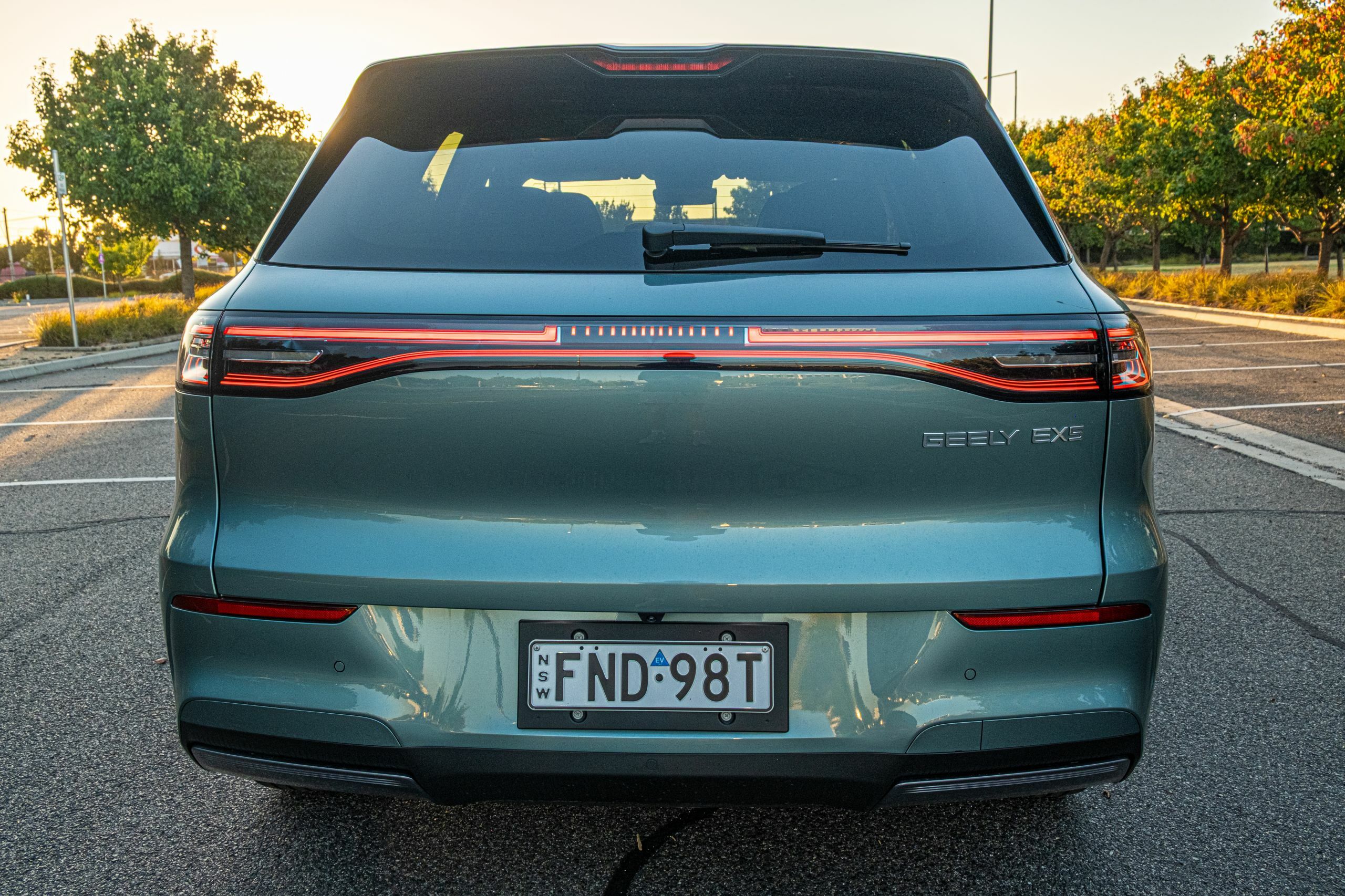
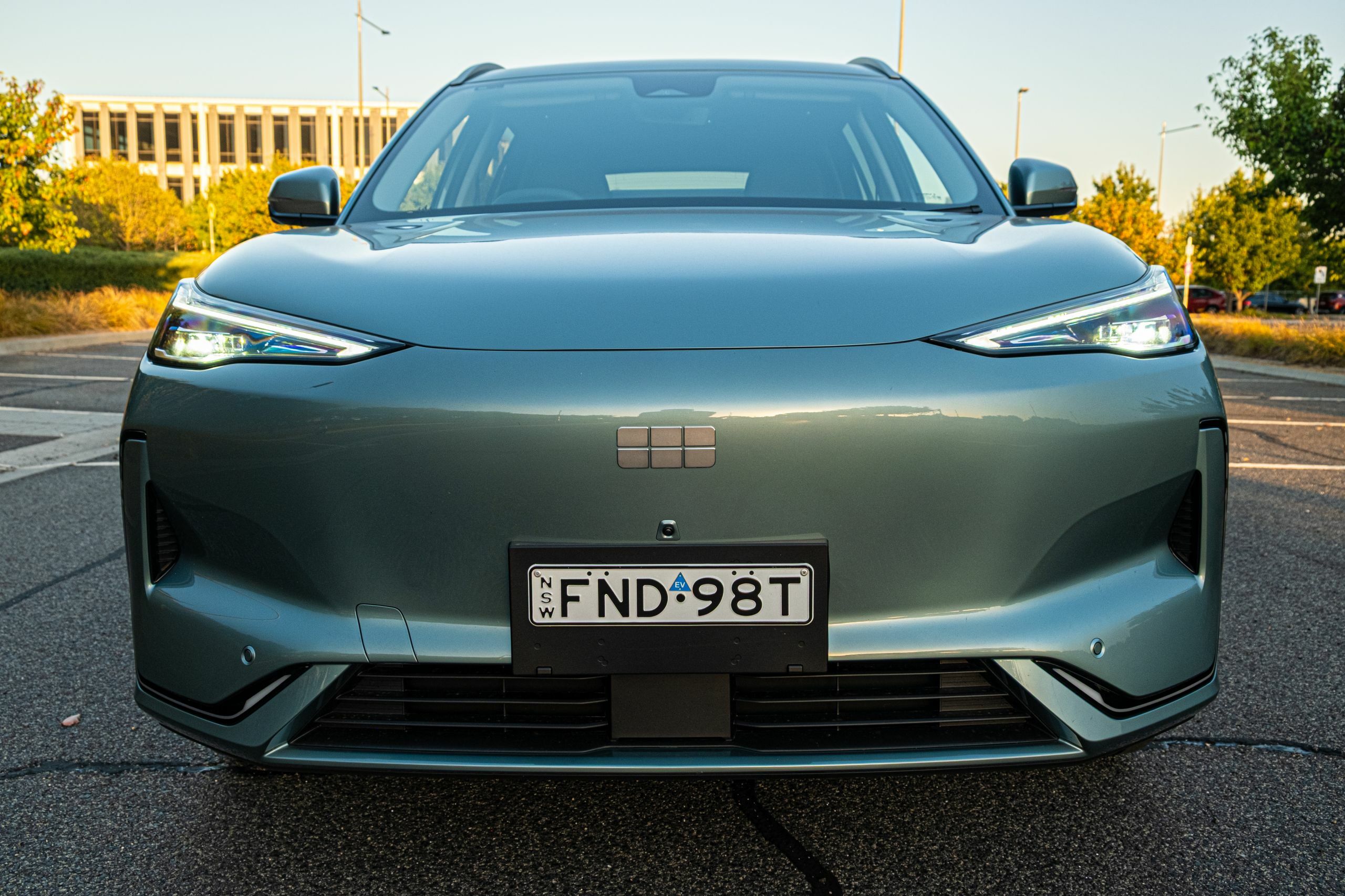
One of the country’s key players is the Geely Group, which continues to expand the reach of its core brand alongside a portfolio that includes Lotus, Volvo, Polestar, and Zeekr. In markets such as Australia, its most significant new EV is the Geely EX5, aimed squarely at the Tesla Model Y and competing Chinese models like the Xpeng G6 and BYD Sealion 7. It may not turn many heads or deliver an especially engaging drive, but it does tick loads of boxes.
QUICK FACTS
› Model:
2026 Geely EX5 Inspire
› Starting Price:
AU$45,990 ($32,500)
› Dimensions:
181.7 L x 74.8 W x 65.7 in H (4,615 x 1,901 x 1,670 mm)
› Wheelbase:
108.3 in (2,750 mm)
› Curb Weight:
1,765 kg (3,212 lbs)*
› Powertrain:
60.2 kWh battery / single electric motor
› Output:
215 hp (160 kW) / 236 lb-ft (320 Nm)
› 0-62 mph
6.9 seconds*
› Transmission:
Single-speed
› Efficiency:
16.2 kWh/100 km*
› On Sale:
Now
SWIPE
*Manufacturer
Photos Brad Anderson/Carscoops
What Do You Get For Your Money?
Two versions of the Geely EX5 are currently available in Australia – the Complete and the Inspire. Last month, we lived with the flagship Inspire for a week. Prices start at AU$41,990 ($29,600) for the Complete and rise to AU$45,990 ($32,500) for the Inspire, which translates to AU$50,061 ($35,300) when factoring in on-road costs.
Neither the Complete nor the Inspire offers any optional extras. All customers must choose from one of six available paint finishes and two available interior colors.
The EX5 is slightly smaller than a Tesla Model Y and BYD Sealion 7, but it’s also considerably cheaper. The new Model Y Premium Rear-Wheel Drive starts at AU$58,900 ($41,600), a difference of AU$16,910 ($12,000), while the larger Sealion 7 kicks off from AU$54,990 ($38,800). The EX5 also undercuts the Xpeng G6, starting at AU$54,800 ($38,700), and the Leapmotor C10, priced from AU$47,990 ($33,900).
The EX5 is based on Geely’s GEA architecture and features a compact 60.2 kWh lithium-iron phosphate battery pack with a single electric motor driving the front wheels. Both versions deliver the same 160 kW (215 hp) and 320 Nm (236 lb-ft) of torque.
Due to the small battery pack, the 430 km (267 miles) quoted range of the Complete and the 410 km (255 miles) driving range of the Inspire aren’t all that impressive, but the EX5 does promise to be pretty efficient, averaging as low as 15.8 kWh/100 km.
A Sleek Cabin
Photos Brad Anderson/Carscoops
I stepped into my week with the EX5 just after handing back the keys to Geely’s new Starray EM-i plug-in hybrid. From behind the wheel, the two look and almost feel the same, which is certainly no bad thing.
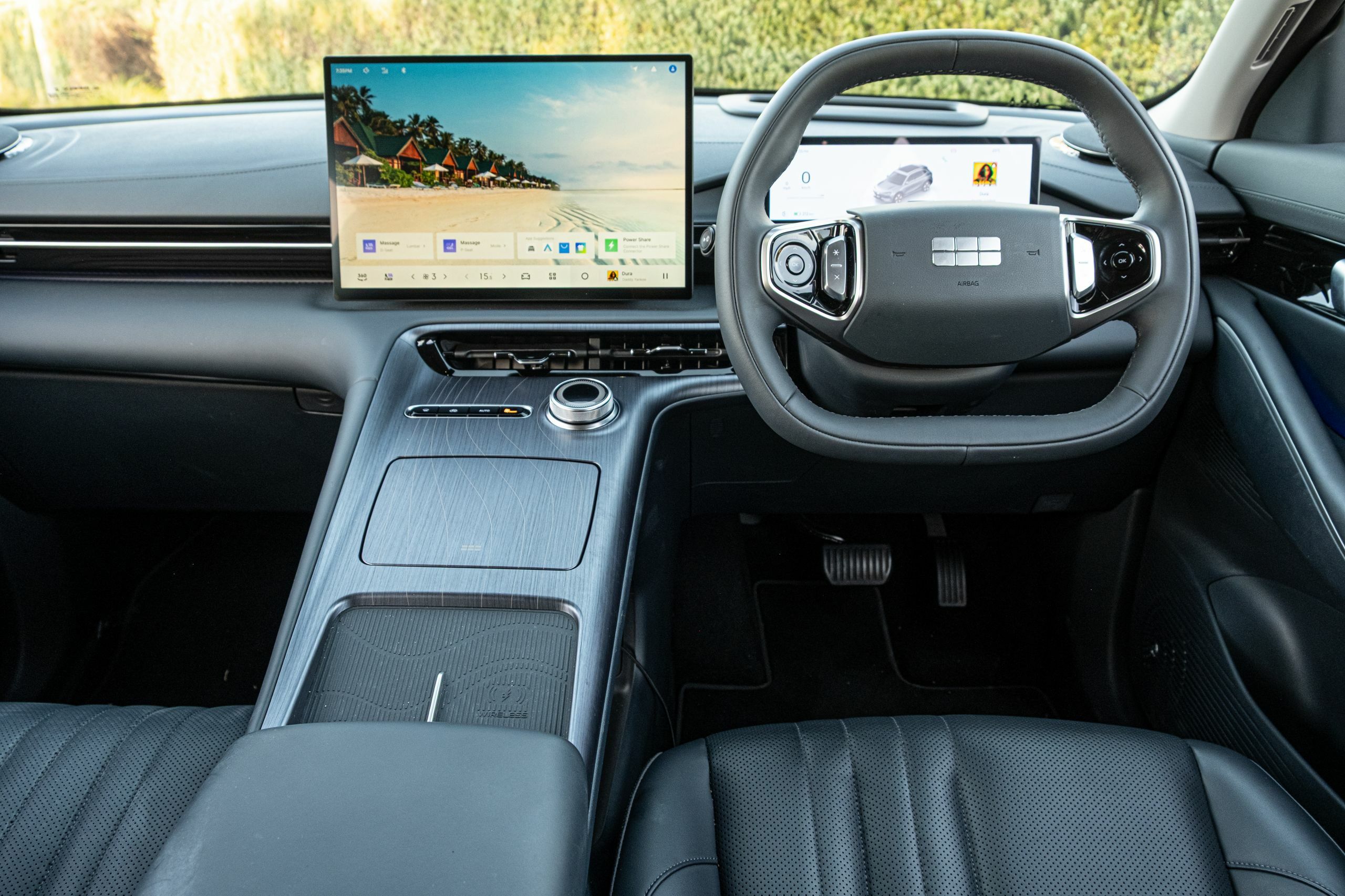
The EX5’s basic dashboard, steering wheel, door panels, and floating center console are all virtually identical to the Starray. While it’d be nice to have a little more differentiation between the two models, I can’t imagine there’ll be any EX5 buyers not completely satisfied with the fit and finish of the cabin.
Perched in the center of the dashboard is a 15.4-inch infotainment display using Geely’s Flyme OS. It’s an excellent system, using a snappy processor and having logical and easy-to-understand menus. I especially liked the ability to customize which functions remained fixed to the taskbar at the base of the screen, such as temperature controls, fan speed, and seat adjustments.
A large 10.2-inch digital cluster is also used. Just like in the Starray EM-i, only the right side of it can be configured to display things like your media and trip functions. The rest of the screen remains unconfigurable.
Our tester had the available black interior finish, and it felt more premium than the price tag would suggest. There are some areas with piano black plastic, including the steering wheel and parts of the door panels, but Geely hasn’t gone overboard with them. Found on the floating center console are climate-control shortcuts and a configurable scroll wheel.
The Good And The Bad
Photos Brad Anderson/Carscoops
Sliding into the driver’s seat for the first time, I was relieved that the faux leather felt very real and was beautifully soft to the touch. However, I was disappointed that, like in the Starray, there is no ability to adjust the lumbar support. This is an odd exclusion, particularly given that Geely has gone to the trouble of fitting ventilated, heated, and massaging front seats.
Speaking of the massage seats, they are superb and remarkably forceful, unlike most other cars in this price range with massage seats.
When launched, the EX5 only included wireless Apple CarPlay, but no Android Auto connectivity. Thankfully, our test car benefited from a software update just before we collected it, adding wireless Android Auto, which worked seamlessly. The Inspire also comes standard with a panoramic sunroof and a solid 16-speaker audio system.
Externally, the EX5 looks quite small, but much to my surprise, there’s plenty of room for adults in the second-row, including plenty of legroom and headroom. However, it seems Geely has robbed some cargo volume to make the rear seats as spacious as they are.
As such, there’s just 302 liters (10.6 cubic feet) of space in the rear, although this does increase to 410 liters (14.5 cubic feet) if you include the generous under-floor storage area. Fold the seats down, and you’re looking at 1,877 liters (66.2 cubic feet), or about 200 liters (7 cubic feet) less than the Starray.
Smooth And Sharp
Photos Brad Anderson/Carscoops
Spend any amount of time behind the wheel of the EX5, and it’s obvious that it feels just as polished as some of the more expensive competition.
As an EV like this should, it’s quiet on the open road, but it does have an especially loud pedestrian warning hum when driving at lower speeds. Figures of 160 kW (215 hp) and 320 Nm (236 lb-ft) are largely par for the course for a vehicle like this, and just so happen to be identical to the recently-launched Hyundai Elexio.
Power feels absolutely adequate. Were this a combustion-powered SUV, it may feel a little underpowered, but as all of the grunt is available the moment you stab the throttle, the EX5 gets going surprisingly well. Indeed, it can hit 100 km/h (62 mph) in 6.9 seconds, which is very respectable. Geely has also done a good job of ironing out any hints of torque steer under hard acceleration.
Efficiency is also good. I averaged 16.2 kWh/100 km during my time with it, a lot better than I recently averaged in the larger and admittedly heavier Hyundai Elexio.
The ride also feels polished and plush, and that’s not something that can be said about many EVs. Given these vehicles have heavy battery packs in the floor, carmakers often give them quite harsh suspension setups. That’s not the case here as the EX5 eases over bumps smoothly and comfortably. Similarly, the steering is light and direct with several different settings to tweak the weighting.
What Could Be Improved?
Photos Brad Anderson/Carscoops
Just like we found in the Starray, most of the frustrations with driving the EX5 can be traced back to overzealous safety systems, like the speed limit warning and the driver monitoring system. In the more expensive Zeekr 7X, also from the Geely Group, these systems can be easily and quickly disengaged by swiping down from the top of the central screen and pressing on the large shortcut settings. Additionally, they stay off, even after you’ve left the car.
Things aren’t so easy in the EX5, as you have to dive into the menu in a process that can take 10-15 seconds. Whenever I would get ready to drive off, I’d have to disable them. It’d be nice to see Geely tap some of Zeekr’s UX engineers on the shoulder for some advice on how to incorporate similar shortcut toggles.
Is the EX5 particularly fun or engaging to drive? No, as it simply doesn’t have the performance or suspension setup to thrill, but it handles well, thanks in large part to the fact that it’s relatively light.
Shortly after we returned the keys to our 2025 model, Geely presented the 2026 EX5 in Australia, complete with a slightly larger 68.39 kWh battery, but retaining the same 160 kW (215 hp) front-mounted motor. In the future, we’d like to see Geely broaden the EX5’s appeal further, perhaps by launching a more powerful all-wheel drive version.
Verdict
As it stands, the Geely EX5 is a very solid choice for those in the market for an all-electric, mid-sized SUV. While it’d be nice for some of the safety systems to be calibrated more accurately, the minor niggles they have aren’t a deal-breaker.
For growing families, the EX5 could prove to be a little too small, so it would be best suited to couples and those with young children. It’s well-priced, reasonably efficient, and comfortable to drive daily. However, even though the model we drove is known as the EX5 Inspired, it felt a little uninspired and isn’t the type of vehicle that tugs at the heartstrings, as is the case with a number of alternatives.
Researchers at the Woods Hole Oceanographic Institution have uncovered the oldest known recording of whale song. And it reveals a noisier soundscape of today's oceans.
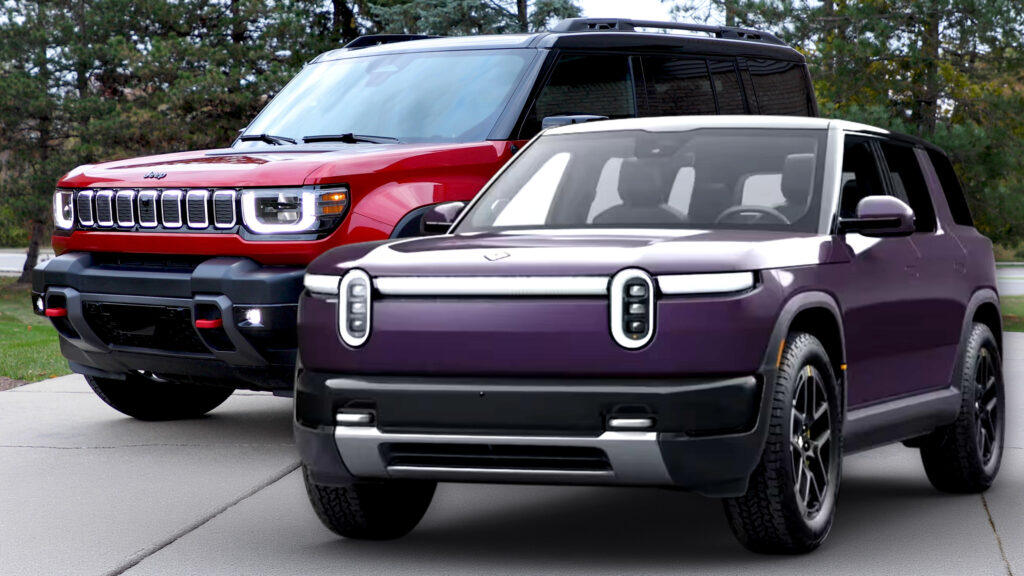
Rivian and Jeep are launching similar electric SUVs this year.
The R2 is cheaper than the Recon and offers far more range.
Both have similar outputs at launch and other versions are coming.
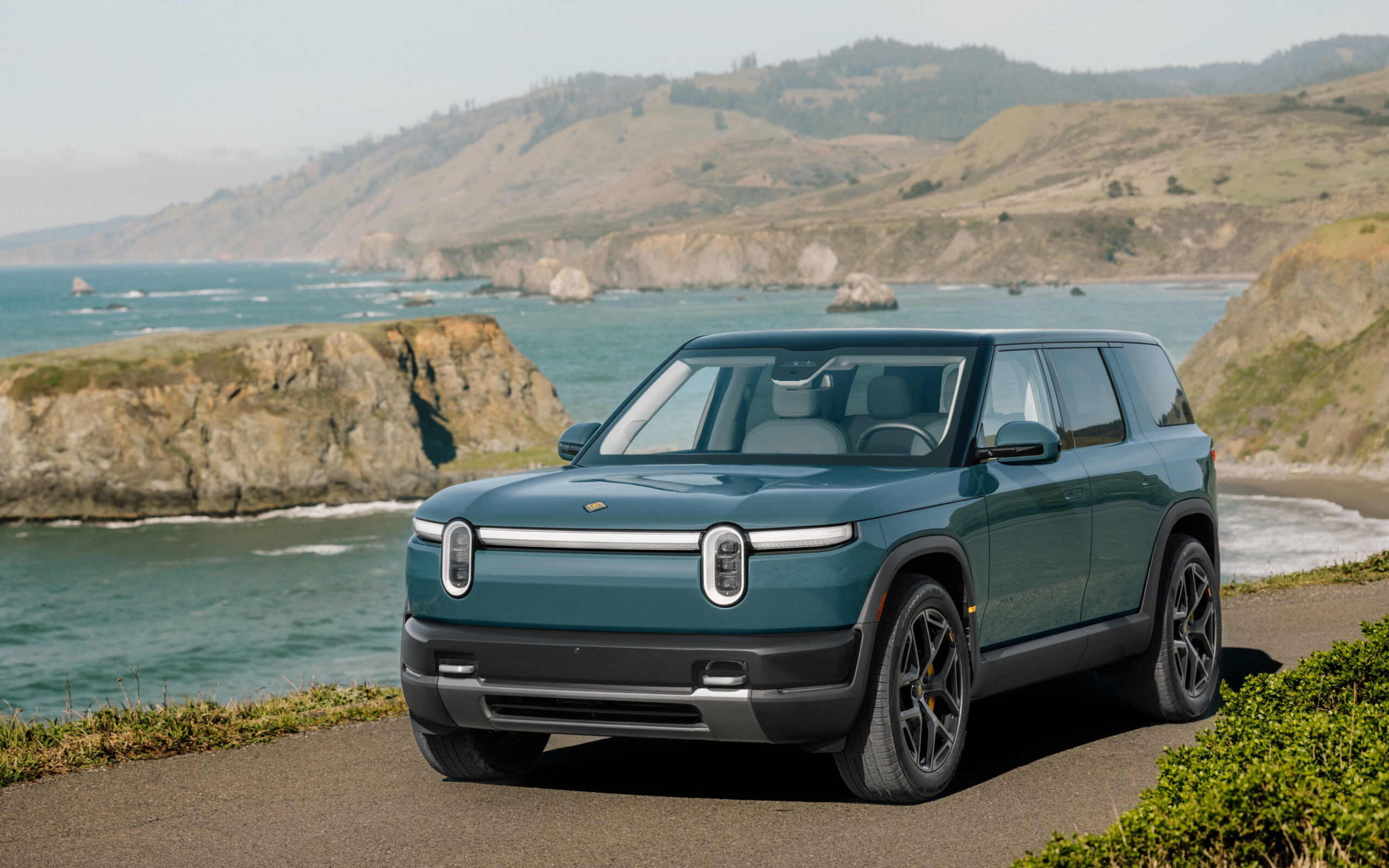
Rivian introduced the highly anticipated R2 last week and a lot of people got sticker shock. While the company had promised a starting price of around $45,000, the launch model costs $57,990.
Price, Performance And Range
That’s significantly more expensive than expected, but it looks like a bargain compared to the 2026 Jeep Recon. It starts at $65,000 and has a 100 kWh battery pack that feeds a dual-motor all-wheel drive system producing 650 hp (485 kW / 659 PS) and 620 lb-ft (840 Nm) of torque. This enables the model to rocket from 0-60 mph (0-96 km/h) in as little as 3.6 seconds and travel up to 230 miles (370 km) on a single charge in Moab trim.
The R2, on the other hand, has an 87.9 kWh battery and a dual-motor all-wheel drive system with 656 hp (489 kW / 665 PS) and 609 lb-ft (825 Nm) of torque. Those numbers are nearly identical to the Jeep and so is the 0–60 mph (0-96 km/h) time of 3.6 seconds.
The models also offer a similar recharging experience as the Recon’s battery goes from 5-80% in around 28 minutes, while the R2 goes from 10-80% in as little as 29 minutes. However, there’s a big difference as the R2 Performance has 330 miles (531 km) of range. That’s 100 miles (161 km) more than the Recon Moab and 80 miles (129 km) more than future versions of the SUV.
Off-Road Chops
Speaking of capability, the Recon Moab has 9.1 inches (231 mm) of ground clearance as well as approach, departure, and breakover angles of 33.8, 33.1, and 23.3 degrees. While the R2 sits higher off the ground at 9.6 inches (244 mm), it offers far less impressive angles of 25, 26, and 20.6 degrees. The Jeep rides on 18-inch wheels wrapped in 33-inch tires, while the Rivian has 21-inch wheels and 32-inch rubber.
Size And Cargo Space
In terms of size, the Recon measures 193.3 inches (4,911 mm) long, 87.4 inches (2,221 mm) wide, and 73.8 inches (1,875 mm) tall with a wheelbase that spans 112.9 inches (2,868 mm). This means it’s 7.4 inches (188 mm) longer than the R2, despite having a 2.7-inch (69 mm) shorter wheelbase.
Despite being smaller, the Rivian has more cargo space thanks to a 5.2 cubic foot (147 liter) frunk and a rear cargo compartment that can hold 79.4 cubic feet (2,248 liters) of luggage. The Recon, on the other hand, has a smaller 3 cubic foot (85 liter) frunk and a boot that holds 65.9 cubic feet (1,866 liters) of gear.
Equipment
While the R2 seems to be wiping the floor with the Recon, Jeep has a few tricks up its sleeve. The most notable is doors, rear quarter glass, and swing gate glass that can be removed without tools. This open air experience can further be enhanced by an optional Sky one-touch power top. That sounds a lot more fun than the R2, which has a drop down rear window and a panoramic glass roof.
Rivian hasn’t said much about the crossover’s cabin, but buyers will find a Black Crater Signature interior with Birch wood trim. They’re joined by 12-way power front seats with heating and ventilation as well as heated rear seats and a heated steering wheel. Other highlights include a nine-speaker premium audio system and a flashlight integrated into the driver’s door.
The Recon’s interior looks a little less glamorous, but it has a 12.3-inch digital instrument cluster and a 14.5-inch infotainment system. They’re joined by Capri leatherette front seats with heating and eight-way power adjustment. Other highlights include a dual-zone automatic climate control system, ambient lighting, a wireless smartphone charger, and an 11-speaker Alpine premium audio system.
Customers will also be able to get a Comfort Package, which includes ventilated front seats, heated rear seats, a digital rearview mirror, and a passenger camera.
With all that being said, which one interests you the most?
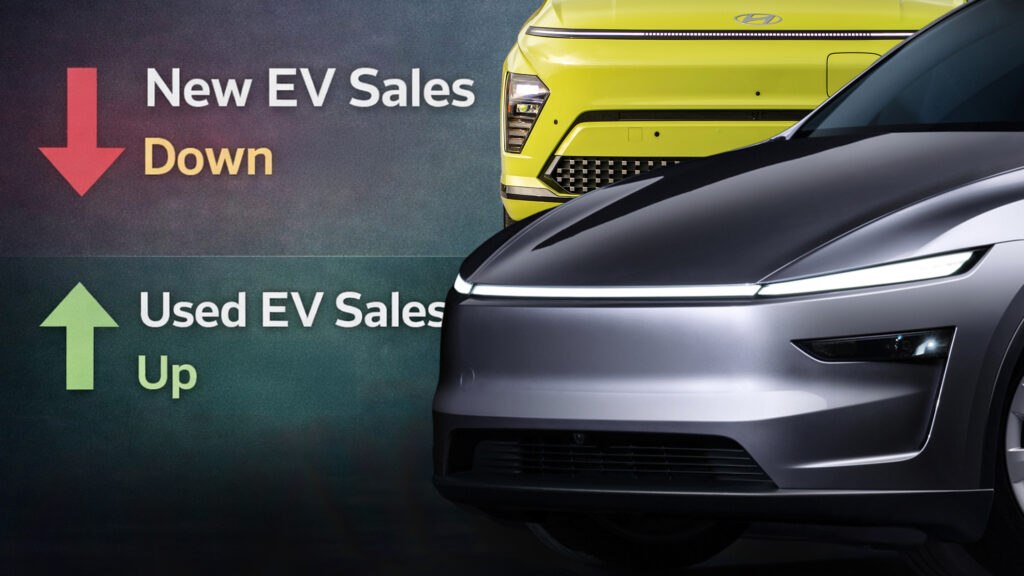
New EV sales dropped sharply year over year in Feb, but rose slightly versus Jan.
Used EV demand surged as prices fell and inventory tightened across the market.
Tesla still dominates, though rivals gained ground with strong February showing.
The war in Iran and resulting gas price spike might be making American drivers suddenly more interested in new EVs, but that’s obviously not reflected in February’s sales figures.
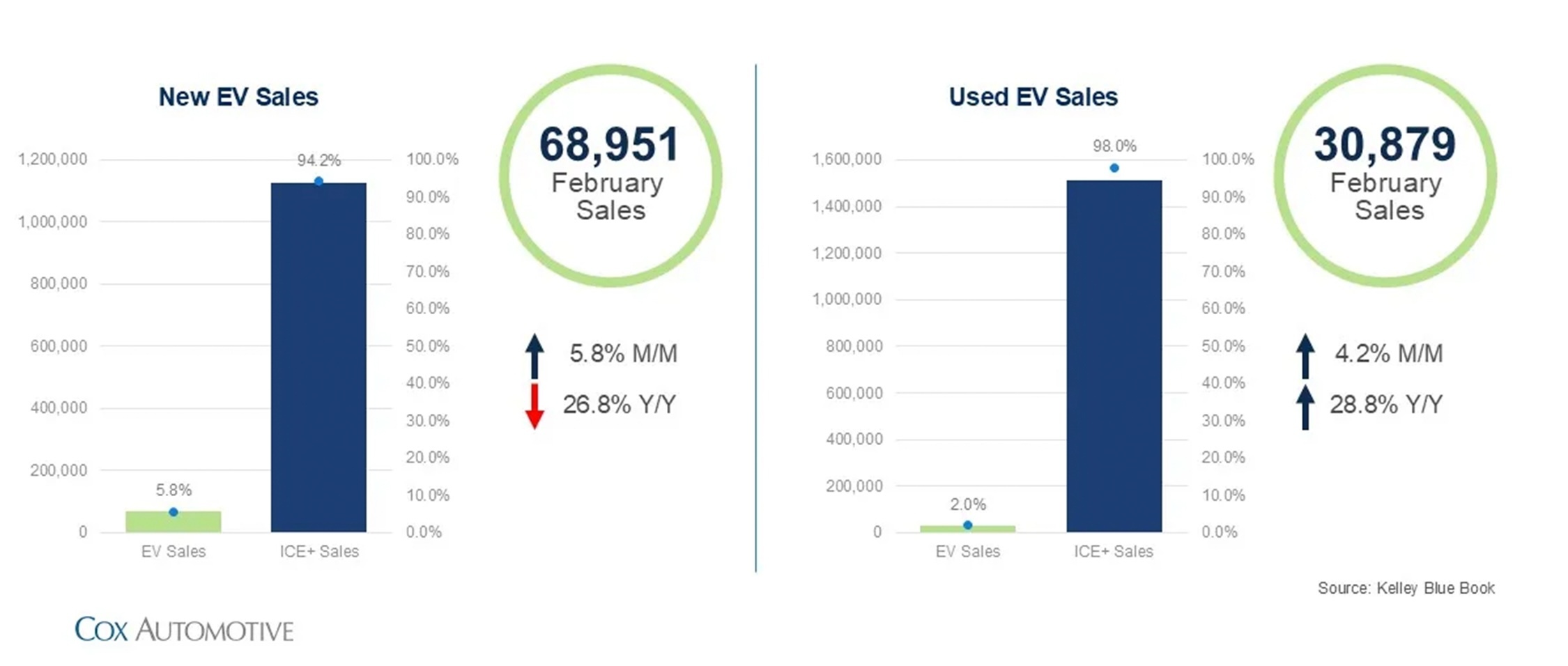
Data shows new EV sales came in just under 69,000 units last month, which sounds healthy until you notice that’s down a hefty 27 percent compared to last year. That total still marked a 5.8 percent increase compared to January and represented about 5.8 percent of all new vehicle sales.
There is a silver lining though, and it’s that those people who did buy an EV paid less for it as prices were pushed down across the board, Cox Automotive says.
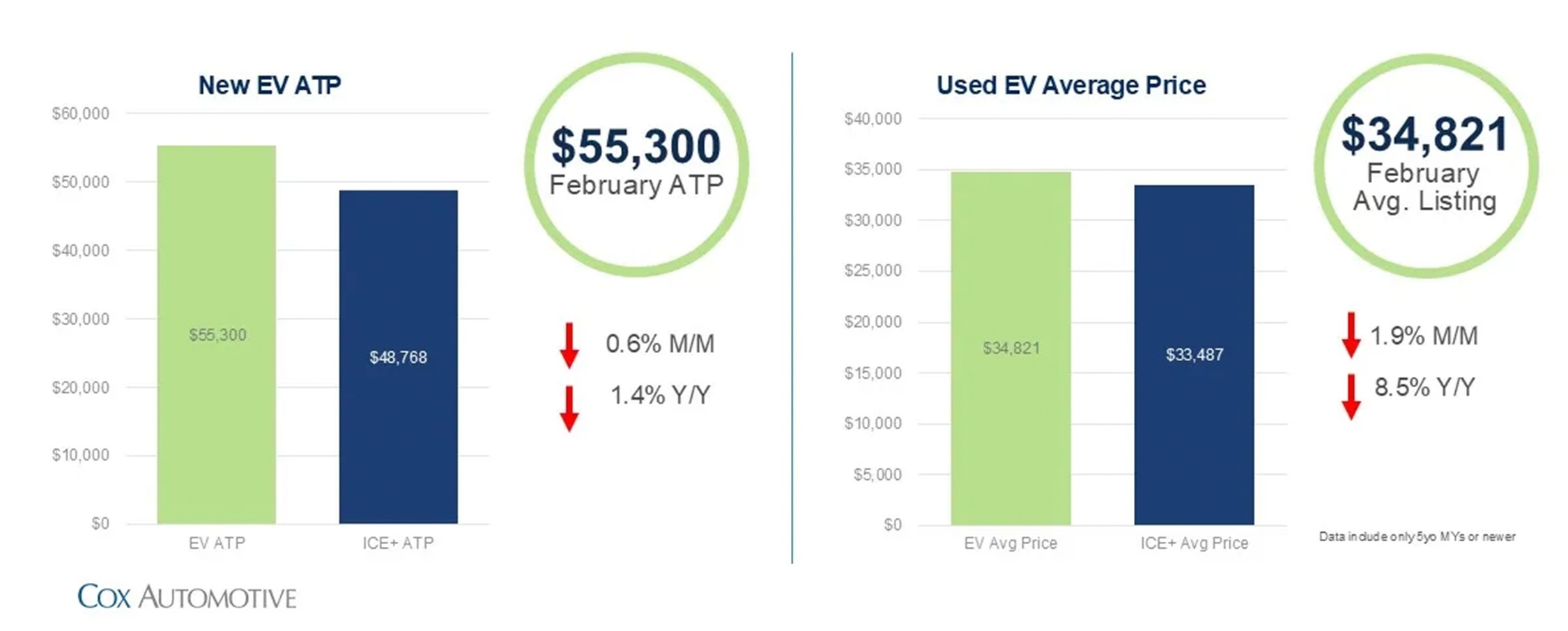
New EVs averaged around $55,300, dipping slightly from last year and narrowing the price gap with gas cars to its lowest ever. Incentives are doing a lot of work here, now making up more than 14 percent of the average transaction price.
On average, incentives climbed to about $7,870 per vehicle, a clear sign automakers are relying heavily on discounts to keep buyers interested.
Tesla still leads the pack by a mile, shifting around 38,500 units, but even the world’s most famous EV company isn’t immune to gravity. Its share slipped 4 percent month over month as rivals started clawing back some ground.
Chevrolet had a particularly strong month, demand jumping 70 percent versus January, and Hyundai and Toyota also nudged forward, while Ford and Nissan’s performances suffered, as did EV sales overall.
Used Sales Head In The Opposite Direction
Meanwhile, the used EV market is quietly having a moment. Sales jumped nearly 29 percent year over year, with almost 31,000 units finding new homes. That’s not explosive growth, but it does show buyers are warming to second-hand electric cars, especially as prices keep sliding.
That figure also reflects a modest 4.2 percent increase from January, pointing to steady month-over-month momentum.
We’ve already touched on the falling prices of new EVs, but prices for used ones are dropping even faster, and now average just under $35,000. That’s down more than 8 percent year over year, making them far more tempting for budget-minded buyers. In fact, many used EVs now cost less than their gas powered equivalents, which would’ve sounded wild not long ago.
The report also explains that inventory is tightening, especially for used EVs, suggesting demand is finally starting to match supply as the market shifts from the oversupply headaches of recent months. But while Cox Automotive experts didn’t explicitly say that could lead to prices rising, simple supply and demand laws suggest to us they might.
In fact, used EV supply dropped to about 42 days, now slightly exceeding comparable gas vehicle levels for the first time in nearly a year.
A webinar sponsored by Zonar saw Katrina Falk, director of transportation routing and training compliance at Madison Consolidated Schools in Indiana, share tools and tips that help her maximize student safety and school bus routing efficiency.
Falk, also a certified pupil transportation specialist through the National Association for Pupil Transportation and frequent speaker at events organized by School Transportation News, Transfinder and Zonar, said Thursday technology provides accountability and efficiency opportunities for managers dealing with ever-rising fuel costs, which have increased to over $5 per gallon for diesel in her area.
When it comes to evaluating planned versus actual routes, she said she uses Zonar maps and reports to carry out route reviews or high-level audits in mid-August and during spring break.
“We do a quick shakedown to make sure everything is going to work properly when school is in session again,” she commented.
She explained that she works with route sheets turned in by drivers, updated student housing or eligibility information, and special education or related accommodations. Her audit keeps safety as the bottom line by confirming safe and appropriate bus stop locations, verifying that students end up where they need to be, and ensuring drivers comply with state and local laws.
She shared the benefits of updated, accurate route sheets, including reduced operational costs, fuel savings, route consolidations or reduction, accurate information on parent apps and therefore happier parents, and improved driver adherence.
Quality data received means quality decisions made, not “garbage in, garbage out,” Falk quipped. She explained that decisions the transportation department makes rely heavily on information flowed in by parents and schools, such as enrollment information and authorized bus stop locations.
She noted that small data entry errors can create large operational and money-wasting problems, such as a bus repeatedly going miles out of the way on a country road to pick up a student who is not there because they moved. Accurate, timely updates about new enrollments, withdrawals, or schedule changes are essential, she said.
Falk reviewed two scenarios of school bus drivers deciding to deviate from planned routes for seemingly innocuous reasons that created major safety concerns. In one case, a time-saving change canceled planned right-hand curbside stops which forced students to cross an unsafe curved road with a history of speeding and stop-arm violations.
The other scenario was a driver adding an unauthorized shortcut, which backed the bus down obstructed roads and an uncontrolled intersection. A bigger issue was the driver habitually running late on her morning run and attempting to make up time by making these on-the-spot decisions.
“This is an accident waiting to happen,” Falk pointed out.
A third situation involved incorrect geocoded locations keeping students from showing up on the routing software, preventing almost 1,000 students from being routed correctly. Suitably utilizing technology and manually reviewing it to catch glitches prevents issues from snowballing, Falk stated.
Bryant Maxey, product marketing manager for Zonar, reviewed triggers such as opened doors or stop-arm deployments that capture data points managers can later review, comparing where the bus really went to where it was supposed to go.
Alerts can also be captured for illegal passing incidents, but Falk added that proving stop-arm violations requires data showing bus performed the stop procedures correctly.
Falk advised transportation supervisors to regularly check their incoming data and request updated information or suggestions from drivers.
“Your local knowledge cannot be replaced with technology,” she declared.
Leave the office, take the wheel of a bus, or watch your routes in real-time, she encouraged.
“Make deliberate, decisive changes backed by data and your local knowledge,” Falk said. “All of these pieces have to be there for the puzzle to work.”
Concluded Maxey: “At the end of the day, we’re all trying to be the most efficient and optimized we can be.”
The family of a 12-year-old Georgia girl who died days after collapsing following a fight near her school bus stop is calling for a transparent investigation, as authorities review evidence and await autopsy results.
Jada West, a sixth grader at Mason Creek Middle School in Douglas County west of Atlanta, was hospitalized after a fight on March 5 in her Villa Rica neighborhood, according to family members. She died days later.
Cellphone video of the fight shows West briefly wrestle with another girl before they both fall to the ground. It appears West hit her head on the asphalt but gets up and walks away. Within minutes, police officers were dispatched after receiving a report of a juvenile in cardiac arrest in the street.
“When we actually arrived, paramedics were on the scene, and they were already loading her up and performing CPR,” Sgt. Spencer Crawford, a police spokesman, told local news reporters. “Paramedics told us there was an adult on the scene performing CPR when they arrived.”
Investigators are reviewing evidence, including the cellphone video of the fight. They will thenconsult with prosecutors, who will decide whether any charges will be filed.
Cellphone video of the fight, which has circulated widely on social media, shows two girls arguing at an intersection near West’s home as a group of students looks on. The footage shows both girls setting down their backpacks and exchanging punches before falling to the pavement. After a brief struggle, both stand up as an adult intervenes. West appears to walk away at the end of the clip.
It remains unclear what happened next. Authorities said West did not make it home before collapsing.
West’s mother, Rashunda McClendon, posted on social media asking for prayers when her daughter was hospitalized. A relative later announced West’s death in a separate post.
Douglas County District Attorney Dalia Racine told local reporters her office is aware of the investigation but declined further comment.
West was described by Douglas County School System in a statement to local reporters as “an upbeat, kind, and vibrant student.” The school district reiterated that the incident did not occur on school property or during school hours, and there was no indication the bus stop fight was related to prior on-campus activity.
Shaquille O’Neal Donates to West’s Family
Meanwhile, NBA star Shaquille O’Neal said he is covering funeral expenses for West after learning about her death.
“Jada’s story touched my heart the moment I saw it in the media,” O’Neal said in a statement to local news reporters. “As a father, my heart goes out to Jada’s family. No parent should ever have to bury their child, and if there is anything I can do to ease even a small part of that burden, then it is the right thing to do.”
O’Neal, who serves as director of community relations for the nearby Henry County Sheriff’s Office, said the community should support the family during the difficult time.
“Our community must surround this family with love, support, and compassion during such a painful moment,” he said.
Near the scene of the fight, a small memorial was erected in West’s honor. A sign read “RIP JADA WEST” alongside flowers and other tributes.
The 2027 Mercedes GLA has been spied undergoing testing.
Sports an evolutionary, but more upscale and streamlined design.
Crossover will be offered with hybrid and electric powertrains.
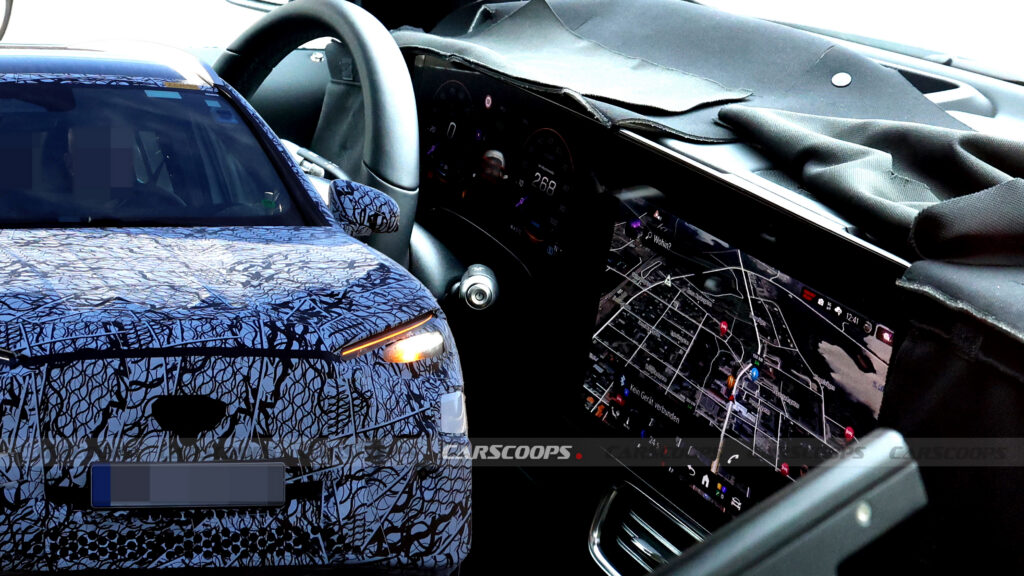
Mercedes is in the process of revamping their entry-level lineup and this has already seen the company introduce the redesigned CLA and GLB. The brand’s most affordable model in America, the GLA, is next in line and spy photographers recently snapped a prototype undergoing cold weather testing.
Dressed in swirly black and white camouflage, the crossover sports a fully enclosed grille that resides above a wide intake. We can also get a glimpse at unique headlights, which will undoubtedly be infused with stars on the production model.
Moving down the sides, we can see streamlined bodywork and flush-mounted door handles. They’re joined by an upward sweeping beltline, a sloping roof, and aerodynamically optimized five-spoke wheels as we’re looking at the fully electric EQ variant.
The rear end sports an evolutionary design, but the license plate recess has been moved from the liftgate to the bumper. We can also see squared off outer taillights with a three-pointed star graphic.
While the interior is heavily disguised, it carries over from the CLA and GLB. As a result, we can expect an optional MBUX Superscreen with a 10.25-inch digital instrument cluster, a 14-inch infotainment system, and a 14-inch front passenger display. They’ll be joined by an MBUX Virtual Assistant with a “living avatar” that takes the form of a Mercedes star.
SHProshots
Powertrain options will also carryover and this means we can expect a GLA 250+ with a rear-mounted motor developing 268 hp (200 kW / 272 PS) and 247 lb-ft (335 Nm) of torque. It should be joined by a GLA 350 4MATIC with a dual-motor all-wheel drive system producing a combined output of 349 hp (260 kW / 354 PS) and 380 lb-ft (515 Nm) of torque. Both versions should have a roughly 85 kWh battery pack and an 800-volt architecture that allows for a DC fast charging capability of up to 320 kW.
The instrument cluster shows the battery has 268 km (167 miles) of range remaining at 55%, but we shouldn’t read too much into that as it implies an overall range of around 487 km (303 miles). However, the CLA offers up to 793 km (493 miles) of range, while the GLB has up to 632 km (393 miles).
Later on, we can expect hybrid variants with a 1.5-liter four-cylinder engine, a 1.3 kWh battery, and an electric motor that is integrated into an eight-speed dual-clutch transmission. In the CLA, this allows for outputs of between 134 hp (100 kW / 136 PS) and 187 hp (140 kW / 190 PS), before accounting for the extra 30 hp (22 kW / 30 PS) contributed by the electric motor.
The i5 will shift onto the Neue Klasse platform next generation.
That move will clearly set it apart from the ICE 5-Series sibling.
Before that, the current 5 and i5 will receive a Neue Klasse facelift.
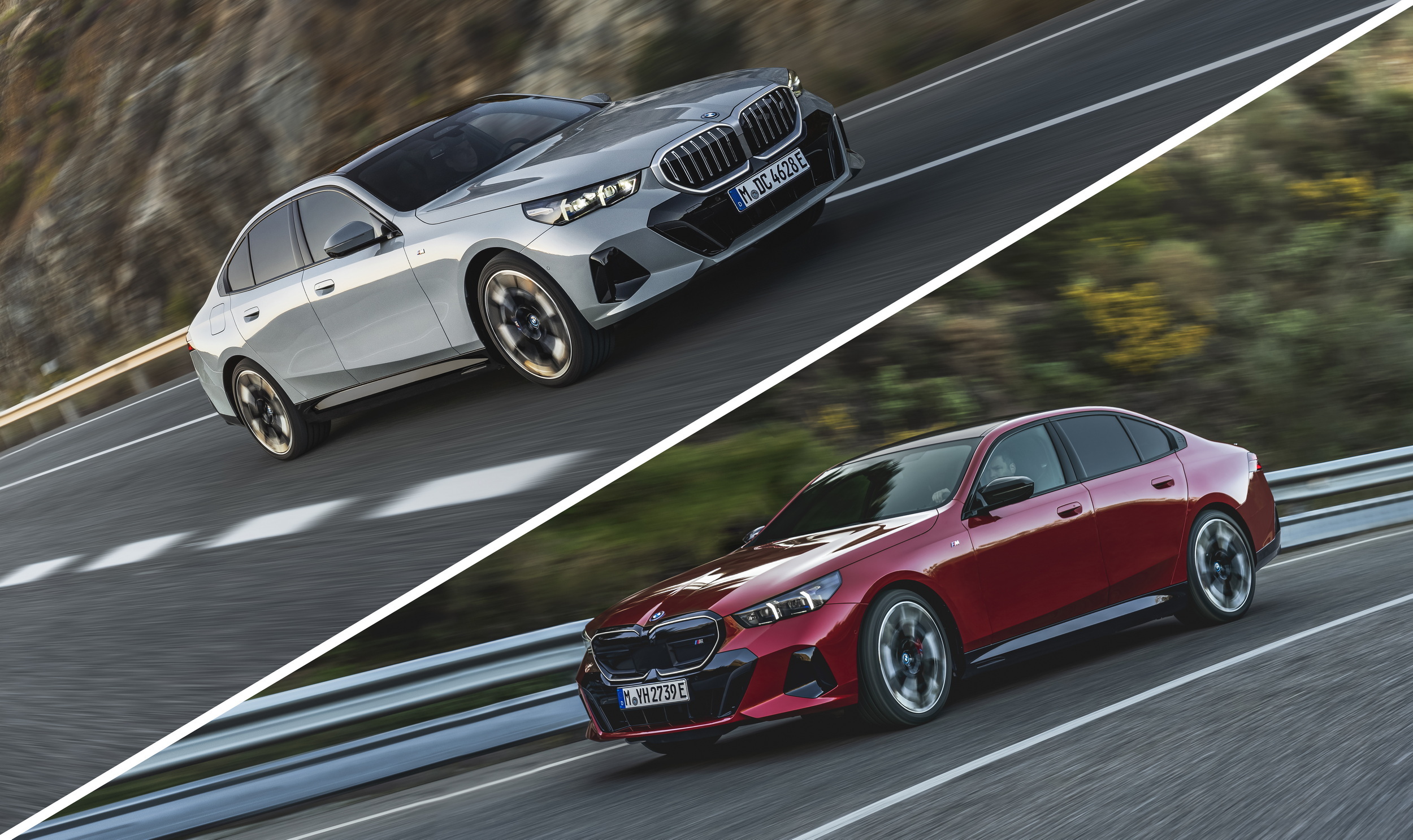
BMW may have taken a one-size-fits-all approach with the current i5 and 5-Series, but that strategy is already on borrowed time. Looking ahead, the next generation is expected to split the two paths entirely, following the template set by the newer i3 / 3-Series and iX3 / X3, where each powertrain gets its own dedicated platform.
The transition is already underway. BMW has begun rolling out its Neue Klasse era with the all-electric iX3 SUV, and the i3 sedan close behind. It has also officially confirmed that Neue Klasse styling and technology will be applied to as many as 40 new and updated BMW models by 2027.
Joachim Post, BMW’s board member for R&D, explained the company’s thinking in a conversation with Auto Express:
“When we as BMW develop a new technology, we’re making 2.5 million cars a year in a lot of derivatives. What is always important for us is to scale. We are a global player, and we must scale our technology into the whole fleet to get that economy of scale. That gives you a feeling that once we do things, we don’t do it for just one car,” he told the magazine.
Beyond individual components such as electric motors, battery packs, infotainment systems, and ADAS, those comments extend to the EV-focused Neue Klasse architecture. Post suggested that the platform will eventually underpin larger models, including future iterations of the i5 and i7. That would clearly separate them from their combustion-powered 5-Series and 7-Series counterparts, which are expected to continue using the CLAR platform.
The current 5-Series and i5 arrived in 2023 and are expected to receive a facelift in 2027. That timeline points to a full generational replacement toward the end of the decade. A similar pattern applies to the 7-Series and i7, which debuted in 2022 and are now approaching their own mid-cycle update with revised styling and technology.
EV Proportions Shift
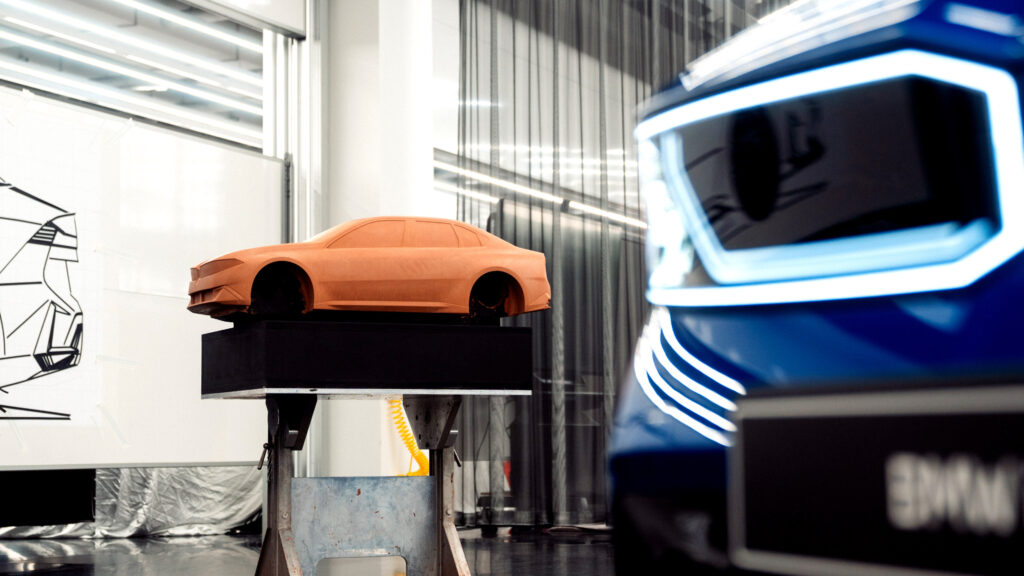
By moving away from the constraints of platforms designed around inline-six engines and traditional transmissions, BMW designers gain significantly more flexibility. While a cohesive family identity will likely remain, dedicated EV models will inevitably feature different proportions and packaging compared to their ICE counterparts.
The first clear example will be the next 3-Series, expected to arrive as a heavily updated evolution of the current model. Spy shots already indicate a different dash-to-axle ratio compared to the i3 sedan, even though both share similar visual cues.
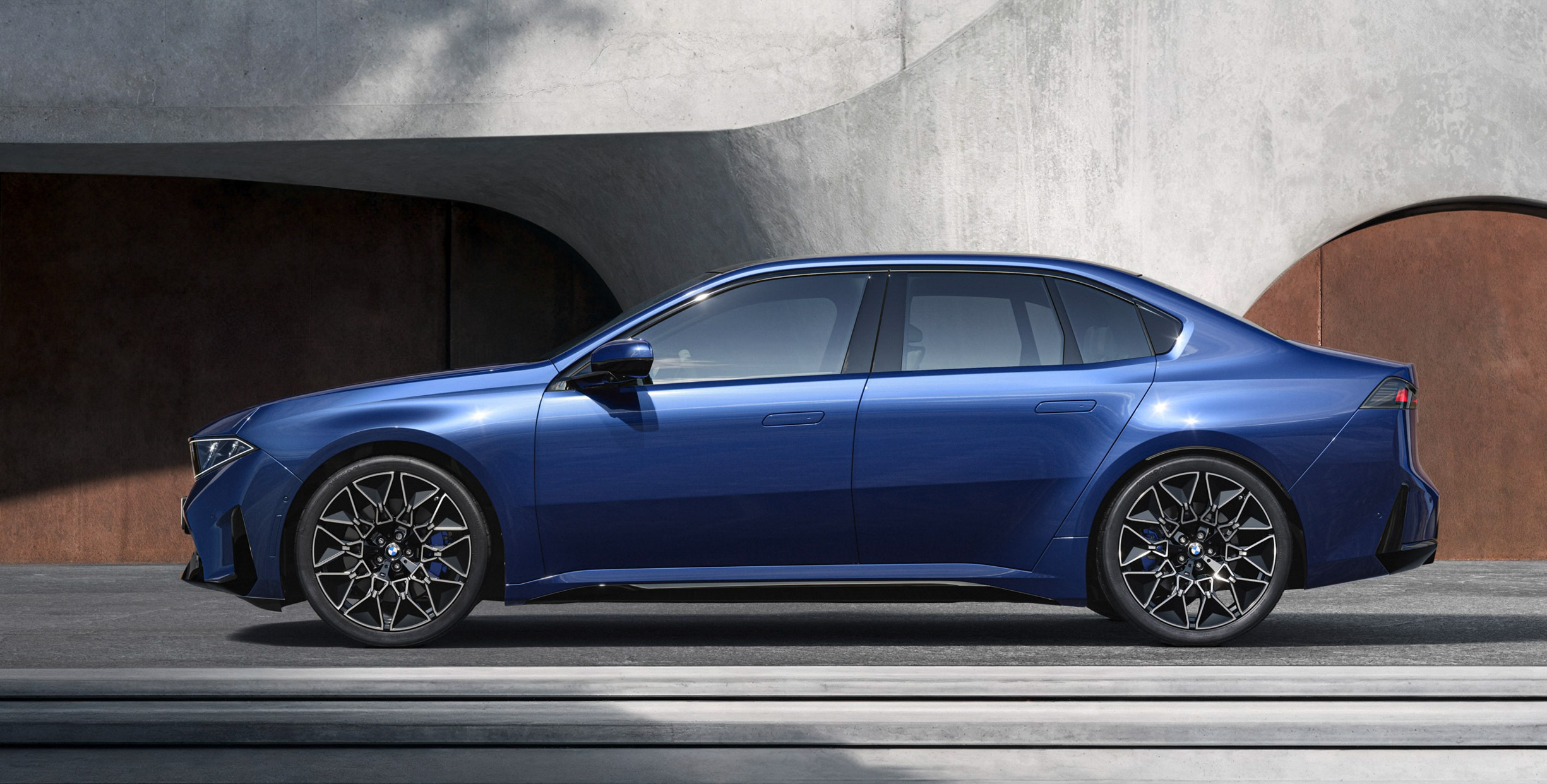
Similarly, shifting the next i5 and i7 onto dedicated EV platforms should bring shorter overhangs, longer wheelbases, and more cab-forward silhouettes. The focus here leans heavily toward interior space and aerodynamic efficiency.
BMW, however, appears keen to avoid the rounded, egg-like profiles seen on the Mercedes-Benz EQE and EQS, which struggled to win over buyers. Mercedes itself is now pivoting, with future EVs set to more closely resemble their combustion-engine equivalents.
NHTSA upgrades FSD probe to engineering analysis stage.
Over 3.2 million Tesla vehicles are included in investigation.
FSD may fail to detect vehicles in low visibility conditions
The NHTSA has intensified its scrutiny of Tesla’s Full-Self Driving system, focusing on how it copes when visibility drops. That escalation pushes the probe closer to a potential recall, one that could affect more than 3.2 million vehicles across the United States.
The agency first opened a preliminary evaluation in October 2024 to assess FSD’s ability to detect and respond appropriately in reduced roadway visibility. That probe has now been upgraded to an engineering analysis, which will examine how the vision-only system behaves in adverse conditions and whether it can alert drivers with enough time to react.
According to regulators, Tesla developed and implemented a degradation detection system after transitioning to its camera-based vision setup in mid-2021, abandoning radar and other sensors. The company began working on an update to this system in June 2024, following a report of a fatal crash involving one of its vehicles on November 28, 2023
Rain Is FSD’s Enemy
In its preliminary evaluation, the NHTSA began piecing together how Tesla’s Full Self-Driving system behaves in less-than-ideal conditions. The agency learned from Tesla that FSD’s ability to detect and respond to poor road conditions may have contributed to 3 of the 9 incidents identified by the Office of Defects Investigation (ODI).
In the crashes reviewed, the system failed to recognize common roadway conditions that affected camera visibility and did not issue alerts when camera performance degraded until just before impact.
A subsequent review of Tesla’s responses uncovered other crashes that occurred under similar circumstances. In these cases, the FSD system also lost track or “never detected a lead vehicle in its path.” The NHTSA also notes that Tesla says internal data and labeling limitations have prevented a uniform identification and analysis of crash events with the system engaged, meaning there is a possibility of under-reporting crashes.
The probe covers an estimated 3,203,754 Tesla vehicles, including the 2016-2026 Model S and X, 2017-2026 Model 3, 2020-2026 Model Y, and 2023-2026 Cybertruck models equipped with FSD.
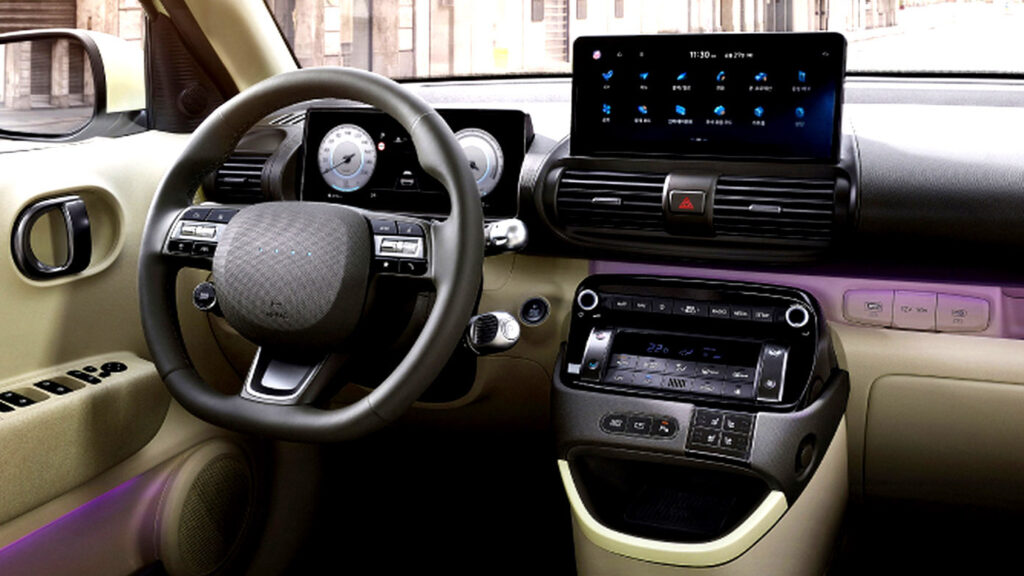
The Hyundai Casper Electric Lounge is the new flagship trim of the micro-SUV.
Exclusive 17-inch alloy wheels and new colors distinguish the exterior design.
The cabin gets genuine leather upholstery and plenty of standard equipment.
Hyundai’s smallest EV is getting a taste of the finer things. The automaker is taking its most compact electric vehicle upmarket with the debut of the Lounge trim for the Casper Electric in South Korea, also known as the Inster in export markets. The new micro-SUV trim serves as a premium alternative to the rugged Cross model, sitting at the top of the range.
On the outside, the Lounge is distinguished by a new grille pattern, an exclusive Glow Mint paint option, a lighter Medium Metallic Paint finish for the plastic cladding, and a set of 17-inch futuristic-looking alloy wheels. Like the Cross, it now comes standard with full-LED headlights and taillights.
The interior is where the Lounge truly sets itself apart from its siblings. The headline feature is genuine leather upholstery, which remains genuinely rare in this segment. Hyundai has also fitted knit-material headliner and sun visors, along with Kevlar cone speakers for improved sound quality.
Hyundai Casper Electric Lounge
The 10.25-inch infotainment display and matching digital instrument cluster are both standard, as is Level 2 ADAS. A sunroof and wireless charging pad are optional extras. Hyundai also offers a range of accessories including interior storage solutions, pet-friendly items, roof racks, a retractable awning, and an inflatable mattress.
Powertrain And Pricing
Mechanically, the Casper Electric Lounge uses the more potent 113 hp (84.5 kW / 115 PS) electric motor paired with the larger 49 kWh battery pack. Driving range is rated at 295 km (183 miles), which is 10 km (6 miles) more than the Cross but 20 km (12 miles) fewer than the Inspiration, a gap attributed to the different wheel size.
Hyundai Casper Electric
Predictably, the Casper Electric Lounge is the most expensive version of the urban EV on sale in Korea. It is priced at ₩36,410,000 ($24,500), or ₩1,260,000 ($850) more than the Cross. According to the Korean Car Blog, however, the effective price drops closer to ₩20 million (around $13,400) once EV subsidies in Seoul are factored in.
The automaker also continues to offer an gas-powered Casper in Korea, featuring a 180 mm (7.1 inches) shorter wheelbase than the Casper Electric. It is available with naturally aspirated and turbocharged versions of a 1.0-liter three-cylinder engine, though it misses out on the Lounge and Cross grades offered on its fully electric sibling
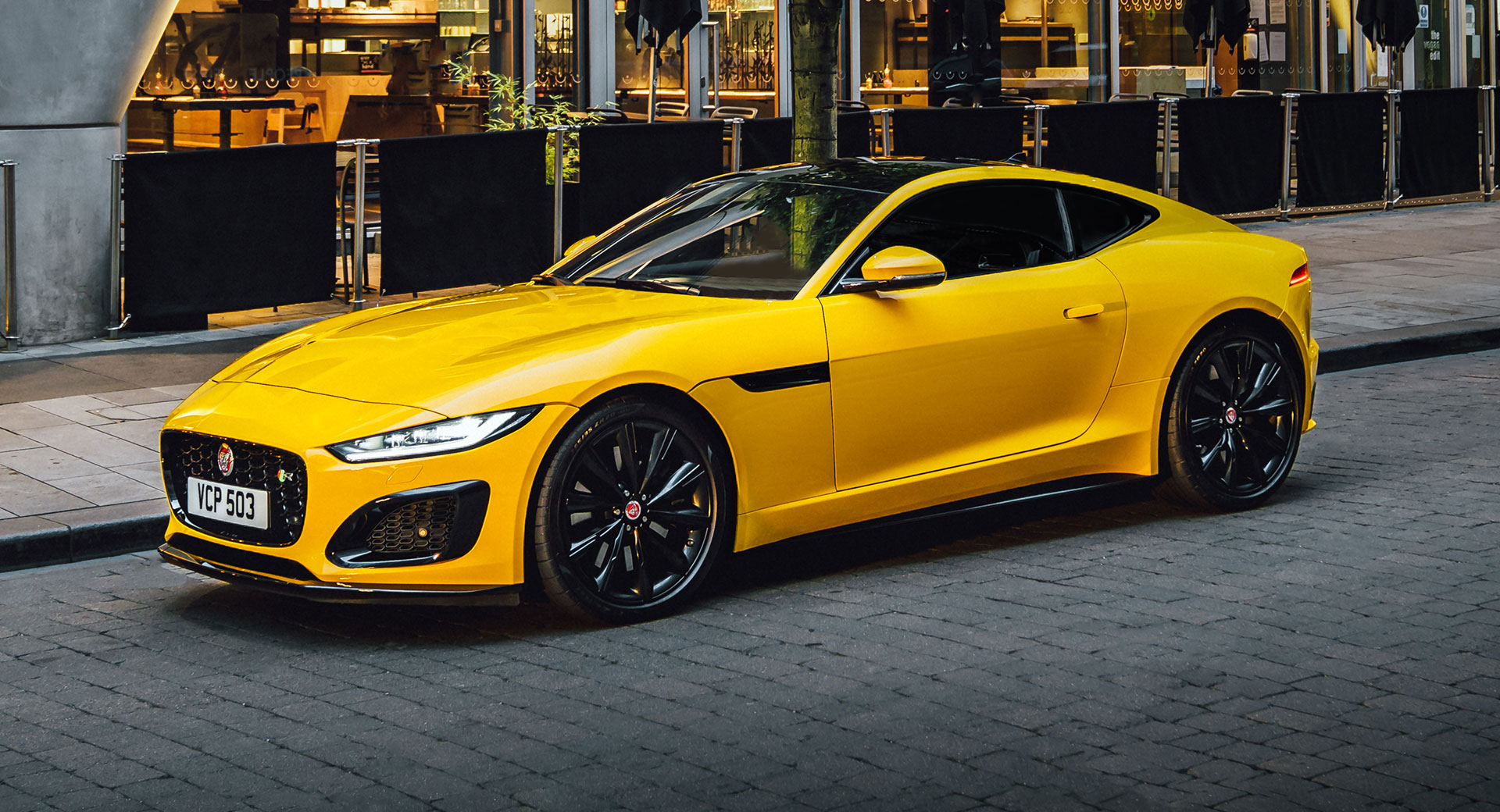
A second-generation F-Type was in development before cancellation.
Jaguar will reveal its production Type 00 electric sedan this year.
Ian Callum designed new XF and F-Pace models before leaving in 2019.
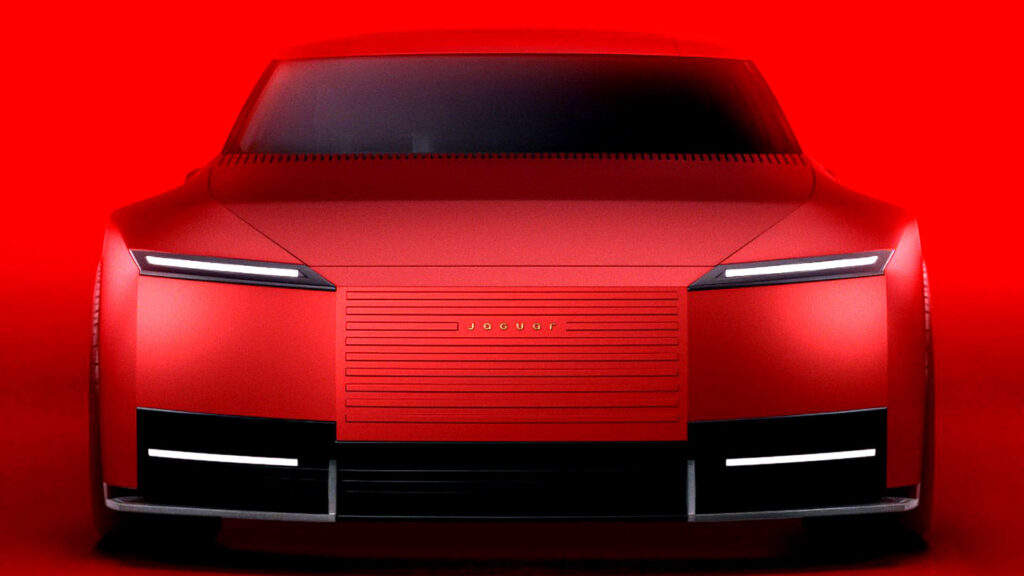
Jaguar’s radical pivot to electric vehicles, anchored by a four-door GT sedan, has proven deeply controversial. And once you learn about some of the planned future Jaguar models that had to be killed to make way for the Type 00, you may deride Jaguar’s EV shift even more.
For years, it was known that Jaguar had been developing an all-new XJ before abruptly changing course, cancelling the project mere months before it was ready. The car was going to be electric, but the platform was flexible enough to support a six-cylinder engine if the market demanded it.
In a recent chat on the Road to Success Podcast, Jaguar’s former design director Ian Callum revealed he had also designed a new XF sedan and an F-Pace SUV before departing the company in 2019. Both were scrapped to clear the path for the Type 00. The most painful revelation, perhaps, is that a successor to the F-Type was also in development.
What Could Have Been
Callum didn’t say how far work on a second-generation F-Type had progressed when he left. He considers the original one of the last great Jaguars, before the company’s strategy shifted beneath it. At a time when sleek, front-engined two-door sports cars are disappearing from the market, losing the F-Type to make room for a grand touring EV is a difficult pill to swallow.
Speaking about the company’s new EV, Callum described it as a “handsome car,” adding that “it’s bold, it’s brave, and it’s got a lot of good design attributes about it, but it’s not beautiful and Jaguars need to be beautiful.” He also said the Type 00 is “too retro.”
What Can We Expect From The Type 00?
Jaguar wants to establish itself as a legitimate rival to Bentley and Rolls-Royce with the Type 00, abandoning its pursuit of volume sales and chasing the likes of BMW, Audi, and Mercedes-Benz. The production model will stick true to the concept’s radical design, though it will add two extra doors and have a longer wheelbase.
Power comes from three motors, a 350 hp unit up front and two at the rear producing a combined 950hp, with Jaguar promising at least 1,000 hp total along with just over 1,000lb ft of torque. According to Top Gear, that translates to a 0-62 mph (100 km/h) sprint in around 3.3 seconds, a limited top speed of 155 mph (250 km/h), and a driving range of approximately 430 miles (692 km).
Smart has shared more photos of the #6 ahead of its market launch in China.
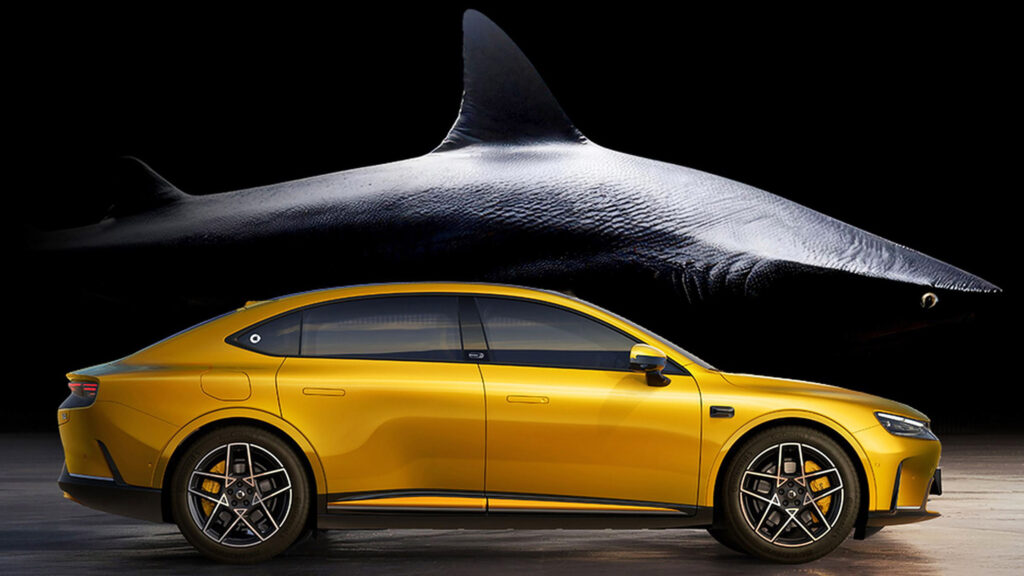
The flagship fastback sedan adopts shark-inspired styling cues and active aero.
It will be initially available with a PHEV powertrain offering a 1,125-mile range.
Smart may be best known for its pint-sized two-door hatchbacks, but its lineup has been steadily expanding to include SUVs and coupe-style crossovers. Now it is pushing further upmarket with something entirely different. The Geely and Mercedes-backed brand has unveiled its first fastback, pairing an aerodynamic silhouette with what it describes as, “shark-inspired” styling cues.
Following its earlier appearance in regulatory filings, Smart has now released a fresh batch of images of the #6 EHD. Mercedes-Benz was responsible for the exterior, and Smart says the whole thing takes its cues from marine predators.
At the front, the hood integrates functional air channels that Smart has branded “Bionic Shark-Gills.” Around the rear, a four-stage adjustable spoiler is said to echo the movement of a shark’s tail Or so the company claims, so take that with a pinch of seal salt.
Other details include tightly drawn body surfacing along the profile, aggressive LED headlights linked by a central grille element, and full-width LED taillights set within a sculpted rear panel.
At 4,906 mm (193.1 in) long, the #6 sits in executive sedan territory, being closer to a Mercedes E-Class or BMW 5-Series than anything Smart used to build. The 2,926 mm (115.2 in) wheelbase is the longest the brand has put into production, which should pay dividends for cabin space.
The interior has yet to be revealed, but spy shots suggest it will feature a tall center tunnel and a large infotainment display with the latest tech, similar to the Smart #5 SUV.
Electrified Powertrains
The Smart #6 sits on Geely’s PMA2+ architecture, a further development of the widely used SEA platform that also underpins models like the Zeekr 007 and its GT counterpart. It will debut as a plug-in hybrid, with fully electric versions set to follow, including a range-topping Brabus variant.
The EHD, short for Extended Hybrid Drive, uses Geely’s NordThor 2.0 system. It pairs a turbocharged 1.5-liter gasoline engine with a front-mounted electric motor, delivering a combined 429 hp (320 kW / 435 PS). The headline figure is range, with a claimed 1,810 km (1,125 miles) on the CLTC cycle, including up to 285 km (177 miles) in electric-only driving.
The Smart #6 EHD is scheduled to launch in China in the coming months, ahead of a global rollout. Pricing will be announced at a later date.
Mahindra offers a full buyback for the BE 6 Batman Edition.
The move follows backlash over a second “limited” batch launch.
First-batch owners can return SUVs for a full refund by April 17.
Exclusivity is a powerful currency in the car world, and it’s not just reserved for exotics. Mahindra is now learning that the hard way. After two rapid-fire sellouts of its officially licensed BE 6 Batman Edition, the automaker is now dealing with pushback from early buyers and has rolled out a 30-day buyback scheme.
The BE 6 Batman Edition first appeared in August 2025, bringing a mix of exterior and interior details inspired by the Dark Knight. It was initially pitched as a 300-unit run, but demand quickly changed those plans. Mahindra expanded production to 999 units, and they were gone in a claimed 135 seconds.
By March 2026, Mahindra went back for another round, reopening orders for a second batch of 999 units on the back of what it called “unprecedented demand”. Those didn’t hang around either, selling out in just seven minutes and confirming there’s strong appetite for anything with a hint of Bruce Wayne about it.
Disappointment Among The “Founding Owners”
What was pitched as a 1-of-300 collector’s piece quickly ballooned into a 1-of-1,998 run. So much for exclusivity. Unsurprisingly, owners weren’t thrilled, and social media filled up fast with complaints accusing Mahindra of watering down what was meant to feel special.
In response, Mahindra has taken the unusual step of offering a way out. First-batch buyers now get a 30-day window, from March 18 to April 17, to return their Batman SUVs for a full refund. Hand the keys back, and you’ll get ₹27.79 lakh ($29,900), the original ex-showroom price, rather than the slightly higher ₹28.49 lakh ($30,700) attached to the later batch.
Whether owners will actually hand the keys back is anyone’s guess. Some might take the guaranteed refund, others may hold on and hope values recover. Not long ago, low-mileage first-batch cars were advertised at up to ₹45 lakh ($48,500). Since the second wave landed, that’s slipped to roughly ₹29–31 lakh ($31,200–33,400).
The Electric Batmobile
So why all the noise in the first place? This special edition came together through a collaboration with Warner Bros Discovery Global Consumer Products. Underneath the themed styling, it’s based on the range-topping BE 6, packing a 282 hp (210 kW / 286 PS) electric motor and a 79 kWh battery.
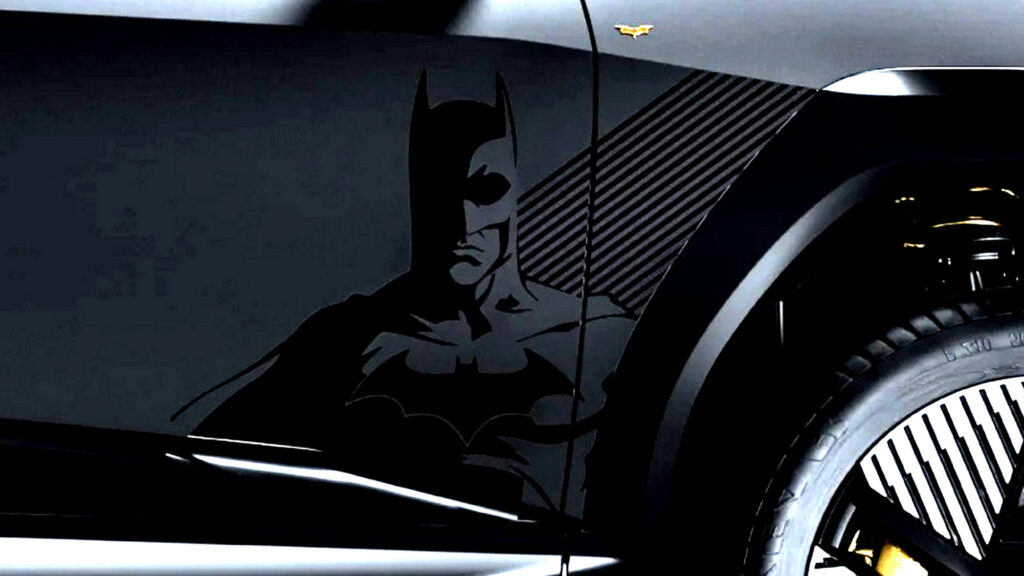
Visually, the Batman Edition is distinguished by the Satin Black shade with gloss black graphics, an Alchemy Gold finish for the suspension and the brake calipers, 20-inch alloy wheels, and countless bat emblems around the bodywork.
Inside, it leans fully into the theme. Black suede and leather cover most surfaces, broken up by gold accents that make sure you don’t forget this is the special one. Then come the details. Custom puddle lights, bespoke welcome animations on the infotainment screen, unique sounds, even an illuminated bat logo set into the glass roof.
Despite the production increase, the “Founding 999” units still hold a slight edge because they are the only units with the numbered dashboard plaques.
As for Mahindra, it’s sticking to the script. The company says these kinds of editions are about “celebrating passion and individuality,” and hints that more of these themed projects are already in the pipeline for 2027.
The Ferrari Luce has paddle shifters to adjust the torque deployment.
Ferrari will also enhance the motors’ sounds for added auditory pleasure.
Unlike some of the brand’s other cars, the Luce won’t be a track model.
The high-end EV market is facing some struggles, but despite this, Ferrari is plowing ahead with its first-ever electric car, the aptly named Luce. While the brand is perhaps the last you’d ever expect to enter the EV world, it’s confident the model will offer all the driving thrills expected of a Prancing Horse.
During a recent interview, Ferrari chief executive Benedetto Vigna insisted that the Luce will deliver each of the five key drivers of driving thrills, ensuring it is befitting of the brand’s badge and can succeed where some EVs have failed: to tug at the emotional heartstrings.
Speaking with Autocar India, Vigna said one element “is longitudinal acceleration,” agreeing with the interviewer that perhaps this acceleration in EVs is too linear, and also “too much, because sometimes it’s disturbing our brain.” He went on to reveal that Ferrari has worked with NASA to “understand what is the level of acceleration that is disturbing people,” and that too much acceleration is not a good thing.
Sounds And Shifts
SHProshots
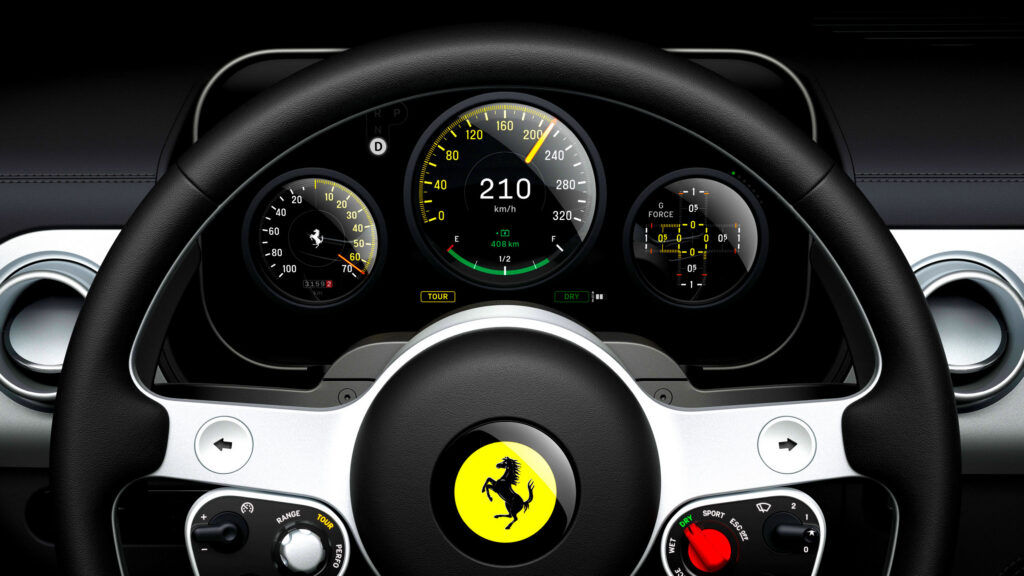
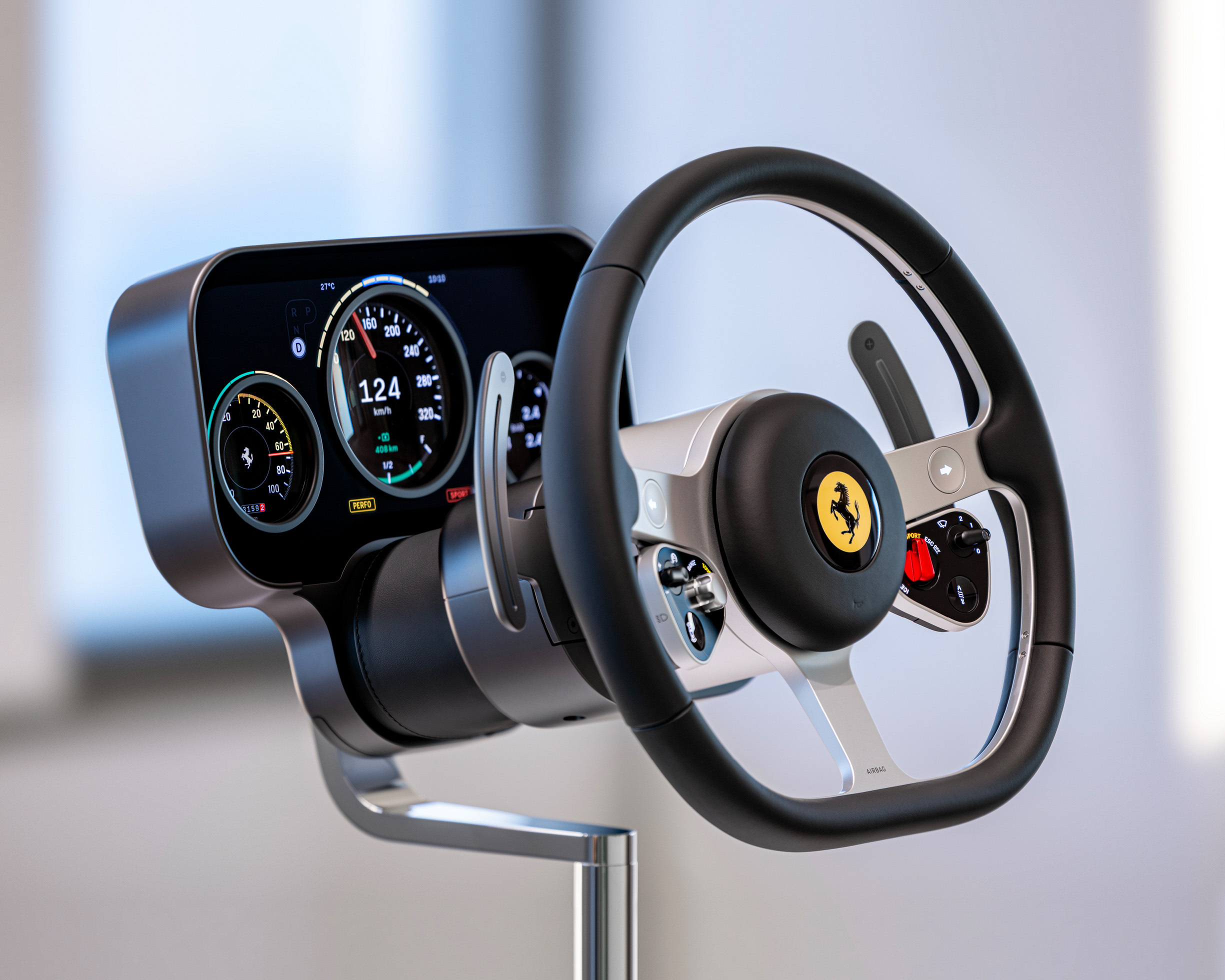
Another important contributor to driving thrills is “transversal acceleration, followed by the braking experience, the gearshift, and the sound. As recent images of the Luce’s interior revealed, it will include paddle shifters, and unlike some EVs, these won’t be used to adjust the level of brake regeneration but instead to adjust the level of torque engagement.
Vigna stopped short of confirming that the system will mimic traditional shifts, as in the Hyundai Ioniq 5 N, but it certainly sounds like that is what Ferrari is aiming for. Then there’s the all-important sound.
As patents have revealed, Ferrari won’t aim to mimic the sound of an internal combustion engine with the Luce, and instead will amplify the sounds of the electric motor.
“The electric motor is not silent,” he said, “there is a sound there. The problem sometimes today [is that] most of us associate the sound of electric motor with something high frequency that is disturbing. But, there are also low frequency, there are also ways to pick up the sound in an authentic way, in the original way, to avoid the two looking like a DJ.”
Vigna went on to add that the Luce will have a driving range of over 311 miles (500 km), and while that may not sound all that impressive, he noted it has not been designed with track use in mind, indicating that the battery technology is not in a place to make such cars achievable.
A North Carolina man was arrested after authorities say he exposed himself at a neighborhood school bus stop, where children and families were gathered, reported Fox 8.
Police arrested Angel Esteban Marte, 24, March 5 and charged with felony indecent exposure after the incident in Harnett County.
Deputies said Marte exposed his private parts at the bus stop, and investigators said the act was committed “for the purpose of arousing and gratifying the defendant’s sexual desire.”
Marte also faces a misdemeanor indecent exposure charge in connection with the incident.
The exact location of the bus stop was not specified. The offense is listed as a violent crime on a condition of release order.
According to the article, Marte was being held without bond at the Harnett County Jail. He was scheduled to make his first court appearance.
DENVER, Colo. —EverDriven, the nation’s leader in Alternative Student Transportation, today announced the launch of its Consolidated Routing Services, unifying routing across yellow buses, vans, and alternative transportation as a continuously optimizing solution. Designed as a complement to a district’s existing routing strategy, it acts as an accelerant on top of current approaches — pairing advanced route intelligence with deep human expertise to make every route deliver the best outcome
The launch marks a pivotal shift in how districts approach transportation planning. Many districts manage separate, disconnected processes for every mode. This is a fragmented reality that can drain budgets and slow down service. EverDriven’s Consolidated Routing Services replaces that with a unified solution that learns, adapts, and improves in real time — driving measurable cost savings, faster ride times, and district-wide operational performance.
As the pioneer in the industry, EverDriven has spent 20+ years tackling the hardest transportation challenges in K-12 education — from students with disabilities to those experiencing housing instability. Consolidated Routing Services brings that same depth of knowledge to every student a district serves. Working alongside leading AI-enabled technology that layers real-world expertise on top of a district’s current approach — analyzing ridership patterns, modeling route adjustments, and surfacing optimization opportunities before they become challenges, in ways that automation alone cannot deliver.
“Over the past 20 years, we’ve learned a lot and gained deep expertise supporting the students who need it most — and now we’re bringing that same rigor to every student a district serves,” said Mitch Bowling, CEO of EverDriven. “What sets this solution apart is the combination of industry-leading technology and the deep human expertise to act on it. Our Consolidated Routing Services give leaders a reliable way to modernize planning, operate with greater confidence year-round, and ensure every student arrives at school safely and on time.”
Following a thorough evaluation of a district’s routes, EverDriven’s team gets to work delivering measurable results: up to 15% reduction in route costs, shorter ride times for all students, stronger on-time performance, and faster turnaround when daily changes arise. For transportation directors, CFOs, and superintendents, one of the most immediate opportunities lies in identifying vacated and unassigned routes. These hidden costs often compound over time and can go unnoticed without the right level of visibility. Through EverDriven’s ability to optimize routes and improve fleet utilization across the entire operation, districts gain clear insight into these inefficiencies. This creates a straightforward and compelling case for action, especially for districts operating under increasing budget pressure.
“Fragmented routing is one of the most expensive invisible problems in K-12 transportation,” said Greg Jackson, General Manager of School Bus Services at EverDriven. “Most districts are managing separate processes for general education, students with disabilities, and McKinney-Vento students—creating daily inefficiencies that add up fast. By delivering visibility and unifying those workflows, we help teams cut costs, shorten ride times, and deliver more consistent service for the students who depend on it most.”
EverDriven’s Consolidated Routing Services support districts with:
Cost-neutral routing services.
Route-building prior to each semester.
Two weeks of dedicated on-site planning and testing timed with back to school
Ongoing route optimization as student needs change.
Technology-agnostic integration that works alongside your existing routing software.
Comprehensive end-of-year data analysis and performance report.
Districts ready to explore the impact of consolidated routing can learn more at everdriven.com.
About EverDriven:
EverDriven delivers modern student-centered transportation that’s safe, consistent, and built for those who need it most. EverDriven specializes in routing and transporting students across all ranges of needs — from everyday support to the most complex circumstances — including students with disabilities, students experiencing housing instability, and other high-need populations. Serving more than 800 districts across 36 states, the company completed over 2 million trips last year, 99.99% of them accident-free with 100% safety compliance. EverDriven’s deeply human, fully compliant, and AI-powered approach helps districts get students on the road in hours, not days, while maintaining consistent, high-trust rides that complement traditional yellow bus fleets. For more information, visit everdriven.com.
REDWOOD CITY, Calif., -Zūm, a leader in student mobility, today announced unaudited 2025 financial highlights, reflecting sustained growth at scale as the company expands in the $50 billion student mobility market, the largest segment of the mass mobility industry, and one of the last segments still underserved by AI and cloud technology. While the industry has historically been defined by fragmented, analog transportation services, Zum is pioneering a mobility experience that is replacing traditional approaches to operating yellow buses with a modern, fully integrated mass mobility ecosystem.
2025 Financial Highlights:
Revenue of $333 million, up 35% year-over-year.
Four-year revenue CAGR of greater than 40%.
Over $2 billion in Total Contract Value (TCV).
Adjusted EBITDA1 breakeven and steadily improving contribution margin.
“Every weekday, 26 million American students ride the school bus — three times more passengers than U.S. airlines carry — making it the largest mass transportation system in the country and one of the last to undergo technological transformation,” said Ritu Narayan, Zum Founder and CEO. “For too long, families have faced morning anxiety, wondering if the bus will arrive, if it is safe, and when their kids will get home. We are redefining mobility by moving far beyond legacy models to create a connected, intelligent system for the communities we serve. In student transportation, that means replacing legacy infrastructure with a dynamic, technology-enabled platform — transforming what was once a standalone service into a responsive ecosystem that anticipates and adapts to the needs of districts and families.”
Durable Business Model Driving Scalable Growth
Across the United States, forward-thinking school districts have moved away from the status quo and adopted Zum as their transportation provider. In these districts, Zum has transformed their transportation systems into state-of-the-art operations characterized by enhanced visibility, improved safety standards, real-time data that provides full transparency, and measurable performance outcomes.
Today Zum serves more than 4,000 schools across 15 states, including major districts such as Branford (CT), Kansas City (MO), Los Angeles (CA), Oakland (CA), Omaha (NE), Roanoke City (VA), San Francisco (CA), and Seattle (WA). Zum’s business model is built on structural advantages to drive predictable, profitable growth:
Long-term contracted revenue: 5-10 year agreements with school districts, delivering predictable cash flow, with an established track record of improving profitability.
Exceptional retention: Strong customer loyalty, with growing revenue as existing customers expand their utilization of Zum services.
“Our strong unit economics and long-term contracted revenue demonstrate the scalability of our platform,” said Daniel Berenbaum, Zum’s Chief Financial Officer. “We achieved Adjusted EBITDA breakeven while growing revenue 35% year-over-year, validating our disciplined approach to expansion. Student mobility is one of the last major undigitized sectors, representing a $50 billion segment of the mass mobility industry. While legacy competitors manage physical assets, Zum is deploying a modern, scalable system driven by technology, operational excellence, and safety – using real-time data to connect people, vehicles, and the energy grid, delivering better outcomes for all.”
AI-Powered Technology Driving Reliability and Safety
Zum uses AI and advanced technologies to ensure drivers take the most efficient, logical routes, a significant departure from traditional routing methods that have been used for decades. The system is designed specifically for the unique requirements of student mobility, from complex routing algorithms that account for tiered bell schedules and custom needs, to safety protocols that meet and exceed both bus company and ride-share standards. Zum’s platform also includes mobile apps and web dashboards for students, parents, drivers, dispatchers, and school administrators, enabling enhanced visibility, greater trust, streamlined communication, and incident-tracking capabilities, all powered by real-time data in a single integrated platform.
Modernizing Infrastructure and Powering the Grid
Zum’s electrification strategy represents yet another step in modernization, turning an underutilized asset into an energy resource to power the grid. Zum’s groundbreaking vehicle-to-grid (V2G) technology transforms school bus parking yards into virtual power plants, storing and distributing energy to support grid resilience. Zum made history in the 2024–25 school year by deploying the nation’s first fully electric school bus fleet in the Oakland Unified School District in California, and recently announced plans to launch a fully electric fleet with V2G capabilities for Branford Public Schools in Connecticut beginning in the 2026–27 school year.
Delivering Measurable Impact at Scale
Zum’s impact is measurable and significant:
Reliability: On average, 98% on-time performance.
Cost Savings: San Francisco Unified has cut annual transportation costs by up to 10% using Zum’s technology-driven platform to optimize routes, fleet utilization, and daily operations. That budget flexibility can enable districts to reinvest directly in classroom priorities such as instructional resources, staffing, and student support, strengthening both academic outcomes and long-term sustainability.
Transformational Customer Impact: With Zum, school districts use up to 25% fewer assets by utilizing a multi-size vehicle fleet, spend up to 20% less time through optimized routes, and report 30% higher asset utilization throughout each day.
Efficiency: Through intelligent routing, Oakland Unified has cut one‑hour or longer commutes from 70% to under 10%, and San Francisco Unified has reduced average bus stop time from 3 minutes to just 8 seconds.
Student Experience: Parents have rated Zum with a 4.9 out of 5-star rating in student experience across 1.5 million reviews.
Attendance: After partnering with Zum, Kansas City Public Schools saw an 89% increase in ridership driven by improved reliability and reduced transportation-related absences in secondary schools from 25% to 5.6% during the 2024–25 school year.
Growth: Safely completed 68.5 million student rides in 2025, up 120% over 2024.
About Zum:
Zum is revolutionizing mass mobility with a fully integrated platform that connects and coordinates people, vehicles, and operations in real time. In the $50 billion student mobility market – the largest segment of the mass mobility industry – Zum is designed to deliver a predictable, safe, and seamless experience for students and families. Today, more than 4,000 schools across 15 states rely on Zum’s advanced platform, with customers now deploying its groundbreaking vehicle-to-grid (V2G) technology to modernize vehicles and strengthen grid resilience. Recognized globally for its innovative approach and operational execution, Zum has been named to Fast Company’s World’s Most Innovative Companies, CNBC Disruptor 50 and Changemakers, the World Economic Forum, and the Financial Times Fastest Growing Companies lists. Zum is backed by leading investors including Sequoia Capital, GIC, and SoftBank. Learn more at www.ridezum.com.
LOS ANGELES, Calif.—HopSkipDrive, the leader in safe, fast, and simple supplemental student transportation, today released its seventh annual Safety Report. The data reveals that in 2025, 99.7% of rides were completed without a safety concern of any kind—a consistent benchmark maintained even as the company doubled its partner network to serve over 2,000 school districts, government agencies, and nonprofits nationwide.
To date, HopSkipDrive remains the first and only company in the student transportation industry to proactively publish comprehensive safety data annually, reporting on not just collisions or accidents but on all safety incidents, including interpersonal and behavioral concerns. The 2025 report reveals a 99.99% accident-free record and a 0.000% critical safety incident rate—benchmarks supported by a track record of over 130 million safe miles driven since the company’s founding.
This vast experience includes a deep commitment to specialized populations, having safely facilitated nearly 3 million rides for youth in foster care and 1.7 million rides for students with IEPs. These results, driven by more than 50 proactive safety products, features and initiatives—underscore a safety-first approach that extends to millions more rides for students in Career and Technical Education, General Education, after-school activities, and extracurriculars. This record is made possible by HopSkipDrive’s industry-leading technology, rigorous regulatory oversight, and direct relationships with CareDrivers, which together enable the sector’s most responsive turnaround times and a sophisticated, data-driven standard of care.
“Safety has never been a secondary checklist item for us. The need for safe transportation is a core reason HopSkipDrive exists,” said Joanna McFarland, CEO and Co-founder. “Since day one, we’ve led the industry by staying ahead of the curve, constantly innovating the specialized care we provide to the children and families who depend on us. In 2025, we demonstrated our ability to significantly scale our impact while maintaining a near-perfect safety record. This data reflects the tireless work of our team and CareDrivers, who lead with a simple, personal standard: ‘What would it take to put our own children in this car?’
This results-driven culture ensures that as we get bigger, we also get better, safer, and more inclusive. But we’re never done when it comes to safety. Every mile driven is an opportunity to improve and innovate and ensure every child arrives at school safe and ready to learn.”
Key product developments from 2025
To maintain this record while scaling, HopSkipDrive introduced several key product developments in 2025:
● Achieved SOC 2 Type II compliance, making HopSkipDrive the first and only supplemental student transportation platform to achieve this high-level security attestation for data and privacy.
● Nationwide specialty transportation expansion, which scales wheelchair-accessible vehicle (WAV) and Rider Assistant support to districts across the country.
● Specialized driver education, featuring a neurodiversity-focused curriculum developed with child development experts to support students with diverse sensory and behavioral needs.
● Qualitative video screening, a new addition to the 15-point CareDriver certification process designed to evaluate situational judgment and empathy.
● Enhanced “Must Be Met” protocols, which provide a vital safety net by requiring specific verification for safe student handoffs to authorized adults.
● Caregiver Great Start Program, a proactive outreach initiative designed to ensure 100% of eligible families are equipped with safety protocols and ride-tracking features before their first trip.
● Dedicated rider supportline, providing students with direct text or call access to the Safe Ride Support team for autonomy and peace of mind.
● Advanced CareDriver qualifications, a verified in-app system ensuring rides requiring specialized training or equipment are only matched with expert CareDrivers.
Key roadmaps and launches in 2026
As we move into 2026, HopSkipDrive continues to evolve its platform with marquee offerings focused on inclusive technology and enhanced oversight through advanced recording.
● Track My Ride is a new feature that allows riders to monitor their own journeys via secure, masked SMS links. By providing real-time visibility without requiring a smartphone app, we’ve ensured inclusive access for students using wearables, smartwatches, or school- or government-issued devices.
● Ride Recording: In-App enhances our safety offering by providing a secure, integrated audio and visual recording system within the CareDriver app to complement our existing hardware-powered dashcams. This approach allows for encrypted oversight that is automatically wiped from driver devices after the ride to ensure student privacy. It also enables network-wide across all HopSkipDrive markets, which will include 100% of rides this Fall.
Safety is more than just data points; it’s about understanding the unique needs of the children in HopSkipDrive rides. Our Safety Advisory Council provides us with an externally led expert framework that informs our end-to-end safety protocols. By integrating child development and mental health expertise, we ensure our operational standards are grounded in a human-centric understanding of student well-being, providing a level of care that technology alone cannot achieve.
The complete 2025 Safety Report demonstrates HopSkipDrive’s ongoing commitment to transparency and continuous improvement. In the coming weeks, the company will introduce additional 2026 initiatives, further raising the bar for safety standards across the industry.
About HopSkipDrive
HopSkipDrive is the leader in safe, fast, and simple supplemental student transportation. Modernizing the $30 billion school transportation industry through its care-centered transportation marketplace which supplements school buses by connecting kids to highly-vetted caregivers on wheels, such as grandparents, babysitters, and nurses in local communities.
HopSkipDrive also offers its industry-leading transportation intelligence platform, RouteWise AI, to address critical challenges, including budget cuts, bus driver shortages, and reaching climate goals. With this technology, HopSkipDrive has supported over 14,500 schools and over 2,000 school districts, government agencies, and nonprofit partners. Since its founding in 2014 by three working mothers, HopSkipDrive has surpassed more than 100 million safe miles driven. This record includes nearly 3 million foster and McKinney-Vento rides and 1.7 million Individualized Education Program (IEP) rides, alongside millions of additional trips for General Education, Career and Technical Education (CTE) programs, and extracurricular activities.

 Login
Login