Normal view

There are new articles available, click to refresh the page.
Today — 16 January 2026Vehicles

BMW iX3 M Coming As A Quad Motor Performance EV

  • The BMW iX3 M has been spied undergoing testing in Europe.
  • Prototype has an M steering wheel and M-branded sport seats.
  • There will be four electric motors that could produce 700+ hp.

BMW M will begin offering electric vehicles in 2027, and the upcoming i3 M sedan has already been teased. But it won’t arrive alone, as spy photographers have captured the brand’s first high-performance electric SUV, possibly called the iX3 M, undergoing cold-weather testing in northern Sweden.

More: BMW M’s iX3 Is Hiding Something Under Its Hood

Dressed in heavy camouflage, the prototype looks virtually identical to the standard model. However, we can see the crossover has been equipped with sizable wheels that are backed up by a high-performance braking system. The latter feature cross-drilled discs as well as blue calipers up front.

\\\\\\\

SHproshots

The production model will presumably have more changes including sportier bumpers and a lightly revised grille. We also wouldn’t be surprised to find a modified diffuser and plenty of M badging.

While there isn’t much to see outside, the interior pictures show the M variant will have a sport steering wheel that eschews vertical spokes. We can also see red and blue contrast stitching as well as dedicated M buttons that are covered by tape.

The rest of the cabin is largely hidden behind disguise, but there are heavily bolstered sport seats that have taped up M logos. Besides the special touches, we can expect a pillar-to-pillar Panoramic iDrive display as well as a 17.9-inch infotainment system.

\\\

SHproshots

BMW M has been coy on powertrain details, but they recently said their upcoming EVs will have four electric motors as well as a front axle that can be “completely decoupled” to deliver rear-wheel drive characteristics and efficiency. All of these models, including the i3 M sedan and the iX3 M SUV, will also have simulated gear shifts and a newly developed “soundscape.”

The motors will deliver precisely controlled power and torque to each individual wheel and they’ll be powered by a 100+ kWh battery pack, which has been “specifically adapted to meet the demands of high-performance vehicles.” The company also noted upcoming models will have a long range, highly efficient energy recuperation, 800-volt technology, and their new Heart of Joy driving dynamics system.

The big question is how much power to expect. Only BMW knows for sure, but speculation suggests they could be packing between 700 hp (522 kW / 710 PS) and 800 hp (597 kW / 811 PS).

\\\\\\\

SHproshots

Next Rolls-Royce Cullinan Is Changing Way More Than You Think

  • New Rolls-Royce Cullinan has been spied undergoing testing.
  • It sports an evolutionary design with cues from the Spectre.
  • The model will be fully electric and could have around 600 hp.

The Rolls-Royce Cullinan burst onto the scene in 2018 and became a successful addition to the lineup. Now, almost ten years later, the company has begun work on a new flagship crossover.

Spied undergoing cold weather testing in Scandinavia, the redesigned model is heavily disguised but looks instantly recognizable. However, there’s a new front fascia with split lighting units and what appears to be a wider grille. We can also see a wide lower intake that echoes the one found on the Spectre.

More: Facelifted Rolls Royce Cullinan Arrives With Questionable Styling Changes

Moving further back, there’s a bulging hood and a pronounced shoulder line. They’re joined by an evolutionary greenhouse as well as new door handles that appear to be better integrated into the overall design.

The familiar styling continues out back, where there are new taillights with vertical elements. The model also has a new liftgate and a license plate recess that has been moved to the bumper. Speaking of which, there are new horizontal reflectors and no more exhaust cutouts.

\\\\\\\

Baldauf

There appears to be a good reason for this as spy photographers said the model is fully electric. Little is known about the crossover at this point, but the model could follow in the footsteps of the Spectre.

As you may recall, the electric coupe rides on the Architecture of Luxury and features a 102 kWh battery pack as well as a dual-motor all-wheel drive system with 577 hp (430kW / 584 PS) and  664 lb-ft (900Nm) of torque. This enables the Spectre to accelerate from 0-60 mph (0-96 km/h) in 4.4 seconds and have a WLTP range of 329 miles (530 km).

Customers can also upgrade to the Black Badge variant, which has an upgraded powertrain producing 650 hp (485 kW / 659 PS) and 793 lb-ft (1,075 Nm) of torque. Thanks to the extra oomph, 60 mph (96 km/h) comes in 4.1 seconds.

The crossover could use a larger battery than the coupe, but we likely won’t find out for awhile as a launch isn’t expected until 2028. That’s a ways off and it means Bentley will beat Rolls-Royce to the punch with an electric crossover of their own.

\\\\\\

Baldauf

Mercedes Wants This Baby G-Wagen To Win Buyers The Big One Never Could

  • Mercedes is developing a smaller G-Class with classic styling.
  • The compact model will debut as an electric vehicle globally.
  • It uses a new platform and skips the full G’s ladder frame.

The wait is nearly over. After years of speculation and teasers, Mercedes-Benz’s smaller G-Class is finally edging closer to production, The compact G-Wagen sticks closely to the blocky proportions of its full-sized counterpart, aiming to carry over much of its tough, go-anywhere character.

Shrunk in scale but not in identity, it’s being positioned to take on Land Rover’s downsized Defender in the growing premium off-roader market.

Read: A Baby G-Wagon Is Coming, And Yes, It Still Looks Kind of Badass

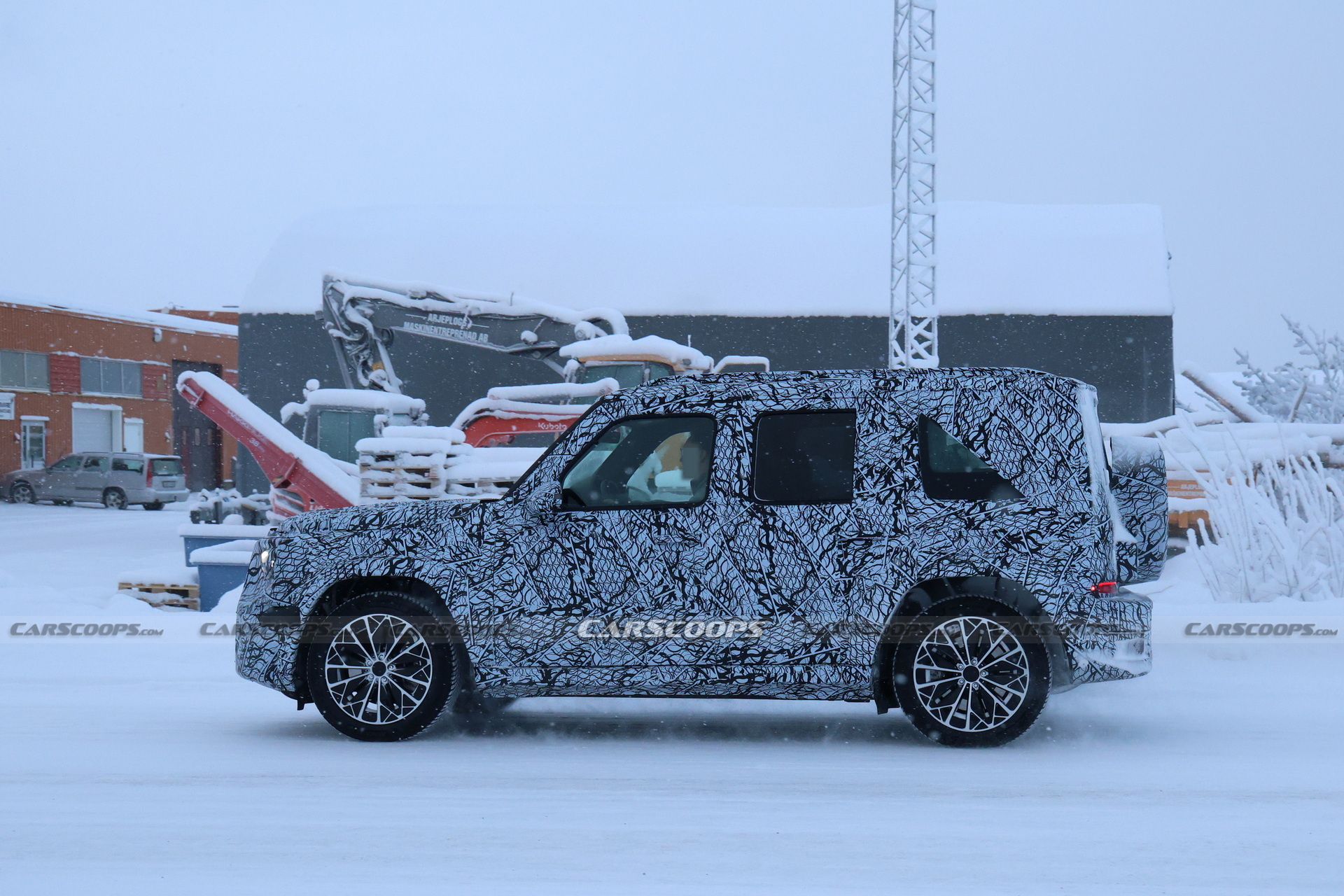
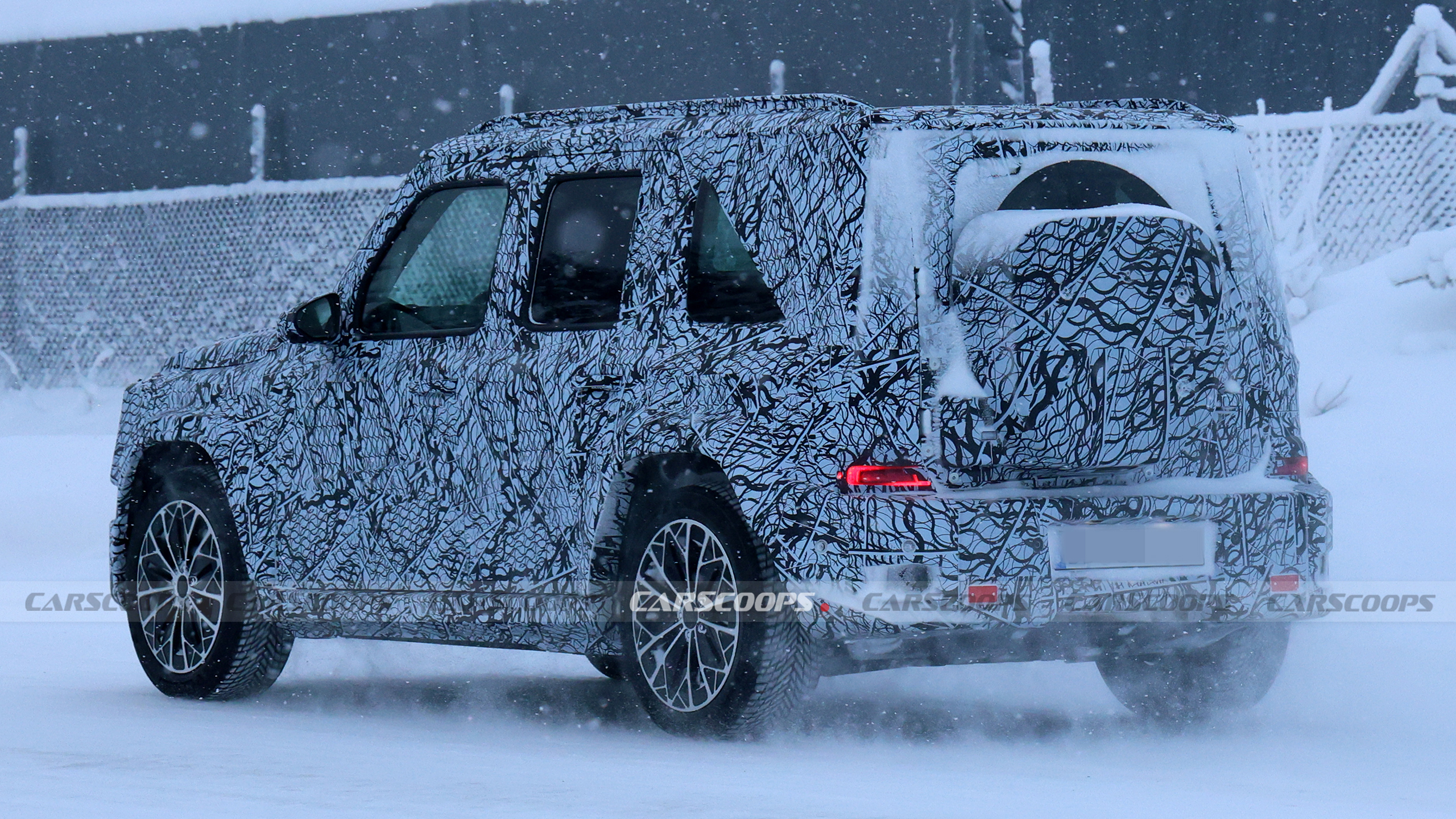
Although this isn’t the first time the model has been spotted in testing, these new images give us the clearest view yet. Caught undergoing cold-weather trials in Europe, the compact Mercedes is visibly shorter and lower than the full-fat G-Class, but the family resemblance is obvious.

\\\\\\\\\

SHproshots

Peek through the camouflage and you’ll spot familiar round headlights, likely paired with a sizeable grille up front. The front fascia sits tall and upright, though the overall lines are slightly more sculpted than the full-size version. It keeps that classic G-Class stance but smooths out a few edge around the corners – literally.

According to Gordon Wagener, former Mercedes design chief, the baby G was intended to look “a touch more modern than the big one.” He made that point in an interview with Car Magazine last year, and it tracks. One of the more interesting new details is the small, triangular rear side windows.

 Mercedes Wants This Baby G-Wagen To Win Buyers The Big One Never Could
SHproshots

Underpinning the compact G is a brand-new platform, entirely separate from the full-size G-Class’s traditional architecture. It abandons the ladder-frame chassis, a move that might raise questions about hardcore off-road capability and towing strength. However, the payoff should come in the form of a more refined on-road experience, with smoother ride quality and improved daily comfort.

Former tech boss Markus Schäfer referred to the platform as a “miniature ladder-frame chassis” while speaking to Autocar last year. While it isn’t a true body-on-frame setup, he explained that it shares key qualities, particularly in suspension geometry and wheel sizing. So while it won’t match the full G-Class for rock-crawling antics, it won’t be soft either.

What Will Power It?

 Mercedes Wants This Baby G-Wagen To Win Buyers The Big One Never Could
SHproshots

Then there’s the all-important question of powertrains. The mini G-Class will debut as an EV, which may catch some by surprise, given the current state of the market, especially here in the US. However, remember, this is a global model and there’s plenty of interest in EVs in major markets like China and Europe.

Details on the battery pack and electric motors are still scarce, but it would make sense for Mercedes to draw from the technology used in the latest CLA and GLC EVs. That would help ensure the new model delivers a reasonable driving range along with sufficient performance.

Whether combustion-powered versions will arrive after the new baby G is released remains unclear. Demand for the full-size electric G580 with EQ Technology hasn’t been particularly strong, so it would make sense for Mercedes to at least consider offering a few combustion powertrains. In that scenario, hybrid models might also be on the table, though nothing has been confirmed.

\\\\\\\\\

SHproshots

Premier Ford Warns Canada’s PM Not To Drop Chinese EV Tariffs During Beijing Visit

  • Canada placed 100% tariffs on Chinese EVs, steel, and aluminum.
  • China hit back with tariffs on Canadian seafood, pork, and canola.
  • Mark Carney is the first Canadian PM to visit China since 2018.

Canadian Prime Minister Mark Carney is visiting China this week on a politically significant trip, one that could carry broad implications for America’s northern neighbor, especially for its closely watched automotive sector. Among the issues likely to come up is the contentious matter of auto tariffs

Back in 2024, the Canadian government imposed sweeping 100 percent tariffs on Chinese-made electric vehicles, as well as steel and aluminum. China didn’t take long to respond, slapping retaliatory tariffs on Canadian seafood, pork, and canola.

Read: Canada Could Decide The Fate Of Chinese EV Tariffs As Carney Meets Xi

While some provincial leaders have been quietly pushing for a reciprocal easing of trade restrictions, Ontario Premier Doug Ford has taken a decidedly harder line. He has made it clear that he does not support lifting the tariffs on Chinese electric vehicles under any circumstances.

“I’m absolutely 100 per cent dead against this,” Ford told reporters. “I’ll reach out to him and text message and just tell them our concerns.”

“I’m very concerned and so are my friends in Michigan concerned,” the premier said after a meeting with Republican and Democratic state representatives from Michigan, according to The Star.

“When you have the Chinese government wanting to dump cheap Chinese parts and cheap vehicles here, it costs Canadian and American jobs,” said Ford. “This is nothing against the folks in the canola business or soybean — we have a thriving soybean business here, too — so it’s not about them. I fully understand why Premier Moe is concerned, but he’s protecting Saskatchewan.”

Could Local Production Change the Narrative?

Interestingly, Ford isn’t inherently opposed to Chinese brands. In fact, he recently expressed his openness for a Chinese brand to come to Canada and to set up a production facility in Ontario.

 Premier Ford Warns Canada’s PM Not To Drop Chinese EV Tariffs During Beijing Visit

“If they’re willing to come here and invest in a plant just like GM, Stellantis, Ford, Volkswagen, Honda, Toyota and come here and manufacture, create jobs, and create parts here, well, now we’re on a whole different page,” he said.

Canadian Chinese Tensions

Carney’s diplomatic stop marks the first official visit to China by a Canadian Prime Minister in eight years. Political tensions have simmered between the two countries since 2019, when Canadian authorities detained a Chinese tech executive in Vancouver. In apparent retaliation, two Canadian citizens were arrested and held in China for nearly three years, according to CBC.

Despite those strains, China could become an increasingly important economic partner for Canada in the coming decade. The Canadian government has set a target to double non-U.S. trade by 2035, a goal that would almost certainly require deeper ties with Beijing.

While Canada’s tariffs on Chinese EVs has helped to insulate the local auto market, the reciprocal tariffs from China have hurt farmers. Speaking with CBC, a canola farmer recently revealed the tariffs had cost his farm roughly $450,000.

 Premier Ford Warns Canada’s PM Not To Drop Chinese EV Tariffs During Beijing Visit

(Free Webinar) Running Transportation Dispatch & Payroll as One System

By: STN
16 January 2026 at 00:13

Student transportation leaders are being asked to do more with less—manage driver shortages, control labor costs, ensure on-time arrivals, and maintain payroll accuracy across increasingly complex operations. Yet many districts still rely on disconnected systems for GPS, routing, dispatch, and payroll, leaving gaps in visibility when it matters most.

In this webinar, hear directly from Little Elm Independent School District (TX) about how they successfully transitioned from a contractor-based model to a fully in-house transportation operation—and why unifying dispatch and payroll into a single command-and-control system was non-negotiable.

Under the leadership of Transportation Director Jonquez Moore, Little Elm ISD adopted Bytecurve to gain real-time insight into driver availability, route performance, and labor costs.

Attendees will learn how management-by-exception dashboards help dispatch teams identify late or missing drivers before service is impacted, how tying clock-in times to route schedules improves payroll accuracy, and how district leaders use data to track on-time performance by route and campus.

The session will also explore measurable outcomes, including improved on-time arrivals, reduced payroll leakage, and increased confidence across dispatch and payroll teams.

Whether you’re managing an in-house fleet or evaluating how to modernize your transportation technology stack, this webinar will provide practical, peer-driven insights you can apply immediately.

Brought to you by Bytecurve

REGISTER BELOW:


Presenters:

Jonquez Moore
Transportation Leader
Little Elm Independent School District (TX)

Jonquez Moore is the transportation Leader at Little Elm ISD, where he oversaw the district’s transition from contractor-based service to a district-run operation. A former teacher and coach, Moore brings a unique operational perspective and is known for leveraging real-time data to improve dispatch efficiency, payroll accuracy, and on-time arrivals across a growing fleet.

Jonathan Agenten
Sales Director
Bytecurve

Jonathan Agenten manages strategy and customer engagement for Bytecurve, working closely with school districts nationwide to improve dispatch visibility, payroll accuracy, and operational performance. With deep experience in K-12 transportation technology, he helps districts modernize workflows and make data-driven decisions.

Bryan Mitchell
Marketing
Bytecurve

Bryan Mitchell focuses on helping transportation leaders understand how unified dispatch and payroll systems reduce labor inefficiencies and improve on-time performance.


The post (Free Webinar) Running Transportation Dispatch & Payroll as One System appeared first on School Transportation News.

Netradyne Unveils Video LiveSearch: Industry First On-Device Search Capability Powered By Natural Language and Edge AI

By: STN
15 January 2026 at 22:57

SAN DIEGO, Calif. -Netradyne, a leader in AI-powered fleet safety and performance solutions, today announced the launch of Video LiveSearch, an industry-first technology that leverages real-time natural language search powered by on-device edge AI intelligence. Video LiveSearch enables fleet managers to proactively search across every vehicle in real-time and instantly uncover the most meaningful video to pull.

Delivering Faster Situational Awareness
Until now, fleets have had to rely on incidents being reported by other teams, wait through cloud processing delays, manually triangulate the vehicle and timeframes of interest to download, and then sift through hours of downloaded footage—slowing investigations and limiting fleets to a reactive approach to fleet safety and performance. Video LiveSearch provides a step-change improvement by enabling fleets to shift from a reactive to a proactive operational approach:

Empowering their teams to proactively improve safety and performance with virtually instant line-of-sight into where to look, instead of waiting for reports or digging through timelines. Enabling real-time, on-device search using a simple, natural language prompt for road-facing camera views across every vehicle in the fleet. Surfacing the most relevant before-during-after video clips, instead of guessing or manually triangulating video timestamps. “Video LiveSearch is the fleet industry’s first on device, real-time search capability—giving fleets faster situational awareness to proactively understand what’s happening across their operations,” said Avneesh Agrawal, CEO and co-founder of Netradyne. “Fleet operators can instantly find the exact moments of interest across their entire fleet in real time, enabling faster action and safer, more efficient operations. Using natural language and AI-powered search, fleets can proactively identify risks and inefficiencies across their operations, such as school bus stop-arm compliance, commercial proof of service, cracked-windshield maintenance, or claims support.”

Powered by On-Device Edge AI

Video LiveSearch is possible because of Netradyne’s advanced edge intelligence that brings together:

Real-Time Reasoning at the Edge

Netradyne creates searchable video for virtually 100% of road-facing drive time directly on the vehicle—so Video LiveSearch doesn’t have to wait on cloud downloads to start finding relevant video.

Every free-text search returns the top matches in seconds, whether across a single vehicle or the entire fleet, giving teams near-instant discovery of which clips to pull. Instead of chasing details like vehicle, date, or trip and hoping a video request hits the mark, fleets can immediately see the best matches and download only the footage they need.

Context-Aware Search that Learns Real-World Patterns

Netradyne’s edge intelligence learns patterns in real-world road scenes and driving behavior, enabling LiveSearch to instantly match a simple search prompt to the most relevant video footage and return the right clips to pull for before–during–after context.

“The enabling hardware for Video LiveSearch, the D-810 device, turns every vehicle into an intelligent multi-modal sensor for your fleet operations,” said David Julian, CTO and co-founder of Netradyne. “Video LiveSearch leverages that intelligence to deliver rapid insights, giving fleets the power to quickly search for what’s happening around their vehicles, drivers, and passengers in real time. This represents a foundational step in our Physical AI platform, where our technology continuously interprets the physical world to power both rapid discovery and precision operations.”

Two-Speed AI: Discover Fast, Operationalize with Precision

Netradyne views Video LiveSearch as a core pillar of its Two-Speed AI strategy.

Exploration: Broad semantic search enables rapid discovery without waiting on product development cycles.
Operationalization: High-precision, domain-optimized models power real-time coaching and safety-critical workflows.

Video LiveSearch accelerates discovery while informing where deeper AI investment delivers the greatest operational impact.

Responsible AI by Design
Video LiveSearch embeds responsible AI governance directly into its architecture. An AI front-end screening layer evaluates natural-language prompts before they reach the edge reasoning engine, automatically rejecting requests outside approved operational intent—such as identifying individuals or tracking license plates.

This approach ensures Video LiveSearch remains focused on safety and operational use cases, preserves driver trust, and prevents misuse by design rather than policy.

Pioneering Physical AI for Fleets
Video LiveSearch represents a foundational step in Netradyne’s broader Physical AI vision, where AI continuously interprets multimodal data on the vehicle to understand the driver, vehicle, driving environment, and trip as an integrated system. By making this context instantly searchable, Video LiveSearch transforms how fleets gain situational awareness and take action across their operations.

About Netradyne:
Netradyne provides AI-powered technologies for smarter fleets and safer roads. An award-winning industry leader in fleet safety and video telematics solutions, Netradyne empowers thousands of commercial fleet customers across North America, Europe, and Asia to enhance their driver performance, reduce risk, and optimize operations. Netradyne sets the standard among fleet operating companies for enhancing and sustaining road safety. Using AI-vision technology to analyze 1.3+ trillion minutes and 27+ billion miles, Netradyne offers an industry-first driver and fleet scoring system that recognizes and rewards safe, efficient driving behaviors. Founded in 2015, Netradyne is headquartered in San Diego with offices in San Francisco, Nashville, and Bangalore.

The post Netradyne Unveils Video LiveSearch: Industry First On-Device Search Capability Powered By Natural Language and Edge AI appeared first on School Transportation News.

Updated Iowa School Bus Driver Hiring Law Adds Optional Refresher Course

15 January 2026 at 21:06

Iowa started the new year with new and controversial school bus driver training courses.

House File 395 revises requirements for training and certification of school bus drivers in the state. It updates the criteria for what constitutes as an approved course of instruction for school bus drivers.

Prior to the new law taking effect, school bus drivers would take a 17-hour online course followed by a three-hour, in-person class. They had six months to complete the course after being hired. Annually, all drivers were required to attend a three-house in person refresher class to maintain their school bus authorization.

Now, the three-hour refresher course is optional.

The Controversy

“The change in state requirements that made annual bus driver training optional came as a surprise,” David Johnson, executive director of the Iowa Pupil Transportation Association, said of the controversial driver training update. “Some updates were necessary and were already underway before the bill passed—specifically, updating the online portion of new driver training. Much of this content was already being covered through ELDT, and it was time for an update.

“However, the annual three-hour refresher training is, in my view, very important,” he continued. “Making it optional could make it easier for a school district to provide significantly less training for its drivers. It is my hope that all districts will continue to recognize the value of this professional development and will continue to require their drivers to participate. IPTA will continue to support the training provided by the Department of Education and encourage districts to take part in it.”

The bill was introduced on Feb. 13, 2025, passed both chambers, and was signed into law by Gov. Kim Reynolds on June 6, 2025, taking effect at the new year.


Related: ‘One Type of Driver’ Training
Related: Iowa Rising Star Furthers Driver Safety and Proficiency
Related: (STN Podcast E258) Nuances & Challenges: NCST Recap, Trade Wars, Upcoming Safety Convos

The post Updated Iowa School Bus Driver Hiring Law Adds Optional Refresher Course appeared first on School Transportation News.

WATCH: Everdriven Modern Student Transportation Award Winners at TSD 2025

15 January 2026 at 19:24

STN Publisher and President Tony Corpin met up with the winners of the Everdriven’s Modern Student Transportation Awards at the 2025 Transporting Students with Disabilities and Special Needs (TSD) Conference to discuss what this award means to them.

The awards were designed to recognize and highlight leaders in student transportation who are setting new standards of service to meet the evolving needs of student mobility as well as championing forward-thinking and innovative solutions.

The Equity in Education Accessibility Award was presented to Jeremy Stowe, Director of Transportation at Buncombe County Schools in North Carolina, the Humanitarian Award to Earl Kent III, Routing Planning Manager at Denver Public Schools in Colorado and the Safety and Reliability Award was given to Kayla Denaco, Assistant Director of Transportation at Lewiston Public Schools in Maine.


Related: (STN Podcast E284) Always Something to Learn: Special Needs Takeaways from TSD 2025
Related: WATCH: Fenton Mobility Wows Attendees at 2025 TSD Conference
Related: (STN Podcast E283) Onsite at TSD 2025 (Part 2/2): Solution-Driven Partners + TD of the Year Interview

The post WATCH: Everdriven Modern Student Transportation Award Winners at TSD 2025 appeared first on School Transportation News.

Man Arrested for Throwing Rock at School Bus, Fracturing 8-Year-Old Girl’s Skull

15 January 2026 at 16:49

New Jersey police arrested a man alleged to have thrown a rock that seriously injured an 8-year-old girl aboard a school bus in Bergen County, reported Jpost News.

Police took Hernando Garcia Morales, 40, into custody following an investigation into multiple rock-throwing incidents in the area. Morales is charged with aggravated assault, possession of a weapon for an unlawful purpose, endangering the welfare of a child, criminal mischief, resisting arrest by flight, and hindering apprehension.

The most serious incident occurred Wednesday as a school bus transporting third-grade students from the Yeshivat Noam Jewish school exited the New Jersey Turnpike. Police said the thrown rock shattered a bus window and struck the young girl, which fractured her skull. The child’s condition remained unknown at this report following hospitalization.

Law enforcement and school officials said there is currently no known motive behind the attack and would not refer to it as a hate crime at this report. Authorities emphasized the bus did not have markings identifying it as a school bus or as belonging to a Jewish school. School officials urged caution against speculation and continued working closely with law enforcement to ensure a thorough investigation, which is ongoing.

The arrest followed reports of similar rock-throwing incidents in Bergen County, which investigators linked to Morales.

“Throwing stones at vehicles is not harmless mischief. It is a violent act that can maim or kill,” said Phil Rosen, chair of the World Jewish Congress American Section. “When an object is hurled at a bus full of children, the intent is to cause fear and injury. That is terror, and it must be condemned clearly and without qualification.”


Related: South Carolina School Bus Driver Arrested, Charged with Solicitation of a Minor
Related: Teen Arrested After Allegedly Hitting Student Waiting for School Bus in New York
Related: Louisiana Child Hit by Truck, 19-Year-Old Driver Arrested
Related: Florida School Bus Attendant Arrested for Inappropriate Behavior with Young Girls

The post Man Arrested for Throwing Rock at School Bus, Fracturing 8-Year-Old Girl’s Skull appeared first on School Transportation News.

Yesterday — 15 January 2026Vehicles

For The First Time, Electrified Car Sales Surpassed Gas Vehicles In Australia

  • Australians bought 35,058 electrified cars last month, edging gas.
  • New low-cost EVs from China may push sales even higher in 2026.
  • Demand for diesel vehicles has stayed steady across five years..

Australia may be late to the EV party, but the guest list is growing fast. Despite trailing behind many nations in electric vehicle adoption, recent sales data shows an accelerating shift among local buyers. For the first time, electrified cars have outsold (gasoline) petrol-powered vehicles in a single month.

This could very well mark a turning point, positioning 2026 to potentially become the first full year where battery-assisted cars surpass traditional combustion sales.

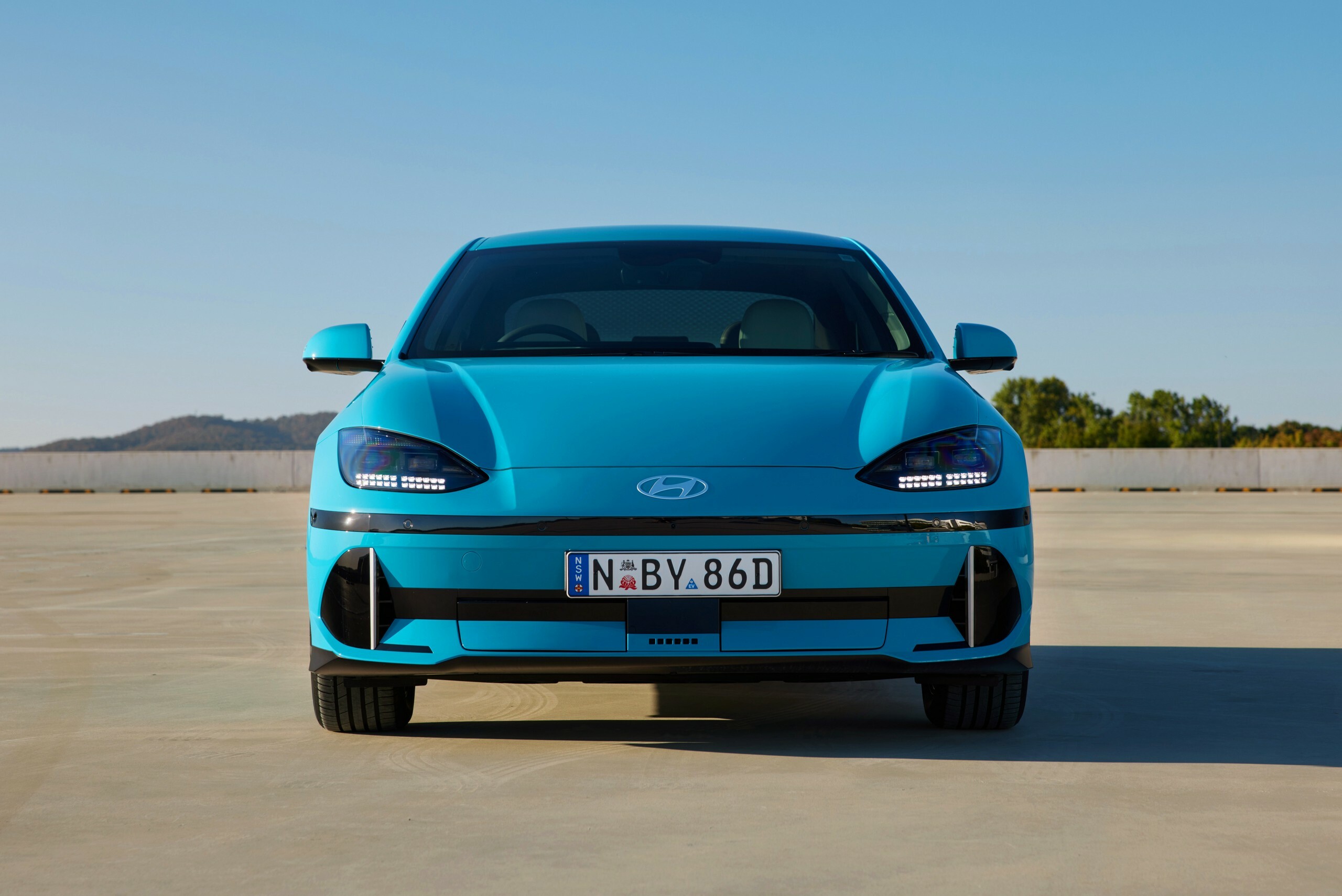
Read: Hyundai Slashes $7K From Its Smallest EV, But It’s Still $10K Pricier Than Its Chinese Rival

In December, a total of 35,058 hybrids, plug-in hybrids, and battery-electric vehicles found new homes across the country. This was slightly above the 34,559 petrol cars sold over the same four-week period.

China’s Growing Influence on the Numbers

 For The First Time, Electrified Car Sales Surpassed Gas Vehicles In Australia

Zooming out to the full year, total electrified sales reached 355,887 vehicles, securing a 28.6 percent share of the overall market. Pure battery-electric vehicles made up 103,270 of that figure, accounting for an 8.3 percent slice.

Much of this momentum can be traced to the growing presence of Chinese manufacturers, whose expanding lineups have proved popular with Australian buyers. Brands such as BYD, Geely, MG, Xpeng, and Zeekr have led the charge.

Demand for EVs from China will likely grow even more this year. A slew of small and affordable electric offerings will soon hit the market, including Nio’s Firefly, the Geely EX2, and the BYD Atto 1, Australia’s Drive reports.

 For The First Time, Electrified Car Sales Surpassed Gas Vehicles In Australia

Petrol Still Leads the Pack

Although demand for electrified cars is increasing, petrol cars still represent the largest slice of the market. Indeed, a total of 475,279 were sold in 2025, which was 38.3 percent of the total market. Diesel models also remain popular, accounting for 29.4 percent, a figure which has remained relatively steady for the past five years.

It’s a long way from the market of a decade ago. Back in 2015, petrol cars accounted for a dominant 67 percent share, a clear sign of how much the market and consumer habits have changed in just ten years.

Traditional hybrids also had a strong showing last year. Australians bought 199,133 of them, giving the segment a 16 percent share. Plug-in hybrids, while still a smaller category, made notable progress as well. With 53,484 units sold, they secured 4.3 percent of the market, suggesting growing interest in flexible, transitional technologies

 For The First Time, Electrified Car Sales Surpassed Gas Vehicles In Australia

Honda Dealers Are Furious About Afeela, But Honda Doesn’t Seem To Care

  • Honda and Sony will sell Afeela EVs directly to buyers only.
  • Dealers say Afeela pulls funding from core Honda models.
  • Lawsuit claims Afeela’s sales model breaks California law.

As Honda doubles down on its electric dreams, tensions are rising inside its own retail network. Honda dealerships are pushing back against the company’s joint EV venture with Sony, arguing that it’s siphoning attention and resources away from the core Honda and Acura lines, especially at a time when EV demand has begun to cool. The company, however, appears unmoved.

Sony Honda Mobility unveiled its near production-ready Afeela 1 electric sedan at this year’s Consumer Electronics Show, preparing it for a limited launch in California in late 2026. Alongside the sedan, the company also teased a second model, a crossover still in development.

Read: After A $90K Sedan, Sony Honda Thinks What America Needs Now Is Another Pricey Electric SUV

Honda will manage all direct sales, vehicle deliveries, and servicing for the Afeela lineup, and will also collaborate with independent repair providers to support ownership beyond the showroom.

Dealers Push Back on Direct Sales

 Honda Dealers Are Furious About Afeela, But Honda Doesn’t Seem To Care

This has rubbed many dealers the wrong way. In August last year, the California New Car Dealers Association filed a lawsuit against Honda and Sony, claiming the direct-sales strategy is illegal under the California Vehicle Code.

Sony Honda Mobility has countered, maintaining that it operates as a separate business entity, and therefore isn’t bound to use Honda’s existing dealership infrastructure.

“While we understand the intent may be to target a different, tech-savvy customer segment, we see no compelling reason to bypass the established dealer network that has supported the brand for decades,” Bill Feinstein, the chairman of the Honda Dealer Advisory Board, told Auto News.

Honda says it has been “clear and transparent” with dealers that they will not be involved in the sale or distribution of the Afeela models.

A Hard Sell?

 Honda Dealers Are Furious About Afeela, But Honda Doesn’t Seem To Care

Feinstein didn’t stop there. “It’s really hard to understand how a premium electric vehicle priced at $90,000-plus makes sense with EV demand softening, high interest rates and intense price competition,” he said.

He also voiced concerns about the broader impact on the business. “We’re deeply worried about the ongoing drain on financial and engineering resources. Every dollar spent in Afeela’s R&D, manufacturing and marketing is a dollar not spent on core Honda and Acura products, where we see greater potential for volume growth and profitability.”

Despite the resistance, Sony Honda Mobility isn’t phased. At last week’s CES in Las Vegas, the joint venture unveiled a prototype of its next model, an all-electric SUV that shares much of its design language with the sedan. The company says this new model could hit the US market as early as 2028

\\\\\\\\\\\\

Barra’s Playing Both Sides On EVs, Just In Case The White House Changes

  • GM will reintroduce plug-in hybrids despite its EV-first strategy.
  • Mary Barra says hybrids remain under evaluation for key markets.
  • Plug-in hybrids made up just 1.8 percent of U.S. sales last year.

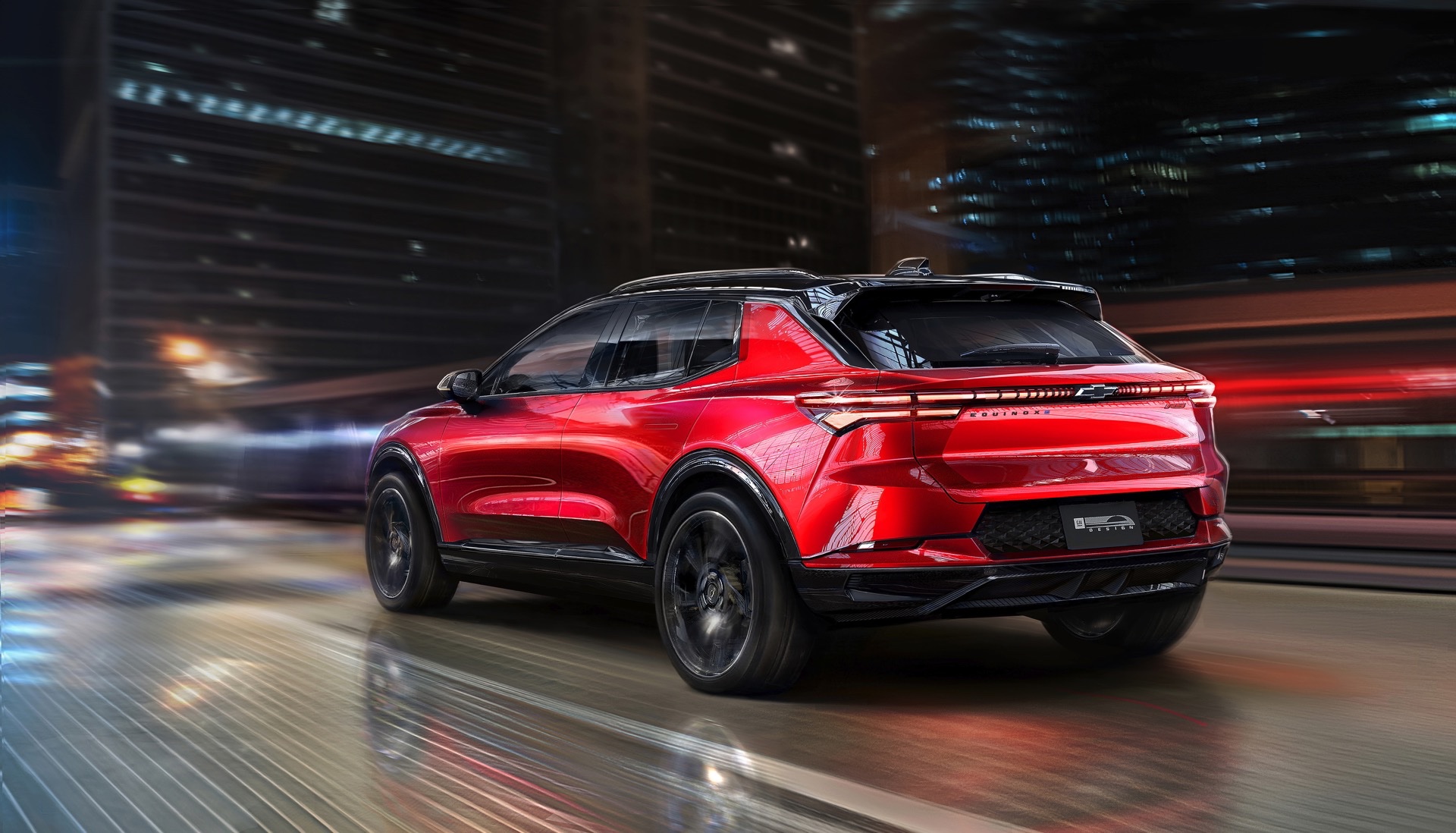
General Motors is finally stepping into the plug-in hybrid game, a move that’s been a long time coming. Despite shifting political winds that have made it easier to build thirsty combustion models, GM still sees full electric vehicles as the ultimate goal.

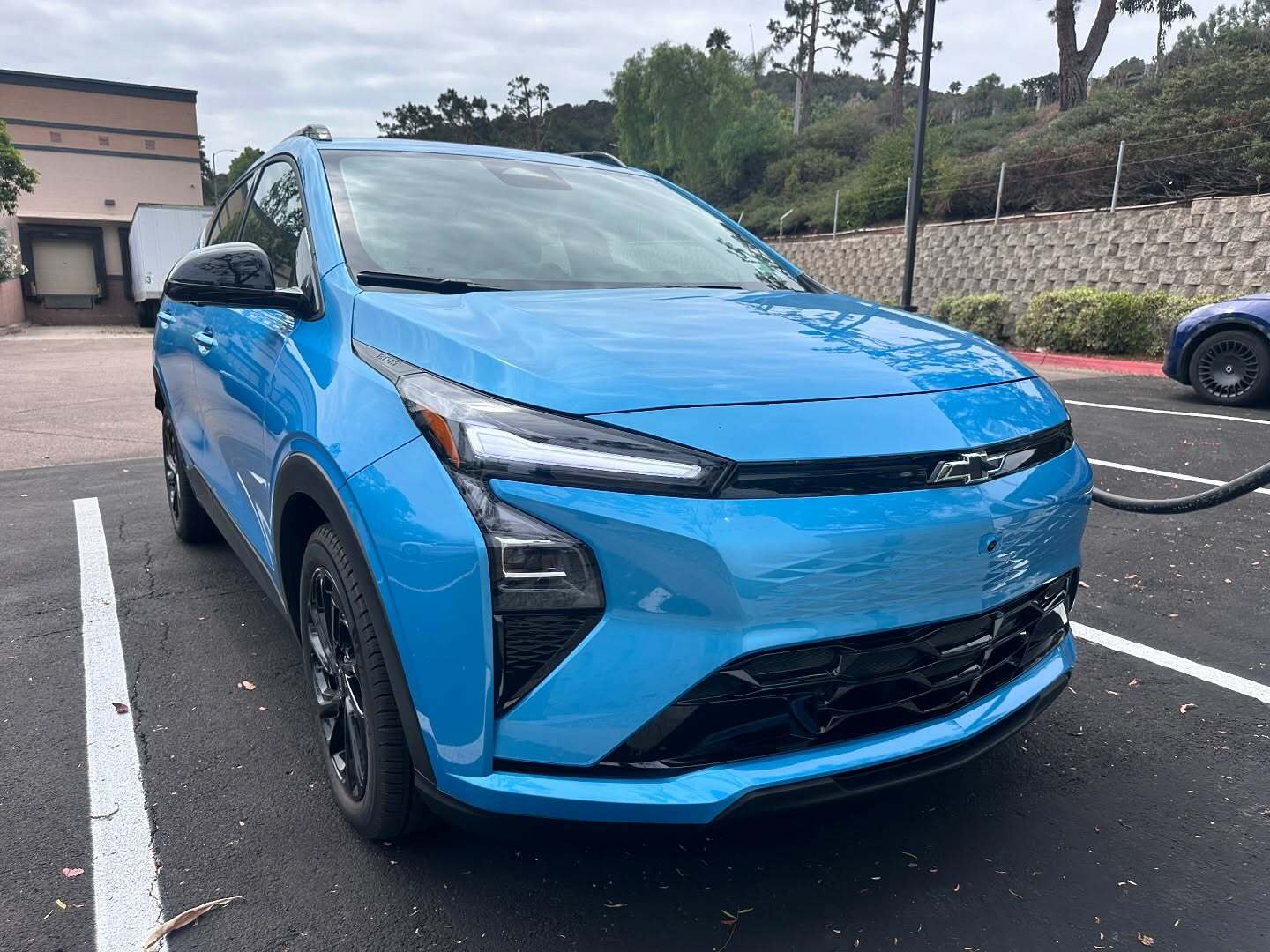
Read: Chevy Promised 255 Miles, The New Bolt Beats It Anyway

With tariffs weighing on costs, the federal $7,500 EV tax credit now off the table, and fuel economy standards loosened, automakers are being forced to rethink their timelines and adjust accordingly.

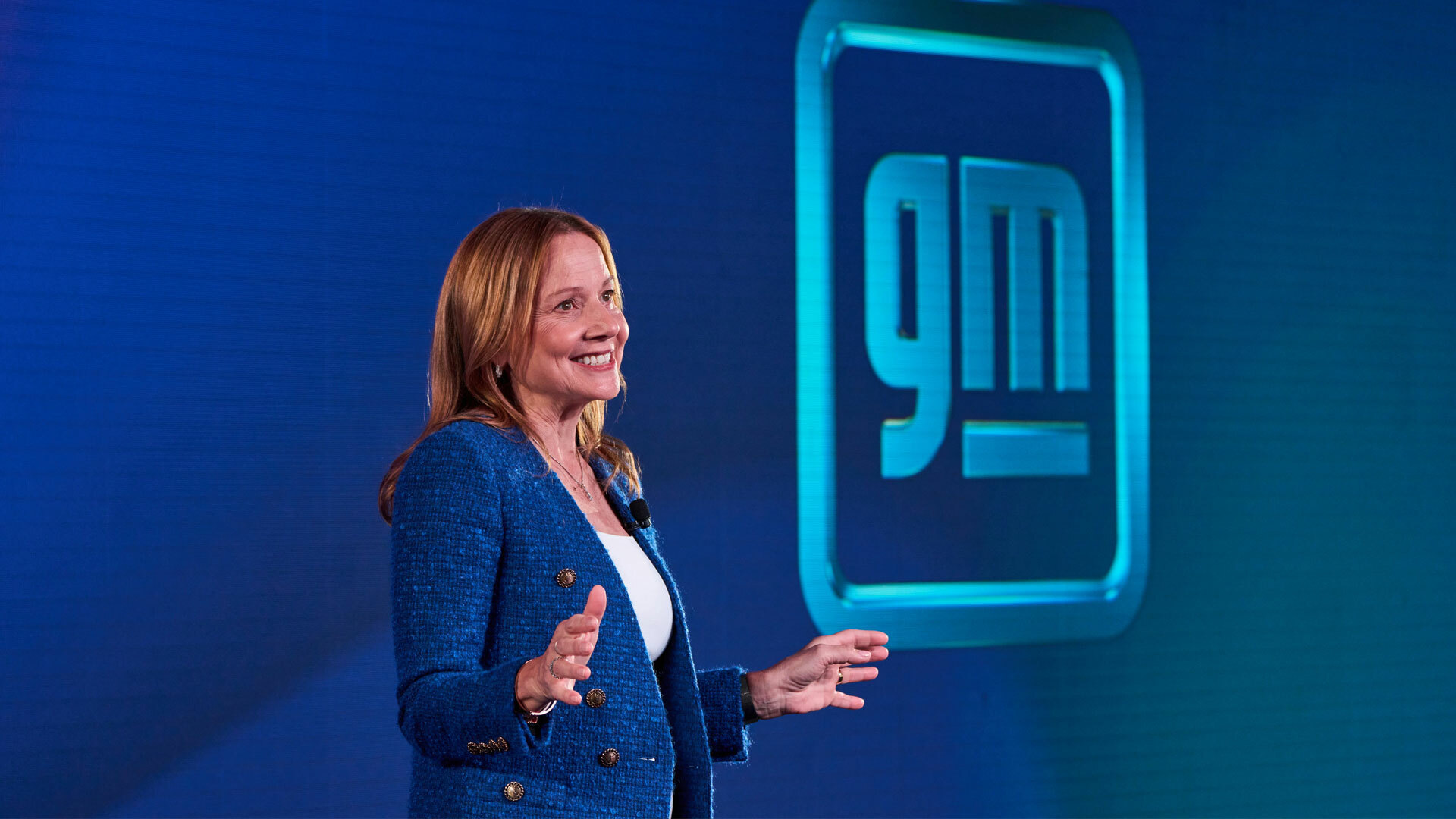
While speaking at the Automotive Press Association, Mary Barra confirmed that GM “had to make some fairly significant changes,” including cutting billions of dollars’ worth of EV investments. But she also made clear that new hybrids are in development, Autonews reports.

Plug-In Plans Materialize

“We are evaluating plug-in hybrids,” Barra said. “We have plans to do some. In the past, plug-ins were the only hybrids that actually counted toward the regulatory perspective. So we have plans to do those, and we’ll have hybrids where we think we need to. But again, we’re mainly investing and continuing to work on EVs because we think that’s the end game.”

 Barra’s Playing Both Sides On EVs, Just In Case The White House Changes

In mid-2024, Barra revealed there were plans to start selling plug-in hybrids in the US in 2027. In her most recent remarks, she didn’t provide an updated timeline or name any specific GM models slated to receive the new powertrains.

However, she acknowledged that hybrids present their own challenges, particularly the fact that many owners don’t bother to plug them in. Nonetheless, GM is weighing both plug-in and conventional hybrid setups as part of its evolving strategy.

Read: Drivers Buy Plug-In Hybrids And Forget The ‘Plug-In’ Part

“We’re trying to be very thoughtful about what we do from a hybrid and a plug-in hybrid perspective,” she said.

Staying the Course on EVs

 Barra’s Playing Both Sides On EVs, Just In Case The White House Changes

Even though GM will invest in PHEVs, it isn’t pulling back from BEVs quite as aggressively as some of its competition. For example, Ford recently took a $19.5 billion writedown after axing several important EV programs and partnerships. GM, by contrast, expects to take a $6 billion charge related to scaled-back EV spending, alongside a separate $1.6 billion charge posted in the third quarter.

Read: Stellantis Quietly Kills Its Plug-In Hybrids In America

During her remarks at the same event, Reuters reports that Barra emphasized GM’s desire to remain adaptable, especially given the uncertain regulatory environment ahead.

“I’m a little surprised at some [automakers] that are really pulling away very quickly, because we don’t know what will be in ‘29, ‘30, ’32.”

 Barra’s Playing Both Sides On EVs, Just In Case The White House Changes

Arkansas School Bus Driver Legacy Honored by School District

14 January 2026 at 16:00

A longtime school bus driver received a heartwarming surprise from Star City School District in Arkansas when the transportation building was named after him.

Eighty-seven-year-old Brames Jackson has dedicated most of his life to serving his community in southeast Arkansas for decades. STN discovered a family connection when reaching out to Star City Transportation Director Kenneth Jackson. Brames is Kenneth’s uncle, and their story reveals a family legacy of outstanding student transportation service.

Brames Jackson became a school bus driver for Star City School District in 1964

Brames Jackson became a school bus driver in 1964. He was on the district’s custodial staff, when he was asked to cover a route for a driver that was involved in a school bus crash. He shared that he continued to drive that bus for three months unpaid, simply to make sure that the students on the route got to school. The oversight was corrected, and he was officially put on the transportation payroll.

“When I got on that bus, I asked the Lord to take care of me and the children. And He did that. I didn’t want any child to get hurt and, I didn’t want to hurt any child,” said Brames.

He shared his entire 61-year-long career as a driver is accident free. The only maintenance he said he had was when he got a flat tire while on a route. He also shared that his route was often hard to navigate with lots of mud and rural roads. He proudly shared that he never got stuck, even during extreme weather conditions.

He relayed a story of waking up one day to snow but reported to work and drove his bus to the first stop on his route. The student informed him that she had just been told that school was cancelled due to the snow. For Brames, his focus was always dedication to the students, even in bad weather.

His nephew Kenneth Jackson said that his uncle has always been a source of inspiration to him. Kenneth began driving a school bus in 2009 and was made the transportation director in 2022, leading a fleet of 16 route buses and 22 drivers. Brames shared the advice he gave to Kenneth when he started in his new leadership role which was to focus on doing his job well and to connect with students and district staff. Those relationships with teachers, superintendents and other district leadership, the drivers and especially with the students are what create a lasting and positive impact.

A key mindset Kenneth said he shares with his uncle is the unwavering dedication to student safety, as students on the bus are “precious cargo.” As Brames said he sees the students as “pure gold” to their families and parents and that as student transporters, it’s crucial to see the students in the same way.

Both uncle and nephew said that they treat the students as if they were their own. Brames shared that he often sees adults who rode his school bus as young children and is happy to see them doing well in their lives. While he says he rode the school bus as a child and didn’t give his driver any trouble, he often encountered students having difficult behaviors. He stated that his goal was for students to not get taken off the route but rather address the behavior and keep them on the bus.

One day, Brames discovered a student smoking on board the bus. He told the student he would have to write him up, to which the student responded with a threat. Brames still took the boy to the office, despite the fact that he was armed with a knife.

Many years later, the former student approached Brames and hugged him. “’You made a man out of me. You don’t know how much I love you,’” Brames recalled the man told him. The boy had to go before the school board before he could ride the school bus again, but that moment was a turning point in his life. He later went to college, married a teacher and is successful in his work in the trucking industry.

“I felt like I helped that young man and I felt good over that,” said Brames.

The Arkansas Association of Pupil Transportation honored Brames as the 2025 School Bus Driver of the Year in June.

(From left to right) Kenneth Jackson, transportation director of Star City School District, school bus driver Brames Jackson, Brames' daughter Tracie Lee and Arkansas Association of Pupil Transportation president (at the time) Maurice Henry.
(From left to right) Kenneth Jackson, transportation director of Star City Public Schools, school bus driver Brames Jackson, Brames’ daughter Tracie Lee and Arkansas Association of Pupil Transportation president (at the time) Maurice Henry.

When Kenneth Jackson learned his uncle was retiring, he went to Superintendent Jordan Frizzell to ask if the school district would rename the transportation building after him. Kenneth said Frizzell enthusiastically accepted the idea and the district shared on its Facebook page last month that the Star City Board of Education officially named the transportation facility as the “Brames Jackson Transportation Building.”

“His commitment, integrity and care have made a lasting impact on generations of students and families,” said the post. “We are deeply thankful for his unwavering professionalism and the encouragement he offered to countless children through the years.”

When asked about his reaction to the news, Brames tearfully said, “I thank God. My nephew, the superintendent, I thank God for the school and the staff.”

Brames Jackson in front of the newly named transportation building at Star City Public Schools (Photo courtesy of Star City Schools Facebook)
Brames Jackson with Star City Public Schools Superintendent Jordan Frizzell (Photo courtesy of Facebook/Star City School District)

Both true family men, Kenneth said that his uncle is well known for throwing the best family cookouts for the 4th of July. Brames, Kenneth continued, is a humble man who doesn’t like to draw attention to his achievements, including the adoption of multiple children over the course of his life.

Kenneth also stated that Brames is remaining active in his retirement as a full-time minister of a local church and president of the local usher board. He said that growing up with his uncle, he fondly remembers Brames’ favorite saying is “By the help of the good Lord.”


Related: School Bus Driver Knits Beanies to Spread Warmth, Love in Oklahoma City
Related: Virginia School Bus Driver Retires After Over 50 Years of Service
Related: Superintendent Snapshot: Fully Staffed Arkansas District Focus’ on Employees

The post Arkansas School Bus Driver Legacy Honored by School District appeared first on School Transportation News.

Before yesterdayVehicles

Fiat’s Best Sellers Could Soon Be Slower Than the Speed Limit

  • Fiat CEO supports limiting city car top speeds to 73 mph.
  • Speed limiters could replace costlier ADAS tech in small cars.
  • Models like the 500 and Panda mostly stay in low-speed zones.

Some city cars just aren’t built for speed, and Fiat seems ready to lean into that idea even more. Its famously compact 500 and Panda models might soon become intentionally slower, not due to technical limitations, but as part of a wider strategy to comply with European safety regulations without driving up costs.

Fiat CEO Olivier Francois recently suggested that capping top speeds could be a practical alternative to loading small, affordable models with costly driver-assistance tech.

Review: New Fiat Grande Panda Hybrid Makes Budget Look Cool Again

“I would happily limit my city cars, my smaller cars, to what is today the maximum legal speed limit,” he told Autocar. “It’s already a limitation. There is something weird that I need to over-spec my cars to go above the legal speed limit.”

According to Francois, the average legal top speed across Europe is around 73 mph (118 km/h), adding that most of the safety equipment “has been developed for cars to go way above the speed limit.”

How Fast Should a City Car Go?

But Fiat’s best-sellers, including the 500, Panda, and the newly introduced Grande Panda, aren’t exactly Autobahn material. They spend most of their lives in slow-moving urban traffic, where speed is hardly the point.

 Fiat’s Best Sellers Could Soon Be Slower Than the Speed Limit
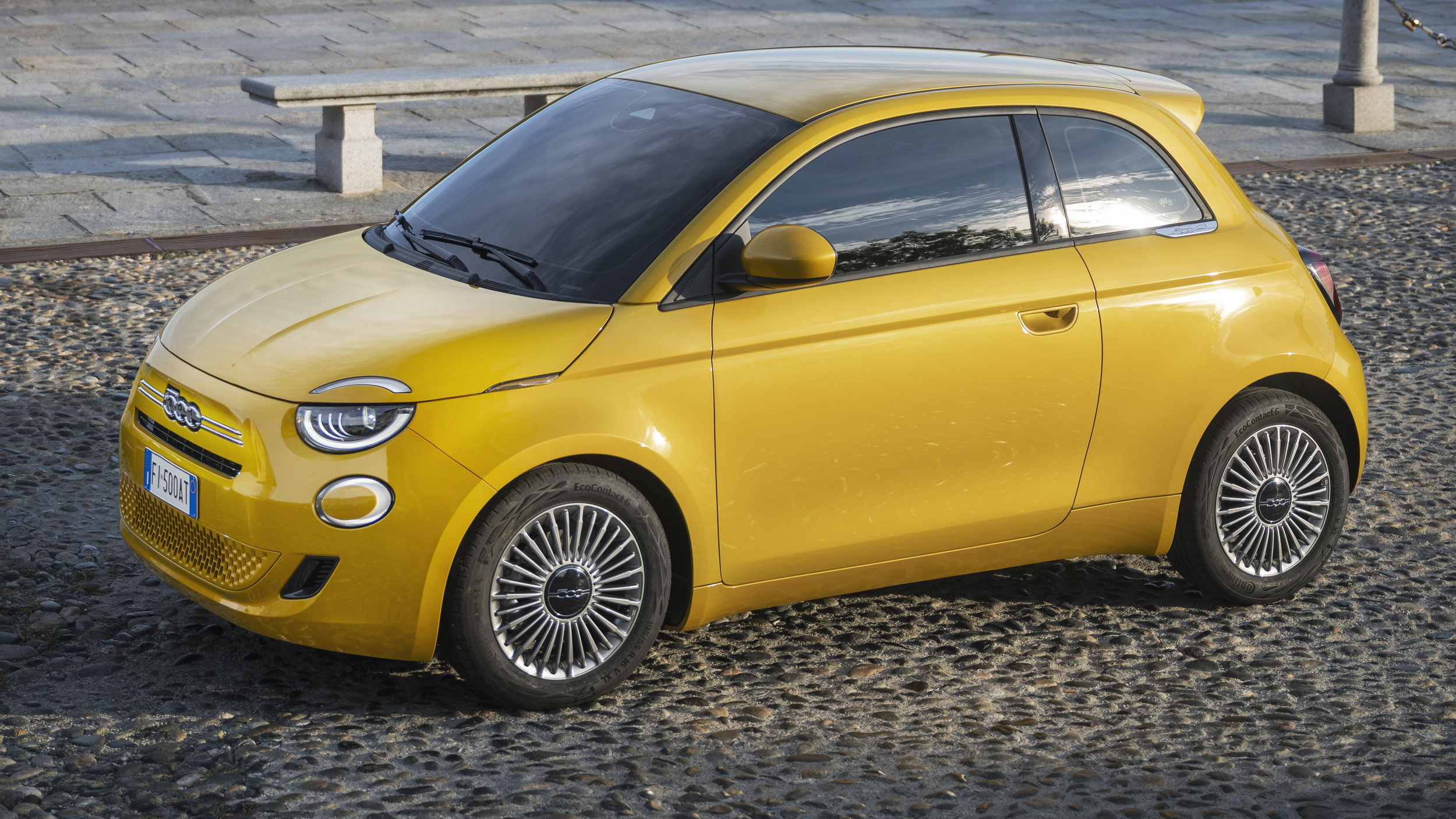
Fiat 500 Hybrid

Francois doesn’t think limiting their top speed to 73 mph (118 km/h) would make much of a difference, since none of the city cars in question is especially fast to begin with.

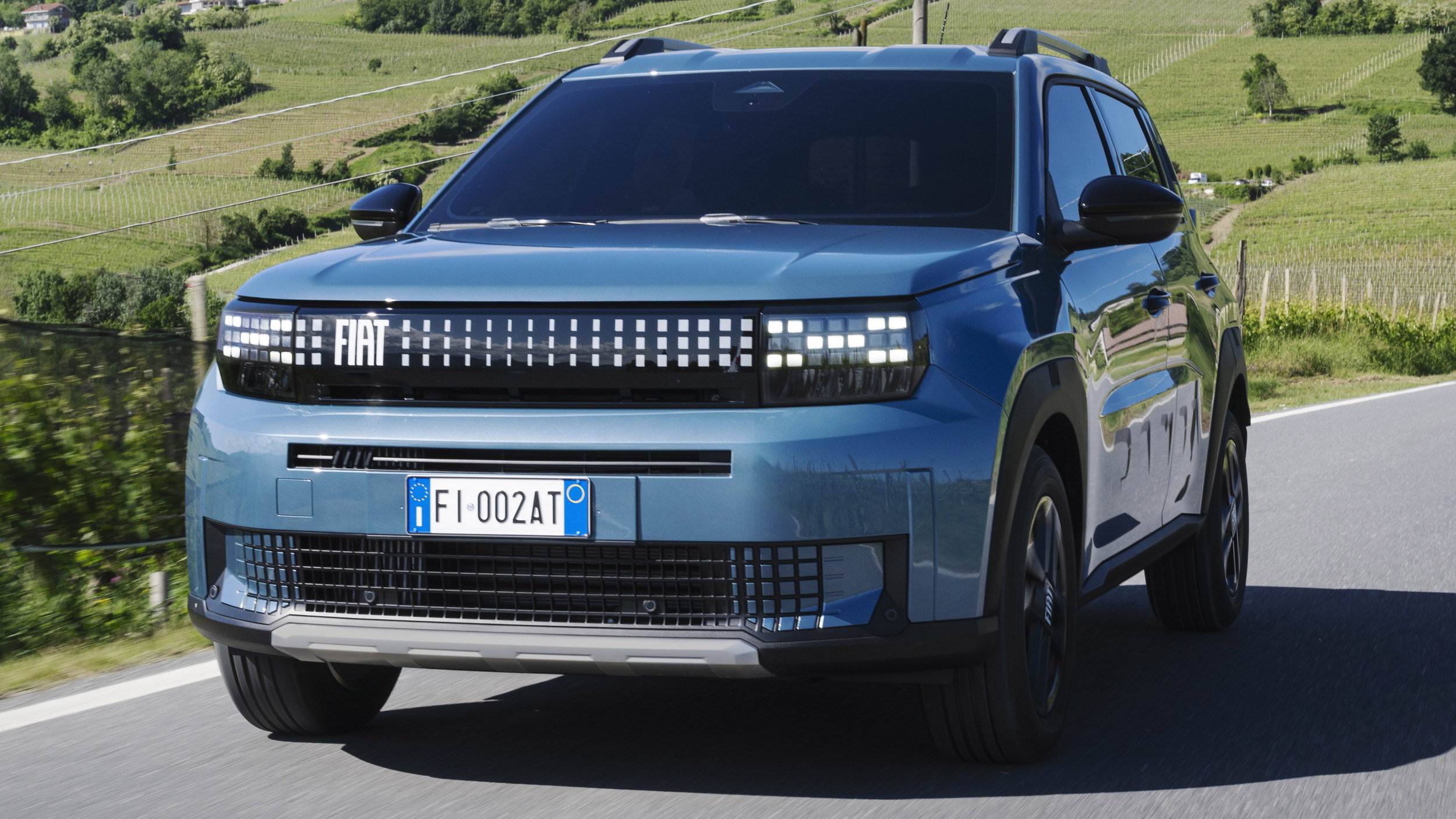
More specifically, the electric Grande Panda is already limited to 82 mph (132 km/h), a cap intended to help preserve battery range. The internal combustion and hybrid versions of the subcompact hatchback are less restricted, capable of reaching up to 99 mph (160 km/h).

The Fiat 500e, meanwhile, comes with a limiter set at either 84 mph (135 km/h) or 93 mph (150 km/h), depending on battery size. As for the new 500 Hybrid, it can theoretically hit 93 mph (150 km/h) as well, though based on its acceleration figures, that top speed might be more of a long-term goal than a regular achievement.

Slower Means Safer

 Fiat’s Best Sellers Could Soon Be Slower Than the Speed Limit

Francois thinks that a new speed limiter could serve as a cheaper alternative to more sophisticated ADAS that would inevitably increase the price of the models with little or no benefit to the customer. He also welcomed the proposal for a new small car category in Europe that could be free of the strict safety rules applicable in higher segments.

More: EU Quietly Plans New Car Class That Could See Prices Drop To €15,000

“I have a hard time understanding why we need to install all this super-expensive hardware,” he said. “Sensors, cameras, road sign recognition… All this is a little bit inadequate, a bit crazy, and has contributed to raising the average price of a city car by 60% over the last five or six years. I don’t think that city cars in 2018 or 2019 were extremely dangerous.”

Francois’s suggestion is to take a step back, reducing complexity rather than increasing it. “Our proposal was literally to say ‘let’s go a little bit backward from overloading cars with expensive hardware’.”

 Fiat’s Best Sellers Could Soon Be Slower Than the Speed Limit

He argues that applying the same safety rules across all vehicle categories misses the point, especially when it comes to small cars built for dense city environments. “We fundamentally think that with all these rules, the most unsustainable portion lies in the city cars and urban driving,” Francois said.

These vehicles, he notes, are often inexpensive, bought by younger drivers, and used primarily for short-distance commutes. Their speeds, and the risks involved, are much lower.

If Fiat decides to introduce new speed restrictions across its lineup, it wouldn’t be the first to take that route. Volvo, Renault, and Dacia have already capped some of their vehicles at 112 mph (180 km/h), aiming to lower the risk of severe accidents.

 Fiat’s Best Sellers Could Soon Be Slower Than the Speed Limit
Fiat Grande Panda Hybrid

Dacia’s New Twingo-Based EV Could Undercut Its Own Cheapest Model In Some Markets

  • Dacia’s new budget EV will be based on the Renault Twingo.
  • European pricing is expected to start at around €18,000.
  • This entry-level EV will support Dacia’s CO2 fleet targets.

As affordable EVs from China continue to pour into Europe, the question for legacy automakers is no longer if they should respond, but how quickly they can. For Dacia, the solution is straightforward: beat them at their own game by offering budget-friendly electric cars under a European badge.

Also: Dacia Working On New Sub-€18k EV For Europe

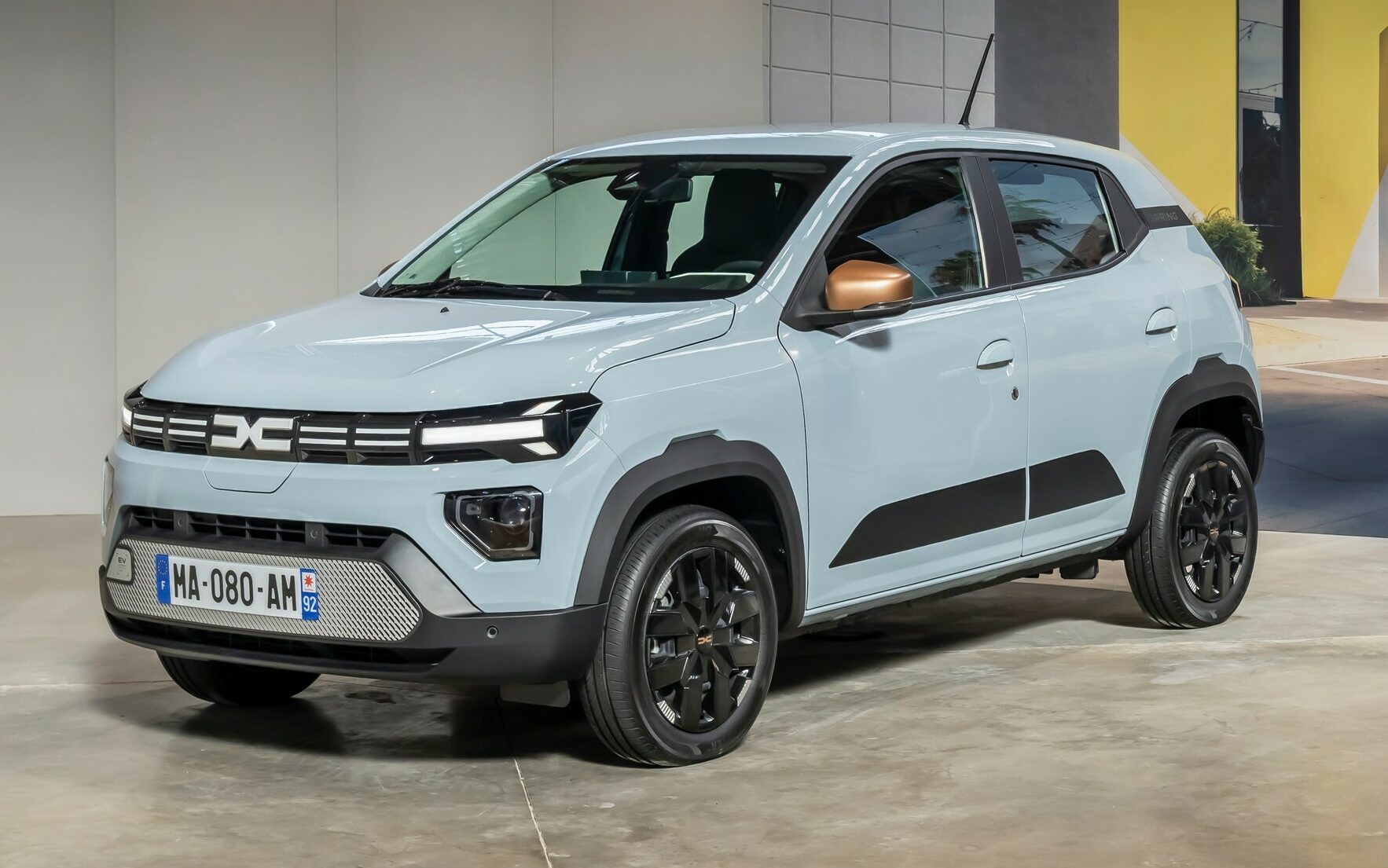
The Romanian brand, part of the Renault Group, already sells the Spring across the continent. Built in China, the Spring has carved out a niche as one of the cheapest EVs available in Europe, including Germany, where it can be had for just €11,900 ($13,900) after a massive €5,000 (around $5,900) discount that’s offered for a limited time.

But Dacia isn’t standing still. A second entry-level electric model is set to arrive in the second quarter of next year, priced around €18,000 (about $20,100).

The Twingo Connection

 Dacia’s New Twingo-Based EV Could Undercut Its Own Cheapest Model In Some Markets
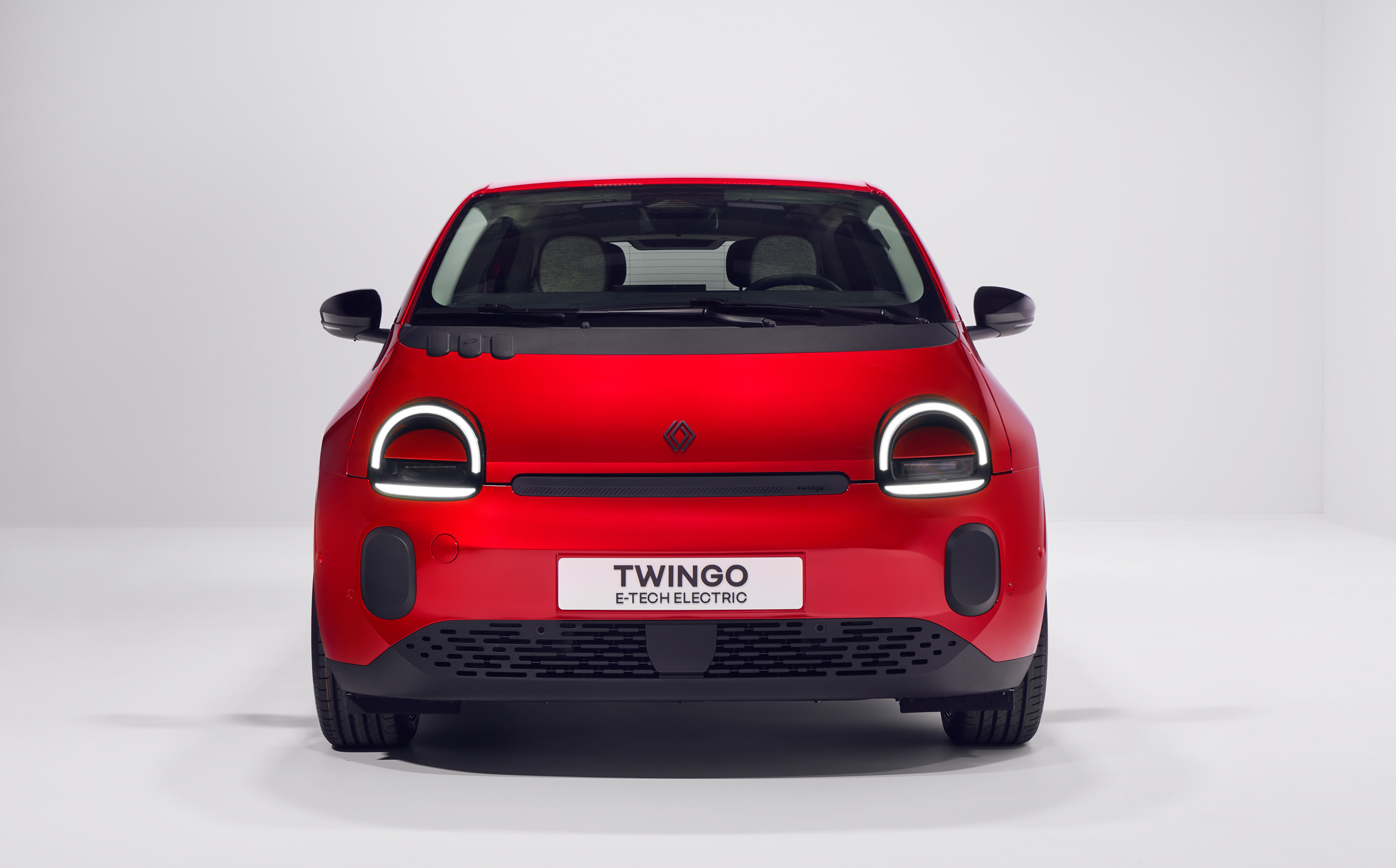
Renault Twingo

This upcoming model will be based on the new Renault Twingo. Unlike the China-manufactured Spring, the new EV will be assembled in Slovenia, sharing the same Novo Mesto plant as its combustion-powered sibling.

“Our aim is basically to maximize the offer of EV in the [minicar segment],” Dacia sales chief Frank Marotte confirmed to Auto News. “What we see is that the A-segment and probably in the future the B-segment are moving very fast toward BEV models.”

A Different Flavor of Affordable

To avoid cannibalizing sales of the Spring, Dacia says the new model will be “completely different,” not just in exterior styling but in color choices, interior design, and feature mix. The idea is to give each model its own identity, even if they serve similar purposes at the affordable end of the EV spectrum.

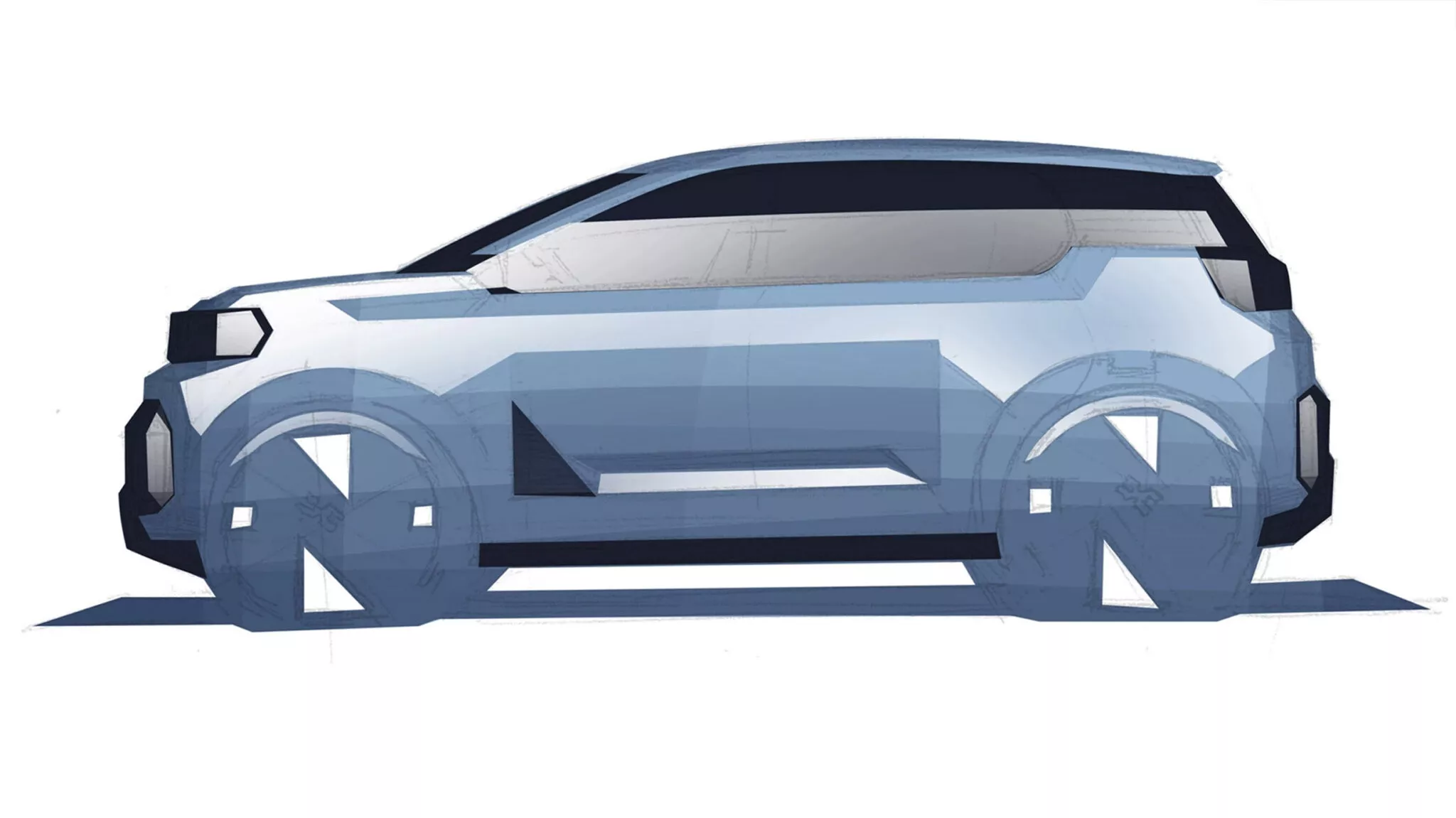
Dacia has already dropped a few hints about the design. A teaser sketch revealed a compact hatch with crossover cues and sharp lines, while a more restrained, camouflaged prototype appeared during a quarterly business update. Neither gives the full picture, but both suggest the new EV won’t be a softened copy of the Spring.

 Dacia’s New Twingo-Based EV Could Undercut Its Own Cheapest Model In Some Markets
Dacia Spring EV

Depending on where you live, the newcomer might actually be the cheaper option. In countries like France and the UK, government subsidies currently exclude Chinese-built models, potentially tipping the scales in favor of this Slovenia-produced car. Pricing could fall below that of the Spring once local incentives are applied.

Read: This EV Was Already Cheap, Then Dacia Knocked Off Nearly $6,000

There’s also a regulatory upside. The new EV will help Dacia lower its fleet-wide CO2 emissions average, an important piece of the puzzle as EU targets tighten. The brand missed emissions goals for both 2025 and 2024, but this new model is part of a push to stay within the rules by 2027.

The car will ride on a shortened version of Renault’s AmpR Small platform, the same one underpinning the new Twingo. Power will come from a single electric motor delivering 81 horsepower and 129 lb-ft (175 Nm) of torque, paired with a 27.5 kWh lithium-iron phosphate battery pack. At this stage, only one variant has been confirmed, and the Dacia-branded model is expected to use the same setup

 Dacia’s New Twingo-Based EV Could Undercut Its Own Cheapest Model In Some Markets
An official sketch of Dacia’s upcoming affordable EV

Student Transportation Veterans Discuss 2026 Hot Industry Trends

13 January 2026 at 23:16

The first School Transportation News webinar of 2026 started strong by sharing perspectives of two industry veterans on four hot trends in student transportation.

Unifying the Tech Ecosystem

Keba Baldwin, director of transportation and central garage for Prince George’s County Public Schools (PGCPS) in Maryland and the STN Transportation Director of the Year, said that having a unified tech stack has helped him be proactive on safety rather than reactive. Building staff capacity to accept and use the technology has been a challenge, but once team members are on board, they also see the benefits, he added.

“Having disparate platforms can cause tension,” agreed Alfred Karam, who returned as interim director of transportation for Shenendehowa Central School District (CSD) in New York after retiring in July 2024.

Baldwin and Karam shared how data results in more accurate reports and improved driver performance.

“All these tools help us be more efficient and save time,” Karam noted.

When implementing multiple technology systems, he advised doing so slowly and ensuring each aspect is accompanied by thorough training.

Meanwhile, PGCPS’s bus tech stack was recently rolled out slowly across each of the 12 bus depots, Baldwin said. He is focused on making sure everything works as it should. Importantly, each department from transportation to classrooms to administration was involved in the process, in order to support it.

Overcoming the Labor Crisis

When lacking a centralized hiring department, as is the case for Shenendehowa CSD, Karam said he actively requested district help on getting the word out through emails and hosting “test drive a bus” events, so the spotlight is constantly on recruitment.

PGCPS does have a hiring department, which Baldwin said he works closely with. He also offers both paid training and bonuses.

Onboard school bus tablets make the job easier for new drivers but are not as readily accepted by older drivers that make up most of his workforce, Baldwin noted.

The average age of drivers at PGCPS is 50, and at Shenendehowa CSD it is 56. Technology acceptance and comfort level are important considerations, commented Craig Berndt, business segment manager of people transportation for webinar sponsor Geotab.

Karam stressed the importance of framing bus technology to supporting and improving driver skills rather than simply blaming drivers.

In response to an attendee question on how many drivers quit during their probationary period, both directors said that keeping a recruit throughout the training process likely ensures they will stay with the district for some time.


Related: School District Directors Share Strategies for Transporting Students with Disabilities
Related: (STN Podcast E280) Nuts and Bolts: Transportation Director of the Year Talks Data-Focused Oregon Ops
Related: (STN Podcast E283) Onsite at TSD 2025 (Part 2/2): Solution-Driven Partners + TD of the Year Interview
Related: Magician Teaches Transportation Directors About Connection at STN EXPO West
Related: Pasco County Schools Rolls Out New Cash Incentives to Tackle School Bus Driver Shortage


Balancing ZEV Mandates and Budget

PGCPS had 20 electric buses and several mobile propane-powered chargers when Baldwin joined the district. The district has since canceled the planned on-site infrastructure due to cost concerns. Baldwin therefore advised ensuring local utilities can handle the electricity demand as well as training all staff in case of potential emergencies. He said the World Resources Institute’s Electric Bus Initiative has helpfully provided templates and information on funding.

“We do have areas where EVs can be beneficial and other areas where they won’t be beneficial,” he noted.

The 2035 electrification mandate is still in effect in New York, which meant Karam had to quickly familiarize himself with the related jargon, organizations and procedures. He shared often-overlooked aspects of the conversation such as changing bus purchasing processes. Buying the bus is the last piece of the puzzle, after planning and infrastructure is in place.

He additionally underscored that chargers must be maintained as much as the buses themselves. Also, securing additional charging capacity requires heavy construction and miles of wires brought in – it is not as easy as calling a supplier to bring over extra gallons of diesel fuel, he quipped.

Karam shared that Shenendehowa runs only four out of six electric buses due to utility electricity caps.

Harnessing the Power of AI

AI is more than just a conversation with ChatGPT, Berndt declared. He said Geotab is focused on utilizing it to save human time by gathering data and making predictions on the likelihood of collisions or bus failures, which a human can then make decisions on.

“Everything we do has an AI component,” Baldwin declared. “What we have to do is embrace it and break it down into areas where we can apply it.”

He added that AI helps develop driver scorecards visible to him and his drivers, who then know specifically what to improve on.

“AI is in our hands already,” Karam agreed. “Safety is going to shift from being incident-driven and reactive to being pattern-driven and predictive.”

He shared that he used AI to crunch numbers rather than spending hours working manually with data from routing software. He related how AI-driven tools discovered that some drivers falling asleep at the wheel had sleep apnea.

Rather than stealing jobs and replacing humans, Karam said he sees AI “as a game changer and force multiplier as it matures and is adopted within the transportation system.”

Berndt gave listeners tips to make sure the AI model they are training is secure, so sensitive information stays safe.

Watch the webinar on demand.

The post Student Transportation Veterans Discuss 2026 Hot Industry Trends appeared first on School Transportation News.

(STN Podcast E289) 2026 Kicks Off: Winter Weather, the World Stage & Rock ‘n Roll Leadership

13 January 2026 at 21:52

Back-from-break headlines cover winter weather conditions, rockstars and leadership at STN EXPO East, updates from the U.S. Environmental Protection Agency, and what impact recent developments in Venezuela could have on the school bus industry.

Keynote speaker and best-selling author Jim Knight, who rubbed shoulders with musicians and celebrities during his tenure with Hard Rock International, discusses building a student transportation brand and improving workplace culture. He will present a keynote and Transportation Director training at STN EXPO East in Charlotte, North Carolina this March.

Read all our latest news.

This episode is brought to you by Transfinder.


Stream, subscribe and download the School Transportation Nation podcast on Apple Podcasts, Deezer, Google Podcasts, iHeartRadioSpotify, Stitcher and YouTube.

The post (STN Podcast E289) 2026 Kicks Off: Winter Weather, the World Stage & Rock ‘n Roll Leadership appeared first on School Transportation News.

Unlocking Brazil’s Untapped Biomass Potential

By: newenergy
13 January 2026 at 17:13

Driving R&D Excellence in Refining Low Carbon Products: Unlocking Brazil’s Untapped Biomass Potential The global refining and petrochemicals landscape is undergoing a fundamental transformation. What was once a linear, fossil-centric value chain is rapidly shifting toward a diversified ecosystem built on low carbon products. This shift is no longer driven solely by compliance pressures—it is …

The post Unlocking Brazil’s Untapped Biomass Potential appeared first on Alternative Energy HQ.

❌
❌