Reading view

There are new articles available, click to refresh the page.

Cadillac’s Electric Escalade Learns A Hard Lesson From Its Loudmouth V8 Sibling

  • Cadillac’s flagship SUVs are very evenly matched in a sprint.
  • Electric Escalade IQ packs 750 hp and 785 lb-ft of torque.
  • Escalade-V delivers an almighty 682 hp and 653 lb-ft total.

There’s something uniquely American about building an SUV with insane straight-line performance and then expecting it to hustle like a sports car. The Escalade-V and its unrelated Escalade IQ electric sibling may be two of the most gloriously excessive vehicles Cadillac sells today. Both deliver supercar levels of power, which makes the obvious question hard to resist.

More: There’s Only One Way A Mustang Dark Horse Can Beat A BMW M4 Like This

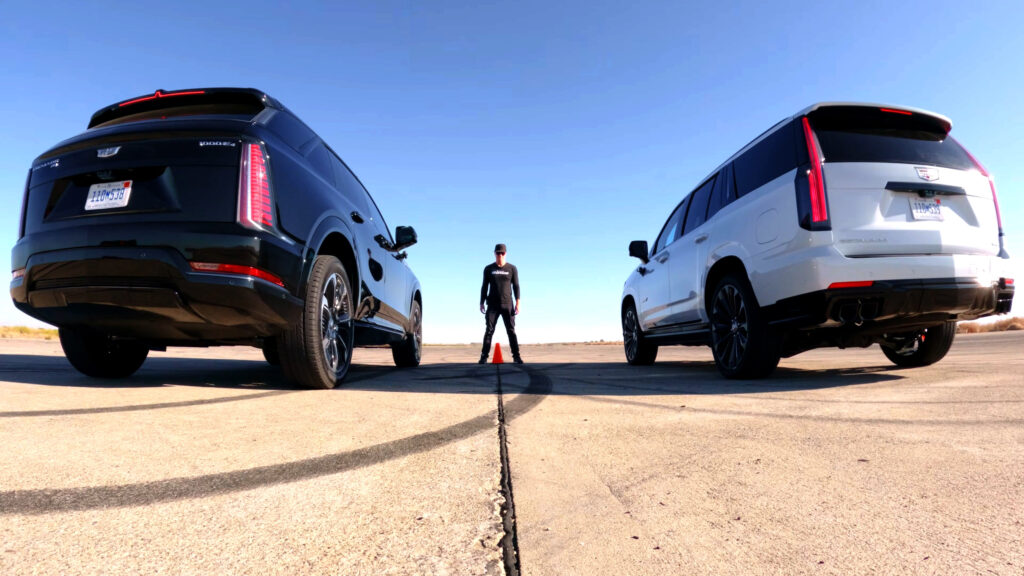
Curious to see which one is actually quicker, Edmunds lined them up for one of its U-drag races. Watching these two dinosaur-sized SUVs subjected to hard launches, heavy braking, and tight turns feels surreal and just plain absurd in the best possible way.

Gas V8 Power Versus Electric Surge

 Cadillac’s Electric Escalade Learns A Hard Lesson From Its Loudmouth V8 Sibling
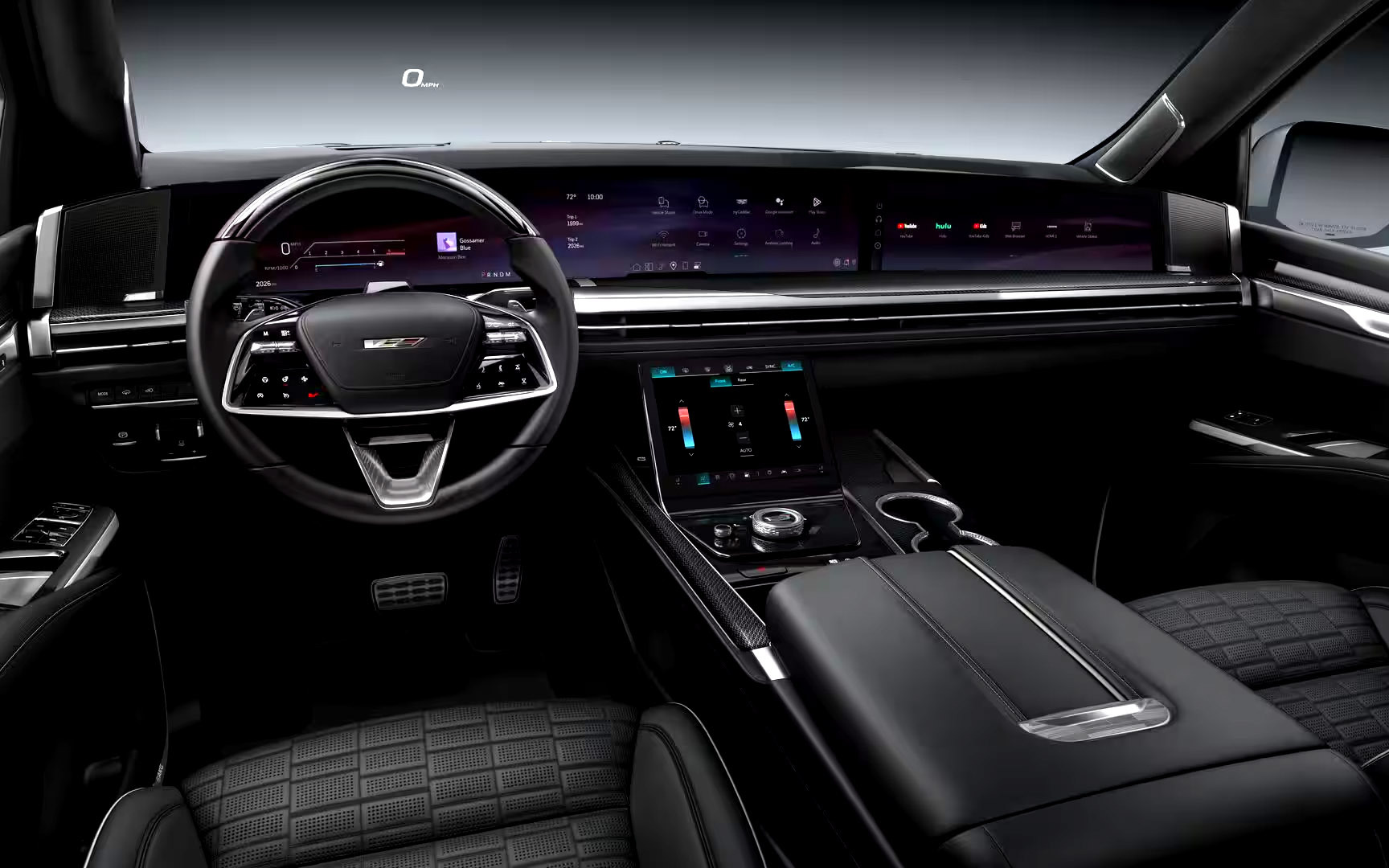
2026 Cadillac Escalade-V

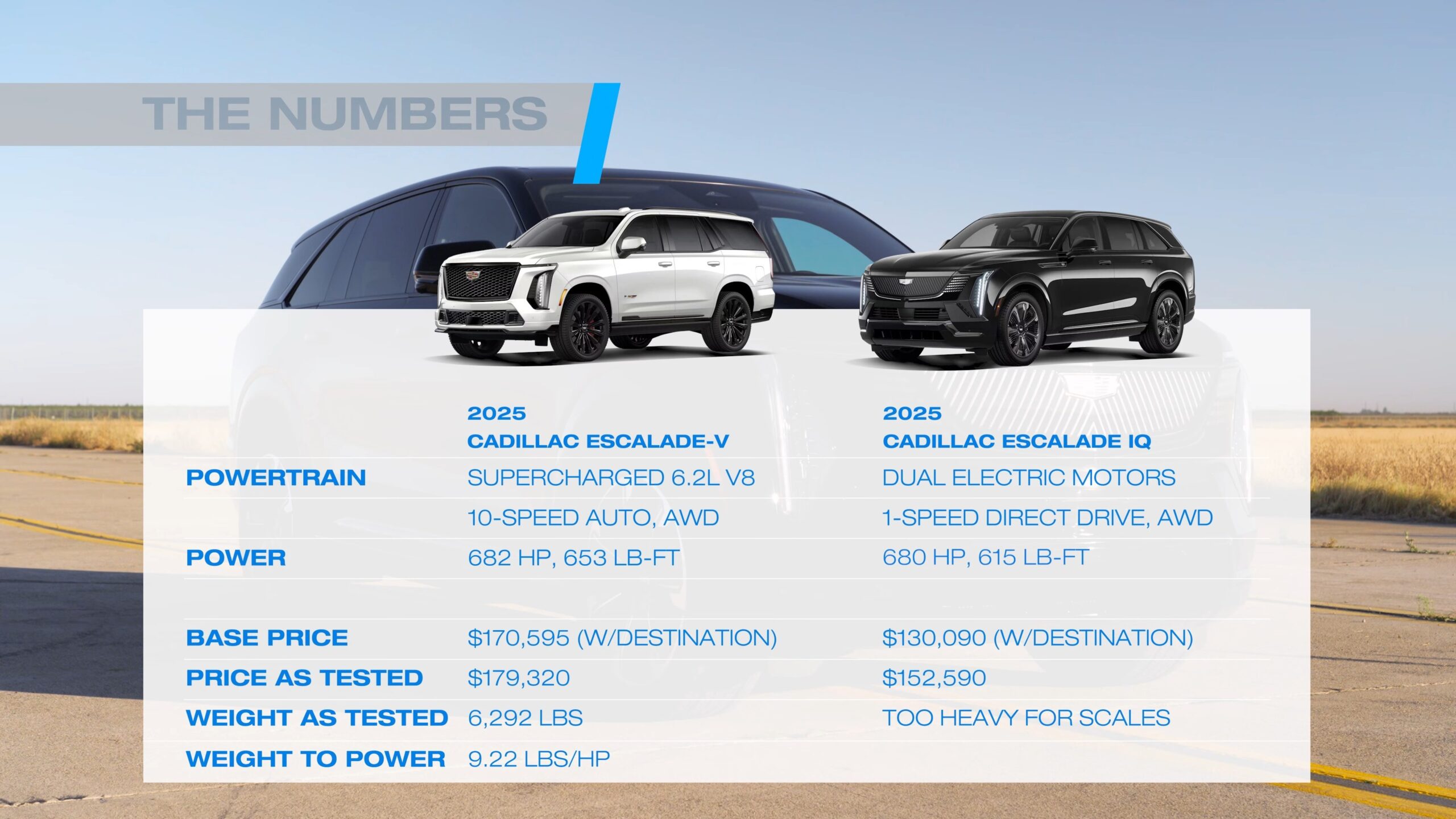
On paper, the Escalade-V and IQ are closely matched, even though their powertrains could not be more different. The V is powered by Cadillac’s 6.2-liter supercharged V8, producing 682 hp and 653 lb-ft (885 Nm) of torque, paired with a 10-speed automatic transmission that drives all four wheels.

By contrast, the Escalade IQ relies on a pair of electric motors and a substantial 212 kWh battery pack. In standard form, it delivers 680 hp and 615 lb-ft (834 Nm) of torque. Switch it into Velocity Max mode, and those figures climb to a healthier 750 hp and 785 lb-ft (1,063 Nm).

 Cadillac’s Electric Escalade Learns A Hard Lesson From Its Loudmouth V8 Sibling
Edmunds

The Escalade IQ needs this additional grunt to somewhat offset its insane heft. Whereas the combustion-powered V weighs around 6,300 lbs (2,857 kg), depending on configuration, the IQ weighs in at 9,100 lbs (4,127 kg), making it one of the heaviest passenger vehicles currently on sale.

Read: 2026 Cadillac Escalade IQL Is Long, Really Long

That weight difference shapes the entire contest. In a straight line, instant electric torque can mask mass for a moment, but physics always keeps score. The U-drag format, with its hard launch, heavy braking, tight turn, and sprint to the line, exposes not just power but how well each SUV manages it.

 Cadillac’s Electric Escalade Learns A Hard Lesson From Its Loudmouth V8 Sibling
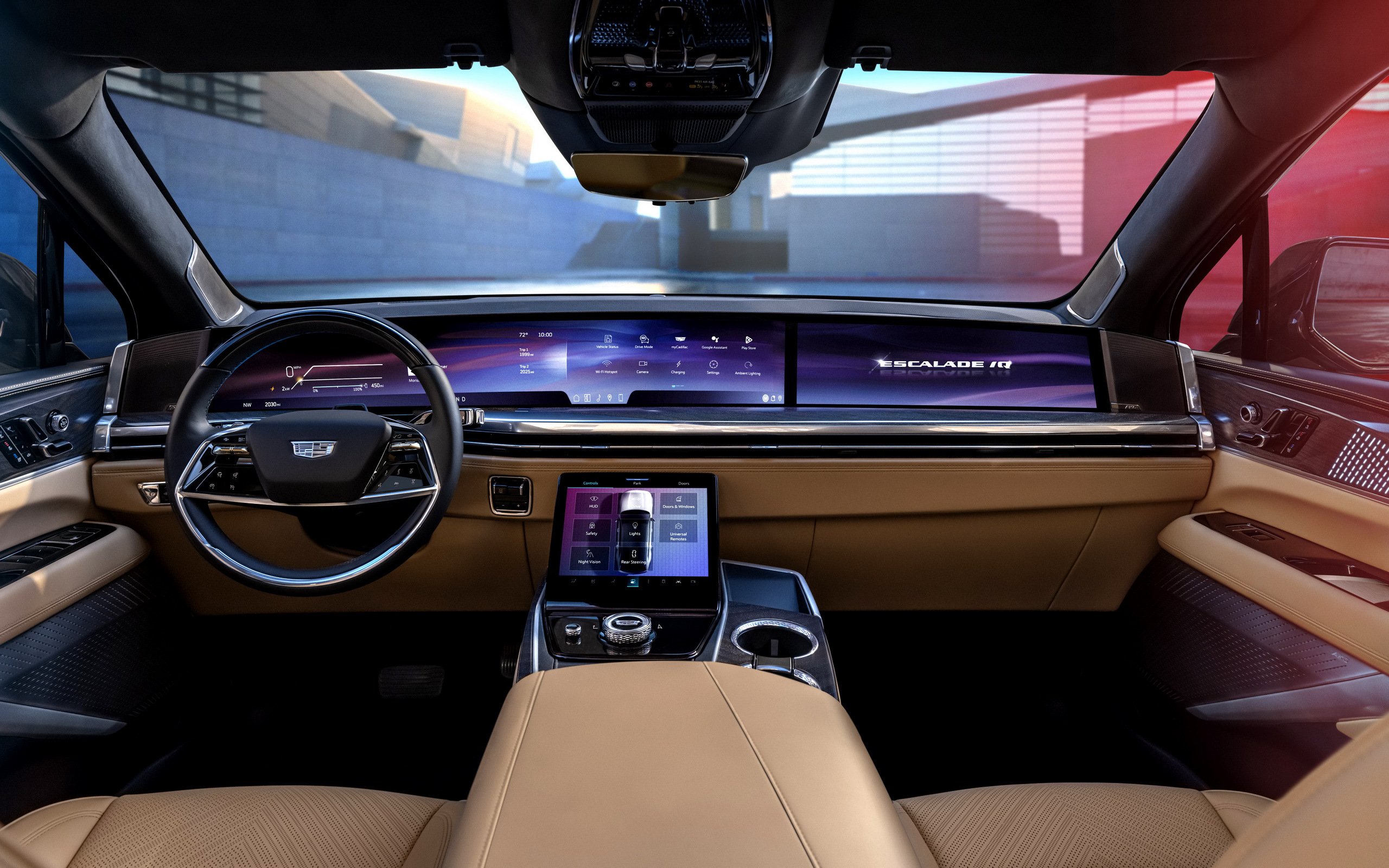
2025 Cadillac Escalade IQ

During the first test, the V8-powered version got the jump off the line. After the U-turn, however, the transmission struggled to find the right gear, and the hesitation cost the Escalade-V its lead. That opened the door for the electric IQ to surge past and cross the line several lengths ahead.

Also: When A Super Venom Mustang Shows Up, Hellcats Turn Into Pussycats

Things were closer in the second race. This time, the electric model had the best launch, although the V regained some of that lost time under braking. The duo was neck-and-neck as they raced to the finish, but the IQ just ran out of puff at the top end, allowing the V to narrowly win.

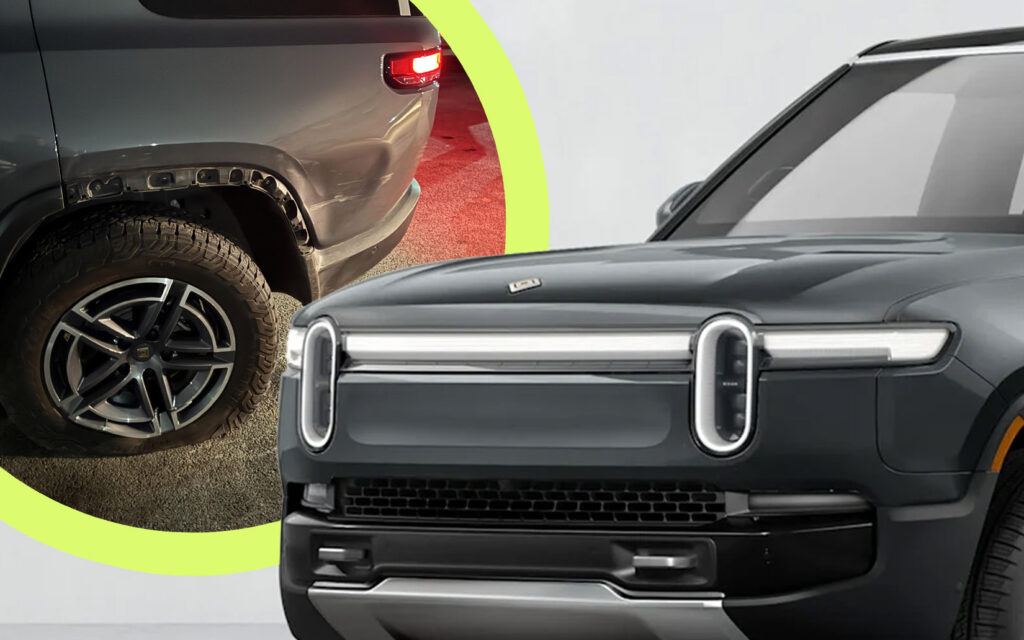
This Rivian R1S Parking Incident Triggered A $54,000 Repair Bill

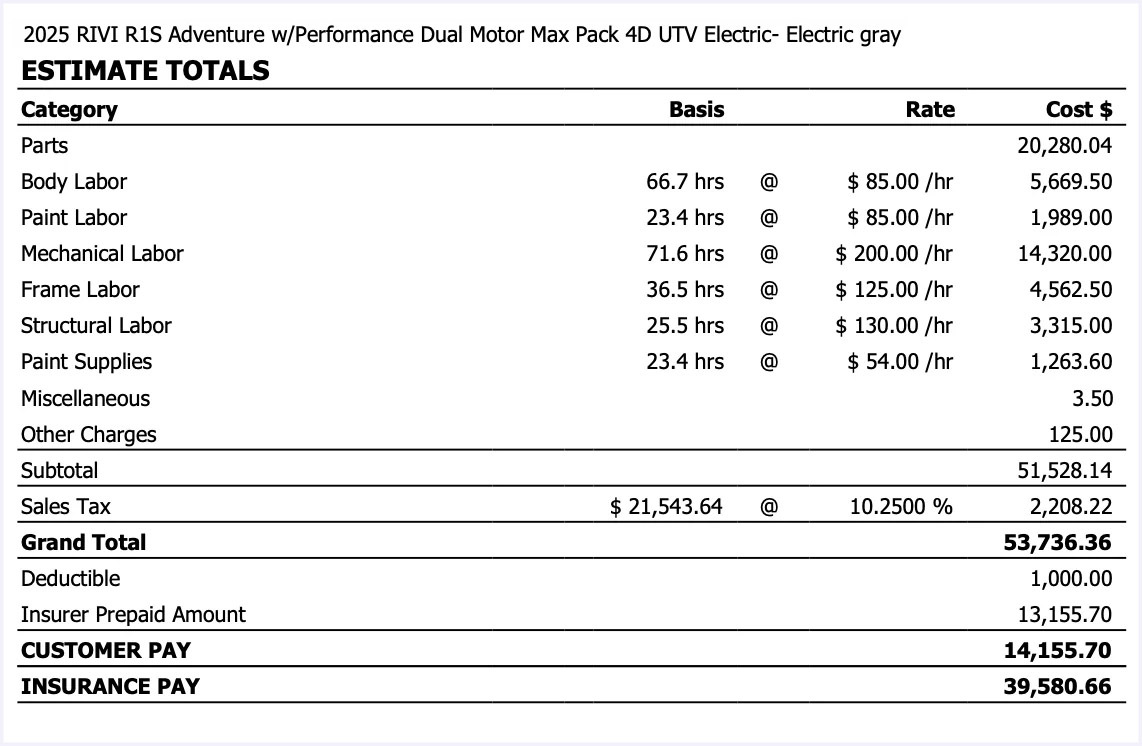
  • Rear quarter damage triggered a $53,736 repair bill.
  • Labor alone accounted for $29,856 of the estimate.
  • Quarter panel replacement requires major disassembly.

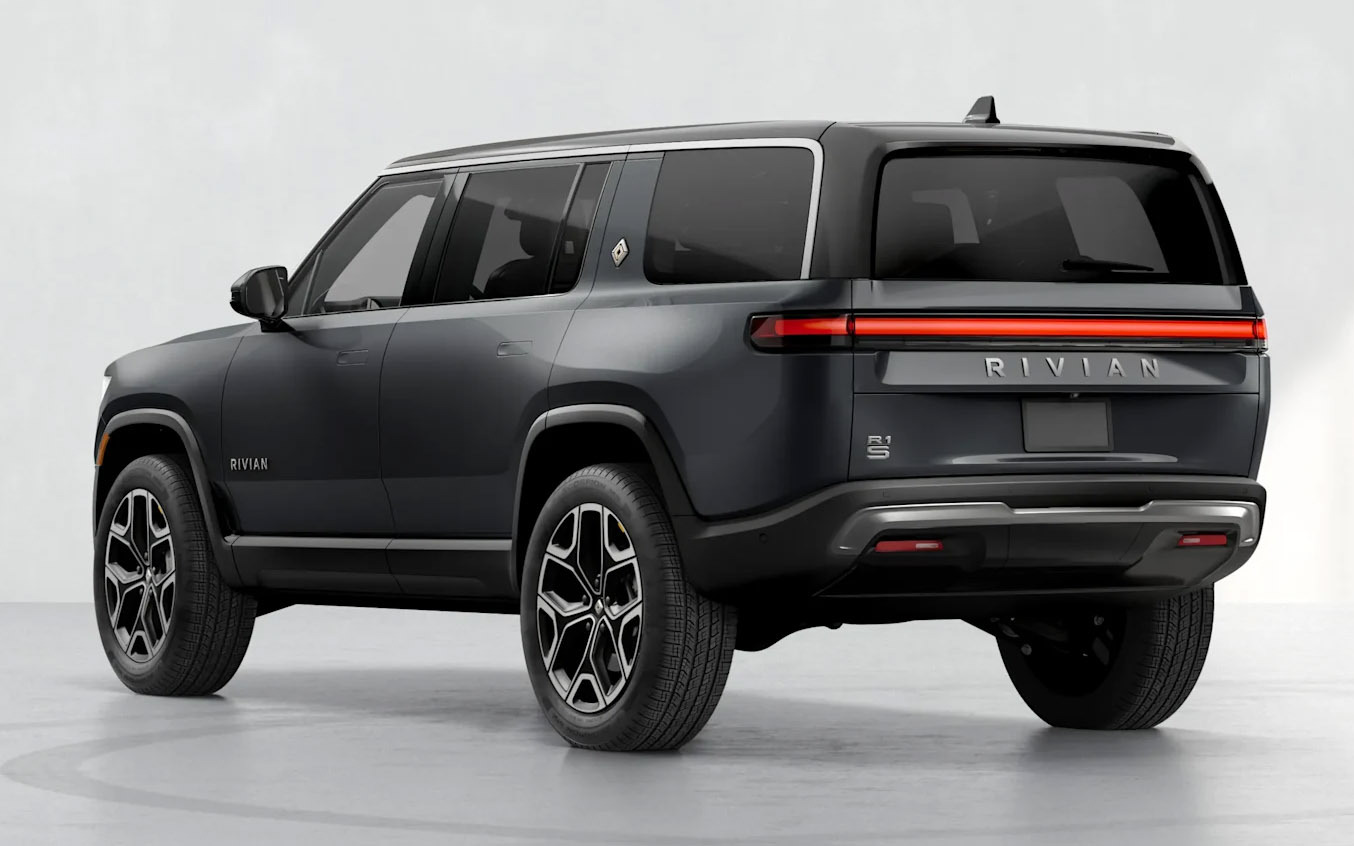
Modern vehicles may be packed with advanced engineering and clever design, but even a minor fender-bender can sometimes trigger catastrophic repair bills. If you own a Rivian R1S or R1T, you might want to keep your fingers crossed that one of the rear quarter panels is never damaged. If it is, repair costs can climb past $50,000, prompting some insurers to write off vehicles that, at least on paper, could be repaired.

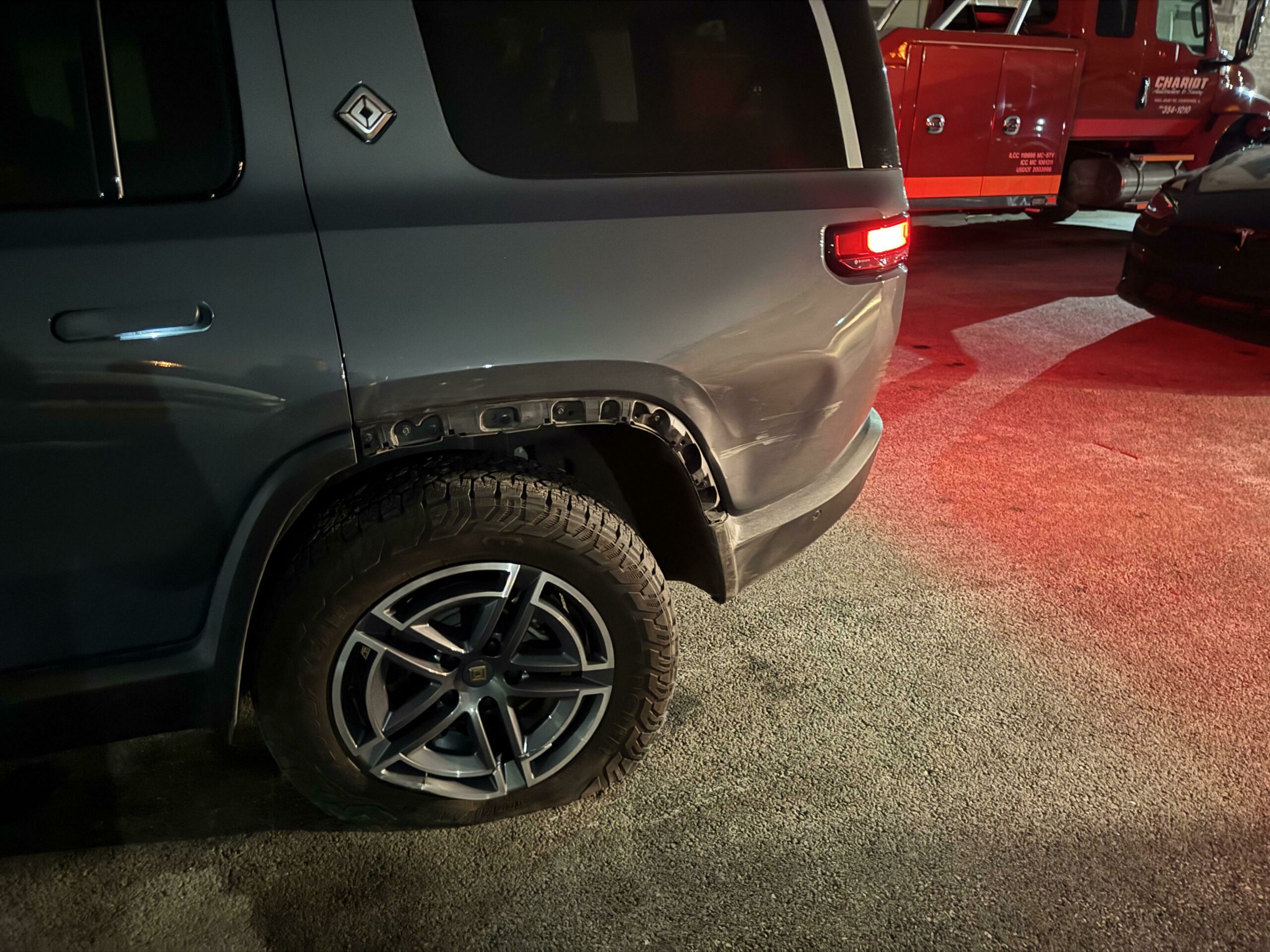
An R1S owner recently took to Reddit to share the bill shock he experienced after someone hit his wife’s SUV while it was parked. A photo posted on the forum shows a large dent in the rear quarter panel, along with damage to the wheel and, as it turns out, the frame and suspension too.

Read: Paintless Dent Removal Magician Saved Rivian R1 Owner From $41k Bodyshop Invoice

In the grand scheme of things, the damage does not appear catastrophic. You might reasonably assume the repair would run a few thousand dollars. That assumption would be wrong.

 This Rivian R1S Parking Incident Triggered A $54,000 Repair Bill
Reddit u/jgilbs

An authorized Rivian repair facility quoted the owner $53,736 to fix this R1S, or more than half the MSRP of a 2026MY that in this configuration, retails for around $100,000. Of that sum, $29,856 is attributed to labor alone. Insurance would cover close to $40,000, leaving the owner responsible for a little over $14,000.

Why Does It Cost So Much?

It appears much of the cost is related to the complexity of replacing the quarter panel, as it can’t simply be removed and replaced with another. Previous cases of similar damage indicate that much of the SUV’s interior must be stripped and that most of the R1S’s side must be removed, cut, and reassembled. In some cases, it’s been reported that the panoramic glass roof may also have to be removed.

Things can be even costlier for owners of R1T models, as the rear-quarter panel is even larger and stretches up and over the side windows, ending at the A-pillars.

 This Rivian R1S Parking Incident Triggered A $54,000 Repair Bill
Reddit u/jgilbs

According to the owner, “replacing the quarter panel is the majority of that cost. No motor battery or frame damage”. Some commenters questioned the reference to frame damage because the repair quote specifically mentioned it in one line item. The owner, however, clarified that “the side of the vehicle is considered an integral part of the frame”.

He also explained that “suspension work was quoted as 13 total hours of labor vs. about 250 hrs total. So roughly thats 5% of the price”, adding that this was “one of the top Rivian certified shops in our area, who Rivian themselves recommended”.

Also: Can You Believe This Rivian R1T Damage Repair Cost $21,000?

Without a more detailed breakdown, it is difficult to draw firm conclusions. Still, this is hardly the first time we’ve seen excessively high Rivian repair costs, including a $21,000 estimate for what was described as a relatively minor backup incident.

 This Rivian R1S Parking Incident Triggered A $54,000 Repair Bill

A Pattern Of High Repair Bills

While this particular example appears to involve underlying damage, which may justify more extensive work, the total still sounds steep. In cases without structural or deeper damage, more affordable solutions do exist.

More: Rivian Owner’s DIY Repair Saves Thousands After Mishap And Teaches Us A Lesson

Many paintless dent removal specialists have repaired similar quarter panel damage for a fraction of the quoted insurance repair cost, restoring the panel rather than replacing it. Just pray that you don’t damage the taillight too.

EV Range Claims Still Sound Great, Until Freezing Temps Hit

  • All 24 EVs were driven until they could not hold speed.
  • Two small EVs lost just 29 percent of claimed range.
  • Several big names gave up more than 40 percent range.

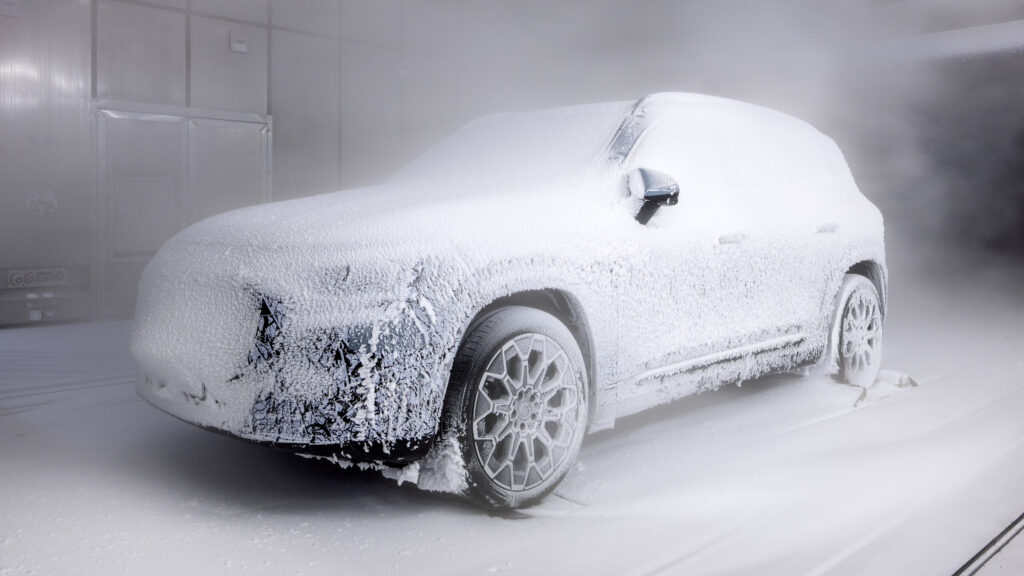
Winter has a way of exposing weaknesses, and in Norway it does so without mercy. A group of 24 of the newest and best EVs were recently subjected to one of the most demanding range tests imaginable in the depths of Scandinavia’s winter, and it was an American made EV that came out on top.

Read: 90% Of Vehicles Sold In Norway Last Year Were Electric

Conducted by Norwegian publication Motor as part of its biannual El Prix winter range program, the evaluation set out to measure how bitter cold affects real world driving range, and some of the findings are striking.

How The Test Was Conducted

Held twice a year, in winter and in summer, the drive follows a predetermined route. This time, 24 EVs were evaluated in temperatures that dipped as low as -24°F (-31°C), the coldest conditions recorded in the test event’s history and well below previous editions, when temperatures rarely fell under 14°F (-10°C).

For much of the global population, numbers like these might as well belong in weather reports from another planet. Still, they provide a useful stress test. As in previous El Prix runs, each car was driven along the set route until it could no longer maintain the posted speed limit.

The Winners

 EV Range Claims Still Sound Great, Until Freezing Temps Hit

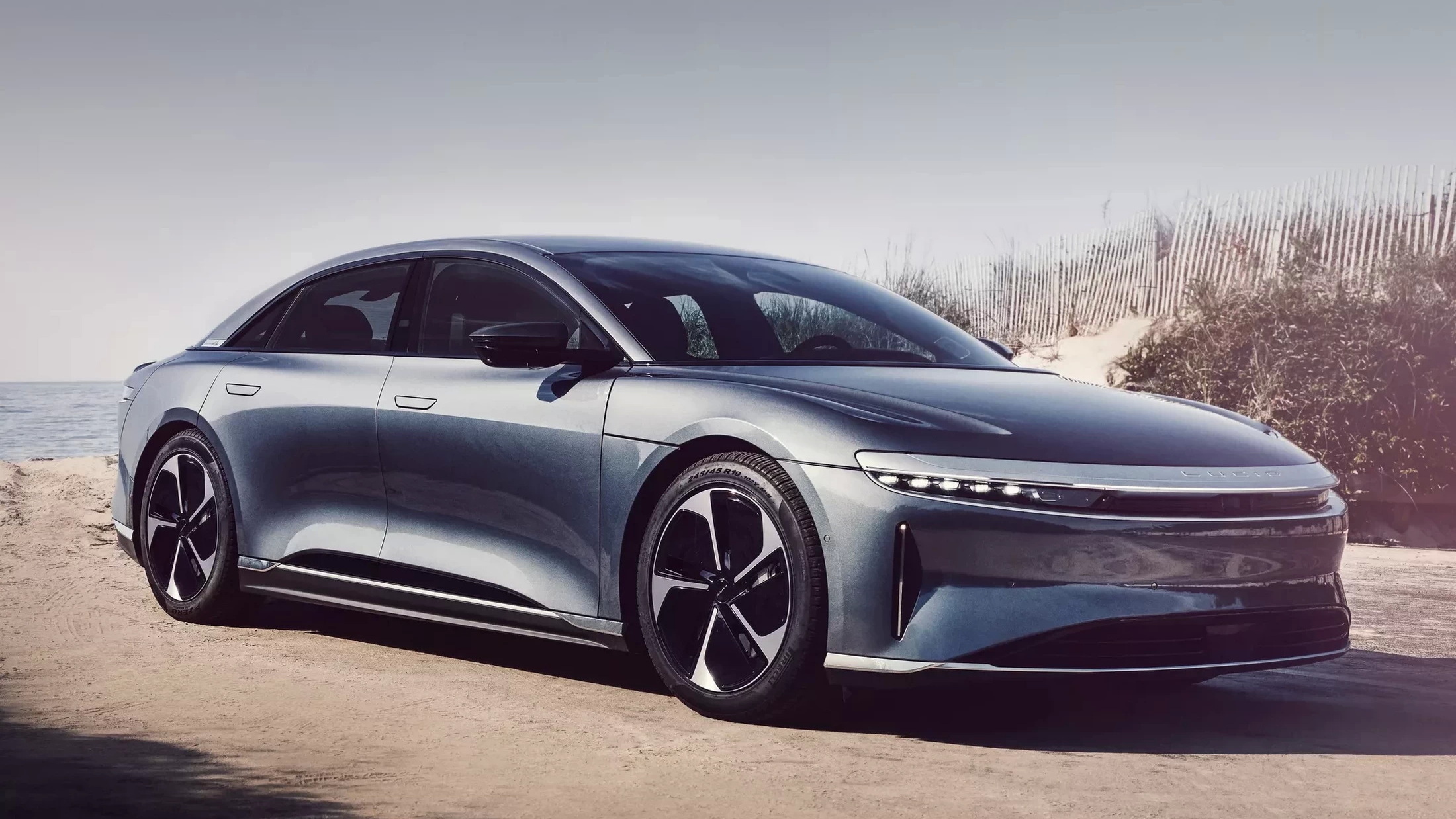
Coming into the test, the Lucid Air had the highest quoted WLTP range of 960 km (596 miles). In Motor’s winter run, it covered 520 km (323 miles) before the battery was fully depleted. On the other hand, while that figure was higher than any of the other cars evaluated, it is still 46 percent lower than the claimed range.

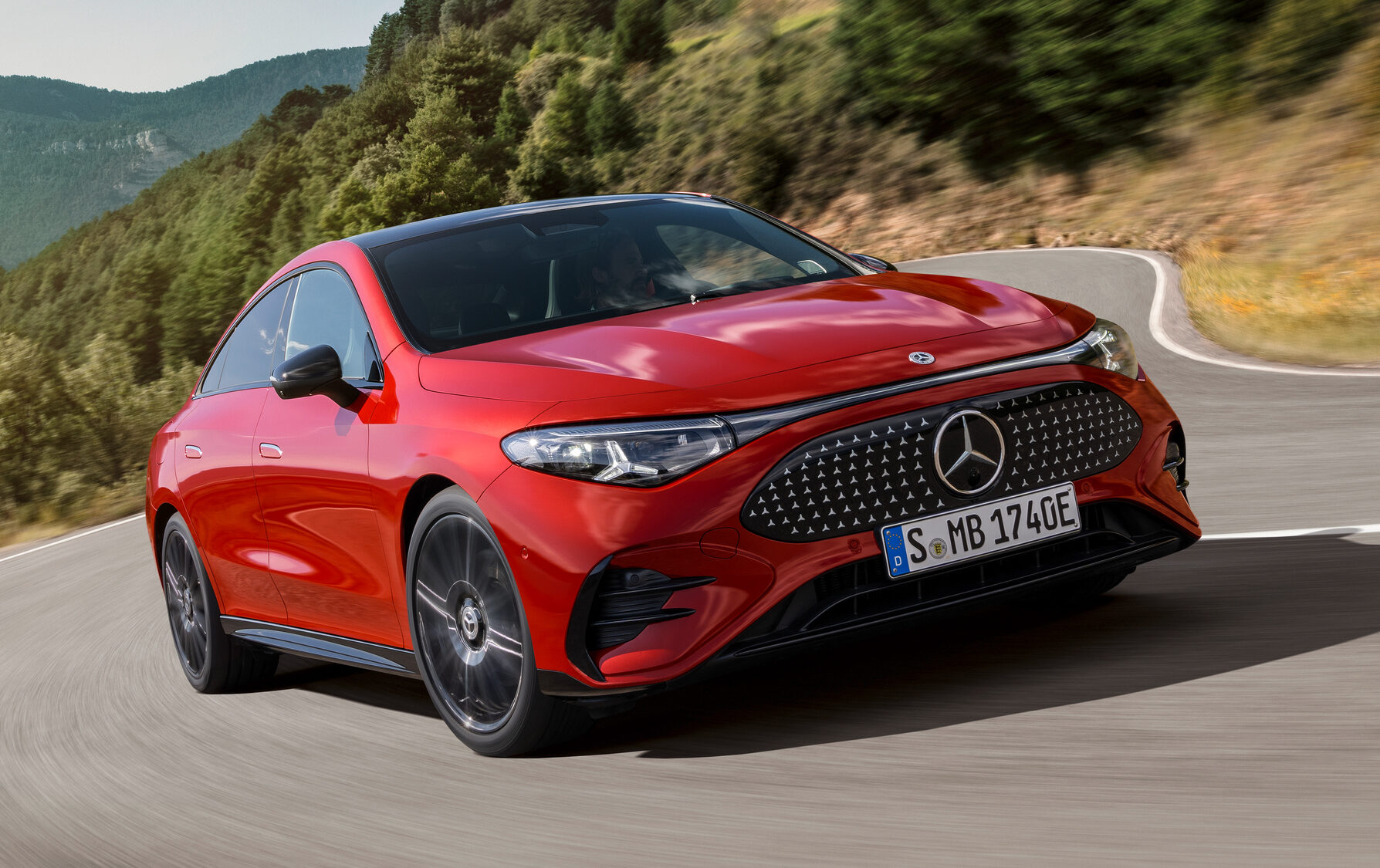
In terms of outright driving range in the frigid conditions, the Mercedes-Benz CLA also performed well, driving 421 km (261 miles), or 41 percent less than its claimed 709 km (440 miles) WLTP figure. Other strong performers included the Audi A6, which traveled 402 km (250 miles), the BMW iX with 388 km (241 miles), and the Volvo ES90 with 373 km (232 miles).

 EV Range Claims Still Sound Great, Until Freezing Temps Hit
Mercedes-Benz CLA

Two Ways To Look at Numbers

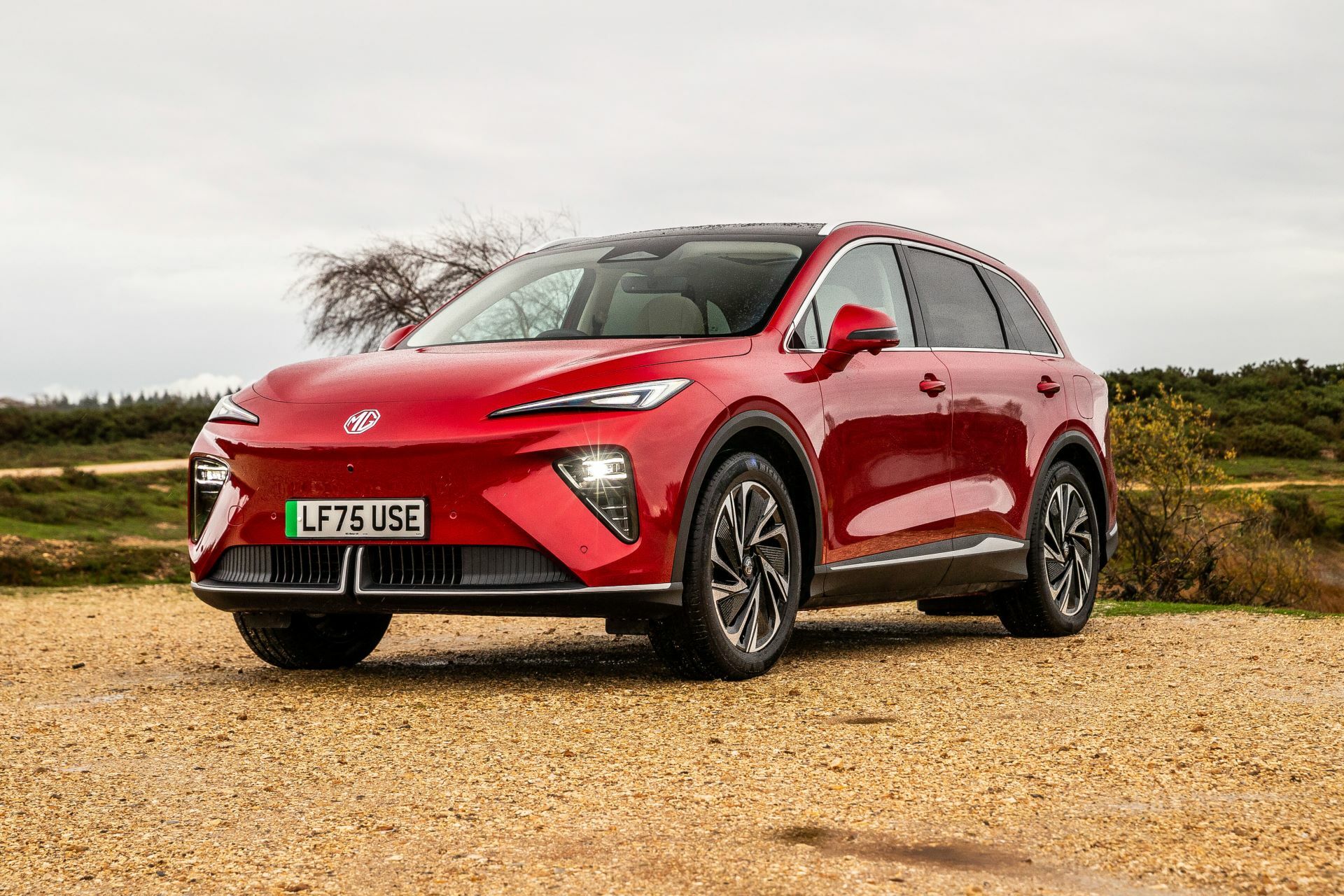
Total driving range, though, is not the most revealing part of the story. What stands out more is how much, or how little, each car’s range shrinks in the cold. By that measure, the MG 6S EV and Hyundai Inster led the field, with their ranges falling just 29 percent from their WLTP claims. They recorded 345 km (214 miles) and 256 km (159 miles), respectively.

 EV Range Claims Still Sound Great, Until Freezing Temps Hit
MG6S EV

A second Chinese MG also performed well, namely the IM6, with its range falling 30 percent from a claimed 505 km (314 miles) to 352 km (219 miles). The KGM Musso was another strong performer, seeing just a 31 percent drop in its range from 379 km (235 miles) to 263 km (163 miles).

At the other end of the scale, the Opel Grandland matched the Lucid Air for the steepest decline, surrendering 46 percent of its claimed range in the cold. The Volvo EX90 was not far behind with a 45 percent drop, while the Tesla Model Y and Suzuki eVitara each gave up 43 percent. The Skoda Elroq and Mercedes CLA also struggled to contain losses, both finishing with a 41 percent reduction.

Cold EV Test
VehicleWLTPCold RangeDiff.
Lucid Air960 km (597 mi)520 km (323 mi)-46%
Mercedes CLA709 km (441 mi)421 km (262 mi)-41%
Audi A6653 km (406 mi)402 km (250 mi)-38%
BMW iX641 km (398 mi)388 km (241 mi)-40%
Volvo ES90624 km (388 mi)373 km (232 mi)-40%
Volvo EX90611 km (380 mi)339 km (211 mi)-45%
Tesla Model Y629 km (391 mi)359 km (223 mi)-43%
Hyundai Ioniq 9600 km (373 mi)370 km (230 mi)-38%
Kia EV4594 km (369 mi)390 km (242 mi)-34%
Ford Capri560 km (348 mi)339 km (211 mi)-40%
Xpeng X9560 km (348 mi)361 km (224 mi)-36%
Mazda 6e552 km (343 mi)348 km (216 mi)-37%
Zeekr 7X541 km (336 mi)338 km (210 mi)-38%
Smart #5540 km (336 mi)342 km (213 mi)-37%
Skoda Elroq524 km (326 mi)309 km (192 mi)-41%
MG IM6505 km (314 mi)352 km (219 mi)-30%
MG 6S EV485 km (301 mi)345 km (214 mi)-29%
Opel Grandland484 km (301 mi)262 km (163 mi)-46%
VW ID. Buzz449 km (279 mi)277 km (172 mi)-38%
Changan S05445 km (277 mi)293 km (182 mi)-34%
Voyah Courage440 km (273 mi)300 km (186 mi)-32%
Suzuki eVitara395 km (245 mi)224 km (139 mi)-43%
KGM Musso379 km (235 mi)263 km (163 mi)-31%
Hyundai Inster360 km (224 mi)256 km (159 mi)-29%
SWIPE

Motor.No

Forget Jaguar, Land Rover Might Have The Coolest New EV

  • The 2027 Range Rover Velar has been spied.
  • New EV is expected to debut later this year.
  • It has a sportier design and a new platform.

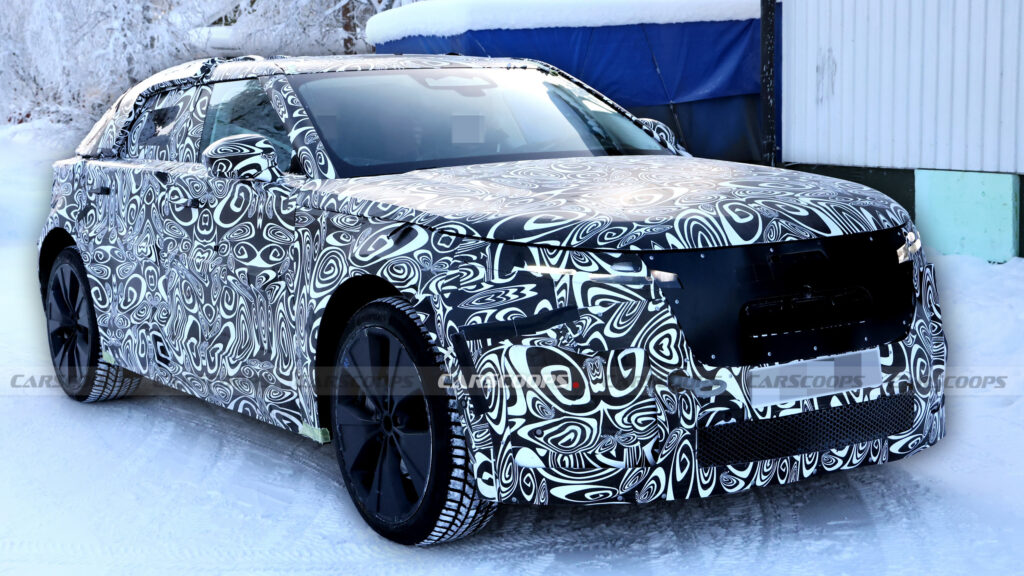
Spy photographers recently snapped the facelifted Range Rover and now they’ve gotten a glimpse of the second-generation Velar. It will be a radical departure as the model becomes even sleeker and adopts a fully electric powertrain.

The redesigned crossover is expected to debut later this year, but it’s still covered in heavy camouflage. This hides a number of key details, but we can expect a rounded front end with a fully enclosed grille that is flanked by slender headlights. They’re joined by a clamshell hood and a wide lower intake.

More: Land Rover’s New Velar Trades V8 Roar For Electric Muscle

The profile immediately stands out as the Velar has a rakish windscreen that flows into a steeply sloping roof. This results in a far more dynamic design, but it looks like this could come at the expense of cargo space and rear seat headroom.

\\\\\

SHProshots

A closer inspection reveals a rear-mounted charging port as well as flush-mounted door handles. They’re joined by streamlined bodywork, which is disguised by subtle bumps.

The rear end is the most interesting angle as we can see a distinctive liftgate with an upright tail. We can also get a glimpse of a roof-mounted camera, which could indicate the Velar will eschew a rear window. That remains to be seen, but Polestar led the way and Jaguar is following suit.

While we’re hopeful that a rear window will be included, the model will have a spoiler and wraparound taillights. They’re accompanied by a minimalist bumper, which features horizontal reflectors.

What Will Power The New Velar?

\\\\\

SHProshots

Land Rover has primarily been focused on promoting the Range Rover Electric, so little is known about the Velar at this point. However, the two models could have a lot in common.

If that’s the case, the Velar could have a 117 kWh battery pack as well as a dual-motor all-wheel drive system that produces around 542 hp (404 kW / 550 PS) and 627 lb-ft (849 Nm) of torque. That being said, we wouldn’t be surprised if there were multiple configurations on the Velar.

While there could be some similarities between the two models, it’s important to note the Velar will ride on the brand’s new electrified modular architecture (EMA). It will be built at the company’s Halewood plant and be a major test to see if Land Rover fans are ready to go electric.

\\\\\\\

SHProshots

STN EXPO East to Feature Illegal Passing Trends, Safety Recommendations

Industry consultant Derek Graham will take the stage at STN EXPO East to shed light on the trends of illegal passing trends involving school buses, the work of the National Highway Traffic Safety Administration to combat the crimes, and provide recommendations to protect the students on and off the yellow school bus.

The “Trends in Illegal Passing Awareness & Enforcement” session will be held March 29, on day four of the conference in Charlotte-Concord, North Carolina. Graham has a career history of passion for school bus safety as an industry consultant and former state director of pupil transportation with the North Carolina Department of Public Instruction as well as past president of the National Association of State Directors of Pupil Transportation Services (NASDPTS).

Graham’s home state of North Carolina was the first state to initiate an annual count of illegal passing trends, dating back to 1998. He co-coordinated the annual NASDPTS national school bus illegal passing count with Charlie Hood, at the time state director for Florida and later the association’s executive director, and worked with NHTSA to implement one of the first enforcement campaign using stop arm cameras.

During the STN EXPO East session, Graham will look at recent NASDPTS survey findings that found a drop in the number of illegal passing incidents last past school year. As he analyzes this and other federal data, he will explain the recent efforts of federally directed NHTSA studies that look at various components of the student transportation ecosystem to help reduce instances of illegal passing. This will include a breakdown of the NHTSA toolkit for planning safety school bus stops and routes and their evaluation of the technology offerings that target illegal passing as well their effectiveness. Graham will use his detailed knowledge of the nuance of federal laws and initiatives to summarize and explain how this research influenced NHTSA’s recommended actions to improve school bus safety.


Listen to Derek Graham’s recent interview on the STN Podcast.


Attendees will gain practical insights into how the results of these initiatives at the federal level can help further safety at their operations.

Early Bird savings ends Feb. 13. Register for the conference by the deadline to save $100 on main conference registration. The six-day conference will feature dozens of educational sessions, the Bus Technology Summit and Green Bus Summit, the hands-on National School Bus Inspection Training program and unique networking events including the Ride and Drive/Product Demo, Trade Show and Saf-T-Liner Thomas Built Buses Factory Tour. Some of these unique experiences have limited space, register now at stnexpo.com/east.


Related: STN EXPO East to Share Importance of School Bus Video Review
Related: Security Expert to Share Indicators Violent Behavior at STN EXPO East
Related: UPDATED: National School Bus Inspection Training Returns to STN EXPO East

The post STN EXPO East to Feature Illegal Passing Trends, Safety Recommendations appeared first on School Transportation News.

Superintendent Snapshot: Communication, Collaboration Key for Maine School District Success

“Smooth communication between administration and transportation operations begins with presence, clarity of vision and strong relationships,” Gorham (Maine) School District Superintendent Dr. Heather Perry told School Transportation News

Perry, one of the four finalists for the AASA: School Superintendents Association National Superintendent of the Year award, announced Thursday, continued that it means ensuring the right people are in the right leadership roles, setting clear expectations and maintaining consistent, two-way-communication. “So, transportation leaders are true partners in the district’s educational mission—not just problem solvers when issues arise. Spending time listening, coaching, and supporting transportation leaders helps ensure they are fully aligned with district goals and culture.”

Perry also wrote a blog for AASA outlining five ways the central office can strengthen the behind-the-scenes cultures, including school bus drivers. She noted leaders should integrate program leaders into the district leadership team, publicly celebrate the impact of support staff, provide tailored professional development, establish clear communication loops, and model respect and visibility.


Related: Superintendent of the Year Snapshot: Support, Understanding of Transportation
Related: (STN Podcast E293) Community, Not Individual: Maine Superintendent Collaborates for Student, Staff Success


“My advice to other superintendents is to intentionally invest in and publicly value their transportation teams,” she told STN. “Our bus drivers and dispatchers are often the first and last school connection students experience each day, and those moments shape how students feel about safety, belonging, and school itself. When communication is strong and the work is celebrated, we create a system where every child’s day begins and ends in a safe, welcoming, and caring environment.”

She highlighted the integral role of transportation in one of Gorham’s most significant initiatives, Aspire Gorham, a birth-to-adult, community-wide approach to building aspiration and purpose across the entire educational continuum. This program exposes students to a wide range of careers and possibilities, supports hands-on exploration and provides experiences for older students through internships, apprenticeships, Career and Technical Education and Extended Learning Opportunities programs, and community-based learning partnerships.

“The goal is to ensure that every student can see themselves in a future they are excited about and feel prepared to pursue it,” she said, adding that a critical factor in making the vision a reality is equitable access. “And transportation is often the gatekeeper. When learning extends beyond the walls of the classroom to job sites, colleges, training centers, and community partners, reliable and flexible transportation becomes essential. Without it, opportunities can unintentionally become limited to only those students who have access to personal transportation, creating barriers that run counter to our commitment to equity and inclusion. For this reason, strengthening our transportation system to be more adaptive, responsive, and student-centered has been an ongoing priority.”

She explained that transportation is not just an operational function, but an instructional enabler. “It is the bridge that connects students to real-world learning, career pathways, and life-changing experiences that define Aspire Gorham,” she continued. “When transportation is thoughtfully designed and adequately supported, it ensures that every student, regardless of circumstance, can fully participate in the opportunities that help them discover their passions, build skills and confidently step into their future.”

A working relationship with the transportation department, she said, is integral, not only to the program but to the effectiveness of education programs as a whole.

“As superintendent, one of my core responsibilities is quite literally to ensure we have the right people in the right seats on the bus,” she said. “That means building and sustaining high-quality leadership within transportation and providing the support, resources and clear communication they need to do their work well. When transportation leaders are valued as instructional partners rather than simply operational managers, the entire system functions more cohesively and responsively.”

She said a strong relationship also ensures challenges are anticipated, rather than reacted to, with safety and equity remaining at the forefront of every decision.

“When the relationship between district leadership and the transportation department is grounded in trust, collaboration and shared purpose, it creates a seamless system that supports students, families and schools and advances the district’s mission in meaningful, tangible ways,” she said.

Transportation Operations 

Mitzii Smith, the Gorham director of transportation and a former STN Rising SuperStar, said she has felt support from the administration from the start.

“Leadership has been welcoming and open to my ideas and experience,” she said. “Change can be challenging, but transportation consistently has support at the leadership level. That support truly starts with Perry, who values every employee and understands the importance of transportation’s role in the students’ overall educational experience.”


Related: (STN Podcast E245) Pre-Trip Yourself: Green Bus Funding Anxiety, Promoting Emotional Intelligence
Related: From School Bus Driver to Assistant Director: Journey of a Rising Star
Related: Follow the ‘GOLDEN’ Brick Road


She noted that transportation is currently focused on strengthening department training, developing clear driver handbooks and preparing for the expansion of the districts pre-k program to include 3- and 4-year olds. The department also implemented BusRight over the summer, and transportation leaders are actively working through the learning curve that comes with any new routing and communication system.

“Technology is a big part of our operation,” she shared. “We use routing and communication software to improve efficiency, enhance family communication and support safety and compliance. We continue to look for tools that make our operation more effective and transparent.”

Smith noted that while transportation is behind the scenes, it’s essential to student success. “When drivers are supported and leadership is engaged, it shows in the quality and safety of service we provide. I’m proud of our team and the work we doing,” she said, adding that Perry leads with open communication and trust.

“She makes a point to understand the challenges transportation faces and ensures we’re included in district-level conversations,” Smith added. “She’s accessible, responsive and visible throughout the district. As someone who transitioned after 20 years in my previous district, her support made that change smooth and rewarding. Gorham transportation is fortunate to have leadership that truly values our work.”

The post Superintendent Snapshot: Communication, Collaboration Key for Maine School District Success appeared first on School Transportation News.

GreenPower Reports Revenue of $8.5 million and Net Income of $4.2 million for Third Quarter

By: STN

VANCOUVER, Canada  – GreenPower Motor Company Inc. (Nasdaq: GP) (“GreenPower” and the “Company”), a leading manufacturer and distributor of all-electric, purpose-built, zero-emission medium and heavy-duty vehicles serving the cargo and delivery market, shuttle and transit space and school bus sector, today reported revenue of $8.5 million and net income of $4.2 million as a part of its financial results for the period ended December 31, 2025.

“Despite significant headwinds in the EV sector in general, GreenPower has made substantial strides with its transition from building EVs on spec., to a production strategy driven by building EVs to customer orders.” said Fraser Atkinson, GreenPower Chairman and CEO. “This transition has required recapitalization of the Company, retooling our manufacturing, managing inventory, and obtaining sources of production funding.”

“GreenPower is very excited about the excellent progress in the deployment of all-electric, purpose-built school buses during the last quarter in New Mexico; Continuing to perform on the state sponsored, two-year, zero emissions school bus pilot project.” said Brendan Riley, President of GreenPower. “This project uses the compelling West Virginia pilot project as its model but is focussed on the specific needs of New Mexico school districts where there will be challenges on deploying in both city and rural settings, challenges with charging infrastructure and operating the school buses in extreme cold weather at high elevations.”

Third Quarter 2026 Highlights
Generated revenues of $8.5 million in the third quarter of the 2026 fiscal year compared to $7.2 million for the third quarter in the previous year. Revenue was generated from the sale of vehicles, parts, leases and deferred income. Gross profit on the sale of vehicles was approximately 28%.

Total sales, general and administrative costs of $2.4 million in the third quarter compared to $5.2 million for the third quarter in the previous year representing a significant reduction in the Company’s recurring expenses. Excluding non-cash items, the sales, general and administrative costs in the current quarter were less than $2 million.

Working capital of more than $5 million and increased cash from the beginning of the fiscal year.

During the quarter the Company undertook the management of the New Mexico All-Electric, Purpose-Built, Zero-Emission School Bus Pilot Program. The contract with the state of New Mexico provides funding of more than $5 million for the deployment of GreenPower’s all-electric Type A Nano BEAST, Type A Nano BEAST Access, Type D BEAST and Type D Mega BEAST school buses, charging infrastructure and management of a pilot project in the state.

During the quarter the Company raised gross proceeds of $1,120,050 from the issuance of Series A convertible preferred shares (the “Series A shares”) with a stated value of $1,179,000. The initial tranche was comprised of 754 Series A shares issued pursuant to an effective shelf registration statement and 425 Series A Shares issued in a concurrent private placement. The Company and investor agreed that a follow-on tranche of 926 Series A Shares with a stated value of $926,000 and purchase price of $879,700 will be issued at a later date. The institutional investor has the right to acquire and the Company has the right to issue additional Series A Shares in tranches of up to $2 million, subject to certain terms and conditions, to a total of up to US$16 million

Subsequent to the end of the quarter GreenPower completed several transactions to recapitalize the Company. The Company closed on two term loans for a total of $5 million, closed on the new banking relationship with CIBC including a line of credit and Term Loan, paid out the existing bank line of credit, exchanged $7 million of related party loans for convertible debentures and exchanged $3 million of related party loans for Series B Convertible Preferred Shares.

For additional information on the results of operations for the period ended December 31, 2025 with the financial statements and related reports posted on GreenPower’s website as well as on SEDAR Plus or on EDGAR.

About GreenPower Motor Company Inc.
GreenPower designs, builds and distributes a full suite of high-floor and low-floor all-electric medium and heavy-duty vehicles, including transit buses, school buses, shuttles, cargo van and a cab and chassis. GreenPower employs a clean-sheet design to manufacture all-electric vehicles that are purpose built to be battery powered with zero emissions while integrating global suppliers for key components. This OEM platform allows GreenPower to meet the specifications of various operators while providing standard parts for ease of maintenance and accessibility for warranty requirements. For further information go to www.greenpowermotor.com

The post GreenPower Reports Revenue of $8.5 million and Net Income of $4.2 million for Third Quarter appeared first on School Transportation News.

New Data Confirms HopSkipDrive CareDrivers are Uniquely Prepared to Meet Specialized Student Needs

By: STN

LOS ANGELES, Calif. -HopSkipDrive, a leading technology company partnering with school districts to get kids to school more quickly, safely, and easily than anyone else, today released new data highlighting the impact of its expert-developed CareDriver education and the deep experience of its driver network. Following the launch of the company’s industry-leading driver education program focused on supporting students with neurodivergence, internal data reveals that 94% of surveyed CareDrivers say they feel confident supporting neurodivergent riders, a result that translates directly into greater preparation for students and better experiences for students, families, and school staff. Additionally, 85% of surveyed CareDrivers found these proprietary resources, developed in partnership with nationally recognized child development leaders, essential in preparing for these specialized rides.

Defining the “Caregiver on Wheels”

Unlike traditional rideshare platforms or traditional unlicensed brokers, HopSkipDrive vets the human, not just the paperwork. CareDrivers are highly qualified individuals from the community—often parents, nurses, or educators—who provide a dignified and supportive experience for students.

Reflecting a deep well of expertise within the network, CareDrivers bring a median of 10 years of prior caregiving experience. Every CareDriver is vetted through a rigorous 15-point certification process, which includes fingerprint-based background checks and mandatory video screenings to evaluate empathy and situational judgment before their first trip.

“My son’s driver was patient and understanding with him since he’s a special needs child,” says Andrea O., a parent in Los Angeles. “She always watched him get inside the building before she took off to make sure he got in safely. She provided a safe and calm atmosphere.”

The Differentiator: Education That Empowers Care

School districts often spend 95% of their time solving transportation for the most vulnerable 5% of their students, such as those with IEPs or those experiencing homelessness. HopSkipDrive’s customized curriculum provides CareDrivers with practical skills in:

Trauma-informed care to support students during difficult transitions.

Supporting neurodivergent riders and understanding sensory sensitivities to ensure a calm ride environment.

De-escalation techniques for proactive ride management.

“The integration [of HopSkipDrive] has significantly streamlined our processes, allowing for a smoother and more responsive service for our students,” says Marcy P., Littleton Public Schools in Littleton, Colorado. “It allows me to fully focus as a ride organizer by saving me valuable time.”

The Power of Direct Accountability

This specialized preparation is a primary differentiator of HopSkipDrive, which prioritizes direct accountability and verified oversight for every trip. As a fully licensed and regulated Transportation Network Company (TNC), HopSkipDrive maintains a direct relationship with every CareDriver on the platform. This allows for rigorous, transparent reporting and a level of verified compliance that provides school districts with peace of mind and reduced liability.

“Safety and education are not add-ons; they are the foundation of our entire model,” says Jennifer Brandenburger, SVP of Safety at HopSkipDrive. “Because we maintain a direct relationship with every CareDriver, we can ensure our specialized education reaches every person behind the wheel without a ‘game of telephone.’ This direct accountability ensures drivers are not just vetted, but truly prepared for the students they serve, providing districts with a level of verified compliance and risk reduction that subcontracted models simply can’t guarantee.”

About HopSkipDrive:
HopSkipDrive is a leading technology company partnering with school districts to get kids to school more quickly, safely, and easily than anyone else. The company is modernizing the $30 billion school transportation industry through two core solutions: a care-centered transportation marketplace and an industry-leading transportation intelligence platform, RouteWise AI™. HopSkipDrive’s marketplace supplements school buses and existing transportation options by connecting kids to highly-vetted caregivers on wheels, such as grandparents, babysitters, and nurses in local communities. RouteWise AI helps schools and districts address critical challenges, including budget cuts, bus driver shortages, and reaching climate goals. HopSkipDrive has supported over 13,500 schools across 21 states, with nearly 1,300 school districts, government agencies, and nonprofit partners. More than five million rides over 95 million miles have been completed through HopSkipDrive since the company was founded in 2014 by three working mothers.


The post New Data Confirms HopSkipDrive CareDrivers are Uniquely Prepared to Meet Specialized Student Needs appeared first on School Transportation News.

GreenPower Reports Q3 Revenue of $8.5 Million, Net Income of $4.2 Million

By: STN

VANCOUVER — GreenPower Motor Company Inc. (Nasdaq: GP) (“GreenPower” and the “Company”), a leading manufacturer and distributor of all-electric, purpose-built, zero-emission medium and heavy-duty vehicles serving the cargo and delivery market, shuttle and transit space and school bus sector, today reported revenue of $8.5 million and net income of $4.2 million as a part of its financial results for the period ended December 31, 2025.

“Despite significant headwinds in the EV sector in general, GreenPower has made substantial strides with its transition from building EVs on spec., to a production strategy driven by building EVs to customer orders.” said Fraser Atkinson, GreenPower chairman and CEO. “This transition has required recapitalization of the Company, retooling our manufacturing, managing inventory, and obtaining sources of production funding.”

“GreenPower is very excited about the excellent progress in the deployment of all-electric, purpose-built school buses during the last quarter in New Mexico; Continuing to perform on the state sponsored, two-year, zero emissions school bus pilot project.” said Brendan Riley, President of GreenPower. “This project uses the compelling West Virginia pilot project as its model but is focussed on the specific needs of New Mexico school districts where there will be challenges on deploying in both city and rural settings, challenges with charging infrastructure and operating the school buses in extreme cold weather at high elevations.”

Third Quarter 2026 Highlights

  • Generated revenues of $8.5 million in the third quarter of the 2026 fiscal year compared to $7.2 million for the third quarter in the previous year. Revenue was generated from the sale of vehicles, parts, leases and deferred income. Gross profit on the sale of vehicles was approximately 28%.
  • Total sales, general and administrative costs of $2.4 million in the third quarter compared to $5.2 million for the third quarter in the previous year representing a significant reduction in the Company’s recurring expenses. Excluding non-cash items, the sales, general and administrative costs in the current quarter were less than $2 million.
  • Working capital of more than $5 million and increased cash from the beginning of the fiscal year.
  • During the quarter, the company undertook the management of the New Mexico All-Electric, Purpose-Built, Zero-Emission School Bus Pilot Program. The contract with the state of New Mexico provides funding of more than $5 million for the deployment of GreenPower’s all-electric Type A Nano BEAST, Type A Nano BEAST Access, Type D BEAST and Type D Mega BEAST school buses, charging infrastructure and management of a pilot project in the state.
  • During the quarter, the company raised gross proceeds of $1,120,050 from the issuance of Series A convertible preferred shares (the “Series A shares”) with a stated value of $1,179,000. The initial tranche was comprised of 754 Series A shares issued pursuant to an effective shelf registration statement and 425 Series A Shares issued in a concurrent private placement. The Company and investor agreed that a follow-on tranche of 926 Series A Shares with a stated value of $926,000 and purchase price of $879,700 will be issued at a later date. The institutional investor has the right to acquire and the Company has the right to issue additional Series A Shares in tranches of up to $2 million, subject to certain terms and conditions, to a total of up to US$16 million.

Subsequent to the end of the quarter, GreenPower completed several transactions to recapitalize the Company. The Company closed on two term loans for a total of $5 million, closed on the new banking relationship with CIBC including a line of credit and Term Loan, paid out the existing bank line of credit, exchanged $7 million of related party loans for convertible debentures and exchanged $3 million of related party loans for Series B Convertible Preferred Shares.

For additional information on the results of operations for the period ended Dec. 31, 2025 with the financial statements and related reports posted on GreenPower’s website as well as on SEDAR Plus or on EDGAR.

About GreenPower Motor Company Inc.

GreenPower designs, builds and distributes a full suite of high-floor and low-floor all-electric medium and heavy-duty vehicles, including transit buses, school buses, shuttles, cargo van and a cab and chassis. GreenPower employs a clean-sheet design to manufacture all-electric vehicles that are purpose built to be battery powered with zero emissions while integrating global suppliers for key components. This OEM platform allows GreenPower to meet the specifications of various operators while providing standard parts for ease of maintenance and accessibility for warranty requirements. For further information go to www.greenpowermotor.com

Forward-Looking Statements

This document contains forward-looking statements relating to, among other things, GreenPower’s business and operations and the environment in which it operates, which are based on GreenPower’s operations, estimates, forecasts and projections. Forward-looking statements are not based on historical facts, but rather on current expectations and projections about future events, and are therefore subject to risks and uncertainties which could cause actual results to differ materially from the future results expressed or implied by the forward-looking statements. These statements generally can be identified by the use of forward-looking words such as “upon”, “may”, “should”, “will”, “could”, “intend”, “estimate”, “plan”, “anticipate”, “expect”, “believe” or “continue”, or the negative thereof or similar variations. These statements are not guarantees of future performance and involve risks and uncertainties that are difficult to predict. A number of important factors including those set forth in other public filings (filed under the Company’s profile on www.sedar.com) could cause actual outcomes and results to differ materially from those expressed in these forward-looking statements. Consequently, readers should not place any undue reliance on such forward-looking statements. In addition, these forward-looking statements relate to the date on which they are made. GreenPower disclaims any intention or obligation to update or revise any forward-looking statements whether as a result of new information, future events or otherwise.

All amounts in U.S. dollars. ©2026 GreenPower Motor Company Inc. All rights reserved.

The post GreenPower Reports Q3 Revenue of $8.5 Million, Net Income of $4.2 Million appeared first on School Transportation News.

Mercedes Teases A Flood Of New Models Coming Soon

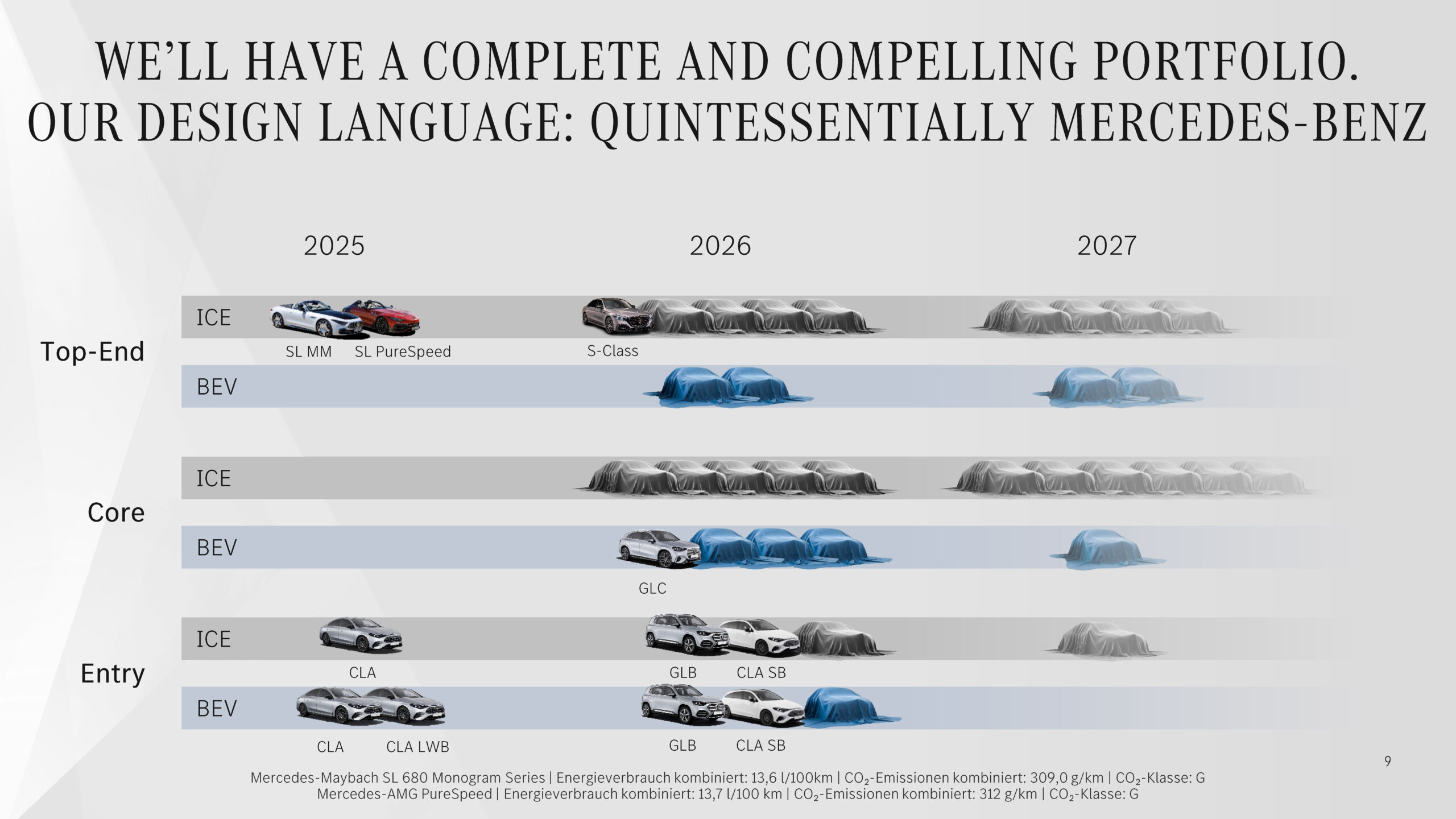
  • Mercedes is planning to introduce dozens of new models.
  • S-Class Maybach arrives in March, AMG GT also due this year.
  • 16 new models coming in 2026, while 14 are slated for 2027.

Mercedes held their capital markets day presentation yesterday and announced plans to stage seven world premieres in the next three months. That’s an impressive number, especially considering the company has already introduced the facelifted S-Class and GLC 53.

The automaker didn’t delve into many specifics, but confirmed the new Mercedes-Maybach S-Class debuts in March. The company added the AMG GT 4-Door arrives later this year, while the SUV variant follows in 2027. That year will also see the unveiling of the G-Class Cabriolet.

More: New Mercedes G-Class Cabrio Teased As Testing Begins

While details are light, a slide suggested Mercedes will introduce 16 vehicles this year. Six of them will be fully electric, while the others will have internal combustion engines.

 Mercedes Teases A Flood Of New Models Coming Soon

Many of these will be “Top-End” vehicles, which implies we can expect a number of new S-Class variants including the aforementioned Maybach. Some of the others are presumably AMG versions.

As for the Top-End EVs, spy photographers have snapped a facelifted EQS on multiple occasions. It’s expected to feature starry lighting units, a new 800 volt electrical architecture, and an upgraded powertrain. The latter could combine an improved battery with more efficient motors.

 Mercedes Teases A Flood Of New Models Coming Soon

2026 will also see the introduction of five Core ICE-powered vehicles and three EVs. One of the latter appears to be the new GLC EQ L for China, which was mentioned in one of the presentations.

On the Entry side of things, there will be a new ICE and EV model. It will join the CLA and GLB, suggesting this could be the redesigned GLA.

 Mercedes Teases A Flood Of New Models Coming Soon

2027 will see the introduction of 14 models, three of which will be fully electric. A vast majority of these will become part of the brand’s Core family, while some of the Top-End models could be the facelifted SL.

Mercedes also mentioned a new long-wheelbase GLE for China, which will presumably be based on the facelifted crossover. However, it’s unclear when either model will arrive.

Financials

 Mercedes Teases A Flood Of New Models Coming Soon

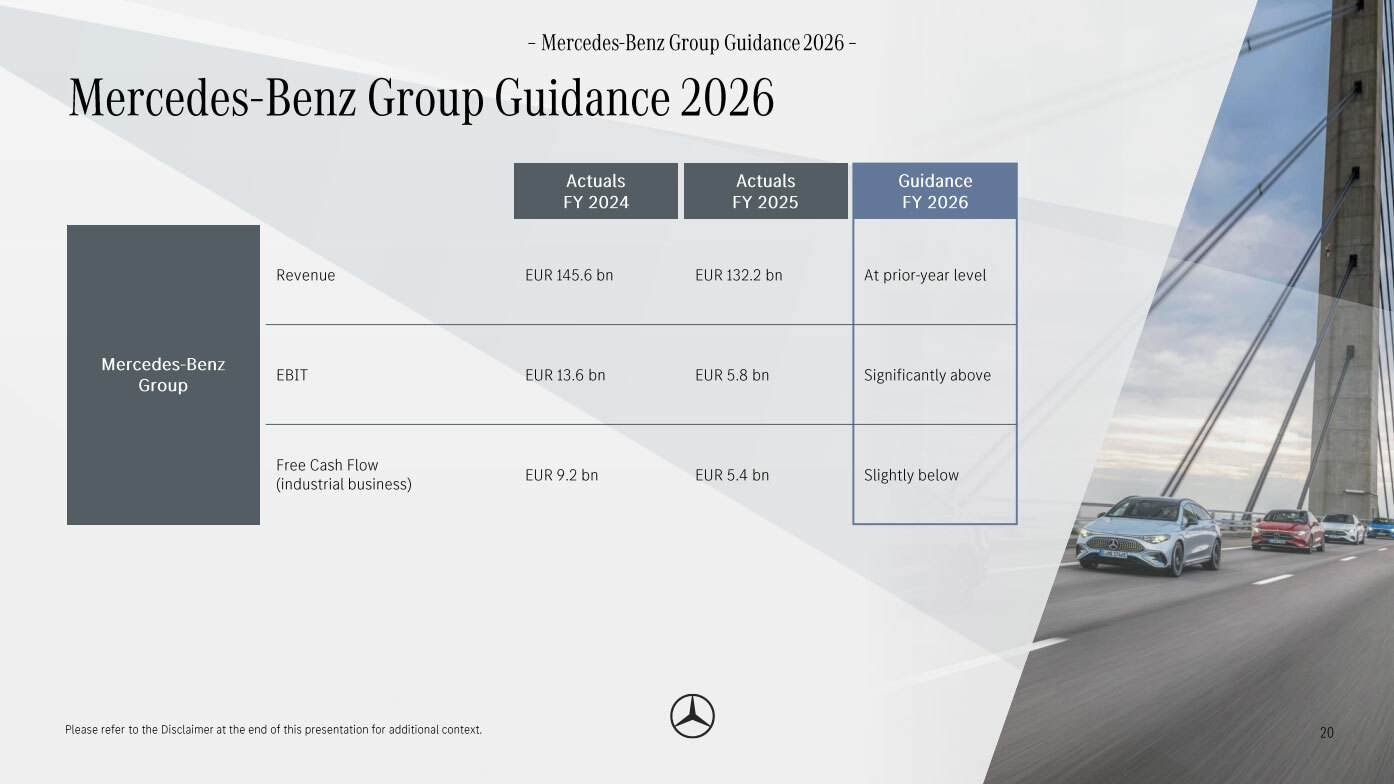
Fun stuff aside, Mercedes announced adjusted earnings before interest and taxes fell from €13.7 ($16.3) billion in 2024 to €8.2 ($9.7) billion last year. The company blamed the drop on challenges in China, tariffs, and foreign exchange headwinds. On the bright side, the company reduced research and development costs related to future architectures and technologies.

Investors probably won’t like the news, nor will they be thrilled by the proposed dividend of €3.50 ($4.15) per share. That’s significantly less than last year’s payout of €4.30 ($5.10).

\\\\\

H/T to Motor1

Tesla Faces A Reckoning As This New SUV Outsold The Model Y Two To One

  • Chinese tech giant sold 37,869 YU7s in the first month of the year.
  • Geely placed two strong sellers in the national top five chart.
  • VW posted several top sellers despite the wider market slowdown.

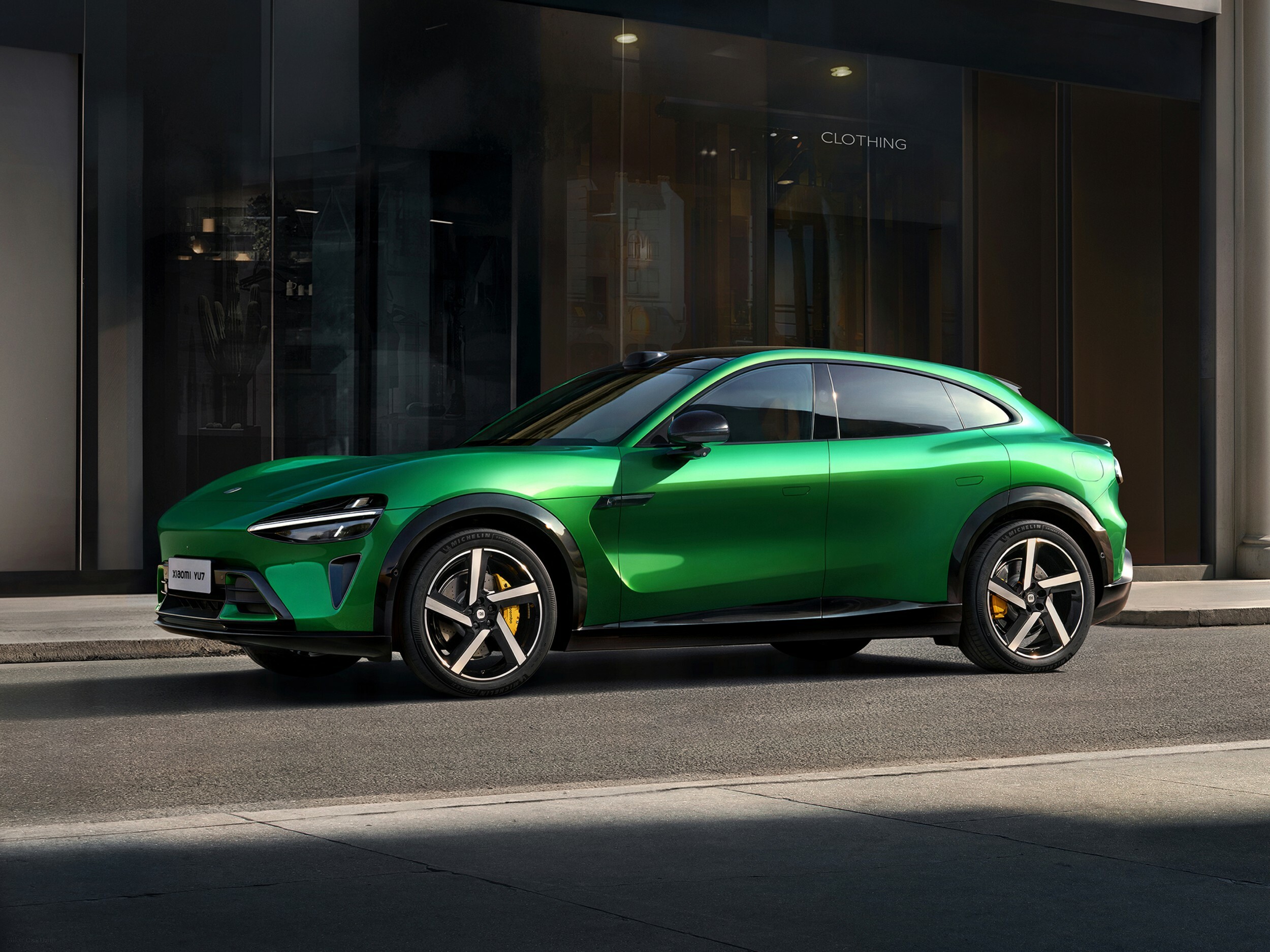
January tested the resilience of China’s auto market, exposing fault lines for some brands while spotlighting the rare breakout success. Many domestic manufacturers reported sales declines, with BYD among the most notable names to feel the squeeze. Yet even in a cooling climate, certain models found remarkable momentum. None more so than the Xiaomi YU7.

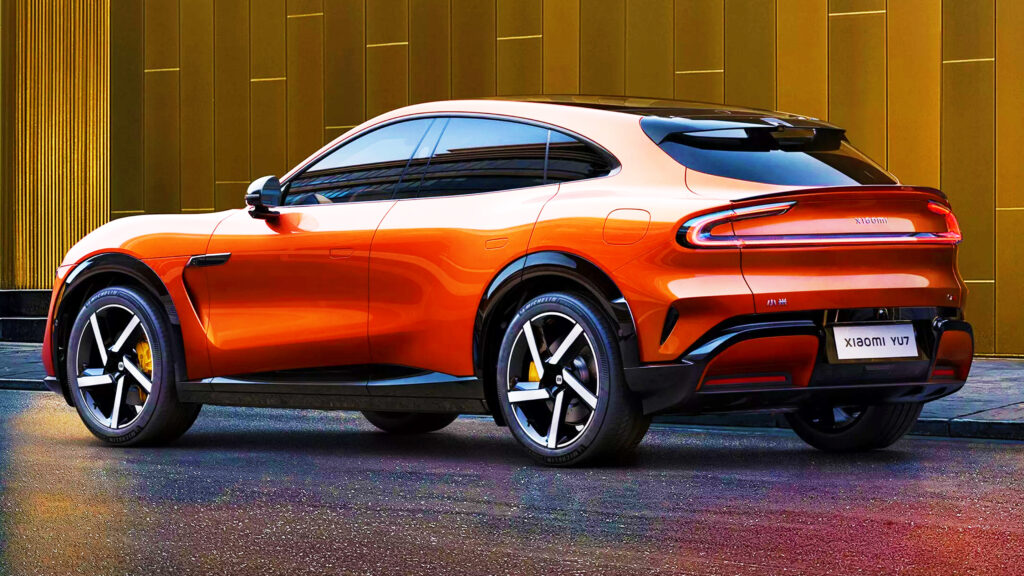
The all electric SUV, positioned as a rival to the Tesla Model Y and styled with more than a passing resemblance to the Ferrari Purosangue, was the best-selling new vehicle in China last month.

Read: This Ferrari SUV Lookalike From China Makes More Power Than The Real One

According to figures shared by Autohome, it moved 37,869 units, comfortably ahead of the Geely Boyue L in second place with 34,176 sales. The Geely Geome Xingyuan followed with 29,007, while the Aito M7 secured fourth with 26,454 units.

 Tesla Faces A Reckoning As This New SUV Outsold The Model Y Two To One

The presence of two Geely models in the top 5 best-sellers reflects a strong month for the group, with sales up 1 percent year-on-year to more than 270,000 units. The M7 from Aito, backed by Huawei and Seres, also surged in popularity, as did other models from the brand, helping it deliver more than 40,000 vehicles, a surge of over 80 percent from January 2025.

Sales of the YU7 in China have remained strong in recent months. December saw 39,089 units sold, making it the third best selling new car in China at the time. That figure represented a clear rise from November’s 33,729 and October’s 33,662.

It has also moved decisively ahead of the Tesla Model Y, selling more than twice as many units. The Model Y ranked only 20th last month, with 16,845 sales, a result that would have seemed unlikely not long ago. In fact, it was China’s best-selling model in December.

Familiar Names Climb The Charts

 Tesla Faces A Reckoning As This New SUV Outsold The Model Y Two To One
VW Sagitar

Perhaps the biggest surprises came from Volkswagen. It ranked fifth in China’s top 20 best-selling cars last month, led by the Sagitar with 25,316 units sold. VW also sold 23,481 Lavidas, 21,330 Tiguan Ls, 20,799 Passats, and 19,306 Magotans. In addition, the Nissan Slyphy sold 24,209 units, indicating that not all hope is lost for legacy carmakers in the country.

Things weren’t so rosy for BYD. It sold 205,518 vehicles in China last month across its brands, a significant decline from the 300,538 in January 2025. Only one of its models entered the top 20, the Fang Cheng Bao Ti7, which ranked 18th with 17,116 units sold.

China New Car Retail Sales January 2026
RankModelUnits
1Xiaomi YU737,869
2Geely Boyue L34,176
3Geely Geome Xingyuan29,007
4Aito M726,454
5Volkswagen Sagitar25,316
6Nissan Sylphy24,209
7Geely Xingyue L23,815
8Volkswagen Lavida23,481
9Volkswagen Tiguan L21,330
10Volkswagen Passat20,799
11Toyota Corolla20,188
12Volkswagen Magotan19,306
13Geely Xingrui19,027
14Honda CR-V18,900
15Toyota Frontlander18,629
16Nio ES817,645
17Toyota Camry17,426
18Fang Cheng Bao Ti717,116
19Li Auto i616,883
20Tesla Model Y16,845
SWIPE

Sources: Autohome, Carnewschina

America Needs More EV Chargers, Trump Wants Something Else First

  • Trump administration is taking aim at EV chargers.
  • It wants to significantly increase US parts content.
  • Rule would only apply to federally funded chargers.

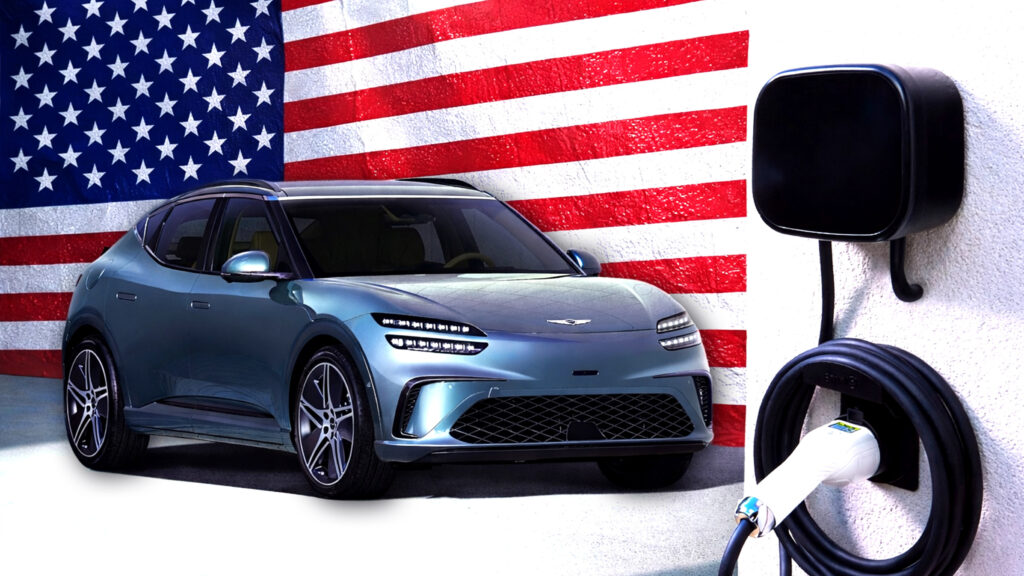
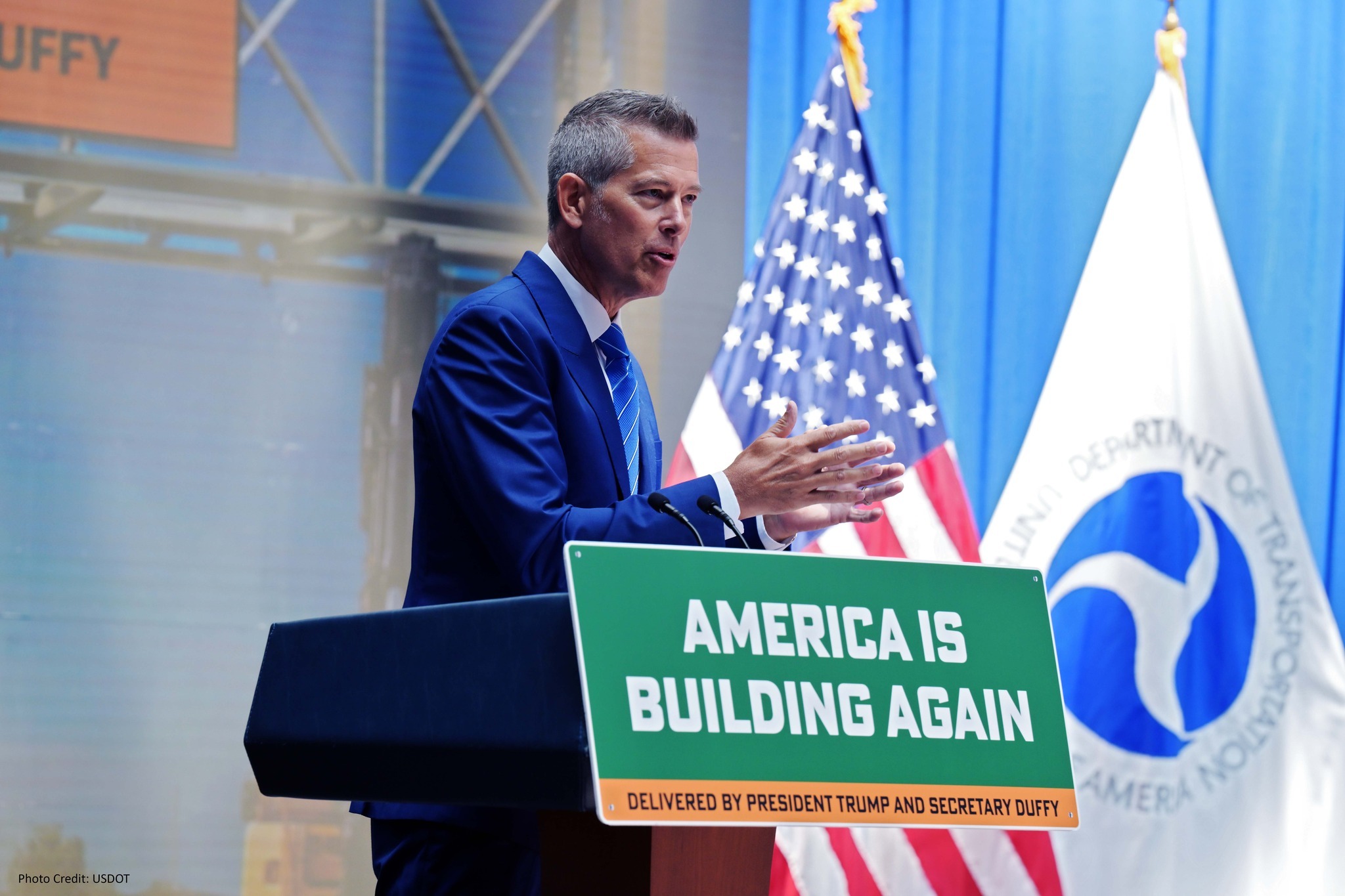
The Trump administration has found a new way to hamper electric vehicles as Transportation Secretary Sean Duffy is eyeing an expanded “Buy America public interest waiver” for electric vehicle chargers. The proposal would increase the required domestic content from 55 percent to 100 percent.

Needless to say, that’s a tall order and would likely require significant changes to supply chains. The move would also likely drive up costs, while limiting options.

More: Trump Administration Rolls Out Updated EV Charger Program

While there are obvious drawbacks, the government pointed to several benefits as they suggested the change would “strengthen domestic manufacturing, generate new American jobs, make U.S. businesses more competitive, and address potential national security concerns.”

They went on to say the administration believes manufacturers have the capacity to produce chargers in America with high domestic content.

Security Concerns In Focus

 America Needs More EV Chargers, Trump Wants Something Else First

The Federal Highway Administration added the change would “protect Americans from foreign-made EV charger components that use technology with cybersecurity vulnerabilities.” Speaking of which, there have been growing concerns about vulnerabilities in American infrastructure.

Last year, the FHA warned everything from traffic signs to cameras and weather stations could be equipped with hidden cellular radios installed in batteries or inverters. The fear is these could be used for surveillance or conducting a targeted outage during the outbreak of hostilities.

What Happens Next?

The proposal hasn’t been finalized and the requirement would only apply to federally funded EV charger projects. For now, it appears there will be a comment period before the government makes its final determination.

In a statement, Secretary Duffy said “We’re ensuring that if Congress wants to see these chargers built, we put America First. Doing so will unleash American manufacturing, protect our national security, and prevent taxpayer dollars from subsidizing our foreign adversaries.”

 America Needs More EV Chargers, Trump Wants Something Else First

One Number Shows America’s EV Fascination Is Fading Fast

  • US EV registrations dipped for the first time in a decade last year.
  • December sales plunged 48 percent after the EV tax credit repeal.
  • Analysts expect a slow recovery as prices and charging improve.

After a decade of growth, America’s electric car boom has stopped booming. In 2025, EV registrations slipped 0.4 percent to 1.3 million units, marking the first annual decline in at least 10 years. That’s not exactly a collapse, but it is the first crack in what once looked like an unstoppable surge.

The real drama arrived in December. Registrations plunged 48 percent year over year to just 75,427 vehicles after Congress repealed the $7,500 federal EV tax credit. EVs’ share of the overall market tumbled from 9.9 percent in December 2024 to 5.3 percent in the same month in ’25.

Related: EV Sales Are Booming Everywhere Except One Place

For the full year, EVs accounted for 7.8 percent of light vehicle registrations, down slightly from 8 percent in 2024, according to S&P Global Mobility data reported by Auto News. Meanwhile, total vehicle registrations rose 2.2 percent to 16.25 million units. In other words, Americans kept buying cars, but they increasingly chose ones with old-fashioned combustion engines.

Warning Signs Were There

 One Number Shows America’s EV Fascination Is Fading Fast

The slowdown didn’t come out of nowhere. Growth had already cooled from triple-digit surges earlier in the decade to an 11 percent gain in 2024. Through the first half of 2025, EV registrations were still up 4.6 percent before the July announcement that the tax credit would vanish at the end of September. Buyers rushed to beat the deadline in the third quarter, then the market fell silent in the fourth.

Price remains the elephant in the charging bay. Even with incentives, EV sticker prices have hovered above what mainstream buyers feel comfortable paying. Early adopters are largely spoken for, and the next wave of customers worries about charging access and range anxiety. Hybrids have quietly become the safe middle ground.

Tesla Trouble

 One Number Shows America’s EV Fascination Is Fading Fast

Tesla, still the heavyweight champion of EV sales, saw its registrations drop 6.8 percent for the year to 570,418 vehicles. Its market share slipped 3.1 percent to 44.9 percent. December was painful but not catastrophic, with a 35 percent decline.

The Model Y held its crown, but the Cybertruck and Model 3 both took heavy hits, and with the Model S and X due to be axed this year and the once-rumored small model not happening, this year is going to be tough, too.

Ford endured an even steeper December slide of 61 percent, while Cadillac enjoyed a rare bright spot thanks to genuinely fresh models, something Tesla badly needs. Rivian and Hyundai also saw declines, underscoring that this was not a one-brand problem, though Rivian does at least have a plan in the form of the smaller R2 SUV that goes on sale this year.

So is that it for EVs? Was it just a brief fad, like fidget spinners? No, analysts expect a slow and steady rebound as automakers trim prices and expand incentives. Charging networks are improving, and some EVs are nearing price parity with comparable gas models. The boom may be over, but the electric story is far from finished.

 One Number Shows America’s EV Fascination Is Fading Fast
GM

This New Ban Could End Cheap Cars In China For Good

  • China banned selling new cars below cost including via subsidies.
  • Rules bar discounts, tax breaks, and trim upgrades at same price.
  • Automakers face legal risk if caught violating new pricing rules.

The Chinese government is stepping up efforts to end the price war among local car manufacturers following a sales decline in the first month of the year. In what is the government’s most drastic step yet, there will be a cap on how low automakers can price their vehicles.

Newly-released guidelines from the State Administration for Market Regulation explicitly ban companies from setting prices below the cost of production as part of their efforts to monopolize the market and squeeze out competition.

Read: China’s EV Boom Is Cooling, And The Big Names Are Feeling It

According to the China Automobile Dealers Association, the price war has caused up to 471 billion yuan ($68 billion) in lost output over the past three years. Market sales dipped by their fastest pace in almost two years in January, declining 19.5 percent year-on-year.

Sales fell by an even more considerable 36 percent from December 2025 to January, plummeting from 2.2 million units to 1.4 million, CTV News reports.

Some analysts predict that domestic demand for new cars in China will fall this year, with sales potentially dropping by up to 3 percent. However, Chinese car companies may offset this by exporting more vehicles to overseas markets. BYD, for example, aims to export 1.3 million battery-electric and plug-in hybrid vehicles this year, up from 1.05 million last year.

 This New Ban Could End Cheap Cars In China For Good

The Chinese market regulator has warned that companies that don’t comply with the new rules may face “significant legal risks,” although it didn’t reveal what actions could be taken.

Supplier Payment Cycles Slashed

This new ban on setting prices below the cost of production isn’t the only measure being taken to quell the price war. Tighter government oversight has led many major automakers to reduce their supplier payment cycles from an average of 300 days to under 60 days.

As reported by the South China Morning Post, many Chinese car brands have frequently extended payment cycles to keep cash reserves, enabling them to ramp up research and development. The new government oversight appears to be helping.

“The results showed government intervention worked, as the automotive groups feared they could face severe punishment if they failed to operate in compliance with the authorities’ requirements,” chief executive of the Shanghai Mingling Auto Service consultancy Chen Jinzhu said. “Without delayed payments to suppliers, they will not have sufficient cash on hand to sustain discount wars.”

 This New Ban Could End Cheap Cars In China For Good

This AUDI Is What Happens When A German Brand Asks China What It Should Be

  • The flagship version of the E7X delivers up to 671 hp.
  • Audi will offer 100 kWh and 109.3 kWh battery options.
  • The E7X’s cabin closely resembles the Audi E5 Sportback.

In the space of just a few months, Audi has moved from teasing a China only concept to testing the finished product. Shortly after the first photos of the China only AUDI E7X surfaced, the company released a fresh image of its mid size electric SUV undergoing cold weather testing in China.

While several of Audi’s electric models in Western markets have felt stale and predictable, this one from its all-caps AUDI sub-brand for China looks like a real threat to the country’s homegrown EV powerhouses.

Read: The New AUDI E7X Looks Nothing Like The Audis You Know

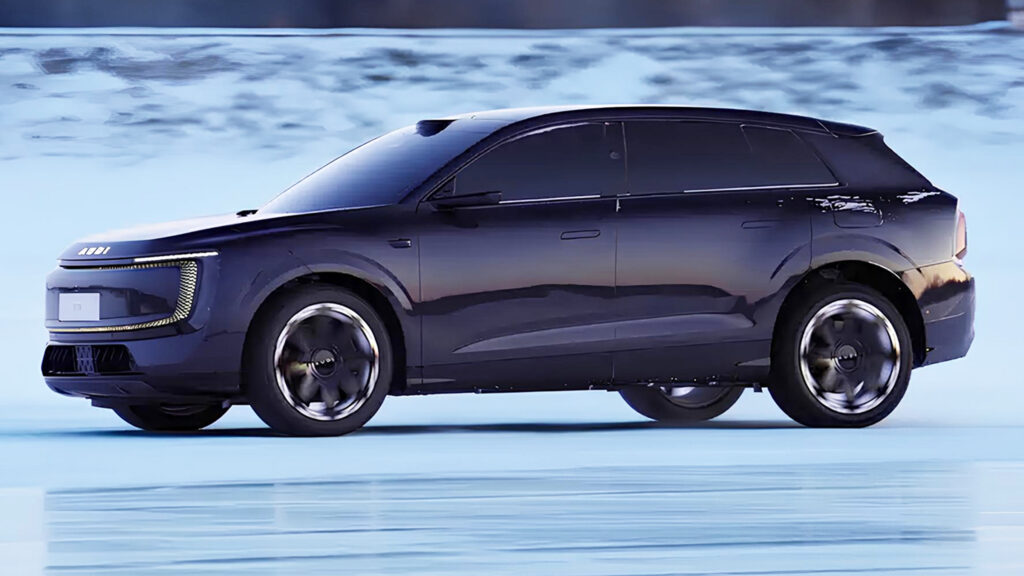
The design of the E7X is virtually identical to the E SUV Concept that AUDI presented at last November’s Guangzhou Auto Show. As such, it looks very similar to the E5 Sportback, albeit in the form of a high-riding crossover. Finished in a deep shade of purple and pictured driving on the snow, there’s no denying that it’s a head-turner.

\\\\\\

The new image confirms that the front end will include an illuminated AUDI badge, with the intricate LED daytime running lights sweeping across the entire fascia. Created in partnership with Chinese juggernaut SAIC, the E7X is quite imposing, but should look right at home in some of the country’s bright and bustling cities.

Like the E5 Sportback, the E7X includes a prominent LiDAR poking out from the roof, as well as a set of digital wing mirrors. Details released in December by China’s Ministry of Industry and Information Technology confirmed that the digital mirrors will be optional, with traditional mirrors offered as an alternative.

At the rear, the lighting theme continues. An AUDI badge glows red, framed by LED taillights that wrap around the tailgate. There’s also a prominent split rooftop spoiler to aid in aerodynamics.

 This AUDI Is What Happens When A German Brand Asks China What It Should Be
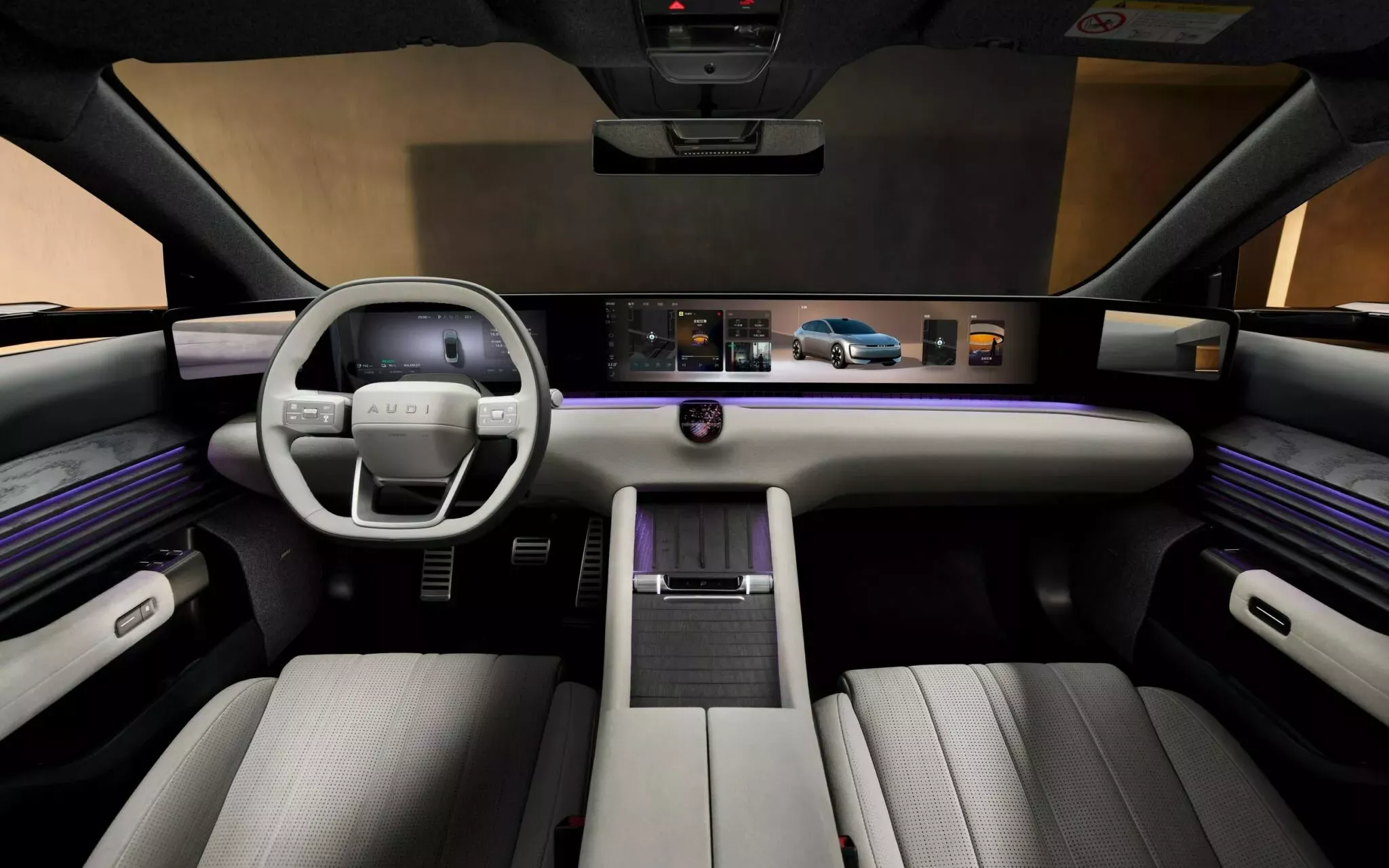
The E7X is expected to share its interior with the E5 Sportback pictured above.

Powertrain Options

In terms of power, the electric E7X will have plenty. The entry-level model will use a rear-mounted motor with 402 hp, and an all-wheel drive version will also be available, fitted with dual motors to deliver 671 hp.

Shoppers will be able to choose between a 100 kWh battery and a 109.3 kWh unit, both compatible with an 800-volt electrical architecture. The E7X’s driving range will vary between 615 km (382 miles) and 751 km (466 miles), depending on the motor and battery configuration, as well as different wheel sizes.

The E7X measures 198.8 inches (5,049 mm) in length, 78.6 inches (1,997 mm) in width, and 67.3 inches (1,710 mm) in height, with a wheelbase stretching 120.5 inches (3,060 mm). That makes the production model slightly smaller and shorter than the original concept, though the overall proportions remain close.

More details about the E7X, including the all important pricing, are expected in the coming months.

\\\\\\

100% Buy America Requirement Proposed for EV Chargers

By: Ryan Gray

The Federal Highway Administration (FHWA) seeks public input on a proposed modification to its waiver of Buy America requirements for electric vehicle (EV) chargers, which could impact K-12 student transportation professionals looking to use federal funds to purchase the equipment for electric school buses.

The proposal, announced Tuesday by FHWA Administrator Sean McMaster, aims to increase the domestic content requirement for EV chargers used in federally funded projects.

Currently, the waiver issued two years ago allows EV chargers manufactured in the U.S. to meet a 55-percent domestic component cost threshold. FHWA is considering raising this requirement to as much as 100 percent, meaning all components of EV chargers would need to be sourced domestically.

This change could have significant implications for school districts planning to use federal funds for EV charger acquisition or installation, when or if the EPA’s Clean School Bus Program or other funding projects return. FHWA said the proposal is part of a broader effort to support domestic manufacturing and align with federal priorities to maximize the use of American-made products in infrastructure projects.

If finalized, the new requirements would apply to projects obligated after the publication of the final notice.

Public comments on Docket No. FHWA-2025-007030 will be available through March 16 at 11:59 p.m. Eastern. FHWA said transportation professionals are encouraged to share their perspectives on the potential impact of the increased domestic content requirement, including any challenges or benefits it may present for school bus electrification projects.


Related: EPA ‘Revamping’ Clean School Bus Program
Related: Report: Inequities in Canadian Electric School Bus Transition Threaten At-risk Populations
Related: Deploying Electric School Buses in Rural and Suburban Districts

The post 100% Buy America Requirement Proposed for EV Chargers appeared first on School Transportation News.

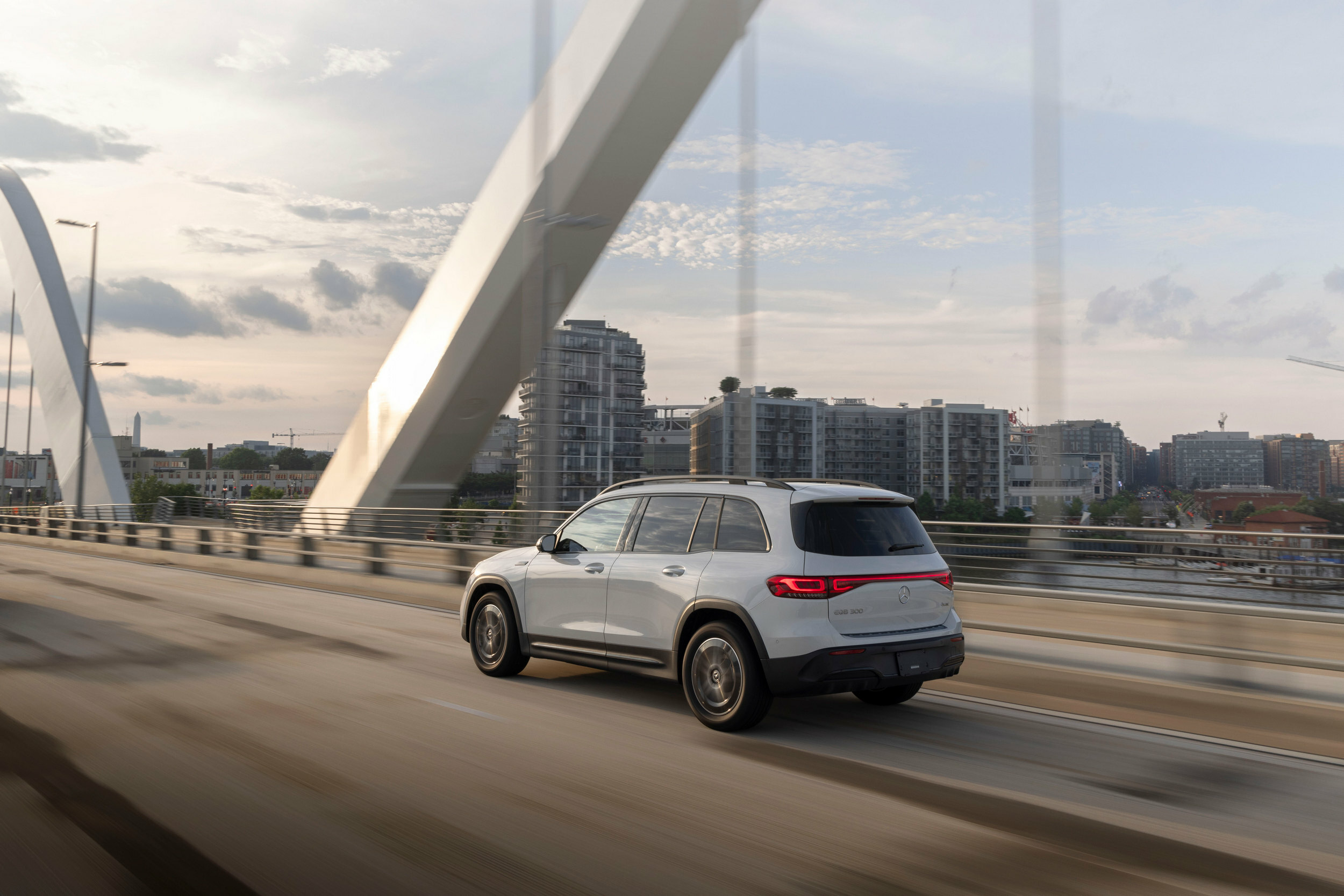
Mercedes Thought The Software Fixed Everything Until Two More EVs Burned

  • Mercedes is issuing a third fire-related recall for the EQB.
  • A previous software fix didn’t work and fires continued.
  • The automaker will replace batteries in thousands of EVs.

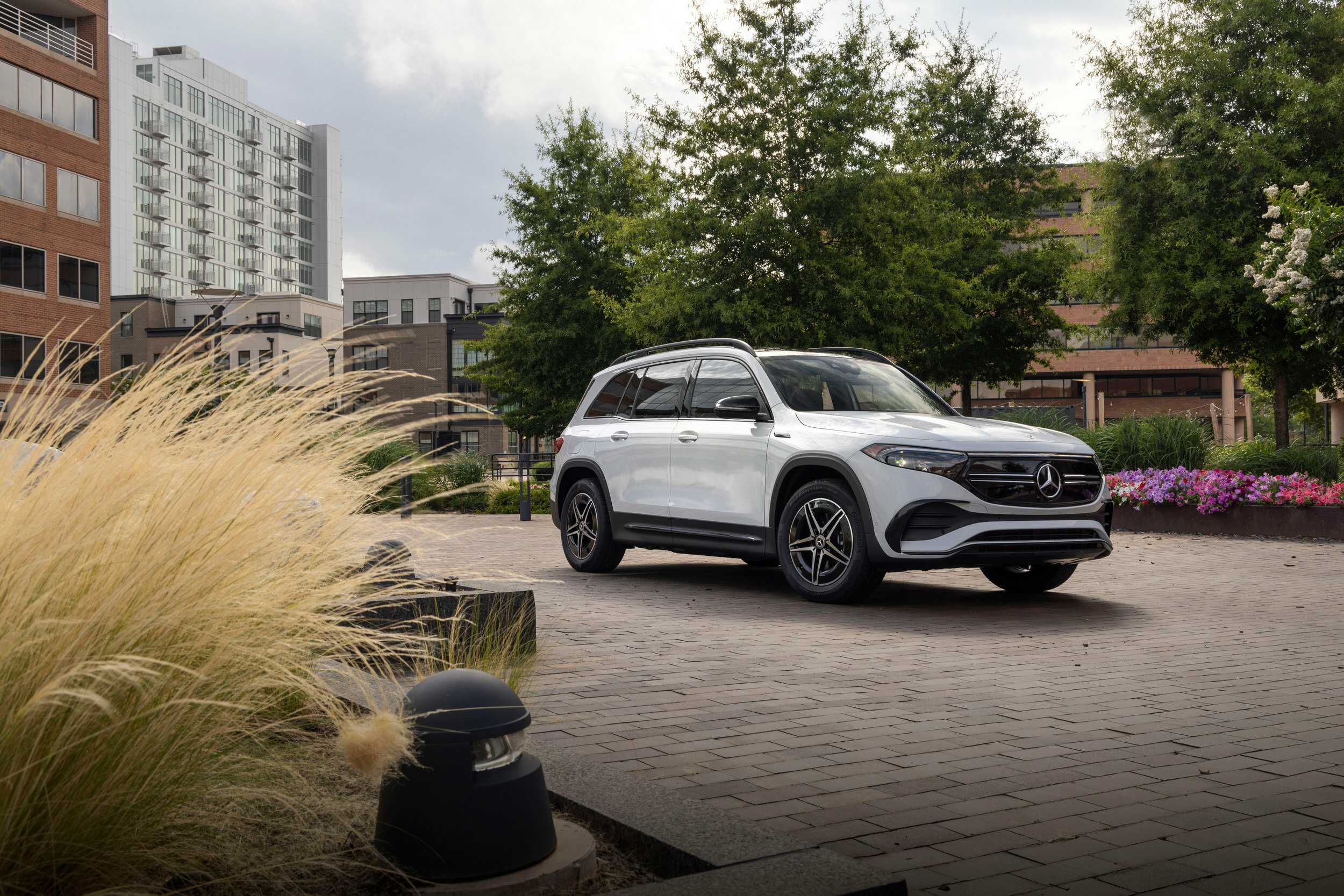
Another day, another fire-related recall involving an electric vehicle. This has become a common occurrence, but the déjà vu goes much deeper as Mercedes is recalling the EQB for a third time.

The latest campaign is known as 26V073 and it replaces two recalls from last year that involved 7,531 vehicles. Unfortunately for owners, crossovers that were previously ‘repaired’ under those recalls will need to get the new fix.

More: Mercedes EQB Recalled Over Fire Risk

According to the government, 11,895 EQBs from the 2022-2024 model years have a battery that may fail internally. If this happens, the vehicle could catch on fire while parked or being driven.

Software Fix Under Question

 Mercedes Thought The Software Fixed Everything Until Two More EVs Burned

While there’s a lot of back story, the initial recalls were sparked by a series of thermal events. The company tried to address the problem with a software update, but two crossovers that received the upgrade caught on fire late last year.

This kicked off an investigation, which eventually determined the effectiveness of the software update to reduce fire risks could not be “fully confirmed.” As a result, Mercedes decided to conduct a new recall that will see thousands of batteries replaced.

The batteries were supplied by China’s Farasis Energy and the National Highway Traffic Safety Administration said they could experience an internal short circuit of a battery cell. This is being blamed on deviations in the production process, which resulted in batteries that are “considered to be less robust against different stress factors potentially occurring during the life of the vehicle.”

What Should Owners Do Now?

 Mercedes Thought The Software Fixed Everything Until Two More EVs Burned

Since a high state-of-charge appears to be a factor, owners are being advised to limit battery charging to a maximum of 80 percent. They should also park outside and away from structures until the battery is replaced. Unfortunately, that’s easier said than done as a final remedy isn’t available at this point.

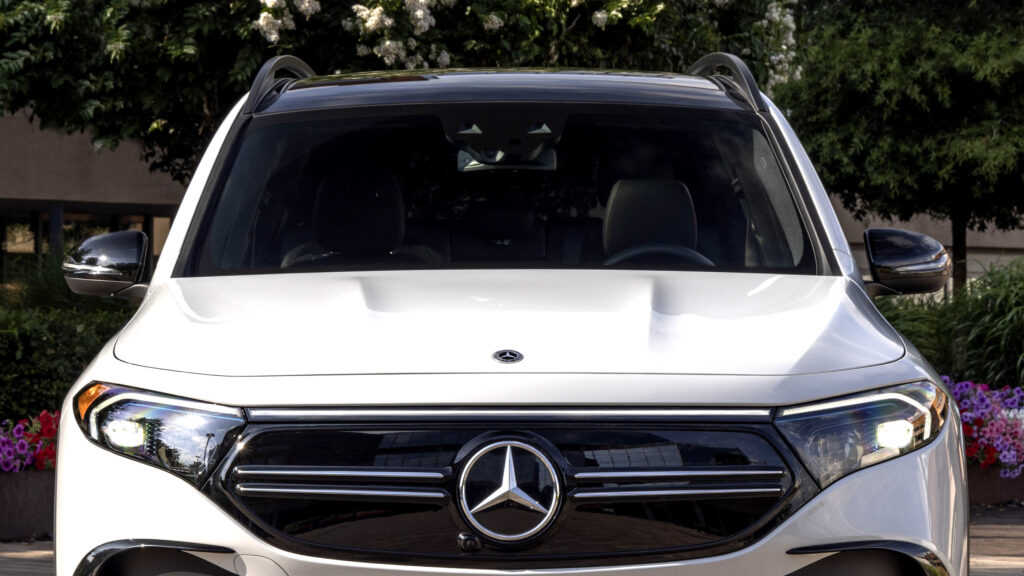
That’s bad news for owners, but notification letters will go out later this month. When replacement batteries are available, a second letter will be sent out. This impacts the 2022-2024 EQB 300 4MATIC, 2022-2024 EQB 350 4MATIC, and the 2023-2024 EQB 250+.

 Mercedes Thought The Software Fixed Everything Until Two More EVs Burned

Jeep’s Smallest SUV Is Getting A Facelift, And It’s Not Just For Europe This Time

  • Camouflaged Jeep Avenger prototype spotted in winter testing.
  • The subcompact is due for a facelift in 2027, four years after launch.
  • Production of the SUV expands to Brazil with a localized version

The Jeep Avenger might still seem fresh to many drivers, but Stellantis isn’t waiting around. Just a few years after its 2023 debut, the small SUV is already heading for a mid-cycle refresh. The updated model is expected to arrive in early 2027, and now, we’re getting our first look.

Caught during cold-weather testing in Europe, a camouflaged prototype hints at what Jeep may be changing on its smallest offering.

Review: Jeep Avenger EV Is A Fun Little Gem That’s Too Small For US

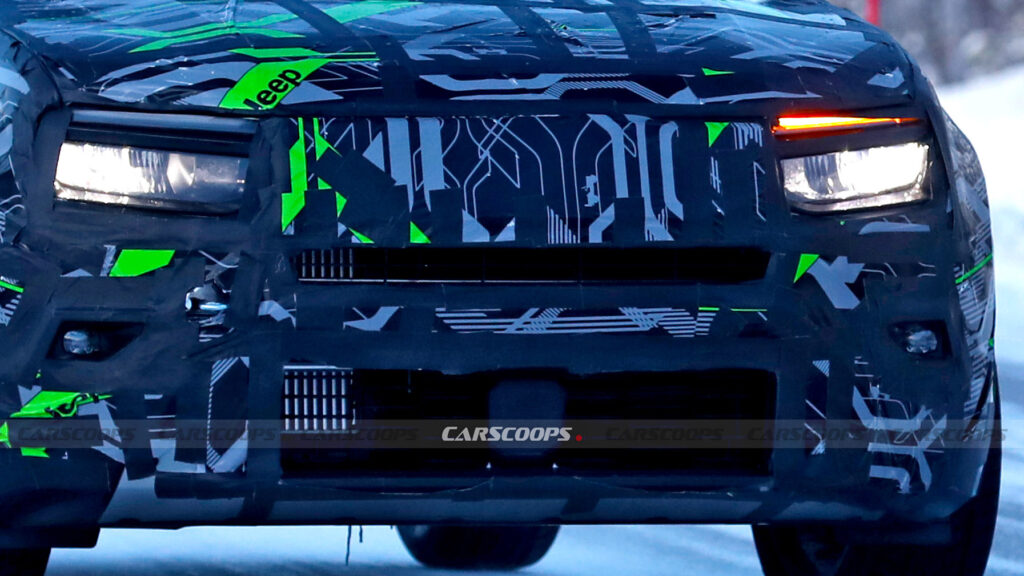
The development vehicle wears a full wrap with Jeep-branded graphics, doing its best to hide the details. But through a few narrow openings, the split LED headlights and cooling intakes seem to be in exactly the same spots as before. One noticeable adjustment, though: the fog lights have shifted slightly lower in the front bumper.

\\\\\\\\\\\\\\\\\\

Baldauf

The sculpted profile of the Avenger will most likely be carried over from the current version. Still, the plastic cladding might get a mild revision, and we’re expecting some new alloy wheel designs and exterior colors to freshen things up.

Review: Jeep Avenger Proves ICE And Manual Combo Can Still Be Compelling

At the back, the prototype doesn’t seem to wear any redesigned panels, although this could change as we move closer to the launch date. The single tailpipe suggests that the turbo 1.2-liter three-cylinder gasoline engine lies under the hood, either in non-electrified or mild-hybrid forms.

What To Expect Inside

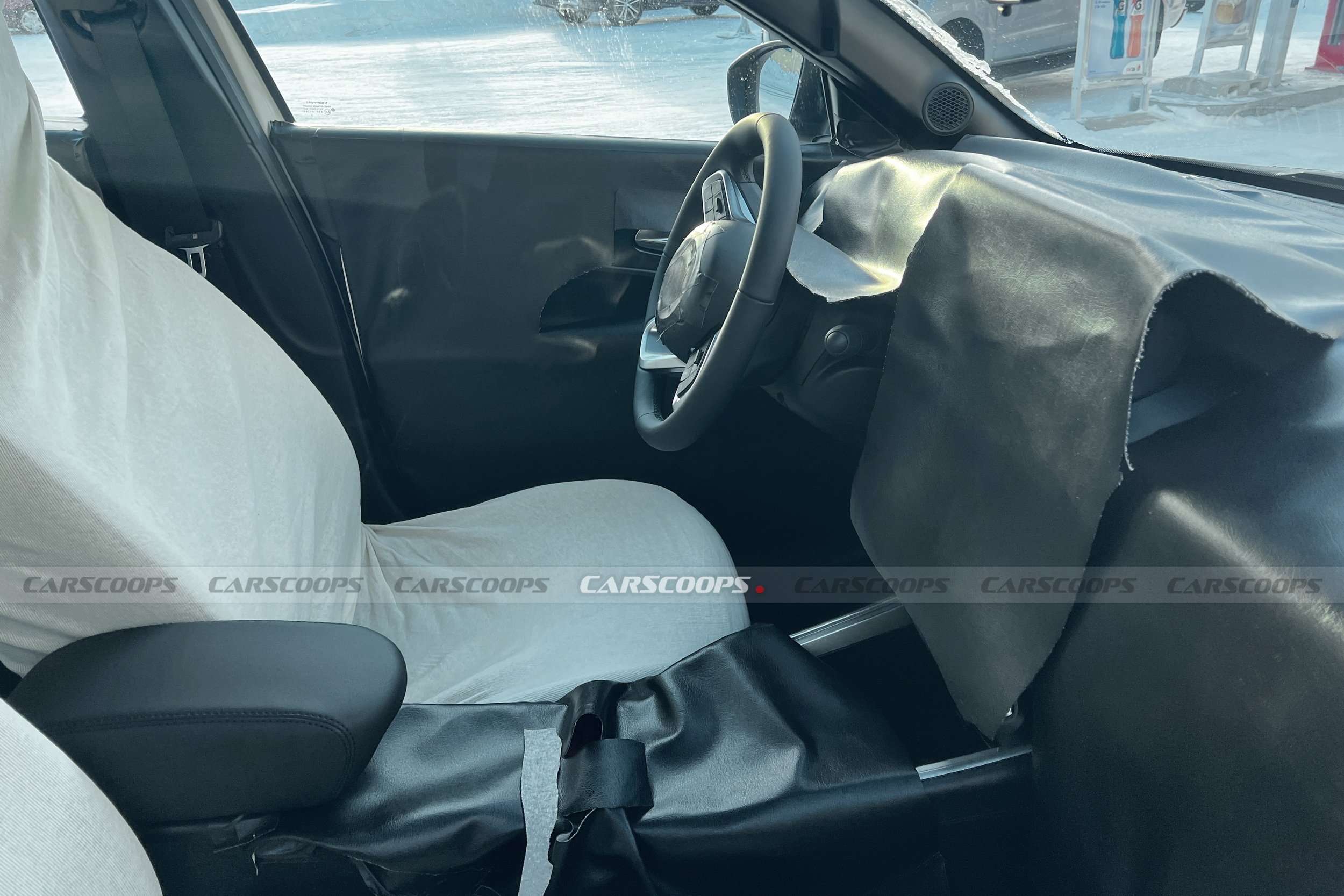
Our spy photographers managed to get a glimpse inside the cabin, though Stellantis engineers didn’t make it easy. Everything from the dashboard to the door panels and seats was concealed beneath vinyl. The SUV still appears to feature the free-standing infotainment display, positioned separately from the digital instrument cluster. Even so, the effort to hide it all suggests that changes are coming.

 Jeep’s Smallest SUV Is Getting A Facelift, And It’s Not Just For Europe This Time

It remains to be seen whether Jeep will add softer materials instead of the hard plastics of the current model, at least on the main touchpoints. We also expect that equipment will be updated with the latest connectivity and safety tech from the Stellantis parts bin.

As for the mechanical side, it’s too early for specifics, but there’s no sign of a major overhaul. The current Avenger offers internal combustion, mild-hybrid, and fully electric options, and that lineup will likely continue. An all-wheel-drive variant is already available through the mild-hybrid 4xe trim, and that setup should carry over.

More: Jeep’s Smallest SUV Will Be Built In South America With A Local Twist

The Avenger rides on Stellantis’s updated CMP/eCMP platform, shared with several other models including the Alfa Romeo Junior and Fiat 600. It also underpins the Lancia Ypsilon, Opel Corsa and Mokka, Peugeot 208 and 2008, and DS3. That shared DNA means many of the same components and configurations are likely to remain in play for the refresh.

\\\\\\\\\\\\\\\

Baldauf

We’ll keep watching the test fleet as Jeep continues development. With any luck, the next round of spy shots will reveal more by shedding some of the camouflage.

Outside of Europe, the smallest Jeep is getting ready for a wider rollout. Production will soon begin in Brazil, where the Avenger will be offered with region-specific updates. In fact, this camouflaged prototype might not just preview a facelift for Europe, it could also be part of the testing program for a localized South American version with its own powertrain changes.

 Jeep’s Smallest SUV Is Getting A Facelift, And It’s Not Just For Europe This Time
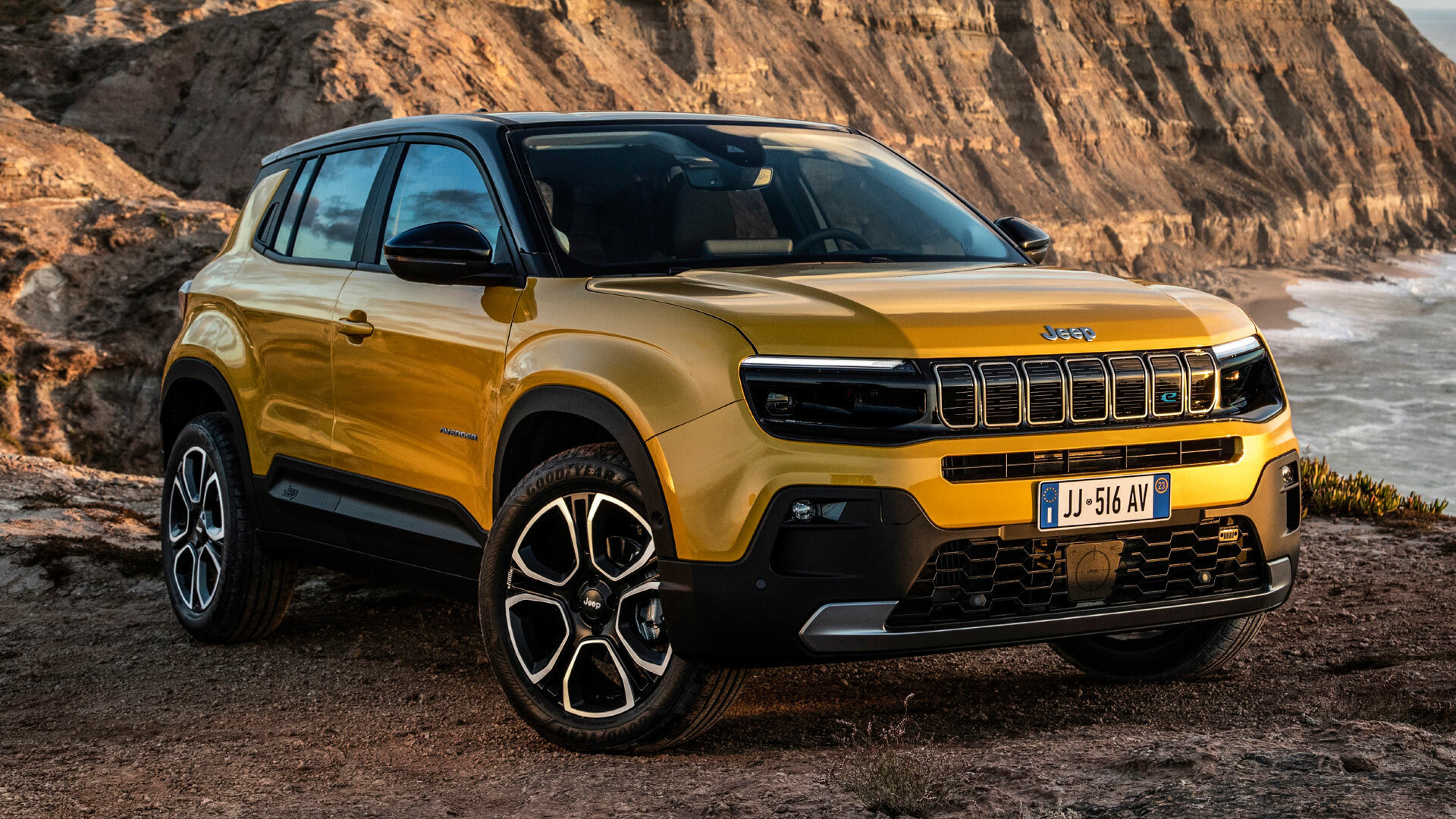
The fully electric version of the Jeep Avenger.

There’s Still Hope For Volvo Wagons After All

  • Volvo’s SPA3 platform debuts with the new EX60 electric SUV.
  • Battery cells can now be mounted outside the wheelbase zone.
  • Platform lets Volvo build sleeker EVs without crossover height.

Like so many other car manufacturers, Volvo’s line-up is becoming increasingly dominated by crossovers and high-riding SUVs, but there’s hope for those who like sedans and estates. According to the Swedish carmaker, the new SPA3 platform for the EX60 offers the flexibility to support low-slung vehicles.

The new underpinnings, which debut in the EX60, have been created in such a way that battery capacity doesn’t determine the height of the vehicle. This is an important distinguishing point between it and the EX90 and ES90’s SPA2 platform, which is an adapted version of the combustion platform.

Read: Volvo Just Gave Its Three-Row EV A Huge Upgrade

In an interview with Autocar, Volvo’s chief technology officer Anders Bell explained that SPA3 enables future EVs to stay closer in width and height to their combustion counterparts. Without having to stretch dimensions just to fit large battery packs, the platform avoids compromising interior space.

 There’s Still Hope For Volvo Wagons After All

Bell added that over 7 kWh of battery capacity can be shifted ahead of the front wheels, opening up more possibilities for weight distribution and design flexibility.

That flexibility comes from a clean-sheet rethink of the platform’s fundamentals. “We can make [cars] high. We can make them low,” said Bell. “It’s all in scalability, and this is unlocked by removing the combustion engine, the exhaust, fuel tanks and everything from the equation, and finding new ways to build up the bone structure and the scalability of the platform.”

Whereas adapted combustion platforms force battery packs to sit entirely between the axles, SPA3 gives designers more room to work with. Cells can now be placed ahead of the scuttle, using more of the floorpan without compromising crash safety or vehicle dynamics.

New Designs Are Now Possible

 There’s Still Hope For Volvo Wagons After All
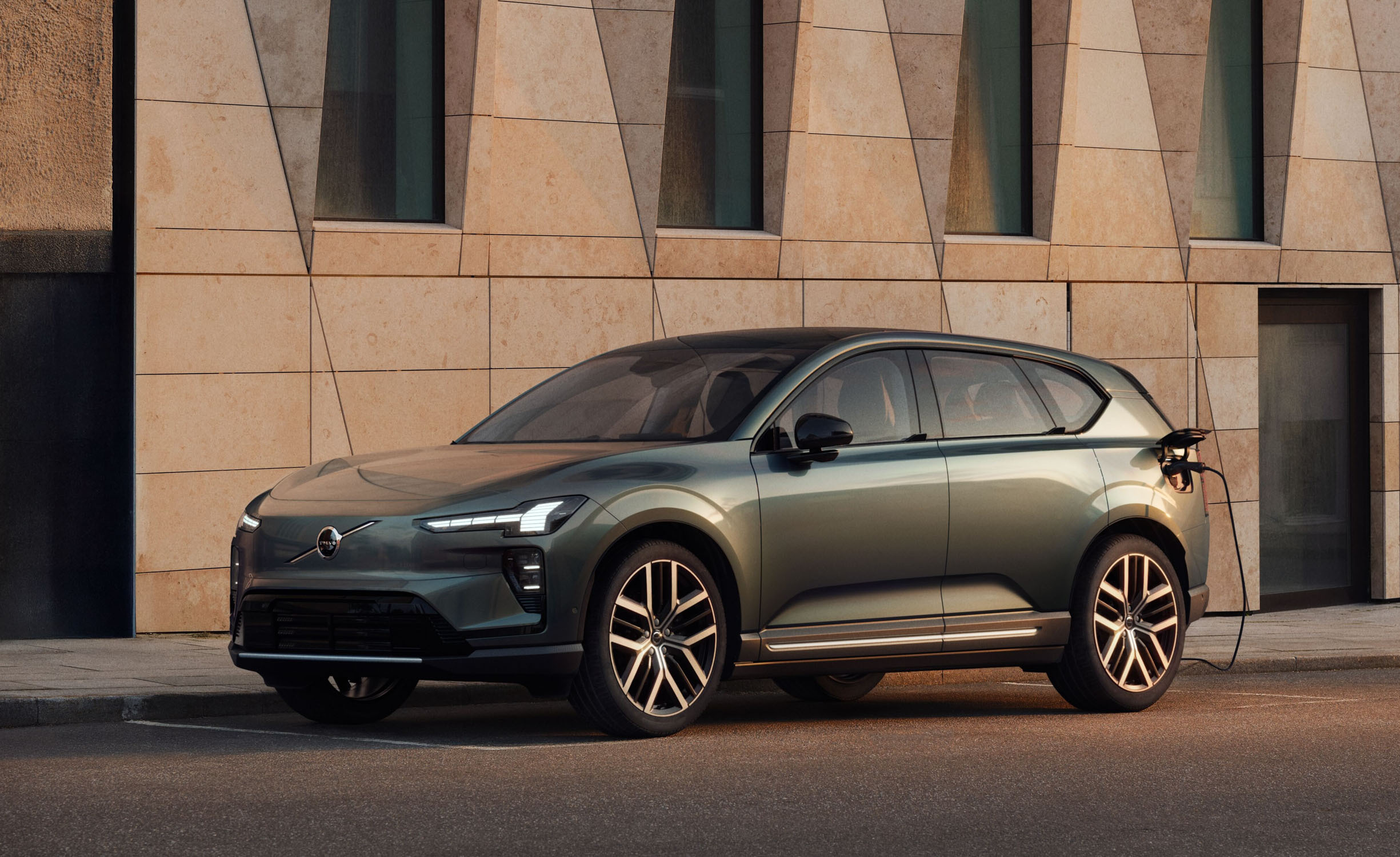
Volvo EX60

This means that “in a lower car, you can depopulate cells in the rear footwell, because this is actually what sets the lowest height of a car: the rear-seat passenger.” He noted that many current EVs based on ICE platforms look like baby SUVs because the cars must be raised to accommodate a flat battery pack between the wheels.

By pushing modules ahead of the windscreen, Volvo also creates space for what Bell calls “foot garages.” Similar to those found in the Porsche Taycan and Audi E-tron GT, these recessed floor sections allow for lower seating positions. The result is an EV interior that feels more like a traditional car, with lower rooflines and more natural driving ergonomics.

According to Bell, the new architecture gives Volvo the option to build just about anything it wants. “We can do low. We can do sleek. We can do high. We can do MPVs… It’s all in the cookbook. What we choose to do, however, is a different story.”

A New S60, or V60?

 There’s Still Hope For Volvo Wagons After All
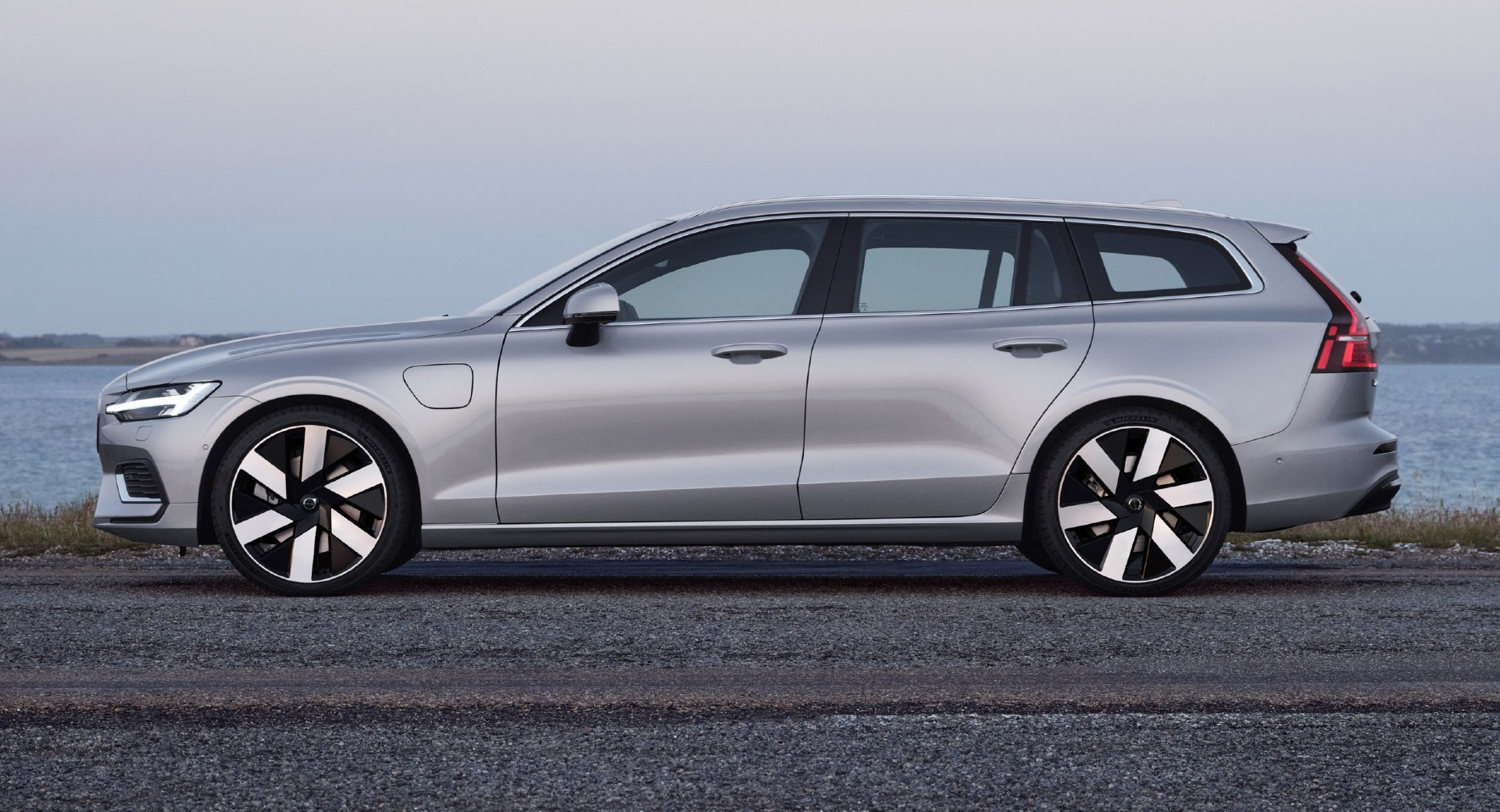
Volvo V60

While Volvo wouldn’t reveal what kind of low-slung cars it might have in the works, Bell reiterated it can now go “very low, like proper low,” adding “you can achieve this fantastic bandwidth so we can make super-sleek cars, like there’s no battery pack that affects the height of the roof.”

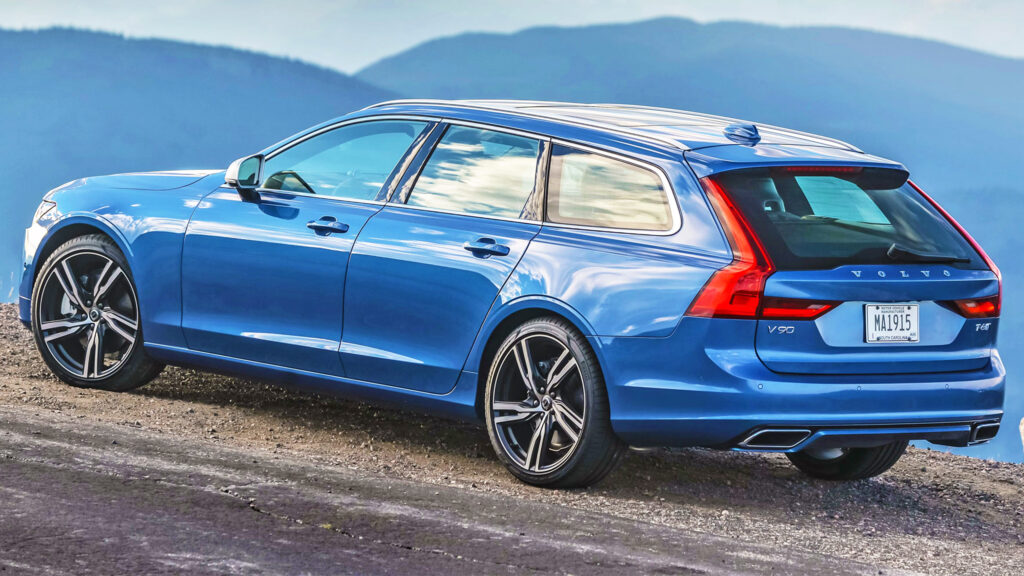
In theory, this could mean electric versions of sedans like the S60 or S90 could be possible, as well as estates like a new V60 and V90. Such models could look a whole lot more appealing than the ES90, which is Volvo’s current closest car to an electric sedan, but actually sits as high as a crossover because of the ICE-derived underpinnings.

 There’s Still Hope For Volvo Wagons After All
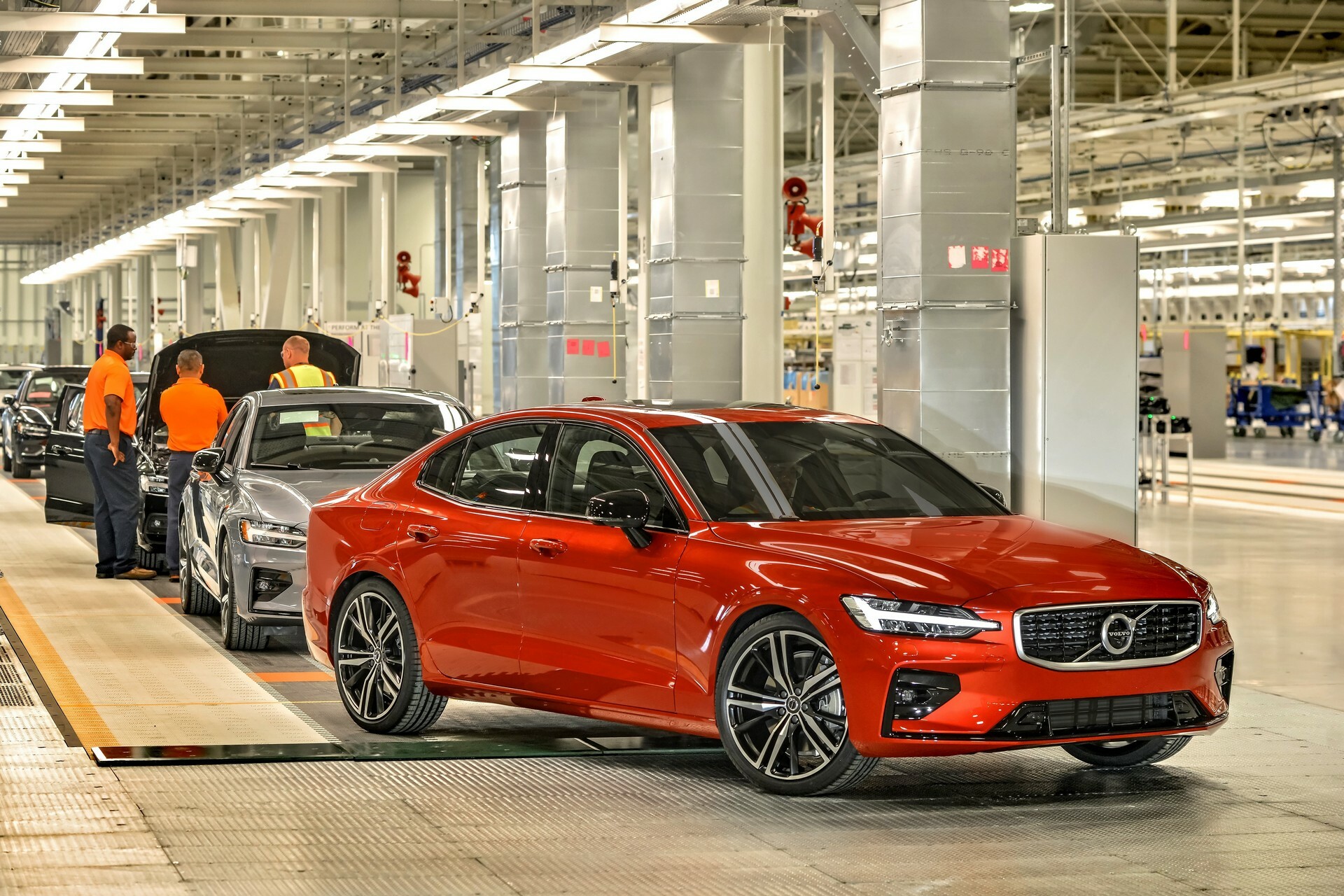
Volvo S60

Ford Admits Its EV Division Will Keep Burning Billions For Years

  • Ford’s Model e division lost $4.48 billion again last year.
  • Total EV losses now exceed $16 billion in just four years.
  • Breakeven for Model e may not arrive until 2029.

Ford has never been shy about making big, attention-grabbing bets. Sometimes they pay off, sometimes they don’t. In early 2022, the company announced it was splitting its automaking operations into two distinct branches: Ford Blue, handling traditional combustion vehicles, and Ford Model e, dedicated to EVs. At the time, it sounded like a smart move, especially with EV demand climbing fast.

That optimism, however, hasn’t quite paid off. Fast forward four years, and Ford’s huge investments in EVs have come back to bite it. In its latest financial results, the automaker disclosed that the Model e division posted a staggering $4.48 billion loss in 2025. Worse, those losses are expected to continue mounting, even after canceling several planned EV projects.

Read: Ford Got The Loan And Built The EV Battery Plant. Now Everything’s Falling Apart

Earlier this week, Ford revealed its electric car business will likely lose between $4 billion and $4.5 billion this year, and will continue to lose money through at least 2027 and 2028.

Speaking on a conference call following the earnings report, Ford CFO Sherry House stated the company is not aiming for a breakeven point for the Model e brand until “around 2029.”

Tallying The Fallout

 Ford Admits Its EV Division Will Keep Burning Billions For Years

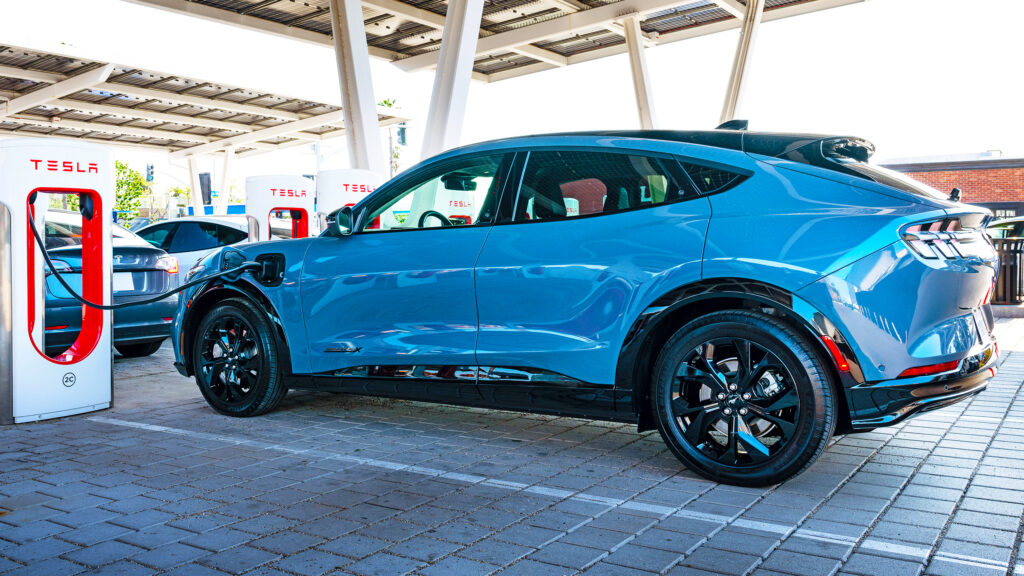
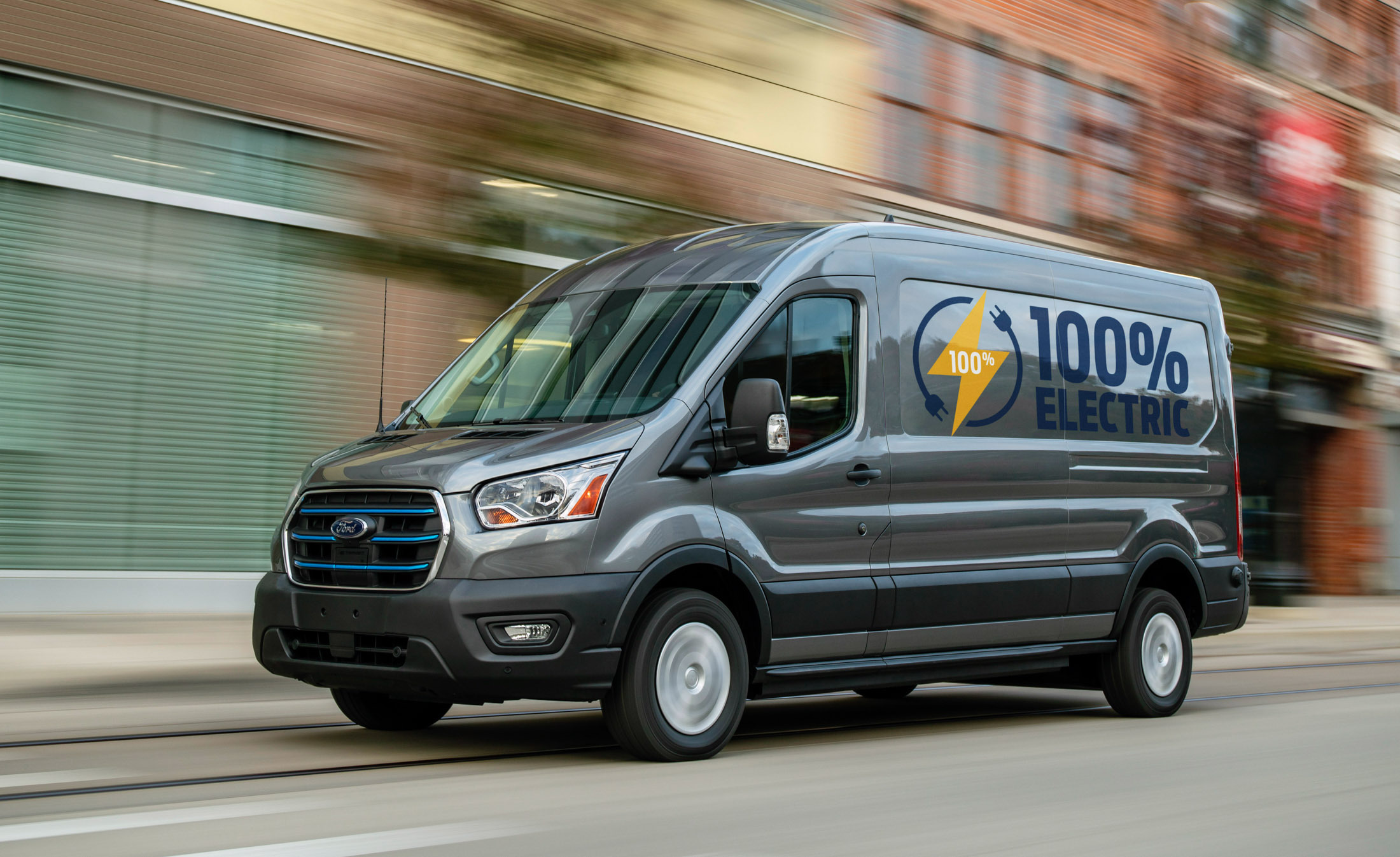
In the four years since the Model e division was established, Ford lost more than $16 billion. That’s an extraordinary amount of money, particularly when you consider that the only electric cars it currently sells in its home market are the Mustang Mach-E and E-Transit, following the early demise of the F-150 Lightning.

Combustion Still Carries The Load

According to The New York Times, Ford’s losses in electric vehicles were offset last year by stronger performance from its combustion-powered lineup and commercial vehicle sales. Those segments generated enough revenue to support an adjusted earnings total of $6.8 billion before interest and taxes. Ford expects those numbers to climb in 2026, projecting earnings between $8 billion and $10 billion.

Read: Farley Just Realized $55K EV Trucks Don’t Sell, After Ford Made Sure That’s All It Sold

One of the earliest signs of Ford backtracking on EVs came last year when it confirmed production of the F-150 Lightning had been halted indefinitely.

Still, there’s a sliver of hope for those holding out for an electrified truck. The next-generation F-150 Lightning is in the works and will feature a range-extending powertrain that combines electric drive with a combustion engine backup, offering over 700 miles of combined range.

 Ford Admits Its EV Division Will Keep Burning Billions For Years

❌