Normal view

There are new articles available, click to refresh the page.
Today — 17 April 2026Vehicles

Matthews Bus Company’s West Jefferson Maintenance Team Praised for Outstanding Dedication to Safety

By: STN
16 April 2026 at 19:02

JEFFERSON HILLS, Pa. – Matthews Bus Company’s West Jefferson maintenance team has received a letter of commendation from the Pennsylvania State Police for their extraordinary commitment to safety and fleet maintenance. This is the second time the team has received praise for their fleet inspections in the last few years – proving their unwavering, continuous dedication to ensuring their buses are maintained to the highest standards.

The letter of commendation, written by Corporal Jacob Y. Roberts, Patrol Supervisor and US DOT Inspector for the Pennsylvania State Police, praised Maintenance Supervisor Sam Borrelli and his team, stating the following:

“Sam and his team are far and away among the absolute best to work with. The buses are always extremely well maintained, clean, and never have any issues that would result in a violation on a DOT Inspection. There is never a concern when coming to the garage that things will be out of place or that the process will be difficult. In addition to the buses, the garage itself is always well kept and maintained, and it is always a pleasurable experience to visit.”

Left to Right: Sam Borrelli, Maintenance Supervisor and ASE Certified School Bus Technician, Robert “B.G.” G., ASE Certified Master School Bus Technician, and Robert W., ASE Certified School Bus Technician.

Corporal Roberts also lauded Sam, sharing, “I have known Sam for many years at this point, and I personally believe that he does an excellent job. He reflects extremely well upon the company, and more importantly, has a genuine care and concern for the children and drivers that are in the school buses every day. He should be commended for such consistent and excellent work.

John Hinners, who is Sam’s manager and also the Regional Maintenance Manager for the Company’s Great Lakes area, shared his sentiments regarding Sam and his team’s incredible achievement and efforts, stating, “This letter is a phenomenal testament to the dedication Sam’s team provides to fleet maintenance at West Jefferson. Determination and commitment builds integrity and character. It is clear we have made an impact with our consistent and steady approach to quality maintenance. I am beyond proud of the team and their achievement. Congrats and keep up the amazing work.”

Matthews Bus Company has served the Jefferson Hills community for over 60 years and currently provides transportation for the West Jefferson Hills School District. In addition to providing transportation services, the company is proud to support the community as part of its Partners Beyond the Bus community outreach program. Examples include donating 20,000 lbs. of food to a local food pantry for the holidays, holding a Stuff a Bus event, donating a bus to the West Jefferson Hills School District for mobile mental health services, donating backpacks to local students, and more.

About Matthews Bus Company
Matthews Bus Company has been providing safe and reliable student transportation across Pennsylvania since 1961. Its mission is to transport students to school safely, on time and ready to learn® and is a sister brand to Petermann Bus, Durham School Services, Stock Transportation, and more. Through this mission and a grassroots approach to our operations, Matthews Bus Company and its sister brands have earned recognition as a trusted transportation provider among our Customers and the Communities they serve.

The post Matthews Bus Company’s West Jefferson Maintenance Team Praised for Outstanding Dedication to Safety appeared first on School Transportation News.
HopSkipDrive Launches “Flexible Invoice Groups” to Simplify Complex School District Billing

By: STN
16 April 2026 at 18:40

LOS ANGELES, Calif. — HopSkipDrive, the leader in safe, fast, and simple supplemental student transportation, today announced the introduction of Flexible Invoice Groups. This new self-service tool, available directly within the ride management software RideIQ, allowing transportation directors to automate and customize how they group rides—aligning them instantly with specific school budgets, grant funding, or departmental structures.

In school transportation,”simple” billing is often a myth. Managing these operations is about more than just a ride; it’s about navigating a complex web of budgets, grants, and departmental funding. For large districts, the reality of McKinney-Vento funds, General Ed budgets, and changing Foster Youth placements often means transportation directors end up buried in manual spreadsheets and custom workarounds.

Flexible Invoice Groups is designed to simplify these complex needs by putting control back in the hands of districts and eliminating the need for manual workarounds. Every month, the system automatically generates:

● Custom Budget Alignment: Invoices are automatically pre-sorted into your district’s
specific “buckets”—such as McKinney-Vento or General Ed. Because riders are mapped to these groups on the backend, your billing arrives already aligned with your funding and departmental structures.
● Total Transparency: Every invoice automatically generates a consistent Excel backup with trip-level details. Because we maintain a direct relationship with every CareDriver, you get a verified audit trail showing exactly how each student’s ride is billed.
● Clear Reporting: Access clean, standardized PDFs that are pulled directly from our ride records. Our direct relationship with drivers on our platform means reports are generated directly from our data, not from a middleman’s spreadsheet. These PDF reports provide the easy-to-understand documentation that procurement teams often need to share with other departments and district leadership.

From a Manual Marathon to Total Accuracy
Aligning invoices with internal cost centers used to be a manual marathon, especially for
districts juggling multiple funding sources. We’ve transformed that”spreadsheet scramble” into a centralized, automated system, slashing the time spent on reconciliation and freeing your team to focus on what matters most: getting students to school safely and reliably. Unlike unregulated brokers who can subcontract to unknown third-party fleets—leading to “middleman markups” and fragmented data—HopSkipDrive maintains a direct relationship with every CareDriver. This oversight provides the verified audit trail and transparent reporting necessary to protect your district’s budget and liability, without the hidden costs.

Precision at Scale
The strength of Flexible Invoice Groups lies in providing the granular data needed to track every dollar. By enabling admins to create custom groupings and providing a standardized Excel backup for every billing cycle, this feature ensures that your financial reporting stays seamless and manageable, no matter how many rides you’re coordinating.

At HopSkipDrive, we are committed to being a trusted partner in your district’s financial health. While Flexible Invoice Groups automates the technical side of billing, it is just one part of our support ecosystem. From Shared Billing that automatically splits costs between districts, to RideIQ reports that provide the documentation needed for Medicaid reimbursements, we are giving administrators back their most valuable resource: time. As districts continue to scale their operations, these tools ensure that your billing remains as agile and transparent as you need.

About HopSkipDrive
HopSkipDrive is the leader in safe, fast, and simple supplemental student transportation. Modernizing the $30 billion school transportation industry through its care-centered transportation marketplace which supplements school buses by connecting kids to highly-vetted caregivers on wheels, such as grandparents, babysitters, and nurses in local communities. HopSkipDrive also offers its industry-leading transportation intelligence platform, RouteWise AI, to address critical challenges, including budget cuts, bus driver shortages, and reaching climate goals. With this technology, HopSkipDrive has supported over 14,500 schools and over 2,000 school districts, government agencies, and nonprofit partners. Since its founding in 2014 by three working mothers, HopSkipDrive has surpassed more than 100 million safe miles driven. This record includes nearly 3 million foster and McKinney-Vento rides and 1.7 million Individualized Education Program (IEP) rides, alongside millions of additional trips for General Education, Career and Technical Education (CTE) programs, and extracurricular activities.

The post HopSkipDrive Launches “Flexible Invoice Groups” to Simplify Complex School District Billing appeared first on School Transportation News.
Mercedes’ EV Push In America Has Nothing To Do With What American Buyers Want

  • Mercedes will continue offering EVs across US for the foreseeable future.
  • The company expects pockets of demand despite lost federal tax incentives.
  • US supply remains tight as Europe and China continue to absorb inventory.

Mercedes-Benz is not stepping back from electric vehicles, despite competitors scaling back amid slower adoption rates. The news comes as US demand for EVs cools following the rollback of federal tax credits.

Instead, during the next three years, Mercedes will introduce a number of new electric models to the United States, including three AMG performance EVs and battery-powered versions of popular models such as the GLC crossover, E-Class and the C-Class sedan that was previewed today.

The Global Need To Go Electric

The update to Mercedes’ plans came from Adam Chamberlain, the CEO of Mercedes-Benz USA, speaking to AutoNews, who explained the company’s position. Mercedes is sticking to its EV plans due to the requirement from global markets, said Chamberlain. Strict international regulations, especially in China and Europe, mean that for a brand selling worldwide, it is impossible to turn its back on EVs.

Also: Mercedes Heard ‘Too Many Screens’ And Built A New C-Class EV That’s One Giant Screen

However, unlike other manufacturers, they won’t be pushing electrification on consumers, hoping they’ll switch. Instead, Mercedes has moved to flexible vehicle platforms. Rather than their initial approach of offering a separate line of EVs, Merc’s current plan is to design cars compatible with gasoline engines, hybrids, or full battery-electric power.

American Demand For EVs Remains

 Mercedes’ EV Push In America Has Nothing To Do With What American Buyers Want
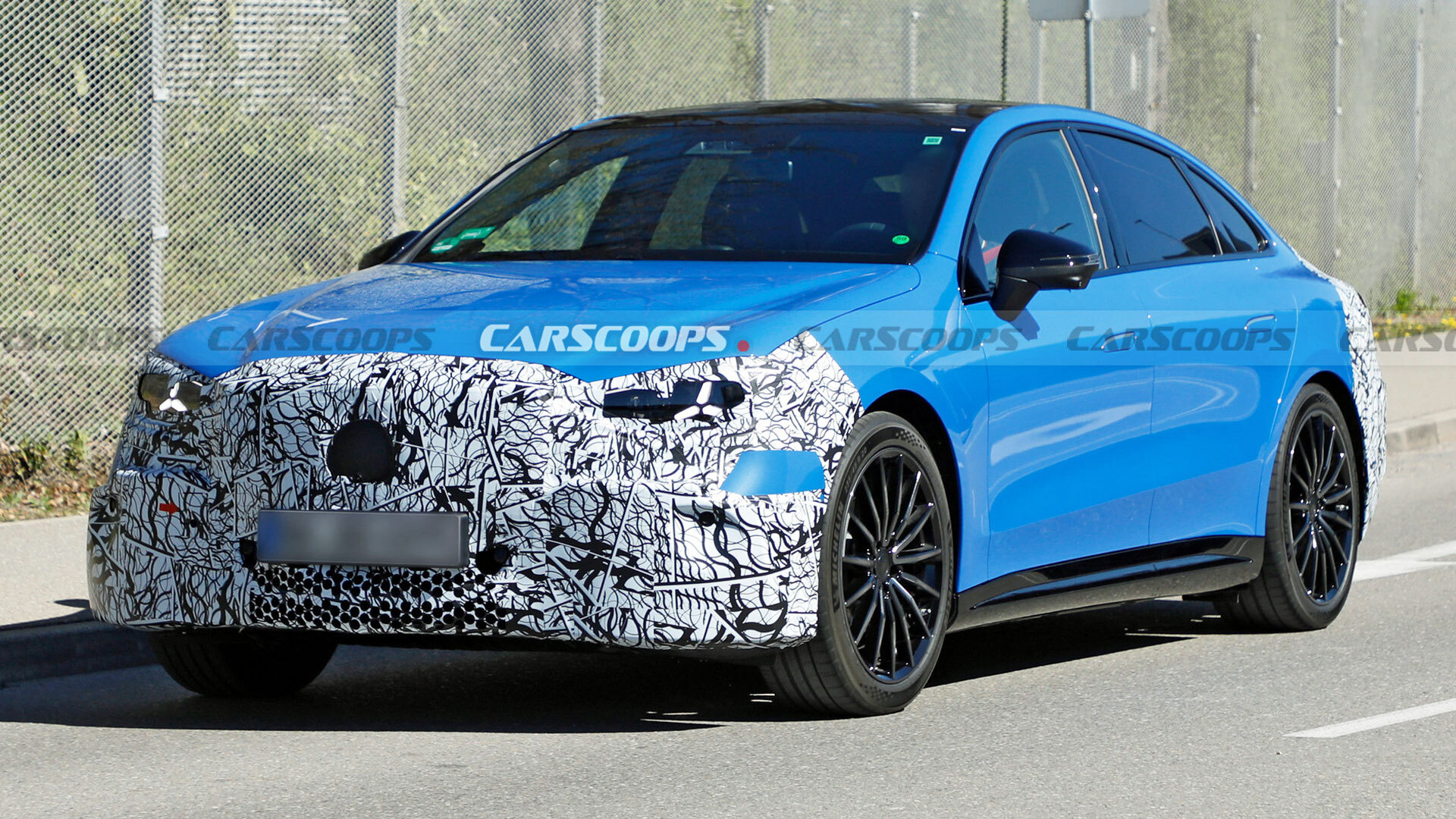
The upcoming Mercedes-Benz C-Class with EQ Tech.

Mercedes predicts pockets of demand among US consumers for EVs in the foreseeable future, despite the loss of federal incentives. While the company predicts EVs to constitute approximately 5 percent of its retail sales in the U.S. this year, that’s partly down to limited production and strong demand from Europe and China.

On the national scale, approximately 14 percent of consumers indicate that they would give serious consideration to an EV next time. In California, it grows to 28 percent. So, there is demand, but it is unevenly distributed. In fact, according to the report, Mercedes US have only been able to allocate around 200 electric CLA’s for customers, all units of which have been spoken for.

Read: Mercedes’ Future EVs May Be More Chinese Than You Think

Chamberlain thinks the U.S. EV sales would rise to 10 to 15 percent in the year 2021, with the supply increasing and more mainstream electric models coming into the market, such as battery versions of the GLC and C-Class. Nevertheless, profitability is still its focus. He made sure it was evident that Mercedes is not going to produce tens of thousands of vehicles without confirmed demand in its bid to achieve market share.

 Mercedes’ EV Push In America Has Nothing To Do With What American Buyers Want

Ford’s Biggest Product Push In Years Will See 80% Of Its American Lineup Refreshed By 2029

  • Ford plans to refresh most of its global vehicle lineup by 2029.
  • A new internal group will unify design, EV, and software teams.
  • UEV platform focuses on weight reduction and system simplicity.

Ford is preparing one of its most aggressive product overhauls in years, and it is reorganizing itself to get there. The company plans to refresh 70 percent of its global portfolio by 2029 and, to support that effort, has created a new end-to-end internal organization that integrates its EV, digital, and design teams with its global industrial system.

According to Ford, this structure will “deliver one of the most intensive product, software, and services rollouts in Ford’s history.”

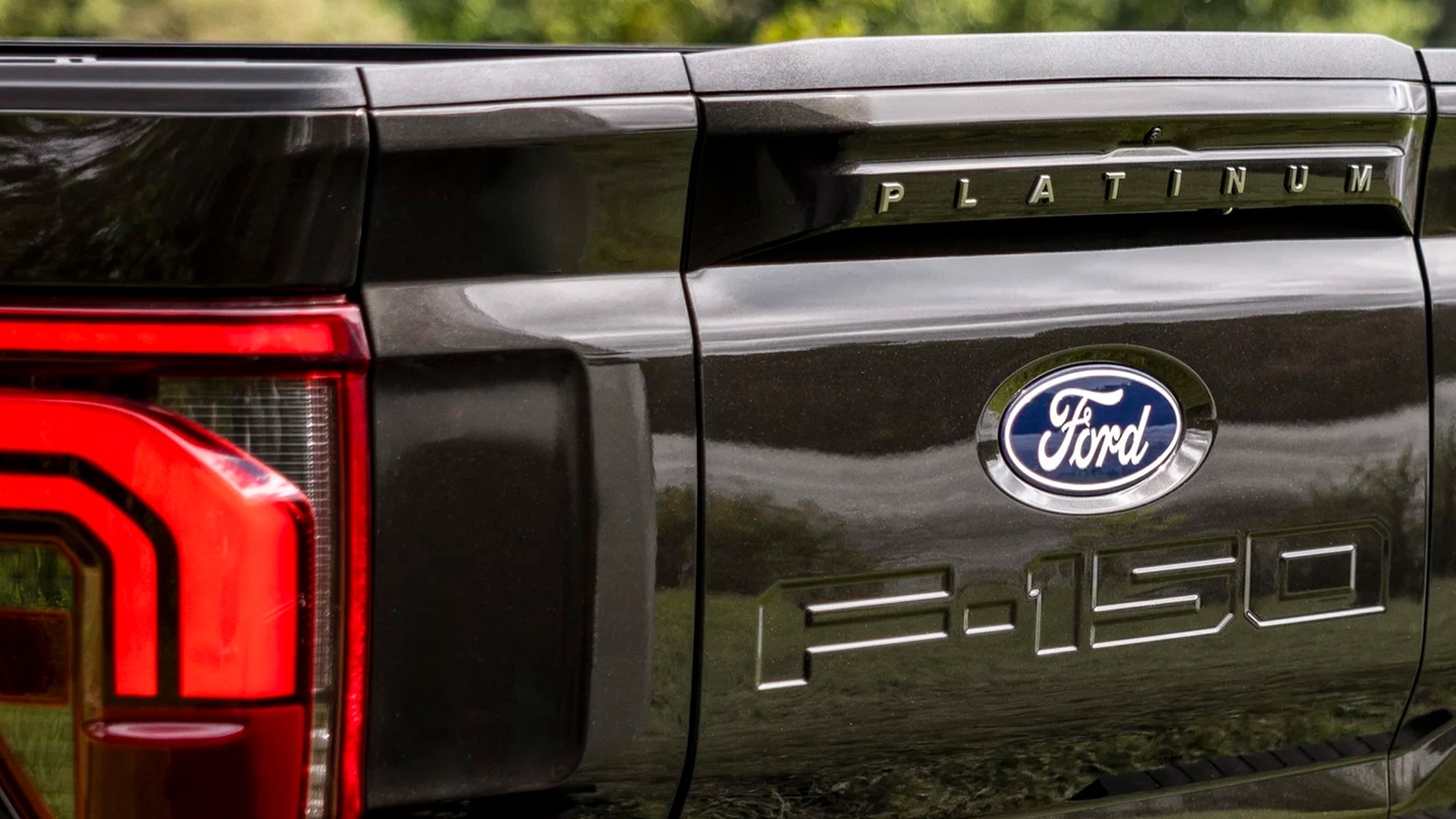
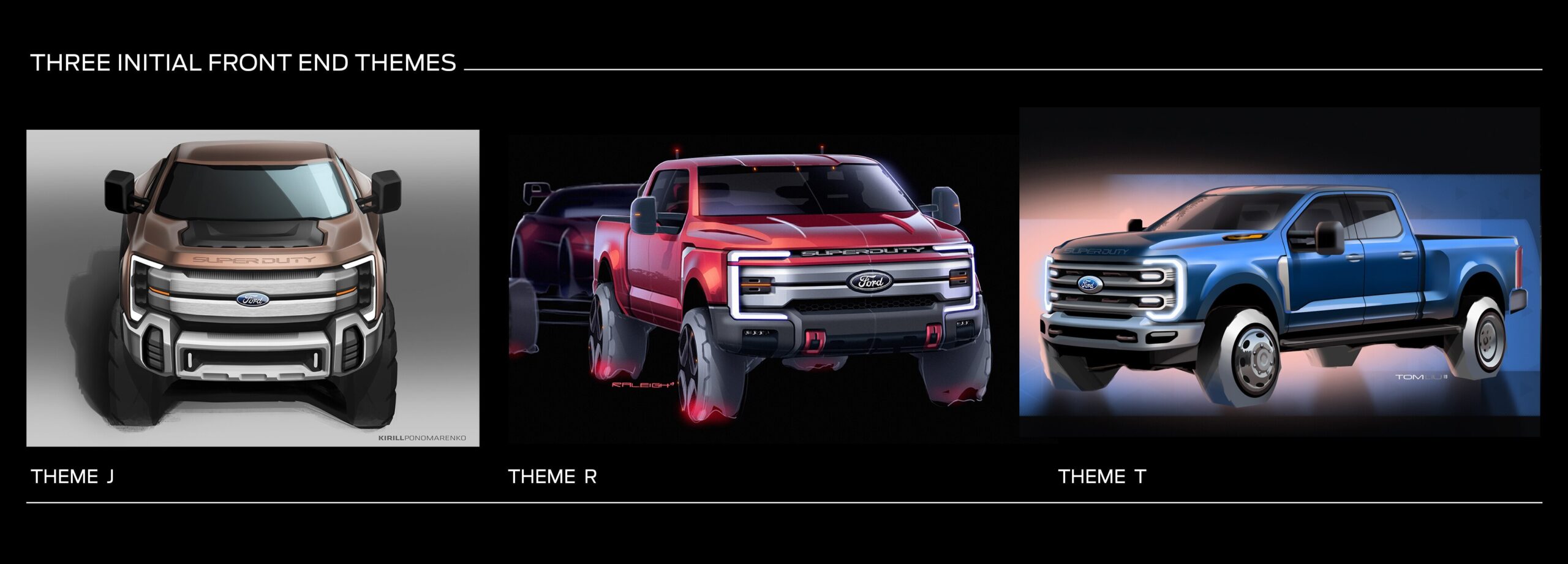
The new group, called Product Creation and Industrialization, will be led by Kumar Galhotra. Beyond the global target, Ford says 80 percent of its North American portfolio by volume will also be refreshed by 2029. That includes a next-generation F-150 and F-Series Super Duty, alongside a new mid-size pickup built on Ford’s Universal Electric Vehicle (UEV) platform.

Read: Jim Farley Promises A New Affordable Ford EV To Take On Tesla’s Model 3 And Y

Developed by a skunkworks team, the UEV platform uses unicastings to reduce weight and complexity. It also features an ultra-efficient powertrain and a fully zonal electrical architecture, supported by in-house software and advanced driver assistance systems.

More Electrified Options

 Ford’s Biggest Product Push In Years Will See 80% Of Its American Lineup Refreshed By 2029

As part of Ford’s product updates, nearly 90 percent of its global nameplates will offer electrified powertrains by 2030, including hybrids, extended-range EVs, and full EVs. Interestingly, Ford notes that work on its UEV platform will benefit its hybrids, too, thanks to the new high-efficiency motors developed.

“This is the culmination of years of work and progress to create the modern Ford – a talented, unified organization capable of scaling high-quality, software-defined vehicles with a choice of propulsion, distinctive digital experiences and features, and a personalized ownership experience that improves over time,” Ford chief executive Jim Farley said in the announcement.

Doug Field Exits

Ford’s sweeping internal reset comes with a notable departure at the top. The company confirmed that Doug Field, who joined five years ago to steer its push into electrified, connected, and software-defined vehicles, will leave within the next month.

Field played a central role in shaping the newly formed Product Creation and Industrialization organization, the same group tasked with streamlining development across hardware, software, and manufacturing. His exit lands at a critical moment, as Ford leans on this structure to execute its broad product overhaul and move toward an 8 percent adjusted EBIT margin by 2029.

 Ford’s Biggest Product Push In Years Will See 80% Of Its American Lineup Refreshed By 2029
Ford Super Duty sketches from the past.

Mercedes Heard ‘Too Many Screens’ And Built A New C-Class That’s One Giant Screen

  • The new electric C-Class adopts a full-width digital dashboard layout.
  • A 39.1-inch Hyperscreen dominates the cabin with few physical controls.
  • Mercedes promises improved space, long-distance comfort, and sportiness.

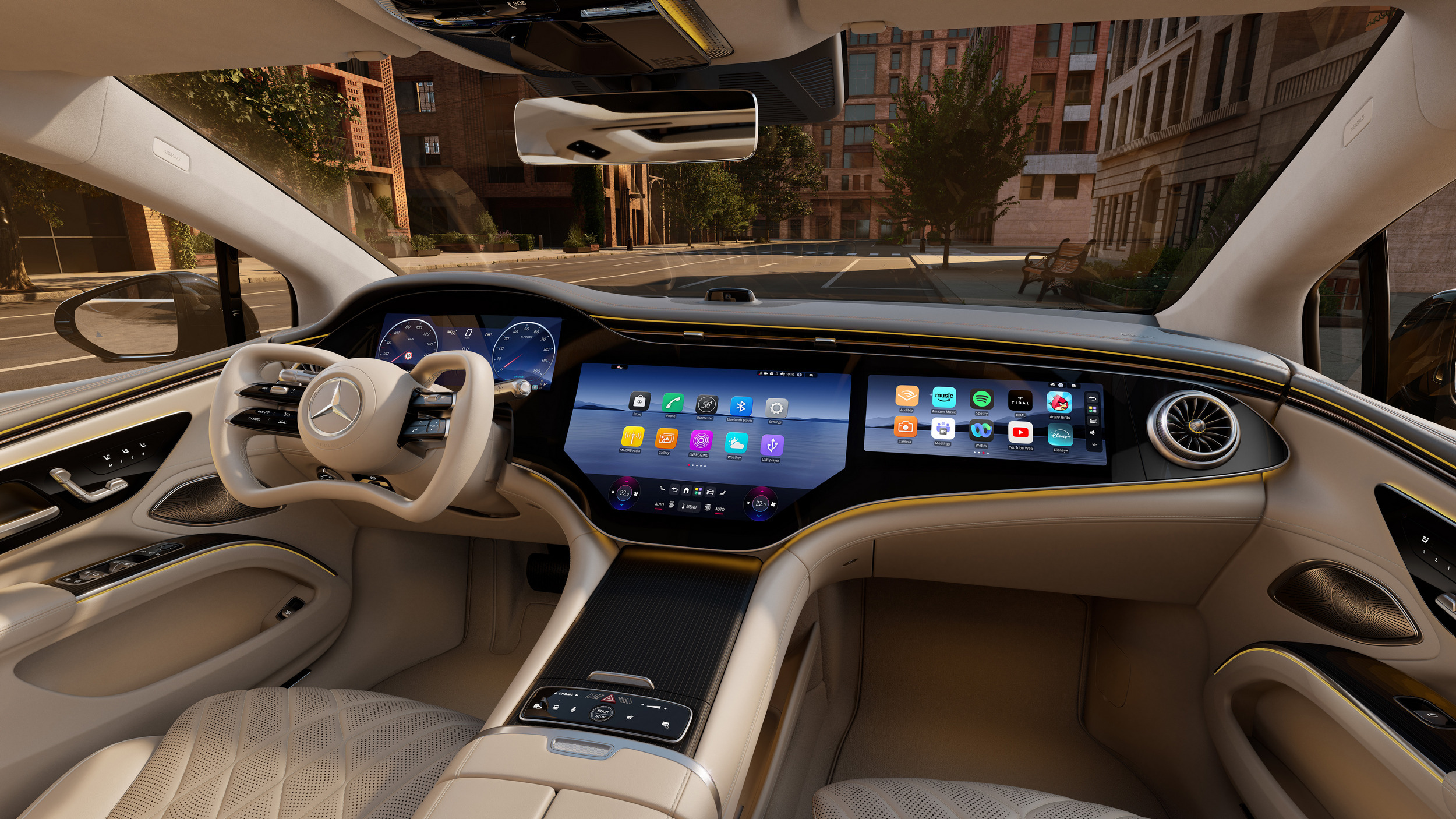
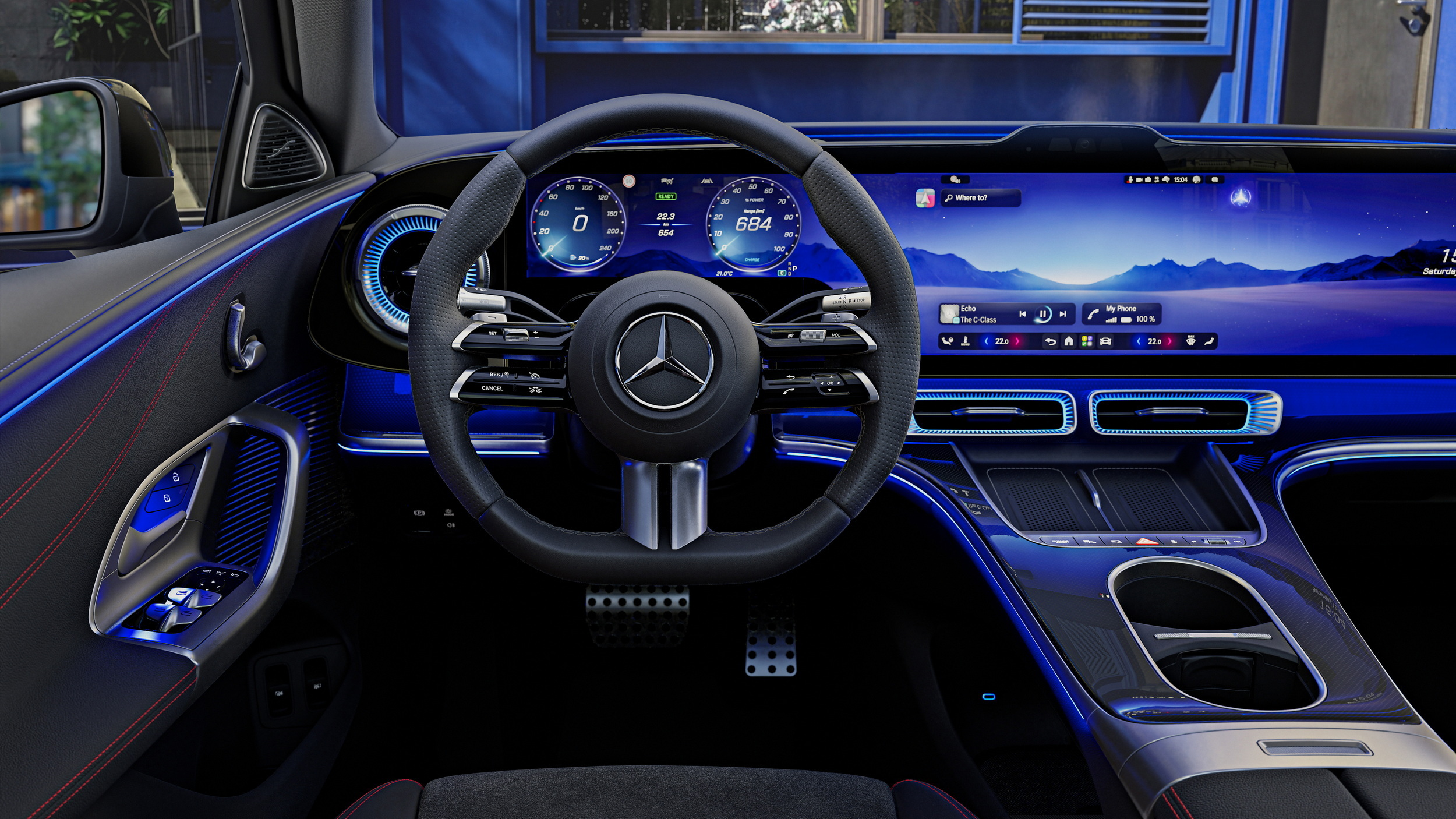
Mercedes is getting ready to reveal its all-electric C-Class on April 20, but the interior has already made an early appearance. Front and center is a massive MBUX Hyperscreen stretching almost the full width of the dashboard, uninterrupted and unmistakably similar to what we have already seen in the GLC EV.

The company describes the new interior of the electric sedan as a “driver-oriented refuge”, though it reads more like a rolling digital billboard from where we’re sitting. The display appears to mirror the 39.1-inch Hyperscreen from the GLC EV, which makes the recently updated EQS and S-Class flagships feel either a step ahead or already behind, depending on your perspective.

More: Mercedes’ Electric C-Class EQ Is Running Out Of Camouflage

With approximately 10 million pixels, the giant display aims to reduce the need of menus, having everything within reach. Even so, experience keeps reminding us that glass can’t replace the certainty of a proper button or dial. There are at least a few holdouts here, with physical controls still present on the center console and steering wheel, the latter seemingly lifted straight from its SUV counterpart.

 Mercedes Heard ‘Too Many Screens’ And Built A New C-Class That’s One Giant Screen

Besides the attention-grabbing Hyperscreen, Mercedes also mentions the Superscreen, which is a more conventional triple-screen layout reserved for lower trim levels of the sedan. Both setups offer the option between ten ambient styles with different colors to fit your mood.

More Space And Comfort

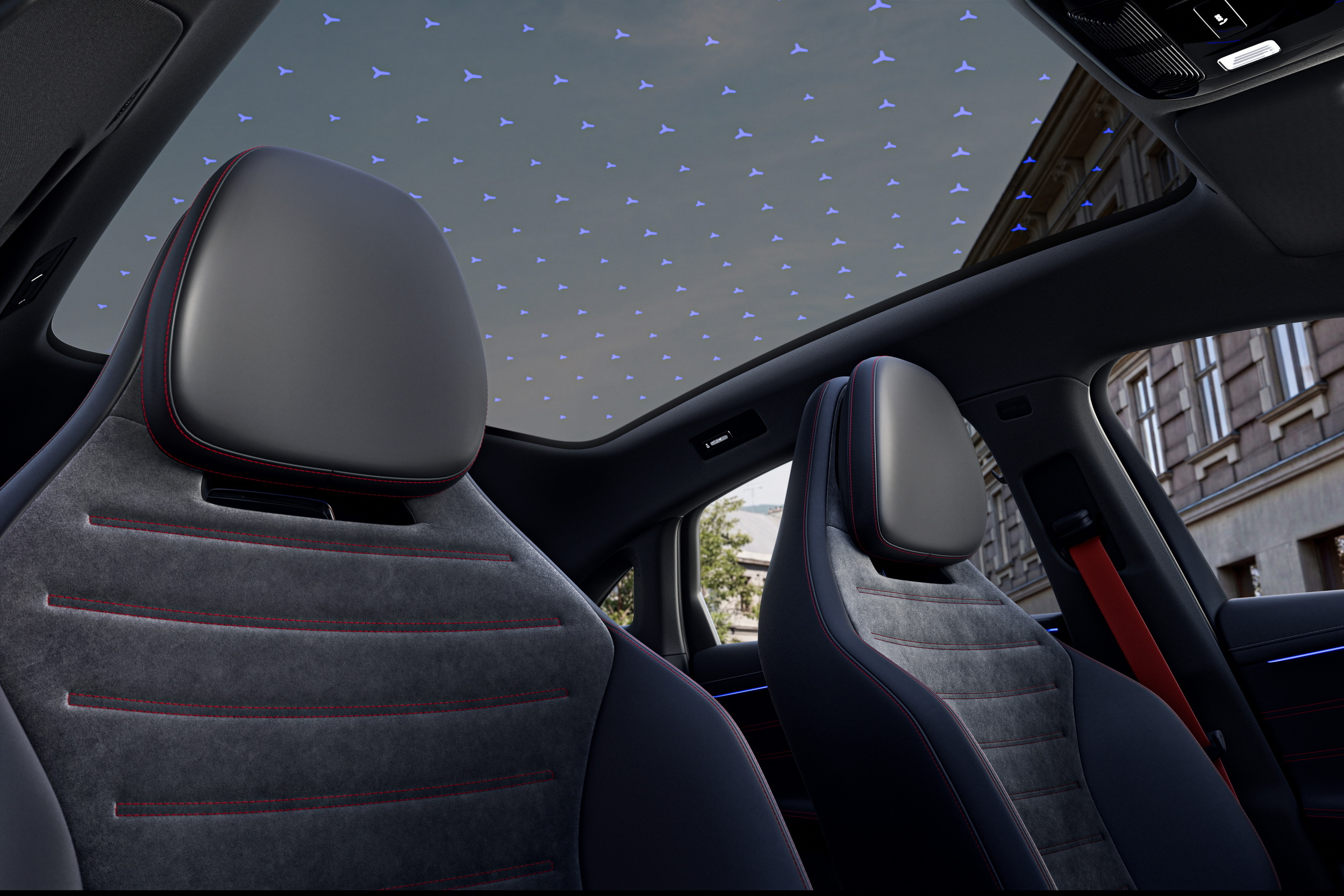
The company promises that the electric sedan will be the best and sportiest C-Class yet, while offering more space than ever before. It will also bring “exceptional” long distance comfort thanks to the new seats, the optional star-shedded panoramic sunroof, the sophisticated climate control system, and the extensive sound insulation.

 Mercedes Heard ‘Too Many Screens’ And Built A New C-Class That’s One Giant Screen

The front seats come with electro-pneumatic four-way lumbar support, 4D sound, massaging and ventilation functions. These are coordinated with the Energizing Comfort programs designed for “mental and physical rejuvenation” while on the go. Furthermore, the climate system features a multi-source heat pump that can heat the cabin twice as fast as a combustion vehicle while using 50% less energy.

More: C-Class Facelift Mirrors A Direction Mercedes Has Already Taken Elsewhere

The electric C-Class will also offer a vegan-certified interior with soft-touch surfaces. Other options include the Softtorino leather grain, the Twisted Diamond Nappa leather, and the 3D-relief stainless steel speaker grilles for the Burmester 3D sound system.

 Mercedes Heard ‘Too Many Screens’ And Built A New C-Class That’s One Giant Screen
A lightly camouflaged prototype of the electric C-Class. Photo: Baldauf

In terms of exterior design, we already know that the model will adopt a large illuminated grille flanked by aggressive headlights with star-shaped LED graphics.

Recent spy shots have also revealed the sleek surfacing of the profile, looking like an evolution of the EQE and EQS sedans albeit with more pronounced front and rear volumes to avoid an egg-shaped silhouette. Expect sportier bumpers and different wheels for the AMG Line trims.

Any Specs?

Mercedes has yet to announce the technical specifications of the electric C-Class, but the model will most likely ride on the same 800-volt MB.EA platform with the GLC. The SUV produces 483 hp (360 kW / 490 PS) and 800 Nm (590 lb-ft) of torque from dual electric motors, with a 94 kWh battery offering a WLTP range of 673 km (418 miles).

More: AMG Built A Sedan That Growls, Revs, And Shifts Like It Has A V8. It Doesn’t

In terms of the chassis setup, the company claims that the sedan “raises performance and driving dynamics”, making our appetite for future AMG-branded versions.

We will learn everything about the new model at its official debut in South Korea on April 20. The EV will be joined by a facelifted version of the ICE-powered C-Class, also expected to be unveiled later this year. It’s biggest rival is the new BMW i3 Neue Klasse sedan that debuted last month.

\\\\\\\
Yesterday — 16 April 2026Vehicles

Seatbelt, Danger Zone Recommendations Highlight NTSB Discussion at STN EXPO East

15 April 2026 at 20:54

CONCORD, N.C. — Federal safety officials are urging stronger seatbelt usage by students and increased awareness of dangers around school buses following a series of high-profile crashes, including a recent fatal incident under investigation in Tennessee.

In providing the parting takeways at STN EXPO East conference last month, Meg Sweeney, lead investigator and project manager for the National Transportation Safety Board, outlined how ongoing investigations and previous crash reconstructions are shaping new safety recommendations aimed at protecting student passengers and pedestrians.

“Our mission is to investigate crashes, determine a probable cause and then write recommendations to prevent future similar crashes,” Sweeney told attendees during the final conference session March 31.

The NTSB recently launched a “go team” to Tennessee after a fatal school bus crash killed two middle school students, though Sweeney said details remained limited in the early stages of the investigation. The crash took the lives of two middle school girls and parents of the deceased have since filed a lawsuit against the district and the driver.

The agency is also examining a separate student dragging fatality, underscoring the risks students face not only inside the bus but also in Danger Zone, the area immediately surrounding the vehicle during loading and unloading.

Sweeney said the agency focuses on crashes with the greatest potential to improve safety outcomes. With only about 35 staff members in its highway division, the NTSB investigates roughly 15 to 20 crashes annually out of tens of thousands reported nationwide.

“With a staff of 35 people… we have to be really selective in the crashes that we investigate,” she said, noting that cases often involve recurring safety issues or high public interest.

A key focus of recent investigations has been occupant protection, particularly the effectiveness of lap/shoulder seatbelts compared to traditional lap-only restraints or compartmentalization.

“We know and recognize that there are several other types of crashes,” Sweeney said, explaining that while compartmentalization works well in frontal impacts, it is less effective in rollovers, side impacts and other complex crash scenarios.

In multiple investigations, including crashes in Texas and New Jersey, the agency found lap-only belts provide limited protection. “They can provide a benefit… if they’re worn properly,” Sweeney said, but passengers remain “very vulnerable to injury from the flailing upper body.”

In the Leander ISD Texas rollover crash, that Director of Transportation Tracie Franco also presented during the conference, only six of 42 observed students were wearing seatbelts, and most were wearing them incorrectly. Students who were restrained were less likely to be thrown from their seats or ejected, though injuries still occurred due to the severity of the crash.

Based on such findings, the NTSB has repeatedly called on states to require lap/shoulder belts on large school buses and to strengthen enforcement of proper usage through driver training, onboard monitoring and clearer district policies.

Danger Zone Risks Examined

Beyond the bus interior, Sweeney emphasized that some of the most dangerous moments for students occur outside the vehicle.

One of the most dangerous areas for the student is the zone within about 10 feet of the bus, she said, particularly during pickup and drop-off times.

In a 2018 Indiana crash, a pickup truck traveling about 41 mph struck and killed four students crossing to board a stopped school bus despite warning lights and an extended stop-arm.

Other cases have highlighted the role of distracted driving. In Wisconsin, a teenage driver exchanging text messages struck a school bus and fatally hit a student moments later.

To address these risks, the NTSB has recommended stronger enforcement of stop-arm violations, expanded use of camera systems to catch illegal passing, and new vehicle technologies such as automatic emergency braking and pedestrian detection systems.

“We asked school districts to work with law enforcement to create educational campaigns and high-visibility enforcement,” Sweeney said.

Despite the risks and ongoing challenges, Sweeney stressed that school buses remain the safest form of student transportation in the U.S.

“We advocate and tell people school buses are the safest way to transport a student,” she said.

Still, industry leaders at the session warned that driver shortages, operational challenges and declining ridership could increase risks if more families rely on personal vehicles instead of buses.

The Tennessee crash investigation is expected to produce a preliminary report in the coming months, with a final report, including safety recommendations, likely more than a year away.

Written with assistance from AI.


Related: California School Bus Report Shows Lap/Shoulder Seatbelts Reduce Injuries
Related: NTSB Calls for Seatbelt Polices, Procedures Following Texas School Bus Crash
Related: School Bus Seatbelt Law Appears Imminent in Illinois
Related: (STN Podcast E251) Making Safety Safer: Seatbelts, Technology, Training & Electric School Buses

The post Seatbelt, Danger Zone Recommendations Highlight NTSB Discussion at STN EXPO East appeared first on School Transportation News.
Side By Side, The Rivian R2 And Model Y Look Like They’re From Different Planets

  • Rivian’s new entry-level electric SUV has a lot going for it.
  • The R2 is taller than a Model Y, but surprisingly, it’s also shorter.
  • Driving the R2 Performance are dual electric motors with 656 hp.

In a market where electric SUVs are starting to blur into one another, standing out is no longer optional. The Rivian R2 is a pivotal model for the brand, bringing its EV technology into a smaller, more affordable package. If Rivian wants to grow into a true volume manufacturer and challenge legacy players, the R2 needs to land with buyers.

Its biggest hurdle is persuading shoppers to choose it over the Model Y, still America’s best-selling EV by a wide margin that even Tesla’s own Model 3 does not approach, let alone anything else. As these side-by-side photos of an R2 and a Model Y show, the pair have similar footprints but look absolutely nothing alike.

Read: Rivian R2 And Jeep Recon Solve The Same Problem, But Which One Solves It For You?

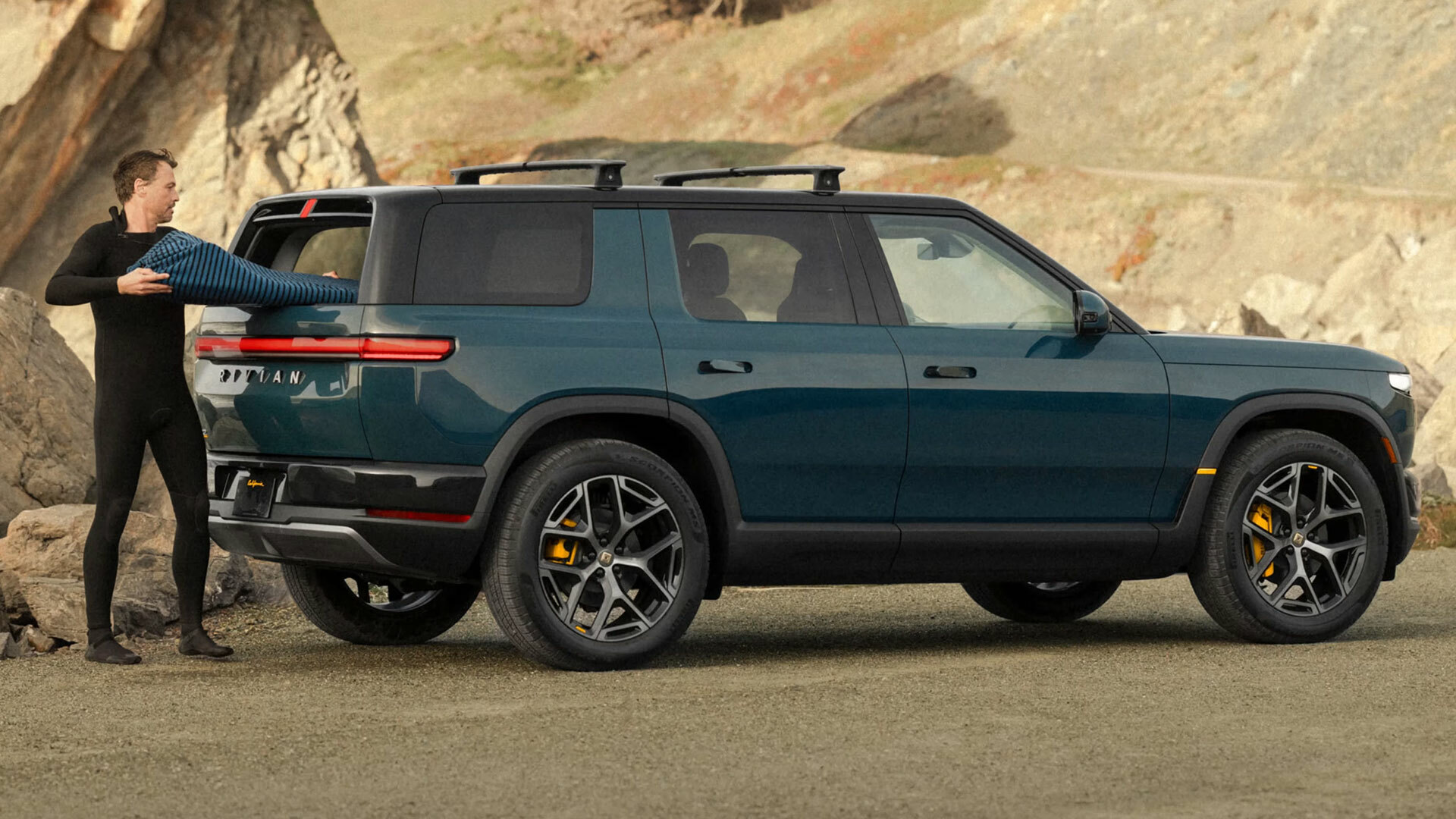
These photos, captured by Reddit user SciencesNotStudies at Rivian’s headquarters, show both vehicles charging next to each other. Whereas Tesla opted for a sleek profile in the Model Y, making it look like a bloated Model 3 rather than a traditional SUV, the Rivian R2 is very different. It’s boxier, stands taller, and is much more upright, looking just like the R1, albeit on a slightly smaller scale.

Interestingly, the Model Y is slightly longer than the R2, measuring 188.6 inches (4,790 mm) compared to the Rivian’s 185.9 inches (4,722 mm). The R2 is also slightly narrower at 75 inches (1,905 mm), versus 75.6 inches (1,920 mm) for the Tesla.

The biggest gap appears in height, with the R2 standing 66.9 inches (1,700 mm) tall compared to the Model Y’s 63.9 inches (1,624 mm). The Rivian’s wheelbase is also 1.8 inches longer, at 115.6 inches (2,935 mm) compared to 113.8 inches (2,890 mm) for the Tesla.

The ground clearance also differs dramatically between the pair. Like the R1, the R2 has been designed to be right at home off-roading, offering 9.6 inches (245 mm) of clearance compared to the Model Y’s 6.0 inches (152 mm).

What About Performance?

 Side By Side, The Rivian R2 And Model Y Look Like They’re From Different Planets

The first version of the R2 to be sold, the Performance Launch Edition, rocks a pair of electric motors delivering 656 hp and an 88.7 kWh battery pack, giving it slightly more power than the Model Y Performance with 618 hp and better range, 328 miles (528 km) compared to 306 miles (492 km). However, as the Tesla weighs less, it hits 60 mph (96 km/h) in 3.3 seconds compared to the R2’s 3.6 seconds.

Where The Numbers Stop Favoring Rivian

And then there’s pricing, which is not doing Rivian many favors on paper. The R2 Performance Launch Edition starts at $57,990, essentially mirroring the $57,490 Model Y Performance. However, step down to the mid-tier R2 Premium with 450 hp and all-wheel drive, and you’re still looking at $53,990, a noticeable jump over Tesla’s Model Y Premium AWD at $48,990.

Also: Rivian R2 Starts At $57,990, But Cheaper Versions Are Still Coming

Rivian has confirmed a base rear-wheel-drive R2 at $45,000, though that version will not arrive until 2027, which is a long wait. Tesla, meanwhile, already covers that ground with two RWD options, starting at $39,990 for the standard version and $44,990 for the Premium.

Although the R2 is Rivian’s answer to the Tesla Model Y, matching its sales volume will be a tall order. Like the R1, it appears to lean toward a more niche appeal and could end up competing more closely with models like the Jeep Recon.

\\\\\\\\\

Lead image Reddit / SciencesNotStudies

Volvo’s Entry SUV Gets A Successor, But Dealers Aren’t Sure It’s The Right Priority

  • The second-gen XC40 could reverse the brand’s declining sales in the US.
  • Volvo sold just 22,651 vehicles in the US last quarter, down 32 percent.
  • New electric EX40 will likely be built on the company’s latest SPA3 platform.

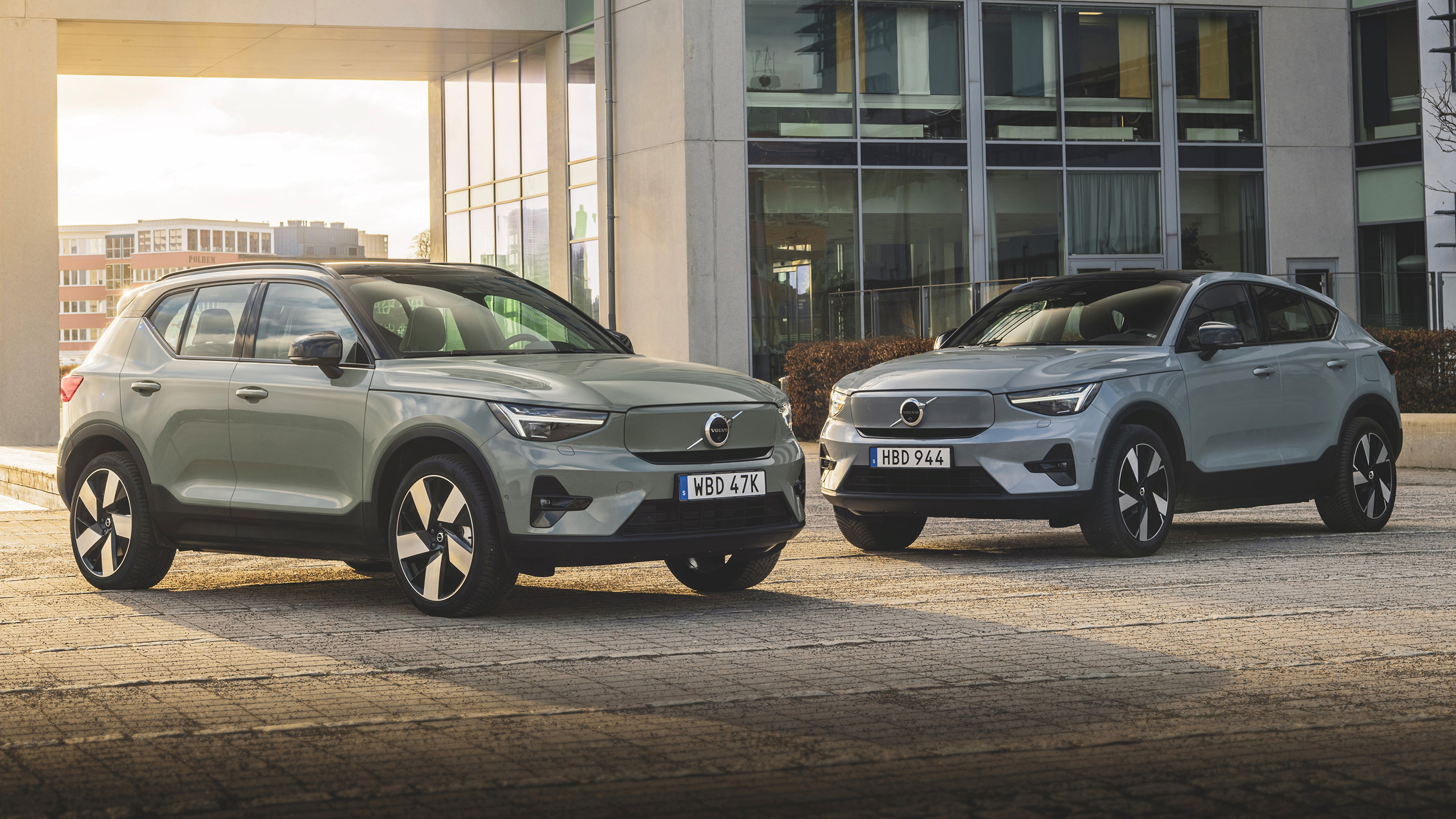
Volvo is deep into development of a redesigned XC40, and the plan is to have it on sale in the US next year. Details are still thin, but its arrival confirms something else. The current XC40 and its electric counterpart, the EX40, are sticking around a little longer, with production expected to run through late this year.

Launched in late 2017 as Volvo’s smallest SUV, the XC40 has aged reasonably well, though it’s starting to feel its years. Updates have been minimal, limited to a single light facelift. The next-generation version is expected to widen its appeal with a plug-in hybrid option, sitting alongside the existing mild-hybrid lineup.

Read: Volvo’s New 400-Mile SUV Has One Feature Tesla Owners Will Be Jealous Of

There is more riding on this update than just keeping things fresh. Dealers are counting on the new XC40 to help steady the brand’s footing in the US. Total sales collapsed 32 percent in the first quarter to 22,651 vehicles, while Volvo’s share of the luxury segment slid to 5.8 percent, its lowest point since 2019. The XC40 has been hit especially hard, with sales down 47 percent to just 3,403 units.

More Updates Are Needed

 Volvo’s Entry SUV Gets A Successor, But Dealers Aren’t Sure It’s The Right Priority

To help keep the XC40 somewhat fresh for 2026, Volvo updated it with a new infotainment system. But if it wants to recapture buyers, it’ll need to make much more significant upgrades to the next-generation model. Auto News reports that the new EX40 will make a major step forward by sharing its SPA3 platform with the electric EX60.

While a new XC40 is just around the corner, some dealers believe Volvo would be better off prioritizing other models, like the XC60 and XC90, as they’re more profitable. “XC40 is a great car, and we appreciate the updates,” one dealer said, before adding that “the US is a big car market.”

Volvo is already putting effort into its larger lineup. The XC60 received updates last year and is set to be built at the brand’s Ridgeville, South Carolina plant starting in late 2026. The XC90, meanwhile, got a second facelift in 2024, with a full redesign also in development. That said, it may not arrive until 2029, leaving the current model to carry the load a while longer.

\\\\\\\\\

VW’s China Collapse Is Bad, But Its American Problem Might Be Harder To Fix

  • VW Group global sales fell 4 percent in Q1, landing at just over 2 million units.
  • The US dropped 20.5 percent, with tariffs and regulatory shifts taking the blame.
  • China shed nearly 100,000 units year over year, down 14.8 percent from Q1 2025.

Global car demand has proven uneven this year, with regional pressures shaping very different outcomes for major automakers. Like many other car manufacturers, the Volkswagen Group has had a difficult start to 2026. Company sales slipped 4 percent in the first quarter, and EVs fell even further, despite a generally positive outlook across Europe.

The world’s second-largest automaker ended the quarter having sold 2,048,900 vehicles, down 4 percent from the 2,133,600 it sold in Q1 2025. This drop was largely due to a 14.8 percent collapse in China, from 644,100 units to 548,700.

Read: A 96% Sales Collapse Is Why VW Just Killed US ID.4 Production

Similarly, sales were down 13.3 percent in North America from 237,200 units to 205,500. The drop was led by the United States, where sales fell 20.5 percent, blamed on the current tariff situation, “as well as changes in regulations.” Sales were also down 8 percent in Asia-Pacific to 70,200 and declined 5.3 percent in the Middle East and Africa to 92,800.

VW Q1 2026 Sales
RegionQ1-26Q1-25Diff.
Western Europe848,500814,000+4.2%
Central and Eastern Europe135,300125,800+7.6%
North America205,500237,200-13.3%
South America147,900138,200+7.0%
China548,700644,100-14.8%
Rest of Asia-Pacific70,20076,300-8.0%
Middle East/Africa92,80098,000-5.3%
World2,048,9002,133,600-4.0%
SWIPE

Bucking the trend was a 4.2 percent increase in sales in Western Europe, rising from 814,000 to 848,500. Sales in Central and Eastern Europe also climbed 7.6 percent to 135,300, while sales in South America increased 7 percent to 147,900.

“The first quarter of 2026 was once again characterized by very challenging economic and geopolitical conditions. The worldwide automotive market declined overall through the end of March,” VW’s Marco Schubert said of the results.

Just three brands from the VW Group reported sales rises in the first quarter. The first was Skoda, whose sales rose 14 percent to 271,900, up from 238,600 in the first quarter of 2025. Additionally, Volkswagen Commercial Vehicles sales rose 10.1 percent to 88,900, while MAN truck sales climbed 14.5 percent to 23,600.

VW Brand Sales
BrandQ1-26Q1-25Diff.
Brand Group Core1,554,4001,600,300-2.9%
Volkswagen Passenger Cars1,048,3001,134,200-7.6%
Škoda271,900238,600+14.0%
SEAT/CUPRA145,300146,700-1.0%
Volkswagen Commercial Vehicles88,90080,800+10.1%
Brand Group Progressive364,900388,800-6.1%
Audi360,100383,400-6.1%
Bentley2,2002,400-9.9%
Lamborghini2,6003,000-11.7%
Brand Group Sport Luxury61,00071,500-14.7%
Porsche61,00071,500-14.7%
Brand Group Trucks / TRATON68,60073,100-6.1%
Scania20,90022,200-5.7%
MAN23,60020,600+14.5%
International13,30016,900-21.1%
Volkswagen Truck & Bus10,80013,400-19.6%
Volkswagen Group (total)2,048,9002,133,600-4.0%
SWIPE

Toyota And Isuzu’s New Hydrogen Truck Solves The Problem Refrigerated Delivery EVs Can’t

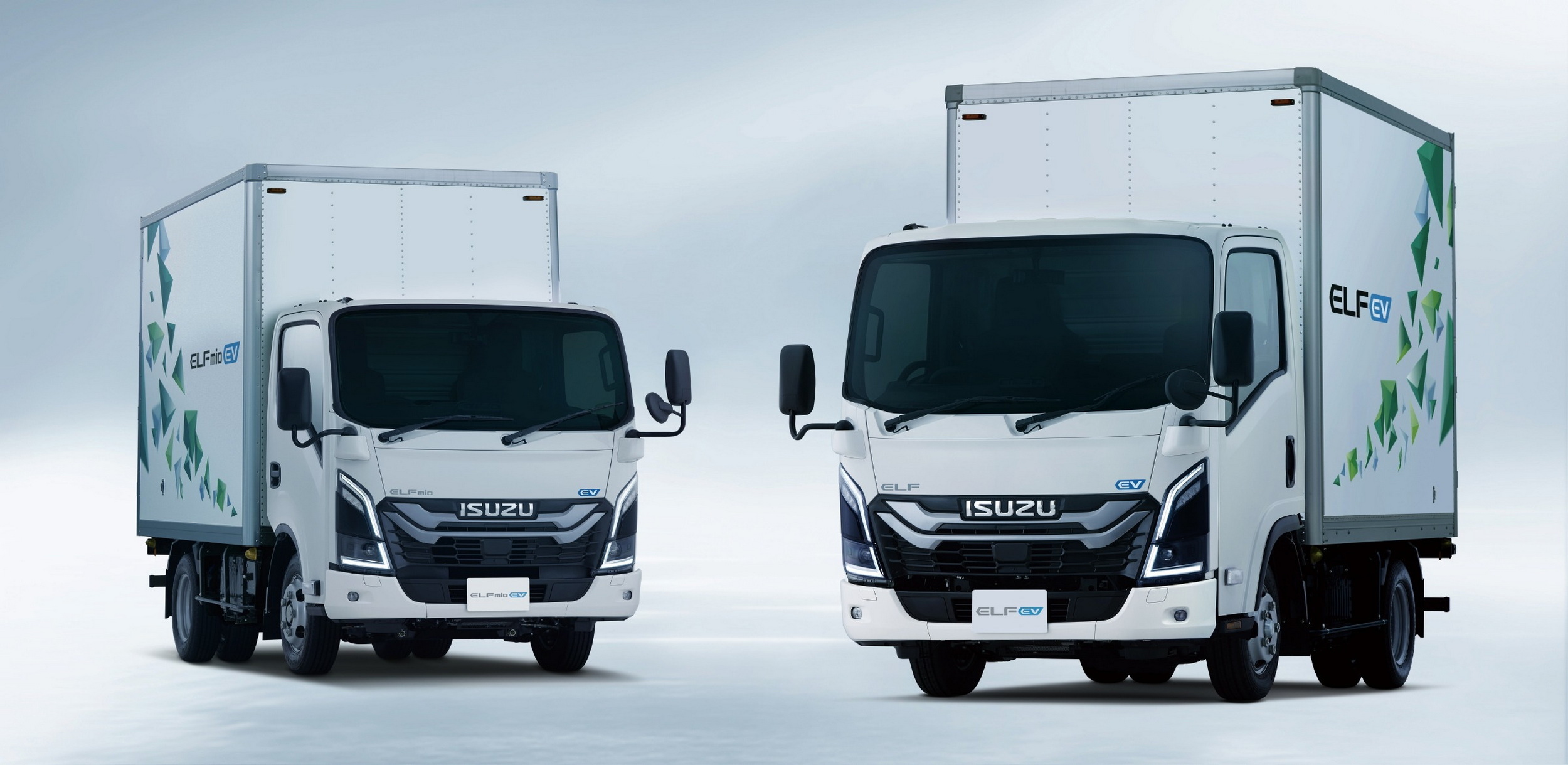
  • Isuzu and Toyota are building Japan’s first hydrogen light-duty truck.
  • The fuel cell hardware is Toyota’s, the chassis is Isuzu’s Elf EV.
  • Toyota’s next fuel cell system delivers 20% better efficiency than before.

Hydrogen mobility might not be moving forward as quickly as expected in passenger cars, but it still has clear promise in the commercial space. The latest move comes from Isuzu and Toyota, which have teamed up to develop Japan’s first mass-produced light-duty fuel-cell electric truck, expected to reach the road within the next two years.

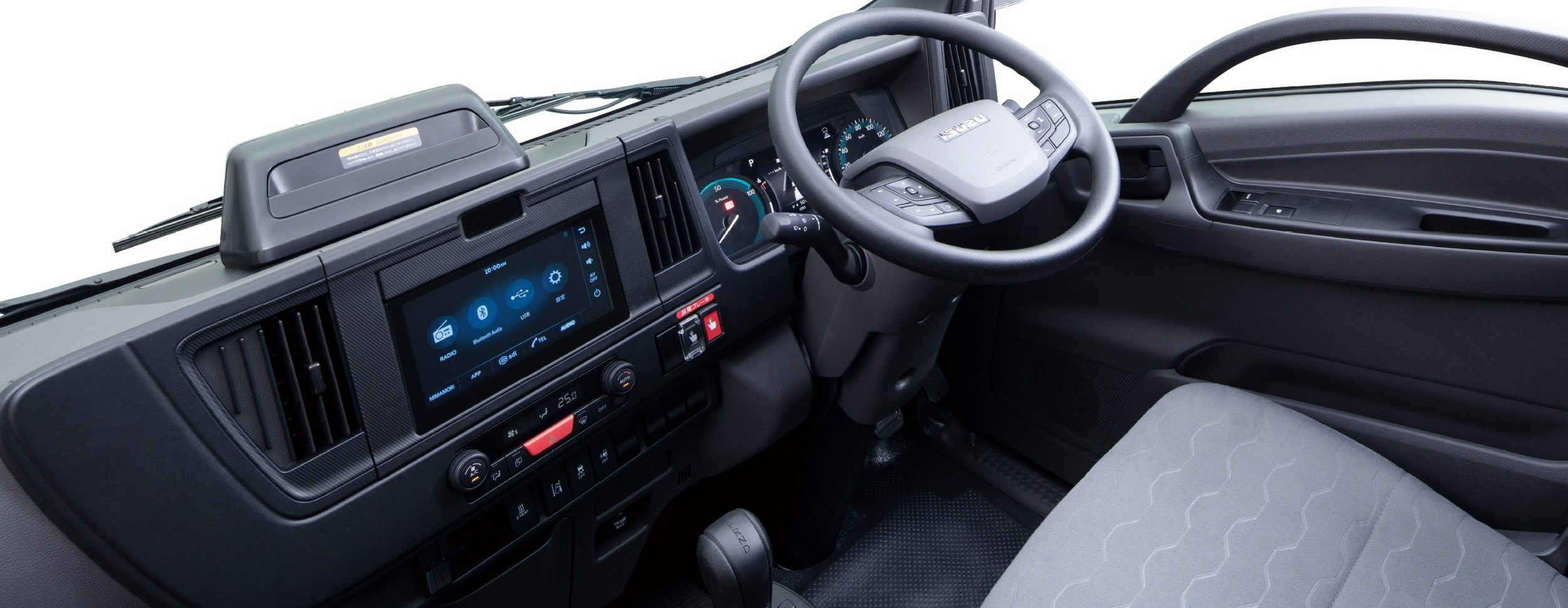
This won’t be a ground-up rethink. Instead, it rides on the familiar ladder-frame chassis of the Isuzu Elf EV. The electric Elf, known globally as the N-Series, arrived in 2023 with modular 20 kWh battery packs, scaling from 40 to 180 kWh depending on spec.

More: A Gullwing Door Hides The Coziest Room On Wheels

The real story sits under the skin. Toyota’s upcoming third-generation fuel-cell system takes center stage here, bringing a claimed 20% improvement in efficiency over the current setup. It is also expected to last longer and cope better with hard use, which matters when your daily routine involves stop-start urban logistics or hauling refrigerated goods across a city.

Why Hydrogen?

 Toyota And Isuzu’s New Hydrogen Truck Solves The Problem Refrigerated Delivery EVs Can’t

One of the primary drivers behind this FCEV project is the inherent limitation of battery-electric trucks in certain commercial roles. Light-duty trucks used for supermarket and convenience store deliveries often require heavy refrigeration equipment that drains battery power quickly. Furthermore, the long charging times associated with large battery packs can disrupt tight delivery schedules.

More: BMW iX5 Hydrogen Teased With 385 Miles Of Range

Hydrogen refueling, which takes roughly the same amount of time as diesel, offers a more seamless transition for fleet operators, while offering an extended driving range. At the same time, an FCEV truck produces much fewer vibrations and noise compared to a diesel-powered equivalent, while having zero CO2 emissions.

Reducing Costs Is The Key

 Toyota And Isuzu’s New Hydrogen Truck Solves The Problem Refrigerated Delivery EVs Can’t

The sticking point remains cost. Fuel-cell vehicles are still expensive, and hydrogen infrastructure is far from widespread. Isuzu and Toyota say the answer lies in smarter engineering, from optimizing the vehicle structure to rethinking manufacturing processes, alongside continued development of the fuel-cell system itself.

More: The Honda CR-V e:FCEV Is Living On Borrowed Time

Production of the light-duty fuel cell truck is scheduled to start in the Japanese fiscal year 2027, which ends on March 30, 2028.

This isn’t the first time the two companies have worked together on hydrogen. Isuzu and Toyota are already collaborating on the ERGA FCV, an urban flat-floor bus with hydrogen tanks integrated on its roof structure.

\\\\\\

VW Spent Years Removing Knobs From Its Cars, The ID.3 Neo Puts Them Back

  • The VW ID.3 Neo arrives as a successor with several key updates.
  • It gets sharper styling and an interior with welcome physical controls.
  • Three battery options are offered, with up to 391 miles of range.

Volkswagen has revealed a heavily updated version of its electric compact hatchback, giving it a new identity and a much-needed hardware boost to carry it through until the electric ID. Golf arrives later this decade. The ID.3 Neo brings cleaner styling and a welcome return to physical controls, along with more power and range at the top end.

The compact EV, still absent from North America, was originally introduced in 2019 and received a mild facelift in 2023. While the ID.3 Neo is not a new generation, it represents a comprehensive update designed to keep it competitive against the growing competition from China.

More: VW’s ID. Lineup Looked Like The Future, Turns Out People Wanted The Past

Starting with the exterior, the biggest change is the adoption of a thicker full-width LED strip that connects the slightly tweaked headlights and is joined by black trim. The VW emblem is positioned slightly lower than before, while the bumper gains sharper intakes.

\\\\\\\\\\\\\\\\\\\\

The rest of the bodywork is carried over, but the A-pillars, roof, rear spoiler, and tailgate gain a body-colored finish, replacing the previous glossy black treatment. According to the company, this makes the ID.3 Neo appear “longer, flatter, and more dynamic” than its predecessor.

Overall, the styling updates are not as extensive as one would expect, but they do bring the compact hatchback closer to the upcoming ID. Polo.

Overhauled Interior

Inside, Volkswagen has listened to critics and replaced its controversial touch-sensitive sliders and with traditional buttons. Those can be found on the new two-spoke steering wheel, and on the center console. The dashboard has been slightly redesigned with simpler lines and improved materials, while a wider center tunnel sits higher than before.

More: Finally, The 2027 VW Atlas Gets A Cabin You Won’t Have To Apologize For

Besides the clicky controls, the centerpiece is a new digital cockpit comprising a larger 10.25-inch instrument cluster and a 12.9-inch infotainment display. Those feature fresh graphics and simpler menus, following the example of the ID. Polo. The Innovision infotainment system comes with an integrated app store, offering options for video streaming, gaming, parking, and charging.

\\\\\\\\\\

Premium features such as an augmented reality head-up display, a panoramic sunroof, front seats with massage and memory functions, and a Harman Kardon Audio system are available as options.

More: VW’s Considering A Flagship SUV For Buyers Who Can Afford A Porsche But Won’t Drive One

In terms of safety, the ID.3 Neo will be available with an enhanced Connected Travel Assist system featuring optional traffic light recognition, and the optional Park Assist Pro with a memory function. Those join various standard ADAS such as Lane Assist, Front Assist, and turning brake function.

Powertrain Options

The ID.3 Neo launches in Europe with three outputs and battery configurations, bringing improved efficiency. The Entry model delivers 168 hp (140 kW / 170 PS) from a 50 kWh battery. The Mid version nudges that to 188 hp (140 kW / 190 PS), paired with a 58 kWh pack.

At the top, the High model makes the case for sticking around a bit longer. It produces 228 hp (170 kW / 231 PS) and uses a 79 kWh battery, good for a claimed WLTP range of 391 miles (630 km). That is the number that matters here, and it does most of the heavy lifting.

\\\\\\\\

Charging capacity has also been improved at 105 kW in the Entry and Mid versions, and up to 183 kW in the High. Furthermore, the EV gains Vehicle-to-Load (V2L) capability, allowing it to power external devices.

More: VW’s New Compact Sedan Costs Less Than Half What Americans Pay For A Jetta

For anyone still holding out for a bit of life, Volkswagen is said to be working on a quicker follow-up to the performance-focused ID.3 GTX. The smart money is on a GTI badge, which gives it some heritage to lean on, even if the driving experience has to do the rest of the talking.

Simplified Lineup

Pre-sales for the ID.3 Neo start in Germany and other European markets on April 16. While official pricing has yet to be announced, VW has simplified the trim structure reducing it to Trend, Life, and Style grades.

\\\\\\\\\\\

Audi’s China Brand Is Cutting Prices And Losing Sales, So It’s Building A Sporty Limo

  • A third model will arrive as a sporty limousine with new EV tech.
  • AUDI sales in China have slipped following last year’s launch.
  • The company will soon start deliveries of the full-size E7X SUV.

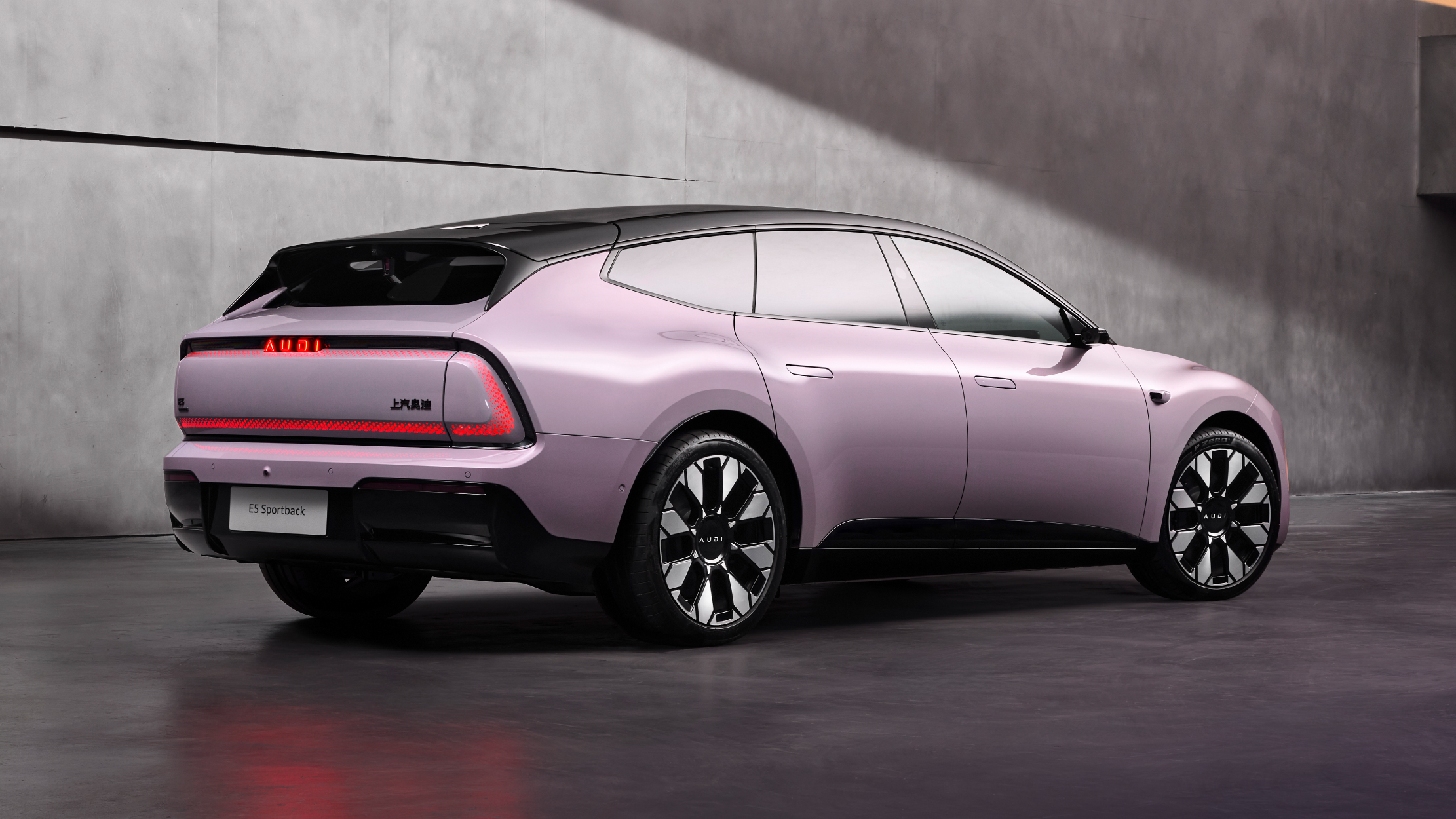
Audi’s China play is picking up pace, and the next move is already lined up. Audi’s partnership with SAIC in China will soon spawn its third model, following the E5 Sportback launched last year and the E7X, which will reach customers this quarter.

The German brand’s move to launch a dedicated offshoot, known as AUDI, without the four rings, was controversial but highlighted the ever-growing importance of the Chinese car market.

Read: The New AUDI E7X Looks Nothing Like The Audis You Know

Speaking with Reuters at a recent event in Beijing, the chief executive of the Audi and SAIC partnership, Fermin Soneira, confirmed that “the third car is already in the pipeline.” He described it as a sporty limousine aimed at the high-end market, though specifics remain firmly under wraps.

Audi’s Local EV Push

 Audi’s China Brand Is Cutting Prices And Losing Sales, So It’s Building A Sporty Limo
Audi E5 Sportback

Interestingly, Audi has just unveiled a new high-end luxury sedan in China, albeit through its FAW joint venture. This new model, known as the A6L e-tron, will be built in Changchun and is an extended wheelbase of the A6 e-tron sold in other markets. It’s underpinned by the company’s familiar Premium Platform Electric (PPE) architecture and includes 800-volt technology.

While the tie-up with SAIC is expanding, it is experiencing some growing pains. When order books were first opened for the E5 Sportback, AUDI locked in around 10,000 orders for the EV. However, sales have started to decline, with roughly 6,500 sold since January, in part due to the withdrawal of some government subsidies. This decline has forced the brand to cut prices by up to €3,700 ($4,400).

The larger and more expensive AUDI E7X also faces an uphill battle. Positioned as a large, ultra-luxurious electric SUV, it’s in direct competition with rivals from Zeekr, Xiaomi, Li Auto, and others. Powering the base model is a rear-mounted electric motor with 402 hp, while the flagship version has two motors, all-wheel drive, and muscles out 671 hp.

\\\\\\\\
Before yesterdayVehicles

2026 State of Student Transportation Report

By: STN
15 April 2026 at 07:00

In February 2026, Zonar and School Transportation News surveyed transportation professionals across the United States to document the pressures shaping fleets today and where leaders are investing next. The result is the most comprehensive look at student transportation challenges, safety priorities and 2026 technology plans available today.

Inside the report:

  • Understand why driver shortages aren’t going away and what leading districts are doing about it.
  • Identify where your safety program may have gaps in communication and driver compliance.
  • Know which technologies are worth prioritizing in 2026 before you finalize your budget.
  • See how fleets your size are investing and where adoption is lagging across the industry.
  • Find out which KPIs your peers are tracking and how to measure what actually matters.

Download the complimentary report to see how your fleet compares.

Fill out the form below and then check your email to get the report.

The post 2026 State of Student Transportation Report appeared first on School Transportation News.
(STN Podcast E302) Technology Tools for Bus Drivers: No More Struggling with Paper Route Sheets

14 April 2026 at 21:36

Conversations on a fatal Tennessee school bus crash that killed two girls last month, a new funding strategies playbook that includes transportation opportunities, and the National School Bus Inspection Training Program offered at STN EXPO East and STN EXPO West.

Keith Corso identified operational challenges while riding his high school bus, then went on to co-found technology provider BusRight. Now as CEO, he discusses tools to support student transporters and recent success at Poughkeepsie City School District in New York.

Read more about operations.

This episode is brought to you by Transfinder.


Message from School Radio.


Message from RTA.


Conversation with BusRight. 


Stream, subscribe and download the School Transportation Nation podcast on Apple Podcasts, DeezeriHeartRadioSpotify and YouTube.

The post (STN Podcast E302) Technology Tools for Bus Drivers: No More Struggling with Paper Route Sheets appeared first on School Transportation News.
Florida Driver Arrested After Train Strikes School Bus Carrying 29 Students

14 April 2026 at 18:44

Florida law enforcement authorities arrested a veteran school bus driver for allegedly ignored railroad warning signals and driving into the path of an oncoming train that struck the rear of her vehicle with 29 students on board.

Yvonne Hampton, 67, a former driver for the Sumter County School District, faces charges of reckless driving, culpable negligence and 29 counts of child neglect without great bodily harm, according to the Sumter County Sheriff’s Office.

The crash occurred April 2 in Bushnell, Florida. Officials said a train clipped the back of school bus No. 2517 after Hampton drove onto the tracks despite active warning signals.

No injuries were reported, but students described the incident as terrifying.

Recounting the Near-Miss

Investigators reviewed surveillance video from inside the bus, which reportedly showed the railroad crossing’s warning arms and sirens were activated at about 4:07 p.m. as the bus approached. Six seconds later, a woman’s voice, believed to be Hampton, was heard saying, “Not gonna stop for no train,” before the bus proceeded across the tracks. Moments later, the train struck the rear left side of the bus. Only cellphone video recorded by students inside the bus has been publicly shared.

Students could be heard reacting in panic in the video, with one shouting, “There is a train coming!” Authorities said Hampton told students to “get in your seats” seconds before impact.

Hampton told deputies she was already moving across the tracks when the warning system activated and that she continued forward as far as possible. Investigators, however, allege she ignored the signals and made the decision to cross despite the approaching train.

Sumter County Sheriff Pat Breeden said in an update that deputies working with the school district conducted a thorough investigation that led to the Florida driver’s arrest.

Superintendent Logan Brown said Hampton had worked for the district since 2015 and resigned in lieu of termination following the incident.

“The trust that our families place in us to transport their children safely is something we take extremely seriously,” Brown said in a video statement. “Anyone who jeopardizes that trust will not work in the Sumter County School District.”

Alleged Neglect Could Have Been Disastrous

Brown emphasized how narrowly a more serious tragedy was avoided.

“When you look at the totality of this situation, we truly averted what could have been a catastrophic event,” he said, noting the collision missed a more severe impact by “a matter of six inches.”

Brown also praised the train conductor, who he said sounded the horn continuously and attempted to brake upon seeing the bus on the tracks.

“Based on everything we know, he did everything he was supposed to do, and in my view, he’s a hero in this situation,” Brown said.

Parents and students said the emotional impact remains significant. District officials said the crossing where the crash occurred lacks red traffic lights and provides limited clearance space for large vehicles after crossing the tracks. Following the incident, the district determined the location is unsafe for school bus routes and has since rerouted so school buses do not cross it.

Officials said they are reviewing additional safety measures. “We have also learned valuable lessons from this incident and are actively reviewing additional safety measures to ensure that something like this does not happen again,” Brown said.

Authorities said the investigation remains ongoing.


Related: Watch: School Bus Drivers Reminded About Railroad Safety
Related: Wisconsin School Bus Driver Arrested
Related: Florida School Bus Driver Arrested for Alleged Assault
Related: Florida District Introduces Innovative Safety Training for School Bus Drivers

The post Florida Driver Arrested After Train Strikes School Bus Carrying 29 Students appeared first on School Transportation News.
Strike Averted as School Bus Drivers, Los Angeles Reach Tentative Deal

By: Ryan Gray
14 April 2026 at 16:59

A second major school bus driver strike nearly occurred in a span of a few weeks, before a local union and the nation’s second largest school district agreed to a tentative deal to provide employees with a large wage increase and protections against subcontracting.

School bus drivers also are assured of an eight-hour day as a permanent part of the labor contract.

LAUSD school bus drivers walked off the job for three days in 2023 in protest of what Service Employees International Union (SEIU) Local 99 deemed unfair practices. The union and school district entered new negotiations in April 2024. On Dec. 16 of last year, SEIU Local 99’s bargaining team declared an impasse. The California Public Employment Relations Board was brought in to help reach an agreement. In February, SEIU said an 97 percent of union members voted to authorize a strike, again citing unfair practices.

SEIU Local 99 represents 50,000 workers including school bus drivers and special educational assistants at LAUSD, as well as six other local school districts and several charter schools. Its bargaining team issued a deadline of Tuesday morning for a deal to be reached. SEIU and the teacher’s union had threatened school closures if a deal was not reached. LAUSD confirmed classes were held Tuesday as normal.

The union said in a statement that LAUSD agreed on a 24-percent wage increase over three years including a 12-percent increase in retroactive pay. Unit C workers, classified as transportation, facilities and food service staff, won an increase in uniform and footwear allowances.

Politicians Urged School District to Avoid Strike

The Los Angeles City Council voted unanimously March 27 to urge LAUSD to return to the bargaining table and avert a strike after the school district reached agreements with United Teachers Los Angeles (UTLA) and the Associated Administrators of Los Angeles (AALA) representing principals. UTLA and AALA had vowed to support SEU Local 99 by joining classified employees on the picket line, effectively shutting down school. Dozens of Democratic members of the California Legislature backed the union in a letter last week to LAUSD.


Related: Labor Deal Averts Potential School Bus Strike, Easing Concerns for Parents
Related: School Bus Strike in Connecticut Ends
Related: Washington School Bus Drivers Authorize Strike

The post Strike Averted as School Bus Drivers, Los Angeles Reach Tentative Deal appeared first on School Transportation News.
Lucid’s Elevator CEO Gets A $1.5M Salary, Two Company Cars, And A $1M Moving Allowance

  • Lucid Motors has named Silvio Napoli as their new CEO.
  • Company also announced $750 million worth of investments.
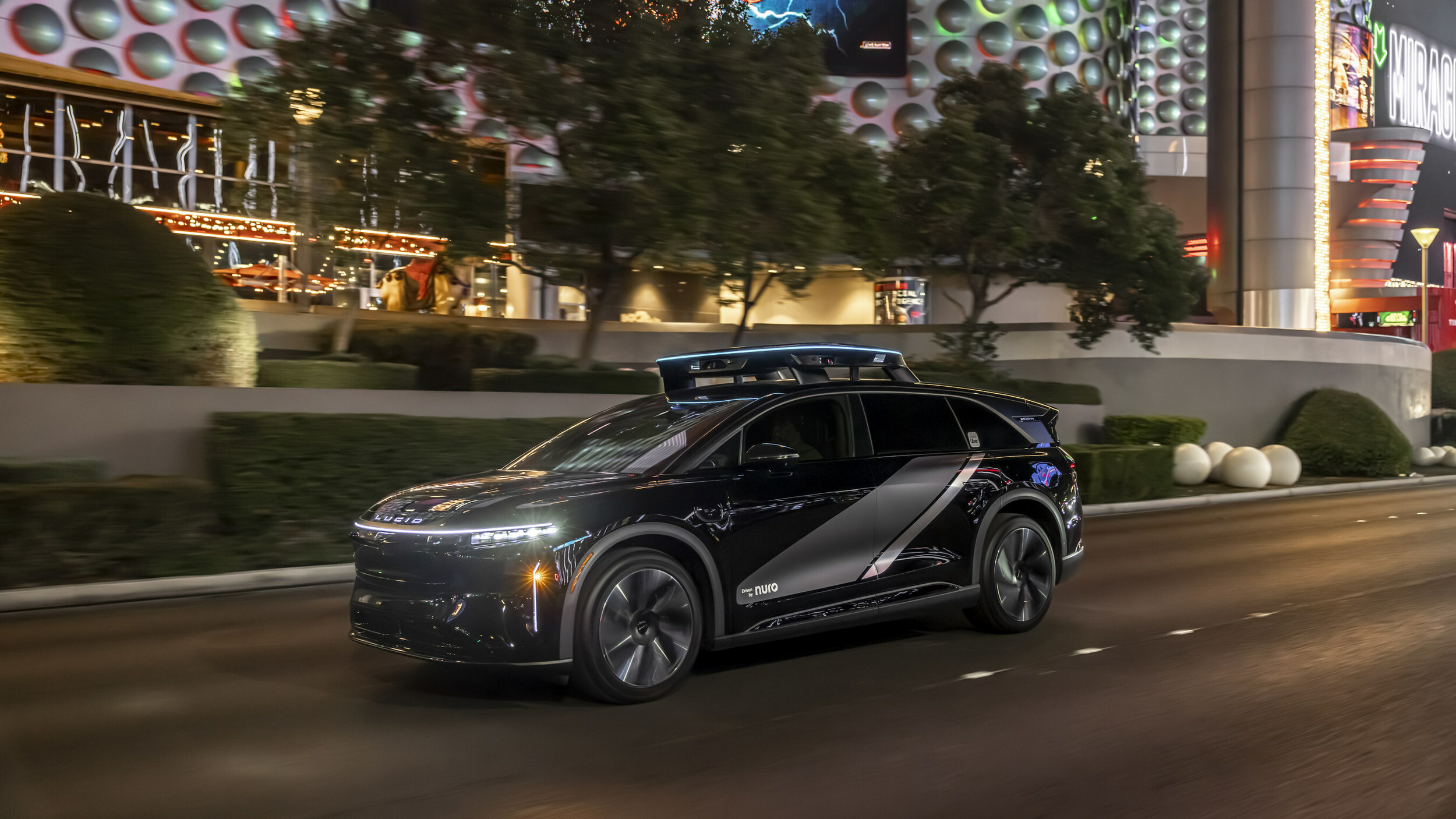
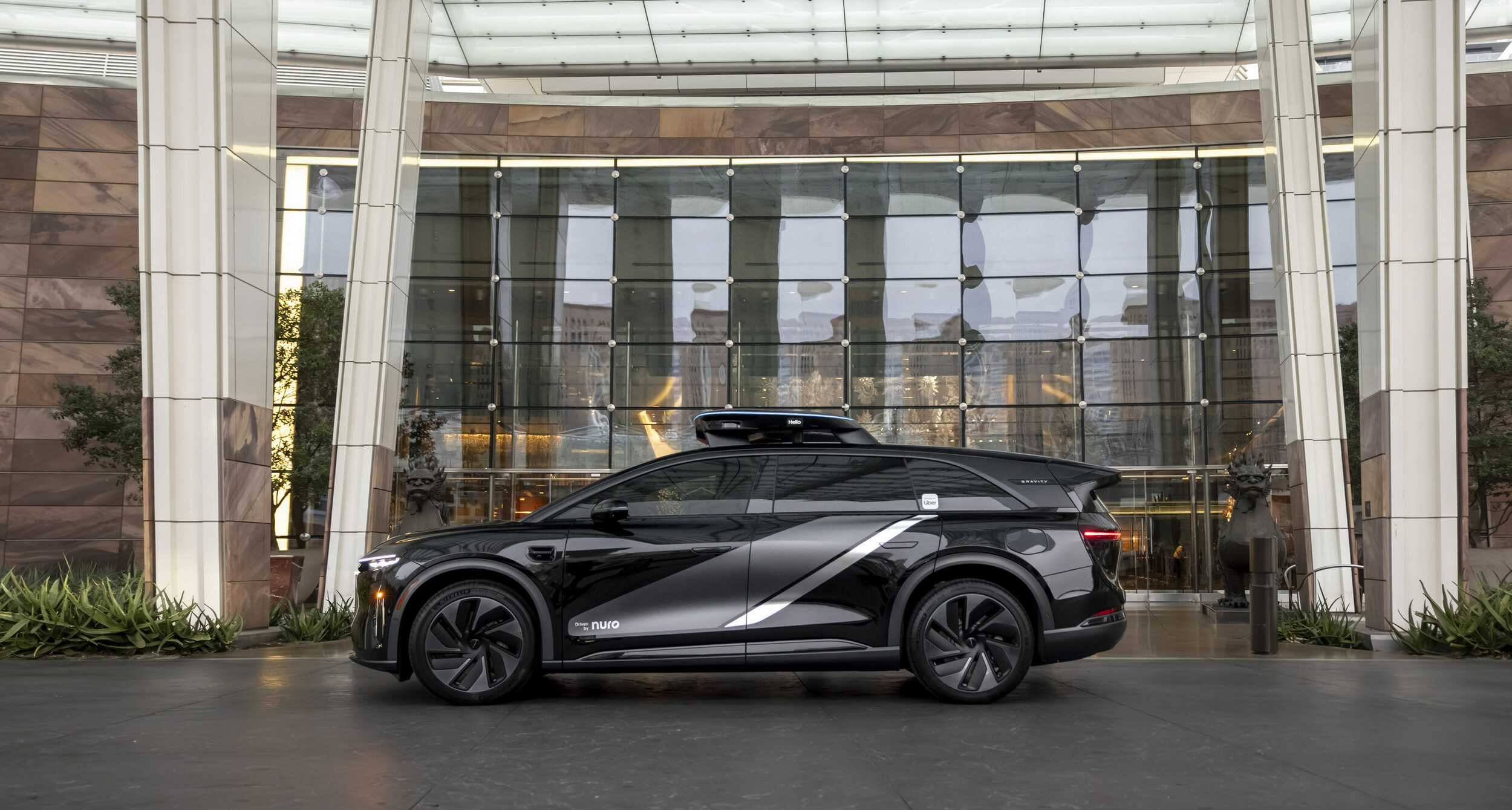
  • Uber is increasing their Lucid order by at least 15,000 units.

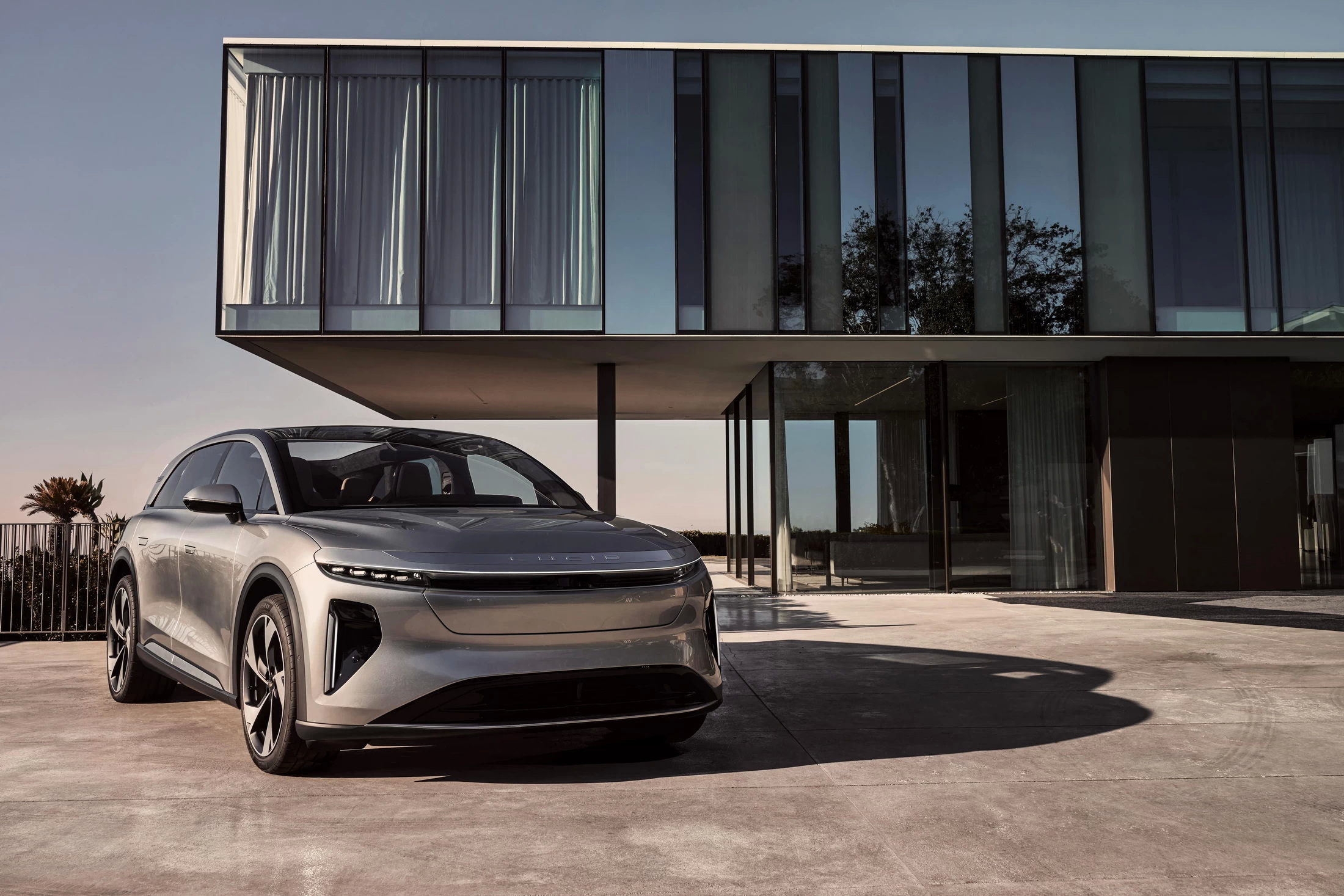
Lucid Motors should be doing great as they finally added a much-needed crossover to their lineup in the form of the Gravity. The model was recently named World Luxury Car, but it hasn’t reversed the company’s fortunes.

Given this, the automaker has announced a series of developments including the appointment of a new CEO. Silvio Napoli has been tapped for the top spot and he’ll replace interim CEO Marc Winterhoff, who will be transitioning to COO.

More: Uber And Lucid Partner For Thousands Of Robotaxis

While Napoli isn’t a household name, he was previously CEO of Switzerland’s Schindler Group, which makes elevators, escalators, and moving walks. That’s not exactly automotive experience, but Lucid praised his “deep operational expertise, financial discipline, and track record of leadership in innovation.”

 Lucid’s Elevator CEO Gets A $1.5M Salary, Two Company Cars, And A $1M Moving Allowance

In a Form 8-K filing, Lucid revealed Napoli will have a base salary of $1,500,000 and the potential to make $4,500,000 if certain performance targets are hit. He’s also getting up to $25,000 per month in temporary housing expenses for half a year as well as a “lump sum payment of $1,000,000 to cover any expenses in connection with moving to the US.”

Napoli will also get two company cars, security, as well as tax and financial planning support. If that wasn’t enough, the company also mentioned a “long-term incentive grant” with a target value of $9,500,000.

Bigger Uber Order And New Investments

 Lucid’s Elevator CEO Gets A $1.5M Salary, Two Company Cars, And A $1M Moving Allowance

Besides announcing a new CEO, Lucid revealed Uber is increasing their previously announced order of at least 20,000 Gravity SUVs to be used as robotaxis as part of a three-way tie up with Nuro. The service is scheduled to launch this year in the San Francisco Bay area and eventually spread to dozens of markets around the world.

The order has now been expanded to at least 35,000 vehicles and the ride-hailing giant has also promised to invest an additional $200 million into Lucid. This will raise their total investment into the firm to $500 million.

 Lucid’s Elevator CEO Gets A $1.5M Salary, Two Company Cars, And A $1M Moving Allowance

Uber isn’t the only one forking over the dough as the Ayar Third Investment Company is pumping $550 million into Lucid. They’re an affiliate of Saudi Arabia’s Public Investment Fund, which is a major backer of the automaker.

Winterhoff said “Today’s announcement demonstrates the growing strength of our relationship with Uber, our continued partnership with the PIF, and the benefits our software-defined EV platforms bring to next-generation mobility networks.” He added, “This is yet another milestone in our partnership with Uber and Nuro, and we look forward to building on our momentum together in the years to come.”

 Lucid’s Elevator CEO Gets A $1.5M Salary, Two Company Cars, And A $1M Moving Allowance

Tesla’s Signature Edition Buyers Face A $50,000 Resale Ban Tesla Already Failed To Enforce Once

  • Tesla’s final Signature Edition Models come with a one-year no-resale clause.
  • Flip one earlier than that, and Tesla could demand at least $50,000.
  • Lifetime FSD, free Supercharging, and connectivity die with the first owner.

Production of the Tesla Model S and Model X is ending with 350 Signature Edition cars. Each one gets a ton of perks and a premium price tag. On top of that, buyers have to agree not to sell for at least one year from delivery. Tesla has tried and failed to enforce this type of thing before. This time, it might have figured out the right levers to pull.

Buyers of the last-ever Signature Edition versions of the Model S Plaid and Model X Plaid will reportedly have to sign a strict no-resale agreement before taking delivery. According to the order documents spotted by Not A Tesla App, owners agree not to sell or even attempt to sell the vehicle within the first year after delivery. Breaking the agreement evidently makes owners subject to liquidated damages of $50,000 or however much profit they make, whichever is greater.

More: You’d Have To Be High To Pay $159,420 For Tesla’s Signature Editions

The move is clearly aimed at keeping speculators from immediately flipping the final 350 Signature Editions for huge profits. Tesla is only building 250 examples of the Model S and 100 of the Model X, each finished in exclusive Garnet Red paint with gold badging and unique trim. Tesla tried this with the Cybertruck and the entire scheme fell apart, aside from the brand allegedly blacklisting some customers.

The policy was met with immediate backlash. Owners argued Tesla was trying to control something they had already paid for, while others simply ignored the clause and listed their trucks anyway. Within months, Tesla quietly dropped the restriction as Cybertruck supply increased and the market cooled. This time around, there are some key differences.

Signature Edition Model S/X orders contain a No Resale Agreement.

Here is the document.

Additionally, here is the resale clause which states the Luxe Package does not transfer (this is not new) pic.twitter.com/CGB5QBJIL6

— The Cybertruck Guy (@cybrtrkguy) April 12, 2026

The new agreement is cleaner and potentially easier to enforce. Unlike the Cybertruck contract, which relied on vague “unforeseen reason” language, the Signature Edition version flatly says owners cannot “sell or otherwise attempt to sell” the car within a year.

Tesla also has a stronger case because these are truly limited: just 350 cars total, versus thousands of Cybertrucks. Most importantly, Tesla made the biggest perks like FSD, free Supercharging, and Premium Connectivity non-transferable. That means even after a year, the car is worth less to a second owner, reducing the incentive to flip it in the first place. Will that stop every buyer from selling within 12 months? We doubt it.

NEWS: Tesla has announced a Signature Edition Model S and Model X as a final goodbye for these two vehicles.

• Price: $159,420
• Only 250 Model S & 100 Model X Signature Editions will be built. All Plaid variants.
• Garnet Red exterior paint
• Matching Garnet Red Door… https://t.co/3FYGlbKEa2 pic.twitter.com/VA8NZN8Mht

— Sawyer Merritt (@SawyerMerritt) April 11, 2026

BMW Pulls The iX From America As A Better, Cheaper Alternative Waits In The Wings

  • BMW is discontinuing sales of the iX in the United States.
  • The company is instead turning its attention to the new iX3.
  • iX will continue to be sold in other global markets for now.

BMW iX sales fell 50.7% in the United States during the first quarter as dealers only managed to move 1,788 units. It appears this was the last straw as the electric crossover is being dropped in America.

In a statement to BMW Blog, a spokesperson said “Our success in the U.S. is driven by a broad and flexible powertrain portfolio that allows us to navigate a dynamic environment, while continuing to evolve our lineup. As part of this progression, we are concluding U.S. allocation of the BMW iX as we prepare for the next-generation of our fully electric vehicles.”

More: BMW’s Entry-Level iX3 Saves You Thousands, But There’s A Range Cut

The spokesperson went on to say, “We are proud of what we have accomplished with the BMW iX” as it was a “technological showcase” that pushed the “boundaries of design, manufacturing, sustainability, and circularity.” Despite the iX’s demise, the company said they’re fully committed to electrification in America and they’re turning their attention to Neue Klasse models.

The effort will begin with the iX3, which was introduced last fall. The crossover will come stateside during the middle of the year and the company has previously said the iX3 50 xDrive will start around $60,000.

\\\\\\\\\

It features a 112.2 kWh battery pack as well as a dual-motor all-wheel drive system developing 463 hp (345 kW / 469 PS) and 476 lb-ft (645 Nm) of torque. This enables the model to accelerate from 0-60 mph (0-96 km/h) in approximately 4.7 seconds and have an EPA-estimated range of 400 miles (644 km). When the battery is low, a 400 kW DC fast charger will be able to provide 175 miles (282 km) of range in as little as ten minutes.

Those numbers easily beat the iX, which was launched in 2021. As a refresher, the entry-level variant starts at $75,150 and has a 94.8 kWh battery pack as well as a combined output of 402 hp (300 kW / 408 PS) and 516 lb-ft (699 Nm).

This enables the iX xDrive45 to hit 60 mph (96 km/h) in 4.9 seconds, before topping out at 124 mph (200 km/h). The model also has a range of up to 312 miles (502 km) as well as a 175 kW DC fast charging capability that delivers a mere 78 miles (126 km) of range in ten minutes.

\\\\\\\\\\

Audi’s New RS Q6 Is Essentially A Porsche With Different Badges

  • The Audi RS Q6 Sportback e-tron was spied testing at the Nürburgring.
  • The electric coupe gets a sharper face, fender vents, and a new diffuser.
  • It will likely use dual motors and all-wheel drive with around 600 hp.

It’s been nearly two years since spy photographers last spotted the Audi RS Q6 Sportback e-tron, but it’s back on the Nürburgring and gearing up for a possible debut later this year.

Designed to slot above the SQ6 Sportback, the high-performance variant features a unique front fascia with a more aggressive lower intake. It features angular accents, honeycomb mesh inserts, and triangular elements with horizontal bars. We can also see a special surround, which recalls the look of AUDI models in China and features vertical air curtains at the outside edges.

More: Audi RS Q6 Sportback E-Tron Spied, Could Pack A 600+ HP Punch

A number of the vents likely channel air to the beefier front braking system, which appears to have significantly larger calipers. On the topic of air flow, the model has subtle front fender vents that are tall and skinny. We can also expect the crossover to ride on model-specific lightweight wheels.

The rear end largely carries over, but the RS Q6 has been equipped with a new bumper and sportier diffuser. The latter features a prominent central channel as well as protruding elements where a four-tailpipe exhaust system would typically reside. We can also see a familiar spoiler and rear light bar.

\\\\\\\\\\\\

Baldauf

There isn’t much to see inside, but the model should have an 11.9-inch digital instrument cluster, a 14.5-inch infotainment system, and a 10.9-inch front passenger display. They should be joined by sport seats, carbon fiber trim, and plenty of RS badging.

Powertrain details are more mysterious, but the model should echo the SQ6 which has a 100 kWh battery pack and a dual-motor all-wheel drive system developing up to 510 hp (380 kW / 517 PS) with launch control. However, the RS variant will be significantly more powerful and likely take a page from the Porsche Macan Turbo Electric.

The Audi’s PPE platform mate has a combined output of up to 630 hp (470 kW / 639 PS) and 833 lb-ft (1,129 Nm) of torque. This enables the Macan to rocket from 0-60 mph (0-96 km/h) in 3.1 seconds, run the quarter mile in 11.4 seconds, and eventually top out at 162 mph (261 km/h).

\\\\\\\\\\

Baldauf

❌
❌