Normal view

There are new articles available, click to refresh the page.
Today — 1 May 2026Vehicles

Lexus’s New SUV Is A Posh Toyota Highlander EV With A Bigger Sticker

  • Lexus confirms a new electric SUV debut set for May 6.
  • Teasers point to a Highlander-based three-row electric SUV.
  • Earlier trademarks suggest it will adopt the TZ moniker.

The teaser drip has begun, as Lexus has confirmed a new SUV for May 6. The name remains withheld, though the smart money is on the Lexus TZ, a model expected to share its bones with the 2027 Toyota Highlander.

The dark teasers shared on social media reveal the silhouette of an SUV positioned as the zero-emission counterpart to the Lexus TX. The proportions read Highlander, but the roofline appears to taper more aggressively toward the rear.

More: Lexus Is About To Charge You Lexus Money For A Toyota Highlander EV

The bodywork is also expected to be redesigned, with a new lighting signature and a hood that leans slightly toward the rugged Lexus GX. Recent spy shots hint at split LED headlights, a covered singleframe grille, toned fenders, sculpted doors, and large alloy wheels. Still, the greenhouse and door handles appear to carry over from the Toyota sibling.

Inside, the cabin should rise to something more befitting the badge, even if certain components, the 14-inch infotainment screen among them, get carried across. A three-row layout is expected, possibly in six-seat configuration.

\\\\

The footprint of the Lexus TZ will likely align closely with the Toyota Highlander EV. The latter stretches to 5,050 mm (198.8 inches) long, with a 3,050 mm (120.1 inches) wheelbase, riding on a modified version of the TNGA-K architecture.

More: Lexus Is Preparing A Facelift For Their Second Best-Selling Model

Lexus filed trademarks for TZ450e and TZ550e back in 2023, hinting at two electric powertrain options. The Toyota equivalent comes in front- and all-wheel-drive forms, rated at 221 hp and 338 hp respectively. Battery options include a base 77 kWh unit and a larger 95.8 kWh pack offering up to 320 miles (515 km) of range.

\\\\\\\\\\\\\\\\\\\\\\\\\\

Baldauf

Rivals include the Kia EV9, Hyundai Ioniq 9, and Volvo EX90. Pricing will sit above the Highlander EV, which is expected to start in the low to mid $50,000s.

The unveiling will be broadcast on YouTube on Thursday, May 7, 2026, at 10:30 am JST, which translates to Wednesday, May 6, 2026, at 9:30 pm EDT. Besides North America, the model will also be sold in the Japanese market. As for production, some reports suggest it will be manufactured in the US, while others point to Japan.

Ford’s EV Skunk Works Tech Is Quietly Reshaping The Gas Lineup Too

  • Ford’s next-gen EV tech will help to improve all future models.
  • Higher aluminum prices could cost the automaker an extra $1 billion.
  • Company’s $30,000 electric truck will appeal to crossover buyers.

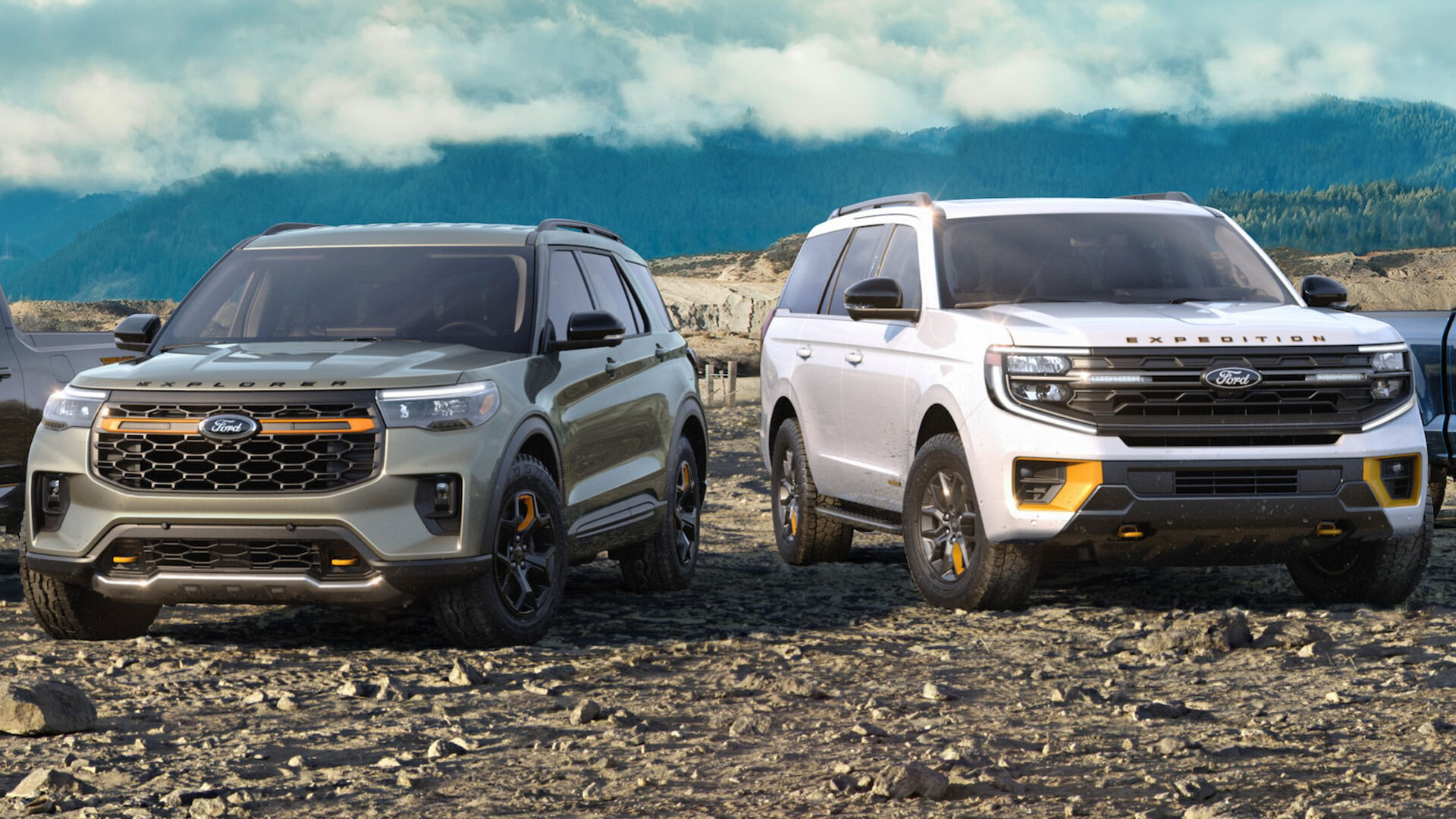
Ford has high hopes for their upcoming mid-size electric truck and CEO Jim Farley recently revealed the company did an “incredible job” creating its UEV platform. However, its advancements won’t be limited to next-generation electric vehicles.

Speaking during an earnings call, Farley said the platform “represents a step change in efficiency and cost, especially for the EV market.” While the company has been touting those benefits for awhile, the executive revealed they’re now integrating these “skunk works breakthroughs” into their mainstream products and processes.

More: Ford Reveals Details Of $30K Electric Truck Due In 2027

He went on to say the Blue Oval is applying learnings from the program to their high-volume internal combustion and hybrid lines, and this will help to reduce costs as well as improve quality. Farley added that by the end of the decade, 90% of their global nameplates will offer electrified powertrains including hybrid, electric, and range-extended options.

When asked about Chinese automakers, Farley wants to have his cake and eat it too. As he explained, “As America’s largest auto producer, we are totally dedicated to a thriving U.S. auto industry and safeguarding our country’s industrial base.” However, he noted the company leverages global partnerships – including with Chinese automakers – to grow their business.

 Ford’s EV Skunk Works Tech Is Quietly Reshaping The Gas Lineup Too

Despite occasionally partnering with them, Farley wants to keep Chinese automakers out of America. He said it’s not just a case of “economic vitality,” but also “national security.”

The executive briefly addressed the war in Iran by saying they’re monitoring the situation. Farley went on to note the company has successfully navigated the pandemic, chip crisis, and tariff headwinds, so they’re used to making adjustments on the fly.

That being said, the automaker is expecting some impacts including commodity headwinds. This could end up costing them $1 billion more than they originally anticipated and it’s largely due to higher aluminum prices as a result of global supply constraints.

 Ford’s EV Skunk Works Tech Is Quietly Reshaping The Gas Lineup Too

While there was a lot of talk about aluminum, we’ll spare you the boring details and skip right to pickups. Ford is particularly bullish about them, despite a number of new contenders on the horizon including Kia.

As Farley explained, the market continues to broaden and grow. He said car and crossover buyers are moving into pickups, and he’s really excited about their $30,000 EV because its packaging will appeal to both truck and crossover shoppers.

 Ford’s EV Skunk Works Tech Is Quietly Reshaping The Gas Lineup Too

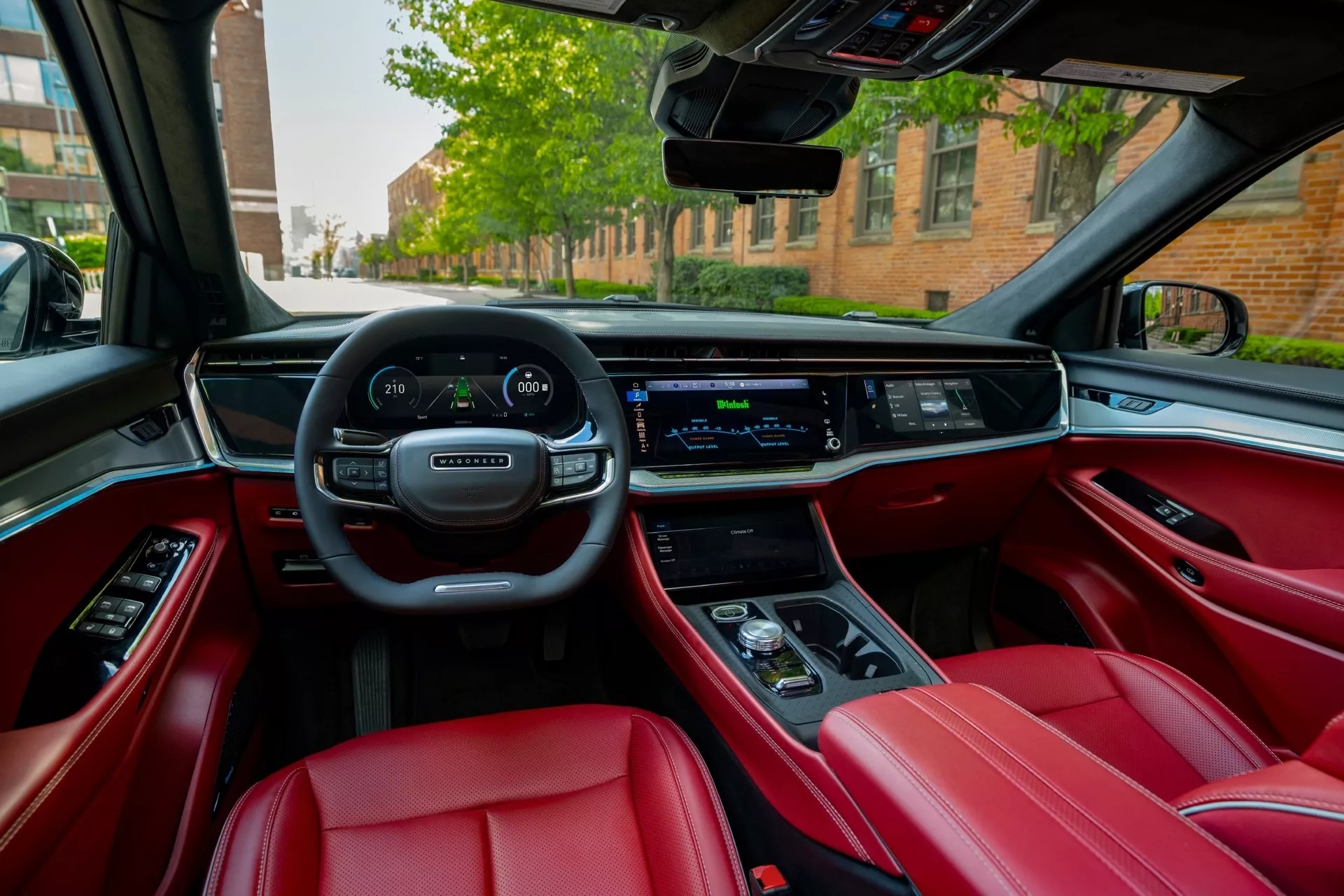
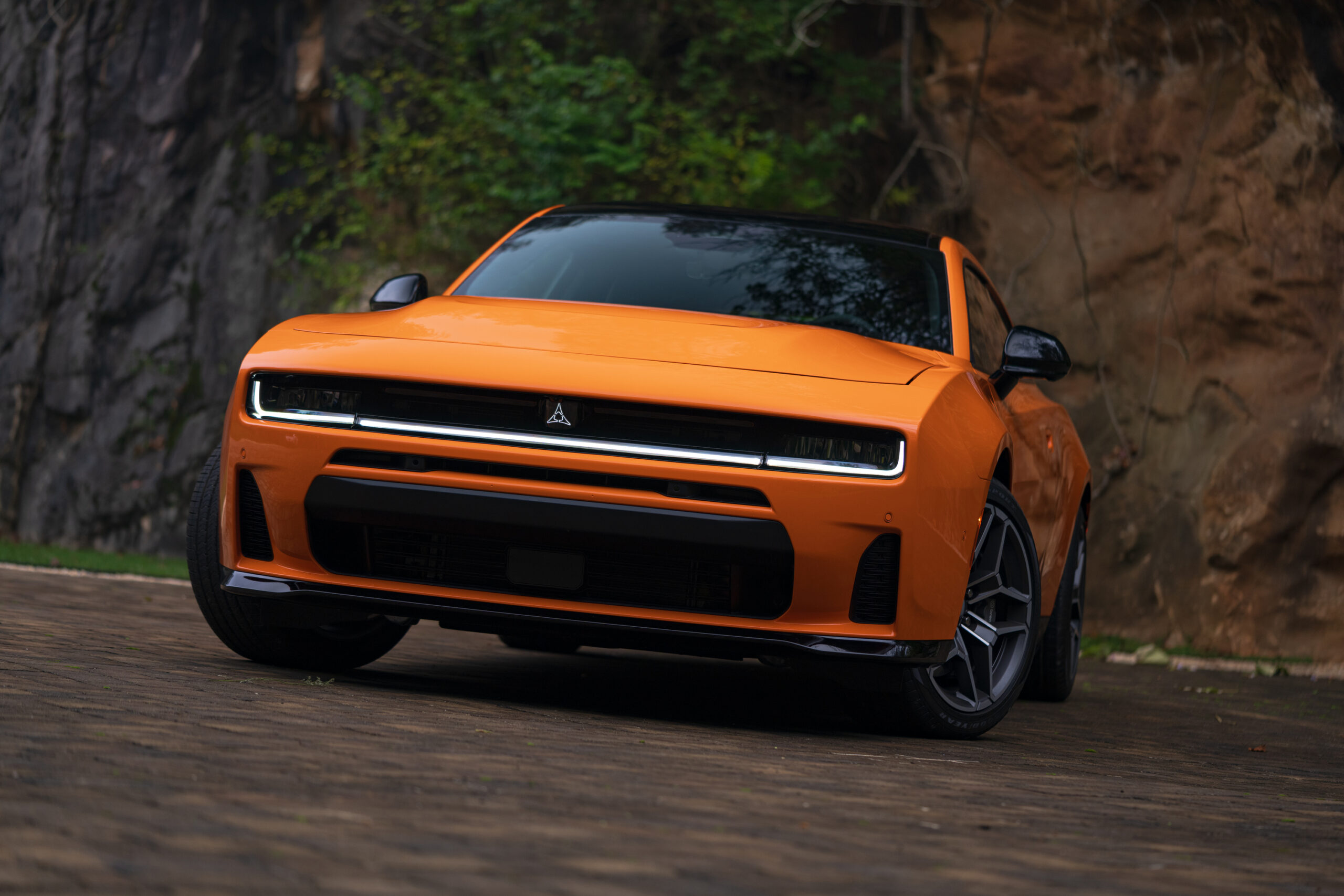
Wagoneer S And Charger Daytona Buyers Paid For More Screen, Now It Just Goes Blank

  • Over 20,000 EVs were just recalled due to blank instrument clusters.
  • Affected models include the Jeep Wagoneer S and Dodge Charger Daytona.
  • The issue could hide critical warnings like brake, ESC, and tire pressure alerts.

The shift to more screens in cars was supposed to be the wave of the future. We could customize them, enjoy cute little animations, and pack more info into them than anyone could dream of doing with an analog gauge cluster. Of course, an old-school mechanical cluster can’t disappear for no obvious reason during a drive. Over 20,000 Stellantis vehicles with a digital cluster might have just that happen, so the automaker is issuing a new recall.

According to documents put together by Stellantis and filed with the NHTSA, the issue potentially exists in 100 percent of the 20,271 affected vehicles built from March of 2024 through November 2025. 11,743 are Jeep Wagoneer S EVs, and the other 8,528 are Dodge Charger Daytonas.

Read: Stellantis Faces Third Recall As Jeep Hybrid Engines Keep Failing

Stellantis says it met internally about the issue on March 10, 2026 and worked with its FCA engineering team to understand what was happening through the end of that month and into April. On April 16, it decided to issue the recall but not simply because the gauge cluster was going dark. No, instead, it’s doing this because when the cluster goes dark it can no longer alert the driver to certain information.

 Wagoneer S And Charger Daytona Buyers Paid For More Screen, Now It Just Goes Blank

Federal Motor Vehicle Safety Standards require that a car can alert a driver to issues with systems like the ABS, TPMS, ESC, and more. When the panel in a Jeep Wagoneer S or Dodge Charger Daytona takes a nap, it can’t tell the driver if there are issues with these key systems. As a result, Stellantis must recall the cars and fix the issue.

Notably, the automaker stopped well short of describing exactly what causes the panel to blank out in the first place. It appears that it’s entirely software-related, as the ‘remedy’ is quoted as “software,” in the filing. Dealers will simply update the cluster software, and that should prevent them from taking a break while the driver is driving.

 Wagoneer S And Charger Daytona Buyers Paid For More Screen, Now It Just Goes Blank

American Influencers Are Reviewing Chinese Cars That Are Illegal To Own Here, And It’s Not By Accident

  • Chinese EVs are blocked from US sale but dominate American social feeds.
  • A third of US new-car shoppers now say they would buy a Chinese-built vehicle.
  • A Beijing platform called DCar is helping US influencers to test these EVs.

Chinese car brands can’t even sell their vehicles in the United States, yet they’re creating loyal fans across the country, largely thanks to targeted campaigns with the help of popular automotive content creators. If these brands ever do get the go-ahead to sell cars locally, established players will need to watch their backs.

If you follow any of these influencers, you’ve probably seen plenty of Chinese cars being tested on American roads, despite not being available here. Forrest Jones, who helped to pioneer short-form car reviews on TikTok, has reviewed a bunch of these over the past couple of years, generating tens of millions of views.

Read: China Is Blocked From Selling Cars In America, Yet Three Democratic Senators Still Sent This Letter

Speaking with Bloomberg, Jones says some of his highest engagement comes from his Chinese car content. Last year, tech YouTuber Marques Brownlee tested the popular Xiaomi SU7 in the US, and that video alone, with 10 million views, reportedly generated $1.2 million in unpaid brand exposure for the company.

The Chinese Are Taking Over

Data from Sprout reveals that, thanks to Brownlee’s video and others, Xiaomi’s TikTok following jumped 20 percent in 2025. Remarkably, roughly half of these 7.8 million followers are from the United States. Videos like Brownlee’s also lead to spikes in inquiries from Americans.

According to China EV Marketplace, a popular e-commerce platform that exports Chinese EVs overseas, it received more than 1,000 price-quote requests from the US after Brownlee released his video, with most seemingly unaware that EVs like the SU7 can’t be legally insured and titled in the US.

A Chinese automotive content platform called Beijing Dongchedi Technology Co., or DCar, is helping give Chinese cars exposure in the US. Spun out of ByteDance, the company behind TikTok, in 2023, DCar has been “courting American influencers to create content for its mobile app and showcase Chinese tech,” Bloomberg writes, with 10 million daily active users in China.

Bloomberg reports that in early 2025, DCar funded a trip to Alaska for YouTubers including Richard Benoit, better known as Rich Rebuilds, presenting him with a catalog of electric models such as the BYD Fangchengbao and Wuling Bingo before shipping the cars stateside. DCar covered Benoit’s travel and paid him a fee equal to “the price of a cheap Chinese EV” for his coverage, he told Bloomberg.

The company told the outlet it purchased or rented all the models itself, with no participation from the carmakers, to maintain “objectivity and veracity.” In return, DCar gets a barrage of slickly produced influencer posts introducing it to a wider audience.

For what it’s worth, Chinese brands like BYD and Xiaomi insist they have no immediate plans to start selling passenger cars in the United States. However, with loopholes potentially opening, you can be assured they’ll be lobbying hard to loosen regulations so they can gain access to the American market.

Crown Vics Chased Suspects On The Ground. Kia’s Police Van Chases Them From The Sky

  • Kia has built a police version of the electric PV5 for South Korean officers.
  • A roof-mounted drone launches automatically when the van reaches a scene.
  • Thermal imaging and a 90x zoom camera handle aerial suspect tracking.

The humble delivery van has come a long way. Kia’s PV5, until recently best known as a versatile electric workhorse, has been seconded into law enforcement. The company has signed on with the Korean National Police Agency to build a high-tech, AI-equipped patrol vehicle that also happens to carry a drone.

Visually, the PV5 already looks the part with its futuristic LEDs and sleek surfacing. For its new role, it wears a police livery with blue and yellow graphics over its black and white bodywork. The biggest party trick, though, is the roof extension housing an integrated drone station.

More: Kia Brought Its Electric Van To America As Something New York Actually Needs

When the PV5 pulls up to a scene, a section of the roof opens and an automated AI police drone takes flight. It handles aerial patrol in tight alleys and hazardous areas, the sort of places where the van itself, and indeed the officers, cannot or should not go.

\\\\\\\\\\\\\\

The drone carries thermal imaging and a 90x zoom camera, useful kit for tracking suspects or finding missing persons. Once the job is done, it flies back to its dock and recharges using the van’s V2L system. As for the PV5 itself, no changes have been reported to the battery or electric powertrain.

More: Texas PD Tests Model Y To See If Gas SUVs Really Cost Up To $12,000 More A Year

The roof structure also carries three AI-powered cameras providing 360-degree coverage with no blind spots. The software is clever enough to identify suspects by clothing or accessories, working through a crowd in real time and flagging up potential matches.

\\\\\\

The AI can also detect specific threats like weapon-carrying individuals or injured citizens who may have fallen on the ground. It even includes crowd density monitoring to alert authorities for potential overcapacity risks in public spaces.

More: Ford Owns America’s Police Lot, So Ram Built A Pursuit Truck For The Gap Ford Ignored

The police-prepped Kia PV5 is scheduled to begin pilot operations in June 2026. It will be part of the Metropolitan Preventive Patrol Unit of the South Korean police force, focused on crime prevention and rapid response.

While this particular AI patrol vehicle is exclusive to Korea, it will be interesting to see whether the PV5 will serve as a base for police conversions in other parts of the world.

The $337,000 Range Rover SV Ultra Has No Leather And A Floor That Pulses To Music

  • Range Rover has introduced the new range-topping SV Ultra.
  • World-first electrostatic audio system pairs with a haptic floor.
  • It offers the choice between V8, PHEV, and BEV powertrains.

Few vehicles wear the word flagship as comfortably as a long-wheelbase Range Rover. That, apparently, was not enough for JLR, which has now introduced the Ultra. Positioned as the most technologically advanced and finely finished interpretation of the flagship SUV to date, the SV Ultra brings world-first audio engineering to the cabin, along with exterior and interior treatments reserved for this version alone.

The headline act is the SV Electrostatic Sound system, which aims to recast the cabin as a concert hall with every occupant placed centre stage. It is the most sophisticated audio setup ever fitted to a Range Rover, available as an option on every SV trim, the new Ultra included.

More: Jaguar Land Rover’s Design Boss Is Out After Two Decades With No Successor Named

There are 21 lightweight thin-film transducers in total, woven into the headrests, seatbacks, and headlining. Each membrane measures one millimetre thick, responds up to 1,000 times faster than a conventional speaker, and draws 90 percent less power than a traditional setup.

To make sure passengers feel the music as well as hear it, the system pairs with the Body and Soul Seats (BASS) and a Sensory Haptic Floor. Transducers sit inside the seats and beneath the footwell mats, generating AI-tuned pulsations. Beyond entertainment, these can be used for six wellness modes, ranging from “Calm” to “Invigorating”.

Understated Luxury

The SV Ultra is, predictably, built on the long-wheelbase four-seater Range Rover. The body wears an exclusive Titan Silver finish, mixed with aluminium flakes and a process intended to chase a liquid-metal effect.

More: Range Rover Sport SV Recreates A 2015 Icon, This Time With BMW Power

The new color is combined with Silver Chrome inserts on the front end, and Satin Platinum Atlas accents on the grille, side gills, and tailgate garnish. Finally, the SUV rides on 23-inch alloy wheels with a bi-tone finish matching the exterior.

\\\\\\\\\\\\\\\\\\\\

Inside, the SV Ultra goes leather-free, trimmed instead in Orchid White and Cinder Grey Ultrafabrics. The seats carry a laser-crafted mosaic pattern, with fine perforations that conceal the audio hardware buried within.

Review: Range Rover Autobiography Feels Like A Stealth Rolls Until You Sit In The Back

Another cool touch is the new rattan palm veneer. Utilizing a patented process that preserves its natural open-pore texture, the veneer is finished with an Orchid White tint and extends from the dashboard to the electrically-deployable club tables in the rear.

Powertrain Options

The SV Ultra offers a choice between traditional V8 power and electrified efficiency. The P540 powertrain utilizes the BMW-sourced twin-turbo 4.4-liter V8 producing 533 hp (397 kW / 540 PS).

More: Range Rover Refreshes Its Loudest Icon As The Silent One Prepares To Join In

The P550e plug-in hybrid delivers a combined 542 hp (405 kW / 550 PS) and offers an EV-only range of 74 miles (119 km) on the WLTP cycle. Finally, a fully-electric Range Rover SV Ultra is confirmed to follow later this year.

Pricing and Availability

The 2027 Range Rover SV Ultra is on sale in selected markets, though access varies. In the UK, it is invitation-only. In Australia, the SUV starts at AU$472,400 (US$337,000) plus on-road costs, making it one of the most expensive Range Rovers ever offered.

\\\\\\\\\\\\\\\\\\\\\\\

Nissan’s Primera Looks To Return After 19 Years As A Chinese EV Bigger Than A Camry

  • The Nissan Primera will return in the form of a large electric sedan.
  • A listing on the Department of Energy Philippines reveals more details.
  • The technical specifications confirm it will be a rebadged Nissan N7.

Nearly two decades after the last one rolled off the line, the Nissan Primera looks set for another act. While the company itself has yet to confirm the news, the nameplate has surfaced in a filing with the Philippines’ Department of Energy (DOE), and the document points to a very specific electric sedan.

The DOE paperwork suggests the new Primera will run purely on electrons. It also lays out the dimensions: 4,930 mm (194.1 inches) long, riding on a 2,915 mm (114.8-inch) wheelbase, which is enough to outstretch a Toyota Camry. Those numbers tally with months of speculation that the car would be a rebadged Dongfeng Nissan N7 from China.

More: Nissan’s New Electric Sedan Is As Big As A Maxima, Cheap As A Versa

According to Top Gear Philippines, working from the DOE-certified specs, the Primera will use a single electric motor good for 215 hp (160 kW / 218 PS) and 305 Nm (225 lb-ft) of torque. Those figures match the entry-level N7 exactly. The 60 kWh battery is calibrated a touch differently and promises 500 km (311 miles) of range.

\\\\\\\\\\\\\\

Judging from the shared footprint, we don’t expect any styling changes compared to the Nissan N7 besides a new Primera script on the tailgate. The interior will most likely be carried over as well, including the 15.6-inch infotainment display on the minimalist dashboard.

More: Nissan’s New Sedan Drives Like An EV But Runs On Gas

Nissan is staying quiet on dates, but the company has already confirmed that the N7 is bound for export markets. The model is produced at the Dongfeng Nissan Huadu plant in Guangzhou, alongside the smaller N6 and the NX8 SUV.

The DOE filing suggests that the Primera’s revival is imminent in the Philippines. It will be interesting to see whether the same name will be used in other export markets, something that makes sense as it is far more recognizable than the N7.

\\\\\\\\\\\

A Short History Lesson

The Nissan Primera debuted in 1990 as a mid-size sedan for Japan and Europe, spanning three generations until its discontinuation in 2007. Available in sedan, liftback, and wagon forms, the model built a motorsport reputation by winning the BTCC championship in 1998 and 1999.

More: Nissan’s New Terrano Is Coming For The Land Cruiser, And This Time It Has 429 HP And A Plug

While primarily a Japanese and European affair, the first two generations of the Primera were also sold in North America as the Infiniti G20 until 2002. In later years, the Altima assumed the Primera’s role in certain markets. The nameplate remains a familiar part of Nissan’s history in Europe and Asia, which helps explain the decision to bring it back.

\\\\\\\\\

Nissan

May 2026

By: STN
1 May 2026 at 07:00
photo of a school bus driver in bus
Perspective of a school bus driver from the back of a bus
Photo by Taylor Ekbatani
Cover Design by Kimber Horne

The May issue dives into security and connectivity within student transportation departments. Technology meets training and utilization as incidents of violence onboard the school bus require detailed policies to address. Read articles about AI’s role in routing, how modern technology options can modernize transportation communications, maintenance software to assist the garage side of school bus operations and how safety standards are a joint effort between families and transportation personnel.

Read the full May 2026 issue.

Cover Story

Hands On
Defining policies for school bus drivers when violence occurs on the school bus is only half the story. Video cameras are showing the full picture.

Features

Route Optimization -With or Without AI-
Transportation directors define what optimization means to their operations by using routing software integrated with various AI features.

Beyond the Garage
Maintenance software helps technicians catch even the smallest of school bus defects that can lead to big out – of- service issues.

Special Reports

The Importance of Uniformity
Education is a key piece of ensuring student safety in the Danger Zone, from educating the public on the rules of the road to educating school bus drivers on proper mirror adjustment to ensure visibility. (And don’t forget the kids.)

Conversations
STN EXPO East Photo Spread
Ad Index

Editor’s Take by Ryan Gray
A Purchasing Perfect Storm

Thought Leader by Gaurav Sharda
Modernizing School Transportation Communications

Publisher’s Corner by Tony Corpin
Meeting the Minimum Standards

The post May 2026 appeared first on School Transportation News.

How to Turn School Bus Maintenance into an Operational Advantage

By: STN
1 May 2026 at 07:00

Reactive maintenance programs leave K-12 fleets susceptible to breakdowns, compliance gaps and rising costs. This guide gives student transportation directors a framework for shifting from costly “break-fix” repairs to a predictive, data-driven strategy that helps extend bus lifespans, reduce total cost of ownership and make every student journey safer.

Inside, you’ll learn:

  • Why traditional maintenance falls short: Discover how aging fleets and untracked driver behaviors can create maintenance and compliance risks.
  • How to progress from reactive to predictive: Understand the three stages of maintenance maturity and how to reach the predictive phase.
  • What telematics unlocks for your operation: Move past data silos with a solution that brings rich diagnostic data, digital DVIRs, driver behavior monitoring and predictive intelligence together.
  • Five steps to smarter maintenance: From benchmarking KPIs to automating key maintenance processes, turn your service program into a forward-thinking, data-driven one.
  • Download this guide if you’re ready to leave the chaos of reactive service behind and create safer, more efficient student journeys.

Fill out the form below and then check your email to access the guide.

The post How to Turn School Bus Maintenance into an Operational Advantage appeared first on School Transportation News.

How District Turned a Transportation Crisis into a Communication Win

By: STN
1 May 2026 at 07:00

When the 2025 school year approached, leaders at Bismarck Public Schools in North Dakota knew they were heading into unfamiliar territory, a local television station reported.

Like districts across the country, Bismarck was grappling with a severe shortage of school bus drivers. Routes were harder to staff, schedules were tighter, and margins for error were shrinking by the day. Something had to change if buses were going to keep rolling—and students were going to get to school safely and on time.

The district made a bold decision: implement a two tier bus system with staggered bell schedules. Elementary and secondary students would ride at different times, allowing each driver to cover more ground and easing the immediate staffing crunch, KX News, a CBS affiliate, reported.

Operationally, the move worked. But almost overnight, a new set of challenges emerged.

Routes became more complex. Timing windows narrowed. Parents had more questions—and fewer easy answers. Calls to the transportation office increased as families struggled to understand where buses were, when they would arrive, and what had changed.

Transportation leaders realized quickly that solving the staffing problem had exposed a communication problem.

Parents didn’t just need reassurance—they needed real time visibility. Drivers needed help navigating increasingly complicated routes. And staff needed a better way to manage information in an environment where every delay was magnified.

That’s when Bismarck turned to Transfinder.

To support the new transportation model, Bismarck Public Schools deployed an integrated technology approach built around the driver app Wayfinder and parent app Stopfinder. Each district bus was equipped with a tablet running Wayfinder, giving drivers reliable, turn by turn navigation—especially critical as routes shifted and expanded. At the same time, Stopfinder connected that live bus data directly to families through a secure parent app.

For parents, the difference was immediate. They could see exactly where a bus was, receive notifications if it was delayed, and get alerts when it entered their customized geofence. For the transportation team, the payoff came in the form of fewer phone calls, better situational awareness, and a noticeable uptick in trust during a period of major change.

Still, Bismarck didn’t treat the rollout as a finish line.

While district owned buses performed smoothly, some contracted buses operated by Harlow’s Bus Service were using older onboard technology, creating occasional inconsistencies. Rather than accept uneven performance, the district took a long view.

For the upcoming school year, Harlow’s buses will also run Wayfinder, bringing the entire fleet—district and contractor—onto a single Transfinder platform.

Transportation Supervisor Jason Schafer describes the shift as a turning point.

“Next year, Harlow’s buses will have something very similar to what we have on our BPS buses,” Schafer told a local television station. “Instead of a third party communicating with the app, they’ll have Wayfinder right on here (the bus). … The reliability of the app on Harlow’s general education side should really be flawless.”

For Schafer, the contrast was already clear. “We’ve had no issues at all with our BPS buses this year,” he added.

As the technology matured, so did the district’s understanding of adoption. About 30 percent of families had activated Stopfinder—a solid start given the scope of operational change happening simultaneously. The remaining challenge wasn’t the platform itself, but helping families fully use it.

Bismarck is pairing its technology investment with stronger parent education to ensure families get the full benefit of real time communication and safety features.

Looking back, what began as a staffing crisis became an opportunity.

Bismarck Public Schools maintained service despite driver shortages, successfully supported a complex two tier schedule, and replaced uncertainty with transparency for families. By unifying fleet technology and focusing on communication, the district turned a headline worthy challenge into a long term operational win.

Bismarck’s story is one many districts will recognize—and one that proves transportation technology isn’t just about routes and buses. It’s about delivering clarity when uncertainty is unavoidable, and confidence when communities need it most.

To learn more about Transfinder’s suite of award-winning solutions, from routing to fleet maintenance, call 800-373-3609 or email solutions@transfinder.com.

The post How District Turned a Transportation Crisis into a Communication Win appeared first on School Transportation News.

Districts Use Alternative Transportation to Support Mckinney-Vento Students

30 April 2026 at 23:20

A webinar showed how two school districts went beyond the yellow bus and utilized alternative transportation to serve vulnerable student populations.

Adam Gleicher, director of marketing for webinar sponsor HopSkipDrive and former public schools teacher, opened Thursday’s meeting by saying that the yellow bus is a starting point for most school districts but may not be the complete solution.

“This job is harder today than when I started,” declared Greg Dutton, senior transportation analyst for HopSkipDrive and former director of transportation for Renton School District in Washington.

He referenced HopSkipDrive’s State of School Transportation survey, which found current pressures include school bus driver shortages, tighter budgets, chronic student absenteeism, and growing student populations with specialized needs. Three in five bus routes have less than 50 percent ridership, he explained.

Dutton next reviewed the five main student transportation models and the strengths and weaknesses of each one:

Screenshot

Dutton said that, as a transportation director, he would start by trying to put a student on the yellow bus, then moving to alternative transportation if that didn’t work.

School buses do many things well, but they can’t go everywhere or serve all student needs, he underscored. Rather than a one-size-fits-all approach, he advised a “right vehicle for the right student” mindset, where buses and small vehicles each play a role so no students fall through the gaps and school bus drivers are better utilized.

Safety is the goal, but essential equipment such as booster seats are not guaranteed with transportation brokers or taxis, he noted. He encouraged leveraging multi-modal transportation to match each student with the best-fit vehicle considering turnaround time, in-ride experience and driver qualifications.

“HopSkipDrive was purpose-built for student transportation,” he emphasized.

Screenshot

One area where the company helps close gaps is for students covered under the McKinney-Vento Homeless Assistance Act, Gleicher said.

The population of students experiencing homeless doubled in Sun Prairie Area School District in Wisconsin doubled since COVID-19, explained Claire Bergman, the district’s McKinney-Vento coordinator. She added that the taxis the district was using before its HopSkipDrive partnership often led safety concerns, ever-changing drivers, strained service and a stigma for the students who rode them.

As McKinney-Vento transportation is a federal law, budget can’t be an excuse, she said. She said she was able to assign certain students to separate vehicles to avoid interpersonal conflicts. Parents also have peace of mind, she said, since they know the drivers and can track their child’s ride to and from school.

Gleicher noted that HopSkipDrive’s six-hour turnaround time means rides are secured quickly with same-day or next-day fulfillment. Additionally, vetted CareDrivers are directly onboarded. They have trauma-informed care training and 15 years of caregiving experience on average.

5 Questions to Ask Student Transportation Partners
  1. When a student moves tonight, can you get them to school tomorrow?
  2. Who is actually behind the wheel? What are their qualifications — and how do you know?
  3. Once a ride starts, who is watching to make sure it goes as planned?
  4. Can my team manage and update rides without having to call someone?
  5. Are you licensed in the states where you operate, and are you the provider of record?

Mish-a-lay’ Johnson used HopSkipDrive to transport three students at Falls Church City Public Schools in Virginia and now uses it for 100 students in her current role as director of the office of pupil transportation and fleet management for nearby Alexandria City Public Schools

Like Bergman, Johnson also primarily uses the service to transport an ever-increasing McKinney-Vento student population. She praised the ability to build routes other than home-to-school, such as when a student attends therapy offsite. She can use it on her phone or share access with staff to make faster changes. When a fire temporarily displaced several families, she connected them with HopSkipDrive.

“It’s definitely been helpful for us,” she stated.


Related: (STN Podcast E299) Meeting Needs: Answering Questions on Alternative Student Transportation
Related: As School Bus Production Spikes, So Do Alternative Vehicles?
Related: Alternative School Transportation: Roadmap for Decision-Making For Children with Disabilities and Special Needs
Related: Multi-Modal Transportation Gains Momentum as Districts Seek Flexible, Cost-Effective Solutions


Gleicher reviewed HopSkipDrive’s alternative transportation offerings, which are designed to serve students with IEPs or experiencing homelessness, plus those going to career schools or after-school programs.

Dutton discussed the RouteWise AI routing intelligence and optimization technology, which can be used in addition to a district’s current routing software and lets staff model different cost-cutting solutions to avoid knee-jerk reactions to tightening budgets.

They shared that, with the help of RouteWise AI, Denver Public Schools increased small vehicle efficiency, saving over $500,000 in the 2023–2024 school year.

Dutton confirmed that HopSkipDrive can be a short- or long-term solution, and Gleicher specified that “you only pay for the rides you use.”

When it comes to funding, Bergman advised looking into Title 1 monies, as well as getting creative with state or local grants.

Watch the webinar on demand.

This poll is no longer accepting votes

Should drivers of alternative vehicles be held to the exact same training and standards as school bus drivers?
465 votes
VoteResults

The post Districts Use Alternative Transportation to Support Mckinney-Vento Students appeared first on School Transportation News.

Former School Bus Driver Sentenced to 16 Years for Sexual Assault

30 April 2026 at 20:44

A former New York school bus and Uber driver will serve 16 years in prison for sexually abusing a 12-year-old girl over the course of nearly a year.

Miguel Enrique Diaz, 49, admitted in court that he repeatedly abused the 12–year-old child between December 2022 and October 2023, both inside his personal vehicle and at his home. At the time of the offenses, Diaz was working as both an Uber driver and a school bus driver at the Bay Shore School District.

Hewas sentenced April 24 to 16 years behind bars followed by 15 years of post-release supervision after pleading guilty to first-degree course of sexual conduct against a child, a Class B violent felony, according to Suffolk County District Attorney Raymond A. Tierney.

“This sentence is substantial, but it pales in comparison to the potential lifelong trauma the victim will endure,” Tierney said in a statement. “We hope the strength this young survivor showed in coming forward is the first step in her healing and encourages others to speak out.”

Mother’s Report Led to Investigation of School Bus Driver

The abuse came to light in March 2024, when the victim disclosed the incidents to her mother, who then contacted law enforcement. Following an investigation by the Suffolk County Police Department’s Special Victims Section, Diaz was arrested that same year.

Authorities said the investigation included interviews, evidence collection and coordination with prosecutors from the district attorney’s Child Abuse and Domestic Violence Bureau.

Diaz pleaded guilty March 17. He is expected to serve his sentence in a New York state correctional facility and will also register as a sex offender upon his release.

Officials did not disclose how the former school bus driver encountered the victim but emphasized that the case highlights the importance of vigilance when it comes to individuals in positions of trust, particularly those who work with or around children.


Related: Child Sexual Assault Charge for Colorado School Bus Driver
Related: Former Georgia School Bus Monitor Charged After Alleged Student Assault
Related: Connecticut School Bus Driver Charged After Alleged Failure to Stop Assaults
Related: Former New York School Bus Driver Accused of Assaulting Student

The post Former School Bus Driver Sentenced to 16 Years for Sexual Assault appeared first on School Transportation News.

ARI-hetra to Bring Hydraulic-Free Mobile Column Lifts and Heavy-Duty Maintenance Solutions to the 2026 ACT Expo in Las Vegas

By: STN
30 April 2026 at 20:16

SHARONVILLE, Ohio — ARI-hetra, a leading U.S. manufacturer of heavy-duty vehicle maintenance equipment, will be exhibiting at the 2026 ACT Expo, taking place at the Las Vegas Convention Center, May 4-6. Attendees can visit ARI-hetra in the West Hall at Booth #2101 to experience a range of equipment engineered to support the evolving needs of commercial fleets, including those transitioning to alternative and electric powertrains.

At the show, ARI-hetra will showcase its industry-proven Mobile Column Lifts, designed with hydraulic-free ball-screw technology for dependable, low-maintenance lifting. The company will also feature its EV Battery Lift, purpose-built for the safe and precise handling of heavy electric vehicle battery packs, along with the versatile TT-2000 Lift Table and a range of heavy-duty shop equipment designed to enhance safety and efficiency in the shop.

“As fleets continue to adopt new vehicle technologies, the need for reliable, adaptable maintenance equipment has never been greater,” said Bill Gibson, Vice President of Business Development at ARI-hetra. “ACT Expo is an important opportunity for us to connect with fleet operators and service professionals who are navigating that transition. Our solutions are designed to deliver the uptime, flexibility, and dependability they need to keep operations running smoothly.”

ACT Expo is North America’s largest advanced transportation technology event, bringing together fleet operators, OEMs, and industry leaders focused on clean transportation solutions. ARI-hetra’s presence underscores its commitment to supporting fleets across diesel, hybrid, and electric platforms with equipment that meets the demands of modern maintenance environments in heavy-duty fleet operations.

Attendees are encouraged to stop by Booth #2101 in the West Hall to see ARI-hetra equipment up close and speak with product experts about solutions tailored to their operations.

About ARI-HETRA:
For more than 35 years, ARI-hetra has been a leading manufacturer of heavy-duty vehicle maintenance equipment, including ALI-certified mobile column lifts, platform lifts, wheel service solutions, exhaust extraction systems, and shop equipment that’s built to perform and built to last. With a dedicated team of sales and service experts, ARI-hetra delivers the most comprehensive warranty and preventive maintenance programs in the industry. From tailored system designs and professional installation, to direct distribution and responsive in-shop repairs, ARI-hetra supports your operations every step of the way. For more information, visit www.ari-hetra.com.

The post ARI-hetra to Bring Hydraulic-Free Mobile Column Lifts and Heavy-Duty Maintenance Solutions to the 2026 ACT Expo in Las Vegas appeared first on School Transportation News.

When School Transportation is Reliable, Students Show Up: New EverDriven Report Links Safety and Consistency to Stronger Attendance

By: STN
30 April 2026 at 20:08

DENVER, Colo. — As school districts nationwide continue to navigate tight budgets, driver shortages, rising safety expectations, and increasing demand for specialized transportation, new data from EverDriven, the leading provider of alternative transportation solutions, highlights a critical but often overlooked factor in student success: getting students to school safely and consistently.

According to EverDriven’s 2026 Safety and Operations Report, 99.99% of more than 2.6 million student trips were completed without an accident, major or minor, demonstrating how a safety-first, reliability-driven model can directly support attendance and learning outcomes.

“Reliable transportation doesn’t happen by chance. It requires the right systems, standards, and accountability at every step,” said Mitch Bowling, CEO of EverDriven. “We’ve built our model to deliver that consistency at scale, combining rigorous driver vetting, real-time visibility, and operational oversight. That’s why 99.99% of trips run without incident, and more than 83% of rides for students with disabilities are served by the same driver—building trust, reducing stress, and helping students arrive ready to learn.”

Reliability Drives Attendance and Stability
The report underscores a growing reality for districts: transportation reliability is directly tied to student attendance and engagement. When students miss rides or face inconsistent service, they are more likely to miss school, contributing to chronic absenteeism, a challenge facing districts across the country.

EverDriven’s model is built to close that gap:
~97% of trips arriving within an acceptable window.
90.36% of trips arriving within five minutes of scheduled drop-off.
83.62% of rides for students with disabilities maintaining the same driver, providing. consistency and comfort.

For students with specialized needs, including those with disabilities or experiencing housing instability, this level of consistency is especially critical. Familiar drivers, structured routines, and trained monitors help students feel safe before they even enter the classroom.

Serving Students with Complex Needs at Scale
From March 1, 2025 through Feb. 28, 2026, EverDriven transported more than 30,000 students across 37 states, including:
16,250 students experiencing housing instability.
10,333 students in special education programs.

These populations often face the greatest barriers to consistent attendance, making reliable transportation a key component of educational access.

“Transportation is the bridge to opportunity. By diversifying our transportation options with trusted partners like EverDriven, we can breathe a sigh of relief knowing that every student, regardless of their situation, has a safe way to get to and from school each and every day,” said Megan Patton, Director of Transportation for Pittsburgh Public Schools.

A Safety Model Built for Students
Unlike traditional rideshare or fragmented transportation models, EverDriven’s approach is purpose-built for student safety, combining:

Multi-layered driver vetting and continuous monitoring.
Specialized training for transporting vulnerable student populations.
Real-time GPS tracking on 100% of rides.
AI-powered in-vehicle cameras in nearly half of vehicles.
This layered approach contributed to zero critical incidents, zero fatalities, and zero incidents of sexual misconduct during the reporting period.

Building Trust with Families and Districts
For caregivers, visibility and reliability are just as important as safety. EverDriven’s technology platform provides real-time ride tracking, driver information and proactive updates, helping families stay informed and confident that their child will arrive safely.

For districts, that trust translates into fewer disruptions, reduced administrative burden, and greater confidence that transportation systems are working as intended.

To read the full 2026 Safety and Operations Report and learn more about EverDriven, visit everdriven.com.

About EverDriven
EverDriven delivers modern student-centered transportation that’s safe, consistent, and built for those who need it most. EverDriven specializes in routing and transporting students across all ranges of needs — from everyday support to the most complex circumstances — including students with disabilities, students experiencing housing instability, and other high-need populations. Serving more than 800 districts across 37 states, the company completed over 2 million successful trips last year. EverDriven’s deeply human, fully compliant, and AI-powered approach helps districts get students on the road in hours, not days, while maintaining consistent, high-trust rides that complement traditional yellow bus fleets. For more information, visit everdriven.com.

The post When School Transportation is Reliable, Students Show Up: New EverDriven Report Links Safety and Consistency to Stronger Attendance appeared first on School Transportation News.

Triz Engineering Introduces New Engineering Model to Address Rising Execution Risk in Commercial Vehicle Development

By: STN
30 April 2026 at 19:50

LAS VEGAS, Nev. – As commercial vehicle programs face mounting pressure from electrification, evolving regulatory requirements, and increasing system complexity, Triz Engineering is introducing its New Engineering model at ACT Expo in response to a growing industry shift: the primary risk in vehicle development is not only technology, it is execution.

Commercial vehicle programs don’t fail in design, they fail in launch. As programs become more complex, with multiple propulsion pathways, increasing software integration, and competitive development timelines, the challenge is no longer only selecting the right technology, but executing it successfully at launch.

“Commercial vehicle programs don’t fail because of a single technical issue,” said Dion van Leeve, Vice President of Engineering, Advanced Technology at Triz Engineering. “They fail because of compounding misalignment, decisions made too late, systems not integrated early enough, and execution that isn’t structured to manage complexity from the start.”

Across the industry, this shift is becoming more visible:

Launch delays driven by late-stage performance challenges.

Increasing rework due to early misalignment.

Cost overruns at both program and product levels.

As complexity increases, these factors are driving execution risk, not just technical risk.

New Engineering: A Structured Model for Delivery
Triz Engineering’s New Engineering model is a structured execution model designed to address these challenges at the program level.

The model is built on:

Specialization in commercial vehicle systems, enabling system-level integration and faster decisions.

Full-system ownership from concept through integration, compliance, and production.

Disciplined delivery with clear accountability for cost, timing, and performance.

Right-first-time decision-making grounded in application and production reality.

This replaces fragmented execution with focused delivery, reducing variability, minimizing rework, and protecting launch timelines.

Engineering Certainty: The Outcome
Triz does not sell engineering hours, they sell Engineering Certainty on launch-critical programs through disciplined execution, clear accountability, and right-first-time delivery.

“Technology uncertainty is something every OEM has to manage,” van Leeve added. “What they can control is how their programs are executed. Engineering Certainty is about removing execution risk, so outcomes become predictable, even in highly complex environments.”

Applied Across Launch-Critical Programs
Triz Engineering works with leading commercial vehicle OEMs and specialty vehicle manufacturers across North America, supporting programs in heavy- and medium-duty trucks, fire and emergency vehicles, last-mile delivery platforms, and commercial chassis systems.

These engagements are delivered at vehicle or system level but always with vehicle level understanding, with responsibility from concept through integration, compliance, and release. They reflect Triz Engineering’s ability to deliver predictable outcomes on complex, launch-critical programs.

Reframing the Industry Conversation at ACT Expo
At ACT Expo, Triz Engineering is highlighting the shift from technology-driven risk to execution-driven risk as complexity increases across commercial vehicle programs. Execution discipline, not just engineering capability, is becoming the defining factor in successful vehicle development.

About Triz Engineering:
Triz Engineering Solutions provides engineering to commercial vehicle OEMs, supporting the development, integration, and launch of vehicle systems and platforms. Focused exclusively on the commercial vehicle sector, Triz works across heavy- and medium-duty trucks, delivery and vocational vehicles, bus and coach, fire and emergency, and other specialty and off-highway applications. Triz supports programs at the system level, taking responsibility from concept through integration, compliance, and release. The company delivers Engineering Certainty on launch-critical programs through disciplined execution, clear accountability, and right-first-time delivery. Built with OEM DNA, Triz embeds within governance structures while preserving internal ownership. Its New Engineering model replaces fragmented delivery with focused execution and early, decisive decision-making. The result is predictable delivery, reduced execution risk, and improved product success at launch.

The post Triz Engineering Introduces New Engineering Model to Address Rising Execution Risk in Commercial Vehicle Development appeared first on School Transportation News.

Yesterday — 30 April 2026Vehicles

The Nissan Primera Is Coming Back As A Rebadged Chinese EV

  • The Nissan Primera will return in the form of a large electric sedan.
  • A listing on the Department of Energy Philippines reveals more details.
  • The technical specifications confirm it will be a rebadged Nissan N7.

The Nissan Primera appears to be making a comeback after spending almost two decades in hibernation. While the automaker has yet to confirm the news, the nameplate has appeared in the Philippines’ Department of Energy (DOE), pointing out to a very specific electric sedan.

The details in the government filing suggest that the new Primera will have a fully electric powertrain. They also reveal the dimensions, including a Camry-beating length of 4,930 mm (194.1 inches) and a 2,915 mm (114.8-inch) wheelbase. Those specs all but confirm earlier reports and speculation that the model would be a rebadged version of the Dongfeng Nissan N7 from China.

More: Nissan’s New Electric Sedan Is As Big As A Maxima, Cheap As A Versa

As reported by Top Gear Philippines citing the DOE-certified specs, the new Primera will be fitted with a single electric motor producing 215 hp (160 kW / 218 PS) and 305 Nm (225 lb-ft) of torque. This is identical to the entry-level N7, although the 60 kWh battery pack is slightly different, promising to offer 500 km (311 miles) of range.

\\\\\\\\\\\\\\

Judging from the shared footprint, we don’t expect any styling changes compared to the Nissan N7 besides a new Primera script on the tailgate. The interior will most likely be carried over, including the 15.6-inch infotainment display on the minimalist dashboard.

More: Nissan’s New Sedan Drives Like An EV But Runs On Gas

While Nissan is keeping its cards closed on a specific launch date, it has been officially confirmed that the N7 will be offered in export markets. The model is produced at the Dongfeng Nissan Huadu plant in Guangzhou, alongside the smaller N6 and the NX8 SUV.

The DOE filing suggests that the Primera’s revival is imminent in the Philippines. It will be interesting to see whether the same name will be used in other export markets, something that makes sense as it is far more recognizable than the N7.

\\\\\\\\\\\

A Short History Lesson

The Nissan Primera debuted in 1990 as a mid-size sedan for Japan and Europe, spanning three generations until its discontinuation in 2007. Available in sedan, liftback, and wagon forms, the model earned motorsport fame by winning the BTCC championship in 1998 and 1999.

More: Nissan’s New Terrano Is Coming For The Land Cruiser, And This Time It Has 429 HP And A Plug

While primarily a Japanese and European staple, the first two generations of the Primera were also sold in North America as the Infiniti G20 until 2002. In recent years, the Altima took over the role of the Primera in certain markets. Still, the nameplate remains a well-remembered part of Nissan’s heritage in Europe and Asia, which explains the company’s decision to bring it back.

\\\\\\\\\

Nissan

Wisconsin School Bus Driver Retires After 54 Years Behind the Wheel

29 April 2026 at 21:44

A long-time school bus driver retired on his birthday, after logging more than more than five decades behind the wheel, marking the end of a career that spanned generations of students, reported WMTV15 News.

Jerry Radke, who started driving in 1973, completed his final route March 3 after 54 years with Reedsburg Area School District.

“I love driving. I’m so used to driving, I feel lost if I’m not driving,” Radke said via the news report.

The Wisconsin school bus driver was reportedly working on his family farm and hauling milk as a truck driver when a school transportation director approached him about the job.

“To be honest with you, I never applied for this job,” Radke said. “He came out to my farm and asked if I’d be interested in a bus route.”

Radke took the position and balanced driving with farm work for years, milking cows each morning before starting his route. Over the decades, he transported thousands of students, including multiple generations of the same families. Some parents said Radke once drove them to school and later drove their children.

“He’s driven them all,” Jessica Oetzman of Loganville told local news reporters.

Radke said, adding that he decided to retire because of his age and concern for student safety.

“Because I’m 87 years old and you just never know what’s going to happen,” he said. “Number one is to keep the kids safe.”

Retired Wisconsin School Bus Driver Found Solace Behind the Wheel

Driving also helped him cope with the personal loss of his wife in 2002. “It satisfied my soul,” Radke said. “If I wouldn’t have kept driving, I wouldn’t be here anymore.”

Students, staff, and community members marked his final day with celebrations. A high school band performed “Happy Birthday,” and residents gathered with signs and balloons along his route. “He is such a wonderful man,” Oetzman said.

The retired Wisconsin school bus drive said he plans to spend more time with family.

“I miss this already,” he said. “It’s going to be very different.”

Written with assistance from AI.


Related: Retired Man Now Drives a School Bus and Sings to Children
Related: Dedicated North Carolina School Bus Driver Retires After 45 years of Service
Related: Atlanta School Bus Driver Retires After 32 Years of Service
Related: Iowa Student Saves Mom with Handwritten Note to School Bus Driver

The post Wisconsin School Bus Driver Retires After 54 Years Behind the Wheel appeared first on School Transportation News.

Life-saving Trio Honored for Life-Saving Actions During School Bus Emergency

29 April 2026 at 21:38

The New York State Police recognized three individuals for their swift and life-saving actions during a medical emergency involving a school bus driver earlier this year in Oneida County.

The state police said the emergency unfolded Jan. 5 in the Town of Verona at approximately 12:25 p.m., as a school bus traveled along State Route 365 near the intersection with State Route 31. During the route, the unidentified school bus operator xperienced a severe medical event, creating a dangerous situation for passengers onboard and other motorists.

Dina Johnson, an employee of First Student who was on the bus at the time of the incident, along with bus aide Kately Vasquez and passing motorist Stephen Dillon, were formally honored for their roles in responding to the incident.

Authorities said Johnson acted immediately, taking control of the moving bus and safely bringing it to a stop. Her actions prevented the vehicle from continuing uncontrolled and helped ensure the safety of those on board.

At the same time Vasquez, worked to assess the condition of the incapacitated driver and began coordinating an emergency response. Recognizing the urgency, Johnson flagged down Dillon, who was driving by and stopped to assist.

Dillon and Vasquez then worked together to perform life-saving measures on the bus driver while awaiting first responders. Johnson contacted 911 and remained actively involved in managing the situation until emergency medical personnel arrived and took over care.

State police said the coordinated efforts of Dillon, Vasquez and Johnson were critical in stabilizing the situation and preventing further harm.

Life-saving Trio Recognized for Rapid Response

In recognition of their life-saving actions, the trio were honored by Major Marc A. Barbera, commander of Troop D, along with Capt. Paul T. Kuropatwinski and Lt. Scott T. Kedenburg. Officials said their response demonstrated teamwork, composure, and a strong commitment to public safety.

While authorities did not release an update on the bus driver’s condition, they emphasized that the rapid response by those on scene played a key role in addressing the emergency.

Incidents involving medical emergencies behind the wheel can quickly escalate, particularly when they involve vehicles transporting students. State police noted that the actions taken by Dillon, Vasquez and Johnson highlight the importance of preparedness and quick decision-making in high-pressure situations.

State police said the recognition was intended to honor the individuals’ actions and to emphasize the importance of cooperation and awareness during emergencies. The ceremony concluded with commendations presented to Johnson, Vasquez, and Dillon, recognizing their efforts to protect others during a moment of crisis.


Related: ‘Hero’ Teacher Praised by Parent Florida School Bus Crash Evacuation
Related: Oklahoma Student Hailed Hero After Helping Bus Driver During Medical Emergency
Related: Minnesota School Bus Driver Hailed Hero for Avoiding Head-On Crash With Semi
Related: Georgia School Bus Driver Named “Hidden Hero” After Saving Student’s Life

The post Life-saving Trio Honored for Life-Saving Actions During School Bus Emergency appeared first on School Transportation News.

❌
❌